Circulating Fluidized Bed (CFB) boilers are known for their fuel flexibility, high efficiency, and low emissions, making them a preferred choice for industrial plants and power generation projects. However, buyers are often surprised by the wide price range of CFB boilers on the market. Without understanding what drives these cost differences, it is easy to underestimate budgets or select an over- or under-specified system.
CFB boiler pricing is affected by multiple technical and commercial factors, including boiler capacity and pressure, fuel characteristics, emission control requirements, materials and design standards, automation level, and project scope (supply-only vs. EPC). Larger capacity, higher pressure, stricter emission limits, wider fuel adaptability, and turnkey delivery significantly increase overall cost. Understanding these factors helps buyers balance upfront investment with long-term performance and operating economics.
A clear view of pricing drivers allows project owners to make cost-effective, technically sound decisions when investing in CFB boiler systems.
To better control costs and avoid unnecessary overspending, it is essential to understand how each factor influences the final price.
How Do Boiler Capacity, Steam Pressure, and Temperature Affect CFB Boiler Pricing?
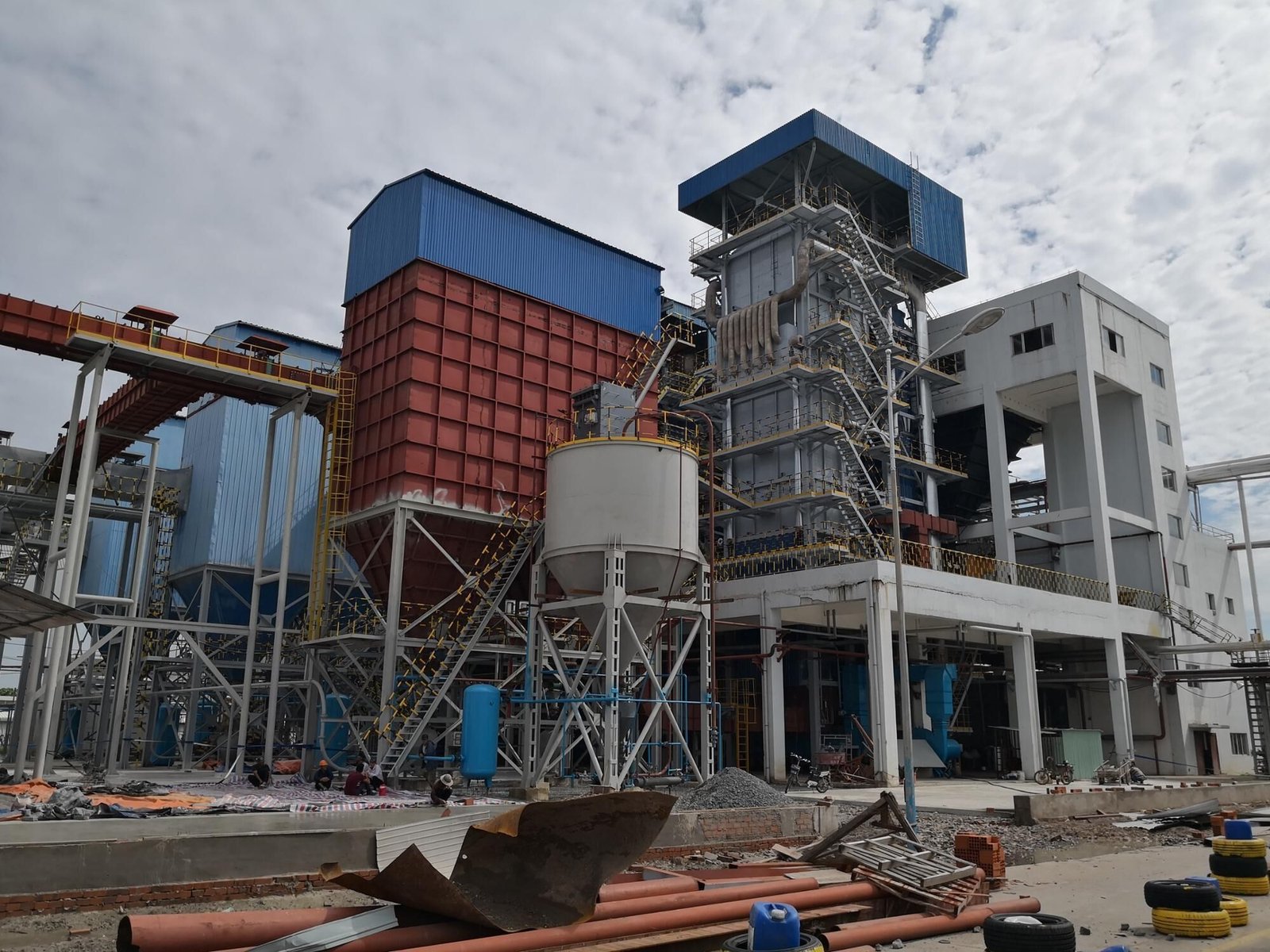
For industrial buyers considering a circulating fluidized bed (CFB) boiler, pricing often appears opaque and difficult to benchmark. Many decision-makers focus only on headline capacity or fuel type, only to discover later that quoted prices vary widely for seemingly similar systems. The consequence is confusion during procurement, unrealistic budgeting, or costly scope changes after project kickoff. In reality, CFB boiler pricing is not arbitrary—it is strongly driven by three core technical parameters: boiler capacity, steam pressure, and steam temperature. Understanding how these factors influence cost is essential for making accurate investment decisions and avoiding surprises.
CFB boiler pricing increases significantly with higher capacity, higher steam pressure, and higher steam temperature because these parameters directly drive furnace size, materials, heat-transfer surface, mechanical strength, and system complexity.
A clear grasp of these relationships allows buyers to balance performance requirements with capital investment.
CFB boiler cost is mainly determined by fuel type rather than steam parameters.False
While fuel affects design, capacity, pressure, and temperature are the dominant cost drivers in CFB boiler pricing.
Higher steam pressure and temperature require more expensive materials and stricter manufacturing standards.True
Advanced alloys, thicker components, and tighter quality control are required at higher steam conditions.
CFB boilers are among the most technically sophisticated solid-fuel boilers available, and their pricing reflects the engineering complexity required to safely and reliably deliver the specified steam conditions.
How Boiler Capacity Influences CFB Boiler Pricing
From a manufacturer’s perspective, boiler capacity—usually expressed in tons of steam per hour or megawatts thermal—is the single largest contributor to overall CFB boiler cost. As capacity increases, nearly every major component scales up in size, weight, and complexity.
Larger capacity CFB boilers require:
– Bigger furnaces with higher structural steel tonnage
– Larger cyclones and solids recirculation systems
– Increased heat-transfer surface area
– More powerful fans and auxiliary equipment
Importantly, CFB boilers do not scale linearly in cost. Doubling capacity does not simply double price; it often increases cost disproportionately due to thicker pressure parts, stronger support structures, and more complex erection requirements.
| CFB Boiler Capacity | Relative Price Impact |
|---|---|
| Small (20–50 t/h) | Baseline |
| Medium (50–150 t/h) | +40% to +80% |
| Large (150–300+ t/h) | +100% to +200% |
From a project economics standpoint, higher capacity improves fuel efficiency and economies of scale, but it also demands a higher upfront capital commitment.
The Role of Steam Pressure in CFB Boiler Cost
Steam pressure is a critical design parameter that directly affects mechanical strength requirements. Higher pressure means higher stress on drums, headers, tubes, and piping. To safely contain this pressure, components must be thicker, stronger, and manufactured to stricter standards.
As steam pressure increases:
– Drum wall thickness increases significantly
– Alloy steel replaces carbon steel
– Welding procedures become more complex
– Non-destructive testing requirements increase
These factors add both material and labor cost. From a supplier’s viewpoint, moving from medium-pressure to high-pressure steam can add substantial cost even if capacity remains unchanged.
| Steam Pressure Level | Typical Impact on Price |
|---|---|
| Low–medium pressure | Baseline |
| High pressure | +15% to +30% |
| Ultra-high pressure | +30% to +60% |
Higher pressure is often justified in power generation or CHP applications, but for process steam, excessive pressure can unnecessarily inflate project cost.
How Steam Temperature Drives Material and Design Cost
Steam temperature has an equally important—sometimes even greater—impact on CFB boiler pricing. Elevated temperatures increase the risk of creep, oxidation, and long-term material degradation. To address this, manufacturers must use advanced alloy steels in superheaters, reheaters, and high-temperature headers.
Higher steam temperature leads to:
– Increased use of chromium-molybdenum alloys
– More complex superheater designs
– Tighter temperature control systems
– Additional protection against ash erosion and corrosion
These requirements substantially raise both material cost and fabrication complexity.
| Steam Temperature | Material Requirement | Cost Impact |
|---|---|---|
| Saturated steam | Carbon steel | Baseline |
| Moderate superheat | Low-alloy steel | +10% to +20% |
| High superheat | High-alloy steel | +25% to +50% |
From an engineering perspective, high temperature often becomes the dominant cost driver once superheated steam is specified.
Combined Effect: Capacity, Pressure, and Temperature Together
In real projects, capacity, pressure, and temperature act together rather than independently. A large-capacity, high-pressure, high-temperature CFB boiler represents the most capital-intensive configuration.
For example, a medium-capacity CFB boiler operating at modest pressure with saturated steam may cost significantly less than a slightly larger unit designed for high-pressure, high-temperature CHP service. Buyers often underestimate how quickly costs escalate when multiple parameters increase simultaneously.
From a pricing standpoint, suppliers evaluate these parameters as a system, not as isolated variables.
Impact on Auxiliary Systems and Balance of Plant
Higher capacity, pressure, and temperature also drive up the cost of auxiliary systems. Fans, pumps, piping, valves, and control systems must all be rated for higher operating conditions.
Additionally, higher steam parameters often require:
– Advanced control instrumentation
– More sophisticated safety systems
– Enhanced water treatment systems
These indirect costs are frequently overlooked during early budgeting but contribute meaningfully to total project price.
Emissions and High-Parameter Design Considerations
While CFB boilers inherently offer low emissions, higher steam parameters often correlate with higher thermal input and larger installations. This can trigger stricter emission limits and require additional emission control equipment, further increasing project cost.
From a lifecycle perspective, however, higher efficiency at elevated steam conditions may reduce fuel consumption and emission cost over time, partially offsetting higher capital expense.
Manufacturer’s Perspective on Optimizing Cost
From a professional manufacturer’s standpoint, the most cost-effective CFB boiler is not the one with the highest possible parameters, but the one that precisely matches the application’s real needs. Over-specifying pressure or temperature adds cost without delivering proportional benefit in many industrial steam applications.
Early-stage technical alignment between the user and supplier is the most effective way to control CFB boiler pricing.
Case Example: Cost Optimization Through Parameter Adjustment
An industrial client initially specified a high-pressure, high-temperature CFB boiler for process steam. After detailed analysis, it was determined that lower pressure and slightly reduced temperature met all process requirements. The revised design reduced alloy steel usage and drum thickness, cutting capital cost significantly while maintaining operational performance.
This case highlights how informed parameter selection directly impacts pricing.
In conclusion, CFB boiler pricing is strongly influenced by boiler capacity, steam pressure, and steam temperature. Capacity drives physical size and system scale, pressure dictates mechanical strength and material thickness, and temperature determines alloy selection and thermal design complexity. Increasing any one of these parameters raises cost; increasing all three simultaneously accelerates price growth rapidly. Understanding these relationships allows industrial buyers to specify CFB boilers that deliver required performance without unnecessary capital expense.
How Does Fuel Type, Moisture, and Ash Content Influence Boiler Design Cost?
For industrial boiler projects, one of the most underestimated cost drivers is fuel quality. Many buyers assume that boiler pricing is mainly dictated by capacity or brand, only to encounter substantial cost increases once detailed fuel analysis begins. The pain point arises when fuels with high moisture, variable composition, or elevated ash content demand additional design features that were not initially budgeted. The consequence is either unexpected capital escalation or long-term operational problems if the boiler is under-designed. The solution lies in understanding how fuel type, moisture, and ash content fundamentally shape boiler design complexity—and therefore total cost.
Fuel type determines combustion technology, while moisture and ash content directly increase furnace size, materials, auxiliary systems, and maintenance requirements, making them major drivers of boiler design cost.
Recognizing these relationships early is essential for realistic budgeting and long-term reliability.
Boilers designed for high-moisture fuels generally cost less because the fuel is cheaper.False
High-moisture fuels require larger furnaces, more heat-transfer surface, and stronger auxiliary systems, increasing design and capital cost.
Higher ash content fuels increase boiler cost due to ash handling, erosion protection, and emission control requirements.True
Ash-rich fuels demand reinforced furnace design, larger ash systems, and additional wear protection.
Fuel characteristics are not secondary details—they are primary engineering inputs that shape every major design decision in an industrial boiler system.
Fuel Type as the Foundation of Boiler Design Cost
From a professional manufacturer’s and supplier’s perspective, fuel type is the starting point for boiler design. Coal, biomass, waste-derived fuels, and mixed fuels behave very differently during combustion. These differences determine whether a boiler uses grate firing, bubbling fluidized bed (BFB), circulating fluidized bed (CFB), suspension firing, or gasification.
Each combustion technology carries a distinct cost structure. For example, suspension-fired systems require extensive fuel preparation but compact furnaces, while CFB boilers require cyclones, recirculation loops, and larger structures to handle diverse fuels. Selecting a more fuel-flexible technology generally increases capital cost but reduces fuel supply risk.
| Fuel Type | Typical Boiler Technology | Relative Design Cost |
|---|---|---|
| Natural gas | Gas-fired | Low |
| Coal | Pulverized / CFB | Medium |
| Clean biomass | Grate / BFB | Medium |
| Mixed / low-grade biomass | CFB | High |
Fuel type alone can shift boiler design cost by tens of percent before moisture and ash are even considered.
Moisture Content and Its Impact on Furnace Size
Moisture content is one of the most powerful cost drivers in solid-fuel boiler design. High-moisture fuels consume a significant portion of combustion energy simply to evaporate water. To compensate, the boiler must be physically larger and more robust.
Higher moisture content leads to:
– Larger furnace volume to ensure stable ignition
– Increased heat-transfer surface to achieve required steam output
– Stronger draft and air systems to handle higher flue gas volumes
From an engineering standpoint, this directly increases steel tonnage, refractory lining area, and structural complexity.
| Fuel Moisture Content | Furnace Design Impact | Cost Impact |
|---|---|---|
| Low (<15%) | Compact furnace | Baseline |
| Medium (15–35%) | Larger furnace | +10% to +25% |
| High (>35%) | Significantly enlarged furnace | +25% to +50% |
In biomass applications, moisture content often becomes the dominant design cost factor, outweighing even fuel calorific value.
Moisture Effects on Auxiliary Systems
High-moisture fuels also drive up the cost of auxiliary systems. Fans must be larger to move increased flue gas volumes, fuel feeding systems must handle heavier material, and startup burners must provide more energy to stabilize combustion.
Additionally, high moisture increases corrosion risk in low-temperature zones, requiring upgraded materials or design measures to protect economizers and air preheaters. These secondary effects compound overall project cost.
Ash Content and Its Influence on Structural and Material Cost
Ash content fundamentally affects how a boiler is built and protected. Fuels with high ash produce more solid residue that must be removed continuously and safely. This requires robust ash handling systems, reinforced furnace walls, and erosion-resistant materials.
High ash content drives:
– Larger ash hoppers and conveyors
– More extensive bottom and fly ash handling systems
– Increased wear protection in high-velocity zones
– Enhanced particulate emission control equipment
Each of these systems adds both capital and maintenance cost.
| Ash Content Level | Design Requirement | Cost Impact |
|---|---|---|
| Low (<5%) | Standard ash systems | Baseline |
| Medium (5–15%) | Enhanced ash handling | +10% to +20% |
| High (>15%) | Heavy-duty ash and wear protection | +20% to +40% |
From a supplier’s viewpoint, ash-related design upgrades are non-negotiable for reliability and safety.
Ash Chemistry and Slagging Risk
Beyond quantity, ash chemistry strongly influences design cost. Fuels with low ash melting temperatures increase the risk of slagging and fouling. To mitigate this, boilers may require:
– Lower combustion temperatures
– Fluidized-bed technology instead of grate firing
– Special refractory and tube coatings
These design adaptations add complexity and cost but are essential for long-term operation. In many biomass projects, ash chemistry—not just ash percentage—drives the selection of more expensive CFB technology.
Combined Effect: Moisture and Ash Together
The most challenging fuels are those with both high moisture and high ash content, such as agricultural residues or low-grade biomass. Designing a boiler for such fuels often requires:
– Oversized furnace
– Advanced fluidized-bed combustion
– Extensive ash removal and erosion protection
– Sophisticated control systems
From a cost perspective, these combined requirements can double the boiler price compared with a system designed for clean, dry fuel at the same capacity.
Impact on Emissions and Compliance Cost
Fuel moisture and ash content also affect emissions. High ash fuels increase particulate loading, requiring larger or more advanced dust collectors. Moisture influences combustion stability and CO emissions, potentially necessitating more advanced combustion controls.
These compliance-driven upgrades further increase total design and capital cost, particularly in regions with strict environmental regulations.
Lifecycle Cost Perspective
While low-grade fuels are often cheaper per ton, their impact on boiler design cost and long-term operation can outweigh fuel savings. Higher capital cost, increased maintenance, and reduced availability must be considered alongside fuel price.
From a lifecycle economics standpoint, the “cheapest” fuel is not always the most economical when boiler design cost is fully accounted for.
Case Example: Design Cost Driven by Fuel Properties
An industrial plant planned to use low-cost agricultural residues with high moisture and ash. Initial budgeting assumed a standard grate-fired boiler. Detailed fuel analysis revealed the need for a CFB boiler with reinforced ash handling and erosion protection. Capital cost increased substantially, but the redesigned system delivered stable operation and avoided chronic downtime. This case demonstrates how fuel properties directly shape design cost and project success.
Manufacturer’s Strategic Perspective
From a professional manufacturer’s and supplier’s perspective, fuel analysis is not optional—it is the foundation of cost control. Accurately accounting for fuel type, moisture, and ash content at the design stage prevents under-specification, unexpected cost escalation, and long-term reliability issues.
Projects that invest early in detailed fuel characterization consistently achieve better cost and performance outcomes.
In conclusion, fuel type, moisture, and ash content have a decisive influence on boiler design cost. Fuel type determines combustion technology, moisture content drives furnace size and heat-transfer requirements, and ash content dictates structural strength, wear protection, and ash handling complexity. Together, these factors can increase boiler cost by 20–50% or more compared with designs for clean, dry fuels. Understanding and integrating fuel properties early in the design process is essential for realistic budgeting and long-term operational success.
What Impact Do Emission Standards and Environmental Compliance Have on Boiler Price?
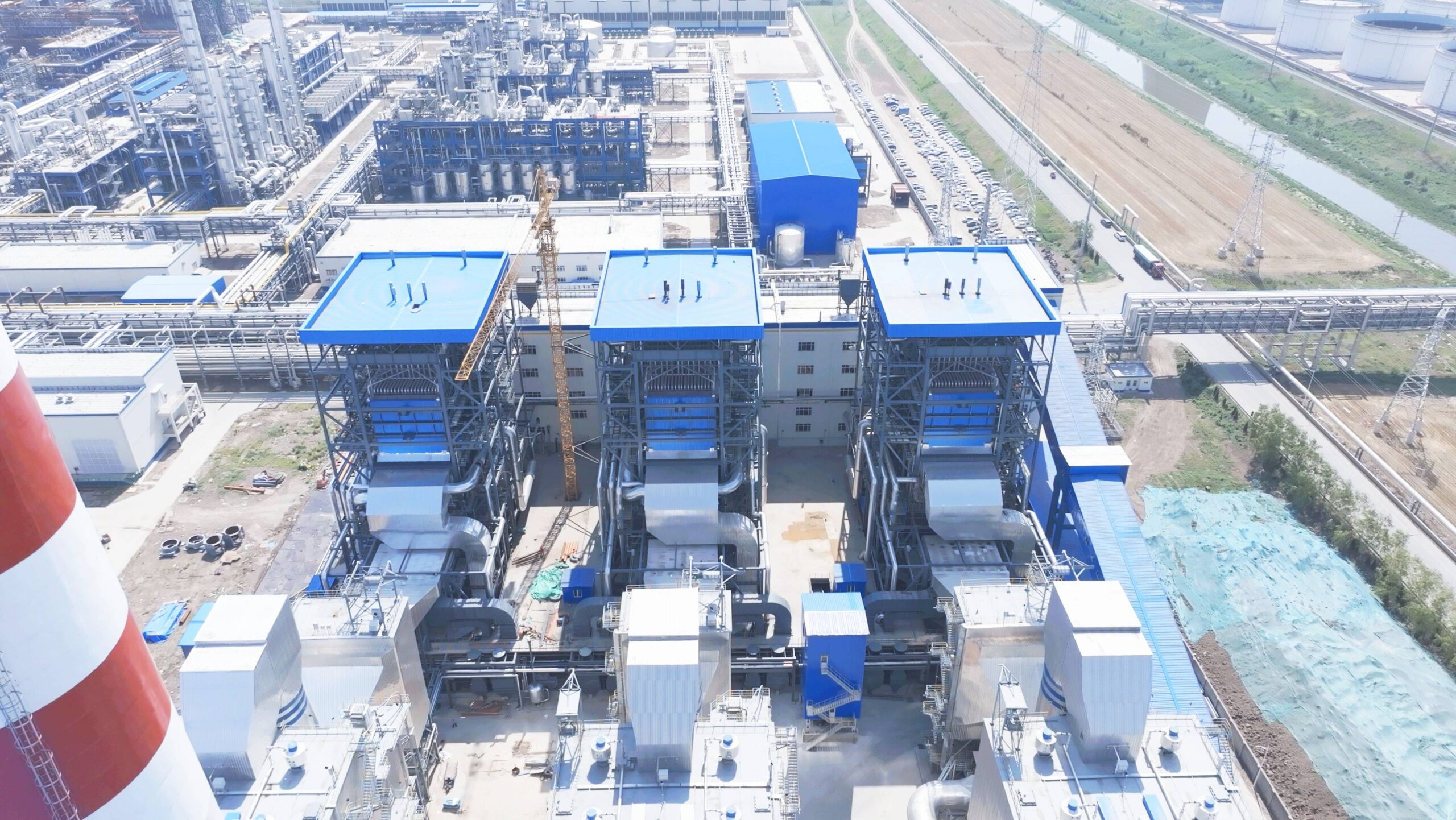
For industrial boiler buyers, one of the most underestimated cost drivers is environmental compliance. Many projects begin with a target boiler capacity and fuel type, only to encounter sharp price increases once local emission standards are fully applied. The pain point is clear: stricter emission limits often emerge late in the design phase, forcing redesigns, scope expansion, or budget overruns. The consequence can be delayed projects, compromised performance, or long-term compliance risk. The solution is understanding upfront how emission standards and environmental regulations fundamentally reshape boiler design—and why they have such a strong impact on total price.
Stricter emission standards significantly increase boiler price by requiring advanced combustion design, additional flue gas treatment systems, higher-grade materials, and more complex control and monitoring infrastructure.
Environmental compliance is no longer an accessory—it is a core cost component of modern industrial boilers.
Emission control equipment has little effect on overall boiler project cost.False
Emission control systems often represent 20–40% of total boiler project cost in regulated regions.
Tighter emission limits increase both capital cost and long-term operating expenses.True
Advanced systems require higher investment, energy consumption, maintenance, and skilled operation.
Understanding the financial impact of environmental compliance is essential for realistic budgeting and long-term project success.
Why Emission Standards Are a Major Cost Driver
From a professional manufacturer’s and supplier’s perspective, emission standards directly influence nearly every aspect of boiler design. Regulations govern allowable emissions of particulate matter (PM), nitrogen oxides (NOₓ), sulfur dioxide (SO₂), carbon monoxide (CO), and sometimes heavy metals and organic compounds.
As standards tighten, compliance shifts from basic combustion optimization to multi-layered emission control strategies. Each added layer increases equipment count, engineering complexity, installation scope, and long-term operational cost.
Impact on Boiler Furnace and Combustion Design
Stricter emission limits often require fundamental changes to furnace design. To reduce NOₓ and CO, boilers may need:
– Lower and more uniform combustion temperatures
– Staged air distribution
– Larger furnace volumes to extend residence time
These changes increase steel tonnage, refractory lining, and structural size, directly raising boiler base price even before downstream emission controls are added.
From a cost perspective, “clean combustion by design” is more expensive than basic furnace layouts.
Cost of Particulate Matter (PM) Control
Particulate emissions are regulated in almost all industrial jurisdictions. As emission limits decrease, dust collection systems must become larger and more efficient.
| PM Control System | Typical Cost Impact |
|---|---|
| Cyclone separator | Low |
| Multicyclone | Medium |
| Baghouse filter | High |
| Electrostatic precipitator (ESP) | Very high |
Baghouses and ESPs require significant structural steel, filter elements, insulation, and instrumentation. In many biomass and coal-fired boiler projects, particulate control alone can add 10–20% to total project cost.
NOₓ Control and Its Price Implications
NOₓ emission limits are among the most challenging and expensive to meet. When in-furnace measures are insufficient, secondary control systems are required.
Common NOₓ control technologies include:
– SNCR (Selective Non-Catalytic Reduction)
– SCR (Selective Catalytic Reduction)
| NOₓ Control Method | Capital Cost Impact |
|---|---|
| Combustion optimization only | Low |
| SNCR | Medium |
| SCR | High to very high |
SCR systems, in particular, require reactors, catalysts, ammonia handling, and precise temperature control, often adding millions to large industrial boiler projects.
SO₂ Control and Fuel-Driven Compliance Cost
SO₂ emissions are closely linked to fuel sulfur content. Where low-sulfur fuels are unavailable or uneconomical, flue gas desulfurization (FGD) systems may be required.
FGD systems add:
– Large absorbers and ductwork
– Reagent handling and storage
– Waste by-product management
These systems significantly increase both capital and operating cost and often drive the selection of alternative fuels or combustion technologies such as CFB boilers with in-bed sulfur capture.
Continuous Emission Monitoring and Control Systems
Modern regulations increasingly require continuous emission monitoring systems (CEMS). These systems measure emissions in real time and integrate with plant control systems.
CEMS add:
– Specialized analyzers
– Redundant instrumentation
– Data logging and reporting infrastructure
While individually modest, these systems add complexity, commissioning time, and ongoing calibration cost, contributing to higher total project price.
Environmental Compliance Beyond Air Emissions
Environmental regulations also affect water discharge, solid waste handling, and noise levels. Compliance may require:
– Advanced wastewater treatment
– Enclosed ash handling systems
– Acoustic enclosures and silencers
Each requirement adds incremental cost that accumulates into a significant overall price increase.
Regional Differences and Price Variability
Emission standards vary widely by region. Boilers designed for lightly regulated markets are significantly cheaper than those built for Europe, North America, or highly regulated industrial zones in Asia.
From a supplier’s perspective, exporting boilers to strict-regulation regions often increases project price by 30–50% compared with basic designs for less regulated markets.
Lifecycle Cost Implications
Environmental compliance affects not only capital cost but also lifecycle economics. Emission control systems consume power, reagents, and maintenance labor. Downtime for catalyst replacement or filter maintenance reduces availability.
However, from a long-term perspective, compliant boilers reduce regulatory risk, avoid penalties, and protect asset value—benefits that often justify higher upfront cost.
Case Example: Compliance-Driven Cost Increase
An industrial plant initially budgeted for a standard biomass boiler. After applying local emission limits, the project required a baghouse, SNCR system, and upgraded combustion controls. Total project cost increased by over 30%, but the facility achieved stable compliance and avoided future retrofit expenses. This case demonstrates why early regulatory analysis is essential.
Manufacturer’s Strategic Perspective
From a professional manufacturer’s and supplier’s standpoint, emission standards should be treated as primary design inputs, not afterthoughts. Projects that integrate compliance requirements early achieve better cost control, smoother permitting, and higher long-term reliability.
Ignoring environmental compliance at the budgeting stage almost always leads to higher total cost later.
In conclusion, emission standards and environmental compliance have a substantial impact on boiler price. Stricter regulations increase cost through larger furnace designs, advanced combustion systems, particulate control equipment, NOₓ and SO₂ reduction technologies, and continuous monitoring infrastructure. While these requirements can raise capital cost by 20–50% or more, they also deliver regulatory certainty, operational stability, and long-term asset protection. Understanding and budgeting for compliance from the outset is essential for any modern boiler project.
How Do Materials, Manufacturing Standards, and Certifications Affect Boiler Cost?
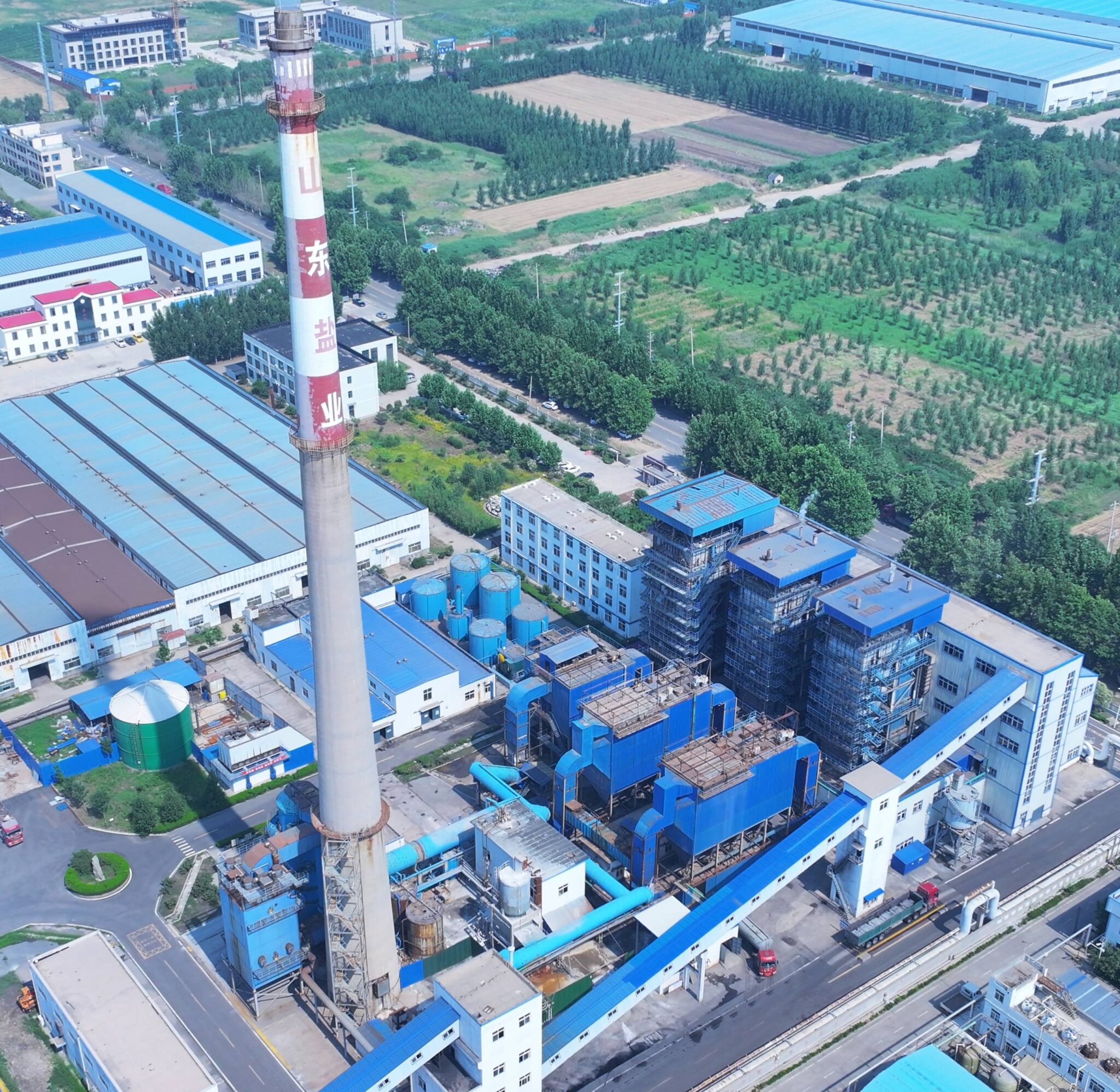
For many industrial boiler buyers, cost differences between seemingly similar boilers can be confusing and frustrating. Quotes may vary widely even when capacity, fuel type, and steam parameters appear identical. The underlying pain point is that materials, manufacturing standards, and certifications are often hidden cost drivers that are not immediately visible in technical datasheets. The consequence of overlooking these factors can be severe: unexpected price escalation, shortened equipment life, safety risks, or even regulatory rejection after delivery. The solution is understanding how materials selection, fabrication quality, and certification requirements directly influence boiler cost—and why these elements are inseparable from long-term reliability and compliance.
Higher-grade materials, stricter manufacturing standards, and internationally recognized certifications significantly increase boiler cost, but they also ensure safety, durability, regulatory acceptance, and lower lifecycle risk.
These factors are not optional extras; they define the true quality level of an industrial boiler.
Boilers made with lower-grade materials can meet the same service life as certified boilers at lower cost.False
Inferior materials and lax manufacturing standards reduce fatigue strength, corrosion resistance, and long-term reliability.
International certifications such as ASME or EN increase boiler price due to stricter material, fabrication, and inspection requirements.True
Certified boilers require approved materials, qualified welders, traceability, and third-party inspection, all of which add cost.
Materials, standards, and certifications together form the backbone of boiler engineering quality and are among the most powerful drivers of capital cost variation.
How Material Selection Influences Boiler Cost
From a professional manufacturer’s and supplier’s perspective, material selection is one of the earliest and most critical cost decisions in boiler design. Boilers operate under high pressure, high temperature, and corrosive environments, making material performance non-negotiable.
Carbon steel is sufficient for low-pressure, saturated-steam boilers, but as pressure and temperature increase, alloy steels become mandatory. Chromium-molybdenum steels, stainless steels, and advanced creep-resistant alloys dramatically increase raw material cost.
| Material Type | Typical Application | Relative Cost Impact |
|---|---|---|
| Carbon steel | Low-pressure boilers | Baseline |
| Low-alloy steel | Medium pressure/temperature | +10% to +25% |
| High-alloy steel | High pressure/superheat | +25% to +60% |
Beyond raw price, alloy materials are harder to fabricate, require preheating, controlled welding procedures, and post-weld heat treatment—each adding labor and energy cost.
Material Thickness and Safety Margins
Manufacturing standards and design codes dictate minimum material thickness based on pressure and temperature. Higher safety factors result in thicker drums, headers, and tubes, increasing steel tonnage.
From a cost standpoint, even small increases in thickness compound rapidly across large components. Thicker materials also increase machining, forming, and transportation costs.
Impact of Manufacturing Standards on Fabrication Cost
Manufacturing standards define how a boiler is built, not just what it is made from. Standards such as ASME, EN, or GB require strict control over fabrication processes.
Higher manufacturing standards require:
– Qualified and certified welders
– Approved welding procedures (WPS/PQR)
– Controlled fabrication environments
– Mandatory non-destructive testing (NDT)
Each requirement increases labor hours, inspection time, and documentation effort, directly raising manufacturing cost.
| Manufacturing Level | Quality Control | Cost Impact |
|---|---|---|
| Basic workshop | Visual inspection only | Low |
| Industrial standard | Partial NDT | Medium |
| International code | Full NDT & traceability | High |
From a supplier’s standpoint, compliance-driven labor and inspection costs often exceed raw material cost increases.
Welding Quality and Inspection Requirements
Welding is the most critical and expensive manufacturing activity in boiler fabrication. Certified boilers require:
– Radiographic or ultrasonic weld inspection
– Magnetic particle or dye penetrant testing
– Hydrostatic pressure testing
These inspections ensure safety but add cost through specialized equipment, third-party inspectors, and rework if defects are found. Rejected welds must be repaired, retested, and re-documented, increasing both cost and production time.
Role of Certifications in Boiler Pricing
Certifications such as ASME “S” or “U” stamps, EN 12952 compliance, or CE marking are often legally required for boilers in regulated markets. Certification transforms a boiler from a product into a regulated pressure vessel.
Certification adds cost through:
– Design approval by authorized bodies
– Material traceability and certification
– Third-party inspection throughout fabrication
– Final certification and stamping
| Certification Type | Market Acceptance | Price Impact |
|---|---|---|
| No formal certification | Limited | Low |
| National certification | Regional | Medium |
| International certification | Global | High |
However, certified boilers gain access to global markets and reduce risk of regulatory rejection or operational shutdown.
Documentation and Traceability Costs
Certified boilers require extensive documentation, including material certificates, welding logs, inspection reports, and test records. While often underestimated, documentation management requires skilled engineers, quality managers, and administrative systems.
From a lifecycle perspective, this documentation protects asset value by enabling audits, repairs, and future upgrades under regulatory oversight.
Long-Term Cost Implications of Standards and Certifications
Although high standards and certifications increase initial cost, they often reduce long-term expenses. Certified boilers typically:
– Have longer service life
– Experience fewer failures
– Require less unplanned maintenance
– Retain higher resale or insurance value
From an economic standpoint, these benefits often outweigh higher upfront investment, particularly in continuous industrial operation.
Risk of Cost-Cutting on Materials and Standards
Reducing cost by lowering material grade or avoiding certification carries significant risk. Premature tube failures, corrosion, fatigue cracking, and regulatory non-compliance can lead to costly downtime or forced replacement.
From a manufacturer’s perspective, the most expensive boiler is often the cheapest one purchased initially.
Case Example: Certification-Driven Cost Justification
An industrial client compared two boiler offers: one uncertified with lower-grade materials and one fully ASME-certified. Although the certified boiler cost more initially, it passed regulatory inspection smoothly, achieved higher availability, and avoided multiple shutdowns experienced by uncertified units. Over its service life, total cost of ownership was significantly lower.
Strategic Manufacturer Perspective
From a professional manufacturer’s and supplier’s standpoint, materials, manufacturing standards, and certifications should be aligned with operating pressure, temperature, regulatory environment, and expected service life. Over-specification wastes capital, but under-specification exposes operators to safety, compliance, and reliability risks.
Successful projects strike a balance between required standards and economic optimization—never compromising safety.
In conclusion, materials, manufacturing standards, and certifications have a profound impact on boiler cost. Higher-grade materials increase raw and fabrication expenses, stricter manufacturing standards raise labor and inspection costs, and certifications add design approval, documentation, and third-party verification requirements. Together, these factors can increase boiler price by 20–50% or more—but they also deliver safety, durability, regulatory acceptance, and lower lifecycle risk. Understanding these trade-offs is essential for making informed boiler investment decisions.
How Does Automation Level and Control System Complexity Change Boiler Pricing?
In modern industrial boiler projects, buyers often focus on fuel type, capacity, and emissions while underestimating the impact of automation and control systems on total price. The pain point emerges late in procurement, when a “standard” boiler quote suddenly increases due to requests for advanced controls, remote monitoring, or higher automation levels. The consequence is budget pressure, scope confusion, or compromises that reduce operational efficiency and safety. The solution lies in understanding how automation level and control system complexity directly influence boiler pricing—and why these costs often deliver substantial long-term value.
Higher automation levels and more complex control systems increase boiler price by adding advanced instrumentation, control hardware, software engineering, integration effort, and commissioning time, but they significantly reduce operating cost, staffing needs, and operational risk over the boiler’s lifecycle.
Automation is no longer a luxury feature; it is a strategic cost and performance driver.
Basic manual boiler controls are sufficient for most modern industrial applications.False
Manual or minimally automated systems struggle to meet efficiency, safety, and compliance requirements in modern industrial environments.
Higher automation levels reduce long-term operating cost despite higher initial investment.True
Automation improves efficiency, reduces labor, minimizes human error, and lowers unplanned downtime.
Understanding how automation choices affect pricing helps industrial users specify control systems that match real operational needs—without over- or under-investing.
What Defines Automation Level in an Industrial Boiler?
From a professional manufacturer’s and supplier’s perspective, automation level refers to the degree to which boiler operation is monitored, controlled, optimized, and protected by automatic systems rather than manual intervention. This includes fuel handling, combustion control, steam pressure regulation, safety interlocks, emission monitoring, and integration with plant-wide systems.
Automation is typically implemented through PLCs (Programmable Logic Controllers), DCS (Distributed Control Systems), field instrumentation, and human–machine interfaces (HMIs). As automation increases, so does system complexity—and cost.
Automation Levels and Their Relative Cost Impact
Industrial boilers are generally offered with tiered automation configurations. Each level adds functionality, hardware, and engineering effort.
| Automation Level | Description | Relative Price Impact |
|---|---|---|
| Manual / basic | Local gauges, manual valves | Baseline |
| Semi-automatic | PLC-based basic control | +5% to +10% |
| Fully automatic | Advanced PLC/DCS control | +10% to +25% |
| Intelligent / optimized | AI-assisted, predictive | +25% to +40% |
From a cost standpoint, each step upward introduces additional components and engineering hours.
Hardware Costs Driven by Automation Complexity
Higher automation requires more extensive hardware. This includes sensors, transmitters, actuators, control cabinets, redundant power supplies, and communication networks.
Advanced systems typically require:
– Redundant PLC or DCS controllers
– Multiple pressure, temperature, and flow transmitters
– Intelligent motor control centers
– Safety-rated I/O modules
| Control Hardware Scope | Cost Impact |
|---|---|
| Minimal instrumentation | Low |
| Standard industrial instrumentation | Medium |
| Redundant, safety-rated hardware | High |
From a supplier’s perspective, instrumentation and control hardware can represent 5–15% of total boiler cost in highly automated systems.
Software Engineering and Configuration Costs
Beyond hardware, automation complexity significantly increases software-related cost. Control logic must be engineered, tested, and optimized for stable combustion, load following, and safety.
Higher automation levels require:
– Customized control algorithms
– Advanced combustion optimization logic
– Alarm management and diagnostics
– Historical data logging and reporting
Software engineering hours scale rapidly with system complexity. Unlike hardware, these costs are largely fixed and cannot be reduced through mass production.
Integration With Plant-Wide Control Systems
Modern industrial facilities often require boilers to integrate seamlessly with existing DCS, MES, or energy management systems. This integration adds communication interfaces, protocol converters, and coordination logic.
From a pricing perspective, integration requires:
– Additional engineering design
– Factory acceptance testing (FAT)
– Site acceptance testing (SAT)
These activities add cost but are essential for centralized operation and energy optimization.
Safety Automation and Its Cost Implications
Safety systems are a major driver of automation cost. Burner management systems (BMS), emergency shutdown logic, and interlocks must meet strict safety standards.
Certified safety systems require:
– Safety PLCs
– Redundant sensors and actuators
– Certified safety logic and documentation
| Safety Automation Level | Cost Impact |
|---|---|
| Basic interlocks | Low |
| Certified BMS | Medium |
| Fully redundant safety systems | High |
While costly, safety automation reduces risk of catastrophic failure and is often mandatory under modern regulations.
Impact on Commissioning and Testing Cost
Higher automation levels increase commissioning time and complexity. Advanced systems must be calibrated, tested under multiple operating scenarios, and validated for safety and compliance.
Commissioning costs include:
– Control loop tuning
– Simulation testing
– Operator training
– Documentation and handover
From a project standpoint, commissioning can represent a significant portion of automation-related cost but directly affects startup reliability.
Operational Cost Savings Enabled by Automation
Although automation increases capital cost, it often delivers substantial operational savings. Fully automated boilers require fewer operators, reduce human error, and maintain optimal combustion conditions.
Key savings include:
– Lower fuel consumption through optimization
– Reduced staffing requirements
– Fewer unplanned shutdowns
– Improved maintenance planning
From a lifecycle cost perspective, automation frequently pays for itself within a few years of operation.
Automation and Emission Compliance
Advanced control systems play a critical role in emission compliance. Precise air–fuel control, real-time monitoring, and automated adjustments help maintain emissions within regulatory limits.
In many regions, advanced automation reduces the need for oversized emission control equipment, partially offsetting its own cost through optimized performance.
Over-Automation vs Under-Automation Risk
From a manufacturer’s standpoint, both extremes carry risk. Over-automation increases capital cost and may exceed operator capability, while under-automation leads to inefficiency, safety risk, and compliance challenges.
The most cost-effective solution is not the highest automation level, but the one aligned with:
– Operator skill level
– Process variability
– Regulatory requirements
– Plant integration needs
Case Example: Automation Cost Versus Value
An industrial plant initially selected a semi-automatic boiler to reduce capital cost. Frequent load changes and emission fluctuations led to inefficiency and downtime. After upgrading to a fully automatic control system, fuel efficiency improved, staffing was reduced, and compliance stabilized. Although the upgrade increased upfront cost, total operating cost dropped significantly over time.
Manufacturer’s Strategic Perspective
From a professional manufacturer’s and supplier’s perspective, automation should be viewed as an investment in performance and reliability, not merely an added expense. Control system complexity must be engineered to match the operational reality of the plant. When properly specified, automation enhances boiler value far beyond its initial price impact.
In conclusion, automation level and control system complexity have a direct and significant impact on boiler pricing. Higher automation increases cost through advanced hardware, software engineering, safety systems, and commissioning effort. However, it also delivers substantial benefits in efficiency, safety, compliance, and lifecycle cost reduction. The key to cost-effective boiler automation lies in selecting a control system that matches operational needs without unnecessary complexity.
How Does EPC Scope (Equipment Supply vs. Turnkey Project) Impact Total Investment?
When planning an industrial boiler or energy project, many owners focus heavily on equipment price while overlooking one of the most decisive investment variables: EPC scope. A common pain point occurs when companies choose a low-cost equipment-only supply, only to face budget overruns, coordination failures, and delayed commissioning once construction begins. Conversely, others hesitate to select turnkey EPC due to higher upfront quotes, without fully understanding the hidden risks and lifecycle costs of fragmented project delivery. The consequence is often missed schedules, unexpected capital escalation, or underperforming systems. The solution lies in understanding how EPC scope—equipment supply versus turnkey project—fundamentally reshapes total investment, risk allocation, and long-term value.
EPC scope directly impacts total investment by shifting responsibility, risk, coordination effort, and cost visibility; equipment-only supply lowers upfront price but increases owner-side risk and indirect costs, while turnkey EPC raises initial contract value but often reduces total project cost and execution risk.
Understanding this trade-off is critical for making sound investment decisions.
Equipment-only supply always results in lower total project cost than turnkey EPC.False
While equipment-only supply has a lower contract price, indirect costs, delays, and coordination risks often increase total investment.
Turnkey EPC projects reduce owner risk by centralizing design, procurement, construction, and commissioning under one contractor.True
Single-point responsibility simplifies execution and limits cost overruns caused by interface failures.
EPC scope is not just a contracting choice—it is a strategic investment decision.
Defining EPC Scope in Industrial Boiler Projects
From a professional manufacturer’s and supplier’s perspective, EPC scope typically falls into two broad categories.
Equipment supply scope includes delivery of the boiler island or major equipment only. The owner or third parties are responsible for detailed engineering, civil works, installation, piping, electrical systems, controls integration, and commissioning.
Turnkey EPC scope covers engineering, procurement, construction, installation, commissioning, and performance guarantee, delivering a fully operational system ready for production.
These scopes differ dramatically in cost structure, risk allocation, and management complexity.
Equipment Supply Scope: Lower Entry Price, Higher Owner Responsibility
Equipment-only supply is attractive because of its lower initial contract value. The supplier delivers core equipment—such as the boiler, auxiliaries, and sometimes basic controls—while the owner manages the rest of the project.
However, this scope shifts significant responsibility to the owner.
Typical owner-side responsibilities include:
– Detailed engineering and layout
– Civil and structural construction
– Piping, electrical, and instrumentation
– Control system integration
– Commissioning and performance testing
While each cost item may appear manageable, their cumulative impact often exceeds initial expectations.
| Cost Element | Equipment Supply Impact |
|---|---|
| Equipment price | Low |
| Engineering cost | Owner-funded |
| Construction risk | High |
| Schedule risk | High |
| Interface coordination | Owner responsibility |
From an investment standpoint, many costs are indirect and only become visible during execution.
Hidden Costs in Equipment-Only Projects
Equipment supply projects often suffer from hidden or underestimated costs. Interface mismatches between equipment suppliers, installers, and designers can cause rework, delays, and claims.
Common hidden costs include:
– Redesign due to layout conflicts
– Delays caused by sequencing issues
– Extended commissioning time
– Performance gaps without clear responsibility
From a total investment perspective, these risks frequently outweigh the savings achieved through lower equipment price.
Turnkey EPC Scope: Higher Contract Value, Lower Risk Exposure
Turnkey EPC projects typically come with a higher upfront contract price, as the EPC contractor includes engineering, construction, commissioning, and risk contingencies.
However, this scope consolidates responsibility under a single entity.
Key advantages include:
– Single-point accountability
– Integrated design optimization
– Clear performance guarantees
– Predictable schedule and budget
| Cost Element | Turnkey EPC Impact |
|---|---|
| Contract value | Higher |
| Cost certainty | High |
| Owner staffing needs | Low |
| Risk exposure | Low |
From a financial planning perspective, turnkey EPC improves cost predictability—often more valuable than the lowest nominal price.
Risk Allocation and Its Monetary Value
Risk has a direct monetary value, even if it is not always priced transparently. In equipment-only projects, the owner absorbs most technical, schedule, and coordination risks.
In turnkey EPC projects, risk is transferred to the EPC contractor, who prices this risk into the contract. While this increases initial cost, it protects the owner from cost overruns and delays.
From a lifecycle investment viewpoint, paying for risk transfer can be more economical than absorbing unbounded risk.
Impact on Financing and Insurance Costs
Project scope also affects financing and insurance. Lenders and insurers typically favor turnkey EPC projects because of their clearer risk profile and performance guarantees.
Benefits include:
– Easier project financing
– Lower insurance premiums
– Stronger contractual remedies
These financial advantages reduce total investment cost beyond the EPC contract itself.
Schedule Certainty and Lost Opportunity Cost
Delays in industrial boiler projects translate directly into lost production, higher fuel cost, or extended reliance on aging equipment. Equipment-only projects are more vulnerable to schedule slippage due to fragmented responsibility.
Turnkey EPC projects typically offer:
– Integrated scheduling
– Contractual completion milestones
– Liquidated damages for delay
From an economic perspective, avoided delays often justify the higher EPC price.
Flexibility Versus Control Trade-Off
Equipment-only supply offers owners greater control over vendors and execution, which can be beneficial for experienced organizations with strong engineering teams.
Turnkey EPC trades some control for simplicity and risk reduction. For owners without deep in-house engineering resources, this trade-off often lowers total investment and stress.
Case Example: Total Investment Comparison
An industrial plant initially selected equipment-only supply to minimize capital cost. During execution, civil redesign, piping conflicts, and delayed commissioning increased total investment by over 20%. A comparable turnkey EPC project completed later achieved faster startup and lower total cost despite a higher initial contract price. This comparison highlights how EPC scope directly affects total investment.
Manufacturer’s Strategic Perspective
From a professional manufacturer’s and supplier’s standpoint, the most cost-effective EPC scope depends on the owner’s internal capabilities, risk tolerance, and project complexity. Simple projects with experienced owners may benefit from equipment-only supply. Complex, large-scale, or first-of-a-kind projects almost always achieve better total investment outcomes under turnkey EPC.
In conclusion, EPC scope has a decisive impact on total investment. Equipment-only supply minimizes upfront equipment price but shifts engineering, construction, and coordination risk to the owner—often increasing total cost. Turnkey EPC increases initial contract value but delivers cost certainty, schedule reliability, and reduced risk, frequently resulting in lower total investment over the project lifecycle. Choosing the right EPC scope is therefore a strategic financial decision, not merely a procurement preference.
🔍 Conclusion
CFB boiler pricing is not determined by a single factor, but by the combined requirements of performance, fuel flexibility, environmental compliance, and project scope. By clearly defining operating conditions and regulatory needs, buyers can avoid overdesign, control costs, and achieve the best balance between price, efficiency, and long-term reliability.
🔹 **Contact us today to receive a professional, application-specific CFB
FAQ
Q1: What are the main factors that affect CFB boiler pricing?
A1: Circulating fluidized bed (CFB) boiler pricing is influenced by a combination of technical, regulatory, and project-specific factors. The most important include boiler capacity, steam pressure and temperature, fuel type and flexibility, emission control requirements, and design complexity. Larger boilers with higher pressure ratings require more advanced materials and engineering, significantly increasing cost. In addition, projects designed to burn multiple low-grade fuels or meet strict environmental standards typically have higher upfront prices due to additional systems and customization.
Q2: How does boiler capacity and steam parameters impact the price?
A2: Boiler capacity (measured in t/h or MW) is one of the strongest cost drivers. As capacity increases, the size of the furnace, cyclones, heat exchange surfaces, and auxiliary equipment grows exponentially rather than linearly. Similarly, higher steam pressure and temperature—such as supercritical or ultra-supercritical designs—require high-alloy steels, thicker pressure parts, and stricter manufacturing tolerances. These factors can raise CFB boiler pricing by 20–40% compared to low-pressure industrial units.
Q3: Why does fuel type and fuel flexibility increase CFB boiler costs?
A3: One of the biggest advantages of CFB boilers is fuel flexibility, but this capability also increases pricing. Boilers designed to burn coal, biomass, petcoke, lignite, sludge, or waste-derived fuels must accommodate wide variations in moisture, ash content, and calorific value. This requires larger furnace volumes, robust refractory linings, advanced fuel feeding systems, and high-efficiency cyclone separators. Multi-fuel CFB boilers are typically more expensive than single-fuel designs, but they offer long-term savings through lower fuel costs and supply flexibility.
Q4: How do environmental and emission standards affect CFB boiler pricing?
A4: Environmental compliance requirements significantly influence CFB boiler pricing. Stricter limits on SO₂, NOx, and particulate matter require additional systems such as limestone injection, high-efficiency cyclones, bag filters or ESPs, and advanced control instrumentation. While CFB boilers naturally produce lower emissions than pulverized coal boilers, meeting ultra-low emission standards can still increase project cost by 10–30%. However, these investments reduce future retrofit risks and long-term compliance costs.
Q5: What project and commercial factors also influence final CFB boiler cost?
A5: Beyond technical design, several project-related factors affect CFB boiler pricing. These include local manufacturing standards, certification requirements (ASME, CE, ISO), transportation distance, installation scope, and after-sales service agreements. Turnkey EPC projects are more expensive than boiler-only supply but reduce execution risk. Additionally, supplier experience, warranty terms, and spare parts availability all influence pricing. A competitively priced CFB boiler should always be evaluated based on total lifecycle cost, not just the initial purchase price.
References
- International Energy Agency (IEA) – Fluidized Bed Combustion Technology – https://www.iea.org/ – IEA
- U.S. Department of Energy – Circulating Fluidized Bed Boilers – https://www.energy.gov/ – DOE
- ASME – Boiler and Pressure Vessel Code (BPVC) – https://www.asme.org/ – ASME
- Valmet – CFB Boiler Design and Cost Drivers – https://www.valmet.com/ – Valmet
- GE Steam Power – CFB Boiler Solutions – https://www.ge.com/steam-power/ – GE Steam Power
- Mitsubishi Power – Advanced CFB Boiler Technology – https://power.mhi.com/ – Mitsubishi Power
- Engineering Toolbox – Boiler Cost Influencing Factors – https://www.engineeringtoolbox.com/ – Engineering Toolbox
- ScienceDirect – Economic Analysis of CFB Boiler Systems – https://www.sciencedirect.com/ – ScienceDirect
- MarketsandMarkets – Global CFB Boiler Market Analysis – https://www.marketsandmarkets.com/ – Markets and Markets
- World Bank – Clean Energy and CFB Power Projects – https://www.worldbank.org/ – World Bank