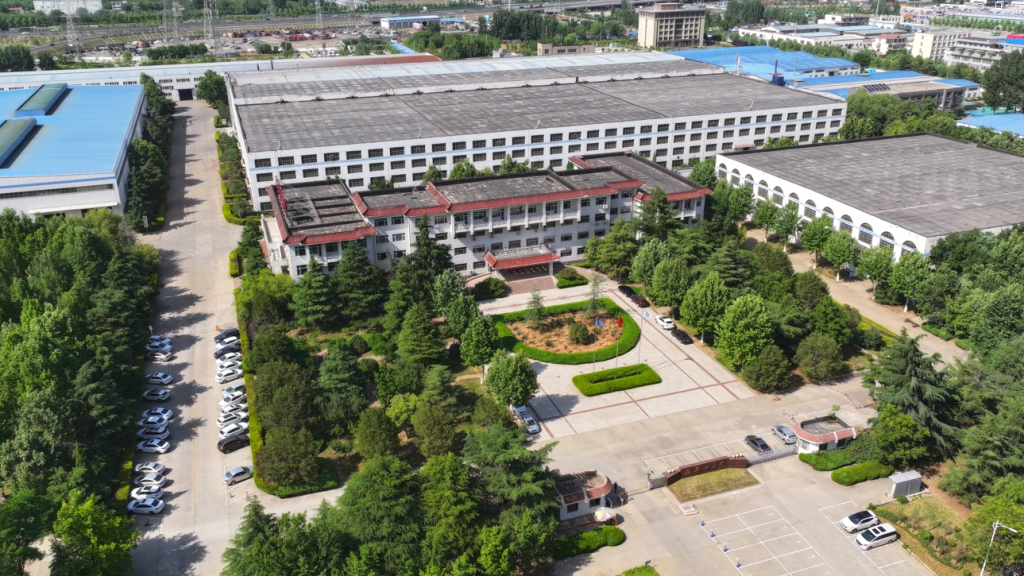
Industrial steam boilers are often viewed as high-capital equipment, leading many decision-makers to focus heavily on upfront purchase price. However, this short-term perspective can be misleading. Over years of operation, factors such as fuel efficiency, maintenance frequency, downtime risk, labor requirements, and regulatory compliance can far outweigh the initial investment. Choosing the wrong boiler can quietly erode profits through rising operating costs and lost production.
In the long run, industrial steam boilers are highly cost-effective when properly selected, sized, and maintained. High-efficiency boilers can operate reliably for 20–30 years, delivering stable steam output with predictable operating costs. Lifecycle savings from improved thermal efficiency, reduced fuel consumption, lower maintenance, and compliance with environmental regulations often exceed the initial capital cost, resulting in a strong return on investment (ROI).
Understanding long-term cost drivers helps users evaluate industrial steam boilers as a strategic asset rather than a simple equipment purchase.
How Does Boiler Efficiency Impact Long-Term Fuel and Operating Costs of Industrial Steam Boilers?
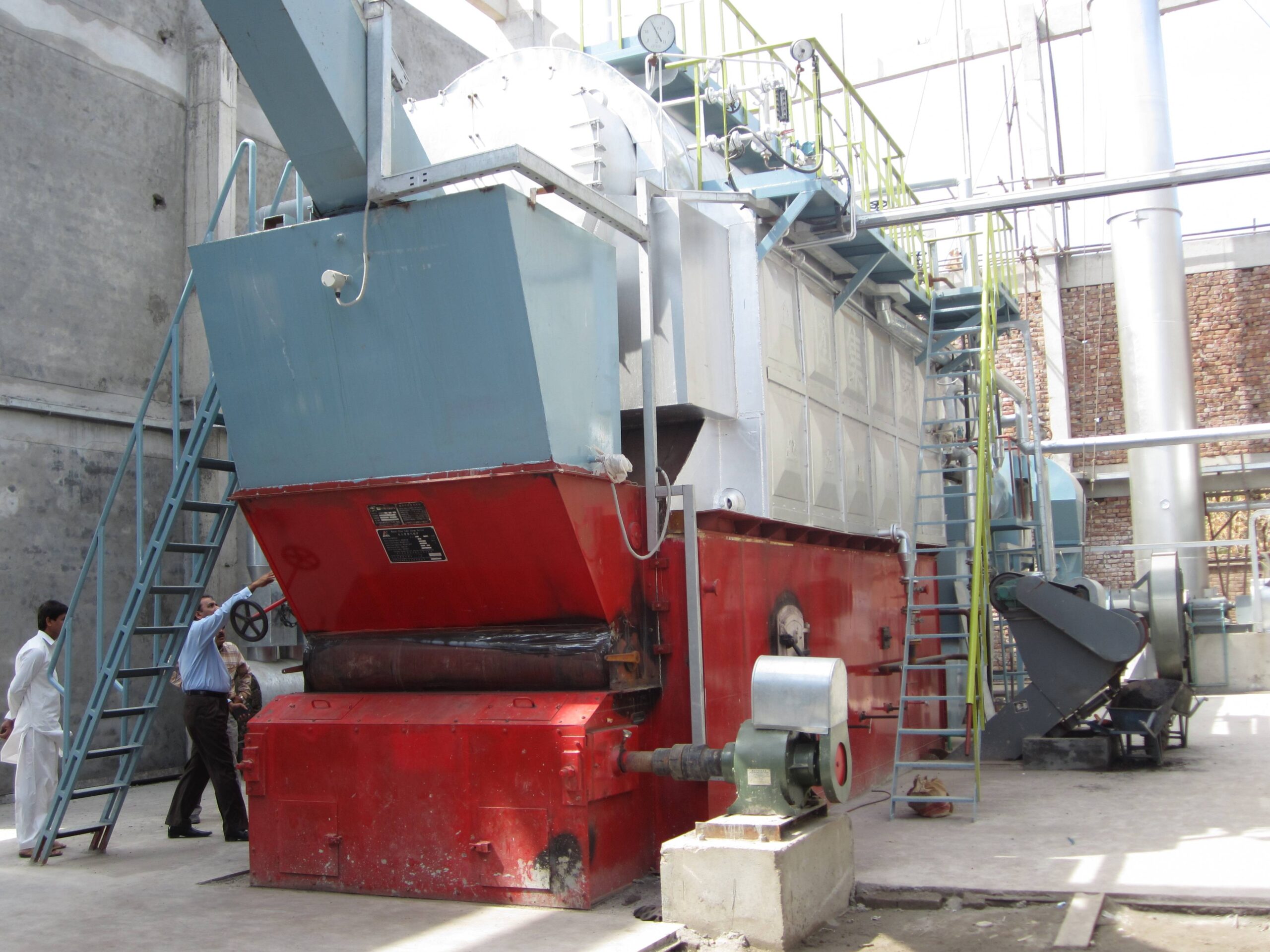
For many industrial steam users, boiler efficiency is often treated as a technical specification rather than a financial driver. This creates a major pain point: companies invest heavily in boilers but underestimate how small efficiency differences translate into massive fuel and operating cost gaps over time. The consequence is predictable but painful—higher fuel bills, rising operating expenses, and reduced competitiveness over the boiler’s service life. In energy-intensive industries, this hidden cost can dwarf the initial boiler investment. The solution is to clearly understand how boiler efficiency directly impacts long-term fuel consumption, operating costs, maintenance expenses, and overall lifecycle economics of industrial steam boilers.
Boiler efficiency has a decisive impact on long-term fuel and operating costs; even a 1–3% efficiency difference can result in tens or hundreds of thousands of dollars in additional fuel expense over the service life of an industrial steam boiler.
Efficiency is not a marginal parameter—it is one of the most powerful economic levers in boiler investment decisions.
Improving boiler efficiency by just 1% has little impact on total operating cost.False
In continuous industrial operation, a 1% efficiency gain can reduce annual fuel costs by tens of thousands of dollars or more.
Higher-efficiency boilers typically reduce both fuel cost and maintenance-related operating expenses.True
Efficient combustion lowers excess air, reduces fouling, and stabilizes operation, decreasing wear and maintenance needs.
To appreciate the full economic impact, boiler efficiency must be analyzed across the entire operating lifecycle.
Understanding Boiler Efficiency in Industrial Steam Systems
From a professional manufacturer’s and supplier’s perspective, boiler efficiency measures how effectively fuel energy is converted into usable steam energy. Losses occur through flue gas heat, incomplete combustion, radiation, blowdown, and auxiliary power consumption.
Industrial steam boilers typically operate continuously for thousands of hours per year. As a result, even small inefficiencies are multiplied over long operating hours, making efficiency a dominant cost factor.
Direct Relationship Between Efficiency and Fuel Consumption
Fuel cost is the largest single operating expense for most industrial steam boilers. Boiler efficiency directly determines how much fuel is required to produce each ton of steam.
| Boiler Efficiency | Relative Fuel Consumption | Annual Fuel Cost Impact |
|---|---|---|
| 80% | High | Baseline |
| 85% | Medium | –6% to –7% |
| 90% | Low | –11% to –12% |
For a boiler consuming millions of dollars in fuel annually, these percentage differences translate into substantial absolute savings.
Long-Term Fuel Cost Example
Consider an industrial boiler consuming USD 1,000,000 worth of fuel per year at 80% efficiency. Improving efficiency to 85% reduces fuel consumption by approximately 6–7%, saving USD 60,000–70,000 annually. Over a 15-year service life, this equates to nearly USD 1 million in fuel savings—often exceeding the initial boiler price difference.
Impact of Efficiency on Operating Cost Beyond Fuel
Boiler efficiency affects more than fuel bills. Efficient boilers typically operate with optimized air–fuel ratios, lower flue gas temperatures, and more stable combustion.
These factors reduce:
– Fouling and slagging
– Tube corrosion
– Thermal stress on pressure parts
As a result, maintenance frequency and spare parts consumption decrease, lowering operating and maintenance (O&M) costs.
Efficiency and Auxiliary Power Consumption
Low-efficiency boilers often require higher excess air and stronger draft, increasing fan and auxiliary power consumption. High-efficiency designs reduce flue gas volume and pressure drop, lowering electricity use.
Over long operating hours, reduced auxiliary power contributes meaningfully to total operating cost savings.
Boiler Efficiency and Emission-Related Costs
Higher efficiency reduces fuel consumption, which directly lowers emissions per unit of steam produced. This has economic implications under modern environmental regulations.
Efficiency improvements can:
– Reduce emission control reagent consumption
– Lower carbon taxes or emission fees
– Avoid capacity upgrades of emission control systems
From a cost perspective, efficiency and environmental compliance are closely linked.
Effect on Load Flexibility and Part-Load Operation
Industrial boilers rarely operate at constant full load. Poorly designed boilers experience sharp efficiency drops at part load, increasing fuel cost during off-peak operation.
High-efficiency boilers with advanced controls maintain stable efficiency across a wide load range, reducing wasted fuel during daily and seasonal load fluctuations.
Efficiency Degradation Over Time
Initial efficiency is important, but efficiency stability over time matters even more. Boilers with inferior materials or poor combustion design often experience rapid efficiency degradation due to fouling, corrosion, and air leakage.
From a lifecycle cost standpoint, a boiler that maintains high efficiency over 15–25 years delivers far greater savings than one with higher initial efficiency but rapid performance decline.
Role of Automation and Control in Sustaining Efficiency
Modern automation systems play a critical role in maintaining boiler efficiency. Continuous monitoring and automatic adjustment of air, fuel, and load reduce operator dependency and human error.
Automation adds to initial cost but protects efficiency—and therefore fuel cost—throughout the boiler’s operating life.
Efficiency Versus Capital Cost Trade-Off
Higher-efficiency boilers typically cost more upfront due to better heat recovery systems, advanced controls, and superior materials. However, the payback period is often short.
| Efficiency Upgrade | Typical Payback Period |
|---|---|
| +2% efficiency | 1–2 years |
| +5% efficiency | 2–4 years |
| +8–10% efficiency | 3–6 years |
After payback, efficiency gains translate directly into profit.
Efficiency Impact Across Different Boiler Types
Boiler technology strongly influences achievable efficiency.
| Boiler Type | Typical Efficiency Range |
|---|---|
| Chain grate coal-fired | 75–82% |
| Reciprocating grate | 78–85% |
| BFB | 85–88% |
| CFB | 88–92% |
| Gas-fired | 90–95% |
Higher-efficiency technologies often justify their higher capital cost through long-term fuel savings.
Risk of Underestimating Efficiency in Procurement
From a manufacturer’s standpoint, one of the most common procurement mistakes is focusing solely on initial price rather than lifecycle fuel cost. Over a 20-year operating period, fuel cost can exceed capital investment by 5–10 times.
Ignoring efficiency is equivalent to accepting a permanently higher operating cost structure.
Case Example: Efficiency-Driven Cost Reduction
An industrial plant upgraded from an older coal-fired boiler operating at 78% efficiency to a modern high-efficiency unit operating at 88%. Despite higher capital cost, fuel savings paid back the investment in less than three years, while reduced maintenance and emission costs further improved profitability.
Strategic Manufacturer Perspective
From a professional manufacturer and supplier standpoint, boiler efficiency should be evaluated as a long-term financial asset. The most economical boiler is rarely the cheapest to buy—it is the one that converts fuel into steam most effectively over decades of operation.
In conclusion, boiler efficiency has a profound and lasting impact on long-term fuel and operating costs of industrial steam boilers. Small efficiency improvements yield disproportionately large fuel savings, reduce maintenance and auxiliary power consumption, and lower emission-related expenses. Over the service life of a boiler, efficiency often determines total cost of ownership more than initial capital cost. For industrial users seeking sustainable competitiveness, investing in higher boiler efficiency is one of the most financially sound decisions available.
How Do Initial Capital Costs Compare With Lifecycle Savings in Industrial Steam Boilers?
Many industrial buyers focus heavily on the initial purchase price of a steam boiler, believing that minimizing upfront capital expenditure is the safest financial decision. This mindset creates a serious pain point: boilers with lower initial costs often generate much higher fuel, maintenance, labor, and compliance expenses over time. The consequence is a hidden financial burden that silently erodes profitability year after year. In contrast, boilers with higher initial capital costs often deliver substantial lifecycle savings that far exceed their price premium. The solution lies in understanding the relationship between upfront investment and total cost of ownership across the full operating life of an industrial steam boiler.
While high-efficiency, advanced industrial steam boilers typically require higher initial capital investment, they almost always deliver significantly greater lifecycle savings through reduced fuel consumption, lower maintenance, improved reliability, and better compliance economics, resulting in lower total cost of ownership over 15–25 years.
This capital-versus-lifecycle perspective is essential for sound boiler investment decisions.
The lowest-priced industrial steam boiler usually delivers the lowest total cost of ownership.False
Lower initial cost boilers often incur higher fuel, maintenance, and compliance costs over their lifecycle.
Lifecycle fuel costs can exceed the initial boiler capital cost by several times.True
Over long operating periods, fuel expenses typically dominate total cost of ownership.
A rational boiler investment must therefore balance upfront cost with long-term economic performance.
Understanding Initial Capital Cost in Industrial Steam Boilers
From a professional manufacturer’s and supplier’s perspective, initial capital cost includes the boiler itself and associated core systems such as fuel handling, basic controls, and standard auxiliaries. This cost is influenced by pressure rating, capacity, materials, combustion technology, and automation level.
Lower capital cost boilers usually achieve savings through:
– Simpler designs
– Lower-grade materials
– Minimal automation
– Limited heat recovery
While these designs reduce purchase price, they often compromise efficiency, durability, and operational stability.
What Constitutes Lifecycle Savings?
Lifecycle savings refer to all cost reductions realized during the boiler’s operating life compared to an alternative option. These savings primarily arise from:
– Reduced fuel consumption
– Lower maintenance and spare parts cost
– Reduced labor requirements
– Lower emission control and compliance costs
– Fewer unplanned shutdowns
In industrial steam systems operating thousands of hours per year, these savings accumulate rapidly.
Fuel Cost: The Dominant Lifecycle Factor
Fuel is the largest operating cost for most industrial boilers. Even small efficiency improvements have a massive financial impact over time.
| Boiler Efficiency | Annual Fuel Cost | 20-Year Fuel Cost |
|---|---|---|
| 80% | High | Baseline |
| 85% | –6–7% | –6–7% |
| 90% | –11–12% | –11–12% |
For a boiler consuming USD 1 million in fuel annually, improving efficiency from 80% to 90% can save over USD 2 million across 20 years—often exceeding the initial boiler investment.
Maintenance and Reliability Savings
Low-cost boilers often rely on thinner materials, basic refractory, and manual operation. Over time, this leads to:
– Faster wear and corrosion
– Higher tube failure rates
– More frequent shutdowns
Higher-quality boilers use superior materials, optimized combustion, and automation that stabilize operation. This reduces maintenance frequency and extends component life, generating substantial long-term savings.
Labor and Automation Economics
Boilers with higher initial automation cost reduce operator intervention, staffing requirements, and human error. In regions with rising labor costs, automation-driven savings become increasingly significant over the boiler’s life.
| Automation Level | Initial Cost | Lifecycle Labor Cost |
|---|---|---|
| Manual | Low | High |
| Semi-automatic | Medium | Medium |
| Fully automatic | Higher | Low |
Over decades of operation, labor savings often exceed the cost of advanced control systems.
Environmental Compliance and Cost Avoidance
Modern environmental standards impose strict emission limits and monitoring requirements. Boilers designed with integrated efficiency and clean combustion often require smaller, less complex emission control systems.
Low-cost boilers may meet current standards but lack margin for future regulations, leading to expensive retrofits or forced replacement. Investing upfront in compliance-ready design protects long-term asset value and avoids future capital shocks.
Payback Period of Higher Initial Investment
From an investment perspective, the key question is how quickly higher capital cost is recovered through savings.
| Upgrade Type | Typical Payback Period |
|---|---|
| Efficiency improvement | 1–3 years |
| Automation upgrade | 2–4 years |
| Advanced materials | 3–5 years |
After payback, all additional savings contribute directly to reduced operating cost and increased profitability.
Case Comparison: Low-Cost vs High-Efficiency Boiler
Consider two industrial boilers with identical capacity:
– Boiler A: Low initial cost, 80% efficiency
– Boiler B: Higher initial cost, 90% efficiency
Although Boiler B costs more initially, fuel savings alone repay the price difference within a few years. Over a 20-year life, Boiler B delivers millions in net savings, while Boiler A remains permanently more expensive to operate.
Risk and Downtime Economics
Unplanned downtime is one of the most underestimated lifecycle costs. Boilers with lower design margins are more prone to failures, disrupting production and increasing indirect costs.
High-quality boilers reduce operational risk, improve availability, and protect revenue streams—benefits that rarely appear in initial cost comparisons but strongly affect long-term economics.
Manufacturer’s Lifecycle Cost Perspective
From a professional manufacturer’s standpoint, the true value of an industrial steam boiler lies in its lifecycle performance, not its purchase price. Advanced design, high efficiency, and automation represent investments that compound in value over decades of operation.
Strategic Procurement Insight
Smart industrial buyers evaluate boilers using total cost of ownership (TCO) models rather than upfront price alone. This approach aligns capital budgeting with long-term operational reality and avoids false economies.
In conclusion, initial capital cost and lifecycle savings must be evaluated together when selecting industrial steam boilers. While higher upfront investment may seem less attractive initially, it often unlocks far greater savings through reduced fuel consumption, lower maintenance, improved reliability, and compliance stability. Over the typical 15–25 year service life of an industrial boiler, lifecycle savings almost always outweigh differences in purchase price. The most economical boiler is not the cheapest to buy—but the cheapest to own.
What Role Do Maintenance, Spare Parts, and Downtime Play in Long-Term Cost-Effectiveness?
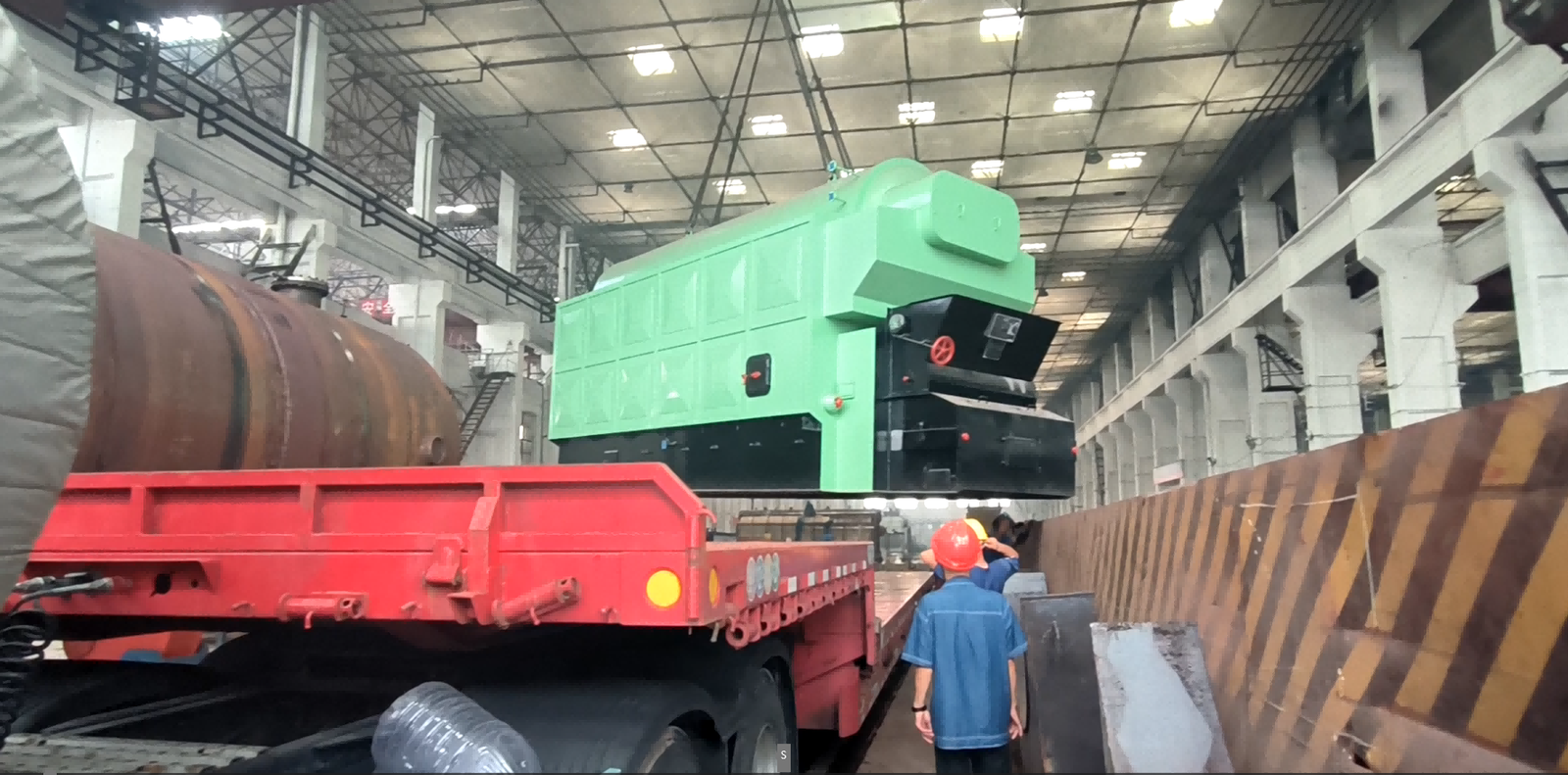
For many industrial steam users, the true cost of a boiler is not determined on the day it is purchased, but over decades of operation. A major pain point arises when companies underestimate how maintenance frequency, spare parts availability, and unexpected downtime silently erode profitability. The consequence is often severe: escalating maintenance budgets, production losses due to outages, and premature boiler replacement. In extreme cases, downtime costs can exceed fuel expenses. The solution lies in understanding how maintenance strategy, spare parts management, and operational reliability collectively define the long-term cost-effectiveness of industrial steam boilers.
Maintenance intensity, spare parts strategy, and downtime risk are critical determinants of long-term cost-effectiveness; boilers with higher reliability and better serviceability often deliver far lower total cost of ownership despite higher initial capital cost.
These factors must be evaluated as core economic variables, not secondary considerations.
Maintenance and spare parts costs are insignificant compared to fuel costs in industrial boilers.False
While fuel dominates operating cost, maintenance, parts, and downtime can represent a substantial and sometimes decisive share of total lifecycle cost.
Unplanned downtime usually has a higher economic impact than planned maintenance.True
Downtime disrupts production, increases emergency repair costs, and often causes cascading financial losses.
To understand their impact, maintenance, spare parts, and downtime must be analyzed together rather than in isolation.
Maintenance as a Lifecycle Cost Driver
From a professional manufacturer’s and supplier’s perspective, maintenance cost is not simply a function of labor—it is a reflection of design quality, material selection, combustion stability, and automation level. Boilers with poor design margins or inferior materials require frequent inspection, cleaning, refractory repair, and tube replacement.
Over long operating periods, even small differences in annual maintenance frequency compound into large cost gaps.
| Boiler Design Quality | Maintenance Frequency | Long-Term Cost Impact |
|---|---|---|
| Low | High | Very High |
| Medium | Moderate | Medium |
| High | Low | Low |
High-quality boilers reduce intervention needs, lowering both direct maintenance cost and indirect operational disruption.
Planned Maintenance vs Unplanned Maintenance
Planned maintenance is predictable, budgetable, and can be scheduled during low-demand periods. Unplanned maintenance, by contrast, is disruptive and expensive.
Unplanned events typically involve:
– Emergency labor rates
– Express spare parts procurement
– Production losses
– Safety risks
From a cost-effectiveness standpoint, boilers designed for predictable, condition-based maintenance dramatically outperform those prone to random failures.
Spare Parts Availability and Cost Structure
Spare parts strategy is often overlooked during procurement, yet it has a direct impact on long-term operating cost. Proprietary designs with non-standard components can lock operators into high-cost, long-lead-time spare parts.
By contrast, boilers designed with standardized components and modular assemblies reduce spare parts cost and improve availability.
| Spare Parts Strategy | Cost Impact | Downtime Risk |
|---|---|---|
| Proprietary parts | High | High |
| Mixed standard | Medium | Medium |
| Fully standardized | Low | Low |
From a supplier’s standpoint, long-term cost-effective boilers are those that balance performance with maintainability and parts accessibility.
Inventory Carrying Cost vs Downtime Risk
Maintaining spare parts inventory involves capital tie-up, storage, and management cost. However, insufficient inventory increases downtime risk.
The optimal strategy balances:
– Critical spares stocked on-site
– Non-critical parts sourced quickly
– Long-lead items planned proactively
This balance minimizes both inventory cost and outage risk, improving total cost-effectiveness.
Downtime: The Hidden Cost Multiplier
Downtime is often the single most expensive consequence of poor maintenance and unreliable boiler design. In industrial settings, steam outages can halt entire production lines, damage process quality, and breach contractual obligations.
Downtime costs include:
– Lost production revenue
– Idle labor
– Restart inefficiencies
– Penalty payments
In many industries, one day of boiler downtime can cost more than a year of planned maintenance.
Relationship Between Design Robustness and Downtime
Boilers with conservative thermal design, robust pressure parts, and stable combustion systems experience fewer forced outages. Advanced automation further reduces downtime by detecting abnormal conditions early and preventing escalation.
From a lifecycle cost perspective, reliability is not a technical luxury—it is a financial necessity.
Maintenance Labor and Skill Requirements
Complex, low-quality boilers often require frequent intervention by highly skilled technicians. In regions facing skilled labor shortages, this drives up labor costs and extends repair durations.
Boilers designed for ease of access, clear diagnostics, and automated control reduce reliance on scarce expertise, improving long-term cost stability.
Impact of Maintenance on Efficiency Degradation
Poor maintenance accelerates efficiency loss through fouling, air leakage, and improper combustion. Reduced efficiency increases fuel consumption, compounding operating costs.
High-maintenance boilers therefore suffer a double penalty: direct maintenance expense and indirect fuel cost escalation.
Case Example: Maintenance-Driven Cost Escalation
An industrial facility installed a low-cost boiler with limited automation. Frequent slagging and tube failures led to repeated shutdowns. Over ten years, maintenance and downtime costs exceeded the initial boiler price. A comparable facility with a higher-quality boiler experienced fewer outages and significantly lower total cost of ownership.
Predictive Maintenance and Digitalization
Modern industrial boilers increasingly use predictive maintenance tools, including vibration monitoring, temperature trending, and combustion analytics. While these systems add to initial cost, they dramatically reduce unplanned downtime.
Predictive maintenance shifts cost from emergency response to controlled intervention, improving cost-effectiveness.
Manufacturer’s Long-Term Perspective
From a professional manufacturer and supplier standpoint, boilers designed with durability, serviceability, and spare parts standardization deliver superior economic performance over time. Short-term savings at purchase often translate into long-term financial burden.
Maintenance and Replacement Decisions
Rising maintenance cost and increasing downtime frequency are key indicators that a boiler is approaching end-of-life. At this stage, continued repair often becomes less cost-effective than replacement.
Understanding maintenance trends helps operators make timely, economically sound replacement decisions.
Strategic Cost-Effectiveness Framework
When evaluating long-term cost-effectiveness, industrial users should assess:
– Annual maintenance cost trajectory
– Spare parts pricing and lead time
– Downtime frequency and severity
– Impact on production continuity
This framework provides a far more accurate economic picture than capital cost alone.
In conclusion, maintenance, spare parts, and downtime play a decisive role in the long-term cost-effectiveness of industrial steam boilers. Boilers that require frequent repair, expensive proprietary parts, or suffer unplanned outages quickly become financial liabilities. By contrast, reliable, well-designed boilers with accessible spare parts and predictable maintenance schedules deliver lower total cost of ownership—even if their initial capital cost is higher. In industrial steam systems, reliability is not just an engineering goal; it is a core economic strategy.
How Do Fuel Type and Price Stability Affect the Long-Term Economics of Steam Boilers?
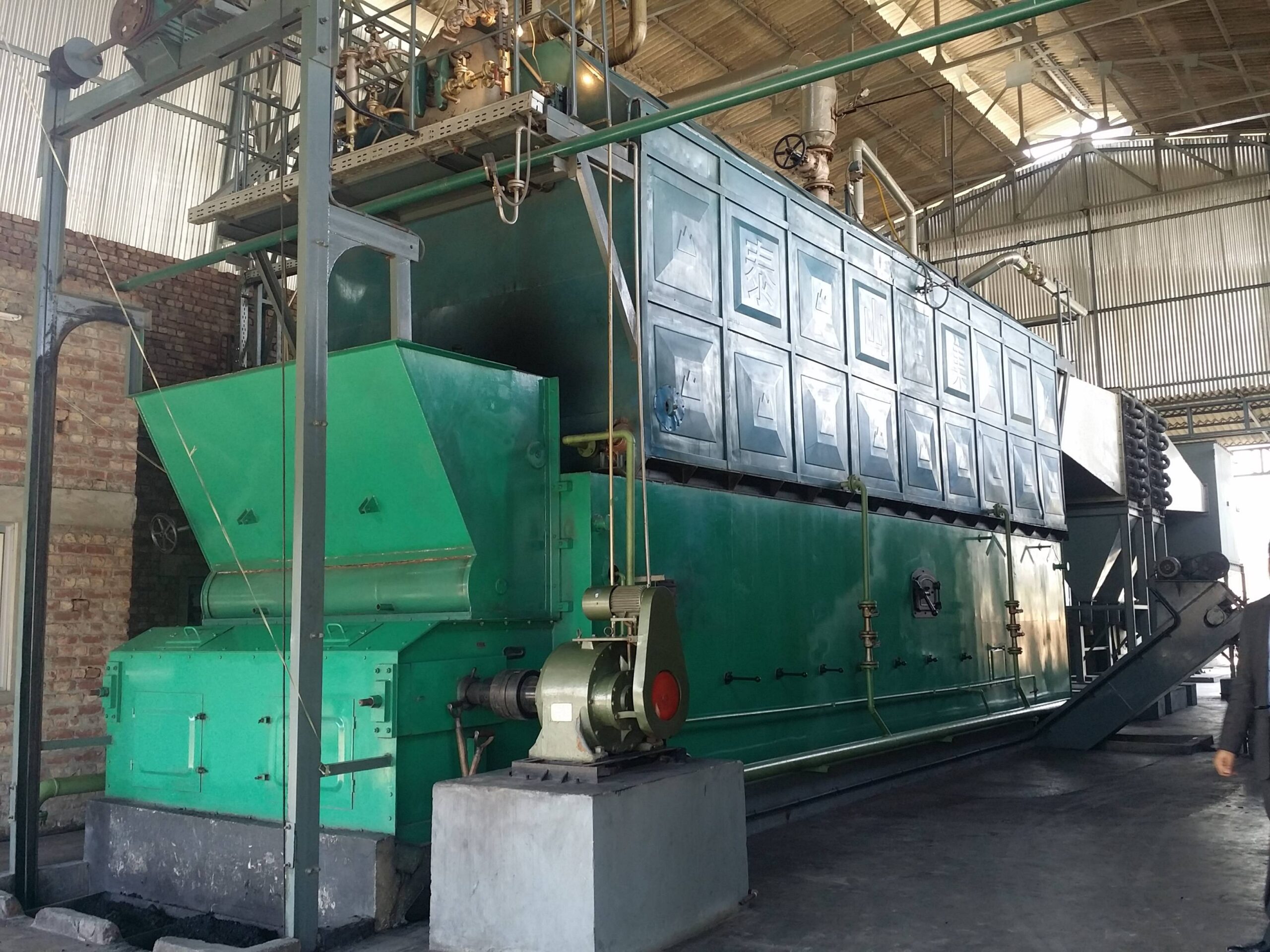
For industrial steam users, fuel choice is often treated as a purely technical or procurement decision, yet it is one of the most critical long-term economic variables in boiler ownership. A common pain point arises when a boiler is selected based on today’s fuel price, only for unexpected price volatility, supply disruptions, or policy changes to erode profitability over time. The consequence can be dramatic: operating costs spiral upward, budget forecasts collapse, and previously “cheap” boilers become financial liabilities. The solution is to understand how fuel type and price stability fundamentally shape the long-term economics of steam boilers, far beyond initial equipment cost.
Fuel type and price stability directly determine long-term boiler economics by influencing fuel cost predictability, efficiency potential, infrastructure investment, operational risk, and exposure to regulatory and market volatility, often outweighing differences in initial boiler capital cost.
In industrial steam systems, fuel economics define success or failure over decades.
Selecting the cheapest fuel today guarantees the lowest long-term operating cost for a steam boiler.False
Fuel prices fluctuate over time, and volatility, supply risk, and regulatory exposure can outweigh short-term price advantages.
Fuel price stability is often more important than absolute fuel price in long-term boiler economics.True
Stable fuel pricing enables predictable operating costs, budgeting accuracy, and reduced financial risk.
To make sound decisions, fuel economics must be evaluated across the full boiler lifecycle.
Fuel Type as a Structural Cost Driver
From a professional manufacturer’s and supplier’s perspective, fuel type influences not only fuel price but also boiler design, efficiency range, maintenance intensity, emission control cost, and infrastructure investment. Each fuel creates a different long-term cost structure.
| Fuel Type | Typical Price Stability | Long-Term Cost Risk |
|---|---|---|
| Coal | Medium | Medium |
| Natural gas | Medium–High (region-dependent) | Medium |
| Biomass | High (local sourcing) | Low–Medium |
| Oil | Low | High |
| Electricity | High | Medium–High |
These characteristics shape total cost of ownership far more than purchase price alone.
Coal: Low Unit Cost, Moderate Stability, Rising Risk
Coal has historically offered low and relatively stable pricing in many regions, making it attractive for large steam users. However, long-term economics are increasingly affected by environmental regulation, carbon pricing, and logistics costs.
While coal price itself may be stable, compliance costs and policy risk introduce indirect volatility. From a lifecycle perspective, coal-fired boilers face growing uncertainty that must be factored into economic planning.
Natural Gas: Efficiency Advantage with Market Sensitivity
Natural gas boilers offer high efficiency, low maintenance, and lower emission costs. However, gas pricing is closely tied to global energy markets and geopolitical factors.
In regions with mature gas infrastructure and long-term supply contracts, gas price stability can be high. Where supply is constrained, volatility can significantly affect operating economics.
Gas-fired boilers often deliver excellent long-term economics when price stability is secured contractually.
Biomass: Price Stability Through Localization
Biomass fuel economics differ fundamentally from fossil fuels. When sourced locally under long-term contracts, biomass offers exceptional price stability and insulation from global energy markets.
However, biomass fuel quality variability affects efficiency and maintenance cost. Long-term economics are strongest where fuel supply chains are well developed and sustainable.
From a risk perspective, biomass offers one of the most stable long-term cost profiles when properly managed.
Oil: High Volatility and Long-Term Cost Risk
Oil-fired boilers are highly sensitive to global crude oil price fluctuations. While oil systems offer flexibility and compact design, long-term economics are often unfavorable due to price volatility and emission costs.
Oil is increasingly used as backup rather than primary fuel, reflecting its poor long-term cost predictability.
Electricity: Price Stability with Structural Cost Exposure
Electric and electrode boilers benefit from stable pricing in regulated electricity markets, but electricity is typically a high-cost energy carrier. Long-term economics depend heavily on tariff structures, demand charges, and grid decarbonization policies.
Electric boilers can be economical in niche applications, especially where excess renewable electricity is available.
Price Stability and Budget Predictability
From an industrial finance perspective, price stability is as important as price level. Stable fuel pricing allows:
– Accurate long-term budgeting
– Predictable production costs
– Reduced financial hedging expense
Volatile fuels introduce financial risk that can exceed technical operating costs.
Interaction Between Fuel Type and Boiler Efficiency
Fuel type determines achievable efficiency and efficiency stability over time. Gas and electric boilers typically maintain high efficiency consistently, while solid fuels are more sensitive to quality variation and maintenance quality.
Lower efficiency stability increases effective fuel cost over time, reducing economic predictability.
Infrastructure Investment and Lock-In Effect
Fuel choice requires infrastructure investment—pipelines, storage, handling systems—that locks users into a fuel path for decades. Switching fuels later is often expensive or impractical.
From a lifecycle perspective, fuel price stability should be evaluated over the full service life, not short-term market conditions.
Regulatory and Policy Exposure
Fuel economics are increasingly shaped by environmental policy. Carbon pricing, emission limits, and renewable mandates affect long-term fuel cost differently.
| Fuel | Regulatory Risk Level |
|---|---|
| Coal | High |
| Oil | High |
| Natural gas | Medium |
| Biomass | Low |
| Electricity | Policy-dependent |
Ignoring regulatory risk leads to underestimated long-term cost.
Case Example: Fuel Stability vs Lowest Price
An industrial plant selected coal based on low fuel price but later faced escalating emission compliance costs. A comparable plant using biomass under long-term supply contracts achieved higher cost stability and lower total cost of ownership over 15 years, despite higher initial boiler investment.
Manufacturer’s Strategic Perspective
From a professional manufacturer’s standpoint, the most economical boiler is one aligned with a fuel that offers long-term price stability, secure supply, and regulatory resilience. Fuel choice determines whether a boiler remains competitive or becomes obsolete.
Strategic Evaluation Framework
To assess long-term fuel economics, industrial users should evaluate:
– Historical and projected price volatility
– Supply chain resilience
– Regulatory exposure
– Efficiency compatibility
– Infrastructure flexibility
This holistic framework reveals true long-term cost.
In conclusion, fuel type and price stability are foundational to the long-term economics of steam boilers. While fuel unit price matters, price stability, regulatory risk, efficiency potential, and supply security often matter more. Boilers are long-lived assets, and fuel decisions made today shape operating costs for decades. The most cost-effective steam boiler is not defined by the cheapest fuel today, but by the most stable, efficient, and resilient fuel choice over its entire lifecycle.
How Do Environmental Compliance and Emission Regulations Influence Total Ownership Cost?
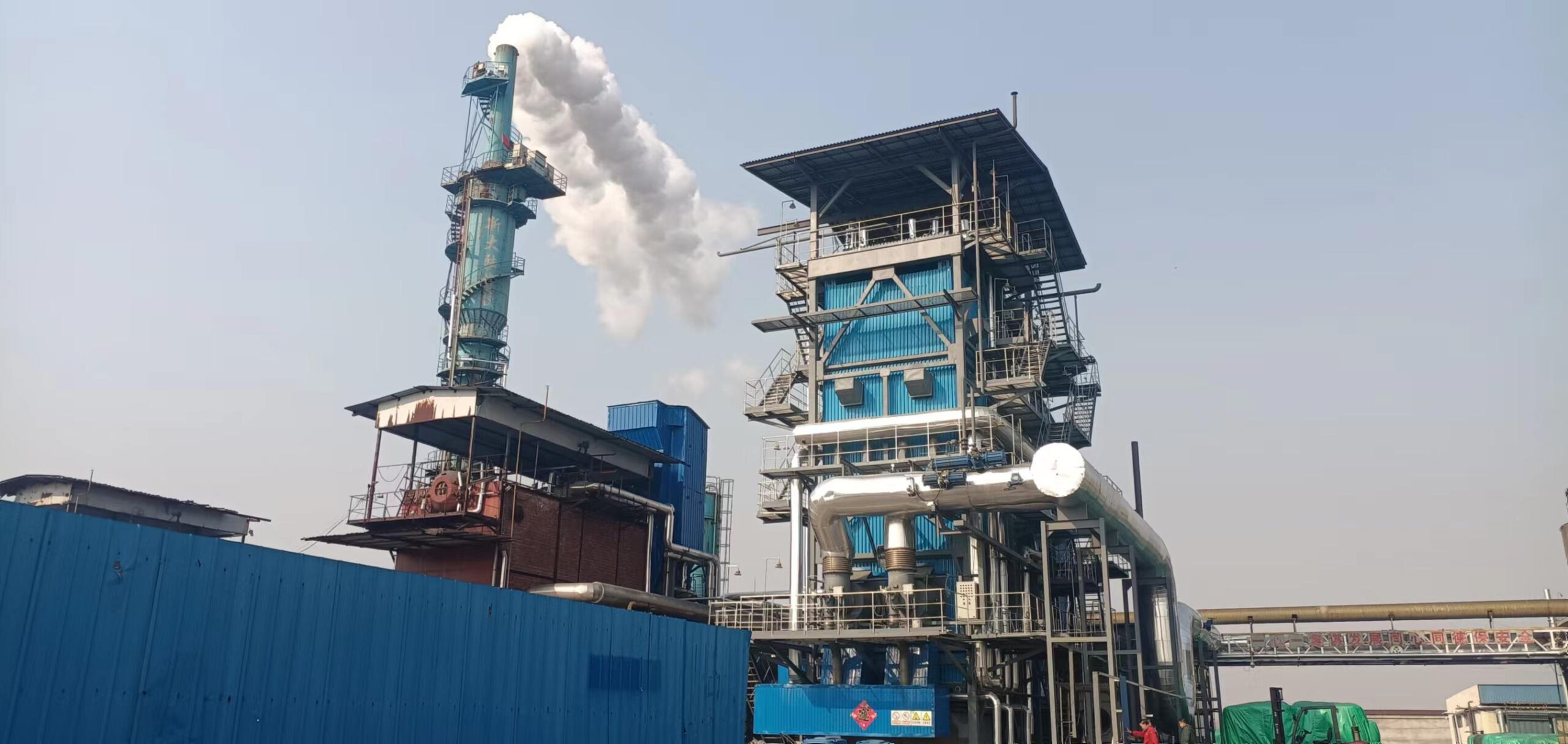
For industrial boiler owners, environmental compliance is no longer just a regulatory checkbox—it is one of the most powerful drivers of total ownership cost. A frequent pain point emerges when companies budget primarily for boiler purchase and fuel, only to later face escalating expenses from emission controls, monitoring systems, regulatory upgrades, and compliance-driven downtime. The consequence is often severe: unplanned capital expenditures, reduced asset life, or even forced shutdowns. The solution is to clearly understand how environmental compliance and emission regulations influence total cost of ownership (TCO) across the entire lifecycle of an industrial steam boiler.
Environmental compliance and emission regulations significantly increase total ownership cost by adding capital investment, operating expenses, maintenance burden, monitoring obligations, and regulatory risk—but they also protect long-term asset viability and prevent costly non-compliance events.
In modern industry, environmental cost is inseparable from boiler economics.
Environmental compliance costs only affect the initial purchase price of a boiler.False
Compliance affects capital cost, operating cost, maintenance, monitoring, retrofit risk, and even asset lifespan.
Boilers designed to meet stricter emission standards upfront usually have lower total ownership cost over their lifetime.True
Early compliance reduces retrofit risk, downtime, and regulatory uncertainty over long-term operation.
Understanding these dynamics is essential for sustainable and cost-effective boiler ownership.
Environmental Compliance as a Lifecycle Cost Component
From a professional manufacturer’s and supplier’s perspective, environmental compliance influences nearly every stage of a boiler’s lifecycle—from design and procurement to daily operation and eventual replacement. Emission regulations dictate combustion technology, material selection, auxiliary equipment, and control system complexity.
Rather than being a one-time expense, compliance costs accumulate continuously over the boiler’s operating life.
Capital Cost Impact of Emission Regulations
Stricter emission limits require additional systems to control pollutants such as particulate matter (PM), sulfur dioxide (SO₂), nitrogen oxides (NOx), and sometimes mercury or CO₂.
| Emission Type | Control Equipment | Capital Cost Impact |
|---|---|---|
| PM | Cyclone, ESP, baghouse | +5–20% |
| SO₂ | FGD (wet/dry) | +10–30% |
| NOx | Low-NOx burners, SCR/SNCR | +5–25% |
| Multi-pollutant | Integrated systems | +20–50%+ |
For coal-fired boilers, emission control systems can equal or exceed the cost of the boiler pressure parts themselves.
Operating Cost Increase Due to Compliance
Environmental compliance extends far beyond capital equipment. Emission control systems consume energy, reagents, water, and labor.
Typical operating cost additions include:
– Increased auxiliary power consumption
– Reagent costs (limestone, ammonia, urea)
– Additional maintenance labor
– Waste disposal (ash, gypsum, spent catalysts)
Over decades of operation, these costs often surpass the original compliance-related capital investment.
Continuous Emission Monitoring and Reporting Costs
Modern regulations increasingly require continuous emission monitoring systems (CEMS). These systems add both direct and indirect ownership costs.
CEMS-related expenses include:
– Analyzer and data acquisition equipment
– Calibration gases and consumables
– Routine verification and audits
– Regulatory reporting and compliance staff time
Although often underestimated, monitoring costs persist for the entire operating life of the boiler.
Maintenance Burden of Emission Control Systems
Emission control equipment introduces additional maintenance complexity. Baghouse filters, SCR catalysts, pumps, fans, and sensors all require periodic inspection and replacement.
| Compliance Level | Maintenance Complexity | Long-Term Cost |
|---|---|---|
| Basic | Low | Low |
| Moderate | Medium | Medium |
| Ultra-low emission | High | High |
Higher compliance levels increase maintenance intensity, but they also reduce regulatory risk.
Downtime and Compliance-Driven Outages
Environmental compliance can directly affect availability. Planned shutdowns for catalyst replacement or system inspection are predictable, but non-compliance events can cause forced outages.
Unplanned compliance-related downtime often results from:
– Emission exceedances
– Equipment failure
– Regulatory inspections
From a total ownership cost perspective, downtime can be more expensive than compliance hardware itself.
Retrofit Risk and Cost Escalation
One of the largest ownership cost risks is future regulation tightening. Boilers designed only to meet current standards often lack space, margins, or integration capability for upgrades.
Retrofits typically involve:
– Structural modifications
– Extended outages
– Higher unit cost than new installations
In many cases, delayed compliance results in higher lifetime cost than upfront over-compliance.
Technology Choice and Compliance Economics
Boiler technology strongly influences compliance cost. Fluidized bed boilers (BFB, CFB) inherently produce lower NOx and allow in-furnace sulfur capture, reducing downstream control requirements.
| Boiler Technology | Compliance Cost Level |
|---|---|
| Chain grate | High |
| Reciprocating grate | High |
| BFB | Medium |
| CFB | Lower integrated cost |
| Gas-fired | Low |
Although advanced technologies may cost more initially, they often deliver lower total ownership cost under strict regulations.
Carbon and Climate Policy Exposure
Beyond traditional pollutants, carbon pricing and decarbonization policies increasingly affect boiler economics. Fuels with higher carbon intensity face rising long-term cost risk.
From a TCO perspective, carbon exposure must be treated as a future operating cost rather than a hypothetical risk.
Asset Life and Residual Value
Boilers that fail to meet evolving environmental standards often suffer shortened service life or reduced resale value. Compliance-ready designs maintain operational permission and asset value longer.
Environmental compliance therefore protects not only operation but also capital recovery.
Case Example: Cost of Underestimating Compliance
An industrial plant installed a low-cost coal-fired boiler meeting minimum emission standards. Within eight years, tighter regulations forced major retrofits and extended shutdowns. Total compliance-related costs exceeded the original boiler price. A similar facility that invested upfront in higher compliance avoided retrofits and achieved lower total ownership cost over 20 years.
Manufacturer’s Strategic Perspective
From a professional manufacturer’s standpoint, environmental compliance should be treated as a strategic investment rather than a regulatory burden. Early integration of emission control and compliance margins reduces uncertainty, stabilizes operating cost, and extends asset life.
Total Ownership Cost Framework
To accurately assess environmental impact on ownership cost, industrial users should evaluate:
– Initial compliance capital cost
– Annual operating and maintenance cost
– Monitoring and reporting expenses
– Retrofit probability
– Downtime and regulatory risk
This framework reveals the true economic weight of environmental compliance.
In conclusion, environmental compliance and emission regulations exert a profound influence on total ownership cost of industrial steam boilers. They increase capital and operating costs, add maintenance and monitoring burdens, and introduce regulatory risk—but they also protect asset longevity, operational continuity, and financial stability. Boilers designed with compliance in mind consistently deliver lower total cost of ownership than those built to minimum standards. In today’s regulatory environment, environmental compliance is not just a cost—it is an essential component of long-term economic resilience.
In Which Industries and Applications Are Industrial Steam Boilers Most Cost-Effective?
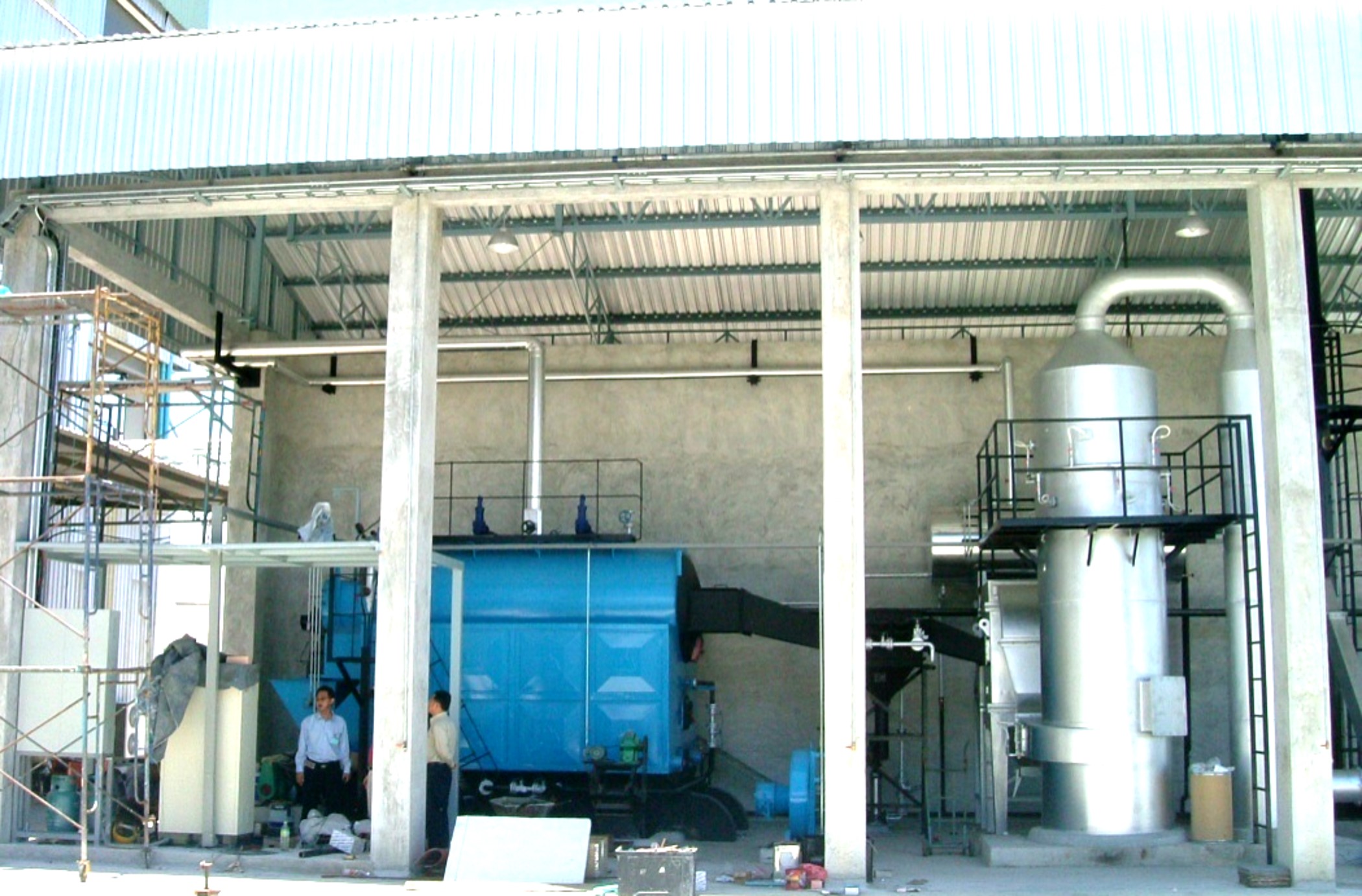
Many decision-makers question whether industrial steam boilers are still a cost-effective investment in an era of electrification and alternative energy systems. The pain point is clear: steam boilers require significant capital, fuel supply, and maintenance, and when applied incorrectly, they can become financial burdens rather than assets. The consequence of poor application matching is high operating cost, low utilization, and wasted investment. The solution is understanding where industrial steam boilers deliver maximum economic value—industries and applications where steam remains the most efficient, reliable, and cost-effective energy carrier.
Industrial steam boilers are most cost-effective in industries and applications with continuous thermal demand, high heat-transfer efficiency requirements, process integration needs, and the ability to utilize cost-stable fuels, such as food processing, chemicals, pulp and paper, textiles, pharmaceuticals, district heating, and cogeneration systems.
In these sectors, steam boilers consistently deliver the lowest total cost of ownership.
Industrial steam boilers are becoming economically obsolete across most industries.False
In many continuous-process industries, steam remains the most efficient and cost-effective thermal energy solution.
Steam boilers are most cost-effective when both thermal demand and operating hours are high.True
High utilization spreads capital cost and maximizes fuel efficiency benefits.
Understanding application suitability is the key to maximizing boiler economics.
Why Steam Remains Economically Competitive
From a professional manufacturer’s and supplier’s perspective, steam is uniquely cost-effective because it combines high energy density, precise temperature control, rapid heat transfer, and flexible distribution. These characteristics allow steam boilers to serve multiple processes simultaneously with minimal energy loss.
Industries that require consistent heat at controlled temperatures benefit most from steam-based systems.
Food and Beverage Processing Industry
Food and beverage manufacturing is one of the most cost-effective applications for industrial steam boilers. Steam is essential for cooking, sterilization, pasteurization, cleaning (CIP), and drying.
Key economic advantages include:
– High daily operating hours
– Moderate pressure and temperature requirements
– Stable demand profiles
– Strong compatibility with gas or biomass fuels
| Application | Steam Use | Cost-Effectiveness |
|---|---|---|
| Dairy | Pasteurization, CIP | Very High |
| Beverage | Sterilization, bottling | Very High |
| Meat processing | Cooking, sanitation | High |
High utilization and process integration make steam boilers extremely economical in this sector.
Chemical and Petrochemical Industry
The chemical industry relies heavily on steam for reaction heating, distillation, stripping, and solvent recovery. Steam boilers are particularly cost-effective due to their ability to deliver precise thermal control across multiple processes.
Economic drivers include:
– Continuous operation
– High-pressure steam utilization
– Integration with cogeneration systems
– Fuel flexibility
In chemical plants, steam boilers often operate near full load year-round, maximizing return on investment.
Pulp and Paper Industry
Pulp and paper production is one of the most steam-intensive industrial sectors. Steam is used for pulping, drying, evaporation, and power generation.
This industry achieves exceptional boiler economics due to:
– Very high steam demand
– Ability to use biomass and waste fuels
– Combined heat and power (CHP) integration
| Boiler Type | Typical Fuel | Economic Advantage |
|---|---|---|
| CFB | Biomass, black liquor | Very High |
| BFB | Biomass | High |
Fuel self-sufficiency dramatically improves long-term cost stability.
Textile and Garment Industry
Textile manufacturing relies on steam for dyeing, washing, finishing, and drying. Steam boilers are cost-effective because they provide rapid heat transfer and flexible temperature control.
Economic benefits include:
– Medium pressure requirements
– High daily operating hours
– Centralized heat generation
Textile plants with continuous shifts achieve particularly strong lifecycle economics from steam boilers.
Pharmaceutical and Healthcare Industry
Pharmaceutical production requires clean, reliable, and precisely controlled steam for sterilization, humidification, and process heating.
Although compliance costs are higher, steam boilers remain cost-effective because:
– Steam meets strict hygienic standards
– High reliability is critical
– Downtime costs are extremely high
In this sector, reliability and control outweigh initial capital cost considerations.
District Heating and Industrial Campuses
District heating systems and industrial parks use centralized steam boilers to supply multiple users. High load diversity and continuous demand make steam boilers highly economical.
Centralized systems benefit from:
– Economies of scale
– High utilization rates
– Simplified maintenance
Fuel flexibility further enhances long-term economics.
Cogeneration and Combined Heat and Power (CHP)
Steam boilers integrated with turbines in CHP systems deliver exceptional cost-effectiveness by producing both heat and electricity.
Economic advantages include:
– Higher overall fuel utilization (up to 80–90%)
– Reduced purchased electricity
– Improved energy resilience
CHP systems are particularly cost-effective in energy-intensive industries with continuous steam demand.
Mining and Metallurgical Applications
Steam boilers support ore processing, concentrate drying, and facility heating in mining operations. Where fuel is locally available, steam systems offer stable long-term economics.
Remote sites benefit from the robustness and fuel flexibility of industrial steam boilers.
Biomass and Waste-to-Energy Applications
Industries with access to low-cost biomass or process waste achieve outstanding cost-effectiveness using steam boilers.
Fuel cost savings often dominate total economics, making steam boilers the optimal solution despite higher capital investment.
Applications Where Steam Boilers Are Less Cost-Effective
Steam boilers are less economical in:
– Intermittent or low-load applications
– Small facilities with low operating hours
– Processes requiring only low-temperature heat
In these cases, alternative heating technologies may be more appropriate.
Key Economic Factors That Define Cost-Effectiveness
From a lifecycle perspective, steam boilers are most cost-effective when:
– Operating hours exceed 4,000–6,000 hours/year
– Thermal demand is stable and continuous
– Fuel supply is cost-stable
– Multiple processes share steam
These conditions maximize utilization and minimize unit steam cost.
Case Example: Industry Comparison
A food processing plant operating 8,000 hours/year achieved a payback period of less than three years on a high-efficiency gas-fired boiler. A small seasonal facility with similar capacity but low utilization failed to justify the same investment. Application suitability determined economic success.
Manufacturer’s Strategic Perspective
From a professional manufacturer’s standpoint, the most cost-effective steam boiler is one matched precisely to industry-specific demand profiles, fuel availability, and regulatory conditions. Steam boilers excel where heat demand is continuous, critical, and integrated into production.
In conclusion, industrial steam boilers are most cost-effective in industries where heat is a core production input rather than a secondary utility. Food processing, chemicals, pulp and paper, textiles, pharmaceuticals, district heating, and cogeneration applications consistently deliver the strongest boiler economics due to high utilization, fuel flexibility, and process integration. When properly applied, industrial steam boilers remain one of the most economical and resilient energy systems available.
🔍 Conclusion
When evaluated over their full service life, industrial steam boilers offer excellent long-term cost-effectiveness. High efficiency, long operating life, and adaptability to different fuels make them a reliable and economical choice for continuous industrial production. Investing in the right boiler technology ensures lower total cost of ownership, stable energy supply, and sustained operational competitiveness.
🔹 Contact us today to assess the long-term cost-effectiveness of an industrial steam boiler tailored to your production needs. ⚙️🔥🏭✅
FAQ
Q1: Are industrial steam boilers cost-effective over their full lifecycle?
A1: Industrial steam boilers are highly cost-effective over their full lifecycle when properly selected, installed, and maintained. While initial capital costs can be significant, long-term value is driven by fuel efficiency, operational reliability, and service life, which typically ranges from 20 to 30 years. High-efficiency boilers reduce fuel consumption, minimize downtime, and support stable production, making them a sound long-term investment for most industrial applications.
Q2: How does fuel type affect the long-term cost-effectiveness of steam boilers?
A2: Fuel type is the largest factor influencing long-term operating costs, often accounting for 60–70% of total lifecycle expenses. Gas-fired boilers offer high efficiency and low maintenance, while coal and biomass boilers provide lower fuel costs but require higher maintenance and emission control investment. Electric boilers have minimal maintenance but higher energy costs. Selecting a boiler matched to local fuel availability and price stability is critical to maximizing long-term cost-effectiveness.
Q3: What role does boiler efficiency play in long-term savings?
A3: Boiler efficiency has a direct and compounding effect on long-term costs. A 5% increase in thermal efficiency can reduce annual fuel expenses by thousands or even millions of dollars over the boiler’s lifetime. Modern steam boilers with economizers, condensate recovery, and advanced combustion controls significantly outperform older designs. High-efficiency boilers typically achieve faster payback periods and stronger ROI, especially in energy-intensive industries.
Q4: How do maintenance and downtime impact lifecycle costs?
A4: Maintenance and unplanned downtime can significantly erode long-term cost-effectiveness. Older or poorly designed boilers often require frequent repairs, spare parts, and manual intervention. In contrast, modern industrial steam boilers feature automated controls, remote monitoring, and durable materials, reducing maintenance costs to 1–3% of capital investment annually. Reliable operation also prevents production losses, which are often more costly than fuel expenses.
Q5: How do environmental regulations influence long-term boiler economics?
A5: Increasingly strict environmental regulations have a major impact on long-term cost-effectiveness. Boilers that fail to meet emission standards may require costly retrofits or face operational restrictions. Modern steam boilers are designed to comply with current and future emission limits, reducing regulatory risk and avoiding unexpected capital expenses. In many regions, high-efficiency and low-emission boilers also qualify for tax incentives or energy-efficiency subsidies, further improving long-term economics.
References
- International Energy Agency (IEA) – Industrial Heat and Steam Systems – https://www.iea.org/ – IEA
- U.S. Department of Energy – Steam System Best Practices – https://www.energy.gov/ – DOE
- ASME – Boiler and Pressure Vessel Code (BPVC) – https://www.asme.org/ – ASME
- Carbon Trust – Boiler Efficiency and Lifecycle Cost – https://www.carbontrust.com/ – Carbon Trust
- Spirax Sarco – Steam Boiler Lifecycle Cost Analysis – https://www.spiraxsarco.com/ – Spirax Sarco
- Engineering Toolbox – Steam Boiler Efficiency Factors – https://www.engineeringtoolbox.com/ – Engineering Toolbox
- ScienceDirect – Economic Evaluation of Industrial Boilers – https://www.sciencedirect.com/ – ScienceDirect
- ISO 50001 – Energy Management Systems – https://www.iso.org/ – ISO
- World Bank – Industrial Energy Efficiency Projects – https://www.worldbank.org/ – World Bank
- MarketsandMarkets – Industrial Boiler Market Trends – https://www.marketsandmarkets.com/ – Markets and Markets