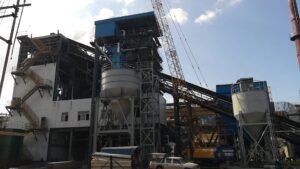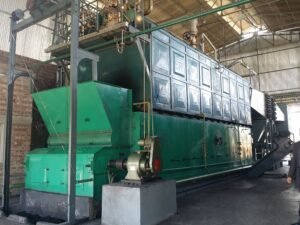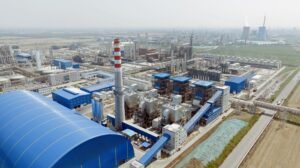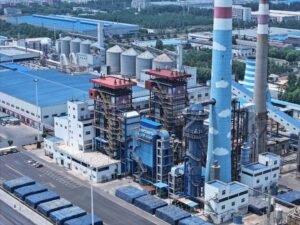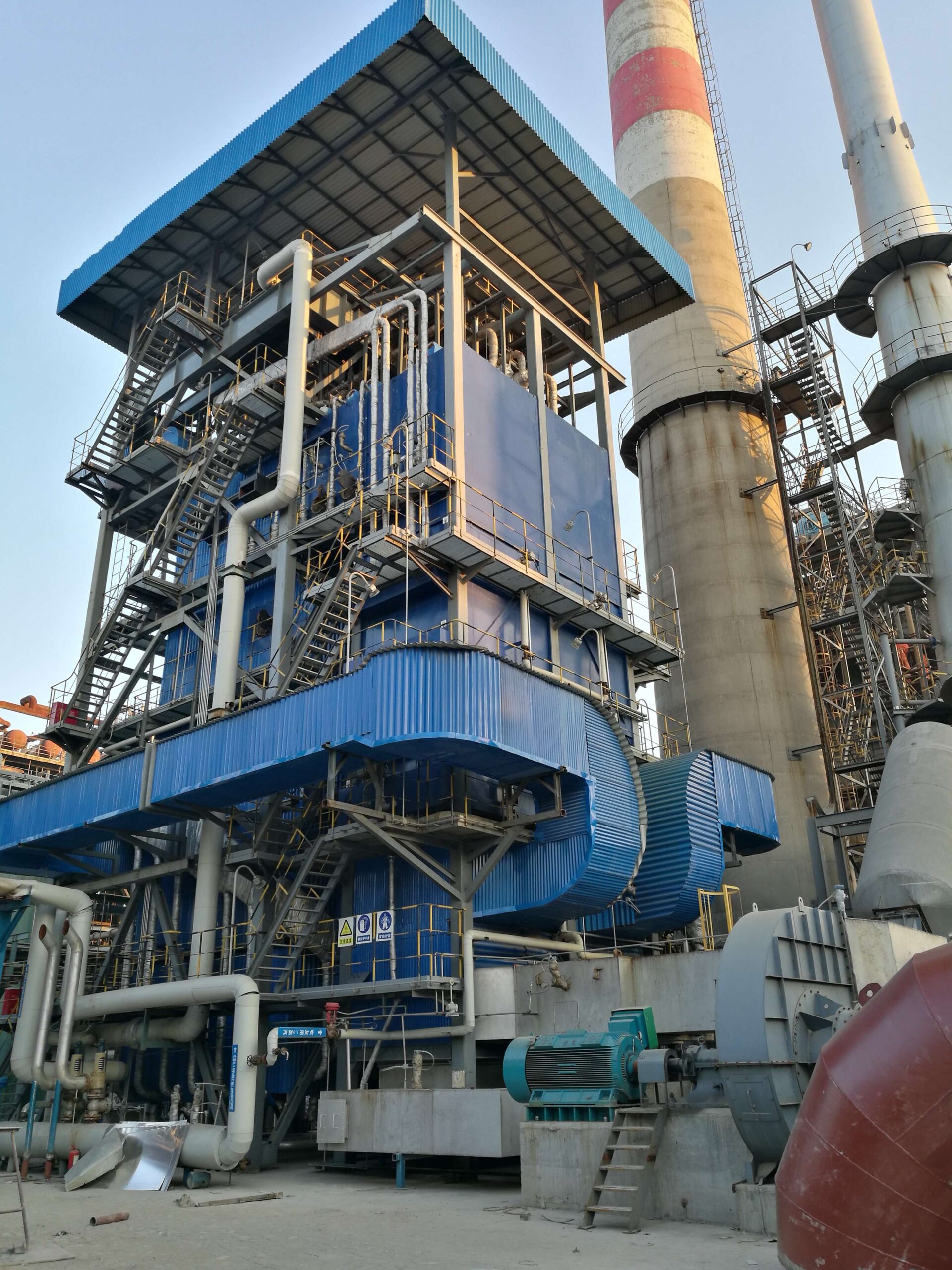
Power plant boilers are facing unprecedented pressure from rising fuel costs, stricter environmental regulations, and the global transition toward low-carbon energy. Traditional boiler technologies that once focused only on capacity and reliability are no longer sufficient. Without upgrading technology or understanding market direction, power producers risk higher operating costs, regulatory non-compliance, and reduced competitiveness.
The latest trends in power plant boiler technology focus on ultra-supercritical parameters, high-efficiency and low-emission combustion, fuel flexibility (biomass, waste, and mixed fuels), digitalization, and integration with renewable energy systems. At the same time, market demand is shifting toward flexible, cleaner, and smarter boiler solutions that support decarbonization, grid stability, and long-term cost optimization. These trends are reshaping both boiler design and investment strategies worldwide.
Understanding these developments helps power plant owners and investors align technology choices with future energy and market requirements.
How Are Ultra-Supercritical and Advanced Steam Parameters Shaping Power Plant Boiler Technology Trends?
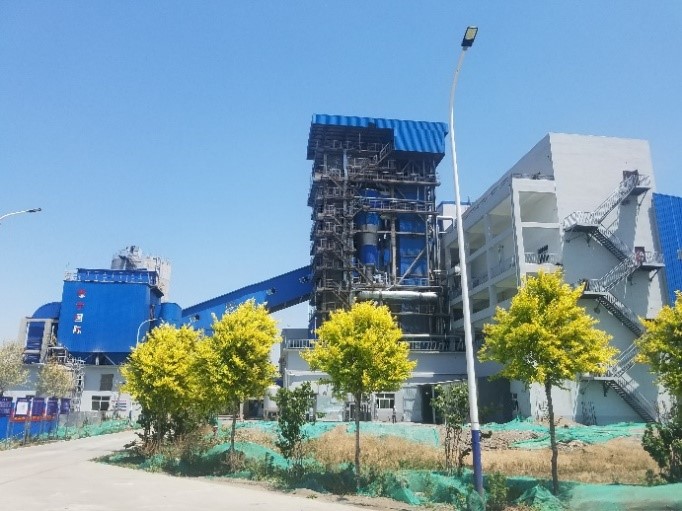
In today’s energy industry, aging fossil fuel power plants and increasing environmental regulations are forcing engineers and operators to confront critical performance and emissions challenges. Many conventional coal-fired power plants operate at suboptimal thermal efficiencies, leading to excessive fuel consumption, higher CO₂ emissions, and rising operating costs—which directly impacts energy affordability and compliance with global climate goals. The solution to these problems lies in the adoption of ultra-supercritical (USC) and advanced steam parameters that significantly enhance boiler performance, energy yield, and environmental sustainability.
Ultra-supercritical and advanced steam parameters—typically defined by steam temperatures above 600°C and pressures exceeding 25 MPa—are significantly influencing the direction of boiler technology by improving thermal efficiency, reducing fuel consumption and emissions, and enabling integration with flexible operation modes. These advancements are key drivers shaping modern boiler design, material science innovations, and digital control systems in the power generation industry.
With global energy demand rising and carbon reduction targets tightening, understanding how ultra-supercritical and advanced steam conditions are shaping boiler technology trends is crucial for plant owners, engineers, and policymakers aiming to balance performance, economics, and environmental stewardship.
The Evolution of Power Plant Boilers: From Subcritical to Ultra-Supercritical
The history of steam boiler technology stretches back to the Industrial Revolution. Over time, engineers have steadily increased steam temperatures and pressures to extract more work from a given amount of fuel.
Early stages of boiler development include:
- Subcritical Boilers: Operate at pressures below the critical point of water (~22.1 MPa). These boilers dominated the 20th century due to simplicity and mature technology.
- Supercritical Boilers: Exceed the critical pressure of water, enabling the elimination of phase change and higher thermal efficiency.
- Ultra-Supercritical Boilers: Push steam conditions even further (temperatures > 600–620 °C, pressures > 25 MPa), demanding advanced materials and design.
Advanced Ultra-Supercritical: Experimental designs target temperatures up to 700–760 °C for even higher efficiency.
The drive toward higher steam parameters is rooted in one fundamental thermodynamic principle: higher steam temperatures and pressures improve the Rankine cycle efficiency. This translates to more megawatts per ton of fuel, reduced greenhouse gas emissions per unit of electricity, and lower operational costs.
How Steam Parameters Influence Boiler Efficiency and Emissions
Thermodynamic Benefits
The Rankine cycle is the backbone of steam-based power generation. In simple terms, the thermal efficiency of a Rankine cycle increases with:
- Higher steam temperatures
- Higher steam pressures
- Lower condenser pressures
Moving from subcritical to ultra-supercritical steam conditions yields:
| Parameter Range | Typical Steam Temp (°C) | Pressure (MPa) | Typical Efficiency (%) |
|---|---|---|---|
| Subcritical | 500–540 | <22.1 | 33–38 |
| Supercritical | 540–580 | 22.1–24.9 | 38–42 |
| Ultra-Supercritical | 600–620+ | >25 | 42–46+ |
| Advanced USC | 650–700+ | >30 | 46–50+ |
These efficiency improvements are transformative:
- Fuel savings: Up to 15% less coal consumption per kWh compared to older plants
- CO₂ reduction: Proportional to fuel savings
- NOₓ and SOₓ reduction: Due to improved combustion and lower fuel use
By increasing boiler efficiency, plants reduce both operational expenses and environmental impact.
Materials Innovation: The Key Enabler for Advanced Steam Parameters
The transition to ultra-supercritical and advanced steam conditions challenges conventional construction materials. At temperatures above 600 °C and high pressures, creep, oxidation, and corrosion become critical concerns.
Advanced Materials for High-Temperature Boilers
To withstand these harsh conditions, engineers employ cutting-edge materials:
| Material Category | Examples | Key Benefits |
|---|---|---|
| Ferritic Steels | Grade 91, T24 | High strength, relatively low cost |
| Austenitic Stainless Steels | Sanicro 25, HR3C | Excellent creep resistance |
| Nickel-Based Superalloys | Inconel 617, 740 | Exceptional high-temperature strength |
| Ceramic Matrix Composites (CMC) | SiC/SiC | Ultra-high temperature capability, low density |
Challenges and Solutions:
- Oxidation and corrosion resistance improves with alloys containing chromium, aluminum, and silicon.
- Creep strength is addressed by alloying and advanced heat-treatment processes.
- Costs are managed by using high-performance alloys only where necessary (e.g., in superheater/reheater tubes) while employing cost-effective alloys elsewhere.
Boiler Design Adaptations for High-Parameter Operation
Ultra-supercritical and advanced steam boilers require significant design changes compared to conventional boilers.
Key Design Elements
- Water-Cooled Furnace Walls:
To reduce tube temperatures and prevent overheating at high steam conditions. Flexible Tube Arrangements:
Allow for differential expansion and reduced thermal stress.Enhanced Superheater/Reheater Sections:
Tailored to optimize steam drying and minimize thermal gradients.Advanced Control Systems:
Digital twin models, predictive maintenance, and real-time optimization are now standard.
By integrating these elements, boiler designers can achieve reliable operation even at steam temperatures exceeding 600 °C and pressures beyond 30 MPa.
ClaimReview Fact Check
Ultra-supercritical boilers inevitably lead to dramatic cost increases that outweigh their efficiency benefits.False
While ultra-supercritical boilers typically have higher upfront costs due to advanced materials and design, their enhanced efficiency leads to lower fuel costs and reduced emissions over the plant’s life, often yielding a favorable economic outcome.
Higher steam temperatures always reduce CO₂ emissions regardless of fuel type.True
Higher steam temperatures improve thermal efficiency, meaning less fuel is required for the same electricity output, which reduces CO₂ emissions per unit of electricity produced, regardless of the fuel.
Operational Trends: Flexibility and Load Following
Today’s power grids increasingly rely on variable renewable energy sources (e.g., solar and wind), requiring conventional power plants to operate flexibly—ramping up and down quickly.
Impact on Boiler Operation
- Flexible Operation: Boilers must handle frequent load changes without compromising component lifetime.
- Digital Control Integration: Model predictive control (MPC), neural network-based optimization, and real-time diagnostics are essential.
- Start-Stop Cycles: Advanced materials and design help minimize thermal fatigue during cycling.
Case Studies: Ultra-Supercritical Boiler Deployments Around the World
Example 1: Advanced USC Plant in Asia
In Asia, several large coal-fired power plants have adopted ultra-supercritical designs:
| Plant Name | Steam Temp (°C) | Pressure (MPa) | Efficiency (%) | Year Commissioned |
|---|---|---|---|---|
| Plant A (China) | 610 | 26 | 45.5 | 2015 |
| Plant B (India) | 600 | 25 | 43.8 | 2018 |
| Plant C (South Korea) | 620 | 27 | 46.0 | 2020 |
These plants demonstrate the feasibility and operational advantages of USC technology in high-demand markets.
Integrating Carbon Capture and Storage (CCS)
As carbon policy tightens, many plants are pairing ultra-supercritical boilers with carbon capture technology.
Impact of Steam Parameters on CCS
Higher thermal efficiency reduces CO₂ per unit of electricity, making carbon capture more cost-effective.
| Configuration | Efficiency Impact (%) | CO₂ Capture Rate (%) |
|---|---|---|
| USC Boiler + Post-Combustion CCS | Slight net efficiency drop due to CCS parasitic loss | 85–95 |
| USC Boiler + Oxy-fuel Combustion | Higher purity CO₂ stream but energy penalty | 90+ |
| USC Boiler + Pre-combustion Capture | Complex integration | 80–90 |
Advanced steam parameters help compensate for CCS energy penalties by starting from a higher efficiency baseline.
Digitalization and Predictive Analytics in Boiler Operations
Digital technologies are transforming boiler operations:
- Digital Twin Models: Simulate boiler behavior under different loads.
- Predictive Maintenance: Machine learning analyzes vibration, temperature, and pressure trends to predict failures.
- Real-Time Optimization: Adjust combustion, feedwater, and steam parameters for optimal efficiency.
These technologies are essential to realize the full potential of ultra-supercritical boiler performance.
Future Trends in Boiler Technology
1. Materials Development
- Nano-engineered coatings for oxidation resistance
- Additive manufacturing for optimized component geometries
2. Hybrid Energy Integration
- Co-firing with biomass
- Integration with renewable heat sources
3. Beyond 700 °C Steam
- Research into 700 °C+ steam cycles
- Potential efficiency > 50%
4. AI-Driven Controls
- Autonomous operation
- Self-healing control strategies
Technical Challenges and Solutions
Creep and Fatigue
At ultra-high temperatures, materials creep and fatigue accelerate.
Solution: Advanced alloys and real-time monitoring to limit stress.
Water Chemistry Control
High purity water is essential to prevent corrosion.
Solution: Enhanced feedwater treatment and continuous chemical monitoring.
Thermal Stress Management
Rapid load changes cause stress.
Solution: Flexible tube designs and intelligent control logic.
Economic Considerations
While USC and advanced steam boilers have higher upfront costs, they often deliver better lifecycle economics:
| Cost Component | Subcritical | USC / Advanced USC |
|---|---|---|
| Initial Capital Cost | Moderate | Higher |
| Fuel Cost (per kWh) | Higher | Lower |
| Maintenance Cost | Lower | Moderate to High |
| Lifecycle CO₂ Cost | Higher | Lower |
| Levelized Cost of Electricity (LCOE) | Higher | Competitive |
Summary
Ultra-supercritical and advanced steam parameters are accelerating a transformative shift in boiler technology. By maximizing thermal efficiency, reducing emissions, and enabling flexible operation, these advancements shape the next generation of power plants that are more economical, sustainable, and responsive to grid dynamics. Materials innovation, digital control systems, and integrated carbon management are vital enablers of this trend.
As the energy landscape evolves, understanding and adopting advanced steam parameters in boiler design will be crucial for companies committed to efficiency, sustainability, and competitive advantage.
How Do Low-Emission and Environmental Compliance Requirements Drive Boiler Design Innovation?
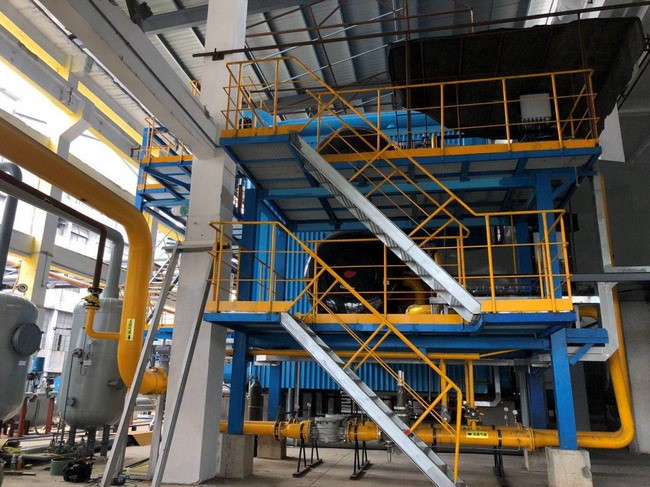
The global power generation industry is facing unprecedented pressure from tightening environmental regulations, rising public scrutiny, and increasingly strict low-emission targets. Traditional boiler systems—once designed primarily for reliability and output—now struggle to meet modern requirements for ultra-low NOₓ, SO₂, particulate matter, mercury, and CO₂ emissions. Failure to comply can lead not only to heavy financial penalties and forced shutdowns, but also to reputational damage and long-term loss of market competitiveness. In response, boiler manufacturers and plant operators are driving a wave of deep technological innovation in boiler design, materials, combustion systems, and digital control strategies to achieve compliance while maintaining efficiency and operational stability.
Low-emission and environmental compliance requirements fundamentally reshape boiler design by forcing innovations in combustion optimization, heat transfer architecture, materials selection, emission control integration, and intelligent control systems, enabling boilers to achieve ultra-low pollutant output while sustaining high efficiency and flexible operation.
To fully understand this transformation, it is essential to examine how environmental regulations translate into concrete technical challenges—and how those challenges, in turn, are redefining modern boiler engineering from the furnace outward.
Stricter environmental regulations have little impact on boiler core design and only affect downstream flue gas treatment systems.False
Environmental regulations increasingly influence furnace geometry, burner design, heat transfer surfaces, materials, and control logic, not just end-of-pipe solutions.
Reducing emissions and improving boiler efficiency are technically conflicting goals.False
Advanced boiler designs increasingly demonstrate that optimized combustion, improved heat transfer, and intelligent controls can simultaneously reduce emissions and improve efficiency.
The Regulatory Landscape as a Primary Design Driver
Environmental compliance requirements originate from national governments, regional authorities, and international agreements aimed at protecting air quality and mitigating climate change. These regulations do not merely impose emission limits; they redefine acceptable operational envelopes for boilers.
Key regulatory drivers include limits on:
- Nitrogen oxides (NOₓ)
- Sulfur dioxide (SO₂)
- Particulate matter (PM₁₀ and PM₂.₅)
- Mercury and heavy metals
- Carbon dioxide (CO₂) intensity per unit of electricity
In many regions, emission thresholds have fallen by more than 80% compared with levels permitted two decades ago. This trend forces boiler designers to rethink combustion fundamentals rather than rely solely on add-on pollution control equipment.
How Emission Limits Translate into Boiler Design Constraints
From an engineering perspective, emission regulations impose hard boundaries on temperature profiles, oxygen availability, residence time, and fuel-air mixing within the boiler furnace. These constraints directly affect:
- Furnace geometry and volume
- Burner configuration and staging
- Heat flux distribution
- Materials exposed to high-temperature corrosive environments
- Start-up and load-following behavior
As a result, environmental compliance is no longer an afterthought but a core parameter shaping boiler architecture from the earliest design stage.
Combustion System Innovation Under Low-Emission Pressure
Low-emission combustion is the single most important innovation area driven by environmental compliance. Modern boiler combustion systems are engineered to suppress pollutant formation at the source rather than remove it downstream.
Low-NOₓ Burner Design Evolution
NOₓ formation is highly sensitive to flame temperature and oxygen concentration. To meet ultra-low NOₓ standards, modern boilers incorporate:
- Staged combustion with delayed oxygen introduction
- Fuel-rich primary zones to suppress thermal NOₓ
- Advanced swirl and mixing control
- Precision burner tilting and orientation
These features significantly alter burner geometry and furnace aerodynamics, driving complex computational fluid dynamics (CFD)-based design workflows that were unnecessary in earlier generations.
Table: Combustion Design Strategies and Emission Impact
| Combustion Strategy | NOₓ Reduction Potential | Impact on Boiler Design |
|---|---|---|
| Air staging | 30–50% | Larger furnace volume |
| Fuel staging | 40–60% | Multi-level burner rows |
| Flue gas recirculation | 20–40% | Modified gas paths |
| Ultra-low NOₓ burners | 60–80% | Complex burner internals |
The need to integrate these strategies directly into the boiler furnace drives innovation in structural layout, materials, and maintenance access.
Furnace Geometry and Heat Transfer Redesign
Environmental compliance requirements significantly influence furnace size, shape, and heat transfer surface arrangement.
Lower peak flame temperatures—essential for NOₓ control—require:
- Larger furnace volumes to ensure complete combustion
- Longer residence times for fuel burnout
- Carefully controlled heat absorption rates
This leads to taller furnaces, optimized wall tube spacing, and non-uniform heat flux distribution strategies that protect tube materials while maintaining efficiency.
Materials Innovation Driven by Emission Control
Low-emission operation often shifts combustion chemistry toward more reducing atmospheres and higher concentrations of corrosive species. As a result, traditional boiler materials face accelerated degradation.
Material innovation focuses on:
- High-chromium steels for oxidation resistance
- Advanced coatings to mitigate sulfidation and chlorine attack
- Enhanced creep-resistant alloys for flexible operation
Table: Environmental Conditions vs. Material Requirements
| Operating Condition | Design Challenge | Material Innovation |
|---|---|---|
| Low-oxygen combustion | Corrosion risk | High-Cr alloys |
| Biomass co-firing | Chlorine attack | Protective coatings |
| Flexible cycling | Thermal fatigue | Improved creep strength |
Environmental compliance thus drives not only cleaner combustion but also a new generation of boiler materials capable of surviving harsher, more variable conditions.
Integration of Emission Control Systems into Boiler Design
Modern environmental standards require seamless integration between the boiler and downstream emission control systems such as:
- Selective catalytic reduction (SCR)
- Selective non-catalytic reduction (SNCR)
- Electrostatic precipitators (ESP)
- Fabric filters
- Flue gas desulfurization (FGD)
Rather than being bolt-on components, these systems increasingly influence boiler outlet temperature, flue gas composition, and pressure drop considerations.
Boiler designers must now:
- Precisely control flue gas temperature windows for SCR efficiency
- Minimize ammonia slip through optimized mixing
- Balance pressure losses to avoid efficiency penalties
This tight integration fundamentally changes boiler back-pass design and heat recovery strategies.
Digitalization and Intelligent Control for Compliance Assurance
Environmental compliance is not static; emission limits must be met under all operating conditions, including start-up, shutdown, and rapid load changes.
This requirement drives innovation in:
- Real-time emission monitoring
- Predictive combustion control
- AI-based optimization algorithms
- Digital twin models of boiler-emission interactions
Advanced control systems continuously adjust fuel flow, air distribution, and heat absorption to maintain compliance while maximizing efficiency.
Flexible Operation and Environmental Constraints
The rise of renewable energy forces thermal power plants to operate flexibly, cycling more frequently and operating at partial loads. Environmental regulations do not relax under these conditions.
Boiler designs must therefore:
- Maintain low emissions during transients
- Avoid emission spikes during load ramps
- Prevent increased unburned carbon at low load
This drives innovation in variable geometry burners, adaptive air systems, and robust materials capable of handling thermal cycling without degradation.
CO₂ Regulations and Boiler Efficiency Optimization
While CO₂ is not a traditional pollutant removed by boiler design alone, emission intensity limits strongly influence boiler efficiency targets.
Environmental compliance encourages:
- Higher steam parameters
- Improved heat recovery
- Reduced auxiliary power consumption
- Integration with carbon capture readiness
Boiler efficiency is now directly linked to environmental performance, reinforcing the convergence of economic and ecological objectives.
Case Analysis: Regulatory Impact on Boiler Technology Evolution
In regions with the strictest emission limits, boilers have evolved from simple heat generators into highly engineered, emission-optimized systems.
Observed outcomes include:
- Up to 90% NOₓ reduction compared to legacy designs
- Significant reductions in particulate emissions through optimized combustion
- Improved overall plant efficiency despite added emission controls
These results demonstrate that environmental compliance, while challenging, is a powerful catalyst for innovation rather than a barrier to progress.
Long-Term Implications for Boiler Manufacturers and Users
Environmental compliance requirements fundamentally redefine competitive advantage in the boiler industry. Manufacturers that master low-emission design gain:
- Access to regulated markets
- Lower lifecycle costs for customers
- Enhanced reliability under flexible operation
- Alignment with long-term decarbonization pathways
For plant operators, advanced boiler designs reduce regulatory risk, improve public acceptance, and extend asset life in an increasingly constrained operating environment.
Low-emission and environmental compliance requirements are not peripheral constraints but central forces reshaping boiler design philosophy. By driving innovation in combustion systems, furnace geometry, materials science, digital control, and system integration, these regulations accelerate the evolution of boilers into cleaner, smarter, and more resilient energy conversion systems. Far from limiting technological progress, environmental compliance has become one of the most powerful engines of boiler design innovation in the modern power generation landscape.
What Role Does Fuel Flexibility Play in Modern Power Plant Boiler Market Demand?
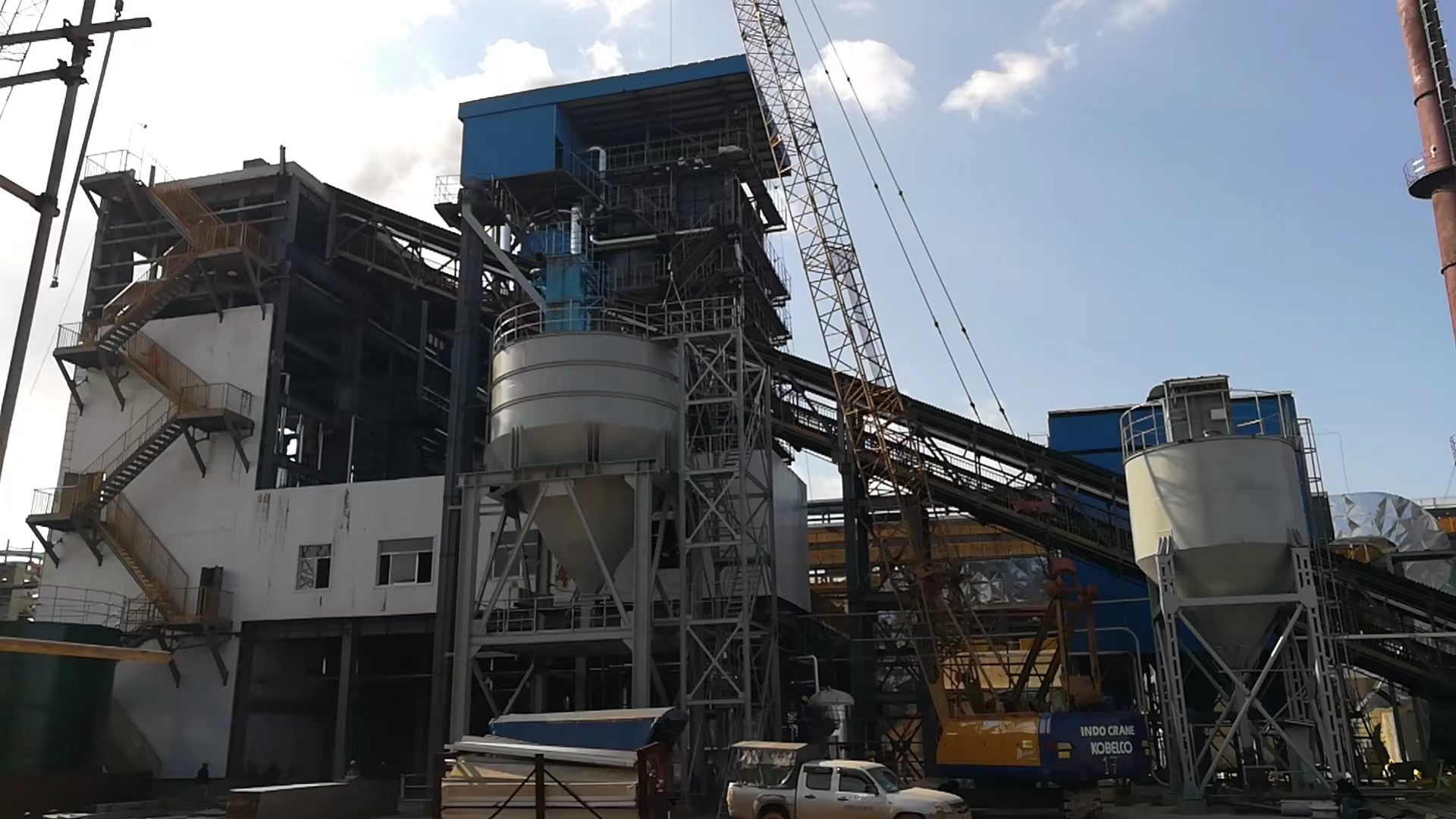
The modern power generation sector is under simultaneous pressure from volatile fuel markets, tightening environmental regulations, decarbonization targets, and increasingly unstable electricity demand patterns driven by renewable energy integration. Traditional boilers designed around a single, narrowly defined fuel type are becoming economic liabilities: they expose plant owners to fuel price shocks, supply disruptions, regulatory risk, and stranded asset concerns. When fuel availability changes or emissions rules tighten, inflexible boilers struggle to adapt, leading to rising operating costs or even forced early retirement. Fuel flexibility has therefore emerged as a decisive solution—reshaping not only boiler design philosophy but also market demand across global power plant investments.
Fuel flexibility plays a central role in modern power plant boiler market demand by enabling operators to adapt to fuel price volatility, regulatory changes, and decarbonization pathways, while improving asset resilience, long-term profitability, and system reliability across diverse energy markets.
Understanding why fuel flexibility has become such a powerful demand driver requires a deep look at how energy markets, policy frameworks, and boiler technologies have evolved—and how flexible-fuel boiler designs now function as strategic assets rather than purely thermal equipment.
Fuel flexibility is primarily a marketing concept and has limited real technical impact on boiler performance.False
Fuel flexibility requires substantial changes in combustion systems, furnace design, materials, control logic, and emission management, making it a deeply technical capability rather than a superficial feature.
Fuel-flexible boilers inherently reduce financial and regulatory risk for power plant owners.True
By allowing operators to switch between fuels based on cost, availability, and emission constraints, fuel-flexible boilers significantly reduce exposure to market volatility and regulatory changes.
Fuel flexibility refers to a boiler’s ability to safely, efficiently, and reliably operate on multiple fuel types—either sequentially over its lifetime or simultaneously through co-firing—without major hardware replacement or unacceptable performance degradation. In modern power plant markets, this capability has moved from a niche advantage to a core procurement requirement.
The Changing Energy Landscape Driving Fuel Flexibility Demand
Global energy systems are undergoing structural transformation. Coal dominance is declining in many regions, natural gas markets are increasingly volatile, renewable energy penetration is rising, and low-carbon fuels such as biomass, waste-derived fuels, and hydrogen are gaining policy support. This creates an environment in which long-term fuel certainty is no longer guaranteed.
Power plant developers and utilities now face several strategic uncertainties:
- Long-term coal supply contracts may become uneconomic or politically constrained.
- Natural gas prices are subject to geopolitical instability.
- Biomass and waste fuels are locally variable in quality and availability.
- Carbon pricing mechanisms may rapidly alter fuel competitiveness.
In this context, boiler market demand increasingly favors designs that preserve optionality rather than lock operators into a single fuel pathway.
Fuel Flexibility as a Risk Management Tool
From a financial and strategic perspective, fuel flexibility functions as a form of embedded risk insurance. A fuel-flexible boiler allows operators to dynamically select fuels based on:
- Market price signals
- Emission compliance costs
- Supply availability
- Policy incentives or penalties
This optionality directly influences investment decisions, particularly for new-build plants and major retrofit projects. Investors and lenders increasingly evaluate fuel flexibility as part of bankability assessments, recognizing its role in extending asset life and protecting revenue streams.
Types of Fuel Flexibility in Modern Boiler Markets
Fuel flexibility is not a single capability but a spectrum of design approaches, each addressing different market needs.
Multi-Fuel Capability (Discrete Switching)
Some boilers are designed to operate on distinct fuels at different times, such as:
- Coal ↔ natural gas
- Coal ↔ biomass
- Natural gas ↔ hydrogen blends
These designs prioritize safe transition between fuels while maintaining stable operation and emissions compliance.
Co-Firing Capability (Simultaneous Fuels)
Other designs allow simultaneous combustion of multiple fuels, enabling gradual fuel substitution and emission reduction without full conversion.
Table: Common Fuel Flexibility Configurations and Market Drivers
| Fuel Flexibility Mode | Typical Fuel Combinations | Primary Market Driver |
|---|---|---|
| Coal–Biomass Co-firing | Coal + agricultural/woody biomass | CO₂ reduction mandates |
| Coal–Gas Dual-Firing | Coal + natural gas | Fuel price volatility |
| Waste-to-Energy Co-firing | Coal + RDF/SRF | Waste disposal policy |
| Gas–Hydrogen Blends | Natural gas + H₂ | Long-term decarbonization |
Each configuration places different technical demands on boiler systems and strongly influences purchasing decisions in different regions.
Boiler Design Implications of Fuel Flexibility
Fuel flexibility fundamentally alters boiler engineering. Different fuels vary widely in:
- Heating value
- Volatile content
- Ash composition
- Moisture content
- Combustion kinetics
To accommodate this variability, modern boilers incorporate advanced design features such as:
- Larger, more adaptable furnace volumes
- Adjustable burner and air distribution systems
- Robust slagging and fouling mitigation strategies
- Advanced fuel handling and preparation systems
These features increase upfront complexity but significantly expand the boiler’s operational envelope, which directly enhances market appeal.
Combustion System Innovation Driven by Fuel Diversity
Combustion systems are the most visibly affected component in fuel-flexible boilers. Different fuels require different ignition behavior, flame stability, and air-fuel mixing characteristics.
Modern fuel-flexible combustion systems include:
- Multi-register burners capable of handling varying flame shapes
- Variable swirl and staging mechanisms
- Adaptive ignition systems
- Wide turndown ratios for mixed-fuel operation
These innovations are critical selling points in competitive boiler markets, especially where fuel quality is unpredictable.
Table: Fuel Properties and Combustion Design Impact
| Fuel Type | Key Combustion Challenge | Boiler Design Response |
|---|---|---|
| Low-rank coal | High moisture, low CV | Larger furnace, higher airflow |
| Biomass | High volatiles, alkali ash | Lower flame temperature, coatings |
| Waste-derived fuel | Heterogeneous composition | Robust grate or fluidized systems |
| Hydrogen blends | High flame speed | Modified burners, safety systems |
Materials Selection and Durability Considerations
Fuel flexibility also increases exposure to corrosive and erosive environments. Biomass and waste fuels, for example, introduce higher concentrations of chlorine, alkali metals, and trace contaminants.
To address this, modern boiler designs incorporate:
- Advanced high-alloy steels
- Protective surface coatings
- Modular component designs for easier replacement
Material robustness has become a decisive factor in customer purchasing decisions, as lifecycle cost increasingly outweighs initial capital cost.
Emissions Compliance as a Constraint and Opportunity
Different fuels produce different emission profiles. Fuel-flexible boilers must maintain compliance across all permitted fuels, which significantly increases design complexity.
However, this complexity also creates market value:
- Operators can shift to lower-emission fuels when regulations tighten.
- Plants can monetize renewable fuel incentives.
- Compliance risk is reduced over the asset’s lifetime.
Fuel flexibility therefore aligns closely with environmental compliance strategies, reinforcing its role in market demand.
Digital Control Systems as Enablers of Fuel Flexibility
Modern fuel-flexible boilers rely heavily on advanced control systems to manage rapidly changing combustion dynamics.
Key digital innovations include:
- Real-time fuel property monitoring
- Adaptive combustion optimization algorithms
- Predictive emission control
- Digital twins for fuel-switching scenarios
These systems ensure stable operation while minimizing efficiency loss and emission excursions, making fuel flexibility commercially viable at scale.
Market Demand Differences by Region
Fuel flexibility demand varies by geography, reflecting differences in resource availability, policy frameworks, and infrastructure.
Asia-Pacific
High demand for coal–biomass co-firing and low-rank coal flexibility driven by fuel diversity and emissions pressure.
Europe
Strong focus on biomass, waste-to-energy, and gas–hydrogen readiness driven by decarbonization policy.
North America
Gas-centric markets emphasize gas–hydrogen blending and rapid fuel switching for grid flexibility.
These regional differences directly influence boiler product portfolios and R&D priorities.
Retrofit Market Demand for Fuel Flexibility
Fuel flexibility is not limited to new builds. Retrofitting existing boilers to enable alternative fuels is a rapidly growing market segment.
Retrofit drivers include:
- Avoiding premature plant retirement
- Meeting new emission regulations
- Accessing renewable energy incentives
Boilers that are inherently adaptable or designed with retrofit pathways command higher residual value, further increasing demand for flexible designs.
Fuel Flexibility and Long-Term Asset Value
In capital-intensive power generation markets, asset longevity is critical. Fuel-flexible boilers are increasingly viewed as “future-proof” assets capable of evolving with the energy system.
This perception influences:
- Utility procurement strategies
- Financing terms
- Government support programs
Fuel flexibility thus extends beyond engineering—it shapes the entire economic logic of boiler investments.
Strategic Implications for Boiler Manufacturers
For boiler manufacturers and suppliers, fuel flexibility is now a core competitive differentiator. Companies that can demonstrate:
- Proven multi-fuel references
- Robust material solutions
- Advanced control integration
- Lifecycle support capability
are better positioned to capture market demand in an uncertain energy future.
Fuel flexibility plays a decisive and growing role in modern power plant boiler market demand by transforming boilers from single-purpose thermal units into adaptive, risk-mitigating energy assets. In an era defined by fuel uncertainty, regulatory pressure, and decarbonization imperatives, fuel-flexible boiler designs offer operators economic resilience, compliance assurance, and long-term strategic value. As a result, fuel flexibility is no longer optional—it is becoming a defining requirement shaping boiler technology development, procurement decisions, and global market competition across the power generation industry.
How Are Digitalization, Automation, and Smart Control Systems Transforming Power Plant Boilers?
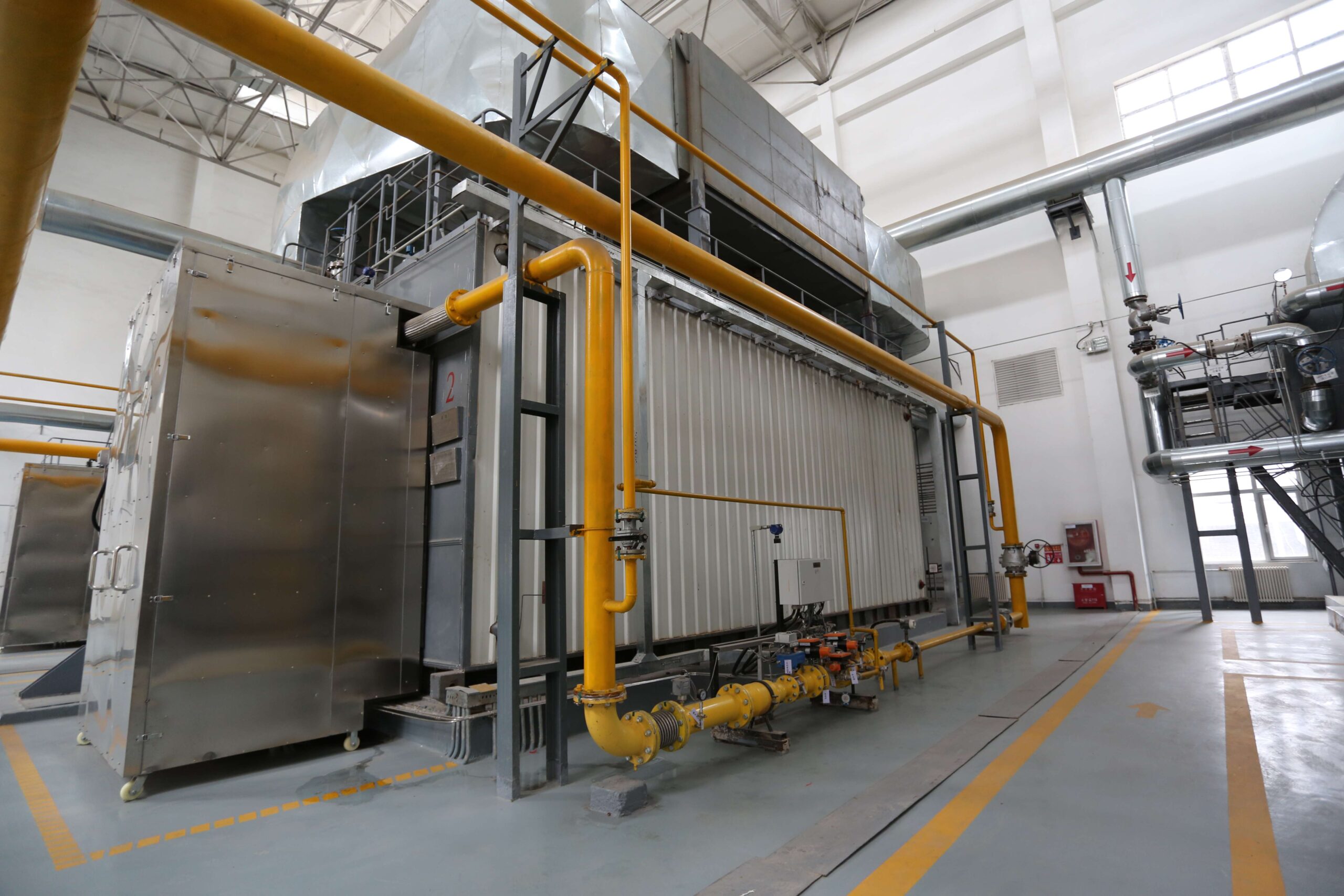
Power plant boilers have traditionally been regarded as massive, mechanically robust, but relatively “blind” thermal assets—systems that relied heavily on conservative design margins, manual operator experience, and reactive maintenance to ensure safety and reliability. In today’s power generation environment, this legacy approach is increasingly inadequate. Power plants are now expected to operate with higher efficiency, lower emissions, faster ramp rates, fewer staff, and near-zero unplanned downtime, all while complying with stringent environmental regulations and integrating with renewable-heavy grids. Without deeper visibility, faster response, and predictive capability, conventional boiler operation exposes owners to rising costs, compliance risks, and asset degradation. Digitalization, automation, and smart control systems have emerged as the decisive solution, fundamentally transforming how power plant boilers are designed, operated, maintained, and monetized.
Digitalization, automation, and smart control systems are transforming power plant boilers from reactive, operator-dependent equipment into predictive, self-optimizing, and highly flexible energy systems by enabling real-time data intelligence, automated decision-making, advanced combustion optimization, and lifecycle asset management.
To appreciate the scale of this transformation, it is necessary to examine how digital technologies penetrate every layer of boiler engineering—from sensors and control logic to operational strategy, maintenance philosophy, and long-term asset value.
Digitalization in power plant boilers is limited to adding sensors and does not significantly change core boiler operation.False
Digitalization fundamentally alters boiler operation by enabling predictive control, automated optimization, and data-driven decision-making that directly affect combustion, heat transfer, emissions, and maintenance.
Automation and smart control systems can improve both boiler efficiency and reliability at the same time.True
Advanced automation reduces human error, optimizes operating parameters in real time, and predicts failures early, allowing efficiency and reliability improvements simultaneously.
From Mechanical Systems to Cyber-Physical Boilers
Modern power plant boilers are no longer purely mechanical or thermodynamic systems. They are evolving into cyber-physical systems where physical components—furnace walls, burners, superheaters, drums, and valves—are tightly coupled with digital models, sensor networks, and intelligent control algorithms.
This transformation is driven by several converging pressures:
- Increasing operational complexity due to flexible load requirements
- Ultra-low emission limits requiring precise combustion control
- Rising maintenance costs and workforce shortages
- The need for higher availability and longer asset life
Digitalization provides the foundation for addressing these pressures by converting physical behavior into actionable data.
The Role of Advanced Sensing and Data Acquisition
At the core of boiler digitalization lies a dramatic expansion in sensing capability. Traditional boilers relied on a limited number of temperature, pressure, and flow measurements. Modern smart boilers deploy hundreds or even thousands of sensors.
These include:
- High-resolution temperature mapping of furnace walls and superheaters
- Real-time flue gas composition analyzers (O₂, CO, NOₓ)
- Vibration and acoustic sensors for early fault detection
- Infrared cameras for flame shape and heat flux monitoring
- Corrosion and erosion monitoring probes
The result is a continuous, high-fidelity digital representation of boiler behavior that enables far more precise control than was previously possible.
Data Infrastructure as a Design Requirement
The explosion of boiler data requires robust data infrastructure, including:
- High-speed industrial networks
- Secure data historians
- Edge computing devices
- Cloud-based analytics platforms
As a result, boiler design now explicitly incorporates digital architecture alongside mechanical layout. Control cabinets, communication redundancy, cybersecurity provisions, and data latency considerations are integral parts of modern boiler engineering.
Automation: Redefining Boiler Operation Philosophy
Automation moves beyond data collection to decision execution. In modern boilers, automation systems no longer simply maintain setpoints; they actively manage complex trade-offs between efficiency, emissions, component life, and grid demands.
Key automation functions include:
- Automatic combustion tuning
- Coordinated boiler–turbine control
- Start-up and shutdown sequencing
- Emergency response and safety interlocks
- Load-following optimization
By standardizing and automating these functions, plants reduce dependence on individual operator skill while achieving more consistent performance.
Smart Combustion Control and Emission Optimization
Combustion is the most dynamic and sensitive process in a boiler, and it benefits enormously from digital intelligence. Smart control systems continuously adjust fuel flow, air distribution, burner staging, and flue gas recirculation based on real-time feedback.
Key outcomes include:
- Stable flame behavior across wide load ranges
- Minimization of CO and unburned carbon
- Ultra-low NOₓ compliance under transient conditions
- Improved heat absorption uniformity
Table: Conventional vs. Smart Combustion Control
| Aspect | Conventional Control | Smart Control System |
|---|---|---|
| Control logic | Fixed PID loops | Adaptive, model-based |
| Response to load change | Reactive | Predictive |
| Emission stability | Operator-dependent | Automated and stable |
| Efficiency optimization | Limited | Continuous |
Smart combustion control directly increases boiler market value by enabling compliance and flexibility without sacrificing efficiency.
Digital Twins: Virtual Boilers for Real-World Decisions
One of the most transformative digital tools in modern boiler systems is the digital twin—a real-time, physics-based virtual model of the boiler that mirrors actual operation.
Digital twins enable:
- Simulation of load changes before execution
- Prediction of temperature and stress evolution
- Optimization of operating strategies
- Training of operators in virtual environments
By continuously synchronizing with live data, digital twins allow engineers to test decisions in a risk-free digital space before applying them to the physical boiler.
Predictive Maintenance and Asset Health Management
Traditional boiler maintenance relies on fixed schedules or reactive repairs. Digitalization replaces this with condition-based and predictive maintenance.
Smart systems analyze:
- Temperature deviations
- Vibration signatures
- Pressure fluctuations
- Corrosion indicators
- Historical failure patterns
Machine learning algorithms detect early signs of tube leaks, fouling, slagging, or material degradation long before failure occurs.
Table: Maintenance Philosophy Transformation
| Maintenance Model | Failure Detection | Cost Impact | Risk Level |
|---|---|---|---|
| Reactive | After failure | Very high | High |
| Preventive | Time-based | Moderate | Medium |
| Predictive | Condition-based | Lower | Low |
Predictive maintenance extends component life, reduces unplanned outages, and significantly lowers lifecycle cost—one of the strongest economic drivers for digital boiler adoption.
Automation in Start-Up, Shutdown, and Cycling Operation
Flexible operation is now a defining requirement for power plant boilers due to renewable energy integration. Frequent start-stop cycles and rapid load changes introduce severe thermal stress.
Automated start-up systems:
- Control temperature gradients precisely
- Synchronize boiler and turbine behavior
- Minimize thermal fatigue
- Reduce start-up time and fuel consumption
Smart control ensures that even aggressive cycling strategies remain within safe stress limits, protecting pressure parts and extending asset life.
Human–Machine Interface and Operator Role Transformation
Digitalization does not eliminate operators; it transforms their role. Modern boiler control rooms emphasize:
- Decision support rather than manual intervention
- Visual analytics and trend-based monitoring
- Alarm prioritization and root-cause analysis
Operators become system supervisors and optimizers, supported by intelligent tools rather than overwhelmed by raw data.
Cybersecurity as a New Design Constraint
As boilers become digitally connected, cybersecurity becomes a critical design consideration. Smart boiler systems incorporate:
- Network segmentation
- Secure communication protocols
- Access control and authentication
- Continuous threat monitoring
Cybersecurity is now inseparable from boiler safety and reliability, influencing both system architecture and procurement decisions.
Integration with Plant-Wide and Grid-Level Systems
Digital boilers do not operate in isolation. They are increasingly integrated with:
- Plant-wide energy management systems
- Emission reporting platforms
- Grid dispatch and ancillary service markets
Smart control allows boilers to respond automatically to grid signals, optimizing output, ramp rate, and reserve provision while maintaining internal constraints.
Data-Driven Efficiency Optimization
Beyond combustion, digital systems continuously optimize:
- Feedwater temperature and flow
- Sootblowing schedules
- Heat exchanger cleanliness
- Auxiliary power consumption
These micro-optimizations accumulate into meaningful efficiency gains, often exceeding 1–2 percentage points over conventional operation.
Digitalization and Regulatory Compliance
Environmental compliance increasingly requires continuous monitoring, reporting, and verification. Smart boiler systems automate:
- Emission data collection
- Compliance reporting
- Alarm generation for deviation
- Audit-ready data storage
This reduces regulatory risk and administrative burden while improving transparency and trust with authorities.
Economic Impact on Boiler Market Demand
Digital capability is no longer an optional feature; it is a decisive factor in boiler procurement. Buyers increasingly evaluate boilers based on:
- Digital readiness
- Upgrade and software lifecycle
- Analytics capability
- Integration with existing IT systems
Boilers with advanced digital platforms command higher value due to lower operating risk and better long-term economics.
Retrofit and Digital Upgrade Opportunities
Digital transformation is not limited to new boilers. Existing fleets are being retrofitted with:
- Additional sensors
- Advanced control software
- Cloud analytics
- Digital twins
These upgrades allow aging boilers to remain competitive and compliant, extending their economic life.
Challenges and Limitations of Boiler Digitalization
Despite its benefits, digitalization introduces challenges:
- Data quality and sensor reliability
- Model accuracy under extreme conditions
- Workforce training requirements
- Integration with legacy systems
Successful implementation requires a holistic approach combining engineering expertise, digital competence, and operational discipline.
Long-Term Strategic Implications
In the long term, digitalization positions boilers as intelligent energy conversion platforms rather than static equipment. This enables:
- Autonomous optimization
- Seamless fuel switching
- Integration with decarbonization technologies
- Continuous performance improvement over decades
For manufacturers, digital capability becomes a core differentiator. For operators, it becomes a foundation for resilience in an uncertain energy future.
Digitalization, automation, and smart control systems are fundamentally transforming power plant boilers from reactive, manually optimized machines into intelligent, predictive, and adaptive systems. By enabling real-time insight, automated decision-making, advanced combustion control, and predictive maintenance, these technologies simultaneously improve efficiency, reliability, flexibility, and environmental performance. As power systems become more complex and constrained, digitally enabled boilers are no longer a technological upgrade—they are an operational necessity and a central pillar of modern power plant competitiveness.
How Are Power Plant Boilers Being Integrated with Renewable Energy and Hybrid Power Systems?
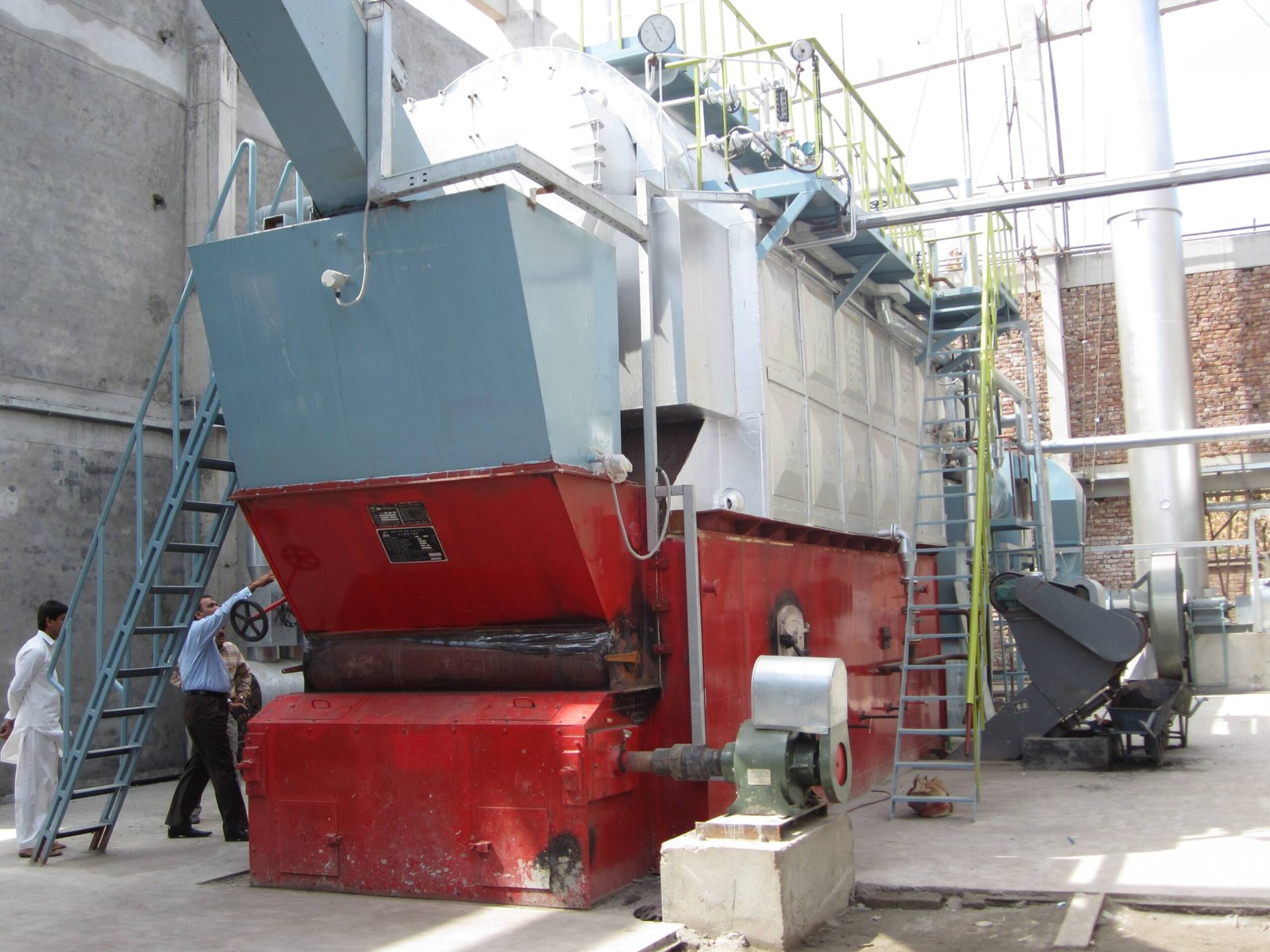
As global energy systems accelerate toward decarbonization, conventional thermal power plants face an existential challenge. Standalone fossil-fueled boilers—once the backbone of reliable baseload generation—are increasingly misaligned with energy systems dominated by intermittent renewables such as wind and solar. Without adaptation, boilers risk becoming inflexible, carbon-intensive assets with shrinking operating hours and declining economic value. This misalignment leads to higher cycling stress, inefficiencies at partial load, and growing regulatory pressure. The solution emerging across global markets is not the elimination of boilers, but their integration into renewable and hybrid power systems, where they evolve into flexible, responsive, and complementary components that stabilize grids, enhance renewable utilization, and support long-term energy transitions.
Power plant boilers are being integrated with renewable energy and hybrid power systems by evolving into flexible thermal backbones that provide dispatchability, grid stability, energy storage coupling, and multi-fuel compatibility, enabling reliable power generation alongside variable renewable energy sources.
To understand this transformation, it is essential to examine how boilers are technically, operationally, and strategically re-engineered to function within hybrid energy architectures rather than isolated thermal plants.
Renewable energy integration reduces the importance of boilers in future power systems.False
While renewables reduce fossil fuel dependence, boilers remain critical for grid stability, dispatchability, and hybrid system reliability.
Hybrid power systems combining boilers and renewables can improve overall system efficiency and resilience.True
Hybrid systems leverage the strengths of both dispatchable thermal boilers and variable renewables, improving reliability, flexibility, and energy utilization.
The Strategic Role of Boilers in Renewable-Dominated Power Systems
Renewable energy sources such as wind and solar are inherently variable and non-dispatchable. Their output depends on weather and time of day rather than grid demand. Power systems with high renewable penetration therefore face challenges including:
- Frequency instability
- Supply-demand imbalance
- Curtailment of renewable generation
- Reduced inertia and grid resilience
In this context, power plant boilers are no longer valued primarily for baseload generation but for their ability to:
- Provide fast, controllable thermal input
- Support load-following and reserve capacity
- Enable thermal energy storage
- Act as fuel-flexible, dispatchable anchors in hybrid systems
This strategic repositioning is a major driver of boiler market evolution.
Hybrid Power System Architectures Involving Boilers
Hybrid power systems integrate multiple energy sources—renewable and conventional—into a coordinated operating framework. Boilers play different roles depending on the hybrid configuration.
Renewable–Thermal Hybrid Plants
In these systems, boilers operate alongside wind or solar plants, compensating for renewable variability.
Key features include:
- Reduced baseload operation
- Increased cycling and partial-load operation
- Rapid ramping capability
- Digital coordination with renewable output forecasts
Boilers are optimized for flexibility rather than continuous maximum output.
Renewable–Thermal–Storage Systems
Boilers are increasingly coupled with thermal energy storage (TES), enabling decoupling of heat generation from electricity generation.
Examples include:
- Molten salt storage
- Pressurized hot water storage
- Phase-change material systems
This allows boilers to operate more efficiently while supporting renewable integration.
Integration with Solar Thermal Energy
One of the most direct forms of renewable integration is the coupling of boilers with concentrated solar power (CSP) systems.
Solar thermal energy can:
- Preheat feedwater
- Supplement steam generation
- Reduce fuel consumption during high solar availability
In hybrid solar-thermal plants, boilers provide backup and dispatchability when solar input fluctuates.
Table: Boiler–Solar Thermal Integration Modes
| Integration Mode | Solar Contribution | Boiler Role |
|---|---|---|
| Feedwater preheating | Low to medium | Efficiency enhancement |
| Steam boosting | Medium | Load balancing |
| Full hybrid steam cycle | High | Dispatchable backup |
This integration reduces emissions while preserving reliability.
Wind Power Integration and Boiler Flexibility
Unlike solar thermal systems, wind power does not directly supply thermal energy. Instead, integration occurs at the system control and dispatch level.
Boilers integrated with wind power must:
- Ramp quickly to compensate for wind variability
- Operate stably at low minimum loads
- Avoid excessive thermal stress during cycling
Advanced control systems coordinate boiler output with wind forecasts, enabling smoother grid operation.
Biomass and Renewable Fuel Integration
Fuel flexibility is a cornerstone of boiler integration with renewable energy. Biomass, biogas, and renewable waste fuels allow boilers to directly participate in renewable generation.
Common approaches include:
- Biomass co-firing in coal boilers
- Dedicated biomass boilers integrated into hybrid plants
- Biogas-fired auxiliary boilers for balancing power
These approaches reduce net carbon emissions while leveraging existing boiler infrastructure.
Table: Renewable Fuels and Boiler Integration Impact
| Renewable Fuel | Integration Benefit | Design Challenge |
|---|---|---|
| Biomass | CO₂ neutrality | Corrosion, ash fouling |
| Biogas | Dispatchable renewable | Fuel quality variability |
| Waste-derived fuel | Circular economy | Emission control |
Boiler designs increasingly incorporate materials and combustion systems tailored to these fuels.
Boilers as Enablers of Power-to-Heat and Power-to-X Systems
Hybrid energy systems increasingly incorporate sector coupling, where excess renewable electricity is converted into heat or fuels.
Boilers play a critical role in:
- Power-to-heat systems using electric boilers or electrode boilers
- Hybrid steam systems where electric heating supplements fuel-fired boilers
- Power-to-hydrogen systems supported by steam generation
Electric boilers absorb surplus renewable electricity during periods of overgeneration, stabilizing the grid while providing useful thermal energy.
Thermal Energy Storage and Boiler Integration
Thermal energy storage is one of the most powerful enablers of boiler–renewable integration.
Boilers can:
- Charge thermal storage during low-demand or high-renewable periods
- Discharge stored heat during peak demand
- Operate closer to optimal efficiency points
This reduces cycling stress and improves system economics.
Table: Benefits of Boiler–TES Integration
| Benefit | System Impact |
|---|---|
| Reduced cycling | Extended boiler life |
| Renewable smoothing | Less curtailment |
| Peak shaving | Lower operating cost |
| Grid stability | Improved dispatchability |
Digital Control Systems as the Integration Backbone
The integration of boilers with renewable energy is only possible through advanced digitalization and automation.
Smart control systems enable:
- Real-time coordination between boilers and renewable output
- Predictive scheduling based on weather forecasts
- Automated load sharing
- Emission compliance under variable operation
Digital twins simulate hybrid system behavior, allowing operators to optimize strategies without risking physical assets.
Emissions Compliance in Hybrid Operation
Hybrid operation introduces complex emission dynamics. Frequent load changes, fuel switching, and low-load operation can increase emissions if not properly controlled.
Modern boiler designs integrate:
- Adaptive combustion control
- Real-time emission monitoring
- Automated optimization algorithms
This ensures that environmental compliance is maintained even under highly dynamic hybrid operation.
Economic Drivers of Boiler–Renewable Integration
From a market perspective, integration with renewables enhances boiler asset value by:
- Increasing annual operating hours in hybrid roles
- Reducing fuel costs through renewable substitution
- Accessing renewable incentives and capacity payments
- Extending asset life in decarbonizing markets
Boilers that can operate effectively within hybrid systems are more attractive to investors and utilities.
Regional Approaches to Hybrid Integration
Different regions adopt different hybrid strategies:
Europe
Strong focus on biomass integration, district heating hybrids, and power-to-heat systems.
Asia-Pacific
Coal-to-renewable hybrid retrofits emphasizing flexibility and emission reduction.
North America
Gas boiler integration with wind, solar, and hydrogen-ready systems.
These regional differences shape boiler design priorities and market demand.
Retrofit Pathways for Existing Boilers
Integration with renewables is not limited to new plants. Existing boilers are increasingly retrofitted with:
- Enhanced control systems
- Renewable fuel handling
- Thermal storage interfaces
- Electric heating modules
Retrofits allow legacy assets to remain viable in hybrid power systems.
Technical Challenges and Engineering Solutions
Hybrid integration introduces challenges such as:
- Thermal fatigue from cycling
- Complex control coordination
- Fuel variability
- Material degradation
Solutions include:
- Advanced materials and coatings
- Flexible furnace designs
- Intelligent control algorithms
- Predictive maintenance systems
These innovations are now central to modern boiler engineering.
Long-Term Outlook: Boilers as Hybrid Energy Hubs
In future power systems, boilers will function as hybrid energy hubs rather than isolated heat generators. They will:
- Interface with multiple energy sources
- Support storage and sector coupling
- Enable deep renewable penetration
- Provide resilience against variability and uncertainty
This role ensures that boilers remain relevant and valuable in low-carbon energy systems.
Power plant boilers are being fundamentally redefined through integration with renewable energy and hybrid power systems. By evolving into flexible, digitally enabled, fuel-diverse, and storage-coupled assets, boilers provide the dispatchability and stability that renewable-heavy grids require. Rather than competing with renewables, modern boilers increasingly complement them—forming the backbone of resilient, efficient, and transitional energy systems. As hybrid architectures continue to expand globally, the ability of boilers to integrate seamlessly with renewable energy will be a defining factor shaping their design, market demand, and long-term strategic importance.
How Do Global Energy Transition Policies Influence Power Plant Boiler Market Demand?
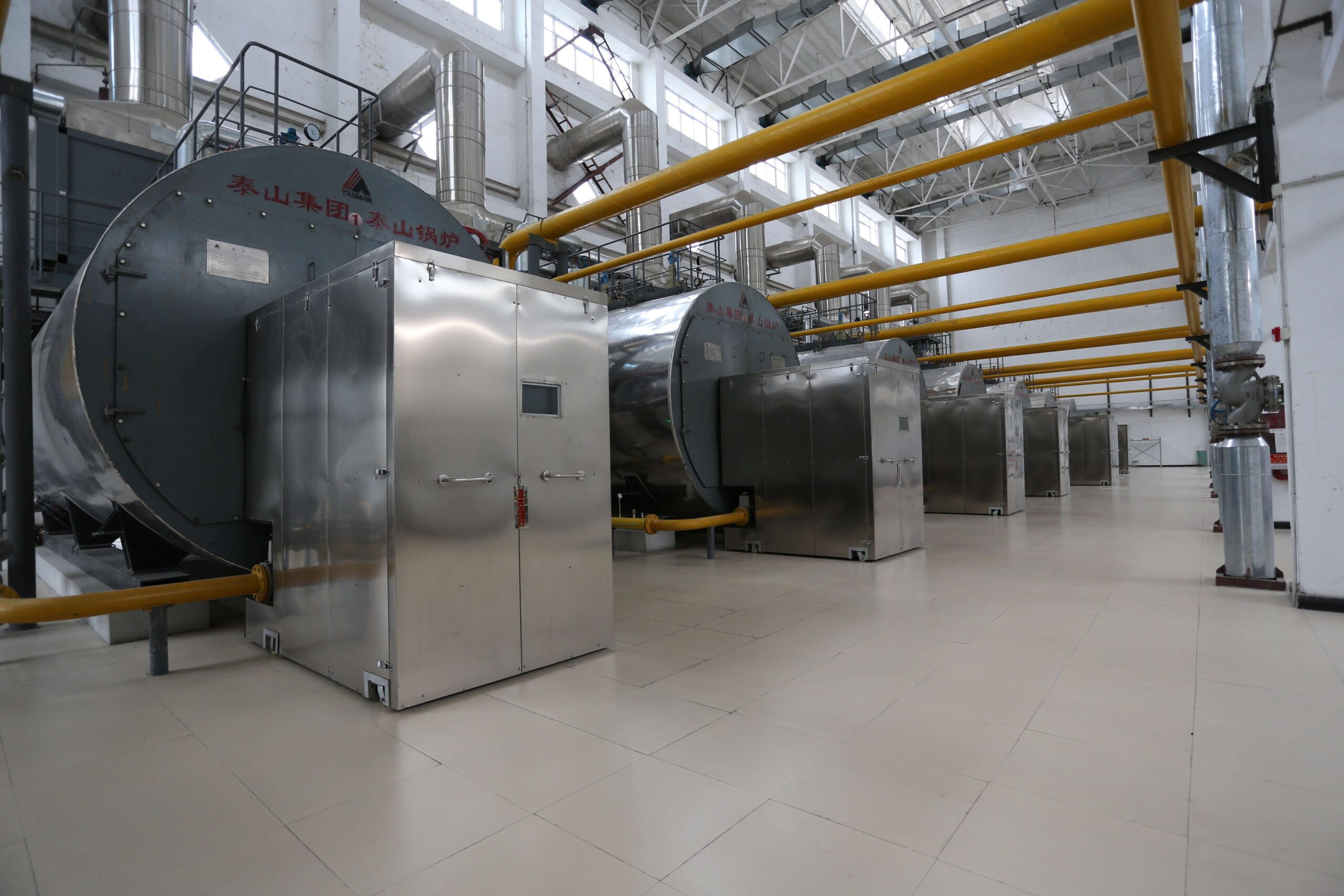
Around the world, governments are reshaping energy systems through ambitious energy transition policies aimed at reducing carbon emissions, improving air quality, and accelerating the deployment of renewable energy. For the power generation sector, these policies fundamentally alter investment logic, technology selection, and long-term asset planning. Power plant boilers—historically designed for decades-long baseload fossil fuel operation—now face unprecedented uncertainty. Without alignment to evolving policy frameworks, boilers risk underutilization, regulatory non-compliance, or premature retirement. At the same time, energy transition policies do not eliminate demand for boilers; instead, they redefine it, driving profound shifts in boiler technology, market segmentation, and procurement priorities worldwide.
Global energy transition policies influence power plant boiler market demand by reshaping fuel choices, efficiency standards, emission limits, flexibility requirements, and lifecycle expectations, transforming boilers from single-purpose fossil assets into adaptable, low-emission, and hybrid-compatible energy systems.
To understand this influence clearly, it is necessary to examine how policy mechanisms translate into technical requirements, market behavior, and long-term demand patterns for power plant boilers across different regions and stages of the energy transition.
Energy transition policies universally reduce demand for power plant boilers.False
While policies reduce demand for traditional inflexible fossil boilers, they simultaneously increase demand for high-efficiency, low-emission, fuel-flexible, and hybrid-compatible boiler technologies.
Policy-driven emission and efficiency standards directly influence boiler technology selection and market demand.True
Efficiency mandates, emission caps, and decarbonization targets directly determine boiler design requirements and strongly shape procurement decisions.
Energy Transition Policies as Market-Shaping Forces
Energy transition policies are not limited to climate targets; they form comprehensive regulatory ecosystems that influence every aspect of power generation. These policies typically include:
- Carbon neutrality or net-zero commitments
- Emission performance standards
- Renewable energy quotas
- Carbon pricing mechanisms
- Fuel phase-out schedules
- Financial incentives and penalties
For boiler markets, these policies redefine what types of technologies are acceptable, financeable, and competitive over a plant’s lifecycle.
Carbon Reduction Targets and Boiler Market Reorientation
National and regional decarbonization targets—often set for 2030, 2040, or 2050—have a cascading effect on boiler demand. Policies that mandate deep CO₂ reductions do not immediately eliminate thermal generation but instead shift demand toward:
- Higher-efficiency boilers
- Lower-carbon fuel compatibility
- Carbon capture readiness
- Shorter payback periods
Boilers that cannot demonstrate alignment with long-term decarbonization pathways face declining market viability, regardless of near-term economics.
Emission Standards Driving Boiler Technology Differentiation
Air pollutant regulations for NOₓ, SO₂, particulate matter, and mercury have become increasingly stringent under energy transition frameworks that link climate action with public health objectives.
These standards directly drive demand for:
- Advanced low-NOₓ combustion systems
- Integrated emission control compatibility
- Precise temperature and oxygen control
- Digital emission monitoring
As a result, boiler demand shifts away from simpler, lower-cost designs toward technologically sophisticated systems capable of maintaining compliance under variable operation.
Efficiency Mandates and the Push for Advanced Steam Parameters
Many energy transition policies include minimum efficiency requirements or emissions intensity limits (e.g., CO₂ per MWh). These policies indirectly promote higher steam parameters and advanced cycle designs.
Boiler market demand increasingly favors:
- Supercritical and ultra-supercritical boilers
- Improved heat transfer surfaces
- Reduced auxiliary power consumption
- Advanced control systems for continuous optimization
Table: Policy Instruments and Boiler Design Impact
| Policy Instrument | Market Effect | Boiler Demand Outcome |
|---|---|---|
| Efficiency standards | Penalize inefficient plants | Demand for high-efficiency boilers |
| Emission caps | Limit pollutant output | Advanced combustion and controls |
| Carbon pricing | Increase fuel cost sensitivity | Fuel-flexible boiler demand |
| Phase-out timelines | Reduce asset life certainty | Modular, retrofit-ready designs |
Efficiency-driven policy pressure fundamentally elevates the technological baseline of boiler markets.
Fuel Transition Policies and Boiler Fuel Flexibility Demand
A defining feature of energy transition policy is the gradual shift away from high-carbon fuels toward lower-carbon or renewable alternatives. Policies supporting this shift include:
- Coal phase-down or phase-out mandates
- Renewable fuel incentives
- Hydrogen strategies
- Biomass sustainability frameworks
Rather than eliminating boilers, these policies drive demand for fuel-flexible systems capable of:
- Biomass and waste co-firing
- Gas-to-hydrogen blending
- Future fuel conversion without full replacement
Fuel flexibility becomes a policy-aligned hedge against uncertainty, significantly increasing the attractiveness of adaptable boiler designs.
Renewable Energy Integration Policies and Hybrid Boiler Demand
Energy transition policies strongly promote renewable energy deployment, often through priority dispatch and grid access rules. This increases variability in power system operation.
In response, boiler market demand shifts toward:
- Flexible, fast-ramping boilers
- Low minimum load capability
- High cycling tolerance
- Integration with renewable forecasting systems
Boilers are increasingly specified as components of hybrid power systems rather than standalone generators.
Capacity Mechanisms and Flexibility Markets
In many regions, policy-driven electricity market reforms introduce capacity payments and flexibility markets to ensure reliability as renewables expand.
These mechanisms create new revenue streams for boilers that can:
- Provide reserve capacity
- Deliver rapid response
- Support grid stability
As a result, policy design directly sustains boiler market demand even as energy systems decarbonize.
Carbon Pricing and Lifecycle Cost Evaluation
Carbon taxes and emissions trading systems fundamentally alter boiler economics. Capital cost alone is no longer decisive; lifecycle emissions and operating costs dominate investment decisions.
Boiler demand increasingly prioritizes:
- Higher upfront efficiency
- Lower lifetime emissions
- Compatibility with carbon capture
- Digital tools for emission optimization
This shifts market demand toward premium, policy-resilient boiler technologies.
Carbon Capture Readiness as a Policy-Driven Requirement
Many energy transition roadmaps recognize carbon capture, utilization, and storage (CCUS) as a transitional or complementary solution. Policies increasingly require new thermal plants to be “CCS-ready.”
Boiler market implications include:
- Space and integration provisions for CCS
- Steam extraction flexibility
- Enhanced efficiency to offset CCS energy penalties
Boilers that can support CCS integration gain policy-driven market preference.
Financing Policies and Investor Behavior
Energy transition policies strongly influence financing conditions. Public banks, multilateral institutions, and private investors increasingly apply environmental, social, and governance (ESG) criteria.
For boiler markets, this results in:
- Reduced financing availability for conventional coal boilers
- Preferential financing for low-emission and flexible designs
- Strong demand for policy-aligned technical documentation
Boiler demand is therefore shaped not only by regulation but also by policy-influenced capital flows.
Regional Variations in Policy Impact on Boiler Demand
Energy transition policies differ significantly by region, producing distinct boiler market dynamics.
Europe
Aggressive decarbonization policies reduce conventional fossil boiler demand while increasing demand for biomass, waste-to-energy, hydrogen-ready, and power-to-heat boilers.
Asia-Pacific
Gradual transition policies sustain demand for high-efficiency coal and gas boilers, with strong emphasis on ultra-supercritical technology and emission control.
North America
Market-driven transition supported by policy incentives boosts demand for gas boilers, hydrogen-ready systems, and flexible cycling capability.
Emerging Economies
Energy access and affordability policies sustain boiler demand while gradually increasing efficiency and emission requirements.
Retrofit Markets Shaped by Policy Compliance Deadlines
Energy transition policies often include compliance deadlines rather than immediate bans. This creates strong retrofit demand.
Policy-driven retrofits include:
- Low-NOₓ burner upgrades
- Fuel conversion or co-firing capability
- Digital emission monitoring
- Efficiency improvement measures
Retrofit-friendly boiler designs gain significant market advantage.
Policy Uncertainty and Demand for Future-Proof Boilers
Uncertainty is a defining feature of the energy transition. Policies evolve, tighten, or accelerate over time.
This uncertainty increases demand for boilers that offer:
- Modular upgrade pathways
- Digital adaptability
- Fuel conversion readiness
- Long-term compliance flexibility
Future-proofing becomes a central purchasing criterion.
Strategic Implications for Boiler Manufacturers
Global energy transition policies force boiler manufacturers to:
- Invest in advanced R&D
- Expand fuel and technology portfolios
- Develop policy-aligned reference projects
- Provide lifecycle compliance support
Manufacturers that align product strategies with policy trajectories are better positioned to capture evolving market demand.
Implications for Power Plant Owners and Utilities
For utilities and independent power producers, policy awareness becomes a core component of boiler procurement strategy. Decisions increasingly reflect:
- Regulatory risk assessment
- Decarbonization roadmaps
- Flexibility and hybrid potential
- Long-term compliance cost
Boiler selection is now a strategic policy decision as much as a technical one.
Long-Term Outlook: Policy as a Structural Demand Driver
In the long term, global energy transition policies will continue to reshape—not eliminate—the power plant boiler market. Demand will concentrate around boilers that:
- Support decarbonization pathways
- Integrate with renewables and storage
- Operate flexibly and efficiently
- Remain compliant across evolving regulations
Boilers will persist as critical infrastructure within increasingly complex, policy-driven energy systems.
Global energy transition policies exert a profound and multifaceted influence on power plant boiler market demand. By redefining acceptable fuels, efficiency levels, emission limits, flexibility requirements, and asset lifecycles, these policies transform boilers from conventional fossil equipment into adaptive, policy-aligned energy systems. Rather than causing a simple decline in demand, energy transition policies restructure the boiler market—favoring advanced, flexible, low-emission, and future-ready technologies. In this evolving landscape, policy alignment is no longer optional; it is the central determinant of boiler market relevance, competitiveness, and long-term demand.
🔍 Conclusion
Power plant boiler technology is rapidly evolving toward higher efficiency, lower emissions, smarter operation, and greater fuel adaptability. At the same time, market demand is increasingly shaped by decarbonization goals, renewable integration, and long-term operating economics. Power producers that invest in advanced boiler technologies today are better positioned to meet future regulatory, environmental, and market challenges while maintaining reliable power generation.
🔹 Contact us today to future-proof your power plant with next-generation boiler technology and market-driven solutions. ⚙️🔥🏭✅
FAQ
Q1: What are the latest technological trends in power plant boilers?
A1: The latest trends in power plant boiler technology focus on improving efficiency, reducing emissions, and increasing operational flexibility. Key developments include ultra-supercritical (USC) and advanced ultra-supercritical (A-USC) boilers, which operate at higher pressures and temperatures to achieve efficiencies above 45%. In parallel, circulating fluidized bed (CFB) boilers are gaining traction due to their fuel flexibility and lower emissions. Advanced materials, such as high-chromium steels and nickel-based alloys, are also being adopted to withstand extreme operating conditions and extend boiler lifespan.
Q2: How is decarbonization influencing power plant boiler design?
A2: Decarbonization goals are significantly reshaping power plant boiler design and demand. New boilers are increasingly required to support co-firing of biomass, refuse-derived fuels, or hydrogen-ready combustion systems. Low-NOx burners, in-furnace desulfurization, and compatibility with carbon capture, utilization, and storage (CCUS) technologies are becoming standard design considerations. These changes allow power plants to reduce CO₂ emissions while maintaining reliable baseload power generation, especially in regions transitioning away from traditional coal dependency.
Q3: Why is there growing demand for [CFB boilers](https://coalbiomassboiler.com/product/circulating-fluidized-bed-boiler/) in the power sector?
A3: Demand for CFB boilers is growing because they offer a balance between efficiency, environmental performance, and fuel flexibility. CFB technology can efficiently burn low-grade coal, lignite, biomass, and industrial waste fuels while achieving low SO₂ and NOx emissions without extensive flue gas treatment. This makes CFB boilers particularly attractive in emerging markets and regions with diverse or lower-quality fuel supplies. Their ability to meet stricter environmental regulations at competitive costs is driving strong market adoption.
Q4: How are digitalization and smart controls impacting boiler operation?
A4: Digitalization is transforming power plant boiler operation through advanced control systems, real-time monitoring, and data analytics. Modern boilers are increasingly equipped with AI-driven combustion optimization, predictive maintenance tools, and digital twins. These technologies improve thermal efficiency, reduce unplanned outages, and optimize maintenance schedules. As a result, operators can lower operating costs and extend equipment life, making smart boiler systems a key trend in both new installations and retrofits.
Q5: What are the current market demand trends for power plant boilers globally?
A5: Global market demand for power plant boilers is shifting from traditional coal-fired units toward high-efficiency, low-emission, and flexible boiler technologies. While new coal power projects are declining in some developed regions, demand remains strong in Asia, Africa, and parts of the Middle East, driven by industrialization and energy security needs. At the same time, significant growth is seen in boiler retrofits, efficiency upgrades, and renewable-integrated power plants, reflecting the industry’s transition toward cleaner and more sustainable energy systems.
References
- International Energy Agency (IEA) – Power Generation Technology Trends – https://www.iea.org/ – IEA
- U.S. Department of Energy – Advanced Boiler Technologies – https://www.energy.gov/ – DOE
- ASME – Advances in Boiler and Pressure Vessel Technology – https://www.asme.org/ – ASME
- Mitsubishi Power – Ultra-Supercritical Boiler Development – https://power.mhi.com/ – Mitsubishi Power
- GE Steam Power – CFB and Advanced Boiler Solutions – https://www.ge.com/steam-power/ – GE Steam Power
- IEA Clean Coal Centre – CFB and USC Boiler Technologies – https://www.iea-coal.org/ – IEA CCC
- ScienceDirect – Trends in Power Plant Boiler Design – https://www.sciencedirect.com/ – ScienceDirect
- MarketsandMarkets – Power Plant Boiler Market Analysis – https://www.marketsandmarkets.com/ – Markets and Markets
- World Bank – Power Sector Decarbonization Strategies – https://www.worldbank.org/ – World Bank
- International Renewable Energy Agency (IRENA) – Power Transition Outlook – https://www.irena.org/ – IRENA