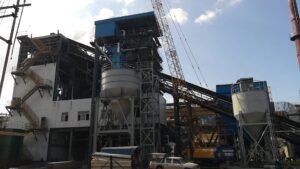
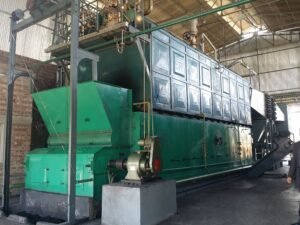
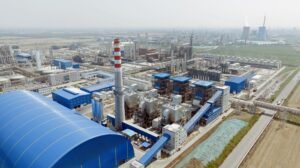
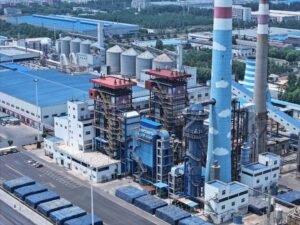
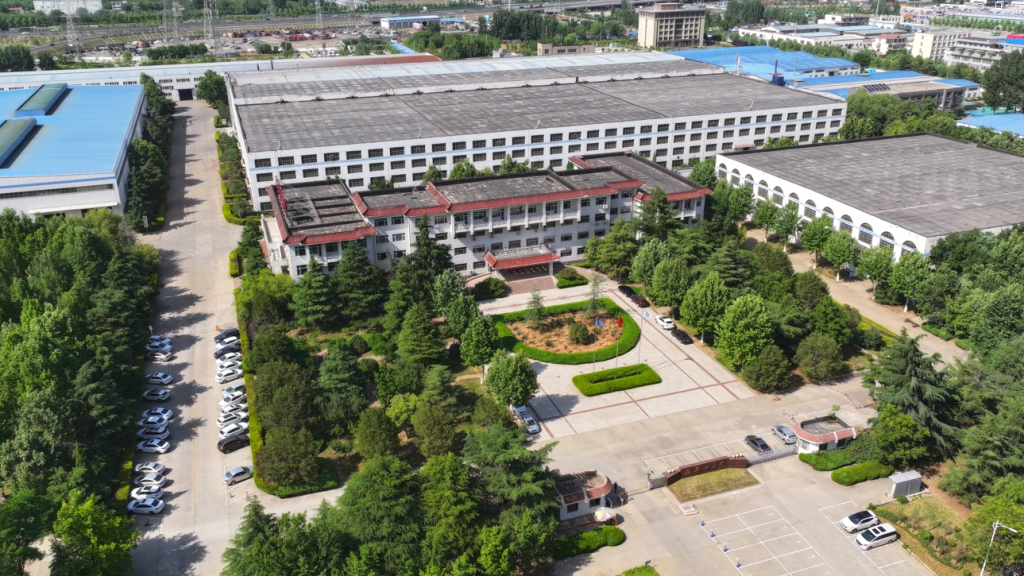
Industrial steam boilers are the heart of many production processes, and any instability—such as pressure fluctuations, efficiency loss, or unplanned shutdowns—can lead to production delays, higher energy costs, and safety risks. These problems often arise not from design flaws alone, but from improper sizing, weak maintenance practices, outdated controls, or suboptimal operation. Enhancing reliability and performance is therefore critical to long-term operational success.
The reliability and performance of industrial steam boilers can be significantly improved through proper system design and sizing, high-efficiency combustion and heat transfer technologies, advanced automation and monitoring, disciplined preventive maintenance, and skilled operator management. When these elements are optimized together, steam boilers achieve stable output, higher efficiency, lower downtime, and extended service life.
A structured improvement strategy transforms steam boilers from basic utilities into high-performance, low-risk industrial assets.
How Does Proper Boiler Sizing and System Design Improve Steam Boiler Reliability and Performance?
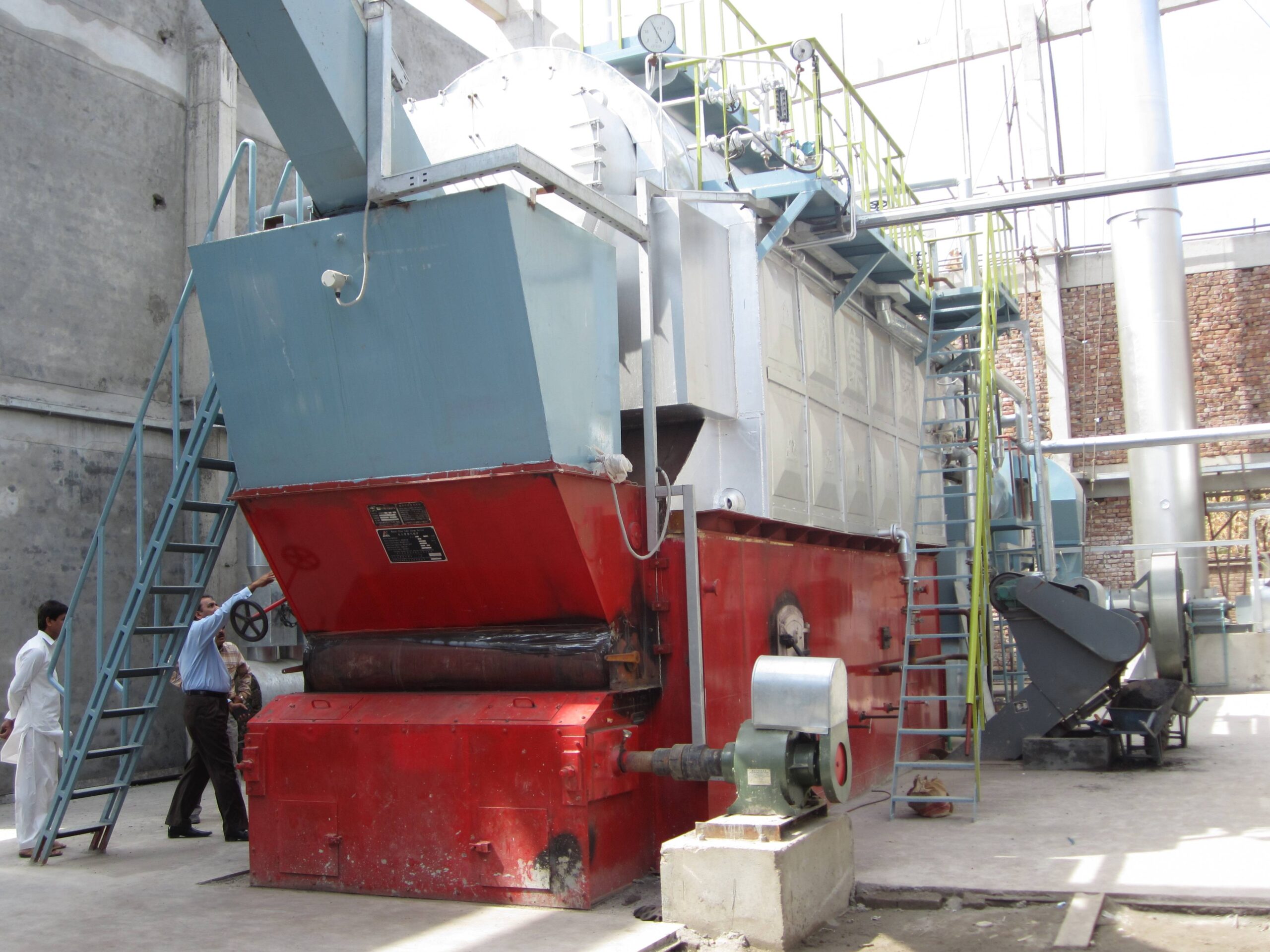
In industrial steam systems, many reliability problems—tube failures, unstable pressure, frequent trips, poor efficiency, and shortened equipment life—are not caused by poor manufacturing quality or operator error, but by incorrect boiler sizing and flawed system-level design. Oversized boilers waste energy, cycle excessively, and suffer from thermal stress, while undersized boilers struggle to meet demand, operate under constant strain, and fail prematurely. Poorly designed steam, feedwater, and condensate systems further amplify these issues, turning otherwise robust boilers into chronic maintenance liabilities. Understanding how proper boiler sizing and holistic system design improve reliability and performance is therefore fundamental for long-term, stable steam generation.
Proper boiler sizing and integrated system design improve steam boiler reliability and performance by matching heat output to real load demand, stabilizing operating conditions, minimizing thermal stress and cycling, optimizing combustion and heat transfer, and ensuring balanced steam, water, and condensate flows across all operating modes.
Rather than focusing solely on boiler nameplate capacity, high-performing steam systems are engineered as complete thermal systems in which sizing, layout, control philosophy, and operating profile are fully aligned.
Installing a larger boiler than required always improves reliability by providing extra capacity.False
Oversized boilers often cycle excessively, suffer thermal stress, and operate inefficiently, reducing reliability over time.
Accurate load analysis is the foundation of reliable steam boiler system design.True
Matching boiler capacity to real steam demand is essential for stable operation and long-term performance.
The Relationship Between Boiler Sizing and Reliability
Boiler sizing directly determines how often a boiler starts, stops, ramps load, and operates at part load. These factors govern thermal expansion, pressure stability, combustion quality, and mechanical wear.
A properly sized boiler operates within its optimal efficiency and stress range for most of its operating life, while an improperly sized boiler spends much of its time in damaging off-design conditions.
Understanding Real Steam Load Versus Nameplate Demand
Industrial steam demand is rarely constant. It fluctuates with production schedules, process cycles, ambient conditions, and operational practices. Proper sizing begins with understanding not just peak demand, but average load, minimum load, ramp rates, and load duration.
Designing solely for maximum theoretical demand often results in oversized equipment that rarely operates near its design point, undermining both efficiency and reliability.
Consequences of Oversized Steam Boilers
Oversizing is one of the most common design mistakes in steam systems. While it may appear conservative, it introduces multiple reliability risks.
Oversized boilers cycle frequently at low load, causing repeated thermal expansion and contraction of pressure parts. This accelerates fatigue damage, loosens tube joints, and increases the risk of cracking and leakage.
Frequent cycling also destabilizes combustion, leading to flame instability, higher emissions, and increased burner wear.
Consequences of Undersized Steam Boilers
Undersized boilers operate under constant high stress, often near maximum firing rate. This leads to elevated metal temperatures, reduced safety margins, and accelerated material degradation.
Pressure instability, inability to meet peak demand, and frequent safety trips are common symptoms. Over time, continuous overload shortens equipment life and increases unplanned downtime.
Load Matching and Operating Range Optimization
Proper sizing ensures that normal operating loads fall within the boiler’s optimal operating range. For most industrial steam boilers, this means sustained operation between 50% and 85% of rated capacity.
Within this range, combustion is stable, heat transfer is efficient, and mechanical stress is minimized. Designing for this operating window significantly improves long-term reliability.
Table 1: Impact of Boiler Sizing on Operating Behavior
| Sizing Condition | Typical Operating Issues | Reliability Impact |
|---|---|---|
| Oversized | Short cycling, low-load instability | Reduced |
| Properly sized | Stable operation, balanced load | High |
| Undersized | Overstress, pressure drops | Reduced |
Importance of Accurate Steam Load Analysis
Accurate load analysis considers peak demand, average demand, diversity factor, future expansion, and redundancy strategy. Advanced designs use real process data, not assumptions or safety margins layered on guesswork.
Load profiling over time reveals how often peak demand actually occurs and whether modular or staged capacity is more appropriate than a single large boiler.
Role of Modular Boiler Design in Sizing Accuracy
In many applications, multiple smaller boilers provide better reliability than a single large unit. Modular design allows boilers to be sequenced to match load precisely, reducing cycling and improving redundancy.
This approach improves both performance and availability, particularly in variable-load industrial processes.
System Design Beyond the Boiler Itself
Boiler reliability depends not only on the boiler, but on the entire steam system. Poorly designed piping, feedwater systems, or condensate return can negate the benefits of correct boiler sizing.
A properly designed system ensures smooth energy flow from fuel input to steam utilization and back to the boiler.
Steam Distribution Design and Pressure Stability
Steam piping must be sized to minimize pressure drop and avoid excessive velocities. Poor distribution design causes pressure fluctuations that force the boiler to operate erratically.
Stable downstream pressure allows the boiler to maintain steady firing rates, reducing mechanical stress and improving control accuracy.
Feedwater System Design and Thermal Shock Prevention
Feedwater temperature and flow stability are critical to boiler longevity. Properly sized deaerators, feedwater heaters, and pumps prevent cold water injection that can cause thermal shock.
Balanced feedwater design ensures smooth drum level control and protects pressure parts from rapid temperature changes.
Condensate Return System Integration
Efficient condensate return reduces makeup water requirements, improves thermal efficiency, and stabilizes feedwater conditions. Poor condensate system design leads to fluctuating feedwater temperature and chemistry, undermining reliability.
Proper system design integrates condensate return seamlessly with boiler operation.
Combustion System Sizing and Turndown Capability
Burners must be sized to match the boiler’s operating range. Excessively large burners struggle at low load, while undersized burners limit capacity.
Adequate turndown ratio allows the boiler to respond smoothly to load changes without cycling, enhancing both reliability and performance.
Control System Design and Dynamic Response
Modern steam systems rely on coordinated control of fuel, air, feedwater, and pressure. Control systems must be tuned to the boiler’s size and response characteristics.
Improperly designed or tuned controls amplify load disturbances and increase wear on mechanical components.
Heat Transfer Surface Design and Thermal Balance
Proper sizing includes ensuring sufficient heat transfer surface for the intended firing rate. Excessive heat flux accelerates tube wear, while insufficient heat transfer reduces efficiency.
Balanced thermal design distributes heat evenly, reducing localized overheating and extending component life.
Water Chemistry Management and Design Compatibility
Boiler sizing influences circulation rates, blowdown requirements, and water chemistry control. Systems designed for stable operation simplify chemical control and reduce corrosion risk.
Unstable operation caused by poor sizing complicates water treatment and increases failure risk.
Table 2: System Design Elements Affecting Reliability
| System Element | Design Impact |
|---|---|
| Steam piping | Pressure stability |
| Feedwater system | Thermal stress control |
| Condensate return | Temperature consistency |
| Control system | Load response |
Startup, Shutdown, and Transient Operation
Properly sized boilers experience fewer extreme transients. Controlled startup and shutdown reduce thermal gradients and stress accumulation.
Designing for realistic operating cycles is essential for long-term reliability.
Energy Efficiency as a Reliability Driver
Efficiency and reliability are closely linked. Efficient boilers waste less energy, operate at lower firing rates for the same output, and experience less thermal stress.
Proper sizing supports efficiency by keeping the boiler in its optimal operating zone.
Maintenance Burden and Sizing Relationship
Oversized and undersized boilers both increase maintenance frequency. Proper sizing reduces unplanned outages, extends maintenance intervals, and simplifies inspection planning.
This directly lowers lifecycle cost.
Redundancy Strategy and Risk Management
Correct sizing incorporates redundancy without excessive oversizing. N+1 or modular strategies provide reliability without sacrificing efficiency.
System-level design determines how redundancy contributes to performance rather than undermines it.
Case Insight: Common Failure Patterns From Poor Sizing
Field experience shows that tube failures, burner issues, and control instability often trace back to sizing errors rather than equipment defects.
Correcting sizing and system design frequently resolves chronic reliability problems.
Table 3: Reliability Outcomes by Design Quality
| Design Quality | Expected Reliability |
|---|---|
| Poor sizing, weak system design | Low |
| Correct sizing, partial system optimization | Moderate |
| Correct sizing, integrated system design | High |
Long-Term Performance and Asset Life
Proper boiler sizing reduces cumulative fatigue damage, corrosion risk, and component wear. This translates directly into longer service life and higher return on investment.
Performance consistency over decades depends more on design decisions than on incremental upgrades.
Future Flexibility and Load Evolution
Well-sized systems accommodate reasonable future changes without major modification. Oversized systems struggle to adapt efficiently, while undersized systems require costly expansion.
Designing with realistic growth scenarios improves long-term value.
Human Factors and Operational Simplicity
Systems designed around proper sizing are easier to operate. Stable behavior reduces operator intervention and error, further improving reliability.
Operational simplicity is an often-overlooked benefit of correct design.
Integration With Energy Transition Strategies
As plants adopt electrification, waste heat recovery, or renewable integration, properly sized boilers integrate more easily into hybrid systems.
Flexibility begins with correct sizing.
Summary of Key Design Principles
Proper boiler sizing and system design align capacity with real demand, stabilize operating conditions, reduce stress, and improve efficiency. These factors collectively enhance reliability and performance far more than incremental component upgrades.
Proper boiler sizing and integrated system design are among the most powerful determinants of steam boiler reliability and performance. By accurately matching capacity to real steam demand and designing balanced steam, feedwater, condensate, combustion, and control systems, industrial operators can minimize thermal stress, reduce cycling, stabilize operation, and sustain high efficiency throughout the boiler’s lifecycle. Rather than treating the boiler as a standalone asset, viewing it as part of a coordinated thermal system transforms reliability from a reactive maintenance challenge into a predictable, design-driven outcome.
How Do High-Efficiency Burners, Combustion Control, and Heat Transfer Upgrades Enhance Boiler Performance?
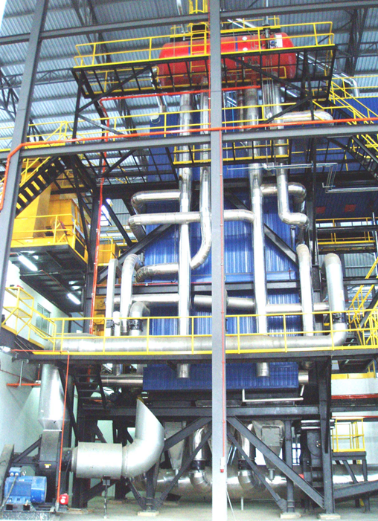
In many industrial and power-generation facilities, boilers are expected to operate reliably for decades under changing load conditions, tightening emission limits, and constant pressure to reduce fuel consumption. Yet performance degradation—manifesting as higher fuel usage, unstable combustion, tube overheating, and frequent maintenance—is often accepted as inevitable. In reality, these issues are frequently rooted not in the boiler’s basic structure, but in outdated burners, poorly controlled combustion, and suboptimal heat transfer surfaces. Without targeted upgrades in these areas, even well-built boilers struggle to deliver consistent efficiency and reliability.
High-efficiency burners, advanced combustion control systems, and optimized heat transfer upgrades enhance boiler performance by improving fuel–air mixing, stabilizing combustion across the load range, minimizing heat losses, increasing usable heat absorption, and maintaining high efficiency and reliability throughout the boiler’s operating life.
These three elements work synergistically: burners determine how efficiently fuel energy is released, combustion control ensures that this release is stable and optimized under all conditions, and heat transfer upgrades ensure that the released energy is effectively absorbed rather than wasted through flue gas losses.
Boiler efficiency improvements mainly depend on upgrading heat exchangers rather than combustion systems.False
Combustion quality directly determines flame stability, excess air levels, and flue gas temperature, making burners and controls equally critical to efficiency.
Excess air control is one of the most effective ways to reduce fuel consumption in boilers.True
Reducing unnecessary excess air lowers flue gas heat loss and directly improves boiler efficiency.
The Interconnected Nature of Boiler Performance Enhancement
Boiler performance is not the result of a single component operating efficiently in isolation. Instead, it emerges from the interaction between combustion quality, thermal energy release, and heat absorption. Upgrading only one element often yields limited results, while coordinated improvements across burners, controls, and heat transfer surfaces can deliver substantial and sustainable gains.
Role of High-Efficiency Burners in Boiler Performance
The burner is the heart of the boiler’s energy conversion process. Its primary function is to atomize or mix fuel with air, ignite the mixture, and maintain a stable flame that releases heat in a controlled and uniform manner.
High-efficiency burners are designed to maximize fuel–air mixing, promote complete combustion, and maintain stable flames across a wide turndown range. Improved atomization in oil-fired burners or optimized gas mixing in gas-fired systems ensures that fuel particles burn fully before reaching heat transfer surfaces, reducing unburned losses and soot formation.
Improved Flame Stability and Load Response
Advanced burner designs maintain flame stability even at low loads. This capability reduces the need for frequent start–stop cycling, which is a major contributor to thermal fatigue and efficiency loss.
Stable flames also ensure consistent heat release, protecting furnace walls and downstream heat transfer surfaces from localized overheating or uneven thermal loading.
Reduction of Unburned Fuel and Combustion Losses
Incomplete combustion wastes fuel energy and increases emissions such as CO and unburned hydrocarbons. High-efficiency burners minimize these losses by ensuring optimal residence time, temperature, and mixing conditions within the flame zone.
More complete combustion directly translates into higher usable heat release and improved overall boiler efficiency.
Combustion Control as a Performance Multiplier
Even the most advanced burner cannot perform optimally without precise combustion control. Combustion control systems regulate fuel flow, air supply, and ignition timing to maintain optimal combustion conditions under varying loads and operating conditions.
Modern systems use continuous feedback from oxygen sensors, pressure transmitters, and temperature measurements to adjust firing parameters in real time.
Excess Air Optimization and Efficiency Gains
Excess air is necessary for complete combustion, but too much excess air carries valuable heat out of the boiler with the flue gas. Advanced combustion control minimizes excess air while maintaining combustion stability.
Reducing excess air by even a few percentage points can significantly lower stack temperature and fuel consumption.
Table 1: Impact of Combustion Control on Efficiency
| Combustion Parameter | Effect on Boiler Performance |
|---|---|
| Excess air reduction | Lower flue gas losses |
| Stable O₂ control | Consistent efficiency |
| Load-responsive control | Reduced cycling |
| Optimized fuel–air ratio | Complete combustion |
Part-Load Performance and Turndown Control
Industrial boilers rarely operate at full load continuously. Advanced combustion control systems ensure high efficiency during part-load operation by adjusting firing rates smoothly and maintaining optimal flame conditions.
This capability is critical for real-world performance, as poor part-load efficiency often dominates lifecycle fuel consumption.
Emission Reduction Without Efficiency Penalty
Low-NOx burners and staged combustion techniques are often perceived as reducing efficiency. However, modern designs integrate emission control with efficiency optimization.
By carefully shaping flame geometry and staging air or fuel, these systems reduce NOx formation while maintaining high combustion efficiency and stable heat release.
Heat Transfer Upgrades: Capturing More Usable Energy
Once fuel energy is released through combustion, the next challenge is to absorb as much of that energy as possible into the working fluid. Heat transfer upgrades target the largest remaining efficiency loss in boilers: flue gas heat loss.
Improved heat transfer surfaces reduce exhaust temperature and increase the fraction of energy converted into useful steam or hot water.
Enhanced Furnace and Radiant Heat Transfer
Optimized furnace geometry and water-cooled wall arrangements increase radiant heat absorption. High-efficiency burners complement this by producing flames that distribute heat evenly across furnace surfaces.
Balanced radiant heat transfer reduces peak metal temperatures and extends pressure-part life.
Convective Heat Transfer Surface Optimization
In the convective pass, upgraded tube arrangements, extended surfaces, and improved gas flow distribution increase heat transfer coefficients.
These enhancements allow more heat to be extracted without excessive pressure drop, maintaining fan efficiency and system stability.
Economizers as Core Heat Recovery Components
Economizers recover sensible heat from flue gas to preheat boiler feedwater. This reduces the amount of fuel required to raise water to steam conditions.
In many industrial boilers, economizer upgrades alone can improve efficiency by several percentage points.
Table 2: Heat Transfer Upgrade Contributions
| Upgrade Type | Primary Benefit |
|---|---|
| Furnace optimization | Improved radiant absorption |
| Convective tube enhancement | Lower stack temperature |
| Economizer addition | Reduced fuel demand |
| Improved insulation | Lower radiation loss |
Air Preheaters and Combustion Enhancement
Air preheaters recover flue gas heat to warm combustion air. Preheated air improves ignition, stabilizes flames, and reduces the fuel required to reach target flame temperatures.
This creates a positive feedback loop: better combustion improves heat transfer, and improved heat transfer supports lower excess air operation.
Fouling Resistance and Heat Transfer Stability
Upgraded heat transfer designs often incorporate features that reduce fouling, such as smoother tube surfaces, optimized gas velocities, and easier access for cleaning.
Maintaining clean heat transfer surfaces ensures that performance gains are preserved over time rather than lost to gradual degradation.
Integration of Burners, Controls, and Heat Transfer
The greatest performance improvements occur when burner upgrades, combustion control, and heat transfer enhancements are designed as a coordinated system.
For example, reduced excess air from advanced controls allows deeper heat recovery without risking corrosion or instability. Similarly, improved heat transfer lowers furnace exit gas temperature, reducing burner stress and extending component life.
Table 3: System-Level Performance Improvements
| Integrated Upgrade | Performance Outcome |
|---|---|
| Burner + control | Stable, efficient combustion |
| Control + economizer | Lower flue gas losses |
| Burner + heat transfer | Even thermal loading |
| Full integration | Maximum efficiency and reliability |
Reliability and Maintenance Benefits
Higher efficiency is closely linked to reliability. Stable combustion reduces flame impingement and thermal cycling, while improved heat transfer lowers metal temperatures and slows material degradation.
These factors reduce maintenance frequency, extend inspection intervals, and lower the risk of unplanned outages.
Impact on Fuel Flexibility and Operating Range
Advanced burners and controls often increase fuel flexibility, allowing boilers to operate efficiently with different fuel qualities or blends. This adaptability enhances long-term performance under changing fuel supply conditions.
Economic Performance and Lifecycle Cost Reduction
Efficiency gains translate directly into fuel cost savings. When combined with reduced maintenance and longer equipment life, the economic impact of these upgrades is often substantial.
In high-utilization boilers, even modest efficiency improvements deliver significant lifecycle value.
Retrofitting Existing Boilers
Many high-efficiency burners, combustion control systems, and heat transfer upgrades can be retrofitted to existing boilers. Retrofit projects often deliver rapid payback without the need for full boiler replacement.
This makes performance enhancement accessible even for aging boiler fleets.
Operational Simplicity and Operator Confidence
Modern control systems simplify operation by automating complex adjustments and providing clear performance feedback. Reduced operator intervention improves consistency and lowers the risk of human error.
Operational stability itself is a key contributor to sustained performance.
Strategic Role in Energy Transition
As industries pursue decarbonization and energy efficiency goals, these upgrades provide immediate performance improvements while supporting longer-term transition strategies such as fuel switching or hybrid systems.
Summary of Performance Enhancement Mechanisms
High-efficiency burners improve how fuel energy is released, combustion control ensures that release is optimized under all conditions, and heat transfer upgrades ensure that released energy is captured effectively. Together, they transform boiler performance at both the component and system levels.
High-efficiency burners, advanced combustion control systems, and optimized heat transfer upgrades enhance boiler performance by addressing the full energy conversion chain—from fuel input to usable heat output. By stabilizing combustion, minimizing excess air, reducing heat losses, and maximizing heat absorption, these technologies deliver higher efficiency, improved reliability, lower emissions, and reduced lifecycle cost. The most significant gains are achieved when these elements are integrated into a coherent system design rather than applied in isolation. For industrial operators seeking sustainable performance improvement, coordinated upgrades in burners, controls, and heat transfer represent one of the most effective and proven pathways forward.
How Does Preventive and Predictive Maintenance Reduce Failures in Industrial Steam Boilers?
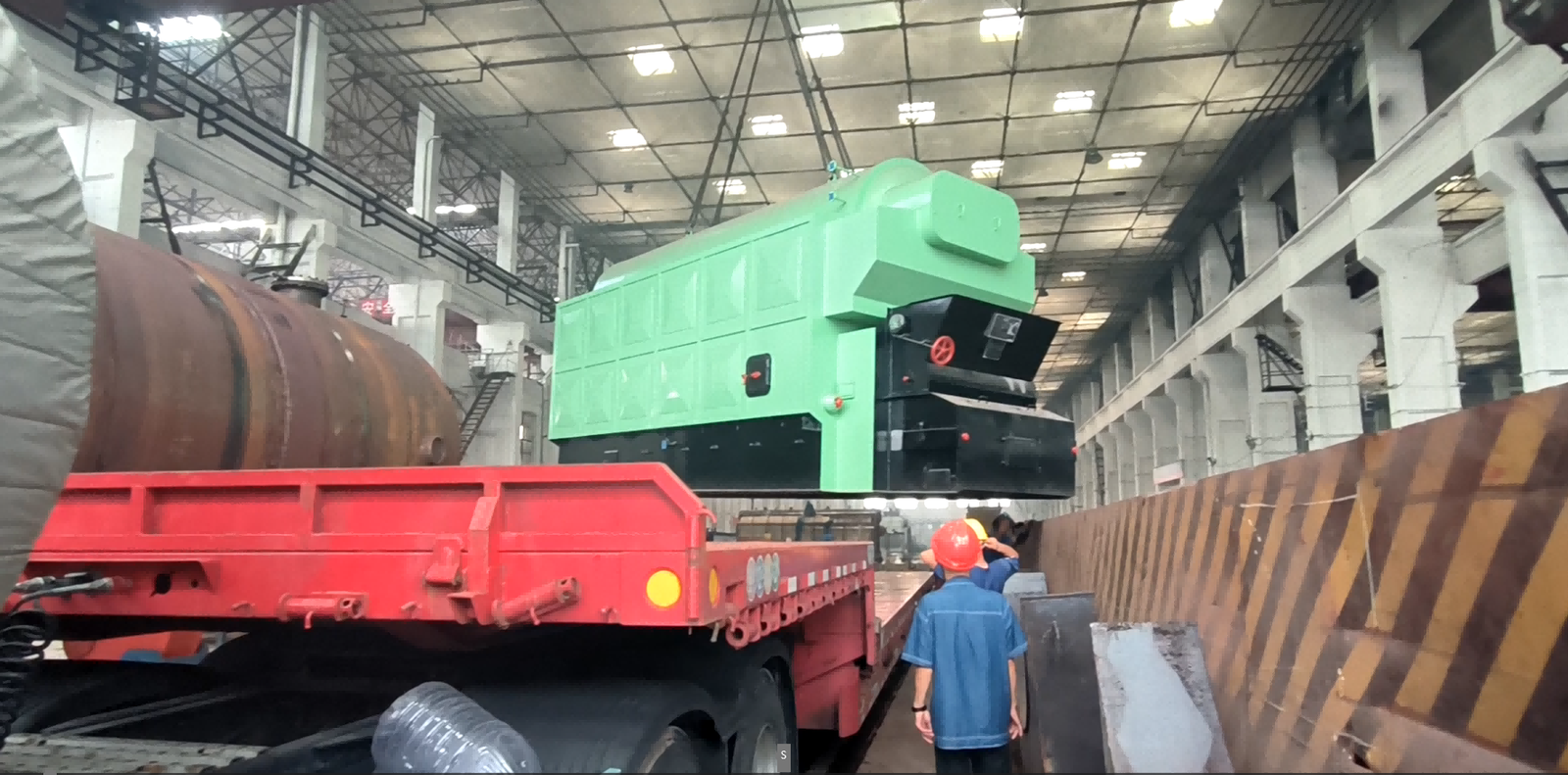
Unplanned boiler failures are among the most disruptive and costly events in industrial operations. Tube ruptures, burner trips, refractory damage, feedwater system failures, and control malfunctions often occur suddenly, forcing emergency shutdowns that interrupt production, compromise safety, and generate high repair costs. In many cases, these failures are not random or unavoidable; they are the cumulative result of small degradations that go undetected or unaddressed over time. Preventive and predictive maintenance strategies directly target these hidden risks, transforming boiler reliability from a reactive struggle into a managed, data-driven outcome.
Preventive and predictive maintenance reduce failures in industrial steam boilers by identifying degradation early, stabilizing operating conditions, preventing accelerated wear mechanisms, and enabling timely intervention before minor defects escalate into catastrophic breakdowns.
By shifting maintenance from reactive repair to proactive risk management, industrial operators can significantly extend boiler life, improve availability, and reduce total cost of ownership.
Most industrial steam boiler failures occur suddenly without warning.False
The majority of boiler failures develop gradually through wear, corrosion, fouling, or control drift that can be detected with proper maintenance.
Predictive maintenance can significantly reduce unplanned boiler outages.True
Continuous monitoring and data analysis allow early detection of abnormal conditions, enabling corrective action before failure occurs.
Understanding Failure Mechanisms in Industrial Steam Boilers
To understand how maintenance reduces failures, it is essential to recognize how boilers fail. Common failure mechanisms include thermal fatigue, corrosion, erosion, fouling, vibration-induced damage, control instability, and water chemistry imbalance.
These mechanisms rarely act alone. Instead, they interact over time, gradually weakening pressure parts, auxiliaries, and control systems until a triggering event causes failure. Preventive and predictive maintenance interrupt this progression at multiple points.
Preventive Maintenance as the First Line of Defense
Preventive maintenance focuses on scheduled inspections, servicing, and component replacement based on known wear patterns and operating hours. Its primary objective is to prevent known failure modes from developing.
In industrial steam boilers, preventive maintenance establishes baseline reliability by ensuring that critical components remain within safe operating limits.
Early Detection of Mechanical Wear and Fatigue
Routine inspections of burners, fans, pumps, valves, and pressure parts allow maintenance teams to identify wear before it compromises function. Components such as feedwater pumps and induced-draft fans often exhibit measurable vibration, noise, or efficiency loss long before failure.
By addressing these issues early, preventive maintenance avoids secondary damage that can propagate throughout the boiler system.
Control of Thermal Stress Through Scheduled Inspection
Boiler components are exposed to repeated thermal cycling during startup, shutdown, and load changes. Preventive inspection of expansion joints, tube supports, and refractory lining helps identify stress-related damage early.
Timely repair prevents localized overheating and structural distortion that can lead to tube rupture or casing failure.
Fouling and Heat Transfer Degradation Prevention
Soot, scale, and deposits gradually reduce heat transfer efficiency, raising metal temperatures and increasing thermal stress. Regular cleaning schedules for fireside and waterside surfaces maintain proper heat transfer and prevent overheating-related failures.
Preventive fouling control directly protects pressure parts, which are among the most critical and costly boiler components.
Water Chemistry Management as a Preventive Measure
Water chemistry imbalance is a leading cause of corrosion, scaling, and carryover. Preventive maintenance includes routine monitoring of pH, conductivity, dissolved oxygen, and treatment chemical levels.
Maintaining stable water chemistry prevents internal corrosion and deposition, significantly reducing the risk of tube failure.
Predictive Maintenance: Moving Beyond Fixed Schedules
While preventive maintenance relies on time-based activities, predictive maintenance uses real-time condition monitoring and data analysis to anticipate failures. This approach recognizes that components degrade at different rates depending on operating conditions.
Predictive maintenance enables intervention precisely when and where it is needed.
Role of Sensors and Continuous Monitoring
Modern industrial boilers are equipped with sensors that monitor temperature, pressure, vibration, flow, oxygen concentration, and flue gas composition. These signals provide continuous insight into boiler health.
Abnormal trends—such as rising stack temperature, increasing oxygen demand, or fluctuating drum level—often indicate developing problems long before alarms are triggered.
Trend Analysis and Deviation Detection
Predictive maintenance relies heavily on trend analysis rather than absolute limits. Gradual deviations from normal operating patterns reveal issues such as fouling buildup, burner degradation, or control valve wear.
By identifying these deviations early, maintenance teams can plan corrective action without disrupting production.
Table 1: Failure Indicators Detected by Predictive Monitoring
| Monitored Parameter | Early Failure Indication |
|---|---|
| Flue gas temperature | Heat transfer degradation |
| Oxygen concentration | Combustion imbalance |
| Vibration levels | Bearing or alignment issues |
| Drum level stability | Feedwater control problems |
Prevention of Catastrophic Pressure-Part Failures
Pressure-part failures represent the most severe boiler risks. Predictive maintenance helps prevent these events by detecting conditions that accelerate metal degradation, such as localized overheating or corrosion under deposits.
Early detection allows controlled shutdown and repair, avoiding sudden rupture.
Combustion System Reliability Through Predictive Diagnostics
Burners and fuel systems are frequent sources of trips and failures. Predictive diagnostics monitor flame stability, ignition timing, fuel pressure, and actuator response.
Identifying deteriorating burner performance prevents misfires, flameouts, and explosive conditions that threaten both equipment and personnel.
Control System Drift and Automation Health
Control system drift—caused by sensor aging, actuator wear, or software issues—can destabilize boiler operation. Predictive maintenance detects these subtle changes through performance monitoring and control loop analysis.
Correcting control issues early prevents oscillations, cycling, and stress-related damage.
Reduction of Emergency Maintenance and Forced Outages
One of the most tangible benefits of preventive and predictive maintenance is the reduction of emergency repairs. Planned maintenance is safer, more cost-effective, and less disruptive than emergency intervention.
Reducing forced outages improves overall plant availability and operational confidence.
Table 2: Maintenance Strategy Impact on Reliability
| Maintenance Approach | Failure Risk | Operational Stability |
|---|---|---|
| Reactive only | High | Low |
| Preventive | Moderate | Improved |
| Predictive + preventive | Low | High |
Maintenance Planning and Resource Optimization
Predictive maintenance allows maintenance resources to be allocated based on actual condition rather than fixed intervals. This improves efficiency while reducing the risk of missed failures.
Well-planned maintenance windows also reduce stress on the boiler caused by rushed or incomplete repairs.
Extension of Boiler Service Life
By limiting cumulative damage from overheating, corrosion, and fatigue, preventive and predictive maintenance significantly extend boiler service life. Components reach their design life instead of failing prematurely.
Extended service life improves return on investment and defers capital replacement costs.
Safety Improvement Through Failure Prevention
Many boiler failures pose serious safety hazards. Proactive maintenance reduces the likelihood of explosive events, steam leaks, and uncontrolled shutdowns.
A stable, well-maintained boiler is inherently safer for operators and surrounding equipment.
Integration With Digitalization and Smart Plants
Predictive maintenance aligns naturally with digitalization initiatives. Advanced analytics, machine learning, and remote monitoring platforms enhance fault detection accuracy and response speed.
This integration transforms boiler maintenance into a strategic, data-driven function.
Economic Impact of Failure Reduction
Unplanned boiler failures often cost far more than repair expenses alone. Lost production, energy inefficiency, overtime labor, and reputational damage all add to the total cost.
Preventive and predictive maintenance reduce these hidden costs by stabilizing boiler operation.
Table 3: Cost Impact of Maintenance Strategies
| Cost Category | Reactive Maintenance | Predictive Maintenance |
|---|---|---|
| Repair cost | High | Lower |
| Downtime | Frequent | Minimal |
| Energy efficiency | Degraded | Optimized |
| Lifecycle cost | High | Reduced |
Human Factors and Maintenance Effectiveness
Well-defined preventive procedures and predictive insights reduce dependence on individual experience. Maintenance decisions become more consistent and less error-prone.
This improves long-term reliability, especially in facilities with workforce turnover.
Common Failure Patterns Addressed by Proactive Maintenance
Field experience consistently shows that boilers with structured preventive and predictive maintenance programs experience fewer tube leaks, fewer burner trips, and more stable control performance.
These patterns validate the effectiveness of proactive strategies.
Preventive and Predictive Maintenance as Complementary Tools
Preventive and predictive maintenance are not alternatives; they are complementary. Preventive maintenance addresses known wear mechanisms, while predictive maintenance captures unexpected or accelerated degradation.
Together, they provide comprehensive protection against failure.
Strategic Value for Industrial Operators
As energy costs rise and reliability expectations increase, maintenance strategy becomes a competitive factor. Plants with proactive maintenance achieve higher availability, better efficiency, and lower risk exposure.
Maintenance is therefore a performance driver, not just a support function.
Summary of Failure Reduction Mechanisms
Preventive maintenance reduces failures by eliminating known risks through routine inspection and servicing. Predictive maintenance reduces failures by identifying emerging risks through real-time monitoring and analysis.
Both approaches interrupt the failure progression before catastrophic damage occurs.
Preventive and predictive maintenance play a decisive role in reducing failures in industrial steam boilers by transforming maintenance from reactive repair into proactive risk control. Through regular inspections, water chemistry management, fouling control, and condition-based monitoring, these strategies identify degradation early, stabilize operating conditions, and prevent minor defects from escalating into major failures. When combined, preventive and predictive maintenance significantly improve boiler reliability, safety, efficiency, and service life, delivering measurable operational and economic benefits for industrial operators.
How Can Automation, Monitoring, and Digital Diagnostics Improve Boiler Reliability?
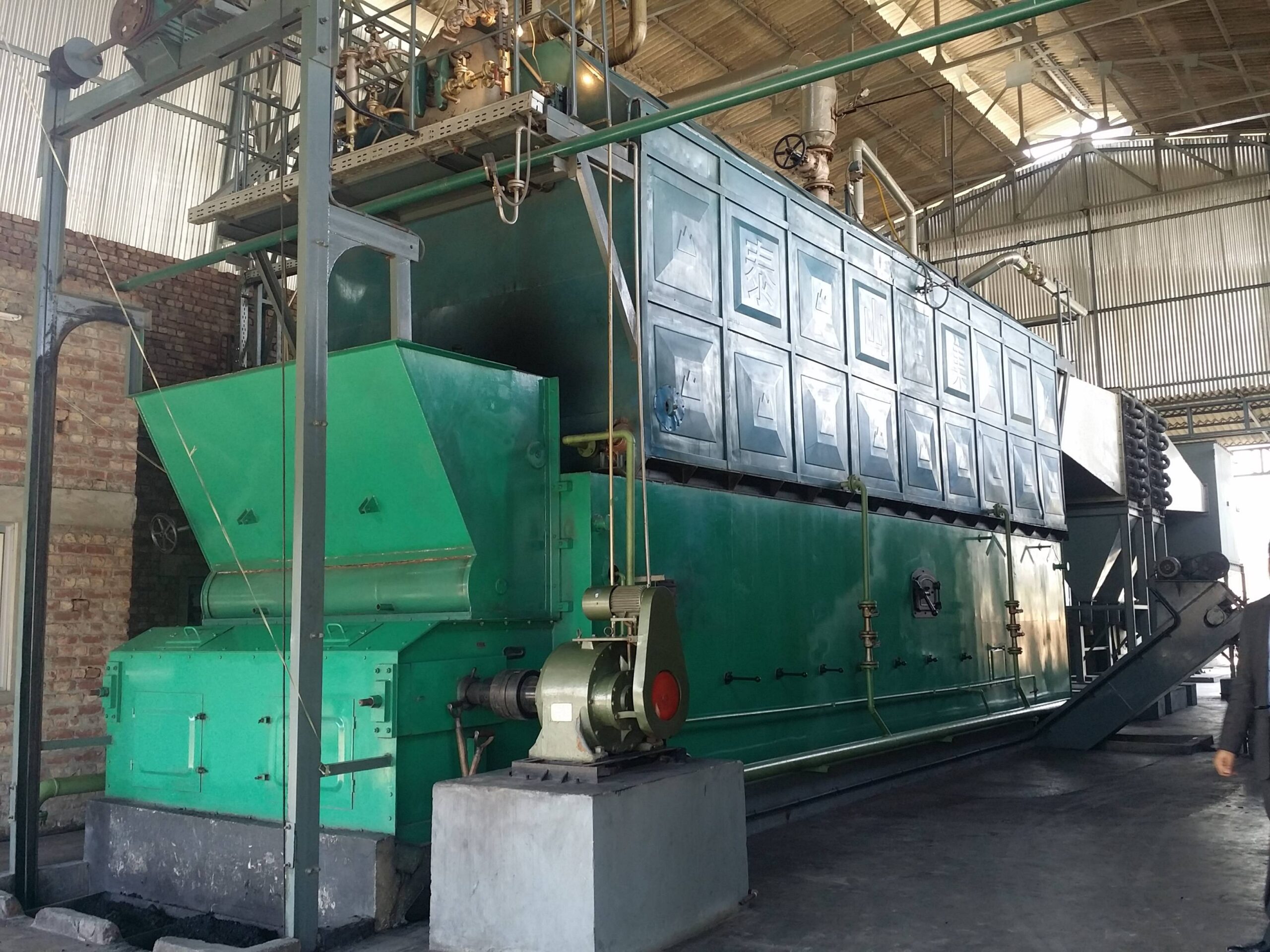
Industrial boilers are no longer isolated mechanical assets operating solely on operator experience and periodic inspections. As operating margins tighten and unplanned downtime becomes increasingly unacceptable, traditional manual operation and reactive troubleshooting are proving insufficient to ensure long-term reliability. Many boiler failures—such as tube leaks, combustion instability, feedwater control issues, or sudden trips—are not caused by sudden defects, but by slowly developing deviations that remain invisible until failure occurs. Automation, monitoring, and digital diagnostics directly address this gap by making boiler operation transparent, predictable, and proactively controllable.
Automation, monitoring, and digital diagnostics improve boiler reliability by stabilizing operation, detecting abnormal conditions early, reducing human error, enabling predictive maintenance, and transforming boiler management from reactive intervention to continuous, data-driven optimization.
Rather than replacing human expertise, these technologies enhance it, allowing operators and maintenance teams to focus on decision-making instead of constant firefighting.
Digital boiler systems eliminate the need for experienced operators.False
Automation supports operators but does not replace the need for skilled personnel to interpret data and manage complex operating decisions.
Continuous monitoring can detect boiler problems long before alarms or failures occur.True
Trend analysis and diagnostics identify early-stage deviations that precede most boiler failures.
From Manual Operation to Automated Reliability Control
Traditional boiler operation relies heavily on operator judgment, fixed setpoints, and periodic inspections. While effective in stable conditions, this approach struggles under variable loads, changing fuel quality, and aging equipment.
Automation introduces fast, precise, and repeatable control actions that stabilize boiler operation under conditions that would otherwise stress mechanical components and controls.
Automation as the Foundation of Stable Boiler Operation
Automation systems coordinate fuel flow, air supply, feedwater control, steam pressure, and safety interlocks. By responding instantly to load changes, automation prevents pressure swings, drum level instability, and combustion disturbances.
Stable operating conditions reduce thermal cycling, mechanical fatigue, and stress on pressure parts, directly improving reliability.
Reduction of Human Error and Operational Variability
Manual adjustments are inherently inconsistent. Automation ensures that control actions follow optimized logic every time, regardless of operator shift or experience level.
Reducing human error minimizes risks such as overfiring, insufficient purge, improper startup sequencing, or delayed response to abnormal conditions.
Advanced Control Strategies for Dynamic Conditions
Modern automation systems go beyond simple PID control. They incorporate load forecasting, adaptive tuning, and coordinated control strategies that adjust to changing process demands.
This adaptability prevents oscillations and hunting behavior that accelerate wear on valves, actuators, and pressure parts.
Real-Time Monitoring: Making Boiler Health Visible
Monitoring systems collect continuous data from sensors distributed throughout the boiler and its auxiliary systems. Parameters such as temperature, pressure, flow, vibration, oxygen concentration, and flue gas composition provide a real-time picture of boiler health.
This visibility is critical because most reliability threats develop gradually rather than suddenly.
Early Detection of Abnormal Operating Trends
Rather than waiting for alarm thresholds to be exceeded, monitoring systems analyze trends and deviations from normal behavior. Rising stack temperature, increasing oxygen demand, or subtle drum level fluctuations often signal developing problems.
Identifying these trends early allows corrective action before damage occurs.
Table 1: Monitoring Parameters and Reliability Benefits
| Monitored Parameter | Reliability Improvement |
|---|---|
| Flue gas temperature | Detects fouling and heat transfer loss |
| Oxygen concentration | Identifies combustion imbalance |
| Drum level stability | Prevents thermal shock and trips |
| Vibration | Predicts rotating equipment failure |
Condition Monitoring of Critical Components
Fans, pumps, motors, and burners are frequent sources of boiler downtime. Vibration, current, and temperature monitoring provide early warning of bearing wear, misalignment, or electrical issues.
Condition-based alerts enable planned maintenance instead of emergency repair.
Digital Diagnostics: Turning Data Into Insight
Monitoring alone generates data; digital diagnostics convert that data into actionable insight. Diagnostic algorithms compare real-time data against performance models, historical baselines, and expected behavior.
This analysis identifies root causes rather than symptoms, accelerating troubleshooting and reducing repeated failures.
Predictive Identification of Failure Mechanisms
Digital diagnostics detect patterns associated with specific failure mechanisms, such as corrosion under deposits, burner degradation, or control loop drift.
By identifying the mechanism—not just the symptom—maintenance actions can be targeted and effective.
Reduction of Nuisance Trips and False Alarms
Poorly tuned systems often experience nuisance trips that disrupt operation without improving safety. Diagnostics help distinguish between true fault conditions and benign fluctuations.
Reducing unnecessary trips improves availability and prevents stress associated with repeated shutdowns and restarts.
Integration of Automation and Monitoring for Closed-Loop Reliability
When automation and monitoring are integrated, boilers can respond automatically to emerging issues. For example, detection of fouling may trigger adjusted firing rates or cleaning schedules.
This closed-loop approach maintains reliability even between maintenance intervals.
Table 2: Reliability Impact of Digital Integration
| Capability | Reliability Outcome |
|---|---|
| Automated control | Stable operation |
| Continuous monitoring | Early fault detection |
| Digital diagnostics | Accurate root-cause analysis |
| Integrated response | Failure prevention |
Support for Predictive Maintenance Strategies
Automation and diagnostics enable predictive maintenance by providing objective, condition-based indicators of equipment health. Maintenance is performed when needed, not simply when scheduled.
This approach reduces both missed failures and unnecessary maintenance.
Improved Startup, Shutdown, and Transient Management
Startups and shutdowns are high-risk periods for boilers. Automated sequencing ensures correct purge, ignition, warm-up rates, and pressure ramping.
Controlled transients reduce thermal shock and fatigue, significantly extending equipment life.
Enhanced Safety Through Continuous Supervision
Automation systems continuously verify that operating conditions remain within safe limits. Safety interlocks respond faster and more consistently than manual intervention.
Improved safety reduces the risk of catastrophic failures that compromise both reliability and personnel protection.
Remote Monitoring and Expert Support
Digital platforms allow remote monitoring by specialists who can analyze performance trends across multiple sites. This capability is particularly valuable for facilities with limited on-site expertise.
Remote diagnostics shorten response time and improve problem resolution quality.
Data-Driven Performance Benchmarking
By collecting long-term operational data, digital systems establish performance benchmarks. Deviations from these benchmarks highlight emerging reliability risks.
Benchmarking also supports continuous improvement initiatives.
Table 3: Operational Outcomes Enabled by Digitalization
| Outcome | Reliability Benefit |
|---|---|
| Fewer forced outages | Higher availability |
| Planned maintenance | Lower failure risk |
| Stable combustion | Reduced wear |
| Consistent control | Extended equipment life |
Managing Aging Boilers With Digital Tools
As boilers age, degradation accelerates and variability increases. Automation and diagnostics compensate by tightening control and highlighting age-related issues early.
Digitalization extends the useful life of existing assets while maintaining reliability.
Human Factors and Decision Support
Digital diagnostics reduce cognitive load on operators by prioritizing actionable information. Instead of interpreting dozens of readings, operators receive clear guidance on emerging risks.
This decision support improves response quality and consistency.
Economic Impact of Improved Reliability
Improved reliability reduces unplanned downtime, emergency maintenance, and secondary damage. These savings often exceed the cost of digital upgrades.
Reliability improvements also stabilize energy efficiency, further reducing operating cost.
Scalability and Future Readiness
Modern digital systems are scalable and adaptable. As plants adopt new fuels, hybrid systems, or stricter compliance requirements, automation and diagnostics provide the flexibility needed to maintain reliability.
Future readiness is a growing component of reliability planning.
Common Reliability Problems Addressed by Digitalization
Field experience shows that automation and diagnostics significantly reduce tube leaks, burner-related trips, feedwater control failures, and rotating equipment breakdowns.
These are among the most frequent and costly boiler reliability issues.
Complementary Role With Preventive Maintenance
Digital tools do not replace preventive maintenance; they enhance it. Preventive tasks become more targeted and effective when guided by real operating data.
This synergy maximizes reliability benefits.
Strategic Shift From Reactive to Predictive Operation
The most important reliability benefit of automation and diagnostics is strategic. Boilers transition from being reactive assets to predictable systems with managed risk.
This shift fundamentally changes how reliability is achieved.
Summary of Reliability Improvement Mechanisms
Automation stabilizes operation, monitoring reveals emerging issues, and digital diagnostics enable early, accurate intervention. Together, they form a comprehensive reliability enhancement framework.
Automation, monitoring, and digital diagnostics dramatically improve boiler reliability by making operation stable, transparent, and predictive. Through precise control, continuous condition monitoring, and advanced data analysis, these technologies detect problems early, reduce human error, prevent unplanned failures, and extend equipment life. When integrated into a coherent boiler management strategy, digital solutions transform reliability from a maintenance challenge into a controlled, data-driven outcome that supports safety, efficiency, and long-term operational resilience.
How Does Water Treatment and Feedwater Quality Management Impact Boiler Performance and Lifespan?
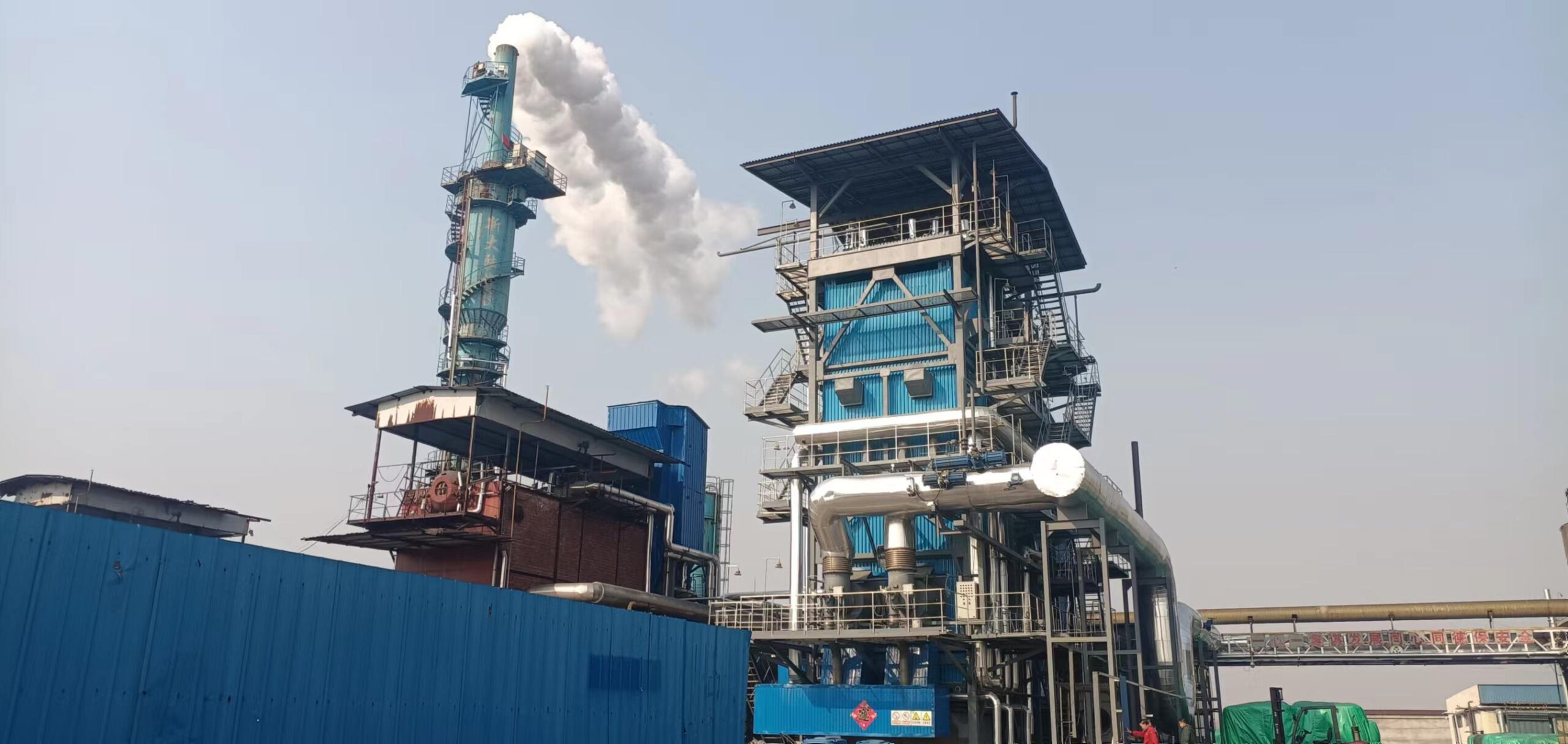
In industrial steam boiler systems, fuel quality, burner design, and heat transfer surfaces often receive the most attention when performance or reliability problems arise. Yet in practice, one of the most decisive factors influencing boiler efficiency, availability, and service life is far less visible: water treatment and feedwater quality management. Poor feedwater quality silently accelerates corrosion, scaling, carryover, and deposition, leading to higher fuel consumption, unstable operation, frequent tube failures, and dramatically shortened boiler lifespan. Conversely, well-managed water chemistry transforms boiler operation into a stable, predictable, and long-lived process asset.
Water treatment and feedwater quality management directly impact boiler performance and lifespan by preserving heat transfer efficiency, preventing corrosion and scaling, stabilizing operation, protecting pressure parts, and ensuring that the boiler operates within its design thermal and chemical limits over decades of service.
Rather than being a support function, water treatment is a core engineering discipline that determines whether a boiler achieves its intended performance or becomes a chronic maintenance burden.
Water treatment only affects boiler efficiency, not reliability or lifespan.False
Poor water chemistry causes corrosion, scaling, and tube failure, directly reducing reliability and boiler service life.
Most boiler tube failures are linked to water-side chemistry problems.True
Industry experience shows that corrosion, deposition, and under-deposit overheating are leading causes of pressure-part failure.
Why Feedwater Quality Is Fundamental to Boiler Operation
Steam boilers are, at their core, heat exchangers operating under extreme temperature and pressure. Feedwater flows continuously through pressure parts that are exposed to intense heat flux. Even minor impurities or chemical imbalances can concentrate rapidly, creating aggressive local conditions.
Because boilers recycle water through evaporation and condensation, any contaminants not removed by blowdown accumulate unless actively controlled. This makes feedwater quality management an ongoing, dynamic process rather than a one-time setup task.
Relationship Between Water Chemistry and Heat Transfer Efficiency
Efficient heat transfer depends on clean metal surfaces. Deposits such as scale, iron oxides, or silica act as thermal insulation, forcing higher metal temperatures to achieve the same heat transfer rate.
Even a thin layer of scale can significantly increase fuel consumption while simultaneously raising tube metal temperature, accelerating creep and fatigue damage.
Scale Formation and Its Performance Impact
Scale forms when dissolved minerals precipitate out of water under high temperature and pressure. Calcium carbonate, calcium sulfate, and silica-based deposits are among the most common.
Scale dramatically reduces thermal conductivity, causing localized overheating that cannot be detected by standard instrumentation until damage is advanced.
Table 1: Impact of Scale on Boiler Performance
| Scale Thickness | Efficiency Loss | Tube Overheating Risk |
|---|---|---|
| Very thin | Noticeable | Moderate |
| Moderate | Significant | High |
| Heavy | Severe | Critical |
Corrosion Mechanisms Driven by Poor Water Treatment
Corrosion is the leading cause of boiler pressure-part failure. It can take many forms, including oxygen pitting, acid attack, caustic gouging, and flow-accelerated corrosion.
Improper feedwater treatment allows dissolved oxygen, carbon dioxide, or aggressive ions to attack metal surfaces, often beneath deposits where damage progresses unnoticed.
Oxygen Control and Deaeration
Dissolved oxygen is particularly destructive at elevated temperatures. Deaerators and oxygen scavengers are used to reduce oxygen content to safe levels.
Effective oxygen control protects feedwater lines, economizers, and boiler tubes from pitting corrosion that can rapidly penetrate pressure parts.
pH Control and Alkalinity Balance
Maintaining proper pH in feedwater and boiler water is essential to prevent both acidic corrosion and caustic attack. Alkalinity must be carefully controlled to protect steel while avoiding excessive concentration that leads to caustic embrittlement.
Balanced chemistry stabilizes metal surfaces and slows corrosion kinetics.
Role of Total Dissolved Solids and Blowdown Management
As steam is generated, dissolved solids remain behind, increasing concentration. If not controlled, high total dissolved solids (TDS) cause foaming, carryover, and deposition.
Blowdown removes concentrated boiler water and replaces it with fresh feedwater. Proper blowdown control balances impurity removal against heat and water loss.
Table 2: Water Quality Parameters and Their Effects
| Parameter | Poor Control Result |
|---|---|
| Dissolved oxygen | Pitting corrosion |
| Hardness | Scale formation |
| TDS | Foaming and carryover |
| pH | Acid or caustic attack |
Steam Purity and Downstream Equipment Protection
Feedwater quality affects not only the boiler but also downstream equipment. Poor steam purity leads to turbine blade erosion, valve damage, and process contamination.
Effective water treatment ensures dry, clean steam that protects the entire steam system and improves overall plant reliability.
Carryover and Its Hidden Consequences
Carryover occurs when impurities are entrained in steam due to foaming or poor separation. This can transport corrosive substances into superheaters and process equipment.
Preventing carryover requires stable water chemistry, proper drum internals, and controlled operating conditions.
Impact on Startup, Shutdown, and Transient Operation
During startups and shutdowns, water chemistry can change rapidly. Poor control during these periods accelerates corrosion and deposition.
Well-designed water treatment programs include transient management strategies that protect the boiler during non-steady-state operation.
Feedwater Quality and Thermal Stress Reduction
Clean heat transfer surfaces allow uniform heat absorption. When deposits are present, uneven heat transfer creates hot spots and thermal gradients that increase stress.
By preserving clean surfaces, water treatment indirectly reduces thermal fatigue and mechanical damage.
Relationship Between Water Treatment and Maintenance Frequency
Boilers with poor water treatment require more frequent cleaning, inspection, and tube replacement. Maintenance becomes reactive and costly.
In contrast, boilers with disciplined water quality management experience longer inspection intervals and fewer unplanned outages.
Lifecycle Impact on Pressure Parts
Pressure parts are the most valuable and irreplaceable components of a boiler. Water treatment directly determines whether these components reach their design life.
Preventing corrosion and overheating allows pressure parts to operate safely for decades.
Table 3: Water Treatment Quality Versus Boiler Lifespan
| Water Treatment Quality | Expected Service Life |
|---|---|
| Poor | Severely shortened |
| Inconsistent | Reduced |
| Well-controlled | Full design life |
Integration With Preventive and Predictive Maintenance
Water chemistry data is a critical input for preventive and predictive maintenance programs. Trends in conductivity, iron concentration, or pH reveal emerging problems before damage occurs.
Digital monitoring enhances the effectiveness of water treatment by enabling rapid response to deviations.
Role of Automation and Online Monitoring
Modern boiler plants increasingly use online analyzers for pH, conductivity, dissolved oxygen, and silica. Automation ensures consistent chemical dosing and rapid correction.
This consistency is essential for long-term reliability.
Economic Impact of Proper Water Treatment
The cost of water treatment chemicals and monitoring is small compared to the cost of fuel waste, tube failures, downtime, and boiler replacement.
Proper water treatment delivers one of the highest returns on investment in boiler operation.
Compliance, Safety, and Regulatory Considerations
Many codes and insurance requirements mandate water quality standards. Non-compliance increases safety risk and legal exposure.
Maintaining proper feedwater quality supports safe, compliant operation.
Common Misconceptions About Water Treatment
Water treatment is often seen as a chemical expense rather than an engineering control. This misconception leads to underinvestment and long-term performance loss.
In reality, water treatment is a performance enabler.
Case Insight: Failure Patterns Linked to Poor Water Quality
Field data consistently show that boilers with repeated tube leaks often suffer from underlying water chemistry problems rather than material defects.
Correcting water treatment frequently resolves chronic failure patterns.
Supporting Energy Efficiency and Sustainability Goals
Clean heat transfer surfaces reduce fuel consumption and emissions. Water treatment therefore supports energy efficiency and sustainability objectives.
Efficiency and longevity are closely linked through water quality management.
Human Factors and Operational Discipline
Effective water treatment requires trained personnel, clear procedures, and accountability. Human discipline is as important as chemical selection.
Consistent execution ensures consistent results.
Long-Term Strategic Value
As boilers age and operating conditions evolve, water treatment becomes increasingly critical. Plants that invest in strong water quality management preserve asset value and operational flexibility.
Summary of Performance and Lifespan Impacts
Water treatment influences heat transfer, corrosion control, operational stability, maintenance burden, and pressure-part longevity. Its impact spans the entire boiler lifecycle.
Water treatment and feedwater quality management are among the most critical determinants of boiler performance and lifespan. By preventing scale, corrosion, carryover, and thermal imbalance, proper water chemistry preserves heat transfer efficiency, stabilizes operation, protects pressure parts, and enables boilers to reach their full design life. Far from being a secondary consideration, water treatment is a foundational element of reliable, efficient, and safe boiler operation. Industrial operators who treat water quality management as a core engineering discipline consistently achieve higher performance, lower lifecycle cost, and longer-lasting boiler assets.
How Do Operator Training and Standardized Operating Procedures Enhance Long-Term Steam Boiler Reliability?
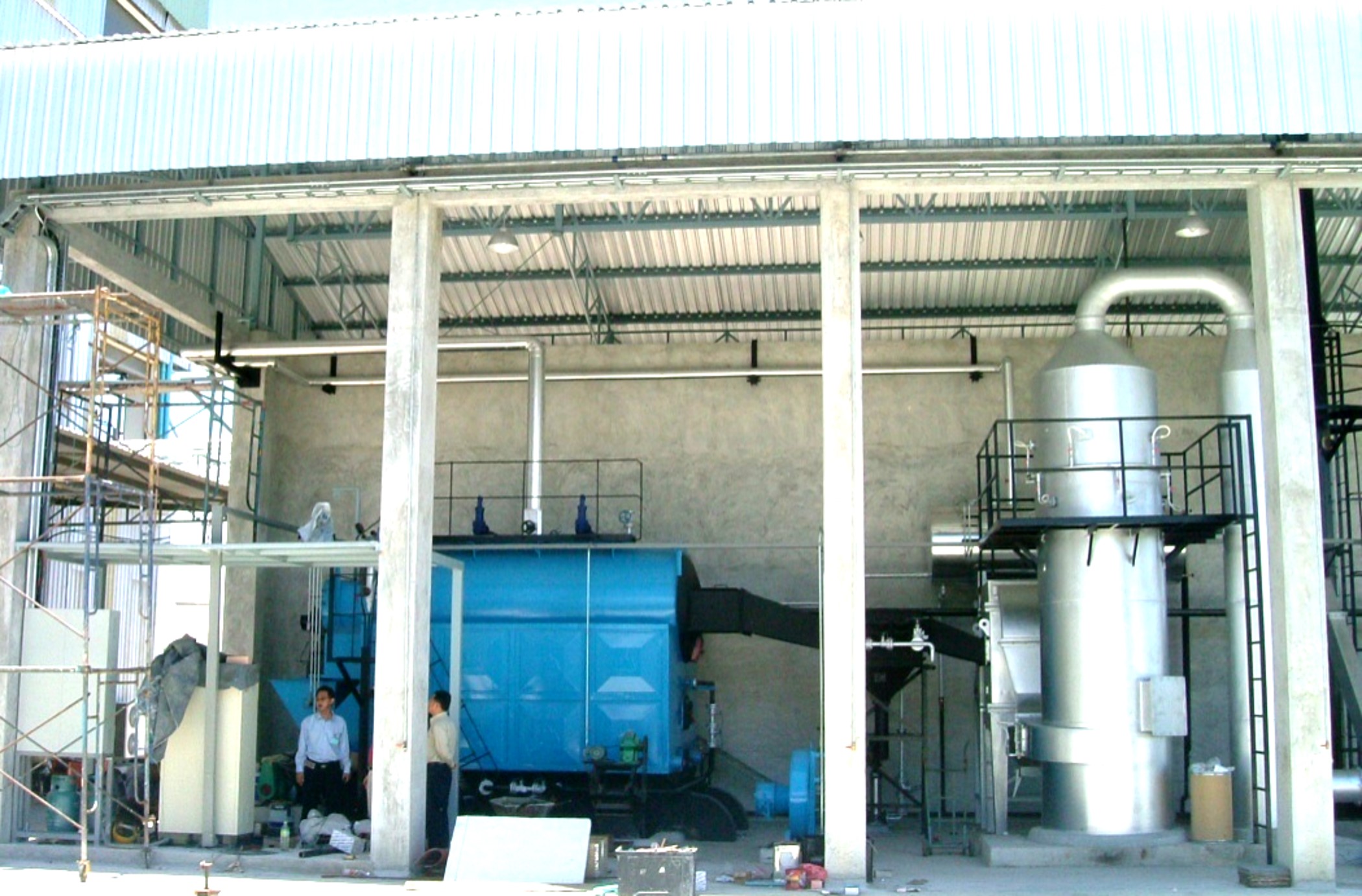
In many industrial plants, steam boiler failures are often attributed to equipment defects, aging materials, or harsh operating conditions. However, in real-world operation, a significant share of boiler reliability problems originates not from the hardware itself, but from how the boiler is operated on a daily basis. Inconsistent operating practices, insufficient operator training, and undocumented or poorly enforced procedures lead to improper startups, unstable combustion, incorrect water chemistry control, and delayed response to abnormal conditions. Over time, these human-factor issues quietly accumulate, resulting in tube leaks, frequent trips, efficiency loss, and shortened boiler lifespan. Operator training and standardized operating procedures address these root causes by transforming boiler operation from experience-based improvisation into a disciplined, repeatable, and reliability-focused process.
Operator training and standardized operating procedures enhance long-term steam boiler reliability by ensuring consistent correct operation, reducing human error, protecting equipment during critical operating phases, enabling early problem detection, and aligning daily actions with the boiler’s design and safety limits.
Rather than being administrative formalities, training and procedures are essential technical controls that directly influence boiler health over decades of service.
Most steam boiler failures are caused by sudden mechanical defects that operators cannot influence.False
Many boiler failures develop gradually due to improper operation, delayed response, or inconsistent practices that trained operators can prevent.
Well-trained operators can significantly extend boiler service life even with aging equipment.True
Consistent correct operation reduces thermal stress, corrosion risk, and operating excursions that accelerate wear.
The Human Factor in Steam Boiler Reliability
Steam boilers operate under high pressure and temperature, where small deviations can have large consequences. While modern boilers are equipped with automation and safety systems, operators remain responsible for startups, shutdowns, load changes, water chemistry supervision, alarm response, and routine inspections.
Human decisions and actions directly shape the operating environment experienced by pressure parts, burners, and auxiliaries. Over time, this operating environment determines whether the boiler ages gracefully or fails prematurely.
Why Operator Training Is a Reliability Investment
Operator training equips personnel with both theoretical understanding and practical skills. This combination allows operators to recognize normal versus abnormal behavior, understand cause-and-effect relationships, and act proactively rather than reactively.
Training transforms operators from button-pushers into informed system managers.
Understanding Boiler Design Limits and Intent
Every boiler is designed for specific pressure, temperature, load range, fuel characteristics, and water chemistry. Operators who understand these design limits are far less likely to push the boiler into damaging conditions.
Training ensures that operators respect warm-up rates, maximum firing limits, drum level margins, and chemistry targets that protect pressure parts.
Recognition of Early Warning Signs
Most serious boiler failures are preceded by subtle symptoms: small pressure fluctuations, changes in flame appearance, rising stack temperature, or drifting water chemistry.
Trained operators are more likely to notice these early warning signs and take corrective action before damage occurs.
Consistency Across Shifts and Personnel
Without standardized training, boiler operation varies significantly between shifts. One operator’s “normal” practice may be another’s risky shortcut.
Formal training programs align all operators around the same technical standards and reliability goals.
Standardized Operating Procedures as Reliability Controls
Standard operating procedures (SOPs) translate engineering requirements into clear, repeatable actions. They define not only what to do, but when and how to do it.
SOPs remove ambiguity and reduce reliance on memory or informal knowledge transfer.
Startups: One of the Highest-Risk Operating Phases
Improper startups are a leading cause of thermal fatigue, tube cracking, and refractory damage. SOPs define purge times, ignition sequencing, warm-up rates, and pressure ramping.
By enforcing controlled startups, procedures protect pressure parts from thermal shock.
Shutdowns and Lay-Up Practices
Shutdowns are equally critical. Rapid cooling, improper isolation, or inadequate lay-up can accelerate corrosion and stress.
Standardized shutdown procedures ensure that boilers are cooled, drained, or preserved correctly to maintain long-term reliability.
Load Changes and Transient Operation
Frequent load changes introduce mechanical and thermal stress. SOPs guide operators on acceptable load ramp rates and coordination with downstream processes.
Controlled transients reduce fatigue damage and extend component life.
Table 1: Operator Actions and Reliability Impact
| Operator Activity | Reliability Outcome |
|---|---|
| Controlled startup | Reduced thermal fatigue |
| Proper shutdown | Lower corrosion risk |
| Stable load control | Extended tube life |
| Timely alarm response | Failure prevention |
Reducing Human Error Through Procedure Discipline
Even experienced operators can make mistakes under pressure. SOPs act as checklists that ensure critical steps are not skipped.
This discipline is particularly important during abnormal or emergency situations.
Alarm Management and Correct Response
Training programs teach operators how to interpret alarms, prioritize responses, and avoid inappropriate actions such as bypassing safety systems.
Correct alarm response prevents minor disturbances from escalating into major failures.
Water Chemistry Control and Operator Responsibility
While water treatment programs may be designed by specialists, daily execution often depends on operators. Incorrect blowdown, chemical dosing, or sampling practices can quickly damage the boiler.
Training ensures operators understand why chemistry limits matter, not just what the limits are.
Linking Water Quality to Mechanical Damage
Operators who understand the relationship between poor water chemistry and tube failures are more likely to take water treatment seriously.
This awareness directly improves long-term reliability.
Combustion Management and Flame Stability
Operators influence combustion quality through burner adjustments, air-fuel ratio control, and monitoring flame behavior.
Poor combustion control leads to flame impingement, localized overheating, and increased slagging or fouling.
Fuel Handling and Operational Awareness
Changes in fuel quality or supply conditions affect combustion behavior. Trained operators recognize these changes and adjust operation accordingly.
This adaptability prevents combustion-related damage.
Table 2: Training Areas and Reliability Benefits
| Training Focus | Reliability Benefit |
|---|---|
| Boiler fundamentals | Better decision-making |
| Water chemistry | Reduced corrosion |
| Combustion principles | Stable firing |
| Emergency response | Damage limitation |
Standardized Procedures for Abnormal Conditions
Unexpected events such as feedwater interruptions, fuel supply issues, or instrumentation failure require calm, correct response.
SOPs provide predefined actions that minimize damage and protect safety.
Emergency Drills and Scenario-Based Training
Regular drills reinforce correct behavior under stress. Operators practice responding to trips, low-water conditions, or flame failures.
Prepared operators react faster and more accurately when real events occur.
Knowledge Retention and Workforce Turnover
Industrial plants face workforce aging and turnover. Informal knowledge transfer is unreliable.
Structured training and documented procedures preserve institutional knowledge and protect reliability despite personnel changes.
Alignment With Automation and Digital Systems
Modern boilers use automation and monitoring systems that require operator understanding. Training ensures operators know how to work with these systems rather than fight them.
Proper interaction with automation improves system effectiveness.
Preventing Bypass Culture and Unsafe Shortcuts
Without training and procedures, operators may develop shortcuts that bypass safeguards. While expedient in the short term, these practices erode reliability.
Strong procedural culture discourages unsafe habits.
Maintenance Interface and Operator Feedback
Operators are often the first to notice developing problems. Training encourages accurate reporting and collaboration with maintenance teams.
Early maintenance intervention prevents failures.
Supporting Predictive and Preventive Maintenance
Well-trained operators provide high-quality operational data that supports predictive maintenance strategies.
Procedural inspections and logs create valuable reliability intelligence.
Economic Benefits of Training and SOPs
Training costs are small compared to the cost of tube failures, outages, and lost production.
Consistent operation stabilizes efficiency, reducing fuel and maintenance expenses.
Table 3: Long-Term Impact of Operator Discipline
| Aspect | Poor Training | Strong Training |
|---|---|---|
| Failure frequency | High | Low |
| Maintenance cost | Reactive | Planned |
| Boiler lifespan | Shortened | Extended |
| Operating stability | Variable | Consistent |
Cultural Impact on Reliability
Training and procedures shape organizational culture. A culture that values discipline, learning, and accountability produces more reliable boiler operation.
Reliability becomes a shared responsibility rather than an afterthought.
Integration With Safety and Compliance
Many boiler safety incidents result from procedural violations. Training and SOPs support compliance with codes, insurance requirements, and safety standards.
Safer operation is inherently more reliable.
Continuous Improvement Through Feedback
Effective programs evolve based on operating experience. Operators contribute feedback that refines procedures and training content.
This continuous improvement loop strengthens long-term reliability.
Case Insight: Chronic Failures Resolved Through Training
In many facilities, repeated tube leaks or trips persist despite equipment upgrades. Introducing structured operator training and enforced SOPs often resolves these issues without major capital investment.
Human-factor improvements deliver tangible reliability gains.
Balancing Automation and Human Judgment
Automation does not eliminate the need for skilled operators. Training ensures operators understand when to rely on automation and when human intervention is required.
This balance maximizes reliability.
Preparing for Future Operational Complexity
As boilers integrate with digital systems, hybrid energy setups, and stricter compliance requirements, operator competence becomes even more critical.
Training future-proofs boiler reliability.
Summary of Reliability Enhancement Mechanisms
Operator training builds understanding and awareness. Standardized operating procedures enforce consistency and discipline. Together, they reduce error, protect equipment, and stabilize operation.
Operator training and standardized operating procedures are among the most powerful and cost-effective tools for enhancing long-term steam boiler reliability. By ensuring consistent correct operation, protecting the boiler during high-risk phases, enabling early detection of abnormalities, and aligning daily actions with engineering design limits, these human-centered controls directly extend boiler service life and reduce failures. In an era of increasing operational complexity and aging assets, disciplined training and procedural rigor are not optional—they are essential foundations of reliable, safe, and efficient steam boiler operation.
🔍 Conclusion
Enhancing the reliability and performance of industrial steam boilers requires a holistic, lifecycle-based approach. By combining proper design, advanced technology, disciplined maintenance, and skilled operation, steam boilers can deliver consistent output, high efficiency, improved safety, and long-term economic value. Well-optimized boilers not only support stable production but also reduce total cost of ownership.
🔹 Contact us today to enhance the safety, efficiency, and long-term reliability of your industrial steam boiler. ⚙️🔥🏭✅
FAQ
Q1: How does proper boiler selection and sizing improve reliability and performance?
A1: Proper boiler selection and sizing are critical to achieving reliable and efficient operation. A boiler that is oversized will suffer from frequent cycling, thermal stress, and reduced efficiency, while an undersized boiler may operate under constant overload, accelerating wear and failure. Selecting a boiler that matches actual steam demand, load fluctuations, pressure requirements, and redundancy needs ensures stable operation, longer equipment life, and consistent steam quality. Correct sizing also improves fuel efficiency and minimizes operational stress on pressure parts.
Q2: Why is water treatment essential for steam boiler reliability?
A2: Water treatment is one of the most important factors affecting industrial steam boiler reliability. Poor water quality leads to scaling, corrosion, and carryover, which can cause tube failure, reduced heat transfer, and safety risks. Implementing proper feedwater treatment, blowdown control, and condensate recovery prevents mineral buildup and oxygen corrosion. Consistent water chemistry management significantly extends boiler lifespan, reduces maintenance costs, and maintains high thermal efficiency over time.
Q3: How do preventive maintenance programs enhance boiler performance?
A3: Preventive maintenance programs help identify and address issues before they lead to unplanned shutdowns. Routine inspection of burners, valves, safety devices, pressure parts, and auxiliary systems ensures safe and stable operation. Regular cleaning of heat transfer surfaces prevents efficiency losses caused by fouling or soot buildup. Predictive maintenance tools, such as vibration analysis and temperature monitoring, further improve reliability by detecting early signs of component degradation and reducing unexpected downtime.
Q4: What role do automation and control systems play in improving performance?
A4: Advanced automation and control systems significantly enhance boiler performance and operational stability. Modern PLC or DCS-based systems enable precise control of combustion, pressure, and water levels. Features such as oxygen trim control, modulating burners, load-following logic, and real-time monitoring optimize fuel use and reduce emissions. Automation also improves safety by enabling fast response to abnormal conditions and reducing dependence on manual intervention.
Q5: How can efficiency upgrades improve long-term boiler reliability and ROI?
A5: Efficiency upgrades not only reduce fuel consumption but also enhance long-term reliability. Installing economizers, air preheaters, condensate recovery systems, and variable-speed drives reduces thermal stress and stabilizes operating conditions. Higher efficiency means lower operating temperatures and reduced wear on components. Over the boiler’s 20–30 year lifespan, these upgrades deliver substantial fuel savings, lower maintenance costs, and improved return on investment (ROI).
References
- U.S. Department of Energy – Improving Steam System Performance – https://www.energy.gov/ – DOE
- ASME – Boiler and Pressure Vessel Code (BPVC) – https://www.asme.org/ – ASME
- International Energy Agency (IEA) – Industrial Steam and Heat Systems – https://www.iea.org/ – IEA
- Spirax Sarco – Steam Boiler Reliability and Optimization – https://www.spiraxsarco.com/ – Spirax Sarco
- Engineering Toolbox – Steam Boiler Operation and Efficiency – https://www.engineeringtoolbox.com/ – Engineering Toolbox
- ScienceDirect – Reliability Analysis of Industrial Steam Boilers – https://www.sciencedirect.com/ – ScienceDirect
- ISO 50001 – Energy Management Systems – https://www.iso.org/ – ISO
- Carbon Trust – Industrial Boiler Efficiency Improvements – https://www.carbontrust.com/ – Carbon Trust
- World Bank – Industrial Energy Efficiency Best Practices – https://www.worldbank.org/ – World Bank
- MarketsandMarkets – Industrial Boiler Technology Trends – https://www.marketsandmarkets.com/ – Markets and Markets