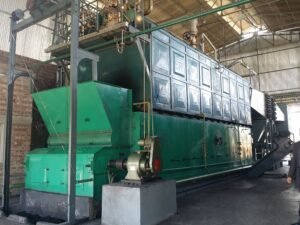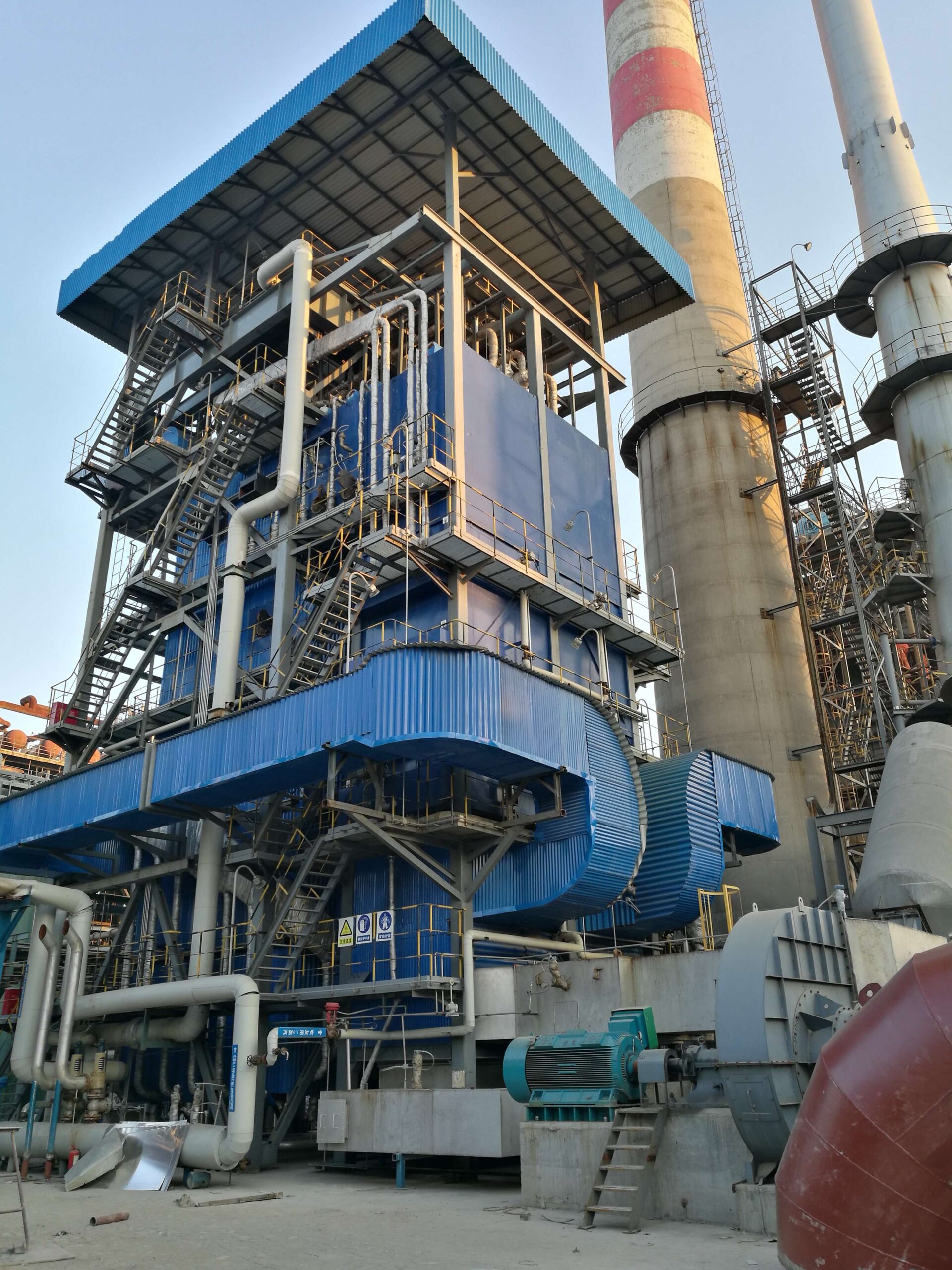
Industrial steam boilers operate continuously under high temperature and pressure, making them critical—and potentially risky—assets in industrial facilities. Without regular and systematic maintenance, boilers can suffer from efficiency loss, scaling, corrosion, tube failures, unplanned shutdowns, and safety incidents, all of which increase operating costs and production downtime. Many boiler failures are not sudden accidents, but the result of long-term neglected maintenance.
Regular maintenance of industrial steam boilers includes daily operational inspections, routine cleaning and blowdown, periodic inspection of pressure parts and safety devices, water treatment management, and scheduled servicing of combustion and control systems. A well-structured maintenance program is essential to ensure safe operation, stable steam output, high efficiency, and long service life.
Understanding and implementing the right maintenance tasks helps operators prevent failures, control costs, and comply with safety regulations.
What Daily and Weekly Operational Checks Are Essential for Industrial Steam Boilers?>
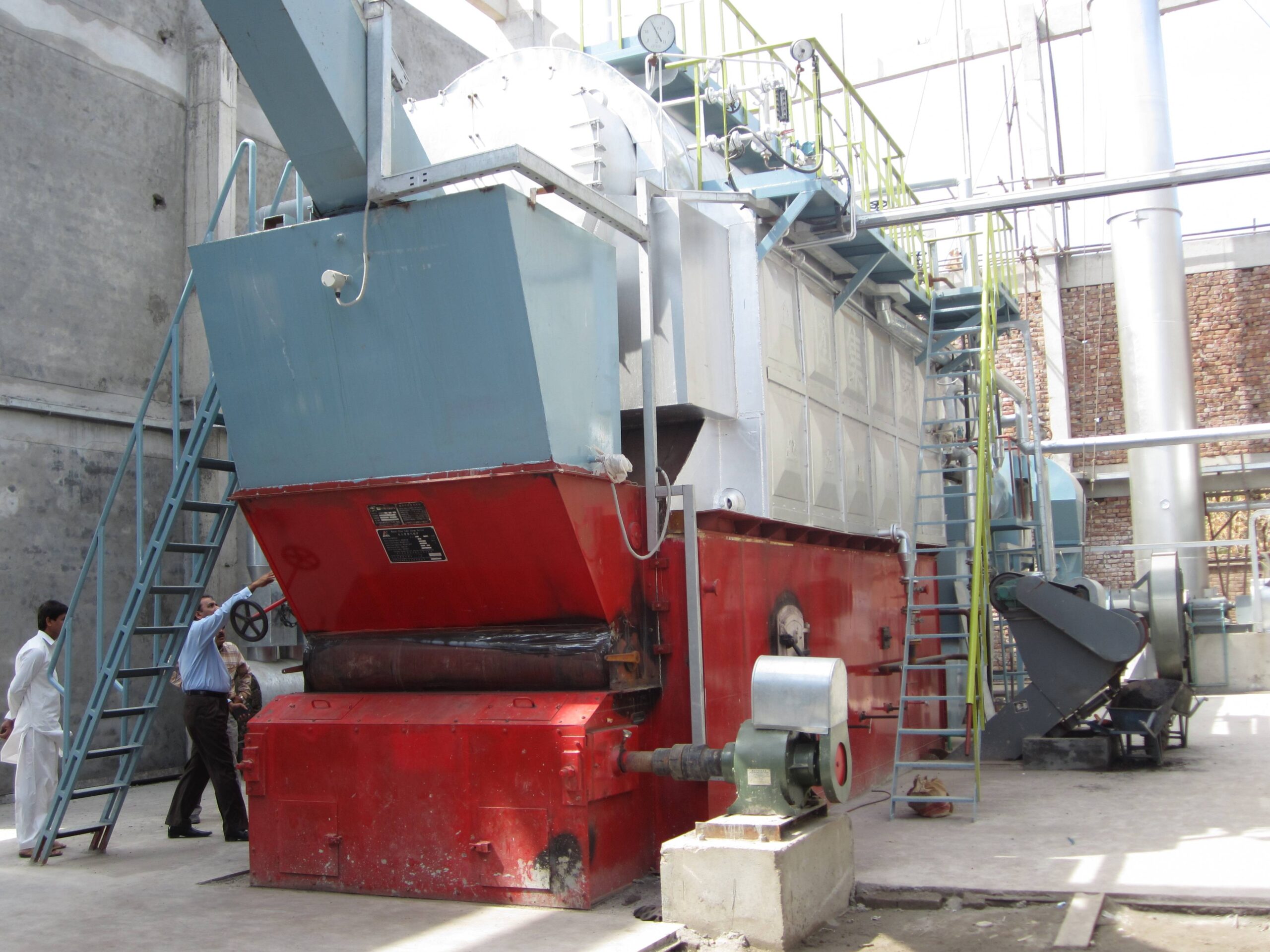
Industrial steam boilers are the heart of countless operations—from food processing and textile production to power generation and chemical plants. However, without regular operational checks, even the most advanced boilers can face unexpected breakdowns, reduced efficiency, safety hazards, or regulatory violations. The key to ensuring smooth, reliable, and safe boiler performance lies in daily and weekly operational checks that catch early signs of trouble, support consistent combustion, and maintain water quality. These checks form the frontline defense against downtime, accidents, and costly repairs.
Daily and weekly operational checks for industrial steam boilers are essential to detect abnormalities early, maintain safe operating conditions, ensure efficient fuel usage, and comply with safety standards. Daily tasks include water level checks, pressure readings, blowdown routines, burner flame inspection, and monitoring alarms. Weekly checks expand to include safety valve testing, low water cutoff testing, inspection of combustion and flue gas parameters, and thorough logbook reviews. Together, these checks minimize risk, prevent performance loss, and extend boiler service life.
When consistently performed and properly documented, these simple routines deliver exponential returns in uptime, reliability, and safety.
Skipping boiler operational checks has no impact on long-term reliability.False
Neglecting routine boiler checks can lead to undetected issues like water level failure, burner instability, or scaling, which reduce reliability and increase failure risk.
1. Why Routine Operational Checks Matter
Boilers are dynamic systems exposed to:
- Constant thermal cycling
- Variable fuel and water input
- Complex combustion dynamics
- Pressure and safety limitations
Small issues—such as a drifting pressure gauge, inconsistent flame, or poor blowdown—can snowball into:
- Tube failures
- Carryover
- Fuel waste
- Explosions in extreme cases
Routine checks offer early warnings and ensure corrective action before damage occurs.
2. Essential Daily Operational Checks
| Check Item | Purpose | Corrective Action If Abnormal |
|---|---|---|
| Water level in sight glass | Prevent dry-out or carryover | Adjust feedwater, check level controller |
| Boiler pressure reading | Ensure it’s within operating range | Investigate valve or control issues |
| Temperature of steam or flue gas | Detect heat transfer issues or scaling | Clean tubes or recalibrate sensors |
| Burner flame pattern | Ensure stable, clean combustion | Check burner, fuel-air ratio |
| Feedwater pump operation | Ensure reliable water supply | Inspect motor, check for cavitation |
| Blowdown (manual or auto) | Control TDS and sludge | Review frequency and adjust schedule |
| Low water cut-off function (visual) | Safety check to avoid dry-firing | Test if not responding properly |
| Alarm and control panel status | Detect any alerts or faults | Record and initiate corrective workflow |
| Fuel flow rate monitoring | Prevent under or over-firing | Calibrate metering devices, check controls |
| Condensate return pressure/temp | Ensure proper steam cycle operation | Inspect return lines, traps, or valves |
| Record readings in logbook | Baseline for trend tracking | Investigate deviations immediately |
These checks are often done at shift change or every 8–12 hours in 24/7 operations.
3. Weekly Boiler Checks (In Addition to Daily Routines)
Weekly checks allow for deeper evaluation of system safety and performance.
| Weekly Check Item | Function/Why It Matters | Maintenance Insight |
|---|---|---|
| Test safety valve (if approved) | Confirms overpressure protection is functional | Replace if stuck, leaking, or non-responsive |
| Test low water cut-off (manual test) | Ensures device shuts off burner in low water condition | Critical for boiler explosion prevention |
| Inspect flame detector/sensor | Verify correct flame detection and interlock system | Clean or replace if dirty or weak |
| Check and clean burner components | Prevent carbon buildup, maintain flame stability | Tune air-fuel ratio, remove soot |
| Flue gas analysis (portable analyzer) | Check combustion efficiency, CO, and NOx levels | Adjust combustion, improve efficiency |
| Check blowdown valves and piping | Look for leaks, scale buildup, or restriction | Tighten flanges, flush pipes |
| Drain water column and gauge glass | Prevent sediment buildup that can obscure level reading | Use quick drain regularly |
| Inspect fuel system (lines, filters) | Avoid clogging, leaks, and fire hazards | Clean filters, check fittings |
| Lubricate pump and fan bearings | Maintain smooth mechanical operation | Schedule bearing maintenance as needed |
| Review and audit logbook entries | Spot trends or operator issues | Adjust SOPs or retrain if needed |
Weekly checks can be scheduled during low-load periods or shift overlap, enabling detailed inspections with minimal operational disruption.
4. Daily and Weekly Checks Summary Table
| Check Type | Daily | Weekly |
|---|---|---|
| Water level check | ✔ Required | ✔ Review trends |
| Pressure/temp logs | ✔ Every shift | ✔ Analyze fluctuations |
| Flame inspection | ✔ Visual | ✔ Plus sensor testing |
| Safety valves | ✘ Only visually checked | ✔ Functional test if approved by code |
| Blowdown | ✔ Surface and bottom (as per load) | ✔ Inspect valve condition |
| Alarms and faults | ✔ Log and acknowledge | ✔ Investigate persistent or recurring faults |
| Fuel and air supply | ✔ Burner sound and flame | ✔ Clean and inspect piping and filters |
| Condensate return | ✔ Pressure/temp check | ✔ Drain traps, inspect lines |
| Logbook | ✔ Update | ✔ Audit and flag anomalies |
Neglecting any of these checks opens the door to scaling, inefficiency, overheating, and catastrophic failure.
5. Checklist Example: Boiler Operator Daily Log (Excerpt)
| Time | Water Level | Steam Pressure | Flame Quality | Alarms Active? | Blowdown Done | Remarks |
|---|---|---|---|---|---|---|
| 06:00 | Normal | 8.5 bar | Stable blue flame | None | Yes | All normal |
| 14:00 | Slightly low | 8.3 bar | Slight fluttering | None | Yes | Adjusted feed pump |
| 22:00 | Normal | 8.6 bar | Good | Low water warning | Yes | Cleared after blowdown |
Daily logs help operators spot patterns and escalate issues proactively.
6. Long-Term Benefits of Regular Boiler Checks
| Benefit | Result |
|---|---|
| Early detection of abnormalities | Prevents failures and extends equipment life |
| Consistent combustion tuning | Increases fuel efficiency and reduces emissions |
| Clean heat transfer surfaces | Maintains design pressure/temperature output |
| Reliable safety mechanisms | Reduces risk of explosions or overheating |
| Better documentation | Supports compliance and insurance audits |
| Staff accountability | Reinforces disciplined operations and training |
Regular checks are not just safety measures—they are profitability enablers.
Summary
Daily and weekly operational checks are essential pillars of preventive maintenance and reliability assurance for industrial steam boilers. These simple, repeatable actions:
- Detect and resolve abnormalities early
- Maintain safe pressure, temperature, and water conditions
- Ensure combustion efficiency and fuel optimization
- Protect against catastrophic failures
- Keep your plant running smoothly, efficiently, and compliantly
When performed diligently and consistently documented, these checks form the backbone of boiler safety, efficiency, and longevity. For every operator and maintenance team, a strong checking routine is a non-negotiable discipline in high-performance industrial boiler management.
How Should Boiler Blowdown, Water Treatment, and Feedwater Quality Be Maintained Regularly?
Steam boilers rely heavily on the quality of the water and steam cycle. Without consistent management of blowdown, water treatment, and feedwater quality, serious issues can develop—scale buildup, corrosion, carryover, and premature failure. These problems reduce thermal efficiency, damage pressure parts, and increase fuel consumption. To avoid such operational pitfalls, power plants and industries must implement disciplined routines and technical best practices to ensure water chemistry remains within the ideal range. This is where regular blowdown scheduling, water treatment system maintenance, and feedwater monitoring become essential.
Boiler blowdown, water treatment, and feedwater quality should be maintained regularly through scheduled surface and bottom blowdowns to remove solids, continuous monitoring of key water chemistry parameters (pH, TDS, oxygen, hardness), and consistent operation of water treatment systems including deaeration, softening, RO, and chemical dosing. These processes prevent scale formation, corrosion, and carryover, ensuring safe, efficient, and long-lasting boiler performance.
Together, these routines ensure boiler reliability and optimize steam generation—while reducing total cost of operation.
Regular boiler water treatment is not essential if feedwater appears clean.False
Even seemingly clean water can contain dissolved solids, gases, and hardness that cause scale, corrosion, and performance issues. Regular treatment is essential.
1. Why Regular Maintenance of Water Treatment and Blowdown Matters
Poor water quality is one of the leading causes of boiler failure, manifesting as:
- Hard scale (calcium, silica) on heat transfer surfaces
- Oxygen pitting of tubes and drums
- TDS and sludge accumulation reducing steam purity
- Carryover contaminating turbines and process lines
The result is inefficiency, downtime, and high repair costs.
2. Blowdown: Routine Removal of Concentrated Impurities
Blowdown involves discharging a portion of boiler water to remove:
- Suspended solids
- Dissolved salts (TDS)
- Sludge accumulation
Types of Blowdown
| Type | Frequency | Purpose |
|---|---|---|
| Surface Blowdown | Continuous or daily | Removes dissolved solids (TDS) from water surface |
| Bottom Blowdown | Daily or weekly | Discharges sludge and sediments from mud drum |
Recommended Blowdown Guidelines
| Boiler Pressure | TDS Limit (ppm) | Surface Blowdown (%) | Bottom Blowdown (daily) |
|---|---|---|---|
| < 20 bar | < 3,500 | 5–10% | 1–2 times |
| 20–60 bar | < 2,500 | 2–5% | 1 time |
| > 60 bar | < 1,000 | 1–2% | 2–3 times/week |
Proper blowdown reduces scale risk and keeps conductivity within range.
3. Feedwater Quality Maintenance
Feedwater must be treated to prevent scaling, corrosion, and carryover. This includes:
a. Pre-treatment Processes
| System | Function |
|---|---|
| Softener | Removes calcium and magnesium (hardness) |
| Reverse Osmosis (RO) | Removes TDS, silica, sodium |
| Deaerator | Eliminates oxygen and CO₂ |
| Filtration Units | Removes suspended solids and organics |
b. Chemical Dosing
| Chemical | Purpose |
|---|---|
| Oxygen Scavenger | Prevents pitting by neutralizing dissolved oxygen |
| pH Control (Amine) | Adjusts alkalinity to prevent corrosion |
| Phosphate | Prevents scale and buffers residual hardness |
| Anti-Foam Agents | Prevents carryover in high TDS applications |
Automated dosing ensures stable chemistry with minimal manual intervention.
4. Key Water Chemistry Parameters to Monitor
| Parameter | Ideal Range | Impact if Out of Range |
|---|---|---|
| pH (Feedwater) | 8.5–9.2 | Low: Corrosion, High: Caustic gouging |
| TDS (Boiler water) | Varies with pressure | High: Carryover, Low: Inefficient blowdown |
| Silica (High-pressure) | <20–100 ppb | Turbine blade fouling |
| Oxygen (after DA) | <7–10 ppb | Pitting corrosion |
| Hardness | 0 ppm | Scaling risk with calcium/magnesium |
| Iron/Copper | <0.1 ppm | Indicator of active corrosion |
Regular lab testing and online analyzers help maintain real-time control.
5. Monitoring Tools and Best Practices
| Tool/Device | Function |
|---|---|
| TDS Meter (inline) | Controls blowdown via conductivity |
| Oxygen Analyzer | Monitors DA performance |
| pH & Conductivity Probes | Ensures chemical balance |
| Silica Analyzer | Required in high-pressure steam systems |
| Chemical Dosing Pumps | Ensures precise and repeatable dosing |
| Auto-Blowdown Controllers | Matches TDS levels with blowdown frequency |
Digital dashboards and SCADA integration provide centralized visibility.
6. Maintenance Routines and Schedules
| Task | Frequency | Remarks |
|---|---|---|
| Surface blowdown | Daily to continuous | Adjust per TDS readings |
| Bottom blowdown | 1–3x per week | During low-load operation |
| Feedwater softener regeneration | As per hardness load | Monitor output hardness closely |
| RO membrane cleaning | Monthly to quarterly | Based on pressure drop and recovery rate |
| DA tank vent inspection | Weekly | Ensure proper steam venting |
| Chemical inventory and calibration | Weekly | Refill and calibrate dosing systems |
| Boiler water lab analysis | Daily or weekly | Confirm against auto readings |
| Condensate quality testing | Weekly | Check for contamination or leaks |
Document all routines in a water treatment logbook to track trends and detect deviations.
7. Real-World Case Study: Performance Improvement via Water Treatment
Industry: Textile Processing
Boiler: 10 TPH fire-tube steam boiler
Issue: Repeated tube fouling and high fuel consumption
Action Plan:
- Installed RO plant and automated chemical dosing system
- Implemented daily surface blowdown with TDS control
- Replaced manual softener with hardness monitoring system
- Added online oxygen and silica analyzers
| Metric | Before | After |
|---|---|---|
| TDS in boiler water | 5,000 ppm | 2,200 ppm |
| Blowdown rate | 15% | 6% |
| Fuel consumption (kg/hr) | 780 | 715 |
| Tube cleaning frequency | Monthly | Biannually |
| Payback period on upgrades | — | <18 months |
Conclusion: Better water chemistry saved fuel and extended tube life significantly.
Summary
To ensure safe, efficient, and long-term boiler operation, the maintenance of blowdown, water treatment systems, and feedwater quality must be systematic and data-driven. This involves:
- Daily and automated blowdown routines to manage TDS
- Consistent chemical treatment and feedwater deaeration
- Accurate monitoring of key parameters like pH, hardness, and oxygen
- Routine maintenance of RO units, softeners, and dosing pumps
Neglecting these leads to scale, corrosion, and operational failure, while proactive routines enhance efficiency, reliability, and boiler longevity. Regular attention to water-side health is just as critical as combustion or mechanical performance—because boiler chemistry controls everything.
What Routine Inspection and Cleaning Are Required for Heat Transfer Surfaces and Flue Gas Systems?
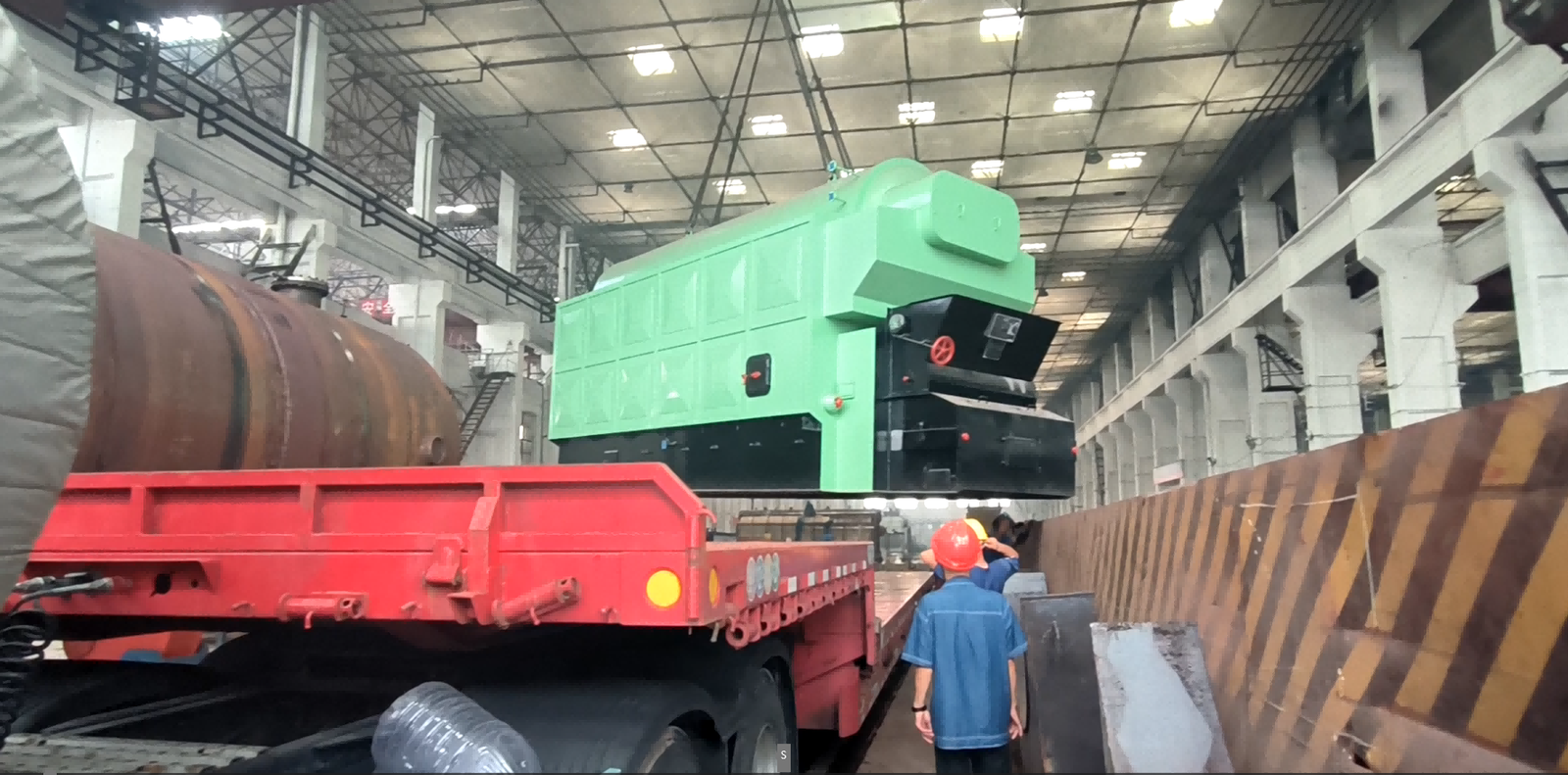
Over time, even the most efficient steam boilers experience reduced performance and rising emissions due to fouling of their internal surfaces. Heat transfer tubes become lined with soot, ash, scale, or corrosion deposits, while flue gas paths and economizers may clog, restricting gas flow and decreasing thermal efficiency. Left unchecked, this buildup can cause hotspots, tube overheating, combustion instability, and increased fuel consumption. To prevent these issues, routine inspection and cleaning of boiler heat transfer surfaces and flue gas systems are essential for maintaining peak efficiency and operational reliability.
Routine inspection and cleaning of heat transfer surfaces and flue gas systems are required to remove soot, slag, and ash deposits that reduce thermal conductivity, increase pressure drop, and cause localized overheating. Key tasks include cleaning furnace and convection passes with soot blowers, manually brushing firetubes or waterwalls during outages, inspecting economizer and air preheater ducts for blockages, and using thermal imaging or boroscopes to detect hotspots or fouling. These actions restore heat transfer efficiency, reduce fuel usage, and extend boiler service life.
Effective maintenance of these surfaces supports consistent boiler output and emissions compliance—making it a non-negotiable practice in industrial energy management.
Cleaning of heat transfer surfaces is optional and does not significantly impact boiler performance.False
Dirty heat transfer surfaces drastically reduce thermal efficiency, cause tube overheating, and increase fuel consumption. Regular cleaning is essential for performance and safety.
1. Why Cleaning Heat Transfer Surfaces Matters
Heat transfer surfaces—including furnace walls, convection passes, superheaters, economizers, and air preheaters—accumulate fouling from:
- Incomplete combustion (soot, unburned carbon)
- Biomass ash or coal slag deposits
- Oxidation and corrosion products
- Water-side scale or iron oxide from poor chemistry
This fouling creates:
- Insulating layers that reduce heat exchange
- Hotspots due to uneven heat flux
- Tube deformation or failure
- High stack temperatures
- Increased NOₓ, CO, and particulate emissions
Routine inspection and cleaning restore design efficiency and preserve equipment longevity.
2. Recommended Inspection Intervals and Methods
| Component | Inspection Frequency | Recommended Method |
|---|---|---|
| Furnace tubes | Daily to weekly (visual) | Flame observation, thermal camera |
| Firetube boilers | Weekly to quarterly | Manual brushing, mirror, boroscope |
| Watertube convection pass | Monthly to quarterly | Visual, ash buildup gauge, boroscope |
| Superheater/reheater | Monthly to annually | Endoscopic inspection, thermal profile review |
| Economizer surfaces | Quarterly | Access doors, dust buildup review |
| Air preheater (APH) | Monthly to quarterly | Soot deposition check, air temp differential |
| Flue gas ducts | Quarterly to annually | Pressure drop check, physical inspection |
These intervals may vary based on fuel type, operating hours, and flue gas cleanliness.
3. Cleaning Techniques by Heat Transfer Zone
a. Furnace and Waterwall Sections
| Issue | Solution |
|---|---|
| Soot buildup on walls | Retractable soot blowers (steam/air) |
| Slagging from high-ash fuels | Water lancing (offline), manual scraping |
| Cold spots/hot spots | Infrared thermal imaging to map fouling |
b. Firetube Boilers
| Task | Frequency | Tool |
|---|---|---|
| Tube brushing (internal) | Monthly to quarterly | Rotary brush, flex rod |
| Visual check with mirror | Weekly | Mirror, flashlight |
| Tube sheet cleaning | Quarterly | Compressed air, detergent |
c. Superheaters & Reheaters
- Fouling here affects steam temperature control
- Cleaning requires offline inspection and manual brushing/soot blowing
d. Economizer
| Contamination | Cleaning Method |
|---|---|
| Ash/dust deposits | High-pressure water wash |
| Slag accumulation | Pneumatic hammers (offline) |
| Tube fouling (inside) | Chemical cleaning (acid or EDTA) |
4. Air Preheater and Flue Gas System Cleaning
Air preheaters (rotary or tubular) often accumulate:
- Dust from unburned fuel
- Fly ash from coal or biomass
- Corrosive condensate in cold-end areas
| Action | Frequency | Method |
|---|---|---|
| Basket rotation check | Monthly | Vibration, noise, seal inspection |
| Cold end corrosion check | Quarterly | Visual + wall thickness gauge |
| Flue duct ash removal | Quarterly | Vacuum or dry ash suction |
| APH air temp differential logging | Continuous | Detects fouling trends |
Routine duct cleaning also avoids excessive pressure drop, which reduces fan efficiency.
5. Key Inspection and Cleaning Tools
| Tool | Function |
|---|---|
| Soot blowers (auto/manual) | On-load soot removal with steam/air |
| Boroscopes | Internal view of tubes and ductwork |
| Thermal imaging camera | Hotspot detection across surfaces |
| Tube brushes and rods | Physical cleaning of firetubes/convection pass |
| Ultrasonic thickness gauges | Detects tube thinning due to corrosion |
| Air lance/water jet system | High-pressure offline cleaning |
| Ash vacuum and hopper cleanout | Removes fly ash from flue path |
Use of digital records to document fouling trends improves scheduling accuracy.
6. Performance Impact of Dirty vs. Clean Heat Surfaces
| Condition | Effect on Operation |
|---|---|
| Clean surfaces | Efficient heat transfer, stable temperatures |
| 1 mm soot layer | Reduces efficiency by 3–5% |
| Heavy slag layer | Tube overheating, warped tubes |
| Fouled economizer | Higher stack temperature, lost heat recovery |
| Blocked APH | Poor combustion air delivery, increased NOₓ |
Regular cleaning restores efficiency and maintains design parameters.
7. Inspection and Cleaning Schedule Template (Example)
| Component | Daily | Weekly | Monthly | Quarterly | Annually |
|---|---|---|---|---|---|
| Flame inspection | ✔ | ||||
| Firetube brushing | ✔ | ✔ (thorough) | |||
| Soot blowing | ✔ (auto) | ✔ | |||
| Thermal scanning | ✔ | ✔ | |||
| Economizer check | ✔ | ✔ | |||
| APH duct cleaning | ✔ | ||||
| Boroscope internal | ✔ | ||||
| Full flue gas path inspection | ✔ |
Customized schedules are built based on fuel type (coal, biomass, gas), load factors, and emissions history.
Summary
Routine inspection and cleaning of heat transfer surfaces and flue gas systems are mission-critical to efficient, safe, and long-lasting boiler operation. They help to:
- Prevent heat transfer loss and fuel overuse
- Avoid tube damage from slag and overheating
- Maintain consistent steam output and pressure
- Keep emissions within regulatory limits
- Detect developing issues before catastrophic failure
Whether it’s soot blowing during load, manual brushing during outages, or thermal imaging diagnostics, maintaining clean boiler internals ensures your system performs as designed—and as required in a competitive industrial environment. Neglecting this maintenance is a direct path to inefficiency, unplanned outages, and costly repairs.
How Often Should Safety Valves, Gauges, and Protection Devices Be Tested and Maintained?
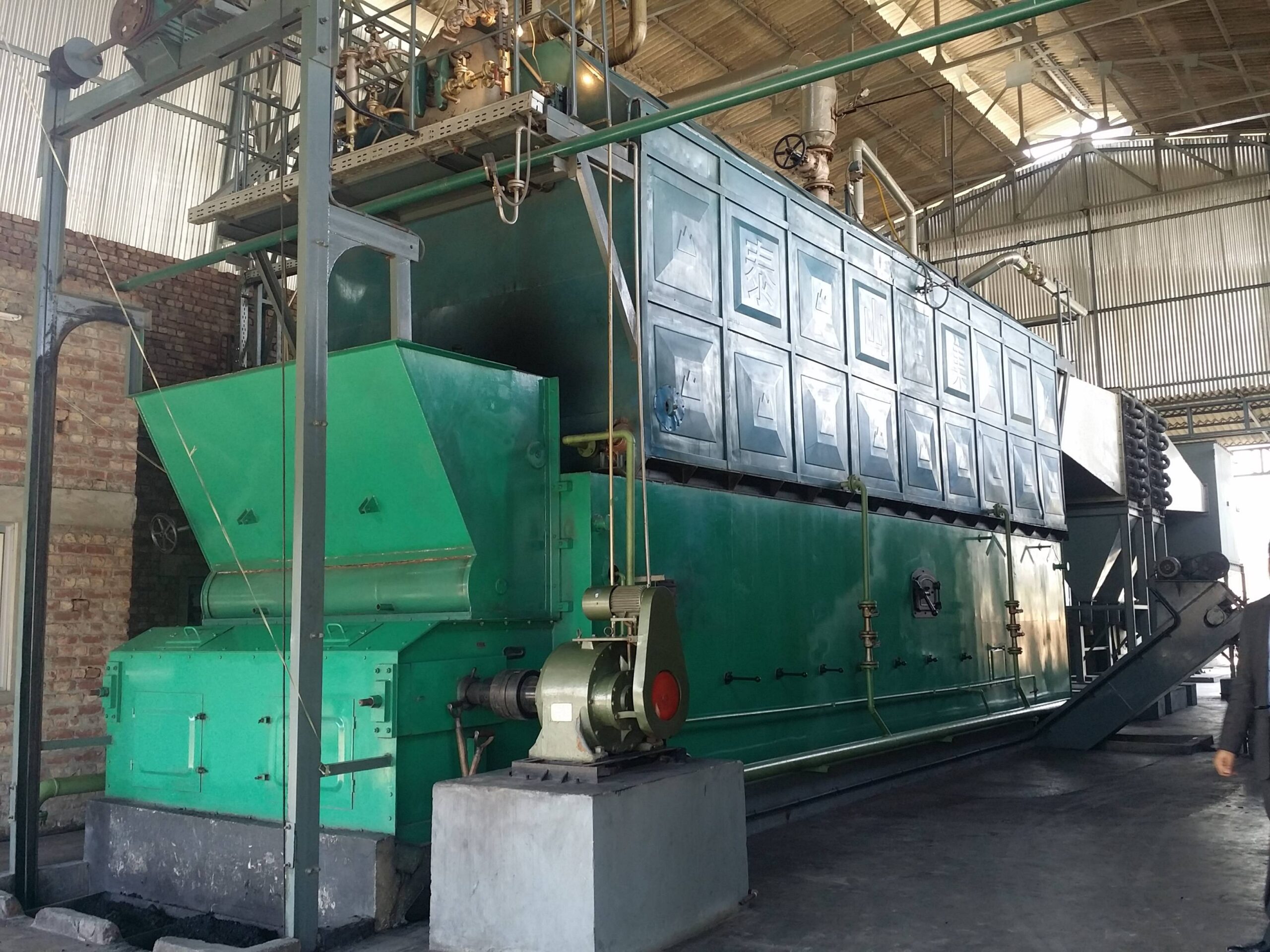
Boiler safety relies not only on the integrity of pressure vessels and piping but equally on the functionality of critical safety devices—including pressure relief valves, gauges, water level alarms, flame safeguards, and interlock systems. Over time, these devices can drift, corrode, stick, or fail silently, putting the entire boiler operation at risk. If safety valves don’t open at the set pressure, or if a water level alarm malfunctions, the result can be catastrophic rupture, fire, or explosion. To avoid such events, industrial boiler operators must follow precise inspection, testing, and maintenance intervals for all safety-critical components.
Safety valves, pressure gauges, and boiler protection devices should be tested and maintained at regular intervals: safety valves must be tested at least annually (and after any overpressure event), pressure gauges every 6 months to 1 year, and electronic protection devices—like flame detectors, low water cutoffs, and interlocks—should be tested monthly or as recommended by the manufacturer. These routines ensure timely intervention in dangerous conditions, help meet regulatory compliance, and are critical for long-term safe boiler operation.
Timely maintenance is not optional—it is legally mandated and operationally essential.
Boiler safety valves do not require routine testing unless a failure is suspected.False
Boiler safety valves must be tested regularly to ensure they will open at the correct set pressure and reseat properly. This is required by safety codes and prevents overpressure failures.
1. Key Boiler Safety Devices and Their Functions
| Device | Function |
|---|---|
| Safety Valve (PSV) | Automatically relieves pressure if it exceeds safe operating limits |
| Pressure Gauge | Displays system pressure for operator and interlock decisions |
| Water Level Gauge/Sight | Allows visual verification of drum level |
| Low Water Cutoff (LWCO) | Shuts down burner if water level is too low |
| High Pressure Cutoff | Trips burner when set pressure is exceeded |
| Flame Scanner / Detector | Confirms presence of flame; prevents unburned fuel accumulation |
| Temperature Sensor (RTD) | Controls steam outlet or alarm thresholds |
| Interlocks / Safety Relays | Enforce safe sequences during startup, shutdown, and operation |
Each of these devices plays a critical role in automated safety and operator response.
2. Recommended Testing and Maintenance Intervals
| Device | Testing Frequency | Maintenance / Calibration |
|---|---|---|
| Safety Valve | Functional test annually; bench test every 1–2 years | Inspect and reseat; recalibrate annually |
| Pressure Gauge | Compare to master gauge every 6 months | Calibrate or replace if deviation >2% |
| Low Water Cutoff | Test weekly or monthly | Clean and inspect every 3 months |
| Flame Detector | Test weekly (run interruption test) | Clean sensor lens every 3 months |
| High Pressure Cutoff | Test monthly | Verify trip setpoint and response annually |
| Water Level Sight Glass | Blowdown daily, inspect weekly | Replace gaskets and glass annually |
| Temperature Sensors | Check monthly via system diagnostics | Calibrate every 6–12 months |
| Safety Interlocks & Relays | Test quarterly manually or via simulation | Review schematics annually |
Note: Frequency may vary with local boiler regulations, OEM guidelines, and usage intensity.
3. Visual and Functional Testing Methods
a. Safety Valve
| Test Type | Procedure |
|---|---|
| Manual lift test | Activate lift lever to verify spring movement and valve reseating |
| Pop test (onsite) | Increase pressure until valve opens; verify pressure accuracy |
| Bench calibration | Remove valve, inspect internals, reset spring, set pressure precisely |
Valves showing leaks, failure to open, or sticking must be replaced or recalibrated.
b. Pressure Gauge
- Compare against certified master gauge
- Replace if out of tolerance or needle is stuck
- Label with calibration date and technician ID
c. Low Water Cutoff
| Test Method | Expected Outcome |
|---|---|
| Blowdown test (probe type) | Burner shuts off within 15 seconds when probe exposed |
| Float test (manual) | Drop float → burner trips; reset after water restored |
| Alarm verification | Panel sounds/alerts must activate correctly |
Dirty LWCO probes or floats are a leading cause of boiler dry-out failures.
d. Flame Detection System
- Block flame briefly → system should trip burner and alarm
- Inspect sensor lens for dirt or discoloration
- Clean with non-abrasive cloth and lens-safe cleaner
A faulty flame detector can result in fuel-rich startups or dangerous re-ignition.
4. Maintenance Record-Keeping and Compliance
Maintenance Log Example
| Date | Device | Test Performed | Result | Technician | Remarks |
|---|---|---|---|---|---|
| Jan 12 | Safety Valve #1 | Pop test @ 180 psi | Opened @ 179 psi | J. Smith | Within spec, reseated fine |
| Jan 13 | Pressure Gauge | Master gauge compare | +3 psi deviation | A. Liu | Replaced, recalibrated |
| Jan 14 | LWCO (probe type) | Blowdown test | Burner off in 12 s | J. Smith | OK |
Keep test results for minimum 3–5 years as per safety audit requirements.
| Regulatory Body | Typical Requirement |
|---|---|
| ASME Section I & IV | Annual testing of PSVs; tag with inspection date |
| NFPA 85 Boiler Code | Functional testing of flame safeguards and interlocks |
| OSHA/Local Jurisdictions | May require monthly/quarterly safety checks |
Non-compliance can result in penalties, insurance issues, or loss of operation license.
5. Risks of Skipping Safety Device Maintenance
| Failure Point | Consequence |
|---|---|
| Stuck safety valve | Boiler overpressure → rupture or explosion |
| Faulty pressure gauge | Operators unaware of dangerous conditions |
| Non-functioning LWCO | Dry firing → tube deformation, total boiler failure |
| Inactive flame detector | Unburned fuel → delayed ignition, furnace explosion |
| Broken interlock | Unsafe startup/shutdown → fire, mechanical damage |
Proper testing avoids life-threatening conditions and million-dollar losses.
6. Maintenance Tools and Best Practices
| Tool | Purpose |
|---|---|
| Pressure calibrator | Verifies gauge and sensor accuracy |
| Test block (for LWCO) | Simulates low water condition |
| Flame detector tester | Blocks UV/IR light to test sensor response |
| Safety valve test bench | Provides controlled set pressure and spring tensioning |
| Maintenance tag system | Tracks last test and next due date |
Digital CMMS software helps schedule and track all testing and maintenance intervals.
Summary
The reliability and safety of a steam boiler depend as much on proven mechanical integrity as on the flawless function of safety and control devices. To ensure protection:
- Test safety valves at least annually
- Calibrate pressure gauges every 6–12 months
- Inspect and test low water cutoffs and flame detectors weekly or monthly
- Log every test result for audit and compliance
Never assume a safety device works just because it hasn’t failed yet—test it before it matters most. Regular, scheduled testing is a fundamental investment in equipment integrity, operator safety, and plant uptime.
What Periodic Maintenance Is Required for Pressure Parts, Tubes, Drums, and Refractory?
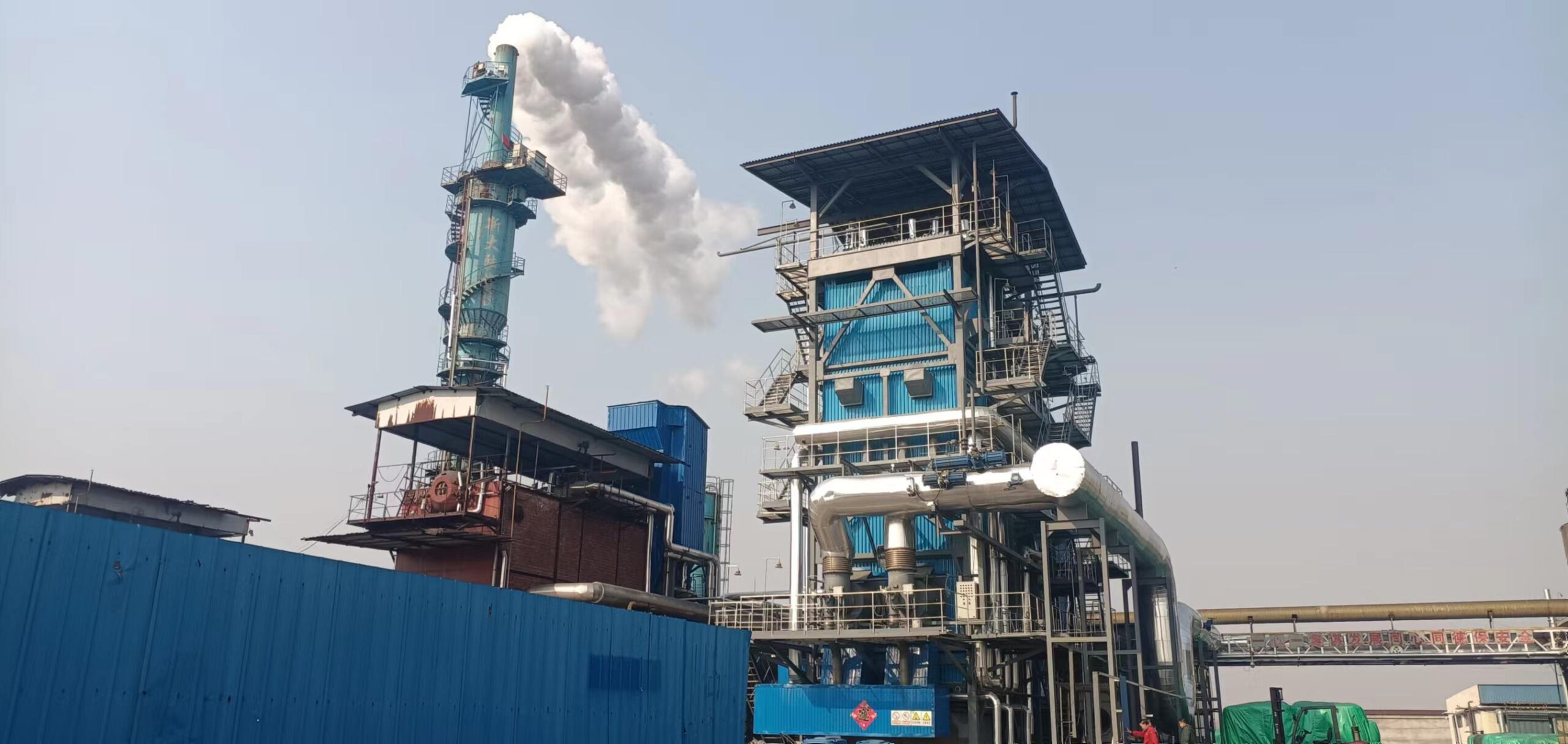
Boiler pressure parts—including tubes, drums, and headers—are exposed to extreme pressure, temperature, and corrosive environments throughout their service life. Over time, these components are subject to creep, fatigue, corrosion, scaling, and erosion, all of which can lead to cracking or rupture if not addressed in time. Similarly, refractory linings that protect against radiant heat and chemical attack can degrade, fall off, or crack—causing localized overheating or even fire. To prevent failures, unplanned outages, and expensive downtime, a well-defined schedule of periodic maintenance for pressure parts and refractory is essential in all industrial boilers.
Periodic maintenance of pressure parts, tubes, drums, and refractory includes scheduled inspections (visual, ultrasonic, and thickness testing), cleaning, repair or replacement of worn tubes, weld evaluation, hydrotesting, and patching or relining of degraded refractory. Inspection intervals are typically annual, with major overhauls every 3–5 years, depending on operating conditions and boiler type. This routine maintenance prevents leaks, tube bursts, and structural failures while ensuring long-term reliability and thermal efficiency.
These maintenance routines are not just proactive—they are mission-critical for high-pressure steam systems operating in industrial and power environments.
Boiler pressure parts can operate reliably for decades without periodic inspection or maintenance.False
Boiler pressure parts degrade over time due to thermal stress, corrosion, and scaling. Periodic inspection and maintenance are necessary to prevent failure and ensure safety.
1. Why Periodic Maintenance of Pressure Parts is Essential
Boiler pressure components are exposed to a combination of:
- High-pressure cyclic loading
- Elevated temperatures (up to 550–600°C)
- Oxygen corrosion, acidic condensates, and scaling from poor water chemistry
- Ash, slag, and flue gas erosion (especially in coal or biomass boilers)
Without routine maintenance, these conditions lead to:
- Wall thinning of tubes and drums
- Creep damage, thermal fatigue, and stress corrosion cracking
- Refractory collapse and burner failure
- Safety risks, outages, and loss of efficiency
2. Pressure Part Maintenance Schedule (Annual + Major Overhaul Intervals)
| Component | Inspection Frequency | Maintenance Task |
|---|---|---|
| Boiler Tubes | Annually | Visual check, ultrasonic thickness testing (UT), cleaning, plugging or replacement |
| Steam Drum / Mud Drum | Every 1–2 years | Internal inspection, deposit removal, magnetic particle testing |
| Headers / Risers | Every 2–3 years | NDT, weld check, support condition assessment |
| Tube-to-Header Welds | Every 2–3 years | Radiography (RT), dye penetrant (PT) for cracks |
| Refractory (Furnace, burner wall, seal boxes) | Annual visual, 3–5 year reline cycle | Patch or replace degraded areas, dry-out inspection |
| Economizer, Superheater, Reheater | Annually | Ash cleaning, thermal profiling, tube inspection |
| Attemperators / Desuperheaters | Every 2 years | Valve and nozzle check, seat wear, flow verification |
Visual inspections are done during minor shutdowns, while NDT, tube plugging, and refractory replacement are reserved for scheduled overhauls.
3. Boiler Tube Maintenance Details
a. Common Tube Damage Modes
| Type | Cause |
|---|---|
| Wall thinning | Erosion by flue gas, oxygen corrosion |
| Creep damage | Prolonged high-temperature exposure |
| Scale buildup | Hardness or silica from poor water treatment |
| Flame impingement | Misaligned burners |
| Tube blockage | Slag and ash deposits |
b. Tube Inspection and Repair Methods
| Inspection Method | Purpose |
|---|---|
| Ultrasonic Thickness (UT) | Detect wall thinning |
| Eddy Current Testing | Spot inner corrosion, pitting |
| Dye Penetrant Testing | Find surface cracks |
| Boroscope Inspection | Check internal fouling and tube blockage |
| Radiographic Testing | Evaluate weld integrity |
| Repair Method | Application |
|---|---|
| Tube plugging | Isolate minor leaks |
| Tube replacement (cut & weld) | For worn or cracked sections |
| Bend straightening | Correct thermal distortion |
| Re-alignment | Restore heat flow uniformity |
In high-risk areas, preemptive replacement may be more economical than repeated repair.
4. Steam Drum and Header Maintenance
The steam drum acts as a critical pressure vessel, separating steam from water and housing internals like:
- Cyclone separators
- Scrubbers
- Chemical feed piping
- Blowdown lines
Key Maintenance Tasks
| Task | Interval |
|---|---|
| Internal visual inspection | Annually |
| Remove sludge and scale deposits | Annually |
| Ultrasonic wall thickness testing | Every 2 years |
| Magnetic particle testing | Every 3–5 years |
| Hydrostatic pressure test | 5–10 year intervals (regulatory or post-repair) |
Steam drums often reveal early signs of corrosion fatigue or weld erosion and should be logged after each inspection cycle.
5. Refractory Maintenance
a. Importance of Refractory
Refractory linings are used in:
- Furnace walls
- Burner throats
- Ash hoppers
- Manways and expansion joints
Their roles:
- Shield pressure parts from direct flame and slag
- Absorb thermal shock
- Maintain structural support in high-heat zones
b. Common Refractory Failures
| Issue | Cause |
|---|---|
| Cracking | Rapid cooling/heating, poor expansion joints |
| Spalling | Steam leaks behind refractory |
| Erosion | Flame impingement, ash abrasion |
| Delamination | Improper dry-out, poor adhesion |
c. Maintenance Tasks
| Activity | Frequency |
|---|---|
| Visual inspection (cracks/gaps) | Annually |
| Tap test (sound check) | Annually |
| Patch repair of damaged zones | As needed |
| Full relining of burner throat / furnace | Every 3–5 years |
| Post-repair dry-out | Mandatory after relining |
Infrared cameras can identify hot spots from missing refractory or exposed pressure parts.
6. Summary Table: Pressure Part & Refractory Maintenance at a Glance
| System Component | Inspection Type | Tools/Methods | Action Frequency |
|---|---|---|---|
| Boiler tubes (waterwalls) | UT, visual, boroscope | Thickness gauge, boroscope | Yearly |
| Superheater / Economizer | Visual + thermal profile | Thermal imaging, soot removal | Annually or semi-annually |
| Steam/Mud drum | NDT, scale removal | UT, MPI, hydrotest | 1–2 years |
| Tube welds / headers | Radiography, dye test | RT, PT | 3–5 years |
| Refractory lining | Visual, sound test | Tap hammer, thermal imaging | Annual check; 3–5 year reline |
| Manway seals, expansion joints | Manual inspection | Physical, IR scan | Each shutdown |
7. Best Practices for Safe and Effective Maintenance
- Maintain detailed inspection logs (wear rate, thickness trends, photos)
- Digitize inspection history for predictive maintenance modeling
- Always isolate, depressurize, and cool boiler before entering pressure parts
- Use certified NDT professionals for weld and drum evaluations
- Follow OEM and ASME repair standards
Summary
Regular, disciplined maintenance of pressure parts, tubes, drums, and refractory is critical to boiler longevity, safety, and efficiency. These components face harsh conditions daily—and without intervention, they become weak links in an otherwise reliable system. By implementing a structured inspection and overhaul cycle:
- Tube failures and leaks can be prevented
- Steam purity and temperature stability are preserved
- Structural integrity of drums and headers remains intact
- Refractory lining continues to protect pressure surfaces from extreme heat
Investing in periodic inspection and proactive repair reduces total lifecycle cost while ensuring uninterrupted, safe boiler performance. Neglecting pressure part maintenance invites failure—and in high-pressure systems, failure is not an option.
How Do Combustion Systems, Burners, and Control Instruments Require Scheduled Servicing?
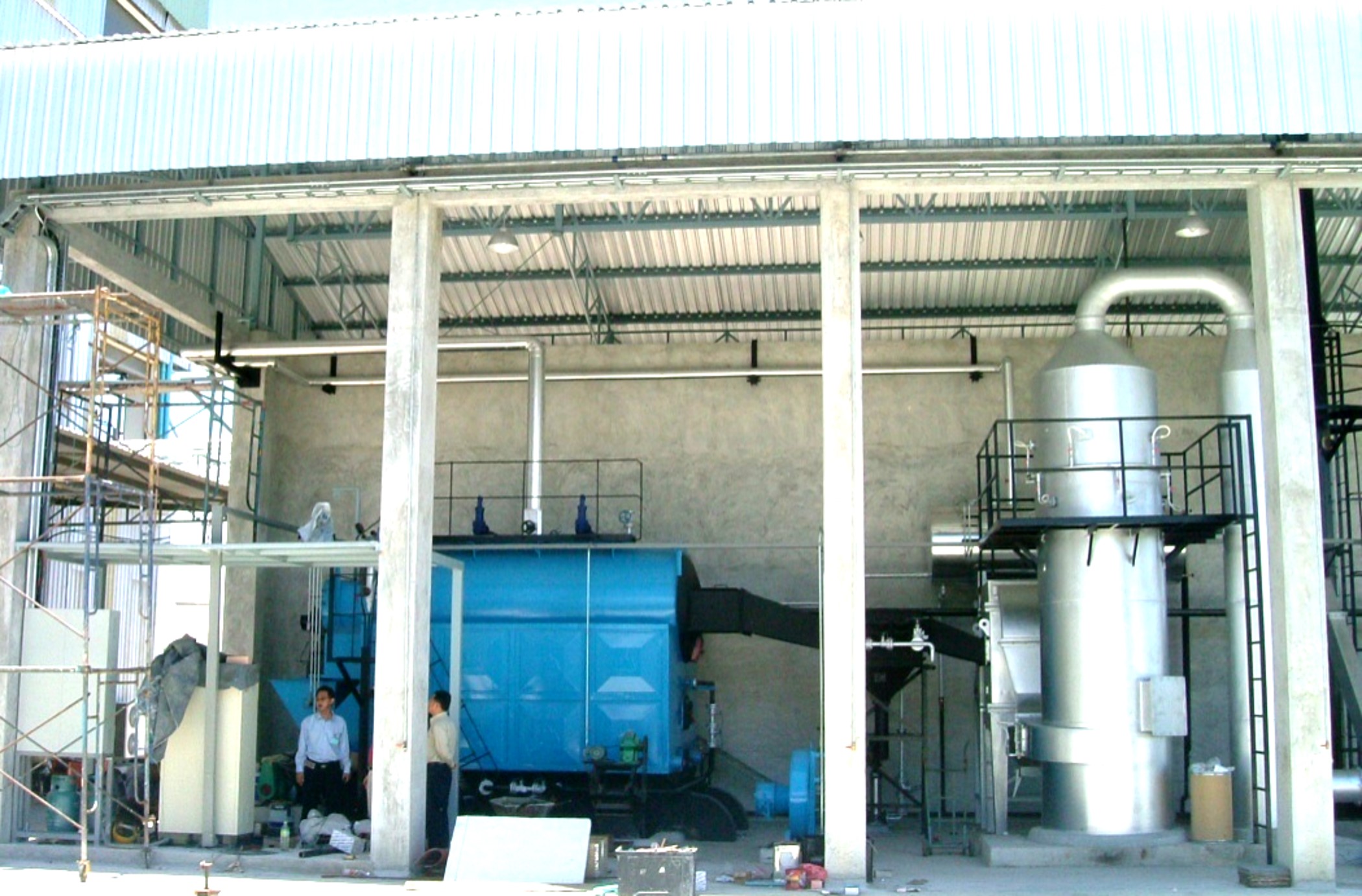
Combustion systems are the beating heart of industrial steam boilers, responsible for igniting fuel, producing heat, and transferring energy efficiently to the water-steam cycle. Burners, fuel trains, and control instruments—like actuators, flame detectors, oxygen sensors, and fuel-air ratio controllers—must work in perfect coordination to deliver safe, stable, and clean combustion. However, without routine servicing and calibration, these systems drift out of alignment, leading to flame instability, high emissions, reduced efficiency, and even dangerous failures such as backfires or unburned fuel accumulation. Regular, structured servicing of these components is essential for performance, compliance, and safety.
Combustion systems, burners, and control instruments require scheduled servicing that includes visual inspection, cleaning of burner components, testing and calibration of sensors and actuators, verification of flame detectors, adjustment of fuel-to-air ratio settings, and combustion tuning. Daily to weekly flame checks, monthly flame safeguard testing, quarterly burner cleaning, and annual combustion optimization and instrument calibration are standard best practices to ensure efficient, safe, and low-emission boiler operation.
These tasks must be performed by trained personnel and recorded to comply with safety codes and emission permits.
Combustion systems in industrial boilers require no regular servicing if performance appears normal.False
Even when burners appear to operate normally, internal wear, sensor drift, and fuel-air imbalances may silently reduce efficiency or increase emissions. Scheduled servicing is necessary.
1. Why Scheduled Servicing of Combustion Systems Is Crucial
Industrial burners and control instruments face:
- Thermal cycling from on-off or modulating operation
- Contamination from fuel impurities, soot, and moisture
- Drift in actuators, valves, and sensors over time
- Environmental changes (temperature, humidity, backpressure)
Without scheduled servicing, the following issues develop:
- Flame instability or blowback
- Incomplete combustion → higher CO, NOₓ, unburned hydrocarbons
- Increased fuel consumption due to poor tuning
- Failure to start or unexpected trips due to sensor drift
- Non-compliance with environmental or insurance regulations
Routine inspection, cleaning, and calibration restore system accuracy and prevent combustion-related failures.
2. Servicing Schedule Overview
| Component | Daily/Weekly | Monthly | Quarterly | Annually |
|---|---|---|---|---|
| Burner flame pattern | ✔ Visual check | |||
| Flame scanner operation | ✔ Interruption test | ✔ Clean lens | ✔ Replace if degraded | |
| Fuel valve operation | ✔ Listen for leaks/smoothness | ✔ Cycle test | ✔ Seat condition inspection | |
| Combustion air fan | ✔ Sound & pressure check | ✔ Belt, motor check | ||
| Burner tips / nozzles | ✔ Clean orifice, check wear | ✔ Replace worn parts | ||
| Fuel-air ratio controller | ✔ Auto/manual test | ✔ Tuning check | ✔ Calibration | |
| O₂/CO sensors (if equipped) | ✔ Test response | ✔ Clean filter | ✔ Calibrate or replace | |
| Pressure switches/sensors | ✔ Test cut-in/out | ✔ Calibration | ||
| Control panel & interlocks | ✔ Simulation test | ✔ Functional verification |
Different fuels (natural gas, diesel, biomass gas) may require tailored routines based on soot level, ignition behavior, and flame dynamics.
3. Burner Inspection and Maintenance
a. Burner Head & Flame Pattern
| Issue | Visual Symptom | Cause | Remedy |
|---|---|---|---|
| Yellow or smoky flame | Incomplete combustion | Low air, dirty nozzle | Clean nozzle, adjust air |
| Flame instability (pulsing) | Flickering, unsteady noise | Blocked tip, misaligned fuel delivery | Clean and realign |
| Delayed ignition | Boom sound, flame detector error | Worn spark rod, poor pilot | Replace ignitor |
Burner heads, diffuser plates, and air registers should be cleaned every 3–6 months to avoid carbon buildup.
b. Fuel Valves and Trains
- Cycle solenoid valves to check for proper open/close timing
- Inspect valve seats, linkages, and regulators for leakage, wear, or vibration
- For oil systems: check and clean filters, strainers, and atomizers
Use of gas leak detectors around flanges and fittings is mandatory during monthly checks.
4. Flame Detector and Flame Safeguard Maintenance
| Device Type | Maintenance Task | Interval |
|---|---|---|
| UV flame scanner | Clean lens, check shutter, test response | Monthly |
| IR sensor | Clean, check ambient light interference | Monthly |
| Flame rod (ionization) | Check for erosion, clean tip, replace worn rods | Quarterly |
| Flame safeguard relay | Simulate flame failure, verify lockout logic | Quarterly |
If any device fails to respond within the OEM-specified range, it must be replaced or recalibrated immediately.
5. Fuel-to-Air Ratio and Combustion Tuning
a. Why It Matters
- Small errors in air or fuel delivery affect efficiency and emissions
- Poor ratio causes CO buildup, excess O₂, or wasted fuel
- Necessary after seasonal changes, fuel source changes, or burner repairs
b. Tuning Process
| Step | Target Values |
|---|---|
| Measure O₂ and CO levels | 2–4% O₂ (gas), 4–6% O₂ (oil); CO < 100 ppm |
| Adjust actuators & linkage | Fuel and air modulate smoothly together |
| Confirm response time | Quick adjustment on load change |
| Repeat at multiple loads | Tune at low, mid, and full load |
Use combustion analyzers or stack monitoring systems to guide tuning. Modern plants may integrate O₂ trim controls to auto-adjust fuel-air mix.
6. Instrumentation and Sensor Calibration
| Instrument | Calibration Device | Interval |
|---|---|---|
| O₂ analyzer | Span gas or probe reference | 3–6 months |
| Pressure switch/transmitter | Deadweight tester or simulator | Annually |
| Thermocouple / RTD | Calibrator with reference probe | Annually |
| Positioners / actuators | Stroke test with HART device | Annually |
Always label with calibration date and technician ID, and log all results in a CMMS or maintenance ledger.
7. Documentation, Logging, and Compliance
Sample Combustion Maintenance Log
| Date | Component | Action | Technician | Result |
|---|---|---|---|---|
| Jan 10 | Flame scanner | Cleaned and response tested | L. Carter | Passed |
| Jan 12 | Gas valve train | Leak test and cycle check | R. Zhang | No leaks, functioning OK |
| Jan 15 | Fuel-air controller | Manual test and tuning | L. Carter | CO dropped from 180→60 ppm |
Maintain logs for at least 3–5 years and comply with:
- NFPA 85: Boiler and Combustion System Hazards Code
- EPA/Local environmental agency emissions permits
- ASME CSD-1 (for control safety devices)
Summary
Scheduled servicing of combustion systems, burners, and control instruments is essential to:
- Maintain stable flame and ignition reliability
- Ensure optimal fuel-to-air ratio for fuel economy
- Keep emissions within legal limits
- Prevent combustion-related failures
- Comply with safety and environmental standards
Daily checks, monthly flame testing, quarterly cleaning, and annual tuning form the minimum servicing strategy for safe, efficient, and compliant boiler combustion. Always remember: a well-maintained burner not only burns clean—it burns safe, smart, and sustainable.
🔍 Conclusion
Regular maintenance is the cornerstone of safe, efficient, and reliable industrial steam boiler operation. By combining daily inspections, proper water treatment, routine cleaning, and scheduled overhauls, operators can significantly reduce failure risks, maintain high thermal efficiency, and extend boiler lifespan. A proactive maintenance strategy ensures stable production, lower total cost of ownership, and long-term operational confidence.
🔹 Contact us today to ensure your industrial steam boiler operates safely, efficiently, and reliably throughout its entire service life. ⚙️🔥🏭✅
FAQ
Q1: Why is regular maintenance critical for industrial steam boilers?
A1: Regular maintenance is critical for industrial steam boilers because these systems operate under high pressure and temperature, making safety, reliability, and efficiency directly dependent on proper upkeep. Without routine maintenance, boilers are vulnerable to issues such as scaling, corrosion, tube failure, burner malfunction, and control system errors. These problems can lead to efficiency losses, unplanned shutdowns, safety incidents, or regulatory non-compliance. A structured maintenance program helps ensure consistent steam output, reduces fuel consumption, extends equipment lifespan, and minimizes total operating costs over the boiler’s lifecycle.
Q2: What daily and weekly maintenance tasks should operators perform?
A2: Daily and weekly maintenance tasks focus on monitoring operating conditions and detecting abnormalities early. Operators should check steam pressure, temperature, water level, and fuel supply parameters to confirm stable operation. Visual inspections should be conducted for leaks, abnormal vibrations, unusual noises, or visible corrosion. Burner flame quality, combustion air supply, and exhaust conditions should be observed daily. Weekly tasks may include testing low-water cutoffs, checking blowdown systems, inspecting pumps and valves, and ensuring safety interlocks and alarms function correctly. These routine checks prevent small issues from escalating into serious failures.
Q3: What periodic inspection and cleaning tasks are required?
A3: Periodic inspection and cleaning, typically performed monthly or quarterly, are essential to maintain efficiency and reliability. Heat transfer surfaces should be inspected for soot, scale, or sludge buildup that reduces thermal efficiency. Burners, igniters, and fuel nozzles must be cleaned and adjusted to maintain proper air-to-fuel ratios. Safety valves, pressure switches, and control sensors should be tested and calibrated. Internals such as tubes, drums, and headers should be inspected for signs of corrosion, erosion, or cracking. These tasks ensure optimal heat transfer and stable long-term operation.
Q4: How important is water treatment and blowdown maintenance?
A4: Water treatment and blowdown maintenance are among the most critical aspects of steam boiler care. Poor water quality leads to scaling, corrosion, foaming, and carryover, all of which reduce efficiency and can cause severe equipment damage. Operators must regularly monitor feedwater chemistry, including pH, conductivity, dissolved oxygen, and hardness. Blowdown systems should be checked to ensure correct operation and optimized to remove impurities without excessive energy loss. Effective water treatment significantly extends boiler life and prevents costly tube failures.
Q5: What annual maintenance and regulatory inspections are required?
A5: Annual maintenance and inspections are usually conducted during planned shutdowns and are often mandated by regulations or insurance providers. These include internal boiler inspections, non-destructive testing of pressure parts, inspection of refractory and insulation, and thorough testing of safety valves and emergency shutdown systems. Combustion and emissions performance should be verified to ensure compliance with environmental standards. Annual inspections help confirm structural integrity, renew certifications, and ensure the boiler can safely operate for another service cycle with minimal risk.
References
- U.S. Department of Energy – Improving Steam System Performance – https://www.energy.gov/ – DOE
- ASME – Boiler and Pressure Vessel Code (BPVC) – https://www.asme.org/ – ASME
- International Energy Agency (IEA) – Industrial Steam Systems – https://www.iea.org/ – IEA
- Spirax Sarco – Steam Boiler Maintenance Best Practices – https://www.spiraxsarco.com/ – Spirax Sarco
- Engineering Toolbox – Steam Boiler Operation and Maintenance – https://www.engineeringtoolbox.com/ – Engineering Toolbox
- ScienceDirect – Maintenance Strategies for Industrial Boilers – https://www.sciencedirect.com/ – ScienceDirect
- ISO 50001 – Energy Management Systems – https://www.iso.org/ – ISO
- Carbon Trust – Industrial Boiler Efficiency and Maintenance – https://www.carbontrust.com/ – Carbon Trust
- World Bank – Industrial Energy Efficiency Best Practices – https://www.worldbank.org/ – World Bank
- MarketsandMarkets – Industrial Boiler Maintenance Market Trends – https://www.marketsandmarkets.com/ – Markets and Markets