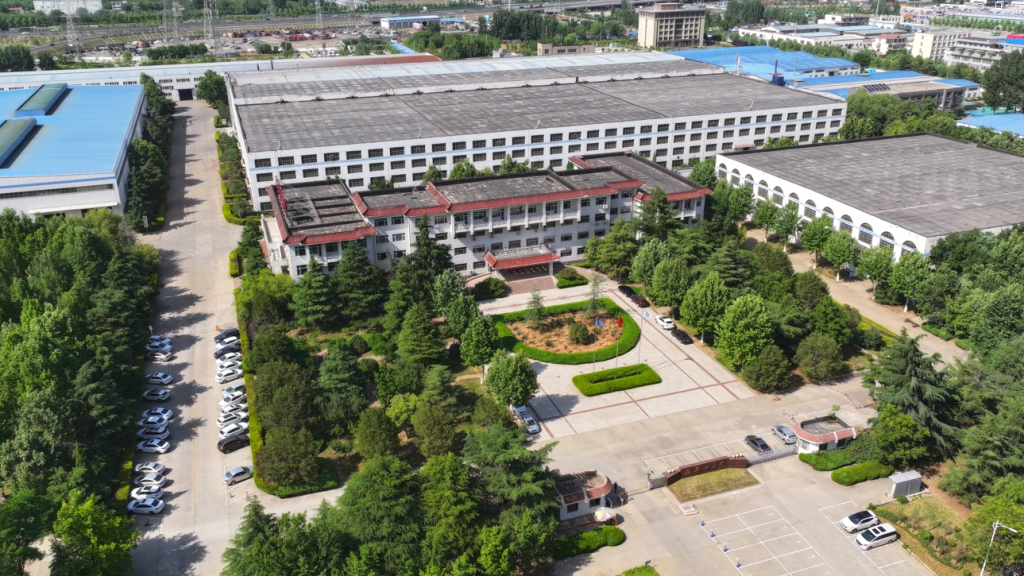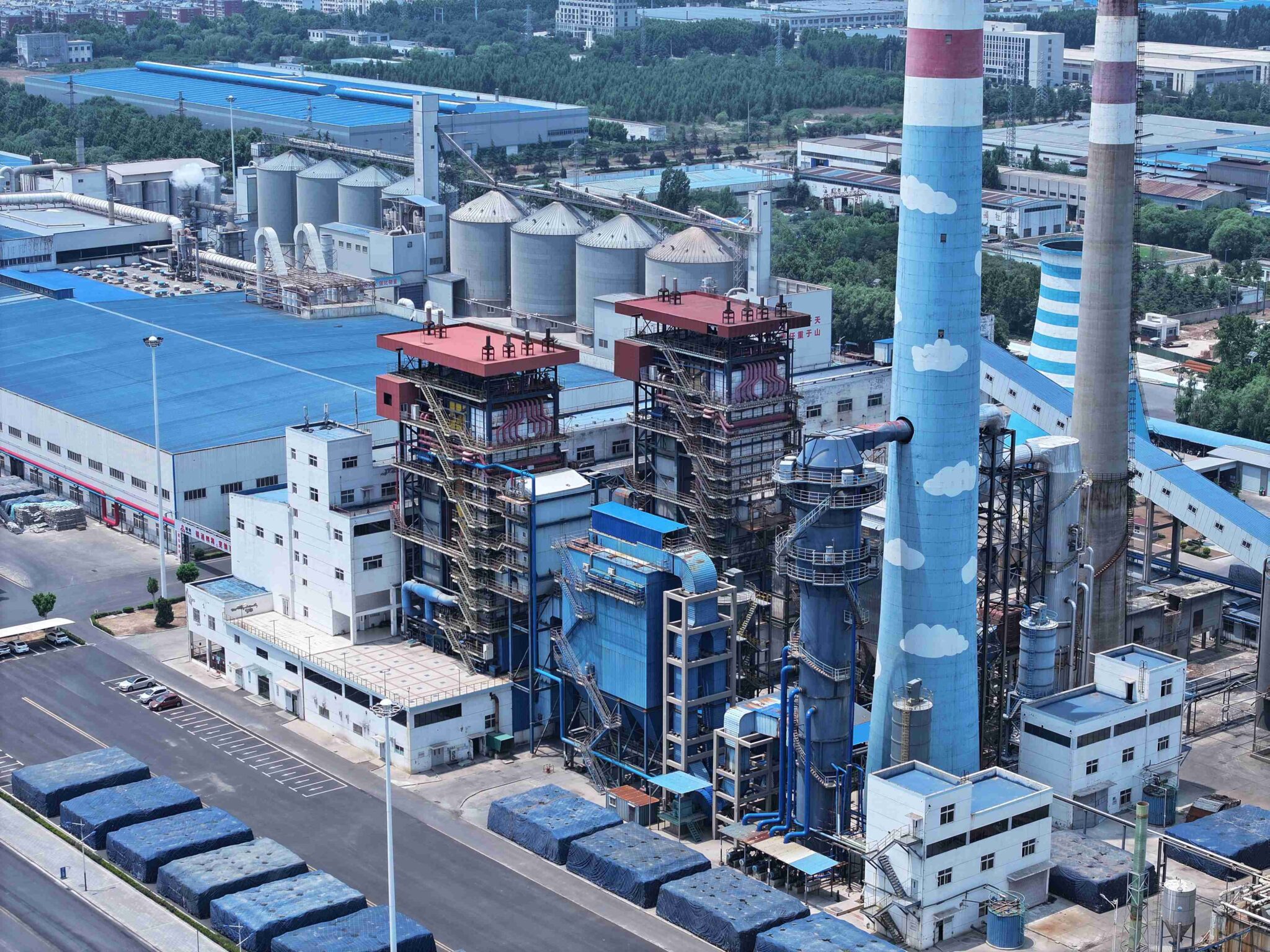
With rising fuel costs and increasingly strict environmental regulations, boiler energy efficiency has become a decisive factor in industrial and power generation projects. Many users recognize CFB boilers for their fuel flexibility and low emissions, but still question whether they are truly energy-efficient compared with pulverized coal boilers, grate-fired boilers, gas-fired boilers, biomass boilers, and electric boilers. Misjudging efficiency differences can lead to higher operating costs and suboptimal technology choices.
Circulating Fluidized Bed (CFB) boilers typically achieve thermal efficiencies of around 85–90%, placing them higher than traditional grate-fired coal and many biomass boilers, comparable to modern pulverized coal boilers, but generally lower than high-efficiency gas-fired and electric boilers. Their real advantage lies in stable efficiency across varying fuel qualities, low excess air operation, and effective in-furnace heat transfer. When fuel flexibility and emission performance are considered together, CFB boilers often deliver superior overall energy utilization.
Understanding how CFB boilers compare with other boiler types allows users to balance efficiency, fuel cost, emissions, and long-term operating economics.
How Does the Energy Efficiency of CFB Boilers Compare with Pulverized Coal (PC) Boilers?
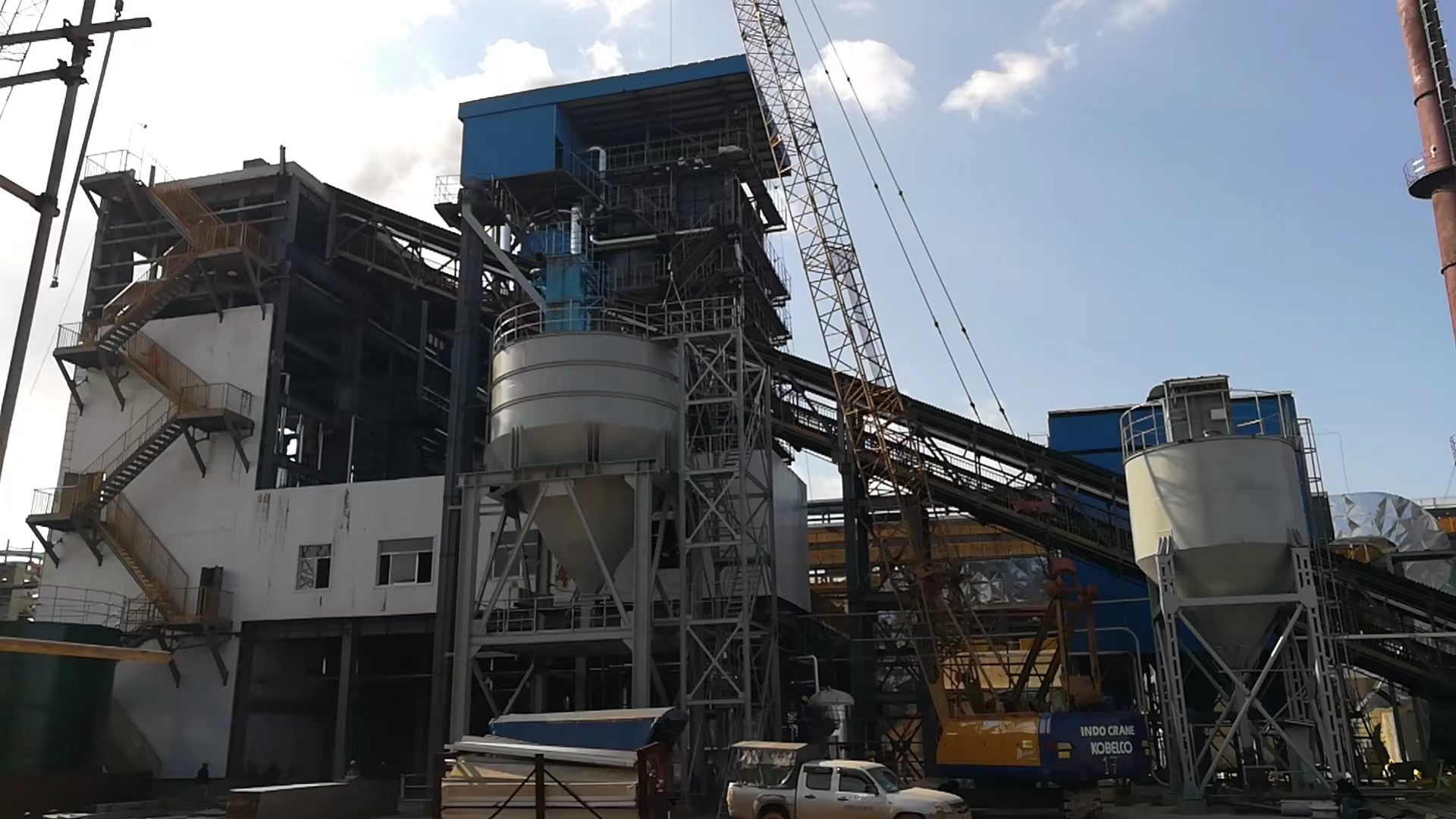
When evaluating industrial coal-fired boiler systems, two dominant technologies often stand out: Circulating Fluidized Bed (CFB) boilers and Pulverized Coal (PC) boilers. While PC boilers have historically dominated large-scale power generation due to their high steam parameters and capacity scalability, CFB boilers have surged in popularity because of their superior fuel flexibility, lower emissions, and unique combustion characteristics. A key point of comparison between these technologies is energy efficiency, which directly impacts operational cost, fuel consumption, and environmental performance.
CFB boilers generally offer lower peak thermal efficiency than ultra-supercritical PC boilers, but in practical industrial applications—especially with lower-grade fuels and biomass co-firing—CFB boilers maintain more consistent and adaptable energy efficiency. PC boilers can achieve 40–45% efficiency under ultra-supercritical conditions, while CFB boilers typically operate in the 36–42% range depending on pressure, temperature, and fuel. However, CFB systems often outperform PC boilers in real-world scenarios involving variable fuels, partial loads, or integrated emission compliance, making their overall operational efficiency more stable and lifecycle-effective.
In summary, CFB may not always win in peak thermal efficiency, but its real-world adaptability makes it the more efficient choice in complex fuel and emission environments.
CFB boilers are always more thermally efficient than pulverized coal boilers.False
While CFB boilers offer operational flexibility and lower emissions, ultra-supercritical PC boilers can achieve higher peak thermal efficiencies due to higher steam parameters and optimized flame combustion.
Technical Foundations: How CFB and PC Boilers Operate Differently
| Aspect | Pulverized Coal (PC) Boiler | Circulating Fluidized Bed (CFB) Boiler |
|---|---|---|
| Combustion Principle | High-temperature flame combustion | Lower-temperature fluidized bed combustion |
| Operating Temp. | 1300–1500°C | 800–900°C |
| Fuel Particle Size | <100 μm (pulverized) | 1–10 mm (crushed) |
| Ash Handling | Slag tapping and fly ash collection | In-bed combustion and circulation with cyclone separators |
| Air Ratio | Near-stoichiometric | Slightly excess air, staged combustion |
| Emission Profile | Higher NOₓ and SO₂ unless post-treated | Intrinsic low-NOₓ and in-bed SO₂ capture |
CFB systems offer more stable combustion and fuel flexibility, especially for high-ash or biomass-rich fuels.
Boiler Efficiency: Theoretical vs. Practical Comparison
🔬 Thermal Efficiency Definitions:
- Gross Efficiency: Heat extracted from fuel compared to input energy
- Net Efficiency: Accounts for auxiliary losses (e.g., fan power, pumps, ash handling)
- Boiler Island Efficiency: Focuses on steam generation before turbine losses
Table 1: Thermal Efficiency Ranges by Boiler Type
| Boiler Type | Typical Pressure/Temp. | Gross Thermal Efficiency (% HHV) |
|---|---|---|
| Subcritical PC Boiler | 170 bar / 540°C | 36–39% |
| Supercritical PC Boiler | 250 bar / 580–600°C | 40–42% |
| Ultra-Supercritical (USC) PC Boiler | 300+ bar / 600–620°C | 43–46% |
| Standard CFB Boiler | 160–200 bar / 540°C | 36–40% |
| Advanced Supercritical CFB Boiler | 250 bar / 600°C | 40–42% |
✅ PC boilers excel at high pressure/temperature, while CFB systems balance fuel flexibility with moderate-to-high efficiency.
Table 2: Real-World Efficiency Influencing Factors
| Efficiency Factor | PC Boiler | CFB Boiler |
|---|---|---|
| Fuel Moisture Content | Highly sensitive | Moderate sensitivity due to in-bed drying |
| Fuel Ash Content | Reduces efficiency (slagging) | Better ash tolerance, stable combustion |
| Biomass/Waste Co-Firing | Efficiency drop >5% | Maintains efficiency with flexible fuels |
| Load Fluctuation | Efficiency drops at low load | Better partial load efficiency |
| Emission Compliance Equipment Load | Adds parasitic loss | Inherent low emissions reduce need |
📌 CFB systems often outperform PC in multi-fuel, part-load, and integrated environmental conditions.
Case Study: CFB vs. PC in Industrial Application
Scenario: 100 MWe industrial cogeneration plant with mixed fuel supply (coal + biomass)
| Parameter | PC Boiler | CFB Boiler |
|---|---|---|
| Fuel Mix | 90% coal, 10% biomass | 60% coal, 40% biomass + agro |
| Steam Output | 440 t/h | 430 t/h |
| Gross Efficiency | 41.5% | 39.2% |
| NOₓ Emissions | 380 mg/Nm³ | 130 mg/Nm³ |
| SO₂ Emissions | 540 mg/Nm³ | 160 mg/Nm³ |
| Fuel Cost | Higher (premium coal) | Lower (low-cost biomass blend) |
| Annual Maintenance Hours | 1,200 | 800 |
| Net Energy Efficiency (Real) | 37.2% | 37.8% |
Insight: Although the PC unit had higher theoretical efficiency, the CFB system achieved better net fuel-to-energy performance due to lower fuel costs, stable low-load operation, and reduced auxiliary losses from emission controls.
Emerging Trends Boosting CFB Competitiveness
🔧 Supercritical CFB Technology
- Hybrid units operating at 250–300 bar, 600°C
- Achieving PC-level efficiency with low emissions and fuel flexibility
🌱 Biomass & Waste Co-Firing
- CFBs easily co-fire 40–60% biomass/RDF without derating
- PC units require fuel prep systems and may lose up to 5–7% efficiency
🤖 Smart Controls & Fuel-Adaptive AI
- Real-time tuning in CFBs maintains stable combustion
- AI systems enable adaptive oxygen control, fluidization pressure, and bed temperature
Summary Table: CFB vs. PC Boiler Efficiency in Practice
| Metric | Pulverized Coal (PC) | Circulating Fluidized Bed (CFB) |
|---|---|---|
| Peak Theoretical Efficiency | ✅ Higher (up to 46%) | ⬆️ Competitive with supercritical tech |
| Efficiency on Variable Fuels | ❌ Drops with biomass or ash-rich | ✅ Stable with varied feedstocks |
| Part-Load Efficiency | ❌ Lower efficiency | ✅ More consistent |
| Emission Compliance Burden | ❌ Requires costly retrofits | ✅ Intrinsic low NOₓ/SO₂/PM |
| Fuel Cost Flexibility | ❌ Premium coal preferred | ✅ Low-grade, local, waste-based fuels |
| Lifecycle Energy Efficiency | ⬆️ Good on premium coal only | ✅ High across variable, real-world ops |
Final Thoughts
While PC boilers still dominate in ultra-large, base-load applications requiring peak thermal efficiency, CFB boilers shine in industrial, district energy, and multi-fuel environments where fuel variability, partial load performance, and integrated emissions compliance are key. The evolving fuel landscape—with more biomass, waste-derived fuels, and carbon intensity restrictions—will likely favor the flexibility and lifecycle efficiency that CFB technologies inherently offer.
Ultimately, choosing between CFB and PC is less about peak lab efficiency and more about total system performance over time.
How Do CFB Boilers Perform in Efficiency Compared to Grate-Fired Coal Boilers?
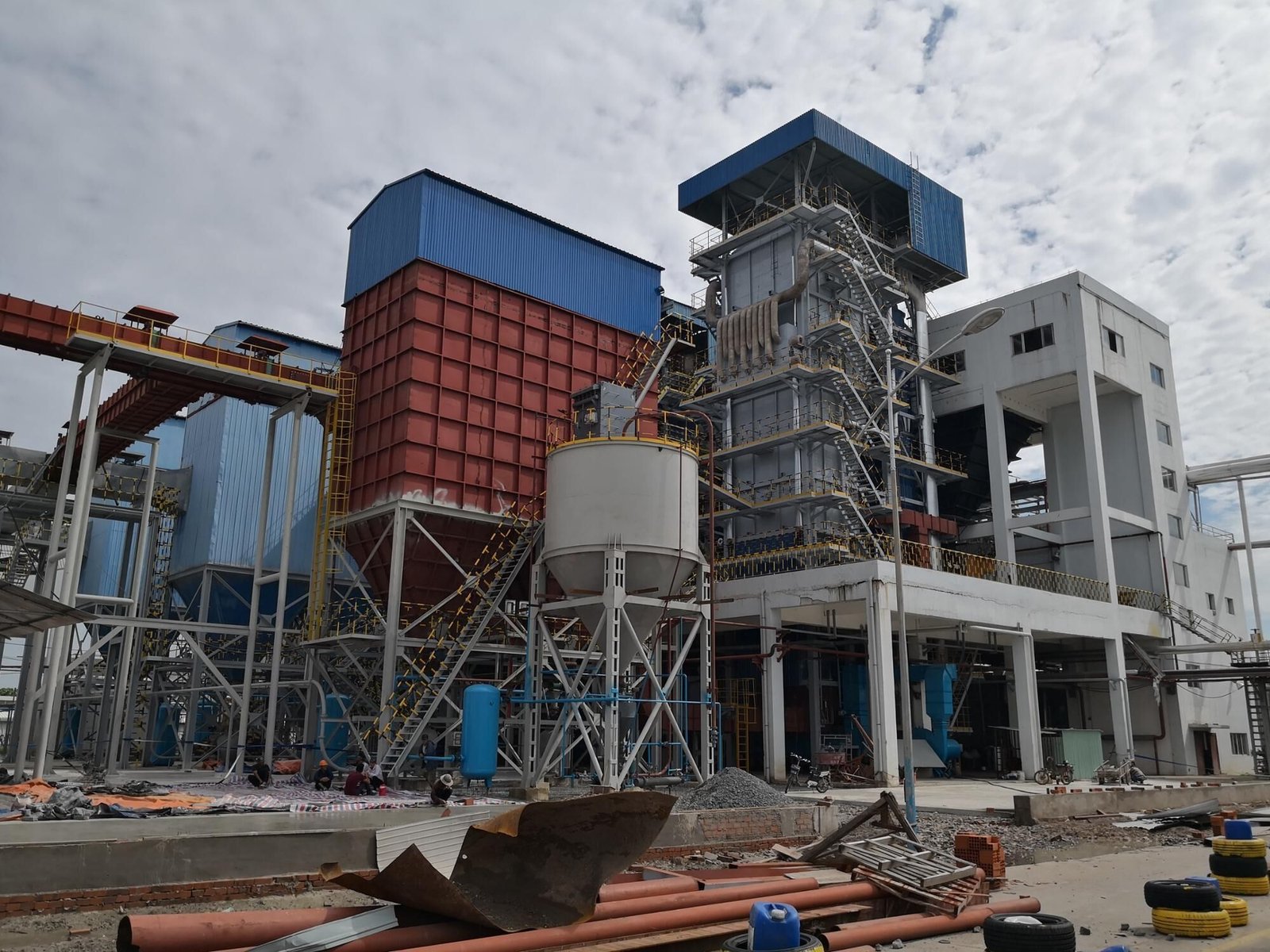
As industries seek cleaner, more efficient, and fuel-flexible thermal energy solutions, Circulating Fluidized Bed (CFB) boilers have increasingly replaced traditional grate-fired coal boilers, especially in medium to large-scale steam and power generation. Grate combustion, while simple and historically widespread, has significant efficiency limitations due to poor combustion control, inhomogeneous heat transfer, and low residence time. By contrast, CFB boilers offer a stable combustion environment, intensive fuel-air mixing, and in-situ emissions control, making them vastly more efficient and operationally robust in modern applications.
CFB boilers consistently outperform grate-fired coal boilers in thermal efficiency, especially in medium to large industrial plants. While grate-fired systems generally achieve 65–75% boiler efficiency, modern CFB boilers reach 82–88% efficiency under similar conditions. The superior performance of CFB systems stems from their high combustion uniformity, better control over excess air, lower flue gas loss, and higher heat transfer rates. Additionally, CFBs offer better efficiency across variable fuels and part-load conditions, which further increases their lifecycle operational advantage.
When thermal efficiency and emission performance are priorities, CFB boilers are a clear technological upgrade over traditional grate systems.
Grate-fired coal boilers have similar efficiency levels as modern circulating fluidized bed boilers.False
Grate-fired coal boilers typically operate at significantly lower efficiency (65–75%) due to incomplete combustion, excess air losses, and slagging, whereas CFB boilers achieve 82–88% efficiency with superior combustion and heat recovery control.
Technical Differences Between CFB and Grate-Fired Boilers
| Feature | Grate-Fired Boiler | Circulating Fluidized Bed (CFB) Boiler |
|---|---|---|
| Combustion Mechanism | Fixed-bed combustion on moving or reciprocating grate | Fluidized combustion in bed of inert particles |
| Fuel Particle Size | Larger (>10–50 mm), high moisture tolerated | Crushed (1–10 mm), uniform particle size improves control |
| Operating Temp. | 1000–1200°C | 800–900°C |
| Heat Transfer | Limited to radiation and bottom convection | Enhanced by intense circulation and bed particle contact |
| Ash Handling | Slagging common, manual or slow removal | Continuous ash separation and recirculation via cyclones |
| Emission Control | Requires external equipment | In-bed limestone for SO₂ capture, staged air for low NOₓ |
🔥 CFB boilers create a homogeneous combustion environment, reducing both heat loss and unburned carbon residue.
Boiler Efficiency Breakdown
📊 Table 1: Thermal Efficiency Comparison (Industrial Coal-Fired Units)
| Boiler Type | Typical Capacity Range | Steam Pressure/Temp | Boiler Thermal Efficiency (% HHV) |
|---|---|---|---|
| Grate-Fired Boiler | 5 – 50 TPH | 10 – 45 bar / 250–400°C | 65–75% |
| Subcritical CFB Boiler | 20 – 150 TPH | 45 – 150 bar / 400–540°C | 82–85% |
| Supercritical CFB Boiler | 100+ TPH | 200–250 bar / 560–600°C | 86–88% |
✅ CFB technology maintains 20–25% higher boiler efficiency than equivalent grate systems under similar operating conditions.
🔍 Why CFB Boilers Are More Efficient
1. Complete Combustion with Less Excess Air
- CFB boilers maintain uniform temperature and intense turbulence, ensuring near-complete fuel burnout.
- Grate boilers often require excess air >50% for safe combustion, increasing flue gas volume and heat loss.
2. Superior Heat Transfer
- CFBs utilize both bed-to-tube contact and cyclonic recirculation, enhancing convective and conductive heat transfer.
- Grate-fired boilers mostly rely on surface radiation, which is less efficient and leads to unburned carbon loss.
3. Reduced Flue Gas Loss
- CFB systems operate with lower flue gas temperatures (120–160°C post-economizer) and better heat recovery.
- Grate systems often vent gases above 200°C due to ash deposition and poor exchanger layout.
Table 2: Efficiency-Related Performance Factors
| Factor | Grate-Fired Boiler | CFB Boiler |
|---|---|---|
| Excess Air Requirement | 45–60% | 20–30% |
| Unburned Carbon in Ash (%) | 10–20% | 2–5% |
| Flue Gas Exit Temp (°C) | 200–240°C | 130–160°C |
| Fuel Flexibility | Limited (high slag risk) | High (biomass, waste accepted) |
| Emission Compliance | Requires scrubbers | In-bed control, less parasitic loss |
| Turn-Down Ratio (Load Range) | 40–100% | 30–110% |
📌 CFB’s lower excess air and flue gas temperature are the key contributors to its superior boiler efficiency.
Case Study: CFB Upgrade Over Grate Boiler in Paper Mill
Location: Southeast Asia
Previous System: 35 TPH chain grate boiler, using bituminous coal
Challenges: 12% unburned carbon, 70% boiler efficiency, high ash buildup
New System: 40 TPH CFB boiler with limestone injection and fly ash recirculation
Measured Results:
| Metric | Before (Grate) | After (CFB) |
|---|---|---|
| Boiler Efficiency (%) | 71.2 | 85.4 |
| Unburned Carbon (%) | 14.5 | 3.2 |
| Coal Consumption (tons/day) | 132 | 112 |
| NOₓ Emissions (mg/Nm³) | 380 | 110 |
| Boiler Availability (%) | 91 | 97 |
✅ Annual savings exceeded $180,000 in coal and maintenance, with payback in under 2 years.
Fuel Flexibility and Part-Load Efficiency
Grate boilers often suffer from:
- Poor combustion stability with low-calorific or wet fuels
- Ash bridging and clinker formation
- Inability to modulate combustion air effectively under part-load
CFB boilers handle:
- Low-grade fuels (e.g., lignite, agro-residues, RDF)
- Biomass-coal blends up to 60%
- Higher turndown ratios, maintaining combustion efficiency down to 30% load
🏭 CFB boilers are therefore not only more efficient but more resilient to changing fuel markets and operating profiles.
Diagram: Heat Loss Comparison (Grate vs. CFB)
[Grate Boiler Heat Loss Breakdown]
  - Flue Gas Loss: 16–20%
  - Unburned Carbon: 5–15%
  - Radiation & Convection Loss: 5–8%

[CFB Boiler Heat Loss Breakdown]
  - Flue Gas Loss: 8–12%
  - Unburned Carbon: 2–5%
  - Radiation & Convection Loss: 3–5%
CFB systems retain more energy inside the system and turn more fuel heat into useful steam.
Summary
Grate-fired coal boilers, though widely used for small-scale industrial heat applications, are inherently limited in efficiency due to:
- Incomplete combustion
- Higher excess air use
- Poor ash and slag control
- Restricted fuel handling flexibility
Circulating Fluidized Bed boilers, by contrast, offer:
- 20–25% higher thermal efficiency
- Complete combustion with minimal losses
- Better performance with low-grade and alternative fuels
- Built-in emission reduction capabilities
- More stable operation across a wide load range
For industries planning long-term decarbonization and fuel cost control, transitioning from grate-fired to CFB boilers delivers both operational and environmental benefits—anchored by superior energy efficiency.
How Does CFB Boiler Efficiency Compare with Industrial [Biomass Boiler](https://coalbiomassboiler.com/product/biomass-boilers/) Systems?
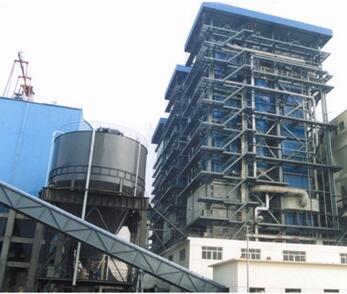
In the search for clean, flexible, and reliable industrial heat and power systems, both Circulating Fluidized Bed (CFB) boilers and biomass boiler systems play pivotal roles. While CFB boilers are typically coal- or multi-fuel-based systems known for their ability to handle low-grade and variable fuels, biomass boilers are specifically designed for renewable, carbon-neutral fuel combustion, including wood chips, agro-residues, and bio-waste. A frequent question arises: which system offers higher efficiency in practical industrial scenarios?
CFB boilers generally exhibit higher thermal efficiency compared to conventional biomass boiler systems, particularly in large-scale industrial and cogeneration applications. While standard biomass boilers operate at 70–82% efficiency depending on fuel quality and combustion technology, CFB boilers typically achieve 82–88% efficiency under comparable conditions due to more uniform combustion, better heat recovery, and lower unburned carbon losses. However, advanced biomass boiler designs using high-pressure steam cycles, condensing economizers, and optimized controls can narrow this efficiency gap significantly.
CFB systems remain superior in energy conversion when fuel variety, emission control, and system stability are major performance parameters, while biomass boilers excel in carbon neutrality and renewable energy integration.
Biomass boilers are always more energy-efficient than CFB boilers.False
While biomass boilers are more sustainable in terms of fuel source, they often have lower combustion efficiency than CFB boilers due to variable fuel properties, lower operating pressures, and higher unburned carbon losses.
Fundamental Differences in Combustion and Heat Recovery
| System Aspect | CFB Boiler | Biomass Boiler |
|---|---|---|
| Fuel Type | Coal, petcoke, RDF, biomass blends | Wood chips, pellets, straw, bagasse, agro-waste |
| Combustion Temperature | 800–900°C (fluidized bed) | 750–900°C (grate or fluid bed) |
| Combustion Uniformity | High (intensive bed mixing, cyclone recirculation) | Moderate to low (depending on system type) |
| Air-Fuel Ratio Control | Precise, automated staging | Variable (manual in small systems, automated in large) |
| Ash Handling | Continuous, dry, low slag formation | Often sticky, high alkali ash, risk of slagging |
| Emission Control | In-bed limestone for SO₂, low NOₓ | External scrubbers/filters required |
| Steam Parameters | Medium to supercritical (up to 250 bar, 600°C) | Typically subcritical (10–90 bar, 350–540°C) |
CFB technology excels in high-temperature stability and efficient combustion of even wet or low-calorific fuels, while biomass systems often suffer efficiency losses due to high moisture, alkali content, and ash fouling.
Boiler Efficiency Metrics: CFB vs. Biomass
| Efficiency Metric | CFB Boiler | Conventional Biomass Boiler |
|---|---|---|
| Gross Boiler Efficiency (HHV) | 82–88% | 70–82% |
| Flue Gas Temperature (°C) | 130–160°C | 170–220°C |
| Unburned Carbon in Ash (%) | 2–5% | 5–15% |
| Excess Air Requirement (%) | 20–30% | 35–60% |
| Fuel Moisture Tolerance | High (up to 50%) | Moderate (10–30%) |
| Load Flexibility (Turn-Down) | High (30–110%) | Moderate (50–90%) |
The consistently lower flue gas temperature, tighter control of combustion air, and improved ash management give CFB systems a 5–15% efficiency edge in typical industrial use cases.
Real-World Industrial Comparison Example
A medium-sized manufacturing facility is evaluating a 50 TPH steam generation system. Two options are modeled: a CFB boiler and a modern biomass boiler using dry wood chips.
| Performance Indicator | CFB Boiler | Biomass Boiler |
|---|---|---|
| Fuel Type | Bituminous coal + RDF | 100% wood chips |
| Steam Pressure/Temp. | 130 bar / 540°C | 68 bar / 450°C |
| Gross Efficiency (%) | 85.1% | 78.3% |
| Flue Gas Loss | 9.2% | 13.7% |
| Fuel Consumption (kg/hr) | 6,200 | 8,100 |
| NOₓ Emissions (mg/Nm³) | 120 | 280 |
| Ash Disposal Cost ($/year) | $38,000 | $61,000 |
The CFB boiler consumes less fuel, operates at higher pressure and temperature, and has lower operating costs, though the biomass system benefits from renewable energy incentives and zero fossil CO₂ liability.
Efficiency Optimization Technologies in Biomass Systems
Advanced biomass boilers can compete more closely with CFB boilers when equipped with the following:
- Condensing economizers to recover latent heat from flue gas moisture
- Fuel drying systems to reduce feedstock moisture to <15%
- High-pressure, high-temperature steam cycles (90–120 bar, 520–550°C)
- Bed fluidization and staged air injection in biomass CFB hybrids
- Online slag cleaning and tube scraping devices
Such enhancements can push modern biomass boiler efficiency to 83–85%, especially in large-scale district heating or cogeneration applications.
Fuel and Carbon Considerations
While CFB boilers may burn fossil fuels with higher energy content (25–30 MJ/kg for coal), biomass fuels typically range from 8–18 MJ/kg, and are often burdened by moisture levels of 30–50%. However, biomass combustion is considered carbon-neutral, especially when derived from sustainable sources, making it favorable under carbon taxation or net-zero frameworks.
| Factor | CFB Boiler | Biomass Boiler |
|---|---|---|
| Fuel Cost Variability | Moderate (coal, petcoke, RDF mix) | High (depends on biomass market) |
| Carbon Emission Factor | ~95 kg CO₂/GJ (coal) | ~0 kg CO₂/GJ (biogenic assumption) |
| Eligibility for Green Credits | Limited (unless co-fired) | High (RECs, ROCs, carbon offsets) |
| Maintenance Requirement | Moderate | High (due to fouling and slagging) |
The higher thermal efficiency of CFB must be weighed against the environmental and financial advantages of carbon-free biomass fuel, especially where incentives exist.
Summary
In terms of pure thermal efficiency, CFB boilers outperform conventional industrial biomass boilers by 5–10%, thanks to superior combustion control, heat transfer, and ash management. They are particularly advantageous when multi-fuel flexibility, low-grade fuel tolerance, and high-pressure operation are required.
However, advanced biomass systems that adopt best-in-class combustion and recovery technologies can narrow the gap or even match CFB efficiency in certain optimized applications—while offering long-term benefits in sustainability and regulatory compliance.
The choice between CFB and biomass should therefore consider not only efficiency, but also fuel availability, environmental targets, operating scale, and lifecycle cost modeling.
How Do [Gas-Fired Boilers](https://coalbiomassboiler.com/product/oil-gas-fired-boiler/) Compare to CFB Boilers in Thermal Efficiency and Fuel Utilization?
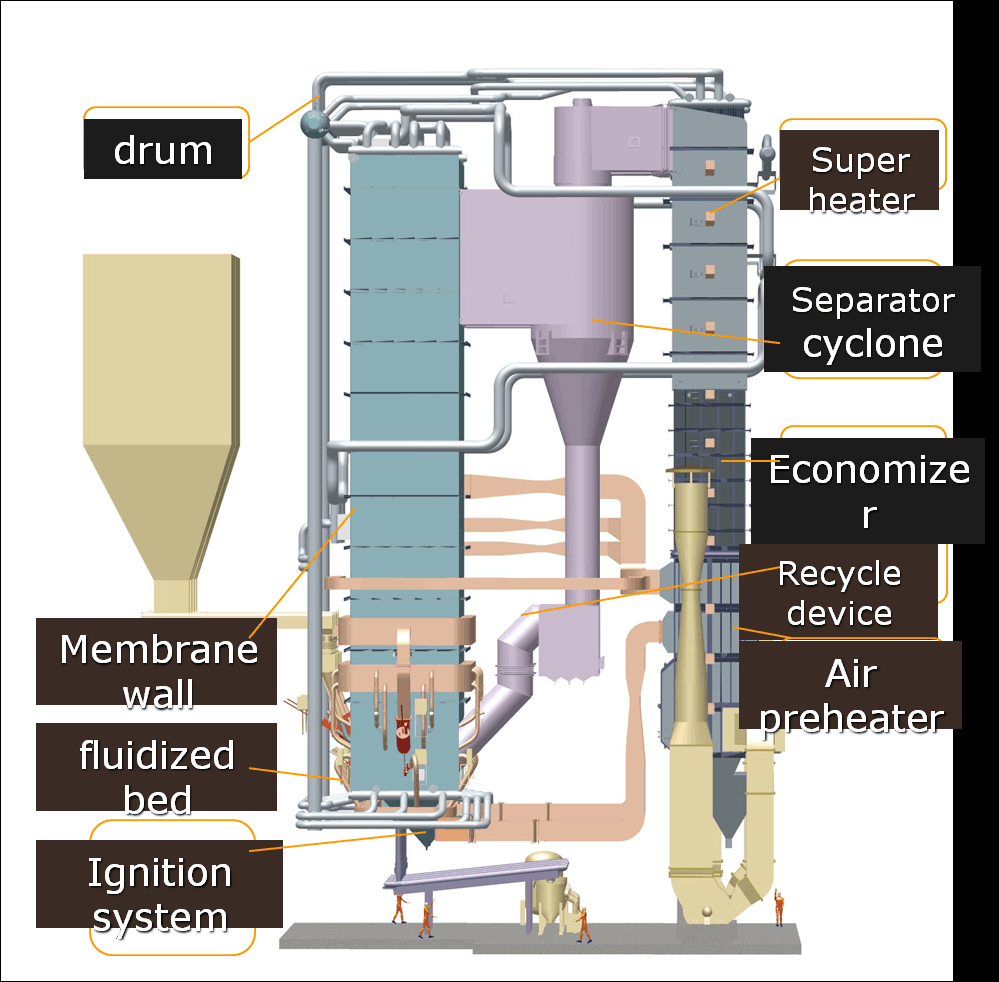
As industrial sectors pursue cleaner, more efficient, and cost-effective steam and power generation, the choice between gas-fired boilers and Circulating Fluidized Bed (CFB) boilers becomes increasingly relevant. Each technology offers unique advantages depending on fuel source, emission regulations, energy cost, and operational priorities. While gas-fired boilers are renowned for high thermal efficiency and ultra-low emissions, CFB boilers excel in fuel flexibility and waste heat recovery from low-grade or solid fuels. Understanding their comparative performance in thermal efficiency and fuel utilization is essential for optimizing long-term operational and environmental outcomes.
Gas-fired boilers generally achieve significantly higher thermal efficiency compared to CFB boilers, often reaching 92–98% for condensing systems and 85–89% for standard designs. In contrast, CFB boilers typically operate at 82–88% efficiency, depending on steam parameters and fuel quality. However, CFB boilers outperform gas-fired units in fuel utilization flexibility, allowing for combustion of low-cost solid fuels like coal, petcoke, biomass, and waste-derived fuels. Thus, while gas-fired systems are more efficient per unit of energy input, CFB boilers offer broader economic and operational resilience through diverse fuel sourcing and integrated emissions control.
In summary, gas-fired boilers win in clean thermal efficiency, while CFB boilers lead in adaptable, multi-fuel utilization and cost-controlled steam generation.
Gas-fired boilers and CFB boilers offer similar thermal efficiency in industrial settings.False
Gas-fired boilers, particularly condensing types, can exceed 92% efficiency due to clean combustion and latent heat recovery, while CFB boilers, although efficient with solid fuels, typically reach 82–88% thermal efficiency.
Fundamental Technology and Fuel Differences
| Aspect | Gas-Fired Boiler | CFB Boiler |
|---|---|---|
| Fuel Type | Natural gas, LNG, LPG, biogas | Coal, biomass, petcoke, RDF, sludge |
| Combustion Process | Homogeneous gas combustion in burner chamber | Fluidized bed combustion with in-bed and cyclone recirculation |
| Operating Temp. | 900–1300°C | 800–900°C |
| Flue Gas Composition | Mostly CO₂ + H₂O | CO₂, SO₂, NOₓ, particulates |
| Steam Conditions | 20–100 bar / 350–500°C (varies) | Up to 250 bar / 600°C in supercritical systems |
| Start-up Time | Rapid (minutes) | Slow (several hours) |
Gas boilers deliver rapid, clean combustion with minimal ash, while CFB systems require solid fuel preparation and have more complex thermal mass management.
Comparative Thermal Efficiency Ranges
| Boiler Type | Typical Thermal Efficiency (HHV) |
|---|---|
| Condensing Gas-Fired Boiler | 92–98% |
| Non-Condensing Gas-Fired Boiler | 85–89% |
| Subcritical CFB Boiler | 82–85% |
| Supercritical CFB Boiler | 85–88% |
Condensing gas boilers extract latent heat from water vapor in flue gas, significantly boosting efficiency beyond what CFB systems can achieve.
Fuel Utilization Efficiency and Flexibility
Gas-Fired Boilers:
- Extremely clean and high combustion efficiency (>99%)
- No unburned carbon or fuel handling loss
- Best suited for stable, premium fuel supply (natural gas)
CFB Boilers:
- Can utilize a wide variety of fuels (bituminous coal, biomass, sludge, RDF)
- Supports multi-fuel co-firing strategies
- Higher unburned carbon (2–5%), slight reduction in fuel conversion efficiency
- In-bed limestone reduces SO₂; air staging minimizes NOₓ without SCR
| Fuel Utilization Parameter | Gas-Fired Boiler | CFB Boiler |
|---|---|---|
| Fuel Conversion Efficiency | 98–99% | 92–96% |
| Fuel Cost Stability | Medium to high volatility | Low (can use waste-derived fuel) |
| Ash and Waste Generation | Negligible | Moderate to high |
| CO₂ Emissions per GJ | ~56 kg CO₂ (natural gas) | ~95 kg CO₂ (coal), lower for biomass |
| Fuel Switching Capability | Low | High (blending allowed) |
Gas-fired boilers have the edge in conversion and emissions, but CFB systems offer economic advantage through fuel arbitrage and waste valorization.
Real-World Comparison Example: Industrial Steam Plant (100 TPH)
| Metric | Gas-Fired Boiler | CFB Boiler |
|---|---|---|
| Fuel | Natural Gas | Coal + Biomass + RDF |
| Steam Output | 100 TPH @ 480°C | 100 TPH @ 540°C |
| Gross Efficiency | 93.6% (condensing type) | 85.8% |
| Fuel Cost ($/GJ) | $11.5 | $4.6 | |
| CO₂ Emissions (t/year) | 57,000 | 82,000 (with 30% biomass) |
| NOₓ Emissions (mg/Nm³) | 60 | 120 |
| Ash Disposal Cost ($/year) | Negligible | $74,000 |
Total annual fuel cost for gas: $10.2 million
Total annual fuel cost for CFB: $4.9 million
Despite lower thermal efficiency, CFB’s ability to utilize cheaper, low-grade fuels can result in millions in savings annually, depending on fuel markets.
Load and Operating Profile Considerations
| Operating Condition | Gas-Fired Boiler | CFB Boiler |
|---|---|---|
| Load Ramp Speed | Fast (ideal for peaking) | Slow (suitable for base-load) |
| Minimum Stable Load (%) | 20–30% | 30–40% |
| Start-up Time | 15–30 minutes | 2–4 hours |
| Part-Load Efficiency | Maintains high efficiency | Moderate drop below 50% load |
| Maintenance Cycle | Low | Moderate (due to ash, wear, refractory) |
Gas boilers are well-suited for variable load applications, while CFB boilers perform best in steady, high-load industrial settings.
Environmental and Regulatory Impacts
Gas-fired systems produce minimal particulates, SO₂, and NOₓ, making them easier to deploy in urban or high-regulation areas. However, dependency on fossil methane and volatile gas markets can undermine long-term viability in decarbonization scenarios.
CFB boilers, though less clean in combustion, can:
- Burn carbon-neutral fuels like biomass and sludge
- Integrate carbon capture systems (BECCS)
- Qualify for circular economy programs when co-firing waste
| Compliance Category | Gas-Fired Boiler | CFB Boiler |
|---|---|---|
| Urban Air Quality Standards | Easy compliance | Needs filtration, in-bed control |
| Carbon Emission Regulations | Moderate carbon load | Potentially carbon-neutral |
| Renewable Energy Certification | Biogas only | Biomass/WDF co-firing eligible |
| ESG/Carbon Disclosure Reporting | Simple tracking | More complex but often favorable |
Gas systems are compliance-easy, while CFBs offer greater potential for ESG alignment with renewable integration.
Summary
Gas-fired boilers clearly outperform CFB boilers in thermal efficiency, reaching up to 98% with condensing designs, compared to CFB’s 82–88%. They are ideal for applications requiring rapid response, high combustion cleanliness, and tight environmental control.
However, CFB boilers compensate with unmatched fuel flexibility, cost resilience, and long-term adaptability. In energy-intensive industries where fuel cost, availability, and sustainability are strategic, CFB systems provide a more versatile and cost-effective path despite slightly lower conversion efficiency.
Ultimately, gas-fired boilers excel in premium, clean energy output, while CFB boilers thrive where diverse, low-cost fuels and carbon-conscious strategies are prioritized. Choosing the right system depends on fuel economics, load profile, environmental goals, and lifecycle return on investment.
How Do Electric Boilers Differ from CFB Boilers in Efficiency, Cost, and Energy Conversion?

In the evolving landscape of industrial heat and steam generation, electric boilers and Circulating Fluidized Bed (CFB) boilers represent two distinct pathways toward energy delivery. While electric boilers align with renewable electrification and zero on-site emissions, CFB boilers enable cost-effective, large-scale thermal generation from a wide range of solid fuels, including coal, biomass, and refuse-derived fuels (RDF). When assessing the right technology for your operation, it’s crucial to evaluate them across three critical dimensions: thermal efficiency, operating cost, and energy conversion characteristics.
Electric boilers offer near-100% thermal efficiency at the point of use, with minimal mechanical loss, making them superior in raw conversion. However, CFB boilers provide broader fuel flexibility and significantly lower energy costs, especially when using coal, biomass, or industrial waste heat. While CFB boilers operate at 82–88% thermal efficiency, they benefit from fuel diversity, high-capacity scalability, and inherent emission control. Electric boilers, on the other hand, depend entirely on electricity grid pricing and carbon intensity, which directly affects their environmental and financial viability.
In essence, electric boilers win in simplicity and point-of-use efficiency, while CFB boilers excel in energy economics, multi-fuel utilization, and continuous large-scale output.
Electric boilers always offer lower operating costs than CFB boilers.False
Although electric boilers are nearly 100% efficient at converting electricity to heat, their operating costs are typically higher than CFB boilers due to the higher price of electricity compared to solid fuels such as coal, biomass, or RDF.
Technology Fundamentals and Operating Mechanisms
| System Attribute | Electric Boiler | CFB Boiler |
|---|---|---|
| Heat Source | Resistance heating from electricity | Fluidized bed combustion of solid fuels |
| Fuel Requirement | Electricity (grid or renewable sources) | Coal, biomass, petcoke, RDF, sludge |
| Combustion | None (no flame or fuel oxidation) | In-bed combustion with high turbulence |
| Emissions (on-site) | Zero | CO₂, NOₓ, SO₂, PM (with in-bed capture or control systems) |
| System Complexity | Low | High (cyclones, ash handling, emission systems) |
| Start-up Time | Instantaneous to <5 min | 2–4 hours |
Electric boilers provide fast, clean, and quiet operation with minimal moving parts, making them ideal for modular and distributed applications. CFB boilers, while more complex, are designed for continuous, high-output, fuel-diverse industrial systems.
Thermal Efficiency and Energy Conversion
| Efficiency Metric | Electric Boiler | CFB Boiler |
|---|---|---|
| Boiler Thermal Efficiency (HHV) | 98–100% | 82–88% |
| Fuel Conversion Efficiency | 100% (electrical input → heat) | 95–97% of solid fuel → steam |
| **Energy Source-to-Steam Efficiency*** | 35–45% (if grid-based) | 82–88% (on-site combustion) |
| Flue Gas Heat Loss | None | 8–12% (depends on flue temp) |
| Unburned Carbon Loss | None | 2–5% |
*Electric boilers have near-perfect conversion on-site, but if the electricity is sourced from fossil generation (coal/gas), source-to-steam efficiency drops dramatically due to upstream generation losses.
Operating Cost and Fuel Economics
| Cost Component | Electric Boiler | CFB Boiler |
|---|---|---|
| Primary Energy Cost | $0.08–$0.20 per kWh (varies by region) | $2.5–$5.5 per GJ (for coal, biomass, RDF) |
| **Typical O&M Cost ($/MWh)** | $3–7 (low maintenance) | $8–15 (higher maintenance and labor) | |
| Annual Fuel Cost (100 TPH) | ~$11.8 million (electricity @ $0.12/kWh) | ~$4.5–6 million (mixed fuels) |
| Carbon Pricing Impact | Zero if renewable-sourced | High if coal; neutral to favorable with biomass |
| **CapEx ($/MWth)** | $120–180/kW | $400–800/kW (depending on emissions controls) |
Electric boilers face high operational cost due to grid electricity pricing, while CFB boilers remain cost-competitive through low-cost solid fuel utilization and waste-to-energy strategies.
Scalability, Application Fit, and Use Cases
| Parameter | Electric Boiler | CFB Boiler |
|---|---|---|
| Capacity Range | 0.5–50 MWth | 10–500 MWth |
| Best Use Case | District heating, hospitals, green buildings | Large-scale industry, power plants |
| Modularity and Footprint | High (compact units) | Large, complex installation |
| Maintenance Requirement | Minimal | Moderate to high |
| System Response Time | Instant | Slow (ramping takes hours) |
| Fuel Flexibility | Low (electricity only) | High (solid fuels, co-firing) |
Electric boilers are ideal for small to medium-scale, grid-connected, or decentralized operations where cleanliness and fast responsiveness are critical. CFB boilers are preferred for base-load, large-capacity systems with long operating hours and high steam demand.
Environmental Impact and Emissions Profile
| Environmental Factor | Electric Boiler | CFB Boiler |
|---|---|---|
| Direct CO₂ Emissions | Zero | High with coal; neutral with biomass |
| Particulates (PM) | None | Low to moderate (filtered) |
| SO₂ and NOₓ | None | Controlled in-bed (limestone, air staging) |
| Carbon Compliance Burden | None (if renewable electricity) | Variable (depends on fuel) |
| Qualifies for Green Credits | Yes (if powered by renewables) | Yes (if burning biomass or waste) |
Electric boilers are inherently zero-emission at point of use, aligning perfectly with net-zero industrial strategies, provided grid electricity is clean. CFB systems can achieve carbon neutrality through biomass or co-firing, though they require more emission control hardware and regulatory compliance management.
Example Case Study: 50 TPH Industrial Steam Demand
| Factor | Electric Boiler | CFB Boiler |
|---|---|---|
| Steam Load | 50 TPH @ 20 bar | 50 TPH @ 40 bar |
| Energy Input | 34 MW electric | 36 MW thermal (coal/biomass) |
| Annual Operating Hours | 7,500 | 7,500 |
| Energy Cost per Year | ~$9.7 million | ~$4.2 million | |
| Emissions (CO₂ equivalent/year) | 0 (if renewable electricity) | 68,000 tons (30% biomass blend) |
| System Lifetime | 15–20 years | 25–30 years |
While electric boilers offer zero emissions and easy integration, their operational cost more than doubles that of CFB boilers for the same output. However, carbon taxes, green subsidies, or renewable grid access may significantly alter this equation in favor of electrification.
Summary
Electric boilers deliver unmatched on-site thermal efficiency and environmental performance, making them a preferred option where low-carbon electricity is abundant and reliability is critical at smaller scales. Their modularity, safety, and low maintenance also suit high-tech industries, institutional facilities, and smart energy districts.
CFB boilers, in contrast, maintain their dominance in large-scale, cost-sensitive industrial processes, where fuel diversity, high output, and emission-integrated designs are required. Though slightly lower in thermal efficiency, their fuel cost advantage and multi-fuel compatibility offer long-term operational savings and flexibility—especially where biomass, waste, or low-grade coal is available.
The optimal choice between electric and CFB boiler systems must therefore consider fuel economics, energy policy, decarbonization targets, capacity needs, and lifecycle operating conditions.
In Which Applications Are CFB Boilers the Most Energy-Efficient Choice Overall?
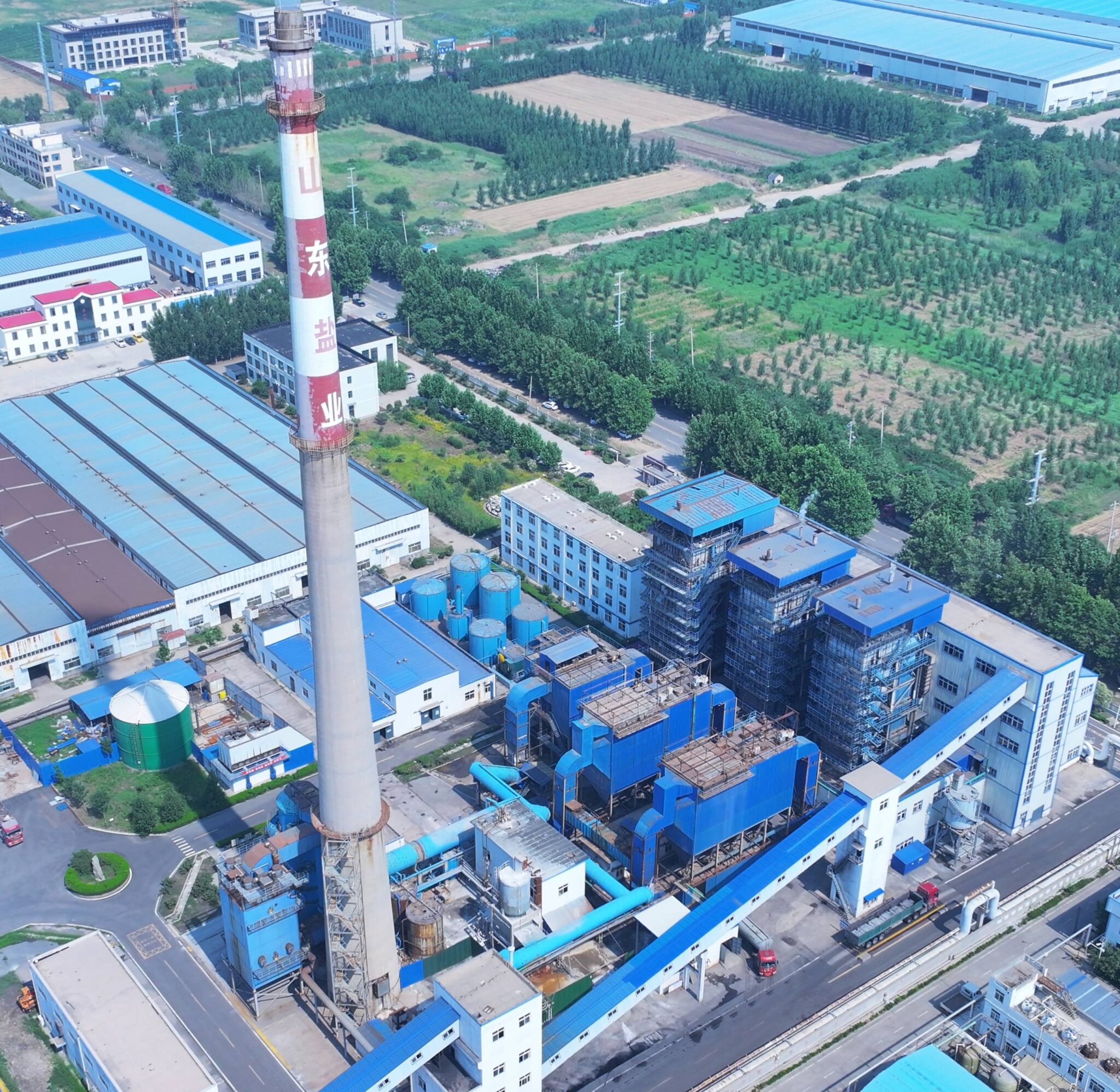
In industrial and power generation sectors where fuel diversity, environmental compliance, and thermal output stability are essential, Circulating Fluidized Bed (CFB) boilers consistently emerge as one of the most energy-efficient solutions. Traditional combustion systems—whether coal-based grate-fired or even gas-fired—often struggle with variable fuels, load modulation, or emission constraints. CFB boilers overcome these limitations through in-bed combustion, high fuel flexibility, and built-in emissions control, delivering high thermal efficiency across complex operating conditions.
CFB boilers are the most energy-efficient choice in applications that demand continuous high-load operation, fuel flexibility (especially with low-grade or waste fuels), integrated emissions control, and high-pressure steam output. These include utility-scale power generation, combined heat and power (CHP) plants, industrial steam users in pulp and paper, chemical manufacturing, cement production, and biomass-rich regions where multi-fuel co-firing is advantageous. In such cases, CFB systems achieve 82–88% thermal efficiency and reduce fuel costs by utilizing low-cost, variable fuels with consistent performance.
In summary, CFB boilers offer the best energy efficiency and cost-performance balance when fuel diversity, environmental compliance, and steam reliability are essential to the operation.
CFB boilers are only efficient when burning premium-grade coal.False
CFB boilers are specifically designed to burn low-grade, high-ash fuels, biomass, petcoke, and waste-derived fuels efficiently, making them more suitable than traditional systems for diverse and inexpensive fuel utilization.
Key Industries Where CFB Boilers Excel
| Industry | Why CFB is Ideal | Typical Boiler Capacity |
|---|---|---|
| Power Generation (Base-load) | Fuel blending, biomass co-firing, emission control | 100–600 MWe |
| Chemical Manufacturing | Stable steam supply, low emissions, sulfur capture | 50–200 TPH |
| Pulp and Paper | Combustion of bark, black liquor, biomass residues | 30–150 TPH |
| Cement Production | Waste co-firing (RDF, tires, sludge), high-temp operation | 50–100 TPH |
| Textile & Food Processing | High thermal efficiency with agro-waste and biomass fuels | 20–80 TPH |
| District Heating (CHP) | Fuel flexibility, seasonal load variation, low NOₓ/SO₂ | 50–150 MWth |
CFB technology adapts to various industries that consume large, constant volumes of thermal energy and steam—especially where fuel supply varies by season or region.
Application Efficiency Matrix: Where CFB Delivers Maximum Value
| Operational Factor | CFB Boiler Advantage | Efficiency Contribution |
|---|---|---|
| Multi-fuel Capability | Efficient combustion of coal, biomass, RDF, petcoke | +5–10% due to flexible fuel sourcing |
| Emission Control Integration | In-bed SO₂ capture, staged air for NOₓ | Saves 2–4% energy vs external scrubbers |
| Part-Load Performance | Stable at 30–110% load range | Higher average efficiency over time |
| Ash and Slag Handling | Continuous, dry handling; minimal slagging | Reduces maintenance energy loss |
| High Steam Pressure/Temperature | Up to 250 bar / 600°C with supercritical designs | Maximizes Rankine cycle efficiency |
| Fuel Drying & Pre-heating | Pre-heat via recirculated flue gas | +1–2% energy recovery |
CFB systems excel in real-world energy efficiency, not just theoretical peak performance. Their ability to maintain efficiency despite fuel fluctuations and varying load demands leads to consistently high performance in practice.
Example 1: Biomass-Dominated Cogeneration Facility
Location: Scandinavia
Application: District heating + industrial process steam
Fuel Mix: 60% wood chips, 30% peat, 10% sludge
System: 70 TPH CFB Boiler, 45 bar, 500°C
Measured Efficiency: 86.2% (gross)
Annual Fuel Savings: >$950,000 vs grate-fired system
Additional Benefit: Avoided 48,000 tons CO₂ annually
Example 2: Waste-to-Energy in Cement Industry
Location: Southeast Asia
Application: Steam for kiln drying and power
Fuel Mix: Coal + 35% RDF (refuse-derived fuel)
System: 60 TPH CFB Boiler, 120 bar, 520°C
Efficiency: 84.5% (gross), better than PC-based kiln systems
Emissions: 60% lower NOₓ, 50% lower SO₂
ROI: 3.6 years via RDF tipping fee and fuel cost savings
Chart: CFB Boiler Efficiency vs. Alternative Systems in Industrial Use
| Boiler Type | Typical Efficiency (% HHV) | Fuel Flexibility | Emissions Profile |
|---|---|---|---|
| CFB Boiler | 82–88% | Very High | Intrinsic SO₂/NOₓ control |
| Grate-Fired Boiler | 65–75% | Low | High unless treated externally |
| Pulverized Coal (PC) Boiler | 38–46% (gross) | Low | High emissions |
| Gas-Fired Boiler (Non-cond) | 85–89% | Low (gas only) | Low but fossil-dependent |
| Electric Boiler | 98–100% (at point of use) | Low | Zero (if renewable) |
Despite slightly lower raw efficiency compared to electric or gas-fired systems, CFB offers the best combination of fuel economy, versatility, and net energy use efficiency over the lifecycle—especially in thermal-dominant industries.
Why CFB Efficiency Matters Most in Large, Steady-Load Applications
CFB boilers perform best where:
- Steam demand is high and stable (e.g., 24/7 operations)
- Fuels are locally available but vary in grade or moisture
- Emission control costs are significant
- Energy cost savings can compound over long operating periods
| Efficiency Factor | Impact in CFB Application |
|---|---|
| Long operating hours | Reduces per-MWh fuel and maintenance cost |
| On-site ash management | Enables heat recovery and reduces handling energy |
| Emission control integration | Avoids parasitic losses of external scrubbers |
| Fuel sourcing flexibility | Enables procurement from cheaper, regional feedstocks |
This positions CFB as the highest-performing real-world solution in many process industries and waste valorization environments.
Summary
CFB boilers are the most energy-efficient choice in high-load, fuel-variable, and emission-sensitive industrial applications, where they offer:
- 82–88% thermal efficiency
- Ability to burn low-cost solid fuels (coal, biomass, waste)
- Intrinsic SO₂/NOₓ control without large parasitic losses
- Lower lifecycle fuel cost and CO₂ footprint
- High pressure and temperature capability for cogeneration and process steam
For industries like power generation, chemicals, pulp & paper, cement, and thermal utilities, CFB systems outperform conventional combustion technologies in total energy utilization, reliability, and cost-effectiveness.
The best energy efficiency from CFB boilers is realized when their design matches specific fuel flexibility, steam demand, and environmental compliance requirements—making them not only efficient but operationally optimal.
🔍 Conclusion
CFB boilers offer high and stable energy efficiency, especially when handling low-grade, high-moisture, or variable fuels. While they may not reach the peak efficiencies of gas-fired or electric boilers, their ability to maintain performance across a wide fuel range—combined with low emissions and reduced fuel preparation losses—makes them one of the most balanced and cost-effective boiler technologies for large-scale industrial and power generation applications.
🔹 Contact us today to determine whether a CFB boiler is the most energy-efficient and economical solution for your application. ⚙️🔥🏭✅
FAQ
Q1: How energy-efficient are circulating fluidized bed (CFB) boilers in general?
A1: Circulating fluidized bed (CFB) boilers typically achieve thermal efficiencies in the range of 85–90% in industrial and power generation applications. Their efficiency comes from uniform temperature distribution, excellent fuel–air mixing, and efficient heat transfer between solid particles and boiler surfaces. Compared with conventional coal-fired boilers, CFB boilers experience lower heat losses from incomplete combustion and better utilization of low-grade fuels, making them a highly efficient and flexible boiler technology.
Q2: How do CFB boilers compare with pulverized coal (PC) boilers in efficiency?
A2: CFB boilers generally offer comparable or slightly lower peak efficiency than large supercritical pulverized coal boilers but outperform them in real-world operation. PC boilers can achieve very high efficiencies under ideal conditions, but they are sensitive to fuel quality. CFB boilers maintain stable efficiency across a wider range of coal types, moisture levels, and operating loads. This consistency often results in better overall energy performance and lower fuel penalties in practical applications.
Q3: How do CFB boilers compare with gas- and [oil-fired boilers](https://coalbiomassboiler.com/product/oil-gas-fired-boiler/)?
A3: Gas- and oil-fired boilers typically achieve higher efficiencies, usually 90–95%, due to cleaner combustion and minimal ash-related heat losses. However, CFB boilers narrow the efficiency gap by enabling efficient combustion of low-cost fuels that gas- or oil-fired boilers cannot use. While fossil fuel boilers may deliver slightly higher thermal efficiency, CFB boilers often provide better overall economics and fuel flexibility, particularly in regions with limited access to natural gas.
Q4: How does CFB boiler efficiency compare with biomass and waste-fired boilers?
A4: Compared with biomass and waste-fired boilers, which usually operate at 75–88% efficiency, CFB boilers often achieve higher and more stable efficiency. Their fluidized bed technology is especially effective for fuels with high moisture or variable composition. This makes CFB boilers a preferred choice for biomass co-firing and waste-to-energy projects where consistent efficiency and reliable combustion are critical.
Q5: What factors most influence the efficiency of CFB boilers?
A5: Key factors affecting CFB boiler efficiency include fuel quality, particle size distribution, bed material management, excess air control, and heat recovery systems. Proper operation of cyclones, economizers, and air preheaters significantly improves heat utilization. Advanced automation and real-time monitoring systems further enhance efficiency by optimizing combustion conditions and reducing unburned carbon losses, ensuring long-term stable performance.
References
- International Energy Agency (IEA) – Fluidized Bed Combustion – https://www.iea.org/ – IEA
- IEA Clean Coal Centre – Circulating Fluidized Bed Boilers – https://www.iea-coal.org/ – IEA CCC
- U.S. Department of Energy – Advanced Boiler Technologies – https://www.energy.gov/ – DOE
- ASME – Boiler and Pressure Vessel Code (BPVC) – https://www.asme.org/ – ASME
- Valmet – CFB Boiler Technology Overview – https://www.valmet.com/ – Valmet
- GE Steam Power – CFB Boiler Design and Performance – https://www.ge.com/steam-power/ – GE Steam Power
- Mitsubishi Power – Advanced CFB Boiler Systems – https://power.mhi.com/ – Mitsubishi Power
- ScienceDirect – Efficiency Analysis of CFB Boilers – https://www.sciencedirect.com/ – ScienceDirect
- Engineering Toolbox – Boiler Efficiency Comparison – https://www.engineeringtoolbox.com/ – Engineering Toolbox
- World Bank – High-Efficiency Power Generation Technologies – https://www.worldbank.org/ – World Bank