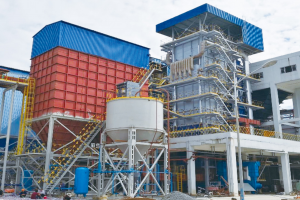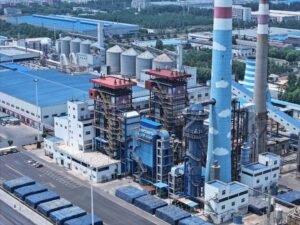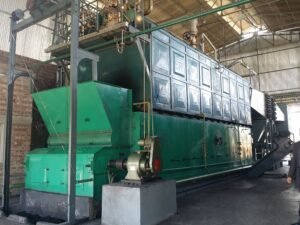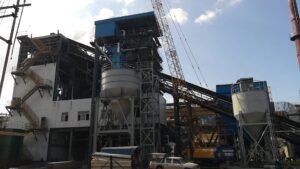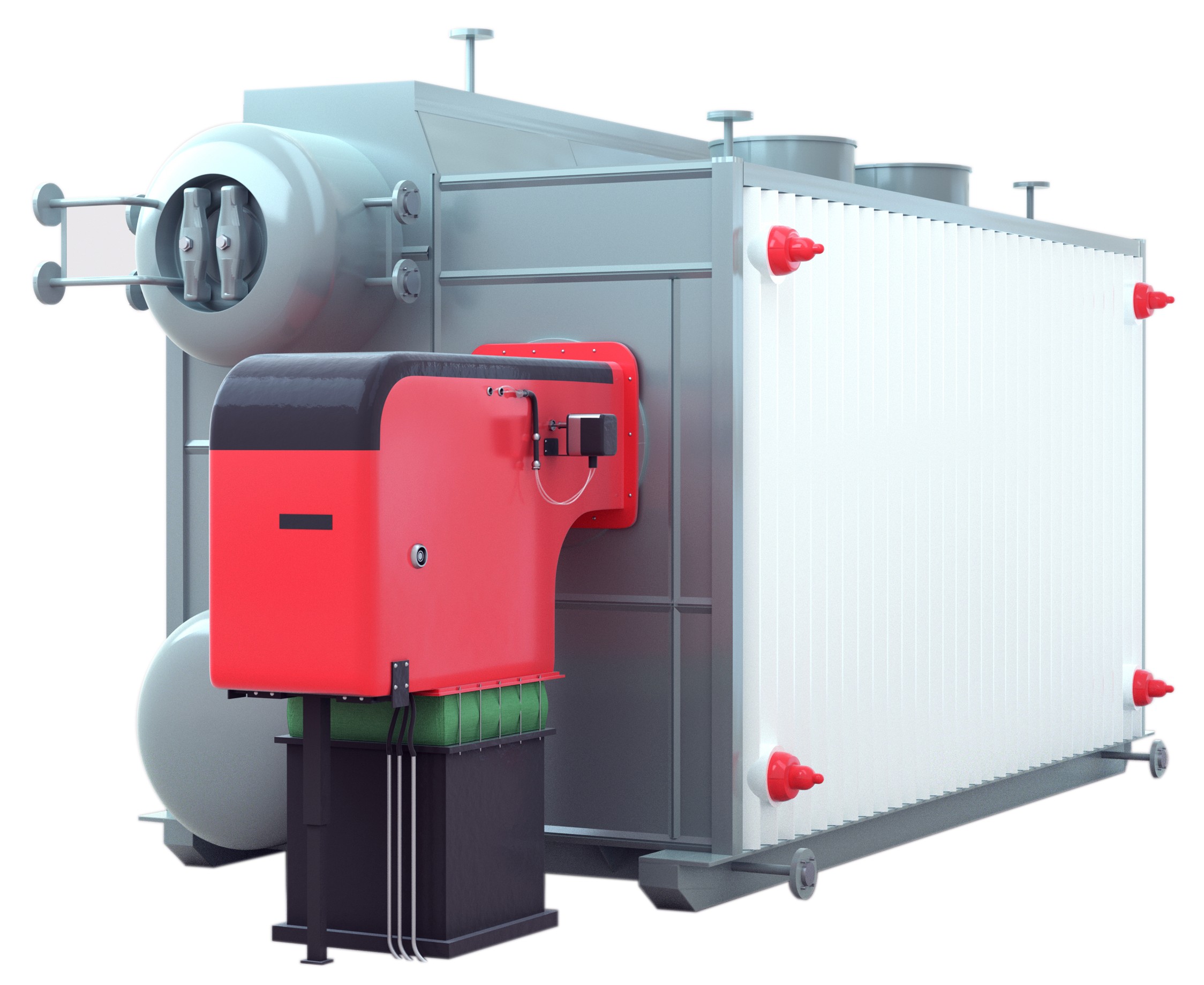
Industrial oil-fired boilers are widely used for their stable combustion, fast load response, and reliable heat output, especially in regions with limited gas supply. However, many users experience issues such as efficiency degradation, burner instability, higher fuel consumption, carbon fouling, and unexpected shutdowns over time. These problems are usually not inherent defects, but the result of improper system design, poor fuel management, inadequate maintenance, or outdated control strategies. Enhancing reliability and performance is essential to reduce operating risks and lifecycle costs.
The reliability and performance of industrial oil-fired boilers can be significantly improved through proper boiler sizing, optimized burner and combustion control, effective fuel quality management, regular preventive maintenance, advanced automation, and heat recovery integration. When these measures are implemented together, oil-fired boilers can achieve stable operation, higher thermal efficiency, lower emissions, and extended service life.
A systematic optimization approach turns oil-fired boilers into high-reliability, cost-effective industrial energy systems.
How Does Proper Boiler Sizing and System Design Improve the Reliability of Industrial Oil-Fired Boilers?
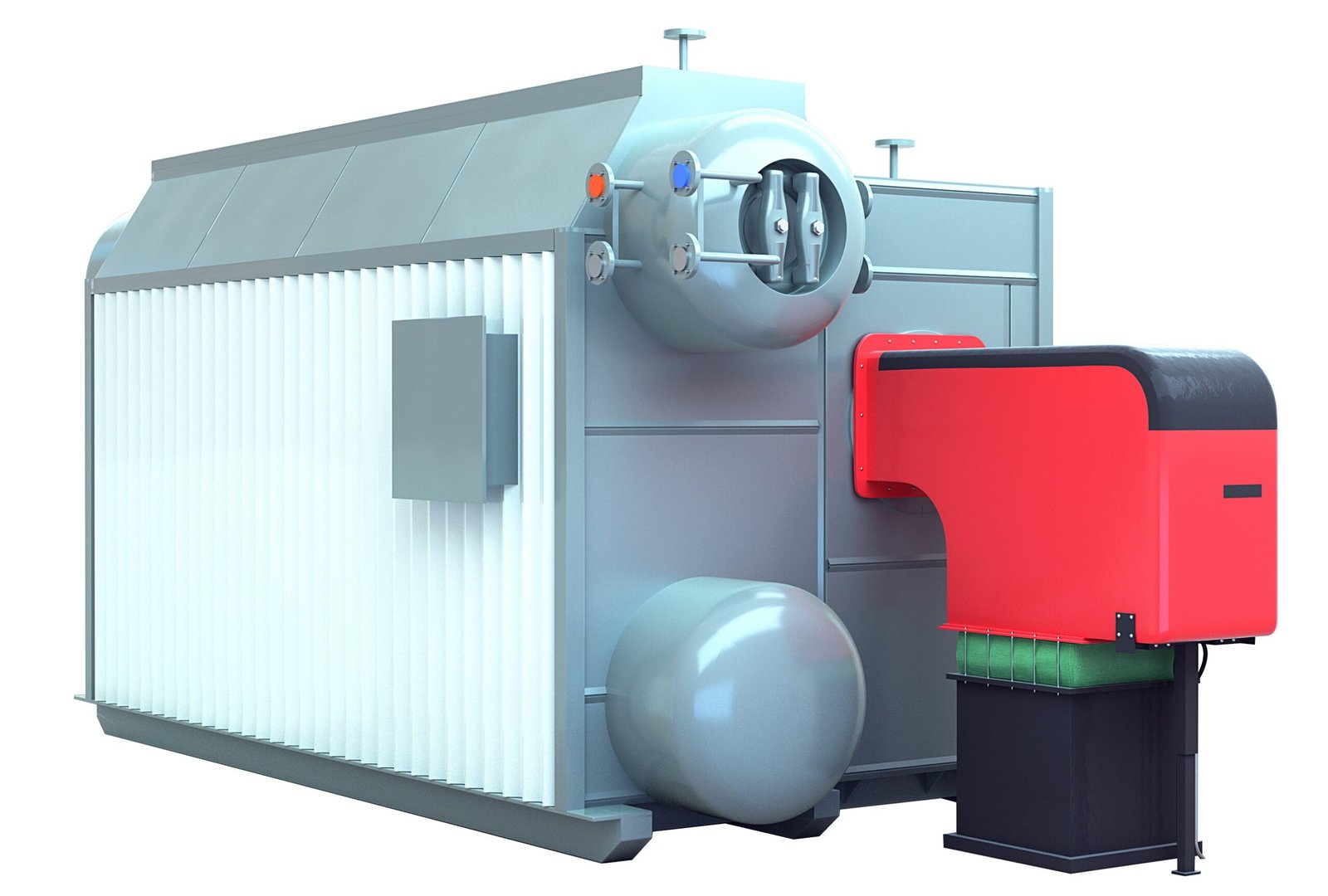
Industrial facilities that rely on oil-fired boilers often face persistent challenges such as unexpected shutdowns, unstable steam pressure, excessive fuel consumption, and accelerated equipment wear, all of which can disrupt production schedules and inflate operating costs. These problems are rarely caused by the boiler alone; instead, they are usually the consequence of improper boiler sizing and poorly integrated system design, which force even high-quality boilers to operate outside their optimal performance envelope. When a boiler is mismatched to the actual process load or connected to a system that fails to manage heat demand, flow rates, and control logic correctly, reliability inevitably suffers, leading to frequent maintenance, safety risks, and shortened service life. The good news is that these issues are largely preventable when boiler capacity selection and overall system engineering are handled correctly from the outset.
Proper boiler sizing and system design improve the reliability of industrial oil-fired boilers by ensuring stable combustion, balanced heat transfer, and consistent load matching, which reduces thermal stress, prevents short cycling, improves fuel efficiency, and minimizes component wear. When a boiler is correctly sized and integrated with pumps, burners, controls, and distribution networks, it operates within its design limits, delivering dependable steam or hot water output while extending equipment lifespan and reducing unplanned downtime.
Understanding why sizing and system design have such a profound impact on reliability requires a deeper look into how industrial oil-fired boilers interact with process demands, auxiliary equipment, and real-world operating conditions. By examining combustion dynamics, load profiles, thermal stresses, and hydraulic behavior in detail, we can see how engineering decisions made during design directly translate into long-term operational stability and lower lifecycle costs.
Correct boiler sizing directly reduces thermal stress in industrial oil-fired boilers.True
When boiler capacity closely matches actual heat demand, temperature fluctuations are minimized, reducing metal fatigue and stress on pressure components.
Oversized oil-fired boilers always improve reliability because they provide extra capacity.False
Oversized boilers tend to short-cycle, operate inefficiently, and experience accelerated wear, which reduces reliability rather than improving it.
The Engineering Principles Behind Boiler Sizing and Reliability
From an engineering perspective, boiler sizing is not simply about selecting a unit with enough maximum output to meet peak demand; it is about accurately matching the boiler’s thermal capacity, turndown ratio, and response characteristics to the facility’s real operating profile. In industrial oil-fired boiler systems, loads are rarely constant. Process heating, steam tracing, space heating, and auxiliary systems all impose variable demands that fluctuate hourly, daily, and seasonally. When a boiler is oversized, it reaches its setpoint too quickly and cycles on and off repeatedly, a phenomenon known as short cycling. Each cycle introduces thermal expansion and contraction in pressure vessels, tubes, refractory linings, and burner components, gradually weakening materials and increasing the likelihood of cracks, leaks, and burner instability. Over time, these stresses significantly undermine reliability, even if the boiler itself is manufactured to high standards.
Undersizing, on the other hand, creates a different reliability risk. A boiler that is too small must operate continuously at or near its maximum firing rate, leaving little margin for transient load spikes or ambient condition changes. In oil-fired systems, sustained high firing rates can cause elevated flame temperatures, incomplete combustion, and excessive fouling of heat transfer surfaces due to soot formation. These conditions not only reduce efficiency but also increase the frequency of burner maintenance, nozzle replacement, and tube cleaning, all of which negatively affect uptime. Proper sizing balances these extremes by selecting a boiler that can meet peak demand without excessive cycling while maintaining stable operation across the full load range.
Load Analysis and Its Role in System Design
A critical yet often overlooked aspect of boiler system reliability is comprehensive load analysis during the design phase. Industrial oil-fired boiler systems must be designed based on detailed calculations of steady-state loads, peak loads, and diversity factors that account for how different processes operate simultaneously. For example, a food processing plant may experience sharp steam demand spikes during batch sterilization cycles, while a chemical facility may require continuous base-load steam with occasional surges during startup or cleaning operations. Without accurate load profiling, designers may oversize boilers “just to be safe,” inadvertently introducing the reliability problems associated with short cycling and poor part-load performance.
System design must also account for how loads are distributed and controlled. Properly sized steam headers, condensate return systems, and control valves ensure smooth pressure regulation and prevent sudden demand changes from destabilizing boiler operation. In oil-fired boilers, stable pressure and flow conditions are essential for maintaining consistent atomization of fuel oil at the burner nozzle. Poor system design that allows rapid pressure swings can disrupt combustion, leading to flame instability, increased emissions, and higher risk of flame failure trips. By integrating accurate load analysis into system design, engineers create a stable operating environment that directly supports boiler reliability.
Comparative Impact of Boiler Sizing on Reliability Metrics
To better illustrate how boiler sizing influences reliability outcomes, the following table compares typical operational characteristics of properly sized, oversized, and undersized industrial oil-fired boilers.
| Sizing Condition | Cycling Frequency | Thermal Stress Level | Maintenance Frequency | Expected Service Life |
|---|---|---|---|---|
| Properly Sized | Low to Moderate | Low | Predictable, Planned | Long (Design Life or Beyond) |
| Oversized | High | Moderate to High | Frequent, Reactive | Reduced |
| Undersized | Low | High (Continuous Load) | Frequent, Intensive | Reduced |
This comparison highlights that reliability is maximized not by excess capacity, but by alignment between boiler output and system demand.
System Design Elements That Enhance Oil-Fired Boiler Reliability
Beyond sizing, overall system design plays an equally important role in determining how reliably an industrial oil-fired boiler performs over time. Key design elements include fuel oil handling systems, combustion air supply, flue gas exhaust configuration, and control system integration. In oil-fired applications, fuel quality and delivery pressure are especially critical. A well-designed fuel oil system ensures consistent viscosity through proper heating, filtration, and pressure regulation, allowing burners to atomize fuel efficiently across the entire load range. When fuel systems are poorly designed or mismatched to boiler capacity, burners may experience incomplete combustion, leading to soot buildup and flame instability that compromise reliability.
Combustion air systems must also be engineered to match boiler size and firing characteristics. Adequate air supply with proper modulation ensures complete combustion while preventing excessive excess air, which can cool flame temperatures and reduce efficiency. From a reliability standpoint, stable air-fuel ratios reduce the likelihood of flame failure trips and minimize thermal shock to furnace components. Similarly, exhaust systems must be sized to maintain appropriate draft conditions under all operating scenarios. Improper stack design or insufficient draft control can cause flue gas recirculation, condensation, and corrosion, all of which degrade boiler reliability over time.
Control Strategies and Their Influence on Long-Term Stability
Modern industrial oil-fired boiler systems increasingly rely on advanced control strategies to maintain stable operation under variable loads. Proper system design integrates boiler sizing with control logic that includes modulating burners, variable-speed pumps, and predictive load management. When these elements are correctly coordinated, the boiler can smoothly adjust firing rates to match demand, avoiding abrupt transitions that stress mechanical and thermal components. For example, a correctly sized boiler equipped with a high turndown burner can maintain steady combustion at low loads without cycling, significantly improving reliability during off-peak operation.
The following table summarizes how integrated control strategies interact with proper boiler sizing to enhance reliability.
| Design Feature | Function | Reliability Benefit |
|---|---|---|
| Modulating Burner | Adjusts firing rate continuously | Reduces cycling and thermal shock |
| Variable-Speed Pumps | Matches flow to load | Prevents pressure fluctuations |
| Load Anticipation Controls | Predict demand changes | Maintains stable combustion |
| Alarm and Interlock Systems | Detect abnormal conditions | Prevents catastrophic failures |
By aligning these control features with a properly sized boiler, system designers create a resilient operating framework that supports long-term reliability.
Real-World Case Insights from Industrial Applications
In practical industrial settings, the benefits of proper boiler sizing and system design are clearly reflected in operational data. Facilities that invest in detailed heat load studies and integrated system engineering consistently report lower rates of unplanned shutdowns, reduced maintenance costs, and longer intervals between major overhauls. For example, in a heavy manufacturing plant using oil-fired boilers for process steam, replacing an oversized legacy boiler with two properly sized modular units resulted in smoother load tracking and a significant reduction in burner-related faults. Although total installed capacity was similar, the ability to operate one or both boilers efficiently across varying loads dramatically improved system reliability.
Similarly, in cold-climate installations where oil-fired boilers provide both process heat and space heating, proper system design that includes buffer tanks and well-sized distribution networks helps absorb load fluctuations caused by weather changes. This prevents rapid cycling during mild conditions and sustained overload during extreme cold, both of which are detrimental to reliability. These examples underscore that reliability is not an abstract concept, but a measurable outcome driven by concrete engineering decisions.
The Long-Term Reliability and Lifecycle Cost Perspective
From a lifecycle perspective, proper boiler sizing and system design represent one of the highest-return investments an industrial facility can make. While detailed engineering analysis may increase upfront project costs, the resulting gains in reliability, efficiency, and service life far outweigh these initial expenses. Oil-fired boilers that operate within their design parameters experience less corrosion, fewer tube failures, and more stable combustion, all of which translate into lower maintenance budgets and reduced risk of costly production interruptions. Over decades of operation, these benefits accumulate into substantial savings and improved operational confidence.
In conclusion, proper boiler sizing and system design are foundational to the reliable operation of industrial oil-fired boilers. By accurately matching boiler capacity to real-world load profiles and integrating well-engineered fuel, air, exhaust, and control systems, facilities can achieve stable combustion, reduced mechanical stress, and consistent performance across all operating conditions. Reliability, in this context, is not a matter of chance or overcapacity, but the direct result of informed engineering decisions that respect the complex interactions within industrial thermal systems.
How Do Advanced Burners and Combustion Control Systems Enhance Oil-Fired Boiler Performance?
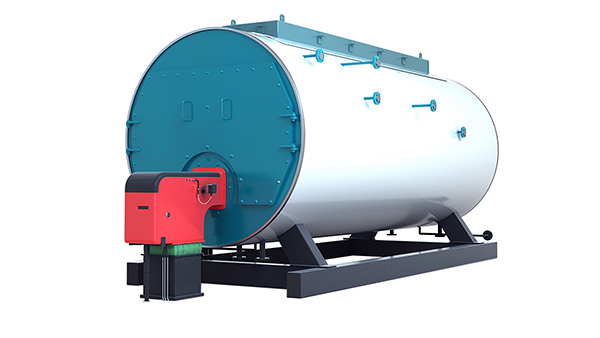
Industrial oil-fired boilers remain indispensable in sectors where fuel flexibility, high thermal output, and process reliability are essential, yet many operators continue to struggle with persistent issues such as fluctuating steam pressure, high fuel consumption, unstable flames, excessive emissions, and frequent burner-related shutdowns. These problems are rarely caused by the pressure vessel itself; instead, they almost always originate in outdated burner technology and primitive combustion control strategies that cannot adapt to modern operational demands. When burners fail to atomize fuel consistently or combustion controls cannot respond dynamically to load changes, the boiler operates inefficiently and unreliably, increasing operating costs and shortening equipment life. Advanced burners and combustion control systems directly address these pain points by transforming how fuel, air, and heat are managed inside oil-fired boilers.
Advanced burners and combustion control systems enhance oil-fired boiler performance by delivering precise fuel atomization, stable flame geometry, optimized air–fuel ratios, and real-time adaptive control across varying loads. Together, these technologies improve thermal efficiency, reduce fuel consumption, minimize emissions, prevent flame instability, and significantly increase the reliability and lifespan of oil-fired boilers in industrial applications.
To fully appreciate how advanced burners and modern combustion controls elevate oil-fired boiler performance, it is necessary to explore the physics of combustion, the evolution of burner design, the role of digital control systems, and how these elements interact under real industrial operating conditions. Performance gains are not theoretical; they are grounded in measurable improvements in efficiency, stability, and long-term reliability.
Advanced burners improve oil-fired boiler efficiency by enhancing fuel atomization.True
Fine and consistent atomization increases the surface area of fuel droplets, allowing more complete and efficient combustion.
Combustion control systems only affect emissions and have little impact on boiler efficiency.False
Modern combustion control systems directly influence efficiency, stability, fuel consumption, and component wear by optimizing air–fuel ratios and firing rates.
The Fundamental Role of Burners in Oil-Fired Boiler Performance
In an oil-fired boiler, the burner is the heart of the combustion process, responsible for converting liquid fuel into a controlled flame that transfers heat efficiently to the boiler’s heat exchange surfaces. Traditional burners, particularly those designed decades ago, rely on relatively crude mechanical atomization methods and fixed air settings that assume stable operating conditions. In modern industrial environments, where load demands fluctuate frequently and fuel quality may vary, these traditional burners struggle to maintain consistent performance. Poor atomization leads to large fuel droplets that burn incompletely, producing soot, smoke, and unburned hydrocarbons that foul heat transfer surfaces and reduce efficiency.
Advanced burners are engineered to overcome these limitations through precision design and enhanced control over fuel delivery. High-pressure mechanical atomization, air-assisted atomization, and rotary cup technologies are carefully matched to fuel properties and firing rates, ensuring uniform droplet size distribution across the entire operating range. This consistency stabilizes the flame, improves heat release patterns, and ensures that combustion occurs where it is most effective for heat transfer. From a performance standpoint, this translates directly into higher thermal efficiency, reduced excess air requirements, and more uniform furnace temperatures, all of which are critical for industrial oil-fired boiler operation.
Combustion Stability and Its Impact on Efficiency and Reliability
One of the most significant performance benefits of advanced burners is improved combustion stability. Flame instability, characterized by pulsation, lift-off, or frequent flame failure, is a major cause of boiler trips and production downtime in oil-fired systems. These instabilities often arise when burners cannot maintain a consistent air–fuel mixture under changing loads. Advanced burner designs incorporate aerodynamic flame shaping, staged combustion zones, and improved flame retention mechanisms that anchor the flame securely even at low firing rates. This is especially important for boilers that operate for extended periods at part load, where traditional burners are prone to instability.
Stable combustion improves efficiency by ensuring that heat release is uniform and predictable, allowing the boiler’s heat exchange surfaces to absorb energy more effectively. It also enhances reliability by reducing stress on refractory materials, ignition systems, and flame detection devices. When combined with modern combustion controls, advanced burners maintain stability across a wide turndown ratio, enabling boilers to respond smoothly to demand changes without cycling or overshooting setpoints.
Evolution of Combustion Control Systems in Oil-Fired Boilers
While advanced burners provide the mechanical foundation for improved performance, combustion control systems supply the intelligence that allows these burners to operate optimally. Early oil-fired boilers relied on manual adjustments or simple on–off controls that could not account for variations in load, ambient conditions, or fuel characteristics. Modern combustion control systems, by contrast, use digital controllers, sensors, and actuators to continuously monitor and adjust key parameters such as fuel flow, combustion air volume, furnace pressure, and flue gas composition.
At the core of these systems is closed-loop control logic that compares real-time operating data with desired setpoints and makes precise adjustments to maintain optimal combustion. Oxygen trim systems, for example, measure residual oxygen in the flue gas and fine-tune air supply to minimize excess air while avoiding incomplete combustion. This balance is critical in oil-fired boilers, where too much excess air reduces efficiency by carrying heat out the stack, while too little air increases soot formation and carbon monoxide emissions. Advanced controls maintain this balance automatically, even as load conditions change.
Quantifiable Performance Improvements from Advanced Combustion Controls
The performance gains achieved through advanced burners and combustion control systems are not merely qualitative; they are supported by measurable data. The table below summarizes typical improvements observed in industrial oil-fired boilers after upgrading to advanced burner and control technologies.
| Performance Metric | Conventional System | Advanced Burner + Controls |
|---|---|---|
| Thermal Efficiency | 78–82% | 85–90% |
| Fuel Consumption | Baseline | 5–15% Reduction |
| Excess Air Level | 20–30% | 10–15% |
| Flame Stability | Variable | Highly Stable |
| Unplanned Shutdowns | Frequent | Significantly Reduced |
These improvements demonstrate how performance enhancements are achieved through better control of the combustion process rather than through changes to the boiler pressure vessel itself.
Air–Fuel Ratio Optimization and Its System-Wide Effects
Optimizing the air–fuel ratio is one of the most critical functions of advanced combustion control systems. In oil-fired boilers, maintaining the correct ratio ensures complete combustion while minimizing heat losses. Advanced systems dynamically adjust both air dampers and fuel valves in coordinated motion, often using parallel positioning or fully metered control strategies. This coordination ensures that changes in firing rate do not temporarily disrupt combustion conditions, a common issue in older systems.
Proper air–fuel ratio control has system-wide effects beyond efficiency. It reduces soot formation, which in turn preserves heat transfer efficiency and reduces the frequency of tube cleaning. It also lowers flue gas temperatures, reducing thermal stress on exhaust components and minimizing corrosion risks associated with condensation. Over time, these factors contribute to sustained performance and reduced maintenance requirements, reinforcing the long-term benefits of advanced combustion technology.
Integration with Load Management and Boiler System Design
Advanced burners and combustion control systems are most effective when integrated into a well-designed boiler system that includes load management strategies. Modern controls can communicate with plant-wide automation systems to anticipate load changes based on process demands. For example, when a large steam consumer is about to come online, the control system can gradually increase firing rate in advance, preventing sudden pressure drops or flame instability. This predictive capability enhances both performance and reliability by smoothing transitions that would otherwise stress mechanical and thermal components.
The following table illustrates how integrated combustion control features interact with system operation to enhance performance.
| Control Feature | Operational Function | Performance Benefit |
|---|---|---|
| Oxygen Trim | Adjusts air supply based on flue gas O₂ | Higher efficiency, lower emissions |
| Parallel Positioning | Coordinates air and fuel changes | Stable combustion during load changes |
| Flame Monitoring | Detects flame quality and presence | Prevents unsafe conditions |
| Load Anticipation | Predicts demand changes | Reduces pressure fluctuations |
Emissions Reduction as a Performance Indicator
In modern industrial contexts, emissions performance is increasingly viewed as an integral part of overall boiler performance. Advanced burners often incorporate staged combustion or internal flue gas recirculation to reduce peak flame temperatures, which lowers nitrogen oxide formation. When paired with combustion control systems that precisely regulate excess air, these burners achieve lower emissions without sacrificing efficiency. In fact, reduced emissions often correlate with improved combustion quality and heat utilization, reinforcing the idea that environmental performance and operational performance are closely linked.
Long-Term Performance and Lifecycle Considerations
From a lifecycle perspective, the adoption of advanced burners and combustion control systems represents a strategic investment in sustained boiler performance. Improved combustion efficiency reduces fuel costs year after year, while enhanced stability minimizes wear on burners, igniters, refractory linings, and control components. Over decades of operation, these benefits compound, resulting in lower total cost of ownership and more predictable maintenance planning. Facilities that upgrade combustion systems often find that their oil-fired boilers achieve or exceed original performance specifications even after extended service life.
In summary, advanced burners and combustion control systems enhance oil-fired boiler performance by fundamentally improving how combustion is initiated, controlled, and sustained. Through precise fuel atomization, stable flame management, dynamic air–fuel ratio optimization, and intelligent control integration, these technologies deliver higher efficiency, lower fuel consumption, reduced emissions, and improved reliability. For industrial oil-fired boilers operating in demanding environments, advanced combustion technology is not merely an upgrade, but a critical enabler of consistent, high-level performance over the entire operational lifecycle.
How Does Fuel Quality Management and Oil System Maintenance Affect Boiler Reliability?
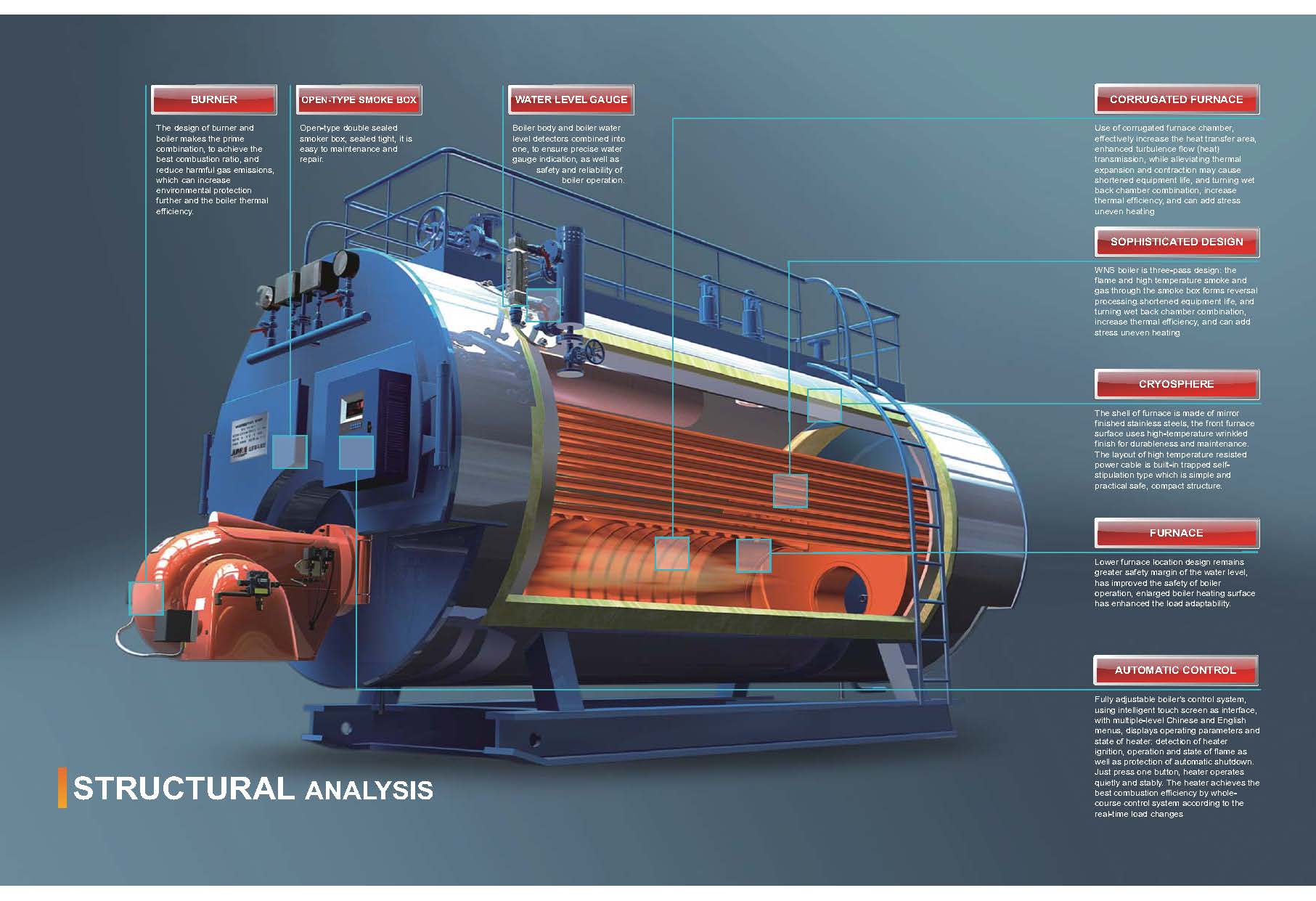
Industrial oil-fired boilers are widely valued for their robustness and fuel flexibility, yet many operators experience chronic reliability problems such as burner trips, unstable flames, fouled heat transfer surfaces, and premature component failure. In most cases, these issues are not caused by fundamental boiler design flaws but by inconsistent fuel quality and inadequate oil system maintenance. Poorly managed fuel oil introduces contaminants, viscosity fluctuations, and combustion instability that gradually undermine boiler performance, while neglected oil systems amplify these problems through clogged filters, malfunctioning heaters, and erratic fuel delivery. Over time, these factors combine to increase unplanned downtime, maintenance costs, and safety risks, making boiler reliability a persistent operational concern. Effective fuel quality management and disciplined oil system maintenance provide a proven solution by stabilizing combustion conditions and protecting critical components.
Fuel quality management and oil system maintenance directly affect boiler reliability by ensuring consistent fuel properties, stable atomization, clean combustion, and uninterrupted fuel delivery. When fuel oil is properly specified, stored, conditioned, and delivered through a well-maintained oil system, oil-fired boilers operate with fewer flame failures, reduced fouling, lower mechanical stress, and significantly improved long-term reliability.
To understand why fuel quality and oil system maintenance are so influential, it is essential to examine how fuel characteristics interact with burner technology, combustion dynamics, and auxiliary equipment under real industrial operating conditions. Reliability in oil-fired boilers is ultimately the result of controlled, repeatable combustion, and fuel management lies at the core of that control.
Poor fuel oil quality can directly cause burner flame instability in oil-fired boilers.True
Contaminants, water, and improper viscosity disrupt atomization and air–fuel mixing, leading to unstable combustion.
Oil system maintenance has little effect on boiler reliability as long as the boiler pressure vessel is intact.False
Neglected oil systems lead to clogged filters, erratic fuel flow, and burner malfunctions, which significantly reduce boiler reliability.
Fuel Quality as a Foundation for Reliable Oil-Fired Boiler Operation
Fuel oil is not a uniform commodity; its physical and chemical properties vary depending on grade, supplier, storage conditions, and handling practices. Key parameters such as viscosity, density, sulfur content, ash content, and water contamination all influence how fuel behaves during atomization and combustion. In oil-fired boilers, burners are designed to operate within a specific fuel property window. When fuel deviates from this window, even advanced burners struggle to maintain stable flames.
Viscosity is particularly critical. Heavy fuel oils must be heated to achieve the correct viscosity for proper atomization at the burner nozzle. If fuel is too viscous, it forms large droplets that burn incompletely, producing soot and carbon deposits. If it is too thin, atomization may be excessive, altering flame shape and potentially causing flame lift-off. Consistent fuel quality management ensures that oil entering the burner has predictable viscosity and temperature, enabling stable combustion and protecting burner components from abnormal wear.
Water and solid contaminants pose additional reliability risks. Water in fuel oil can flash into steam at the burner tip, disrupting atomization and causing flame pulsation or flame failure trips. Solid particles, such as rust or sludge from storage tanks, can clog filters and nozzles, leading to uneven fuel distribution and sudden boiler shutdowns. Effective fuel quality management programs address these risks through proper fuel specification, supplier qualification, and routine testing.
The Role of Fuel Storage and Handling in Reliability
Fuel quality management extends beyond procurement to include storage and handling practices that preserve fuel integrity over time. Improperly designed or poorly maintained storage tanks allow water ingress, microbial growth, and sediment accumulation, all of which degrade fuel quality. In industrial oil-fired boiler systems, storage tanks should be equipped with drainage points for water removal, heating systems to prevent stratification, and filtration stages to remove particulates before fuel reaches the boiler.
From a reliability perspective, clean and well-managed storage systems reduce the burden on downstream oil system components. Pumps operate more smoothly, filters require less frequent replacement, and burners receive consistent fuel flow. This stability translates directly into fewer combustion-related faults and reduced maintenance intervention. Facilities that neglect storage management often experience recurring issues that are mistakenly attributed to the boiler itself, when the root cause lies upstream in the fuel supply chain.
Oil System Maintenance and Its Direct Impact on Combustion Stability
The oil system is the critical interface between stored fuel and the burner, encompassing pumps, heaters, filters, valves, and control instruments. Each component must function correctly to deliver fuel at the right pressure, temperature, and cleanliness. Oil system maintenance is therefore a cornerstone of boiler reliability.
Filters are among the most maintenance-sensitive components. As they capture contaminants, differential pressure across filters increases, restricting fuel flow. If filters are not cleaned or replaced on schedule, fuel starvation can occur, leading to flame instability or sudden flame failure. Pumps subjected to contaminated or poorly lubricated fuel experience accelerated wear, resulting in pressure fluctuations that disrupt combustion. Heaters that fail to maintain target fuel temperature cause viscosity drift, undermining atomization quality. Regular inspection, calibration, and preventive maintenance of these components ensure consistent fuel delivery and stable boiler operation.
Comparative Reliability Outcomes Based on Fuel and Oil System Practices
The following table illustrates how different levels of fuel quality management and oil system maintenance affect boiler reliability indicators in industrial oil-fired boiler installations.
| Management Level | Flame Stability | Unplanned Shutdowns | Maintenance Frequency | Overall Reliability |
|---|---|---|---|---|
| Poor | Frequent instability | High | Reactive, frequent | Low |
| Basic | Occasional issues | Moderate | Mixed | Moderate |
| Comprehensive | Stable | Rare | Planned, predictable | High |
This comparison highlights that reliability improvements are incremental but significant as fuel and oil system practices mature.
Interaction Between Fuel Quality and Advanced Burner Technology
Modern oil-fired boilers often employ advanced burners and combustion control systems designed to optimize performance across a wide load range. However, the effectiveness of these technologies depends heavily on fuel quality consistency. Advanced burners rely on precise atomization and predictable combustion behavior; variable fuel properties compromise their ability to maintain optimal air–fuel ratios and flame geometry. Inconsistent fuel can trigger frequent control corrections, increasing wear on actuators and reducing overall system stability.
From a systems engineering perspective, fuel quality management and oil system maintenance should be viewed as enabling technologies for advanced combustion systems. When fuel properties are stable, control algorithms can function as intended, delivering smoother load transitions, lower excess air levels, and improved efficiency. This synergy enhances both performance and reliability, reinforcing the importance of an integrated approach.
Maintenance Data and Reliability Trends in Industrial Practice
Industrial facilities that implement structured fuel management and oil system maintenance programs consistently report measurable reliability gains. Historical maintenance records often show a clear reduction in burner-related faults, filter blockages, and combustion alarms after such programs are established. The table below summarizes typical trends observed over multi-year periods.
| Reliability Metric | Before Program | After Program |
|---|---|---|
| Burner Faults per Year | High | Low |
| Average Downtime per Event | Long | Short |
| Fuel-Related Maintenance Cost | High | Reduced |
| Boiler Availability | 90–92% | 97–99% |
These trends demonstrate that reliability improvements are not anecdotal but supported by operational data.
Long-Term Effects on Boiler Components and Service Life
Fuel quality and oil system condition have long-term implications for boiler internals as well. Poor combustion caused by contaminated or improperly conditioned fuel leads to soot accumulation on heat transfer surfaces, insulating them from hot flue gases and creating hot spots. These hot spots accelerate tube metal degradation and increase the risk of localized failures. Sulfur and ash content in fuel influence corrosion rates, particularly in low-temperature areas where acidic condensates may form. By managing fuel quality proactively, operators reduce corrosive byproducts and maintain cleaner heat transfer surfaces, extending component life.
Oil system maintenance also protects ancillary equipment such as ignition systems, flame scanners, and control valves. Stable combustion reduces false trips and repeated ignition cycles, which are known contributors to premature component failure. Over the full lifecycle of an oil-fired boiler, these cumulative effects significantly enhance reliability and reduce total cost of ownership.
Strategic Perspective on Reliability and Risk Management
From a strategic standpoint, fuel quality management and oil system maintenance should be considered core elements of risk management in industrial boiler operations. Fuel-related failures often occur suddenly and propagate quickly, leading to unplanned outages that disrupt production and pose safety hazards. By contrast, proactive fuel and oil system management transforms reliability from a reactive concern into a controlled outcome. It allows maintenance teams to plan interventions, allocate resources efficiently, and maintain confidence in boiler availability even under demanding operating conditions.
In summary, fuel quality management and oil system maintenance exert a profound influence on boiler reliability by stabilizing combustion, protecting critical components, and enabling advanced control systems to function effectively. Consistent fuel properties, clean and well-maintained oil systems, and disciplined monitoring practices work together to reduce flame instability, minimize fouling, and extend equipment life. For industrial oil-fired boilers, reliability is not solely a function of boiler design; it is equally determined by how fuel is managed and how diligently the oil system is maintained throughout the boiler’s operational life.
How Can Preventive and Predictive Maintenance Reduce Failures and Downtime in Oil-Fired Boilers?
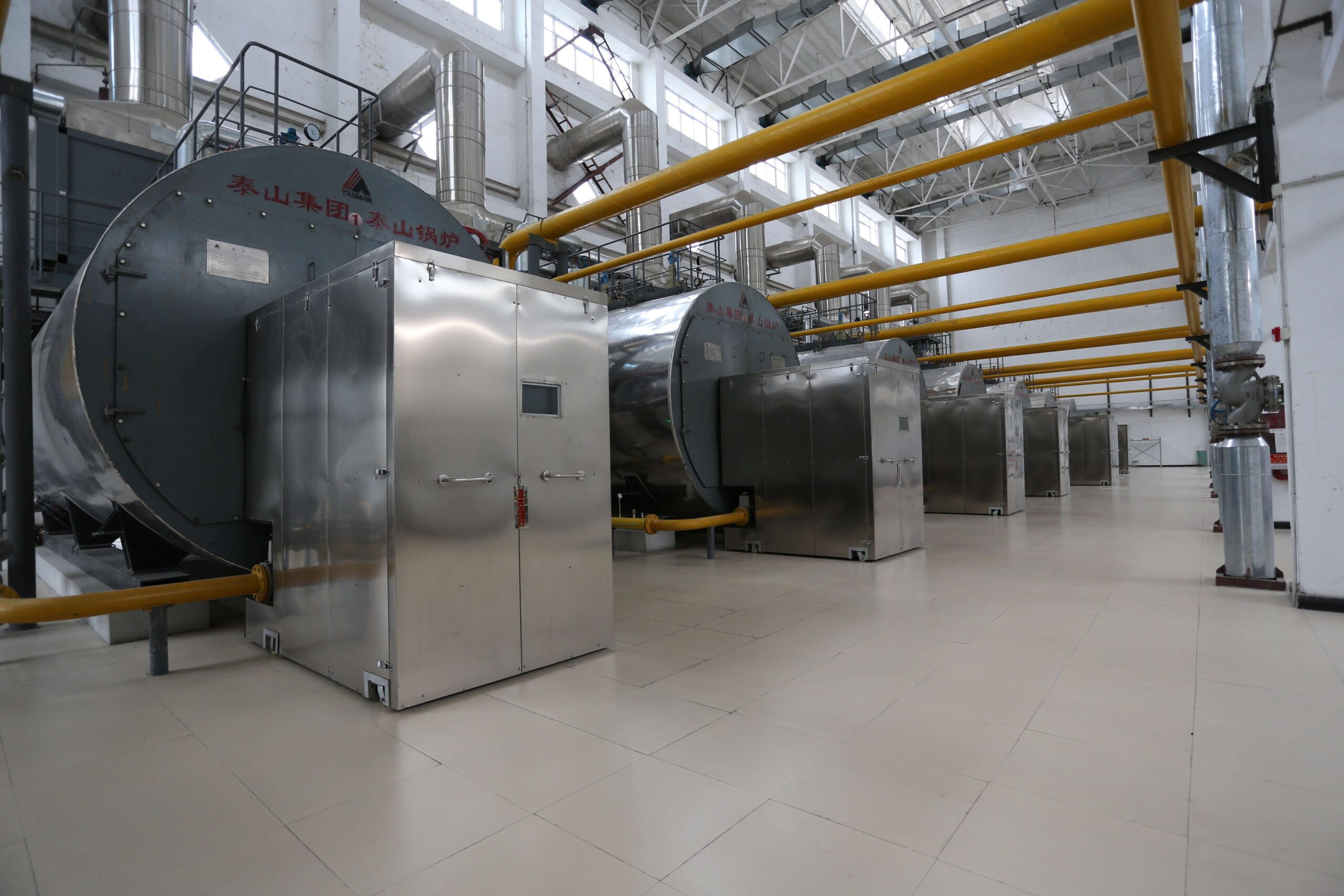
Industrial oil-fired boilers are designed to operate continuously under high thermal and mechanical stress, yet many facilities still suffer from recurring boiler failures, emergency shutdowns, and costly downtime that disrupt production and erode profitability. In most cases, these failures are not sudden or unpredictable events; they are the cumulative result of undetected wear, gradual fouling, control drift, and small component degradations that go unnoticed until they trigger a major fault. When maintenance is reactive, problems are only addressed after a breakdown occurs, leading to extended outages, secondary damage, and safety risks. Preventive and predictive maintenance strategies offer a proven solution by identifying and mitigating failure mechanisms before they escalate, transforming boiler reliability from a constant concern into a managed outcome.
Preventive and predictive maintenance reduce failures and downtime in oil-fired boilers by systematically inspecting, servicing, and monitoring critical components to prevent degradation and by using condition-based data to anticipate faults before they cause unplanned shutdowns. Together, these maintenance approaches stabilize combustion, protect mechanical systems, extend component life, and significantly improve boiler availability and operational reliability.
To understand how these maintenance strategies achieve such results, it is necessary to examine the failure mechanisms typical of oil-fired boilers, the principles behind preventive and predictive maintenance, and how their application directly influences uptime, safety, and lifecycle costs in real industrial environments.
Preventive maintenance reduces boiler downtime by addressing wear before failure occurs.True
Routine inspections and servicing prevent minor defects from escalating into major failures that cause unplanned shutdowns.
Predictive maintenance is unnecessary for oil-fired boilers because failures are usually sudden.False
Most boiler failures develop gradually and can be detected early through monitoring of temperature, pressure, vibration, and combustion data.
Understanding Failure Mechanisms in Oil-Fired Boilers
Oil-fired boiler failures rarely originate from a single catastrophic event; instead, they are the result of interacting mechanical, thermal, and combustion-related degradation processes. Burners experience nozzle erosion, carbon buildup, and ignition component wear. Fuel oil systems suffer from filter clogging, pump wear, and heater malfunctions that affect viscosity control. Heat transfer surfaces gradually foul with soot and scale, reducing efficiency and creating localized hot spots that accelerate tube metal fatigue. Control systems drift out of calibration, leading to unstable combustion or nuisance trips. Without structured maintenance, these issues remain hidden until they exceed safe operating limits.
Preventive and predictive maintenance address these failure mechanisms at different stages of development. Preventive maintenance focuses on time- or usage-based interventions designed to keep equipment within acceptable operating conditions. Predictive maintenance, by contrast, uses condition monitoring and data analysis to identify abnormal trends that indicate impending failure. In oil-fired boilers, where many components degrade gradually, combining these approaches creates a powerful defense against unexpected downtime.
Preventive Maintenance as the First Line of Defense
Preventive maintenance forms the foundation of reliable oil-fired boiler operation. It consists of scheduled inspections, cleaning, lubrication, calibration, and component replacement based on manufacturer recommendations and operational experience. In oil-fired boilers, preventive maintenance targets critical systems such as burners, fuel oil delivery systems, combustion air fans, safety interlocks, and heat transfer surfaces.
Regular burner inspection and cleaning prevent carbon deposits from altering flame shape and combustion stability. Scheduled replacement of ignition electrodes and flame scanners reduces the risk of ignition failure and false flame loss trips. Fuel oil filters are cleaned or replaced before differential pressure becomes excessive, ensuring consistent fuel flow and preventing sudden burner shutdowns. Heat exchanger cleaning removes soot and scale that would otherwise reduce efficiency and create thermal stress. Each of these actions directly reduces the probability of failure during operation.
From a downtime perspective, preventive maintenance shifts maintenance activities from unplanned outages to planned shutdowns. Planned maintenance can be scheduled during low-demand periods, minimizing production impact and allowing maintenance teams to work efficiently with proper tools and spare parts. This alone can dramatically improve boiler availability in industrial facilities.
Predictive Maintenance and Condition-Based Reliability
While preventive maintenance is essential, it is inherently conservative because it relies on fixed intervals rather than actual equipment condition. Predictive maintenance enhances reliability by using real-time or periodic condition data to determine when maintenance is truly needed. In oil-fired boilers, predictive maintenance techniques include monitoring of vibration, temperature, pressure, flue gas composition, fuel flow, and control system performance.
For example, increasing vibration levels in fuel oil pumps can indicate bearing wear or cavitation long before pump failure occurs. Gradual increases in flue gas oxygen or carbon monoxide levels may signal burner misalignment or nozzle degradation. Rising stack temperatures can indicate fouling of heat transfer surfaces. By analyzing these trends, maintenance teams can intervene at the optimal time, avoiding both premature maintenance and catastrophic failure.
Predictive maintenance is particularly effective in reducing downtime because it provides early warning of developing problems. Instead of experiencing an unexpected boiler trip during peak production, operators can schedule corrective action during planned maintenance windows. This predictive capability transforms maintenance from a reactive cost center into a strategic reliability tool.
Comparative Impact on Failures and Downtime
The practical benefits of preventive and predictive maintenance can be clearly illustrated by comparing boiler performance under different maintenance strategies.
| Maintenance Strategy | Failure Frequency | Downtime Duration | Maintenance Cost Profile | Boiler Availability |
|---|---|---|---|---|
| Reactive Only | High | Long, unpredictable | High, emergency-driven | Low |
| Preventive Only | Moderate | Planned, moderate | Controlled, scheduled | Moderate to High |
| Preventive + Predictive | Low | Short, planned | Optimized, data-driven | Very High |
This comparison shows that while preventive maintenance alone improves reliability, the combination of preventive and predictive maintenance delivers the highest availability and lowest risk of unplanned downtime.
Combustion Stability and Maintenance Interventions
In oil-fired boilers, combustion stability is a critical determinant of reliability. Preventive maintenance ensures that burners, air dampers, and fuel valves are clean, properly aligned, and responsive. Predictive maintenance adds another layer by detecting subtle changes in combustion behavior through flue gas analysis and control system data. Deviations from normal combustion patterns often precede flame instability or flame failure events.
By correcting these deviations early, maintenance teams prevent nuisance trips and repeated ignition cycles, which are themselves a source of wear on ignition transformers, electrodes, and control relays. Stable combustion also reduces thermal shock to furnace components and refractory materials, further extending equipment life and reducing the likelihood of structural failures that require extended downtime.
Maintenance Data and Reliability Improvement Trends
Industrial facilities that implement structured preventive and predictive maintenance programs often track significant improvements in reliability metrics over time. The table below summarizes typical trends observed after such programs are introduced in oil-fired boiler operations.
| Reliability Indicator | Before Program | After Program |
|---|---|---|
| Unplanned Boiler Trips | Frequent | Rare |
| Mean Time Between Failures | Short | Long |
| Average Repair Time | Long | Short |
| Annual Downtime Hours | High | Significantly Reduced |
These improvements reflect not only fewer failures but also faster recovery when issues do occur, as maintenance teams are better prepared and informed.
Lifecycle Cost and Risk Reduction Benefits
Beyond immediate downtime reduction, preventive and predictive maintenance have profound implications for lifecycle cost management and operational risk. Emergency repairs are typically more expensive than planned maintenance due to overtime labor, expedited spare parts, and collateral damage to adjacent components. By preventing failures, maintenance programs reduce these hidden costs and stabilize maintenance budgets.
From a risk perspective, oil-fired boiler failures can pose safety hazards related to flame failure, fuel leaks, or overpressure events. Maintenance strategies that ensure safety interlocks, sensors, and control systems function correctly reduce the likelihood of unsafe conditions developing unnoticed. This risk reduction is particularly important in industries with strict safety and regulatory requirements.
Organizational and Operational Maturity
Implementing preventive and predictive maintenance also drives organizational maturity. Maintenance teams develop deeper knowledge of boiler behavior, operators become more engaged in monitoring equipment condition, and management gains visibility into reliability performance through data-driven indicators. This cultural shift supports continuous improvement and reinforces reliability as a core operational value rather than an afterthought.
In summary, preventive and predictive maintenance reduce failures and downtime in oil-fired boilers by addressing degradation before it leads to breakdowns and by using condition-based insights to anticipate and prevent faults. Preventive maintenance establishes a stable baseline through regular inspections and servicing, while predictive maintenance adds intelligence by detecting early warning signs of failure. Together, these approaches enhance combustion stability, protect critical components, extend equipment life, and dramatically improve boiler availability. For industrial oil-fired boilers operating in demanding environments, preventive and predictive maintenance are not optional practices, but essential strategies for achieving long-term reliability and operational excellence.
How Do Automation, Monitoring, and Intelligent Controls Improve Long-Term Boiler Performance?
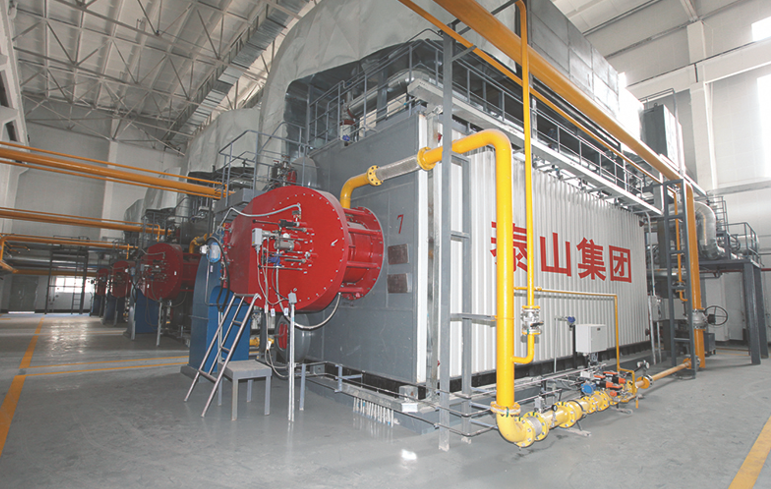
Industrial oil-fired boilers are traditionally perceived as rugged, mechanical assets whose performance depends primarily on hardware quality and operator experience. However, many facilities still struggle with declining efficiency, unstable operation, frequent alarms, and gradually increasing maintenance costs as boilers age. These issues often emerge not because the boiler is worn out, but because it operates without sufficient visibility, responsiveness, and coordination across subsystems. Manual operation and basic control logic cannot consistently manage the complex interactions among load demand, combustion conditions, fuel quality, and equipment wear over long periods. Automation, continuous monitoring, and intelligent control systems address these challenges by transforming boilers from reactive machines into self-regulating, data-driven energy systems capable of sustaining high performance throughout their lifecycle.
Automation, monitoring, and intelligent controls improve long-term boiler performance by maintaining optimal operating conditions in real time, detecting deviations early, adapting to changing loads and fuel characteristics, and reducing human-dependent variability. These technologies stabilize combustion, enhance efficiency, reduce wear, extend component life, and ensure consistent boiler performance over decades of operation.
To understand why these digital and control technologies have such a profound impact on long-term boiler performance, it is essential to examine how they influence daily operation, maintenance practices, system aging, and lifecycle optimization in oil-fired boiler systems.
Automation helps oil-fired boilers maintain consistent performance under fluctuating loads.True
Automated control systems continuously adjust firing rate, air supply, and auxiliary equipment to match real-time demand.
Monitoring systems only provide alarms and do not influence boiler performance.False
Modern monitoring systems actively support performance optimization, predictive maintenance, and control tuning, directly affecting long-term performance.
Automation as the Foundation of Consistent Boiler Operation
Automation replaces manual, experience-based operation with precise, repeatable control actions that respond instantly to changing conditions. In oil-fired boilers, automated systems regulate burner firing rate, fuel oil flow, combustion air volume, draft control, feedwater flow, and safety interlocks. Unlike manual operation, which is inherently variable and dependent on operator skill, automation applies the same optimized logic every time, eliminating inconsistencies that gradually degrade performance.
From a long-term perspective, this consistency is critical. Boilers subjected to frequent overfiring, excessive cycling, or unstable combustion experience accelerated thermal fatigue, refractory degradation, and control component wear. Automated modulation ensures that firing rates change smoothly in response to load demand, minimizing thermal shock and mechanical stress. Over years of operation, these reduced stresses translate into better retention of original performance characteristics and fewer age-related failures.
Continuous Monitoring and the Visibility of Degradation
Monitoring systems provide the eyes and ears of modern boiler plants. Through sensors measuring temperature, pressure, flow, vibration, oxygen, carbon monoxide, and fuel parameters, monitoring systems create a continuous stream of operational data. This visibility fundamentally changes how boiler performance is managed over the long term.
Without monitoring, gradual performance degradation often goes unnoticed. Heat exchanger fouling, burner misalignment, control drift, and declining combustion efficiency can persist for years, silently increasing fuel consumption and wear. Monitoring systems reveal these trends early by highlighting deviations from baseline performance. For example, a slow increase in stack temperature may indicate soot accumulation, while drifting oxygen levels can signal air damper or burner issues. By identifying such patterns early, operators can intervene before efficiency losses and component damage become significant.
Intelligent Controls and Adaptive Performance Optimization
Intelligent control systems go beyond basic automation by incorporating advanced algorithms, historical data analysis, and adaptive logic. In oil-fired boilers, intelligent controls can learn how the system behaves under different loads, ambient conditions, and fuel qualities, then adjust control strategies accordingly. This adaptability is crucial for maintaining long-term performance in real-world industrial environments where conditions are rarely static.
For instance, intelligent combustion controls dynamically optimize air–fuel ratios using feedback from flue gas analyzers. As burners age or fuel properties vary, the control system compensates automatically, preserving combustion efficiency without requiring constant manual retuning. Similarly, intelligent load management coordinates boiler output with process demand, preventing excessive cycling during low-load periods and avoiding stress during sudden demand spikes. These adaptive capabilities ensure that performance remains optimized not just at commissioning, but throughout the boiler’s service life.
Performance Stability Over Time: Manual vs Intelligent Operation
The long-term performance benefits of automation, monitoring, and intelligent controls can be illustrated by comparing different operational approaches.
| Operational Approach | Performance Stability | Efficiency Over Time | Wear Rate | Long-Term Reliability |
|---|---|---|---|---|
| Manual / Basic Control | Low | Gradual decline | High | Moderate to Low |
| Automated Only | Moderate | Stable | Moderate | Moderate to High |
| Automated + Intelligent Controls | High | Sustained, optimized | Low | High |
This comparison highlights that intelligent systems do not merely improve initial performance; they actively preserve it as the boiler ages.
Reduction of Human-Dependent Variability
Human operation introduces variability that accumulates over time. Different operators may apply different setpoints, respond inconsistently to alarms, or overlook subtle warning signs. Automation and intelligent controls standardize responses, ensuring that best-practice operating logic is applied continuously. Monitoring dashboards provide operators with clear, actionable insights rather than raw data, improving decision-making quality.
From a long-term performance standpoint, this reduction in variability is crucial. Consistent operation reduces abnormal events that contribute to accelerated aging, such as repeated flame failures, overpressure excursions, or excessive excess air operation. Over years of service, fewer abnormal events mean less cumulative damage and better retention of design efficiency.
Data-Driven Maintenance and Performance Preservation
Monitoring and intelligent controls generate high-quality data that supports condition-based and predictive maintenance. Instead of relying solely on fixed maintenance intervals, maintenance activities can be aligned with actual equipment condition. This approach prevents both under-maintenance, which leads to failures, and over-maintenance, which introduces unnecessary interventions and risk.
The table below illustrates how data-enabled maintenance influences long-term performance outcomes.
| Maintenance Approach | Performance Degradation | Downtime Risk | Component Life |
|---|---|---|---|
| Reactive | Rapid | High | Shortened |
| Time-Based Preventive | Moderate | Moderate | Moderate |
| Data-Driven Predictive | Minimal | Low | Extended |
By preserving component health and preventing secondary damage, data-driven maintenance directly supports sustained boiler performance.
System Integration and Holistic Optimization
Automation and intelligent controls also enable integration between the boiler and the wider plant energy system. Communication with upstream fuel systems, downstream steam users, and plant management systems allows the boiler to operate as part of an optimized whole rather than an isolated unit. For example, intelligent controls can coordinate multiple boilers, selecting the most efficient combination based on load and efficiency curves, thereby reducing operating hours on individual units and balancing wear.
This system-level optimization has profound long-term performance implications. By avoiding unnecessary operation at inefficient or high-stress conditions, boilers maintain better thermal efficiency and structural integrity over time. Integration also facilitates energy performance tracking, enabling continuous improvement initiatives that further enhance long-term outcomes.
Aging Boilers and Performance Retention
One of the most compelling benefits of automation, monitoring, and intelligent controls is their ability to slow the apparent aging of boilers. Many facilities operate oil-fired boilers well beyond their original design life, yet performance outcomes vary widely. Boilers equipped with modern control and monitoring systems often outperform younger units operated with outdated controls. This is because intelligent systems compensate for age-related changes, such as reduced heat transfer efficiency or component wear, keeping performance within acceptable limits.
In effect, automation and intelligence act as force multipliers for good mechanical design and maintenance practices. They do not eliminate aging, but they manage it proactively, ensuring that performance decline is gradual, predictable, and economically manageable rather than abrupt and disruptive.
Strategic Long-Term Performance Perspective
From a strategic viewpoint, automation, monitoring, and intelligent controls shift boiler management from a short-term operational focus to a long-term performance optimization mindset. They provide the tools needed to measure, understand, and continuously improve boiler behavior over decades of operation. This capability is increasingly important as energy costs rise, emissions regulations tighten, and reliability expectations increase across industrial sectors.
In summary, automation, monitoring, and intelligent controls improve long-term boiler performance by delivering consistent operation, real-time visibility, adaptive optimization, and data-driven decision-making. These technologies stabilize combustion, preserve efficiency, reduce wear, and extend equipment life by managing the complex interactions that determine boiler behavior over time. For oil-fired boilers operating in demanding industrial environments, intelligent control systems are not merely enhancements, but essential enablers of sustained, high-level performance throughout the entire lifecycle.
How Can Heat Recovery and Efficiency Upgrades Enhance the Overall Performance of Oil-Fired Boilers?
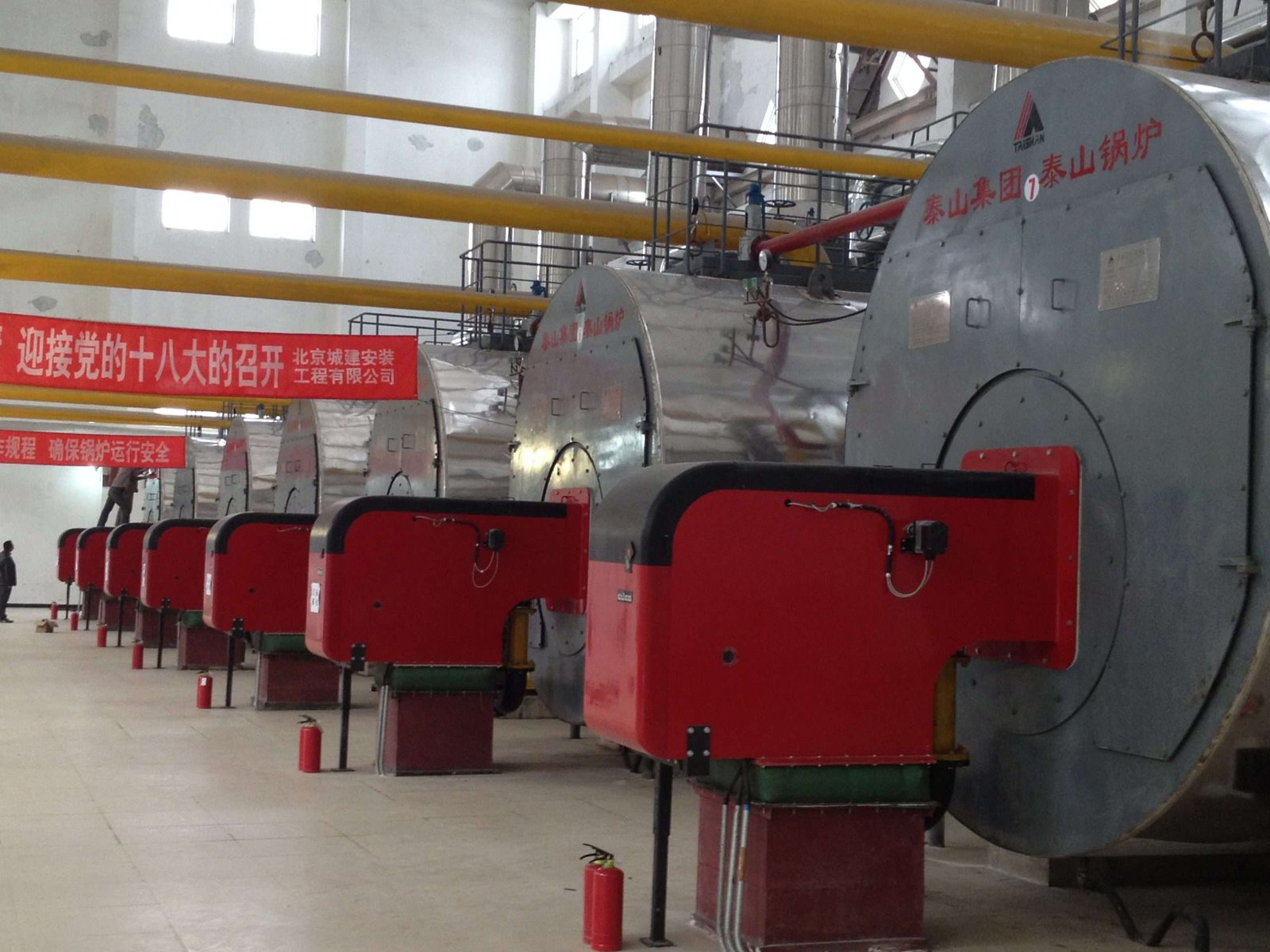
AI Image Generation Prompt: Oil-fired industrial boiler heat recovery system + ultra-realistic engineering illustration + economizer, air preheater, flue gas ducting, sensors, and control valves + heavy industrial boiler room + energy-efficient, optimized atmosphere + clear technical lighting
Oil-fired boilers remain a backbone of many industrial energy systems, yet a large proportion of their operating cost and performance limitations stem from one fundamental issue: wasted heat. In conventional boiler configurations, a significant amount of thermal energy exits the system through hot flue gases, unutilized blowdown, and poorly optimized heat exchange surfaces. This wasted energy not only increases fuel consumption but also accelerates component wear, raises emissions, and limits the boiler’s ability to deliver stable, efficient output over time. When facilities ignore heat recovery and efficiency upgrades, boilers are forced to work harder than necessary, leading to higher operating stress, declining performance, and rising lifecycle costs. Heat recovery technologies and targeted efficiency upgrades directly address these pain points by capturing lost energy and reintegrating it into the system.
Heat recovery and efficiency upgrades enhance the overall performance of oil-fired boilers by reclaiming waste heat, reducing fuel input per unit of output, stabilizing thermal conditions, and lowering mechanical and thermal stress on critical components. By improving energy utilization efficiency, these upgrades increase boiler output effectiveness, reduce operating costs, extend equipment life, and improve long-term reliability.
To fully understand the performance benefits of heat recovery and efficiency upgrades, it is essential to examine where energy losses occur in oil-fired boilers, how recovery technologies function, and how improved efficiency reshapes boiler operation at both the component and system levels.
Flue gas heat recovery can significantly improve oil-fired boiler efficiency.True
Recovering heat from exhaust gases reduces stack losses and lowers the fuel required to achieve the same thermal output.
Efficiency upgrades only reduce fuel costs and have no impact on boiler reliability.False
Higher efficiency reduces thermal stress, cycling, and fouling, which directly improves boiler reliability and component lifespan.
Understanding Energy Losses in Oil-Fired Boiler Systems
In a typical oil-fired boiler, only a portion of the fuel’s chemical energy is converted into useful steam or hot water. The remainder is lost through flue gas exhaust, radiation from hot surfaces, blowdown, and incomplete heat transfer. Among these losses, flue gas heat loss is usually the largest, often accounting for 15–25% of total fuel energy in older or unoptimized systems. High exhaust temperatures indicate that valuable thermal energy is leaving the boiler unused, forcing the burner to consume more fuel to maintain output.
These losses have a direct impact on performance. Higher fuel input increases flame temperature, thermal gradients, and operating stress on pressure parts and refractory materials. Over time, this accelerates aging and increases the likelihood of failures. Heat recovery and efficiency upgrades aim to reduce these losses, allowing the boiler to achieve the same output with lower fuel input and gentler operating conditions.
Flue Gas Heat Recovery and Its Performance Impact
Flue gas heat recovery is one of the most effective methods for enhancing oil-fired boiler performance. Devices such as economizers and air preheaters capture heat from exhaust gases and transfer it to feedwater or combustion air. By preheating feedwater, economizers reduce the amount of energy the boiler must supply to raise water to saturation temperature. Air preheaters improve combustion efficiency by supplying warmer air to the burner, promoting more complete and stable combustion.
From a performance standpoint, these improvements are significant. Lower fuel consumption reduces burner firing rates for the same load, stabilizing flame behavior and reducing cycling. Lower stack temperatures decrease thermal stress on exhaust components and reduce corrosion risks associated with condensation when properly designed. Overall, the boiler operates in a more balanced thermal state, which enhances both efficiency and reliability.
Quantified Efficiency Gains from Heat Recovery Systems
The performance improvements achieved through heat recovery can be illustrated through typical efficiency and operational metrics.
| Upgrade Type | Typical Efficiency Gain | Fuel Consumption Impact | Operational Benefit |
|---|---|---|---|
| Feedwater Economizer | 3–7% | Reduced | Lower firing rate, stable output |
| Air Preheater | 2–5% | Reduced | Improved combustion stability |
| Condensing Heat Recovery | 8–12% | Significantly reduced | Maximum energy utilization |
These gains translate directly into improved boiler performance, especially in facilities with high operating hours and steady thermal demand.
Blowdown Heat Recovery and System Stability
In oil-fired boilers, blowdown is necessary to control dissolved solids and maintain water quality, but it represents another source of energy loss. Blowdown heat recovery systems capture thermal energy from hot blowdown water and transfer it to incoming makeup water. While often overlooked, this upgrade contributes to overall efficiency and performance by reducing thermal shock to the boiler and feedwater system.
By preheating makeup water, blowdown heat recovery smooths temperature differentials entering the boiler drum or heat exchanger. Reduced thermal shock improves mechanical integrity and decreases stress on pressure components. Over long-term operation, this contributes to more stable performance and lower maintenance requirements.
Insulation, Surface Loss Reduction, and Performance Preservation
Efficiency upgrades are not limited to active heat recovery devices. Improving insulation on boiler shells, piping, valves, and ancillary equipment reduces radiant and convective heat losses. While these losses may seem small individually, they accumulate significantly in large industrial installations.
From a performance perspective, better insulation helps maintain consistent internal temperatures, reducing heat loss variability and improving control accuracy. Stable temperatures reduce the need for frequent firing adjustments, enhancing combustion stability and minimizing wear on control components. Over time, these incremental improvements help preserve original boiler performance characteristics.
Interaction Between Efficiency Upgrades and Combustion Performance
Efficiency upgrades strongly influence combustion behavior in oil-fired boilers. When heat recovery reduces required firing rates, burners operate more often within their optimal modulation range rather than near maximum capacity. This improves atomization quality, flame stability, and air–fuel ratio control. Advanced combustion systems benefit especially from these conditions, as control algorithms can maintain tighter tolerances with less corrective action.
The following table summarizes how efficiency upgrades interact with combustion and overall performance.
| System Condition | Combustion Stability | Thermal Stress | Long-Term Performance |
|---|---|---|---|
| No Heat Recovery | Variable | High | Gradual decline |
| Partial Heat Recovery | Stable | Moderate | Improved |
| Comprehensive Efficiency Upgrades | Highly stable | Low | Sustained, optimized |
This demonstrates that efficiency is not only about energy savings but also about creating favorable operating conditions that enhance overall performance.
Reduced Fouling and Maintenance Through Higher Efficiency
Lower fuel input per unit of output leads to cleaner combustion and reduced soot formation. Cleaner heat transfer surfaces maintain higher efficiency over time, creating a virtuous cycle where efficiency upgrades help preserve themselves. Reduced fouling also minimizes localized hot spots, which are a common cause of tube distortion and failure in oil-fired boilers.
From a maintenance perspective, this results in longer intervals between cleaning, fewer emergency shutdowns, and more predictable maintenance planning. These outcomes directly enhance boiler availability and performance consistency, especially in continuous-process industries.
Lifecycle Performance and Economic Implications
Over the lifecycle of an oil-fired boiler, heat recovery and efficiency upgrades have compounding benefits. Lower fuel consumption reduces operating costs year after year, while reduced thermal and mechanical stress extends component life. Boilers with effective heat recovery systems often maintain higher efficiency even after decades of operation, outperforming newer but less optimized installations.
Importantly, improved efficiency also provides a buffer against fuel quality variations and load fluctuations. Boilers operate with greater margin, reducing the likelihood that transient conditions will push the system into unstable or inefficient regimes. This resilience is a key aspect of long-term performance enhancement.
Strategic Role of Heat Recovery in Modern Boiler Systems
From a strategic energy management perspective, heat recovery and efficiency upgrades align oil-fired boilers with modern expectations for sustainability, cost control, and operational excellence. They enable facilities to extract maximum value from each unit of fuel while reducing emissions intensity and operational risk. In increasingly competitive and regulated industrial environments, these performance gains are not optional enhancements but essential system optimizations.
In summary, heat recovery and efficiency upgrades enhance the overall performance of oil-fired boilers by reclaiming wasted energy, reducing fuel demand, stabilizing thermal operation, and lowering stress on critical components. Through technologies such as economizers, air preheaters, blowdown heat recovery, and improved insulation, boilers achieve higher efficiency, cleaner combustion, and more consistent output. These improvements translate into sustained performance, improved reliability, and extended service life, making heat recovery and efficiency upgrades a cornerstone of high-performance oil-fired boiler systems.
🔍 Conclusion
Enhancing the reliability and performance of industrial oil-fired boilers requires a holistic, lifecycle-focused strategy. By optimizing design, combustion, fuel handling, maintenance, and automation, oil-fired boilers can deliver stable output, improved efficiency, reduced operating costs, and long-term operational safety. A well-managed oil-fired boiler remains a dependable and competitive solution in many industrial applications.
🔹 Contact us today to enhance the reliability, efficiency, and long-term value of your industrial oil-fired boiler. ⚙️🔥🏭✅
FAQ
Q1: How does proper combustion optimization improve oil-fired boiler reliability and performance?
A1: Combustion optimization is fundamental to improving the reliability and performance of industrial oil-fired boilers. Accurate control of the air-to-fuel ratio ensures complete fuel combustion, minimizing soot formation and unburned fuel losses. Advanced burners, fuel atomization systems, and oxygen trim control help maintain stable flame conditions across varying loads. Optimized combustion reduces fouling of heat transfer surfaces, improves thermal efficiency, lowers emissions, and prevents flame instability that could otherwise lead to shutdowns or component damage.
Q2: Why is preventive maintenance critical for industrial oil-fired boilers?
A2: Preventive maintenance helps identify potential issues before they result in failures or downtime. Regular inspection and cleaning of burners, fuel nozzles, filters, and heat exchange surfaces prevent soot buildup and uneven heat transfer. Maintenance of pumps, valves, and safety devices ensures reliable fuel delivery and safe operation. A structured maintenance schedule reduces unplanned outages, extends equipment lifespan, and maintains consistent boiler performance under continuous industrial operation.
Q3: How does fuel quality management affect boiler performance and reliability?
A3: Fuel quality management plays a major role in oil-fired boiler operation. Poor-quality fuel with high impurities, water content, or inconsistent viscosity can cause incomplete combustion, nozzle clogging, and corrosion. Preheating heavy oil to the correct viscosity, using filtration systems, and implementing fuel treatment processes improve atomization and combustion stability. Consistent fuel quality reduces wear on burners and pumps, enhances efficiency, and supports long-term reliable boiler operation.
Q4: What role do automation and control systems play in enhancing performance?
A4: Automation and advanced control systems significantly enhance oil-fired boiler performance and operational stability. PLC or DCS-based systems allow precise control of pressure, temperature, and combustion parameters in real time. Automated monitoring enables rapid response to abnormal conditions, reducing human error and improving safety. Digital systems also support predictive maintenance by identifying trends that indicate component wear, helping operators maintain high availability and performance levels.
Q5: How do efficiency upgrades contribute to long-term reliability and cost savings?
A5: Efficiency upgrades such as economizers, air preheaters, variable-frequency drives, and improved insulation reduce fuel consumption and thermal stress on boiler components. Better heat recovery lowers exhaust gas temperatures and improves overall system efficiency. Reduced operating stress leads to less frequent failures and longer component life. Over time, these upgrades improve reliability, reduce maintenance costs, and deliver strong lifecycle economic benefits for industrial oil-fired boiler systems.
References
- U.S. Department of Energy – Improving Industrial Boiler Efficiency – https://www.energy.gov/ – DOE
- ASME – Boiler and Pressure Vessel Code (BPVC) – https://www.asme.org/ – ASME
- International Energy Agency (IEA) – Industrial Heat Systems – https://www.iea.org/ – IEA
- Spirax Sarco – Oil-Fired Boiler Optimization and Maintenance – https://www.spiraxsarco.com/ – Spirax Sarco
- Engineering Toolbox – Oil-Fired Boiler Operation and Efficiency – https://www.engineeringtoolbox.com/ – Engineering Toolbox
- ScienceDirect – Performance and Reliability of Oil-Fired Boilers – https://www.sciencedirect.com/ – ScienceDirect
- ISO 50001 – Energy Management Systems – https://www.iso.org/ – ISO
- Carbon Trust – Industrial Boiler Efficiency Improvements – https://www.carbontrust.com/ – Carbon Trust
- World Bank – Industrial Energy Efficiency Projects – https://www.worldbank.org/ – World Bank
- MarketsandMarkets – Industrial Boiler Technology Trends – https://www.marketsandmarkets.com/ – Markets and Markets