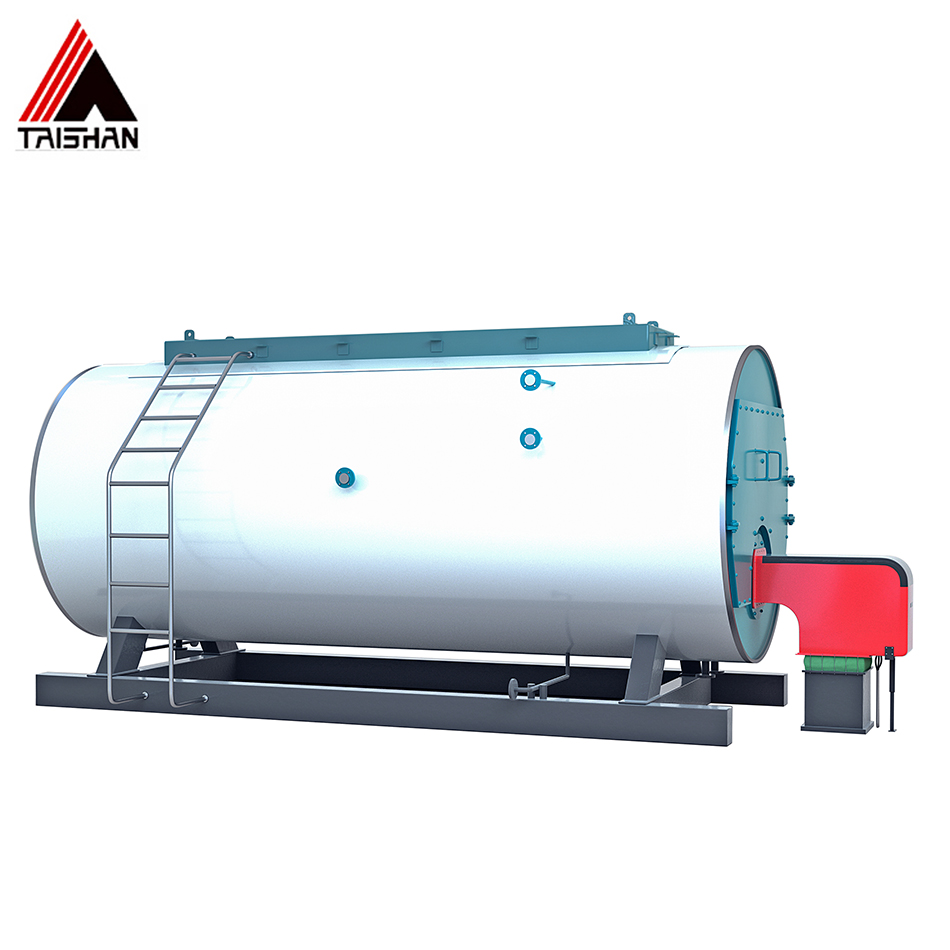
Industrial gas-fired boilers are expected to deliver high efficiency while meeting increasingly strict environmental regulations. However, many buyers and operators struggle to accurately evaluate performance claims or verify emissions compliance. Relying on incomplete data or supplier marketing materials can result in higher fuel costs, regulatory penalties, and inefficient system operation. Without proper assessment methods, it becomes difficult to ensure that a boiler truly meets both economic and environmental expectations.
To assess the efficiency rating and emissions compliance of industrial gas-fired boilers, you should evaluate thermal efficiency metrics (such as combustion efficiency and overall boiler efficiency), review certified test reports, analyze flue gas composition (NOx, CO, CO₂), verify compliance with local and international standards, and use continuous emissions monitoring systems (CEMS). Additionally, factors such as excess air levels, burner performance, and heat recovery systems play a critical role in both efficiency and emissions control.
A systematic evaluation approach helps ensure that the selected boiler operates at optimal efficiency while remaining fully compliant with environmental regulations. Below is a structured outline to guide your assessment process.
Further reading
What Efficiency Metrics Should Be Used to Assess Industrial Gas-Fired Boilers?
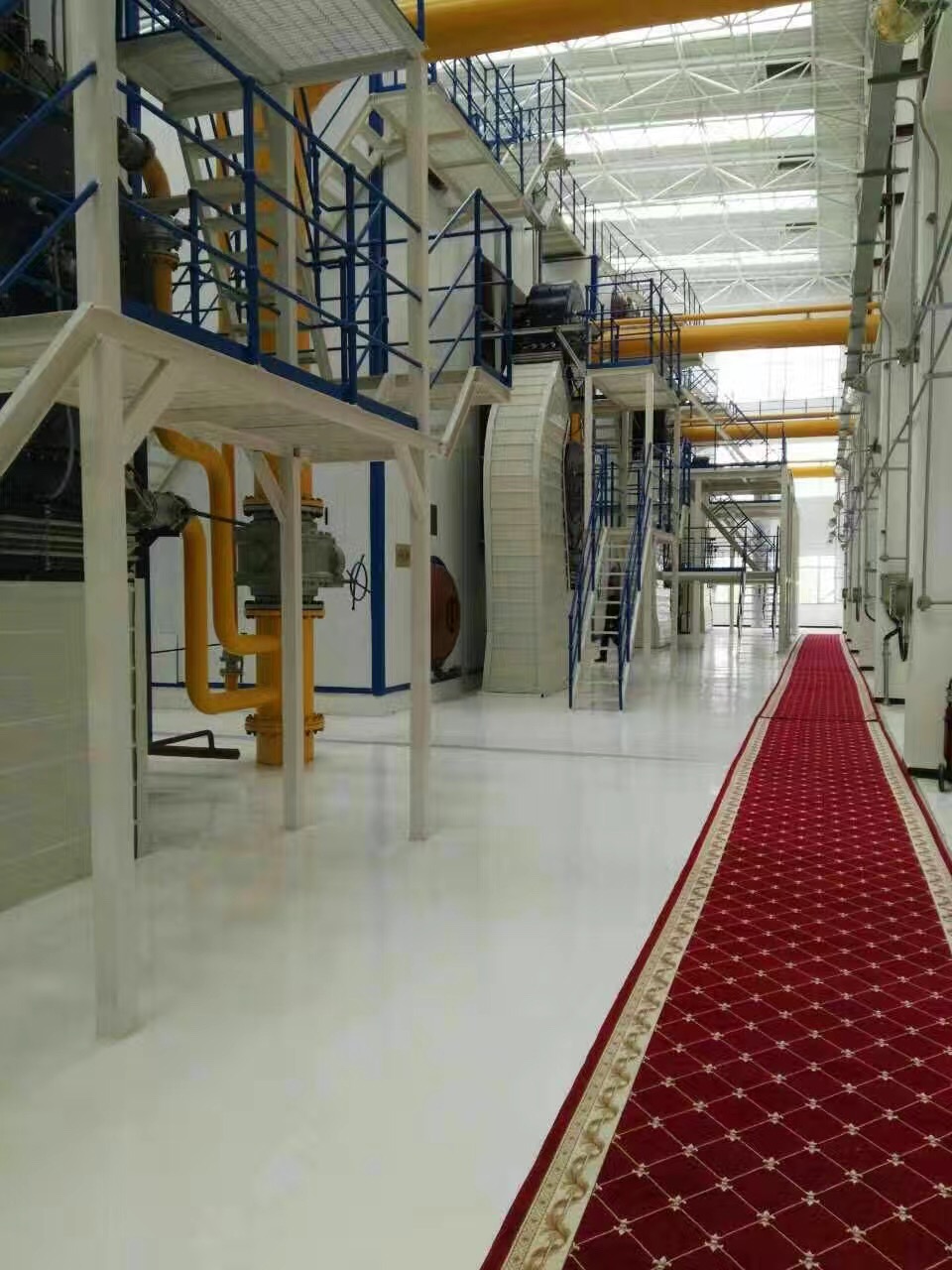
Industrial facilities often struggle with rising fuel costs, inconsistent steam output, and regulatory pressure on emissions, all of which are frequently traced back to inefficient boiler operation, yet many operators rely on outdated or overly simplistic performance indicators that fail to reveal hidden losses or optimization opportunities, leading to wasted energy, increased operational costs, and shortened equipment lifespan; understanding and applying the correct efficiency metrics is therefore essential to unlock performance improvements, ensure compliance, and maintain competitive production costs in energy-intensive industries.
The most critical efficiency metrics for assessing industrial gas-fired boilers include combustion efficiency, thermal efficiency, fuel-to-steam efficiency, excess air ratio, stack loss, heat rate, and overall system efficiency, as these collectively provide a comprehensive evaluation of energy conversion effectiveness, operational losses, and real-world performance under varying load conditions, enabling engineers and operators to identify inefficiencies, optimize combustion processes, and reduce fuel consumption while maintaining output reliability.
To fully grasp how these metrics interact and how they can be applied in practical industrial scenarios, it is necessary to explore each parameter in depth, supported by real-world data, engineering principles, and comparative analysis tools that provide actionable insights rather than theoretical benchmarks.
Higher combustion efficiency always guarantees overall boiler efficiency improvement.False
Combustion efficiency only measures how well fuel burns, not how effectively heat is transferred or retained, so overall system losses can still reduce total efficiency.
Understanding Core Efficiency Metrics in Industrial Gas-Fired Boilers
Industrial gas-fired boiler efficiency is not a single-dimensional concept but rather a layered evaluation of how effectively chemical energy in fuel is converted into usable thermal energy, and this transformation involves multiple stages including combustion, heat transfer, and distribution, each of which introduces potential inefficiencies that must be measured independently and collectively to obtain a realistic performance profile; combustion efficiency, for instance, focuses on how completely fuel is burned, typically determined by analyzing flue gas composition such as oxygen (O₂), carbon monoxide (CO), and carbon dioxide (CO₂), where an optimal balance ensures minimal unburned fuel while avoiding excessive air that can carry heat away through the stack, while thermal efficiency expands the scope by evaluating how much of the generated heat is actually transferred to water or steam, taking into account radiation losses, convection losses, and surface heat dissipation, and fuel-to-steam efficiency further refines this by measuring the ratio of steam energy output to fuel energy input under real operating conditions, which is often lower than theoretical thermal efficiency due to system-level losses such as blowdown, piping heat loss, and auxiliary equipment consumption, making it a more practical indicator for plant managers; additionally, excess air ratio plays a crucial role in combustion optimization, as too little air leads to incomplete combustion and carbon monoxide formation, while too much air reduces flame temperature and increases stack losses, thereby lowering efficiency, and stack loss itself represents one of the most significant measurable inefficiencies, calculated based on flue gas temperature and composition, indicating how much heat escapes through exhaust gases, which can be mitigated through economizers and heat recovery systems; heat rate, another important metric, quantifies the amount of fuel energy required to produce a unit of steam or power output, offering a direct measure of energy conversion efficiency that is particularly useful for benchmarking across different boiler systems or operational conditions, and finally, overall system efficiency integrates all these metrics along with auxiliary energy consumption such as pumps, fans, and controls, providing a holistic view of performance that aligns closely with actual operational costs and sustainability goals, making it indispensable for strategic decision-making in modern industrial environments.
Comparative Analysis of Key Boiler Efficiency Metrics
| Metric Name | Definition | Measurement Method | Typical Range (%) | Key Impact Area |
|---|---|---|---|---|
| Combustion Efficiency | Effectiveness of fuel burning process | Flue gas analysis | 75–90% | Fuel utilization |
| Thermal Efficiency | Heat transferred to water/steam vs fuel input | Heat balance calculation | 80–92% | Heat transfer performance |
| Fuel-to-Steam Efficiency | Actual usable steam output vs fuel energy | Direct measurement | 70–88% | Real operational efficiency |
| Excess Air Ratio | Air supplied vs theoretical air required | Oxygen measurement in flue gas | 1.1–1.4 | Combustion optimization |
| Stack Loss | Heat lost through exhaust gases | Temperature + gas composition analysis | 5–20% | Energy loss control |
| Heat Rate | Fuel energy required per unit output | Energy input/output ratio | Varies | Benchmarking efficiency |
| System Efficiency | Overall energy efficiency including auxiliaries | Integrated system monitoring | 65–85% | Cost and sustainability |
Practical Measurement Techniques and Instrumentation
Accurate assessment of industrial gas-fired boiler efficiency requires not only an understanding of the relevant metrics but also the deployment of precise measurement techniques and instrumentation systems that can capture real-time data under varying operational conditions, as modern boiler systems operate dynamically rather than at steady-state conditions, meaning that efficiency can fluctuate significantly based on load changes, fuel quality, and environmental factors, and therefore continuous monitoring systems such as flue gas analyzers, thermal sensors, flow meters, and digital control systems are essential for capturing meaningful data; flue gas analyzers, for example, measure concentrations of oxygen, carbon dioxide, and carbon monoxide, enabling calculation of combustion efficiency and excess air ratio, while infrared thermography can be used to detect heat losses from boiler surfaces and piping, providing insights into insulation effectiveness and maintenance needs, and flow meters installed on fuel lines and steam outlets allow for precise calculation of fuel-to-steam efficiency by correlating input energy with output energy in real time, while advanced control systems integrate these data streams into centralized dashboards that enable predictive analytics and automated optimization strategies, such as adjusting air-to-fuel ratios or activating economizers based on load demand, and the integration of Industrial Internet of Things (IIoT) technologies further enhances this capability by enabling remote monitoring, historical data analysis, and machine learning-based optimization, which can identify patterns and inefficiencies that are not immediately visible through manual observation, thereby transforming efficiency assessment from a periodic audit process into a continuous improvement cycle that drives long-term performance gains and operational resilience.
Data-Driven Optimization Strategies for Boiler Efficiency
| Optimization Strategy | Target Metric | Expected Improvement | Implementation Complexity | ROI Potential |
|---|---|---|---|---|
| Flue Gas Heat Recovery | Stack Loss | 5–10% | Medium | High |
| Burner Tuning | Combustion Efficiency | 2–5% | Low | High |
| Insulation Upgrade | Thermal Efficiency | 1–3% | Low | Medium |
| Variable Frequency Drives | System Efficiency | 3–7% | Medium | High |
| Blowdown Heat Recovery | Fuel-to-Steam Efficiency | 2–4% | Medium | Medium |
| AI-Based Control Systems | Overall Efficiency | 5–12% | High | Very High |
Real-World Case Study: Efficiency Improvement in a Manufacturing Plant
In a large-scale food processing facility operating multiple gas-fired boilers with a combined capacity of 50 tons of steam per hour, initial assessments revealed that while combustion efficiency appeared satisfactory at approximately 88%, the overall system efficiency was only 72%, indicating significant hidden losses within the system, and further analysis using detailed efficiency metrics uncovered that excessive stack temperatures averaging 280°C were contributing to stack losses exceeding 18%, while inconsistent excess air ratios ranging from 1.3 to 1.6 were causing unnecessary heat dilution and increased fuel consumption, and by implementing a combination of economizer installation, burner tuning, and real-time oxygen monitoring systems, the facility was able to reduce stack temperature to 180°C and stabilize excess air ratio at 1.15, resulting in a measurable improvement in combustion efficiency to 91% and a reduction in stack losses to below 10%, ultimately increasing overall system efficiency to 83%, which translated into annual fuel savings of over $450,000 and a reduction of approximately 1,200 metric tons of CO₂ emissions, demonstrating that relying on a single metric such as combustion efficiency would have masked these inefficiencies, whereas a comprehensive, multi-metric approach enabled targeted interventions with substantial economic and environmental benefits.
Summary
Assessing the efficiency of industrial gas-fired boilers requires a comprehensive, multi-metric approach that goes beyond simplistic indicators and incorporates combustion efficiency, thermal efficiency, fuel-to-steam efficiency, excess air ratio, stack loss, heat rate, and overall system efficiency, as each metric provides unique insights into different stages of energy conversion and loss, and only by integrating these measurements with advanced monitoring technologies and data-driven optimization strategies can industrial operators achieve meaningful improvements in performance, cost savings, and sustainability, ultimately transforming boiler systems from energy liabilities into optimized assets within modern industrial operations.
How Can Flue Gas Analysis Determine Industrial Gas-Fired Boiler Emissions Compliance?
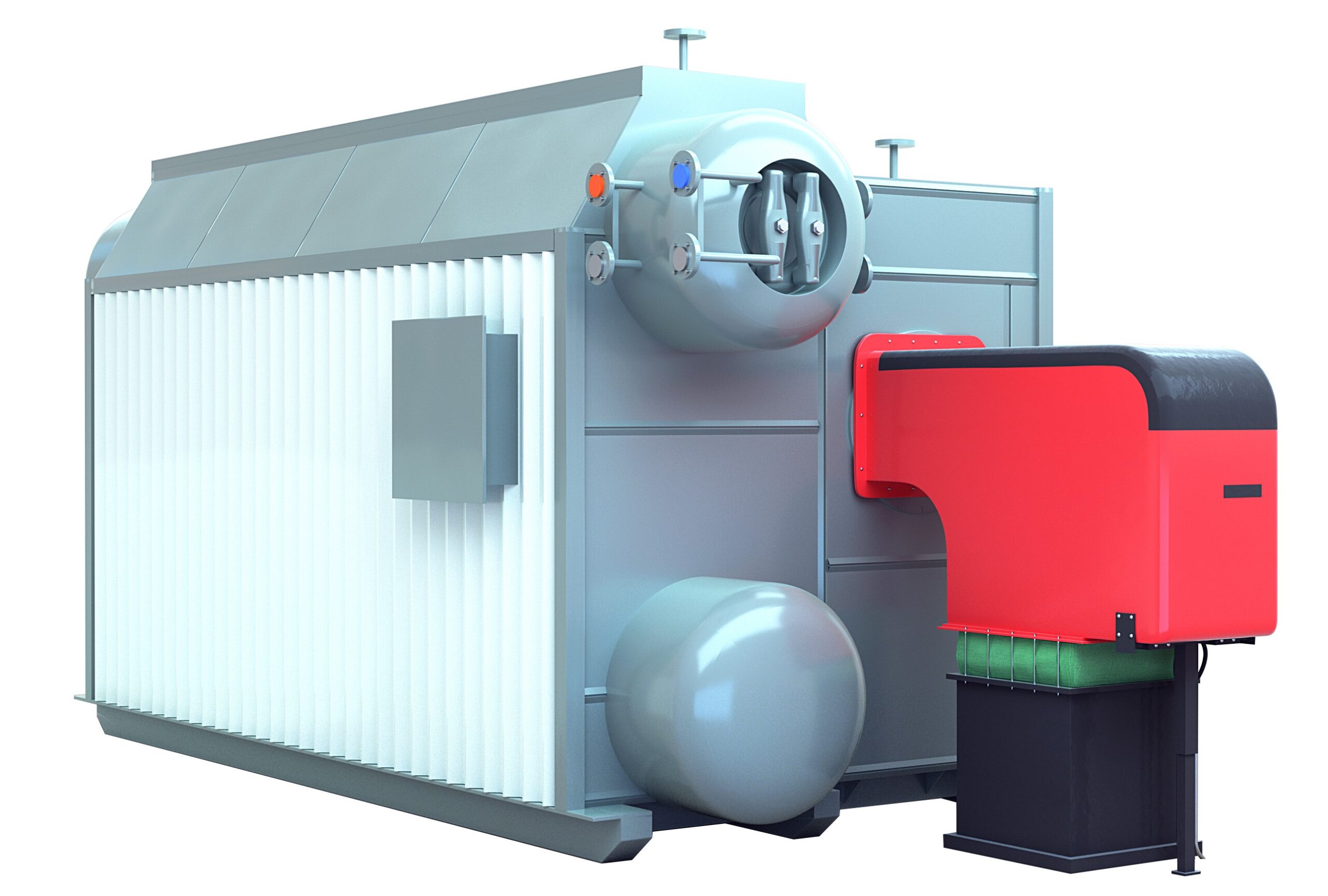
Industrial operators frequently face increasing regulatory pressure to meet stringent emissions standards, yet many struggle with inconsistent monitoring methods, incomplete combustion data, or delayed reporting systems, which can lead to non-compliance penalties, environmental risks, and operational inefficiencies; without accurate, real-time insight into flue gas composition, it becomes nearly impossible to control pollutants such as NOx, CO, and CO₂ effectively, resulting in both financial and reputational consequences that could have been avoided through proper analytical practices.
Flue gas analysis determines industrial gas-fired boiler emissions compliance by continuously measuring key exhaust components such as oxygen (O₂), carbon monoxide (CO), nitrogen oxides (NOx), and carbon dioxide (CO₂), enabling operators to verify combustion quality, calculate emission levels against regulatory thresholds, optimize air-fuel ratios, and generate verifiable compliance reports that meet environmental standards such as EPA or local air quality regulations.
To understand how flue gas analysis transforms compliance from a reactive process into a proactive control strategy, it is essential to explore the measurement principles, key emission indicators, regulatory benchmarks, and data-driven optimization techniques that underpin modern industrial boiler systems.
Flue gas analysis is only necessary for environmental reporting and does not impact boiler efficiency.False
Flue gas analysis directly influences combustion optimization, which improves efficiency and reduces fuel consumption while ensuring compliance.
🔍 Core Components Measured in Flue Gas Analysis
Flue gas analysis serves as the backbone of emissions monitoring by providing a detailed chemical snapshot of the combustion process, where each measured component reveals specific aspects of boiler performance and environmental impact, and understanding these components is critical for both compliance and optimization; oxygen (O₂) concentration indicates the level of excess air in the combustion process, where too much oxygen suggests heat loss and inefficiency, while too little can lead to incomplete combustion and elevated carbon monoxide emissions, making it a key control variable in burner tuning, while carbon monoxide (CO) acts as a direct indicator of incomplete combustion, and even small increases in CO levels can signal dangerous inefficiencies or safety risks, particularly in enclosed industrial environments, whereas carbon dioxide (CO₂) levels reflect combustion completeness and fuel utilization efficiency, often used in conjunction with O₂ measurements to calculate combustion efficiency, and nitrogen oxides (NOx), formed at high combustion temperatures, represent one of the most tightly regulated pollutants due to their role in smog formation and respiratory health issues, requiring precise control strategies such as staged combustion or flue gas recirculation to minimize formation, and in some cases sulfur dioxide (SO₂) may also be monitored depending on fuel composition, although it is less common in natural gas-fired systems, and advanced analyzers may also detect unburned hydrocarbons (UHC) to provide an even more granular understanding of combustion performance, all of which together create a multidimensional dataset that allows operators not only to verify compliance but also to identify inefficiencies and optimize system performance in real time.
📊 Key Emission Parameters and Compliance Thresholds
| Parameter | Typical Regulatory Limit (Natural Gas Boilers) | Measurement Unit | Compliance Significance |
|---|---|---|---|
| O₂ | 2–5% (optimal range, not a limit) | % | Indicates excess air |
| CO | < 50 ppm (often stricter locally) | ppm | Incomplete combustion |
| NOx | 30–100 ppm (varies by region) | ppm | Major regulated pollutant |
| CO₂ | 8–12% (efficiency indicator) | % | Combustion completeness |
| SO₂ | Near zero (natural gas) | ppm | Fuel impurity indicator |
⚙️ How Flue Gas Analysis Enables Compliance Verification
Flue gas analysis determines compliance by translating raw emission data into standardized metrics that can be directly compared with regulatory requirements, and this process involves several technical steps including sampling, conditioning, measurement, and data interpretation, where flue gas is extracted from the exhaust stack using probes designed to withstand high temperatures and corrosive environments, then conditioned to remove moisture and particulates before entering gas analyzers that use technologies such as electrochemical sensors, infrared absorption, or chemiluminescence to detect specific gas concentrations with high precision, and once these values are obtained, they are corrected to reference oxygen levels (commonly 3% O₂) to ensure consistency across different operating conditions, allowing for accurate comparison with emissions standards, and continuous emissions monitoring systems (CEMS) further enhance this process by providing real-time data streams that are logged, analyzed, and reported automatically, reducing the risk of human error and ensuring that compliance documentation is always up to date, while also enabling alarms and control adjustments when emission levels approach regulatory limits, thereby transforming compliance from a periodic inspection activity into a continuous operational discipline.
📈 Emissions vs Combustion Efficiency Relationship
| Combustion Condition | O₂ Level | CO Level | NOx Formation | Efficiency Impact |
|---|---|---|---|---|
| Excess Air Too High | High | Low | Moderate | Reduced efficiency |
| Optimal Combustion | Balanced | Minimal | Controlled | Maximum efficiency |
| Insufficient Air | Low | High | Low | Dangerous & inefficient |
🧠 Advanced Data Interpretation and Optimization
Modern flue gas analysis goes beyond simple measurement by integrating data analytics and automation to create intelligent control systems that continuously optimize boiler performance while maintaining compliance, and this involves using algorithms that analyze trends in O₂, CO, and NOx levels to predict combustion behavior under different load conditions, enabling proactive adjustments to air-fuel ratios, burner configurations, and flue gas recirculation systems, while machine learning models can identify subtle inefficiencies or anomalies that may not be visible through manual inspection, such as gradual sensor drift or heat exchanger fouling, and digital twin technologies can simulate boiler performance under various scenarios to test optimization strategies without disrupting actual operations, and these advanced capabilities not only ensure compliance but also reduce fuel consumption, extend equipment lifespan, and minimize maintenance costs, making flue gas analysis an essential tool for modern industrial energy management.
🏭 Real-World Application Case Study
In a petrochemical facility operating high-capacity gas-fired boilers, initial flue gas analysis revealed that NOx emissions were consistently exceeding regulatory limits of 50 ppm, averaging around 78 ppm during peak load conditions, while oxygen levels fluctuated between 6% and 8%, indicating excessive air supply and inefficient combustion, and by implementing a continuous emissions monitoring system combined with automated burner control, the facility was able to stabilize O₂ levels at approximately 3.5%, significantly reducing excess air and lowering flame temperature variability, which in turn reduced NOx formation to below 45 ppm, achieving full compliance while also improving overall boiler efficiency by approximately 6%, resulting in annual fuel savings exceeding $300,000 and demonstrating how flue gas analysis can simultaneously address environmental and economic objectives when properly implemented.
📊 Visualization of Compliance Workflow
🔥 Fuel Input → ⚙️ Combustion → 🌡️ Heat Transfer → 🌫️ Flue Gas
                         ↓
                 📡 Gas Sampling Probe
                         ↓
                 🧪 Gas Analyzer System
                         ↓
                 📊 Data Processing Unit
                         ↓
        ✅ Compliance Verification & Optimization
Summary
Flue gas analysis is a critical tool for determining industrial gas-fired boiler emissions compliance, as it provides precise, real-time measurement of key pollutants and combustion indicators, enabling operators to verify adherence to environmental regulations, optimize combustion processes, and reduce both emissions and operational costs, and by integrating advanced monitoring technologies with data-driven control systems, industries can transform compliance from a regulatory burden into a strategic advantage that enhances efficiency, sustainability, and long-term operational reliability.
What Standards and Certifications Prove Industrial Gas-Fired Boiler Compliance?
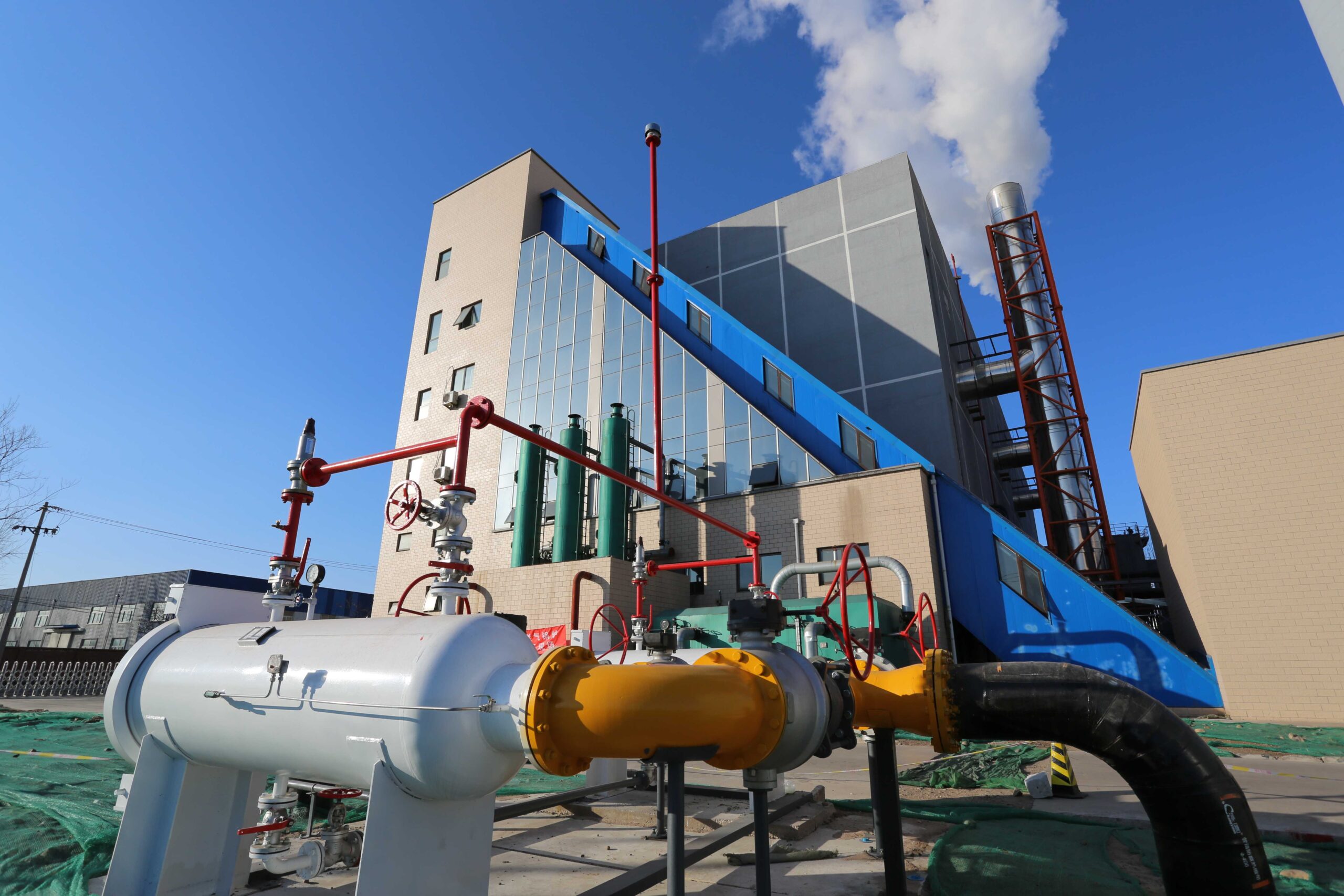
Industrial gas-fired boiler operators often face complex regulatory environments where failing to meet compliance standards can result in costly shutdowns, legal penalties, and safety risks, yet many companies remain uncertain about which certifications truly validate their systems, leading to confusion, inconsistent documentation, and missed opportunities for global market access; without a clear understanding of recognized standards, even technically sound boiler systems may struggle to pass inspections or gain approval in different jurisdictions.
Industrial gas-fired boiler compliance is proven through internationally recognized standards and certifications such as ASME Boiler and Pressure Vessel Code (BPVC), ISO 9001 and ISO 14001, CE marking (PED in Europe), UL certification, and local regulatory approvals like EPA emissions standards, as these certifications verify design integrity, manufacturing quality, safety performance, and environmental compliance, ensuring that boilers meet both operational and legal requirements across different markets.
To fully understand how these standards function and why they are critical for both manufacturers and end-users, it is essential to explore their technical scope, certification processes, and practical implications in industrial applications.
Having ISO 9001 certification alone is sufficient to prove full industrial boiler compliance.False
ISO 9001 focuses on quality management systems, not specific safety, pressure vessel, or emissions compliance required for boilers.
🏭 Core International Standards for Industrial Gas-Fired Boilers
Industrial gas-fired boilers are subject to a multi-layered framework of standards that address mechanical integrity, safety, environmental impact, and operational performance, and among these, the ASME Boiler and Pressure Vessel Code (BPVC) stands as one of the most authoritative global standards, particularly in North America and many international markets, as it defines strict requirements for the design, fabrication, inspection, testing, and certification of pressure vessels, including boilers, ensuring that they can safely withstand operational pressures and temperatures, while ISO standards such as ISO 9001 and ISO 14001 provide a broader organizational framework by ensuring that manufacturers maintain consistent quality management systems and environmental management practices, which indirectly support compliance by standardizing production processes and minimizing environmental risks, and in the European market, the Pressure Equipment Directive (PED) under CE marking is mandatory for boilers operating above certain pressure thresholds, requiring conformity assessment procedures, risk analysis, and third-party verification to ensure safety and compliance with EU regulations, while UL (Underwriters Laboratories) certification is particularly important in North America for electrical and safety components associated with boiler systems, verifying that control systems, burners, and auxiliary equipment meet rigorous safety standards, and additionally, regional and national standards such as China’s GB standards or India’s IBR (Indian Boiler Regulations) further complicate the compliance landscape by introducing localized requirements that must be met for market entry, making it essential for manufacturers and operators to adopt a comprehensive compliance strategy that aligns with both international and local regulations.
📊 Comparison of Major Boiler Standards and Certifications
| Standard / Certification | Region կիրառability | Focus Area | Mandatory or Voluntary | Key Benefit |
|---|---|---|---|---|
| ASME BPVC | Global / USA | Pressure vessel safety | Often mandatory | Structural integrity & safety assurance |
| ISO 9001 | Global | Quality management | Voluntary | Consistent manufacturing processes |
| ISO 14001 | Global | Environmental management | Voluntary | Reduced environmental impact |
| CE (PED) | European Union | Pressure equipment safety | Mandatory (EU) | Market access in Europe |
| UL Certification | USA / Canada | Electrical & safety systems | Often required | Product safety validation |
| EPA Standards | USA | Emissions control | Mandatory | Legal environmental compliance |
⚙️ Certification Processes and Technical Validation
Obtaining certifications for industrial gas-fired boilers is not merely a documentation exercise but a rigorous technical process that involves multiple stages of design review, material verification, manufacturing inspection, performance testing, and final validation, where each stage is governed by strict criteria defined by the relevant standards, and for example, ASME certification requires manufacturers to submit detailed design calculations, material specifications, and welding procedures for approval, followed by inspections conducted by authorized inspectors who verify compliance at every stage of production, including hydrostatic pressure testing to ensure structural integrity, while CE marking under the PED involves conformity assessment modules that may include notified body involvement, risk assessment documentation, and compliance with harmonized European standards such as EN 12953 for shell boilers, and ISO certifications require organizations to implement and maintain documented management systems that are audited periodically by accredited certification bodies to ensure ongoing compliance, and emissions-related certifications such as those governed by the EPA involve continuous emissions monitoring systems (CEMS), performance testing under standardized conditions, and submission of detailed reports demonstrating adherence to permissible emission limits for pollutants such as NOx and CO, and these processes collectively ensure that certified boilers are not only safe and efficient but also environmentally responsible and legally compliant across different operational contexts.
📈 Certification Impact on Performance and Market Access
| Certification Type | Impact on Safety | Impact on Efficiency | Market Access Benefit | Operational Reliability |
|---|---|---|---|---|
| ASME | Very High | Medium | High | Very High |
| ISO 9001 | Medium | Medium | Medium | High |
| CE (PED) | Very High | Medium | Essential (EU) | High |
| UL | High | Low | High (NA) | Medium |
| EPA Compliance | Medium | High | Mandatory (USA) | High |
🔬 Integration of Emissions Compliance Standards
In addition to structural and manufacturing certifications, emissions compliance plays a critical role in validating industrial gas-fired boiler performance, particularly in regions with strict environmental regulations, and standards such as those enforced by the Environmental Protection Agency (EPA) in the United States or the Industrial Emissions Directive (IED) in Europe establish limits for pollutants such as nitrogen oxides (NOx), carbon monoxide (CO), and particulate matter, requiring boilers to incorporate advanced combustion technologies such as low-NOx burners, flue gas recirculation, and real-time monitoring systems to maintain emissions within permissible levels, and compliance is typically verified through periodic testing and continuous monitoring, where data is collected, analyzed, and reported to regulatory authorities, ensuring transparency and accountability, and failure to meet these standards can result in significant penalties, operational restrictions, or mandatory upgrades, highlighting the importance of integrating emissions considerations into the overall certification strategy rather than treating them as a separate requirement.
🏢 Real-World Case Study: Multi-Standard Compliance in a Global Manufacturing Facility
A multinational manufacturing company operating in both North America and Europe faced significant challenges in aligning its industrial gas-fired boiler systems with diverse regulatory requirements, as its existing boilers were ASME-certified but lacked CE marking and did not fully meet European emissions standards, and through a comprehensive compliance upgrade program, the company undertook redesign and retrofitting of its boiler systems to meet PED requirements, implemented ISO 14001 environmental management systems, and installed advanced low-NOx burners along with continuous emissions monitoring systems, resulting in successful CE certification and full compliance with EU emissions regulations, which not only enabled uninterrupted operations in European markets but also improved overall boiler efficiency by approximately 8% and reduced emissions-related costs, demonstrating that a holistic approach to standards and certifications can deliver both regulatory and operational benefits.
📊 Visual Overview of Certification Ecosystem
🏭 Boiler Design → 📐 Engineering Standards (ASME / EN)
        ↓
🏗️ Manufacturing → 📋 ISO 9001 Quality Control
        ↓
🔍 Inspection → 🛠️ Third-Party Certification (CE / UL)
        ↓
🌿 Operation → 📡 Emissions Compliance (EPA / IED)
        ↓
✅ Full Regulatory Approval & Market Access
Summary
Standards and certifications such as ASME BPVC, ISO 9001, ISO 14001, CE (PED), UL certification, and emissions regulations like EPA standards collectively prove the compliance of industrial gas-fired boilers by ensuring safety, quality, environmental responsibility, and operational reliability, and understanding how these frameworks interact enables manufacturers and operators to navigate complex regulatory landscapes, achieve global market access, and optimize system performance while maintaining full legal compliance.
How Do Burner Design and Combustion Control Affect Industrial Gas-Fired Boiler Efficiency and Emissions?
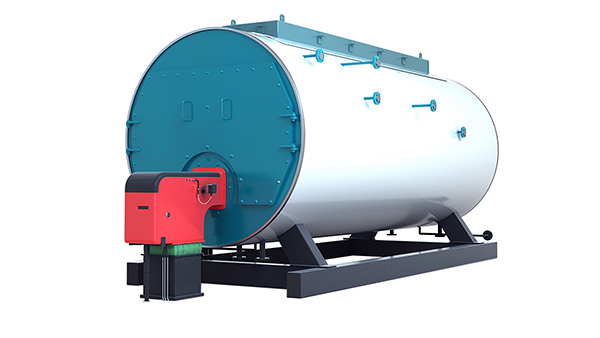
Industrial gas-fired boilers often suffer from hidden inefficiencies and excessive emissions not because of poor fuel quality or outdated equipment, but due to suboptimal burner design and poorly tuned combustion control systems, which can lead to incomplete combustion, unstable flame conditions, excessive air usage, and elevated NOx emissions, ultimately increasing operational costs and risking regulatory non-compliance, while many operators underestimate how critical the interaction between burner geometry and control logic is in achieving optimal performance.
Burner design and combustion control directly influence industrial gas-fired boiler efficiency and emissions by optimizing air-fuel mixing, flame stability, and heat transfer, where advanced burner geometries and precise control systems reduce excess air, minimize unburned fuel, lower NOx formation, and maximize thermal efficiency through stable and complete combustion processes.
To fully understand how these factors shape boiler performance, it is essential to examine the engineering principles, control strategies, and real-world optimization techniques that define modern industrial combustion systems.
Increasing fuel input always improves boiler efficiency regardless of burner design.False
Without proper burner design and combustion control, increasing fuel input can lead to incomplete combustion, higher emissions, and energy losses.
🔥 Burner Design Fundamentals and Their Impact on Performance
Burner design is the foundation of combustion efficiency in industrial gas-fired boilers, as it determines how fuel and air are mixed, ignited, and sustained within the combustion chamber, and modern burner systems are engineered to achieve precise mixing of gas and air at the molecular level, ensuring that combustion occurs as completely and uniformly as possible, which directly affects both efficiency and emissions performance.
In practical terms, burner geometry—including nozzle configuration, air register design, and flame shaping components—plays a critical role in controlling turbulence, mixing intensity, and flame temperature distribution, where high-quality premix burners, for example, blend fuel and air before ignition to achieve uniform combustion and significantly reduce NOx emissions, while diffusion burners rely on mixing during combustion and may require more precise control systems to maintain efficiency and stability.
Additionally, flame stability is a key factor influenced by burner design, as unstable flames can lead to flame lift-off, flashback, or incomplete combustion, all of which reduce efficiency and increase emissions, and advanced burner designs incorporate features such as flame holders, swirl vanes, and staged combustion zones to maintain a stable flame across varying load conditions, ensuring consistent performance even during rapid demand fluctuations.
⚙️ Types of Industrial Burners and Their Characteristics
| Burner Type | Mixing Method | Efficiency Level | NOx Emissions | Application Suitability |
|---|---|---|---|---|
| Premix Burner | Pre-mixed air/fuel | High | Low | High-efficiency systems |
| Diffusion Burner | In-flame mixing | Medium | Medium-High | Robust industrial use |
| Low-NOx Burner | Staged combustion | High | Very Low | Regulated environments |
| Surface Burner | Porous surface | Very High | Ultra Low | Advanced applications |
🌡️ Combustion Control Systems: Precision and Optimization
While burner design establishes the physical framework for combustion, combustion control systems provide the dynamic intelligence required to maintain optimal performance under real operating conditions, and these systems continuously adjust parameters such as air-fuel ratio, fuel flow rate, and burner staging based on feedback from sensors measuring oxygen levels, temperature, and pressure, ensuring that combustion remains efficient and compliant across varying loads.
Modern control systems utilize technologies such as oxygen trim control, which automatically adjusts air supply based on real-time O₂ measurements in flue gas, reducing excess air and improving efficiency, while advanced digital controllers integrate multiple data inputs to optimize combustion parameters simultaneously, and in some cases, machine learning algorithms are used to predict optimal settings based on historical performance data, enabling proactive adjustments that enhance both efficiency and emissions performance.
Furthermore, combustion control systems play a crucial role in minimizing emissions by maintaining optimal flame temperatures and reducing the formation of pollutants such as NOx, which is highly sensitive to combustion temperature and oxygen availability, and by implementing strategies such as flue gas recirculation or staged combustion, control systems can significantly reduce NOx emissions without compromising efficiency.
📊 Impact of Combustion Control on Efficiency and Emissions
| Control Strategy | Efficiency Improvement | Emission Reduction | Key Mechanism |
|---|---|---|---|
| Oxygen Trim Control | 2–5% | Moderate | Reduces excess air |
| Flue Gas Recirculation | 1–3% | High (NOx) | Lowers flame temperature |
| Burner Staging | 3–6% | High | Controls heat release distribution |
| Digital Automation | 5–10% | Moderate-High | Real-time optimization |
🔄 Interaction Between Burner Design and Control Systems
The relationship between burner design and combustion control is highly interdependent, as even the most advanced burner cannot achieve optimal performance without precise control, and conversely, sophisticated control systems cannot compensate for poor burner geometry, making it essential to consider both elements as part of an integrated system rather than isolated components.
For example, a low-NOx burner designed for staged combustion requires precise timing and control of fuel and air injection across different zones, and without accurate control, the intended emission reductions may not be realized, while a well-designed premix burner combined with oxygen trim control can achieve near-optimal combustion conditions with minimal excess air, resulting in both high efficiency and low emissions.
📈 Real-World Performance Comparison
| System Configuration | Efficiency (%) | NOx Emissions (ppm) | Fuel Savings (%) |
|---|---|---|---|
| Conventional Burner + Basic Control | 78 | 120 | — |
| Low-NOx Burner + O₂ Trim Control | 85 | 45 | 8–12 |
| Advanced Burner + AI Control | 90+ | <30 | 12–18 |
🏭 Case Study: Efficiency and Emission Optimization in Practice
In a large industrial facility operating multiple gas-fired boilers, initial assessments revealed that despite using relatively modern equipment, the system was operating with excess air levels above 7% O₂ and NOx emissions exceeding 100 ppm, indicating inefficient combustion and regulatory risk, and further analysis identified that the existing diffusion burners were not optimized for current load conditions and lacked advanced control capabilities, leading to inconsistent air-fuel mixing and unstable flame behavior.
By upgrading to low-NOx premix burners and implementing an advanced combustion control system with oxygen trim and real-time monitoring, the facility was able to reduce excess air to approximately 3%, stabilize combustion across all load ranges, and lower NOx emissions to below 40 ppm, while simultaneously improving overall boiler efficiency from 80% to 88%, resulting in significant fuel savings and full regulatory compliance.
🧩 Visual Representation of Combustion Optimization
🔥 Fuel + 🌬️ Air → 🔄 Burner Mixing → 🔥 Stable Flame
                         ↓
                 🎯 Combustion Control System
                         ↓
        📉 Lower Emissions + 📈 Higher Efficiency
Summary
Burner design and combustion control are critical determinants of industrial gas-fired boiler efficiency and emissions, as they govern the quality of air-fuel mixing, flame stability, and real-time optimization of combustion conditions, and by integrating advanced burner technologies with intelligent control systems, industries can achieve significant improvements in energy efficiency, reduce harmful emissions, and ensure reliable, compliant boiler operation in increasingly demanding regulatory environments.
What Role Do Monitoring Systems Play in Industrial Gas-Fired Boiler Performance Assessment?
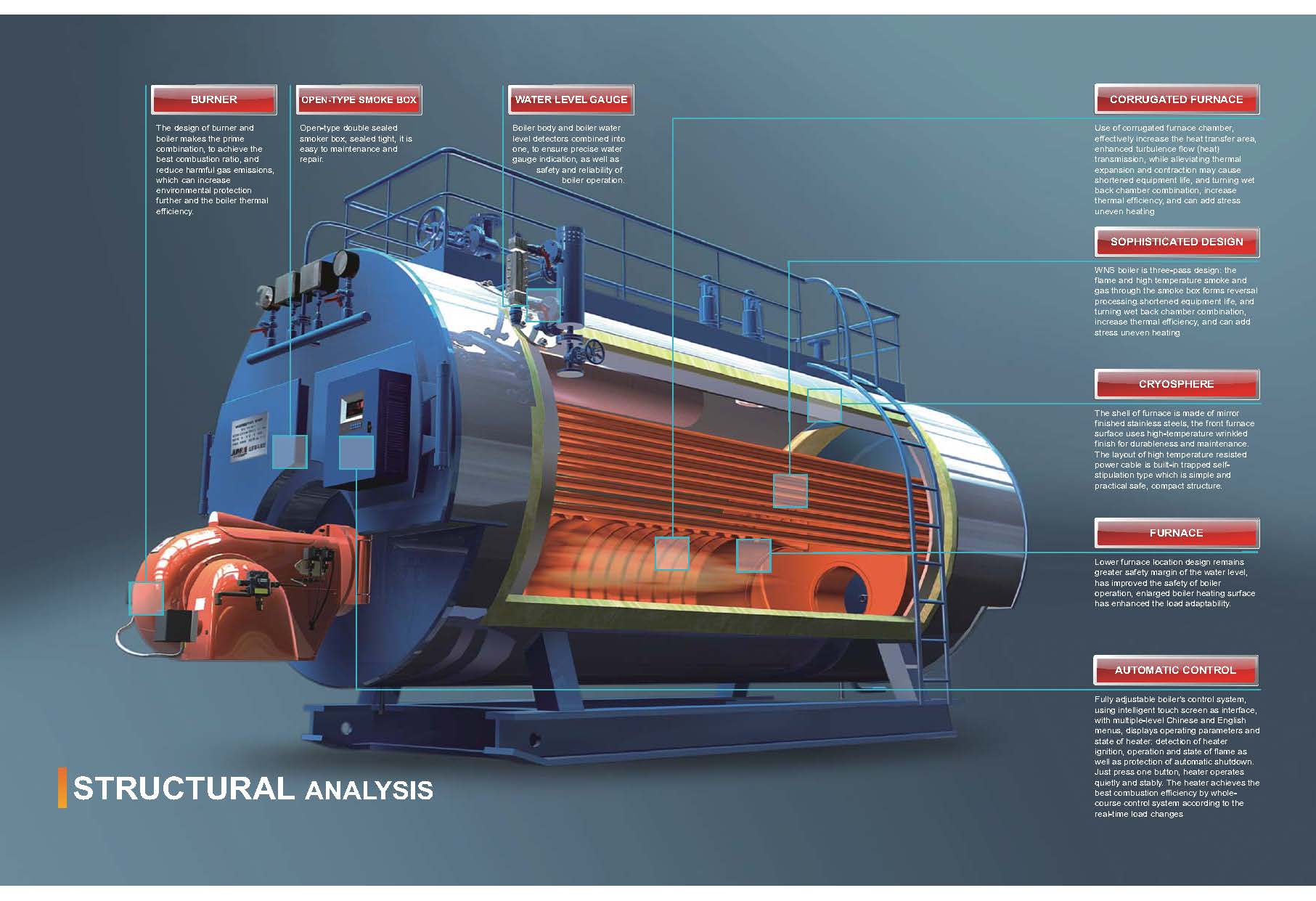
Industrial gas-fired boilers are often evaluated based on periodic inspections or manual readings, yet this fragmented approach leaves critical performance gaps undetected, allowing inefficiencies, emission spikes, and mechanical faults to develop unnoticed until they result in costly downtime, regulatory violations, or excessive fuel consumption; without continuous and intelligent monitoring systems, operators are essentially managing complex thermal processes with incomplete visibility, which undermines both operational reliability and energy optimization.
Monitoring systems play a crucial role in industrial gas-fired boiler performance assessment by providing continuous, real-time data on combustion conditions, efficiency metrics, emissions levels, and system health, enabling operators to detect inefficiencies, optimize performance, ensure regulatory compliance, and implement predictive maintenance strategies that significantly improve reliability and cost-effectiveness.
To fully appreciate the transformative impact of monitoring systems, it is necessary to examine their technical components, data capabilities, integration with control systems, and their role in driving data-informed decision-making across industrial operations.
Manual periodic inspections provide sufficient data for accurate boiler performance assessment.False
Manual inspections miss dynamic changes and transient inefficiencies that continuous monitoring systems can detect in real time.
📡 Core Functions of Monitoring Systems in Boiler Performance Assessment
Monitoring systems serve as the sensory and analytical backbone of industrial gas-fired boiler operations, continuously collecting and processing data from multiple points within the system to provide a comprehensive view of performance, and these systems typically integrate sensors for temperature, pressure, flow rate, oxygen levels, and emissions, all of which contribute to a multidimensional dataset that reflects real-time operating conditions.
From a functional perspective, monitoring systems enable operators to track key performance indicators such as combustion efficiency, excess air ratio, stack temperature, and fuel consumption, allowing for immediate identification of deviations from optimal conditions, while also providing historical data that can be analyzed to identify trends, seasonal variations, or gradual performance degradation, which are often invisible through manual observation.
In addition, modern monitoring systems incorporate alarm and notification mechanisms that alert operators when parameters exceed predefined thresholds, enabling rapid response to potential issues such as flame instability, abnormal pressure fluctuations, or rising emissions levels, thereby reducing the risk of equipment damage or regulatory non-compliance.
⚙️ Key Parameters Monitored in Industrial Boilers
| Parameter | Measurement Purpose | Impact on Performance | Monitoring Frequency |
|---|---|---|---|
| Temperature | Heat transfer efficiency | Directly affects thermal output | Continuous |
| Pressure | System stability | Safety and operational consistency | Continuous |
| O₂ (Oxygen) | Excess air control | Combustion efficiency | Continuous |
| CO / NOx Emissions | Environmental compliance | Regulatory adherence | Continuous |
| Fuel Flow Rate | Energy input measurement | Efficiency calculation | Continuous |
| Steam Output | Energy output measurement | Performance benchmarking | Continuous |
🧠 Data Analytics and Predictive Insights
One of the most significant advantages of modern monitoring systems lies in their ability to transform raw operational data into actionable insights through advanced analytics, where integrated software platforms process continuous data streams to identify patterns, correlations, and anomalies that would otherwise remain undetected, enabling predictive maintenance strategies that anticipate equipment failures before they occur.
For example, a gradual increase in stack temperature combined with declining thermal efficiency may indicate fouling in heat exchange surfaces, prompting maintenance before efficiency losses become severe, while fluctuations in oxygen levels may signal issues with burner performance or air supply systems, and by leveraging machine learning algorithms, monitoring systems can continuously refine their predictive models, improving accuracy over time and enabling increasingly precise optimization of boiler operations.
📊 Impact of Monitoring Systems on Performance Metrics
| Monitoring Capability | Efficiency Improvement | Emission Reduction | Maintenance Impact |
|---|---|---|---|
| Real-Time Data Tracking | 3–7% | Moderate | Early issue detection |
| Predictive Analytics | 5–10% | High | Reduced unplanned downtime |
| Automated Alerts | 2–4% | Moderate | Faster response time |
| Integrated Control Systems | 8–15% | High | Continuous optimization |
🔄 Integration with Combustion Control Systems
Monitoring systems do not operate in isolation but are deeply integrated with combustion control systems to create a closed-loop optimization environment, where real-time data feeds directly into control algorithms that adjust air-fuel ratios, burner staging, and other operational parameters, ensuring that the boiler operates at peak efficiency under all conditions.
This integration enables dynamic response to changing load demands, fuel quality variations, and environmental conditions, allowing the system to maintain optimal combustion without manual intervention, while also ensuring that emissions remain within regulatory limits through continuous adjustment and verification.
🏭 Real-World Case Study: Monitoring-Driven Optimization
In a chemical processing plant operating multiple industrial gas-fired boilers, the implementation of a comprehensive monitoring system revealed that while average efficiency appeared acceptable, significant fluctuations occurred during load transitions, leading to temporary spikes in fuel consumption and emissions, and by integrating real-time monitoring with advanced control systems, the plant was able to stabilize combustion conditions, reduce excess air variability, and improve overall efficiency by approximately 9%, while also reducing NOx emissions by over 20%, demonstrating the value of continuous monitoring in capturing dynamic performance characteristics.
📊 Visualization of Monitoring System Workflow
📡 Sensors → 📊 Data Acquisition → 🧠 Analytics Engine → ⚙️ Control System
        ↓                              ↑
   Real-Time Alerts           Predictive Insights
        ↓                              ↑
   🔧 Maintenance Actions ← Performance Optimization
📈 Evolution Toward Smart Boiler Systems
The role of monitoring systems continues to evolve with the adoption of Industrial Internet of Things (IIoT) technologies, cloud computing, and digital twins, which enable remote monitoring, advanced simulations, and cross-facility benchmarking, allowing organizations to manage multiple boiler systems from centralized platforms while continuously improving performance through data-driven strategies, and this evolution is transforming industrial boilers from isolated mechanical systems into intelligent, interconnected assets that contribute to broader energy management and sustainability goals.
Summary
Monitoring systems are indispensable for industrial gas-fired boiler performance assessment, as they provide continuous, real-time visibility into operational parameters, enable data-driven optimization, support predictive maintenance, and ensure emissions compliance, ultimately transforming boiler management from reactive troubleshooting into proactive, intelligent performance optimization that enhances efficiency, reliability, and sustainability.
How Can You Verify Real-World Performance of Industrial Gas-Fired Boilers?
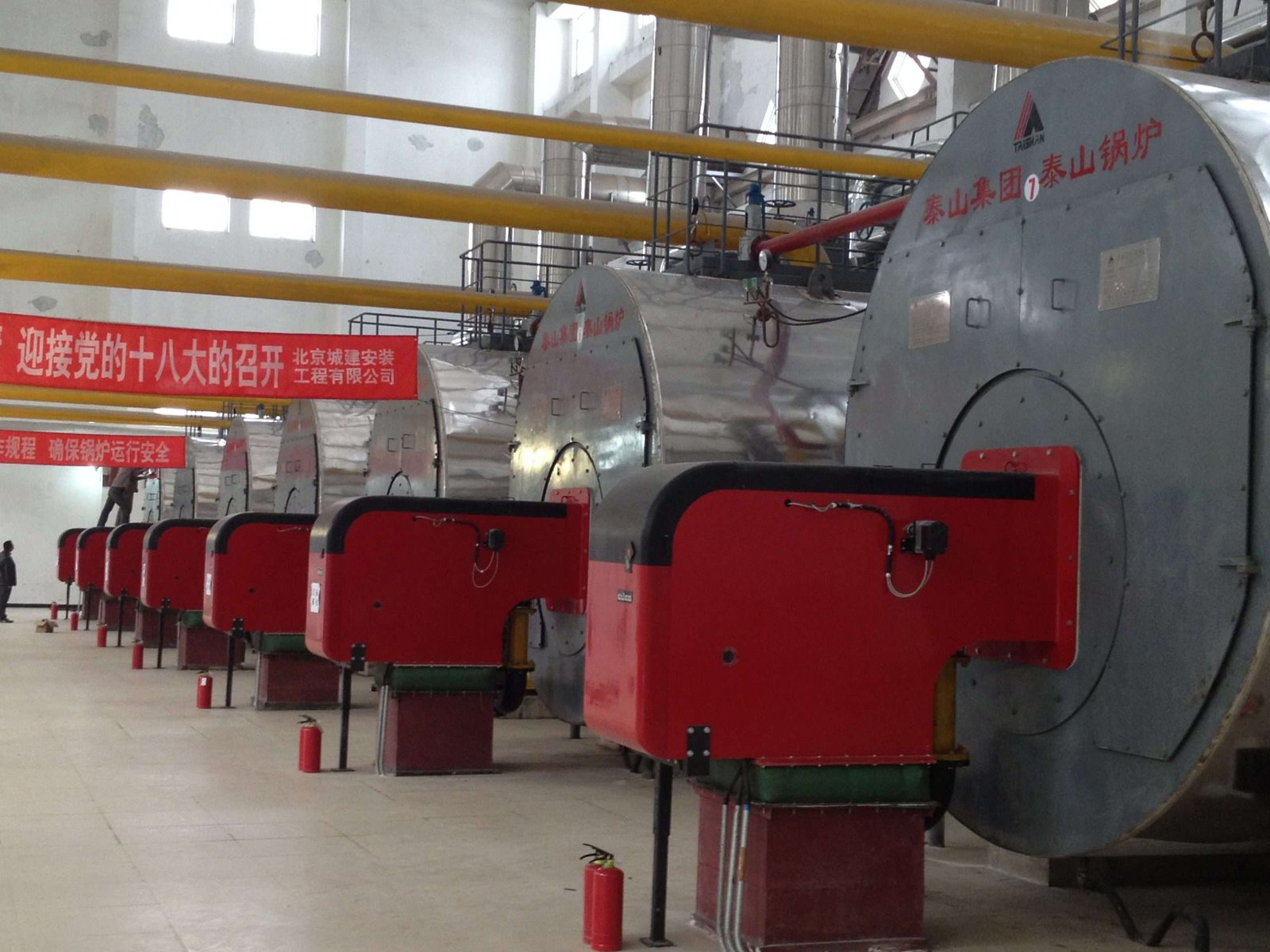
Many industrial gas-fired boilers look efficient on paper, yet real operating conditions often tell a very different story. A boiler may pass factory testing, carry the right nameplate capacity, and still consume more gas than expected, deliver unstable steam output, struggle under load swings, or produce emissions that drift toward compliance limits in day-to-day production. The cost of relying only on catalog data or commissioning reports can be significant: higher fuel bills, hidden downtime, product quality variation, avoidable maintenance, and poor investment decisions. Real-world performance verification solves this problem by measuring what the boiler actually does in the plant, under the loads, controls, water quality, and operating habits that define its true efficiency and reliability.
To verify the real-world performance of industrial gas-fired boilers, you should measure actual fuel input, steam or hot-water output, flue gas composition, stack temperature, excess air, load response, blowdown losses, auxiliary power use, and operating stability over time, then compare those field data against design values, guaranteed efficiency, emissions limits, and process demand profiles. In practice, the most reliable verification method combines on-site instrumentation, flue gas analysis, trend monitoring, heat-balance calculation, and performance testing at multiple loads rather than relying on a single snapshot.
The most useful performance assessment is not just a test, but a structured validation process. Once you understand which indicators matter, how they are measured, and how to interpret them in context, you can distinguish between nominal efficiency and actual plant value, identify hidden losses, and make technically sound decisions about tuning, retrofits, maintenance, and replacement.
A boiler that performs well during factory acceptance testing will automatically deliver the same efficiency in plant operation.False
Field conditions such as excess air, load fluctuation, return water temperature, fouling, insulation quality, fuel pressure stability, and operator settings can significantly change real-world boiler performance compared with controlled factory tests.
Why “Real-World Performance” Matters More Than Rated Performance
Rated boiler performance is useful as a reference, but it is not the same as verified plant performance. Manufacturers typically publish capacity, thermal efficiency, turndown ratio, and emissions data under defined test conditions. Those conditions may include stable ambient temperature, controlled gas composition, clean heat transfer surfaces, ideal feedwater conditions, calibrated burners, and steady load. Industrial sites rarely operate like that for long.
In actual service, boilers face start-stop cycles, partial-load operation, fluctuating steam demand, variable feedwater temperature, condensate return inconsistency, burner wear, imperfect tuning, and changing maintenance quality. Even a well-designed gas-fired boiler can lose several percentage points of real operating efficiency when excess air rises, stack temperature drifts upward, or cycling increases. That is why real-world verification is not simply a compliance exercise; it is a profitability tool.
Another important point is that the boiler itself is only part of the thermal system. A boiler may appear acceptable in isolation, while the plant still wastes energy through poor blowdown control, leaking steam traps, uninsulated valves, poor condensate recovery, or oversized operation at low load. Verifying real-world performance therefore means checking both the combustion appliance and the surrounding energy system. The objective is not to ask, “Is this boiler working?” but rather, “Is this boiler converting fuel into useful process heat efficiently, stably, and compliantly under our actual operating conditions?”
Key Real-World Verification Targets at a Glance
| Verification Area | What to Measure | Why It Matters | Typical Problem It Reveals |
|---|---|---|---|
| Fuel Input | Gas flow, pressure, heating value | Establishes true energy input | Underestimated fuel consumption |
| Useful Output | Steam flow, enthalpy, hot-water load | Confirms delivered thermal value | Capacity shortfall |
| Combustion Quality | O₂, CO₂, CO, NOx | Shows burner tuning and emissions status | Excess air, incomplete combustion |
| Stack Loss | Flue gas temperature, oxygen correction | Quantifies heat escaping to chimney | Fouling, poor heat recovery |
| Load Response | Ramp rate, pressure stability | Shows real process suitability | Slow recovery, unstable output |
| Part-Load Behavior | Efficiency at 25%, 50%, 75%, 100% load | Reflects normal operating reality | Oversizing penalties |
| Water-Side Condition | Blowdown rate, TDS, scaling indicators | Affects transfer efficiency and reliability | Hidden heat-transfer losses |
| Auxiliary Energy | Fan, pump, controls electricity | Needed for system-level efficiency | Ignored parasitic load |
| Reliability | Trips, alarms, cycling frequency, downtime | Measures practical operability | Frequent nuisance shutdowns |
| Emissions Compliance | Corrected NOx, CO, O₂ trends | Verifies legal and environmental performance | Tuning drift, non-compliance risk |
A Practical Framework for Verifying Boiler Performance On Site
A credible field verification program begins with boundary definition. You first need to decide whether you are evaluating burner performance, boiler thermal efficiency, boiler-house efficiency, or full process heating performance. These are related but not identical. For example, a combustion analyzer may show good burner settings, yet the plant still loses significant energy through high blowdown or poor condensate return.
The second step is operating-context capture. It is not enough to take a single reading when the boiler is running smoothly. You should record data at representative conditions: start-up, low load, typical production load, peak demand, and load transitions. Many industrial gas-fired boilers spend much of their lives far below nameplate capacity. If you only test at full load, you may miss the most important source of annual energy waste.
The third step is instrumentation validation. Field verification is only as good as the sensors and methods used. Gas flow meters, steam flow meters, pressure transmitters, thermocouples, and flue gas analyzers must be appropriately selected and recently calibrated. Uncorrected measurement errors can mislead operators into thinking a boiler is efficient when it is not, or vice versa.
The fourth step is heat-balance interpretation. Instead of treating each reading separately, a proper performance assessment links fuel energy input, useful heat output, stack loss, radiation and convection loss, blowdown loss, and auxiliary power consumption into one coherent picture. That is what transforms raw data into a decision-making tool.
Core Metrics That Prove Real-World Boiler Performance
1. Actual Thermal Efficiency
Actual thermal efficiency is one of the most important indicators because it tells you how much fuel energy becomes useful heat in real operation. It should be derived from field-measured input and output rather than assumed from brochures. For steam boilers, this often means comparing the energy content of generated steam minus feedwater enthalpy to the fuel energy entering the burner.
A common mistake is to quote combustion efficiency from a flue gas analyzer as if it were total boiler efficiency. Combustion efficiency focuses primarily on stack loss from exhaust gases. It does not fully account for shell losses, blowdown, cycling, or auxiliary power. Real-world verification should distinguish clearly between combustion efficiency and actual operating efficiency.
2. Fuel-to-Steam or Fuel-to-Hot-Water Efficiency
This metric is often more useful for plant managers because it is close to business reality. It asks a simple question: how much useful steam or hot water did the plant actually get per unit of gas consumed? It reflects practical performance, especially when tracked across shifts, seasons, and production campaigns.
3. Flue Gas Quality
Flue gas analysis is essential because it provides immediate evidence of combustion condition. Oxygen that is too high usually means excessive air and wasted heat. Carbon monoxide that is elevated can indicate incomplete combustion, unsafe operation, or poor mixing. NOx trends help verify emissions compliance and combustion control quality.
4. Stack Temperature
Stack temperature is one of the clearest field signals of lost energy. When it rises above the expected range at comparable loads, it often suggests fouling, scaling, failed heat recovery, or poor burner adjustment. Stack temperature becomes far more valuable when interpreted together with O₂ and load data.
5. Stability and Repeatability
A high-efficiency reading is not enough if the boiler is unstable. Good real-world performance means the unit can maintain pressure, recover quickly from demand changes, and operate without frequent cycling, nuisance trips, or combustion oscillation. Stability is especially important in process industries where thermal inconsistency affects product quality.
Visual Model: How Real-World Verification Works
⛽ Fuel Input
   ↓
🔥 Burner & Combustion Control
   ↓
🌡️ Heat Transfer in Boiler
   ↓
♨️ Useful Steam / Hot Water Output
   ↘
    🌫️ Stack Loss
    💧 Blowdown Loss
    🌡️ Radiation Loss
    ⚡ Auxiliary Power Use
   ↓
📊 Monitoring, Trending, Verification
   ↓
✅ Real-World Performance Assessment
Field Instruments Commonly Used for Verification
| Instrument / Tool | Main Function | Typical Verification Use |
|---|---|---|
| Flue Gas Analyzer | Measures O₂, CO, CO₂, NOx, flue temperature | Combustion tuning and emissions verification |
| Gas Flow Meter | Measures fuel consumption | Input energy calculation |
| Steam Flow Meter | Measures steam production rate | Output calculation |
| Temperature Sensors | Feedwater, flue gas, steam, return water | Heat-balance and loss analysis |
| Pressure Transmitters | Steam pressure, gas pressure, draft | Stability and combustion diagnostics |
| Thermal Camera | Detects surface heat losses | Insulation and casing-loss inspection |
| Power Meter | Measures fan, pump, control power | System efficiency verification |
| Data Logger / SCADA | Records trends over time | Multi-load and long-cycle performance analysis |
| Water Test Equipment | Conductivity, TDS, hardness, alkalinity | Blowdown and scaling risk evaluation |
How Flue Gas Analysis Supports Real-World Verification
Flue gas analysis is one of the fastest and most informative diagnostic methods available in the field. It helps verify whether the burner is operating with the right air-to-fuel ratio, whether combustion is complete, and whether the boiler is likely losing excessive heat through the stack. In practical terms, operators should not only record O₂, CO, CO₂, NOx, and stack temperature, but also examine how these values change with load.
For example, a boiler that looks acceptable at 80% load may show excessive oxygen and unstable CO at 30% load, indicating poor low-fire tuning or weak control logic. That matters because annual operation may be dominated by part-load hours. Likewise, if corrected NOx is near the regulatory limit during demand spikes, the boiler may technically pass a simple spot test while still carrying real compliance risk.
Flue gas analysis also helps separate symptoms from causes. High stack temperature alone can point to several issues, but when paired with oxygen and carbon monoxide trends, it becomes easier to identify whether the root problem is excess air, fouled heat transfer surfaces, draft issues, or burner maladjustment. In that sense, flue gas data are not just compliance data; they are performance intelligence.
Simple Performance Dashboard Concept
| KPI | Good Field Signal | Warning Signal | Likely Follow-Up Action |
|---|---|---|---|
| O₂ in Flue Gas | Stable and optimized by load | Persistently high or erratic | Tune burner / check controls |
| CO | Very low and stable | Spikes during transitions | Inspect mixing, ignition, airflow |
| Stack Temperature | Near expected benchmark | Gradually increasing | Check fouling, scale, economizer |
| Steam Pressure Stability | Narrow fluctuation band | Frequent dips or overshoot | Review control tuning / load matching |
| Gas Use per Ton of Steam | Consistent and declining | Rising over time | Full heat-balance review |
| Boiler Cycling Frequency | Moderate and controlled | Frequent short cycling | Reassess sizing and sequencing |
| NOx | Below limit with margin | Near limit at certain loads | Optimize burner and recirculation |
| Blowdown Rate | Controlled by water chemistry | Higher than necessary | Improve water treatment strategy |
Why Multi-Load Testing Is More Valuable Than Single-Point Testing
Single-point testing is attractive because it is simple, but it often fails to represent annual operating reality. Most industrial gas-fired boilers do not run continuously at full rated load. They cycle, modulate, and respond to changing process demand. A boiler that is efficient at one test point can still be expensive across the year if it performs poorly at low and medium loads.
That is why field verification should ideally be performed across several stable load bands. A useful structure is to assess the boiler at approximately 25%, 50%, 75%, and near 100% of typical operating capacity, provided safe and practical testing conditions allow it. This reveals turndown behavior, burner stability, excess-air drift, and control responsiveness. It also provides a more realistic efficiency curve that can be used for annualized energy analysis.
Part-load verification is especially important for modern plants with variable production schedules, seasonal heating demand, or multiple boilers in lead-lag sequence. In these cases, the most efficient operational strategy may not be “run the biggest boiler harder,” but rather “sequence units to keep the active boiler in its most efficient modulation range.” Real-world verification makes those decisions evidence-based.
Typical Hidden Losses That Field Verification Often Exposes
Excess Air Losses
Too much combustion air is one of the most common sources of hidden inefficiency in gas-fired boilers. Operators often keep excess air higher than necessary to avoid carbon monoxide or flame instability, but this safety margin can become an energy penalty when left unchecked. High oxygen in flue gas means more mass is heated and exhausted through the stack.
Blowdown Losses
Blowdown is necessary to control dissolved solids, but over-blowdown wastes both water and heat. When field verification includes water chemistry and blowdown trend review, plants frequently discover that conservative manual practices are costing substantial energy.
Fouling and Scale
Even gas-fired boilers with clean combustion can suffer water-side and gas-side heat-transfer degradation. Scale on the water side and fouling on the gas side both raise stack temperature and reduce useful heat transfer. The loss may be gradual enough to avoid notice without trending.
Cycling and Standby Losses
Oversized boilers often short cycle under low demand. Every cycle introduces purge losses, transient inefficiency, and mechanical wear. A plant may think its boiler is adequate because capacity is abundant, while its actual fuel economy deteriorates from excessive cycling.
Parasitic Electrical Loads
Fans, pumps, actuators, controls, and auxiliaries consume electricity. These are often ignored in boiler discussions, but they matter when comparing technologies or quantifying full system performance. Real-world verification should include them where practical.
Example Icon-Based Loss Map
✅ Useful Heat to Process        ♨️
❌ Stack Heat Loss              🌫️
❌ Blowdown Energy Loss         💧
❌ Jacket / Surface Loss        🌡️
❌ Short-Cycle / Purge Loss     🔁
❌ Auxiliary Electrical Load    ⚡
❌ Condensate / Distribution Loss 🚰
How to Compare Field Results With Design Claims
A professional verification process should compare measured field performance with at least four references. The first is the manufacturer’s guaranteed efficiency or performance sheet. The second is the commissioning baseline, if a reliable one exists. The third is the plant’s own historical trend data. The fourth is the expected performance envelope for similar boilers operating under comparable load and emissions requirements.
This comparison must be fair. If a manufacturer’s efficiency is stated on a lower heating value basis and your plant reports on a higher heating value basis, the numbers will not match directly. If emissions are corrected to a different oxygen reference, comparisons can also be misleading. Consistent methodology matters.
It is also important to compare normalized figures, not just raw totals. Gas consumption alone is not enough. A useful normalization might be gas consumed per ton of steam, per hour of operation, per batch produced, or per unit of process output. That is how real-world boiler performance becomes relevant to business performance.
Recommended Verification Procedure for Industrial Users
Step 1: Define the verification objective
Clarify whether you are checking energy efficiency, output reliability, emissions compliance, operating cost, or retrofit benefit. Different objectives emphasize different data.
Step 2: Record baseline operating conditions
Capture fuel type, gas pressure, feedwater temperature, return condensate rate, steam pressure, ambient conditions, and production load. These contextual data are necessary for interpretation.
Step 3: Confirm instrument quality
Use calibrated or recently validated meters and analyzers. Document instrument type, range, and uncertainty. Poor instrumentation can invalidate the whole exercise.
Step 4: Test at representative loads
Collect stable data at multiple loads and during transitions. Include typical operating scenarios, not only best-case conditions.
Step 5: Perform flue gas and heat-balance analysis
Measure combustion quality and calculate practical efficiency. Track stack losses, blowdown, and auxiliary use if possible.
Step 6: Review operating trends over time
A one-day test is useful, but trend data over weeks often reveal cycling patterns, drift, maintenance-related degradation, and recurring instability.
Step 7: Identify root causes and actions
Translate findings into specific recommendations such as burner tuning, control optimization, economizer cleaning, insulation repair, sequencing improvement, or water treatment adjustment.
Example of a Practical Site Verification Matrix
| Test Item | Method | Frequency | Pass Indicator |
|---|---|---|---|
| Fuel Consumption | Metered gas usage | Continuous / test window | Matches expected range by load |
| Steam Output | Steam flow meter | Continuous / test window | Meets required demand stably |
| O₂ / CO / NOx | Flue gas analyzer | At each load band | Within tuning and compliance targets |
| Stack Temperature | Probe / analyzer | At each load band | Near baseline and not drifting upward |
| Pressure Stability | Trend recording | Continuous | Limited oscillation and fast recovery |
| Blowdown Review | Valve timing / conductivity data | Daily to weekly | Controlled, not excessive |
| Cycling Behavior | Trend logging | Daily to monthly | Low unnecessary short cycling |
| Surface Heat Loss | Thermal imaging | Quarterly or during audit | No major hot spots |
| Auxiliary Power | Electrical metering | During test | Reasonable relative to output |
Real-World Case Example
Consider a factory with a 10-ton-per-hour natural gas steam boiler that appeared to be performing acceptably because it maintained header pressure and had passed emissions inspection. However, monthly gas costs had increased disproportionately relative to production. A field verification campaign measured gas flow, steam flow, O₂, CO, NOx, stack temperature, blowdown behavior, and fan power across several load bands.
The results showed that at full load the boiler was reasonably efficient, but for most of the week it operated between 30% and 50% load with high excess oxygen, frequent short cycling, and elevated stack temperature. Surface thermography also identified deteriorated insulation around valves and inspection doors. In addition, blowdown was being controlled conservatively by operator routine rather than conductivity logic, leading to unnecessary heat loss.
The solution was not full boiler replacement. Instead, the plant retuned the burner for low and medium fire, adjusted lead-lag sequencing, repaired insulation defects, and improved blowdown control. The boiler continued to meet emissions requirements, but its gas use per ton of steam fell measurably, and pressure stability improved during production changes. This is exactly why real-world performance verification matters: it converts vague suspicions into actionable engineering evidence.
Common Mistakes When Verifying Boiler Performance
One frequent mistake is confusing combustion efficiency with whole-system efficiency. Another is testing only at one operating point. A third is ignoring uncertainty in metering and assuming all readings are equally reliable. Some plants also overlook part-load performance, auxiliary energy, or water-side losses, which can lead to incomplete conclusions.
Another common error is treating compliance as proof of efficiency. A boiler can satisfy emissions limits and still waste fuel. Likewise, a boiler can maintain capacity and still operate with significant hidden losses. Verification should therefore be broader than simple pass-fail regulatory testing.
Finally, many assessments stop at data collection and never reach root-cause interpretation. Performance verification becomes valuable only when data are translated into operating decisions, maintenance priorities, or capital planning.
Summary
Verifying the real-world performance of industrial gas-fired boilers requires more than checking the nameplate, reading a catalog efficiency value, or passing a spot emissions test. The most reliable approach combines field measurement of fuel use, useful heat output, flue gas composition, stack temperature, load behavior, blowdown, auxiliary energy, and operating stability, then evaluates those results across representative operating conditions. When done properly, this process reveals the gap between rated performance and actual plant performance, exposes hidden losses, supports emissions confidence, improves maintenance priorities, and helps operators make better decisions about tuning, retrofits, sequencing, and replacement. In short, real-world boiler verification is the bridge between theoretical efficiency and operational truth.
🔍 Conclusion
Assessing the efficiency and emissions compliance of industrial gas-fired boilers requires a combination of technical analysis, certified documentation, and real-time monitoring. By focusing on key performance indicators and regulatory standards, businesses can ensure their boiler systems deliver both high efficiency and environmental compliance. A thorough evaluation not only reduces operational costs but also minimizes environmental impact.
🔹 Contact us today to ensure your boiler system meets the highest standards of efficiency and environmental performance. ♨️📊🌱
FAQ
How can you assess the efficiency rating of an industrial gas-fired boiler?
Assessing the efficiency rating of an industrial gas-fired boiler involves analyzing how effectively the system converts fuel energy into usable steam or heat. The most common metric is thermal efficiency, which measures the ratio of useful heat output to total fuel energy input.
One widely used method is the direct method (input-output method), where efficiency is calculated by comparing the energy content of the produced steam to the energy content of the fuel consumed. This requires accurate measurement of fuel flow rate, steam production rate, and enthalpy values.
Another approach is the indirect method (heat loss method), which evaluates various heat losses such as flue gas losses, radiation losses, and unburned fuel losses. By subtracting these losses from total input energy, the overall efficiency can be determined.
Flue gas analysis is a key part of efficiency assessment. Measuring oxygen (O₂), carbon dioxide (CO₂), and carbon monoxide (CO) levels helps determine combustion quality and excess air levels. Proper air-fuel ratio optimization improves efficiency and reduces fuel waste.
Efficiency ratings are also influenced by boiler design features such as economizers, condensing heat exchangers, and advanced burners. Reviewing manufacturer performance data and conducting on-site performance tests provides a comprehensive understanding of boiler efficiency.
What standards are used to evaluate boiler efficiency?
Several international standards are used to evaluate the efficiency of industrial gas-fired boilers. One of the most widely recognized is the ASME Performance Test Code (PTC), which provides standardized procedures for measuring boiler performance under controlled conditions.
In Europe, the EN standards define efficiency requirements for heating equipment, including gas-fired boilers. These standards often include seasonal efficiency metrics that reflect real-world operating conditions rather than ideal test environments.
Another important reference is ISO standards related to energy management and performance evaluation. These standards help organizations implement systematic approaches to improving energy efficiency.
In addition to these international standards, many countries have their own regulatory frameworks that define minimum efficiency requirements for industrial boilers. These regulations often evolve over time to promote energy conservation and reduce greenhouse gas emissions.
By adhering to recognized standards, operators can ensure accurate efficiency measurement and compare performance across different boiler systems.
How do you measure emissions compliance in gas-fired boilers?
Emissions compliance for industrial gas-fired boilers is assessed by measuring the concentration of pollutants in flue gases and comparing them with regulatory limits. The most commonly monitored emissions include nitrogen oxides (NOx), carbon monoxide (CO), carbon dioxide (CO₂), and sometimes unburned hydrocarbons.
Continuous Emissions Monitoring Systems (CEMS) are widely used in industrial settings to provide real-time data on emissions levels. These systems continuously measure pollutant concentrations and ensure that the boiler operates within permitted limits.
Periodic stack testing is another method used to verify compliance. Certified testing agencies conduct detailed measurements using calibrated instruments to ensure accuracy and regulatory compliance.
Flue gas analyzers are also used during routine maintenance to monitor combustion performance and detect deviations that could lead to higher emissions.
Compliance is typically expressed in terms of pollutant concentration (e.g., mg/Nm³ or ppm) and must meet local environmental regulations. Maintaining proper combustion conditions, regular maintenance, and use of advanced burner technologies are essential for ensuring consistent compliance.
What technologies help reduce emissions in gas-fired boilers?
Modern industrial gas-fired boilers incorporate several technologies designed to reduce emissions and meet strict environmental standards. One of the most important innovations is the use of low-NOx and ultra-low-NOx burners. These burners control flame temperature and improve air-fuel mixing, which reduces the formation of nitrogen oxides during combustion.
Flue gas recirculation (FGR) is another effective technology. It works by recirculating a portion of exhaust gases back into the combustion chamber, lowering flame temperature and reducing NOx formation.
Selective catalytic reduction (SCR) systems are used in applications with very strict emission limits. These systems inject ammonia or urea into the flue gas, which reacts with NOx in the presence of a catalyst to produce harmless nitrogen and water vapor.
Condensing technology can also indirectly reduce emissions by improving efficiency. Higher efficiency means less fuel is burned to produce the same amount of energy, resulting in lower overall emissions.
By combining these technologies, modern gas-fired boilers can achieve both high efficiency and low environmental impact.
How can operators ensure continuous compliance and optimal performance?
Ensuring continuous emissions compliance and optimal performance requires a combination of proper system design, regular monitoring, and proactive maintenance. One of the most important steps is implementing a robust monitoring system, such as CEMS, to track emissions and performance in real time.
Regular calibration of sensors and instrumentation is essential to maintain accurate measurements. Faulty sensors can lead to incorrect readings and potential non-compliance.
Routine maintenance plays a critical role in sustaining performance. Cleaning burners, inspecting heat exchangers, and maintaining proper air-fuel ratios help prevent efficiency losses and emission increases.
Operator training is also important. Skilled operators can identify abnormal conditions and make adjustments to maintain optimal combustion performance.
Data analysis and digital monitoring tools can further enhance performance by identifying trends and predicting potential issues before they become critical.
Finally, staying updated with regulatory changes ensures that the boiler continues to meet evolving environmental standards. By combining these practices, operators can maintain efficient, compliant, and reliable boiler operation.
References
Boiler Efficiency Testing and Standards
https://www.asme.org/codes-standards
ASMEGas Boiler Efficiency and Performance
https://www.carbontrust.com/resources/boilers
Carbon TrustSteam System Performance Guide
https://www.spiraxsarco.com/learn-about-steam
Spirax SarcoIndustrial Emissions Monitoring
https://www.epa.gov/emc
U.S. Environmental Protection AgencyNitrogen Oxides (NOx) Control Technologies
https://www.epa.gov/control-techniques-air-pollution
U.S. Environmental Protection AgencyEnergy Efficiency in Industry
https://www.iea.org/topics/industry
International Energy AgencyIndustrial Process Heating Systems
https://www.energy.gov/eere/amo/industrial-process-heating
U.S. Department of EnergyContinuous Emissions Monitoring Systems
https://www.epa.gov/air-emissions-monitoring-knowledge-base
U.S. Environmental Protection AgencyISO Energy Management Standards
https://www.iso.org/iso-50001-energy-management.html
International Organization for StandardizationBoiler Operation and Maintenance
https://www.nationalboard.org
National Board of Boiler and Pressure Vessel Inspectors