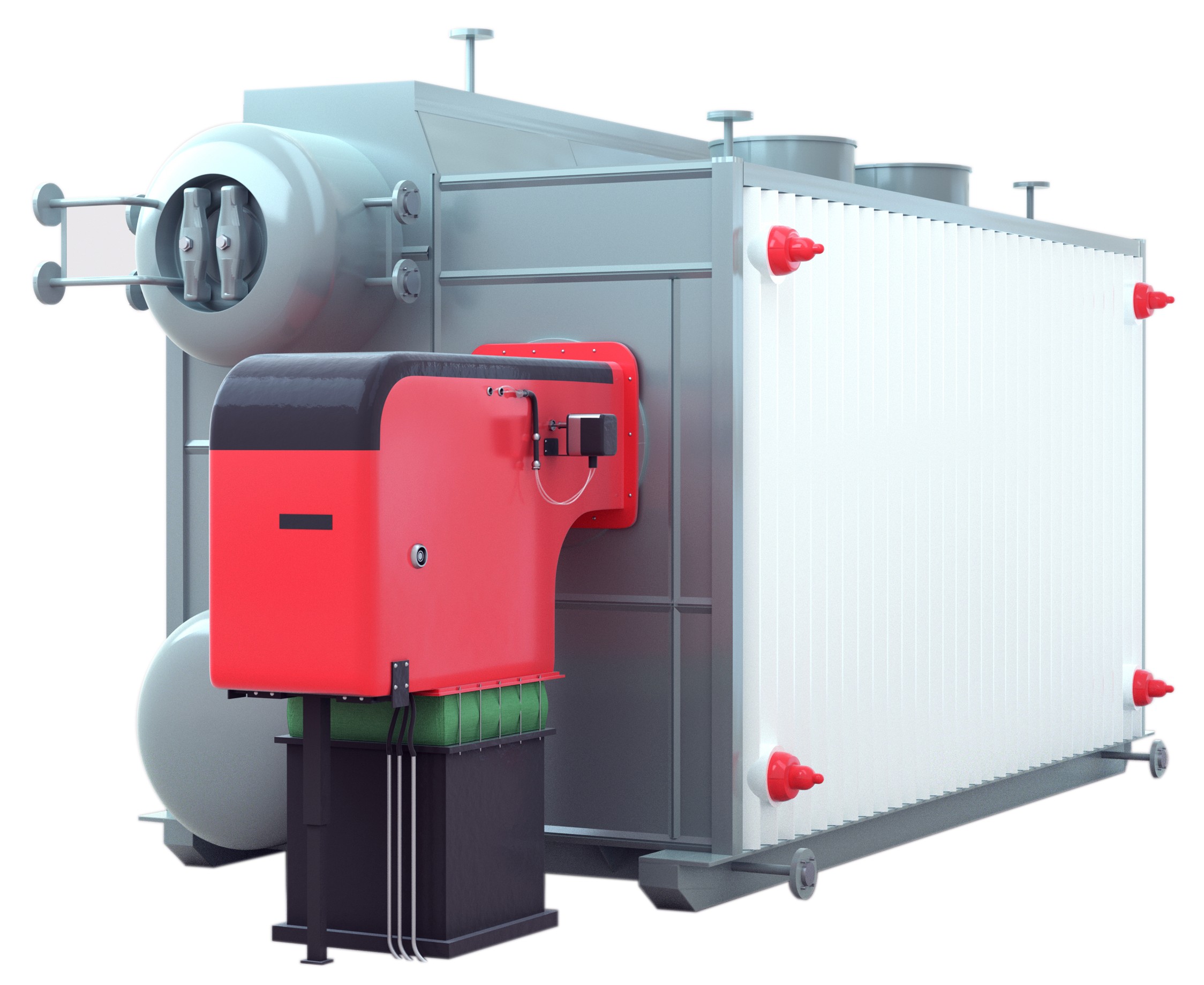
Industrial oil-fired boilers are critical for consistent heat and steam generation, but neglecting routine maintenance can lead to reduced efficiency, unexpected breakdowns, increased fuel consumption, and even safety hazards. Over time, soot buildup, burner inefficiencies, and water quality issues can silently degrade performance, resulting in costly downtime and repairs. To avoid these risks, implementing a structured maintenance routine is essential for ensuring reliable and efficient boiler operation.
Regular maintenance of industrial oil-fired boilers includes burner inspection and cleaning, fuel system checks, heat exchanger cleaning, water quality management, safety device testing, and control system calibration. These tasks help maintain optimal combustion efficiency, prevent equipment failure, reduce emissions, and extend the lifespan of the boiler system.
By understanding and applying these essential maintenance practices, operators can significantly enhance system reliability, improve energy efficiency, and ensure compliance with safety and environmental standards.
How Does Burner Inspection and Cleaning Improve Industrial Oil-Fired Boiler Performance?
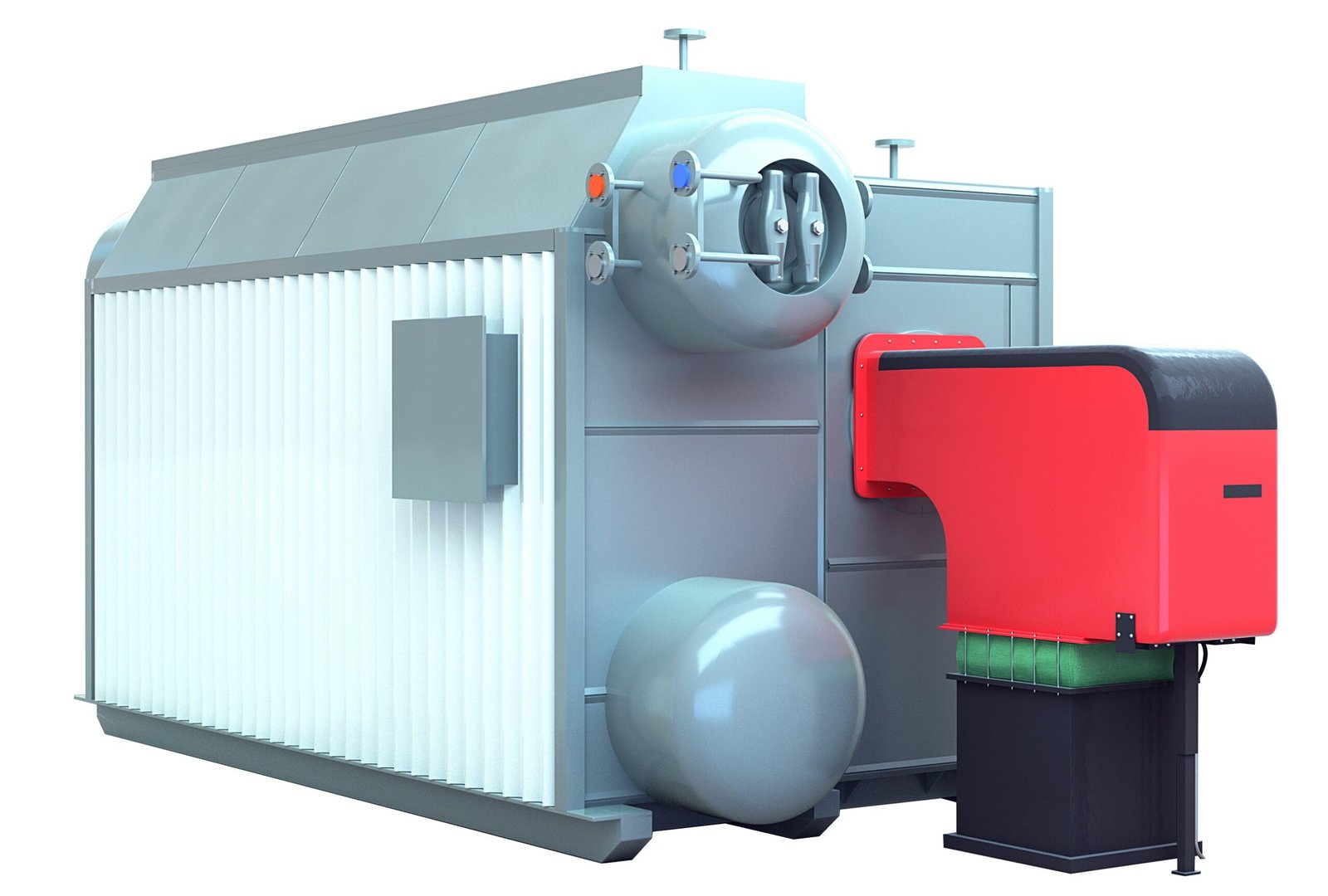
In industrial oil-fired boiler systems, performance issues often originate from a surprisingly overlooked component—the burner. Over time, fuel nozzles become clogged, air passages accumulate soot, and flame patterns deteriorate. These seemingly minor issues can lead to incomplete combustion, increased fuel consumption, unstable operation, and higher emissions. When left unaddressed, they not only reduce efficiency but also accelerate wear on critical components. Burner inspection and cleaning provide a practical and highly effective solution, restoring optimal combustion conditions and ensuring consistent boiler performance.
Burner inspection and cleaning improve industrial oil-fired boiler performance by ensuring proper fuel atomization, maintaining optimal air-fuel mixing, stabilizing flame characteristics, reducing soot formation, and enhancing combustion efficiency, which leads to lower fuel consumption, improved heat transfer, and reduced emissions.
To fully understand its importance, we must examine how burner condition directly affects combustion quality and overall boiler operation.
Dirty burners do not significantly affect boiler efficiency if fuel supply remains constant.False
Dirty burners disrupt fuel atomization and air-fuel mixing, leading to incomplete combustion and reduced efficiency.
🔥 The Role of Burners in Combustion Efficiency
The burner is the heart of the combustion process in an oil-fired boiler. Its primary function is to atomize fuel into fine droplets and mix it with air to create a stable and efficient flame. When the burner operates correctly, fuel burns completely, releasing maximum heat energy.
However, when deposits build up on the nozzle or air passages become obstructed, the atomization process is compromised. Fuel droplets become larger and unevenly distributed, leading to incomplete combustion and energy loss.
· Proper atomization → Fine fuel droplets → Complete combustion
· Clean air passages → Efficient mixing → Stable flame
· Balanced combustion → Maximum heat output
👉 Combustion Flow:
Fuel Injection → Atomization → Air Mixing → Ignition → Stable Flame → Heat Generation
Short insight: Clean burner, clean flame.
Extended explanation: The quality of combustion is directly tied to the condition of the burner, making regular inspection and cleaning essential for maintaining efficiency.
⚙️ Impact of Contamination on Burner Performance
Over time, burners accumulate contaminants such as carbon deposits, soot, and fuel residues. These contaminants interfere with normal operation and degrade performance.
Key issues caused by dirty burners include:
· Clogged nozzles → Poor fuel spray pattern
· Blocked air inlets → Inadequate oxygen supply
· Soot buildup → Reduced heat transfer
· Irregular flame shape → Combustion instability
These problems create a chain reaction that affects the entire boiler system, leading to reduced efficiency and increased operational costs.
👉 Performance Degradation Flow:
Contamination → Poor Atomization → Incomplete Combustion → Energy Loss → Reduced Efficiency
Short sentence: Dirt disrupts combustion.
Long explanation: Even small amounts of contamination can significantly alter burner performance, highlighting the importance of regular maintenance.
📊 Table 1: Burner Condition vs Combustion Efficiency
| Burner Condition | Fuel Atomization | Combustion Efficiency | Emissions Level | Performance Impact |
|---|---|---|---|---|
| Dirty | Poor | Low | High | Inefficient |
| Partially Clean | Moderate | متوسط | Moderate | Acceptable |
| Clean | Excellent | High | Low | Optimal |
🌡️ Flame Stability and Heat Transfer Enhancement
A stable flame is essential for efficient heat transfer and consistent boiler operation. Burner inspection and cleaning ensure that the flame remains uniform and properly aligned within the combustion chamber.
When the flame is unstable or uneven:
· Heat distribution becomes irregular
· Hotspots may develop
· Heat transfer efficiency decreases
By maintaining a clean burner, operators can ensure that the flame burns evenly, maximizing heat transfer to the boiler’s heat exchange surfaces.
👉 Heat Transfer Flow:
Stable Flame → Uniform Heat Distribution → Efficient Heat Transfer → Maximum Steam Output
Short insight: Stable flame, stable performance.
Extended explanation: Consistent flame characteristics are critical for maintaining efficient and reliable boiler operation.
📊 Table 2: Heat Transfer Efficiency Comparison
| Condition | Flame Stability | Heat Transfer Efficiency | Fuel Consumption | Operational Impact |
|---|---|---|---|---|
| Dirty Burner | Unstable | Low | High | Poor |
| Clean Burner | Stable | High | Reduced | Optimal |
🌪️ Emission Reduction and Environmental Benefits
Incomplete combustion caused by dirty burners results in higher emissions of pollutants such as carbon monoxide (CO) and unburned hydrocarbons. Regular inspection and cleaning help ensure complete combustion, reducing these emissions and supporting environmental compliance.
Key benefits include:
· Lower CO emissions
· Reduced soot and particulate matter
· Improved air quality
👉 Emission Reduction Flow:
Clean Burner → Complete Combustion → Lower Emissions → Environmental Compliance
Short sentence: Cleaner combustion, cleaner environment.
Long explanation: Proper burner maintenance not only improves efficiency but also contributes to sustainable and environmentally responsible operations.
🤖 Role in Operational Reliability and Maintenance
Burner inspection is not just about cleaning—it is also an opportunity to identify potential issues before they become serious problems. During inspection, technicians can detect wear, misalignment, or damage to components, allowing for timely repairs.
· Early fault detection → Prevents breakdowns
· Reduced downtime → Improves reliability
· Extended equipment life → Lowers replacement costs
👉 Maintenance Flow:
Inspection → Issue Identification → Cleaning/Repair → Restored Performance → Reliable Operation
Short insight: Inspection prevents failure.
Extended explanation: Regular maintenance ensures that the burner continues to operate efficiently and reliably over time.
⚡ Economic Impact and Cost Savings
Burner inspection and cleaning deliver significant economic benefits by improving efficiency and reducing operational costs.
Key advantages include:
· Lower fuel consumption due to efficient combustion
· Reduced maintenance and repair costs
· Extended equipment lifespan
· Improved overall system performance
👉 Cost Efficiency Flow:
Clean Burner → Efficient Combustion → Reduced Fuel Use → Lower Costs
Short sentence: Efficiency saves money.
Long explanation: Investing in routine burner maintenance provides a high return by reducing energy waste and preventing costly failures.
🔍 Real-World Case Insight
An industrial facility operating oil-fired boilers experienced rising fuel costs and unstable performance. After implementing a regular burner inspection and cleaning program, the facility achieved measurable improvements:
· Fuel consumption reduced by 10–15%
· Combustion efficiency increased
· Emissions decreased
· Operational stability improved
The results demonstrated that even simple maintenance practices can have a significant impact on overall boiler performance.
🔧 Best Practices for Burner Inspection and Cleaning
To maximize the benefits of burner maintenance, organizations should follow these best practices:
· Schedule regular inspection intervals
· Clean fuel nozzles and air passages thoroughly
· Check alignment and calibration of burner components
· Monitor flame characteristics during operation
· Replace worn or damaged parts promptly
👉 Quick Checklist:
· Inspect nozzle condition
· Clean air inlets
· Verify flame stability
· Ensure proper fuel pressure
These practices ensure that burners operate at peak efficiency, supporting overall boiler performance.
Summary
Burner inspection and cleaning are essential for improving the performance of industrial oil-fired boilers. By ensuring proper fuel atomization, maintaining optimal air-fuel mixing, stabilizing flame characteristics, and reducing emissions, these maintenance practices enhance efficiency, reliability, and cost-effectiveness. In industrial operations where performance and efficiency are critical, regular burner maintenance is not just beneficial—it is indispensable for achieving optimal boiler operation and long-term success.
Why Is Fuel System Maintenance Important for Industrial Oil-Fired Boilers?
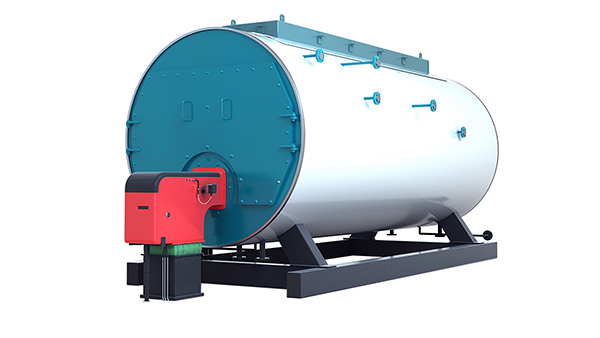
In industrial oil-fired boiler systems, the fuel system acts as the lifeline that ensures continuous and efficient energy delivery. However, over time, contaminants, sludge, and wear can accumulate in fuel lines, pumps, and filters, disrupting the smooth flow of oil. These issues often go unnoticed until they cause serious problems such as unstable combustion, reduced efficiency, increased emissions, and even unexpected shutdowns. Many facilities underestimate the importance of regular fuel system maintenance, focusing instead on visible components like burners or heat exchangers. The consequence is clear: compromised performance, higher operating costs, and reduced system reliability. Fuel system maintenance offers a proactive solution, ensuring consistent fuel delivery and optimal boiler operation.
Fuel system maintenance is crucial for industrial oil-fired boilers because it ensures clean and consistent fuel supply, prevents blockages and pressure fluctuations, maintains proper atomization, enhances combustion efficiency, reduces emissions, and extends the lifespan of critical components, ultimately improving reliability and reducing operational costs.
To fully understand its significance, it is essential to explore how the fuel system functions and how maintenance directly impacts boiler performance.
Fuel systems in oil-fired boilers require minimal maintenance because oil is a clean-burning fuel.False
Oil can contain impurities and form sludge over time, which can clog filters, damage components, and reduce combustion efficiency.
⚙️ Structure and Function of the Fuel System
The fuel system in an industrial oil-fired boiler is a complex network designed to deliver fuel from storage to the burner at the correct pressure, temperature, and flow rate. It includes components such as fuel tanks, pumps, filters, heaters, pipelines, and control valves. Each component plays a critical role in ensuring that fuel reaches the burner in optimal condition for efficient combustion.
A well-maintained fuel system ensures that oil is free from contaminants, properly pressurized, and delivered consistently. However, when maintenance is neglected, issues such as clogged filters, worn pumps, and leaking valves can disrupt fuel delivery and compromise combustion performance.
· Fuel pumps → Maintain pressure and flow
· Filters → Remove impurities and contaminants
· Heaters → Adjust viscosity for proper atomization
· Valves and pipelines → Control and transport fuel
👉 Fuel Delivery Flow:
Fuel Storage → Filtration → Pumping → Heating → Controlled Delivery → Burner Injection
Short insight: Smooth fuel flow ensures smooth combustion.
Extended explanation: The reliability of the entire boiler system depends on the consistent and controlled delivery of fuel, making the fuel system a critical component.
🔥 Impact on Combustion Efficiency
Fuel system maintenance directly influences combustion efficiency by ensuring that fuel is delivered in the correct condition for atomization and mixing with air. Clean and properly pressurized fuel allows the burner to produce a fine spray, which is essential for complete combustion.
When the fuel system is not properly maintained, several issues can arise:
· Clogged filters → Restricted fuel flow
· Inconsistent pressure → Poor atomization
· Contaminated fuel → Incomplete combustion
These problems lead to energy losses, increased fuel consumption, and reduced boiler efficiency.
👉 Combustion Efficiency Flow:
Clean Fuel → Proper Pressure → Fine Atomization → Complete Combustion → Maximum Heat Output
Short sentence: Clean fuel burns better.
Long explanation: Maintaining the fuel system ensures that combustion occurs under optimal conditions, maximizing energy output and minimizing waste.
📊 Table 1: Fuel System Condition vs Combustion Performance
| Fuel System Condition | Fuel Flow Stability | Combustion Efficiency | Emissions Level | Performance Impact |
|---|---|---|---|---|
| Poor Maintenance | Unstable | Low | High | Inefficient |
| Moderate Maintenance | Variable | Moderate | Moderate | Acceptable |
| Well Maintained | Stable | High | Low | Optimal |
🌡️ Prevention of Blockages and Equipment Damage
One of the primary benefits of fuel system maintenance is the prevention of blockages and damage to critical components. Over time, impurities in the fuel can accumulate and form deposits that obstruct pipelines and filters. Additionally, sludge formation can damage pumps and valves, reducing their effectiveness and lifespan.
Regular maintenance activities such as filter replacement, tank cleaning, and system flushing help prevent these issues and ensure smooth operation.
👉 Maintenance Flow:
Inspection → Cleaning → Replacement → System Optimization → Reliable Operation
Short insight: Prevention is better than repair.
Extended explanation: By addressing potential issues early, maintenance reduces the risk of costly repairs and unexpected downtime.
📊 Table 2: Operational Impact of Fuel System Maintenance
| Parameter | Without Maintenance | With Maintenance | Impact Level |
|---|---|---|---|
| Fuel Flow | Irregular | Stable | Critical |
| Equipment Wear | High | Low | Significant |
| Downtime Frequency | Frequent | Reduced | High |
| Maintenance Costs | High | Lower | Economic |
🌪️ Role in Emission Control and Environmental Compliance
Fuel system maintenance also plays a key role in reducing emissions and ensuring compliance with environmental regulations. Clean and properly delivered fuel burns more completely, producing fewer pollutants such as carbon monoxide (CO) and unburned hydrocarbons.
When the fuel system is compromised, incomplete combustion leads to higher emissions and potential regulatory violations.
· Complete combustion → Lower emissions
· Stable operation → Reduced pollutants
· Efficient fuel use → Environmental benefits
👉 Emission Control Flow:
Maintained Fuel System → Clean Fuel Delivery → Complete Combustion → Reduced Emissions
Short sentence: Better fuel flow, cleaner air.
Long explanation: Proper maintenance ensures that boilers operate efficiently while minimizing their environmental impact.
🤖 Contribution to System Reliability and Longevity
A well-maintained fuel system enhances the overall reliability and lifespan of the boiler. By ensuring consistent fuel delivery and preventing damage to components, maintenance reduces the likelihood of system failures and extends equipment life.
Additionally, regular inspections allow operators to identify and address issues such as leaks, corrosion, and wear before they lead to major problems.
· Improved reliability → Fewer unexpected failures
· Extended lifespan → Lower replacement costs
· Enhanced safety → Reduced risk of accidents
👉 Reliability Flow:
Regular Maintenance → Early Detection → Timely Repair → Stable Operation
Short insight: Maintenance builds reliability.
Extended explanation: Consistent upkeep of the fuel system ensures that the boiler operates safely and efficiently over the long term.
⚡ Economic Benefits and Cost Efficiency
Fuel system maintenance delivers significant economic advantages by improving efficiency and reducing operational costs.
Key benefits include:
· Lower fuel consumption due to efficient combustion
· Reduced maintenance and repair expenses
· Minimized downtime and production losses
· Extended equipment lifespan
👉 Cost Efficiency Flow:
Maintained System → Efficient Operation → Reduced Costs → Higher Profitability
Short sentence: Efficiency reduces costs.
Long explanation: Investing in maintenance provides a high return by preventing inefficiencies and avoiding costly failures.
🔍 Real-World Case Insight
An industrial facility operating oil-fired boilers experienced frequent fuel supply issues and rising operational costs due to poor maintenance practices. After implementing a structured fuel system maintenance program, the facility achieved notable improvements:
· Fuel consumption reduced by 12%
· System reliability increased
· Maintenance costs decreased
· Emissions improved
The results demonstrated the critical role of fuel system maintenance in ensuring efficient and reliable boiler operation.
🔧 Best Practices for Fuel System Maintenance
To maximize performance and reliability, organizations should adopt the following maintenance practices:
· Conduct regular inspections of fuel lines and components
· Replace filters and clean tanks periodically
· Monitor fuel quality and prevent contamination
· Maintain proper fuel pressure and temperature
· Train personnel in maintenance procedures
👉 Quick Checklist:
· Check filter condition
· Inspect pumps and valves
· Clean fuel storage tanks
· Monitor fuel flow and pressure
These practices ensure that the fuel system operates efficiently and supports optimal boiler performance.
Summary
Fuel system maintenance is essential for the efficient and reliable operation of industrial oil-fired boilers. By ensuring clean and consistent fuel delivery, preventing blockages, improving combustion efficiency, and reducing emissions, it plays a critical role in maintaining performance and extending equipment lifespan. In industrial environments where efficiency and reliability are paramount, proper fuel system maintenance is not just a routine task—it is a strategic necessity for achieving long-term operational success.
How Often Should Heat Exchangers Be Cleaned in Industrial Oil-Fired Boilers?
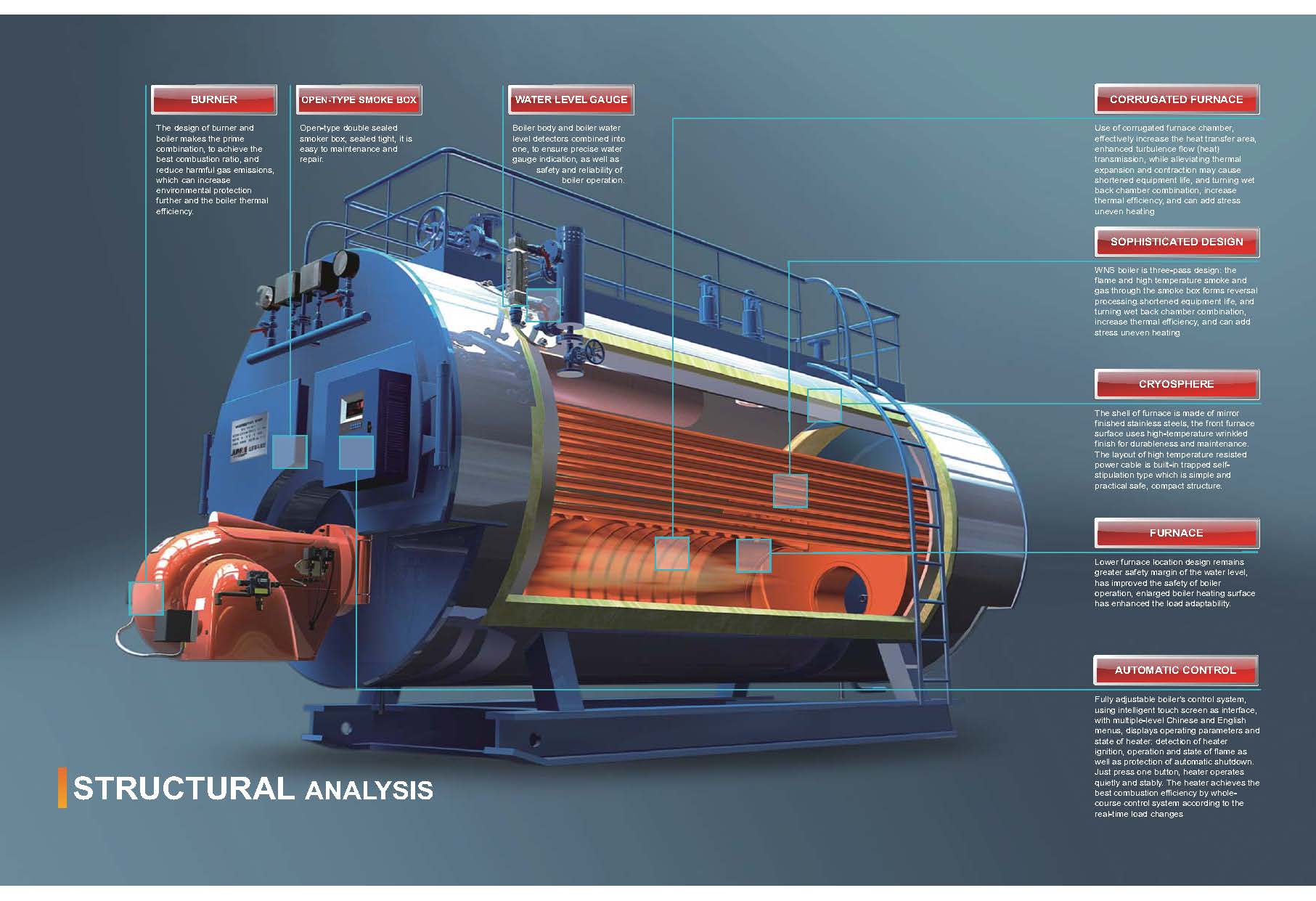
In industrial oil-fired boiler systems, heat exchangers play a critical role in transferring energy from combustion gases to water or steam. However, over time, soot, carbon deposits, and other residues accumulate on heat transfer surfaces, acting as insulation and reducing efficiency. Many operators delay cleaning due to production pressures, but this neglect can lead to increased fuel consumption, overheating, equipment damage, and even system failure. The challenge lies in determining the optimal cleaning frequency that balances operational efficiency with maintenance costs. Proper scheduling of heat exchanger cleaning is the key to maintaining peak boiler performance and extending equipment lifespan.
Heat exchangers in industrial oil-fired boilers should typically be cleaned every 3 to 6 months under normal operating conditions, but the exact frequency depends on fuel quality, operating load, combustion efficiency, and environmental conditions. High-load or poor-quality fuel conditions may require more frequent cleaning, while optimized systems can extend intervals with proper monitoring.
Understanding the correct cleaning frequency requires analyzing operational factors, performance indicators, and maintenance strategies.
Heat exchangers only need cleaning once a year regardless of operating conditions.False
Cleaning frequency depends on fuel quality, load conditions, and combustion efficiency, and may require more frequent maintenance.
🔥 Why Heat Exchanger Cleaning Frequency Matters
Heat exchangers are directly exposed to high-temperature combustion gases, making them highly susceptible to fouling and soot accumulation. Even a thin layer of deposits can significantly reduce heat transfer efficiency, forcing the boiler to consume more fuel to maintain output.
When cleaning is delayed, the following issues arise:
· Reduced heat transfer efficiency
· Increased fuel consumption
· Higher flue gas temperatures
· Risk of tube overheating and damage
👉 Efficiency Flow:
Clean Surface → Efficient Heat Transfer → Optimal Steam Output
When fouling occurs:
· Heat transfer decreases
· Energy losses increase
· System stress rises
Short insight: Dirty surfaces waste energy.
Extended explanation: Maintaining clean heat exchanger surfaces ensures efficient energy transfer, reducing operational costs and preventing long-term damage.
⚙️ Factors That Determine Cleaning Frequency
The ideal cleaning schedule varies depending on several operational factors. Understanding these variables allows operators to establish a maintenance plan tailored to their specific system.
1. Fuel Quality
Fuel quality has a direct impact on fouling rates. Low-quality oil with high impurities produces more soot and deposits, requiring more frequent cleaning.
· High-quality fuel → Less residue → Longer intervals
· Low-quality fuel → More deposits → Shorter intervals
2. Operating Load and Usage
Boilers operating at high loads or continuously are more prone to rapid fouling due to increased combustion activity.
· High load → Faster deposit buildup
· Moderate load → Slower accumulation
3. Combustion Efficiency
Efficient combustion produces fewer unburned particles, reducing soot formation. Poor combustion leads to higher fouling rates.
· Optimized combustion → Cleaner surfaces
· Incomplete combustion → More deposits
4. Environmental Conditions
Dust, humidity, and external contaminants can contribute to fouling, especially in industrial environments.
👉 Influence Flow:
Operating Conditions → Deposit Formation Rate → Cleaning Frequency
Short sentence: More deposits, more cleaning.
Long explanation: Cleaning frequency must be adjusted based on how quickly deposits accumulate under specific operating conditions.
📊 Table 1: Recommended Cleaning Frequency Based on Conditions
| Operating Condition | Fuel Quality | Load Level | Recommended Cleaning Interval | Maintenance Priority |
|---|---|---|---|---|
| Optimal Conditions | High | Moderate | 6 months | Standard |
| متوسط Conditions | Medium | Variable | 3–4 months | Moderate |
| Harsh Conditions | Low | High | 1–2 months | High |
🌡️ Performance Indicators That Signal Cleaning Needs
In addition to scheduled maintenance, operators should monitor key performance indicators to determine when cleaning is necessary. These indicators provide real-time insight into heat exchanger condition.
Key warning signs include:
· Rising flue gas temperature
· Increased fuel consumption
· Reduced steam output
· Visible soot or deposits
👉 Monitoring Flow:
Parameter Change → Performance Deviation → Cleaning Decision
Short insight: Performance reveals condition.
Extended explanation: By tracking operational data, operators can identify fouling early and schedule cleaning before efficiency is significantly impacted.
📊 Table 2: Performance Changes Due to Fouling
| Parameter | Clean Condition | Fouled Condition | Impact Level |
|---|---|---|---|
| Heat Transfer | High | Reduced | Critical |
| Fuel Consumption | Low | Increased | Significant |
| Flue Gas Temperature | Normal | Elevated | High |
| System Efficiency | Optimal | Degraded | Essential |
🌪️ Cleaning Methods and Best Practices
Effective cleaning requires selecting the appropriate method based on the type and severity of fouling. Common cleaning techniques include:
· Mechanical cleaning → Brushing or scraping deposits
· Chemical cleaning → Dissolving stubborn residues
· Soot blowing → Removing loose particles during operation
👉 Cleaning Process Flow:
Inspection → Method Selection → Cleaning → Performance Verification
Best practices include:
· Scheduling regular inspections
· Using proper cleaning tools and chemicals
· Ensuring safety during maintenance
· Verifying performance after cleaning
Short sentence: Right method, better results.
Long explanation: Choosing the appropriate cleaning technique ensures effective removal of deposits without damaging equipment.
🤖 Role of Monitoring and Automation
Modern industrial systems increasingly use real-time monitoring and automation to optimize cleaning schedules. Sensors can track parameters such as temperature and efficiency, providing data-driven insights into when cleaning is required.
Advanced systems can even trigger alerts or automate cleaning processes, reducing the need for manual intervention.
· Data-driven maintenance
· Predictive cleaning schedules
· Reduced downtime
👉 Smart Maintenance Flow:
Data Collection → Analysis → Prediction → Scheduled Cleaning
Short insight: Data guides maintenance.
Long-term value: Intelligent systems enable proactive maintenance, improving efficiency and reliability.
⚡ Economic Impact of Proper Cleaning Frequency
Maintaining the correct cleaning frequency delivers significant economic benefits by improving efficiency and reducing operational costs.
Key advantages include:
· Lower fuel consumption
· Reduced maintenance costs
· Extended equipment lifespan
· Improved system reliability
👉 Cost Efficiency Flow:
Regular Cleaning → Efficient Operation → Reduced Costs
Short sentence: Timely cleaning saves money.
Long explanation: Investing in regular maintenance prevents inefficiencies and avoids costly repairs, providing a strong return on investment.
🔍 Real-World Case Insight
An industrial facility operating oil-fired boilers experienced rising fuel costs and declining efficiency due to infrequent heat exchanger cleaning. After implementing a structured cleaning schedule based on operating conditions and performance indicators, the facility achieved significant improvements:
· Fuel consumption reduced by 10%
· Heat transfer efficiency increased
· Maintenance costs stabilized
· System reliability improved
The results highlighted the importance of proactive and condition-based cleaning.
🔧 Best Practices for Scheduling Cleaning
To ensure optimal performance, organizations should adopt a balanced approach to cleaning frequency:
· Combine scheduled maintenance with performance monitoring
· Adjust intervals based on operating conditions
· Maintain detailed maintenance records
· Train personnel in inspection and cleaning procedures
👉 Quick Checklist:
· Monitor flue gas temperature
· Track fuel consumption trends
· Inspect heat exchanger surfaces regularly
· Adjust cleaning schedule as needed
These practices ensure that cleaning is performed at the right time, maximizing efficiency and minimizing downtime.
Summary
Heat exchanger cleaning is a critical maintenance activity for industrial oil-fired boilers, directly impacting efficiency, reliability, and operational costs. While a general cleaning interval of 3 to 6 months is recommended, the optimal frequency depends on fuel quality, operating conditions, and system performance. By combining regular scheduling with real-time monitoring and performance analysis, operators can ensure that heat exchangers remain clean and efficient, supporting long-term boiler performance and sustainability.
What Role Does Water Treatment Play in Industrial Oil-Fired Boiler Maintenance?
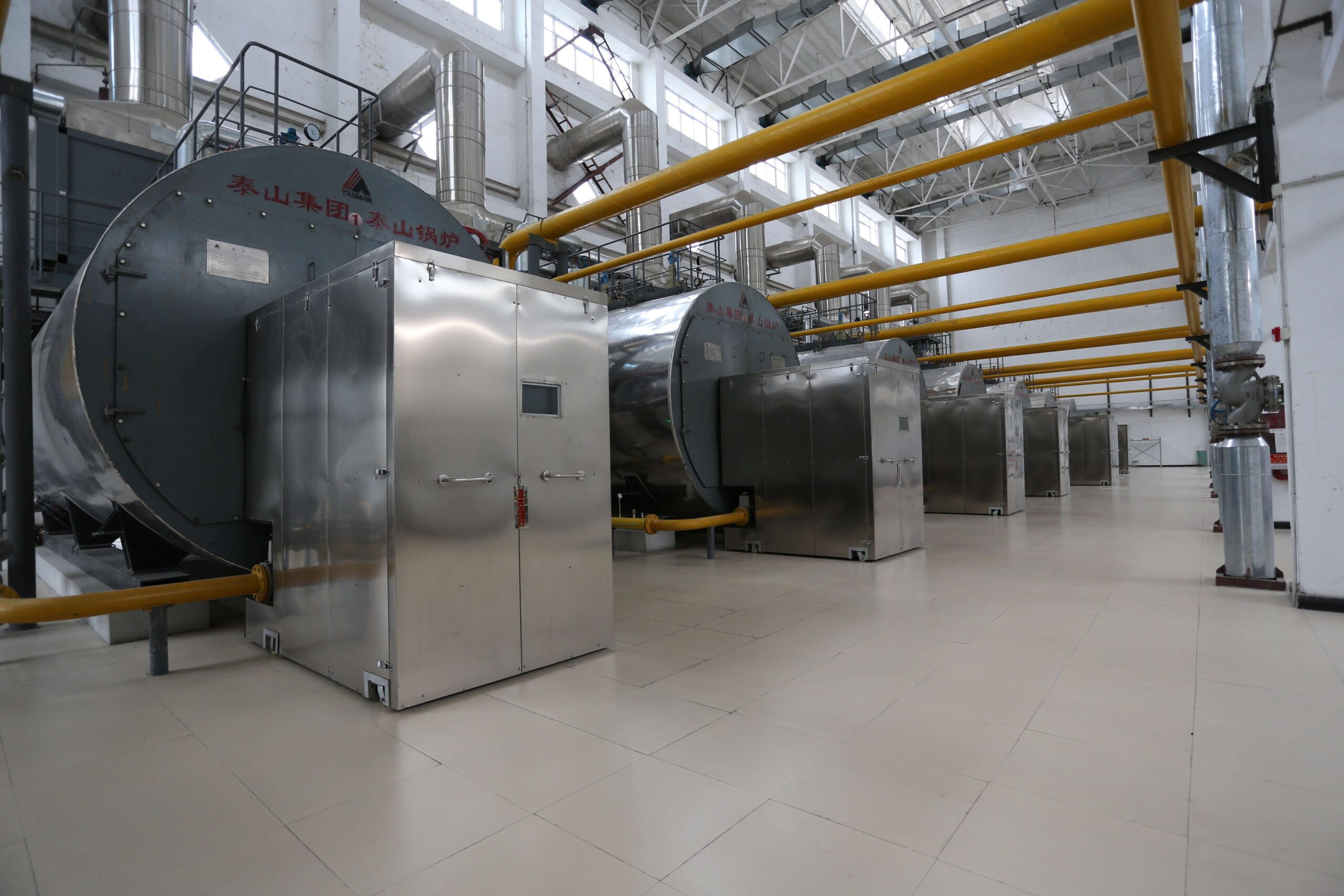
In industrial oil-fired boiler operations, maintenance challenges often arise not only from combustion systems but also from the quality of water circulating inside the boiler. Untreated or poorly treated water introduces dissolved minerals, gases, and impurities that can lead to scale formation, corrosion, and fouling. These issues silently degrade system efficiency, increase fuel consumption, and shorten equipment lifespan. Many operators focus heavily on fuel and burner maintenance while underestimating the long-term damage caused by poor water chemistry. Water treatment provides a critical solution by ensuring that internal boiler conditions remain stable, clean, and non-destructive.
Water treatment plays a vital role in industrial oil-fired boiler maintenance by preventing scale buildup, minimizing corrosion, controlling water chemistry, and ensuring efficient heat transfer, which enhances system reliability, reduces maintenance costs, and extends boiler lifespan.
To fully understand its importance, it is essential to explore how water quality affects boiler performance and how treatment processes mitigate these risks.
Oil-fired boilers are less affected by water quality than coal-fired boilers.False
Both oil-fired and coal-fired boilers rely on water for heat transfer, making water quality equally critical for preventing scale and corrosion.
💧 Impact of Water Quality on Boiler Performance
Water is a fundamental medium in boiler systems, responsible for absorbing heat and generating steam. However, natural water sources contain impurities such as calcium, magnesium, dissolved oxygen, and carbon dioxide. Under high temperature and pressure conditions, these impurities become highly reactive and can cause significant damage to boiler components.
When water is not properly treated, the following problems occur:
· Scale formation → Reduces heat transfer efficiency
· Corrosion → Weakens metal structures
· Fouling → Blocks flow and reduces performance
👉 Water Impact Flow:
Impure Water → Chemical Reactions → Deposits/Corrosion → Reduced Efficiency
Short insight: Water quality defines internal health.
Extended explanation: The internal condition of a boiler is directly influenced by the chemical composition of the water it uses, making treatment essential for maintaining performance and longevity.
🔥 Scale Formation and Heat Transfer Efficiency
Scale is one of the most common and damaging effects of poor water quality. It forms when dissolved minerals precipitate and deposit on heat transfer surfaces. These deposits act as thermal insulators, reducing the efficiency of heat transfer and forcing the boiler to consume more fuel to maintain output.
Even a thin layer of scale can have a significant impact:
· Reduced heat transfer efficiency
· Increased fuel consumption
· Risk of overheating and tube failure
👉 Heat Transfer Flow:
Clean Surface → Efficient Heat Transfer → Optimal Performance
With scale buildup:
· Heat transfer decreases
· Energy losses increase
· Equipment stress rises
Short sentence: Scale blocks efficiency.
Long explanation: Preventing scale formation is essential for maintaining efficient heat exchange and avoiding excessive energy consumption.
📊 Table 1: Effect of Scale on Boiler Efficiency
| Scale Thickness | Heat Transfer Efficiency | Fuel Consumption | Risk Level |
|---|---|---|---|
| None | High | Low | Minimal |
| Thin Layer | Moderate | Increased | Medium |
| Thick Layer | Low | High | Severe |
⚙️ Corrosion Control and Equipment Protection
Corrosion is another major issue caused by untreated water, primarily due to dissolved oxygen and acidic compounds. Unlike scale, which builds up externally, corrosion gradually damages metal surfaces from within, leading to leaks and structural failure.
Water treatment systems address corrosion through:
· Deaeration → Removes dissolved oxygen
· Chemical dosing → Neutralizes acids
· pH control → Maintains stable conditions
👉 Corrosion Prevention Flow:
Impure Water → Treatment → Oxygen Removal → pH Stabilization → Protected Equipment
Short insight: Control chemistry, prevent damage.
Extended explanation: Proper chemical balance ensures that water remains non-corrosive, protecting critical boiler components.
📊 Table 2: Corrosion Impact With and Without Treatment
| Condition | Corrosion Rate | Equipment Lifespan | Maintenance Cost | Performance Impact |
|---|---|---|---|---|
| Untreated Water | High | Short | High | Poor |
| Properly Treated | Low | Extended | Reduced | Optimal |
🌪️ Role of Water Treatment Systems and Technologies
Modern industrial boilers use a combination of physical and chemical treatment methods to maintain water quality. These systems are designed to remove impurities before water enters the boiler and to maintain proper chemistry during operation.
Key technologies include:
· Water softeners → Remove hardness minerals
· Reverse osmosis (RO) → Eliminate dissolved salts
· Filtration systems → Remove suspended solids
· Chemical dosing systems → Control pH and prevent corrosion
👉 Treatment Process Flow:
Raw Water → Filtration → Softening → RO → Chemical Conditioning → Boiler Feedwater
Short insight: Treatment ensures consistency.
Extended explanation: By integrating multiple treatment methods, industrial systems ensure that water meets strict quality standards, supporting efficient and reliable operation.
🤖 Operational Reliability and Maintenance Efficiency
Water treatment significantly improves the reliability of oil-fired boilers by preventing issues that can lead to unexpected failures. Clean and chemically balanced water reduces the likelihood of scale and corrosion, ensuring stable operation over time.
Additionally, proper treatment reduces the frequency and cost of maintenance activities, as fewer deposits and less damage occur within the system.
· Reduced downtime → Improved productivity
· Lower maintenance frequency → Cost savings
· Enhanced reliability → Stable performance
👉 Reliability Flow:
Treated Water → Clean System → Stable Operation → Reduced Failures
Short sentence: Clean systems last longer.
Long explanation: By maintaining optimal internal conditions, water treatment supports consistent and reliable boiler performance.
⚡ Economic and Environmental Benefits
Water treatment delivers both economic and environmental advantages. By improving heat transfer efficiency, it reduces fuel consumption and operating costs. At the same time, efficient combustion and reduced energy waste contribute to lower emissions.
Key benefits include:
· Lower fuel usage
· Reduced maintenance costs
· Extended equipment lifespan
· Improved environmental compliance
👉 Efficiency Flow:
Proper Treatment → Efficient Heat Transfer → Reduced Energy Use → Cost Savings
Short sentence: Efficiency drives savings.
Long explanation: Investing in water treatment provides a strong return by improving performance and reducing long-term costs.
🔍 Real-World Case Insight
An industrial facility operating oil-fired boilers experienced frequent scaling and corrosion issues due to inadequate water treatment. After implementing a comprehensive treatment program, including softening and chemical dosing, the facility achieved significant improvements:
· Boiler efficiency increased by 10%
· Maintenance costs decreased
· Equipment lifespan extended
· Operational reliability improved
This case highlights the critical role of water treatment in maintaining boiler performance and longevity.
🔧 Best Practices for Water Treatment in Oil-Fired Boilers
To maximize the benefits of water treatment, organizations should adopt the following practices:
· Conduct regular water quality testing
· Maintain proper chemical dosing levels
· Monitor pH and dissolved oxygen continuously
· Inspect and maintain treatment equipment
· Train personnel in water chemistry management
👉 Quick Checklist:
· Control hardness levels
· Maintain optimal pH
· Remove dissolved gases
· Ensure consistent treatment processes
These practices ensure that water quality remains within optimal limits, supporting efficient and reliable boiler operation.
Summary
Water treatment plays a fundamental role in industrial oil-fired boiler maintenance by preventing scale formation, controlling corrosion, and ensuring efficient heat transfer. It enhances system reliability, reduces maintenance costs, and extends equipment lifespan. In industrial environments where efficiency and durability are critical, proper water treatment is not just a support function—it is an essential component of effective boiler maintenance and long-term operational success.
How Do Safety Device Inspections Ensure Industrial Oil-Fired Boiler Reliability?
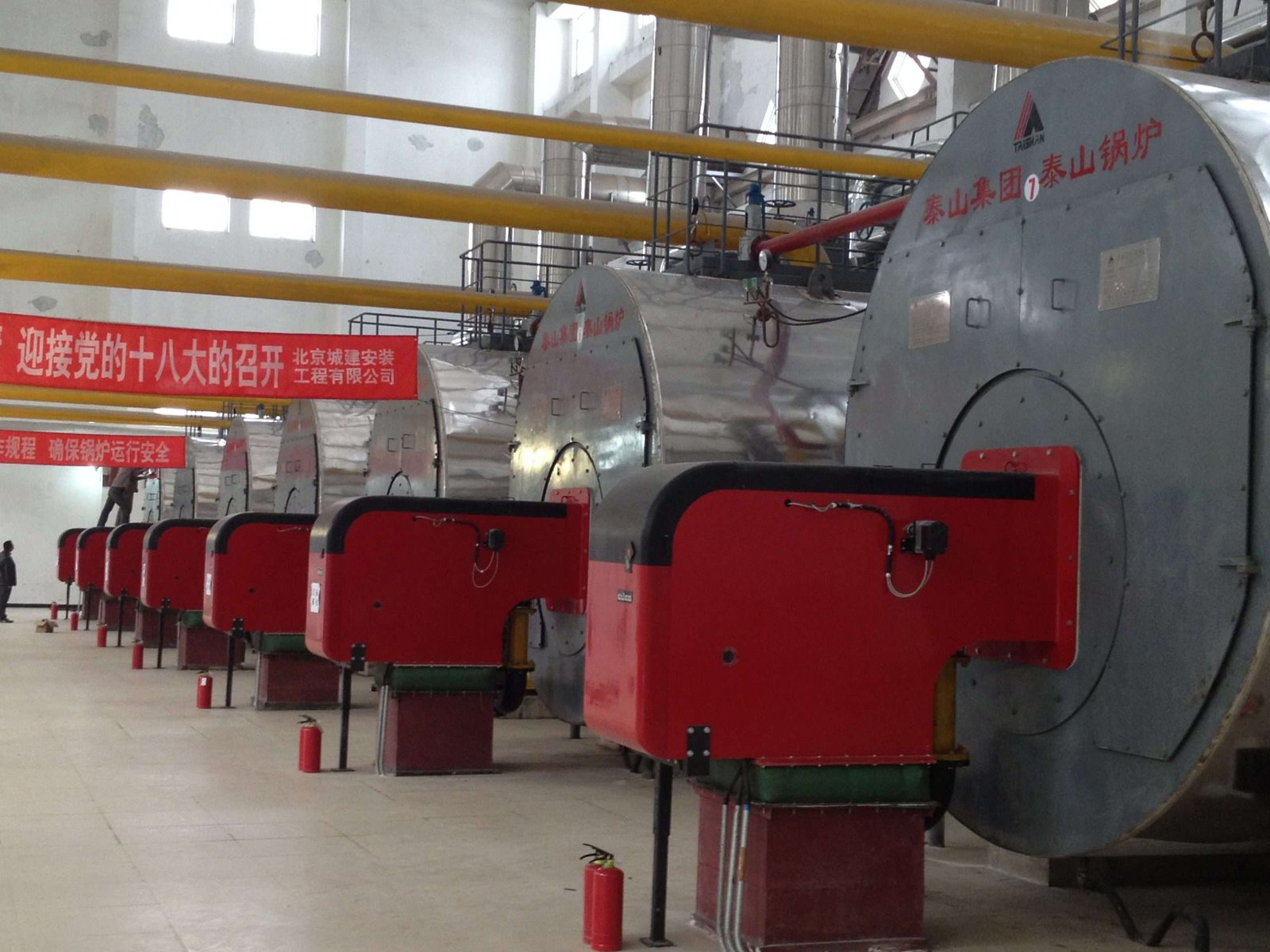
In industrial oil-fired boiler operations, reliability is not only about efficiency and performance—it is fundamentally tied to safety. Boilers operate under high pressure and temperature conditions, where even minor malfunctions can escalate into serious hazards. Safety devices such as pressure relief valves, flame detectors, and low-water cutoffs are designed to prevent these risks. However, without regular inspection and maintenance, these critical components can fail silently, leaving the system vulnerable to accidents, unexpected shutdowns, and costly damage. Safety device inspections provide a proactive safeguard, ensuring that all protective mechanisms function correctly and consistently.
Safety device inspections ensure industrial oil-fired boiler reliability by verifying the proper operation of critical protective components, detecting faults early, preventing hazardous conditions, and maintaining stable and safe system performance, thereby reducing downtime, avoiding accidents, and extending equipment lifespan.
To fully understand their importance, it is essential to examine how safety devices function and how regular inspections contribute to reliable boiler operation.
Safety devices in boilers rarely fail and therefore do not require frequent inspection.False
Safety devices can degrade or malfunction over time, making regular inspection essential to ensure proper operation.
⚙️ Key Safety Devices and Their Functions
Industrial oil-fired boilers are equipped with multiple safety devices, each designed to monitor and control specific aspects of operation. These devices act as protective barriers, preventing dangerous conditions such as overpressure, overheating, and fuel system failures.
The most critical safety devices include:
· Pressure relief valves → Prevent excessive pressure buildup
· Low-water cutoffs → Protect against dry firing
· Flame detectors → Ensure proper combustion
· Temperature and pressure sensors → Monitor operating conditions
· Safety interlocks → Shut down the system during abnormal conditions
👉 Safety Protection Flow:
Monitoring → Detection → Alarm → Automatic Shutdown → Risk Prevention
Short insight: Safety devices are the system’s guardians.
Extended explanation: Each safety device plays a specific role in maintaining safe operating conditions, and their combined function ensures comprehensive protection.
🔍 Importance of Regular Inspections
Over time, safety devices can experience wear, calibration drift, or mechanical failure. Without regular inspections, these issues may go unnoticed until a critical failure occurs.
Inspection activities typically include:
· Testing device functionality
· Verifying calibration accuracy
· Checking for wear or damage
· Ensuring proper system integration
Regular inspections ensure that all safety devices remain operational and responsive under real-world conditions.
👉 Inspection Flow:
Scheduled Check → Testing → Calibration → Repair/Replacement → Verified Protection
Short sentence: Inspection ensures readiness.
Long explanation: Routine inspections confirm that safety devices will perform as intended when needed, preventing unexpected failures.
📊 Table 1: Impact of Safety Device Condition on Reliability
| Safety Device Condition | System Protection Level | Failure Risk | Reliability Impact |
|---|---|---|---|
| Poor Maintenance | Low | High | Critical |
| Moderate Maintenance | Medium | Moderate | Acceptable |
| Well Maintained | High | Low | Optimal |
🔥 Prevention of Hazardous Conditions
Safety device inspections are essential for preventing hazardous conditions that can compromise boiler reliability. For example, a malfunctioning pressure relief valve may fail to release excess pressure, leading to dangerous overpressure situations. Similarly, a faulty flame detector may not detect flame failure, allowing unburned fuel to accumulate.
Regular inspections help identify and correct these issues before they lead to serious consequences.
· Overpressure prevention → Protects against explosions
· Dry firing prevention → Avoids overheating damage
· Fuel system safety → Prevents combustion hazards
👉 Hazard Prevention Flow:
Device Monitoring → Issue Detection → Immediate Response → Risk Mitigation
Short insight: Prevention avoids disasters.
Extended explanation: By ensuring that safety devices function correctly, inspections reduce the likelihood of hazardous events and maintain safe operation.
📊 Table 2: Risk Levels With and Without Inspections
| Condition | Hazard Risk | Downtime Frequency | Maintenance Cost | Reliability Impact |
|---|---|---|---|---|
| No Regular Inspection | High | Frequent | High | Poor |
| Periodic Inspection | Moderate | Reduced | Moderate | Improved |
| Regular Inspection Program | Low | Minimal | Optimized | High |
🌡️ Contribution to Operational Stability
Safety devices not only prevent accidents but also contribute to overall system stability. By maintaining proper operating conditions, they ensure consistent performance and reduce fluctuations that can affect efficiency and reliability.
For example:
· Pressure control devices stabilize steam output
· Temperature sensors maintain optimal operating ranges
· Safety interlocks prevent unsafe operation
👉 Stability Flow:
Monitoring → Control → Stable Operation → Reliable Performance
Short sentence: Safety supports stability.
Long explanation: Reliable operation depends on maintaining safe and stable conditions, which are ensured by properly functioning safety devices.
🤖 Integration with Monitoring and Control Systems
Modern industrial boilers integrate safety devices with advanced monitoring and control systems. This integration allows for real-time data analysis and automated responses to abnormal conditions.
Benefits include:
· Immediate detection of faults
· Automated shutdowns to prevent damage
· Data-driven maintenance planning
👉 Integrated System Flow:
Safety Devices → Monitoring System → Data Analysis → Control Action → Optimized Safety
Short insight: Integration enhances protection.
Long-term value: Combining safety devices with intelligent systems creates a comprehensive safety and reliability framework.
⚡ Economic and Operational Benefits
Regular safety device inspections provide significant economic advantages by reducing the risk of costly failures and downtime.
Key benefits include:
· Reduced repair and replacement costs
· Minimized production interruptions
· Extended equipment lifespan
· Improved regulatory compliance
👉 Cost Efficiency Flow:
Regular Inspection → Early Detection → Preventive Action → Reduced Costs
Short sentence: Safety saves costs.
Long explanation: Investing in inspections prevents expensive failures and ensures continuous operation.
🔍 Real-World Case Insight
An industrial facility operating oil-fired boilers experienced an unexpected shutdown due to a malfunctioning pressure relief valve. After implementing a comprehensive safety device inspection program, the facility achieved significant improvements:
· Downtime reduced by 35%
· Maintenance costs decreased
· System reliability improved
· Safety compliance enhanced
This case demonstrates the critical role of inspections in maintaining reliable and safe boiler operation.
🔧 Best Practices for Safety Device Inspections
To ensure effective inspections, organizations should follow these best practices:
· Establish a regular inspection schedule
· Use standardized testing procedures
· Maintain detailed inspection records
· Replace faulty components promptly
· Train personnel in safety protocols
👉 Quick Checklist:
· Test pressure relief valves
· Verify sensor calibration
· Inspect flame detection systems
· Check safety interlocks
These practices ensure that safety devices remain fully functional and capable of protecting the boiler system.
Summary
Safety device inspections are essential for ensuring the reliability of industrial oil-fired boilers. By verifying the functionality of critical protective components, preventing hazardous conditions, and supporting stable operation, these inspections play a vital role in maintaining performance and safety. In industrial environments where reliability and safety are paramount, regular inspection of safety devices is not just a maintenance task—it is a fundamental requirement for long-term operational success.
Why Is Control System Calibration Necessary for Industrial Oil-Fired Boilers?
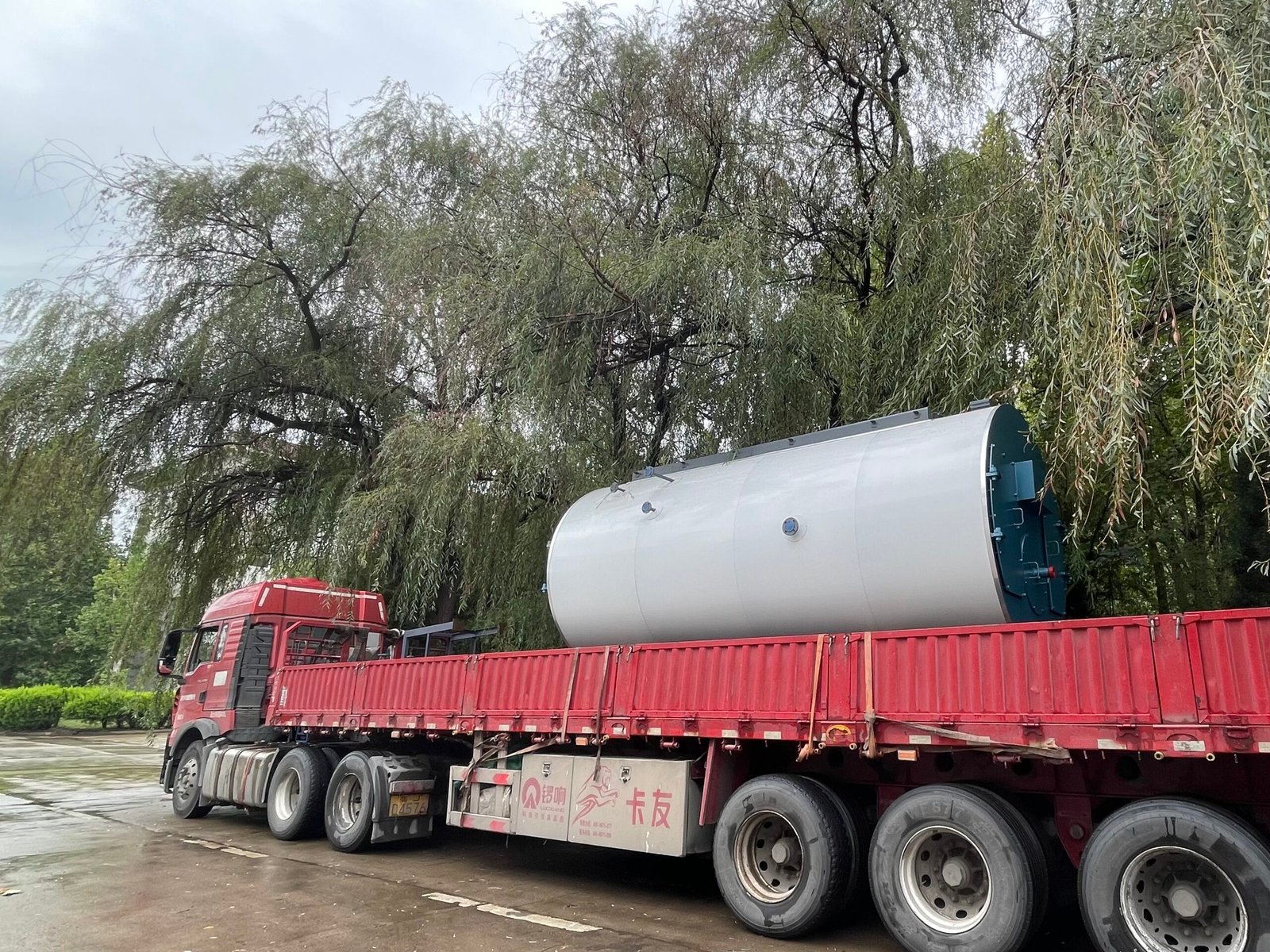
In industrial oil-fired boiler operations, control systems act as the brain of the entire system, regulating temperature, pressure, fuel supply, and combustion efficiency. However, over time, sensors drift, instruments lose accuracy, and control logic becomes misaligned with actual operating conditions. This deviation may seem minor initially, but it can lead to inefficient combustion, unstable steam output, increased fuel consumption, and even unsafe operating conditions. Many facilities overlook calibration until performance issues become obvious, but by then, losses have already accumulated. Control system calibration is the key to maintaining precision, ensuring that every parameter is measured and controlled accurately.
Control system calibration is necessary for industrial oil-fired boilers because it ensures accurate measurement and regulation of key parameters such as temperature, pressure, and fuel-air ratios, leading to optimal combustion efficiency, stable operation, improved safety, and reduced energy and maintenance costs.
To fully appreciate its importance, it is essential to explore how calibration impacts performance, safety, and long-term reliability.
Once installed, boiler control systems do not require recalibration unless they fail.False
Control systems can drift over time due to wear and environmental factors, making regular calibration essential for accuracy and performance.
⚙️ Understanding Control Systems in Oil-Fired Boilers
Control systems in industrial oil-fired boilers integrate sensors, controllers, and actuators to maintain precise operating conditions. These systems continuously monitor variables and adjust inputs to achieve desired outputs.
Key components include:
· Temperature sensors → Measure heat levels
· Pressure transmitters → Monitor system pressure
· Flow meters → Track fuel and air supply
· Controllers (PID systems) → Adjust system responses
👉 Control Loop Flow:
Measurement → Signal Processing → Control Decision → Actuation → System Response
Short insight: Accurate data drives accurate control.
Extended explanation: The effectiveness of a control system depends entirely on the accuracy of the data it receives from sensors.
🔍 Why Calibration Is Essential
Calibration ensures that sensors and instruments provide accurate readings that reflect actual system conditions. Without calibration, measurement errors accumulate, leading to incorrect control decisions.
Key reasons for calibration include:
· Correcting sensor drift
· Ensuring measurement accuracy
· Aligning system response with real conditions
· Maintaining optimal control performance
👉 Calibration Flow:
Measurement Error → Calibration → Accurate Data → Improved Control
Short sentence: Calibration restores accuracy.
Long explanation: By correcting deviations in measurement devices, calibration ensures that control systems operate based on reliable data.
📊 Table 1: Impact of Calibration on System Performance
| Calibration Status | Measurement Accuracy | System Efficiency | Fuel Consumption | Reliability |
|---|---|---|---|---|
| Not Calibrated | Low | Poor | High | Low |
| Partially Calibrated | Moderate | Acceptable | Moderate | Medium |
| Fully Calibrated | High | Optimal | Low | High |
🔥 Impact on Combustion Efficiency
One of the most critical aspects of boiler performance is combustion efficiency. Control systems regulate the fuel-air ratio, which must be precisely balanced to achieve complete combustion.
If calibration is inaccurate:
· Too much fuel → Incomplete combustion → Soot formation
· Too much air → Heat loss → Reduced efficiency
👉 Combustion Flow:
Accurate Measurement → Proper Fuel-Air Ratio → Efficient Combustion
Short insight: Precision improves combustion.
Extended explanation: Calibration ensures that fuel and air are supplied in the correct proportions, maximizing energy output and minimizing waste.
📊 Table 2: Effects of Fuel-Air Imbalance
| Condition | Combustion Quality | Energy Efficiency | Emissions Level | Maintenance Impact |
|---|---|---|---|---|
| Fuel-Rich | Poor | Low | High | Increased |
| Balanced | Optimal | High | Low | Minimal |
| Air-Excess | Moderate | Reduced | Moderate | Moderate |
🌡️ Role in Operational Stability
Calibration plays a vital role in maintaining stable boiler operation. Accurate sensors ensure that the system responds correctly to changes in load and operating conditions.
Benefits include:
· Stable steam pressure
· Consistent temperature control
· Reduced system fluctuations
👉 Stability Flow:
Accurate Data → Correct Control Action → Stable Operation
Short sentence: Stability depends on precision.
Long explanation: Reliable operation requires precise control, which can only be achieved through accurate measurement.
🤖 Integration with Advanced Control Systems
Modern oil-fired boilers use advanced control systems, including digital controllers and automation platforms. These systems rely heavily on accurate calibration to function effectively.
Advantages of calibrated advanced systems include:
· Real-time optimization
· Predictive maintenance capabilities
· Automated adjustments
👉 Smart Control Flow:
Sensor Data → Control Algorithm → Optimization → System Efficiency
Short insight: Smart systems need accurate inputs.
Long-term value: Calibration ensures that advanced control technologies deliver their full potential.
⚡ Economic Benefits of Calibration
Proper calibration delivers measurable economic benefits by improving efficiency and reducing operational costs.
Key advantages include:
· Lower fuel consumption
· Reduced maintenance costs
· Extended equipment lifespan
· Improved production efficiency
👉 Cost Efficiency Flow:
Calibration → Efficient Operation → Reduced Costs
Short sentence: Accuracy saves money.
Long explanation: Investing in calibration reduces inefficiencies and prevents costly operational issues.
🔍 Real-World Case Insight
An industrial facility operating oil-fired boilers experienced inconsistent steam output and rising fuel costs due to uncalibrated sensors. After implementing a regular calibration program, the facility achieved significant improvements:
· Fuel consumption reduced by 12%
· Steam output stabilized
· Maintenance issues decreased
· Overall system efficiency improved
This case highlights the critical role of calibration in maintaining optimal performance.
🔧 Best Practices for Control System Calibration
To maximize the benefits of calibration, organizations should follow structured practices:
· Schedule regular calibration intervals
· Use certified calibration equipment
· Maintain calibration records
· Train personnel in calibration procedures
· Integrate calibration with maintenance programs
👉 Quick Checklist:
· Verify sensor accuracy
· Adjust control parameters
· Test system response
· Document calibration results
These practices ensure that control systems remain accurate and effective over time.
Summary
Control system calibration is essential for maintaining the performance, efficiency, and reliability of industrial oil-fired boilers. By ensuring accurate measurement and precise control of key operating parameters, calibration supports efficient combustion, stable operation, and cost-effective performance. In modern industrial environments, where precision and efficiency are critical, regular calibration is not just a maintenance task—it is a fundamental requirement for optimal boiler operation.
Conclusion
Regular maintenance is the foundation of safe, efficient, and long-lasting industrial oil-fired boiler operation. By proactively addressing key components such as burners, fuel systems, heat exchangers, and safety controls, businesses can minimize downtime, reduce operating costs, and ensure consistent performance. A well-maintained boiler system not only improves productivity but also supports compliance with industry regulations.
Looking to optimize the maintenance and performance of your industrial oil-fired boiler? Contact us today for expert advice, customized maintenance plans, and reliable technical support to keep your operations running smoothly and efficiently.
FAQ
Q1: What daily maintenance tasks are required for oil-fired boilers?
A1:
Daily maintenance of industrial oil-fired boilers is essential to ensure consistent performance, safety, and efficiency. Operators should begin by checking the boiler’s operating parameters, including pressure, temperature, and water levels. Any abnormal readings may indicate underlying issues that require immediate attention. Monitoring these values helps prevent system overloads and potential failures.
Visual inspection is another key daily task. Operators should examine the boiler for signs of leaks, unusual noises, or vibrations. Fuel lines, valves, and pumps should be checked to ensure there are no leaks or blockages that could disrupt fuel flow. Observing the flame condition is also critical; a stable, clean-burning flame indicates proper combustion, while a smoky or irregular flame may signal inefficient fuel burning or burner issues.
Checking the fuel supply is equally important. Ensuring that the oil tank has adequate fuel and that filters are not clogged helps maintain smooth operation. Additionally, operators should inspect the burner operation to confirm proper ignition and flame stability.
Blowdown procedures may also be performed daily to remove sludge and impurities from the boiler water. This helps prevent scaling and corrosion, which can reduce heat transfer efficiency and damage internal components.
Recording all observations in a logbook is a best practice. Maintaining accurate records helps identify trends and detect potential problems early. It also supports compliance with safety regulations and maintenance schedules.
In summary, daily tasks such as monitoring operating parameters, inspecting components, checking fuel systems, and performing blowdowns are vital for maintaining the reliability and efficiency of industrial oil-fired boilers.
Q2: How often should oil-fired boilers be inspected and cleaned?
A2:
The frequency of inspection and cleaning for industrial oil-fired boilers depends on usage, operating conditions, and manufacturer recommendations, but a structured schedule is essential for optimal performance. Generally, boilers should undergo weekly, monthly, and annual inspections, each focusing on different aspects of the system.
Weekly inspections typically involve checking burner performance, cleaning filters, and inspecting fuel lines for leaks or blockages. Operators should also examine the combustion chamber for soot buildup, which can reduce efficiency and increase emissions. Removing minor deposits during weekly checks helps maintain proper heat transfer.
Monthly maintenance includes more detailed cleaning and inspection. This may involve checking and cleaning the burner nozzles, inspecting ignition systems, and verifying control settings. Fuel pumps and valves should also be tested to ensure proper operation. Additionally, safety devices such as pressure relief valves and low-water cutoffs should be tested to confirm they function correctly.
Annual maintenance is more comprehensive and often requires professional servicing. This includes thorough cleaning of the combustion chamber, heat exchanger, and flue gas pathways to remove accumulated soot and deposits. Technicians may also conduct performance testing, calibration of control systems, and inspection of internal components such as tubes and refractory materials.
Water treatment systems should also be evaluated periodically to prevent scaling and corrosion. Poor water quality can significantly impact boiler efficiency and lifespan.
Adhering to a regular inspection and cleaning schedule not only improves efficiency but also extends the lifespan of the boiler and reduces the risk of unexpected breakdowns. It ensures compliance with safety standards and helps maintain optimal operational performance.
Q3: Why is burner maintenance important in oil-fired boilers?
A3:
Burner maintenance is a critical aspect of maintaining industrial oil-fired boilers because the burner is responsible for mixing fuel and air to produce efficient combustion. A poorly maintained burner can lead to incomplete combustion, increased fuel consumption, higher emissions, and potential safety hazards.
One of the primary maintenance tasks is cleaning the burner components, including nozzles, electrodes, and air registers. Over time, these parts can become clogged with carbon deposits or debris, affecting fuel atomization and airflow. Proper cleaning ensures that fuel is evenly distributed and burned efficiently.
Inspecting and adjusting the air-to-fuel ratio is another key task. An incorrect ratio can result in either excess air, which wastes energy, or insufficient air, which leads to incomplete combustion and the production of harmful gases like carbon monoxide. Regular tuning of the burner helps maintain optimal combustion conditions.
Ignition systems should also be checked regularly. Faulty ignition can cause delayed or failed startup, leading to operational disruptions. Ensuring that ignition electrodes are clean and properly aligned helps maintain reliable operation.
Additionally, monitoring flame characteristics provides valuable insights into burner performance. A stable, blue flame typically indicates efficient combustion, while a yellow or flickering flame may signal problems that need correction.
Routine burner maintenance not only improves efficiency but also enhances safety by reducing the risk of explosions or fires caused by improper combustion. It also helps extend the lifespan of the boiler system and reduces overall operating costs.
Q4: What role does water treatment play in boiler maintenance?
A4:
Water treatment is a fundamental component of maintaining industrial oil-fired boilers because it directly impacts the efficiency, safety, and longevity of the system. Boilers rely on water to generate steam, and any impurities in the water can cause serious operational issues if not properly managed.
One of the primary concerns is scaling. Minerals such as calcium and magnesium can precipitate out of the water and form deposits on heat transfer surfaces. These deposits act as insulation, reducing heat transfer efficiency and increasing fuel consumption. Over time, scaling can lead to overheating and damage to boiler tubes.
Corrosion is another major issue caused by dissolved oxygen and other contaminants in the water. Corrosion weakens metal components, leading to leaks, structural damage, and potential system failure. Proper water treatment helps remove oxygen and maintain the correct chemical balance to prevent corrosion.
Boiler water treatment typically involves processes such as softening, deaeration, and chemical dosing. These methods help control pH levels, remove impurities, and prevent the formation of scale and corrosion.
Regular testing of water quality is essential to ensure that treatment systems are functioning effectively. Parameters such as pH, conductivity, and dissolved solids should be monitored and adjusted as needed.
Blowdown procedures are also part of water treatment maintenance. By removing a portion of the water containing high concentrations of impurities, blowdown helps maintain water quality and prevent buildup.
In summary, proper water treatment is essential for maintaining boiler efficiency, preventing damage, and ensuring safe operation. It reduces maintenance costs and extends the lifespan of the boiler system.
Q5: How can safety checks improve the operation of oil-fired boilers?
A5:
Safety checks are a vital part of maintaining industrial oil-fired boilers, as they help prevent accidents, ensure compliance with regulations, and maintain reliable operation. Boilers operate under high pressure and temperature conditions, making them potentially hazardous if not properly monitored and maintained.
One of the most important safety checks involves testing pressure relief valves. These valves are designed to release excess pressure and prevent explosions. Regular testing ensures they function correctly and respond promptly in emergency situations.
Low-water cutoff devices are another critical safety feature. These devices automatically shut down the boiler if water levels drop too low, preventing overheating and potential damage. Regular inspection and testing of these devices are essential to ensure they operate as intended.
Flame safeguard systems should also be checked regularly. These systems monitor the presence of a flame and shut off the fuel supply if the flame is lost, preventing the accumulation of unburned fuel that could lead to explosions.
Inspecting fuel lines, valves, and storage tanks for leaks is another key safety task. Oil leaks can pose fire hazards and environmental risks, so early detection and repair are crucial.
Additionally, operators should verify that all control systems and alarms are functioning properly. These systems provide real-time alerts for abnormal conditions, allowing for quick response and corrective action.
Regular safety checks not only protect personnel and equipment but also improve overall boiler reliability and performance. They ensure compliance with industry standards and help avoid costly downtime and repairs.
References
- Boiler Maintenance Guidelines – https://www.energy.gov/eere/amo/steam-systems – U.S. Department of Energy
- Oil-Fired Boiler Maintenance Tips – https://www.spiraxsarco.com – Spirax Sarco
- Industrial Boiler Inspection Practices – https://www.tlv.com – TLV International
- Boiler Water Treatment Basics – https://www.nace.org – NACE International
- Combustion System Maintenance – https://www.chemicalprocessing.com – Chemical Processing
- Boiler Safety and Operation – https://www.osha.gov – Occupational Safety and Health Administration
- Energy Efficiency in Boilers – https://www.iea.org – International Energy Agency
- Fuel Oil System Maintenance – https://www.engineeringtoolbox.com – Engineering Toolbox
- Industrial Heating System Care – https://www.thermaxglobal.com – Thermax
- Boiler Operation Best Practices – https://www.ge.com/power – General Electric