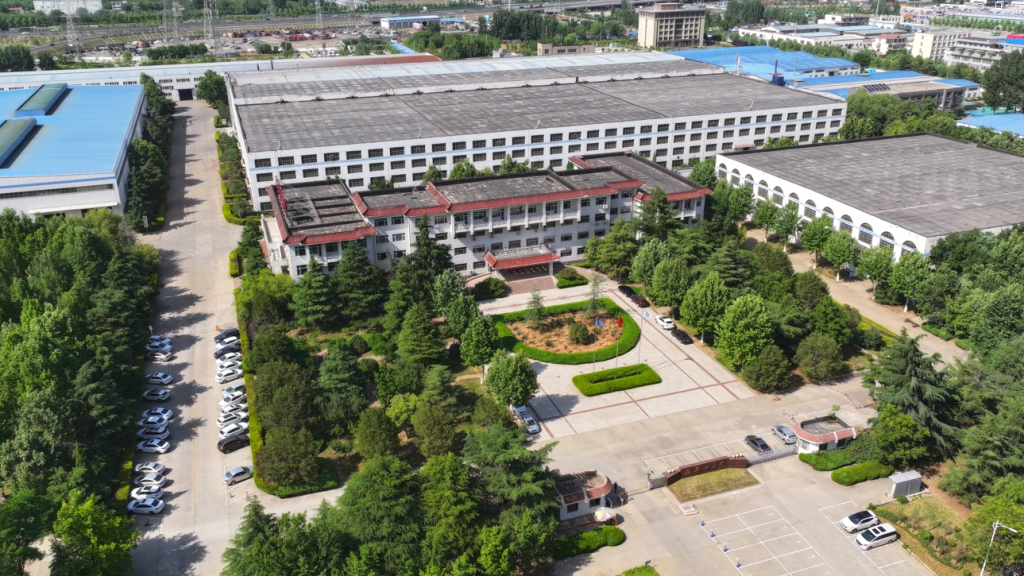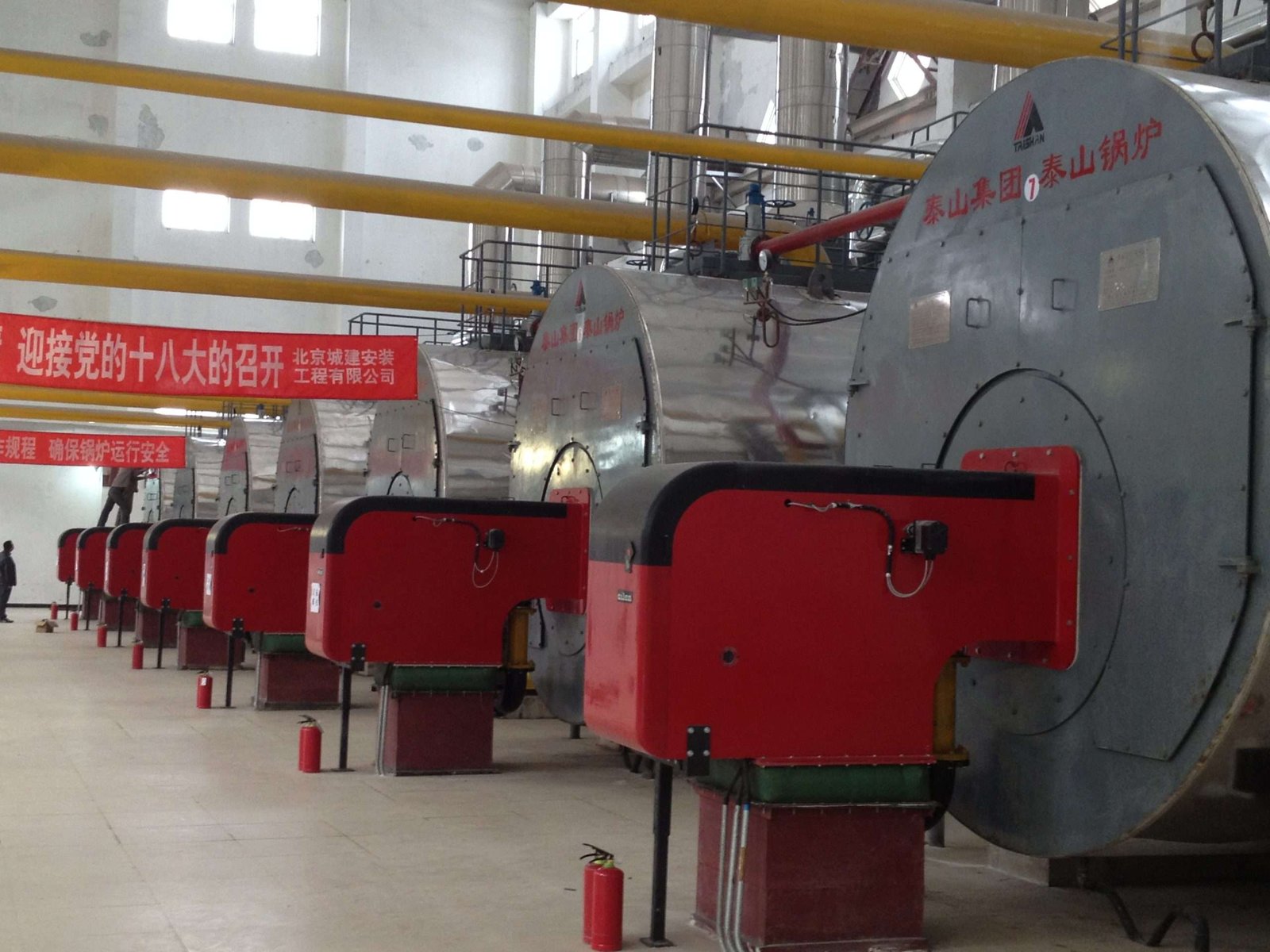
Rising fuel costs and increasing environmental regulations are forcing industries to rethink their boiler choices. Many facilities still rely on outdated coal- or oil-fired systems that consume excessive energy and generate high emissions, leading to higher operational costs and compliance challenges. Choosing the wrong boiler type can significantly impact long-term efficiency and profitability. Fortunately, understanding how industrial gas-fired boilers compare to other boiler types can help businesses make smarter, cost-effective decisions.
Industrial gas-fired boilers are generally more energy-efficient than coal- and oil-fired boilers, with efficiency levels typically ranging from 85% to over 95% (especially in condensing systems). They offer cleaner combustion, better heat transfer, lower excess air requirements, and reduced heat losses. Compared to other boiler types, gas-fired boilers provide higher efficiency, lower emissions, and easier control, making them a preferred choice for modern industrial applications.
To fully evaluate their advantages, it is important to compare industrial gas-fired boilers with other common boiler types across key performance factors such as efficiency, fuel consumption, emissions, and operational flexibility.
How Do Industrial Gas-Fired Boilers Compare in Efficiency to Coal-Fired Boilers?
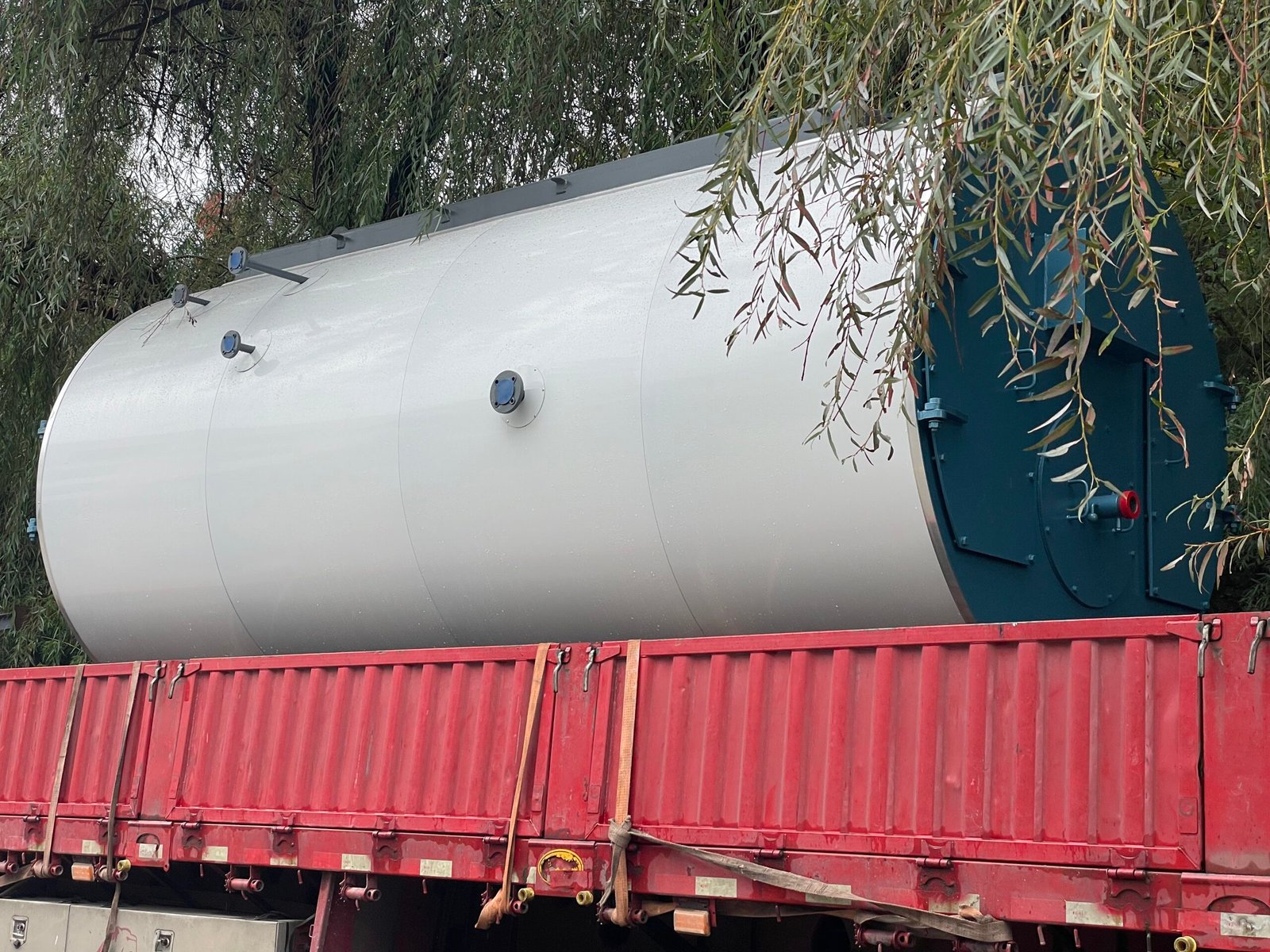
In industrial energy systems, choosing between gas-fired and coal-fired boilers is a critical decision that directly impacts operational efficiency, fuel costs, environmental performance, and long-term sustainability. Many facilities still rely on coal due to its availability and historical cost advantages, but inefficiencies, higher emissions, and stricter regulations are making it increasingly challenging to maintain competitiveness. On the other hand, gas-fired boilers are gaining popularity for their cleaner combustion and higher efficiency, but they come with their own considerations. Understanding the efficiency differences between these two technologies is essential for making informed decisions.
Industrial gas-fired boilers generally offer higher efficiency (typically 85–95%) compared to coal-fired boilers (typically 70–85%) due to cleaner combustion, better heat transfer, precise control systems, and reduced energy losses, making them more energy-efficient and environmentally friendly in most applications.
To gain a comprehensive understanding, it is important to analyze the efficiency factors, operational characteristics, and real-world performance differences between these boiler types.
Coal-fired boilers are always more efficient than gas-fired boilers because coal has higher energy density.False
Although coal has high energy density, gas-fired boilers achieve higher efficiency due to cleaner combustion and better control systems.
🔥 Combustion Efficiency Comparison
Combustion efficiency is a key factor in determining overall boiler performance. Gas-fired boilers benefit from cleaner and more complete combustion compared to coal-fired systems.
Key differences include:
· Gas-fired boilers → Uniform fuel-air mixing, complete combustion
· Coal-fired boilers → Incomplete combustion, ash and residue formation
👉 Combustion Flow Comparison:
Gas: Fuel + Air → Complete Combustion → High Energy Output
Coal: Fuel + Air → Partial Combustion → Energy Losses
Short insight: Cleaner fuel burns more efficiently.
Extended explanation: Gas combustion produces fewer unburned particles, improving efficiency.
⚙️ Heat Transfer and Energy Losses
Heat transfer efficiency plays a significant role in overall boiler performance. Coal-fired boilers often experience higher heat losses due to ash buildup and fouling.
Key factors include:
· Heat exchanger cleanliness
· Flue gas temperature
· Insulation quality
👉 Heat Transfer Flow:
Combustion → Heat Exchange → Steam Generation
Short sentence: Cleaner systems transfer heat better.
Long explanation: Gas-fired systems maintain cleaner heat exchange surfaces, improving efficiency.
📊 Table 1: Efficiency Comparison
| Parameter | Gas-Fired Boiler | Coal-Fired Boiler | Advantage |
|---|---|---|---|
| Combustion Efficiency | High | Moderate | Gas |
| Heat Transfer Efficiency | High | Moderate | Gas |
| Overall Efficiency | 85–95% | 70–85% | Gas |
| Energy Losses | Low | Higher | Gas |
🧪 Operational Control and Flexibility
Gas-fired boilers offer superior control capabilities, allowing precise adjustment of combustion parameters in real time.
Key advantages include:
· Rapid response to load changes
· Automated control systems
· Stable operation
👉 Control Flow:
Sensor Data → Control System → Combustion Adjustment
Short insight: Better control improves efficiency.
Extended explanation: Precise control minimizes energy waste and maintains optimal performance.
📊 Table 2: Operational Performance Comparison
| Feature | Gas-Fired Boiler | Coal-Fired Boiler | Improvement Level |
|---|---|---|---|
| Start-Up Time | Fast | Slow | Significant |
| Load Response | High | Moderate | High |
| Automation Level | High | Moderate | High |
| Operational Stability | High | Variable | Significant |
🌡️ Maintenance and Fouling Impact
Coal-fired boilers are more prone to fouling, slagging, and ash accumulation, which reduces efficiency over time. Gas-fired boilers, in contrast, operate with minimal residue.
Key impacts include:
· Increased maintenance frequency for coal systems
· Reduced heat transfer efficiency due to deposits
· Higher operational costs
👉 Maintenance Flow:
Fuel Type → Residue Formation → Cleaning Requirement
Short sentence: Less residue means less maintenance.
Long explanation: Cleaner combustion reduces maintenance needs and maintains efficiency.
🌱 Environmental Efficiency and Emissions
Environmental performance is closely linked to efficiency. Gas-fired boilers produce fewer emissions, making them more sustainable and compliant with regulations.
Key differences include:
· Lower CO₂ emissions
· Reduced NOx and particulate matter
· Cleaner exhaust gases
👉 Emission Flow:
Fuel Combustion → Emission Output
Short insight: Cleaner fuel reduces environmental impact.
Extended explanation: Gas-fired systems align better with environmental standards.
🔧 Fuel Handling and Operational Complexity
Coal-fired boilers require extensive fuel handling systems, including storage, feeding, and ash disposal, which can reduce overall system efficiency.
Key considerations include:
· Additional energy consumption for handling
· Increased operational complexity
· Higher labor requirements
👉 Fuel Handling Flow:
Coal Supply → Processing → Combustion → Ash Disposal
Short sentence: Complex systems reduce efficiency.
Long explanation: Additional processes increase energy consumption and reduce overall efficiency.
🔍 Real-World Case Insight
A power plant transitioned from a coal-fired boiler to a gas-fired system to improve efficiency and reduce emissions. The results included:
· 15% increase in overall efficiency
· Significant reduction in maintenance costs
· Lower emissions and improved compliance
· Enhanced operational flexibility
This case demonstrates the practical advantages of gas-fired boilers.
⚡ Economic Considerations
While gas-fired boilers are generally more efficient, the overall economic decision depends on fuel costs, availability, and infrastructure.
Key factors include:
· Fuel price volatility
· Infrastructure investment
· Long-term operating costs
👉 Economic Flow:
Fuel Choice → Operating Cost → Total Cost
Short insight: Efficiency must align with cost.
Extended explanation: The most efficient system is not always the most economical without considering fuel pricing.
🔄 Future Trends in Boiler Efficiency
The future of industrial boilers will focus on improving efficiency and sustainability through advanced technologies.
Emerging trends include:
· Hybrid fuel systems
· Hydrogen-ready gas boilers
· Advanced combustion technologies
👉 Future Flow:
Innovation → Efficiency Improvement → Industry Evolution
Short insight: Efficiency continues to evolve.
Extended explanation: Technological advancements will further enhance boiler performance.
Summary
Industrial gas-fired boilers generally outperform coal-fired boilers in terms of efficiency due to cleaner combustion, better heat transfer, and advanced control systems. While coal-fired boilers remain relevant in certain contexts, gas-fired systems offer significant advantages in efficiency, environmental performance, and operational flexibility. The choice between the two depends on factors such as fuel availability, cost, and regulatory requirements, but the trend is clearly shifting toward cleaner and more efficient gas-fired technologies.
Why Are Industrial Gas-Fired Boilers More Efficient Than Oil-Fired Boilers?

In industrial operations, energy efficiency is a decisive factor affecting production costs, environmental compliance, and system reliability. Many facilities still rely on oil-fired boilers due to legacy infrastructure or fuel availability, but they often face issues such as incomplete combustion, higher maintenance requirements, and fluctuating fuel quality. These challenges lead to energy losses and increased operational costs. Gas-fired boilers, on the other hand, are rapidly becoming the preferred choice due to their cleaner combustion and advanced control capabilities. Understanding why gas-fired boilers are more efficient helps industries make informed decisions about energy systems.
Industrial gas-fired boilers are generally more efficient than oil-fired boilers because they achieve more complete combustion, provide better air-fuel mixing, enable precise control, produce less residue, and maintain cleaner heat transfer surfaces, resulting in higher thermal efficiency and lower energy losses.
To fully understand this efficiency advantage, it is important to analyze the technical and operational differences between gas-fired and oil-fired boiler systems.
Oil-fired boilers are always more efficient because liquid fuel burns more steadily than gas.False
Gas-fired boilers achieve higher efficiency due to better mixing, cleaner combustion, and more precise control systems.
🔥 Combustion Efficiency and Fuel Characteristics
The primary reason for higher efficiency in gas-fired boilers lies in the nature of the fuel and how it burns. Natural gas mixes more uniformly with air, resulting in more complete combustion.
Key differences include:
· Gas fuel → Homogeneous mixing, cleaner flame
· Oil fuel → Requires atomization, risk of incomplete combustion
👉 Combustion Flow Comparison:
Gas: Fuel + Air → Uniform Mixing → Complete Combustion
Oil: Fuel → Atomization → Air Mixing → Partial Losses
Short insight: Better mixing leads to better burning.
Extended explanation: Gas combustion minimizes unburned fuel, maximizing energy output.
⚙️ Heat Transfer Efficiency
Heat transfer efficiency is another critical factor. Oil combustion can produce soot and deposits that accumulate on heat exchanger surfaces, reducing efficiency over time.
Key impacts include:
· Fouling reduces heat transfer
· Increased thermal resistance
· Higher flue gas temperatures
👉 Heat Transfer Flow:
Combustion → Heat Exchange → Steam Generation
Short sentence: Cleaner surfaces transfer heat better.
Long explanation: Gas-fired boilers maintain cleaner heat exchangers, improving efficiency.
📊 Table 1: Efficiency Comparison
| Parameter | Gas-Fired Boiler | Oil-Fired Boiler | Advantage |
|---|---|---|---|
| Combustion Efficiency | High | Moderate | Gas |
| Heat Transfer Efficiency | High | Moderate | Gas |
| Overall Efficiency | 85–95% | 80–90% | Gas |
| Residue Formation | Minimal | Higher | Gas |
🧪 Control Precision and Automation
Gas-fired boilers benefit from advanced control systems that allow precise adjustment of combustion parameters in real time.
Key advantages include:
· Accurate air-fuel ratio control
· Rapid response to load changes
· Automated optimization
👉 Control Flow:
Sensors → Control System → Parameter Adjustment
Short insight: Precision improves efficiency.
Extended explanation: Real-time control minimizes energy waste and maintains optimal performance.
📊 Table 2: Operational Performance Comparison
| Feature | Gas-Fired Boiler | Oil-Fired Boiler | Improvement Level |
|---|---|---|---|
| Start-Up Time | Fast | Moderate | Significant |
| Load Flexibility | High | Moderate | High |
| Automation Level | High | Moderate | High |
| Operational Stability | High | Variable | Significant |
🌡️ Maintenance and Fouling Effects
Oil-fired boilers require more frequent maintenance due to soot, carbon deposits, and residue formation. These factors reduce efficiency and increase operational costs.
Key impacts include:
· Frequent cleaning requirements
· Reduced heat transfer efficiency
· Increased downtime
👉 Maintenance Flow:
Fuel Type → Residue Formation → Cleaning → Efficiency Loss
Short sentence: Less fouling means higher efficiency.
Long explanation: Gas-fired boilers maintain efficiency with minimal maintenance.
🌱 Environmental Performance and Efficiency Link
Environmental performance is closely tied to efficiency. Gas-fired boilers produce fewer emissions, which is often a result of more efficient combustion.
Key differences include:
· Lower CO₂ emissions
· Reduced NOx and particulate matter
· Cleaner exhaust gases
👉 Emission Flow:
Fuel Combustion → Emission Output
Short insight: Efficiency reduces emissions.
Extended explanation: Cleaner combustion improves both efficiency and environmental performance.
🔧 Fuel Handling and System Simplicity
Gas-fired boilers have simpler fuel handling systems compared to oil-fired boilers, which require storage tanks, pumps, and atomization systems.
Key advantages include:
· Reduced auxiliary energy consumption
· Simplified system design
· Lower operational complexity
👉 Fuel Handling Flow:
Gas Supply → Combustion
Short sentence: Simpler systems waste less energy.
Long explanation: Reduced complexity improves overall efficiency.
🔍 Real-World Case Insight
An industrial facility replaced its oil-fired boiler with a gas-fired system to improve efficiency and reduce maintenance costs. The results included:
· 10–15% increase in efficiency
· Reduced maintenance frequency
· Lower fuel consumption
· Improved operational stability
This case highlights the practical advantages of gas-fired boilers.
⚡ Economic Considerations
While gas-fired boilers are more efficient, economic decisions depend on fuel availability and cost. However, improved efficiency often offsets higher fuel prices.
Key factors include:
· Fuel cost comparison
· Infrastructure requirements
· Long-term savings
👉 Economic Flow:
Efficiency → Reduced Fuel Use → Cost Savings
Short insight: Efficiency impacts cost.
Extended explanation: Lower energy consumption leads to long-term financial benefits.
🔄 Future Trends in Boiler Efficiency
The future of industrial boilers is moving toward cleaner and more efficient technologies, with gas-fired systems playing a key role.
Emerging trends include:
· Hydrogen-ready gas boilers
· Advanced combustion control systems
· Integration with renewable energy
👉 Future Flow:
Innovation → Efficiency Improvement → Industry Evolution
Short insight: Gas systems lead the transition.
Extended explanation: Continued innovation will further enhance efficiency.
Summary
Industrial gas-fired boilers are more efficient than oil-fired boilers due to their cleaner combustion, superior heat transfer, precise control systems, and reduced maintenance requirements. These advantages result in higher thermal efficiency, lower energy losses, and improved environmental performance. As industries continue to prioritize efficiency and sustainability, gas-fired boilers are increasingly becoming the preferred choice for modern steam generation systems.
How Do Industrial Gas-Fired Boilers Perform Compared to Electric Boilers in Energy Efficiency?
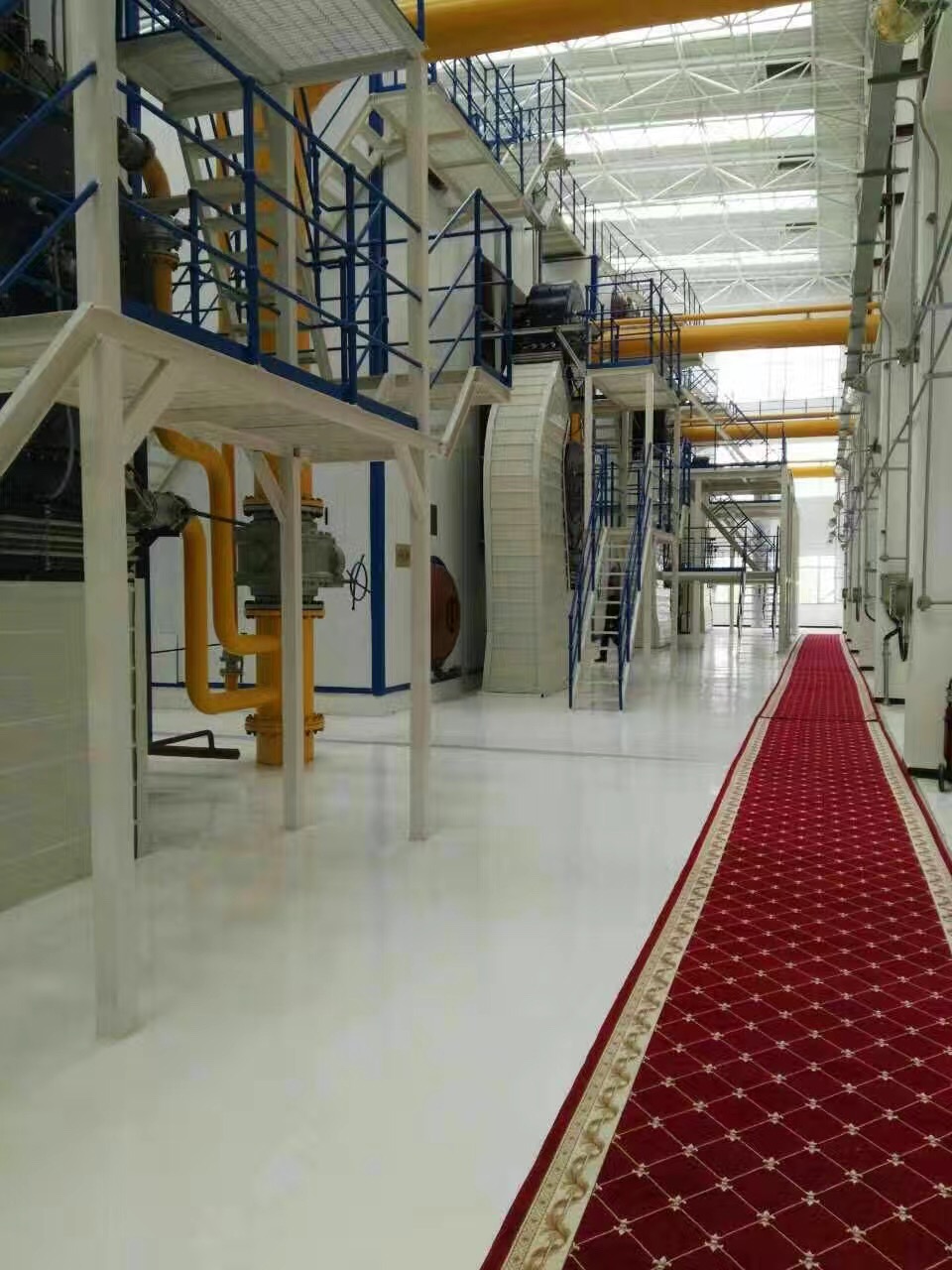
In modern industrial energy systems, selecting the most efficient boiler technology is a complex decision that directly influences operational costs, sustainability goals, and system reliability. While electric boilers are often perceived as nearly 100% efficient due to their direct conversion of electricity into heat, gas-fired boilers continue to dominate many industries because of their practical efficiency, lower energy costs, and scalability. However, the true comparison is not as straightforward as it seems, especially when considering energy generation, transmission losses, and real-world operating conditions.
Industrial electric boilers achieve near 100% point-of-use efficiency because they convert electrical energy directly into heat, whereas gas-fired boilers typically operate at 85–95% efficiency; however, when accounting for electricity generation and transmission losses, gas-fired boilers often provide higher overall system efficiency and lower operational costs in many industrial applications.
To fully understand this comparison, it is essential to examine both technologies from multiple perspectives, including thermodynamic efficiency, energy source considerations, operational flexibility, and lifecycle performance.
Electric boilers are always more energy-efficient than gas-fired boilers in all situations.False
Although electric boilers have high point-of-use efficiency, overall system efficiency depends on how electricity is generated and transmitted, which often reduces total efficiency.
⚙️ Understanding Point-of-Use vs System Efficiency
When comparing gas-fired and electric boilers, it is crucial to distinguish between point-of-use efficiency and overall system efficiency, as this distinction often determines the real-world performance of each technology. Electric boilers are highly efficient at the point of use because nearly all the electrical energy supplied is converted into heat with minimal losses, which makes them appear superior in isolated measurements. However, electricity must first be generated—often in thermal power plants where efficiency may range from 30% to 50%—and then transmitted through the grid, introducing additional losses that can significantly reduce the overall efficiency of the system.
· Electric boilers → High point-of-use efficiency but dependent on upstream energy generation
· Gas-fired boilers → Slightly lower local efficiency but direct fuel utilization
👉 Efficiency Flow Comparison:
Electric: Fuel → Power Plant → Electricity → Boiler → Heat
Gas: Fuel → Boiler → Heat
Short insight: System boundaries define efficiency.
Extended explanation: When evaluating efficiency, the entire energy chain must be considered rather than just the boiler itself.
🔥 Combustion vs Resistance Heating Mechanisms
Gas-fired boilers rely on combustion processes, where fuel is burned to generate heat, while electric boilers use resistance heating elements to convert electricity directly into thermal energy. Although resistance heating is inherently efficient, combustion systems have evolved significantly, incorporating advanced burner designs and control systems that optimize fuel-air mixing and minimize heat losses, thereby narrowing the efficiency gap.
· Gas combustion → Optimized flame control and heat recovery
· Electric heating → Direct conversion with minimal internal loss
👉 Energy Conversion Flow:
Gas Combustion → Heat Transfer → Steam
Electric Resistance → Heat Generation → Steam
Short sentence: Different mechanisms, different efficiencies.
Long explanation: While electric heating avoids combustion losses, gas systems compensate with advanced heat recovery and control technologies.
📊 Table 1: Efficiency Comparison Metrics
| Parameter | Gas-Fired Boiler | Electric Boiler | Advantage |
|---|---|---|---|
| Point-of-Use Efficiency | 85–95% | ~99% | Electric |
| System Efficiency | High | Moderate | Gas |
| Energy Conversion Losses | Moderate | High (upstream) | Gas |
| Heat Transfer Efficiency | High | Very High | Electric |
⚡ Energy Source and Cost Implications
Energy efficiency cannot be separated from energy cost and availability, as these factors ultimately determine the economic viability of a boiler system. Gas-fired boilers typically benefit from lower fuel costs and more stable pricing in many regions, whereas electricity prices can be significantly higher, especially in areas where power generation relies on fossil fuels or where grid infrastructure introduces additional costs. Furthermore, the efficiency of electric boilers improves substantially when powered by renewable energy sources such as wind or solar, which eliminates upstream losses associated with fossil fuel-based power generation.
· Gas systems → Cost-effective fuel in many markets
· Electric systems → Dependent on electricity pricing and source
👉 Cost-Efficiency Flow:
Energy Source → Conversion Efficiency → Operational Cost
Short insight: Efficiency must align with cost realities.
Extended explanation: The most energy-efficient system is not always the most economical without considering energy pricing.
📊 Table 2: Operational and Economic Comparison
| Feature | Gas-Fired Boiler | Electric Boiler | Impact Level |
|---|---|---|---|
| Operating Cost | Lower | Higher | Significant |
| Energy Price Stability | Moderate | Variable | Moderate |
| Infrastructure Needs | Gas Supply Line | Electrical Grid | Contextual |
| Scalability | High | Moderate | Moderate |
🌡️ Load Flexibility and Operational Performance
Gas-fired boilers generally offer superior flexibility in handling varying load demands, particularly in large-scale industrial applications where steam requirements fluctuate throughout the production cycle. They can ramp up or down efficiently and maintain stable performance under dynamic conditions. Electric boilers, while responsive, may face limitations in large-scale applications due to electrical infrastructure constraints and peak demand charges, which can affect their overall efficiency and cost-effectiveness.
· Gas boilers → Strong performance in variable loads
· Electric boilers → Best suited for stable or smaller loads
👉 Load Response Flow:
Demand Change → System Adjustment → Output Stability
Short sentence: Flexibility enhances efficiency in practice.
Long explanation: Systems that adapt quickly to load changes reduce energy waste and improve overall performance.
🌱 Environmental Efficiency Considerations
From an environmental perspective, electric boilers can be highly efficient and sustainable when powered by renewable energy sources, effectively achieving near-zero emissions at the point of use. However, if the electricity is generated from fossil fuels, the overall environmental efficiency may be lower than that of gas-fired boilers, which produce fewer emissions compared to coal and can achieve high efficiency with modern combustion technologies.
· Renewable electricity → High sustainability
· Fossil-based electricity → Reduced overall efficiency
👉 Environmental Flow:
Energy Source → Emissions → Environmental Impact
Short insight: Clean energy changes the equation.
Extended explanation: The environmental efficiency of electric boilers depends heavily on the energy mix.
🔧 Maintenance and Reliability Factors
Electric boilers generally require less maintenance because they do not involve combustion, fuel handling, or flue gas management, which simplifies operation and reduces downtime. Gas-fired boilers, while slightly more complex, have become highly reliable due to advancements in burner technology and control systems, and they offer long-term durability in heavy industrial applications.
· Electric systems → Minimal maintenance requirements
· Gas systems → Moderate maintenance with high reliability
👉 Maintenance Flow:
System Type → Maintenance Needs → Operational Efficiency
Short sentence: Simplicity reduces maintenance.
Long explanation: Reduced maintenance contributes to consistent performance and efficiency.
🔍 Real-World Application Insight
In practice, many industries adopt a hybrid approach, using gas-fired boilers for large-scale, high-demand operations while integrating electric boilers for supplementary or peak-load applications. This strategy allows facilities to balance efficiency, cost, and sustainability while optimizing overall system performance.
· Base load → Gas-fired boilers
· Peak load → Electric boilers
👉 Hybrid System Flow:
Base Demand → Gas Boiler → Peak Demand → Electric Boiler
Short insight: Combination strategies maximize efficiency.
Extended explanation: Hybrid systems leverage the strengths of both technologies.
🔄 Future Trends in Boiler Efficiency
The future of industrial boilers is increasingly influenced by decarbonization efforts and technological innovation, which are reshaping the efficiency landscape for both gas-fired and electric systems. Gas-fired boilers are evolving to support hydrogen blending and advanced combustion techniques, while electric boilers are benefiting from the expansion of renewable energy and smart grid technologies.
· Hydrogen-ready gas systems
· Renewable-powered electric boilers
· Smart energy management systems
👉 Future Flow:
Innovation → Efficiency → Sustainability
Short insight: Efficiency is evolving with energy systems.
Extended explanation: Technological advancements will continue to redefine efficiency standards.
Summary
Industrial gas-fired boilers and electric boilers each offer distinct efficiency advantages depending on how efficiency is defined and measured. While electric boilers achieve near-perfect point-of-use efficiency, gas-fired boilers often deliver higher overall system efficiency when considering energy generation and cost factors. The optimal choice depends on energy sources, operational requirements, and long-term sustainability goals, with hybrid solutions increasingly emerging as the most effective approach for maximizing efficiency and performance.
What Factors Influence the Energy Efficiency of Industrial Gas-Fired Boilers?
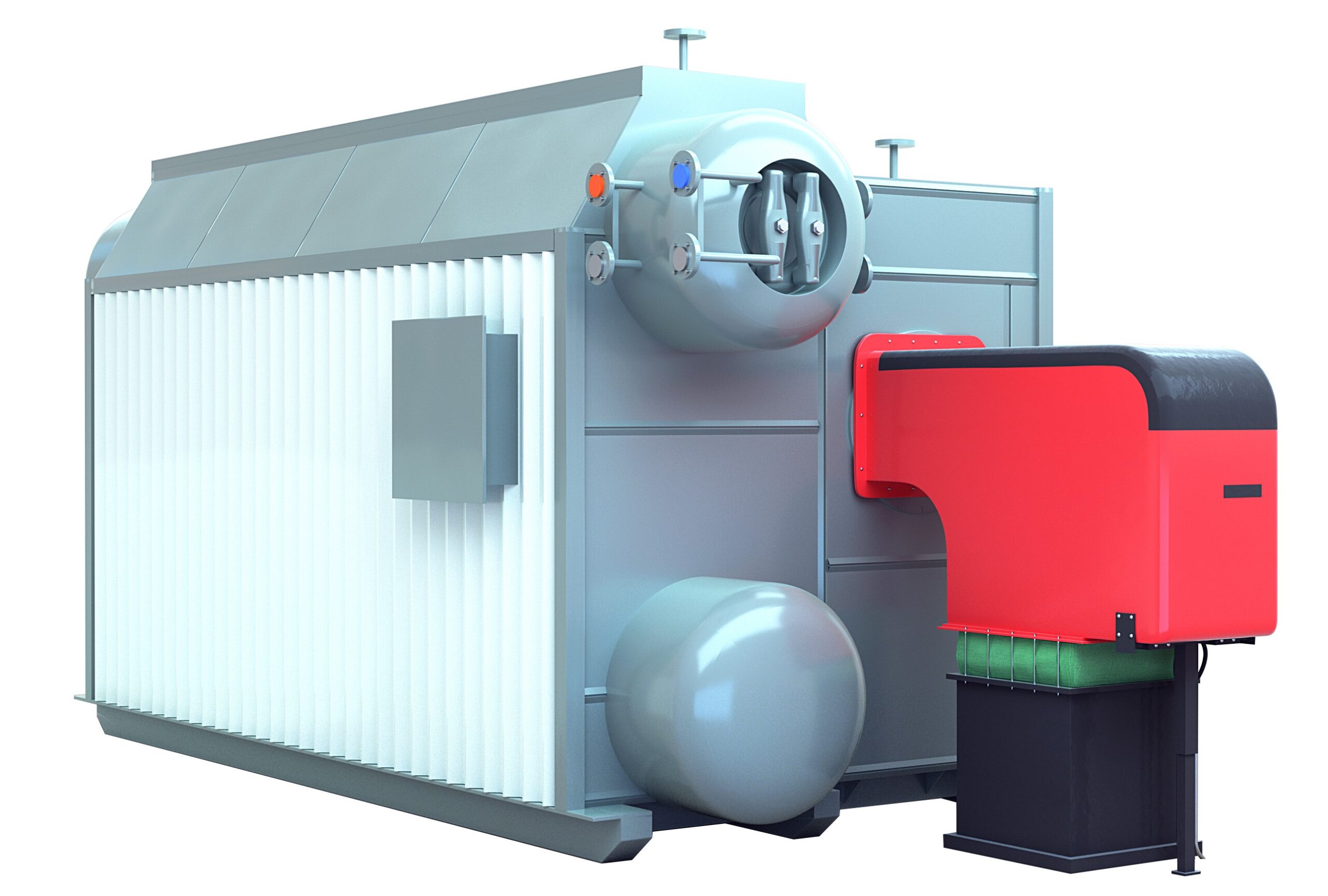
In industrial operations, even small inefficiencies in gas-fired boiler systems can lead to substantial energy losses, increased fuel consumption, and higher operational costs over time. Many facilities assume that installing a high-quality boiler automatically guarantees optimal performance, yet real-world efficiency is influenced by multiple dynamic factors, including combustion conditions, system design, maintenance practices, and operational control. Without a comprehensive understanding of these variables, businesses risk underutilizing their equipment and missing significant opportunities for cost savings and sustainability improvements.
The energy efficiency of industrial gas-fired boilers is influenced by key factors such as combustion efficiency, air-fuel ratio control, heat transfer performance, flue gas losses, load management, insulation quality, maintenance practices, and advanced control systems, all of which collectively determine how effectively fuel energy is converted into usable steam or heat.
To achieve optimal performance, it is essential to examine these influencing factors in detail and understand how they interact within the overall boiler system.
Once installed, a gas-fired boiler maintains its original efficiency without operational adjustments.False
Boiler efficiency changes over time due to factors like maintenance, load conditions, and combustion tuning.
🔥 Combustion Efficiency and Air-Fuel Ratio Control
Combustion efficiency is the cornerstone of boiler performance, as it determines how completely the fuel is burned and how much energy is released for heat generation. In gas-fired boilers, achieving the optimal air-fuel ratio is critical because too much air leads to excess heat loss through flue gases, while insufficient air results in incomplete combustion and the formation of carbon monoxide. Advanced burners and control systems are designed to continuously monitor and adjust this ratio, ensuring that combustion remains efficient under varying load conditions.
· Optimal air-fuel ratio → Maximum heat release
· Excess air → Increased flue gas losses
· Insufficient air → Incomplete combustion
👉 Combustion Optimization Flow:
Fuel + Air → Controlled Mixing → Efficient Combustion → Heat Output
Short insight: Balanced combustion drives efficiency.
Extended explanation: Precise control of combustion parameters minimizes energy losses and maximizes fuel utilization.
⚙️ Heat Transfer Efficiency and Heat Exchanger Design
Heat transfer efficiency is another critical factor that directly impacts how effectively the generated heat is converted into steam or hot water. The design and condition of the heat exchanger play a significant role, as clean and well-maintained surfaces allow for optimal heat transfer, while fouling or scaling can create thermal resistance and reduce efficiency. Modern gas-fired boilers often incorporate advanced heat exchanger designs, such as finned tubes or condensing systems, which enhance heat recovery and improve overall performance.
· Clean surfaces → बेहतर heat transfer
· Fouling → Reduced efficiency
· Advanced design → Improved energy utilization
👉 Heat Transfer Flow:
Combustion Heat → Heat Exchanger → Steam Generation
Short sentence: Clean surfaces improve performance.
Long explanation: Efficient heat transfer ensures maximum energy conversion from fuel to steam.
📊 Table 1: Key Efficiency Factors and Their Impact
| Factor | Impact on Efficiency | Optimization Strategy |
|---|---|---|
| Air-Fuel Ratio | High | Automated control systems |
| Heat Exchanger Condition | High | Regular cleaning and inspection |
| Flue Gas Temperature | Moderate | Heat recovery systems |
| Insulation Quality | Moderate | Improved insulation materials |
| Load Management | High | Smart control systems |
🌡️ Flue Gas Losses and Heat Recovery
Flue gas losses represent a significant source of energy inefficiency in gas-fired boilers, as a portion of the heat generated during combustion escapes through the exhaust gases. Reducing these losses is essential for improving overall efficiency, and this can be achieved through the use of economizers, air preheaters, and condensing technologies that recover waste heat and reuse it within the system. By lowering the temperature of the flue gases before they exit the system, these technologies enhance energy utilization and reduce fuel consumption.
· High flue gas temperature → Energy loss
· Heat recovery systems → Improved efficiency
· Condensing boilers → Maximum heat utilization
👉 Heat Recovery Flow:
Flue Gas → Heat Recovery → Reuse Energy → Increased Efficiency
Short insight: Recovering heat boosts efficiency.
Extended explanation: Capturing waste heat significantly reduces energy losses.
📊 Table 2: Flue Gas Loss Reduction Techniques
| Technique | Efficiency Improvement | Application Level |
|---|---|---|
| Economizer | 5–10% | Common |
| Air Preheater | 3–7% | Moderate |
| Condensing Technology | 10–15% | Advanced |
⚡ Load Management and Operational Practices
The way a boiler is operated has a profound impact on its efficiency, particularly in terms of load management. Gas-fired boilers achieve their highest efficiency when operating near their optimal load range, and frequent fluctuations or operation at very low loads can reduce performance. Implementing load management strategies, such as using multiple boilers in a modular configuration or integrating advanced control systems, helps maintain stable operation and improves efficiency.
· Stable load → Higher efficiency
· Frequent fluctuations → Energy losses
· Smart control → Optimized performance
👉 Load Management Flow:
Demand Monitoring → Load Adjustment → Stable Operation
Short sentence: Stable operation enhances efficiency.
Long explanation: Consistent load conditions allow the boiler to operate at peak performance.
🌱 Insulation and Heat Loss Prevention
Heat loss through the boiler structure, piping, and ancillary equipment can significantly reduce overall efficiency, especially in large industrial installations. Proper insulation minimizes these losses by retaining heat within the system and ensuring that more energy is directed toward useful output. High-quality insulation materials and regular inspections are essential for maintaining optimal performance.
· Poor insulation → Heat loss
· High-quality insulation → Energy retention
· Regular inspection → Sustained efficiency
👉 Heat Loss Flow:
Generated Heat → Retention → Utilization
Short insight: Retaining heat improves efficiency.
Extended explanation: Minimizing heat loss ensures maximum energy utilization.
🔧 Maintenance and System Condition
Regular maintenance is essential for sustaining boiler efficiency over time, as wear and tear, fouling, and component degradation can gradually reduce performance. Maintenance activities such as burner tuning, cleaning heat exchangers, and inspecting control systems help ensure that the boiler operates at its designed efficiency level.
· Routine maintenance → Sustained performance
· Neglect → Efficiency decline
· Proactive approach → Long-term benefits
👉 Maintenance Flow:
Inspection → Cleaning → Optimization → Efficiency
Short sentence: Maintenance preserves efficiency.
Long explanation: Well-maintained systems perform more efficiently and reliably.
🤖 Advanced Control Systems and Automation
Modern gas-fired boilers increasingly rely on advanced control systems and automation technologies to optimize efficiency. These systems use sensors and algorithms to continuously monitor operating conditions and adjust parameters such as fuel flow, air supply, and temperature in real time. This level of precision ensures that the boiler operates under optimal conditions at all times.
· Real-time monitoring → Accurate adjustments
· Automation → Reduced human error
· Data-driven optimization → Improved efficiency
👉 Control System Flow:
Sensors → Data Analysis → Parameter Adjustment
Short insight: Smart control maximizes efficiency.
Extended explanation: Automation ensures consistent and optimal operation.
🔍 Real-World Case Insight
An industrial facility implemented advanced control systems and heat recovery technologies in its gas-fired boiler system, resulting in significant efficiency improvements. The outcomes included:
· 12% reduction in fuel consumption
· Improved operational stability
· Lower emissions
· Reduced maintenance costs
This case demonstrates how multiple factors can be optimized to enhance efficiency.
🔄 Interaction of Multiple Factors
It is important to recognize that these factors do not operate independently; rather, they interact dynamically within the boiler system. For example, improved combustion efficiency can reduce flue gas losses, while better insulation can enhance the effectiveness of heat recovery systems. A holistic approach that considers all influencing factors is essential for achieving maximum efficiency.
· Integrated optimization → सर्वोत्तम results
· Isolated improvements → Limited impact
· System-wide approach → Maximum efficiency
👉 System Interaction Flow:
Multiple Factors → Integrated Optimization → Enhanced Performance
Short insight: Efficiency is a system outcome.
Extended explanation: Coordinated optimization delivers the best results.
Summary
The energy efficiency of industrial gas-fired boilers is influenced by a complex interplay of factors, including combustion efficiency, heat transfer performance, flue gas losses, load management, insulation, maintenance, and advanced control systems. By understanding and optimizing these variables, industries can significantly improve boiler performance, reduce fuel consumption, and achieve greater operational and environmental efficiency.
How Can You Maximize the Efficiency of Industrial Gas-Fired Boilers?
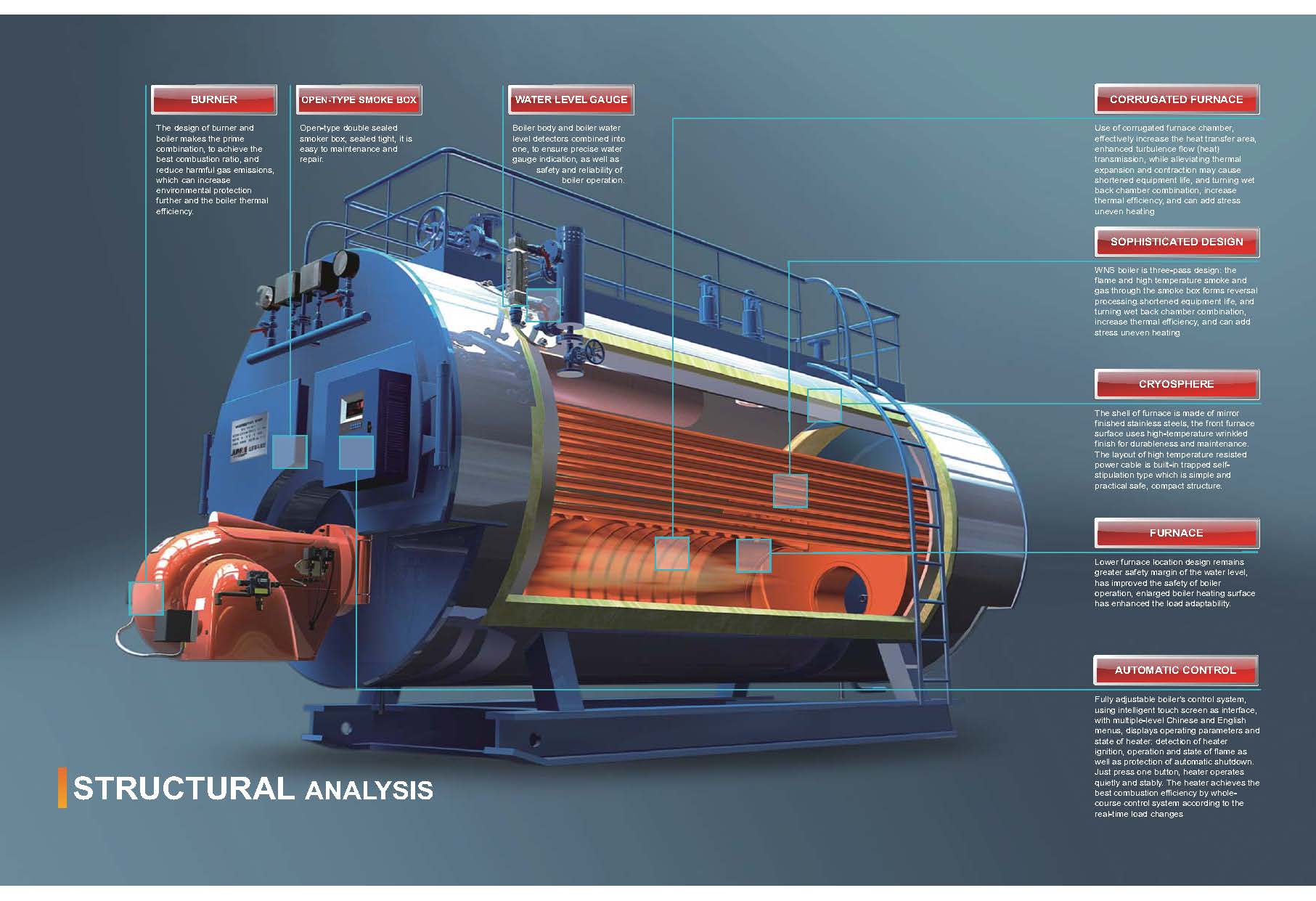
In industrial environments, even a small drop in boiler efficiency can translate into significant increases in fuel consumption, operational costs, and emissions over time. Many facilities invest in high-quality gas-fired boilers but fail to operate them at peak efficiency due to suboptimal combustion settings, inadequate maintenance, poor load management, or lack of advanced monitoring systems. This gap between theoretical and actual performance often leads to unnecessary energy waste and reduced return on investment. The good news is that with the right strategies and technologies, boiler efficiency can be significantly improved and sustained over the long term.
To maximize the efficiency of industrial gas-fired boilers, operators should optimize combustion through precise air-fuel ratio control, enhance heat recovery using economizers or condensing systems, maintain clean heat transfer surfaces, implement advanced automation systems, ensure proper insulation, and adopt proactive maintenance and load management strategies.
Understanding how these elements work together allows industries to unlock the full potential of their boiler systems and achieve consistent, high-efficiency performance.
Increasing excess air in combustion always improves boiler efficiency.False
While some excess air is necessary for complete combustion, too much excess air increases heat loss through flue gases and reduces efficiency.
🔥 Optimize Combustion Efficiency Through Precise Air-Fuel Control
Combustion optimization is the most critical factor in maximizing boiler efficiency, as it directly determines how effectively fuel energy is converted into heat. Achieving the correct air-fuel ratio ensures complete combustion while minimizing excess air, which otherwise carries heat away through the flue gases. Modern gas-fired boilers utilize advanced burners and oxygen trim systems that continuously monitor oxygen levels in the exhaust and adjust the air supply accordingly, thereby maintaining optimal combustion conditions under varying loads.
· Maintain optimal excess air levels
· Use oxygen trim control systems
· Regularly tune burners
👉 Combustion Optimization Flow:
Fuel + Air → Real-Time Adjustment → Complete Combustion → Maximum Heat Output
Short insight: Precision combustion saves fuel.
Extended explanation: Fine-tuning combustion parameters reduces energy losses and improves efficiency.
⚙️ Enhance Heat Recovery with Economizers and Condensing Technology
A significant portion of energy loss in boilers occurs through hot flue gases, which carry unused heat out of the system. Installing heat recovery devices such as economizers and condensing heat exchangers allows this waste heat to be captured and reused, either to preheat feedwater or combustion air. Condensing boilers go a step further by recovering latent heat from water vapor in the exhaust, significantly improving overall efficiency.
· Economizers → Recover sensible heat
· Condensing systems → Recover latent heat
· Air preheaters → Improve combustion efficiency
👉 Heat Recovery Flow:
Flue Gas → Heat Recovery → Reuse Energy → Improved Efficiency
Short sentence: Recovering heat boosts performance.
Long explanation: Utilizing waste heat reduces fuel consumption and increases overall efficiency.
📊 Table 1: Heat Recovery Technologies and Efficiency Gains
| Technology | Efficiency Improvement | Application Level |
|---|---|---|
| Economizer | 5–10% | Common |
| Air Preheater | 3–7% | Moderate |
| Condensing Heat Exchanger | 10–15% | Advanced |
🌡️ Maintain Clean Heat Transfer Surfaces
Heat transfer efficiency depends heavily on the cleanliness of boiler surfaces, as fouling, scaling, or soot buildup can act as insulation and significantly reduce heat transfer rates. Even a thin layer of deposits can lead to noticeable efficiency losses, making regular cleaning and water treatment essential for maintaining optimal performance.
· Prevent fouling and scaling
· Schedule regular cleaning
· Monitor heat exchanger condition
👉 Heat Transfer Flow:
Clean Surface → Efficient Heat Exchange → Maximum Output
Short insight: Clean surfaces mean better efficiency.
Extended explanation: Removing deposits ensures efficient heat transfer and reduces fuel waste.
📊 Table 2: Impact of Fouling on Efficiency
| Deposit Thickness | Efficiency Loss | Operational Impact |
|---|---|---|
| 0.5 mm | ~2–3% | Minor |
| 1 mm | ~5% | Moderate |
| 2 mm | 8–10% | Significant |
⚡ Implement Advanced Automation and Control Systems
Advanced control systems play a vital role in maintaining optimal boiler performance by continuously monitoring and adjusting operating parameters such as temperature, pressure, and fuel flow. These systems use sensors and algorithms to ensure that the boiler operates within its optimal efficiency range, even under fluctuating load conditions.
· Real-time monitoring
· Automated adjustments
· Data-driven optimization
👉 Control System Flow:
Sensors → Data Analysis → Parameter Optimization
Short sentence: Smart systems drive efficiency.
Long explanation: Automation ensures consistent and optimal operation.
🔄 Optimize Load Management and System Configuration
Operating a boiler at its optimal load range is essential for maximizing efficiency, as performance tends to decline at very low or very high loads. Implementing strategies such as modular boiler systems or load-sharing configurations allows facilities to match steam production with demand more effectively, thereby reducing energy waste.
· Avoid low-load operation
· Use multiple boilers for flexibility
· Match output to demand
👉 Load Management Flow:
Demand Monitoring → Load Adjustment → Efficient Operation
Short insight: Balanced load improves performance.
Extended explanation: Proper load management minimizes inefficiencies.
🌱 Improve Insulation and Reduce Heat Loss
Heat loss through boiler surfaces, piping, and auxiliary components can significantly impact overall efficiency, particularly in large industrial systems. High-quality insulation materials and proper installation help retain heat within the system, ensuring that more energy is used for productive purposes.
· Upgrade insulation materials
· Inspect for heat leaks
· Maintain piping insulation
👉 Heat Retention Flow:
Generated Heat → Retention → Utilization
Short sentence: Retain heat to save energy.
Long explanation: Reducing heat loss enhances overall efficiency.
🔧 Establish a Proactive Maintenance Program
Regular maintenance is essential for sustaining high efficiency over the lifecycle of a boiler system, as component wear, fouling, and calibration drift can gradually reduce performance. A proactive maintenance program includes routine inspections, cleaning, calibration, and performance testing to ensure that the system operates at its designed efficiency.
· Schedule routine inspections
· Perform preventive maintenance
· Monitor performance trends
👉 Maintenance Flow:
Inspection → Maintenance → Optimization → Efficiency
Short insight: Maintenance sustains efficiency.
Extended explanation: Proactive care prevents efficiency decline.
🔍 Real-World Case Insight
An industrial facility implemented a comprehensive efficiency optimization program for its gas-fired boilers, including combustion tuning, heat recovery installation, and advanced control systems. The results were substantial:
· 15% reduction in fuel consumption
· Improved operational stability
· Lower emissions
· Reduced maintenance costs
This example demonstrates how multiple strategies can work together to maximize efficiency.
🔄 Integrate a Holistic Optimization Strategy
Maximizing boiler efficiency requires a holistic approach that considers all influencing factors rather than focusing on a single aspect. By integrating combustion optimization, heat recovery, maintenance, and advanced controls, industries can achieve sustainable and long-term efficiency improvements.
· Combine multiple optimization strategies
· Monitor system performance continuously
· Adapt to changing operational conditions
👉 Integrated Efficiency Flow:
Multiple Factors → System Optimization → Maximum Efficiency
Short insight: Efficiency is a system-wide achievement.
Extended explanation: Coordinated improvements deliver the best results.
Summary
Maximizing the efficiency of industrial gas-fired boilers involves a combination of precise combustion control, effective heat recovery, clean heat transfer surfaces, advanced automation, proper load management, and proactive maintenance. By adopting a comprehensive and integrated approach, industries can significantly reduce energy consumption, lower operating costs, and enhance overall system performance, ensuring long-term sustainability and competitiveness.
Are Industrial Gas-Fired Boilers the Best Choice for Long-Term Energy Savings?
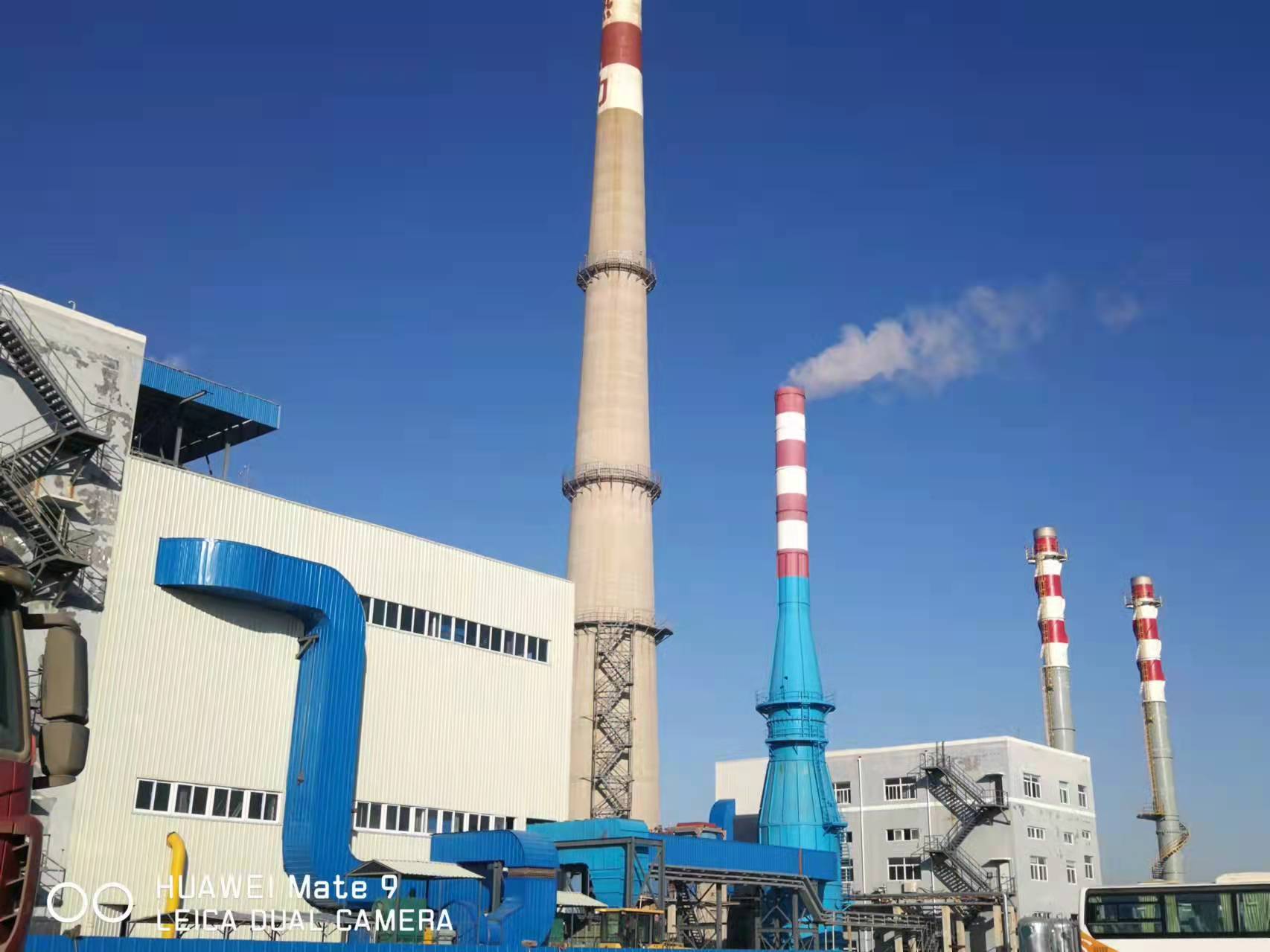
In today’s industrial landscape, companies are under increasing pressure to reduce energy costs while meeting stricter environmental regulations and maintaining reliable production output. Many decision-makers face uncertainty when selecting the most cost-effective boiler technology for long-term use, especially when balancing fuel price volatility, efficiency performance, maintenance costs, and sustainability goals. Choosing the wrong system can lead to escalating operational expenses and reduced competitiveness over time, making it essential to evaluate whether gas-fired boilers truly offer the best long-term energy savings.
Industrial gas-fired boilers are often one of the best choices for long-term energy savings due to their high efficiency (85–95%), relatively lower fuel costs, clean combustion, reduced maintenance needs, and compatibility with advanced energy-saving technologies; however, their overall cost-effectiveness depends on factors such as fuel pricing, energy infrastructure, and sustainability requirements.
To make an informed decision, it is necessary to analyze gas-fired boilers in comparison with alternative technologies and examine the key factors influencing long-term energy savings.
Gas-fired boilers always provide the lowest long-term energy costs in every region.False
Fuel prices, infrastructure, and energy policies vary by region, which can affect the long-term cost-effectiveness of gas-fired boilers.
🔥 Efficiency Advantages and Energy Utilization
One of the primary reasons gas-fired boilers are considered for long-term energy savings is their high thermal efficiency, which allows them to convert a large proportion of fuel energy into usable heat. Modern gas-fired systems are equipped with advanced combustion technologies, such as low-NOx burners and condensing heat exchangers, which further enhance efficiency by optimizing fuel-air mixing and recovering waste heat from exhaust gases. This high level of energy utilization reduces fuel consumption over time, which directly translates into cost savings.
· High thermal efficiency → Reduced fuel consumption
· Advanced combustion → Optimized energy output
· Heat recovery → Increased overall efficiency
👉 Efficiency Flow:
Fuel Input → Optimized Combustion → Heat Recovery → Maximum Output
Short insight: Higher efficiency means lower long-term costs.
Extended explanation: Efficient systems use less fuel, reducing cumulative expenses over time.
📊 Table 1: Efficiency Comparison Across Boiler Types
| Boiler Type | Typical Efficiency | Long-Term Energy Savings Potential |
|---|---|---|
| Gas-Fired Boiler | 85–95% | High |
| Oil-Fired Boiler | 80–90% | Moderate |
| Coal-Fired Boiler | 70–85% | Lower |
| Electric Boiler | ~99% (point-use) | Variable |
⚡ Fuel Cost and Market Stability
Fuel cost is a critical determinant of long-term savings, and natural gas has historically offered a favorable balance between cost and efficiency in many regions. While gas prices can fluctuate, they are often more stable and competitive compared to oil, and they generally provide a lower cost per unit of useful energy when combined with high boiler efficiency. However, it is important to consider regional variations, as electricity prices and renewable energy incentives may influence the competitiveness of alternative technologies.
· Natural gas → Competitive pricing
· Oil → Higher and volatile costs
· Electricity → Depends on energy mix
👉 Cost Flow:
Fuel Price → Consumption Rate → Total Cost
Short insight: Fuel cost drives long-term savings.
Extended explanation: Lower fuel prices combined with high efficiency reduce overall expenses.
📊 Table 2: Long-Term Cost Factors Comparison
| Factor | Gas-Fired Boiler | Alternative Systems | Impact Level |
|---|---|---|---|
| Fuel Cost | Moderate | Variable | High |
| Maintenance Cost | Low | Moderate–High | Significant |
| Efficiency | High | Variable | High |
| Infrastructure Cost | Moderate | Variable | Contextual |
🌡️ Maintenance and Operational Costs
Maintenance plays a significant role in determining the long-term cost-effectiveness of a boiler system. Gas-fired boilers typically require less maintenance than coal- or oil-fired systems because they produce minimal residue, reducing the need for frequent cleaning and component replacement. This not only lowers maintenance costs but also minimizes downtime, which can have a substantial impact on overall productivity and profitability.
· Minimal residue → Reduced cleaning
· Lower wear and tear → Longer lifespan
· Reduced downtime → Higher productivity
👉 Maintenance Flow:
Clean Combustion → Less Wear → Lower Costs
Short sentence: Lower maintenance equals higher savings.
Long explanation: Reduced maintenance requirements contribute to long-term cost efficiency.
🌱 Environmental Compliance and Cost Implications
Environmental regulations are becoming increasingly stringent, and compliance costs can significantly affect long-term energy savings. Gas-fired boilers produce fewer emissions compared to coal and oil systems, which reduces the need for additional pollution control equipment and associated costs. Furthermore, their compatibility with low-emission technologies and potential for integration with renewable energy sources make them a more future-proof option.
· Lower emissions → Reduced compliance costs
· Cleaner combustion → Environmental benefits
· Future adaptability → Long-term viability
👉 Environmental Flow:
Fuel Type → Emissions → Compliance Cost
Short insight: Cleaner systems reduce hidden costs.
Extended explanation: Lower emissions translate into reduced regulatory expenses.
🔄 Flexibility and Scalability for Future Needs
Industrial operations often evolve over time, requiring systems that can adapt to changing demand. Gas-fired boilers offer excellent flexibility and scalability, particularly when used in modular configurations, allowing facilities to adjust capacity without significant additional investment. This adaptability ensures that the system remains efficient even as operational requirements change.
· Modular expansion → Scalable capacity
· Load flexibility → Efficient operation
· Adaptability → Long-term relevance
👉 Flexibility Flow:
Demand Change → System Adjustment → Sustained Efficiency
Short insight: Flexibility supports long-term savings.
Extended explanation: Adaptable systems avoid costly upgrades or replacements.
🔧 Comparison with Electric Boilers for Long-Term Savings
While electric boilers offer near-perfect point-of-use efficiency, their long-term cost-effectiveness depends heavily on electricity prices and energy sources. In regions where electricity is expensive or generated from fossil fuels, gas-fired boilers often provide better overall savings. However, in areas with abundant renewable energy, electric boilers may become more competitive.
· Electric boilers → High efficiency, variable cost
· Gas boilers → Balanced efficiency and cost
👉 Comparison Flow:
Energy Source → Cost → Long-Term Savings
Short sentence: Context determines the best choice.
Long explanation: The optimal solution depends on regional energy conditions.
🔍 Real-World Case Insight
A large manufacturing facility transitioned from oil-fired boilers to gas-fired systems to reduce long-term energy costs. Over a five-year period, the company achieved:
· 20% reduction in fuel expenses
· 30% decrease in maintenance costs
· Improved system reliability
· Enhanced environmental compliance
This case illustrates how gas-fired boilers can deliver substantial long-term savings when properly implemented.
🔄 Risk Factors and Limitations
Despite their advantages, gas-fired boilers are not universally the best choice, and certain risks must be considered when evaluating long-term savings. Fuel price volatility, infrastructure availability, and evolving energy policies can all influence the economic viability of gas systems. Additionally, the global shift toward decarbonization may impact the future role of natural gas in industrial energy systems.
· Fuel price fluctuations
· Infrastructure limitations
· Regulatory changes
👉 Risk Flow:
External Factors → Cost Variability → Decision Impact
Short insight: No solution is universally perfect.
Extended explanation: Evaluating risks ensures better decision-making.
🔄 Future Outlook for Long-Term Energy Savings
The future of industrial boilers is likely to involve a combination of technologies aimed at maximizing efficiency and sustainability. Gas-fired boilers are evolving to support hydrogen blending and integration with renewable energy systems, which could further enhance their long-term viability and cost-effectiveness.
· Hydrogen-ready systems
· Hybrid energy solutions
· Smart energy management
👉 Future Flow:
Innovation → Efficiency → Sustainability
Short insight: Gas systems are evolving for the future.
Extended explanation: Technological advancements will shape long-term savings potential.
Summary
Industrial gas-fired boilers are often an excellent choice for long-term energy savings due to their high efficiency, lower maintenance costs, and favorable fuel economics. However, their suitability depends on regional energy conditions, infrastructure, and sustainability goals. By carefully evaluating these factors and adopting a strategic approach, industries can determine whether gas-fired boilers provide the most cost-effective and efficient solution for their long-term energy needs.
Conclusion
Industrial gas-fired boilers stand out as one of the most energy-efficient and environmentally friendly options among conventional boiler types. Their high combustion efficiency, lower emissions, and ease of operation make them ideal for industries seeking to reduce costs and meet sustainability goals. While the best choice ultimately depends on specific operational needs and fuel availability, gas-fired boilers often provide the optimal balance between performance and efficiency.
If you are considering upgrading to a high-efficiency industrial gas-fired boiler, contact us today. Our experts can help you evaluate your requirements and provide customized solutions to maximize energy savings, improve performance, and ensure long-term reliability.
FAQ
Q1: How efficient are industrial gas-fired boilers compared to coal-fired boilers?
A1:
Industrial gas-fired boilers are generally more energy-efficient than coal-fired boilers due to cleaner combustion and better heat transfer characteristics. Natural gas burns more completely than coal, producing fewer residues such as ash and soot. This cleaner combustion allows heat transfer surfaces to remain cleaner for longer periods, maintaining higher efficiency levels over time.
Gas-fired boilers typically achieve efficiency levels of 85% to 95%, depending on design and technology. In contrast, traditional coal-fired boilers often operate at efficiencies ranging from 70% to 85%. Advanced coal technologies, such as supercritical boilers, can reach higher efficiencies, but they require more complex systems and higher capital investment.
Another advantage of gas-fired boilers is their ability to respond quickly to load changes. This flexibility reduces energy waste during startup and shutdown cycles, improving overall efficiency in variable-demand environments.
Maintenance requirements also impact efficiency. Coal-fired boilers require frequent cleaning to remove ash and slag buildup, which can reduce heat transfer efficiency. Gas-fired systems, with minimal residue, maintain consistent performance with less maintenance.
In addition, gas-fired boilers produce lower emissions, which reduces the need for extensive emission control systems that can consume additional energy.
Overall, gas-fired boilers offer higher efficiency, lower maintenance, and cleaner operation compared to coal-fired boilers, making them a preferred choice in many industries.
Q2: Are gas-fired boilers more efficient than oil-fired boilers?
A2:
Yes, industrial gas-fired boilers are generally more efficient than oil-fired boilers, although the difference may not be as significant as with coal-fired systems. Gas combustion is more uniform and cleaner than oil combustion, leading to better heat transfer and fewer deposits on boiler surfaces.
Gas-fired boilers typically achieve efficiency levels of 85% to 95%, while oil-fired boilers usually operate in the range of 80% to 90%. The higher efficiency of gas systems is largely due to the precise control of the air-to-fuel ratio, which ensures more complete combustion.
Oil-fired boilers can suffer from issues such as soot formation and fuel impurities, which can reduce efficiency over time. These deposits require regular cleaning and maintenance to maintain optimal performance.
Another factor is fuel handling. Gas-fired systems benefit from a consistent fuel supply delivered through pipelines, eliminating the need for storage and handling of liquid fuels. This reduces energy losses and operational complexity.
However, oil-fired boilers may still be preferred in areas where natural gas is not readily available or where fuel flexibility is required. Some modern systems are designed to operate on both gas and oil, providing operational flexibility.
In summary, gas-fired boilers are generally more efficient and easier to maintain than oil-fired boilers, although both can achieve high performance with proper maintenance and operation.
Q3: How do gas-fired boilers compare to electric boilers in terms of efficiency?
A3:
When comparing industrial gas-fired boilers to electric boilers, the concept of efficiency depends on how it is measured. Electric boilers are often considered nearly 100% efficient at the point of use because they convert almost all electrical energy into heat. However, this does not account for energy losses during electricity generation and transmission.
Gas-fired boilers, on the other hand, have efficiency levels ranging from 85% to 95% at the point of combustion. While this is lower than electric boilers in direct conversion terms, gas systems can be more efficient overall when considering the entire energy supply chain.
Electricity is often generated in power plants with efficiencies of around 30% to 50%, depending on the technology. When transmission losses are included, the overall efficiency of electric heating can be lower than that of direct gas combustion.
Cost is another important factor. Electricity is typically more expensive than natural gas in many regions, making gas-fired boilers more cost-effective for large-scale industrial applications.
However, electric boilers have advantages in terms of zero on-site emissions and simplicity of operation. They are particularly suitable for applications requiring precise temperature control and in regions with access to renewable electricity.
In conclusion, while electric boilers are highly efficient at the point of use, gas-fired boilers often provide better overall energy efficiency and cost-effectiveness for industrial applications.
Q4: What technologies improve the efficiency of gas-fired boilers?
A4:
Several advanced technologies have been developed to enhance the efficiency of industrial gas-fired boilers, making them one of the most energy-efficient options available. One of the most important innovations is condensing technology. Condensing boilers recover latent heat from exhaust gases, significantly increasing efficiency compared to conventional systems.
Economizers are another key component. These devices capture waste heat from flue gases and use it to preheat feedwater, reducing the amount of energy required to produce steam. This improves overall system efficiency and reduces fuel consumption.
Advanced burner designs also contribute to efficiency improvements. Modern burners ensure optimal mixing of air and fuel, resulting in more complete combustion and minimal energy loss. Low-NOx burners additionally reduce emissions while maintaining high efficiency.
Automation and control systems play a crucial role as well. These systems continuously monitor operating conditions and adjust parameters such as fuel flow, air supply, and temperature to maintain optimal performance.
Variable frequency drives (VFDs) for fans and pumps help reduce energy consumption by adjusting motor speeds based on demand. This prevents unnecessary energy use during low-load conditions.
Heat recovery systems, such as combined heat and power (CHP) systems, further enhance efficiency by utilizing waste heat for additional applications, such as heating or electricity generation.
In summary, technologies such as condensing systems, economizers, advanced burners, automation, and heat recovery significantly improve the efficiency of gas-fired boilers.
Q5: What factors influence the overall efficiency of industrial gas-fired boilers?
A5:
The overall efficiency of industrial gas-fired boilers is influenced by several factors, including design, operation, maintenance, and external conditions. Understanding these factors is essential for maximizing performance and energy savings.
Boiler design is a primary factor. High-efficiency designs, such as condensing boilers and those with advanced heat exchangers, can achieve significantly better performance. Proper sizing is also important; an oversized or undersized boiler can lead to inefficiencies.
Combustion efficiency is another critical element. Maintaining the correct air-to-fuel ratio ensures complete combustion and minimizes energy loss. Advanced control systems can help optimize this ratio in real time.
Load conditions also affect efficiency. Boilers operate most efficiently at or near their designed load capacity. Frequent cycling or operation at low loads can reduce efficiency and increase wear.
Maintenance practices play a significant role. Regular cleaning of heat transfer surfaces, inspection of components, and proper water treatment help maintain optimal performance. Neglected maintenance can lead to fouling, scaling, and reduced heat transfer efficiency.
Fuel quality and supply consistency are also important. High-quality natural gas ensures stable combustion and efficient operation.
Environmental conditions, such as ambient temperature and humidity, can also impact performance, although to a lesser extent.
In conclusion, optimizing design, combustion, load management, maintenance, and fuel quality is essential for achieving high efficiency in industrial gas-fired boilers.
References
- Steam System Efficiency – https://www.energy.gov/eere/amo/steam-systems – U.S. Department of Energy
- Boiler Efficiency Comparison – https://www.iea.org/reports – International Energy Agency
- Gas Boiler Technology Overview – https://www.spiraxsarco.com – Spirax Sarco
- Industrial Boiler Performance – https://www.ge.com/power – General Electric
- Electric vs Gas Heating Efficiency – https://www.engineeringtoolbox.com – Engineering Toolbox
- Boiler Energy Optimization – https://www.tlv.com – TLV International
- Combustion Efficiency Principles – https://www.chemengonline.com – Chemical Engineering
- Energy Costs and Fuel Comparison – https://www.eia.gov – U.S. Energy Information Administration
- Advanced Boiler Technologies – https://www.thermaxglobal.com – Thermax
- Industrial Energy Efficiency Reports – https://www.iea.org – International Energy Agency