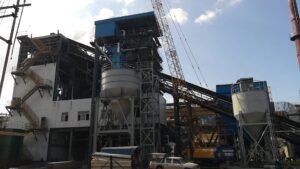
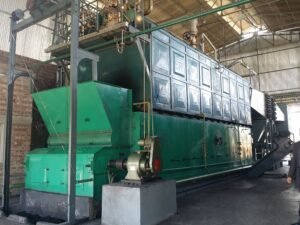
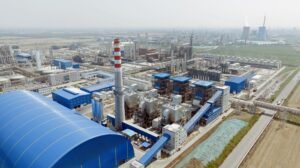
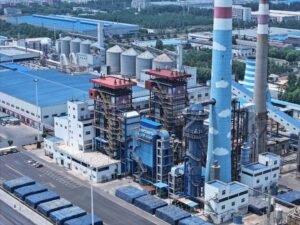
Industries worldwide are under growing pressure to reduce carbon emissions while maintaining cost-effective energy production. Traditional fossil-fuel-based boilers are becoming less attractive due to volatile fuel prices and strict environmental regulations. At the same time, many businesses struggle to find reliable, scalable, and sustainable energy alternatives. Without adapting to emerging technologies and market shifts, companies risk higher operational costs and reduced competitiveness. Industrial biomass boilers are rapidly evolving to address these challenges, offering cleaner and more sustainable solutions.
The latest trends in industrial biomass boiler technology include advanced combustion systems, automation and IoT integration, high-efficiency heat recovery, fuel flexibility, and low-emission designs. Market demand is driven by global decarbonization goals, government incentives, rising fossil fuel costs, and increased adoption of renewable energy solutions across industries such as power generation, agriculture, and manufacturing.
To stay competitive and sustainable, it is crucial to understand both the technological innovations and the market forces shaping the future of industrial biomass boilers.
What Technological Innovations Are Driving Industrial [Biomass Boiler](https://coalbiomassboiler.com/product/biomass-boilers/) Development?
In the global push toward decarbonization and sustainable industrial practices, traditional fossil fuel-based boiler systems are increasingly under scrutiny due to their environmental impact and rising regulatory pressures. Industries seeking cleaner energy alternatives often turn to biomass boilers, but they encounter challenges such as fuel variability, combustion inefficiency, higher maintenance requirements, and emission control complexities. Without technological advancements, these limitations can hinder performance and reduce the economic viability of biomass systems. Fortunately, recent innovations are transforming industrial biomass boilers into highly efficient, reliable, and environmentally friendly energy solutions.
Technological innovations driving industrial biomass boiler development include advanced combustion technologies (such as fluidized bed systems), automated fuel handling, intelligent control systems, enhanced heat recovery solutions, emission reduction technologies, and integration with digital monitoring and renewable energy systems, all of which significantly improve efficiency, reliability, and sustainability.
To fully appreciate these advancements, it is essential to explore how each innovation contributes to the evolution of biomass boiler systems and their growing role in industrial energy infrastructure.
Biomass boilers are inherently inefficient due to inconsistent fuel quality.False
Modern technologies such as fluidized bed combustion and automated controls enable biomass boilers to achieve high efficiency despite fuel variability.
🔥 Advanced Combustion Technologies
One of the most significant innovations in biomass boiler development is the adoption of advanced combustion technologies, particularly fluidized bed combustion (FBC) systems, which allow for more efficient and stable burning of biomass fuels. Unlike traditional grate-fired systems, FBC suspends fuel particles in a stream of air, creating a turbulent mixing environment that enhances heat transfer and ensures more complete combustion. This technology is especially effective in handling a wide range of biomass fuels with varying moisture content and particle sizes, thereby improving efficiency and reducing emissions.
· Fluidized bed combustion → Uniform temperature distribution
· Improved fuel-air mixing → Higher combustion efficiency
· Reduced unburned carbon → Lower energy losses
👉 Combustion Flow:
Biomass Fuel → Fluidized Bed → Efficient Combustion → Heat Generation
Short insight: Advanced combustion stabilizes performance.
Extended explanation: FBC systems enable consistent efficiency even with variable fuel quality.
⚙️ Automated Fuel Handling and Feeding Systems
Biomass fuels, such as wood chips, agricultural residues, and pellets, require sophisticated handling systems to ensure consistent feeding into the combustion chamber. Innovations in automated fuel handling systems have significantly improved the reliability and efficiency of biomass boilers by reducing manual intervention and ensuring a steady fuel supply. These systems include conveyors, screw feeders, and storage solutions equipped with sensors and control mechanisms that optimize fuel flow based on demand.
· Automated conveyors → Consistent fuel supply
· Smart feeders → Optimized combustion
· Reduced manual labor → Increased reliability
👉 Fuel Handling Flow:
Fuel Storage → Automated Feeding → Combustion
Short sentence: Automation ensures consistency.
Long explanation: Reliable fuel delivery enhances overall system performance.
📊 Table 1: Combustion Technology Comparison
| Technology Type | Efficiency Level | Fuel Flexibility | Emission Performance |
|---|---|---|---|
| Grate-Fired | Moderate | Low | Moderate |
| Fluidized Bed (FBC) | High | High | Low |
| Advanced Hybrid Systems | Very High | Very High | Very Low |
🌡️ Enhanced Heat Recovery Systems
Heat recovery technologies play a crucial role in improving the efficiency of biomass boilers by capturing waste heat from flue gases and reusing it within the system. Modern biomass boilers are equipped with economizers, air preheaters, and condensing heat exchangers that significantly reduce energy losses and increase overall thermal efficiency. These systems are particularly important in biomass applications, where maximizing energy extraction from fuel is essential for economic viability.
· Economizers → Preheat feedwater
· Air preheaters → Improve combustion efficiency
· Condensing systems → Recover latent heat
👉 Heat Recovery Flow:
Flue Gas → Heat Recovery → Reuse Energy
Short insight: Recovering heat boosts efficiency.
Extended explanation: Heat recovery systems maximize energy utilization.
📊 Table 2: Heat Recovery Efficiency Gains
| Technology | Efficiency Improvement | Application Level |
|---|---|---|
| Economizer | 5–10% | Common |
| Air Preheater | 3–7% | Moderate |
| Condensing Heat Exchanger | 10–15% | Advanced |
🤖 Intelligent Control Systems and Automation
The integration of intelligent control systems and automation technologies has revolutionized biomass boiler operation by enabling real-time monitoring and optimization of key parameters such as temperature, pressure, and fuel feed rate. These systems use advanced algorithms and sensors to adjust operating conditions dynamically, ensuring optimal performance and efficiency even under changing load conditions.
· Real-time monitoring → Accurate adjustments
· Automated control → Reduced human error
· Data analytics → Continuous optimization
👉 Control System Flow:
Sensors → Data Analysis → Parameter Adjustment
Short sentence: Smart systems optimize performance.
Long explanation: Automation enhances efficiency and reliability.
🌱 Advanced Emission Control Technologies
Reducing emissions is a critical aspect of biomass boiler development, and modern systems incorporate advanced emission control technologies to meet stringent environmental regulations. These technologies include electrostatic precipitators, bag filters, and selective non-catalytic reduction (SNCR) systems, which effectively reduce particulate matter, nitrogen oxides (NOx), and other pollutants.
· Electrostatic precipitators → Capture particulates
· Bag filters → Improve air quality
· SNCR systems → Reduce NOx emissions
👉 Emission Control Flow:
Combustion → Emission Treatment → Clean Exhaust
Short insight: Cleaner systems meet regulations.
Extended explanation: Advanced technologies reduce environmental impact.
🔄 Integration with Renewable Energy Systems
Modern biomass boilers are increasingly being integrated with other renewable energy systems, such as solar thermal and combined heat and power (CHP) systems, to create hybrid energy solutions that maximize efficiency and sustainability. This integration allows for better utilization of available resources and enhances overall system performance.
· CHP systems → Simultaneous heat and power generation
· Hybrid systems → Improved efficiency
· Renewable integration → Sustainable energy
👉 Integration Flow:
Biomass + Renewable Energy → Hybrid System → Enhanced Output
Short sentence: Integration improves sustainability.
Long explanation: Combining technologies enhances efficiency and environmental performance.
🔧 Fuel Preprocessing and Quality Control Innovations
Innovations in fuel preprocessing, such as drying, pelletizing, and torrefaction, have significantly improved the consistency and energy content of biomass fuels. These processes reduce moisture content and increase energy density, making the fuel more suitable for efficient combustion and reducing operational challenges.
· Drying → Reduced moisture content
· Pelletizing → Uniform fuel आकार
· Torrefaction → Enhanced energy density
👉 Fuel Processing Flow:
Raw Biomass → Processing → Improved Fuel Quality
Short insight: Better fuel improves efficiency.
Extended explanation: Consistent fuel quality enhances combustion performance.
🔍 Real-World Case Insight
A biomass power plant implemented advanced combustion and control technologies to improve efficiency and reduce emissions. The results included:
· 18% increase in thermal efficiency
· Significant reduction in particulate emissions
· Improved fuel flexibility
· Lower operational costs
This case highlights the impact of technological innovation on biomass boiler performance.
🔄 Digitalization and IoT Integration
The adoption of digital technologies and the Internet of Things (IoT) is transforming biomass boiler systems by enabling predictive maintenance, remote monitoring, and data-driven decision-making. These technologies provide valuable insights into system performance and help identify opportunities for optimization.
· IoT sensors → Real-time data collection
· Predictive maintenance → Reduced downtime
· Remote monitoring → Improved control
👉 Digital Flow:
Data Collection → Analysis → Optimization
Short insight: Digitalization drives efficiency.
Extended explanation: Data-driven systems enhance performance and reliability.
🔄 Future Trends in Biomass Boiler Innovation
The future of biomass boiler development will be shaped by continued advancements in technology, including the use of artificial intelligence, advanced materials, and improved integration with renewable energy systems. These innovations will further enhance efficiency, reduce emissions, and expand the applicability of biomass boilers in industrial settings.
· AI-driven optimization
· Advanced materials for durability
· Expanded renewable integration
👉 Future Flow:
Innovation → Efficiency → Sustainability
Short insight: Innovation shapes the future.
Extended explanation: Ongoing advancements will drive further improvements.
Summary
Technological innovations are playing a pivotal role in advancing industrial biomass boiler development by addressing challenges related to efficiency, fuel variability, and emissions. Through advancements in combustion technology, automation, heat recovery, emission control, and digital integration, biomass boilers are becoming increasingly efficient, reliable, and sustainable. These developments position biomass boilers as a key component of the transition toward cleaner and more efficient industrial energy systems.
How Is Automation and IoT Transforming Industrial Biomass Boiler Operations?
In traditional biomass boiler operations, inefficiencies often arise from inconsistent fuel quality, manual control limitations, delayed fault detection, and suboptimal combustion conditions. These challenges not only increase fuel consumption and maintenance costs but also lead to unstable performance and higher emissions. As industrial energy systems become more complex and sustainability requirements grow stricter, relying solely on conventional control methods is no longer sufficient. Automation and IoT technologies are emerging as transformative solutions, enabling smarter, more efficient, and more reliable biomass boiler operations.
Automation and IoT transform industrial biomass boiler operations by enabling real-time monitoring, intelligent combustion control, predictive maintenance, automated fuel management, remote operation, and data-driven optimization, significantly improving efficiency, reliability, and environmental performance.
To fully understand their impact, it is essential to explore how these technologies enhance each aspect of biomass boiler operation.
Automation eliminates the need for human oversight in biomass boiler operations.False
Automation enhances efficiency and monitoring, but skilled operators are still required for supervision, decision-making, and safety management.
🤖 Real-Time Monitoring and Data Acquisition
One of the most significant contributions of IoT technology to biomass boiler systems is the ability to continuously monitor key operational parameters in real time. Sensors installed throughout the system collect data on temperature, pressure, fuel feed rates, oxygen levels, and emissions, providing operators with a comprehensive view of system performance. This continuous data stream allows for immediate detection of anomalies and enables faster response to changing conditions, thereby improving efficiency and reducing the risk of system failures.
· Temperature sensors → Monitor combustion conditions
· Pressure sensors → Ensure safe operation
· Gas analyzers → Optimize air-fuel ratio
👉 Monitoring Flow:
Sensors → Data Collection → Real-Time Visualization
Short insight: Visibility drives control.
Extended explanation: Real-time data enables proactive decision-making and improved efficiency.
⚙️ Intelligent Combustion Optimization
Automation systems equipped with advanced algorithms can dynamically adjust combustion parameters to maintain optimal efficiency, even when fuel quality varies. By analyzing sensor data in real time, these systems can regulate air supply, fuel feed rates, and combustion temperature to ensure complete combustion and minimize energy losses. This is particularly important in biomass boilers, where fuel characteristics can change frequently.
· Automated air-fuel adjustment
· Adaptive combustion control
· Reduced excess air losses
👉 Combustion Optimization Flow:
Sensor Data → Algorithm Processing → Parameter Adjustment → Efficient Combustion
Short sentence: Smart control improves combustion.
Long explanation: Intelligent systems maintain optimal conditions continuously.
📊 Table 1: Impact of Automation on Efficiency Metrics
| Parameter | Manual Operation | Automated System | Improvement |
|---|---|---|---|
| Combustion Efficiency | Moderate | High | Significant |
| Fuel Consumption | Higher | Lower | 10–20% |
| Emission Levels | Variable | Stable & Low | Significant |
| Response Time | Slow | Real-Time | High |
🔧 Predictive Maintenance and Fault Detection
Predictive maintenance is a key advantage of IoT-enabled systems, as it allows operators to identify potential issues before they lead to equipment failure. By analyzing historical and real-time data, predictive algorithms can detect patterns that indicate wear, fouling, or component degradation, enabling timely maintenance interventions. This approach reduces unplanned downtime and extends the lifespan of boiler components.
· Early fault detection
· Reduced downtime
· Optimized maintenance schedules
👉 Maintenance Flow:
Data Analysis → Fault Prediction → Preventive Action
Short insight: Predict problems before they occur.
Extended explanation: Predictive maintenance enhances reliability and reduces costs.
📊 Table 2: Maintenance Approach Comparison
| Maintenance Type | Downtime Risk | Cost Efficiency | Reliability Level |
|---|---|---|---|
| Reactive Maintenance | High | Low | Low |
| Preventive Maintenance | Moderate | Moderate | Moderate |
| Predictive Maintenance | Low | High | High |
🔄 Automated Fuel Management Systems
Biomass fuels are inherently variable, making consistent fuel feeding a challenge in traditional systems. Automation technologies address this issue by controlling fuel storage, handling, and feeding processes with precision. Sensors and control systems ensure that the correct amount of fuel is delivered to the combustion chamber based on demand, improving combustion stability and efficiency.
· Automated conveyors and feeders
· Real-time fuel flow adjustment
· Reduced manual intervention
👉 Fuel Management Flow:
Fuel Storage → Automated Feeding → Combustion Control
Short sentence: Consistent fuel supply enhances efficiency.
Long explanation: Automation ensures stable and reliable operation.
🌱 Emission Monitoring and Environmental Compliance
IoT-enabled emission monitoring systems provide continuous data on pollutants such as particulate matter, nitrogen oxides, and carbon monoxide. This allows operators to ensure compliance with environmental regulations and make real-time adjustments to reduce emissions. Automated systems can also generate reports and alerts, simplifying regulatory compliance and improving environmental performance.
· Continuous emission monitoring
· Automated reporting
· Real-time adjustments
👉 Emission Control Flow:
Combustion → Emission Monitoring → Adjustment
Short insight: Data ensures compliance.
Extended explanation: Continuous monitoring helps maintain environmental standards.
🌐 Remote Operation and Centralized Control
Automation and IoT technologies enable remote monitoring and control of biomass boiler systems, allowing operators to manage operations from centralized control rooms or even off-site locations. This capability is particularly valuable for large industrial facilities or distributed energy systems, as it reduces the need for on-site personnel and enhances operational flexibility.
· Remote monitoring dashboards
· Centralized control systems
· Reduced manpower requirements
👉 Remote Control Flow:
System Data → Cloud Platform → Remote Access
Short sentence: Control from anywhere.
Long explanation: Remote operation improves efficiency and responsiveness.
🔍 Real-World Case Insight
A biomass power plant implemented IoT-based automation to improve operational efficiency and reliability. The results included:
· 15% reduction in fuel consumption
· 25% decrease in unplanned downtime
· Improved emission compliance
· Enhanced operational transparency
This example demonstrates the transformative impact of automation and IoT.
🔄 Data-Driven Decision Making and Optimization
The integration of IoT and automation enables data-driven decision-making, where operational strategies are based on real-time insights and historical analysis rather than assumptions. This approach allows continuous optimization of boiler performance, helping industries achieve long-term efficiency improvements.
· Data analytics → Performance insights
· Continuous optimization → Improved efficiency
· Strategic decision-making → Better outcomes
👉 Optimization Flow:
Data Collection → Analysis → Decision → Improvement
Short insight: Data powers optimization.
Extended explanation: Informed decisions enhance performance and efficiency.
🔄 Future Trends in Smart Biomass Boilers
The future of biomass boiler operations will be shaped by further advancements in automation and IoT, including the use of artificial intelligence, machine learning, and advanced digital twins. These technologies will enable even more precise control, predictive capabilities, and system optimization.
· AI-driven control systems
· Digital twin technology
· Advanced predictive analytics
👉 Future Flow:
Innovation → Intelligence → Optimization
Short insight: Smart systems will become smarter.
Extended explanation: Emerging technologies will further enhance performance.
Summary
Automation and IoT are revolutionizing industrial biomass boiler operations by enabling real-time monitoring, intelligent control, predictive maintenance, and data-driven optimization. These technologies significantly improve efficiency, reliability, and environmental performance while reducing operational costs and downtime. As industries continue to embrace digital transformation, smart biomass boiler systems will play an increasingly important role in achieving sustainable and efficient energy solutions.
Why Is Fuel Flexibility a Key Trend in Industrial Biomass Boiler Technology?
In the evolving landscape of industrial energy systems, biomass boilers are increasingly expected to handle a wide range of fuel types while maintaining high efficiency and low emissions. However, traditional biomass systems often struggle with inconsistent fuel quality, including variations in moisture content, particle size, and calorific value, which can lead to unstable combustion, higher emissions, and increased maintenance requirements. These limitations not only reduce operational efficiency but also restrict the economic viability of biomass energy. As industries seek more resilient and cost-effective energy solutions, fuel flexibility has emerged as a critical trend shaping the next generation of biomass boiler technology.
Fuel flexibility is a key trend in industrial biomass boiler technology because it enables systems to efficiently utilize diverse biomass fuels with varying properties, reducing fuel costs, improving supply security, enhancing operational stability, and supporting sustainable energy strategies.
To understand why fuel flexibility is so important, it is necessary to examine its technical, economic, and environmental implications in detail.
Biomass boilers can only operate efficiently with a single standardized fuel type.False
Modern biomass boilers are designed to handle multiple fuel types through advanced combustion and control technologies.
🔥 Addressing Fuel Variability Challenges
Biomass fuels are inherently diverse, ranging from wood chips and pellets to agricultural residues and industrial by-products, each with distinct physical and chemical characteristics. These variations can significantly affect combustion performance, heat output, and emissions. Fuel flexibility allows boilers to adapt to these differences by incorporating advanced combustion systems and control technologies that can adjust operating parameters in real time, ensuring stable and efficient performance despite changing fuel conditions.
· Moisture variability → Adjust combustion temperature
· Particle size differences → Adapt feeding mechanisms
· Calorific value variation → Optimize fuel-air ratio
👉 Fuel Adaptation Flow:
Variable Fuel → System Adjustment → Stable Combustion
Short insight: Flexibility overcomes variability.
Extended explanation: Adaptive systems maintain efficiency across diverse fuel types.
⚙️ Advanced Combustion Technologies Enabling Flexibility
Technological innovations such as fluidized bed combustion (FBC) and hybrid combustion systems have been instrumental in enabling fuel flexibility in biomass boilers. These systems create a highly turbulent combustion environment that promotes uniform temperature distribution and efficient mixing of fuel and air, allowing the boiler to handle a wide range of fuels without compromising efficiency or increasing emissions.
· Fluidized bed systems → High fuel adaptability
· Hybrid combustion → Enhanced performance
· Uniform temperature → Stable operation
👉 Combustion Flow:
Fuel Input → Advanced Combustion → Efficient Energy Conversion
Short sentence: Technology enables flexibility.
Long explanation: Advanced combustion systems allow efficient use of diverse fuels.
📊 Table 1: Fuel Types and Characteristics
| Fuel Type | Moisture Content | Energy Density | Combustion Complexity |
|---|---|---|---|
| Wood Pellets | Low | High | Low |
| Wood Chips | Moderate | Moderate | Moderate |
| Agricultural Residues | High | Low–Moderate | High |
| Industrial Biomass Waste | Variable | Variable | High |
🌱 Economic Benefits of Fuel Flexibility
Fuel flexibility provides significant economic advantages by allowing industries to switch between different fuel sources based on availability and cost. This capability reduces dependency on a single fuel type and enables facilities to take advantage of lower-cost or locally available biomass resources, thereby reducing overall energy expenses and improving supply chain resilience.
· Ability to use low-cost fuels
· Reduced dependency on single suppliers
· Improved fuel procurement strategies
👉 Economic Flow:
Multiple Fuel Options → Cost Optimization → Savings
Short insight: Flexibility reduces costs.
Extended explanation: Access to diverse fuels improves economic efficiency.
📊 Table 2: Economic Impact of Fuel Flexibility
| Factor | Single-Fuel System | Flexible System | Advantage Level |
|---|---|---|---|
| Fuel Cost Stability | Low | High | Significant |
| Supply Risk | High | Low | High |
| Operational Adaptability | Low | High | Significant |
| Long-Term Savings | Moderate | High | High |
🔄 Enhancing Energy Security and Supply Stability
In many regions, biomass fuel supply can be inconsistent due to seasonal availability, transportation challenges, or market fluctuations. Fuel flexibility enhances energy security by allowing boilers to operate with alternative fuels when primary sources are unavailable, ensuring continuous operation and reducing the risk of production disruptions.
· Multiple fuel sources → Increased resilience
· Reduced supply interruptions
· Continuous operation
👉 Supply Flow:
Fuel Shortage → Alternative Fuel → Sustained Operation
Short sentence: Flexibility ensures continuity.
Long explanation: Multiple fuel options reduce operational risks.
🌡️ Environmental and Sustainability Advantages
Fuel flexibility also contributes to environmental sustainability by enabling the use of a broader range of renewable and waste-derived biomass fuels. This reduces reliance on fossil fuels and supports circular economy practices by utilizing agricultural and industrial waste materials as energy sources. Additionally, advanced control systems ensure that emissions remain within regulatory limits, even when fuel types change.
· Use of renewable resources
· Waste-to-energy opportunities
· Reduced carbon footprint
👉 Sustainability Flow:
Diverse Biomass → Renewable Energy → Lower Emissions
Short insight: Flexibility supports sustainability.
Extended explanation: Diverse fuel use enhances environmental performance.
🔧 Role of Automation and Smart Control Systems
Automation and intelligent control systems play a crucial role in enabling fuel flexibility by continuously monitoring fuel characteristics and adjusting combustion parameters accordingly. These systems ensure that the boiler operates efficiently regardless of fuel type, minimizing energy losses and maintaining stable performance.
· Real-time monitoring
· Adaptive control algorithms
· Automated adjustments
👉 Control Flow:
Fuel Data → System Adjustment → Optimized Operation
Short sentence: Smart systems enable flexibility.
Long explanation: Automation ensures efficient adaptation to changing fuels.
🔍 Real-World Case Insight
A biomass power plant upgraded its boiler system to support multiple fuel types, including wood chips and agricultural residues. The results included:
· 20% reduction in fuel costs
· Improved supply reliability
· Enhanced operational flexibility
· Reduced emissions
This example demonstrates the practical benefits of fuel flexibility.
🔄 Supporting Decarbonization and Policy Compliance
Fuel flexibility aligns with global decarbonization goals by enabling the use of low-carbon and renewable fuels, which helps industries reduce their greenhouse gas emissions and comply with environmental regulations. Governments and regulatory bodies increasingly encourage the adoption of flexible biomass systems as part of sustainable energy strategies.
· Lower carbon emissions
· Compliance with regulations
· Support for renewable energy policies
👉 Decarbonization Flow:
Flexible Fuel Use → Reduced Emissions → Regulatory Compliance
Short insight: Flexibility enables compliance.
Extended explanation: Adaptive systems support sustainability goals.
🔄 Future Trends in Fuel-Flexible Biomass Boilers
The future of biomass boiler technology will see further advancements in fuel flexibility, including the integration of artificial intelligence, advanced sensors, and hybrid energy systems. These innovations will enable even greater adaptability, efficiency, and sustainability, making biomass boilers a key component of modern industrial energy systems.
· AI-driven fuel optimization
· Advanced sensor technologies
· Hybrid energy integration
👉 Future Flow:
Innovation → Flexibility → Efficiency
Short insight: Flexibility will continue to evolve.
Extended explanation: Technological progress will enhance adaptability.
Summary
Fuel flexibility is a key trend in industrial biomass boiler technology because it addresses the challenges of fuel variability, reduces costs, enhances energy security, and supports environmental sustainability. By enabling the efficient use of diverse biomass fuels, flexible boiler systems provide industries with a resilient and future-ready energy solution that aligns with both economic and environmental objectives.
How Do Environmental Regulations Influence Industrial Biomass Boiler Market Demand?
Industries across the globe are facing increasing pressure to reduce emissions, comply with strict environmental standards, and transition toward sustainable energy systems. Failure to meet regulatory requirements can result in heavy fines, operational restrictions, and reputational damage, making compliance not just a legal obligation but a strategic necessity. Traditional fossil-fuel-based boilers often struggle to meet these evolving standards, creating a strong need for cleaner and more adaptable alternatives. In this context, industrial biomass boilers have emerged as a viable solution, and environmental regulations are playing a decisive role in accelerating their adoption.
Environmental regulations influence industrial biomass boiler market demand by enforcing emission limits, promoting renewable energy adoption, incentivizing low-carbon technologies, and restricting fossil fuel usage, thereby driving industries to invest in biomass boiler systems as compliant and sustainable energy solutions.
Understanding this influence requires a deeper exploration of how regulatory frameworks shape technology choices, investment decisions, and long-term market trends.
Environmental regulations only increase operational costs and do not create market opportunities for biomass boilers.False
While regulations may increase compliance costs, they also drive innovation and demand for cleaner technologies like biomass boilers, creating new market opportunities.
🌍 Regulatory Pressure as a Market Driver
Environmental regulations set strict limits on emissions such as particulate matter, nitrogen oxides (NOx), sulfur oxides (SOx), and carbon dioxide (CO₂), forcing industries to adopt cleaner technologies. Biomass boilers, which utilize renewable organic materials, offer lower net carbon emissions compared to fossil-fuel-based systems, making them an attractive option for compliance.
· Emission limits → Push cleaner technologies
· Carbon regulations → Encourage low-carbon fuels
· Compliance requirements → Drive equipment upgrades
👉 Regulatory Impact Flow:
Stricter Regulations → Technology Shift → Biomass Boiler Adoption
Short insight: Regulation drives demand.
Extended explanation: Compliance requirements accelerate market growth.
⚖️ Key Types of Environmental Regulations
Environmental regulations influencing biomass boiler demand can be broadly categorized into emission standards, carbon pricing mechanisms, renewable energy mandates, and waste management policies. Each of these plays a unique role in shaping industrial energy strategies.
· Emission standards → Limit pollutants
· Carbon taxes → Increase fossil fuel costs
· Renewable mandates → Promote biomass use
· Waste policies → Encourage waste-to-energy
👉 Policy Flow:
Regulation Type → Industrial Response → Technology Adoption
Short sentence: Policies shape markets.
Long explanation: Different regulations influence demand in multiple ways.
📊 Table 1: Types of Regulations and Their Impact
| Regulation Type | Objective | Impact on Biomass Boiler Demand |
|---|---|---|
| Emission Standards | Reduce pollutants | High |
| Carbon Pricing | Lower carbon footprint | Significant |
| Renewable Energy Targets | Increase clean energy use | High |
| Waste Management Laws | Promote recycling & reuse | Moderate–High |
🔥 Restrictions on Fossil Fuel-Based Boilers
Many regions are implementing policies that limit or phase out the use of coal and oil-fired boilers due to their high emissions. These restrictions create a direct opportunity for biomass boilers, which are considered a cleaner alternative and often qualify for regulatory incentives.
· Coal bans → Shift to biomass
· Oil restrictions → Alternative energy demand
· Emission penalties → Encourage cleaner systems
👉 Transition Flow:
Fossil Fuel Restrictions → Need for Alternatives → Biomass Adoption
Short insight: Restrictions create opportunities.
Extended explanation: Limiting fossil fuels increases biomass demand.
💰 Incentives and Subsidies Supporting Adoption
Governments often provide financial incentives, subsidies, and tax benefits to encourage the adoption of renewable energy technologies, including biomass boilers. These incentives reduce the initial investment cost and improve the economic feasibility of biomass systems.
· Investment subsidies
· Tax credits
· Feed-in tariffs
👉 Incentive Flow:
Government Support → Lower Costs → Increased Adoption
Short sentence: Incentives accelerate growth.
Long explanation: Financial support boosts market demand.
📊 Table 2: Economic Impact of Regulatory Incentives
| Incentive Type | Financial Benefit | Effect on Adoption Rate |
|---|---|---|
| Subsidies | High | Significant |
| Tax Credits | Moderate–High | High |
| Carbon Credits | Variable | Moderate–High |
| Grants | High | Significant |
🌱 Role in Decarbonization Strategies
Environmental regulations are closely tied to global decarbonization goals, such as reducing greenhouse gas emissions and achieving net-zero targets. Biomass boilers contribute to these goals by utilizing renewable fuels that are part of the natural carbon cycle, making them an important component of sustainable energy strategies.
· Renewable fuel usage
· Reduced net carbon emissions
· Alignment with climate goals
👉 Decarbonization Flow:
Regulations → Emission Reduction → Biomass Integration
Short insight: Biomass supports decarbonization.
Extended explanation: Renewable energy helps meet climate targets.
🔧 Technological Innovation Driven by Compliance
Regulatory requirements often drive technological innovation, leading to the development of advanced biomass boiler systems with improved efficiency, lower emissions, and enhanced fuel flexibility. Manufacturers invest in research and development to meet regulatory standards and remain competitive in the market.
· Advanced combustion systems
· Emission control technologies
· Smart monitoring systems
👉 Innovation Flow:
Regulatory Pressure → R&D Investment → Technology Advancement
Short sentence: Regulations drive innovation.
Long explanation: Compliance requirements encourage technological progress.
🌐 Regional Differences in Regulatory Impact
The influence of environmental regulations on biomass boiler demand varies by region, depending on policy frameworks, economic conditions, and energy priorities. For example, regions with strict emission standards and strong renewable energy policies tend to have higher adoption rates of biomass boilers.
· Europe → Strong regulations, high adoption
· North America → Moderate regulations, growing demand
· Asia → Rapid policy development, increasing adoption
👉 Regional Flow:
Policy Strength → Market Demand → Adoption Rate
Short insight: Policy strength determines demand.
Extended explanation: Regional differences affect market dynamics.
🔄 Integration with Circular Economy Models
Environmental regulations increasingly promote circular economy practices, encouraging industries to utilize waste materials as energy sources. Biomass boilers play a key role in this model by converting agricultural and industrial waste into usable energy, reducing waste and supporting sustainability.
· Waste-to-energy solutions
· Resource efficiency
· Reduced landfill usage
👉 Circular Flow:
Waste Generation → Biomass Utilization → Energy Production
Short sentence: Waste becomes energy.
Long explanation: Biomass boilers support circular economy goals.
🔍 Real-World Case Insight
A manufacturing company operating in a region with strict emission regulations replaced its coal-fired boiler with a biomass system. The results included:
· Compliance with emission standards
· 30% reduction in carbon footprint
· Access to government incentives
· Improved corporate sustainability image
This case highlights how regulations directly influence investment decisions and market demand.
🔄 Long-Term Market Outlook
As environmental regulations continue to evolve and become more stringent, the demand for industrial biomass boilers is expected to grow significantly. Industries will increasingly prioritize sustainable and compliant energy solutions, making biomass boilers a key component of future energy systems.
· Increasing regulatory pressure
· Growing sustainability focus
· Expanding biomass market
👉 Market Flow:
Regulation Evolution → Technology Adoption → Market Growth
Short insight: Demand will continue to rise.
Extended explanation: Regulations ensure long-term market expansion.
Summary
Environmental regulations play a crucial role in shaping the demand for industrial biomass boilers by enforcing emission limits, promoting renewable energy, and restricting fossil fuel usage. These policies not only drive industries to adopt cleaner technologies but also create opportunities for innovation and market growth. As global sustainability goals become more ambitious, the influence of environmental regulations on biomass boiler demand will continue to strengthen, making them a key driver of the industry’s future development.
Which Industries Are Increasing Demand for Industrial Biomass Boilers?
Many industries today are under intense pressure to reduce carbon emissions, control energy costs, and comply with increasingly strict environmental regulations. Traditional fossil-fuel-based energy systems are becoming less viable due to rising fuel prices, carbon taxes, and sustainability expectations from both regulators and consumers. Without a reliable and cost-effective alternative, companies risk losing competitiveness and facing operational constraints. Industrial biomass boilers are emerging as a strategic solution, and demand is rapidly increasing across multiple sectors that require consistent thermal energy and sustainable operations.
Industries increasing demand for industrial biomass boilers include food and beverage, pulp and paper, textile, chemical processing, power generation, agriculture, and waste management sectors, driven by their high thermal energy needs, sustainability goals, and the ability to utilize biomass as a cost-effective and renewable fuel source.
To fully understand this growing demand, it is important to analyze how different industries benefit from biomass boiler technology and why adoption is accelerating.
Only the power generation sector significantly uses industrial biomass boilers.False
Multiple industries such as food processing, paper manufacturing, textiles, and chemicals rely heavily on biomass boilers for thermal energy and sustainability goals.
🍽️ Food and Beverage Industry
The food and beverage industry is one of the largest consumers of thermal energy, using steam for cooking, sterilization, drying, and cleaning processes. Biomass boilers provide a sustainable and cost-effective solution, especially for facilities that generate organic waste that can be used as fuel.
· Steam for processing → Cooking and sterilization
· Waste utilization → Organic by-products as fuel
· Energy cost reduction → Improved efficiency
👉 Application Flow:
Biomass Waste → Boiler → Steam → Food Processing
Short insight: Waste becomes energy.
Extended explanation: Biomass boilers convert organic waste into useful energy.
📄 Pulp and Paper Industry
The pulp and paper industry has long relied on biomass, particularly wood residues, as a primary energy source. Biomass boilers are integral to this sector, providing both steam and power while utilizing by-products such as bark and black liquor.
· High energy demand → Continuous operations
· Abundant biomass → Wood residues
· Integrated energy systems → Combined heat and power
👉 Energy Flow:
Wood Residues → Biomass Boiler → Steam & Electricity
Short sentence: Self-sustaining energy systems.
Long explanation: Biomass supports energy independence.
📊 Table 1: Industry Energy Demand Characteristics
| Industry | Thermal Demand Level | Biomass Availability | Adoption Potential |
|---|---|---|---|
| Food & Beverage | High | Moderate–High | High |
| Pulp & Paper | Very High | Very High | Very High |
| Textile | High | Moderate | High |
| Chemical Processing | Very High | Variable | High |
| Power Generation | Extremely High | High | Very High |
🧵 Textile Industry
The textile industry requires large amounts of steam for dyeing, washing, and finishing processes. Biomass boilers are increasingly used to replace coal-fired systems, helping textile manufacturers reduce emissions and comply with environmental regulations.
· Steam-intensive processes
· Emission reduction requirements
· Cost-effective fuel options
👉 Process Flow:
Biomass Fuel → Boiler → Steam → Textile Processing
Short insight: Clean energy for textiles.
Extended explanation: Biomass boilers improve sustainability in textile production.
🧪 Chemical Processing Industry
Chemical plants require precise and reliable thermal energy for reactions, distillation, and drying processes. Biomass boilers offer a renewable alternative to fossil fuels while maintaining high efficiency and operational stability.
· High-temperature processes
· Continuous energy demand
· Sustainability compliance
👉 Chemical Flow:
Biomass Energy → Heat Generation → Chemical Processes
Short sentence: Reliable and sustainable heat.
Long explanation: Biomass supports complex industrial operations.
⚡ Power Generation Sector
Biomass boilers are widely used in power generation, either as standalone systems or as part of co-firing arrangements with coal. They contribute to renewable energy production and help utilities meet regulatory requirements.
· Renewable electricity generation
· Co-firing with coal
· Grid stability support
👉 Power Flow:
Biomass Fuel → Boiler → Steam → Turbine → Electricity
Short insight: Biomass powers the grid.
Extended explanation: Biomass boilers support renewable energy systems.
📊 Table 2: Key Drivers of Biomass Boiler Adoption by Industry
| Driver | Impact Level | Description |
|---|---|---|
| Energy Cost Reduction | High | Lower fuel expenses |
| Environmental Compliance | Very High | Meeting emission standards |
| Waste Utilization | High | Converting waste into energy |
| Energy Security | High | Reduced dependency on fossil fuels |
🌾 Agriculture and Agro-Processing
Agricultural industries generate significant amounts of biomass waste, such as rice husks, corn cobs, and bagasse, which can be used as fuel for biomass boilers. This creates a closed-loop system that enhances sustainability and reduces waste disposal costs.
· Abundant agricultural residues
· On-site energy generation
· Reduced waste management costs
👉 Agro Flow:
Agricultural Waste → Biomass Boiler → Energy Production
Short sentence: From farm to fuel.
Long explanation: Agricultural waste becomes a valuable energy resource.
♻️ Waste Management and Recycling Industry
Waste-to-energy facilities are increasingly using biomass boilers to convert organic waste into usable energy. This not only reduces landfill usage but also generates heat and power for industrial applications.
· Organic waste utilization
· Reduced landfill dependency
· Energy recovery
👉 Waste Flow:
Organic Waste → Biomass Boiler → Energy
Short insight: Turning waste into value.
Extended explanation: Biomass boilers support circular economy practices.
🏭 Manufacturing and Industrial Processing
General manufacturing industries, including cement, ceramics, and metal processing, are adopting biomass boilers to meet energy demands while reducing environmental impact. These sectors benefit from the flexibility and scalability of biomass systems.
· High energy consumption
· Need for cost efficiency
· Regulatory compliance
👉 Manufacturing Flow:
Biomass Fuel → Boiler → Industrial Heat
Short sentence: Efficient energy for industry.
Long explanation: Biomass supports diverse manufacturing processes.
🔍 Real-World Case Insight
A textile manufacturing company replaced its coal-fired boiler with a biomass system, resulting in:
· 25% reduction in fuel costs
· Significant emission reduction
· Improved compliance with environmental regulations
· Enhanced corporate sustainability profile
This example illustrates the practical benefits driving adoption across industries.
🔄 Emerging Sectors Driving Future Demand
In addition to traditional industries, new sectors such as district heating, bio-refineries, and green hydrogen production are beginning to adopt biomass boiler technology. These emerging applications are expected to further increase demand in the coming years.
· District heating systems
· Bio-refinery operations
· Renewable fuel production
👉 Future Flow:
New Applications → Increased Demand → Market Expansion
Short insight: New sectors, new opportunities.
Extended explanation: Emerging industries will drive future growth.
🔄 Key Takeaways in Quick Points
· High thermal demand industries dominate adoption
· Waste-generating sectors benefit the most
· Regulatory pressure accelerates transition
· Cost savings and sustainability drive decisions
· Emerging applications expand future demand
Summary
The demand for industrial biomass boilers is increasing across a wide range of industries, including food and beverage, pulp and paper, textile, chemical processing, power generation, agriculture, and waste management. These sectors are driven by the need for sustainable, cost-effective, and reliable energy solutions. As environmental regulations tighten and energy costs rise, biomass boilers are becoming an essential component of modern industrial energy systems, with growing adoption expected across both traditional and emerging industries.
What Is the Future Outlook for Industrial Biomass Boiler Technology and Market Growth?
Industries worldwide are under increasing pressure to decarbonize operations, stabilize energy costs, and comply with stricter environmental regulations, yet many struggle to find reliable and scalable alternatives to fossil fuels that can deliver consistent thermal energy. Without a forward-looking energy strategy, companies risk higher operational costs, regulatory penalties, and loss of competitiveness in a rapidly evolving market. Industrial biomass boiler technology is emerging as a key solution, and its future outlook is closely tied to innovation, policy support, and global sustainability goals.
The future outlook for industrial biomass boiler technology and market growth is highly positive, driven by advancements in automation, fuel flexibility, emission reduction technologies, and strong global demand for renewable energy, with expanding adoption across industries and regions supported by regulatory policies and sustainability initiatives.
To understand this trajectory in depth, it is essential to analyze the technological evolution, market drivers, challenges, and emerging opportunities shaping the future of industrial biomass boilers.
Industrial biomass boiler technology is nearing its peak and will see limited innovation in the future.False
Ongoing advancements in automation, fuel flexibility, emissions control, and integration with digital technologies indicate significant future innovation potential.
🚀 Technological Innovation Driving the Future
Industrial biomass boiler technology is undergoing rapid transformation, with continuous improvements in combustion efficiency, automation, and emissions control. Advanced systems such as fluidized bed combustion, AI-driven optimization, and digital twin technologies are enabling higher performance and greater operational flexibility.
· AI-based control → Real-time optimization
· Digital twins → Predictive simulation
· Advanced combustion → Higher efficiency
👉 Innovation Flow:
R&D Investment → Technology Advancement → Performance Improvement
Short insight: Innovation fuels growth.
Extended explanation: Continuous advancements enhance competitiveness.
Long paragraph: As industries demand higher efficiency and lower emissions, manufacturers are investing heavily in research and development to create next-generation biomass boilers that integrate smart technologies and advanced materials, enabling systems to operate under a wide range of conditions while maintaining optimal performance, which ultimately drives both technological progress and market expansion.
🌱 Expansion of Fuel Flexibility and Alternative Fuels
Fuel flexibility will remain a central trend, allowing biomass boilers to utilize a broader range of fuels, including agricultural residues, industrial waste, and even hybrid fuel combinations. This capability enhances resilience against supply disruptions and supports circular economy models.
· Multi-fuel capability
· Waste-to-energy integration
· Hybrid fuel systems
👉 Fuel Evolution Flow:
Diverse Fuels → Flexible Combustion → Stable Operation
Short sentence: Flexibility ensures adaptability.
Long explanation: Multiple fuel options enhance resilience and efficiency.
Long paragraph: The ability to process diverse biomass fuels not only reduces dependency on a single resource but also enables industries to optimize fuel costs and leverage locally available materials, thereby improving economic feasibility while simultaneously contributing to waste reduction and sustainability goals.
📊 Table 1: Key Technology Trends and Their Impact
| Technology Trend | Description | Impact on Market Growth |
|---|---|---|
| Automation & IoT | Smart monitoring and control | High |
| Fuel Flexibility | Multi-fuel capability | Very High |
| Emission Control | Low-NOx and carbon reduction | High |
| Modular Design | Scalable and flexible systems | Moderate–High |
🌍 Influence of Environmental Policies and Decarbonization Goals
Global efforts to combat climate change are driving stricter environmental regulations and encouraging the adoption of renewable energy technologies. Biomass boilers play a critical role in these strategies by providing low-carbon thermal energy solutions.
· Carbon reduction targets
· Renewable energy mandates
· Emission compliance requirements
👉 Policy Flow:
Regulation → Compliance → Biomass Adoption
Short insight: Policy drives adoption.
Extended explanation: Regulations accelerate market growth.
Long paragraph: As governments implement carbon pricing mechanisms and enforce stricter emission standards, industries are increasingly turning to biomass boilers as a compliant and sustainable alternative, which not only helps them meet regulatory requirements but also enhances their environmental credentials and long-term viability in a low-carbon economy.
💰 Economic Drivers and Cost Competitiveness
Economic factors such as rising fossil fuel prices, availability of low-cost biomass resources, and government incentives are making biomass boilers more attractive to industries. The total cost of ownership is becoming increasingly favorable compared to traditional energy systems.
· Lower fuel costs
· Government incentives
· Improved ROI
👉 Economic Flow:
Cost Pressure → Alternative Energy → Biomass Adoption
Short sentence: Economics support growth.
Long explanation: Cost advantages drive investment decisions.
Long paragraph: With the volatility of fossil fuel markets and the increasing availability of biomass resources, industries are recognizing the long-term financial benefits of investing in biomass boiler systems, especially when combined with subsidies and carbon credits, which significantly improve the return on investment.
📊 Table 2: Market Growth Drivers and Their Influence
| Market Driver | Impact Level | Description |
|---|---|---|
| Environmental Regulations | Very High | Enforce cleaner technologies |
| Energy Cost Volatility | High | Encourage alternative fuels |
| Technological Innovation | High | Improve efficiency and reliability |
| Sustainability Goals | Very High | Drive renewable energy adoption |
🏭 Industry Adoption Trends
Demand for biomass boilers is expanding across multiple industries, including food processing, pulp and paper, textiles, chemicals, and power generation. Emerging sectors such as bio-refineries and district heating are also contributing to market growth.
· Established industries → Increased adoption
· Emerging sectors → New opportunities
· Global expansion → Diverse applications
👉 Adoption Flow:
Industry Demand → Technology Deployment → Market Expansion
Short insight: Demand is diversifying.
Extended explanation: Multiple sectors drive growth.
Long paragraph: As industries continue to prioritize sustainability and cost efficiency, the adoption of biomass boilers is expected to accelerate, particularly in regions with abundant biomass resources and supportive policy frameworks, leading to a more diversified and resilient market landscape.
🔧 Integration with Digital and Smart Systems
The integration of automation, IoT, and data analytics is transforming biomass boiler operations, enabling real-time monitoring, predictive maintenance, and optimized performance. These smart systems will be a key component of future developments.
· Real-time monitoring
· Predictive maintenance
· Data-driven optimization
👉 Digital Flow:
Data Collection → Analysis → Optimization
Short sentence: Smart systems enhance performance.
Long explanation: Digitalization improves efficiency and reliability.
Long paragraph: The adoption of smart technologies allows operators to gain deeper insights into system performance, enabling proactive decision-making and continuous optimization, which not only improves efficiency but also reduces operational risks and maintenance costs.
🌐 Regional Market Growth Outlook
Different regions are expected to experience varying growth rates based on resource availability, regulatory frameworks, and industrial demand. Asia-Pacific is projected to see rapid growth, while Europe and North America continue to lead in technological innovation.
· Asia-Pacific → Rapid expansion
· Europe → Strong policy support
· North America → Steady growth
👉 Regional Flow:
Policy + Resources → Market Demand → Growth Rate
Short insight: Growth varies by region.
Extended explanation: Regional factors shape market dynamics.
Long paragraph: The global biomass boiler market will continue to expand as developing regions invest in renewable energy infrastructure and developed regions upgrade existing systems, creating a balanced and dynamic growth pattern across different markets.
⚠️ Challenges and Barriers to Growth
Despite strong growth potential, the biomass boiler market faces challenges such as fuel supply logistics, high initial investment costs, and technical complexity. Addressing these issues will be critical for sustained market expansion.
· Fuel supply chain challenges
· Capital investment requirements
· Technical expertise needs
👉 Challenge Flow:
Barriers → Solutions → Market Growth
Short sentence: Challenges must be addressed.
Long explanation: Overcoming barriers ensures long-term success.
Long paragraph: While these challenges may slow adoption in some regions, ongoing technological advancements and supportive policies are expected to mitigate these issues, enabling the market to continue its upward trajectory.
🔄 Future Innovation Directions
The future of biomass boiler technology will be shaped by innovations such as carbon capture integration, hybrid energy systems, and advanced materials that improve efficiency and durability.
· Carbon capture systems
· Hybrid renewable integration
· Advanced materials
👉 Future Flow:
Innovation → Efficiency → Sustainability
Short insight: The future is innovative.
Extended explanation: New technologies will drive progress.
Long paragraph: These innovations will not only enhance the performance of biomass boilers but also expand their applicability across different industries, making them a cornerstone of sustainable industrial energy systems.
🔑 Key Takeaways (Quick Insights)
· Strong market growth expected globally
· Technology innovation will accelerate adoption
· Policy support remains a critical driver
· Fuel flexibility enhances resilience
· Digitalization improves efficiency and reliability
Summary
The future outlook for industrial biomass boiler technology and market growth is highly promising, driven by technological innovation, supportive environmental policies, economic advantages, and expanding industry adoption. As industries continue to transition toward sustainable energy solutions, biomass boilers will play an increasingly important role in meeting global energy demands while reducing environmental impact, positioning them as a key component of the future industrial energy landscape.
Conclusion
Industrial biomass boiler technology is advancing rapidly, driven by the need for cleaner energy, improved efficiency, and regulatory compliance. With innovations in combustion, automation, and fuel adaptability, biomass boilers are becoming a viable and attractive alternative to traditional fossil-fuel systems. At the same time, strong market demand fueled by sustainability goals and policy support is accelerating their adoption across multiple industries.
If you are exploring biomass boiler solutions for your industrial operations, contact us today. Our team offers advanced, customized biomass boiler systems designed to maximize efficiency, reduce emissions, and support your transition to sustainable energy.
FAQ
Q1: What are the latest technological trends in industrial biomass boilers?
A1:
Industrial biomass boiler technology has evolved rapidly in recent years, driven by the global push toward sustainability and energy efficiency. One of the most notable trends is the integration of advanced combustion technologies. Modern biomass boilers now use fluidized bed combustion and gasification techniques, which allow for more efficient and cleaner burning of biomass fuels such as wood chips, agricultural residues, and pellets. These technologies improve heat transfer and reduce emissions compared to traditional combustion methods.
Another major innovation is automation and smart control systems. Advanced sensors and AI-driven controls enable real-time monitoring and optimization of combustion processes. These systems automatically adjust fuel feed rates, airflow, and temperature to maintain optimal efficiency and reduce waste.
Modular and compact designs are also gaining popularity. Manufacturers are developing pre-fabricated biomass boiler units that can be easily installed and scaled according to industrial needs. This reduces installation time and costs while offering flexibility for future expansion.
Hybrid systems are another emerging trend. These systems combine biomass boilers with other energy sources such as solar thermal or natural gas, ensuring reliability and continuous operation even when biomass supply fluctuates.
Additionally, advancements in fuel processing technologies, such as pelletization and torrefaction, are improving fuel quality and consistency. This leads to more stable combustion and higher efficiency.
Overall, the latest technological trends focus on improving efficiency, reducing emissions, enhancing automation, and increasing flexibility, making biomass boilers more competitive with traditional fossil-fuel systems.
Q2: How is market demand for biomass boilers evolving globally?
A2:
The global market demand for industrial biomass boilers is experiencing steady growth, driven by increasing environmental awareness, government policies, and the need for sustainable energy solutions. Many countries are implementing stricter emission regulations and carbon reduction targets, encouraging industries to shift from fossil fuels to renewable energy sources like biomass.
In developed regions such as Europe and North America, demand is largely driven by regulatory frameworks and incentives, including carbon pricing, renewable energy subsidies, and tax benefits. These policies make biomass boilers an attractive option for industries seeking to reduce their carbon footprint.
In emerging economies, market growth is fueled by industrial expansion and the availability of agricultural and forestry residues. Countries in Asia-Pacific and Latin America are increasingly adopting biomass boilers to utilize local resources and reduce dependence on imported fuels.
Another factor influencing demand is energy security. Biomass provides a reliable and locally available energy source, reducing exposure to volatile fossil fuel prices and supply disruptions.
Corporate sustainability goals are also playing a significant role. Many companies are committing to net-zero emissions targets, and biomass boilers offer a practical solution for decarbonizing industrial heat and steam generation.
However, challenges such as supply chain logistics, fuel availability, and initial investment costs still affect adoption rates. Despite these challenges, the overall outlook for biomass boiler demand remains positive, with continued growth expected in the coming years.
Q3: What role does sustainability play in the adoption of biomass boilers?
A3:
Sustainability is a central factor driving the adoption of industrial biomass boilers. As industries face increasing pressure to reduce greenhouse gas emissions and comply with environmental regulations, biomass boilers offer a renewable and low-carbon alternative to traditional fossil-fuel systems.
One of the key sustainability benefits of biomass is its carbon neutrality. When biomass fuels are sourced responsibly, the carbon dioxide released during combustion is offset by the carbon absorbed during the growth of the biomass. This creates a closed carbon cycle, significantly reducing net emissions.
Biomass boilers also support waste management and resource efficiency. Agricultural residues, forestry byproducts, and organic waste can be converted into energy, reducing landfill use and promoting circular economy practices.
Water and air quality improvements are additional benefits. Modern biomass boilers are equipped with advanced emission control systems that minimize pollutants such as particulate matter and nitrogen oxides. This helps industries meet environmental standards and improve local air quality.
Sustainability also extends to energy diversification. By incorporating biomass into their energy mix, industries can reduce reliance on fossil fuels and enhance resilience against energy price fluctuations.
Moreover, many governments and international organizations are promoting biomass energy through incentives and funding programs, further encouraging adoption.
In summary, sustainability drives biomass boiler adoption by offering environmental benefits, supporting waste utilization, and aligning with global climate goals.
Q4: How are government policies influencing biomass boiler markets?
A4:
Government policies play a pivotal role in shaping the market for industrial biomass boilers. Regulatory frameworks, incentives, and environmental targets significantly influence adoption rates and investment decisions.
One of the most impactful policy tools is carbon pricing. By assigning a cost to carbon emissions, governments make fossil fuel-based energy more expensive, encouraging industries to switch to low-carbon alternatives like biomass.
Subsidies and financial incentives are also widely used. These may include grants, tax credits, and low-interest loans for installing biomass boiler systems. Such incentives help offset the high initial investment costs and improve the return on investment.
Renewable energy mandates and targets further drive demand. Many countries have set goals for increasing the share of renewable energy in their energy mix, and biomass plays a key role in achieving these targets.
Emission regulations are another important factor. Stricter limits on pollutants such as sulfur dioxide (SO₂), nitrogen oxides (NOx), and particulate matter push industries to adopt cleaner technologies, including advanced biomass boilers.
In addition, policies promoting sustainable sourcing of biomass ensure that fuel supply chains are environmentally responsible. Certification programs and standards help maintain the sustainability of biomass resources.
International agreements, such as climate accords, also influence national policies and encourage the adoption of renewable energy technologies.
Overall, government policies create a supportive environment for biomass boiler adoption by reducing financial barriers, promoting sustainability, and enforcing environmental standards.
Q5: What challenges and opportunities exist in the biomass boiler market?
A5:
The industrial biomass boiler market presents both significant opportunities and notable challenges. On the opportunity side, the growing demand for renewable energy and decarbonization solutions is a major driver. Industries are increasingly seeking alternatives to fossil fuels, and biomass boilers offer a viable solution for reducing carbon emissions.
Technological advancements are also creating new opportunities. Improved combustion systems, automation, and fuel processing technologies are making biomass boilers more efficient and reliable, enhancing their competitiveness.
The availability of biomass resources, particularly in agricultural and forestry regions, provides a strong foundation for market growth. Utilizing these resources for energy production supports local economies and reduces waste.
However, several challenges must be addressed. One of the main issues is fuel supply and logistics. Ensuring a consistent and reliable supply of biomass can be difficult, especially in regions with limited infrastructure.
High initial investment costs are another barrier. Although operational costs may be lower in the long term, the upfront expense can deter some industries from adopting biomass systems.
Operational complexity is also a concern. Biomass boilers require more sophisticated handling and maintenance compared to conventional systems, which can increase operational challenges.
Competition from other renewable technologies, such as solar and wind, may also impact market growth. These technologies are becoming increasingly cost-competitive and may be preferred in certain applications.
Despite these challenges, the overall outlook remains positive. Continued innovation, supportive policies, and increasing environmental awareness are expected to drive growth and create new opportunities in the biomass boiler market.
References
- Biomass Energy Technology Overview – https://www.iea.org/reports/biomass – International Energy Agency
- Industrial Biomass Boiler Trends – https://www.spiraxsarco.com – Spirax Sarco
- Renewable Energy Market Analysis – https://www.irena.org – International Renewable Energy Agency
- Biomass Combustion Technologies – https://www.sciencedirect.com – ScienceDirect
- Global Energy Outlook – https://www.iea.org – International Energy Agency
- Biomass Sustainability Guidelines – https://www.fao.org – Food and Agriculture Organization
- Emission Control in Biomass Boilers – https://www.epa.gov – U.S. Environmental Protection Agency
- Industrial Heating Systems Innovations – https://www.thermaxglobal.com – Thermax
- Biomass Supply Chain Insights – https://www.worldbioenergy.org – World Bioenergy Association
- Clean Energy Policies and Incentives – https://www.worldbank.org – World Bank