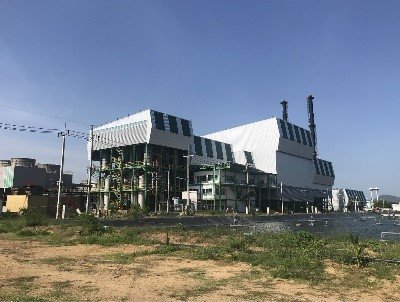
In industrial operations, frequent equipment replacement, unexpected failures, and high maintenance costs can significantly disrupt productivity and profitability. Choosing a boiler with a short lifespan not only increases capital expenditure but also leads to operational instability and downtime. Many businesses struggle to identify which boiler type offers the best durability and long-term value. Selecting the right boiler design and materials is crucial to ensuring reliable performance over decades.
Among industrial boilers, water-tube boilers generally have the longest service life—often exceeding 25–40 years—due to their robust design, ability to handle high pressure and temperature, and better resistance to thermal stress. With proper maintenance, high-quality materials, and optimized operation, some industrial water-tube boilers can even operate efficiently for over 40 years, outperforming fire-tube and electric boilers in longevity.
To better understand why certain boilers last longer than others, it is important to compare different boiler types and the factors that influence their lifespan.
Why Do Water-Tube Industrial Boilers Have the Longest Service Life?
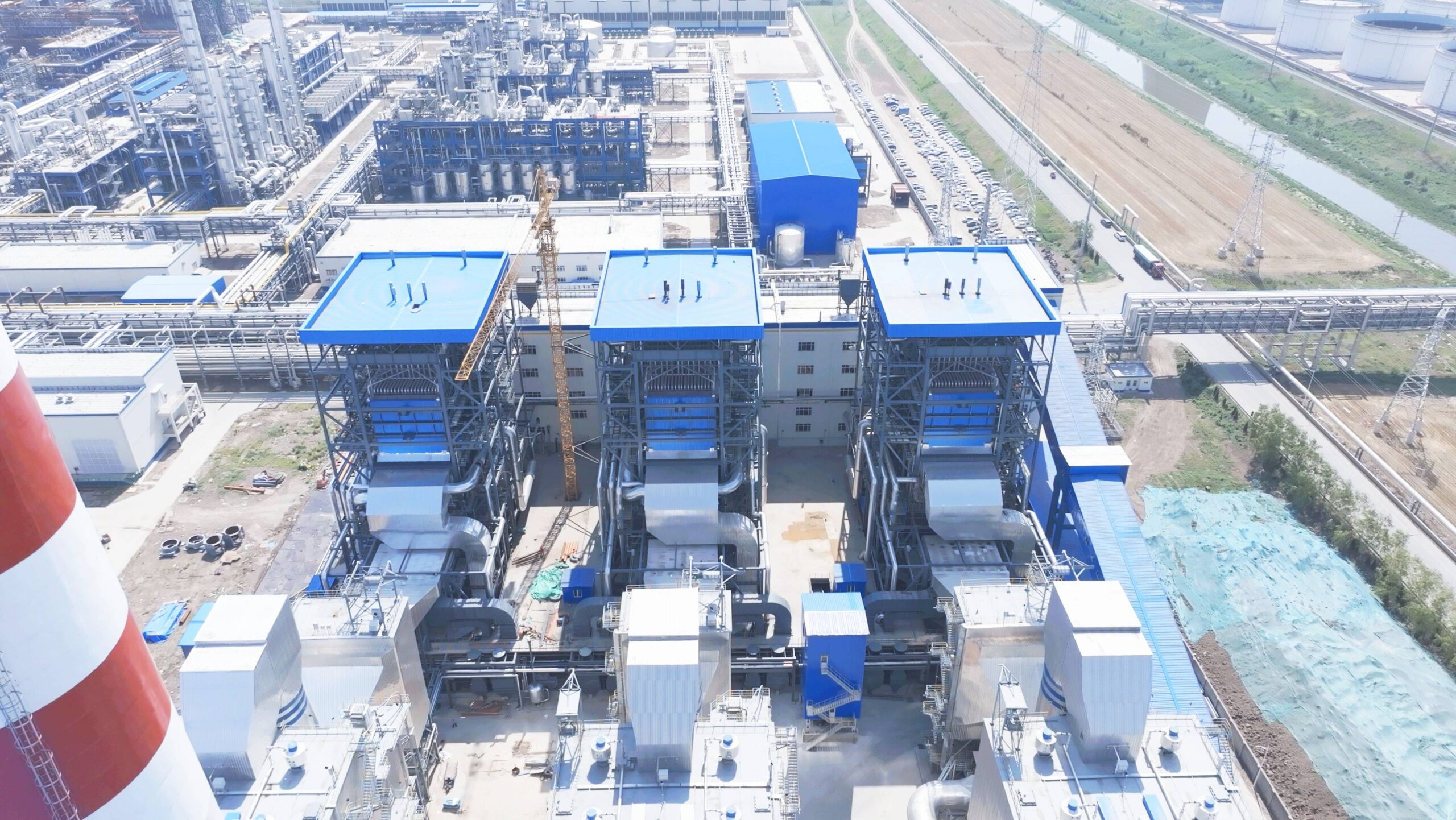
In industrial operations, equipment longevity is not just a matter of durability—it directly impacts operational continuity, maintenance costs, and return on investment. Many facilities struggle with frequent boiler failures, tube ruptures, and costly downtime, often due to poor design selection or misunderstanding of boiler types. Choosing a system with a shorter lifespan can lead to repeated replacements, higher lifecycle costs, and increased safety risks. This is why water-tube industrial boilers are widely recognized for their exceptional service life, offering a reliable solution for demanding industrial environments.
Water-tube industrial boilers have the longest service life because they operate under lower thermal stress on critical components, distribute heat more efficiently through small-diameter tubes, allow better pressure handling, enable easier maintenance and inspection, and are designed with superior materials and circulation systems that reduce fatigue, scaling, and corrosion over time.
To fully understand this advantage, we must analyze the engineering principles, operational characteristics, and real-world performance factors that contribute to their longevity.
Water-tube boilers wear out faster than fire-tube boilers due to their complex structure.False
Water-tube boilers are designed to handle higher pressures and temperatures with better heat distribution, reducing stress and extending service life.
🔥 1. Superior Heat Distribution Reduces Thermal Stress
One of the primary reasons for the long service life of water-tube boilers is their ability to distribute heat evenly across multiple small tubes rather than concentrating it in a large shell.
· Small tubes → Even heat distribution
· Reduced hotspots → Lower material stress
👉 Heat Flow:
Combustion Gas → Tube Surface → Water Inside Tubes → Steam
Short insight: Even heat means less damage.
Extended explanation: Uniform الحرارة reduces fatigue.
Long paragraph: In water-tube boilers, water flows inside numerous small-diameter tubes while hot combustion gases pass around them, allowing heat to be transferred efficiently and uniformly, which prevents localized overheating and significantly reduces thermal expansion stress that typically causes material fatigue and cracking in other boiler designs.
🌡️ 2. Better Pressure Handling Capability
Water-tube boilers are specifically designed to operate at high pressures, which not only improves efficiency but also enhances structural integrity over time.
· High-pressure capability → Stronger design
· Smaller volume → Lower explosion risk
👉 Pressure Flow:
Water Circulation → Steam Generation → High-Pressure Operation
Short sentence: High pressure, high durability.
Long explanation: Design supports demanding conditions.
Long paragraph: Because the water is contained within small tubes rather than a large pressure vessel, the stress on any single component is reduced, enabling the boiler to withstand higher pressures without compromising structural integrity, which contributes to a longer operational lifespan.
📊 Table 1: Structural and Stress Comparison
| Feature | Water-Tube Boiler | Fire-Tube Boiler |
|---|---|---|
| Heat Distribution | Uniform | Concentrated |
| Pressure Capability | Very High | Moderate |
| Thermal Stress | Low | Higher |
| Risk of Failure | Lower | Higher |
⚙️ 3. Efficient Water Circulation Minimizes Scaling
Water-tube boilers incorporate advanced circulation systems that continuously move water and steam, reducing the likelihood of scale buildup and overheating.
· Continuous flow → Reduced deposits
· Better circulation → Improved cooling
👉 Circulation Flow:
Feedwater → Tubes → Steam Drum → Recirculation
Short insight: Flow prevents buildup.
Extended explanation: Circulation protects components.
Long paragraph: The dynamic movement of water inside the tubes helps prevent the accumulation of minerals and impurities on heat transfer surfaces, which is a common cause of overheating and tube failure in less efficient systems, thereby extending the service life of the boiler.
📊 Table 2: Maintenance and Longevity Factors
| Factor | Water-Tube Boiler | Fire-Tube Boiler |
|---|---|---|
| Scaling Risk | Low | Higher |
| Maintenance Frequency | Moderate | Higher |
| Inspection Accessibility | High | Moderate |
| Expected Lifespan | Long | Shorter |
🔄 4. Reduced Risk of Catastrophic Failure
The design of water-tube boilers inherently reduces the risk of large-scale failures, which contributes to longer operational life.
· Small water volume → Lower risk
· Distributed structure → Damage containment
👉 Failure Flow:
Localized Issue → Limited Impact → Continued Operation
Short sentence: Failures are contained.
Long explanation: Design limits damage spread.
Long paragraph: In the event of a tube failure, the impact is typically localized and does not compromise the entire system, allowing for targeted repairs and minimizing downtime, whereas failures in other boiler types can be more extensive and damaging.
🏭 5. Use of Advanced Materials and Design
Water-tube boilers are often constructed using high-grade alloys and advanced engineering techniques to withstand extreme conditions.
· High-quality materials → Corrosion resistance
· Advanced design → Structural strength
👉 Material Flow:
Material Selection → Enhanced Durability → Longer Life
Short insight: Better materials last longer.
Extended explanation: Engineering quality matters.
Long paragraph: The use of corrosion-resistant alloys and precision manufacturing ensures that water-tube boilers can endure harsh operating environments, including high temperatures, pressures, and varying water quality conditions, without significant degradation over time.
⚡ 6. Easier Maintenance and Inspection
Maintenance plays a crucial role in extending equipment life, and water-tube boilers are designed for easier access and servicing.
· Modular tubes → Easy replacement
· Accessible design → Faster inspection
👉 Maintenance Flow:
Inspection → Early Detection → Preventive Repair
Short sentence: Maintenance extends life.
Long explanation: Accessibility improves upkeep.
Long paragraph: The modular nature of water-tube boilers allows individual tubes to be inspected and replaced without dismantling the entire system, enabling proactive maintenance strategies that prevent small issues from developing into major failures.
🔍 Real-World Example
A power plant using water-tube boilers operates continuously under high الضغط and temperature conditions for decades with proper maintenance, demonstrating their long service life.
· High-pressure operation → Stable performance
· Long-term reliability → Reduced costs
👉 Example Flow:
Design → Operation → Longevity
Short insight: Proven in demanding environments.
Extended explanation: Reliability is well-established.
🔑 Key Reasons for Long Service Life
· Uniform heat distribution reduces stress
· High-pressure design improves durability
· Efficient circulation prevents scaling
· Localized failures reduce system damage
· Advanced materials enhance resistance
· Ease of maintenance supports longevity
Summary
Water-tube industrial boilers achieve the longest service life due to their superior heat distribution, high-pressure capabilities, efficient circulation systems, and robust design. These factors minimize thermal stress, reduce scaling and corrosion, and enable effective maintenance, making water-tube boilers the preferred choice for industries requiring reliable, long-term performance under demanding conditions.
How Does the Lifespan of Fire-Tube Industrial Boilers Compare?
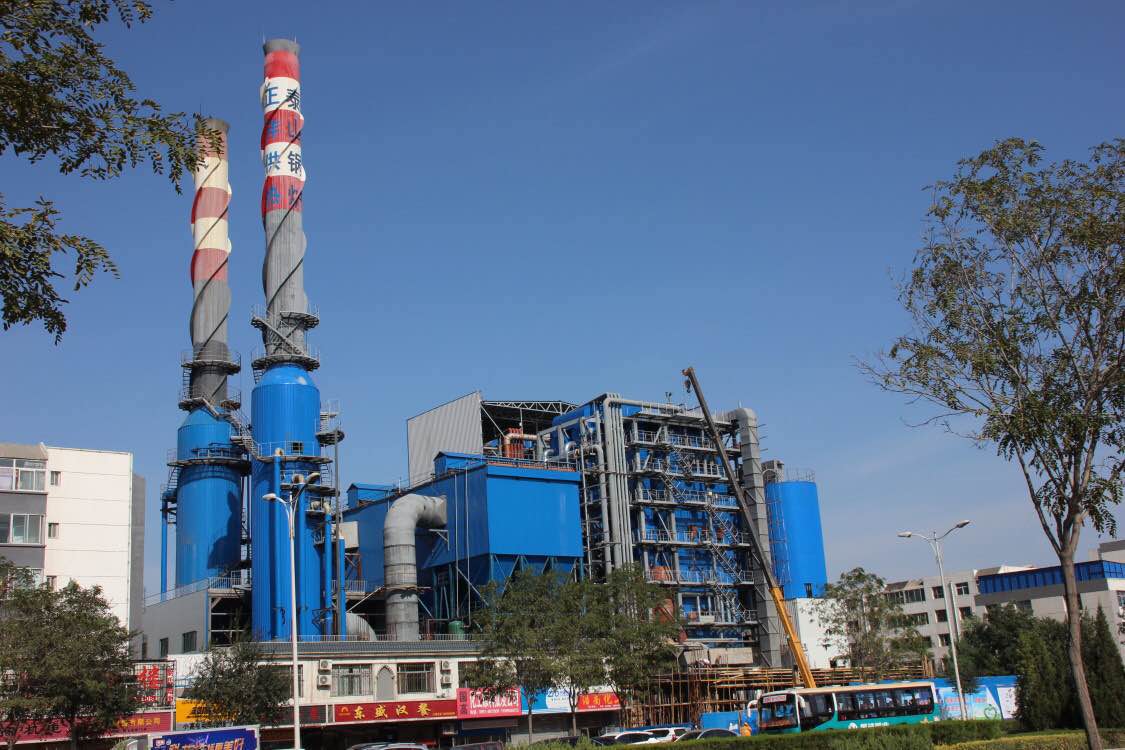
In industrial environments, equipment lifespan is a decisive factor that directly influences capital investment, maintenance planning, and operational stability. Many plant operators choose fire-tube boilers due to their simplicity and lower initial cost, only to later encounter limitations in durability and long-term reliability. Without a clear understanding of how fire-tube boiler lifespan compares to other designs, businesses may face unexpected downtime, increased repair costs, and reduced efficiency over time. Therefore, evaluating the lifespan characteristics of fire-tube industrial boilers is essential for making informed and sustainable decisions.
Fire-tube industrial boilers typically have a shorter lifespan than water-tube boilers, generally ranging from 15 to 25 years under proper maintenance, compared to 25 to 40+ years for water-tube systems, due to higher thermal stress, greater susceptibility to scaling and corrosion, and structural limitations under high pressure and temperature conditions.
To understand this comparison in depth, we must examine design differences, operational stresses, maintenance factors, and real-world performance data.
Fire-tube boilers last longer than water-tube boilers because they have a simpler structure.False
Although simpler, fire-tube boilers experience higher thermal stress and scaling, which typically reduces their lifespan compared to water-tube boilers.
🔥 1. Structural Design and Its Impact on Lifespan
The fundamental design of fire-tube boilers places hot combustion gases inside tubes surrounded by water, which contrasts with the water-tube design where water flows inside tubes.
· Fire-tube → Hot gases inside tubes
· Water-tube → Water inside tubes
👉 Heat Flow Comparison:
Fire-tube: Combustion Gas → Tube → Water Shell
Water-tube: Water → Tube → Heat from Surrounding Gas
Short insight: Design determines stress distribution.
Extended explanation: Structure impacts durability.
Long paragraph: In fire-tube boilers, the large water-filled shell is subjected to repeated heating and cooling cycles, which can create uneven thermal expansion and contraction, leading to stress accumulation over time; in contrast, water-tube boilers distribute these stresses across multiple smaller components, reducing the likelihood of fatigue and extending overall lifespan.
🌡️ 2. Thermal Stress and Material Fatigue
Fire-tube boilers tend to experience higher localized thermal stress due to their design, which can accelerate material fatigue.
· Larger surfaces → Uneven heating
· Hot spots → Increased stress
👉 Stress Flow:
Heat Input → Uneven Distribution → Material Fatigue
Short sentence: Higher stress reduces lifespan.
Long explanation: Thermal cycling weakens materials.
Long paragraph: Because the heat transfer in fire-tube boilers is less uniform, certain areas of the shell and tubes may experience higher temperatures than others, causing repeated expansion and contraction that gradually weakens the material, leading to cracks, leaks, and eventual failure if not properly managed.
📊 Table 1: Lifespan and Stress Comparison
| Parameter | Fire-Tube Boiler | Water-Tube Boiler |
|---|---|---|
| Typical Lifespan | 15–25 years | 25–40+ years |
| Thermal Stress | Higher | Lower |
| Heat Distribution | Less uniform | More uniform |
| Fatigue Resistance | Moderate | High |
⚙️ 3. Susceptibility to Scaling and Corrosion
Water quality has a significant impact on boiler lifespan, and fire-tube boilers are generally more vulnerable to scaling and corrosion.
· Slower water circulation → More deposits
· Large shell → Harder cleaning
👉 Scaling Flow:
Impurities → Deposit Formation → Heat Transfer Reduction
Short insight: Scaling shortens life.
Extended explanation: Deposits cause overheating.
Long paragraph: The relatively stagnant water in the shell of a fire-tube boiler allows minerals and impurities to settle and form scale on heat transfer surfaces, which reduces efficiency and creates localized overheating, accelerating material degradation and reducing the overall lifespan of the system.
📊 Table 2: Maintenance and Degradation Factors
| Factor | Fire-Tube Boiler | Water-Tube Boiler |
|---|---|---|
| Scaling Risk | High | Low |
| Corrosion Resistance | Moderate | High |
| Cleaning Difficulty | Higher | Lower |
| Maintenance Frequency | Higher | Moderate |
🔄 4. Pressure and Temperature Limitations
Fire-tube boilers are generally limited to lower pressure and temperature ranges compared to water-tube boilers.
· Lower pressure → Structural limits
· Temperature constraints → Reduced flexibility
👉 Operation Flow:
Pressure Increase → Structural Stress → Reduced Lifespan
Short sentence: Limits affect durability.
Long explanation: High الضغط accelerates wear.
Long paragraph: Operating near the upper limits of pressure and temperature can significantly reduce the lifespan of fire-tube boilers, as their design is not optimized for extreme conditions, whereas water-tube boilers are specifically engineered to handle such demands more effectively.
🏭 5. Maintenance Practices and Their Influence
Proper maintenance can extend the lifespan of fire-tube boilers, but it requires consistent effort and monitoring.
· Regular cleaning → Reduced scaling
· Inspections → Early issue detection
👉 Maintenance Flow:
Inspection → Cleaning → Repair → Extended Life
Short insight: Maintenance is critical.
Extended explanation: Preventive care improves longevity.
Long paragraph: By implementing rigorous maintenance schedules, including water treatment, tube cleaning, and periodic inspections, operators can mitigate many of the factors that shorten the lifespan of fire-tube boilers, although these efforts may increase operational costs compared to more robust designs.
⚡ 6. Cost vs Lifespan Trade-Off
Fire-tube boilers are often chosen for their lower initial cost, but this comes with a trade-off in lifespan and long-term performance.
· Lower upfront cost → Shorter lifespan
· Higher maintenance → Increased lifecycle cost
👉 Cost Flow:
Initial Savings → Maintenance Costs → Total Ownership Cost
Short sentence: Short-term savings vs long-term value.
Long explanation: Lifecycle cost must be considered.
Long paragraph: While fire-tube boilers may offer an attractive initial investment, their shorter lifespan and higher maintenance requirements can lead to increased total cost of ownership over time, especially in demanding industrial applications.
🔍 Real-World Example
A small manufacturing plant uses a fire-tube boiler for low-pressure steam applications and achieves reliable operation for around 20 years with proper maintenance, while a power plant relies on water-tube boilers for longer service life under higher demands.
· Fire-tube → Low-pressure applications
· Water-tube → High-demand applications
👉 Example Flow:
Application → Boiler Type → Lifespan Outcome
Short insight: Application determines lifespan expectations.
Extended explanation: Matching design to demand is key.
🔑 Key Lifespan Insights
· Fire-tube boilers typically last 15–25 years
· They experience higher thermal stress
· More prone to scaling and corrosion
· Limited pressure and temperature capacity
· Require more frequent maintenance
Summary
Fire-tube industrial boilers generally have a shorter lifespan compared to water-tube boilers due to their structural design, higher thermal stress, and greater susceptibility to scaling and corrosion. While they remain a cost-effective solution for low-pressure and smaller-scale applications, understanding their limitations is essential for optimizing long-term performance and minimizing operational risks.
What Factors Affect the Service Life of Industrial Boilers?
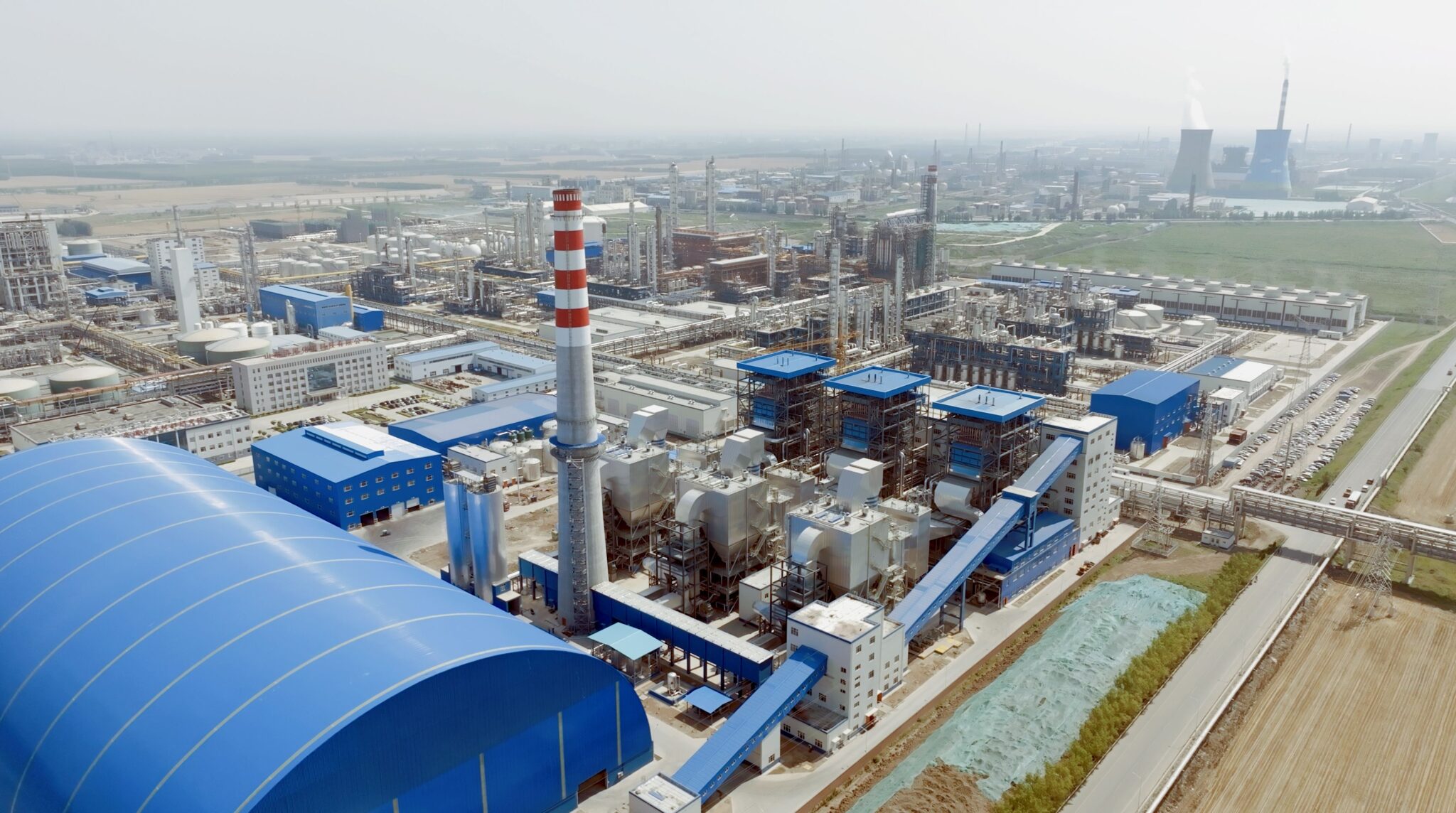
In industrial operations, the service life of a boiler is a critical determinant of overall efficiency, safety, and return on investment, yet many facilities unknowingly shorten their equipment lifespan through poor operational practices, inadequate maintenance, or suboptimal system design. Premature boiler failure can lead to costly downtime, safety hazards, and expensive replacements, significantly impacting production continuity and profitability. Understanding the key factors that influence boiler longevity is therefore essential for maximizing performance, minimizing costs, and ensuring long-term reliability in demanding industrial environments.
The service life of industrial boilers is affected by multiple interconnected factors, including water quality and treatment, operating pressure and temperature, fuel type and combustion efficiency, maintenance practices, material quality, system design, load fluctuations, and environmental conditions, all of which influence corrosion, scaling, thermal stress, and mechanical wear over time.
To fully grasp how these factors interact, it is important to analyze each one in detail from both engineering and operational perspectives.
Boiler lifespan depends only on the quality of materials used during manufacturing.False
While material quality is important, operational factors like water treatment, maintenance, and load management play a critical role in determining boiler lifespan.
💧 1. Water Quality and Treatment
Water quality is one of the most critical factors affecting boiler longevity because impurities in water can lead to scaling, corrosion, and fouling of heat transfer surfaces.
· Poor water quality → Scale formation
· Dissolved oxygen → Corrosion
· Improper treatment → Reduced efficiency
👉 Impact Flow:
Impurities → Deposits/Corrosion → Reduced Heat Transfer → Overheating → Damage
Short insight: Water quality defines boiler health.
Extended explanation: Untreated water accelerates degradation.
Long paragraph: In industrial boilers, untreated or poorly treated water introduces minerals such as calcium and magnesium, which form insulating scale layers on heat transfer surfaces, reducing efficiency and causing localized overheating, while dissolved gases like oxygen and carbon dioxide contribute to corrosion that weakens metal structures over time, making comprehensive water treatment systems—including softening, deaeration, and chemical dosing—essential for extending boiler service life.
🌡️ 2. Operating Temperature and Pressure
The thermal and pressure conditions under which a boiler operates significantly influence its structural integrity and lifespan.
· High temperature → Thermal expansion
· High pressure → Mechanical stress
👉 Stress Flow:
Heat & Pressure → Material Expansion → Fatigue → Cracks
Short sentence: Extreme conditions shorten life.
Long explanation: Stress accelerates wear.
Long paragraph: Operating a boiler near or beyond its design limits increases thermal and mechanical stress on components, leading to material fatigue, deformation, and eventual failure, especially when combined with frequent start-stop cycles that exacerbate expansion and contraction effects.
📊 Table 1: Key Operational Stress Factors
| Factor | Impact on Boiler Life | Risk Level |
|---|---|---|
| High Temperature | Thermal fatigue | High |
| High Pressure | Structural stress | High |
| Load Fluctuations | Expansion/contraction cycles | Medium |
| Poor Control Systems | Instability | Medium |
🔥 3. Fuel Type and Combustion Efficiency
The type of fuel used and how efficiently it is burned directly affect boiler wear and tear.
· Poor combustion → Soot buildup
· Impurities in fuel → Corrosion
👉 Combustion Flow:
Fuel Quality → Combustion Efficiency → Residue Formation → Damage
Short insight: Clean combustion extends life.
Extended explanation: Inefficient burning causes deposits.
Long paragraph: Incomplete combustion leads to the formation of soot and unburned residues that accumulate on heat transfer surfaces, reducing efficiency and causing uneven heating, while certain fuels may introduce corrosive elements that degrade metal components, emphasizing the importance of proper burner tuning and fuel quality management.
⚙️ 4. Design and Material Quality
The engineering design and materials used in boiler construction play a foundational role in determining service life.
· High-grade materials → Corrosion resistance
· Optimized design → Stress distribution
👉 Design Flow:
Material Selection → Structural Integrity → Longevity
Short sentence: Design sets the baseline.
Long explanation: Quality engineering matters.
Long paragraph: Boilers constructed with advanced alloys and designed for efficient heat distribution and stress management are better equipped to withstand harsh operating conditions, while poor design or substandard materials can lead to premature failure even under normal operating conditions.
📊 Table 2: Design and Material Influence
| Aspect | High-Quality Boiler | Low-Quality Boiler |
|---|---|---|
| Material Strength | High | Moderate |
| Corrosion Resistance | Excellent | Limited |
| Heat Distribution | Uniform | Uneven |
| Expected Lifespan | Long | Short |
🔄 5. Maintenance Practices
Regular maintenance is essential for identifying and addressing issues before they escalate into major problems.
· Preventive maintenance → Early detection
· Neglect → Rapid deterioration
👉 Maintenance Flow:
Inspection → Cleaning → Repair → Extended Life
Short sentence: Maintenance is life-extending.
Long explanation: Proactive care prevents failure.
Long paragraph: Implementing a structured maintenance program that includes routine inspections, cleaning, water treatment monitoring, and component replacement can significantly extend boiler life, while neglecting these practices allows small issues such as minor leaks or deposits to develop into critical failures.
⚡ 6. Load Variations and Operating Patterns
Frequent changes in load demand can create thermal cycling, which accelerates wear.
· Frequent startups → Stress cycles
· Fluctuating loads → Instability
👉 Load Flow:
Demand Changes → Thermal Cycling → Material Fatigue
Short insight: Stable operation prolongs life.
Extended explanation: Fluctuations cause stress.
Long paragraph: Boilers operating under steady load conditions experience less thermal stress compared to those subjected to frequent startups and shutdowns, which cause repeated expansion and contraction of materials, leading to fatigue and reduced lifespan over time.
🌍 7. Environmental Conditions
External environmental factors such as humidity, temperature, and air quality can also affect boiler longevity.
· Humid environments → Corrosion
· Dust → Fouling
👉 Environmental Flow:
External Conditions → Surface Degradation → Reduced Life
Short sentence: Environment matters.
Long explanation: External factors contribute to wear.
Long paragraph: Boilers operating in harsh environments, such as coastal areas with high salt content or industrial zones with high مستويات dust and pollutants, are more prone to corrosion and fouling, requiring additional protective measures and maintenance to ensure long-term performance.
🔍 Real-World Example
A manufacturing plant with excellent water treatment and maintenance practices operates its boiler for over 30 years, while another facility with poor water quality and irregular maintenance experiences failure within 10–15 years.
· Good practices → Extended lifespan
· Poor practices → Early failure
👉 Example Flow:
Management Quality → Operational Conditions → Lifespan Outcome
Short insight: Management determines longevity.
Extended explanation: Practices matter as much as design.
🔑 Key Factors Summary
· Water quality and treatment
· Operating temperature and pressure
· Fuel quality and combustion efficiency
· Design and material quality
· Maintenance practices
· Load stability
· Environmental conditions
Summary
The service life of industrial boilers is influenced by a complex combination of technical, operational, and environmental factors, with water quality, operating conditions, maintenance, and design playing the most critical roles. By carefully managing these factors, industries can significantly extend boiler lifespan, improve efficiency, and reduce long-term operational costs while ensuring safe and reliable performance.
How Does Maintenance Impact the Longevity of Industrial Boilers?
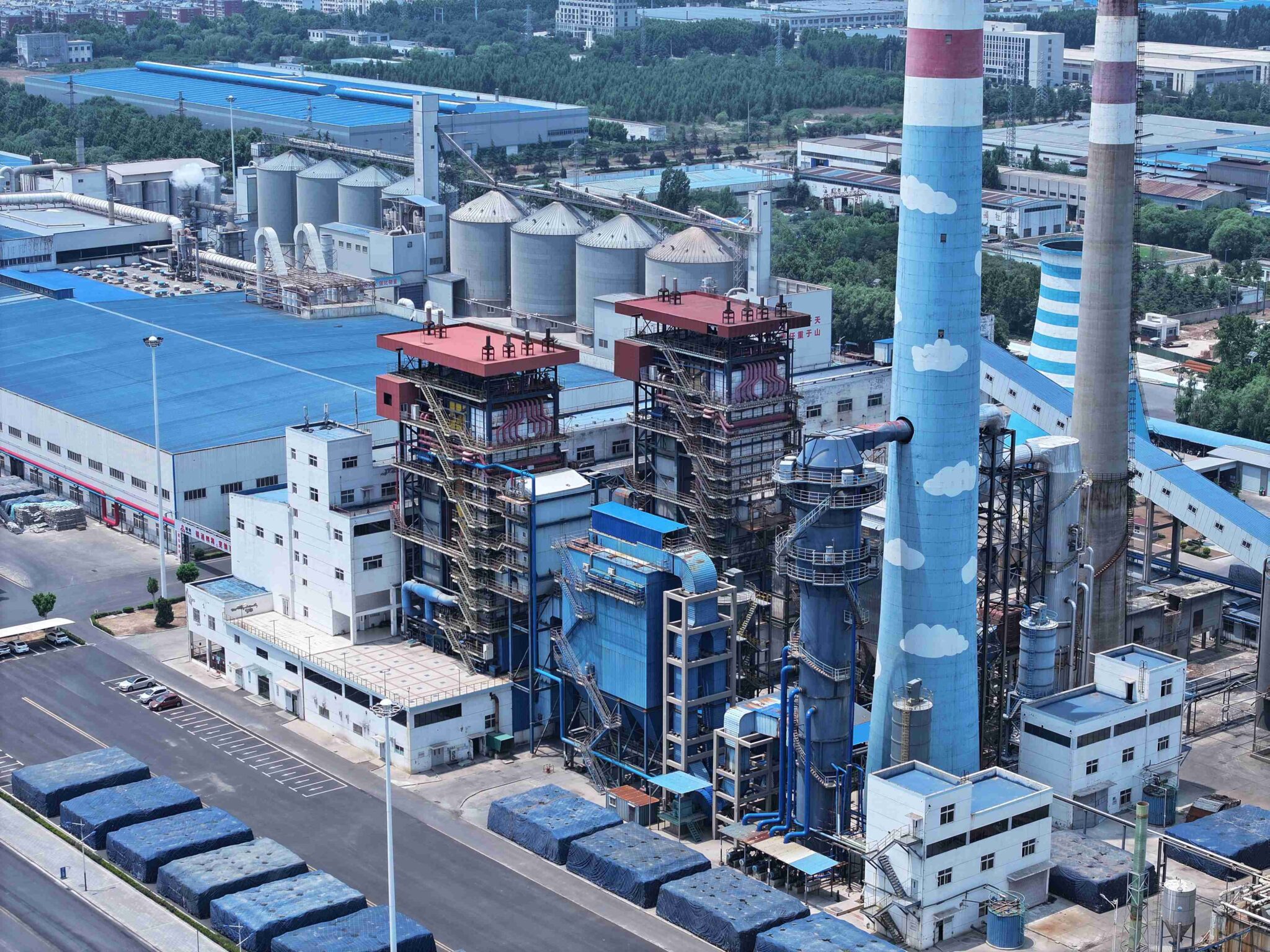
In industrial environments, even the most advanced boiler systems can fail prematurely if maintenance is neglected or improperly executed, leading to costly downtime, safety hazards, and reduced operational efficiency. Many facilities underestimate how routine maintenance directly influences boiler lifespan, often focusing only on short-term productivity while overlooking long-term reliability. This oversight can result in accelerated wear, corrosion, scaling, and ultimately catastrophic failure. Understanding how maintenance impacts the longevity of industrial boilers is essential for ensuring sustainable performance and maximizing return on investment.
Maintenance directly extends the longevity of industrial boilers by preventing corrosion and scaling, ensuring efficient heat transfer, reducing thermal stress, identifying faults early, and maintaining optimal operating conditions, thereby minimizing wear and delaying system failure.
To fully understand this relationship, we must explore how different maintenance practices influence the physical and operational health of boiler systems.
Industrial boilers can operate efficiently without regular maintenance as long as they are properly designed.False
Even well-designed boilers require regular maintenance to prevent scaling, corrosion, and mechanical wear that reduce efficiency and lifespan.
🔧 1. Preventive Maintenance Reduces Wear and Tear
Preventive maintenance is the foundation of long boiler life, focusing on routine inspections and servicing to prevent issues before they occur.
· Scheduled inspections → Early issue detection
· Routine servicing → Reduced component stress
👉 Maintenance Flow:
Inspection → Detection → Repair → Extended Lifespan
Short insight: Prevention is better than repair.
Extended explanation: Early action avoids major damage.
Long paragraph: By conducting regular inspections of critical components such as tubes, burners, valves, and control systems, operators can identify minor issues like small leaks, early-stage corrosion, or slight inefficiencies before they escalate into major failures, thereby significantly reducing the cumulative wear and extending the overall lifespan of the boiler.
💧 2. Water Treatment Maintenance Prevents Scaling and Corrosion
Water treatment is one of the most critical maintenance activities affecting boiler longevity.
· Chemical treatment → Prevents scale
· Deaeration → Removes oxygen
👉 Water Flow:
Water Treatment → Clean Surfaces → Efficient Heat Transfer
Short sentence: Clean water protects boilers.
Long explanation: Impurities cause damage.
Long paragraph: Proper maintenance of water treatment systems ensures that minerals and dissolved gases are removed from the feedwater, preventing the formation of scale and corrosion on heat transfer surfaces, which are among the leading causes of reduced efficiency and premature boiler failure.
📊 Table 1: Maintenance Impact on Boiler Components
| Component | Without Maintenance | With Maintenance |
|---|---|---|
| Heat Transfer Tubes | Scaling, overheating | Clean, efficient |
| Burners | Inefficient combustion | Optimized performance |
| Valves & Controls | Malfunction | Reliable operation |
| Overall Lifespan | Shortened | Extended |
🔥 3. Cleaning Improves Heat Transfer Efficiency
Regular cleaning of internal and external surfaces is essential to maintain efficient heat transfer.
· Soot removal → Better combustion
· Scale removal → Improved efficiency
👉 Cleaning Flow:
Deposit Removal → Improved Heat Transfer → Reduced Stress
Short insight: Clean systems last longer.
Extended explanation: Deposits increase stress.
Long paragraph: Accumulated soot on the fire side and scale on the water side act as insulating layers that reduce heat transfer efficiency, forcing the boiler to operate at higher temperatures to achieve the same output, which increases thermal stress and accelerates material degradation over time.
📊 Table 2: Efficiency vs Maintenance Frequency
| Maintenance Frequency | Efficiency Level | Expected Lifespan |
|---|---|---|
| Irregular | Low | Short |
| Moderate | Medium | متوسط |
| Regular | High | Long |
⚙️ 4. Monitoring and Control System Maintenance
Modern boilers rely on advanced control systems that require regular calibration and monitoring.
· Sensor calibration → Accurate readings
· Automation checks → Stable operation
👉 Control Flow:
Monitoring → Adjustment → Optimization
Short sentence: Control systems ensure stability.
Long explanation: Accurate data prevents overload.
Long paragraph: Maintaining control systems ensures that the boiler operates within safe temperature and pressure limits, preventing conditions that could cause excessive stress or damage, while also optimizing fuel usage and overall efficiency.
🔄 5. Reducing Thermal Stress Through Proper Operation
Maintenance includes ensuring proper startup and shutdown procedures to minimize thermal stress.
· Controlled startup → Gradual heating
· Proper shutdown → Prevents shock
👉 Operation Flow:
Controlled Heating → Reduced Expansion Stress → Longer Life
Short insight: Smooth operation prevents damage.
Extended explanation: Thermal shock is harmful.
Long paragraph: Sudden temperature changes can cause rapid expansion and contraction of boiler materials, leading to cracks and fatigue, but proper operational maintenance ensures gradual transitions that protect the structural integrity of the system.
⚡ 6. Early Fault Detection and Risk Prevention
Maintenance enables early detection of faults that could lead to catastrophic failure.
· Leak detection → Prevents damage
· Vibration monitoring → Identifies issues
👉 Detection Flow:
Monitoring → Fault Identification → Preventive Action
Short sentence: Early detection saves systems.
Long explanation: Small issues become big problems.
Long paragraph: Advanced diagnostic tools and regular inspections allow operators to detect anomalies such as unusual vibrations, pressure fluctuations, or temperature inconsistencies, enabling timely intervention that prevents severe damage and extends boiler life.
🌍 7. Environmental Protection Through Maintenance
Maintenance also includes protecting boilers from environmental factors that can accelerate degradation.
· Insulation checks → Prevent heat loss
· Corrosion protection → Extends life
👉 Protection Flow:
Environmental Control → Reduced Degradation → Longevity
Short insight: Protection enhances durability.
Extended explanation: External factors matter.
Long paragraph: Proper insulation, protective coatings, and environmental controls help shield the boiler from external عوامل such as moisture and contaminants, reducing corrosion and maintaining structural integrity over time.
🔍 Real-World Example
A power plant implementing a strict preventive maintenance program extends its boiler lifespan to over 35 years, while another plant with poor maintenance practices experiences major failures within 15 years.
· Good maintenance → Long lifespan
· Poor maintenance → Early failure
👉 Example Flow:
Maintenance Strategy → Equipment Condition → Lifespan Outcome
Short insight: Maintenance determines longevity.
Extended explanation: Practices directly impact results.
🔑 Key Maintenance Benefits
· Prevents scaling and corrosion
· Maintains efficient heat transfer
· Reduces thermal and mechanical stress
· Enables early fault detection
· Improves safety and reliability
· Extends overall service life
Summary
Maintenance plays a decisive role in the longevity of industrial boilers by preserving system efficiency, preventing damage, and ensuring stable operation. Through preventive maintenance, proper water treatment, regular cleaning, and effective monitoring, industries can significantly extend boiler lifespan, reduce costs, and achieve reliable long-term performance.
Are There Materials or Designs That Extend Industrial Boiler Lifespan?
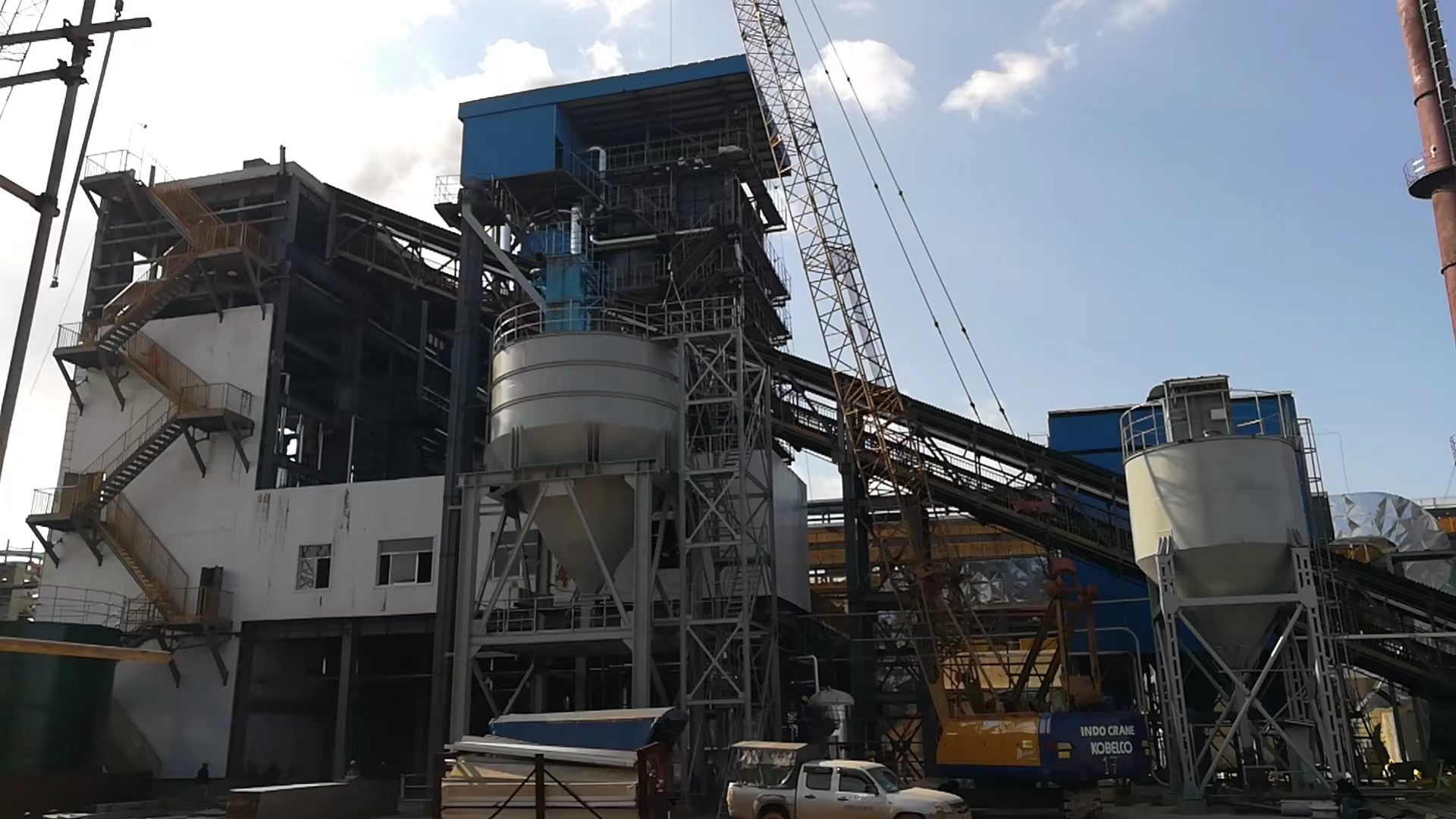
Industrial boilers represent a significant capital investment, yet many facilities experience reduced equipment lifespan due to material degradation, thermal stress, and inefficient structural design. When boilers fail prematurely, the consequences include unplanned downtime, increased maintenance costs, and compromised safety. The root cause is often not just operational mismanagement but also limitations in material selection and engineering design. Therefore, understanding how advanced materials and optimized designs can extend boiler lifespan is crucial for long-term industrial success.
Yes, advanced materials such as alloy steels, corrosion-resistant coatings, and composite linings, combined with optimized boiler designs like water-tube configurations, modular structures, and improved heat transfer layouts, significantly extend industrial boiler lifespan by reducing corrosion, minimizing thermal stress, and enhancing structural durability.
To explore this topic in depth, we will analyze how material science and engineering design work together to improve boiler longevity.
All industrial boilers use the same materials regardless of application or lifespan requirements.False
Different applications require different materials such as alloy steels or corrosion-resistant coatings to handle varying temperatures, pressures, and chemical environments.
🧱 1. Advanced Materials for Boiler Longevity
Material selection is the foundation of boiler durability, directly influencing resistance to heat, pressure, and corrosion.
· Alloy steels → High temperature resistance
· Stainless steel → Corrosion resistance
· Composite materials → Enhanced durability
👉 Material Impact Flow:
Material Quality → Resistance to Stress → Reduced Degradation → Longer Life
Short insight: Better materials mean longer life.
Extended explanation: Material properties determine durability.
Long paragraph: Modern industrial boilers increasingly utilize high-performance alloy steels such as chromium-molybdenum (Cr-Mo) alloys, which offer excellent resistance to high temperatures and creep deformation, while stainless steels provide superior corrosion resistance in chemically aggressive environments, and advanced composite linings add an extra layer of protection against erosion and chemical attack, collectively ensuring that boiler components maintain their structural integrity over extended operational periods.
📊 Table 1: Common Boiler Materials and Their Benefits
| Material Type | Key Properties | Lifespan Impact |
|---|---|---|
| Carbon Steel | Cost-effective, moderate strength | Standard lifespan |
| Alloy Steel (Cr-Mo) | High temp resistance, strong | Extended lifespan |
| Stainless Steel | Corrosion resistant | Long lifespan |
| Composite Coatings | Protective barrier | Enhanced durability |
🛡️ 2. Corrosion-Resistant Coatings and Linings
Protective coatings play a critical role in preventing chemical and environmental damage.
· Anti-corrosion coatings → Protect surfaces
· Ceramic linings → Resist high heat
👉 Protection Flow:
Coating Application → Surface Protection → Reduced Corrosion
Short sentence: Protection prevents degradation.
Long explanation: Coatings extend life.
Long paragraph: Applying specialized coatings such as epoxy-based anti-corrosion layers or ceramic linings significantly reduces the impact of corrosive elements and high-temperature oxidation, especially in environments where water chemistry or fuel impurities could otherwise accelerate material degradation.
⚙️ 3. Water-Tube vs Fire-Tube Design
The structural design of a boiler greatly influences its ability to handle stress and maintain longevity.
· Water-tube boilers → Better heat distribution
· Fire-tube boilers → Simpler but more stress
👉 Design Flow:
Design Type → Heat Distribution → Stress Levels → Lifespan
Short insight: Design affects stress distribution.
Extended explanation: Uniform heat reduces damage.
Long paragraph: Water-tube boilers, where water flows inside tubes and is heated externally, allow for better heat distribution and higher pressure handling, reducing localized overheating and extending lifespan, whereas fire-tube boilers, though simpler and cost-effective, are more prone to stress concentration and may have shorter lifespans under demanding conditions.
📊 Table 2: Design Comparison
| Feature | Water-Tube Boiler | Fire-Tube Boiler |
|---|---|---|
| Pressure Capacity | High | Moderate |
| Heat Distribution | Uniform | Less uniform |
| Stress Resistance | Strong | Moderate |
| Lifespan | Longer | Shorter |
🔄 4. Modular and Flexible Design Concepts
Modern boilers increasingly adopt modular designs that improve maintainability and reduce stress on components.
· Modular sections → Easy replacement
· Flexible design → Adapt to load
👉 Modular Flow:
Flexible Design → Reduced Stress → Easier Maintenance → Longer Life
Short sentence: Flexibility enhances durability.
Long explanation: Adaptability reduces wear.
Long paragraph: Modular boiler systems allow individual components to be replaced or upgraded without affecting the entire system, while flexible design accommodates varying load demands, minimizing thermal cycling and mechanical stress that would otherwise reduce lifespan.
🔥 5. Improved Heat Transfer Design
Efficient heat transfer reduces the need for extreme operating conditions, which can damage materials.
· Optimized tube layout → Better efficiency
· Enhanced surfaces → Faster heat exchange
👉 Heat Flow:
Efficient Transfer → Lower Stress → Extended Life
Short insight: Efficiency reduces strain.
Extended explanation: Better heat flow protects materials.
Long paragraph: Advanced heat transfer designs, including finned tubes and optimized flow paths, ensure that heat is distributed evenly across the boiler, preventing hotspots and reducing the need for excessive temperatures that could accelerate material fatigue.
🌡️ 6. Thermal Stress Management Design
Design features that manage thermal expansion and contraction are essential for longevity.
· Expansion joints → Reduce stress
· Flexible supports → Allow movement
👉 Stress Flow:
Thermal Expansion → Controlled Movement → Reduced Fatigue
Short sentence: Stress control extends life.
Long explanation: Managing expansion is key.
Long paragraph: Incorporating expansion joints and flexible support structures allows boiler components to expand and contract without creating excessive stress, thereby preventing cracks and prolonging the operational life of the system.
⚡ 7. Smart Design Integration with Monitoring Systems
Modern boiler designs integrate monitoring technologies to optimize performance and prevent damage.
· Sensors → Real-time data
· Automation → Optimal operation
👉 Smart Flow:
Monitoring → Adjustment → Protection
Short insight: Smart systems prevent damage.
Extended explanation: Data-driven operation extends life.
Long paragraph: Integrating smart monitoring systems into boiler design enables continuous tracking of temperature, pressure, and performance metrics, allowing operators to make real-time adjustments that prevent conditions leading to material degradation and failure.
🔍 Real-World Case Study
A chemical plant upgraded from a traditional carbon steel fire-tube boiler to a water-tube boiler with alloy steel construction and corrosion-resistant coatings, resulting in a lifespan increase from 15 years to over 30 years.
· Advanced materials → Reduced corrosion
· Better design → Lower stress
👉 Case Flow:
Upgrade → Improved Performance → Extended Lifespan
Short insight: Innovation doubles lifespan.
Extended explanation: Technology matters.
🔑 Key Takeaways
· Advanced materials resist heat and corrosion
· Optimized designs reduce stress and improve efficiency
· Protective coatings prevent degradation
· Water-tube structures offer longer lifespan
· Modular systems enhance maintainability
· Smart integration ensures optimal operation
Summary
Both material selection and engineering design play decisive roles in extending the lifespan of industrial boilers. By utilizing advanced alloys, corrosion-resistant coatings, and optimized structural designs such as water-tube configurations and modular systems, industries can significantly reduce wear, improve efficiency, and achieve long-term reliability. Investing in these innovations not only enhances durability but also delivers substantial economic and operational benefits over the boiler’s lifecycle.
How Can You Maximize the Service Life of Your Industrial Boiler?
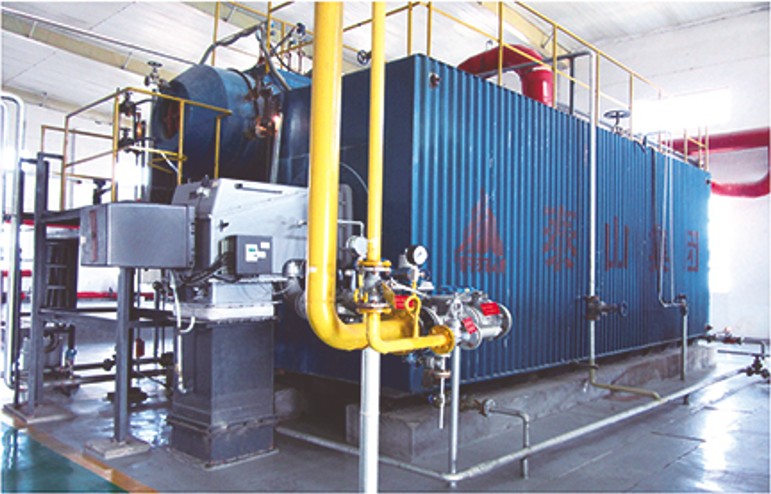
Industrial boilers are long-term assets, but without proper care and optimization, their service life can be drastically shortened, leading to increased capital expenditure, frequent breakdowns, and operational inefficiencies. Many facilities unknowingly operate boilers under suboptimal conditions, ignoring key practices that could significantly extend lifespan. This results in avoidable wear, corrosion, and thermal stress, ultimately reducing reliability and increasing lifecycle costs. The challenge lies not just in owning a high-quality boiler, but in managing it correctly throughout its operational life.
To maximize the service life of an industrial boiler, you must implement comprehensive strategies including proper water treatment, regular preventive maintenance, optimized combustion, stable operating conditions, advanced monitoring systems, high-quality materials, and adherence to operational best practices, all of which work together to reduce wear, prevent damage, and extend equipment lifespan.
To achieve long-term durability and performance, let us explore the most effective strategies in detail.
Running a boiler continuously at maximum capacity helps extend its lifespan.False
Operating at maximum capacity continuously increases thermal and mechanical stress, accelerating wear and reducing boiler lifespan.
💧 1. Implement Effective Water Treatment Programs
Water quality management is the most critical factor in extending boiler life.
· Use softening systems
· Apply chemical dosing
· Remove dissolved gases
👉 Water Management Flow:
Water Treatment → Reduced Scale/Corrosion → Improved Heat Transfer → Longer Life
Short insight: Water quality determines longevity.
Extended explanation: Poor water damages systems.
Long paragraph: Proper water treatment prevents the accumulation of scale and corrosion inside the boiler, which are primary causes of efficiency loss and structural damage, and by maintaining optimal chemical balance and removing impurities, operators can ensure that heat transfer surfaces remain clean and protected over extended periods.
🔧 2. Establish a Robust Preventive Maintenance Plan
Preventive maintenance is essential for early detection and correction of issues.
· Routine inspections
· Scheduled cleaning
· Component replacement
👉 Maintenance Flow:
Inspection → Detection → Correction → Life Extension
Short sentence: Maintenance extends life.
Long explanation: Early action prevents failure.
Long paragraph: A structured maintenance program that includes regular inspections, cleaning of heat transfer surfaces, calibration of control systems, and timely replacement of worn components can significantly reduce the risk of unexpected failures and extend the operational life of the boiler.
📊 Table 1: Maintenance Activities and Their Impact
| Maintenance Activity | Benefit | Lifespan Impact |
|---|---|---|
| Tube Cleaning | Improved heat transfer | High |
| Burner Inspection | Efficient combustion | Medium |
| Water Treatment Check | Prevents corrosion | High |
| Control Calibration | Stable operation | Medium |
🔥 3. Optimize Combustion Efficiency
Efficient combustion reduces thermal stress and prevents residue buildup.
· Proper air-fuel ratio
· Clean burners
· High-quality fuel
👉 Combustion Flow:
Optimized Burning → Less Residue → Lower Stress → Longer Life
Short insight: Efficient combustion protects components.
Extended explanation: Poor combustion causes damage.
Long paragraph: Maintaining optimal combustion conditions ensures complete fuel burning, minimizing soot and unburned residues that can accumulate on heat transfer surfaces, thereby reducing overheating risks and improving overall boiler durability.
⚙️ 4. Maintain Stable Operating Conditions
Avoiding extreme fluctuations in temperature and pressure is critical.
· Gradual startup and shutdown
· Stable load operation
👉 Operation Flow:
Stable Conditions → Reduced Thermal Cycling → Less Fatigue
Short sentence: Stability reduces stress.
Long explanation: Fluctuations cause fatigue.
Long paragraph: Operating the boiler within its design limits and avoiding rapid changes in load demand helps minimize thermal expansion and contraction cycles, which are major contributors to material fatigue and eventual failure.
📊 Table 2: Operating Conditions vs Lifespan
| Operating Condition | Stress Level | Expected Lifespan |
|---|---|---|
| Stable Load | Low | Long |
| Moderate Fluctuation | Medium | Moderate |
| Frequent Fluctuation | High | Short |
🛠️ 5. Use High-Quality Materials and Components
Upgrading materials can significantly improve durability.
· Alloy steel tubes
· Corrosion-resistant coatings
👉 Material Flow:
Better Materials → Higher Resistance → Longer Life
Short insight: Quality materials last longer.
Extended explanation: Materials affect durability.
Long paragraph: Investing in high-quality materials and components, such as corrosion-resistant alloys and advanced coatings, enhances the boiler’s ability to withstand harsh operating conditions and reduces the likelihood of premature failure.
📡 6. Implement Real-Time Monitoring Systems
Advanced monitoring enables proactive management.
· Sensors for temperature and pressure
· Predictive analytics
👉 Monitoring Flow:
Real-Time Data → Early Detection → Preventive Action
Short sentence: Monitoring prevents failure.
Long explanation: Data enables optimization.
Long paragraph: Real-time monitoring systems provide continuous insights into boiler performance, allowing operators to detect anomalies early and take corrective actions before they lead to significant damage, thereby extending the service life of the system.
🔄 7. Control Environmental and External Factors
Protecting the boiler from external conditions enhances longevity.
· Proper insulation
· Controlled environment
👉 Protection Flow:
Environmental Control → Reduced Corrosion → Extended Life
Short sentence: Protection ensures durability.
Long explanation: External factors matter.
Long paragraph: Managing environmental factors such as humidity, dust, and ambient temperature helps prevent external corrosion and fouling, ensuring that the boiler maintains its structural integrity over time.
🔍 Real-World Example
A manufacturing facility implementing comprehensive optimization strategies extends its boiler lifespan from 20 years to over 35 years.
· Integrated approach → Maximum longevity
· Neglect → Reduced lifespan
👉 Example Flow:
Optimization → Efficiency → Longevity
Short insight: Strategy determines lifespan.
Extended explanation: Holistic management is key.
🔑 Key Strategies Summary
· Effective water treatment
· Preventive maintenance
· Optimized combustion
· Stable operation
· High-quality materials
· Real-time monitoring
· Environmental protection
Summary
Maximizing the service life of an industrial boiler requires a holistic approach that integrates maintenance, operational control, material quality, and advanced monitoring technologies. By implementing these strategies, industries can significantly extend boiler lifespan, improve efficiency, reduce costs, and ensure safe and reliable long-term operation.
Conclusion
When it comes to long-term durability, water-tube boilers stand out as the most reliable option for industrial applications. Their advanced design, high-pressure capability, and resistance to thermal fatigue make them ideal for demanding environments. However, regardless of the boiler type, proper maintenance, water treatment, and operational control are essential to achieving maximum service life.
If you are looking to invest in a long-lasting industrial boiler or want to extend the lifespan of your existing system, contact us today. Our experts provide tailored solutions, premium equipment, and professional support to help you maximize reliability, efficiency, and return on investment.
FAQ
Q1: Which type of industrial boiler generally has the longest service life?
A1:
Among industrial boilers, water-tube boilers are generally considered to have the longest service life. These boilers are designed with water flowing inside tubes while hot gases pass around them, allowing for efficient heat transfer and better handling of high pressure and temperature conditions. Because of this design, water-tube boilers experience less thermal stress compared to other types, which contributes to their longevity.
Water-tube boilers are commonly used in large-scale industrial applications such as power plants, where durability and reliability are critical. With proper maintenance, these boilers can last 25 to 40 years or even longer. Their robust construction and ability to operate under extreme conditions make them ideal for long-term use.
In contrast, fire-tube boilers, where hot gases pass through tubes surrounded by water, typically have shorter lifespans, often ranging from 15 to 25 years. While they are simpler and less expensive, they are more susceptible to wear and thermal stress over time.
Ultimately, while water-tube boilers generally offer the longest service life, their longevity depends heavily on maintenance practices, operating conditions, and water quality management.
Q2: How does maintenance affect the lifespan of industrial boilers?
A2:
Maintenance plays a critical role in determining the lifespan of any industrial boiler, regardless of its type. Even the most durable boiler can fail prematurely if not properly maintained. Regular maintenance ensures that components operate efficiently, reduces wear and tear, and prevents small issues from developing into major problems.
One of the most important aspects of maintenance is water treatment. Poor water quality can lead to scaling and corrosion inside the boiler, which significantly reduces heat transfer efficiency and can cause structural damage. Proper chemical treatment and regular monitoring of water quality help prevent these issues.
Routine inspections are also essential. Checking for leaks, cracks, and signs of corrosion allows operators to address problems early. Cleaning heat transfer surfaces to remove soot, ash, or scale buildup is another key task that helps maintain efficiency and prevent overheating.
Preventive maintenance schedules, including the replacement of worn components such as valves, gaskets, and seals, can extend the boiler’s operational life. Advanced maintenance techniques, such as predictive maintenance using sensors and data analytics, can further improve reliability.
In addition, proper operation is part of maintenance. Avoiding frequent start-stop cycles, maintaining stable load conditions, and operating within design limits all contribute to longer service life.
In summary, consistent and thorough maintenance is essential for maximizing boiler lifespan, improving efficiency, and ensuring safe operation.
Q3: Are fire-tube boilers less durable than water-tube boilers?
A3:
Fire-tube boilers are generally considered less durable than water-tube boilers, particularly in high-demand industrial applications. The design of fire-tube boilers, where hot gases pass through tubes surrounded by water, makes them more susceptible to thermal stress and pressure limitations.
Fire-tube boilers are typically used in smaller-scale applications and operate at lower pressures and temperatures. While they are reliable and cost-effective for these uses, their simpler construction can limit their lifespan under more demanding conditions. Over time, repeated heating and cooling cycles can cause material fatigue, leading to cracks and other structural issues.
Water-tube boilers, on the other hand, are designed to handle higher pressures and temperatures, making them more suitable for heavy industrial use. Their design allows for better heat distribution and reduced stress on components, contributing to longer service life.
However, this does not mean that fire-tube boilers are inherently unreliable. With proper maintenance and operation within their design limits, they can still provide many years of service, typically between 15 and 25 years.
In conclusion, while fire-tube boilers are generally less durable than water-tube boilers in demanding applications, they remain a practical and cost-effective option for many industries.
Q4: What factors influence the lifespan of an industrial boiler?
A4:
Several factors influence the lifespan of an industrial boiler, regardless of its type. Understanding these factors is essential for maximizing durability and performance.
One of the most important factors is water quality. Impurities in water can cause scaling and corrosion, which damage internal components and reduce efficiency. Proper water treatment is crucial for preventing these issues.
Operating conditions also play a significant role. Boilers that operate at high pressures and temperatures or experience frequent load fluctuations may experience increased wear and tear. Maintaining stable operating conditions helps reduce stress on components.
Material quality and design are also critical. Boilers ساخته with high-quality materials and advanced engineering are more resistant to wear, corrosion, and thermal stress. Water-tube boilers, for example, are designed for high-performance applications and tend to last longer.
Maintenance practices are another key factor. Regular inspections, cleaning, and timely replacement of worn components can significantly extend boiler life. Neglecting maintenance can lead to premature failure.
Fuel type can also impact lifespan. Fuels that produce more ash or corrosive byproducts can accelerate wear on boiler components. Cleaner fuels, such as natural gas, tend to result in less buildup and longer equipment life.
Environmental conditions, such as humidity and ambient temperature, can also affect external components and contribute to corrosion.
In summary, water quality, operating conditions, material quality, maintenance, fuel type, and environmental factors all influence the lifespan of industrial boilers.
Q5: Can modern technologies extend the service life of industrial boilers?
A5:
Yes, modern technologies play a significant role in extending the service life of industrial boilers. Advances in materials, design, and digital monitoring have greatly improved durability and reliability.
One of the key innovations is the use of advanced materials, such as high-strength alloys and corrosion-resistant coatings. These materials can withstand higher temperatures and pressures while resisting wear and chemical damage.
Automation and digital monitoring systems also contribute to longer lifespan. Sensors and control systems continuously monitor parameters such as temperature, pressure, and vibration. This allows operators to detect abnormalities early and take corrective action before damage occurs.
Predictive maintenance is another important development. By analyzing data trends, predictive systems can identify potential failures before they happen, reducing downtime and preventing severe damage.
Improved water treatment technologies help maintain optimal water quality, reducing the risk of scaling and corrosion. Automated dosing systems ensure consistent chemical balance, protecting internal components.
Design improvements, such as better heat exchanger configurations and enhanced insulation, reduce thermal stress and improve efficiency, contributing to longer service life.
Additionally, retrofitting older boilers with modern components, such as advanced burners or control systems, can extend their operational life without requiring full replacement.
In conclusion, modern technologies significantly enhance boiler durability, reduce maintenance needs, and extend service life, making them a valuable investment for industrial operations.
References
- Boiler Types and Lifespan – https://www.energy.gov/eere/amo/steam-systems – U.S. Department of Energy
- Water-Tube vs Fire-Tube Boilers – https://www.spiraxsarco.com – Spirax Sarco
- Industrial Boiler Maintenance – https://www.tlv.com – TLV International
- Boiler Design and Materials – https://www.sciencedirect.com – ScienceDirect
- Boiler Efficiency and Longevity – https://www.iea.org – International Energy Agency
- Industrial Heating Systems – https://www.engineeringtoolbox.com – Engineering Toolbox
- Boiler Water Treatment – https://www.nace.org – NACE International
- Boiler Operation Best Practices – https://www.chemicalprocessing.com – Chemical Processing
- Advanced Boiler Technologies – https://www.ge.com/power – General Electric
- Industrial Energy Systems – https://www.worldenergy.org – World Energy Council