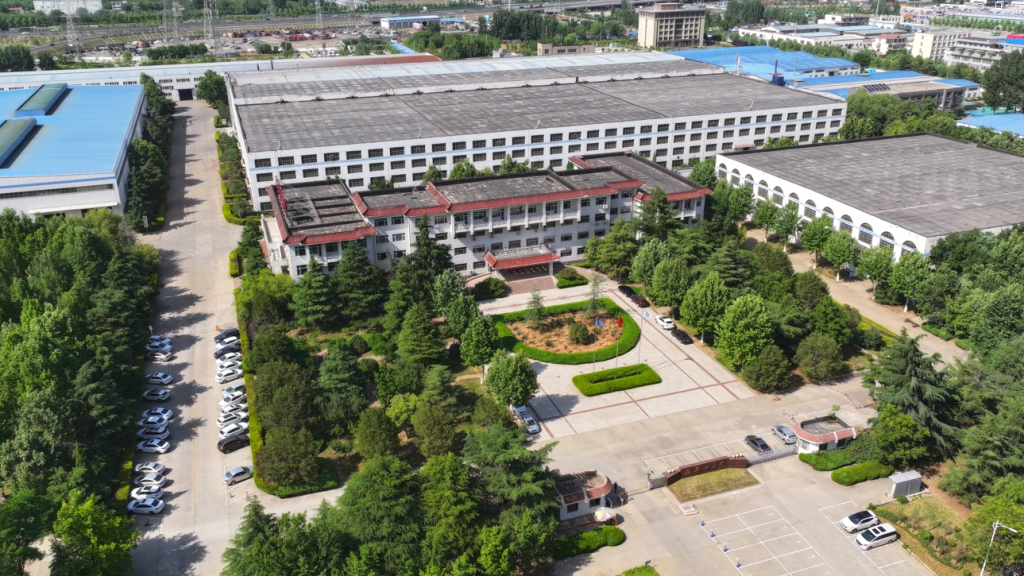
Selecting the wrong industrial oil-fired boiler supplier can result in poor equipment performance, frequent breakdowns, delayed project timelines, and escalating operational costs. Many buyers face challenges such as inconsistent product quality, lack of technical expertise, and inadequate after-sales support. These issues can severely impact production efficiency and long-term profitability. To avoid these risks, it is essential to adopt a structured and professional approach when evaluating and selecting the right supplier.
To evaluate and select the best industrial oil-fired boiler suppliers, you should assess their technical capabilities, manufacturing quality, certifications, industry experience, customization options, after-sales service, and total cost of ownership. A reliable supplier will provide high-efficiency equipment, comply with international standards, and offer comprehensive lifecycle support to ensure stable and cost-effective operations.
Understanding these evaluation criteria will help you make an informed decision and establish a long-term partnership with a trustworthy supplier.
What Technical Expertise Should You Look for in Industrial Oil-Fired Boiler Suppliers?
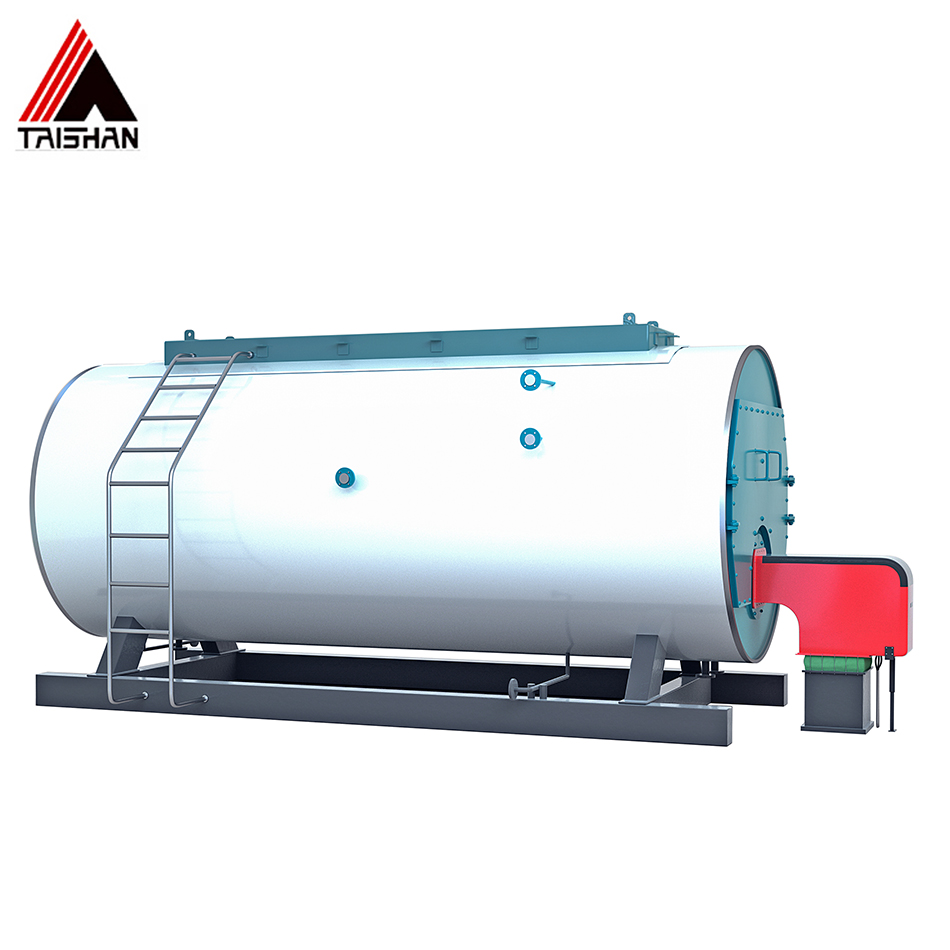
Selecting the wrong industrial oil-fired boiler supplier can lead to inefficient system performance, frequent breakdowns, safety risks, and escalating operational costs. Many buyers focus only on price or delivery time, overlooking the deeper technical expertise required to ensure long-term reliability and efficiency. Without strong engineering capability and industry-specific knowledge, even high-quality equipment can underperform or fail prematurely, causing significant financial and operational losses.
The technical expertise you should look for in industrial oil-fired boiler suppliers includes advanced combustion engineering, thermal system design, fuel system optimization, control system integration, material engineering, emission control knowledge, and strong troubleshooting and customization capabilities to ensure efficient, safe, and reliable boiler operation.
Understanding these technical competencies will help you identify suppliers that deliver not just products, but long-term value and operational excellence.
Any boiler supplier can provide the same technical performance if the specifications are identical.False
Technical expertise in design, combustion optimization, and system integration significantly affects real-world boiler performance beyond basic specifications.
To make an informed decision, let us explore the key technical expertise areas in detail.
🔥 Advanced Combustion Engineering Expertise
· Fuel-air ratio optimization
· Burner design precision
· Flame stability control
👉 Combustion Flow:
Fuel Injection → Air Mixing → Ignition → Stable Flame
Short insight: Combustion defines efficiency.
Extended explanation: Poor combustion wastes fuel and increases emissions.
Long paragraph: A highly competent supplier must demonstrate deep expertise in combustion engineering, particularly in optimizing the fuel-air mixture to ensure complete combustion, stable flame characteristics, and minimal pollutant formation, because inefficient combustion not only wastes fuel but also leads to carbon buildup, higher emissions, and unstable boiler operation, all of which negatively impact performance and reliability over time.
⚙️ Thermal System Design and Heat Transfer Optimization
· Heat exchanger efficiency
· Thermal load balancing
· Energy utilization design
👉 Heat Flow:
Combustion Heat → Transfer Surfaces → Steam Generation
Short insight: Heat transfer drives performance.
Extended explanation: Design quality affects energy efficiency.
Long paragraph: Suppliers must have strong capabilities in thermal system design, ensuring that heat exchange surfaces are properly engineered to maximize energy transfer efficiency while minimizing losses, as poor thermal design can lead to uneven heating, excessive fuel consumption, and thermal stress on boiler components.
📊 Table 1: Impact of Thermal Design Quality
| Design Quality | Efficiency | Fuel Consumption | Reliability |
|---|---|---|---|
| Optimized Design | High | Low | High |
| Average Design | Medium | Moderate | Medium |
| Poor Design | Low | High | Low |
⛽ Fuel System Optimization Capability
· Oil atomization quality
· Fuel viscosity control
· Pump and pipeline design
👉 Fuel Flow:
Fuel Supply → Atomization → Combustion Efficiency
Short insight: Fuel quality must be controlled.
Extended explanation: Atomization affects combustion quality.
Long paragraph: A technically advanced supplier understands how to design fuel delivery systems that ensure proper atomization and consistent fuel flow, as uneven or poor atomization can lead to incomplete combustion, soot formation, and increased maintenance requirements.
🧠 Control System Integration and Automation
· PLC/DCS system integration
· Real-time monitoring
· Automated adjustments
👉 Control Flow:
Sensors → Data Processing → System Adjustment
Short insight: Automation improves stability.
Extended explanation: Smart systems enhance efficiency.
Long paragraph: Modern industrial oil-fired boilers require sophisticated control systems that can continuously monitor operating conditions and automatically adjust parameters such as fuel input and air supply, ensuring optimal performance under varying loads while reducing human error and improving safety.
📊 Table 2: Automation Level vs Performance
| Automation Level | Efficiency | Safety | Operational Stability |
|---|---|---|---|
| High | High | High | High |
| Medium | Moderate | Moderate | Moderate |
| Low | Low | Low | Unstable |
🛡️ Material Engineering and Durability Knowledge
· High-temperature materials
· Corrosion resistance
· Pressure tolerance
👉 Material Flow:
Material Selection → Stress Resistance → Long Lifespan
Short insight: Materials determine lifespan.
Extended explanation: Poor materials fail quickly.
Long paragraph: Suppliers must have expertise in selecting and applying materials that can withstand high temperatures, pressure fluctuations, and corrosive environments, as material failure is one of the leading causes of boiler breakdowns and costly repairs.
🌫️ Emission Control and Environmental Compliance Expertise
· NOx reduction technologies
· Smoke and particulate control
· Emission monitoring systems
👉 Emission Flow:
Combustion → Pollutant Formation → Control Systems
Short insight: Clean operation is mandatory.
Extended explanation: Regulations require compliance.
Long paragraph: A qualified supplier must understand emission control technologies and regulatory requirements, ensuring that the boiler system meets environmental standards while maintaining high efficiency.
🔧 Troubleshooting and After-Sales Technical Support
· Fault diagnosis capability
· Rapid response support
· System optimization services
👉 Support Flow:
Problem Detection → Diagnosis → Solution Implementation
Short insight: Support ensures continuity.
Extended explanation: Problems must be resolved quickly.
Long paragraph: Strong technical expertise is also reflected in a supplier’s ability to provide effective troubleshooting and after-sales support, ensuring that any operational issues are quickly identified and resolved to minimize downtime and maintain production continuity.
🔍 Real-World Example
An industrial facility improved boiler efficiency by 20% after switching to a supplier with advanced combustion and control system expertise.
· Before → High fuel consumption
· After → Optimized performance
👉 Example Flow:
Expert Supplier → System Optimization → Efficiency Gain
Short insight: Expertise drives results.
Extended explanation: Technical capability makes a measurable difference.
🔑 Key Technical Expertise to Evaluate
· Combustion engineering capability
· Thermal system design expertise
· Fuel system optimization skills
· Automation and control integration
· Material engineering knowledge
· Emission control expertise
· Strong troubleshooting support
Summary
Choosing an industrial oil-fired boiler supplier requires a deep evaluation of technical expertise beyond basic product specifications. Suppliers with strong capabilities in combustion engineering, thermal design, fuel system optimization, automation, materials, and emission control can deliver significantly better performance, efficiency, and reliability. By focusing on these critical competencies, you can ensure long-term operational success and maximize the value of your boiler investment.
How Do Manufacturing Capabilities Affect Industrial Oil-Fired Boiler Supplier Selection?
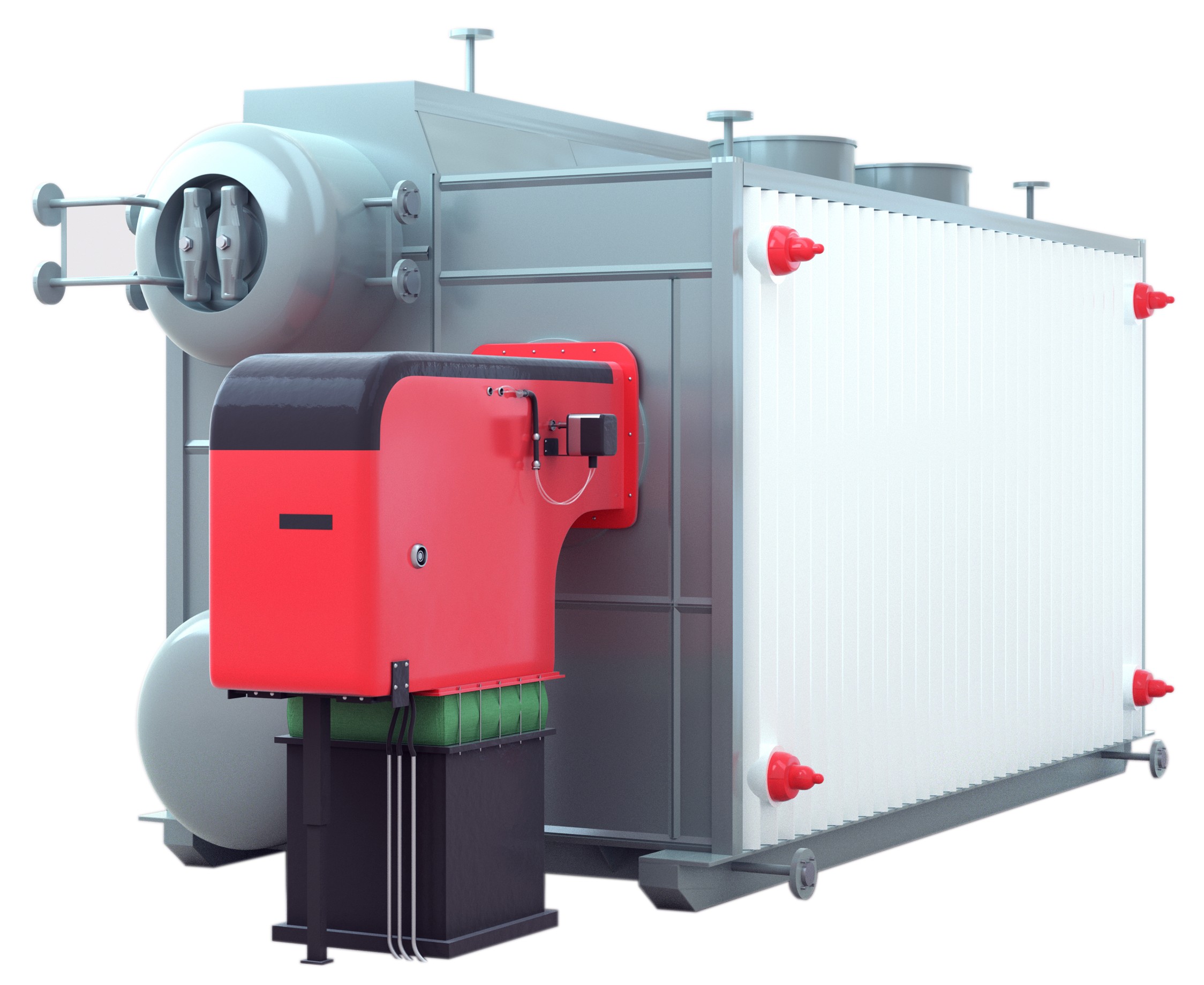
When selecting an industrial oil-fired boiler supplier, many decision-makers focus heavily on price, delivery timelines, and basic technical specifications, but overlook one of the most decisive factors—manufacturing capability. Weak manufacturing capacity often results in inconsistent quality, delayed delivery, hidden defects, and poor long-term reliability, all of which can severely impact production stability and operational costs. In contrast, suppliers with strong manufacturing capabilities deliver not only better products but also predictable performance, durability, and scalability.
Manufacturing capabilities affect industrial oil-fired boiler supplier selection by determining product quality consistency, customization flexibility, production efficiency, delivery reliability, compliance with standards, and the long-term durability of boiler systems, making them a critical factor in ensuring high-performance and cost-effective operations.
To make a well-informed choice, it is essential to analyze how manufacturing strength translates into real-world boiler performance and project success.
A supplier with basic manufacturing equipment can produce the same quality boilers as an advanced automated factory.False
Advanced manufacturing equipment and processes ensure higher precision, consistency, and quality control, which significantly impact boiler performance and reliability.
🏭 Advanced Production Equipment and Technology
· CNC machining centers
· Automated welding systems
· Precision fabrication tools
👉 Production Flow:
Raw Materials → Precision Machining → Automated Welding → Assembly
Short insight: Equipment defines precision.
Extended explanation: Better machines create better products.
Long paragraph: Suppliers equipped with advanced production technologies such as CNC machining and automated welding systems can achieve significantly higher precision and consistency in boiler component fabrication, which ensures tight tolerances, reduced defects, and superior structural integrity, whereas outdated or manual processes often lead to variability in product quality that can negatively impact boiler performance and lifespan.
📊 Table 1: Manufacturing Technology vs Product Quality
| Manufacturing Level | Precision | Defect Rate | Product Consistency |
|---|---|---|---|
| Advanced Automated | High | Low | Excellent |
| Semi-Automated | Medium | Moderate | Good |
| Manual Production | Low | High | Inconsistent |
🔧 Fabrication Expertise and Process Control
· Welding quality control
· Heat treatment processes
· Assembly precision
👉 Fabrication Flow:
Component Production → Process Control → Quality Verification
Short insight: Process control ensures reliability.
Extended explanation: Small errors cause big failures.
Long paragraph: Strong fabrication expertise ensures that every stage of production, from welding to heat treatment, is carefully controlled and monitored, which is crucial because even minor inconsistencies in weld quality or improper stress relief can lead to structural weaknesses, leaks, or premature failure under high-pressure operating conditions.
🧩 Customization and Engineering Flexibility
· Custom boiler configurations
· Adaptation to site conditions
· Industry-specific design modifications
👉 Customization Flow:
Client Requirements → Engineering Design → Tailored Manufacturing
Short insight: Flexibility meets real needs.
Extended explanation: Standard products are not always sufficient.
Long paragraph: Manufacturers with advanced capabilities can adapt designs to meet specific operational requirements, such as varying fuel properties, space constraints, or environmental regulations, ensuring that the boiler system is optimized for its intended application rather than relying on generic solutions.
📊 Table 2: Customization Capability Impact
| Customization Level | System Fit | Efficiency | Operational Performance |
|---|---|---|---|
| High | Excellent | High | Optimized |
| Medium | Good | Moderate | Acceptable |
| Low | Poor | Low | Suboptimal |
⏱️ Production Capacity and Delivery Reliability
· Large-scale production lines
· Efficient workflow management
· On-time project delivery
👉 Delivery Flow:
Order Placement → Production Scheduling → Timely Delivery
Short insight: Capacity ensures deadlines.
Extended explanation: Delays affect operations.
Long paragraph: Suppliers with strong production capacity and efficient workflow management systems can handle large orders and complex projects without delays, ensuring timely delivery, which is critical for industrial projects where delays can lead to significant financial losses and disrupted production schedules.
🛡️ Quality Assurance and Testing Systems
· Non-destructive testing (NDT)
· Pressure and performance testing
· Inspection protocols
👉 Quality Flow:
Inspection → Testing → Certification
Short insight: Testing guarantees performance.
Extended explanation: Verification prevents failures.
Long paragraph: A robust quality assurance system ensures that each boiler undergoes rigorous testing before delivery, including pressure testing and non-destructive inspections, which helps identify and eliminate defects early, ensuring that the final product meets performance and safety standards.
🌍 Compliance with Industry Standards and Certifications
· ISO manufacturing standards
· Safety certifications
· Environmental compliance
👉 Compliance Flow:
Standard Adherence → Certification → Market Acceptance
Short insight: Standards ensure trust.
Extended explanation: Compliance is mandatory.
Long paragraph: Manufacturers with strong capabilities are able to meet international standards and obtain necessary certifications, ensuring that their products are legally compliant and accepted in global markets, which is especially important for large-scale industrial projects.
🔄 Scalability and Long-Term Partnership Potential
· Ability to scale production
· Support for future expansion
· Continuous improvement
👉 Growth Flow:
Initial Project → Expansion → Long-Term Collaboration
Short insight: Scalability supports growth.
Extended explanation: Future needs must be considered.
Long paragraph: Suppliers with scalable manufacturing capabilities can support future expansion projects and evolving operational requirements, making them valuable long-term partners rather than one-time vendors.
🔍 Real-World Example
A manufacturing plant avoided project delays and improved boiler lifespan by selecting a supplier with advanced automated production and strict quality control systems.
· Previous supplier → Delays and defects
· New supplier → Reliable delivery and performance
👉 Example Flow:
Advanced Manufacturing → High Quality → Operational Stability
Short insight: Manufacturing strength delivers results.
Extended explanation: Better production leads to better outcomes.
🔑 Key Manufacturing Capabilities to Evaluate
· Advanced production equipment and automation
· Strong fabrication and process control expertise
· Customization and engineering flexibility
· High production capacity and delivery reliability
· Comprehensive quality assurance systems
· Compliance with international standards
· Scalable manufacturing for future needs
Summary
Manufacturing capabilities play a decisive role in industrial oil-fired boiler supplier selection because they directly influence product quality, consistency, delivery reliability, and long-term performance. By choosing a supplier with advanced production technology, strong process control, and robust quality assurance systems, you can ensure that your boiler system delivers efficient, safe, and reliable operation while supporting future industrial growth.
Why Are Certifications Important When Choosing Industrial Oil-Fired Boiler Suppliers?

In the selection of industrial oil-fired boiler suppliers, overlooking certifications can lead to serious risks, including substandard equipment, safety hazards, regulatory violations, and costly operational failures. Many buyers assume that as long as a boiler meets basic performance requirements, it is sufficient for industrial use; however, without proper certification, there is no verified guarantee that the equipment complies with safety, quality, and environmental standards. This lack of assurance can result in hidden defects, inefficient operation, and even legal consequences.
Certifications are important when choosing industrial oil-fired boiler suppliers because they verify compliance with safety and quality standards, ensure reliable manufacturing processes, guarantee performance consistency, support regulatory approval, reduce operational risks, and provide assurance of long-term durability and environmental compliance.
Understanding the role of certifications allows buyers to differentiate between qualified suppliers and those that may compromise on quality and safety.
Certification is only required for exporting boilers and is not necessary for domestic industrial use.False
Certifications are critical for both domestic and international use to ensure safety, compliance, and operational reliability.
To make a confident and risk-free decision, it is essential to explore how certifications influence different aspects of boiler performance and supplier credibility.
🛡️ Assurance of Safety Standards and Operational Reliability
· Pressure vessel certification
· Safety valve compliance
· Explosion prevention standards
👉 Safety Flow:
Certified Design → Verified Testing → Safe Operation
Short insight: Certification ensures safety.
Extended explanation: Safety cannot be assumed without validation.
Long paragraph: Industrial oil-fired boilers operate under high pressure and temperature conditions, and certifications such as pressure vessel standards ensure that the equipment has been rigorously tested and validated for safe operation, reducing the risk of catastrophic failures such as explosions, leaks, or structural damage, which could otherwise lead to severe operational and human safety consequences.
📊 Table 1: Certified vs Non-Certified Boilers
| Criteria | Certified Boilers | Non-Certified Boilers |
|---|---|---|
| Safety Assurance | High | Uncertain |
| Failure Risk | Low | High |
| Compliance | Guaranteed | Not Assured |
| Insurance Acceptance | Approved | Often Rejected |
⚙️ Verification of Manufacturing Quality and Process Control
· ISO quality management systems
· Standardized production processes
· Quality inspection protocols
👉 Quality Flow:
Standard Compliance → Controlled Production → Consistent Quality
Short insight: Standards drive consistency.
Extended explanation: Certification reflects process maturity.
Long paragraph: Certifications such as ISO standards indicate that the supplier follows strict quality management systems, ensuring that every stage of manufacturing—from material selection to final assembly—is controlled and documented, which significantly reduces variability and defects in the final product.
🌍 Compliance with Environmental and Emission Regulations
· Emission standards certification
· Environmental compliance approvals
· Pollution control validation
👉 Emission Flow:
Combustion → Emission Monitoring → Regulatory Compliance
Short insight: Compliance protects operations.
Extended explanation: Environmental laws are strict.
Long paragraph: Certified boilers are designed and tested to meet environmental regulations regarding emissions such as NOx, SO₂, and particulate matter, ensuring that industrial operations do not face penalties, shutdowns, or reputational damage due to non-compliance.
📊 Table 2: Certification Impact on Environmental Compliance
| Certification Level | Emission Control | Regulatory Approval | Operational Risk |
|---|---|---|---|
| Fully Certified | Excellent | Guaranteed | Low |
| Partially Certified | Moderate | Conditional | Medium |
| Not Certified | Poor | Unlikely | High |
🔍 Enhanced Credibility and Supplier Trustworthiness
· Verified third-party audits
· Industry recognition
· Proven compliance history
👉 Trust Flow:
Certification → Credibility → Buyer Confidence
Short insight: Trust is built on verification.
Extended explanation: Certification validates claims.
Long paragraph: Certifications issued by recognized authorities serve as independent verification of a supplier’s capabilities and reliability, providing buyers with confidence that the supplier meets industry standards and can deliver high-quality products consistently.
🔧 Reduced Operational and Financial Risks
· Lower failure probability
· Reduced maintenance costs
· Improved system lifespan
👉 Risk Flow:
Certified Equipment → Stable Operation → Lower Costs
Short insight: Lower risk means lower cost.
Extended explanation: Failures are expensive.
Long paragraph: By choosing certified suppliers, companies can significantly reduce the likelihood of unexpected failures, costly repairs, and downtime, which directly translates into improved operational efficiency and reduced total cost of ownership.
⏱️ Faster Project Approval and Installation
· Easier regulatory approval
· Simplified inspection processes
· Reduced project delays
👉 Approval Flow:
Certified Equipment → Quick Inspection → Faster Deployment
Short insight: Certification speeds up projects.
Extended explanation: Authorities require compliance.
Long paragraph: Certified boilers are more likely to pass regulatory inspections quickly, allowing projects to proceed without delays, which is particularly important for large-scale industrial installations where time is a critical factor.
🔄 Long-Term Performance and Durability Assurance
· Material certification
· Performance validation
· Lifecycle testing
👉 Durability Flow:
Certified Materials → Verified Performance → Extended Lifespan
Short insight: Certification supports longevity.
Extended explanation: Durability depends on quality assurance.
Long paragraph: Certification processes often include rigorous testing of materials and performance under various operating conditions, ensuring that the boiler can withstand long-term use without significant degradation, thereby extending its service life.
🔍 Real-World Example
A manufacturing facility avoided regulatory fines and improved operational stability by selecting a fully certified boiler supplier.
· Before → Compliance risks
· After → Smooth inspections and stable operation
👉 Example Flow:
Certified Supplier → Regulatory Approval → Reliable Performance
Short insight: Certification prevents problems.
Extended explanation: Verified systems perform better.
🔑 Key Reasons Certifications Matter
· Ensure safety and prevent failures
· Verify manufacturing quality
· Guarantee environmental compliance
· Enhance supplier credibility
· Reduce operational risks and costs
· Accelerate project approval
· Support long-term durability
Summary
Certifications are a critical factor when choosing industrial oil-fired boiler suppliers because they provide verified assurance of safety, quality, compliance, and performance. By selecting certified suppliers, businesses can minimize risks, ensure regulatory compliance, improve operational efficiency, and achieve long-term reliability, making certifications an essential consideration in any boiler procurement decision.
How Does Industry Experience Influence Industrial Oil-Fired Boiler Supplier Reliability?
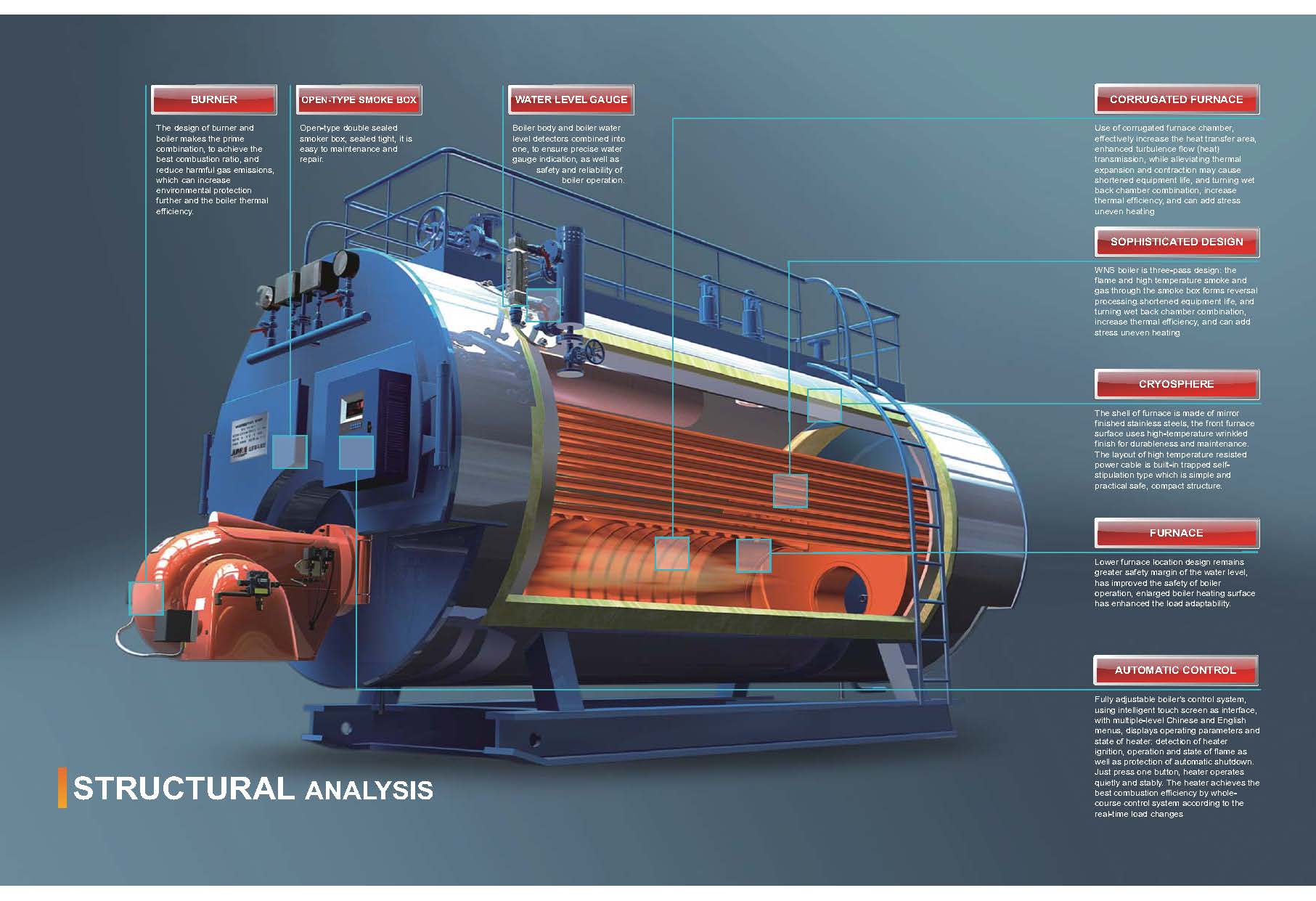
In industrial oil-fired boiler procurement, many decision-makers initially assume that technical specifications and certifications alone are enough to guarantee reliable performance. However, in real industrial environments, boilers operate under complex and variable conditions such as fluctuating loads, fuel quality variations, and integration with existing plant systems. Without sufficient industry experience, suppliers may fail to anticipate these challenges, leading to inefficiencies, frequent breakdowns, or even safety risks. This makes industry experience a critical differentiator in supplier reliability.
Industry experience significantly improves industrial oil-fired boiler supplier reliability by enhancing engineering accuracy, improving system customization, ensuring smoother commissioning, strengthening troubleshooting capability, reducing operational risks, and enabling proven performance across diverse industrial applications.
To fully understand this impact, it is necessary to examine how accumulated practical experience influences each stage of boiler lifecycle performance.
A boiler supplier can achieve full reliability without industry experience if they strictly follow design codes and standards.False
Design codes ensure baseline safety, but real-world reliability depends heavily on practical experience in handling operational variability, integration challenges, and site-specific conditions.
🏗️ Improved Engineering Accuracy Based on Real Operational Data
· Field-tested design improvements
· Reduced theoretical assumptions
· Data-driven engineering decisions
👉 Engineering Flow:
Experience → Real Data Feedback → Refined Design → Higher Reliability
Short insight: Experience replaces guesswork with precision.
Extended explanation: Real-world feedback improves design accuracy.
Long paragraph: Suppliers with strong industry experience rely on accumulated operational data from previous installations, allowing them to refine critical design elements such as combustion chamber geometry, heat exchanger sizing, and fuel delivery configurations, which significantly reduces design uncertainties and ensures that systems perform reliably under actual operating conditions rather than just theoretical models.
📊 Table 1: Engineering Reliability vs Experience Level
| Experience Level | Design Accuracy | Operational Stability | Failure Rate |
|---|---|---|---|
| High Experience | Very High | Stable | Low |
| Moderate | Medium | Moderate | Medium |
| Low Experience | Low | Unstable | High |
⚙️ Stronger System Customization for Real Industrial Conditions
· Fuel variability adaptation
· Load fluctuation management
· Site-specific engineering adjustments
👉 Customization Flow:
Industry Experience → Adaptive Design → Stable Operation
Short insight: No two plants operate the same way.
Extended explanation: Customization ensures real-world fit.
Long paragraph: Experienced suppliers understand that industrial oil-fired boilers must adapt to different fuel viscosities, ambient conditions, and production load variations, so they design flexible systems that maintain combustion stability and efficiency even under fluctuating operational demands, which is something inexperienced suppliers often fail to achieve.
🔧 Higher Success Rate in Installation and Commissioning
· Reduced installation errors
· Faster startup stabilization
· Better system integration
👉 Commissioning Flow:
Experience → Accurate Installation → Stable Startup → Reliable Operation
Short insight: Experience reduces startup risk.
Extended explanation: Commissioning is a critical reliability phase.
Long paragraph: Industry-experienced suppliers are better equipped to anticipate installation challenges such as misaligned piping, incorrect burner calibration, or improper control system integration, enabling them to proactively resolve issues during commissioning and ensure a smooth transition to stable operation.
📊 Table 2: Commissioning Performance Comparison
| Supplier Experience | Commissioning Time | Startup Issues | Stability Outcome |
|---|---|---|---|
| High Experience | Short | Few | High Stability |
| Medium Experience | Moderate | Some | Moderate Stability |
| Low Experience | Long | Frequent | Unstable |
🛠️ Stronger Troubleshooting and Problem-Solving Capability
· Rapid fault diagnosis
· Root cause identification
· Proven corrective solutions
👉 Problem-Solving Flow:
Experience → Diagnosis Accuracy → Fast Resolution → System Recovery
Short insight: Experience shortens downtime.
Extended explanation: Known issues are resolved faster.
Long paragraph: Suppliers with extensive field experience have encountered a wide range of operational issues such as flame instability, fuel atomization inefficiencies, and control system malfunctions, enabling them to quickly identify root causes and apply proven solutions, minimizing downtime and preventing recurring failures.
🔥 Proven Reliability Across Multiple Industrial Applications
· Power generation systems
· Petrochemical industries
· Manufacturing facilities
👉 Reliability Flow:
Cross-Industry Experience → Proven Performance → Trusted Operation
Short insight: Experience validates reliability.
Extended explanation: Real applications confirm performance.
Long paragraph: Suppliers that have successfully delivered boilers across multiple industries demonstrate that their systems are robust, adaptable, and capable of maintaining consistent performance under varying operational conditions, regulatory environments, and load requirements.
🌡️ Better Risk Anticipation and Operational Safety
· Early hazard identification
· Preventive safety design
· Operational risk mitigation
👉 Safety Flow:
Experience → Risk Prediction → Preventive Action → Safer Operation
Short insight: Experience improves safety foresight.
Extended explanation: Risks are better managed.
Long paragraph: Experienced suppliers can anticipate potential operational risks such as pressure fluctuations, combustion instability, or fuel leakage, and incorporate preventive engineering solutions that significantly reduce the likelihood of accidents or system failures.
🔄 Continuous Improvement Through Feedback Loops
· Performance optimization cycles
· Design iteration improvements
· Technology integration updates
👉 Improvement Flow:
Operational Experience → Feedback → Enhanced Design → Better Reliability
Short insight: Experience drives evolution.
Extended explanation: Learning improves systems over time.
Long paragraph: Over time, suppliers refine their boiler designs based on real operational feedback, integrating improvements in combustion efficiency, automation systems, and energy optimization technologies, which leads to continuously improving reliability and performance.
🔍 Real-World Example
A chemical plant improved boiler uptime by 28% after switching to a supplier with extensive multi-industry experience and proven commissioning history.
· Before → Frequent instability issues
· After → Stable long-term operation
👉 Example Flow:
Experienced Supplier → Optimized System → Improved Reliability
Short insight: Experience delivers measurable gains.
Extended explanation: Real-world knowledge improves outcomes.
🔑 Key Ways Industry Experience Enhances Reliability
· Improves engineering accuracy using real operational data
· Enables better customization for real plant conditions
· Ensures smoother installation and commissioning
· Strengthens troubleshooting and fault resolution
· Provides proven cross-industry performance history
· Enhances operational safety and risk control
· Drives continuous system optimization
Summary
Industry experience is a decisive factor in determining industrial oil-fired boiler supplier reliability because it transforms theoretical engineering into proven real-world performance. Experienced suppliers deliver more accurate designs, smoother commissioning, stronger adaptability, and higher long-term stability, making them significantly more reliable partners for industrial boiler investment and operation.
What After-Sales Services Should Industrial Oil-Fired Boiler Suppliers Provide?

In industrial oil-fired boiler operations, purchasing the equipment is only the beginning of a long operational lifecycle. Many users mistakenly assume that once installation is completed, the supplier’s responsibility is minimal, but in reality, boilers require continuous technical support, maintenance, and optimization to maintain efficiency, safety, and compliance. Without strong after-sales service, even high-quality boilers can experience performance degradation, unexpected failures, and rising operational costs over time.
Industrial oil-fired boiler suppliers should provide comprehensive after-sales services including installation support, commissioning assistance, operator training, preventive maintenance programs, emergency repair services, spare parts supply, remote monitoring, system upgrades, and long-term lifecycle optimization to ensure safe, efficient, and reliable operation.
To understand their importance clearly, each service must be examined in detail across the full equipment lifecycle.
After-sales services are only necessary during the warranty period of an industrial oil-fired boiler.False
After-sales services are required throughout the entire lifecycle of the boiler to ensure efficiency, safety, and long-term reliability, not just during the warranty period.
🏗️ Installation Support and On-Site Guidance Services
· Site inspection and preparation guidance
· Installation supervision by engineers
· System integration verification
👉 Installation Flow:
Supplier Support → Correct Installation → Stable Foundation
Short insight: Proper installation determines long-term performance.
Extended explanation: Early errors cannot be easily corrected later.
Long paragraph: Professional installation support ensures that all mechanical and control components of the oil-fired boiler system are correctly positioned, aligned, and integrated with existing plant infrastructure, because improper installation can lead to long-term issues such as uneven combustion, vibration problems, or reduced thermal efficiency that directly impact operational reliability.
⚙️ Commissioning and Start-Up Optimization Services
· Burner calibration and tuning
· Control system parameter setup
· Load testing and performance verification
👉 Commissioning Flow:
System Setup → Fine Tuning → Stable Operation
Short insight: Commissioning defines efficiency.
Extended explanation: Proper tuning ensures stability.
Long paragraph: During commissioning, supplier engineers adjust critical operating parameters such as fuel-air ratio, atomization quality, and pressure control settings to ensure optimal combustion efficiency and stable performance, which is essential for preventing early operational inefficiencies and ensuring long-term reliability.
📊 Table 1: Commissioning Quality Impact on Performance
| Commissioning Quality | Efficiency | Stability | Failure Risk |
|---|---|---|---|
| Excellent | High | High | Low |
| Moderate | Medium | Medium | Medium |
| Poor | Low | Low | High |
🎓 Operator Training and Technical Support Services
· Daily operation training
· Safety procedure education
· Fault response training
👉 Training Flow:
Knowledge Transfer → Correct Operation → Reduced Human Error
Short insight: Training improves operational safety.
Extended explanation: Human error is a major risk factor.
Long paragraph: Comprehensive operator training ensures that plant personnel understand boiler control systems, safety mechanisms, and maintenance procedures, significantly reducing operational mistakes and improving both safety and efficiency in daily operations.
🛠️ Preventive Maintenance and Inspection Programs
· Scheduled inspections
· Cleaning and calibration services
· Wear component replacement
👉 Maintenance Flow:
Routine Service → Early Detection → Long-Term Reliability
Short insight: Prevention reduces breakdowns.
Extended explanation: Maintenance avoids costly failures.
Long paragraph: Preventive maintenance services are essential for identifying early signs of wear, scaling, burner degradation, or control drift, allowing corrective actions before these issues escalate into major failures that could cause downtime or expensive repairs.
📊 Table 2: Preventive vs Reactive Maintenance
| Maintenance Type | Cost Level | Downtime | Reliability Outcome |
|---|---|---|---|
| Preventive | Low | Low | High |
| Reactive | High | High | Low |
🚨 Emergency Repair and Rapid Response Services
· 24/7 technical support
· On-site emergency repair
· Remote troubleshooting assistance
👉 Emergency Flow:
Fault Detection → Rapid Response → System Recovery
Short insight: Fast response minimizes losses.
Extended explanation: Downtime directly impacts production.
Long paragraph: Reliable suppliers must provide emergency repair services that ensure rapid response to unexpected failures such as burner malfunction, control system errors, or pressure instability, minimizing downtime and preventing secondary damage to critical boiler components.
📦 Spare Parts Supply and Inventory Management
· Original equipment manufacturer (OEM) parts
· Fast logistics and delivery
· Critical spare stock availability
👉 Supply Flow:
Demand → Inventory Access → Quick Replacement
Short insight: Spare parts ensure continuity.
Extended explanation: Delays increase downtime risk.
Long paragraph: A strong after-sales system ensures timely availability of genuine spare parts such as burners, valves, pumps, and sensors, which helps maintain system compatibility and prevents performance degradation caused by non-original or low-quality replacements.
📡 Remote Monitoring and Digital Diagnostic Services
· Real-time operational monitoring
· Predictive maintenance alerts
· Cloud-based system diagnostics
👉 Monitoring Flow:
Data Collection → Analysis → Preventive Action
Short insight: Data prevents failure.
Extended explanation: Digital monitoring improves reliability.
Long paragraph: Modern suppliers provide remote monitoring systems that continuously track boiler parameters such as temperature, pressure, fuel consumption, and combustion efficiency, enabling predictive maintenance strategies that prevent failures before they occur.
🔄 System Upgrade and Performance Optimization Services
· Efficiency improvement upgrades
· Emission reduction solutions
· Control system modernization
👉 Upgrade Flow:
System Evaluation → Upgrade Implementation → Performance Enhancement
Short insight: Upgrades extend system life.
Extended explanation: Technology evolves continuously.
Long paragraph: Over time, suppliers should provide upgrade services that enhance boiler efficiency, improve emission control, and integrate advanced automation technologies, ensuring the system remains competitive and compliant with evolving industrial standards.
🔍 Real-World Example
A manufacturing plant reduced unplanned downtime by 45% after adopting a full after-sales service package including remote monitoring, preventive maintenance, and emergency repair support.
· Before → Frequent breakdowns
· After → Stable continuous operation
👉 Example Flow:
Comprehensive Service → System Stability → Cost Reduction
Short insight: Service quality drives performance.
Extended explanation: Support systems improve reliability.
🔑 Key After-Sales Services to Expect
· Installation and commissioning support
· Operator training programs
· Preventive maintenance services
· Emergency repair response
· Spare parts supply and logistics
· Remote monitoring and diagnostics
· System upgrade and optimization services
Summary
After-sales services are essential for ensuring the long-term efficiency, safety, and reliability of industrial oil-fired boilers. Comprehensive support—including installation guidance, commissioning, training, maintenance, emergency response, and digital monitoring—ensures stable operation, minimizes downtime, and maximizes equipment lifecycle value, making after-sales capability a critical factor in supplier selection.
How Can You Assess the Total Cost of Ownership When Selecting Industrial Oil-Fired Boiler Suppliers?
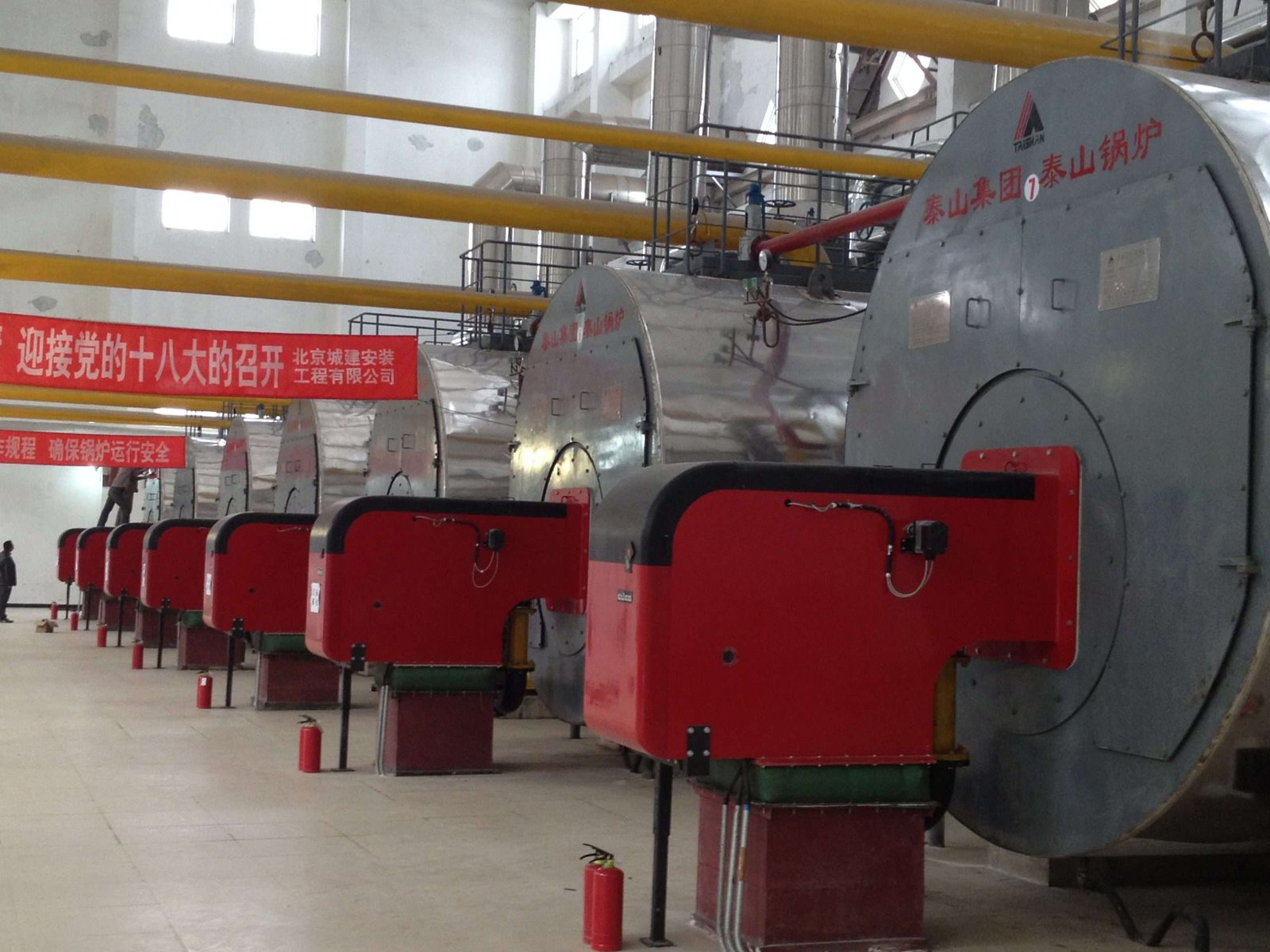
When selecting industrial oil-fired boiler suppliers, focusing only on the initial purchase price is one of the most common and costly mistakes in industrial procurement. A low upfront cost often hides significantly higher long-term expenses such as excessive fuel consumption, frequent maintenance, inefficient operation, and early equipment failure. Since boilers operate continuously over many years, even small efficiency differences can translate into substantial financial impact. Therefore, evaluating the Total Cost of Ownership (TCO) is essential for making a truly cost-effective decision.
Total Cost of Ownership for industrial oil-fired boiler suppliers should be assessed by analyzing initial investment, fuel consumption efficiency, maintenance and repair costs, operational labor costs, downtime losses, spare parts availability, system lifespan, and efficiency degradation over time.
To accurately evaluate TCO, each cost component must be understood in the context of long-term operation rather than short-term purchase savings.
The lowest-priced industrial oil-fired boiler always results in the lowest total cost of ownership.False
Low purchase price boilers often have higher fuel consumption, maintenance needs, and shorter lifespans, leading to higher total cost over time.
🏗️ Initial Investment and Installation Costs
· Boiler unit price
· Installation and commissioning costs
· Auxiliary system integration
👉 Cost Flow:
Purchase → Installation → System Activation
Short insight: Initial price is only the starting point.
Extended explanation: Upfront cost does not reflect lifecycle value.
Long paragraph: The initial investment includes not only the boiler price but also installation, piping, control system integration, and commissioning expenses, and while this is often the most visible cost component, it should not be the primary decision factor because it typically represents only a small portion of the total lifecycle cost compared to fuel and maintenance expenses.
📊 Table 1: Initial Cost vs Lifecycle Cost Distribution
| Cost Component | Percentage of TCO | Impact Level |
|---|---|---|
| Initial Investment | 10–20% | Medium |
| Fuel Consumption | 60–75% | Very High |
| Maintenance & Repair | 10–20% | High |
⛽ Fuel Efficiency and Consumption Cost
· Burner efficiency level
· Combustion optimization
· Heat transfer performance
👉 Efficiency Flow:
Fuel Input → Combustion → Usable Energy Output
Short insight: Fuel cost dominates TCO.
Extended explanation: Efficiency determines long-term expense.
Long paragraph: Fuel consumption is the largest contributor to total ownership cost, and even a small improvement in combustion efficiency or heat transfer performance can significantly reduce long-term operating expenses, making supplier technology and system design a critical factor in cost evaluation.
🔧 Maintenance and Repair Expenses
· Routine servicing requirements
· Component replacement frequency
· Unexpected breakdown costs
👉 Maintenance Flow:
Wear → Inspection → Repair → Restoration
Short insight: Maintenance affects stability and cost.
Extended explanation: Poor quality increases repair frequency.
Long paragraph: Boilers with lower build quality or poor engineering design require more frequent maintenance interventions, leading to higher labor costs, more spare parts usage, and increased risk of unexpected downtime, all of which contribute significantly to long-term ownership expenses.
📊 Table 2: Maintenance Cost Comparison
| Boiler Quality Level | Annual Maintenance Cost | Downtime Frequency | Reliability |
|---|---|---|---|
| High Quality | Low | Rare | High |
| Medium Quality | Moderate | Occasional | Medium |
| Low Quality | High | Frequent | Low |
⏱️ Downtime and Production Loss Costs
· Emergency shutdown losses
· Production interruption impact
· Restart and recovery time
👉 Downtime Flow:
Failure → Shutdown → Production Loss
Short insight: Downtime is a hidden cost.
Extended explanation: Losses exceed repair costs.
Long paragraph: Unplanned downtime can result in significant financial losses due to halted production, missed delivery deadlines, and restart procedures, making reliability a critical factor in total cost evaluation beyond just maintenance expenses.
🔄 Operational Efficiency Over Equipment Lifespan
· Efficiency degradation rate
· Aging performance decline
· Long-term energy output stability
👉 Lifecycle Flow:
Installation → Operation → Efficiency Decline
Short insight: Performance changes over time.
Extended explanation: Lifespan efficiency matters.
Long paragraph: Over time, boilers naturally experience efficiency degradation due to wear, fouling, and system aging, but high-quality suppliers design systems that maintain stable performance for longer periods, reducing overall lifecycle costs.
📦 Spare Parts Availability and Cost Control
· OEM spare part pricing
· Supply chain reliability
· Replacement frequency
👉 Supply Flow:
Demand → Availability → Replacement Execution
Short insight: Spare parts impact long-term cost.
Extended explanation: Availability reduces downtime risk.
Long paragraph: Easy access to affordable and original spare parts helps reduce maintenance delays and ensures system compatibility, while poor supply chains can lead to costly downtime or the use of incompatible components that reduce system efficiency.
📊 Table 3: Spare Parts Impact on Lifecycle Cost
| Supply Quality | Cost Impact | Downtime Risk | Operational Stability |
|---|---|---|---|
| Strong Supply Chain | Low | Low | High |
| Moderate Supply | Medium | Medium | Medium |
| Weak Supply | High | High | Low |
🌍 Energy Efficiency and Environmental Compliance Costs
· Emission control systems
· Regulatory compliance upgrades
· Energy optimization features
👉 Compliance Flow:
Operation → Emission Control → Regulatory Cost
Short insight: Compliance affects long-term cost.
Extended explanation: Regulations impact operations.
Long paragraph: Boilers that lack efficient emission control systems may incur additional costs in upgrades, penalties, or operational restrictions, while modern efficient systems reduce both regulatory risk and operational expenses.
🔍 Real-World Example
A manufacturing plant reduced total operating costs by 22% over five years after switching from a low-cost boiler supplier to a high-efficiency, high-reliability supplier.
· Before → Low purchase cost, high fuel usage
· After → Higher upfront cost, lower total cost
👉 Example Flow:
Smart Selection → Efficiency Gain → Cost Reduction
Short insight: Lower price does not mean lower cost.
Extended explanation: Lifecycle value matters more.
🔑 Key Factors to Evaluate in Total Cost of Ownership
· Initial investment and installation cost
· Fuel efficiency and energy consumption
· Maintenance and repair frequency
· Downtime and production loss risk
· Equipment lifespan and efficiency retention
· Spare parts availability and cost
· Environmental compliance expenses
Summary
Total Cost of Ownership is the most accurate way to evaluate industrial oil-fired boiler suppliers because it considers not just the purchase price, but the full lifecycle costs including fuel, maintenance, downtime, and efficiency performance. By focusing on long-term operational expenses rather than short-term savings, businesses can make more sustainable, efficient, and cost-effective procurement decisions.
Conclusion
Choosing the right industrial oil-fired boiler supplier is critical to ensuring reliable performance, high efficiency, and long-term operational success. By carefully evaluating technical strength, production standards, certifications, and service capabilities, you can minimize risks and maximize your return on investment. A qualified supplier will not only deliver quality equipment but also provide ongoing support to optimize your boiler system.
If you are searching for a trusted industrial oil-fired boiler supplier, contact us today. We offer advanced boiler solutions, strict quality control, and comprehensive support to help you achieve efficient, reliable, and cost-effective operations.
FAQ
Q1: What factors should you consider when evaluating industrial oil-fired boiler suppliers?
A1:
When evaluating industrial oil-fired boiler suppliers, several critical factors must be considered to ensure you select a reliable and high-performing partner. First and foremost is product quality. Assess whether the supplier uses high-grade materials and advanced manufacturing processes. Boilers must withstand high temperatures and pressures, so durability is essential.
Certifications and compliance are equally important. Reputable suppliers should meet international standards such as ASME, ISO, or CE certifications. These certifications indicate that the products adhere to strict safety and quality requirements.
Another key factor is technical expertise. Suppliers with extensive industry experience are more likely to provide well-engineered solutions tailored to your specific needs. Review their portfolio and case studies to understand their capabilities.
After-sales service is also crucial. A good supplier should offer installation support, training, maintenance services, and spare parts availability. This ensures long-term reliability and minimizes downtime.
Cost should be evaluated carefully. Instead of focusing solely on initial price, consider total lifecycle cost, including maintenance, fuel efficiency, and operational expenses.
Lastly, customer reviews and reputation provide valuable insights. Feedback from other industrial users can help you gauge reliability, responsiveness, and overall satisfaction.
In summary, key factors include quality, certifications, expertise, service support, cost, and reputation when evaluating boiler suppliers.
Q2: Why are certifications and standards important when choosing a boiler supplier?
A2:
Certifications and standards play a vital role in ensuring the safety, reliability, and performance of industrial oil-fired boilers. These certifications serve as proof that the supplier’s products meet established engineering and safety requirements.
For example, ASME (American Society of Mechanical Engineers) certification ensures that the boiler design and construction comply with strict pressure vessel standards. This is critical for preventing failures and ensuring safe operation under high-pressure conditions.
ISO certifications indicate that the supplier follows standardized quality management systems. This ensures consistency in manufacturing processes and product quality. CE marking, commonly required in European markets, demonstrates compliance with health, safety, and environmental protection standards.
Choosing a supplier without proper certifications can lead to significant risks, including equipment failure, safety hazards, and regulatory non-compliance. It may also result in higher insurance costs or difficulties in obtaining operational permits.
Additionally, certified suppliers are more likely to implement rigorous testing and quality control procedures. This reduces the likelihood of defects and improves overall reliability.
In summary, certifications and standards are essential for ensuring safety, compliance, and long-term performance, making them a key consideration when selecting a boiler supplier.
Q3: How can you assess the reliability and reputation of a boiler supplier?
A3:
Assessing the reliability and reputation of a boiler supplier requires a combination of research, verification, and direct evaluation. One of the most effective ways is to review the supplier’s track record. Look for how long they have been in business and the industries they have served.
Customer testimonials and case studies provide valuable insights into real-world performance. Positive feedback from reputable companies indicates reliability and customer satisfaction. You can also request references and contact previous clients to get firsthand information.
Another important aspect is the supplier’s project portfolio. A diverse portfolio with successful installations in various industries demonstrates experience and capability. Pay attention to projects similar to your requirements.
Financial stability is also a factor. A financially strong supplier is more likely to provide consistent support and fulfill long-term commitments.
Evaluate their responsiveness and communication during the inquiry process. Reliable suppliers are transparent, provide detailed information, and respond promptly to questions.
Additionally, check for any history of legal issues, product recalls, or safety incidents. These can be red flags indicating potential risks.
In summary, reliability can be assessed through experience, customer feedback, project history, financial stability, and communication quality.
Q4: What role does after-sales service play in selecting a boiler supplier?
A4:
After-sales service is a critical factor in selecting an industrial oil-fired boiler supplier because it directly impacts the long-term performance and reliability of the equipment. Boilers are complex systems that require regular maintenance, occasional repairs, and technical support.
A supplier that offers comprehensive after-sales services ensures that any issues are resolved quickly, minimizing downtime and operational disruptions. These services typically include installation support, commissioning, operator training, routine maintenance, and emergency repair services.
Availability of spare parts is another important aspect. Suppliers with a strong supply chain can provide replacement parts quickly, reducing the risk of prolonged outages.
Technical support is also essential. Access to knowledgeable engineers who can provide guidance and troubleshooting assistance helps maintain optimal performance.
Additionally, some suppliers offer service contracts or maintenance packages, which can help ensure regular upkeep and extend the lifespan of the boiler.
Without adequate after-sales support, even high-quality equipment can become inefficient or unreliable over time. Therefore, evaluating the scope and quality of after-sales services is crucial when selecting a supplier.
In conclusion, strong after-sales service enhances reliability, reduces downtime, and ensures long-term operational efficiency.
Q5: How do you compare costs effectively when selecting a boiler supplier?
A5:
Comparing costs effectively when selecting an industrial oil-fired boiler supplier requires a comprehensive approach that goes beyond the initial purchase price. While upfront cost is important, it should not be the sole deciding factor.
Start by evaluating the total cost of ownership (TCO). This includes installation costs, fuel consumption, maintenance expenses, and potential downtime costs. A boiler with a higher initial price but better efficiency and lower maintenance requirements may be more cost-effective in the long run.
Energy efficiency is a major cost factor. Boilers with higher efficiency consume less fuel, resulting in significant savings over time. Look for features such as advanced burners, heat recovery systems, and optimized combustion control.
Maintenance costs should also be considered. Boilers that require frequent servicing or expensive parts can increase operational expenses. Choosing a supplier with reliable equipment and accessible spare parts can reduce these costs.
Warranty and service agreements can also impact overall cost. Suppliers offering comprehensive warranties and maintenance packages may provide better value.
Finally, consider financing options and payment terms. Flexible financing can make it easier to manage initial investment costs.
In summary, effective cost comparison involves analyzing total ownership cost, efficiency, maintenance, warranty, and financing to make an informed decision.
References
- Boiler Supplier Evaluation Guide – https://www.energy.gov/eere/amo/steam-systems – U.S. Department of Energy
- Industrial Boiler Standards – https://www.asme.org – ASME
- Boiler Efficiency and Cost Analysis – https://www.iea.org – International Energy Agency
- Choosing Industrial Equipment Suppliers – https://www.mckinsey.com – McKinsey & Company
- Boiler Maintenance and Services – https://www.spiraxsarco.com – Spirax Sarco
- Industrial Procurement Best Practices – https://www.cips.org – Chartered Institute of Procurement & Supply
- Boiler Safety and Compliance – https://www.osha.gov – OSHA
- Energy Efficiency in Industry – https://www.aceee.org – ACEEE
- Engineering Standards and Certification – https://www.iso.org – ISO
- Industrial Equipment Lifecycle Costing – https://www.sciencedirect.com – ScienceDirect