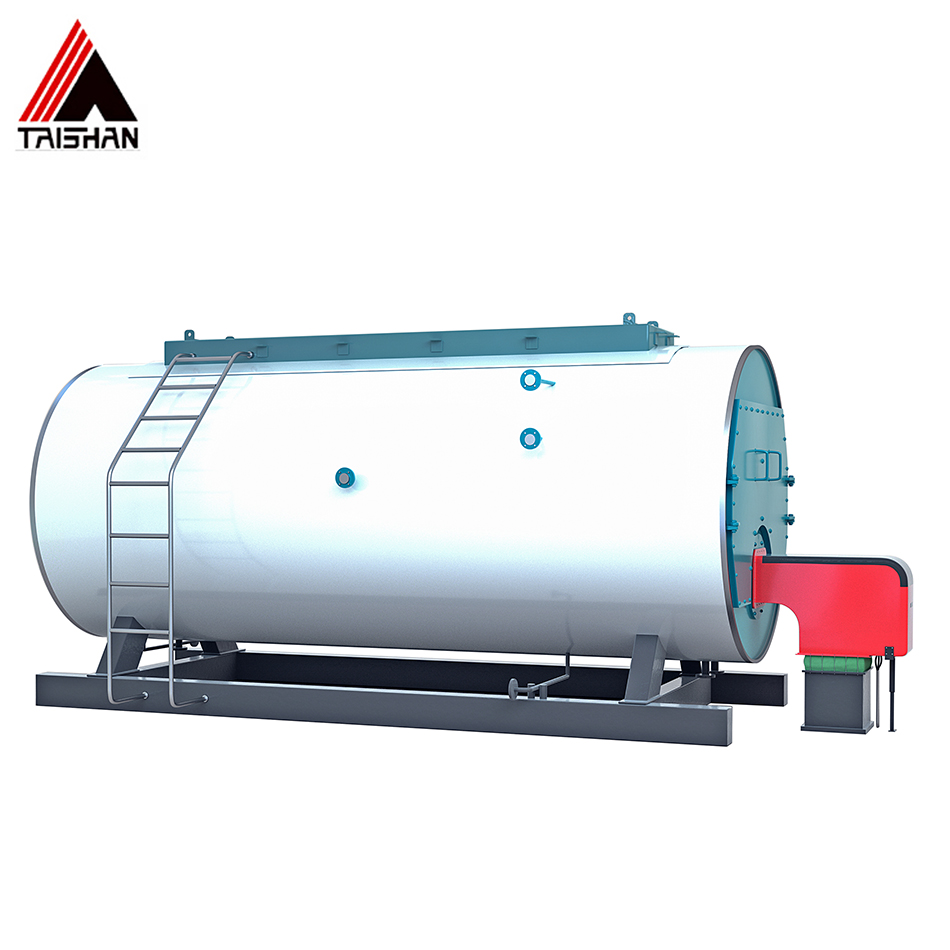
Industries today are facing increasing pressure to reduce emissions, improve energy efficiency, and adapt to fluctuating fuel prices. Traditional gas-fired boiler systems, while cleaner than coal or oil, may still fall short in meeting modern performance expectations and regulatory requirements. Without adopting the latest technologies, businesses risk higher operational costs, reduced competitiveness, and compliance challenges. To stay ahead, companies must understand the evolving trends shaping industrial gas-fired boiler technology and market demand.
The latest trends in industrial gas-fired boiler technology include high-efficiency condensing systems, smart automation and IoT integration, low-NOx combustion technologies, hybrid energy systems, and hydrogen-ready designs. Market demand is driven by stricter environmental regulations, decarbonization goals, rising energy efficiency standards, and the transition toward cleaner fuels, making gas-fired boilers a key solution for sustainable industrial heating.
Exploring these trends will help businesses make informed decisions and align their investments with future energy and regulatory landscapes.
What Technological Innovations Are Driving Industrial Gas-Fired Boiler Development?
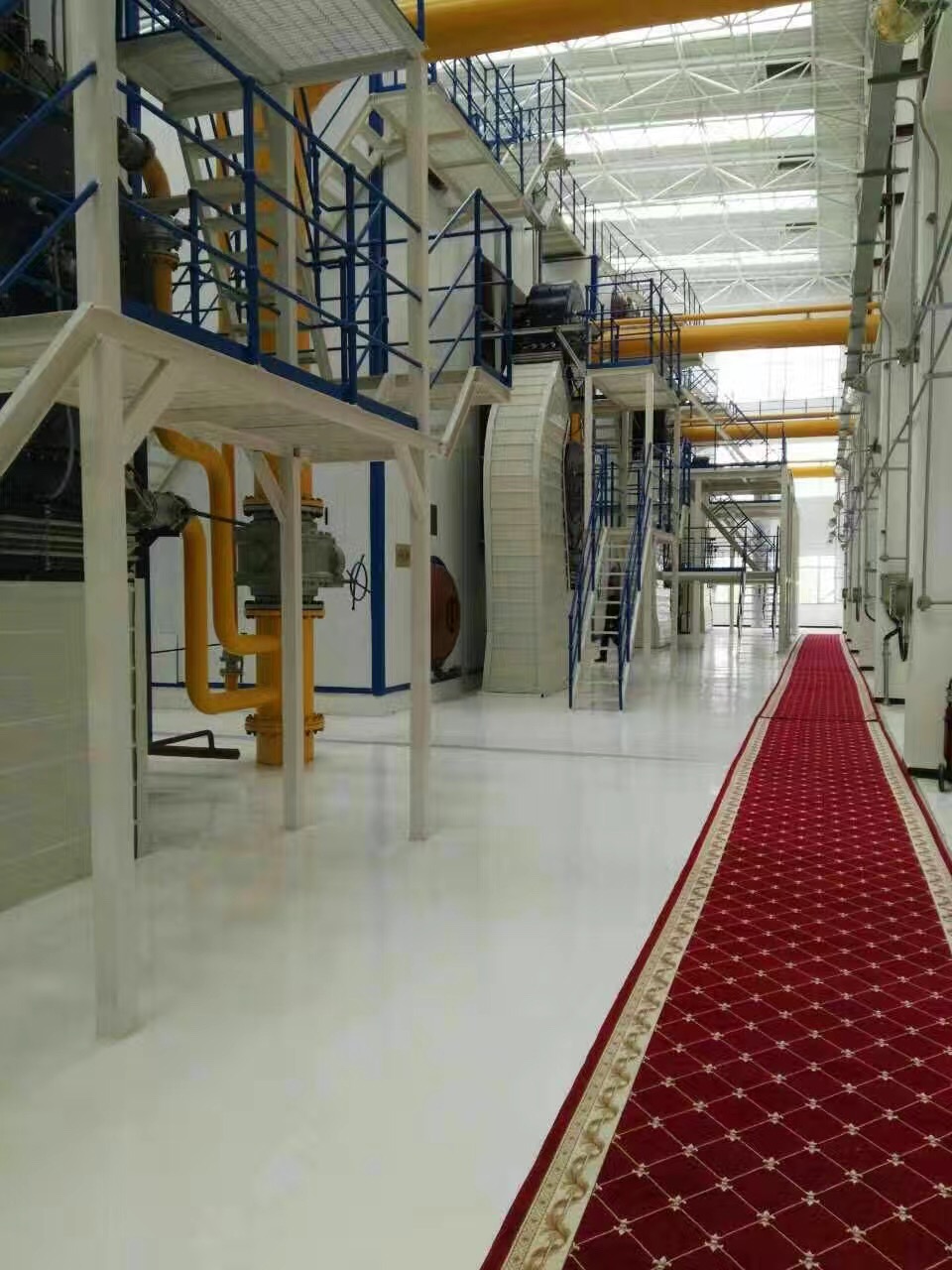
Industrial facilities today are under immense pressure to reduce emissions, improve energy efficiency, and cut operational costs. Traditional gas-fired boilers, once the backbone of industrial heating, are now struggling to meet stricter environmental regulations and rising fuel prices. Without adopting new technologies, companies risk inefficiencies, regulatory penalties, and competitive disadvantages. Fortunately, cutting-edge innovations in combustion systems, digitalization, and materials science are transforming industrial gas-fired boilers into smarter, cleaner, and more efficient systems, offering a clear pathway forward.
Technological innovations driving industrial gas-fired boiler development include advanced low-NOx combustion systems, AI-powered control and monitoring, high-efficiency heat exchangers, modular boiler designs, and integration with renewable energy systems. These innovations significantly enhance thermal efficiency (often exceeding 95%), reduce emissions, enable predictive maintenance, and optimize fuel consumption, making modern gas-fired boilers more sustainable and cost-effective for industrial applications.
To fully understand how these technologies are reshaping the industry and how they can benefit your operations, it is essential to explore each innovation in depth, supported by real-world data, engineering principles, and application strategies.
Modern gas-fired boilers can achieve over 95% thermal efficiency through condensing technology.True
Condensing boilers recover latent heat from exhaust gases, significantly improving overall efficiency compared to traditional systems.
🔧 Advanced Combustion Technologies: The Core of Efficiency and Emission Reduction
Modern industrial gas-fired boilers rely heavily on advanced combustion systems to optimize fuel usage while minimizing harmful emissions. One of the most impactful innovations is the development of low-NOx (nitrogen oxide) burners. These burners use staged combustion, flue gas recirculation (FGR), and precise air-fuel mixing to reduce peak flame temperatures, which directly lowers NOx formation.
In traditional boilers, combustion inefficiencies often lead to wasted fuel and higher emissions. However, modern systems incorporate premixed combustion technology, where gas and air are blended before ignition. This ensures a more uniform flame and complete combustion, reducing unburned hydrocarbons and carbon monoxide.
📊 Table 1: Comparison of Traditional vs Advanced Combustion Systems
| Feature | Traditional Burners | Advanced Low-NOx Burners |
|---|---|---|
| NOx Emissions | High | Ultra-Low (<30 mg/Nm³) |
| Combustion Efficiency | 80–85% | 90–98% |
| Flame Stability | Moderate | High |
| Fuel Consumption | Higher | Reduced by 10–20% |
| Maintenance Frequency | Frequent | Reduced |
Additionally, oxygen trim control systems continuously monitor flue gas oxygen levels and adjust the air-to-fuel ratio in real time. This prevents excess air, which can cool the flame and waste energy, ensuring optimal combustion conditions at all times.
🤖 Digitalization and Smart Control Systems
The integration of digital technologies has revolutionized boiler operation. Modern gas-fired boilers are no longer standalone machines; they are intelligent systems connected through Industrial Internet of Things (IIoT) platforms.
Smart sensors embedded throughout the boiler measure parameters such as temperature, pressure, flow rate, and emissions. These data points are transmitted to centralized control systems, where advanced algorithms analyze performance in real time.
AI-driven predictive maintenance is one of the most transformative innovations. Instead of relying on scheduled maintenance, these systems detect early signs of wear or inefficiency, allowing operators to address issues before they lead to costly downtime.
📈 Key Benefits of Smart Boiler Systems:
- 🔍 Real-time performance monitoring
- ⚙️ Automated optimization of combustion parameters
- 🛠️ Predictive maintenance alerts
- 📉 Reduction in unplanned downtime by up to 40%
- 💡 Energy savings of 5–15%
📊 Table 2: Impact of Digitalization on Boiler Performance
| Parameter | Without Smart Tech | With Smart Tech |
|---|---|---|
| Energy Efficiency | 85% | 92–98% |
| Downtime | High | Low |
| Maintenance Costs | High | Reduced 20–30% |
| Operational Visibility | Limited | Full Transparency |
| Response Time | Slow | Instant |
Moreover, cloud-based platforms allow remote monitoring and control, enabling plant managers to optimize operations from anywhere in the world.
🔥 High-Efficiency Heat Exchanger Design
Heat exchangers are at the heart of boiler efficiency. Recent innovations focus on maximizing heat transfer while minimizing energy loss. Condensing heat exchangers capture latent heat from water vapor in exhaust gases—a feature absent in traditional boilers.
These systems use corrosion-resistant materials such as stainless steel and aluminum alloys to withstand acidic condensate. The result is a dramatic increase in thermal efficiency and reduced fuel consumption.
Another innovation is the use of finned tube designs, which increase surface area for heat transfer. Combined with optimized gas flow dynamics, these designs ensure maximum energy extraction from combustion gases.
🧱 Advanced Materials and Manufacturing Techniques
Material science plays a crucial role in modern boiler development. High-temperature alloys and composite materials improve durability and resistance to thermal stress. Additive manufacturing (3D printing) is also emerging as a method to produce complex components with enhanced performance characteristics.
These materials not only extend the lifespan of boilers but also enable operation at higher pressures and temperatures, further improving efficiency.
🧩 Modular and Compact Boiler Designs
Industrial facilities increasingly demand flexible and scalable solutions. Modular boiler systems address this need by allowing multiple smaller units to operate in parallel. This design offers several advantages:
- 🔄 Scalability based on demand
- 🔧 Easier maintenance and replacement
- 🚚 Reduced installation time
- 🏭 Space-saving configurations
For example, a facility can operate only the required number of modules during low demand periods, significantly reducing energy consumption.
🌱 Integration with Renewable Energy Systems
Hybrid energy systems are becoming more common, where gas-fired boilers are integrated with renewable sources such as solar thermal or biomass systems. These hybrid systems reduce reliance on fossil fuels while maintaining reliability.
Additionally, hydrogen blending is emerging as a future-ready solution. Modern boilers are being designed to operate with natural gas-hydrogen mixtures, paving the way for a transition to zero-carbon fuels.
📊 Real-World Case Study: Efficiency Improvement in Manufacturing
A manufacturing plant upgraded its traditional boiler system to a modern gas-fired condensing boiler with AI-based controls. The results were significant:
- 🔥 Fuel consumption reduced by 18%
- 🌍 NOx emissions decreased by 35%
- 💰 Annual cost savings exceeded $250,000
- ⚙️ Maintenance costs reduced by 25%
This demonstrates the tangible benefits of adopting advanced boiler technologies.
⚡ Future Trends in Industrial Gas-Fired Boilers
Looking ahead, several trends are expected to shape the industry:
- 🧠 Increased use of artificial intelligence and machine learning
- 🌍 Transition to hydrogen and low-carbon fuels
- 🔗 Greater integration with smart grids
- 📡 Expansion of remote diagnostics and automation
- ♻️ Circular economy approaches in boiler design
These trends indicate a shift toward fully autonomous, zero-emission boiler systems.
Summary: Embracing Innovation for Sustainable Growth
Technological innovation is no longer optional in the industrial boiler sector—it is essential. From advanced combustion systems and smart controls to high-efficiency heat exchangers and renewable integration, modern gas-fired boilers are evolving into highly efficient, environmentally friendly solutions. Companies that adopt these technologies can achieve significant cost savings, regulatory compliance, and long-term sustainability.
How Is Smart Automation Transforming Industrial Gas-Fired Boiler Operations?
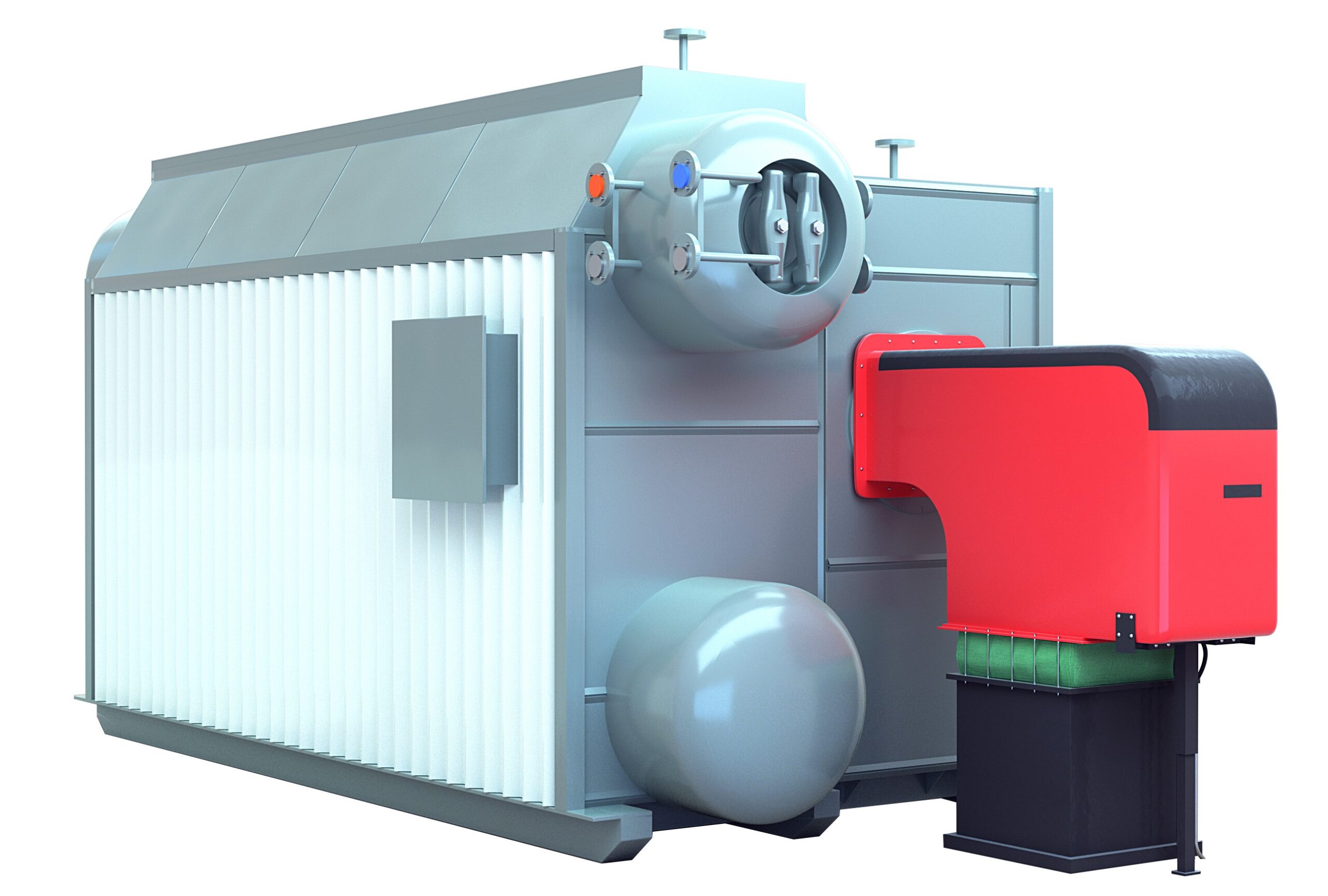
Industrial gas-fired boilers have long been the backbone of manufacturing, chemical processing, food production, and district heating systems. However, traditional operation methods often depend heavily on manual monitoring and periodic adjustments. This creates persistent challenges such as unstable combustion efficiency, excessive fuel consumption, unexpected downtime, and difficulty meeting strict emission regulations. As energy costs continue to rise and industries face increasing pressure to decarbonize, these limitations become more critical. Smart automation is emerging as a transformative solution, fundamentally changing how boilers are operated, controlled, and maintained.
Smart automation is transforming industrial gas-fired boiler operations by integrating IoT sensors, AI-driven combustion control, predictive maintenance systems, and cloud-based monitoring platforms. These technologies enable real-time optimization of fuel-air ratios, reduce fuel consumption by 15–25%, lower emissions, improve safety, and allow fully automated decision-making for continuous high-efficiency operation.
To understand the full impact of this transformation, it is necessary to explore how smart systems operate, what technologies are involved, and how they improve real industrial performance.
🧠 Intelligent Architecture Behind Smart Boiler Systems
Modern smart boilers are not single machines but integrated cyber-physical systems. Their architecture can be understood as a layered intelligence model that connects physical equipment with digital decision-making systems.
🔄 Core Operational Logic Flow
Sensor Data Collection → AI Analysis Engine → Optimization Decision → Automated Control Adjustment → Feedback Learning Loop
This continuous cycle ensures the system is always self-adjusting and self-improving.
📡 IoT Sensor Networks: The Foundation of Real-Time Intelligence
Smart automation begins with dense sensor integration across the boiler system. These sensors continuously collect operational data that reflects the real-time condition of the equipment.
📊 Key Sensor Functions in Industrial Boilers
| Sensor Type | Primary Function | Operational Benefit |
|---|---|---|
| Temperature Sensors | Monitor combustion and water temps | Prevent overheating and improve stability |
| Pressure Sensors | Track steam and gas pressure | Ensure safe and stable operation |
| Oxygen (O₂) Sensors | Measure flue gas oxygen levels | Optimize combustion efficiency |
| Flow Meters | Monitor fuel and water flow rates | Improve fuel control accuracy |
| Emission Sensors | Detect NOx and CO₂ levels | Ensure environmental compliance |
These sensors act as the real-time nervous system of the boiler, continuously feeding data into the control platform.
🤖 AI-Driven Combustion Optimization Systems
One of the most powerful advancements in smart boiler technology is the integration of artificial intelligence for combustion control. Unlike traditional fixed parameter systems, AI continuously learns and adapts.
⚙️ AI Optimization Workflow
➡️ Collect real-time operational data
➡️ Compare against historical performance models
➡️ Predict optimal combustion conditions
➡️ Automatically adjust fuel and air input
➡️ Continuously refine efficiency through machine learning
📉 Key Outcomes of AI Optimization
- Fuel efficiency improvement: 10–25%
- NOx emission reduction: up to 40%
- More stable combustion under load variations
- Reduced manual intervention requirements
This makes combustion not only efficient but also highly adaptive to changing industrial demands.
🔧 Predictive Maintenance: From Reactive to Intelligent Asset Management
Traditional maintenance strategies rely on scheduled servicing or breakdown response. Smart automation replaces this with predictive analytics that detect issues before they occur.
📊 Maintenance Strategy Comparison
| Maintenance Type | Approach Description | Downtime Risk | Cost Efficiency |
|---|---|---|---|
| Reactive Maintenance | Repair after failure occurs | High | Low |
| Preventive Maintenance | Fixed schedule servicing | Medium | Moderate |
| Predictive Maintenance | AI-based condition monitoring | Low | High |
🔍 Predictive System Capabilities
- Detects abnormal vibration patterns
- Identifies early-stage component wear
- Monitors temperature deviations
- Predicts failure probability in advance
This approach reduces unexpected downtime by 30–50% and significantly extends equipment lifespan.
☁️ Cloud Connectivity and Remote Operations
Smart boiler systems are now fully integrated into cloud-based industrial ecosystems. This allows centralized monitoring and control across multiple facilities.
🌐 Cloud System Advantages
- Real-time remote monitoring from any location
- Centralized performance dashboards
- Instant alert notifications for anomalies
- Historical data analysis for optimization
🔄 Remote Operation Flow
Cloud Platform → Operator Dashboard → AI Recommendation → Automated or Manual Control Execution
This enables operators to manage complex boiler networks efficiently without being physically present.
⚡ Dynamic Load Management and Energy Optimization
Industrial energy demand is not constant. Smart automation enables boilers to adjust output dynamically based on real-time consumption patterns.
🔁 Automated Load Adjustment Process
➡️ Detect demand fluctuation
➡️ AI calculates required output adjustment
➡️ System modifies fuel-air ratio automatically
➡️ Boiler stabilizes output without manual input
📉 Benefits
- Reduced energy waste by 10–25%
- Improved response to demand changes
- Stable pressure and temperature output
- Enhanced operational efficiency
🌱 Environmental Compliance and Emission Control
Strict environmental regulations require continuous emission monitoring. Smart automation ensures compliance without manual tuning.
🌿 Environmental Advantages
- Continuous NOx and CO₂ monitoring
- Automatic emission control adjustments
- Reduced carbon footprint
- Compliance with international standards
This makes smart boilers not only efficient but also environmentally responsible.
📈 Industrial Case Study: Real-World Performance Gains
A large-scale manufacturing facility upgraded its conventional boiler system to a fully automated smart gas-fired boiler solution.
Results After Implementation
- 🔥 Fuel efficiency improved by 22%
- 🌫 NOx emissions reduced by 40%
- 🛠 Maintenance downtime reduced by 35%
- 💰 Annual savings exceeded $300,000
This demonstrates how smart automation directly translates into measurable economic and environmental benefits.
🧭 Summary
Smart automation is fundamentally transforming industrial gas-fired boiler operations by enabling real-time intelligence, predictive maintenance, and autonomous system control. Through the integration of IoT sensors, AI optimization, and cloud-based monitoring, modern boilers achieve significantly higher efficiency, lower emissions, and improved operational reliability. This shift represents a move from manual, reactive operation to fully intelligent, self-optimizing industrial energy systems, marking a major milestone in the evolution of industrial thermal technology.
Why Are Low-NOx Technologies Important in Industrial Gas-Fired Boilers?
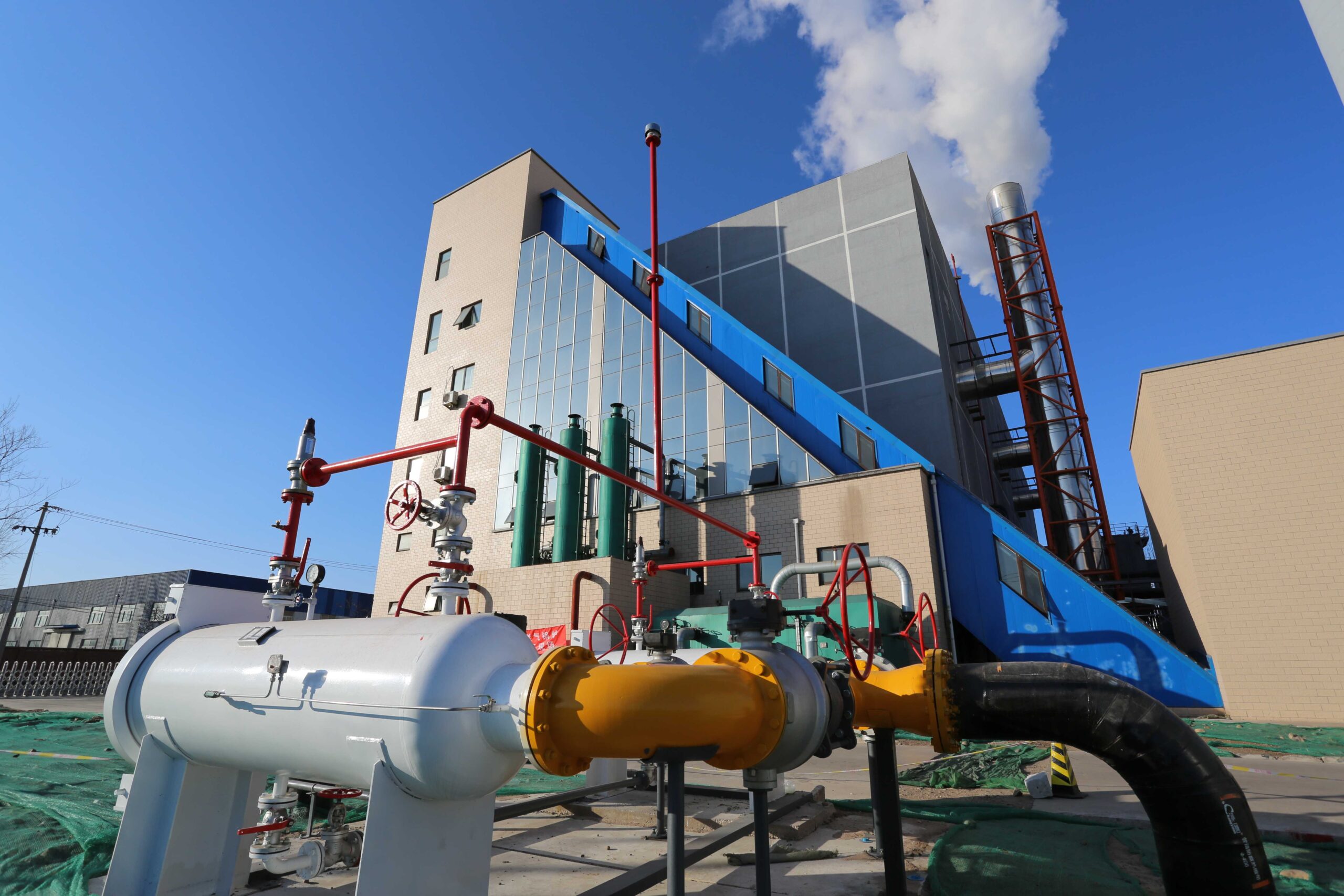
Industrial gas-fired boilers are widely used across manufacturing, power generation, chemical processing, and district heating systems. However, one of the most pressing challenges they face is controlling harmful emissions, especially nitrogen oxides (NOx). These pollutants contribute significantly to air quality degradation, acid rain, and respiratory health issues. As environmental regulations become stricter worldwide, industries that fail to control NOx emissions risk not only regulatory penalties but also reputational and operational disadvantages. This is why low-NOx technologies have become a central focus in modern boiler engineering.
Low-NOx technologies are important in industrial gas-fired boilers because they significantly reduce nitrogen oxide emissions during combustion, improve environmental compliance, enhance combustion efficiency, and enable sustainable industrial operation while maintaining high thermal performance and fuel economy.
To fully understand their importance, we need to explore how NOx is formed, how low-NOx technologies work, and why they are now essential in modern industrial energy systems.
🌍 Understanding the Problem: Why NOx Emissions Matter
Nitrogen oxides (NO and NO₂, collectively NOx) are primarily produced during high-temperature combustion in boilers. When natural gas is burned at high flame temperatures, nitrogen in the air reacts with oxygen, forming NOx.
⚠️ Key Environmental and Operational Impacts of NOx
- 🌫 Contributes to smog and poor air quality
- 🌧 Causes acid rain formation
- 🫁 Increases respiratory health risks
- 🌍 Drives greenhouse gas-related environmental stress
- 📉 Leads to regulatory fines and operational restrictions
In industrial environments, uncontrolled NOx emissions can quickly push systems beyond legal compliance limits, especially under tightening global standards such as EPA (U.S.), EU Industrial Emissions Directive (IED), and similar regional regulations.
🔥 How Low-NOx Technology Works in Gas-Fired Boilers
Low-NOx technologies are designed to control combustion conditions so that nitrogen and oxygen have fewer opportunities to form harmful NOx compounds.
⚙️ Core Low-NOx Mechanism Flow
Flame Temperature Reduction → Controlled Oxygen Availability → Staged Combustion → Flue Gas Recirculation → Reduced NOx Formation
Each step plays a critical role in minimizing emission formation at the source rather than treating it afterward.
🧪 Key Low-NOx Technologies in Industrial Boilers
1. 🔥 Staged Combustion Burners
Staged combustion divides the combustion process into multiple phases:
- Primary stage: fuel-rich combustion with limited oxygen
- Secondary stage: additional air introduced gradually
- Final stage: complete combustion with controlled temperature
This prevents excessive peak flame temperatures, which are the primary driver of NOx formation.
2. 🌬 Flue Gas Recirculation (FGR)
FGR technology redirects a portion of cooled exhaust gases back into the combustion chamber.
📊 Effects of FGR:
| Parameter | Without FGR | With FGR |
|---|---|---|
| Flame Temperature | High | Reduced |
| NOx Formation | High | Low |
| Combustion Stability | Moderate | Improved |
| Efficiency Impact | Neutral | Slightly Optimized |
By diluting oxygen concentration and lowering combustion temperature, FGR significantly reduces NOx formation.
3. ⚖️ Lean Premix Combustion
In premix systems, fuel and air are mixed before ignition. When operated under lean conditions (excess air), combustion becomes more uniform and cooler.
Benefits:
- 🔥 Uniform flame distribution
- 📉 Lower peak flame temperature
- 🌫 Reduced NOx and CO emissions
- ⚡ High combustion efficiency
4. 🧠 Advanced Burner Control Systems
Modern low-NOx burners often integrate digital control systems that dynamically adjust combustion parameters.
Smart control functions include:
- Real-time oxygen monitoring
- Automatic air-fuel ratio adjustment
- Load-based combustion tuning
- Emission feedback loops
📊 Performance Comparison: Traditional vs Low-NOx Boilers
📈 Table: Emission and Efficiency Comparison
| Feature | Traditional Burner | Low-NOx Burner |
|---|---|---|
| NOx Emissions | 80–150 mg/Nm³ | 10–30 mg/Nm³ |
| Flame Temperature Control | Poor | Advanced |
| Fuel Efficiency | 80–85% | 90–98% |
| Regulatory Compliance | Risky | Fully Compliant |
| Operational Stability | Moderate | High |
This comparison clearly shows that low-NOx systems are not only environmentally superior but also operationally more efficient.
🏭 Industrial Importance of Low-NOx Technologies
Low-NOx systems are not just about environmental compliance; they directly influence industrial competitiveness and operational sustainability.
🔑 Key Industrial Benefits:
- 📜 Regulatory compliance assurance
- 💰 Avoidance of emission penalties and shutdown risks
- ⚡ Improved fuel utilization efficiency
- 🏭 Enhanced corporate sustainability reputation
- 🔧 Compatibility with modern smart boiler systems
🌱 Contribution to Sustainable Industrial Development
Low-NOx technologies play a critical role in global decarbonization strategies. While they do not eliminate CO₂ emissions directly, they significantly reduce harmful pollutants and improve overall combustion efficiency, which indirectly reduces fuel consumption and carbon output.
🌍 Sustainability Impact Chain:
Lower NOx → Cleaner Air → Regulatory Compliance → Optimized Combustion → Reduced Fuel Waste → Lower CO₂ Emissions
📉 Real-World Application Case
A large industrial heating plant upgraded its conventional burners to a low-NOx staged combustion system with flue gas recirculation.
Results after implementation:
- 🌫 NOx emissions reduced by 65%
- 🔥 Fuel efficiency improved by 12%
- 🛠 Maintenance intervals extended by 30%
- 📜 Achieved full compliance with EU emission standards
This demonstrates how low-NOx technology delivers both environmental and economic value.
🧭 Summary
Low-NOx technologies are essential in industrial gas-fired boilers because they directly address one of the most critical environmental challenges of combustion systems—nitrogen oxide emissions. By using advanced methods such as staged combustion, flue gas recirculation, lean premix systems, and intelligent burner controls, these technologies significantly reduce emissions while improving combustion efficiency and operational stability. In modern industrial applications, low-NOx systems are no longer optional—they are a fundamental requirement for sustainable, compliant, and efficient boiler operation.
How Are Hydrogen-Ready Designs Influencing Industrial Gas-Fired Boiler Trends?
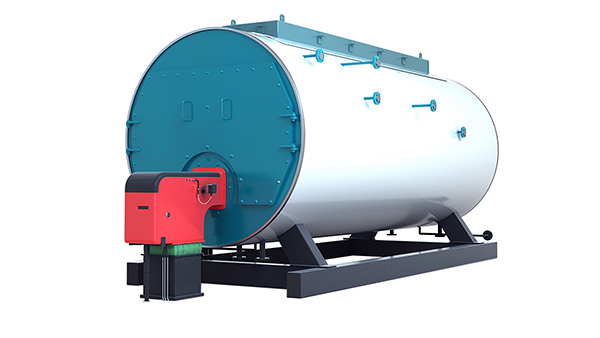
Industrial gas-fired boilers have traditionally been designed around natural gas combustion, offering stable heat generation for manufacturing, district heating, and process industries. However, the global shift toward decarbonization is forcing a major redesign of thermal systems. Industries are now under pressure to reduce carbon emissions while maintaining energy reliability and cost efficiency. This transition creates a significant challenge: how can existing boiler infrastructure remain relevant in a future dominated by low-carbon or zero-carbon fuels? Hydrogen-ready boiler designs are emerging as a critical solution to this challenge.
Hydrogen-ready boiler designs are influencing industrial gas-fired boiler trends by enabling fuel flexibility, supporting future hydrogen blending or full hydrogen combustion, reducing carbon emissions, and ensuring long-term asset viability in a transitioning energy market. These designs allow boilers to operate today on natural gas while being fully prepared for future hydrogen integration without major system replacement.
To understand their impact, it is essential to explore how hydrogen-ready systems work, why they matter strategically, and how they are reshaping boiler design, manufacturing, and industrial energy planning.
🌍 The Energy Transition Pressure Driving Hydrogen-Ready Boilers
Industries worldwide are facing increasing pressure from environmental regulations, carbon taxation policies, and corporate sustainability commitments. Traditional gas-fired boilers, while efficient, still rely on fossil fuels that produce CO₂ emissions during combustion.
Hydrogen presents a promising alternative because it produces no carbon dioxide when burned, only water vapor. However, transitioning directly to hydrogen is not simple due to infrastructure limitations, fuel availability, and combustion behavior differences.
⚠️ Key Challenges Driving Hydrogen-Ready Adoption:
- 🌍 Strict global carbon neutrality targets (2050 net-zero goals)
- 💰 Rising carbon taxation and emission penalties
- 🔧 High cost of full system replacement
- ⚡ Uncertainty in hydrogen supply chain development
- 🏭 Need for operational continuity during energy transition
Hydrogen-ready designs solve this problem by bridging the gap between current natural gas systems and future hydrogen economies.
🔧 What Is a Hydrogen-Ready Gas Boiler?
A hydrogen-ready boiler is an advanced gas-fired boiler designed to operate on natural gas today but capable of safely transitioning to hydrogen or hydrogen-natural gas blends in the future with minimal modification.
🔄 Fuel Transition Capability Flow
Natural Gas Operation → Hydrogen Blending (H₂ + NG) → High Hydrogen Ratio → 100% Hydrogen Combustion
This staged transition approach allows industries to gradually decarbonize without disrupting operations.
⚙️ Engineering Features of Hydrogen-Ready Boilers
Hydrogen-ready designs require significant engineering modifications compared to conventional gas-fired boilers. Hydrogen behaves differently from natural gas—it has a higher flame speed, lower ignition energy, and different combustion characteristics.
🔥 Key Design Adaptations:
- 🧱 Reinforced combustion chamber materials for hydrogen flame intensity
- 🔥 Modified burner geometry for flame stability
- ⚡ Enhanced ignition systems for low-energy hydrogen ignition
- 🌬 Advanced air-fuel control systems for precise combustion regulation
- 🛡 Improved sealing systems to prevent hydrogen leakage
📊 Performance Comparison: Natural Gas vs Hydrogen Combustion
📈 Table 1: Key Combustion Differences
| Parameter | Natural Gas | Hydrogen |
|---|---|---|
| Carbon Emissions | High (CO₂ present) | Zero CO₂ |
| Flame Speed | Moderate | Very High |
| Ignition Energy | Higher | Very Low |
| Flame Temperature | Stable | Higher & faster |
| NOx Risk | Moderate | Higher (if unmanaged) |
This comparison shows why hydrogen-ready systems require advanced combustion control technologies.
🧠 Smart Control Systems for Hydrogen Compatibility
Hydrogen combustion demands extremely precise control to ensure safety and efficiency. Modern hydrogen-ready boilers integrate smart automation systems to manage this complexity.
🤖 Intelligent Control Functions:
➡️ Real-time fuel composition detection
➡️ Automatic adjustment of air-fuel ratio
➡️ Flame stability monitoring using optical sensors
➡️ AI-based combustion optimization
➡️ Emission control feedback loops
🔄 Control Logic Flow:
Fuel Input Detection → AI Analysis → Combustion Adjustment → Emission Monitoring → Continuous Optimization
This ensures stable operation even under varying hydrogen blending ratios.
🌱 Environmental Impact and Decarbonization Benefits
Hydrogen-ready boilers play a crucial role in reducing industrial carbon emissions. While the transition depends on hydrogen availability, the potential environmental benefits are significant.
🌍 Sustainability Advantages:
- ♻️ Near-zero carbon combustion potential
- 🌫 Reduced dependence on fossil fuels
- 📉 Significant long-term CO₂ reduction pathway
- 🏭 Alignment with ESG and net-zero strategies
📊 Emission Transition Impact
| Fuel Type | CO₂ Emissions | Decarbonization Level |
|---|---|---|
| Natural Gas | High | Low |
| 30% Hydrogen Blend | Medium | Moderate |
| 100% Hydrogen | Zero | Full Decarbonization |
🏭 Industrial Strategy: Why Companies Are Investing Now
Hydrogen infrastructure is still developing, but forward-thinking industries are investing in hydrogen-ready boilers today to avoid future stranded assets.
🔑 Strategic Benefits:
- 💰 Avoid future boiler replacement costs
- 📈 Increase asset lifecycle value
- ⚙ Ensure compliance with future regulations
- 🔄 Maintain operational continuity during transition
- 🧭 Future-proof energy infrastructure investments
📉 Real-World Industrial Adoption Example
A large European chemical processing facility installed hydrogen-ready gas-fired boilers as part of its decarbonization roadmap.
Results and projections:
- 🔥 Currently operating on natural gas with 92% efficiency
- 🌱 Preparing for 50% hydrogen blending by 2030
- 🌍 Expected CO₂ reduction of up to 60% by full transition
- 💰 Avoided full system replacement cost estimated at several million euros
This demonstrates how hydrogen-ready systems function as a long-term transition strategy rather than a short-term upgrade.
🔄 Market Trends Driven by Hydrogen-Ready Design
Hydrogen readiness is now influencing the entire industrial boiler market.
📊 Key Industry Trends:
- 🏭 Manufacturers increasingly offering dual-fuel boilers
- 🔧 Retrofitting existing boilers for hydrogen compatibility
- 📜 New regulations requiring hydrogen-ready infrastructure
- ⚡ Integration with renewable hydrogen production systems
- 🌍 Growth of hybrid energy systems combining gas, hydrogen, and renewables
🧭 Summary
Hydrogen-ready designs are reshaping industrial gas-fired boiler trends by enabling a smooth transition toward low-carbon and zero-carbon energy systems. By allowing boilers to operate on natural gas today while being fully prepared for hydrogen combustion in the future, these systems eliminate the risk of stranded assets and support long-term decarbonization strategies. Through advanced materials, smart combustion control, and flexible fuel systems, hydrogen-ready boilers are becoming a cornerstone technology in the global shift toward sustainable industrial energy infrastructure.
What Market Factors Are Increasing Demand for Industrial Gas-Fired Boilers?
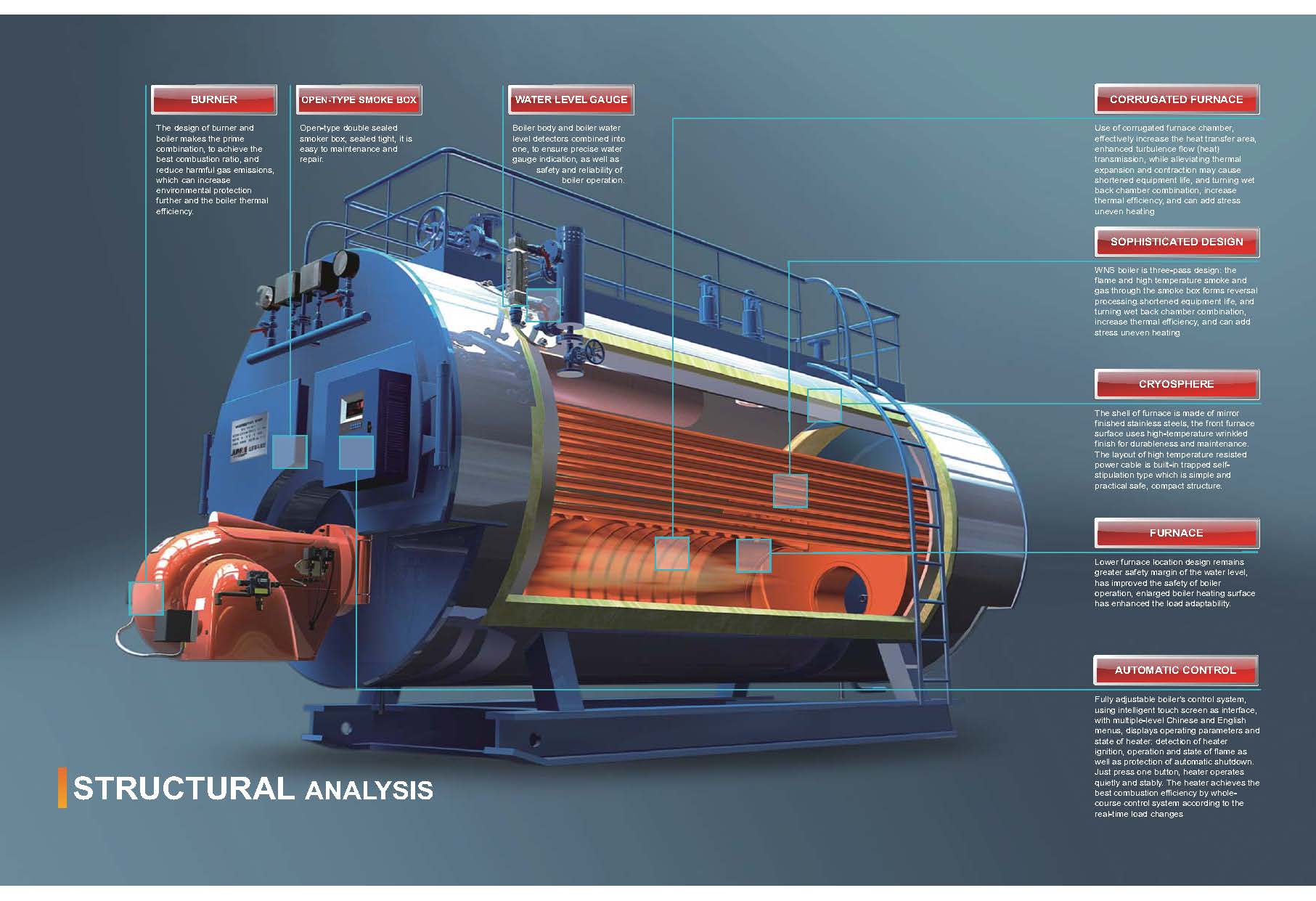
Industrial gas-fired boilers remain one of the most widely used thermal energy solutions across industries such as manufacturing, food processing, chemicals, textiles, and district heating. Even with the rise of electrification and renewable energy systems, demand for gas-fired boilers continues to grow in many regions. This may seem counterintuitive in a decarbonizing world, but in reality, multiple economic, technological, and infrastructural factors are reinforcing their relevance. Understanding these market drivers is essential for manufacturers, plant operators, and energy planners making long-term investment decisions.
The demand for industrial gas-fired boilers is increasing due to rising global energy demand, lower natural gas prices compared to alternative fuels, stricter efficiency requirements, rapid industrialization in emerging markets, modernization of aging boiler infrastructure, and the growing need for flexible, low-emission, and hybrid-ready energy systems.
To fully understand this trend, we need to examine the market forces shaping industrial energy decisions and how they directly influence boiler adoption.
🌍 1. Global Industrial Expansion and Energy Demand Growth
One of the strongest drivers of gas-fired boiler demand is the continuous expansion of global industrial activity. As developing economies industrialize and established economies modernize their production systems, energy demand for process heating continues to rise.
📊 Key Industrial Growth Drivers:
- 🏭 Expansion of manufacturing hubs in Asia, Africa, and South America
- 📦 Growth in global supply chains and logistics networks
- 🍔 Rising demand in food processing and packaged goods industries
- 🧪 Increased chemical and pharmaceutical production
🔄 Impact on Boiler Demand:
More industrial production → Higher process heat demand → Increased boiler installations and upgrades
Gas-fired boilers are often preferred because they provide fast startup, stable heat output, and scalable capacity, making them ideal for dynamic industrial environments.
⚡ 2. Natural Gas Availability and Cost Advantage
Natural gas continues to be one of the most cost-effective and widely available fossil fuels in many regions. Compared to oil or coal, it offers cleaner combustion and lower operating costs.
📊 Table 1: Fuel Cost and Efficiency Comparison
| Fuel Type | Cost Level | Emissions Level | Efficiency in Boilers |
|---|---|---|---|
| Natural Gas | Low–Medium | Low | High (90–98%) |
| Fuel Oil | High | High | Moderate |
| Coal | Medium | Very High | Lower |
| Electricity | Variable | Depends on grid | High (but costly) |
🔑 Why This Matters:
- 💰 Lower operational cost compared to alternatives
- 🔥 High combustion efficiency in modern boilers
- 🚚 Established global supply infrastructure
- ⚙ Reliable energy source for continuous operations
These advantages make gas-fired boilers economically attractive, especially for energy-intensive industries.
🏗 3. Replacement of Aging Boiler Infrastructure
A significant portion of global industrial boilers are aging systems that are inefficient and non-compliant with modern environmental standards.
⚠️ Key Replacement Drivers:
- 🏭 Boilers older than 15–25 years reaching end of life
- 📉 Declining efficiency in legacy systems (60–75%)
- 🌫 Increasing emissions compliance pressure
- 🔧 Rising maintenance costs and downtime
🔄 Replacement Flow:
Old coal/oil boilers → Inefficient gas systems → Modern high-efficiency condensing gas boilers
Modern industrial gas-fired boilers offer:
- ⚡ Efficiency up to 98% (condensing systems)
- 🌱 Lower emissions footprint
- 🧠 Smart automation integration
- 🔧 Reduced maintenance requirements
🌱 4. Environmental Regulations and Emission Standards
While environmental regulations aim to reduce fossil fuel usage, they also strongly encourage the adoption of cleaner-burning gas technologies over coal and oil.
📜 Regulatory Influence:
- 🌍 EPA (United States) emission limits
- 🇪🇺 EU Industrial Emissions Directive (IED)
- 🌏 National carbon reduction policies worldwide
📊 Table 2: Emission Pressure Impact
| Regulation Factor | Impact on Boiler Market |
|---|---|
| NOx emission limits | Drives low-NOx gas boiler adoption |
| Carbon taxes | Encourages efficiency upgrades |
| Coal restrictions | Accelerates fuel switching to gas |
| Energy efficiency laws | Promotes modern condensing boilers |
🔑 Key Insight:
Even though renewables are expanding, gas remains a transition fuel, supporting industries during decarbonization.
⚙️ 5. Technological Advancements in Boiler Efficiency
Modern gas-fired boilers are far more advanced than older systems, making them more attractive for investment.
🚀 Key Innovations Driving Demand:
- 🤖 Smart automation and IoT monitoring
- 🔥 Low-NOx burner technology
- 🌡 Condensing heat recovery systems
- ⚙ Modular boiler configurations
- 🧠 AI-based combustion optimization
📈 Resulting Benefits:
- Fuel savings of 10–25%
- Emissions reduction of up to 40–60%
- Lower maintenance costs
- Higher operational reliability
These improvements significantly increase return on investment (ROI), driving replacement and new installations.
🔄 6. Demand for Flexible and Hybrid Energy Systems
Modern industries increasingly require flexible energy systems capable of adapting to fluctuating demand and future fuel transitions.
🔁 Flexibility Drivers:
- ⚡ Variable industrial production loads
- 🌍 Integration with renewable energy systems
- 🔋 Backup energy requirements
- 🧪 Transition toward hydrogen-ready infrastructure
🔄 System Evolution Path:
Traditional boiler → High-efficiency gas boiler → Smart automated boiler → Hydrogen-ready hybrid system
Gas-fired boilers are central to this evolution because they offer fuel flexibility and operational reliability.
📊 7. Industrial Case Example: Market-Driven Boiler Upgrade
A mid-sized textile manufacturing facility upgraded from coal-fired boilers to modern gas-fired condensing boilers.
Results:
- 🔥 Fuel cost reduced by 18%
- 🌫 Emissions reduced by 55%
- ⚙ Production uptime improved by 30%
- 💰 Payback period: under 3 years
This reflects how market pressures translate into real investment decisions.
🧭 Summary
The growing demand for industrial gas-fired boilers is driven by a combination of economic, technological, and regulatory factors. Rising global industrialization, cost advantages of natural gas, replacement of aging infrastructure, stricter environmental regulations, and rapid advancements in boiler efficiency all contribute to sustained market growth. Additionally, the need for flexible, smart, and future-ready energy systems positions gas-fired boilers as a critical transitional technology in the global energy landscape.
What Is the Future Outlook for Industrial Gas-Fired Boiler Technology and Market Growth?
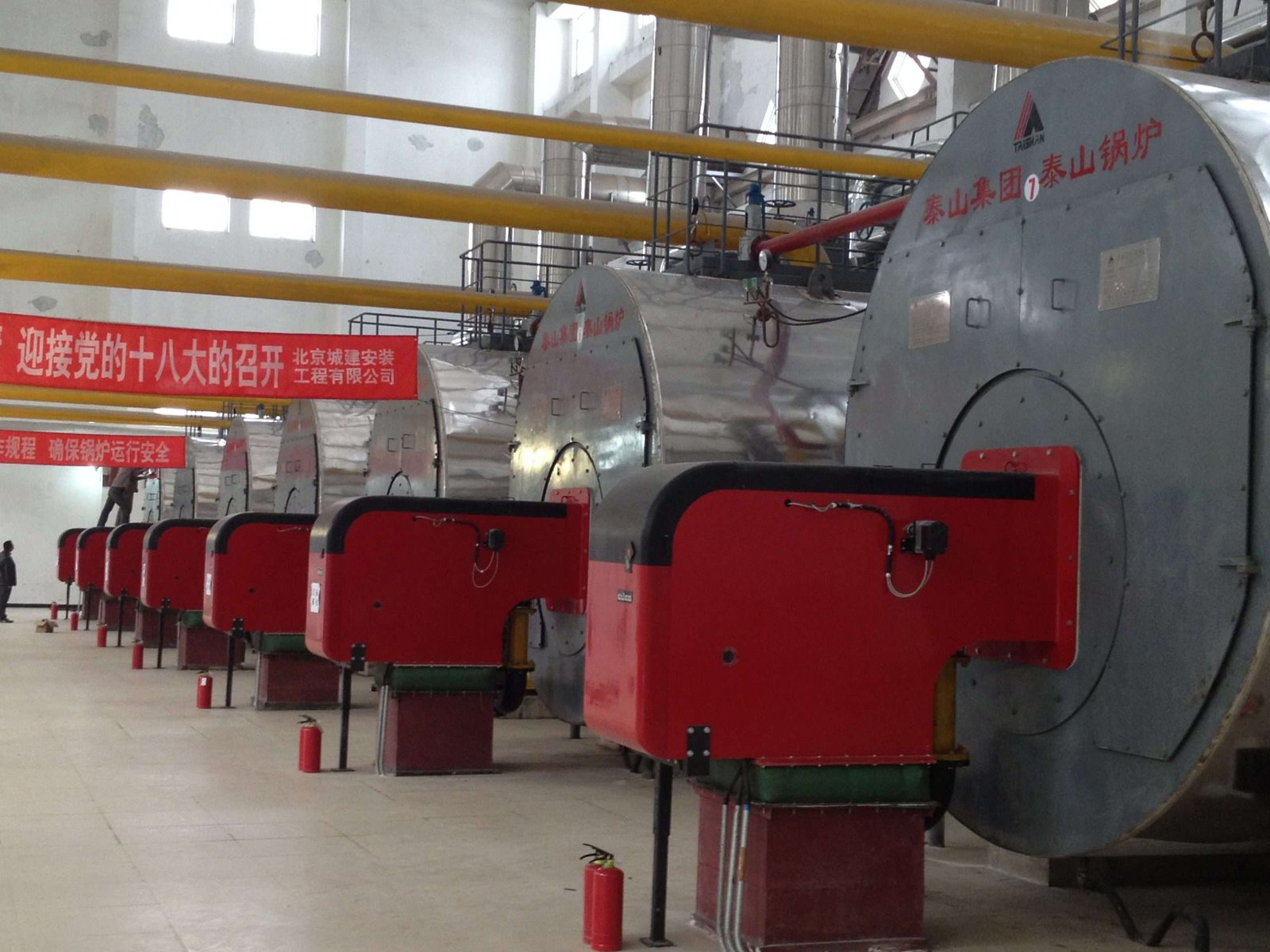
Industrial gas-fired boilers have long been a foundational technology for delivering reliable thermal energy in manufacturing, chemical processing, food production, and district heating systems. Even as global industries accelerate toward electrification and renewable energy adoption, gas-fired boilers are not disappearing—instead, they are evolving. The future of this technology is being shaped by decarbonization policies, digital transformation, fuel transition strategies, and rising efficiency expectations. Understanding the future outlook is essential for industries planning long-term capital investments and energy infrastructure upgrades.
The future outlook for industrial gas-fired boiler technology is defined by rapid efficiency improvements, deep integration of smart automation, widespread adoption of low-NOx and ultra-low-emission systems, hydrogen-ready and hybrid fuel designs, and strong but transitioning market growth driven by industrial expansion and decarbonization policies.
To understand where the industry is heading, we must examine both technological evolution and market growth dynamics together.
🌍 1. Long-Term Market Growth Despite Energy Transition Pressure
Contrary to expectations that fossil-fuel-based boilers may decline sharply, the market for industrial gas-fired boilers is expected to remain strong in the medium term and gradually transition in structure rather than disappear.
📊 Key Growth Drivers:
- 🏭 Continued industrialization in emerging economies
- 🔁 Replacement of aging coal and oil boiler systems
- ⚡ Demand for high-efficiency thermal energy systems
- 🌱 Transition fuel role of natural gas in decarbonization
- 🔧 Expansion of process industries (chemicals, food, pharma)
📈 Market Behavior Trend:
Short term (2025–2030): Strong growth due to industrial expansion and retrofits
Mid term (2030–2040): Stabilization with technology upgrades
Long term (2040+): Shift toward hydrogen and hybrid systems
⚙️ 2. Evolution Toward Ultra-High Efficiency Systems
Future gas-fired boilers will focus heavily on maximizing thermal efficiency while minimizing fuel consumption.
🚀 Expected Technological Improvements:
- 🔥 Condensing heat recovery becoming standard
- 🌡 Efficiency levels consistently reaching 95–99%
- 🧠 AI-driven combustion optimization as default feature
- ⚙ Advanced insulation and heat retention materials
📊 Efficiency Evolution Table
| Generation of Boiler | Efficiency Range | Key Feature |
|---|---|---|
| Traditional Boilers | 70–85% | Basic combustion |
| Modern Gas Boilers | 85–92% | Improved burners |
| Condensing Boilers | 90–98% | Heat recovery |
| Future Smart Boilers | 95–99%+ | AI + full optimization |
🤖 3. Digitalization and Full Smart Automation Integration
One of the most transformative trends is the shift toward fully digital boiler ecosystems.
🔄 Future Smart Boiler Architecture:
IoT Sensors → AI Control System → Cloud Analytics → Autonomous Adjustment → Predictive Maintenance Loop
🧠 Key Future Capabilities:
- 🤖 Fully autonomous combustion optimization
- 📡 Remote operation across global facilities
- 🔍 Real-time digital twin simulation
- 🛠 Self-diagnosing maintenance systems
- 📊 Predictive energy demand balancing
📈 Impact:
- 20–30% additional fuel savings potential
- Significant reduction in unplanned downtime
- Improved lifecycle asset management
🌱 4. Hydrogen Transition and Fuel Flexibility
The most important long-term transformation is the shift toward hydrogen-ready and multi-fuel boiler systems.
🔁 Fuel Evolution Path:
Natural Gas → Gas/Hydrogen Blend → High Hydrogen Content → 100% Hydrogen Combustion
🔑 Future Design Requirements:
- 🔥 Flame stability control for hydrogen combustion
- 🧱 Heat-resistant combustion chamber materials
- ⚙ Ultra-precise air-fuel control systems
- 🛡 Leak prevention and safety enhancements
📊 Emission Outlook
| Fuel Type | CO₂ Emissions | Future Role |
|---|---|---|
| Natural Gas | Medium | Transitional |
| Hydrogen Blend | Low | Bridge solution |
| Pure Hydrogen | Zero | Long-term target |
Hydrogen-ready boilers will dominate new installations in advanced markets.
🌍 5. Stricter Emission Regulations Driving Innovation
Environmental policies will continue to shape boiler design and market demand.
📜 Key Regulatory Trends:
- 🌫 Near-zero NOx emission requirements
- 🌍 Carbon pricing expansion globally
- 🏭 Industrial decarbonization mandates
- 📉 Mandatory efficiency reporting systems
🔧 Industry Response:
- Adoption of low-NOx ultra-clean burners
- Integration of real-time emission monitoring
- AI-based combustion adjustment systems
⚡ 6. Hybrid Energy Systems and Renewable Integration
Future industrial energy systems will not rely on a single fuel source. Gas-fired boilers will become part of hybrid energy ecosystems.
🔁 Hybrid System Structure:
Solar Thermal + Electricity + Hydrogen + Gas Boiler Backup
🔑 Benefits:
- ⚡ Energy resilience during peak demand
- 🌱 Reduced carbon footprint
- 🔄 Flexible load balancing
- 🏭 Continuous industrial operation stability
Gas boilers will serve as backup and balancing units in renewable-heavy systems.
📊 7. Market Outlook Summary
📈 Global Market Trends:
| Factor | Outlook Impact |
|---|---|
| Industrialization growth | Strong demand increase |
| Decarbonization policies | Technology shift |
| Hydrogen development | Long-term transformation |
| Smart automation adoption | Efficiency-driven growth |
| Renewable integration | Hybrid system expansion |
📊 Overall Market Direction:
- 📈 Stable short-term growth
- 🔄 Structural transformation mid-term
- 🌱 Hydrogen-driven evolution long-term
🏭 8. Real-World Industry Transition Example
A large industrial energy provider in Asia upgraded its boiler fleet in phases:
- Phase 1: High-efficiency gas boiler replacement
- Phase 2: Integration of AI-based control systems
- Phase 3: Hydrogen-ready conversion planning
Results:
- 🔥 25% improvement in fuel efficiency
- 🌫 45% reduction in emissions
- 💰 Significant reduction in lifecycle operational cost
- 🧠 Full digital monitoring across facilities
This demonstrates how future-ready strategies are already being implemented today.
🧭 Summary
The future of industrial gas-fired boiler technology is not defined by decline, but by transformation. The market will continue to grow in the near term due to industrial expansion and infrastructure replacement, while the technology itself evolves toward higher efficiency, full digitalization, and hydrogen compatibility. Over time, gas-fired boilers will shift from standalone combustion systems to intelligent, hybrid, and low-carbon energy platforms integrated into broader industrial energy ecosystems. This evolution ensures that they remain a critical part of global industrial energy infrastructure well into the future.
Conclusion
Industrial gas-fired boiler technology is evolving rapidly, with a strong focus on efficiency, emissions reduction, and intelligent operation. Innovations such as condensing technology, digital controls, and hydrogen compatibility are positioning these boilers as a cornerstone of cleaner industrial energy systems. At the same time, growing market demand driven by environmental policies and energy transition goals continues to accelerate their adoption.
If you are considering upgrading to a modern industrial gas-fired boiler system, contact us today. Our team provides advanced, energy-efficient solutions tailored to your needs, helping you achieve optimal performance, compliance, and long-term cost savings.
FAQ
Q1: What are the latest technological trends in industrial gas-fired boilers?
A1:
Industrial gas-fired boilers are evolving rapidly with a strong focus on efficiency, automation, and environmental performance. One of the most significant trends is the adoption of condensing boiler technology. These systems recover latent heat from exhaust gases, significantly improving thermal efficiency and reducing fuel consumption.
Another key trend is the integration of smart control systems. Advanced sensors and automation technologies allow real-time monitoring and precise control of combustion parameters such as air-to-fuel ratio, temperature, and pressure. This not only improves efficiency but also enhances safety and reliability.
Low-NOx burner technology is also gaining traction. These burners are designed to reduce nitrogen oxide emissions by optimizing combustion conditions, helping industries comply with increasingly strict environmental regulations.
Hybrid systems are another innovation, combining gas-fired boilers with renewable energy sources such as solar thermal systems. This reduces reliance on fossil fuels and lowers overall carbon emissions.
Additionally, modular and compact boiler designs are becoming more popular. These systems are easier to install, scale, and maintain, making them suitable for a wide range of industrial applications.
Overall, the latest trends focus on improving efficiency, reducing emissions, and enhancing operational intelligence.
Q2: How is market demand changing for industrial gas-fired boilers?
A2:
Market demand for industrial gas-fired boilers is growing steadily, driven by the global shift toward cleaner energy sources and stricter environmental regulations. Natural gas is considered a cleaner-burning fuel compared to coal and oil, producing lower levels of carbon dioxide, sulfur dioxide, and particulate emissions.
Industries are increasingly replacing older coal-fired and oil-fired boilers with gas-fired systems to meet regulatory requirements and improve environmental performance. This transition is particularly evident in regions with strong climate policies and access to natural gas infrastructure.
The demand is also influenced by the need for energy efficiency and cost savings. Gas-fired boilers typically offer higher efficiency and lower maintenance costs compared to other types, making them an attractive option for industrial users.
Emerging economies are also contributing to market growth. Rapid industrialization and urbanization are driving the need for reliable and efficient heating systems, further boosting demand for gas-fired boilers.
Additionally, government incentives and policies promoting cleaner energy adoption are encouraging industries to invest in gas-fired boiler technology.
In summary, market demand is increasing due to environmental regulations, cost efficiency, and the global transition toward cleaner energy sources.
Q3: What role does energy efficiency play in modern gas-fired boiler design?
A3:
Energy efficiency is a central focus in the design of modern industrial gas-fired boilers. High efficiency not only reduces fuel consumption but also lowers operating costs and environmental impact, making it a key consideration for industries.
One of the primary ways efficiency is improved is through condensing technology. By capturing and reusing heat from flue gases, condensing boilers can achieve efficiency levels significantly higher than traditional non-condensing systems.
Advanced heat exchanger designs also contribute to improved efficiency. Optimized surface areas and materials enhance heat transfer, ensuring that more energy is extracted from the fuel.
Combustion optimization is another critical factor. Modern boilers use sophisticated control systems to maintain the ideal air-to-fuel ratio, minimizing excess air and reducing heat loss.
Insulation and sealing improvements help prevent heat loss to the environment, further enhancing efficiency. Variable speed drives for fans and pumps also optimize energy use based on load requirements.
Additionally, waste heat recovery systems, such as economizers and air preheaters, are commonly integrated into boiler systems to maximize energy utilization.
In conclusion, energy efficiency is achieved through advanced technologies, optimized design, and intelligent control systems, making it a cornerstone of modern gas-fired boiler development.
Q4: How are environmental regulations influencing gas-fired boiler technology?
A4:
Environmental regulations are significantly influencing the development of industrial gas-fired boiler technology. Governments and regulatory bodies worldwide are implementing stricter limits on emissions, particularly for pollutants such as nitrogen oxides (NOx), carbon dioxide (CO2), and particulate matter.
To comply with these regulations, manufacturers are developing low-emission technologies such as low-NOx burners and flue gas recirculation systems. These innovations reduce harmful emissions while maintaining high efficiency.
Carbon reduction targets are also driving the adoption of cleaner fuels and more efficient systems. Gas-fired boilers, which produce fewer emissions than coal or oil-fired systems, are becoming a preferred choice for industries seeking to reduce their carbon footprint.
In some regions, regulations are encouraging the integration of renewable energy sources and hybrid systems. This has led to the development of boilers that can operate alongside solar thermal systems or use renewable gases such as biogas and hydrogen blends.
Emission monitoring and reporting requirements are also promoting the use of advanced control systems that can track and optimize performance in real time.
In summary, environmental regulations are pushing the industry toward cleaner, more efficient, and technologically advanced gas-fired boiler systems.
Q5: What future developments can be expected in the gas-fired boiler market?
A5:
The future of the industrial gas-fired boiler market is expected to be shaped by continued innovation, sustainability goals, and evolving energy systems. One of the most anticipated developments is the increased use of hydrogen and hydrogen-blended fuels. As hydrogen infrastructure develops, boilers capable of burning hydrogen will play a key role in decarbonization.
Digitalization will continue to advance, with more widespread adoption of AI-driven analytics, predictive maintenance, and remote monitoring. These technologies will improve efficiency, reduce downtime, and enhance operational decision-making.
Integration with renewable energy systems is also expected to grow. Hybrid solutions that combine gas-fired boilers with solar or other renewable sources will become more common, providing flexible and sustainable energy solutions.
Modular and decentralized boiler systems will likely gain popularity, allowing industries to scale capacity based on demand and improve energy efficiency.
Additionally, advancements in materials and design will enable higher efficiency and longer service life, further reducing total cost of ownership.
Market demand is expected to remain strong, particularly in regions transitioning away from coal and oil. Government policies supporting clean energy and emissions reduction will continue to drive adoption.
In conclusion, the future of gas-fired boilers will be defined by cleaner fuels, digital innovation, and integration with sustainable energy systems.
References
- Gas Boiler Technology Trends – https://www.iea.org – International Energy Agency
- Industrial Boiler Efficiency – https://www.energy.gov – U.S. Department of Energy
- Low-NOx Combustion Systems – https://www.ashrae.org – ASHRAE
- Boiler Market Analysis – https://www.mckinsey.com – McKinsey & Company
- Clean Energy Transition – https://www.irena.org – IRENA
- Industrial Heating Systems – https://www.engineeringtoolbox.com – Engineering Toolbox
- Boiler Emission Regulations – https://www.epa.gov – U.S. Environmental Protection Agency
- Advanced Boiler Design – https://www.ge.com/power – General Electric
- Hydrogen Fuel Development – https://www.hydrogen.energy.gov – U.S. DOE Hydrogen Program
- Energy Efficiency in Industry – https://www.sciencedirect.com – ScienceDirect