District heating systems require a reliable and efficient source of centralized heat to supply residential, commercial, and industrial buildings. However, selecting the wrong boiler type can lead to high energy losses, unstable heat supply, excessive emissions, and increased operating costs. Many operators struggle to balance efficiency, scalability, environmental compliance, and long-term reliability when designing district heating infrastructure. Choosing the appropriate industrial boiler is essential for ensuring stable and cost-effective heating distribution.
The most suitable industrial boilers for district heating systems are hot water boilers, particularly large-capacity water-tube boilers, condensing gas-fired boilers, biomass boilers, and combined heat and power (CHP) boilers. These systems are designed to deliver efficient, continuous, and centralized heat supply while supporting energy savings, low emissions, and scalable operation for urban and industrial heating networks.
To determine the best solution for a district heating application, it is important to understand how different boiler types perform under varying operational and environmental requirements.
Why Are Hot Water Boilers Commonly Used in District Heating Systems?
As cities continue expanding and governments increasingly prioritize energy efficiency, carbon reduction, and centralized thermal infrastructure, district heating systems have become one of the most practical and energy-efficient solutions for supplying heat to large urban areas, residential communities, industrial parks, hospitals, universities, and commercial complexes. At the center of many of these systems are industrial hot water boilers, which are specifically designed to generate and circulate heated water across extensive insulated pipeline networks that deliver stable and controllable thermal energy to multiple buildings simultaneously. Although steam systems were historically common in older district heating networks, modern district heating increasingly favors hot water boilers because they offer a better balance between operational safety, thermal efficiency, installation flexibility, maintenance simplicity, and long-distance heat distribution performance. In today’s energy-conscious world, where cities seek smarter and cleaner heating infrastructure capable of reducing fuel consumption and improving sustainability, hot water boilers have become one of the most widely adopted technologies supporting modern district heating development. 🔥🏙️
Hot water boilers are commonly used in district heating systems because they provide efficient, safe, stable, and controllable heat distribution over long distances while reducing heat loss, lowering operating pressure, simplifying maintenance, improving energy efficiency, and supporting large-scale centralized heating networks for residential, commercial, institutional, and industrial applications.
Unlike individual building heating systems that operate independently, district heating networks function as centralized thermal energy systems where boiler plants generate hot water and distribute it through insulated underground pipelines to multiple buildings at the same time. The following comprehensive guide explains why hot water boilers are so widely used in district heating systems from a professional thermal engineering and urban energy infrastructure perspective. ⚙️
Hot water boilers are widely used in district heating because they provide efficient and stable thermal distribution over long pipeline networks.True
Hot water systems reduce operational complexity while maintaining reliable heat transfer across centralized heating networks.
Steam boilers are always more efficient than hot water boilers in modern district heating systems.False
Modern district heating systems often prefer hot water because it reduces pressure requirements, minimizes heat losses, and improves operational safety.
Why District Heating Systems Need Centralized Thermal Energy 🏭
District heating systems are designed to supply heat from one centralized location to many separate buildings through interconnected pipeline infrastructure. Instead of each building operating its own independent heating equipment, a centralized boiler plant generates thermal energy more efficiently and distributes it across the network.
This centralized approach offers several major advantages:
- Reduced fuel consumption
- Lower emissions
- Easier maintenance
- Improved energy management
- Better operational efficiency
In a modern district heating network, the boiler plant may provide heating for:
- Apartment complexes 🏢
- Hospitals 🏥
- Schools 🎓
- Shopping centers 🛍️
- Industrial facilities 🏭
- Government buildings 🏛️
Because these systems must deliver stable heating continuously across large geographic areas, the heating medium itself becomes critically important, and this is exactly where hot water boilers demonstrate significant advantages over alternative heating technologies.
Hot Water Provides Stable and Efficient Heat Transfer 🌡️
One of the biggest reasons hot water boilers are commonly used in district heating systems is that hot water serves as an extremely stable and efficient heat transfer medium. Unlike steam, which changes phase and requires more complex pressure management, hot water can circulate continuously through closed-loop systems while maintaining consistent temperatures and stable thermal performance.
In practical operation, the process works like this:
Boiler Plant → Heated Water → Insulated Pipelines → Building Heat Exchangers → Return Water → Reheating
This closed-loop circulation system allows thermal energy to move efficiently through large districts without requiring excessive operating pressure or complicated steam management systems.
Because water has a very high heat capacity, it can transport large amounts of thermal energy efficiently, even when flowing at moderate temperatures. This makes hot water especially suitable for:
- Long-distance distribution
- Urban heating networks
- Continuous residential heating
- Large-scale public infrastructure
Lower Operating Pressure Improves Safety 🛡️
One of the most important advantages of hot water boilers in district heating systems is their lower operating pressure compared with steam systems.
Steam heating networks often require:
- High-pressure operation
- Pressure-reducing stations
- Complex condensate management
- Advanced safety controls
By contrast, hot water systems typically operate under significantly lower pressure conditions, which creates several important benefits:
| Hot Water Heating Advantage | Operational Impact |
|---|---|
| Lower Pressure | Improved system safety |
| Reduced Explosion Risk | Safer urban operation |
| Simpler Piping Infrastructure | Lower installation cost |
| Easier Maintenance | Reduced downtime |
This lower-pressure operation is especially important in densely populated urban areas where public safety and infrastructure reliability are critical concerns.
Reduced Heat Loss Over Long Distances ♨️
District heating systems often distribute thermal energy across:
- Entire neighborhoods
- Industrial parks
- University campuses
- City-wide infrastructure networks
Over long distances, minimizing heat loss becomes extremely important because energy loss directly increases fuel consumption and operating costs.
Hot water systems perform very efficiently in these conditions because:
- Insulated pipelines retain heat effectively
- Water temperatures remain relatively stable
- Closed-loop circulation reduces thermal waste
Modern district heating systems often use:
- Pre-insulated underground pipelines
- Variable-speed circulation pumps
- Smart temperature controls
to optimize heat transfer efficiency across the network.
Hot Water Boilers Support Flexible Temperature Control 🎛️
Another major advantage is that hot water systems allow precise and flexible temperature regulation. Different buildings connected to the district heating network may require different heating loads depending on:
- Weather conditions
- Occupancy levels
- Building insulation
- Seasonal demand
Hot water boilers can adjust output more smoothly than many steam systems because water temperature and circulation rates can be controlled continuously.
For example:
- During mild weather → lower water temperatures may be sufficient
- During winter peaks → higher temperatures and flow rates can be supplied
This flexibility improves:
- Energy efficiency
- Occupant comfort
- Operational optimization
Easier Integration with Renewable Energy 🌱
Modern cities increasingly aim to reduce carbon emissions and integrate renewable energy into district heating infrastructure. Hot water systems are highly compatible with renewable and low-carbon heat sources, including:
- Biomass boilers 🌿
- Solar thermal systems ☀️
- Geothermal energy 🌋
- Heat pumps ♻️
- Waste heat recovery 🔥
This compatibility makes hot water district heating systems extremely attractive for sustainable urban development projects.
For example, a district heating network may combine:
- Natural gas boilers for peak demand
- Biomass systems for base load
- Solar thermal collectors for daytime support
All of these energy sources can feed thermal energy into the same centralized hot water network.
Modern Condensing Hot Water Boilers Improve Efficiency 🚀
Many modern district heating systems use condensing hot water boilers because they can recover additional heat from flue gases that would otherwise be wasted.
Condensing technology works by:
- Cooling exhaust gases
- Recovering latent heat
- Increasing thermal efficiency
This can significantly improve fuel utilization and reduce operating costs.
| Boiler Technology | Typical Efficiency Benefit |
|---|---|
| Conventional Boiler | Standard efficiency |
| Condensing Hot Water Boiler | Higher fuel utilization |
| Smart Modulating Boiler | Improved load matching |
In large district heating systems, even small efficiency improvements can create substantial fuel savings over time.
Simplified Maintenance and Infrastructure 🔧
Compared with steam-based district heating systems, hot water networks are generally simpler to maintain because they avoid many steam-related operational challenges such as:
- Condensate return management
- Steam traps
- Pressure fluctuations
- Water hammer risks
This simplified infrastructure reduces:
- Maintenance costs
- Equipment wear
- Operational complexity
Additionally, many hot water systems use modular boiler designs, allowing maintenance work to occur on one boiler while others continue operating, thereby improving overall system reliability.
Hot Water Systems Improve User Comfort 🏠
From the end-user perspective, hot water district heating often provides:
- More stable indoor temperatures
- Quieter operation
- Better thermal comfort
- More gradual heat delivery
Steam systems sometimes create rapid temperature swings or pipe noise due to pressure fluctuations, while hot water circulation tends to provide smoother thermal performance.
This is particularly important in:
- Residential buildings
- Hospitals
- Schools
- Hotels
where occupant comfort strongly influences overall building satisfaction.
Smart District Heating Networks Use Advanced Automation 🤖
Modern district heating systems increasingly integrate:
- IoT monitoring
- AI load forecasting
- Smart circulation pumps
- Automated temperature balancing
These technologies help optimize:
- Boiler efficiency
- Energy distribution
- Heat demand response
- Maintenance scheduling
Hot water systems integrate especially well with these advanced digital control systems because water flow and temperature are relatively easy to regulate continuously.
Environmental Benefits of Hot Water District Heating 🌍
District heating systems using efficient hot water boilers can significantly reduce:
- Urban emissions
- Fuel waste
- Carbon intensity
- Local air pollution
Centralized heating plants are generally easier to equip with:
- Emissions controls
- Low-NOx burners
- Carbon reduction technologies
than thousands of individual building boilers operating separately throughout a city.
Why Steam Is Less Common in Modern District Heating ⚠️
Steam district heating systems still exist in some older cities, especially in legacy infrastructure networks, but modern developments increasingly prefer hot water systems because steam creates additional challenges such as:
- Higher pressure requirements
- Greater heat loss
- Complex condensate management
- Increased maintenance demands
Although steam can transport large amounts of energy quickly, hot water systems usually provide a better balance between:
- Efficiency
- Safety
- Simplicity
- Reliability
for modern urban heating infrastructure.
Common Applications of Hot Water District Heating 🏙️
| Application Area | Why Hot Water Boilers Are Preferred |
|---|---|
| Residential Communities | Stable and comfortable heating |
| University Campuses | Centralized energy management |
| Hospitals | Reliable continuous operation |
| Industrial Parks | Efficient large-scale distribution |
| Commercial Complexes | Flexible load management |
The Future of District Heating Systems 🔮
The future of district heating is moving toward:
- Low-temperature heating networks
- Carbon-neutral energy integration
- Electrified heat production
- AI-driven thermal optimization
Hot water boilers will continue playing a central role because they support:
- Renewable integration
- Flexible operation
- Scalable infrastructure
- Urban sustainability goals
Why Hot Water Boilers Are Ideal for District Heating 🤔
Hot water boilers are commonly used in district heating systems because they provide efficient, safe, stable, and flexible thermal energy distribution across large centralized heating networks while operating under lower pressure conditions than steam systems. Their ability to reduce heat loss, simplify infrastructure, improve operational safety, support renewable energy integration, and maintain reliable long-distance heat transfer makes them especially well suited for residential communities, hospitals, universities, commercial buildings, and urban energy infrastructure projects. Combined with modern condensing technology, smart automation systems, and advanced insulated pipeline networks, hot water boilers help district heating operators improve fuel efficiency, lower emissions, reduce maintenance complexity, and provide stable thermal comfort to large populations in a highly energy-efficient manner. 🔥🏙️♻️
How Do Water-Tube Boilers Improve Efficiency in District Heating Applications?
As urban populations continue growing and governments around the world push for lower carbon emissions, higher energy efficiency, and more sustainable heating infrastructure, district heating systems are evolving into highly advanced centralized thermal networks capable of supplying reliable heat to entire cities, industrial parks, hospitals, universities, and residential communities. At the heart of many modern district heating plants are water-tube boilers, which have become increasingly preferred over older boiler technologies because they can deliver large volumes of hot water or steam with superior thermal efficiency, faster response times, higher operating pressures, and improved compatibility with modern energy optimization systems. Unlike conventional fire-tube boilers that are often better suited for smaller or lower-pressure applications, water-tube boilers are specifically engineered to handle the large-scale, continuous, and highly variable heating loads commonly found in district energy systems, where operational efficiency directly influences fuel costs, emissions, system stability, and long-term infrastructure sustainability. As energy prices fluctuate and cities intensify efforts to modernize thermal infrastructure, water-tube boilers have become one of the most important technologies supporting efficient district heating operation worldwide. 🔥🏙️⚙️
Water-tube boilers improve efficiency in district heating applications by enabling higher heat transfer rates, faster load response, lower fuel consumption, better high-capacity performance, improved pressure handling, enhanced heat recovery integration, and more effective compatibility with modern condensing, automation, and renewable energy systems. Their design allows large-scale district heating networks to operate more efficiently, reliably, and sustainably.
Because district heating systems must distribute thermal energy continuously and efficiently across large geographic areas, boiler performance strongly affects overall network economics and operational reliability. The following comprehensive guide explains how water-tube boilers improve efficiency in district heating applications from a professional thermal engineering and energy infrastructure perspective. ⚙️
Water-tube boilers are commonly used in large district heating systems because they support high-capacity and high-efficiency thermal operation.True
Their design allows rapid heat transfer, high-pressure operation, and efficient large-scale hot water or steam generation.
Water-tube boilers always consume more fuel than fire-tube boilers in district heating systems.False
Modern water-tube boilers are often more efficient in large-scale continuous operation due to improved heat transfer and advanced combustion optimization.
Why District Heating Systems Require High-Efficiency Boilers 🏭
District heating systems operate differently from standalone building heating because they must supply thermal energy continuously to:
- Residential neighborhoods 🏘️
- Commercial buildings 🏢
- Hospitals 🏥
- Universities 🎓
- Industrial facilities 🏭
through centralized thermal networks that may span many kilometers.
This creates several major operational challenges:
- Large and variable heating loads
- Long-distance heat distribution
- Continuous operation requirements
- Fuel cost sensitivity
- Emissions control pressure
As a result, district heating plants prioritize boiler technologies capable of:
- High thermal efficiency
- Stable operation
- Flexible load response
- Large-scale heat production
This is where water-tube boilers provide major advantages.
How Water-Tube Boilers Work 🔥
In a water-tube boiler:
- Water flows inside tubes
- Hot combustion gases circulate around the tubes
This design is fundamentally different from fire-tube boilers, where combustion gases travel inside tubes surrounded by water.
Because water-tube systems expose a much larger surface area of water-filled tubes directly to hot gases, they achieve:
- Faster heat transfer
- Higher pressure capability
- More rapid steam or hot water production
Faster Heat Transfer Improves Thermal Efficiency 🌡️
One of the biggest efficiency advantages of water-tube boilers is their superior heat transfer capability.
The thin-walled tubes allow thermal energy to move rapidly from combustion gases into the circulating water, which creates:
- Faster heating response
- Reduced energy waste
- Improved combustion efficiency
This is especially important in district heating because thermal demand changes constantly depending on:
- Outdoor temperature
- Occupancy levels
- Time of day
- Seasonal variations
For example:
- Winter mornings often create sudden demand spikes
- Nighttime demand may drop significantly
Water-tube boilers respond more quickly to these load fluctuations than many traditional boiler systems, helping operators avoid unnecessary fuel consumption during partial-load operation.
| Boiler Characteristic | Water-Tube Boiler Advantage |
|---|---|
| Heat Transfer Speed | Faster thermal response |
| Surface Area Exposure | Improved efficiency |
| Load Adaptability | Better demand matching |
| High-Capacity Operation | Superior scalability |
Higher Operating Pressure Supports Large Networks 💨
District heating systems serving large urban areas often require high-pressure hot water circulation to move thermal energy efficiently through long pipeline networks.
Water-tube boilers are especially suitable for these applications because they can safely operate under:
- High pressure
- High temperature
- Continuous heavy loads
This capability improves district heating efficiency by:
- Reducing pumping losses
- Supporting long-distance heat transport
- Improving system stability
In many modern district heating systems, supply water temperatures may range between approximately:
- 70°C to 120°C (158°F to 248°F)
depending on network design and climate conditions.
Water-tube boilers handle these operating conditions very effectively.
Better Performance Under Continuous Operation 🔄
District heating systems often operate continuously for months during cold seasons, especially in:
- Northern Europe 🇪🇺
- North America 🇺🇸
- Northern Asia 🌏
Unlike smaller heating systems that cycle frequently on and off, district energy plants require stable long-duration operation.
Water-tube boilers are designed specifically for:
- Continuous industrial service
- High thermal loads
- Long operational cycles
This improves efficiency because:
- Stable combustion reduces fuel waste
- Fewer shutdown cycles minimize thermal stress
- Continuous operation maintains optimal combustion conditions
Improved Combustion Efficiency 🔥➡️♻️
Modern water-tube boilers often integrate advanced combustion systems such as:
- Low-NOx burners
- Oxygen trim controls
- Variable-speed fans
- AI combustion optimization
These systems continuously adjust fuel-air ratios to maintain highly efficient combustion under varying load conditions.
Efficient combustion improves:
- Fuel utilization
- Emissions reduction
- Operational stability
Water-Tube Boilers Integrate Well With Heat Recovery Systems ♨️
One of the major reasons water-tube boilers improve district heating efficiency is their compatibility with advanced heat recovery technologies.
Modern district heating plants often include:
- Economizers
- Condensing heat exchangers
- Flue gas recovery systems
- Combined heat and power (CHP) integration
Economizers Recover Waste Heat
Economizers transfer residual heat from exhaust gases into incoming feedwater, reducing the amount of fuel needed to achieve operating temperature.
This process can significantly improve overall thermal efficiency without increasing fuel consumption.
| Heat Recovery Technology | Efficiency Benefit |
|---|---|
| Economizer | Reduced fuel demand |
| Condensing Heat Recovery | Improved thermal utilization |
| CHP Integration | Simultaneous heat and power generation |
| Flue Gas Heat Recovery | Lower exhaust energy loss |
Better Compatibility With Condensing Technology 💧
Modern low-temperature district heating systems increasingly use condensing technology to improve efficiency.
Condensing systems recover latent heat from water vapor contained in flue gases by cooling exhaust gases below their dew point.
Water-tube boilers are highly compatible with these systems because they:
- Handle varying return temperatures effectively
- Support advanced thermal control
- Integrate easily with condensing economizers
According to energy engineering studies and boiler manufacturers, condensing technology can significantly improve thermal efficiency compared with non-condensing systems, especially in low-temperature return water applications. However, exact performance depends on:
- Return water temperature
- Fuel type
- Load conditions
- Boiler configuration
Faster Startup and Load Adjustment 🚀
District heating demand changes dynamically throughout the day.
For example:
- Morning demand rises rapidly
- Midday demand may decline
- Evening heating loads often increase again
Water-tube boilers can respond quickly to these load fluctuations because:
- They contain less water volume
- Heat transfer occurs rapidly
- Thermal inertia is lower
This improves operational efficiency by reducing:
- Fuel waste during startup
- Overshoot heating
- Delayed response inefficiencies
Reduced Fuel Consumption Over Time ⛽
Fuel represents one of the largest operating expenses in district heating systems.
Because water-tube boilers:
- Improve heat transfer
- Support advanced combustion optimization
- Integrate with heat recovery systems
- Respond efficiently to load changes
they often reduce long-term fuel consumption compared with less optimized boiler technologies in large-scale applications.
This is particularly important as:
- Natural gas prices fluctuate
- Carbon pricing expands
- Energy efficiency regulations become stricter
Water-Tube Boilers Support Renewable Integration 🌱
Modern district heating systems increasingly combine boilers with:
- Biomass systems 🌿
- Solar thermal collectors ☀️
- Heat pumps ♻️
- Waste heat recovery 🔥
Water-tube boilers integrate effectively into hybrid energy systems because they:
- Handle variable thermal loads
- Respond quickly to changing inputs
- Support modular operation
This flexibility improves overall network efficiency and sustainability.
Smart Automation Enhances Boiler Efficiency 🤖
Modern water-tube boiler systems increasingly use:
- IoT sensors
- Predictive maintenance
- AI load balancing
- Smart circulation control
These technologies help optimize:
- Combustion efficiency
- Water temperature
- Pressure stability
- Heat distribution
In large district heating systems, even small efficiency improvements can create substantial long-term energy savings.
Environmental Benefits of Efficient Water-Tube Boilers 🌍
Improved boiler efficiency directly reduces:
- Fuel consumption
- Greenhouse gas emissions
- Air pollutants
- Carbon intensity
Many modern water-tube systems also use:
- Low-NOx burners
- Advanced emissions controls
- Hydrogen-ready combustion systems
to support stricter environmental regulations and long-term decarbonization goals.
Comparison Between Water-Tube and Fire-Tube Boilers in District Heating ⚖️
| Feature | Water-Tube Boiler | Fire-Tube Boiler |
|---|---|---|
| High-Pressure Capability | Excellent | Moderate |
| Large-Scale District Heating | Excellent | Limited |
| Load Response Speed | Fast | Slower |
| Heat Recovery Integration | Excellent | Moderate |
| Continuous Heavy Operation | Excellent | Good |
| Startup Speed | Faster | Slower |
Why Large District Heating Systems Prefer Water-Tube Boilers 🏙️
Large district heating operators often choose water-tube boilers because they provide:
- Higher scalability
- Better pressure handling
- Faster thermal response
- Greater operational flexibility
- Improved long-term efficiency
These advantages become increasingly important as district heating systems expand and integrate:
- Renewable energy
- Smart thermal grids
- Carbon reduction technologies
The Future of Water-Tube Boilers in District Heating 🔮
Future district heating trends include:
- Ultra-low-temperature networks
- AI-driven thermal optimization
- Hydrogen fuel integration
- Electrified hybrid heating systems
Water-tube boilers are expected to remain central to these developments because they:
- Adapt well to advanced controls
- Support high-efficiency operation
- Integrate effectively with evolving energy infrastructure
Why Water-Tube Boilers Improve District Heating Efficiency 🤔
Water-tube boilers improve efficiency in district heating applications because their design allows faster heat transfer, higher-pressure operation, rapid load response, superior scalability, and effective integration with advanced combustion controls, condensing technology, and heat recovery systems. Their ability to operate efficiently under continuous heavy thermal loads while adapting quickly to fluctuating heating demand makes them especially well suited for modern district heating networks serving residential communities, hospitals, universities, commercial buildings, and industrial districts. Combined with smart automation, renewable energy integration, and advanced emissions reduction technologies, water-tube boilers help district heating operators reduce fuel consumption, improve thermal efficiency, lower environmental impact, and maintain reliable large-scale heat distribution across modern urban infrastructure systems. 🔥🏙️♻️
What Advantages Do Condensing Gas-Fired Boilers Offer for District Heating?
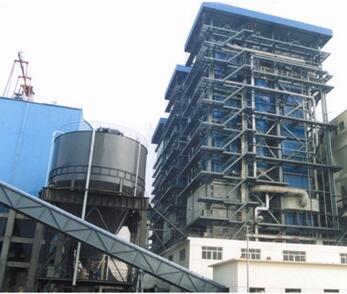
As modern cities continue pursuing cleaner energy systems, lower carbon emissions, and more efficient urban heating infrastructure, condensing gas-fired boilers have become one of the most widely adopted technologies in district heating applications because they combine high thermal efficiency, flexible operation, lower emissions, and excellent compatibility with modern low-temperature heating networks. Unlike conventional gas boilers that discharge a large portion of thermal energy through hot exhaust gases, condensing gas-fired boilers are specifically engineered to recover additional heat from water vapor contained in flue gases, thereby significantly improving fuel utilization and reducing overall energy waste. In district heating systems—where centralized boiler plants often operate continuously and consume enormous amounts of fuel throughout the heating season—even relatively small efficiency improvements can create substantial long-term reductions in fuel costs, operating expenses, and greenhouse gas emissions. As governments strengthen environmental regulations and energy prices remain volatile, condensing gas-fired boilers are increasingly viewed not simply as heating equipment, but as critical infrastructure technologies supporting the transition toward smarter, more sustainable urban energy systems. 🔥🏙️♻️
Condensing gas-fired boilers offer major advantages for district heating because they achieve higher thermal efficiency through flue gas heat recovery, reduce fuel consumption, lower carbon emissions, improve low-load performance, support low-temperature heating networks, provide flexible operation, and integrate effectively with modern smart energy systems and renewable heating infrastructure.
Because district heating systems distribute thermal energy to large numbers of buildings across extensive urban networks, maximizing boiler efficiency becomes extremely important for both economic and environmental performance. The following comprehensive guide explains the key advantages of condensing gas-fired boilers in district heating applications from a professional thermal engineering and energy infrastructure perspective. ⚙️
Condensing gas-fired boilers improve district heating efficiency by recovering heat from flue gas water vapor.True
Condensing technology captures latent heat that would otherwise be lost through exhaust gases, improving fuel utilization.
Condensing boilers only improve efficiency at full heating load.False
Condensing boilers often perform especially efficiently under partial-load and low-return-temperature operating conditions common in modern district heating systems.
Why District Heating Systems Prioritize Efficiency 🏭
District heating systems supply thermal energy from centralized plants to:
- Residential communities 🏘️
- Commercial buildings 🏢
- Hospitals 🏥
- Universities 🎓
- Industrial facilities 🏭
through large pipeline networks that may operate continuously throughout the winter season.
Because these systems often consume very large amounts of fuel, even moderate improvements in boiler efficiency can significantly reduce:
- Operating costs
- Fuel consumption
- Carbon emissions
- Long-term infrastructure expenses
This is one of the main reasons condensing gas-fired boilers have become increasingly popular in modern district heating networks.
How Condensing Gas-Fired Boilers Work 🔥➡️💧
Traditional gas-fired boilers generate heat by burning natural gas and transferring thermal energy into water. However, conventional systems typically release hot exhaust gases directly into the atmosphere, including large amounts of water vapor containing recoverable latent heat.
Condensing boilers operate differently.
They cool exhaust gases to a temperature low enough for water vapor to condense into liquid form. During this condensation process, additional thermal energy is recovered and transferred back into the heating system rather than being wasted through the chimney.
This process allows condensing boilers to extract more usable heat from the same amount of fuel.
The Principle Behind Condensing Efficiency 🌡️
Natural gas combustion produces:
- Carbon dioxide
- Water vapor
- Heat energy
In conventional boilers:
- Much of the water vapor heat escapes unused
In condensing boilers:
- Heat exchangers recover this latent heat
This recovered energy improves total thermal utilization, especially in systems with:
- Lower return water temperatures
- Stable circulation
- Continuous operation
Higher Thermal Efficiency Is the Biggest Advantage 🚀
One of the most important benefits of condensing gas-fired boilers in district heating systems is their improved thermal efficiency compared with traditional non-condensing boilers.
According to engineering studies and boiler manufacturers:
- Condensing technology can significantly increase fuel utilization efficiency under favorable operating conditions, particularly when return water temperatures remain sufficiently low to support condensation.
Actual efficiency performance depends on:
- Return water temperature
- Boiler load
- System design
- Network temperature strategy
Modern district heating systems increasingly use:
- Low-temperature supply networks
- Smart flow balancing
- Improved building insulation
which further enhances condensing boiler performance.
| Boiler Type | Relative Efficiency Characteristics |
|---|---|
| Conventional Gas Boiler | Standard heat recovery |
| Condensing Gas Boiler | Enhanced flue gas heat recovery |
| Low-Temperature Condensing System | Optimized energy utilization |
Reduced Fuel Consumption Lowers Operating Costs ⛽
District heating plants often operate continuously during heating seasons, making fuel one of the largest operational expenses.
Because condensing boilers recover additional heat from exhaust gases, they generally:
- Consume less natural gas
- Improve energy utilization
- Reduce thermal waste
Over time, this can create substantial operational savings, especially in:
- Large urban district heating systems
- University campuses
- Hospital heating networks
- Industrial district energy systems
The economic impact becomes particularly important during periods of:
- High natural gas prices
- Carbon taxation
- Energy supply instability
Lower Carbon Emissions Support Sustainability Goals 🌍
Improved efficiency directly reduces:
- Fuel consumption
- Greenhouse gas emissions
- Carbon intensity
This makes condensing gas-fired boilers attractive for cities and utilities pursuing:
- Net-zero targets
- Carbon reduction programs
- Cleaner urban air quality
Because natural gas generally produces lower CO₂ emissions than coal or oil-based fuels, condensing gas systems are often considered an important transitional technology during broader energy decarbonization efforts.
Lower NOx Emissions Improve Urban Air Quality 🌫️
Many modern condensing gas-fired boilers include:
- Low-NOx burners
- Advanced combustion controls
- Variable air-fuel management systems
These technologies help reduce nitrogen oxide emissions, which are major contributors to:
- Urban smog
- Air pollution
- Respiratory health problems
This is especially important in densely populated cities where district heating plants operate near residential areas.
Condensing Boilers Work Extremely Well With Low-Temperature District Heating ♨️
Modern district heating networks increasingly move toward:
- Low-temperature operation
- Fourth-generation district heating systems
- Smart thermal grids
These systems often operate with:
- Lower supply temperatures
- Lower return temperatures
This operating strategy is highly favorable for condensing boiler efficiency because lower return temperatures improve condensation inside the heat exchanger.
Why Return Temperature Matters
Condensation occurs more effectively when return water temperatures remain below the dew point of the exhaust gases.
As return temperatures decrease:
➡️ More condensation occurs
➡️ More latent heat is recovered
➡️ Overall efficiency improves
This makes condensing boilers especially compatible with:
- Energy-efficient buildings
- Modern insulated pipeline systems
- Smart thermal balancing technologies
| Return Water Temperature | Condensing Efficiency Potential |
|---|---|
| High Return Temperature | Reduced condensation |
| Moderate Return Temperature | Improved heat recovery |
| Low Return Temperature | Maximum condensing performance |
Flexible Modulation Improves Partial-Load Efficiency 🎛️
District heating demand changes constantly depending on:
- Outdoor temperature
- Time of day
- Seasonal occupancy
- Building demand
Condensing gas-fired boilers often include advanced modulation systems capable of adjusting combustion output dynamically.
Instead of repeatedly cycling on and off, modern modulating boilers can:
- Operate efficiently at partial loads
- Match actual heat demand more accurately
- Reduce fuel waste
This improves:
- Operational stability
- Component lifespan
- Energy efficiency
Faster Load Response Supports Dynamic Heating Networks ⚡
District heating systems frequently experience rapid load fluctuations, especially:
- Early mornings
- Sudden weather changes
- Seasonal transitions
Condensing gas-fired boilers respond quickly to changing heating demands because they:
- Use advanced control systems
- Feature rapid combustion adjustment
- Integrate with automated network controls
This responsiveness improves:
- User comfort
- System stability
- Energy management
Compact Design Simplifies Urban Installation 🏙️
Compared with some older large-scale boiler technologies, modern condensing gas-fired boilers often feature:
- Compact modular designs
- Reduced installation footprint
- Easier retrofit capability
This is particularly valuable in urban district heating projects where:
- Space is limited
- Existing infrastructure must be modernized
- Modular expansion may be necessary
Integration With Renewable Energy Systems 🌱
Modern district heating systems increasingly combine condensing boilers with:
- Heat pumps ♻️
- Solar thermal systems ☀️
- Biomass plants 🌿
- Waste heat recovery 🔥
Condensing boilers integrate effectively into hybrid systems because they:
- Handle peak loads efficiently
- Provide flexible backup heating
- Support variable renewable energy input
This flexibility helps stabilize renewable-based heating networks.
Smart Automation Enhances Operational Efficiency 🤖
Modern condensing boiler plants often use:
- IoT monitoring
- AI combustion optimization
- Predictive maintenance
- Smart network balancing
These technologies continuously optimize:
- Fuel-air ratios
- Supply temperatures
- Pump speeds
- Load distribution
In large district heating systems, even small optimization improvements can produce meaningful long-term energy savings.
Improved Heat Recovery Reduces Exhaust Temperature 🌡️⬇️
One visible characteristic of condensing boilers is their lower exhaust gas temperature compared with conventional systems.
Because more heat is extracted before exhaust gases leave the system:
- Flue temperatures decrease
- Energy waste declines
- Overall thermal utilization improves
This is one of the clearest indicators of enhanced boiler efficiency.
Condensing Boilers Support Energy Transition Strategies 🔮
As district heating systems evolve toward:
- Decarbonization
- Electrification
- Renewable integration
- Smart thermal infrastructure
condensing gas-fired boilers continue serving as highly flexible and efficient backbone technologies capable of supporting:
- Transitional fuel strategies
- Hybrid energy systems
- Flexible urban heating infrastructure
Comparison Between Condensing and Conventional Boilers ⚖️
| Feature | Conventional Boiler | Condensing Gas Boiler |
|---|---|---|
| Flue Gas Heat Recovery | Limited | Advanced |
| Exhaust Temperature | Higher | Lower |
| Fuel Utilization | Standard | Improved |
| Partial-Load Efficiency | Moderate | Excellent |
| Low-Temperature Compatibility | Moderate | Excellent |
| Emissions Performance | Standard | Lower NOx options |
Why Condensing Gas-Fired Boilers Are Ideal for District Heating 🤔
Condensing gas-fired boilers offer major advantages for district heating because they recover additional thermal energy from exhaust gas water vapor, allowing significantly better fuel utilization compared with conventional boiler systems. Their ability to operate efficiently under low-temperature conditions, respond flexibly to changing heating demand, reduce carbon and NOx emissions, integrate with renewable energy systems, and support advanced smart heating controls makes them especially well suited for modern district heating infrastructure serving residential, commercial, institutional, and industrial areas. Combined with compact modular design, improved partial-load performance, and compatibility with future low-carbon heating strategies, condensing gas-fired boilers help district heating operators improve energy efficiency, lower operational costs, reduce environmental impact, and support long-term urban sustainability goals. 🔥🏙️♻️
How Are Biomass Boilers Applied in Sustainable District Heating Systems?
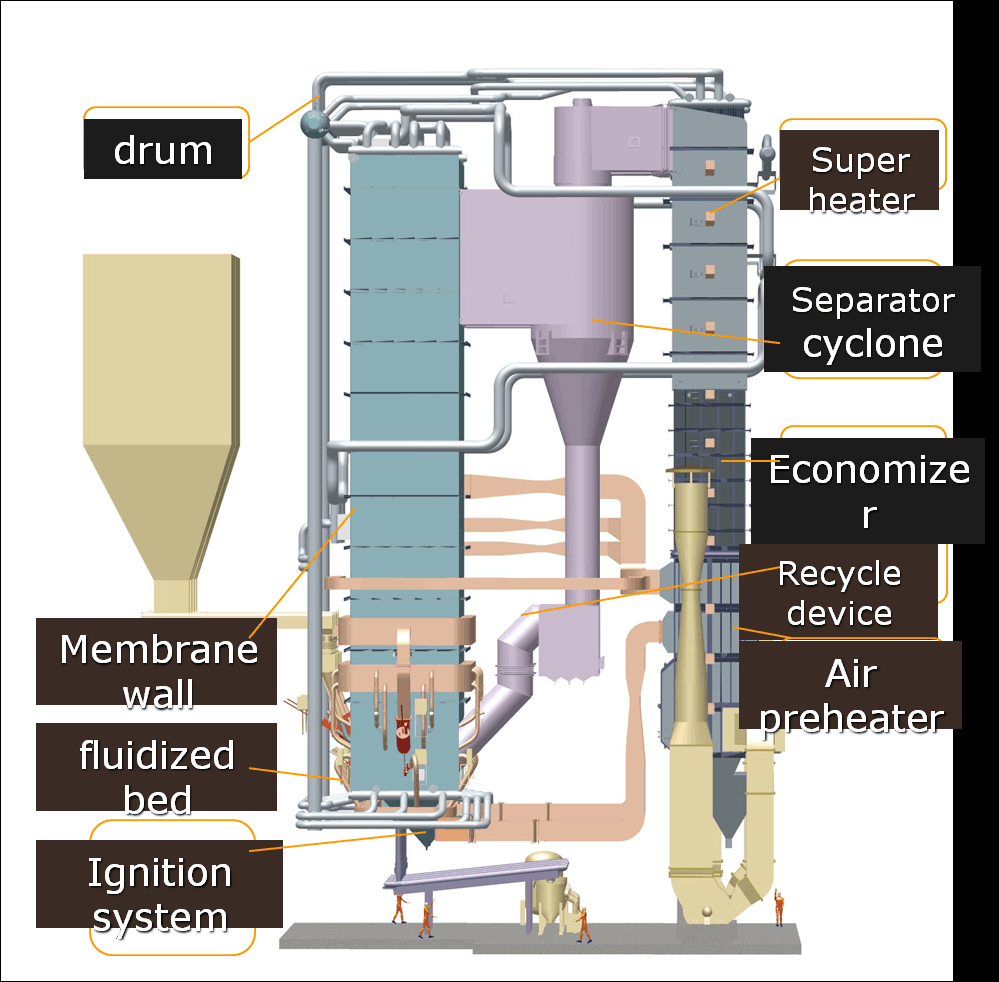
As countries around the world intensify efforts to reduce greenhouse gas emissions, decrease dependence on fossil fuels, and accelerate the transition toward renewable energy infrastructure, biomass boilers have emerged as one of the most important technologies supporting sustainable district heating systems because they allow cities and communities to generate large-scale thermal energy using renewable organic fuel sources instead of coal, oil, or conventional natural gas alone. In modern district heating applications, biomass boilers are increasingly used to supply centralized hot water or steam to residential neighborhoods, industrial parks, hospitals, universities, and commercial districts through interconnected thermal distribution networks, thereby combining renewable fuel utilization with highly efficient centralized heat delivery. Unlike traditional fossil-fuel heating systems that release carbon stored underground for millions of years, biomass energy operates within the contemporary carbon cycle, meaning the carbon dioxide emitted during biomass combustion can be partially offset by carbon absorbed during the growth of renewable organic materials such as wood, agricultural residues, forestry byproducts, and energy crops. As governments strengthen climate policies and urban planners pursue low-carbon energy systems, biomass district heating has become a major component of sustainable thermal infrastructure development worldwide. 🌱🔥🏙️
Biomass boilers are applied in sustainable district heating systems by generating centralized hot water or steam using renewable organic fuels such as wood chips, wood pellets, agricultural residues, and forestry waste. These boilers distribute thermal energy through insulated heating networks to multiple buildings while reducing fossil fuel consumption, lowering greenhouse gas emissions, supporting renewable energy integration, and improving long-term energy sustainability.
Because district heating systems require continuous and large-scale heat production, biomass boilers are particularly valuable in renewable urban energy infrastructure where stable thermal supply and environmental performance are equally important. The following comprehensive guide explains how biomass boilers are applied in sustainable district heating systems from a professional thermal engineering and renewable energy perspective. ⚙️
Biomass boilers can significantly reduce fossil fuel dependence in district heating systems.True
Biomass boilers use renewable organic materials to generate thermal energy for centralized heating networks.
Biomass district heating systems produce zero emissions during operation.False
Although biomass is renewable, combustion still produces emissions that require proper control and management.
Why District Heating Systems Are Moving Toward Renewable Energy 🌍
Traditional district heating systems historically relied heavily on:
- Coal
- Heavy fuel oil
- Conventional fossil fuels
However, growing concerns about:
- Climate change
- Carbon emissions
- Fuel price volatility
- Energy security
have accelerated the transition toward renewable heating technologies.
District heating is especially suitable for renewable integration because centralized systems allow:
- Large-scale fuel management
- Advanced emissions control
- Efficient heat distribution
- Flexible multi-energy integration
This creates an ideal environment for biomass energy utilization.
What Is a Biomass Boiler? 🌿
A biomass boiler is a heating system designed to burn renewable organic materials in order to produce:
- Hot water
- Steam
- Thermal energy
Common biomass fuels include:
- Wood chips 🌲
- Wood pellets 🪵
- Sawdust
- Agricultural residues 🌾
- Forestry waste
- Energy crops
The generated thermal energy is then transferred into district heating pipelines and distributed throughout the heating network.
How Biomass Boilers Work in District Heating Systems 🔥➡️♨️
The operational principle of biomass district heating is relatively straightforward:
Biomass Fuel → Combustion Chamber → Heat Exchanger → Hot Water/Steam → District Heating Pipelines → Buildings
The system generally includes:
- Fuel storage systems
- Automated fuel feeding equipment
- Combustion chambers
- Heat exchangers
- Ash handling systems
- Emissions control technologies
Hot water generated by the biomass boiler circulates through insulated underground pipelines to provide heating for:
- Residential buildings 🏘️
- Schools 🎓
- Hospitals 🏥
- Commercial complexes 🏢
- Industrial users 🏭
Biomass Boilers Reduce Fossil Fuel Consumption ⛽⬇️
One of the biggest advantages of biomass district heating systems is their ability to reduce dependence on:
- Coal
- Oil
- Natural gas
This helps improve:
- Energy diversification
- Local energy resilience
- Long-term fuel sustainability
In regions with abundant forestry or agricultural resources, biomass energy can provide a locally available renewable fuel supply, reducing reliance on imported fossil fuels.
Why Biomass Is Considered Renewable 🌱
Biomass differs from fossil fuels because the fuel originates from recently living organic matter rather than ancient carbon reserves.
Examples include:
- Forestry byproducts
- Agricultural waste
- Sustainable wood harvesting
When managed responsibly through sustainable forestry and agriculture practices, biomass can participate in a relatively balanced carbon cycle:
🌿 Plant Growth → CO₂ Absorption
🔥 Biomass Combustion → CO₂ Release
🌱 New Plant Growth → Carbon Reabsorption
However, actual sustainability depends heavily on:
- Fuel sourcing
- Land management
- Transportation efficiency
- Combustion technology
Centralized District Heating Improves Biomass Efficiency 🏭
Biomass heating becomes much more efficient when used in centralized district heating systems rather than in thousands of small individual boilers.
Centralized systems provide several important advantages:
- Better combustion optimization
- Improved emissions control
- Larger heat recovery systems
- More efficient fuel logistics
This allows district heating plants to achieve:
- Higher thermal efficiency
- Lower emissions per unit of heat
- More stable operation
Biomass Boilers Support Carbon Reduction Goals 🌍
Many governments support biomass district heating because it helps reduce:
- Fossil fuel consumption
- Net greenhouse gas emissions
- Urban carbon intensity
Biomass district heating is especially common in:
- Scandinavia 🇸🇪
- Northern Europe 🇫🇮
- Austria 🇦🇹
- Canada 🇨🇦
where renewable heating infrastructure has become a major part of national energy policy.
Common Biomass Fuels Used in District Heating 🌾
| Biomass Fuel Type | Typical Characteristics |
|---|---|
| Wood Chips | Widely available, cost-effective |
| Wood Pellets | High energy density, consistent quality |
| Agricultural Residues | Utilizes farming byproducts |
| Forestry Waste | Supports waste recovery |
| Energy Crops | Renewable cultivated fuel source |
Fuel selection depends on:
- Regional availability
- Transportation logistics
- Fuel moisture content
- Energy density
- Cost stability
Automated Fuel Handling Improves Operational Stability ⚙️
Modern biomass district heating systems often include:
- Automated fuel conveyors
- Smart combustion controls
- Continuous feed systems
- Remote monitoring
These technologies improve:
- Combustion consistency
- Fuel efficiency
- Labor reduction
- System reliability
Advanced automation is particularly important because biomass fuels may vary in:
- Moisture content
- Particle size
- Combustion characteristics
Heat Storage Improves Biomass District Heating Efficiency 🔋
Many biomass district heating systems integrate thermal energy storage tanks that:
- Store excess heat
- Balance fluctuating demand
- Improve boiler load stability
This helps biomass boilers operate more efficiently because:
- Continuous operation is smoother
- Cycling frequency decreases
- Combustion remains more stable
Biomass Boilers Integrate Well With Hybrid Energy Systems ♻️
Modern sustainable district heating networks increasingly combine biomass boilers with:
- Solar thermal systems ☀️
- Heat pumps 🌡️
- Waste heat recovery 🔥
- Natural gas backup boilers
- CHP systems ⚡
Hybrid systems improve:
- Operational flexibility
- Renewable energy utilization
- Grid stability
- Seasonal efficiency
For example:
➡️ Biomass may provide base-load heating
➡️ Heat pumps handle moderate demand
➡️ Gas boilers support peak winter loads
Combined Heat and Power (CHP) Biomass Systems ⚡
Some advanced district heating plants use biomass-fired CHP systems capable of generating:
- Electricity
- Thermal energy simultaneously
This significantly improves overall fuel utilization because:
- Waste heat from electricity generation is recovered
- Thermal efficiency increases
- Energy output becomes more versatile
According to energy engineering research, CHP systems can achieve significantly higher total energy utilization than separate heat and power production under optimized conditions.
Emissions Control Is Critically Important 🌫️
Although biomass is renewable, biomass combustion still produces:
- Particulate matter
- Nitrogen oxides
- Carbon monoxide
Modern biomass district heating plants therefore use advanced emissions control technologies such as:
- Electrostatic precipitators
- Cyclone separators
- Fabric filters
- Flue gas cleaning systems
These technologies help maintain compliance with strict environmental regulations.
| Emissions Control Technology | Main Function |
|---|---|
| Cyclone Separator | Removes larger particles |
| Electrostatic Precipitator | Captures fine particulates |
| Fabric Filter | Improves air quality |
| Flue Gas Cleaning | Reduces pollutants |
Biomass Fuel Moisture Content Affects Efficiency 💧
One important operational challenge is fuel moisture content.
Wet biomass:
- Burns less efficiently
- Produces lower combustion temperatures
- Increases emissions
Therefore, many systems include:
- Fuel drying processes
- Covered storage systems
- Moisture monitoring technologies
District Heating Pipelines Improve Thermal Distribution ♨️
Biomass boiler plants distribute heat through:
- Pre-insulated underground pipelines
- Central pumping systems
- Heat exchangers in connected buildings
Modern insulated pipelines minimize heat loss and improve overall district heating efficiency.
Biomass District Heating Supports Local Economies 🏘️
Biomass energy often creates local economic benefits by supporting:
- Forestry industries
- Agricultural sectors
- Fuel supply chains
- Rural employment
In some regions, biomass district heating strengthens:
- Local energy independence
- Rural economic development
- Sustainable resource management
Challenges of Biomass District Heating ⚠️
Despite many advantages, biomass systems also face challenges such as:
- Fuel storage requirements
- Transportation logistics
- Ash disposal
- Combustion variability
- Higher maintenance needs compared with gas systems
Successful implementation therefore requires:
- Careful fuel planning
- Proper emissions management
- Advanced system design
Comparison Between Biomass and Gas District Heating Boilers ⚖️
| Feature | Biomass Boiler | Gas-Fired Boiler |
|---|---|---|
| Renewable Fuel | Yes | No |
| Fuel Storage Requirement | High | Low |
| Carbon Reduction Potential | Strong | Moderate |
| Combustion Complexity | Higher | Lower |
| Fuel Supply Logistics | More complex | Simpler |
| Emissions Control Requirement | More significant | Moderate |
The Future of Biomass District Heating 🚀
Future developments include:
- AI combustion optimization
- Advanced fuel drying systems
- Hydrogen hybrid integration
- Carbon capture technologies
- Smart renewable district energy networks
Biomass boilers are expected to remain important because they provide:
- Dispatchable renewable heat
- Large-scale thermal reliability
- Flexible integration with hybrid systems
Why Biomass Boilers Are Important in Sustainable District Heating 🤔
Biomass boilers play a major role in sustainable district heating systems because they allow centralized thermal energy generation using renewable organic fuels such as wood chips, pellets, forestry residues, and agricultural byproducts while reducing dependence on fossil fuels and supporting long-term carbon reduction goals. Their ability to integrate with insulated district heating networks, thermal storage systems, smart controls, combined heat and power technology, and hybrid renewable energy infrastructure makes them highly valuable for cities and communities seeking cleaner, more resilient, and more sustainable heating solutions. Although successful biomass district heating requires advanced fuel management, emissions control, and careful operational planning, modern biomass boiler technology continues to provide an effective pathway toward lower-carbon urban heating infrastructure and renewable energy transition strategies worldwide. 🌱🔥🏙️♻️
What Role Do Combined Heat and Power (CHP) Boilers Play in District Heating?
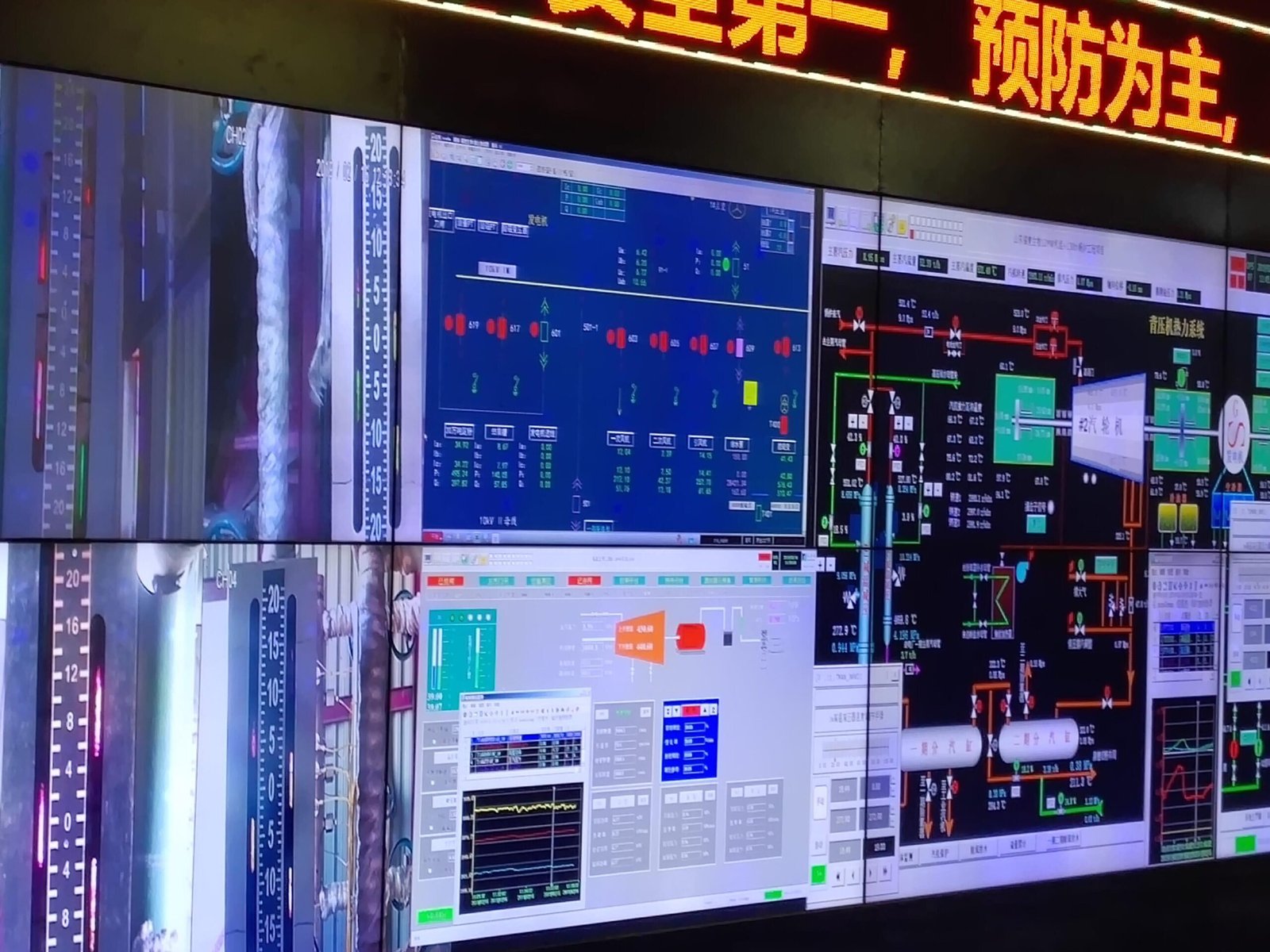
As cities and industrial regions continue searching for more efficient, sustainable, and resilient energy infrastructure, Combined Heat and Power (CHP) systems have become one of the most important technologies in modern district heating networks because they simultaneously generate electricity and useful thermal energy from the same fuel source, dramatically improving overall energy utilization compared with conventional separate heat and power generation. In traditional energy systems, large amounts of heat produced during electricity generation are often wasted and released into the atmosphere through cooling towers or exhaust systems. CHP boilers fundamentally change this model by capturing and reusing that thermal energy to provide hot water or steam for district heating networks serving residential communities, commercial complexes, hospitals, universities, industrial parks, and public infrastructure. Because district heating systems require large quantities of continuous thermal energy while cities simultaneously consume vast amounts of electricity, CHP technology creates a highly efficient synergy between power generation and centralized heating, helping operators reduce fuel consumption, lower emissions, improve energy security, and optimize overall infrastructure efficiency. As global energy transition policies increasingly emphasize decarbonization and efficient resource utilization, CHP district heating systems are becoming a critical part of sustainable urban energy planning worldwide. ⚡🔥🏙️
Combined Heat and Power (CHP) boilers play a vital role in district heating systems by simultaneously generating electricity and useful thermal energy from a single fuel source, allowing district heating networks to achieve higher overall energy efficiency, lower fuel consumption, reduced carbon emissions, improved energy reliability, and better economic performance compared with separate heat and power generation systems.
Because district heating systems require stable and continuous thermal energy distribution, CHP technology provides one of the most efficient methods for maximizing fuel utilization in large-scale urban energy infrastructure. The following comprehensive guide explains the role of CHP boilers in district heating systems from a professional thermal engineering and energy systems perspective. ⚙️
CHP systems improve overall energy efficiency by generating electricity and usable heat simultaneously.True
Combined heat and power systems recover thermal energy that would otherwise be wasted during electricity generation.
CHP boilers only produce heat and do not contribute to electricity generation.False
CHP systems are specifically designed to generate both electricity and useful thermal energy from the same fuel source.
What Is Combined Heat and Power (CHP)? ⚡
Combined Heat and Power, also called:
- Cogeneration
- CHP energy systems
is a technology that simultaneously produces:
- Electricity
- Useful thermal energy
from a single fuel input.
Unlike conventional power plants that waste a large percentage of generated heat, CHP systems capture and utilize that heat for:
- District heating
- Industrial processes
- Domestic hot water
- Steam generation
This significantly improves total energy utilization.
How Conventional Power Generation Wastes Energy 🌡️⬆️
In traditional electricity generation:
- Fuel burns to produce electricity
- Large amounts of excess heat are discarded
In many conventional power plants:
➡️ Only a portion of fuel energy becomes electricity
➡️ Remaining thermal energy is lost through cooling systems and exhaust gases
This wasted heat represents a major inefficiency in separate power generation systems.
How CHP Systems Improve Efficiency 🔥➡️⚡➡️♨️
CHP systems recover waste heat from electricity generation and redirect it into district heating networks.
The simplified process works like this:
Fuel → Electricity Generation → Heat Recovery → District Heating Distribution
Instead of wasting thermal energy:
- CHP boilers recover it
- Heat exchangers transfer it into hot water systems
- District heating pipelines distribute it to buildings
This integrated approach dramatically improves total fuel utilization.
Why CHP Is Ideal for District Heating 🏙️
District heating systems are especially compatible with CHP technology because both:
- Require centralized infrastructure
- Operate continuously
- Serve large populations
CHP systems work particularly well in:
- Dense urban environments
- Industrial parks
- University campuses
- Hospitals
- Residential districts
where there is simultaneous demand for:
- Electricity ⚡
- Heating ♨️
CHP Systems Maximize Fuel Utilization ⛽
One of the biggest advantages of CHP boilers is improved overall energy efficiency.
Conventional systems:
- Produce electricity separately
- Produce heat separately
CHP systems:
- Produce both simultaneously
According to energy engineering studies and government energy agencies, CHP systems can achieve substantially higher total energy utilization than conventional separate generation systems because they recover and use thermal energy that would otherwise be wasted.
Actual performance depends on:
- System configuration
- Fuel type
- Load conditions
- Heat recovery design
| Energy System Type | Relative Energy Utilization |
|---|---|
| Conventional Power Generation | Lower total utilization |
| Separate Heat and Power | Moderate utilization |
| CHP System | Higher overall utilization |
CHP Boilers Reduce Fuel Consumption 🔥⬇️
Because CHP systems recover usable heat from electricity production, they generally require:
- Less total fuel
- Lower overall energy input
- Reduced thermal waste
This is extremely important in district heating systems where:
- Heat demand is large
- Fuel costs are significant
- Continuous operation is required
Lower fuel consumption improves:
- Economic performance
- Energy security
- Long-term operational sustainability
CHP Systems Lower Carbon Emissions 🌍
Improved fuel utilization directly reduces:
- Greenhouse gas emissions
- Carbon intensity
- Fossil fuel consumption
This makes CHP district heating highly attractive for cities pursuing:
- Net-zero targets
- Carbon reduction strategies
- Sustainable urban infrastructure
Because less fuel is needed to produce the same combined energy output, CHP systems often deliver lower emissions per unit of useful energy.
Common Fuels Used in CHP Boilers ⛽
CHP systems may operate using:
- Natural gas
- Biomass 🌱
- Biogas
- Waste-derived fuels
- Hydrogen blends
- Industrial waste heat
Natural gas CHP remains very common due to:
- Cleaner combustion
- Operational flexibility
- Mature infrastructure
However, renewable CHP systems are expanding rapidly.
Main Components of a CHP District Heating System ⚙️
A CHP district heating plant typically includes:
- Prime mover (gas turbine, engine, or steam turbine)
- Generator
- Heat recovery boiler
- Heat exchangers
- Hot water circulation systems
- District heating pipelines
Types of CHP Technologies Used in District Heating 🔧
Gas Turbine CHP
Common in:
- Large urban systems
- Industrial facilities
Advantages:
- High power output
- Reliable operation
Engine-Based CHP
Common in:
- Medium-sized district heating systems
Advantages:
- Flexible load response
- High efficiency at partial loads
Steam Turbine CHP
Common in:
- Industrial cogeneration plants
Advantages:
- Large-scale steam integration
| CHP Technology | Typical Application |
|---|---|
| Gas Turbine CHP | Large district energy systems |
| Engine CHP | Flexible urban heating |
| Steam Turbine CHP | Industrial cogeneration |
| Biomass CHP | Renewable district heating |
Heat Recovery Boilers Are Central to CHP Operation ♨️
The heat recovery boiler is one of the most important components in CHP systems because it captures thermal energy from:
- Turbine exhaust gases
- Engine cooling systems
- Combustion processes
Recovered heat is then used to:
- Heat water
- Produce steam
- Supply district heating pipelines
Without heat recovery, much of this energy would be lost.
CHP Supports Stable Base-Load Heating 🔄
District heating systems require:
- Stable continuous heat supply
- Reliable winter operation
CHP plants are particularly effective at providing:
- Base-load heating
- Long-duration thermal supply
- Continuous energy production
This stability improves overall district heating reliability.
CHP Improves Urban Energy Resilience 🏙️⚡
Because CHP systems produce both electricity and heat locally, they improve:
- Grid resilience
- Energy independence
- Emergency preparedness
In some cases, CHP district heating systems can continue supplying critical infrastructure during:
- Power outages
- Fuel supply disruptions
- Grid instability events
This is especially valuable for:
- Hospitals 🏥
- Universities 🎓
- Government facilities 🏛️
CHP Systems Integrate Well With Renewable Energy 🌱
Modern CHP plants increasingly integrate with:
- Biomass systems 🌿
- Solar thermal collectors ☀️
- Heat pumps ♻️
- Thermal storage systems 🔋
Hybrid systems improve:
- Operational flexibility
- Renewable energy utilization
- Carbon reduction potential
For example:
➡️ CHP may provide stable base-load energy
➡️ Heat pumps handle moderate demand
➡️ Thermal storage smooths fluctuations
Thermal Storage Improves CHP Efficiency 🔋
Many CHP district heating systems include:
- Hot water storage tanks
- Thermal accumulation systems
These technologies help:
- Balance fluctuating demand
- Reduce cycling
- Improve operational efficiency
Thermal storage allows CHP systems to:
- Continue efficient electricity production
- Store excess heat for later use
Smart CHP Systems Use Advanced Automation 🤖
Modern CHP district heating plants increasingly rely on:
- AI optimization
- IoT sensors
- Predictive maintenance
- Smart grid integration
These technologies optimize:
- Fuel utilization
- Electricity generation
- Heat distribution
- Load balancing
CHP Helps Decarbonize District Heating 🌍♻️
As cities move toward:
- Carbon neutrality
- Electrification
- Renewable integration
CHP systems continue playing an important transitional role because they:
- Improve energy efficiency
- Reduce waste
- Support flexible energy management
Renewable and low-carbon CHP technologies are expected to expand further in future district energy systems.
Challenges of CHP Systems ⚠️
Despite many advantages, CHP systems also involve:
- Higher initial investment
- Complex system integration
- Advanced operational management
- Infrastructure coordination
Successful CHP implementation requires:
- Careful thermal demand analysis
- Proper system sizing
- Long-term energy planning
CHP vs Conventional District Heating ⚖️
| Feature | Conventional Boiler System | CHP District Heating |
|---|---|---|
| Electricity Production | Separate | Integrated |
| Heat Recovery | Limited | Extensive |
| Fuel Utilization | Lower | Higher |
| Carbon Reduction Potential | Moderate | Strong |
| Infrastructure Complexity | Lower | Higher |
| Energy Efficiency | Standard | Enhanced |
The Future of CHP in District Heating 🔮
Future CHP developments include:
- Hydrogen-ready CHP systems
- Renewable gas integration
- Carbon capture technologies
- AI-driven optimization
- Smart city energy integration
CHP is expected to remain highly important because it supports:
- Efficient energy utilization
- Flexible urban infrastructure
- Sustainable heating transition
Why CHP Boilers Are Important in District Heating 🤔
Combined Heat and Power (CHP) boilers play a critical role in district heating systems because they simultaneously generate electricity and useful thermal energy from the same fuel source, dramatically improving overall energy utilization compared with separate heat and power generation. By recovering waste heat that would otherwise be lost during electricity production, CHP systems help district heating operators reduce fuel consumption, lower carbon emissions, improve operational efficiency, enhance urban energy resilience, and optimize long-term infrastructure economics. Their compatibility with renewable energy integration, thermal storage systems, smart automation technologies, and modern low-carbon energy strategies makes CHP one of the most efficient and sustainable technologies supporting advanced district heating networks for residential, commercial, institutional, and industrial applications worldwide. ⚡🔥🏙️♻️
What Factors Should You Consider When Selecting an Industrial Boiler for District Heating Systems?
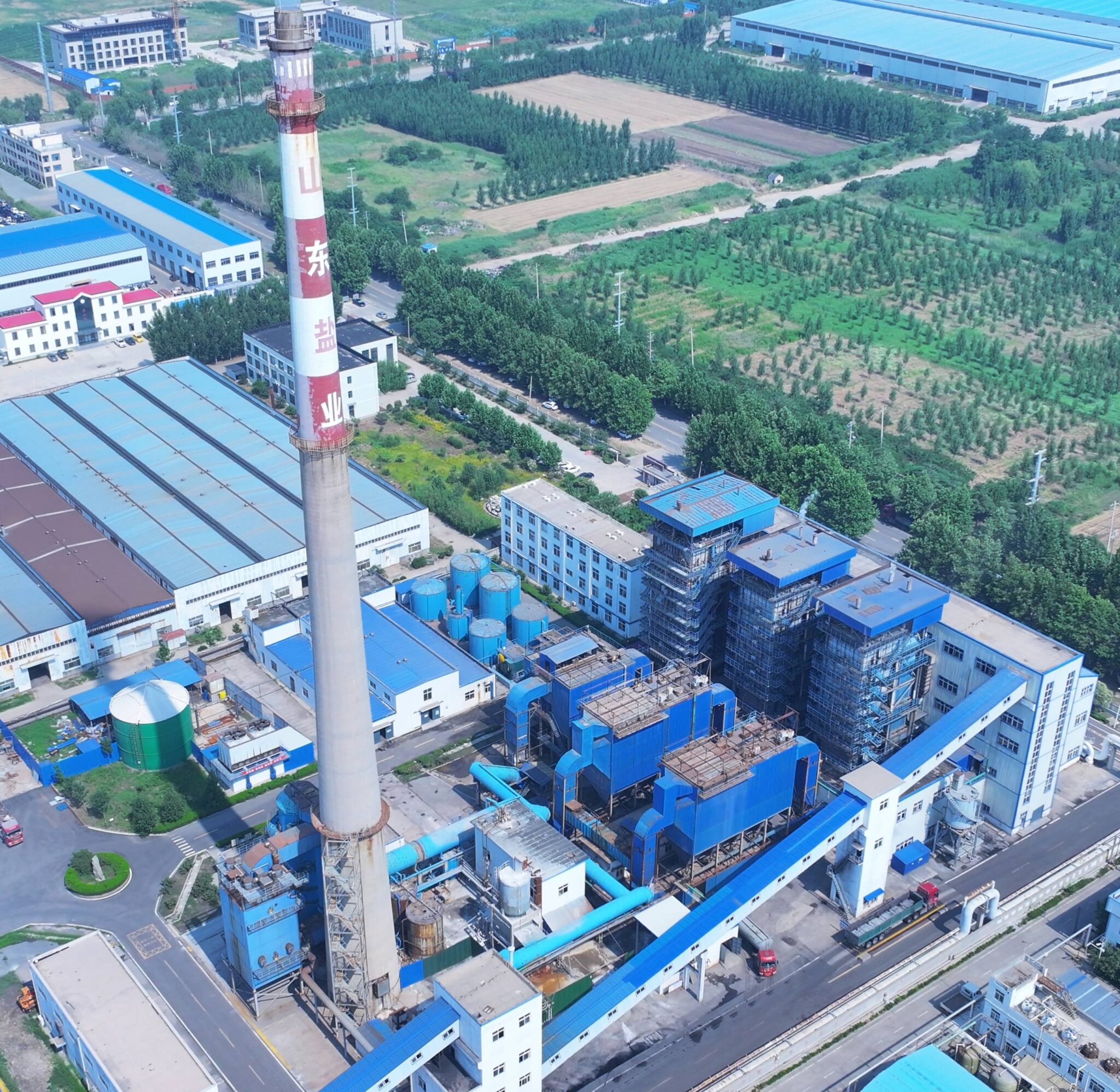
Selecting the right industrial boiler for a district heating system is one of the most critical engineering decisions affecting the long-term efficiency, reliability, sustainability, and economic viability of centralized heating infrastructure because the boiler serves as the core thermal energy source responsible for supplying stable hot water or steam to large numbers of residential buildings, commercial facilities, hospitals, universities, industrial parks, and public institutions. Unlike standalone building heating systems that operate independently at relatively small scales, district heating networks must continuously distribute thermal energy across extensive pipeline systems under highly variable operating conditions, seasonal demand fluctuations, changing weather patterns, and increasingly strict environmental regulations. As modern cities pursue decarbonization, smart energy integration, and long-term energy resilience, boiler selection has become far more complex than simply choosing a unit based on heating capacity alone. Engineers and district energy planners must carefully evaluate factors such as thermal demand profiles, fuel availability, operating efficiency, network temperature design, emissions performance, scalability, automation capability, maintenance requirements, renewable integration potential, and lifecycle economics in order to ensure the selected boiler technology can support stable, cost-effective, and future-ready district heating operation for decades to come. 🔥🏙️⚙️
When selecting an industrial boiler for district heating systems, key factors include heating capacity, thermal load variation, boiler efficiency, fuel type, operating pressure, water temperature requirements, emissions regulations, fuel availability, system scalability, heat recovery capability, automation level, maintenance requirements, renewable energy integration, installation space, lifecycle cost, and long-term operational reliability.
Because district heating systems are large-scale infrastructure investments expected to operate continuously for many years, proper boiler selection directly affects fuel consumption, environmental performance, system stability, operational flexibility, and overall economic sustainability. The following comprehensive guide explains the most important factors that should be considered when selecting industrial boilers for district heating systems from a professional thermal engineering and district energy perspective. ⚙️
Boiler efficiency is one of the most important factors in district heating system design.True
District heating systems consume large amounts of fuel, so boiler efficiency strongly affects operating costs and emissions.
The largest boiler available is always the best choice for district heating applications.False
Oversized boilers may reduce operational efficiency, increase cycling losses, and create unnecessary operating costs.
Why Boiler Selection Is Critical in District Heating Systems 🏭
District heating systems differ from conventional heating because they supply centralized thermal energy to multiple buildings through interconnected distribution networks.
A district heating boiler plant may serve:
- Residential communities 🏘️
- Commercial districts 🏢
- Hospitals 🏥
- Universities 🎓
- Industrial facilities 🏭
simultaneously.
This creates unique engineering challenges such as:
- Large fluctuating heat demand
- Continuous seasonal operation
- Long-distance thermal distribution
- High infrastructure reliability requirements
As a result, selecting the proper boiler system becomes essential for:
- Energy efficiency
- Fuel economy
- Operational stability
- Environmental compliance
Heating Capacity and Load Demand Analysis 🔥
One of the first and most important considerations is determining the required heating capacity.
Engineers must evaluate:
- Peak winter heating demand
- Average annual thermal load
- Daily demand fluctuations
- Future expansion potential
- Seasonal operating patterns
District heating systems rarely operate at maximum capacity continuously, so accurate load analysis is extremely important.
Problems Caused by Undersized Boilers
An undersized boiler may lead to:
- Insufficient heating supply
- Network instability
- Reduced user comfort
- Emergency backup dependence
Problems Caused by Oversized Boilers
Oversized systems may create:
- Excessive fuel consumption
- Low-load inefficiency
- Frequent cycling
- Higher capital cost
Proper sizing improves:
➡️ Fuel efficiency
➡️ Operational stability
➡️ Equipment lifespan
| Boiler Sizing Factor | Operational Impact |
|---|---|
| Correct Sizing | Efficient stable operation |
| Undersized Boiler | Heating shortages |
| Oversized Boiler | Fuel waste and cycling losses |
Boiler Efficiency Is a Core Economic Factor ♻️
Because district heating systems consume large amounts of fuel over long operating seasons, even relatively small efficiency improvements can significantly reduce:
- Fuel expenses
- Carbon emissions
- Operating costs
Modern district heating systems increasingly favor:
- Condensing boilers
- High-efficiency water-tube boilers
- CHP systems
- Biomass-integrated boilers
Why Efficiency Matters So Much
District heating plants may operate:
- Continuously for months
- Under varying thermal loads
- Across large urban networks
In these conditions, efficient fuel utilization becomes critically important for long-term economic performance.
Fuel Type and Fuel Availability ⛽
Fuel selection strongly influences:
- Operating cost
- Environmental impact
- Infrastructure complexity
- Supply security
Common district heating boiler fuels include:
- Natural gas
- Biomass 🌱
- Biogas
- Electricity ⚡
- Waste-derived fuels
- Hydrogen blends
Natural Gas Boilers
Advantages:
- Clean combustion
- High efficiency
- Fast response
- Lower particulate emissions
Challenges:
- Fossil fuel dependency
- Price volatility
Biomass Boilers
Advantages:
- Renewable energy source
- Carbon reduction potential
- Local fuel utilization
Challenges:
- Fuel storage requirements
- Ash handling
- Emissions management
| Fuel Type | Main Advantages | Main Challenges |
|---|---|---|
| Natural Gas | Clean and flexible | Fossil fuel dependence |
| Biomass | Renewable and sustainable | Complex fuel logistics |
| Electricity | Zero on-site combustion | Grid dependency |
| Biogas | Renewable compatibility | Limited availability |
Water Temperature and Network Design 🌡️
District heating systems may operate using:
- High-temperature networks
- Medium-temperature systems
- Low-temperature district heating
The selected boiler must match the network’s thermal design.
Modern Low-Temperature District Heating
Newer district heating systems increasingly use:
- Lower supply temperatures
- Lower return temperatures
because this improves:
- Heat recovery
- Condensing efficiency
- Distribution efficiency
Condensing gas-fired boilers perform especially well under low-temperature return conditions.
Operating Pressure Requirements 💨
Large district heating systems often require:
- Stable pressure control
- Long-distance circulation capability
- High-flow operation
Water-tube boilers are commonly selected for:
- High-pressure operation
- Large thermal capacity
- Continuous heavy-duty service
Fire-tube boilers may still be suitable for:
- Smaller district systems
- Medium-capacity applications
Boiler Type Selection ⚙️
Different boiler structures provide different operational advantages.
Fire-Tube Boilers
Best suited for:
- Smaller heating networks
- Moderate pressure operation
- Simpler installations
Advantages:
- Lower initial cost
- Easier maintenance
- Simpler operation
Water-Tube Boilers
Best suited for:
- Large district heating systems
- High-capacity operation
- Continuous service
Advantages:
- Faster heat transfer
- Higher pressure capability
- Better scalability
Condensing Boilers
Best suited for:
- Low-temperature district heating
- High-efficiency operation
- Carbon reduction goals
Advantages:
- Flue gas heat recovery
- Lower fuel consumption
- Improved efficiency
| Boiler Type | Best District Heating Application |
|---|---|
| Fire-Tube Boiler | Small to medium systems |
| Water-Tube Boiler | Large urban networks |
| Condensing Boiler | High-efficiency low-temperature systems |
| Biomass Boiler | Renewable district heating |
Emissions Regulations and Environmental Compliance 🌍
Environmental regulations increasingly influence boiler selection decisions.
District heating plants may need to comply with limits on:
- Carbon dioxide (CO₂)
- Nitrogen oxides (NOx)
- Particulate matter
- Sulfur emissions
Modern boiler systems often include:
- Low-NOx burners
- Advanced combustion controls
- Flue gas treatment systems
Heat Recovery Capability ♨️
Efficient district heating systems increasingly integrate:
- Economizers
- Condensing heat exchangers
- Flue gas heat recovery
- CHP systems
Heat recovery improves:
- Fuel utilization
- Thermal efficiency
- Operational economics
Condensing Technology
Condensing boilers recover latent heat from exhaust water vapor, reducing thermal losses and improving efficiency under favorable operating conditions.
Renewable Energy Integration 🌱
Future-ready district heating systems increasingly combine boilers with:
- Solar thermal systems ☀️
- Heat pumps ♻️
- Biomass energy 🌿
- Waste heat recovery 🔥
- Thermal storage systems 🔋
The selected boiler should support:
- Hybrid system integration
- Flexible load balancing
- Smart energy management
Automation and Smart Control Systems 🤖
Modern district heating systems increasingly rely on:
- AI optimization
- IoT monitoring
- Predictive maintenance
- Automated load balancing
Advanced boiler controls improve:
- Combustion efficiency
- Load response
- Maintenance planning
- System reliability
Modulation and Partial-Load Performance 🎛️
District heating demand changes continuously depending on:
- Weather conditions
- Time of day
- Seasonal occupancy
Boilers with strong modulation capability can:
- Adjust output dynamically
- Reduce cycling losses
- Improve fuel efficiency
This is especially important because district heating systems rarely operate at full capacity continuously.
Maintenance Requirements and Reliability 🔧
District heating infrastructure requires:
- High reliability
- Minimal downtime
- Long service life
Engineers should evaluate:
- Maintenance accessibility
- Spare parts availability
- Tube cleaning requirements
- Inspection intervals
Reliable systems help avoid:
- Heating interruptions
- Emergency repairs
- Operational instability
Installation Space and Infrastructure Constraints 🏗️
Urban district heating plants may face:
- Limited installation space
- Existing infrastructure restrictions
- Retrofit challenges
Compact modular boiler systems may simplify:
- Urban installation
- Capacity expansion
- Maintenance access
Thermal Storage Compatibility 🔋
Many modern district heating systems integrate:
- Hot water accumulation tanks
- Thermal energy storage systems
Thermal storage improves:
- Load balancing
- Peak demand management
- Boiler operating stability
Boilers should therefore be compatible with:
- Flexible operating schedules
- Thermal buffering strategies
Lifecycle Cost Is More Important Than Initial Cost 💰
Initial purchase price alone should never determine boiler selection.
Lifecycle cost analysis should include:
- Fuel expenses
- Maintenance costs
- Water treatment
- Emissions compliance
- Operational labor
- Downtime risk
In many cases:
➡️ Higher-efficiency boilers cost more initially
➡️ But reduce long-term operating expenses substantially
Future Expansion and Scalability 🚀
District heating systems often expand over time as cities grow.
Boiler systems should therefore support:
- Modular expansion
- Additional heating zones
- Increased thermal demand
Scalable systems improve long-term infrastructure flexibility.
CHP Compatibility Improves Energy Utilization ⚡
Some district heating systems integrate:
- Combined Heat and Power (CHP)
- Cogeneration systems
CHP boilers simultaneously produce:
- Electricity
- Useful thermal energy
This significantly improves:
- Fuel efficiency
- Carbon reduction
- Infrastructure utilization
Why Long-Term Reliability Matters 🛡️
District heating systems provide essential public infrastructure.
Boiler failure can affect:
- Thousands of residents
- Critical institutions
- Industrial operations
Therefore, reliability often becomes just as important as efficiency.
Future Trends in District Heating Boiler Selection 🔮
Future district heating systems increasingly prioritize:
- Decarbonization
- Electrification
- Hydrogen readiness
- AI-driven optimization
- Renewable integration
Boiler selection strategies are evolving accordingly.
Why Proper Boiler Selection Is Essential for District Heating 🤔
Selecting an industrial boiler for district heating systems requires careful evaluation of heating capacity, thermal load variation, fuel type, operating pressure, water temperature strategy, emissions compliance, energy efficiency, heat recovery capability, automation level, maintenance requirements, renewable integration potential, scalability, and long-term lifecycle economics because district heating infrastructure must operate reliably and efficiently under continuously changing urban heating conditions for many years. The ideal boiler system must not only provide stable thermal energy distribution across large centralized networks, but also support future sustainability goals, carbon reduction strategies, smart energy integration, and evolving environmental regulations. Whether using condensing gas-fired boilers, water-tube systems, biomass boilers, or CHP technologies, successful district heating boiler selection ultimately depends on balancing efficiency, operational flexibility, infrastructure reliability, environmental performance, and long-term economic sustainability within the specific requirements of the heating network being served. 🔥🏙️♻️⚙️
Conclusion
District heating systems require industrial boilers that can provide reliable, energy-efficient, and environmentally compliant heat generation. Hot water boilers, water-tube systems, condensing gas-fired units, biomass boilers, and CHP solutions are among the most suitable options depending on system scale and sustainability goals. Proper boiler selection ensures stable heat supply, lower operational costs, and long-term performance.
If you are planning or upgrading a district heating system, contact us today. Our team offers customized industrial boiler solutions, advanced heating technologies, and expert support to help you achieve efficient and sustainable district heating operations.
FAQ
Q1: What type of industrial boiler is most suitable for district heating systems?
A:
Hot water boilers are the most commonly used industrial boilers for district heating systems because they efficiently distribute thermal energy over large residential, commercial, and industrial areas. Unlike steam boilers, hot water boilers operate at lower pressures and are generally safer, more energy-efficient, and easier to maintain for centralized heating applications.
District heating systems work by generating heat in a central facility and distributing hot water through insulated underground pipelines to multiple buildings. These systems are widely used in cities, universities, hospitals, residential communities, and industrial parks because they provide reliable heating while improving overall energy efficiency.
Several boiler types are suitable depending on system size and energy goals. Fire-tube and water-tube hot water boilers are commonly used for medium and large district heating networks. Water-tube boilers are especially preferred for large-scale operations because they can handle higher capacities and continuous operation efficiently.
Condensing boilers are increasingly popular in modern district heating systems because they recover additional heat from exhaust gases, significantly improving thermal efficiency and reducing fuel consumption. These systems are ideal for low-temperature district heating networks focused on sustainability and energy savings.
Biomass boilers are also widely used in district heating, particularly in environmentally conscious regions. These boilers use renewable fuels such as wood chips, pellets, or agricultural waste to generate hot water while reducing greenhouse gas emissions.
Combined Heat and Power (CHP) boiler systems are another highly efficient option. CHP plants simultaneously produce electricity and thermal energy, making them ideal for urban district heating applications where maximizing fuel efficiency is a priority.
The best boiler choice depends on factors such as heating demand, fuel availability, environmental regulations, infrastructure size, and long-term operational costs.
Q2: Why are hot water boilers preferred over steam boilers in district heating systems?
A:
Hot water boilers are generally preferred over steam boilers in district heating systems because they offer greater energy efficiency, lower operating pressure, improved safety, and reduced maintenance requirements. District heating networks are designed to distribute thermal energy across long distances, and hot water systems are better suited for stable and efficient heat transfer in these environments.
One major advantage is lower heat loss. Hot water retains thermal energy more effectively during transportation through underground pipelines, especially in modern insulated distribution systems. Steam systems tend to experience greater energy losses due to condensation and pressure reduction over long distances.
Safety is another important factor. Steam boilers operate at significantly higher pressures and temperatures, which increases operational risks and maintenance complexity. Hot water boilers operate under lower pressure conditions, making them safer for large public heating infrastructures.
Maintenance requirements are also lower for hot water systems. Steam networks require condensate return systems, steam traps, pressure management equipment, and more intensive inspections. Hot water systems are mechanically simpler and often have lower lifecycle maintenance costs.
Energy efficiency is especially important in district heating applications. Modern hot water boilers, particularly condensing boilers, can achieve very high efficiency levels by recovering latent heat from flue gases. This helps reduce fuel consumption and greenhouse gas emissions.
Hot water systems also integrate more easily with renewable energy technologies such as solar thermal systems, geothermal heating, biomass plants, and heat pumps. This flexibility supports long-term sustainability goals and low-carbon urban development strategies.
Because district heating systems often serve residential and commercial buildings continuously throughout cold seasons, reliability and operational simplicity are critical. Hot water boilers provide stable thermal output and adaptable load management, making them ideal for centralized heating networks.
Q3: Are biomass boilers suitable for district heating applications?
A:
Yes, biomass boilers are highly suitable for district heating systems and are increasingly used worldwide as part of renewable energy and carbon reduction strategies. Biomass district heating plants generate thermal energy using renewable organic materials such as wood chips, wood pellets, agricultural waste, forestry residues, and other biomass fuels.
One of the biggest advantages of biomass boilers is sustainability. Biomass fuel is considered renewable because new plant growth can offset carbon emissions produced during combustion. This helps reduce dependence on fossil fuels and supports climate change mitigation goals.
Biomass boilers are especially effective for community-scale district heating systems serving residential neighborhoods, campuses, municipal buildings, hospitals, and industrial complexes. Many European countries have successfully implemented biomass-powered district heating networks to reduce greenhouse gas emissions and improve energy independence.
Modern biomass boilers are highly automated and capable of maintaining stable hot water supply for large heating networks. Advanced combustion controls, fuel feeding systems, and emissions management technologies improve efficiency while minimizing air pollution.
Another advantage is fuel flexibility. Depending on local resource availability, operators can choose from various biomass materials, reducing exposure to volatile fossil fuel prices. Regions with strong forestry or agricultural industries often benefit significantly from locally sourced biomass fuel.
However, biomass systems also require careful planning. Fuel storage, handling infrastructure, moisture control, and ash management are important operational considerations. Biomass boilers typically require larger installation space compared to natural gas systems because fuel storage areas and material handling equipment are necessary.
Environmental regulations also influence biomass boiler design. Modern systems often include particulate filters, electrostatic precipitators, and advanced emissions controls to comply with air quality standards.
Overall, biomass boilers are an excellent solution for sustainable district heating systems when fuel supply chains, infrastructure, and environmental management are properly planned.
Q4: How do condensing boilers improve district heating efficiency?
A:
Condensing boilers improve district heating efficiency by recovering additional thermal energy from exhaust gases that would normally be wasted in conventional boiler systems. This process significantly increases fuel utilization efficiency and reduces operating costs and emissions.
Traditional boilers release hot flue gases through the exhaust system after combustion. Condensing boilers capture heat from water vapor within these gases by cooling them below the condensation point. The recovered heat is then transferred back into the heating system, improving overall energy performance.
This technology is particularly effective in low-temperature district heating systems where return water temperatures remain low enough to maximize condensation efficiency. Modern district heating networks are increasingly designed around lower operating temperatures specifically to improve condensing boiler performance.
Condensing boilers can achieve efficiency levels exceeding 90%, significantly reducing fuel consumption compared to older non-condensing systems. Lower fuel usage directly translates into lower operating expenses and reduced greenhouse gas emissions.
Natural gas is the most common fuel used in condensing district heating boilers because it produces high water vapor content during combustion, maximizing heat recovery potential. However, some biomass and hybrid systems can also incorporate condensing technology.
Another advantage is environmental performance. By extracting more usable heat from combustion gases, condensing boilers reduce carbon dioxide emissions and improve compliance with strict environmental regulations. This makes them attractive for cities and municipalities pursuing decarbonization strategies.
Condensing systems also integrate well with renewable technologies such as heat pumps, solar thermal systems, and combined heat and power plants. Their operational flexibility helps support modern smart energy networks and sustainable urban heating infrastructure.
Although condensing boilers may involve higher upfront costs, the long-term energy savings and lower emissions often justify the investment, especially in large district heating applications with continuous seasonal operation.
Q5: What factors should be considered when selecting a boiler for district heating?
A:
Selecting the right industrial boiler for a district heating system requires evaluating several technical, economic, environmental, and operational factors. Because district heating networks serve multiple buildings simultaneously, boiler reliability, efficiency, and scalability are extremely important.
One of the first considerations is heating demand. Engineers must calculate the peak and seasonal thermal load required by residential, commercial, institutional, or industrial users connected to the network. Larger systems often require high-capacity water-tube or modular boiler configurations to maintain stable operation during cold weather.
Fuel availability and cost are also major factors. Natural gas, biomass, waste heat, electricity, and combined heat and power systems are commonly used in district heating applications. Local energy prices, fuel infrastructure, and sustainability goals strongly influence boiler selection.
Energy efficiency is critical because district heating systems operate continuously over long periods. High-efficiency condensing boilers, CHP systems, and heat recovery technologies can significantly reduce operating costs and environmental impact.
Environmental regulations must also be considered carefully. Many regions enforce strict emissions standards related to carbon dioxide, nitrogen oxides, sulfur compounds, and particulate matter. Boiler systems may require advanced combustion technologies and emissions controls to meet compliance requirements.
Infrastructure design is another important consideration. Factors such as pipe network length, operating temperatures, return water conditions, and available installation space affect boiler configuration and system performance.
Maintenance requirements and operational reliability are especially important because district heating interruptions can affect large populations. Many systems incorporate redundancy and modular designs to ensure uninterrupted heat supply during maintenance or equipment failures.
Future scalability should also be evaluated. As urban populations grow and energy policies evolve, district heating systems may need expansion or integration with renewable energy technologies. Flexible boiler systems provide better long-term adaptability and investment value.
References
District Heating Technology Overview — https://www.energy.gov/eere/buildings/district-energy-systems — Source: U.S. Department of Energy
Industrial Hot Water Boiler Systems — https://www.cleaverbrooks.com/products-and-solutions/boilers/hot-water-boilers — Source: Cleaver-Brooks
Biomass District Heating Systems — https://www.iea.org/reports/district-heating — Source: International Energy Agency
Condensing Boiler Technology — https://www.spiraxsarco.com/learn-about-steam/the-boiler-house/condensing-boilers — Source: Spirax Sarco
CHP and District Heating Applications — https://www.epa.gov/chp/combined-heat-and-power-basics — Source: U.S. Environmental Protection Agency
Water-Tube Boiler Applications — https://www.britannica.com/technology/water-tube-boiler — Source: Encyclopaedia Britannica
District Energy Systems Guide — https://www.districtenergy.org/what-is-district-energy — Source: IDEA
Boiler Efficiency Standards — https://www.energy.gov/eere/amo/steam-systems — Source: U.S. Department of Energy
Sustainable Heating Infrastructure — https://www.iea.org/energy-system/buildings/district-heating — Source: International Energy Agency
Industrial Boiler Fundamentals — https://www.powermag.com/boilers-101-what-they-are-and-how-they-work/ — Source: POWER Magazine