Many companies focus only on the initial purchase price when acquiring an industrial boiler, but this approach can lead to significantly higher long-term costs. Neglecting factors such as fuel consumption, maintenance, downtime, efficiency losses, and regulatory compliance can make even a low-cost boiler an expensive investment over its lifecycle. Understanding the total cost of ownership (TCO) is essential for making informed, economically sound decisions that balance upfront costs with long-term operational efficiency and reliability.
The total cost of ownership (TCO) for industrial boilers includes the initial purchase price, installation and commissioning costs, fuel and energy expenses, routine maintenance and repair, downtime or operational losses, and eventual decommissioning or replacement. Considering TCO helps businesses evaluate the true financial impact of different boiler types, fuel options, and technologies, enabling smarter investments in energy efficiency, reliability, and lifecycle performance.
By calculating TCO, companies can select boiler systems that minimize long-term expenses while meeting operational and regulatory requirements.
What Components Are Included in the Total Cost of Ownership for Industrial Boilers?
Many industrial buyers focus primarily on the purchase price of a boiler when making investment decisions. However, this approach often leads to unexpected expenses over the equipment’s lifetime. ⚠️ A boiler that appears affordable upfront may generate significantly higher fuel bills, maintenance expenses, downtime losses, compliance costs, and replacement expenditures over the next 15 to 30 years. In many industrial facilities, fuel consumption alone can account for the majority of total ownership costs, while installation complexity, water treatment requirements, labor expenses, emissions regulations, and system upgrades can further increase the overall financial burden. Ignoring these hidden costs may result in poor return on investment, budget overruns, and operational inefficiencies. Fortunately, understanding the complete Total Cost of Ownership (TCO) framework enables engineers, procurement teams, plant managers, and facility owners to make more informed decisions that maximize long-term value rather than focusing solely on initial acquisition costs. ✅
The Total Cost of Ownership (TCO) for industrial boilers includes far more than equipment purchase price. Key cost components include capital investment, installation, fuel consumption, electricity usage, water treatment, maintenance, labor, downtime, emissions compliance, safety requirements, spare parts, system upgrades, heat recovery investments, and end-of-life disposal costs. Because fuel and operational expenses often represent the largest share of lifetime costs, a comprehensive TCO evaluation provides a far more accurate assessment of financial performance than purchase price alone.
For industrial facilities operating steam boilers, hot water boilers, thermal oil systems, or hybrid heating plants, understanding ownership costs across the entire lifecycle can significantly improve investment decisions. 📈 In this guide, we will examine every major cost category that contributes to industrial boiler ownership and explain how businesses can minimize long-term operating expenses while maximizing system reliability and efficiency.
Fuel expenses often represent the largest component of industrial boiler ownership costs.True
Over a boiler's lifecycle, fuel costs frequently account for more than half of total ownership expenditures.
The purchase price of an industrial boiler represents the majority of its lifetime cost.False
Fuel, maintenance, labor, compliance, and operating expenses often exceed the initial equipment cost many times over.
Why Purchase Price Represents Only a Small Portion of Boiler Ownership Costs 💡
Many buyers mistakenly compare boilers based solely on equipment quotations. While capital expenditure is important, the purchase price usually represents only a fraction of total lifecycle spending.
Typical Industrial Boiler Lifecycle Cost Distribution
| Cost Category | Typical Share of Lifetime TCO |
|---|---|
| Fuel Costs | 60–80% |
| Maintenance Costs | 5–15% |
| Installation Costs | 5–10% |
| Water Treatment Costs | 2–5% |
| Labor Costs | 2–8% |
| Compliance Costs | 1–5% |
| Disposal Costs | Less than 1% |
This demonstrates why lifecycle economics should drive purchasing decisions rather than upfront pricing alone.
Initial Capital Investment Costs 🏗️
The first component of TCO is the initial capital expenditure required to purchase the boiler system.
Equipment Acquisition Costs
These may include:
- Boiler vessel
- Burner assembly
- Control systems
- Pumps
- Valves
- Economizers
- Condensing heat exchangers
- Feedwater equipment
Typical Capital Cost Components
| Equipment Item | Cost Impact |
|---|---|
| Boiler Package | Very High |
| Burner System | High |
| Control Panel | Moderate |
| Economizer | Moderate |
| Feedwater System | Moderate |
| Water Treatment System | Moderate |
Higher-efficiency systems often require greater upfront investment but may deliver lower operating costs throughout their lifecycle.
Installation and Commissioning Costs 🔧
Installation expenses can vary significantly depending on facility conditions.
Common Installation Cost Elements
| Installation Activity | Cost Impact |
|---|---|
| Foundation Construction | Moderate |
| Mechanical Installation | High |
| Electrical Integration | Moderate |
| Piping Modifications | High |
| Ventilation Systems | Moderate |
| Commissioning and Testing | Moderate |
Many projects underestimate installation costs, especially when retrofitting existing facilities.
Fuel Costs Throughout the Boiler Lifecycle ⛽
Fuel expenses typically dominate industrial boiler ownership costs.
Fuel Cost Impact Example
| Boiler Efficiency | Annual Fuel Cost |
|---|---|
| 80% | $500,000 |
| 90% | $444,444 |
| 95% | $421,053 |
Even small efficiency improvements can generate substantial savings over many years.
Factors Affecting Fuel Costs
- Boiler efficiency
- Part-load performance
- Fuel prices
- Operating hours
- Heat recovery systems
- Burner optimization
Because fuel expenses accumulate continuously, they often exceed the original purchase price several times over.
Electricity Consumption Costs ⚡
Industrial boilers consume electricity for:
- Fans
- Pumps
- Control systems
- Feedwater equipment
- Monitoring systems
Electrical Energy Consumers
| Component | Electricity Demand |
|---|---|
| Combustion Fans | High |
| Feedwater Pumps | Moderate |
| Control Systems | Low |
| Monitoring Equipment | Low |
Efficient auxiliary equipment can reduce overall operating expenses.
Water Treatment and Water Usage Costs 💧
Water quality directly influences boiler reliability and operating costs.
Water Treatment Cost Components
| Activity | Purpose |
|---|---|
| Softening | Scale prevention |
| Chemical Treatment | Corrosion control |
| Deaeration | Oxygen removal |
| Blowdown Management | Solids control |
Poor water treatment can dramatically increase maintenance expenses and reduce equipment lifespan.
Maintenance and Service Costs 🧰
Maintenance costs are unavoidable throughout the boiler lifecycle.
Preventive Maintenance
Preventive maintenance typically includes:
- Burner inspections
- Heat exchanger cleaning
- Safety testing
- Control calibration
- Water analysis
Corrective Maintenance
Corrective maintenance may include:
- Tube replacement
- Valve repairs
- Pump replacement
- Sensor failures
- Control system troubleshooting
Maintenance Cost Categories
| Maintenance Activity | Frequency |
|---|---|
| Routine Inspection | Monthly |
| Combustion Tuning | Annually |
| Major Overhaul | Every Few Years |
| Emergency Repairs | As Required |
Well-maintained boilers generally achieve lower total ownership costs.
Labor and Operator Training Costs 👨🔧
Personnel expenses contribute significantly to long-term ownership costs.
Labor Cost Factors
| Labor Requirement | Cost Impact |
|---|---|
| Daily Operation | Moderate |
| Maintenance Personnel | High |
| Training Programs | Moderate |
| Safety Certification | Moderate |
Advanced automation may reduce labor requirements over time.
Downtime and Production Interruption Costs 📉
Unexpected boiler failures can generate substantial indirect costs.
Downtime Consequences
| Impact Area | Potential Cost |
|---|---|
| Lost Production | Very High |
| Delayed Deliveries | High |
| Product Quality Issues | High |
| Emergency Repairs | High |
In many industries, downtime costs may exceed maintenance expenses.
Emissions Compliance and Environmental Costs 🌍
Environmental regulations continue becoming stricter worldwide.
Compliance Cost Categories
| Requirement | Cost Impact |
|---|---|
| Emissions Monitoring | Moderate |
| Regulatory Reporting | Moderate |
| Carbon Taxes | Variable |
| Permit Renewals | Moderate |
Facilities must consider both current and future compliance requirements.
Safety and Insurance Costs 🚨
Industrial boilers operate under high pressure and temperature conditions.
Safety-Related Expenses
| Cost Category | Purpose |
|---|---|
| Safety Inspections | Regulatory compliance |
| Insurance Premiums | Risk management |
| Safety Training | Personnel protection |
| Emergency Systems | Incident prevention |
Robust safety systems reduce operational risk and insurance exposure.
Spare Parts and Inventory Costs 📦
Maintaining spare parts inventory improves reliability but increases ownership costs.
Typical Spare Parts Inventory
| Component | Replacement Frequency |
|---|---|
| Ignition Components | Moderate |
| Sensors | Moderate |
| Valves | Moderate |
| Pumps | Low |
| Heat Exchanger Parts | Low |
Reliable manufacturers often provide better spare parts availability.
Heat Recovery and Energy Optimization Investments ♻️
Many facilities install additional energy-saving technologies.
Common Heat Recovery Solutions
| Technology | Benefit |
|---|---|
| Economizers | Exhaust heat recovery |
| Condensing Heat Exchangers | Latent heat recovery |
| Blowdown Recovery Systems | Water energy reuse |
| Air Preheaters | Combustion improvement |
These investments often reduce fuel costs enough to justify their capital expense.
Digital Monitoring and Automation Costs 🤖
Modern industrial boilers increasingly utilize advanced digital systems.
Smart Boiler Technologies
| Technology | Operational Benefit |
|---|---|
| IoT Sensors | Continuous monitoring |
| Predictive Maintenance | Reduced downtime |
| AI Optimization | Improved efficiency |
| Remote Diagnostics | Faster troubleshooting |
Digitalization may increase initial investment but reduce long-term operating costs.
Lifecycle Upgrades and Retrofit Costs 🔄
Most industrial boilers undergo modifications during their operational life.
Common Upgrade Projects
| Upgrade Type | Purpose |
|---|---|
| Burner Retrofit | Efficiency improvement |
| Control System Upgrade | Automation enhancement |
| Heat Recovery Addition | Fuel savings |
| Emissions Reduction Equipment | Compliance support |
Future upgrade potential should be considered during system selection.
Boiler Decommissioning and Disposal Costs 🗑️
End-of-life costs are often overlooked during purchasing decisions.
Disposal Activities
| Activity | Cost Impact |
|---|---|
| Equipment Removal | Moderate |
| Scrap Processing | Low |
| Environmental Compliance | Moderate |
| Site Restoration | Variable |
Although relatively small, these costs still contribute to total ownership expenses.
Comparing TCO Across Boiler Technologies 📊
Different boiler technologies exhibit different cost structures.
15-Year Ownership Comparison Example
| Boiler Type | Initial Cost | Fuel Cost | Maintenance Cost | Estimated 15-Year TCO |
|---|---|---|---|---|
| Conventional Fire-Tube | Lower | Higher | Moderate | Higher |
| Condensing Boiler | Higher | Lower | Moderate | Lower |
| Modular Boiler Plant | Higher | Lowest | Moderate | Lowest |
| Electric Boiler | Moderate | Depends on Electricity Price | Low | Variable |
This illustrates why equipment cost alone should not drive purchasing decisions.
Real Industrial TCO Case Study 📚
A food processing facility compared two industrial boiler options.
Option A
- Lower purchase price
- Conventional design
- Basic controls
Option B
- Higher purchase price
- Condensing technology
- Advanced controls
- Integrated economizer
Five-Year Results
| Metric | Option A | Option B |
|---|---|---|
| Initial Cost | Lower | Higher |
| Fuel Consumption | Higher | Lower |
| Maintenance Cost | Higher | Lower |
| Downtime Incidents | More Frequent | Less Frequent |
| Total Ownership Cost | Higher | Lower |
Despite higher capital expenditure, Option B delivered superior financial performance.
How to Calculate Industrial Boiler TCO Step-by-Step 📝
A structured TCO analysis should include:
- Calculate acquisition costs
- Estimate installation expenses
- Forecast fuel consumption
- Evaluate maintenance requirements
- Include labor costs
- Assess compliance expenses
- Estimate downtime risk
- Consider future upgrades
- Include disposal costs
Common Mistakes When Estimating Boiler Ownership Costs ❌
Frequent Evaluation Errors
| Mistake | Consequence |
|---|---|
| Focusing Only on Purchase Price | Incomplete analysis |
| Ignoring Fuel Inflation | Underestimated costs |
| Overlooking Maintenance | Budget overruns |
| Ignoring Downtime Costs | Unrealistic projections |
| Neglecting Compliance Costs | Regulatory risks |
Avoiding these mistakes improves investment accuracy.
Future Trends Affecting Boiler TCO 🚀
Several industry developments are reshaping ownership economics.
Emerging Trends
| Trend | Impact |
|---|---|
| Decarbonization Policies | New compliance costs |
| Hydrogen Fuel Adoption | Fuel flexibility importance |
| AI Optimization | Lower operating costs |
| Predictive Maintenance | Reduced downtime |
| Carbon Pricing | Increased fuel cost sensitivity |
Future-ready systems may provide stronger long-term value.
Summary 🏁
The Total Cost of Ownership for industrial boilers extends far beyond the initial purchase price. Fuel consumption, installation, maintenance, labor, water treatment, downtime, compliance, safety, spare parts, upgrades, and disposal costs all contribute to the true financial impact of a boiler throughout its operational life. 🔥 Because fuel expenses frequently represent the largest share of lifecycle costs, evaluating ownership through a comprehensive TCO framework provides a far more accurate assessment of long-term value than comparing equipment prices alone.
Organizations that prioritize lifecycle economics rather than upfront acquisition costs are more likely to achieve lower operating expenses, improved reliability, stronger sustainability performance, and higher returns on investment. As energy costs continue to rise and environmental regulations become increasingly stringent, comprehensive TCO analysis will remain one of the most important tools for industrial boiler decision-making.
How Do Fuel Costs Influence the TCO of Industrial Boilers?
For most industrial facilities, the purchase price of a boiler is often the most visible cost during the procurement process, yet it is rarely the largest expense incurred over the equipment’s lifetime. Many plant owners are surprised to discover that fuel expenditures accumulated over 15 to 30 years can exceed the original equipment investment several times over, especially in facilities operating continuously or under demanding production schedules. ⚠️ When fuel prices rise unexpectedly, even a relatively efficient boiler can become a significant financial burden if it is not properly sized, optimized, or integrated with heat recovery technologies. As energy markets continue to experience volatility and governments increasingly introduce carbon-related regulations, fuel costs are becoming one of the most influential factors affecting the Total Cost of Ownership (TCO) of industrial boilers. Understanding this relationship allows decision-makers to evaluate boiler investments based on long-term financial performance rather than short-term acquisition costs alone.
Fuel costs influence the Total Cost of Ownership (TCO) of industrial boilers more than any other single factor because fuel consumption occurs continuously throughout the equipment’s operating life. Depending on operating hours, fuel type, boiler efficiency, load profile, and local energy prices, fuel expenses may account for 60% to 80% of total lifecycle costs. As a result, even modest improvements in efficiency, combustion optimization, heat recovery, or fuel flexibility can generate substantial long-term savings and significantly improve return on investment.
When comparing industrial boiler technologies, many organizations focus on efficiency ratings without fully understanding how fuel consumption compounds over time. 📈 In reality, the relationship between fuel costs and TCO is influenced by a wide range of engineering, operational, and market factors. This article explores how fuel expenses shape lifecycle economics, how different boiler technologies respond to fuel cost pressures, and what strategies industrial facilities can implement to reduce long-term ownership costs.
Fuel costs often represent the largest component of industrial boiler total ownership costs.True
In many industrial applications, fuel expenses account for the majority of lifecycle operating costs over the boiler's service life.
A lower purchase price always results in a lower total cost of ownership for industrial boilers.False
Fuel consumption, maintenance, downtime, and operating expenses often exceed the initial equipment investment over time.
Why Fuel Costs Dominate Boiler Lifecycle Economics 💰
Industrial boilers convert fuel into usable thermal energy, and because this process occurs every hour the boiler operates, fuel expenditures accumulate continuously throughout the equipment’s lifespan. While a facility may pay for the boiler itself only once, fuel must be purchased repeatedly for decades, making it the single most significant contributor to ownership costs in most industrial environments.
For example, a manufacturing facility operating a boiler 8,000 hours per year may consume millions of kilowatt-hours of fuel annually. Even relatively small differences in fuel efficiency can translate into tens of thousands of dollars in yearly savings, which compounds dramatically over a fifteen- or twenty-year operating period.
Typical Industrial Boiler TCO Breakdown
| Cost Category | Typical Share of TCO |
|---|---|
| Fuel Costs | 60–80% |
| Maintenance | 5–15% |
| Installation | 5–10% |
| Labor | 2–8% |
| Water Treatment | 2–5% |
| Compliance Costs | 1–5% |
| End-of-Life Costs | Less than 1% |
This cost distribution clearly demonstrates why fuel efficiency improvements often generate a greater financial impact than reductions in purchase price.
How Boiler Efficiency Directly Affects Fuel Spending 🔥
Boiler efficiency determines how much useful heat can be extracted from each unit of fuel consumed. A more efficient boiler requires less fuel to produce the same thermal output, which directly lowers operating costs.
Although the efficiency difference between two boilers may appear small on paper, the financial consequences become much more significant when multiplied across thousands of operating hours and many years of service.
Annual Fuel Consumption Example
| Boiler Efficiency | Fuel Required | Relative Fuel Cost |
|---|---|---|
| 80% | 125 Units | Highest |
| 85% | 118 Units | Lower |
| 90% | 111 Units | Significantly Lower |
| 95% | 105 Units | Lowest |
Over the lifetime of an industrial boiler, these differences can represent hundreds of thousands of dollars in avoided fuel expenditure.
The Impact of Fuel Price Volatility 📉📈
One of the most challenging aspects of lifecycle cost planning is fuel price uncertainty. Energy markets are influenced by geopolitical events, supply chain disruptions, seasonal demand patterns, environmental policies, and infrastructure constraints. Consequently, the fuel price assumed during project planning may differ substantially from actual prices experienced over the boiler’s operational life.
Factors Influencing Fuel Prices
| Factor | Potential Impact |
|---|---|
| Global Energy Demand | High |
| Political Instability | High |
| Supply Chain Disruptions | Moderate to High |
| Carbon Regulations | Increasing |
| Seasonal Consumption Patterns | Moderate |
Because fuel prices are inherently unpredictable, many organizations evaluate multiple future fuel cost scenarios when calculating TCO.
Fuel Type Selection and Long-Term Cost Implications ⛽
The choice of fuel has a direct influence on ownership economics. Different fuels offer varying energy densities, combustion characteristics, infrastructure requirements, and market pricing structures.
Common Industrial Boiler Fuels
| Fuel Type | Typical Cost Stability | Efficiency Potential |
|---|---|---|
| Natural Gas | Moderate | High |
| Fuel Oil | Moderate | Moderate |
| Biomass | Variable | Moderate |
| Electricity | Highly Variable | Very High |
| Hydrogen Blends | Emerging | High Potential |
While natural gas remains a popular industrial fuel due to its clean combustion characteristics and relatively high efficiency, future energy transitions may alter its long-term economic competitiveness.
Operating Hours Magnify Fuel Cost Differences ⏰
The number of annual operating hours significantly affects how fuel costs influence TCO. A boiler operating only occasionally may justify a lower-cost design, whereas continuously operating industrial systems often benefit substantially from premium efficiency technologies because fuel savings accumulate rapidly.
Fuel Cost Sensitivity by Operating Hours
| Annual Operating Hours | Fuel Cost Importance |
|---|---|
| Below 2,000 Hours | Moderate |
| 2,000–5,000 Hours | High |
| 5,000–8,000 Hours | Very High |
| Above 8,000 Hours | Critical |
Facilities with continuous production schedules typically place greater emphasis on fuel efficiency because the economic benefits become increasingly attractive.
Part-Load Operation and Fuel Consumption 🔄
Many industrial boilers spend most of their operating life under partial load conditions rather than at full capacity. Consequently, part-load efficiency often has a greater influence on actual fuel costs than full-load efficiency ratings.
A boiler that maintains high efficiency across a broad operating range may consume substantially less fuel than a competitor with a similar rated efficiency but poor part-load performance.
Part-Load Efficiency Comparison
| Boiler Type | Full-Load Efficiency | Part-Load Efficiency |
|---|---|---|
| Conventional Boiler | Good | Moderate |
| Condensing Boiler | Excellent | Excellent |
| Modular Boiler Plant | Excellent | Excellent |
| Electric Boiler | Very High | Very High |
This explains why evaluating real operating profiles is essential when estimating ownership costs.
Heat Recovery Technologies and Fuel Savings ♻️
Heat recovery systems can dramatically reduce fuel consumption by capturing thermal energy that would otherwise be lost through exhaust gases or discharged process streams.
Common Heat Recovery Solutions
| Technology | Typical Benefit |
|---|---|
| Economizer | Reduced fuel demand |
| Condensing Heat Exchanger | Additional latent heat recovery |
| Blowdown Recovery | Improved thermal utilization |
| Air Preheater | Enhanced combustion efficiency |
Although these technologies require additional capital investment, they often generate attractive returns through reduced fuel expenditures.
Fuel Costs and Carbon Emissions 🌍
Fuel consumption and carbon emissions are closely linked. Higher fuel usage generally results in higher greenhouse gas emissions, which may expose facilities to carbon taxes, emissions trading programs, or future regulatory costs.
Environmental Cost Relationship
| Factor | Impact |
|---|---|
| Higher Fuel Consumption | Higher Emissions |
| Lower Efficiency | Greater Carbon Exposure |
| Improved Heat Recovery | Reduced Emissions |
| Fuel Switching | Potential Carbon Reduction |
As environmental regulations continue evolving, fuel-related compliance costs are expected to become increasingly important.
Real Industrial Case Study 📚
A food manufacturing facility operating a conventional boiler evaluated the replacement of its aging system with a modern condensing boiler equipped with advanced controls and an economizer.
Before Upgrade
- Boiler efficiency: 82%
- Annual fuel expenditure: $650,000
- Limited modulation capability
- High stack temperatures
After Upgrade
- Boiler efficiency: 95%
- Annual fuel expenditure: $545,000
- Improved part-load performance
- Enhanced heat recovery
Financial Results
| Metric | Before | After |
|---|---|---|
| Annual Fuel Cost | $650,000 | $545,000 |
| Fuel Savings | — | $105,000 |
| Emissions | Higher | Lower |
| Operating Efficiency | 82% | 95% |
Although the upgraded system required a higher initial investment, fuel savings generated a strong return over time.
Strategies for Reducing Fuel-Related Ownership Costs 💡
Organizations seeking to improve boiler economics should focus on reducing fuel consumption throughout the equipment lifecycle rather than concentrating exclusively on acquisition costs.
Recommended Fuel Optimization Strategies
| Strategy | Potential Benefit |
|---|---|
| Upgrade to High-Efficiency Boilers | Lower fuel consumption |
| Install Economizers | Heat recovery |
| Optimize Burner Controls | Improved combustion |
| Improve Insulation | Reduced heat loss |
| Implement Predictive Maintenance | Sustained efficiency |
| Monitor Energy Performance | Continuous optimization |
Combining multiple strategies often delivers greater savings than relying on a single efficiency improvement measure.
Common Mistakes When Evaluating Fuel Costs ❌
Many organizations underestimate the long-term financial impact of fuel consumption because they focus excessively on capital expenditure during procurement.
Frequent Evaluation Errors
| Mistake | Consequence |
|---|---|
| Ignoring Fuel Inflation | Underestimated TCO |
| Using Full-Load Efficiency Only | Unrealistic projections |
| Overlooking Part-Load Operation | Excess fuel spending |
| Ignoring Heat Recovery Potential | Missed savings opportunities |
| Focusing Solely on Purchase Price | Poor investment decisions |
A comprehensive TCO analysis helps avoid these costly mistakes.
Future Trends Affecting Fuel Costs and TCO 🚀
Several emerging trends are expected to influence industrial boiler economics over the coming decades.
Key Trends
| Trend | Potential Impact |
|---|---|
| Carbon Pricing | Higher fuel costs |
| Hydrogen Adoption | Fuel diversification |
| AI-Based Optimization | Lower consumption |
| Digital Monitoring | Improved efficiency |
| Electrification | Alternative energy pathways |
Organizations that prepare for these developments today may gain significant competitive advantages in the future.
Summary 🏁
Fuel costs exert a profound influence on the Total Cost of Ownership of industrial boilers because they accumulate continuously throughout the equipment’s operational life and often represent the largest single expense category. 🔥 While acquisition costs are important, they are typically overshadowed by long-term fuel expenditures, particularly in facilities operating thousands of hours per year. As a result, factors such as boiler efficiency, part-load performance, fuel type selection, heat recovery integration, and combustion optimization play a critical role in determining lifecycle economics.
Industrial organizations that evaluate boiler investments through a comprehensive TCO framework rather than focusing solely on purchase price are better positioned to reduce operating expenses, improve sustainability performance, strengthen energy resilience, and achieve superior long-term returns on investment.
Why Is Maintenance and Downtime Critical in TCO Calculations?
Many industrial boiler buyers focus heavily on equipment purchase price and fuel efficiency when evaluating investments, yet they often underestimate the financial consequences of maintenance requirements and unexpected downtime. ⚠️ While a boiler may appear highly attractive based on efficiency ratings alone, recurring maintenance expenses, spare parts replacement, labor costs, and production interruptions can significantly increase the Total Cost of Ownership (TCO) over the system’s operational life. In industries where continuous steam, hot water, or thermal energy is essential for production, even a few hours of unplanned downtime can result in lost output, delayed deliveries, contractual penalties, wasted raw materials, and reduced customer satisfaction. As a result, maintenance and downtime costs frequently represent a much larger financial risk than many organizations initially anticipate. Understanding how these factors influence lifecycle economics enables businesses to make more informed decisions that prioritize reliability, operational continuity, and long-term profitability.
Maintenance and downtime are critical components of Total Cost of Ownership (TCO) calculations because they directly affect operating expenses, equipment lifespan, production continuity, and overall business profitability. While maintenance generates ongoing costs through inspections, repairs, spare parts, and labor, downtime can create even larger indirect expenses through lost production, delayed shipments, quality issues, and emergency repairs. In many industrial facilities, the combined financial impact of maintenance and downtime can exceed the original boiler purchase price over its lifetime, making reliability and serviceability essential factors in boiler selection and lifecycle cost analysis.
For industrial facilities operating steam boilers, hot water boilers, thermal oil systems, or district heating plants, maintenance planning and uptime management are just as important as fuel efficiency when evaluating long-term ownership costs. 📈 This article explores why maintenance and downtime play such a crucial role in TCO calculations, how different boiler technologies compare, and what strategies organizations can implement to minimize lifecycle costs while maximizing operational reliability.
Unplanned boiler downtime can generate costs far beyond the direct repair expense.True
Downtime often causes production losses, delivery delays, labor inefficiencies, and emergency service costs that exceed the repair cost itself.
The most efficient boiler always has the lowest total cost of ownership regardless of maintenance requirements.False
A highly efficient boiler with excessive maintenance requirements or frequent downtime may ultimately cost more to own and operate than a slightly less efficient but more reliable system.
Why Maintenance and Downtime Must Be Included in TCO Analysis 💰
Total Cost of Ownership is designed to capture every significant expense associated with owning and operating industrial equipment throughout its useful life. While fuel costs often receive the greatest attention, maintenance and downtime frequently represent the second-largest controllable cost category, particularly in facilities where production continuity is critical.
A boiler does not generate value simply because it exists within a plant. It creates value only when it operates safely, efficiently, and consistently. Whenever maintenance activities increase or unexpected failures occur, the financial benefits of high efficiency can quickly be offset by rising operating costs and lost production opportunities.
Typical Industrial Boiler TCO Distribution
| Cost Category | Typical Share of Lifetime TCO |
|---|---|
| Fuel Costs | 60–80% |
| Maintenance Costs | 5–15% |
| Downtime Costs | 3–12% |
| Installation Costs | 5–10% |
| Labor Costs | 2–8% |
| Compliance Costs | 1–5% |
Although maintenance and downtime percentages vary by industry, their combined impact is often substantial enough to influence purchasing decisions.
Understanding Maintenance Costs in Industrial Boiler Systems 🔧
Maintenance costs include all activities necessary to keep the boiler operating safely and efficiently throughout its lifecycle.
These expenses are not limited to repair work. They also include inspections, testing, preventive servicing, calibration, cleaning, replacement components, contractor support, and workforce training.
Major Maintenance Cost Categories
| Maintenance Activity | Typical Frequency |
|---|---|
| Visual Inspections | Daily or Weekly |
| Combustion Tuning | Annual |
| Heat Exchanger Cleaning | Periodic |
| Water Treatment Monitoring | Continuous |
| Safety Device Testing | Scheduled |
| Major Overhauls | Multi-Year Intervals |
Because industrial boilers operate under high temperatures and pressures, maintenance cannot be ignored without increasing safety and reliability risks.
Preventive Maintenance vs Corrective Maintenance 🛠️
One of the most important concepts in lifecycle cost management is understanding the difference between preventive and corrective maintenance.
Preventive maintenance involves scheduled activities designed to identify and address issues before they become serious failures. Corrective maintenance occurs after a problem has already developed and often requires more labor, more replacement parts, and more downtime.
Maintenance Strategy Comparison
| Factor | Preventive Maintenance | Corrective Maintenance |
|---|---|---|
| Planning Ability | High | Low |
| Downtime Risk | Lower | Higher |
| Emergency Costs | Lower | Higher |
| Equipment Life | Longer | Shorter |
| Production Stability | Better | Poorer |
Facilities that prioritize preventive maintenance generally experience lower ownership costs over time.
The Hidden Cost of Boiler Downtime ⏱️
When evaluating industrial boilers, many organizations focus on repair costs while overlooking the much larger economic impact of downtime.
A failed boiler can affect far more than the maintenance department. Production schedules, logistics operations, customer commitments, and workforce productivity may all be disrupted simultaneously.
Direct vs Indirect Downtime Costs
| Cost Type | Examples |
|---|---|
| Direct Costs | Repairs, parts, technicians |
| Indirect Costs | Lost production, delays, penalties |
| Opportunity Costs | Missed sales opportunities |
| Quality Costs | Product losses and rework |
In many industrial sectors, indirect downtime costs exceed direct repair expenses by a significant margin.
How Downtime Affects Different Industries 🏭
The financial consequences of downtime vary considerably depending on the industry and production process involved.
Industry Downtime Sensitivity
| Industry | Downtime Impact |
|---|---|
| Food Processing | Very High |
| Pharmaceutical Manufacturing | Very High |
| Chemical Processing | Very High |
| Textile Production | High |
| Commercial Heating | Moderate |
| District Energy Systems | High |
Facilities operating continuous production lines often experience particularly severe financial consequences when boiler failures occur unexpectedly.
Labor Costs Associated with Maintenance 👨🔧
Maintenance expenses are not limited to replacement parts and contractor invoices. Labor costs often represent a significant portion of ownership expenses.
Labor Cost Components
| Labor Category | Cost Driver |
|---|---|
| Operators | Daily monitoring |
| Maintenance Technicians | Scheduled service |
| Specialists | Advanced diagnostics |
| External Contractors | Complex repairs |
| Training Personnel | Skill development |
Advanced automation can reduce some labor requirements, but skilled personnel remain essential for safe operation.
Spare Parts Availability and Lifecycle Economics 📦
The availability of replacement components has a major influence on downtime duration and maintenance expenses.
A boiler failure that can be repaired within hours may have minimal financial impact. However, if critical parts are unavailable and delivery takes several days or weeks, the resulting downtime costs can escalate dramatically.
Spare Parts Evaluation Criteria
| Factor | Importance |
|---|---|
| Inventory Availability | Critical |
| Lead Time | Critical |
| Manufacturer Support | High |
| Standardization | High |
| Component Reliability | High |
When comparing boiler suppliers, spare parts logistics should be evaluated alongside efficiency ratings.
Reliability as a TCO Driver 🛡️
Reliability is often one of the strongest predictors of long-term ownership costs because reliable equipment experiences fewer failures, requires fewer emergency repairs, and supports more consistent production.
Reliability Benefits
| Reliability Advantage | Financial Impact |
|---|---|
| Reduced Downtime | Lower losses |
| Fewer Repairs | Lower maintenance costs |
| Longer Equipment Life | Improved ROI |
| Stable Production | Higher profitability |
A slightly more expensive but highly reliable boiler frequently delivers superior lifecycle economics.
Common Causes of Boiler Downtime ⚠️
Understanding common failure modes can help organizations develop more effective maintenance strategies.
Frequent Downtime Causes
| Failure Cause | Potential Impact |
|---|---|
| Water Treatment Problems | Tube damage |
| Burner Malfunctions | Combustion shutdown |
| Control System Failures | Operational interruption |
| Pump Failures | Reduced circulation |
| Scaling and Fouling | Efficiency loss |
| Corrosion | Structural damage |
Many of these issues can be prevented through proper maintenance planning.
Water Quality and Maintenance Costs 💧
Water quality is one of the most important factors affecting boiler reliability and maintenance frequency.
Poor water treatment can gradually reduce heat transfer efficiency while simultaneously increasing the likelihood of component failure.
Water-Related Maintenance Risks
| Water Issue | Consequence |
|---|---|
| Scale Formation | Increased fuel consumption |
| Corrosion | Equipment damage |
| High Dissolved Solids | Operational instability |
| Improper pH | Material degradation |
Investing in effective water treatment often reduces both maintenance costs and downtime risks.
Planned Shutdowns vs Unplanned Shutdowns 🔄
Not all downtime carries the same financial impact.
Planned maintenance shutdowns can be scheduled during low-demand periods, allowing organizations to minimize disruption and coordinate labor resources efficiently. Unplanned shutdowns, on the other hand, often occur during peak production periods when the economic consequences are greatest.
Downtime Comparison
| Factor | Planned Shutdown | Unplanned Shutdown |
|---|---|---|
| Scheduling Control | High | None |
| Production Impact | Lower | Higher |
| Labor Costs | Predictable | Elevated |
| Repair Costs | Lower | Higher |
The ability to convert unplanned downtime into planned maintenance activities is a major objective of modern asset management programs.
The Role of Predictive Maintenance 🤖
Advances in digital technology have transformed industrial maintenance strategies.
Predictive maintenance uses sensors, analytics, and performance monitoring systems to identify developing problems before they lead to equipment failure. By continuously tracking operating conditions, facilities can address issues proactively and reduce unexpected downtime.
Predictive Maintenance Technologies
| Technology | Benefit |
|---|---|
| IoT Sensors | Real-time monitoring |
| Vibration Analysis | Early fault detection |
| Thermal Imaging | Heat anomaly identification |
| AI Analytics | Predictive diagnostics |
| Remote Monitoring | Continuous oversight |
These technologies often provide strong returns through reduced maintenance expenses and improved uptime.
Comparing Boiler Technologies from a Maintenance Perspective 📊
Different boiler technologies exhibit different maintenance profiles.
Maintenance Characteristics by Boiler Type
| Boiler Type | Maintenance Complexity | Downtime Risk |
|---|---|---|
| Conventional Fire-Tube | Moderate | Moderate |
| Water-Tube Boiler | Higher | Moderate |
| Condensing Boiler | Moderate | Low |
| Modular Boiler System | Moderate | Very Low |
| Electric Boiler | Low | Low |
Modular systems frequently achieve superior availability because individual units can remain operational while another module undergoes maintenance.
Real Industrial Case Study 📚
A pharmaceutical manufacturing facility operated a large conventional steam boiler that experienced multiple unexpected shutdowns annually. Although the boiler maintained acceptable fuel efficiency, recurring maintenance issues and limited redundancy created significant production risks.
The company eventually replaced the system with a modular boiler plant equipped with advanced monitoring systems and predictive maintenance capabilities.
Performance Results
| Metric | Original System | Upgraded System |
|---|---|---|
| Annual Downtime | 48 Hours | 8 Hours |
| Emergency Repairs | Frequent | Rare |
| Maintenance Cost | High | Lower |
| Production Disruptions | Significant | Minimal |
| Operational Reliability | Moderate | Excellent |
The reduction in downtime generated financial savings that exceeded the value of fuel efficiency improvements alone.
How Maintenance and Downtime Affect ROI 💵
When organizations calculate return on investment, they often focus on fuel savings while underestimating reliability-related benefits.
However, reducing downtime can create immediate and measurable economic value through increased production output, improved delivery performance, and reduced emergency repair costs.
ROI Drivers Associated with Reliability
| Factor | Financial Benefit |
|---|---|
| Reduced Downtime | Increased production |
| Lower Maintenance Costs | Direct savings |
| Extended Equipment Life | Delayed replacement |
| Improved Product Quality | Reduced waste |
These benefits can significantly improve overall project economics.
Best Practices for Minimizing Maintenance and Downtime Costs ✅
Organizations seeking to reduce lifecycle costs should adopt a comprehensive reliability strategy.
Recommended Actions
| Strategy | Expected Benefit |
|---|---|
| Implement Preventive Maintenance | Fewer failures |
| Invest in Water Treatment | Improved reliability |
| Use Predictive Monitoring | Early problem detection |
| Maintain Spare Parts Inventory | Faster repairs |
| Train Personnel Regularly | Better performance |
| Conduct Periodic Audits | Continuous improvement |
Combining these practices creates a more resilient and cost-effective boiler operation.
Future Trends in Reliability Management 🚀
Industrial boiler maintenance continues evolving through digital transformation and advanced analytics.
Emerging Developments
| Trend | Potential Impact |
|---|---|
| AI-Based Diagnostics | Earlier fault detection |
| Digital Twins | Performance simulation |
| Remote Expert Support | Faster troubleshooting |
| Predictive Analytics | Reduced downtime |
| Autonomous Monitoring | Improved efficiency |
These innovations are expected to further reduce maintenance costs while improving equipment availability.
Summary 🏁
Maintenance and downtime are critical components of Total Cost of Ownership calculations because their financial impact extends far beyond repair expenses alone. 🔥 Maintenance activities influence equipment lifespan, operating efficiency, safety, and reliability, while downtime can trigger substantial indirect costs through lost production, delayed deliveries, quality issues, and emergency interventions. For many industrial facilities, these combined costs can rival or even exceed the original boiler purchase price over the equipment’s operational life.
Organizations that evaluate industrial boilers based on reliability, serviceability, spare parts support, predictive maintenance capabilities, and long-term uptime performance—rather than efficiency ratings alone—are more likely to achieve lower lifecycle costs and stronger operational performance. As digital monitoring technologies continue advancing, proactive maintenance and downtime reduction will remain among the most effective strategies for improving industrial boiler economics.
How Do Efficiency and Load Performance Affect Industrial Boiler TCO?
When industrial organizations evaluate boiler investments, efficiency ratings often receive the most attention because they appear to provide a simple way to compare competing technologies. However, many facilities discover that the boiler with the highest advertised efficiency does not always deliver the lowest Total Cost of Ownership (TCO) in real-world operation. ⚠️ The reason is that industrial boilers rarely operate at full capacity continuously. Production schedules fluctuate, seasonal demand changes occur, and process loads vary throughout the day. As a result, load performance—the ability of a boiler to maintain efficient operation under varying demand conditions—can have just as much influence on lifecycle costs as peak efficiency ratings. A boiler that performs exceptionally well at 100% load but loses efficiency during partial-load operation may ultimately consume more fuel, require more maintenance, and generate higher operating expenses than a system specifically designed for dynamic industrial environments.
Efficiency and load performance are two of the most important factors influencing industrial boiler Total Cost of Ownership (TCO). While thermal efficiency determines how effectively fuel is converted into useful heat, load performance determines how consistently that efficiency can be maintained under real operating conditions. Because most industrial boilers spend a significant portion of their operating hours at partial load, systems with superior modulation capability, stable combustion control, and high part-load efficiency often achieve lower fuel costs, reduced maintenance requirements, and better long-term financial performance than boilers optimized solely for peak-load efficiency.
For plant managers, engineers, procurement specialists, and facility owners, understanding the relationship between efficiency, load performance, and lifecycle economics is essential for making sound investment decisions. 📊 In this article, we will examine how these two performance factors influence TCO, why real-world operating conditions matter more than laboratory ratings, and how modern boiler technologies can reduce ownership costs through improved operational flexibility.
Part-load performance can significantly affect the total ownership cost of an industrial boiler.True
Most industrial boilers operate under varying loads, making part-load efficiency a major contributor to lifecycle fuel consumption and operating costs.
A boiler with the highest full-load efficiency always has the lowest total cost of ownership.False
Real-world ownership costs depend on multiple factors including part-load performance, maintenance requirements, reliability, and operational flexibility.
Why Efficiency Matters in Boiler TCO 💰
Efficiency directly affects the amount of fuel required to produce a specific quantity of thermal energy. Because fuel costs typically represent the largest component of industrial boiler ownership expenses, even relatively small efficiency improvements can generate substantial savings over time.
A useful way to think about efficiency is that every percentage point of wasted energy must be paid for repeatedly throughout the boiler’s operating life. While the purchase price is incurred once, fuel expenses accumulate every day the system operates.
Typical Industrial Boiler TCO Breakdown
| Cost Category | Typical Share of Lifetime TCO |
|---|---|
| Fuel Costs | 60–80% |
| Maintenance | 5–15% |
| Downtime | 3–12% |
| Labor | 2–8% |
| Compliance | 1–5% |
| Other Costs | Remaining Share |
Since fuel dominates ownership costs, efficiency improvements often deliver the greatest long-term financial impact.
Understanding Thermal Efficiency 🔥
Thermal efficiency measures how effectively a boiler converts fuel energy into useful heat output.
For example, a boiler operating at 95% efficiency converts 95% of the fuel’s energy into usable heat, while the remaining 5% is lost through exhaust gases, radiation, and other inefficiencies.
Efficiency Comparison Example
| Boiler Efficiency | Fuel Required to Produce Same Heat |
|---|---|
| 80% | Highest |
| 85% | Lower |
| 90% | Significantly Lower |
| 95% | Lowest |
Although these differences may appear modest initially, the financial implications become substantial when multiplied across thousands of operating hours annually.
Why Load Performance Is Equally Important 📈
While efficiency ratings are important, they are usually measured under carefully controlled test conditions that do not fully represent actual industrial operation.
In practice, industrial facilities rarely operate under perfectly stable conditions. Demand fluctuates continuously because of:
· Production schedule changes
· Seasonal heating requirements
· Equipment startup and shutdown cycles
· Variable process loads
· Planned maintenance activities
As a result, a boiler’s ability to maintain efficient operation across a wide load range becomes a critical determinant of lifecycle cost.
Full-Load Efficiency vs Real-World Efficiency
| Operating Condition | Importance |
|---|---|
| Full Load | Peak Capacity Verification |
| 75% Load | High-Demand Operation |
| 50% Load | Typical Industrial Operation |
| 25% Load | Low-Demand Periods |
| Minimum Stable Load | Modulation Evaluation |
Many facilities are surprised to learn that their boilers spend the majority of operating hours below 70% load.
What Is Part-Load Performance? ⚙️
Part-load performance refers to a boiler’s ability to maintain efficient, stable operation when demand falls below its maximum rated output.
A boiler with excellent part-load characteristics can continue operating efficiently even when thermal demand drops significantly. Conversely, a boiler with poor part-load performance may experience increased fuel consumption, unstable combustion, and frequent cycling.
Characteristics of Strong Part-Load Performance
· High turndown ratio
· Stable flame control
· Low cycling frequency
· Consistent combustion efficiency
· Effective heat recovery under reduced loads
These characteristics contribute directly to lower ownership costs.
The Financial Impact of Part-Load Operation 💵
Because industrial boilers often spend much of their operational life at partial loads, part-load efficiency can have a greater impact on annual fuel expenses than peak-load efficiency.
Consider two boilers with similar full-load efficiency ratings. If one maintains high efficiency at 40% load while the other experiences substantial efficiency losses, the first boiler may consume significantly less fuel over the course of a year.
Example Part-Load Efficiency Comparison
| Boiler Type | Full-Load Efficiency | 50% Load Efficiency |
|---|---|---|
| Conventional Boiler | 90% | 80% |
| Condensing Boiler | 95% | 94% |
| Modular Boiler System | 94% | 93% |
| Electric Boiler | 99% | 99% |
This difference can translate into substantial long-term savings.
Turndown Ratio and TCO 🔄
Turndown ratio is one of the most important indicators of load performance.
It describes the range over which a boiler can reduce its firing rate while maintaining stable combustion.
Typical Turndown Ratios
| Boiler Technology | Typical Turndown Ratio |
|---|---|
| Conventional Fire-Tube Boiler | 3:1 |
| Advanced Condensing Boiler | 10:1 |
| Modular Boiler Plant | 20:1 or Higher |
| Electric Boiler | Extremely Flexible |
Higher turndown ratios generally reduce cycling losses and improve fuel efficiency.
How Cycling Increases Ownership Costs ⚠️
When a boiler cannot modulate effectively at lower loads, it frequently turns on and off to satisfy demand. This process is known as cycling.
Although cycling may seem harmless, it can increase costs in several ways:
· Additional startup fuel consumption
· Increased wear on burners and controls
· Greater thermal stress on components
· Reduced combustion efficiency
· Higher maintenance frequency
Over many years of operation, these effects can significantly increase TCO.
Load Performance and Maintenance Costs 🔧
Load performance influences much more than fuel consumption. Boilers that operate smoothly under changing conditions often experience lower maintenance requirements because they avoid many of the stresses associated with frequent cycling and unstable combustion.
Maintenance Impact Comparison
| Operating Characteristic | Maintenance Impact |
|---|---|
| Frequent Cycling | Higher Wear |
| Stable Modulation | Lower Wear |
| Poor Combustion Control | Increased Service Needs |
| Optimized Operation | Reduced Maintenance |
This relationship explains why reliability and efficiency should always be evaluated together.
Heat Recovery Performance Under Different Loads ♻️
Heat recovery technologies such as economizers and condensing heat exchangers can dramatically influence TCO, but their effectiveness often depends on operating conditions.
Many modern condensing boilers achieve their highest efficiencies under moderate loads because lower return water temperatures enhance condensation and latent heat recovery.
Heat Recovery Technologies
| Technology | Benefit |
|---|---|
| Economizer | Reduced Fuel Consumption |
| Condensing Heat Exchanger | Additional Thermal Recovery |
| Air Preheater | Improved Combustion |
| Blowdown Recovery | Energy Reuse |
When integrated properly, these systems can substantially reduce lifetime fuel expenditures.
Comparing Boiler Technologies from a TCO Perspective 🏭
Different boiler technologies respond differently to changing load conditions.
Technology Comparison
| Boiler Type | Efficiency | Part-Load Performance | TCO Impact |
|---|---|---|---|
| Conventional Fire-Tube | Moderate | Moderate | Higher Fuel Cost |
| Water-Tube Boiler | High | Good | Balanced |
| Condensing Boiler | Very High | Excellent | Lower TCO |
| Modular Boiler Plant | High | Excellent | Often Lowest TCO |
| Electric Boiler | Very High | Excellent | Depends on Electricity Cost |
This comparison highlights why evaluating only efficiency ratings can lead to misleading conclusions.
Real Industrial Case Study 📚
A packaging manufacturer operating a conventional steam boiler noticed that fuel costs remained unusually high despite acceptable rated efficiency. After conducting an operational audit, engineers discovered that the boiler spent nearly 75% of its annual operating hours below 50% load.
The company replaced the aging unit with a modular condensing boiler system specifically designed for variable-demand operation.
Results After Implementation
| Metric | Original System | New System |
|---|---|---|
| Average Operating Efficiency | 82% | 94% |
| Fuel Consumption | High | Reduced by 20% |
| Cycling Frequency | Frequent | Minimal |
| Maintenance Costs | High | Lower |
| Annual Operating Cost | Higher | Lower |
Interestingly, much of the financial benefit came not from improved peak efficiency but from superior performance during partial-load operation.
How Efficiency and Load Performance Affect ROI 📊
Return on investment is closely linked to operating costs, and both efficiency and load performance influence those costs continuously throughout the boiler’s service life.
Key ROI Drivers
| Factor | Financial Effect |
|---|---|
| Higher Efficiency | Lower Fuel Costs |
| Better Load Performance | Reduced Waste |
| Lower Cycling Frequency | Reduced Maintenance |
| Improved Heat Recovery | Additional Savings |
| Enhanced Reliability | Reduced Downtime |
When these factors work together, the cumulative financial benefits can be substantial.
Best Practices for Evaluating Boiler TCO ✅
Organizations comparing boiler technologies should move beyond simple efficiency ratings and evaluate actual operating behavior.
Recommended Evaluation Checklist
· Analyze facility load profiles
· Compare seasonal efficiency data
· Review part-load performance curves
· Evaluate turndown ratio capability
· Assess cycling behavior
· Examine heat recovery potential
· Consider maintenance requirements
· Estimate lifecycle fuel consumption
· Evaluate reliability history
A comprehensive assessment provides a much more accurate prediction of ownership costs.
Future Trends in Boiler Performance Optimization 🚀
Industrial heating technology continues to evolve rapidly, with manufacturers increasingly focusing on real-world operating efficiency rather than peak laboratory performance.
Emerging Innovations
| Innovation | Potential Benefit |
|---|---|
| AI Combustion Control | Dynamic Optimization |
| Predictive Analytics | Reduced Downtime |
| Digital Twin Modeling | Improved Planning |
| Advanced Modulation Systems | Better Load Response |
| Hybrid Energy Integration | Enhanced Flexibility |
These developments are expected to further improve lifecycle economics in future industrial boiler installations.
Summary 🏁
Efficiency and load performance are among the most influential factors affecting industrial boiler Total Cost of Ownership because they directly determine fuel consumption, maintenance requirements, operational stability, and long-term financial performance. 🔥 While thermal efficiency indicates how effectively fuel is converted into useful heat, load performance determines how consistently that efficiency can be maintained under real operating conditions, where demand often fluctuates significantly throughout the year.
Industrial facilities that evaluate both factors together—rather than focusing exclusively on peak efficiency ratings—are more likely to identify boiler solutions that deliver lower operating costs, reduced maintenance expenses, improved reliability, and stronger returns on investment. As energy prices continue to fluctuate and sustainability requirements become increasingly important, the ability to maintain high efficiency across a broad operating range will remain a critical driver of industrial boiler lifecycle value.
What Role Does Regulatory Compliance Play in Total Ownership Costs?
Many industrial boiler owners initially view regulatory compliance as a secondary administrative requirement rather than a significant cost factor. However, as environmental regulations, workplace safety standards, emissions limits, energy efficiency mandates, and reporting requirements continue to expand worldwide, compliance has become an increasingly important contributor to Total Cost of Ownership (TCO). ⚠️ A boiler that appears cost-effective during procurement may become substantially more expensive over its operational life if it requires extensive emissions upgrades, frequent inspections, additional monitoring systems, or costly modifications to meet evolving regulations. In highly regulated industries, non-compliance can lead not only to fines and legal penalties but also to production interruptions, permit suspensions, reputational damage, and unexpected capital expenditures. Consequently, organizations that fail to consider compliance costs during boiler selection often underestimate the true financial impact of ownership.
Regulatory compliance plays a critical role in Total Ownership Costs because it directly influences capital investments, operating expenses, maintenance requirements, monitoring systems, reporting obligations, emissions controls, safety measures, and long-term upgrade needs. Depending on the industry, location, fuel type, and environmental regulations, compliance-related costs may account for a significant portion of a boiler’s lifecycle expenses. Organizations that proactively incorporate compliance considerations into equipment selection and operational planning are often better positioned to minimize financial risks, avoid penalties, and achieve lower long-term ownership costs.
For plant managers, facility owners, engineers, and procurement professionals, understanding the relationship between regulatory compliance and lifecycle economics is becoming increasingly important as governments continue strengthening environmental and safety requirements. 📈 This article explores how compliance affects industrial boiler TCO, what cost categories should be considered, and how businesses can develop cost-effective strategies to meet current and future regulatory expectations.
Regulatory compliance costs can extend far beyond permit fees and inspections.True
Compliance expenses often include emissions controls, monitoring equipment, reporting systems, operational modifications, and future upgrades.
Once a boiler is installed, regulatory compliance costs remain largely unchanged throughout its lifetime.False
Regulations frequently evolve, requiring additional investments in monitoring, emissions reduction, safety systems, and operational improvements.
Why Regulatory Compliance Has Become a Major TCO Factor 💰
Historically, many industrial boiler projects focused primarily on acquisition costs, fuel expenses, and maintenance budgets. While these factors remain important, compliance obligations have grown considerably due to increasing concerns about air quality, greenhouse gas emissions, workplace safety, and energy efficiency.
Modern industrial facilities must often comply with multiple layers of regulations simultaneously, including:
· Environmental regulations
· Occupational safety standards
· Emissions reporting requirements
· Energy efficiency mandates
· Local permitting requirements
· Industry-specific operational standards
As these requirements become more comprehensive, compliance costs increasingly influence long-term ownership economics.
Typical Compliance-Related Cost Categories
| Compliance Component | Cost Impact |
|---|---|
| Permits and Licensing | Moderate |
| Emissions Monitoring | Moderate to High |
| Environmental Reporting | Moderate |
| Safety Inspections | Moderate |
| Equipment Upgrades | High |
| Regulatory Audits | Variable |
Although some of these expenses appear relatively small individually, their cumulative impact over decades of operation can be substantial.
Environmental Regulations and Boiler Ownership Costs 🌍
Environmental compliance is often the largest regulatory cost category associated with industrial boilers.
Governments worldwide continue implementing stricter standards to reduce pollutants and greenhouse gas emissions. As a result, boiler operators frequently need to invest in cleaner technologies, improved combustion systems, and enhanced monitoring capabilities.
Common Environmental Compliance Areas
| Regulation Area | Typical Objective |
|---|---|
| Carbon Emissions | Climate impact reduction |
| NOx Emissions | Air quality improvement |
| SOx Emissions | Acid rain prevention |
| Particulate Matter | Public health protection |
| Energy Efficiency | Resource conservation |
Facilities that anticipate future environmental requirements often avoid costly retrofits later.
Emissions Control Systems and TCO 🔥
Meeting emissions limits frequently requires specialized equipment that increases both capital and operating expenses.
For example, low-NOx burner technologies, flue gas treatment systems, and advanced combustion controls may add to initial project costs, but they can also help facilities avoid future penalties and upgrade expenses.
Common Emissions Control Technologies
| Technology | Compliance Benefit |
|---|---|
| Low-NOx Burners | Reduced nitrogen oxide emissions |
| Flue Gas Recirculation | Lower combustion temperatures |
| SCR Systems | Advanced NOx reduction |
| Condensing Heat Exchangers | Improved efficiency and lower emissions |
| Oxygen Trim Controls | Optimized combustion |
Selecting the appropriate technology depends on both current requirements and anticipated future regulations.
Carbon Pricing and Future Ownership Costs 🌱
Carbon-related policies are becoming increasingly influential in industrial energy economics.
Several regions have already introduced mechanisms such as:
· Carbon taxes
· Emissions trading systems
· Carbon reporting requirements
· Net-zero commitments
· Sustainability disclosure regulations
These policies effectively increase the financial consequences of fuel consumption, making boiler efficiency and fuel selection even more important.
Carbon Cost Sensitivity Example
| Boiler Efficiency | Relative Carbon Exposure |
|---|---|
| Lower Efficiency | Higher |
| Moderate Efficiency | Moderate |
| High Efficiency | Lower |
| Condensing Technology | Lowest |
As carbon pricing expands globally, fuel-intensive systems may experience significantly higher operating costs.
Safety Regulations and Ownership Expenses 🚨
Industrial boilers operate under high pressure and temperature conditions, making safety compliance a critical regulatory requirement.
While safety regulations protect personnel and assets, they also contribute to lifecycle ownership costs through inspections, testing, certifications, and equipment upgrades.
Common Safety Compliance Requirements
| Requirement | Purpose |
|---|---|
| Pressure Vessel Inspections | Structural integrity verification |
| Safety Valve Testing | Overpressure protection |
| Operator Certification | Competency assurance |
| Emergency Shutdown Systems | Risk mitigation |
| Safety Audits | Compliance verification |
Although these requirements increase operating costs, they often prevent much larger financial losses associated with accidents and equipment failures.
Permit and Licensing Costs 📄
Many industrial boilers require permits before installation and operation.
The complexity of permitting often depends on:
· Boiler capacity
· Fuel type
· Location
· Emissions profile
· Industry sector
Typical Permit-Related Costs
| Cost Category | Frequency |
|---|---|
| Initial Permit Applications | One-Time |
| Permit Renewals | Periodic |
| Regulatory Reviews | As Required |
| Documentation Preparation | Ongoing |
Facilities should account for both direct fees and internal administrative resources.
Monitoring and Reporting Requirements 📊
Modern regulations increasingly require continuous monitoring and documentation.
Compliance is no longer achieved solely through periodic inspections. Many facilities must now demonstrate ongoing performance through data collection and reporting systems.
Compliance Monitoring Components
| Monitoring Activity | Operational Impact |
|---|---|
| Emissions Measurement | Additional equipment |
| Energy Tracking | Reporting requirements |
| Operational Logging | Administrative workload |
| Environmental Reporting | Compliance verification |
While these systems increase costs, they often improve operational visibility and efficiency.
Energy Efficiency Regulations ⚡
Governments increasingly recognize energy efficiency as an important environmental and economic objective.
As a result, many jurisdictions have introduced standards encouraging or requiring more efficient industrial heating systems.
Efficiency-Related Compliance Areas
| Requirement | Objective |
|---|---|
| Minimum Efficiency Standards | Energy conservation |
| Energy Audits | Performance evaluation |
| Benchmarking Programs | Efficiency improvement |
| Sustainability Reporting | Transparency |
Facilities operating outdated equipment may face increasing pressure to modernize.
Compliance Costs Across Different Boiler Technologies 🏭
Different boiler technologies face different compliance challenges.
Technology Comparison
| Boiler Type | Compliance Burden |
|---|---|
| Conventional Fire-Tube Boiler | Moderate to High |
| Water-Tube Boiler | Moderate |
| Condensing Boiler | Lower |
| Modular Boiler System | Lower |
| Electric Boiler | Lowest On-Site Emissions Burden |
Technologies with lower emissions profiles often experience reduced compliance costs throughout their operational life.
Fuel Type and Regulatory Exposure ⛽
Fuel selection has a major influence on compliance obligations.
Certain fuels generate more emissions and therefore require greater monitoring and control measures.
Fuel Compliance Comparison
| Fuel Type | Regulatory Exposure |
|---|---|
| Coal | Very High |
| Fuel Oil | High |
| Natural Gas | Moderate |
| Biomass | Variable |
| Electricity | Low On-Site Exposure |
This is one reason many facilities are transitioning toward cleaner energy sources.
The Cost of Non-Compliance ⚠️
Organizations sometimes underestimate the financial consequences of failing to meet regulatory requirements.
Potential consequences include:
· Monetary penalties
· Permit suspension
· Forced shutdowns
· Legal expenses
· Reputation damage
· Mandatory corrective actions
In many cases, the cost of non-compliance far exceeds the cost of proactive compliance management.
Compliance Risk Matrix
| Compliance Failure | Potential Impact |
|---|---|
| Minor Reporting Error | Administrative Action |
| Permit Violation | Financial Penalty |
| Emissions Exceedance | Regulatory Enforcement |
| Safety Violation | Operational Shutdown |
| Repeated Non-Compliance | Significant Financial Risk |
Effective compliance programs help reduce these risks.
How Compliance Influences Maintenance Costs 🔧
Regulatory requirements often affect maintenance activities directly.
For example, emissions control systems, monitoring equipment, and safety devices require regular inspection and calibration to remain compliant.
Compliance-Driven Maintenance Activities
| Activity | Purpose |
|---|---|
| Sensor Calibration | Accurate monitoring |
| Burner Tuning | Emissions control |
| Safety Testing | Regulatory compliance |
| Documentation Reviews | Audit readiness |
Although these activities increase maintenance workloads, they also contribute to safer and more efficient operation.
Real Industrial Case Study 📚
A chemical processing facility operated several aging boilers that met historical emissions requirements but struggled to comply with newly introduced environmental regulations.
Management considered two options:
· Retrofit existing equipment with advanced emissions controls
· Replace the boilers with modern condensing systems
After conducting a lifecycle cost analysis, the company determined that replacement offered stronger long-term economics because it reduced fuel consumption, lowered compliance risks, and minimized future upgrade requirements.
Five-Year Financial Comparison
| Metric | Retrofit Option | Replacement Option |
|---|---|---|
| Initial Investment | Lower | Higher |
| Fuel Costs | Higher | Lower |
| Compliance Costs | Higher | Lower |
| Upgrade Risk | Significant | Reduced |
| Total Ownership Cost | Higher | Lower |
This example illustrates why compliance considerations should be incorporated into strategic planning rather than treated as isolated expenses.
Compliance and Corporate Sustainability Goals 🌍📈
Beyond regulatory obligations, many organizations now pursue voluntary sustainability initiatives.
Examples include:
· ESG reporting programs
· Carbon reduction commitments
· Net-zero targets
· Green building certifications
· Investor-driven sustainability disclosures
These initiatives can indirectly influence ownership costs by affecting equipment selection and operational priorities.
Future Compliance Trends 🚀
Regulatory frameworks continue evolving rapidly.
Several emerging trends are likely to affect industrial boiler economics in the coming years.
Expected Developments
| Trend | Potential Impact |
|---|---|
| Stricter Carbon Policies | Increased fuel costs |
| Expanded Emissions Monitoring | Additional reporting requirements |
| Hydrogen Integration Standards | Fuel flexibility importance |
| Digital Compliance Systems | Enhanced monitoring |
| ESG Reporting Expansion | Greater transparency obligations |
Facilities that plan proactively for these changes are likely to achieve lower long-term ownership costs.
Best Practices for Managing Compliance Costs ✅
Organizations can reduce regulatory-related ownership expenses through careful planning and technology selection.
Recommended Strategies
· Evaluate future regulatory risks during equipment selection
· Invest in high-efficiency technologies
· Implement continuous monitoring systems
· Maintain accurate compliance records
· Conduct periodic regulatory audits
· Train operators regularly
· Integrate compliance into asset management programs
A proactive approach often proves significantly less expensive than reacting to regulatory changes after they occur.
Summary 🏁
Regulatory compliance plays a vital role in Total Ownership Costs because it influences capital expenditures, operating expenses, maintenance activities, monitoring requirements, reporting obligations, and future upgrade investments. 🔥 As environmental standards, safety regulations, and sustainability expectations continue evolving, compliance-related costs are becoming an increasingly important component of industrial boiler lifecycle economics.
Organizations that consider compliance during the earliest stages of equipment selection and operational planning are often better positioned to reduce financial risk, avoid costly retrofits, maintain uninterrupted operations, and achieve lower long-term ownership costs. Rather than viewing compliance as merely a legal obligation, forward-thinking facilities increasingly recognize it as a strategic factor that directly affects profitability, sustainability, and competitive advantage.
How Can Lifecycle Cost Analysis Help in Selecting the Right Industrial Boiler?
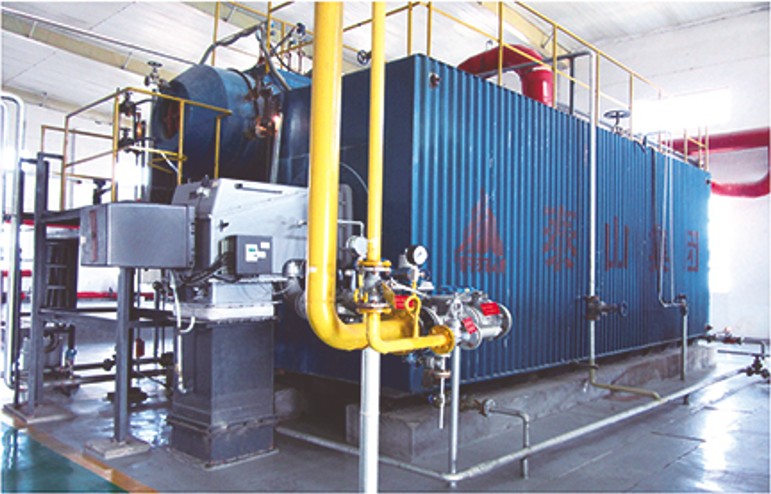
Selecting an industrial boiler is one of the most important long-term investment decisions a facility can make, yet many purchasing decisions are still driven primarily by initial equipment price. While acquisition costs are easy to compare, they often represent only a small portion of the total expenses incurred throughout a boiler’s operational life. ⚠️ A boiler with a lower purchase price may require significantly more fuel, maintenance, labor, compliance upgrades, and repairs over the next 15 to 30 years, ultimately becoming far more expensive than a higher-priced alternative. Conversely, a boiler with a greater upfront cost may deliver substantial long-term savings through improved efficiency, reliability, and operational flexibility. Without a structured approach to evaluating these factors, organizations risk making decisions that appear economical in the short term but generate excessive ownership costs over time. This is where Lifecycle Cost Analysis (LCCA) becomes an invaluable decision-making tool.
Lifecycle Cost Analysis (LCCA) helps organizations select the right industrial boiler by evaluating all costs incurred throughout the equipment’s operational life rather than focusing solely on purchase price. By considering acquisition costs, installation expenses, fuel consumption, maintenance requirements, downtime risks, labor needs, compliance obligations, upgrade investments, and end-of-life costs, LCCA provides a more accurate assessment of long-term financial performance. This approach enables decision-makers to identify boiler solutions that deliver the lowest Total Cost of Ownership (TCO) and the strongest return on investment over time.
For plant managers, engineers, facility owners, procurement professionals, and project developers, Lifecycle Cost Analysis offers a practical framework for comparing competing boiler technologies under real operating conditions. 📈 In this article, we will explore how LCCA works, why it is essential for industrial boiler selection, and how organizations can use it to minimize risk while maximizing long-term value.
Lifecycle Cost Analysis evaluates expenses throughout the entire operational life of an industrial boiler.True
LCCA considers acquisition, operation, maintenance, compliance, upgrade, and disposal costs to provide a comprehensive financial assessment.
The lowest-priced industrial boiler typically provides the lowest ownership cost over its lifetime.False
Fuel, maintenance, downtime, and compliance expenses often exceed the original purchase price many times over.
Why Purchase Price Alone Can Be Misleading 💡
When evaluating boiler proposals, it is natural to compare equipment prices first because they are clearly visible and easy to quantify. However, this approach can create a distorted view of long-term value because the purchase price is incurred only once, whereas operating expenses continue throughout the boiler’s service life.
For example, two boilers may differ in acquisition cost by 15%, yet one may consume substantially less fuel, require fewer maintenance interventions, and experience fewer operational disruptions. Over twenty years of operation, these differences can outweigh the initial price gap many times over.
Typical Industrial Boiler Lifecycle Cost Distribution
| Cost Category | Typical Share of Lifetime Cost |
|---|---|
| Fuel Costs | 60–80% |
| Maintenance Costs | 5–15% |
| Installation Costs | 5–10% |
| Downtime Costs | 3–12% |
| Labor Costs | 2–8% |
| Compliance Costs | 1–5% |
| Disposal Costs | Less than 1% |
This distribution clearly demonstrates why a comprehensive financial evaluation is necessary when selecting industrial boiler systems.
What Is Lifecycle Cost Analysis? 📊
Lifecycle Cost Analysis is a structured methodology used to estimate and compare all costs associated with owning, operating, maintaining, and ultimately retiring an asset.
Rather than focusing on a single financial metric, LCCA examines the complete economic picture, allowing decision-makers to understand how today’s purchasing choices affect future operating budgets.
Core Components of Lifecycle Cost Analysis
| Cost Component | Included in LCCA |
|---|---|
| Equipment Purchase | Yes |
| Installation | Yes |
| Fuel Consumption | Yes |
| Maintenance | Yes |
| Downtime Costs | Yes |
| Compliance Costs | Yes |
| Upgrades and Retrofits | Yes |
| Disposal Costs | Yes |
Because industrial boilers often operate for decades, this comprehensive perspective is essential for informed decision-making.
The Relationship Between LCCA and TCO 🔄
Although the terms Lifecycle Cost Analysis and Total Cost of Ownership are sometimes used interchangeably, they serve slightly different purposes.
· TCO represents the cumulative costs associated with ownership.
· LCCA is the analytical process used to calculate and compare those costs.
· LCCA helps identify which option delivers the lowest TCO.
· TCO provides the final ownership cost estimate.
Together, they form a powerful framework for evaluating industrial investments.
Why Fuel Costs Receive Special Attention ⛽
In most industrial applications, fuel expenses represent the largest ownership cost category. Consequently, fuel consumption assumptions can significantly influence the outcome of a Lifecycle Cost Analysis.
A boiler that consumes even 5% less fuel annually may generate substantial savings when operating thousands of hours per year over a multi-decade lifespan.
Example Fuel Cost Impact
| Boiler Efficiency | Relative Fuel Consumption |
|---|---|
| 80% | Highest |
| 85% | Lower |
| 90% | Significantly Lower |
| 95% | Lowest |
When multiplied over twenty years, these differences can translate into hundreds of thousands of dollars in savings.
Why Real Operating Conditions Matter 🔥
One of the greatest advantages of Lifecycle Cost Analysis is that it encourages organizations to evaluate equipment under actual operating conditions rather than relying solely on marketing specifications.
Important operational factors include:
· Annual operating hours
· Seasonal demand fluctuations
· Process load variability
· Fuel price projections
· Maintenance schedules
· Environmental requirements
A boiler that performs exceptionally well in laboratory testing may not deliver the same results under real-world conditions.
Understanding Load Profiles and Boiler Selection 📈
Industrial facilities rarely operate at full capacity continuously.
Many plants experience changing demand patterns throughout the day, week, or year. As a result, load profile analysis is an important component of LCCA.
Typical Operating Load Distribution
| Operating Load | Typical Time Share |
|---|---|
| 100% Load | Low |
| 75% Load | Moderate |
| 50% Load | High |
| 25% Load | Moderate |
| Below 25% | Variable |
Because partial-load operation is common, part-load efficiency can significantly influence lifecycle costs.
Evaluating Maintenance Requirements 🔧
Maintenance costs are often underestimated during procurement because they are difficult to predict accurately. However, over the life of a boiler, maintenance expenditures can become substantial.
A thorough LCCA evaluates:
· Routine maintenance requirements
· Spare parts availability
· Inspection schedules
· Overhaul frequency
· Service labor costs
Maintenance Comparison Example
| Boiler Type | Maintenance Complexity |
|---|---|
| Conventional Fire-Tube Boiler | Moderate |
| Water-Tube Boiler | Higher |
| Condensing Boiler | Moderate |
| Modular Boiler Plant | Moderate |
| Electric Boiler | Lower |
Understanding these differences helps prevent unexpected long-term expenses.
Downtime Costs and Operational Risk ⏱️
Unexpected downtime can be one of the most expensive aspects of boiler ownership, particularly in industries where thermal energy is critical to production.
While maintenance costs are relatively predictable, downtime expenses often include indirect losses that are much harder to estimate.
Downtime Cost Components
| Cost Category | Potential Impact |
|---|---|
| Production Losses | Very High |
| Delayed Deliveries | High |
| Emergency Repairs | High |
| Labor Inefficiencies | Moderate |
| Product Waste | Variable |
Including these factors in LCCA improves the accuracy of financial projections.
Regulatory Compliance Considerations 📋
Compliance-related costs continue to grow as environmental and safety regulations evolve.
Lifecycle Cost Analysis should account for:
· Emissions monitoring systems
· Reporting requirements
· Permit renewals
· Safety inspections
· Future regulatory upgrades
Ignoring these expenses can significantly underestimate ownership costs.
Compliance Cost Categories
| Compliance Element | Typical Impact |
|---|---|
| Emissions Controls | Moderate to High |
| Monitoring Equipment | Moderate |
| Safety Programs | Moderate |
| Reporting Systems | Moderate |
Future regulations may further increase the importance of these considerations.
Comparing Boiler Technologies Through LCCA 🏭
Lifecycle Cost Analysis provides a structured method for comparing technologies that differ in acquisition cost, efficiency, maintenance requirements, and operational flexibility.
Example Technology Comparison
| Boiler Type | Initial Cost | Operating Cost | Long-Term TCO |
|---|---|---|---|
| Conventional Fire-Tube | Lower | Higher | Higher |
| Water-Tube Boiler | Moderate | Moderate | Balanced |
| Condensing Boiler | Higher | Lower | Lower |
| Modular Boiler Plant | Higher | Lowest | Often Lowest |
| Electric Boiler | Moderate | Depends on Electricity Cost | Variable |
This comparison demonstrates why the least expensive option initially may not be the most economical choice over time.
The Importance of Future Flexibility 🔮
Industrial facilities often evolve over the lifespan of a boiler system.
Production volumes may increase, environmental regulations may tighten, and energy markets may change significantly. Therefore, LCCA should evaluate not only current conditions but also future adaptability.
Factors Affecting Future Flexibility
| Consideration | Strategic Value |
|---|---|
| Fuel Flexibility | High |
| Expansion Capability | High |
| Modular Design | High |
| Digital Integration | Moderate to High |
| Emissions Upgrade Potential | High |
Flexible systems frequently provide stronger long-term value.
Using Net Present Value in Lifecycle Analysis 💵
Many organizations use Net Present Value (NPV) calculations within LCCA to account for the time value of money.
This approach recognizes that:
· Future expenses are not equivalent to current expenses.
· Operating costs occur over many years.
· Investment decisions should consider discounted cash flows.
NPV helps decision-makers compare alternatives on a consistent financial basis.
Lifecycle Cost Analysis Process Step-by-Step 📝
A structured LCCA typically follows a logical sequence.
Recommended Evaluation Process
| Step | Objective |
|---|---|
| Define Requirements | Establish project goals |
| Gather Cost Data | Identify cost components |
| Estimate Operating Costs | Forecast future expenses |
| Evaluate Risks | Assess uncertainties |
| Compare Alternatives | Analyze competing options |
| Calculate Lifecycle Costs | Determine total ownership impact |
| Select Preferred Solution | Optimize value |
Following this process improves decision quality and transparency.
Real Industrial Case Study 📚
A food processing facility needed to replace an aging steam boiler. Management initially favored a conventional fire-tube unit because it offered the lowest purchase price.
However, after conducting a Lifecycle Cost Analysis, the evaluation revealed that a modular condensing boiler system would consume less fuel, reduce maintenance requirements, improve reliability, and lower emissions compliance costs.
Twenty-Year Cost Comparison
| Cost Category | Conventional Boiler | Modular Condensing System |
|---|---|---|
| Initial Investment | Lower | Higher |
| Fuel Costs | Higher | Lower |
| Maintenance Costs | Higher | Lower |
| Downtime Costs | Higher | Lower |
| Compliance Costs | Higher | Lower |
| Total Lifecycle Cost | Higher | Lower |
Although the preferred solution required a larger upfront investment, it generated substantially greater long-term savings.
Common Mistakes When Performing LCCA ❌
Lifecycle Cost Analysis is highly effective when performed correctly, but several common mistakes can reduce its accuracy.
Frequent Evaluation Errors
| Mistake | Consequence |
|---|---|
| Focusing Only on Purchase Price | Incomplete Analysis |
| Ignoring Fuel Inflation | Underestimated Costs |
| Overlooking Downtime | Unrealistic Projections |
| Using Generic Operating Profiles | Poor Accuracy |
| Ignoring Future Regulations | Increased Risk |
Avoiding these mistakes improves the reliability of investment decisions.
Future Trends Enhancing Lifecycle Analysis 🚀
Advances in digital technologies are making lifecycle evaluations more accurate than ever before.
Emerging Developments
| Technology | Benefit |
|---|---|
| Digital Twins | Performance Simulation |
| Predictive Analytics | Better Cost Forecasting |
| AI Optimization Tools | Scenario Modeling |
| Real-Time Monitoring | Improved Data Accuracy |
| Cloud-Based Asset Management | Enhanced Decision Support |
These tools are helping organizations make increasingly data-driven investment decisions.
Summary 🏁
Lifecycle Cost Analysis is one of the most effective tools for selecting the right industrial boiler because it evaluates the complete financial impact of ownership rather than focusing solely on acquisition costs. 🔥 By considering fuel consumption, maintenance requirements, downtime risks, compliance obligations, labor expenses, future upgrades, and disposal costs, LCCA provides a realistic assessment of long-term value and helps organizations avoid costly purchasing mistakes.
Facilities that incorporate Lifecycle Cost Analysis into their boiler selection process are often able to identify solutions that deliver lower Total Cost of Ownership, stronger operational reliability, improved regulatory compliance, and better returns on investment. In an environment where energy costs, environmental requirements, and operational expectations continue to evolve, lifecycle thinking has become an essential component of successful industrial boiler procurement.
Conclusion
The total cost of ownership (TCO) for industrial boilers goes beyond initial purchase costs, encompassing fuel, maintenance, efficiency, downtime, and compliance expenses. Evaluating TCO provides a realistic view of long-term financial implications, allowing industries to choose boilers that optimize performance, reduce operational costs, and deliver reliable service over their entire lifespan.
If you want to calculate the TCO for your industrial boiler options or need guidance on selecting the most cost-effective system, contact us today. Our experts provide comprehensive lifecycle analysis, efficiency optimization, and professional support to ensure your boiler investment delivers maximum value.
FAQ
Q1: What is the total cost of ownership (TCO) for an industrial boiler?
A:
Total Cost of Ownership (TCO) refers to the complete lifecycle cost of an industrial boiler, not just its initial purchase price. TCO includes all expenses incurred from acquisition, installation, operation, maintenance, compliance, and eventual replacement or decommissioning.
Many buyers focus heavily on the upfront equipment cost when selecting a boiler. However, the purchase price often represents only a small percentage of the boiler’s total lifetime expense. Fuel consumption, maintenance requirements, labor costs, downtime risks, and efficiency losses typically account for the majority of long-term costs.
A comprehensive TCO analysis helps organizations compare different boiler technologies more accurately. For example, a high-efficiency boiler may cost more initially but can generate significant fuel savings over 15–30 years of operation. Similarly, a boiler with advanced controls and better reliability may reduce maintenance costs and production interruptions.
Industrial facilities commonly use TCO evaluations when comparing fire-tube boilers, water-tube boilers, condensing boilers, biomass boilers, and combined heat and power systems. By examining the entire lifecycle cost rather than only the purchase price, businesses can make more informed investment decisions.
TCO is particularly important in industries where boilers operate continuously, such as power generation, chemical manufacturing, food processing, pharmaceuticals, paper mills, and district heating systems. In these applications, even small efficiency improvements can translate into substantial long-term savings.
Q2: What cost components are included in an industrial boiler TCO calculation?
A:
A complete industrial boiler TCO calculation typically includes both direct and indirect costs throughout the equipment’s operating life.
The first category is capital expenditure (CAPEX), which includes the boiler purchase price, burner systems, controls, water treatment equipment, piping, installation labor, engineering services, commissioning, and startup costs.
The second category is operating expenditure (OPEX). Fuel costs usually represent the largest portion of boiler ownership expenses. Depending on fuel prices and operating hours, fuel may account for 60–80% of total lifecycle costs. Electricity consumption for pumps, fans, and auxiliary equipment should also be considered.
Maintenance expenses are another major component. These include inspections, tube cleaning, burner tuning, water treatment chemicals, spare parts, safety testing, and planned shutdowns. Unexpected repairs and component replacements can significantly affect long-term ownership costs.
Labor costs should also be included. Boiler operators, maintenance personnel, contractors, and technical support services contribute to overall TCO.
Environmental compliance expenses may include emissions monitoring, permitting fees, low-NOx upgrades, emissions control systems, and regulatory inspections.
Finally, end-of-life costs such as decommissioning, equipment disposal, and replacement planning should be included. Organizations that consider all of these factors gain a much more accurate picture of the true financial impact of boiler ownership.
Q3: Why do fuel costs have the greatest impact on boiler TCO?
A:
Fuel costs typically represent the largest single expense in an industrial boiler’s lifecycle, making them one of the most important factors in TCO calculations.
Industrial boilers often operate thousands of hours per year. Even a small difference in thermal efficiency can create substantial fuel cost differences over time. For example, a boiler operating at 90% efficiency will consume significantly less fuel than a comparable system operating at 80% efficiency.
The impact becomes even greater in facilities with continuous operations such as refineries, chemical plants, food processing facilities, and power generation stations. Over a 20-year operating period, fuel expenses can exceed the original boiler purchase price many times over.
Fuel type also influences TCO. Natural gas, biomass, fuel oil, coal, hydrogen, and waste-derived fuels have different pricing structures, supply risks, storage requirements, and environmental compliance costs. A lower-cost fuel option may require additional infrastructure investments or emissions control systems.
Energy recovery technologies can help reduce fuel-related expenses. Economizers, condensing heat exchangers, waste heat recovery systems, and advanced combustion controls improve energy utilization and lower fuel consumption.
Because fuel costs fluctuate over time, many organizations conduct sensitivity analyses when evaluating boiler investments. This helps estimate how future energy price changes could affect overall ownership costs.
For most industrial facilities, improving fuel efficiency offers the greatest opportunity to reduce TCO and increase long-term return on investment.
Q4: How do maintenance and reliability affect industrial boiler TCO?
A:
Maintenance and reliability have a major impact on industrial boiler TCO because unplanned downtime and repair costs can quickly exceed expected budget savings.
Routine maintenance helps maintain efficiency, extend equipment life, and prevent costly failures. Typical maintenance activities include water treatment monitoring, burner inspections, tube cleaning, safety valve testing, instrumentation calibration, and combustion optimization.
Boilers with advanced automation and monitoring systems often have higher initial costs but lower long-term maintenance expenses. Predictive maintenance technologies can identify developing issues before they become major failures, reducing repair costs and downtime.
Reliability is especially important in industries where production interruptions are expensive. If a boiler failure shuts down a manufacturing facility, the resulting production losses may far exceed the cost of the repair itself. For this reason, many facilities invest in higher-quality equipment and redundant boiler systems.
Water quality management also plays a significant role. Poor water treatment can lead to scaling, corrosion, tube failures, and reduced heat transfer efficiency. These issues increase maintenance costs while simultaneously raising fuel consumption.
When evaluating TCO, organizations should consider expected maintenance intervals, spare parts availability, service support, warranty coverage, and historical reliability data. A boiler with slightly higher purchase costs may ultimately provide lower lifecycle expenses if it delivers superior reliability and reduced downtime.
Q5: How can companies reduce the total cost of ownership of industrial boilers?
A:
Reducing industrial boiler TCO requires a combination of efficient equipment selection, proper operation, preventive maintenance, and long-term energy management strategies.
One of the most effective approaches is selecting a high-efficiency boiler that matches the facility’s actual load requirements. Oversized or undersized boilers often operate inefficiently, increasing fuel consumption and maintenance costs.
Investing in energy-saving technologies can also significantly lower TCO. Examples include economizers, condensing systems, variable-frequency drives, oxygen trim controls, and heat recovery units. These technologies improve fuel utilization and reduce operating expenses.
Regular preventive maintenance is equally important. Scheduled inspections, water treatment programs, burner tuning, and performance monitoring help maintain efficiency and prevent costly breakdowns.
Automation and digital monitoring systems can further reduce ownership costs by optimizing combustion performance, detecting faults early, and improving operational control. Many modern boiler management systems provide real-time efficiency tracking and predictive maintenance alerts.
Companies should also evaluate fuel procurement strategies and consider alternative energy sources where appropriate. In some cases, biomass, waste heat recovery, or combined heat and power systems may reduce long-term energy costs.
Finally, conducting a full lifecycle cost analysis before purchasing a boiler helps identify the most economical solution. Focusing only on the initial purchase price often leads to higher overall ownership costs over the life of the equipment.
References
- Boiler Room Guide — https://www.cleaverbrooks.com/boiler-room-guide — Source: Cleaver-Brooks
- Steam Systems and Energy Efficiency — https://www.energy.gov/eere/amo/steam-systems — Source: U.S. Department of Energy
- Boiler House Fundamentals — https://www.spiraxsarco.com/learn-about-steam/the-boiler-house — Source: Spirax Sarco
- Industrial Boiler Technology Overview — https://www.britannica.com/technology/boiler — Source: Encyclopaedia Britannica
- Combined Heat and Power Basics — https://www.epa.gov/chp/combined-heat-and-power-basics — Source: U.S. Environmental Protection Agency
- Boiler Efficiency Improvement Guide — https://www.energy.gov/energysaver/furnaces-and-boilers — Source: U.S. Department of Energy
- Industrial Steam System Best Practices — https://www.tlv.com/global/US/steam-info/steam-theory/steam-basics/ — Source: TLV
- Industrial Boiler Solutions — https://www.thermaxglobal.com/industrial-boilers/ — Source: Thermax
- Boiler Maintenance Resources — https://www.fulton.com/resources — Source: Fulton Boiler Works
- Industrial Boiler Performance and Operations — https://www.powermag.com/boilers-101-what-they-are-and-how-they-work/ — Source: POWER Magazine