Many industrial boiler buyers focus heavily on minimizing upfront investment, only to discover later that high fuel consumption, maintenance expenses, and operational inefficiencies dramatically increase long-term costs. Conversely, investing in a premium boiler with advanced technology may require a larger initial budget but can deliver significant savings throughout its service life. Without properly evaluating both capital expenditures (CAPEX) and operating expenditures (OPEX), businesses risk making costly procurement decisions that negatively affect profitability and return on investment.
To calculate and compare CAPEX vs OPEX in industrial boiler projects, CAPEX should include equipment purchase, engineering, installation, commissioning, and infrastructure costs, while OPEX should include fuel, electricity, water treatment, maintenance, labor, emissions compliance, and downtime expenses. The most cost-effective boiler is not always the one with the lowest purchase price but the one that delivers the lowest total lifecycle cost over its expected operating life.
Understanding the relationship between CAPEX and OPEX allows decision-makers to select industrial boiler solutions that balance initial investment with long-term operational performance.
What Costs Should Be Included in Industrial Boiler CAPEX Calculations?
When planning a new industrial boiler project, many organizations focus primarily on the quoted equipment price and assume it represents the majority of the required investment. However, this assumption often leads to budget overruns, delayed project approvals, and unexpected financial pressures during implementation. ⚠️ In reality, the boiler itself is only one component of the overall capital expenditure (CAPEX). Installation infrastructure, utility connections, civil works, permitting requirements, control systems, commissioning activities, and numerous auxiliary components can significantly increase the total project cost. In some cases, the complete installed cost of a boiler plant may be 1.5 to 3 times higher than the boiler package price alone. Therefore, organizations that fail to develop a comprehensive CAPEX estimate risk making inaccurate financial projections and selecting equipment that may not align with their long-term investment objectives.
Industrial boiler CAPEX calculations should include all costs required to purchase, install, commission, and prepare the boiler system for safe commercial operation. Beyond the boiler itself, CAPEX typically includes auxiliary equipment, burner systems, control systems, civil construction, piping, electrical work, utility integration, emissions control equipment, engineering services, permitting, commissioning, operator training, and contingency allowances. A comprehensive CAPEX assessment provides a realistic project budget and supports more accurate lifecycle cost analysis and investment decision-making.
For plant managers, project engineers, procurement specialists, EPC contractors, and facility owners, understanding the full scope of boiler-related capital expenditures is essential for avoiding costly surprises and ensuring successful project execution. 📊 This article explores every major cost category that should be included in industrial boiler CAPEX calculations and explains how these investments influence overall project economics.
The boiler purchase price represents only a portion of total industrial boiler CAPEX.True
Installation, auxiliary systems, engineering, commissioning, and infrastructure costs often account for a significant share of total project investment.
Once the boiler equipment has been purchased, most capital costs have already been accounted for.False
Numerous additional expenditures such as construction, piping, controls, electrical integration, and permitting often remain before the system becomes operational.
Why Accurate CAPEX Calculations Matter 💡
Capital expenditure planning is much more than preparing a procurement budget. It serves as the financial foundation for project approval, investment analysis, return-on-investment calculations, and long-term operational planning.
A well-prepared CAPEX estimate helps organizations:
· Avoid budget overruns
· Improve project scheduling
· Support financing approvals
· Enhance investment confidence
· Strengthen lifecycle cost analysis
Without a complete understanding of capital requirements, even technically successful projects can experience financial challenges.
Typical Industrial Boiler Project Cost Distribution
| Cost Category | Typical Share of CAPEX |
|---|---|
| Boiler Equipment | 25–45% |
| Installation & Construction | 15–30% |
| Auxiliary Systems | 10–20% |
| Electrical & Controls | 5–15% |
| Engineering & Project Management | 5–10% |
| Commissioning & Training | 1–5% |
| Contingency | 5–15% |
This distribution highlights why equipment price alone rarely reflects total project investment.
Boiler Equipment Acquisition Costs 🔥
The most visible CAPEX component is the boiler package itself.
This category generally includes the primary pressure vessel and major factory-supplied components required for basic operation.
Typical Boiler Package Components
| Component | Included in Equipment Cost |
|---|---|
| Boiler Pressure Vessel | Yes |
| Burner Assembly | Usually |
| Basic Control Panel | Usually |
| Safety Devices | Yes |
| Insulation | Usually |
| Factory Testing | Usually |
However, buyers should carefully verify supplier quotations because package inclusions vary significantly among manufacturers.
Burner and Combustion System Costs 🔥
The burner system is a critical component of overall boiler performance and can represent a significant portion of project CAPEX.
Modern industrial burners often include sophisticated combustion controls designed to improve efficiency and reduce emissions.
Burner Investment Factors
| Cost Driver | Impact |
|---|---|
| Fuel Type | High |
| Emissions Requirements | High |
| Turndown Ratio | Moderate |
| Control Complexity | Moderate |
| Dual-Fuel Capability | High |
Higher-performance burner systems generally require greater initial investment but may reduce long-term operating expenses.
Auxiliary Equipment Costs ⚙️
Many supporting systems are required to ensure reliable boiler operation.
These components are often overlooked during preliminary budgeting even though they can represent a substantial share of project costs.
Common Auxiliary Equipment
| Equipment | Purpose |
|---|---|
| Feedwater Pumps | Water Supply |
| Deaerators | Oxygen Removal |
| Expansion Tanks | Pressure Management |
| Blowdown Systems | Water Quality Control |
| Heat Exchangers | Energy Transfer |
| Water Treatment Units | Scale Prevention |
The complexity of the application largely determines the scale of auxiliary equipment required.
Water Treatment System Investment 💧
Water treatment is essential for protecting boiler reliability, efficiency, and lifespan.
Poor water quality can result in scale formation, corrosion, reduced heat transfer, and premature equipment failure.
Water Treatment CAPEX Components
| System Element | Function |
|---|---|
| Water Softeners | Hardness Removal |
| Reverse Osmosis Systems | Purification |
| Chemical Dosing Equipment | Corrosion Control |
| Monitoring Systems | Water Quality Tracking |
Although water treatment systems increase initial CAPEX, they often reduce long-term maintenance costs significantly.
Civil Construction and Foundation Costs 🏗️
Before equipment can be installed, the site may require substantial preparation.
Depending on project scope, civil works can represent a surprisingly large portion of capital expenditure.
Civil Work Cost Categories
| Construction Activity | Typical Impact |
|---|---|
| Foundations | High |
| Structural Reinforcement | Moderate |
| Equipment Pads | Moderate |
| Drainage Systems | Moderate |
| Building Modifications | High |
Facilities upgrading existing boiler rooms may experience lower civil costs than greenfield projects.
Mechanical Installation Costs 🔧
Mechanical installation encompasses the labor and materials required to assemble and integrate the boiler system within the facility.
Installation Scope
| Activity | Cost Impact |
|---|---|
| Equipment Placement | Moderate |
| Piping Installation | High |
| Valve Integration | Moderate |
| Insulation Work | Moderate |
| Utility Connections | High |
Mechanical installation costs often increase significantly when working within existing operating facilities.
Piping and Distribution System Costs 🚰
The boiler itself produces thermal energy, but additional infrastructure is required to deliver that energy where it is needed.
Piping Cost Components
| System | Purpose |
|---|---|
| Steam Piping | Steam Distribution |
| Condensate Return | Water Recovery |
| Fuel Piping | Fuel Supply |
| Feedwater Piping | Boiler Operation |
| Blowdown Piping | Wastewater Management |
Large industrial facilities may spend substantial amounts on piping networks alone.
Electrical Infrastructure Costs ⚡
Modern boiler plants rely heavily on electrical systems for operation, control, monitoring, and safety.
Electrical Cost Categories
| Component | Function |
|---|---|
| Power Distribution Panels | Electrical Supply |
| Motor Control Centers | Equipment Control |
| Cable Installation | Connectivity |
| Backup Power Systems | Reliability |
| Grounding Systems | Safety |
Electrical requirements vary depending on plant size and automation level.
Automation and Control System Costs 🤖
Industrial boiler control systems have become increasingly sophisticated.
Modern facilities often require advanced automation capabilities to improve efficiency, reliability, and regulatory compliance.
Typical Control System Investments
| Technology | Benefit |
|---|---|
| PLC Systems | Automated Control |
| SCADA Platforms | Central Monitoring |
| IoT Sensors | Data Collection |
| Remote Diagnostics | Faster Support |
| Energy Analytics | Optimization |
Although automation increases CAPEX, it can generate significant operational savings.
Emissions Control Equipment Costs 🌍
Environmental regulations frequently require additional equipment to reduce emissions.
Common Emissions Control Technologies
| Technology | Compliance Objective |
|---|---|
| Low-NOx Burners | NOx Reduction |
| Flue Gas Recirculation | Combustion Optimization |
| SCR Systems | Advanced NOx Control |
| Emissions Monitoring Systems | Regulatory Compliance |
The required level of emissions control depends on fuel type, location, and industry regulations.
Utility Connection Costs 🔌
A boiler plant must connect to multiple utility systems before operation can begin.
Utility Integration Requirements
· Natural gas connections
· Electrical supply upgrades
· Water supply connections
· Wastewater systems
· Compressed air systems
Utility upgrades can become a major CAPEX component, particularly in older facilities.
Engineering and Design Costs 📐
Professional engineering services are essential for ensuring safe, efficient, and compliant project execution.
Engineering Scope
| Service | Purpose |
|---|---|
| System Design | Technical Planning |
| Process Engineering | Performance Optimization |
| Structural Analysis | Safety Verification |
| Electrical Design | Power Integration |
| Compliance Review | Regulatory Approval |
Engineering expenses typically represent a relatively small portion of CAPEX but have a significant influence on project success.
Permitting and Regulatory Approval Costs 📋
Many industrial boiler projects require regulatory approval before installation and operation.
Regulatory Cost Categories
| Requirement | Purpose |
|---|---|
| Construction Permits | Project Authorization |
| Environmental Permits | Emissions Compliance |
| Pressure Vessel Registration | Safety Compliance |
| Inspection Fees | Verification |
These costs should be incorporated into project budgets from the earliest planning stages.
Commissioning and Startup Costs 🚀
Commissioning ensures that the boiler operates safely and performs according to design specifications.
Startup Activities
| Activity | Objective |
|---|---|
| Functional Testing | System Verification |
| Combustion Tuning | Efficiency Optimization |
| Safety Validation | Risk Reduction |
| Performance Testing | Acceptance Criteria |
Skipping thorough commissioning can lead to operational problems and increased ownership costs.
Operator Training Costs 👨🔧
Personnel training is often overlooked during CAPEX planning despite its importance.
Properly trained operators contribute to:
· Improved efficiency
· Reduced downtime
· Enhanced safety
· Lower maintenance costs
Training Investment Areas
| Training Topic | Benefit |
|---|---|
| Boiler Operation | Improved Performance |
| Safety Procedures | Reduced Risk |
| Maintenance Practices | Greater Reliability |
| Regulatory Compliance | Operational Readiness |
Training expenses should be considered part of project implementation rather than a separate operational cost.
Project Management and EPC Costs 📊
Complex boiler projects frequently require dedicated project management resources.
Project Management Activities
| Activity | Purpose |
|---|---|
| Procurement Coordination | Schedule Control |
| Contractor Management | Quality Assurance |
| Cost Tracking | Budget Control |
| Risk Management | Project Stability |
These services become increasingly valuable as project complexity increases.
Contingency Allowances and Risk Management ⚠️
No capital project proceeds exactly as planned.
Unexpected conditions, supply chain disruptions, design changes, and site-specific challenges can all affect project costs.
Recommended Contingency Ranges
| Project Stage | Typical Contingency |
|---|---|
| Conceptual Estimate | 15–30% |
| Preliminary Design | 10–20% |
| Detailed Design | 5–10% |
Adequate contingency planning helps prevent budget shortfalls.
Example Industrial Boiler CAPEX Breakdown 📈
Consider a hypothetical industrial steam boiler project.
Illustrative CAPEX Allocation
| Cost Category | Percentage of Total CAPEX |
|---|---|
| Boiler Package | 35% |
| Auxiliary Equipment | 15% |
| Installation | 18% |
| Electrical & Controls | 10% |
| Civil Works | 8% |
| Engineering | 5% |
| Commissioning | 2% |
| Contingency | 7% |
This example demonstrates how non-equipment costs can collectively exceed the cost of the boiler itself.
Common CAPEX Estimation Mistakes ❌
Even experienced project teams can overlook important capital expenditures.
Frequent Budgeting Errors
| Mistake | Consequence |
|---|---|
| Using Equipment Cost Only | Significant Underestimation |
| Ignoring Utility Upgrades | Budget Overruns |
| Excluding Permitting Costs | Approval Delays |
| Underestimating Installation Labor | Cost Escalation |
| Insufficient Contingency | Financial Risk |
A structured CAPEX methodology helps avoid these issues.
Future Trends Affecting Boiler CAPEX 🚀
Industrial boiler projects are evolving alongside broader industry trends.
Emerging Investment Drivers
| Trend | CAPEX Impact |
|---|---|
| Digitalization | Increased Controls Investment |
| Decarbonization | New Technology Adoption |
| Hydrogen Readiness | Fuel System Modifications |
| Automation Expansion | Advanced Monitoring Systems |
| Stricter Emissions Regulations | Additional Compliance Equipment |
Organizations that anticipate these trends can make more resilient investment decisions.
Summary 🏁
Industrial boiler CAPEX calculations should encompass far more than the boiler purchase price alone. 🔥 A comprehensive capital expenditure assessment includes equipment acquisition, auxiliary systems, water treatment, civil works, piping, electrical infrastructure, automation, emissions controls, engineering services, permitting, commissioning, training, project management, and contingency allowances. Depending on project complexity, these additional expenditures can equal or even exceed the cost of the boiler itself.
Organizations that develop detailed and realistic CAPEX estimates are better positioned to secure project approval, avoid budget overruns, improve lifecycle cost analysis, and select boiler systems that align with long-term operational and financial objectives. By evaluating the complete investment picture rather than focusing solely on equipment pricing, decision-makers can achieve more successful project outcomes and stronger returns on capital investment.
Which Operating Expenses Have the Greatest Impact on Industrial Boiler OPEX?
For many industrial facilities, the financial commitment associated with a boiler system does not end once the equipment has been purchased and installed. In fact, the largest expenditures often occur after commissioning, as operating expenses accumulate every day the boiler is in service. ⚠️ While procurement teams may spend months evaluating capital investment options, plant managers frequently discover that fuel consumption, maintenance activities, water treatment, labor requirements, downtime incidents, and compliance obligations ultimately have a much greater influence on long-term profitability. Because industrial boilers often operate for 15 to 30 years or more, even relatively small differences in annual operating costs can translate into hundreds of thousands—or even millions—of dollars over the system’s lifetime. Understanding which operating expenses have the greatest impact on OPEX is therefore essential for optimizing budget planning, improving energy efficiency, and reducing Total Cost of Ownership (TCO).
The operating expenses with the greatest impact on industrial boiler OPEX are typically fuel consumption, maintenance activities, labor requirements, water treatment, electricity usage, downtime-related losses, and regulatory compliance costs. Among these categories, fuel expenses usually account for 60% to 80% of total operating costs, making efficiency and energy management critical factors in long-term financial performance. However, maintenance, reliability, and operational practices can also significantly influence overall OPEX by affecting equipment lifespan, production continuity, and resource utilization.
For facility owners, energy managers, engineers, and procurement professionals, identifying the primary drivers of boiler operating costs is a crucial step toward improving competitiveness and achieving sustainable operational performance. 📈 This article examines the most important industrial boiler OPEX categories, explains how they affect profitability, and outlines practical strategies for controlling costs throughout the equipment lifecycle.
Fuel costs are typically the largest operating expense associated with industrial boilers.True
In most industrial applications, fuel consumption represents the majority of annual boiler operating expenses.
Maintenance costs usually exceed fuel costs in industrial boiler operations.False
While maintenance is important, fuel expenses generally account for a much larger share of total operating costs.
Understanding Industrial Boiler OPEX 💡
Operating Expenditure (OPEX) refers to the recurring costs required to operate and maintain a boiler system after installation and commissioning. Unlike CAPEX, which focuses on initial investment, OPEX reflects the ongoing financial commitment necessary to keep the boiler functioning safely, efficiently, and reliably.
Because OPEX recurs throughout the entire service life of the equipment, it often exceeds the original capital investment many times over.
Typical Industrial Boiler OPEX Distribution
| Operating Expense Category | Typical Share of OPEX |
|---|---|
| Fuel Costs | 60–80% |
| Maintenance Costs | 5–15% |
| Labor Costs | 3–10% |
| Water Treatment Costs | 2–8% |
| Electricity Costs | 1–5% |
| Compliance Costs | 1–5% |
| Downtime Costs | Variable |
This distribution illustrates why organizations seeking to reduce operating expenses often focus first on energy efficiency and fuel management.
Fuel Costs: The Largest OPEX Driver ⛽
Fuel consumption is almost always the most significant operating expense for industrial boilers.
Every percentage point of efficiency improvement reduces the amount of fuel required to generate a given quantity of steam or hot water. Since boilers consume fuel continuously during operation, even small efficiency gains can generate substantial long-term savings.
For facilities operating around the clock, fuel expenditures may exceed all other operating costs combined.
Factors Affecting Fuel Expenses
· Boiler efficiency
· Fuel type
· Operating hours
· Load profile
· Combustion quality
· Heat recovery effectiveness
Fuel Cost Impact Example
| Boiler Efficiency | Relative Annual Fuel Cost |
|---|---|
| 80% | Highest |
| 85% | Lower |
| 90% | Significantly Lower |
| 95% | Lowest |
Over a 20-year operating period, the difference between these efficiency levels can amount to a substantial financial advantage.
How Fuel Price Volatility Influences OPEX 📈📉
Fuel costs are affected not only by consumption levels but also by market conditions.
Energy prices can fluctuate due to:
· Supply chain disruptions
· Seasonal demand changes
· Geopolitical events
· Environmental regulations
· Carbon pricing policies
As a result, facilities often conduct sensitivity analyses when forecasting long-term operating costs.
Fuel Type Comparison
| Fuel Type | Cost Stability | OPEX Sensitivity |
|---|---|---|
| Natural Gas | Moderate | Moderate |
| Fuel Oil | Moderate to High | High |
| Biomass | Variable | Moderate |
| Electricity | Variable | High |
| Hydrogen Blends | Emerging | Uncertain |
Fuel flexibility can help organizations manage future operating cost risks.
Maintenance Costs and Their Long-Term Impact 🔧
Although maintenance costs are generally lower than fuel expenses, they remain a major contributor to industrial boiler OPEX.
Regular maintenance is necessary to preserve efficiency, ensure safety, and prevent costly equipment failures.
Maintenance Cost Categories
| Maintenance Activity | Cost Impact |
|---|---|
| Preventive Maintenance | Moderate |
| Corrective Repairs | High |
| Spare Parts Replacement | Moderate |
| Annual Inspections | Moderate |
| Major Overhauls | High |
Facilities that delay maintenance often experience increased repair expenses and reduced operational efficiency.
Preventive vs Corrective Maintenance 🛠️
The type of maintenance strategy employed can significantly influence OPEX.
Preventive maintenance focuses on identifying and addressing potential issues before failures occur, whereas corrective maintenance responds to breakdowns after they happen.
Maintenance Strategy Comparison
| Factor | Preventive Maintenance | Corrective Maintenance |
|---|---|---|
| Downtime Risk | Lower | Higher |
| Emergency Costs | Lower | Higher |
| Equipment Reliability | Higher | Lower |
| Long-Term OPEX | Lower | Higher |
In most industrial environments, preventive maintenance delivers superior financial outcomes.
Labor Costs and Workforce Requirements 👨🔧
Personnel expenses are another important component of boiler operating costs.
While modern automation systems have reduced manual intervention requirements, skilled operators and maintenance technicians remain essential for safe and efficient operation.
Labor Cost Components
| Labor Category | Typical Contribution |
|---|---|
| Boiler Operators | Daily Operations |
| Maintenance Technicians | Scheduled Service |
| Supervisors | Oversight |
| Compliance Personnel | Documentation and Reporting |
| External Specialists | Advanced Support |
Automation can reduce labor intensity, but it rarely eliminates the need for qualified personnel.
Water Treatment Expenses 💧
Water quality directly affects boiler performance, reliability, and maintenance requirements.
Without effective treatment, issues such as scaling, corrosion, and fouling can increase operating costs and reduce equipment lifespan.
Water Treatment Cost Categories
| Activity | Purpose |
|---|---|
| Water Softening | Scale Prevention |
| Chemical Dosing | Corrosion Control |
| Reverse Osmosis | Purification |
| Monitoring Systems | Quality Assurance |
Although water treatment adds to OPEX, it often prevents much larger maintenance and repair expenses.
Electricity Consumption Costs ⚡
Industrial boilers require electricity to power a variety of supporting systems.
These auxiliary loads contribute to overall operating expenses, particularly in facilities with large boiler plants.
Major Electrical Consumers
| Equipment | Relative Electricity Demand |
|---|---|
| Combustion Air Fans | High |
| Feedwater Pumps | Moderate |
| Control Systems | Low |
| Monitoring Equipment | Low |
| Water Treatment Systems | Moderate |
While electricity costs are usually smaller than fuel costs, they remain an important consideration in OPEX planning.
Downtime Costs: The Hidden OPEX Driver ⏱️
One of the most underestimated operating expenses is downtime.
When a boiler experiences an unexpected failure, the resulting financial impact often extends far beyond repair costs.
Downtime-Related Expenses
· Lost production output
· Delayed customer deliveries
· Emergency repair services
· Product quality issues
· Overtime labor costs
For continuous-process industries, downtime can become one of the most expensive operational risks.
Direct vs Indirect Downtime Costs
| Cost Type | Examples |
|---|---|
| Direct Costs | Repairs and replacement parts |
| Indirect Costs | Production losses |
| Opportunity Costs | Lost business opportunities |
| Quality Costs | Product waste and rework |
These costs should be included when evaluating long-term operational performance.
Regulatory Compliance Costs 📋
Compliance-related operating expenses continue to grow as environmental and safety regulations evolve.
Facilities may incur costs related to:
· Emissions monitoring
· Reporting requirements
· Permit renewals
· Safety inspections
· Regulatory audits
Compliance Cost Categories
| Compliance Requirement | OPEX Impact |
|---|---|
| Emissions Reporting | Moderate |
| Monitoring Systems | Moderate |
| Permit Renewals | Low to Moderate |
| Safety Programs | Moderate |
Although compliance expenses may represent a relatively small percentage of annual OPEX, they can become increasingly significant over time.
Heat Losses and Energy Waste 🔥
Many industrial facilities unknowingly incur avoidable operating expenses due to inefficient thermal management.
Common sources of energy waste include:
· Poor insulation
· Steam leaks
· Excessive blowdown
· Inefficient combustion
· Heat exchanger fouling
Energy Loss Sources
| Source | Potential Cost Impact |
|---|---|
| Steam Leaks | High |
| Poor Insulation | Moderate |
| Fouled Heat Surfaces | High |
| Excessive Excess Air | Moderate |
Addressing these issues often delivers rapid payback through reduced fuel consumption.
Load Management and OPEX Optimization 📊
A boiler’s operating profile has a major influence on annual operating expenses.
Many industrial systems operate at partial load for much of the year, making load performance an important determinant of efficiency.
Load Performance Factors
| Factor | OPEX Impact |
|---|---|
| Part-Load Efficiency | High |
| Cycling Frequency | Moderate |
| Turndown Ratio | Moderate |
| Control Precision | High |
Boilers with strong part-load performance often achieve lower operating costs than systems optimized only for peak-load conditions.
OPEX Comparison Across Boiler Technologies 🏭
Different technologies exhibit different operating cost characteristics.
Technology Comparison
| Boiler Type | Fuel OPEX | Maintenance OPEX | Overall OPEX |
|---|---|---|---|
| Conventional Fire-Tube | Higher | Moderate | Higher |
| Water-Tube Boiler | Moderate | Higher | Balanced |
| Condensing Boiler | Lower | Moderate | Lower |
| Modular Boiler System | Lowest | Moderate | Often Lowest |
| Electric Boiler | Depends on Electricity Price | Low | Variable |
This comparison highlights the importance of evaluating operating costs holistically rather than focusing on a single expense category.
Real Industrial Case Study 📚
A food processing facility operating a conventional natural gas boiler experienced steadily increasing energy costs despite stable production volumes.
After conducting an operational audit, the company identified several opportunities:
· Upgrade to a condensing boiler system
· Improve combustion controls
· Repair steam leaks
· Enhance water treatment practices
Results After Optimization
| Metric | Before | After |
|---|---|---|
| Annual Fuel Cost | Higher | Reduced by 18% |
| Maintenance Expense | High | Reduced |
| Downtime Incidents | Frequent | Infrequent |
| Total OPEX | Higher | Significantly Lower |
The majority of savings originated from reduced fuel consumption, but maintenance and reliability improvements also contributed significantly.
Strategies for Reducing Boiler OPEX ✅
Organizations seeking to improve operational efficiency should adopt a comprehensive cost-management approach.
Recommended OPEX Reduction Measures
· Upgrade to higher-efficiency equipment
· Implement predictive maintenance programs
· Optimize combustion settings
· Install heat recovery systems
· Improve insulation quality
· Reduce steam leaks
· Enhance water treatment processes
· Monitor energy performance continuously
Combining multiple strategies often produces the greatest financial benefits.
Future Trends Affecting Boiler OPEX 🚀
Several emerging technologies are expected to reshape industrial boiler operating economics.
Key Developments
| Trend | Potential OPEX Impact |
|---|---|
| AI-Based Optimization | Lower Fuel Consumption |
| Predictive Analytics | Reduced Maintenance Costs |
| Digital Monitoring | Improved Efficiency |
| Hydrogen Integration | Fuel Cost Variability |
| Advanced Heat Recovery | Additional Savings |
Facilities that embrace these innovations may achieve stronger long-term cost performance.
Summary 🏁
Fuel consumption remains the most influential operating expense in industrial boiler OPEX, often accounting for 60% to 80% of total operating costs. 🔥 However, maintenance requirements, labor expenses, water treatment, electricity consumption, downtime risks, and regulatory compliance obligations also play important roles in determining overall financial performance. Because these costs accumulate continuously throughout the equipment lifecycle, even small improvements in efficiency, reliability, and operational practices can generate substantial savings over time.
Organizations that evaluate boiler OPEX holistically rather than focusing solely on fuel costs are better positioned to optimize profitability, improve operational resilience, and reduce Total Cost of Ownership. By combining energy efficiency initiatives, proactive maintenance strategies, and advanced monitoring technologies, industrial facilities can achieve meaningful reductions in operating expenses while enhancing long-term performance.
How Do Fuel Efficiency and Energy Consumption Affect CAPEX vs OPEX Comparisons?
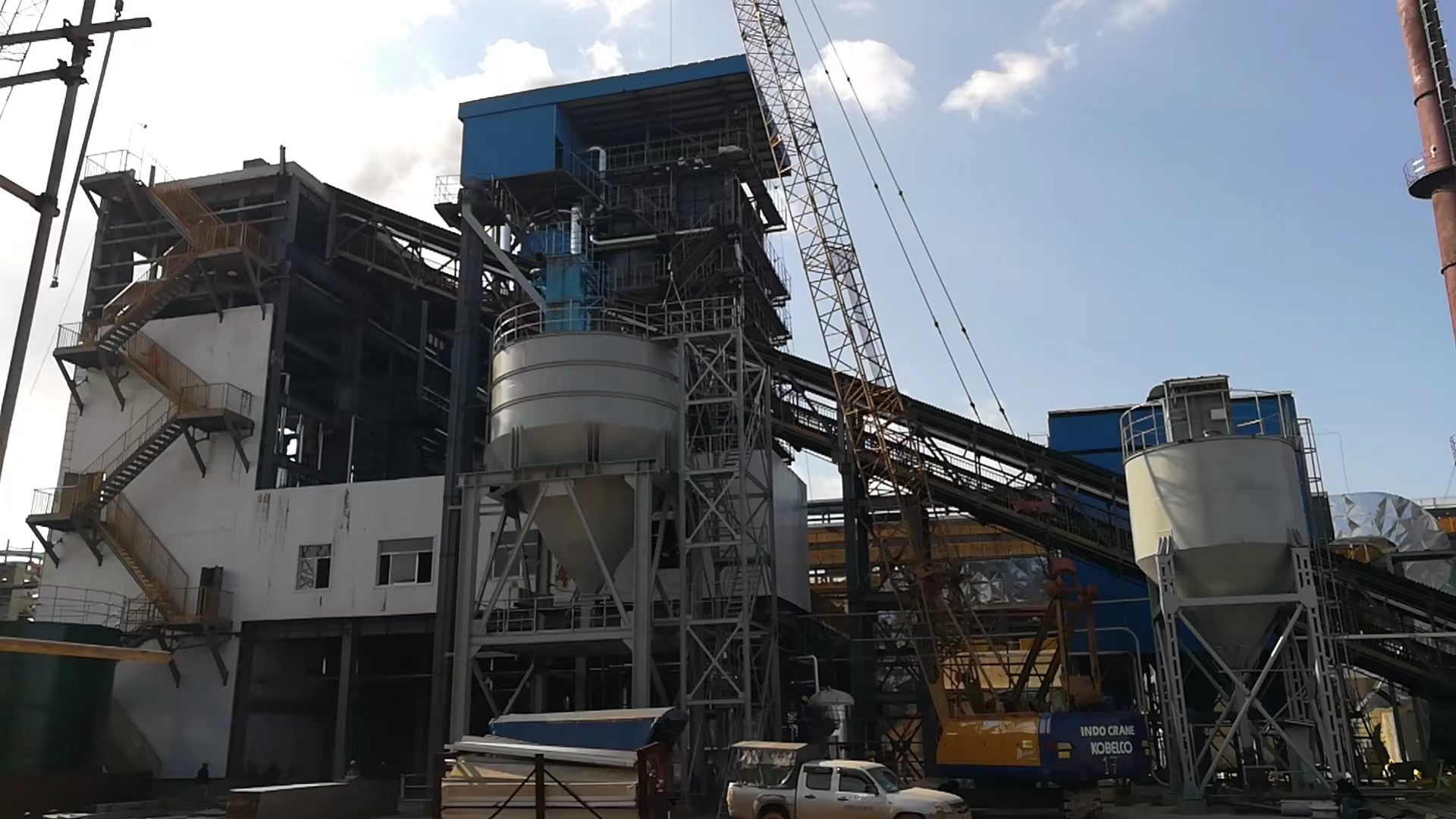
When evaluating industrial boiler investments, decision-makers often face a challenging dilemma: should they prioritize lower upfront costs or lower long-term operating expenses? At first glance, selecting the boiler with the lowest purchase price may appear to be the most economical choice, particularly when capital budgets are constrained. However, this approach can overlook the enormous impact that fuel efficiency and energy consumption have on operating expenses over the boiler’s lifespan. ⚠️ Because industrial boilers typically operate for 15 to 30 years and fuel costs often represent the largest component of ownership expenses, even modest differences in efficiency can dramatically alter the financial outcome of an investment. A boiler with higher CAPEX may ultimately generate far lower lifetime costs than a less expensive alternative if it consumes significantly less energy year after year. Therefore, understanding how fuel efficiency influences the balance between CAPEX and OPEX is essential for making financially sound equipment decisions.
Fuel efficiency and energy consumption play a central role in CAPEX versus OPEX comparisons because they directly determine long-term operating costs. While high-efficiency boilers often require greater initial investment (CAPEX), they typically reduce fuel consumption, energy waste, emissions, and maintenance requirements, resulting in lower operating expenses (OPEX). Since fuel costs frequently account for 60% to 80% of total boiler operating expenses, the long-term savings generated by improved efficiency can often outweigh the higher upfront investment, leading to a lower Total Cost of Ownership (TCO).
For facility owners, engineers, energy managers, financial analysts, and procurement professionals, understanding this relationship is critical for balancing short-term budget constraints with long-term economic performance. 📈 This article explores how fuel efficiency and energy consumption influence CAPEX and OPEX trade-offs, helping organizations make more informed industrial boiler investment decisions.
Higher-efficiency industrial boilers often require higher upfront capital investment.True
Advanced heat recovery systems, improved controls, and premium components typically increase initial equipment costs.
The boiler with the lowest purchase price usually delivers the lowest lifetime operating cost.False
Lower-cost boilers may consume more fuel and incur higher operating expenses throughout their service life.
Understanding CAPEX and OPEX in Boiler Projects 💡
Before examining the impact of efficiency, it is important to understand the distinction between CAPEX and OPEX.
Capital Expenditure (CAPEX) refers to the upfront costs associated with purchasing, installing, and commissioning a boiler system.
Operating Expenditure (OPEX) includes all recurring expenses required to operate and maintain the system throughout its lifecycle.
CAPEX vs OPEX Overview
| Category | Examples |
|---|---|
| CAPEX | Equipment purchase, installation, engineering, commissioning |
| OPEX | Fuel, maintenance, labor, water treatment, compliance |
| Lifecycle Cost | Combined CAPEX and OPEX over asset life |
| TCO | Total ownership cost including all expenditures |
A balanced investment strategy considers both categories simultaneously rather than optimizing only one.
Why Fuel Efficiency Matters So Much 🔥
Fuel efficiency measures how effectively a boiler converts fuel energy into useful thermal output.
Because boilers consume energy continuously during operation, efficiency has a direct impact on annual operating expenses. Even small efficiency improvements can create substantial financial benefits when accumulated over many years.
Boiler Efficiency Comparison
| Boiler Efficiency | Relative Fuel Consumption |
|---|---|
| 80% | Highest |
| 85% | Lower |
| 90% | Significantly Lower |
| 95% | Lowest |
Although the numerical differences appear relatively small, their financial consequences become increasingly significant as operating hours increase.
Why Energy Consumption Dominates OPEX ⛽
In most industrial applications, fuel expenses account for the majority of annual operating costs.
Unlike capital expenditures, which occur once, fuel costs recur every day the boiler operates.
Typical Boiler OPEX Distribution
| Expense Category | Typical Share of OPEX |
|---|---|
| Fuel Costs | 60–80% |
| Maintenance | 5–15% |
| Labor | 3–10% |
| Water Treatment | 2–8% |
| Compliance | 1–5% |
| Electricity | 1–5% |
This cost structure explains why fuel efficiency is often the single most important determinant of long-term ownership economics.
The Traditional Low-CAPEX Approach 💰
Many organizations initially prioritize capital preservation and seek to minimize upfront expenditures.
Under this approach, decision-makers may favor:
· Lower equipment costs
· Simpler boiler designs
· Minimal automation
· Reduced installation complexity
While this strategy can reduce initial investment requirements, it may increase long-term operating costs significantly.
Characteristics of Low-CAPEX Boiler Projects
| Attribute | Typical Outcome |
|---|---|
| Lower Purchase Price | Positive |
| Lower Initial Budget Requirement | Positive |
| Higher Fuel Consumption | Negative |
| Greater Operating Costs | Negative |
| Longer Payback Potential | Negative |
The financial attractiveness of this approach depends heavily on future energy prices.
The High-Efficiency Investment Strategy 🚀
An alternative approach focuses on minimizing long-term operating expenses by investing in advanced technologies.
Such systems often include:
· Condensing heat exchangers
· Advanced combustion controls
· Oxygen trim systems
· Variable-speed drives
· Enhanced insulation
Although these features increase CAPEX, they frequently reduce OPEX substantially.
Characteristics of High-Efficiency Systems
| Attribute | Typical Outcome |
|---|---|
| Higher Initial Cost | Negative |
| Lower Fuel Consumption | Positive |
| Lower Emissions | Positive |
| Reduced Operating Expenses | Positive |
| Better Long-Term Economics | Positive |
For many facilities, the operating savings generated by these technologies outweigh the initial cost premium.
How Efficiency Influences Lifecycle Costs 📊
A boiler investment should be evaluated across its entire operating life rather than only during procurement.
Because fuel expenses accumulate continuously, lifecycle economics often favor higher-efficiency systems.
Illustrative Lifecycle Comparison
| Cost Element | Standard Boiler | High-Efficiency Boiler |
|---|---|---|
| Initial CAPEX | Lower | Higher |
| Annual Fuel Cost | Higher | Lower |
| Maintenance Cost | Moderate | Moderate |
| 20-Year OPEX | Higher | Lower |
| Total Lifecycle Cost | Higher | Lower |
This pattern is commonly observed across many industrial applications.
The Role of Operating Hours ⏱️
The impact of fuel efficiency becomes even more pronounced as annual operating hours increase.
Facilities operating continuously often experience faster returns on efficiency investments because fuel savings accumulate more rapidly.
Efficiency Impact by Utilization Level
| Annual Operating Hours | Importance of Efficiency |
|---|---|
| Low | Moderate |
| Medium | High |
| High | Very High |
| Continuous Operation | Critical |
Facilities running around the clock typically place greater emphasis on OPEX reduction than those with intermittent demand.
Fuel Price Volatility and Investment Decisions 📈📉
Energy markets can fluctuate significantly over a boiler’s lifespan.
Consequently, future fuel prices are an important consideration when comparing CAPEX and OPEX.
Fuel Price Risk Factors
· Global energy markets
· Supply disruptions
· Regulatory changes
· Carbon pricing policies
· Geopolitical events
Higher-efficiency systems often provide greater protection against fuel price uncertainty.
Energy Consumption and Carbon Costs 🌍
As governments introduce stricter emissions regulations and carbon reduction initiatives, energy consumption increasingly affects compliance-related costs.
Carbon Exposure Comparison
| Boiler Efficiency | Relative Carbon Exposure |
|---|---|
| Lower Efficiency | Higher |
| Moderate Efficiency | Moderate |
| High Efficiency | Lower |
| Condensing Technology | Lowest |
Reduced fuel consumption generally leads to lower emissions and lower regulatory risk.
Part-Load Performance and OPEX 🔄
Efficiency ratings alone do not tell the entire story.
Many industrial boilers spend a significant portion of their operating life at partial load rather than full capacity.
Why Part-Load Efficiency Matters
· Reduced cycling losses
· Lower fuel waste
· Improved combustion stability
· Better operational flexibility
Boilers with superior part-load performance often achieve lower real-world operating costs.
Part-Load Performance Comparison
| Boiler Technology | Full-Load Efficiency | Part-Load Efficiency |
|---|---|---|
| Conventional Boiler | Good | Moderate |
| Condensing Boiler | Excellent | Excellent |
| Modular Boiler System | Excellent | Excellent |
| Electric Boiler | Very High | Very High |
Evaluating only peak efficiency may underestimate actual energy savings.
Heat Recovery Technologies and CAPEX 📉🔥
Many high-efficiency boilers achieve superior performance through heat recovery systems.
Examples include:
· Economizers
· Condensing heat exchangers
· Air preheaters
· Blowdown heat recovery systems
These technologies increase CAPEX but reduce long-term fuel consumption.
Heat Recovery Investment Impact
| Technology | CAPEX Effect | OPEX Effect |
|---|---|---|
| Economizer | Higher | Lower |
| Condensing Heat Exchanger | Higher | Lower |
| Air Preheater | Moderate | Lower |
| Blowdown Recovery | Moderate | Lower |
The financial value depends on operating conditions and energy costs.
Payback Period Analysis 💵
One of the most common methods for evaluating CAPEX versus OPEX trade-offs is payback analysis.
This calculation estimates how long fuel savings take to recover the additional capital investment.
Typical Payback Expectations
| Project Type | Typical Payback Range |
|---|---|
| Basic Efficiency Upgrade | Short |
| Condensing Boiler Upgrade | Moderate |
| Advanced Heat Recovery | Moderate |
| Comprehensive Modernization | Longer |
Projects with attractive payback periods are often prioritized for implementation.
Real Industrial Case Study 📚
A beverage manufacturing facility planned to replace an aging steam boiler.
Management initially favored a lower-cost conventional unit because it minimized capital expenditure. However, a lifecycle analysis revealed that a high-efficiency condensing system would reduce annual fuel consumption significantly.
Comparative Results
| Metric | Conventional Boiler | Condensing Boiler |
|---|---|---|
| Initial Investment | Lower | Higher |
| Annual Fuel Consumption | Higher | Lower |
| Annual Operating Cost | Higher | Lower |
| Carbon Emissions | Higher | Lower |
| 20-Year TCO | Higher | Lower |
Although the condensing boiler required a larger initial investment, it delivered superior long-term financial performance.
When CAPEX Should Receive Greater Weight ⚖️
There are situations where minimizing CAPEX may still be appropriate.
Examples include:
· Short facility lifespan expectations
· Limited operating hours
· Temporary production facilities
· Severe capital constraints
In these cases, long-term operating savings may not fully offset the higher investment.
Situations Favoring Higher Efficiency Investments
| Condition | Importance of OPEX Reduction |
|---|---|
| High Fuel Prices | Very High |
| Continuous Operation | Very High |
| Long Asset Life | Very High |
| Carbon Reduction Goals | High |
| Strict Compliance Requirements | High |
These scenarios often justify higher capital investment.
Common Evaluation Mistakes ❌
Organizations sometimes make boiler purchasing decisions based on incomplete financial analysis.
Frequent Errors
| Mistake | Consequence |
|---|---|
| Comparing Equipment Price Only | Underestimated Lifecycle Costs |
| Ignoring Fuel Inflation | Unrealistic Projections |
| Overlooking Part-Load Operation | Inaccurate Savings Estimates |
| Excluding Carbon Costs | Hidden Future Expenses |
| Ignoring Maintenance Differences | Incomplete Analysis |
Comprehensive lifecycle evaluation helps avoid these pitfalls.
Future Trends Affecting CAPEX and OPEX Comparisons 🚀
Industrial energy systems continue evolving rapidly.
Several emerging trends are expected to influence future investment decisions.
Key Developments
| Trend | Expected Impact |
|---|---|
| AI-Based Combustion Control | Lower OPEX |
| Advanced Heat Recovery | Higher Efficiency |
| Hydrogen Readiness | Increased CAPEX |
| Carbon Pricing Expansion | Greater OPEX Focus |
| Digital Monitoring Systems | Improved Optimization |
These developments are likely to increase the importance of lifecycle-focused decision-making.
Summary 🏁
Fuel efficiency and energy consumption are among the most influential factors in CAPEX versus OPEX comparisons because they directly determine long-term operating expenses. 🔥 While high-efficiency boiler systems often require greater upfront investment, they typically reduce fuel consumption, lower emissions, improve operational performance, and decrease lifecycle costs. Since fuel expenses frequently account for the majority of boiler OPEX, even modest efficiency improvements can generate substantial savings throughout the equipment’s operational life.
Organizations that evaluate industrial boiler investments through a lifecycle cost perspective rather than focusing solely on acquisition costs are often better positioned to identify solutions that deliver stronger financial performance, lower Total Cost of Ownership, and improved resilience against future energy price fluctuations. Ultimately, the most economical boiler is not necessarily the one with the lowest purchase price, but the one that provides the optimal balance between CAPEX and OPEX over its entire service life.
What Methods Can Be Used to Calculate Lifecycle Costs for Industrial Boiler Projects?
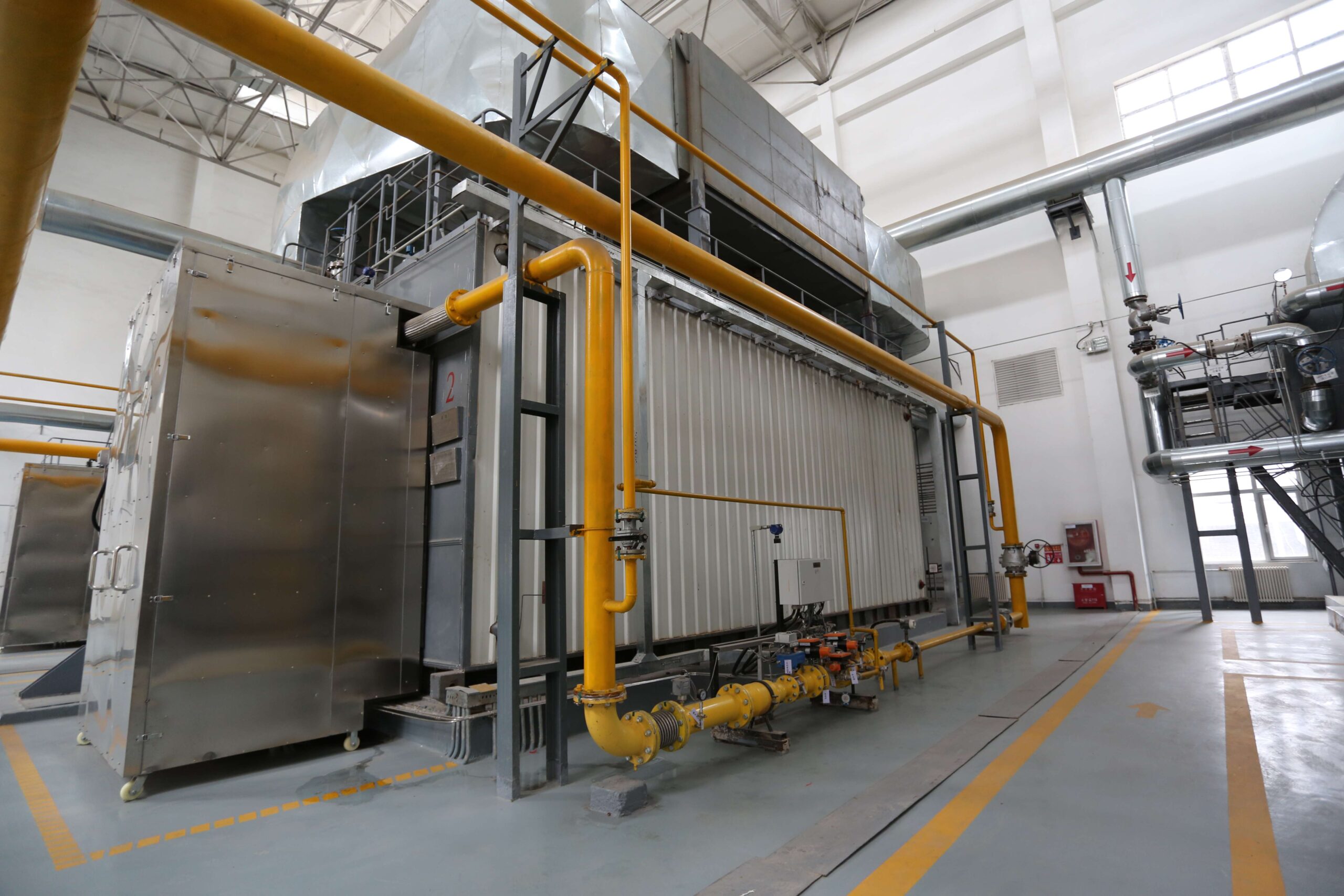
Selecting an industrial boiler is rarely a decision that should be based solely on purchase price. While capital investment often receives significant attention during procurement, the majority of costs associated with a boiler system are incurred throughout its operational life. Fuel consumption, maintenance activities, labor requirements, downtime events, compliance obligations, replacement components, and eventual decommissioning expenses can collectively exceed the original equipment cost many times over. ⚠️ As a result, organizations that focus only on initial acquisition costs may unknowingly select solutions that generate substantially higher long-term expenses. To avoid this risk, engineers, financial analysts, and project stakeholders increasingly rely on Lifecycle Cost Analysis (LCCA) methods that evaluate the complete economic impact of boiler ownership from installation to retirement.
Lifecycle costs for industrial boiler projects can be calculated using several complementary methods, including Total Cost of Ownership (TCO) analysis, Net Present Value (NPV), Life Cycle Cost Analysis (LCCA), Discounted Cash Flow (DCF) modeling, Internal Rate of Return (IRR), Payback Period analysis, and Sensitivity Analysis. These methods help quantify capital expenditures, operating costs, maintenance expenses, energy consumption, compliance requirements, and end-of-life costs over the boiler’s expected service life, enabling more accurate investment decisions and long-term financial planning.
For facility owners, engineers, procurement teams, EPC contractors, and financial decision-makers, understanding these calculation methods is essential for selecting the most cost-effective boiler solution. 📈 This article explores the most widely used lifecycle cost evaluation approaches, explains their strengths and limitations, and demonstrates how they support smarter industrial boiler investment decisions.
Lifecycle cost calculations should include both capital and operating expenses over the entire boiler lifespan.True
Comprehensive lifecycle analysis considers all costs incurred from acquisition through decommissioning.
Purchase price alone provides an accurate measure of industrial boiler project economics.False
Most boiler ownership costs occur after installation through fuel consumption, maintenance, labor, and compliance activities.
Why Lifecycle Cost Calculations Matter 💡
Industrial boilers are long-term assets that often remain in service for 20 to 30 years or more. During that period, operating costs can significantly exceed the original equipment investment.
A structured lifecycle evaluation helps organizations:
· Compare competing technologies fairly
· Improve investment decision quality
· Reduce long-term ownership costs
· Support capital budgeting processes
· Identify hidden operating expenses
Rather than focusing on short-term affordability, lifecycle costing emphasizes long-term economic value.
Typical Lifecycle Cost Distribution
| Cost Category | Typical Share of Lifecycle Cost |
|---|---|
| Fuel Costs | 60–80% |
| Maintenance Costs | 5–15% |
| Capital Costs | 10–20% |
| Labor Costs | 2–8% |
| Compliance Costs | 1–5% |
| Disposal Costs | Less than 1% |
This distribution demonstrates why operating expenses frequently dominate ownership economics.
Understanding Life Cycle Cost Analysis (LCCA) 📊
Life Cycle Cost Analysis is the most comprehensive method for evaluating industrial boiler economics.
LCCA examines every significant cost incurred during the boiler’s service life, including acquisition, operation, maintenance, upgrades, and disposal.
Core Components of LCCA
| Cost Element | Included |
|---|---|
| Equipment Purchase | Yes |
| Installation | Yes |
| Fuel Consumption | Yes |
| Maintenance | Yes |
| Labor | Yes |
| Downtime Costs | Yes |
| Compliance Expenses | Yes |
| Disposal Costs | Yes |
Because it incorporates all major cost drivers, LCCA is often considered the foundation of lifecycle financial evaluation.
The Basic Lifecycle Cost Formula 🔢
Although actual calculations may become complex, the general concept remains straightforward.
Simplified Lifecycle Cost Structure
| Lifecycle Cost Component | Description |
|---|---|
| Initial Investment | CAPEX |
| Operating Costs | Annual OPEX |
| Maintenance Costs | Scheduled and Unscheduled |
| Compliance Costs | Regulatory Requirements |
| Disposal Costs | End-of-Life Expenses |
The total lifecycle cost equals the sum of all these expenditures throughout the equipment’s useful life.
Total Cost of Ownership (TCO) Analysis 💰
TCO is one of the most widely used lifecycle evaluation methods in industrial projects.
It focuses on determining the complete financial burden associated with ownership.
Typical TCO Components
| Category | Examples |
|---|---|
| Acquisition Costs | Purchase and Installation |
| Operating Costs | Fuel and Utilities |
| Maintenance Costs | Repairs and Service |
| Risk Costs | Downtime and Failures |
| End-of-Life Costs | Removal and Disposal |
TCO is particularly useful when comparing multiple boiler technologies with different cost structures.
TCO Example Comparison
| Cost Category | Boiler A | Boiler B |
|---|---|---|
| Initial Cost | Lower | Higher |
| Fuel Costs | Higher | Lower |
| Maintenance Costs | Higher | Lower |
| Total Ownership Cost | Higher | Lower |
This example illustrates why lower purchase prices do not necessarily result in lower ownership costs.
Net Present Value (NPV) Method 📈
Net Present Value is one of the most important financial tools used in lifecycle analysis.
NPV recognizes that money has a time value, meaning future expenses and savings are worth less than equivalent amounts today.
By discounting future cash flows to present values, NPV enables direct comparison of alternative investments.
Benefits of NPV Analysis
· Accounts for inflation and discount rates
· Evaluates long-term savings accurately
· Supports capital allocation decisions
· Facilitates technology comparisons
NPV Evaluation Factors
| Variable | Influence |
|---|---|
| Initial Investment | Immediate Impact |
| Annual Savings | Long-Term Benefit |
| Discount Rate | Present Value Adjustment |
| Project Life | Analysis Duration |
NPV is particularly valuable for projects involving substantial operating cost differences.
Discounted Cash Flow (DCF) Analysis 📉
Discounted Cash Flow analysis expands on the NPV concept by modeling all expected future cash flows over time.
DCF is commonly used when evaluating:
· Boiler replacement projects
· Energy efficiency upgrades
· Heat recovery investments
· Fuel conversion projects
DCF Components
| Cash Flow Type | Example |
|---|---|
| Capital Outflows | Equipment Purchase |
| Operating Outflows | Fuel Expenses |
| Maintenance Outflows | Service Costs |
| Savings Inflows | Energy Reduction Benefits |
DCF provides a detailed view of project economics across the entire lifecycle.
Internal Rate of Return (IRR) Analysis 📊
Internal Rate of Return is another common lifecycle evaluation method.
IRR represents the discount rate at which a project’s net present value equals zero.
In practical terms, it estimates the effective annual return generated by an investment.
IRR Advantages
· Easy comparison of projects
· Useful for capital budgeting
· Widely accepted by financial stakeholders
Typical Investment Evaluation
| IRR Result | Interpretation |
|---|---|
| Low IRR | Less Attractive |
| Moderate IRR | Acceptable |
| High IRR | Attractive |
Many organizations establish minimum IRR thresholds for project approval.
Payback Period Analysis ⏱️
Payback analysis calculates how long it takes for cumulative savings to recover the initial investment.
Although simpler than NPV or DCF, it remains widely used because of its intuitive nature.
Payback Calculation Inputs
| Variable | Importance |
|---|---|
| Initial Investment | Required |
| Annual Savings | Required |
| Operating Cost Reduction | Required |
Typical Payback Evaluation
| Payback Period | General Assessment |
|---|---|
| Short | Highly Attractive |
| Moderate | Acceptable |
| Long | Requires Further Review |
While useful, payback analysis should not be the sole basis for investment decisions because it ignores post-payback benefits.
Sensitivity Analysis 🔍
Lifecycle projections rely on assumptions regarding future operating conditions.
Sensitivity analysis examines how changes in key variables affect project economics.
Common Variables Tested
· Fuel prices
· Operating hours
· Maintenance costs
· Inflation rates
· Carbon pricing
Sensitivity Analysis Example
| Variable Change | Lifecycle Cost Impact |
|---|---|
| Fuel Price Increase | Significant |
| Maintenance Cost Increase | Moderate |
| Reduced Operating Hours | Moderate |
| Carbon Tax Introduction | Significant |
This method helps decision-makers understand risk and uncertainty.
Scenario Analysis and Forecast Modeling 📈
Scenario analysis evaluates multiple future operating conditions simultaneously.
Rather than relying on a single projection, organizations examine several possible outcomes.
Typical Scenarios
| Scenario | Description |
|---|---|
| Optimistic | Favorable Market Conditions |
| Base Case | Expected Conditions |
| Conservative | Higher Costs and Risks |
This approach improves strategic planning and risk management.
Energy Consumption Modeling 🔥
Because fuel expenses dominate boiler ownership costs, energy modeling is a critical component of lifecycle analysis.
Advanced simulations estimate:
· Annual fuel consumption
· Seasonal performance
· Part-load efficiency
· Heat recovery benefits
Energy Model Inputs
| Variable | Impact |
|---|---|
| Boiler Efficiency | High |
| Load Profile | High |
| Operating Hours | High |
| Fuel Type | High |
Accurate energy modeling often determines the reliability of lifecycle forecasts.
Reliability-Centered Cost Analysis 🛠️
Some lifecycle methodologies explicitly incorporate reliability metrics.
This approach evaluates:
· Failure frequency
· Repair costs
· Spare parts requirements
· Downtime risk
Reliability Cost Components
| Cost Driver | Financial Impact |
|---|---|
| Unexpected Failures | High |
| Emergency Repairs | High |
| Production Interruptions | Very High |
| Spare Parts Inventory | Moderate |
Industries with continuous production processes often place significant emphasis on reliability-based costing.
Regulatory Compliance Cost Analysis 📋
Compliance expenses continue to increase as environmental regulations evolve.
Lifecycle calculations should include:
· Emissions monitoring systems
· Reporting requirements
· Permit renewals
· Future upgrades
Compliance Cost Categories
| Compliance Activity | Cost Influence |
|---|---|
| Emissions Monitoring | Moderate |
| Environmental Reporting | Moderate |
| Regulatory Upgrades | Potentially High |
Ignoring these costs can produce unrealistic lifecycle projections.
Monte Carlo Simulation for Advanced Analysis 🎲
For large industrial projects, advanced financial models may use Monte Carlo simulation techniques.
This method evaluates thousands of possible outcomes based on variable assumptions.
Benefits of Monte Carlo Analysis
· Improved risk assessment
· Probability-based forecasting
· Better investment confidence
Monte Carlo Inputs
| Variable | Probability Range |
|---|---|
| Fuel Prices | Variable |
| Maintenance Costs | Variable |
| Inflation Rates | Variable |
| Operating Hours | Variable |
Large organizations often use this approach for major capital projects.
Comparing Lifecycle Calculation Methods 📊
Each methodology serves a different purpose within the evaluation process.
Method Comparison Table
| Method | Strength | Limitation |
|---|---|---|
| LCCA | Comprehensive | Data Intensive |
| TCO | Easy Comparison | Less Financial Detail |
| NPV | Time Value of Money | Requires Assumptions |
| DCF | Detailed Forecasting | Complex |
| IRR | Investment Evaluation | Can Oversimplify |
| Payback | Easy to Understand | Ignores Long-Term Benefits |
| Sensitivity Analysis | Risk Assessment | Dependent on Inputs |
Combining multiple methods often produces the most reliable results.
Real Industrial Case Study 📚
A pharmaceutical manufacturer evaluated three boiler replacement options:
· Conventional fire-tube boiler
· High-efficiency condensing boiler
· Modular condensing boiler plant
The company used LCCA, NPV, and sensitivity analysis to compare alternatives.
Lifecycle Evaluation Results
| Metric | Fire-Tube | Condensing | Modular Condensing |
|---|---|---|---|
| Initial CAPEX | Lowest | Higher | Highest |
| Fuel Costs | Highest | Lower | Lowest |
| Maintenance Costs | Moderate | Moderate | Lower |
| NPV Performance | Moderate | High | Highest |
| Lifecycle Cost | Highest | Lower | Lowest |
The modular condensing solution demonstrated the strongest long-term economic performance despite requiring the largest initial investment.
Best Practices for Lifecycle Cost Calculations ✅
Organizations seeking accurate lifecycle assessments should adopt a structured methodology.
Recommended Practices
· Use realistic operating profiles
· Include all major cost categories
· Apply discounted cash flow methods
· Conduct sensitivity analysis
· Consider future regulations
· Incorporate maintenance and downtime risks
· Update assumptions periodically
Comprehensive analysis improves investment confidence and reduces financial uncertainty.
Future Trends in Lifecycle Cost Modeling 🚀
Emerging digital technologies are transforming lifecycle cost analysis.
Key Developments
| Technology | Benefit |
|---|---|
| Digital Twins | Performance Simulation |
| AI Forecasting | Improved Accuracy |
| Predictive Analytics | Better Maintenance Planning |
| Cloud-Based Asset Management | Continuous Cost Tracking |
| Real-Time Monitoring | Enhanced Data Quality |
These innovations are expected to make lifecycle projections increasingly precise.
Summary 🏁
Several proven methods can be used to calculate lifecycle costs for industrial boiler projects, including Life Cycle Cost Analysis (LCCA), Total Cost of Ownership (TCO), Net Present Value (NPV), Discounted Cash Flow (DCF), Internal Rate of Return (IRR), Payback Period analysis, Sensitivity Analysis, and advanced forecasting techniques. 🔥 Each method provides unique insights into long-term project economics, helping organizations evaluate not only capital investment requirements but also fuel consumption, maintenance expenses, compliance obligations, reliability risks, and future operating costs.
Among these approaches, comprehensive Lifecycle Cost Analysis supported by NPV and sensitivity modeling often provides the most accurate picture of long-term ownership economics. By applying these methodologies during project planning and equipment selection, organizations can make more informed investment decisions, reduce lifecycle costs, improve financial performance, and maximize the value generated by industrial boiler assets.
How Can Payback Period and ROI Help Evaluate Industrial Boiler Investments?
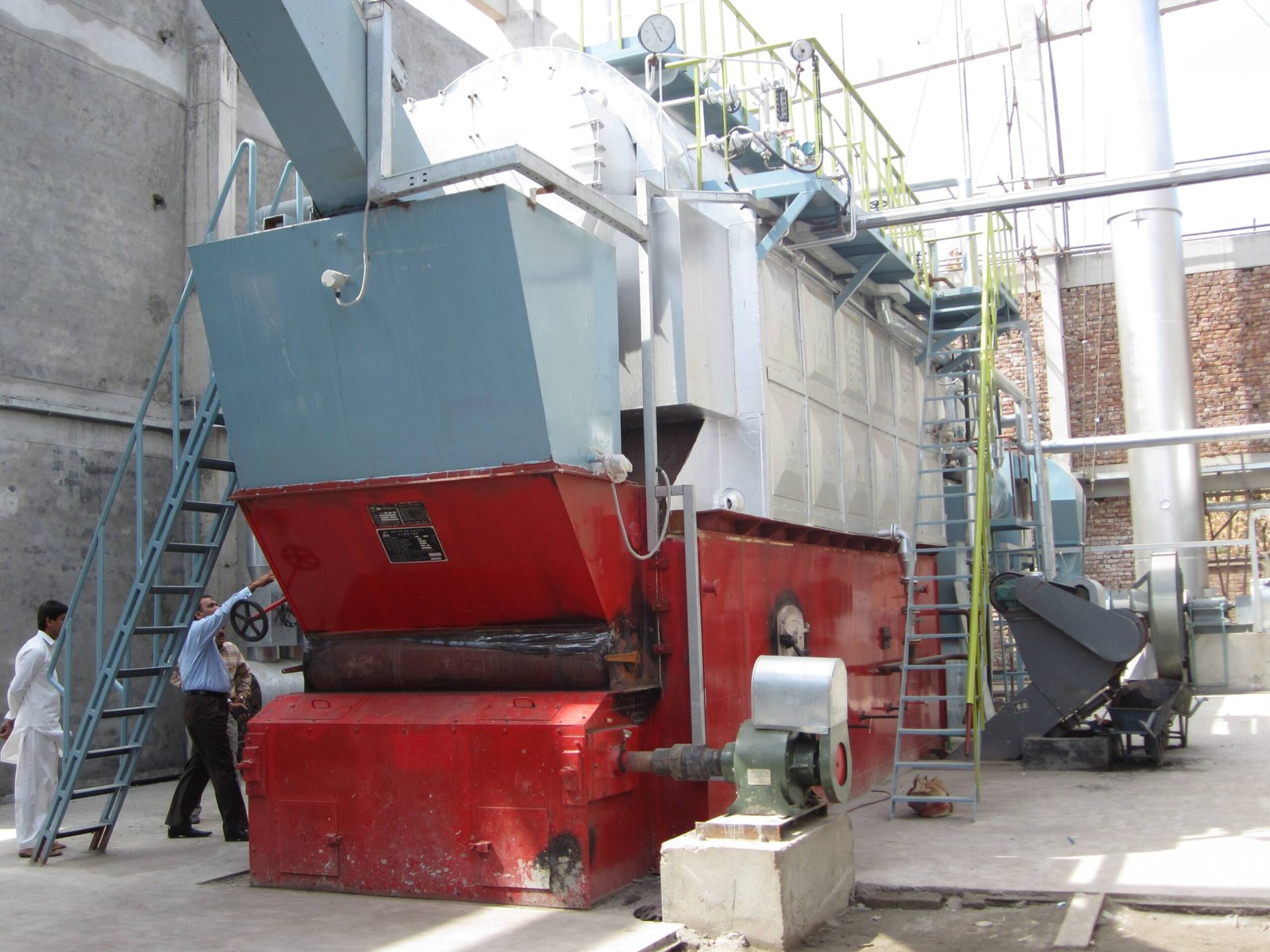
Investing in an industrial boiler often involves significant capital expenditure, making it essential for decision-makers to determine whether the expected benefits justify the cost. While technical specifications such as efficiency, capacity, emissions performance, and reliability are important, financial metrics frequently play the decisive role in project approval. ⚠️ A boiler that delivers excellent technical performance may still struggle to gain management support if its economic value cannot be clearly demonstrated. Conversely, a higher-cost boiler equipped with advanced efficiency technologies may prove highly attractive when evaluated through long-term financial returns. This is why Payback Period and Return on Investment (ROI) have become two of the most widely used tools for assessing industrial boiler projects. These metrics help organizations quantify economic benefits, compare alternatives, prioritize investments, and justify capital expenditures to stakeholders.
Payback Period and Return on Investment (ROI) help evaluate industrial boiler investments by measuring how quickly the initial investment can be recovered and how much financial value the project generates over time. Payback Period focuses on the time required for cumulative savings to offset upfront costs, while ROI measures the overall profitability of the investment relative to its cost. Together, these metrics provide a practical framework for comparing boiler technologies, assessing energy efficiency upgrades, and supporting data-driven capital investment decisions.
For plant managers, facility owners, engineers, financial analysts, and procurement teams, understanding how to apply Payback Period and ROI calculations is critical for selecting boiler systems that balance technical performance with long-term economic value. 📊 This article explores these evaluation methods in detail and demonstrates how they can be used to improve industrial boiler investment decisions.
Payback Period measures how long it takes for project savings to recover the initial investment.True
Payback analysis compares upfront costs against annual savings to determine the recovery period.
A shorter payback period always means a project delivers the highest long-term profitability.False
Projects with slightly longer payback periods may generate substantially greater total savings and ROI over their lifecycle.
Why Financial Evaluation Matters in Boiler Projects 💡
Industrial boilers are long-term assets that often remain operational for decades. During that time, fuel consumption, maintenance expenses, labor requirements, and compliance costs accumulate continuously.
As a result, project approval decisions increasingly depend on demonstrating measurable financial returns rather than focusing solely on technical specifications.
Organizations use financial evaluation methods to:
· Justify capital expenditures
· Compare competing technologies
· Prioritize investment opportunities
· Reduce financial risk
· Improve resource allocation
Payback Period and ROI are among the most accessible and widely accepted tools for achieving these objectives.
Common Financial Evaluation Metrics
| Metric | Primary Purpose |
|---|---|
| Payback Period | Investment Recovery Speed |
| ROI | Overall Profitability |
| NPV | Long-Term Financial Value |
| IRR | Investment Return Rate |
| TCO | Ownership Cost Comparison |
While each metric serves a unique purpose, Payback and ROI are often the first calculations performed during project screening.
Understanding Payback Period ⏱️
Payback Period measures the amount of time required for cumulative project savings to equal the initial investment.
The concept is straightforward and easy for both technical and financial stakeholders to understand.
Basic Payback Concept
| Variable | Description |
|---|---|
| Initial Investment | Project Cost |
| Annual Savings | Cost Reduction Generated |
| Payback Period | Time to Recover Investment |
The shorter the payback period, the faster the organization recovers its capital investment.
Why Payback Period Is Popular 📈
Many industrial organizations favor payback analysis because it provides a simple measure of project risk.
Projects that recover their costs quickly generally expose investors to less uncertainty than projects requiring many years to generate returns.
Advantages of Payback Analysis
| Benefit | Explanation |
|---|---|
| Easy to Calculate | Minimal Data Requirements |
| Easy to Understand | Suitable for Non-Financial Stakeholders |
| Risk Indicator | Faster Recovery Means Lower Risk |
| Useful for Screening | Helps Prioritize Projects |
Because of its simplicity, payback analysis is often used during the early stages of project evaluation.
Example: Boiler Efficiency Upgrade 🔥
Consider a facility evaluating a boiler replacement project.
Project Assumptions
| Parameter | Value |
|---|---|
| Existing Boiler Fuel Cost | $500,000/year |
| New Boiler Fuel Cost | $400,000/year |
| Annual Savings | $100,000/year |
| Additional Investment | $400,000 |
Payback Calculation
| Item | Result |
|---|---|
| Investment | $400,000 |
| Annual Savings | $100,000 |
| Payback Period | 4 Years |
In this example, the project would recover its additional investment after four years of operation.
Limitations of Payback Analysis ⚠️
Although useful, payback analysis has important limitations.
Most notably, it ignores benefits generated after the investment has been recovered.
Potential Weaknesses
· Does not consider project lifespan
· Ignores time value of money
· Overlooks long-term profitability
· May undervalue highly efficient technologies
For this reason, payback analysis should rarely be used as the sole decision-making tool.
Understanding Return on Investment (ROI) 💰
Return on Investment measures the profitability of an investment relative to its cost.
Unlike payback analysis, ROI evaluates total financial benefits rather than simply focusing on recovery speed.
ROI Evaluation Components
| Component | Description |
|---|---|
| Total Benefits | Cumulative Savings |
| Total Costs | Investment Required |
| Net Gain | Benefits Minus Costs |
| ROI | Profitability Indicator |
ROI helps organizations determine whether a project creates meaningful economic value.
Why ROI Is Important 📊
ROI provides a broader perspective on project economics because it considers the magnitude of returns generated over time.
A project with a longer payback period may still produce a higher ROI if it generates greater cumulative savings.
Benefits of ROI Analysis
| Benefit | Explanation |
|---|---|
| Measures Profitability | Long-Term Value Focus |
| Supports Investment Ranking | Easy Comparison |
| Aligns with Financial Objectives | Profit-Oriented Evaluation |
| Widely Accepted | Common Financial Metric |
Because ROI emphasizes value creation, it is frequently used alongside payback analysis.
Example ROI Calculation 📈
Assume a high-efficiency boiler generates annual savings of $120,000 over a 20-year operating life.
Project Economics
| Parameter | Value |
|---|---|
| Initial Investment | $500,000 |
| Annual Savings | $120,000 |
| Total Savings (20 Years) | $2,400,000 |
| Net Gain | $1,900,000 |
ROI Summary
| Metric | Result |
|---|---|
| Investment | $500,000 |
| Net Gain | $1,900,000 |
| ROI | 380% |
Although simplified, this example illustrates how significant long-term profitability can result from energy-efficient equipment.
Comparing Payback and ROI 🔄
Both metrics provide valuable insights, but they emphasize different aspects of financial performance.
Payback vs ROI
| Factor | Payback Period | ROI |
|---|---|---|
| Focus | Recovery Speed | Profitability |
| Time Horizon | Short-Term | Long-Term |
| Complexity | Simple | Moderate |
| Risk Assessment | Strong | Moderate |
| Lifetime Value Assessment | Limited | Strong |
The most effective evaluations typically use both metrics together.
How Fuel Savings Influence Both Metrics ⛽
Fuel expenses represent the largest operating cost for most industrial boilers.
Consequently, improvements in fuel efficiency often have the greatest impact on both payback and ROI.
Fuel Cost Impact
| Efficiency Improvement | Financial Effect |
|---|---|
| Lower Fuel Consumption | Reduced OPEX |
| Reduced Energy Waste | Increased Savings |
| Lower Emissions Costs | Additional Benefits |
| Improved Profitability | Higher ROI |
As fuel prices increase, the value of efficiency improvements generally becomes even greater.
Evaluating Boiler Replacement Projects 🔧
Payback and ROI are particularly useful when comparing existing equipment with proposed replacements.
Evaluation Factors
· Current fuel consumption
· Expected energy savings
· Maintenance reductions
· Reliability improvements
· Downtime avoidance
These variables collectively determine the financial attractiveness of the project.
Boiler Replacement Example
| Metric | Existing Boiler | New Boiler |
|---|---|---|
| Fuel Consumption | Higher | Lower |
| Maintenance Cost | Higher | Lower |
| Downtime Risk | Higher | Lower |
| OPEX | Higher | Lower |
The resulting savings contribute directly to improved payback and ROI performance.
The Impact of Maintenance Savings 🛠️
Many boiler investment evaluations focus heavily on fuel savings while overlooking maintenance benefits.
However, maintenance-related savings can significantly influence project economics.
Maintenance Savings Sources
· Reduced repair frequency
· Lower spare parts consumption
· Fewer emergency shutdowns
· Improved reliability
These benefits contribute to both shorter payback periods and higher ROI.
Maintenance Cost Comparison
| Cost Category | Older Boiler | Modern Boiler |
|---|---|---|
| Routine Maintenance | Higher | Lower |
| Emergency Repairs | Higher | Lower |
| Downtime Costs | Higher | Lower |
When combined with energy savings, maintenance improvements can substantially enhance investment returns.
The Role of Downtime Reduction ⏱️
Downtime costs are frequently underestimated during project evaluations.
For many industrial facilities, production interruptions may be more expensive than repair costs themselves.
Downtime-Related Benefits
| Benefit | Financial Impact |
|---|---|
| Increased Availability | Higher Production |
| Reduced Product Losses | Lower Waste |
| Improved Delivery Performance | Revenue Protection |
| Reduced Emergency Costs | Cost Savings |
These benefits should be incorporated into comprehensive ROI calculations whenever possible.
Incorporating Lifecycle Thinking 📚
While Payback Period and ROI are valuable metrics, they are most effective when integrated into a broader lifecycle cost framework.
Lifecycle evaluation should consider:
· Initial investment
· Fuel costs
· Maintenance expenses
· Compliance costs
· End-of-life expenses
This broader perspective helps ensure that financial decisions support long-term operational objectives.
Financial Metrics Within Lifecycle Analysis
| Metric | Contribution |
|---|---|
| Payback | Recovery Speed |
| ROI | Profitability |
| NPV | Present Value Assessment |
| TCO | Ownership Cost Evaluation |
Combining these methods often produces the most reliable investment assessment.
Real Industrial Case Study 🏭
A chemical processing facility evaluated two steam boiler options:
· Standard fire-tube boiler
· High-efficiency condensing boiler
The condensing system required a larger initial investment but offered lower fuel consumption and maintenance requirements.
Project Comparison
| Metric | Standard Boiler | Condensing Boiler |
|---|---|---|
| Initial Cost | Lower | Higher |
| Annual Fuel Cost | Higher | Lower |
| Annual Maintenance Cost | Higher | Lower |
| Payback Performance | Moderate | Favorable |
| ROI | Lower | Higher |
Although management initially favored the lower-cost option, lifecycle analysis demonstrated that the condensing boiler provided superior financial returns.
Common Mistakes When Using Payback and ROI ❌
Organizations sometimes misinterpret financial metrics or apply them too narrowly.
Frequent Evaluation Errors
| Mistake | Consequence |
|---|---|
| Ignoring Fuel Inflation | Underestimated Savings |
| Excluding Maintenance Benefits | Incomplete Analysis |
| Overlooking Downtime Costs | Lower Accuracy |
| Using Unrealistic Operating Profiles | Misleading Results |
| Evaluating Payback Alone | Incomplete Decision-Making |
Comprehensive financial modeling helps avoid these pitfalls.
Future Trends in Boiler Investment Evaluation 🚀
Modern financial analysis tools continue to improve project evaluation capabilities.
Emerging Developments
| Technology | Benefit |
|---|---|
| AI Forecasting | Better Savings Predictions |
| Digital Twins | Improved Performance Modeling |
| Predictive Analytics | Enhanced Reliability Forecasting |
| Real-Time Monitoring | More Accurate ROI Tracking |
| Carbon Cost Modeling | Improved Regulatory Planning |
These innovations are helping organizations make increasingly data-driven investment decisions.
Summary 🏁
Payback Period and Return on Investment are two of the most effective tools for evaluating industrial boiler investments because they provide complementary perspectives on financial performance. 🔥 Payback Period measures how quickly an investment recovers its initial cost, helping organizations assess project risk and capital recovery speed. ROI evaluates the overall profitability generated by the investment, providing a broader view of long-term value creation.
When used together—and supported by lifecycle cost analysis, energy modeling, and operational data—these metrics enable decision-makers to compare boiler technologies more effectively, justify capital expenditures, and select solutions that deliver the strongest economic performance over time. Rather than focusing solely on equipment price, organizations should evaluate how energy efficiency, maintenance savings, reliability improvements, and operational benefits contribute to long-term financial success.
What Strategies Can Reduce Both CAPEX and OPEX in Industrial Boiler Projects?
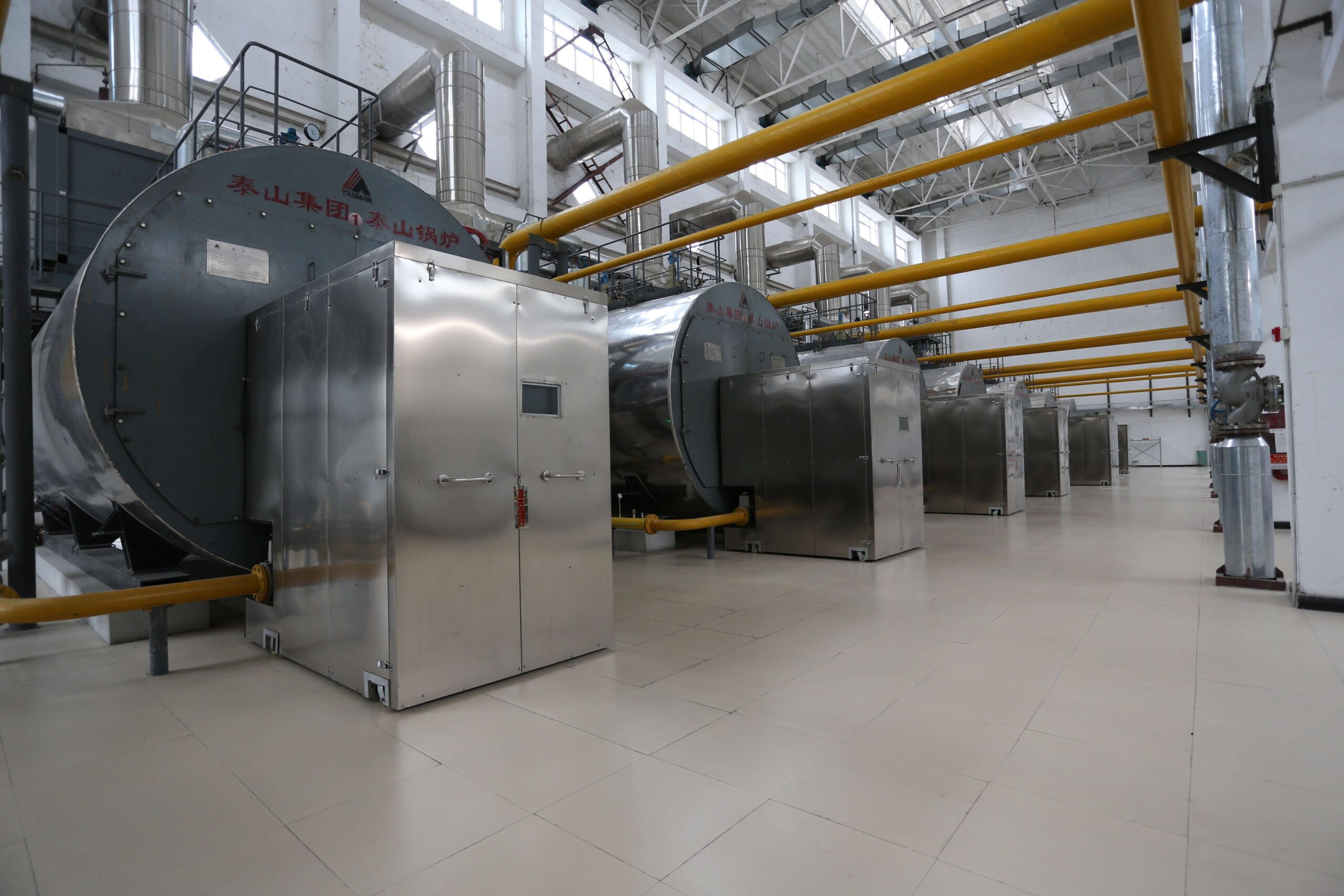
Industrial boiler projects are often evaluated through two separate financial lenses: Capital Expenditure (CAPEX) and Operating Expenditure (OPEX). In many cases, project teams assume that reducing one inevitably increases the other. For example, choosing a lower-cost boiler may reduce upfront investment but increase fuel consumption and maintenance expenses for decades, while investing heavily in advanced technologies may improve efficiency but create substantial capital burdens. ⚠️ However, the most successful industrial boiler projects are not those that focus exclusively on minimizing CAPEX or OPEX. Instead, they identify strategies that optimize both simultaneously by improving system design, reducing unnecessary complexity, enhancing efficiency, and maximizing lifecycle value. Through careful planning and technology selection, organizations can often lower initial project costs while also reducing long-term operating expenses.
The most effective strategies for reducing both CAPEX and OPEX in industrial boiler projects include proper system sizing, modular boiler configurations, high-efficiency combustion technologies, heat recovery systems, smart automation, standardized equipment selection, predictive maintenance programs, optimized water treatment, and lifecycle-based project planning. These approaches can reduce installation costs, improve fuel efficiency, minimize maintenance requirements, enhance reliability, and lower Total Cost of Ownership (TCO) throughout the boiler’s operational life.
For facility owners, engineers, EPC contractors, energy managers, and procurement specialists, understanding these cost-reduction strategies is essential for maximizing return on investment while maintaining operational performance. 📊 This article explores practical methods that can simultaneously reduce both CAPEX and OPEX and improve the overall economics of industrial boiler projects.
Proper boiler sizing can reduce both initial investment costs and long-term operating expenses.True
Oversized systems often cost more to install and operate less efficiently under real-world load conditions.
The lowest-cost boiler option always results in the lowest Total Cost of Ownership.False
Lower upfront costs can lead to higher fuel consumption, maintenance expenses, and operational inefficiencies over the equipment lifecycle.
Why Balancing CAPEX and OPEX Is Important 💡
Industrial boiler investments should be evaluated from a lifecycle perspective rather than focusing solely on procurement budgets or annual operating expenses.
A strategy that minimizes CAPEX alone may result in decades of elevated operating costs, while a solution optimized exclusively for efficiency may require excessive upfront investment.
The objective is to find opportunities where capital and operational savings reinforce one another rather than compete.
Typical Boiler Cost Structure
| Cost Category | Typical Share of Lifecycle Cost |
|---|---|
| Fuel Costs | 60–80% |
| Maintenance Costs | 5–15% |
| Capital Investment | 10–20% |
| Labor Costs | 2–8% |
| Compliance Costs | 1–5% |
| Disposal Costs | Less than 1% |
Because operating costs often exceed acquisition costs many times over, integrated optimization is critical.
Right-Sizing the Boiler System 🔥
One of the most effective ways to reduce both CAPEX and OPEX is proper system sizing.
Many industrial boilers are intentionally oversized to accommodate future expansion or provide a perceived safety margin. While this may appear prudent, excessive oversizing often creates unnecessary capital expenses and inefficient operation.
Consequences of Oversizing
· Higher equipment costs
· Larger installation requirements
· Increased standby losses
· More frequent cycling
· Reduced part-load efficiency
Sizing Impact Comparison
| Factor | Properly Sized Boiler | Oversized Boiler |
|---|---|---|
| CAPEX | Lower | Higher |
| Fuel Efficiency | Higher | Lower |
| Installation Cost | Lower | Higher |
| Lifecycle Cost | Lower | Higher |
Accurate load analysis can significantly improve project economics.
Adopting Modular Boiler Systems ⚙️
Modular boiler plants consist of multiple smaller units operating together rather than a single large boiler.
This configuration often provides both capital and operational advantages because capacity can be matched more closely to actual demand.
Benefits of Modular Design
| Benefit | CAPEX Impact | OPEX Impact |
|---|---|---|
| Reduced Oversizing | Lower | Lower |
| Better Part-Load Performance | Neutral | Lower |
| Simplified Expansion | Lower | Lower |
| Improved Reliability | Neutral | Lower |
Although not suitable for every application, modular systems frequently deliver strong lifecycle economics.
Selecting High-Efficiency Combustion Technologies 🔥
Modern burner systems can improve fuel utilization while reducing emissions and maintenance requirements.
Advanced combustion technologies include:
· Oxygen trim controls
· Variable-speed combustion fans
· Low-NOx burners
· Digital combustion management systems
Combustion Technology Benefits
| Technology | CAPEX Effect | OPEX Effect |
|---|---|---|
| Oxygen Trim | Moderate Increase | Significant Reduction |
| Variable-Speed Drives | Moderate Increase | Reduced Energy Use |
| Advanced Controls | Moderate Increase | Improved Efficiency |
Although some technologies require modest additional investment, they often produce rapid payback through fuel savings.
Utilizing Heat Recovery Systems ♻️
One of the most effective methods for reducing operating expenses is recovering energy that would otherwise be wasted.
Heat recovery technologies can often be integrated during initial design at a lower cost than later retrofits.
Common Heat Recovery Technologies
| Technology | Function |
|---|---|
| Economizers | Recover Flue Gas Heat |
| Condensing Heat Exchangers | Capture Latent Heat |
| Blowdown Heat Recovery | Reuse Thermal Energy |
| Air Preheaters | Improve Combustion Efficiency |
By reducing fuel consumption, these systems can significantly lower OPEX while improving project ROI.
Standardizing Equipment Selection 🏗️
Overly customized designs often increase procurement costs, spare parts requirements, and maintenance complexity.
Whenever possible, organizations should utilize standardized components that are widely available and well-supported.
Advantages of Standardization
· Reduced equipment costs
· Faster procurement timelines
· Simplified maintenance
· Lower spare parts inventory requirements
Standardized vs Customized Systems
| Factor | Standardized Equipment | Customized Equipment |
|---|---|---|
| Purchase Cost | Lower | Higher |
| Spare Parts Cost | Lower | Higher |
| Maintenance Complexity | Lower | Higher |
| Lead Time | Shorter | Longer |
Standardization often improves both project affordability and long-term maintainability.
Optimizing Boiler Room Layout 📐
Facility layout decisions can have a surprisingly large impact on both CAPEX and OPEX.
Efficient layouts reduce installation complexity while improving accessibility for maintenance and operation.
Layout Optimization Benefits
| Area | Financial Impact |
|---|---|
| Reduced Piping Length | Lower CAPEX |
| Improved Access | Lower Maintenance Cost |
| Simplified Utility Connections | Lower Installation Cost |
| Better Heat Retention | Lower OPEX |
Thoughtful engineering during the design phase can generate savings throughout the equipment lifecycle.
Investing in Smart Automation 🤖
Automation technologies continue to play a growing role in boiler optimization.
Modern control systems can reduce labor requirements while improving energy efficiency and reliability.
Automation Benefits
· Real-time performance monitoring
· Automated combustion optimization
· Predictive fault detection
· Reduced operator intervention
Automation Cost Impact
| Factor | Effect |
|---|---|
| Initial Investment | Moderate |
| Fuel Savings | High |
| Maintenance Reduction | Moderate |
| Downtime Reduction | High |
The combination of operational improvements often outweighs the initial investment.
Implementing Predictive Maintenance Programs 🔧
Traditional maintenance approaches rely heavily on fixed schedules or reactive repairs.
Predictive maintenance uses operational data to identify developing issues before failures occur.
Predictive Maintenance Advantages
| Benefit | Financial Impact |
|---|---|
| Reduced Downtime | Lower OPEX |
| Longer Equipment Life | Improved ROI |
| Lower Emergency Repairs | Reduced Cost |
| Better Resource Planning | Greater Efficiency |
The growing availability of digital monitoring tools has made predictive maintenance increasingly accessible.
Improving Water Treatment Systems 💧
Water quality directly influences boiler efficiency, reliability, and maintenance requirements.
A well-designed water treatment program can reduce both operational and capital-related costs associated with premature equipment degradation.
Water Treatment Benefits
· Reduced scaling
· Lower corrosion rates
· Improved heat transfer efficiency
· Extended equipment lifespan
Water Treatment Cost Comparison
| Condition | Effective Treatment | Poor Treatment |
|---|---|---|
| Maintenance Costs | Lower | Higher |
| Energy Consumption | Lower | Higher |
| Equipment Life | Longer | Shorter |
Investing in water quality management often produces substantial lifecycle savings.
Reducing Steam and Heat Losses 🌡️
Energy losses represent a hidden source of operating expenditure in many facilities.
Reducing losses improves efficiency without necessarily increasing system complexity.
Common Energy Loss Sources
· Steam leaks
· Poor insulation
· Faulty steam traps
· Excessive blowdown
Potential Savings Opportunities
| Loss Source | Savings Potential |
|---|---|
| Steam Leaks | High |
| Insulation Upgrades | Moderate |
| Steam Trap Maintenance | Moderate |
| Blowdown Optimization | Moderate |
Addressing these issues often requires minimal capital investment while delivering meaningful operational savings.
Selecting Fuel-Flexible Systems ⛽
Fuel markets can change dramatically during a boiler’s operational life.
Fuel-flexible systems provide organizations with the ability to adapt to future market conditions.
Fuel Flexibility Benefits
| Benefit | Financial Impact |
|---|---|
| Reduced Energy Risk | Lower OPEX Exposure |
| Greater Procurement Options | Cost Control |
| Improved Operational Resilience | Reduced Business Risk |
While dual-fuel capabilities may slightly increase CAPEX, they can protect against future fuel cost volatility.
Integrating Lifecycle Cost Analysis Early 📊
One of the most powerful cost-reduction strategies is performing lifecycle cost analysis during project planning rather than after equipment selection.
This approach helps organizations identify opportunities where small design changes generate significant long-term savings.
Lifecycle Evaluation Focus Areas
· Fuel consumption
· Maintenance requirements
· Reliability risks
· Compliance obligations
· Expansion flexibility
By evaluating these factors early, costly design mistakes can often be avoided.
Lifecycle Planning Benefits
| Benefit | Impact |
|---|---|
| Better Equipment Selection | Lower TCO |
| Improved Budget Accuracy | Lower Risk |
| Enhanced Investment Returns | Higher ROI |
| Reduced Long-Term Costs | Improved Economics |
Lifecycle thinking transforms cost optimization from a short-term exercise into a long-term strategy.
Real Industrial Case Study 📚
A food processing facility planned to replace its aging steam generation system.
The original proposal included a large single-boiler installation designed to accommodate future growth.
Following a lifecycle review, the project team adopted several optimization measures:
· Modular boiler configuration
· Condensing economizer
· Advanced combustion controls
· Predictive maintenance monitoring
· Improved water treatment system
Project Results
| Metric | Original Design | Optimized Design |
|---|---|---|
| Initial CAPEX | Higher | Lower |
| Fuel Consumption | Higher | Lower |
| Maintenance Costs | Higher | Lower |
| Downtime Risk | Higher | Lower |
| Total Lifecycle Cost | Higher | Lower |
The revised solution reduced both capital requirements and long-term operating expenses.
Common Cost Optimization Mistakes ❌
Organizations sometimes pursue cost reductions that ultimately increase total ownership costs.
Frequent Errors
| Mistake | Consequence |
|---|---|
| Selecting Based on Price Alone | Higher OPEX |
| Excessive Oversizing | Higher CAPEX and OPEX |
| Ignoring Part-Load Performance | Reduced Efficiency |
| Delaying Maintenance Investments | Higher Future Costs |
| Over-Customization | Increased Complexity |
Successful optimization requires balancing short-term and long-term considerations.
Future Trends Supporting Cost Reduction 🚀
Emerging technologies continue to create new opportunities for reducing both CAPEX and OPEX.
Key Developments
| Technology | Potential Benefit |
|---|---|
| AI-Based Optimization | Lower Fuel Consumption |
| Digital Twins | Better System Design |
| Remote Monitoring | Reduced Maintenance Costs |
| Advanced Heat Recovery | Higher Efficiency |
| Predictive Analytics | Improved Reliability |
These innovations are expected to further improve lifecycle cost performance in future boiler projects.
Summary 🏁
Reducing both CAPEX and OPEX in industrial boiler projects is not only possible but often achievable through thoughtful engineering, proper equipment selection, and lifecycle-focused planning. 🔥 Strategies such as right-sizing boiler capacity, adopting modular configurations, implementing heat recovery technologies, standardizing equipment, optimizing layouts, improving water treatment, utilizing smart automation, and embracing predictive maintenance can simultaneously lower initial investment requirements and long-term operating expenses.
Rather than viewing CAPEX and OPEX as competing objectives, organizations should seek integrated solutions that improve overall project economics and reduce Total Cost of Ownership. Facilities that adopt a lifecycle perspective during project planning are often able to achieve stronger ROI, faster payback periods, improved operational reliability, and greater long-term competitiveness.
Conclusion
Evaluating CAPEX and OPEX together is essential for making informed industrial boiler investment decisions. While CAPEX determines the initial financial commitment, OPEX often represents the largest cost over the boiler’s operational life. A comprehensive lifecycle cost analysis helps identify the solution that offers the best balance of efficiency, reliability, and long-term economic value.
If you need assistance evaluating CAPEX, OPEX, or lifecycle costs for your industrial boiler project, contact us today. Our experts provide customized cost analyses, technical consultations, and high-efficiency boiler solutions to help you maximize return on investment and minimize long-term operating expenses.
FAQ
Q1: What is the difference between CAPEX and OPEX in industrial boiler projects?
A:
CAPEX (Capital Expenditure) and OPEX (Operating Expenditure) are the two primary cost categories used to evaluate the financial viability of industrial boiler projects.
CAPEX refers to all upfront investment costs required to purchase, install, and commission a boiler system. These costs occur before the boiler begins operation and are usually one-time expenditures. CAPEX includes the boiler itself, burners, pumps, control systems, water treatment equipment, piping, foundations, engineering design, installation labor, electrical work, commissioning, and startup testing.
OPEX refers to the ongoing expenses incurred during the boiler’s operational life. These costs recur monthly or annually and typically continue throughout the equipment lifecycle. OPEX includes fuel consumption, electricity usage, maintenance, spare parts, water treatment chemicals, labor, emissions compliance costs, inspections, insurance, and downtime-related expenses.
Many organizations mistakenly focus only on CAPEX when selecting a boiler. However, OPEX often represents the majority of total ownership costs. For industrial boilers operating continuously, fuel expenses alone can account for 60–80% of lifecycle costs.
For example, a low-cost boiler may have attractive CAPEX but poor efficiency, resulting in significantly higher fuel consumption and maintenance expenses over time. Conversely, a premium high-efficiency boiler may require higher initial investment but generate substantial long-term savings through lower operating costs.
Understanding the relationship between CAPEX and OPEX helps companies make better investment decisions by evaluating overall economic performance rather than purchase price alone.
Q2: What costs should be included when calculating boiler CAPEX?
A:
A comprehensive boiler CAPEX calculation should include all costs associated with purchasing and installing the system before it becomes operational.
The largest CAPEX component is typically the boiler package itself, including the pressure vessel, burner, control system, instrumentation, and auxiliary equipment. Depending on project scope, this may represent only a portion of total investment costs.
Installation expenses should also be included. These may involve civil works, concrete foundations, structural steel supports, mechanical assembly, electrical installation, insulation, piping systems, chimney construction, and utility connections.
Engineering and design costs are often overlooked but can be substantial, especially for large industrial projects. These costs may include feasibility studies, detailed engineering, permitting, project management, and compliance documentation.
Additional equipment such as deaerators, feedwater pumps, water softeners, chemical dosing systems, economizers, condensate recovery units, and emissions control systems should also be included in the CAPEX calculation.
Transportation and logistics expenses can be significant, particularly for large water-tube or field-erected boilers. Import duties, freight charges, crane services, and site preparation costs may also contribute to total investment.
Commissioning and startup activities represent another important CAPEX category. Functional testing, operator training, performance verification, and safety inspections are necessary before commercial operation begins.
A complete CAPEX assessment provides a realistic understanding of the total investment required and forms the basis for comparing different boiler technologies and project alternatives.
Q3: How is OPEX calculated for industrial boiler systems?
A:
OPEX calculations focus on the recurring costs associated with operating and maintaining an industrial boiler throughout its lifecycle.
Fuel consumption is usually the largest OPEX component. To estimate annual fuel costs, organizations calculate expected fuel usage based on boiler efficiency, operating hours, steam demand, and fuel price. Since fuel prices fluctuate, many financial models include multiple pricing scenarios.
Electricity costs should also be included. Boiler systems require electrical power for fans, pumps, blowers, control systems, feedwater treatment equipment, and emissions control devices.
Maintenance costs are another major OPEX category. These include routine inspections, burner servicing, water treatment programs, tube cleaning, instrumentation calibration, spare parts replacement, and periodic overhauls.
Labor expenses must also be considered. Depending on facility size and automation level, operators, maintenance technicians, water treatment specialists, and contractors may contribute significantly to annual operating costs.
Water and chemical treatment expenses can be substantial in steam generation systems. Feedwater treatment helps prevent scaling, corrosion, and efficiency losses while extending boiler life.
Environmental compliance costs should also be included. These may involve emissions monitoring, regulatory reporting, permit fees, stack testing, and maintenance of pollution control equipment.
A simplified annual OPEX formula is:
Annual OPEX = Fuel Cost + Electricity Cost + Maintenance Cost + Labor Cost + Water Treatment Cost + Compliance Cost + Other Operating Expenses
Accurate OPEX calculations allow organizations to estimate long-term operating expenses and compare boiler technologies based on lifecycle economics rather than initial investment alone.
Q4: How do you compare CAPEX and OPEX when evaluating boiler technologies?
A:
Comparing CAPEX and OPEX requires evaluating the total economic impact of each boiler option over its expected service life. The goal is not necessarily to find the lowest purchase price but to identify the solution with the lowest overall lifecycle cost.
One common approach is lifecycle cost analysis (LCCA). This method combines initial investment costs and projected operating expenses over a defined period, often 15–30 years. By examining both CAPEX and OPEX together, organizations can make more informed decisions.
For example, a conventional fire-tube boiler may have lower CAPEX than a high-efficiency condensing boiler. However, the condensing boiler may significantly reduce annual fuel consumption. Over time, fuel savings can exceed the additional upfront investment, resulting in lower total ownership costs.
Biomass boilers provide another example. Their CAPEX is often higher because of fuel storage, handling systems, and emissions controls. However, lower fuel costs and renewable energy incentives may reduce long-term OPEX, making the investment economically attractive.
Net Present Value (NPV), Internal Rate of Return (IRR), and Payback Period calculations are commonly used to compare alternatives. These financial tools account for future cash flows and help quantify the economic benefits of energy-efficient technologies.
Decision-makers should also consider non-financial factors such as reliability, emissions compliance, fuel availability, scalability, and operational flexibility. In many cases, the boiler with the lowest CAPEX is not the most cost-effective solution over its operational lifespan.
A balanced evaluation of both CAPEX and OPEX provides a more accurate assessment of project value and investment performance.
Q5: What financial metrics are commonly used in industrial boiler investment analysis?
A:
Several financial metrics are commonly used to evaluate industrial boiler investments and compare CAPEX and OPEX trade-offs.
Payback Period is one of the simplest methods. It measures how long it takes for annual savings generated by a new boiler system to recover the initial investment. Shorter payback periods generally indicate lower investment risk.
Net Present Value (NPV) is a more comprehensive metric. NPV discounts future cash flows to present value, allowing decision-makers to compare projects with different cost and savings profiles. A positive NPV indicates that the investment is expected to generate economic value.
Internal Rate of Return (IRR) measures the annualized return generated by an investment. Projects with higher IRR values are generally considered more attractive, particularly when comparing multiple boiler technologies.
Lifecycle Cost Analysis (LCCA) is widely used because it incorporates all costs associated with ownership, including CAPEX, fuel expenses, maintenance, labor, downtime, and disposal costs. This approach provides a complete picture of long-term economic performance.
Levelized Cost of Steam (LCOS) is another useful metric in steam-intensive industries. It calculates the average cost of producing a unit of steam over the boiler’s operational life, helping compare technologies with different efficiency levels and operating costs.
Sensitivity analysis is often conducted to evaluate the impact of changing fuel prices, maintenance costs, operating hours, and discount rates. This helps organizations understand potential risks and uncertainties.
By combining these financial metrics, companies can make more informed investment decisions and identify boiler solutions that deliver optimal economic performance throughout their lifecycle.
References
- Boiler Room Guide — https://www.cleaverbrooks.com/boiler-room-guide — Source: Cleaver-Brooks
- Steam Systems and Lifecycle Cost Analysis — https://www.energy.gov/eere/amo/steam-systems — Source: U.S. Department of Energy
- Boiler House Fundamentals — https://www.spiraxsarco.com/learn-about-steam/the-boiler-house — Source: Spirax Sarco
- Combined Heat and Power Economics — https://www.epa.gov/chp/combined-heat-and-power-basics — Source: U.S. Environmental Protection Agency
- Industrial Boiler Technology Overview — https://www.britannica.com/technology/boiler — Source: Encyclopaedia Britannica
- Energy Efficiency Investment Evaluation — https://www.energy.gov/energysaver/furnaces-and-boilers — Source: U.S. Department of Energy
- Industrial Steam System Best Practices — https://www.tlv.com/global/US/steam-info/steam-theory/steam-basics/ — Source: TLV
- Boiler Project Engineering and Economics — https://www.thermaxglobal.com/industrial-boilers/ — Source: Thermax
- Industrial Boiler Performance Analysis — https://www.powermag.com/boilers-101-what-they-are-and-how-they-work/ — Source: POWER Magazine
- Boiler Maintenance and Cost Optimization — https://www.fulton.com/resources — Source: Fulton Boiler Works