Industrial boiler users are under pressure to reduce fuel consumption, lower emissions, and prepare for future energy changes without risking steam reliability. Traditional boiler systems often waste recoverable flue gas heat, operate inefficiently at partial load, and depend too heavily on one fuel source. The solution is to adopt advanced condensing and hybrid industrial boiler technologies that combine heat recovery, smart controls, fuel flexibility, electrification, and thermal storage.
The main advancements in condensing and hybrid industrial boiler technologies include high-efficiency condensing heat exchangers, corrosion-resistant economizers, intelligent combustion control, modular boiler sequencing, hybrid gas-electric operation, heat pump integration, thermal energy storage, and IoT-based performance monitoring. These technologies help industrial users recover more waste heat, reduce emissions, improve load flexibility, and prepare for carbon-reduction requirements while maintaining stable steam or hot water supply. Condensing economizers are especially valuable because they can recover both sensible and latent heat from boiler flue gas.
These advancements are becoming more important as industrial heat remains a major energy and emissions challenge. The IEA reported that heat accounted for almost half of total final energy consumption and 37% of energy-related CO₂ emissions in 2024, making efficient boiler technology a practical priority for manufacturers.
What Are the Key Advancements in Condensing and Hybrid Industrial Boiler Technologies?
Industrial facilities are under pressure to reduce fuel cost, carbon emissions, NOx output, wasted heat, and downtime, but many boiler rooms still rely on older non-condensing boilers, fixed-speed pumps, oversized steam systems, manual sequencing, and single-fuel operation. The result is predictable: high stack losses, poor part-load efficiency, weak flexibility during fuel price changes, limited decarbonization options, and higher lifecycle cost. The practical solution is the new generation of condensing and hybrid industrial boiler technologies, which combine deeper heat recovery, smarter controls, modular boiler staging, electrification, renewable fuel readiness, and real-time performance monitoring.
The key advancements in condensing and hybrid industrial boiler technologies include high-efficiency condensing heat exchangers, corrosion-resistant materials, low-temperature return-water optimization, modular boiler staging, integrated economizers, IoT-based controls, predictive maintenance, hybrid gas-electric operation, heat pump integration, thermal storage, hydrogen-ready burners, biogas compatibility, biomass support, variable-speed pumps and fans, low-NOx combustion, and digital energy management. Condensing technology improves efficiency by recovering sensible and latent heat from flue gas, while hybrid boiler systems improve flexibility by combining multiple heat sources and automatically selecting the most efficient or lowest-carbon operating mode.
For plant owners, facility managers, energy engineers, and procurement teams, these advancements are not only about buying a “more efficient boiler.” They are about redesigning the boiler room as an intelligent thermal energy system. A condensing boiler can save fuel only when return-water temperature is low enough for flue gas water vapor to condense. A hybrid boiler system can reduce cost only when controls sequence equipment correctly. A hydrogen-ready boiler is useful only if burner safety, flame detection, materials, and future fuel supply are considered. This article explains the most important advancements from a practical industrial perspective.
Condensing industrial boilers always reach maximum efficiency regardless of return-water temperature.False
Condensing boilers achieve their highest efficiency only when return-water temperature is low enough to condense water vapor in the flue gas and recover latent heat.
Hybrid industrial boiler systems can improve long-term efficiency and fuel flexibility when boilers, heat pumps, electric boilers, thermal storage, and controls are properly integrated.True
Hybrid systems allow plants to select the best heat source based on load, energy price, carbon target, fuel availability, and process requirements.
⚙️ What Makes Condensing and Hybrid Boilers Different From Traditional Systems?
Traditional industrial boiler rooms usually rely on one main fuel source and one dominant operating strategy. A gas-fired hot-water boiler, oil-fired steam boiler, coal-fired boiler, or biomass boiler may be designed for peak demand, but it often operates inefficiently at part load. Many systems also waste low-grade heat through the stack because flue gas leaves at a temperature far above the return-water temperature. In steam systems, boiler efficiency may be limited by blowdown loss, poor condensate return, high excess air, and poor heat recovery. In hot-water systems, old boilers may be unable to condense because they were designed to avoid low-temperature corrosion.
Condensing and hybrid boiler technologies change this approach. Condensing systems intentionally cool flue gas below its dew point so that water vapor condenses and releases latent heat. Hybrid systems combine different heat sources—such as condensing gas boilers, electric boilers, industrial heat pumps, waste heat recovery, biomass boilers, biogas boilers, solar thermal, thermal storage, or hydrogen-ready boilers—under one control strategy. The goal is not simply to run all equipment at once, but to run the right equipment at the right time.
| Technology Area | Traditional Boiler Room | Advanced Condensing / Hybrid Boiler Room |
|---|---|---|
| 🔥 Heat recovery | Limited stack heat recovery | Condensing heat exchangers and advanced economizers |
| ⚙️ Control strategy | Manual or fixed sequencing | Automated load-based optimization |
| ⚡ Energy source | Usually single fuel | Gas, electric, heat pump, biogas, hydrogen blend, biomass, waste heat |
| 📉 Part-load efficiency | Often poor | Modular staging and variable-speed operation |
| 🌡️ Return-water control | Often not optimized | Designed for low return temperature and condensation |
| 🌱 Decarbonization | Limited fuel flexibility | Multi-path carbon reduction strategy |
| 📊 Monitoring | Basic gauges and alarms | IoT dashboards, KPIs, predictive maintenance |
| 🧰 Maintenance | Reactive or time-based | Condition-based and data-driven |
💧 Advancement 1: High-Efficiency Condensing Heat Exchangers
The most important advancement in condensing boiler technology is improved heat exchanger design. Condensing boilers need heat exchangers that can extract both sensible heat and latent heat from flue gas. When natural gas, biogas, or hydrogen-containing fuel burns, water vapor is produced. In a conventional boiler, much of this vapor leaves through the stack. In a condensing boiler, the flue gas is cooled enough for vapor to condense, releasing additional heat into the return water.
Industrial condensing heat exchangers must withstand acidic condensate, thermal cycling, flue gas moisture, and varying load conditions. Modern systems often use stainless steel, high-alloy materials, aluminum-silicon alloys in some applications, polymeric condensate handling components, improved turbulence geometry, and corrosion-resistant drainage design. The advancement is not only material strength; it is also heat-transfer geometry. Better surface area, lower pressure drop, improved condensate drainage, and modular exchanger sections make condensing operation more reliable.
| Heat Exchanger Advancement | Practical Benefit |
|---|---|
| Stainless steel condensing surfaces | Better resistance to acidic condensate |
| Improved flue gas turbulence | Higher heat transfer |
| Larger surface area | Lower stack temperature |
| Better condensate drainage | Reduces corrosion and pooling |
| Modular exchanger sections | Easier maintenance and scaling |
| Low-pressure-drop design | Reduces fan energy |
| Integrated economizer stages | Recovers more heat before final exhaust |
| Compact footprint | Easier retrofit in existing boiler rooms |
🌡️ Advancement 2: Low Return-Water Temperature System Design
Condensing efficiency depends heavily on return-water temperature. This is one of the most misunderstood parts of condensing boiler projects. A condensing boiler does not automatically condense just because the nameplate says “condensing.” It needs a system that sends sufficiently cool water back to the boiler or condensing heat exchanger. If return water is too hot, the boiler may operate mostly like a high-efficiency non-condensing boiler.
Modern condensing systems are therefore designed around lower-temperature heating circuits, variable-flow pumping, larger heat-transfer coils, optimized process heat exchangers, outdoor reset control, return-temperature monitoring, and proper hydraulic separation. In industrial plants, condensing performance is often strongest in low-temperature process hot water, washdown systems, building heating, preheating, make-up water heating, and heat recovery applications. It may be less effective for high-temperature steam generation unless paired with economizers, feedwater preheating, or separate low-temperature recovery loops.
| Return-Water Strategy | How It Improves Condensing Performance |
|---|---|
| Lower-temperature heating loops | Allows flue gas vapor to condense more often |
| Variable-speed pumps | Matches flow to load and improves temperature difference |
| Outdoor reset control | Lowers supply temperature when full heat is not needed |
| Larger coils or heat exchangers | Delivers heat with lower water temperature |
| Separate low-temperature recovery loop | Captures latent heat for preheating |
| Condensate return preheating | Uses recovered heat in steam systems |
| Make-up water heating | Excellent sink for low-grade heat |
| Process water preheating | Improves boiler efficiency and reduces fuel input |
♨️ Advancement 3: Condensing Economizers for Steam Boilers
Industrial steam boilers cannot always operate like hot-water condensing boilers because steam systems often require high feedwater temperature and high flue gas temperature margins. However, condensing economizers can still improve steam boiler performance when there is a suitable low-temperature heat sink. Instead of sending all recovered heat into already-hot feedwater, the system can recover flue gas heat into make-up water, deaerator make-up, process water, domestic hot water, wash water, or another low-temperature loop.
This advancement is especially valuable in plants with significant make-up water demand, low condensate return, or continuous hot water use. A condensing economizer can reduce stack temperature, lower fuel consumption, and sometimes reduce visible plume temperature. However, condensate chemistry, drainage, neutralization, corrosion-resistant construction, and stack material must be considered.
| Steam Boiler Heat Recovery Option | Best Application | Benefit |
|---|---|---|
| Non-condensing economizer | Feedwater preheating | Reduces stack temperature without condensation |
| Condensing economizer | Make-up water or process water preheating | Recovers latent heat |
| Blowdown heat recovery | High blowdown systems | Recovers heat from hot blowdown |
| Flash steam recovery | High-pressure blowdown or condensate | Reduces steam loss |
| Condensate return improvement | Steam distribution systems | Reduces fuel and water treatment cost |
| Deaerator vent condenser | Large deaerator vent losses | Recovers vented steam heat |
| Stack heat recovery loop | Multi-use low-temperature load | Improves total plant efficiency |
⚡ Advancement 4: Hybrid Gas-Electric Boiler Systems
Hybrid gas-electric boiler systems are becoming more attractive as electricity markets, carbon policies, renewable energy, and demand-response programs evolve. In a hybrid system, a gas-fired boiler may handle peak load or high-temperature demand, while an electric boiler covers low-load periods, standby duty, renewable electricity periods, or emissions-restricted operating windows. The control system decides which unit operates based on load, energy price, carbon intensity, process need, and equipment availability.
Electric boilers are highly efficient at point of use because nearly all electrical energy becomes heat. However, total carbon benefit depends on electricity source. Where electricity is low-carbon or where renewable power is available, electric boilers can significantly support decarbonization. Where electricity is expensive or carbon-intensive, electric boilers may be best used strategically rather than continuously.
| Hybrid Gas-Electric Mode | Practical Benefit |
|---|---|
| Gas boiler for peak load | Maintains high capacity and fast response |
| Electric boiler for low load | Avoids inefficient gas boiler cycling |
| Electric boiler during renewable power periods | Reduces fossil fuel use |
| Gas boiler during high electricity price periods | Controls operating cost |
| Electric standby boiler | Provides clean backup heat |
| Automatic price-based sequencing | Reduces energy cost |
| Carbon-based sequencing | Supports sustainability targets |
| Redundant heat sources | Improves reliability |
🔥 Advancement 5: Hybrid Boiler + Industrial Heat Pump Integration
One of the most important hybrid advancements is combining boilers with industrial heat pumps. Heat pumps can upgrade low-temperature waste heat into useful hot water or process heat. Boilers then cover high-temperature loads, peak demand, backup duty, or steam requirements. This approach is powerful because many industrial plants waste low-grade heat from compressors, refrigeration systems, wastewater, condensate, flue gas, cooling loops, and process exhaust.
A heat pump may not replace a high-pressure steam boiler in every application, but it can reduce boiler load by preheating water, supporting low-temperature process loops, or supplying building heat. The boiler operates less, cycles less, and consumes less fuel. A condensing boiler paired with a heat pump can be especially efficient when the system is designed around low return temperature and smart thermal storage.
| Heat Pump Integration Area | How It Supports Boiler Efficiency |
|---|---|
| Process water preheating | Reduces boiler fuel demand |
| Space heating | Allows boiler to focus on high-temperature demand |
| Condensate recovery | Upgrades low-grade heat |
| Wastewater heat recovery | Captures heat normally discharged |
| Refrigeration waste heat recovery | Converts cooling waste into heating value |
| Thermal storage charging | Stores heat when electricity is favorable |
| Low-temperature loop supply | Improves condensing boiler performance |
| Peak boiler shaving | Reduces boiler cycling and emissions |
🧊 Advancement 6: Thermal Storage for Load Smoothing
Thermal storage is a key hybrid boiler advancement because industrial heat demand is often uneven. Plants may have sharp morning warm-up loads, batch process peaks, cleaning cycles, sterilization cycles, or intermittent hot water demand. Without storage, boilers may cycle frequently or operate at inefficient low loads. Thermal storage tanks allow the system to store hot water or thermal energy during low-cost or high-efficiency periods and discharge it during peak demand.
Thermal storage also helps hybrid systems choose the best heat source. An electric boiler or heat pump can charge storage when electricity is cheaper or cleaner. A gas condensing boiler can operate at a stable efficient load instead of cycling. A biomass boiler can run more steadily while storage absorbs demand changes. This improves efficiency, emissions stability, and equipment life.
| Thermal Storage Benefit | Practical Result |
|---|---|
| Load smoothing | Reduces boiler cycling |
| Peak shaving | Smaller boiler capacity may be possible |
| Renewable electricity use | Electric boiler or heat pump can charge storage |
| Stable biomass operation | Solid-fuel boiler runs more consistently |
| Better condensing performance | Storage can maintain lower return temperatures |
| Emergency backup | Stored heat supports short interruptions |
| Demand response | Reduces operation during high-cost periods |
| Longer equipment life | Fewer starts and stops |
🌱 Advancement 7: Hydrogen-Ready and Biogas-Compatible Boilers
Hybrid boiler rooms increasingly include future-fuel readiness. Hydrogen-ready boilers are designed or specified so they can potentially operate with hydrogen blends or be converted later. This requires attention to burner design, flame speed, NOx formation, gas train compatibility, leak detection, ventilation, controls, flame sensing, materials, and safety procedures. Hydrogen contains no carbon or sulfur, so it can support long-term decarbonization, but it may increase NOx if combustion is not controlled.
Biogas-compatible boilers are also advancing. Industrial plants with wastewater treatment, food waste, landfills, agriculture, or anaerobic digestion may use biogas as a renewable fuel. However, raw biogas often contains moisture, hydrogen sulfide, siloxanes, and variable methane content. Advanced systems include gas cleaning, moisture removal, H₂S treatment, pressure regulation, combustion control, and backup fuel blending.
| Future Fuel Technology | Benefit | Engineering Requirement |
|---|---|---|
| Hydrogen-ready burner | Supports future low-carbon fuel | Flame safety and NOx control |
| Hydrogen blend controls | Enables staged transition | Gas train and sensor review |
| Biogas burner package | Uses renewable gas | Gas cleaning and methane control |
| Dual-fuel burner | Improves fuel flexibility | Safe changeover logic |
| Fuel blending skid | Stabilizes fuel quality | Flow and composition monitoring |
| Low-NOx fuel-flexible burner | Reduces emissions across fuels | Combustion testing |
| Gas detection and ventilation | Improves safety | Required for hydrogen/biogas systems |
| Digital fuel monitoring | Supports reliable operation | Tracks heating value and impurities |
🧠 Advancement 8: Smart Controls and AI-Based Boiler Sequencing
Modern condensing and hybrid boiler rooms depend on controls. Without smart controls, the plant may own advanced equipment but operate it inefficiently. Smart sequencing determines which boiler or heat source should run at each moment. It considers load, return temperature, equipment efficiency curve, fuel cost, electricity price, carbon intensity, thermal storage level, maintenance status, and emissions limits.
AI and advanced analytics can improve this further by learning plant demand patterns, predicting peak loads, identifying abnormal efficiency drift, and recommending maintenance. For example, the system may detect that one boiler has a rising stack temperature, one pump consumes more power than expected, or a condensing boiler is not condensing because return water is too hot.
| Smart Control Function | Practical Benefit |
|---|---|
| Boiler sequencing | Runs most efficient available equipment |
| Load prediction | Prepares for demand peaks |
| Return-temperature optimization | Improves condensing efficiency |
| Fuel-cost optimization | Selects lower-cost heat source |
| Carbon-based dispatch | Reduces emissions footprint |
| Thermal storage management | Charges/discharges at best time |
| Pump and fan speed control | Reduces auxiliary power |
| Fault detection | Finds drift before failure |
| Remote monitoring | Improves service response |
| Maintenance alerts | Reduces unplanned downtime |
📟 Advancement 9: IoT Monitoring and Predictive Maintenance
Industrial boiler technology has moved beyond local gauges and manual log sheets. IoT monitoring connects sensors, controllers, meters, analyzers, pumps, valves, burners, and heat exchangers into one data system. Predictive maintenance then uses this data to identify early signs of fouling, corrosion, pump wear, burner drift, control instability, or heat exchanger performance loss.
For condensing systems, useful data includes supply temperature, return temperature, flue gas temperature, condensate flow, condensate pH, burner modulation, oxygen level, pump speed, gas consumption, and heat output. For hybrid systems, useful data includes which heat source is operating, energy cost, storage temperature, heat pump coefficient of performance, boiler efficiency, emissions trend, and operating hours.
| Data Point | What It Reveals |
|---|---|
| Return-water temperature | Whether condensing is actually occurring |
| Stack temperature | Heat recovery and fouling condition |
| Condensate flow | Evidence of latent heat recovery |
| Condensate pH | Corrosion and neutralization need |
| O₂ and CO | Combustion quality |
| Gas flow / electric consumption | Energy input |
| Heat output | Real efficiency calculation |
| Pump speed and differential pressure | Hydraulic performance |
| Heat pump COP | Hybrid efficiency |
| Thermal storage level | Available stored energy |
| Burner starts | Cycling and wear |
| Fault history | Maintenance priority |
🧱 Advancement 10: Corrosion Management and Condensate Neutralization
Condensing boilers create acidic condensate because flue gas condensate can contain dissolved carbon dioxide, nitrogen compounds, and sulfur compounds depending on fuel. Advanced systems manage this with corrosion-resistant heat exchangers, proper drainage, condensate traps, neutralization tanks, pH monitoring, corrosion-resistant venting, and correct stack design.
This is especially important in industrial settings where fuel quality may vary. Natural gas condensate is usually less aggressive than high-sulfur fuel condensate, but even gas-fired condensing systems need proper condensate handling. If condensate accumulates in the heat exchanger or vent system, it can cause corrosion, blockage, or unsafe operation.
| Condensate Management Feature | Why It Matters |
|---|---|
| Corrosion-resistant exchanger | Protects pressure and flue gas surfaces |
| Proper slope and drainage | Prevents condensate pooling |
| Neutralization media | Protects drains and wastewater systems |
| pH monitoring | Confirms neutralizer performance |
| Freeze protection | Prevents drain blockage |
| Corrosion-resistant venting | Protects stack and flue ducts |
| Maintenance access | Allows cleaning and media replacement |
| Condensate trap inspection | Prevents leakage and blockage |
🏭 Applications Where Condensing and Hybrid Technologies Work Best
Condensing and hybrid boiler technologies are not equally suitable for every plant. They work best where there is a low-temperature heat sink, variable load, high operating hours, expensive fuel, carbon reduction pressure, or multiple energy sources available. Steam plants can still benefit, but the system must be designed carefully because high-temperature steam generation does not always allow direct condensing operation.
| Application | Best Technology Fit |
|---|---|
| Food and beverage hot water | Condensing boiler, heat pump, thermal storage |
| Textile washing and dyeing | Condensing heat recovery, hybrid gas-electric |
| Hospitals and campuses | Modular condensing boilers, electric backup, smart sequencing |
| District heating | Condensing hot-water boilers, heat pumps, storage |
| Chemical process heating | Hybrid steam/hot-water systems, economizers |
| Pharmaceutical facilities | High reliability hybrid boiler systems |
| Breweries and dairies | Condensate recovery, heat pump, condensing economizer |
| Wastewater plants | Biogas boiler, heat recovery, hybrid controls |
| Greenhouses | Condensing boilers, CO₂ management, thermal storage |
| Manufacturing plants | Modular boiler staging and fuel-flexible systems |
📊 Technology Comparison Table
| Technology | Main Advantage | Best Use Case | Watch-Out |
|---|---|---|---|
| Condensing hot-water boiler | Very high efficiency with low return water | Low-temperature heating and process water | Needs low return temperature |
| Condensing economizer | Recovers stack latent heat | Steam plants with make-up water demand | Needs condensate handling |
| Modular boiler system | Strong part-load efficiency | Variable load facilities | Requires good sequencing |
| Hybrid gas-electric system | Fuel and carbon flexibility | Plants with variable electricity pricing | Requires control strategy |
| Boiler + heat pump | Uses waste heat and reduces fuel | Low/medium-temperature loads | Temperature lift must be practical |
| Thermal storage | Reduces cycling and peak demand | Batch or intermittent heating | Requires space and tank design |
| Hydrogen-ready burner | Future fuel flexibility | Decarbonization planning | NOx and safety review required |
| Biogas-compatible boiler | Renewable fuel use | Wastewater, food, agricultural sites | Gas cleaning required |
| Smart controls | Optimized operation | Multi-boiler and hybrid systems | Needs accurate sensors |
| IoT monitoring | Better maintenance and efficiency | Large or critical boiler rooms | Data must drive action |
✅ Practical Buyer Checklist for Condensing and Hybrid Boiler Projects
| Buyer Question | Why It Matters |
|---|---|
| What is the real load profile? | Determines boiler sizing and hybrid strategy |
| What are supply and return temperatures? | Determines condensing potential |
| Is there a low-temperature heat sink? | Needed for latent heat recovery |
| How much make-up water is used? | Helps evaluate condensing economizer value |
| Is the system steam, hot water, or mixed? | Determines design path |
| What fuels are available now and later? | Supports fuel flexibility planning |
| Are electricity prices variable? | Helps evaluate electric boiler or heat pump operation |
| Is waste heat available? | Supports heat pump integration |
| Is thermal storage possible? | Reduces cycling and peak demand |
| Are NOx or carbon limits tightening? | Supports low-NOx and hybrid planning |
| Can controls sequence all heat sources? | Prevents inefficient operation |
| Is condensate neutralization included? | Protects drains and equipment |
| Is predictive maintenance needed? | Improves reliability |
| What is lifecycle cost, not only purchase price? | Prevents poor investment decisions |
Common Mistakes to Avoid
One common mistake is buying a condensing boiler without redesigning the system return temperature. If the boiler receives hot return water all the time, it may rarely condense and the expected fuel savings will not appear. Another mistake is oversizing boilers. Oversized boilers cycle frequently, reduce efficiency, increase wear, and weaken the benefit of modular staging. A third mistake is installing hybrid equipment without smart controls. A gas boiler, electric boiler, heat pump, and storage tank will not automatically operate efficiently unless the control logic is correct.
Another major mistake is assuming hydrogen-ready or biogas-ready labels are enough. Future-fuel compatibility requires burner testing, safety controls, gas train design, fuel analysis, flame detection, ventilation, NOx control, and permit review. A final mistake is ignoring condensate management. Condensing systems need proper drainage, neutralization, corrosion-resistant materials, and maintenance access.
Final Summary
The key advancements in condensing and hybrid industrial boiler technologies are transforming boiler rooms from single-fuel heat sources into intelligent thermal energy systems. Condensing advancements include high-efficiency heat exchangers, corrosion-resistant materials, low return-water temperature design, condensing economizers, condensate neutralization, and deeper stack heat recovery. Hybrid advancements include modular boiler staging, gas-electric integration, industrial heat pumps, thermal storage, hydrogen-ready burners, biogas compatibility, smart controls, IoT monitoring, predictive maintenance, and carbon-aware energy dispatch.
The greatest value comes from integration. A condensing boiler needs the right return temperature. A hybrid boiler room needs smart sequencing. A heat pump needs a suitable waste heat source. A hydrogen-ready system needs safety and NOx control. A biogas system needs gas cleaning. When these technologies are designed together, industrial plants can reduce fuel consumption, improve efficiency, lower emissions, increase fuel flexibility, reduce downtime, and prepare for long-term decarbonization.
How Do Advancements in Condensing and Hybrid Industrial Boiler Technologies Improve Energy Efficiency?
Industrial plants often lose energy in places operators stop noticing: hot flue gas leaving the stack, oversized boilers cycling at low load, high return-water temperature preventing condensing, fixed-speed pumps wasting electricity, steam traps leaking, heat pumps ignored, and boilers running on expensive fuel when cheaper or lower-carbon energy is available. These losses may look small hour by hour, but over a full production year they become higher fuel bills, higher emissions, reduced competitiveness, and faster equipment wear. The practical solution is to use modern condensing and hybrid industrial boiler technologies to recover more heat, match output to real demand, integrate multiple energy sources, and control the boiler room as one optimized thermal system.
Advancements in condensing and hybrid industrial boiler technologies improve energy efficiency by recovering latent heat from flue gas, lowering stack temperature, optimizing return-water temperature, staging modular boilers at high-efficiency load points, reducing cycling losses, integrating electric boilers and industrial heat pumps, storing heat for peak demand, using smart controls to select the most efficient heat source, and applying IoT monitoring to prevent efficiency drift. Condensing technology saves fuel by capturing heat that conventional boilers exhaust, while hybrid technology saves energy by combining boilers, heat pumps, thermal storage, waste heat recovery, and digital sequencing to deliver heat with the lowest practical energy input.
For facility managers, process engineers, boiler operators, and procurement teams, the most important lesson is that efficiency does not come from the boiler nameplate alone. A condensing boiler only performs well when the system is designed for low return-water temperature. A hybrid boiler room only saves energy when controls choose the right heat source at the right time. A heat pump only helps when it has a suitable waste heat source and useful temperature lift. As a professional industrial boiler manufacturer and supplier, we recommend evaluating energy efficiency at the full system level: boiler, burner, heat exchanger, pumps, controls, fuel, condensate return, thermal storage, process demand, and maintenance data.
A condensing industrial boiler improves energy efficiency mainly by recovering latent heat from water vapor in the flue gas when return-water temperature is low enough.True
Condensing efficiency depends on cooling flue gas below its dew point so water vapor condenses and releases additional heat into the system.
Hybrid boiler systems automatically save energy just because they include more than one heat source.False
Hybrid systems save energy only when equipment is correctly sized, integrated, sequenced, maintained, and controlled according to load, temperature, energy price, and efficiency conditions.
⚙️ Why Traditional Boiler Rooms Lose Efficiency Over Time
Traditional boiler rooms often lose efficiency because they were designed for peak load instead of real daily load. A plant may need maximum steam or hot water only a few hours per week, but the boiler is sized for that peak every day. When demand is lower, the boiler cycles, runs at poor part-load efficiency, maintains unnecessary standby losses, and may operate with high excess air. Older systems may also use fixed-speed pumps and fans, manual sequencing, limited heat recovery, and poor visibility into actual heat demand.
Another common issue is stack loss. When hot flue gas leaves the boiler, it carries useful heat out of the plant. Conventional boilers often keep stack temperature high to avoid condensation and corrosion. Condensing boilers change this by using materials and designs that can tolerate condensate and recover more energy. Hybrid systems go further by using heat pumps, electric boilers, thermal storage, waste heat recovery, or multiple boiler modules to avoid inefficient operation.
| Efficiency Loss in Traditional Systems | Why It Happens | Modern Technology Response |
|---|---|---|
| 🔥 High stack temperature | Heat leaves with flue gas | Condensing heat exchanger and economizer |
| 🔁 Boiler cycling | Boiler oversized for actual load | Modular staging and thermal storage |
| 💧 Hot return water | Prevents condensing | Low-temperature loop design |
| ⚙️ Fixed-speed pumping | Pumps run harder than needed | Variable-speed pumps |
| 💨 Excess air | Too much heated air goes up stack | Oxygen trim and combustion controls |
| 🧊 Wasted low-grade heat | Heat is discharged to drain or atmosphere | Heat pump and heat recovery integration |
| 📊 Poor sequencing | Wrong boiler runs at wrong time | Smart hybrid controls |
| 🧰 Efficiency drift | Fouling, leaks, sensor drift | IoT monitoring and predictive maintenance |
💧 Condensing Heat Recovery: Capturing Hidden Energy in Flue Gas
The most important efficiency advantage of condensing boiler technology is latent heat recovery. When hydrocarbon fuels burn, they produce water vapor. In a conventional boiler, this vapor escapes through the stack and carries latent heat with it. A condensing boiler cools the flue gas enough for this vapor to condense. When condensation occurs, latent heat is released and transferred back into the heating water or recovery loop.
This is why condensing boilers are especially effective in low-temperature hot-water systems. The cooler the return water, the more the boiler can condense and the lower the stack temperature can be. In industrial applications, condensing heat recovery can be used for process water preheating, wash water, space heating, low-temperature hydronic loops, make-up water heating, and condensate preheating.
| Condensing Efficiency Factor | Efficiency Effect | Practical Design Requirement |
|---|---|---|
| Low return-water temperature | Increases condensation and latent heat recovery | Design low-temperature circuits |
| Large heat-transfer area | Lowers stack temperature | Use advanced condensing exchanger |
| Corrosion-resistant materials | Allows safe condensate contact | Stainless steel or suitable alloy |
| Good condensate drainage | Maintains heat-transfer performance | Proper slope, trap, neutralizer |
| Modulating burner | Matches load and reduces cycling | Wide turndown ratio |
| O₂ control | Reduces excess air and stack loss | Oxygen trim and tuning |
| Clean heat exchanger | Maintains heat transfer | Regular inspection and cleaning |
🌡️ Return-Water Temperature: The Key to Real Condensing Efficiency
A condensing boiler does not reach its best efficiency if return water is too hot. This is one of the most important practical points. Many plants install a condensing boiler but connect it to an old high-temperature system. The boiler may still be efficient, but it may rarely condense. True efficiency improvement requires system design that lowers return temperature and increases temperature difference across the load.
Useful strategies include larger heat exchangers, lower supply temperature where possible, outdoor reset controls for heating systems, variable-flow pumping, hydraulic separation, proper control valves, thermal storage, and using low-temperature loads as the first heat sink.
| Return-Water Condition | Condensing Result | Efficiency Outcome |
|---|---|---|
| Very low return temperature | Strong condensation | Highest fuel savings |
| Moderately low return temperature | Partial condensation | Good efficiency improvement |
| High return temperature | Little or no condensation | Limited condensing benefit |
| Unstable return temperature | Variable efficiency | Requires control optimization |
| Low-temperature process load available | Excellent heat sink | Strong heat recovery opportunity |
| Only high-temperature steam load | Limited direct condensing | Use economizer or separate recovery loop |
For hot-water systems, lowering return-water temperature may save more energy than simply replacing the boiler. For steam systems, condensing economizers may be used to preheat make-up water or process water rather than trying to condense directly in the main steam generation path.
♨️ Condensing Economizers for Steam Boiler Efficiency
Steam boilers often operate at higher temperatures than hot-water condensing boilers, but they can still benefit from condensing heat recovery when there is a cool water stream available. A condensing economizer can recover heat from flue gas and transfer it to make-up water, process water, domestic hot water, wash water, or another low-temperature load.
This is especially valuable when condensate return is low. If the plant uses a lot of fresh make-up water, that cold water becomes an excellent heat sink. Instead of using fuel to raise water temperature from cold conditions, the boiler uses recovered stack heat.
| Steam Boiler Recovery Opportunity | How It Improves Efficiency |
|---|---|
| Make-up water preheating | Reduces fuel needed in deaerator/boiler |
| Condensate preheating | Improves feedwater temperature |
| Process water heating | Uses stack heat for plant processes |
| Washdown water heating | Converts waste heat into useful heat |
| Deaerator vent recovery | Captures vented steam energy |
| Blowdown heat recovery | Recovers heat from hot blowdown |
| Flash steam recovery | Reuses pressure energy and heat |
| Stack economizer | Lowers exhaust heat loss |
🧩 Modular Boiler Staging: Matching Heat Output to Real Demand
Modern condensing systems often use multiple smaller boiler modules instead of one large boiler. This improves efficiency because the system can match output more closely to real demand. Instead of one oversized boiler cycling on and off, several modules can stage on and off smoothly. Each module can operate closer to its efficient range.
Modular staging also improves redundancy. If one unit needs maintenance, others can continue operating. For plants with variable demand, modular condensing boilers can reduce standby loss, cycling loss, and low-load inefficiency.
| Modular Staging Feature | Efficiency Benefit |
|---|---|
| Multiple smaller boilers | Better load matching |
| Wide turndown ratio | Fewer starts and stops |
| Lead-lag rotation | Balances operating hours |
| High-efficiency load selection | Runs best unit combination |
| Redundancy | Avoids running oversized backup inefficiently |
| Maintenance flexibility | Keeps plant efficient during service |
| Faster response | Reduces overheating and overshoot |
| Lower standby loss | Fewer hot idle losses |
⚡ Hybrid Gas-Electric Operation: Choosing the Best Energy Source
Hybrid boiler systems improve energy efficiency by using more than one heat source and selecting the best option for current conditions. A gas condensing boiler may be most efficient during high-load operation. An electric boiler may be useful during low-load periods, renewable electricity availability, or emissions-restricted operation. A heat pump may be most efficient when low-temperature heat demand exists. Thermal storage may allow heat production at the best time instead of the exact time heat is consumed.
The efficiency benefit comes from intelligent dispatch. The system should compare fuel cost, electricity cost, carbon intensity, boiler efficiency, heat pump performance, storage temperature, and load forecast. Without smart dispatch, a hybrid system may run the wrong equipment and waste energy.
| Hybrid Operating Mode | Efficiency Advantage |
|---|---|
| Gas boiler at high efficient load | Avoids inefficient cycling |
| Electric boiler during surplus power periods | Converts available electricity into useful heat |
| Heat pump for low-temperature load | Delivers more heat than direct electric resistance when conditions fit |
| Thermal storage for peak shaving | Reduces oversized boiler operation |
| Gas boiler backup | Maintains reliability without continuous operation |
| Carbon-aware dispatch | Uses lower-carbon energy when available |
| Price-aware dispatch | Reduces energy cost per unit of heat |
| Automatic load forecasting | Prevents unnecessary startup and standby loss |
🧊 Industrial Heat Pumps: Multiplying Useful Heat
Industrial heat pumps are one of the most important hybrid efficiency advancements. A heat pump does not create heat by combustion. It moves heat from a lower-temperature source to a higher-temperature useful sink. If the temperature lift is reasonable, it can deliver more useful heat than the electrical energy it consumes.
In boiler rooms, heat pumps can recover heat from cooling water, wastewater, refrigeration systems, compressor cooling loops, condensate, exhaust air, or process streams. The boiler then handles high-temperature demand, steam, peak load, or backup. This reduces boiler fuel consumption and improves total plant efficiency.
| Heat Pump Source | Useful Heat Sink | Boiler Efficiency Benefit |
|---|---|---|
| Wastewater | Process water preheat | Reduces fuel input |
| Refrigeration waste heat | Hot water loop | Converts rejected heat into useful energy |
| Compressor cooling water | Building or process heat | Recovers continuous waste heat |
| Condensate return | Low-temperature heating | Improves system heat recovery |
| Flue gas recovery loop | Make-up water heating | Enhances stack heat recovery |
| Cooling tower loop | Low-grade heat source | Reduces wasted heat |
| Process exhaust | Preheating duty | Cuts boiler load |
| Thermal storage | Stored hot water | Smooths demand |
🔋 Thermal Storage: Reducing Cycling and Peak Energy Waste
Thermal storage improves efficiency by separating heat production from heat demand. In many plants, demand rises sharply for short periods. Without storage, boilers must be sized and fired for peaks, even if average demand is much lower. Thermal storage allows boilers, heat pumps, or electric boilers to operate at more efficient times and store heat for later use.
Storage also helps condensing boilers maintain better return temperatures. Stratified storage tanks can preserve hot water at the top and cooler water at the bottom, providing a cooler return stream that supports condensing operation.
| Thermal Storage Function | Efficiency Improvement |
|---|---|
| Peak shaving | Reduces oversized boiler firing |
| Load smoothing | Reduces cycling |
| Stratification | Supports low return temperature |
| Heat pump optimization | Allows heat pump to run during favorable conditions |
| Electric boiler optimization | Uses electricity at favorable times |
| Biomass boiler stabilization | Lets solid-fuel boiler run steadily |
| Backup heat | Reduces standby boiler firing |
| Process buffering | Improves temperature stability |
💨 Variable-Speed Pumps, Fans, and Smarter Hydronics
Boiler efficiency is not only about fuel. Pumps and fans consume electricity, and poor flow control can reduce thermal efficiency. Modern systems use variable-frequency drives on pumps and fans, differential-pressure control, temperature-difference control, smart valves, and optimized hydraulic design.
In hot-water systems, variable flow helps maintain lower return temperature and reduce pumping power. In combustion systems, variable-speed fans can reduce excess air and auxiliary power. In hybrid systems, smart pumping ensures heat moves through the correct source, storage tank, or process loop without unnecessary circulation.
| Auxiliary Upgrade | Efficiency Benefit |
|---|---|
| VFD boiler pumps | Reduces pumping energy |
| VFD combustion fans | Improves air control and reduces electricity use |
| Differential pressure control | Avoids over-pumping |
| Temperature-difference control | Improves heat transfer and return temperature |
| Smart valves | Prevents bypass and mixing losses |
| Hydraulic separation | Stabilizes flow through boilers and loads |
| Pump sequencing | Runs only needed pumps |
| Fan trim control | Reduces excess air and stack loss |
🧠 Smart Controls: The Brain of Hybrid Efficiency
Smart controls are the reason modern hybrid systems can outperform traditional boiler rooms. The control system must decide when to run condensing boilers, electric boilers, heat pumps, storage, backup boilers, and circulation pumps. It must also prevent short cycling, maintain supply temperature, protect minimum flow, optimize return temperature, and follow emissions constraints.
Advanced controls can use algorithms based on efficiency curves, fuel cost, electricity price, carbon intensity, outdoor temperature, process schedule, tank temperature, and equipment condition. This turns the boiler room from a reactive system into an optimized energy plant.
| Smart Control Function | Energy Efficiency Benefit |
|---|---|
| Load prediction | Reduces unnecessary startup |
| Boiler sequencing | Runs best combination of units |
| Return-temperature control | Increases condensing time |
| Storage optimization | Charges/discharges at best time |
| Heat pump priority logic | Uses high-COP heat first |
| Fuel-cost optimization | Reduces operating cost |
| Carbon-aware operation | Supports lower-emission energy use |
| Fault detection | Prevents hidden efficiency losses |
| Automatic setback | Reduces off-hour waste |
| Remote optimization | Supports expert tuning |
📟 IoT Monitoring and Predictive Maintenance: Preventing Efficiency Drift
Efficiency degrades over time if no one sees the trend. Condensing heat exchangers foul, oxygen sensors drift, pumps wear, valves leak, burners lose calibration, insulation degrades, and heat pumps lose performance. IoT monitoring helps operators track real performance instead of assuming the boiler is still efficient.
Predictive maintenance uses operating data to identify early signs of performance loss. For example, if stack temperature rises at the same load, heat transfer may be fouled. If condensate flow falls, the boiler may not be condensing as expected. If pump energy rises, filters or valves may be restricting flow. If heat pump COP falls, the heat exchanger or refrigerant circuit may need service.
| Monitored Data | Efficiency Insight |
|---|---|
| Stack temperature | Heat recovery performance |
| Return-water temperature | Condensing potential |
| Condensate flow | Actual condensing activity |
| Fuel input | Energy consumption |
| Heat output | Real operating efficiency |
| O₂ and CO | Combustion quality |
| Pump power | Hydraulic efficiency |
| Fan power | Combustion auxiliary energy |
| Heat pump COP | Hybrid efficiency |
| Storage temperature | Available thermal energy |
| Burner cycles | Cycling loss and wear |
| Alarm history | Hidden operational issues |
🌱 Fuel Flexibility and Future Energy Efficiency
Hybrid systems improve efficiency by allowing plants to use the most suitable fuel or energy source for each situation. Natural gas may be efficient and clean for high-temperature loads. Electricity may be advantageous when renewable supply is available. Biogas may reduce fossil fuel use when properly cleaned. Hydrogen blends may support future decarbonization. Biomass may provide renewable heat where fuel logistics are strong. Waste heat may reduce purchased energy altogether.
Fuel flexibility does not automatically mean efficiency, but it gives operators more options. The system must account for combustion efficiency, fuel price, heat pump COP, carbon intensity, boiler turndown, maintenance cost, and process requirements.
| Energy Source | Efficiency Advantage | Practical Condition |
|---|---|---|
| Natural gas condensing boiler | High efficiency with low return temperature | Low-temperature heat sink needed |
| Electric boiler | Nearly all site electricity becomes heat | Best when electricity is favorable |
| Heat pump | Can deliver multiple units of heat per unit electricity | Needs suitable source and sink |
| Biogas boiler | Uses waste-derived fuel | Needs gas cleaning and stable supply |
| Hydrogen blend | Supports future fuel transition | Needs compatible burner and NOx control |
| Biomass boiler | Can use renewable solid fuel | Needs stable fuel and PM control |
| Waste heat recovery | Reduces purchased energy | Needs recoverable heat source |
| Thermal storage | Improves timing of energy use | Needs good control strategy |
📊 Efficiency Improvement Comparison Table
| Advancement | Main Efficiency Mechanism | Best Application |
|---|---|---|
| Condensing heat exchanger | Recovers latent heat from flue gas | Low-temperature hot-water systems |
| Condensing economizer | Recovers stack heat for make-up/process water | Steam plants with cool water demand |
| Modular boiler staging | Reduces cycling and part-load loss | Variable load facilities |
| Wide turndown burner | Runs continuously at low load | Plants with changing demand |
| O₂ trim | Reduces excess air and stack loss | Gas/oil boilers and many packaged systems |
| Heat pump integration | Recovers low-grade waste heat | Plants with low/medium-temperature loads |
| Thermal storage | Smooths load and reduces peak firing | Batch process facilities |
| VFD pumps/fans | Reduces auxiliary electricity | Variable-flow systems |
| Smart sequencing | Runs most efficient heat source | Hybrid boiler rooms |
| IoT analytics | Prevents efficiency drift | Large or critical boiler plants |
💰 How Efficiency Improvements Become Cost Savings
Energy efficiency improvements reduce cost in multiple ways. Fuel consumption falls. Electrical consumption may fall through VFDs and better sequencing. Maintenance cost may decrease because cycling is reduced. Emissions may fall because less fuel is burned. Equipment life may improve because boilers run more steadily.
A simple example shows the value. If a boiler system uses the equivalent of 100,000 MMBtu of fuel per year and efficiency improvements reduce fuel use by 8%, the plant saves 8,000 MMBtu per year. If fuel costs $6/MMBtu, the annual fuel saving is $48,000. In larger plants, or where fuel is more expensive, savings can be much higher. Hybrid systems may also reduce peak electricity demand, avoid operating during expensive fuel periods, or use waste heat that previously had no value.
| Efficiency Improvement | Possible Saving Source |
|---|---|
| Lower stack temperature | Less fuel burned |
| Higher condensate return | Less make-up water heating |
| Lower excess air | Less heat carried up stack |
| Reduced cycling | Less purge and standby loss |
| Heat pump integration | Less boiler fuel input |
| Thermal storage | Lower peak boiler operation |
| VFD pumps/fans | Less electricity use |
| Smart sequencing | Better equipment selection |
| Predictive maintenance | Prevents hidden efficiency losses |
| Fuel flexibility | Uses best-value energy source |
✅ Practical Efficiency Upgrade Checklist
| Question | Why It Matters |
|---|---|
| What is the actual load profile? | Determines boiler size and staging |
| What is the return-water temperature? | Determines condensing potential |
| Is there a low-temperature heat sink? | Enables latent heat recovery |
| How much make-up water is used? | Supports condensing economizer value |
| Are boilers cycling frequently? | Indicates oversizing or poor staging |
| Are pumps and fans fixed speed? | Shows auxiliary energy opportunity |
| Is waste heat available? | Supports heat pump integration |
| Is thermal storage feasible? | Reduces peak and cycling losses |
| Are fuel and electricity prices variable? | Supports hybrid dispatch |
| Is heat output measured? | Needed for true efficiency calculation |
| Is stack temperature trending upward? | Indicates fouling or heat recovery loss |
| Are O₂ and CO monitored? | Confirms combustion efficiency |
| Can controls sequence all equipment? | Critical for hybrid savings |
| Is maintenance data used? | Prevents performance drift |
Common Mistakes to Avoid
One common mistake is judging efficiency only by boiler nameplate rating. Real efficiency depends on return temperature, load, cycling, fuel quality, excess air, heat recovery, control strategy, and maintenance. Another mistake is installing a condensing boiler in a high-temperature loop without changing the system design. This limits condensation and reduces savings. A third mistake is adding a heat pump without checking whether the source temperature, sink temperature, and operating hours support strong performance.
Another major mistake is using hybrid systems without intelligent sequencing. If the controls run the electric boiler, gas boiler, and heat pump at the wrong times, the plant may increase cost instead of reducing it. A final mistake is ignoring data. Condensing and hybrid systems need monitoring because efficiency changes with weather, load, fuel, water temperature, fouling, and operator settings.
Final Summary
Advancements in condensing and hybrid industrial boiler technologies improve energy efficiency by recovering more heat, reducing losses, matching output to demand, and integrating multiple energy sources. Condensing boilers recover latent heat from flue gas when return-water temperature is low enough. Condensing economizers help steam plants recover stack heat into make-up water or process water. Modular staging reduces cycling losses. Hybrid gas-electric systems, industrial heat pumps, waste heat recovery, and thermal storage allow plants to produce heat using the most efficient available source. Variable-speed pumps, oxygen trim, smart controls, IoT monitoring, and predictive maintenance prevent daily efficiency drift.
The strongest results come from system integration. A condensing boiler needs low return temperature. A heat pump needs the right heat source and sink. Thermal storage needs good sequencing. Hybrid dispatch needs accurate energy and load data. When these technologies are designed together, industrial plants can reduce fuel consumption, cut operating cost, improve emissions performance, increase reliability, and prepare for a more flexible energy future.
How Do Advancements in Condensing and Hybrid Industrial Boiler Technologies Reduce Emissions?
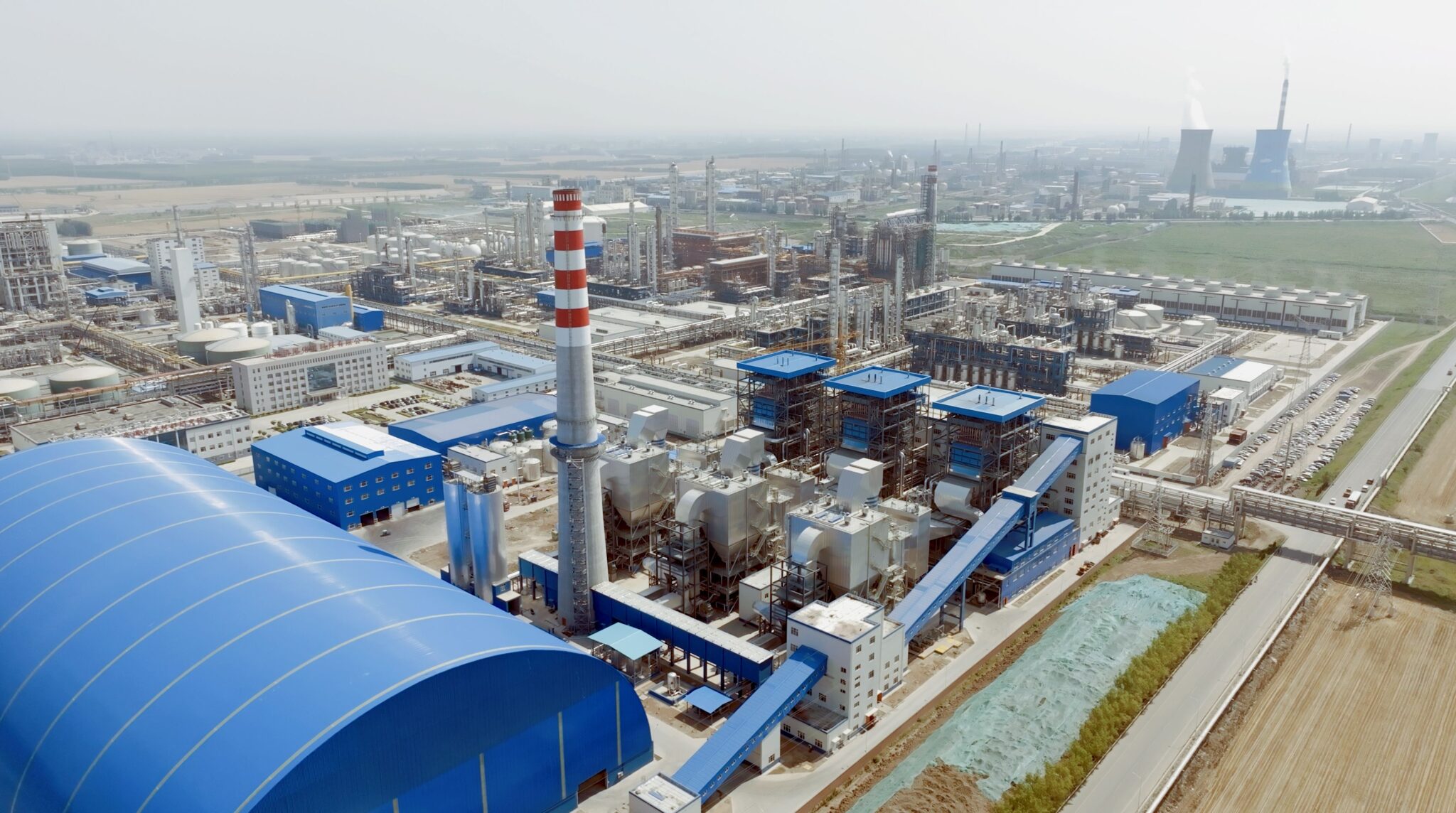
Industrial boilers are often one of the largest on-site sources of fuel consumption, carbon dioxide, NOx, and in some fuel applications, SOx and particulate emissions. Older boiler rooms waste heat through hot stacks, cycle inefficiently at part load, operate with excess air, depend on one fossil fuel, and lack real-time emissions visibility. These weaknesses increase fuel use, make permit compliance harder, and limit the plant’s ability to respond to future carbon or air-quality requirements. The practical solution is to use modern condensing and hybrid industrial boiler technologies that reduce emissions by improving efficiency, recovering waste heat, optimizing combustion, integrating low-carbon energy, and dispatching the cleanest heat source available.
Advancements in condensing and hybrid industrial boiler technologies reduce emissions by lowering fuel consumption, recovering latent heat from flue gas, improving part-load efficiency, reducing boiler cycling, enabling low-NOx combustion, integrating electric boilers and heat pumps, using thermal storage, supporting biogas and hydrogen-ready fuel strategies, and providing real-time monitoring for combustion and emissions control. Condensing boilers reduce emissions mainly by producing the same useful heat with less fuel, while hybrid boiler systems reduce emissions by combining gas boilers, electric boilers, heat pumps, renewable fuels, waste heat recovery, and smart controls to select the lowest-emission operating mode for each load condition.
For plant owners, sustainability managers, boiler operators, and procurement teams, the key point is that emissions reduction is not achieved by one component alone. A condensing heat exchanger reduces carbon intensity only when return-water temperature is low enough. A hybrid boiler room reduces emissions only when controls prioritize the right equipment. A hydrogen-ready burner reduces future fuel risk only when NOx, flame safety, and fuel supply are engineered correctly. As a professional industrial boiler manufacturer and supplier, we recommend evaluating emissions at the full system level: fuel input, combustion quality, stack temperature, useful heat output, auxiliary power, operating schedule, carbon intensity of electricity, fuel flexibility, and emissions monitoring.
Condensing boilers reduce emissions mainly because they recover more heat and therefore require less fuel to produce the same useful heating output.True
By recovering sensible and latent heat from flue gas, condensing boilers can reduce fuel consumption, which lowers fuel-related emissions when the system is properly designed.
Hybrid industrial boiler systems always reduce emissions regardless of how they are controlled or which energy source is used.False
Hybrid systems reduce emissions only when equipment selection, sequencing, electricity source, fuel quality, operating temperature, and control logic are properly matched to the plant’s load and emissions goals.
🌍 Why Boiler Emissions Reduction Requires a System-Level Approach
Boiler emissions come from more than the burner flame. They are the result of fuel chemistry, combustion temperature, excess air, heat-transfer efficiency, boiler cycling, load profile, auxiliary power, stack losses, pollution-control equipment, and maintenance condition. A traditional boiler may have acceptable combustion at full load but poor emissions at low load, startup, shutdown, or rapid load changes. A plant may also lose emissions performance when fuel quality changes, burners drift, heat exchangers foul, sensors fail, or operators run equipment outside the intended range.
Condensing and hybrid technologies reduce emissions by attacking these problems from several directions. Condensing technology reduces fuel input by recovering heat that older systems waste. Hybrid technology reduces fossil fuel dependency by adding electric boilers, heat pumps, thermal storage, waste heat recovery, biogas, hydrogen-ready combustion, and smart sequencing. Digital controls reduce avoidable emissions by keeping equipment in efficient operating zones. Monitoring systems detect drift before emissions exceed limits.
| Emissions Challenge | Traditional Boiler Limitation | Condensing / Hybrid Improvement |
|---|---|---|
| 🔥 High fuel consumption | Hot flue gas and poor heat recovery | Condensing heat recovery and economizers |
| 🌫️ NOx formation | High flame temperature and poor air control | Low-NOx burners, FGR, oxygen trim, staged combustion |
| 🏭 Carbon emissions | Single fossil fuel dependency | Electric boilers, heat pumps, biogas, hydrogen-ready options |
| 🔁 Cycling emissions | Oversized boilers start and stop frequently | Modular staging and thermal storage |
| 💨 Excess air losses | Manual or fixed burner control | Digital combustion optimization |
| 🌪️ Particulate risk | Poor combustion or solid-fuel variability | Better fuel preparation and cleaner dispatch |
| 📊 Poor visibility | Limited emissions data | IoT monitoring and emissions dashboards |
| 🧰 Performance drift | Reactive maintenance | Predictive maintenance and trend alarms |
💧 Condensing Technology Reduces Emissions by Lowering Fuel Use
The first and most direct emissions benefit of condensing technology is lower fuel consumption. When a boiler burns fuel, flue gas carries heat to the stack. In conventional boilers, water vapor in the flue gas remains vapor and leaves with latent heat. Condensing boilers cool the flue gas enough for some of that water vapor to condense, releasing additional heat into the heating system. Because more heat is recovered from the same amount of fuel, less fuel is needed to produce the same useful output.
This reduces carbon dioxide emissions from fossil fuels because CO₂ is linked to fuel burned. It also reduces total NOx mass in many applications because less fuel is fired for the same heat demand, although NOx concentration still depends on burner design and combustion conditions. For low-sulfur gas-fired systems, SOx and particulate emissions are already low, but reduced fuel use further lowers total emissions.
| Condensing Efficiency Feature | Emissions Reduction Mechanism |
|---|---|
| Lower stack temperature | Less heat wasted, lower fuel demand |
| Latent heat recovery | More useful heat from the same fuel |
| Higher seasonal efficiency | Lower annual fuel-related emissions |
| Better part-load modulation | Less cycling and fewer startup emissions |
| Improved heat-transfer surfaces | More stable efficiency over time |
| Condensing economizer | Reduces steam boiler fuel input when a cool heat sink exists |
| Return-temperature optimization | Keeps the boiler in high-efficiency condensing mode |
| Condensate management | Allows safe long-term condensing operation |
🌡️ Low Return-Water Temperature Increases Emissions Reduction
Condensing boilers reduce emissions best when return-water temperature is low enough to create condensation. If return water is too hot, the boiler may not recover much latent heat. This means the emissions reduction potential depends on system design, not only boiler selection.
Modern low-emission condensing boiler systems use lower supply temperatures where possible, wider temperature differences, variable-speed pumps, outdoor reset controls, larger process heat exchangers, separated low-temperature loops, and thermal storage. These design choices keep return water cooler and allow more condensing hours across the year.
| System Design Choice | Emissions Benefit |
|---|---|
| Lower return-water temperature | More condensation and less fuel use |
| Variable-flow pumping | Better temperature difference and lower pump energy |
| Larger process heat exchangers | Delivers heat at lower water temperature |
| Outdoor reset control | Avoids unnecessarily high supply temperature |
| Low-temperature process loops | Provides excellent heat sink |
| Thermal storage stratification | Maintains cooler return layer |
| Make-up water preheating | Uses recovered stack heat efficiently |
| Condensate return optimization | Reduces boiler firing demand |
♨️ Condensing Economizers Reduce Emissions in Steam Systems
Steam boilers are often harder to convert to direct condensing operation because steam generation requires high temperatures. However, condensing economizers can still reduce emissions by recovering flue gas heat into low-temperature water streams. These may include make-up water, wash water, process water, deaerator make-up, or domestic hot water.
This is especially useful in plants with low condensate return or high make-up water demand. Every unit of heat recovered from the stack is one less unit of heat that must be produced by burning fuel. This reduces fuel-related CO₂, NOx mass, and overall thermal waste.
| Steam Plant Heat Recovery Upgrade | Emissions Reduction Path |
|---|---|
| Feedwater economizer | Reduces fuel needed to raise feedwater temperature |
| Condensing economizer | Recovers latent heat into make-up/process water |
| Deaerator vent condenser | Captures steam normally vented |
| Blowdown heat recovery | Reduces wasted hot water energy |
| Flash steam recovery | Reuses steam energy instead of venting |
| Condensate return improvement | Reduces cold make-up water heating |
| Stack heat recovery loop | Converts flue gas loss into useful heat |
| Process water preheating | Reduces separate fuel-fired heating demand |
🔥 Low-NOx Burner Advancements Reduce NOx at the Source
NOx emissions form when combustion temperature, oxygen availability, and nitrogen chemistry create nitrogen oxides in the flame. Modern condensing and hybrid boiler systems often use low-NOx or ultra-low-NOx burners to reduce NOx formation at the source. These burners shape the flame, stage air and fuel, reduce hot spots, and control peak flame temperature.
In gas and oil boilers, low-NOx burners are often combined with flue gas recirculation and oxygen trim. In biomass, coal, and waste-fuel boilers, staged combustion and overfire air may be used. Hybrid systems can also reduce NOx by shifting some low-temperature demand away from combustion equipment to heat pumps or electric boilers.
| NOx Reduction Advancement | How It Works |
|---|---|
| Low-NOx burner | Reduces flame hot spots and controls mixing |
| Ultra-low-NOx burner | Provides deeper NOx reduction for strict limits |
| Flue gas recirculation | Lowers peak flame temperature |
| Oxygen trim | Prevents excessive oxygen and unstable combustion |
| Staged combustion | Delays oxygen mixing to reduce NOx formation |
| Overfire air | Completes burnout after lower-NOx primary combustion |
| Digital burner control | Maintains stable NOx performance across load |
| Hybrid load shifting | Reduces combustion hours during low-load operation |
⚡ Electric Boilers Reduce On-Site Combustion Emissions
Electric boilers create heat without on-site combustion. That means they produce no direct stack NOx, SOx, particulate, or combustion CO₂ at the boiler room. In a hybrid boiler system, electric boilers can reduce on-site emissions during low-load periods, emissions-restricted hours, startup standby, or periods when electricity is low-carbon or low-cost.
However, the total environmental benefit depends on how the electricity is generated. If electricity comes from renewable, nuclear, hydro, or low-carbon grid sources, emissions reduction can be significant. If electricity comes mainly from high-emission generation, the emissions may shift from the plant stack to the power grid. For this reason, smart hybrid controls should consider electricity carbon intensity where possible.
| Electric Boiler Use Case | Emissions Reduction Benefit |
|---|---|
| Low-load operation | Avoids inefficient gas boiler cycling |
| Standby heating | Reduces idling combustion emissions |
| Renewable electricity periods | Converts low-carbon power into heat |
| Local air-quality restriction periods | Reduces on-site NOx/SOx/PM |
| Backup heat | Reduces need for continuously fired standby boiler |
| Process hot water | Supports non-combustion heating |
| Night or off-peak operation | Can reduce cost and emissions depending on power source |
| Hybrid peak support | Reduces combustion equipment stress |
🧊 Industrial Heat Pumps Cut Emissions by Using Waste Heat
Industrial heat pumps can reduce emissions more efficiently than direct electric heating when the application fits. A heat pump moves existing low-grade heat to a useful temperature, often delivering multiple units of heat for each unit of electrical energy consumed. This reduces boiler fuel demand and lowers emissions associated with combustion.
Heat pumps are especially useful for low- and medium-temperature loads such as process water preheating, wash water, space heating, drying support, condensate preheating, and recovery from wastewater, refrigeration systems, compressors, cooling loops, or process exhaust. In a hybrid system, the heat pump handles efficient low-temperature heating while the boiler handles peak or high-temperature duty.
| Heat Pump Integration | Emissions Reduction Mechanism |
|---|---|
| Wastewater heat recovery | Reduces boiler fuel needed for water heating |
| Refrigeration heat recovery | Uses heat that would otherwise be rejected |
| Compressor heat recovery | Converts cooling loss into useful heat |
| Condensate preheating | Reduces steam boiler energy demand |
| Low-temperature process heating | Shifts load away from combustion |
| Thermal storage charging | Stores low-emission heat for later use |
| Heat pump + condensing boiler | Allows boiler to operate fewer hours |
| Heat pump + electric boiler | Supports fully electric low-temperature heat strategy |
🔋 Thermal Storage Reduces Emissions From Cycling and Peak Firing
Boiler emissions often rise during startup, shutdown, rapid load changes, and low-load cycling. Thermal storage helps reduce these emissions by smoothing demand. Instead of firing a boiler aggressively for a short peak, the system can discharge stored heat. Instead of keeping a boiler hot at inefficient standby, the system can store heat produced during efficient operation.
Thermal storage is especially valuable in plants with batch processes, sanitation cycles, washdown demand, morning warm-up loads, or intermittent production. It can also allow electric boilers or heat pumps to operate when electricity is cleaner or cheaper, storing heat for later use.
| Thermal Storage Function | Emissions Benefit |
|---|---|
| Peak shaving | Reduces high-fire operation and oversizing |
| Load smoothing | Reduces cycling emissions |
| Heat pump optimization | Uses efficient recovered heat over longer periods |
| Electric boiler optimization | Stores low-carbon electric heat |
| Stable biomass operation | Reduces smoke and incomplete combustion from load swings |
| Lower standby firing | Reduces idle fuel use |
| Better return-temperature control | Improves condensing performance |
| Emergency heat buffer | Reduces backup boiler runtime |
🌱 Fuel Flexibility: Biogas, Hydrogen, Biomass, and Cleaner Fuels
Hybrid boiler technology supports fuel flexibility. This matters because emissions depend strongly on fuel type. Natural gas usually reduces SOx and particulate emissions compared with coal or heavy oil. Cleaned biogas can reduce fossil fuel use while using waste-derived methane. Hydrogen contains no carbon or sulfur, so it can support long-term decarbonization, although NOx must be controlled. Biomass may support renewable heat strategies, but particulate control and fuel quality are critical.
A hybrid system does not need to rely on one fuel forever. It can combine natural gas, biogas, electricity, hydrogen blends, biomass, and waste heat according to availability, cost, carbon goals, and permit requirements.
| Fuel / Energy Option | Emissions Advantage | Engineering Watch-Out |
|---|---|---|
| Natural gas | Low SOx and PM compared with solid/heavy fuels | NOx still requires control |
| Cleaned biogas | Reduces fossil fuel use | H₂S, moisture, and siloxanes must be removed |
| Hydrogen blend | Low fuel carbon and sulfur | NOx and flame safety require special design |
| Biomass | Renewable fuel pathway in some applications | PM, ash, moisture, and NOx must be controlled |
| Low-sulfur oil | Lower SOx than high-sulfur oil | Atomization and PM control still matter |
| Electric boiler | No on-site combustion emissions | Grid carbon intensity matters |
| Heat pump | Lowers fuel demand through waste heat recovery | Temperature lift must be practical |
| Waste heat recovery | Reduces purchased fuel | Requires stable heat source and useful sink |
🌫️ SOx and Particulate Reduction Through Cleaner Dispatch
Condensing technology mainly reduces SOx and particulates by reducing total fuel burned, especially when operating on cleaner fuels. Hybrid technology goes further by allowing the plant to dispatch lower-SOx or lower-PM heat sources whenever possible. For example, a hybrid system may use an electric boiler or heat pump for low-load hot water instead of running a high-sulfur oil boiler. A plant may run a gas boiler during strict air-quality periods and reserve biomass for periods where particulate controls are stable and load is high enough for clean combustion.
This dispatch flexibility is important because SOx is driven by fuel sulfur and particulates are driven by fuel ash, soot, and combustion quality. Hybrid controls can reduce the runtime of higher-emission fuel systems and prioritize cleaner options.
| Emission Risk | Hybrid Dispatch Response |
|---|---|
| High SOx from sulfur fuel | Shift load to gas, electric, heat pump, or low-sulfur fuel where possible |
| High PM from solid fuel | Use storage or cleaner fuel during low-load periods |
| Biomass smoke at low load | Run biomass at stable load and use storage for peaks |
| Heavy oil soot risk | Use cleaner fuel or electric heat during sensitive operation |
| Biogas H₂S variation | Switch to backup fuel if gas cleaning is unstable |
| NOx during high-fire demand | Use storage or electric support to reduce peak firing |
| Startup emissions | Use storage or electric boiler during warm-up |
| Poor collector condition | Reduce high-PM fuel use until maintenance is completed |
📊 Emissions Reduction by Technology Type
| Technology Advancement | CO₂ Reduction | NOx Reduction | SOx Reduction | PM Reduction |
|---|---|---|---|---|
| Condensing heat exchanger | High through fuel savings | Moderate through less fuel | Moderate if sulfur fuel is reduced by fuel savings | Moderate through less fuel burned |
| Condensing economizer | Moderate to high | Moderate | Moderate | Moderate |
| Low-NOx burner | Limited direct CO₂ impact | High | Low | May reduce soot if combustion improves |
| Oxygen trim | Moderate through efficiency | Moderate | Low | Reduces soot risk if tuned well |
| FGR | Low to moderate | High | Low | Low |
| Electric boiler | High on-site reduction | High on-site reduction | High on-site reduction | High on-site reduction |
| Heat pump | High when replacing boiler fuel | Moderate to high through reduced firing | Moderate to high through reduced firing | Moderate to high through reduced firing |
| Thermal storage | Moderate through cycling reduction | Moderate | Low to moderate | Moderate if it stabilizes solid-fuel combustion |
| Biogas integration | Fossil CO₂ reduction | Depends on burner | Depends on H₂S removal | Usually low PM |
| Hydrogen-ready system | Future CO₂/SOx reduction | Requires NOx control | High sulfur reduction | Low PM |
| Smart controls | Moderate to high | Moderate | Indirect | Indirect |
| Predictive maintenance | Maintains long-term reductions | Maintains tuning | Maintains controls | Prevents PM-control failure |
🧠 Smart Controls Reduce Emissions by Avoiding Poor Operating Modes
Modern control systems are central to emissions reduction. A hybrid boiler room may include gas boilers, electric boilers, heat pumps, thermal storage, fuel blending, pumps, and emissions monitoring. Without smart controls, the plant may operate equipment in the wrong sequence and lose emissions benefits.
Smart controls can prioritize heat pumps for low-temperature loads, run condensing boilers when return temperature is favorable, use storage during peaks, reduce boiler cycling, limit high-emission fuel operation, and maintain oxygen targets. Advanced systems can also consider energy price, carbon intensity, load forecast, emissions permit constraints, and equipment availability.
| Smart Control Function | Emissions Reduction Benefit |
|---|---|
| Best-source dispatch | Selects lowest-emission heat source |
| Return-temperature optimization | Improves condensing fuel savings |
| Low-load electric operation | Reduces combustion cycling emissions |
| Heat pump priority | Reduces boiler firing hours |
| Thermal storage management | Avoids peak firing and starts |
| Boiler sequencing | Runs efficient modules instead of oversized units |
| Oxygen trim | Reduces excess air and combustion instability |
| Alarm-based control | Prevents operation with failed emission equipment |
| Carbon-aware scheduling | Uses cleaner electricity or fuels when available |
| Maintenance alerts | Prevents emissions drift |
📟 Monitoring and Predictive Maintenance Keep Emissions Low Over Time
A boiler may be low-emission after commissioning but drift upward over time. Burner parts wear, oxygen sensors drift, heat exchangers foul, FGR dampers stick, fuel quality changes, scrubbers lose efficiency, baghouse filters leak, and heat pump performance declines. IoT monitoring and predictive maintenance help detect these issues early.
Useful emissions-related data includes O₂, CO, NOx, stack temperature, fuel input, heat output, return-water temperature, condensate flow, burner starts, fan speed, electric boiler runtime, heat pump COP, storage temperature, scrubber pH, baghouse differential pressure, ESP power, and fuel composition.
| Monitoring Point | Emissions Warning |
|---|---|
| Rising stack temperature | Less heat recovery, more fuel use |
| Return-water temperature too high | Condensing boiler not condensing |
| Condensate flow decreasing | Lower latent heat recovery |
| O₂ drifting high | Excess air and stack loss |
| CO increasing | Incomplete combustion and soot risk |
| NOx increasing | Burner, FGR, or control drift |
| Burner starts increasing | Cycling emissions and wear |
| Heat pump COP falling | Less efficient hybrid operation |
| Baghouse DP abnormal | PM control risk |
| Scrubber pH low | SOx control risk |
| Fuel sulfur rising | SOx risk |
| Biogas H₂S breakthrough | SOx and corrosion risk |
🏭 Industry Applications for Emission Reduction
Condensing and hybrid technologies are especially useful in industries with continuous or variable thermal demand, hot water use, process washing, sanitation, space heating, low-temperature process heat, and waste heat availability.
| Industry | Useful Low-Emission Technology |
|---|---|
| Food and beverage | Condensing boilers, heat pumps, hot water recovery, thermal storage |
| Textile processing | Hybrid hot-water systems, condensing heat recovery, electric support |
| Pharmaceuticals | Modular condensing boilers, electric backup, clean monitoring |
| Hospitals and campuses | Condensing boiler plants, heat pumps, storage, smart sequencing |
| Wastewater treatment | Biogas boilers, gas cleaning, heat recovery |
| Greenhouses | Condensing boilers, thermal storage, low-NOx combustion |
| Chemical plants | Condensing economizers, hybrid steam/hot-water systems |
| Breweries and dairies | Condensate recovery, heat pump preheating, low-NOx boilers |
| District heating | Large condensing boilers, heat pumps, thermal storage |
| Manufacturing plants | Hybrid fuel strategy, CEMS, modular staging |
✅ Practical Emissions Reduction Checklist
| Question | Why It Matters |
|---|---|
| What are current fuel use and emissions per unit of output? | Establishes baseline |
| Is stack temperature higher than necessary? | Shows heat recovery opportunity |
| Is return-water temperature low enough for condensing? | Determines condensing emissions benefit |
| Are boilers cycling frequently? | Indicates avoidable startup emissions |
| Can low-temperature loads be served by heat pumps? | Reduces combustion demand |
| Is thermal storage feasible? | Reduces peaks and cycling |
| Are low-NOx burners or FGR needed? | Supports NOx compliance |
| Is electricity low-carbon during some periods? | Supports hybrid electric operation |
| Is biogas or hydrogen blending planned? | Supports fuel flexibility |
| Are SOx and PM driven by current fuel? | May justify fuel switching |
| Are emissions monitored continuously or periodically? | Confirms performance |
| Are controls optimized for carbon and cost? | Prevents poor hybrid dispatch |
| Is predictive maintenance in place? | Prevents long-term emissions drift |
| Are future regulations considered? | Avoids short-lived upgrades |
Common Mistakes to Avoid
One common mistake is assuming that installing a condensing boiler automatically guarantees maximum emissions reduction. If return-water temperature is too high, the boiler may not condense enough to deliver expected fuel savings. Another mistake is assuming that electric boilers always reduce total emissions. They reduce on-site stack emissions, but total emissions depend on electricity generation and operating strategy. A third mistake is adding hybrid equipment without smart controls. Without correct sequencing, the system may run higher-emission equipment unnecessarily.
Another major mistake is ignoring NOx when planning hydrogen or high-hydrogen fuel blends. Hydrogen contains no carbon or sulfur, but flame temperature and burner design can still create NOx. A final mistake is focusing only on CO₂ while ignoring NOx, SOx, particulates, CO, opacity, and local permit limits. A successful low-emission boiler room must manage both carbon and air pollutants.
Final Summary
Advancements in condensing and hybrid industrial boiler technologies reduce emissions by lowering fuel consumption, recovering waste heat, improving combustion, reducing cycling, integrating low-carbon energy sources, and maintaining better operating control. Condensing boilers reduce emissions by recovering latent heat from flue gas and producing the same useful heat with less fuel. Condensing economizers help steam plants recover stack energy into make-up water or process water. Hybrid systems reduce emissions by combining condensing boilers, electric boilers, heat pumps, thermal storage, waste heat recovery, biogas, hydrogen-ready burners, and smart controls.
The best emissions reduction comes from integrated design. The plant must match return-water temperature to condensing operation, use heat pumps where temperature levels are suitable, apply low-NOx combustion where needed, use thermal storage to reduce cycling, dispatch electric or renewable heat strategically, and monitor emissions continuously enough to prevent drift. When properly designed and maintained, condensing and hybrid boiler systems can reduce fuel use, lower CO₂, improve NOx control, reduce SOx and particulate exposure through cleaner dispatch, and prepare industrial plants for stricter future emissions requirements.
How Do Advancements in Condensing and Hybrid Industrial Boiler Technologies Support Fuel Flexibility?
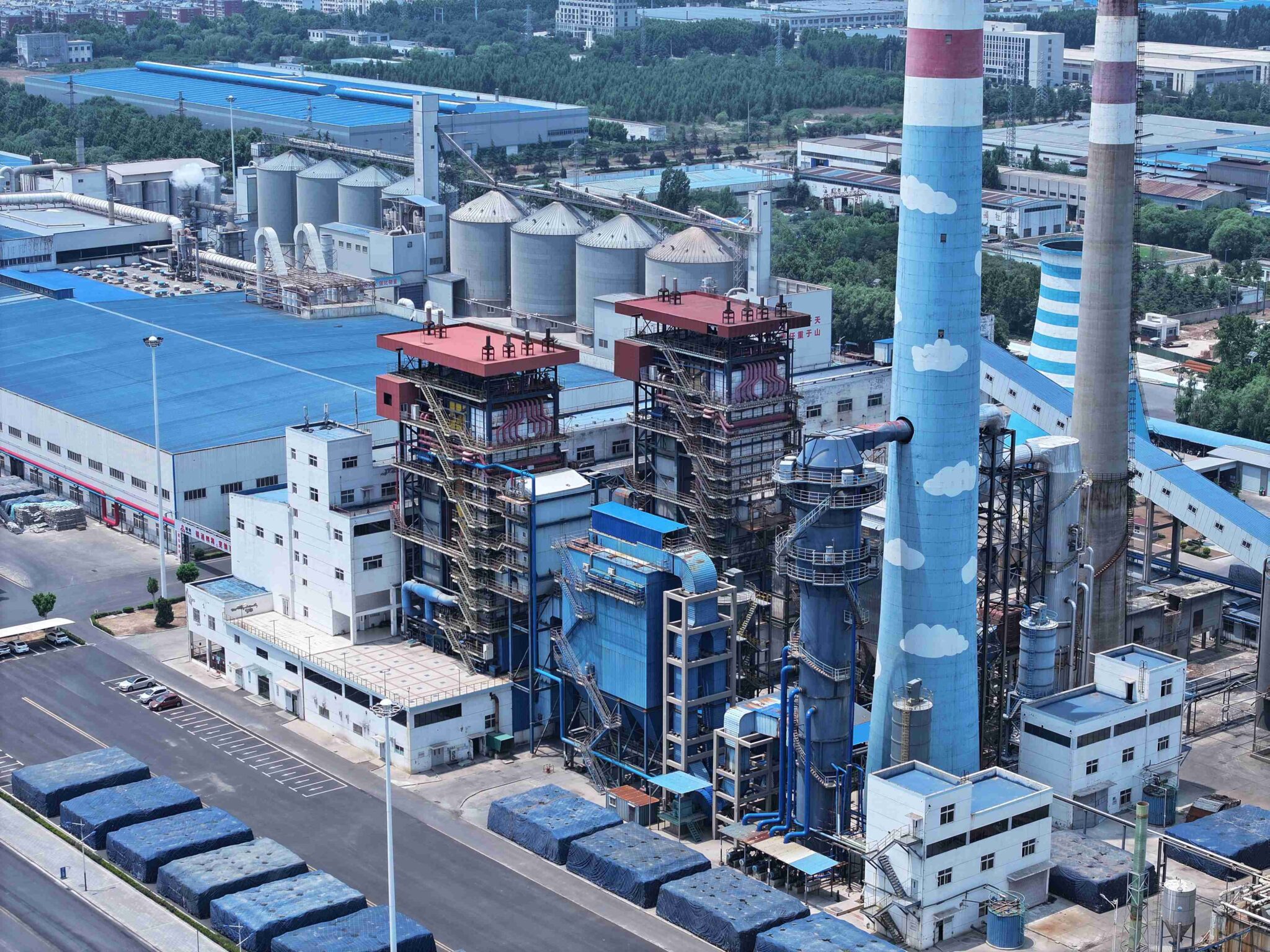
Industrial plants are facing a difficult energy reality: fuel prices fluctuate, gas availability may change, electricity tariffs vary by time, carbon policies are tightening, renewable fuels are emerging, and many facilities cannot afford production interruptions when one fuel becomes expensive or unavailable. A boiler room designed around only one fuel or one operating mode can become costly, inflexible, and exposed to compliance risk. The practical solution is to use advancements in condensing and hybrid industrial boiler technologies that allow plants to combine fuels, switch energy sources, recover waste heat, and operate boilers according to cost, availability, emissions, and process demand.
Advancements in condensing and hybrid industrial boiler technologies support fuel flexibility by combining high-efficiency condensing boilers, multi-fuel burners, electric boilers, industrial heat pumps, thermal storage, hydrogen-ready burner designs, biogas-compatible fuel trains, biomass or waste-heat modules, smart sequencing controls, and real-time fuel-quality monitoring. Condensing technology improves the efficiency of gas and low-carbon fuel operation, while hybrid boiler systems allow operators to shift between natural gas, electricity, biogas, hydrogen blends, biomass, low-sulfur oil, waste heat, and stored thermal energy depending on price, carbon intensity, availability, permit limits, and production load.
Fuel flexibility does not mean burning any fuel in any boiler without engineering review. Each fuel has different combustion speed, heating value, sulfur content, moisture, ash, flame temperature, storage needs, safety requirements, emissions profile, and control behavior. The value of modern condensing and hybrid systems is that they create a structured, safe, and intelligent pathway for fuel choice. As a professional industrial boiler manufacturer and supplier, we recommend treating fuel flexibility as a full boiler-room design strategy, not simply a burner option.
Fuel flexibility means an industrial boiler can safely burn any available fuel without burner, control, safety, emissions, or material modifications.False
Fuel flexibility must be engineered. Different fuels require suitable burners, fuel trains, controls, safety systems, emissions controls, material compatibility, permits, and operating procedures.
Hybrid industrial boiler systems can improve fuel flexibility by allowing plants to combine combustion boilers, electric boilers, heat pumps, waste heat recovery, and thermal storage under one coordinated control strategy.True
A hybrid system can shift heat production among multiple energy sources when equipment is properly sized, integrated, monitored, and controlled.
⚙️ What Fuel Flexibility Means in an Industrial Boiler Room
Fuel flexibility means the boiler plant can respond to changing energy conditions without sacrificing safety, reliability, efficiency, emissions compliance, or process stability. In older boiler rooms, fuel flexibility often meant a dual-fuel burner that could switch between natural gas and oil. Modern fuel flexibility is broader. It may include gas-electric hybrid operation, biogas blending, hydrogen-ready combustion, biomass support, low-sulfur backup fuel, waste heat recovery, heat pump integration, thermal storage, and automated fuel-cost optimization.
A fuel-flexible boiler room does not always switch fuels frequently. Sometimes the value is strategic readiness. A plant may operate on natural gas today but specify hydrogen-ready burners for future conversion. A wastewater facility may use biogas when available and natural gas as backup. A food plant may use electric heat during low-cost renewable electricity periods and gas boilers during peak steam demand. A campus may use condensing boilers for normal load, electric boilers for emissions-restricted periods, and thermal storage to reduce peak fuel firing.
| Fuel Flexibility Element | Practical Meaning | Main Benefit |
|---|---|---|
| 🔥 Dual-fuel burner | Uses two combustion fuels, such as gas and oil | Backup and price flexibility |
| ⚡ Electric boiler integration | Adds non-combustion heat source | Reduces on-site emissions and fuel dependence |
| 🌿 Biogas compatibility | Uses waste-derived gas after cleaning | Reduces fossil fuel use |
| 🧪 Hydrogen-ready design | Prepares for future hydrogen blends | Long-term decarbonization pathway |
| 🪵 Biomass module | Uses renewable solid fuel where practical | Fuel diversification |
| ♨️ Heat pump integration | Uses waste heat and electricity | Reduces combustion fuel demand |
| 🧊 Thermal storage | Stores heat from the best available source | Smoother dispatch and lower peak fuel use |
| 🧠 Smart controls | Selects energy source based on rules and data | Cost, emissions, and reliability optimization |
💧 How Condensing Technology Supports Fuel Flexibility
Condensing technology supports fuel flexibility by improving the efficiency of fuels that produce recoverable water vapor in flue gas, especially natural gas, biogas, and certain hydrogen blends. A condensing boiler extracts more useful heat from the same fuel by cooling flue gas and recovering latent heat. This makes cleaner gaseous fuels more attractive because the plant gets more heat per unit of fuel.
For fuel-flexible systems, condensing technology also helps during partial fuel transition. For example, a plant may begin with natural gas, later add cleaned biogas, and eventually evaluate hydrogen blending. Condensing heat recovery helps maintain high efficiency across these gaseous-fuel strategies when the burner, heat exchanger, condensate handling, controls, and emissions system are properly designed.
| Condensing Advancement | Fuel Flexibility Benefit |
|---|---|
| Stainless steel condensing heat exchanger | Handles condensate from clean gaseous fuels more reliably |
| Low return-water optimization | Maximizes efficiency when using gas, biogas, or blends |
| Integrated economizer | Recovers heat even when full condensing is not possible |
| Modular condensing boilers | Allows staged operation with different fuel or capacity modules |
| Oxygen trim | Adapts combustion air to fuel variation |
| Wide turndown burner | Improves operation during load and fuel changes |
| Condensate neutralization | Supports safe long-term operation |
| Digital performance monitoring | Detects efficiency changes caused by fuel variation |
🔥 Multi-Fuel and Dual-Fuel Burners
Dual-fuel and multi-fuel burners remain one of the most direct ways to support fuel flexibility. A typical dual-fuel industrial burner may operate on natural gas and light oil, natural gas and biogas, or natural gas and hydrogen blend, depending on design. Some larger industrial systems can support more complex fuel combinations, but each must be engineered carefully.
A multi-fuel burner must handle different heating values, flame speeds, fuel pressures, ignition characteristics, turndown ratios, atomization needs, flame detection requirements, and emissions behavior. A burner that operates safely on natural gas may not automatically be suitable for hydrogen, raw biogas, heavy oil, or biomass gas.
| Fuel Combination | Main Advantage | Engineering Watch-Out |
|---|---|---|
| Natural gas + light oil | Reliable backup fuel | Oil atomization and storage maintenance |
| Natural gas + biogas | Uses renewable gas when available | H₂S, moisture, siloxanes, methane variation |
| Natural gas + hydrogen blend | Future decarbonization readiness | Flame speed, NOx, leak detection, safety |
| Natural gas + LPG | Backup gaseous fuel | Pressure and Wobbe index control |
| Heavy oil + gas | Fuel cost and backup flexibility | Soot, sulfur, atomization, emissions |
| Biomass gas + natural gas | Renewable fuel support | Gas quality and tar/particulate control |
| Biogas + hydrogen blend | Low-carbon gas strategy | Complex combustion and monitoring requirements |
⚡ Hybrid Gas-Electric Systems
Gas-electric hybrid boiler systems greatly expand fuel flexibility because they add electricity as an energy source. Instead of relying only on combustion, the plant can operate electric boilers during specific periods and combustion boilers during others. This flexibility is useful when electricity prices vary by time, renewable electricity is available, local air-quality restrictions apply, or the plant wants to reduce on-site combustion emissions.
Electric boilers can also support low-load operation. Many combustion boilers are less efficient and less stable at very low fire. An electric boiler can handle small loads while the larger combustion boiler remains offline, reducing cycling, purge losses, and standby fuel use.
| Hybrid Gas-Electric Operating Mode | Fuel Flexibility Benefit |
|---|---|
| Electric boiler at low load | Avoids inefficient combustion cycling |
| Gas boiler at peak load | Provides high-capacity heat |
| Electric boiler during low-price electricity | Reduces fuel cost exposure |
| Electric boiler during low-carbon electricity | Reduces emissions footprint |
| Gas boiler during high electricity price | Controls operating cost |
| Electric backup | Adds redundancy without fuel storage |
| Combined operation during peak | Supports rapid load response |
| Automatic dispatch | Selects energy source based on cost and carbon rules |
♨️ Industrial Heat Pumps as a Flexible Energy Source
Industrial heat pumps support fuel flexibility by reducing the amount of fuel the boiler must burn. They use electricity to upgrade low-grade heat from wastewater, refrigeration systems, compressors, condensate, cooling loops, process exhaust, or ambient sources. The boiler then serves high-temperature demand, peak load, backup duty, or steam generation.
Heat pumps are especially valuable in plants with significant low-temperature hot water demand. In a hybrid boiler room, the heat pump may handle preheating or base load, while condensing boilers handle higher-temperature loads. This reduces dependence on natural gas, oil, coal, or other fuels and gives the plant another operational pathway when fuel prices change.
| Heat Pump Source | Useful Heat Application | Fuel Flexibility Benefit |
|---|---|---|
| Wastewater | Process water preheating | Reduces combustion fuel demand |
| Refrigeration waste heat | Hot water loop | Uses heat already produced by the plant |
| Compressor cooling | Space or process heating | Converts cooling loss into useful energy |
| Condensate return | Preheating | Reduces boiler load |
| Cooling tower loop | Low-temperature heating | Reduces rejected heat |
| Process exhaust | Make-up water preheating | Uses waste heat instead of purchased fuel |
| Thermal storage | Heat bank charging | Allows energy source timing flexibility |
🧊 Thermal Storage: The Buffer That Makes Fuel Switching Practical
Thermal storage is one of the most underrated fuel-flexibility tools. Fuel switching becomes easier when heat demand does not need to be met instantly by one boiler. A storage tank can absorb heat from a gas boiler, electric boiler, heat pump, biomass boiler, or waste heat source, then release it when demand rises.
Storage helps plants avoid starting a less efficient or higher-emission boiler for short peaks. It also allows electric boilers or heat pumps to operate when electricity is cheaper or cleaner. For biomass systems, storage helps keep the solid-fuel boiler running steadily instead of ramping up and down.
| Thermal Storage Function | How It Supports Fuel Flexibility |
|---|---|
| Peak shaving | Reduces need to fire backup fuel for short peaks |
| Load smoothing | Allows stable operation of biomass or large boilers |
| Electric charging | Stores heat from off-peak or renewable electricity |
| Heat pump support | Stores recovered heat for later demand |
| Condensing optimization | Maintains cooler return-water zones |
| Emergency buffer | Provides time during fuel changeover |
| Fuel cost management | Allows production of heat during favorable price periods |
| Emissions management | Reduces starts, shutdowns, and low-load combustion |
🌿 Biogas-Compatible Condensing and Hybrid Boilers
Biogas is an important fuel-flexibility option for wastewater treatment plants, food processors, farms, landfills, beverage plants, and organic waste facilities. It can reduce fossil fuel dependence and convert waste methane into useful heat. However, biogas is not the same as pipeline natural gas. It usually has lower and variable methane content and may contain carbon dioxide, hydrogen sulfide, moisture, siloxanes, and other impurities.
Advanced biogas-compatible boiler systems include gas cleaning, H₂S removal, moisture separation, siloxane control, gas pressure boosting, flame monitoring, oxygen trim, and backup fuel blending. In a hybrid system, biogas can be used when available, while natural gas, electricity, or storage covers demand when biogas production falls.
| Biogas Challenge | Required Technology | Fuel Flexibility Benefit |
|---|---|---|
| Variable methane content | Fuel-quality monitoring and control compensation | Stable combustion |
| H₂S | Desulfurization skid | Lower SOx and corrosion risk |
| Moisture | Condensate removal and drying | Protects burner and piping |
| Siloxanes | Activated carbon or gas treatment | Reduces deposits |
| Low pressure | Gas booster | Stable burner supply |
| Variable production | Backup gas or electric boiler | Maintains reliability |
| Odor and safety | Gas detection and ventilation | Safer operation |
| Different flame behavior | Burner tuning | Reliable firing |
🧪 Hydrogen-Ready Boiler Advancements
Hydrogen-ready boiler technology supports future fuel flexibility by preparing the boiler room for hydrogen blends or possible future hydrogen conversion. Hydrogen has no carbon and no sulfur, which makes it attractive for decarbonization. However, hydrogen has a higher flame speed, different ignition behavior, wider flammability range, lower volumetric energy density, and different leak characteristics compared with natural gas. It can also create NOx if flame temperature is not controlled.
Modern hydrogen-ready systems may include compatible burners, upgraded gas trains, flame detection review, ventilation, leak detection, low-NOx combustion design, fuel blending control, suitable materials, and digital safety interlocks. The goal is staged readiness rather than unsafe fuel substitution.
| Hydrogen-Ready Feature | Why It Matters |
|---|---|
| Hydrogen-compatible burner | Controls flame speed and stability |
| Low-NOx hydrogen combustion | Manages NOx from high flame temperature |
| Gas train compatibility | Handles pressure, flow, and sealing requirements |
| Leak detection | Improves safety because hydrogen disperses quickly |
| Ventilation review | Reduces accumulation risk |
| Flame scanner compatibility | Ensures reliable flame detection |
| Fuel blending control | Maintains stable gas composition |
| Safety interlocks | Prevent unsafe operation during fuel transition |
🪵 Biomass and Solid-Fuel Hybrid Integration
Biomass can support fuel flexibility where a plant has access to reliable local fuel such as wood chips, sawdust, bagasse, rice husk, palm kernel shell, agricultural residues, or process byproducts. Biomass boilers are often best used as base-load heat producers because solid-fuel systems do not always ramp as quickly as gas or electric boilers.
Hybrid integration makes biomass more practical. A biomass boiler can run steadily while gas boilers, electric boilers, heat pumps, or thermal storage handle peaks and fast load changes. This improves combustion stability, reduces smoke, reduces particulate spikes, and improves fuel utilization.
| Biomass Integration Strategy | Benefit |
|---|---|
| Biomass as base load | Stable combustion and renewable heat use |
| Gas boiler as peak support | Fast response to load changes |
| Electric boiler as low-load support | Avoids poor biomass turndown |
| Thermal storage | Absorbs biomass heat during low demand |
| Fuel drying and screening | Improves combustion and reduces PM |
| Baghouse or ESP | Controls particulate emissions |
| Smart sequencing | Runs biomass when it is most efficient |
| Backup fuel system | Maintains production during biomass supply interruption |
🛢️ Low-Sulfur Liquid Fuels and Backup Fuel Readiness
Many industrial plants still need backup liquid fuel for resilience. Natural gas supply interruptions, grid constraints, seasonal energy pricing, or emergency operations may require stored fuel. Modern fuel-flexible systems can use low-sulfur oil or other approved backup fuels with proper burner design, fuel storage, heating, filtration, atomization, and emissions review.
Fuel flexibility is not only about adopting new fuels. It is also about making backup fuels safe, clean, and ready. A backup oil system that is never maintained may fail when needed or create smoke, soot, high CO, and emissions problems.
| Backup Fuel System Item | Why It Matters |
|---|---|
| Low-sulfur fuel specification | Reduces SOx compliance risk |
| Fuel tank maintenance | Prevents water and sludge contamination |
| Fuel heating for heavy oil | Improves atomization |
| Filtration | Protects burner nozzles |
| Atomizing steam/air system | Reduces soot and smoke |
| Periodic test firing | Confirms readiness |
| Burner curve for each fuel | Prevents poor combustion after changeover |
| Emissions record for backup operation | Supports permit compliance |
🧠 Smart Controls: The Core of Fuel-Flexible Operation
Fuel flexibility depends on control intelligence. Without smart controls, multiple fuels and heat sources can create confusion, inefficiency, safety risks, or higher emissions. A modern hybrid controller should know which equipment is available, what fuel is being used, current energy prices, carbon targets, process load, storage temperature, emissions limits, and maintenance status.
The control system should also prevent unsafe fuel switching. It must manage purge sequences, valve proving, flame detection, burner curves, fuel pressure, oxygen trim, and interlocks. For hybrid systems, it must sequence electric boilers, combustion boilers, heat pumps, storage, pumps, and valves.
| Smart Control Function | Fuel Flexibility Benefit |
|---|---|
| Automatic fuel selection | Chooses best fuel according to rules |
| Energy price optimization | Reduces operating cost |
| Carbon-aware dispatch | Prioritizes lower-emission energy |
| Load forecasting | Prepares correct equipment before demand rises |
| Fuel changeover logic | Improves safety and reliability |
| Burner curve management | Applies correct air-fuel settings for each fuel |
| Storage management | Uses stored heat to avoid inefficient fuel use |
| Equipment availability tracking | Avoids dispatching unavailable units |
| Alarm and interlock management | Prevents unsafe operation |
| Digital records | Supports compliance and performance review |
📟 Fuel-Quality Monitoring and Digital Verification
Fuel flexibility requires fuel-quality visibility. Different fuels have different heating values, sulfur levels, moisture content, ash content, methane percentage, hydrogen fraction, nitrogen content, and contaminants. If the control system assumes the wrong fuel quality, combustion can become unstable and emissions can drift.
Advanced systems may use gas composition monitoring, Wobbe index control, H₂S sensors, moisture sensors, fuel flow meters, oxygen analyzers, stack temperature sensors, NOx monitors, and energy dashboards. Solid fuels may require laboratory testing for moisture, ash, sulfur, chlorine, heating value, and particle size.
| Fuel Parameter | Why It Matters |
|---|---|
| Heating value | Determines fuel flow and burner output |
| Wobbe index | Important for gaseous fuel interchangeability |
| Methane content | Critical for biogas combustion stability |
| Hydrogen percentage | Affects flame speed and safety |
| Sulfur / H₂S | Drives SOx and corrosion risk |
| Moisture | Affects biomass, coal, and biogas performance |
| Ash | Drives particulate and fouling risk |
| Nitrogen | Influences fuel NOx |
| Particle size | Affects biomass/solid fuel burnout |
| Fuel pressure | Affects burner stability |
| O₂ and CO | Confirms combustion quality |
| NOx trend | Shows fuel and flame impact |
📊 Fuel Flexibility Comparison Matrix
| Energy Source | Flexibility Strength | Best Application | Main Limitation |
|---|---|---|---|
| Natural gas | Clean, controllable, efficient in condensing boilers | Base and peak heat | Supply and price exposure |
| Low-sulfur oil | Reliable backup fuel | Emergency or dual-fuel systems | Storage, atomization, emissions |
| Electricity | No on-site combustion | Low-load heat, backup, renewable periods | Electricity cost and grid carbon |
| Heat pump | Uses waste heat efficiently | Low/medium-temperature heat | Temperature lift limitation |
| Biogas | Renewable gas from waste streams | Wastewater, food, agriculture, landfill | Gas cleaning and variable supply |
| Hydrogen blend | Future decarbonization pathway | Hydrogen-ready systems | NOx and safety engineering |
| Biomass | Renewable solid fuel option | Base-load heat with local fuel | PM, ash, fuel handling |
| Waste heat | Lowest purchased-energy option | Plants with recoverable heat | Needs matching heat sink |
| Thermal storage | Flexible timing of heat use | Batch demand and hybrid systems | Space and tank design |
🏭 Practical Fuel-Flexible Boiler Room Configurations
| Boiler Room Configuration | How It Supports Fuel Flexibility |
|---|---|
| Condensing gas boilers + electric boiler | Switches between gas and electricity based on cost or emissions |
| Condensing gas boiler + heat pump | Uses waste heat first, gas for peak or high temperature |
| Biogas boiler + natural gas backup | Uses renewable gas when available and backup when not |
| Biomass boiler + gas peak boiler + storage | Uses biomass steadily and gas for fast response |
| Hydrogen-ready gas boiler + thermal storage | Prepares for future hydrogen blends while optimizing load |
| Steam boiler + condensing economizer + electric hot-water boiler | Separates high-temperature steam from low-temperature heat |
| Multi-boiler modular plant | Runs only the most efficient modules needed |
| Waste heat recovery + electric boiler + condensing boiler | Uses recovered energy, electricity, and fuel as needed |
💰 Fuel Flexibility and Lifecycle Cost Control
Fuel flexibility can reduce lifecycle cost by protecting the plant from dependence on one energy source. When gas prices rise, electric or heat pump operation may become more attractive. When electricity is expensive, gas or stored heat may be better. When biogas is available, fossil fuel use can fall. When production demand is low, electric boilers or modular condensing boilers may avoid inefficient operation of a large boiler. When future carbon costs increase, hydrogen-ready or electric-ready systems may reduce retrofit risk.
| Cost Risk | Fuel-Flexible Response |
|---|---|
| Natural gas price spike | Shift low-temperature load to heat pump/electric/storage |
| Electricity price spike | Run condensing gas boiler or stored heat |
| Carbon cost increase | Use biogas, heat pump, electric, hydrogen-ready pathway |
| Fuel supply interruption | Switch to backup fuel or stored heat |
| Part-load inefficiency | Use modular boilers or electric low-load operation |
| High emissions-control cost | Use cleaner fuel or reduce runtime of high-emission equipment |
| Maintenance outage | Run alternate boiler or energy source |
| Future regulation tightening | Upgrade-ready fuel and control platform |
✅ Practical Buyer Checklist for Fuel-Flexible Condensing and Hybrid Boilers
| Buyer Question | Why It Matters |
|---|---|
| Which fuels are available today? | Defines immediate design options |
| Which fuels may be available in 5–15 years? | Supports future-ready investment |
| Is the plant steam, hot water, or mixed? | Determines hybrid configuration |
| What is the load profile? | Determines sizing and sequencing |
| Is return-water temperature low enough for condensing? | Determines gas/biogas efficiency |
| Is electricity price variable? | Supports electric boiler or heat pump operation |
| Is low-carbon electricity available? | Improves emissions benefit |
| Is waste heat available? | Supports heat pump integration |
| Is biogas produced on-site? | Supports renewable fuel use |
| Is hydrogen blending planned? | Requires burner and safety review |
| Is biomass locally available and consistent? | Supports solid-fuel option |
| Are emissions limits fuel-specific? | Prevents permit conflict |
| Can controls manage fuel switching safely? | Essential for reliable operation |
| Is fuel-quality monitoring included? | Prevents combustion and emissions problems |
| Is thermal storage feasible? | Increases dispatch flexibility |
Common Mistakes to Avoid
One common mistake is assuming that a dual-fuel burner is the same as a fully fuel-flexible boiler room. True fuel flexibility requires fuel storage, fuel conditioning, burner curves, safety interlocks, emissions permits, operator training, and maintenance planning. Another mistake is assuming hydrogen or biogas can be added to a natural gas boiler without checking burner compatibility, flame detection, gas train design, ventilation, leak detection, NOx, and control logic.
Another major mistake is adding multiple heat sources without smart sequencing. A hybrid system can waste energy if the wrong boiler runs at the wrong time or if thermal storage is charged and discharged inefficiently. A final mistake is ignoring fuel quality. Flexible fuels are only useful when their heating value, sulfur, moisture, ash, contaminants, and supply reliability are understood.
Final Summary
Advancements in condensing and hybrid industrial boiler technologies support fuel flexibility by allowing industrial plants to combine multiple fuels and heat sources safely, efficiently, and intelligently. Condensing technology improves the efficiency of natural gas, cleaned biogas, and compatible gaseous fuel blends by recovering more heat from flue gas. Hybrid technology expands the available energy options by integrating electric boilers, heat pumps, thermal storage, biomass systems, waste heat recovery, hydrogen-ready burners, biogas fuel trains, and smart controls.
The strongest fuel-flexible systems are not random combinations of equipment. They are engineered platforms that consider fuel chemistry, burner design, emissions limits, safety systems, heat demand, return temperature, storage capacity, electricity pricing, carbon targets, and future fuel availability. When properly designed, fuel flexibility helps industrial plants reduce operating cost risk, improve resilience, support decarbonization, maintain emissions compliance, and prepare for a changing energy market.
How Do Advancements in Condensing and Hybrid Industrial Boiler Technologies Work With Electrification and Thermal Storage?
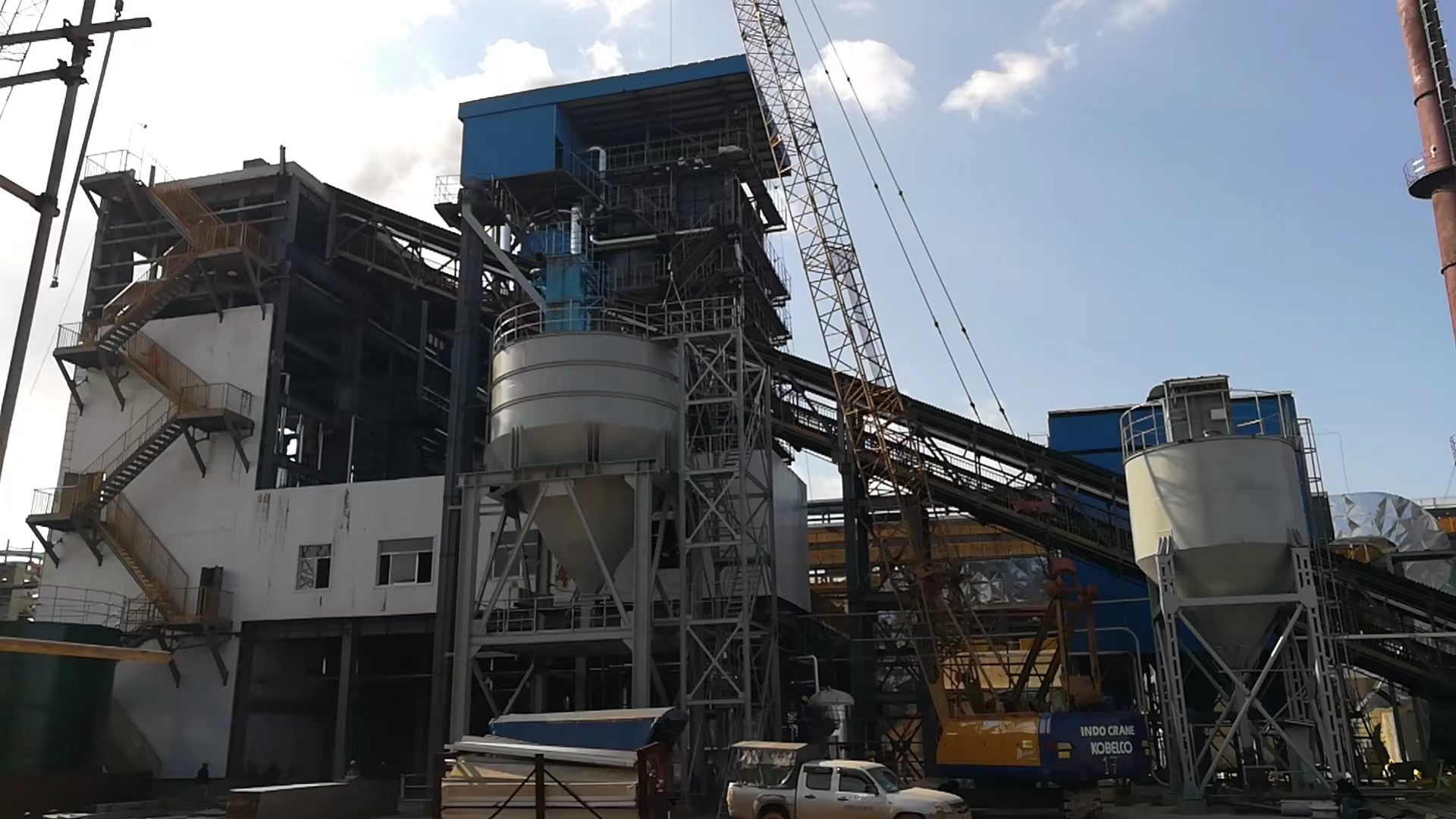
Industrial plants want to reduce fuel cost and emissions, but direct boiler replacement is often difficult because steam and hot-water demand can be variable, high-temperature, and production-critical. Electrification sounds attractive, yet electricity price, grid capacity, peak demand charges, process temperature requirements, and backup reliability can limit a simple all-electric conversion. Thermal storage also sounds useful, but if it is not integrated with boiler controls, heat pumps, electric boilers, and process demand, it becomes an expensive tank instead of an energy-saving asset. The practical solution is a hybrid boiler room where condensing boilers, electric boilers, industrial heat pumps, and thermal storage work together under smart controls.
Advancements in condensing and hybrid industrial boiler technologies work with electrification and thermal storage by using electric boilers and heat pumps when electricity is low-cost or low-carbon, using condensing boilers when combustion is more economical or when higher-temperature backup is needed, and using thermal storage to shift heat production away from peak demand periods. Condensing boilers recover more flue gas heat when return-water temperature is low, heat pumps electrify low- and medium-temperature loads efficiently, electric boilers provide fast non-combustion heat, and thermal storage buffers load swings so each heat source can operate at its most efficient time and output level.
For plant owners, facility engineers, sustainability teams, and boiler operators, the real opportunity is not choosing between boilers and electrification. The opportunity is to integrate them. A condensing boiler can handle peak load and high-temperature duty. A heat pump can recover waste heat and reduce fuel demand. An electric boiler can support low-load periods, renewable electricity use, or local emissions reduction. Thermal storage can absorb heat when energy is favorable and release it when demand rises. As a professional industrial boiler manufacturer and supplier, we recommend designing these technologies as one coordinated thermal energy system rather than separate equipment packages.
Thermal storage automatically reduces energy cost even if boilers, electric heaters, heat pumps, and process loads are not coordinated by controls.False
Thermal storage saves energy and cost only when it is correctly sized, charged, discharged, insulated, monitored, and integrated with boiler sequencing, electricity pricing, load demand, and process temperature requirements.
Hybrid boiler systems can use electrification and thermal storage to reduce fossil fuel consumption, lower peak firing, improve load matching, and maintain reliable heat supply.True
When electric boilers, heat pumps, condensing boilers, thermal storage, and smart controls are integrated correctly, the plant can shift heat production to the most efficient or lowest-emission operating periods.
⚙️ What Does Electrification Mean in a Hybrid Boiler Room?
Electrification in an industrial boiler room means replacing or supplementing combustion-based heat with electricity-based heat. This can happen through electric resistance boilers, electrode boilers, electric steam generators, industrial heat pumps, electric thermal oil heaters, electric hot-water heaters, or electrically driven waste heat recovery systems. Electrification does not always mean removing every fuel-fired boiler. In many industrial plants, partial electrification is more practical because high-temperature steam, fast production changes, limited grid capacity, and reliability requirements still favor a hybrid approach.
The key is to assign the right duty to the right technology. Electric boilers are simple, fast, and produce heat without on-site combustion. Heat pumps are more energy-efficient than direct electric heating when they can lift waste heat to a useful temperature. Condensing boilers remain valuable for high-capacity backup, high-temperature loads, rapid response, or periods when electricity is expensive. Thermal storage links these technologies by storing heat when it is efficient or economical to produce and releasing heat when the process needs it.
| Electrification Technology | Practical Role in Hybrid Boiler Room | Main Benefit |
|---|---|---|
| ⚡ Electric hot-water boiler | Low-load or backup hot-water production | No on-site combustion emissions |
| ⚡ Electric steam boiler | Supplemental or clean steam generation | Fast response and simple installation |
| ♨️ Industrial heat pump | Upgrades waste heat to useful temperature | Reduces total energy input |
| 🔥 Condensing gas boiler | Peak load, backup, high-efficiency combustion heat | High capacity and reliability |
| 🧊 Thermal storage | Stores heat from electric, heat pump, or boiler sources | Load shifting and cycling reduction |
| 📊 Smart dispatch control | Selects heat source based on cost, carbon, and demand | Optimized operation |
| 🔌 Grid integration | Coordinates with electricity tariffs or renewable supply | Lower operating cost and emissions |
| 🧰 Monitoring system | Tracks performance and storage state | Prevents inefficient operation |
💧 How Condensing Boilers Complement Electrification
Condensing boilers complement electrification because they provide efficient combustion heat when electric operation is not the best option. In a hybrid system, the condensing boiler may operate during high demand, high electricity price periods, limited grid capacity, or when process temperatures exceed heat pump capability. It may also serve as backup for electric equipment or heat pumps.
The efficiency advantage of the condensing boiler is strongest when return-water temperature is low enough to condense flue gas moisture. Thermal storage can help maintain low return temperatures if it is designed with proper stratification. Heat pumps can also lower the thermal load on the boiler, allowing the condensing boiler to operate at steadier, more efficient conditions rather than cycling.
| Condensing Boiler Function | How It Supports Electrification |
|---|---|
| Peak-load support | Reduces required electric boiler/grid capacity |
| Backup heat | Maintains reliability if electricity is constrained |
| High-temperature duty | Covers loads beyond heat pump capability |
| Stable base or mid-load firing | Reduces cycling when storage buffers demand |
| Low-return operation | Improves efficiency when storage and hydronics are designed correctly |
| Fuel flexibility | Can use gas, biogas, or future fuel blends where designed |
| Low-NOx combustion | Supports emissions compliance during fuel-fired operation |
| Modular staging | Matches load while electric systems handle flexible duty |
⚡ Electric Boilers: Fast, Clean at the Point of Use, and Useful for Flexible Operation
Electric boilers are one of the most direct electrification tools. They convert electrical energy into heat at the point of use with very high site efficiency and no on-site combustion stack. This makes them attractive for urban plants, clean steam support, low-load operation, standby service, renewable electricity use, and periods where local NOx, SOx, or particulate emissions must be minimized.
In hybrid systems, electric boilers are often not sized to replace the full fossil boiler load. Instead, they may cover a portion of demand where they provide the most value. For example, an electric boiler can handle night setback loads, warm-up support, low-pressure steam trimming, hot-water loop support, or thermal storage charging during favorable electricity periods.
| Electric Boiler Use Case | Benefit | Watch-Out |
|---|---|---|
| Low-load heat | Avoids inefficient combustion boiler cycling | Electricity price must be reviewed |
| Renewable electricity periods | Converts low-carbon power into heat | Control must know when to run |
| Standby heat | Reduces fuel-fired idling | Grid reliability matters |
| Local emissions reduction | No on-site NOx, SOx, or PM | Total emissions depend on power source |
| Peak support | Adds fast heat capacity | Demand charges may rise |
| Thermal storage charging | Shifts electric use to better periods | Storage size and insulation matter |
| Process steam supplement | Reduces fuel boiler load | Steam pressure and water quality must match |
| Backup duty | Adds redundancy | Electrical infrastructure must be adequate |
♨️ Industrial Heat Pumps: Electrification With Energy Multiplication
Industrial heat pumps are often more energy-efficient than electric resistance boilers because they move heat instead of only converting electricity into heat. A heat pump can take low-grade heat from wastewater, refrigeration systems, compressor cooling, condensate, cooling loops, process exhaust, or ambient sources and raise it to a useful temperature. This reduces the amount of fuel that boilers must burn.
Heat pumps work especially well with condensing and hybrid boiler systems when the plant has low- or medium-temperature heat demand. They can preheat boiler make-up water, supply process hot water, support building heating, warm cleaning water, or charge thermal storage. The condensing boiler then handles high-temperature loads, peak demand, and backup.
| Heat Pump Integration Point | How It Works With Boilers | Efficiency Benefit |
|---|---|---|
| Make-up water preheating | Heat pump warms water before boiler | Reduces boiler fuel input |
| Process hot water | Heat pump supplies low/medium-temperature loop | Shifts load away from combustion |
| Condensate heat recovery | Uses warm condensate or return streams | Improves total heat recovery |
| Wastewater heat recovery | Captures heat before discharge | Converts waste into useful energy |
| Refrigeration heat recovery | Uses rejected refrigeration heat | Reduces simultaneous heating and cooling waste |
| Storage charging | Heat pump charges tank when conditions are favorable | Supports load shifting |
| Boiler return preheating | Reduces boiler firing load | Must preserve condensing where needed |
| Space heating loop | Heat pump handles low-temperature heating | Frees boiler for process duty |
🧊 Thermal Storage: The Bridge Between Heat Demand and Energy Supply
Thermal storage is the bridge that allows electrification and boiler operation to work together. Industrial heat demand is often not synchronized with the best time to produce heat. Electricity may be cheaper at night or when renewable supply is high. Heat pumps may operate best when waste heat is available. Condensing boilers may operate more efficiently at stable load. Process demand may peak suddenly during batch production. Thermal storage separates heat production time from heat consumption time.
Storage can be hot-water storage, pressurized hot-water storage, steam accumulators, phase-change storage, thermal oil storage, or other engineered systems depending on temperature and process needs. In many condensing and hybrid boiler rooms, stratified hot-water tanks are especially useful because they maintain layers of hot and cooler water. The cooler return section can improve condensing boiler performance.
| Thermal Storage Type | Best Use | Practical Benefit |
|---|---|---|
| Stratified hot-water tank | Heating and process hot water | Maintains hot supply and cool return |
| Pressurized hot-water storage | Higher-temperature water systems | More energy density |
| Steam accumulator | Steam peak shaving | Supports sudden steam demand |
| Phase-change storage | Compact storage at specific temperature | Useful where space is limited |
| Thermal oil storage | High-temperature process heat | Supports thermal oil systems |
| Buffer tank | Reduces short cycling | Protects boilers and heat pumps |
| Electric-charged storage | Uses off-peak or renewable electricity | Cost and emissions optimization |
| Heat pump-charged storage | Stores recovered heat | Improves heat pump utilization |
🔋 How Thermal Storage Reduces Boiler Cycling
Boiler cycling wastes energy because every start may require purge air, warm-up, unstable combustion, and standby heat loss. Frequent cycling also increases burner wear, valve wear, thermal stress, and emissions spikes. Thermal storage reduces cycling by absorbing heat when demand is low and releasing it when demand rises. This allows boilers and heat pumps to operate in longer, steadier, more efficient runs.
For condensing boilers, storage can help maintain stable return temperatures. For electric boilers, storage can allow operation during low-cost electricity periods. For heat pumps, storage can keep the heat pump running when waste heat is available even if the process load is temporarily low.
| Cycling Problem | Storage Solution | Result |
|---|---|---|
| Short hot-water demand spikes | Discharge tank instead of starting boiler | Fewer starts |
| Batch process peaks | Use stored heat to supplement boiler | Smaller peak firing |
| Low night load | Storage supplies heat while boiler stays off | Less standby fuel |
| Electric tariff variation | Charge storage during lower-cost periods | Lower operating cost |
| Heat pump minimum runtime | Store heat during low demand | Better heat pump efficiency |
| Biomass boiler slow response | Storage absorbs load changes | Cleaner combustion |
| Steam demand surge | Steam accumulator supplies peak | Stable boiler operation |
| Condensing boiler cycling | Buffer tank stabilizes flow and load | Higher seasonal efficiency |
🧠 Smart Controls: The Operating Brain of Electrified Hybrid Systems
A hybrid system with condensing boilers, electric boilers, heat pumps, and storage requires smart controls. Without proper controls, equipment may fight each other. A heat pump might heat water that the boiler then overheats. A condensing boiler might receive return water that is too hot. An electric boiler might run during high-price periods. A storage tank might charge and discharge at the wrong time.
Smart controls coordinate the system based on temperature, pressure, process schedule, load forecast, electricity price, fuel price, carbon intensity, storage state of charge, boiler efficiency curve, heat pump coefficient of performance, emissions limits, and equipment availability.
| Smart Control Function | Why It Matters |
|---|---|
| Heat-source dispatch | Chooses boiler, electric boiler, heat pump, or storage |
| Storage state-of-charge control | Prevents overcharging or undercharging |
| Electricity price response | Runs electric equipment at favorable times |
| Carbon-aware operation | Uses low-carbon electricity when available |
| Return-temperature optimization | Improves condensing boiler performance |
| Heat pump priority | Uses high-efficiency recovered heat first |
| Boiler staging | Runs the most efficient boiler combination |
| Peak shaving | Avoids demand spikes and oversized firing |
| Alarm integration | Prevents operation when control equipment fails |
| Data logging | Supports optimization and compliance records |
📊 Operating Modes for a Condensing + Electrified + Storage System
| Operating Mode | Equipment Priority | Best Situation |
|---|---|---|
| Low-load electric mode | Electric boiler or heat pump | Night load, standby, low emissions periods |
| Heat pump priority mode | Heat pump + storage | Waste heat available and low/medium-temperature demand |
| Condensing boiler mode | Condensing boiler | Electricity expensive or high-temperature demand |
| Storage discharge mode | Thermal storage | Short peak demand or high energy price period |
| Storage charge mode | Heat pump/electric boiler/condensing boiler | Low-cost energy or surplus heat available |
| Peak hybrid mode | Boiler + storage + electric support | High process demand |
| Backup fuel mode | Condensing boiler or dual-fuel boiler | Electric supply constraint or heat pump outage |
| Carbon reduction mode | Heat pump/electric + storage | Low-carbon electricity available |
| Cost optimization mode | Lowest-cost heat source | Variable fuel and electricity prices |
| Maintenance mode | Alternate equipment supplies heat | Keeps plant running during service |
💰 How Electrification and Storage Reduce Energy Cost
Electrification and thermal storage can reduce cost in several ways. They can reduce fuel consumption, shift energy use to lower-cost periods, reduce peak boiler firing, reduce cycling, recover waste heat, and improve boiler efficiency. However, they can also increase electricity demand charges if not controlled correctly. Therefore, economic success depends on system modeling and dispatch logic.
A heat pump may reduce total energy input because it moves heat efficiently. An electric boiler may reduce cost if electricity is cheap at certain times or if it avoids inefficient combustion cycling. Thermal storage may reduce cost by allowing energy production during favorable periods and discharging during expensive periods.
| Cost Factor | How Hybrid Electrification Helps |
|---|---|
| Fuel cost | Heat pumps and electric boilers reduce combustion fuel demand |
| Peak demand | Storage can reduce peak boiler or electric load |
| Electricity tariffs | Controls shift operation to lower-cost periods |
| Boiler cycling | Storage and electric low-load operation reduce cycling loss |
| Maintenance | Fewer starts and steadier operation reduce wear |
| Emissions compliance | Lower combustion runtime may reduce control burden |
| Waste heat | Heat pumps turn waste heat into useful heat |
| Equipment sizing | Storage can reduce required peak boiler capacity |
| Backup cost | Multiple heat sources improve resilience |
| Carbon cost | Lower-carbon operation reduces future risk |
🌱 How Electrification and Storage Reduce Emissions
Electrification reduces on-site emissions because electric boilers and heat pumps do not burn fuel at the boiler room. Heat pumps also reduce total energy use when applied correctly. Thermal storage reduces emissions by cutting boiler cycling, reducing peak combustion, enabling heat pump operation, and allowing electric heat production during low-carbon electricity periods.
Condensing boilers still play an important emissions role because they reduce fuel use when combustion is needed. In many real plants, the lowest-risk decarbonization path is not immediate full electrification but staged hybridization: improve condensing efficiency, add heat pumps where practical, add electric boilers for flexible duty, add storage, and use smart controls to reduce combustion hours over time.
| Emission Source | Hybrid Reduction Method |
|---|---|
| CO₂ from fuel combustion | Less fuel burned through condensing, heat pumps, and storage |
| NOx from burners | Reduced combustion hours and low-NOx boiler operation |
| SOx from sulfur fuel | Reduced runtime of sulfur-bearing fuels |
| Particulates from solid/liquid fuels | Reduced firing or better dispatch of cleaner heat sources |
| Startup emissions | Storage reduces starts and shutdowns |
| Low-load combustion emissions | Electric boilers or heat pumps handle low-load duty |
| Peak firing emissions | Storage and hybrid support reduce peak firing |
| Auxiliary energy waste | VFD pumps/fans and optimized flow reduce electricity use |
🏭 Steam Systems: How Electrification and Storage Fit Differently
Steam systems require special attention because steam storage and electrification are more complex than hot-water storage. Electric steam boilers can provide supplemental steam, low-load steam, or clean steam support. Steam accumulators can reduce peak demand and stabilize boiler operation. Condensing economizers can recover stack heat into make-up water or process water. Heat pumps may not replace high-pressure steam, but they can reduce steam demand by serving low-temperature loads directly.
A strong steam hybrid strategy often begins by asking: Which loads truly need steam, and which loads only need hot water? Many plants use steam for historical reasons even when lower-temperature heat would be enough. Electrified hot-water loops and heat pumps can reduce steam boiler load while preserving steam for processes that require it.
| Steam Plant Opportunity | Hybrid Solution | Benefit |
|---|---|---|
| Low-pressure steam trimming | Electric steam boiler | Reduces large boiler cycling |
| Short steam peaks | Steam accumulator | Stabilizes boiler load |
| High make-up water | Condensing economizer | Reduces fuel input |
| Low-temperature users on steam | Convert to hot-water loop + heat pump | Reduces steam demand |
| Deaerator vent loss | Vent condenser | Recovers steam heat |
| Blowdown loss | Blowdown heat recovery | Reduces fuel and water waste |
| Process hot water from steam | Heat pump or electric hot-water boiler | Frees steam boiler capacity |
| Standby steam | Electric boiler support | Reduces fuel-fired standby |
🏢 Hot-Water Systems: Best Fit for Condensing, Electrification, and Storage
Hot-water systems are often the best fit for condensing boilers, heat pumps, electric boilers, and thermal storage. They can operate at lower temperatures, use stratified storage tanks, accept heat pump output more easily, and maintain low return-water temperatures for condensing. District heating systems, food processing hot water, textile washing, building heating, greenhouses, and process preheating are strong candidates.
| Hot-Water System Feature | Why It Helps |
|---|---|
| Lower supply temperature | Improves heat pump and condensing performance |
| Low return temperature | Increases latent heat recovery |
| Stratified storage | Improves dispatch and condensing |
| Variable-flow design | Reduces pumping power |
| Large heat exchangers | Allows lower temperature operation |
| Multiple heat sources | Easy hybrid integration |
| Outdoor reset | Reduces temperature when demand is low |
| Process water preheating | Excellent use of recovered/electric heat |
📐 Sizing Considerations for Electrification and Thermal Storage
Correct sizing is critical. An electric boiler that is too large may create grid and demand-charge problems. A heat pump that is too large may short cycle or operate at poor conditions. A storage tank that is too small will not shift meaningful load. A storage tank that is too large may waste space and capital. A condensing boiler that is oversized may still cycle and lose efficiency.
Sizing should be based on hourly load profiles, process schedules, minimum and maximum heat demand, required supply temperature, return temperature, fuel cost, electricity tariffs, grid capacity, future expansion, emissions targets, and outage requirements.
| Sizing Question | Why It Matters |
|---|---|
| What is the hourly heat load profile? | Determines boiler, heat pump, and storage size |
| What is the peak load duration? | Determines whether storage can shave peaks |
| What is the minimum load? | Prevents cycling and oversizing |
| What temperature is required? | Determines heat pump and storage suitability |
| What return temperature is available? | Determines condensing potential |
| What grid capacity is available? | Limits electrification size |
| What are demand charges? | Affects electric boiler dispatch |
| How much waste heat is available? | Determines heat pump output |
| How many hours per year will equipment run? | Determines payback |
| What redundancy is required? | Determines backup sizing |
📟 Monitoring Data Needed for Successful Operation
Electrified hybrid boiler systems need data to operate well. Operators should track not only boiler pressure and temperature, but also energy input, heat output, storage state, heat pump performance, return temperature, electricity price signals, and emissions indicators.
| Data Point | Operating Value |
|---|---|
| Boiler fuel flow | Measures combustion energy input |
| Electric boiler kW | Tracks electric energy use |
| Heat pump COP | Confirms electrification efficiency |
| Storage tank top/middle/bottom temperature | Shows usable stored energy |
| Supply and return temperature | Supports condensing and heat pump control |
| Flow rates | Allows heat output calculation |
| Stack temperature | Shows heat recovery performance |
| Condensate flow from condensing boiler | Confirms condensing operation |
| O₂ and CO | Confirms combustion quality |
| Electricity tariff signal | Supports cost-based dispatch |
| Carbon intensity signal | Supports emissions-based dispatch |
| Pump and fan power | Shows auxiliary efficiency |
| Equipment runtime and starts | Detects cycling and wear |
| Alarm history | Identifies control or maintenance problems |
✅ Practical Design Checklist
| Design Question | Recommended Review |
|---|---|
| Which loads can be electrified first? | Low- and medium-temperature loads are often best |
| Which loads truly need steam? | Convert suitable users to hot water where practical |
| Is there waste heat for a heat pump? | Review wastewater, refrigeration, compressors, cooling loops |
| Is return-water temperature low enough? | Essential for condensing efficiency |
| Can thermal storage reduce peaks? | Analyze load duration, not only peak size |
| Is electric service capacity sufficient? | Check transformer, switchgear, demand charges |
| Is backup heat required? | Maintain reliability with condensing or dual-fuel boilers |
| Can controls dispatch by cost and carbon? | Required for hybrid performance |
| Are emissions limits affected by fuel changes? | Review permit requirements |
| Is storage stratification protected? | Avoid mixing that reduces usable energy |
| Are pumps and valves designed for variable flow? | Prevent hydraulic problems |
| Is monitoring included from day one? | Needed for optimization and verification |
| Is maintenance access adequate? | Protects long-term performance |
| Is future expansion planned? | Avoids short-lived system design |
Common Mistakes to Avoid
One common mistake is treating electrification as simply replacing a fuel boiler with an electric boiler of the same size. This may overload electrical infrastructure, increase demand charges, and miss better opportunities such as heat pumps, storage, and load reduction. Another mistake is installing thermal storage without smart controls. Storage must be charged and discharged according to load, energy price, temperature, and equipment efficiency.
A third mistake is using a heat pump for a temperature lift that is too high or a source that is too unstable. Heat pumps are powerful, but they must be matched to the correct source and sink temperatures. Another major mistake is allowing thermal storage to destroy condensing performance by mixing hot supply and cool return water. Storage should be designed to protect stratification and low return temperature. A final mistake is removing combustion backup too quickly in production-critical plants. Hybrid systems often provide a safer and more practical pathway than immediate full electrification.
Final Summary
Advancements in condensing and hybrid industrial boiler technologies work with electrification and thermal storage by coordinating multiple heat sources into one intelligent thermal system. Condensing boilers provide efficient combustion heat and backup capacity. Electric boilers provide fast non-combustion heat. Industrial heat pumps electrify low- and medium-temperature loads by recovering waste heat. Thermal storage shifts heat production to the best time, reduces cycling, shaves peaks, supports renewable electricity use, and improves system stability. Smart controls decide when each technology should operate based on demand, temperature, cost, carbon intensity, emissions limits, and equipment availability.
The best results come from integration. A condensing boiler needs low return temperature. A heat pump needs a useful waste heat source and suitable temperature lift. An electric boiler needs tariff and grid planning. Thermal storage needs correct sizing and stratification. Controls need reliable data. When these pieces are designed together, industrial plants can reduce fuel use, lower emissions, improve reliability, manage energy cost, and move toward practical electrification without sacrificing production security.
How Should Facilities Choose Advancements in Condensing and Hybrid Industrial Boiler Technologies for Long-Term Value?
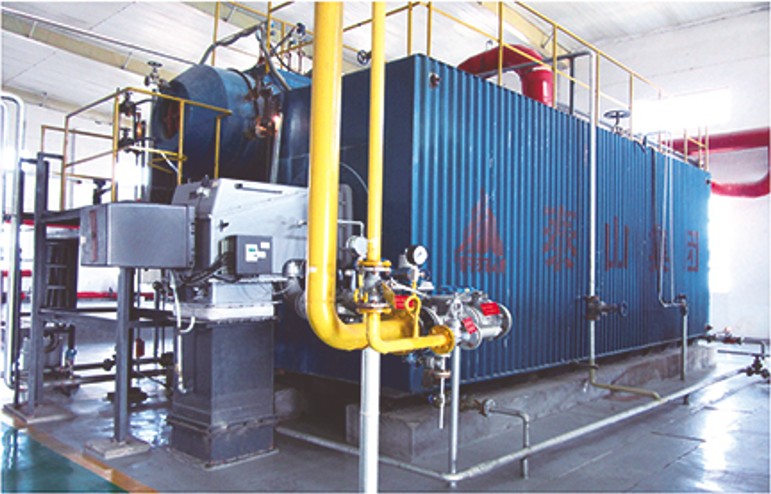
Many facilities are attracted by advanced boiler technologies such as condensing boilers, electric boilers, heat pumps, hydrogen-ready burners, biogas systems, thermal storage, and AI controls, but choosing the wrong combination can create poor payback, limited efficiency gain, higher maintenance burden, weak emissions compliance, and expensive future retrofits. A boiler room is not a place to buy technology by trend; it is a production-critical energy system where steam pressure, hot-water temperature, fuel reliability, safety, maintenance capability, and lifecycle cost must all work together. The practical solution is to select condensing and hybrid industrial boiler advancements through a structured long-term value assessment based on load profile, temperature demand, fuel strategy, emissions targets, energy prices, operating hours, reliability needs, and future expansion.
Facilities should choose advancements in condensing and hybrid industrial boiler technologies by first auditing real thermal demand, return-water temperature, steam and hot-water requirements, fuel availability, electricity capacity, emissions obligations, and maintenance capability. The best long-term value usually comes from combining the right technologies—not simply buying the most advanced boiler—such as condensing boilers for low-temperature heat, condensing economizers for steam boiler heat recovery, electric boilers for flexible clean heat, heat pumps for waste heat recovery, thermal storage for load shifting, low-NOx burners for compliance, smart controls for sequencing, and IoT monitoring for efficiency protection. A good choice should reduce total lifecycle cost, improve reliability, support future fuels, and maintain compliance over 10–20 years.
For facility managers, plant owners, energy engineers, and procurement teams, the key question should be: “Which combination of technologies will deliver useful heat at the lowest reliable lifecycle cost under our real operating conditions?” A condensing boiler may be excellent for low-temperature hot water but less valuable if return water is always too hot. A heat pump may be powerful where waste heat is available but weak where temperature lift is too high. Thermal storage may save energy in batch operations but add little value to a flat load profile. This guide explains how to evaluate these technologies for long-term value rather than short-term equipment appeal.
The most advanced condensing or hybrid boiler technology is always the best choice for every industrial facility.False
The best technology depends on load profile, temperature requirement, fuel and electricity costs, emissions limits, available waste heat, maintenance capability, space, and long-term business goals.
Facilities achieve better long-term value when condensing boilers, heat pumps, electric boilers, thermal storage, smart controls, and fuel-flexible systems are selected according to actual operating data rather than nameplate efficiency alone.True
Real boiler-room value depends on system integration, operating hours, temperature levels, energy prices, emissions requirements, reliability, maintenance, and lifecycle cost.
⚙️ Start With the Facility’s Real Thermal Load Profile
The first step is not choosing equipment. The first step is understanding demand. Many boiler systems are oversized because they were selected for maximum possible load, future expansion assumptions, or old process conditions that no longer exist. Oversizing creates cycling, standby loss, poor turndown, higher capital cost, and lower seasonal efficiency. A long-term value assessment should begin with hourly, daily, weekly, and seasonal thermal demand.
Facilities should separate base load, peak load, standby load, startup load, batch load, cleaning load, space heating load, and process load. This helps determine whether the best solution is modular condensing boilers, an electric boiler for low load, a heat pump for base-load preheating, thermal storage for peaks, or a conventional high-capacity boiler with heat recovery.
| Load Profile Question | Why It Matters for Technology Selection |
|---|---|
| What is the minimum load? | Determines turndown and cycling risk |
| What is the average load? | Helps size base-load equipment |
| What is the peak load? | Determines backup and storage strategy |
| How long do peaks last? | Determines whether thermal storage can reduce boiler size |
| Is demand continuous or batch-based? | Determines storage and modular staging value |
| Are loads seasonal? | Determines whether condensing boilers or heat pumps run enough hours |
| Are there low-temperature loads? | Determines heat pump and condensing potential |
| Are some loads currently using steam unnecessarily? | May justify conversion to hot-water or heat-pump service |
🌡️ Match Technology to Temperature Requirement
Temperature level is one of the most important selection factors. Condensing boilers work best with low return-water temperature. Heat pumps work best when the temperature lift is reasonable. Electric boilers can supply high-temperature hot water or steam but may have high operating cost depending on electricity pricing. Steam boilers remain necessary for processes that truly require steam pressure, sterilization, drying, humidification, or high-temperature process heat.
A facility should map each heat user by required temperature, not simply by existing utility connection. Many plants use steam for historical reasons even when hot water would work. Converting suitable loads from steam to hot water can unlock condensing boiler efficiency, heat pump integration, and thermal storage value.
| Heat Demand Type | Best Technology Candidates | Long-Term Value Logic |
|---|---|---|
| Low-temperature hot water | Condensing boiler, heat pump, thermal storage | High efficiency and strong electrification potential |
| Medium-temperature process water | Condensing boiler, heat pump, electric boiler | Depends on temperature lift and electricity price |
| High-temperature hot water | Condensing boiler with limited condensing, electric boiler, hybrid system | Requires careful return-temperature analysis |
| Low-pressure steam | Electric steam boiler, efficient steam boiler, thermal storage/accumulator | Good for trimming and standby duty |
| High-pressure steam | Industrial steam boiler, economizer, combustion optimization | Heat pump may support preheating but not replace all duty |
| Batch heating | Thermal storage, modular boilers, hybrid dispatch | Reduces peak firing and cycling |
| Space heating | Condensing boiler, heat pump, storage | Often excellent for low-temperature operation |
| Make-up water heating | Condensing economizer, heat pump, waste heat recovery | Strong heat recovery opportunity |
💧 Evaluate Condensing Potential Before Buying a Condensing Boiler
Condensing boiler value depends on whether the system can actually condense. A condensing boiler recovers latent heat only when flue gas is cooled below its dew point, which usually requires sufficiently cool return water or a separate low-temperature heat sink. If a facility installs a condensing boiler into a high-temperature loop without hydronic redesign, the efficiency benefit may be much smaller than expected.
Facilities should measure return-water temperature over time, not only during one design condition. They should also evaluate whether lower supply temperatures, larger heat exchangers, variable-speed pumping, outdoor reset, process preheating, or thermal storage can lower return temperature. In steam plants, a condensing economizer may be more valuable than replacing the main boiler with a condensing hot-water unit.
| Condensing Value Factor | Strong Candidate | Weak Candidate |
|---|---|---|
| Return-water temperature | Low or variable with many cool hours | Always high |
| Operating hours | Long annual runtime | Short seasonal use |
| Heat sink | Make-up water, process water, low-temperature loop | No cool water demand |
| Fuel | Natural gas, cleaned biogas, suitable gaseous fuels | High-sulfur fuel without corrosion design |
| Controls | Modulating and return-temperature optimized | Fixed high-temperature operation |
| Maintenance capability | Can manage condensate, neutralizer, cleaning | No condensate maintenance plan |
| Retrofit space | Room for economizer or exchanger | Severe space limitations |
| Water chemistry | Stable and monitored | Poor water quality and fouling risk |
♨️ Choose Condensing Economizers Carefully for Steam Systems
Many industrial facilities operate steam systems. In these plants, a condensing boiler may not directly fit the main steam duty, but a condensing economizer can still provide strong value. It recovers stack heat and transfers it to make-up water, deaerator make-up, process water, wash water, or other low-temperature loads. This reduces fuel input while preserving the existing steam system.
Condensing economizers are especially attractive where condensate return is low, make-up water is high, stack temperature is high, and the boiler operates many hours per year. However, they require corrosion-resistant construction, condensate drainage, neutralization, proper stack material, and a real heat sink.
| Steam Plant Condition | Recommended Upgrade Direction |
|---|---|
| High make-up water | Condensing economizer for make-up water preheating |
| High stack temperature | Feedwater economizer or condensing economizer |
| High blowdown loss | Blowdown heat recovery |
| Deaerator vent loss | Vent condenser |
| Low condensate return | Condensate recovery program plus economizer |
| Steam used for low-temperature water | Convert load to hot water with heat pump or condensing boiler |
| Frequent steam peaks | Steam accumulator or thermal storage |
| Aging burner | Low-NOx burner and combustion control upgrade |
⚡ Assess Electric Boiler Value Based on Tariffs, Grid Capacity, and Operating Role
Electric boilers can provide clean on-site heat, fast response, and flexible operation. They can reduce local NOx, SOx, and particulate emissions because there is no combustion at the boiler room. However, electric boiler value depends heavily on electricity price, demand charges, transformer capacity, switchgear capacity, carbon intensity of electricity, and operating schedule.
An electric boiler may be a poor choice if it is expected to replace all fuel-fired capacity during expensive peak electricity periods. It may be an excellent choice for low-load operation, backup, renewable electricity periods, emissions-restricted hours, thermal storage charging, or process trimming. Facilities should define the electric boiler’s role before sizing it.
| Electric Boiler Role | Long-Term Value Potential | Key Check |
|---|---|---|
| Low-load operation | High if it prevents gas boiler cycling | Electricity tariff and minimum load |
| Backup heat | Good for reliability | Electrical capacity and redundancy |
| Renewable electricity use | Strong emissions value | Availability of low-carbon power |
| Steam trimming | Useful for variable steam demand | Steam pressure and water treatment |
| Thermal storage charging | Good for load shifting | Storage size and tariff schedule |
| Full boiler replacement | Possible but site-specific | Grid capacity, cost, process risk |
| Emissions-restricted operation | Strong local air-quality value | Permit and operating schedule |
| Demand response | Possible revenue or savings | Control integration required |
♨️ Evaluate Heat Pumps Where Waste Heat and Low-Temperature Loads Exist
Industrial heat pumps can deliver excellent long-term value when the facility has a suitable heat source and heat sink. They are not universal replacements for steam boilers, but they can reduce boiler fuel demand by preheating water, serving low-temperature processes, recovering wastewater heat, using refrigeration waste heat, or heating building loops.
The most important heat pump questions are: What is the source temperature? What is the required sink temperature? How many hours per year will it operate? Is the temperature lift reasonable? Is the recovered heat continuous or intermittent? Can the process use hot water instead of steam? Is electricity cost favorable? Does the plant have maintenance support for heat pump systems?
| Heat Pump Evaluation Factor | Strong Candidate | Weak Candidate |
|---|---|---|
| Waste heat source | Continuous and warm | Intermittent or too cold |
| Heat sink | Low/medium temperature demand | High-pressure steam only |
| Operating hours | High annual runtime | Rare use |
| Temperature lift | Moderate | Excessive |
| Electricity cost | Favorable or low-carbon | Very high with demand penalties |
| Process flexibility | Can use hot water | Requires only direct steam |
| Space | Room for heat pump and heat exchangers | No installation space |
| Maintenance | Skilled support available | No service capability |
🧊 Select Thermal Storage Based on Load Duration, Not Guesswork
Thermal storage can create long-term value by reducing boiler cycling, shaving peaks, enabling off-peak electric heating, supporting heat pump operation, stabilizing biomass boilers, and improving condensing performance. But storage must be sized based on load duration, temperature levels, tank stratification, available space, insulation quality, control strategy, and heat source capacity.
Facilities should avoid choosing storage volume by rough assumptions. A storage tank must be matched to how much heat must be shifted, for how long, and at what temperature. A tank that is too small will not meaningfully reduce peaks. A tank that is too large may waste capital and space. Poorly designed storage can also mix hot and cold water, destroying useful temperature stratification.
| Thermal Storage Use Case | Best-Fit Facility Condition |
|---|---|
| Peak shaving | Short, high-demand peaks |
| Boiler cycling reduction | Low-load periods with frequent starts |
| Electric load shifting | Variable electricity prices |
| Heat pump optimization | Waste heat available when demand is low |
| Condensing support | Need for cooler return-water zones |
| Batch process buffering | Intermittent production or cleaning cycles |
| Backup heat | Need for short-term resilience |
| Biomass stabilization | Solid-fuel boiler needs steady operation |
🌱 Consider Fuel Flexibility and Future Energy Strategy
Long-term boiler value depends on future fuel uncertainty. Natural gas prices, electricity tariffs, carbon policies, biogas availability, hydrogen development, biomass supply, and local emissions limits may change. A facility should avoid locking itself into one fuel pathway unless it is confident that fuel will remain affordable, available, and compliant.
Fuel-flexible hybrid boiler rooms may include natural gas, low-sulfur oil backup, electric boilers, heat pumps, biogas, hydrogen-ready burners, biomass modules, waste heat recovery, and thermal storage. The right mix depends on local fuel availability, process needs, emissions constraints, and corporate sustainability goals.
| Future Fuel Option | Best Technology Preparation |
|---|---|
| Natural gas | Condensing boiler, low-NOx burner, O₂ trim |
| Biogas | Gas cleaning, biogas-compatible burner, backup fuel |
| Hydrogen blend | Hydrogen-ready burner, safety systems, NOx strategy |
| Low-sulfur oil backup | Dual-fuel burner and fuel storage maintenance |
| Electricity | Electric boiler, heat pump, storage, grid review |
| Biomass | Solid-fuel boiler, fuel handling, PM control, storage |
| Waste heat | Heat recovery exchanger, heat pump, storage |
| Mixed fuel future | Smart controls and modular system design |
🧠 Prioritize Smart Controls and Sequencing
A hybrid boiler room without smart controls can waste energy. Controls determine which heat source runs, when it runs, and why. They should consider load, temperature, electricity price, fuel price, emissions targets, storage state of charge, heat pump performance, boiler efficiency curves, maintenance availability, and process priority.
Controls should also prevent technologies from undermining each other. For example, a heat pump should not overheat the return water and prevent condensing boiler efficiency. Thermal storage should not mix so badly that the tank loses useful temperature layers. An electric boiler should not run during high-demand-charge periods unless production requires it.
| Control Function | Long-Term Value Benefit |
|---|---|
| Boiler sequencing | Runs the most efficient boiler combination |
| Heat pump priority logic | Uses recovered heat before fuel heat |
| Electric dispatch | Uses electricity when cost or carbon is favorable |
| Storage charge/discharge control | Shifts heat production intelligently |
| Return-temperature optimization | Improves condensing efficiency |
| Load forecasting | Reduces unnecessary starts |
| Fault detection | Prevents hidden efficiency losses |
| Emissions-aware operation | Avoids noncompliant operating modes |
| Remote monitoring | Supports expert troubleshooting |
| Maintenance alerts | Protects long-term performance |
📟 Use IoT Monitoring to Protect the Investment
Advanced boiler technologies deliver value only when performance is maintained. IoT monitoring helps verify that expected savings are actually happening. It also detects drift before it becomes expensive. Facilities should monitor fuel input, electricity use, heat output, return temperature, stack temperature, condensing rate, heat pump COP, storage temperature, pump power, fan power, burner starts, O₂, CO, NOx where needed, and maintenance alarms.
| Data Point | What It Proves |
|---|---|
| Fuel input | Actual combustion energy use |
| Electric kWh | Electric boiler and heat pump energy use |
| Heat output | Real system efficiency |
| Return-water temperature | Condensing potential |
| Stack temperature | Heat recovery condition |
| Condensate flow | Evidence of condensing operation |
| Heat pump COP | Electrification value |
| Storage temperature layers | Usable stored heat and stratification |
| Burner starts | Cycling and wear |
| O₂ and CO | Combustion quality |
| Pump/fan power | Auxiliary efficiency |
| Alarm history | Reliability and maintenance needs |
💰 Make the Decision by Lifecycle Cost, Not Purchase Price
The lowest purchase price rarely produces the best long-term value. A more expensive system may save more fuel, avoid emissions penalties, reduce downtime, improve reliability, support future fuels, and extend asset life. Lifecycle cost should include capital cost, installation cost, engineering, downtime, fuel, electricity, water, chemicals, maintenance, spare parts, emissions controls, monitoring, operator training, insurance, compliance reporting, and future retrofit risk.
| Cost Category | Why It Matters |
|---|---|
| Equipment cost | Initial purchase price |
| Installation cost | Piping, wiring, foundations, controls |
| Downtime cost | Production impact during retrofit |
| Fuel cost | Major long-term expense |
| Electricity cost | Critical for electric boilers and heat pumps |
| Demand charges | Can affect electrification economics |
| Maintenance cost | Heat exchangers, burners, pumps, sensors, filters |
| Water and chemicals | Steam systems, blowdown, condensate, scrubbers |
| Emissions compliance | Testing, monitoring, controls, permits |
| Spare parts | Long-term availability and cost |
| Operator training | Ensures proper use |
| Future retrofit risk | Cost of adapting to new fuels or rules |
📊 Technology Selection Matrix for Long-Term Value
| Facility Condition | Most Valuable Technologies | Reason |
|---|---|---|
| Low-temperature hot-water demand | Condensing boiler, heat pump, thermal storage | High efficiency and strong heat recovery |
| High make-up water steam plant | Condensing economizer, blowdown recovery | Recovers stack and water losses |
| Frequent low-load operation | Electric boiler, modular boilers, storage | Reduces cycling |
| Batch process peaks | Thermal storage, modular staging | Shaves peak demand |
| High fuel cost | Condensing heat recovery, O₂ trim, heat pump | Reduces fuel use |
| Variable electricity price | Electric boiler, heat pump, storage, smart controls | Enables energy arbitrage |
| Strict NOx limits | Low-NOx burner, FGR, SCR/SNCR where needed | Supports compliance |
| Future decarbonization goal | Heat pump, electric boiler, hydrogen-ready, biogas-ready | Creates transition pathway |
| Limited maintenance staff | Simpler modular systems, remote monitoring | Reduces operating complexity |
| High reliability requirement | Hybrid redundancy, backup boiler, storage | Protects production |
| Limited space | Compact condensing modules, targeted heat recovery | Avoids oversized retrofits |
| Old boiler near end of life | Full hybrid system review | Avoids short-term replacement mistake |
🏭 Consider Reliability and Maintenance Capability
Long-term value is not only efficiency. A system that saves fuel but is too complex for the facility to maintain may become unreliable. Facilities must honestly evaluate operator skill, spare parts access, service support, water quality control, sensor calibration, burner expertise, heat pump service, electrical maintenance, and control system capability.
A hybrid system should improve resilience, not create dependency on one fragile component. Redundancy, bypasses, isolation valves, maintenance access, remote diagnostics, and clear operating procedures are essential.
| Reliability Question | Why It Matters |
|---|---|
| Can the plant operate if the heat pump is down? | Protects production |
| Can the boiler run if the storage tank is isolated? | Supports maintenance flexibility |
| Are critical spare parts available locally? | Reduces downtime |
| Can operators understand control modes? | Prevents inefficient manual override |
| Is water treatment strong enough? | Protects boilers and heat exchangers |
| Are sensors calibrated regularly? | Keeps controls accurate |
| Is there safe access for cleaning? | Protects efficiency |
| Is backup fuel available? | Improves resilience |
| Are service providers trained on the equipment? | Reduces repair risk |
| Is remote support available? | Speeds troubleshooting |
🌍 Evaluate Emissions and Compliance Over the Full Asset Life
Emission regulations and corporate sustainability goals often become stricter over time. Facilities should choose technologies that maintain compliance margin and allow future adaptation. This may mean selecting low-NOx burners, adding space for future SCR, preparing for electric boiler expansion, specifying hydrogen-ready burners, designing for biogas cleaning, adding stack testing ports, or installing monitoring systems from the beginning.
| Compliance Concern | Long-Term Technology Response |
|---|---|
| NOx limits tightening | Low-NOx burner, FGR, controls, SCR-ready layout |
| Carbon reduction target | Heat pump, electric boiler, storage, waste heat recovery |
| SOx risk | Low-sulfur fuel, fuel switching, biogas cleaning |
| Particulate risk | Cleaner fuel, filtration, combustion control |
| Reporting requirement | IoT data and emissions monitoring |
| Fuel change permit risk | Fuel-flexible compliance planning |
| Local air-quality restriction | Electric operation during sensitive periods |
| Future hydrogen strategy | Hydrogen-ready burner and safety review |
📋 Practical Decision Roadmap
| Step | Action | Decision Output |
|---|---|---|
| 1 | Measure load profile | Real base, average, peak, and minimum load |
| 2 | Map temperature requirements | Steam vs hot water vs low-temperature loads |
| 3 | Measure return-water temperature | Condensing potential |
| 4 | Analyze fuel and electricity costs | Economic dispatch options |
| 5 | Identify waste heat sources | Heat pump potential |
| 6 | Review emissions and future targets | Compliance technology needs |
| 7 | Assess space and infrastructure | Retrofit feasibility |
| 8 | Model technology combinations | Lifecycle cost comparison |
| 9 | Check reliability and maintenance | Practical operability |
| 10 | Choose phased implementation | Lower risk and better capital planning |
✅ Buyer Checklist Before Choosing a Condensing or Hybrid Boiler System
| Buyer Question | Good Decision Evidence |
|---|---|
| Do we know our hourly load profile? | Metered data or engineering survey |
| Do we know return-water temperature trends? | Logged supply/return temperature data |
| Which loads truly need steam? | Process temperature review |
| Is there useful waste heat? | Heat source inventory |
| Is electricity capacity sufficient? | Electrical infrastructure study |
| Are tariffs favorable for electric heat? | Utility rate analysis |
| Is thermal storage justified by load duration? | Storage sizing model |
| Can the system actually condense? | Return-temperature and heat-sink analysis |
| Are future fuels planned? | Fuel roadmap and burner compatibility review |
| Are emissions limits tightening? | Compliance risk assessment |
| Can operators maintain the technology? | Training and service plan |
| Is remote monitoring included? | Data and dashboard plan |
| What is the lifecycle payback? | Total cost model, not only equipment price |
| Is the system expandable? | Modular and future-ready layout |
Common Mistakes to Avoid
One common mistake is choosing equipment by nameplate efficiency. A boiler rated at very high efficiency may not deliver that performance if the system return water is too hot or if the boiler cycles frequently. Another mistake is oversizing. Oversized boilers cost more, cycle more, and often operate less efficiently. A third mistake is adding heat pumps or electric boilers without studying electricity tariffs, demand charges, grid capacity, and temperature lift.
Another major mistake is installing thermal storage without a clear charge and discharge strategy. Storage should solve a load problem, not simply occupy space. A fifth mistake is ignoring maintenance complexity. The best long-term solution is one the facility can operate and maintain consistently. A final mistake is failing to plan for future regulations and fuels. A boiler purchased today may operate for decades, so future readiness should be part of the selection process.
Final Summary
Facilities should choose advancements in condensing and hybrid industrial boiler technologies by evaluating long-term value at the full system level. The best choice depends on actual load profile, temperature requirements, return-water temperature, fuel availability, electricity cost, waste heat, emissions limits, maintenance capability, reliability needs, and future energy strategy. Condensing boilers are valuable when low return temperature or a cool heat sink is available. Condensing economizers are valuable for steam plants with make-up water or process water demand. Electric boilers are valuable for flexible non-combustion heat. Heat pumps are valuable when waste heat and low- or medium-temperature loads exist. Thermal storage is valuable when demand peaks, cycling, or electricity timing create opportunity. Smart controls and IoT monitoring protect the value of the entire system.
The strongest long-term solution is rarely a single technology. It is usually a carefully integrated combination: efficient combustion, heat recovery, electrification, storage, fuel flexibility, monitoring, and controls. When selected correctly, condensing and hybrid boiler technologies can reduce fuel use, lower emissions, improve reliability, manage energy price risk, support future fuels, and deliver better lifecycle value over 10–20 years.
Conclusion
In summary, advancements in condensing and hybrid industrial boiler technologies are moving boiler systems from single-fuel, fixed-operation equipment toward flexible, intelligent, and lower-carbon heat platforms. For many industrial sites, the best solution is not replacing every boiler immediately, but combining condensing heat recovery, smart controls, hybrid operation, and future-ready system design. The IEA notes that thermal storage can improve the cost competitiveness and flexibility of electric boilers, while recent industry reporting shows growing interest in thermal storage for reliable industrial heat supply.
Contact us today to discuss advanced condensing boilers, hybrid boiler systems, economizer upgrades, electric boiler integration, and customized industrial heating solutions for your facility.
FAQ
Q1: What are the latest advancements in condensing industrial boiler technology?
A1: The biggest advancements in condensing industrial boiler technology focus on recovering more usable heat from flue gas, lowering fuel consumption, and improving system-level efficiency. Modern condensing systems use corrosion-resistant heat exchangers, condensing economizers, improved burner controls, oxygen trim, variable-speed pumps, and smart monitoring to extract both sensible and latent heat from exhaust gases.
For industrial steam systems, the most practical upgrade is often a condensing economizer rather than a fully condensing steam boiler. DOE guidance notes that condensing economizers can raise overall boiler efficiency above 90% and improve steam system efficiency by up to 10% when flue gas is cooled below its dew point.
The latest designs also focus on better integration with low-temperature heat sinks, such as boiler makeup water, domestic hot water, process wash water, low-temperature return loops, and heat pump preheating systems. This matters because condensing performance depends on having a cold enough return or makeup stream to capture latent heat effectively.
Q2: How do condensing boilers and economizers improve industrial energy efficiency?
A2: Condensing boilers and economizers improve efficiency by capturing heat that would otherwise leave through the stack. Traditional boilers recover mainly sensible heat from flue gas, while condensing technology cools flue gas enough to condense water vapor and recover latent heat. This can reduce fuel use, lower stack temperature, and improve total boiler plant efficiency.
DOE states that condensing boilers can have higher first costs because they require corrosion-resistant materials, but the energy savings can exceed the cost premium over time. In industrial settings, the savings are strongest where the facility has continuous hot water demand, high makeup water volume, low-temperature return water, or process streams that can absorb recovered heat.
Condensing technology is especially useful in food processing, textile plants, hospitals, district heating, paper mills, and facilities with large washdown or process-water loads. For steam-only plants with high feedwater temperatures, the project must be engineered carefully because limited low-temperature heat demand can reduce condensing hours and payback.
Q3: What are hybrid industrial boiler systems?
A3: Hybrid industrial boiler systems combine two or more heat sources to improve efficiency, resilience, emissions performance, and operating flexibility. A hybrid boiler plant may pair a gas-fired boiler with an electric boiler, heat pump, condensing economizer, biomass boiler, hydrogen-ready burner, thermal storage system, or combined heat and power unit.
The main advancement is intelligent dispatch. Instead of running one boiler type all the time, the control system can choose the best heat source based on steam demand, electricity price, gas price, carbon intensity, emissions limits, equipment availability, and production schedules. DOE’s process heating sourcebook notes that hybrid boiler systems combining fuel-fired and electric boilers can be used for fuel switching based on utility pricing incentives.
Hybrid systems are becoming more attractive because industrial sites need both decarbonization and reliability. A facility may use a heat pump or electric boiler for base-load heat when electricity is clean or inexpensive, then use a combustion boiler for peak demand, backup service, or high-pressure steam requirements.
Q4: How are heat pumps and electric boilers changing hybrid boiler technology?
A4: Industrial heat pumps and electric boilers are changing hybrid boiler technology by shifting part of process heat production from combustion to electricity. Heat pumps are especially valuable when they can upgrade waste heat from compressors, refrigeration systems, wastewater, condensate, cooling loops, or process exhaust into useful hot water, feedwater preheat, or low-pressure steam support.
IEA reports that industrial heat pumps and electric boilers are commercially available for heat electrification; large-scale industrial heat pumps are established up to about 150°C, while electric boilers can generate steam up to around 350°C and about 70 bar. This makes hybrid systems practical for many low- and medium-temperature industrial heat loads.
The advancement is not just the equipment itself. Modern hybrid plants use automation, thermal storage, real-time metering, and predictive controls to decide when to run electric heat, combustion heat, or recovered heat. This helps facilities reduce fuel use without sacrificing uptime.
Q5: Are condensing and hybrid boiler technologies right for every industrial facility?
A5: Condensing and hybrid boiler technologies are not one-size-fits-all. They work best when the facility has the right heat profile, utility pricing, space, water chemistry, emissions goals, and control strategy. Condensing systems need a low-temperature heat sink, while hybrid systems need strong integration between boilers, electrical infrastructure, process demand, and plant controls.
A facility should start with a boiler system audit. Key factors include steam pressure, annual run hours, makeup water percentage, return water temperature, stack temperature, fuel cost, electricity price, emissions limits, maintenance history, condensate recovery, and future decarbonization goals.
DOE’s Industrial Heat Shot aims to develop cost-competitive industrial heat decarbonization technologies with at least 85% lower greenhouse gas emissions by 2035, showing why industries are evaluating electrification, low-emissions heat sources, and advanced process heat systems. For many plants, the best path is phased: improve efficiency first, add condensing heat recovery, then integrate electric boilers, heat pumps, thermal storage, or low-carbon fuels where they make economic and operational sense.
References
- Purchasing Energy-Efficient Boilers — https://www.energy.gov/cmei/femp/purchasing-energy-efficient-boilers — U.S. Department of Energy
- Consider Installing a Condensing Economizer — https://www.energy.gov/sites/prod/files/2014/05/f16/steam26a_condensing.pdf — U.S. Department of Energy
- Considerations When Selecting a Condensing Economizer — https://www.energy.gov/sites/prod/files/2014/05/f16/steam26b_condensing.pdf — U.S. Department of Energy
- Condensing Boilers Evaluation: Retrofit and New Construction Applications — https://docs.nrel.gov/docs/fy14osti/56402.pdf — National Renewable Energy Laboratory
- Renewables for Industry: Executive Summary — https://www.iea.org/reports/renewables-for-industry/executive-summary — International Energy Agency
- How a Heat Pump Works — https://www.iea.org/reports/the-future-of-heat-pumps/how-a-heat-pump-works — International Energy Agency
- Industrial Technologies Energy Earthshots — https://www.energy.gov/industrial-technologies/industrial-technologies-energy-earthshotstm — U.S. Department of Energy
- Finding Efficiencies in Process Heat — https://www.energy.gov/cmei/ito/finding-efficiencies-process-heat — U.S. Department of Energy
- Improving Process Heating System Performance: A Sourcebook for Industry — https://www.energy.gov/sites/prod/files/2016/04/f30/Improving%20Process%20Heating%20System%20Performance%20A%20Sourcebook%20for%20Industry%20Third%20Edition_0.pdf — U.S. Department of Energy
- Data Analytics for Smart Manufacturing Systems — https://www.nist.gov/programs-projects/data-analytics-smart-manufacturing-systems — NIST