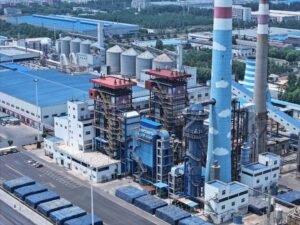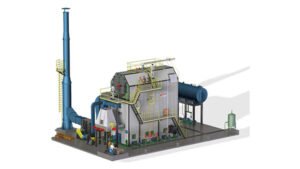
Purchasing an industrial coal-fired boiler is a high-value, long-term investment, and many buyers fall into the trap of prioritizing the lowest upfront price. This often leads to hidden costs, such as poor efficiency, frequent breakdowns, high emissions penalties, and expensive retrofits. The real challenge is not finding the cheapest boiler—but securing the best price-to-performance ratio without compromising safety, durability, or compliance.
To get the best industrial coal-fired boiler price without sacrificing quality, buyers should focus on total lifecycle cost rather than initial purchase price. This includes evaluating boiler efficiency, coal adaptability, material quality, manufacturing standards, emission control configuration, and after-sales service. Choosing a reputable manufacturer that offers optimized design, standardized components, and proven references ensures long-term reliability and lower operating costs, even if the upfront price is slightly higher.
A strategic procurement approach helps ensure that every dollar spent delivers real operational value and long-term savings.
Understanding how price and quality are linked allows buyers to make informed, cost-effective decisions that protect both production continuity and investment returns.
What Factors Most Significantly Influence the Price of an Industrial Coal-Fired Boiler?
For industrial users considering coal-fired boilers, price uncertainty is often the single greatest obstacle to decision-making. Many buyers expect boiler pricing to scale linearly with capacity, only to discover wide cost variations between seemingly similar systems. The reality is that an industrial coal-fired boiler is not a standardized commodity; its price is shaped by a complex interaction of fuel properties, steam conditions, environmental regulations, automation scope, and project execution strategy. Misunderstanding these factors frequently leads to underbudgeting, delayed projects, and unexpected retrofits that erode return on investment.
The price of an industrial coal-fired boiler is most significantly influenced by steam capacity and pressure, fuel quality and ash characteristics, emission compliance requirements, boiler technology type, auxiliary system scope, materials selection, automation level, and EPC delivery model. Together, these factors can cause price variations of 2–4× between boilers with similar steam output but different technical and regulatory requirements.
Understanding how each factor contributes to cost is essential for specifying a boiler that is both economically realistic and fit for long-term operation.
Industrial coal-fired boiler pricing is mainly determined by steam capacity alone.False
Capacity is only one variable; fuel, emissions, materials, and scope often dominate cost.
Environmental and fuel-related factors are major drivers of coal-fired boiler cost.True
Fuel variability and emission limits significantly increase design complexity and price.
1. Steam Capacity, Pressure, and Temperature Requirements
Steam parameters are the primary mechanical cost driver in coal-fired boiler pricing.
| Steam Parameter | Cost Impact |
|---|---|
| Low pressure (<10 bar) | Baseline |
| Medium pressure (10–25 bar) | +15–30% |
| High pressure (25–45 bar) | +30–50% |
| Superheated steam | +10–20% |
Higher steam pressure increases boiler cost due to thicker pressure parts.True
Higher pressure requires stronger materials and more complex fabrication.
Higher pressure and temperature demand thicker drums, high-alloy steels, more stringent welding procedures, and advanced inspection—each adding cost nonlinearly.
2. Boiler Technology Type (Stoker, FBC, CFB, PC)
Different combustion technologies vary significantly in capital cost.
| Boiler Type | Relative Price Index |
|---|---|
| Chain grate / stoker | 1.0 |
| Bubbling FBC | 1.3–1.6 |
| Circulating FBC (CFB) | 1.6–2.2 |
| Pulverized coal (PC) | 1.8–2.5 |
CFB and PC boilers cost more due to complexity and emission performance.True
Advanced combustion and control systems raise capital cost.
Technology choice determines furnace size, auxiliary systems, and emission control requirements.
3. Coal Quality and Fuel Characteristics
Coal properties have a direct and often underestimated impact on boiler price.
| Coal Property | Design Consequence | Cost Impact |
|---|---|---|
| Low calorific value | Larger furnace | +10–30% |
| High moisture | Drying & airflow | +5–20% |
| High ash content | Larger ash systems | +10–25% |
| Abrasive ash | Wear-resistant materials | +10–20% |
| High sulfur | Desulfurization systems | +5–20% |
Poor coal quality significantly increases coal-fired boiler cost.True
Low-grade coal requires oversized and reinforced systems.
Designing for worst-case coal quality is often unavoidable, increasing upfront price but protecting reliability.
4. Emission Compliance Requirements
Environmental regulations are among the largest cost multipliers.
| Emission Control Requirement | Cost Impact |
|---|---|
| Basic dust cyclone | Baseline |
| Fabric filter / ESP | +8–15% |
| Limestone desulfurization | +5–10% |
| SNCR (NOx) | +5–8% |
| SCR (NOx) | +10–20% |
Stricter emission limits substantially increase boiler system cost.True
Advanced flue gas treatment systems add major CAPEX.
In many regions, emission systems cost as much as the boiler itself.
5. Auxiliary Systems and Balance-of-Plant Scope
An industrial coal-fired boiler requires extensive auxiliary systems.
| Auxiliary System | Typical Cost Share |
|---|---|
| Coal handling & storage | 10–20% |
| Ash handling & disposal | 8–15% |
| Fans & ducting | 6–10% |
| Water treatment | 3–6% |
| Electrical & I&C | 8–12% |
Auxiliary systems often exceed the boiler island cost.True
Modern coal-fired plants are balance-of-plant dominated.
Ignoring auxiliaries leads to severe underestimation of total installed price.
6. Materials Selection and Design Life
Material choice directly affects price and durability.
| Design Life / Material Grade | Cost Impact |
|---|---|
| Standard carbon steel | Baseline |
| Low-alloy steel | +10–20% |
| High-alloy / corrosion-resistant | +20–40% |
Higher-grade materials increase upfront cost but extend service life.True
Corrosion resistance reduces long-term maintenance and failure risk.
Plants designed for 30+ years of operation justify higher material cost.
7. Automation, Instrumentation, and Control Systems
Modern coal-fired boilers rely on advanced automation.
| Automation Level | Cost Impact |
|---|---|
| Basic PLC | Baseline |
| Full DCS | +5–10% |
| Advanced optimization & monitoring | +8–15% |
Advanced automation increases CAPEX but lowers O&M cost.True
Improved control enhances efficiency and availability.
Automation is essential for emission compliance and fuel variability management.
8. EPC Scope and Delivery Model
The project execution strategy strongly influences price perception.
| EPC Scope | Apparent Price | Actual Risk |
|---|---|---|
| Supply-only | Low | High |
| Partial EPC | Medium | Medium |
| Turnkey EPC | High | Low |
Turnkey EPC appears more expensive but often lowers total installed cost.True
Integrated responsibility reduces overruns and delays.
Owners often underestimate the hidden costs of supply-only contracts.
9. Site Conditions and Local Factors
Local conditions can materially affect price.
| Site Factor | Cost Impact |
|---|---|
| Brownfield retrofit | +10–20% |
| Poor soil conditions | +5–15% |
| Remote location | +10–25% |
| Local labor cost | Variable |
Site-specific factors can materially increase boiler project cost.True
Civil works and logistics often dominate site-driven costs.
These factors are often discovered late, driving budget escalation.
10. Total Cost Variability Illustration
| Project Scenario | Relative Price Index |
|---|---|
| Simple stoker boiler, low pressure | 1.0 |
| Medium-pressure CFB, moderate emissions | 1.8 |
| High-pressure CFB, strict emissions | 2.5 |
| High-pressure PC boiler, urban site | 3.0–4.0 |
Coal-fired boiler prices can vary by more than three times for similar capacities.True
Technical and regulatory factors dominate pricing.
The price of an industrial coal-fired boiler is shaped by a multidimensional set of factors, not capacity alone. Steam pressure and temperature, boiler technology, coal quality, emission compliance, auxiliary systems, materials, automation level, EPC scope, and site conditions together determine total cost—often causing price differences of 2–4× between projects with similar output. Buyers who evaluate boilers solely on headline price risk severe underestimation and long-term economic penalties. A technically aligned specification that reflects fuel reality, regulatory demands, and lifecycle goals is the only reliable path to cost-effective coal-fired boiler investment.
Why Is Lifecycle Cost Analysis More Important Than the Initial Boiler Price?
For many industrial boiler buyers, procurement decisions are still driven primarily by the lowest initial purchase price. While this approach may satisfy short-term budget constraints or procurement policies, it frequently leads to disappointing operational economics, rising maintenance expenses, fuel inefficiencies, and costly retrofits over time. Boilers are long-lived assets—often operating for 20 to 40 years—and focusing only on upfront cost ignores the far larger financial impact of fuel consumption, availability losses, environmental compliance, and maintenance intensity. The result is a system that looks inexpensive on paper but becomes a financial burden throughout its operating life.
Lifecycle cost analysis (LCCA) is more important than initial boiler price because the purchase cost typically represents only 10–25% of total ownership cost, while fuel, operation, maintenance, downtime, and compliance costs account for the remaining 75–90%. Optimizing lifecycle economics rather than upfront CAPEX delivers substantially lower total cost of ownership, higher reliability, and stronger long-term returns.
This perspective shifts boiler selection from a procurement exercise to a strategic investment decision.
The initial boiler price represents the majority of total ownership cost.False
Fuel, maintenance, and operational costs dominate lifecycle expenses.
Lifecycle cost analysis provides a more accurate basis for boiler investment decisions.True
It captures long-term operational and compliance impacts.
The following sections explain why lifecycle cost analysis consistently outperforms price-based decision-making in industrial boiler projects.
1. Breakdown of Boiler Lifecycle Costs
A boiler’s financial impact extends far beyond its purchase price.
| Cost Category | Typical Share of Lifecycle Cost |
|---|---|
| Initial equipment & installation | 10–25% |
| Fuel consumption | 40–70% |
| Operation & maintenance | 10–20% |
| Downtime & lost production | 5–15% |
| Environmental compliance | 3–10% |
Fuel cost is the largest component of boiler lifecycle cost.True
Even small efficiency losses compound over decades.
This breakdown clearly shows why minimizing upfront cost alone is financially misleading.
2. Fuel Efficiency and Long-Term Fuel Expenditure
Fuel efficiency differences that appear marginal at purchase become enormous over time.
| Boiler Efficiency | Annual Fuel Cost Index |
|---|---|
| 78% | 1.00 |
| 82% | 0.95 |
| 86% | 0.90 |
| 90% | 0.85 |
A 1% improvement in boiler efficiency significantly reduces lifetime fuel cost.True
Fuel is consumed continuously over decades of operation.
Over a 25-year operating period, even a 3–4% efficiency gap can exceed the boiler’s initial purchase price.
3. Reliability, Availability, and Downtime Losses
Lower-priced boilers often compromise on materials, design margins, or auxiliary systems.
| Availability Level | Production Impact |
|---|---|
| 98% | Minimal loss |
| 95% | Noticeable revenue loss |
| 90% | Severe operational disruption |
Unplanned boiler downtime is a major hidden lifecycle cost.True
Lost production often exceeds maintenance expense.
High-availability boilers reduce lost revenue, overtime labor, and emergency repair costs.
4. Maintenance Intensity and Spare Parts Consumption
Maintenance costs vary widely by design philosophy.
| Boiler Design Quality | Maintenance Cost Index |
|---|---|
| Basic design, low-grade materials | 1.3–1.5 |
| Standard industrial design | 1.0 |
| High-durability design | 0.7–0.8 |
Lower initial cost often correlates with higher maintenance expense.True
Wear, corrosion, and erosion accelerate in under-designed systems.
Lifecycle-oriented designs prioritize accessibility, material selection, and maintainability.
5. Fuel Flexibility and Risk Mitigation
Boilers optimized for a narrow fuel range are vulnerable to fuel market volatility.
| Fuel Flexibility | Long-Term Cost Risk |
|---|---|
| Single fuel | High |
| Limited co-firing | Medium |
| Multi-fuel capability | Low |
Fuel flexibility improves lifecycle economics by reducing supply risk.True
Operators can switch to lower-cost or available fuels.
CFB and advanced grate systems often outperform cheaper designs in this respect.
6. Environmental Compliance and Retrofit Costs
Emission regulations almost always tighten over time.
| Compliance Strategy | Cost Impact |
|---|---|
| Minimum compliance at purchase | High retrofit cost |
| Future-ready design | Lower lifecycle cost |
Under-designed emission systems lead to costly future retrofits.True
Regulatory upgrades are more expensive post-installation.
Lifecycle analysis incorporates probable regulatory evolution rather than current limits only.
7. Energy Efficiency, Heat Recovery, and Waste Utilization
Advanced boilers integrate economizers, air preheaters, and waste heat recovery.
| Heat Recovery Level | Fuel Savings |
|---|---|
| None | Baseline |
| Economizer only | 5–8% |
| Economizer + air preheater | 8–12% |
Heat recovery systems significantly reduce lifecycle fuel cost.True
Recovered energy offsets primary fuel consumption.
These systems increase CAPEX but generate continuous savings throughout the boiler’s life.
8. Financing, Insurance, and Risk Premiums
Financial institutions assess lifecycle risk, not just purchase price.
| Boiler Quality | Financing Cost |
|---|---|
| Low-cost, high risk | Higher interest |
| Proven, high-reliability | Lower interest |
Lifecycle reliability affects financing and insurance costs.True
Lower operational risk improves bankability.
Lower cost of capital further amplifies lifecycle economic benefits.
9. Example: Price-Based vs Lifecycle-Based Selection
| Selection Method | 25-Year Total Cost Index |
|---|---|
| Lowest purchase price | 1.35 |
| Balanced CAPEX/OPEX | 1.00 |
| High-efficiency, durable | 0.90 |
Lowest upfront price often results in highest total lifecycle cost.True
Operational inefficiencies compound over time.
This pattern is consistently observed in industrial boiler projects worldwide.
10. Strategic Value of Lifecycle Cost Analysis
Lifecycle analysis enables:
- Better capital allocation
- Predictable operating budgets
- Lower environmental and regulatory risk
- Higher asset value at end of life
Lifecycle cost analysis supports long-term strategic decision-making.True
It aligns technical choices with business sustainability.
Organizations that adopt LCCA typically achieve superior long-term financial performance.
Lifecycle cost analysis is more important than the initial boiler price because most of a boiler’s economic impact occurs after commissioning. Fuel consumption, maintenance, downtime, efficiency degradation, emission compliance, and financing effects dominate total ownership cost over decades of operation. While low initial price may reduce CAPEX, it often leads to significantly higher total cost of ownership. By focusing on lifecycle economics, industrial users can select boiler systems that deliver lower long-term costs, higher reliability, regulatory resilience, and stronger returns—transforming boiler procurement from a short-term purchase into a long-term value investment.
How Does Coal Type Adaptability Affect Boiler Cost and Long-Term Savings?
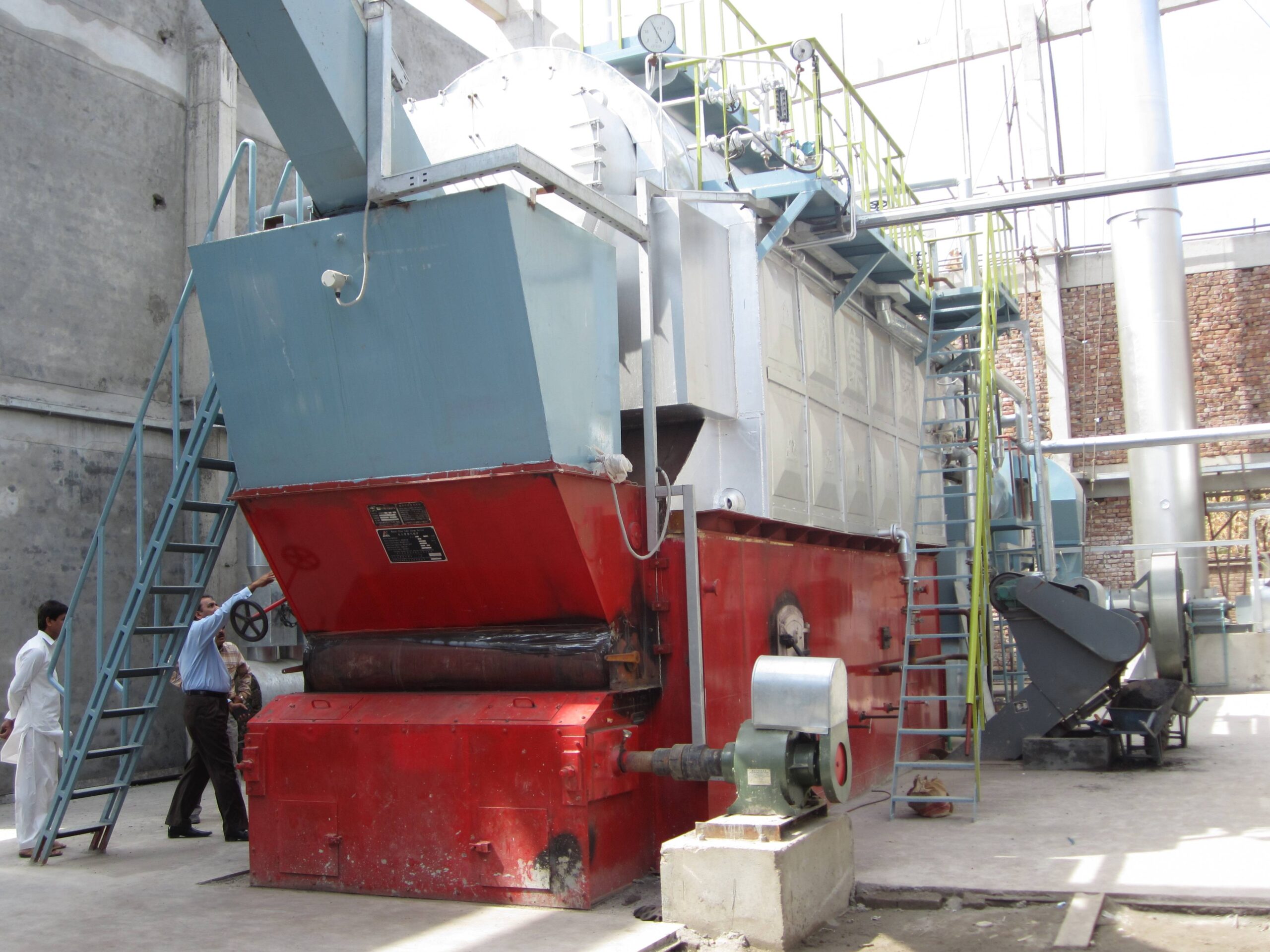
For many industrial and power plant owners, coal appears to be a straightforward fuel choice—until real-world fuel variability begins to erode boiler performance and operating budgets. Coal quality is rarely constant over the 20–30 year life of a boiler. Mines change, suppliers switch, regulations alter blending practices, and market forces push operators toward lower-cost or locally available coals. Boilers designed for a narrow coal specification may offer a lower initial price, but they often suffer from efficiency loss, derating, higher maintenance, emission non-compliance, and expensive retrofits when fuel conditions change. Coal type adaptability therefore becomes not just a technical feature, but a decisive economic factor shaping both boiler cost and long-term savings.
Coal type adaptability affects boiler economics by increasing initial capital cost by roughly 10–30%, while enabling substantial long-term savings through stable efficiency, lower maintenance, reduced derating, avoided retrofits, and the ability to switch to lower-cost coals. Over a typical boiler lifecycle, adaptable designs frequently reduce total cost of ownership by 15–40% compared with boilers optimized for a single coal type.
This trade-off between higher upfront investment and long-term financial resilience is central to rational boiler selection.
Designing a boiler for a single coal type always minimizes total cost.False
Limited fuel adaptability often increases long-term operating and retrofit costs.
Coal adaptability improves long-term boiler economics despite higher upfront cost.True
Fuel flexibility reduces efficiency loss, maintenance, and supply risk.
The following analysis explains in depth how coal adaptability influences boiler cost structure and lifecycle savings.
1. Understanding Coal Type Variability and Its Impact
Coal is not a uniform commodity. Its properties vary widely by origin and over time.
| Coal Property | Typical Range | Impact on Boiler |
|---|---|---|
| Calorific value | 8–30 MJ/kg | Furnace size, efficiency |
| Moisture | 5–45% | Combustion stability |
| Ash content | 5–50% | Ash handling, fouling |
| Volatile matter | 10–40% | Ignition behavior |
| Sulfur | 0.2–5% | Emissions, corrosion |
Coal quality variability directly affects combustion efficiency and boiler reliability.True
Boilers must be designed for worst-case fuel conditions.
Boilers lacking adaptability struggle when any of these parameters deviate from design assumptions.
2. How Coal Adaptability Increases Initial Boiler Cost
Designing for multiple coal types requires additional engineering margins and systems.
| Adaptability Feature | CAPEX Impact |
|---|---|
| Larger furnace volume | +5–10% |
| Flexible fuel feeding | +3–6% |
| Robust air distribution | +2–5% |
| Wear-resistant materials | +5–8% |
| Advanced control systems | +3–6% |
Coal-adaptable boilers have higher initial cost due to oversizing and robustness.True
Adaptability requires design margins and durable materials.
These features raise upfront price but form the foundation of long-term savings.
3. Technology Choice and Coal Adaptability
Boiler technology strongly determines fuel flexibility.
| Boiler Technology | Coal Adaptability |
|---|---|
| Chain grate / stoker | Low–medium |
| Bubbling FBC | Medium |
| Circulating FBC | Very high |
| Pulverized coal (PC) | Low |
CFB boilers offer superior coal adaptability compared with PC boilers.True
Lower combustion temperature and long residence time tolerate fuel variation.
This is why CFB systems often justify higher capital cost through lifecycle savings.
4. Fuel Cost Savings Through Coal Switching
Fuel cost dominates boiler lifecycle economics.
| Coal Strategy | Fuel Cost Risk |
|---|---|
| Single mine supply | High |
| Limited blending | Medium |
| Multi-source flexibility | Low |
Coal adaptability allows operators to switch to lower-cost fuels.True
Fuel flexibility improves purchasing leverage.
Over decades, the ability to burn opportunistic or local coals can save millions in fuel expenditure.
5. Efficiency Stability Across Coal Types
Non-adaptable boilers often suffer efficiency loss when coal quality declines.
| Coal Change | Efficiency Loss (Rigid Boiler) | Adaptable Boiler |
|---|---|---|
| Lower CV | 3–6% | <1% |
| Higher moisture | 2–4% | <1% |
| Higher ash | 2–5% | <1.5% |
Adaptable boilers maintain efficiency across varying coal qualities.True
Stable combustion and heat transfer reduce losses.
Even small efficiency differences compound into large long-term savings.
6. Maintenance and Wear Cost Reduction
Coal variability accelerates wear in rigid designs.
| Component | Rigid Design | Adaptable Design |
|---|---|---|
| Furnace refractory | High wear | Moderate |
| Ash handling | Frequent blockage | Stable |
| Superheater tubes | Fouling & erosion | Reduced |
Coal adaptability reduces maintenance frequency and cost.True
Robust materials and stable combustion reduce degradation.
Maintenance savings often exceed the initial adaptability premium within a few years.
7. Derating and Capacity Loss Avoidance
When coal quality worsens, rigid boilers are often derated.
| Boiler Type | Typical Derating Risk |
|---|---|
| Coal-specific design | High |
| Adaptable design | Low |
Fuel adaptability prevents forced derating under poor coal conditions.True
Design margins preserve output.
Avoiding derating preserves production revenue and plant utilization.
8. Emission Compliance Under Fuel Variation
Coal sulfur, ash, and volatile content influence emissions.
| Emission Risk | Rigid Boiler | Adaptable Boiler |
|---|---|---|
| SO₂ exceedance | High | Low |
| NOₓ variability | High | Controlled |
| Dust loading | High | Managed |
Coal-adaptable boilers maintain emission compliance across fuel ranges.True
Stable combustion simplifies emission control.
Avoiding regulatory penalties and retrofits contributes directly to long-term savings.
9. Retrofit and Modification Cost Avoidance
Boilers not designed for adaptability often require mid-life upgrades.
| Retrofit Type | Typical Cost Impact |
|---|---|
| Furnace modification | 10–20% of CAPEX |
| Ash system upgrade | 5–10% |
| Emission system retrofit | 10–30% |
Lack of coal adaptability leads to expensive mid-life retrofits.True
Original design assumptions become invalid.
Adaptable boilers reduce or eliminate these unplanned capital expenditures.
10. Lifecycle Cost Comparison Example
| Scenario | 25-Year Cost Index |
|---|---|
| Low-cost, coal-specific boiler | 1.30–1.40 |
| Moderate adaptability design | 1.05–1.10 |
| High coal adaptability (CFB) | 1.00 |
Higher initial boiler cost can result in lower total lifecycle cost.True
Fuel, maintenance, and retrofit savings dominate long-term economics.
This pattern is repeatedly observed in industrial and utility-scale projects.
11. Risk Management and Strategic Value
Coal adaptability also provides strategic resilience.
- Protection against fuel market volatility
- Reduced dependence on single suppliers
- Improved negotiating power
- Greater asset resale value
Fuel adaptability increases long-term strategic value of boiler assets.True
Flexible assets remain viable under changing conditions.
These benefits are difficult to quantify but highly valuable.
12. When Coal Adaptability Is Most Critical
Coal adaptability is especially important when:
- Fuel supply is uncertain
- Low-grade or high-ash coal is expected
- Long project life (>20 years) is planned
- Emission limits are strict or evolving
Coal adaptability is most valuable in long-life and fuel-uncertain projects.True
Longer horizons amplify savings and risk reduction.
Coal type adaptability significantly reshapes both boiler cost structure and long-term savings. While adaptable boilers require higher upfront investment due to larger furnaces, robust materials, flexible fuel and air systems, and advanced controls, these costs are typically offset many times over through lower fuel expenditure, stable efficiency, reduced maintenance, avoided derating, emission compliance stability, and minimized retrofit risk. In lifecycle terms, coal adaptability transforms a boiler from a fuel-dependent liability into a resilient, cost-optimized asset. For industrial and power plant owners facing uncertain coal supply and long operating horizons, investing in coal adaptability is not a premium—it is a fundamental economic safeguard.
What Role Do Materials, Manufacturing Standards, and Certifications Play in Quality?

In industrial boiler projects, quality failures rarely originate from a single dramatic defect; instead, they emerge gradually from invisible compromises—substandard materials, inconsistent fabrication practices, or inadequate quality control systems. These issues often remain hidden during commissioning but surface later as tube leaks, pressure part failures, efficiency loss, or shortened service life. Buyers who focus primarily on price without scrutinizing materials, manufacturing standards, and certifications frequently pay far more over time through downtime, repairs, and safety risks. In boiler engineering, quality is engineered, manufactured, and verified, not assumed.
Materials selection, manufacturing standards, and certifications collectively determine boiler quality by governing mechanical strength, corrosion resistance, fabrication integrity, safety margins, and long-term reliability. High-grade materials, internationally recognized standards (such as ASME, EN, or GB), and third-party certifications significantly reduce failure risk, extend service life, and lower lifecycle cost—even though they increase initial investment.
Understanding how these three pillars interact is essential for evaluating true boiler quality beyond brochures and price tags.
Boiler quality is primarily determined by brand reputation rather than materials or standards.False
Material grade, fabrication standards, and verified quality systems are the real determinants of performance and safety.
Certified materials and standardized manufacturing significantly improve boiler reliability.True
They ensure consistent strength, integrity, and compliance with safety margins.
The following sections analyze in depth how materials, standards, and certifications shape boiler quality and long-term value.
1. Role of Materials in Boiler Quality
Materials are the physical foundation of boiler performance and safety.
| Boiler Component | Typical Material Options | Quality Impact |
|---|---|---|
| Waterwall tubes | Carbon steel / low-alloy steel | Pressure resistance, corrosion |
| Superheater tubes | Low-alloy / high-alloy steel | Creep strength, temperature tolerance |
| Drums | Forged carbon or alloy steel | Structural integrity |
| Refractory & lining | Standard vs high-purity | Heat retention, durability |
Material quality directly affects boiler pressure integrity and lifespan.True
Inferior materials accelerate corrosion, creep, and fatigue failure.
High-grade alloys maintain strength at elevated temperature and pressure, reducing risk of rupture and deformation over decades of service.
2. Material Selection vs. Operating Conditions
Boiler materials must be matched precisely to service conditions.
| Operating Condition | Required Material Property |
|---|---|
| High pressure | Tensile and yield strength |
| High temperature | Creep resistance |
| High ash / erosion | Hardness, wear resistance |
| Corrosive flue gas | Alloy content, oxidation resistance |
Using incorrect materials for operating conditions shortens boiler life.True
Mismatch leads to premature failure even with good workmanship.
Design margins built into material selection are critical for long-term quality.
3. Manufacturing Standards as Quality Frameworks
Manufacturing standards define how boilers are designed, fabricated, inspected, and tested.
| Standard | Scope |
|---|---|
| ASME Section I / VIII | Design & fabrication of pressure parts |
| EN 12952 / 12953 | European water-tube & shell boilers |
| GB standards | Chinese industrial boiler regulation |
| ISO 9001 | Quality management systems |
Manufacturing standards provide minimum safety and quality baselines.True
They standardize design margins, testing, and documentation.
Standards transform engineering knowledge into repeatable quality outcomes.
4. Welding Quality and Fabrication Control
Welding is the most critical manufacturing process in boilers.
| Welding Control Element | Quality Impact |
|---|---|
| Qualified welding procedures | Structural integrity |
| Certified welders | Consistency |
| Heat treatment | Stress relief |
| NDT (RT, UT, MT, PT) | Defect detection |
Most boiler failures originate at welds rather than base materials.True
Poor welding undermines even the best materials.
Strict adherence to standards ensures weld reliability under cyclic thermal stress.
5. Role of Certifications in Verifying Quality
Certifications provide independent validation of compliance.
| Certification | Purpose |
|---|---|
| ASME S / U / U2 stamp | Pressure equipment compliance |
| CE marking | EU market conformity |
| ISO 3834 | Welding quality assurance |
| Third-party inspection (TÜV, BV, SGS) | Independent verification |
Certifications reduce information asymmetry between supplier and buyer.True
They provide objective proof of compliance and capability.
Certifications are especially important in international procurement.
6. Traceability and Documentation
High-quality boilers include complete traceability.
| Documentation Item | Quality Benefit |
|---|---|
| Material certificates | Proven composition |
| Welding logs | Accountability |
| Inspection reports | Verified integrity |
| Test records | Performance confirmation |
Full documentation is a key indicator of manufacturing quality.True
It enables auditing, maintenance, and future upgrades.
Lack of documentation often signals weak quality systems.
7. Impact on Safety and Regulatory Compliance
Boilers are regulated pressure equipment with inherent safety risks.
| Quality Aspect | Safety Impact |
|---|---|
| Material strength | Burst prevention |
| Fabrication accuracy | Stress distribution |
| Inspection rigor | Early defect detection |
Compliance with recognized standards significantly reduces safety risk.True
Standards embed conservative safety margins.
Certified quality systems protect personnel, assets, and corporate liability.
8. Effect on Reliability and Availability
Quality directly influences uptime.
| Quality Level | Typical Availability |
|---|---|
| Low / uncertified | <90% |
| Standard compliant | 92–95% |
| High-grade certified | 97–99% |
Higher manufacturing quality improves boiler availability.True
Failures and forced outages are reduced.
Higher availability translates into higher production revenue.
9. Maintenance and Lifecycle Cost Implications
Poor quality increases lifecycle cost.
| Quality Attribute | Maintenance Impact |
|---|---|
| Inferior materials | Frequent tube replacement |
| Poor welding | Leak repairs |
| No certification | Limited insurer support |
Lower-quality boilers have higher lifetime maintenance costs.True
Savings at purchase are offset by ongoing repairs.
Lifecycle economics strongly favor quality-focused manufacturing.
10. Quality Differentiation Between Suppliers
| Supplier Type | Quality Risk |
|---|---|
| Price-driven, uncertified | High |
| Standard-compliant manufacturer | Moderate |
| Certified, audited supplier | Low |
Supplier certification level correlates with long-term performance reliability.True
Certified systems enforce consistency and accountability.
Evaluating suppliers requires looking beyond quotations.
11. Long-Term Asset Value and Insurability
High-quality boilers retain value.
| Asset Attribute | Long-Term Benefit |
|---|---|
| Certified design | Easier resale |
| Documented materials | Insurer acceptance |
| Standard compliance | Retrofit compatibility |
Certified boilers have higher residual and insurable value.True
Risk perception affects asset valuation.
This strategic value is often overlooked during procurement.
Materials, manufacturing standards, and certifications form the core pillars of boiler quality. High-grade materials ensure mechanical strength and corrosion resistance; rigorous manufacturing standards translate engineering intent into consistent fabrication; and recognized certifications provide independent verification of safety and compliance. While these elements increase initial cost, they dramatically reduce operational risk, maintenance burden, downtime, and lifecycle expense. In industrial boiler investment, quality is not an abstract concept—it is the cumulative result of material science, disciplined manufacturing, and verified compliance. Buyers who prioritize these factors secure not only safer and more reliable boilers, but also stronger long-term economic performance and asset value.
How Can Proper Boiler Sizing and Configuration Prevent Overpaying?
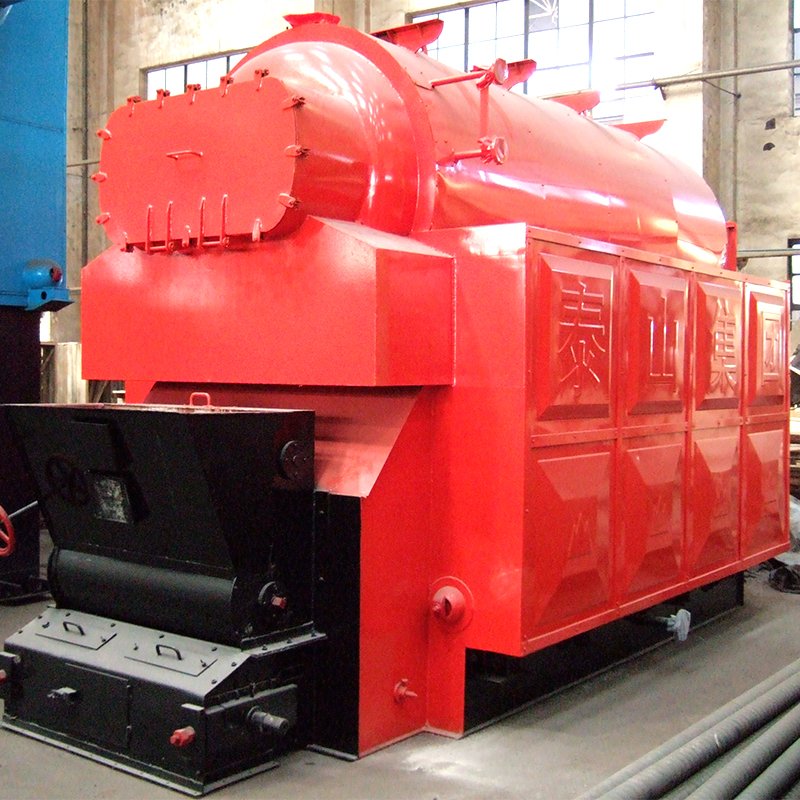
In industrial boiler projects, overpaying rarely comes from a single obvious mistake; it usually results from conservative assumptions, oversized margins, and poorly matched configurations made early in the design stage. To avoid perceived operational risk, many owners specify boilers “bigger than needed,” higher pressure than required, or overly complex configurations. While this may feel safe, it often leads to excessive capital expenditure, inefficient part-load operation, higher auxiliary power consumption, and inflated maintenance costs over the boiler’s lifetime. Proper boiler sizing and configuration are therefore not about cutting corners—they are about aligning technical capability precisely with real operating needs to avoid paying for capacity and features that will never be fully used.
Proper boiler sizing and configuration prevent overpaying by eliminating unnecessary capacity, avoiding inefficient part-load operation, reducing auxiliary system scale, lowering material and construction costs, and optimizing lifecycle efficiency. Correctly sized boilers can reduce initial CAPEX by 10–30% and total lifecycle cost by 15–40% compared with oversized or misconfigured systems.
This makes sizing and configuration one of the most powerful—but often underestimated—cost control tools in boiler investment.
Oversizing a boiler always improves safety and reliability.False
Oversizing often reduces efficiency, increases cost, and worsens part-load performance.
Proper boiler sizing significantly reduces both capital and operating costs.True
Right-sized systems align capacity with actual demand and operating profiles.
The following sections explain in depth how correct sizing and configuration directly prevent unnecessary spending.
1. Understanding Real Steam Demand vs. Design Assumptions
Accurate sizing begins with understanding actual steam demand, not nameplate equipment loads.
| Demand Type | Common Error | Cost Impact |
|---|---|---|
| Peak theoretical load | Used as continuous load | Oversizing |
| Intermittent loads | Treated as constant | Excess capacity |
| Future expansion | Overestimated | Unused capital |
Designing boilers solely for theoretical peak load leads to oversizing.True
Most plants operate far below peak conditions.
A realistic load profile—hourly, daily, and seasonal—is essential to avoid paying for unused capacity.
2. Capital Cost Impact of Oversizing
Boiler cost increases nonlinearly with size.
| Oversizing Level | CAPEX Increase |
|---|---|
| +10% capacity | +8–12% cost |
| +20% capacity | +18–25% cost |
| +30% capacity | +30–40% cost |
Boiler cost does not scale linearly with capacity.True
Larger pressure parts, furnaces, and auxiliaries increase cost exponentially.
This means even modest oversizing can cause significant overpayment.
3. Part-Load Efficiency Penalties
Most industrial boilers operate at part load for the majority of their life.
| Load Level | Efficiency Loss (Oversized Boiler) |
|---|---|
| 100% | Baseline |
| 70% | −2 to −4% |
| 50% | −5 to −8% |
Oversized boilers operate inefficiently at part load.True
Combustion and heat transfer are optimized near design load.
Lower efficiency directly increases fuel cost over decades of operation.
4. Auxiliary System Oversizing
Oversized boilers require oversized auxiliaries.
| Auxiliary System | Oversizing Effect |
|---|---|
| FD/ID fans | Higher power consumption |
| Feedwater pumps | Larger motors |
| Coal handling | Larger storage & conveyors |
| Ash handling | Higher CAPEX & OPEX |
Auxiliary systems amplify the cost impact of boiler oversizing.True
Each oversized subsystem multiplies CAPEX and OPEX.
Auxiliary power alone can erode expected efficiency gains.
5. Pressure and Temperature Over-Specification
Specifying higher steam pressure or temperature than required is a common mistake.
| Steam Parameter Increase | Cost Impact |
|---|---|
| +5 bar pressure | +8–15% CAPEX |
| Superheat when not required | +10–20% CAPEX |
Higher steam parameters significantly increase boiler cost.True
Thicker pressure parts and higher alloy materials are required.
Matching steam conditions precisely to process needs avoids unnecessary material and fabrication expense.
6. Single Large Boiler vs. Modular Configuration
Configuration choice strongly affects cost efficiency.
| Configuration | Economic Outcome |
|---|---|
| One large boiler | Lower CAPEX, higher risk |
| Multiple modular boilers | Slightly higher CAPEX, lower OPEX |
Modular boiler configurations improve efficiency under variable loads.True
Units can be staged to match demand.
Modular systems prevent overpaying for unused capacity during low-load operation.
7. Fuel Type and Combustion System Matching
Incorrect configuration for fuel characteristics causes hidden costs.
| Fuel Reality | Configuration Error | Result |
|---|---|---|
| Variable coal quality | Rigid furnace design | Efficiency loss |
| High ash fuel | Undersized ash system | Frequent upgrades |
Fuel-specific configuration errors lead to costly retrofits.True
Initial savings are lost through modifications.
Right configuration prevents future capital rework.
8. Redundancy vs. Overcapacity
Reliability does not require oversizing.
| Approach | Cost Impact |
|---|---|
| Oversized single boiler | High CAPEX |
| N+1 redundancy | Optimized CAPEX & reliability |
Redundancy is more cost-effective than oversizing.True
Standby capacity is cheaper than permanent oversizing.
Smart redundancy prevents paying for permanently unused output.
9. Maintenance and Lifecycle Cost Effects
Oversized and misconfigured boilers cost more to maintain.
| Design Choice | Maintenance Impact |
|---|---|
| Oversized furnace | Higher refractory wear |
| Excess auxiliaries | More spare parts |
| Complex configuration | Longer outages |
Proper sizing reduces long-term maintenance cost.True
Simpler, well-matched systems degrade more slowly.
Maintenance savings compound over the boiler’s lifetime.
10. Example: Correct vs Incorrect Sizing
| Scenario | 25-Year Cost Index |
|---|---|
| Oversized single boiler | 1.35 |
| Correctly sized single boiler | 1.05 |
| Optimized modular configuration | 1.00 |
Optimized sizing and configuration minimize total cost of ownership.True
Balanced CAPEX and OPEX outperform conservative oversizing.
This pattern is consistently observed across industrial boiler projects.
11. Strategic Benefits Beyond Cost
Proper sizing also delivers:
- Faster warm-up and load response
- Better emission control stability
- Easier future expansion
- Higher asset utilization
Right-sized boilers deliver better operational flexibility.True
Systems operate closer to optimal design conditions.
These operational benefits further strengthen economic performance.
Proper boiler sizing and configuration are among the most effective ways to prevent overpaying in industrial boiler projects. Oversizing capacity, over-specifying steam parameters, or selecting mismatched configurations inflates capital cost, reduces part-load efficiency, increases auxiliary power consumption, and drives up maintenance and lifecycle expenses. By basing design decisions on realistic demand profiles, appropriate redundancy, modular staging, and fuel-matched configurations, owners can reduce upfront CAPEX by 10–30% and achieve significantly lower total cost of ownership. In boiler investment, precision—not excess—is the true path to safety, efficiency, and economic value.
Why Does After-Sales Service and Technical Support Impact True Cost-Effectiveness?
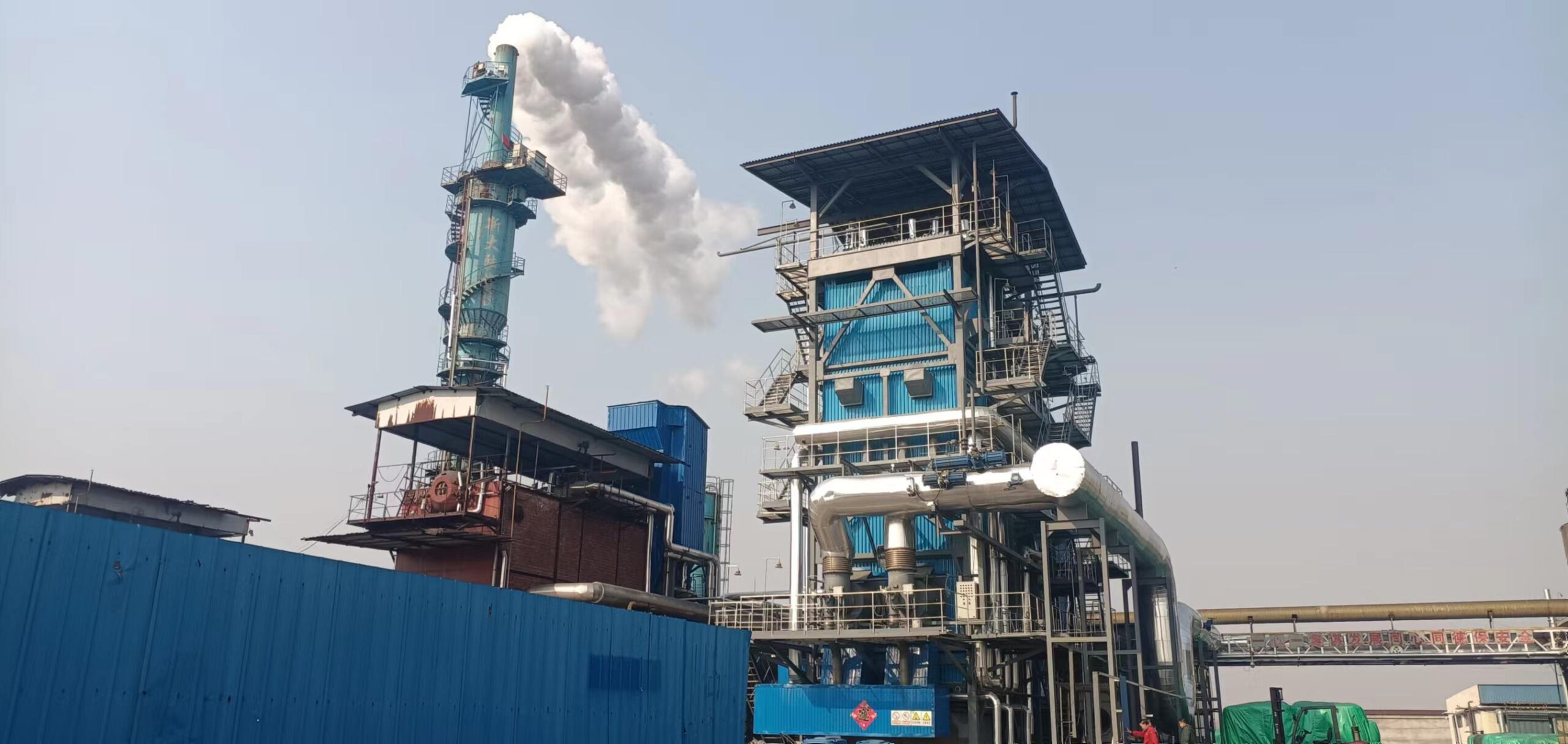
In many industrial boiler projects, after-sales service and technical support are treated as secondary considerations—discussed only after price negotiations are complete. This mindset often leads to costly surprises once the boiler enters operation. Boilers are complex, high-temperature, high-pressure systems that operate continuously under harsh conditions. Even well-designed equipment will experience performance drift, component wear, fuel variability, and regulatory changes over its service life. Without strong after-sales service and responsive technical support, these normal challenges quickly translate into efficiency losses, unplanned outages, safety risks, and escalating maintenance costs. What initially looked like a low-cost boiler can become a high-cost liability.
After-sales service and technical support directly impact true cost-effectiveness by protecting efficiency, minimizing downtime, extending equipment life, ensuring regulatory compliance, and reducing unplanned maintenance costs. While strong service support may add 3–8% to initial investment or annual service fees, it can reduce total lifecycle cost by 15–40% through higher availability, lower fuel consumption, and avoided failures.
True boiler economics are therefore determined not only by how the boiler is built, but by how it is supported throughout its operating life.
After-sales service has little impact on boiler operating cost once the unit is commissioned.False
Ongoing support strongly influences efficiency, reliability, and maintenance cost.
Strong technical support improves long-term boiler cost-effectiveness.True
Proactive service prevents inefficiency, failures, and downtime.
The following sections explain in depth why after-sales service is a decisive factor in true boiler cost-effectiveness.
1. Protecting Efficiency Over Time
Boiler efficiency is not static; it degrades without continuous optimization.
| Support Level | Typical Efficiency Degradation |
|---|---|
| Minimal support | −3 to −6% over 5 years |
| Periodic expert tuning | −1 to −2% |
| Continuous monitoring & optimization | <1% |
Lack of technical support leads to gradual but significant efficiency loss.True
Combustion drift and fouling go uncorrected.
Because fuel cost dominates lifecycle economics, even small efficiency losses dramatically increase total cost.
2. Downtime Prevention and Availability Improvement
Unplanned outages are among the most expensive boiler-related events.
| Availability Level | Cost Impact |
|---|---|
| >98% | Minimal disruption |
| 95–97% | Noticeable production loss |
| <92% | Severe financial impact |
After-sales technical support directly improves boiler availability.True
Early detection and fast response prevent forced outages.
Rapid troubleshooting and expert diagnostics often determine whether an issue becomes a short stop or a multi-day shutdown.
3. Maintenance Optimization vs. Reactive Repairs
Without guidance, maintenance tends to be reactive rather than preventive.
| Maintenance Approach | Cost Outcome |
|---|---|
| Reactive (run-to-failure) | High repair cost |
| Scheduled preventive | Moderate cost |
| Condition-based (supported) | Lowest lifecycle cost |
Proactive maintenance reduces total maintenance expenditure.True
Early intervention prevents major component damage.
After-sales support enables condition-based strategies that reduce spare parts consumption and labor cost.
4. Spare Parts Strategy and Lead-Time Risk
Access to correct spare parts at the right time is critical.
| Support Quality | Spare Parts Risk |
|---|---|
| Limited supplier support | Long lead times |
| Authorized service network | Controlled |
| OEM-managed lifecycle spares | Minimal |
Poor spare parts support increases downtime and inventory cost.True
Operators must overstock or wait for critical components.
OEM-supported spare parts programs optimize inventory while reducing outage risk.
5. Handling Fuel Variability and Operational Changes
Fuel quality and operating conditions often change over time.
| Change Scenario | Support Impact |
|---|---|
| Lower-grade fuel | Combustion retuning |
| Load profile change | Control optimization |
| New emission limits | Operational adjustment |
Technical support is essential to adapt boilers to changing conditions.True
Design assumptions rarely remain constant over decades.
Unsupported boilers often suffer derating or non-compliance under new conditions.
6. Emission Compliance and Regulatory Risk
Environmental regulations are dynamic.
| Compliance Strategy | Cost Impact |
|---|---|
| No support, reactive | High retrofit cost |
| Supported optimization | Lower compliance cost |
After-sales support helps maintain emission compliance without major retrofits.True
Operational tuning often resolves compliance gaps.
Avoiding fines and forced shutdowns protects both revenue and corporate reputation.
7. Knowledge Transfer and Operator Skill Development
Even advanced boilers depend on human operation.
| Training Level | Operational Outcome |
|---|---|
| Basic handover only | Inconsistent operation |
| Periodic OEM training | Stable performance |
| Continuous technical coaching | Optimized operation |
Operator training is a key component of cost-effective boiler operation.True
Human error is a major cause of inefficiency and failure.
After-sales programs ensure knowledge continuity despite staff turnover.
8. Lifecycle Extension and Asset Value
Well-supported boilers last longer.
| Support Quality | Typical Service Life |
|---|---|
| Minimal | 15–20 years |
| Standard | 20–25 years |
| High-level OEM support | 25–35+ years |
After-sales service extends boiler service life.True
Controlled wear and timely upgrades delay replacement.
Extending asset life significantly improves return on investment.
9. Remote Monitoring and Digital Support
Modern after-sales service increasingly includes digital tools.
| Digital Support | Cost Benefit |
|---|---|
| Remote diagnostics | Faster fault resolution |
| Performance analytics | Fuel savings |
| Predictive alerts | Failure avoidance |
Digital after-sales support reduces operating and maintenance costs.True
Problems are identified before escalation.
These tools amplify the economic impact of technical support.
10. Total Cost Comparison Example
| Scenario | 20-Year Cost Index |
|---|---|
| Low-price boiler, weak support | 1.35 |
| Standard boiler, limited support | 1.15 |
| High-quality boiler with strong support | 1.00 |
Boilers with strong after-sales support deliver lower total lifecycle cost.True
Operational savings outweigh higher service fees.
This pattern is consistently observed across industrial sectors.
11. Risk Transfer and Accountability
Strong after-sales service clarifies responsibility.
- OEM-backed guarantees
- Documented performance baselines
- Clear escalation paths
After-sales support reduces operational risk exposure for owners.True
Expert backing limits uncertainty.
This risk reduction has tangible financial value.
After-sales service and technical support are not optional add-ons—they are core determinants of true boiler cost-effectiveness. While strong support may modestly increase upfront or annual service costs, it protects efficiency, minimizes downtime, optimizes maintenance, ensures compliance, extends asset life, and reduces operational risk. Over the full lifecycle of an industrial boiler, these benefits routinely outweigh initial cost differences, transforming higher-quality, well-supported boilers into the most economical choice. In boiler investment, the lowest price ends at delivery—but true value is realized through decades of reliable, expertly supported operation.
🔍 Conclusion
The best industrial coal-fired boiler price is achieved by balancing cost, efficiency, reliability, and compliance—not by choosing the lowest quotation. By evaluating lifecycle costs, selecting a qualified manufacturer, and optimizing specifications, buyers can secure a high-quality boiler that delivers stable performance and lower total cost of ownership.
🔹 Contact us today to receive a professional quotation that balances price, performance, and long-term value. ⚙️🔥🏭✅
FAQ
Q1: How can buyers get the best price for an industrial coal-fired boiler without compromising quality?
A1: To secure the best industrial coal-fired boiler price without sacrificing quality, buyers should focus on value-based purchasing rather than the lowest upfront cost. This starts with clearly defining operational requirements such as steam capacity, pressure, fuel type, and emission standards. Over-specification increases costs unnecessarily, while under-specification leads to poor performance and early failure. Selecting a boiler that precisely matches your process demand helps control costs. Additionally, working directly with a reputable manufacturer rather than intermediaries can significantly reduce pricing while maintaining high manufacturing standards.
Q2: Why is lifecycle cost more important than the initial boiler price?
A2: The initial purchase price of a coal-fired boiler usually represents only 30–40% of its total lifecycle cost. Fuel consumption, maintenance, downtime, spare parts, and compliance upgrades account for the majority of long-term expenses. A slightly higher-priced boiler with higher thermal efficiency, better materials, and advanced controls can reduce coal consumption by 5–10% annually, delivering substantial savings over 20–25 years of operation. Evaluating total cost of ownership (TCO) ensures that short-term savings do not lead to long-term financial losses.
Q3: How does boiler efficiency affect long-term operating costs?
A3: Boiler efficiency directly impacts fuel usage, which is the largest operating expense for coal-fired systems. A boiler with optimized combustion design, heat transfer surfaces, and air distribution burns coal more completely and minimizes heat loss through flue gas. Even a 1% improvement in efficiency can result in significant annual fuel savings for industrial users. High-efficiency boilers also reduce ash production and emissions, lowering maintenance and environmental compliance costs over time.
Q4: What role does supplier selection play in pricing and quality?
A4: Choosing the right industrial boiler supplier is critical to balancing price and quality. Established manufacturers with in-house design, fabrication, and testing capabilities can offer more competitive pricing than trading companies. Look for suppliers with ASME, ISO, and CE certifications, proven export experience, and strong after-sales support. Transparent quotations that clearly define scope—such as auxiliaries, control systems, and installation guidance—help avoid hidden costs that often appear with cheaper offers.
Q5: Are customization and local fuel adaptation important for cost control?
A5: Yes, customization based on local coal characteristics is essential for cost-effective operation. Coal with high ash, moisture, or volatile content requires specific grate designs, furnace sizing, and combustion control systems. Boilers optimized for local fuel achieve better combustion efficiency and reduced maintenance. Additionally, selecting appropriate emission control options—rather than over-engineered systems—helps meet regulations without unnecessary expense. Smart customization ensures optimal performance while keeping both capital and operating costs under control.
References
- U.S. Department of Energy – Industrial Boiler Cost and Efficiency – https://www.energy.gov/ – DOE
- ASME Boiler and Pressure Vessel Code (BPVC) – https://www.asme.org/ – ASME
- International Energy Agency – Coal-Fired Industrial Systems – https://www.iea.org/ – IEA
- Carbon Trust – Boiler Efficiency and Cost Reduction – https://www.carbontrust.com/ – Carbon Trust
- Spirax Sarco – Boiler Lifecycle Cost Analysis – https://www.spiraxsarco.com/ – Spirax Sarco
- Engineering Toolbox – Boiler Efficiency and Fuel Cost Impact – https://www.engineeringtoolbox.com/ – Engineering Toolbox
- ScienceDirect – Economic Evaluation of Coal-Fired Boilers – https://www.sciencedirect.com/ – ScienceDirect
- ISO 9001 – Quality Management Systems – https://www.iso.org/ – ISO
- MarketsandMarkets – Industrial Boiler Market Outlook – https://www.marketsandmarkets.com/ – Markets and Markets
- World Bank – Industrial Energy Efficiency Projects – https://www.worldbank.org/ – World Bank