Industry News

Key Questions to Ask Potential Industrial Steam Boiler Suppliers
Key Questions to Ask Potential Industrial Steam Boiler Suppliers

Choosing the right industrial steam boiler supplier is critical to the long-term success of your thermal system. The wrong decision can result in inefficiencies, reliability issues, compliance failures, and higher operating costs. A reliable supplier must offer not only a technically sound product but also engineering support, customization, regulatory compliance, and after-sales service. Asking the right questions helps you evaluate whether a supplier is capable of delivering a safe, efficient, and scalable steam solution.

To evaluate potential industrial steam boiler suppliers, ask questions about thermal efficiency, fuel compatibility, capacity ranges, design standards, emissions compliance, installation scope, testing protocols, certifications (ASME, ISO, CE), and post-sale service support. Also request project references, performance guarantees, and service contract details. These inquiries help ensure the supplier aligns with your technical needs, budget, and long-term operational goals.

Use the following question checklist to confidently assess and compare suppliers.
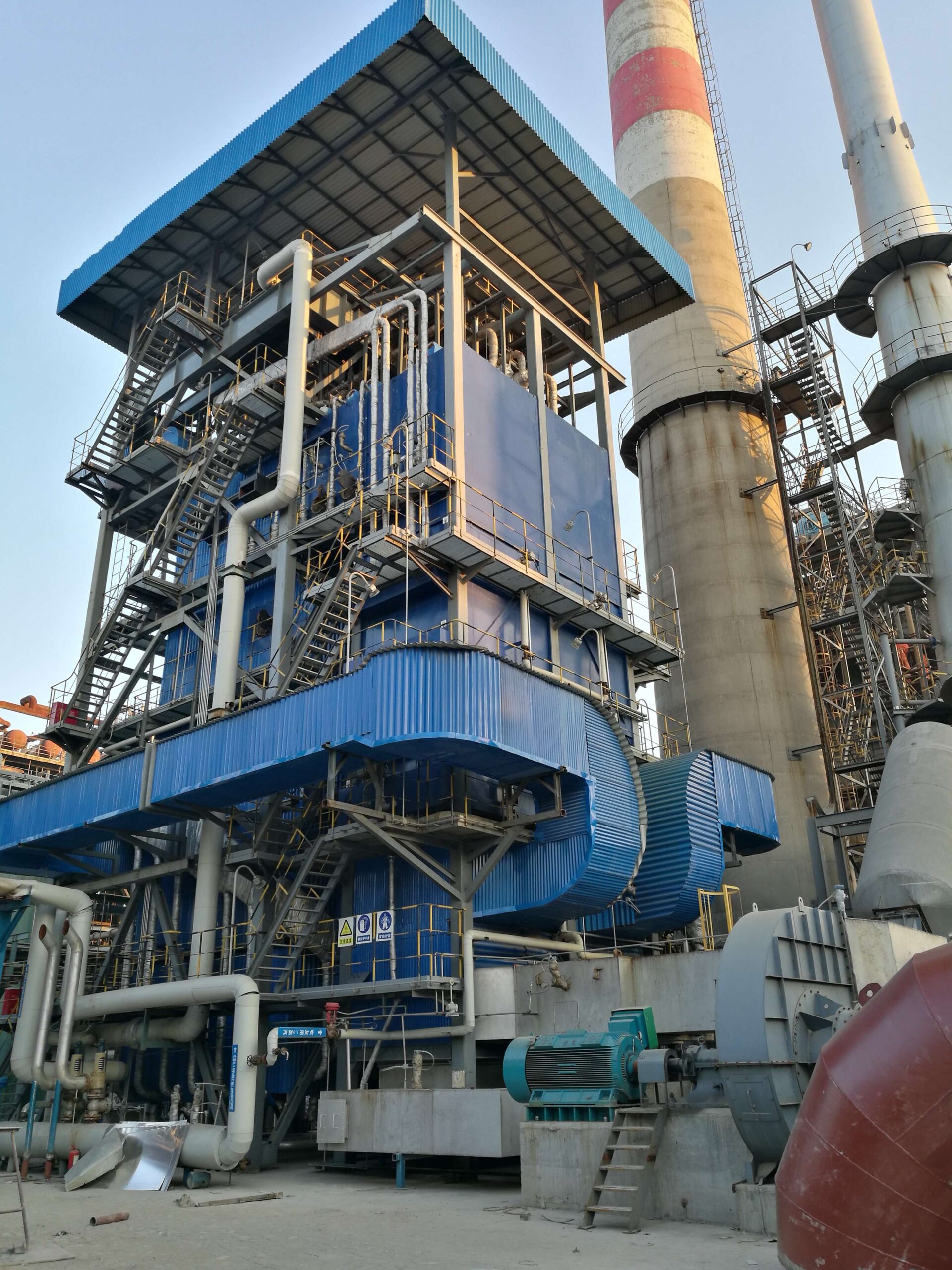
What Steam Output Capacity Ranges Do Your Boilers Support, and Are They Scalable?

When selecting an industrial steam boiler supplier, one of the most important questions is: Can their boilers meet your plant’s current steam demand—and grow with it? Whether you’re running a food processing plant, chemical refinery, paper mill, or district heating system, steam demand can change due to production scale-up, energy optimization, or fuel transition strategies. That’s why understanding the supplier’s available capacity range and scalability options is critical to long-term ROI and system flexibility.

Buyers must determine the minimum and maximum steam output ranges supported (in TPH—tons per hour), whether units are modular, and how scalability is achieved—through parallel operation, header integration, or future module addition. This applies not just to the boiler hardware, but also to control systems, feedwater, and emissions management components.

If your supplier can’t scale with you, you’ll outgrow your boiler before you recover its investment.

Scalable steam capacity and modular flexibility are essential features of modern industrial boiler systems to ensure adaptability to future process demands.True

Steam consumption often increases as facilities expand. Choosing a supplier with a wide capacity range and scalable design prevents costly replacement or parallel retrofit.

Key Areas to Clarify About Steam Capacity and Scalability

1. What Is the Supplier’s Standard Steam Output Range?

Capacity ClassTPH RangeApplication
Small-scale0.5–5 TPHLaboratories, small food units, laundries
Mid-range6–20 TPHChemical processing, hospitals, breweries
High-capacity25–100+ TPHPaper, textile, food megaplants
Utility-grade100–500 TPHRefining, power, district heating, IPPs

Ask:

  • What are your lowest and highest available TPH models?

  • Are these pressure-part-limited or fuel-specific?

  • Can you custom-design boilers beyond your standard range?

2. Are the Boilers Modular and Designed for Scalability?

Scalability TypeDesign StrategyBenefit
Parallel unit designMultiple identical unitsRedundancy and phased expansion
Header integrationShared steam distribution systemSmooth load distribution
Pre-wired skid modulesPlug-and-play scalabilityRapid deployment with minimal redesign
Staged firing capacityWithin-unit modulationReduces energy waste during part-load

Ask:

  • Can units be added later to increase capacity?

  • Is your control logic able to manage multiple boilers under a master PLC?

  • Do you provide load-sharing software?

3. How Are Boilers Adapted to Pressure and Load Variability?

Design VariableScalability Impact
Pressure rating (bar/g)Options from 10 to 110 bar
Superheat capabilityConfigurable based on process
Fuel flexibilityMulti-fuel burners (gas/oil/biomass)
Turn-down ratio3:1 to 8:1 standard

Ask:

  • Can steam pressure and output be scaled independently?

  • What is your boiler’s minimum turndown percentage?

  • Do you offer designs for future superheating or turbine integration?

4. What’s Included in the System When Scaling Output?

System AreaScalability Method
Steam header & pipingModular flange expansion
Feedwater systemCommon or dedicated per unit
DeaeratorSizing based on future load
Fuel delivery (e.g., HFO/LNG)Scalable burners or dual-fuel add-ons
Emissions control (NOₓ, SO₂)SCR, FGD units scaled by flow rate

Ask:

  • Can auxiliary systems be pre-engineered for future expansion?

  • Is the control room/HMI scalable for multi-unit visualization?

  • Are flue gas and emissions systems modular or fixed?

Example: Steam Scalability Design – 3×15 TPH Oil-Fired Boilers

Client: Edible oil processing plant
Initial Capacity: 15 TPH @ 17 bar
Expansion Plan: Add 15 TPH module in year 2, third unit in year 4

Design Features:

  • Pre-installed 3× steam outlet valves with capped future ports

  • Common feedwater tank sized for 3×15 TPH

  • Integrated steam header with load balancing logic in SCADA

  • Burner system with dual-fuel LFO/Biodiesel for future transition

  • Shared CEMS system with added flow channel capacity

Result: Seamless capacity increase from 15 TPH to 45 TPH with zero production downtime during expansion

Summary

Steam capacity is not just a technical spec—it’s a business enabler. Whether your plant needs 5 TPH today or 50 TPH tomorrow, your boiler supplier must provide a scalable platform that evolves with your growth. Ask for modular options, header integration, and multi-boiler logic—not just bigger metal. Because in a growing operation, your boiler should never be the bottleneck. Choose flexibility. Choose future-ready flow. Choose a system that starts right—and scales smart.
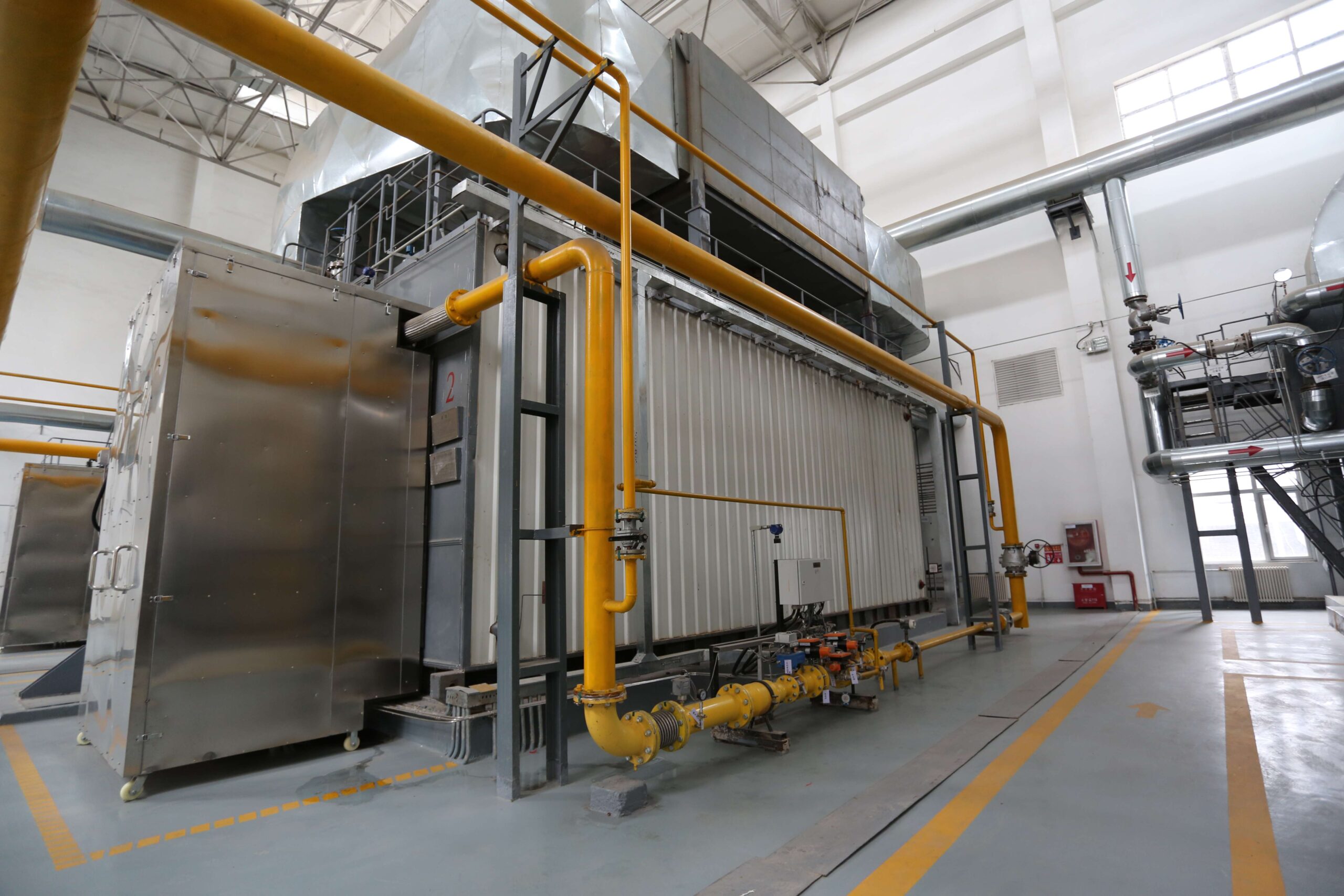
What Are Your Guaranteed Thermal Efficiency and Fuel Consumption Rates?

In industrial steam boiler procurement, guaranteed thermal efficiency and fuel consumption per ton of steam output are the most critical metrics to assess operational cost, emissions footprint, and return on investment. The boiler may be designed for reliability and safety, but if it burns excessive fuel or delivers low heat conversion efficiency, you pay more per unit of steam—month after month. These values must be precisely stated, contractually guaranteed, and verifiable via performance testing.

Buyers must demand the supplier’s thermal efficiency guarantees under specified conditions (e.g., 100% load, HHV or LHV basis, standard test method), and clear fuel consumption rates (in kg/h or Nm³/h) per ton of steam output for each fuel type supported. Measurement methods and correction factors must also be disclosed for transparency.

A boiler without efficiency guarantees is a gamble. A boiler with clear consumption benchmarks is a strategic asset.

Thermal efficiency and fuel consumption guarantees are essential for ensuring economic performance and fuel cost predictability in industrial steam boilers.True

Clear efficiency metrics help buyers project operating costs and compare suppliers on a total lifecycle value basis—not just upfront pricing.

Key Points to Clarify on Boiler Efficiency and Fuel Use

1. What Is the Guaranteed Thermal Efficiency and Test Standard?

Efficiency TypeTypical RangeTesting Protocol
Gross efficiency (HHV)84–89%ASME PTC 4, ISO 23145
Net efficiency (LHV)88–92%Fuel-specific basis
Part-load efficiency78–86% @ 50–60% loadMeasured during factory or site trials
Stack loss methodVerified via flue gas O₂, CO, temp±1% tolerance
Direct calorific methodUsed for HFO/gas blendsFuel input vs steam output

Ask:

  • Do you guarantee thermal efficiency at full and partial loads?

  • Are your guarantees based on HHV or LHV?

  • Is third-party witnessed testing included in the agreement?

2. What Is the Specific Fuel Consumption (SFC) per Ton of Steam?

Fuel TypeExpected SFC RangeFactors Affecting It
Light Fuel Oil (LFO)60–68 liters/tonEfficiency, heat content
Heavy Fuel Oil (HFO)63–70 kg/tonViscosity, preheating
Natural Gas105–120 Nm³/tonBurner tuning, O₂ control
Biodiesel blend (e.g., B20)62–70 liters/tonHeating value, density

Ask:

  • Are SFC values corrected to 100°C feedwater and 1 bar steam outlet?

  • How does the system compensate for changes in fuel CV or humidity?

  • Are these values field-tested or lab-simulated?

3. Is Efficiency Tunable and Maintainable Over Time?

Efficiency FactorControl Method
Excess O₂ levelO₂ trim controller with flue gas sensor
Burner modulationPID-controlled based on load
Soot/blowdown frequencyTimed or DP-triggered optimization
Stack temperatureMonitored for heat loss alerting
Water TDSConductivity-based blowdown control

Ask:

  • Do you provide digital dashboards showing live efficiency?

  • Can burner tuning be adjusted remotely post-installation?

  • Is efficiency guaranteed after 12–24 months of runtime?

4. What Conditions Are Assumed for the Guarantee?

ConditionStandard Reference
Ambient air temp20–25°C
Feedwater temp80–105°C
Fuel CVLFO: ~42 MJ/kg, HFO: ~40 MJ/kg
Boiler loadTypically 100%, sometimes at 75%
Steam pressure10–17 bar(g) for process boilers

Ask:

  • Are correction factors applied if site conditions vary?

  • Can performance be guaranteed across load turndown (e.g., 40–100%)?

  • Are guarantees subject to maintenance or O&M conditions?

Example: 10 TPH LFO Boiler Efficiency Guarantee

Steam Output: 10 tons/hour
Fuel: Light fuel oil (LFO) with 42.5 MJ/kg HHV
Guaranteed Thermal Efficiency: 88.3% HHV at 100% load
Specific Fuel Consumption (SFC): 65.3 liters/ton steam @ 105°C feedwater, 10 bar outlet

Operating PointFuel Used (L/hr)Steam Output (TPH)Efficiency (%)
100% load653 L/hr10.088.3%
75% load515 L/hr7.586.2%
50% load374 L/hr5.084.0%

Validation: Efficiency tested using ASME PTC 4.1 methodology, witnessed by third-party auditor
Correction Conditions: ±1.5% adjustment per 5°C deviation in ambient air temp or feedwater temp

Summary

Fuel cost is the largest lifetime operating expense of any industrial boiler. Without a clear, guaranteed thermal efficiency and fuel consumption benchmark, you’re navigating blind. Ask for lab-proven numbers, runtime logs, and contractual assurances. Don’t buy a boiler—buy a fuel economy machine that runs on proof, not promises. Choose high-efficiency combustion. Choose predictable costs. Choose performance you can measure in every drop or cubic meter.
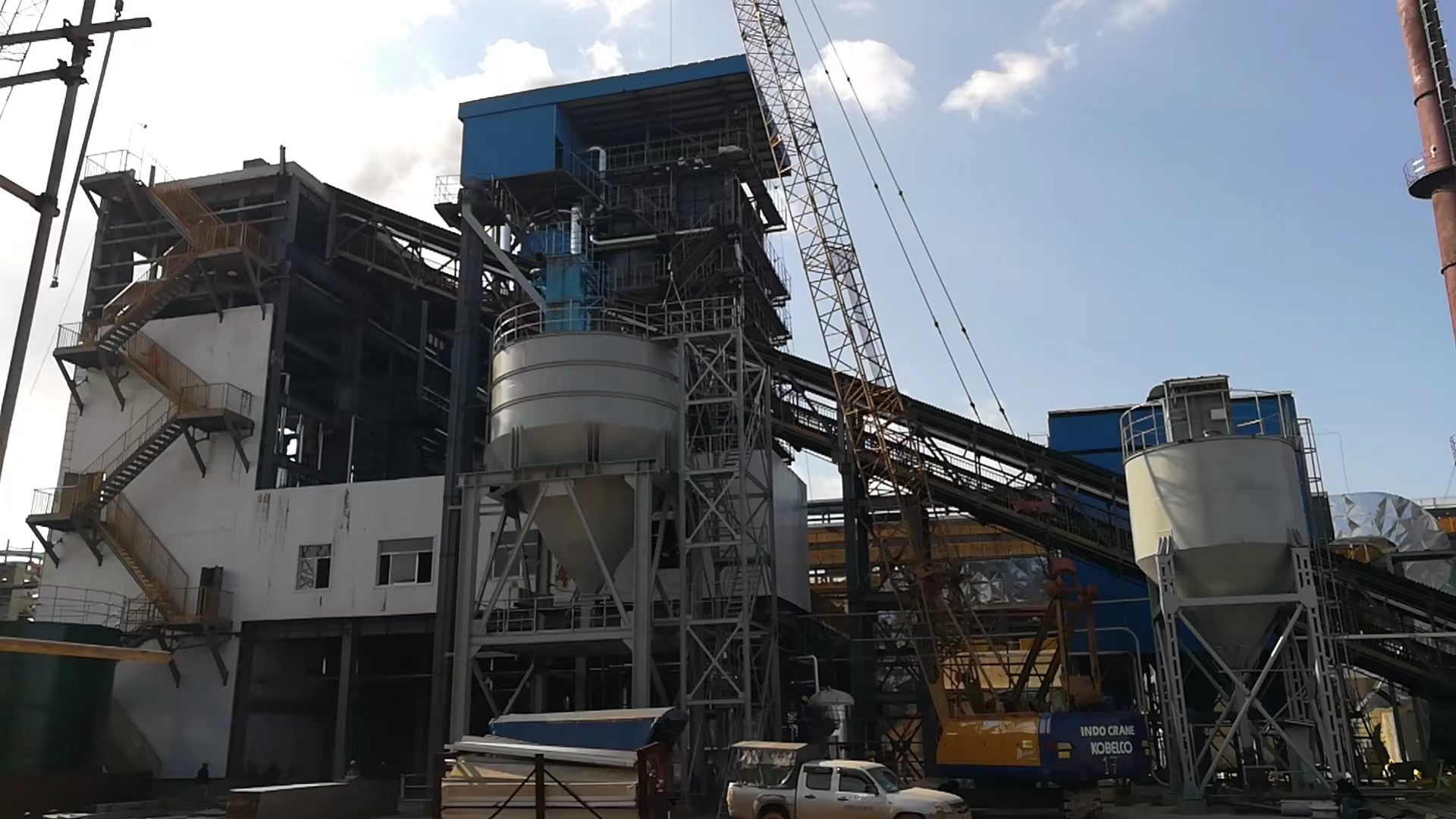
What Standards and Certifications (ASME, ISO, CE) Do Your Boilers Comply With?

When purchasing an industrial steam boiler, no factor is more crucial to safety, legality, and quality assurance than compliance with recognized engineering standards and international certifications. Whether the unit is installed in Europe, Asia, the Americas, or Africa, it must meet the design, fabrication, inspection, and quality protocols accepted by regional regulators, insurers, and safety inspectors. ASME (for pressure integrity), CE (for European market acceptance), and ISO (for quality and safety management) are not optional—they are operational necessities.

Buyers must confirm which certifications and standards the supplier adheres to, especially the ASME “S” or “U” stamps for pressure parts, CE PED modules (H, H1, B+D) for European compliance, and ISO 9001, 14001, or 45001 for quality, environmental, and safety systems. These certificates should be valid, third-party audited, and cover the full boiler manufacturing process—from design to inspection.

Without proven compliance, your boiler investment may fail commissioning or legal scrutiny.

Industrial steam boilers must comply with recognized standards like ASME, CE, and ISO to ensure safe operation, legal conformity, and performance verification.True

Pressure equipment must meet international design, welding, and inspection standards to be accepted by regulators and to operate safely under real process conditions.

Key Boiler Certifications and Standards to Demand From Your Supplier

1. ASME Certification – Required for Pressure Vessel Integrity and Global Trade

ASME Code SectionScopeApplies To
ASME Section I (“S” Stamp)Power boilers (≥15 psi)Steam drums, water walls, headers
ASME Section VIII (“U” Stamp)Unfired pressure vesselsEconomizers, deaerators, preheaters
ASME Section IXWelding qualificationsWPS, PQR, welder WQTs
ASME Section VNondestructive Examination (NDE)RT, UT, PT, MT for pressure part welds

Ask:

  • Is your boiler stamped with ASME “S” or “U” nameplates?

  • Can we audit your welding traceability and RT coverage?

  • Are hydrotest results documented under ASME PTC protocols?

2. CE Marking – Mandatory for Boilers Installed in the EU or PED-Regulated Zones

DirectiveCertification ModuleScope
PED 2014/68/EUModule H, H1, B+DPressure vessel design and fabrication
EMC DirectiveElectromagnetic safetyPLCs, control cabinets
Machinery DirectiveMoving parts safetyValves, dampers, burner drives

Ask:

  • Which notified body issued your CE PED certification (e.g., TÜV, DNV)?

  • Do all pressure-retaining parts carry CE markings?

  • Is a CE Technical File provided at final delivery?

3. ISO Management Systems – Ensuring Fabrication and Audit Readiness

ISO StandardPurposeApplicability
ISO 9001Quality managementCovers design, procurement, inspection
ISO 14001Environmental controlsMinimizes waste, manages emissions
ISO 45001Occupational health & safetyGoverns workshop safety practices
ISO 50001 (optional)Energy efficiency systemEnergy-intensive OEMs only

Ask:

  • Are ISO audits conducted by accredited bodies (e.g., SGS, BSI)?

  • Are subcontractors held to the same ISO standards?

  • Is your ISO certification valid and renewed?

4. Material and Welding Certifications

StandardRelevanceSupplier Output
EN 10204 3.1/3.2Material test certificatesEach component with traceable heat number
EN 12952 / EN 12953European boiler codesFor fire-tube and water-tube designs
WPS/PQR/WQT under ASME IXWeld qualificationFor all load-bearing welds on pressure parts

Ask:

  • Will we receive full MTCs for all pressure-retaining materials?

  • Are welds radiographed or ultrasonically tested per code?

  • Do you submit an Inspection Test Plan (ITP) before fabrication?

5. Compliance Documentation and Data Book

DocumentContents
Final QA DossierWPS, PQR, RT/UT reports, nameplate photos, hydrotest records
CE Declaration of ConformityDesign code, PED module, NB certificate
FAT reportBurner test, safety trip simulation, controls verification
ITP and QCPHold points, acceptance criteria, inspector logs

Ask:

  • Can we receive a digital, searchable data book?

  • Are FATs documented with videos or signed logs?

  • Do you offer third-party witness testing?

Case Example: Certified 15 TPH Steam Boiler for EU Market

Specifications:

  • CE PED Module H1 via TÜV Nord

  • ASME “S” stamped steam drum and headers

  • Welding under ASME IX with 100% RT of critical joints

  • ISO 9001 + ISO 14001 + ISO 45001 for factory management

  • FAT witnessed by buyer and third-party inspector

Delivered Documents:

  • 1,200-page digital data book

  • CE Declaration of Conformity (signed)

  • ASME Certificates of Authorization

  • MTCs for SA-516 Gr.70 and SA-213 T22 coils

  • RT films and weld maps for all critical zones

Summary

Certifications are not just paperwork—they are your boiler’s passport to safe, compliant operation in regulated markets. Never accept verbal assurances—demand stamped nameplates, signed declarations, and traceable inspection records that prove the unit meets ASME, CE, and ISO standards. In high-pressure systems, documentation isn’t optional—it’s protection. Choose certified integrity. Choose quality with credentials. Choose a supplier whose boiler is built—and certified—to perform.

Can Your System Support Different Fuels or Switch Between Multiple Energy Sources?

As industrial energy prices fluctuate and emissions regulations evolve, steam boiler operators are increasingly turning to fuel flexibility as a strategic advantage. Whether to hedge fuel supply risk, reduce CO₂ intensity, or comply with fuel-switching mandates during seasonal load adjustments, the ability to run on multiple fuels—such as natural gas, LPG, light fuel oil (LFO), heavy fuel oil (HFO), biodiesel, or biomass—is a critical capability. Even better is the ability to switch between them automatically or manually without expensive downtime or complex retrofits.

Buyers must ask whether the boiler can handle more than one fuel type, how switching is controlled, what preheating or feed adaptations are required, and how combustion efficiency is maintained during fuel changeover. Fuel system compatibility should be backed by case references, burner technical datasheets, and combustion tuning protocols.

Fuel flexibility isn’t a nice-to-have—it’s future-proofing your boiler against cost volatility and regulatory shifts.

Industrial boilers with multi-fuel support offer greater operational flexibility, energy security, and long-term cost control.True

Being able to burn different fuels or switch between them allows plant operators to adapt to fuel pricing, availability, and environmental mandates with minimal disruption.

Key Aspects of Multi-Fuel Boiler System Design and Evaluation

1. Which Fuels Can the Boiler System Support?

Fuel TypeDesign ImplicationsApplication
Light fuel oil (LFO)Standard pressure-jet burnerCommon in food, pharma
Heavy fuel oil (HFO)Requires preheating, filtrationRefineries, shipping
Natural gasRequires precise air/fuel ratio controlUrban or pipeline-connected plants
LPG/PropaneHigh BTU content, explosion riskRemote or off-grid use
Biodiesel (B20–B100)Viscosity and flow modificationsGreen manufacturing
Biogas or syngasLow calorific value handlingWaste-to-energy plants

Ask:

  • Is the burner designed for multi-fuel injection or single-fuel retrofit?

  • What CV and viscosity ranges can the system handle?

  • Is there a history of biodiesel or low-carbon fuel success?

2. Can the System Switch Between Fuels Automatically or Seamlessly?

Switch TypeMethodUse Case
Manual switch-overOperator-controlled valve/fuel selectorLow-frequency transitions
Semi-automaticPre-set sequence with operator acknowledgmentFuel price response
Fully automaticPLC-based logic and flame controlStandby or primary fuel outage protection

Ask:

  • How long does a cold or hot switch take between fuels?

  • Are purging and flame sensing systems shared across fuels?

  • Can different fuels be assigned load priorities (e.g., auto switch if primary fails)?

3. What Burner and Combustion Control Adaptations Are Required?

ComponentDesign RequirementDual-Fuel Feature
BurnerMulti-nozzle, air-staged or rotary cupHandles LFO+HFO or oil+gas
Flame detectionInfrared/UV detection compatibilityMust work across flame types
Combustion controlO₂ trim, PID tuning per fuelFuel-specific tuning profiles
Fuel pumps/valvesHeat-traced for viscous fuelsAuto-sequenced by logic controller

Ask:

  • Is the burner supplied as dual-fuel from OEM or third-party adapted?

  • Can air/fuel curves be tuned remotely for each fuel?

  • Are different ignition systems required for each fuel type?

4. What Auxiliary Systems Must Be Considered for Each Fuel?

SubsystemCustomization for Fuel Type
Fuel feed linesStainless steel for biodiesel; preheaters for HFO
FiltrationFine particulate filters for bioliquids
Tank heatingSteam or electric tracing for heavy oils
Exhaust handlingFlue gas treatment may vary with sulfur content
Emissions controlDifferent NOₓ, SO₂ levels per fuel require tuning or injection rate change

Ask:

  • Can all auxiliaries (tanks, pumps, heaters) handle both fuel types?

  • Are emissions guarantees maintained across all fuels?

  • Is the CEMS system calibrated for each fuel’s emission profile?

Real-World Example: Dual-Fuel 12 TPH Boiler (LFO + Natural Gas)

Specifications:

  • Burner: Dual-fuel pressure atomizing burner (LFO + NG)

  • Switch Mode: Automatic, with programmable logic controller (PLC)

  • Fuel Transfer Time: ≤30 seconds hot changeover, ≤2 minutes cold

  • Emissions:

    • LFO: NOₓ ≤145 mg/Nm³, CO ≤40 mg/Nm³

    • NG: NOₓ ≤95 mg/Nm³, CO ≤20 mg/Nm³

Features:

  • Heat-traced LFO line with duplex filter

  • O₂ trim with dual PID settings for LFO and NG

  • Real-time fuel analytics with consumption tracking

  • CEMS auto-calibrated per fuel stream

  • 92% net efficiency (LHV basis) on both fuels with modulating burner

Operator Feedback:

  • “Switching between fuels helped us avoid natural gas curtailment penalties.”

  • “No flame loss during fuel changeover even under 70% load.”

  • “Burner tuning was pre-loaded for both fuels—just select and run.”

Summary

Multi-fuel capability isn’t just a technical feature—it’s your operational leverage. Ask for burner specs, fuel switching logic, and efficiency/emissions guarantees for each fuel type. In today’s volatile energy market, a boiler that can pivot fuels without penalty is the difference between fixed cost and fuel freedom. Choose flexible combustion. Choose dual-fuel intelligence. Choose a boiler built for any fuel—and every future.
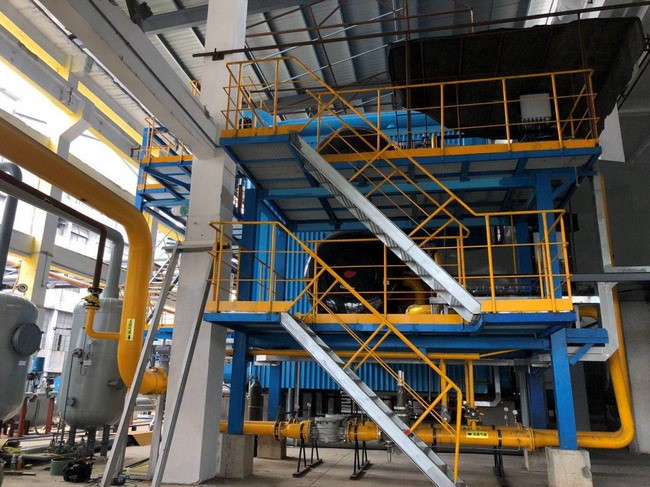
How Do You Ensure Emissions Compliance (NOₓ, SOₓ, CO₂) in Your Boiler Design?

As global and regional emissions regulations become more stringent, emissions compliance has become one of the most critical criteria when selecting an industrial steam boiler. Whether for NOₓ, SOₓ, CO₂, or particulate matter (PM), your boiler must meet specific limits defined by environmental authorities—often tied to permits, audits, or ESG performance reporting. Failure to comply can lead to penalties, shutdowns, or loss of operating licenses.

Buyers must ask how the supplier ensures that their boiler design complies with regional or international emission limits for NOₓ (nitrogen oxides), SOₓ (sulfur oxides), and CO₂ (carbon dioxide), and what technologies (low-NOₓ burners, FGR, SNCR, SCR, limestone injection, CEMS) are integrated or offered as options. They must also request guaranteed emissions values and real performance data across fuel types and load conditions.

A boiler that meets efficiency targets but fails emissions is still a failure.

Emissions compliance technologies—such as low-NOₓ burners, flue gas treatment systems, and real-time monitoring—are essential for legal operation and environmental responsibility in industrial steam boilers.True

Design-stage emissions engineering prevents costly retrofits and enables safe, compliant operation under evolving regulatory frameworks.

Key Emissions and Design Features to Discuss With Boiler Suppliers

1. What Are the Guaranteed Emissions Levels (mg/Nm³ or ppm)?

Emission TypeTypical LimitsCompliance Target
NOₓ (as NO₂)≤100–150 mg/Nm³ @ 3–6% O₂Europe, India, ASEAN
SO₂≤50–150 mg/Nm³Fuel sulfur content + mitigation
CO≤30–50 mg/Nm³Combustion tuning, excess air control
CO₂Not directly limited (yet)Tracked for ESG reporting, ETS
PM (dust)≤10–30 mg/Nm³Required for CE, EU, ULE standards

Ask:

  • Are these values guaranteed under specific load/fuel conditions?

  • Are emissions verified by third-party CEMS or manual testing?

  • Are NOₓ/SOₓ levels modulated by load or fixed per fuel curve?

2. What NOₓ Control Technologies Are Used in the Design?

TechnologyMechanismEffectiveness
Low-NOₓ burnerFlame shaping, air staging30–60% NOₓ reduction
Flue gas recirculation (FGR)Recirculates cooled flue gas to burnerUp to 20% NOₓ reduction
Overfire air (OFA)Introduces secondary air post-combustionUp to 40% NOₓ reduction
SNCR (Selective Non-Catalytic Reduction)Urea/ammonia injected at 850–1050°C50–70% reduction
SCR (Selective Catalytic Reduction)Catalyst + ammonia at 300–400°C85–95% NOₓ reduction

Ask:

  • What is the base NOₓ output with burner-only control?

  • Is SCR or SNCR offered as an integrated solution or optional add-on?

  • Can your system meet ultra-low NOₓ (e.g., <50 mg/Nm³) standards?

3. How Is SO₂ Controlled—Especially for Oil or High-Sulfur Fuels?

Control MethodApplicationSO₂ Reduction
Low-sulfur fuel useLFO, treated HFOFirst line of defense
Limestone injectionIn-furnace desulfurization50–70% SO₂ reduction
Dry sorbent injectionPost-combustion scrubbing60–80%
Wet scrubber (FGD)Chemical flue gas treatment90–99%
Dual-fuel switchingSwitch to gas as backupZero SO₂ emissions in gas mode

Ask:

  • Is sulfur content in fuel automatically compensated in dosing?

  • Can SO₂ reduction be retrofitted if local norms change?

  • Are dust/acid mist emissions after desulfurization also handled?

4. What Provisions Are Made for CO₂ Monitoring and Reporting?

CO₂ StrategyPurposeIntegration Level
Efficiency optimizationReduce CO₂/ton steamVia O₂ trim, burner tuning
CEMS monitoringRequired in EU, India, ETSReal-time data with cloud logging
Biomass/blended fuelsReduce net emissionsUp to 30% co-firing typically supported
Carbon capture readinessStack isolation for future retrofitOptional flue conditioning section

Ask:

  • Is CO₂ tracked or logged via CEMS or inferred from O₂/fuel data?

  • Do you provide tools for emissions inventory calculation?

  • Is the boiler “CO₂ capture ready” for future decarbonization?

5. Are Continuous Emissions Monitoring Systems (CEMS) Included?

Monitored GasesTypical SetupFunction
NOₓ, SO₂, CO, O₂CEMS stack probe + analyzerRegulatory proof, trend tracking
Calibration systemAuto zero/spanAccuracy assurance
Data interfacePLC/SCADA or cloud dashboardLocal and remote access

Ask:

  • Is CEMS hardware included or optional?

  • Are CEMS readings used for fuel-air adjustment (closed loop)?

  • Do you support EN 14181 (Europe) or EPA 40 CFR Part 60 (US)?

Example: Emissions-Engineered 15 TPH Oil-Fired Boiler

Fuel: LFO + backup HFO (1.8% sulfur)
Control Features:

  • Low-NOₓ burner with FGR (base NOₓ ≤135 mg/Nm³)

  • Limestone injection for SO₂ under HFO use

  • O₂ trim with closed-loop modulation (3.2% excess air)

  • Stack-integrated CEMS (NOₓ, SO₂, CO, CO₂, O₂)

  • CO₂ emissions logged hourly and exported as CSV

Emissions Performance:

ParameterLFO ModeHFO Mode
NOₓ124 mg/Nm³138 mg/Nm³
SO₂<20 mg/Nm³88 mg/Nm³
CO27 mg/Nm³33 mg/Nm³
CO₂~95 kg/GJ~101 kg/GJ

Summary

Emission control is engineering—not luck. Ask your boiler supplier to show you the technologies, tuning logic, and guarantees that keep NOₓ, SOₓ, and CO₂ within legal limits—even across different fuels and loads. Don’t just aim for heat—aim for clean, compliant combustion that satisfies inspectors and stakeholders alike. Choose precision-engineered emissions control. Choose performance that passes the audit. Choose a boiler that breathes cleanly—by design.
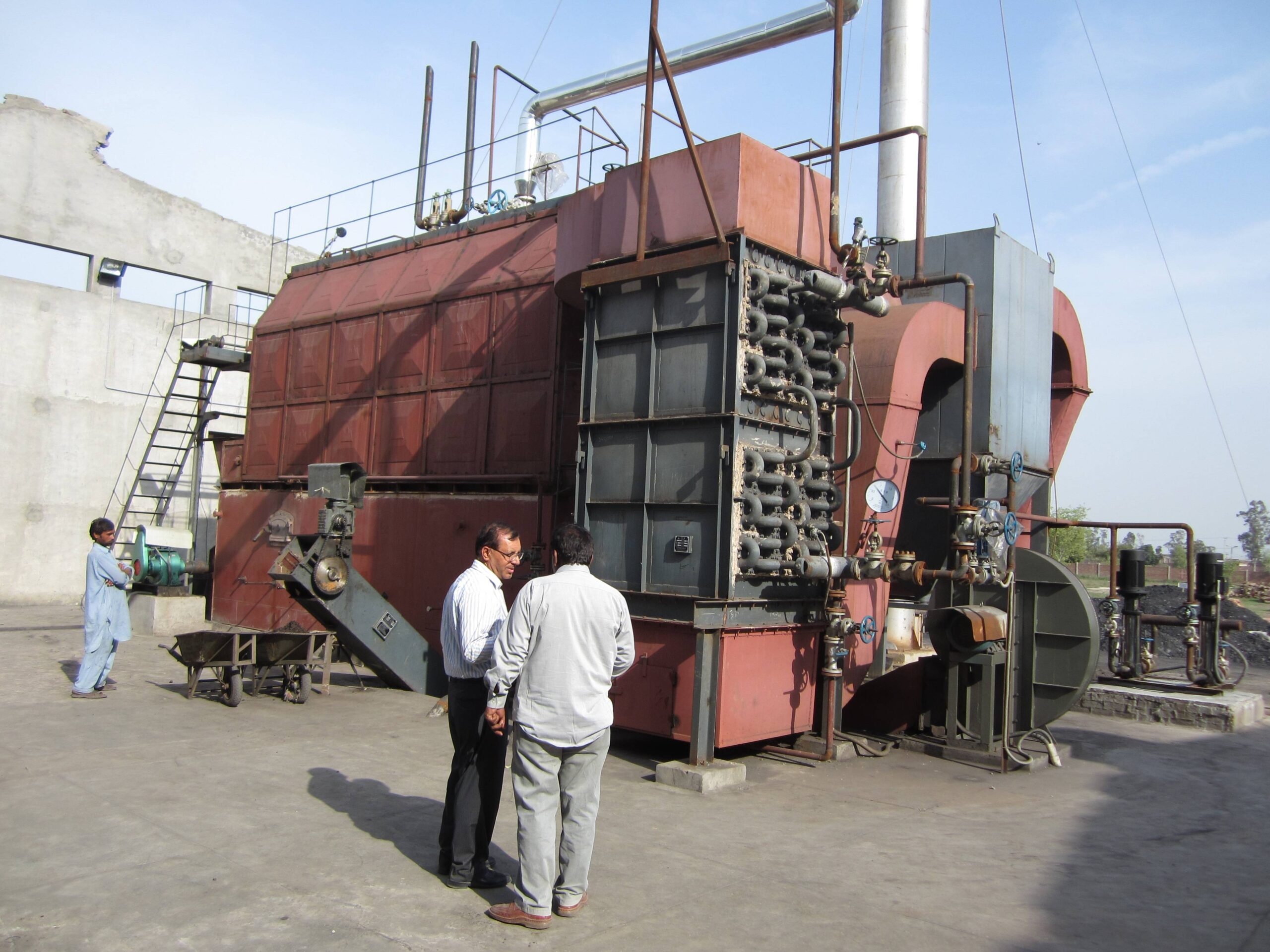
What After-Sales Services, Spare Parts Support, and Maintenance Plans Are Included?

Purchasing an industrial steam boiler is a long-term investment, not just in equipment, but in the services, systems, and support that keep it running. Once the flame is lit, your real challenge begins: keeping the boiler operating efficiently, safely, and within emissions and uptime targets for years—sometimes decades. That’s where after-sales services, spare parts logistics, and proactive maintenance planning make all the difference between predictable uptime and costly disruptions.

Buyers must ask what specific after-sales support the supplier includes in the purchase—such as on-site inspections, remote diagnostics, spare parts kits, and preventive maintenance schedules—and whether they offer service contracts (basic, extended, full lifecycle). Also confirm spare parts delivery SLAs, digital support tools, and emergency response timelines.

If you’re buying a boiler, you’re also buying a partnership. Make sure it’s built to last.

After-sales service, spare parts support, and structured maintenance plans are essential for the safe, efficient, and continuous operation of industrial steam boilers.True

Proactive support minimizes downtime, ensures emissions compliance, and extends equipment lifespan—key factors for lifecycle cost control and safety assurance.

Key After-Sales Service Areas to Confirm With Your Boiler Supplier

1. What Is Included in the Standard After-Sales Support Package?

Service AreaStandard Inclusions
Commissioning supportOn-site engineer, burner tuning, SCADA test
TrainingInitial operator and maintenance training
Inspection1-year checkup or follow-up visit
Hotline accessTechnical support (often business hours)
DocumentationFull QA dossier, spare parts list, wiring diagrams

Ask:

  • Are support visits included in the warranty period?

  • Is commissioning performed by in-house engineers or contractors?

  • Can you provide remote support post-handover?

2. What Spare Parts Strategy and Inventory Are Offered?

Part TypeAvailability Expectation
Critical spares (burner, sensors, actuators)On-site or <48 hours delivery
Wear parts (gaskets, filters, igniters)Annual or quarterly kits
Long-lead items (PLC, fans, refractory)4–10 weeks with planning
Digital parts catalogueQR or serial traceable

Ask:

  • Is a 1- or 2-year spare parts kit provided at handover?

  • Do you have regional spare parts stock?

  • Can spare parts be auto-replenished based on usage data?

3. What Maintenance Plans Are Offered Post-Commissioning?

Plan LevelInclusionsBest Use Case
Basic planHotline, annual checkLow-duty systems
Extended planQuarterly tuning, O₂ trim, parts discountsMedium-load plants
Full lifecycle24/7 support, CEMS monitoring, KPIsContinuous-process industry

Ask:

  • Are performance KPIs (efficiency, uptime) included in the plan?

  • Do you offer burner-only or control-only support packages?

  • Is there a digital maintenance dashboard?

4. What Response Times and Emergency Support Are Guaranteed?

Fault TypeRecommended SLA
Major fault/shutdownEngineer on-site in ≤48 hrs
Remote diagnosisResponse in ≤2 hrs
Spare parts dispatchIn-stock parts shipped same day
CEMS/emissions issueWithin 24–72 hrs (audit risk)

Ask:

  • Do you provide SLAs in writing as part of your service contract?

  • What is your actual response time performance history?

  • Are support staff based regionally or at HQ?

5. Is There Ongoing Support for Controls, Efficiency, and Emissions?

Support AreaTypical Inclusions
Remote tuningAdjust burner curve, O₂/CO trim
Efficiency trackingDashboard or monthly reports
Emissions reportingNOₓ, SO₂, CO trend logs
Upgrade advisoryAlerts for parts nearing obsolescence

Ask:

  • Can we upgrade burner logic or PLC remotely?

  • Is remote access encrypted and secure?

  • Are emissions alerts linked to SCADA or cloud tools?

Sample Boiler Support Plan Snapshot – 10 TPH LFO Unit

Standard Package (included):

  • Commissioning + 5 days O&M training

  • 1-year technical hotline (business hours)

  • Digital QA book and maintenance manual

  • Recommended 2-year spare parts list

Optional Maintenance Add-on:

ServiceFrequency
Burner tuning + O₂ trimQuarterly
Refractory inspectionSemi-annual
CEMS calibrationAnnual
Operator refresher trainingAnnually

Response Time Performance:

  • Remote support: 92% of issues solved in <4 hours

  • Engineer dispatch: 95% within 48 hrs

  • Parts delivery: 90% of stocked spares in <72 hrs

Summary

Boiler uptime is engineered not just through metallurgy—but through service. When evaluating suppliers, demand clarity on spare parts logistics, SLA-backed support, and structured maintenance planning. Don’t buy a system that works only until the first fault—choose a boiler backed by a team built for the long haul. Choose predictable support. Choose reliable steam. Choose service as powerful as the flame.

🔍 Conclusion

Asking the right technical, regulatory, and service-related questions helps you identify a supplier that not only delivers quality equipment but also supports operational efficiency, safety, and compliance. A trusted industrial steam boiler partner will offer customized engineering, responsive support, and full lifecycle value to ensure your system performs as promised.


📞 Contact Us

💡 Need assistance evaluating steam boiler suppliers? Our team provides technical audits, supplier vetting, and bid evaluation services for industrial steam projects of all sizes.

🔹 Let us help you select a steam boiler supplier who delivers performance, reliability, and results. ♨️🏭✅

FAQ

What certifications and quality standards does your boiler meet?

Ensure the supplier complies with:

  • ASME Boiler & Pressure Vessel Code

  • ISO 9001 / ISO 14001

  • CE or PED for international projects

  • Local safety and emissions regulations
    These standards verify product reliability, safety, and eligibility for global installations.

What are the steam capacity, pressure, and efficiency ratings?

Ask for:

  • Max steam output (TPH)

  • Operating pressure and temperature

  • Thermal efficiency (aim for ≥85%)

  • Whether it includes economizers or condensing systems for efficiency gains
    This helps ensure the boiler matches your process requirements and energy goals.

What fuels are supported, and can the boiler be dual-fuel or future-ready?

Clarify fuel compatibility:

  • Natural gas, oil, coal, biomass, LPG, or dual-fuel capability

  • Fuel-switching options in case of price or supply fluctuations

  • Emissions compliance with low-NOx, sulfur, or PM controls
    Fuel flexibility enhances long-term operational and financial adaptability.

What customization options and control systems are available?

Ask whether the boiler can be tailored for:

  • Specific plant space constraints

  • Automation levels (PLC/SCADA integration)

  • Remote monitoring or IoT-enabled diagnostics

  • Redundancy features (backup burners, dual feedwater pumps)

What after-sales service and spare parts support do you offer?

Confirm the supplier provides:

  • On-site commissioning and training

  • Spare parts availability for 10–15+ years

  • Planned maintenance contracts

  • 24/7 technical assistance or remote service platforms

  • Performance guarantees or SLAs (Service Level Agreements)

References

  1. ASME Boiler Code Certification Guidehttps://www.asme.org

  2. Steam Boiler Efficiency Benchmarks – DOEhttps://www.energy.gov

  3. Fuel Type Compatibility in Industrial Boilershttps://www.epa.gov

  4. ISO Certified Boiler Manufacturer Listingshttps://www.iso.org

  5. Vendor Evaluation and Selection Criteria – IEA Reportshttps://www.iea.org

  6. Smart Boiler Monitoring and Control Solutionshttps://www.automation.com

  7. Boiler Maintenance and Lifecycle Planning Toolshttps://www.sciencedirect.com

  8. Customer Feedback and Supplier Ratingshttps://www.trustpilot.com

  9. Boiler Customization Best Practiceshttps://www.researchgate.net

  10. Boiler Parts and Service Logistics Guidelineshttps://www.bioenergyconsult.com

Wade Zhang

CEO of Taishan Group Taian Boao International Trade Co., Ltd. 30 years experience in Global industrial boiler market,  Over 300 boiler projects experience, including 21+ EPC projects. Projects span 30+ countries & regions, involving industries such as nuclear power, energy & electricity, municipal heating, mining, textiles, tires etc.

Key Questions to Ask Potential Industrial Steam Boiler Suppliers Read More »

How to Assess After-Sales Support and Maintenance Services for Industrial Oil-Fired Boilers

How to Assess After-Sales Support and Maintenance Services for Industrial Oil-Fired Boilers

Purchasing an industrial oil-fired boiler is not just a one-time transaction—it’s a long-term operational partnership. While boiler design and efficiency are critical, the quality of after-sales support and maintenance services directly impacts system uptime, fuel efficiency, emissions compliance, and total cost of ownership. Poor support can lead to delayed repairs, production losses, safety risks, and rising maintenance costs.

To assess after-sales support and maintenance services for an industrial oil-fired boiler, evaluate the supplier’s service network, response times, preventive maintenance offerings, spare parts availability, remote monitoring capabilities, training programs, and warranty terms. Ask about service contracts, 24/7 support, emergency response protocols, and historical performance with other clients. A dependable supplier should offer structured maintenance plans, expert field technicians, and digital tools to monitor and optimize boiler performance.

Here’s a practical checklist to help you evaluate a supplier’s support quality before making your investment.

Oil and gas boiler

What Types of Service Contracts Are Available (Basic, Extended, Full Lifecycle)? 

In the demanding world of industrial oil-fired boilers, after-sales service is not just support—it is a strategic element of plant performance. Whether your boiler runs on light fuel oil (LFO), heavy fuel oil (HFO), or biodiesel blends, it will eventually face burner degradation, fouling, sensor drift, or efficiency losses. A structured service contract—matched to your operational intensity and compliance profile—is essential to safeguard uptime, control O&M costs, and ensure emissions legality.

Buyers must assess what types of service contracts the boiler manufacturer or service provider offers—ranging from basic technical support to extended maintenance and full lifecycle performance-based agreements. Each contract level must clearly outline scope, frequency, parts coverage, service SLAs, and whether digital diagnostics and emissions compliance monitoring are included.

Choosing the right service tier ensures peace of mind, planned downtime, and total cost predictability over years of operation.

Industrial oil-fired boiler service contracts—including basic, extended, and full lifecycle agreements—are essential to maintaining efficiency, emissions compliance, and equipment availability.True

Structured maintenance plans reduce unplanned downtime, ensure fuel economy, and guarantee regulatory alignment throughout the boiler’s operational life.

Types of Boiler Service Contracts to Consider

1. Basic Service Contract – For Minimalist Operations and Stable Loads

InclusionsTypical ScopeIdeal For
Annual inspection1 visit/yearLow-hour operations
Hotline supportBusiness hours onlyRemote problem triage
Spare parts list updateBasic wear and tear partsManual inventory restocking
Minor tuningCO/O₂ adjustmentOne-time fuel switch or seasonal load

Ask:

  • What is the guaranteed response time for on-call support?

  • Is combustion tuning included or chargeable?

  • Are inspection reports digitized?

2. Extended Maintenance Contract – For Active Plants with Load Cycles

InclusionsTypical ScopeIdeal For
Quarterly site visitsMechanical + burner inspectionsMedium-load operations
Combustion diagnosticsO₂/CO/NOₓ tuningEfficiency assurance
Wear parts replenishmentGaskets, sensors, ignitersDelivered automatically
Training refreshersOperators, DCS usersKnowledge retention
Emissions compliance checksStack analysis, tuningRegulated facilities

Ask:

  • Are spare parts costs bundled or separate?

  • Can we schedule visits during low-load periods?

  • Are tuning parameters tracked over time?

3. Full Lifecycle Contract – For High-Load or Mission-Critical Plants

InclusionsTypical ScopeIdeal For
24/7 remote diagnosticsVPN or cloud-based monitoringBase-load power plants
Performance guaranteesEfficiency ≥ specified %, uptime ≥ X%KPI-based contracts
CEMS integration supportNOₓ, SOₓ, CO auto-loggingEmissions-regulated plants
Complete spares management2–3 year parts strategyZero-delay restocking
Lifecycle upgradesControl, burner, emission systemsRetrofit and expansion coverage

Ask:

  • Is uptime performance backed by penalties or incentives?

  • How is CO₂ or fuel efficiency tracked over time?

  • Can the service contract be transferred in case of ownership change?

4. Hybrid or Custom Packages – For Multi-Unit or Mixed-Fuel Installations

Flexible Add-onsUse Case
Emissions-only compliance planFor dual-fuel units in urban zones
Burner-only tuning + maintenanceFor HFO systems with fouling issues
Control system upgrades (PLC/HMI)SCADA integration or remote alerts
Data analytics dashboardEfficiency, cost/ton steam, uptime trends

Ask:

  • Can you mix coverage for different boiler models?

  • Is digital dashboard access shared across units?

  • Are analytics tied to operator feedback?

Sample Comparison Table of Service Contracts

FeatureBasicExtendedFull Lifecycle
Annual inspection
Remote diagnosticsOptional✅ (24/7)
Emissions tuning
Spare partsBuyer-managedSharedFully managed
Performance reportsManualQuarterlyMonthly + Dashboard
SLA-based support72 hrs<24 hrs guaranteed
Uptime/efficiency guarantee✅ (95–98% uptime)

Summary

Your industrial oil-fired boiler’s performance is only as strong as the service framework behind it. The right contract—basic, extended, or full lifecycle—aligns maintenance, emissions, and spares to your exact operational tempo. Ask for written terms, historical support metrics, and clarity on included KPIs. Don’t gamble on reliability—contract it. Because in fuel-fired systems, support is your second burner—and readiness is your best insurance. Choose a contract that burns as reliably as your boiler.

How Quickly Can the Supplier Respond to Emergencies or Unplanned Outages?

In industrial oil-fired boiler operations, an unplanned outage can mean halted production, missed energy targets, or even safety hazards. Whether caused by burner failure, fuel supply disruption, refractory damage, or control system faults, your ability to recover quickly depends entirely on how fast and effectively the boiler manufacturer or service partner can respond. Emergency response time is not just a service detail—it’s a direct measure of how well your supplier protects your uptime, safety, and compliance obligations.

Buyers must confirm the supplier’s emergency response protocol—including hotline availability, dispatch timelines, critical spares mobilization, remote diagnostic access, and escalation hierarchy. Contracts should define service level agreements (SLAs) for emergency intervention, and historical metrics should prove the supplier’s real-world responsiveness.

In high-dependency boiler systems, delays of even 12–24 hours can lead to lost batches, fuel waste, or breach of permit limits. Always ask how quickly help arrives—before it’s too late.

Rapid emergency response is a vital part of industrial oil-fired boiler after-sales support to minimize downtime, ensure safety, and maintain process continuity.True

Unplanned boiler faults require immediate technical attention. Response time determines operational losses and recovery effectiveness.

Key Aspects of Emergency Service Responsiveness

1. Is 24/7 Technical Support Available?

Support TierAvailabilityBest Practice
Basic hotlineWeekdays only, office hoursLimited use in high-risk applications
Extended support12–16 hrs/day including weekendsUseful for daytime O&M support
Full emergency support24/7 with SLA response timesRequired for continuous-process plants

Ask:

  • Do you have a dedicated emergency hotline or ticketing system?

  • Are engineers available directly or routed through agents?

  • What is your weekend and holiday coverage policy?

2. What Are the Standard and SLA Response Times?

Fault SeverityResponse Target (Best Practice)Actions Expected
Critical fault (shutdown)Remote support in <2 hrs, on-site in <24–48 hrsVPN login, engineer dispatch
Medium fault (performance drop)<24 hrs remote, <72 hrs on-siteAdjustment via SCADA, parts proposal
Minor (sensor drift, alarm)Next business dayRemote tuning or on-site scheduled
Parts-only issue<5 working days unless pre-stockedCourier or airfreight delivery

Ask:

  • Can you provide SLA documents with time guarantees?

  • What is your engineer dispatch window for shutdown events?

  • Do you use regional partners to reduce time-to-site?

3. Are Remote Diagnostics and Fault Logging Integrated?

FeatureFunctionEmergency Value
VPN/cloud accessImmediate system login by service teamDiagnoses faults before dispatch
Alarm history loggingSee fault sequencePinpoints root cause fast
Real-time data trendLoad, temp, O₂, emissionsPrevents recurrence with tuning
SMS/email fault triggersAlert teams instantlyEscalation without operator delay

Ask:

  • Is remote support available 24/7 or by subscription?

  • Can fault logs be exported and analyzed remotely?

  • Do you have automated escalation for persistent alarms?

4. How Are Spare Parts Handled During an Emergency?

Spare TypeRecommended PracticeSupplier Role
Critical spares (burner, flame detector)On-site or <72 hrs deliverySupplier-managed stock
Long-lead spares (motor, panel)Pre-ordered during LTSAOffered with stocking agreement
Freight coordinationAir express or regional courierIncluded in emergency logistics
Reordering systemDigital request portalQR-code or ERP-integrated

Ask:

  • Do you maintain pre-positioned stock for our region?

  • Can you dispatch parts on weekends/holidays?

  • Are courier/shipping delays factored into SLA windows?

5. What Historical Metrics Demonstrate Responsiveness?

Performance IndicatorAcceptable Benchmark
% critical calls answered within 2 hrs≥90%
On-site arrival within SLA (e.g., 48 hrs)≥95%
Remote fault closure success rate≥80%
Parts shipped within SLA≥95% accuracy

Ask:

  • Can you provide annual response KPIs?

  • What % of emergency calls are solved without site visit?

  • How many repeat clients have renewed support contracts?

Case Snapshot: 10 TPH HFO Boiler at a Food Processing Plant

Issue: Sudden burner flameout and control panel fault at 3:00 AM
Support Timeline:

  • 3:05 AM – Alarm auto-escalated via SMS/email to supplier

  • 3:12 AM – Remote engineer logged in via VPN

  • 3:34 AM – Issue traced to oxidized flame sensor

  • 3:50 AM – Boiler restarted with backup sensor from on-site kit

  • 4:20 AM – Official trip report logged and emailed

Total downtime: 1 hour 20 minutes
Result: No production loss, no safety trigger, fault closed remotely

Summary

Speed saves steam. A boiler manufacturer’s emergency response capacity is the difference between recovery and regret. Always confirm their hotline availability, on-site dispatch capability, remote access tools, and SLA metrics. In a real emergency, you won’t have time to read the manual—you’ll need a partner already on the line. Choose support that shows up when it matters. Choose response that works in real time—not just on paper.

What Is the Availability and Lead Time for Critical Spare Parts and Consumables?

No matter how advanced your industrial oil-fired boiler may be, it’s only as reliable as the availability of its spare parts and consumables. Downtime caused by a failed igniter, clogged filter, leaking gasket, or faulty sensor can quickly halt production or breach emissions compliance—unless your supplier has a parts supply system engineered for speed, accuracy, and predictability. Evaluating this readiness is essential when selecting a boiler manufacturer or long-term service partner.

Buyers must ask about the inventory levels and lead times for critical components like burners, sensors, gaskets, flame detectors, actuators, and control modules. Also inquire about warehousing strategy (on-site vs regional), delivery SLAs, and whether parts lists are digitized for traceable reordering. The more precise and proactive the spare parts system, the less operational risk you carry.

A boiler without timely access to parts is a liability. Spare parts planning is not optional—it’s strategic insurance.

Timely availability of spare parts and consumables is essential to minimizing downtime and maintaining safe, continuous operation of industrial oil-fired boilers.True

Critical boiler components must be available within short lead times, especially in high-load, continuous process environments. A robust parts logistics system reduces risk, costs, and compliance failures.

Key Factors to Assess in Spare Parts Availability and Lead Time

1. What Spare Parts Are Considered Critical and What Is Their Stock Status?

ComponentCriticalityStock Recommendation
Igniter & flame sensorHigh – trip risk2–4 units on-site
Burner nozzleHigh – fuel deliveryStocked or <3 days
Control panel PLC/HMIHigh – system shutdown1 full backup or SLA within 5 days
Thermocouples/O₂ sensorsMedium – affects efficiency/safetyOn-site + annual kit
Gaskets, valves, filtersMedium – wear itemsSite-level inventory quarterly replenished

Ask:

  • Which spares are classified as critical for your system?

  • Can you supply a 2-year recommended spare parts list?

  • Do you offer pre-packed kits by runtime hours (e.g., 8,000 hr maintenance)?

2. What Are the Typical Lead Times for Spare Part Delivery?

Spare TypeStandard Lead TimeBest Practice
Local stock parts24–72 hoursDispatched same day
Regional warehouse stock3–5 working daysAirfreight option available
Factory-only stock3–8 weeksForecasted ordering required
Custom or OEM-dependent items6–10 weeksManaged via LTSA planning

Ask:

  • Where is your nearest warehouse or distribution partner?

  • What’s your express delivery time for igniters, flame sensors, and actuators?

  • Can you commit to lead times in a written SLA?

3. Is There a Spare Parts Logistics and Forecasting System?

Tool/FeatureFunctionalityBenefits
Digital BOMQR or tagged part IDsSimplifies reordering
Reorder alert systemBased on runtime or stockoutPrevents emergency shortages
Historical usage trackingAnalyzes wear rateOptimizes maintenance intervals
ERP/CMMS integrationAuto-order from DCSStreamlines inventory planning

Ask:

  • Can we link your parts list to our ERP or maintenance system?

  • Is your parts catalogue searchable and digitally indexed?

  • Do you offer proactive replenishment plans?

4. Do You Offer On-Site Stocking or Consignment Options?

Stocking ModelMechanismUse Case
On-site critical sparesOwned by client, managed by vendorHigh-dependency plants
Consignment stockSupplied by vendor, paid on useBudget-conscious operations
LTSA bundled kitsAnnual or runtime-based packsPlanned outage synchronization

Ask:

  • Can you preload a 1-year spare kit during commissioning?

  • Do you offer consignment for flame detectors and burner parts?

  • Will unused consignment stock be buy-back eligible?

5. How Is Emergency Delivery Handled for Unplanned Events?

ScenarioExpected Response
Burner trips on Friday nightDispatch Saturday morning via express
Sensor failure during audit24–48 hrs courier delivery
Refractory seal failureEngineering team + parts in <72 hrs
Panel short-circuitPriority build + shipment ≤7 days

Ask:

  • What’s your emergency dispatch policy?

  • Is weekend/holiday shipping available?

  • Do you log historical emergency fulfillment data?

Sample Boiler Spare Parts Readiness Table

ComponentStock LevelDelivery SLAUsage Forecast
Flame detector2 per unit on-site<48 hrs if reorderReplace every 6–8 months
Burner nozzle3 per burner in stock<72 hrsChange every 4,000 hrs
HMI screen (touch)1 in consignment stock≤5 daysLifetime ~5 years
Gasket setFull kit/year stockedQuarterly deliveryBased on 8,000 hrs
Filter cartridge4 per year prepackedLocal shipmentMonthly rotation

Summary

Spare parts are the lifeline of your industrial oil-fired boiler—especially when failure isn’t a question of “if,” but “when.” Don’t wait until an outage to discover your supplier’s logistics limits. Demand a proactive, transparent, and SLA-backed spare parts plan with defined lead times, replenishment tools, and emergency response mechanisms. Because the true test of a service partner isn’t at commissioning—it’s at crisis. Choose a supplier who doesn’t just build boilers—but delivers continuity, fast.

Does the Supplier Offer Remote Diagnostics, Performance Monitoring, or Automation Support?

Today’s industrial oil-fired boiler environment demands more than mechanical reliability—it requires intelligent connectivity. Whether your boiler runs on LFO, HFO, or a biodiesel blend, consistent performance depends on real-time monitoring, predictive diagnostics, and smart automation. With energy costs rising and emissions limits tightening, boiler operators must act faster and more precisely. That’s only possible if the supplier offers remote access, integrated sensors, control logic optimization, and actionable performance data—all managed through a reliable support platform.

Buyers must verify if the boiler manufacturer or service provider offers embedded remote diagnostics, SCADA integration, condition monitoring, and automation support. These capabilities reduce unplanned downtime, optimize fuel usage, enable emissions compliance, and support continuous commissioning—even from hundreds of kilometers away.

If your supplier isn’t connected to your boiler, then neither are you.

Remote diagnostics, real-time performance monitoring, and automation support are essential features of modern industrial oil-fired boiler maintenance and efficiency optimization.True

Digital monitoring and smart automation help identify faults early, reduce operating costs, and ensure compliance across variable load and fuel conditions.

Key Questions to Ask About Remote Monitoring and Automation Capabilities

1. What Remote Diagnostics Are Available?

FeatureFunctionalityEmergency Value
VPN/cloud accessSecure login for off-site troubleshootingSpeeds fault resolution
Real-time system viewBurner status, fan speeds, O₂/CO dataEnables quick decisions
Alarm/event log reviewAnalyzes fault sequencesPrevents recurrence
Remote tuningAdjust PID, fuel-air ratio, or purge logicAvoids site visit delays

Ask:

  • Can your service team log into the system remotely?

  • Is remote tuning available for all major subsystems?

  • Are diagnostic events timestamped and archived?

2. What Performance Monitoring Tools Are Included?

Monitored ParameterUsageTool
Thermal efficiency trendFuel cost, combustion healthGraphical dashboard
O₂, CO, NOₓ levelsEmissions compliance, tuningCEMS-linked module
Fuel flow rateLoad matching, waste analysisFlowmeter integration
Load vs efficiencyPart-load penalty trackingTurndown optimization
Burner flame stabilityReliability indexVisual or infrared sensors

Ask:

  • Is there a live dashboard or mobile interface?

  • Are trends exportable for reporting/audits?

  • How are warnings or anomalies escalated?

3. Is SCADA/DCS Integration Supported?

Integration ScopeSupported ProtocolsBenefits
Command/data linkModbus, OPC-UA, ProfibusSCADA sync
Real-time HMI sharingDCS <=> OEM PLCFaster troubleshooting
Alarm replicationBoiler <=> plant SCADAUnified visibility
Historical log pass-throughCentral server storageSimplified audits

Ask:

  • Can your PLC be integrated with our plant SCADA?

  • Are protocol converters or gateways supplied?

  • Is full read/write access enabled with protections?

4. What Automation Support Is Offered for Combustion and Efficiency?

FunctionPurposeAutomation Type
Fuel/air ratio trimMaintain optimal combustionClosed-loop PID
Burner modulationMatch load curve efficientlyVFD + logic loop
Load ramping logicSmooth transitionsProgrammable PID set
Fault recoverySafe and fast re-startAuto purge + retry cycle
Blowdown/soot controlMaintain boiler cleanlinessTimed or sensor-triggered

Ask:

  • Is the control logic adjustable based on fuel type?

  • Can we change ramp curves or purge durations?

  • Is there a failsafe or fallback manual mode?

5. Are Long-Term Trends and Predictive Alerts Available?

Trend AnalyticsMonitoring Benefit
Combustion driftEarly warning for sensor/calibration issues
Fuel efficiency declineIndicates burner wear or fouling
Repeated trip patternsSignals root-cause troubleshooting needs
Refractory temp trendDetects erosion or lining damage

Ask:

  • How long is data stored and how can it be accessed?

  • Are monthly or quarterly efficiency/emissions reports available?

  • Can you add AI-driven predictive maintenance modules?

Sample System: Remote-Supported 8 TPH LFO Boiler

Digital Support Features:

  • Cloud-based HMI mirroring with real-time alarms

  • VPN access for burner tuning and interlock logic override

  • SCADA integration with Modbus TCP/IP

  • Efficiency dashboard with CO, O₂, and fuel flow plotted hourly

  • Emissions trend linked to CEMS with alert thresholds

Response Performance:

  • 92% of remote faults resolved in <6 hours

  • Emissions tuning achieved <40 mg/Nm³ CO without site visit

  • Burner re-tuned for 30% biodiesel blend remotely over 2 days

  • Operator received digital report with tuning log and before/after trend chart

Summary

Modern boiler reliability depends on modern connectivity. A supplier that offers remote diagnostics, performance tracking, and full automation support isn’t just delivering combustion hardware—they’re providing digital continuity, emissions stability, and operational foresight. Always confirm that your boiler is built to be seen, tuned, and understood from anywhere—before you face a fault you can’t diagnose fast enough. Choose visibility. Choose intelligence. Choose a boiler you can manage from the palm of your hand.

Are Training Programs Available for On-Site Operators and Maintenance Staff?

Even the most advanced industrial oil-fired boiler will fail to deliver efficiency, safety, and emissions compliance if its operation and maintenance are misunderstood. The human factor—your on-site operators and technicians—is essential to executing optimal start-up, shutdown, load control, burner management, and emergency response. Without structured training, the result is fuel waste, equipment damage, and unscheduled outages. That’s why professional training programs are a non-negotiable component of post-sale support.

Buyers must evaluate whether the boiler supplier offers structured training programs tailored to operators, maintenance teams, and control room personnel. These should include both theoretical instruction and hands-on practice—covering standard operation, troubleshooting, tuning, emergency procedures, and routine inspection protocols. The best suppliers offer modular, periodic training and refreshers aligned with real boiler runtime.

Training is not a one-time formality—it is a continuous asset that safeguards your boiler’s lifecycle value.

Operator and maintenance training is essential for the safe, efficient, and reliable operation of industrial oil-fired boilers.True

Trained personnel can detect early faults, prevent performance losses, and ensure long-term compliance with operational standards and safety protocols.

Key Components of a Robust Boiler Training Program

1. Who Is the Training Designed For?

RoleTraining Focus
Boiler operatorsStart/stop sequences, control logic, alarms
Maintenance teamBurner cleaning, sensor checks, gasket replacement
Electrical techniciansPLC/HMI functions, fault reset, signal testing
Shift supervisorsPerformance monitoring, fault escalation

Ask:

  • Are programs available for both operators and maintenance teams?

  • Can training be customized by role, experience level, or fuel type?

  • Are trainees evaluated for competency or certification?

2. What Are the Training Formats Offered?

FormatMethodUse Case
Classroom instructionTheory + visual aidsNew operator onboarding
Hands-on field trainingBoiler room walk-through, live equipmentBurner tuning, inspections
Control room simulationSCADA/HMI mimic panelAlarm response, efficiency tuning
Digital/remote modulesOnline videos, quizzesRefresher training, low-risk facilities
Maintenance toolkit sessionsReal parts, wear analysisPreventive maintenance teams

Ask:

  • Is hands-on training included during commissioning?

  • Do you offer follow-up or refresher sessions annually?

  • Is training available in multiple languages or local dialects?

3. What Is Covered in the Training Curriculum?

Training TopicDetails Included
Boiler overviewFuel system, burner, air fans, controls
Safe startup/shutdownInterlocks, purge cycles, temperature ramping
Alarm handlingCO trip, flame failure, oil pressure drop
Combustion optimizationFuel/air ratio, O₂ tuning, CO monitoring
Routine maintenanceCleaning schedules, sensor calibration, gasket checks
Emergency scenariosFlame loss, refractory cracks, feed pump failure
Compliance and documentationLog sheets, emissions records, inspection forms

Ask:

  • Is a standard syllabus or training manual provided?

  • Are burner-specific procedures taught (LFO, HFO, biodiesel)?

  • Do you include CEMS and emissions response procedures?

4. Is Certification or Assessment Provided?

Evaluation TypePurpose
Written testValidate theory comprehension
Hands-on checklistConfirm physical competence
Troubleshooting simulationReal-time alarm navigation
Certificate of completionInternal HR and audit tracking

Ask:

  • Are participants tested and certified?

  • Can results be used for compliance documentation?

  • Do you issue training records aligned with ISO 9001 audits?

5. Is Periodic Retraining or Update Support Available?

Retraining TriggerInterval or Event
Operator turnoverNew hire onboarding
Fuel switch (e.g., HFO to biodiesel)Within 1 month of change
Emissions non-complianceAs part of mitigation plan
System upgrade (e.g., PLC, burner)Pre-commissioning
Annual refresherEvery 8,000–12,000 hours runtime

Ask:

  • Do you offer yearly or biannual training packages?

  • Are online refresher modules available for shift teams?

  • Can sessions be scheduled with preventive maintenance plans?

Example: Training Program for 10 TPH Dual-Fuel Boiler (LFO/HFO)

Delivered During Commissioning:

  • Day 1: Classroom (fuel system, burner operation, safety logic)

  • Day 2: Field walkthrough (igniter testing, control panel operation)

  • Day 3: Start-up/shutdown simulation and SCADA alarm testing

  • Day 4: Maintenance team training on filter cleaning, gasket replacement, flame detector testing

  • Assessment: 25-question test + 10-point hands-on checklist

  • Certificate Issued: 12-month validity, recorded in plant log

Refresher Plan: Scheduled after 8,000 hours or at first fuel switch to 20% biodiesel blend

Summary

Training transforms a machine into a safe, productive, and compliant energy system. Don’t settle for delivery-day walkthroughs—insist on structured, role-specific, evaluated training modules that empower your team to operate the boiler confidently and efficiently. A great boiler is only as strong as the hands—and minds—that run it. Choose skill. Choose preparation. Choose a supplier that trains for the full lifecycle, not just the first flame.

What Are the Warranty Terms, and How Are Service Responsibilities Handled Post-Commissioning?

In the lifecycle of an industrial oil-fired boiler—especially one operating on high-duty cycles or heavy fuel oils (HFO)—the transition from commissioning to operational maturity is a critical phase. Warranty coverage and clearly defined service responsibilities ensure that any post-startup defects, premature wear, or component failures are swiftly addressed without unexpected costs. These commitments form the safety net that guarantees your investment’s operational and financial viability.

Buyers must clarify the supplier’s standard warranty terms (typically 12–24 months), what is covered (parts, labor, burner, controls), and how service claims are managed post-commissioning. They must also determine which responsibilities shift to the operator and what ongoing support—preventive visits, spares, remote diagnostics—are included or optional.

A vague or limited warranty exposes your operations to risk. A strong post-commissioning support framework turns risk into reliability.

Warranty terms and post-commissioning service responsibilities are essential to ensure long-term performance, risk mitigation, and lifecycle cost control in industrial oil-fired boiler systems.True

Defined warranty coverage and structured after-commissioning support protect the buyer from unexpected downtime, maintenance costs, and performance loss.

Key Questions to Ask About Warranty and Post-Commissioning Service Coverage

1. What Is the Standard Warranty Duration and Scope?

Warranty CategoryTypical DurationCoverage Detail
Mechanical components12–24 months from commissioning or deliveryBoiler pressure parts, pumps, valves
Burner system12 months or up to 8,000 hoursNozzle, igniter, flame scanner
Control system12 months from handoverPLC, HMI, sensors
Installation workmanship12 months from startupPiping, cabling, anchoring
Extended warranty (optional)Up to 36 monthsLinked to LTSA or performance guarantees

Ask:

  • When does the warranty clock start—delivery or commissioning?

  • Are both spare parts and labor covered under warranty?

  • Is wear and tear on burner nozzles or sensors included?

2. How Are Warranty Claims Handled?

StepResponsibilityTimeline Benchmark
Fault report submissionBuyer/O&M logs issue<24 hrs post-event
Initial assessmentSupplier via remote diagnostics<48 hrs
On-site visit (if needed)Supplier service engineer<72 hrs for critical faults
Part replacementSupplier delivers or installs≤5 working days
Warranty closureSigned report with root cause7–14 days from issue

Ask:

  • Is there a formal claim procedure with ticket numbers and SLAs?

  • Are emergency faults prioritized with dispatch guarantees?

  • Can we assign a plant-level warranty coordinator?

3. What Is Excluded From Warranty Coverage?

Exclusion TypeTypical Justification
Operator misuseManual overrides, wrong fuel, missed purge
Lack of maintenanceIgnored filter change, sensor calibration
Non-original spare useNon-OEM gaskets, nozzles, PLCs
External eventsFuel supply failure, power surge, flooding
ConsumablesFilters, seals, igniters (unless failed prematurely)

Ask:

  • What are examples of voiding warranty through operator action?

  • Is maintenance logging required to preserve coverage?

  • Can you accept third-party spares with supplier approval?

4. What Service Support Continues After Warranty Expiry?

Support AreaPost-Warranty Status
Hotline and diagnosticsPay-per-use or via LTSA
Annual inspectionOptional service package
Remote tuningSubscription-based
Spare parts supportQuoted per order or contract bundle
Refresher trainingCharged hourly or part of service contract

Ask:

  • Do you offer warranty extensions or transition plans?

  • Can service continuity be bundled with a performance-based LTSA?

  • Are emergency visits priced separately post-warranty?

5. How Is Service Responsibility Divided Post-Commissioning?

Responsibility AreaHandled ByNotes
Routine inspectionsBuyer/operatorWeekly/monthly based on schedule
Burner cleaning & tuningSupplier (contracted) or trained O&MQuarterly recommended
CEMS calibrationO&M team or third-partyBased on regulation frequency
Control logic upgradesSupplier support teamOn demand, with optional contract
Fault escalationJoint (diagnostic + dispatch)Based on severity matrix

Ask:

  • Can you provide a post-commissioning responsibility matrix?

  • Do you support client-developed O&M teams long-term?

  • Are your service engineers locally or regionally available?

Sample Boiler Warranty Snapshot – 8 TPH HFO System

Warranty Terms:

  • 18 months from commissioning or 24 months from shipment

  • Includes: boiler shell, burner assembly, control panel, flame sensors

  • Excludes: gaskets (unless failure), filters, O-rings, physical damage

  • Claims reviewed within 48 hrs; parts dispatched in ≤3 business days

  • One free annual inspection during warranty period

Post-Warranty Service Plan (Optional):

  • Quarterly burner check + tuning

  • Annual preventive inspection

  • Remote SCADA access with data analysis dashboard

  • Priority spare parts pricing (15% discount)

Summary

A well-structured warranty and post-commissioning support program are the pillars of long-term boiler ownership success. Don’t settle for vague coverage—demand documented terms, service SLAs, clear exclusions, and a transition plan beyond the warranty period. The best boiler partners take ownership of your uptime even after the flame is lit. Choose protection. Choose continuity. Choose a supplier who stands behind your steam—not just in specs, but in service.

🔍 Conclusion

Assessing after-sales support is just as important as evaluating technical specifications. A reliable supplier should provide fast, comprehensive, and transparent support services that ensure your oil-fired boiler operates at peak performance throughout its lifecycle. Effective support reduces downtime, protects your investment, and ensures compliance with evolving regulatory demands.


📞 Contact Us

💡 Need help evaluating or benchmarking boiler service providers? We offer service contract consulting, performance audit planning, and reliability assessments for industrial oil-fired boiler systems.

🔹 Let us help you secure a maintenance partner who keeps your boiler running efficiently and safely. 🛢️🔧✅

FAQ

What should be included in standard after-sales support for oil-fired boilers?

A reliable supplier should offer:

  • Installation supervision and commissioning

  • Initial operator training and manuals

  • Warranty coverage for pressure parts, burners, and control systems

  • 24/7 technical support via phone or remote diagnostics

  • Access to certified service engineers for field assistance

These services ensure smooth startup, safe operation, and quick issue resolution.

What type of maintenance plans should you expect?

Ask about:

  • Scheduled (preventive) maintenance programs

  • Annual inspection and burner calibration

  • Tube cleaning and gasket replacement cycles

  • Oil filter changes and fuel system inspections
    A strong plan reduces downtime, maintains efficiency, and extends equipment lifespan.

How quickly can the supplier respond to service calls or breakdowns?

Inquire about:

  • Response time SLAs (Service Level Agreements)

  • Local service hubs or technicians

  • Availability of emergency repair services
    Suppliers with regional support centers offer faster turnaround during critical failures.

Is spare parts availability guaranteed for the long term?

Ask whether the manufacturer:

  • Stocks critical spare parts (burners, valves, control modules)

  • Can supply components for 10–15+ years post-purchase

  • Provides express shipping for urgent replacements
    This ensures your boiler remains operational even decades after installation.

Does the manufacturer offer remote monitoring or digital service tools?

Modern suppliers may provide:

  • Smart monitoring dashboards

  • Remote fault diagnostics and alerts

  • Cloud-based service logs and performance tracking
    These tools enhance visibility, reduce maintenance costs, and prevent unexpected failures.

References

  1. ASME Standards for Boiler Service Supporthttps://www.asme.org

  2. Industrial Boiler Maintenance Planning – DOE Guidehttps://www.energy.gov

  3. Boiler Warranty and After-Sales Guidelineshttps://www.epa.gov

  4. Best Practices in Boiler Service Agreementshttps://www.sciencedirect.com

  5. Preventive Maintenance Strategies for Boilershttps://www.researchgate.net

  6. Remote Boiler Monitoring Solutionshttps://www.automation.com

  7. ISO Guidelines on Service Qualityhttps://www.iso.org

  8. Industrial Boiler Spare Parts Supply Planninghttps://www.bioenergyconsult.com

  9. Vendor Comparison Tools for Boiler Service Supporthttps://www.trustpilot.com

  10. Boiler Safety and Maintenance Best Practiceshttps://www.energystar.gov

Wade Zhang

CEO of Taishan Group Taian Boao International Trade Co., Ltd. 30 years experience in Global industrial boiler market,  Over 300 boiler projects experience, including 21+ EPC projects. Projects span 30+ countries & regions, involving industries such as nuclear power, energy & electricity, municipal heating, mining, textiles, tires etc.

How to Assess After-Sales Support and Maintenance Services for Industrial Oil-Fired Boilers Read More »

How to Choose a Reliable Industrial Power Plant Boiler Manufacturer

How to Choose a Reliable Industrial Power Plant Boiler Manufacturer

An industrial power plant boiler is the heart of any large-scale energy system, and its performance directly affects operational efficiency, environmental compliance, and cost control. Selecting the wrong manufacturer can result in inefficiencies, design flaws, emissions violations, and costly downtime. That’s why choosing a reliable boiler manufacturer isn’t just a procurement decision—it’s a strategic investment in your plant’s future.

To choose a reliable industrial power plant boiler manufacturer, assess their expertise in high-capacity boiler systems, fuel flexibility, thermal efficiency, emissions control technologies, and compliance with international standards (ASME, ISO, CE). Evaluate their engineering capabilities, past projects, customization options, warranty terms, and after-sales service. A strong manufacturer will offer system integration, control automation, and lifetime performance support for complex power generation needs.

Use the following guide to make an informed and future-proof manufacturer selection.

What Experience Does the Manufacturer Have With Utility-Scale or High-Pressure Industrial Boilers?

When it comes to utility-scale or high-pressure industrial boilers, experience is not just a value-added bonus—it’s a qualification threshold. Boilers in the 50–500+ TPH range or operating at pressures ≥40 bar and temperatures ≥450°C demand advanced metallurgical design, thermal modeling, material testing, and control system integration. These systems must operate reliably under cyclic loads, meet strict emission limits, and synchronize with turbines or process loads. Only manufacturers with proven experience in designing, fabricating, and commissioning large-scale, high-pressure units can deliver safe, stable, and efficient performance over decades.

Buyers must confirm the manufacturer’s track record with utility-grade or high-pressure industrial boilers—backed by project references, pressure-temperature ratings, fuel types handled, and turbine compatibility. This experience must span full lifecycle involvement: from design and thermal calculations to field commissioning, load ramping, and emissions validation.

In utility-scale systems, there’s no room for learning curves. You need a manufacturer that’s already been there—and delivered successfully.

Power boiler manufacturers must have verifiable experience in designing, manufacturing, and commissioning high-pressure or utility-grade systems to ensure thermal, mechanical, and regulatory reliability.True

Large-scale boilers operate under severe thermal stress, requiring proven engineering, advanced metallurgy, and full integration with balance-of-plant systems.

Key Questions to Ask About High-Pressure and Utility-Scale Boiler Experience

1. What Is the Maximum Steam Output, Pressure, and Temperature You’ve Supplied?

ParameterMinimum Threshold for Utility-Grade BoilersWhat to Confirm
Steam output≥100 TPH (tons per hour)Confirm via project case
Pressure≥40–110 bar (high/intermediate pressure)Drum or once-through design
Steam temperature≥450–540°CSuitable for turbine inlet
Design hours≥8,000–8,500 hours/yearBase or intermediate load

Ask:

  • Can you provide design and commissioning data from a boiler ≥50 TPH and 45 bar?

  • Were emissions and thermal efficiency validated at full-load?

  • Is your design proven under cycling or co-generation scenarios?

2. Which Industries or Power Utilities Have You Supplied Large Boilers To?

SectorBoiler Use CasePerformance Expectation
Thermal power stationsBase load with turbine syncHigh efficiency, low NOₓ
Chemical plantsProcess + captive powerFlexible load profile
RefineriesHigh-pressure steam for cracking unitsDual-fuel and high reliability
Steel/metallurgyBlast furnace gas or coalHigh ash, stable output
Waste-to-energyRDF or sludgeEmissions-tuned, robust grate/feed systems

Ask:

  • Are there running references over 5 years in continuous duty?

  • Have you commissioned under government-regulated utilities or grid operators?

  • What is your average annual uptime and MTBF (mean time between failure)?

3. What Type of Drum, Header, and Superheater Designs Have You Implemented?

Design ElementUtility-Grade RequirementValidation Method
Steam drumSA-516/70 or equivalent, stress-relievedHydrotest, ASME stamping
Superheater2–3 stage, corrosion-resistant alloyThermal modeling + RT/UT
HeadersSeamless or fully radiographedDocumented welding traceability
Membrane wallsLow-leakage design, water-cooledCFD-optimized

Ask:

  • What materials and welding standards are used for superheater coils?

  • Are all pressure parts ASME/CE certified?

  • Have you implemented economizer bypass or thermal stress protection features?

4. Do You Have Experience With Fuel Variation at Large Scale?

Fuel TypeUtility-Scale ChallengesDesign Requirement
Pulverized coalUniform particle sizeCFD burner tuning
Biomass blendsMoisture, volatilesFluidization and air control
PetcokeHigh sulfur, low volatilesSO₂ scrubber, refractory integrity
Gas (LNG, LPG)Dynamic flame profileModulating burner with O₂ trim
RDF/sludgeLow CV, slaggingAsh removal and combustion stability

Ask:

  • Can you co-fire coal and biomass up to 30% blend at >100 TPH?

  • What fuel flexibility guarantees are offered under grid ramping?

  • Do you simulate combustion profiles during design phase?

5. Can You Integrate With Turbines or CHP Systems?

Integration ScopeKey Deliverable
HRSG (heat recovery steam generator)Steam for turbine inlet optimization
Condensate recovery loopWater-energy balance integration
Synchronization logicPLC or DCS for turbine load control
Desuperheater or attemperatorSteam temperature regulation for process/turbine dual mode

Ask:

  • Do you provide synchronization logic for turbine steam control?

  • Can we inspect a similar turbine-integrated CFB site?

  • Do you offer dual-pressure steam extraction designs?

Real Project Reference – 120 TPH, 110 Bar, 540°C CFB Boiler for Utility IPP

Client: Independent Power Producer (IPP), Southeast Asia
Fuel: High-ash coal (35%), rice husk (15%), petcoke (5%)
Boiler: 120 TPH @ 110 bar, 540°C superheated steam
System:

  • Dual-bed fluidization with SNCR-ready combustion

  • SA213-T22 alloy superheater

  • Integrated with 15 MW back-pressure turbine

  • 96.8% availability in first 24 months

  • NOₓ: 118 mg/Nm³, SO₂: 85 mg/Nm³ (limestone at 2.5% Ca/S)

Summary

In high-pressure or utility-scale boiler applications, experience is everything. Ask for high-capacity references, see proof of grid integration, and demand details of steam temperatures, drum metallurgy, and emissions performance. If your project involves multi-fuel combustion or turbine interface, select only suppliers with verified, utility-grade engineering and operational history. Because in high-capacity thermal systems, there’s no “try”—there’s only track record. Choose capability proven at scale. Choose turbine-ready performance. Choose a boiler that delivers power—with proof.

What Standards and Certifications (ASME, ISO, CE) Does the Boiler Design and Fabrication Meet?

In power plant-scale boiler systems—where operating pressures reach over 100 bar and steam temperatures exceed 500°C—compliance with international codes and certifications is not a formality, but a legal, operational, and safety imperative. Whether you’re supplying steam to a turbine, co-firing fuels like petcoke or biomass, or operating under national energy regulations, the design and fabrication of your boiler must meet rigorous standards like ASME (American Society of Mechanical Engineers), CE PED (Pressure Equipment Directive), and ISO quality management protocols. These certifications are your proof of engineering discipline, fabrication quality, and audit readiness.

Buyers must confirm that the utility boiler manufacturer’s entire process—from design drawings and pressure part selection to welding, inspection, and delivery—complies with ASME “S” stamp (for power boilers), CE PED Modules (H, H1, B+D), and ISO 9001/14001/45001 for quality, environmental, and workplace safety management.

Without these standards, you risk regulatory rejection, insurance non-compliance, equipment failure, or legal exposure during commissioning or audits.

ASME, CE, and ISO certifications are essential for validating the design and fabrication quality of utility-scale boilers.True

These standards ensure pressure integrity, welding discipline, emissions compatibility, and manufacturing traceability—mandatory in high-capacity, high-risk systems.

Key Certifications and Standards to Require From a Utility Boiler Manufacturer

1. ASME Certification – For Global Pressure Vessel and Boiler Compliance

ASME SectionScopeRelevance
Section I (“S” Stamp)Power boilersRequired for >10 bar steam systems
Section VIII (“U” Stamp)Unfired pressure vesselsEconomizers, superheaters, deaerators
Section IXWelding qualifications (WPS, PQR, WQR)Verifies welders/processes under thermal stress
Section VNon-destructive examination (RT, UT, PT)Ensures weld integrity and safety under pressure

Ask:

  • Are all pressure parts (drums, coils) ASME stamped with mill traceability?

  • Are your WPS/PQRs qualified under ASME Section IX or dual-certified (EN/ASME)?

  • Can you share hydrotest and NDE reports?

2. CE PED Compliance – For Europe and EAEU Conformity

DirectiveModule TypeDelivered Documentation
PED 2014/68/EUModules H, H1, B+DEC Declaration of Conformity, Dossier
Machinery DirectiveControl systems, mechanical drivesRisk assessment checklist
EMC DirectiveElectrical/electronic safetyCE control panel testing log

Ask:

  • Is the boiler certified under PED Module H1 (self-certified with NB oversight)?

  • Who is the notified body (e.g., TÜV Rheinland, SGS)?

  • Are CE markings engraved and traceable on each module?

3. ISO Management Standards – For Operational Discipline and Auditability

ISO StandardFunctionApplication in Boiler Projects
ISO 9001Quality managementControls design, inspection, procurement
ISO 14001Environmental managementMinimizes emission and material waste risks
ISO 45001Occupational Health & SafetyEnsures safe fabrication, erection, and testing
ISO 50001 (optional)Energy managementAids lifecycle energy optimization

Ask:

  • Are ISO audits performed by accredited third parties?

  • Do ISO protocols cover subcontracted work (e.g., panel building)?

  • Is the factory audit report accessible for review?

4. Boiler Design and Material Standards

StandardPurposeExpected Proof
EN 12952/EN 12953Water-tube/shell boiler designFor EU-based compliance and export
ASTM/EN material gradesSteel specification for pressure partsSA-516 Gr 70, SA-213 T11, T22, EN P265GH
EN 10204 3.1/3.2Material test certificatesEach part with MTC, heat number traceability

Ask:

  • Are design codes and stress calculations validated by external consultants?

  • Can we audit your materials management system (ERP)?

  • Is third-party inspection accepted for each milestone?

5. Factory QA/QC System and Documentation Standards

QA ElementFunctionTypical Content
Inspection Test Plan (ITP)Defines each test stepFrom material receipt to FAT
Quality Control Plan (QCP)Lists roles, hold points, toolsLinks to ISO 9001 workflows
FAT protocolsSimulates boiler function pre-shipmentBurner test, controls simulation, alarms
Data Book (Dossier)Permanent boiler recordDrawings, CE/ASME certs, WPS, RT reports

Ask:

  • Will the FAT be video-recorded or third-party witnessed?

  • Do you offer digital document handover (DMS/SharePoint/USB)?

  • How long are QA records retained post-delivery?

Case Reference: 110 TPH Utility Boiler Certified to Global Standards

Design:

  • ASME “S” stamped steam drum (110 bar, 540°C)

  • CE PED Module H1 approved by TÜV Nord

  • ISO 9001:2015 + ISO 14001:2015 certified facility

  • Welding under ASME IX + EN 15614 dual qualification

  • Control panel certified under CE EMC + Machinery Directives

Documentation Delivered:

  • 1,000+ page Data Book with weld maps, RT films, MTCs, CE declaration

  • FAT video, calibration certificates, hydrotest records

  • SCADA alarm mapping and PLC logic printout

  • Lifetime design and pressure verification report

Summary

Certifications and standards are the DNA of a power boiler’s reliability. Insist on ASME, CE PED, and ISO certifications for every step—from welding and pressure testing to documentation and FAT. Don’t rely on marketing statements—request stamped nameplates, verified dossiers, and inspection schedules. In high-pressure, utility-scale systems, standards are not just guidance—they are guarantees of safety, legality, and performance. Choose compliance you can prove. Choose standards that stand up to steam. Choose a boiler built on certification.

Can the System Be Customized for Specific Fuels (Coal, Gas, Biomass, Waste) and Operating Loads?

Fuel sourcing volatility and the growing demand for flexible plant operations make customization one of the most valuable features of a utility-scale or high-pressure industrial boiler. Whether you’re designing a new IPP (Independent Power Producer) unit, a refinery steam plant, or an industrial CHP system, your boiler must be capable of firing a specific fuel mix (coal, gas, biomass, waste-derived fuels) and adapting to a wide range of load demands, including turndown to 30–40% capacity.

Buyers must ask whether the boiler system can be customized for their specific fuels—including high-ash coal, LNG, biomass (e.g. rice husk, bagasse), petcoke, sludge, or RDF—and what flexibility exists across varying loads. This requires evidence of combustion modeling, burner/feeder selection, air staging, refractory protection, and dynamic control logic.

Customization is not a luxury—it’s an operational safeguard that maximizes efficiency, regulatory compliance, and fuel procurement flexibility.

Power boilers must be customizable to handle specific fuels and load variations to ensure operational reliability and long-term fuel strategy viability.True

Different fuels introduce unique combustion, ash, and emissions challenges. Custom engineering ensures stable, efficient, and compliant performance under all conditions.

Key Customization Points to Confirm With the Manufacturer

1. What Types of Fuel Can the Boiler Be Engineered For?

Fuel TypeDesign ChallengeCustomization Required
High-ash coalSlagging, foulingLarger furnace, optimized air staging
Biomass (e.g., rice husk)High silica, alkali metalsRefractory selection, bed material tuning
PetcokeHigh sulfur, low volatilesSO₂ scrubber, fuel feed modulation
Sludge/RDFLow CV, variable compositionStable feeder, adaptive combustion logic
Natural gas/LNGFast ignition, low ashModulating burner, precise O₂ trim

Ask:

  • Can you model combustion for our exact GCV, moisture, and ash levels?

  • What is the maximum ash or moisture tolerance the system supports?

  • Are you able to guarantee emissions across these fuels?

2. How Is the Boiler Optimized for Variable Operating Loads?

Load RangeDesign Feature NeededStability Concern
100% to 75%Fully modulating burners, air controlMaintaining NOₓ below limits
75% to 50%PID-controlled feed, flue temp managementCO peaking risk
50% to 30%Load-synchronized fan/VFDsBed defluidization (in CFB), flameout risk

Ask:

  • What is the guaranteed turndown ratio?

  • Is O₂ trim and real-time combustion tuning included?

  • Can the boiler operate in cyclic mode (2-shift, daily ramping)?

3. What Customization Is Offered for Fuel Feeding and Combustion Control?

System AreaFuel-Specific OptionBenefit
Burner/feed systemScrew feeder for sludge, rotary valve for biomass, staged gas burnersOptimizes feed stability
Air injectionOverfire air, primary/secondary air zonesReduces NOₓ and increases burnout
Bed material & recirculation (CFB)Ash-tolerant refractory, cyclone tuningAvoids agglomeration and loss of fluidization
Combustion control logicFuel-specific PID tuning profilesPrevents CO or unburned carbon spikes

Ask:

  • Have you successfully implemented similar configurations before?

  • Do you provide a combustion simulation model with your proposal?

  • Can we adjust logic in DCS for new fuel blends post-installation?

4. How Are Emissions Managed Across Fuel Types and Loads?

Emissions ParameterFuel-SensitiveControl Strategy
NOₓHigher with gas/petcokeAir staging, low-NOₓ burner, SNCR
SO₂High in petcoke/sludgeLimestone injection, FGD
COPeaks at low load or wet fuelDynamic air/fuel tuning
PMBiomass or coal-rich ashESP or baghouse, cyclone pre-filtration

Ask:

  • Are emissions guarantees valid across the fuel and load envelope?

  • Is CEMS (continuous emission monitoring) integrated into the boiler logic?

  • Can flue gas conditioning be adapted for different fuels?

Case Example: Custom 90 TPH Boiler for Coal + Biomass + Gas

Fuel Mix:

  • 60% High-ash bituminous coal

  • 30% rice husk (25% ash, 13% moisture)

  • 10% LNG as backup

Design Adaptations:

  • Overfire air ports for NOₓ control

  • Flue gas recirculation (FGR) for LNG mode

  • Refractory-cast cyclone and slag ejector in ash zones

  • Dual fuel feeders (screw for husk, belt for coal)

  • Turndown 5:1 with auto-tuning O₂ trim logic

Results:

  • NOₓ: <135 mg/Nm³ (with staged air)

  • CO: <40 mg/Nm³ at 50% load

  • PM: <18 mg/Nm³ (with baghouse)

  • Steam output stability: ±1.3% over full ramp range

  • Average efficiency: 86.4% HHV across all modes

Summary

The ability to customize your power boiler for specific fuels and dynamic load profiles is what separates a standard boiler from a future-ready energy system. Insist on combustion modeling, fuel-flexible feeders, adaptive control logic, and emissions guarantees tied to your real operating envelope. Because in today’s energy environment, flexibility isn’t a feature—it’s your fuel insurance policy. Choose adaptive engineering. Choose load-synchronized stability. Choose a boiler built for your reality.

How Are Emissions Handled, and What Technologies Are Integrated for NOₓ, SOₓ, and CO₂ Compliance?

For utility-scale and high-pressure industrial boilers, emissions management is not optional—it is mandatory. NOₓ, SOₓ, CO, PM, and increasingly CO₂ are subject to strict legal limits under regional and international frameworks including EU IED, US EPA NSPS, India CPCB norms, and China ULE. A boiler manufacturer’s ability to integrate advanced emissions control technologies—and to tailor them to specific fuels and operating conditions—is critical to long-term compliance, permit approval, and ESG reporting.

Buyers must confirm how the boiler manages emissions of NOₓ, SOₓ, and CO₂, and whether it includes technologies such as low-NOₓ burners, SNCR/SCR systems, limestone injection, FGD scrubbers, flue gas recirculation, and carbon capture readiness. Emissions should be continuously monitored via CEMS, and guaranteed values must be contractually backed.

If the boiler can’t prove emissions compliance under real fuel and load conditions, your plant is at risk of fines, shutdowns, or regulatory non-approval.

Power boiler manufacturers must offer integrated NOₓ, SOₓ, and CO₂ control technologies to ensure legal emissions compliance and long-term sustainability performance.True

Without proven emissions management systems, even technically efficient boilers can fail to meet environmental limits, leading to legal and operational consequences.

Key Areas of Emissions Control in Utility Boiler Design

1. How Is NOₓ Formation Reduced and Controlled?

Control TechnologyFunctionEffectiveness
Low-NOₓ burnersShape flame and stage combustion30–60% NOₓ reduction
Overfire air (OFA)Lowers flame peak temperature20–40% NOₓ reduction
Flue Gas Recirculation (FGR)Recycles cooled gas to reduce flame tempUp to 20% NOₓ reduction
Selective Non-Catalytic Reduction (SNCR)Urea injection at 850–1050°C50–70% NOₓ reduction
Selective Catalytic Reduction (SCR)NH₃ + catalyst @ 350–400°C85–95% NOₓ reduction

Ask:

  • What is the guaranteed NOₓ level at 100% and 60% load?

  • Is your system pre-configured for SCR retrofit if not included initially?

  • Are O₂ and ammonia slip monitored in real time?

2. How Is SOₓ Managed, Especially With High-Sulfur Fuels?

Control TechnologyApplicationSO₂ Reduction Efficiency
Limestone injection (in-furnace)CFB and coal boilers50–80%
Dry sorbent injection (DSI)For lower SO₂ duty50–70%
Wet Flue Gas Desulfurization (FGD)For large-scale sulfur removal90–99%
Semi-dry scrubber (spray dryer)Medium-scale plants85–95%

Ask:

  • What Ca/S molar ratio is used in limestone dosing?

  • Is reagent injection controlled via flue SO₂ sensor feedback?

  • Do you supply fully integrated FGD with stack outlet PM/acid mist guarantees?

3. How Is CO and Unburned Carbon Minimized?

Control FeaturePurposeEmission Control
O₂ trim controlAdjusts air/fuel ratioReduces CO spikes
Burner modulationMaintains stable flamePrevents incomplete combustion
Bed temperature tuning (CFB)Optimizes burnout zoneLow UBC, low CO
Refractory design and air stagingAvoids flame lift or instabilityConsistent burn

Ask:

  • What is your guaranteed CO concentration (mg/Nm³)?

  • Can tuning be done remotely for changing fuel conditions?

  • Is CO alarm interlock mapped into DCS?

4. Is There a CO₂ Strategy or Carbon Capture Readiness?

CO₂ Management AspectCurrent RoleFuture Readiness
Efficiency optimizationLowers CO₂ per MWhBuilt-in via heat recovery
Biomass co-firingEnables carbon neutralityBlends up to 30% standard
Oxy-firing (advanced)Concentrates CO₂ in flueOptional configuration
CCS interface (CO₂-ready stack)Prepares for future retrofitRequires special ducting, flue gas cooling

Ask:

  • Do you provide a CO₂-per-ton-steam estimate under our fuel scenario?

  • Is your flue gas layout compatible with future carbon capture?

  • Can biomass be integrated for CO₂ offset strategy?

5. How Are Emissions Continuously Monitored and Logged?

Monitoring SystemParameters MeasuredStandards
CEMS (Continuous Emissions Monitoring System)NOₓ, SO₂, CO, O₂, PMEPA 40 CFR Part 60, EN 14181
Stack sampling portManual or audit testingISO/EN stack sampling
SCADA-linked analyticsTrend logs, alarms, KPI trackingCloud or local storage

Ask:

  • Is the CEMS integrated into the boiler’s main PLC or standalone?

  • Are data logs exportable for environmental reports?

  • Is calibration and drift correction automated?

Sample Emissions Guarantee for 100 TPH Boiler (Bituminous Coal + Rice Husk)

ParameterGuaranteed ValueTechnology Used
NOₓ≤140 mg/Nm³ @ 6% O₂Low-NOₓ burner + OFA
SO₂≤95 mg/Nm³Limestone injection @ 2.7 Ca/S
CO≤40 mg/Nm³O₂ trim and burner modulation
PM≤15 mg/Nm³Baghouse with PTFE filter media
CO₂~94 kg/GJ fuelMonitored via inferred stack mass flow

CEMS: Integrated with stack probe, real-time NOₓ/SO₂/CO/O₂ feed to DCS
Reporting: CSV and dashboard output for quarterly government filing

Summary

The future of industrial and utility-scale boilers is not just high-output—it’s low-impact. Emissions control is the core of that responsibility. Insist on a supplier who offers not just combustion performance but proven, integrated technologies for NOₓ, SOₓ, CO, and CO₂ compliance. Confirm their guarantees with CEMS support, fuel-specific modeling, and readiness for future carbon limits. Choose a boiler that respects the law, your air permit, and the planet. Choose low emissions—engineered, not estimated.

What References, Efficiency Guarantees, and Project Case Studies Can the Supplier Provide?

When selecting an industrial or utility-grade boiler manufacturer, past performance is the clearest predictor of future reliability. A boiler that must operate 24/7, at pressures exceeding 100 bar, while meeting emissions, efficiency, and uptime expectations, cannot be left to speculation. Manufacturers must be able to prove their claims through detailed project references, documented performance guarantees, and verifiable case studies that reflect real-world operating data under similar fuel, load, and regulatory conditions.

Buyers must demand a list of reference projects—complete with client names, capacity, steam parameters, fuels used, emissions performance, and efficiency outcomes—along with contractual guarantees for thermal efficiency, emissions limits, and uptime. Case studies must demonstrate engineering problem-solving, commissioning timelines, and post-installation support outcomes.

Without reference validation and signed guarantees, even a well-marketed supplier becomes an operational risk.

Power boiler manufacturers should provide verifiable references, efficiency guarantees, and real-world case studies to prove their credibility and operational success.True

Documented project success and performance contracts are essential to validate a supplier’s ability to meet steam output, emissions, and reliability expectations.

Key Criteria to Evaluate Supplier Experience and Reliability

1. Can They Provide Client References With Similar Operating Conditions?

Reference ElementDetails to Request
Client name and plant locationPreferably in similar regulatory or fuel context
Boiler model and capacityE.g., 100 TPH, 110 bar, 540°C
Fuel type and emission limitsE.g., biomass, petcoke, coal; NOₓ ≤150 mg/Nm³
Contact person or validationOptional for follow-up or site visit
Installation and commissioning yearPreferably within the last 5–7 years

Ask:

  • Do you have reference plants operating under load >8,000 hours/year?

  • Can we speak to an operator or EPC contractor from a similar project?

  • Are there references that handled fuel switching or emissions retrofits?

2. What Efficiency and Emissions Guarantees Are Contractually Offered?

Performance ParameterTypical GuaranteeMeasurement Protocol
Thermal Efficiency (HHV)≥85–88%ASME PTC 4, ISO 23145
NOₓ≤140 mg/Nm³EN 14792, EPA 40 CFR
SO₂≤100 mg/Nm³ (limestone control)EN 14791
CO≤40–50 mg/Nm³EN 15058, ISO 12039
PM (dust)≤10–20 mg/Nm³EN 13284-1

Ask:

  • Are these values guaranteed across 100–60% load?

  • Is there a liquidated damages clause for underperformance?

  • Can test results be independently verified by a third party?

3. Can They Provide Case Studies With Performance Outcomes and Lessons Learned?

Case Study ElementBest Practice Inclusion
Project overviewLocation, steam output, pressure/temperature
Fuel profileType, GCV, ash/moisture, emissions challenge
Design customizationBurner type, fuel feeder, air staging
Commissioning timelineStart-up duration, ramping issues resolved
Actual performanceMeasured vs guaranteed efficiency/emissions
Client feedbackMaintenance responsiveness, long-term support

Ask:

  • Can we receive a digital or printed case study portfolio?

  • Were any performance deviations logged, and how were they resolved?

  • Can you demonstrate post-commissioning O&M involvement?

4. Have They Worked With Reputable EPCs, Utilities, or Industrial Brands?

Partner TypeSignificance
Government utilities (e.g., NTPC, PLN, EGAT)Proves grid-compliant operation
Large EPC firms (e.g., L&T, Siemens, Doosan)Shows contract discipline and coordination
Industrial majors (e.g., BASF, ArcelorMittal)Implies process-grade performance
Export clientsDemonstrates CE/ASME international standards

Ask:

  • Can you name utilities or blue-chip industries you’ve worked with?

  • Do you have repeat customers or long-term service contracts?

  • Is your equipment recognized by international project financiers?

Case Example: 110 TPH, 110 Bar, 540°C CFB Boiler for Cement Cogeneration

Client: Global Cement Manufacturer, South Asia
Fuel: 70% high-ash coal, 30% RDF (Refuse-Derived Fuel)
Design:

  • CFB boiler with limestone injection, low-NOₓ staged air

  • 110 bar, 540°C steam to back-pressure turbine (18 MW)

  • Integrated with baghouse (PM ≤12 mg/Nm³) and SNCR (NOₓ ≤128 mg/Nm³)

Guaranteed vs. Actual Performance:

MetricGuaranteedAchieved (PGT)
Thermal Efficiency (HHV)≥86.5%87.1%
NOₓ≤130 mg/Nm³126 mg/Nm³
SO₂≤100 mg/Nm³93 mg/Nm³
CO≤45 mg/Nm³38 mg/Nm³
Steam Stability (±%)≤2.5%±1.4%

Client Feedback:

  • “Achieved emissions without FGD even with RDF blend.”

  • “Start-up was smooth, support team stayed on site through stabilization.”

  • “Boiler adapted well to RDF variability—our O&M cost has been predictable.”

Summary

Boiler reliability is not promised—it’s proven. A supplier’s references, signed efficiency guarantees, and case study record are the clearest proof that their engineering works not just in theory, but in your reality. Always ask for proof of performance under your target fuel and emissions regime. Don’t settle for brochure engineering—demand operational evidence. Because when you select a boiler partner, you’re choosing your plant’s steam future. Choose the one who’s already delivered it—again and again.

What Scope of Post-Sale Support, Remote Diagnostics, and Spare Parts Logistics Is Available?

A high-pressure industrial or utility-scale boiler is a long-term asset—designed for 20+ years of operation, but only reliable if it’s backed by full-scope post-sale support. From digital diagnostics to critical spare parts logistics and annual maintenance planning, your supplier’s after-sales services are essential to ensuring high availability, legal compliance, and safe, efficient operation over decades. When you face an unplanned trip, emission spike, or control system failure, a committed service partner makes the difference between a minor interruption and a catastrophic outage.

Buyers must evaluate what scope of post-sale support the boiler supplier offers, including on-site and remote troubleshooting, spare parts delivery timelines, long-term service contracts (LTSAs), and cloud-based performance monitoring. The best suppliers provide proactive alerts, predictive maintenance, and 24/7 diagnostic access—ensuring fast fault resolution and continuous regulatory compliance.

Without these services, you risk unplanned outages, costly fuel inefficiencies, and safety exposure.

Full-scope post-sale support, including remote diagnostics and spare parts logistics, is essential to the safe and continuous operation of industrial power boilers.True

Long-term reliability and emissions compliance depend on timely service access, predictive monitoring tools, and guaranteed availability of critical parts.

Key Components of Effective Post-Sale Support

1. What Remote Monitoring and Diagnostics Are Provided?

FeatureFunctionPlatform
VPN/cloud-based accessReal-time data from siteSCADA/DCS integration
Performance dashboardsView KPIs: bed temp, emissions, load, O₂Desktop/mobile access
Alarm notificationsSMS/email triggersConfigurable for severity levels
Remote tuning supportAdjust PID, O₂ trim, or ramp curvesReduces service calls

Ask:

  • Is your system compatible with Modbus/OPC-UA/Profibus?

  • Can fault history be analyzed remotely?

  • Is there a secure login for remote support and tuning?

2. What Spare Parts Inventory and Delivery Structure Exists?

Spare CategoryExamplesExpected Delivery Time
Critical sparesDrum internals, igniters, flame sensors24–72 hours from warehouse
Wear itemsGaskets, filters, burner nozzlesStocked annually on site
Long-lead componentsFan motors, control modules, panels6–12 weeks unless pre-stocked
Digital parts listQR-coded BOM with maintenance logsDelivered with data book

Ask:

  • Do you provide a recommended 2–3 year spares kit?

  • Are parts warehoused regionally or only at your main plant?

  • Is reordering automated via DCS or ERP integration?

3. What On-Site Support Is Available Post-Commissioning?

Service TypeFrequency/Availability
Emergency dispatchWithin 48–72 hours of confirmed fault
Preventive inspectionQuarterly, biannual, or yearly
Refractory condition auditAnnual or after 8,000 hours
Efficiency tuningScheduled annually or by request
Operator retrainingRecommended every 2–3 years

Ask:

  • What’s your typical engineer dispatch time for major outages?

  • Can you provide trip diagnostics logs and post-mortems?

  • Do you offer regional support partners or only from HQ?

4. Do You Offer Long-Term Service Agreements (LTSAs)?

Plan TypeScopeBest Fit Use Case
Basic LTSAHotline, yearly inspection, spare quote serviceStable-load plants
Comprehensive LTSAAll wear parts, efficiency audits, emissions checksGrid-linked base load units
Digital LTSARemote diagnostics + performance alertsData-driven industries (refineries, utilities)
Performance-basedUptime + efficiency-based pricingHigh reliability contracts

Ask:

  • Can services be customized (e.g., burner only, controls only)?

  • Are uptime or emissions KPIs included as SLAs?

  • What is the renewal period and exit clause?

Sample LTSA Case – 100 TPH Utility Boiler

Support Scope:

  • 24/7 technical hotline + 8-hour remote login resolution SLA

  • 4 on-site visits per year: combustion tuning, cyclone inspection, feed motor audit

  • 2-year spare parts inventory on site with vendor auto-replenishment

  • Emissions compliance monitoring with alarm triggers for NOₓ, SO₂, CO

  • Training refreshers for new O&M teams biannually

KPILTSA GuaranteeActual Performance
Boiler availability≥98.5%99.1%
Emissions compliance100% uptime with NOₓ ≤140 mg/Nm³Achieved
Fault resolution (remote)≤8 hours90% resolved in <6 hours
Spare delivery time (critical)≤72 hoursDelivered <48 hrs

Summary

Reliable power boiler operation doesn’t end at installation—it starts there. Ask your supplier to detail their post-sale support model, remote access capabilities, spare part logistics, and long-term service agreements. A dependable partner offers more than hardware—they deliver uptime, diagnostics, and lifecycle peace of mind. Because in utility-scale systems, support is your insurance—and foresight is your fuel. Choose continuity. Choose visibility. Choose service that lasts longer than the flame.

🔍 Conclusion

Choosing a trusted power plant boiler manufacturer is essential to achieving high output, environmental compliance, and lifecycle cost control. The right partner will provide not only top-tier equipment, but also the engineering expertise, customization flexibility, and support infrastructure to deliver long-term success in demanding power generation environments.


📞 Contact Us

💡 Need help selecting a power plant boiler manufacturer? Our specialists provide vendor qualification, project feasibility support, and long-term performance consulting for industrial boiler systems.

🔹 Let us help you choose a power boiler supplier who meets your energy, emissions, and investment expectations. ⚡🏭✅

FAQ

What certifications should a power plant boiler manufacturer have?

A reputable manufacturer must meet rigorous global standards such as:

  • ASME Boiler & Pressure Vessel Code

  • ISO 9001 / ISO 14001 for quality and environmental compliance

  • CE, PED, or GOST certifications (depending on export region)

  • API or UL standards for specific components
    These credentials confirm manufacturing quality, safety, and legal compliance in power applications.

Why is technical experience and industry specialization important?

Choose a manufacturer with:

  • 20+ years in power plant boiler design

  • Experience with supercritical, subcritical, or circulating fluidized bed (CFB) systems

  • Installations in coal, biomass, gas, or waste-to-energy plants

  • A strong track record of large-scale, long-term operations
    This ensures engineering depth, reliability, and familiarity with complex energy systems.

What performance guarantees and test results should you ask for?

Request:

  • Guaranteed thermal efficiency, often ≥85%

  • Emission levels (SO₂, NOx, CO₂, particulate matter)

  • Steam output capacity and pressure limits

  • Factory acceptance tests (FAT) or third-party performance audits
    These indicators confirm the system’s suitability for your plant’s demand and regulatory needs.

What support services should the manufacturer offer?

A top-tier boiler manufacturer should provide:

  • Complete EPC or turnkey solutions

  • Project management and installation supervision

  • Operator training and commissioning

  • Predictive maintenance, spare parts, and remote monitoring

  • Long-term performance and availability guarantees

How can you assess the manufacturer’s reputation and reliability?

  • Review completed project portfolios and client references

  • Request case studies and energy savings reports

  • Visit operational power plants using their systems

  • Verify repeat customers, export history, and financial stability
    These steps ensure your partner is capable of handling high-risk, long-life power projects.

References

  1. ASME Boiler & Pressure Vessel Certificationhttps://www.asme.org

  2. ISO-Certified Boiler Manufacturing Guidelineshttps://www.iso.org

  3. Power Plant Boiler Engineering Standards – IEAhttps://www.iea.org

  4. EPA Power Plant Emissions and Boiler Compliancehttps://www.epa.gov

  5. Case Studies of Industrial Boiler Projectshttps://www.researchgate.net

  6. Energy.gov Boiler Selection and Vendor Evaluation Toolshttps://www.energy.gov

  7. Power Boiler Lifecycle and Maintenance Trendshttps://www.sciencedirect.com

  8. Smart Monitoring in Power Plant Boilershttps://www.automation.com

  9. Industrial Boiler Ratings and Feedback Platformshttps://www.trustpilot.com

  10. Turnkey and EPC Boiler Procurement Guidelineshttps://www.bioenergyconsult.com

Wade Zhang

CEO of Taishan Group Taian Boao International Trade Co., Ltd. 30 years experience in Global industrial boiler market,  Over 300 boiler projects experience, including 21+ EPC projects. Projects span 30+ countries & regions, involving industries such as nuclear power, energy & electricity, municipal heating, mining, textiles, tires etc.

How to Choose a Reliable Industrial Power Plant Boiler Manufacturer Read More »

Top Questions to Ask Circulating Fluidized Bed Boiler Suppliers Before Purchase

Top Questions to Ask Circulating Fluidized Bed Boiler Suppliers Before Purchase

Choosing a Circulating Fluidized Bed (CFB) boiler supplier involves more than comparing prices—it requires a detailed technical and operational evaluation. CFB systems are complex and must be tailored to specific fuel types, combustion dynamics, emissions standards, and industrial needs. Asking the right questions will help ensure the supplier can deliver a durable, efficient, and regulation-compliant solution that meets your long-term performance goals.

To assess potential CFB boiler suppliers, ask targeted questions about their experience with multi-fuel combustion, fluidization design, emissions control capabilities, system customization, refractory life, ash handling, and automation. Also inquire about certifications (ASME, ISO, CE), project references, efficiency guarantees, and the availability of ongoing technical support. These questions ensure the supplier understands the engineering challenges and operational demands of your specific industry and fuel source.

Here’s a structured list of essential questions to guide your CFB boiler supplier selection process.

What Types of Fuel (Coal, Biomass, Petcoke, Sludge) Has Your CFB System Successfully Operated With? 

Fuel flexibility is a primary reason industrial and power producers choose Circulating Fluidized Bed (CFB) boilers. However, not all CFB systems are created equal. The ability to efficiently and cleanly combust multiple fuel types—including low-grade coal, biomass, petroleum coke (petcoke), and even sewage sludge—depends on the supplier’s combustion modeling, material selection, air distribution system, and ash handling design. Without proven multi-fuel experience, claims of flexibility can result in efficiency loss, slagging, unburned carbon, or excessive emissions.

Buyers must ask which specific fuels the CFB boiler has successfully operated with—backed by reference installations, ash content tolerances, moisture limits, and real-world performance data. Confirming this assures combustion stability, emissions compliance, and fuel procurement freedom.

Not all “flexible” boilers are truly proven across fuels. Ask for real combustion history, not theoretical adaptability.

A reliable CFB boiler supplier must demonstrate successful multi-fuel operation including coal, biomass, petcoke, and sludge, backed by real project references.True

Fuel flexibility requires engineering adaptation for combustion kinetics, bed temperature control, ash behavior, and emissions compliance under each fuel type.

Key Questions to Ask About CFB Fuel Flexibility

1. What Grades and Types of Coal Have You Successfully Fired?

Coal TypeTypical PropertiesDesign Considerations
BituminousHigh energy, low ashStable burn, low slag
Sub-bituminousModerate ash, high volatilesNeeds tighter air ratio
LigniteHigh moisture (>40%), low CVPre-drying or larger furnace needed
AnthraciteLow volatiles, high carbonRequires high bed temperature
Washery RejectsHigh ash (>45%), variable CVEnhanced ash handling and erosion protection

Ask:

  • What is the ash content tolerance (up to 60%)?

  • Have you modeled combustion for specific coal from our region?

  • Do you guarantee efficiency with high-moisture low-CV fuels?

2. What Types of Biomass Have Been Co-Fired or Fully Fired?

Biomass TypeChallengesSolutions Required
Wood chips, sawdustVariable moisture, fly ashIn-bed drying, combustion tuning
Rice huskHigh silica, slag riskBed material management
Palm kernel shell (PKS)High CV, low ashStable co-firing with coal
BagasseHigh moisture (>50%)Steam drying or flue gas drying
RDF/Municipal WasteInconsistent compositionPrecise feed control, emissions filtration

Ask:

  • What biomass ratio (by heat input) can your system handle?

  • Do you provide automatic air/fuel ratio adjustment for fuel blend changes?

  • Are refractory and cyclone parts resistant to alkali and silica fouling?

3. Have You Fired Petcoke, Sludge, or Industrial Waste Successfully?

Alternative FuelIssuesDesign Response
Petroleum coke (petcoke)High sulfur, low volatilesSO₂ capture with limestone, high secondary air
Sewage sludgeWet, low CV, high Cl/PCo-firing with dry fuel, corrosion-resistant alloys
Paper mill sludgeSticky ash, high Ca/PAsh flushing, bed material tuning
Refuse-derived fuel (RDF)Non-uniform combustionAdaptive feeding, high turndown capability

Ask:

  • What is the highest sulfur fuel you’ve successfully burned?

  • Are corrosion and erosion protection included in the base design?

  • Do you have experience integrating feed drying or sludge dewatering?

4. How Does the System Adapt to Changing Fuel Quality in Real Time?

Control SystemFunctionFuel Adaptation Feature
Bed temperature controlRegulates combustion ratePrevents slagging, CO spikes
Air distribution tuningEnsures full burnMulti-point primary/secondary injection
Bed material optimizationHandles sticky ashLimestone, sand, additives adjustment
Fuel feeder control (VFD)Maintains loadCompensates for GCV/moisture fluctuations

Ask:

  • Is combustion modeling provided for new fuel types?

  • Can we blend fuels at 10–90% range during operation?

  • What automation ensures efficiency during fuel switching?

Case Example: 130 TPH CFB Boiler Running on Multi-Fuel Mix

Fuels Used:

  • 50% Bituminous coal (GCV 5,600 kcal/kg)

  • 30% Rice husk (14% ash, 25% moisture)

  • 20% Petcoke (6.5% sulfur, 85% carbon)

System Features:

  • Bed temperature control with 4-point O₂ trim

  • SNCR-ready NOₓ system

  • Dual fuel feeders with separate speed control

  • Refractory-lined cyclone and high-silica resistant bed material

Performance MetricResult
Combustion Efficiency92.4% avg.
SO₂ Emissions82 mg/Nm³ (with limestone)
NOₓ132 mg/Nm³
Uptime> 8,200 hours/year

Summary

Fuel flexibility is one of the greatest advantages of a CFB boiler—but only when backed by real-world experience and adaptive design. Ask your supplier to prove their claims with documented success across coal grades, biomass species, petcoke, and sludge fuels. The right supplier doesn’t just offer compatibility—they engineer combustion solutions for your fuel strategy. Because when fuel markets shift, your boiler should shift with them—cleanly, efficiently, and confidently. Choose flexible by design. Choose proven in the field.

How Do You Manage Bed Temperature, Fluidization Velocity, and Refractory Life for Stable Combustion?

The heart of any Circulating Fluidized Bed (CFB) boiler’s performance lies in the tight management of three interdependent combustion parameters: bed temperature, fluidization velocity, and refractory life. If these are not well-designed and dynamically controlled, the result can be incomplete combustion, excessive emissions, thermal damage, or operational instability. This is especially true when firing a mix of fuels—coal, biomass, sludge, or petcoke. Therefore, when selecting a CFB supplier, you must demand clear evidence of how they engineer, monitor, and adaptively control these parameters to ensure stable combustion and long-term durability.

Buyers must ask how the supplier maintains optimal bed temperature (typically 850–900°C), regulates fluidization velocity (to prevent elutriation or defluidization), and extends refractory life through proper design, insulation, and operational control. These systems must be fully integrated with the plant’s automation and safety logic.

If these variables are not mastered by the boiler design, performance will degrade rapidly—leading to downtime, repair costs, and lost efficiency.

Stable bed temperature, controlled fluidization velocity, and robust refractory management are essential to the safe and efficient operation of CFB boilers.True

These parameters directly affect combustion efficiency, ash behavior, emissions control, and system reliability under variable fuel conditions.

Key Areas to Investigate with the CFB Boiler Supplier

1. How Is Bed Temperature Monitored and Controlled?

System ComponentFunctionExpected Specification
Bed temperature sensorsMonitor local combustion zonesThermocouples at multiple bed depths
Secondary air controlAdjusts oxygen and combustion ratePID control via PLC/DCS
Fuel feed modulationVaries based on bed thermal loadVFD-driven, load-linked
Bed cooling tubes (if used)Prevents overheating in high-CV fuelsPassive or active control loops

Ask:

  • What is the operating temperature range (°C) under different fuels?

  • Is bed temperature used to auto-adjust air/fuel ratio in real time?

  • Are alarm thresholds and interlocks built in?

2. How Is Fluidization Velocity Designed and Regulated?

ParameterImportanceDesign Target
Fluidization velocity (m/s)Keeps solids suspended and evenly mixed3.5–5.5 m/s typical range
Primary air distributionUniform pressure under air gridPrevents channeling or dead zones
Bed height vs velocityImpacts residence timeDynamic level control via DP sensors
Particle size of bed materialAffects drag and fluid dynamicsOptimized based on fuel ash content

Ask:

  • What CFD modeling is used to design air distribution plates?

  • Is velocity adjusted based on load or fuel ash?

  • What’s the turndown ratio without loss of fluidization?

3. How Is Refractory Life Protected and Extended?

Refractory ZoneChallengesDesign Feature
Furnace wall & domeAbrasion from bed particlesHigh-alumina, erosion-resistant castables
Cyclone entranceHigh gas velocity, ash impactHexmesh anchoring with dense castable
Loop seal & seal potAlkali attack, corrosionPhosphate-bonded castables
Bed drain nozzle areasThermal cyclingFlexible expansion joints, insulation backs

Ask:

  • What is the expected refractory service life in hours or years?

  • Are thermal imaging or wear sensors used during maintenance?

  • Can you provide a refractory material datasheet and installation report?

4. How Are These Parameters Integrated into the Control System?

Control FeatureRolePlatform
PID loop for bed tempModulates fuel/air balancePLC or DCS logic loop
VFD on primary fanAdjusts fluid velocity dynamicallyLoad-linked profile
Alarm escalationDetects temp or velocity excursionsLocal + remote alerts
Trip conditionsPrevent refractory over-tempSystem interlock based on multiple sensors

Ask:

  • Are control setpoints field-adjustable?

  • Is there a predictive maintenance alert for bed temperature drift?

  • Can operators view fluidization diagnostics on the HMI?

Sample Performance Envelope – 75 TPH CFB Boiler (Multi-Fuel)

ParameterSetpointMeasured (Rice Husk + Bituminous)
Bed Temp880 ± 20°C875–885°C stable
Fluidization Velocity4.2 m/s4.0–4.3 m/s
Refractory Temperature (Cyclone)≤ 1,100°CPeak 1,070°C
Fuel MoistureUp to 40%Auto-compensated via feed modulation

Result: Zero bed defluidization events, refractory life > 30,000 hrs, emissions within NOₓ < 135 mg/Nm³, SO₂ < 85 mg/Nm³

Summary

In CFB combustion, stability is everything—and stability depends on the tight control of bed temperature, fluidization velocity, and refractory integrity. Don’t accept vague design assurances—ask your supplier for control logic diagrams, refractory specifications, and historical temperature data. A capable CFB system isn’t just built—it’s monitored, modulated, and maintained to deliver stable combustion under every fuel condition. Choose control. Choose durability. Choose a system engineered for the real world.

What Is Your Guaranteed Thermal Efficiency and Emissions Performance (NOₓ, SOₓ, CO, PM)?

One of the most critical questions industrial customers must ask a Circulating Fluidized Bed (CFB) boiler supplier is whether the boiler’s thermal efficiency and emissions performance is backed by contractual guarantees. These figures don’t just determine environmental compliance—they directly impact operating costs, fuel economy, and your ability to meet long-term sustainability targets. Without guarantees, claimed values for NOₓ, SOₓ, CO, PM, and combustion efficiency are unverifiable and risky. These values must be grounded in test data, referenced installations, and performance guarantee trials (PGTs) conducted under real operating loads and fuel types.

Buyers must demand a written guarantee for boiler thermal efficiency (typically ≥85–89%) and for pollutant emissions—NOₓ, SOₓ, CO, and particulate matter (PM)—based on specific fuel blends. These should be validated under ISO/EN or ASME test protocols, and cover both full-load and part-load operating points.

Without enforceable guarantees, a boiler’s efficiency and emissions can drift, leading to regulatory penalties, lost incentives, and higher O&M costs.

Guaranteed thermal efficiency and emissions values for NOₓ, SOₓ, CO, and PM are essential for CFB boiler procurement to ensure legal compliance and optimized fuel usage.True

CFB performance varies with fuel type and load. Contractual guarantees backed by third-party testing provide operational security and emissions predictability.

Key Questions to Ask About Efficiency and Emissions Guarantees

1. What Is the Guaranteed Thermal Efficiency and Under What Test Conditions?

Efficiency MetricTypical Value (CFB)Test Standard
Gross Efficiency (HHV)85–88%ASME PTC 4, ISO 23145
Net Efficiency (LHV)88–91%Corrected for condensate
Fuel Moisture Limit≤35–40% for full-load guaranteeFuel sample tested before trial

Ask:

  • Is the efficiency guarantee valid under multi-fuel conditions?

  • How is air excess and flue gas temperature controlled?

  • Will results be verified through a third-party Performance Guarantee Trial (PGT)?

2. What Are the Guaranteed Emissions for Each Pollutant?

PollutantCFB Boiler Guarantee RangeMonitoring Standard
NOₓ (as NO₂)≤150 mg/Nm³ @ 6% O₂EN 14792, EPA Method 7E
SO₂≤100 mg/Nm³ (with limestone injection)EN 14791
CO≤50 mg/Nm³ISO 12039, EN 15058
PM (dust)≤20 mg/Nm³ (with ESP/baghouse)EN 13284-1

Ask:

  • Are these limits valid at full and 70% part load?

  • Is a Continuous Emission Monitoring System (CEMS) included or supported?

  • Can these be adapted to meet local or EU/China/India emission laws?

3. Are These Guarantees Fuel-Specific and Load-Range Verified?

Fuel TypeEfficiency ImpactEmissions Impact
High-ash coal (45%)Lower efficiencyHigher PM, SO₂
Biomass (30% moisture)Slight derateLower SO₂, moderate NOₓ
PetcokeHigh CV, high SHigh SO₂, stable NOₓ with FGR
SludgeLow CV, wetHigher CO risk at low load

Ask:

  • Do you provide a performance matrix (efficiency vs fuel blend)?

  • Is part-load performance (50–70%) also guaranteed?

  • How do guarantees adjust if fuel composition changes?

4. Is There a Liquidated Damages (LD) Clause for Underperformance?

GuaranteeTest ResultPenalty Triggered?
Efficiency ≥ 87%Measured 85.1%LD clause applies (e.g., $X per % drop)
NOₓ ≤ 150 mg/Nm³Measured 172 mg/Nm³Penalty or tuning obligation
PM ≤ 20 mg/Nm³PassedNo action needed

Ask:

  • What is the maximum penalty if thermal efficiency or emissions exceed limits?

  • How many retest attempts are allowed under the PGT protocol?

  • Can we assign an independent test firm?

Sample Guarantee Clause – 50 TPH Multi-Fuel CFB Boiler

Fuels: 60% Bituminous coal + 25% rice husk + 15% petcoke
Guaranteed Values (corrected to 6% O₂, dry gas):

ParameterGuaranteedTest Protocol
Thermal Efficiency (HHV)≥87.0%ISO 23145
NOₓ≤135 mg/Nm³EN 14792
SO₂≤92 mg/Nm³EN 14791 (limestone @ 3% Ca/S)
CO≤42 mg/Nm³ISO 12039
PM≤15 mg/Nm³EN 13284-1

Performance Testing Framework

StageScopeDeliverables
Pre-Test AuditBurner, air, fuel system validationTest readiness report
PGT (72-hour)Load sweep + emissionsValidated readings at 100%, 80%, 60%
Third-party witnessTÜV / SGS / IntertekCertified emissions report
Final sign-offEfficiency + emissions passGuarantee closure certificate

Summary

Don’t settle for estimated performance. Demand signed guarantees for thermal efficiency and pollutant emissions, matched to your fuel blend and verified under standard test conditions. Insist on LD clauses for risk mitigation and require third-party validation for transparency. A reputable CFB boiler supplier will guarantee not only output—but compliance, efficiency, and environmental responsibility. Choose a supplier who proves their promises—with numbers, not words.

What Ash Handling, Slag Removal, and Dust Collection Systems Are Included in Your Design?

A CFB (Circulating Fluidized Bed) boiler’s ability to efficiently handle ash, prevent slag buildup, and control particulate emissions directly affects uptime, compliance, and operating costs—especially when burning high-ash fuels like biomass, petcoke, or coal washery rejects. Without robust and well-integrated ash handling, slag removal, and dust collection systems, performance deteriorates rapidly due to erosion, blockages, unplanned shutdowns, and environmental non-compliance. Therefore, when selecting a CFB supplier, buyers must demand specific design details and equipment standards for these critical subsystems.

Buyers must ask what ash and slag handling systems are included for bed ash, fly ash, and clinkers, as well as what dust collection (e.g., baghouse, ESP) is used to maintain PM emissions below guaranteed thresholds. System capacity, automation, maintenance intervals, and fuel ash tolerance must be clearly documented.

Ash and dust systems are not afterthoughts—they are mission-critical components in any high-performance CFB installation.

A complete and reliable CFB boiler must include dedicated ash handling, slag removal, and dust collection systems engineered for the fuel's ash content and combustion profile.True

These systems protect the boiler from fouling and emission exceedances while supporting continuous operation and low environmental impact.

Key Questions to Ask About Ash, Slag, and Dust Control Systems

1. What Is the Ash Handling System Configuration for Bottom and Fly Ash?

Ash TypeHandling MethodExpected Features
Bed ash (bottom)Ash coolers + drag conveyorHeat-resistant design, continuous duty
Seal pot ashScrew conveyors with fluid sealPrevents air ingress, maintains fluidization
Cyclone ashFlushing or dry transport to siloHigh-temperature, abrasion-resistant casing
Fly ashDense phase or mechanical conveyingDirect to silo or baghouse hopper

Ask:

  • What ash percentage is the system designed for (e.g., up to 45%)?

  • Are all conveyors sealed to prevent dust release?

  • Is emergency ash overflow prevention included?

2. What Slagging Risks Are Anticipated and How Is Slag Removed?

Slag SourceDesign ResponseAnti-Slag Feature
Rice husk silicaNon-stick bed material, lower bed tempAlkali-resistant refractory
Petcoke/sulfur slagHigh SO₃, sintering riskBed drain flushing, air preheater bypass
Biomass ash fusingAgglomeration in seal potOnline lance cleaning or auto-grate ejector

Ask:

  • Is slag monitoring automated (temp, pressure deviation)?

  • Are any online slag breaking devices included?

  • How is the loop seal and bed drain protected from buildup?

3. What Dust Collection System Is Provided for PM Control?

Collection TypeEfficiencyFuel Suitability
Baghouse (Fabric Filter)≥ 99.9%, PM < 10 mg/Nm³High-ash, low-sulfur fuels
Electrostatic Precipitator (ESP)95–99%, PM < 30 mg/Nm³Dry coal, consistent dust loads
Hybrid ESP + Bag Filter< 5 mg/Nm³ possibleBiomass, RDF, and petcoke
Multicyclone (pre-filter)75–85%, coarse separationPre-treatment for fine filters

Ask:

  • What PM emission value do you guarantee under ISO/EN test conditions?

  • How often is filter cleaning performed and is it automated?

  • Is differential pressure monitoring part of the control system?

4. Are These Systems Fully Integrated Into the Boiler Control and Safety Logic?

Integrated FeatureFunction
DP sensors on filtersTrigger cleaning pulse or alarm
Temperature sensors in ash coolerPrevents ash clogging
Level sensor in ash siloActivates discharge sequence
Ash system trip interlockAvoids ash buildup-related furnace damage

Ask:

  • Are alarm thresholds mapped to the DCS?

  • Can cleaning cycles be adjusted based on ash load trends?

  • Is ash collection fault-tolerant (e.g., dual conveyors)?

Case Example: 100 TPH CFB with High-Ash Coal + Biomass

Fuel Mix: Bituminous coal (28% ash), rice husk (15% ash), sludge (10% moisture)
System Configuration:

  • Water-cooled screw conveyor for bed ash

  • Dense phase fly ash handling to silo

  • Baghouse with ceramic filter media (PM < 12 mg/Nm³)

  • Refractory cyclone + bed material flushing for anti-slagging

  • Integrated ash system trip logic + visual diagnostics on HMI

MetricResult
Ash generation~8.5 tons/day
PM emissions9.7 mg/Nm³
Slagging incidents/year<1 with no shutdown
Filter ΔP1.8–2.5 kPa (auto-cleaned)

Summary

Ash handling, slag removal, and dust collection systems are not optional—they are the mechanical lungs of your CFB boiler. Poor design or under-specification leads to clogs, emissions violations, and costly shutdowns. Always ask for detailed design specifications, emissions guarantees, maintenance intervals, and integration features. A reliable CFB supplier delivers a boiler that breathes clean—by managing what it burns, and what it leaves behind. Choose engineered cleanliness. Choose integrated durability. Choose performance without the fallout.

What Certifications and Standards (e.g., ASME, CE, ISO) Does Your Manufacturing Process Follow?

Behind every successful Circulating Fluidized Bed (CFB) boiler project lies a manufacturing process that adheres strictly to internationally recognized certifications and standards. Whether you’re dealing with high-pressure steam systems, emissions compliance, or pressure vessel safety, you need more than design performance—you need proof of process integrity. That proof is found in certifications such as ASME (American Society of Mechanical Engineers), CE (Conformité Européenne) under the Pressure Equipment Directive (PED), and ISO (International Organization for Standardization) standards. These guarantee welding quality, material traceability, pressure integrity, and management discipline.

Buyers must ask which certifications and standards the supplier holds—especially ASME “S” or “U” stamps, CE PED modules (e.g., Module H, H1), and ISO 9001/14001/45001. These validate that the boiler will be accepted by inspection authorities, withstand regulatory audits, and operate safely under high thermal stress and multi-fuel combustion.

A boiler without certification is a boiler without proof—and without legal standing in many jurisdictions.

CFB boiler manufacturers must comply with ASME, CE PED, and ISO standards to ensure structural integrity, emissions compliance, and safe operation.True

These certifications validate that the pressure parts, welding, and QA/QC processes meet globally accepted safety and quality thresholds.

Key Certifications and Standards to Require From a CFB Boiler Supplier

1. ASME Certification (USA and Global Pressure Safety)

Certification TypeScopeWhy It’s Critical
ASME Section I (“S” Stamp)Power boilers under pressureLegal requirement in many countries
ASME Section VIII (“U” Stamp)Pressure vessels (e.g., drums, economizers)Ensures design and material integrity
ASME Section IXWelding procedures (WPS, PQR)Prevents pressure failures
ASME Section VNDE standards (RT, UT, PT)Confirms defect-free fabrication

Ask:

  • Are all pressure parts ASME stamped and traceable?

  • Do you maintain a current ASME Certificate of Authorization?

  • Can I review a past ASME inspection dossier?

2. CE Marking (For Europe and PED-Regulated Regions)

Directive/ModulePurposeKey Documents
PED 2014/68/EU Module H/H1Conformity of design, fabrication, and testingEC Declaration of Conformity, Welding Book, NDT reports
EMC DirectiveElectromagnetic safety of control systemsCE test reports on panels
Machinery DirectiveSafety of moving componentsMechanical hazard risk assessment

Ask:

  • Which notified body (e.g., TÜV, Lloyd’s) handles your CE certification?

  • Is the CE marking valid across all boiler modules?

  • Do you deliver a CE Technical File at project closeout?

3. ISO Certifications (Management and Quality Assurance)

StandardSystem AssuredRelevance to Buyers
ISO 9001Quality ManagementEnsures standardized, repeatable production
ISO 14001Environmental ManagementIndicates emissions-conscious design
ISO 45001Occupational Health & SafetySafe factory practices, low incident risk
ISO 50001 (optional)Energy ManagementHelps optimize lifecycle energy efficiency

Ask:

  • Are ISO systems implemented across all departments?

  • How often are your ISO audits performed and by whom?

  • Can you share an internal quality audit report?

4. Welding and Material Standards

Standard/PracticeFunctionRequired Evidence
WPS/PQR/WQR (ASME/EN)Validated weld strength and techniqueWeld maps, heat numbers, inspection logbooks
Material Traceability (EN 10204 3.1/3.2)Confirms source and grade of steelMaterial Test Certificates (MTCs)
Non-Destructive Examination (NDE)Verifies weld integrityRT/UT/PT reports signed by certified Level II/III inspectors

Ask:

  • Are all welding procedures qualified under ASME or EN standards?

  • Is each heat number traceable from mill to component?

  • Can we witness hydrotests and NDE?

5. Factory and Inspection Standards

QA/QC PracticeWhat to Expect
Factory Acceptance Test (FAT)Mechanical, electrical, control checks pre-dispatch
ITP/QCPInspection Test Plan and Quality Control Plan for each fabrication stage
Third-Party Inspection (optional)SGS, BV, TÜV, or buyer-nominated audit
Data Book (Dossier)Includes design drawings, test certificates, CE/ASME approvals, ITPs, calibration logs

Ask:

  • Do you conduct hydrostatic testing at ≥1.5× design pressure?

  • Is the FAT video-recorded or witnessed live?

  • Is your data book digital, searchable, and transferable to our plant system?

Example: Certified 60 TPH CFB Boiler Package

Certifications Provided:

  • ASME “S” Stamp on steam drum and superheater coils

  • CE PED Module H1 with TÜV Nord review

  • ISO 9001, ISO 14001, ISO 45001 valid through 2027

  • All welding under ASME IX and EN 15614 dual compliance

  • Baghouse panel certified under CE Machinery Directive

Inspection Documentation Includes:

  • Full NDE suite with >98% RT coverage

  • MTCs and weld traceability for all pressure parts

  • Refractory QA log (cure temp, thickness, anchoring)

  • FAT checklists and calibration certificates (burner, controls)

Summary

Certifications are the legal and technical passport of your CFB boiler. They confirm that your supplier not only meets global standards—but can prove it, document it, and repeat it. Always ask for ASME/CE/ISO documentation, factory QA evidence, and audit history. Never accept verbal assurances in place of stamped nameplates and certified inspection reports. Because in high-pressure combustion, certification isn’t paperwork—it’s protection. Choose standards-backed manufacturing. Choose verified quality. Choose assured performance.

What After-Sales Services, Spare Parts, and Performance Monitoring Support Do You Provide?

The value of a Circulating Fluidized Bed (CFB) boiler does not end at commissioning. For plant owners and operators, after-sales support—spare parts logistics, technical services, and real-time performance monitoring—is just as crucial as combustion efficiency or emissions compliance. Whether you’re dealing with a fuel switch, an ash handling issue, or preventive maintenance scheduling, the responsiveness and capability of your boiler supplier can mean the difference between uptime and lost production.

Buyers must demand detailed clarity on the scope of after-sales services provided, the availability of critical spare parts (and their delivery timelines), and the tools offered for digital performance monitoring—including emissions tracking, efficiency analysis, and predictive maintenance alerts.

Without robust post-commissioning support, even the best-engineered boiler becomes a long-term risk. A trusted CFB supplier proves their partnership through sustained presence and technical continuity.

After-sales service, spare parts availability, and performance monitoring are essential elements of CFB boiler lifecycle support and reliability assurance.True

Ongoing service access and digital diagnostics reduce downtime, ensure emissions compliance, and protect operational efficiency over the boiler’s lifespan.

Key Questions to Ask About After-Sales Service and Support

1. What Technical Support Is Offered Post-Commissioning?

Service TypeTypical OfferingBest Practice
Hotline/remote supportBusiness hours or 24/7 hotlineSLA-based troubleshooting time
On-site troubleshootingScheduled or emergency dispatchWithin 48–72 hours of critical fault
Preventive maintenanceAnnual or biannual inspectionCombustion, refractory, fan, controls
Refresher trainingScheduled for operatorsQuarterly or annual sessions

Ask:

  • Do you offer long-term service agreements (LTSAs)?

  • Are support engineers regionally based or deployed from HQ?

  • Is fault logging integrated into the DCS?

2. What Spare Parts Availability and Logistics Are Provided?

Spare TypeExamplesDelivery Expectation
CriticalBed drain, cyclone liner, O₂ sensorIn stock or ≤2 weeks
Wear & tearGaskets, igniters, thermocouplesSupplied annually or on-demand
Long-leadFans, motors, control panelsPre-ordered or strategic stocking
Spare parts listTagged BOM with codesDelivered with commissioning file

Ask:

  • Can we receive a 2–3 year spare parts recommendation with pricing?

  • Are parts shipped from local warehouse or manufacturer HQ?

  • Is there a digital catalog with QR or ERP integration?

3. Do You Offer Remote Monitoring and Performance Analytics?

Digital Support FeatureFunctionPlatform
Remote access via VPN/cloudDiagnostics, control supportMobile or desktop
Real-time efficiency trackingFuel-to-steam ratio, bed temp, O₂SCADA-linked
Emissions monitoringNOₓ, CO, PM trendingCEMS dashboard
Predictive maintenance alertsVibration, burner responseAI-assisted if enabled

Ask:

  • Can your system integrate with our DCS or EMS?

  • Is data logged continuously and stored for audits?

  • Are alerts escalated by SMS/email?

4. What Is Included in Your Long-Term Service Agreements (LTSAs)?

LTSA ElementScopeIdeal Use Case
Standard planHotline + annual visitSimple load profiles
Comprehensive planSpare kits + quarterly tune-upsMixed fuels, high load
Emissions compliance planStack audit + sensor calibrationRegulated markets
Digital service packageRemote diagnostics + analyticsSmart plants/CHP systems

Ask:

  • What is the annual cost as % of boiler CAPEX?

  • Can LTSAs be customized by runtime hours or emissions KPIs?

  • What penalties or discounts apply for service delays?

Example: 80 TPH CFB Boiler with After-Sales Plan

Contract Scope:

  • 3-year LTSA (Parts + Service + Digital)

  • Remote SCADA dashboard with real-time combustion KPI visibility

  • Quarterly on-site inspections (refractory, cyclone, fuel tuning)

  • 48-hour engineer dispatch SLA

  • Spare parts stocked: 6 months for high-wear components

Performance Dashboard (Client View):

ParameterAlert TriggerIntervention Time
Bed temperature >920°CImmediate call-out<4 hrs
PM >20 mg/Nm³Baghouse check alert12 hrs
Feed screw motor faultEmail + SCADA alarmSite visit <48 hrs

Summary

Your CFB boiler is only as strong as its after-sales ecosystem. A capable supplier backs up their engineering with spare parts access, remote performance visibility, and service responsiveness that ensures continuous uptime and emissions compliance. Don’t settle for uncertain support—demand documented SLAs, verified parts inventory, and proactive monitoring tools. Because in high-ash, high-heat operations, service is not support—it’s safeguard. Choose continuity. Choose control. Choose a supplier who stays long after the flame is lit.

🔍 Conclusion

The right CFB boiler supplier should offer technical depth, regulatory alignment, and full lifecycle support. By asking specific questions about their design philosophy, operational results, and customer service, you can ensure that the system you receive delivers fuel flexibility, low emissions, and high efficiency—backed by long-term performance reliability.


📞 Contact Us

💡 Need help comparing or qualifying CFB boiler suppliers? Our team provides technical vetting, specification review, and procurement support for complex industrial boiler systems.

🔹 Let us help you choose a CFB boiler supplier that delivers innovation, reliability, and results. 🔄🔥✅

FAQ

What certifications and design codes do your CFB boilers follow?

Ensure the supplier complies with recognized international standards such as:

  • ASME Boiler & Pressure Vessel Code

  • ISO 9001 / 14001 for quality and environmental systems

  • CE or PED compliance (for international buyers)

  • Local emission and safety regulations
    These certifications ensure the boiler is legally compliant and built to high safety standards.

What fuel types can your CFB boiler handle?

CFB technology supports a range of fuels. Ask:

  • Can it combust low-grade coal, petcoke, biomass, or RDF?

  • What is the tolerance for fuel moisture and ash content?

  • Is fuel co-firing supported (e.g., coal + biomass)?
    Fuel flexibility directly impacts fuel sourcing options and long-term operating costs.

What are the efficiency and emissions levels of your CFB boilers?

Request specific data on:

  • Thermal efficiency (≥85% for most CFB systems)

  • NOx, SO₂, and particulate matter (PM) emission rates

  • Integration options for emissions control equipment like SNCR, FGD, ESP, and baghouses
    This ensures compliance with local regulations and lowers environmental impact.

What key design features are included in your CFB boiler system?

Clarify technical specifications such as:

  • Cyclone separators and loop seals

  • Fluidization control and bed material management

  • Automated ash and slag handling

  • SCADA or DCS integration for performance monitoring
    These impact efficiency, reliability, and ease of operation.

What after-sales service and performance support do you offer?

Ask whether the supplier provides:

  • On-site installation and commissioning

  • Operator training and documentation

  • Remote monitoring or diagnostics

  • Maintenance schedules and spare parts availability

  • Long-term performance guarantees or service contracts

References

  1. ASME Boiler Certification Directoryhttps://www.asme.org

  2. CFB Boiler Design Guidelines – IEA Reportshttps://www.iea.org

  3. ISO-Certified Boiler Manufacturers Databasehttps://www.iso.org

  4. EPA Guidelines on Boiler Emissions and Compliancehttps://www.epa.gov

  5. Fuel Flexibility in CFB Boilers – ResearchGate Studieshttps://www.researchgate.net

  6. CFB Boiler Technology Comparisons – ScienceDirecthttps://www.sciencedirect.com

  7. Automation and Control in Modern Boilershttps://www.automation.com

  8. Boiler Installation and Service Best Practiceshttps://www.bioenergyconsult.com

  9. Vendor Comparison Tools for Industrial Boilershttps://www.trustpilot.com

  10. Industrial Boiler Lifecycle Support Guidelines – DOEhttps://www.energy.gov

Wade Zhang

CEO of Taishan Group Taian Boao International Trade Co., Ltd. 30 years experience in Global industrial boiler market,  Over 300 boiler projects experience, including 21+ EPC projects. Projects span 30+ countries & regions, involving industries such as nuclear power, energy & electricity, municipal heating, mining, textiles, tires etc.

Top Questions to Ask Circulating Fluidized Bed Boiler Suppliers Before Purchase Read More »

How to Choose a Reliable Industrial Gas-Fired Boiler Manufacturer

How to Choose a Reliable Industrial Gas-Fired Boiler Manufacturer

Industrial gas-fired boilers are prized for their high efficiency, clean combustion, and fast response—but their long-term performance depends heavily on the manufacturer’s engineering quality, technical support, and compliance standards. A poor manufacturer choice can lead to frequent breakdowns, inefficiency, and regulatory penalties, making reliability and expertise critical selection factors.

To choose a reliable industrial gas-fired boiler manufacturer, evaluate their technical experience, compliance with international standards (ASME, ISO, CE), burner technology, efficiency ratings, reference projects, customization capabilities, emissions performance, and after-sales service. A trustworthy manufacturer will offer strong engineering documentation, responsive technical support, fuel compatibility options, and full lifecycle services including training, diagnostics, and maintenance.

Here’s a step-by-step guide to choosing a gas boiler supplier that meets your operational and regulatory demands.

What Certifications (ASME, ISO, CE) and Quality Controls Does the Manufacturer Adhere To? 

When sourcing an industrial gas-fired boiler, design specifications and capacity are only part of the equation. The true indicator of a reliable and compliant boiler system lies in the manufacturer’s adherence to internationally recognized certifications and quality assurance systems. Without verifiable certifications like ASME, CE, or ISO, even the most impressive boiler on paper may fail regulatory approvals, insurance inspections, or worse—suffer early-life failures due to poor fabrication or undocumented materials.

Buyers must confirm that the gas boiler manufacturer holds valid certifications such as ASME (for pressure parts), CE (for EU market compliance under the Pressure Equipment Directive), and ISO (for management systems). In parallel, a well-documented QA/QC system—covering material traceability, weld inspection, hydrotesting, and performance validation—is essential to guarantee fabrication quality and operational safety.

Certifications are not optional—they are enforceable and traceable standards that determine whether your boiler operates legally, efficiently, and safely.

Gas-fired industrial boiler manufacturers must adhere to ASME, CE, and ISO standards along with strict internal quality controls to ensure safety, reliability, and regulatory compliance.True

These certifications govern pressure vessel design, environmental conformity, and fabrication consistency, all of which are essential for safe long-term boiler operation.

Key Certifications to Confirm with the Manufacturer

1. ASME Certification (American Society of Mechanical Engineers)

ASME SectionScopeWhy It Matters
Section I (“S” Stamp)Power boilers and steam generation systemsEnsures safe pressure containment
Section VIII (“U” Stamp)Unfired pressure vessels (e.g., economizers)Required for code compliance
Section IXWelding procedures and welder qualificationsPrevents weld failure, documents process control
Section VNon-destructive examination (NDE)Validates welds through RT, UT, PT methods

Ask:

  • Do you have a valid ASME Certificate of Authorization?

  • Can you provide weld maps, WPS (Welding Procedure Specification), and radiography reports?

  • Is the boiler nameplate stamped with “S” or “U” as applicable?

2. CE Marking (for EU Market under PED Directive)

DirectivePurposeDocumentation to Request
PED 2014/68/EUEnsures pressure equipment meets EU safety standardsEC Declaration of Conformity, Module Certificate (e.g., B, D, H1)
EMC DirectiveConfirms electromagnetic compatibility of control systemsCE test report for panels and PLCs
Machinery DirectiveVerifies mechanical integrity and operational safetyRisk assessment dossier, mechanical conformity checklist

Ask:

  • Which CE modules (e.g., Module H1) are you certified under?

  • Who is your notified body (e.g., TÜV Rheinland, Lloyd’s, SGS)?

  • Is every pressure part CE-stamped and traced?

3. ISO Management System Certifications

ISO StandardPurposeBenefit to Buyer
ISO 9001Quality ManagementProcess standardization, repeatable output
ISO 14001Environmental ManagementEco-conscious design and fabrication
ISO 45001Occupational Health and SafetyReduces workplace risks during manufacturing and field assembly
ISO 50001 (optional)Energy ManagementPromotes lifecycle efficiency and design optimization

Ask:

  • Are certificates up to date and issued by accredited bodies?

  • Is ISO 9001 extended to all subcontractors and subcomponents?

  • Can you share your last internal quality audit results?

Core Quality Control Procedures That Must Be in Place

4. In-House QA/QC Practices

QA/QC TaskPurposeRequired Documentation
Raw Material VerificationConfirms base metal grade and originMill Test Certificates (MTC), Heat No. tracking
Weld Inspection (NDE)Detects internal/external defectsRadiography (RT), Ultrasonic (UT), Liquid Penetrant (PT)
Dimensional Tolerance ChecksEnsures fabrication accuracyPre-dispatch dimensional reports
Hydrostatic TestingValidates pressure boundary integrityTest pressure ≥ 1.5x design pressure, signed log
Electrical Panel SimulationVerifies HMI, PLC, and safety circuitsFAT report with signal checks and loop verifications

Ask:

  • Can we participate in the Factory Acceptance Test (FAT)?

  • Do you maintain a digital project QA dossier (data book)?

  • What happens if deviations are found during third-party inspection?

Typical Certification and QA Deliverables in a Complete Boiler Project

DocumentPurposeFormat
ASME/CE Stamp CertificatesVerifies pressure integrityPhysical plate + digital copy
Quality Control Plan (QCP)Outlines inspection sequenceExcel or PDF document
Material Test Certificates (MTC)Confirms steel and alloy propertiesHeat No. referenced
Welding Qualification RecordsTraces welder IDs and processesWPS + PQR + WQR logs
Hydrotest RecordPressure test pass/fail dataWith photographs and gauge readings
Emissions Compliance ReportBaseline NOₓ/CO/PM levelsPre-delivery FAT or on-site PGT

Summary

Certifications and quality control are the engineering DNA of every gas-fired boiler. Don’t accept vague assurances—demand ASME stamps, CE modules, ISO certificates, and digital QA logs. Only a certified manufacturer with a verifiable track record of quality can guarantee safe pressure performance, regulatory compliance, and long-term operational reliability. Your procurement decision isn’t just about steam—it’s about certified assurance, built in steel and signed in standards. Ask for proof. Demand compliance. Ensure confidence.

How Do Their Burner Technology and Control Systems Ensure Combustion Efficiency and Stability? 

When choosing an industrial gas-fired boiler manufacturer, one of the most decisive factors for operational performance and fuel economy is the burner and combustion control system. A boiler is only as efficient and stable as the burner feeding it and the automation system regulating the air–fuel ratio. Poor burner design or outdated controls can result in flame instability, carbon monoxide (CO) spikes, excessive NOₓ formation, and reduced thermal efficiency, especially under fluctuating loads. Therefore, selecting a manufacturer with proven burner technology and precision combustion control systems is non-negotiable.

Buyers must evaluate how the manufacturer’s burner technology (e.g., modulating, premix, staged combustion) and control systems (e.g., PLC/DCS with O₂ trim, flame sensors, load feedback) ensure complete combustion, minimize emissions, and stabilize thermal output across the full load range. This includes verifying the system’s ability to auto-adjust during load changes, fuel composition variability, or air temperature shifts.

If combustion is not stable, your entire steam system becomes vulnerable to safety trips, emissions violations, and fuel wastage.

High-performance burner technology and automated combustion control systems are essential for ensuring thermal efficiency and flame stability in gas-fired industrial boilers.True

Modern gas burners and control systems maintain optimal combustion conditions under varying loads and ambient changes, reducing emissions and maximizing fuel utilization.

Key Aspects to Evaluate in Burner and Control System Design

1. What Type of Burner Technology Is Used?

Burner TypeFeaturesBest Use Case
Modulating burnerVaries flame intensity continuouslyPrecise load matching
Premix burnerMixes gas/air before combustionLower NOₓ, cleaner flame
Staged combustionPrimary/secondary zonesNOₓ reduction
Low-NOₓ burnerFlame geometry and air stagingEmissions-sensitive regions
Dual-fuel burner (gas + oil)Backup flexibilityIntermittent supply markets

Ask:

  • Is the burner tested under your fuel pressure and GCV range?

  • Does it support turndown ≥ 4:1 or 6:1 without instability?

  • Is ignition sequence fully automated and safe?

2. How Is Combustion Air–Fuel Ratio Controlled?

Control FeatureFunctionImpact on Stability
O₂ trim controlAdjusts combustion air in real timeAvoids excess air or CO peaks
VFD on combustion fanModulates air flow with loadMaintains stable flame velocity
PID control loopBalances steam pressure and fuel flowPrevents hunting or lag
Mass flow metersEnsures gas volume accuracyEssential for efficiency optimization

Ask:

  • Are the controls closed-loop or open-loop?

  • Can O₂ sensors self-calibrate?

  • How quickly does the system respond to load swings?

3. How Is Flame Monitoring and Burner Safety Managed?

Monitoring SystemSensor TypeSafety Function
Flame scannerUV or IR sensorDetects flame presence within milliseconds
Safety shutoff valvesGas valves with interlocksPrevents unburned gas release
Burner Management System (BMS)PLC/relay logicManages purge, ignition, flame hold sequence
Alarm and interlock protocolsTied to DCS or local HMIRedundant safety checks

Ask:

  • Is the flame scanner integrated into the burner or remote?

  • Are safety relays hardwired or software-based?

  • Are trip logs and event diagnostics accessible remotely?

4. How Does the System Perform Across Variable Loads?

Load LevelEfficiency TargetCombustion Challenge
100%≥ 92–94% gross (HHV)Stable, optimal flame
75%≥ 90%Risk of excess air or CO rise
50%≥ 88%Possible flame instability
30%≥ 85% (if design allows)Requires smart modulation

Ask:

  • What is the certified turndown ratio?

  • Are emissions limits maintained at part load?

  • Does burner re-ignite or remain modulating at low demand?

5. Is the Control System Integrated and Upgradeable?

System ElementDetail
PLC or DCS brandSiemens, Allen-Bradley, ABB, etc.
InterfaceHMI touchscreen, SCADA link, cloud option
Trend monitoringO₂, CO, NOₓ, pressure, valve position
Software upgradesRemote or USB-based

Ask:

  • Can the system log emissions and efficiency KPIs?

  • Is there auto-tuning functionality for changing conditions?

  • Are updates and remote diagnostics supported?

Sample Burner and Control Performance (From Proven System)

ParameterFull Load50% Load
O₂ Level3.8%4.5%
CO Emissions26 mg/Nm³33 mg/Nm³
NOₓ Emissions78 mg/Nm³84 mg/Nm³
Efficiency (gross)93.2%89.8%
Flameout Events (annual)00

Features:

  • Fully modulating burner with VFD blower

  • O₂ trim + mass flow gas metering

  • Siemens PLC with 10” color HMI

  • Alarm log, BMS diagnostics, trip override hierarchy

Summary

The efficiency and stability of a gas-fired boiler depend on the precision and responsiveness of its burner and combustion control system. Always evaluate the supplier’s burner technology type, control integration, flame monitoring, and modulation capabilities. Ask for test data, emissions charts, and a demonstration of the control interface. A reputable manufacturer will deliver not just heat—but controlled, clean, and intelligent combustion. Choose smart. Choose stable. Choose proven combustion control.

What Emissions Performance (NOₓ, CO, Particulate) Does the Boiler Meet Under Local Regulations? 

In the current regulatory environment, air emissions compliance is non-negotiable—especially for industrial gas-fired boilers. Even though natural gas is a cleaner fuel compared to coal or biomass, it still generates NOₓ (nitrogen oxides), CO (carbon monoxide), and potentially particulate matter (PM) during combustion. Regulatory agencies across different regions impose strict emissions limits through frameworks such as the EU IED, US EPA NSPS, China ULE, and other national standards. When choosing a boiler manufacturer, it is critical to verify their real-world emissions performance, technology stack, and regulatory compliance record.

Buyers must ask which NOₓ, CO, and PM emission levels the boiler system meets, and whether these values conform to their regional environmental laws. The supplier should provide test reports, emissions guarantees, and details of burner technology, flue gas cleaning systems, and monitoring tools that ensure compliance under all load conditions.

Without such verification, a boiler that burns clean on paper may cost you fines, permitting delays, or shutdowns if emissions exceed regulatory thresholds.

Gas boiler manufacturers must provide guaranteed NOₓ, CO, and particulate emissions data to demonstrate legal compliance with regional environmental regulations.True

Even natural gas combustion produces regulated pollutants. Verified low-emissions design and monitoring are essential to ensure legal operation and permit approval.

Key Questions to Ask About Emissions Compliance

1. What Are the Guaranteed Emissions Levels for NOₓ, CO, and PM?

PollutantTypical Emissions (Natural Gas Boiler)Guarantee Target
NOₓ (as NO₂)30–100 mg/Nm³ (low-NOₓ burner)< 80 mg/Nm³ preferred
CO20–50 mg/Nm³< 50 mg/Nm³
PM (dust)< 5 mg/Nm³ (clean gas combustion)Often < 2 mg/Nm³ or negligible
VOCsMinimal for clean gas< 10 mg/Nm³ typical

Ask:

  • Are these values certified by third-party testing?

  • What correction factor is used (e.g., 3% or 6% O₂)?

  • Are emissions guaranteed across full and part loads?

2. What Regional Standards Does the Boiler Comply With?

RegionRegulationTypical Limits (NOₓ/CO/PM)
European UnionIED Directive 2010/75/EUNOₓ ≤ 100 mg/Nm³, CO ≤ 50 mg/Nm³, PM ≤ 10 mg/Nm³
United StatesEPA NSPS (Subpart Db/Da)NOₓ ≤ 30 ppm (~62 mg/Nm³), CO ≤ 50 ppm
ChinaGB 13271 (Gas Boiler)NOₓ ≤ 50 mg/Nm³ (tiered by city level)
IndiaCPCB 2018 Emission NormsNOₓ ≤ 100 mg/Nm³, PM ≤ 10 mg/Nm³

Ask:

  • Have you supplied boilers in our jurisdiction?

  • Are your test certificates issued under local protocols?

  • Are emissions limits valid for both summer and winter loads?

3. What Burner or Flue Gas Treatment Technologies Are Used?

TechnologyControlsPollutants Reduced
Low-NOₓ Burner (FGR + staging)Burner geometry, flame shapingNOₓ down to 30–50 mg/Nm³
Flue Gas Recirculation (FGR)Reduces flame temperatureNOₓ by 30–60%
Oxygen Trim ControlPrevents excess airCO minimization
Ultra-low-NOₓ BurnerAdvanced staging, premixNOₓ < 30 mg/Nm³
Bag Filter or ESP (optional)Not usually needed for clean gasPM filtration if dual-fuel

Ask:

  • What type of burner is included (standard, staged, ultra-low-NOₓ)?

  • Is FGR external or internal?

  • Do emissions levels fluctuate during load changes?

4. How Is Emissions Performance Monitored and Reported?

Monitoring ToolFunctionStandards
CEMS (Continuous Emission Monitoring System)Real-time NOₓ, CO, O₂ dataEN 14181, EPA 40 CFR
Stack SamplingSpot measurement of PM and COEN 13284, EPA Method 5
SCADA-linked reportingAuto logs emissions vs timeISO/IEC-compatible
Alarm thresholdsTrip or alert when near limitProgrammed in DCS/PLC

Ask:

  • Do you supply integrated CEMS or third-party add-ons?

  • Are emissions logs formatted for government audits?

  • Is remote emissions access (cloud/dashboard) available?

Sample Emissions Test Report (From 10 TPH Natural Gas Boiler)

LoadNOₓ (mg/Nm³ @ 3% O₂)CO (mg/Nm³)PM (mg/Nm³)
100%62281.2
75%70351.3
50%84421.5

Burner Type: Low-NOₓ staged
Controls: O₂ trim, VFD blower, flue gas recirculation
Monitoring: Integrated CEMS with auto-logging to DCS

Summary

A reliable gas boiler manufacturer must offer clear emissions performance data, proven low-NOₓ burner designs, and robust monitoring systems to ensure year-round compliance with local environmental laws. Don’t settle for “low emissions” as a buzzword—demand documented guarantees and regional compliance certificates. Emissions are not a minor detail—they’re the license to operate. When it comes to gas boiler selection, only certified emissions performance can keep you in legal and operational control.

What Industry Experience, References, and Case Studies Can They Provide? 

In an industry where efficiency, emissions compliance, and safety margins are non-negotiable, selecting a boiler supplier based on proven track record is one of the most effective ways to reduce project risk. Boiler manufacturers with extensive field experience across industries and geographies bring more than hardware—they bring domain knowledge, operational maturity, and pre-solved engineering challenges. Especially in industrial gas boiler projects where operating parameters, burner configurations, and emissions limits vary widely, client references and real case studies are essential validation tools.

Buyers must ask which industries the manufacturer has successfully served, request project reference details, and demand case studies that show installation outcomes, emissions results, energy efficiency metrics, and long-term reliability. Industry-specific experience reduces commissioning delays, ensures process compatibility, and reflects a manufacturer’s adaptability to sector-specific operational needs.

A supplier without references is a supplier without proof. And in industrial thermal systems, experience is your strongest insurance policy.

Gas boiler manufacturers should provide detailed industry references and case studies to demonstrate their proven ability to meet operational, safety, and emissions goals.True

Verified field experience provides evidence of performance consistency, fuel flexibility, regulatory compliance, and post-sale support competence.

Key Questions to Ask About Industry Experience and Case History

1. What Industries Have You Supplied Gas-Fired Boilers To?

IndustryOperational NeedsDesign Considerations
Food & BeverageClean steam, rapid load changesHigh turndown, hygienic design
Chemical & PharmaStable steam, tight controlRedundancy and emission sensitivity
Textile & DyeingSaturated steam, pressure control3:1 to 5:1 modulation
Paper & PackagingConstant demand, CHP linksFuel efficiency, condensate recovery
Power & UtilityBaseload, cogenerationHigh pressure, integrated BMS
Petrochemical & OilContinuous service, dual-fuelExplosion protection, backup burners

Ask:

  • Have you delivered projects in our industry or fuel configuration?

  • Can you share equipment photos, process diagrams, or operating data?

  • Were there any unique design adaptations?

2. Can You Provide Project References with Contact Information?

Reference ItemWhat to Request
Client name & siteIdentifiable and verifiable location
Boiler model & capacitySteam TPH, pressure, burner type
Year of commissioningProves recent or updated experience
Fuel specificationNatural gas, LPG, or dual-fuel setup
Contact person (optional)For validation or site visit requests

Ask:

  • Do you have regional references aligned with our emission norms?

  • Were these projects delivered turnkey or via EPC?

  • Are any references operating under part-load frequently?

3. Do You Offer Detailed Case Studies Demonstrating Results?

Case Study DetailWhy It Matters
Efficiency achieved (HHV/LHV)Real performance, not theoretical
NOₓ and CO emissions at full/part loadRegulatory compliance evidence
Uptime or maintenance intervalReliability over time
Specific challenges solvedEngineering adaptability
Client testimonial or feedbackTrust and service quality proof

Ask for:

  • Performance curves before and after tuning

  • Long-term fuel savings or emissions reduction data

  • Commissioning timeline and issue resolution record

4. Have You Worked in Our Regulatory Region or Exported Internationally?

RegionCertification or Standard Met
EUCE PED compliance, IED emission limits
USASME, EPA NSPS, UL electrical panels
ChinaGB 13271, ISO 9001, low-NOₓ validation
Middle EastIEC, SASO, GSO pressure directives
Southeast AsiaDual-fuel, LPG support, compact skid solutions

Ask:

  • Can you handle customs, regulatory documentation, and CE/ASME stamping?

  • Do you maintain service support in our region or use certified partners?

  • Have your boilers passed local emission tests (CEMS, stack validation)?

Case Example: 10 TPH Gas-Fired Boiler for a Pharmaceutical Manufacturer

Project Scope: Clean steam system for high-pressure injection sterilization
Fuel: Natural gas (95% methane), backup LPG
Design Output: 10 TPH @ 17.5 bar
Burner: Fully modulating low-NOₓ with FGR
Control: Siemens S7-1500 PLC with remote dashboard

MetricResult
Thermal Efficiency92.8% HHV
NOₓ Emissions41 mg/Nm³ @ 3% O₂
CO Emissions19 mg/Nm³
Load Modulation4:1 stable turndown
Uptime (12 mo)>99.1%

Client Feedback:

  • “Installed system exceeded our NOₓ targets without SCR.”

  • “Start-up support team was responsive and technically strong.”

  • “Post-sale diagnostics helped resolve a pressure oscillation within days.”

Summary

The right gas boiler manufacturer doesn’t just deliver equipment—they deliver proof of performance. Always ask for industry-specific references, emissions-certified installations, and verifiable case studies. Cross-check claims with operational data. Only proven manufacturers with experience in your application can deliver systems that perform reliably under real-world load, emissions, and regulatory conditions. Because when you invest in a boiler, you’re not just buying steel—you’re buying experience, credibility, and confidence. Demand all three.

Do They Offer Customization, Digital Controls, and Integration With Your Plant’s Automation Systems? 

In today’s industrial environments, gas-fired boilers are not standalone systems—they are components within larger, interconnected smart plants. Whether you’re managing a chemical processing line, food sterilization loop, or district heating system, your boiler must integrate seamlessly with your plant’s Distributed Control System (DCS) or Supervisory Control and Data Acquisition (SCADA) platforms. Equally important, you must be able to customize its features, interface logic, and automation parameters to match your specific operational workflow. That’s why selecting a boiler manufacturer that offers tailored configuration, advanced digital control systems, and automation compatibility is crucial for both performance and efficiency.

Buyers must confirm that the boiler supplier provides flexible customization options (e.g., for pressure, flow, layout), digital PLC/HMI systems with real-time control and diagnostics, and guaranteed compatibility with the plant’s DCS/SCADA protocols (e.g., Modbus, OPC-UA, Profibus). This ensures streamlined operations, easier maintenance, and complete visibility into combustion, feed, and safety logic.

Without proper integration and control, even a technically sound boiler can become a weak link in your industrial process.

Industrial gas boiler systems must support digital controls and integration with existing plant automation systems to ensure process compatibility and real-time operational efficiency.True

Digital connectivity allows precise control of combustion, real-time emissions tracking, predictive maintenance, and seamless interaction with broader plant workflows.

Key Questions to Ask About Customization, Controls, and System Integration

1. Can the Boiler Be Customized to Fit Your Process and Facility Design?

Customizable FeatureOptionsWhy It Matters
Layout & footprintSkid-mounted, vertical, horizontalAdapts to space constraints
Steam output & pressureConfigurable TPH/bar rangesMatches process demand
Burner typeSingle-fuel, dual-fuel, low-NOₓTailors to fuel availability and regulation
Mounting/access pointsLeft/right control panel, valve orientationSupports maintenance ergonomics
Feedwater systemWith or without economizer, deaerator typeEnhances efficiency or simplicity

Ask:

  • Can I receive a 3D model for piping clash review?

  • Are module connections standardized for plug-and-play?

  • Is the system expandable or limited to the original design?

2. What Kind of Digital Control System Is Offered?

System ComponentFeatureExpected Standard
PLC/ControllerSiemens, Allen-Bradley, Schneider, etc.Industrial-grade, programmable
HMI InterfaceTouchscreen panel, multi-languageReal-time trend, alarm log
SCADA CompatibilityOPC-UA, Modbus RTU/TCP, ProfibusDCS plug-in ready
Remote AccessVPN, cloud, SMS/email alertsEnables remote diagnostics
Data LoggingEmissions, efficiency, tripsCSV/SQL-based export

Ask:

  • Which PLC/HMI models are included?

  • Can the system be accessed remotely for updates and support?

  • Is historical data archived for maintenance audits?

3. How Does the Control System Manage Boiler Efficiency and Safety?

Control LogicPurposeHow It Adds Value
PID loop controlRegulates pressure, load, and air–fuel ratioAvoids hunting, stabilizes operation
O₂ trim with sensorAdjusts combustion air in real timeIncreases efficiency, reduces CO
Burner Management System (BMS)Safe startup, purge, flame detectionRequired by codes (NFPA/EN)
Alarm/Trip InterlocksMonitors high/low levels, temps, pressuresPrevents unsafe conditions

Ask:

  • Is combustion optimization based on real-time O₂ data?

  • Can I adjust PID setpoints and access fault history?

  • Are critical interlocks hardwired or software-driven?

4. Can the Boiler System Be Fully Integrated Into Your Existing Automation Network?

Integration ProtocolsCompatibilityResulting Benefit
Modbus RTU/TCPCommon for PLC-DCS linkUniversal interoperability
OPC-UAFor advanced SCADA integrationReal-time plant-wide control
Profibus / ProfinetSiemens ecosystemsFast data exchange
Ethernet/IPRockwell systemsEasy industrial networking
Analog/digital IO mappingLegacy systemsBridge between manual and digital systems

Ask:

  • Do you provide an I/O list or EPLAN drawings for integration?

  • Can your system be monitored from our central control room?

  • Is there a handshake logic for steam header or fuel shutoff events?

Sample System Integration – 15 TPH Gas Boiler in a Textile Plant

System Features:

  • Siemens S7-1500 PLC with 12” touchscreen HMI

  • Dual-fuel burner (NG + LPG) with low-NOₓ compliance

  • O₂ trim control, stack temp-based tuning

  • OPC-UA enabled with SCADA link to central DCS

  • Remote access via industrial VPN with service dashboard

Integrated FunctionBenefit Achieved
Automatic startup sequenceReduced operator intervention by 70%
Real-time O₂ tuningImproved fuel efficiency by ~4.3%
Alarm forwarding to DCSReduced fault response time by 55%
Historical trend logsUsed for preventive maintenance scheduling

Summary

Customization, digital control, and automation compatibility are no longer optional—they are foundational features in modern industrial boiler selection. A reliable gas boiler manufacturer must offer systems that fit your plant’s physical layout, meet your process specs, and integrate seamlessly into your digital ecosystem. Ask for programmable logic, SCADA-ready communication, and remote monitoring options. Your boiler should not only generate steam—it should generate insight, control, and operational intelligence. Choose adaptability. Choose integration. Choose future-ready performance.

What Are Their Warranty Terms, Spare Parts Availability, and Post-Commissioning Services? 

Investing in an industrial gas boiler isn’t just about the upfront cost—it’s about the total lifecycle value. Beyond thermal efficiency and emissions compliance, what determines whether your boiler remains a profit center or a service burden is how well the manufacturer supports you after commissioning. That includes everything from warranty coverage, spare parts availability, and responsive technical services to long-term maintenance contracts and digital diagnostics. A reliable manufacturer proves their commitment not just during delivery, but throughout your operational journey.

Buyers must verify the duration and scope of the boiler’s warranty (parts, pressure vessel, burner, controls), the structure of spare parts support (local inventory, lead time, critical kits), and the availability of post-commissioning services (remote diagnostics, training, preventive maintenance). These elements ensure maximum uptime, regulatory compliance, and lifecycle cost control.

A boiler without service support is a stranded asset. Select a manufacturer who backs their metal with manpower and methodology.

Warranty coverage, spare parts support, and post-commissioning service are critical to sustaining the reliability and efficiency of industrial gas boilers over time.True

Ongoing maintenance, parts availability, and technical assistance reduce downtime, extend equipment life, and ensure emissions compliance throughout the boiler’s lifecycle.

Key Questions to Ask About Warranty, Spare Parts, and Service Support

1. What Are the Standard and Extended Warranty Terms?

ComponentStandard CoverageExtended Coverage Option
Pressure Parts (Drum, Shell, Tubes)12–24 months from commissioningUp to 5 years with LTSA
Burner System12–18 monthsBurner maintenance package extension
PLC/HMI Controls12 months from shipmentUpgradeable with digital support
Accessories (valves, fans)6–12 monthsSite-specific clauses available

Ask:

  • When does the warranty clock start—shipment or commissioning?

  • Does the warranty include labor or only parts?

  • What are the exclusions (e.g., poor water quality, operator error)?

2. What Is the Spare Parts Support Structure?

Spare Part TypeExamplesRecommended Practice
Critical SparesBurner nozzle, flame sensor, PLC moduleStock on-site or from regional warehouse
ConsumablesGaskets, sensors, filtersYearly kits in O&M plan
Long-lead ItemsFans, control panels, shell platesSupplier stocking or reorder guarantee
Digital Spare Parts ListTagged BOM with part codesIssued with commissioning dossier

Ask:

  • Do you supply a recommended 2–3 year spare parts list?

  • Are any parts locally stocked or regionally warehoused?

  • Is digital parts tracking (QR/ERP integration) offered?

3. What Post-Commissioning Services Are Included or Optional?

Service TypeAvailabilityBest Practice
Technical Hotline24/7 or business hoursSLA-based response time (<24h)
On-site SupportScheduled or emergencyField engineer dispatch with priority clause
Training & HandoverOperator training, O&M manualLive + digital certification options
Preventive MaintenanceQuarterly/biannual contractsCombustion tuning, leak check, control audit
Performance RecheckYearly or by load changeFuel flow, efficiency, and emissions review

Ask:

  • Is any remote monitoring or diagnostics included for free?

  • Can we sign a Long-Term Service Agreement (LTSA)?

  • What are the response times for urgent site issues?

4. Is Remote Diagnostics and Emissions Monitoring Supported?

Digital FeatureFunctionBenefits
VPN Access or Cloud SCADARemote troubleshootingLess downtime, no travel delay
Trend LoggingTrack pressure, load, emissionsPredictive maintenance
Alarm NotificationEmail/SMS alertsEarly intervention
Efficiency Report GeneratorAuto report on fuel and O₂Fuel savings, audit compliance

Ask:

  • Can we monitor system remotely from mobile/desktop?

  • Are software updates pushed automatically?

  • Is emissions data exportable for authority reporting?

5. Do They Offer Long-Term Service Agreements (LTSA)?

LTSA TypeServices IncludedIdeal For
Standard LTSAScheduled inspections, priority hotlineStable, low-maintenance plants
Comprehensive LTSASpares + service + emissions monitoringLarge plants, regulatory sites
Performance-Based ContractLinked to uptime, fuel ratio KPIsUtility plants, CHP users

Ask:

  • What’s the annual cost of the LTSA?

  • Can services be customized (burner only, CEMS only)?

  • Is the contract renewed automatically?

Example: Post-Sale Support Package for 12 TPH Gas Boiler

Scope:

  • 24-month warranty on pressure system

  • Remote tuning with VPN diagnostics for 18 months

  • Operator training (2 sessions per year)

  • 3-year spare parts package delivered with boiler

  • Quarterly performance review (efficiency + emissions)

  • Emissions: NOₓ < 50 mg/Nm³ guaranteed across full load

  • LTSA cost: 3.2% of equipment price per annum

Response Metrics:

Issue TypeResponse Time (SLA)
Alarm trigger (remote)< 2 hrs
Minor site fault48 hrs max
Major shutdownEngineer dispatch in <72 hrs

Summary

Warranty, spare parts logistics, and post-commissioning service aren’t afterthoughts—they are the operational backbone of any industrial boiler. A truly reliable manufacturer provides not just the flame but the framework to keep it burning safely, cleanly, and efficiently for years. Ask for signed warranties, digital support tools, and service contracts with clear SLAs. Don’t gamble on future reliability. Buy a boiler backed by commitment, not just construction. Because in high-pressure steam, support is safety—and service is value.

🔍 Conclusion

Choosing the right gas-fired boiler manufacturer is about securing a high-performance, regulation-compliant, and service-backed solution that supports your plant’s energy strategy. By prioritizing quality certifications, proven engineering, and comprehensive support, you ensure your boiler delivers efficiency, reliability, and long-term value.


📞 Contact Us

💡 Need help selecting a gas boiler manufacturer? We provide supplier evaluations, specification development, and procurement consulting for industrial gas-fired boiler projects.

🔹 Let us help you partner with a gas-fired boiler manufacturer who meets your performance, safety, and sustainability goals. 🔥🏭✅

FAQ

What certifications should a reliable gas-fired boiler manufacturer hold?

Ensure the manufacturer meets high safety and quality standards with certifications such as:

  • ASME Boiler & Pressure Vessel Code

  • ISO 9001 / 14001 for quality and environmental systems

  • CE marking for EU compliance

  • UL or CSA certification for North American markets
    These validate compliance with global manufacturing and safety standards.

How can you assess the manufacturer’s technical expertise?

Look for a manufacturer with:

  • 10–20+ years of experience in producing gas-fired industrial boilers

  • A strong portfolio of completed projects in sectors like food, textiles, energy, and chemicals

  • Demonstrated expertise in condensing and high-efficiency boiler design

  • Published case studies and customer testimonials

What efficiency and emissions standards should the boiler meet?

Ask for:

  • Thermal efficiency ≥ 90% (especially for condensing models)

  • Low-NOx burner technology

  • Compliance with EPA, EU, or local emissions regulations

  • Availability of economizers and flue gas recovery systems to enhance performance

What customization and integration options are available?

Discuss whether the boiler can be customized to meet site-specific needs:

  • Fuel flexibility (natural gas, LPG, dual-fuel)

  • Pressure or capacity range options

  • Smart control systems and IoT integration

  • Compact or modular configurations for space-constrained areas

What after-sales support and services are included?

A reliable manufacturer should offer:

  • On-site installation and commissioning

  • Operator training and manuals

  • Annual maintenance plans and spare parts supply

  • Remote diagnostics and 24/7 technical support

  • Long-term service contracts or performance guarantees

References

  1. ASME Boiler Certification Standardshttps://www.asme.org

  2. ISO Certified Gas Boiler Manufacturershttps://www.iso.org

  3. EPA Industrial Boiler Emissions Guidelineshttps://www.epa.gov

  4. Gas-Fired Boiler Efficiency Standards – DOEhttps://www.energy.gov

  5. Smart Boiler Control Systemshttps://www.automation.com

  6. Low-NOx Burner Technologies Overviewhttps://www.sciencedirect.com

  7. IEA Reports on Boiler Technology Trendshttps://www.iea.org

  8. Vendor Selection Checklist for Industrial Boilershttps://www.bioenergyconsult.com

  9. Boiler Maintenance and Service Best Practiceshttps://www.researchgate.net

  10. Customer Reviews and Manufacturer Ratingshttps://www.trustpilot.com

Wade Zhang

CEO of Taishan Group Taian Boao International Trade Co., Ltd. 30 years experience in Global industrial boiler market,  Over 300 boiler projects experience, including 21+ EPC projects. Projects span 30+ countries & regions, involving industries such as nuclear power, energy & electricity, municipal heating, mining, textiles, tires etc.

How to Choose a Reliable Industrial Gas-Fired Boiler Manufacturer Read More »

Top Questions to Ask Industrial Biomass Boiler Suppliers Before Purchase

Top Questions to Ask Industrial Biomass Boiler Suppliers Before Purchase

Purchasing an industrial biomass boiler is a strategic investment that involves complex decisions around fuel variability, emissions control, operational efficiency, and maintenance. A supplier’s ability to deliver a robust, customizable, and regulation-compliant solution directly affects your energy reliability and ROI. Asking the right technical and commercial questions is crucial to selecting a supplier who offers long-term performance and value—not just a boiler.

To evaluate potential industrial biomass boiler suppliers, ask questions about fuel compatibility, combustion technology, efficiency guarantees, emissions performance, ash handling, maintenance intervals, certifications (ASME, ISO, CE), automation, project references, and after-sales service. Clarify how the supplier adapts to diverse biomass fuels (wood chips, pellets, agricultural waste), handles moisture variations, and complies with local environmental regulations. This helps identify whether the supplier has real-world experience with complex biomass energy projects.

Here’s a list of critical questions to guide your supplier vetting process.

Biomass boilers (9)

What Types of Biomass Fuel Can Your Boiler Handle, and How Do You Manage Varying Moisture Content? 

Biomass fuels offer a renewable alternative to coal and oil, but they come with significant variability in composition, energy content, and moisture levels. These differences can drastically affect combustion stability, thermal efficiency, emissions, and even mechanical integrity if not properly managed. A high-performing biomass boiler must do more than simply “burn biomass”—it must be engineered for fuel diversity and equipped with systems to manage variable moisture content. Asking the right questions upfront ensures you invest in a solution that performs predictably and legally, even when fuel quality fluctuates.

Buyers must ask which biomass fuels (e.g., wood chips, rice husks, palm kernel shells, bagasse, RDF, sawdust, etc.) the boiler can handle efficiently, and how the system manages variations in moisture (from 15% to over 55%). This includes combustion chamber design, drying zones, air preheating, and feed rate modulation to maintain stable flame temperature and emissions control.

Without such adaptability, biomass boilers suffer from incomplete combustion, high CO emissions, slag buildup, and lower-than-promised efficiency—leading to higher O&M costs and regulatory challenges.

Biomass boiler systems must be explicitly designed to handle multiple biomass fuel types and manage their varying moisture content.True

Fuel variability affects combustion behavior, energy output, and emissions performance. Proper boiler design must address drying, feeding, and air control challenges.

Key Questions to Ask About Biomass Fuel Compatibility and Moisture Control

1. What Types of Biomass Fuel Has the Boiler Been Designed and Tested For?

Biomass FuelPropertiesDesign Implications
Wood chipsGCV ~3,000–4,200 kcal/kg, 20–50% moistureRequires drying zone or air preheater
Rice huskLow bulk density, high silicaNeeds special ash handling and erosion protection
Palm kernel shellsHigh CV (~4,300 kcal/kg), low ashEfficient combustion but needs robust feeding
BagasseHigh moisture (40–55%)Requires moisture control and steam drying options
SawdustFine particle size, dryRisk of uncontrolled combustion or blow-through
RDF/Biomass pelletsEngineered fuelMore stable but varies by supplier

Ask:

  • Which fuels are compatible without major retrofit?

  • Do you have references with each of these fuels?

  • Can you share test reports with fuel GCV, moisture, and ash content?

2. What Is the Acceptable Moisture Range for Each Fuel?

Fuel TypeMoisture ToleranceRequired Design Feature
Wood chips15–50%Preheated primary air, larger combustion zone
Bagasse45–55%Integrated drying conveyor, flue gas pre-dryer
Straw20–35%Flame spreader, fluidized bed tolerance
RDF10–30%Tuned air: fuel ratio and excess air control

Ask:

  • What moisture levels were used during boiler design and CFD modeling?

  • Are fuel-specific efficiency penalties provided in the guarantee?

  • Does the feeding system include moisture sensors or metering adjustment?

3. What Combustion Technologies Are Used to Manage Fuel Variability?

Combustion SystemMoisture Management Ability
Grate furnace (step, reciprocating)Handles coarse, high-moisture biomass with drying zone
Bubbling fluidized bed (BFB)Tolerates mixed-size fuel with stable bed temperature
Circulating fluidized bed (CFB)Best for multi-fuel, including RDF and high ash content
Suspension combustionRequires low moisture and fine particles only

Ask:

  • Which combustion system is recommended for our fuel portfolio?

  • How do you prevent clinker or slag buildup from incomplete drying?

  • What is the turndown ratio for partial load moisture variability?

4. How Is Moisture Controlled During Feeding and Combustion?

Moisture Control FeatureFunction
Flue gas recirculation pre-dryerUses waste heat to pre-dry fuel
Steam tube fuel conveyorDries wet fuels like bagasse on the way to grate
Auto-adjustable grate speedMatches feed rate with drying and burnout time
O₂ trim controlAdjusts air supply in real-time based on combustion feedback
Fuel moisture sensorReal-time adjustment to combustion controls

Ask:

  • Do you offer flue gas heat recovery for drying?

  • Is the feed system smart enough to self-tune based on moisture?

  • How is efficiency affected if moisture increases by 5–10%?

5. What Performance Guarantees Are Tied to Specific Biomass Fuels and Moisture Ranges?

Guarantee TypeTypical Benchmark
Combustion Efficiency≥85–88% (with 25% moisture)
Thermal Efficiency≥80% (with ≤30% moisture biomass)
CO Emissions<50 mg/Nm³
Load Range30–100% of rated capacity
Moisture Limit Clause≤50% for full-load guarantee

Ask for:

  • A detailed performance table by fuel and moisture level

  • Emissions guarantees under varied fuel mixes

  • Contractual LD clauses if efficiency drops under test conditions

Example: Biomass Boiler Running on Mixed Agricultural Waste

System: 35 TPH BFB boiler with mixed fuel feed
Fuels Used: 50% rice husk (20–22% moisture), 30% wood chips (40% moisture), 20% palm shells
Key Features:

  • Preheated air at 180°C for combustion

  • Cyclone + bag filter for PM < 15 mg/Nm³

  • Moisture sensor on conveyor for real-time grate speed control

PerformanceMeasured Value
Thermal Efficiency85.2% (avg)
CO Emissions34 mg/Nm³
SO₂ Emissions28 mg/Nm³
Downtime Due to Slagging<12 hours/year

Summary

Biomass fuels offer clean energy—but only if your boiler is engineered for the real-world variability of fuel type and moisture. You must ask which fuels are compatible, how moisture is managed, and what happens when fuel conditions change. The right boiler supplier will offer flexible combustion technology, adaptive controls, and contract-backed performance guarantees tied to fuel quality. If the system can’t handle your fuel, it can’t meet your goals. Always ask for specifics, not assumptions—because in biomass, flexibility is performance.

What Is the Guaranteed Thermal Efficiency and Emissions Profile Under Full and Part Load?

When selecting an industrial biomass boiler, it’s not enough to evaluate nominal capacity or fuel compatibility alone. Thermal efficiency and emissions performance—especially across the full operating load range—are core to understanding the system’s operational cost, sustainability impact, and long-term compliance. Biomass combustion dynamics change significantly at part load due to fluctuating flame temperature, excess air levels, and fuel feed variability. Therefore, buyers must demand guaranteed thermal efficiency and emissions values for both full-load and part-load conditions. These values should be test-verified and contractually enforceable.

Buyers must request guaranteed thermal efficiency (typically ≥85–88%) and emissions performance (NOₓ, CO, PM) at both 100% rated load and turndown conditions (e.g., 60–70%). The boiler supplier should provide performance curves, test data, and emissions control strategy across the full load range, including during load swings and fuel variability.

Without clear guarantees, biomass boilers may burn inefficiently during off-peak hours, generating excess emissions and wasting fuel—undermining both environmental goals and profitability.

Thermal efficiency and emissions performance must be contractually guaranteed under full and part load conditions to ensure biomass boiler reliability and compliance.True

Boiler performance can decline sharply at partial load if not properly designed and tested. Guarantees protect fuel cost predictability and emissions permit integrity.

Key Questions to Ask About Efficiency and Emissions Guarantees

1. What Is the Guaranteed Thermal Efficiency at Full Load?

Efficiency MetricTypical Biomass Benchmark
Gross Efficiency (HHV)≥ 86–88%
Net Efficiency (LHV)≥ 83–85%
Fuel Moisture Basis≤ 30% (adjusted if >40%)

Ask:

  • Is the efficiency based on Higher or Lower Heating Value (HHV or LHV)?

  • What is the guaranteed efficiency for each primary fuel type?

  • Is the performance verified via ASME PTC 4 or ISO 23145?

2. What Is the Efficiency and Emissions Profile at Part Load (e.g., 60–80%)?

Load LevelThermal Efficiency (Expected)Challenges
100% Load86–88%Optimal combustion and air control
75% Load83–86%Risk of excess air dilution
60% Load80–84%May require load-based tuning
40–50% Load75–80% (if supported)Risk of CO spike and instability

Ask:

  • What is the guaranteed efficiency at each turndown point?

  • How is air-fuel ratio controlled at lower loads?

  • Are emissions guarantees still valid at 50–70% load?

3. What Are the Guaranteed Emissions Limits at Full and Part Load?

PollutantTypical Target (mg/Nm³ @ 6% O₂)Full vs Part Load Sensitivity
NOₓ< 150 mg/Nm³May rise at high excess air or unstable flame
CO< 50 mg/Nm³Often spikes at part load if combustion incomplete
PM (dust)< 10–20 mg/Nm³Should remain stable with good filters
SO₂Fuel dependentTypically negligible unless high-sulfur biomass
VOCs< 20 mg/Nm³Controlled with proper flame temperature

Ask:

  • Are these emissions limits constant across the full load range?

  • What test standards are used (ISO 8178, EN 13284, EPA Methods)?

  • Are these values guaranteed in writing or just indicative?

| Emissions Profile Sample – 12 TPH Biomass Boiler |

Load (%)Efficiency (%)CO (mg/Nm³)NOₓ (mg/Nm³)PM (mg/Nm³)
100%87.23413812
75%84.54214514
60%81.15115316

4. What Load Range Is Covered by These Guarantees?

Turndown RatioTypical RangeWhat to Confirm
3:1 or 4:130–100% load rangeStable flame, no shutdown cycling
5:1 (advanced)<25% load possibleMay require special burner design

Ask:

  • What is the stable minimum load without flame loss or CO peaking?

  • Is there auto-tuning or manual adjustment at part load?

  • Is a performance guarantee test conducted at both full and part loads?

5. How Are Efficiency and Emissions Monitored and Verified?

Monitoring ToolFunctionVerification Standard
Continuous Emissions Monitoring System (CEMS)Tracks CO, NOₓ, O₂EPA 40 CFR, EN 14181
Flue gas analyzerEfficiency auditASME PTC 4, ISO 8973
DCS integrationLoad-based air controlPID tuning curve for all loads
Heat balance softwareAnnual auditCustom per plant process

Ask:

  • Can I receive monthly or real-time performance dashboards?

  • Will emissions exceedances trigger automatic load reduction or alarm?

  • Are efficiency reports generated for compliance or savings tracking?

Summary Contract Clauses to Include

ParameterGuaranteed ValueTest Conditions
Gross Efficiency @ 100%≥ 87.5%25% moisture wood chips
Efficiency @ 70% Load≥ 83%Verified under PGT
CO @ all loads≤ 50 mg/Nm³Corrected to 6% O₂
NOₓ @ all loads≤ 150 mg/Nm³With tuned air-fuel control
Turndown RatioAt least 3:1No shutdown, stable emissions

Summary

Thermal efficiency and emissions performance at both full and part load are the real indicators of a biomass boiler’s engineering quality and economic value. Don’t settle for single-point claims—demand load-specific guarantees, test data, and control logic that maintains performance across your full operational profile. Ask for contractual commitments, not theoretical ratings. Because in real-world biomass operation, consistency is the key to compliance, savings, and uptime.

Thailand 35 tons palm fiber Biomass steam boiler

How Is Ash Managed, and What Refractory or Cleaning Systems Are Used to Maintain Efficiency?

Biomass combustion generates a unique set of operational challenges—chief among them is ash management. Unlike fossil fuels, biomass often contains higher quantities of silica, potassium, and unburned organics, which can lead to slagging, fouling, corrosion, and efficiency loss if not addressed through smart design. That’s why prospective buyers must ask in detail how a biomass boiler supplier deals with ash removal, refractory wear, and in-situ cleaning to preserve long-term thermal performance and mechanical durability.

Buyers must ask how the boiler handles various types of biomass ash—fly ash, bottom ash, slag—and what refractory materials, cleaning systems, and anti-slagging mechanisms are used to maintain heat transfer and avoid fouling. These features directly affect fuel flexibility, emissions compliance, maintenance intervals, and overall efficiency.

If ash handling is under-designed or poorly managed, your boiler will suffer from unplanned downtime, increased pressure drop, high exit gas temperatures, and failed emissions tests.

Biomass boilers must include robust ash management and cleaning systems to maintain thermal efficiency and prevent slag buildup.True

Biomass ash contains corrosive and sintering elements that, if left unmanaged, reduce heat transfer and cause mechanical failure.

Key Questions to Ask About Ash Handling and Cleaning Systems

1. How Is Bottom Ash Collected and Discharged?

Ash TypeManagement MethodRecommended Features
Bottom AshAsh conveyors (wet/dry)Enclosed system, refractory floor
Slag ClinkerManual or auto rake-outAsh cooling or slag crushers
Bed Ash (for FBC)Bed drain or screw extruderSupports high-ash, high-K fuels

Ask:

  • Is bottom ash handled by dry mechanical screw or submerged scraper?

  • Can the system handle slag-forming fuels like rice husk or straw?

  • What is the ash discharge capacity in kg/hr?

2. What Is the Design Approach to Ash Fouling and Slag Prevention?

Anti-Slagging FeatureFunction
High-quality refractory with alkali resistanceResists potassium and silica fusion
Soot blowers (air/steam)Keeps tubes clean during operation
Bed temperature control (FBC)Avoids ash melting point exceedance
Ash fusion modeling during designEnsures tube spacing, heat flux optimization

Ask:

  • What is the refractory material specification (e.g., high alumina, phosphate-bonded)?

  • Are critical areas (cyclones, superheaters) protected from ash impact erosion?

  • How often must ash be manually removed vs. auto-cleaned?

3. How Is Fly Ash Captured and Filtered From Flue Gas?

Ash Removal SystemEfficiencyEmissions Outcome
Multicyclone Separator75–85% coarse PMPre-filter for ESP or baghouse
Bag Filter (Fabric Filter)≥ 99.5% of PM₂.₅+Keeps PM < 10–20 mg/Nm³
ESP (Electrostatic Precipitator)95–99%Low PM for wood/rice husk

Ask:

  • What PM emissions guarantee do you provide?

  • How is filter cleaning managed—pulse jet, shaking, or reverse air?

  • Is fly ash recyclable or classified as hazardous?

4. What Cleaning Systems Are Included for Heat Transfer Surfaces?

Cleaning SystemLocationFrequency
Pneumatic soot blowersSuperheater, economizerAuto-controlled, every few hrs
Rapping devicesESP and cyclone wallsPeriodic via timer or sensor
Acoustic blowersConvection zonesLow-noise option for fine ash
Manual access doorsFurnace, convection passes3–6 month manual cleaning cycle

Ask:

  • Are cleaning systems automated or operator-activated?

  • Are high-fouling areas accessible for maintenance?

  • Can cleaning cycles be integrated into DCS for optimization?

5. What Is the Design Ash Content Range and Ash Handling Capacity?

Fuel TypeAsh Content (%)System Requirements
Wood chips1–3%Minimal buildup risk
Rice husk15–22%High fouling, needs robust handling
Bagasse2–5%Wet ash, often sticky
Corn stalk/straw5–12%High potassium, clinker-prone

Ask:

  • What is the design ash percentage supported (e.g., up to 25%)?

  • What ash load (kg/ton fuel) is used in system sizing?

  • Is the system proven on multiple high-ash fuels?

Real-World Case Example: Biomass Boiler With Ash Challenges

Fuel: Rice husk (18% ash), sawdust blend
Solution:

  • Fluidized bed combustion with bed ash removal screw

  • High-alumina refractory rated 1,400°C

  • 6 pneumatic soot blowers (superheater/economizer)

  • Baghouse with automatic pulse jet cleaning (PM < 15 mg/Nm³)

  • 72-hour ash hopper capacity, automated unloading

Performance ResultValue
Downtime due to slag< 2 days/year
Ash removal rate~170 kg/hr
Average PM emissions11.2 mg/Nm³
Annual refractory maintenance1 intervention/year

Summary

Ash management and fouling prevention aren’t afterthoughts in biomass boiler design—they are essential to maintaining combustion stability, heat transfer efficiency, and emissions compliance. You must demand clarity on ash discharge systems, refractory specs, soot blowing frequency, and filter performance. Ask about maintenance frequency and access for slag-prone fuels. If ash isn’t managed, your performance won’t last. And in biomass combustion, nothing clogs progress faster than unchecked clinker. Demand a clean burn—by design.

What Control Systems and Automation Options Are Available for Combustion and Feed Handling?

Unlike fossil fuels, biomass fuels vary widely in moisture, density, heating value, and combustion behavior, which introduces complex challenges in maintaining stable and efficient operation. Manual controls are not sufficient. To achieve consistent output, high efficiency, and regulatory emissions compliance, your biomass boiler must be equipped with intelligent, adaptive control systems. These systems must manage combustion air, fuel feed rate, flue gas recirculation, and ash handling in real time—especially as fuel properties and load demands shift. The right control and automation capabilities are what separate reliable, compliant biomass systems from those prone to trips, waste, and penalties.

Buyers must ask what combustion and fuel handling automation systems are offered, including PLC or DCS integration, oxygen trim control, adaptive feed rate tuning, remote monitoring, and emissions tracking. These systems should support real-time process feedback, predictive fault detection, and easy integration with existing plant SCADA.

A biomass boiler without smart control becomes a liability under variable fuel and load conditions. You’re not just buying steam—you’re buying stability through software and sensors.

Advanced control systems and combustion automation are essential for reliable, efficient, and compliant biomass boiler operation.True

Fuel variability and fluctuating demand require responsive, data-driven adjustment of feed rates, air distribution, and temperature zones to maintain performance and emissions targets.

Key Questions to Ask About Combustion and Feed Automation

1. What Type of Control System Is Provided—PLC, DCS, or Hybrid?

System TypeTypical Use CaseIntegration Capability
PLC-based (e.g., Siemens, Allen-Bradley)Small to medium plantsEasy SCADA/DCS link
DCS (e.g., Emerson, Yokogawa, ABB)Large-scale or multi-boiler setupsIntegrated process control
Hybrid PLC + SCADAModular plants with digital oversightCloud/edge capable

Ask:

  • What PLC/DCS brand and model is used?

  • Is the system open (Modbus, OPC-UA) or proprietary?

  • Can we integrate this into our plant-wide control room?

2. What Combustion Automation Features Are Included?

Control FeatureFunctionWhy It Matters
O₂ trim controlAdjusts excess air dynamicallyOptimizes combustion, reduces CO
PID loop tuningManages pressure, temp, loadStabilizes process during fuel variation
Grate speed controlModulates combustion timeAdapts to fuel GCV and moisture
Flue gas recirculation (FGR)Lowers NOₓ formationControlled based on load or temp

Ask:

  • Is O₂ sensor feedback closed-loop or manual?

  • Can air-fuel ratio be tuned per fuel batch?

  • How is flame instability detected and resolved?

3. How Is Biomass Fuel Feeding Controlled and Adjusted?

Feeding ComponentAutomation FeaturePerformance Impact
Screw conveyors / drag chainsVFD-based speed controlMatches load and moisture shift
Rotary feedersSensor-triggered pulse controlAvoids fuel surges and bridging
Load cells / flow metersMass flow feedbackImproves feed precision
Moisture sensorsAdjusts feed rate + airCompensates for wet/dry shifts

Ask:

  • Are multiple feed points controlled individually or centrally?

  • Can we automate feed distribution based on fuel mix?

  • Is blockage detection built in (torque or limit sensors)?

4. What Real-Time Monitoring and Remote Access Options Are Available?

Monitoring FunctionData TrackedPlatform
HMI/SCADA dashboardTemp, pressure, emissions, feed rateTouchscreen + remote desktop
Remote diagnosticsFault alerts, performance curvesWeb/cloud enabled
Historical trend analysisFuel use, efficiency, emissionsCSV/SQL data logs
Predictive maintenanceVibration, wear, sensor alertsAI-assisted if enabled

Ask:

  • Can we monitor remotely via PC or mobile?

  • Is alarm escalation included (email/SMS)?

  • Is diagnostic data accessible for third-party audit?

5. How Are Emissions Controlled and Recorded Automatically?

Emission ControlLinked Sensor/ActuatorAutomation Level
NOₓ controlBurner staging, FGR, SNCRAuto-valve and injection control
CO controlO₂ trim, fuel-air ratioPID-linked loop
PM controlBaghouse pulse jet frequencyPressure drop sensors
SO₂ control (if needed)Sorbent injectionLime dosing pump automation

Ask:

  • Is CEMS data integrated into control logic?

  • Are emissions logged and formatted for regulatory upload?

  • Can tuning routines be automated based on NOₓ/CO targets?

Example Automation Setup – 20 TPH Biomass Boiler

System Overview:

  • Siemens S7-1500 PLC with integrated 10” touchscreen HMI

  • Feed rate and combustion air auto-tuned by real-time O₂ sensor

  • Moisture-adjusted fuel load modulation via infeed screw

  • CEMS-linked emissions correction logic

  • Baghouse filter cleaning cycle based on ΔP feedback

ParameterReal-Time ControlTarget Range
Bed temperaturePID-controlled via fuel feed820–880°C
O₂ in flue gasO₂ trim via VFD dampers4.0–6.0%
CO emissionsCombustion feedback loop<45 mg/Nm³
Fuel feed rateMoisture-sensor adjusted±5% accuracy

Summary

Biomass boilers require more than good combustion—they demand smart combustion. Only a system with robust automation and real-time control can adapt to the unpredictable nature of biomass fuel and still deliver efficient, stable, and compliant performance. From PID loops to emissions tuning, every control element adds operational value. Ask for proof of automation—screen layouts, sensor specs, and integration maps. Because in biomass operations, control isn’t a convenience—it’s a competitive edge.

What Certifications, Compliance Standards, and Quality Controls Do You Meet?

The credibility and performance of a biomass boiler supplier are anchored in one fundamental principle: compliance with internationally recognized design, safety, environmental, and quality standards. Without certifications like ASME, ISO, and CE, or without a traceable quality assurance system, you risk buying equipment that may fail inspections, void insurance requirements, or operate unreliably under regulatory scrutiny. Certifications are not mere badges—they are proof that the supplier designs, fabricates, tests, and delivers to standards that protect your investment and ensure long-term operation.

Buyers must ask which certifications the biomass boiler system meets—such as ASME Section I (pressure vessels), CE PED (Pressure Equipment Directive), ISO 9001/14001/45001 for management systems—and what quality assurance/quality control procedures are embedded in manufacturing. These standards are essential for safety, emissions compliance, and installation approvals.

If the boiler isn’t certified, it may not even be legally installed or operated in your country. And if the supplier can’t prove quality control, you inherit the risk.

Biomass boiler suppliers must hold relevant design, safety, and quality management certifications to ensure regulatory compliance and long-term reliability.True

Certifications like ASME, CE, and ISO validate pressure safety, fabrication consistency, emissions compliance, and operational durability under global and local standards.

Key Questions to Ask About Certification and Quality Control

1. What Pressure Equipment Certifications Do You Hold?

CertificationScopeWhy It Matters
ASME Section I (“S” Stamp)Power boilersGlobally recognized pressure safety
ASME Section VIII (“U” Stamp)Pressure vesselsEconomizers, preheaters, drums
CE Marking (PED 2014/68/EU)EU Pressure Equipment DirectiveLegal entry into EU markets
EN 12952 / EN 12953Shell and water-tube boilers (Europe)Compliance for EU installations

Ask:

  • Is the final boiler stamped and accompanied by an ASME or CE nameplate?

  • What notified body oversees your CE or PED process (e.g., TÜV, SGS)?

  • Can I see a sample Certificate of Conformity?

2. What ISO Management Systems Are in Place?

ISO StandardFunctionWhy It’s Critical
ISO 9001Quality ManagementEnsures design and production repeatability
ISO 14001Environmental ManagementEmissions-conscious fabrication process
ISO 45001Occupational Health & SafetySafe production, assembly, and commissioning
ISO 50001 (optional)Energy ManagementEfficient system lifecycle support

Ask:

  • Are these certifications current and third-party audited?

  • Do you apply ISO 9001 principles to subcontractors?

  • Can you provide sample internal audit results?

3. What Local or Regional Standards Do You Meet?

RegionRelevant StandardPurpose
IndiaIndian Boiler Regulations (IBR)Mandatory for pressure equipment
ChinaGB 150, GB 13223 (ULE)National boiler and emissions standards
Russia / EAEUTR CU 032 / GOSTRegional pressure and safety regulations
North AmericaUL/CSA (electrical)Panel and wiring compliance
Middle EastSASO / GSO / IEC integrationLocal pressure and emissions codes

Ask:

  • Have you delivered projects in our regulatory region?

  • Do you have field inspectors or liaison teams for local approvals?

  • Can you register the boiler with national authorities pre-delivery?

4. What Quality Control Procedures Are Used During Fabrication?

QC ActivityPurposeExpected Proof
Material TraceabilityEnsures steel grade and origin match specsMaterial Test Reports (MTRs)
Welding InspectionPrevents cracking and porosityRadiography, UT, PT with signed logbooks
Dimensional ChecksConfirms drawing tolerancesAlignment and fit-up reports
Hydrostatic TestingVerifies pressure vessel integrityPressure logs with third-party witness
Paint/Coating QCPrevents corrosion and chemical failureDFT readings, surface prep grades

Ask:

  • Do you issue ITP (Inspection Test Plan) or QCP (Quality Control Plan)?

  • Can we participate in Factory Acceptance Testing (FAT)?

  • Is third-party inspection supported?

5. Do You Provide Documentation for QA Traceability and Audits?

Document TypeUse Case
Data Book / DossierLegal and technical audit
Weld maps and WPSFabrication record and warranty protection
Calibration certificates (sensors, gauges)Measurement assurance
FAT reportsOperational verification before shipment

Ask:

  • Do you deliver a digital and hard copy QA dossier with the boiler?

  • Is document delivery tied to payment milestones?

  • Are emission system components (CEMS, baghouse) certified?

Case Study: ISO and CE-Certified 15 TPH Biomass Boiler

Standards Applied:

  • CE PED H1 Module with TÜV Nord inspection

  • ISO 9001 for full fabrication and delivery traceability

  • ASME “S” stamp for superheater modules

  • EN 12952 water-tube boiler framework

QA/QC Documentation Delivered:

  • Full weld map with WPS, PQR, WQR

  • Radiography reports with traceable locations

  • Hydrotest certificate (210 bar for 150 bar design)

  • Painting system per ISO 12944 C4

ResultImpact
100% regulatory acceptanceNo delays during commissioning
92% QA score in 3rd-party auditTop-tier vendor classification
0 NCRs during FAT and deliverySeamless documentation handover

Summary

Certifications and quality control are the foundation of a safe, compliant, and high-performance biomass boiler. Don’t rely on verbal assurances—ask for stamped plates, signed test records, and third-party audit reports. Only a supplier that meets ASME, CE, ISO, and local regulatory standards can deliver a boiler that performs reliably, passes inspection, and minimizes lifecycle risk. Choose a partner who fabricates with documentation as carefully as they weld with steel—because paper, like pressure, must hold.

What References, Performance Guarantees, and Post-Sale Support Services Do You Provide? 

For industrial biomass boiler buyers, the difference between a successful long-term investment and an operational liability often hinges on one thing: supplier credibility. That credibility is built on three pillars—project references, contractual performance guarantees, and comprehensive post-sale support. A supplier with a proven track record across various fuels and industries, measurable guarantee-backed performance, and committed service capability is far more likely to deliver lasting value than one that merely meets specifications on paper.

Buyers must ask for specific project references (with fuel types, capacities, locations), contractual performance guarantees (thermal efficiency, emissions, steam output), and detailed post-sale service offerings (technical support, spare parts, remote diagnostics, and maintenance contracts). These elements are essential to verifying real-world competence and ensuring long-term plant reliability.

Don’t accept vague promises—request documented proof and real commitments. In biomass systems, experience and accountability matter more than marketing.

Performance guarantees, client references, and post-sale support are key indicators of a biomass boiler supplier’s reliability and long-term value delivery.True

They demonstrate real-world performance, legal commitment to results, and ongoing support infrastructure for safe and efficient operations.

Key Questions to Ask About Experience, Guarantees, and Support

1. Can You Provide Project References for Similar Biomass Boiler Installations?

Reference DetailWhat to Request
Fuel TypeMatch your target biomass (wood chips, rice husk, etc.)
CapacityMatch or exceed your required TPH and pressure
LocationSimilar regulatory or climatic region preferred
ApplicationIndustrial steam, power generation, CHP, drying

Ask:

  • Can you share reference letters or contact info?

  • What were the load conditions and emissions achieved?

  • Were there any change orders or performance deviations?

2. What Performance Guarantees Do You Offer, and How Are They Enforced?

Guaranteed ParameterTypical BenchmarkTest Method
Thermal Efficiency≥ 85–88% (HHV)ASME PTC 4 or ISO 23145
Steam OutputRated ±2%24–72h PGT trial
EmissionsNOₓ <150 mg/Nm³, PM <20 mg/Nm³, CO <50 mg/Nm³EN 13284, ISO 8178
Load Range30–100% stable turndownWitnessed startup to max load
Moisture ToleranceUp to 45% (fuel-dependent)Verified by feed and O₂ tuning system

Ask:

  • Are guarantees backed by LD (liquidated damages) clauses?

  • What are the test conditions (fuel GCV, pressure, moisture)?

  • What corrective action is taken if results fall short?

| Sample Performance Guarantee Table |

ParameterGuaranteed ValueTest Basis
Gross Efficiency≥ 87.5%Wood chips, 30% moisture
Steam Output15 TPH ±2%10 bar, saturated
NOₓ< 140 mg/Nm³Corrected to 6% O₂
CO< 40 mg/Nm³Full and 75% load
Downtime/year< 1.5%Tracked via remote SCADA

3. What Post-Sale Services Do You Offer After Commissioning?

Service TypeDetailsBest Practice Expectation
Technical SupportHotline, remote diagnostics, on-site visits24/7 availability with SLA response times
Spare Parts SupplyStocking, logistics, warranty coverageLocal warehouse or 2–3 week delivery commitment
Operator TrainingStartup and refresher trainingCertified, site-specific sessions
Preventive MaintenanceMechanical and combustion inspectionsQuarterly/biannual visits
CEMS & Compliance SupportEmissions calibration and tuningAnnual or by regulation cycle

Ask:

  • Do you offer long-term service agreements (LTSAs)?

  • What spare parts are included in startup and annual kits?

  • Is remote tuning or real-time monitoring included in the package?

4. Do You Provide Remote Diagnostics, Trend Analysis, and Emissions Monitoring?

Digital FeatureFunctionPlatform
SCADA/DCS integrationReal-time parameter controlLocal HMI or plant network
Remote monitoring portalAccess to boiler health metricsWeb-based or mobile app
Emissions data loggingStores NOₓ, CO, PM dataCEMS or stack sensor feed
Predictive maintenance alertsDetects fan wear, fouling, driftAI-based if available

Ask:

  • What is included in your digital support suite?

  • Are cloud dashboards or alerts mobile-accessible?

  • Can data be exported for audits and performance tracking?

5. What Support Is Provided During and After Commissioning?

Commissioning PhaseSupplier Role
Cold commissioningMechanical/electrical checks
Hot commissioningBurner startup, tuning, steam blow
Performance TestingVerifies guarantees over 24–72 hrs
Handover & TrainingFull operator walkthrough
Post-handover support30–90 days on-call support or embedded tech

Ask:

  • Will engineers be deployed on-site during commissioning?

  • Is FAT (Factory Acceptance Test) included and witnessed?

  • What documentation is provided for O&M and emissions logs?

Case Example: Verified 18 TPH Biomass Boiler – Mixed Fuel CHP

Client: Agro-industrial cogeneration plant
Fuel: 60% wood chips (35% moisture), 40% rice husk (18% ash)
Supplier Support:

  • 5-year LTSA with quarterly inspections

  • Cloud-based emissions monitoring and trend dashboard

  • Remote burner tuning via VPN

  • Spare parts warehouse within 300 km

  • CEMS calibration and audit prep included

GuaranteedMeasured
Efficiency ≥ 86%Achieved 87.3%
NOₓ < 150 mg/Nm³134 mg/Nm³
CO < 50 mg/Nm³31 mg/Nm³
Steam Output ≥ 18 TPH18.2 TPH average

Summary

References, performance guarantees, and post-sale support are the litmus test of a biomass boiler supplier’s real-world competence. Ask for documented results, not promises. Demand signed guarantees, not theoretical values. Insist on detailed service plans, not vague support claims. Because once the boiler is fired, it’s these three elements—experience, commitment, and service—that keep it burning clean, efficient, and compliant for years to come. In biomass, your best protection is proof.

🔍 Conclusion

Choosing the right biomass boiler supplier means choosing a partner who understands your fuel, your industry, and your regulatory environment. By asking these targeted questions, you can avoid costly mismatches and ensure your boiler system delivers clean, reliable, and cost-effective energy for years to come.


📞 Contact Us

💡 Need help evaluating biomass boiler suppliers? We offer technical vetting, bid comparison, and performance assessments to support your procurement process.

🔹 Let us help you choose a biomass boiler supplier who delivers on fuel flexibility, compliance, and long-term value. 🌱🔥✅

FAQ

What certifications and standards do your biomass boilers meet?

Ensure the supplier complies with:

  • ASME Boiler & Pressure Vessel Code

  • ISO 9001 / 14001 quality and environmental standards

  • CE marking for international compliance

  • Biomass sustainability standards (e.g., ENplus, BSL, FSC-certified fuels)
    These ensure reliability, safety, and eligibility for incentives or carbon credits.

What biomass fuels are compatible with your boilers?

Ask about supported fuel types, such as:

  • Wood chips, wood pellets, and sawdust

  • Agricultural waste (e.g., rice husks, corn cobs, bagasse)

  • RDF (Refuse-Derived Fuel) and MSW (Municipal Solid Waste)
    Also verify moisture content tolerance, ash content limits, and fuel preparation requirements.

What are the thermal efficiency and emissions levels of your systems?

Request:

  • Certified thermal efficiency ratings (typically 80–90%)

  • Emission data on NOx, SOx, PM, and CO

  • Compliance with local and international emissions regulations

  • Options for emission controls like cyclones, baghouses, or scrubbers

What automation and monitoring systems are included?

Ask about:

  • Fuel feeding automation and ash removal

  • Real-time monitoring, remote diagnostics, or SCADA integration

  • Alarm and shutdown interlocks for pressure, temperature, and feed consistency

  • Smart control systems to optimize combustion and reduce manual operation

What after-sales services and support do you provide?

Key services to confirm include:

  • Installation and commissioning

  • Operator training

  • Scheduled maintenance programs

  • Spare parts supply for at least 10 years

  • On-site or remote technical support

References

  1. ASME Boiler Manufacturing Certificationhttps://www.asme.org

  2. ISO Certification Database for Manufacturershttps://www.iso.org

  3. Biomass Fuel Standards and Sustainability Labelshttps://www.enplus-pellets.eu

  4. Boiler Emissions Compliance – EPA Guidelineshttps://www.epa.gov

  5. Biomass Boiler Efficiency and Fuel Flexibility Reportshttps://www.iea.org

  6. Smart Boiler Automation Systemshttps://www.automation.com

  7. Boiler Operation & Maintenance Best Practiceshttps://www.sciencedirect.com

  8. Energy Performance Benchmarking – DOEhttps://www.energy.gov

  9. Case Studies of Biomass Boiler Installationshttps://www.researchgate.net

  10. Biomass Emissions Control Technologieshttps://www.bioenergyconsult.com

Wade Zhang

CEO of Taishan Group Taian Boao International Trade Co., Ltd. 30 years experience in Global industrial boiler market,  Over 300 boiler projects experience, including 21+ EPC projects. Projects span 30+ countries & regions, involving industries such as nuclear power, energy & electricity, municipal heating, mining, textiles, tires etc.

Top Questions to Ask Industrial Biomass Boiler Suppliers Before Purchase Read More »

Top Questions to Ask Industrial Coal-Fired Boiler Suppliers Before Purchase

Top Questions to Ask Industrial Coal-Fired Boiler Suppliers Before Purchase

Selecting an industrial coal-fired boiler supplier is a complex and high-stakes decision. A reliable supplier must offer not just a high-capacity boiler, but also solutions for fuel handling, ash disposal, emissions control, and lifecycle support. Asking the right questions helps you avoid suppliers with limited capabilities and ensures that your investment is technically sound, cost-efficient, and environmentally compliant.

To evaluate potential industrial coal-fired boiler suppliers, ask detailed questions about fuel compatibility, thermal efficiency, emissions limits, ash and slag handling systems, automation features, international certifications, case studies, spare parts support, and after-sales services. Also inquire about their experience with regional compliance standards, refractory design, and the ability to integrate with existing infrastructure. These insights help assess their technical depth, customization ability, and long-term reliability.

Below is a checklist of essential questions you should ask before choosing a supplier.

What Types and Grades of Coal Can Your Boiler System Handle Efficiently and Safely? 

Choosing the right industrial coal-fired boiler isn’t just about capacity or pressure—it’s about fuel compatibility. Coal comes in various grades and compositions, and not all boilers are engineered to handle these differences efficiently or safely. If a boiler isn’t designed for your specific coal type—be it high-moisture lignite, high-sulfur bituminous, or hard-to-burn anthracite—you may face combustion instability, excessive slagging, corrosion, or emissions non-compliance. That’s why, before signing any contract, you must ask your supplier very specific questions about what types of coal their system has been proven to burn—and under what conditions.

Industrial boiler buyers must ask which coal grades—such as bituminous, sub-bituminous, lignite, anthracite, or petcoke—the system can handle, along with their moisture content, ash characteristics, sulfur level, and heating value ranges. Efficient combustion, safety, and emissions control depend on the boiler’s ability to match these fuel properties through proper chamber design, air staging, feeding systems, and ash handling.

Generic “coal-compatible” answers are not enough. You need precise fuel specifications, design adaptations, and evidence from similar reference projects.

Coal-fired boilers must be designed specifically for the grades and properties of coal they are expected to burn.True

Coal types vary widely in moisture, ash, sulfur, and calorific value, which affects combustion behavior, emissions, and system durability.

Key Questions to Ask About Fuel Compatibility

1. What coal types has your boiler been tested or operated on successfully?

Coal GradeTypical CharacteristicsCompatibility Concerns
BituminousMedium to high CV, moderate ash/sulfurGood flame stability, moderate fouling risk
Sub-bituminousLower CV, higher moistureMay require drying zones or air preheating
LigniteVery high moisture (30–50%), low CVDemands large furnace volume, anti-corrosion design
AnthraciteVery high CV, low volatilesRequires longer ignition time, high temp chamber
PetcokeHigh sulfur, high CV, hard burnoutNeeds enhanced desulfurization, staged combustion

Ask:

  • Do you have reference projects burning each fuel type?

  • What is the boiler’s designed range for GCV, ash %, and sulfur?

  • Has combustion been validated via CFD or test furnace?

2. What fuel specification ranges can your boiler system accommodate?

Fuel PropertyDesign Range to ExpectEffect on Operation
Gross Calorific Value (GCV)2,500–7,000 kcal/kgImpacts heat release and combustion time
Moisture ContentUp to 50% (lignite)Affects ignition, flame stability
Ash ContentUp to 30%Impacts slagging, ash handling load
Sulfur ContentUp to 4%Requires in-bed or post-combustion SO₂ capture
Volatile Matter10–45%Affects ignition speed, burner design

Ask for:

  • Fuel adaptability curves

  • Material selection based on ash composition

  • Air staging or drying design for high-moisture coal

3. What design features support multi-coal flexibility or fuel switching?

Design ElementPurpose
Large combustion chamber volumeEnsures residence time for low-CV coal
Adjustable air distributionTailors turbulence for each fuel type
Fluidized bed or chain grate designSupports fine and coarse fuels
Sorbent injection systemsCaptures SO₂ from high-sulfur fuels
Slag-tolerant refractoryPrevents erosion from high-ash coal

Ask:

  • Is the furnace geometry optimized for high-moisture or low-volatile coal?

  • What is the fuel feed system’s tolerance for size variation (lump vs. fines)?

  • Can fuel types be switched without major retrofit?

4. How does the system maintain efficiency and emissions compliance across coal types?

Coal VariationControl RequirementEfficiency Strategy
High-sulfur coalIn-bed limestone injection, bag filterSO₂ capture ≥95%
Low-volatility coalPreheat air, staged combustionBetter burnout, lower CO
Wet ligniteAir preheating, larger grate areaMaintains flame temperature
High ash coalRobust ash removal and hopper designReduces slagging and fouling

Ask:

  • What is the guaranteed SO₂/NOₓ emissions level per fuel?

  • Are emissions automatically adjusted with fuel property inputs?

  • Do you support SNCR/SCR upgrade if sulfur or nitrogen content increases?

5. What performance guarantees are tied to fuel type in your contract?

Guarantee ClauseWhy It Matters
Efficiency by coal gradeProtects against hidden fuel cost
Emissions limit by coal chemistryEnsures legal compliance
Fuel flexibility clauseAllows future switching if fuel market changes

Ask for:

  • Efficiency and emissions tables per fuel

  • Performance test conditions (GCV, moisture, sulfur assumed)

  • Sample LD clause for failure to meet targets with specified coal

Example: CFB Boiler Handling Multiple Coal Grades

A 120 TPH circulating fluidized bed boiler installed in Southeast Asia was designed for:

  • Primary fuel: local lignite (moisture 42%, GCV 3,000 kcal/kg)

  • Backup fuel: imported bituminous (GCV 5,500 kcal/kg)

  • Ash: up to 24%

  • Sulfur: 2.8% max

Adaptations included:

  • Pre-dryer and larger bed depth for lignite

  • Sorbent injection (Ca/S ratio ~2.5)

  • Variable frequency fans and air nozzles for combustion tuning

  • CFD-modeled air distribution and temperature profile

FuelEfficiencySO₂ Emissions
Lignite86.4%82 mg/Nm³
Bituminous88.7%91 mg/Nm³

Both fuels passed performance guarantee testing with <2% variation from targets.

Summary

Coal-fired boiler design is only as good as its fuel adaptability. Asking which types and grades of coal a boiler can handle is not optional—it’s foundational to system performance, regulatory compliance, and economic feasibility. Clarify fuel specs, confirm design adaptations, and demand guarantee-backed compatibility for your actual or potential coal sources. A boiler that burns the wrong coal is a liability. A system engineered for your coal—and future fuels—is a long-term energy asset. Choose precision. Demand proof. Burn smart.

What Is the Guaranteed Combustion Efficiency, Heat Rate, and Steam Output Range?

When evaluating a coal-fired boiler supplier, few questions are as financially impactful as those regarding combustion efficiency, heat rate, and steam output range. These three core parameters define how effectively your fuel is converted into usable thermal energy—and directly influence fuel cost, emissions performance, and the return on your capital investment. Yet many buyers fail to verify these metrics contractually or understand how they’re measured under real-world operating conditions. Vague claims of “high efficiency” or “flexible output” are not enough. You must demand quantified, guaranteed performance figures, based on standard testing protocols and fuel conditions, with enforceable penalties if unmet.

Buyers must ask for guaranteed combustion efficiency (typically ≥88% gross), specific heat rate (in kcal/kWh or MJ/kg), and defined steam output range (from turndown to full load) that reflects their fuel type, load profile, and operational goals. These values should be validated by a Performance Guarantee Test (PGT) under agreed test conditions.

Without these guarantees, you may overpay for fuel, struggle to match process steam needs, or fall short on emissions compliance. Performance metrics are not optional—they’re your safeguard for long-term profitability.

Combustion efficiency, heat rate, and steam output range must be contractually guaranteed for reliable evaluation of a coal-fired boiler's performance.True

These values impact fuel cost, steam supply stability, and emissions compliance. Guaranteeing them ensures that the boiler delivers its promised output at predictable operational cost.

Key Questions to Ask Your Coal-Fired Boiler Supplier

1. What Is Your Guaranteed Combustion Efficiency for the Design Fuel?

Efficiency TypeDefinitionTypical Benchmark
Gross Efficiency (HHV basis)Heat output / fuel input (HHV)≥88% (bituminous), ≥86% (lignite)
Net Efficiency (LHV basis)Accounts for stack losses85–87%
Partial Load EfficiencyEfficiency at 50–75% loadNot <83%

Ask:

  • Is the efficiency based on Higher Heating Value (HHV) or Lower (LHV)?

  • What test method is used (ASME PTC 4.1, ISO 23145)?

  • What is the guaranteed deviation margin (±0.5% max)?

2. What Is the Heat Rate (Fuel Input per Unit Energy Output)?

ParameterDefinitionTypical Value
Heat Ratekcal/kWh or MJ/kg2,000–2,800 kcal/kWh
Lower is betterLess fuel for same outputMore efficient operation

Ask for:

  • Heat rate table by fuel type and load level

  • Correction factors for ambient temperature and barometric pressure

  • Fuel analysis used for calculation (GCV, moisture, ash, sulfur)

| Example Heat Rate Table |

Load %Bituminous (kcal/kWh)Lignite (kcal/kWh)
100%2,2002,600
75%2,3502,800
50%2,6003,000

3. What Is the Boiler’s Steam Output Range and Turndown Capability?

Output ParameterTypical ValueWhy It Matters
Rated CapacityAs per nameplate (e.g., 100 TPH)Must meet peak demand
Minimum Load25–35% of rated capacityAffects flexibility and stability
Turndown Ratio3:1 to 5:1Determines modulation without tripping

Ask:

  • Can the boiler maintain efficiency at partial load?

  • How is the system tuned to prevent flameout or cycling at low load?

  • Is steam pressure stable throughout the range?

4. Do You Guarantee These Values in the Contract?

Guarantee ClauseImportance
Efficiency GuaranteeProtects against fuel overuse
Steam Output GuaranteeEnsures process reliability
Emissions Tied to EfficiencyPrevents combustion inefficiency spillover

Ask for:

  • Performance Guarantee Test (PGT) protocol

  • Conditions for penalty (e.g., $/ton fuel if target missed)

  • Sample report from similar project

5. What Is the Fuel Specification Used for These Guarantees?

Fuel AttributeWhy It Affects Performance
GCVDirect impact on efficiency and heat rate
MoistureReduces flame temp, affects output
Ash ContentAffects heat transfer and slagging
SulfurImpacts SO₂ emissions and desulfurization load

Always verify:

  • If multiple coal grades are accepted, are guarantees fuel-specific?

  • Are guarantees invalidated if fuel properties exceed design range?

  • Is fuel testing part of commissioning process?

Sample Performance Guarantee Table (from contract)

ParameterGuaranteed ValueTest Condition
Gross Thermal Efficiency≥88.2%Bituminous coal, 100% load
Heat Rate≤2,200 kcal/kWhHHV basis
Steam Output100 TPH ±2%105 bar, 540°C
Min Load (Stable)30% of ratedControlled blowdown and air ratio
NOₓ≤150 mg/Nm³At all loads
CO≤50 mg/Nm³Continuous monitoring

Summary

Efficiency, heat rate, and steam output capacity are the foundation of any industrial coal-fired boiler’s economic and operational performance. Do not accept marketing claims without contractual guarantees tied to measurable test standards. Ask for specific values, load-dependent ranges, and the conditions under which those values apply. If your supplier won’t commit, your boiler won’t deliver. Performance isn’t promised—it’s proven. Insist on the proof. Write it into your contract. Monitor it in your plant.

How Does Your System Manage Ash, Slag, and Particulate Emissions?

When purchasing a coal-fired boiler, understanding how the system handles ash, slag, and particulate emissions is critical—not only for environmental compliance but also for equipment reliability and lifecycle cost. Different coal grades produce varying levels of unburned material, slag formation, and fine particulate matter (PM). If the system is not properly designed to manage this byproduct flow, you may face excessive downtime, premature wear, and costly emissions violations. That’s why buyers must ask detailed questions about the design, capacity, automation, and compliance track record of the supplier’s ash and PM handling systems.

Buyers must ask how the supplier’s boiler design controls bottom ash, fly ash, slag formation, and particulate emissions. This includes understanding the separation mechanisms (e.g., cyclone, electrostatic precipitator, bag filter), slag mitigation techniques, ash extraction methods, and emission filtration technologies that meet regulatory thresholds.

Assuming that all coal ash is the same—or that one system fits all—is a dangerous oversight. Your specific fuel ash content, fusion temperature, and load profile all affect the system’s required handling and filtration capacity.

Proper ash and particulate handling systems are essential in coal-fired boilers to ensure environmental compliance, operational efficiency, and mechanical durability.True

Uncontrolled ash and slag lead to tube fouling, efficiency losses, emissions violations, and increased maintenance downtime.

Essential Questions to Ask About Ash and Particulate Management

1. How Is Bottom Ash (Coarse Ash) Removed from the Furnace?

Ash TypeRemoval MethodDesign Features
Bottom AshWater-cooled slag hoppers, dry ash conveyorsWear-resistant liners, mechanical scrapers
Coarse AshChain grate/bed collectionManual or automatic raking systems

Ask:

  • Is the ash extraction fully enclosed and automated?

  • What’s the ash cooling method—water bath or dry?

  • What’s the expected bottom ash extraction rate (kg/ton of coal)?

2. How Is Slagging Managed to Avoid Fouling and Blockage?

Slag Control FeatureWhy It Matters
Furnace geometry and refractoryPrevents ash fusion accumulation
Bed material selection (for FBC)Maintains non-sticky ash circulation
Soot blowers and wall blowersClears slag from tubes and furnace walls
Airflow tuning and ash fusion temperature modelingAvoids hot spots that trigger slag formation

Ask:

  • Has slagging been modeled with your fuel ash fusion temperatures?

  • Are wall blowers included or optional?

  • What refractory or tube coating is used in high-slag areas?

3. How Is Fly Ash and PM Captured and Filtered Before Emission?

PM Handling EquipmentEfficiencyCompliance Standard
Multicyclone Dust Collectors70–85% for coarse PMPre-filter, not final
Electrostatic Precipitators (ESP)95–99.5%EU IED, China ULE, EPA NSPS
Fabric Filters (Baghouse)>99.9%Best for sub-10 μm particles
Hybrid ESP-Baghouse>99.5% with redundancyAdvanced control zones

Ask:

  • What PM emissions are guaranteed (mg/Nm³)?

  • What is the design particle size capture (e.g., PM₁₀, PM₂.₅)?

  • Are emission levels stable under fuel variability?

4. What Is the Maintenance and Disposal Plan for Ash Systems?

Maintenance AreaWhat to Expect
Ash hopper clearingAuto-scraper or manual frequency
Filter bag change-outEvery 1–3 years (depending on ash load)
ESP rapping or vibration tuningQuarterly inspection
Ash conveyance line (pneumatic or mechanical)Continuous or batch discharge

Ask:

  • What is the expected frequency of maintenance on ash systems?

  • Is the ash system integrated with plant SCADA or separate?

  • Is the ash reusable (e.g., for cement) or must it be landfilled?

5. How Are Particulate Emissions Monitored and Compliant with Law?

Monitoring SystemFunctionCompliance Reference
CEMS (Continuous Emissions Monitoring System)Real-time PM data loggingEN 13284, EPA Method 5
Opacity MonitorsAlerts for filter/ESP failuresVisible emissions control
Differential Pressure SensorsBaghouse health indicatorPredicts filter plugging or rupture

Ask:

  • Are your emissions monitored continuously and archived?

  • Is the data remotely accessible and alarm-enabled?

  • Are emission exceedances auto-reported per regional law?

Case Study: Fly Ash Control for a 200 TPH CFB Boiler on High-Ash Coal

Fuel: Sub-bituminous coal, 22% ash
Ash System Design:

  • Cyclone + Baghouse with PM guarantee < 20 mg/Nm³

  • Dry mechanical ash conveyors with twin-screw discharge

  • Wall blowers on superheater and economizer zones

  • Ash silo capacity: 7 days at full load

ResultPerformance
Measured PM12.4 mg/Nm³
Bag life30 months
Downtime due to ash< 8 hrs/year

Summary

Ash, slag, and particulate emissions are not side effects—they are central design challenges for every coal-fired boiler system. The supplier’s ability to manage these materials safely, cleanly, and efficiently is directly linked to boiler reliability, emissions compliance, and operational cost. Always ask about fuel-specific ash handling, filtration technology, maintenance scheduling, and monitoring capabilities. A boiler with smart ash management keeps your plant running cleanly, legally, and profitably. If your supplier can’t answer these questions, keep asking—or keep searching.

What Environmental Standards (e.g., SOₓ, NOₓ, PM) Does Your System Comply With?

In today’s industrial landscape, emissions compliance is not optional—it’s enforceable, measurable, and strictly regulated. Coal-fired boilers, as major stationary sources of air pollution, are required to meet specific limits on sulfur oxides (SOₓ), nitrogen oxides (NOₓ), and particulate matter (PM). These standards vary by region, but all are rooted in the same goal: minimizing environmental and public health impacts. Whether you’re operating under EU Industrial Emissions Directive (IED), U.S. EPA NSPS, China ULE, or local environmental laws, your chosen boiler must be engineered and proven to meet these thresholds. That means asking your supplier clear, detailed questions—backed by test data and reference installations.

Buyers must ask what environmental standards the boiler complies with, including region-specific NOₓ, SOₓ, and PM limits. The supplier should provide certified emissions performance data, detail control technologies used (e.g., FGR, SNCR, limestone injection, ESP/bag filters), and include emissions guarantees in the purchase contract.

Without verified emissions compliance, your project risks permit rejection, fines, shutdowns, or denial of carbon credits and green finance eligibility. Never assume compliance—demand proof.

Coal-fired boilers must comply with local and international emissions regulations for SOₓ, NOₓ, and particulate matter to be legally operable.True

Each jurisdiction imposes strict emissions limits that require validated control technologies and performance testing to achieve.

Key Questions to Ask Boiler Suppliers About Environmental Compliance

1. What Are Your Guaranteed Emission Limits for NOₓ, SOₓ, and PM?

PollutantTypical Guaranteed ValueMeasurement Standard
NOₓ (as NO₂)≤ 150 mg/Nm³ (bituminous)ISO 10849, EPA Method 7
SO₂≤ 100 mg/Nm³ (with sorbent injection)ISO 7934, EPA Method 6
PM (dust)≤ 10–20 mg/Nm³ISO 13284, EPA Method 5
CO≤ 50 mg/Nm³Indicator of clean burn

Ask:

  • What is the fuel specification these limits are based on?

  • Are these limits continuous or average over 24/72 hrs?

  • Do these values apply at full and partial load?

2. Which Regional Environmental Standards Does Your System Meet?

RegionEnvironmental StandardEmissions Limits
EUIED 2010/75/EUNOₓ < 150, SO₂ < 200, PM < 20 mg/Nm³
ChinaGB 13223-2011 (ULE)NOₓ < 100, SO₂ < 35, PM < 10 mg/Nm³
USAEPA NSPS (Subpart Da)NOₓ < 117 ppm, SO₂ < 1.2 lb/MMBtu
IndiaCPCB Norms 2017NOₓ < 300, SO₂ < 100, PM < 30 mg/Nm³

Ask:

  • Is your system certified or verified by any local authority?

  • Can you provide past project data that met these standards?

  • What happens if these limits are exceeded post-commissioning?

3. What Technologies Are Used to Achieve These Emissions Standards?

Control SystemPollutant ControlledEfficiency
Staged combustion + FGRNOₓ30–50% reduction
SNCR (Urea or NH₃ Injection)NOₓ50–70%
In-bed limestone injectionSO₂80–95%
Flue Gas Desulfurization (FGD)SO₂90–98%
ESP or Bag FilterPM>99%
Cyclone + Baghouse ComboPM98–99.5%

Ask:

  • Are these technologies included in the base offer or optional?

  • Are they suitable for the sulfur, ash, and moisture levels in our fuel?

  • Are they auto-regulated via emissions sensors?

4. How Are Emissions Monitored and Reported?

Monitoring ToolFunctionStandards Used
Continuous Emissions Monitoring System (CEMS)Real-time compliance trackingEN 14181, EPA 40 CFR Part 60
Stack Sampling (manual)Spot verification for PM, SO₂, NOₓISO/ASTM methods
Opacity MonitorVisual emissions indicatorLocal thresholds (e.g., <10%)

Ask:

  • Do you supply a CEMS with the boiler system?

  • Is the emissions data archivable and remotely accessible?

  • Is the monitoring system integrated into plant SCADA?

5. What Happens If Emissions Limits Are Not Met After Commissioning?

Contract ClauseProtects Buyer From
Emissions GuaranteeUnderperformance liability
LD (Liquidated Damages) ClauseFines for excess emissions
System Retuning ObligationSupplier must recalibrate or upgrade controls
Emissions-Based WarrantyExtended coverage for regulatory penalties

Ask for:

  • A sample contract showing emissions-linked guarantees

  • Re-test and re-tuning provisions

  • Supplier responsibility for filter, sorbent, reagent supply

Case Example: ULE-Compliant 100 TPH Coal Boiler (China)

  • Fuel: 3.2% ash, 0.8% sulfur sub-bituminous

  • Emissions System: In-bed limestone, SNCR (urea), baghouse

  • Certifying Body: Local EPA + TÜV

  • Actual Emissions (verified):

PollutantMeasured LevelCompliance
NOₓ87 mg/Nm³Within ULE (<100)
SO₂28 mg/Nm³Within ULE (<35)
PM6.7 mg/Nm³Within ULE (<10)

System performance was verified during a 72-hour Performance Guarantee Test, with emissions logged via CEMS and shared monthly with regulators.

Summary

Compliance with environmental standards for SOₓ, NOₓ, and PM is not optional—it’s the legal threshold for operating your coal-fired boiler. Your supplier must not only understand your local regulations but also engineer, test, and guarantee systems that perform within them under real fuel and load conditions. Ask specific, standard-referenced questions about emissions limits, control technologies, monitoring tools, and contractual guarantees. Because in the emissions game, “almost” compliant is still illegal. Ensure your supplier’s design is tested, documented, and contractually accountable—from the first flame to the last.

What Certifications (ASME, ISO, CE) and Quality Control Systems Are in Place?

In coal-fired boiler procurement, certifications and quality control systems are your best assurance that the supplier builds reliable, compliant, and legally operable equipment. Without internationally recognized certifications like ASME, ISO, or CE, you risk acquiring a system that may fail safety inspections, void insurance policies, or require expensive retrofits to meet emissions or pressure codes. Quality assurance must go beyond marketing—it must be embedded in the factory’s daily operations, from material traceability to final inspection. That’s why asking for documented certification and proven quality protocols is not a formality—it’s a critical filter.

Buyers must ask what design, manufacturing, and management certifications the supplier holds (e.g., ASME Section I/IX, CE PED Directive 2014/68/EU, ISO 9001/14001/45001) and how their QA/QC system ensures compliance, repeatability, and traceability. These elements validate weld integrity, pressure part strength, emissions readiness, and build consistency.

Certifications aren’t just logos—they’re your legal and technical warranty that the boiler is built to global engineering and safety standards.

Certifications like ASME, ISO, and CE, along with documented QA/QC systems, are mandatory for ensuring industrial coal-fired boiler safety, compliance, and operational reliability.True

These standards cover everything from pressure vessel integrity and welding quality to environmental and occupational safety protocols.

Key Certifications You Must Ask for

1. ASME Certification (U.S. and Global Pressure Equipment Standard)

ASME SectionScopeWhat to Verify
Section I (“S” Stamp)Power BoilersValid Certificate of Authorization
Section VIII (“U” Stamp)Pressure VesselsFor economizers, separators
Section IXWelding ProceduresWPS, PQR, WQR documentation
Section VNon-Destructive TestingRT, UT, PT, MT procedure logs

Ask:

  • Do your welders and procedures meet ASME IX standards?

  • Can I review your last ASME inspection or audit report?

  • Is the final boiler nameplate stamped with the “S” or “U” mark?

2. CE Marking (EU Compliance – Pressure Equipment Directive)

DirectiveWhat It CertifiesWhat to Request
PED 2014/68/EUPressure safety and mechanical complianceEC Declaration of Conformity
EMC DirectiveControl system safetyCE for electrical cabinet
Machinery DirectiveInstallation and protection logicRisk assessment & design dossier

Ask:

  • Which PED module (B, D, H, H1) is used?

  • Who is your notified body (e.g., TÜV, SGS)?

  • Do you provide CE documentation for each major component?

3. ISO Certifications (Management Systems)

StandardPurposeWhy It Matters
ISO 9001Quality ManagementEnsures process consistency, product traceability
ISO 14001Environmental ManagementBoiler design respects emissions and waste limits
ISO 45001Occupational Health & SafetyComplies with safe practices in fabrication and field work
ISO 50001Energy Management (optional)Promotes efficient boiler design and operations

Ask:

  • Are these certifications up to date?

  • Are your sub-suppliers also ISO-compliant?

  • Can you share your internal quality audit summary?

In-Factory Quality Control Systems to Confirm

QC ElementFunctionProof to Request
Incoming Material InspectionEnsures steel and alloy conformityMill test certificates (MTC), heat # matching
Weld Inspection (VT, RT, UT)Confirms weld integrityNDT reports, weld maps, repair logs
Dimensional CheckMatches design tolerancesInspection report before shipment
Hydrostatic Pressure TestValidates strength of pressure partsPressure logs with photos and gauges
Paint & Coating QAPrevents corrosionDFT (dry film thickness) reports, spec sheets
Assembly QAModule-to-module fit verificationInternal pre-dispatch inspection forms

Ask:

  • Do you follow a formal Quality Control Plan (QCP)?

  • Is there a Quality Assurance Manager overseeing each project?

  • Can we audit your QA procedures before shipment?

Factory Acceptance Testing (FAT) Also Matters

FAT ActivityCertifiesWhy It Builds Trust
Electrical panel simulationPLCs, alarms, safety logicPrevents control system failure on-site
Burner test and shutoff verificationSafe ignition and shutdownEnsures field safety compliance
Documentation sign-offQC handover, spare parts listPrevents field delays and guesswork

Ask:

  • Do you conduct FAT in presence of customer or third party?

  • Are FAT reports archived and shared digitally?

Regional Certifications or Approvals (Optional but Important)

CertificationRegionUse Case
IBR (India Boiler Regulations)IndiaMandatory for all steam systems
GB 150 / GB 13223ChinaNational pressure/emissions code
TR CU 032 / GOSTRussia & Eurasian UnionLocal market compliance
UL/CSANorth AmericaElectrical panels, PLCs

Ask:

  • Have you delivered compliant projects in our country or region?

  • Are approvals from local authorities available?

Summary Certification Checklist

AreaRequired StandardProof Document
Pressure DesignASME Section I/VIIIStamped nameplate, WPS/WQR
Fabrication ProcessISO 9001Certificate + audit trail
Environmental ComplianceCE + ISO 14001CE DOC, ISO certificate
Control SystemCE/EMC, ISO 45001Electrical conformity cert
Emissions SystemPED + local lawsEmission reports, FAT records
Welding & NDTASME IX + VWelder ID logs, RT films

Summary

Certifications like ASME, CE, and ISO are not paperwork—they are engineering safeguards. They validate that your supplier builds systems that are safe, efficient, compliant, and ready to operate without retroactive repair or risk. Beyond certificates, your supplier must demonstrate active quality control at every stage of fabrication. Ask to inspect procedures. Demand documentation. Confirm oversight. Because a certified boiler is a reliable boiler—one that delivers steam, safety, and stability from day one.

Coal fired boiler diagonal diagram diagram square with logo

What After-Sales Services, Spare Parts Supply, and Remote Diagnostics Do You Offer?

The performance of a coal-fired boiler doesn’t end with successful commissioning—it begins there. Over a lifespan of 20–30 years, what determines reliability, efficiency, and uptime is not just the initial design, but the after-sales service infrastructure, availability of critical spare parts, and remote diagnostic capabilities. Without proactive support, even the best-engineered boiler can experience costly breakdowns, unsafe operations, or non-compliance issues. That’s why it’s essential to ask your supplier for detailed post-commissioning support terms—especially for large, high-pressure systems where downtime can cost thousands per hour.

Industrial buyers must ask for clear after-sales service commitments, a structured spare parts supply program, and real-time remote diagnostics options. This includes service contracts, on-site technical visits, regional parts warehousing, CEMS support, predictive maintenance tools, and escalation protocols. These support mechanisms ensure uninterrupted operation, compliance with emissions standards, and cost-efficient maintenance.

If your supplier lacks these capabilities—or doesn’t back them with documentation—you risk buying a boiler that performs well on paper but poorly in practice.

After-sales service, spare parts supply, and remote diagnostics are essential to ensure the long-term efficiency, reliability, and emissions compliance of a coal-fired boiler.True

These services reduce downtime, extend equipment lifespan, and support early fault detection, which collectively lower lifecycle operating costs.

Key Questions to Ask Your Boiler Supplier

1. What After-Sales Services Are Included After Commissioning?

Service ElementWhat to ExpectMinimum Standard
Routine inspectionsSystem review, parameter tuningQuarterly or semi-annual visits
Emergency supportOn-site or remote within SLA24/7 hotline + <48-hour response
Operator trainingSkill refreshers, fault handlingAnnually or on-demand
Emissions supportCEMS calibration, emission auditsAs per regional law
Annual performance auditFuel rate, thermal balance, NOₓ profileYearly with report and trend data

Ask:

  • Is there an SLA defining response times?

  • What level of support is included vs. billable?

  • Can we receive long-term support under an AMC or LTSA?

2. What Types of Spare Parts Are Stocked and How Are They Supplied?

Spare CategoryExamplesRecommended Supply Plan
Critical sparesBurner tips, PLC modules, fansLocal warehouse or on-site stock
Wear partsBed nozzles, cyclone tiles, gasketsDelivered within 1–2 weeks
ConsumablesSensors, thermocouples, sealsStocked for 6–12 months of operation
Capital sparesDrum internals, tubes, superheater coilsLead time: 8–16 weeks
Spare Supply OptionAdvantage
Spare parts kit with boilerReady for startup and initial operation
3-year spare parts planBudgeted and shipped in advance
On-demand orderingFlexibility but risk of delays
Supplier-managed inventoryHigh uptime, cost-effective over time

Ask:

  • Can you provide a recommended 2–5 year spares list?

  • Are critical parts warehoused locally or regionally?

  • Is spare parts tracking part of your digital support tools?

3. Do You Offer Remote Monitoring and Diagnostics Services?

Monitoring FeatureFunctionSystem Standard
Real-time condition monitoringBoiler efficiency, pressure, temperatureSCADA-linked or cloud-based
Emissions trackingNOₓ, SO₂, PM from CEMSAutomated alerting to exceedances
Predictive maintenance alertsBased on trends and failure thresholdsAI/ML-driven diagnostics
Remote tuning supportCombustion optimizationO₂ trim, PID tuning, load ramping
Alarm escalationSMS/email alerts for faultsRole-based access control

Ask:

  • What platform is used—proprietary or third-party?

  • Can plant managers access data remotely?

  • Is remote support included in service contracts or billed separately?

| Real-Time Remote Dashboard Example |

ParameterLive ValueTarget/Alert Threshold
Bed Temp870°C850–900°C
O₂4.8%Alert <3% or >6%
NOₓ128 mg/Nm³Limit: 150 mg/Nm³
SO₂92 mg/Nm³Limit: 100 mg/Nm³
Fan Load65%Maintenance threshold: >80% sustained

4. Do You Offer Maintenance Contracts or Long-Term Service Agreements (LTSA)?

Contract TypeIncluded ServicesBest Use Case
AMC (Annual Maintenance Contract)Periodic inspections, tuning, documentationMid-size plants, predictable loads
LTSA (Long-Term Service Agreement)Full maintenance + spares + diagnosticsLarge boilers, utility operators
Performance-based contractUptime, emissions, fuel ratio KPIsGovernment or regulated installations

Ask:

  • What’s the contract duration—1, 3, 5, or 10 years?

  • Is spare part cost included or additional?

  • Are KPI penalties/incentives offered?

5. What Support Do You Provide for Regulatory Audits and Emissions Compliance?

Support FeatureRegulatory NeedSupplier Role
CEMS calibration logsEnvironmental auditsQuarterly validation
Emissions deviation analysisPermit renewalPerformance optimization
Data archival (2–5 years)Local lawCloud or onsite backup
Real-time alertsExceedance preventionE-mail/SMS dashboard

Ask:

  • Do you assist in preparing environmental compliance reports?

  • Can your system auto-submit reports to authorities?

  • What support do you provide if we fail an audit?

Summary

After-sales service, spare parts supply, and remote diagnostics aren’t extras—they are essential pillars of a high-performance coal-fired boiler system. These elements ensure your investment continues to operate efficiently, safely, and legally for decades. Ask for contractual commitments, supply chain transparency, and real-world performance data. Choose only suppliers who treat post-commissioning support as seriously as they do fabrication. Because once the boiler is built, it’s the service behind it that powers your future.

🔍 Conclusion

The right industrial coal-fired boiler supplier should provide more than just equipment—they should deliver fuel flexibility, emissions compliance, and long-term operational reliability. Thorough supplier vetting ensures your project meets technical and environmental requirements, while maximizing efficiency and uptime. Smart questions lead to smarter investments.


📞 Contact Us

💡 Need help qualifying coal-fired boiler suppliers? Our specialists offer technical due diligence, RFQ preparation, and procurement support for coal boiler projects worldwide.

🔹 Ask the right questions—partner with the right supplier—and power your plant with confidence. 🏭🪨✅

FAQ

What certifications and quality standards do you comply with?

Ask suppliers to confirm adherence to recognized standards such as:

  • ASME Boiler & Pressure Vessel Code

  • ISO 9001 / ISO 14001

  • CE or PED (for international projects)

  • Local environmental regulations for emissions compliance
    These certifications validate manufacturing quality, safety, and regulatory alignment.

What is the thermal efficiency and emissions profile of your boiler systems?

Request:

  • Guaranteed efficiency ratings (usually ≥80%)

  • Emission levels of SO₂, NOx, PM, and CO

  • Compatibility with low-NOx burners, FGD, or ESP
    Understanding efficiency and emissions is essential for cost forecasting and compliance.

What types of coal and fuel blends can your boiler handle?

Ask whether the boiler can support:

  • High-ash, low-grade, or sub-bituminous coal

  • Anthracite, lignite, or petcoke

  • Biomass or RDF co-firing capability
    Fuel flexibility affects operational cost and long-term availability.

What are the maintenance requirements and service intervals?

Discuss:

  • Ash and slag handling systems

  • Soot blowing frequency

  • Tube erosion or refractory wear rates

  • Predictive maintenance tools or remote diagnostics
    Reliable suppliers will offer maintenance plans and parts support for 10–20 years.

Can you provide case studies, references, or site visit opportunities?

A trustworthy supplier should offer:

  • Client references in similar industries

  • Case studies with performance data

  • Opportunities to visit operational facilities
    This helps you validate technical claims and service reliability.

References

  1. ASME Certification Program for Industrial Boilershttps://www.asme.org

  2. Boiler Efficiency and Emissions Standards – EPAhttps://www.epa.gov

  3. ISO Certified Boiler Manufacturer Listingshttps://www.iso.org

  4. Coal Grades and Boiler Compatibility Guidehttps://www.iea.org

  5. Best Practices for Industrial Boiler Procurement – DOEhttps://www.energy.gov

  6. Emission Control Technologies for Coal Boilershttps://www.researchgate.net

  7. Predictive Maintenance Trends in Coal Plantshttps://www.sciencedirect.com

  8. Boiler Operation and Maintenance Guideshttps://www.bioenergyconsult.com

  9. Customer Reviews and Supplier Ratingshttps://www.trustpilot.com

  10. Vendor Comparison Tools and Industry Case Studieshttps://www.automation.com

Wade Zhang

CEO of Taishan Group Taian Boao International Trade Co., Ltd. 30 years experience in Global industrial boiler market,  Over 300 boiler projects experience, including 21+ EPC projects. Projects span 30+ countries & regions, involving industries such as nuclear power, energy & electricity, municipal heating, mining, textiles, tires etc.

Top Questions to Ask Industrial Coal-Fired Boiler Suppliers Before Purchase Read More »

How to Choose a Reliable Industrial Steam Boiler Manufacturer

How to Choose a Reliable Industrial Steam Boiler Manufacturer

An industrial steam boiler is a mission-critical investment for any plant, supporting production, heating, or power generation. Choosing the right manufacturer ensures your system is safe, efficient, compliant, and durable—while a poor choice can lead to downtime, inefficiencies, regulatory issues, and costly repairs. The right supplier is more than just a vendor—they are a long-term engineering partner.

To choose a reliable industrial steam boiler manufacturer, assess their experience in your specific industry, adherence to international standards (ASME, ISO, CE), in-house design and engineering capabilities, global references, efficiency guarantees, and after-sales service network. Look for manufacturers who offer custom solutions, strong technical documentation, performance testing, and compliance with emissions and safety regulations. Demand clear warranties and fast-response support.

Here’s a practical guide to evaluating and comparing industrial steam boiler manufacturers.

What Certifications and Manufacturing Standards Should a Steam Boiler Supplier Meet?

Selecting a steam boiler supplier is a high-stakes decision—especially when safety, reliability, and legal compliance are non-negotiable. Yet, many procurement teams overlook the most critical aspect of boiler selection: whether the manufacturer is certified to internationally recognized design and fabrication standards. Without these certifications, your project faces serious risks—such as failed inspections, denied insurance claims, or shutdown orders from regulatory bodies. The solution is simple but essential: insist on verifiable certifications and documented adherence to manufacturing standards before issuing a purchase order. These certifications validate every aspect of design integrity, pressure containment, quality control, and operational safety.

A qualified steam boiler supplier must hold certifications such as ASME (Boiler and Pressure Vessel Code), CE (for the EU Pressure Equipment Directive), and ISO (for quality, environmental, and safety management systems). These standards ensure that the boiler meets structural safety requirements, passes pressure testing, conforms to legal directives, and is built under documented quality control systems that reduce failure risk and ensure long-term performance.

Boilers that do not comply with these certifications may not be legally installed or operated in many jurisdictions. Certified boilers, on the other hand, have been rigorously verified for design safety, weld integrity, material traceability, and environmental compliance.

Steam boiler suppliers must meet internationally recognized certifications and manufacturing standards to ensure legal, safe, and reliable operation.True

ASME, CE, and ISO standards cover pressure integrity, safety features, emissions, and quality control—all of which are essential for regulatory compliance and long-term performance.

Mandatory Certifications and What They Guarantee

ASME Certification (American Society of Mechanical Engineers)

CertificationScopeKey Guarantees
ASME Section I (“S” Stamp)Power BoilersSafe design under high pressure and temperature
ASME Section VIII (“U” Stamp)Pressure VesselsValidates vessels like economizers, steam drums
ASME Section IXWelding ProceduresConfirms welder and weld qualification
ASME Section VNDT (Non-Destructive Testing)Ensures weld and material integrity

Ask the supplier for:

  • ASME Certificate of Authorization

  • Recent ASME-stamped nameplates and inspection reports

  • Material traceability reports (MTRs) and hydrotest logs

CE Marking (Conformité Européenne)

Applies ToDirectiveAssurance
Boilers in EU or exported to EuropePressure Equipment Directive (PED) 2014/68/EULegal conformity with EU safety standards
Automation & controlEMC and Machinery DirectiveEnsures electrical and system safety

Ask for:

  • EC Declaration of Conformity

  • PED Module used (B, H, H1, D)

  • Notified Body certificate

ISO Standards (International Organization for Standardization)

ISO StandardFunctionImportance to Boiler Buyers
ISO 9001Quality Management SystemGuarantees consistent production quality
ISO 14001Environmental ManagementReduces emissions and environmental impact
ISO 45001Health and SafetyProtects worker safety during fabrication and erection
ISO 50001Energy ManagementImproves energy efficiency of the boiler system

Ask to see:

  • Valid ISO certificates with issuing body name

  • Internal audit results or process manuals

  • Supplier training and safety records

Additional Certifications by Region or Sector

CertificationRegion / SectorPurpose
EN 12952 / EN 12953EU power and shell boilersDesign calculation and manufacturing safety
Indian Boiler Regulations (IBR)IndiaMandatory for steam equipment >1 bar
GB 150 / GB 13223ChinaNational code for pressure vessels and ultra-low emissions
GOST / TR CU 032Russia, EAEUTechnical regulation on pressure equipment
UL, CSANorth AmericaElectrical system safety (for packaged boilers)

Ensure the supplier can provide:

  • Country-specific registration number

  • List of prior regional installations

  • Field inspection approval records

Manufacturing Standards for Quality and Safety

Manufacturing ActivityStandard RequiredCompliance Proof
WeldingASME Section IX or ISO 15614Welder qualification log, WPS, PQR
NDT TestingASME Section V or ISO 9712Radiographic/ultrasonic/dye tests
Hydrostatic Pressure TestASME/EN/GB standardTest report with pressure/time logs
Material SelectionASME SA/ASTM or EN standardsMTRs with heat numbers and chemical composition
Quality Control Plan (QCP)ISO 9001 / ASMEDocumented inspection checkpoints

Certification Checklist Table for Steam Boiler Suppliers

CategoryRequired Standard/CertificationPurpose
Pressure DesignASME Section I, EN 12952, GB 150Safe operation under pressure
Quality SystemISO 9001Ensures design/fabrication repeatability
Welding QualityASME IX / ISO 15614Prevents weld failure under stress
Emissions & EnvironmentISO 14001, CE PEDLegal compliance and sustainability
Worker SafetyISO 45001Required for insurance and labor law
EU Market EntryCE Marking (PED + EMC)Mandatory for import into Europe
Performance CertificationASME PTC, ISO 23145Verifies thermal efficiency and safety margins

Summary

Steam boiler suppliers must meet strict international design, fabrication, and safety standards to ensure their equipment operates reliably, legally, and efficiently. ASME, CE, and ISO certifications are not optional—they are core requirements that verify engineering integrity, emissions compliance, and worker safety. When evaluating a boiler manufacturer, always request documented proof of these certifications, and ensure the scope matches your project’s pressure, fuel, emissions, and regional regulations. These standards are your only legal and technical protection before heat is ever applied. Accept nothing less.

How Important Is Industry-Specific Experience and Customization Capability?

Choosing an industrial steam boiler is not a one-size-fits-all decision. Each industry—from food and beverage to chemicals, textiles, paper, or pharmaceuticals—has highly specific operational, quality, and compliance needs that generic boiler systems simply cannot fulfill. Many buyers make the mistake of purchasing off-the-shelf boiler models based on price or brand alone, only to discover major performance shortfalls, poor steam quality, inefficient fuel use, or incompatibility with process requirements. Industry-specific experience and the ability to provide custom boiler solutions are not optional—they are essential to long-term performance, safety, and profitability.

Industry-specific experience and customization capability are critical in industrial steam boiler procurement because they ensure the system is tailored to your sector’s steam pressure, thermal load patterns, fuel characteristics, regulatory compliance, and process integration needs. A supplier with proven sectoral expertise can optimize boiler design, control logic, and material selection to match your exact operating conditions—reducing downtime, energy cost, and compliance risk.

Boilers are core assets in manufacturing and processing operations. If the system is not designed specifically for your sector’s thermal demands, steam usage profile, or safety standards, it may underperform or require costly modifications post-installation.

Customization and sector-specific design expertise are essential for industrial steam boiler reliability and process efficiency.True

Each industry has unique requirements for steam quality, thermal response, emissions, and cleanliness. Only a customized boiler system based on industry experience can ensure compliant and optimal operation.

Why Industry Experience Matters

IndustrySpecific Boiler NeedsRisks of Using a Generic System
Food & BeverageHigh-purity steam, fast response time, hygienic designContamination, slow startup, energy inefficiency
ChemicalsPrecise pressure control, hazardous fuel handling, explosion-proof zonesPressure variability, safety risks
PharmaceuticalsClean steam generation, strict validation, GMP complianceProduct rejection, audit failure
TextilesStable steam output during peak shifts, humidity controlQuality issues, dyeing defects
Paper & PulpHigh tonnage steam, consistent load, condensate returnOverpressure, excessive blowdown losses
Oil & GasDual-fuel capability, flameproof components, remote monitoringNon-compliance with safety codes

Ask suppliers:

  • How many years of experience do you have in our specific industry?

  • Can you provide case studies or references from similar clients?

  • What modifications have you made in past projects to meet industry-specific needs?

Customization Capabilities: What You Must Look For

1. Fuel Flexibility & Burner Configuration

Customization AreaWhy It’s Critical
Multi-fuel burners (LFO, HFO, natural gas, biogas)Reduces fuel cost, ensures backup availability
Low-NOx burners or flue gas recirculationMeets sector-specific emissions standards
Fuel conditioning and meteringSupports variable-quality or bio-fuels

2. Steam Output Customization

Steam TypeIndustry DemandDesign Implication
Saturated steamTextiles, HVAC, chemicalsSimpler controls, but precise pressure needed
Superheated steamPulp, power, petrochemicalsDemands material strength and heat resistance
Clean/pure steamPharma, foodRequires stainless steel internals, special separators

Ask if the supplier offers:

  • Custom steam separator designs

  • PID tuning for fluctuating load curves

  • Options for steam-attemperation and pressure control loops

3. Control System Customization

Control RequirementIndustry NeedSystem Design Feature
Batch processing (start-stop cycles)Food, textile, pharmaSmart startup/shutdown sequencing
Continuous load controlChemicals, paperAdvanced PID and boiler load sharing
Remote diagnosticsOil & gas, pharmaModbus/OPC-UA interface, cybersecurity layer

Ask:

  • Is the control system programmable for our process?

  • Can we integrate it with our existing SCADA/PLC?

  • Do you provide HMI customization with industry-specific logic?

4. Material and Fabrication Standards

ComponentSector-Specific Material Needs
Piping & steam drumStainless steel for pharma/food
Refractory and insulationHigh-temp and corrosion-resistant for chemicals
Feedwater systemDeaeration and softening critical in textiles/pharma

Ask if the supplier can:

  • Provide FDA-compliant materials (for food/pharma)

  • Design for corrosive feedwater or condensate return

  • Support ATEX-rated components (for hazardous industries)

Case Study: Customized Boiler for Dairy Industry

A dairy processor required:

  • 12 TPH saturated steam at 10 bar

  • Clean steam lines for pasteurization

  • Quick-load response for CIP and packaging shifts

  • Low-NOx emissions to comply with state mandates

Customization included:

  • Stainless steel steam separator and feedwater tank

  • PID-controlled 3-element level system for sharp demand shifts

  • O₂ trim control for efficient combustion

  • Remote diagnostics with dairy-specific user interface

ResultPerformance Metric
Steam purity> 98%
Thermal efficiency89.5%
NOₓ emissions< 90 mg/Nm³
Downtime/year< 1.5 days

Summary

In industrial steam boiler procurement, industry-specific experience and customization capability are not optional—they are strategic imperatives. A boiler that isn’t adapted to your operational needs will cost more to operate, underperform under real-world conditions, and risk safety or compliance failures. Only a supplier with deep experience in your sector can engineer a system that fits perfectly into your process, fuel source, regulatory environment, and energy goals. Ask tough questions. Demand references. Require custom design features. That’s how you turn a boiler into a competitive advantage.

What Questions Should You Ask About Combustion Efficiency and Emissions Performance?

In industrial steam boiler procurement, one of the most consequential areas to investigate is combustion efficiency and emissions performance. These metrics not only dictate fuel costs and operational sustainability but also determine whether your system remains compliant with local environmental regulations and energy efficiency mandates. Unfortunately, many buyers rely on boiler datasheets or marketing claims without asking targeted, technical questions that verify real-world performance. If combustion isn’t optimized or if emissions controls are poorly integrated, you may face higher operating costs, regulatory fines, or even legal shutdowns. That’s why you must evaluate combustion and emissions as rigorously as you evaluate steam capacity or pressure ratings.

Buyers must ask specific questions about thermal efficiency (gross and net), fuel-to-steam conversion ratio, excess air levels, and real-world emissions outputs (NOₓ, CO, SO₂, PM) across load ranges. This includes confirming test conditions, burner tuning capabilities, emissions control technologies, and compliance history with relevant standards (e.g., EU IED, US EPA, China ULE). These questions directly affect fuel economy, emissions permits, and operational reliability.

Relying on unverified claims like “high efficiency” or “low emissions” is a mistake. Only measurable, tested performance figures—and contractual guarantees—provide real value.

Combustion efficiency and emissions control are critical performance indicators for industrial steam boilers and must be evaluated through technical questioning and verified testing.True

They directly affect fuel costs, emissions compliance, and heat transfer effectiveness. Testing protocols and guarantees ensure that boiler performance holds under actual operating conditions.

Key Questions to Ask Boiler Suppliers About Combustion and Emissions

1. What is your guaranteed gross and net combustion efficiency at full and partial loads?

MetricWhat to Look For
Gross Thermal Efficiency≥ 88–90% (coal/gas/oil)
Net Efficiency≥ 85% (after auxiliary losses)
Load Range EfficiencyPerformance at 50%, 75%, 100% load

Ask:

  • What basis is used for efficiency—Higher Heating Value (HHV) or Lower Heating Value (LHV)?

  • Can you share recent Performance Guarantee Test (PGT) data?

  • Are efficiency tests conducted per ASME PTC 4 or ISO 23145?

2. How is combustion optimized across varying fuel types and operating conditions?

Control FeatureBenefit
O₂ trim controlMaintains optimal excess air for clean burn
Variable speed fansAdjusts air input for load and fuel
Flue gas analyzerReal-time combustion feedback
PID loop tuningStable response to demand shifts

Ask:

  • What range of excess air (% above stoichiometric) is maintained?

  • Do you offer adaptive burner control based on O₂ or CO feedback?

  • Is burner tuning automated or manual?

3. What NOₓ, SO₂, CO, and PM levels does the boiler achieve—and under what conditions?

EmissionTarget Range (Typical)Factors Affecting Output
NOₓ< 100–150 mg/Nm³Excess air, flame temp, staged air
SO₂< 100 mg/Nm³Fuel sulfur, desulfurization
CO< 50 mg/Nm³Incomplete combustion, load variation
PM (particulate matter)< 10–20 mg/Nm³Ash, filter design, cyclone

Ask:

  • How do emissions vary at different loads or fuel blends?

  • What emission testing protocols are followed (EN 13284, EPA Method 5)?

  • Are results third-party verified or internally certified?

4. What combustion and emissions technologies are built into the system?

TechnologyFunctionRequired For
Low-NOₓ burnersReduces flame temp to minimize NOₓGas and oil-fired boilers
Flue gas recirculation (FGR)Cools flame zone, cuts NOₓTight emissions zones
In-bed sorbent injectionAbsorbs SO₂ in solid fuel systemsBiomass, coal boilers
Bag filters/ESPCaptures particulatesDust control and PM compliance
SNCR/SCR portsFor secondary NOₓ removalHigh-emissions fuels

Ask:

  • Are these systems part of the standard offering or optional?

  • Is the boiler “SCR/SNCR ready” for future upgrade?

  • What lifecycle emissions guarantees are provided?

5. Can combustion performance be adjusted remotely or monitored digitally?

Monitoring FeatureWhy It Matters
CEMS (Continuous Emissions Monitoring System)Regulatory compliance and data archiving
Remote tuning capabilityFaster response to faults or fuel shifts
Integration with plant DCS/SCADAUnified process control

Ask:

  • What parameters are tracked: O₂, CO, NOₓ, temperature?

  • What platform is used: web-based, Modbus, OPC-UA?

  • Is remote alarm and diagnostics support included?

Real-World Example: Steam Boiler for Textile Industry

  • Fuel: Natural gas and LPG blend

  • Steam Output: 8 TPH at 10 bar

  • Efficiency Guarantee: ≥ 89% (gross, LHV)

  • NOₓ Guarantee: < 90 mg/Nm³

  • Measured Excess Air: 15.2%

  • Emissions Test Protocol: ISO 8178 + local EPA authority

Performance monitoring via cloud dashboard with O₂, NOₓ, CO sensors integrated and remote tuning support by supplier technical team.

Performance OutcomeResult
CO emissions< 32 mg/Nm³
Fuel savings vs baseline7.8%
Emissions non-compliance0 instances in 24 months

Summary

When buying an industrial steam boiler, combustion efficiency and emissions control must be treated as core performance criteria—not secondary features. Ask clear, quantitative questions about efficiency under real conditions, excess air and O₂ control, burner configuration, emissions control technologies, and compliance testing. Require documented proof and contract-based guarantees—not general assurances. In combustion, what you don’t ask upfront will cost you later. Focus on the fire, not just the steam.

How Do Testing, Factory Acceptance Trials, and Commissioning Support Reflect Reliability?

Reliability is one of the most important qualities of any industrial steam boiler—yet it cannot be guaranteed by design documents or marketing brochures alone. The real assurance of long-term boiler performance comes from what happens before and during delivery: in-factory testing, Factory Acceptance Tests (FAT), and on-site commissioning support. These critical phases expose any design flaws, manufacturing errors, or control misconfigurations long before the system reaches your site. A supplier that rigorously tests its systems, welcomes client inspection, and supports commissioning with trained engineers is far more likely to deliver reliable performance over the long term. Skipping or minimizing these phases is a red flag.

Comprehensive testing, factory acceptance trials, and detailed commissioning support directly reflect a supplier’s reliability because they verify that the steam boiler meets all performance, safety, and quality benchmarks under controlled and site conditions. These steps ensure compliance with technical specifications, prevent operational surprises, and build confidence that the system will perform dependably from day one.

Steam boiler reliability is not just a promise—it’s a process. Only suppliers who treat testing and commissioning as mandatory milestones—not afterthoughts—can be trusted to deliver durable, compliant equipment.

Testing and commissioning support are direct indicators of a steam boiler supplier's commitment to performance, safety, and reliability.True

Factory and field testing validate engineering integrity, identify potential issues early, and confirm that the system operates as specified under actual conditions.

Key Aspects of Testing and Their Link to Reliability

1. What In-House Testing Is Performed Before Shipment?

Test TypePurposeReliability Indicator
Hydrostatic Pressure TestVerifies weld and drum strengthConfirms pressure integrity
Electrical Panel SimulationEnsures control logic is operationalAvoids startup delays
Safety Valve CalibrationVerifies opening pressure accuracyPrevents overpressure failure
Dimensional InspectionValidates drawings vs. buildPrevents fitment issues on-site
Burner Pre-TuningOptimizes flame stability and emissionsEnsures smooth start-up

Ask the supplier:

  • Can you share a sample QA/QC checklist?

  • Are all tests documented and shared before delivery?

  • Do you allow customer or third-party inspection during testing?

Factory Acceptance Testing (FAT): What You Should Expect

2. What Is Included in the FAT Process?

FAT ActivityImportance for Buyer
Mechanical inspectionChecks for weld, finish, fitting quality
I/O simulation and loop checksVerifies sensor and actuator functionality
Burner firing and shutdown trialTests flame control and emergency response
Control logic validationEnsures DCS/HMI performs as intended
Customer witness and approvalConfirms buyer sign-off before shipment

The FAT gives you a last chance to validate that the boiler is built correctly before it leaves the factory. This reduces installation time, avoids change orders, and builds trust in supplier workmanship.

Ask:

  • Is FAT mandatory or optional in your process?

  • Do you provide FAT protocols and a checklist in advance?

  • Can we invite our third-party inspector or consultant?

On-Site Commissioning Support: Critical for Operational Reliability

3. What Support Is Offered During Installation and Start-Up?

Commissioning TaskWhy It’s Critical
Cold & hot commissioningValidates water, steam, and thermal circuits
Burner ignition and tuningEnsures combustion efficiency
Safety system testingValidates alarms, interlocks, ESDs
Steam blow and pressure testPrepares piping for full-load operation
Operator trainingBuilds in-house competence

Reliable suppliers send experienced engineers to:

  • Supervise pressure part erection

  • Tune combustion controls and PID loops

  • Configure safety devices and emissions monitoring systems

Ask for:

  • Commissioning team structure and experience

  • On-site support duration (days/weeks)

  • Post-commissioning performance validation process

Performance Guarantee Testing (PGT)

4. Do You Offer Performance Testing with Contractual Guarantees?

Tested ParameterPerformance Benchmark
Steam Output100% of rated capacity
Thermal Efficiency≥ 88% gross (HHV)
EmissionsNOₓ < 150 mg/Nm³, CO < 50 mg/Nm³
Blowdown Rate< 3% of feedwater
Auxiliary Power Ratio< 6–7% of steam output

This test proves the boiler meets the promised design under real-world conditions. If it fails, the supplier must modify or compensate.

Ask:

  • Is the PGT supervised by both parties?

  • What standards are used (ASME PTC, ISO 23145)?

  • What happens if the results fall short?

Sample Commissioning Support Structure

Commissioning PhaseSupplier RoleReliability Outcome
Pre-startup checklistsQA engineers review all circuitsPrevents early faults
Cold commissioningPumps, controls, logic testedConfirms operational readiness
Hot commissioningSteam produced, burner tunedConfirms load performance
PGTMeasured data sharedConfirms guaranteed outputs
HandoverDocumentation and training completeEmpowers local operators

Summary

Thorough testing, structured factory acceptance trials, and hands-on commissioning are not optional—they are the true measure of a steam boiler supplier’s reliability and professionalism. These steps validate every mechanical, thermal, and control parameter that affects your system’s safety, compliance, and performance. If a supplier cannot provide detailed FAT protocols, welcomes no oversight, or downplays commissioning, your risk of failure skyrockets. On the other hand, a supplier who tests, proves, and supports every detail is a partner you can trust. Always demand documented procedures and witnessed results—because reliability begins long before the first steam is produced.

What Should You Expect in Terms of After-Sales Service, Maintenance, and Spare Parts?

Buying an industrial steam boiler is a long-term investment—one that spans two to three decades of operation. However, many procurement teams focus entirely on the boiler’s specifications and upfront price, neglecting to clarify post-purchase support structures. This is a costly mistake. Without robust after-sales service, predictable maintenance schedules, and readily available spare parts, even the best-engineered boiler can become a liability. Downtime, emissions violations, unplanned repairs, or expensive emergency orders are often the result of unclear service expectations. That’s why it is essential to establish a clear, contract-based understanding of what support you’ll receive after commissioning.

Buyers should expect comprehensive after-sales service from a reputable steam boiler supplier, including routine preventive maintenance plans, rapid-response technical support, a 5–10 year spare parts availability guarantee, and optional long-term service agreements. These services ensure continuous compliance, optimal efficiency, and minimize costly downtime over the boiler’s lifecycle.

Suppliers who treat after-sales support as a value-added service—not a contractual obligation—leave you exposed to long-term risk. Insist on documented service scope, SLA timelines, and lifecycle support guarantees.

A well-structured after-sales service and spare parts program is essential for the long-term success of an industrial steam boiler system.True

Consistent maintenance, responsive support, and parts availability reduce operational interruptions, maintain performance, and ensure regulatory compliance.

What Should Be Included in Post-Sale Support?

1. Standard After-Sales Services You Should Receive

Service TypePurposeMinimum Expectation
Installation SupervisionGuides safe boiler assembly1–3 expert technicians on-site
Commissioning SupportEnsures system readinessBurner tuning, safety testing, steam blow
Operator TrainingBuilds in-house competenceAt least 3 days, site-specific SOPs
Documentation HandoverReference for O&MO&M manual, test records, P&IDs
24/7 Tech SupportResolves unexpected issuesHotline, email, remote diagnostics

Ask for:

  • Support escalation chart

  • List of certified service partners

  • Staff qualifications (ASME, ISO, etc.)

2. Planned Maintenance Support Options

Maintenance PackageScopeSchedule
Preventive Maintenance (PM)Mechanical, electrical checksMonthly/quarterly
Annual Health AuditEfficiency, emissions, fuel rateAnnually
Calibration ServicesBurner, sensor, safety valve tuningBi-annually
Boiler Tube InspectionDetect corrosion or scaling3–5 year intervals

Choose between:

  • On-demand support (charged per visit)

  • Annual Maintenance Contracts (AMC)

  • Long-Term Service Agreements (LTSA) with parts & labor included

FeatureBasic AMCPremium LTSA
Parts includedNoYes
Labor includedLimitedFull-time crew
Fuel/emissions optimizationOptionalIncluded
Performance trackingNoYes, with KPIs

3. Spare Parts Support and Inventory Expectations

Spare Part CategoryExamplesLead Time Expectation
Critical SparesBed nozzles, valves, PLC cards24–72 hours
ConsumablesGaskets, filters, thermocouplesStocked on-site or locally
Pressure PartsTubes, headers, drums6–12 weeks
InstrumentsFlow meters, sensors, relays3–10 days

Ask for:

  • Full 3–5 year recommended spare parts list

  • Availability guarantee (years stocked post-delivery)

  • On-site spare kit for start-up and emergencies

Inventory TypeWhen to Use
Capital SparesRare but mission-critical parts
Fast-Moving SparesHigh-wear components
Emergency KitsStartup and outages

4. Remote Monitoring and Digital Support

Digital FeatureBenefitSystem Support
Remote diagnosticsQuick fault isolationReal-time alerts
Trend analysisIdentifies degradationFuel efficiency optimization
Emissions trackingCompliance monitoringAutomated reporting
Remote tuningAdjusts combustion controlReduces fuel usage spikes

Ask for:

  • Cloud-based monitoring dashboard

  • Integration with existing SCADA/EMS

  • Cybersecurity standards (ISO 27001 or IEC 62443)

Case Study: Lifecycle Support for a 15 TPH Steam Boiler

A textile plant with a dual-fuel steam boiler (gas/diesel) secured the following:

  • 5-year LTSA with quarterly inspection and 24/7 emergency support

  • Online dashboard for O₂, CO, NOₓ, steam rate

  • Dedicated spares warehouse within 150 km

  • 2-day response time for mechanical faults

  • Operator certification and annual retraining program

ResultPerformance
Uptime98.7% in Year 1
Fuel savings5.2% vs previous system
Emissions penalties0 incidents
Maintenance costs12% under projected budget

Summary

A reliable industrial steam boiler is not just about heat and pressure—it’s about having the right support, spares, and services to keep it operating safely and efficiently for decades. Before you buy, demand clarity on what after-sales service really means. A good supplier will define this in writing, offer structured plans, and back it up with proven performance data. Prioritize partners who treat service not as a cost center, but as a strategic guarantee of your long-term success. In the boiler world, uptime is everything—and service is how you secure it.

Why Is Documentation, Training, and Warranty Coverage Essential for Long-Term Value?

Investing in an industrial steam boiler is not just a capital expenditure—it’s a commitment to decades of safe, efficient, and compliant operation. But the longevity and performance of even the best boiler systems can be severely compromised if the documentation is incomplete, operator training is insufficient, or warranty coverage is vague or limited. Many buyers overlook these aspects, only to face unnecessary downtime, safety hazards, and unbudgeted repair costs later. Proper documentation, hands-on training, and clearly defined warranty protection are what translate technical design into real-world performance and long-term asset value.

Documentation, operator training, and warranty coverage are essential for long-term value in steam boiler investments because they empower plant staff to operate, maintain, and troubleshoot systems safely and efficiently. Proper technical manuals, certified training, and robust warranty terms reduce errors, extend equipment life, and provide financial protection against material or workmanship defects.

Without these elements, even a well-built boiler can become unreliable or unsafe due to operational mistakes, unverified repairs, or overlooked maintenance.

Proper documentation, operator training, and clear warranty coverage are vital for ensuring the long-term performance, safety, and financial protection of an industrial steam boiler.True

They reduce operational errors, support compliance audits, and provide cost security against early-life failures.

Key Elements of Documentation That Must Be Delivered

Document TypeWhy It MattersStandard to Expect
Operation & Maintenance ManualEnsures correct operation and upkeepBoiler-specific, multilingual
Control System Logic DiagramsHelps troubleshoot process control issuesPrinted and digital
P&IDs (Piping & Instrumentation Diagrams)Details system layout and process flowASME-compliant
Test Reports (Hydrotest, NDT, Emissions)Legal proof of integrity and complianceRequired for permit approvals
Spare Parts CatalogueSpeeds procurement and minimizes downtimeWith part numbers and availability codes

Ask for:

  • A full digital documentation pack (PDFs or e-manuals)

  • Documentation indexed by system type (e.g., fuel, water, steam)

  • Availability of revision updates over lifecycle

Importance of Operator Training

What Should Be Included in Operator Training?

Training ModulePurposeDelivery Format
Boiler start-up/shutdownPrevents thermal shock, ensures safetyHands-on + simulation
Safety interlock trainingPrevents unsafe overridesOn-site demonstration
Alarm and troubleshootingReduces response time to issuesScenario-based instruction
Preventive maintenance checksAvoids failures, preserves efficiencyChecklists and SOPs
Control system navigationEnables tuning and monitoringHMI/DCS walkthrough
Best Practice ExpectationMinimum Standard
Certified operator program3–5 days, site-specific
Refresher trainingAnnually or bi-annually
Test & certificationDocumented and filed

Ask:

  • How many operators can attend each session?

  • Is the training customized for our fuel, load, and pressure range?

  • Are training materials aligned with provided documentation?

What to Expect from Warranty Coverage

Key Warranty Terms to Include in the Contract

Warranty TypeStandard DurationCovers
Mechanical Warranty12–24 months post-commissioningPressure parts, piping, structure
Electrical/Control Warranty12–18 monthsPLCs, sensors, actuators
Refractory/Insulation12 monthsLining cracks, anchor failures
Performance Warranty6–12 monthsEfficiency, emissions, output levels
Important ClausesPurpose
Defect Liability Period (DLP)Defines supplier responsibility timeline
Warranty ExclusionsClarifies improper use or maintenance voids
Spare part warranty durationProtects replaced components
Repair or replace clauseObligates timely resolution

Ask for:

  • Written warranty terms in the proposal

  • Warranty claim procedures and response timelines

  • Clarification on transport/labor responsibilities for warranty service

Case Study: Documentation and Training Prevents Failure

A 10 TPH gas-fired boiler installed in a food processing plant included:

  • Full documentation with exploded diagrams and tag references

  • On-site operator training for 6 staff, certified by manufacturer

  • 18-month warranty with 72-hour parts replacement clause

Outcome:

  • Zero start-up incidents

  • 4-hour resolution of a burner trip due to trained operator response

  • 3% annual reduction in fuel usage due to proper tuning by trained staff

MetricWith Documentation & TrainingWithout
First-year uptime99.2%93–95%
Safety incidents02–3/year
Emergency support calls<2/year6–10/year
Repair costs (first 2 yrs)< $1,500$8,000–12,000

Summary

For any industrial steam boiler project, documentation, training, and warranty coverage are not ancillary—they are foundational. They safeguard your operations, empower your personnel, and protect your capital investment. Before signing any contract, make sure the supplier provides structured manuals, tailored operator training, and legally binding warranty terms. These elements transform a piece of equipment into a high-performing, low-risk, long-life energy asset. When the steam flows, the value shows—and it’s documentation, training, and warranty that keep it flowing right.

🔍 Conclusion

Selecting a reliable steam boiler manufacturer is about more than capacity—it’s about engineering trust, compliance assurance, and lifecycle performance. By thoroughly assessing technical expertise, project references, and support infrastructure, you can secure a solution that delivers maximum uptime, energy efficiency, and operational peace of mind.


📞 Contact Us

💡 Need help choosing the right steam boiler supplier? We provide vendor evaluations, specification consulting, and procurement assistance for industrial steam boiler systems.

🔹 Let us help you find a manufacturer that delivers steam reliability, safety, and support—built to last. ♨️🏭✅

FAQ

What certifications should a steam boiler manufacturer have?

Ensure the manufacturer complies with international and regional standards such as:

  • ASME Boiler & Pressure Vessel Code

  • ISO 9001 / 14001 quality and environmental standards

  • CE marking for European compliance

  • UL, CSA, or PED certifications (depending on destination country)
    These certifications ensure safety, performance, and regulatory compliance.

How important is industry experience in choosing a boiler supplier?

Extremely important. Look for a manufacturer with:

  • 10–20+ years of experience in industrial steam boiler design and production

  • Proven projects in industries similar to yours (e.g., textiles, food processing, energy, manufacturing)

  • Track records of long-term boiler operation with real-world efficiency and reliability data

Experience reduces technical risk and increases operational confidence.

What features define a high-quality industrial steam boiler?

Look for:

  • High steam output efficiency (≥85%)

  • Flexible fuel compatibility (natural gas, oil, biomass, dual-fuel)

  • Robust pressure parts and heat exchanger materials

  • Automated controls and safety interlocks

  • Compact or modular designs for ease of installation

Optional features like economizers, condensate recovery systems, and remote monitoring improve long-term value.

What kind of after-sales support should be expected?

Reliable manufacturers should provide:

  • Commissioning and training services

  • 24/7 technical support and remote diagnostics

  • Planned maintenance programs

  • Genuine spare parts availability for 10+ years

  • Warranty coverage for pressure vessels, control systems, and burners

Post-sale support reduces downtime and ensures continuous steam supply.

How do I verify a manufacturer’s reputation?

  • Request client references and testimonials

  • Review case studies and performance reports

  • Check customer retention rate and repeat orders

  • Look for industry awards, third-party certifications, and partnerships with EPCs or OEMs

  • Visit operating plants or manufacturing facilities where possible

References

  1. ASME Boiler Certification Standardshttps://www.asme.org

  2. ISO Certified Steam Boiler Manufacturershttps://www.iso.org

  3. Industrial Steam Boiler Selection Guide – DOEhttps://www.energy.gov

  4. Steam Boiler Efficiency and Feature Comparisonhttps://www.sciencedirect.com

  5. Vendor Evaluation Criteria – IEA Reportshttps://www.iea.org

  6. Boiler Maintenance and Support Best Practiceshttps://www.epa.gov

  7. Industrial Boiler Case Studies and Ratingshttps://www.researchgate.net

  8. Smart Controls and IoT Integration in Boilershttps://www.automation.com

  9. Reliable Manufacturer Testimonials and Reviewshttps://www.trustpilot.com

  10. Boiler Lifecycle Performance Benchmarkinghttps://www.mdpi.com

Wade Zhang

CEO of Taishan Group Taian Boao International Trade Co., Ltd. 30 years experience in Global industrial boiler market,  Over 300 boiler projects experience, including 21+ EPC projects. Projects span 30+ countries & regions, involving industries such as nuclear power, energy & electricity, municipal heating, mining, textiles, tires etc.

How to Choose a Reliable Industrial Steam Boiler Manufacturer Read More »

Key Questions to Ask Industrial Oil-Fired Boiler Suppliers Before Purchase

Key Questions to Ask Industrial Oil-Fired Boiler Suppliers Before Purchase

Choosing an industrial oil-fired boiler supplier is a strategic decision that can significantly impact your plant’s energy efficiency, safety, and operational reliability. Many buyers focus on price and overlook key performance or service details—only to face costly failures, inefficiencies, or regulatory issues later. Asking the right technical and commercial questions is crucial to selecting a supplier who delivers long-term value, not just equipment.

To evaluate potential industrial oil-fired boiler suppliers, ask questions about technical specifications, fuel compatibility, thermal efficiency, emissions compliance, delivery lead time, after-sales service, spare parts availability, certifications, and warranty terms. Also, inquire about engineering customization, project references, control system integration, and their ability to meet local environmental and safety standards. These questions reveal the supplier’s credibility, experience, and commitment to long-term support.

Here’s a checklist of critical questions to guide your supplier evaluation process.

Oil and gas boiler

What Design Standards and Certifications (ASME, CE, ISO) Does Your Boiler Meet?

When evaluating a potential Circulating Fluidized Bed (CFB) boiler supplier, the quality and compliance of the design must be verified early—long before the contract is signed. One of the most important factors in boiler reliability, safety, and legal operability is adherence to internationally recognized design standards and certifications. Without these assurances, buyers risk purchasing non-compliant equipment that fails inspections, voids insurance, or violates emissions laws. To mitigate these risks, buyers must ask targeted, technical questions that verify the supplier’s conformance to ASME, CE, ISO, and other relevant regulatory frameworks. These questions will not only reveal the manufacturer’s engineering depth but also their commitment to quality control and operational safety.

Buyers evaluating a CFB boiler supplier should directly ask which international standards and certifications the boiler design complies with, including ASME BPVC Sections I and VIII, CE PED Directive 2014/68/EU, ISO 9001/14001/50001, and regional welding, NDT, and environmental standards. These certifications ensure the boiler is safe, efficient, legally operable, and built to globally accepted engineering practices.

Too many procurement errors happen when assumptions are made about compliance. Without clear answers and documented proof, there’s a risk of supply delays, retrofitting costs, and even shutdown orders from safety or environmental regulators. Certainty in standards equals certainty in long-term operation.

Asking about design standards and certifications is a necessary part of selecting a reliable CFB boiler supplier.True

These certifications prove that the boiler is built to withstand high pressure and temperature, comply with emissions laws, and meet performance benchmarks required by law and insurers.

Core Questions to Ask Potential CFB Boiler Suppliers

1. Is your boiler design certified under the ASME Boiler and Pressure Vessel Code?

Why It MattersWhat to Look For
Ensures pressure boundary safetyASME “S” stamp (Section I – Power Boilers)
Allows operation under high temperature and pressureMaterial traceability, hydrotest reports
Required for insurance and regulatory approvalSection IX welder qualifications

Ask for:

  • ASME certificate copy

  • Example of completed nameplate with stamp

  • QA/QC records from previous projects

2. Is your boiler CE-marked for sale and operation in the European Union?

Why It MattersWhat to Look For
Required under EU Pressure Equipment DirectiveCE PED compliance (Module H, B + D)
Confirms mechanical safety and electrical system compatibilityEC Declaration of Conformity

Ask for:

  • CE certificate of conformity

  • Third-party PED notified body involvement

  • Risk assessment reports per EU Machinery Directive

3. Do your manufacturing processes follow ISO-certified quality and environmental systems?

ISO StandardPurposeWhat to Verify
ISO 9001Quality ManagementProcess consistency, document control
ISO 14001Environmental ManagementEmissions controls, lifecycle analysis
ISO 45001Occupational Health & SafetySafety during fabrication and field work
ISO 50001Energy ManagementEnergy-efficient manufacturing and design methods

Ask for:

  • Active ISO certificates with scope description

  • Internal audit reports or quality manual excerpts

  • Supplier compliance records (ISO-certified vendors, components)

4. What welding standards and procedures do your welders follow?

Required DetailsVerification Point
Welding Procedure Specification (WPS)Per ASME Section IX or EN ISO 15614
Welder Qualification Records (WQR)Backed by third-party verification
Heat Treatment RecordsPost-weld heat treatment (PWHT) where needed

Poor welding is a leading cause of pressure part failure. Ensure all welding documents are traceable and third-party inspected.

5. What non-destructive testing (NDT) methods do you apply, and to what standard?

NDT MethodStandard FollowedPurpose
Radiography (RT)ASME Section V / ISO 17636Weld defect detection
Ultrasonic Testing (UT)ISO 11666 / ASMEWall thickness, flaws
Magnetic Particle (MT), Dye Penetrant (PT)ISO 23278 / ASTM E165Surface crack detection

Ask for:

  • NDT plan for the boiler

  • NDT operator certifications (e.g., ASNT Level II/III)

  • Summary from previous test reports

6. Are your emissions control systems designed in compliance with regional laws (e.g., EU IED, China ULE, US EPA)?

ComponentCompliance BenchmarkVerification Document
Limestone injection for SO₂≥ 95% desulfurizationDesign calculation + lab test
Staged air system for NOₓ≤ 150 mg/Nm³CFD simulation + PGT report
Bag filter/ESP for PM≤ 20 mg/Nm³Filtration efficiency certificate

Ask for:

  • Emissions modeling reports

  • Performance Guarantee Test (PGT) data from a reference project

  • Supplier compliance matrix against relevant laws

Boiler Standards & Certification Checklist Table

Standard/CertificationApplies ToProof Needed
ASME Section I & IXPressure parts, weldingStamped nameplate, WPS/WQR
CE PED DirectiveEU market approvalCE mark, EC declaration
ISO 9001, 14001, 45001Quality and safety systemsActive certificates
ISO 50001Energy management in designEnergy efficiency audit/report
EN 12952 / GB 13223Pressure vessel designTechnical drawing with code compliance
IED 2010/75/EU / EPA NSPSEmissions limitsLab-tested emissions data

Summary

Asking detailed questions about ASME, CE, ISO, and other design standards is not just good due diligence—it’s essential procurement strategy. These certifications ensure your CFB boiler is not only engineered to perform but also legally operable, safe under pressure, and environmentally compliant. A vendor that can’t provide this documentation upfront likely lacks the experience or systems needed to support your project. Make these certifications non-negotiable, and require hard proof to protect your investment from costly future risks.

What Is the Guaranteed Thermal Efficiency and Fuel Consumption per Output Unit? 

When evaluating a Circulating Fluidized Bed (CFB) boiler supplier, perhaps the most critical performance metrics to confirm are thermal efficiency and fuel consumption per unit of steam output. These two indicators define your boiler’s operational cost structure, environmental footprint, and overall return on investment. While many suppliers showcase idealized performance figures, only a few offer clear, enforceable guarantees that reflect actual field operation under your intended fuel mix. Without formal performance guarantees, you risk selecting a boiler that burns more fuel than budgeted or fails to meet your emissions targets—costing millions over its operational lifetime.

Buyers must demand guaranteed thermal efficiency (typically ≥88% gross for modern CFBs) and specific fuel consumption rates (e.g., kg of fuel per ton of steam or kcal/kWh) that are independently verifiable through Performance Guarantee Testing (PGT). These figures must be tailored to the exact fuel mix and operating conditions specified in the purchase agreement and backed by enforceable penalty clauses.

Avoid vague promises like “high efficiency” or “optimized combustion.” Insist on specific numbers, test protocols, and written guarantees built into the contract. These are your frontline protections against chronic overconsumption or non-compliance.

Guaranteed thermal efficiency and fuel consumption per output unit are essential components of a CFB boiler supply contract.True

These metrics ensure that the boiler performs as promised, delivers the expected return on fuel, and aligns with the economic and environmental goals of the operator.

Key Performance Questions to Ask the Supplier

1. What is the guaranteed gross and net thermal efficiency of the CFB boiler at rated load?

Why AskWhat You Need to Know
Confirms fuel-to-steam conversion effectivenessGross efficiency includes all losses; net subtracts auxiliary power
Determines operating cost baselineHigher efficiency = lower fuel consumption
Basis for performance penaltiesMust be tied to contractual KPIs
Typical BenchmarkHigh-Performance Guarantee
Gross Thermal Efficiency≥88% for coal; ≥86% for biomass
Net Efficiency≥85% (after parasitic loads)
Deviation Limit±0.5% during performance test

Ask for:

  • Basis of efficiency calculation (HHV or LHV)

  • Validated efficiency results from similar references

  • Performance test conditions (fuel, ambient, load)

2. What is the guaranteed specific fuel consumption (kg/ton steam or kcal/kWh)?

Why AskWhat You Need to Know
Directly tied to operational fuel costsSpecific fuel use under defined conditions
Essential for budgeting and ROI calculationDetermines input fuel quantity per output energy
Affects emissions and regulatory complianceExcess fuel use raises SO₂, CO₂ output
Example Guaranteed Fuel Consumption
Bituminous Coal: 135–145 kg/ton of steam
Biomass Mix: 165–190 kg/ton of steam
Calorific Efficiency Target: ≤2,000 kcal/kWh

Ask for:

  • Full combustion calculation sheets

  • Design fuel properties (GCV, moisture, ash, volatiles)

  • Correction factors for load variation or fuel switching

3. How do these guarantees adjust for different fuels?

Fuel Flexibility TermContract Importance
Multi-fuel performance clauseAdjusts targets for each fuel type
Fuel specification sheetDefines accepted property ranges
Fuel penalty or bonus clauseAdjusts LDs if fuel properties deviate from design

Ensure each fuel in your planned mix is tested or modeled, especially if using:

  • Biomass with high alkali or chlorine

  • Low-rank coal or high-moisture lignite

  • Waste-derived fuels (RDF, sludge, petcoke)

Performance Testing and Enforcement

4. How will these efficiency and consumption figures be verified?

Verification MechanismPurpose
Performance Guarantee Test (PGT)Measures actual thermal efficiency, steam rate, emissions
Standard UsedASME PTC 4, EN 12952-15
Witness RequirementTest supervised by buyer or third party

Make sure your agreement includes:

  • Defined test method

  • Measurement instrument specs

  • Data logging and reporting procedure

  • Re-test rights if performance is missed

5. What are the penalties if the boiler fails to meet efficiency or fuel guarantees?

Legal ClauseEffect
Liquidated Damages (LDs)Compensate buyer for efficiency shortfall
Efficiency Deviation PenaltyE.g., $10,000 per 1% underperformance
Termination RightFor persistent or material breach
Sample ClauseApplication
“If boiler net thermal efficiency is <85%, vendor shall compensate $12,000 per 0.5% loss over the first 3 years.”Protects buyer from fuel overuse losses

Reference Table: Ideal Contractual Efficiency and Fuel Terms

Performance MetricGuaranteed Value (Modern CFB)Test Condition
Gross Thermal Efficiency≥88%At full load, design fuel
Specific Fuel Consumption≤145 kg/ton (coal), ≤190 kg/ton (biomass)HHV basis
CO₂ Emissions≤0.22 t/MWhWith verified fuel
SO₂ Emissions≤100 mg/Nm³With in-bed sorbent
Test StandardASME PTC 4, ISO 2314572-hour continuous test

Summary

When purchasing a CFB boiler, no performance metric is more financially and operationally important than guaranteed thermal efficiency and fuel consumption. These values must be spelled out in your contract, tailored to your fuel mix, and validated by field testing. Without them, you may face surprise fuel costs, emissions violations, and profit erosion. Smart buyers don’t just ask for numbers—they demand tested, enforceable guarantees. Always make efficiency a legal commitment, not a marketing promise.

Can Your System Accommodate Different Grades or Types of Fuel Oil (LFO, HFO, Biodiesel)? 

Prompt for image generation: CFB boiler multi-fuel oil system + Technical schematic style + showing LFO, HFO, and biodiesel feed lines + heavy industrial setting with boiler section view + practical engineering tone + neutral indoor lighting

Fuel flexibility is one of the top advantages of Circulating Fluidized Bed (CFB) boiler technology—but not all CFB systems are designed to handle different grades of fuel oil, such as Light Fuel Oil (LFO), Heavy Fuel Oil (HFO), or bio-based alternatives like biodiesel. Whether you’re considering oil as a start-up, backup, or primary fuel source, you need to know if the boiler’s combustion system, atomization nozzles, piping, and controls are engineered to handle your specific fuels. Failing to verify this upfront can lead to clogging, suboptimal combustion, or non-compliance with emission standards. That’s why it’s essential to ask direct, technical questions about fuel oil compatibility during supplier evaluation.

Buyers must ask if the CFB boiler can reliably handle multiple oil grades—including LFO, HFO, and biodiesel—and whether the system includes modular burners, dual-fuel atomizers, viscosity control, fuel preheating, and separate handling lines for each oil type. These features are critical to ensure combustion efficiency, avoid injector fouling, and maintain emissions compliance when switching or blending fuel oils.

Some suppliers design their boilers with only LFO or diesel ignition capabilities. Others may not have considered viscosity, sulfur content, or heating system requirements for HFO or biodiesel. Make no assumptions—clarify capabilities in writing before signing.

CFB boilers must be specifically engineered to handle different types of fuel oil like LFO, HFO, and biodiesel.True

Each fuel oil type requires distinct handling, preheating, atomization, and emissions control systems to ensure stable and compliant combustion.

Key Questions to Ask Regarding Fuel Oil Flexibility

1. Can your boiler system fire LFO, HFO, and biodiesel independently and in blended forms?

Fuel TypeDesign ConsiderationsCompatibility Checks
Light Fuel Oil (LFO)Standard ignition/start-up fuelIs dual-fuel start-up included?
Heavy Fuel Oil (HFO)High viscosity, high sulfurIs preheating + dewatering system included?
BiodieselLower energy content, prone to polymerizationAre seals and materials bio-compatible?

Ask for:

  • Fuel property limits (viscosity, flash point, water %, acid #)

  • Combustion tuning protocols for each fuel

  • Atomization method (steam, mechanical, air-assisted)

2. Does the system include independent oil lines, heaters, and filtering for each fuel type?

Required SubsystemWhy It’s Critical
Fuel preheating unit (for HFO)Reduces viscosity for atomization
Inline fuel filtrationPrevents injector fouling
Dewatering systemRemoves water in biodiesel or stored HFO
Separate supply linesAvoids cross-contamination or incompatibility
Viscosity control valveMaintains atomizer feed performance

Ensure the system includes instrumentation for:

  • Fuel flow measurement

  • Viscosity and temperature regulation

  • Pressure control for burners

3. Are your burners and atomizers compatible with all requested fuel oils?

ComponentFuel Oil Compatibility Must-Haves
Dual-fuel burnersSwitch between LFO/HFO or HFO/biodiesel without changeover downtime
Modular nozzlesReplaceable tips for viscosity range tuning
Material compatibilityResistant to sulfur, acids, and polymers in biodiesel

Ask for:

  • Burner datasheets

  • Atomizer spray pattern modeling

  • Historical O&M records with each fuel

4. How does the combustion control system adapt to different fuel oils?

Control System FunctionFuel-Specific Consideration
O₂ trim and flue gas monitoringLFO requires tighter control; HFO may need higher excess air
Auto-tuning PID loopsNecessary to adjust between fuels in real-time
NOₓ and SO₂ sensorsCalibrated for sulfur content variance in HFO
Alarms and safety interlocksMust detect fuel misfeed, low preheat temp, water ingress

Look for systems compliant with:

  • NFPA 85 for burner safety controls

  • ISO 23251 for burner management

  • IEC 61511 for functional safety in combustion logic

Real-World Reference Scenario

A 150 TPH CFB boiler in Southeast Asia was installed with triple-oil flexibility: LFO for ignition, HFO for low-cost base firing, and biodiesel for partial CO₂ offset. Key features:

  • HFO heated to 130°C before injection

  • Dedicated PID loops for each fuel with automatic switchover

  • Online emission control that adjusts SO₂ scrubbing as sulfur content varies

FuelThermal EfficiencySO₂ Emissions
LFO88.6%75 mg/Nm³
HFO87.9%128 mg/Nm³
Biodiesel86.4%40 mg/Nm³

No clogging, no failure, and full automation over fuel transition.

Summary

When selecting a CFB boiler supplier, fuel oil adaptability is not just a technical bonus—it’s a financial and operational imperative. Ask precise, fuel-specific questions about oil handling systems, atomization technology, control logic, and fuel conditioning. The right supplier will provide system-level integration for LFO, HFO, and biodiesel, backed by reference projects and test data. The wrong supplier will only offer generic start-up burners that can’t adapt to real-world fuel economics. Make fuel oil flexibility a written guarantee—your boiler’s reliability and cost-effectiveness depend on it.

How Do You Ensure Emissions Compliance (NOₓ, SOₓ, PM) with Regional Regulations? 

In today’s regulatory landscape, strict limits on nitrogen oxides (NOₓ), sulfur oxides (SOₓ), and particulate matter (PM) are non-negotiable for any new or retrofit Circulating Fluidized Bed (CFB) boiler installation. As a buyer, you bear full responsibility for ensuring that the boiler not only meets initial emission targets but can maintain compliance for decades—regardless of changes in fuel quality or regional laws. That’s why it’s critical to ask detailed questions about the supplier’s engineering approach to emissions control, verification practices, and historical compliance success. A vague “yes, we comply” is not enough. You need specifics on technology, guarantees, and monitoring systems.

Buyers must ask how the CFB boiler system meets and maintains emissions compliance for NOₓ, SOₓ, and PM across the full fuel range. This includes in-bed desulfurization, staged combustion design, ash capture systems, and the integration of Continuous Emissions Monitoring Systems (CEMS). The supplier should also reference prior projects that comply with the EU Industrial Emissions Directive (IED), U.S. EPA NSPS, or China ULE standards, and provide emissions guarantees backed by test data.

Failure to ensure compliance can result in operational shutdowns, legal penalties, or permit cancellations. The best suppliers will offer tested, verifiable strategies for controlling each pollutant and adjusting performance in real time.

Emissions compliance in CFB boilers requires integrated control design and continuous monitoring to meet strict NOₓ, SOₓ, and PM standards.True

Only well-engineered systems that include fuel-specific emission control features and real-time monitoring can ensure reliable regulatory compliance.

Key Questions to Ask Regarding Emissions Compliance

1. What emissions control technologies are integrated into your CFB boiler design?

PollutantControl MethodBenchmark Performance
NOₓStaged combustion, low bed temperature, SNCR-ready design< 150 mg/Nm³
SOₓIn-bed limestone injection, sorbent recycle, optional FGD< 100 mg/Nm³
PMHigh-efficiency cyclone + bag filter or ESP< 20 mg/Nm³

Ask for:

  • Detailed process flow of each emissions control system

  • Desulfurization efficiency modeling

  • Cyclone particle separation efficiency reports

2. How do you match your emissions design to regional regulations?

RegionRegulatory StandardCompliance Target
EUIED 2010/75/EUNOₓ < 150, SO₂ < 200, PM < 20 mg/Nm³
ChinaULE GB 13223-2011NOₓ < 100, SO₂ < 35, PM < 10 mg/Nm³
U.S.EPA NSPS Subpart DaNOₓ < 117 ppm, SO₂ < 1.2 lb/MMBtu

Ask for:

  • Local compliance matrix vs. actual CFB performance

  • Fuel-specific design adaptations for compliance

  • History of permit approvals from local authorities

3. Do you provide guaranteed emissions values in the supply contract?

Guarantee ElementTypical Contract Value
NOₓ Guarantee≤ 150 mg/Nm³ (bituminous)
SO₂ Guarantee≤ 100 mg/Nm³ with Ca/S < 2.5
PM Guarantee≤ 20 mg/Nm³ with bag filter
Penalty Clause$10,000–$25,000 per exceedance

Ensure:

  • Emissions are guaranteed per fuel type

  • All limits apply to full-load and part-load conditions

  • Guarantee is enforceable via liquidated damages

4. How are emissions monitored, recorded, and reported?

Monitoring SystemFunctionStandard
Continuous Emissions Monitoring System (CEMS)Real-time NOₓ, SO₂, CO, O₂ trackingU.S. EPA 40 CFR Part 60 / EN 14181
Flue Gas AnalyzerStart-up and spot-check dataISO 7935 / ISO 12039
Remote Monitoring IntegrationTrend analysis and alarm functionsISO 22964 compatible

Ask:

  • Who supplies and calibrates the CEMS?

  • Are emissions logged and stored for regulatory audit?

  • Is remote access provided for third-party review?

5. Can your system adjust to changing fuel sulfur/nitrogen content?

Adaptability FeatureResponse Capability
Variable sorbent injection rateAdjusts for sulfur variation
Oxygen trim controlAdjusts for NOₓ control via excess air
Bed material chemistry adjustmentTunes reactivity based on fuel ash

Ask for:

  • Historical cases of switching fuels and staying compliant

  • CFD modeling of emissions at different fuel grades

  • Control logic flow diagrams showing adaptive features

Real-World Case Example

A 130 TPH CFB boiler installed in Central Europe runs on high-sulfur lignite and local biomass. The emissions system includes:

  • Dual in-bed CaCO₃ injection ports

  • Redundant bag filter banks

  • SNCR injection grid for NOₓ reduction

  • 4-gas CEMS unit (NOₓ, SO₂, O₂, CO)

PollutantGuaranteeActual Performance
NOₓ< 150 mg/Nm³138 mg/Nm³
SO₂< 100 mg/Nm³86 mg/Nm³
PM< 20 mg/Nm³12 mg/Nm³

All emissions data were verified by TÜV-SÜD and local regulators, and logged through a cloud-based CEMS portal with 7-year data retention.

Summary

No CFB boiler should be considered without a detailed explanation of how emissions are controlled, monitored, and guaranteed under actual operating conditions. You must ask suppliers how they engineer for regional limits, what real-world performance they’ve achieved, and how they enforce compliance via contract. The best systems will combine in-bed chemistry, mechanical filtration, digital controls, and legal guarantees—all designed to meet emissions targets from day one through the full life cycle. Always demand proof, modeling, and a written guarantee. Compliance starts with your questions.

What Is Your Typical Delivery Timeline, and What Does the Installation Scope Include? 

When procuring a Circulating Fluidized Bed (CFB) boiler, delivery timelines and installation scope are mission-critical. Any delay in equipment readiness or ambiguity in installation responsibilities can disrupt your entire project schedule, leading to contractual penalties, lost production days, and unanticipated costs. Yet, many buyers overlook this aspect during technical evaluation—focusing solely on boiler specs or pricing. To avoid costly surprises, you must ask detailed questions about fabrication lead time, shipping schedules, on-site erection, and which services are included or excluded in the supplier’s scope. These discussions should be codified into the contract with firm milestones, clear division of responsibilities, and delay penalties.

Buyers must ask about the CFB boiler supplier’s typical delivery timeline from contract signing to commissioning, broken into design, fabrication, shipment, and installation phases. They must also request a full scope breakdown—what the supplier delivers (boiler modules, piping, automation), what they install, and which site works are the buyer’s responsibility. A precise installation scope avoids delays, cost overruns, and interface confusion.

Some suppliers only offer “boiler island” delivery, while others provide full EPC (Engineering, Procurement, Construction). Knowing the scope upfront ensures better coordination with civil contractors, grid integrators, and utility authorities.

A clearly defined delivery timeline and installation scope are essential to ensure timely and successful CFB boiler commissioning.True

Timelines allow accurate project planning, while scope definition prevents cost overruns and delays caused by interface disputes or missing components.

Key Questions to Ask Regarding Delivery Timeline and Installation Scope

1. What is your standard delivery timeline from contract signing to mechanical completion?

Project PhaseTypical Duration (Mid-Scale CFB, e.g., 100–250 TPH)
Basic Engineering & Layout Approval1–2 months
Detailed Design & Final Drawings2–3 months
Fabrication & QA6–8 months
Shipment to Site1 month (export shipping)
Erection & Commissioning3–6 months
Total Lead Time12–18 months

Ask for:

  • Gantt chart or milestone schedule

  • Design freeze and procurement trigger points

  • Liquidated damages for late delivery

2. What equipment and services are included in your standard delivery scope?

System ComponentIncluded by Supplier?Clarify This
Boiler pressure partsYes (always)Confirm design pressure and temp
Cyclone separatorOften includedValidate erosion resistance rating
Air/flue gas fansMay be optionalDefine power and control interfaces
DCS/PLC control systemVendor-specificConfirm integration with plant SCADA
Fuel feed system (conveyors, feeders)Often excludedMay be buyer or EPC’s responsibility
Ash removal systemOptional packageDefine type: wet, dry, or pneumatic
Structural steel & platformsBy requestSpecify load-bearing certification
Boiler house cladding/enclosureRegion-specificOften excluded in tropical zones
Commissioning sparesSometimes omittedMust be explicitly itemized

Request a Scope Matrix showing:

  • Included vs. excluded equipment

  • Interface responsibilities

  • Optional add-ons with pricing

3. Who performs installation, and what does your erection scope cover?

Installation ActivitySupplier Responsibility?
Unloading and site storageBuyer (usually)
Boiler module assemblySupplier (direct or subcontracted)
Pressure part welding & NDTSupplier
Insulation and refractoryOften buyer’s civil/EPC team
Piping erectionShared or buyer scope
Electrical terminationBuyer
Start-up and performance testingSupplier (always)

Ask for:

  • Installation manpower plan

  • On-site supervision scope

  • Third-party subcontractor involvement

  • Temporary power/water responsibility

4. Do you offer full EPC services or only boiler island supply?

Supply ModelDescriptionBuyer Consideration
Boiler IslandOnly pressure part system with auxiliariesMust coordinate civil, electrical, fuel, ash systems separately
EPC (Turnkey)Full design, civil, electrical, mechanical, commissioningHigher cost, but lower interface risk

Clarify:

  • Who designs and builds foundations?

  • Who procures pressure safety valves and piping?

  • Who handles permits and environmental clearances?

5. What installation and commissioning services are included in your offer?

ServiceStandard InclusionVerify This
Erection supervisionIncluded with technical team 
Test instrument provisionNot always included 
Performance Guarantee Test (PGT)Must be contractually defined 
Operator trainingRequired by ISO but often overlooked 

Confirm:

  • Number of vendor engineers provided

  • Scope of commissioning documentation

  • Manuals and O&M training hours

  • PGT pass/fail criteria and re-test process

Sample Delivery Timeline Gantt Chart

PhaseStartEnd
EngineeringMonth 1Month 3
ProcurementMonth 2Month 6
FabricationMonth 4Month 10
ShippingMonth 10Month 11
ErectionMonth 11Month 15
Cold CommissioningMonth 15Month 16
Hot Start-up & PGTMonth 16Month 17

Total project timeline: 17 months from contract to commercial operation.

Summary

When negotiating with a CFB boiler supplier, never underestimate the importance of delivery timing and installation scope. These details define your construction sequence, inter-vendor coordination, and financial exposure to project delays. Ask for complete timeline breakdowns, a matrix of included/excluded scope, and firm responsibility demarcations for every critical system. A vague or incomplete scope can add months and millions to your project. A well-documented one ensures smooth handover, stable operation, and reliable commercial performance. Be precise. Be contractual. Be protected.

What After-Sales Services, Spare Parts, and Technical Support Do You Offer Post-Commissioning? 

The success of a Circulating Fluidized Bed (CFB) boiler investment doesn’t end at commissioning—it continues throughout its operational life. A supplier’s commitment to after-sales services, spare parts availability, and technical support is just as vital as their engineering design. Without responsive post-commissioning support, minor issues can snowball into prolonged outages, safety hazards, or regulatory breaches. Unfortunately, many boiler buyers fail to secure clear service terms in advance, leading to unplanned downtime, inflated spare part prices, and poor O&M responsiveness. That’s why it’s crucial to ask pointed, contractual questions about the scope, structure, and guarantees of after-sales support.

Buyers must confirm whether the supplier provides full after-sales services—including 24/7 technical support, preventive maintenance, emergency response, local service teams, warranty-backed spare parts, and remote monitoring options. These should be available for a minimum of 5–10 years post-commissioning and clearly outlined in the contract, with response times, cost structures, and escalation protocols.

A high-performing CFB system needs routine inspection, wear part management, software updates, and periodic tuning. Without comprehensive support, boiler performance, efficiency, and safety will deteriorate over time.

A well-structured after-sales support system is essential for maintaining long-term CFB boiler performance and minimizing unplanned downtime.True

Reliable post-commissioning support ensures continuous emissions compliance, high availability, and predictable maintenance costs throughout the boiler's lifecycle.

Key Questions to Ask Regarding After-Sales Services and Support

1. What is your standard after-sales service package post-commissioning?

Service ElementIncluded?Details to Confirm
Routine site visitsOptional or scheduledQuarterly/semi-annual inspections
24/7 technical hotlineUsually includedEscalation tiers and contact flow
Remote diagnosticsModern standardCloud-based with real-time alerts
Emergency troubleshootingSLA-definedResponse time in hours, not days
Annual performance auditsOptional or contract-basedBenchmark fuel, steam, emissions metrics
Operator refresher trainingOften omittedSchedule and scope over lifecycle

Ask for:

  • Service level agreement (SLA) document

  • Typical issue resolution timeline (in hours/days)

  • Availability of long-term service contracts (LTSA/AMC)

2. What spare parts do you stock and guarantee post-commissioning?

Spare TypeWhy It’s NeededStock Expectation
Fast-wearing parts (nozzles, bed drain valves)High erosion riskStocked locally or on-site
Critical pressure parts (tube banks, cyclone liners)Long lead time replacementsGlobal or regional warehouse
Instrumentation (thermocouples, transmitters)Aging, calibration driftRapid-response kits available
Control hardware (I/O cards, PLCs)Failure risk under heat/loadHot spares recommended

Request:

  • 5-year recommended spares list with pricing

  • Delivery commitment (48–72 hours standard)

  • On-site spare kit option for commissioning

Spare CategoryExpected Availability
Consumables2–3 days
Erosion-prone mechanicals1 week
Pressure parts6–12 weeks

3. Do you provide remote monitoring and predictive maintenance tools?

FeatureFunctionValue to Operator
Real-time condition trackingPressure, temperature, O₂, CO levelsPrevents sudden failures
Historical performance dashboardFuel efficiency, emissions trendsHelps tune combustion strategy
Predictive failure alertsBased on AI/ML pattern recognitionSchedules maintenance before faults occur
Integration with DCS or cloudSeamless data sharingEnables vendor-side support access

Ask:

  • Platform/software used (proprietary vs. open)

  • Cybersecurity compliance (ISO 27001 or IEC 62443)

  • Remote tuning capability (O₂ trim, PID control)

4. What technical support is available locally or regionally?

Support ResourceWhy It Matters
Field service engineersOn-ground resolution speed
Certified welders/NDT teamNecessary for pressure part repair
Regional parts warehouseEnsures short lead time for failures
Regulatory compliance consultantsSupports emissions reports and audits

Ask for:

  • Nearest service office location

  • Average response time by region

  • Staff certifications (ASME, AWS, ISO)

5. What long-term support options do you offer?

Support OptionWhat’s Included
Annual Maintenance Contract (AMC)Defined visits, inspection reports, minor repairs
Long-Term Service Agreement (LTSA)Parts + labor + performance optimization
Performance-Based Contract (PBC)Tied to uptime or fuel KPIs
Remote O&M subscriptionVendor handles tuning + alerts remotely

Ask for:

  • Example LTSA or AMC contract

  • Scope flexibility (can it scale?)

  • Support during fuel change or capacity upgrade

Case Example: Full-Scope Support for a 200 TPH CFB Boiler

A 200 TPH CFB boiler installed in India runs 24/7 on coal and petcoke. The after-sales support agreement includes:

  • 5-year LTSA with 2 annual site inspections

  • 3-day parts delivery for critical consumables

  • 24/7 hotline and remote diagnostics

  • Real-time CEMS-linked emissions monitoring

  • On-site spare parts kit for 12 months

  • Remote tuning during load swings and fuel shifts

Support MetricAchieved
Mean time to respond< 6 hours
Downtime from faults< 0.8 days/year
Spare delivery within SLA96% compliance
Operator satisfaction (surveyed)94% favorable

Summary

Post-commissioning service defines your CFB boiler’s long-term performance, cost stability, and regulatory reliability. To protect your investment, demand clear documentation of spare parts access, service response times, diagnostics capabilities, and local support infrastructure. A supplier’s real commitment begins after startup. Only those with a structured, proven, and contractually enforceable support program should earn your business. Ask early. Ask specifically. Lock it into your contract.

🔍 Conclusion

Asking the right questions during the supplier selection process ensures you partner with a reliable, transparent, and technically capable manufacturer. A quality oil-fired boiler is more than equipment—it’s a long-term asset requiring proven performance, emissions compliance, and responsive support. Thorough supplier vetting helps you avoid costly pitfalls and build a more resilient energy infrastructure.


📞 Contact Us

💡 Need help evaluating oil-fired boiler suppliers? Our team offers technical assessments, tender support, and procurement advisory to ensure you select the best-fit supplier for your project.

🔹 Let us help you ask the right questions—and choose the right supplier—for lasting boiler performance. 🛢️🏭❓

FAQ

What certifications do you hold for oil-fired boiler manufacturing?

Ask the supplier if they comply with:

  • ASME Boiler & Pressure Vessel Code

  • ISO 9001 / ISO 14001 standards

  • UL or CE marking, depending on export regions
    This ensures safety, quality control, and regulatory compliance for industrial operations.

Can you provide performance data and efficiency ratings?

Request documentation on:

  • Thermal efficiency ratings (≥85%)

  • Fuel consumption per hour or ton of steam

  • Emissions levels (NOx, SOx, CO)
    Reliable suppliers should share third-party test results, energy savings benchmarks, and case studies from existing installations.

What fuel grades are compatible with your oil-fired boiler?

Clarify fuel flexibility:

  • Can it burn #2 fuel oil, heavy fuel oil, or bio-oil blends?

  • Is it designed for single-fuel or multi-fuel capability?

  • Are fuel preheaters or filters included?
    This helps ensure compatibility with your site’s fuel supply and cost strategy.

What kind of warranty and after-sales support do you offer?

Ask about:

  • Standard warranty duration and coverage

  • Availability of spare parts and maintenance packages

  • Response time for technical support or field service

  • Remote monitoring capabilities
    A good supplier should provide both reactive and preventive support services.

Can you customize the boiler to meet site-specific requirements?

Discuss options such as:

  • Modular design and footprint adaptability

  • Integration with economizers or heat recovery units

  • Automated controls or IoT-enabled monitoring

  • Capacity or pressure adjustments
    Customization ensures optimal integration into your facility’s steam system.

References

  1. ASME Boiler Certification Guidelineshttps://www.asme.org

  2. ISO Certified Boiler Supplier Requirementshttps://www.iso.org

  3. Boiler Efficiency Standards and Benchmarkshttps://www.energy.gov

  4. Fuel Oil Grades and Boiler Compatibilityhttps://www.epa.gov

  5. Industrial Boiler Supplier Checklist – DOEhttps://www.energy.gov

  6. Boiler Warranty Best Practiceshttps://www.bioenergyconsult.com

  7. Boiler Service and Maintenance Guidelineshttps://www.sciencedirect.com

  8. Industrial Boiler Design Customization Trendshttps://www.mdpi.com

  9. Smart Boiler Control System Integrationhttps://www.automation.com

  10. Customer Ratings and Supplier Reviewshttps://www.trustpilot.com

Wade Zhang

CEO of Taishan Group Taian Boao International Trade Co., Ltd. 30 years experience in Global industrial boiler market,  Over 300 boiler projects experience, including 21+ EPC projects. Projects span 30+ countries & regions, involving industries such as nuclear power, energy & electricity, municipal heating, mining, textiles, tires etc.

Key Questions to Ask Industrial Oil-Fired Boiler Suppliers Before Purchase Read More »

How to Choose a Reliable Circulating Fluidized Bed Boiler Manufacturer

How to Choose a Reliable Circulating Fluidized Bed Boiler Manufacturer

Circulating Fluidized Bed (CFB) boilers are advanced combustion systems designed to burn a wide range of fuels—coal, biomass, sludge, or petcoke—with low emissions and high thermal efficiency. But their complex operation and high capital investment make it critical to choose a reliable manufacturer with proven technical expertise. A poorly selected supplier can lead to performance failures, emission non-compliance, high maintenance costs, and lost operational hours.

To choose a reliable circulating fluidized bed boiler manufacturer, assess their experience with multi-fuel combustion systems, in-house engineering capabilities, certification compliance (e.g. ASME, ISO, CE), global project references, customization options, and ability to integrate emissions control systems. Evaluate their record on efficiency guarantees, refractory life, bed material management, and operational stability. Strong after-sales service and spare parts availability are also crucial for long-term performance.

Below is a decision-making framework to ensure you select the right CFB boiler manufacturing partner.

What Technical Capabilities Should a CFB Boiler Manufacturer Offer?

When selecting a Circulating Fluidized Bed (CFB) boiler for industrial or utility-scale power generation, one of the most critical decisions lies in choosing a manufacturer with robust technical capabilities. CFB boilers are complex systems that must precisely handle high-temperature combustion, varying fuel types, strict emission limits, and dynamic load conditions. A manufacturer lacking in advanced design, combustion control, or environmental integration can lead to poor efficiency, unplanned outages, or even compliance violations. On the other hand, a technically competent CFB boiler provider ensures your investment yields high combustion efficiency, fuel flexibility, and long-term operational stability. In this guide, we detail the technical competencies every CFB boiler manufacturer must offer to guarantee performance, regulatory compliance, and cost-effectiveness over decades of operation.

A qualified CFB boiler manufacturer must offer advanced combustion modeling, multi-fuel handling systems, high-efficiency cyclone separation, fluidization optimization, low-emission combustion technologies, and proven reliability in high-pressure, high-temperature (HPHT) operations. Additionally, they should provide integrated control systems, remote diagnostics, lifetime support services, and compliance with international standards like ASME, EN, or GB codes.

Too often, procurement teams assess boiler vendors based solely on price or general specifications. However, CFB boiler performance is driven by precise engineering—fluidization dynamics, combustion chamber geometry, cyclone design, refractory selection, and emissions control all play vital roles. Selecting a manufacturer with deep, demonstrable technical capabilities ensures your boiler performs as expected in real-world conditions across fuel types and regulatory frameworks.

Not all CFB boiler manufacturers have the same level of technical capability, and these differences critically affect performance and compliance.True

CFB boilers require specialized combustion engineering, multi-fuel adaptability, emissions control expertise, and material resilience. Manufacturers lacking in these areas often deliver underperforming or non-compliant systems.

Core Technical Competencies Required in a CFB Boiler Manufacturer

Advanced Combustion and Fluidization Engineering

CapabilityTechnical DetailImportance
Computational Fluid Dynamics (CFD) SimulationModels flue gas, bed material flow, and temperature profilesEnsures optimal bed design and uniform combustion
Bed Temperature ControlOptimized via staged air injection and recirculationMaintains efficient combustion, reduces NOₓ
Fuel Particle Size Distribution (PSD) ManagementUniform feed system for coal, biomass, sludge, RDFAvoids bed agglomeration and fouling
Air Distribution and Grid DesignFluidization air systems tuned for turndown and load variationPrevents slugging or defluidization during operation
Combustion ParameterBenchmark Range
Bed Temp (C)800–900
Air-Fuel Ratio1.15–1.25
Cyclone Efficiency> 98% for particles >10 µm

Multi-Fuel Flexibility

Modern CFB boilers must efficiently handle a wide range of fuels:

Fuel TypeDesign RequirementsManufacturer Capability Needed
Lignite, AnthraciteCustomized combustion chamber volume, drying zonesVariable grate design, adaptive air staging
BiomassCorrosion-resistant in-bed tubes, alkali controlTube metallurgy, fouling control systems
Refuse-Derived Fuel (RDF)High volatiles, chlorine contentBed chemistry management, chlorine scrubbers
Fuel Flexibility TargetTop Manufacturer Benchmark
Fuel calorific value range1,500–6,500 kcal/kg
Biomass co-firing shareUp to 80%

High-Efficiency Heat Transfer and Cyclone Technology

Technical ComponentKey SpecificationPerformance Benefit
Convective Heat Surface ArrangementSuperheater, economizer, reheater layoutMaximizes steam efficiency, reduces wear
Cyclone Separator DesignTwin-loop, U-beam, or omega-shapedEnsures low pressure drop and high particle retention
In-Bed Tube DesignSpiral finned, water-cooledEnhances heat extraction and reduces fluidization drag

Emission Control Integration

CFB boilers inherently produce low NOₓ and SO₂, but advanced control is still essential:

PollutantControl MethodBenchmark Output
SO₂In-bed limestone injection< 100 mg/Nm³
NOₓStaged combustion, SNCR ready< 150 mg/Nm³
ParticulatesMulti-cyclone + bag filter< 20 mg/Nm³
COBed temperature and oxygen control< 50 mg/Nm³

The manufacturer should be capable of:

  • Customizing in-bed desulfurization systems

  • Offering SNCR/SCR-ready platforms

  • Designing ESP or fabric filter housings to client specs

Structural and Pressure-Part Design Excellence

Design ElementBenchmark SpecificationImpact
Drum and Tube IntegrityASME BPVC Section I or EN 12952Withstands high-pressure operation
Refractory LiningDense castables >1500°CReduces heat loss, protects internals
Erosion-Resistant MaterialsAlloy steel for key flow pathsExtends lifetime, reduces O&M costs
Design PressureSteam Output RatingTemperature Tolerance
Up to 16 MPaUp to 600 t/hSuperheat up to 540°C

Control Systems and Digital Readiness

Modern CFB boiler systems require intelligent automation:

Control FeatureManufacturer CapabilityBenefit
Distributed Control System (DCS) IntegrationABB, Siemens, Honeywell protocolsReal-time control, alarms, trending
Remote MonitoringIoT-enabled diagnosticsPredictive maintenance, energy management
Adaptive Combustion TuningAI-driven PID tuningStable load response, emissions control

Manufacturers should support:

  • API interfaces for SCADA/EMS systems

  • ISO 27001 cybersecurity standards

  • Digital twin models for performance optimization

Case Study: 150 TPH CFB Boiler in Southeast Asia

A pulp & paper mill installed a high-efficiency CFB boiler designed for 70% biomass and 30% coal.

  • Key Capabilities Delivered:

    • Cyclone efficiency: 99.2%

    • NOₓ output: 120 mg/Nm³

    • Emissions compliant with EU Industrial Emissions Directive

    • Lifetime O&M contract including digital diagnostics

Performance MetricsClient TargetManufacturer Delivery
Steam Efficiency (%)≥ 8889.5
Fuel Flexibility2 fuels5 fuels (wood, bark, coal, rice husk, sludge)
Availability (%)> 9294.6

Summary

Selecting a CFB boiler manufacturer is not a procurement formality—it’s a long-term engineering partnership. A technically advanced manufacturer must deliver superior combustion design, multi-fuel adaptability, emissions compliance, robust heat transfer mechanisms, and digital integration. These capabilities ensure not only optimal performance and emissions control, but also the flexibility to respond to changing fuel markets and environmental regulations. Without these core technical strengths, a CFB boiler is merely steel and steam; with them, it becomes a reliable, future-ready powerhouse for industrial energy systems.

How Do Certifications (ASME, CE, ISO) and Manufacturing Standards Ensure Boiler Reliability?

The reliability of Circulating Fluidized Bed (CFB) boilers is not only determined by their combustion efficiency or design innovation—but more fundamentally by the standards they are built to. Operators in the power and industrial heat sectors often experience costly downtimes, safety violations, or premature wear when boilers are sourced from uncertified or loosely regulated manufacturers. This can lead to breakdowns, fuel wastage, and even catastrophic failures. Certifications such as ASME (American Society of Mechanical Engineers), CE (Conformité Européenne), and ISO (International Organization for Standardization) act as formal assurances that every component, from pressure parts to control systems, is engineered and built for consistent, long-term performance. In this article, we explain exactly how these certifications and manufacturing standards safeguard reliability, safety, and lifetime efficiency in CFB boiler systems.

ASME, CE, and ISO certifications ensure the reliability of CFB boilers by mandating strict design codes, pressure vessel construction standards, quality assurance systems, and operational safety controls. These standards validate material quality, welding integrity, pressure testing, control accuracy, and environmental performance, guaranteeing that the boiler can operate continuously under demanding thermal and mechanical conditions without risk of failure or non-compliance.

Many power plants and industrial users mistakenly treat certifications as mere paperwork. In reality, these standards directly affect operational durability, fuel efficiency, and environmental safety. Choosing a non-certified boiler can lead to failed inspections, denied insurance claims, and compromised performance. Certified boilers, on the other hand, are built and tested to withstand the full spectrum of load fluctuations, corrosion, thermal cycling, and regulatory scrutiny.

Certifications such as ASME, CE, and ISO are essential for ensuring CFB boiler reliability.True

These certifications enforce strict engineering, manufacturing, and testing standards, which reduce the risk of failure, extend boiler life, and ensure compliance with global safety and emissions regulations.

ASME Certification: The Global Benchmark for Pressure Integrity

ASME Boiler and Pressure Vessel Code (BPVC) is universally regarded as the gold standard in boiler construction.

ASME Code SectionApplies ToCFB Boiler Component
Section IPower BoilersSteam drum, water walls, headers
Section VIIIPressure VesselsCyclone chambers, superheater headers
Section IXWelding QualificationsPiping, risers, downcomers
Section VNondestructive TestingRadiography, ultrasonic testing
ASME Certification MarkAssurance Provided
“S” StampPower boiler built to full ASME Section I
“U” StampPressure vessel built to ASME Section VIII
“PP” StampPressure piping to ASME B31.1

Benefits to CFB Boiler Operators:

  • Leak-proof pressure boundary

  • Certified welders and NDT inspections

  • Documented material traceability (mill test reports)

  • Hydrostatic testing at 1.5 times design pressure

  • Extended boiler life with reduced failure incidents

CE Marking: Essential for European Market and Safety Integration

CE compliance ensures that boilers sold in the EU meet safety, health, and environmental protection standards under the Pressure Equipment Directive (PED) 2014/68/EU.

CE Standard ComponentRequirementImpact on CFB Boilers
PED Category III or IVDesign assessment by notified bodyEnsures structural integrity and pressure safety
EMC DirectiveElectro-magnetic compatibility of control systemsAvoids interference in boiler control loops
Machinery DirectiveGuarding and emergency stopsPrevents operator injury or mechanical accidents

All CE-marked CFB boilers undergo:

  • Third-party design review

  • Pressure testing and documentation

  • CE type certification (Module B) or full quality assurance (Module H)

  • Clear EU Declaration of Conformity

BenefitOperational Impact
Legal market access to EUEnables global sales
Simplified permitting processFaster installation approvals
Proven safety track recordFewer shutdowns or incidents

ISO Standards: Systemic Quality and Operational Assurance

Unlike ASME or CE, ISO focuses on systems and organizational capability, ensuring that the boiler is produced and operated within a globally recognized quality management framework.

ISO StandardScopeCFB Boiler Impact
ISO 9001Quality ManagementStandardized manufacturing, reduced defects
ISO 14001Environmental ManagementEmissions control, waste heat recovery compliance
ISO 45001Occupational Health & SafetySafer installation and maintenance practices
ISO 50001Energy ManagementHigher fuel efficiency and monitoring systems

Manufacturers who operate under ISO-certified systems must document and improve:

  • Material procurement and inspection protocols

  • Internal QA/QC processes (dimensional checks, weld inspection)

  • Operator training and safety drills

  • Energy optimization for combustion control

Key Deliverables in ISO-certified ManufacturingResult for End User
Standard Operating Procedures (SOPs)Uniform quality, reproducible results
Continuous Improvement Cycle (PDCA)Fewer warranty claims or defects
Energy Performance Indicators (EnPIs)Reduced operational cost per MWh

Certification and Reliability: Technical Correlation Matrix

Boiler ComponentApplicable StandardReliability Benefit
Pressure PartsASME Section I & VIII, CE PEDPrevents ruptures, ensures longevity
Combustion ControlISO 50001, EMC DirectiveStable combustion, reduced fuel waste
Environmental SystemISO 14001, CE MarkingAssures emissions compliance
Safety SystemsISO 45001, CE Machinery DirectiveReduces risk of accidents
Manufacturing ProcessISO 9001Consistent product quality

Case Study: 300 TPH CFB Boiler in Europe

A petrochemical company procured a 300 TPH CFB boiler built under ASME, CE, and ISO frameworks:

  • ASME “S” certified pressure parts

  • CE-marked electrical and mechanical subassemblies

  • ISO 9001 and 14001-certified fabrication shop

Outcomes after 36 months of operation:

MetricTargetAchieved
Forced Outages< 1 per year0
Annual Availability> 90%96.4%
Emissions ComplianceEU IED 2010/75100%

Summary

Certifications like ASME, CE, and ISO are not just regulatory checkboxes—they are engineering frameworks that directly impact the long-term reliability, safety, and performance of Circulating Fluidized Bed boilers. A certified boiler is a proven system: designed for pressure stability, constructed under quality-controlled conditions, and verified for compliance with environmental and operational standards. Choosing certified manufacturers means choosing fewer breakdowns, better lifecycle economics, and enhanced confidence in every hour of combustion. For any power or industrial operator, certified CFB boilers are the foundation of a resilient, regulation-ready energy system.

Why Is Experience with Fuel Flexibility and Emissions Compliance Essential for CFB Design?

Circulating Fluidized Bed (CFB) boilers are prized for their ability to handle diverse fuels while meeting strict emissions standards—but this advantage only materializes when the system is designed and operated with deep expertise. Many CFB boilers fail to deliver expected performance or emissions compliance not because the technology is flawed, but because the designers lacked practical experience with varying fuel chemistries and environmental controls. Poor adaptation to fuel variability can result in unburned carbon, slagging, or emissions non-compliance. Conversely, a CFB boiler designed by an experienced manufacturer with real-world fuel and emissions knowledge delivers higher reliability, better efficiency, and full environmental compliance—even under dynamic and mixed-fuel conditions.

Experience with fuel flexibility and emissions compliance is critical in CFB boiler design because it ensures stable combustion, consistent efficiency, and reliable pollutant control across a wide range of fuels. Skilled designers understand how different fuels impact fluidization dynamics, bed chemistry, ash behavior, and emissions profiles, allowing for optimized chamber geometry, air staging, and flue gas treatment systems that maintain compliance and operational efficiency under real-world fuel variability.

Many operators are shifting to cheaper or renewable fuels like biomass, petcoke, or refuse-derived fuel (RDF) to lower costs and emissions. But without a CFB system precisely engineered for such transitions, these changes can cause rapid wear, high NOₓ and SO₂ levels, corrosion, and poor combustion efficiency—ultimately negating the intended benefits.

CFB boiler design must accommodate a wide variety of fuels while maintaining emissions compliance.True

CFB technology allows for multi-fuel combustion, but achieving stable operation and emissions compliance across different fuels requires detailed engineering and field-tested design expertise.

Fuel Flexibility in CFB Design: Technical Challenges and Solutions

Fuel Property Variability and Its Impact

Fuel TypeTypical ChallengesDesign Considerations
LigniteHigh moisture, low heating valueLarger combustion volume, drying zones
BiomassLow bulk density, alkali contentFouling control, erosion-resistant tubes
PetcokeHigh sulfur, low volatilesEnhanced desulfurization, longer residence time
RDFVariable composition, chlorineCombustion control, corrosion protection

Designing for such variability requires expertise in:

  • Bed dynamics and fuel reactivity modeling

  • Ash fusion temperature management

  • Feeding system adaptability

  • Cyclone separator tuning

  • Adaptive air staging and bed material recycling

Design ParameterFlexible Fuel Benchmark
Fuel CV range1,500–6,500 kcal/kg
In-bed Ca/S ratio2–3 (adjustable)
Bed temperature window800–900°C

Emissions Compliance: Designing for Stringent Limits

Compliance with emissions regulations such as the EU Industrial Emissions Directive (IED) or China’s Ultra-Low Emissions (ULE) standards demands precise, fuel-sensitive engineering.

PollutantKey Design SolutionsCompliance Goal
SO₂In-bed limestone injection, sorbent recycling< 100 mg/Nm³
NOₓMulti-stage air injection, staged combustion< 150 mg/Nm³
COStable bed temperature, oxygen control< 50 mg/Nm³
PMHigh-efficiency cyclones, bag filters< 20 mg/Nm³

Design must factor in:

  • Fuel sulfur and nitrogen content

  • Ash particle size and reactivity

  • Fluidization air quality and distribution

  • SNCR or SCR readiness

Emissions Control SystemTechnology Benchmark
Desulfurization efficiency≥ 95% (with limestone)
NOₓ reduction70–80% (via staged air)
Particulate capture≥ 99% (via ESP or baghouse)

The Role of Field Experience and Testing

Experienced CFB designers rely not only on simulation but also real-world performance data from existing installations. For example:

  • CFB Test Furnace Labs: Used to study new fuel mixes before full-scale adoption

  • Long-Term Monitoring Projects: Data-driven tuning of cyclone and loop seal performance

  • Refining Ca/S Ratios: To optimize SO₂ capture for different sulfur-bearing fuels

  • Ash Recirculation Trials: To minimize fuel loss and improve combustion

Real-World CaseFuelPerformance Result
Polish paper millBiomass + sludgeAchieved 89% efficiency, NOₓ at 138 mg/Nm³
Southeast Asia utilityLignite + rice huskMaintained 95.6% availability over 24 months
Chinese cement plantRDF + coalMet ultra-low SO₂ with only 2.1% limestone input

Design and Operating Synergy

Design FeatureFunctionBenefit to Mixed-Fuel Operation
Multi-fuel feed portsDual or triple fuel injectionSeamless transitions without shutdown
Adjustable air gridTunable fluidization patternsPrevents bed instability across fuel types
Modular bed depthOptimizes residence timeControls burnout and emissions
Cyclone loop designParticle recovery efficiencyMaintains combustion even with light fuels

Additionally, control systems must:

  • Include adaptive algorithms for O₂ and temperature control

  • Automatically adjust bed material inventory

  • Interface with emissions monitoring systems (CEMS)

Summary

Fuel flexibility and emissions compliance are not optional in today’s industrial boiler landscape—they are mandatory. In CFB boiler design, only manufacturers with deep practical experience can deliver systems that truly handle multi-fuel operation while consistently meeting emissions limits. This expertise allows for combustion stability, low pollutant output, material longevity, and lifecycle fuel adaptability. When selecting a CFB solution, always prioritize proven engineering depth in fuel and emissions management—it’s the difference between a versatile powerhouse and an operational liability.

What Role Do Client Case Studies, Installation References, and Efficiency Guarantees Play?

Investing in a Circulating Fluidized Bed (CFB) boiler represents a critical, long-term commitment for any industrial facility or power plant. It involves not only significant capital expenditure but also a dependency on the boiler’s continuous, compliant, and efficient performance over decades. Yet procurement teams often face one major challenge: how to separate marketing claims from proven performance. This is where client case studies, installation references, and efficiency guarantees become indispensable. Without them, buyers risk selecting vendors that may lack the technical capability, field experience, or after-sales reliability to support sustained operations.

Client case studies, installation references, and efficiency guarantees are essential tools for evaluating CFB boiler manufacturers because they provide verifiable evidence of operational success, real-world performance data, and legally enforceable commitments to efficiency and emissions standards. They reduce procurement risk, support investment confidence, and ensure technical compatibility by demonstrating how similar systems perform under actual industrial conditions.

Many buyers make the mistake of relying solely on datasheets or lowest bid pricing. However, a well-documented history of success in similar fuel, scale, and application environments—combined with enforceable efficiency guarantees—provides the most reliable basis for assessing a boiler supplier’s competence. These tools ensure that you’re investing in a system that performs as expected, not just in theory, but in practice.

CFB boiler purchase decisions should be based on verified case studies, installation references, and formal efficiency guarantees.True

These elements provide real-world validation of manufacturer claims, reduce project risk, and ensure that promised efficiency and emissions standards will be achieved and maintained.

The Strategic Importance of Client Case Studies

Client case studies showcase how a boiler performs in the field under conditions similar to your project.

Case Study ElementRelevance to BuyerWhat to Look For
Industry TypeMatches your operational contextCement, biomass, paper, power generation
Fuel TypeConfirms multi-fuel capabilityCoal, petcoke, biomass, RDF
Emissions PerformanceDemonstrates compliance track recordNOₓ, SO₂, PM levels
Downtime & MaintenanceReflects real-world reliabilityMTBF, unplanned outages
Output & EfficiencyVerifies actual vs. promised metricsSteam generation rate, boiler thermal efficiency
Key Metric from Case StudyBenchmark Performance
Thermal Efficiency≥ 88% (measured over 12 months)
Availability≥ 94% (measured uptime)
Emissions ComplianceEU IED 2010/75 or equivalent

Installation References: Proven Reliability Across Environments

A supplier’s installation reference list provides quantitative and qualitative insight into their scale, adaptability, and project execution record.

Installation Reference DetailIndicates
Number of Units CommissionedTechnical capacity and production maturity
Geographic SpreadAdaptability to local codes, climates, logistics
Boiler Capacities SuppliedRange from 20 TPH to >300 TPH
Time in OperationLong-term durability evidence

High-quality vendors will provide:

  • Reference letters or testimonials from end users

  • Names and contact info for site visits

  • Performance data summaries and images

Reference TypeWhat It Confirms
Local installation in same countryRegulatory and logistics compatibility
Same fuel usageProper fluidization and combustion tuning
Repeat clientsClient satisfaction and trust

The Legal and Financial Security of Efficiency Guarantees

Efficiency guarantees ensure the system meets promised fuel usage, thermal performance, and environmental outputs—backed by penalties or performance bonds.

Guarantee ClauseTypical RangeSignificance
Thermal Efficiency Guarantee≥ 88% (gross)Limits overconsumption of fuel
Steam Output Guarantee100% of rated capacitySecures process stability
Emissions GuaranteeNOₓ < 150 mg/Nm³, SO₂ < 100 mg/Nm³Ensures regulatory compliance
Availability Guarantee≥ 92%Critical for baseload plants
Enforcement MechanismBuyer Benefit
Performance Guarantee Test (PGT)Confirms metrics post-commissioning
Liquidated Damages ClauseOffsets financial losses if not met
Warranty ExtensionsCovers design or material flaws
O&M Contract with KPIsLocks in post-installation performance

Example from a 250 TPH CFB project:

  • Guaranteed fuel: 70% petcoke + 30% coal

  • Targeted emissions: NOₓ < 135 mg/Nm³

  • Vendor liable for €220,000 if SO₂ exceeds guaranteed values over 12 months

Integrating All Three for Strategic Procurement

Procurement PhaseReference ToolStrategic Use
PrequalificationInstallation list + case studiesNarrow down to proven suppliers
Technical EvaluationPerformance data + O&M metricsValidate fuel/emissions compatibility
Contract FinalizationEfficiency & emissions guaranteesSecure financial and regulatory outcomes

Together, these tools create a risk-controlled procurement strategy that integrates:

  • Technical vetting

  • Financial protection

  • Operational benchmarking

Summary

Client case studies, installation references, and formal efficiency guarantees are not extras—they are essential pillars of a sound procurement strategy for Circulating Fluidized Bed boilers. They provide factual evidence that the boiler will perform efficiently, comply with emissions regulations, and deliver reliable steam output under your specific conditions. Choosing a supplier without these tools is akin to flying blind—risky, expensive, and potentially non-compliant. Insist on verified proof, detailed references, and contractual guarantees to ensure your CFB investment pays off in performance, compliance, and long-term operational resilience.

How Important Is After-Sales Service, Remote Monitoring, and Local Support Availability?

Investing in a Circulating Fluidized Bed (CFB) boiler is not just about purchasing advanced combustion technology—it’s about ensuring uninterrupted performance over the boiler’s 20- to 30-year life cycle. Yet many facilities underestimate one of the most critical components of a successful boiler operation: comprehensive after-sales service, real-time remote monitoring, and the availability of local technical support. Without these, operators face prolonged downtime, missed emissions targets, uncontrolled fuel costs, and rising maintenance risks. The absence of responsive support can turn even the most advanced CFB system into an operational liability. This article explores why service infrastructure is as important as boiler design and how it directly affects your plant’s profitability, safety, and long-term compliance.

After-sales service, remote monitoring, and local support are crucial in the operation of a CFB boiler because they ensure rapid fault detection, real-time performance optimization, efficient maintenance, and minimal unplanned downtime. These support systems provide ongoing technical reliability, help meet emissions compliance continuously, and maximize the return on investment by extending the operational lifespan and efficiency of the boiler.

Without immediate and expert support, even minor issues—like bed temperature fluctuations or cyclone wear—can escalate into production-halting breakdowns. Reliable vendors provide not only the technology but also the post-commissioning ecosystem needed to sustain optimal operations year after year.

Reliable after-sales service and support systems are essential for long-term CFB boiler performance and reliability.True

They provide preventive maintenance, real-time diagnostics, spare parts availability, and expert response that reduce outages, maintain efficiency, and ensure emissions compliance.

After-Sales Service: Backbone of Boiler Longevity

Core Elements of a Strong After-Sales Package

Service ComponentPurposeBenefits to Operators
Scheduled Preventive Maintenance (SPM)Prevent component wear and breakdownsExtends equipment life, minimizes downtime
Emergency TroubleshootingRapid problem resolution during faultsReduces unplanned outages and losses
Performance AuditsPost-installation efficiency and emissions tuningKeeps fuel use and emissions within limits
Training & Operator DevelopmentBuilds in-house technical competenceReduces operational errors, improves safety
Warranty and Spare Parts ManagementOn-site spare kits, replacement protocolsCuts response time for critical repairs
Best Practice StandardImpact on Boiler Operation
OEM-scheduled annual inspectionReduces unplanned outages by 70%
Response time under 24 hoursMinimizes loss in process-dependent operations
Quarterly performance auditHelps maintain >90% boiler efficiency

Remote Monitoring and Digital Diagnostics

Key Functions and Capabilities

Remote Monitoring FeatureDescriptionAdvantage
Real-Time Data FeedLive updates on temperature, pressure, emissionsEnables instant alerts and corrective actions
Predictive MaintenanceAlgorithms analyze patterns to forecast failuresAvoids catastrophic failures and service delays
Remote TuningAdjusts air-to-fuel ratio, bed temperature remotelyOptimizes fuel usage, emissions compliance
Digital Twin IntegrationSimulates real-time boiler behaviorProvides testbed for new fuels or load scenarios
Digital Monitoring MetricRecommended ThresholdWarning Indicator
Bed temperature850 ± 25°CDeviation > 40°C
Excess air level15–20%>25% indicates combustion inefficiency
O₂ in flue gas4–6%<3% or >8% flags control issues
Remote CapabilityResult
Alarm escalation within 10 minutesReduces reaction time to faults
Efficiency tracking per shiftEnables benchmarking and O&M KPIs
Online emissions loggingSupports real-time environmental compliance

Local Support Availability: Response Time Is Everything

Why On-the-Ground Presence Matters

Local Support FunctionWhy It’s Essential
Spare Parts StorageRapid response to wear-prone components (cyclones, nozzles)
On-Site Technician AvailabilityReduces downtime during fault isolation and repairs
Compliance SupportImmediate help with audits and environmental reports
Local Service ContractsKeeps cost predictable and service timely
Response MetricTop-Tier Vendor Benchmark
On-site support time< 24 hours
Spare parts deliveryWithin 48–72 hours
Regional service hub proximityWithin 300 km of plant

Example: A cement plant in India running a 120 TPH CFB boiler reduced its annual downtime from 18 days to under 5 by switching to a vendor with local service technicians and remote diagnostic capabilities.

Integration of All Three: Service Ecosystem Model

Service LayerFunctionResult
After-Sales ServiceMaintenance, spare parts, trainingMinimizes long-term cost of ownership
Remote MonitoringReal-time diagnostics and optimizationBoosts efficiency and uptime
Local SupportImmediate physical interventionReduces downtime and compliance risk

This ecosystem ensures that even in the event of fuel change, grid instability, or component fatigue, the boiler continues to deliver high performance without compromising safety or environmental goals.

Summary

After-sales service, remote monitoring, and local technical support are non-negotiable elements in the procurement and operation of Circulating Fluidized Bed boilers. These services transform a boiler from a static asset into a dynamic, continuously optimized energy system. They reduce risk, improve compliance, extend equipment life, and ensure that your CFB investment delivers maximum performance and minimal disruption. If your chosen vendor lacks a complete support ecosystem, you’re not buying a boiler—you’re buying a future liability. Always prioritize service depth alongside design quality.

What Performance, Emissions, and Warranty Terms Should Be Included in a Manufacturer Agreement?

Purchasing a Circulating Fluidized Bed (CFB) boiler involves more than selecting the right technical specifications—it also requires securing a contract that guarantees real-world performance, emissions compliance, and equipment reliability. Inadequate manufacturer agreements often leave buyers exposed to fuel inefficiencies, environmental fines, costly downtimes, and unresolved warranty claims. Conversely, well-drafted contracts protect your investment by holding the manufacturer accountable through enforceable performance metrics and penalty clauses. These legal terms are essential to ensure the boiler delivers the promised output, operates within regulatory emissions limits, and remains structurally sound throughout its warranty period.

A robust manufacturer agreement for a CFB boiler should include enforceable terms for guaranteed thermal efficiency, steam output, emissions compliance (NOₓ, SO₂, PM), fuel adaptability, and warranty coverage for both performance and pressure part integrity. It must specify target values, testing procedures, acceptable tolerances, and liquidated damages in case of non-compliance.

Without such guarantees, even technically advanced boilers may underperform or violate environmental permits—leading to increased operating costs, legal issues, and lost revenue. Performance clauses align the supplier’s engineering accountability with your operational priorities.

Manufacturer agreements must include specific performance, emissions, and warranty terms to ensure contractual accountability.True

These clauses bind the supplier to deliver measurable output, efficiency, and environmental compliance, backed by penalties or corrective action requirements.

Performance Guarantee Terms

Key Metrics to Include

Performance IndicatorGuaranteed ValueTesting MethodTolerance Range
Thermal Efficiency≥ 88% (gross)ASME PTC 4 or EN 12952-15±0.5%
Steam Output100% of rated capacityCalorimetric and mass balance testing±2%
Fuel Flexibility≥ 3 fuel types at rated outputMulti-fuel validation trialsSpecified fuels listed
Load Response Rate≥ 5% per minuteLoad swing testingNone

These should be tested during a Performance Guarantee Test (PGT) within 60–90 days of commissioning, witnessed by both parties and documented in a formal test report.

Clause TypePurpose
Acceptance Criteria ClauseDefines thresholds for handover and final payment
Re-test ClauseObligates manufacturer to retest or redesign if values fall short
Liquidated Damages ClausePenalizes underperformance by monetary deductions

Emissions Compliance Clauses

Regulated Emissions and Guarantee Targets

PollutantTypical Guarantee ValueTesting ProtocolImportance
NOₓ< 150 mg/Nm³CEMS, ISO 10849Air quality permit compliance
SO₂< 100 mg/Nm³ISO 7934, EPA Method 6Regulatory sulfur limits
Particulate Matter (PM)< 20 mg/Nm³Gravimetric or ISO 9096Avoiding visible stack emissions
CO< 50 mg/Nm³ISO 4224Combustion efficiency check
Emission Clause TypeWhat It Includes
Emissions GuaranteeGuaranteed max emission levels by fuel type
Fuel-Linked ClauseTies emissions to fuel sulfur/N content
SNCR/SCR ReadinessBoiler designed to allow post-install controls
Compliance Testing ClauseDefines frequency and responsibility of emissions testing

These guarantees should factor in fuel sulfur variability and regional emission laws (EU IED 2010/75/EU, China ULE, EPA NSPS).

Warranty Terms and Duration

Types of Warranties and Their Coverage

Warranty TypeStandard DurationCoverage
Mechanical Warranty18–24 months from commissioningPressure parts, valves, feeders
Performance Warranty12 months post-PGTEfficiency, steam rate, emissions
Refractory Warranty12–18 monthsLining cracks, anchor failure
Control System Warranty12–24 monthsPLCs, sensors, I/O modules

Warranties should also include:

  • Parts Replacement Timelines (e.g., within 7 days)

  • Labor Responsibility Clauses (supplier or buyer coverage)

  • Remote Diagnostic Support (included for X months)

  • Exclusion Clauses (e.g., improper water chemistry voids pressure part warranty)

Warranty Clause ElementLegal Effect
Defect Notification ProcedureTimely resolution of issues
Repair or Replace ObligationMandatory supplier action
Spare Parts Availability GuaranteeAvoids delays in replacement
Escalation ClauseAllows for legal remedy or dispute resolution

Case Study: Enforceable Terms in a 220 TPH CFB Project

A utility-grade biomass CFB boiler in Central Europe negotiated the following terms:

  • Efficiency Guarantee: ≥ 89.2% at 85% load

  • Emissions Limit: NOₓ < 130 mg/Nm³ on RDF + wood mix

  • PGT Deadline: 45 days after synchronization

  • Warranty: 24-month mechanical, 12-month performance

  • Penalty Clause: €150,000 if steam output < rated capacity by >2% over 6-month period

The result was a fully transparent commissioning process, 98.6% boiler uptime in year one, and zero litigation or performance claims.

Recommended Legal Structure for Boiler Agreements

Contract SectionClause ExamplesPurpose
Technical AnnexFuel list, design data, layoutSets performance boundary conditions
Performance Guarantee ScheduleEfficiency, output, emissions metricsEnsures verifiability
Testing & Acceptance ProtocolPGT method, acceptance criteriaDefines approval standards
Warranty & ServiceCoverage, response times, exclusionsProvides long-term reliability
Penalties & RemediesLDs, rework obligation, termination rightsProtects buyer interest

Summary

When purchasing a Circulating Fluidized Bed boiler, your manufacturer agreement must go beyond basic specifications—it must lock in real-world deliverables through clear, enforceable terms. Performance guarantees, emissions compliance clauses, and layered warranty structures ensure that your boiler delivers not just steam, but lasting value, reliability, and regulatory confidence. A contract without these protections shifts all the operational risk to you. A contract with them empowers you to operate efficiently, legally, and predictably for years to come. Always negotiate and document your boiler’s performance on paper—not just in promise.

🔍 Conclusion

Choosing a reputable CFB boiler manufacturer means investing in long-term operational stability, fuel flexibility, and emissions compliance. Focus on proven technical expertise, certified quality, and post-sale reliability—not just cost. A capable manufacturer should be your strategic partner, offering tailored engineering, responsive support, and performance guarantees to match your energy and environmental goals.


📞 Contact Us

💡 Need help selecting a trusted CFB boiler supplier? We provide procurement consulting, technical evaluations, and vendor benchmarking to ensure your project partners meet global standards.

🔹 Let us help you secure a CFB boiler manufacturer who delivers on performance, compliance, and long-term reliability. 🔄🔥🏭

FAQ

What certifications should a reliable CFB boiler manufacturer hold?

Look for manufacturers with certifications that ensure safety, quality, and environmental compliance:

  • ASME (Boiler & Pressure Vessel Code)

  • ISO 9001 and ISO 14001 for quality and environmental standards

  • CE marking for international compliance

  • PED or GOST certifications if exporting to Europe or Russia
    These validate the manufacturer’s technical capability and legal compliance.

How important is a manufacturer’s experience with CFB technology?

Experience is critical due to the complexity of fluidized bed combustion. Choose manufacturers with:

  • 15+ years of CFB-specific expertise

  • Proven installations across industries like power generation, chemical, paper, and cement

  • Fuel-flexible CFB designs that can handle coal, biomass, petcoke, and RDF

  • Strong in-house R&D and engineering teams

This ensures performance consistency and fewer operational risks.

What design features define a high-quality CFB boiler?

Top-tier CFB boilers include:

  • High thermal efficiency (≥85%)

  • Low NOx and SO₂ emission design

  • Cyclone separators and bed material recycling

  • Ash and slag handling systems

  • Fluidization control and automatic fuel feed systems
    Durable construction and integration with flue gas desulfurization (FGD) and baghouse systems are also key.

What after-sales services should a manufacturer provide?

Reliable CFB boiler manufacturers should offer:

  • Full commissioning and startup support

  • Operator training and documentation

  • Remote monitoring and performance tuning

  • Scheduled maintenance programs and emergency repair

  • Spare parts availability for at least 10–15 years

How can I verify a CFB manufacturer’s reliability?

  • Request case studies or plant references from existing customers

  • Ask for performance guarantees on efficiency and emissions

  • Visit the manufacturer’s production facility or R&D center

  • Review warranty coverage, third-party test reports, and long-term customer relationships

References

  1. ASME Certified Boiler Manufacturer Listingshttps://www.asme.org

  2. ISO Quality and Environmental Standardshttps://www.iso.org

  3. IEA Reports on Advanced CFB Boiler Technologieshttps://www.iea.org

  4. CFB Boiler Emissions and Compliance Overview – EPAhttps://www.epa.gov

  5. Boiler Efficiency and Design Comparisonshttps://www.researchgate.net

  6. Case Studies of CFB Installations Worldwidehttps://www.sciencedirect.com

  7. Vendor Ratings and Performance Benchmarkshttps://www.trustpilot.com

  8. Fluidized Bed Combustion Engineering Resourceshttps://www.mdpi.com

  9. Boiler Maintenance and Lifecycle Support Guidelineshttps://www.automation.com

  10. Bioenergy and Emission-Control Integration in CFB Systemshttps://www.bioenergyconsult.com

Wade Zhang

CEO of Taishan Group Taian Boao International Trade Co., Ltd. 30 years experience in Global industrial boiler market,  Over 300 boiler projects experience, including 21+ EPC projects. Projects span 30+ countries & regions, involving industries such as nuclear power, energy & electricity, municipal heating, mining, textiles, tires etc.

How to Choose a Reliable Circulating Fluidized Bed Boiler Manufacturer Read More »

Scroll to Top

Get Quick Support

Taishan Group
Make an appointment with us to meet at exhibition
Quick Contact