
Coal-fired boilers remain a mainstay in many industrial sectors due to their high energy output and cost-effectiveness. However, operating these boilers efficiently is a growing concern, especially with increasing energy costs and stricter environmental regulations. Poor efficiency not only drives up fuel consumption and emissions but also leads to higher maintenance costs and reduced equipment lifespan. The good news? Several controllable factors directly influence how well a coal-fired boiler performs.
The top 5 key factors affecting industrial coal-fired boiler efficiency are: coal quality and preparation, combustion air control, boiler design and heat transfer surface area, soot blowing and slagging control, and load variation management. Optimizing these elements leads to higher thermal efficiency, reduced emissions, and lower operational costs.
Understanding these key factors is essential for plant managers, engineers, and maintenance teams looking to reduce fuel waste and increase boiler performance. Let’s explore each aspect in detail to help you make data-driven improvements.
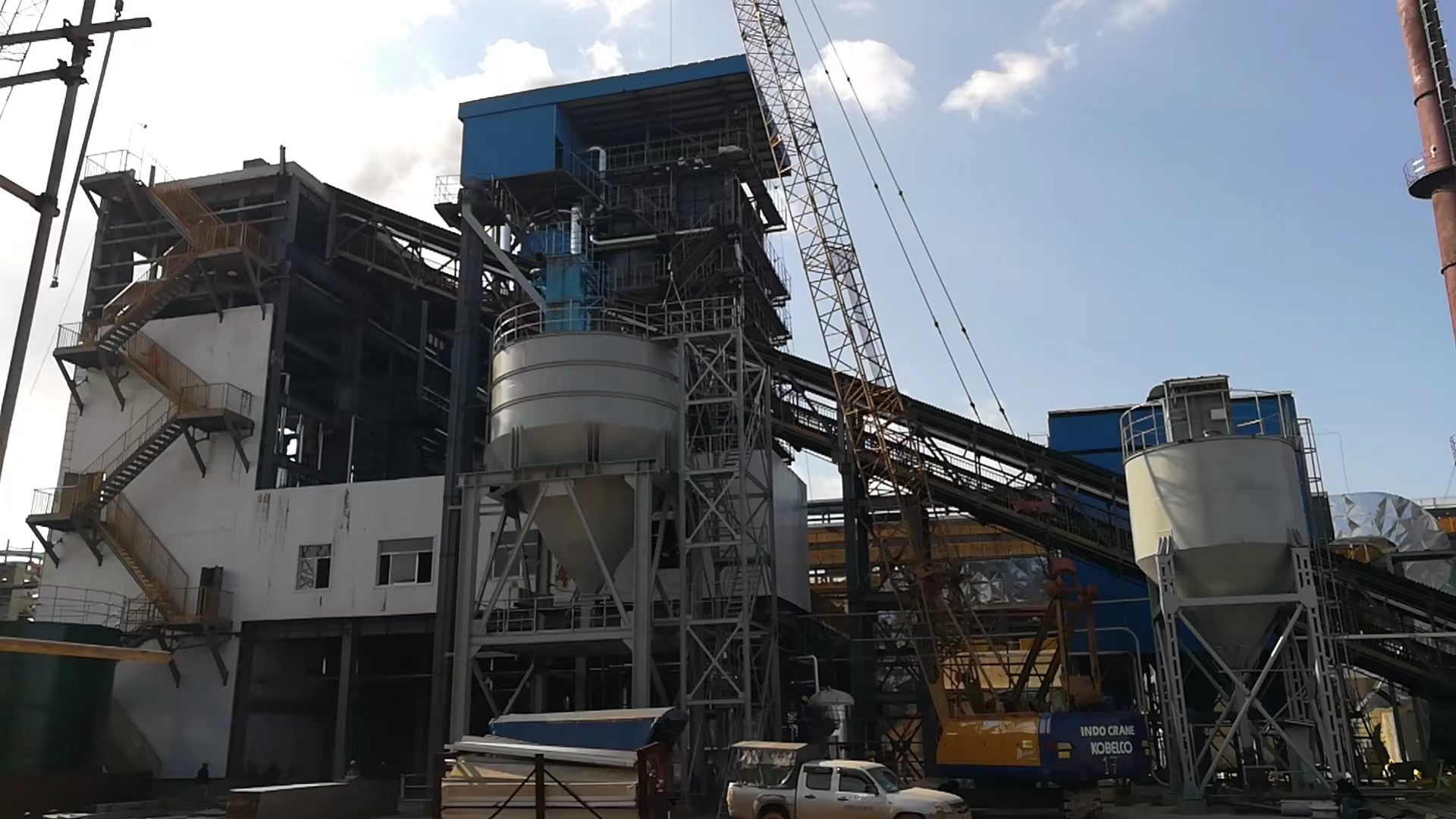
How Does Coal Quality and Preparation Affect Coal-Fired Boiler Efficiency?
Coal-fired boilers remain a dominant force in power generation and industrial steam production, particularly in regions where coal is economically favorable. However, coal is not a uniform fuel. Variations in its chemical composition, moisture, ash content, and size can significantly alter combustion characteristics, heat output, slagging behavior, and emissions—ultimately affecting overall boiler efficiency. Many operational inefficiencies and excessive maintenance issues in coal-fired plants stem from poor coal quality or inadequate coal preparation.
Coal quality and preparation directly affect the efficiency of coal-fired boilers by influencing combustion completeness, heat transfer, slagging and fouling rates, and the calorific value delivered per unit mass. High-moisture or high-ash coal requires more energy to burn and produces more waste, while improperly sized coal reduces combustion uniformity. Proper preparation—such as washing, drying, sizing, and blending—ensures more stable combustion, better heat rate, and lower emissions, resulting in improved thermal efficiency and boiler reliability.
Even with advanced boiler technology, if the coal fuel input is subpar, system performance will degrade. That’s why understanding the nuances of coal quality and preparation is critical to optimizing efficiency and reducing operating costs.
All types of coal burn equally well in coal-fired boilers.False
Different coal grades have varying calorific values, moisture, ash content, and combustion behavior, which greatly impact efficiency and performance.
Improved coal preparation reduces slagging and enhances boiler efficiency.True
Removing impurities and optimizing particle size improves combustion uniformity, reduces unburned carbon, and minimizes deposits on heat transfer surfaces.
🔍 Key Coal Properties That Affect Boiler Efficiency
| Property | Impact on Boiler Efficiency |
|---|---|
| Calorific Value (CV) | Determines how much energy is released per unit of coal |
| Moisture Content | High moisture absorbs heat during evaporation, reducing net thermal output |
| Ash Content | Inert material that doesn’t combust, contributes to slagging and heat transfer loss |
| Volatile Matter | Affects ignition temperature, flame stability, and combustion speed |
| Fixed Carbon | Main contributor to sustained combustion |
| Sulfur Content | Influences SO₂ emissions and corrosion risks |
| Grindability (HGI) | Impacts how easily coal can be pulverized for proper burner feeding |
| Particle Size | Too coarse → incomplete combustion; Too fine → handling issues and increased PM emissions |
📊 Comparative Efficiency Based on Coal Grades
| Coal Type | Calorific Value (MJ/kg) | Moisture (%) | Ash (%) | Typical Boiler Efficiency (%) |
|---|---|---|---|---|
| Anthracite | 28–33 | 2–5 | 8–12 | 85–88 |
| Bituminous Coal | 24–30 | 5–15 | 10–15 | 80–86 |
| Sub-Bituminous Coal | 18–24 | 15–25 | 15–20 | 75–82 |
| Lignite (Brown Coal) | 10–18 | 30–50 | 20–25 | 65–75 |
Coal-fired boilers must be designed or adapted to the type of coal they burn. Burning a low-rank coal in a system designed for high-rank fuel leads to efficiency losses, slagging, and excessive wear.
🔧 How Coal Preparation Enhances Boiler Efficiency
Coal preparation involves various processes to improve the consistency and quality of the fuel before combustion:
🔹 1. Coal Washing
Removes rock, soil, and sulfur compounds
Reduces ash content by up to 10–15%
Enhances CV and reduces SO₂ emissions
🔹 2. Drying and Moisture Reduction
Lignite and sub-bituminous coals benefit greatly
Every 1% moisture reduction increases efficiency by 0.8–1%
Methods: thermal drying, hot air, or waste heat recovery
🔹 3. Sizing and Pulverization
Ensures uniform particle size for complete combustion
Ideal particle size: 70–80% passing through 200 mesh
Reduces unburned carbon losses
🔹 4. Blending Coals
Mixes high-CV and low-CV coals to stabilize combustion
Reduces slagging and enhances flame temperature consistency
📉 Efficiency Loss from Poor Coal Quality
| Coal Condition | Efficiency Impact |
|---|---|
| High moisture (>25%) | -5% to -12% |
| High ash (>20%) | -4% to -10% |
| Oversized particles (>10 mm) | Incomplete combustion, >5% fuel waste |
| High sulfur (>3%) | Corrosion, extra flue gas treatment needed |
| Variable CV in mixed batches | Flame instability, inconsistent heat rate |
🔥 Combustion Stability and Slagging Behavior
Slagging (molten ash deposits on heat surfaces) drastically reduces heat transfer and leads to costly shutdowns.
| Factor | Effect on Slagging |
|---|---|
| Ash Fusion Temperature | Lower fusion temp = higher slagging risk |
| Mineral Composition | Sodium and iron increase slag potential |
| Combustion Temperature | High furnace temp exacerbates slag formation |
| Coal Sizing | Uniform size reduces local hot spots |
Solution: Use low-ash, high-fusion point coals and proper burner design to mitigate slag risk.
🧪 Case Study: Efficiency Boost via Coal Blending and Drying
Industry: Cement manufacturing
Boiler: 40 TPH pulverized coal-fired boiler
Coal Used: Initially raw lignite (38% moisture)
Intervention:
Installed coal dryer using flue gas
Blended 30% sub-bituminous coal with lignite
Added size classifier for uniformity
| Metric | Before | After | Improvement |
|---|---|---|---|
| Boiler Efficiency (%) | 72 | 81 | +9% |
| Moisture Content (%) | 38 | 20 | -18% |
| Steam Output (TPH) | 38 | 42 | +4 TPH |
| Ash Handling Cost (Monthly) | $11,000 | $7,400 | -33% |
🛠️ Best Practices for Managing Coal Quality in Boilers
Install coal analyzers for CV, ash, and sulfur content monitoring
Implement coal sampling and lab testing at delivery points
Use pulverizers with adjustable grinding settings
Apply smart feeder systems to regulate coal flow rates
Maintain air-fuel ratio tuning based on coal properties
Clean burners and heat surfaces regularly to remove slag and fouling
Use computational fluid dynamics (CFD) for combustion optimization
🌍 Environmental and Economic Implications
| Impact Area | Poor Coal Quality | Optimized Coal Quality |
|---|---|---|
| Fuel Efficiency | Higher fuel use for same output | Lower fuel cost per ton of steam |
| Emissions (SO₂, NOₓ) | More pollutants, harder to control | Easier emissions compliance |
| Boiler Life | Increased wear, slagging, corrosion | Longer life, fewer shutdowns |
| Maintenance Costs | Frequent tube cleaning, repairs | Reduced maintenance intervals |
Coal quality and preparation are critical levers for driving the efficiency, cost, and environmental performance of coal-fired boilers. Plants that invest in coal treatment, size control, moisture reduction, and blending routinely outperform those that treat coal as a “fixed” input. Even slight improvements in coal characteristics can yield major returns in fuel savings and boiler longevity.

Why Is Combustion Air Control Critical for Improving Coal-Fired Boiler Performance?
Coal-fired boilers are complex thermal systems where fuel quality, combustion conditions, and heat transfer must align perfectly to achieve maximum efficiency. Among the many variables that influence boiler performance, combustion air control stands out as one of the most impactful. Air is required to oxidize the coal’s carbon content during combustion, but too much or too little air can drastically reduce efficiency, increase emissions, and damage equipment. Intelligent air control ensures stable flames, full fuel burn, and optimal heat recovery—making it a cornerstone of high-performance coal boiler operation.
Combustion air control is critical for improving coal-fired boiler performance because it directly affects combustion efficiency, heat transfer, emissions, and fuel consumption. Properly balanced primary and secondary airflows ensure complete fuel burnout, minimize unburned carbon losses, reduce excess air heat losses, and optimize flame temperature. Poor air control leads to incomplete combustion, high CO and NOₓ emissions, reduced steam output, and increased slagging. Advanced air control systems with real-time oxygen trim and airflow modulation significantly enhance boiler stability and thermal performance.
Effective air management isn’t optional—it’s fundamental to maximizing fuel value and ensuring environmental compliance.
Coal-fired boilers operate best with the maximum possible combustion air.False
Excessive air leads to heat loss through the stack, reducing thermal efficiency. The optimal air-to-fuel ratio ensures complete combustion without excess air.
Controlling primary and secondary airflows helps optimize flame shape and reduce emissions.True
Proper air staging stabilizes the flame, reduces localized hot spots, and limits NOₓ formation, improving efficiency and air quality.
🔍 The Role of Combustion Air in Coal-Fired Boilers
In coal combustion, oxygen is essential to react with carbon and hydrogen in the fuel to produce heat. This oxygen is delivered through combustion air, which is usually divided into:
| Air Type | Purpose |
|---|---|
| Primary Air (PA) | Transports and dries pulverized coal, initiates ignition |
| Secondary Air (SA) | Supports full combustion, controls flame shape and turbulence |
| Tertiary Air (TA) | Sometimes used to reduce NOₓ or support staged combustion |
🔥 Ideal Air-to-Fuel Ratios
To fully combust 1 kg of coal:
Theoretically required air: ~10–12 kg of air
Real-world systems require: 15–20% excess air
| Fuel Type | Stoichiometric Air (kg/kg fuel) | Recommended Excess Air (%) |
|---|---|---|
| Bituminous Coal | ~10.5 | 15–20% |
| Sub-Bituminous | ~9.0 | 20–25% |
| Lignite | ~8.5 | 25–30% |
Too little air → incomplete combustion, CO, smoke
Too much air → excess heat loss, lower flame temperature
📉 Impact of Poor Air Control on Boiler Efficiency
| Air Control Issue | Effect |
|---|---|
| Excess Air | Carries heat out of stack → up to 10% efficiency loss |
| Insufficient Air | Incomplete combustion → high CO and unburned carbon |
| Unbalanced Airflow | Flame instability, tube damage, uneven heat distribution |
| Delayed Air Adjustment | Inefficient load response, steam pressure swings |
🔎 Efficiency and Emissions by Excess Air Levels
| Excess Air (%) | Efficiency Impact | CO Emissions | NOₓ Formation |
|---|---|---|---|
| <5% | Flame instability | High | Low |
| 15–20% | Optimal zone | Low | Controlled |
| >30% | Heat loss ↑, efficiency ↓ | Low | High (due to temp) |
⚙️ Technologies for Airflow Measurement and Control
Modern coal-fired boilers use a combination of hardware and digital systems to manage air distribution precisely.
🔹 Key Technologies
| System | Function |
|---|---|
| Oxygen Trim Control (OTC) | Adjusts secondary air based on flue gas O₂ levels |
| Dampers and VFD Fans | Regulate PA/SA flow rates for different loads |
| Airflow Meters (Venturi, V-cone) | Provide real-time air mass flow data |
| Combustion Optimization Software | Uses AI/algorithms to tune air-fuel balance dynamically |
Benefits of intelligent combustion air control:
Fuel savings of 3–7%
CO reduction by up to 60%
Improved steam pressure stability
Fewer tube failures and slagging incidents
🧪 Real-World Case Study: Air Control Optimization
Plant Type: 120 MW Coal Power Station
Problem: High stack temperatures, low efficiency, CO peaks during load changes
Solution:
Installed oxygen trim controller
Added airflow dampers on SA ducts
Calibrated air-fuel ratio control loop
| Metric | Before | After | Improvement |
|---|---|---|---|
| Boiler Efficiency (%) | 81.5 | 86.2 | +4.7% |
| Stack Temperature (°C) | 260 | 220 | -40°C |
| CO Emissions (mg/Nm³) | 170 | 65 | -62% |
| Load Response Time | 6 min | 3.5 min | Faster modulation |
🔧 Best Practices for Combustion Air Control
Calibrate oxygen sensors and airflow meters regularly
Monitor flue gas O₂, CO, and temperature continuously
Balance primary and secondary air for each burner zone
Use variable speed drives on FD/PA fans for fine tuning
Implement air preheating to reduce air density and save fuel
Train operators to adjust for changing coal quality
Use AI-powered combustion tuning systems for dynamic response
🌍 Environmental and Operational Benefits
| Aspect | Improvement from Air Control |
|---|---|
| Fuel Efficiency | 3–7% savings |
| CO₂ Emissions | Reduced by up to 10% |
| Unburned Carbon Losses | Cut by 30–50% |
| NOₓ Control | Up to 20% reduction via staged combustion |
| System Reliability | Fewer flameouts, less slagging |
Combustion air control is not just a tuning adjustment—it is a strategic performance lever for every coal-fired boiler. With smart airflow management and real-time optimization, plants can extract more energy per ton of coal, cut emissions, and extend boiler service life—unlocking major operational and environmental value.
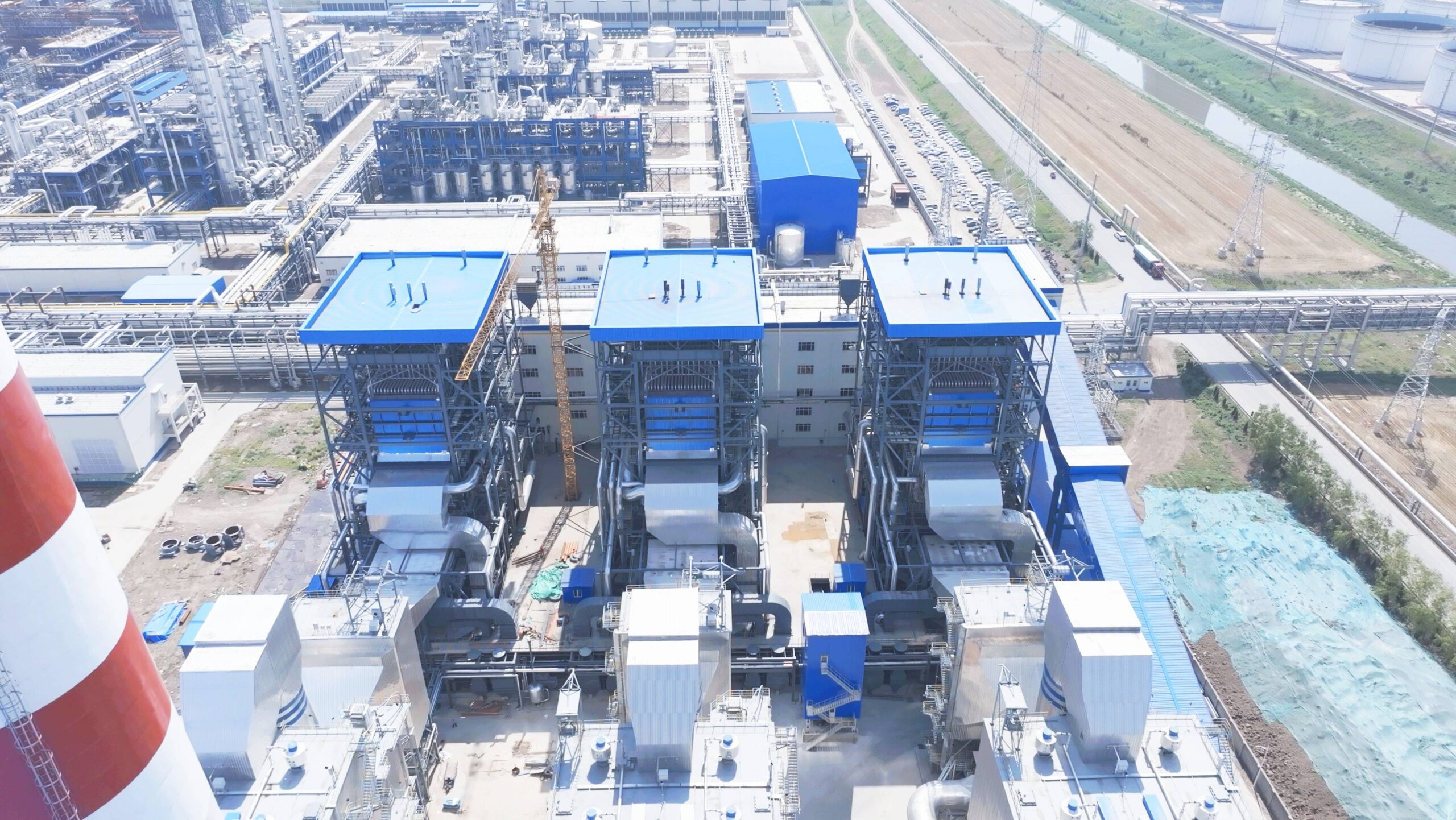
How Do Boiler Design and Heat Transfer Surface Area Impact Efficiency?
Efficiency is the heartbeat of every industrial boiler system, especially in sectors where steam is a core utility. Many assume that efficiency is dictated solely by the fuel used or the type of burner installed. While these are critical factors, one of the most fundamental drivers of boiler efficiency is the design of the boiler itself—specifically, the heat transfer surface area. The more effectively a boiler can transfer heat from the combustion gases to the water or steam system, the more energy-efficient and cost-effective it becomes. Poor design or inadequate surface area results in wasted heat, increased fuel use, and higher emissions.
Boiler design and heat transfer surface area directly impact efficiency by determining how much heat can be absorbed from combustion gases into water or steam. Larger and more optimized heat transfer surfaces increase thermal exchange, reduce flue gas temperatures, minimize heat loss, and improve overall fuel-to-steam conversion. Modern multi-pass and water-tube designs outperform older configurations by exposing water to more surface area, enabling faster and more complete heat absorption, which boosts boiler thermal efficiency by 5–15%.
Failing to consider the role of surface area in boiler design is a common mistake that leads to avoidable fuel costs and system inefficiencies. Let’s explore exactly how and why this matters.
Increasing the heat transfer surface area of a boiler improves thermal efficiency.True
A larger surface area allows more heat to be transferred from combustion gases to water, reducing exhaust temperatures and improving energy utilization.
All boiler designs have the same heat transfer effectiveness regardless of shape or layout.False
Different designs—such as fire-tube vs. water-tube, or single-pass vs. multi-pass—offer significantly different heat transfer efficiencies.
🔍 The Science Behind Boiler Heat Transfer
Boiler efficiency is largely a function of how effectively it can transfer heat from the flue gases to the working fluid (usually water). This process is governed by:
| Heat Transfer Mode | Role in Boilers |
|---|---|
| Conduction | Heat moves through metal tubes or plates |
| Convection | Gases or fluids carry heat across surfaces |
| Radiation | Emitted from the flame to surrounding surfaces |
The heat transfer rate is determined by the formula:
Q = U × A × ΔT
Where:
Q = Heat transferred
U = Overall heat transfer coefficient
A = Heat transfer surface area
ΔT = Temperature difference between flue gas and fluid
Increasing A (surface area) allows more heat to be absorbed per unit time—raising the boiler’s thermal efficiency.
🧱 Key Boiler Design Factors That Influence Heat Transfer
| Design Element | Impact on Heat Transfer Efficiency |
|---|---|
| Surface Area (ft² or m²) | Larger surface = more heat absorbed = higher efficiency |
| Number of Gas Passes | More passes = more time in contact with tubes = better heat extraction |
| Tube Size and Arrangement | Smaller, denser tubes = greater area per volume |
| Baffle Design | Directs flue gases for even contact with all surfaces |
| Water Circulation Method | Forced or natural flow affects exposure to heated walls |
| Boiler Geometry | Compact vs. elongated shapes impact residence time and turbulence |
📊 Efficiency Comparison by Boiler Design and Surface Area
| Boiler Type | Typical Surface Area (m² per TPH) | Efficiency (%) |
|---|---|---|
| Single-Pass Firetube | 6–8 | 75–80 |
| Three-Pass Firetube | 10–13 | 82–86 |
| Four-Pass Firetube | 14–16 | 85–88 |
| Water-Tube Boiler (High Pressure) | 18–25 | 88–92 |
| Condensing Boiler | 20–30 (includes economizer area) | 90–98 |
The more heat-exchange surface the flue gases encounter before exiting the stack, the more efficient the boiler becomes.
🔥 Example: Multi-Pass Design vs. Single-Pass Design
Scenario: Industrial plant upgrades from single-pass to three-pass firetube boiler.
| Metric | Single-Pass | Three-Pass | Improvement |
|---|---|---|---|
| Surface Area (m²) | 8 | 13 | +62% |
| Stack Temp (°C) | 260 | 195 | -65°C |
| Fuel Use (per TPH steam) | 1.35 kg | 1.18 kg | -12.5% |
| Efficiency (%) | 78 | 87 | +9% |
By exposing water to more flue gas over more surface area, the upgraded boiler achieves higher efficiency at every load level.
📉 Consequences of Inadequate Surface Area
Boilers with insufficient heat transfer area suffer from:
High stack temperatures (more heat lost)
Incomplete combustion due to poor thermal feedback
Increased fuel use to maintain output
Short-cycling or pressure instability
Lower ROI and higher emissions
A stack temperature >230°C is often a red flag that indicates insufficient surface area or heat recovery design.
🛠️ Heat Transfer Enhancements for Efficiency
🔹 Add Surface Area with Economizers
Recover heat from exhaust gases
Increase feedwater temperature
Reduce stack temperature by 40–100°C
🔹 Use Fin-Tube or Spiral Tube Designs
Increase effective heat area per linear meter
Improve convective heat transfer coefficients
🔹 Install Heat Exchangers for Blowdown and Condensate
Capture heat from discharged water
Preheat makeup water, improving overall system efficiency
🔹 Enhance Tube Cleaning and Maintenance
Fouling reduces U (heat transfer coefficient)
1 mm soot or scale can reduce efficiency by 2–5%
🧪 Case Study: Heat Transfer Upgrade with Tube Redesign
Plant: Chemical processing unit
Boiler: 15 TPH steam production, 3-pass firetube
Intervention: Retrofitted extended-surface finned tubes + economizer
| Metric | Before | After | Improvement |
|---|---|---|---|
| Surface Area (m²) | 185 | 250 | +35% |
| Stack Temp (°C) | 245 | 175 | -70°C |
| Efficiency (%) | 84.2 | 91.3 | +7.1% |
| Fuel Savings (%) | — | 11.8% | — |
Payback Period: 1.7 years, with lifetime emissions savings >1,400 tons CO₂/year
🔧 Best Practices to Maximize Boiler Heat Transfer Efficiency
Select boiler design with multiple passes and larger heat surfaces
Size the boiler appropriately for the steam demand to operate at optimal capacity
Use economizers and condensers to extend the effective heat recovery zone
Choose advanced materials (stainless, alloyed steel) for aggressive fuels
Clean waterside and fireside tubes regularly to maintain U-factor
Use computational fluid dynamics (CFD) to model flue gas flow and optimize design
Integrate thermal insulation to reduce shell and radiation losses
Heat transfer surface area is the core design variable that determines how efficiently a boiler operates. Whether selecting a new system or upgrading an existing one, prioritizing optimal surface area, pass design, and clean heat exchange pathways will yield significant efficiency improvements, fuel savings, and emission reductions across any industrial application.
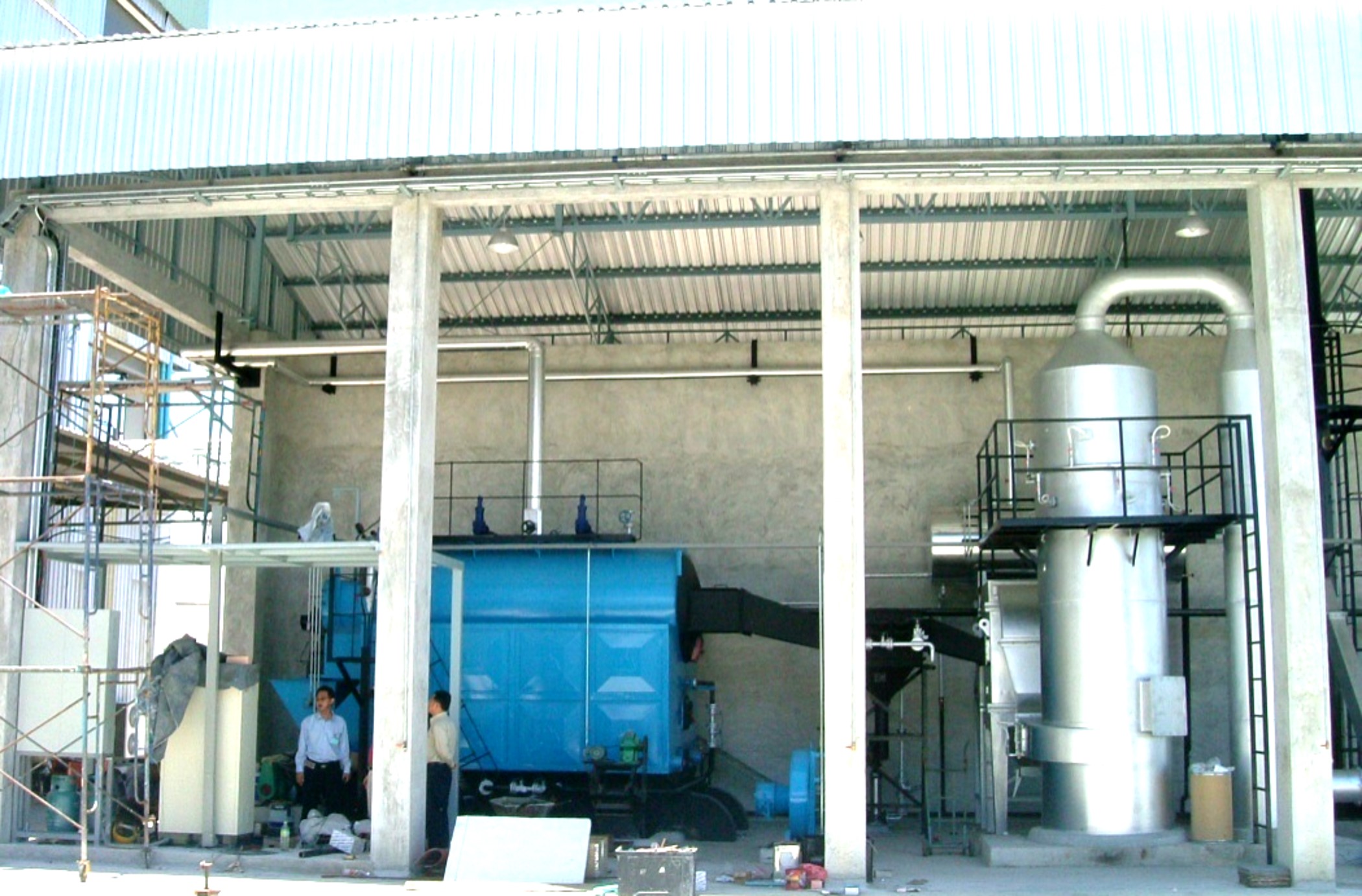
What Role Do Slagging and Soot Blowing Play in Maintaining Coal-Fired Boiler Efficiency?
Coal-fired boilers rely heavily on the continuous and efficient transfer of heat from combustion gases to water and steam through radiant and convective surfaces. However, slagging (molten ash deposits) and soot (carbon-based particulate buildup) are natural byproducts of burning coal—especially lower-grade or high-ash fuels. These deposits accumulate on boiler tubes, drastically reducing heat transfer, blocking flue paths, increasing pressure drops, and raising exhaust temperatures. Left unchecked, they can lead to severe derating of the boiler’s efficiency, increased fuel consumption, and even unplanned shutdowns.
Slagging and soot blowing play a vital role in maintaining coal-fired boiler efficiency by preventing and removing ash and soot deposits that insulate heat transfer surfaces. Slagging reduces radiant heat absorption, while soot buildup impairs convective heat exchange, causing increased flue gas temperatures, reduced steam generation, and higher fuel use. Soot blowing—through steam, air, or acoustic methods—is a critical maintenance operation that restores clean surface conditions, sustains optimal heat transfer, and protects boiler integrity. Regular slag and soot control can improve thermal efficiency by 2–10% and prevent costly operational disruptions.
When it comes to high-efficiency boiler operation, clean surfaces are just as important as clean combustion. Let’s dive into why slagging and soot blowing are crucial to efficiency and how they should be managed.
Soot buildup has minimal impact on the efficiency of coal-fired boilers.False
Even 1 mm of soot can reduce heat transfer efficiency by 5–8%, leading to increased fuel consumption and stack temperature.
Regular soot blowing is essential for maintaining optimal boiler heat transfer and reducing fuel waste.True
Soot blowing removes insulating deposits on boiler tubes, ensuring efficient heat absorption and reducing emissions.
🔍 Understanding Slagging and Fouling in Coal-Fired Boilers
| Term | Definition |
|---|---|
| Slagging | Molten ash deposits on furnace walls and radiant heat surfaces |
| Fouling | Solid, sticky ash and soot deposits in convective sections or flue passages |
| Soot | Unburned carbon particles that settle on tubes due to incomplete combustion |
Causes of Slagging and Fouling:
High ash content in coal
Low ash fusion temperature
Inconsistent fuel sizing and combustion
Inadequate air-fuel ratio
High furnace temperatures or poor flame control
📉 Efficiency Loss Due to Slag and Soot
| Deposit Thickness | Efficiency Drop (%) | Effect on Heat Transfer |
|---|---|---|
| 0.5 mm | 2–3 | Minor loss in convective sections |
| 1 mm | 5–8 | Significant rise in flue gas temperature |
| 2 mm+ | 10–12 | Severe efficiency loss, likely forced outage |
| Slag Layer | Variable | Can block radiant heat and deform furnace walls |
Slag not only insulates heat exchange areas but also alters furnace geometry, causing flame deflection and incomplete combustion.
🔧 What Is Soot Blowing and How Does It Work?
Soot blowing is the process of removing ash and soot deposits from boiler tube surfaces to restore proper heat transfer. It’s performed during operation (online) or during outages (offline), using:
| Type of Soot Blower | Medium Used | Typical Location | Usage Frequency |
|---|---|---|---|
| Steam Blowers | High-pressure steam | Furnace walls, superheaters, economizers | Daily to weekly |
| Compressed Air Blowers | Dry air | Convective sections, low-moisture areas | Daily |
| Water Lances | High-pressure water | Cleaning during shutdowns | Maintenance periods |
| Acoustic Cleaners | Sound waves | Non-invasive areas like hoppers | Continuous or periodic |
📊 Boiler Efficiency Gains Through Soot Blowing
| Before Cleaning | After Cleaning | Improvement |
|---|---|---|
| Stack Temp: 280°C | Stack Temp: 220°C | -60°C |
| CO₂ Emissions: 820 g/kWh | CO₂ Emissions: 740 g/kWh | -9.8% |
| Fuel Use: 1.5 kg/TPH | Fuel Use: 1.36 kg/TPH | -9.3% |
| Efficiency: 78% | Efficiency: 85.5% | +7.5% |
Note: Soot blowing’s ROI is often realized within weeks due to reduced fuel usage and avoided downtime.
🧪 Case Study: Automated Soot Blowing System Integration
Industry: Pulp and Paper
Boiler Type: 50 TPH pulverized coal-fired boiler
Problem: Rapid fouling in economizer and superheater sections
Solution: Installed intelligent soot blowing system with flue gas temperature feedback
| Metric | Before | After | Change |
|---|---|---|---|
| Soot Blowing Frequency | Manual, 2x/day | Automated, 6x/day | +200% coverage |
| Downtime per quarter (hrs) | 18 | 6 | -66% |
| Boiler Efficiency (%) | 79.2 | 86.1 | +6.9% |
| Fuel Savings per Year | — | ~$68,000 | ROI in <8 months |
⚙️ Best Practices for Slagging and Soot Blowing Management
🔸 Predictive Maintenance & Monitoring
Install infrared sensors to detect hot spots caused by slagging
Use flue gas analyzers to monitor combustion efficiency and soot rate
Analyze ash fusion temperature to adjust soot blowing intervals accordingly
🔸 Soot Blowing Optimization
| Optimization Method | Benefit |
|---|---|
| Flue Temp-Based Control | Triggers cleaning only when efficiency drops |
| Zone-Specific Blowing | Reduces wear by targeting fouled sections only |
| AI-Assisted Blower Logic | Learns fouling patterns and minimizes steam/air usage |
| Intermittent/Sequential Blowing | Prevents thermal shock and maximizes tube lifespan |
🔸 Slag Prevention via Fuel and Combustion Control
Blend coal to reduce ash fusion issues
Maintain ideal furnace temperature (1,100–1,250°C)
Avoid flame impingement on water walls
Apply anti-slag coatings during major outages
📉 Risks of Neglecting Soot and Slag Control
| Neglected Issue | Operational Impact |
|---|---|
| Thick Slag Layer | Tube overheating, warping, boiler shutdown |
| Soot Build-up in Economizer | High stack temp, derated capacity, increased fuel usage |
| Manual-Only Cleaning | Inconsistent performance, higher manpower costs |
| Over-Frequent Blowing | Tube erosion, excess steam/air consumption |
Clean heat surfaces are essential for high boiler thermal efficiency—this is not optional maintenance but a performance-critical requirement.
🌍 Environmental & Economic Benefits
| Aspect | With Soot/Slag Control |
|---|---|
| Fuel Efficiency | Up to 10% improvement |
| CO₂ Emissions | Reduced by 8–12% |
| NOₓ Emissions | Lowered by better flame control |
| Tube Longevity | Increased by up to 25% |
| Maintenance Costs | Predictable and minimized |
Slagging and soot formation are inevitable in coal-fired boiler operation—but performance losses from them are not. With automated soot blowing, real-time monitoring, and smart fuel management, you can maintain clean heat surfaces, minimize heat loss, and keep your boiler running at peak efficiency year-round.
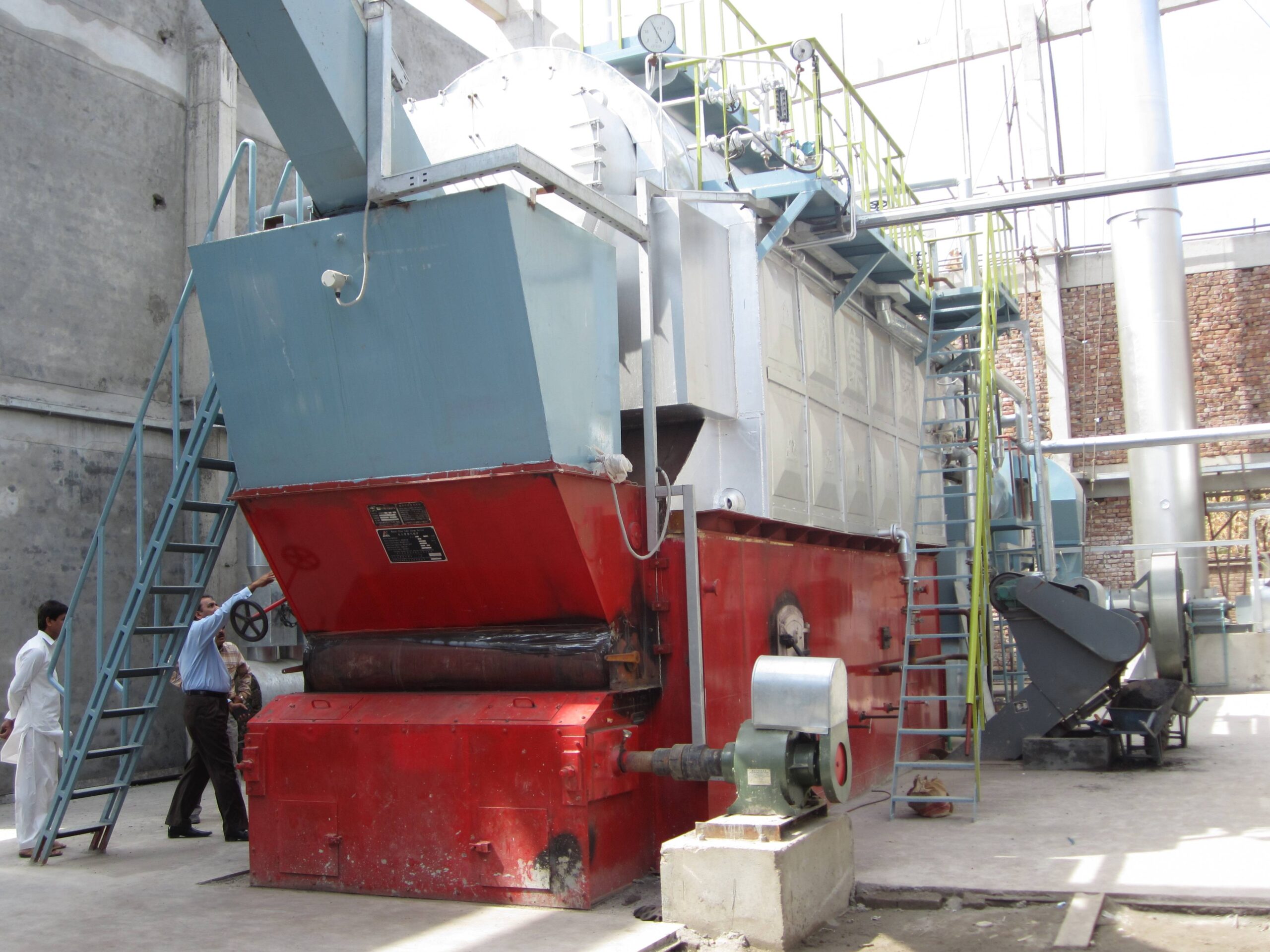
How Does Load Variation and Operational Stability Influence Coal-Fired Boiler Efficiency?
Coal-fired boilers are traditionally designed for steady, base-load operation, yet many industrial and utility plants today operate under dynamic load conditions due to fluctuating steam demand, grid variability, or fuel limitations. These load variations can significantly disrupt thermal and combustion stability, ultimately lowering efficiency and increasing wear on equipment. Similarly, operational stability, which includes control of steam pressure, temperature, and combustion air, plays a crucial role in maintaining efficient and safe boiler performance.
Load variation and operational stability influence coal-fired boiler efficiency by altering combustion consistency, heat transfer effectiveness, and steam generation control. Frequent load swings cause thermal stress, sub-optimal combustion, and fuel-air imbalance, leading to higher unburned carbon, increased flue gas temperatures, and reduced heat rate. Stable operation enables optimal flame temperature, consistent steam parameters, and efficient burner performance. Boilers operating within their design load range with minimal fluctuations can achieve 5–10% higher efficiency compared to those under erratic load profiles.
Managing boiler load isn’t just about responding to demand—it’s about engineering control, balance, and predictability into the heart of the combustion process.
Coal-fired boilers maintain the same efficiency regardless of load changes.False
Efficiency drops significantly during low or unstable load conditions due to poor combustion, higher heat losses, and inconsistent steam production.
Maintaining stable load and pressure improves the fuel-to-steam conversion ratio in coal boilers.True
Stable operation ensures optimal combustion and heat transfer, leading to better thermal efficiency and fewer losses.
🔍 The Science Behind Load Variation and Boiler Efficiency
| Load Condition | Definition |
|---|---|
| Base Load | Boiler runs near design capacity (>85%) consistently |
| Part Load | Load reduced to 50–85% of capacity |
| Low Load/Idle | Load <50%; boiler often cycles on/off or operates inefficiently |
| Load Swing | Rapid increases or decreases in demand |
Efficiency is highest at 75–90% load for most coal-fired boilers. Outside this range, the system encounters:
Combustion imbalance
Increased flue gas losses
Unburned carbon
Reduced steam quality
Thermal stress and wear
📊 Efficiency Across Different Load Levels
| Operating Load (%) | Typical Efficiency (%) | Fuel Consumption per TPH | Flue Gas Temp (°C) |
|---|---|---|---|
| 100% | 87–89 | 1.12 kg coal/TPH | 190–210 |
| 75% | 88–90 (optimal) | 1.08 kg coal/TPH | 185–200 |
| 50% | 83–85 | 1.25 kg coal/TPH | 220–240 |
| <30% | 75–78 | 1.4–1.5 kg coal/TPH | 250–280 |
Note: Efficiency losses increase disproportionately at lower loads due to fixed heat losses becoming more dominant.
🔧 How Load Variation Affects Key Boiler Systems
| System Affected | Impact of Load Variation |
|---|---|
| Combustion System | Flame instability, CO spikes, NOₓ increase, carbon in ash ↑ |
| Steam Drum/Headers | Pressure fluctuations, carryover risk, increased blowdown |
| Air-Fuel Ratio Control | Poor response = excess air or incomplete combustion |
| Water Level Control | Sudden demand changes risk high/low drum levels |
| Slagging Risk | Low temp = incomplete burn, high temp = more slag formation |
Load variation not only reduces efficiency—it increases wear and tear, leading to more frequent outages and higher maintenance costs.
🧪 Case Study: Load Stabilization in a Power Generation Plant
Plant: 250 MW coal-fired utility
Problem: Frequent 30–70% load swings due to grid variability
Solution: Installed load-predictive controls + real-time combustion optimization
| Metric | Before | After | Improvement |
|---|---|---|---|
| Average Efficiency (%) | 82.4 | 88.1 | +5.7% |
| CO Emissions (mg/Nm³) | 240 | 130 | -46% |
| Slagging Incidents/Year | 6 | 2 | -67% |
| Fuel Consumption (tons/day) | 980 | 905 | -7.6% |
Return on investment in <9 months from fuel savings and uptime improvement.
⚙️ Best Strategies to Minimize Load-Related Efficiency Loss
🔹 1. Implement Boiler Load Management Systems
Use boiler master-slave logic to balance multiple units
Prioritize running boilers at optimal load, not partial across all
Integrate steam accumulators to absorb load shocks
🔹 2. Use Predictive Control Systems
AI or model-based load forecasting (based on production or grid data)
Adjust burner, air, and feedwater settings before demand peaks
Maintain smooth ramp-up/down with ramp rate control algorithms
🔹 3. Maintain Combustion Air and Fuel Balance
Optimize excess air under varying loads
Install oxygen trim and variable speed drive fans
Use mass flow sensors for air and coal delivery
🔹 4. Upgrade Burner Management Systems (BMS)
Use multi-level turndown burners for load flexibility
Enable automatic switch between burners for small-load modulation
Reduce unburned fuel during transitions
🔹 5. Ensure Real-Time Monitoring
| Parameter | Ideal for Load Stability |
|---|---|
| Steam Pressure | ±2% variation |
| Flue Gas Temperature | Stable within 10–15°C range |
| Air-Fuel Ratio | 1.05–1.20 (controlled range) |
| O₂ in Flue Gas | 3–6% depending on coal type |
| CO Levels | <100 mg/Nm³ |
📉 Risks of Ignoring Load and Stability Impacts
| Without Load Management | Operational & Financial Risk |
|---|---|
| Irregular combustion | Higher CO/NOₓ, soot formation, corrosion |
| Thermal stress on tubes | Cracking, boiler trips, early failure |
| Pressure overshoot/undershoot | Steam quality issues, equipment damage |
| Frequent cycling | Burner/pump wear, actuator failure |
| Inefficient heat recovery | Reduced economizer and air preheater output |
🌍 Environmental and Economic Benefits of Load Stability
| Benefit Area | With Stable Load Operation |
|---|---|
| Fuel Efficiency | 5–10% improvement |
| CO₂ Emissions | Reduced by 6–12% |
| NOₓ/CO Formation | Controlled via steady combustion |
| Maintenance Cost | Lower due to reduced cycling |
| Boiler Lifespan | Extended by 20–30% |
🛠️ Practical Checklist to Enhance Stability & Efficiency
✅ Identify and analyze historical load trends
✅ Install smart controls with AI-based tuning
✅ Use steam accumulators or header management
✅ Maintain all sensors, dampers, and actuators
✅ Train operators to follow gradual load change SOPs
✅ Schedule preventive maintenance during low-load periods
✅ Tune air-fuel mix monthly based on seasonal demand cycles
Coal-fired boilers perform best when operated steadily and near their design load range. By embracing smart load management, predictive controls, and stability-enhancing technologies, operators can unlock major gains in efficiency, reduce environmental impact, and extend the lifespan of critical boiler assets.
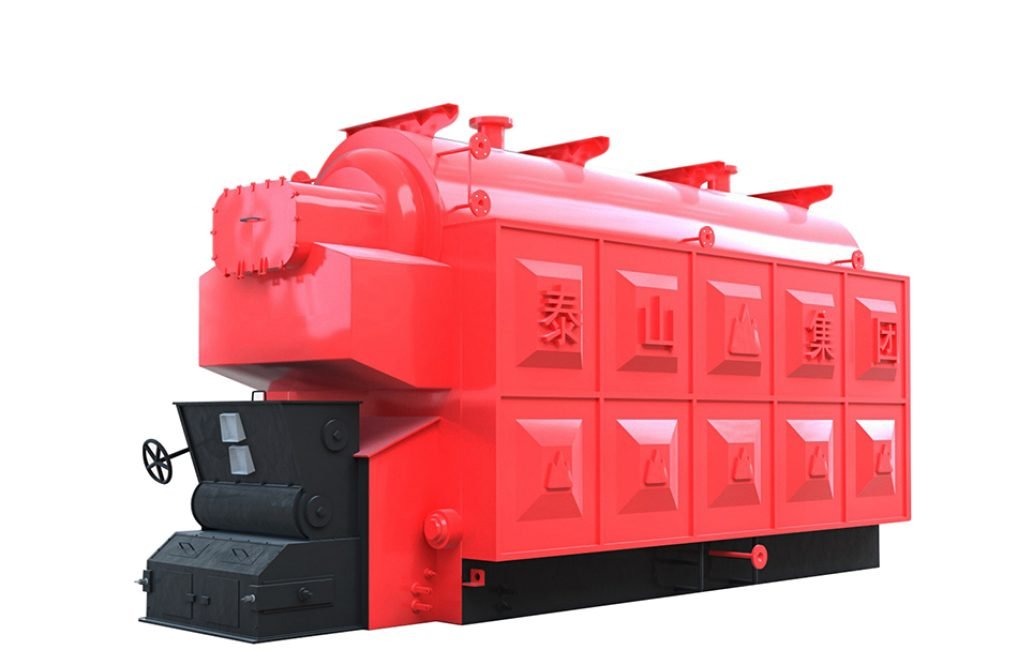
What Are the Best Practices for Maximizing Industrial Coal-Fired Boiler Efficiency Long Term?
Industrial coal-fired boilers remain a major source of steam and thermal energy across sectors like power generation, chemical processing, pulp and paper, steel, and cement manufacturing. Despite their scale and reliability, they also represent some of the most fuel-intensive and emission-heavy assets in operation today. While short-term efficiency measures can yield modest gains, achieving and sustaining high efficiency over the long term requires a comprehensive, proactive strategy across fuel, equipment, combustion, and operations.
The best practices for maximizing industrial coal-fired boiler efficiency long term include implementing high-performance combustion air control, maintaining optimal fuel quality and preparation, upgrading to multi-pass or high-surface-area designs, installing economizers and heat recovery systems, maintaining proper water chemistry, using predictive maintenance and soot blowing, optimizing load management, and adopting advanced digital monitoring and control systems. These measures, when integrated into a long-term efficiency management program, can sustain 85–92% thermal efficiency, reduce emissions, and extend boiler lifespan by 25–35%.
Efficiency isn’t a one-time fix—it’s a continuous process of engineering, monitoring, and adapting every part of the system to perform optimally under evolving load and fuel conditions.
Coal-fired boiler efficiency is primarily affected by fuel type and cannot be improved significantly through system upgrades or maintenance.False
Fuel type matters, but long-term efficiency is equally influenced by combustion air control, heat recovery, system design, and proactive maintenance.
Long-term efficiency of coal boilers can be sustained by integrating digital monitoring, soot blowing, and load management strategies.True
Combining real-time monitoring and operational optimization with cleaning and load balancing practices yields measurable long-term efficiency gains.
🔍 A Multi-Factor Framework for Long-Term Coal Boiler Efficiency
Maximizing coal-fired boiler efficiency over decades requires aligning engineering design, fuel handling, combustion control, maintenance discipline, and operational practices.
Let’s break it down into eight core areas with best practices:
🔧 1. Fuel Quality and Preparation
| Best Practice | Efficiency Benefit |
|---|---|
| Use washed/blended coal | Reduces ash, moisture → better combustion |
| Maintain consistent particle size | Ensures full burn and air-fuel stability |
| Dry high-moisture coal | Improves flame temperature and lowers losses |
| Monitor calorific value and ash fusion temp | Prevents slagging and combustion fluctuation |
Rule of thumb: Every 1% reduction in coal moisture = 0.8–1% efficiency gain
🌬️ 2. Combustion Air and Burner Optimization
| Technology | Function | Efficiency Gain |
|---|---|---|
| Oxygen Trim Controls | Adjusts air in real-time based on O₂ feedback | 1–3% |
| Variable Speed Drives (VFDs) | Controls FD/PA/SA fan speed to match demand | 2–4% |
| Burner Management System | Maintains correct air-fuel ratio across loads | 2–5% |
Target: Maintain 3–6% O₂ in flue gas with stable CO < 100 mg/Nm³
🔥 3. High-Efficiency Boiler Design
| Design Upgrade | Efficiency Gain |
|---|---|
| Multi-pass configuration | 4–7% |
| Large surface area (≥14 m²/TPH) | 5–10% |
| Water-tube boiler (vs. fire-tube) | 3–5% |
Include baffles and optimized tube spacing to increase residence time and turbulence for better heat absorption.
🔁 4. Heat Recovery and Economizer Systems
| System | Function | Typical Efficiency Gain |
|---|---|---|
| Economizer | Recovers heat to preheat feedwater | +5–7% |
| Air Preheater | Warms combustion air using flue gas | +3–5% |
| Blowdown Heat Recovery | Captures flash steam to preheat make-up water | +1–3% |
Stack temperature after economizer should be <200°C for optimal efficiency.
💧 5. Water Chemistry and Scale Control
Poor water treatment leads to scaling and corrosion, which reduce heat transfer and shorten boiler life.
| Target Parameter | Optimal Range |
|---|---|
| Total Dissolved Solids (TDS) | < 3,000 ppm |
| Hardness | < 0.1 ppm |
| Oxygen (dissolved) | < 0.007 ppm |
| pH | 9–11 |
Impact: Every 1 mm of scale = 2–4% heat transfer loss
🧼 6. Slagging, Fouling, and Soot Blowing
Slag and soot reduce effective surface area for heat exchange.
| Solution | Recommended Frequency | Efficiency Retained |
|---|---|---|
| Intelligent soot blowing | Daily or real-time | 2–10% |
| Acoustic cleaning | Continuous (optional) | Minimal tube erosion |
| Water lances (offline) | Every 3–6 months | Full surface restoration |
Use sensors to trigger cleaning only when efficiency drops, reducing unnecessary wear.
📈 7. Load Management and Control System Integration
Boilers perform best at 65–90% load.
| Control Strategy | Efficiency Benefit |
|---|---|
| Load forecasting integration | 2–4% |
| Boiler sequencing | 3–5% (multi-unit systems) |
| Steam accumulator deployment | Reduces pressure swings |
Avoid cycling boilers below 35% load, which leads to high heat loss per unit steam.
📊 8. Real-Time Monitoring, AI Optimization, and Predictive Maintenance
| System/Tool | Purpose |
|---|---|
| SCADA/EMS | Monitor all parameters: fuel, air, steam |
| AI combustion tuning | Adjusts burners and air based on load/fuel |
| Predictive maintenance software | Schedules cleaning and repairs proactively |
| Infrared stack/boiler imaging | Detects energy loss through surfaces |
Digitalization typically improves overall thermal efficiency by 5–8%, especially in older plants.
🧪 Case Study: Long-Term Efficiency Management in a Steel Plant
System: 100 TPH coal-fired water-tube boiler
Fuel: Washed bituminous coal (CV 6,200 kcal/kg)
Strategy:
Installed economizer and VFDs on FD/SA fans
AI-based combustion controller
Online water chemistry and soot blowing control
Load-based burner sequencing logic
| Metric | Before | After | Improvement |
|---|---|---|---|
| Efficiency (%) | 78.4 | 89.2 | +10.8% |
| Coal Use (tons/day) | 172 | 153 | -11.0% |
| Emissions (CO₂ tons/day) | 415 | 362 | -12.8% |
| Maintenance Events/Year | 22 | 10 | -54.5% |
Payback period on upgrades: 1.4 years
Lifetime cost savings: $700,000+/year
📌 Long-Term Efficiency Management Checklist
✅ Use high-CV, low-ash coal consistently
✅ Maintain balanced air-fuel ratio with O₂ trim
✅ Clean heat surfaces regularly with smart soot blowing
✅ Monitor flue gas temperature and stack losses
✅ Maintain water chemistry and reduce TDS
✅ Avoid extended low-load operation
✅ Digitize controls and schedule predictive maintenance
✅ Upgrade to economizers and heat recovery systems
✅ Train operators continuously on combustion and efficiency SOPs
✅ Conduct annual efficiency audits and fuel benchmarking
Maximizing and maintaining coal-fired boiler efficiency long term is not about a single solution—but about integrating engineering, fuel strategy, maintenance, and operational excellence into a proactive management system. Plants that adopt these best practices will not only cut costs and emissions, but also unlock extended equipment lifespan and higher production reliability.
🔍 Conclusion
Improving the efficiency of a coal-fired boiler isn’t just about retrofitting equipment—it requires a comprehensive approach that includes fuel analysis, combustion optimization, and consistent maintenance. Addressing these five key factors will help you increase output, lower costs, and ensure compliance with modern environmental standards.
FAQ
Q1: How does coal quality affect industrial boiler efficiency?
A1: Coal quality is a major determinant of boiler efficiency. High-quality coal with a higher calorific value and low moisture or ash content burns more completely, generating more heat per unit. Poor-quality coal leads to incomplete combustion, higher unburnt carbon losses, slagging, and increased emissions. Consistently using well-graded coal and managing fuel blends can significantly improve combustion efficiency and heat output.
Q2: Why is combustion control critical in coal-fired boilers?
A2: Proper combustion control ensures optimal air-to-fuel ratio, reducing excess air and minimizing unburnt fuel. Too much excess air cools the furnace, while too little leads to incomplete combustion and higher emissions. Automated combustion management systems, including oxygen trim controls and real-time flue gas monitoring, help maintain ideal combustion conditions, leading to improved efficiency and reduced operational costs.
Q3: What role does heat transfer efficiency play in boiler performance?
A3: Heat transfer efficiency determines how effectively heat generated from burning coal is transferred to the boiler water. Fouling, slagging, and soot buildup on heat exchanger surfaces can significantly reduce heat transfer, forcing the boiler to consume more fuel. Regular cleaning and heat surface optimization ensure efficient thermal exchange, reducing fuel waste and boosting output.
Q4: How does boiler operation and load variation affect efficiency?
A4: Operating the boiler at or near its design load ensures maximum efficiency. Frequent load swings, startups, and low-load operations reduce combustion and thermal efficiency due to unstable furnace conditions. Implementing load management strategies, such as scheduling operations during peak demand and using load-following techniques, helps maintain efficiency and reduce wear and tear.
Q5: How important is maintenance and monitoring in coal boiler efficiency?
A5: Continuous maintenance is essential to keep a coal-fired boiler operating efficiently. This includes checking for air leaks, maintaining ash handling systems, calibrating sensors, and inspecting refractory linings. Real-time monitoring systems can detect inefficiencies early, allowing corrective actions that prevent energy losses and unplanned downtimes, ensuring long-term performance optimization.
References
Efficiency Improvements in Coal-Fired Power Plants – https://www.iea.org/reports/clean-coal-technologies – International Energy Agency
Understanding Coal Quality – https://www.eia.gov/energyexplained/coal/ – U.S. Energy Information Administration
Boiler Combustion Efficiency Optimization – https://www.cleaverbrooks.com/reference-center/boiler-efficiency-guide.aspx – Cleaver-Brooks
Combustion Control for Boilers – https://www.powermag.com/boiler-combustion-control-and-monitoring-system/ – POWER Magazine
Ash Handling and Fouling Solutions – https://www.babcock.com/home/products/ash-handling-solutions/ – Babcock & Wilcox
Coal-Fired Boiler Maintenance Guide – https://www.tlv.com/global/TI/steam-theory/boiler-maintenance.html – TLV Corporation
Boiler Heat Rate and Optimization – https://www.energy.gov/fe/articles/boiler-optimization-and-efficiency – U.S. Department of Energy
Coal Combustion and Emissions Control – https://www.sciencedirect.com/topics/earth-and-planetary-sciences/coal-combustion – ScienceDirect
Steam Boiler Efficiency Testing – https://www.asme.org/topics-resources/content/boiler-efficiency-measurement – ASME
Boiler Monitoring Technologies – https://www.emerson.com/en-us/automation/industrial-energy/coal-fired-boilers – Emerson Automation
