Rising energy costs and stricter environmental regulations are forcing industries to re-evaluate boiler efficiency more seriously than ever. Coal-fired boilers are often criticized as outdated or inefficient, yet they remain widely used in many regions due to fuel availability and cost advantages. Misunderstanding how coal-fired boilers actually compare with gas-, oil-, biomass-, and electric boilers can lead to poor investment decisions, higher operating costs, and compliance risks.
Industrial coal-fired boilers typically achieve thermal efficiencies of about 75–88%, depending on boiler type and technology. While this is generally lower than modern gas-fired and electric boilers, it can be comparable to or even exceed traditional biomass systems and older oil-fired units. Advanced coal-fired technologies—such as circulating fluidized bed (CFB) boilers, waste heat recovery, and optimized combustion control—have significantly narrowed the efficiency gap, making coal-fired boilers still competitive in specific industrial applications.
Understanding these efficiency differences helps users balance fuel cost, efficiency, emissions, and long-term economics when selecting a boiler system.
How Does the Efficiency of Industrial Coal-Fired Boilers Compare with Gas-Fired Boilers?
Industrial boilers are essential workhorses in sectors like power generation, manufacturing, petrochemicals, and food processing—providing steam and thermal energy around the clock. Among the most common fuel types used are coal and natural gas, both of which power high-capacity steam boilers across the globe. But in an era of rising fuel prices, carbon taxes, and emission standards, efficiency has become a key determinant in fuel selection. So, how do industrial coal-fired boilers stack up against gas-fired boilers in terms of thermal efficiency, lifecycle economics, and environmental performance?
Industrial gas-fired boilers generally offer higher efficiency than coal-fired boilers due to cleaner combustion, better heat transfer, and modern control systems. While coal-fired boiler efficiency typically ranges from 72% to 85%, modern industrial gas-fired boilers achieve thermal efficiencies between 88% and 95% (and even up to 99% in condensing models), making them more energy-efficient and environmentally favorable for many industrial applications.
This efficiency gap is not just a technical curiosity—it translates into major differences in fuel consumption, emissions output, and operating costs, especially in long-term operations. In this article, we’ll break down the key factors influencing boiler efficiency and why gas-fired systems are outperforming coal-fired units in modern industrial energy environments.
Industrial coal-fired boilers have higher efficiency than gas-fired boilers in most cases.False
Gas-fired boilers generally operate at higher thermal efficiency than coal-fired boilers due to cleaner combustion, optimized burner design, and advanced control systems.
Understanding Thermal Efficiency in Boilers
Thermal efficiency measures the proportion of fuel energy that is converted into usable heat or steam. It’s calculated as:
Thermal Efficiency (%) = (Useful Heat Output / Fuel Energy Input) × 100
In industrial boilers, this figure is influenced by:
- Fuel combustion completeness
- Heat exchanger surface design
- Flue gas temperature (stack losses)
- Blowdown and radiation losses
- Control system responsiveness
Comparative Efficiency Table: Coal vs. Gas-Fired Boilers
| Boiler Type | Typical Thermal Efficiency (%) | Notes |
|---|---|---|
| Conventional Coal-Fired Boiler | 72–80 | Older design, higher ash, fouling, and excess air losses |
| Modern Pulverized Coal Boiler | 80–85 | Better combustion control, lower stack losses |
| Circulating Fluidized Bed (CFB) | 82–88 | Higher efficiency with flexible fuels, still lower than gas |
| Conventional Gas-Fired Boiler | 88–92 | Higher flame temperature, cleaner heat transfer |
| Condensing Gas Boiler | 94–99 | Uses latent heat from flue gases via condensation |
Gas-fired boilers consistently outperform coal-fired ones because:
- Combustion is cleaner, with near-complete oxidation of methane
- Flame temperature is more controllable, improving heat transfer
- Less ash and slag reduces fouling and maintenance
- Condensing designs extract latent heat from vapor in flue gases
Fuel Properties That Influence Efficiency
| Fuel Type | Calorific Value (MJ/kg) | Moisture Content (%) | Ash Content (%) | Combustion Cleanliness |
|---|---|---|---|---|
| Bituminous Coal | 24–30 | 5–15 | 8–25 | Moderate |
| Lignite | 10–20 | 25–45 | 10–30 | Poor |
| Natural Gas | 50–55 | 0 | 0 | Excellent |
Gas contains no moisture or ash, ensuring complete combustion with minimal parasitic losses. In contrast, coal’s impurities lead to heat losses, incomplete combustion, and more fouling, which impacts heat transfer efficiency over time.
Heat Loss Comparison: Coal vs. Gas Boilers
| Loss Category | Coal-Fired Boiler (%) | Gas-Fired Boiler (%) |
|---|---|---|
| Flue Gas (Stack) Losses | 8–12 | 4–6 |
| Radiation & Convection | 1.5–2.5 | 0.5–1.0 |
| Blowdown Losses | 2–3 | 1–2 |
| Incomplete Combustion | 1–3 | <0.5 |
| Total Losses | 12–20% | 5–8% |
These numbers show how coal-fired systems inherently carry more thermal inefficiencies, even under well-maintained conditions.
Operational Considerations
Coal-Fired Boilers:
- Require complex fuel handling systems
- Higher maintenance due to slag, soot, and corrosion
- Slower response time to load changes
- Higher auxiliary power consumption (for fans, mills, ash handling)
Gas-Fired Boilers:
- Quick to start/stop
- Precise flame control
- Lower parasitic energy load
- Lower manpower requirements
| Operational Factor | Coal Boiler | Gas Boiler |
|---|---|---|
| Warm-up time | 2–4 hours | <30 minutes |
| Load-following capability | Moderate | High |
| Maintenance interval | 1–2 months (minor) | 3–6 months |
| Stack cleaning | Weekly or monthly | Rare |
Lifecycle Efficiency and Emissions
Fuel efficiency also impacts:
- CO₂ output: Natural gas produces ~50% less CO₂ than coal per MWh
- NOx and SOx emissions: Gas emits nearly zero sulfur, much lower NOx
- Particulate matter (PM): Gas combustion emits negligible PM, unlike coal
| Emission Type | Coal-Fired Boiler | Gas-Fired Boiler |
|---|---|---|
| CO₂ (kg/MWh) | 900–1,100 | 450–550 |
| NOx (mg/Nm³) | 200–500 | 30–80 |
| SO₂ (mg/Nm³) | 400–1,500 | <10 |
| PM (mg/Nm³) | 50–200 | <5 |
Over time, higher efficiency and lower emissions translate into carbon credit savings, fewer regulatory penalties, and a smaller environmental footprint—key factors for companies pursuing ESG compliance.
Cost Considerations
While gas boilers are more efficient, the fuel cost per unit energy still plays a key role. As of recent averages:
| Fuel | Cost per GJ ($) | Efficiency Adjusted Cost per GJ of Steam ($) |
|---|---|---|
| Coal | 3.00 | 3.53 (at 85% efficiency) |
| Natural Gas | 6.50 | 6.91 (at 94% efficiency) |
So, gas is costlier per GJ, but the efficiency gap plus lower O&M costs, carbon taxes, and downtime can make gas boilers more competitive, especially under emissions regulations.
Summary
While industrial coal-fired boilers remain widely used—especially in countries with cheap domestic coal—gas-fired boilers offer significantly higher thermal efficiency, faster response, cleaner operation, and fewer emissions. The efficiency gap of 10–15% between the two is more than a number—it shapes fuel consumption, lifecycle costs, and environmental compliance.
As industries move toward decarbonization, energy optimization, and smart boiler management, gas-fired systems provide a strong case for higher-efficiency, lower-emission steam generation, especially in regions with stable gas supply and stringent environmental norms.
How Do Coal-Fired Boilers Perform in Efficiency Compared to Oil-Fired Boilers?
Coal-fired and oil-fired boilers have long been the backbone of industrial heat and steam production, particularly in energy-intensive sectors like power generation, petrochemicals, textiles, and pulp and paper. While both fuel types are capable of high-energy output, efficiency performance is a crucial factor in selecting the optimal system—especially under growing pressure to reduce emissions, fuel consumption, and operating costs. These two boiler types differ significantly in combustion behavior, maintenance needs, and control systems, all of which impact thermal efficiency.
Generally, oil-fired boilers offer higher thermal efficiency than coal-fired boilers due to more complete combustion, lower ash production, and better burner controllability. While coal-fired boilers typically operate at 72–85% efficiency, modern industrial oil-fired boilers achieve 85–92%, depending on boiler design, load conditions, and maintenance quality.
This article analyzes the efficiency performance of coal- and oil-fired boilers, comparing their combustion characteristics, design influences, and real-world operational factors that determine total heat conversion effectiveness.
Coal-fired boilers are more thermally efficient than oil-fired boilers in most industrial applications.False
Oil-fired boilers generally have higher thermal efficiency due to cleaner combustion, lower ash content, and greater burner control compared to coal-fired systems.
Thermal Efficiency Explained: Key Influencing Factors
Thermal efficiency is calculated as:
Thermal Efficiency (%) = (Heat Output / Fuel Energy Input) × 100
Efficiency depends on:
- Fuel combustion quality
- Heat transfer surface area and condition
- Flue gas heat losses
- Ash and soot accumulation
- Control system accuracy
Coal and oil differ in all these areas due to their physical and chemical properties.
Fuel Property Comparison: Coal vs. Oil
| Property | Coal (Bituminous) | Fuel Oil (No. 5/6) |
|---|---|---|
| Calorific Value (MJ/kg) | 24–30 | 40–44 |
| Ash Content (%) | 8–25 | <0.1 |
| Sulfur Content (%) | 0.5–3.0 | 0.3–2.0 |
| Moisture Content (%) | 5–20 | <1 |
| Combustion Cleanliness | Moderate | High |
Because oil contains no ash and minimal moisture, it burns more cleanly and completely than coal, resulting in lower stack losses and improved heat absorption.
Efficiency Performance: Real-World Boiler Comparison
| Boiler Type | Typical Thermal Efficiency (%) | Notes |
|---|---|---|
| Stoker Coal-Fired Boiler | 72–80 | High excess air, ash fouling |
| Pulverized Coal Boiler | 80–85 | Better combustion, but more complex |
| CFB Coal-Fired Boiler | 82–88 | Fuel-flexible, better control |
| Conventional Oil-Fired Boiler | 85–90 | Low excess air, clean flame |
| Condensing Oil-Fired Boiler | 90–92 | Recovers flue gas latent heat |
In most cases, oil-fired boilers outperform coal-fired boilers by 5–10% in thermal efficiency, translating to lower fuel consumption per unit of steam.
Flue Gas Heat Loss and Combustion Air Requirements
| Loss Category | Coal-Fired Boiler (%) | Oil-Fired Boiler (%) |
|---|---|---|
| Flue Gas Heat Loss | 8–12 | 5–7 |
| Radiation and Convection | 1.5–2.5 | 0.8–1.5 |
| Unburned Fuel (Bottom Ash) | 1–3 | ~0 |
| Combustion Air (Excess %) | 25–40 | 10–20 |
Coal combustion requires higher excess air, increasing stack loss and lowering efficiency. Oil’s atomized burners achieve more precise fuel-air mixing, ensuring more complete combustion and fewer emissions.
Maintenance and Fouling Considerations
| Factor | Coal-Fired Boiler | Oil-Fired Boiler |
|---|---|---|
| Ash Handling | Required | Not required |
| Soot Blowing Frequency | Daily–weekly | Weekly or less |
| Fouling Risk | High (slag, clinker) | Low |
| Burner Maintenance | Moderate | High if using heavy fuel oils |
| Corrosion Risk (SOx) | Moderate–high | Moderate |
Coal ash buildup reduces heat transfer over time, degrading performance. Oil’s low-ash combustion maintains cleaner heat surfaces, supporting more consistent efficiency across long operating cycles.
Lifecycle Efficiency and Emission Comparison
| Parameter | Coal-Fired Boiler | Oil-Fired Boiler |
|---|---|---|
| Annual Fuel Efficiency | 78–83% | 87–91% |
| CO₂ Emissions (kg/MWh) | 900–1,100 | 700–850 |
| NOx Emissions (mg/Nm³) | 300–500 | 200–350 |
| SO₂ Emissions (mg/Nm³) | 500–2,000 | 300–1,500 |
| PM (Particulate Matter) | 50–200 | <20 |
While both fuels generate significant emissions, oil combustion produces fewer particulates, more stable NOx levels, and cleaner exhaust, which reduces environmental control system load.
Operational Efficiency: Start-up, Load, and Flexibility
| Metric | Coal Boiler | Oil Boiler |
|---|---|---|
| Warm-Up Time | 2–4 hours | 30–90 minutes |
| Load Following Capability | Moderate | High |
| Shutdown/Reheat Cycles | Stress-prone | More tolerant |
| Fuel Handling Complexity | High | Low |
| Operator Attention | High | Moderate |
Oil boilers offer better response times and automation compatibility, contributing to overall operational efficiency—especially under fluctuating load demands.
Summary
While coal-fired boilers remain prevalent in regions with abundant coal resources, their thermal efficiency is generally lower than that of oil-fired boilers due to combustion inefficiencies, excess air requirements, and ash-related losses. In contrast, oil-fired boilers deliver 5–10% higher thermal efficiency, lower emissions, and cleaner operation, making them more favorable in energy-sensitive and emissions-regulated environments.
From a lifecycle and fuel economy perspective, oil-fired boilers offer greater consistency, lower maintenance costs, and higher steam output per unit of fuel—a compelling advantage in industries where energy performance is closely tied to profitability and environmental compliance.
How Does Coal-Fired Boiler Efficiency Compare with Biomass Boiler Systems?
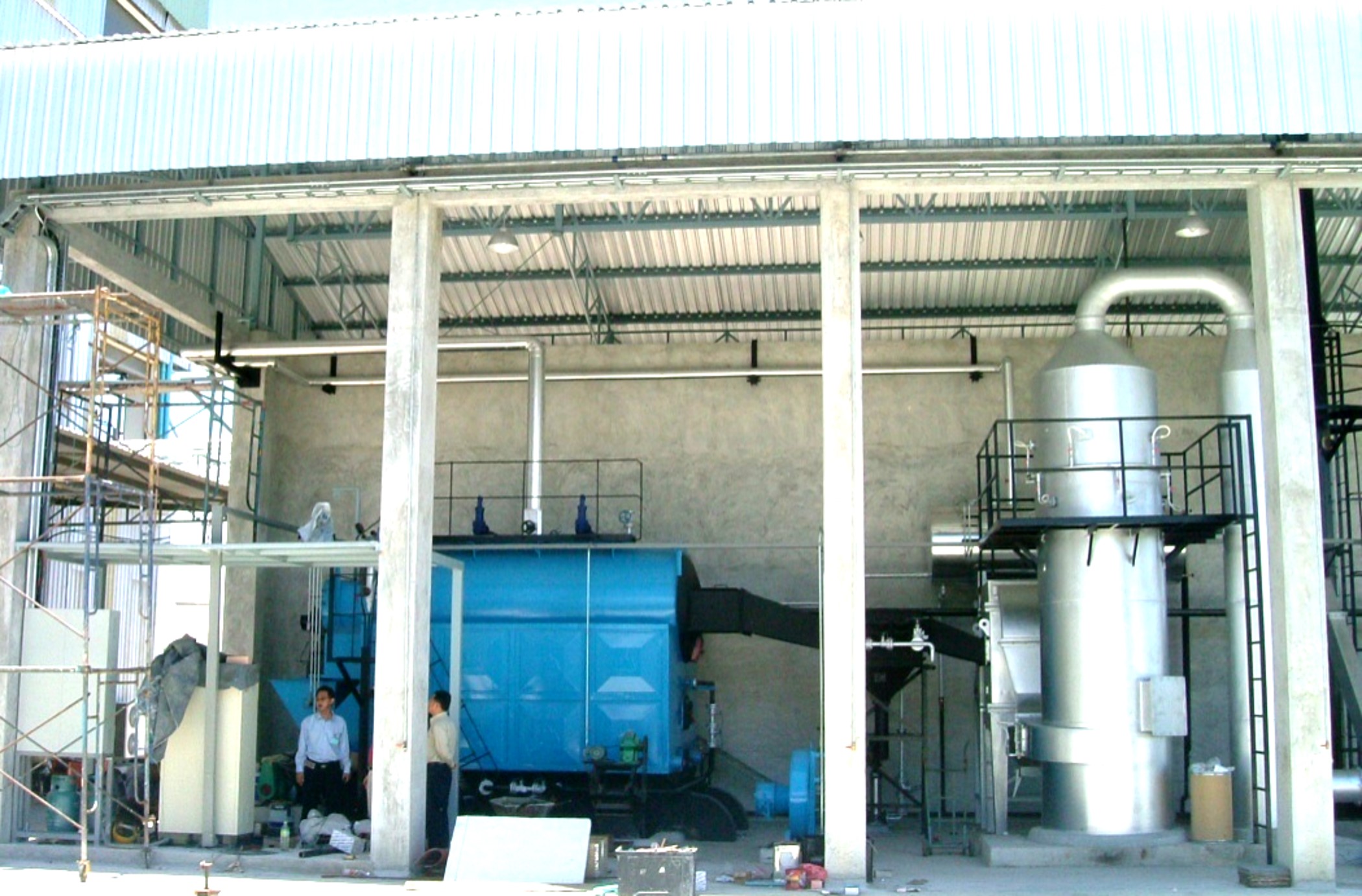
As the global focus shifts toward cleaner, more sustainable energy sources, biomass boilers are increasingly viewed as a renewable alternative to traditional coal-fired boilers—especially in industrial steam and heat applications. However, for facility managers and engineers evaluating a switch or considering a new installation, a crucial question arises: How does the efficiency of coal-fired boilers compare with biomass boiler systems? Given their different fuel properties, combustion behaviors, and system designs, this comparison goes beyond just thermal percentages—it affects fuel consumption, emissions, maintenance, and lifecycle performance.
Coal-fired boilers typically achieve higher thermal efficiency than standard biomass boiler systems due to the higher calorific value and combustion uniformity of coal. While industrial coal-fired boilers operate at 80–88% thermal efficiency, biomass boilers generally range from 75–85%, depending on the boiler design, fuel moisture content, and ash characteristics. However, advanced biomass technologies like fluidized bed and gasification systems have narrowed the efficiency gap and offer carbon-neutral combustion, making them a strategic choice in decarbonization efforts.
This article presents a detailed, data-driven comparison between coal and biomass boiler efficiency—helping engineers and decision-makers evaluate performance, cost, and environmental trade-offs between these two widely used boiler systems.
Biomass boilers are always more efficient than coal-fired boilers due to renewable fuel use.False
While biomass is renewable and low-carbon, it generally has lower thermal efficiency than coal due to higher moisture content, variable combustion properties, and lower energy density.
Thermal Efficiency Comparison: Coal vs. Biomass Boilers
| Boiler Type | Typical Thermal Efficiency (%) | Notes |
|---|---|---|
| Chain Grate Coal Boiler | 75–82 | Common, less precise air control |
| Pulverized Coal Boiler | 82–88 | Higher efficiency with better combustion uniformity |
| CFB Coal Boiler | 82–86 | High flexibility, consistent performance |
| Fixed Grate Biomass Boiler | 70–78 | Lower control precision, high ash and moisture impacts |
| Moving Grate Biomass Boiler | 75–82 | Better air staging, fuel tolerance |
| CFB Biomass Boiler | 80–85 | Advanced system, competitive with coal |
| Biomass Gasification Boiler | 83–88 | Highly efficient, but higher capital cost |
Conclusion: While conventional biomass systems lag slightly behind coal in raw efficiency, modern biomass CFB and gasification technologies now rival or exceed coal-fired performance when optimized for the right fuel type.
Fuel Property Comparison: Coal vs. Biomass
| Property | Coal (Bituminous) | Biomass (Wood Chips/Pellets) |
|---|---|---|
| Calorific Value (MJ/kg) | 24–30 | 10–19 |
| Moisture Content (%) | 5–15 | 15–60 |
| Ash Content (%) | 8–20 | 1–8 |
| Bulk Density (kg/m³) | 800–900 | 200–600 |
| Sulfur Content (%) | 0.5–2.0 | <0.1 |
Biomass has lower energy density, higher variability in moisture and ash, and a tendency for slagging or fouling—factors that reduce combustion efficiency and require more frequent maintenance.
Combustion Efficiency Factors
| Factor | Coal Boiler | Biomass Boiler |
|---|---|---|
| Fuel Homogeneity | High | Low (especially raw biomass) |
| Ash Handling Requirement | High | Moderate to High |
| Slagging/Fouling Risk | Moderate | High (with agri-waste) |
| Combustion Control Precision | Mature and stable | Needs adaptive tuning |
| Emission Control Burden (NOx/SOx) | High | Low to moderate |
Coal burns more predictably, with less need for real-time combustion adaptation. Biomass requires active control systems to handle fluctuations in feedstock quality, particularly with agricultural residues or wet biomass.
Heat Loss Profile
| Loss Type | Coal Boiler (%) | Biomass Boiler (%) |
|---|---|---|
| Stack Gas Loss | 7–10 | 8–12 |
| Radiation/Convection Loss | 1.5–2.5 | 2.0–3.5 |
| Unburned Fuel (Bottom Ash) | 1–2 | 1–3 |
| Moisture Evaporation Loss | 0.5–2 | 2–5 (higher with wet fuel) |
The higher moisture and volatility of biomass feedstock translates into greater evaporation and combustion losses, which can lower thermal efficiency unless fuel is pre-dried or torrefied.
Efficiency with Flue Gas Heat Recovery
Many biomass systems now incorporate:
- Air preheaters and economizers
- Flue gas condensation systems (for low-temperature operation)
- Feedstock dryers using waste heat
These features can improve biomass boiler efficiency by 3–5%, especially when burning high-moisture fuels.
Emissions and Environmental Considerations
| Emission Type | Coal Boiler | Biomass Boiler |
|---|---|---|
| CO₂ Emissions (kg/MWh) | 900–1,100 | Near-zero (biogenic) |
| NOx (mg/Nm³) | 200–400 | 100–250 |
| SO₂ (mg/Nm³) | 300–1,500 | <100 |
| PM (mg/Nm³) | 30–200 | 20–150 |
Although coal has slightly better combustion efficiency, its fossil carbon footprint is much higher. Biomass, despite lower efficiency, qualifies as carbon neutral or even carbon negative when integrated with carbon capture systems.
Operating Cost and Fuel Use Comparison
Let’s analyze steam production for a 10 TPH (tons per hour) boiler operating at 80% efficiency:
| Metric | Coal-Fired Boiler | Biomass-Fired Boiler |
|---|---|---|
| Fuel Calorific Value (MJ/kg) | 25 | 15 |
| Fuel Required (tons/day) | ~20 | ~33 |
| Fuel Cost ($/ton) | $100 | $65 |
| Daily Fuel Cost | $2,000 | $2,145 |
| Annual Fuel Cost (300 days) | $600,000 | $643,500 |
Although biomass requires more tonnage, its lower per-ton cost can offset the efficiency disadvantage—especially in regions with biomass subsidies, local fuel sourcing, or avoided carbon tax costs.
Summary
Coal-fired boilers still hold a modest advantage in combustion efficiency, especially when using pulverized or CFB designs. However, biomass boilers are closing the gap thanks to innovations in fuel preprocessing, fluidized bed combustion, real-time combustion control, and flue gas recovery. While biomass may slightly lag coal in raw thermal efficiency, its renewable nature, carbon neutrality, and evolving technology stack make it a strategic and sustainable alternative for industries focused on decarbonization and long-term fuel security.
In choosing between the two, facilities must weigh:
- Efficiency vs. emissions
- Fuel cost vs. availability
- Capital investment vs. long-term sustainability
Ultimately, modern biomass boilers—especially CFB or gasification types—can offer near-parity with coal in efficiency, while positioning industrial operations for a cleaner energy future.
How Do Electric Boilers Differ from Coal-Fired Boilers in Energy Efficiency and Operating Cost?
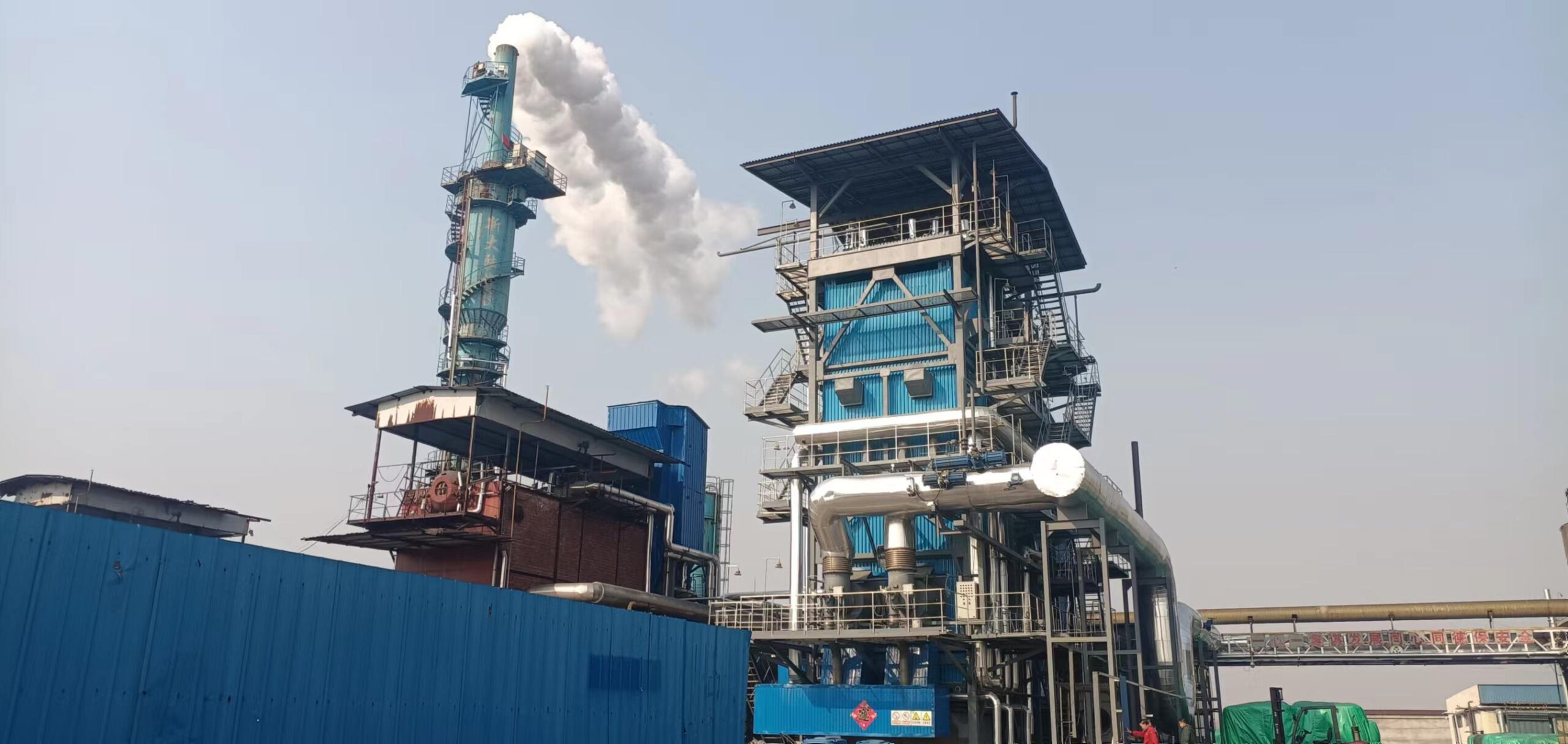
With global decarbonization efforts gaining momentum and industries seeking more sustainable and cost-efficient energy sources, the debate between electric boilers and coal-fired boilers has moved from theoretical to highly practical. Traditionally, coal-fired systems powered much of the industrial steam generation landscape due to their fuel availability and capacity scalability. However, with electric power becoming cleaner and more stable in price—and emissions regulations tightening—electric boilers are emerging as viable alternatives, especially in mid- to low-pressure applications.
Electric boilers are significantly more energy efficient than coal-fired boilers, achieving 95–99% efficiency compared to 72–88% for coal-fired systems. However, electric boilers often have higher operating costs due to the price of electricity per unit of energy, especially in regions without low-carbon power subsidies or time-of-use rate optimization. While coal-fired boilers offer lower fuel costs, they entail higher maintenance, emissions compliance burdens, and longer start-up times, making electric boilers advantageous in certain industrial scenarios prioritizing sustainability, flexibility, and operational simplicity.
This article compares these two boiler types in terms of energy efficiency, operating cost, maintenance, and long-term viability, giving you a clear picture of their performance in modern industrial settings.
Electric boilers are less energy efficient than coal-fired boilers due to electrical losses.False
Electric boilers convert nearly all input electrical energy into heat, achieving 95–99% thermal efficiency, while coal-fired boilers experience significant combustion and heat transfer losses, resulting in lower efficiency.
Energy Efficiency Comparison: Electric vs. Coal-Fired Boilers
| Boiler Type | Thermal Efficiency (%) | Efficiency Characteristics |
|---|---|---|
| Electric Boiler (Resistance) | 98–99 | Near-total conversion of electric energy into heat |
| Electric Boiler (Electrode) | 95–98 | Slightly lower due to control complexity |
| Chain Grate Coal Boiler | 72–80 | High excess air, slagging, and lower combustion uniformity |
| Pulverized Coal Boiler | 80–88 | Better combustion, but still losses from flue gases and ash |
| CFB Coal Boiler | 82–86 | High efficiency with better combustion stability |
Electric boilers deliver nearly lossless thermal conversion, while coal boilers lose energy through:
- Stack gas losses
- Radiation/convection
- Ash/slag formation
- Unburned carbon
Fuel and Power Cost Comparison
While electric boilers are more efficient, their operating cost depends heavily on local electricity vs. coal prices.
| Metric | Coal-Fired Boiler | Electric Boiler |
|---|---|---|
| Typical Energy Cost per GJ | $3–6 (coal) | $20–35 (electricity) |
| Efficiency | 75–85% | 95–99% |
| Net Energy Cost per GJ of Steam | $3.75–8.00 | $20.20–36.80 |
| Fuel Handling Cost | $5–15/ton (coal) | None |
| Emission Control Cost | $10–30/ton steam (SOx, NOx, PM) | None |
| Maintenance Cost per Year | High (slagging, fan motors) | Low (minimal moving parts) |
Electric boilers cost significantly more per unit of energy, but eliminate many secondary costs associated with coal systems—like fuel handling, ash removal, and pollution control.
Note: The cost competitiveness of electric boilers improves dramatically when:
- Electricity is sourced from renewables (solar, wind, hydro)
- Time-of-use pricing is exploited (charging during off-peak)
- Carbon taxes or emissions trading schemes penalize coal combustion
Operational Performance Comparison
| Performance Factor | Coal-Fired Boiler | Electric Boiler |
|---|---|---|
| Start-up Time | 2–4 hours | <15–30 minutes |
| Load Response Speed | Slow to moderate | Instantaneous |
| Control Precision | Limited | High (electronic control) |
| Automation Compatibility | Complex | Easily automated |
| Space Requirements | Large (boiler, fuel yard) | Compact footprint |
| Environmental Compliance | Requires scrubbers, ESP, etc. | Zero onsite emissions |
Electric boilers excel in fast response applications, compact installations, and demand-following operations, making them ideal for:
- Small to medium industrial plants
- Clean-in-place (CIP) systems
- Pharmaceutical and food processing
- Facilities with on-site renewables or surplus electricity
Emissions and Environmental Comparison
| Emission Type | Coal Boiler | Electric Boiler |
|---|---|---|
| CO₂ (kg/MWh of heat) | 900–1,100 | 0 (if grid is renewable) |
| SO₂ (mg/Nm³) | 300–2,000 | 0 |
| NOx (mg/Nm³) | 200–600 | 0 |
| PM (mg/Nm³) | 50–150 | 0 |
| Water Consumption | High (steam cycle, cooling) | Minimal |
Electric boilers eliminate all combustion-related emissions onsite, qualifying as zero-emission equipment when powered by renewables or certified clean grids. In contrast, coal-fired systems must comply with air pollution standards that require:
- Flue Gas Desulfurization (FGD)
- Electrostatic Precipitators (ESP)
- Selective Catalytic Reduction (SCR)
These systems increase CAPEX and maintenance needs over the boiler’s life.
Maintenance and Lifecycle Considerations
| Category | Coal-Fired Boiler | Electric Boiler |
|---|---|---|
| Boiler Tube Cleaning | Frequent | Not applicable |
| Ash Handling System | Required | Not applicable |
| Fuel Delivery & Storage | Conveyor/bunker required | None |
| Downtime Risk | Higher (slagging, fouling) | Very low |
| Service Life | 25–30 years | 15–25 years |
Electric boilers are maintenance-light, making them ideal for unmanned operation or environments where labor resources are limited.
Summary
Coal-fired boilers may offer lower fuel costs, especially where coal is abundant and carbon pricing is low, but they come with significantly lower energy efficiency, higher emissions, and greater maintenance demands. In contrast, electric boilers convert nearly all electricity into heat, offer rapid responsiveness, and eliminate local emissions and ash handling, but their viability depends on electricity pricing and power grid carbon intensity.
If your industrial operation prioritizes:
- Low upfront fuel costs → Coal-fired systems
- Sustainability, automation, and emissions-free operation → Electric boilers
With clean energy integration and smarter demand-side electricity management, electric boilers are increasingly viable, especially in low-to-medium steam pressure applications, urban industrial settings, and future-ready plants aiming for carbon neutrality.
How Do Advanced Coal-Fired Technologies (CFB, Ultra-Supercritical) Improve Efficiency?
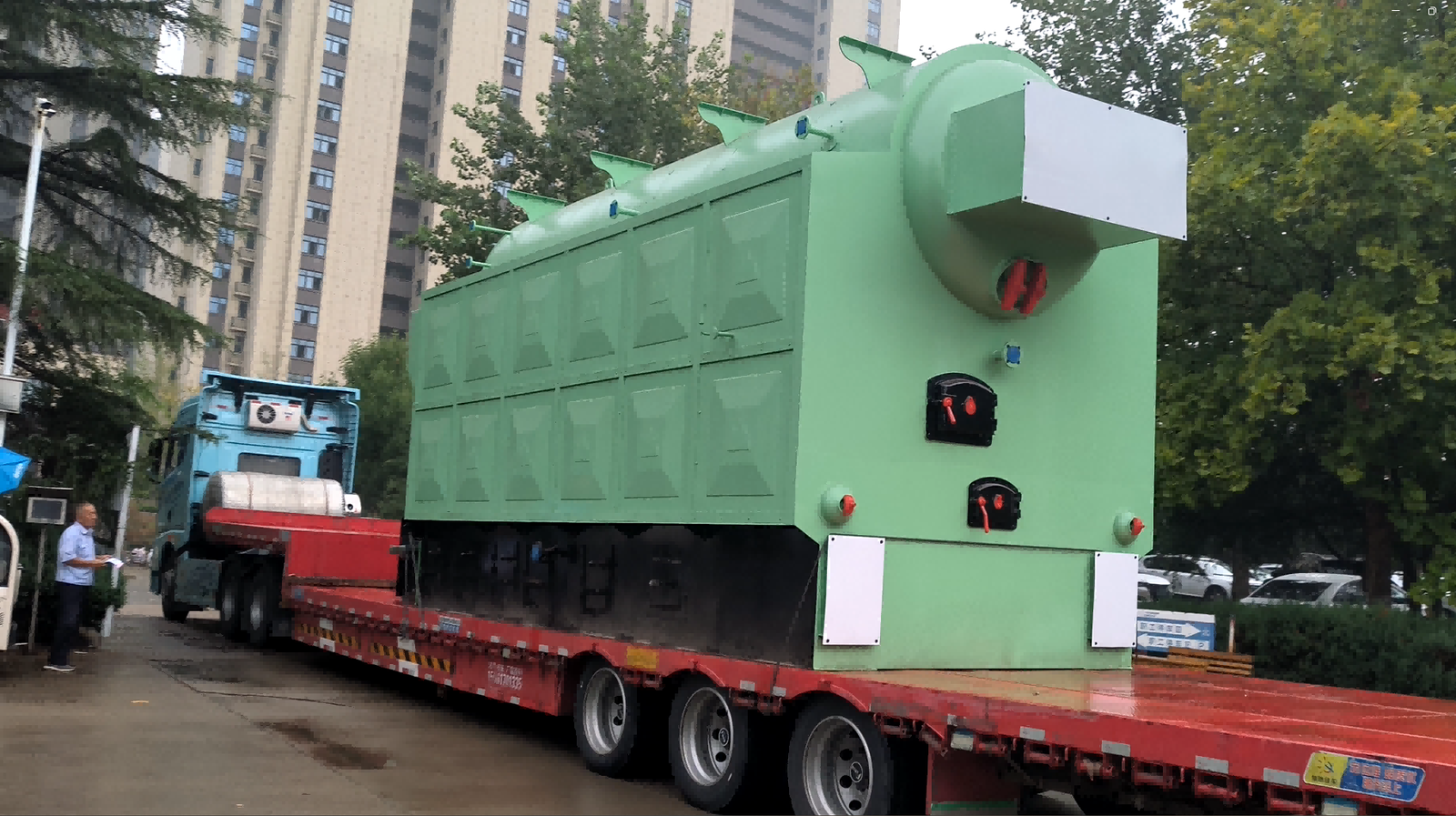
As global energy systems evolve under the dual pressure of energy demand and emissions control, coal-fired power plants are no longer relying solely on conventional boiler technologies. Instead, advanced coal combustion systems—particularly Circulating Fluidized Bed (CFB) and Ultra-Supercritical (USC) steam cycle technologies—have emerged as vital innovations to dramatically improve efficiency and reduce emissions. While coal remains a controversial fuel source, these modern advancements have significantly changed its energy profile.
Advanced coal-fired technologies like Circulating Fluidized Bed (CFB) and Ultra-Supercritical (USC) systems improve efficiency by enhancing combustion control, increasing steam temperature and pressure, optimizing heat recovery, and enabling flexible fuel use. CFB boilers achieve thermal efficiency of 82–86% with low emissions through staged combustion and in-bed heat absorption, while USC units raise steam conditions above 600°C and 25 MPa, pushing net plant efficiency to 42–47%—compared to 33–38% for subcritical coal plants.
This leap in thermal performance not only reduces fuel consumption per MWh but also lowers greenhouse gas emissions and air pollutants, making advanced coal systems more viable in markets where coal is still a key energy source.
Advanced coal-fired boiler technologies like ultra-supercritical systems do not significantly improve thermal efficiency compared to conventional systems.False
Ultra-supercritical coal-fired plants achieve thermal efficiencies up to 47%, significantly higher than subcritical systems (33–38%), by operating at higher steam temperatures and pressures.
Efficiency Benchmarks: Comparing Advanced and Conventional Coal Technologies
| Technology Type | Steam Conditions (°C / MPa) | Net Plant Efficiency (LHV, %) | Thermal Efficiency (Boiler, %) |
|---|---|---|---|
| Subcritical (Drum Boiler) | 540°C / 16–18 MPa | 33–38 | 75–80 |
| Supercritical (Once-through) | 565°C / 24 MPa | 38–41 | 80–85 |
| Ultra-Supercritical (USC) | 600–620°C / 25–30 MPa | 42–47 | 85–89 |
| Advanced USC (A-USC) | 700°C / 35 MPa (future tech) | 47–50+ | 89–92 |
| CFB (Standard Industrial) | 850–900°C furnace temp | ~38–42 (net) | 82–86 |
How Circulating Fluidized Bed (CFB) Improves Boiler Efficiency
CFB boilers use a fluidized bed of sand, ash, and fuel particles suspended by high-velocity air, creating even temperature distribution and complete combustion. Key efficiency gains come from:
- In-bed combustion control: Optimizes oxygen/fuel ratio and reduces excess air losses
- Fuel flexibility: Burns low-grade fuels (coal, biomass, waste) efficiently
- Lower furnace temperature (850–900°C): Reduces NOx formation and slagging
- Recycling unburned particles via cyclone separators
CFB Efficiency-Enhancing Features
| Design Element | Efficiency Benefit |
|---|---|
| Air staging + recirculation | Improves burnout, reduces excess air |
| Bed material (ash/sand) | Enhances heat transfer, stores thermal energy |
| In-bed heat exchangers | Absorb heat efficiently without slag risk |
| Limestone injection | Captures SO₂ internally, reducing FGD load |
CFB boilers can achieve thermal efficiency of 82–86%, often matching or exceeding conventional coal systems—especially when burning variable or low-grade fuels.
How Ultra-Supercritical (USC) Steam Technology Boosts Plant Efficiency
USC boilers achieve higher efficiency by operating at elevated steam temperature and pressure, enabling more energy extraction per kg of steam.
Key Efficiency Gains from USC Systems
- Higher thermal efficiency (85–89%) due to increased steam enthalpy
- Reduced fuel consumption (by 7–12% vs. subcritical) per MWh
- Lower CO₂ emissions per unit energy (up to 20% less)
- Smaller cooling water requirement due to improved cycle heat rate
Case Study: Efficiency Gains from USC Conversion
A utility in South Korea upgraded a 500 MW coal plant from subcritical to USC:
- Before Upgrade: 35.8% net efficiency, 1,000 g CO₂/kWh
- After Upgrade: 44.1% net efficiency, 865 g CO₂/kWh
- Fuel Savings: ~200,000 tons coal/year
- Payback Period: ~6.5 years with carbon pricing
Efficiency and Emissions Comparison Chart
| Metric | Subcritical Boiler | CFB Boiler | USC Boiler |
|---|---|---|---|
| Thermal Efficiency (%) | 75–80 | 82–86 | 85–89 |
| Net Plant Efficiency (%) | 33–38 | 38–42 | 42–47 |
| NOx Emissions (mg/Nm³) | 350–450 | 100–200 | 150–300 |
| SO₂ Emissions (mg/Nm³) | 500–1,000 | <200 (in-bed control) | 300–700 (post-FGD) |
| CO₂ Emissions (g/kWh) | 950–1,150 | 850–1,000 | 800–950 |
| Ash Generation (kg/MWh) | High | Moderate | High |
CFB boilers excel in fuel flexibility and emission control, while USC units lead in thermal-cycle efficiency. Both offer substantial efficiency and emissions improvements over older coal systems.
Materials and Technology Challenges in USC Systems
Achieving higher steam conditions demands:
- Nickel-based alloys and advanced steels (e.g., T91, P92)
- Enhanced tube coatings for corrosion/oxidation resistance
- Precision control systems for real-time steam condition monitoring
- High-strength welding and quality assurance
While capital costs increase, lifecycle fuel and emissions savings often justify investment—particularly under carbon cost frameworks.
Summary
Advanced coal-fired technologies like CFB boilers and ultra-supercritical steam systems have significantly raised the performance bar for coal combustion. CFB systems deliver high efficiency with multi-fuel flexibility and low emissions, while USC units achieve record thermal and net plant efficiencies by pushing steam parameters beyond conventional limits. Together, they represent the modern, efficient face of coal-based energy, especially in countries where coal remains an energy cornerstone but sustainability and emissions targets must still be met.
If coal is to remain in the energy mix for the foreseeable future, advanced boiler technologies are critical for improving thermal performance, lowering emissions, and meeting the economic and environmental demands of modern industry.
In Which Industrial Scenarios Are Coal-Fired Boilers Still the Most Energy-Efficient Choice Overall?
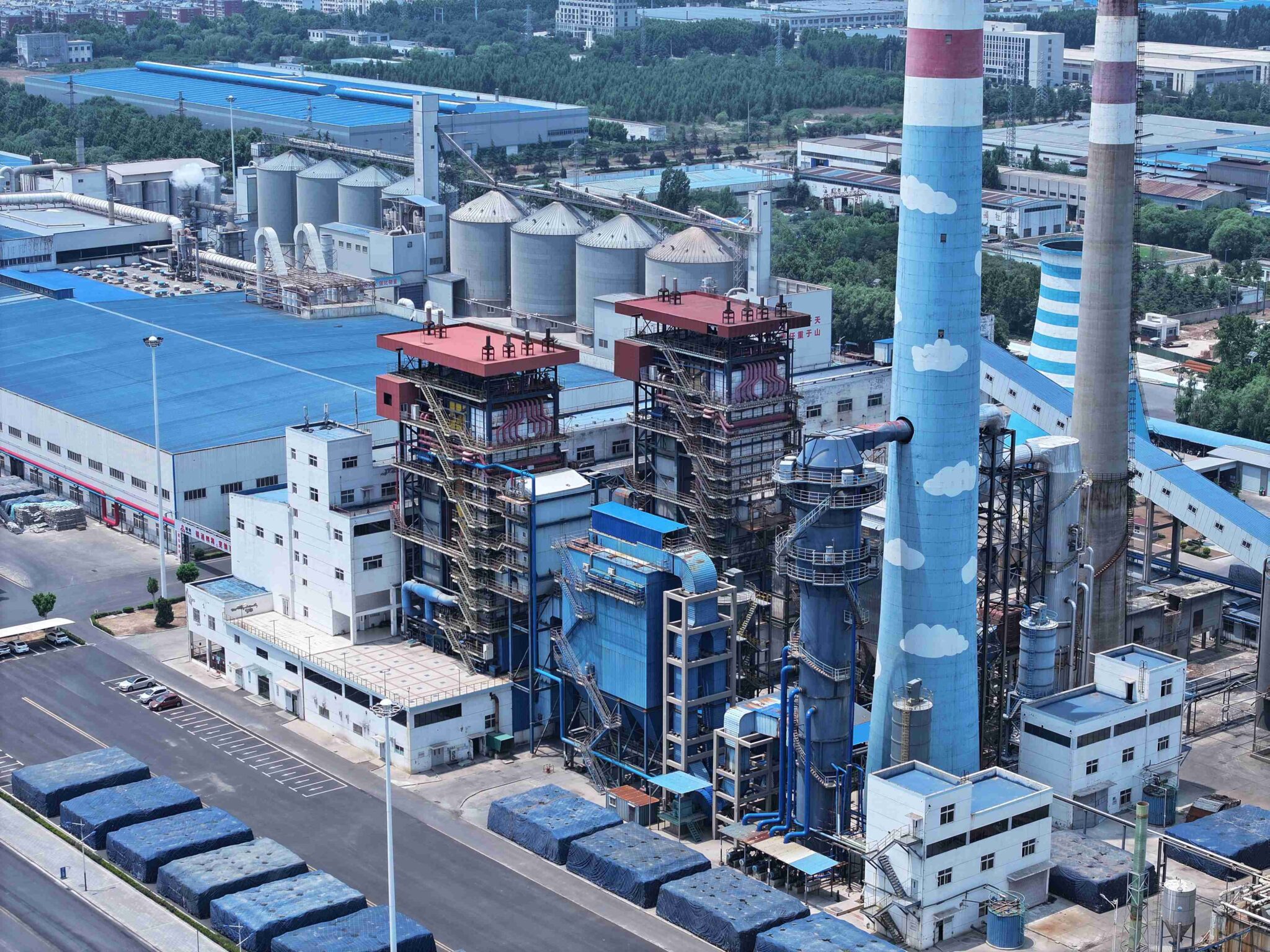
Even in today’s decarbonizing global economy, coal-fired boilers continue to play a vital role in certain industrial applications where their combination of fuel availability, heat output, cost-efficiency, and scale still make them the most practical and energy-efficient option overall. These scenarios typically exist in sectors and regions where alternative energy systems—such as gas, biomass, or electricity—are either economically unfeasible, technically insufficient, or logistically unsupported.
Coal-fired boilers remain the most energy-efficient and cost-effective choice in large-scale industrial scenarios that demand continuous high-temperature steam, operate in coal-abundant regions, require multi-fuel flexibility, or prioritize process integration with cogeneration systems. These include cement kilns, steel mills, textile parks, mining operations, and chemicals manufacturing plants where infrastructure, thermal requirements, and economic factors align with coal’s high calorific value and reliable output.
Understanding where and why coal-fired boilers still dominate helps industries make informed decisions around fuel choice, infrastructure planning, and decarbonization roadmaps—especially in economies where industrial energy resilience is still coal-dependent.
Coal-fired boilers are completely obsolete and no longer energy-efficient in any industrial application.False
Coal-fired boilers continue to be energy-efficient and cost-effective in specific large-scale industrial scenarios where fuel availability, process demands, and infrastructure make them the most viable option.
Top Industrial Scenarios Where Coal-Fired Boilers Still Excel
| Industry | Why Coal is Energy-Efficient | Alternative Limitations |
|---|---|---|
| Steel & Iron Making | High and sustained thermal loads (1,200°C+); coal also used in coke ovens | Natural gas or electricity often lack required temperature resilience |
| Cement Production | Requires constant kiln heat (1,400–1,500°C); coal ash can be used as clinker additive | Biomass may not offer stable combustion for cement calcination |
| Mining Operations | Remote locations with no grid/gas access; coal mined onsite and used in thermal plants | Electrification impractical; gas delivery infeasible |
| Textile Processing | High steam volume at low cost; thermal oil heaters and dye units favor continuous heat | Biomass may cause fouling; gas cost is volatile in many markets |
| Pulp & Paper | Black liquor and coal co-firing in recovery boilers for steam and electricity | Requires customized biomass systems; capital-intensive |
| Large Chemical Plants | Consistent base-load steam and process heat needs; coal CHP integration is mature | Gas turbines may not match thermal stability in specific synthesis |
These industries value reliability, base-load stability, and thermal consistency—three areas where coal-fired systems still outperform many renewables and transitional energy systems.
Regional and Resource-Driven Justification for Coal Use
| Region | Justifying Factors |
|---|---|
| China | Abundant domestic coal; mature infrastructure; high industrial density |
| India | Inexpensive coal reserves; textile and agro-industrial clusters |
| Indonesia & Vietnam | Local coal availability; industrial parks with coal CHP |
| South Africa | Integrated mining + coal-fired power synergy |
| Russia & Kazakhstan | Harsh climates, local coal reserves, off-grid industrial zones |
Why Coal Still Delivers High Energy Efficiency in These Settings
- Calorific Value & Steam Output:
- Bituminous coal: 24–30 MJ/kg
- Sustained boiler output: up to 100–500 TPH
- High-pressure steam (>100 bar) for turbine/process use
- Thermal Efficiency Benchmarks:
| Boiler Type | Thermal Efficiency (%) | Key Feature |
|---|---|---|
| Pulverized Coal Boiler | 82–88 | Rapid combustion and high heat transfer |
| CFB (Circulating Fluidized Bed) | 82–86 | Fuel flexibility + low excess air loss |
| Subcritical Drum Boiler | 75–80 | Cost-effective for moderate steam loads |
- Fuel Cost and Operating Efficiency:
| Metric | Coal Boiler | Gas Boiler | Biomass Boiler |
|---|---|---|---|
| Fuel Cost per GJ | $3–5 | $8–15 | $6–10 |
| Energy Efficiency (thermal) | 80–88% | 88–94% | 75–85% |
| Total Steam Cost ($/ton) | $12–18 | $20–35 | $22–30 |
| Maintenance Frequency | Moderate | Low | High (ash fouling risk) |
| Emission Control Required | Yes | Minimal | Moderate |
Conclusion: Despite slightly lower efficiency than gas, coal’s low fuel cost per MJ often results in lower total steam production cost, especially in high-load plants.
Integration with Cogeneration (CHP) for Higher System Efficiency
Many industrial plants use coal-fired Combined Heat and Power (CHP) systems to generate electricity and process steam simultaneously, which can raise total system efficiency to:
- Up to 70–75% when designed properly
- Waste heat from turbine used for feedwater preheating or drying operations
This makes coal-based CHP systems more efficient than single-use steam boilers, especially in captive industrial power plants.
Advanced Coal Boiler Technologies That Enhance Efficiency
| Technology | Efficiency Contribution |
|---|---|
| Ultra-Supercritical Steam | Raises thermal efficiency to 47%+ |
| Fluidized Bed Combustion | Allows fuel mix (biomass + coal) for flexibility |
| Flue Gas Heat Recovery | Economizers and air preheaters reduce stack losses |
| AI-Based Combustion Control | Optimizes air-fuel ratio, reduces excess air and carbon loss |
These enhancements help keep coal-fired systems competitive in energy-intensive industries, especially when combined with emission abatement technologies (e.g., FGD, ESP, SCR).
Summary
While the global trend is toward decarbonization, coal-fired boilers remain energy-efficient and cost-effective in specific industrial scenarios characterized by:
- High and continuous heat demands
- On-site coal availability
- Process integration needs
- Weak infrastructure for gas or electricity
- Existing coal-compliant regulatory regimes
In these settings, especially across Asia, Africa, and parts of Eastern Europe, coal remains the most practical and efficient fuel option, pending grid upgrades or local fuel transitions. The key is recognizing where coal still offers net energy and economic value—and optimizing those systems for efficiency, emissions control, and long-term adaptability.
🔍 Conclusion
Industrial coal-fired boilers are less efficient than modern gas-fired and electric boilers, but they remain competitive when fuel cost, availability, and scale are considered. With advanced designs such as CFB technology, optimized heat recovery, and digital combustion control, coal-fired boilers can achieve respectable efficiency and strong economic performance in suitable applications. Choosing the right boiler requires evaluating efficiency together with fuel economics and regulatory requirements, not efficiency alone.
🔹 Contact us today to identify the most energy-efficient and cost-effective boiler solution for your industrial operation. ⚙️🔥🏭✅
FAQ
Q1: How energy-efficient are industrial coal-fired boilers in general?
A1: Industrial coal-fired boilers typically achieve thermal efficiencies ranging from 75% to 88%, depending on boiler type, combustion technology, coal quality, and heat recovery systems. Traditional pulverized coal boilers operate at the lower end of this range, while modern designs such as circulating fluidized bed (CFB) boilers and units equipped with economizers and air preheaters can reach higher efficiency levels. Although coal-fired boilers are generally less efficient than gas-fired systems, they remain competitive in regions with low coal costs and stable fuel supply.
Q2: How do coal-fired boilers compare with gas-fired boilers in efficiency?
A2: Gas-fired boilers are usually more energy-efficient than coal-fired boilers, with typical efficiencies of 90–95% and even higher for condensing designs. Natural gas combustion is cleaner, producing minimal ash and soot, which improves heat transfer and reduces fouling losses. Coal-fired boilers experience higher heat losses due to ash handling, incomplete combustion, and flue gas losses. However, advanced coal-fired technologies can narrow the efficiency gap, especially in large-scale industrial or power applications.
Q3: How does coal-fired boiler efficiency compare with oil-fired boilers?
A3: Oil-fired boilers generally achieve efficiencies of 85–92%, making them slightly more efficient than most coal-fired boilers. Oil has a higher and more consistent calorific value than coal, allowing for more precise combustion control. Coal-fired boilers, while less efficient, often offer lower fuel costs and better long-term economics in coal-rich regions. The choice between coal and oil often balances efficiency against fuel price stability and supply security.
Q4: How do coal-fired boilers compare with biomass and electric boilers?
A4: Compared with biomass boilers, which typically operate at 75–88% efficiency, coal-fired boilers show similar efficiency levels but offer more stable combustion and higher energy density fuel. Biomass systems, however, provide renewable energy benefits. Electric boilers can achieve nearly 100% point-of-use efficiency, but high electricity costs and grid constraints limit their practicality for large-scale industrial steam generation. Coal-fired boilers remain viable where fuel cost and availability outweigh efficiency differences.
Q5: What factors most influence the efficiency of industrial coal-fired boilers?
A5: Several factors influence coal-fired boiler efficiency, including coal quality (moisture, ash, and calorific value), combustion technology, excess air control, and heat recovery equipment. Poor coal quality increases unburned carbon losses and flue gas heat losses. Regular maintenance, optimized combustion control, and upgrades such as economizers, air preheaters, and digital monitoring systems can significantly improve efficiency and reduce fuel consumption over the boiler’s operating life.
References
- U.S. Department of Energy – Improving Industrial Boiler Efficiency – https://www.energy.gov/ – DOE
- International Energy Agency (IEA) – Industrial Heat and Boiler Efficiency – https://www.iea.org/ – IEA
- ASME – Boiler and Pressure Vessel Code (BPVC) – https://www.asme.org/ – ASME
- IEA Clean Coal Centre – Coal-Fired Boiler Performance – https://www.iea-coal.org/ – IEA CCC
- Engineering Toolbox – Boiler Efficiency by Fuel Type – https://www.engineeringtoolbox.com/ – Engineering Toolbox
- Spirax Sarco – Industrial Boiler Efficiency Comparison – https://www.spiraxsarco.com/ – Spirax Sarco
- ScienceDirect – Efficiency Analysis of Coal-Fired Boilers – https://www.sciencedirect.com/ – ScienceDirect
- ISO 50001 – Energy Management Systems – https://www.iso.org/ – ISO
- World Bank – Industrial Energy Efficiency Studies – https://www.worldbank.org/ – World Bank
- MarketsandMarkets – Industrial Boiler Market and Efficiency Trends – https://www.marketsandmarkets.com/ – Markets and Markets