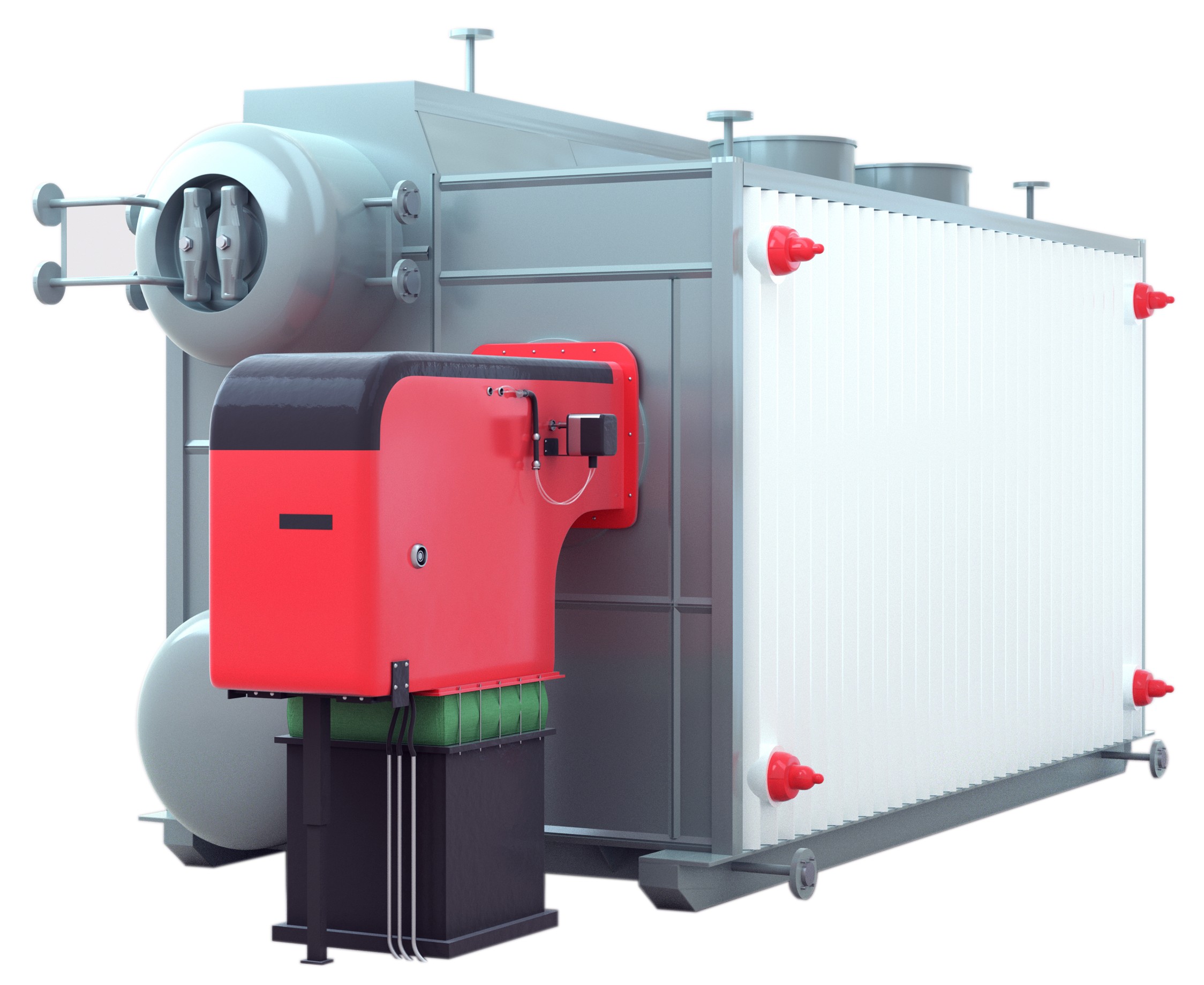
Industrial oil-fired boilers are often chosen for their stable combustion, quick response, and reliable steam output, especially in regions where gas infrastructure is limited. However, with rising energy costs and stricter efficiency targets, many industrial users question whether oil-fired boilers remain competitive compared to gas-fired, coal-fired, biomass, and electric boilers. Choosing the wrong boiler type can lead to higher fuel bills, lower efficiency, and long-term cost disadvantages.
In general, industrial oil-fired boilers achieve thermal efficiencies of about 85–92%, placing them below modern gas-fired and electric boilers, but above traditional coal-fired boilers. Their efficiency is highly dependent on burner quality, heat recovery systems, and operating practices. While oil-fired boilers are less efficient than gas-fired units, they often outperform coal-fired boilers in efficiency, cleanliness, and controllability, making them a practical mid-range solution in specific applications.
Understanding how oil-fired boilers compare with other boiler types helps users optimize energy efficiency, operating cost, and system reliability.
How Does the Thermal Efficiency of Industrial Oil-Fired Boilers Compare With Gas-Fired Boilers?
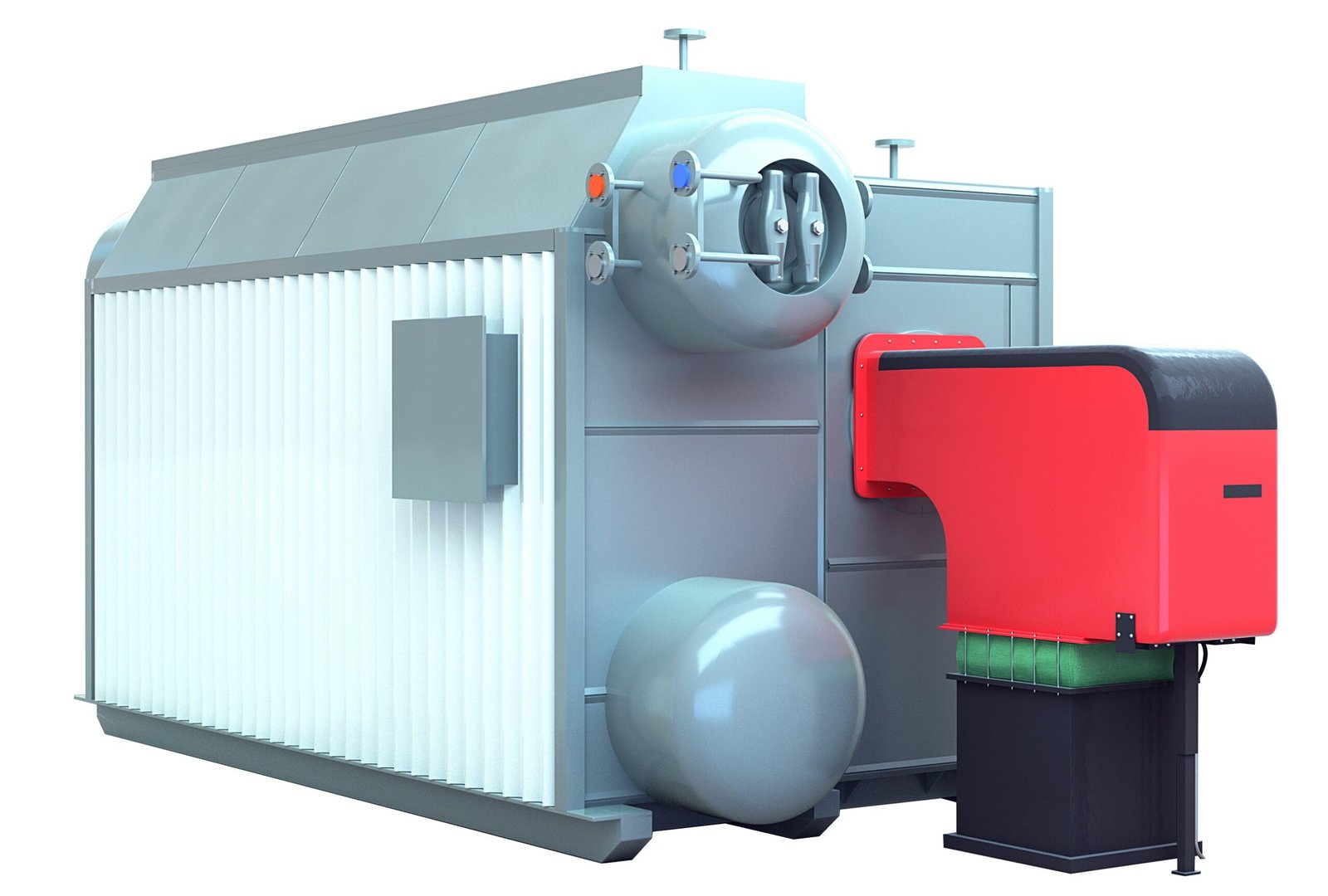
In industrial energy systems, thermal efficiency is not just a technical parameter—it directly determines fuel consumption, operating cost, carbon emissions, and long-term competitiveness. Many industrial users still operate oil-fired boilers due to historical fuel availability, backup requirements, or process-specific needs, while gas-fired boilers have rapidly expanded because of their perceived cleanliness and efficiency. However, decision-makers often struggle with a fundamental question: how large is the real efficiency gap between industrial oil-fired boilers and gas-fired boilers, and does this gap justify fuel switching or system replacement? Misunderstanding this comparison can lead to suboptimal investments, higher operating costs, or unnecessary reliability risks.
In general, industrial gas-fired boilers achieve higher thermal efficiency than oil-fired boilers, primarily due to cleaner combustion, lower excess air requirements, reduced heat losses, and better compatibility with condensing and advanced control technologies; however, the actual efficiency difference depends heavily on boiler design, operating conditions, and fuel quality.
Understanding this comparison requires moving beyond simplified assumptions and examining combustion characteristics, heat transfer behavior, system integration, and real-world operating factors that influence thermal efficiency.
Gas-fired industrial boilers are always significantly more efficient than oil-fired boilers under all operating conditions.False
While gas-fired boilers are generally more efficient, modern oil-fired boilers with optimized design and controls can achieve comparable efficiency in certain applications.
Fuel properties and combustion behavior play a decisive role in determining boiler thermal efficiency.True
Differences in flame characteristics, excess air, and heat losses between oil and gas directly affect achievable efficiency.
Defining Thermal Efficiency in Industrial Boiler Systems
Thermal efficiency in industrial boilers refers to the proportion of fuel energy converted into useful heat for steam or hot water production. It is typically expressed as a percentage of the fuel’s lower heating value (LHV) or higher heating value (HHV), depending on regional standards. The choice of reference basis significantly affects numerical comparisons between oil-fired and gas-fired boilers.
In practical terms, thermal efficiency reflects how effectively a boiler minimizes energy losses, including flue gas heat loss, unburned fuel loss, radiation loss, blowdown loss, and auxiliary power consumption. Any comparison between oil-fired and gas-fired boilers must therefore consider not only combustion efficiency but the entire system configuration.
Fundamental Differences Between Oil and Gas as Boiler Fuels
Fuel characteristics strongly influence achievable boiler efficiency. Natural gas is a gaseous fuel with uniform composition, high hydrogen content, and no ash. Fuel oil, whether light oil or heavy oil, is a liquid fuel with higher carbon content, potential impurities, and varying viscosity.
Natural gas combustion produces mainly CO₂ and water vapor, with minimal particulate matter. Oil combustion produces additional soot, ash, and heavier hydrocarbons, which affect heat transfer surfaces and flue gas properties. These fundamental differences explain why gas-fired boilers generally operate with lower excess air and cleaner heat transfer surfaces.
Combustion Efficiency and Excess Air Requirements
One of the most important contributors to thermal efficiency is excess air. Excess air is required to ensure complete combustion, but too much excess air carries additional heat out of the boiler through the flue gas.
Gas-fired boilers typically operate with lower excess air levels because gas mixes easily and uniformly with combustion air. Oil-fired boilers require higher excess air to ensure complete atomization and combustion of liquid fuel droplets, especially under varying load conditions. Higher excess air directly increases stack losses and reduces thermal efficiency.
Flame Characteristics and Heat Transfer
Gas flames are generally shorter, more uniform, and easier to control, allowing more even heat distribution within the furnace. Oil flames are longer and more radiant due to higher carbon content, which can be advantageous for certain furnace designs but may also lead to localized overheating or fouling.
In modern designs, gas-fired boilers can optimize convective heat transfer surfaces more effectively because cleaner flue gas maintains high heat transfer coefficients over time. Oil-fired boilers experience gradual degradation in heat transfer due to soot deposition unless cleaning is frequent and well-managed.
Typical Thermal Efficiency Ranges in Industrial Practice
In real industrial operation, modern gas-fired boilers commonly achieve thermal efficiencies in the range of 90–95% (LHV basis), with condensing gas boilers reaching even higher values under suitable conditions. Oil-fired boilers typically operate in the range of 85–90% (LHV basis), depending on fuel type, burner quality, and maintenance.
Table 1: Typical Thermal Efficiency Comparison
| Boiler Type | Typical Efficiency (LHV) | Key Limiting Factors |
|---|---|---|
| Gas-fired boiler | 90–95% | Stack losses, control tuning |
| Condensing gas boiler | 95–98% | Return temperature, corrosion control |
| Oil-fired boiler | 85–90% | Excess air, fouling, atomization |
These ranges overlap, highlighting that well-designed oil-fired boilers can approach gas-fired performance under optimal conditions.
Condensing Technology and Its Impact
One of the largest efficiency advantages of gas-fired boilers lies in condensing technology. Natural gas combustion produces significant water vapor, and condensing boilers recover latent heat by cooling flue gas below the dew point. This is difficult with oil-fired boilers because sulfur content in oil leads to acidic condensate that causes corrosion.
As a result, condensing technology is widely applied to gas-fired boilers but rarely to oil-fired industrial boilers. This structural limitation creates a persistent efficiency gap in low-temperature applications.
Heat Losses and Fouling Behavior
Oil-fired boilers suffer from higher fouling rates due to soot and ash, which increase thermal resistance on heat exchange surfaces. Even thin soot layers can significantly reduce heat transfer efficiency. Gas-fired boilers maintain cleaner surfaces, allowing them to sustain high efficiency for longer periods between maintenance intervals.
This difference means that nominal efficiency values for oil-fired boilers often degrade faster in real operation unless strict maintenance regimes are enforced.
Load Flexibility and Part-Load Efficiency
Industrial boilers rarely operate at full load continuously. Part-load efficiency therefore plays a critical role in overall energy performance. Gas-fired boilers respond quickly to load changes and maintain stable combustion over a wide turndown ratio. Oil-fired boilers typically have lower turndown capability and experience reduced combustion efficiency at low loads.
This advantage allows gas-fired boilers to maintain higher average seasonal efficiency, especially in processes with variable heat demand.
Burner Technology and Control Precision
Modern gas burners offer precise modulation, fast response, and advanced air–fuel ratio control. These features directly support higher combustion efficiency and lower emissions. Oil burners have improved significantly, but atomization quality and nozzle wear introduce additional variability.
Advanced digital control systems narrow the efficiency gap, but gas-fired systems remain inherently easier to optimize.
Emissions Control and Efficiency Trade-Offs
Emission control requirements influence efficiency. Oil-fired boilers often require higher excess air or additional flue gas treatment to control soot and sulfur-related emissions, increasing heat loss. Gas-fired boilers achieve low emissions with less compromise on efficiency.
This relationship reinforces the efficiency advantage of gas-fired systems under strict environmental regulations.
Fuel Quality Variability and Its Impact
Gas supply quality is generally consistent, while oil quality can vary significantly depending on storage conditions, aging, and supplier. Variability in viscosity, sulfur content, and impurities affects atomization and combustion efficiency in oil-fired boilers.
Stable fuel quality supports stable efficiency, giving gas-fired boilers an operational advantage in long-term performance consistency.
Operational and Maintenance Influence on Real Efficiency
The theoretical efficiency difference between oil and gas can widen or narrow depending on operational discipline. Poor maintenance, incorrect burner tuning, and fouled heat exchangers can reduce oil-fired boiler efficiency dramatically. Conversely, well-maintained oil-fired systems can perform close to gas-fired systems.
Table 2: Operational Factors Affecting Efficiency Gap
| Factor | Impact on Oil-Fired Boilers | Impact on Gas-Fired Boilers |
|---|---|---|
| Maintenance frequency | High sensitivity | Moderate sensitivity |
| Burner tuning | Critical | Important |
| Fuel storage quality | Significant | Minimal |
| Automation level | Strong influence | Strong influence |
Economic Interpretation of Efficiency Differences
Thermal efficiency must be interpreted alongside fuel cost. In regions where oil prices are significantly higher than gas prices, even small efficiency differences translate into large operating cost disparities. Conversely, in regions with limited gas access, oil-fired boilers may remain economically viable despite lower efficiency.
Efficiency comparison should therefore be part of a broader techno-economic evaluation rather than a standalone metric.
Reliability, Redundancy, and Strategic Considerations
Oil-fired boilers retain strategic value as backup systems due to fuel storage capability and independence from gas infrastructure. In such roles, slightly lower efficiency may be acceptable in exchange for reliability and energy security.
This explains why many industrial facilities operate dual-fuel boilers rather than choosing efficiency alone.
Dual-Fuel Boilers and Hybrid Efficiency Performance
Modern dual-fuel boilers combine gas and oil firing capability, allowing operators to benefit from high gas efficiency during normal operation while retaining oil as backup. When properly designed, these boilers achieve gas-like efficiency in gas mode and acceptable performance in oil mode.
This flexibility mitigates the efficiency trade-off while enhancing resilience.
Lifecycle Efficiency and Long-Term Performance
Over a boiler’s lifecycle, efficiency degradation matters as much as initial efficiency. Gas-fired boilers tend to maintain higher average efficiency due to cleaner operation and lower maintenance burden. Oil-fired boilers require more intensive maintenance to preserve efficiency.
Lifecycle efficiency increasingly influences sustainability assessments and regulatory compliance.
Environmental and Policy Context
Energy efficiency policies and carbon reduction targets favor gas-fired boilers due to their higher efficiency and lower carbon intensity. This policy environment reinforces the technological advantages of gas systems and accelerates innovation focused on gas-fired efficiency optimization.
Oil-fired boilers face greater pressure to justify their role through flexibility, backup capability, or niche applications.
Industrial Application-Specific Considerations
In high-temperature, process-driven applications, radiant heat from oil flames can be advantageous, partially offsetting efficiency disadvantages. In low-temperature or variable-load applications, gas-fired boilers clearly outperform in efficiency.
Application context therefore determines the practical significance of the efficiency gap.
Summary of Key Technical Differences
The efficiency comparison between oil-fired and gas-fired boilers is not binary. It reflects a complex interaction of fuel properties, combustion behavior, system design, controls, maintenance, and application requirements.
Table 3: Overall Efficiency Comparison Summary
| Aspect | Gas-Fired Boiler | Oil-Fired Boiler |
|---|---|---|
| Combustion cleanliness | Excellent | Moderate |
| Excess air requirement | Low | Higher |
| Condensing capability | High | Limited |
| Fouling tendency | Low | Higher |
| Average lifecycle efficiency | Higher | Lower |
The thermal efficiency of industrial gas-fired boilers is generally higher than that of oil-fired boilers due to cleaner combustion, lower excess air requirements, superior compatibility with condensing technology, and more stable long-term heat transfer performance. However, the efficiency gap is not absolute. Modern oil-fired boilers with advanced burners, optimized heat exchange, and rigorous maintenance can achieve respectable efficiency levels, particularly in applications where oil offers strategic or operational advantages. Ultimately, efficiency comparison must consider not only nominal performance figures but also real operating conditions, maintenance practices, fuel economics, and system reliability requirements. For industrial users, the optimal choice lies in aligning boiler technology with both efficiency objectives and broader operational strategy rather than relying on simplified fuel-based assumptions.
How Do Oil-Fired Boilers Perform in Efficiency Compared to Coal-Fired Industrial Boilers?
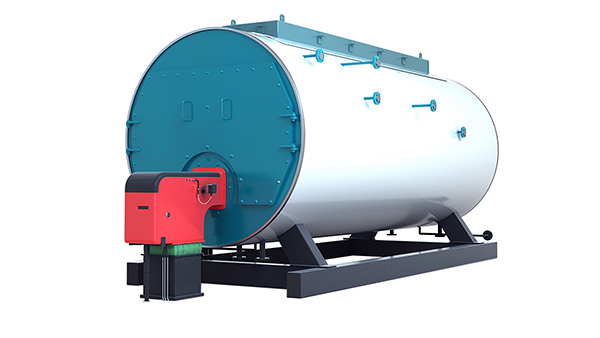
In industrial energy systems, fuel choice has a decisive impact on efficiency, operating cost, emissions, and long-term sustainability. Many industrial facilities continue to rely on coal-fired boilers because of fuel availability and historical infrastructure, while others have shifted toward oil-fired boilers to improve controllability, cleanliness, and operational efficiency. However, the real efficiency difference between oil-fired and coal-fired industrial boilers is often misunderstood. Decisions based on oversimplified assumptions can lead to higher fuel consumption, excessive emissions, or misaligned investment strategies. A clear, technically grounded comparison is therefore essential for plant owners and engineers evaluating boiler performance and upgrade paths.
In general, oil-fired industrial boilers achieve higher thermal efficiency than conventional coal-fired boilers due to cleaner combustion, lower excess air requirements, reduced unburned losses, and more stable heat transfer; however, advanced coal-fired technologies can narrow this gap under optimized conditions.
Understanding this comparison requires examining not only nominal efficiency values, but also combustion behavior, system losses, operational variability, and real-world maintenance practices.
Oil-fired boilers are always far more efficient than coal-fired industrial boilers regardless of technology.False
While oil-fired boilers are typically more efficient, advanced coal-fired boilers with modern design and controls can achieve comparable performance in certain applications.
Fuel combustion characteristics are a primary factor determining efficiency differences between oil-fired and coal-fired boilers.True
Coal’s solid nature and ash content inherently create higher combustion and heat transfer losses compared with oil.
Understanding Thermal Efficiency in Industrial Boilers
Thermal efficiency represents the proportion of fuel energy converted into useful heat for steam or hot water generation. In industrial boilers, efficiency losses arise from incomplete combustion, flue gas heat loss, unburned fuel in ash, radiation losses, and auxiliary power consumption. When comparing oil-fired and coal-fired boilers, it is critical to recognize that these loss mechanisms differ significantly between liquid and solid fuels.
Efficiency figures are commonly expressed on a lower heating value (LHV) basis for oil and coal, although regional standards may vary. Regardless of calculation basis, the physical characteristics of the fuel strongly influence achievable efficiency.
Fundamental Differences Between Oil and Coal as Boiler Fuels
Oil is a liquid fuel with relatively uniform composition, high calorific value, and minimal non-combustible content. Coal is a solid fuel containing varying amounts of ash, moisture, volatile matter, and fixed carbon. These differences directly affect combustion efficiency, heat transfer, and operational stability.
Coal combustion inherently produces ash and unburned carbon, both of which represent energy losses. Oil combustion, by contrast, produces negligible solid residue, allowing more complete energy release and cleaner heat exchange surfaces.
Combustion Efficiency and Unburned Losses
One of the largest efficiency disadvantages of coal-fired boilers is unburned carbon loss in bottom ash and fly ash. Even well-optimized coal combustion systems experience some level of incomplete burnout, particularly under variable load or poor coal quality.
Oil-fired boilers achieve nearly complete combustion when burners are properly tuned. The absence of solid fuel particles eliminates unburned carbon loss, giving oil-fired boilers a structural efficiency advantage.
Excess Air Requirements and Flue Gas Losses
Coal-fired boilers require higher excess air levels to ensure complete combustion of solid particles. This additional air absorbs heat and exits through the stack, increasing flue gas heat loss. Oil-fired boilers require less excess air because atomized oil mixes more uniformly with combustion air.
Lower excess air directly translates into lower stack losses, which is a key reason oil-fired boilers generally outperform coal-fired boilers in thermal efficiency.
Heat Transfer Surface Fouling and Degradation
Coal combustion produces ash, slag, and fouling deposits that accumulate on furnace walls and convective heat exchange surfaces. These deposits increase thermal resistance, reducing heat transfer efficiency and raising flue gas temperatures.
Oil-fired boilers experience far less fouling, particularly when firing low-sulfur fuel oil. Cleaner heat transfer surfaces allow oil-fired boilers to maintain higher efficiency over longer operating periods between maintenance outages.
Typical Thermal Efficiency Ranges in Industrial Operation
In practical industrial applications, conventional coal-fired boilers typically operate with thermal efficiencies in the range of 75–85% (LHV basis), depending on coal quality, combustion technology, and maintenance practices. Oil-fired boilers generally achieve efficiencies of 85–90% under comparable industrial conditions.
Table 1: Typical Thermal Efficiency Comparison
| Boiler Type | Typical Efficiency (LHV) | Primary Efficiency Losses |
|---|---|---|
| Conventional coal-fired boiler | 75–85% | Unburned carbon, ash, excess air |
| Advanced coal-fired boiler | 85–90% | Stack loss, auxiliary power |
| Oil-fired boiler | 85–90% | Stack loss, radiation |
These ranges illustrate that while oil-fired boilers generally outperform traditional coal-fired units, advanced coal technologies can approach oil-fired efficiency levels.
Impact of Advanced Coal-Fired Technologies
Modern coal-fired boilers, such as circulating fluidized bed (CFB) boilers and high-efficiency pulverized coal boilers, have significantly improved efficiency compared to older designs. Improved fuel burnout, optimized air staging, and enhanced heat recovery reduce traditional coal-related losses.
However, even with these advancements, coal-fired boilers still face inherent efficiency penalties due to ash handling, higher auxiliary power consumption, and more complex combustion control.
Load Flexibility and Part-Load Efficiency
Oil-fired boilers typically respond faster to load changes and maintain stable combustion across a wide operating range. Coal-fired boilers, especially those using solid fuel feeding systems, have slower response times and reduced efficiency at part load.
In industrial processes with fluctuating steam demand, oil-fired boilers often achieve higher average seasonal efficiency than coal-fired boilers.
Auxiliary Power Consumption
Coal-fired boilers require significant auxiliary power for coal handling, pulverizing, ash removal, and dust collection systems. This parasitic power reduces net system efficiency. Oil-fired boilers have simpler fuel handling systems with lower auxiliary energy demand.
When net efficiency is considered, oil-fired systems gain an additional advantage over coal-fired alternatives.
Emissions Control and Efficiency Trade-Offs
Coal-fired boilers require extensive emission control systems for particulate matter, SO₂, and NOx. These systems increase pressure losses, auxiliary power consumption, and sometimes combustion excess air, indirectly reducing efficiency.
Oil-fired boilers face fewer particulate issues and simpler emission control requirements, allowing efficiency optimization with fewer compromises.
Operational and Maintenance Sensitivity
Coal-fired boiler efficiency is highly sensitive to fuel quality variations, slagging tendencies, and maintenance discipline. Poor coal quality or delayed cleaning can cause rapid efficiency degradation.
Oil-fired boilers, while still requiring proper maintenance, exhibit more stable efficiency performance due to consistent fuel properties and cleaner combustion.
Table 2: Operational Sensitivity Comparison
| Factor | Coal-Fired Boiler | Oil-Fired Boiler |
|---|---|---|
| Fuel quality variability | High impact | Moderate impact |
| Fouling rate | High | Low |
| Maintenance burden | High | Moderate |
| Efficiency stability | Variable | Stable |
Economic Interpretation of Efficiency Differences
Efficiency differences must be evaluated alongside fuel cost. In regions where coal is significantly cheaper than oil, lower efficiency may be economically acceptable. Conversely, in regions with strict emission regulations or high operating labor costs, oil-fired boilers may offer better overall economics despite higher fuel prices.
Efficiency alone does not determine the optimal choice, but it strongly influences total cost of ownership.
Reliability, Availability, and Strategic Use
Coal-fired boilers are often selected for base-load, high-capacity applications where fuel supply security is critical. Oil-fired boilers are frequently used for medium-capacity systems, peak load support, or backup service, where higher efficiency and fast response are valued.
This functional differentiation explains why both technologies remain in use despite efficiency disparities.
Dual-Fuel and Transitional Boiler Strategies
Many industrial facilities adopt dual-fuel boilers capable of firing both coal-derived fuels and oil or gas. This approach allows operators to balance efficiency, cost, and reliability while adapting to changing fuel markets and environmental policies.
Dual-fuel strategies reflect a growing emphasis on flexibility rather than absolute efficiency.
Environmental and Policy Context
Energy efficiency and emission regulations increasingly favor oil-fired boilers over coal-fired units due to higher efficiency and lower particulate emissions. This policy environment accelerates the replacement or retrofitting of older coal-fired boilers in favor of cleaner alternatives.
Advanced coal-fired technologies must continuously innovate to remain competitive under tightening standards.
Lifecycle Efficiency and Sustainability Considerations
Over the full lifecycle, oil-fired boilers typically maintain higher average efficiency due to cleaner operation and lower degradation rates. Coal-fired boilers require more frequent interventions to sustain performance, increasing operational complexity and cost.
Lifecycle efficiency is therefore a key factor in sustainability assessments and long-term asset planning.
Table 3: Lifecycle Efficiency Perspective
| Aspect | Coal-Fired Boiler | Oil-Fired Boiler |
|---|---|---|
| Initial efficiency | Moderate to high | High |
| Efficiency degradation | Faster | Slower |
| Maintenance intensity | High | Moderate |
| Average lifecycle efficiency | Lower | Higher |
Oil-fired industrial boilers generally outperform conventional coal-fired boilers in thermal efficiency due to cleaner combustion, lower excess air requirements, minimal unburned fuel losses, and more stable heat transfer conditions. While advanced coal-fired technologies can significantly narrow the efficiency gap, inherent characteristics of solid fuel combustion—such as ash generation, higher auxiliary power demand, and fouling—continue to limit coal-fired efficiency in most industrial applications. Ultimately, the choice between oil-fired and coal-fired boilers should be based on a balanced assessment of efficiency, fuel economics, emission requirements, operational flexibility, and long-term sustainability goals rather than efficiency alone.
How Does Oil-Fired Boiler Efficiency Compare With Biomass Boiler Systems?
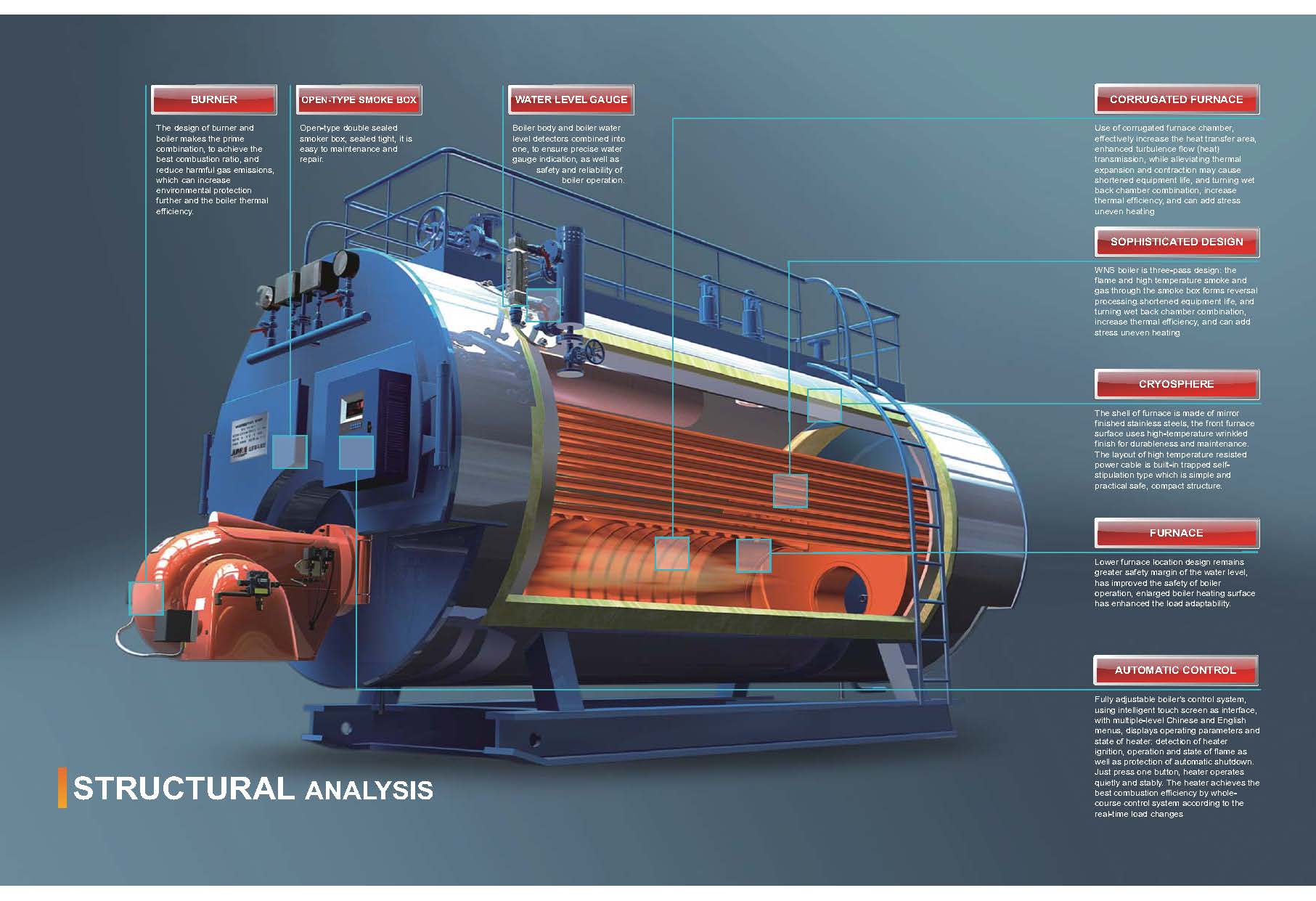
Industrial users evaluating boiler systems are increasingly torn between oil-fired boilers, valued for their controllability and stable efficiency, and biomass boiler systems, promoted for renewable credentials and carbon reduction potential. Efficiency is often cited as a deciding factor, yet it is also one of the most misunderstood aspects of this comparison. Many users assume biomass boilers are inherently inefficient because of variable fuel quality, while others believe oil-fired boilers are always superior due to cleaner combustion. In reality, efficiency outcomes depend on fuel properties, combustion technology, system design, and operating discipline. Misjudging these factors can result in higher fuel consumption, unreliable operation, or unexpected lifecycle costs.
In general, oil-fired boilers achieve higher and more stable thermal efficiency than most biomass boiler systems due to cleaner combustion, lower excess air requirements, and minimal fouling, while modern biomass boilers can reach competitive efficiency levels when fuel quality, system design, and operation are well controlled.
A meaningful comparison therefore requires examining not only peak efficiency figures, but also real-world operating behavior, degradation trends, and application-specific constraints.
Oil-fired boilers are always more efficient than biomass boilers in industrial applications.False
Advanced biomass boilers with well-prepared fuel and optimized combustion can achieve efficiency levels comparable to oil-fired boilers in certain conditions.
Fuel moisture content and combustion stability are critical determinants of biomass boiler efficiency.True
High moisture and variable composition in biomass fuels directly increase heat losses and reduce usable efficiency.
Understanding Thermal Efficiency in Oil-Fired and Biomass Boilers
Thermal efficiency represents the fraction of fuel energy converted into useful heat for steam or hot water generation. In both oil-fired and biomass boilers, efficiency losses include flue gas heat loss, incomplete combustion, radiation loss, blowdown loss, and auxiliary power consumption. However, the relative magnitude of these losses differs significantly between liquid fossil fuels and solid biofuels.
Efficiency figures are typically reported on a lower heating value (LHV) basis. For biomass systems, this distinction is especially important because high moisture content can significantly lower the effective LHV of the fuel, even if the dry biomass has a respectable calorific value.
Fundamental Fuel Differences: Oil Versus Biomass
Fuel oil is a refined, homogeneous liquid fuel with high energy density, low moisture content, and predictable combustion characteristics. Biomass fuels—such as wood chips, pellets, agricultural residues, or waste biomass—are heterogeneous, contain varying moisture levels, and include non-combustible components such as ash.
These intrinsic differences strongly influence combustion efficiency, flame stability, heat transfer, and long-term operational performance. Oil’s consistency allows precise air–fuel control, while biomass variability demands more tolerant combustion systems and typically higher excess air.
Combustion Completeness and Heat Release
Oil-fired boilers achieve near-complete combustion under properly tuned conditions. Atomized oil droplets ignite rapidly, release energy uniformly, and leave negligible solid residue. As a result, combustion efficiency is consistently high.
Biomass combustion involves drying, devolatilization, char burnout, and ash handling. Energy is consumed internally to evaporate moisture before useful heat is released. Incomplete burnout of char particles and heat loss to moisture evaporation reduce net thermal efficiency, especially when fuel preparation is inadequate.
Excess Air Requirements and Stack Losses
Oil-fired boilers operate with relatively low excess air levels because of excellent mixing between fuel and combustion air. Lower excess air reduces flue gas volume and stack heat loss, directly improving efficiency.
Biomass boilers typically require higher excess air to ensure complete combustion of heterogeneous fuel particles. Higher excess air increases flue gas flow and heat loss, lowering achievable thermal efficiency.
Typical Thermal Efficiency Ranges in Industrial Practice
In real-world industrial operation, oil-fired boilers generally achieve thermal efficiencies in the range of 85–90% (LHV basis). Modern biomass boilers typically operate in the range of 75–88%, depending on fuel quality, combustion technology, and heat recovery design.
Table 1: Typical Thermal Efficiency Comparison
| Boiler System | Typical Efficiency (LHV) | Main Efficiency Constraints |
|---|---|---|
| Oil-fired boiler | 85–90% | Stack loss, radiation |
| Biomass boiler (basic design) | 75–82% | Fuel moisture, excess air |
| Biomass boiler (advanced design) | 82–88% | Ash behavior, fuel variability |
These ranges overlap, but oil-fired boilers generally maintain higher and more stable efficiency over time.
Impact of Fuel Moisture on Biomass Efficiency
Moisture content is the single most influential factor in biomass boiler efficiency. High-moisture biomass consumes a significant portion of released energy for water evaporation, reducing usable heat output. Even advanced biomass boilers cannot fully compensate for poor fuel quality.
Oil-fired boilers are unaffected by moisture-related losses, giving them a structural efficiency advantage in regions where biomass drying and storage are difficult to control.
Heat Transfer Surface Fouling and Degradation
Biomass combustion produces ash, alkali compounds, and fine particulates that deposit on heat exchange surfaces. Fouling and slagging increase thermal resistance, raise flue gas temperature, and degrade efficiency over time unless cleaning is frequent and effective.
Oil-fired boilers experience minimal fouling, allowing them to maintain design efficiency for longer intervals with less intensive maintenance.
Load Response and Part-Load Efficiency
Oil-fired boilers respond rapidly to load changes and maintain stable combustion across wide turndown ratios. This supports high average efficiency in applications with fluctuating heat demand.
Biomass boilers have slower load response due to fuel feeding inertia and combustion dynamics. Part-load operation often leads to reduced combustion efficiency and higher emissions, lowering seasonal efficiency.
Auxiliary Power Consumption
Biomass boiler systems require significant auxiliary power for fuel handling, shredding, conveying, drying, ash removal, and emission control equipment. This parasitic energy consumption reduces net system efficiency.
Oil-fired boilers have comparatively simple fuel systems and lower auxiliary power demand, improving net efficiency at the plant level.
Table 2: System-Level Efficiency Influences
| Factor | Oil-Fired Boiler | Biomass Boiler |
|---|---|---|
| Fuel handling energy | Low | High |
| Ash handling | None | Significant |
| Maintenance frequency | Moderate | High |
| Net efficiency stability | High | Variable |
Advanced Biomass Boiler Technologies Narrowing the Gap
Modern biomass boilers—such as bubbling or circulating fluidized bed (CFB) systems—have significantly improved efficiency by enhancing fuel burnout, heat transfer, and load flexibility. Integrated economizers, air preheaters, and flue gas heat recovery further improve performance.
When paired with high-quality, well-dried fuel and skilled operation, advanced biomass systems can approach oil-fired efficiency levels, particularly in steady base-load applications.
Condensing Heat Recovery Considerations
Oil-fired boilers rarely apply condensing technology due to corrosion risks from sulfur-derived acids. Biomass boilers also face challenges with condensation because of acidic flue gas components and particulate contamination.
As a result, neither system widely benefits from condensing heat recovery in industrial applications, making sensible heat recovery the primary efficiency improvement pathway for both.
Emissions Control and Efficiency Trade-Offs
Biomass boilers often require extensive particulate control and, in some cases, flue gas recirculation to manage emissions. These systems increase pressure losses and auxiliary power consumption, indirectly affecting efficiency.
Oil-fired boilers face fewer particulate issues and simpler emission control requirements, allowing efficiency optimization with fewer compromises.
Operational Skill and Efficiency Outcomes
Biomass boiler efficiency is highly sensitive to operator skill, fuel management, and system tuning. Inconsistent operation can quickly erode efficiency gains.
Oil-fired boilers are more forgiving and deliver consistent efficiency with less operator intervention, particularly when supported by modern automation.
Lifecycle Efficiency Perspective
Over the full lifecycle, oil-fired boilers typically maintain higher average efficiency due to cleaner operation and slower performance degradation. Biomass boilers require more frequent intervention to sustain efficiency, increasing operational complexity.
Table 3: Lifecycle Efficiency Comparison
| Aspect | Oil-Fired Boiler | Biomass Boiler |
|---|---|---|
| Initial efficiency | High | Moderate to high |
| Efficiency degradation | Slow | Faster |
| Maintenance intensity | Moderate | High |
| Average lifecycle efficiency | Higher | Lower to moderate |
Economic Interpretation of Efficiency Differences
Efficiency must be considered alongside fuel cost and policy incentives. Biomass fuel is often cheaper or subsidized, offsetting lower efficiency. Oil-fired boilers may have higher fuel costs, making efficiency advantages economically critical.
The optimal choice therefore depends on the combined effect of efficiency, fuel price, incentives, and operational cost.
Sustainability and Policy Context
While oil-fired boilers generally outperform biomass boilers in pure thermal efficiency, biomass systems offer advantages in carbon accounting and renewable energy compliance. Many users accept lower efficiency in exchange for sustainability benefits and policy alignment.
Efficiency alone is no longer the sole decision criterion.
Application-Specific Considerations
Oil-fired boilers are well suited to applications requiring rapid response, high reliability, and stable efficiency. Biomass boilers perform best in steady, base-load applications with reliable fuel supply and skilled operation.
Matching boiler technology to process characteristics is essential for achieving expected efficiency outcomes.
Oil-fired boilers generally deliver higher and more stable thermal efficiency than biomass boiler systems due to cleaner combustion, lower excess air requirements, minimal fouling, and lower auxiliary power consumption. However, advanced biomass boilers with high-quality fuel, optimized combustion, and disciplined operation can achieve efficiency levels that approach those of oil-fired systems. The true efficiency comparison must account for fuel moisture, operational variability, maintenance intensity, and net system losses rather than relying solely on nominal efficiency figures. Ultimately, the choice between oil-fired and biomass boilers should balance efficiency performance with fuel economics, sustainability goals, operational capability, and long-term strategic priorities.
How Do Electric Boilers Compare to Oil-Fired Boilers in Energy Efficiency and Operating Cost?
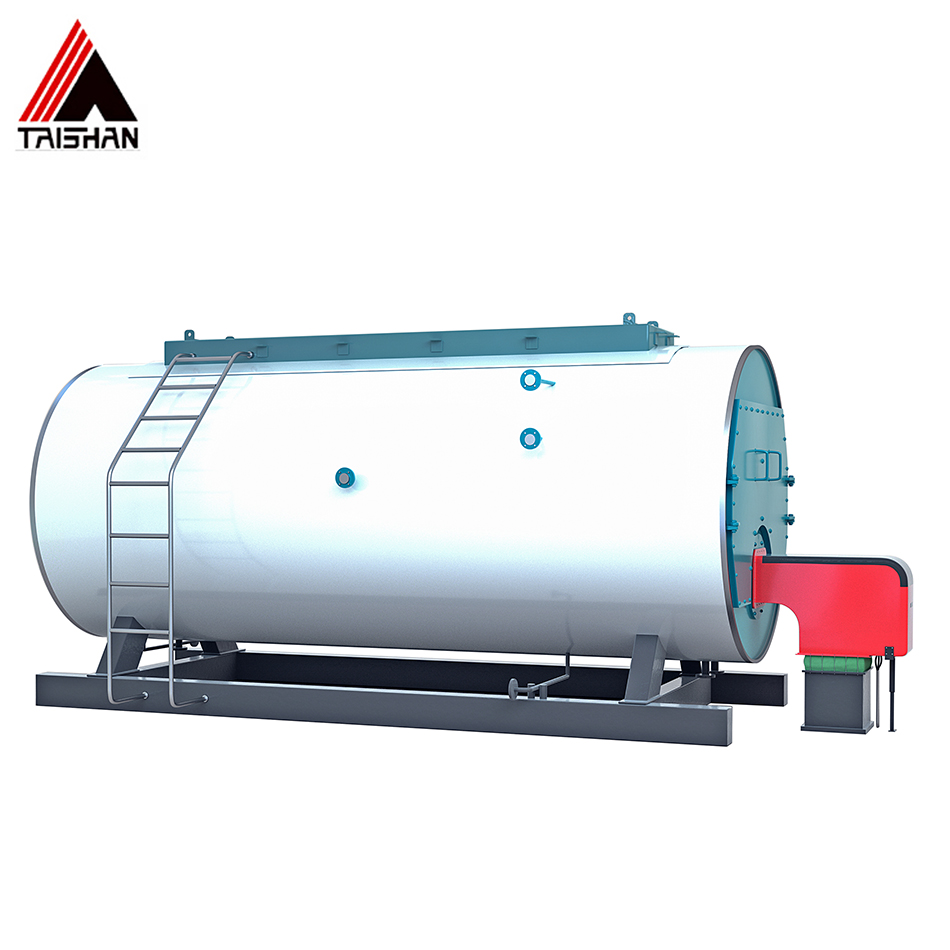
As industrial users pursue lower emissions, simplified operation, and compliance with increasingly strict energy and environmental policies, electric boilers are gaining attention as an alternative to traditional oil-fired boilers. At first glance, electric boilers appear almost perfectly efficient, while oil-fired boilers seem burdened by combustion losses and emissions. However, efficiency alone does not determine competitiveness. Operating cost, energy price structure, load profile, infrastructure readiness, and policy incentives all play decisive roles. Misunderstanding the real differences between electric and oil-fired boilers can lead to unexpected energy costs or underutilized assets.
Electric boilers achieve near-100% point-of-use energy efficiency because they convert electrical energy directly into heat, while oil-fired boilers typically operate at 85–90% thermal efficiency; however, operating cost depends primarily on electricity versus oil prices, making electric boilers cost-effective mainly where electricity is low-cost, low-carbon, or strongly incentivized.
A realistic comparison therefore requires separating physical energy efficiency from economic efficiency and examining system-level impacts rather than relying on headline figures.
Electric boilers are inefficient because electricity generation itself has conversion losses.False
Electric boilers are nearly 100% efficient at the point of use; upstream generation losses are system-level considerations, not boiler efficiency metrics.
Oil-fired boilers generally have lower thermal efficiency than electric boilers due to combustion and stack losses.True
Combustion-related heat losses limit oil-fired boiler efficiency compared with direct electric heating.
Understanding Energy Efficiency Metrics in Boiler Systems
Energy efficiency can be defined in different ways depending on system boundaries. For boilers, efficiency is usually measured as the ratio of useful heat output to energy input at the boiler itself. By this definition, electric boilers approach 99–100% efficiency because nearly all electrical energy becomes heat.
Oil-fired boilers, by contrast, lose energy through flue gas heat, radiation, and incomplete combustion, resulting in typical efficiencies of 85–90% on a lower heating value (LHV) basis. These definitions are essential for fair comparison.
However, when considering overall energy systems, upstream electricity generation efficiency and fuel extraction impacts may also be relevant, depending on policy or sustainability objectives.
Fundamental Differences Between Electric and Oil-Fired Boilers
Electric boilers use resistive heating or electrode-based technology to convert electricity directly into heat. There is no combustion, no flue gas, and no fuel handling beyond electrical infrastructure.
Oil-fired boilers rely on fuel atomization, combustion, heat transfer, and exhaust gas management. Each of these steps introduces unavoidable energy losses but also allows high-temperature output and flexible integration with existing thermal systems.
These fundamental differences explain why electric boilers excel in simplicity and efficiency, while oil-fired boilers excel in energy density and independence from electrical capacity constraints.
Thermal Efficiency Comparison at the Boiler Level
At the equipment level, electric boilers are effectively lossless. Heat is generated directly in the water or heating element, with minimal standby or radiation losses.
Oil-fired boilers typically achieve 85–90% efficiency under good operating conditions. Even with advanced burners and optimized heat recovery, some losses are inherent due to combustion chemistry and exhaust gas requirements.
Table 1: Boiler-Level Thermal Efficiency Comparison
| Boiler Type | Typical Thermal Efficiency | Main Sources of Loss |
|---|---|---|
| Electric boiler | 98–100% | Minor radiation |
| Oil-fired boiler | 85–90% | Stack loss, radiation |
This clear efficiency advantage is one of the main drivers behind interest in electric boilers.
Operating Cost Structure: Electricity Versus Fuel Oil
Operating cost, however, is dominated not by efficiency but by energy price. Electricity is typically several times more expensive per unit of energy than fuel oil in many regions. As a result, higher efficiency does not automatically translate into lower operating cost.
Oil-fired boilers consume more energy per unit of heat produced but often use a cheaper energy source. Electric boilers consume less energy but at a higher unit price.
Typical Energy Cost Comparison
The relative cost depends on local tariffs, time-of-use pricing, and fuel markets. In regions with low-cost industrial electricity or surplus renewable power, electric boilers can be competitive or even cheaper to operate.
Table 2: Illustrative Operating Cost Comparison (Indicative)
| Parameter | Electric Boiler | Oil-Fired Boiler |
|---|---|---|
| Energy efficiency | Very high | High |
| Energy unit cost | High | Moderate |
| Fuel price volatility | Low to moderate | High |
| Cost stability | Tariff-dependent | Market-dependent |
These relationships explain why electric boilers are often used selectively rather than universally.
Impact of Load Profile and Operating Hours
Electric boilers are particularly attractive for intermittent or peak-load operation. High efficiency, instant start-up, and minimal maintenance make them ideal for short operating periods where fuel handling and warm-up losses would penalize oil-fired systems.
For continuous base-load operation, high electricity cost can quickly outweigh efficiency advantages unless electricity prices are exceptionally low.
Oil-fired boilers remain economically attractive for long operating hours where fuel cost dominates lifecycle economics.
Maintenance and Labor Cost Differences
Electric boilers have minimal mechanical complexity. There are no burners, fuel pumps, flue gas systems, or ash handling. Maintenance requirements are low, and labor costs are significantly reduced.
Oil-fired boilers require regular burner inspection, fuel system maintenance, cleaning of heat transfer surfaces, and emissions monitoring. These activities increase operating and maintenance costs beyond fuel expense alone.
Over the full lifecycle, lower maintenance costs partially offset higher electricity prices for electric boilers.
Infrastructure and Capacity Constraints
Electric boilers place high demand on electrical infrastructure. Large-capacity units require substantial grid connection upgrades, transformers, and switchgear, increasing capital cost.
Oil-fired boilers rely on fuel storage and delivery but place less strain on electrical systems. In locations with limited grid capacity, oil-fired boilers may remain the only practical option.
Infrastructure readiness therefore strongly influences cost-effectiveness.
Emissions, Carbon Cost, and Policy Effects
Electric boilers produce zero on-site emissions. This eliminates costs related to emission control equipment, monitoring, and compliance. In regions with carbon pricing or strict air quality regulations, these savings can be substantial.
Oil-fired boilers incur carbon costs, emission control expenses, and regulatory compliance obligations. These indirect costs increasingly influence operating economics.
Policy incentives for electrification, renewable electricity, or demand-side flexibility can significantly improve the operating cost profile of electric boilers.
Integration With Renewable Energy
Electric boilers integrate naturally with renewable energy systems. They can absorb surplus wind or solar power, operate flexibly based on grid conditions, and support decarbonization strategies.
Oil-fired boilers lack this flexibility and are increasingly viewed as transitional or backup assets in sustainability-focused energy systems.
Reliability and Energy Security Considerations
Oil-fired boilers offer energy security through on-site fuel storage and independence from grid stability. This can be critical for critical industrial processes or remote locations.
Electric boilers depend entirely on grid reliability. In areas with unstable power supply, this dependency can offset efficiency and cost advantages.
Hybrid System Strategies
Many industrial users adopt hybrid systems combining electric and oil-fired boilers. Electric boilers handle peak loads, low-emission operation, or periods of low electricity cost, while oil-fired boilers provide base-load capacity and backup.
This strategy optimizes both efficiency and operating cost while enhancing resilience.
Lifecycle Cost Perspective
When evaluated over the full lifecycle, electric boilers often have lower maintenance and compliance costs but higher energy costs. Oil-fired boilers have higher maintenance and emission-related costs but may benefit from lower fuel prices.
Table 3: Lifecycle Cost Comparison Overview
| Cost Element | Electric Boiler | Oil-Fired Boiler |
|---|---|---|
| Capital cost | Moderate | Moderate |
| Fuel/energy cost | High | Moderate |
| Maintenance cost | Low | Moderate to high |
| Emission compliance cost | Very low | High |
| Cost predictability | High | Lower |
Application-Specific Suitability
Electric boilers are best suited to applications with low to moderate heat demand, variable load, strict emission limits, or access to low-cost electricity. Oil-fired boilers remain suitable for high-capacity, continuous-duty applications where fuel availability and grid capacity are limiting factors.
Selecting the wrong technology for the application can negate efficiency advantages entirely.
Sustainability and Long-Term Strategy
From a sustainability perspective, electric boilers align well with decarbonization goals, especially when powered by renewable electricity. Oil-fired boilers face increasing long-term risk under carbon reduction policies.
This strategic dimension increasingly influences investment decisions beyond pure operating cost.
Electric boilers significantly outperform oil-fired boilers in energy efficiency at the point of use, converting nearly all input energy into useful heat. However, operating cost is driven primarily by electricity versus oil prices rather than efficiency alone. In regions with low-cost or incentivized electricity, electric boilers can deliver both high efficiency and competitive operating cost, particularly for peak or intermittent loads. Oil-fired boilers, while less efficient, often remain cost-effective for continuous operation where fuel prices are favorable and grid capacity is limited. The optimal choice depends on local energy pricing, load profile, infrastructure readiness, environmental policy, and long-term sustainability strategy rather than efficiency in isolation.
What Design Features and Heat Recovery Systems Improve Oil-Fired Boiler Efficiency?
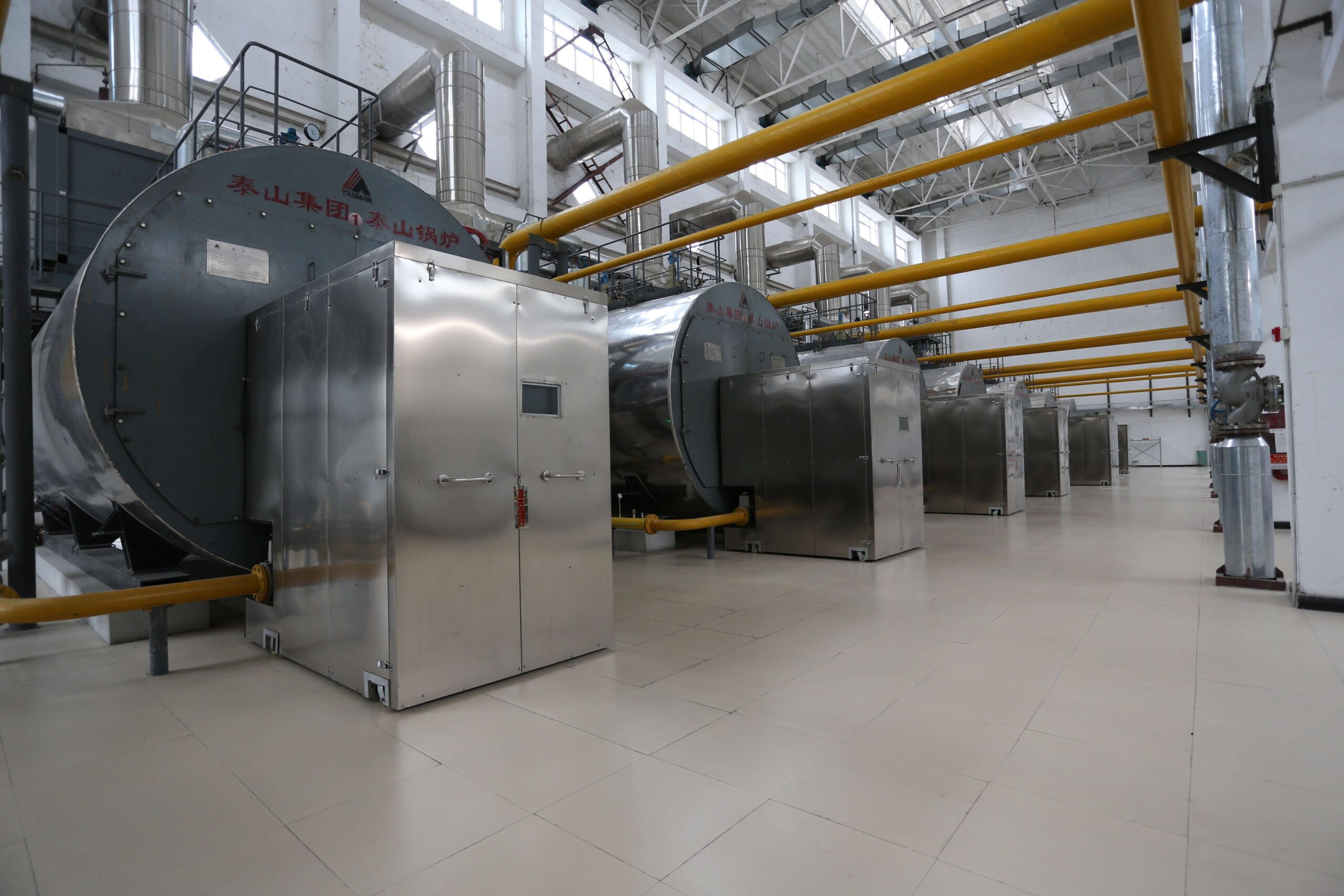
Oil-fired boilers remain an important heat and steam source in many industrial sectors due to their high energy density, stable combustion, and independence from gas infrastructure. However, rising fuel costs, stricter emission regulations, and energy efficiency policies are forcing operators to extract the maximum possible heat from every unit of oil consumed. Unlike fuel switching, which often requires major infrastructure changes, efficiency improvement through advanced design features and heat recovery systems offers a practical and cost-effective pathway to reduce operating costs and emissions. Understanding how modern oil-fired boiler designs achieve higher efficiency is therefore essential for engineers, plant managers, and decision-makers seeking long-term performance improvement.
Oil-fired boiler efficiency is significantly improved through optimized combustion design, enhanced heat transfer surfaces, advanced control systems, and multi-stage heat recovery technologies that reduce flue gas losses, minimize excess air, and maintain stable high-efficiency operation over the boiler’s lifecycle.
Rather than relying on a single upgrade, high-efficiency oil-fired boilers integrate multiple design features and recovery systems into a coherent thermal system.
Oil-fired boiler efficiency is mainly determined by fuel quality and cannot be significantly improved through design.False
Advanced boiler design and heat recovery systems can substantially reduce heat losses and improve oil-fired boiler efficiency.
Flue gas heat loss is the largest efficiency loss in oil-fired boilers.True
Stack losses typically represent the dominant energy loss and are the primary target of heat recovery systems.
Optimized Burner Design and Fuel Atomization
Efficient combustion is the foundation of oil-fired boiler performance. Modern high-efficiency oil-fired boilers use advanced burners designed to achieve fine fuel atomization, uniform droplet size distribution, and stable flame geometry. Proper atomization increases the surface area of oil droplets, allowing more complete and faster combustion.
Improved burner design reduces unburned hydrocarbons, lowers excess air requirements, and stabilizes flame temperature. This directly improves combustion efficiency and reduces flue gas volume, creating favorable conditions for downstream heat recovery systems.
Precise Air–Fuel Ratio Control
Excess air is necessary to ensure complete combustion, but excessive air carries heat out of the boiler through the stack. High-efficiency oil-fired boilers employ precise air–fuel ratio control using oxygen sensors, variable-speed fans, and automated dampers.
By maintaining optimal excess air across the entire load range, these systems minimize stack losses while preventing incomplete combustion. Advanced control strategies ensure that efficiency gains are sustained during part-load and transient operation, not just at design load.
Furnace Geometry and Flame Heat Utilization
Furnace design plays a critical role in how effectively radiant heat is transferred to the boiler walls. Modern oil-fired boilers optimize furnace volume, shape, and flame length to maximize radiant heat absorption while avoiding localized overheating.
A well-designed furnace ensures that the high-radiation oil flame releases energy efficiently to water-cooled walls, reducing the temperature of flue gas entering the convective heat transfer sections and improving overall thermal efficiency.
Enhanced Heat Transfer Surface Design
Beyond the furnace, convective heat transfer surfaces determine how much sensible heat can be recovered from flue gas. High-efficiency oil-fired boilers use optimized tube arrangements, extended surface designs, and improved flow distribution to increase heat transfer coefficients.
These enhancements allow more heat to be extracted without excessive pressure drop or fouling risk, lowering stack temperature and increasing boiler efficiency.
Economizers as Primary Heat Recovery Devices
The economizer is one of the most effective and widely used heat recovery systems in oil-fired boilers. It recovers residual heat from flue gas to preheat boiler feedwater before it enters the steam drum or pressure vessel.
By raising feedwater temperature, economizers reduce the amount of fuel required to generate steam. In oil-fired boilers, economizers can typically improve overall efficiency by 3–7%, depending on design and operating conditions.
Table 1: Efficiency Contribution of Key Design Features
| Design Feature | Typical Efficiency Improvement |
|---|---|
| Advanced burner and control | 1–3% |
| Optimized furnace design | 1–2% |
| High-efficiency economizer | 3–7% |
| Air preheater | 2–5% |
These gains are cumulative when systems are properly integrated.
Air Preheaters and Combustion Air Heating
Air preheaters recover heat from flue gas to warm combustion air before it enters the burner. Preheated air improves ignition stability, accelerates combustion reactions, and reduces the fuel required to reach target flame temperature.
In oil-fired boilers, air preheaters are particularly effective when flue gas temperatures are relatively high and sulfur content is controlled to avoid corrosion. Proper material selection and temperature control are essential for reliable operation.
Flue Gas Temperature Reduction Strategies
Lowering flue gas exit temperature is a direct indicator of improved efficiency. High-efficiency oil-fired boilers are designed to safely reduce stack temperature while avoiding condensation of acidic components that could cause corrosion.
This balance is achieved through staged heat recovery, corrosion-resistant materials, and precise control of heat exchanger surface temperatures.
Low-Temperature Heat Recovery for Process Integration
In industrial applications with low-temperature heat demand, recovered flue gas heat can be used for purposes beyond feedwater heating. Examples include process water preheating, tank heating, or space heating.
Integrating oil-fired boilers with such low-grade heat recovery systems improves overall plant efficiency even if boiler thermal efficiency remains unchanged.
Condensing Heat Recovery Limitations and Opportunities
Unlike gas-fired boilers, oil-fired boilers face challenges in applying condensing heat recovery due to sulfur content in fuel oil, which leads to acidic condensate. However, in low-sulfur oil applications and with appropriate materials, limited condensing or near-condensing operation may be feasible.
While full condensing is uncommon, partial recovery of latent heat under controlled conditions can further reduce stack losses in specialized systems.
Reduction of Radiation and Standby Losses
High-efficiency oil-fired boilers incorporate improved insulation, compact pressure vessel design, and optimized casing construction to reduce radiation and standby losses. Although these losses are smaller than stack losses, they become increasingly important in modern high-efficiency systems.
Reducing heat loss to the boiler room improves both efficiency and workplace safety.
Modular and Compact Boiler Design
Compact, modular boiler designs reduce internal volume and heat storage, allowing faster startup and reduced warm-up losses. This is particularly beneficial in applications with intermittent operation.
Shorter startup times mean less fuel wasted before useful heat production begins, improving effective operating efficiency.
Advanced Control Systems and Digital Optimization
Digital control systems play a critical role in sustaining high efficiency over time. Continuous monitoring of oxygen levels, flue gas temperature, fuel flow, and load demand allows real-time optimization of combustion and heat recovery performance.
Predictive algorithms can detect efficiency degradation caused by fouling, burner wear, or control drift, enabling corrective action before losses become significant.
Fouling Control and Heat Exchanger Cleanliness
Maintaining clean heat transfer surfaces is essential for preserving efficiency. Oil-fired boilers use soot blowers, access-friendly heat exchanger layouts, and maintenance-oriented design to facilitate regular cleaning.
Clean surfaces ensure that designed heat recovery performance is achieved throughout the operating cycle, not just after maintenance.
Integration With Waste Heat Boilers and Combined Systems
In some industrial plants, oil-fired boilers are integrated with waste heat recovery systems from other processes, such as exhaust from engines or furnaces. This integration reduces the firing rate required from the oil-fired boiler and improves overall plant efficiency.
Such system-level design considerations extend efficiency improvement beyond the boiler itself.
Table 2: Heat Recovery System Functions
| Heat Recovery System | Recovered Energy Use |
|---|---|
| Economizer | Feedwater preheating |
| Air preheater | Combustion air heating |
| Process heat exchanger | Process water or fluid heating |
| Hybrid waste heat integration | Reduced boiler firing rate |
Material Selection for High-Efficiency Operation
Advanced materials with higher thermal conductivity and corrosion resistance allow closer approach temperatures and more aggressive heat recovery. Proper material selection ensures long-term reliability while enabling lower flue gas temperatures.
This balance is critical in oil-fired systems where sulfur-related corrosion risk must be carefully managed.
Lifecycle Efficiency Preservation Through Design
Efficiency is not only about initial performance. Design features that simplify maintenance, ensure stable combustion, and minimize degradation play a major role in lifecycle efficiency.
High-efficiency oil-fired boilers are engineered to maintain performance over decades, not just meet nameplate efficiency at commissioning.
Economic Impact of Design-Based Efficiency Improvements
Efficiency improvements achieved through design and heat recovery directly reduce fuel consumption, operating cost, and emissions. In high-utilization industrial boilers, even a 1% efficiency improvement can translate into substantial annual savings.
This economic leverage explains why efficiency-focused design is increasingly prioritized over marginal capacity increases.
Table 3: Typical Economic Benefits of Efficiency Improvements
| Efficiency Gain | Impact on Fuel Consumption |
|---|---|
| +1% | ~1% fuel cost reduction |
| +5% | Significant annual savings |
| +10% | Transformational operating cost reduction |
Role of Retrofitting Existing Oil-Fired Boilers
Many of the design features and heat recovery systems discussed can be applied to existing boilers through retrofits. Economizers, burner upgrades, and control system enhancements are among the most cost-effective retrofit measures.
Retrofit-driven efficiency improvement is often faster and less capital-intensive than boiler replacement.
Balancing Efficiency With Emission Compliance
Efficiency improvements often align with emission reduction, but design must ensure compliance with NOx and particulate limits. Advanced burners and staged combustion allow efficiency gains without compromising environmental performance.
Integrated design ensures that efficiency and compliance reinforce rather than conflict with each other.
Application-Specific Design Optimization
Not all efficiency features are equally valuable in every application. Continuous-duty boilers benefit most from deep heat recovery, while intermittent systems benefit from rapid startup and low standby loss.
Effective efficiency design begins with understanding the specific operating profile.
Oil-fired boiler efficiency is significantly improved through a combination of optimized combustion design, precise air–fuel control, advanced heat transfer surfaces, and well-integrated heat recovery systems such as economizers and air preheaters. By targeting the largest loss mechanisms—particularly flue gas heat loss—modern oil-fired boiler designs achieve substantially higher thermal efficiency, lower fuel consumption, and reduced emissions. When supported by digital controls, robust materials, and maintenance-friendly design, these efficiency gains are sustained over the boiler’s lifecycle. Rather than relying on a single upgrade, the most effective efficiency improvements result from a system-level approach that integrates design features and heat recovery technologies into a coherent, high-performance oil-fired boiler solution.
In Which Industrial Applications Are Oil-Fired Boilers the Most Energy-Efficient Choice?
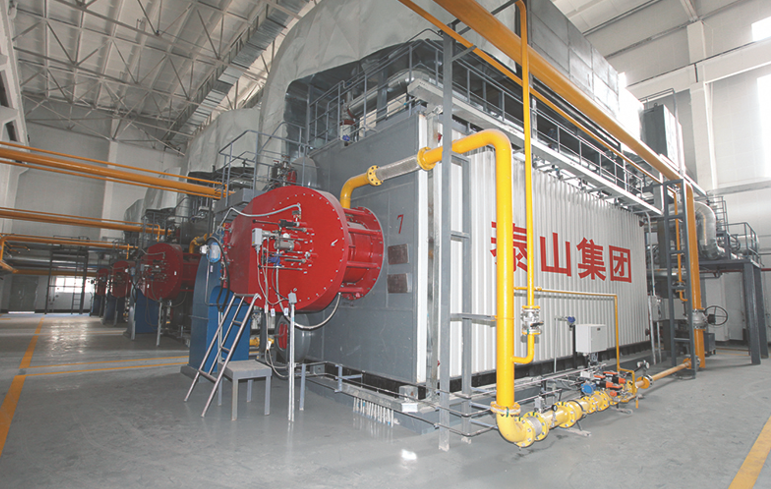
Industrial users often evaluate boiler efficiency through a narrow lens, focusing only on nameplate thermal efficiency or fuel type comparisons. This approach can be misleading. While gas, electric, biomass, and waste-heat boilers each offer advantages, oil-fired boilers continue to deliver superior energy efficiency in specific industrial applications where operating conditions, load dynamics, fuel logistics, and process requirements align. Choosing the wrong boiler type for a given application can negate theoretical efficiency advantages and lead to higher real-world energy consumption, operational instability, and increased lifecycle costs.
Oil-fired boilers are most energy-efficient in industrial applications requiring high-temperature steam, rapid load response, intermittent or variable operation, compact installation, fuel storage independence, and consistent combustion performance where gas supply or electrical capacity is constrained.
Understanding where oil-fired boilers truly excel requires shifting the focus from generic efficiency ratings to application-specific efficiency in real operating conditions.
Oil-fired boilers are outdated and inefficient in all modern industrial applications.False
Oil-fired boilers remain highly efficient in specific industrial scenarios where their combustion stability and load flexibility provide real-world efficiency advantages.
Matching boiler technology to process demand is critical for achieving true energy efficiency.True
Efficiency depends on how well the boiler’s characteristics align with the application’s load, temperature, and operational profile.
Reframing Energy Efficiency as Application-Specific Performance
Energy efficiency in industrial boilers should be measured not only by steady-state thermal efficiency but by how effectively the system converts fuel into usable heat under actual operating conditions. Factors such as startup losses, part-load performance, downtime, fuel logistics, and control stability can significantly alter effective efficiency.
Oil-fired boilers often outperform alternatives in applications where theoretical efficiency differences are overshadowed by operational realities.
High-Temperature and High-Pressure Steam Applications
Oil-fired boilers are particularly efficient in applications requiring high-temperature and high-pressure steam. Oil combustion produces a stable, high-intensity flame with strong radiant heat transfer, making it well suited for furnaces and boilers designed for elevated steam parameters.
Industries such as petrochemicals, refineries, and specialty chemicals often require steam conditions that push the limits of other boiler technologies. In these environments, oil-fired boilers achieve high combustion efficiency with minimal instability, translating into strong overall energy performance.
Intermittent and Variable Load Industrial Processes
Processes with frequent load changes or intermittent operation place unique demands on boiler systems. Oil-fired boilers excel in these conditions due to fast startup, wide turndown ratios, and precise firing control.
In such applications, boilers that require long warm-up periods or struggle at part load waste significant energy. Oil-fired boilers minimize these losses, achieving higher effective efficiency over the operating cycle.
Table 1: Load Profile Suitability Comparison
| Load Profile | Oil-Fired Boiler Efficiency | Alternative Boiler Challenges |
|---|---|---|
| Rapid load changes | High | Slower response |
| Intermittent operation | High | Startup losses |
| Frequent cycling | High | Control instability |
| Stable base load | Competitive | Often optimized |
Backup and Standby Steam Systems
Oil-fired boilers are often used as backup or standby systems in industrial plants where reliability is critical. In these roles, energy efficiency is closely linked to readiness and minimal warm-up losses.
Oil-fired boilers can remain idle without fuel degradation issues and reach full output quickly when required. This capability reduces wasted energy during standby periods compared to systems that require continuous operation to maintain efficiency.
Industrial Facilities With Limited Gas Infrastructure
In regions where natural gas supply is unavailable, unreliable, or capacity-limited, oil-fired boilers offer superior practical efficiency. Alternative systems may operate below optimal conditions or require expensive infrastructure upgrades.
Oil’s high energy density and on-site storage capability ensure consistent fuel supply, allowing boilers to operate at design efficiency without interruptions or derating.
Space-Constrained Industrial Installations
Oil-fired boilers are compact relative to solid-fuel or biomass systems. They do not require large fuel handling, storage, or ash removal infrastructure. In space-constrained facilities, this compactness reduces heat losses associated with long piping runs and oversized auxiliary systems.
Shorter thermal paths and reduced parasitic energy consumption improve net system efficiency, especially in retrofitted industrial plants.
Industrial Processes Requiring Clean, Stable Heat
Processes such as pharmaceutical manufacturing, food processing, and specialty materials production often require clean, controllable heat with minimal contamination risk. Oil-fired boilers provide stable combustion without ash or solid residue.
This cleanliness reduces fouling-related efficiency degradation and supports consistent heat transfer, maintaining high efficiency over long operating periods.
Cold Climate and Remote Industrial Operations
In cold or remote regions, oil-fired boilers offer distinct efficiency advantages. Fuel oil remains usable in low temperatures with proper handling, and on-site storage eliminates dependence on continuous fuel delivery.
Energy losses associated with fuel transport interruptions, derated operation, or emergency shutdowns are minimized, improving overall system efficiency.
Table 2: Location-Based Efficiency Considerations
| Location Factor | Oil-Fired Boiler Advantage |
|---|---|
| Remote sites | On-site fuel storage |
| Cold climates | Reliable ignition |
| Weak gas grid | Full-capacity operation |
| Limited power grid | Low electrical demand |
Industrial Plants With High Reliability Requirements
In industries where downtime carries high financial or safety risk, energy efficiency must be considered alongside reliability. Oil-fired boilers offer predictable combustion behavior and robust operation under varying conditions.
Stable operation reduces efficiency losses associated with trips, misfires, or repeated restarts, which can significantly affect overall energy performance.
Medium-Capacity Industrial Steam Demand
Oil-fired boilers are particularly efficient in medium-capacity applications where electric boilers become prohibitively expensive and coal or biomass systems become overly complex.
In this capacity range, oil-fired boilers balance high combustion efficiency with manageable auxiliary energy consumption.
Applications With Strict Emission but Limited Electrification Options
While oil-fired boilers do produce emissions, modern low-sulfur fuels and advanced burners significantly reduce environmental impact. In applications where electrification is constrained but emission compliance is required, oil-fired boilers can achieve a favorable balance between efficiency and regulatory acceptance.
Advanced combustion control ensures efficiency gains are not sacrificed for emission reduction.
Industrial Cogeneration and Hybrid Energy Systems
Oil-fired boilers often play a supporting role in hybrid systems, complementing waste heat recovery or renewable energy sources. By providing fast-response thermal capacity, oil-fired boilers allow other systems to operate closer to their optimal efficiency.
This system-level synergy improves overall plant efficiency even if the oil-fired boiler is not the primary heat source.
Lifecycle Efficiency in Long-Operating-Hour Facilities
Over the full lifecycle, oil-fired boilers maintain efficiency more consistently than systems prone to fouling or fuel variability. Reduced degradation translates into higher average efficiency over years of operation.
Industries with limited maintenance windows benefit from this stability.
Table 3: Lifecycle Efficiency Comparison by Application
| Application Type | Oil-Fired Boiler Lifecycle Efficiency |
|---|---|
| Intermittent operation | Very high |
| Variable load processes | High |
| Remote facilities | High |
| Continuous base load | Moderate to high |
Economic Efficiency Versus Thermal Efficiency
Energy efficiency must be interpreted economically. Oil-fired boilers may consume more fuel energy than electric boilers but deliver lower total energy cost in regions with high electricity prices.
In such contexts, oil-fired boilers are effectively more energy-efficient from a cost-per-unit-of-heat perspective.
Operational Skill and Workforce Considerations
Oil-fired boilers require less specialized fuel handling than solid-fuel systems. Reduced operator error and simplified control contribute to sustained efficiency in real-world operation.
Consistency in operation often matters more than peak efficiency ratings.
Industrial Retrofits and System Upgrades
In existing industrial plants, retrofitting oil-fired boilers with economizers, advanced burners, and digital controls often delivers higher efficiency gains than replacing systems entirely.
This retrofit efficiency advantage is particularly strong where plant layouts limit alternative technologies.
Strategic Role in Energy Transition Periods
During energy transition phases, oil-fired boilers often serve as bridging technologies. Their efficiency, reliability, and adaptability allow industries to maintain performance while preparing for longer-term changes.
Short- to medium-term efficiency optimization frequently favors oil-fired solutions.
Risk Management and Energy Security
Energy efficiency loses meaning if energy supply is unreliable. Oil-fired boilers provide energy security through stored fuel, ensuring consistent efficiency under supply disruptions.
This reliability-driven efficiency is critical in essential industries.
Summary of Applications Where Oil-Fired Boilers Excel
Oil-fired boilers are most energy-efficient where operational realities outweigh theoretical efficiency differences. These include high-temperature steam demand, variable loads, limited infrastructure, space constraints, and reliability-critical operations.
Efficiency should therefore be evaluated holistically.
Oil-fired boilers are the most energy-efficient choice in industrial applications that demand high-temperature steam, rapid response to load changes, compact installation, and independence from gas or electrical infrastructure. While alternative technologies may offer higher nominal efficiency under ideal conditions, oil-fired boilers often deliver superior real-world efficiency by minimizing startup losses, maintaining stable combustion, and reducing operational disruptions. When energy efficiency is assessed in terms of usable heat delivered per unit of fuel under actual operating conditions, oil-fired boilers continue to play a vital and efficient role in many industrial sectors.
🔍 Conclusion
Industrial oil-fired boilers offer moderate to high energy efficiency, positioning them between gas-fired/electric boilers and traditional coal-fired systems. While they cannot match the highest efficiencies of modern gas or electric boilers, their stable combustion, fast load response, and fuel availability flexibility make them an effective solution in many industrial scenarios. When equipped with advanced burners and heat recovery systems, oil-fired boilers can deliver competitive efficiency and reliable long-term performance.
🔹 Contact us today to compare industrial boiler technologies and identify the most energy-efficient solution for your plant. ⚙️🔥🏭✅
FAQ
Q1: How energy-efficient are industrial oil-fired boilers in general?
A1: Industrial oil-fired boilers typically achieve thermal efficiencies of 85–92%, depending on design, burner technology, and heat recovery systems. Modern oil-fired boilers equipped with high-efficiency burners, economizers, and automated combustion controls can reach efficiency levels comparable to standard gas-fired boilers. Their stable combustion and high calorific value fuel allow consistent heat output, making them reliable for industrial processes requiring steady steam or hot water supply.
Q2: How do oil-fired boilers compare with gas-fired boilers in efficiency?
A2: Gas-fired boilers generally outperform oil-fired boilers slightly, with efficiencies ranging from 90–95%, and even higher for condensing units. Natural gas burns cleaner, producing less soot and fouling, which improves heat transfer efficiency over time. Oil-fired boilers, while slightly less efficient, still perform well in regions where gas supply is limited. The efficiency gap can be narrowed through regular maintenance and heat recovery upgrades on oil-fired systems.
Q3: How does the efficiency of oil-fired boilers compare with coal-fired boilers?
A3: Oil-fired boilers are significantly more efficient than traditional coal-fired boilers, which typically operate at 70–85% efficiency in industrial settings. Coal combustion generates higher ash and slag, leading to greater heat losses and maintenance demands. Oil-fired boilers offer cleaner combustion, faster response times, and more precise control, resulting in higher usable energy output per unit of fuel and lower operational complexity.
Q4: How do oil-fired boilers compare with biomass and electric boilers?
A4: Compared with biomass boilers, which usually achieve 75–88% efficiency, oil-fired boilers provide higher efficiency and more consistent performance due to uniform fuel quality. However, biomass systems offer renewable energy benefits. Electric boilers can reach nearly 100% point-of-use efficiency, but high electricity costs often reduce their economic efficiency for large-scale industrial use. Oil-fired boilers strike a balance between efficiency, fuel availability, and scalability.
Q5: What factors most influence the efficiency of industrial oil-fired boilers?
A5: Several factors affect oil-fired boiler efficiency, including fuel quality (diesel vs heavy oil), burner design, excess air control, and heat recovery systems. Poor maintenance can lead to soot buildup, reducing heat transfer efficiency by up to 5–10%. Installing economizers, optimizing air-to-fuel ratios, and implementing regular cleaning schedules significantly improve long-term efficiency. Operator skill and automation level also play a crucial role in maintaining optimal performance.
References
- U.S. Department of Energy – Industrial Boiler Efficiency – https://www.energy.gov/ – DOE
- International Energy Agency (IEA) – Industrial Heat and Boilers – https://www.iea.org/ – IEA
- ASME – Boiler and Pressure Vessel Code (BPVC) – https://www.asme.org/ – ASME
- Carbon Trust – Boiler Efficiency Comparison – https://www.carbontrust.com/ – Carbon Trust
- Spirax Sarco – Oil-Fired Boiler Performance – https://www.spiraxsarco.com/ – Spirax Sarco
- Engineering Toolbox – Boiler Efficiency by Fuel Type – https://www.engineeringtoolbox.com/ – Engineering Toolbox
- ScienceDirect – Efficiency Analysis of Industrial Boilers – https://www.sciencedirect.com/ – ScienceDirect
- ISO 50001 – Energy Management Systems – https://www.iso.org/ – ISO
- World Bank – Industrial Energy Efficiency Studies – https://www.worldbank.org/ – World Bank
- MarketsandMarkets – Industrial Boiler Technology Trends – https://www.marketsandmarkets.com/ – Markets and Markets