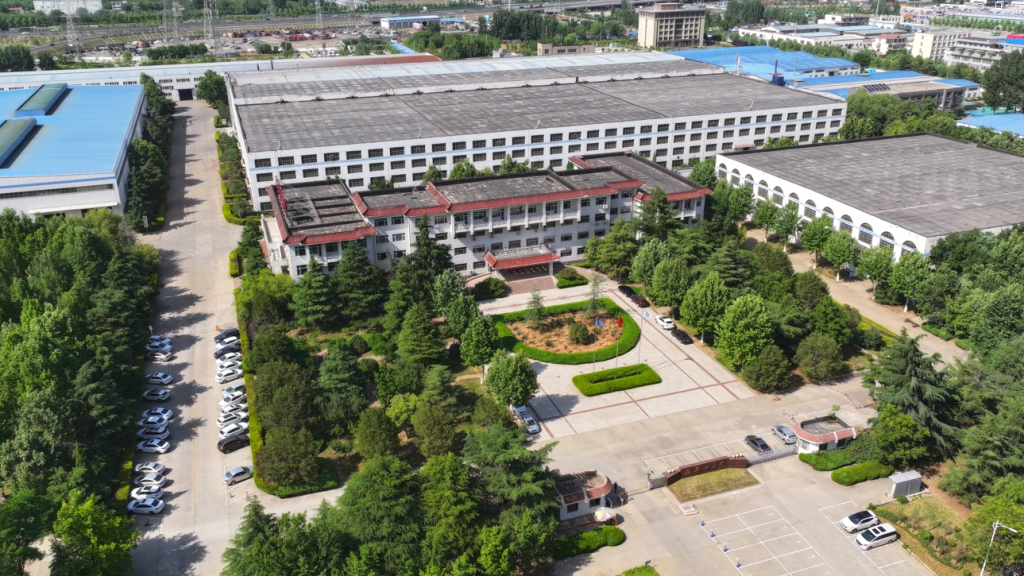
Industrial natural gas boilers are widely used for their clean combustion, high efficiency, and operational flexibility, yet many plants still face challenges such as unexpected shutdowns, fluctuating steam output, declining efficiency, and rising maintenance costs. These issues often stem not from the boiler itself, but from improper design selection, suboptimal operation, or insufficient maintenance strategies. If left unaddressed, they can reduce production stability and increase lifecycle costs.
The reliability and performance of industrial natural gas boilers can be significantly enhanced through proper boiler sizing, advanced combustion control, high-quality components, preventive maintenance programs, and digital monitoring systems. By optimizing fuel–air ratios, improving heat recovery, and ensuring consistent operational management, gas-fired boilers can achieve long-term stable operation with high efficiency and low failure rates.
Applying a systematic optimization approach helps operators maximize uptime, reduce operating costs, and extend boiler service life.
How Does Proper Boiler Sizing and System Design Improve Natural Gas Boiler Reliability and Performance?
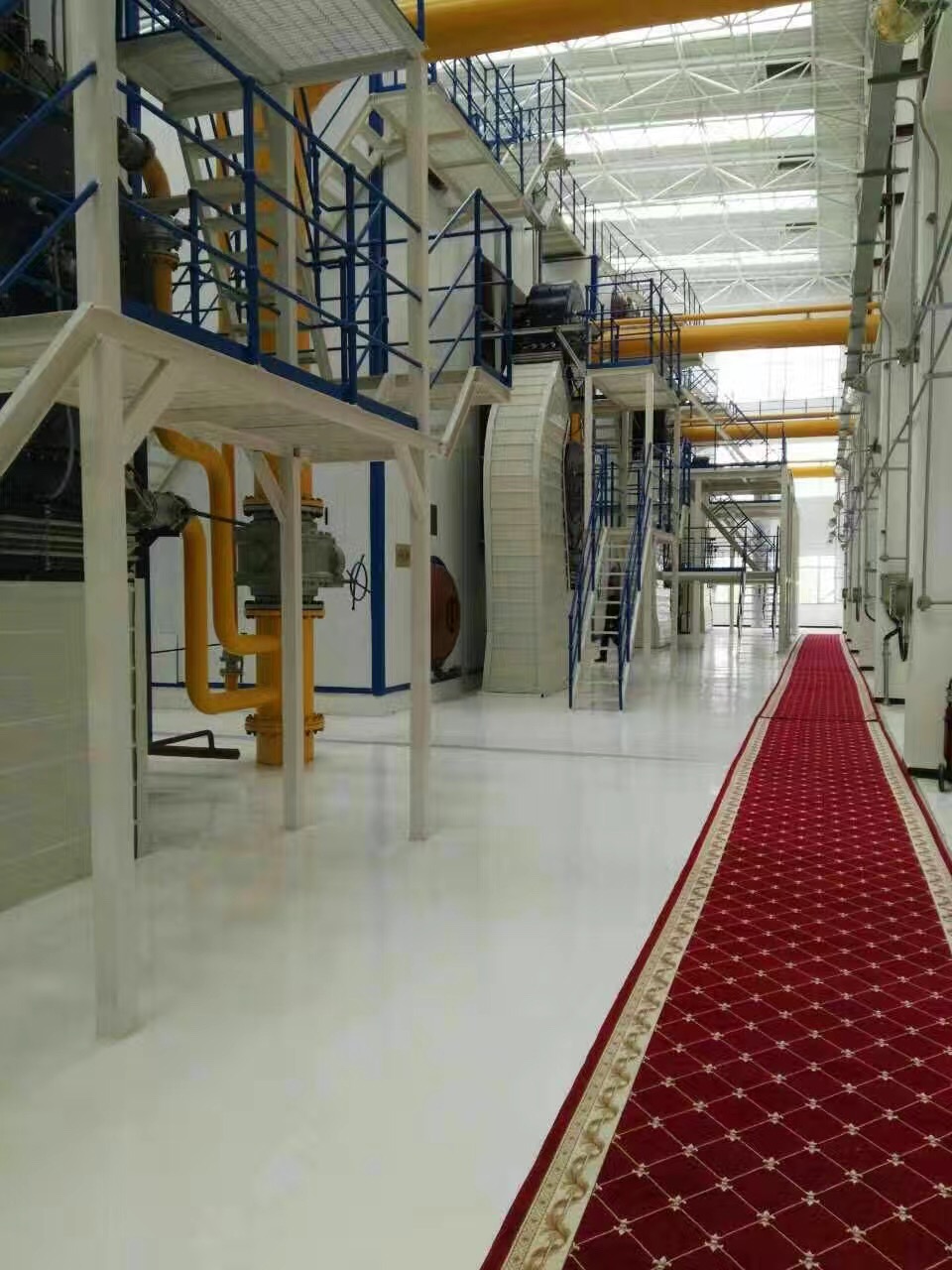
In many industrial plants, commercial buildings, and power generation facilities, natural gas boilers are expected to deliver high efficiency, stable output, low emissions, and long service life—all while responding flexibly to changing load demands. Yet a significant number of boiler failures, efficiency losses, and premature component degradation do not originate from poor manufacturing quality or fuel issues, but from incorrect boiler sizing and flawed system-level design. Oversized boilers cycle excessively, undersized boilers operate under constant stress, and poorly designed auxiliary systems amplify thermal, mechanical, and control instability. The consequences include reduced reliability, higher fuel consumption, increased maintenance costs, and shortened equipment lifespan. Proper boiler sizing and holistic system design are therefore not optional engineering refinements; they are fundamental determinants of natural gas boiler performance and reliability.
Proper boiler sizing and system design improve natural gas boiler reliability and performance by matching thermal capacity to real load demand, stabilizing combustion and heat transfer, reducing cycling and thermal stress, optimizing efficiency across operating ranges, and ensuring coordinated operation of all supporting systems.
To understand why correct sizing and integrated system design matter so profoundly, it is essential to examine how natural gas boilers behave under real operating conditions—and how design decisions directly influence long-term operational outcomes.
Oversizing a natural gas boiler improves reliability by providing additional safety margin.False
Oversized boilers suffer from frequent cycling, poor combustion stability, and increased thermal stress, which reduce reliability and shorten component life.
Proper system-level design is as important as boiler selection for achieving high efficiency and reliability.True
Even a well-designed boiler will perform poorly if pumps, piping, controls, and heat exchangers are not properly matched to its operating characteristics.
The Fundamental Role of Boiler Sizing in Natural Gas Systems
Boiler sizing refers to selecting a boiler with a thermal output capacity that closely matches the actual heating demand profile of the application. This demand is rarely constant; it varies hourly, daily, and seasonally.
Accurate sizing considers:
- Peak load requirements
- Part-load operating hours
- Load variability and ramp rates
- Future expansion or process changes
Natural gas boilers are particularly sensitive to sizing errors because of their high combustion responsiveness and wide turndown capability, which can either be leveraged or undermined by poor sizing decisions.
Oversized Boilers: Hidden Reliability and Efficiency Risks
Oversizing remains one of the most common design errors in natural gas boiler installations, often justified by perceived safety margins or future growth assumptions.
However, oversized boilers typically operate far below their optimal load range for most of their service life. This leads to:
- Short cycling (frequent on/off operation)
- Unstable flame conditions at low fire
- Increased wear on burners, valves, and ignition systems
- Elevated thermal stress on pressure parts
Short cycling is particularly damaging because it subjects the boiler to repeated thermal expansion and contraction, accelerating fatigue and increasing failure probability.
Undersized Boilers: Continuous Stress and Performance Limitations
Undersizing, while less common, creates a different set of problems. An undersized natural gas boiler operates continuously near maximum firing rate.
This results in:
- Elevated component temperatures
- Reduced safety margins
- Inability to meet peak demand
- Limited redundancy during maintenance or transient conditions
Continuous high-load operation reduces operational flexibility and can significantly shorten the service life of burners, heat exchangers, and control components.
Matching Boiler Capacity to Load Profiles
The goal of proper sizing is not merely to meet peak load, but to ensure optimal performance across the entire load profile.
This often involves:
- Selecting boilers with appropriate turndown ratios
- Using multiple smaller boilers instead of a single large unit
- Designing for staged or modular operation
Table: Impact of Boiler Sizing on Performance
| Sizing Condition | Operating Behavior | Reliability Impact | Efficiency Impact |
|---|---|---|---|
| Oversized | Frequent cycling | High wear, low reliability | Low seasonal efficiency |
| Correctly sized | Stable modulation | High reliability | High efficiency |
| Undersized | Constant high load | Thermal stress | Limited peak performance |
Proper sizing enables boilers to operate within their optimal combustion and heat transfer envelopes for the majority of operating hours.
The Importance of Modulation and Turndown Capability
Natural gas boilers typically offer high turndown ratios, allowing them to modulate output over a wide range. However, turndown capability cannot compensate for severe oversizing.
Correct sizing ensures that:
- The boiler operates above minimum stable firing rates
- Combustion remains complete and clean
- Condensing boilers remain in condensing mode when designed to do so
System design must ensure that load demand does not frequently fall below the boiler’s effective modulation range.
System Design: Beyond the Boiler Itself
Even a perfectly sized boiler can underperform if the surrounding system is poorly designed. Natural gas boiler performance is inseparable from system-level design, including:
- Hydraulic layout
- Pump selection
- Piping configuration
- Heat exchanger sizing
- Control strategy integration
System mismatches often create artificial load fluctuations that destabilize boiler operation.
Hydraulic Design and Flow Stability
Proper flow rates are essential for stable heat transfer and temperature control. Poor hydraulic design can cause:
- Flow starvation or short-circuiting
- Temperature stratification
- Erratic return water temperatures
- Inadequate heat extraction
These issues directly affect combustion stability, efficiency, and component life.
Table: Hydraulic Design Effects on Boiler Operation
| Hydraulic Issue | Boiler Impact | Long-Term Effect |
|---|---|---|
| Insufficient flow | Overheating | Tube damage |
| Excessive flow | Low ΔT | Reduced efficiency |
| Unbalanced circuits | Cycling | Control instability |
Correct pump sizing, variable-speed drives, and proper hydraulic separation are critical to reliable operation.
Return Water Temperature Control and Condensing Performance
For condensing natural gas boilers, system design must actively support low return water temperatures to maximize efficiency.
Improper system design—such as oversized heat exchangers or incorrect control logic—can prevent condensation, eliminating efficiency gains.
Proper design includes:
- Low-temperature heating circuits
- Correctly sized emitters
- Weather-compensated controls
These elements allow the boiler to operate in its most efficient regime.
Control Strategy Integration and Load Management
Advanced boilers require equally advanced control strategies. Poorly coordinated controls can negate the benefits of correct sizing.
Effective system control design ensures:
- Smooth load transitions
- Minimal cycling
- Coordinated boiler and pump operation
- Accurate temperature control
Integrated control logic aligns boiler modulation with real demand rather than reactive temperature swings.
Redundancy and Multi-Boiler System Design
In larger applications, system reliability is often enhanced by using multiple smaller boilers instead of one large unit.
Benefits include:
- Improved part-load efficiency
- Built-in redundancy
- Easier maintenance without downtime
- Better load matching
Proper sizing at the system level ensures that each boiler operates within its optimal range.
Impact on Maintenance and Lifecycle Costs
Correct sizing and system design have a direct effect on maintenance requirements.
Well-designed systems experience:
- Fewer burner failures
- Reduced scaling and fouling
- Longer inspection intervals
- Lower spare parts consumption
Over the boiler’s lifecycle, these benefits often outweigh the initial engineering investment.
Emissions Performance and Regulatory Compliance
Stable combustion resulting from proper sizing and system design leads to:
- Lower NOₓ emissions
- Reduced CO formation
- Consistent compliance across operating conditions
Oversized or poorly integrated systems often struggle to meet emission limits during low-load operation.
Case Insight: Proper Sizing vs. Oversizing
Field data from commercial and industrial installations consistently show that correctly sized natural gas boilers achieve:
- 5–15% higher seasonal efficiency
- Significantly fewer burner-related faults
- Longer component service life
These outcomes reinforce that reliability and performance are design outcomes, not just equipment attributes.
Future-Proofing Through Design Discipline
As energy systems evolve, natural gas boilers increasingly operate in flexible, hybrid environments alongside renewables and thermal storage. Proper sizing and system design enable:
- Rapid load response
- Integration with smart controls
- Compatibility with hydrogen blending or future fuels
Poorly sized systems lack the adaptability required for modern energy applications.
Engineering Best Practices for Optimal Results
Key best practices include:
- Detailed load analysis using real data
- Avoidance of excessive safety margins
- System-level simulation and modeling
- Collaboration between boiler suppliers and system designers
These practices ensure that boiler capability aligns with real-world operation.
Long-Term Strategic Value
For owners and operators, proper sizing and system design translate into:
- Higher asset availability
- Lower total cost of ownership
- Improved energy efficiency
- Reduced operational risk
These benefits are increasingly important as energy costs rise and environmental expectations tighten.
Proper boiler sizing and system design are foundational to achieving high reliability and performance in natural gas boiler installations. By accurately matching boiler capacity to real load demand, stabilizing hydraulic and control interactions, and enabling efficient operation across all conditions, correct design minimizes cycling, thermal stress, and inefficiency while maximizing lifespan and compliance. In modern energy systems—where flexibility, efficiency, and reliability are equally critical—natural gas boiler performance is determined not by the boiler alone, but by the intelligence and precision of the entire system design.
How Do Advanced Burners and Combustion Control Systems Enhance Efficiency and Stability?
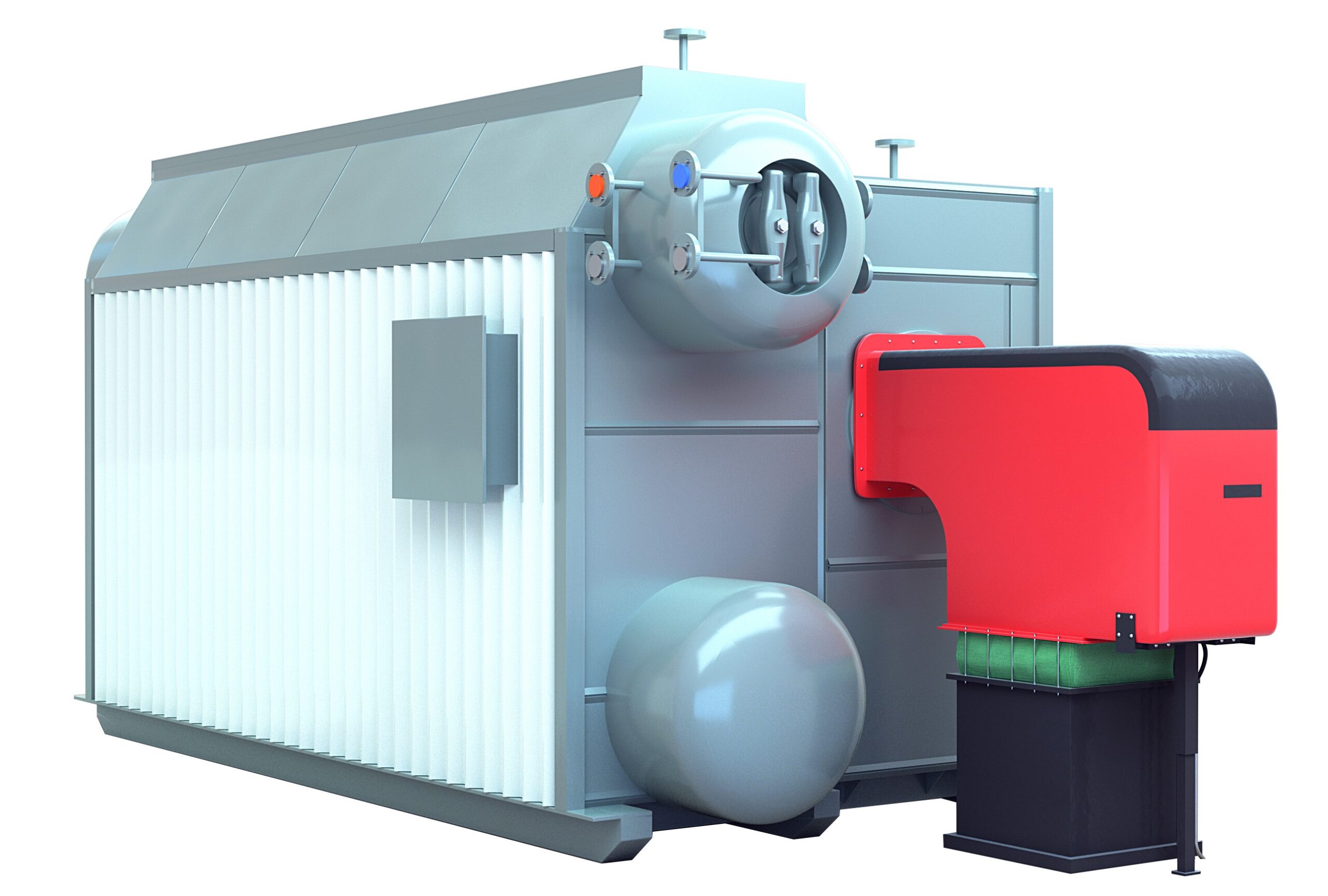
In modern power plants and industrial heating systems, combustion instability and efficiency loss remain among the most persistent operational challenges. Poor flame stability, incomplete combustion, excessive excess air, frequent load changes, and emission spikes not only waste fuel but also accelerate equipment wear, trigger safety risks, and threaten regulatory compliance. As energy systems become more dynamic—driven by renewable integration, fuel variability, and stricter emission limits—traditional burner designs and manual control strategies struggle to maintain optimal performance. Advanced burners combined with intelligent combustion control systems address these challenges at their source, transforming combustion from a reactive process into a precisely managed, adaptive, and highly efficient operation.
Advanced burners and combustion control systems enhance efficiency and stability by optimizing fuel–air mixing, stabilizing flame behavior across wide load ranges, minimizing excess air and heat losses, and continuously adapting combustion conditions in real time to match changing operating demands.
To fully understand their impact, it is essential to explore how burner technology and control intelligence have co-evolved—and why they now function as an integrated system rather than independent components.
Combustion efficiency is mainly determined by fuel quality and has limited dependence on burner and control system design.False
Burner geometry, air staging, mixing quality, and real-time control strongly influence combustion efficiency regardless of fuel quality.
Advanced combustion control systems can improve both efficiency and flame stability simultaneously.True
By continuously optimizing air–fuel ratios and flame dynamics, modern control systems enhance stability while reducing losses and emissions.
The Central Role of Combustion in Boiler Performance
Combustion is the primary energy conversion process in any fuel-fired boiler. Its quality directly determines:
- Thermal efficiency
- Flame stability
- Emission formation
- Heat transfer uniformity
- Component life and safety
Even small deviations in air–fuel ratio or flame shape can cascade into measurable efficiency losses, higher emissions, and unstable operation. Advanced burners and control systems are designed specifically to reduce these deviations to a minimum under all operating conditions.
Evolution from Conventional to Advanced Burner Technology
Traditional burners were designed for a narrow operating window, often optimized for steady baseload operation. They relied on fixed geometry, limited air staging, and manual tuning.
Advanced burners, by contrast, are engineered for:
- Wide load ranges
- Rapid load changes
- Multiple fuel types
- Ultra-low emission targets
This evolution reflects the growing need for flexibility and precision in modern energy systems.
Fuel–Air Mixing: The Foundation of High Efficiency
Efficient combustion depends on intimate, uniform mixing of fuel and air at the molecular level. Poor mixing results in:
- Local fuel-rich zones → CO and unburned hydrocarbons
- Local air-rich zones → heat loss and NOₓ formation
Advanced burners employ sophisticated internal aerodynamics to control mixing quality.
Key design features include:
- Swirl generators with adjustable intensity
- Multi-register air distribution
- Controlled recirculation zones
- Optimized nozzle geometry
These features ensure rapid ignition, uniform flame temperature, and complete fuel burnout.
Table: Mixing Quality and Combustion Outcomes
| Mixing Quality | Combustion Result | Efficiency Impact | Stability Impact |
|---|---|---|---|
| Poor | Incomplete combustion | Low | Unstable flame |
| Moderate | Acceptable burnout | Medium | Marginal |
| Optimized | Complete combustion | High | Very stable |
Optimized mixing allows boilers to operate closer to theoretical efficiency limits.
Flame Stabilization Across Wide Load Ranges
One of the most critical advantages of advanced burners is their ability to maintain stable flames under varying loads.
Flame instability often occurs at:
- Low-load operation
- Rapid load ramps
- Fuel switching events
Advanced burners address this through:
- Internal flame holders
- Aerodynamic recirculation zones
- Variable swirl control
- Pilot-assisted stabilization
These mechanisms anchor the flame reliably even at minimum firing rates, reducing flameouts and trip events.
Air Staging and Emission-Optimized Combustion
Advanced burners frequently incorporate air staging, which separates combustion air into primary, secondary, and sometimes tertiary streams.
Benefits include:
- Lower peak flame temperatures
- Reduced thermal NOₓ formation
- Improved flame shape control
By controlling when and where oxygen is introduced, burners achieve both efficiency and emission reduction without sacrificing stability.
Excess Air Reduction and Heat Loss Minimization
Excess air is necessary to ensure complete combustion, but too much excess air carries heat out of the boiler and lowers efficiency.
Advanced combustion control systems continuously minimize excess air by:
- Monitoring oxygen and CO in flue gas
- Adjusting air dampers and fan speeds
- Coordinating air supply with fuel flow
Table: Excess Air vs. Efficiency
| Excess Air Level | Combustion Quality | Stack Loss | Overall Efficiency |
|---|---|---|---|
| Too low | Incomplete | Low | Poor |
| Optimal | Complete | Minimal | Maximum |
| Too high | Complete | High | Reduced |
Maintaining optimal excess air under all conditions is one of the largest contributors to efficiency gains from advanced control systems.
Real-Time Combustion Control Intelligence
Modern combustion control systems move far beyond simple PID loops. They integrate:
- Model-based control
- Adaptive algorithms
- Machine learning optimization
- Predictive logic
These systems continuously analyze multiple inputs—including load demand, fuel characteristics, flame signals, and emission feedback—to determine the best combustion settings in real time.
Coordination Between Burner Hardware and Control Software
Advanced burners achieve their full potential only when tightly integrated with smart control systems.
This integration enables:
- Automatic burner tuning
- Continuous optimization rather than periodic manual adjustment
- Rapid response to disturbances
The burner becomes an actively controlled device rather than a static component.
Stability During Load Changes and Cycling Operation
Modern boilers increasingly operate under flexible, cycling conditions due to renewable energy integration and variable process demand.
Advanced combustion systems enhance stability by:
- Anticipating load changes
- Adjusting air–fuel ratios proactively
- Maintaining flame anchoring during transients
This reduces pressure fluctuations, vibration, and thermal stress.
Fuel Flexibility and Stable Multi-Fuel Operation
Advanced burners are often designed to handle multiple fuels, such as:
- Natural gas
- Hydrogen blends
- Biogas
- Light oils
Fuel properties vary widely in flame speed, heating value, and ignition behavior. Smart control systems automatically compensate for these differences, preserving efficiency and stability.
Impact on Heat Transfer Uniformity
Stable, well-shaped flames distribute heat evenly across furnace surfaces. This improves:
- Heat absorption efficiency
- Tube life
- Avoidance of hot spots
Advanced burners therefore contribute indirectly to mechanical reliability and longer service intervals.
Reduction of Operator Intervention and Human Error
Traditional combustion tuning relies heavily on operator experience. Advanced systems reduce this dependency by:
- Automating tuning processes
- Providing decision support
- Maintaining optimal settings continuously
This improves consistency and reduces the risk of human-induced instability.
Emission Control as a Stability Enhancer
Low emissions and stable combustion are closely linked. Unstable flames often produce emission spikes.
Advanced systems:
- Detect early signs of instability
- Adjust parameters before limits are exceeded
- Maintain compliance during transients
This feedback loop enhances both environmental and operational stability.
Start-Up and Shutdown Optimization
Start-up and shutdown are among the most unstable combustion phases.
Advanced combustion control:
- Sequences ignition precisely
- Controls temperature ramp rates
- Prevents flame oscillations
This reduces fuel waste, emissions, and mechanical stress.
Digital Monitoring and Diagnostics
Smart combustion systems provide continuous diagnostics such as:
- Flame quality indices
- Combustion efficiency trends
- Early fault detection
These insights allow proactive intervention before efficiency or stability deteriorates.
Economic Benefits of Enhanced Efficiency and Stability
From an economic perspective, advanced burners and controls deliver:
- Lower fuel consumption
- Reduced unplanned outages
- Lower maintenance costs
- Improved asset availability
Even small percentage improvements in combustion efficiency translate into significant lifecycle savings.
Role in Future Energy Systems
As hydrogen, renewable gases, and hybrid energy systems expand, combustion systems must adapt rapidly.
Advanced burners and controls provide:
- Future fuel readiness
- Safe operation under new combustion regimes
- Continued efficiency optimization
They are therefore key enablers of long-term energy transition strategies.
Engineering Best Practices for Maximum Benefit
To fully realize benefits, best practices include:
- Integrated burner-control design
- Commissioning with advanced tuning tools
- Continuous performance monitoring
- Periodic model recalibration
These practices ensure sustained efficiency and stability over time.
Long-Term Reliability and Asset Protection
Stable combustion reduces:
- Thermal fatigue
- Vibration-induced damage
- Corrosion and fouling
As a result, advanced combustion systems directly contribute to longer boiler life and higher long-term reliability.
Advanced burners and combustion control systems fundamentally enhance boiler efficiency and stability by transforming combustion into a precisely managed, adaptive process. Through optimized fuel–air mixing, robust flame stabilization, minimized excess air, and real-time intelligent control, these technologies deliver higher efficiency, lower emissions, and reliable operation across wide load ranges and dynamic conditions. In modern energy systems—where flexibility, efficiency, and compliance are equally critical—advanced combustion technology is no longer an incremental upgrade, but a core requirement for sustainable, stable, and high-performance boiler operation.
How Does Preventive and Predictive Maintenance Reduce Failures in Gas-Fired Boilers?
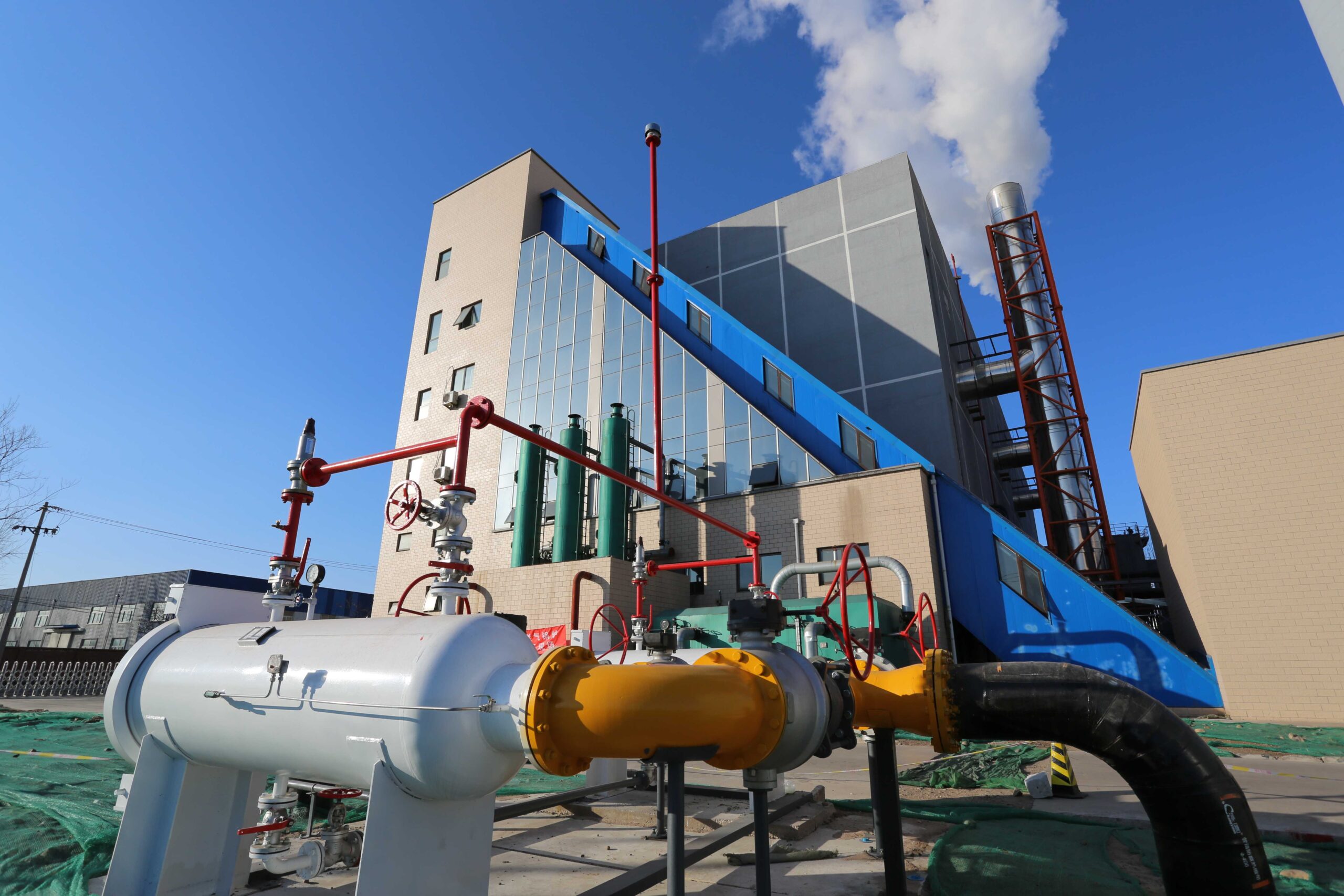
Gas-fired boilers are widely valued for their high efficiency, fast response, and relatively clean combustion. However, despite their technical maturity, unexpected boiler failures remain a common and costly problem across industrial plants, commercial facilities, and power generation systems. Tube leaks, burner malfunctions, control failures, and safety shutdowns often occur not because the boiler technology is inherently unreliable, but because degradation mechanisms go undetected until they escalate into faults. Reactive maintenance—waiting for something to break—leads to unplanned downtime, safety risks, production losses, and expensive emergency repairs. Preventive and predictive maintenance strategies directly address these risks by shifting boiler management from failure response to failure avoidance.
Preventive and predictive maintenance reduce failures in gas-fired boilers by identifying early signs of wear, degradation, and abnormal operation, enabling timely intervention that stabilizes combustion, protects critical components, minimizes thermal and mechanical stress, and prevents minor issues from developing into major failures.
To appreciate how these maintenance approaches improve reliability so dramatically, it is important to understand the failure mechanisms of gas-fired boilers and how structured maintenance strategies interrupt those mechanisms before damage occurs.
Most gas-fired boiler failures occur suddenly and cannot be anticipated through monitoring or maintenance.False
The majority of boiler failures are preceded by measurable warning signs such as temperature deviations, vibration changes, combustion instability, or control anomalies.
Predictive maintenance can significantly reduce unplanned boiler outages compared with reactive maintenance.True
By detecting degradation trends early, predictive maintenance allows corrective actions before failures occur, substantially reducing unplanned outages.
Understanding Failure Mechanisms in Gas-Fired Boilers
Gas-fired boilers operate under high temperatures, pressure fluctuations, and continuous thermal cycling. Over time, these conditions lead to predictable degradation processes.
Common failure mechanisms include:
- Burner wear and ignition system degradation
- Heat exchanger fouling or corrosion
- Thermal fatigue in tubes and headers
- Control valve and actuator wear
- Sensor drift and control instability
Crucially, these failures rarely occur instantaneously. They develop gradually, making them well suited to prevention and prediction.
Preventive Maintenance: The First Line of Defense
Preventive maintenance is based on scheduled inspection, servicing, and replacement of components before they fail. It relies on historical experience, manufacturer recommendations, and operating hours.
Typical preventive maintenance activities include:
- Burner inspection and cleaning
- Ignition electrode and flame scanner checks
- Gas valve and actuator testing
- Heat exchanger inspection and cleaning
- Safety interlock and shutdown testing
These activities directly reduce failure probability by maintaining components within acceptable condition limits.
How Preventive Maintenance Reduces Failure Risk
Preventive maintenance interrupts failure pathways by:
- Removing fouling that restricts heat transfer and airflow
- Correcting misalignment and wear in moving parts
- Restoring proper combustion geometry
- Ensuring safety devices function correctly
By preventing deterioration from reaching critical levels, preventive maintenance significantly reduces sudden breakdowns.
Table: Preventive Maintenance Impact on Common Failures
| Failure Type | Preventive Action | Failure Reduction Effect |
|---|---|---|
| Burner flame instability | Burner cleaning and tuning | Improved stability |
| Ignition failure | Electrode inspection | Reliable start-up |
| Overheating | Heat exchanger cleaning | Lower thermal stress |
| Safety trips | Interlock testing | Fewer nuisance shutdowns |
Preventive maintenance thus converts unpredictable failures into manageable service events.
Limitations of Preventive Maintenance Alone
While preventive maintenance is essential, it has inherent limitations:
- Fixed schedules may be too early or too late
- Component condition can vary with load and fuel quality
- Hidden degradation may go undetected between inspections
These limitations create the need for predictive maintenance, which adds condition-based intelligence.
Predictive Maintenance: From Time-Based to Condition-Based Care
Predictive maintenance uses real-time and historical data to assess actual equipment condition and predict future failure risk.
In gas-fired boilers, predictive maintenance draws on data such as:
- Temperature and pressure trends
- Burner flame signal stability
- Oxygen, CO, and NOₓ emissions
- Valve position and response time
- Vibration and acoustic signatures
By analyzing these parameters, predictive systems identify abnormal patterns long before failure occurs.
Early Fault Detection Through Predictive Analytics
Predictive maintenance systems detect subtle changes that are invisible during routine inspections.
Examples include:
- Gradual increase in excess air indicating burner wear
- Rising stack temperature signaling fouling
- Increased ignition attempts suggesting electrode degradation
- Control valve hysteresis indicating actuator wear
These early warnings allow maintenance teams to intervene at the lowest cost and risk stage.
Table: Predictive Indicators and Associated Failures
| Predictive Indicator | Likely Issue | Prevented Failure |
|---|---|---|
| Flame signal fluctuation | Burner instability | Flameout |
| Rising ΔT across heat exchanger | Fouling | Tube overheating |
| Slow valve response | Actuator wear | Control failure |
| Increasing CO at low load | Poor mixing | Safety trip |
Predictive maintenance turns raw data into actionable insight.
Combining Preventive and Predictive Maintenance
The most effective strategy combines preventive and predictive maintenance into a unified reliability program.
This hybrid approach:
- Uses predictive data to optimize preventive schedules
- Avoids unnecessary maintenance
- Focuses resources on high-risk components
Preventive maintenance ensures baseline reliability, while predictive maintenance fine-tunes timing and scope.
Impact on Combustion Stability
Combustion instability is a leading cause of gas-fired boiler trips. Predictive maintenance directly improves stability by:
- Identifying burner imbalance early
- Detecting sensor drift affecting air–fuel ratio
- Preventing ignition system degradation
Stable combustion reduces flameouts, pressure pulsations, and thermal shock to boiler components.
Reduction of Thermal and Mechanical Stress
Unplanned failures often result from cumulative stress rather than single overload events.
Predictive maintenance reduces stress by:
- Preventing overheating due to fouling
- Avoiding excessive cycling caused by control issues
- Maintaining proper modulation behavior
Lower stress translates directly into longer component life.
Safety Enhancement Through Proactive Maintenance
Gas-fired boilers are safety-critical systems. Preventive and predictive maintenance improve safety by:
- Ensuring safety valves and interlocks operate correctly
- Detecting gas leakage or abnormal combustion early
- Reducing emergency shutdowns
Proactive maintenance reduces both operational and safety risks.
Maintenance Optimization and Workforce Efficiency
Predictive maintenance allows maintenance teams to:
- Focus on condition-based priorities
- Reduce emergency call-outs
- Plan outages more effectively
This improves workforce efficiency and reduces overtime and emergency repair costs.
Economic Impact of Failure Reduction
The financial benefits of reduced boiler failures are substantial:
- Lower unplanned downtime
- Reduced repair costs
- Longer component replacement intervals
- Improved fuel efficiency
Even modest reductions in failure frequency can deliver significant lifecycle cost savings.
Digital Tools Enabling Predictive Maintenance
Modern predictive maintenance relies on:
- Advanced sensors
- Data historians
- Machine learning algorithms
- Digital twins
These tools continuously refine failure predictions, improving accuracy over time.
Integration with Automation and Control Systems
Predictive maintenance is most effective when integrated with boiler control systems.
This integration enables:
- Automated alarms for abnormal trends
- Load adjustments to protect equipment
- Data-driven maintenance planning
Boiler operation and maintenance become tightly coordinated rather than isolated functions.
Case Insight: Reactive vs. Predictive Maintenance Outcomes
Facilities transitioning from reactive to predictive maintenance commonly report:
- 30–50% reduction in unplanned boiler outages
- Significant decrease in emergency repairs
- Improved availability and reliability
These results highlight the structural advantage of predictive approaches.
Challenges in Implementing Predictive Maintenance
Despite its benefits, predictive maintenance requires:
- High-quality sensor data
- Skilled data interpretation
- Cultural shift from reactive practices
Successful implementation combines technology with training and process discipline.
Long-Term Reliability and Asset Life Extension
By preventing small issues from escalating, preventive and predictive maintenance:
- Extend boiler service life
- Preserve efficiency over time
- Maintain compliance with safety and emission standards
Reliability becomes a managed outcome rather than a matter of chance.
Strategic Importance in Modern Energy Systems
As gas-fired boilers increasingly operate flexibly alongside renewables, failure tolerance decreases.
Predictive maintenance supports:
- High cycling operation
- Rapid load changes
- Continuous compliance under variable conditions
This makes it a strategic enabler of modern energy system reliability.
Engineering Best Practices for Maximum Effectiveness
Best practices include:
- Combining preventive and predictive strategies
- Monitoring critical components continuously
- Periodically validating predictive models
- Aligning maintenance with operational strategy
These practices ensure sustained failure reduction.
Preventive and predictive maintenance dramatically reduce failures in gas-fired boilers by transforming maintenance from a reactive necessity into a proactive reliability strategy. Preventive maintenance establishes a strong baseline of equipment health, while predictive maintenance adds real-time intelligence that detects degradation early and guides timely intervention. Together, they stabilize combustion, reduce thermal and mechanical stress, enhance safety, and minimize unplanned downtime. In an era where boiler reliability, efficiency, and flexibility are increasingly critical, preventive and predictive maintenance are not optional enhancements—they are essential foundations of high-performance, low-risk gas-fired boiler operation.
If you would like expert guidance on implementing preventive and predictive maintenance strategies for gas-fired boilers, including monitoring architecture, analytics, and best-practice maintenance programs, feel free to contact us for professional support and tailored solutions.
How Can Heat Recovery Technologies Improve Performance and Reduce Fuel Consumption?
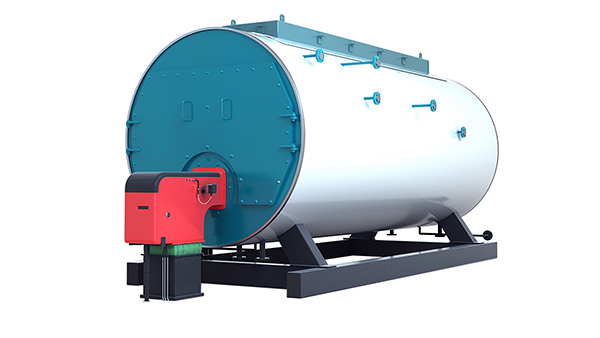
In fuel-fired energy systems, a significant portion of input energy is traditionally lost as waste heat through exhaust gases, blowdown, and cooling processes. For gas-fired boilers and thermal systems, these losses can represent 10–30% of total fuel energy, directly translating into higher operating costs, increased emissions, and reduced overall system efficiency. As fuel prices rise and energy efficiency regulations tighten, simply optimizing combustion is no longer sufficient. Heat recovery technologies address this structural inefficiency by capturing and reusing waste heat that would otherwise be discarded, turning unavoidable losses into productive energy. When properly designed and integrated, heat recovery fundamentally reshapes boiler system performance and fuel economics.
Heat recovery technologies improve performance and reduce fuel consumption by capturing waste thermal energy from flue gases and auxiliary processes, reusing it to preheat combustion air, feedwater, or process streams, thereby increasing overall system efficiency and lowering the amount of fuel required to deliver the same useful output.
Understanding the real value of heat recovery requires examining not only the technologies themselves, but also how they interact with boiler thermodynamics, operating profiles, and system-level design.
Most of the energy losses in gas-fired boilers are unavoidable and cannot be economically recovered.False
A substantial portion of boiler losses occurs through flue gas and blowdown, which can often be recovered cost-effectively using modern heat recovery technologies.
Heat recovery systems can improve boiler efficiency without increasing combustion complexity.True
By recovering waste heat downstream of combustion, heat recovery enhances efficiency without altering the fundamental combustion process.
The Nature of Heat Losses in Boiler Systems
In a conventional gas-fired boiler system, energy losses occur primarily through:
- High-temperature flue gas discharge
- Sensible heat in boiler blowdown
- Radiation and convection from hot surfaces
- Unused low-grade heat in auxiliary systems
Among these, flue gas losses are typically the largest and most recoverable.
Even in modern boilers with optimized combustion, exhaust gas temperatures often range from 120°C to over 200°C, representing a substantial reservoir of recoverable energy.
Heat Recovery as a System-Level Efficiency Strategy
Heat recovery does not improve efficiency by burning fuel more effectively, but by using the energy already released more completely.
This distinction is critical:
- Combustion optimization improves conversion efficiency
- Heat recovery improves utilization efficiency
Together, they define the true system efficiency experienced by operators.
Economizers: The Foundation of Boiler Heat Recovery
The most widely used heat recovery device in boiler systems is the economizer, which captures sensible heat from flue gas to preheat boiler feedwater.
Key benefits include:
- Reduced fuel required to raise feedwater to saturation
- Lower stack temperature
- Improved boiler thermal efficiency
Economizers are relatively simple, robust, and compatible with most boiler designs.
Table: Economizer Impact on Boiler Performance
| Parameter | Without Economizer | With Economizer |
|---|---|---|
| Stack temperature | High | Reduced |
| Feedwater temperature | Low | Preheated |
| Fuel consumption | Higher | Lower |
| Overall efficiency | Baseline | +3–7% |
Even modest reductions in stack temperature can yield meaningful fuel savings over the boiler lifecycle.
Condensing Heat Recovery and Latent Heat Utilization
Traditional economizers recover only sensible heat. Condensing heat recovery systems go further by capturing latent heat from water vapor in flue gas.
This is particularly effective for natural gas boilers, whose exhaust contains significant water vapor.
Condensing systems:
- Cool flue gas below dew point
- Recover latent heat of vaporization
- Achieve very high effective efficiencies
This approach can push system efficiency well beyond conventional limits.
Performance Benefits of Condensing Heat Recovery
By reclaiming latent heat, condensing systems deliver:
- 10–15% additional efficiency gains
- Lower exhaust temperatures
- Reduced fuel input for the same output
These benefits are maximized in applications with low return water temperatures, such as district heating or low-temperature process heating.
Table: Sensible vs. Condensing Heat Recovery
| Heat Recovery Type | Heat Recovered | Efficiency Gain |
|---|---|---|
| Sensible only | Flue gas sensible heat | Moderate |
| Condensing | Sensible + latent heat | High |
The deeper the heat recovery, the greater the fuel reduction potential.
Combustion Air Preheating Systems
Another effective heat recovery approach is combustion air preheating, where exhaust heat is used to raise the temperature of incoming combustion air.
This improves performance by:
- Reducing fuel needed to reach ignition temperature
- Improving flame stability
- Increasing radiant heat transfer
Air preheaters are especially valuable in high-capacity industrial and power boilers.
Impact on Combustion Efficiency and Stability
Preheated combustion air:
- Enhances flame propagation
- Reduces ignition delays
- Stabilizes combustion at low loads
As a result, heat recovery indirectly improves operational stability in addition to efficiency.
Blowdown Heat Recovery Systems
Boiler blowdown removes impurities but carries significant thermal energy.
Blowdown heat recovery systems:
- Capture heat from hot blowdown water
- Transfer it to make-up water or feedwater
- Reduce thermal losses
Though often overlooked, blowdown heat recovery can yield meaningful fuel savings in high-pressure or high-cycle boilers.
System Integration and Heat Cascade Utilization
The true value of heat recovery lies in intelligent system integration.
Recovered heat can be used for:
- Feedwater preheating
- Space heating
- Process heating
- Absorption cooling
By cascading heat from high-temperature to low-temperature uses, systems maximize overall energy utilization.
Fuel Consumption Reduction Mechanism
Heat recovery reduces fuel consumption through a simple thermodynamic principle: less fuel energy is required to reach target output when part of the required heat is supplied by recovered waste energy.
This leads to:
- Lower firing rates
- Reduced operating hours
- Improved part-load efficiency
Fuel savings scale directly with operating hours and recovered heat fraction.
Emission Reduction as a Secondary Benefit
Lower fuel consumption inherently leads to:
- Reduced CO₂ emissions
- Lower NOₓ formation due to lower firing rates
- Improved compliance margins
Heat recovery thus supports both economic and environmental objectives simultaneously.
Operational Stability and Equipment Protection
By reducing firing intensity and smoothing temperature gradients, heat recovery:
- Lowers thermal stress on boiler components
- Reduces cycling frequency
- Extends equipment life
These reliability benefits are often as valuable as fuel savings.
Heat Recovery in Variable-Load Operation
Modern boiler systems increasingly operate under variable load conditions.
Well-designed heat recovery systems:
- Maintain effectiveness across load ranges
- Adapt to changing exhaust temperatures
- Support flexible boiler operation
This makes them compatible with renewable-integrated and hybrid energy systems.
Economic Performance and Payback Considerations
The economic attractiveness of heat recovery depends on:
- Fuel price
- Operating hours
- Temperature levels
- System integration quality
In many industrial and commercial applications, payback periods range from 1 to 4 years, making heat recovery one of the most cost-effective efficiency investments.
Design Considerations and Constraints
Despite their benefits, heat recovery systems require careful design.
Key considerations include:
- Corrosion risk at low flue gas temperatures
- Pressure drop impacts
- Fouling and maintenance access
- Material selection
Addressing these factors ensures long-term performance and reliability.
Digital Monitoring and Optimization of Heat Recovery
Modern heat recovery systems increasingly incorporate sensors and digital monitoring to:
- Track recovered energy
- Detect fouling or degradation
- Optimize operating parameters
Digitalization ensures that theoretical efficiency gains are realized in practice.
Case Insight: Heat Recovery Performance Improvement
Field data from industrial boiler installations show that comprehensive heat recovery integration can:
- Reduce fuel consumption by 8–20%
- Lower annual energy costs significantly
- Improve overall system availability
These outcomes demonstrate the structural efficiency advantage of heat recovery.
Strategic Role in Energy Transition
As energy systems transition toward lower carbon intensity, heat recovery plays a critical role by:
- Reducing fossil fuel dependency
- Improving system efficiency without fuel switching
- Complementing renewable heat sources
It is one of the most immediately deployable decarbonization tools.
Engineering Best Practices for Maximum Benefit
Best practices include:
- Matching recovery technology to temperature levels
- Designing for future operating flexibility
- Integrating recovery with control systems
- Ensuring maintainability and corrosion protection
These practices maximize both performance and lifecycle value.
Long-Term Impact on System Performance
Over the full lifecycle of a boiler system, heat recovery delivers:
- Sustained efficiency improvement
- Lower operating costs
- Reduced emissions
- Enhanced reliability
These benefits compound over time, reinforcing the strategic value of recovery technologies.
Heat recovery technologies improve performance and reduce fuel consumption by fundamentally increasing how much useful energy is extracted from each unit of fuel. By capturing waste heat from flue gases, blowdown, and auxiliary processes, and reusing it to preheat feedwater, combustion air, or process streams, these technologies reduce firing demand, stabilize operation, and lower emissions. In modern gas-fired boiler systems—where efficiency, reliability, and sustainability are equally critical—heat recovery is not an optional enhancement, but a core design principle for achieving high-performance, low-cost, and future-ready thermal energy systems.
How Do Automation, Monitoring, and Digital Diagnostics Improve Operational Reliability?
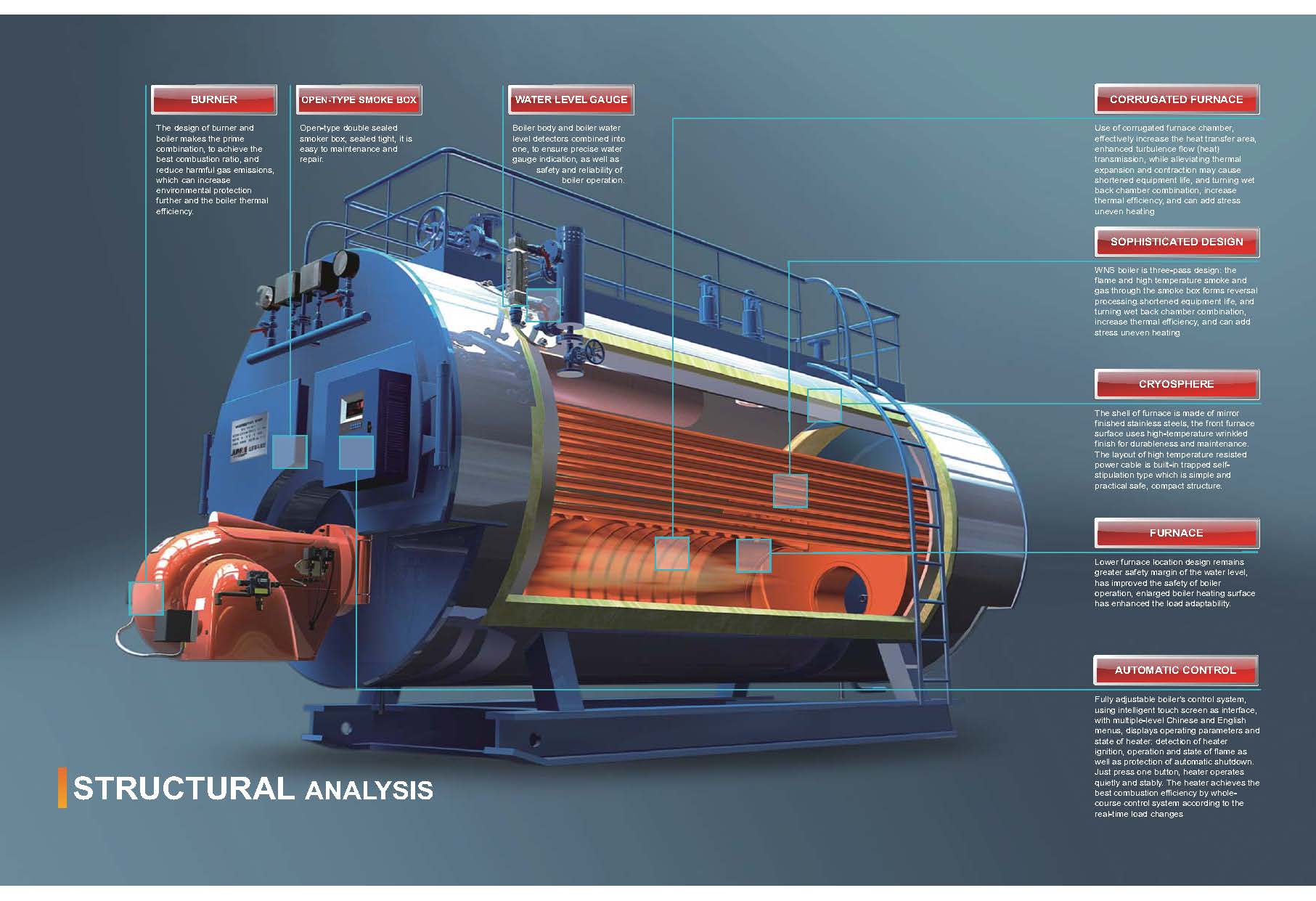
In modern boiler plants and power generation systems, operational reliability is no longer defined solely by robust mechanical design. Even the most advanced boilers can suffer from unplanned shutdowns, efficiency degradation, and safety incidents if they rely on manual operation, fragmented monitoring, or delayed fault detection. As systems become more complex—driven by variable loads, tighter emission limits, fuel flexibility, and integration with renewables—human-centric operation reaches its practical limits. Automation, continuous monitoring, and digital diagnostics address this challenge by transforming boiler operation from experience-driven reaction to data-driven prevention, significantly improving reliability, availability, and long-term performance.
Automation, monitoring, and digital diagnostics improve operational reliability by reducing human error, maintaining optimal operating conditions in real time, detecting early signs of degradation or abnormal behavior, and enabling proactive intervention before minor deviations escalate into failures.
To fully understand their impact, it is essential to examine how these digital capabilities work together across the entire lifecycle of boiler operation.
Most boiler reliability issues are caused by sudden mechanical failures that cannot be detected in advance.False
The majority of boiler reliability issues develop gradually and can be detected early through continuous monitoring and diagnostics.
Automation and digital diagnostics can improve reliability without compromising operational flexibility.True
Modern automation systems enhance reliability while enabling faster and more flexible response to changing operating conditions.
The Reliability Challenge in Conventional Boiler Operation
Traditional boiler operation relies heavily on:
- Manual control adjustments
- Periodic inspections
- Alarm-based fault response
While this approach has worked historically, it exposes several weaknesses:
- Delayed response to fast-developing issues
- Inconsistent operation across shifts
- Limited visibility into internal degradation processes
As operating conditions become more dynamic, these weaknesses directly translate into higher failure risk.
Automation as the Foundation of Reliable Operation
Automation replaces manual intervention with consistent, rule-based, and adaptive control logic. In boiler systems, automation governs:
- Fuel and air flow control
- Load following and modulation
- Start-up and shutdown sequencing
- Safety interlocks and trip logic
By executing these functions with high precision and repeatability, automation eliminates variability that often leads to instability and wear.
Reduction of Human Error and Operational Variability
Human error is a significant contributor to operational incidents, particularly during transient conditions.
Automation improves reliability by:
- Ensuring correct sequencing during start-up and shutdown
- Preventing unsafe operating states
- Maintaining consistent setpoints and ramp rates
This consistency significantly reduces stress on components and lowers the probability of operator-induced failures.
Real-Time Monitoring: Making the Invisible Visible
Monitoring systems continuously collect data from sensors distributed throughout the boiler and its auxiliaries.
Key monitored parameters include:
- Temperatures and pressures
- Flow rates
- Oxygen, CO, and NOₓ emissions
- Flame signals and vibration
- Valve positions and actuator response
This real-time visibility allows operators and control systems to understand actual equipment behavior rather than inferred conditions.
Early Detection of Abnormal Operating Trends
Most failures are preceded by subtle deviations from normal behavior.
Continuous monitoring enables:
- Detection of gradual efficiency loss
- Identification of combustion instability
- Recognition of fouling, leakage, or wear
By identifying trends instead of reacting to alarms alone, monitoring systems provide a critical time advantage.
Table: Monitoring Parameters and Reliability Impact
| Parameter Monitored | Detected Issue | Reliability Benefit |
|---|---|---|
| Stack temperature | Fouling | Prevents overheating |
| Flame signal | Burner wear | Avoids flameout |
| Pressure fluctuation | Flow instability | Reduces cycling |
| Emission trends | Combustion drift | Maintains stability |
Monitoring transforms raw sensor data into operational awareness.
Digital Diagnostics: From Data to Insight
Digital diagnostics go beyond monitoring by interpreting data using models, rules, and analytics.
They answer questions such as:
- Is this behavior normal?
- How fast is the condition deteriorating?
- When will intervention be required?
Diagnostics systems compare current performance with baseline models to identify anomalies that indicate emerging faults.
Predictive Fault Identification and Failure Avoidance
Digital diagnostics enable predictive maintenance by:
- Identifying early-stage component degradation
- Estimating remaining useful life
- Prioritizing maintenance actions based on risk
This predictive capability allows operators to act before reliability is compromised.
Table: Diagnostic Insights and Prevented Failures
| Diagnostic Insight | Root Cause | Failure Avoided |
|---|---|---|
| Rising excess air | Burner wear | Efficiency loss |
| Valve response delay | Actuator degradation | Control failure |
| Increasing vibration | Mechanical looseness | Component damage |
| Sensor drift | Calibration loss | False trips |
Diagnostics convert complex data streams into clear reliability actions.
Automation and Monitoring in Load-Following Operation
Modern boilers frequently operate under variable load conditions due to renewable integration and fluctuating demand.
Automation and monitoring improve reliability by:
- Anticipating load changes
- Coordinating fuel, air, and water systems
- Maintaining stable combustion during transients
This reduces cycling-related fatigue and trip events.
Integrated Safety and Reliability Management
Automation systems integrate safety logic directly into control architecture.
Benefits include:
- Fast, deterministic response to unsafe conditions
- Reduced nuisance trips through better diagnostics
- Clear differentiation between process deviation and equipment failure
This integration improves both safety and availability.
Combustion Stability Through Digital Control
Combustion instability is a leading cause of boiler outages.
Digital combustion control systems:
- Continuously optimize air–fuel ratios
- Compensate for fuel quality variations
- Detect early signs of flame instability
Stable combustion directly improves reliability by reducing thermal shock and pressure oscillations.
Maintenance Optimization Through Diagnostics
Traditional maintenance schedules are often conservative and inefficient.
Digital diagnostics enable:
- Condition-based maintenance
- Reduced unnecessary inspections
- Focused intervention on high-risk components
This improves reliability while lowering maintenance costs.
Reduction of Unplanned Downtime
Unplanned downtime is one of the most visible indicators of poor reliability.
Automation, monitoring, and diagnostics reduce downtime by:
- Preventing failure escalation
- Allowing planned interventions
- Minimizing recovery time after disturbances
Facilities using advanced digital systems consistently report fewer forced outages.
Data-Driven Root Cause Analysis
When issues do occur, digital systems provide detailed historical data.
This supports:
- Accurate root cause analysis
- Prevention of recurrence
- Continuous improvement of operating strategies
Reliability improves not just by prevention, but by learning from events.
Remote Monitoring and Expert Support
Digital platforms enable remote access to operational data.
This allows:
- Centralized expert oversight
- Faster troubleshooting
- Support for sites with limited on-site expertise
Remote diagnostics extend reliability benefits beyond individual plants.
Standardization Across Multiple Units
In multi-boiler or multi-site operations, automation enables standardized operation.
This reduces:
- Performance variability
- Site-specific operating errors
- Inconsistent maintenance practices
Standardization is a powerful reliability multiplier at fleet level.
Cyber-Physical Reliability Considerations
Modern digital systems also introduce cybersecurity considerations.
Well-designed automation platforms:
- Isolate safety-critical functions
- Protect data integrity
- Ensure reliable operation even during network disturbances
Cyber-resilient design is now part of operational reliability.
Economic Impact of Improved Reliability
Improved reliability delivers measurable economic benefits:
- Higher availability and capacity utilization
- Lower emergency repair costs
- Reduced fuel waste from inefficient operation
These benefits often exceed the initial investment in digital systems.
Role in Long-Term Asset Life Extension
By reducing stress, avoiding extreme conditions, and enabling proactive maintenance, automation and diagnostics:
- Slow aging mechanisms
- Extend boiler service life
- Preserve efficiency over time
Reliability becomes a sustained outcome rather than a declining trend.
Supporting Compliance and Performance Guarantees
Stable operation simplifies compliance with:
- Emission regulations
- Safety standards
- Performance guarantees
Digital systems provide documented evidence of compliant operation.
Engineering Best Practices for Reliable Digitalization
To maximize reliability gains, best practices include:
- Integrating automation, monitoring, and diagnostics from design stage
- Ensuring high-quality sensor selection and calibration
- Training operators to use diagnostic insights effectively
- Continuously refining control and diagnostic models
These practices ensure technology translates into real reliability improvements.
Strategic Importance in Future Energy Systems
As boiler systems become more flexible, decentralized, and integrated with renewables, tolerance for failure decreases.
Automation and digital diagnostics provide:
- Rapid adaptability
- Predictable performance
- Resilience under dynamic conditions
They are essential enablers of future-ready reliability.
Automation, monitoring, and digital diagnostics improve operational reliability by transforming boiler operation from reactive supervision to proactive, intelligence-driven management. Automation eliminates human-induced variability, monitoring provides continuous visibility into system health, and digital diagnostics convert data into early warnings and predictive insights. Together, they reduce unplanned downtime, stabilize combustion and thermal behavior, optimize maintenance, and extend asset life. In modern boiler and power generation systems—where reliability, efficiency, and flexibility must coexist—digitalization is no longer an optional upgrade, but a core foundation of dependable, high-performance operation.
How Does Operator Training and Standardized Procedures Impact Long-Term Boiler Performance?
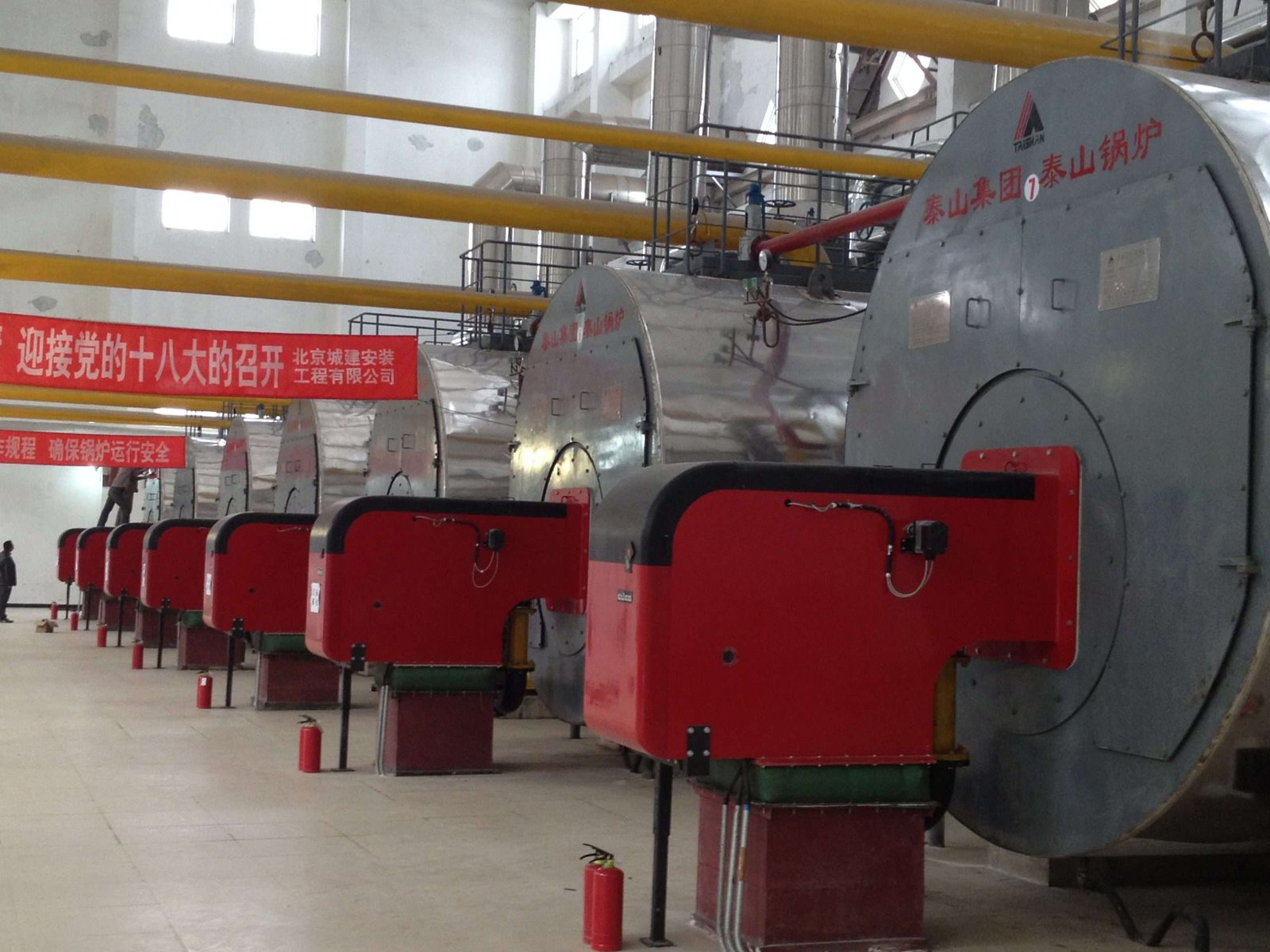
In many boiler systems, long-term performance degradation is often blamed on equipment aging, fuel quality, or operating conditions. However, field experience across power plants, industrial facilities, and commercial boiler rooms consistently shows that human factors play an equally decisive role. Poorly trained operators, inconsistent operating habits, and undocumented or ignored procedures frequently lead to unstable combustion, excessive cycling, thermal stress, safety incidents, and accelerated wear of critical components. Even the most advanced boiler technology cannot compensate for improper operation over years of service. Operator training and standardized procedures directly address this root cause by ensuring that boilers are operated, monitored, and maintained in a consistent, informed, and disciplined manner throughout their lifecycle.
Operator training and standardized procedures significantly improve long-term boiler performance by ensuring consistent operation, minimizing human error, protecting equipment from improper use, stabilizing combustion and thermal behavior, and preserving efficiency, reliability, and safety over extended operating periods.
To fully understand this impact, it is necessary to examine how daily operational behavior accumulates into long-term performance outcomes—and why structured human systems are as critical as mechanical design.
Long-term boiler performance depends primarily on equipment design, not operator behavior.False
Operator actions directly influence combustion stability, thermal cycling, maintenance quality, and safety, all of which shape long-term boiler performance.
Standardized operating procedures help extend boiler life by reducing operational variability.True
Consistent procedures minimize abnormal operating conditions that accelerate wear, fatigue, and efficiency loss.
The Human Factor in Boiler Performance Degradation
Boilers are designed to operate within specific temperature, pressure, and load envelopes. Deviations outside these envelopes—often caused by operator actions—accelerate aging mechanisms.
Common human-related contributors to performance loss include:
- Improper start-up and shutdown sequencing
- Excessive manual overrides
- Inconsistent load control
- Delayed response to alarms
- Inadequate monitoring of key parameters
Over time, these practices compound into measurable efficiency loss and reliability decline.
Operator Training as a Performance Safeguard
Comprehensive operator training equips personnel with both theoretical understanding and practical skills.
Effective training covers:
- Boiler thermodynamics and combustion fundamentals
- Control system logic and limitations
- Interpretation of trends, not just alarms
- Emergency response and abnormal condition handling
Trained operators understand not just what to do, but why it matters—leading to better decision-making under both normal and abnormal conditions.
Reduction of Improper Operating Practices
Well-trained operators are less likely to:
- Force rapid load changes beyond design limits
- Operate burners at unstable firing rates
- Ignore early warning signs of degradation
This directly reduces mechanical and thermal stress on boiler components.
Standardized Procedures: Consistency Over Time
Standardized operating procedures (SOPs) define the correct way to perform recurring tasks, including:
- Start-up and shutdown
- Load ramping
- Fuel switching
- Alarm response
- Routine operational checks
SOPs ensure that the boiler is operated consistently regardless of shift, operator experience, or staffing changes.
Long-Term Benefits of Operational Consistency
Consistency is critical because boilers respond poorly to erratic operation.
Standardized procedures:
- Maintain stable thermal gradients
- Reduce cycling frequency
- Prevent unsafe operating states
These factors directly influence component fatigue life and efficiency retention.
Table: Operator Behavior vs. Long-Term Performance
| Operational Practice | Short-Term Effect | Long-Term Impact |
|---|---|---|
| Controlled start-up | Smooth operation | Reduced fatigue |
| Abrupt load changes | Fast response | Accelerated wear |
| SOP-based operation | Predictable behavior | Stable performance |
| Ad hoc adjustments | Temporary fix | Efficiency loss |
Consistency transforms daily operation into long-term asset protection.
Combustion Stability Through Skilled Operation
Combustion stability is highly sensitive to operator actions, especially during transients.
Trained operators:
- Avoid operating at marginal air–fuel ratios
- Recognize early signs of flame instability
- Trust automated controls instead of manual intervention
Stable combustion reduces flameouts, pressure oscillations, and thermal shock to furnace components.
Proper Alarm Management and Response
Alarm flooding and alarm fatigue are common reliability threats.
Operator training combined with standardized alarm response procedures:
- Ensures alarms are interpreted correctly
- Prevents panic-driven or delayed responses
- Differentiates between symptoms and root causes
Correct alarm handling prevents minor deviations from escalating into trips or damage.
Impact on Maintenance Quality and Timing
Operators play a critical role in maintenance effectiveness.
Trained operators:
- Report abnormal trends early
- Provide accurate operational context to maintenance teams
- Avoid compensating for faults through improper operation
This leads to better-targeted maintenance and prevents hidden degradation.
Preservation of Efficiency Over Time
Efficiency loss in boilers often occurs gradually and goes unnoticed without disciplined operation.
Standardized monitoring routines ensure:
- Excess air remains within target range
- Heat transfer surfaces are kept clean
- Fuel consumption anomalies are identified early
Over years of operation, this discipline preserves seasonal efficiency.
Table: Training Level and Efficiency Retention
| Operator Capability | Efficiency Trend Over Time |
|---|---|
| Minimal training | Gradual decline |
| Basic training | Moderate stability |
| Advanced training + SOPs | High efficiency retention |
Human discipline is a key determinant of long-term efficiency.
Safety Performance and Equipment Protection
Boilers are safety-critical systems.
Training and procedures reduce:
- Unsafe bypassing of interlocks
- Improper emergency actions
- Exposure to hazardous conditions
Improved safety performance also protects equipment from damage caused by abnormal events.
Knowledge Retention and Workforce Turnover
Without standardized procedures, knowledge is often person-dependent.
SOPs and structured training:
- Preserve institutional knowledge
- Reduce performance loss during staff turnover
- Shorten learning curves for new operators
This continuity is essential for long-term performance stability.
Interaction with Automation and Digital Systems
Modern boilers rely heavily on automation and digital diagnostics.
Trained operators:
- Understand system intent and limits
- Use diagnostic information effectively
- Avoid unnecessary manual overrides
Standardized procedures define when and how human intervention is appropriate, protecting automated optimization.
Reduction of Operator-Induced Failures
Industry experience shows that a significant share of boiler incidents are operator-induced rather than equipment-induced.
Training and procedures reduce:
- Incorrect valve sequencing
- Improper setpoint changes
- Misinterpretation of data
Fewer operator-induced events translate directly into higher availability.
Long-Term Impact on Component Life
Repeated minor operational deviations accumulate into major wear mechanisms.
Proper operation:
- Reduces thermal fatigue
- Minimizes corrosion driven by unstable conditions
- Protects burners, tubes, and refractory
Component life extension is one of the most valuable long-term outcomes of disciplined operation.
Economic Value of Training and Procedures
Although training and SOP development require upfront investment, the economic return is substantial:
- Lower fuel costs through efficiency preservation
- Reduced unplanned outages
- Lower maintenance and replacement expenses
These savings compound over the boiler’s operating life.
Cultural Impact on Performance
Training and procedures also shape organizational culture.
A disciplined operating culture:
- Encourages accountability
- Promotes proactive problem identification
- Aligns operations with long-term performance goals
Culture, once established, sustains performance beyond individual actions.
Role in Regulatory and Audit Compliance
Standardized procedures provide:
- Documented evidence of proper operation
- Consistent compliance with safety and environmental regulations
- Reduced audit risk
Compliance stability supports uninterrupted operation.
Best Practices for Effective Training and Standardization
Effective programs include:
- Initial and refresher training
- Scenario-based simulations
- Clear, accessible SOP documentation
- Continuous improvement based on operational feedback
Training and procedures should evolve with system upgrades and operating experience.
Strategic Importance in Modern Energy Systems
As boilers operate more flexibly alongside renewables, operator judgment becomes even more critical.
Training ensures:
- Correct response to rapid load changes
- Safe operation under cycling conditions
- Proper interaction with digital control systems
Human competence becomes a strategic reliability asset.
Long-Term Performance as a Human–Technology Outcome
Boiler performance over decades is not determined by hardware alone.
It is the cumulative result of:
- Design quality
- Automation capability
- Maintenance strategy
- Operator training and procedural discipline
Neglecting any one of these weakens the entire system.
Operator training and standardized procedures have a profound and lasting impact on long-term boiler performance. By ensuring consistent operation, reducing human error, stabilizing combustion and thermal behavior, and preserving efficiency and safety margins, they protect boilers from avoidable degradation and premature failure. Over years of operation, disciplined human systems transform daily operational decisions into sustained reliability, efficiency, and asset longevity. In modern boiler installations—where technology is advanced but operating conditions are demanding—well-trained operators and robust procedures are not optional support elements; they are core pillars of long-term boiler performance.
🔍 Conclusion
Enhancing the reliability and performance of industrial natural gas boilers requires a holistic approach, combining high-quality equipment, smart control systems, disciplined maintenance, and skilled operation. When these elements work together, gas-fired boilers deliver consistent steam output, high thermal efficiency, low emissions, and long service life, supporting stable and cost-effective industrial production.
🔹 Contact us today to enhance the reliability, efficiency, and long-term value of your industrial natural gas boiler system. ⚙️🔥🏭✅
FAQ
Q1: How does proper boiler selection improve reliability and performance?
A1: Proper boiler selection is the foundation of reliable and high-performance operation. An industrial natural gas boiler must be sized according to actual steam or hot water demand, including load fluctuations and peak requirements. Oversized boilers suffer from frequent cycling, while undersized units experience stress and reduced lifespan. Selecting a boiler with suitable pressure rating, turndown ratio, and redundancy options ensures stable combustion, consistent output, and long-term reliability under varying operating conditions.
Q2: What role do advanced control systems play in gas boiler performance?
A2: Advanced control and automation systems significantly enhance boiler performance by optimizing combustion in real time. Features such as oxygen trim control, modulating burners, PLC-based monitoring, and remote diagnostics ensure optimal air-to-fuel ratios across all load conditions. These systems improve thermal efficiency, reduce fuel consumption, minimize emissions, and prevent unsafe operating conditions, ultimately extending equipment life and improving operational reliability.
Q3: How does regular maintenance enhance boiler reliability?
A3: Preventive and predictive maintenance is critical for maintaining long-term reliability. Regular inspection of burners, valves, heat exchangers, and safety devices helps identify wear, fouling, or misalignment before failures occur. Proper water treatment prevents scaling and corrosion, which are major causes of tube failure. Implementing condition-based maintenance using sensor data further reduces unplanned downtime and improves overall boiler availability.
Q4: What efficiency upgrades can improve natural gas boiler performance?
A4: Performance can be significantly improved through efficiency upgrades such as installing economizers, condensing heat exchangers, and variable-speed drives on fans and pumps. These upgrades recover waste heat from flue gas and adapt energy use to real-time demand. Retrofitting low-NOx, high-efficiency burners also improves combustion stability while meeting emission standards, delivering both performance and compliance benefits.
Q5: How do operational practices and training impact boiler reliability?
A5: Skilled operation is essential for reliable boiler performance. Well-trained operators understand startup, shutdown, and load management procedures, reducing thermal stress and operational errors. Establishing standard operating procedures (SOPs), continuous training programs, and performance benchmarking helps maintain consistent operation. Combining human expertise with digital monitoring tools ensures that industrial natural gas boilers operate safely, efficiently, and reliably throughout their lifecycle.
References
- U.S. Department of Energy – Improving Steam and Boiler System Performance – https://www.energy.gov/ – DOE
- ASME – Boiler and Pressure Vessel Code (BPVC) – https://www.asme.org/ – ASME
- International Energy Agency (IEA) – Natural Gas in Industrial Heat – https://www.iea.org/ – IEA
- Spirax Sarco – Gas Boiler Efficiency and Reliability – https://www.spiraxsarco.com/ – Spirax Sarco
- Engineering Toolbox – Natural Gas Boiler Operation – https://www.engineeringtoolbox.com/ – Engineering Toolbox
- ScienceDirect – Performance Optimization of Gas-Fired Boilers – https://www.sciencedirect.com/ – ScienceDirect
- ISO 50001 – Energy Management Systems – https://www.iso.org/ – ISO
- Carbon Trust – Industrial Boiler Efficiency Improvements – https://www.carbontrust.com/ – Carbon Trust
- World Bank – Industrial Energy Efficiency Best Practices – https://www.worldbank.org/ – World Bank
- MarketsandMarkets – Industrial Boiler Technology Trends – https://www.marketsandmarkets.com/ – Markets and Markets