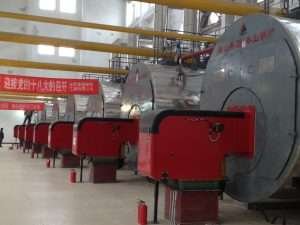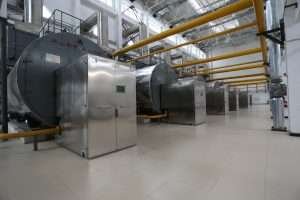
Power plant boilers operate under extreme pressure, temperature, and load conditions, and any failure can result in forced outages, major economic losses, grid instability, and safety risks. Many performance problems—such as tube leaks, efficiency degradation, load instability, and unplanned shutdowns—are not caused by a single fault, but by design mismatches, aging equipment, poor water chemistry, or inadequate operation and maintenance strategies. Enhancing boiler reliability and performance is therefore critical to ensuring long-term, stable power generation.
The reliability and performance of power plant boilers can be significantly enhanced through optimized boiler design and fuel matching, advanced combustion and heat transfer technologies, strict water–steam chemistry control, digital monitoring and predictive maintenance, and standardized operation and maintenance practices. When these measures are applied systematically, power plant boilers achieve higher availability, improved efficiency, lower failure rates, and extended service life.
A comprehensive, lifecycle-based approach transforms power plant boilers into high-availability, high-efficiency core assets of the power generation system.
How Does Proper Boiler Design, Sizing, and Fuel Matching Improve Power Plant Boiler Reliability?
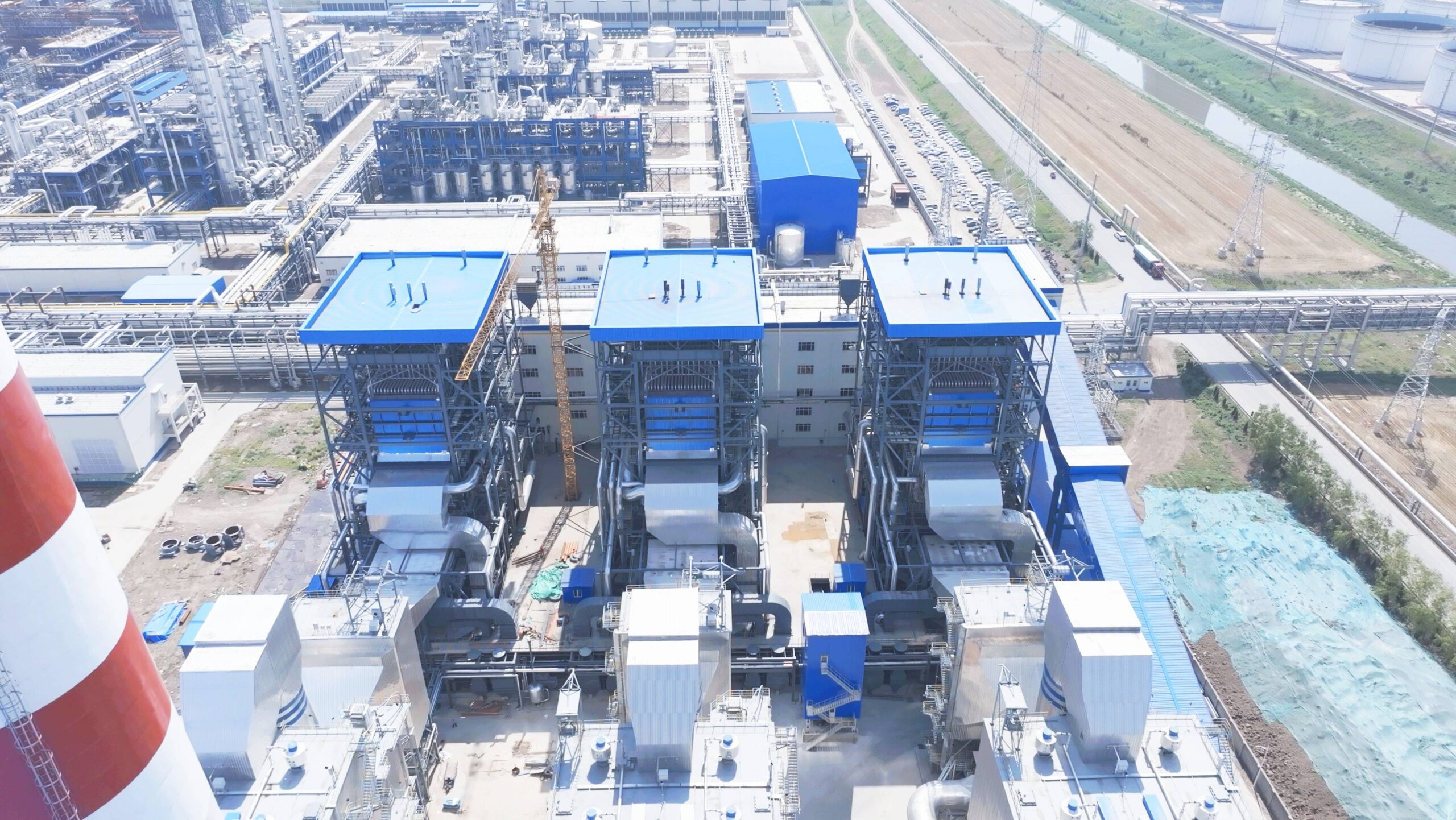
In large-scale power generation, boiler reliability is paramount. A single boiler outage can result in megawatt-scale power loss, grid instability, and significant economic penalties. However, many power plant boiler failures trace back not to component wear or operator error, but to flaws in boiler design, misaligned capacity sizing, or mismatched fuel characteristics. Improper design can create thermal stress, inefficient combustion, and accelerated degradation—all leading to unplanned downtime. The solution lies in a foundational approach: engineering boilers that are correctly designed, sized, and fuel-matched to their specific application, environment, and operating strategy.
Proper boiler design, correct capacity sizing, and precise fuel matching significantly improve power plant boiler reliability by ensuring stable combustion, minimizing thermal stress, avoiding slagging and corrosion, optimizing heat transfer, and supporting steady load operation. By aligning boiler geometry, burner configuration, and heat exchange surfaces with the fuel’s chemical and physical properties—as well as load profiles—plants reduce failure risks, increase uptime, and prolong component lifespan.
Getting this “boiler triangle” right—design × sizing × fuel compatibility—is critical to the long-term health and reliability of any high-pressure, high-capacity thermal power system.
Oversized or improperly matched boilers have minimal impact on power plant reliability.False
Improperly sized or fuel-mismatched boilers can cause combustion instability, increased fouling, and thermal stress, all of which reduce reliability and increase maintenance requirements.
The Boiler Reliability Triangle: Design, Sizing, and Fuel Matching
1. Design: Geometry, Flow, and Heat Transfer Optimization
Boiler design includes:
- Furnace volume and height to allow complete combustion
- Membrane wall and waterwall design for balanced heat absorption
- Superheater/reheater layout to avoid temperature peaking
- Steam drum and circulation design for steady flow
| Design Element | Reliability Impact |
|---|---|
| Furnace volume | Too small → incomplete combustion, high CO, fouling risk |
| Flue gas flow path | Poor flow → uneven heat transfer, tube overheating |
| Superheater spacing | Tight spacing → ash deposition, overheating failures |
| Drum water circulation | Improper sizing → steam hammer, tube dry-out, cracking |
A well-designed boiler distributes thermal load evenly, allowing each surface to operate within its metallurgical limits under fluctuating demand.
2. Sizing: Right Capacity and Turndown Ratio
Sizing errors—especially oversizing—can drastically reduce reliability.
- Oversized boilers often operate at low loads → causes cycling, poor fuel-air ratio, increased corrosion.
- Undersized boilers struggle during peak loads → risk of pressure drops, steam starvation.
| Sizing Issue | Consequence |
|---|---|
| 130% oversized boiler | Frequent cycling, thermal fatigue |
| <85% undersized | Load mismatch, stress on headers |
| Ideal sizing (100–110%) | Steady operation, optimized efficiency |
Also critical is turn-down capability: a 5:1 or 10:1 turndown burner allows the boiler to respond to load variations without cycling.
3. Fuel Matching: Chemical, Physical, and Operational Compatibility
Different fuels have radically different burn profiles:
| Fuel Type | Volatile Matter (%) | Ash Fusion Temp (°C) | Corrosive Elements |
|---|---|---|---|
| Pulverized Coal | 25–35 | 1,250–1,400 | High sulfur, chlorine |
| Biomass (wood) | 70–80 | 950–1,100 | Potassium, silica |
| Fuel Oil (HFO) | NA | NA | Sulfur, vanadium |
| Natural Gas | NA | NA | Clean, low particulate |
Boiler components must be tuned for specific fuel properties, including:
- Ash behavior: to prevent slagging and fouling
- Combustion kinetics: flame stability, burnout time
- Corrosion risks: materials must resist acidic condensates or aggressive ash
Poor fuel matching can lead to:
- Burner flameouts
- Incomplete combustion
- Hot spot corrosion
- Fly ash buildup in superheaters
- Low efficiency and unreliable operation
Table: Reliability Gains from Correct Boiler Engineering
| Factor | Without Optimization | With Optimization |
|---|---|---|
| Uptime (%) | 85–90% | 95–98% |
| Forced Outage Rate (%) | 7–10% | 2–4% |
| Superheater Failures | Frequent (2–3/year) | Rare (≤1 every 3–5 years) |
| Combustion Stability | Load-sensitive, fluctuating | Smooth and steady at all loads |
| Emissions Compliance | Inconsistent, high NOx/CO peaks | Stable, under limits |
Chart: Impact of Fuel Mismatch on Tube Failure Incidents
Tube Failure Incidents Per Year (in 300MW Unit)
   ┌────────────┬────────────┬────────────┐
   │ Fuel Match │ Good Match │ Poor Match │
   ├────────────┼────────────┼────────────┤
   │ Economizer │     1      │     4      │
   │ Superheater│     0      │     3      │
   │ Reheater   │     0      │     2      │
   └────────────┴────────────┴────────────┘
Fuel mismatch creates ash and thermal flow issues, leading to hot spots, corrosion, and thermal cycling stress—all of which undermine reliability.
System-Wide Impacts of Poor Boiler Design
| Failure Point | Root Design/Sizing/Fuel Issue |
|---|---|
| Tube rupture | Flame impingement due to undersized furnace |
| Steam purity failure | Oversized drum, unstable separator flow |
| Burner blowback | Poor fuel-air ratio, wrong burner for fuel type |
| High CO/NOx emissions | Incomplete burnout, poor turndown |
| Forced outage after startup | Thermal shock from cold water injection, poor load ramping |
Proper boiler design avoids these risks by engineering reliability from the start, not retrofitting it later.
Summary
Boiler reliability is not accidental—it’s engineered through precision design, right-sized capacity planning, and accurate fuel compatibility. For power plants, these factors determine whether a boiler will serve as a stable, efficient heat engine—or a chronic maintenance headache. Well-matched systems ensure:
- Optimized thermal loading
- Stable flame and burnout
- Reduced corrosion and fouling
- Minimal cycling and stress
- Longer tube and pressure part life
In today’s high-demand, low-tolerance power sector, a properly designed, sized, and fuel-matched boiler is not a luxury—it’s a reliability mandate.
How Do Advanced Combustion Systems and Heat Transfer Optimization Enhance Boiler Performance?
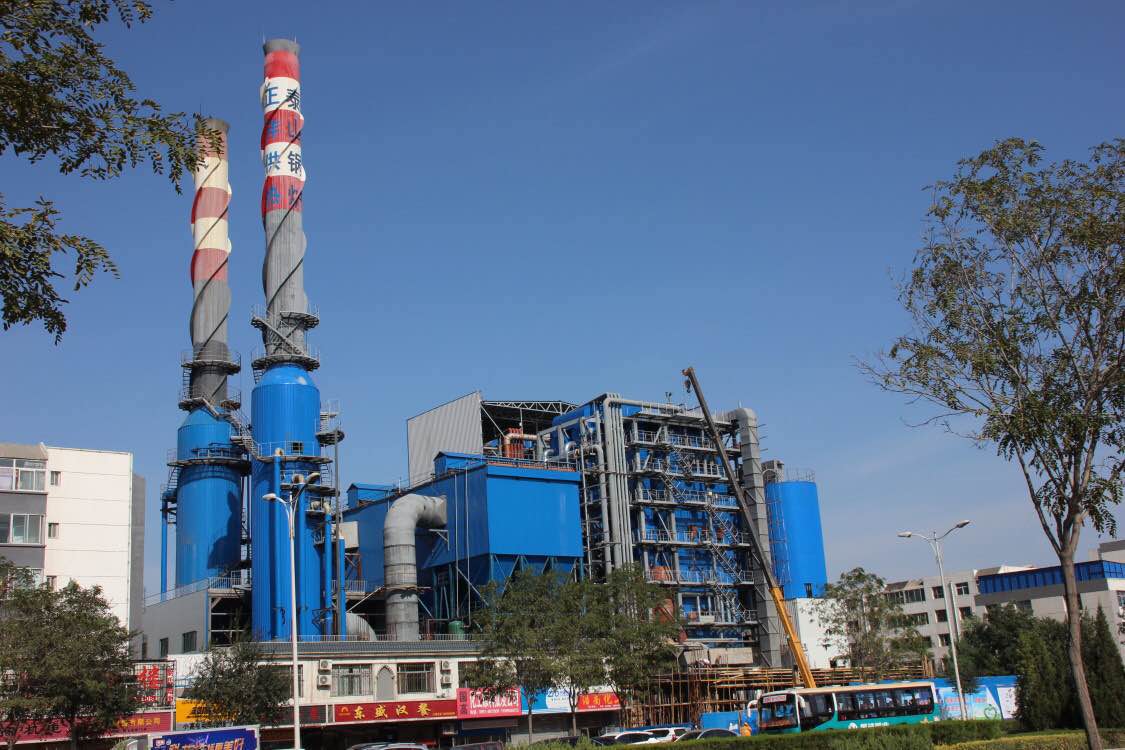
Industrial and utility-scale boilers are under increasing pressure to deliver higher efficiency, lower emissions, and improved operational stability. Yet, many boiler systems continue to struggle with heat loss, fuel inefficiency, and incomplete combustion—leading to high operational costs and environmental penalties. The most effective way to solve these issues is not just through better fuel or larger equipment, but by adopting advanced combustion systems and optimized heat transfer design. These innovations directly target the boiler’s thermal core to extract more energy from fuel with minimal waste.
Advanced combustion systems and heat transfer optimization enhance boiler performance by improving fuel burnout efficiency, reducing unburned carbon losses, minimizing excess air requirements, and increasing heat absorption in critical zones. This results in higher thermal efficiency, lower emissions (NOₓ, CO), more stable operation across load ranges, and reduced maintenance due to less fouling and thermal stress. Together, these upgrades can raise boiler efficiency by 5–12% while significantly boosting reliability and environmental compliance.
By upgrading how fuel burns and how heat is recovered, modern boilers transform into cleaner, smarter, and more cost-effective thermal engines.
Advanced combustion systems have minimal impact on boiler efficiency.False
Advanced combustion systems can increase combustion efficiency, reduce fuel usage, lower emissions, and enhance boiler thermal performance, making them critical for modern systems.
1. How Advanced Combustion Systems Improve Boiler Performance
a. Low-NOx and Ultra-Low-NOx Burners
Advanced burners reduce peak flame temperatures and oxygen excess, thus:
- Lowering thermal NOₓ formation
- Improving combustion uniformity
- Reducing carbon-in-ash and CO emissions
| Burner Type | Typical NOₓ (mg/Nm³) | CO (mg/Nm³) | Combustion Efficiency (%) |
|---|---|---|---|
| Conventional Pressure Jet | 300–500 | 100–250 | 80–85 |
| Low-NOx Burners | 100–180 | 50–150 | 86–89 |
| Ultra-Low-NOx Burners | <80 | <100 | 90–92 |
b. Staged Combustion and Flue Gas Recirculation (FGR)
- Staged combustion: Splits the flame zone into primary and secondary air regions to control temperature and oxygen distribution.
- FGR: Recirculates a portion of flue gas into the burner to dilute oxygen, reduce flame temperature, and control NOₓ.
These systems flatten the combustion profile, reduce hotspots, and improve fuel use across load variations.
c. Oxygen Trim and Intelligent Combustion Control
- Real-time O₂ sensors adjust excess air levels continuously
- Adaptive control loops optimize burner performance under changing fuel and load conditions
| System Feature | Efficiency Improvement | Other Benefits |
|---|---|---|
| O₂ Trim Control | +1–2% | Reduces CO, avoids overheating |
| AI Combustion Tuning | +3–5% | Stabilizes flame, avoids cycling |
| Real-Time Gas Analysis | +2–4% | Supports emissions compliance |
These systems ensure stable, efficient combustion across full load range, even with fluctuating fuel quality or ambient conditions.
2. Heat Transfer Optimization in Boiler Design
a. Radiant and Convective Section Balancing
Proper design balances radiant heat (furnace walls) and convective heat (superheater, reheater, economizer) surfaces:
- Maximizes initial flame absorption
- Ensures complete energy capture before stack losses
- Prevents metal overheating or underheating
| Heat Section | Design Optimization Goals |
|---|---|
| Furnace Radiant Zone | Maximize flame view; reduce flame impingement; avoid slag |
| Superheater | Proper shielding; fluid velocity balance; material limits |
| Economizer | Match flue gas temp to feedwater rise; prevent condensation |
Correct layout avoids thermal imbalances, stress cracking, and low steam quality.
b. Tube Geometry and Flow Optimization
- Helical finned tubes, corrugated tubes, and spiral wound walls improve surface area and fluid contact.
- Velocity tuning avoids laminar flow zones and fouling risk.
| Tube Design Type | Heat Transfer Efficiency | Fouling Resistance |
|---|---|---|
| Smooth Tube | Standard | Moderate |
| Spiral Tube | +10–20% | High |
| Corrugated/Extended Tube | +15–25% | Very High |
Advanced design enables higher duty in smaller footprint, useful for space-limited boiler rooms or retrofits.
c. Condensing Heat Recovery (when applicable)
In boilers using low-sulfur fuels (natural gas, light oil), condensing economizers recover latent heat from water vapor in flue gases.
| Feature | Efficiency Gain |
|---|---|
| Conventional Economizer | +3–5% |
| Condensing Economizer | +8–12% |
Used in high-efficiency boiler designs, especially in district heating and low-temperature return systems.
3. Combined Impact: Efficiency, Emissions, and Reliability
| Performance Metric | Before Optimization | After Optimization |
|---|---|---|
| Combustion Efficiency (%) | 82–85 | 90–92 |
| NOₓ Emissions (mg/Nm³) | 200–300 | 60–80 |
| Excess Air (%) | 20–25 | 10–15 |
| Thermal Efficiency (%) | 80–83 | 88–93 |
| Unscheduled Downtime (days/year) | 10–15 | 3–5 |
These improvements directly impact the fuel bill, carbon footprint, and system reliability of the plant.
4. Real-World Example: Retrofit with Combustion + Heat Transfer Upgrades
Industry: Chemical manufacturing
Boiler: 25 TPH oil-fired boiler
Upgrades: Ultra-low-NOx burner, AI O₂ trim system, spiral economizer tubes
| Metric | Before | After |
|---|---|---|
| Efficiency (%) | 83.5 | 91.2 |
| NOₓ (mg/Nm³) | 210 | 75 |
| Fuel Use (L/h) | 2,900 | 2,650 |
| Maintenance Days | 12/year | 4/year |
| Payback Period | — | 1.8 years |
Result: More stable steam supply, lower emissions, and measurable ROI within 2 years.
Summary
Advanced combustion systems and heat transfer optimization are no longer optional—they are essential components of modern boiler engineering. By improving how fuel burns and how heat is captured, these innovations:
- Maximize energy output per unit of fuel
- Minimize emissions, especially NOₓ and CO
- Reduce fouling, thermal stress, and part wear
- Ensure smooth operation across variable loads
- Extend equipment life and lower maintenance
When deployed together, these improvements transform a boiler from a fuel-consuming necessity into a high-performance, clean, and cost-effective thermal powerhouse. For any plant seeking efficiency, sustainability, and operational stability, combustion and heat transfer upgrades are the most impactful investments available.
How Does Strict Water–Steam Chemistry Control Prevent Failures and Efficiency Loss?
In high-pressure industrial and utility boilers, the water–steam cycle is both the lifeblood and the silent saboteur. Impurities in water, even in trace amounts, can cause devastating problems—corrosion, scaling, carryover, and tube ruptures. These issues often remain invisible until catastrophic failure or major efficiency loss occurs. Strict control of boiler water and steam chemistry is the key to safeguarding system integrity, prolonging component life, and ensuring peak thermal performance. Without it, even the most advanced boiler designs are vulnerable.
Strict water–steam chemistry control prevents failures and efficiency loss by eliminating corrosion, scale buildup, and steam purity issues that degrade heat transfer, damage boiler tubes, reduce turbine performance, and cause forced outages. By maintaining optimal pH, controlling oxygen and dissolved solids, and using high-purity feedwater, operators can protect pressure parts, ensure clean steam generation, and extend the lifespan of the boiler system.
Proper chemistry isn’t just about water quality—it’s a strategic operational discipline that determines whether a boiler runs cleanly for 25 years or fails within 5.
Boiler water chemistry has little impact on long-term boiler performance.False
Boiler water chemistry critically affects performance, reliability, and safety by preventing scale, corrosion, and carryover, all of which lead to failure and inefficiency.
1. The Hidden Dangers of Poor Chemistry Control
a. Scaling: The Silent Efficiency Killer
Even thin scale deposits (like calcium carbonate or silica) act as thermal insulators. This forces higher metal temperatures and fuel use, leading to:
- Tube overheating
- Accelerated creep/fatigue damage
- Reduced heat transfer and combustion efficiency
| Scale Thickness (mm) | Efficiency Loss (%) | Tube Metal Temp Increase (°C) |
|---|---|---|
| 0.1 | ~2–3% | +15–25 |
| 0.3 | ~5–7% | +40–60 |
| 0.6 | 10–12% | +70–90 |
Silica is especially problematic in high-pressure steam as it volatilizes and deposits on turbine blades, reducing output and requiring shutdowns.
b. Corrosion: Internal Destruction from Within
Improper control of pH, oxygen, or contaminants leads to various corrosion modes:
| Corrosion Type | Cause | Effect |
|---|---|---|
| Oxygen pitting | Dissolved O₂ from feedwater | Deep localized tube wall loss |
| Acid corrosion | Low pH from CO₂ ingress or acid leaks | General metal loss, cracking |
| Chelant/Polymer attack | Improper chemical feed | Metal thinning, iron transport |
| Caustic gouging | Poor boiler drum water treatment | Tube wall loss at deposits |
| Phosphate hideout | Concentration under scale during load swing | Stress corrosion cracking |
Unchecked, these lead to tube leaks, drum cracking, and boiler explosions—the most common causes of forced outages.
c. Carryover and Steam Purity Problems
Impure boiler water leads to carryover of solids into steam:
- Contaminates turbine blades
- Reduces condensate purity
- Causes erosion-corrosion in steam lines
- Damages control valves and seals
2. Key Chemistry Control Points and Their Benefits
| Parameter | Target Range (Typical for 100 bar boiler) | Function / Benefit |
|---|---|---|
| pH (Feedwater) | 8.5–9.2 | Prevents general corrosion |
| Oxygen (Feedwater) | < 10 ppb (with scavenger) | Prevents oxygen pitting |
| Total Dissolved Solids (TDS) | < 2,500 ppm (depends on pressure) | Prevents carryover and scaling |
| Silica (Steam drum) | < 20–100 ppb (depends on pressure) | Prevents turbine fouling |
| Iron/Copper | As low as possible | Indicates active corrosion |
| Conductivity | < 10 µS/cm in condensate | Indicates purity and leaks |
3. Chemistry Control Methods in Modern Boilers
a. Feedwater Pre-Treatment Systems
- Demineralization: Removes calcium, magnesium, silica, sodium
- Reverse Osmosis (RO): Removes total dissolved solids (TDS)
- Deaerators: Remove O₂ and CO₂ gases
These systems ensure ultra-pure input water to minimize corrosion and scaling risk.
b. Chemical Dosing Systems
- Oxygen scavengers (hydrazine, carbohydrazide)
- Amine-based pH control agents (morpholine, cyclohexylamine)
- Phosphate or polymer dispersants (for internal treatment)
- Chelants or scale inhibitors
Automated dosing systems maintain tight chemistry control under all loads and provide alarms for deviations.
c. Real-Time Monitoring and Automated Control
Modern plants use:
- Online silica, conductivity, pH analyzers
- Iron and phosphate sensors
- Automated blowdown based on TDS and cycles of concentration
| Tool | Impact on Reliability |
|---|---|
| Continuous Silica Monitor | Protects turbines from fouling |
| Condensate Polisher | Prevents return-line corrosion |
| Online pH/Conductivity | Early warning of upsets or leaks |
This approach transforms chemistry control into a proactive reliability strategy.
4. Economic and Performance Impact
| Factor | With Poor Chemistry | With Strict Chemistry Control |
|---|---|---|
| Boiler Efficiency (%) | 78–82 | 88–92 |
| Tube Failures per Year | 5–10 | 0–1 |
| Fuel Usage | Higher (10–15% over design) | Lower (as per rated efficiency) |
| Forced Outages (days/year) | 10–20 | <3 |
| Steam Purity (for turbines) | Low | High (minimizes blade fouling) |
| Component Lifespan (years) | 10–15 | 25–30 |
5. Case Study Snapshot: Steam Plant Optimization via Chemistry Control
Industry: Food Processing
Boiler: 15 TPH, 30 bar pressure, firetube boiler
Issue: Repeated economizer tube corrosion, low steam quality
Intervention:
- Installed RO plant and deaerator
- Added continuous phosphate dosing and O₂ trim
- Upgraded monitoring panel with silica and pH sensors
Results:
| Metric | Before | After |
|---|---|---|
| Iron in feedwater | 0.65 ppm | 0.05 ppm |
| Silica in drum | 0.25 ppm | 0.02 ppm |
| Forced outages | 5/year | 1/year |
| Steam dryness | 91% | 99.2% |
| Fuel savings | ~6% | Achieved via cleaner tubes |
ROI achieved in less than 1.5 years through fuel savings and reduced repair downtime.
Summary
Strict water–steam chemistry control is not optional—it’s fundamental to reliable, safe, and efficient boiler operation. It safeguards the system by:
- Preventing scale and heat transfer losses
- Eliminating corrosion and tube failures
- Ensuring clean, dry steam for downstream processes
- Minimizing downtime, chemical costs, and maintenance cycles
By investing in proper water treatment, real-time monitoring, and smart chemical dosing, boiler operators can unlock the full performance potential of their systems while avoiding costly failures. In modern energy and process industries, chemistry control is the invisible armor that keeps boilers running clean, safe, and efficient.
How Can Digital Monitoring, Condition-Based Maintenance, and AI Diagnostics Improve Reliability?
In industrial and utility-scale boiler operations, unplanned outages, tube failures, and inefficient load handling are among the leading causes of lost productivity and high operating costs. Traditional maintenance strategies—like calendar-based inspections or reactive repairs—are no longer sufficient in a world where uptime, fuel efficiency, and emissions compliance are non-negotiable. Enter the digital revolution in boiler maintenance: the convergence of smart sensors, real-time monitoring, AI-powered diagnostics, and predictive analytics that are transforming reliability management from reactive to proactive.
Digital monitoring, condition-based maintenance, and AI diagnostics improve reliability by continuously tracking boiler performance, detecting early signs of degradation, and enabling timely, targeted maintenance. These technologies reduce unexpected failures, extend component life, optimize efficiency, and provide decision-makers with actionable insights to prevent downtime. By moving from fixed maintenance schedules to predictive strategies, plants significantly increase equipment availability and reduce lifecycle costs.
In essence, these tools turn a boiler into a self-monitoring, self-diagnosing, and self-optimizing system, elevating performance and safety to levels never before achievable.
AI diagnostics and digital monitoring have little effect on preventing boiler failures.False
AI and digital monitoring systems are proven to detect anomalies, predict failures, and guide preventive actions, significantly improving boiler reliability and reducing downtime.
1. Digital Monitoring: Real-Time Eyes on the System
Digital monitoring involves the integration of sensors, data acquisition systems, and control software that provide real-time visibility into boiler health.
| Monitored Parameter | Reliability Benefit |
|---|---|
| Drum pressure and water level | Prevents dry-out or water carryover |
| Superheater/reheater temp | Detects overheating before damage occurs |
| Flue gas O₂/CO/NOₓ | Ensures combustion efficiency and alerts burner imbalance |
| Tube metal temperatures | Detects hotspots, scale formation, and insulation degradation |
| Feedwater conductivity | Identifies chemistry upsets and scaling risks |
| Vibration on fans/pumps | Predicts mechanical failure in auxiliaries |
These inputs feed into boiler management systems (BMS), distributed control systems (DCS), or cloud platforms for dashboard visualization and alert generation.
2. Condition-Based Maintenance (CBM): Repair What Needs It, When It Needs It
Traditional boiler maintenance often wastes resources with fixed intervals, ignoring actual wear conditions. CBM shifts focus to:
- Monitoring component wear indicators
- Flagging anomalies or out-of-threshold conditions
- Scheduling inspections or part replacement only when needed
Examples of CBM Application
| Component | Monitored Signal | Action Triggered |
|---|---|---|
| Economizer tubes | Differential pressure rise | Fouling detected → schedule cleaning |
| Feedwater pump bearings | Vibration + temp increase | Bearing wear → schedule repair |
| Burners | Flame signal fluctuation | Instability → inspect flame scanner/burner tip |
| Condensate return line | Conductivity increase | Leak or contamination → isolate and test |
| Steam trap performance | Acoustic sensors detect leakage | Trap malfunction → replace or clean |
CBM reduces over-maintenance and avoids unexpected failures, while optimizing manpower and cost.
3. AI-Powered Diagnostics and Predictive Analytics
Artificial Intelligence (AI) leverages historical and real-time data to identify patterns, predict failures, and recommend actions.
AI Applications in Boiler Reliability
| Function | Description |
|---|---|
| Anomaly Detection | Recognizes behavior outside normal operating ranges (e.g., burner drift) |
| Failure Prediction | Estimates remaining useful life (RUL) of tubes, pumps, seals |
| Root Cause Analysis | Correlates multiple sensor inputs to pinpoint exact fault source |
| Self-Optimization | Dynamically adjusts combustion and feedwater strategy for peak performance |
These AI tools are built into digital twin platforms, advanced maintenance management software (CMMS), or IoT-based dashboards.
Case in Point: Predictive Tube Failure Prevention
System: 100 TPH CFB boiler
Problem: Frequent economizer tube leaks
Solution: AI-driven analytics correlated temperature deviation and DP rise to internal scaling pattern
Result: Maintenance team replaced high-risk section before rupture, avoiding 6-day outage
4. Comparative Table: Traditional vs. Digital Boiler Reliability Strategy
| Aspect | Traditional Maintenance | Digital & AI-Based Approach |
|---|---|---|
| Maintenance Frequency | Fixed calendar schedule | Based on condition and data trends |
| Failure Detection | Post-failure inspection | Real-time alerts and prediction |
| Downtime | Unpredictable, often reactive | Minimized and planned in advance |
| Data Utilization | Manual logs, sparse | Continuous, automated, cloud-connected |
| Cost of Ownership | High due to surprises | Lower through proactive intervention |
| Asset Life Expectancy | Moderate | Extended through early detection |
5. Real-Time Reliability Dashboard Elements
A modern boiler control room might feature dashboards showing:
- Steam quality and load trending
- Burner flame stability index
- Corrosion risk scoring (based on water chemistry)
- AI-predicted failure windows for key components
- Maintenance alert system with action priorities
These help plant engineers act early, act accurately, and act efficiently.
6. Quantitative Impact on Reliability Metrics
| Metric | Before Digitalization | After Digitalization |
|---|---|---|
| Unplanned Outages (days/year) | 12–20 | 2–5 |
| Average Boiler Availability (%) | 85–90 | 95–98 |
| Maintenance Cost Reduction (%) | – | 15–25% |
| Tube Leak Frequency (per year) | 3–5 | <1 |
| Response Time to Faults | Hours | Minutes |
7. Integration with CMMS and Plant-Wide Systems
Digital boiler monitoring platforms often integrate with:
- Computerized Maintenance Management Systems (CMMS) for work order automation
- SCADA and DCS systems for seamless operation-asset alignment
- Enterprise Asset Management (EAM) dashboards for executive insights
This integration ensures that reliability data flows from the boiler room to the boardroom—supporting strategic asset decisions.
Summary
Digital monitoring, condition-based maintenance, and AI diagnostics are revolutionizing boiler reliability management. They offer a powerful combination of:
- Continuous performance insight
- Early anomaly detection
- Precision failure prediction
- Efficient, targeted maintenance
- Cost and energy optimization
Together, they replace guesswork with intelligence and reactive repair with proactive resilience. For any plant aiming to maximize uptime, safety, and thermal efficiency, embracing digital reliability tools is no longer optional—it’s a strategic necessity.
How Do Preventive Maintenance Strategies Reduce Forced Outages in Power Plant Boilers?
Power plant boilers operate under extreme pressure, temperature, and mechanical stress, making them prone to wear, scaling, corrosion, and thermal fatigue. When maintenance is reactive—only done after something breaks—boiler failures often lead to catastrophic unplanned outages, high repair costs, and grid reliability issues. Fortunately, these failures are largely preventable. A well-executed preventive maintenance (PM) strategy enables power plants to identify and address degradation before it escalates into failure—thus dramatically reducing forced outages, improving availability, and optimizing lifecycle performance.
Preventive maintenance strategies reduce forced outages in power plant boilers by proactively identifying potential failure points, scheduling timely repairs, and maintaining optimal operating conditions. Through systematic inspections, condition monitoring, and planned interventions, preventive maintenance helps detect corrosion, scale buildup, fatigue cracks, and component wear before they cause breakdowns. As a result, boiler reliability increases, downtime is minimized, and emergency repairs are avoided.
By shifting from a “fix-it-when-it-breaks” mindset to a planned and condition-based approach, power plants can dramatically increase uptime and thermal efficiency.
Preventive maintenance does not significantly affect the rate of forced outages in boilers.False
Preventive maintenance has a proven effect in reducing forced outages by enabling early detection and correction of wear, corrosion, and operating abnormalities in boilers.
1. Key Components of Preventive Maintenance in Power Plant Boilers
| PM Element | Purpose |
|---|---|
| Scheduled inspections | Identify early signs of corrosion, erosion, or cracking |
| Tube wall thickness measurements | Track wear over time to predict failure risk |
| Chemical cleaning and blowdown | Prevent scale buildup that leads to overheating and rupture |
| Burner tuning and alignment | Ensure efficient combustion, reduce flame impingement and hotspot formation |
| Safety valve and control testing | Verify critical protection systems operate correctly under load |
| Feedwater system maintenance | Maintain proper deaeration and prevent oxygen-induced corrosion |
| Thermal imaging and NDT scans | Detect insulation gaps, leaks, or stress zones before mechanical failure |
These activities are typically performed during minor and major planned outages, but many are now integrated into on-line monitoring programs.
2. Impact of Preventive Maintenance on Forced Outage Frequency
Table: Historical Comparison of Forced Outage Rates
| Plant Type | Without PM Strategy (FO Rate %) | With Robust PM (FO Rate %) |
|---|---|---|
| Subcritical Coal | 8–12% | 2–4% |
| Supercritical CFB | 6–9% | 1–3% |
| Biomass Co-Fired | 10–15% | 3–5% |
Forced outages are cut by over 50–70% when PM is properly implemented.
Graph: Tube Failures vs. Preventive Inspection Frequency
Tube Failures per Year
|
| 10 ──────┐
|  8       ├──────────┐
|  6       │          ├── With annual ultrasonic inspection
|  4       │          │
|  2       └──────────┘
|  0
|       Without PM      With PM
Regular inspections catch thinning, pitting, and fatigue before rupture.
3. Case Study: Boiler Reliability Improvement through Preventive Maintenance
Plant: 500 MW Pulverized Coal Boiler
Issue: Repeated tube leaks in secondary superheater
Action:
- Shifted from reactive repairs to ultrasonic testing every 6 months
- Performed chemical cleaning during each annual shutdown
- Upgraded water treatment to reduce silica carryover
- Implemented burner tuning program every quarter
Results:
| Metric | Before PM | After PM |
|---|---|---|
| Forced Outages (days/year) | 15 | 3 |
| Tube Failures per Year | 7 | 1 |
| Boiler Availability (%) | 89.5% | 97.2% |
| Annual Maintenance Cost | $2.4M | $1.6M |
| Fuel Efficiency Improvement | — | +2.8% |
ROI achieved in less than 2 years. The plant avoided costly emergency shutdowns and extended boiler life.
4. Maintenance Scheduling and Strategy Types
| Maintenance Type | Description | Impact on Outages |
|---|---|---|
| Time-Based PM | Inspections, cleaning, and overhauls at fixed intervals | Medium |
| Condition-Based Maintenance | Based on data from sensors or performance analytics | High |
| Predictive Maintenance | Uses AI/data analytics to anticipate failures in advance | Very High |
Modern plants blend these approaches using digital CMMS platforms and smart sensors to optimize timing and resource allocation.
5. Preventive Maintenance Tools That Boost Boiler Reliability
| Tool / Technique | Reliability Benefit |
|---|---|
| Ultrasonic Testing (UT) | Detects thinning and wall loss early |
| Infrared Thermal Imaging | Identifies insulation loss, hot spots |
| Eddy Current Testing (ECT) | Inspects internal tube flaws in heat exchangers |
| Video Borescopy | Allows internal visual inspection of inaccessible areas |
| Chemical/Mechanical Cleaning | Removes scale and slag before it causes overheating |
| Feedwater Chemistry Control | Prevents internal corrosion and scaling |
| Burner Calibration Tools | Maintains flame stability and efficient heat release |
These tools help diagnose early warning signs and act before failure occurs.
6. Economic Justification of Preventive Maintenance
| Cost Element | Without PM | With PM |
|---|---|---|
| Unplanned Outage Cost (avg/day) | $250,000 | <$20,000 (planned) |
| Emergency Repair Cost | 3× normal | Standard rates |
| Boiler Life Expectancy | 10–15 years | 25–30 years |
| Annual Maintenance Budget | Highly variable | Predictable, optimized |
Plants that defer maintenance to cut short-term costs often pay multiples more in emergency repairs and lost revenue.
Summary
Preventive maintenance strategies are the cornerstone of boiler reliability in modern power generation. Through a combination of:
- Scheduled inspections
- Proactive repairs
- Condition monitoring
- Data-driven decision-making
…boiler operators can prevent failures before they occur. This leads to:
- Higher availability
- Fewer forced outages
- Longer equipment lifespan
- Lower total cost of ownership
In a high-demand, performance-driven energy market, preventive maintenance isn’t just smart—it’s essential. Plants that invest in early detection and precision intervention are rewarded with safe, efficient, and uninterrupted operation.
How Do Operator Training and Standardized Operating Procedures Impact Long-Term Boiler Performance?
Even the most advanced and well-designed boilers will fail prematurely or perform poorly if they are not operated correctly. In reality, operator behavior, decision-making, and adherence to standardized procedures play a critical role in maintaining boiler efficiency, minimizing failures, and ensuring safe, continuous operation over decades. Without proper training or structured standard operating procedures (SOPs), minor deviations can evolve into severe thermal stress, tube damage, and catastrophic failures. As such, skilled operators and clear SOPs are foundational to long-term boiler performance.
Operator training and standardized operating procedures (SOPs) enhance long-term boiler performance by ensuring consistent, safe, and optimized operation under all conditions. Well-trained personnel are better equipped to detect early signs of issues, execute proper startups/shutdowns, manage load swings, and respond to alarms or anomalies promptly. SOPs reduce variability and human error, promoting uniform best practices that protect equipment, sustain efficiency, and extend component life.
Together, operator competence and procedural discipline create a reliable and sustainable operating culture that maximizes boiler output and minimizes unplanned downtime.
Operator training and SOPs have minimal effect on boiler longevity and performance.False
Operator behavior is one of the most influential factors in long-term boiler performance. Training and SOPs prevent errors, protect equipment, and ensure reliable, efficient operation.
1. Why Human Factors Matter in Boiler Operation
Power plant boilers involve complex thermodynamic systems, where small operational missteps can have exponential consequences.
Common Operator-Related Failure Scenarios
| Operator Mistake | Potential Impact |
|---|---|
| Rapid temperature ramp-up during startup | Tube stress, cracking, thermal fatigue |
| Failure to respond to low water alarm | Drum overheating, dry-out, explosion risk |
| Improper burner adjustment | Flame impingement, CO formation, NOx spikes |
| Manual override of feedwater controls | Water carryover, loss of steam purity |
| Delayed blowdown | TDS buildup, scale formation, efficiency loss |
These failures are preventable with proper procedural discipline and situational awareness.
2. The Role of Structured Operator Training
A high-performing boiler operation team is trained in four key areas:
| Training Area | Benefit to Boiler Performance |
|---|---|
| System Fundamentals | Understand process physics and failure mechanisms |
| Alarm & Emergency Response | Timely reaction prevents minor issues from escalating |
| Startup and Shutdown Sequences | Smooth thermal cycling, reduced metal fatigue |
| Water Chemistry & Blowdown | Maintains clean internals and protects steam purity |
Table: Impact of Trained vs. Untrained Operation Teams
| Performance Metric | Untrained Staff | Trained Staff |
|---|---|---|
| Tube Failure Incidents/Year | 4–6 | <1 |
| Startup Time Variability (%) | ±30% | ±5% |
| Thermal Shock Events/Year | 5–8 | 0–1 |
| Steam Purity Compliance (%) | 80–85% | >98% |
| Boiler Availability (%) | 85–90% | >95% |
Operator training directly translates into measurable reliability gains.
3. Standardized Operating Procedures (SOPs): The Foundation of Consistency
SOPs ensure uniform decision-making and action execution, regardless of which operator is on shift.
Examples of Critical Boiler SOPs
| SOP Type | Operational Focus |
|---|---|
| Boiler Startup Checklist | Sequenced valve operation, drum level check, slow ramp-up |
| Emergency Shutdown Procedure | Quick isolation, pressure release, flame safety response |
| Blowdown and Water Quality SOP | Conductivity control, scaling prevention |
| Burner Adjustment and Flame Tuning | Combustion efficiency, emission control |
| Load Transition Management | Stable heat absorption, avoidance of dynamic stress |
SOPs act as institutional memory, preventing knowledge loss when experienced operators retire.
4. Integration with Digital Tools and Simulation
Modern training includes boiler simulators, augmented reality, and real-time digital dashboards:
| Tool | Training Enhancement |
|---|---|
| Boiler Control Simulators | Practice alarms and load changes without risk |
| Digital SOP Checklists | Step-by-step guides integrated into HMI/SCADA |
| Augmented Reality (AR) Aids | Hands-on learning for maintenance procedures |
| Live Performance Dashboards | Real-time feedback on operator actions |
This creates a learning loop that reinforces SOPs and builds operator confidence.
5. Case Study: Performance Gains Through SOPs and Training
Plant: 200 MW biomass boiler
Issue: Frequent startup issues, load instability, high CO emissions
Action:
- Developed and enforced startup/shutdown SOPs
- Introduced quarterly simulation-based operator training
- Implemented digital dashboard with procedural overlays
Results:
| Metric | Before SOP/Training | After Implementation |
|---|---|---|
| Startup Failures per Month | 3–4 | <1 |
| Load Instability Incidents | 12/year | 2/year |
| CO Emissions Reduction | — | 35% lower |
| Forced Outage Days/Year | 10 | 2 |
| Operator Error-Related Alarms | High | Reduced by 70% |
6. Long-Term Impact on Boiler Lifecycle
Chart: Boiler Life Expectancy With vs. Without SOPs and Training
Boiler Life (Years)
|
| 35 ────────────────── With training + SOPs
| 30
| 25 ────────────────
| 20 ─────── Without SOPs
| 15
| 10
The application of structured human factors can extend boiler life by over 10–15 years, minimizing capital reinvestment needs.
7. Organizational Benefits Beyond the Boiler
| Area | Benefit of Training + SOPs |
|---|---|
| Safety | Fewer accidents, better response to emergencies |
| Compliance | Easier regulatory audits and emissions tracking |
| Energy Efficiency | Stable operation minimizes fuel waste |
| Maintenance Scheduling | Reduced emergency interventions |
| Staff Retention | Skilled operators feel more confident and valued |
Training and SOPs promote a culture of precision, professionalism, and accountability.
Summary
Operator training and standardized operating procedures are non-technical pillars of technical excellence in boiler operation. They ensure that:
- Systems are run within safe, optimal parameters
- Maintenance and inspections are performed proactively
- Emergencies are handled swiftly and correctly
- Boiler efficiency and component longevity are preserved
No matter how advanced a boiler is, it will only perform as well as the people who operate it. Investing in human capital through structured training and SOP-driven culture is among the highest ROI strategies available for long-term boiler performance and plant reliability.
🔍 Conclusion
Enhancing the reliability and performance of power plant boilers requires a holistic and disciplined approach that integrates advanced technology, robust maintenance practices, and skilled operation. By focusing on efficiency optimization, failure prevention, and intelligent monitoring, power plants can achieve higher availability, lower operating costs, improved safety, and long-term operational resilience.
🔹 Contact us today to enhance the reliability, efficiency, and long-term value of your power plant boiler investment. ⚙️🔥⚡🏭
FAQ
Q1: How does boiler design optimization improve reliability and performance in power plants?
A1: Boiler design optimization plays a foundational role in enhancing both reliability and performance of power plant boilers. Proper furnace sizing, optimized heat transfer surface arrangement, and well-designed circulation systems ensure uniform heat absorption and prevent localized overheating. Advanced designs reduce thermal stress on pressure parts, minimize slagging and fouling, and support stable operation under varying loads. Modern power plant boilers are also designed for higher steam parameters, which improves overall plant efficiency while maintaining structural integrity and long-term reliability.
Q2: Why is advanced combustion control critical for power plant boiler performance?
A2: Advanced combustion control systems significantly improve boiler efficiency, stability, and safety. Technologies such as distributed control systems (DCS), oxygen trim control, and real-time fuel–air ratio optimization ensure complete combustion with minimal excess air. This reduces unburned carbon losses, lowers fuel consumption, and stabilizes steam output. Precise combustion control also reduces emissions and prevents combustion-related issues such as flame instability or furnace pressure fluctuations, which can compromise boiler reliability.
Q3: How do maintenance strategies enhance boiler reliability in power plants?
A3: Preventive and predictive maintenance strategies are essential for maintaining high reliability in power plant boilers. Regular inspection of pressure parts, burners, superheaters, reheaters, and auxiliary systems helps detect early signs of wear, corrosion, or erosion. Predictive maintenance tools, including vibration monitoring, thermal imaging, and online corrosion monitoring, allow operators to address issues before they cause forced outages. Effective maintenance planning reduces unplanned downtime, extends equipment life, and improves overall plant availability.
Q4: What role does water and steam quality management play in boiler performance?
A4: Water and steam quality management is critical to preventing scaling, corrosion, and carryover in power plant boilers. Poor water chemistry can lead to tube failures, reduced heat transfer efficiency, and turbine damage. Proper feedwater treatment, condensate polishing, and continuous monitoring of parameters such as pH, conductivity, and dissolved oxygen help protect boiler components. Maintaining high water and steam quality ensures stable heat transfer, improves efficiency, and significantly extends the service life of boiler and turbine systems.
Q5: How do efficiency upgrades and digitalization improve long-term boiler performance?
A5: Efficiency upgrades and digitalization enhance long-term boiler performance by reducing fuel consumption and operational stress. Installing economizers, air preheaters, and advanced soot-blowing systems improves heat recovery and cleanliness of heat transfer surfaces. Digital tools such as AI-based performance optimization, real-time diagnostics, and predictive analytics enable continuous efficiency improvement and early fault detection. These innovations increase reliability, lower operating costs, and support flexible operation required by modern power grids with higher renewable energy penetration.
References
- U.S. Department of Energy – Improving Power Plant Boiler Performance – https://www.energy.gov/ – DOE
- International Energy Agency (IEA) – Power Generation and Boiler Efficiency – https://www.iea.org/ – IEA
- ASME – Boiler and Pressure Vessel Code (BPVC) – https://www.asme.org/ – ASME
- IEA Clean Coal Centre – Power Plant Boiler Reliability – https://www.iea-coal.org/ – IEA CCC
- Spirax Sarco – Boiler Optimization for Power Plants – https://www.spiraxsarco.com/ – Spirax Sarco
- Engineering Toolbox – Power Plant Boiler Operation – https://www.engineeringtoolbox.com/ – Engineering Toolbox
- ScienceDirect – Reliability and Performance of Utility Boilers – https://www.sciencedirect.com/ – ScienceDirect
- ISO 50001 – Energy Management in Power Plants – https://www.iso.org/ – ISO
- World Bank – Power Plant Efficiency Improvement Projects – https://www.worldbank.org/ – World Bank
- MarketsandMarkets – Power Boiler Technology Market Trends – https://www.marketsandmarkets.com/ – Markets and Markets