
Selecting the right Circulating Fluidized Bed (CFB) boiler is crucial for industries and power plants aiming to achieve high combustion efficiency, low emissions, and flexible fuel utilization. Because CFB technology can handle a wide range of fuels — from coal and biomass to industrial waste — the choice of design and parameters must align with the specific energy demand, fuel characteristics, and environmental requirements. Poor selection can result in unstable combustion, higher maintenance costs, and reduced efficiency.
The essential parameters for selecting a CFB boiler include steam capacity and pressure, fuel type and calorific value, bed temperature and fluidization velocity, emission standards, efficiency targets, and operational flexibility. Understanding the chemical and physical properties of the fuel (such as moisture, ash, and volatile content) is key to determining combustion air ratios and cyclone separator design. Additionally, parameters like refractory material selection, heat exchanger configuration, and automation level must match the application’s performance and reliability needs.
Properly evaluating these technical parameters ensures that the CFB boiler delivers stable combustion, optimal fuel economy, and environmental compliance over its operational lifetime.
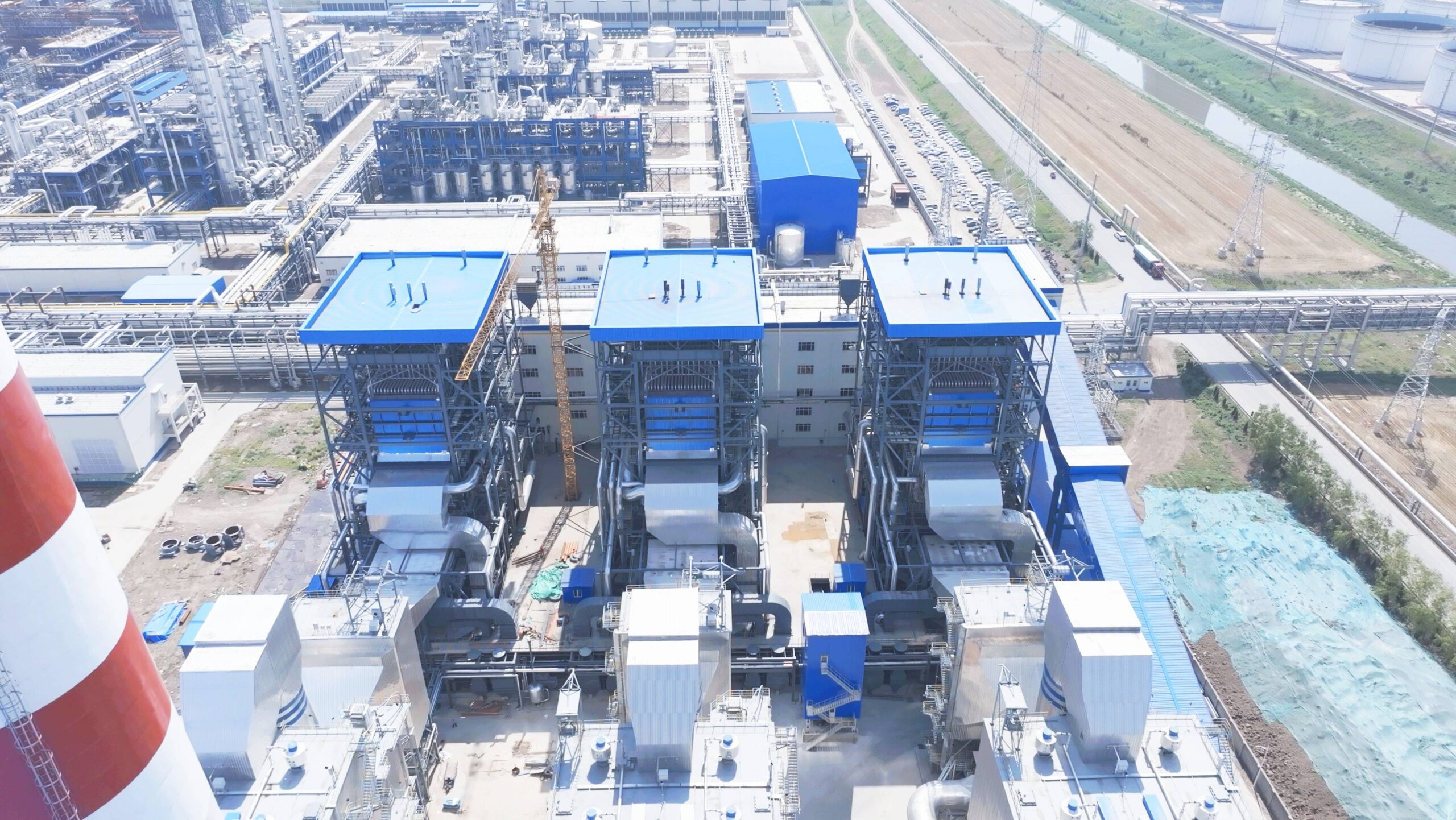
How Do Steam Capacity and Pressure Requirements Affect CFB Boiler Selection?
When planning or upgrading a power plant, one of the most critical design considerations is matching the boiler type to the required steam capacity and pressure. For Circulating Fluidized Bed (CFB) boilers—renowned for their fuel flexibility and low emissions—these parameters dictate not only the boiler’s physical design but also its efficiency, size, material selection, and cost. Choosing a CFB boiler without accurately aligning it with the plant’s steam and pressure requirements can lead to operational instability, higher fuel consumption, and accelerated wear.
Steam capacity and pressure requirements directly influence CFB boiler selection by determining furnace size, circulation rate, cyclone design, material strength, and overall system configuration. Higher steam capacities require larger furnace cross-sections and stronger structural components, while higher pressures demand advanced materials, thicker walls, and optimized heat transfer surfaces to maintain efficiency and safety under extreme conditions.
In simple terms, capacity defines scale, while pressure defines material and thermodynamic performance. Properly balancing these factors ensures reliable, efficient, and long-lived CFB boiler operation across various industrial and power generation applications.
Steam pressure has minimal effect on boiler material selection.False
Higher steam pressures require advanced alloys and thicker walls to withstand elevated temperature and stress conditions.
CFB boiler size increases with higher steam capacity requirements.True
Larger steam output needs bigger furnace volume, larger cyclones, and more heat exchange surfaces.
Understanding Steam Capacity and Pressure Fundamentals
Steam Capacity (T/h or MWth)
Steam capacity refers to the total quantity of steam the boiler can produce per unit time. It is primarily determined by the plant’s power output or process heat demand.
| Boiler Output Range | Steam Capacity (T/h) | Typical Application | Example Use Case |
|---|---|---|---|
| Small Industrial | 10–75 | Process heating, biomass | Pulp & paper mills |
| Medium Utility | 75–350 | Cogeneration, district heating | Sugar refineries, textile plants |
| Large Utility | 350–1,000+ | Power generation | 150–600 MW power plants |
Higher capacities require a wider furnace cross-section to maintain optimal fluidization velocity (typically 4–6 m/s) and prevent bed material carryover.
Steam Pressure (MPa or bar)
Pressure affects the thermodynamic efficiency of the Rankine cycle. Higher pressure allows higher steam enthalpy and lower moisture content in the turbine exhaust, improving power output.
| Pressure Class | Pressure (MPa) | Boiler Type | Thermal Efficiency (%) |
|---|---|---|---|
| Subcritical | <16 | Industrial / Mid-scale CFB | 84–87 |
| Supercritical | 22–25 | Utility CFB | 88–91 |
| Ultra-Supercritical | 27–30+ | Advanced Utility CFB | 91–94 |
Raising steam pressure improves thermodynamic efficiency but increases material stress.True
Higher pressure cycles achieve better efficiency but require robust materials and precise temperature control.
Relationship Between Capacity, Pressure, and Boiler Design
Steam capacity and pressure jointly define critical CFB boiler characteristics such as bed height, cyclone size, refractory lining, and heat exchanger configuration.
| Design Aspect | Effect of High Capacity | Effect of High Pressure | Engineering Implication |
|---|---|---|---|
| Furnace Dimensions | Increases height & cross-section | – | Larger combustion chamber for heat absorption |
| Circulation Loop | Larger solids inventory | – | Requires stronger material handling systems |
| Cyclone Separator | Bigger diameter, multi-cyclone | – | Higher flue gas volume handling |
| Pressure Parts | – | Thicker walls, alloy tubes | Increases cost and weight |
| Superheater/Reheater | More surface area | Higher metal temp limits | Use of Inconel or stainless tubes |
| Feedwater System | Higher flow rate | Higher pressure pumps | Demands stronger piping systems |
Boiler pressure has no impact on feedwater pump selection.False
Higher steam pressure requires feedwater pumps capable of handling elevated discharge pressures and flow rates.
Thermodynamic Implications of Steam Pressure and Capacity
In power generation, higher steam capacity supports greater megawatt output, while higher pressure increases the cycle efficiency.
| Parameter | Subcritical CFB | Supercritical CFB | Ultra-Supercritical CFB |
|---|---|---|---|
| Pressure (MPa) | 16 | 25 | 30 |
| Steam Temperature (°C) | 540 | 565 | 600 |
| Gross Efficiency (%) | 86 | 90 | 93 |
| Turbine Output (MW) | 150 | 300 | 500 |
| CO₂ Reduction (%) | – | 5 | 9 |
The efficiency gain from subcritical to ultra-supercritical operation can exceed 6–8%, translating to $1–2 million annual fuel savings for large plants.
Supercritical CFB boilers offer higher thermal efficiency than subcritical designs.True
Supercritical operation increases steam enthalpy and reduces moisture losses in turbines.
Design Constraints and Engineering Challenges
Material Strength and Creep Resistance:
Higher steam pressures require materials like T91, T92, or Inconel 625 to handle long-term creep at 550–600°C.Fluidization Uniformity:
Large-scale CFBs must maintain uniform air distribution to prevent hot spots and unburned fuel.Erosion and Corrosion Control:
At higher pressures, gas velocities and particle loads increase erosion risks on heat exchange surfaces.Cyclone Efficiency:
Larger units require advanced multi-cyclone separators or double-stage cyclones to maintain high particle separation efficiency.Thermal Stress Management:
Pressure and capacity affect expansion rates, requiring flexible supports and expansion joints.
| Challenge | Impact | Mitigation Method |
|---|---|---|
| Erosion | Tube thinning | Ceramic coatings |
| Corrosion | Tube failure | Alloy materials, additive injection |
| Uneven Airflow | Hot spots | CFD-based air distributor design |
| High Thermal Load | Tube cracking | Water-cooled membrane walls |
Larger CFB boilers experience lower erosion rates due to reduced gas velocity.False
Increased gas velocity and particle concentration at high load often accelerate erosion on internal surfaces.
Case Study: 300 MW Supercritical CFB Boiler Selection
A Southeast Asian utility required a 300 MW power plant using low-grade coal with 20% ash content. Based on steam conditions of 25 MPa / 565°C, a supercritical CFB boiler was selected.
| Parameter | Design Requirement | Implemented Solution |
|---|---|---|
| Steam Capacity | 950 T/h | Twin-furnace CFB design |
| Steam Pressure | 25 MPa | Supercritical configuration |
| Fuel Type | High-ash coal | Optimized fluidized bed velocity (5.2 m/s) |
| Material | T91/T92 Alloy | Enhanced creep resistance |
| Efficiency | 90.2% | Achieved target |
| CO₂ Reduction | – | 6% lower than subcritical baseline |
This configuration allowed for stable combustion, low emissions, and extended operating life, demonstrating how steam conditions directly shape boiler selection.
Economic and Operational Trade-offs
Higher capacity and pressure systems provide better efficiency but entail higher capital costs and more complex operation.
| Factor | Low Pressure / Capacity | High Pressure / Capacity |
|---|---|---|
| Equipment Cost | Lower | Higher |
| Efficiency | Moderate (84–87%) | High (90–94%) |
| Maintenance Complexity | Simple | Advanced |
| Material Requirement | Mild steel | High-alloy steels |
| Start-up Time | Short | Longer |
| Lifespan | 15–20 years | 25–30 years |
Higher steam capacity always guarantees better overall efficiency.False
Efficiency depends on both capacity and pressure optimization, not size alone.
Integration with Fuel Flexibility and Environmental Goals
CFB boilers are popular for their ability to burn diverse fuels—biomass, lignite, waste coal—while maintaining emissions compliance. However, steam conditions must align with fuel properties:
Low-reactivity fuels (like anthracite) need higher bed temperatures, affecting material selection.
High-moisture fuels limit achievable pressure due to lower combustion efficiency.
Thus, steam capacity and pressure requirements must be balanced against fuel characteristics and emission targets.
| Fuel Type | Feasible Pressure (MPa) | Feasible Steam Output (T/h) | Boiler Efficiency (%) |
|---|---|---|---|
| Biomass | 10–16 | 50–200 | 83–86 |
| Lignite | 16–25 | 200–600 | 87–90 |
| Bituminous Coal | 22–30 | 400–1,000 | 90–94 |
Fuel type has no effect on the achievable steam pressure in CFB boilers.False
Fuel reactivity and moisture content directly influence achievable temperature and pressure limits.
Future Trends in High-Pressure CFB Boiler Technology
Modern advancements are pushing CFB design boundaries toward ultra-supercritical (USC) and oxy-fuel combustion configurations for even higher efficiency and lower emissions.
| Technology | Pressure (MPa) | Temperature (°C) | Efficiency (%) |
|---|---|---|---|
| Conventional CFB | 16 | 540 | 87 |
| Supercritical CFB | 25 | 565 | 90 |
| Ultra-Supercritical CFB | 30 | 600 | 93 |
| Oxy-CFB (with CO₂ capture) | 30 | 600 | 92 + CCS benefit |
Ultra-supercritical CFB technology is commercially proven for large-scale deployment.True
Multiple 300–600 MW USC CFB units are in operation globally, achieving >92% efficiency and low emissions.
Conclusion
Steam capacity and pressure are the defining parameters in CFB boiler selection, shaping every aspect of design—from furnace geometry to alloy choice and operational strategy. High-capacity, high-pressure designs deliver superior efficiency and fuel economy but require advanced materials and sophisticated control systems. A balanced approach—matching steam parameters to plant demand, fuel properties, and economic feasibility—ensures the optimal CFB boiler for long-term, high-performance operation.
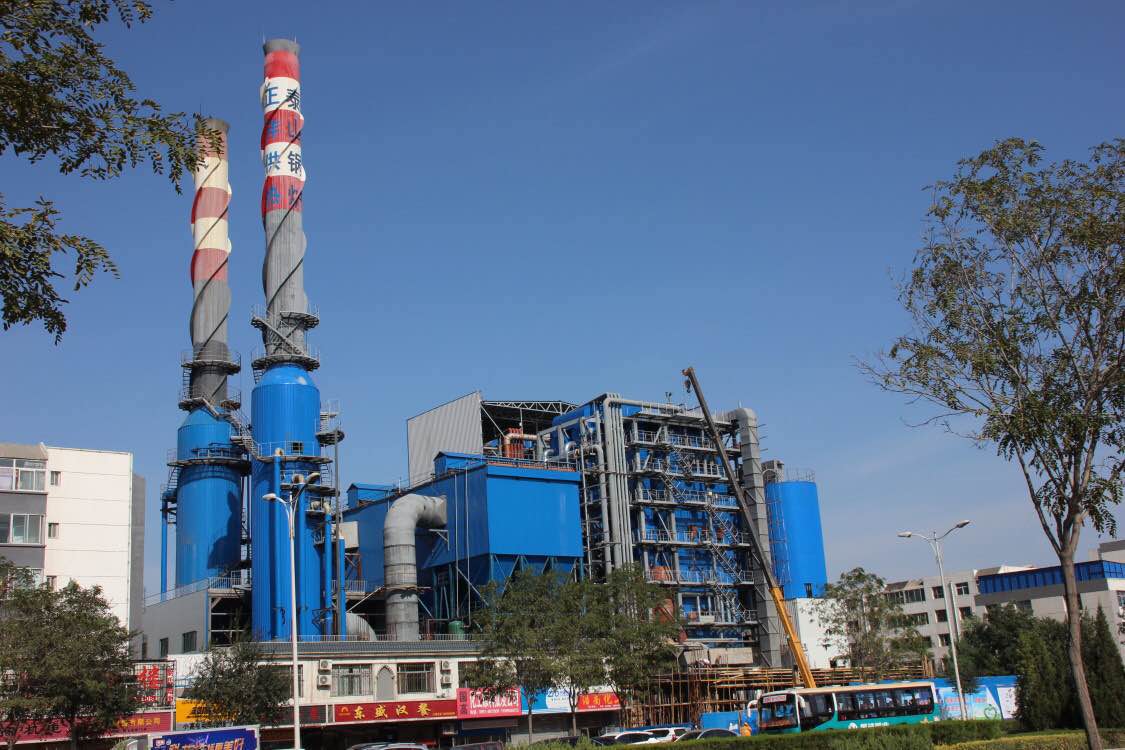
Why Is Fuel Type, Moisture, and Calorific Value Critical for CFB Boiler Design?
In circulating fluidized bed (CFB) boiler design, fuel properties—especially type, moisture content, and calorific value (CV)—play a decisive role in determining combustion performance, thermal efficiency, and emission control. Choosing or operating a CFB boiler without fully considering these parameters can lead to poor combustion stability, increased unburned carbon, reduced heat recovery, and higher operating costs. Engineers and plant operators face the challenge of balancing these characteristics to maintain a uniform fluidization regime, optimum bed temperature, and complete combustion.
Fuel type, moisture, and calorific value are critical in CFB design because they directly influence combustion temperature, air distribution, heat transfer efficiency, and boiler sizing. Low-calorific or high-moisture fuels require larger furnace volumes, extended residence times, and higher air flow for stable operation, while high-CV fuels demand careful control to prevent overheating and erosion. Correctly aligning CFB design with fuel properties ensures efficient combustion, reduced emissions, and extended equipment life.
When fuel characteristics are mismatched with the CFB design, it results in excessive bed temperature fluctuations, fouling of heat surfaces, and inefficiencies that compromise performance and reliability.
Fuel properties have little effect on CFB combustion stability.False
Fuel moisture, ash content, and calorific value directly determine combustion temperature, bed fluidization, and reaction rates.
High moisture fuels require higher primary air flow for proper combustion.True
Increased air supply helps evaporate moisture and maintain stable bed temperatures.
Understanding How Fuel Properties Affect CFB Design Parameters
1. Fuel Type and Reactivity
Fuel type—whether coal, biomass, petcoke, or waste-derived fuel—determines its ignition temperature, ash composition, and combustion rate.
Each fuel type demands different bed temperatures (typically 800–900°C) and fluidization velocities.
| Fuel Type | Typical Bed Temperature (°C) | Ash Fusion Temp (°C) | Reactivity | Design Implication |
|---|---|---|---|---|
| Lignite | 850 | 1,100 | High | Simple control, low erosion risk |
| Bituminous Coal | 870 | 1,300 | Moderate | Requires staged air for NOx control |
| Anthracite | 900 | 1,400 | Low | Needs longer residence time |
| Biomass | 800 | 1,050 | Very High | Requires large furnace volume |
| Petcoke | 880 | 1,200 | Low | Needs desulfurization additives |
Anthracite requires shorter residence time in CFB combustion.False
Low volatile content fuels like anthracite require extended residence times and higher temperatures for complete burnout.
Fuel type also affects sulfur capture, ash behavior, and bed material selection. High-sulfur fuels require limestone injection systems, while high-alkali biomass needs bed material management to prevent agglomeration.
2. Moisture Content and Its Thermal Penalty
Fuel moisture represents the latent heat loss during combustion, as energy is spent evaporating water before the fuel can fully burn.
| Fuel Type | Moisture Content (%) | Drying Energy Loss (%) | Impact on Efficiency |
|---|---|---|---|
| Dry Coal | 5–10 | 1–3 | Minimal |
| Lignite | 15–25 | 5–10 | Moderate |
| Biomass | 30–50 | 10–18 | Significant |
| Sludge/Waste | 50–70 | 18–25 | Severe |
High moisture fuels reduce combustion temperature, increase flue gas volume, and require higher primary air ratios.
Moisture in fuel improves combustion temperature stability.False
Excessive moisture absorbs heat, lowering bed temperature and combustion efficiency.
Fuel with 40% moisture can still burn efficiently in a CFB system with optimized air distribution and pre-drying.True
CFB boilers can handle high-moisture fuels when designed with adequate air staging and heat recovery systems.
To counteract high moisture:
Air preheaters raise combustion air temperature.
Bed material recycling enhances heat retention.
Flue gas recirculation stabilizes temperature.
3. Calorific Value and Boiler Sizing
Calorific value (CV) defines the energy released per kilogram of fuel. It determines the total fuel input required for a specific boiler output.
| Fuel Type | Lower Heating Value (LHV, kJ/kg) | Furnace Volume Requirement (m³/MWth) | Fuel Feed Rate (kg/s for 100 MWth) |
|---|---|---|---|
| Bituminous Coal | 25,000 | 1.8 | 4.0 |
| Lignite | 15,000 | 2.5 | 6.7 |
| Biomass | 12,000 | 3.2 | 8.3 |
| Refuse-Derived Fuel (RDF) | 10,000 | 3.8 | 10.0 |
Higher calorific value fuels require smaller furnace volumes for equivalent output.True
High-CV fuels produce more energy per unit mass, allowing for compact combustion chambers.
A CFB boiler designed for low-CV fuel must have:
A larger furnace to maintain residence time.
Higher bed inventory for heat buffering.
Stronger air distribution system for even fluidization.
In contrast, high-CV fuels need precise control to prevent overheating and material erosion.
4. Ash Characteristics and Bed Material Management
Fuel ash influences bed agglomeration, erosion, and deposition.
| Ash Property | High Value Consequence | Design Response |
|---|---|---|
| Alkali Content | Bed sintering | Use inert sand or synthetic bed materials |
| Silica | Tube erosion | Erosion-resistant coatings |
| Sulfur | SO₂ emissions | Limestone injection for desulfurization |
| Chlorine | Corrosion | Additives like kaolin to capture chlorine |
CFB boilers can ignore ash chemistry during design.False
Ash composition determines material choice and affects fouling, corrosion, and desulfurization efficiency.
Engineering Design Impacts of Fuel Properties
| Design Parameter | Affected by Fuel Type | Affected by Moisture | Affected by Calorific Value | Design Adaptation |
|---|---|---|---|---|
| Furnace Volume | Yes | Yes | Yes | Adjust chamber height & width |
| Bed Temperature | Yes | Yes | Yes | Control via staged air & recycling |
| Air System | Yes | Yes | Yes | Optimize air preheater & flow control |
| Cyclone Separator | Yes | – | – | Size for ash loading |
| Heat Exchangers | Yes | Yes | – | Material selection for fouling |
| Limestone Feed | Yes | – | – | Based on sulfur content |
All fuel types can be burned under the same air/fuel ratio in CFB systems.False
Air/fuel ratio depends on fuel reactivity, moisture, and CV; each fuel requires specific air staging to ensure complete combustion.
Case Study: Biomass vs. Lignite in CFB Operation
| Parameter | Biomass-Fired CFB | Lignite-Fired CFB |
|---|---|---|
| Moisture (%) | 35 | 20 |
| CV (kJ/kg) | 12,000 | 15,000 |
| Bed Temp (°C) | 800 | 860 |
| Air Ratio | 1.25 | 1.15 |
| Efficiency (%) | 85 | 88 |
| Limestone Use | Low | Moderate |
| Ash Handling | Light, fibrous | Heavy, sticky |
Biomass required a larger furnace, higher air flow, and enhanced heat recovery, while lignite operation achieved better thermal stability with slightly higher efficiency.
Switching from lignite to biomass requires no design change in a CFB boiler.False
Fuel-specific differences in moisture, reactivity, and ash composition necessitate changes in furnace sizing and air staging.
5. Combustion Air Control and Thermal Balance
Accurate air control compensates for varying moisture and CV.
| Fuel Condition | Primary Air (%) | Secondary Air (%) | Fluidization Velocity (m/s) |
|---|---|---|---|
| Dry, High-CV Fuel | 60 | 40 | 5.0 |
| Wet, Low-CV Fuel | 70 | 30 | 5.5 |
| Biomass | 65 | 35 | 5.2 |
Lower primary air always improves combustion efficiency.False
Low primary air can cause poor fluidization and incomplete combustion; optimal ratios depend on fuel moisture and CV.
Economic and Environmental Considerations
Fuel properties affect both economic performance and emission profiles.
| Property | Economic Impact | Environmental Impact |
|---|---|---|
| Low CV | Higher fuel cost per MWh | More CO₂ per kWh |
| High Moisture | Lower efficiency | Higher flue gas moisture |
| High Sulfur | Increased limestone cost | Higher SO₂ emissions |
| High Chlorine | Maintenance cost rise | Tube corrosion risk |
Fuel moisture and calorific value have no effect on CO₂ emissions.False
Lower CV and higher moisture content increase specific CO₂ emissions per MWh generated.
Future Design Adaptations in CFB Technology
Modern CFB developments aim to accommodate diverse fuels with higher efficiency:
Hybrid CFBs with built-in fuel dryers for high-moisture biomass.
Advanced bed materials resistant to sintering and corrosion.
AI-based combustion control that adjusts air flow and bed temperature dynamically.
Oxy-fuel CFBs enabling CO₂ capture with flexible fuel adaptability.
Next-generation CFB boilers will rely on AI-based adaptive control for multi-fuel operation.True
AI control systems can monitor bed temperature and fuel quality to automatically optimize combustion air and feed rate.
Conclusion
Fuel type, moisture content, and calorific value are cornerstones of CFB boiler design. These factors determine combustion dynamics, furnace geometry, and thermal efficiency. A well-engineered CFB system adapts to fuel variability through intelligent air staging, optimized bed circulation, and material resilience. In short, the closer the design matches fuel properties, the more stable, efficient, and sustainable the operation becomes—unlocking the full potential of fluidized bed combustion for diverse energy sources.
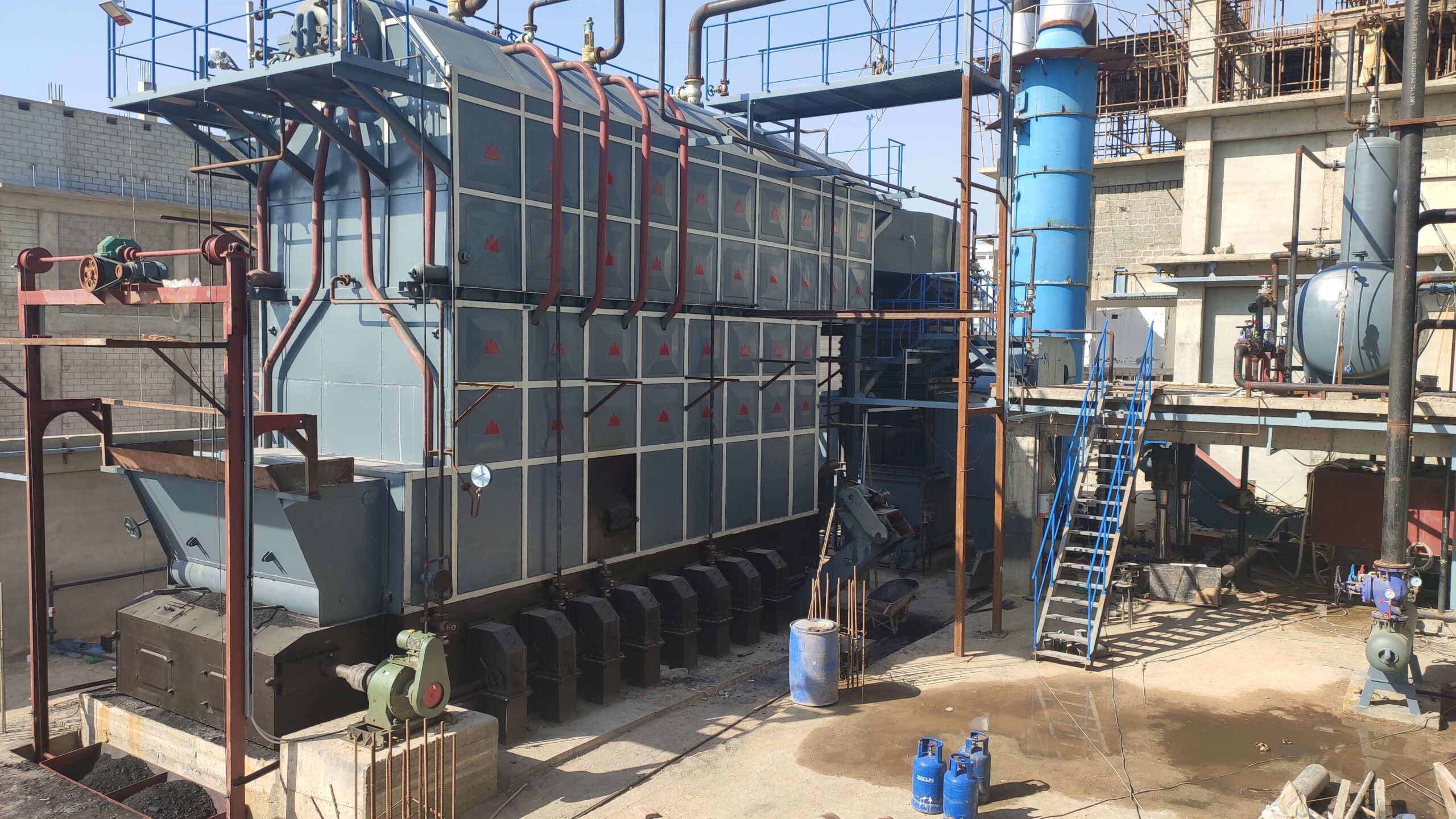
How Do Bed Temperature and Fluidization Velocity Impact Combustion Efficiency in CFB Boilers?
The efficiency and stability of a Circulating Fluidized Bed (CFB) boiler depend critically on maintaining the correct bed temperature and fluidization velocity. These two interrelated parameters control combustion kinetics, fuel burnout, emission formation, and heat transfer effectiveness. Operating outside the optimal range can cause incomplete combustion, excessive erosion, agglomeration, and reduced boiler life. The challenge for engineers lies in maintaining the delicate thermal and aerodynamic balance that ensures high combustion efficiency across varying fuel types and load conditions.
Bed temperature and fluidization velocity determine combustion efficiency by controlling the reaction rate, fuel particle residence time, and mixing intensity in a CFB boiler. An optimal bed temperature (typically 850–900°C) ensures complete fuel burnout with minimal NOx and SO₂ emissions, while appropriate fluidization velocity (usually 4.5–6.0 m/s) maintains uniform mixing of air, solids, and fuel. Deviations—either too low or too high—lead to incomplete combustion, higher unburned carbon losses, or excessive erosion.
In essence, bed temperature governs how completely the fuel burns, while fluidization velocity dictates how uniformly the fuel and air interact. Together, they form the operational foundation of efficient CFB combustion.
Bed temperature has negligible effect on combustion efficiency.False
Combustion rate and carbon burnout in CFB boilers are directly proportional to bed temperature within the optimal range.
Higher fluidization velocity enhances mixing but increases erosion risk.True
Excessive gas velocity improves air-fuel contact but can lead to attrition of bed materials and tube wear.
Understanding Bed Temperature Dynamics in CFB Combustion
The bed temperature in a CFB boiler is the thermal equilibrium point resulting from fuel heat release, air supply, and heat absorption by circulating solids.
| Fuel Type | Optimal Bed Temperature (°C) | Temperature Limit (°C) | Combustion Efficiency (%) | Main Concern Above Limit |
|---|---|---|---|---|
| Lignite | 830–860 | 900 | 98 | Agglomeration |
| Bituminous Coal | 850–880 | 920 | 99 | High NOx |
| Anthracite | 880–910 | 950 | 97 | Tube erosion |
| Biomass | 800–840 | 870 | 96 | Ash sintering |
| Petcoke | 860–890 | 930 | 98 | SO₂ release |
Higher bed temperature always improves combustion efficiency.False
Beyond 900°C, the bed may experience sintering, increased NOx, and reduced sulfur capture efficiency.
Maintaining proper temperature ensures:
Complete oxidation of char and volatiles.
High sulfur capture (Ca/S ratio effectiveness drops above 900°C).
Stable CO–CO₂ balance (low CO formation).
If the bed temperature falls too low (<800°C):
Char oxidation slows.
CO and unburned carbon levels rise.
Overall efficiency declines by 2–5%.
If it rises too high (>900°C):
Agglomeration of bed particles occurs.
NOx emissions increase due to thermal formation.
Refractory and tube life are shortened.
Fluidization Velocity: The Key to Stable Mixing
Fluidization velocity (u) refers to the superficial gas velocity through the bed, typically measured in m/s. The correct velocity ensures uniform suspension of bed material and efficient mixing of fuel and air.
| Fluidization Regime | Velocity (m/s) | Characteristics | Combustion Efficiency (%) |
|---|---|---|---|
| Fixed Bed | <0.5 | Poor mixing, localized combustion | <60 |
| Bubbling Bed | 1–3 | Stable but limited heat transfer | 85–90 |
| Circulating Bed | 4–6 | High mixing, long residence time | 95–99 |
| Fast Fluidization | >6.5 | High carryover, erosion risk | 93–95 |
Combustion efficiency peaks in the fixed bed regime due to low gas velocity.False
Fixed bed operation restricts air-fuel mixing and causes incomplete combustion.
Too low velocity (<4 m/s):
Bed defluidizes; particles settle at the bottom.
Uneven temperature distribution.
CO concentration spikes.
Too high velocity (>6.5 m/s):
Particle entrainment into the cyclone increases.
High erosion on tubes and ducts.
Efficiency drops due to heat losses in fly ash.
Combined Effect of Temperature and Velocity
Bed temperature and velocity must work in harmony to sustain optimal performance.
| Condition | Bed Temp (°C) | Velocity (m/s) | Effect on Combustion | Efficiency Impact (%) |
|---|---|---|---|---|
| Low Temp + Low Velocity | 780 | 3.5 | Poor burnout, high CO | –6 |
| High Temp + Low Velocity | 900 | 3.8 | Overheating, sintering | –3 |
| Optimal Range | 860 | 5.0 | Complete burnout, low emissions | +0 |
| Low Temp + High Velocity | 800 | 6.5 | Unstable combustion | –4 |
| High Temp + High Velocity | 910 | 6.8 | Erosion, heat loss | –5 |
High fluidization velocity can compensate for low bed temperature.False
Excessive velocity cannot offset the lack of thermal energy needed for complete combustion.
Heat Transfer and Gas-Solid Interaction
At optimal velocity, gas-solid contact and heat transfer coefficient are maximized.
| Velocity (m/s) | Heat Transfer Coefficient (W/m²·K) | Solid Concentration (kg/m³) | Bed Stability |
|---|---|---|---|
| 3.0 | 80 | 25 | Moderate |
| 4.5 | 110 | 35 | Good |
| 5.5 | 130 | 45 | Optimal |
| 7.0 | 90 | 20 | Unstable |
Heat transfer is a direct function of particle circulation. When the bed fluidizes properly, radiative and convective exchange between fuel, ash, and tubes become highly efficient, contributing to overall combustion performance.
Impact on Emission Control
Maintaining 850–880°C bed temperature minimizes NOx formation and maximizes sulfur retention.
| Temperature Range (°C) | NOx (mg/Nm³) | SO₂ Capture (%) | CO (ppm) |
|---|---|---|---|
| 780 | 150 | 75 | 250 |
| 850 | 120 | 90 | 80 |
| 900 | 180 | 70 | 60 |
| 950 | 250 | 50 | 50 |
Lowering bed temperature increases NOx emissions.False
Lower temperatures suppress thermal NOx formation but can raise CO due to incomplete combustion.
Similarly, fluidization velocity affects emissions by influencing particle residence time and oxygen distribution. Moderate velocities (4.5–5.5 m/s) provide sufficient oxygen for full burnout without excessive entrainment.
Design and Operational Strategies for Optimization
Bed Temperature Control Methods
Fuel Feed Adjustment: Balancing volatile release and char combustion.
Secondary Air Distribution: Controls combustion zone temperature profile.
Recirculated Flue Gas: Used for high-CV fuels to lower peak temperature.
Bed Material Heat Storage: Sand or ash buffers rapid temperature fluctuations.
Fluidization Velocity Control Methods
Air Distributor Design: Ensures uniform airflow and minimizes dead zones.
Cyclone Separation Efficiency: Maintains stable solids recirculation.
Variable Frequency Drives (VFDs): Adjust primary air blowers dynamically.
CFD Modeling: Simulates local velocity profiles for design optimization.
Secondary air injection has no impact on bed temperature distribution.False
Secondary air staging directly shapes vertical temperature gradients and NOx reduction in the furnace.
Case Study: Optimizing Velocity and Temperature in a 300 MW CFB Boiler
A 300 MW CFB unit firing 20% moisture lignite was optimized for performance.
| Parameter | Before Optimization | After Optimization | Improvement |
|---|---|---|---|
| Bed Temp (°C) | 830 | 860 | +3.6% efficiency |
| Velocity (m/s) | 4.2 | 5.1 | Improved mixing |
| CO (ppm) | 180 | 60 | –67% |
| Unburned Carbon (%) | 4.5 | 1.2 | –73% |
| Erosion Rate (mm/year) | 0.6 | 0.4 | –33% |
Results showed that small adjustments within the optimal band significantly boosted combustion efficiency and reduced emissions, without compromising mechanical integrity.
Small deviations in bed temperature (±20°C) have negligible effect on efficiency.False
Even minor fluctuations influence CO formation and sulfur capture, impacting efficiency by 2–3%.
Future Advancements: AI and Real-Time Optimization
Modern CFB systems integrate AI-based combustion control using continuous sensor feedback for temperature and velocity adjustment.
Real-time data from pressure sensors, thermocouples, and flowmeters feed into digital twins.
Algorithms predict efficiency and erosion trends.
Automatic blower speed and fuel feed modulation maintain steady-state operation.
| Technology | Function | Benefit |
|---|---|---|
| AI Combustion Control | Predicts combustion dynamics | Stable temperature |
| CFD Simulation | Models velocity distribution | Reduced dead zones |
| Bed Temp Sensors | Continuous monitoring | Prevents sintering |
| Advanced Air Grid | Adjustable nozzles | Uniform fluidization |
AI-driven CFB combustion control can automatically maintain optimal fluidization velocity.True
Intelligent systems analyze real-time conditions and adjust air flow dynamically for efficiency and stability.
Conclusion
Bed temperature and fluidization velocity are the two fundamental levers of combustion efficiency in CFB boilers. Maintaining the right thermal environment (850–900°C) and aerodynamic regime (4.5–6.0 m/s) ensures complete fuel burnout, stable operation, and low emissions. When finely tuned, these parameters maximize energy extraction while minimizing wear and environmental impact. As modern control systems evolve, future CFB units will achieve near-perfect thermal efficiency through adaptive, data-driven optimization.

What Emission Control Technologies Are Integrated into Modern CFB Systems?
Modern Circulating Fluidized Bed (CFB) boilers are designed not only for efficient combustion but also for inherent and integrated emission control. Stricter global environmental regulations have made pollutant reduction a top priority, requiring systems that can effectively minimize SO₂, NOₓ, CO₂, and particulate matter (PM) without compromising efficiency. The advantage of CFB technology lies in its in-situ and post-combustion emission reduction capability, where multiple pollutant control mechanisms are embedded within the combustion and flue gas treatment stages.
Modern CFB systems integrate multi-stage emission control technologies—including in-furnace sulfur capture using limestone, staged combustion for low-NOₓ formation, cyclone separators and bag filters for particulate removal, and optional polishing systems like wet scrubbers or SNCR/SCR units for further emission reduction. These technologies work synergistically to achieve over 95% SO₂ removal, below 100 mg/Nm³ NOₓ levels, and minimal particulate emissions—all within the boiler’s operational envelope.
The integrated emission control architecture of a CFB boiler offers both economic and environmental advantages by reducing the need for external flue gas treatment units, lowering reagent consumption, and maintaining high thermal efficiency.
CFB boilers require separate flue gas desulfurization (FGD) units for sulfur control.False
CFB boilers achieve in-furnace desulfurization through limestone injection, eliminating the need for external FGD systems in most cases.
NOx formation in CFB systems is inherently low due to staged combustion and low bed temperature.True
The staged air supply and controlled bed temperature (850–900°C) minimize thermal NOx formation during combustion.
In-Furnace Sulfur Capture: The Core Advantage
One of the most distinctive features of CFB technology is in-furnace sulfur capture. By injecting limestone (CaCO₃) or dolomite (CaMg(CO₃)₂) directly into the bed, SO₂ produced from fuel sulfur oxidation reacts with calcium to form solid calcium sulfate (CaSO₄), which is removed with ash.
| Parameter | Typical Range | Effectiveness | Remarks |
|---|---|---|---|
| Bed Temperature | 850–900°C | Optimal for SO₂ capture | Above 900°C decomposition begins |
| Ca/S Molar Ratio | 1.5–2.5 | 90–95% SO₂ removal | Higher ratio for high-sulfur fuels |
| Limestone Reactivity | 70–95% | High for fresh limestone | Decreases with ash contamination |
| Residence Time | 20–30 s | Sufficient for complete reaction | Longer contact ensures full capture |
Limestone desulfurization in CFB requires flue gas cooling to below 700°C.False
Sulfur capture occurs efficiently within the 850–900°C combustion zone, not in cooled flue gas.
Advantages:
Reduces dependence on downstream FGD systems.
Converts SO₂ to stable solids captured with fly ash.
Achieves >95% SO₂ removal for fuels up to 3% sulfur content.
Low-NOx Combustion Design
NOₓ emissions in conventional pulverized coal boilers are mainly due to high-temperature flame zones (>1300°C). CFBs, however, operate at significantly lower temperatures (850–900°C) and utilize staged air injection for naturally low NOₓ formation.
| NOx Control Parameter | Mechanism | Typical Reduction |
|---|---|---|
| Low Combustion Temperature | Suppresses thermal NOx | 60–70% |
| Air Staging | Reduces oxygen availability initially | 10–15% |
| Fuel Staging | Delays nitrogen oxidation | 5–10% |
| SNCR/SCR Add-ons | Post-combustion reduction | 70–90% (if installed) |
Mechanism:
Primary air sustains partial combustion under fuel-rich conditions, converting nitrogen compounds mainly to N₂.
Secondary and tertiary air introduce oxygen gradually, completing burnout while maintaining low peak temperatures.
NOx control in CFB boilers relies solely on post-combustion treatment.False
Most NOx reduction is achieved inherently within the combustion chamber through air and fuel staging.
Particulate Matter Control: Cyclones, Bag Filters, and ESPs
CFB boilers are characterized by high solids recirculation rates, requiring effective particulate separation systems to minimize emissions.
| Technology | Efficiency (%) | Particle Size Range (µm) | Role in System |
|---|---|---|---|
| Primary Cyclone Separator | 90–95 | >10 | Recycles large particles to bed |
| Fabric Filter (Baghouse) | 99.8–99.99 | 0.1–10 | Final stage filtration |
| Electrostatic Precipitator (ESP) | 99.5–99.9 | 1–20 | Alternative or supplementary system |
Working Principle:
Cyclone separators collect heavier solids returning them to the bed.
Fine particles in the exhaust gas are filtered through baghouses or ESPs before discharge.
CFB boilers release significant particulate matter due to bed material entrainment.False
High-efficiency cyclones and filters ensure particulate emissions remain below environmental limits (typically <30 mg/Nm³).
Post-Combustion Add-On Systems
Although CFB combustion inherently reduces most pollutants, some plants integrate additional systems for stricter compliance.
1. SNCR (Selective Non-Catalytic Reduction)
Reagent: Ammonia or urea.
Operating Temp: 850–1050°C.
Reaction:
[
4NO + 4NH₃ + O₂ → 4N₂ + 6H₂O
]NOx reduction efficiency: 50–70%.
2. SCR (Selective Catalytic Reduction)
Reagent: Ammonia.
Catalyst: V₂O₅–TiO₂ or zeolite-based.
Temperature: 300–400°C.
NOx reduction efficiency: 80–95%.
3. Wet or Dry Scrubbers
Used for polishing SO₂ or HCl emissions.
Additives: Lime, sodium bicarbonate, or activated carbon.
Efficiency: 95–98%.
| System | Main Pollutant | Efficiency (%) | Maintenance Needs | Typical Use |
|---|---|---|---|---|
| SNCR | NOx | 60–70 | Low | Mid-size plants |
| SCR | NOx | 80–95 | Medium | Large CFB plants |
| Wet Scrubber | SO₂, HCl | 95–98 | High | After limestone desulfurization |
| Dry Scrubber | SO₂ | 85–90 | Low | Biomass/lignite CFBs |
SCR systems are incompatible with CFB boilers due to flue gas conditions.False
SCR units can be installed downstream of cyclones or economizers where temperature and dust levels are controlled.
Mercury, CO₂, and Trace Pollutant Control
Emerging regulations now target Hg, VOCs, and CO₂ emissions. Modern CFBs incorporate technologies to manage these challenges:
| Pollutant | Control Technique | Mechanism | Reduction Efficiency |
|---|---|---|---|
| Mercury (Hg) | Activated carbon injection | Adsorption | 80–90% |
| CO₂ | Oxy-fuel combustion or amine capture | Carbon capture | 70–95% |
| HCl & HF | Lime injection | Neutralization | 90–98% |
CFBs are particularly CO₂-capture ready because their low-temperature flue gas and uniform combustion support integration with post-combustion carbon capture systems.
CFB systems cannot integrate with carbon capture technology.False
The uniform combustion temperature and clean flue gas of CFBs make them suitable for CO₂ capture retrofits.
Combined Multi-Pollutant Performance
The synergy of in-furnace and post-combustion systems ensures exceptionally clean flue gas.
| Pollutant | Control Mechanism | Efficiency (%) | Regulatory Limit (mg/Nm³) | Typical CFB Emission |
|---|---|---|---|---|
| SO₂ | Limestone injection | 95–98 | 200 | 50–80 |
| NOx | Air staging, SNCR/SCR | 80–95 | 150 | 60–100 |
| PM | Cyclone + Bag Filter | 99.9 | 30 | <10 |
| CO | Optimized air control | 90–95 | 200 | <50 |
CFB boilers typically fail to meet modern emission standards without multiple external systems.False
CFB boilers inherently achieve low emissions through integrated combustion and in-bed control mechanisms.
Real-World Example: 460 MW CFB Plant (Poland)
A 460 MW supercritical CFB power plant firing high-sulfur lignite achieved outstanding environmental performance:
| Parameter | Before Optimization | After Optimization | Result |
|---|---|---|---|
| SO₂ (mg/Nm³) | 320 | 65 | 80% reduction |
| NOx (mg/Nm³) | 220 | 90 | 59% reduction |
| PM (mg/Nm³) | 25 | 8 | 68% reduction |
| CO₂ Capture Ready | No | Yes | Retrofit compatible |
This success demonstrates how integrated CFB emission control can exceed EU and EPA standards without external scrubbers or precipitators.
Future Trends: Smart and Adaptive Emission Control
Next-generation CFB systems use AI-driven optimization, IoT-based monitoring, and predictive control algorithms to further minimize emissions and reagent usage.
| Technology | Function | Emission Impact |
|---|---|---|
| AI Combustion Control | Real-time temperature & oxygen optimization | –10% NOx |
| Digital Twin Models | Predicts emission trends | –5–8% SO₂ |
| Adaptive Reagent Feed | Adjusts limestone/urea dosing | –15% reagent cost |
| Advanced Sensors | Detect micro-emissions early | Improves compliance reliability |
AI systems can dynamically adjust reagent feed rates for optimal emission control.True
Smart control systems continuously monitor gas composition and modulate reagent input to minimize waste and emissions.
Conclusion
Modern CFB systems are multi-pollutant control platforms by design. Through integrated sulfur capture, staged air combustion, high-efficiency particulate separation, and optional polishing units like SNCR/SCR and scrubbers, they achieve exceptional environmental performance. The result is a cleaner, more efficient, and regulation-compliant combustion process, adaptable to diverse fuels and future carbon standards.
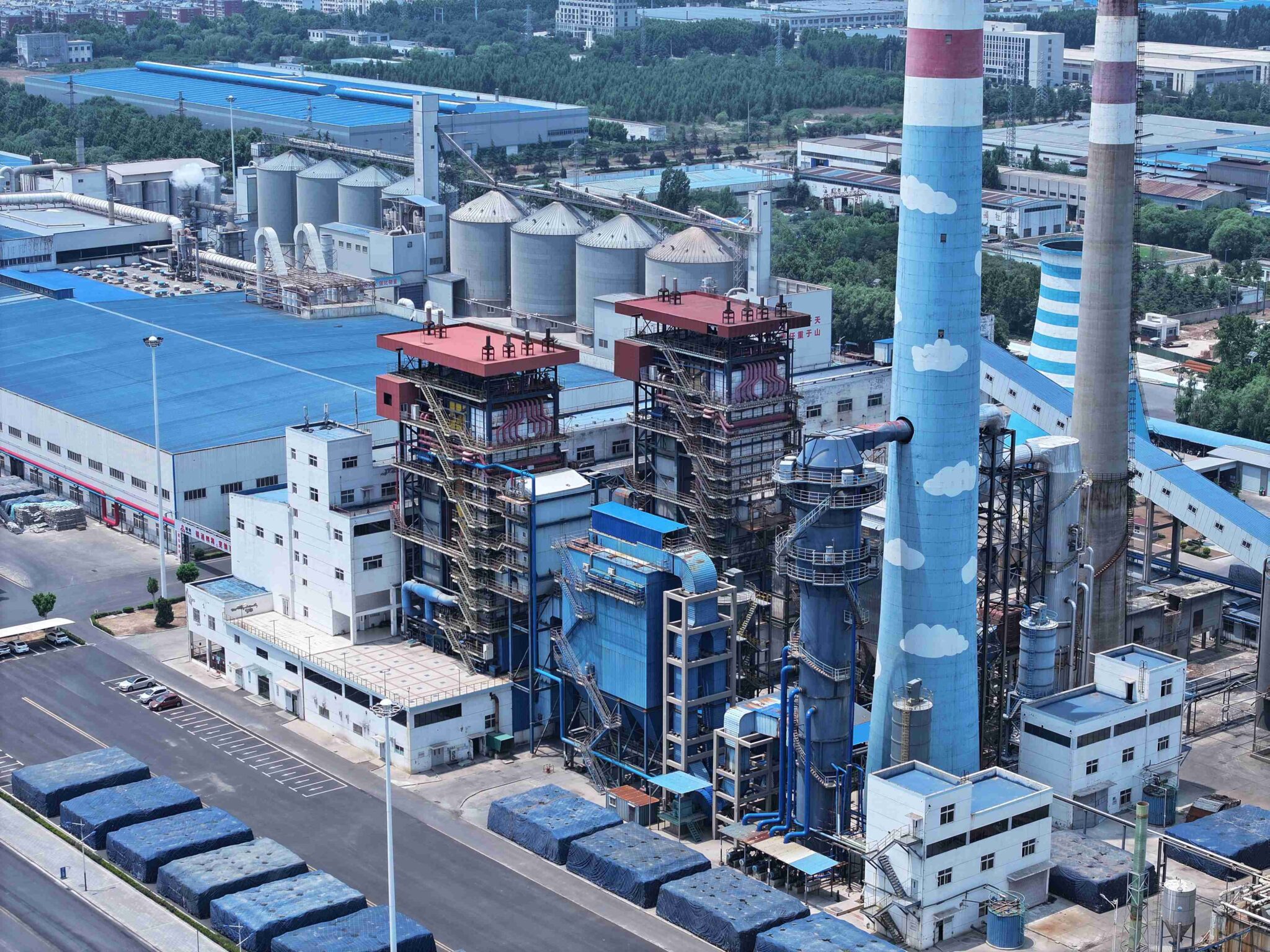
How Do Heat Exchanger and Cyclone Designs Influence Overall Performance in CFB Boilers?
In Circulating Fluidized Bed (CFB) boilers, two key subsystems—the heat exchangers and cyclone separators—play a decisive role in determining the plant’s thermal efficiency, combustion stability, and emission performance. Improper design or sizing of either component can lead to heat imbalance, pressure losses, poor combustion efficiency, or even structural erosion. As fuel flexibility and load variation increase in modern CFB systems, the optimization of these components has become a cornerstone for high-efficiency, low-emission operation.
The performance of a CFB boiler is strongly influenced by the design of its heat exchangers and cyclones. Efficient heat exchanger design ensures optimal heat recovery, maintains stable bed temperature, and enhances steam generation efficiency. Meanwhile, properly engineered cyclones provide effective gas-solid separation, sustaining particle recirculation and minimizing unburned carbon loss. Together, they govern energy utilization, combustion completeness, and the overall operational stability of the boiler.
Put simply, the heat exchangers manage how well energy is recovered, while the cyclones control how well solids are recycled—both are essential to achieving consistent, efficient, and environmentally compliant boiler operation.
Cyclones in CFB boilers are used primarily for dust collection before emission.False
CFB cyclones primarily function to separate and recirculate solids back into the combustion loop, not just to clean exhaust gases.
Improved heat exchanger design can increase boiler efficiency by up to 5%.True
Enhanced surface design, better materials, and optimized flow paths improve heat transfer, raising overall boiler efficiency.
Role of Cyclone Separators in CFB Operation
CFB cyclones are not just dust collectors—they are high-efficiency gas-solid separators that ensure continuous recycling of bed materials, maintaining combustion uniformity and thermal stability.
| Design Parameter | Typical Range | Impact on Performance |
|---|---|---|
| Efficiency | 95–99.8% | Higher efficiency improves combustion consistency |
| Pressure Drop | 1.5–2.5 kPa | Excessive drop increases fan power consumption |
| Cut Size (d₅₀) | 10–20 µm | Determines smallest recoverable particle size |
| Inlet Velocity | 18–25 m/s | Balances separation efficiency and erosion risk |
Cyclone efficiency above 99% has negligible impact on boiler performance.False
Each percentage increase in cyclone efficiency reduces carbon loss and improves fuel utilization, especially with fine fuels.
Key Cyclone Design Features:
Tangential Inlet Geometry – Maximizes centrifugal force, improving separation efficiency.
Vortex Finder Length – Controls residence time; too short increases particle carryover, too long increases pressure drop.
Cylindrical-to-Conical Ratio – Balances flow stability with structural height.
Wear-Resistant Linings – Protect against particle erosion from high-velocity gas streams.
| Parameter Variation | Effect | Resulting Performance Impact |
|---|---|---|
| Inlet Velocity ↑ | Better separation | Higher erosion rate |
| Vortex Finder Shortened | Less pressure drop | Increased particle loss |
| Cyclone Diameter ↑ | Lower pressure drop | Reduced efficiency |
| Wall Lining Upgraded | Erosion resistance ↑ | Longer life cycle |
Cyclone efficiency directly influences bed inventory, which in turn controls combustion temperature and stability. If too many solids escape the loop, fuel residence time decreases, leading to incomplete combustion and higher unburned carbon losses.
Heat Exchangers: Heart of Thermal Recovery
CFB boilers utilize multiple heat exchangers to recover and transfer thermal energy effectively:
Superheaters – Raise steam temperature.
Reheaters – Improve turbine cycle efficiency.
Economizers – Preheat feedwater using flue gas.
External Heat Exchangers (EHEs) – Regulate bed temperature by transferring heat from circulating solids to the steam system.
| Heat Exchanger Type | Typical Location | Operating Temp (°C) | Main Function |
|---|---|---|---|
| Superheater | Furnace/Convective Zone | 450–550 | Steam temperature control |
| Reheater | Convective/External Loop | 450–520 | Reheats steam between turbine stages |
| Economizer | Flue Gas Exit | 250–350 | Feedwater heating |
| External Heat Exchanger | After Cyclone Return | 800–900 | Bed temperature stabilization |
External heat exchangers are optional in large CFB boilers.False
EHEs are essential for controlling bed temperature and improving combustion stability in large-capacity CFB systems.
Interaction Between Cyclone and Heat Exchanger
Cyclones and heat exchangers are aerothermally coupled. The solids separated in the cyclone are directed to the external heat exchanger before being returned to the furnace. This recirculation loop defines the energy balance and load response of the boiler.
| Process Step | Cyclone Function | Heat Exchanger Role |
|---|---|---|
| Solids Separation | Isolates bed material from gas | Prepares solids for controlled cooling |
| Solids Transport | Ensures recirculation rate stability | Transfers heat from solids to working fluid |
| Temperature Regulation | Indirectly via solids flow | Directly via heat transfer surfaces |
Cyclone and heat exchanger systems operate independently in a CFB boiler.False
Their performance is interdependent—cyclone separation controls solids flow to the heat exchanger, influencing bed temperature and heat transfer rates.
Performance Metrics and Design Interdependence
| Parameter | Influenced by Cyclone | Influenced by Heat Exchanger | Overall Impact on Efficiency |
|---|---|---|---|
| Combustion Efficiency | ✓ | – | Higher solids recovery improves burnout |
| Steam Generation Rate | – | ✓ | Efficient heat transfer boosts steam output |
| Bed Temperature Stability | ✓ | ✓ | Balanced circulation ensures steady operation |
| Erosion Rate | ✓ | ✓ | Optimized geometry reduces wear |
| Emissions (SO₂, NOx, CO) | ✓ | ✓ | Stable thermal conditions minimize emissions |
A poorly designed cyclone causes uneven solids flow to the heat exchanger, creating temperature oscillations and leading to unstable steam generation. Conversely, inefficient heat exchangers can’t remove or transfer sufficient heat, forcing bed temperatures to rise, increasing NOx and equipment wear.
Comparative Table: Design Variations and Performance Impact
| Design Type | Cyclone Feature | Heat Exchanger Feature | Efficiency Impact | Maintenance Implication |
|---|---|---|---|---|
| Traditional | Single-stage cyclone | Simple tube bundles | Moderate (Base) | Frequent cleaning required |
| Modern | Twin cyclones with high-efficiency vortex finders | Modular EHE with finned tubes | +4–6% efficiency | Lower fouling |
| High-Capacity | Multistage cyclones with low pressure drop | Hybrid internal–external exchangers | +7–9% | Enhanced reliability |
| Ultra-Supercritical | Integrated heat recovery with AI control | Real-time adaptive heat load management | +10% | Predictive maintenance |
Adding secondary cyclones can improve heat transfer efficiency.True
Dual or multistage cyclones enhance solids recovery, improving circulation stability and heat exchanger performance.
Erosion and Wear Considerations
High gas velocity in cyclones and heat exchangers leads to erosion, particularly in the return ducts and tube banks. Material upgrades and fluid dynamic optimization mitigate this issue.
| Critical Zone | Erosion Cause | Mitigation Strategy |
|---|---|---|
| Cyclone Inlet | Abrasive particle impact | Use of ceramic or refractory linings |
| Exchanger Tubes | Solid impingement | Low-velocity baffles, directional shields |
| Loop Seals | Turbulent gas-solid flow | Geometry optimization |
| Riser Walls | High recirculation load | Abrasion-resistant coatings |
Advanced CFD (Computational Fluid Dynamics) tools now allow designers to simulate erosion hotspots and optimize component geometry before fabrication.
Cyclone erosion is inevitable and cannot be mitigated.False
Modern design practices, materials, and CFD analysis significantly reduce erosion rates and extend equipment life.
Case Study: 300 MW CFB Unit Performance Optimization
A 300 MW lignite-fired CFB boiler experienced unstable temperature control and elevated unburned carbon levels. After redesigning cyclone and heat exchanger configurations:
| Parameter | Before Optimization | After Optimization | Improvement |
|---|---|---|---|
| Cyclone Efficiency | 96% | 99.2% | +3.2% fuel utilization |
| Pressure Drop | 2.8 kPa | 2.2 kPa | –21% fan power |
| Steam Temperature Fluctuation | ±10°C | ±3°C | Improved control |
| Overall Boiler Efficiency | 88.5% | 92.6% | +4.1% |
| NOx Emission | 130 mg/Nm³ | 95 mg/Nm³ | –27% |
These results confirmed that synergistic optimization of cyclone and heat exchanger design enhances both thermal efficiency and emission control without additional fuel or reagent consumption.
Future Design Trends
| Innovation | Function | Expected Benefit |
|---|---|---|
| CFD-Based Geometry Optimization | Reduces dead zones & vortex losses | +3% separation efficiency |
| Additive-Manufactured Cyclone Liners | Improved wear resistance | +20% lifecycle |
| Smart EHE Modules with Sensors | Real-time fouling detection | +5% uptime |
| AI Predictive Control | Automated bed temperature regulation | +2–3% energy savings |
AI-based control can optimize heat exchanger duty distribution in real time.True
AI systems analyze steam temperature and solids circulation to balance heat loads dynamically, improving energy efficiency.
Conclusion
The design of cyclones and heat exchangers determines how effectively a CFB boiler converts fuel energy into usable steam while maintaining combustion stability and emission compliance. High-efficiency cyclones ensure proper solids recirculation and fuel burnout, while advanced heat exchangers recover energy with minimal losses. Their integration defines the thermal heart of the CFB system. Continuous advancements in CFD modeling, material science, and digital optimization are pushing modern CFBs toward near-perfect energy recovery and environmental performance.
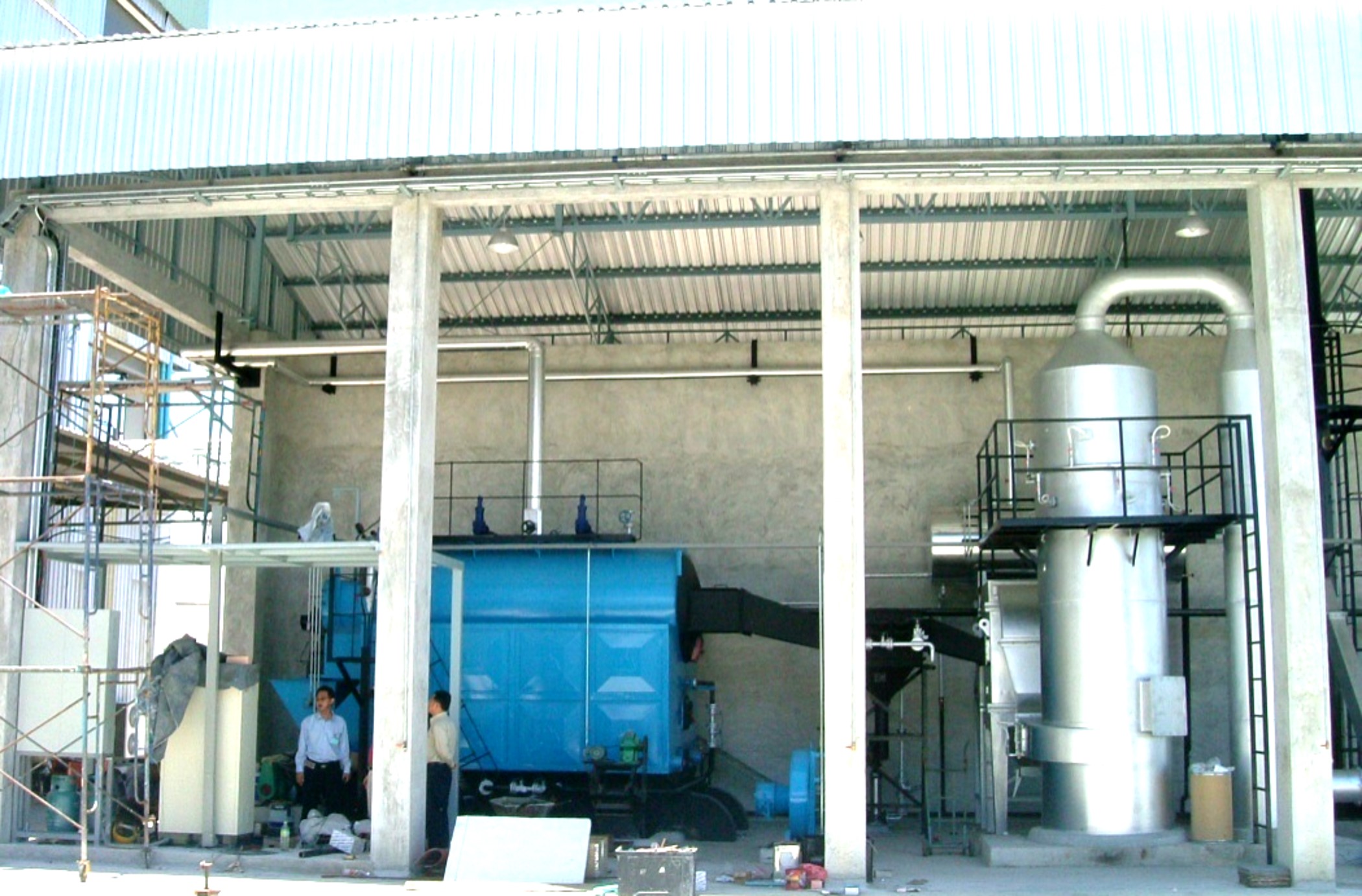
Why Are Automation, Monitoring, and Maintenance Parameters Important in Selecting CFB Boilers?
When selecting a Circulating Fluidized Bed (CFB) boiler for power generation or industrial use, technical parameters such as pressure, capacity, and fuel type are often given top priority. However, in today’s era of digitalization and predictive operation, the success of any boiler system increasingly depends on its automation, monitoring, and maintenance design. Without smart automation, real-time diagnostics, and structured maintenance control, even the most advanced combustion system can suffer from efficiency losses, unplanned shutdowns, and long-term reliability issues.
Automation, monitoring, and maintenance parameters are essential in CFB boiler selection because they determine operational reliability, safety, efficiency, and lifecycle cost. Advanced automation ensures stable combustion and load control, continuous monitoring enables real-time diagnostics and emission management, while optimized maintenance strategies minimize downtime and extend equipment lifespan. Together, these elements make the difference between a reactive and a predictive power plant operation.
In other words, a CFB boiler’s long-term success is no longer just about what fuel it burns, but how intelligently it operates and maintains itself under varying conditions.
CFB boiler selection depends only on fuel and capacity requirements.False
Modern boiler selection also prioritizes automation, real-time monitoring, and maintenance adaptability for long-term reliability and efficiency.
Automated control systems can improve boiler efficiency by up to 5–8%.True
By stabilizing combustion conditions, optimizing air distribution, and minimizing operator error, automation significantly increases efficiency.
The Strategic Role of Automation in Boiler Performance
Automation in a CFB boiler is responsible for maintaining steady-state operation across fluctuating loads and varying fuel qualities. Advanced control systems—built on Distributed Control Systems (DCS) or Programmable Logic Controllers (PLC)—handle air distribution, fuel feed rate, bed temperature, and solids circulation.
| Automation Function | Controlled Parameter | Impact on Performance |
|---|---|---|
| Fuel Feed Automation | Mass flow of fuel | Stable combustion rate, reduced CO |
| Air Flow Balancing | Primary & secondary air ratio | Optimized combustion efficiency |
| Bed Temperature Control | Thermal feedback loops | NOx and SO₂ control |
| Pressure Regulation | Furnace and loop seals | Safe operation, low energy loss |
| Startup/Shutdown Sequences | Stepwise automation | Reduced thermal stress, faster readiness |
Manual operation can maintain same performance as automated systems.False
Automation eliminates human response delays and maintains precise control under variable load and fuel conditions.
Key Benefits of Automation in Selection:
Stable load handling – Advanced PID and fuzzy logic controllers maintain performance under rapid load changes.
Fuel flexibility adaptation – Automation adjusts to different calorific values and moisture contents.
Reduced emissions – Automated control ensures optimal air-fuel ratios, minimizing CO and NOx formation.
Safety assurance – Automated interlocks prevent overpressure and overheating incidents.
Efficiency optimization – Smart control can raise boiler efficiency by 3–8%.
Real-Time Monitoring: The Digital Eyes of a CFB System
Continuous monitoring and diagnostics are crucial for tracking combustion behavior, component wear, and emissions in real time. In high-capacity plants, digital monitoring platforms are integrated with SCADA (Supervisory Control and Data Acquisition) and IoT (Internet of Things) systems.
| Monitoring System | Measured Parameter | Monitoring Frequency | Purpose |
|---|---|---|---|
| Bed Temperature Sensors | 10–15 points per bed | Continuous | Prevent sintering and hot spots |
| Pressure Transducers | Furnace, cyclone, seal | Continuous | Detect leaks or blockages |
| Flue Gas Analyzers | O₂, CO, CO₂, NOx, SO₂ | Continuous | Emission compliance |
| Vibration Sensors | Fans, pumps, feeders | Periodic | Predict equipment wear |
| Camera Systems | Furnace and cyclone inspection | As needed | Visual combustion assessment |
Monitoring systems in CFB boilers are optional for small-scale plants.False
Even small CFB systems require continuous monitoring for safe combustion and environmental compliance.
Digital Twin Technology
An emerging tool in modern monitoring systems is the Digital Twin—a virtual replica of the physical boiler.
Predicts temperature and pressure trends using AI.
Simulates fault scenarios for operator training.
Enables proactive maintenance scheduling.
Performance Dashboard Example
| Key Indicator | Real-Time Reading | Optimal Range | Action Required |
|---|---|---|---|
| Bed Temp | 865°C | 850–880°C | Stable |
| O₂ Level | 3.2% | 3.0–4.0% | OK |
| CO Emission | 80 ppm | <100 ppm | OK |
| Cyclone Pressure Drop | 2.1 kPa | 1.8–2.3 kPa | OK |
| Vibration Level | 2.5 mm/s | <3.0 mm/s | Normal |
Real-time monitoring only improves environmental compliance.False
Continuous monitoring also improves thermal performance, safety, and equipment reliability.
Maintenance Parameters: The Backbone of Reliability
Maintenance strategy plays a decisive role in long-term performance and lifecycle cost. The best-designed CFB system can underperform if maintenance accessibility, diagnostics, and service intervals are not optimized during selection.
| Maintenance Parameter | Design Influence | Selection Consideration |
|---|---|---|
| Accessibility of Components | Layout and platform design | Ease of inspection and repair |
| Wear Protection | Refractory, coating, material grade | Reduces erosion damage |
| Tube Cleaning System | Soot blowers, sonic cleaners | Maintains heat transfer |
| Predictive Maintenance Tools | Data-based failure detection | Minimizes unplanned shutdowns |
| Spare Parts Availability | OEM support level | Reduces downtime |
Maintenance parameters have minor influence during CFB selection.False
Ease of maintenance affects lifecycle cost, reliability, and downtime, making it a major selection criterion.
Predictive Maintenance Integration
Modern plants employ Condition-Based Maintenance (CBM) using vibration, temperature, and acoustic sensors.
Detects anomalies before failure.
Predicts component wear using AI algorithms.
Reduces maintenance cost by up to 20–30%.
| Maintenance Type | Trigger | Effect on Uptime | Cost Impact |
|---|---|---|---|
| Reactive | After failure | Low (70–75%) | High |
| Preventive | Scheduled | Moderate (85–90%) | Medium |
| Predictive | Condition-based | High (95–98%) | Low |
Predictive maintenance cannot be integrated into CFB boiler systems.False
Modern CFB systems include sensors and data analytics enabling predictive maintenance with AI integration.
Integrated Automation and Maintenance Ecosystem
The integration of automation, monitoring, and maintenance defines the operational intelligence of a CFB plant.
| Subsystem | Primary Function | Data Source | Impact on Overall Efficiency |
|---|---|---|---|
| Automation Control | Real-time combustion and load regulation | PID/AI controllers | +3–8% |
| Process Monitoring | Continuous data acquisition | SCADA/DCS sensors | +2–5% |
| Predictive Maintenance | Health diagnostics | IoT/vibration analysis | +2–4% |
| Operator Interface | Human-machine interaction | HMI panels | Improved safety |
These interconnected systems form a closed feedback loop—data from monitoring sensors informs automation algorithms, while predictive maintenance tools act on this data to prevent degradation.
Automation, monitoring, and maintenance in CFB boilers work independently.False
They function as an integrated system where each component reinforces the reliability and performance of the other.
Case Study: Smart CFB Control Upgrade in a 250 MW Unit
A 250 MW lignite-fired CFB unit was modernized with AI-based automation and predictive monitoring.
| Parameter | Before Upgrade | After Upgrade | Improvement |
|---|---|---|---|
| Boiler Efficiency | 89.2% | 93.1% | +4.4% |
| Unplanned Downtime | 180 hours/year | 40 hours/year | –78% |
| Maintenance Cost | 100% baseline | 72% | –28% |
| Emission Compliance Violations | 5 per year | 0 | Fully compliant |
The results confirmed that automation and digital monitoring not only enhanced efficiency but also improved plant reliability and regulatory compliance.
Future Trends in CFB Automation and Monitoring
| Technology | Description | Expected Benefit |
|---|---|---|
| AI-Based Combustion Control | Learns fuel and air dynamics | +3% efficiency |
| Cloud-Based Data Analytics | Remote diagnostics & updates | Real-time optimization |
| Digital Twin Simulation | Predicts failures virtually | +25% reliability |
| Integrated Emission Control | Combines sensors and algorithms | Zero non-compliance |
| Augmented Reality (AR) Maintenance | Digital overlay for technicians | +20% faster repairs |
Digital twin technology can predict maintenance issues before physical symptoms occur.True
AI-driven digital twins analyze sensor data and simulate equipment behavior to forecast potential failures.
Conclusion
Selecting a CFB boiler based on automation, monitoring, and maintenance parameters ensures long-term operational excellence. Automation guarantees precise control over combustion and emissions, monitoring provides transparency and predictive insights, and proactive maintenance minimizes unplanned outages. Together, they transform a traditional boiler into a smart, self-optimizing energy system that is efficient, reliable, and future-ready.
🔍 Conclusion
Choosing the right CFB boiler involves balancing performance, fuel characteristics, and environmental obligations. By carefully assessing these essential parameters, industries can ensure efficient, flexible, and low-emission operation, maximizing both economic and environmental benefits.
📞 Contact Us
💡 Looking for expert guidance in selecting the ideal CFB boiler? We provide customized engineering, fuel analysis, and complete CFB system design to match your operational needs.
🔹 Contact us today for professional support in designing and selecting your next high-efficiency CFB boiler system. ⚙️🔥🏭✅
FAQ
Q1: What are the essential parameters to consider when selecting a CFB boiler?
A1: Selecting the right circulating fluidized bed (CFB) boiler requires analyzing several parameters to ensure efficient and reliable performance. The most critical include:
Boiler capacity and pressure rating – defines steam generation rate and application suitability.
Fuel characteristics – such as particle size, calorific value, ash content, and moisture level.
Combustion efficiency – driven by air distribution, temperature uniformity, and bed material.
Emission control requirements – related to sulfur, nitrogen, and particulate emissions.
Design specifications – including furnace dimensions, heat exchange surfaces, and cyclone separators.
A well-selected CFB boiler optimizes fuel use, minimizes emissions, and provides operational flexibility across diverse fuels.
Q2: How does fuel flexibility influence CFB boiler selection?
A2: Fuel flexibility is one of the main advantages of CFB boilers. They can efficiently burn a wide range of solid fuels, including coal, biomass, lignite, petcoke, and waste-derived fuels. When selecting a CFB boiler, it’s crucial to match the design fuel with the actual available fuel mix. Fuels with high ash or moisture content require larger furnaces and robust fluidization systems. Additionally, selecting boilers with adjustable air distribution and advanced bed control systems ensures stable combustion even when fuel quality fluctuates—making the system both efficient and cost-effective.
Q3: Why is combustion efficiency a key parameter in CFB boiler performance?
A3: In CFB technology, combustion efficiency determines how completely fuel is burned within the fluidized bed. This depends on factors like bed temperature (800–900°C), residence time, and air distribution. Uniform temperature and long particle residence time promote complete combustion, reducing unburned carbon and minimizing fuel waste. Modern CFB boilers integrate real-time monitoring systems, optimized cyclone separators, and secondary air injection, which together achieve combustion efficiencies above 98%. Proper control of these parameters enhances performance while lowering emissions.
Q4: What emission control parameters should be evaluated when selecting a CFB boiler?
A4: CFB boilers are naturally low-emission systems due to their unique combustion process. However, evaluating emission control capabilities is still vital. The key parameters include:
Sulfur capture efficiency – achieved by adding limestone directly into the bed, allowing up to 95% SO₂ removal.
NOx emissions – kept low due to lower combustion temperatures (<900°C).
Particulate control – managed through high-efficiency cyclones and optional bag filters or ESPs.
Ensuring compliance with local and international emission standards during the design phase helps avoid costly retrofits later.
Q5: How do boiler design and operational parameters affect long-term performance?
A5: CFB boiler design determines both performance efficiency and durability. Key parameters include:
Furnace geometry and heat exchange area for efficient heat transfer.
Circulating ratio (solids recycle rate) to ensure stable temperature and combustion.
Fluidization velocity and bed height for optimal mixing.
Cyclone efficiency to minimize particle loss.
Operational parameters such as load flexibility, control automation, and ash handling system design also impact reliability and maintenance. Well-engineered designs with wear-resistant materials and automated monitoring ensure steady performance over decades of use.
References
U.S. Department of Energy – Circulating Fluidized Bed Combustion Technology Guide – https://www.energy.gov/ – DOE
International Energy Agency (IEA) – Fluidized Bed Combustion in Power Generation – https://www.iea.org/ – IEA
ASME Boiler and Pressure Vessel Code (BPVC) – https://www.asme.org/ – ASME
Carbon Trust – Efficient Combustion and Boiler Selection – https://www.carbontrust.com/ – Carbon Trust
Mitsubishi Power – CFB Boiler Solutions – https://power.mhi.com/ – Mitsubishi Power
GE Steam Power – Advanced CFB Technology Overview – https://www.ge.com/steam-power/ – GE Steam Power
ScienceDirect – Performance of Circulating Fluidized Bed Boilers – https://www.sciencedirect.com/ – ScienceDirect
Engineering Toolbox – Combustion Efficiency and Boiler Parameters – https://www.engineeringtoolbox.com/ – Engineering Toolbox
Valmet – CFB Boiler Design and Performance Optimization – https://www.valmet.com/ – Valmet
MarketsandMarkets – Global CFB Boiler Market Trends 2025 – https://www.marketsandmarkets.com/ –Markets and Markets
