
With growing demand for sustainable energy solutions, industrial biomass boilers have become a favored alternative to fossil-fueled systems. However, selecting the right biomass boiler is not straightforward. A poor choice can lead to frequent breakdowns, low efficiency, fuel compatibility issues, and non-compliance with environmental regulations. To ensure long-term performance and economic viability, it’s crucial to understand the essential selection parameters.
The essential parameters for selecting an industrial biomass boiler include fuel type and moisture content, boiler capacity and load demand, combustion technology, thermal efficiency, emissions compliance, and automation level. These factors ensure the boiler system is energy-efficient, fuel-compatible, and suitable for the specific industrial process.
Making the right boiler selection isn’t just about fitting into your facility’s footprint—it’s about aligning with fuel logistics, environmental goals, and operational performance expectations. Let’s examine the key decision points in detail.
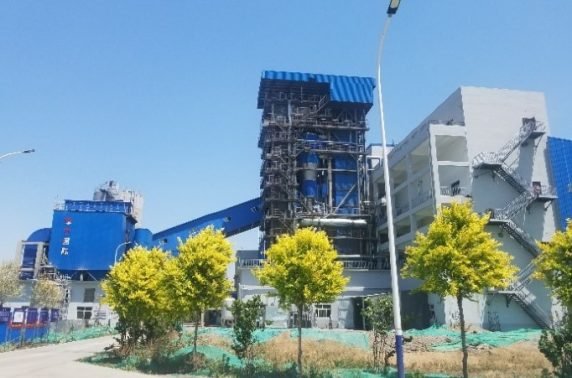
How Does Biomass Fuel Type and Moisture Content Affect Boiler Selection and Performance?
Many industrial projects embrace biomass boilers to lower carbon emissions and fuel costs, but not all biomass fuels are created equal. A mismatch between fuel type, moisture content, and boiler design can lead to low combustion efficiency, increased emissions, boiler fouling, corrosion, and frequent breakdowns. Therefore, choosing the right boiler means matching the equipment design to the specific properties of the intended fuel—especially its type, composition, and moisture content. Failing to do so will compromise performance, inflate maintenance costs, and erode the environmental and economic advantages of biomass.
Biomass fuel type and moisture content significantly influence boiler selection and performance because they directly affect combustion efficiency, heat value, feeding mechanism, emissions, and boiler fouling rates. Fuels with high moisture content reduce thermal efficiency and increase energy consumption for evaporation. Dense, uniform fuels like pellets are easier to handle and burn more efficiently, while variable, high-moisture fuels like wood chips or rice husks require specially designed combustion systems, larger grate areas, and robust ash handling. Selecting a boiler without analyzing these fuel characteristics leads to poor combustion, excessive emissions, and high operating costs.
In biomass boiler procurement, the fuel defines the fire—not the other way around.
Biomass fuel moisture content significantly impacts boiler efficiency.True
High-moisture fuels require more energy to evaporate water before combustion, reducing net thermal efficiency.
All biomass fuels perform the same way in a standard boiler design.False
Biomass fuels vary in calorific value, ash content, moisture, and flow characteristics, which must be matched with boiler design for optimal performance.
🔍 Fuel Properties That Impact Boiler Performance
| Fuel Property | Impact on Boiler Design & Operation |
|---|---|
| Moisture Content (%) | High moisture reduces net calorific value and combustion temperature |
| Bulk Density (kg/m³) | Affects fuel feeding and bunker sizing |
| Ash Content (%) | Influences slagging, fouling, and ash removal system size |
| Ash Fusion Temperature (°C) | Determines slag formation risk on furnace surfaces |
| Particle Size & Uniformity | Affects feeding consistency and combustion air distribution |
| Volatile Matter (%) | Determines ease of ignition and combustion characteristics |
| Fixed Carbon (%) | Influences burn duration and furnace sizing |
| Calorific Value (kcal/kg) | Core determinant of steam output potential per kg of fuel |
📊 Fuel Type Comparison: Typical Biomass Characteristics
| Fuel Type | Moisture (%) | Ash (%) | Calorific Value (kcal/kg) | Bulk Density (kg/m³) | Ash Fusion Temp (°C) |
|---|---|---|---|---|---|
| Wood Chips (Fresh) | 45–55 | 0.5–1.5 | 1,800–2,200 | 180–250 | 1,200–1,400 |
| Wood Pellets | 8–12 | 0.3–0.7 | 4,200–4,800 | 600–700 | >1,400 |
| Rice Husk | 12–18 | 15–20 | 3,000–3,500 | 90–110 | 950–1,150 |
| Bagasse (Wet) | 45–55 | 1.8–3.0 | 2,000–2,300 | 150–200 | ~1,250 |
| Sawdust | 10–15 | 1.0–2.0 | 3,500–4,000 | 180–250 | 1,200–1,400 |
| Corn Stalks | 15–20 | 5–7 | 3,000–3,600 | 100–150 | ~1,100 |
🧪 Case Study: Fuel Moisture Effect on Boiler Output
Boiler Rated for: 10 TPH using wood chips
Fuel Test:
Moisture at 25% → Net output: 9.7 TPH
Moisture at 40% → Net output: 8.3 TPH
Moisture at 50% → Net output: 6.9 TPH
Result: A 25% increase in moisture reduced effective steam generation by over 30%.
Conclusion: High-moisture biomass severely impacts combustion efficiency and fuel economy.
⚙️ Boiler Design Adaptations for Fuel Characteristics
| Fuel Challenge | Required Boiler Feature |
|---|---|
| High Moisture (>40%) | Larger combustion chamber, pre-drying system, moving grate |
| High Ash (>10%) | Robust ash handling, soot blowers, tube cleaning access |
| Low Ash Fusion Temp (<1,100°C) | Avoid high-temp zones, use water-cooled grates |
| Variable Fuel Size | Reciprocating grate or bubbling bed furnace |
| Low Bulk Density | Auger feeders or mechanical ramming system |
| Pellets or Uniform Fuels | Pneumatic or rotary feeding system; underfeed stoker possible |
📉 Moisture vs. Efficiency: Why It Matters
| Fuel Moisture (%) | Efficiency Loss (%) | Evaporation Load on Furnace |
|---|---|---|
| 10 | Negligible | Minimal energy loss to moisture |
| 20 | 3–5% | Slight efficiency drop |
| 30 | 6–8% | Higher flue gas temperature required |
| 40 | 9–12% | Increased unburnt loss, furnace derating |
| 50+ | 15–20% | Likely overload unless boiler is oversized |
✅ Boiler Selection Checklist Based on Biomass Fuel
Confirm fuel availability and seasonal variations
Test for average moisture, ash, and calorific value
Verify ash fusion temperature to avoid slagging
Choose boiler grate type compatible with fuel flow
Size fuel feeders and silos according to bulk density
Ensure emissions controls align with fuel ash content
Plan for dryer or hot air pre-treatment if needed
Request boiler vendor to model efficiency with your fuel data
The success of a biomass boiler project depends not just on boiler size or brand—but on deep alignment between fuel properties and boiler design. Choosing the right biomass fuel and understanding its moisture dynamics can improve efficiency, compliance, and profitability. Treat the fuel analysis as the foundation of your biomass strategy—not an afterthought.
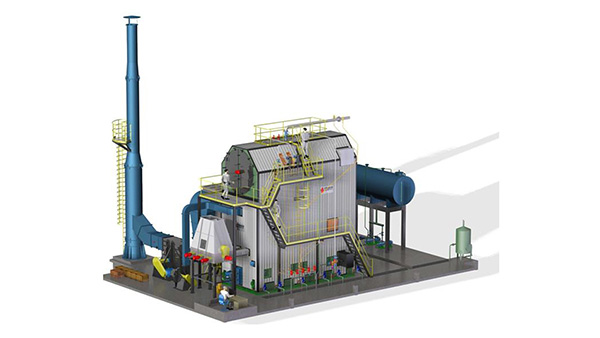
Why Are Boiler Capacity and Load Variability Critical Parameters for Industrial Biomass Applications?
Industrial biomass boilers are rapidly gaining adoption for steam and heat generation due to their renewable fuel source and lower carbon footprint. However, their performance and viability are highly sensitive to operational factors, particularly boiler capacity and load variability. If the system is oversized, underutilized, or poorly matched to fluctuating steam demand, it can result in inefficient combustion, fuel waste, increased emissions, and unstable operation. Unlike fossil-fueled systems that can ramp quickly, biomass boilers require careful matching of capacity with realistic load profiles to ensure stable, clean, and cost-effective performance.
Boiler capacity and load variability are critical parameters for industrial biomass applications because biomass boilers operate most efficiently and cleanly at or near their rated load. Oversizing leads to inefficient part-load performance, increased unburnt fuel loss, and higher emissions, while undersizing causes steam shortages during peak demand. Load fluctuations also affect combustion stability due to biomass’s slower response time and variable burn characteristics. Therefore, accurate capacity sizing and load management strategies are essential to ensure thermal efficiency, fuel economy, regulatory compliance, and process reliability.
In industrial biomass systems, right-sizing is not just good design—it’s operational survival.
Biomass boilers operate most efficiently near their rated capacity.True
Biomass combustion systems are optimized for steady-state operation, and part-load conditions typically reduce efficiency and increase emissions.
Boiler load variability has minimal effect on biomass system performance.False
Frequent or large load swings in biomass systems lead to combustion instability, fuel wastage, and emission spikes due to the slow-reacting nature of solid fuel systems.
🔍 Why Capacity Matching Matters in Biomass Boiler Systems
| Design Factor | Effect of Oversizing | Effect of Undersizing |
|---|---|---|
| Efficiency | Drops significantly at <50% load; poor fuel-air ratio | May operate at full load constantly, causing wear |
| Combustion Quality | Excess air and low combustion temp increase unburnt particles | Risk of incomplete combustion during overloads |
| Steam Quality & Pressure | Steam drum pressure may fluctuate during idling or cycling | Inadequate steam flow leads to process shutdown risk |
| Ash Handling | Higher ash generation at part load due to incomplete burn | Ash accumulation due to high fuel burn rate |
| Emissions Compliance | NOₓ, CO, and PM levels increase at partial load | May exceed design thresholds during spikes |
📊 Example: Biomass Boiler Performance vs. Load (% of Capacity)
| Load (%) | Thermal Efficiency (%) | CO Emissions (mg/Nm³) | Unburnt Ash (%) |
|---|---|---|---|
| 100% | 88.5 | 180 | 0.5 |
| 75% | 86.0 | 230 | 0.8 |
| 50% | 81.0 | 360 | 1.3 |
| 25% | 73.5 | 520 | 2.6 |
Insight: Biomass boilers are sensitive to load reduction; operating at half load can reduce efficiency by 7% and double unburnt losses.
🧪 Case Study: Capacity Mismatch in Biomass Plant
Facility: Textile processing plant
Installed Boiler: 12 TPH biomass boiler (wood chips)
Actual Average Load: 5–6 TPH (40–50% load)
Resulting Problems:
CO levels exceeded 450 mg/Nm³ during part-load operation
Combustion efficiency dropped from 87% to 78%
Boiler tripped frequently during sharp load drops
Required installation of a secondary gas boiler for peak loads
Total OPEX increased 22% due to inefficiency and downtime
Lesson: Oversizing without demand analysis led to operational instability and higher long-term costs.
⚙️ Key Load-Handling Technologies for Biomass Boilers
| Technology / Design Element | Function in Load Management |
|---|---|
| Variable Speed Fuel Feeders | Modulate fuel input to match steam demand |
| O₂ Trim System | Adjust air supply to maintain combustion efficiency |
| Buffer Tank / Steam Accumulator | Smooth out steam pressure and flow variations |
| Hybrid Firing (Biomass + Gas/Oil) | Gas burners used during startup or sharp load peaks |
| Advanced PLC Controls | Real-time monitoring of load patterns and combustion tuning |
| Reciprocating or Moving Grate | Better load adaptability and solid fuel distribution |
📈 Load Profiling for Biomass Boiler Sizing
| Time of Day | Steam Demand (TPH) |
|---|---|
| 00:00–06:00 | 3.5 |
| 06:00–12:00 | 6.8 |
| 12:00–18:00 | 7.2 |
| 18:00–24:00 | 4.2 |
Average Demand: 5.4 TPH
Peak Demand: 7.2 TPH
Recommended Boiler Capacity: 8–9 TPH with 85% base-load utilization, and peak trimming via buffer or auxiliary boiler.
✅ Biomass Boiler Sizing and Load Strategy Checklist
Conduct detailed steam demand profiling (hourly, seasonal)
Calculate average and peak load ratio (>70% average preferred)
Select boiler size for 80–90% load utilization most of the time
Consider dual-fuel support for sharp peak management
Use steam accumulators or hybrid support during load shifts
Match fuel feeding rate range to expected load variability
Implement advanced combustion and O₂ control systems
Review emission behavior at both full-load and part-load
Biomass boiler design must begin with a deep understanding of real load dynamics. Unlike fossil fuel systems, biomass combustion responds slower to change, and improper capacity sizing leads to energy waste, emission violations, and unstable operation. Smart load planning, correct capacity sizing, and flexible system design are the foundation for successful industrial biomass integration.
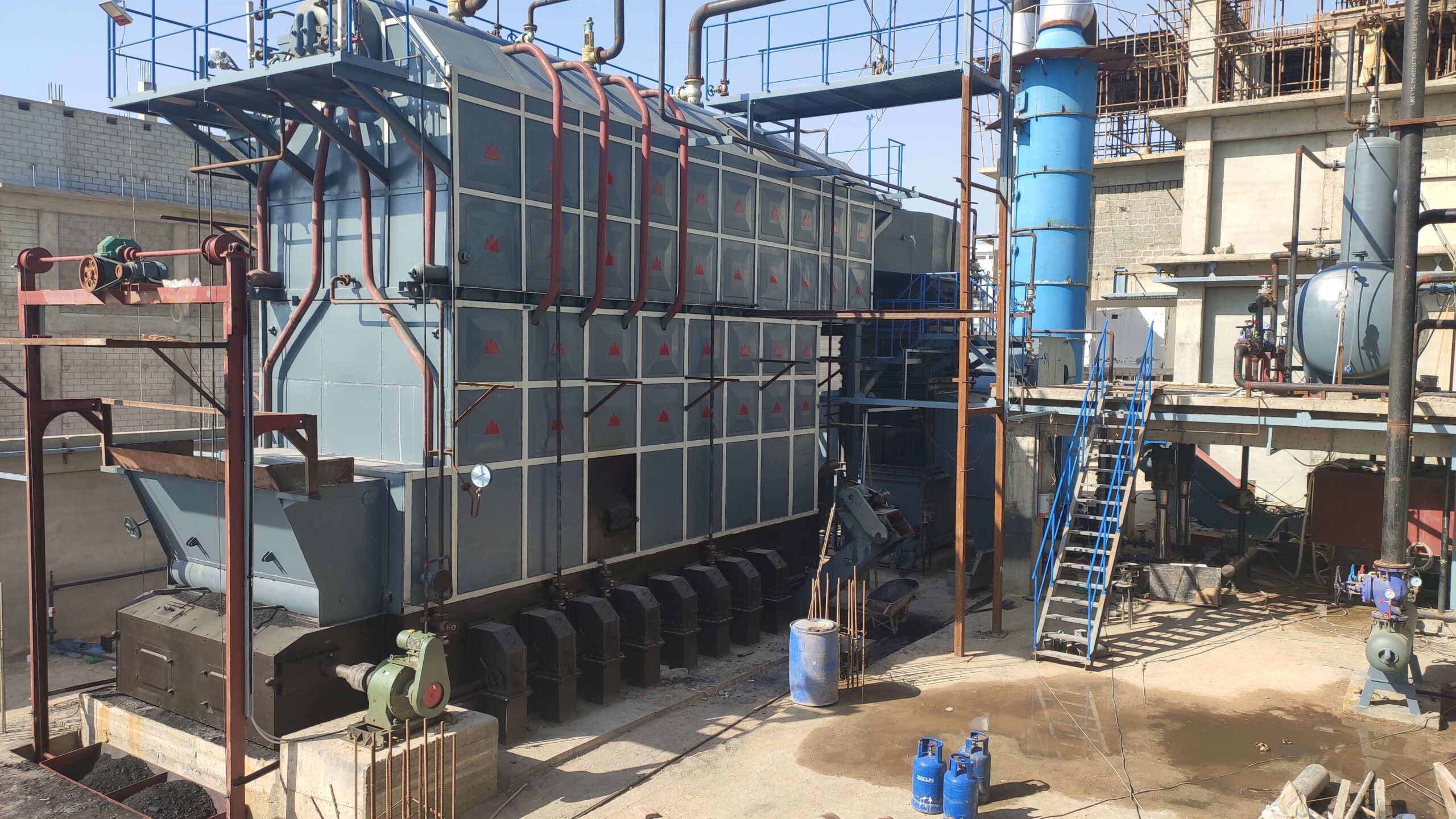
How Do Combustion Technologies (Grate, Fluidized Bed, etc.) Influence Biomass Boiler Efficiency and Adaptability?
Choosing a biomass boiler is more than just sizing—it’s about selecting the right combustion technology to handle the specific fuel properties and operational goals. Each combustion method—fixed grate, moving grate, fluidized bed—has distinct implications for efficiency, fuel flexibility, emissions control, and maintenance needs. Selecting the wrong system leads to poor combustion, low thermal efficiency, higher unburnt fuel losses, increased fouling, and emissions violations. On the other hand, selecting a well-matched combustion system can dramatically improve performance, fuel cost savings, and operational adaptability across varying biomass fuels and load profiles.
Combustion technologies such as fixed grate, moving grate, and fluidized bed systems significantly influence biomass boiler efficiency and adaptability by determining how effectively the fuel is burned, how flexible the system is to varying fuel types, and how stable it operates under fluctuating loads. Grate systems are simpler and suitable for low-ash, uniform fuels, while fluidized bed technologies offer superior efficiency, lower emissions, and can handle diverse biomass with high moisture or ash content. The chosen technology must match the fuel characteristics, plant capacity, and emission requirements to optimize combustion and energy recovery.
In short, your combustion system defines how much value you extract from your biomass fuel—or how much you lose.
Fluidized bed boilers offer higher combustion efficiency and fuel flexibility than traditional grate systems.True
Fluidized beds provide better fuel-air contact and can handle varied fuel types and moisture levels efficiently.
Grate combustion systems can handle all biomass types equally well.False
Grate systems are less efficient with high-moisture, high-ash, or fine-particle fuels, and may suffer from incomplete combustion or slagging.
🔍 Comparison of Biomass Combustion Technologies
| Technology | Efficiency (%) | Fuel Flexibility | Ash Handling | Load Adaptability | CapEx | O&M Complexity |
|---|---|---|---|---|---|---|
| Fixed Grate | 65–75 | Low (dry, uniform fuels) | Manual/semi-auto | Low (poor part-load) | Low | Low |
| Moving Grate | 75–82 | Medium (chips, pellets) | Automatic | Moderate | Moderate | Moderate |
| Fluidized Bed (BFB) | 85–90 | High (moist/agro fuels) | Auto + recirculation | High (fast reaction) | High | High |
| Circulating Fluidized Bed (CFB) | 87–92 | Very High (even waste biomass) | Advanced, cyclone separation | Very High (industrial power use) | Very High | Complex |
📊 Fuel Compatibility vs. Combustion System
| Fuel Type | Fixed Grate | Moving Grate | Bubbling FB | Circulating FB |
|---|---|---|---|---|
| Wood Pellets | ✅ Excellent | ✅ Excellent | ✅ Excellent | ✅ Excellent |
| Wood Chips (20–30% MC) | ⚠️ Moderate | ✅ Good | ✅ Excellent | ✅ Excellent |
| Rice Husk | ❌ Poor (slagging) | ⚠️ Moderate | ✅ Excellent | ✅ Excellent |
| Sawdust | ❌ Clogging risk | ⚠️ Moderate | ✅ Excellent | ✅ Excellent |
| Bagasse (45–50% MC) | ❌ Inefficient | ⚠️ Moderate | ✅ Excellent | ✅ Excellent |
| Agricultural Waste | ❌ Poor | ⚠️ Inconsistent | ✅ Excellent | ✅ Excellent |
✅ = Recommended | ⚠️ = Limited Use with Modifications | ❌ = Not Suitable
🧪 Case Study: Upgrading from Grate to Fluidized Bed for Fuel Flexibility
Industry: Food processing plant
Old System: 10 TPH moving grate boiler
Fuel: Rice husk + wood chips blend
Challenges: Slag formation, clinker buildup, excess CO (>450 mg/Nm³)
New System: 10 TPH bubbling fluidized bed (BFB) boiler
Results:
Efficiency increased from 78% to 89%
CO emissions dropped to 110 mg/Nm³
Fuel flexibility enabled use of bagasse and coconut shell without issues
Downtime reduced by 34%, and ash handling automated
⚙️ Key Features of Each Combustion Technology
🔹 Fixed Grate Combustion
Oldest and simplest method
Manual or basic mechanical fuel feed
Low efficiency, poor part-load behavior
Prone to clinker formation with high-ash fuels
🔹 Moving Grate Combustion
Stoker-type design with step or reciprocating motion
Can handle wood chips, pellets, and some moist fuels
Improved ash removal and air distribution
Suitable for mid-sized industrial plants (5–20 TPH)
🔹 Bubbling Fluidized Bed (BFB)
Uses air to suspend solid particles (sand/ash bed) for uniform combustion
Excellent for variable fuels, high moisture/agricultural residues
Stable temperature, lower NOₓ, high burnout efficiency
Preferred in high-ash or mixed biomass use cases
🔹 Circulating Fluidized Bed (CFB)
Higher turbulence and particle recirculation
Even better fuel burn, emission control, and temperature distribution
Handles RDF, MSW, high-slagging agro-waste
Complex, high-CapEx; used in power generation (15–100+ MW scale)
📈 Impact of Combustion Tech on Key Metrics
| Metric | Grate System | Fluidized Bed |
|---|---|---|
| Thermal Efficiency (%) | 70–80 | 85–92 |
| Unburnt Carbon in Ash (%) | 2–4 | 0.2–1.0 |
| Turn-down Ratio | 2:1 | 5:1 or more |
| Emissions Control (NOₓ, CO) | Moderate | Excellent |
| Slagging/Fouling Risk | High (with husk) | Low |
| Fuel Size & Uniformity Need | High | Low |
✅ Boiler Selection Checklist Based on Combustion Technology
Identify primary and backup biomass fuel types
Assess average and seasonal moisture and ash content
Match fuel particle size and density with feeding system
Choose fluidized bed if using high-ash or agro-residues
Consider emission standards—NOₓ and PM thresholds
Evaluate turn-down needs for load variability
Consider O&M skill level—fluidized beds need trained teams
Align CapEx with long-term fuel cost and flexibility goals
The choice of combustion technology is the single most important technical decision in a biomass boiler project. It dictates your ability to handle different fuels, scale your operation, comply with emissions, and maintain long-term efficiency. Don’t pick a boiler before picking the right firebox design—because in biomass combustion, control and adaptability begin at the grate or the bed.
What Role Does Thermal Efficiency Play in Determining the Cost-Effectiveness of a Biomass Boiler?
When evaluating the economics of a biomass boiler, many decision-makers are tempted to focus solely on capital expenditure (CapEx). But the true cost of a boiler lies in its daily operation—particularly how efficiently it converts biomass into usable heat or steam. A boiler with low thermal efficiency burns more fuel to produce the same output, resulting in excessive fuel bills, higher emissions, and lower ROI. In contrast, high-efficiency biomass boilers optimize energy recovery, reduce waste, and significantly lower the total cost of ownership. Thermal efficiency is not just a technical specification—it is the economic engine of your biomass energy system.
Thermal efficiency plays a central role in determining the cost-effectiveness of a biomass boiler because it measures how well the boiler converts fuel energy into usable heat. Higher thermal efficiency reduces fuel consumption, operational costs, and emissions per unit of steam produced. Over the boiler’s lifetime, even a 5–10% improvement in efficiency can save hundreds of thousands of dollars in biomass fuel and significantly improve ROI. Therefore, thermal efficiency directly impacts lifecycle cost, fuel budgeting, environmental compliance, and overall system profitability.
Choosing a biomass boiler without prioritizing thermal efficiency is like buying a car without checking its mileage—you’ll pay the price every mile (or steam ton) you drive.
Higher thermal efficiency in biomass boilers results in lower fuel consumption and operating costs.True
Thermal efficiency determines how much energy from the biomass fuel is converted into usable heat. Higher efficiency means less fuel is needed to produce the same steam output.
Thermal efficiency has a minimal effect on the cost-effectiveness of a biomass boiler.False
Even small improvements in efficiency significantly reduce fuel use, making efficiency a major determinant of operational cost.
🔍 How Thermal Efficiency Impacts Fuel Cost
| Parameter | Boiler A (82% Efficiency) | Boiler B (90% Efficiency) |
|---|---|---|
| Steam Demand | 10,000 kg/hr | 10,000 kg/hr |
| Fuel Calorific Value (kcal/kg) | 3,500 | 3,500 |
| Required Heat Output (kcal/hr) | 6,300,000 | 6,300,000 |
| Biomass Required (kg/hr) | 2,271 | 2,000 |
| Daily Fuel Savings | — | 271 kg/hr × 24 = 6,504 kg |
| Annual Fuel Savings | — | >2,370 tons/year |
| Fuel Cost (@$85/ton) | — | >$201,000/year saved |
Result: Just an 8% increase in efficiency leads to massive annual savings in biomass fuel—far outweighing any upfront CapEx difference.
📊 Efficiency vs. Operating Cost Over 10 Years
| Efficiency (%) | Annual Fuel Cost | 10-Year Fuel Cost | Total OPEX Impact |
|---|---|---|---|
| 80 | $400,000 | $4,000,000 | — |
| 85 | $376,500 | $3,765,000 | $235,000 saved |
| 90 | $355,500 | $3,555,000 | $445,000 saved |
Insight: Over a decade, even 5–10% improvement in efficiency can yield nearly half a million dollars in savings.
🧪 Real Case Study: ROI Justified by Efficiency
Industry: Food & Beverage
Steam Requirement: 15 TPH
Fuel: Mixed agro biomass @ 3,200 kcal/kg
Initial Options:
Option A: 86% efficient boiler, $620,000
Option B: 91% efficient boiler, $680,000
Efficiency Gain Impact:
Annual fuel savings: ~2,950 tons
Annual fuel cost reduction: ~$240,000
Payback on extra CapEx: <8 months
10-year TCO savings: >$1.9 million
Conclusion: Higher efficiency paid for itself in less than a year and yielded 3x ROI over the boiler lifespan.
⚙️ Key Design Features That Influence Thermal Efficiency
| Design Feature | How It Enhances Efficiency |
|---|---|
| Economizer | Recovers heat from flue gas to preheat feedwater |
| Air Preheater | Heats combustion air using exhaust gas |
| Insulation Thickness | Reduces radiant heat loss from boiler surfaces |
| O₂ Trim and Combustion Control | Optimizes air-fuel ratio to reduce heat loss via excess air |
| Condensing Heat Recovery | Captures latent heat from flue gas (optional in low-temp use) |
| Flue Gas Recirculation | Enhances combustion temperature control and reduces loss |
| Ash Removal Efficiency | Prevents heat loss from unburnt particles |
📈 Emissions and Compliance Tied to Efficiency
| Efficiency (%) | CO Emissions (mg/Nm³) | Particulate Matter (mg/Nm³) | Ash Losses (%) |
|---|---|---|---|
| 80 | 420 | 250 | 3.5 |
| 85 | 270 | 200 | 2.2 |
| 90 | 160 | 120 | 1.0 |
Higher efficiency = cleaner combustion = easier emissions compliance, often avoiding penalties or filtering system upgrades.
✅ Biomass Boiler Procurement Checklist: Thermal Efficiency Focus
Request ASME PTC 4.1 or DIN EN test data for verified efficiency
Demand full fuel-to-steam efficiency curve (50–100% load)
Ensure system includes economizer and O₂ control
Compare fuel savings over 5–10 years—not just CapEx
Assess insulation and flue loss reduction mechanisms
Ask for performance guarantee with efficiency KPI
Include emissions output per ton of steam in evaluation
Thermal efficiency is not a minor number tucked into a spec sheet—it’s the key performance driver that governs fuel cost, emissions, sustainability, and profitability of a biomass boiler system. By prioritizing high-efficiency models, operators unlock massive long-term savings, ensure environmental compliance, and protect against fuel price volatility.

How Do Emission Standards and Environmental Regulations Affect Biomass Boiler Design and Choice?
Environmental compliance has become a non-negotiable aspect of industrial boiler design, especially for biomass systems. While biomass is often praised for being “green,” it still produces emissions such as particulate matter (PM), nitrogen oxides (NOₓ), carbon monoxide (CO), and volatile organic compounds (VOCs). Government agencies around the world have introduced increasingly stringent emission limits to protect public health and reduce carbon impact. These standards do not only impact how biomass boilers are designed and operated—they also influence what types of boilers can be selected, which fuels are allowed, and what emission control technologies must be integrated.
Emission standards and environmental regulations heavily influence biomass boiler design and selection by mandating limits on pollutants like particulate matter, NOₓ, CO, SO₂, and VOCs. To comply with these regulations, boilers must be engineered with advanced combustion controls, optimized air-fuel ratios, and integrated pollution control systems such as cyclones, bag filters, electrostatic precipitators (ESPs), or scrubbers. Boiler type, combustion technology, and fuel flexibility are all selected based on the regulatory framework in the operating region. Compliance not only ensures legal operation but also affects capital cost, fuel choices, maintenance needs, and system scalability.
In biomass boiler projects, design begins with the law, not the flame.
Emission regulations dictate key aspects of biomass boiler design and equipment selection.True
Boiler combustion systems, flue gas treatment, and fuel compatibility must meet national or regional emissions limits for pollutants like PM, NOₓ, and CO.
Biomass boilers are exempt from emissions regulations because they use renewable fuel.False
Biomass combustion still releases pollutants, and modern regulations apply strict controls to ensure environmental and public health safety.
🔍 Common Emission Parameters Regulated in Biomass Boilers
| Pollutant | Source in Biomass Combustion | Impact if Uncontrolled | Typical Limit (EU/BREF or USEPA) |
|---|---|---|---|
| Particulate Matter (PM) | Incomplete combustion, ash carryover | Respiratory harm, visibility issues | 30–50 mg/Nm³ (with stricter norms <20) |
| Carbon Monoxide (CO) | Poor air-fuel ratio, low combustion temp | Toxicity, combustion inefficiency | 200–300 mg/Nm³ |
| Nitrogen Oxides (NOₓ) | High combustion temperature, N in biomass | Smog, acid rain, respiratory irritation | 200–400 mg/Nm³ |
| Sulfur Dioxide (SO₂) | Sulfur in certain biomass (e.g. bagasse) | Acid rain, equipment corrosion | 50–200 mg/Nm³ |
| Volatile Organic Compounds (VOCs) | Unburnt organics in fuel | Smog formation, ozone depletion | 10–20 mg/Nm³ |
| Dioxins/Furans | Poor combustion of chlorinated residues | Carcinogenic, bioaccumulative | Trace limits (<0.1 ng/Nm³) |
📊 Impact of Emissions Regulations on Boiler Selection
| Design/Selection Factor | Influenced by Emission Norms? | Explanation |
|---|---|---|
| Boiler Size and Fuel Type | ✅ | High ash or high S fuels may be restricted in some zones |
| Combustion Technology (Grate/FB) | ✅ | Fluidized bed selected for low-NOₓ and better fuel burn |
| Air-Fuel Ratio & Control System | ✅ | O₂ trim and staged air to reduce CO and NOₓ |
| Flue Gas Cleaning System | ✅ | Cyclone, bag filter, ESP or scrubber required to meet PM limit |
| Stack Height and Velocity | ✅ | Designed to ensure proper dispersion per environmental codes |
| Load Flexibility Requirements | ✅ | Transient loads must not cause emission spikes |
| Permitting and Reporting | ✅ | Boiler must be equipped with CEMS or data logging |
🧪 Case Study: Biomass Boiler Designed for Emission Compliance
Location: Netherlands (EU Industrial Emissions Directive)
Fuel: Rice husk (high ash, moderate S)
Capacity: 12 TPH biomass steam boiler
Emission Targets:
PM: <20 mg/Nm³
CO: <150 mg/Nm³
NOₓ: <200 mg/Nm³
SO₂: <50 mg/Nm³
System Design:
Fluidized bed combustion with preheated air
Bag filter + multi-cyclone dust removal
Low-NOₓ burner with staged combustion
SO₂ neutralization via dry scrubber
Result: Consistent emission compliance, even under 50–100% load shifts.
Investment in emission control system: ~18% of boiler CapEx, but avoided €150,000/year in carbon and air pollution penalties.
⚙️ Pollution Control Equipment Based on Regulatory Needs
| Pollutant | Recommended Control Technology | Efficiency (%) |
|---|---|---|
| Particulate Matter (PM) | Cyclone separator (preliminary) | 50–75 |
| Bag filter | 98–99 | |
| Electrostatic Precipitator (ESP) | 95–99+ | |
| Carbon Monoxide (CO) | Combustion tuning (O₂ trim, temp control) | — |
| Nitrogen Oxides (NOₓ) | Low-NOₓ burners, staged combustion, SNCR | 30–60 |
| Sulfur Dioxide (SO₂) | Dry or wet scrubber with lime/NaOH injection | 70–90 |
| VOCs and Dioxins | Secondary combustion zone + high residence time | 90–99 |
📈 Regulatory Trends That Are Tightening Biomass Design Criteria
| Region | Current Trend |
|---|---|
| European Union | Emission limits from BREF documents becoming more specific by fuel type and boiler size (IED Directive tightening every 5 years) |
| United States | USEPA’s Boiler MACT regulations mandating CO, PM, and dioxin limits even for small units |
| India | CPCB II standards introduced stringent PM, SO₂ norms for boilers above 5 TPH |
| China | Local permits now require real-time stack monitoring for new biomass installations |
| South America | Growing alignment with European-style stack emission monitoring for export-driven industries |
✅ Biomass Boiler Emissions Compliance Checklist
Determine applicable national and local emission standards
Analyze fuel properties (ash, sulfur, moisture, nitrogen content)
Select combustion system designed for complete combustion (FB for agro-fuels)
Integrate dust collection system (bag filter/ESP) based on PM limits
Include O₂ trim or combustion tuning for CO control
Include NOₓ mitigation via air staging or ammonia injection if needed
Consider desulfurization if sulfur-bearing biomass used
Plan for continuous or periodic emissions monitoring (CEMS/data logger)
Obtain environmental permits before system commissioning
💰 Cost Implication of Emission Compliance
| Compliance Component | CapEx Increase (%) | O&M Increase (%) | Benefit |
|---|---|---|---|
| Combustion Controls (O₂ trim) | 3–5% | 1–2% | Improved efficiency and CO reduction |
| Bag Filter System | 10–15% | 2–4% | Ensures PM <30 mg/Nm³ |
| ESP (for large units) | 15–25% | 3–5% | High PM control + low maintenance dust |
| NOₓ Control (SNCR) | 5–10% | 3–5% (ammonia/urea) | Meets 150–200 mg/Nm³ target |
| CEMS (for ≥20 TPH units) | 2–4% | — | Regulatory mandate for stack reporting |
Regulations are no longer just a legal formality—they are the design envelope within which your biomass boiler must operate. Smart boiler buyers begin with a compliance-first mindset, selecting designs that meet emission norms from day one, rather than retrofitting expensive upgrades after inspection failures. Proper planning ensures low-risk operation, community acceptance, and eligibility for green energy incentives.
Why Is Automation and Control System Integration Important for Modern Industrial Biomass Boiler Systems?
Biomass boilers are inherently more complex than fossil-fuel systems due to the variability of fuel properties, slower combustion response, and higher ash content. Manual operation of such systems is inefficient, error-prone, and cannot adapt quickly to changing load demands, fuel feed inconsistencies, or emissions fluctuations. Without a robust automation and control system, operators risk fuel waste, equipment damage, unstable combustion, regulatory non-compliance, and unsafe conditions. On the other hand, integrated automation systems provide precision, consistency, and intelligence—turning a variable process into a stable and optimized energy source.
Automation and control system integration is essential in modern industrial biomass boiler systems because it ensures consistent combustion efficiency, real-time emissions control, safe operation, and adaptability to fluctuating fuel and load conditions. With programmable logic controllers (PLCs), sensors, and intelligent feedback loops, automated systems optimize fuel feed, air supply, combustion temperature, and emissions compliance. This enhances energy efficiency, reduces fuel costs, minimizes unplanned shutdowns, and enables remote monitoring and predictive maintenance. Automation transforms biomass boilers from manually tuned equipment into high-performance, low-carbon smart systems.
A biomass boiler without automation is like a plane without a flight control system—dangerous, inefficient, and unpredictable.
Automation systems improve combustion efficiency and reduce emissions in biomass boilers.True
Automated controls optimize air-to-fuel ratio and combustion temperature in real time, reducing fuel waste and pollutant formation.
Manual operation is sufficient for modern industrial biomass boilers.False
Due to fuel variability and environmental regulations, automation is critical to maintain efficiency, safety, and compliance.
🔍 Core Functions of Biomass Boiler Automation Systems
| Automation Feature | Functionality |
|---|---|
| Fuel Feed Control | Adjusts fuel input in real time based on steam load and combustion rate |
| O₂ Trim System | Controls excess air to maintain optimal combustion efficiency |
| Bed Temperature Monitoring | Maintains stable combustion zone temperature for consistent heat output |
| Flue Gas Analyzer | Continuously monitors CO, O₂, NOₓ for emissions control and tuning |
| Steam Pressure Control | Keeps output within design limits regardless of load changes |
| Ash Handling Automation | Automates ash removal frequency to prevent clogging and heat loss |
| Alarm & Safety Systems | Detects overpressure, flameout, low feed, and activates interlocks |
| SCADA/PLC Interface | Enables centralized monitoring and control via intuitive dashboards |
📊 Benefits of Automation vs. Manual Biomass Boiler Operation
| Metric | Manual Operation | Automated System |
|---|---|---|
| Combustion Efficiency (%) | 70–80 | 85–92 |
| Fuel Wastage (kg/ton steam) | 90–150 | 30–60 |
| Emissions Variability | High | Low, stable |
| Operator Dependency | High (24/7 skilled) | Low (1–2 trained staff) |
| Downtime Risk | High | Predictable/preventable |
| Load Response Time (seconds) | >90 | <15 |
| Daily Monitoring Time (hours) | 2–4 | <1 |
🧪 Case Study: Automation Upgrade in Biomass Boiler Plant
Industry: Agro-processing
Previous System: 10 TPH biomass boiler (manual fuel feed, no O₂ trim)
Problems:
Frequent CO spikes > 450 mg/Nm³
High fuel consumption (3,050 kg/hr @ 3,400 kcal/kg)
6 unplanned shutdowns/month
Upgrade: Added PLC with fuel-air ratio control, flue gas analyzer, remote monitoring
Results:
Fuel usage reduced by 14%
CO levels stabilized at 150–180 mg/Nm³
Shutdowns reduced to <1/month
ROI achieved in 10 months
⚙️ Components of a Modern Biomass Boiler Control System
| Component | Role in System |
|---|---|
| PLC (Programmable Logic Controller) | Executes control logic, gathers sensor data, controls actuators |
| HMI (Human-Machine Interface) | Operator interface for real-time visualization and inputs |
| Sensors (Temp, Pressure, O₂, CO) | Provide data for control decisions |
| VFD (Variable Frequency Drive) | Adjusts motor speed for fans and fuel feeders |
| Actuators (Dampers, Valves) | Execute control commands from PLC |
| SCADA (Supervisory Control and Data Acquisition) | Centralized monitoring, logging, alarms |
| Remote Access Gateway | Enables off-site support, diagnostics, cloud analytics |
📈 Impact of Automation on Fuel Cost and Compliance
| Efficiency Gain from Automation | Annual Fuel Savings (10 TPH Boiler) | Compliance Benefit |
|---|---|---|
| +6% | 450–600 tons/year | Meets stricter CO/NOₓ/PM limits |
| +8–10% | 700–950 tons/year | Lowers carbon tax or penalty exposure |
| Reduced CO from 350 → 180 mg/Nm³ | — | Passes EU Industrial Emissions Directive |
| Ash unburnt reduced 2.2% → 0.7% | — | Lower ash handling cost and maintenance |
✅ Automation Checklist for Biomass Boiler Projects
Include PLC/SCADA-based control panel in boiler specification
Specify real-time O₂ and flue gas analyzers
Implement variable fuel feeding and combustion air control
Integrate pressure and temperature feedback loops
Automate ash removal, start-up/shutdown sequences
Add remote monitoring or cloud-based performance dashboards
Ensure control logic supports multi-fuel and load transitions
Require interlocks for high pressure, low flame, or emergency shutdown
🔮 The Future: AI-Driven Biomass Boiler Optimization
Modern systems are moving toward AI-enhanced adaptive control, where machine learning models:
Predict fuel quality variations
Preemptively adjust combustion air or feed rate
Automatically schedule maintenance
Integrate with enterprise energy management systems
Such systems improve not only boiler performance but also plant-wide energy use, emissions control, and profitability.
Automation isn’t an optional add-on for biomass boilers—it’s the central nervous system of a modern, compliant, and high-efficiency energy solution. Whether you’re running a single industrial unit or an integrated biomass CHP plant, automation pays for itself in reduced fuel cost, minimized downtime, and guaranteed compliance.
🔍 Conclusion
Selecting the right industrial biomass boiler requires a comprehensive understanding of technical, operational, and environmental factors. Each parameter contributes to fuel efficiency, regulatory compliance, and overall process reliability.🌿🔥📊
FAQ
Q1: What are the key fuel considerations when selecting a biomass boiler?
A1: The type and quality of biomass fuel significantly influence boiler design and efficiency. Common fuels include wood chips, pellets, agricultural waste, and energy crops. Moisture content, calorific value, particle size, and ash content all affect combustion efficiency and maintenance needs. Choosing a boiler that matches the specific fuel characteristics ensures reliable operation, consistent output, and minimal fouling or slagging.
Q2: How does combustion technology affect biomass boiler performance?
A2: Biomass boilers use various combustion technologies, such as fixed bed (grate-fired), fluidized bed, and pulverized fuel systems. Fixed bed boilers are suitable for consistent fuel types like pellets, while fluidized bed boilers handle diverse and variable fuels with higher efficiency. The right combustion system ensures optimal fuel burn, low emissions, and adaptability to changing fuel supplies.
Q3: Why is thermal efficiency an essential selection parameter?
A3: Thermal efficiency determines how effectively the boiler converts biomass fuel into usable heat. Higher efficiency reduces fuel consumption and operating costs. Look for systems with heat recovery features like economizers or condensing units, as well as good insulation and combustion control. Efficiency ratings of 80–90% are common in modern biomass boiler systems.
Q4: What role do emissions standards play in biomass boiler selection?
A4: Biomass combustion can produce particulates, NOx, CO, and volatile organic compounds (VOCs). Industrial biomass boilers must comply with local environmental regulations. Systems equipped with cyclones, bag filters, electrostatic precipitators, and flue gas treatment help meet emissions standards. Selecting a boiler with integrated emissions control technology ensures regulatory compliance and supports sustainable operation.
Q5: How important is boiler automation and control in industrial settings?
A5: Automated controls improve efficiency, safety, and fuel handling. Features like automatic feed systems, oxygen trim, load modulation, and real-time monitoring allow for optimal performance and reduced operator intervention. Advanced control systems help adjust combustion parameters based on fuel quality and load demand, enhancing reliability and energy savings.
References
Biomass Boiler Technology Overview – https://www.energy.gov/eere/bioenergy/biomass-heat-and-power – U.S. Department of Energy
Biomass Boiler Fuel Types – https://www.epa.gov/biomass/biomass-combustion-and-fuels – U.S. Environmental Protection Agency
Industrial Biomass Combustion Systems – https://www.sciencedirect.com/science/article/abs/pii/S1364032117312795 – ScienceDirect
Biomass Boiler Efficiency Explained – https://www.carbontrust.com/resources/biomass-heating-guide – Carbon Trust
Emissions Control for Biomass Boilers – https://www.babcock.com/home/products/emissions-control/ – Babcock & Wilcox
Biomass Boiler Design and Sizing – https://www.spiraxsarco.com/global/en-GB/learn-about-steam/the-boiler-house/sizing-a-steam-boiler – Spirax Sarco
Biomass Fuel Specifications – https://www.ieabioenergy.com/ – IEA Bioenergy
Boiler Automation and Control Systems – https://www.cleaverbrooks.com/products-and-solutions/controls/index.html – Cleaver-Brooks
Selecting a Biomass Boiler – https://www.hurstboiler.com/boilers/solid_fuel_fired/ – Hurst Boiler
Best Practices for Biomass Heating – https://www.nrel.gov/docs/fy14osti/60636.pdf – National Renewable Energy Laboratory
