Industrial boilers are major sources of air pollution, and failing to meet emission standards can result in heavy fines, forced shutdowns, and reputational damage. Many operators struggle to keep up with evolving environmental regulations, especially when limits vary by region, fuel type, and boiler capacity. Without a clear understanding of NOx, SOx, and CO₂ requirements, it becomes difficult to ensure compliance and maintain efficient operations.
Emission standards for industrial boilers regulate nitrogen oxides (NOx), sulfur oxides (SOx), and carbon dioxide (CO₂) to reduce environmental impact. Typical limits include NOx levels below 30–100 mg/Nm³ for gas-fired boilers, SOx limits near zero for natural gas and strictly controlled levels for coal/biomass systems, and CO₂ emissions managed through efficiency improvements and carbon reduction policies rather than fixed limits. Standards vary by region, with strict frameworks such as EU Industrial Emissions Directive (IED), U.S. EPA regulations, and local environmental authorities defining allowable thresholds.
Understanding these standards is essential for selecting the right boiler technology, fuel type, and emission control systems. The following outline breaks down the key regulatory and technical considerations.
Further reading
What Are the NOx Emission Standards for Industrial Boilers?
Industrial steam boilers are essential for manufacturing, power generation, and process industries, but they are also significant sources of nitrogen oxides (NOx), a group of harmful pollutants that contribute to smog, acid rain, and respiratory health issues. Many facilities struggle to meet increasingly strict environmental regulations due to outdated combustion systems, poor fuel management, or lack of emissions control technologies. Non-compliance can lead to heavy fines, operational restrictions, and reputational damage. As global environmental standards tighten, understanding NOx emission limits and how they apply to industrial boilers has become a critical priority for plant operators and engineers.
NOx emission standards for industrial boilers are regulatory limits set by environmental authorities such as the EPA, EU directives, and local agencies, typically ranging from 30 to 150 ppm (parts per million) or 0.03 to 0.15 lb/MMBtu depending on boiler size, fuel type, and region. These standards aim to reduce air pollution by controlling combustion conditions and requiring technologies like low-NOx burners, flue gas recirculation (FGR), and selective catalytic reduction (SCR).
To effectively comply with these standards, it is necessary to understand the regulatory framework, emission limits by region, influencing factors, and available control technologies.
NOx emissions from industrial boilers are regulated to reduce environmental and health impacts.True
NOx contributes to smog and respiratory issues, so governments impose strict emission limits.
NOx emissions are not affected by boiler design or combustion conditions.False
Combustion temperature, fuel type, and burner design significantly influence NOx formation.
🌍 Global Regulatory Framework for NOx Emissions
NOx emission standards vary significantly across regions but share a common goal: minimizing environmental impact. Major regulatory bodies include:
- United States: Environmental Protection Agency (EPA) under the Clean Air Act
- European Union: Industrial Emissions Directive (IED)
- China: GB standards for air pollutants
- Local authorities: State or regional air quality management districts
In the U.S., regulations can vary by state. For example, California’s South Coast Air Quality Management District (SCAQMD) enforces some of the strictest NOx limits in the world.
📊 Typical NOx Emission Limits by Region
| Region | Boiler Type | NOx Limit | Units |
|---|---|---|---|
| USA (EPA) | Industrial boilers | 30–100 | ppm |
| California (SCAQMD) | Gas/oil boilers | 9–30 | ppm |
| EU (IED) | Large combustion plants | 100–200 | mg/Nm³ |
| China | Industrial boilers | 30–150 | mg/Nm³ |
These values depend on factors such as boiler capacity, fuel type, and whether the installation is new or existing.
🔥 Factors Influencing NOx Emissions
NOx formation in industrial boilers is primarily influenced by combustion conditions. The three main types of NOx are:
- Thermal NOx (formed at high temperatures)
- Fuel NOx (from nitrogen in fuel)
- Prompt NOx (from rapid combustion reactions)
Key influencing factors include:
- Flame temperature
- Oxygen concentration
- Fuel composition
- Residence time in the combustion zone
Higher temperatures and excess oxygen generally increase NOx formation, making combustion control a critical aspect of emissions management.
⚙️ Boiler Type and Fuel Impact
Different boiler types and fuels produce varying levels of NOx emissions.
| Boiler/Fuel Type | NOx Emission Tendency | Notes |
|---|---|---|
| Gas-fired | Low–Moderate | Cleaner combustion |
| Oil-fired | Moderate–High | Higher nitrogen content |
| Coal-fired | High | Significant fuel NOx |
| Water-tube boilers | Higher potential | High temperature operation |
Oil-fired boilers, in particular, require advanced control technologies to meet strict emission standards due to higher combustion temperatures and fuel characteristics.
🛠️ NOx Reduction Technologies
To comply with emission standards, various technologies are used to reduce NOx formation and emissions.
Low-NOx Burners
Designed to control flame shape and temperature, reducing NOx formation at the source.
Flue Gas Recirculation (FGR)
Recirculates a portion of exhaust gases back into the combustion chamber, lowering flame temperature.
Selective Catalytic Reduction (SCR)
Uses a catalyst and ammonia or urea to convert NOx into nitrogen and water.
Selective Non-Catalytic Reduction (SNCR)
Similar to SCR but without a catalyst, typically used in lower-temperature applications.
📈 Efficiency vs Emission Trade-Off
| Technology | NOx Reduction | Cost | Complexity |
|---|---|---|---|
| Low-NOx Burner | Moderate | Low–Medium | Low |
| FGR | Moderate | Medium | Medium |
| SNCR | High | Medium | Medium |
| SCR | Very High | High | High |
This table highlights the trade-offs between cost, complexity, and effectiveness.
🧠 Monitoring and Compliance Strategies
Modern industrial facilities use continuous emission monitoring systems (CEMS) to track NOx levels in real time. These systems provide:
- Accurate emission data
- Regulatory compliance reporting
- Early detection of performance issues
Automation and intelligent controls further enhance compliance by adjusting combustion parameters dynamically.
🌱 Environmental and Health Impacts
NOx emissions contribute to:
- Ground-level ozone formation
- Acid rain
- Respiratory illnesses
- Environmental degradation
Reducing NOx emissions is therefore not only a regulatory requirement but also a critical step toward sustainable industrial operations.
🔄 Future Trends in NOx Regulation
Regulations are becoming increasingly stringent, with a focus on ultra-low NOx emissions. Emerging trends include:
- Integration of AI-based combustion control
- Development of advanced catalysts
- Increased adoption of electrification and alternative fuels
Facilities must stay ahead of these trends to remain compliant and competitive.
📉 Practical Compliance Example
A typical industrial facility upgrading from a standard burner to a low-NOx burner combined with FGR can reduce NOx emissions by 40–70%, bringing the system within regulatory limits without major structural changes.
Summary
NOx emission standards for industrial boilers are critical regulatory requirements designed to reduce environmental pollution and protect public health. These standards vary by region, boiler type, and fuel but generally require significant control of combustion conditions and the use of advanced emission reduction technologies.
By understanding the factors influencing NOx formation and implementing appropriate control strategies, industrial facilities can achieve compliance, improve efficiency, and contribute to sustainable operations. As regulations continue to tighten, proactive investment in low-NOx technologies and intelligent control systems will be essential for long-term success.
How Are SOx Emission Limits Defined for Industrial Boilers?
Industrial steam boilers that burn sulfur-containing fuels such as heavy oil or coal are major sources of sulfur oxides (SOx), which contribute to acid rain, corrosion of infrastructure, and serious health issues including respiratory diseases. Many industrial operators underestimate the complexity of SOx emission regulations, assuming that fuel choice alone determines compliance. However, without a clear understanding of how SOx limits are defined and enforced, facilities risk non-compliance, costly retrofits, and operational disruptions. As environmental policies become increasingly stringent worldwide, defining and controlling SOx emissions has become a central challenge in industrial boiler operation.
SOx emission limits for industrial boilers are defined by regulatory authorities based on fuel sulfur content, boiler capacity, and emission concentration or mass rates (e.g., mg/Nm³ or lb/MMBtu). These limits are enforced through environmental laws such as the U.S. Clean Air Act and EU Industrial Emissions Directive, and compliance is achieved through low-sulfur fuels, flue gas desulfurization (FGD), and continuous emission monitoring systems.
To effectively manage SOx emissions, it is essential to understand how these limits are structured, the factors influencing them, and the technologies used to achieve compliance.
SOx emissions are primarily determined by the sulfur content of the fuel used in boilers.True
Sulfur in fuel is oxidized during combustion, directly producing sulfur oxides.
SOx emissions can be eliminated without changing fuel or using emission control technologies.False
SOx formation is inherent to sulfur-containing fuels and requires mitigation through fuel selection or treatment systems.
🌍 Regulatory Framework for SOx Emissions
SOx emission limits are established by national and regional environmental authorities, often aligned with international environmental agreements. Key regulatory frameworks include:
- United States: Clean Air Act enforced by the Environmental Protection Agency (EPA)
- European Union: Industrial Emissions Directive (IED)
- China: GB emission standards for air pollutants
- Other regions: Country-specific environmental protection agencies
These regulations define allowable SOx emissions based on boiler size, fuel type, and whether the installation is new or existing. In many cases, stricter limits apply to new installations to encourage adoption of cleaner technologies.
📊 Typical SOx Emission Limits by Region
| Region | Boiler Type | SOx Limit | Units |
|---|---|---|---|
| USA (EPA) | Industrial boilers | 0.2–1.2 | lb/MMBtu |
| EU (IED) | Large combustion plants | 200–400 | mg/Nm³ |
| China | Industrial boilers | 50–200 | mg/Nm³ |
| Global Best Practice | Advanced systems | <50 | mg/Nm³ |
These limits vary depending on fuel sulfur content and emission control technologies in place.
🔥 Key Factors Defining SOx Emission Limits
SOx emission standards are not arbitrary; they are defined based on several critical factors:
Fuel Sulfur Content
The primary determinant of SOx emissions is the sulfur content in the fuel. Heavy fuel oil and coal typically contain higher sulfur levels compared to natural gas or low-sulfur diesel.
Boiler Capacity
Larger boilers often have stricter emission limits due to their greater environmental impact.
Emission Measurement Method
SOx limits can be expressed as:
- Concentration (mg/Nm³ or ppm)
- Mass rate (lb/MMBtu)
- Total annual emissions (tons/year)
New vs Existing Installations
New boilers are usually subject to more stringent limits, reflecting advancements in emission control technologies.
⚙️ Fuel Type and SOx Emission Characteristics
| Fuel Type | Sulfur Content | SOx Emission Level | Control Requirement |
|---|---|---|---|
| Natural Gas | Very Low | Minimal | Low |
| Light Oil | Low | Moderate | Moderate |
| Heavy Oil | High | High | Strict |
| Coal | High | Very High | Very Strict |
This table highlights the strong correlation between fuel sulfur content and SOx emissions.
🛠️ SOx Control Technologies
To meet emission standards, industrial boilers employ various technologies to reduce SOx emissions.
Low-Sulfur Fuel Switching
Using fuels with lower sulfur content is the simplest method to reduce SOx emissions.
Flue Gas Desulfurization (FGD)
FGD systems, commonly known as scrubbers, remove SOx from flue gases using chemical processes. Types include:
- Wet scrubbers
- Dry scrubbers
- Semi-dry systems
Sorbent Injection
Injecting materials such as limestone or lime into the flue gas to capture sulfur compounds.
Fuel Desulfurization
Pre-treating fuel to remove sulfur before combustion.
📈 Effectiveness of SOx Reduction Methods
| Technology | SOx Reduction Efficiency | Cost | Complexity |
|---|---|---|---|
| Low-Sulfur Fuel | Moderate–High | Medium | Low |
| FGD (Wet) | Very High (>90%) | High | High |
| Dry Scrubber | High | Medium | Medium |
| Sorbent Injection | Moderate | Low | Low |
🧠 Monitoring and Compliance Systems
Continuous emission monitoring systems (CEMS) are widely used to ensure compliance with SOx limits. These systems provide real-time data on emission levels, enabling operators to adjust processes and maintain compliance.
Regulatory authorities often require:
- Periodic reporting
- Third-party verification
- Maintenance of monitoring equipment
🌱 Environmental and Operational Impact
SOx emissions have significant environmental consequences, including:
- Acid rain formation
- Soil and water acidification
- Damage to vegetation and buildings
From an operational perspective, high SOx levels can also lead to corrosion in boiler components and exhaust systems, reducing equipment lifespan.
🔄 Integration with Boiler System Design
SOx control is not an isolated function; it must be integrated into the overall boiler system design. This includes:
- Selecting appropriate fuels
- Designing flue gas treatment systems
- Ensuring compatibility with existing infrastructure
Proper integration ensures both compliance and operational efficiency.
📉 Practical Case Study Insight
An industrial plant switching from high-sulfur heavy oil to low-sulfur fuel combined with a wet scrubber system can reduce SOx emissions by over 90%, achieving compliance with even the strictest environmental standards.
🧠 Strategic Considerations for Engineers
When defining and managing SOx emission limits, engineers should consider:
- Long-term regulatory trends
- Cost-benefit analysis of control technologies
- Impact on overall system efficiency
- Maintenance and operational requirements
Summary
SOx emission limits for industrial boilers are defined by regulatory frameworks based on fuel sulfur content, boiler capacity, and emission measurement methods. These limits vary across regions but universally aim to reduce environmental and health impacts associated with sulfur oxide emissions.
Compliance requires a combination of fuel management, advanced emission control technologies such as flue gas desulfurization, and continuous monitoring systems. By understanding how SOx limits are defined and implementing effective control strategies, industrial facilities can achieve regulatory compliance, improve operational efficiency, and contribute to sustainable environmental practices.
Are There Direct CO₂ Emission Standards for Industrial Boilers?
Industrial steam boilers are among the largest stationary sources of carbon dioxide (CO₂) emissions in manufacturing and energy-intensive industries. As global pressure to reduce greenhouse gas emissions intensifies, many facility operators assume that CO₂ emissions are regulated in the same direct way as pollutants like NOx or SOx. However, the regulatory landscape for CO₂ is more complex and often indirect, leading to confusion about compliance obligations. Without a clear understanding of how CO₂ emissions are controlled, companies risk falling behind on sustainability targets, facing carbon pricing penalties, or missing opportunities for efficiency improvements. Therefore, clarifying whether direct CO₂ emission standards exist is essential for strategic planning and long-term operational success.
There are generally no universal direct concentration-based CO₂ emission limits (like ppm or mg/Nm³) specifically for industrial boilers; instead, CO₂ emissions are regulated indirectly through carbon pricing systems, energy efficiency standards, fuel regulations, and emissions trading schemes such as the EU ETS and regional cap-and-trade programs. Compliance focuses on reducing total carbon output rather than meeting fixed emission concentration thresholds.
To fully understand this distinction, it is necessary to explore how CO₂ emissions are regulated globally, what mechanisms are used, and how industrial boiler operators can effectively manage carbon emissions.
CO2 emissions from industrial boilers are usually regulated through indirect mechanisms like carbon pricing and efficiency standards.True
Most regulations focus on total greenhouse gas output rather than fixed concentration limits.
Industrial boilers must meet strict ppm-based CO2 emission limits similar to NOx regulations.False
CO2 is typically regulated through total emissions and carbon policies, not concentration limits.
🌍 Global Approach to CO₂ Regulation
Unlike NOx and SOx, which are local air pollutants with immediate health impacts, CO₂ is a global greenhouse gas. As a result, regulatory approaches focus on total emissions over time rather than concentration at the point of discharge.
Major regulatory frameworks include:
- Carbon pricing systems (carbon tax or cap-and-trade)
- Energy efficiency standards
- Fuel carbon intensity regulations
- Corporate emissions reporting requirements
For example, the European Union operates the Emissions Trading System (EU ETS), where companies must hold allowances for their CO₂ emissions. Similarly, regions in the United States, such as California, implement cap-and-trade programs.
📊 Comparison: CO₂ vs Traditional Pollutant Standards
| Aspect | CO₂ | NOx/SOx |
|---|---|---|
| Regulation Type | Indirect | Direct limits |
| Measurement Units | Tons/year | ppm, mg/Nm³ |
| Control Approach | Efficiency & fuel | Combustion & scrubbing |
| Environmental Impact | Global | Local/Regional |
This table highlights the fundamental difference in how CO₂ is regulated compared to other emissions.
🔥 Why There Are No Direct CO₂ Limits
There are several reasons why CO₂ is not regulated through direct emission concentration limits:
1. CO₂ Is a Combustion Byproduct
CO₂ is produced whenever carbon-based fuels are burned. Unlike NOx or SOx, it cannot be eliminated without fundamentally changing the fuel or capturing the carbon.
2. Global vs Local Impact
CO₂ contributes to climate change on a global scale, so regulations focus on total emissions rather than localized concentrations.
3. Measurement Practicality
It is more practical to measure total CO₂ emissions (e.g., tons per year) than to enforce concentration limits at individual stacks.
⚙️ Indirect CO₂ Control Mechanisms
Although there are no direct limits, several mechanisms effectively regulate CO₂ emissions from industrial boilers.
Carbon Taxes
Governments impose a cost per ton of CO₂ emitted, incentivizing reductions.
Emissions Trading Systems (ETS)
Facilities must purchase or trade emission allowances, creating a financial incentive to reduce emissions.
Energy Efficiency Standards
Regulations require boilers to meet minimum efficiency levels, indirectly reducing CO₂ emissions.
Fuel Switching Policies
Encouraging or mandating the use of lower-carbon fuels such as natural gas or biomass.
📈 Impact of Control Strategies on CO₂ Reduction
| Strategy | CO₂ Reduction Potential | Cost | Implementation Complexity |
|---|---|---|---|
| Efficiency Improvement | Moderate | Low–Medium | Low |
| Fuel Switching | High | Medium | Medium |
| Carbon Capture (CCUS) | Very High | High | High |
| Electrification | Very High | High | High |
🛠️ Carbon Capture and Advanced Technologies
One of the few direct methods to reduce CO₂ emissions from boilers is carbon capture, utilization, and storage (CCUS). These systems capture CO₂ from flue gases and either store it underground or reuse it in industrial processes.
However, CCUS is still expensive and complex, limiting its widespread adoption in industrial boiler applications.
🧠 Monitoring and Reporting Requirements
Even without direct limits, industrial facilities are often required to monitor and report CO₂ emissions. This includes:
- Fuel consumption tracking
- Emission factor calculations
- Continuous monitoring systems
Accurate reporting is essential for compliance with carbon pricing and regulatory frameworks.
🌱 Role of Boiler Efficiency in CO₂ Reduction
Improving boiler efficiency is one of the most effective ways to reduce CO₂ emissions. Higher efficiency means less fuel is required to produce the same amount of steam, directly lowering carbon output.
For example, upgrading from an 80% efficient boiler to a 90% efficient system can reduce CO₂ emissions by approximately 10–15%.
🔄 Future Trends in CO₂ Regulation
While direct concentration limits are unlikely, CO₂ regulations are expected to become more stringent through:
- Higher carbon prices
- Expanded emissions trading systems
- Stricter efficiency standards
- Increased adoption of renewable energy
📉 Practical Example
An industrial facility participating in a carbon trading program may not face a fixed emission limit but must pay for each ton of CO₂ emitted. By improving boiler efficiency or switching to lower-carbon fuel, the facility can reduce costs and improve sustainability performance.
🧠 Strategic Implications for Industry
For industrial boiler operators, the absence of direct CO₂ limits does not mean reduced regulatory pressure. Instead, it requires a strategic approach that includes:
- Optimizing energy efficiency
- Evaluating fuel options
- Investing in low-carbon technologies
- Monitoring emissions accurately
Summary
There are no direct concentration-based CO₂ emission standards for industrial boilers like those applied to NOx or SOx. Instead, CO₂ emissions are regulated indirectly through carbon pricing, emissions trading systems, efficiency requirements, and fuel policies. These mechanisms focus on reducing total greenhouse gas emissions rather than enforcing specific stack emission limits.
Understanding this regulatory approach allows industrial facilities to develop effective strategies for reducing carbon emissions, improving efficiency, and maintaining compliance in an increasingly carbon-conscious world.
How Do Emission Standards Differ by Region for Industrial Boilers?
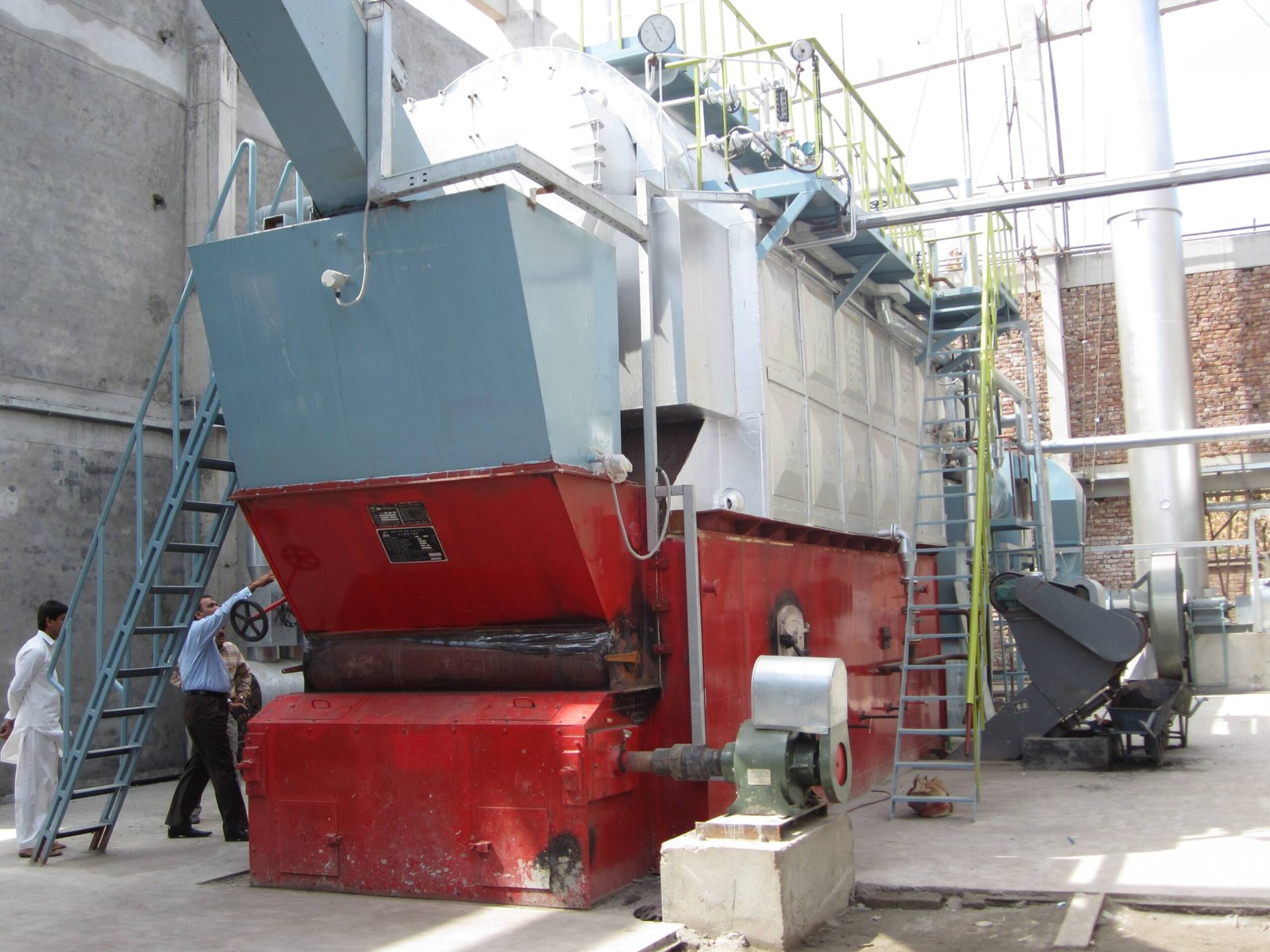
Industrial steam boilers operate under a complex web of environmental regulations that vary significantly from one region to another. Many operators assume that emission standards are broadly similar worldwide, but this misconception can lead to compliance failures, costly retrofits, and operational inefficiencies when expanding into new markets. Differences in regulatory philosophy, environmental priorities, fuel availability, and technological adoption mean that emission limits for pollutants such as NOx, SOx, particulate matter, and CO₂ can vary dramatically between countries and even within regions. Without a clear understanding of these variations, companies risk underestimating compliance requirements and facing unexpected regulatory challenges.
Emission standards for industrial boilers differ by region due to variations in environmental policies, economic development, and air quality goals, with stricter limits typically found in developed regions like the United States and Europe, and more flexible or evolving standards in developing regions. These differences affect allowable levels of NOx, SOx, particulate matter, and carbon emissions, as well as monitoring and enforcement mechanisms.
To navigate this complex landscape, it is essential to analyze how emission standards are structured across major regions and what factors drive these differences.
Emission standards for industrial boilers vary significantly between regions due to differing environmental policies and economic conditions.True
Each region sets its own limits based on local priorities, leading to variations in strictness and enforcement.
All countries follow identical emission standards for industrial boilers.False
Regulations differ widely across regions, reflecting local environmental and economic considerations.
🌍 Key Factors Driving Regional Differences
Regional emission standards are shaped by several fundamental factors:
Environmental Priorities
Regions with severe air pollution or strong climate commitments tend to enforce stricter emission limits.
Economic Development
Developed countries often have the resources and technology to implement and enforce stricter standards, while developing regions may adopt phased approaches.
Energy Mix and Fuel Availability
Regions relying on coal or heavy oil may have different standards compared to those using cleaner fuels like natural gas.
Regulatory Frameworks
Legal structures and enforcement capabilities vary, influencing how standards are defined and applied.
📊 Comparative Overview of Emission Standards
| Region | NOx Limits | SOx Limits | PM Limits | CO₂ Approach |
|---|---|---|---|---|
| USA | 9–100 ppm | 0.2–1.2 lb/MMBtu | Strict | Carbon markets (regional) |
| EU | 50–200 mg/Nm³ | 200–400 mg/Nm³ | Very strict | EU ETS |
| China | 30–150 mg/Nm³ | 50–200 mg/Nm³ | Strict (tightening) | National ETS |
| India | Moderate | Moderate | Evolving | Limited direct control |
| Middle East | Variable | Variable | Moderate | Emerging policies |
This table highlights the diversity of emission limits across regions.
🇺🇸 United States: Technology-Driven Standards
The United States enforces emission standards through the Environmental Protection Agency (EPA) under the Clean Air Act. Standards are often technology-based, requiring the use of best available control technologies (BACT).
Key characteristics:
- Strict NOx limits in regions like California
- Emphasis on continuous emission monitoring
- Regional variations in enforcement
The U.S. approach balances environmental protection with industrial flexibility.
🇪🇺 European Union: Integrated Environmental Policy
The European Union applies comprehensive regulations through the Industrial Emissions Directive (IED). This framework integrates multiple pollutants and emphasizes overall environmental impact.
Key features:
- Harmonized standards across member states
- Strong focus on best available techniques (BAT)
- Inclusion of CO₂ in the EU Emissions Trading System
The EU is known for some of the strictest emission standards globally.
🇨🇳 China: Rapidly Tightening Regulations
China has significantly strengthened its emission standards in recent years to address severe air pollution.
Key trends:
- Rapid tightening of NOx and SOx limits
- Nationwide emission trading system
- Strong enforcement in industrial regions
China’s standards are now comparable to those in developed countries in many cases.
🇮🇳 India and Developing Regions: Gradual Implementation
Developing regions often adopt a phased approach to emission standards, balancing environmental goals with economic growth.
Characteristics include:
- Gradual tightening of limits
- Focus on major pollutants
- Increasing adoption of monitoring systems
While less strict than developed regions, standards are evolving rapidly.
⚙️ Differences in Measurement and Enforcement
Emission standards differ not only in limits but also in how they are measured and enforced.
| Aspect | Developed Regions | Developing Regions |
|---|---|---|
| Monitoring | Continuous (CEMS) | Periodic |
| Enforcement | Strict | Variable |
| Penalties | High | Moderate |
| Reporting | Detailed | Improving |
These differences affect how compliance is achieved and maintained.
🔥 Technology Requirements by Region
Stricter regions often require advanced emission control technologies such as:
- Low-NOx burners
- Flue gas desulfurization (FGD)
- Selective catalytic reduction (SCR)
In less stringent regions, simpler solutions may be sufficient, although this is changing as standards tighten.
📈 Cost and Operational Impact
| Region | Compliance Cost | Technology Level | Operational Complexity |
|---|---|---|---|
| USA/EU | High | Advanced | High |
| China | Medium–High | Advanced | Medium–High |
| Developing Regions | Medium | Moderate | Moderate |
Higher standards typically lead to increased costs but also improved efficiency and environmental performance.
🌱 Environmental and Strategic Implications
Regional differences in emission standards influence:
- Investment decisions
- Technology adoption
- Market competitiveness
- Sustainability strategies
Companies operating globally must adapt to varying requirements while maintaining consistent performance standards.
🔄 Future Trends in Global Emission Standards
Emission standards are converging globally as environmental awareness increases. Key trends include:
- Stricter limits in developing regions
- Expansion of carbon pricing mechanisms
- Greater use of digital monitoring technologies
This convergence will likely reduce regional disparities over time.
📉 Practical Example
A boiler system designed for European standards can typically meet or exceed requirements in most other regions, but the reverse is not always true. This highlights the importance of designing systems for the most stringent applicable standards.
🧠 Strategic Recommendations
To manage regional differences effectively, industrial operators should:
- Design systems for the strictest target market
- Invest in flexible and upgradeable technologies
- Monitor regulatory developments continuously
- Standardize internal environmental practices
Summary
Emission standards for industrial boilers differ significantly by region due to variations in environmental priorities, economic conditions, and regulatory frameworks. Developed regions such as the United States and European Union enforce stricter limits with advanced monitoring and control requirements, while developing regions are gradually tightening their standards.
Understanding these differences is essential for ensuring compliance, optimizing system design, and maintaining competitiveness in global markets. As regulations continue to evolve, adopting forward-looking strategies and advanced technologies will be key to meeting increasingly stringent environmental requirements worldwide.
What Technologies Help Industrial Boilers Meet NOx, SOx, and CO₂ Standards?
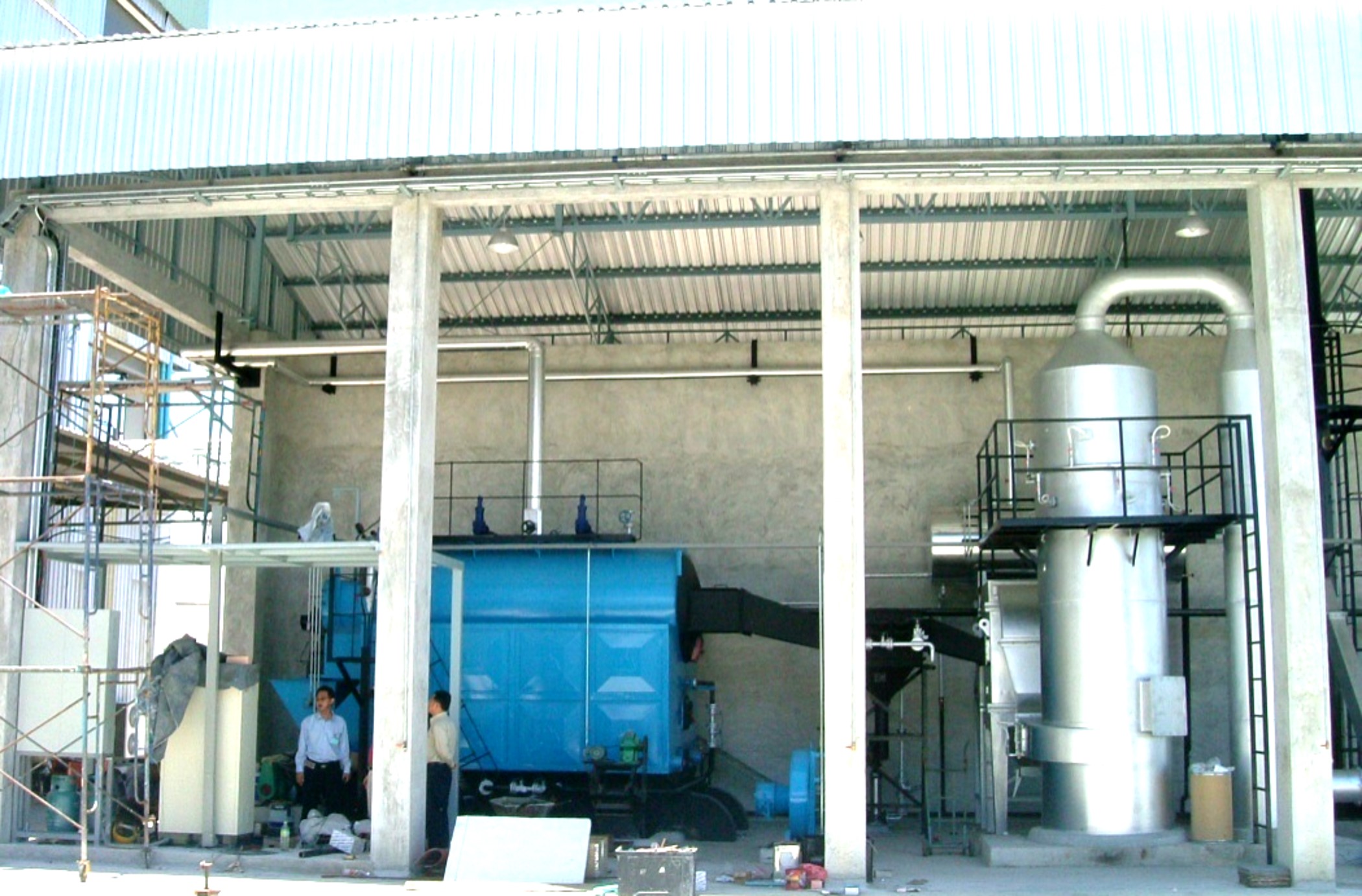
Industrial steam boilers are under increasing pressure to meet stringent environmental regulations targeting nitrogen oxides (NOx), sulfur oxides (SOx), and carbon dioxide (CO₂). Many facilities struggle to balance emission compliance with operational efficiency and cost-effectiveness, especially when dealing with legacy systems that were not designed for modern environmental standards. Failure to meet these requirements can result in regulatory penalties, forced shutdowns, and reputational damage, while over-investment in the wrong technologies can lead to unnecessary capital expenditure. Therefore, selecting the right combination of emission control technologies is critical for achieving compliance while maintaining optimal boiler performance.
Industrial boilers meet NOx, SOx, and CO₂ standards through a combination of combustion optimization technologies (such as low-NOx burners and flue gas recirculation), post-combustion treatment systems (including SCR, SNCR, and flue gas desulfurization), and carbon reduction strategies (such as energy efficiency improvements, fuel switching, and carbon capture). Integrated monitoring and intelligent control systems further ensure consistent compliance and optimized performance.
To effectively reduce emissions, it is necessary to understand how each pollutant is formed and which technologies are best suited to control it.
Different pollutants like NOx, SOx, and CO2 require different control technologies due to their distinct formation mechanisms.True
Each pollutant forms under different conditions, requiring targeted mitigation strategies.
A single technology can fully eliminate NOx, SOx, and CO2 emissions simultaneously.False
Each pollutant requires specific technologies, and no single solution can address all emissions completely.
🔥 NOx Reduction Technologies
NOx emissions are primarily formed at high combustion temperatures and in the presence of excess oxygen. Controlling NOx requires technologies that reduce flame temperature and optimize combustion.
Low-NOx Burners
These burners are designed to control flame shape and reduce peak temperatures, limiting NOx formation at the source. They are often the first step in emission reduction.
Flue Gas Recirculation (FGR)
FGR systems recirculate a portion of exhaust gases back into the combustion chamber, lowering oxygen concentration and flame temperature.
Selective Catalytic Reduction (SCR)
SCR systems inject ammonia or urea into flue gases, converting NOx into nitrogen and water using a catalyst. This is one of the most effective NOx control technologies.
Selective Non-Catalytic Reduction (SNCR)
SNCR operates similarly to SCR but without a catalyst, making it less efficient but more cost-effective.
📊 NOx Control Technology Comparison
| Technology | Reduction Efficiency | Cost | Complexity |
|---|---|---|---|
| Low-NOx Burner | 30–50% | Low–Medium | Low |
| FGR | 20–50% | Medium | Medium |
| SNCR | 30–70% | Medium | Medium |
| SCR | 70–95% | High | High |
⚙️ SOx Reduction Technologies
SOx emissions are directly linked to the sulfur content of the fuel, making fuel selection and flue gas treatment key strategies.
Low-Sulfur Fuel Switching
Using fuels with reduced sulfur content is the simplest and most direct method to lower SOx emissions.
Flue Gas Desulfurization (FGD)
FGD systems, or scrubbers, remove SOx from exhaust gases using chemical reactions. Wet scrubbers are the most effective, achieving over 90% removal efficiency.
Dry and Semi-Dry Scrubbers
These systems use dry sorbents to capture sulfur compounds, offering lower cost and simpler operation compared to wet systems.
Sorbent Injection
Injecting materials like lime or limestone into flue gases to neutralize sulfur compounds.
📈 SOx Control Technology Comparison
| Technology | SOx Reduction Efficiency | Cost | Complexity |
|---|---|---|---|
| Low-Sulfur Fuel | 50–90% | Medium | Low |
| Wet FGD | >90% | High | High |
| Dry Scrubber | 70–90% | Medium | Medium |
| Sorbent Injection | 50–70% | Low | Low |
🌱 CO₂ Reduction Technologies
Unlike NOx and SOx, CO₂ cannot be removed easily through conventional scrubbing methods, requiring different strategies.
Energy Efficiency Improvements
Upgrading boiler efficiency reduces fuel consumption, directly lowering CO₂ emissions.
Fuel Switching
Switching from high-carbon fuels (e.g., coal, heavy oil) to lower-carbon fuels (e.g., natural gas, biomass) significantly reduces CO₂ output.
Carbon Capture, Utilization, and Storage (CCUS)
CCUS systems capture CO₂ from flue gases and either store it underground or reuse it in industrial processes.
Electrification and Hybrid Systems
Using electric boilers or hybrid systems powered by renewable energy can eliminate direct CO₂ emissions.
📊 CO₂ Reduction Strategy Comparison
| Strategy | CO₂ Reduction Potential | Cost | Implementation Complexity |
|---|---|---|---|
| Efficiency Improvement | 10–20% | Low–Medium | Low |
| Fuel Switching | 20–50% | Medium | Medium |
| CCUS | 80–95% | High | Very High |
| Electrification | Up to 100% | High | High |
🔄 Integrated Emission Control Systems
Modern industrial boiler systems often combine multiple technologies to achieve compliance with all emission standards. For example:
- Low-NOx burners + FGR + SCR for NOx
- Low-sulfur fuel + FGD for SOx
- Efficiency upgrades + fuel switching for CO₂
This integrated approach ensures that all pollutants are addressed simultaneously without compromising system performance.
🧠 Role of Automation and Intelligent Controls
Advanced control systems play a critical role in emission reduction by continuously optimizing combustion conditions. These systems use sensors and algorithms to:
- Adjust air-to-fuel ratios
- Monitor emission levels in real time
- Optimize burner performance
- Reduce energy waste
Automation ensures consistent compliance and reduces the need for manual intervention.
📈 Cost vs Performance Trade-Off
| Technology Category | Initial Cost | Operating Cost | Emission Reduction | ROI Potential |
|---|---|---|---|---|
| Combustion Control | Low–Medium | Low | Moderate | High |
| Post-Combustion | High | Medium–High | High | Medium |
| Carbon Reduction | Medium–High | Variable | Very High | Long-Term |
🛠️ Maintenance and Operational Considerations
Emission control technologies require regular maintenance to maintain effectiveness. For example:
- SCR catalysts must be replaced periodically
- FGD systems require cleaning and chemical management
- Sensors and monitoring systems need calibration
Neglecting maintenance can reduce efficiency and lead to compliance failures.
🌍 Environmental and Regulatory Impact
Implementing these technologies not only ensures compliance but also contributes to:
- Improved air quality
- Reduced environmental impact
- Enhanced corporate sustainability
🔄 Future Trends in Emission Control
Emerging trends include:
- AI-driven combustion optimization
- Advanced catalyst materials
- Integration with renewable energy systems
- Expansion of carbon capture technologies
📉 Practical Implementation Example
A modern industrial boiler equipped with low-NOx burners, SCR, wet FGD, and efficiency optimization systems can achieve:
- NOx reduction >90%
- SOx reduction >95%
- CO₂ reduction 15–30% (without CCUS)
Summary
Industrial boilers meet NOx, SOx, and CO₂ emission standards through a combination of combustion optimization, post-combustion treatment, and carbon reduction strategies. Each pollutant requires specific technologies due to its unique formation mechanism, and no single solution can address all emissions.
By integrating advanced technologies such as low-NOx burners, SCR, FGD systems, and carbon reduction strategies with intelligent control systems, industrial facilities can achieve regulatory compliance, improve efficiency, and support sustainable operations in an increasingly environmentally regulated world.
How Can Operators Ensure Continuous Compliance with Industrial Boiler Emission Standards?
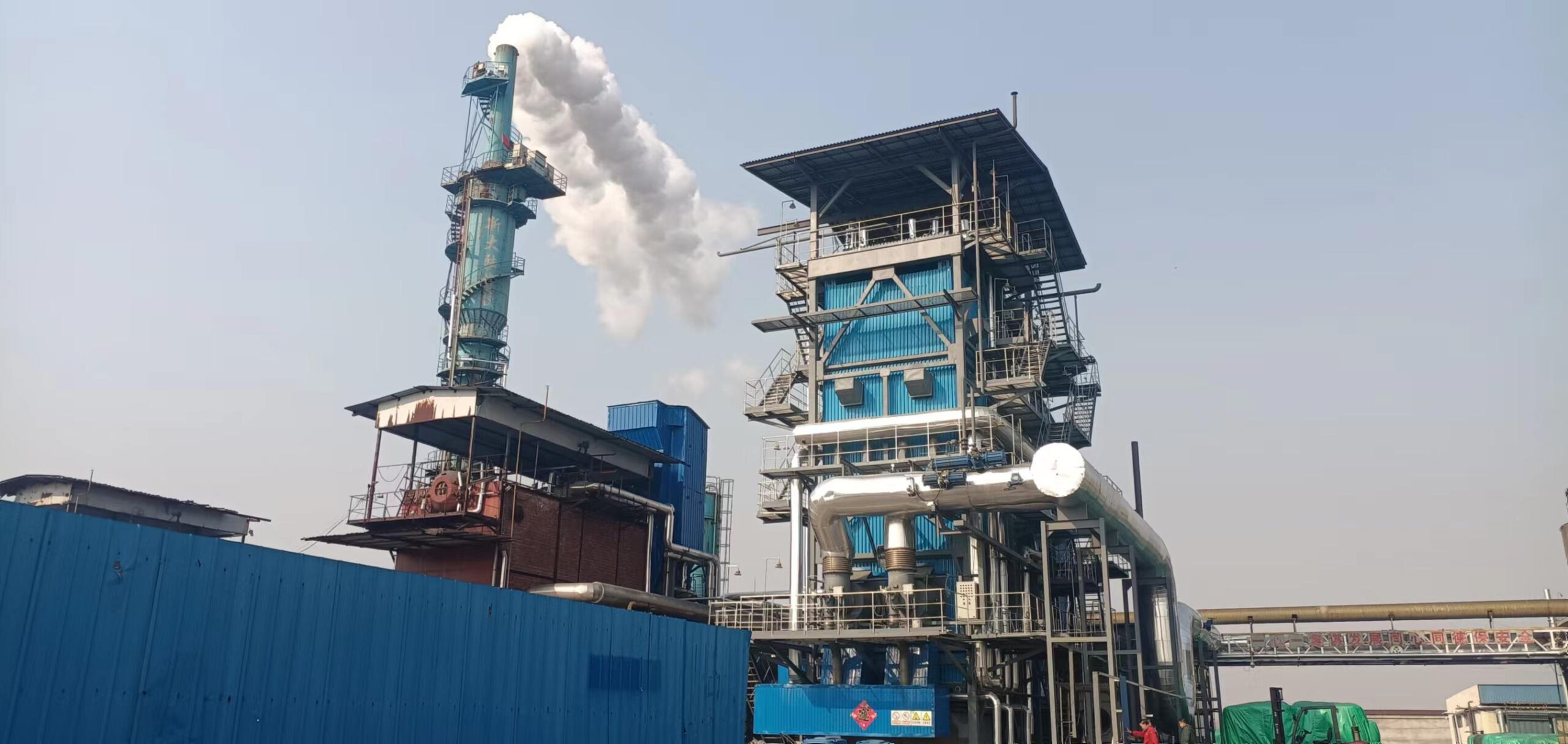
Industrial boiler operators face a persistent challenge: maintaining continuous compliance with ever-tightening emission standards for pollutants such as NOx, SOx, particulate matter, and CO₂. While achieving compliance during initial commissioning is important, many facilities struggle to sustain it over time due to fluctuating operating conditions, fuel variability, equipment wear, and inadequate monitoring systems. Even minor deviations can lead to regulatory violations, financial penalties, and operational disruptions. Therefore, ensuring continuous compliance is not a one-time effort but an ongoing, system-wide strategy that integrates technology, maintenance, monitoring, and operational discipline.
Operators can ensure continuous compliance with industrial boiler emission standards by implementing real-time monitoring systems (CEMS), optimizing combustion through advanced controls, maintaining fuel quality, performing regular maintenance, and adopting predictive analytics to detect deviations early. A proactive, data-driven approach is essential for sustaining compliance and minimizing environmental impact.
To achieve this, operators must adopt a holistic framework that combines technical systems, operational best practices, and regulatory awareness.
Continuous monitoring is essential for maintaining compliance with emission standards.True
Real-time data allows operators to detect and correct deviations तुरंत, ensuring compliance.
Once a boiler meets emission standards during installation, no further action is needed to maintain compliance.False
Ongoing monitoring, maintenance, and optimization are required to sustain compliance over time.
🌐 Continuous Emission Monitoring Systems (CEMS)
One of the most critical tools for ensuring compliance is the Continuous Emission Monitoring System (CEMS). These systems measure emissions such as NOx, SOx, CO, and CO₂ in real time, providing accurate and continuous data.
CEMS enables operators to:
- Track emission trends
- Detect deviations तुरंत
- Generate compliance reports
- Support regulatory audits
By integrating CEMS with control systems, facilities can automatically adjust operating parameters to maintain emission limits.
📊 Monitoring Capabilities Overview
| Parameter | Measurement Method | Frequency | Compliance Role |
|---|---|---|---|
| NOx | Gas analyzers | Continuous | Regulatory limit |
| SOx | Gas analyzers | Continuous | Fuel-related control |
| CO₂ | Flow & calculation | Continuous | Carbon tracking |
| O₂ | Sensors | Continuous | Combustion optimization |
🔥 Combustion Optimization and Control
Maintaining optimal combustion conditions is essential for minimizing emissions. Advanced control systems use sensors and algorithms to regulate:
- Air-to-fuel ratio
- Flame temperature
- Oxygen levels
These systems adjust parameters in real time based on load changes and fuel characteristics, ensuring efficient combustion and reduced emissions.
For example, maintaining the correct excess air level prevents incomplete combustion (which increases CO emissions) and excessive oxygen (which increases NOx formation).
⚙️ Fuel Quality Management
Fuel quality directly affects emissions, particularly for SOx and particulate matter. Operators must ensure consistent fuel characteristics by:
- Using certified low-sulfur fuels
- Implementing fuel filtration and treatment systems
- Monitoring fuel properties regularly
Variations in fuel composition can lead to sudden emission spikes, making quality control a critical aspect of compliance.
🛠️ Preventive and Predictive Maintenance
Equipment degradation over time can significantly impact emission performance. Key components such as burners, SCR catalysts, and scrubbers require regular maintenance.
Preventive maintenance includes:
- Scheduled inspections
- Cleaning and calibration
- Replacement of worn components
Predictive maintenance uses data analytics to identify potential issues before they cause failures. This approach minimizes downtime and ensures consistent performance.
📈 Maintenance Impact on Emissions
| Maintenance Level | Emission Stability | Failure Risk | Compliance Reliability |
|---|---|---|---|
| Poor | Low | High | Unreliable |
| Moderate | متوسط | Medium | Acceptable |
| Optimized | High | Low | Highly Reliable |
🧠 Data Analytics and Predictive Insights
Modern boiler systems generate large volumes of operational data. By applying data analytics and machine learning, operators can:
- Identify patterns in emission behavior
- Predict deviations before they occur
- Optimize system performance
Predictive analytics transforms compliance from a reactive process into a proactive strategy.
🔄 Integration with Automation Systems
Automation systems play a central role in maintaining compliance by:
- Continuously adjusting operating parameters
- Coordinating multiple emission control technologies
- Reducing human error
Integrated systems ensure that all components—burners, scrubbers, and monitoring devices—work together efficiently.
🌍 Regulatory Reporting and Documentation
Compliance is not only about meeting emission limits but also about proper documentation and reporting. Operators must:
- Maintain accurate records
- Submit regular reports to authorities
- Ensure traceability of data
Failure in documentation can result in penalties even if emission levels are within limits.
📊 Compliance Strategy Framework
| Strategy Element | Key Action | Benefit |
|---|---|---|
| Monitoring | Install CEMS | Real-time compliance |
| Control | Optimize combustion | Reduced emissions |
| Maintenance | Preventive & predictive | Stable performance |
| Fuel | Quality management | Consistent operation |
| Reporting | Accurate documentation | Regulatory compliance |
🔧 Training and Operational Discipline
Human factors play a significant role in compliance. Operators must be trained to:
- Understand emission control systems
- Respond to alarms and deviations
- Follow standard operating procedures
Well-trained personnel can quickly address issues and prevent compliance failures.
📉 Risk Management and Contingency Planning
Facilities should implement contingency plans to handle unexpected situations such as:
- Equipment failure
- Fuel supply issues
- Sudden emission spikes
Backup systems and redundancy can help maintain compliance during disruptions.
🌱 Long-Term Sustainability and Compliance
Continuous compliance aligns with broader sustainability goals. By reducing emissions, facilities contribute to environmental protection and improve their corporate image.
🔄 Future Trends in Compliance Management
Emerging trends include:
- AI-driven control systems
- Cloud-based monitoring platforms
- Integration with carbon management systems
These technologies will further enhance the ability to maintain continuous compliance.
📌 Practical Example
A facility using CEMS integrated with advanced combustion control can automatically adjust air-fuel ratios when NOx levels rise, maintaining compliance without manual intervention. Combined with predictive maintenance, this approach significantly reduces the risk of violations.
Summary
Ensuring continuous compliance with industrial boiler emission standards requires a comprehensive and proactive approach that combines real-time monitoring, advanced control systems, fuel quality management, and регуляр maintenance. Technologies such as CEMS, predictive analytics, and automation systems enable operators to detect and correct deviations before they lead to violations.
By adopting a data-driven strategy and maintaining strong operational discipline, industrial facilities can achieve reliable compliance, reduce environmental impact, and ensure long-term operational efficiency in an increasingly regulated environment.
🔍 Conclusion
Emission standards for industrial boilers are becoming increasingly stringent, particularly for NOx and SOx, while CO₂ is regulated through broader climate policies and efficiency targets. By understanding regional requirements and implementing proper emission control technologies, operators can ensure compliance, improve efficiency, and reduce environmental impact.
🔹 Contact us today to ensure your industrial boiler meets the latest environmental regulations while maintaining optimal performance. 🌱♨️📊
FAQ
Q1: What are the emission standards for NOx in industrial boilers?
A1: Nitrogen oxides (NOx) are among the most strictly regulated emissions from industrial boilers due to their role in forming ground-level ozone and smog. In the United States, NOx emission standards are primarily governed by the Environmental Protection Agency (EPA) under regulations such as the Clean Air Act and specific programs like the National Emission Standards for Hazardous Air Pollutants (NESHAP) and New Source Performance Standards (NSPS).
The allowable NOx limits depend on several factors, including the boiler type, fuel used, size, and whether the unit is new or existing. For example, natural gas-fired boilers generally have lower NOx limits compared to coal-fired units. Typical NOx emission limits for modern natural gas boilers can range from 9 to 30 parts per million (ppm), while older or larger units may have higher permissible levels.
To meet these standards, industries often implement technologies such as low-NOx burners, flue gas recirculation (FGR), and selective catalytic reduction (SCR) systems. Low-NOx burners reduce flame temperature, limiting NOx formation at the source. SCR systems, on the other hand, use catalysts and ammonia or urea to chemically convert NOx into nitrogen and water.
Compliance also requires continuous emissions monitoring systems (CEMS) to track NOx levels in real time. Facilities must report emissions data to regulatory authorities and may face penalties if limits are exceeded. As environmental regulations become more stringent, many industries are upgrading their boiler systems to meet ultra-low NOx standards, which can be as low as 2–5 ppm in some regions like California.
Q2: How are SOx emissions regulated in industrial boiler systems?
A2: Sulfur oxides (SOx), primarily sulfur dioxide (SO2), are regulated due to their contribution to acid rain and respiratory health issues. SOx emissions are largely dependent on the sulfur content of the fuel being burned. Coal and heavy fuel oils typically produce higher SOx emissions, while natural gas produces negligible amounts.
Regulations for SOx emissions are also enforced by the EPA under the Clean Air Act, with additional oversight from state and local air quality management districts. Standards are often expressed in terms of pounds of SO2 per million British thermal units (lb/MMBtu) or as a percentage reduction requirement. For instance, coal-fired boilers may be required to achieve up to 90–95% reduction in SO2 emissions.
To comply with these standards, facilities use technologies such as flue gas desulfurization (FGD) systems, commonly known as scrubbers. These systems remove sulfur compounds from exhaust gases by reacting them with alkaline substances like limestone or lime. Another approach is switching to low-sulfur fuels or natural gas, which significantly reduces SOx emissions at the source.
Monitoring and reporting are essential components of compliance. Facilities must regularly measure SOx emissions and maintain records to demonstrate adherence to regulatory limits. In some cases, emissions trading programs allow companies to buy and sell allowances, providing flexibility in how they meet overall reduction targets.
Q3: What regulations exist for CO2 emissions from industrial boilers?
A3: Carbon dioxide (CO2) emissions are a major focus of global climate policies, as CO2 is a primary greenhouse gas contributing to climate change. Unlike NOx and SOx, CO2 is not typically regulated through strict emission limits for individual boilers but rather through broader frameworks such as carbon pricing, emissions trading systems, and energy efficiency standards.
In the United States, CO2 emissions from industrial boilers are addressed under programs like the EPA’s Greenhouse Gas Reporting Program (GHGRP). Facilities emitting more than a certain threshold (usually 25,000 metric tons of CO2 equivalent per year) must report their emissions annually. While there may not be direct limits, reporting requirements create transparency and encourage reductions.
Globally, many countries have implemented carbon pricing mechanisms, such as carbon taxes or cap-and-trade systems, which indirectly regulate CO2 emissions by assigning a cost to them. This incentivizes industries to improve energy efficiency, switch to cleaner fuels, or adopt carbon capture and storage (CCS) technologies.
Reducing CO2 emissions from boilers typically involves improving combustion efficiency, using renewable or low-carbon fuels, and recovering waste heat. Electrification of boiler systems, particularly with renewable energy sources, is also becoming a popular strategy for reducing carbon footprints.
Q4: What technologies are used to reduce emissions in industrial boilers?
A4: A wide range of technologies is available to reduce emissions from industrial boilers, targeting NOx, SOx, and CO2. These technologies can be broadly categorized into combustion control, post-combustion treatment, and fuel switching strategies.
For NOx reduction, low-NOx burners and flue gas recirculation are commonly used to limit the formation of nitrogen oxides during combustion. Selective catalytic reduction (SCR) and selective non-catalytic reduction (SNCR) systems are used for post-combustion treatment, converting NOx into harmless nitrogen and water.
SOx emissions are typically controlled using flue gas desulfurization (FGD) systems, which remove sulfur compounds from exhaust gases. Dry and wet scrubbers are the most common types, with wet scrubbers offering higher removal efficiencies. Fuel switching to low-sulfur or sulfur-free fuels, such as natural gas, is another effective strategy.
To reduce CO2 emissions, industries focus on improving boiler efficiency, implementing heat recovery systems, and transitioning to cleaner energy sources. Carbon capture and storage (CCS) technologies can capture CO2 from flue gases and store it underground, although these systems are still relatively expensive and not widely adopted.
Digital monitoring and automation also play a crucial role in optimizing combustion processes and minimizing emissions. Advanced control systems can adjust fuel and air ratios in real time, ensuring efficient operation and compliance with environmental standards.
Q5: How do emission standards vary globally for industrial boilers?
A5: Emission standards for industrial boilers vary significantly across regions, reflecting differences in environmental policies, economic development, and energy resources. In developed regions such as the United States, the European Union, and Japan, emission standards are generally more stringent and continuously evolving.
In the European Union, directives such as the Industrial Emissions Directive (IED) set strict limits on NOx, SOx, and particulate matter emissions. These regulations often require the use of best available techniques (BAT), which include advanced emission control technologies. NOx limits in the EU can be as low as 10–20 mg/Nm³ for certain applications.
In the United States, EPA regulations under the Clean Air Act establish standards for different types of boilers and fuels. State-level regulations, particularly in California, can be even more stringent, requiring ultra-low NOx emissions.
In developing countries, emission standards may be less strict or less consistently enforced, although many nations are adopting stricter regulations to address air pollution and climate change. International agreements such as the Paris Agreement also influence national policies on CO2 emissions.
Overall, global trends indicate a move toward tighter emission standards, increased monitoring, and greater adoption of clean technologies. Companies operating internationally must be aware of regional differences and ensure compliance with all applicable regulations.
References
1. EPA Boiler Emissions Standards
https://www.epa.gov/stationary-sources-air-pollution/boilers-and-process-heaters
Source: U.S. Environmental Protection Agency
2. Clean Air Act Overview
https://www.epa.gov/clean-air-act-overview
Source: U.S. EPA
3. Industrial Emissions Directive (IED)
https://environment.ec.europa.eu/topics/industrial-emissions_en
Source: European Commission
4. Greenhouse Gas Reporting Program
https://www.epa.gov/ghgreporting
Source: U.S. EPA
5. NOx Control Technologies
https://www.energy.gov/eere/amo/articles/nitrogen-oxides-nox-control-regulations-and-technologies
Source: U.S. Department of Energy
6. Flue Gas Desulfurization Systems
https://www.britannica.com/technology/flue-gas-desulfurization
Source: Encyclopedia Britannica
7. Carbon Capture and Storage (CCS)
https://www.iea.org/reports/carbon-capture-utilisation-and-storage
Source: International Energy Agency
8. Boiler MACT Standards
https://www.epa.gov/stationary-sources-air-pollution/industrial-commercial-and-institutional-boilers-and-process
Source: U.S. EPA
9. Air Pollution Control Technology Fact Sheet
https://www.epa.gov/sites/default/files/2016-03/documents/scr.pdf
Source: U.S. EPA
10. Paris Agreement Overview
https://unfccc.int/process-and-meetings/the-paris-agreement
Source: United Nations Climate Change (UNFCCC)