Selecting an industrial boiler without proper certification can expose your operation to serious risks, including safety hazards, legal non-compliance, and project delays. Many buyers overlook certification requirements during procurement, only to face costly redesigns, rejected inspections, or operational shutdowns. Without verified compliance with recognized standards, it is difficult to ensure the boiler’s reliability, safety, and acceptance in global or local markets.
Yes, a high-quality industrial boiler should meet internationally recognized standards such as ASME (American Society of Mechanical Engineers), CE (European Conformity), ISO quality management systems, and relevant local certifications. These standards ensure the boiler’s design integrity, manufacturing quality, safety performance, and environmental compliance. Verifying certification documents, inspection reports, and third-party approvals is essential before purchase and installation.
Understanding these certifications helps buyers confidently select compliant and reliable boiler systems while avoiding regulatory issues. The following outline explains the key standards and how to evaluate them.
What Does ASME Certification Mean for Industrial Boiler Compliance?
In industrial steam boiler applications, safety, reliability, and regulatory compliance are non-negotiable requirements. However, many facility operators misunderstand what certification labels such as “ASME certified” actually guarantee. Some assume ASME certification directly confirms emission compliance or operational approval, while others underestimate its importance in legal and insurance frameworks. These misunderstandings can lead to improper equipment selection, compliance risks, and safety vulnerabilities. In reality, ASME certification plays a foundational role in ensuring that boilers are designed and manufactured to internationally recognized safety and quality standards, but it does not replace environmental or operational compliance requirements.
ASME certification means that an industrial boiler has been designed, manufactured, and tested according to the standards of the American Society of Mechanical Engineers (ASME) Boiler and Pressure Vessel Code (BPVC), ensuring structural integrity, safety, and quality compliance, but it does not guarantee compliance with emission regulations or operational permits.
To fully understand its significance, it is important to examine what ASME certification covers, what it does not cover, and how it interacts with broader regulatory frameworks.
ASME certification ensures that industrial boilers meet recognized safety and construction standards.True
ASME BPVC sets strict rules for design, fabrication, and testing of pressure equipment.
ASME certification guarantees compliance with environmental emission standards such as NOx or SOx limits.False
ASME focuses on mechanical safety and design integrity, not environmental emissions compliance.
🏗️ What ASME Certification Actually Covers
ASME certification is based on the ASME Boiler and Pressure Vessel Code (BPVC), one of the most widely accepted engineering standards in the world. It governs the design, fabrication, inspection, and testing of boilers and pressure vessels.
Key areas covered include:
- Material selection and quality standards
- Structural design calculations for pressure containment
- Welding procedures and qualifications
- Non-destructive testing (NDT) requirements
- Hydrostatic pressure testing
- Manufacturer quality control systems
This ensures that the boiler can safely operate under specified pressure and temperature conditions without risk of catastrophic failure.
📊 ASME Certification Scope vs Regulatory Scope
| Aspect | ASME Certification | Environmental Regulations |
|---|---|---|
| Structural safety | ✔ Required | ❌ Not covered |
| Pressure vessel design | ✔ Required | ❌ Not covered |
| Emission limits | ❌ Not covered | ✔ Required |
| Operational permits | ❌ Not covered | ✔ Required |
| Inspection standards | ✔ Required | ✔ Required (separately) |
🔥 ASME Certification and Boiler Safety Compliance
One of the most critical roles of ASME certification is ensuring mechanical safety. Industrial boilers operate under high pressure and temperature, and failure can result in catastrophic consequences.
ASME standards help prevent failures by requiring:
- Proper stress analysis of pressure parts
- High-quality welding procedures
- Certified inspection processes
- Strict material traceability
This makes ASME-certified boilers significantly safer than non-certified alternatives.
⚙️ What ASME Certification Does NOT Cover
A common misconception is that ASME certification includes all aspects of boiler compliance. In reality, it does not cover:
- NOx, SOx, or CO₂ emission limits
- Air quality compliance permits
- Local environmental regulations
- Operational efficiency requirements
- Fuel usage restrictions
These fall under environmental agencies such as:
- EPA (United States)
- EU Industrial Emissions Directive
- Local environmental protection authorities
🧠 ASME Certification vs Emission Compliance
| Category | ASME Certification | Emission Compliance |
|---|---|---|
| Focus | Safety & design integrity | Environmental impact |
| Authority | ASME (engineering body) | Government regulators |
| Validation type | Manufacturing inspection | Operational monitoring |
| Lifecycle stage | Design & fabrication | Operation & maintenance |
🏭 Why ASME Certification Matters for Industry
ASME certification is often a prerequisite for legal operation, insurance coverage, and international trade. Many jurisdictions require ASME-certified boilers for industrial use.
Key benefits include:
- Global recognition of safety standards
- Easier regulatory approval for installation
- Reduced insurance risk and premiums
- Higher reliability and quality assurance
For multinational companies, ASME certification also simplifies procurement and standardization across facilities.
🔧 Role in Installation and Inspection Processes
During installation, ASME-certified boilers undergo additional verification steps to ensure compliance with design specifications. These may include:
- On-site inspection of pressure systems
- Verification of installation procedures
- Testing of safety valves and controls
- Pressure testing after assembly
Even after installation, periodic inspections are required to maintain compliance.
📈 ASME Certification and Lifecycle Reliability
ASME certification contributes indirectly to long-term operational reliability by ensuring high manufacturing quality.
| Lifecycle Stage | ASME Impact |
|---|---|
| Design | Ensures safe pressure design |
| Manufacturing | Enforces quality control |
| Installation | Supports safe integration |
| Operation | Reduces mechanical failure risk |
| Maintenance | Simplifies inspection standards |
🌍 Global Acceptance of ASME Standards
ASME BPVC is widely accepted internationally, even in regions with their own national standards. Many countries recognize ASME certification as equivalent or superior to local boiler codes.
This global acceptance makes ASME-certified boilers easier to:
- Export and install internationally
- Approve under multiple regulatory systems
- Integrate into multinational operations
🔄 Relationship with Emission Control Systems
Although ASME does not regulate emissions, ASME-certified boilers are often designed to accommodate modern emission control technologies such as:
- Low-NOx burners
- SCR systems
- Flue gas desulfurization units
- Heat recovery systems
This compatibility ensures that safety-certified boilers can still meet strict environmental requirements when properly equipped.
📉 Common Misunderstandings About ASME Certification
Some frequent misconceptions include:
- Believing ASME certification guarantees environmental compliance
- Assuming it replaces local regulatory approval
- Thinking it covers operational efficiency standards
In reality, ASME is only one part of a broader compliance framework.
🧠 Strategic Importance for Operators
For industrial operators, ASME certification should be viewed as:
- A foundation for safe operation
- A prerequisite for regulatory approval
- A quality assurance benchmark
But it must be combined with:
- Environmental compliance systems
- Emission control technologies
- Operational monitoring systems
Summary
ASME certification for industrial boilers signifies compliance with internationally recognized standards for design, fabrication, and mechanical safety under the ASME Boiler and Pressure Vessel Code. It ensures structural integrity, manufacturing quality, and operational safety, making it a critical requirement for industrial boiler systems.
However, ASME certification does not cover environmental compliance, emission limits, or operational permits. These must be addressed separately through regulatory frameworks and emission control technologies.
In summary, ASME certification is a foundational safety and quality standard that supports—but does not replace—full industrial boiler compliance across environmental, operational, and regulatory domains.
How Does CE Marking Ensure Industrial Boiler Safety and Market Access?
Industrial steam boilers intended for the European market must meet strict safety, health, and environmental requirements before they can be legally sold or operated. However, many manufacturers and operators misunderstand what CE marking actually represents. Some assume it is simply a product label, while others mistakenly believe it guarantees full operational performance or emission compliance. In reality, improper understanding of CE requirements can delay market entry, lead to regulatory rejection, or even result in legal penalties. Because CE marking acts as a legal gateway into the European Economic Area (EEA), understanding its role is essential for manufacturers, importers, and industrial operators.
CE marking ensures industrial boiler safety and market access by certifying that the equipment complies with applicable EU directives—especially the Pressure Equipment Directive (PED 2014/68/EU)—covering design safety, manufacturing quality, and conformity assessment, thereby allowing legal sale and operation within the European Economic Area. It does not directly certify energy efficiency or emission performance but confirms that essential safety and regulatory requirements have been met.
To fully understand its significance, it is important to examine how CE marking is defined, how it is obtained, and how it impacts industrial boiler compliance and market entry.
CE marking confirms that industrial boilers meet EU safety and regulatory requirements for market access.True
CE marking demonstrates compliance with applicable EU directives such as the Pressure Equipment Directive.
CE marking guarantees compliance with all environmental emission standards for industrial boilers.False
CE marking focuses on safety and conformity, not full environmental emission performance compliance.
🌍 What CE Marking Means in Industrial Boiler Applications
CE marking is a mandatory conformity mark for products sold within the European Economic Area (EEA). For industrial boilers, it primarily falls under the Pressure Equipment Directive (PED 2014/68/EU), which governs equipment operating under pressure above 0.5 bar.
It confirms that the boiler:
- Meets essential safety requirements
- Has undergone conformity assessment
- Was designed and manufactured according to EU standards
- Can be legally marketed within the EEA
Without CE marking, an industrial boiler cannot be legally sold or installed in most European markets.
🏗️ The Role of the Pressure Equipment Directive (PED)
The PED is the core regulation behind CE marking for boilers. It ensures that pressure equipment is safe throughout its lifecycle.
Key requirements include:
- Safe design under pressure and temperature conditions
- Material traceability and certification
- Approved welding procedures
- Qualified personnel for manufacturing and inspection
- Risk assessment and hazard analysis
The directive categorizes boilers based on risk levels, with higher-risk systems requiring stricter conformity assessments.
📊 CE Marking vs Other Boiler Compliance Systems
| Aspect | CE Marking | ASME Certification | Emission Regulations |
|---|---|---|---|
| Focus | Safety & market access | Mechanical integrity | Environmental impact |
| Region | EU/EEA | Global (esp. US/international) | Global/local |
| Legal requirement | Mandatory in EU | Optional in EU | Mandatory everywhere |
| Covers emissions | ❌ No | ❌ No | ✔ Yes |
This table shows that CE marking is primarily a market entry and safety compliance framework, not an environmental certification.
🔥 How CE Marking Ensures Boiler Safety
CE marking ensures safety through structured engineering and validation processes. Industrial boilers must pass rigorous checks before certification is granted.
Key safety mechanisms include:
- Pressure containment verification
- Design stress calculations
- Safety valve integration
- Non-destructive testing (NDT)
- Hydrostatic pressure testing
- Risk analysis (Hazard & Operability studies)
These requirements ensure that boilers can safely operate under extreme industrial conditions.
⚙️ Conformity Assessment Procedures
Not all boilers follow the same certification path. The conformity assessment depends on the risk category of the equipment.
| Category | Risk Level | Assessment Type |
|---|---|---|
| Category I | Low | Manufacturer self-certification |
| Category II | Medium | Notified body involvement |
| Category III | High | Strict third-party inspection |
| Category IV | Very High | Full external certification |
Higher-risk boilers require involvement from a Notified Body—an EU-approved independent inspection organization.
🧠 Technical Documentation Requirements
To obtain CE marking, manufacturers must prepare a comprehensive technical file including:
- Design drawings and calculations
- Material certificates
- Welding procedure specifications
- Test reports
- Risk assessment documentation
- Operating instructions
This documentation ensures full traceability and accountability throughout the product lifecycle.
🏭 CE Marking and Market Access Advantages
One of the most important functions of CE marking is enabling unrestricted access to the European market.
Benefits include:
- Legal ability to sell in all EU/EEA countries
- Simplified cross-border trade
- Increased buyer confidence
- Reduced regulatory barriers
Without CE marking, industrial boilers cannot be legally placed on the EU market, regardless of performance.
📈 Market Access Impact Comparison
| Status | Market Access | Buyer Confidence | Legal Risk |
|---|---|---|---|
| CE Marked | Full EU access | High | Low |
| Non-CE | Restricted/illegal | Low | High |
🔧 Manufacturing Quality Control under CE Compliance
CE marking requires strict quality control systems during manufacturing. These include:
- ISO-based quality management systems
- Welding qualification standards
- Material traceability records
- Inspection checkpoints during production
This ensures consistent product quality and reduces safety risks.
🌍 Relationship Between CE Marking and Environmental Compliance
A common misunderstanding is that CE marking covers environmental compliance. In reality:
- CE marking = Safety + structural conformity
- Environmental compliance = separate EU directives (IED, emissions laws)
However, CE-compliant boilers are often designed to integrate with:
- Low-NOx burners
- SCR systems
- Energy-efficient combustion systems
So while not required, environmental compatibility is often considered during design.
🧠 CE Marking and Lifecycle Compliance
CE marking is not a one-time label—it covers the entire lifecycle:
| Lifecycle Stage | CE Requirement |
|---|---|
| Design | Compliance with PED |
| Manufacturing | Quality control & testing |
| Installation | Proper assembly guidelines |
| Operation | Safe usage instructions |
| Maintenance | Inspection traceability |
📉 Common Misconceptions About CE Marking
Some frequent misunderstandings include:
- “CE marking guarantees high efficiency” ❌
- “CE marking replaces local permits” ❌
- “CE marking includes emission compliance” ❌
- “CE is optional for EU boilers” ❌
In reality, CE marking is mandatory and focused strictly on safety and conformity.
🔄 CE Marking vs Global Standards
CE marking is often compared with other global certification systems:
| System | Region | Focus |
|---|---|---|
| CE Marking | EU/EEA | Safety & conformity |
| ASME | Global | Pressure vessel safety |
| ISO Standards | Global | Quality management |
Many manufacturers obtain both CE and ASME certification to access multiple markets.
🌱 Strategic Importance for Manufacturers
For boiler manufacturers, CE marking is not just regulatory—it is strategic:
- Enables entry into high-value EU markets
- Enhances global credibility
- Supports international expansion
- Builds trust with industrial buyers
📌 Practical Example
A manufacturer exporting industrial boilers to Germany must ensure CE compliance under PED. Even if the boiler meets ASME standards, it cannot be sold in the EU without CE marking. Once certified, the same boiler can be distributed across multiple European countries without additional approvals.
Summary
CE marking ensures industrial boiler safety and market access by verifying compliance with EU safety regulations, particularly the Pressure Equipment Directive (PED). It confirms that boilers meet strict design, manufacturing, and testing requirements necessary for safe operation within the European Economic Area.
However, CE marking does not cover emission limits, energy efficiency standards, or full operational performance. Instead, it serves as a legal gateway for market entry and a foundational safety certification that must be complemented by environmental and operational compliance systems.
In essence, CE marking is the key that unlocks access to the European industrial boiler market while ensuring a high baseline of safety and engineering integrity.
What Role Do ISO Standards Play in Industrial Boiler Manufacturing Quality?
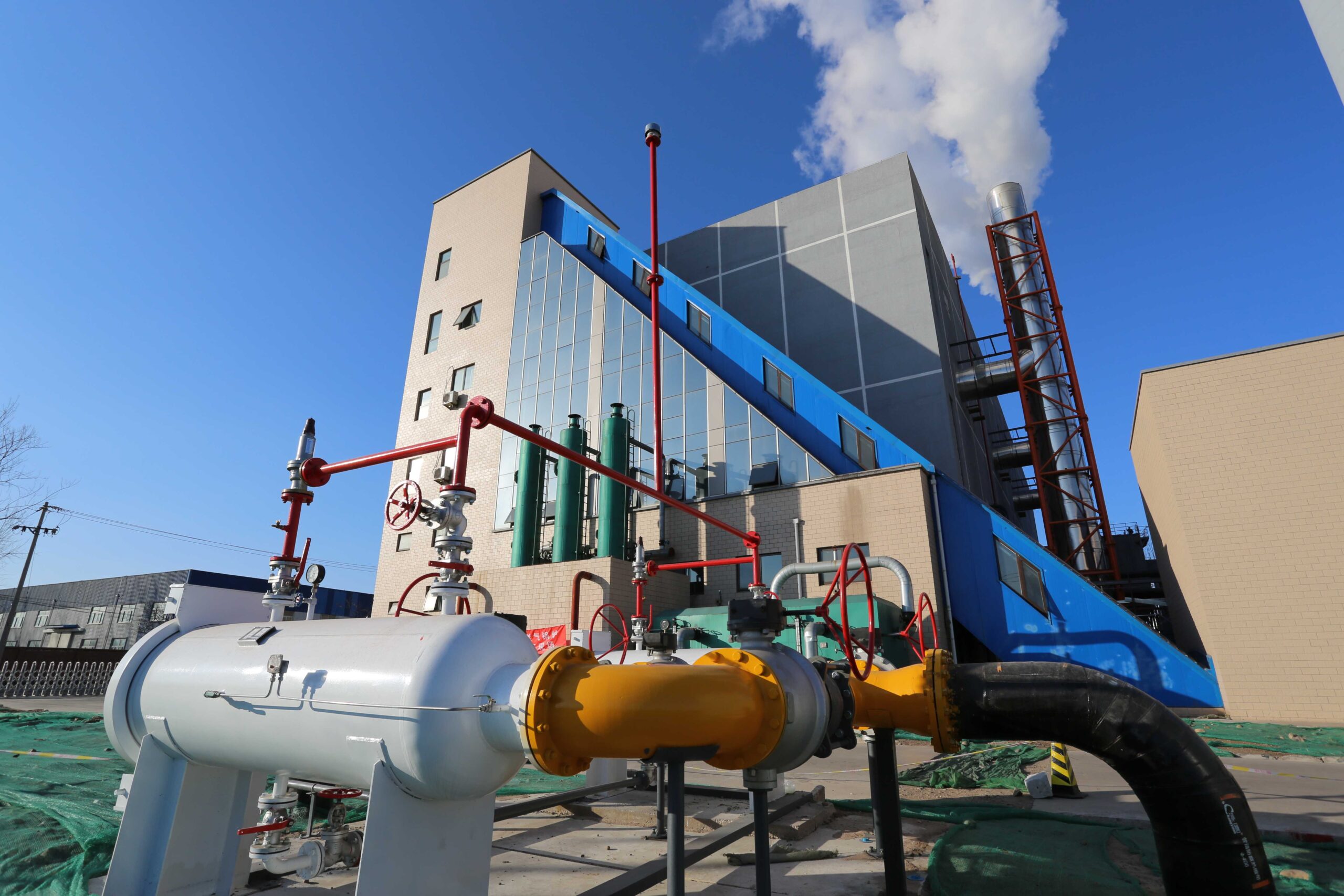
In industrial boiler manufacturing, quality failures are not just technical issues—they can lead to catastrophic safety incidents, regulatory penalties, costly downtime, and long-term reputational damage. Without standardized processes, manufacturers may produce inconsistent welds, unreliable pressure vessels, or poorly tested systems that fail under real operating conditions. This is where ISO standards become indispensable, providing a globally recognized framework to ensure that every stage of boiler design, fabrication, testing, and delivery meets strict quality and safety requirements.
ISO standards play a critical role in industrial boiler manufacturing quality by establishing internationally recognized guidelines for quality management, material control, welding procedures, inspection protocols, traceability, and continuous improvement. Compliance with standards such as ISO 9001, ISO 3834, and ISO 45001 ensures consistent product quality, enhanced safety, regulatory compliance, and customer confidence across global markets.
Understanding how these standards influence real manufacturing processes helps buyers, engineers, and project managers make informed decisions when selecting boiler suppliers 🏭🔍
ISO certification guarantees that all boilers produced are defect-free and require no further inspection.False
ISO standards ensure robust quality management systems but do not eliminate the need for inspections, testing, and continuous quality verification.
🏭 Why ISO Standards Are Essential in Boiler Manufacturing
Industrial boilers operate under high pressure and temperature conditions, making quality control non-negotiable.
👉 ISO standards ensure:
- Consistent manufacturing processes
- Controlled material quality
- Verified welding integrity
- Documented inspection procedures
- Continuous improvement systems
Without ISO compliance, manufacturing quality can vary significantly between batches.
📘 Key ISO Standards Relevant to Industrial Boilers
Different ISO standards address different aspects of manufacturing quality.
📊 Core ISO Standards Overview
| ISO Standard | Focus Area | Role in Boiler Manufacturing |
|---|---|---|
| ISO 9001 | Quality Management Systems | Ensures consistent production processes |
| ISO 3834 | Welding Quality Requirements | Controls welding procedures & qualification |
| ISO 45001 | Occupational Health & Safety | Ensures safe manufacturing environment |
| ISO 14001 | Environmental Management | Controls environmental impact |
| ISO 9712 | Non-Destructive Testing (NDT) | Certifies inspection personnel |
👉 Each standard contributes to a different layer of quality assurance.
🔧 ISO 9001: The Backbone of Quality Management
ISO 9001 is the most widely adopted standard in boiler manufacturing.
✔ Key principles:
- Process standardization
- Documentation control
- Risk-based thinking
- Continuous improvement (PDCA cycle)
📌 Impact on boiler production:
- Ensures repeatable manufacturing quality
- Reduces defects and rework
- Improves supplier management
👉 ISO 9001 acts as the foundation of all quality systems
🔩 ISO 3834: Welding Quality Control (Critical for Boilers)
Welding is one of the most critical processes in boiler manufacturing.
🔥 Why it matters:
- Boilers are pressure vessels
- Weld defects can lead to failure or explosion
✔ ISO 3834 ensures:
- Qualified welders and procedures
- Controlled welding environments
- Traceable weld documentation
- Inspection and testing protocols
📊 Welding quality impact
| Factor | Without ISO 3834 | With ISO 3834 |
|---|---|---|
| Weld consistency | Variable | Controlled |
| Defect rate | High | Low |
| Safety reliability | Uncertain | High |
🔍 Inspection and Testing Standards (ISO 9712 & NDT)
Quality cannot be ensured without rigorous inspection.
🔬 Common NDT methods:
- Ultrasonic testing (UT)
- Radiographic testing (RT)
- Magnetic particle testing (MT)
- Dye penetrant testing (PT)
✔ ISO 9712 ensures:
- Certified inspection personnel
- Standardized testing procedures
- Reliable defect detection
👉 This guarantees structural integrity before delivery.
🔄 Traceability and Documentation Control
ISO standards require full traceability throughout production.
📌 Traceability includes:
- Material certificates
- Welding records
- Inspection reports
- Test results
📊 Benefits of traceability
| Feature | Benefit |
|---|---|
| Material tracking | Prevents substandard materials |
| Process records | Enables quality audits |
| Documentation | Supports regulatory compliance |
👉 Traceability ensures accountability at every stage.
🌱 Environmental and Safety Compliance (ISO 14001 & ISO 45001)
Modern boiler manufacturing must also meet environmental and safety standards.
✔ ISO 14001:
- Controls emissions during manufacturing
- Promotes sustainable resource use
✔ ISO 45001:
- Protects worker safety
- Reduces workplace accidents
👉 These standards ensure responsible manufacturing practices
🧠 Continuous Improvement and Process Optimization
ISO systems are not static—they require ongoing improvement.
🔄 PDCA Cycle (Plan-Do-Check-Act):
- Plan: Define quality objectives
- Do: Implement processes
- Check: Monitor results
- Act: Improve continuously
📈 Benefits:
- Increased efficiency
- Reduced waste
- Better product consistency
🏭 Real-World Case Study: ISO Implementation in Boiler Manufacturing
A boiler manufacturer without ISO certification faced:
- High defect rates (8–10%)
- Frequent weld failures
- Customer complaints
After ISO implementation:
- ISO 9001 (quality system)
- ISO 3834 (welding control)
- ISO 9712 (inspection certification)
Results:
- ✔ Defect rate reduced to <2%
- ✔ Production efficiency increased by 20%
- ✔ Customer satisfaction significantly improved
⚠️ Common Misconceptions About ISO Standards
- ❌ “ISO certification guarantees perfect products”
- ❌ “ISO is only for documentation, not real quality”
- ❌ “Small manufacturers don’t need ISO”
👉 In reality, ISO standards are practical frameworks that directly impact product quality and safety
💰 Economic Benefits of ISO Compliance
Although ISO implementation requires investment, it delivers long-term value:
- 🔻 Reduced rework and scrap
- 🔻 Lower warranty claims
- 🔻 Improved market competitiveness
- 🔻 Easier access to international markets
📊 Cost-benefit overview
| Factor | Impact |
|---|---|
| Initial certification cost | Medium |
| Operational savings | High |
| Market expansion | Significant |
🚀 Future Trends in ISO and Boiler Manufacturing
- Digital quality management systems (e-QMS)
- AI-assisted inspection and defect detection
- Smart welding automation
- Blockchain-based traceability systems
👉 The future of ISO compliance is becoming digital, intelligent, and predictive
📌 Summary
ISO standards play a fundamental role in ensuring industrial boiler manufacturing quality by providing structured frameworks for process control, welding quality, inspection, traceability, safety, and continuous improvement.
✔ Ensure consistent product quality
✔ Enhance safety and reliability
✔ Enable global compliance
✔ Improve manufacturing efficiency
✔ Build customer trust and market credibility
In essence, ISO standards transform boiler manufacturing from a variable process into a controlled, repeatable, and high-quality engineering system 🏭✅
Which Local Certifications Are Required for Industrial Boiler Installation and Operation?
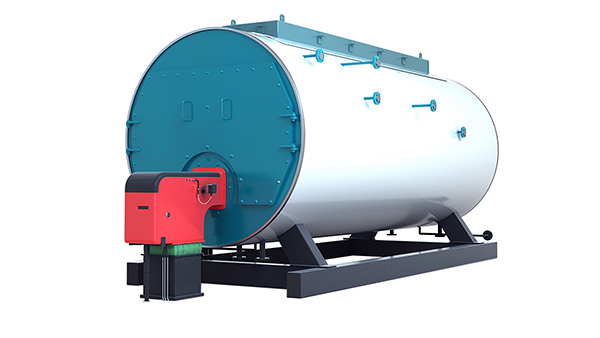
Industrial steam boilers are highly regulated assets because they operate under high pressure, high temperature, and often involve hazardous fuels. While global standards such as ASME or CE marking provide foundational safety and design compliance, they are not sufficient on their own for legal installation and operation. In most countries, local authorities impose additional certification, permitting, and inspection requirements to ensure boilers meet national safety codes, environmental regulations, and operational standards. Many operators underestimate the complexity of these local requirements, leading to project delays, failed inspections, or even forced shutdowns. Understanding local certification systems is therefore essential for safe and legally compliant boiler operation.
Local certifications for industrial boiler installation and operation typically include boiler permits, pressure vessel inspections, environmental emission permits, operator licensing, and periodic safety certifications issued by national or regional regulatory authorities. These requirements vary by country but generally ensure compliance with safety codes, environmental laws, and operational competency standards.
To navigate these requirements effectively, it is necessary to understand how local certification systems are structured and how they interact with international standards.
Local certifications are required in addition to international standards for industrial boiler operation.True
Countries enforce their own safety and environmental regulations regardless of ASME or CE compliance.
International certifications alone are sufficient for legal boiler operation in all countries.False
Local permits and inspections are mandatory in most jurisdictions even if international standards are met.
🌍 Why Local Certifications Are Required
Local certification systems exist because each country has unique:
- Safety regulations
- Environmental laws
- Fuel usage policies
- Industrial risk frameworks
- Enforcement mechanisms
Even when boilers are manufactured under global standards like ASME or CE, governments still require local approval to ensure compliance with national laws and site-specific conditions.
🏗️ Key Types of Local Certifications for Industrial Boilers
Although requirements vary by region, most jurisdictions require a combination of the following certification types:
1. Installation Permit (Boiler Permit)
Required before installation begins, confirming that the planned system meets local safety and zoning regulations.
2. Pressure Vessel Inspection Certification
Issued after inspection of the boiler’s pressure-containing components to ensure structural integrity and safety compliance.
3. Operation License
Granted to facilities or operators after successful commissioning and safety verification.
4. Environmental Emission Permit
Regulates NOx, SOx, CO₂, and particulate emissions based on local air quality laws.
5. Operator Certification / Licensing
Ensures personnel operating the boiler are properly trained and qualified.
6. Periodic Safety Inspection Certificate
Required at regular intervals (e.g., annually or biannually) to maintain legal operation.
📊 Overview of Common Local Certification Requirements
| Certification Type | Purpose | Issuing Authority | Frequency |
|---|---|---|---|
| Installation Permit | Approve boiler setup | Local building authority | One-time |
| Pressure Inspection | Ensure mechanical safety | Boiler safety board | Initial + periodic |
| Operation License | Legal operation approval | Labor/safety department | Annual or ongoing |
| Emission Permit | Control air pollution | Environmental agency | Periodic renewal |
| Operator License | Ensure competency | Technical certification board | Renewal required |
🇺🇸 United States: State-Based Boiler Regulations
In the United States, boiler regulation is primarily handled at the state level, often through a state boiler and pressure vessel board.
Common requirements include:
- Boiler installation permit before construction
- State-certified inspector approval
- Annual or biennial inspections
- Licensed boiler operator certification (in some states)
- Compliance with ASME + state amendments
States like California and New York have particularly strict inspection and licensing systems.
🇪🇺 European Union: National Implementation of EU Rules
While the EU sets baseline standards through CE marking and the Pressure Equipment Directive (PED), each member state enforces additional local requirements.
Typical requirements include:
- Registration of pressure equipment with national authorities
- Initial commissioning inspection
- Periodic safety inspections by authorized bodies
- Operator training and certification requirements
- Environmental permits under national implementation of EU directives
🇨🇳 China: Multi-Level Regulatory System
China uses a centralized regulatory framework with strong enforcement.
Key requirements include:
- Special equipment use registration
- Installation supervision inspection
- Annual inspection by authorized inspection institutes
- Operator qualification certificates
- Environmental impact assessment approval
Boilers are classified as “special equipment,” making them highly regulated.
🇮🇳 India: Boiler Act Compliance System
India regulates boilers under the Boilers Act and State Boiler Rules.
Requirements include:
- Boiler registration before commissioning
- Inspection during manufacturing and installation
- Fitness certificate for operation
- Renewal inspections at fixed intervals
- Certified boiler attendant licensing
State boiler inspectorates play a key role in enforcement.
⚙️ Environmental Permits and Emission Compliance
Environmental permits are increasingly important across all regions due to tightening air quality regulations.
They typically regulate:
- NOx emissions
- SOx emissions
- Particulate matter
- CO₂ reporting (in carbon-regulated regions)
Facilities may need:
- Continuous emission monitoring systems (CEMS) approval
- Air quality impact assessments
- Fuel usage restrictions
🧠 Operator Licensing and Human Competency Requirements
Many jurisdictions require certified operators to ensure safe boiler operation.
Operator certification typically covers:
- Boiler operation principles
- Emergency shutdown procedures
- Pressure system safety
- Fuel system management
- Emission control awareness
This reduces human error and improves overall plant safety.
📈 Local Certification vs International Certification
| Aspect | Local Certification | International Certification (ASME/CE) |
|---|---|---|
| Legal requirement | Mandatory | Often required but not sufficient |
| Focus | Operation + compliance | Design + manufacturing |
| Issued by | Government authorities | Industry organizations |
| Validity | Time-limited | Product lifecycle-based |
🔧 Inspection and Compliance Lifecycle
Local certifications are not a one-time process. They follow a lifecycle model:
- Design approval (in some regions)
- Installation permit issuance
- Construction inspection
- Commissioning approval
- Operation licensing
- Periodic inspections
- Renewal or re-certification
Failure at any stage can delay or halt operations.
📉 Common Compliance Challenges
Industrial operators often face issues such as:
- Delays in inspection scheduling
- Differences between national and local requirements
- Documentation inconsistencies
- Misalignment between manufacturer certification and local laws
- Missed renewal deadlines
🌱 Importance for Safety and Sustainability
Local certifications are not just bureaucratic requirements—they ensure:
- Safe pressure system operation
- Reduced risk of explosion or failure
- Environmental protection
- Skilled operation of complex systems
🔄 Future Trends in Local Certification Systems
Modern regulatory systems are evolving toward:
- Digital certification platforms
- Remote inspection technologies
- Integration with real-time emission monitoring
- Harmonization with international standards
📌 Practical Example
A boiler installed in Germany may have CE marking but still require:
- Local TÜV inspection approval
- Environmental operating permit
- Registered operator certification
- Periodic safety audits
Without these, the boiler cannot legally operate despite being CE-certified.
Summary
Local certifications for industrial boiler installation and operation include installation permits, pressure vessel inspections, operation licenses, environmental emission permits, and operator certifications. These requirements vary by country but universally ensure that boilers operate safely, legally, and in compliance with national safety and environmental regulations.
Even when international standards such as ASME or CE marking are met, local certification remains mandatory for legal operation. Together, these systems form a multi-layered compliance framework that ensures both engineering safety and regulatory accountability throughout the boiler lifecycle.
How Can You Verify That an Industrial Boiler Meets ASME, CE, ISO, or Local Standards?
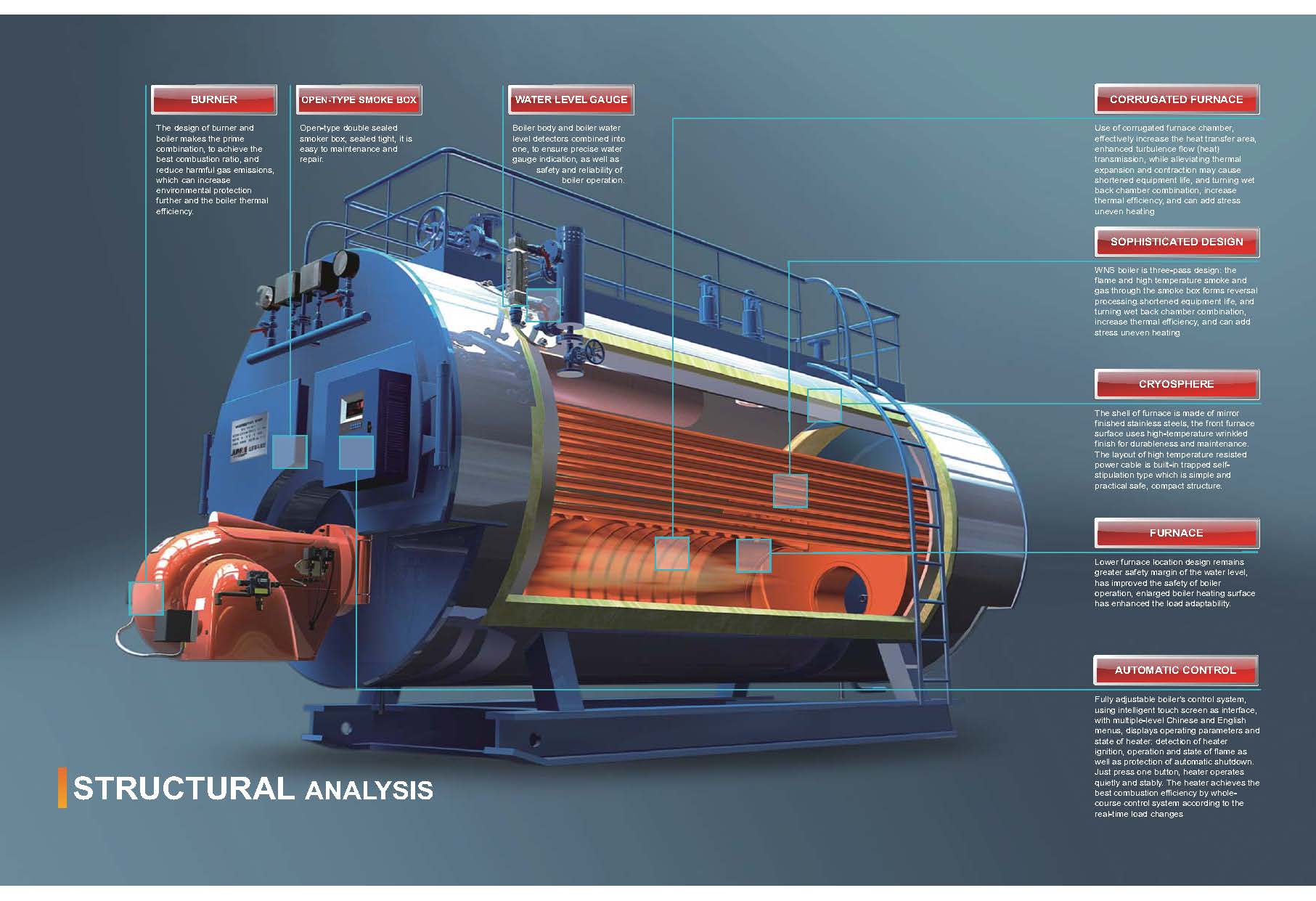
In industrial boiler procurement and operation, one of the most critical risks is assuming compliance without proper verification. Many facilities rely solely on manufacturer claims or external labels, which can lead to serious consequences such as failed inspections, insurance rejection, legal penalties, or even unsafe operation under pressure. Because industrial boilers are governed by multiple overlapping standards—ASME for design safety, CE for European market access, ISO for quality systems, and local regulations for operational legality—verification must be systematic and evidence-based. A structured verification process ensures that the equipment is not only certified on paper but also genuinely compliant in design, manufacturing, and operation.
You can verify that an industrial boiler meets ASME, CE, ISO, or local standards by reviewing certification documents, checking official stamps and nameplates, validating third-party inspection reports, confirming regulatory approvals from authorities, and cross-checking manufacturer compliance records with recognized certification bodies. Physical inspection, documentation audit, and authority verification together ensure full compliance authenticity.
To ensure reliable verification, it is necessary to break down each certification system and understand how authenticity can be confirmed in practice.
Industrial boiler compliance must be verified through both documentation and physical inspection of certification markings.True
Both paper records and physical nameplate verification are required to confirm authenticity.
A visible certification logo alone is sufficient proof of full regulatory compliance.False
Logos alone can be misleading; official documentation and authority validation are required.
🔍 Step 1: Verify Manufacturer Certification Documentation
The first and most important step is reviewing official documentation provided by the manufacturer.
Key documents include:
- ASME Manufacturer’s Data Report (MDR)
- CE Declaration of Conformity (DoC)
- ISO 9001 quality management certificates
- Local authority approval certificates
- Pressure test and inspection reports
These documents should be issued by recognized certification bodies and include traceable reference numbers.
🏗️ Step 2: Inspect Boiler Nameplate and Physical Markings
All certified industrial boilers must carry permanent identification markings.
ASME Verification
- ASME “U” or “S” stamp on nameplate
- Manufacturer’s serial number
- Registered National Board number
CE Verification
- CE marking logo on nameplate
- Notified Body identification number (if applicable)
- PED compliance reference
ISO Verification
- ISO certification usually applies to manufacturer, not the boiler itself
- Verify ISO certificate validity of manufacturing facility
📊 Key Certification Markers Comparison
| Standard | Physical Marking | Document Type | Verification Authority |
|---|---|---|---|
| ASME | ASME stamp + nameplate | MDR certificate | ASME / National Board |
| CE | CE logo + Notified Body ID | Declaration of Conformity | EU Notified Body |
| ISO | No product stamp | ISO certificate (company-level) | Certification body (e.g., SGS, TÜV) |
| Local | Registration tag / permit plate | Installation & operation license | Government authority |
🌍 Step 3: Validate Third-Party Inspection Reports
Independent inspection is a core requirement for most standards.
Look for:
- Inspection by authorized bodies (e.g., TÜV, Lloyd’s Register, SGS)
- Pressure test reports
- Non-destructive testing (NDT) documentation
- Welding procedure qualification records (WPS/PQR)
These reports confirm that the boiler was physically tested and inspected during manufacturing.
⚙️ Step 4: Confirm Regulatory Authority Approvals
Local compliance is especially important for legal operation.
Verification includes:
- Installation permits issued by local authorities
- Boiler registration numbers
- Operating licenses
- Periodic inspection certificates
Without these approvals, even ASME or CE-certified boilers may not be legally operable.
🧠 Step 5: Cross-Check Certification Bodies
Not all certificates are valid unless issued by accredited organizations.
Trusted certification bodies include:
- ASME (U.S. standards body)
- National Board of Boiler and Pressure Vessel Inspectors
- TÜV (Germany and international)
- Lloyd’s Register
- Bureau Veritas
- SGS
Always verify certificates directly through the issuing body’s database when possible.
📈 Certification Verification Checklist
| Verification Step | What to Check | Risk if Missing |
|---|---|---|
| Documentation | Official certificates | Fake compliance claims |
| Nameplate | ASME/CE markings | Non-compliant equipment |
| Inspection reports | Third-party testing | Undetected defects |
| Authority approval | Local permits | Illegal operation |
| Certification body | Accreditation validity | Invalid certification |
🔧 Step 6: Verify ISO Quality Management Compliance
ISO standards (especially ISO 9001) do not certify individual boilers but ensure that the manufacturer follows a quality management system.
Verification involves:
- Checking ISO certificate validity date
- Confirming certification body accreditation
- Ensuring scope includes pressure equipment manufacturing
This ensures consistent production quality across all units.
🌱 Step 7: Evaluate Documentation Consistency
A critical verification step is ensuring consistency across all documents.
Check for:
- Matching serial numbers across all certificates
- Consistent manufacturer identity
- Alignment between design pressure ratings and test reports
- No discrepancies in model specifications
Even small inconsistencies may indicate documentation issues.
📉 Common Compliance Risks
Industrial operators often face issues such as:
- Fake or expired certificates
- Misuse of CE or ASME logos
- Incomplete documentation packages
- Unregistered local installations
- Unverified third-party inspection claims
🔄 Step 8: Digital Verification Systems
Modern compliance systems increasingly use digital tools such as:
- QR code-based certificate verification
- Blockchain-based compliance records
- Online certification databases
- Remote inspection records
These systems improve transparency and reduce fraud risk.
🧠 Step 9: Engage Independent Experts
For high-risk installations, independent technical experts or inspection agencies should be engaged to:
- Review compliance documentation
- Conduct physical inspections
- Validate pressure testing procedures
- Confirm regulatory alignment
📊 Multi-Level Verification Framework
| Level | Method | Purpose |
|---|---|---|
| Document Review | Certificates & reports | Paper compliance |
| Physical Inspection | Nameplate & markings | Visual verification |
| Third-Party Audit | Inspection bodies | Technical validation |
| Authority Check | Government permits | Legal compliance |
| Digital Verification | Online databases | Authenticity confirmation |
🌍 Why Multi-Layer Verification Is Essential
Because industrial boilers operate under high risk conditions, relying on a single verification method is insufficient. Combining multiple layers ensures:
- Safety assurance
- Legal compliance
- Insurance eligibility
- Operational reliability
📌 Practical Example
A boiler labeled “CE certified” must still have:
- A valid Declaration of Conformity
- A Notified Body number (if required)
- Installation approval from local authorities
- Verified pressure test reports
Without these, CE marking alone is not sufficient for legal operation.
Summary
Verifying that an industrial boiler meets ASME, CE, ISO, or local standards requires a multi-layered approach that includes documentation review, physical inspection of certification markings, validation of third-party inspection reports, and confirmation of regulatory approvals. Each certification system serves a different purpose—ASME ensures design safety, CE ensures EU market compliance, ISO ensures manufacturing quality systems, and local certifications ensure legal operation.
Only by combining all these verification methods can operators ensure that a boiler is truly compliant, safe, and legally approved for industrial use.
Why Are International Certifications Critical When Selecting an Industrial Boiler?
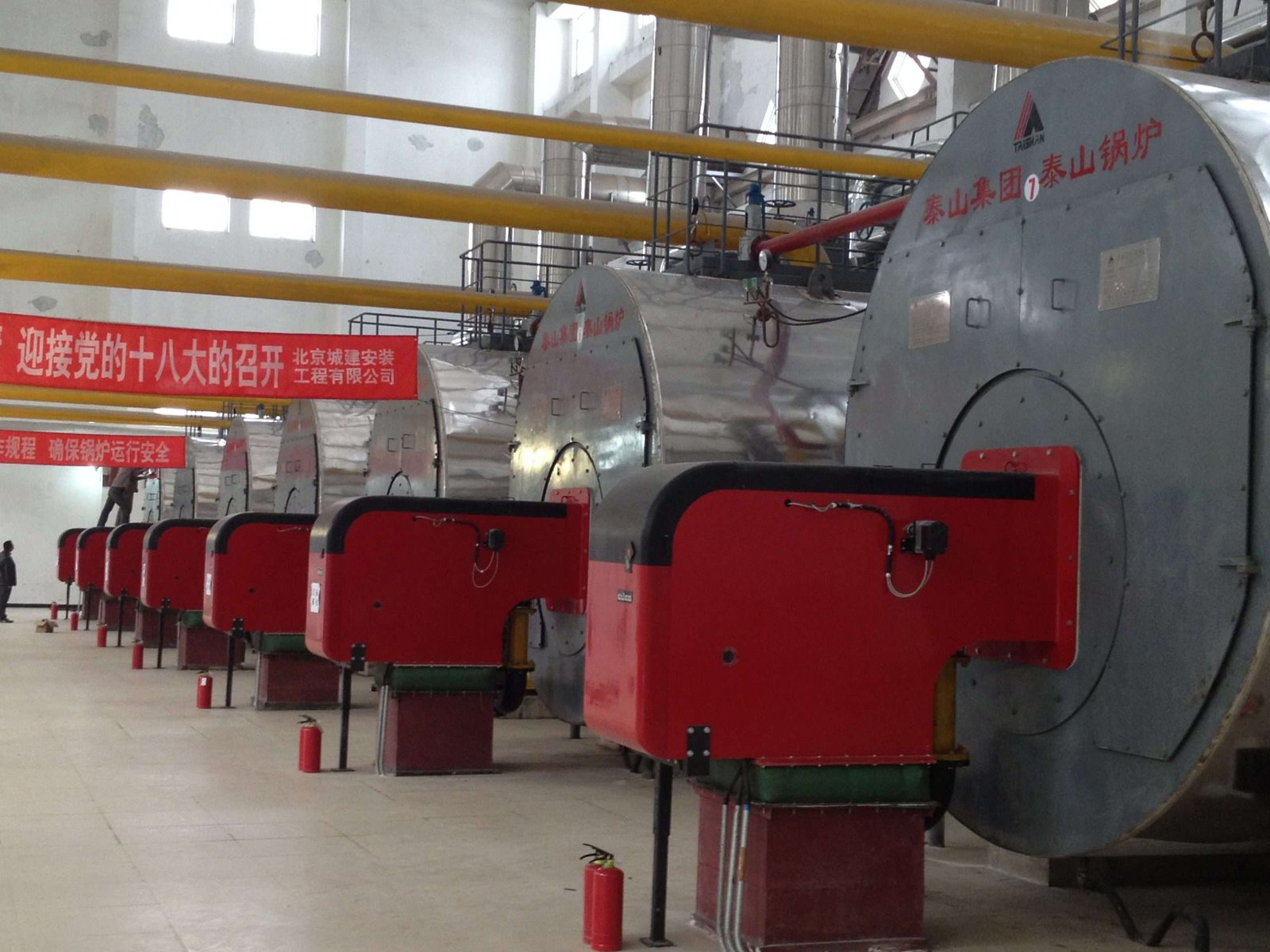
Selecting an industrial steam boiler is not just a technical or economic decision—it is a regulatory and risk-management decision. Many buyers focus primarily on capacity, efficiency, or fuel type, while underestimating the importance of international certifications. This oversight can lead to serious consequences such as import rejection, insurance denial, operational shutdowns, or safety incidents. In global industrial markets, boilers are subject to multiple overlapping regulatory systems, and without recognized certifications, even high-performance equipment may be legally unusable. International certifications act as a universal language of safety, quality, and compliance across borders.
International certifications are critical when selecting an industrial boiler because they ensure the equipment meets globally recognized safety, quality, and manufacturing standards (such as ASME, CE, and ISO), enable legal market access across different regions, reduce operational and insurance risks, and provide verified assurance of structural integrity, performance reliability, and regulatory compliance.
To understand their importance fully, it is necessary to examine how these certifications function in practice and how they influence procurement, operation, and long-term risk management.
International certifications ensure industrial boilers meet globally recognized safety and quality standards.True
Standards like ASME, CE, and ISO establish uniform safety and quality benchmarks across countries.
International certifications guarantee automatic compliance with all local operational and environmental regulations.False
Local permits and environmental rules must still be separately satisfied even if international certifications are present.
🌍 Global Standardization and Market Access
One of the most important roles of international certifications is enabling cross-border trade and legal market entry.
Industrial boilers are classified as high-risk equipment, meaning many countries restrict imports unless specific certifications are present.
Key certifications include:
- ASME (U.S. and global acceptance for pressure safety)
- CE marking (mandatory for European Economic Area)
- ISO certifications (quality management systems)
- Other regional approvals (e.g., UKCA, GOST, etc.)
Without these certifications, a boiler may be:
- Blocked at customs
- Rejected by regulators
- Disqualified from industrial use
🏗️ Safety Assurance and Engineering Integrity
International certifications ensure that boilers are designed and manufactured according to strict engineering principles.
ASME Focus:
- Pressure vessel integrity
- Welding quality control
- Material traceability
- Structural safety under extreme conditions
CE (PED) Focus:
- Risk-based classification
- Conformity assessment
- Safety requirements under EU law
These frameworks significantly reduce the risk of catastrophic failures such as explosions or pressure vessel rupture.
📊 Certification Impact Comparison
| Factor | With Certification | Without Certification |
|---|---|---|
| Legal market access | Global | Restricted |
| Safety assurance | Verified | Uncertain |
| Insurance eligibility | High approval | High rejection risk |
| Operational approval | Faster | Delayed or denied |
| Buyer confidence | Strong | Weak |
⚙️ Quality Control and Manufacturing Consistency
ISO certifications, particularly ISO 9001, ensure that manufacturers follow standardized quality management systems.
This includes:
- Controlled production processes
- Documented inspection procedures
- Supplier quality management
- Continuous improvement systems
As a result, boilers produced under ISO-certified systems have:
- Higher consistency
- Lower defect rates
- Better long-term reliability
🔥 Risk Reduction in Industrial Operations
Industrial boilers operate under high-pressure and high-temperature conditions, where failure can have severe consequences.
International certifications reduce risk by ensuring:
- Verified pressure testing
- Certified material selection
- Standardized welding procedures
- Third-party inspection validation
This significantly reduces the likelihood of:
- Equipment failure
- Workplace accidents
- Regulatory violations
🧠 Insurance and Financial Implications
Insurance companies heavily rely on certification status when assessing risk.
Certified boilers typically benefit from:
- Lower insurance premiums
- Easier policy approval
- Faster claim processing
Non-certified or uncertified equipment may be:
- Excluded from coverage
- Subject to higher premiums
- Considered high-risk assets
🌐 Regulatory Alignment Across Multiple Jurisdictions
Industrial facilities often operate in multiple countries or export equipment globally. International certifications help align with diverse regulatory systems.
| Region | Key Certification Requirement |
|---|---|
| USA | ASME BPVC compliance |
| EU | CE marking (PED) |
| China | Special equipment registration |
| Middle East | Local authority approval + international standards |
| India | Boiler Act compliance + inspection certification |
This alignment simplifies global operations and reduces duplication of compliance efforts.
🔧 Simplified Procurement and Project Approval
For engineering, procurement, and construction (EPC) projects, certified boilers streamline approval processes.
Benefits include:
- Faster project permitting
- Reduced engineering validation time
- Easier stakeholder approval
- Lower documentation burden
Procurement teams often prioritize certified equipment to avoid project delays.
📈 Lifecycle Value and Asset Reliability
International certifications contribute to long-term asset value by ensuring:
- Predictable performance
- Easier maintenance planning
- Standardized inspection procedures
- Longer operational lifespan
Certified boilers tend to have lower total cost of ownership (TCO) due to reduced failure rates and maintenance risks.
🌱 Environmental and Compliance Integration
Although certifications like ASME and CE are not directly environmental standards, they support integration with emission control technologies such as:
- Low-NOx burners
- SCR systems
- Flue gas desulfurization units
- Energy recovery systems
This makes it easier to meet environmental regulations in different regions.
📉 Common Risks Without International Certification
Selecting a non-certified boiler can lead to:
- Customs rejection during import
- Forced shutdown by regulators
- Insurance invalidation
- Safety inspection failure
- Higher operational liability
🔄 Future Trends in Global Certification
International certification systems are evolving toward:
- Digital certification verification (QR/blockchain systems)
- Harmonization between ASME, ISO, and regional standards
- Integration with real-time compliance monitoring
- Stronger sustainability-linked certification requirements
📌 Practical Example
A manufacturer exporting boilers to Europe and North America typically needs:
- ASME certification for U.S. markets
- CE marking for EU markets
- ISO 9001 certification for manufacturing credibility
Without these, the same boiler may be technically sound but legally unusable in target markets.
Summary
International certifications are critical when selecting an industrial boiler because they ensure compliance with globally recognized safety, quality, and manufacturing standards, enable legal access to international markets, and significantly reduce operational, financial, and safety risks. Standards such as ASME, CE, and ISO provide a trusted framework that validates design integrity, production quality, and regulatory alignment across jurisdictions.
In today’s global industrial environment, certification is not optional—it is a fundamental requirement for safe, legal, and efficient boiler procurement and operation.
🔍 Conclusion
Ensuring that an industrial boiler meets international and local certification standards is essential for safety, reliability, and regulatory compliance. Standards such as ASME, CE, and ISO provide assurance of quality and performance, while local certifications ensure the boiler meets regional legal requirements. A thorough verification process helps avoid costly risks and ensures smooth project execution.
💡 Need assistance verifying certifications or selecting a compliant industrial boiler? Our team provides technical documentation review, certification support, and fully compliant boiler solutions for global and local markets.
🔹 Contact us today to ensure your boiler system meets all required standards and operates safely and efficiently. ♨️📊✅
FAQ
Q1: Do industrial boilers need to comply with ASME, CE, and ISO standards?
A1: Yes, most industrial boilers are designed and manufactured to comply with international standards such as ASME, CE, and ISO, depending on the market where they will be installed. These certifications ensure safety, performance, quality, and regulatory compliance across different regions.
The ASME (American Society of Mechanical Engineers) Boiler and Pressure Vessel Code is widely used in North America and many other countries as a benchmark for design, fabrication, and inspection of pressure equipment. Boilers built under ASME standards are tested for structural integrity, material quality, and pressure safety.
CE marking is required for boilers sold in the European Economic Area (EEA). It indicates compliance with EU safety, health, and environmental protection requirements, particularly under the Pressure Equipment Directive (PED 2014/68/EU). CE certification ensures that boilers meet strict European safety standards before they can be marketed or operated.
ISO (International Organization for Standardization) standards, such as ISO 9001 for quality management systems, are also commonly applied by manufacturers to ensure consistent production quality and operational reliability. While ISO itself does not certify boilers directly, it governs the manufacturing processes and quality assurance systems behind them.
In practice, a single industrial boiler may comply with multiple standards simultaneously depending on its design and export destinations.
Q2: What is ASME certification and why is it important for industrial boilers?
A2: ASME certification is one of the most recognized standards for industrial boilers and pressure vessels worldwide. It is governed by the ASME Boiler and Pressure Vessel Code (BPVC), which defines strict requirements for design, materials, fabrication, inspection, and testing.
A boiler with ASME certification indicates that it has been built according to verified engineering standards and has passed rigorous quality inspections. This includes pressure testing, weld inspections, material traceability, and structural design validation.
The importance of ASME certification lies in safety and reliability. Industrial boilers operate under high pressure and temperature, making failure potentially dangerous. ASME standards significantly reduce the risk of accidents by ensuring robust engineering practices.
In many countries, ASME certification is either required by law or considered the industry benchmark. Even where it is not legally mandatory, it is often preferred by buyers, insurers, and regulatory authorities because it demonstrates high manufacturing quality and compliance with global safety norms.
Q3: What does CE marking mean for industrial boilers in Europe?
A3: CE marking indicates that an industrial boiler complies with European Union safety, health, and environmental protection regulations. It is mandatory for boilers sold or operated within the European Economic Area (EEA).
For industrial boilers, CE certification is primarily governed by the Pressure Equipment Directive (PED 2014/68/EU). This directive ensures that pressure-containing equipment is designed and manufactured to withstand operational stresses safely.
To obtain CE marking, boilers must undergo conformity assessment procedures, which may include design review, material certification, manufacturing audits, and third-party inspections by a Notified Body.
CE marking also ensures that boilers meet environmental requirements, including emissions control and energy efficiency standards. Once certified, the manufacturer can affix the CE mark, allowing free movement and installation of the equipment across EU member states.
Without CE certification, industrial boilers cannot be legally sold or commissioned in Europe.
Q4: How does ISO certification apply to industrial boiler manufacturing?
A4: ISO certification does not directly certify the boiler itself but applies to the manufacturer’s quality management and production processes. The most common standard is ISO 9001, which focuses on quality management systems (QMS).
Manufacturers with ISO 9001 certification demonstrate that they follow consistent procedures for design, production, inspection, and continuous improvement. This ensures that each industrial boiler produced meets defined quality and safety standards.
Other ISO standards may also apply, such as ISO 14001 for environmental management systems and ISO 45001 for occupational health and safety. These certifications help manufacturers reduce environmental impact and improve workplace safety during boiler production.
In summary, ISO certification enhances trust in the manufacturing process, ensuring that boilers are built under controlled, standardized, and auditable conditions, even though it is not a direct equipment certification like ASME or CE.
Q5: What local certifications are required for industrial boilers?
A5: In addition to international standards like ASME, CE, and ISO, industrial boilers must often comply with local or national regulations depending on where they are installed. These local certifications ensure compliance with regional safety, environmental, and operational laws.
For example, in the United States, boilers may require compliance with ASME standards plus inspection and registration under state boiler codes enforced by local authorities. In Canada, certification under CSA (Canadian Standards Association) is often required.
In India, boilers must comply with the Indian Boiler Regulations (IBR), which govern design, inspection, and operation. Similarly, China requires compliance with TS (Special Equipment Licensing) standards.
Local certifications often include site inspections, operator licensing, periodic safety audits, and pressure testing. These regulations ensure that boilers remain safe throughout their operational lifecycle, not just at the point of manufacture.
Ultimately, industrial boilers intended for global markets are typically designed to meet both international standards and local regulatory requirements to ensure legal compliance and safe operation.
References
- ASME Boiler and Pressure Vessel Code
https://www.asme.org/codes-standards
Source: ASME
- Pressure Equipment Directive (PED 2014/68/EU)
https://ec.europa.eu/growth/sectors/pressure-equipment_en
Source: European Commission
- ISO 9001 Quality Management Systems
https://www.iso.org/iso-9001-quality-management.html
Source: International Organization for Standardization
- Boiler and Pressure Vessel Safety Standards (OSHA)
https://www.osha.gov/pressure-vessels
Source: U.S. Occupational Safety and Health Administration
- Indian Boiler Regulations (IBR)
https://dipp.gov.in/acts-rules/industrial-boilers-act
Source: Government of India
- Canadian Standards Association (CSA Group)
https://www.csagroup.org
Source: CSA Group
- China Special Equipment Licensing (TS Standards)
https://www.samr.gov.cn
Source: State Administration for Market Regulation (China)
- EU CE Marking Guide
https://ec.europa.eu/growth/single-market/ce-marking_en
Source: European Commission
- Boiler Safety and Inspection Requirements
https://www.nfpa.org
Source: National Fire Protection Association
- Industrial Boiler Compliance Overview
https://www.energy.gov/eere/amo/industrial-boilers
Source: U.S. Department of Energy