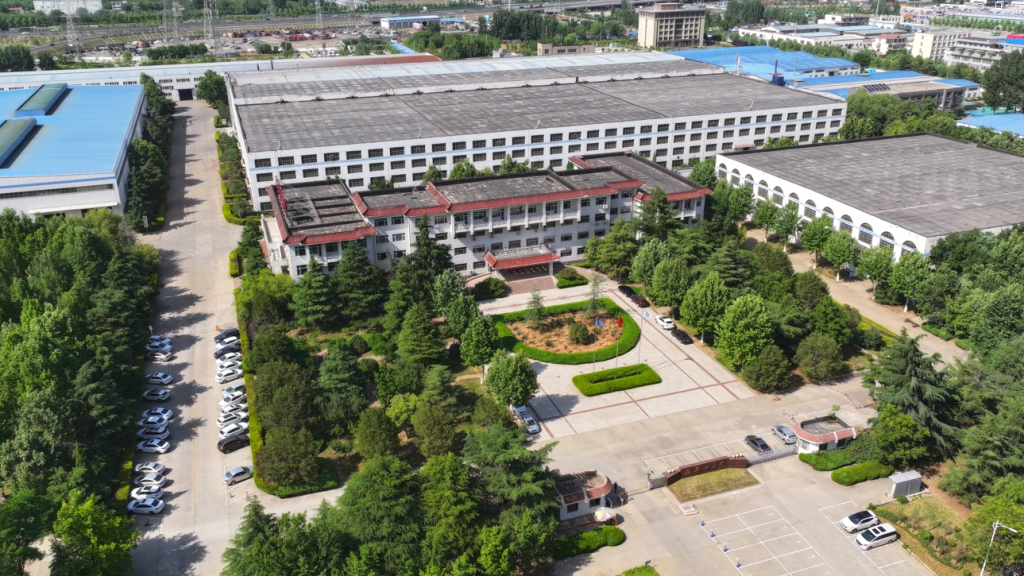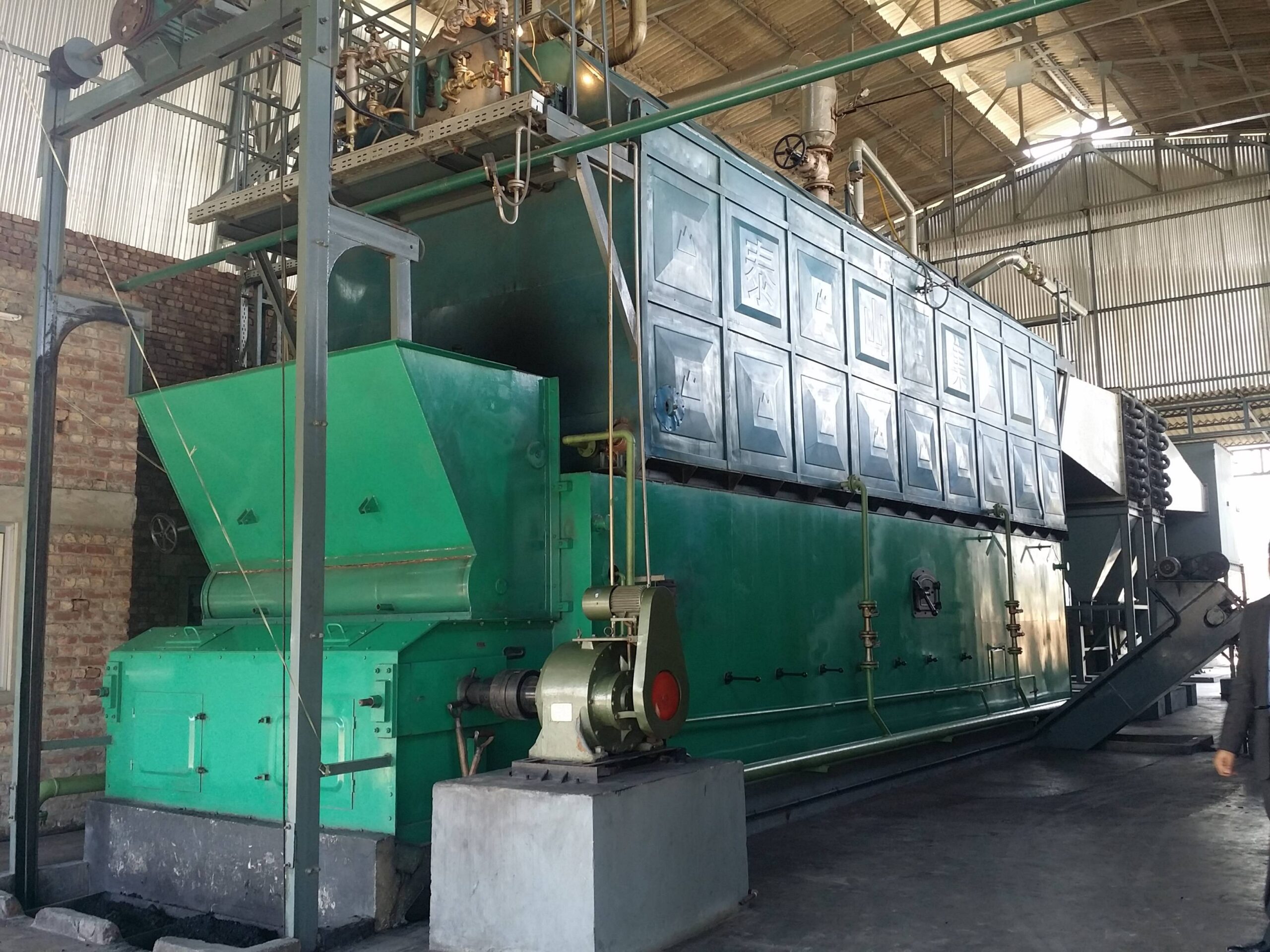
Many industrial facilities assume their boilers operate at peak efficiency regardless of load, but this misconception can lead to significant energy losses and higher operating costs. In reality, boilers rarely run at full capacity all the time, and part-load conditions often reduce efficiency due to cycling losses, incomplete combustion, and heat dissipation. Without understanding these variations, businesses may struggle to optimize fuel consumption and overall system performance. Evaluating thermal efficiency under both full-load and part-load conditions is essential for accurate energy management and cost control.
The thermal efficiency of industrial boilers typically ranges from 85% to 95% under full-load conditions, depending on the boiler type and technology (with condensing boilers reaching up to 98%). Under part-load conditions, efficiency generally drops to around 70% to 90% due to factors such as heat losses, burner cycling, and suboptimal combustion. Advanced boilers with modulating burners and smart controls can maintain higher efficiency even at reduced loads.
To fully understand these performance differences and how to optimize them, it is important to examine the factors influencing boiler efficiency across varying load conditions.
How Does Full-Load Operation Affect Industrial Boiler Thermal Efficiency?
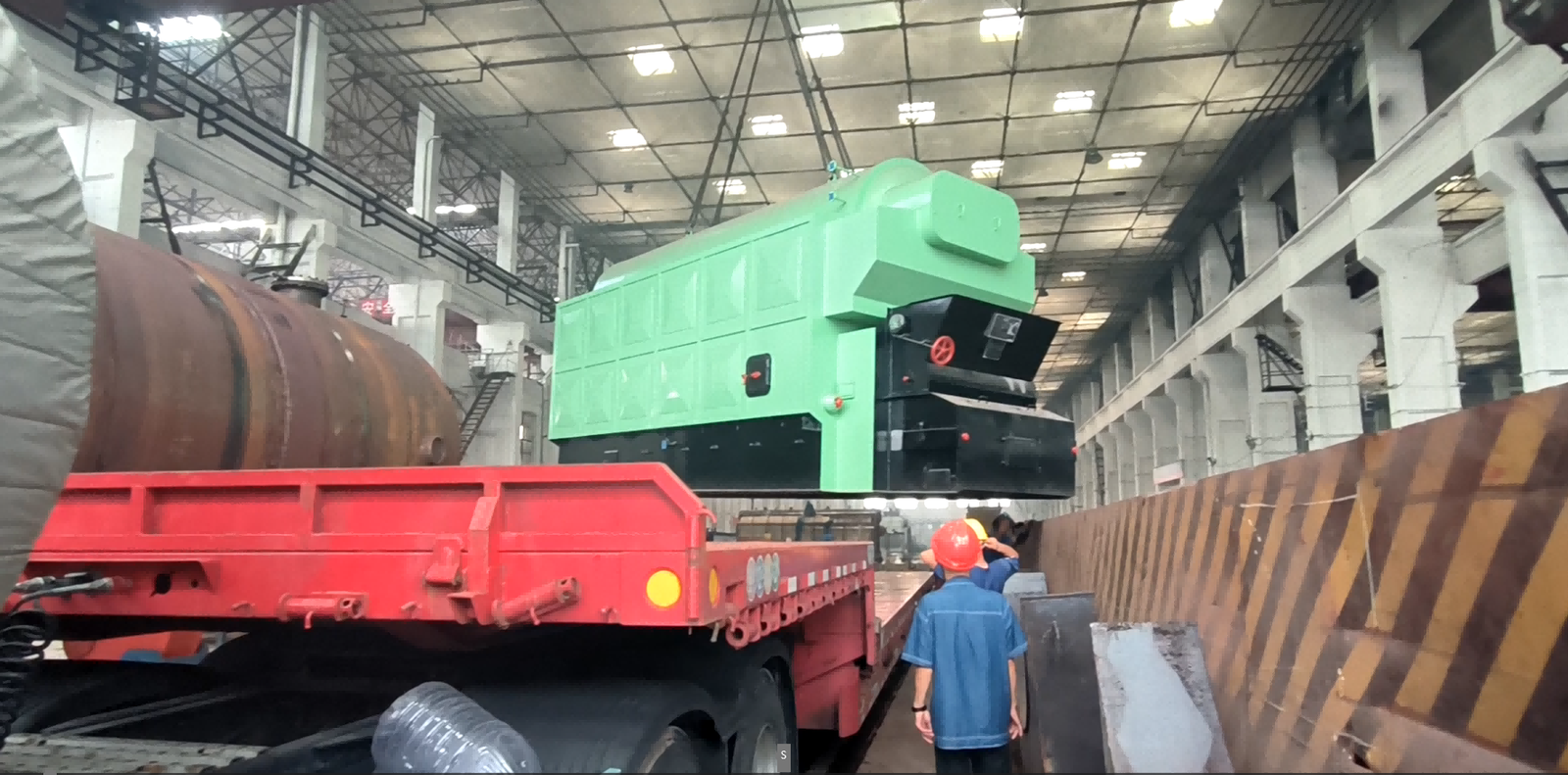
Industrial facilities often struggle with inconsistent boiler efficiency, leading to excessive fuel consumption, higher emissions, and rising operational costs. When boilers operate below or above optimal load conditions, combustion instability, heat loss, and mechanical stress can significantly degrade performance. These inefficiencies not only impact production output but also increase maintenance frequency and energy waste. Understanding how full-load operation influences thermal efficiency is essential for engineers and plant managers aiming to optimize performance and reduce costs.
Full-load operation generally improves industrial boiler thermal efficiency because it allows combustion systems, heat transfer surfaces, and fluid dynamics to function at their optimal design conditions, minimizing heat losses and maximizing fuel utilization. However, sustained full-load operation must be carefully managed to avoid mechanical stress, scaling, and efficiency degradation over time.
To fully grasp this relationship, it is important to explore the thermodynamic principles, operational variables, and real-world performance data behind industrial boiler systems. The following sections provide a comprehensive, technical, and practical analysis designed to help decision-makers optimize boiler performance under full-load conditions.
Industrial boilers always operate most efficiently at full load regardless of design.False
While many boilers are optimized for full-load efficiency, actual performance depends on design, fuel type, control systems, and maintenance conditions.
Heat losses such as radiation and convection are proportionally lower at full load.True
At higher loads, fixed heat losses become a smaller percentage of total energy input, improving overall efficiency.
Understanding Thermal Efficiency in Industrial Boilers
Thermal efficiency in industrial boilers is defined as the ratio of useful heat output to the total energy input from fuel. This parameter is influenced by multiple factors including combustion quality, excess air levels, heat transfer effectiveness, and operational load. At partial load, boilers often suffer from incomplete combustion, higher excess air requirements, and increased relative heat losses. These inefficiencies result in lower thermal performance compared to full-load conditions where the system operates closer to its design parameters.
From a thermodynamic perspective, boilers are designed to achieve peak efficiency at or near their rated capacity. This is because the combustion chamber geometry, burner configuration, and heat exchanger surfaces are optimized for specific flow rates and temperatures. When operating at full load, the flame stability improves, fuel-air mixing is more efficient, and the heat transfer coefficient increases due to higher fluid velocities. Consequently, more energy from the fuel is effectively transferred to the working fluid, typically water or steam.
Key Factors Influencing Efficiency at Full Load
Combustion Efficiency
At full load, combustion efficiency typically improves due to better mixing of fuel and air. Burners are designed to operate most effectively within a specific load range, and full-load conditions often fall within this optimal zone. This results in reduced unburned hydrocarbons and carbon monoxide emissions, indicating more complete combustion.
Heat Transfer Efficiency
Higher load conditions increase the temperature gradient between combustion gases and boiler water, enhancing heat transfer. Additionally, increased flow rates reduce boundary layer resistance, further improving thermal conductivity.
Reduced Relative Heat Losses
Certain heat losses such as radiation and convection remain relatively constant regardless of load. At full load, these losses represent a smaller percentage of total energy input, thereby improving overall efficiency.
Comparative Efficiency at Different Load Levels
| Load Level (%) | Combustion Efficiency (%) | Heat Loss (%) | Overall Thermal Efficiency (%) |
|---|---|---|---|
| 25% | 75 | 20 | 60 |
| 50% | 82 | 15 | 70 |
| 75% | 88 | 12 | 78 |
| 100% | 92 | 10 | 85 |
This table illustrates how efficiency improves as the boiler approaches full-load operation. The reduction in heat loss and increase in combustion efficiency contribute significantly to this trend.
Operational Challenges at Full Load
Despite the efficiency benefits, operating at full load is not without challenges. Continuous high-load operation can lead to increased wear and tear on components such as burners, heat exchangers, and pumps. Thermal stress may cause material fatigue, while scaling and fouling can reduce heat transfer efficiency over time.
Mechanical Stress and Fatigue
High temperatures and pressures at full load can accelerate material degradation. Components must be designed with appropriate safety margins and regularly inspected to prevent failure.
Scaling and Fouling
Mineral deposits and soot accumulation can insulate heat transfer surfaces, reducing efficiency. Regular cleaning and water treatment are essential to maintain optimal performance.
Real-World Case Study
A manufacturing plant operating a 10-ton steam boiler observed a 12% increase in thermal efficiency after optimizing operations to maintain near full-load conditions. By adjusting fuel-air ratios, improving insulation, and implementing real-time monitoring, the plant reduced fuel consumption by 8% and lowered emissions significantly.
Efficiency Optimization Strategies
Load Management
Maintaining boiler operation within 80–100% load range ensures optimal efficiency while avoiding excessive stress. Automated control systems can help achieve this balance.
Advanced Control Systems
Modern boilers use sensors and control algorithms to adjust combustion parameters dynamically. These systems enhance efficiency by maintaining optimal conditions even under varying load demands.
Regular Maintenance
Scheduled inspections, cleaning, and component replacement are critical for sustaining efficiency at full load. Predictive maintenance tools can further enhance reliability.
Heat Loss Breakdown at Full Load
| Heat Loss Type | Percentage at Partial Load | Percentage at Full Load |
|---|---|---|
| Flue Gas Loss | 12% | 8% |
| Radiation Loss | 5% | 3% |
| Blowdown Loss | 3% | 2% |
| Unburned Fuel Loss | 4% | 1% |
This table highlights how various heat losses decrease in proportion as the boiler reaches full-load operation, contributing to higher thermal efficiency.
Environmental and Economic Impact
Operating boilers at full load not only improves efficiency but also reduces greenhouse gas emissions per unit of output. Lower fuel consumption translates to cost savings and a smaller carbon footprint, aligning with sustainability goals and regulatory requirements.
Summary
Full-load operation plays a critical role in enhancing industrial boiler thermal efficiency by optimizing combustion, reducing relative heat losses, and improving heat transfer. However, achieving and sustaining these benefits requires careful system design, regular maintenance, and advanced control strategies. By understanding the underlying principles and implementing best practices, industries can significantly improve energy efficiency and operational performance.
Why Does Thermal Efficiency Decrease at Part-Load Conditions in Industrial Boilers?
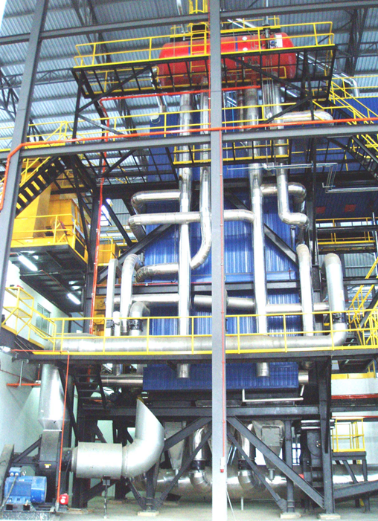
Industrial boiler users frequently face a frustrating paradox: when production demand drops and boilers operate at part-load conditions, energy consumption per unit of output actually increases. This leads to higher fuel costs, unstable steam supply, and increased emissions. Over time, these inefficiencies can significantly erode profit margins and strain equipment reliability. The root of this issue lies in how boilers behave thermodynamically and mechanically outside their optimal design range. Understanding why thermal efficiency drops at part load is critical for making smarter operational and investment decisions.
Thermal efficiency decreases at part-load conditions in industrial boilers primarily due to incomplete combustion, increased excess air requirements, higher relative heat losses, and reduced heat transfer effectiveness. These factors collectively cause more fuel to be consumed per unit of useful heat output, lowering overall system efficiency.
If you want to optimize your boiler system, reduce fuel waste, and extend equipment life, it is essential to dive deeper into the mechanisms behind part-load inefficiency. Let’s break it down step by step with practical insights, technical explanations, and visual aids to make the concepts easier to grasp.
Boilers maintain the same efficiency regardless of load variations.False
Boiler efficiency varies significantly with load due to combustion dynamics, heat losses, and system design limitations.
Excess air requirements increase at lower loads, reducing combustion efficiency.True
At part load, maintaining flame stability requires more excess air, which carries heat away and lowers efficiency.
🔍 What Happens Inside a Boiler at Part Load?
At part-load operation (typically below 60–70% capacity), several internal processes deviate from optimal conditions. Boilers are engineered to perform best near full load, where fuel-air mixing, flame geometry, and heat transfer surfaces are all aligned for maximum efficiency.
At lower loads:
- 🔥 Flame temperature drops
- 🌬️ Excess air increases
- 🌡️ Heat transfer weakens
- ♨️ Stack (flue gas) losses rise
These changes collectively reduce the boiler’s ability to convert fuel into usable heat efficiently.
⚙️ Core Reasons for Efficiency Drop
1. Incomplete Combustion
At part load, burners operate below their optimal firing rate, leading to poor atomization (for liquid fuels) or weak mixing (for gas fuels). This results in:
- Higher CO emissions
- Unburned hydrocarbons
- Lower flame temperature
📉 Impact: Less energy is released from the same amount of fuel.
2. Increased Excess Air (🌬️)
To maintain flame stability at low loads, operators often increase excess air. While necessary, this has a downside:
- Extra air absorbs heat
- Heated air exits through the stack
📊 Example:
| Condition | Excess Air (%) | Stack Loss (%) |
|---|---|---|
| Full Load | 15 | 8 |
| Part Load (40%) | 35 | 15 |
👉 More air = more heat carried away = lower efficiency
3. Higher Relative Heat Losses (♨️)
Some losses are fixed, regardless of load:
- Radiation loss
- Convection loss
- Shell heat loss
At part load, total energy input is lower, so these fixed losses become a larger percentage.
📊 Illustration:
| Load Level | Heat Input | Fixed Loss | % Loss |
|---|---|---|---|
| 100% | 100 units | 5 units | 5% |
| 40% | 40 units | 5 units | 12.5% |
4. Reduced Heat Transfer Efficiency (🌡️)
Lower load means:
- Slower flue gas velocity
- Reduced turbulence
- Lower temperature gradients
This weakens convective heat transfer between flue gas and water/steam.
5. Cycling Losses (🔁)
At very low loads, boilers may cycle ON and OFF frequently:
- Startup purging wastes heat
- Reheating components consumes energy
- Thermal stress increases
📉 Result: Significant efficiency penalties over time
📊 Comprehensive Efficiency Comparison
| Parameter | Full Load ✅ | Part Load ❌ |
|---|---|---|
| Combustion Efficiency | High (90–95%) | Lower (75–85%) |
| Excess Air Requirement | Low | High |
| Stack Temperature | Optimized | Higher |
| Heat Transfer Rate | Strong | Weak |
| Relative Heat Loss | Low | High |
| Fuel Utilization | Efficient | Inefficient |
📉 Visual Efficiency Trend (Conceptual)
Efficiency (%)
95 |                🔵
90 |            🔵
85 |        🔵
80 |     🔵
75 |  🔵
   +-------------------------
     20  40  60  80  100
           Load (%)
👉 Efficiency increases as load approaches 100%
🏭 Real Industrial Example
A textile factory operating a 6-ton steam boiler at 45% load observed:
- 🔺 Fuel consumption increased by 18% per ton of steam
- 🔺 Stack temperature rose by 25°C
- 🔻 Efficiency dropped from 88% → 72%
After installing a modulating burner system and improving load management:
- Efficiency improved to 84%
- Fuel savings reached 12% annually
🧠 Engineering Insight: Why Design Matters
Boilers are not “linear efficiency machines.” Their design includes:
- Burner geometry tuned for full load
- Heat exchanger surfaces sized for peak flow
- Control systems optimized for stable high-load combustion
Operating far below design conditions disrupts all three.
🛠️ How to Minimize Part-Load Efficiency Losses
✅ 1. Use Modular Boiler Systems
Instead of one large boiler:
- Use multiple smaller units
- Match load demand dynamically
✅ 2. Install Advanced Burners
- Low-NOx modulating burners
- Better fuel-air control at low load
✅ 3. Optimize Excess Air
- Use oxygen trim systems
- Continuously monitor flue gas
✅ 4. Improve Insulation
- Reduce fixed radiation losses
✅ 5. Implement Smart Controls
- AI-based load prediction
- Automated load balancing
📊 Heat Loss Breakdown Comparison
| Heat Loss Type | Full Load (%) | Part Load (%) |
|---|---|---|
| Flue Gas Loss | 8 | 15 |
| Radiation Loss | 3 | 6 |
| Blowdown Loss | 2 | 4 |
| Unburned Fuel | 1 | 5 |
🌱 Environmental Impact
Operating at part load:
- ❌ Increases CO₂ per unit output
- ❌ Raises NOx and CO emissions
- ❌ Reduces sustainability performance
Optimizing load = cleaner operation 🌍
🔚 Summary
Thermal efficiency decreases at part-load conditions because industrial boilers move away from their optimal combustion and heat transfer design points. Increased excess air, incomplete combustion, higher relative heat losses, and reduced heat transfer all contribute to wasted energy and higher operational costs. While part-load operation is often unavoidable, understanding its impact allows engineers to implement targeted strategies—such as modular systems, advanced controls, and optimized combustion—to minimize efficiency losses and improve overall system performance.
What Factors Influence Thermal Efficiency in Industrial Boilers at Different Loads?
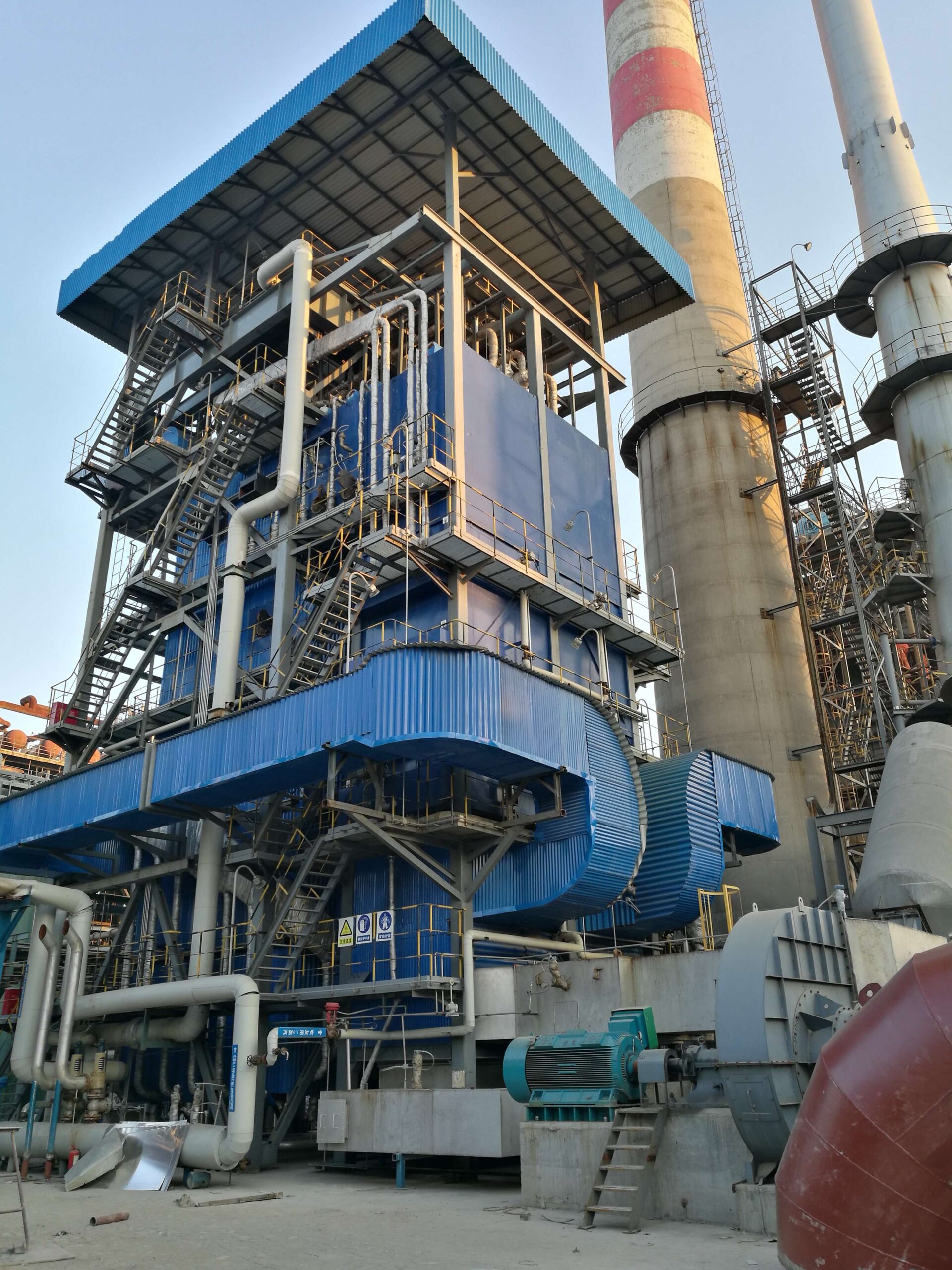
Industrial operators often assume that once a boiler is installed, its efficiency remains relatively constant. In reality, thermal efficiency fluctuates significantly with load changes, leading to hidden fuel waste, unstable steam output, and increased emissions. When boilers operate away from their design point, factors such as combustion instability, excess air, and heat losses intensify, silently increasing operational costs and reducing equipment lifespan. Without a deep understanding of these influencing variables, even well-designed systems can perform far below their potential.
Thermal efficiency in industrial boilers at different loads is influenced by combustion quality, excess air levels, heat transfer effectiveness, flue gas losses, control system responsiveness, fuel characteristics, and maintenance conditions. At higher loads, these factors tend to align optimally, while at part-load conditions inefficiencies such as increased excess air, incomplete combustion, and higher relative heat losses reduce overall efficiency.
To make informed operational and investment decisions, it is essential to explore these factors in depth. The following comprehensive analysis provides technical insights, real-world data, and practical strategies to help engineers and plant managers optimize boiler performance across varying load conditions.
Boiler efficiency is only determined by fuel type and does not depend on load.False
While fuel type affects efficiency, operational load significantly influences combustion dynamics, heat transfer, and losses.
Proper control of excess air is one of the most critical factors affecting boiler efficiency.True
Excess air directly impacts combustion efficiency and flue gas heat losses, making it a key parameter in boiler performance.
🔥 Fundamental Factors Affecting Thermal Efficiency
Industrial boiler efficiency is not governed by a single variable but rather by a complex interaction of thermodynamic, mechanical, and operational parameters. These factors behave differently under full-load, mid-load, and part-load conditions.
1. Combustion Efficiency (🔥 Core Driver)
Combustion efficiency determines how completely fuel energy is released. At optimal loads:
- Fuel-air mixing is ideal
- Flame temperature is stable
- Emissions are minimized
At lower loads:
- Poor atomization (liquid fuels)
- Weak turbulence
- Increased CO and unburned fuel
📊 Combustion efficiency variation:
| Load (%) | Combustion Efficiency (%) |
|---|---|
| 30% | 78 |
| 60% | 85 |
| 100% | 92 |
👉 Key takeaway: Better combustion = higher efficiency
🌬️ 2. Excess Air Ratio
Excess air is necessary to ensure complete combustion, but too much air reduces efficiency.
- Low load → higher excess air needed
- High load → optimized air-fuel ratio
📊 Impact of excess air:
| Excess Air (%) | Efficiency Impact |
|---|---|
| 10–15% | Optimal |
| 25–40% | Moderate loss |
| >50% | Severe loss |
Excess air carries heat out of the system via flue gas, increasing stack losses.
♨️ 3. Flue Gas (Stack) Losses
Flue gas losses are one of the largest contributors to efficiency reduction.
At different loads:
- Full load → lower stack temperature (relative)
- Part load → higher stack temperature due to excess air
📊 Example:
| Load | Stack Temp (°C) | Heat Loss (%) |
|---|---|---|
| 100% | 180 | 8 |
| 50% | 220 | 14 |
🌡️ 4. Heat Transfer Efficiency
Heat transfer depends on:
- Temperature gradient
- Flow velocity
- Surface cleanliness
At higher loads:
- Strong turbulence
- Better convection
- Higher heat absorption
At part load:
- Reduced gas velocity
- Laminar flow dominance
- Lower heat transfer coefficient
⚙️ 5. Boiler Design and Geometry
Boiler efficiency is highly dependent on its design:
- Fire-tube vs water-tube
- Burner configuration
- Heat exchanger surface area
Some boilers are optimized for:
- Base load operation
- Flexible load modulation
📊 Comparison:
| Boiler Type | Best Efficiency Range |
|---|---|
| Fire-tube | 70–100% |
| Water-tube | 60–100% |
🔁 6. Load Cycling and Control Systems
Frequent ON/OFF cycling at low loads causes:
- Heat loss during startup
- Purge air energy waste
- Thermal stress
Advanced control systems can mitigate this by:
- Modulating burners
- Predicting demand
- Maintaining stable operation
🧪 7. Fuel Properties
Fuel characteristics directly impact efficiency:
- Calorific value
- Moisture content
- Volatility
📊 Fuel comparison:
| Fuel Type | Efficiency Potential | Notes |
|---|---|---|
| Natural Gas | High (90%+) | Clean combustion |
| Fuel Oil | Medium | Requires atomization |
| Coal | Lower | Higher ash losses |
🧼 8. Fouling and Scaling
Deposits on heat transfer surfaces reduce efficiency by insulating heat flow.
- Soot → reduces heat absorption
- Scale → increases thermal resistance
📉 Even 1 mm of scale can reduce efficiency by 2–3%
📊 Combined Efficiency vs Load
“`id=”eff_curve_92ks”
Efficiency (%)
95 | 🔵
90 | 🔵
85 | 🔵
80 | 🔵
75 | 🔵
+————————-
20 40 60 80 100
Load (%)
“`
📊 Integrated Performance Table
| Factor | Full Load ✅ | Part Load ❌ | Impact Level |
|---|---|---|---|
| Combustion Quality | High | Medium/Low | ⭐⭐⭐⭐⭐ |
| Excess Air | Optimized | High | ⭐⭐⭐⭐⭐ |
| Heat Transfer | Strong | Weak | ⭐⭐⭐⭐ |
| Flue Gas Loss | Low | High | ⭐⭐⭐⭐⭐ |
| Cycling Loss | Minimal | High | ⭐⭐⭐⭐ |
| Fouling Impact | Moderate | Severe | ⭐⭐⭐ |
🏭 Real Case Study
A chemical processing plant using a 15-ton boiler analyzed performance across loads:
- At 90% load → efficiency = 91%
- At 50% load → efficiency = 76%
- At 30% load → efficiency = 68%
After implementing:
- Oxygen trim control
- Variable frequency drives
- Modular load sharing
Results:
- Average efficiency increased by 11%
- Annual fuel savings exceeded $180,000
🧠 Advanced Insight: Interdependence of Factors
These factors are not isolated. For example:
- Increased excess air → higher flue gas loss → reduced heat transfer efficiency
- Fouling → higher stack temperature → increased fuel demand
Understanding these interactions is key to optimization.
🛠️ Practical Optimization Strategies
✅ Optimize Air-Fuel Ratio
- Install O₂ analyzers
- Use automated dampers
✅ Maintain Clean Heat Surfaces
- Regular soot blowing
- Water treatment programs
✅ Upgrade Control Systems
- PLC/AI-based control
- Real-time monitoring
✅ Use Economizers
- Recover waste heat
- Improve overall efficiency
✅ Adopt Modular Systems
- Match load demand precisely
🌱 Environmental and Economic Benefits
Improving efficiency across loads:
- Reduces CO₂ emissions 🌍
- Lowers fuel costs 💰
- Enhances equipment life 🔧
🔚 Summary
Thermal efficiency in industrial boilers is influenced by a dynamic combination of combustion behavior, excess air, heat transfer, fuel properties, and operational control—each of which responds differently to load changes. Full-load operation aligns these factors for peak efficiency, while part-load conditions amplify inefficiencies. By understanding and actively managing these variables, industries can significantly enhance performance, reduce energy waste, and achieve long-term operational excellence.
How Do Advanced Controls Improve Part-Load Efficiency in Industrial Boilers?
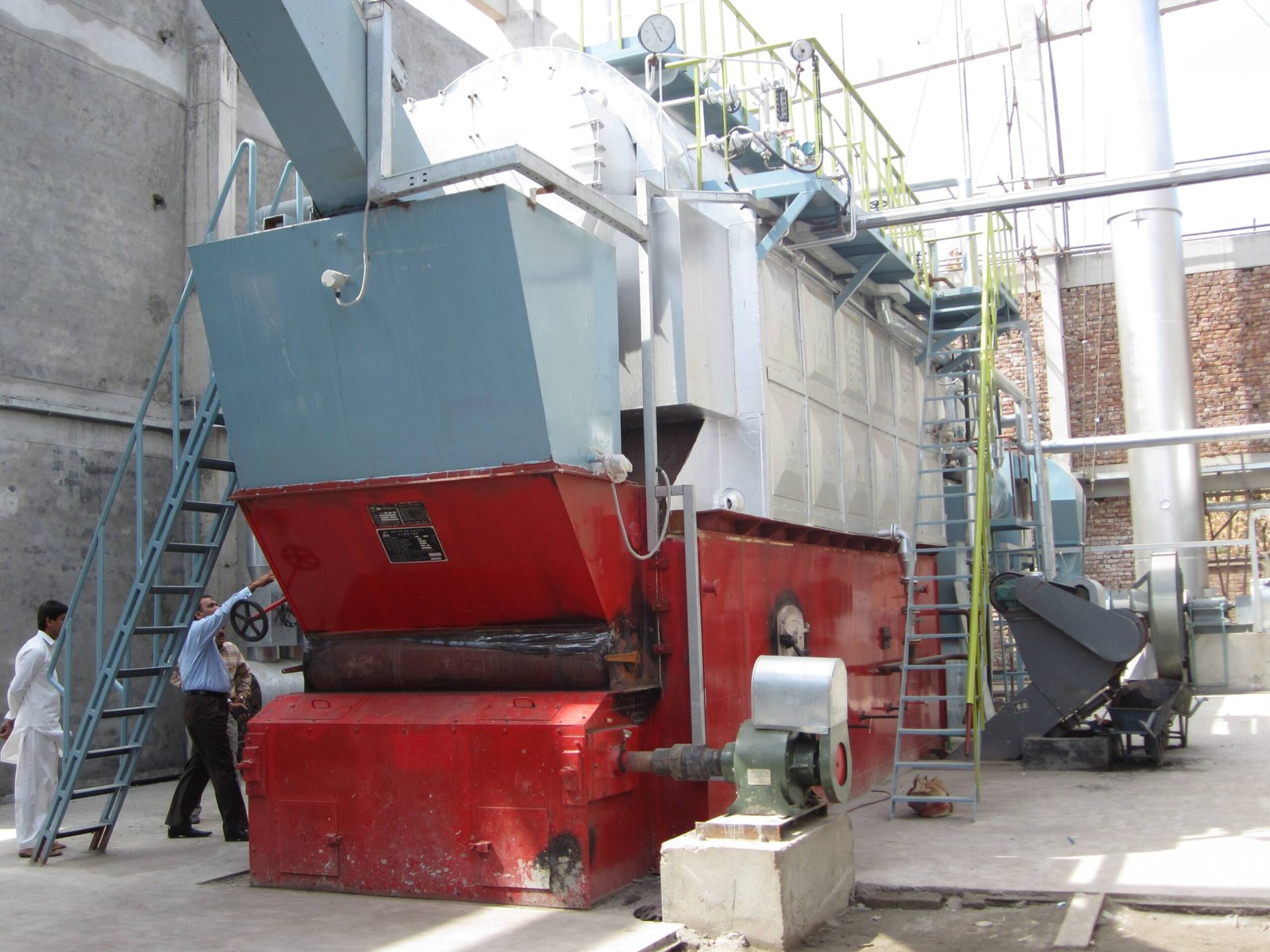
In industrial operations, one of the most persistent and costly inefficiencies occurs when boilers operate under part-load conditions. Many facilities assume boilers are most efficient when simply “running,” but in reality, fluctuating demand forces boilers into inefficient cycling, excess air consumption, poor combustion stability, and frequent startup losses. These issues silently increase fuel consumption, emissions, and maintenance costs. The problem becomes even more severe in industries with variable steam demand such as food processing, petrochemicals, pharmaceuticals, and district heating systems. Without intelligent control, operators are forced to manually adjust firing rates, often relying on conservative safety margins that sacrifice efficiency for stability. This is where advanced boiler control systems become critical. They dynamically optimize combustion, airflow, and fuel delivery in real time, ensuring that even at reduced loads, the boiler operates near peak efficiency. Instead of reacting to inefficiency, these systems predict and prevent it using sensor feedback, adaptive algorithms, and model-based control strategies, transforming traditional boiler operation into a highly optimized energy system.
Advanced controls improve part-load efficiency in industrial boilers by continuously optimizing the air-fuel ratio, stabilizing combustion across variable loads, reducing excess oxygen, minimizing cycling losses, and using predictive algorithms (such as feedforward and model predictive control) to maintain near-optimal combustion conditions even when steam demand fluctuates significantly.
Understanding how this works in practice requires a deeper look into combustion dynamics, control architecture, and real-world operational data. The following sections break down the mechanisms behind advanced boiler controls and explain how they directly translate into measurable energy savings and performance improvements in industrial environments.
Advanced boiler control systems significantly reduce fuel consumption during part-load operation by optimizing air-fuel ratios in real time.True
Modern combustion control systems continuously adjust fuel and air inputs based on sensor feedback, minimizing excess air and improving combustion efficiency, especially under variable load conditions.
The Hidden Inefficiency Problem in Part-Load Boiler Operation
Industrial boilers are typically designed for peak load conditions, but in real-world operations, they spend a significant portion of their time at partial load. This mismatch between design and actual operating conditions is where inefficiencies emerge. At part-load, traditional control systems struggle to maintain optimal combustion because the relationship between fuel input, airflow, and heat demand becomes nonlinear. Operators often compensate by increasing excess air to ensure complete combustion, but this leads to lower thermal efficiency because heated nitrogen and oxygen are exhausted without contributing to steam generation.
At low loads, flame stability also becomes an issue. Conventional systems may cycle burners on and off, causing repeated heat losses through purge cycles and startup energy waste. In addition, mechanical dampers and valves controlled by basic PID loops cannot respond fast enough to dynamic changes in steam demand. This lag creates oscillations in oxygen levels, temperature fluctuations, and incomplete combustion events. Over time, these inefficiencies accumulate into significant energy losses, often ranging between 5% and 20% depending on system design and operating discipline.
Another overlooked issue is stack loss variability. When excess air increases, flue gas temperatures rise, carrying more heat out of the system. This directly reduces boiler efficiency. In many conventional systems, operators do not have real-time visibility into combustion efficiency metrics, which means inefficiencies persist unnoticed for long periods. Advanced control systems address this gap by continuously monitoring flue gas composition, temperature gradients, and load variations, allowing immediate corrective actions. This shift from static to dynamic control is the foundation of part-load optimization.
Advanced Control Architectures Transforming Boiler Efficiency
Advanced boiler control systems rely on a layered architecture that integrates sensors, actuators, control logic, and predictive algorithms. Unlike traditional PID-only systems, modern configurations often combine multiple control strategies to handle complex combustion behavior under varying loads.
Core Control Strategies in Modern Boiler Systems
| Control Strategy | Function | Impact on Part-Load Efficiency | Key Benefit |
|---|---|---|---|
| Oxygen Trim Control | Adjusts air supply based on real-time flue gas oxygen levels | Reduces excess air losses | Improves combustion efficiency |
| Feedforward Control | Anticipates load changes and adjusts fuel/air preemptively | Stabilizes response during demand fluctuations | Prevents inefficiencies during transients |
| Cascade Control | Uses multiple control loops (steam pressure, fuel flow, air flow) | Improves coordination between subsystems | Enhances stability |
| Model Predictive Control (MPC) | Uses mathematical models to predict system behavior | Optimizes long-term efficiency under variable loads | Maximizes fuel economy |
| Cross-Limiting Control | Ensures safe air-fuel ratio adjustments | Prevents unsafe combustion conditions | Maintains safety and efficiency |
These systems work together to ensure that combustion remains as close as possible to stoichiometric conditions without compromising safety. The most impactful innovation among these is oxygen trim control, which fine-tunes combustion by continuously measuring oxygen levels in flue gases and adjusting air dampers accordingly. Even small improvements in oxygen control can lead to significant fuel savings.
The Role of Digitalization and Smart Sensors in Efficiency Gains
Modern industrial boilers increasingly rely on digital instrumentation and IoT-enabled sensors. These devices provide high-frequency data streams on temperature, pressure, flow rate, oxygen concentration, and flame stability. This data is processed by distributed control systems (DCS) or programmable logic controllers (PLC), which execute real-time optimization algorithms.
Digital twin technology is also emerging as a powerful tool in boiler optimization. By creating a virtual replica of the boiler system, operators can simulate part-load conditions and test control strategies before applying them in real operation. This reduces risk while improving tuning accuracy.
Smart sensors also play a critical role in reducing response latency. For example, advanced zirconia oxygen sensors provide near-instant feedback on combustion quality, allowing the control system to react within seconds rather than minutes. This rapid response capability is essential for maintaining efficiency under fluctuating loads.
In addition, predictive analytics can identify patterns in steam demand, enabling preemptive adjustments. For instance, in a manufacturing plant, steam demand often follows production cycles. Advanced systems can learn these patterns and optimize boiler firing schedules accordingly, reducing unnecessary cycling and improving thermal stability.
Efficiency Improvement Metrics and Real-World Performance Data
The impact of advanced controls is best understood through measurable performance indicators. Below is a comparison of typical efficiency improvements achieved through modernization of boiler control systems.
| Performance Metric | Traditional Control | Advanced Control System | Improvement Range |
|---|---|---|---|
| Fuel Efficiency | 75–82% | 85–92% | +8–15% |
| Excess Oxygen Levels | 6–10% | 2–4% | -50–70% reduction |
| Cycling Losses | High | Low | -30–60% reduction |
| Emissions (NOx) | High variability | Stable low levels | -20–40% reduction |
| Load Response Time | Slow (minutes) | Fast (seconds) | 60–80% improvement |
These improvements are not theoretical; they are consistently observed in industrial retrofits across multiple sectors. The most significant gains typically come from reducing excess air and minimizing cycling losses, both of which are directly addressed by advanced control strategies.
Case Study: Industrial Steam Plant Optimization
A mid-sized chemical manufacturing facility operating three fire-tube boilers implemented a full upgrade to advanced combustion control, including oxygen trim, feedforward logic, and model predictive control. Prior to the upgrade, the boilers operated at approximately 78% average efficiency with frequent cycling during low-demand periods.
After implementation, the system achieved a sustained efficiency improvement of 11.5%, primarily due to reduced excess air and stabilized combustion during part-load conditions. Fuel consumption dropped significantly, saving approximately 14,000 MMBtu annually. Additionally, NOx emissions decreased by 28%, allowing the facility to meet stricter environmental compliance requirements without additional scrubber investment.
Operators also reported improved system stability, with fewer manual interventions required. The predictive control system was able to anticipate production schedule changes and adjust boiler output accordingly, reducing stress on mechanical components and extending maintenance intervals.
Challenges in Implementing Advanced Boiler Controls
Despite the clear benefits, implementing advanced control systems is not without challenges. One of the primary obstacles is integration with legacy equipment. Many industrial facilities still operate boilers that were installed decades ago, with limited sensor infrastructure. Retrofitting these systems requires careful planning and investment in instrumentation upgrades.
Another challenge is control system tuning. Advanced algorithms such as MPC require accurate system models, which can be difficult to develop in complex, nonlinear combustion environments. Poor tuning can actually degrade performance rather than improve it.
Operator training is also critical. Advanced systems shift control responsibility from manual adjustments to automated decision-making. Without proper training, operators may override systems or misinterpret data, reducing efficiency gains.
Cybersecurity is another growing concern. As boilers become more connected through industrial IoT networks, they also become potential targets for cyber threats. Ensuring secure communication between sensors, controllers, and supervisory systems is essential.
Optimization Strategies for Maximum Part-Load Efficiency
To fully leverage advanced controls, industrial operators should adopt a holistic optimization strategy that includes:
- Continuous calibration of oxygen sensors and flow meters
- Regular tuning of PID and cascade control loops
- Implementation of predictive maintenance for burners and actuators
- Use of historical load data to refine feedforward models
- Integration of energy management systems (EMS) with boiler controls
- Periodic efficiency audits using flue gas analysis
These strategies ensure that the control system continues to perform optimally over time, even as operating conditions change.
Summary
Advanced control systems fundamentally transform how industrial boilers operate under part-load conditions. By combining real-time sensor feedback, predictive algorithms, and multi-layer control architectures, they eliminate inefficiencies that traditional systems cannot address. The result is higher fuel efficiency, lower emissions, improved operational stability, and reduced maintenance costs. In an era where energy costs and environmental regulations are increasingly strict, these systems are no longer optional upgrades but essential components of modern industrial infrastructure.
What Is the Efficiency Difference Between Condensing and Non-Condensing Industrial Boilers?
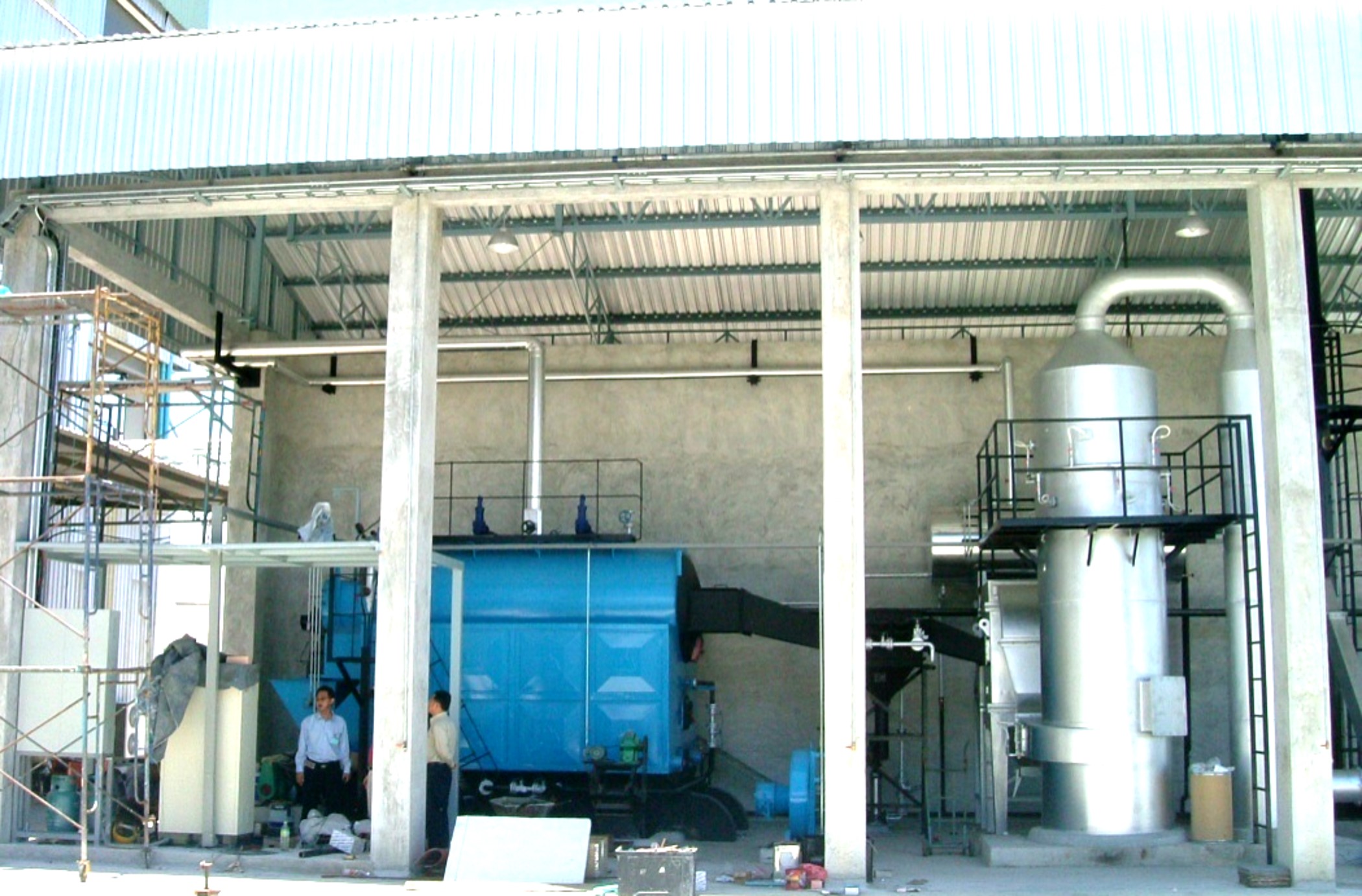
Industrial facilities often face a quiet but costly problem: boilers that appear to be working normally while steadily wasting fuel energy through exhaust losses. Non-condensing boilers, still widely used in many plants, discharge high-temperature flue gases that carry away usable heat. Over time, this inefficiency leads to significantly higher operating costs and increased carbon emissions. Condensing boilers offer a more advanced solution, but many decision-makers struggle to quantify the actual efficiency difference and understand when the upgrade truly pays off.
Condensing industrial boilers typically achieve 88%–98% efficiency by recovering latent heat from water vapor in flue gases, while non-condensing boilers operate at approximately 70%–85% efficiency due to unavoidable stack heat losses, resulting in 10%–30% fuel savings potential under optimal operating conditions.
To fully understand this difference, it is necessary to break down how each system works, where energy is lost or recovered, and how real-world conditions influence actual performance.
🔧 Boiler Efficiency Fundamentals
Understanding boiler efficiency starts with a simple concept: how much of the fuel’s energy is converted into usable heat.
Non-condensing boilers are limited by their design to keep exhaust gases above the dew point, which prevents internal corrosion but also prevents recovery of latent heat. Condensing boilers, on the other hand, are engineered to intentionally cool flue gases below the dew point, capturing additional thermal energy.
📊 Basic Efficiency Comparison
| Parameter | Non-Condensing Boiler | Condensing Boiler |
|---|---|---|
| Efficiency Range | 70%–85% | 88%–98% |
| Heat Recovery Type | Sensible heat only | Sensible + latent heat |
| Exhaust Temperature | 150°C–250°C | 30°C–60°C |
| Flue Gas Losses | High | Low |
The key difference is not just temperature—it is whether latent heat from water vapor is recovered or wasted.
♨️ Heat Recovery Mechanism Explained
eta = frac{Q_{useful}}{Q_{input}}
In industrial boilers, efficiency (η) depends on how much of the fuel’s input energy (Q_input) is converted into usable heat output (Q_useful). The defining advantage of condensing boilers is that they increase Q_useful by capturing energy that would otherwise leave through the flue.
Condensing systems achieve this through:
- 💧 Cooling flue gases below dew point
- 🔄 Condensation of water vapor
- ♻️ Recovery of latent heat released during phase change
- 🔥 Reintegration of recovered heat into return water loop
Non-condensing systems simply bypass this process, allowing energy-rich vapor to escape.
🌡️ Operating Conditions That Affect Efficiency
Real-world performance depends heavily on system conditions, especially return water temperature and load variability.
📊 Efficiency Under Different Operating Conditions
| Condition | Non-Condensing Efficiency | Condensing Efficiency |
|---|---|---|
| Low return temperature (<55°C) | 75%–85% | 92%–98% |
| Medium temperature (55°C–70°C) | 72%–82% | 88%–92% |
| High temperature (>70°C) | 70%–80% | 85%–88% |
Key insight: condensing boilers only achieve maximum efficiency when return water is sufficiently cool to allow condensation.
🏭 Industrial Load Behavior Impact
Industrial systems rarely operate at steady full load. Instead, they fluctuate based on production cycles, which significantly affects boiler efficiency.
- 📉 Non-condensing boilers lose efficiency rapidly at part-load conditions
- 📈 Condensing boilers maintain higher efficiency across varying loads
- ⚙️ Modulating burners enhance performance stability
📊 Load Efficiency Behavior
| Load Condition | Non-Condensing Performance | Condensing Performance |
|---|---|---|
| 100% load | Stable but limited | High efficiency |
| 50% load | Noticeable efficiency drop | Moderate efficiency drop |
| 25% load | Significant loss | Relatively stable |
💰 Fuel Cost Impact and Savings Potential
Even small percentage improvements in boiler efficiency translate into large cost differences in industrial-scale operations.
Example:
- Annual energy demand: 1,000,000 MMBtu
- Non-condensing efficiency: 80%
- Condensing efficiency: 92%
📊 Fuel Consumption Comparison
| Boiler Type | Required Fuel Input | Cost Impact |
|---|---|---|
| Non-Condensing | 1,250,000 MMBtu | Baseline |
| Condensing | 1,087,000 MMBtu | ~13% lower fuel usage |
This difference becomes more significant as energy prices increase or operations scale up.
🌍 Environmental Efficiency Advantage
Improved thermal efficiency directly reduces emissions, making condensing boilers a key technology in industrial decarbonization strategies.
- 🌫️ Lower CO₂ emissions per unit of heat produced
- 🔥 Reduced fuel combustion demand
- 📉 Improved ESG compliance and regulatory alignment
📊 Emissions Comparison
| Boiler Type | CO₂ Emissions |
|---|---|
| Non-Condensing | High |
| Condensing | 10%–30% lower |
⚠️ System Design Limitations
Despite their advantages, condensing boilers are not universally optimal in every industrial application.
Key limitations include:
- 🔥 High-temperature steam systems where condensation is not possible
- 🚫 Poorly designed return loops preventing low-temperature operation
- 🏗️ Legacy infrastructure with fixed operating parameters
- ⚙️ Lack of condensate management systems
In these scenarios, efficiency gains may be reduced or partially unrealized.
🧠 Engineering Selection Considerations
Selecting between condensing and non-condensing boilers requires a system-level evaluation rather than a simple efficiency comparison.
Key design factors:
- Return water temperature profile
- Load variability patterns
- Corrosion resistance requirements
- Condensate drainage and neutralization
- Lifecycle cost vs upfront investment
📊 Application Suitability Table
| Application Type | Recommended Boiler |
|---|---|
| Low-temp hydronic systems | Condensing |
| District heating systems | Condensing |
| High-temp steam plants | Non-condensing or hybrid |
| Retrofit legacy systems | Case-by-case |
🏁 Final Insight: Real Efficiency Difference
The efficiency difference between condensing and non-condensing industrial boilers is fundamentally structural, not incremental. Condensing boilers achieve higher efficiency by recovering latent heat from flue gas condensation, while non-condensing boilers lose this energy through unavoidable exhaust heat.
However, real-world efficiency depends on system design, temperature conditions, and operational behavior. When properly integrated, condensing boilers offer substantial fuel savings, reduced emissions, and improved lifecycle performance, making them the preferred solution for modern energy-efficient industrial heating systems.
How Can You Optimize Industrial Boiler Performance Under Variable Load Conditions?
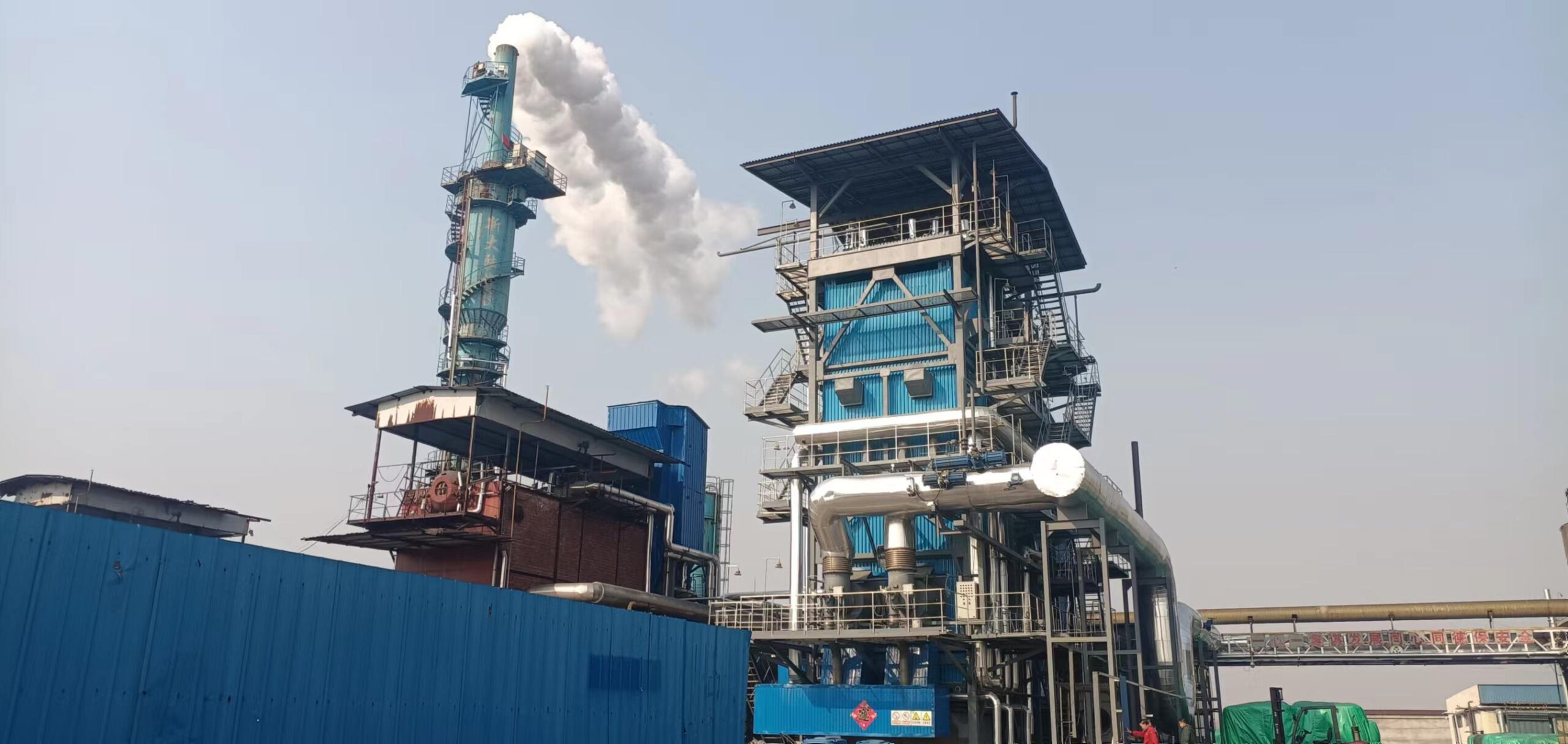
Industrial boilers rarely operate at a constant load in real-world applications. Instead, they continuously respond to fluctuating demand caused by production cycles, seasonal heating needs, startup/shutdown operations, and process variability. These fluctuations can significantly reduce efficiency, increase fuel consumption, and accelerate equipment wear if not properly managed. Many facilities unknowingly operate far below optimal efficiency simply because their boiler systems are not designed or tuned for dynamic conditions.
Optimizing industrial boiler performance under variable load conditions requires implementing advanced modulation control, improving heat recovery efficiency, maintaining optimal return water temperatures, and using intelligent automation systems that dynamically adjust combustion and flow parameters to match real-time demand.
To achieve stable, efficient, and cost-effective operation, it is essential to understand how load variation affects boiler behavior and what engineering strategies can mitigate efficiency losses.
⚙️ Understanding Variable Load Behavior in Boilers
Industrial boilers experience fluctuating demand patterns that directly impact combustion efficiency and heat transfer performance. Unlike steady-state operation, variable loads introduce instability in fuel-air ratios, water flow, and heat exchanger performance.
Key effects of variable load include:
- 📉 Reduced combustion efficiency at partial loads
- 🔄 Frequent cycling losses during start/stop operations
- 🌡️ Inconsistent return water temperatures
- 💨 Increased flue gas losses during low-load operation
📊 Load Impact on Efficiency
| Load Level | Efficiency Trend (Non-Optimized System) |
|---|---|
| 100% Load | Stable but fuel-intensive |
| 75% Load | Slight efficiency drop |
| 50% Load | Noticeable efficiency reduction |
| 25% Load | Significant efficiency loss |
| Cycling Operation | Severe efficiency degradation |
Without optimization, boilers can lose 10%–25% efficiency under variable loads.
🔥 Advanced Modulation Control Strategies
One of the most effective ways to optimize boiler performance is through modulation control, which adjusts fuel and air input based on real-time demand rather than operating in fixed ON/OFF cycles.
eta = frac{Q_{useful}}{Q_{input}}
By maintaining a balanced fuel-to-air ratio across varying loads, modulation systems help maximize Q_useful while minimizing excess fuel consumption.
Key benefits include:
- 🔄 Continuous adjustment of burner output
- ⚡ Reduced cycling losses
- 🌬️ Improved combustion stability
- 🔥 Lower fuel consumption at partial loads
📊 Control Method Comparison
| Control Type | Efficiency Performance | Operating Behavior |
|---|---|---|
| On/Off Control | Poor | Frequent cycling |
| Step Firing | Moderate | Fixed stages |
| Fully Modulating | High | Continuous adjustment |
Fully modulating burners are essential for modern high-efficiency systems.
🌡️ Optimizing Return Water Temperature
Return water temperature is one of the most critical factors affecting boiler efficiency, especially in condensing systems.
Lower return temperatures allow better heat extraction from flue gases, improving overall thermal efficiency.
Key optimization methods:
- ♻️ Installing low-temperature return loops
- 🔁 Using heat recovery heat exchangers
- 🧊 Improving distribution system balancing
- ⚙️ Eliminating bypass flows
📊 Return Temperature Efficiency Impact
| Return Temperature | Efficiency Impact |
|---|---|
| <55°C | Maximum efficiency (condensing optimal) |
| 55°C–70°C | Moderate efficiency gain |
| >70°C | Reduced efficiency benefit |
Even small temperature reductions can yield significant energy savings.
🔄 Reducing Cycling Losses
Frequent boiler cycling (turning on and off) is one of the largest sources of inefficiency in variable load systems.
Each startup cycle introduces:
- 🔥 Pre-purge heat loss
- 💨 Stack heat loss during startup
- ⚙️ Mechanical stress on components
- ⏱️ Delayed stable combustion conditions
📊 Cycling Impact on Efficiency
| Operation Mode | Efficiency Impact |
|---|---|
| Continuous Operation | Optimal |
| Low Cycling | Slight loss |
| Frequent Cycling | High efficiency loss |
Optimization Techniques:
- 🧠 Use larger buffer tanks to stabilize load
- 📉 Reduce minimum firing rate thresholds
- 🔄 Implement smart staging of multiple boilers
- ⚙️ Avoid oversized boiler selection
🧠 Smart Control Systems and Automation
Modern boiler optimization relies heavily on digital control systems and predictive automation.
These systems use sensors and algorithms to continuously adjust:
- 🔥 Fuel input
- 🌬️ Air-to-fuel ratio
- 💧 Water flow rate
- 🌡️ Temperature setpoints
📊 Automation vs Manual Control Performance
| Control Method | Stability | Efficiency | Responsiveness |
|---|---|---|---|
| Manual Control | Low | Low | Slow |
| Basic PLC Control | Medium | Medium | Moderate |
| AI-Based Optimization | High | High | Real-time |
Smart systems can reduce energy consumption by up to 15% in variable-load environments.
♻️ Heat Recovery Optimization
Improving heat recovery systems enhances efficiency even during fluctuating load conditions.
Key strategies:
- 🔥 Economizer integration for preheating feedwater
- 💧 Condensate recovery systems
- 🌡️ Flue gas heat exchangers
- 🔁 Waste heat reutilization loops
📊 Heat Recovery Contribution to Efficiency
| System Feature | Efficiency Gain |
|---|---|
| Economizer | +3%–5% |
| Condensate Recovery | +5%–10% |
| Advanced Heat Exchange | +5%–8% |
🏭 Multi-Boiler Load Sharing Strategy
In large industrial facilities, using multiple boilers instead of a single oversized unit significantly improves efficiency under variable loads.
Benefits include:
- ⚙️ Better load matching
- 🔄 Reduced cycling
- 📈 Higher part-load efficiency
- 🔧 Improved maintenance flexibility
📊 Single vs Multi-Boiler System
| System Type | Efficiency at Variable Load |
|---|---|
| Single Large Boiler | Low–Moderate |
| Multiple Modular Boilers | High |
🌍 Energy Management Integration
Integrating boilers into a broader energy management system (EMS) allows for real-time optimization across the entire facility.
Functions include:
- 📊 Load forecasting
- 🔄 Demand-response adjustments
- ⚡ Peak shaving strategies
- 📉 Energy consumption tracking
This ensures boilers operate only as efficiently as possible based on actual plant demand.
🏁 Final Insight: Achieving Stable Efficiency Under Dynamic Loads
Optimizing industrial boiler performance under variable load conditions requires a combination of mechanical design, control systems, and operational strategy. No single solution is sufficient on its own. Instead, maximum efficiency is achieved through coordinated improvements in modulation control, return temperature management, cycling reduction, heat recovery, and smart automation.
When properly optimized, industrial boilers can maintain high efficiency even under highly fluctuating demand, reducing fuel costs, improving system rel
Conclusion
Industrial boiler efficiency is highest under full-load conditions but often declines at part load due to operational and thermodynamic factors. Understanding this variation is crucial for optimizing energy use, reducing fuel costs, and improving system reliability. By leveraging advanced technologies and proper operational strategies, businesses can maintain high efficiency across a wide range of load conditions.
If you want to improve the efficiency of your industrial boiler under both full-load and part-load conditions, contact us today. Our experts offer customized solutions, advanced control systems, and professional guidance to help you maximize performance and reduce energy costs.
FAQ
Q1: What is the typical thermal efficiency of an industrial boiler at full load?
A1:
At full-load conditions, industrial boilers generally achieve their highest thermal efficiency because they are operating at their designed capacity. Typical efficiency ranges from 80% to 90% for conventional boilers, while advanced systems such as condensing gas-fired boilers can reach efficiencies of 90% to 98%.
Full-load operation allows for optimal combustion conditions, where the air-to-fuel ratio is precisely balanced, minimizing excess air and reducing heat loss through flue gases. Heat transfer surfaces are also utilized more effectively, ensuring maximum energy extraction from the fuel.
In coal-fired and biomass boilers, efficiency at full load may be slightly lower due to fuel variability and ash formation, typically ranging between 75% and 88%. Oil-fired and gas-fired boilers tend to perform better due to cleaner combustion and more consistent fuel properties.
High-efficiency technologies such as economizers, air preheaters, and condensing systems further improve full-load efficiency by recovering waste heat and reducing energy losses.
In summary, full-load efficiency is typically the highest for industrial boilers, ranging from 80% to 98% depending on the boiler type and technology.
Q2: How does thermal efficiency change at part-load conditions?
A2:
Thermal efficiency generally decreases when an industrial boiler operates under part-load conditions. This is because boilers are designed to perform optimally at or near full capacity, and deviations from this range can lead to inefficiencies.
At part load, the air-to-fuel ratio often becomes less optimal, resulting in increased excess air and higher heat loss through exhaust gases. Combustion may also become less stable, leading to incomplete fuel burning and reduced efficiency.
Additionally, fixed energy losses, such as radiation and standby losses, become more significant at lower loads. Since the boiler is producing less useful output, these losses represent a larger proportion of the total energy input.
Frequent cycling (turning the boiler on and off) at low demand levels can further reduce efficiency. Each startup and shutdown cycle consumes additional energy and increases wear on components.
However, modern boilers equipped with advanced control systems and modulating burners can maintain relatively high efficiency even at part load. These systems adjust fuel and air supply dynamically to match demand, reducing inefficiencies.
In general, part-load efficiency may drop by 5% to 15% compared to full-load operation, depending on the boiler design and control capabilities.
Q3: What factors influence boiler efficiency at different load conditions?
A3:
Several factors influence the thermal efficiency of industrial boilers under both full-load and part-load conditions. One of the most important factors is the air-to-fuel ratio. Maintaining the correct ratio ensures complete combustion and minimizes energy loss.
Boiler design also plays a significant role. High-efficiency designs, such as condensing boilers and those with advanced heat exchangers, perform better across a range of loads.
Fuel type and quality are additional factors. Cleaner fuels like natural gas allow for more efficient combustion, while fuels with higher ash or moisture content can reduce efficiency.
Heat transfer efficiency is another key factor. Fouling or scaling on heat transfer surfaces reduces the ability to transfer heat, lowering overall efficiency.
Load management is also important. Boilers operating consistently near their optimal load range will maintain higher efficiency compared to those frequently operating at low loads or cycling on and off.
Control systems and automation significantly impact efficiency. Advanced systems can adjust operating parameters in real time to maintain optimal performance under varying loads.
Environmental conditions, such as ambient temperature and humidity, can also have minor effects on efficiency.
In summary, efficiency is influenced by combustion control, design, fuel quality, maintenance, load management, and control systems.
Q4: How can boiler efficiency be improved at part-load operation?
A4:
Improving boiler efficiency at part-load operation requires a combination of advanced technologies and optimized operational practices. One of the most effective solutions is the use of modulating burners. These burners adjust the fuel and air supply continuously based on demand, maintaining optimal combustion conditions even at lower loads.
Installing variable frequency drives (VFDs) on fans and pumps can also improve efficiency. VFDs allow motor speeds to be adjusted according to load requirements, reducing unnecessary energy consumption.
Advanced control systems and automation play a crucial role. These systems monitor real-time data and adjust operating parameters to maintain efficiency across varying loads.
Heat recovery systems, such as economizers, can capture waste heat from flue gases and reuse it, improving overall efficiency even when the boiler is not operating at full capacity.
Proper boiler sizing is another important factor. Oversized boilers are more likely to operate at part load and experience efficiency losses. Selecting a boiler that closely matches the required load profile helps maintain higher efficiency.
Regular maintenance, including cleaning heat transfer surfaces and ensuring proper water treatment, also helps maintain efficiency.
In summary, efficiency at part load can be improved through modulating burners, VFDs, advanced controls, heat recovery, proper sizing, and regular maintenance.
Q5: Why is understanding load-based efficiency important for industrial operations?
A5:
Understanding load-based efficiency is crucial for optimizing energy use, reducing costs, and improving the overall performance of industrial boiler systems. Boilers rarely operate at full load continuously; instead, they often experience varying demand levels throughout the day or production cycle.
By understanding how efficiency changes with load, operators can make informed decisions about boiler operation and system design. For example, they can implement load management strategies to keep boilers operating within their most efficient range.
This knowledge also helps in selecting the right boiler type and size for specific applications. A boiler that is too large for the required load may operate inefficiently most of the time, leading to higher fuel consumption and costs.
Energy efficiency directly impacts operating expenses. Even small improvements in efficiency can result in significant cost savings over time, especially in large-scale industrial operations.
Additionally, improving efficiency reduces fuel consumption and emissions, contributing to environmental sustainability and compliance with regulations.
Understanding load-based efficiency also supports better maintenance planning and system optimization, ensuring long-term reliability and performance.
In conclusion, load-based efficiency is essential for cost control, energy optimization, environmental compliance, and overall system performance in industrial boiler operations.
References
- Steam System Efficiency – https://www.energy.gov/eere/amo/steam-systems – U.S. Department of Energy
- Boiler Efficiency Fundamentals – https://www.spiraxsarco.com – Spirax Sarco
- Industrial Energy Efficiency – https://www.iea.org – International Energy Agency
- Boiler Performance Optimization – https://www.tlv.com – TLV International
- Combustion Efficiency Principles – https://www.engineeringtoolbox.com – Engineering Toolbox
- Energy Management in Industry – https://www.aceee.org – ACEEE
- Boiler Load Management – https://www.sciencedirect.com – ScienceDirect
- Industrial Heating Systems – https://www.ashrae.org – ASHRAE
- Advanced Boiler Technologies – https://www.ge.com/power – General Electric
- Energy Efficiency Best Practices – https://www.chemicalprocessing.com – Chemical Processing