In industrial settings, confusion between boilers and furnaces can lead to incorrect equipment selection, inefficient energy use, and even safety risks. Many businesses mistakenly assume these systems perform similar functions, which can result in poor process performance or unnecessary operational costs. Choosing the wrong system may also impact product quality and regulatory compliance. Understanding the fundamental differences between an industrial boiler and a furnace is essential for making the right investment and optimizing your operations.
The key difference between an industrial boiler and a furnace is that a boiler generates steam or hot water by heating liquid, while a furnace produces direct heat by burning fuel to heat air or materials. Boilers are used for steam-based processes, power generation, and heating systems, whereas furnaces are primarily used for high-temperature applications such as metal processing, melting, and direct material heating.
To make an informed decision, it is important to explore how these systems differ in design, function, applications, and efficiency.
What Is an Industrial Boiler and How Does It Work Compared to a Furnace?
In industrial environments, confusion between boilers and furnaces often leads to inefficient equipment selection, higher operational costs, and even safety risks. Many facilities mistakenly assume these systems are interchangeable because both generate heat, but this misunderstanding can result in improper system design, reduced efficiency, and costly downtime. Choosing the wrong system affects everything from energy consumption to process reliability. Understanding the fundamental differences between industrial boilers and furnaces is therefore essential for making informed engineering and investment decisions.
An industrial boiler is a closed system that generates steam or hot water by heating water using fuel combustion, while a furnace directly heats air or materials without producing steam; boilers are used for process heating and power generation, whereas furnaces are primarily used for space heating or direct material heating.
To fully grasp their roles, it is important to examine how each system works, their components, and their applications in industrial settings.
Industrial boilers and furnaces operate on identical principles and can be used interchangeably.False
Boilers generate steam or hot water for indirect heating, while furnaces provide direct heat, making them suitable for different applications.
🔥 What Is an Industrial Boiler?
An industrial boiler is a pressure vessel designed to heat water and generate steam or hot water for industrial processes. It operates by burning fuel—such as coal, natural gas, oil, or biomass—to produce heat, which is then transferred to water inside the system. The resulting steam or hot water is distributed through pipes to perform various tasks, including heating, power generation, and process applications.
· Closed-loop system
· Produces steam or hot water
· Transfers heat indirectly
👉 Boiler Working Flow:
Fuel Combustion → Heat Transfer → Water Heating → Steam Generation → Distribution
Short insight: Boilers produce usable steam energy.
Extended explanation: Steam acts as a versatile energy carrier.
Long paragraph: Industrial boilers are engineered to operate under high pressure and temperature conditions, incorporating components such as burners, heat exchangers, drums, and control systems to ensure efficient and safe operation, and their ability to deliver consistent and controllable steam makes them indispensable in industries such as power generation, chemical processing, and food production.
🔧 What Is a Furnace?
A furnace, in contrast, is a heating device that generates heat through fuel combustion and directly transfers that heat to air, materials, or specific industrial processes. Unlike boilers, furnaces do not involve water or steam as a medium, making them simpler in design but more limited in application scope.
· Direct heating system
· No steam generation
· Immediate heat transfer
👉 Furnace Working Flow:
Fuel Combustion → Heat Generation → Direct Heating of Air/Material
Short sentence: Furnaces provide direct heat.
Long explanation: Heat is applied without an intermediate medium.
Long paragraph: Furnaces are widely used in applications such as metal processing, glass manufacturing, and space heating, where direct and often high-temperature heat is required, and their straightforward design allows for rapid heating but lacks the flexibility and energy transport capabilities offered by steam systems.
📊 Table 1: Key Differences Between Boilers and Furnaces
| Feature | Industrial Boiler | Furnace |
|---|---|---|
| Heat Medium | Water/Steam | Air or Direct Heat |
| System Type | Closed system | Open or semi-open system |
| Primary Output | Steam or hot water | Hot air or direct heat |
| Applications | Process heating, power generation | Space heating, material heating |
| Complexity | High | Moderate |
⚙️ How Industrial Boilers Work in Detail
Industrial boilers operate through a multi-stage process involving fuel combustion, heat transfer, and steam generation. The system is carefully controlled to maintain pressure and temperature within safe limits while maximizing efficiency.
· Burner ignites fuel
· Heat exchanger transfers energy
· Water absorbs heat and becomes steam
· Steam is distributed for use
👉 Detailed Boiler Flow:
Fuel → Combustion Chamber → Heat Exchange → Steam Drum → Distribution Network
Short insight: Controlled heat transfer is key.
Extended explanation: Efficient energy conversion ensures performance.
Long paragraph: The efficiency of a boiler depends on factors such as fuel type, combustion efficiency, heat exchanger design, and control systems, all of which work together to ensure that the maximum amount of energy from the fuel is converted into usable steam while minimizing losses and emissions.
🔥 How Furnaces Work in Industrial Applications
Furnaces operate by burning fuel to produce high-temperature heat, which is then directly applied to the target material or environment. Airflow systems are often used to distribute heat evenly.
· Combustion chamber generates heat
· Air or material absorbs heat directly
· Exhaust gases are released
👉 Furnace Flow:
Fuel → Combustion → Direct Heat Application → Exhaust
Short sentence: Heat is applied instantly.
Long explanation: No intermediate medium is involved.
Long paragraph: Because furnaces deliver direct heat, they are highly effective for applications requiring rapid temperature increases or extremely high temperatures, but they lack the ability to transport energy over long distances, which limits their use in large-scale industrial processes.
📊 Table 2: Efficiency and Application Comparison
| Parameter | Boiler | Furnace |
|---|---|---|
| Energy Efficiency | High (with steam recovery) | Moderate–High |
| Heat Distribution | Excellent (via steam network) | Limited |
| Temperature Range | Moderate–High | Very High |
| Operational Flexibility | High | Moderate |
🌡️ Application Differences in Industry
Industrial boilers are commonly used in industries that require distributed heat or steam, such as power plants, food processing, and chemical manufacturing, while furnaces are preferred in industries that require direct high-temperature heating, such as metallurgy and ceramics.
· Boilers → Indirect, distributed energy
· Furnaces → Direct, localized heating
👉 Application Flow:
Process Requirement → Equipment Selection → Operational Efficiency
Short insight: Application determines choice.
Extended explanation: Each system serves specific needs.
Long paragraph: Selecting between a boiler and a furnace depends on factors such as the type of heat required, the scale of operation, and the specific industrial process, and understanding these differences is crucial for optimizing both performance and cost.
🔄 Advantages of Industrial Boilers
Industrial boilers offer several advantages, including the ability to transport energy over long distances, provide consistent and controllable heat, and support multiple applications simultaneously.
· Versatile energy carrier (steam)
· High efficiency
· Scalable systems
👉 Advantage Flow:
Steam Generation → Distribution → Multi-Use Applications
Short sentence: Boilers offer flexibility.
Long explanation: Steam enables diverse applications.
Long paragraph: The versatility of steam as an energy medium allows boilers to serve multiple functions within a facility, from heating and sterilization to power generation, making them a central component of many industrial operations.
🔄 Advantages of Furnaces
Furnaces excel in applications requiring direct and high-temperature heating, offering simplicity and rapid heat delivery.
· Direct heat application
· High temperature capability
· Simple design
👉 Advantage Flow:
Combustion → Direct Heat → Immediate Use
Short insight: Furnaces deliver intense heat.
Extended explanation: Ideal for high-temperature processes.
Long paragraph: While furnaces are less versatile than boilers, their ability to deliver concentrated heat quickly makes them indispensable in industries where precision and temperature intensity are critical.
🔍 Real-World Example Comparison
A food processing plant uses a boiler to generate steam for sterilization and cooking, while a steel manufacturing facility uses a furnace to melt metal at extremely high temperatures.
· Boiler → Steam for processing
· Furnace → Direct heat for melting
👉 Comparison Flow:
Industry Need → Equipment Type → Operational Outcome
Short insight: Different tools for different jobs.
Extended explanation: Each system is optimized for specific applications.
🔑 Key Takeaways (Quick Insights)
· Boilers generate steam for indirect heating
· Furnaces provide direct heat
· Boilers are more versatile and scalable
· Furnaces are better for high-temperature applications
· Selection depends on process requirements
Summary
Industrial boilers and furnaces serve fundamentally different roles in industrial systems, with boilers generating steam or hot water for indirect and distributed heating, while furnaces provide direct heat for specific applications. Understanding their differences in operation, efficiency, and application is essential for selecting the right system and optimizing industrial performance, ensuring both cost-effectiveness and operational reliability.
How Does an Industrial Furnace Operate Differently from an Industrial Boiler?
In industrial energy systems, misunderstanding the operational differences between furnaces and boilers can lead to inefficient process design, excessive energy consumption, and even safety risks. Many engineers and plant operators assume both systems simply “produce heat,” but this oversimplification often results in poor equipment selection and suboptimal performance. The consequences include higher fuel costs, inconsistent process control, and reduced equipment lifespan. To avoid these issues, it is essential to clearly understand how an industrial furnace operates differently from an industrial boiler.
An industrial furnace operates by generating and applying direct high-temperature heat to materials or air through combustion, whereas an industrial boiler generates steam or hot water by transferring heat to water in a closed system, enabling indirect and distributed energy use across industrial processes.
To fully appreciate these differences, we must analyze their operating principles, heat transfer mechanisms, system structures, and industrial applications.
Industrial furnaces and boilers use the same heat transfer method and are functionally identical.False
Furnaces use direct heat transfer, while boilers use indirect heat transfer through water or steam, making their functions fundamentally different.
🔥 Core Operating Principle Differences
The most fundamental distinction between an industrial furnace and an industrial boiler lies in how heat is generated and delivered. A furnace directly applies heat to a target—whether air, metal, or another material—while a boiler uses water as an intermediate medium to generate steam or hot water, which then transports heat to various processes.
· Furnace → Direct heat application
· Boiler → Indirect heat via steam
👉 Operational Flow Comparison:
Furnace: Fuel → Combustion → Direct Heat → Material
Boiler: Fuel → Combustion → Heat Transfer → Water → Steam → Process
Short insight: Direct vs indirect heating defines the difference.
Extended explanation: The presence of a heat-transfer medium changes everything.
Long paragraph: This distinction has profound implications for system design, efficiency, and application, as furnaces are optimized for localized, high-temperature operations while boilers are engineered for distributed energy systems that require consistent and controllable heat delivery across multiple processes within a facility.
⚙️ Heat Transfer Mechanisms
Furnaces rely on direct heat transfer methods such as radiation, convection, and conduction to deliver energy to materials, often achieving extremely high temperatures. Boilers, on the other hand, primarily use convection and conduction to transfer heat from combustion gases to water, which then becomes steam.
· Furnace → Radiation-dominant heating
· Boiler → Convection and conduction to water
👉 Heat Transfer Flow:
Furnace: Flame → Radiation → Material Heating
Boiler: Hot Gases → Heat Exchanger → Water Heating
Short sentence: Heat transfer methods differ significantly.
Long explanation: The mechanism determines efficiency and application.
Long paragraph: Because furnaces can directly expose materials to flame or high-temperature gases, they are capable of achieving temperatures far beyond those of boilers, making them suitable for applications such as metal smelting and glass production, whereas boilers prioritize controlled heat transfer to maintain safe pressure and temperature conditions within the system.
📊 Table 1: Heat Transfer and Operational Comparison
| Feature | Industrial Furnace | Industrial Boiler |
|---|---|---|
| Heat Transfer Type | Direct (radiation, convection) | Indirect (via water/steam) |
| Temperature Range | Very High (up to >1000°C) | Moderate–High |
| Heat Medium | None (direct application) | Water/Steam |
| Energy Distribution | Localized | Distributed |
🔧 System Structure and Components
The structural design of furnaces and boilers reflects their operational differences. Furnaces typically consist of a combustion chamber, burners, refractory lining, and exhaust systems, while boilers include additional components such as water tubes or fire tubes, steam drums, and complex control systems.
· Furnace → Simpler structure
· Boiler → Complex pressure vessel system
👉 Structural Flow:
Furnace: Burner → Combustion Chamber → Exhaust
Boiler: Burner → Combustion Chamber → Heat Exchanger → Steam Drum → Distribution
Short insight: Boilers are structurally more complex.
Extended explanation: Pressure and steam handling require advanced design.
Long paragraph: The inclusion of water and steam systems in boilers necessitates stringent safety measures, including pressure controls, safety valves, and water treatment systems, whereas furnaces, while still requiring safety controls, generally operate at atmospheric pressure and have fewer components.
🌡️ Temperature and Control Characteristics
Furnaces are designed to reach and maintain extremely high temperatures, often exceeding 1000°C, making them ideal for processes requiring intense heat. Boilers, while capable of high temperatures, are limited by the need to maintain safe pressure levels within the system.
· Furnace → Ultra-high temperatures
· Boiler → Controlled temperature and pressure
👉 Temperature Flow:
Furnace: Combustion → High Temperature → Direct Application
Boiler: Combustion → Controlled Heating → Steam Generation
Short sentence: Furnaces excel in high-temperature applications.
Long explanation: Boilers prioritize stability over extreme heat.
Long paragraph: This difference in temperature capability directly influences their industrial applications, as furnaces are indispensable in metallurgical processes, while boilers are preferred in industries requiring consistent and moderate heat delivered through steam.
📊 Table 2: Application and Performance Differences
| Parameter | Furnace | Boiler |
|---|---|---|
| Primary Use | Material processing | Steam generation |
| Energy Transport | Limited | Extensive (via steam network) |
| Efficiency Type | Direct heating efficiency | System-wide efficiency |
| Process Flexibility | Moderate | High |
🏭 Industrial Application Differences
Furnaces are widely used in industries such as steel manufacturing, glass production, and ceramics, where direct high-temperature heating is required. Boilers, in contrast, are used in power plants, food processing, and chemical industries, where steam is needed for various processes.
· Furnace → Metallurgy, ceramics
· Boiler → Power, food, chemicals
👉 Application Flow:
Process Requirement → Equipment Choice → Operational Efficiency
Short insight: Application dictates equipment.
Extended explanation: Each system serves specific industrial needs.
Long paragraph: The choice between a furnace and a boiler depends on whether the process requires direct heat or a transportable energy medium, and making the correct choice is critical for achieving optimal efficiency and performance in industrial operations.
🔄 Energy Utilization and Efficiency
Furnaces deliver energy directly to the target, which can result in high efficiency for specific applications but limited overall system flexibility. Boilers, by contrast, enable energy distribution and reuse through steam networks, often resulting in higher overall efficiency in complex industrial systems.
· Furnace → High localized efficiency
· Boiler → High system-wide efficiency
👉 Efficiency Flow:
Furnace: Fuel → Direct Heat → Immediate Use
Boiler: Fuel → Steam → Multiple Uses → Energy Recovery
Short sentence: Efficiency depends on application.
Long explanation: Boilers enable broader energy optimization.
Long paragraph: While furnaces may achieve higher efficiency in direct heating scenarios, boilers offer the advantage of distributing energy across multiple processes, enabling waste heat recovery and integrated energy management systems that improve overall plant efficiency.
🔍 Real-World Example
A steel plant uses a furnace to melt raw materials at extremely high temperatures, while a food processing facility uses a boiler to generate steam for cooking and sterilization.
· Furnace → Direct heat for melting
· Boiler → Steam for processing
👉 Example Flow:
Industry Need → System Selection → Outcome
Short insight: Different systems for different needs.
Extended explanation: Each technology is optimized for specific tasks.
🔑 Key Takeaways (Quick Insights)
· Furnaces use direct heat; boilers use indirect heat
· Furnaces achieve higher temperatures
· Boilers enable energy distribution via steam
· System complexity is higher in boilers
· Application determines the best choice
Summary
Industrial furnaces and boilers differ fundamentally in their operation, with furnaces providing direct, high-temperature heat for material processing and boilers generating steam or hot water for indirect and distributed heating. Understanding these differences is essential for selecting the right system, optimizing energy efficiency, and ensuring reliable industrial performance.
What Are the Key Application Differences Between Industrial Boilers and Furnaces?
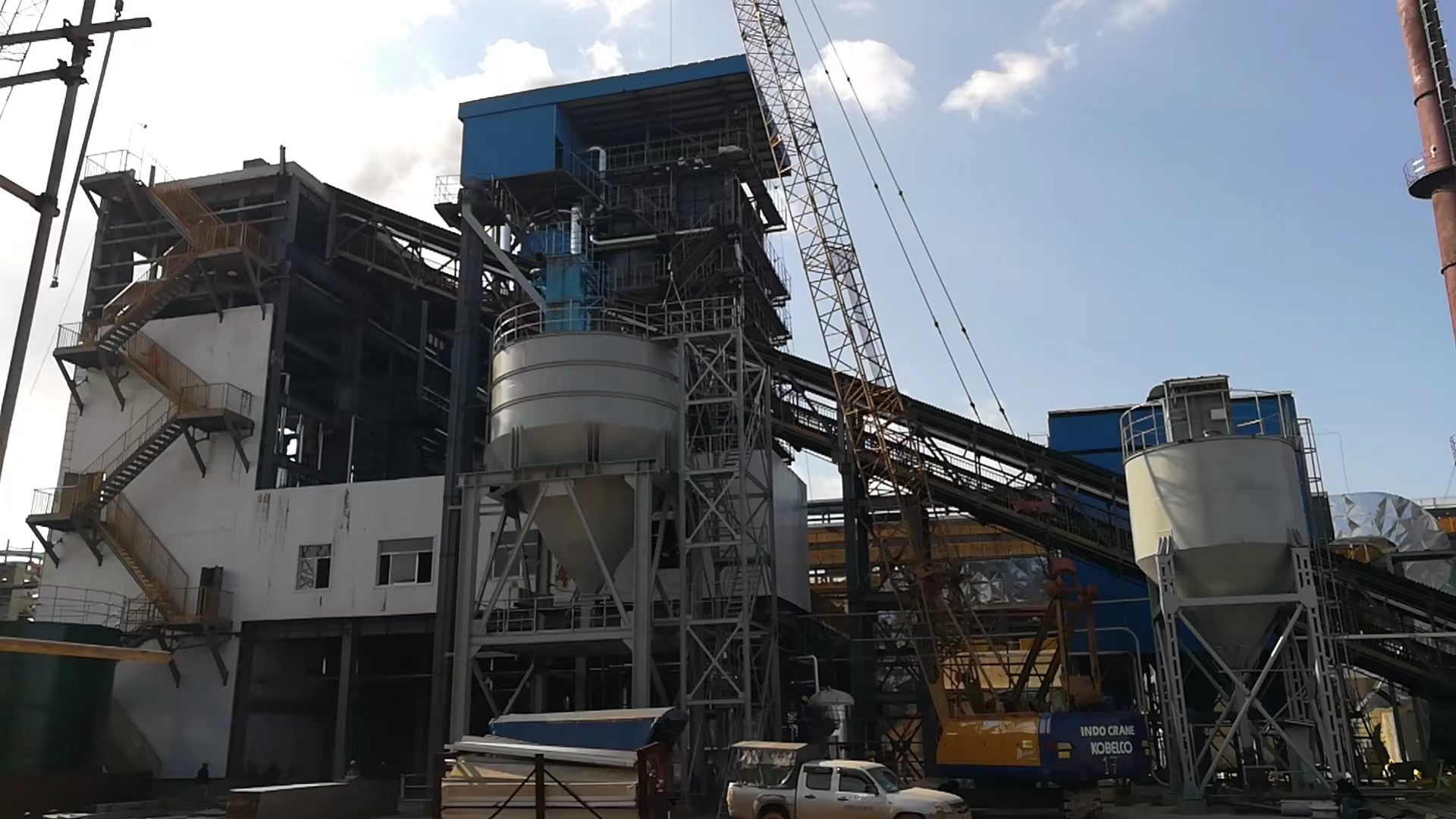
In industrial operations, selecting the wrong thermal equipment can lead to inefficient production, higher fuel costs, and compromised product quality. Many decision-makers struggle to distinguish when to use a boiler versus a furnace, often assuming both can serve similar purposes simply because they generate heat. This misunderstanding can result in poor process compatibility, limited scalability, and increased operational risks. To optimize performance and cost-efficiency, it is crucial to clearly understand the key application differences between industrial boilers and furnaces.
The key application difference is that industrial boilers are used for indirect heating through steam or hot water across multiple processes, while furnaces are used for direct, high-temperature heating of materials in localized applications such as metal processing, glass manufacturing, and ceramics.
To explore this in depth, we will examine how each system is applied across industries, their functional roles, and the factors that determine their suitability.
Industrial boilers and furnaces can be used interchangeably in most industrial applications.False
Boilers provide indirect heat via steam or water, while furnaces provide direct high-temperature heat, making them suitable for different applications.
🔥 Fundamental Application Roles
The primary distinction between boilers and furnaces lies in how they deliver heat to industrial processes. Boilers generate steam or hot water, which acts as a transportable energy medium, while furnaces apply heat directly to materials or air without an intermediate medium.
· Boiler → Indirect, distributed heating
· Furnace → Direct, localized heating
👉 Application Flow Comparison:
Boiler: Fuel → Steam → Distribution → Multiple Processes
Furnace: Fuel → Combustion → Direct Heat → Specific Process
Short insight: Distribution vs direct application defines usage.
Extended explanation: The heat delivery method determines application scope.
Long paragraph: This fundamental difference means that boilers are ideal for facilities requiring consistent and widespread heat distribution across various processes, while furnaces are better suited for applications where intense, localized heat is necessary to alter the physical or chemical properties of materials.
🏭 Industries That Rely on Industrial Boilers
Industrial boilers are widely used in sectors that require continuous steam or hot water for processing, heating, or power generation. Their ability to supply energy across multiple points makes them highly versatile.
· Food and beverage → Cooking, sterilization
· Textile → Dyeing, washing
· Chemical processing → Reaction heating
· Power generation → Steam turbines
👉 Boiler Application Flow:
Steam Generation → Distribution Network → Industrial Processes
Short sentence: Boilers power multiple processes.
Long explanation: Steam enables centralized energy systems.
Long paragraph: In these industries, the ability to transport heat efficiently via steam pipelines allows a single boiler system to support numerous operations simultaneously, improving energy efficiency and simplifying plant design while ensuring consistent process conditions.
🏭 Industries That Depend on Furnaces
Furnaces are essential in industries where direct heat at very high temperatures is required to process materials. These applications often involve physical transformations such as melting, forging, or sintering.
· Steel manufacturing → Metal melting
· Glass production → Material shaping
· Ceramics → High-temperature firing
· Petrochemical → Cracking processes
👉 Furnace Application Flow:
Fuel Combustion → Direct Heat → Material Transformation
Short insight: Furnaces enable material transformation.
Extended explanation: Direct heat drives physical changes.
Long paragraph: Because furnaces can achieve extremely high temperatures and apply heat directly to materials, they are indispensable in heavy industries where precise thermal control and high ऊर्जा intensity are required to achieve desired product characteristics.
📊 Table 1: Industry Application Comparison
| Industry قطاع | Boiler Application | Furnace Application |
|---|---|---|
| Food & Beverage | Steam for cooking & cleaning | Rarely used |
| Textile | Steam for dyeing & drying | Limited use |
| Chemical Processing | Process heating via steam | High-temp reactions (specific cases) |
| Steel & Metallurgy | Limited | Primary heating method |
| Glass & Ceramics | Minimal | Primary heating method |
⚙️ Process Requirements and Suitability
The choice between a boiler and a furnace depends heavily on process requirements, including temperature levels, heat distribution needs, and the nature of the material being processed.
· Low–moderate temperature, distributed heat → Boiler
· Extremely high temperature, direct heat → Furnace
👉 Selection Flow:
Process Need → Temperature Requirement → Equipment Choice
Short sentence: Process defines the system.
Long explanation: Matching requirements ensures efficiency.
Long paragraph: Engineers must carefully evaluate the thermal demands of their processes, considering factors such as heat uniformity, response time, and energy transport requirements, to determine whether a boiler or furnace is the most appropriate solution.
📊 Table 2: Performance and Application Criteria
| Criteria | Boiler | Furnace |
|---|---|---|
| Heat Distribution | Excellent | Limited |
| Temperature Capability | Moderate–High | Very High |
| Process Flexibility | High | Moderate |
| Energy Transport | Long-distance via steam | Localized only |
🔄 Multi-Process vs Single-Process Applications
Boilers are particularly advantageous in facilities with multiple processes requiring heat, as they can supply steam to various units simultaneously. Furnaces, however, are typically dedicated to a single process or production line.
· Boiler → Multi-process support
· Furnace → Single-process focus
👉 Usage Flow:
Boiler: Central System → Multiple Outputs
Furnace: Dedicated System → Specific Output
Short insight: Boilers centralize; furnaces specialize.
Extended explanation: System design differs significantly.
Long paragraph: This distinction affects not only operational efficiency but also plant layout and scalability, as boiler systems can be expanded to accommodate additional processes, whereas furnace systems often require separate units for each application.
🌡️ Temperature Sensitivity and Control
Boilers provide stable and controlled temperatures suitable for processes that require precision and consistency, while furnaces offer high ताप but may require additional control systems to maintain uniformity.
· Boiler → Stable, controlled ताप
· Furnace → High ताप, variable control
👉 Temperature Flow:
Boiler: Controlled Heating → Consistent Output
Furnace: Intense Heating → Direct Impact
Short sentence: Control vs intensity.
Long explanation: Each system serves different ताप needs.
Long paragraph: The ability of boilers to maintain consistent ताप levels makes them ideal for sensitive processes such as food production and pharmaceuticals, whereas furnaces excel in applications where extreme ताप is necessary despite potential variations.
🔄 Energy Efficiency in Application Context
Energy efficiency is not absolute but depends on how well the system matches the application. Boilers tend to be more efficient in distributed heating systems, while furnaces are efficient in direct heating scenarios.
· Boiler → System-wide efficiency
· Furnace → Local efficiency
👉 Efficiency Flow:
Matching System → Optimized Energy Use → Reduced Costs
Short insight: Efficiency depends on fit.
Extended explanation: Proper selection maximizes performance.
Long paragraph: By aligning the thermal system with the specific requirements of the process, industries can achieve optimal energy utilization, minimize waste, and reduce operational costs, highlighting the importance of understanding application differences.
🔍 Real-World Comparative Example
A dairy processing plant uses a boiler to generate steam for pasteurization and cleaning, while a glass manufacturing plant uses a furnace to melt raw materials into liquid form.
· Boiler → Steam-based processes
· Furnace → Direct material heating
👉 Example Flow:
Industry → Requirement → System Selection → Outcome
Short insight: Different industries, different needs.
Extended explanation: Application determines technology.
🔑 Key Application Differences (Quick Points)
· Boilers serve multiple processes; furnaces are process-specific
· Boilers use steam; furnaces use direct heat
· Boilers suit moderate ताप; furnaces suit extreme ताप
· Boilers enable energy distribution; furnaces do not
· Furnaces are essential for material transformation industries
Summary
The key application differences between industrial boilers and furnaces stem from how they generate and deliver heat. Boilers are designed for indirect, distributed heating using steam or hot water, making them ideal for multi-process industries, while furnaces provide direct, high-temperature heat for material transformation in specialized applications. Understanding these differences allows industries to select the most suitable system, optimize efficiency, and ensure reliable and cost-effective operations.
How Do Efficiency and Energy Usage Compare Between Industrial Boilers and Furnaces?
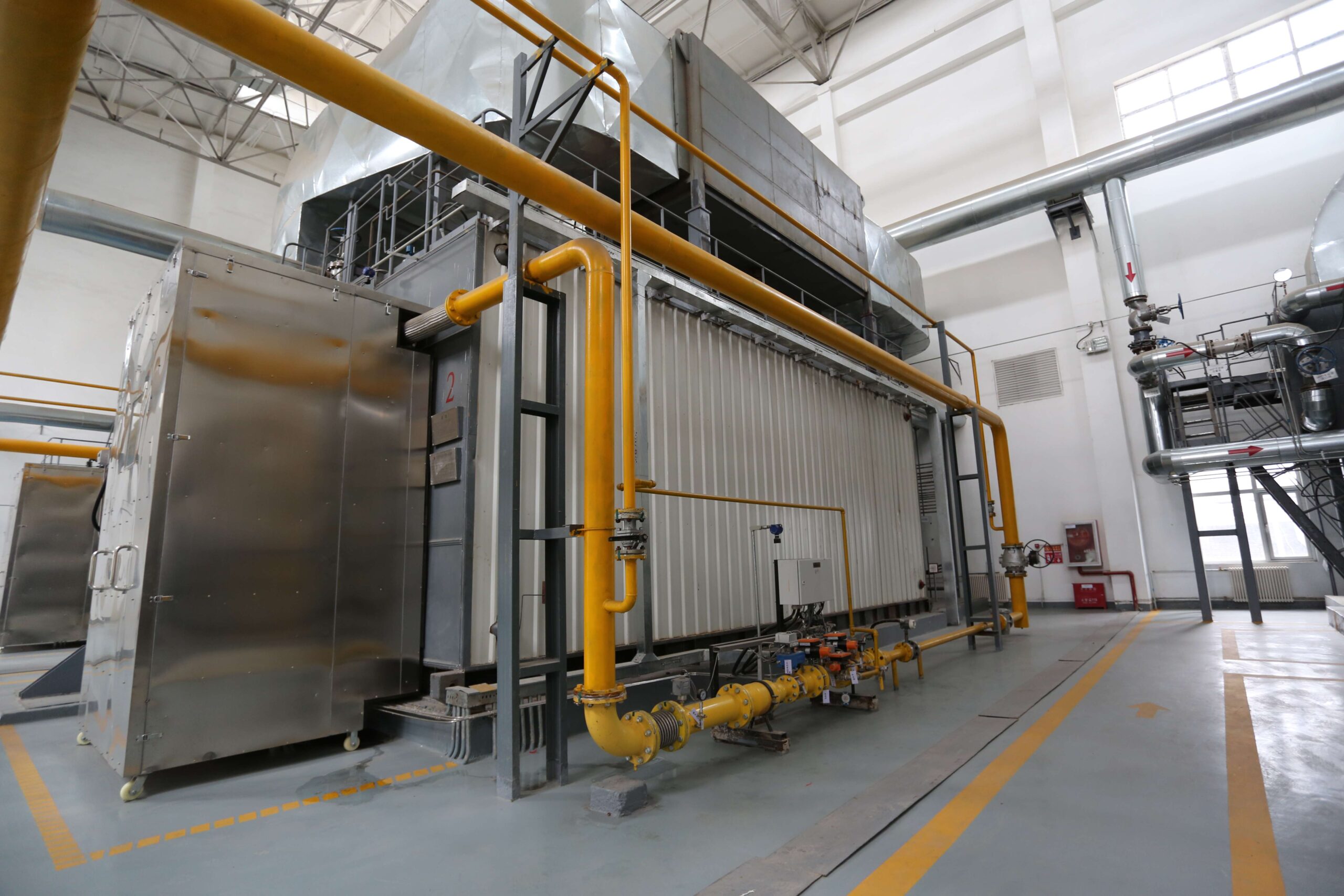
In industrial energy systems, inefficiency is one of the most costly and overlooked challenges, often leading to excessive fuel consumption, higher emissions, and reduced profitability. Many plant operators assume that all heat-generating equipment performs similarly, but failing to distinguish between boilers and furnaces in terms of efficiency and energy usage can result in significant operational losses. This misunderstanding not only impacts energy bills but also affects sustainability targets and long-term equipment performance. Understanding how efficiency and energy usage differ between these systems is essential for making informed decisions and optimizing industrial processes.
Industrial boilers generally achieve higher system-wide energy efficiency through steam distribution and heat recovery, while furnaces offer high localized efficiency for direct heating but often result in greater overall energy losses when used outside their ideal applications.
To fully understand these differences, we must analyze efficiency definitions, energy flow characteristics, heat losses, and real-world performance metrics.
Industrial furnaces are always more energy-efficient than boilers because they use direct heating.False
While furnaces can be efficient for direct heating, boilers often achieve higher overall efficiency through energy distribution and heat recovery systems.
⚙️ Understanding Efficiency: Local vs System-Wide
Efficiency in industrial heating systems is not a single metric but depends on how energy is generated, transferred, and utilized. Boilers and furnaces are evaluated differently because of their operational roles.
· Boiler → System-wide efficiency (generation + distribution)
· Furnace → Localized efficiency (direct heat application)
👉 Efficiency Flow Comparison:
Boiler: Fuel → Steam → Distribution → Multiple Uses → Heat Recovery
Furnace: Fuel → Combustion → Direct Heat → Immediate Use
Short insight: Scope defines efficiency.
Extended explanation: Boilers optimize across systems; furnaces optimize at the point of use.
Long paragraph: Boilers are designed to serve entire facilities, meaning their efficiency must account for energy generation, transportation through steam networks, and reuse via condensate recovery systems, whereas furnaces focus on delivering maximum heat directly to a specific process, making them highly efficient in localized applications but less adaptable for broader energy optimization strategies.
🔥 Energy Usage Patterns
The way energy is consumed differs significantly between boilers and furnaces. Boilers distribute energy through steam or hot water, enabling reuse and cascading energy systems, while furnaces consume energy directly at the point of application.
· Boiler → Distributed energy usage
· Furnace → Point-of-use energy consumption
👉 Energy Flow:
Boiler: Centralized Production → Distributed Consumption
Furnace: Local Combustion → Immediate Consumption
Short sentence: Energy pathways differ fundamentally.
Long explanation: Distribution enables flexibility.
Long paragraph: This difference allows boilers to support multiple processes simultaneously, reducing redundant energy generation, while furnaces must be installed for each specific application, potentially increasing total energy consumption across a facility if multiple high-temperature processes are required.
📊 Table 1: Efficiency Metrics Comparison
| Metric | Industrial Boiler | Industrial Furnace |
|---|---|---|
| Combustion Efficiency | 80–95% | 70–90% |
| System Efficiency | High (with recovery systems) | Moderate |
| Heat Loss Type | Distribution losses | Exhaust & radiation losses |
| Energy Reuse Capability | High | Low |
🌡️ Heat Loss Mechanisms
Both systems experience energy losses, but the nature and scale of these losses differ. Boilers lose energy through steam leaks, radiation, and blowdown, while furnaces lose energy primarily through exhaust gases and radiant heat escaping the system.
· Boiler → Steam leaks, blowdown losses
· Furnace → Flue gas losses, radiant losses
👉 Loss Flow:
Boiler: Steam → Leakage → Energy Loss
Furnace: Heat → Exhaust → Energy Loss
Short insight: Loss types vary by system.
Extended explanation: Managing losses is key to efficiency.
Long paragraph: Boilers can mitigate losses through advanced insulation, condensate recovery, and economizers, whereas furnaces require efficient combustion control and heat recovery systems to minimize energy loss, highlighting the importance of system-specific optimization strategies.
🔄 Heat Recovery Opportunities
One of the major advantages of boilers is their ability to integrate heat recovery systems, such as economizers and condensate return systems, which significantly improve overall efficiency. Furnaces can also incorporate heat recovery, but the opportunities are often more limited.
· Boiler → Extensive heat recovery
· Furnace → Limited recovery potential
👉 Recovery Flow:
Boiler: Exhaust Heat → Economizer → Preheated Water
Furnace: Exhaust Heat → Partial Recovery
Short sentence: Boilers excel in energy recovery.
Long explanation: Recovery enhances system efficiency.
Long paragraph: The ability to capture and reuse waste heat allows boiler systems to achieve higher overall efficiency, especially in large industrial facilities where energy demand is continuous and diverse, whereas furnace systems often struggle to achieve similar levels of energy reuse due to their localized nature.
📊 Table 2: Energy Usage Characteristics
| Parameter | Boiler | Furnace |
|---|---|---|
| Energy Distribution | Centralized | Decentralized |
| Scalability | High | Limited |
| Multi-Process Capability | Excellent | Poor |
| Fuel Utilization | Optimized across system | Optimized per process |
⚡ Impact on Operational Costs
Energy efficiency directly affects operational costs. Boilers, when properly optimized, can reduce fuel consumption across multiple processes, while furnaces may incur higher costs if used inefficiently.
· Boiler → Lower total energy cost
· Furnace → Higher cost in multi-process setups
👉 Cost Flow:
Efficient System → Reduced Fuel Use → Lower Costs
Short insight: Efficiency drives savings.
Extended explanation: System choice impacts expenses.
Long paragraph: By leveraging centralized energy production and distribution, boiler systems can significantly reduce overall fuel consumption and operational costs, especially in facilities with diverse heating needs, whereas furnace systems may require multiple units and higher fuel input, increasing total energy expenditure.
🔍 Real-World Efficiency Scenario
A textile factory uses a boiler to supply steam for dyeing, drying, and finishing processes, achieving high overall efficiency through energy reuse. In contrast, a metal forging plant uses furnaces for direct heating, achieving high efficiency at the process level but limited overall energy reuse.
· Boiler → Multi-process efficiency
· Furnace → Process-specific efficiency
👉 Scenario Flow:
Application → System → Efficiency Outcome
Short insight: Efficiency depends on context.
Extended explanation: Matching system to application is critical.
🔑 Key Efficiency Insights
· Boilers offer higher system-wide efficiency
· Furnaces provide high localized efficiency
· Boilers enable energy distribution and reuse
· Furnaces have higher direct heat losses
· Proper application determines overall efficiency
Summary
Industrial boilers and furnaces differ significantly in efficiency and energy usage, with boilers excelling in system-wide energy optimization through steam distribution and heat recovery, while furnaces provide efficient direct heating for specific high-temperature applications. Choosing the right system based on operational needs is essential for maximizing efficiency, reducing energy costs, and achieving sustainable industrial performance.
What Factors Should You Consider When Choosing Between an Industrial Boiler and a Furnace?
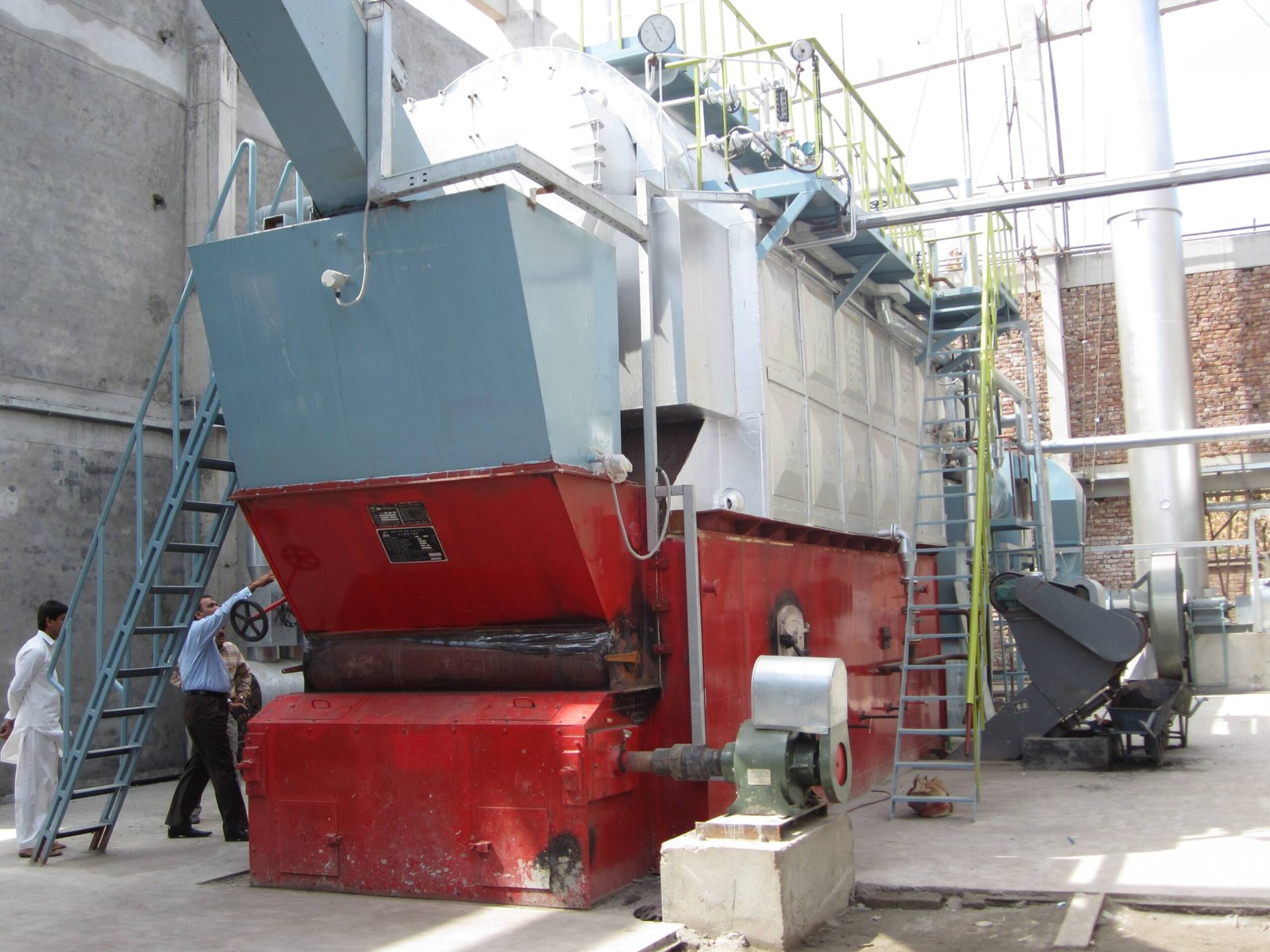
Selecting the wrong thermal system in an industrial environment can quietly drain resources, inflate operational costs, and even compromise product quality and safety. Many plant managers face a complex decision when choosing between an industrial boiler and a furnace, often underestimating how deeply this choice impacts energy efficiency, scalability, and long-term reliability. A mismatch between equipment and process requirements can lead to inefficient heat utilization, excessive maintenance, and limited production flexibility. Understanding the critical factors behind this decision is essential to ensure optimal performance and sustainable operations.
When choosing between an industrial boiler and a furnace, key factors include process heat requirements, temperature range, energy distribution needs, fuel type, efficiency goals, operational flexibility, capital and maintenance costs, and industry-specific applications, all of which determine the most suitable system for optimal performance and cost-effectiveness.
To make a well-informed decision, it is necessary to systematically evaluate each influencing factor from both technical and operational perspectives.
Industrial boilers and furnaces can be selected based solely on initial cost considerations.False
Selection must consider process requirements, efficiency, operating costs, and long-term performance, not just initial investment.
🔥 1. Process Heat Requirements
The first and most critical factor is the nature of the heat required by your industrial process. Boilers and furnaces serve fundamentally different purposes in terms of heat delivery.
· Boiler → Indirect heat via steam or hot water
· Furnace → Direct heat applied to materials
👉 Decision Flow:
Process Type → Heat Requirement → Equipment Selection
Short insight: Heat application defines the choice.
Extended explanation: Direct vs indirect heating is foundational.
Long paragraph: If your process requires distributed heat across multiple operations—such as sterilization, drying, or chemical reactions—a boiler is typically the best option because it can generate steam and deliver it efficiently through a network of pipes; however, if your process involves material transformation requiring intense, localized heating, such as metal forging or glass melting, a furnace becomes indispensable due to its ability to apply direct high-temperature heat precisely where needed.
🌡️ 2. Temperature Range and Intensity
Temperature requirements significantly influence equipment selection, as boilers and furnaces operate within different thermal ranges.
· Boiler → Moderate to high temperatures
· Furnace → Extremely high temperatures (>1000°C)
👉 Temperature Flow:
Required حرارة → Equipment Capability → Performance
Short sentence: Temperature dictates feasibility.
Long explanation: Furnaces handle extreme heat demands.
Long paragraph: Industrial furnaces are designed to achieve and sustain extremely high temperatures necessary for processes like smelting and sintering, while boilers are limited by pressure and safety constraints, making them more suitable for processes requiring stable and controlled heat rather than extreme thermal intensity.
📊 Table 1: Temperature and Heat Requirement Comparison
| Factor | Industrial Boiler | Industrial Furnace |
|---|---|---|
| Heat Type | Indirect | Direct |
| Temperature Range | Moderate–High | Very High (>1000°C) |
| Heat Distribution | Wide-area | Localized |
| Process Suitability | Multi-process | Single-process |
⚙️ 3. Energy Distribution and Scalability
Another crucial consideration is how energy needs to be distributed within the facility. Boilers excel in centralized systems, while furnaces are typically decentralized.
· Boiler → Centralized energy system
· Furnace → Decentralized units
👉 Distribution Flow:
Central Source → Multiple Processes → Efficiency Gains
Short insight: Boilers enable scalability.
Extended explanation: Distribution improves flexibility.
Long paragraph: Boilers allow a single system to supply heat to multiple processes simultaneously, making them highly scalable and adaptable to expanding operations, whereas furnaces are usually dedicated to specific tasks, requiring additional units as production capacity increases, which can complicate plant design and increase capital expenditure.
💰 4. Capital Investment and Operating Costs
Cost considerations go beyond initial investment and must include long-term operational expenses, fuel consumption, and maintenance.
· Boiler → Higher initial cost, lower long-term cost
· Furnace → Lower initial cost, potentially higher operating cost
👉 Cost Flow:
Initial Investment + Operating Cost → Total Cost of Ownership
Short sentence: Think beyond upfront cost.
Long explanation: Lifecycle cost matters most.
Long paragraph: While boilers often require a higher initial investment due to their complex systems and infrastructure, their ability to distribute energy efficiently and integrate heat recovery systems can significantly reduce operating costs over time, whereas furnaces may appear more economical initially but can incur higher fuel and maintenance costs if used inappropriately.
📊 Table 2: Cost and Efficiency Comparison
| Cost Factor | Boiler | Furnace |
|---|---|---|
| Initial Investment | High | Moderate |
| Fuel Efficiency | High (system-wide) | High (localized) |
| Maintenance Complexity | Moderate–High | Moderate |
| Long-Term Cost | Lower | Variable |
🔄 5. Fuel Type and Availability
The type of fuel available and its cost can significantly influence the choice between a boiler and a furnace.
· Boiler → Gas, oil, coal, biomass
· Furnace → Gas, oil, electricity
👉 Fuel Flow:
Fuel Availability → Cost → System Compatibility
Short insight: Fuel flexibility matters.
Extended explanation: Availability impacts economics.
Long paragraph: Boilers generally offer greater fuel flexibility, allowing industries to switch between different energy sources based on availability and cost, while furnaces may be more limited in fuel options depending on their design, making fuel strategy an important consideration in long-term planning.
🏭 6. Industry-Specific Requirements
Different industries have unique thermal needs that influence equipment selection.
· Boiler → Food, textile, chemical, power
· Furnace → Steel, glass, ceramics
👉 Industry Flow:
Industry Demand → Process Requirement → Equipment Choice
Short sentence: Industry defines usage.
Long explanation: Each sector has specific needs.
Long paragraph: Understanding the typical applications within your industry can provide valuable guidance, as boilers are widely used in industries requiring steam for processing and heating, while furnaces dominate sectors that require direct high-temperature treatment of materials.
⚡ 7. Efficiency and Energy Optimization Goals
Efficiency goals play a critical role in system selection, especially in the context of rising energy costs and environmental regulations.
· Boiler → High system efficiency
· Furnace → High process efficiency
👉 Efficiency Flow:
Optimization Goal → Equipment Choice → Energy Savings
Short insight: Match efficiency to goals.
Extended explanation: Different systems optimize differently.
Long paragraph: Boilers are ideal for facilities aiming to optimize overall energy usage through centralized systems and heat recovery, whereas furnaces are better suited for achieving maximum efficiency in specific high-temperature processes.
🛠️ 8. Maintenance and Operational Complexity
Maintenance requirements and operational complexity can impact downtime, labor costs, and reliability.
· Boiler → Complex maintenance
· Furnace → Simpler maintenance
👉 Maintenance Flow:
System Complexity → Maintenance Needs → Reliability
Short sentence: Complexity affects upkeep.
Long explanation: Boilers require more oversight.
Long paragraph: Boilers require regular water treatment, pressure monitoring, and safety inspections, making them more complex to maintain, while furnaces, although still requiring maintenance, generally involve fewer systems and are easier to manage.
🔍 Real-World Decision Example
A pharmaceutical plant requiring clean steam for sterilization chooses a boiler, while a metal fabrication facility requiring high-temperature forging selects a furnace.
· Boiler → Clean steam applications
· Furnace → Direct heat applications
👉 Decision Flow:
Requirement → Evaluation → Selection → Outcome
Short insight: Application drives decision.
Extended explanation: Matching needs ensures success.
🔑 Key Decision Factors (Quick Reference)
· Type of heat required (direct vs indirect)
· Temperature range needed
· Energy distribution requirements
· Fuel availability and cost
· Initial and long-term costs
· Industry-specific applications
· Efficiency goals
· Maintenance complexity
Summary
Choosing between an industrial boiler and a furnace requires a comprehensive evaluation of process requirements, temperature needs, energy distribution, cost considerations, and industry-specific applications. Boilers are best suited for indirect, distributed heating systems, while furnaces excel in direct, high-temperature applications. By carefully analyzing these factors, industries can select the most appropriate system, optimize energy efficiency, and achieve reliable and cost-effective operations.
When Should You Use an Industrial Boiler Instead of a Furnace?
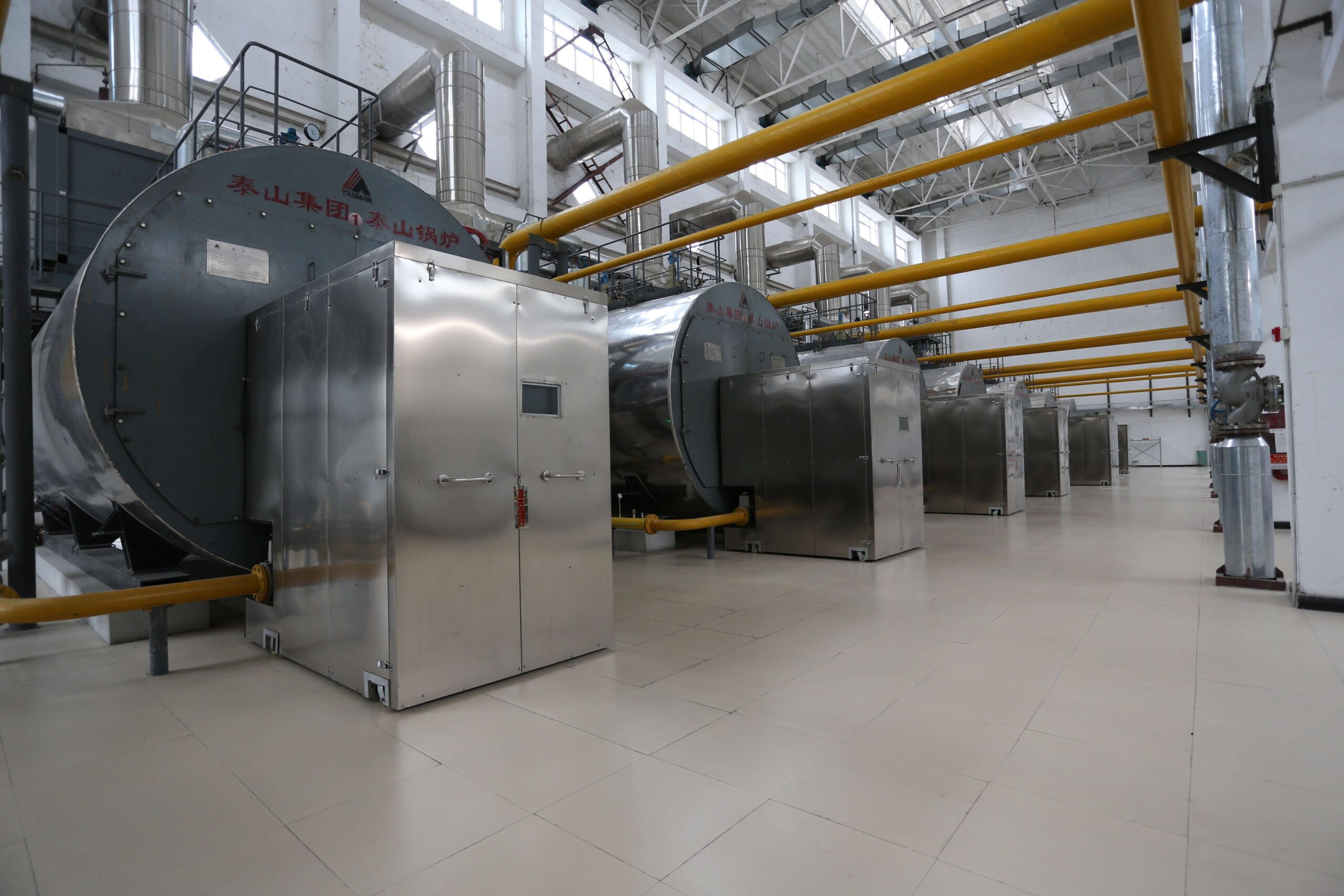
In industrial operations, choosing between a boiler and a furnace is not just a technical decision—it directly affects energy efficiency, production quality, and operational costs. Many facilities mistakenly use furnaces in applications where boilers would be more efficient, leading to energy waste and limited scalability. Conversely, using a boiler in a process that requires direct high الحرارة can result in insufficient performance. These mismatches can significantly impact productivity and profitability. Understanding exactly when to use an industrial boiler instead of a furnace is essential for optimizing both performance and cost.
You should use an industrial boiler instead of a furnace when your process requires indirect heating through steam or hot water, especially for multi-process operations, consistent temperature control, energy distribution across a facility, and applications such as sterilization, drying, chemical processing, or power generation.
To make this decision clear and actionable, let’s explore the key scenarios and technical factors that indicate when a boiler is the better choice.
Industrial boilers are suitable for all high-temperature applications requiring direct heat.False
Boilers provide indirect heat via steam or water and are not designed for direct high-temperature material processing like furnaces.
🔥 1. When Indirect Heating Is Required
One of the most definitive indicators for choosing a boiler is the need for indirect heating, where heat is transferred through a medium such as steam or hot water rather than applied directly to materials.
· Boiler → Indirect heat via steam
· Furnace → Direct heat
👉 Decision Flow:
Process Requirement → Indirect Heating Needed → Choose Boiler
Short insight: Indirect heat = boiler.
Extended explanation: Steam enables safe and uniform heating.
Long paragraph: In processes such as food sterilization, pharmaceutical production, and textile dyeing, direct exposure to flame or high-temperature gases would damage products or compromise safety; therefore, boilers are essential because they provide controlled and uniform heat through steam, ensuring consistent product quality while maintaining hygienic and safe operating conditions.
🌡️ 2. When Consistent and Controlled Temperature Is Critical
Boilers are ideal for applications that require stable and precise temperature control over extended periods.
· Boiler → Stable temperature control
· Furnace → Variable high temperature
👉 Temperature Flow:
Controlled Heating → Stable Process → Consistent Output
Short sentence: Stability favors boilers.
Long explanation: Boilers ensure uniform conditions.
Long paragraph: Because boilers generate steam at controlled pressure and temperature levels, they can maintain consistent thermal conditions across multiple processes, which is crucial in industries like pharmaceuticals and food production where even slight temperature fluctuations can affect product quality and compliance with regulatory standards.
📊 Table 1: Heating Characteristics Comparison
| Feature | Industrial Boiler | Industrial Furnace |
|---|---|---|
| Heat Type | Indirect | Direct |
| Temperature Stability | High | Moderate |
| Process Sensitivity | Suitable | Limited |
| Application Scope | Multi-process | Single-process |
⚙️ 3. When Heat Needs to Be Distributed Across Multiple Processes
Boilers are the preferred choice when a facility requires heat to be delivered to multiple locations or processes simultaneously.
· Boiler → Centralized system
· Furnace → Localized system
👉 Distribution Flow:
Central Boiler → Steam Network → Multiple Processes
Short insight: Distribution requires boilers.
Extended explanation: Steam networks enable efficiency.
Long paragraph: In large industrial plants, a single boiler can supply steam to various departments—such as cleaning, heating, and processing—through an integrated piping system, reducing the need for multiple heating units and improving overall energy efficiency, whereas furnaces would require separate installations for each process, increasing complexity and cost.
💰 4. When Energy Efficiency and Cost Optimization Are Priorities
Boilers often provide better overall energy efficiency in systems where heat can be reused or recovered.
· Boiler → High system efficiency
· Furnace → Local efficiency
👉 Efficiency Flow:
Centralized Energy → Heat Recovery → Reduced Costs
Short sentence: Boilers optimize energy use.
Long explanation: Recovery systems improve efficiency.
Long paragraph: With features such as economizers and condensate return systems, boilers can recover and reuse energy that would otherwise be lost, significantly reducing fuel consumption and operating costs in facilities with continuous and diverse heating demands.
📊 Table 2: Energy and Cost Considerations
| Parameter | Boiler | Furnace |
|---|---|---|
| Energy Distribution | Centralized | Decentralized |
| Heat Recovery Capability | High | Limited |
| Operating Cost | Lower (multi-process) | Higher (if multiple units) |
| Scalability | High | Limited |
🏭 5. When Industry Applications Demand Steam
Certain industries inherently require steam as part of their core processes, making boilers indispensable.
· Food industry → Cooking, sterilization
· Textile → Dyeing, drying
· Chemical → Reaction heating
· Power → Steam turbines
👉 Application Flow:
Industry Need → Steam Requirement → Boiler Selection
Short insight: Steam-based industries need boilers.
Extended explanation: Boilers are essential for these sectors.
Long paragraph: In these industries, steam is not just a heat source but a functional component of the process itself, enabling chemical reactions, moisture control, and energy transfer, which cannot be achieved effectively with furnaces.
🔄 6. When Process Flexibility and Scalability Are Required
Boilers offer greater flexibility for expanding operations and adapting to changing production needs.
· Boiler → Scalable system
· Furnace → Fixed capacity
👉 Flexibility Flow:
Growing Demand → Expand Boiler Capacity → Maintain Efficiency
Short sentence: Boilers support growth.
Long explanation: Scalability ensures long-term value.
Long paragraph: As production demands increase, boiler systems can be upgraded or expanded to accommodate additional processes, whereas furnace systems often require entirely new installations, making boilers a more future-proof investment for growing facilities.
⚡ 7. When Safety and Indirect Heating Are Essential
Boilers provide a safer heating method for processes that cannot tolerate direct flame or combustion gases.
· Boiler → Safe indirect heating
· Furnace → Direct flame exposure
👉 Safety Flow:
Sensitive Process → Avoid Direct Flame → Use Boiler
Short insight: Safety favors boilers.
Extended explanation: Indirect heating reduces risks.
Long paragraph: In environments where contamination, overheating, or direct flame exposure could pose risks—such as in pharmaceutical or food processing facilities—boilers offer a safer alternative by isolating the combustion process from the product or material being heated.
🔍 Real-World Example
A textile factory uses a boiler to supply steam for dyeing and drying processes across multiple production lines, ensuring uniform quality and efficient energy use.
· Boiler → Multi-process steam supply
· Furnace → Not suitable for this application
👉 Example Flow:
Requirement → Boiler Selection → Optimized Production
Short insight: Boilers excel in distributed heating.
Extended explanation: Ideal for complex operations.
🔑 Key Indicators You Should Choose a Boiler
· You need indirect heating (steam or hot water)
· Multiple processes require heat simultaneously
· Temperature stability is critical
· Energy efficiency and recovery are priorities
· Your industry relies on steam-based processes
· Scalability and flexibility are important
· Safety requires separation from direct flame
Summary
You should use an industrial boiler instead of a furnace when your processes require indirect, distributed, and controlled heating through steam or hot water, especially in multi-process environments and industries that depend on consistent thermal conditions. Boilers provide superior system-wide efficiency, scalability, and safety for these applications, making them the optimal choice for many modern industrial operations.
Conclusion
Industrial boilers and furnaces serve distinct but equally important roles in industrial operations. Boilers are ideal for generating steam or hot water for indirect heating and power applications, while furnaces are designed for direct, high-temperature heating processes. Understanding their differences ensures better equipment selection, improved efficiency, and safer operations.
If you are unsure whether an industrial boiler or furnace is the right choice for your application, contact us today. Our experts will provide professional guidance and customized solutions to help you select the most efficient and reliable system for your specific needs.
FAQ
Q1: What is the main difference between an industrial boiler and a furnace?
A1:
The primary difference between an industrial boiler and a furnace lies in their function and method of heat utilization. An industrial boiler is designed to heat water and generate steam or hot water, which is then used for various industrial processes such as power generation, heating, and manufacturing. In contrast, a furnace directly heats air or materials without using water as an intermediary.
Boilers operate by transferring heat from a fuel source (such as gas, oil, or coal) to water contained within a closed vessel. The resulting steam or hot water is distributed through pipes to perform tasks like driving turbines, sterilizing equipment, or providing process heat. This indirect heat transfer method allows for precise temperature control and efficient energy distribution.
Furnaces, on the other hand, generate heat through combustion and apply it directly to materials or air. They are commonly used in applications such as metal smelting, forging, glass production, and space heating. Because furnaces do not rely on water, they can reach much higher temperatures than boilers, making them suitable for processes that require intense heat.
In summary, boilers are used for generating steam or hot water for indirect heating, while furnaces provide direct heating for materials or air, often at much higher temperatures.
Q2: How do the applications of boilers and furnaces differ in industry?
A2:
Industrial boilers and furnaces serve distinct roles across various industries due to their different heating mechanisms. Boilers are widely used in industries that require steam or hot water as part of their processes. For example, in power plants, boilers generate steam to drive turbines and produce electricity. In the food and beverage industry, steam is used for cooking, sterilization, and cleaning. Similarly, in the pharmaceutical and chemical industries, boilers provide controlled heat for processing and maintaining sterile environments.
Furnaces, in contrast, are used in industries that require direct, high-temperature heating. The metallurgy industry relies heavily on furnaces for smelting metals, heat treatment, and forging. Glass manufacturing uses furnaces to melt raw materials at extremely high temperatures. In the ceramics industry, furnaces (kilns) are used to harden and finish products.
Another key difference is in HVAC applications. Furnaces are commonly used for space heating by warming air and distributing it through ducts, particularly in residential and commercial buildings. Boilers, however, are used in hydronic heating systems, where hot water or steam is circulated through pipes and radiators.
Overall, boilers are preferred for applications requiring controlled, indirect heat, while furnaces are ideal for direct heating and high-temperature industrial processes.
Q3: Which is more energy-efficient: a boiler or a furnace?
A3:
The energy efficiency of boilers versus furnaces depends largely on the application and system design rather than a simple direct comparison. Boilers are generally more efficient for processes that require distributed heat, such as steam or hot water systems. Because they use a closed-loop system, heat losses can be minimized, and energy can be efficiently transported over long distances.
Modern industrial boilers can achieve high efficiency levels, especially when equipped with advanced technologies such as economizers, condensing systems, and heat recovery units. These features allow boilers to capture and reuse waste heat, improving overall efficiency.
Furnaces, on the other hand, are highly efficient for direct heating applications. Since heat is applied directly to the material or air, there is minimal energy loss in transfer. However, furnaces may lose efficiency when used for applications requiring heat distribution, as they do not have a built-in mechanism for transporting heat over distances.
In HVAC systems, high-efficiency furnaces can achieve efficiency ratings above 90%, while modern boilers can also reach similar or higher levels depending on the design. The choice between the two should be based on the specific heating requirements rather than efficiency alone.
In conclusion, boilers are more efficient for indirect, distributed heating, while furnaces excel in direct heating applications. The overall efficiency depends on how well the system matches the intended use.
Q4: How do temperature ranges differ between boilers and furnaces?
A4:
Temperature range is one of the most significant differences between industrial boilers and furnaces. Boilers typically operate at lower temperatures compared to furnaces because their primary purpose is to generate steam or hot water rather than achieve extreme heat levels.
Industrial boilers usually operate at temperatures ranging from around 100°C (212°F) to several hundred degrees Celsius, depending on the pressure and type of boiler. High-pressure boilers used in power plants can reach higher temperatures, but they are still limited by the properties of water and steam.
Furnaces, in contrast, are designed to achieve much higher temperatures, often exceeding 1,000°C (1,832°F) and sometimes reaching up to 2,000°C (3,632°F) or more, depending on the application. These high temperatures are necessary for processes such as metal smelting, glass production, and ceramic firing.
The ability to reach higher temperatures makes furnaces suitable for applications requiring intense heat, while boilers are better suited for processes that require controlled and consistent thermal energy.
Additionally, the materials used in furnaces are designed to withstand extreme heat, including refractory linings and high-temperature alloys. Boilers, while also built with durable materials, are optimized for pressure and heat transfer rather than extreme temperature resistance.
In summary, boilers operate at moderate temperatures for steam generation, while furnaces are designed for high-temperature applications requiring direct heat.
Q5: How do maintenance requirements differ between boilers and furnaces?
A5:
Maintenance requirements for industrial boilers and furnaces differ significantly due to their design, operation, and applications. Boilers require more complex maintenance because they involve water, pressure systems, and multiple components that must work together safely and efficiently.
For boilers, key maintenance tasks include water treatment to prevent scaling and corrosion, inspection of pressure vessels, cleaning of heat transfer surfaces, and testing of safety devices such as pressure relief valves and low-water cutoffs. Regular blowdown procedures are also necessary to remove impurities from the system. Because boilers operate under pressure, strict safety standards and regular inspections are essential.
Furnaces, on the other hand, primarily require maintenance of combustion systems and heat-resistant components. This includes cleaning burners, checking fuel supply systems, inspecting refractory linings, and ensuring proper airflow. Since furnaces do not use water, they do not require water treatment or related maintenance.
However, furnaces may experience wear and tear due to high operating temperatures, particularly in components exposed to direct heat. Refractory materials and insulation may need periodic replacement.
In terms of complexity, boiler maintenance is generally more demanding due to the need to manage both thermal and pressure-related factors. Furnace maintenance is more focused on combustion efficiency and structural integrity under high temperatures.
In conclusion, boilers require more comprehensive and frequent maintenance, while furnaces have simpler but still critical maintenance needs related to high-temperature operation.
References
- Boiler vs Furnace Basics – https://www.energy.gov/energysaver – U.S. Department of Energy
- Industrial Heating Systems Overview – https://www.engineeringtoolbox.com – Engineering Toolbox
- Steam Boiler Fundamentals – https://www.spiraxsarco.com – Spirax Sarco
- Furnace Technology in Industry – https://www.thermopedia.com – Thermopedia
- Boiler Efficiency and Operation – https://www.tlv.com – TLV International
- Industrial Combustion Systems – https://www.chemicalprocessing.com – Chemical Processing
- HVAC Boiler vs Furnace – https://www.ashrae.org – ASHRAE
- Heat Transfer Systems in Industry – https://www.sciencedirect.com – ScienceDirect
- Industrial Energy Systems – https://www.iea.org – International Energy Agency
- Boiler Safety and Maintenance – https://www.osha.gov – OSHA