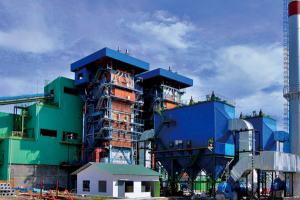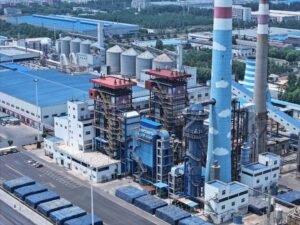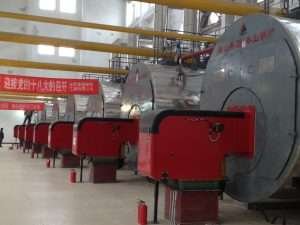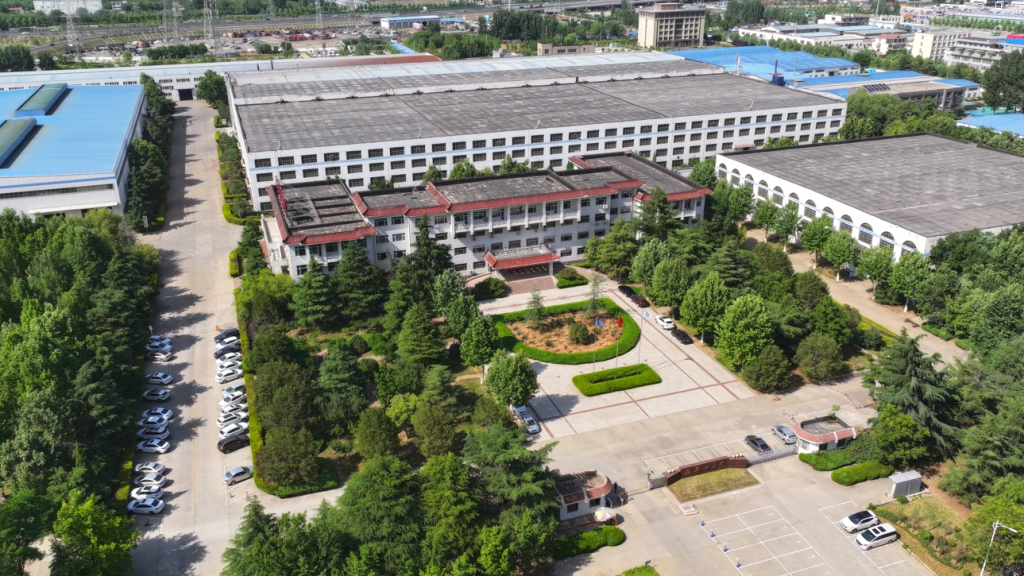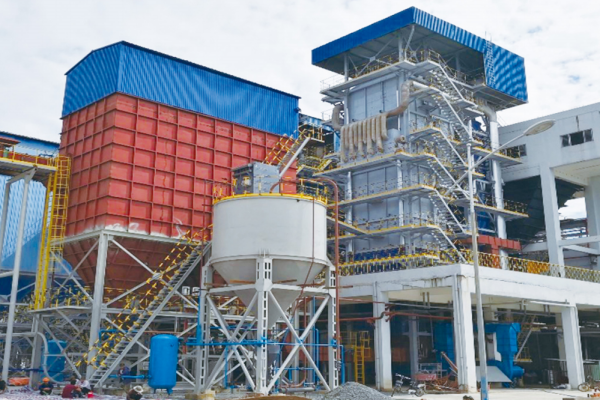
Industrial coal-fired boilers are facing intense pressure from environmental regulations, energy transition policies, and rising efficiency expectations. Many traditional coal boiler systems are struggling with high emissions, lower efficiency, and declining market acceptance, putting asset owners at risk of forced upgrades or early retirement. At the same time, coal remains a critical energy source in many regions due to fuel security, cost stability, and large-scale heat demand, driving continuous technological evolution rather than complete replacement.
The latest trends in industrial coal-fired boiler technology focus on ultra-low-emission combustion, higher thermal efficiency, advanced fluidized bed systems, intelligent digital control, fuel flexibility, and cleaner integration with carbon-reduction strategies. Market demand is shifting toward high-efficiency, compliant, and retrofit-ready coal-fired boilers, particularly in regions where coal remains a strategic energy resource. These trends are reshaping both boiler design and procurement strategies.
Understanding these developments helps industrial users align coal-fired boiler investments with future regulatory, economic, and operational realities.
How Are Ultra-Low-Emission Technologies Redefining Industrial Coal-Fired Boiler Design?
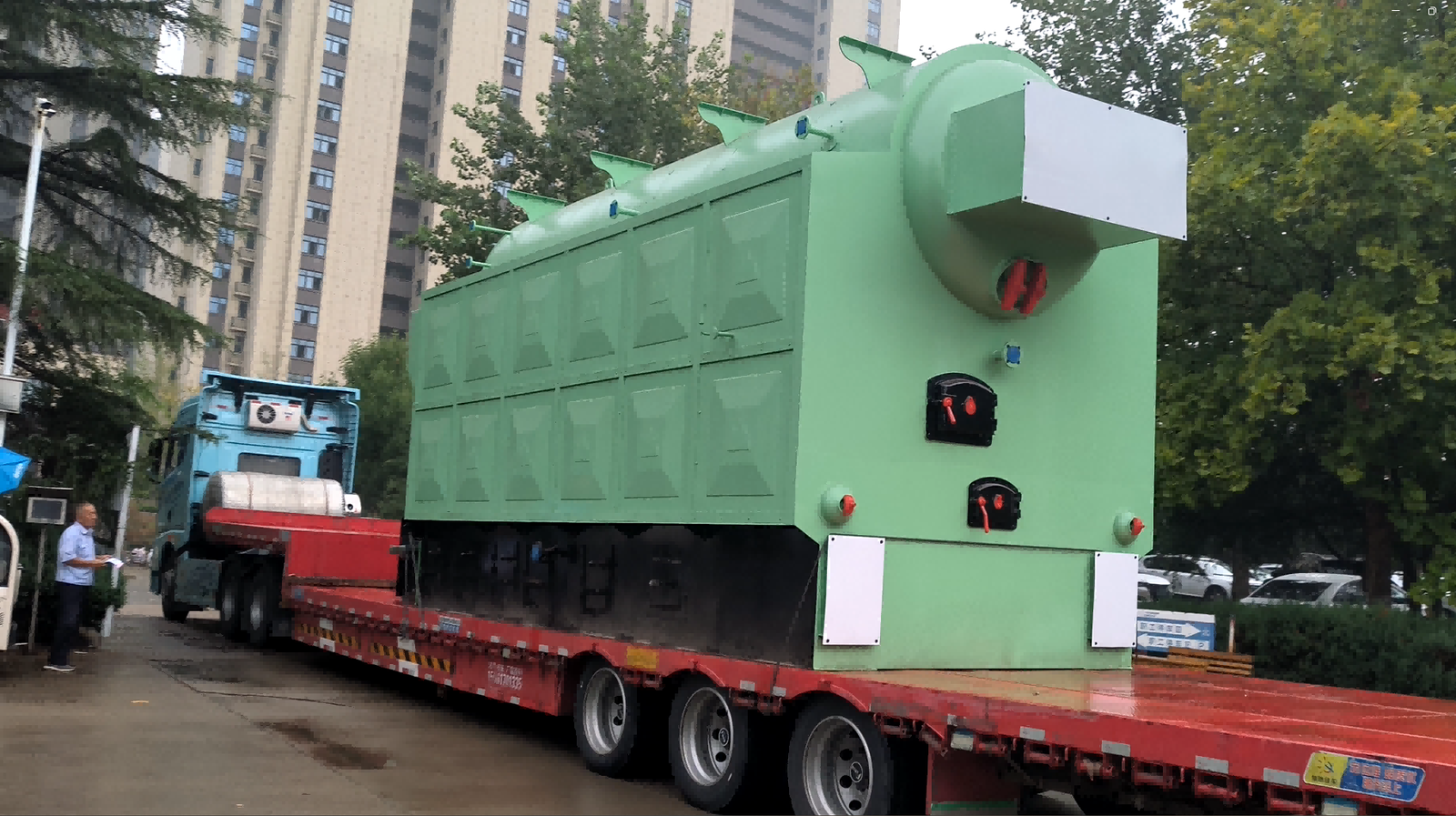
Coal-fired boilers have long been criticized for their emissions of sulfur dioxide (SO₂), nitrogen oxides (NOₓ), particulate matter (PM), and carbon dioxide (CO₂). In response to tightening global emission standards and net-zero transition policies, ultra-low-emission (ULE) technologies are fundamentally reshaping how industrial coal-fired boilers are designed, engineered, and operated. Instead of phasing out coal entirely, modern boiler systems are being transformed with integrated emission control architectures, advanced combustion designs, and high-efficiency auxiliary systems—pushing them closer to near-zero pollution output in practical industrial scenarios.
Ultra-low-emission technologies have redefined industrial coal-fired boiler design by integrating advanced combustion systems, flue gas treatment units, and real-time emissions monitoring to achieve near-zero emissions of SO₂, NOₓ, and PM. Key innovations include low-NOx burners, overfire air systems, selective catalytic reduction (SCR), flue gas desulfurization (FGD), and high-efficiency particulate capture via electrostatic precipitators (ESP) or fabric filters. These technologies, when incorporated into new boiler designs or retrofitted into existing systems, enable compliance with the most stringent air quality standards, including China’s ULE standard (SO₂ <35 mg/Nm³, NOₓ <50 mg/Nm³, PM <10 mg/Nm³).
The evolution of ULE boiler systems ensures that coal can remain a viable energy source where reliability, cost, and base-load output are prioritized, while dramatically reducing its environmental impact.
Modern ultra-low-emission coal-fired boilers can meet emission limits comparable to natural gas systems.True
With advanced emission control technologies such as SCR, wet FGD, and baghouse filters, ULE coal boilers can achieve pollutant levels approaching those of natural gas combustion systems.
Core Ultra-Low-Emission (ULE) Technology Components
| Technology Module | Function | Emission Targeted |
|---|---|---|
| Low-NOx Burners + Overfire Air | Reduces flame temperature and oxygen zones | NOₓ |
| Selective Catalytic Reduction (SCR) | Converts NOₓ to N₂ + H₂O using ammonia catalyst | NOₓ |
| Flue Gas Desulfurization (FGD) | Absorbs SO₂ using limestone or seawater scrubbing | SO₂ |
| Electrostatic Precipitator (ESP) | Electrically removes fine ash and PM from flue gas | PM |
| Baghouse Filters (FF) | Physically traps ultra-fine particulates in fabric bags | PM2.5, PM10 |
| Activated Carbon Injection | Binds mercury and heavy metals for removal | Hg, trace metals |
| Real-Time Emission Monitoring (CEMS) | Enables regulatory compliance and system tuning | NOₓ, SO₂, PM, CO |
By integrating these systems, emissions from coal-fired boilers can be reduced by over 95–99%, redefining the standard of “clean coal” in industrial applications.
Performance Comparison Before and After ULE Integration
| Emission Type | Pre-ULE Boiler (mg/Nm³) | Post-ULE Boiler (mg/Nm³) | Reduction Efficiency (%) |
|---|---|---|---|
| SO₂ | 500–2000 | ≤ 35 | >98% |
| NOₓ | 300–800 | ≤ 50 | >90% |
| Particulate Matter | 80–150 | ≤ 10 | >95% |
| Mercury (Hg) | 0.05–0.3 mg/m³ | <0.01 mg/m³ | >80% |
These results are consistent with China’s ULE policy (超低排放), the EU Industrial Emissions Directive, and U.S. EPA MACT standards for industrial boilers.
Integration in Modern Boiler Design
H3: 1. Combustion Optimization via Low-NOx and Staged Air Systems
Modern ULE coal-fired boilers incorporate low-NOx burners, staged combustion, and overfire air injection to reduce flame temperature and oxygen concentration in combustion zones. This minimizes thermal NOₓ formation at the source.
- Flame shaping and temperature flattening
- Improved air-fuel mixing using swirl injectors
- Up to 60% NOₓ reduction without post-treatment
H3: 2. High-Efficiency Flue Gas Treatment Architecture
Integrated boiler designs now combine multi-stage flue gas treatment:
- SCR reactors installed downstream of economizers
- Wet or dry FGD units located after air preheaters
- Baghouse filters or ESPs for particulate capture
- Flue gas reheating to ensure chimney buoyancy and prevent condensation
This sequencing allows for optimized thermal and pressure loss management, maintaining boiler efficiency above 85% while ensuring full emissions compliance.
Case Study: Ultra-Low-Emission Retrofit in Steel Plant
Location: China (Hebei Province)
Previous Boiler: 75 TPH chain grate, uncontrolled emissions
ULE Retrofit: Low-NOx burners, SCR, wet FGD, baghouse filter
Results:
| Metric | Before Retrofit | After Retrofit |
|---|---|---|
| SO₂ (mg/Nm³) | 620 | 28 |
| NOₓ (mg/Nm³) | 580 | 42 |
| PM (mg/Nm³) | 93 | 7 |
| Boiler Efficiency (%) | 72.6 | 84.1 |
| Annual Fuel Savings | — | $210,000 |
This retrofit enabled full compliance with China’s ULE policy and reduced regulatory penalties, while increasing combustion efficiency due to heat recovery upgrades.
Diagram: Ultra-Low-Emission Coal Boiler System Layout
[FUEL INPUT] → [LOW-NOx BURNER] → [COMBUSTION CHAMBER]
      ↓                         ↓
 [OFA + Reburn Zone]       [Economizer] → [SCR REACTOR]
                                    ↓
                            [AIR PREHEATER] → [FGD UNIT]
                                    ↓
                                [ESP / BAGHOUSE]
                                    ↓
                          [STACK + CEMS MONITORING]
Each stage is tailored to eliminate a specific class of emissions while preserving thermal efficiency and avoiding excessive pressure drop.
Energy Efficiency and Emission Synergy
| ULE Feature | Energy Impact |
|---|---|
| Low-NOx Burners | Improves combustion uniformity, reduces flame loss |
| SCR Integration | Recovers heat from economizer flue stream |
| Wet FGD with Waste Heat Recovery | Captures latent heat from flue gas moisture |
| Baghouse Insulation | Reduces heat loss in gas stream exit |
| Optimized Flue Gas Flow | Minimizes parasitic fan power |
With proper engineering, ULE integration not only meets environmental goals but also enhances fuel efficiency and operational reliability.
Summary
Ultra-low-emission (ULE) technologies are transforming industrial coal-fired boiler design from pollution-heavy legacy systems into high-efficiency, environmentally compliant steam generators. These systems:
- Achieve >98% SO₂ and >90% NOₓ reduction
- Reduce particulate matter to <10 mg/Nm³
- Maintain high thermal efficiency (≥85%)
- Allow coal to meet modern ESG, carbon, and air quality standards
As emission limits grow stricter, ULE-capable boiler systems will be indispensable in sectors where coal remains operationally essential—ensuring both regulatory compliance and energy efficiency for years to come.
How Do High-Efficiency Combustion Systems and Heat Recovery Trends Improve Coal Boiler Performance?
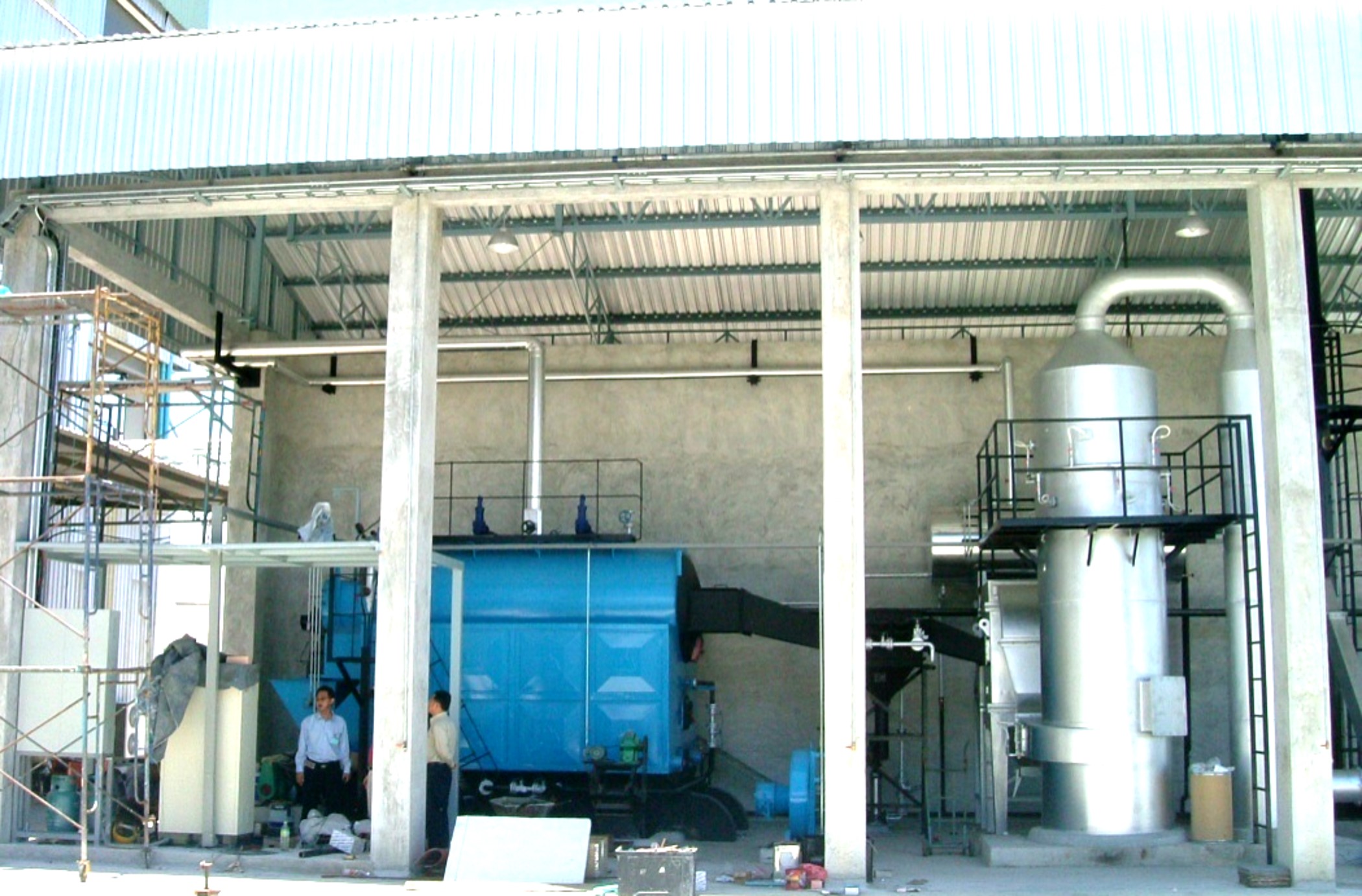
Coal-fired boilers remain essential in many heavy industries due to their ability to deliver high-output, cost-effective steam. However, they traditionally suffer from relatively low thermal efficiency, high emissions, and substantial waste heat loss. Today, these challenges are being addressed through two converging innovations: high-efficiency combustion systems and advanced heat recovery technologies. These upgrades are not merely incremental—they are transforming boiler performance by increasing fuel conversion efficiency, reducing flue gas losses, and achieving regulatory compliance without compromising output or reliability.
High-efficiency combustion systems and heat recovery technologies improve coal boiler performance by optimizing fuel-air mixing, reducing excess oxygen and unburned carbon, and capturing waste heat from flue gas and blowdown systems. Technologies such as low-NOx burners, staged combustion, overfire air (OFA), fluidized bed combustion, air preheaters, economizers, and condensing heat exchangers can increase boiler efficiency by 5–15%, reduce fuel consumption, and lower emissions. These innovations enable coal boilers to achieve thermal efficiencies up to 88–90% in industrial-scale operations, with significant reductions in operating costs and carbon intensity.
In effect, these technologies make coal combustion cleaner, more controllable, and more thermodynamically efficient, supporting long-term operational viability under tightening environmental and economic constraints.
Coal-fired boilers cannot exceed 80% thermal efficiency, even with modern upgrades.False
With high-efficiency combustion control, heat recovery systems, and flue gas condensing technologies, industrial coal-fired boilers can achieve thermal efficiencies of 85–90%, depending on steam parameters and system design.
High-Efficiency Combustion Systems: Driving Clean and Complete Fuel Conversion
| Technology | Function | Efficiency Benefit |
|---|---|---|
| Low-NOx Burners | Precise flame control reduces peak temperatures and NOₓ formation | +1–2% (less air dilution) |
| Overfire Air (OFA) | Staged air supply improves burnout of unburned fuel | +0.5–1% (lower UBC*) |
| Fluidized Bed Combustion (CFB) | Uniform combustion at lower temp with high fuel flexibility | +3–5% (better mixing, less slag) |
| Air-Fuel Ratio Optimization | Real-time feedback ensures ideal stoichiometry | +1–2% (reduced excess air) |
| Online Combustion Monitoring | Adjusts burners and airflow based on flame and exhaust parameters | Efficiency + emission control |
*UBC: Unburned carbon in ash
These systems aim to maximize combustion completeness, thereby reducing unburned losses, minimizing pollutant formation, and maintaining flame stability across fuel variations.
Example: NOₓ Reduction and Efficiency Improvement via Combustion Staging
| System Type | NOₓ Emission (mg/Nm³) | Boiler Efficiency (%) |
|---|---|---|
| Traditional Grate Boiler | 380–600 | 72–75 |
| Low-NOx Burner + OFA | 120–180 | 78–82 |
| CFB Boiler with OFA | 90–120 | 85–88 |
Staged combustion reduces both thermal NOₓ formation and excess air losses, improving combustion efficiency and emissions simultaneously.
Heat Recovery Technologies: Harnessing Waste Energy
Waste heat in coal-fired boilers can account for up to 30% of the input energy if not recovered. Modern systems recover this heat through:
| Heat Recovery System | Function | Efficiency Gain |
|---|---|---|
| Economizer | Preheats feedwater using flue gas after steam generation | +3–5% |
| Air Preheater (APH) | Warms combustion air using flue gas to reduce furnace energy use | +2–3% |
| Blowdown Heat Recovery | Recovers heat from discharged boiler water | +0.5–1% |
| Condensing Heat Exchanger | Captures latent heat from water vapor in exhaust gas | +2–5% (with low return temps) |
By integrating these technologies, thermal energy that would otherwise exit through the stack is returned to the boiler system, reducing fuel demand and lowering exhaust temperatures.
Case Study: Industrial Boiler Heat Recovery Retrofit
Facility: Textile manufacturing plant
Previous System: 35 TPH coal-fired boiler, no economizer
Upgrade: Economizer + combustion control + air preheater
Results:
| Metric | Before | After |
|---|---|---|
| Boiler Efficiency (%) | 74.5 | 84.2 |
| Fuel Consumption (tons/day) | 56 | 47 |
| Flue Gas Temperature (°C) | 220 | 140 |
| Annual Fuel Cost Saving | — | ~$380,000 |
The payback period for the upgrade was under 2.5 years, with additional savings from reduced emissions and extended boiler life.
Integrated Performance Gains from Combustion + Heat Recovery
| Upgrade Combination | Efficiency Improvement | Fuel Saving (%) | Emission Reduction |
|---|---|---|---|
| Low-NOx Burners + APH | +3–5% | ~5–7% | ~40% NOₓ reduction |
| CFB Combustion + Economizer | +6–8% | ~8–10% | ~50–70% SO₂ & NOₓ reduction |
| Full Package (CFB + OFA + APH + Condenser) | +10–15% | ~12–18% | >85% emissions + ash reduction |
Boilers incorporating both advanced combustion and heat recovery systems experience synergistic gains, achieving high output stability, reduced emissions, and energy cost optimization.
Digital Integration Trends Supporting Efficiency
Modern high-efficiency systems are increasingly augmented with digital monitoring and optimization, such as:
- Real-time flue gas analyzers for adjusting air/fuel ratios
- AI-based controls predicting combustion efficiency from sensor data
- Condition-based maintenance (CBM) triggered by thermal stress profiles
- Smart soot-blowing schedules to reduce fouling and improve heat transfer
These technologies ensure maximum thermal efficiency is sustained over time, even as fuel properties and load demands vary.
Summary
High-efficiency combustion systems and heat recovery technologies are fundamental to unlocking the full performance potential of coal-fired boilers. Together, they:
- Increase boiler efficiency by 5–15%
- Reduce fuel consumption and operating costs
- Lower NOₓ, SO₂, and particulate emissions
- Extend boiler life and improve operational stability
As emission standards tighten and fuel costs rise, investing in advanced combustion and heat recovery systems is the most practical path for industries reliant on coal to remain efficient, competitive, and compliant.
How Are Circulating Fluidized Bed (CFB) and Advanced Grate Technologies Influencing Market Demand?
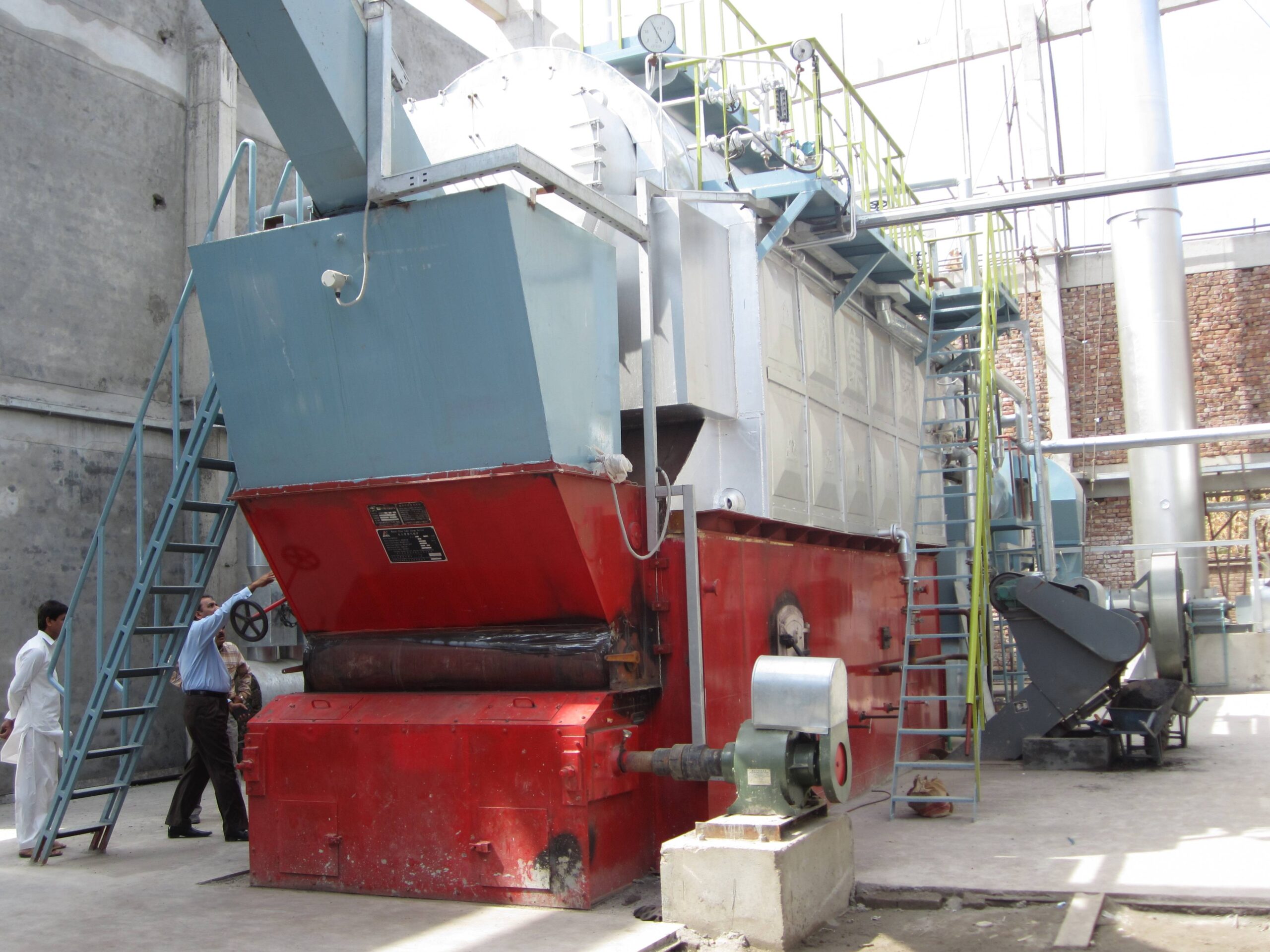
As global energy markets shift toward lower-carbon, flexible, and emission-compliant steam generation, the demand for advanced combustion technologies is evolving rapidly. Circulating Fluidized Bed (CFB) and advanced grate combustion technologies are at the forefront of this transition, offering scalable, fuel-flexible solutions capable of meeting diverse industrial, utility, and municipal needs. These two technologies are shaping boiler selection and deployment strategies worldwide by addressing emerging regulatory, operational, and economic priorities—particularly in Asia, Eastern Europe, and biomass-rich regions.
CFB and advanced grate technologies are significantly influencing market demand by enabling high-efficiency, low-emission combustion of diverse fuels—including biomass, coal, sludge, RDF, and agro-waste—while providing scalable thermal output across industrial and utility sectors. CFB systems lead in large-scale, base-load applications due to their superior emission control, multi-fuel co-firing capability, and high-pressure steam generation. Advanced grate technologies dominate the mid-to-small scale sector by offering robust, cost-effective combustion of biomass and waste with lower capital investment. Their growing role in decarbonization, waste valorization, and distributed energy generation is fueling a surge in demand across both mature and emerging markets.
In short, these technologies are complementary forces reshaping global boiler markets, with each catering to different scales, fuel availabilities, and policy landscapes.
Advanced grate boilers can only use high-grade, uniform biomass fuels.False
Modern grate boiler systems with moving step, reciprocating, or inclined grate technology can handle a wide range of fuels, including low-grade, high-moisture biomass, sludge, and RDF, thanks to robust feeding and combustion control mechanisms.
Comparative Technology Overview
| Parameter | CFB Technology | Advanced Grate Technology |
|---|---|---|
| Best Application Scale | 30 – 500 MWth (industrial/utility) | 1 – 50 MWth (small to mid-industrial) |
| Fuel Flexibility | Very High (coal, biomass, petcoke, sludge, RDF) | Moderate to High (biomass, sludge, RDF) |
| Combustion Temperature | 800–900°C (uniform bed) | 850–1000°C (zonal variation) |
| Thermal Efficiency | 82–88% | 78–85% |
| Emission Control | In-bed desulfurization, staged air, external SCR/FGD | Add-on flue gas treatment (cyclone, ESP, SNCR) |
| CapEx per MW | Higher due to scale, complexity | Lower for smaller installations |
| Maintenance Requirement | Medium to High | Low to Medium |
This differentiation leads to distinct market niches—CFB for large, flexible, regulation-heavy settings, and grate systems for decentralized, biomass-focused applications.
Key Drivers of Market Growth for CFB and Grate Technologies
| Market Driver | Impact on CFB | Impact on Grate Boilers |
|---|---|---|
| Fuel Cost Optimization | Enables use of low-cost, high-ash fuels | Supports use of agro-waste and wet biomass |
| Carbon Reduction Goals | Biomass co-firing, RDF combustion (BECCS potential) | Carbon-neutral biomass combustion |
| Waste Management & Circular Economy Policies | Supports RDF, sludge, MSW utilization | Ideal for localized waste-to-energy projects |
| Emission Regulations (SO₂, NOₓ, PM) | In-bed and post-flue gas control | Cyclones + baghouses for PM control |
| Rural and Distributed Energy Projects | Less suitable (complex) | Highly suitable due to simplicity and modularity |
| Power + Process Steam Integration (CHP) | Excellent for large industrial parks or utilities | Well-suited for small CHP applications |
Both technologies are increasingly policy-aligned and fuel-resilient, offering decarbonization pathways that support national energy and environmental goals.
Global Market Trends and Adoption Scenarios
H3: 1. CFB Boiler Demand Surge in Asia and Eastern Europe
- China continues to deploy 300–600 MW supercritical CFB units for coal and biomass co-firing under ULE (ultra-low-emission) policies.
- India and Indonesia are adopting CFB boilers in industrial parks and thermal power plants for petcoke, coal washery rejects, and biomass blends.
- Poland, Czech Republic, and Turkey favor CFBs for district heating and flexible base-load operations.
H3: 2. Advanced Grate Boiler Growth in Europe, Southeast Asia, and LATAM
- Germany, Austria, and Scandinavia prefer moving and step grate systems for community biomass heating and industrial drying processes.
- Vietnam, Thailand, and Philippines are expanding use of agricultural residue-fed grate boilers in food, rice, and sugar industries.
- Brazil leads in bagasse-based cogeneration with inclined or reciprocating grate boilers integrated into sugar mills.
Example Case Study 1: CFB Boiler in RDF + Biomass Power Plant
Country: China
Project: 2×130 TPH CFB units with 50% RDF and 50% biomass
Technology: In-bed desulfurization, SNCR + baghouse
Performance:
| Metric | Value |
|---|---|
| Efficiency | 86.1% |
| CO₂ Emissions | Reduced by 40% |
| Payback Time | 4.1 years |
| Fuel Savings | ~$1.1 million/year |
Example Case Study 2: Step Grate Boiler in Biomass CHP Facility
Country: Germany
System: 8 MWth + 2 MWe plant using wood chips and forest residue
Boiler Type: Water-cooled step grate with cyclone and ESP
Performance:
| Metric | Value |
|---|---|
| Efficiency | 83.7% (thermal) |
| Emission Compliance | <10 mg/Nm³ PM, <80 mg/Nm³ NOₓ |
| Operating Hours/Year | 7,800 |
| District Heating Area | 4,000+ households |
Grate boilers dominate smaller-scale CHP markets with excellent fuel resilience and emissions compliance.
Technology Selection Guide Based on Market Criteria
| Selection Criteria | Choose CFB Boiler When… | Choose Grate Boiler When… |
|---|---|---|
| Thermal Demand | ≥30 MWth | ≤30 MWth |
| Fuel Type | Mixed fuels, high-ash coal, RDF, sludge | Biomass, agro-residues, MSW |
| Emission Regulation | Very strict (need in-bed + SCR/FGD) | Moderate (ESP/baghouse compliant) |
| Plant Type | Utility-scale or industrial park | Stand-alone plant, rural CHP, waste incineration |
| CapEx Constraint | More budget flexibility | Budget-sensitive application |
| Operating Complexity Tolerance | Skilled operation & maintenance team available | Simpler O&M preferred |
This helps guide regional planners, investors, and EPC contractors toward the right boiler solution for their needs.
Summary
Circulating Fluidized Bed (CFB) and advanced grate combustion technologies are reshaping industrial boiler market dynamics, not through direct competition but through strategic complementarity:
- CFB boilers dominate where scale, fuel diversity, and tight emission limits demand advanced solutions with high efficiency and environmental compliance.
- Grate systems flourish in distributed, biomass-rich, and mid-scale environments, offering cost-effective, reliable combustion for green energy and waste valorization.
Together, these technologies are empowering industries and municipalities to diversify fuel sources, cut emissions, and enhance thermal energy security—all while meeting policy and economic expectations in a transitioning global energy landscape.
How Is Digitalization and Intelligent Control Transforming Coal-Fired Boiler Operation and Maintenance?

The operation and maintenance (O&M) of coal-fired boilers have traditionally relied on manual inspections, periodic maintenance schedules, and reactive problem-solving. This approach often leads to unplanned downtimes, inefficiencies, and elevated emissions. However, the integration of digitalization, intelligent control systems, and AI-driven diagnostics is revolutionizing how coal-fired boilers are managed. By leveraging real-time data, predictive analytics, and automated decision-making, power plants and industrial facilities are achieving unprecedented levels of efficiency, reliability, emissions control, and cost savings—all while reducing dependency on human intervention.
Digitalization and intelligent control are transforming coal-fired boiler operations by enabling real-time performance monitoring, predictive maintenance, adaptive combustion optimization, and automated system diagnostics. These technologies significantly improve thermal efficiency (by 3–8%), reduce unplanned outages (by over 30%), and extend equipment lifespan. Smart sensors, digital twins, AI algorithms, and centralized data platforms allow operators to make proactive decisions, detect faults early, and optimize fuel-air ratios, soot-blowing schedules, and heat recovery systems—resulting in safer, cleaner, and more cost-effective operations.
In essence, boilers are evolving into self-monitoring, self-optimizing assets, aligning coal-based systems with Industry 4.0 standards.
Digitalization in coal-fired boilers can reduce forced outages by more than 30%.True
Predictive maintenance, anomaly detection, and AI-powered control systems enabled by digitalization help identify potential failures early and optimize operations, significantly reducing unplanned shutdowns.
Core Digital Technologies Reshaping Coal Boiler O&M
| Technology | Functionality | Key Benefits |
|---|---|---|
| Smart Sensors (IoT) | Monitor pressure, temperature, vibration, emissions, flow | Real-time data visibility |
| Digital Twin | Virtual replica of boiler for simulation, optimization, testing | Predictive diagnostics, control testing |
| AI-Based Combustion Control | Dynamic adjustment of fuel/air based on load and emissions | Improves combustion efficiency |
| Predictive Maintenance Analytics | Machine learning to forecast component failure and wear | Reduces downtime and spare part cost |
| Centralized SCADA + DCS Systems | Integration of controls and monitoring in a single interface | Operator efficiency and alarm reduction |
| Robotic Inspection Tools | Automated inspection of tubes, walls, and hard-to-reach zones | Improves safety, reduces manual labor |
These elements combine to form a data-driven, adaptive operations model where the boiler “learns” from its performance patterns.
Digital Transformation Outcomes in Industrial and Utility Boilers
| O&M Parameter | Traditional Approach | With Digitalization |
|---|---|---|
| Boiler Efficiency | 78–82% (static air/fuel control) | 85–88% (real-time optimization) |
| Forced Outage Rate | 10–18% annually | <5% annually |
| Maintenance Model | Reactive or time-based | Predictive, condition-based |
| Soot Blowing Frequency | Fixed interval | AI-optimized schedule |
| Inspection Accuracy | Manual (visual, ultrasonic) | Robotic, thermal imaging, drones |
| Emission Compliance Risk | Medium to High | Low (continuous monitoring + AI tuning) |
Digital systems detect anomalies early, prevent catastrophic failures, and ensure continuous compliance with evolving emission standards.
Combustion Optimization Using AI Control
Coal combustion efficiency is highly sensitive to:
- Fuel quality variation
- Air-fuel ratio tuning
- Load fluctuation
- Heat transfer surface fouling
Intelligent control systems equipped with real-time flue gas analysis and AI algorithms adjust:
- Secondary and tertiary air dampers
- Burner tilt and positioning
- Flue gas recirculation (FGR) flow
- Bed temperature (in CFBs)
Chart: Combustion Efficiency Gains from Intelligent Control Systems
| Control Strategy | Typical Efficiency Gain | Additional Benefits |
|---|---|---|
| Real-time Air/Fuel Ratio Tuning | +1.5–3% | Reduces CO, unburned carbon |
| AI-Based Load-Adaptive Firing | +1–2% | Improves dynamic load handling |
| Soot Blowing Optimization | +0.5–1% | Maintains heat transfer efficiency |
These gains compound over time, yielding fuel savings of 5–10% annually in many industrial settings.
Predictive Maintenance: From Downtime to Uptime
Predictive systems use historical performance data, thermal cycling patterns, vibration signatures, and wear rates to forecast:
- Tube leaks
- Refractory degradation
- Feedwater pump wear
- Fan imbalance
- Ash fouling levels
Example: Predictive Maintenance in 100 TPH Industrial Boiler
| Before (Manual) | After (Digital Predictive) |
|---|---|
| Tube rupture every 9 months | Forecasted and prevented for 18+ months |
| Average downtime: 4 days | Reduced to <1 day |
| Spare part inventory: High | Reduced by 35% |
| Annual maintenance cost | Lowered by 22% |
This approach leads to lower life cycle cost, higher availability, and enhanced safety.
Real-World Case Study: Digitalized Coal Boiler in Cement Industry
Location: India
System: 70 TPH coal-fired boiler for clinker production
Digitalization Scope: IoT sensors, AI combustion control, DCS, predictive maintenance platform
Outcomes:
| Metric | Pre-Digitalization | Post-Digitalization |
|---|---|---|
| Boiler Efficiency | 80.2% | 86.7% |
| Coal Consumption (tons/day) | 61 | 54 |
| CO₂ Emissions Reduction | 13% | — |
| Annual O&M Cost Saving | — | $180,000 |
| Downtime (per year) | 23 days | 8 days |
The plant not only reduced costs but also strengthened its compliance with national emissions and energy efficiency norms.
Data-Driven Performance Benchmarking and Reporting
Digitalized systems offer automated dashboards, KPI tracking, and regulatory reporting, improving transparency and accountability:
| Parameter | Typical Dashboard Insight |
|---|---|
| Thermal Efficiency | Live chart with trend analysis |
| Emissions (NOₓ, SO₂, PM) | Continuous emissions graph, alarms on thresholds |
| Tube Wall Temperature | Heat map for stress prediction |
| Blowdown Water Quality | Real-time pH, TDS monitoring |
| Equipment Condition Index | Predictive degradation curve for components |
This enables decision-makers, operators, and regulators to align on plant performance metrics at all times.
Summary
Digitalization and intelligent control are no longer optional in the coal-fired boiler landscape—they are essential enablers of cleaner, smarter, and more efficient operations. Through:
- Smart sensors and AI combustion control
- Predictive, condition-based maintenance
- Automated emissions compliance and reporting
- Digital twins and SCADA/DCS integration
…coal-fired boiler operators are extending asset life, cutting costs, and improving sustainability outcomes, ensuring continued relevance in an energy-efficient and carbon-constrained future.
In Which Regions and Industries Is Demand for Industrial Coal-Fired Boilers Still Growing?
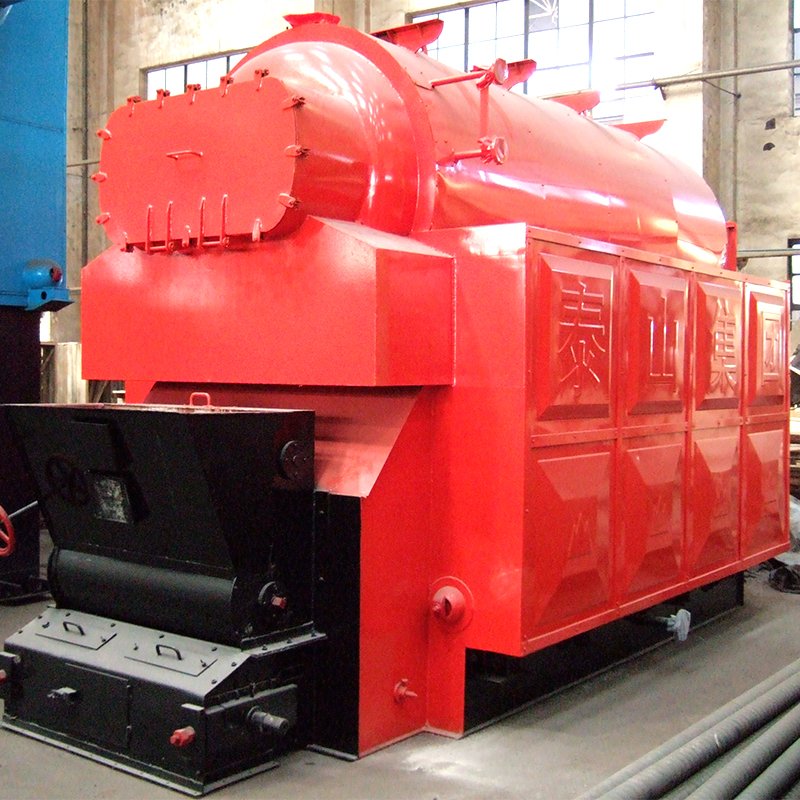
As many developed nations accelerate their transition toward renewable energy, the demand for industrial coal-fired boilers continues to grow in specific regions and industries that are still reliant on coal for its affordability, availability, and stability as a fuel source. While global climate commitments pressure the energy sector to decarbonize, the industrial sector in emerging economies often requires cost-effective and reliable thermal energy to support expansion in manufacturing, mining, chemicals, and other energy-intensive processes. In these environments, coal-fired boilers remain a primary heat source—particularly where infrastructure for alternative fuels is lacking.
Demand for industrial coal-fired boilers is still growing in regions such as Southeast Asia, South Asia (notably India and Bangladesh), Sub-Saharan Africa, and parts of Central Asia, where industrial development, energy security concerns, and low-cost coal access drive their continued use. Key industries sustaining this demand include cement, steel, pulp and paper, textiles, food processing, chemicals, and mining. In these sectors, coal-fired boilers provide large-scale process steam and thermal energy with high reliability and economic viability, particularly in countries lacking consistent access to natural gas or grid-scale electricity.
This regional and industrial persistence ensures that coal-fired boilers remain relevant and in demand, even as global energy paradigms shift.
Coal-fired industrial boilers are being completely phased out worldwide due to clean energy transitions.False
While coal-fired boilers are declining in some regions, they are still growing in developing countries where industrial demand, low-cost coal, and infrastructure limitations sustain their usage.
Global Heat Map: Where Demand for Coal-Fired Industrial Boilers Is Rising
| Region | Drivers of Growth | Notable Countries |
|---|---|---|
| South Asia | High industrialization, low-cost coal, limited gas pipeline infrastructure | India, Bangladesh, Pakistan |
| Southeast Asia | Export-oriented manufacturing growth, biomass-coal blending | Vietnam, Indonesia, Philippines, Thailand |
| Sub-Saharan Africa | Electrification gaps, mining sector growth, off-grid industrial heat | Nigeria, South Africa, Zambia |
| Central Asia | Coal abundance, harsh climates, process heat for industry | Kazakhstan, Uzbekistan |
| Middle East (Selective) | Cement and petrochemical process heating in remote areas | Iran, Iraq (non-grid industrial zones) |
These regions prioritize affordability, self-reliance, and infrastructure readiness, making coal-fired systems an accessible choice.
Industry Sectors with Sustained or Rising Coal Boiler Demand
| Industry | Why Coal-Fired Boilers Remain Essential | Typical Boiler Capacity |
|---|---|---|
| Cement & Construction | High-temperature kilns, process heat, often remote from gas infrastructure | 30–100 TPH |
| Steel & Metallurgy | Blast furnace heating, coke ovens, process steam for rolling and forging | 50–200 TPH |
| Pulp & Paper | High steam demand for drying, black liquor co-firing with coal | 40–150 TPH |
| Textile & Dyeing | Continuous steam requirements for bleaching, dyeing, and finishing | 20–50 TPH |
| Food & Beverage | Thermal sterilization, distillation, drying in agro-industries | 10–40 TPH |
| Chemical Processing | Steam reforming, distillation, and batch reactor heating | 20–100 TPH |
| Mining & Smelting | Ore drying, heat-intensive mineral processing | 50–150 TPH |
In these sectors, reliable steam at consistent pressure and temperature is critical, and coal’s energy density and price stability make it difficult to replace in the short term.
Regional Case Studies Demonstrating Growth
Case Study 1: India’s Textile and Steel Industrial Parks
India continues to commission new coal-fired boiler installations in industrial parks where:
- Natural gas access is limited or too costly
- Electricity grid is unreliable or insufficient
- Steam demand exceeds 50 TPH continuously
Example: A 90 TPH coal-fired boiler in Gujarat powers both a steel rolling mill and adjacent textile unit via a cogeneration setup. Coal fuel cost: $68/ton vs LPG: $980/ton equivalent.
Case Study 2: Vietnam’s Food Processing Zones
Vietnam’s agro-industrial clusters use multi-fuel coal-fired boilers (some co-fired with rice husk or wood chips) to:
- Sterilize milk and food containers
- Dry processed foods
- Produce biofertilizer via steam-enhanced composting
Boiler installations grew by 18% between 2020–2023 due to government incentives for agro-industry export expansion.
| Region | 2020 Market Share (%) | 2025 Projected (%) | CAGR (2020–2025) |
|---|---|---|---|
| South Asia | 29% | 34% | 4.5% |
| Southeast Asia | 18% | 21% | 3.8% |
| Sub-Saharan Africa | 8% | 11% | 5.9% |
| Central Asia | 5% | 7% | 5.1% |
| Global (Total Market) | 100% | 100% | 1.9% (moderated decline elsewhere) |
This regionalized growth offsets declines in the U.S., EU, and Japan, where net-zero policies dominate.
Why Coal Boilers Persist: Regional Fuel Economics
| Fuel Type | Avg. Cost in India (per MMBtu) | Infrastructure Required | Availability |
|---|---|---|---|
| Imported LNG | $15–18 | Pipeline, regasification | Limited, price volatile |
| Fuel Oil (FO) | $12–16 | Tank storage, pumps | Limited supply chain |
| Biomass Briquettes | $8–12 | Feed systems, drying | Seasonal, region-specific |
| Coal (Indigenous) | $3–5 | Rail or truck delivery | Readily available |
Coal remains the cheapest and most reliable thermal energy source in these contexts, despite its environmental drawbacks.
Policy and Market Outlook
| Policy/Market Factor | Impact on Demand |
|---|---|
| Emission Regulations | Push demand toward higher-efficiency coal boilers |
| Industrial Growth Zones | Favor low-CapEx, coal-fired steam sources |
| Power Grid Deficiency | Off-grid or captive coal boilers preferred |
| Fuel Security & Cost Concerns | Encourage domestic coal use |
| Limited Gas Infrastructure | Prevents transition to cleaner fuels |
Many governments are also implementing hybrid strategies—such as coal + biomass co-firing—to meet both energy and emission goals, further sustaining the role of coal-fired boilers.
Summary
While many parts of the world are moving away from coal, industrial coal-fired boilers remain in high demand in developing and energy-constrained regions. Specifically:
- South Asia, Southeast Asia, Central Asia, and Africa are leading the demand curve
- Industries like cement, steel, textiles, chemicals, and food processing depend on coal-fired systems for reliable and affordable steam
- Economic, infrastructural, and fuel-access realities make coal the most practical solution in these contexts
For suppliers, EPCs, and investors, this means targeting industrial growth zones with high thermal demand, limited gas access, and strong manufacturing pipelines is still a viable and growing market for advanced coal-fired boiler technologies.
How Do Energy Transition Policies and Carbon-Reduction Targets Shape the Future Coal Boiler Market?
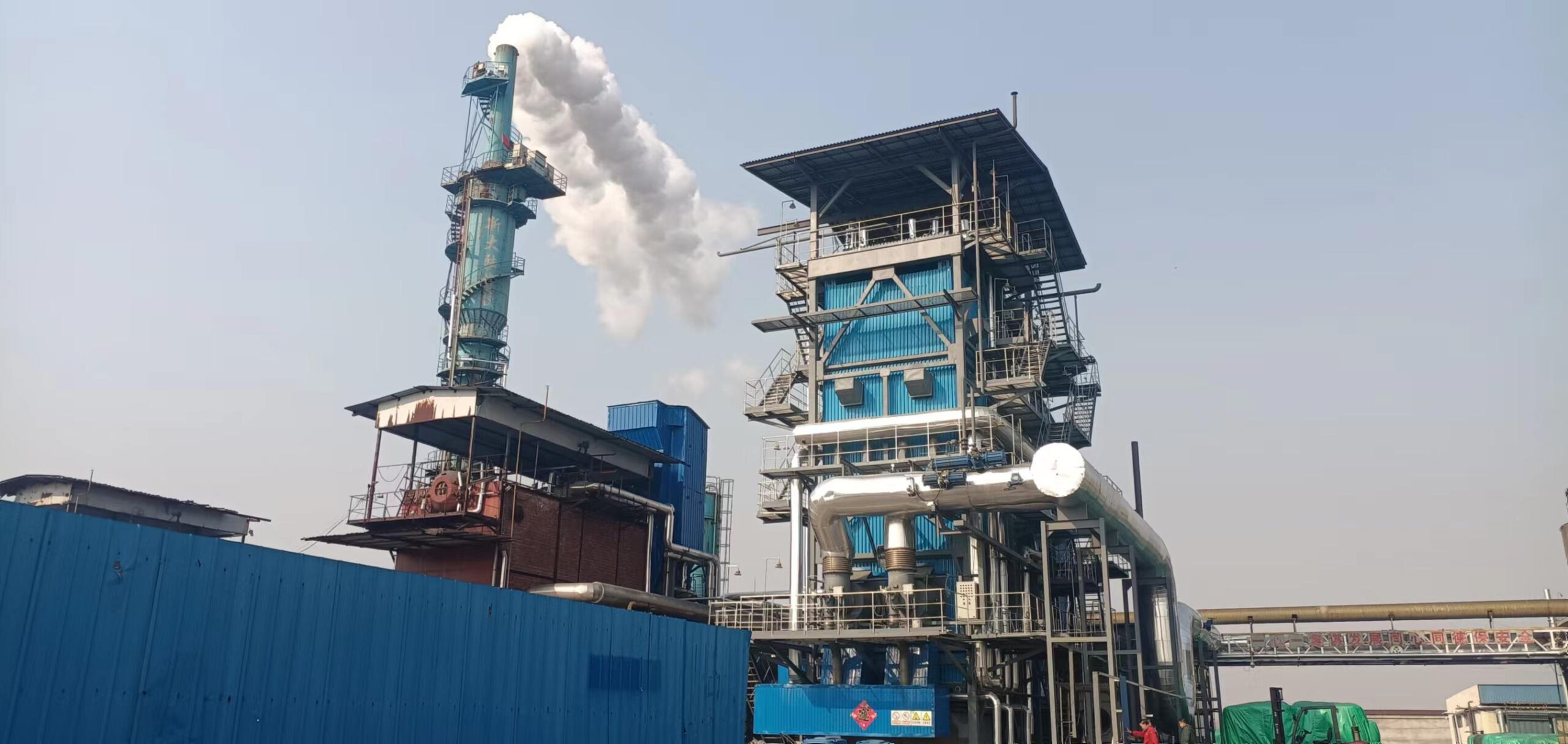
Coal-fired boilers have long been central to industrial heat and power generation. However, the global push for decarbonization, led by energy transition policies and carbon-reduction targets, is rapidly redefining their future. As countries implement stricter climate regulations, emissions pricing, and net-zero commitments, the traditional coal boiler market faces both decline in some regions and transformation in others. While outright bans and phase-outs dominate headlines in developed economies, emerging markets are navigating a more complex landscape—balancing industrialization with carbon responsibility.
Energy transition policies and carbon-reduction targets are reshaping the future coal boiler market by driving technology upgrades, fuel diversification, carbon capture integration, and eventual replacement in many regions. These policies, including emissions trading systems, carbon taxes, renewable mandates, and net-zero roadmaps, increase the cost of operating traditional coal boilers and incentivize investment in cleaner alternatives like biomass co-firing, CFB boilers, and hybrid systems. As a result, the global coal boiler market is transitioning toward high-efficiency, low-emission, or fuel-flexible systems in developing regions, while shrinking or converting in carbon-regulated economies.
The direction is clear: carbon policy is the main determinant of whether coal boilers evolve, coexist, or disappear.
Carbon-reduction policies are making it impossible to operate coal boilers profitably in all regions.False
While carbon policies increase operational costs, some regions still support efficient or hybrid coal boilers, especially where alternatives are lacking. Markets are transitioning, not uniformly eliminating coal boilers.
Global Overview: Where Policy Is Driving Decline vs. Redesign
| Region | Policy Impact on Coal Boiler Market | Examples |
|---|---|---|
| EU & UK | Aggressive phase-out, carbon pricing, BAT compliance | Carbon tax, ETS, IED (Industrial Emissions Directive) |
| U.S. | Decentralized, but declining due to IRA, EPA standards, gas access | Inflation Reduction Act, Clean Power Plan rules |
| China | Transitioning to ULE coal + biomass co-firing + CCS pilots | ULE policy (超低排放), ETS pilot in key provinces |
| India | No phase-out, but high-efficiency & emissions cap imposed | Perform, Achieve, Trade (PAT) scheme; RPO compliance |
| Southeast Asia | Mixed strategies—coal + renewables coexist | Indonesia & Vietnam still approve new high-efficiency coal |
| Africa & Central Asia | Minimal restriction—coal still core to energy security | No formal carbon pricing, but donor-led green financing |
Policy fragmentation is driving divergent market dynamics, where some countries retire coal assets, while others invest in more efficient, lower-emission coal systems.
Policy Instruments Impacting Coal Boiler Viability
| Instrument Type | Mechanism | Impact on Coal Boilers |
|---|---|---|
| Carbon Tax / Carbon Pricing | Monetizes GHG emissions | Raises OPEX, favors cleaner fuel alternatives |
| Emissions Trading Systems (ETS) | Cap-and-trade mechanism | Limits allowable emissions, creates cost volatility |
| Renewable Portfolio Standards (RPS) | Mandates share of renewable energy | Disincentivizes new coal capacity |
| Emission Intensity Caps | Sets kg CO₂/MWh limits | Encourages shift to high-efficiency systems |
| Net-Zero Pledges (2050/2060) | Long-term decarbonization plans | Phase-out planning for coal infrastructure |
| Finance Restrictions (ESG) | Green finance excludes high-carbon tech | Limits funding for new coal boiler projects |
These policies are not just regulatory—they’re shaping capital flow, market access, and technology R&D for all combustion systems.
Future Scenarios for the Coal Boiler Market
H3: 1. Transition to High-Efficiency Low-Emission (HELE) Boilers
In many developing regions, policy promotes more efficient coal systems rather than banning them.
- Ultra-supercritical and Circulating Fluidized Bed (CFB) technologies qualify as “transition solutions”
- Plants >85% efficiency and <800 g CO₂/kWh are allowed under conditional licenses
- India, Vietnam, Indonesia, South Africa expanding HELE-based industrial heat capacity
H3: 2. Biomass and Waste Co-Firing Mandates
To lower carbon intensity, many countries are pushing:
- Biomass/coal co-firing ratios of 10–30% in industrial boilers
- Waste-derived fuel (RDF) mandates in municipal heating or cement industries
- Japan, China, EU, Thailand have biomass incentives in place
This allows partial emissions reduction without full boiler replacement, preserving industrial continuity.
H3: 3. Carbon Capture & Retrofit for Compliance
Advanced coal boilers are increasingly bundled with Carbon Capture and Storage (CCS) or CCUS (Utilization and Storage):
- CFB boilers offer low-NOx, high CO₂ capture readiness
- Pilot CCS projects in China, UAE, and India
- Could offset 60–90% of emissions in industrial boilers by 2035 if scaled
However, high capital and O&M costs still limit widespread CCS adoption.
Case Study: Policy-Induced Market Shift in China
China’s ULE policy transformed its coal boiler market, mandating:
| Emission Limit (mg/Nm³) | Pre-Policy Average | ULE Standard |
|---|---|---|
| SO₂ | 400–600 | ≤35 |
| NOₓ | 300–500 | ≤50 |
| PM | 80–120 | ≤10 |
- 95% of industrial coal-fired boilers now meet ULE
- Over 200,000 MW of capacity retrofitted or rebuilt
- Encouraged local manufacturing of low-NOx burners, baghouses, FGD systems
Result: China now leads in exporting ULE-compliant industrial boiler technology, shaping regional demand.
Carbon Cost Pressure on Traditional Coal OPEX
| Cost Component | No Carbon Policy | With Carbon Price ($50/ton CO₂) |
|---|---|---|
| Fuel (Coal) | $3.5/MMBtu | $3.5/MMBtu |
| CO₂ Emission Cost (ton) | $0 | $21.5 (0.43 ton CO₂/MMBtu) |
| Total Fuel Cost/MWh (thermal) | ~$32 | ~$53 |
This carbon premium makes gas, biomass, or hybrid solutions more cost-competitive, especially in carbon-constrained markets.
Strategic Adaptations by Boiler Suppliers
To remain viable, coal boiler manufacturers and EPCs are:
- Developing multi-fuel systems (coal + biomass + RDF)
- Integrating modular CCS-ready designs
- Offering digital twin + predictive maintenance for carbon efficiency
- Participating in carbon offset schemes or green heat certification
These approaches help future-proof coal-fired solutions, especially in transitional economies.
Summary
Energy transition policies and carbon-reduction targets are not just shrinking the coal boiler market—they’re reshaping it:
- High-efficiency, low-emission, and co-firing-compatible boilers will dominate near-term demand in developing countries
- CCS-ready and digitalized systems may gain acceptance in policy-flexible regions
- In strict carbon regimes, complete replacement with renewable or electric systems is inevitable over time
The future of coal boilers lies in their adaptability to policy, not resistance—with innovation, hybridization, and emissions compliance at the core of their continued relevance.
🔍 Conclusion
Industrial coal-fired boilers are undergoing a technology-driven transformation, shifting from traditional high-emission systems toward high-efficiency, low-emission, and intelligent solutions. While market demand is declining in some regions, it remains strong in industries and countries where coal offers fuel security and cost advantages. Suppliers and users who embrace advanced technology and compliance-ready designs can continue to achieve reliable performance and competitive long-term economics.
🔹 Contact us today to explore next-generation industrial coal-fired boiler solutions that balance efficiency, compliance, and long-term value. ⚙️🔥🏭✅
FAQ
Q1: What are the latest technological trends in industrial coal-fired boilers?
A1: The latest trends in industrial coal-fired boiler technology focus on improving efficiency, reducing emissions, and enhancing operational flexibility. Modern boilers increasingly adopt circulating fluidized bed (CFB) technology, optimized furnace design, and advanced heat recovery systems such as economizers and air preheaters. Digital control systems enable precise combustion management and stable operation under variable loads. In addition, improved materials and welding technologies enhance resistance to high temperature, corrosion, and erosion, extending boiler lifespan and reliability.
Q2: How are ultra-low emission requirements shaping coal-fired boiler development?
A2: Ultra-low emission standards are one of the most influential drivers of innovation in coal-fired boilers. Manufacturers now integrate low-NOx combustion, staged air supply, in-furnace desulfurization, and high-efficiency dust removal systems to significantly reduce emissions of NOx, SO₂, and particulate matter. Advanced monitoring systems provide real-time emissions data to ensure compliance with strict environmental regulations. These technologies allow coal-fired boilers to remain viable in markets with tightening environmental policies.
Q3: How does fuel flexibility influence modern coal-fired boiler design?
A3: Fuel flexibility has become a key design objective as coal quality varies widely across regions. Modern industrial coal-fired boilers are designed to burn low-grade coal, high-ash coal, lignite, coal gangue, and coal–biomass blends efficiently. CFB boilers, in particular, excel in handling variable fuel properties while maintaining stable combustion and efficiency. This flexibility reduces fuel procurement risk, lowers operating costs, and allows industries to adapt to changing fuel availability.
Q4: What are the current market demand trends for industrial coal-fired boilers?
A4: Market demand for industrial coal-fired boilers remains strong in regions with abundant coal resources and limited access to natural gas, such as parts of Asia, Africa, and Eastern Europe. Demand is driven by industries requiring large-scale, stable steam and power supply, including chemicals, metallurgy, cement, and district heating. Replacement of aging boiler systems with high-efficiency, low-emission units is another major demand driver, as industries seek compliance with environmental regulations while maintaining cost competitiveness.
Q5: How are energy transition policies affecting the coal-fired boiler market?
A5: Energy transition policies are reshaping, rather than eliminating, the coal-fired boiler market. While some regions are reducing coal use, others are investing in clean coal technologies to improve efficiency and reduce environmental impact. Coal-fired boilers are increasingly positioned as transitional solutions, combined with biomass co-firing, waste heat recovery, and carbon-reduction strategies. These adaptations allow coal-fired systems to support industrial growth while aligning with gradual decarbonization goals.
References
- International Energy Agency (IEA) – Coal in Industrial Energy Systems – https://www.iea.org/ – IEA
- IEA Clean Coal Centre – Industrial Coal-Fired Boiler Technology – https://www.iea-coal.org/ – IEA CCC
- U.S. Department of Energy – Advanced Coal Boiler Technologies – https://www.energy.gov/ – DOE
- ASME – Boiler and Pressure Vessel Code (BPVC) – https://www.asme.org/ – ASME
- ScienceDirect – Trends in Coal-Fired Boiler Design – https://www.sciencedirect.com/ – ScienceDirect
- Engineering Toolbox – Coal-Fired Boiler Performance – https://www.engineeringtoolbox.com/ – Engineering Toolbox
- World Bank – Clean Coal and Industrial Energy Projects – https://www.worldbank.org/ – World Bank
- Valmet – CFB and Coal Boiler Solutions – https://www.valmet.com/ – Valmet
- Mitsubishi Power – Clean Coal Boiler Technologies – https://power.mhi.com/ – Mitsubishi Power
- MarketsandMarkets – Industrial Boiler Market Forecast – https://www.marketsandmarkets.com/ – Markets and Markets