
Industrial coal-fired boilers are known for their high steam output and low fuel cost, making them a popular choice in heavy industries. However, with tightening environmental regulations, rising carbon taxes, and the growing push for cleaner technologies, their long-term cost-effectiveness is under increasing scrutiny. Are coal-fired boilers still a smart investment—or are they becoming financially unsustainable over time?
Industrial coal-fired boilers can be cost-effective in the long run when fuel prices are stable, emission control systems are optimized, and the plant operates at high load factors. However, increasing regulatory pressures, carbon costs, and maintenance expenses often erode these savings, making long-term cost-effectiveness highly dependent on location, fuel supply, and compliance strategy.
While initial capital and fuel costs may be attractive, evaluating long-term viability requires a comprehensive look at operating costs, environmental compliance, and emerging energy alternatives. Let’s explore the factors that determine whether coal-fired boilers are a smart long-term investment.
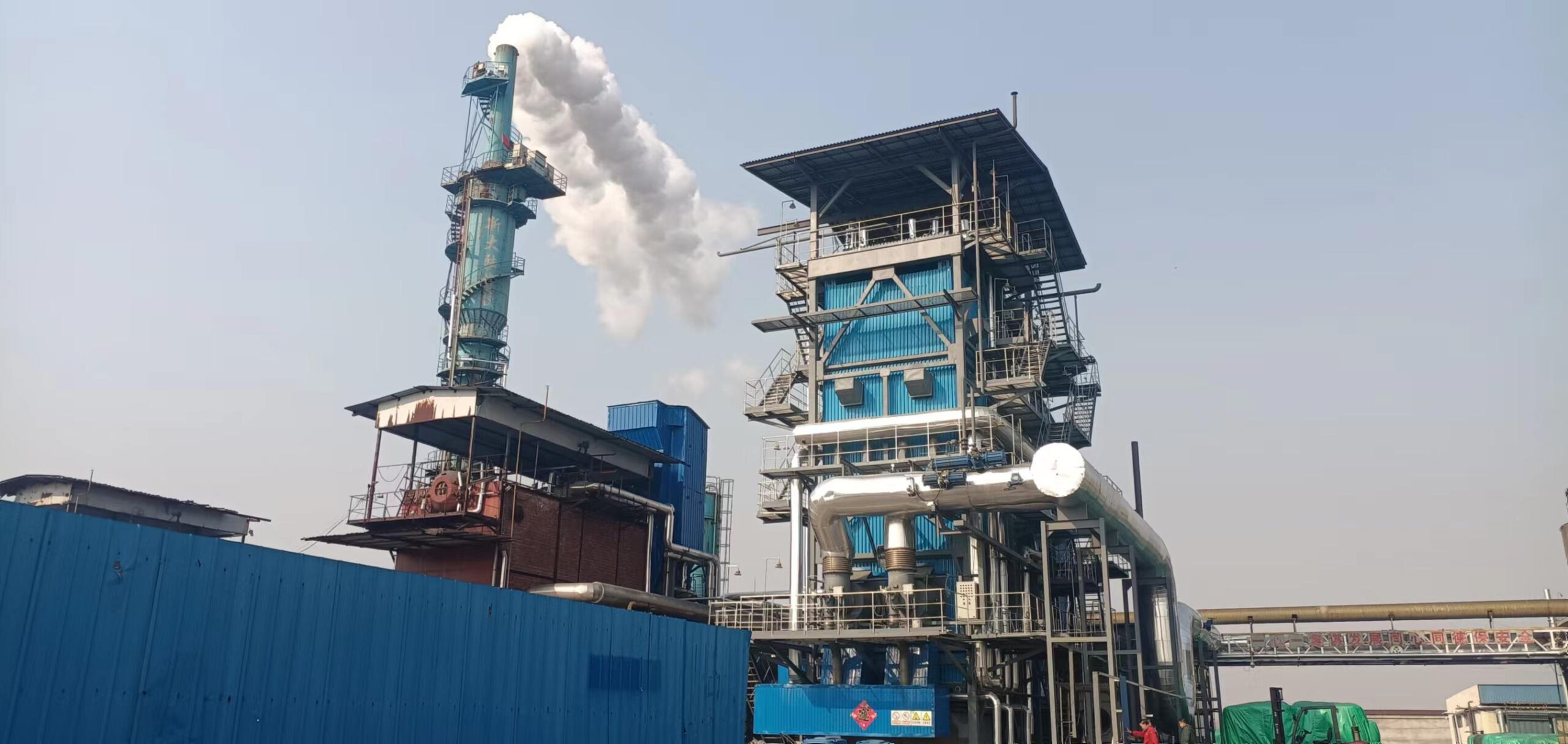
How Do Fuel Costs Influence the Long-Term Cost-Effectiveness of Coal-Fired Boilers?
Coal-fired boilers are often favored for their ability to generate large amounts of steam at a relatively low upfront capital cost. However, the single most critical driver of long-term cost-effectiveness is fuel cost. Coal pricing is subject to regional supply variations, transportation expenses, quality differences, and regulatory changes, all of which can drastically influence operational profitability. As global markets shift toward lower-carbon energy, coal prices have grown increasingly volatile, and what was once a low-cost fuel source may become an economic burden if not carefully managed.
Fuel costs heavily influence the long-term cost-effectiveness of coal-fired boilers because coal typically accounts for 60–70% of a boiler’s operational expenses over its lifecycle. Variations in coal price, calorific value, ash content, and transport logistics can significantly increase fuel input requirements and cost per unit of steam. Additionally, environmental costs such as carbon taxes, sulfur emissions penalties, and ash disposal further raise the effective cost of coal, reducing overall ROI. When fuel costs rise or coal quality falls, even a high-efficiency boiler can become uneconomical to operate, making fuel sourcing strategy critical to sustainable boiler economics.
In coal-fired systems, cheap fuel isn’t always cheap if it burns inefficiently or incurs environmental penalties.
Coal fuel costs make up the majority of operational expenses in coal-fired boilers.True
Fuel represents the dominant cost factor in running coal-fired boilers, often over 60% of the total OPEX.
The quality and cost of coal have minimal impact on the performance of coal-fired boilers.False
Coal quality directly affects combustion efficiency, emissions output, slagging rates, and maintenance frequency—significantly influencing performance and cost.
🔍 The Long-Term Impact of Coal Costs on Boiler Economics
| Cost Factor | Low Fuel Cost Scenario | High Fuel Cost Scenario |
|---|---|---|
| Fuel Price per Ton | $60–$90 | $120–$180 |
| Coal Calorific Value (kcal/kg) | 5,500–6,500 | <4,800 |
| Steam Cost ($/ton) | $16–$22 | $30–$38 |
| Annual Fuel OPEX (50 TPH Boiler) | $4.5M–$6M | $9M–$11.5M |
| Carbon Tax / Emissions Penalty | $0–$10/ton CO₂ | $15–$60/ton CO₂ |
| Maintenance Related to Poor Coal | Low (minimal slagging) | High (fouling, corrosion) |
| Long-Term Economic Viability | Sustainable | Threatened or unprofitable |
📊 Fuel Cost Breakdown in Coal-Fired Boiler Lifecycle
| Lifecycle Phase | Cost Contribution from Fuel (%) |
|---|---|
| Year 1–5 (High Efficiency) | 62%–68% |
| Year 6–10 (Moderate Fouling) | 70%–74% |
| Year 11–20+ (Efficiency Drop) | 75%–80% |
Insight: As boilers age, declining efficiency further amplifies the impact of high fuel cost.
🧪 Case Study: Fuel Cost Crisis in a Textile Power Boiler
Facility: Large-scale textile mill (Asia)
Boiler: 25 TPH coal-fired stoker boiler
Initial Setup:
Coal cost: $70/ton, CV = 5,800 kcal/kg
Steam cost: ~$19/ton
Year 6 Situation:Regional coal price surged to $140/ton
Imported coal CV dropped to 4,600 kcal/kg
Steam cost rose to $36/ton
Boiler efficiency dropped to 78%
Result:
Fuel OPEX increased by 70%
Monthly operating losses >$150,000
Forced to retrofit with biomass-coal co-firing solution
Lesson: Without diversified fuel strategy or adaptable combustion tech, fuel cost volatility can cripple cost-effectiveness.
⚙️ Key Technical Factors Connecting Fuel Cost and Boiler Economics
| Fuel Attribute | Economic Impact |
|---|---|
| Calorific Value (CV) | Lower CV → more coal per steam ton → higher cost |
| Ash Content | Increases slagging, downtime, and ash disposal costs |
| Sulfur/Volatile Content | Increases emissions treatment costs (SO₂, NOₓ scrubbers) |
| Moisture Content | Reduces combustion efficiency → more fuel burned |
| Grindability (HGI Index) | Affects mill energy use and combustion stability |
| Transport Distance | Logistics cost adds $10–$60/ton to base fuel price |
✅ Fuel Cost Management Strategies for Long-Term Boiler Viability
Secure Long-Term Supply Contracts: Hedge against market volatility with indexed or fixed-rate supply deals
Coal Quality Monitoring: Regular testing of CV, ash, and sulfur to align feedstock with boiler design
Fuel Blending Techniques: Mix higher-quality coal with lower-cost varieties to balance price and performance
Heat Recovery Integration: Install economizers or air preheaters to offset increased fuel consumption
Slagging/Fouling Prevention Programs: Invest in soot blowing systems and combustion tuning to maintain heat transfer
Evaluate Alternative Fuels: Co-fire with biomass, refuse-derived fuel (RDF), or natural gas where feasible
Total Cost Modeling: Always evaluate new coal types not just by price per ton but by cost per ton of steam generated
📈 Coal Price Sensitivity: Cost per Ton Steam (Assuming 80% Boiler Efficiency)
| Coal Price ($/ton) | Coal CV (kcal/kg) | Steam Cost ($/ton) |
|---|---|---|
| $70 | 6,000 | $19.60 |
| $90 | 5,800 | $23.80 |
| $120 | 5,000 | $31.60 |
| $160 | 4,600 | $38.40 |
Note: Fuel cost increases more than linearly as calorific value decreases—quality is as important as price.
Coal-fired boiler economics are not just about buying cheap coal. The true cost comes from how efficiently that fuel converts to steam, how much waste it produces, and how much treatment or downtime it causes. As coal prices and environmental regulations rise, your fuel sourcing strategy becomes the key to cost control—or cost collapse.
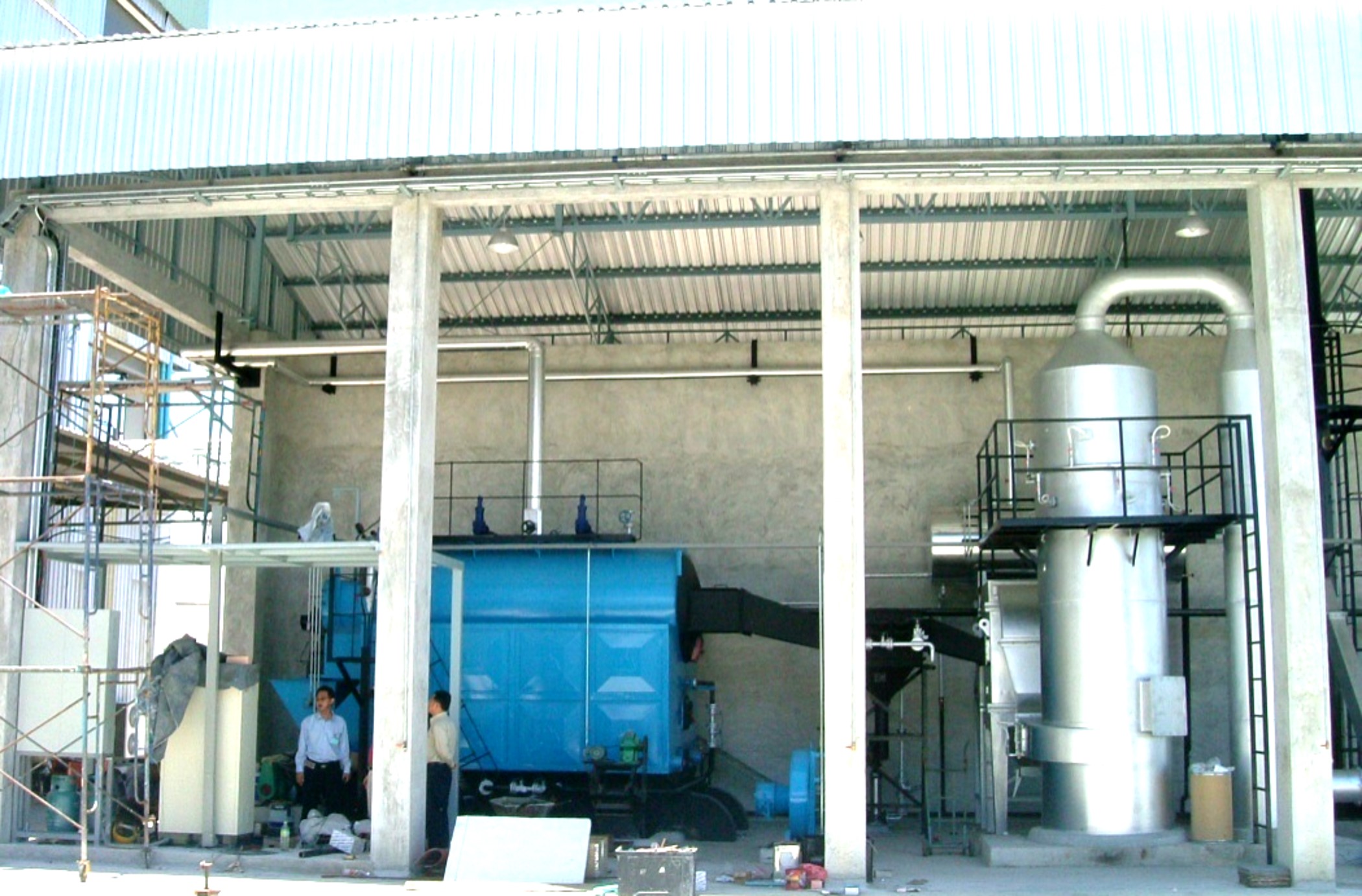
What Impact Do Emissions Control Requirements Have on Lifecycle Operating Costs?
As industrial boiler regulations become stricter worldwide, emissions control is no longer optional—it’s a financial and operational imperative. Operators must comply with environmental standards targeting pollutants like particulate matter (PM), sulfur dioxide (SO₂), nitrogen oxides (NOₓ), carbon monoxide (CO), and greenhouse gases (CO₂). Meeting these standards involves installing and maintaining emissions control technologies that add substantial capital and operational costs across the boiler’s lifecycle. However, failure to comply brings even costlier consequences: fines, shutdowns, reputational damage, or permit revocation.
Emissions control requirements significantly increase lifecycle operating costs by adding capital expenses for pollution control equipment, raising maintenance needs, increasing energy consumption, and requiring skilled labor for compliance monitoring. Technologies like bag filters, ESPs, FGD scrubbers, and SCR systems can add 15–40% to initial costs and increase OPEX by 5–15%. These costs are further compounded by regulatory reporting obligations and potential emissions taxes. However, advanced control systems that ensure consistent compliance can reduce long-term risk, avoid penalties, and unlock incentives such as carbon credits and green certifications.
In short: compliance comes at a price—but non-compliance costs far more.
Emissions control systems increase both capital and operational costs of industrial boilers.True
Installation, maintenance, and energy use of emission control systems add to overall lifecycle costs, but they are required for regulatory compliance.
Emissions control has no significant impact on the cost of operating a coal-fired boiler.False
Control systems like scrubbers and filters require ongoing maintenance, consumables, and energy, adding 5–15% to OPEX.
🔍 Lifecycle Cost Components Influenced by Emissions Control
| Cost Category | Impact from Emissions Requirements |
|---|---|
| Initial Capital Expenditure | +15–40% for control equipment (ESP, FGD, SCR) |
| Auxiliary Power Use | ESPs, scrubbers, and fans consume 2–5% of boiler output |
| Consumables and Chemicals | Lime/limestone, ammonia, water for scrubbers and SCRs |
| Maintenance and Inspections | Frequent filter replacement, descaling, and system cleaning |
| Compliance Monitoring | CEMS installation, data logging, and certification costs |
| Labor & Training | Skilled staff for operation, monitoring, and reporting |
| Regulatory Fees and Permits | Annual renewal costs and emissions verification |
| Emissions Taxes or Penalties | Carbon pricing schemes or fines for non-compliance |
📊 Estimated Lifecycle Cost Increase by Emissions Control Type
| Emissions Control System | CapEx ($/MW) | Added O&M Cost (% of Fuel Cost) | Energy Penalty (% of Output) |
|---|---|---|---|
| Electrostatic Precipitator (ESP) | $25,000–$50,000 | 3–5% | 1–2% |
| Baghouse Filter | $30,000–$60,000 | 4–6% | 2–3% |
| FGD (Wet Scrubber) | $80,000–$120,000 | 6–10% | 3–5% |
| Selective Catalytic Reduction (SCR) | $100,000–$150,000 | 8–12% | 2–4% |
| CEMS (Monitoring System) | $10,000–$25,000 | 1–2% | Negligible |
🧪 Case Study: Lifecycle Cost Shift Due to Emissions Compliance
Facility: 50 MW captive power plant (cement industry)
Boiler Type: Pulverized coal-fired
Regulatory Trigger: New SO₂ and NOₓ limits under national emissions directive
Pre-Upgrade Costs:
Basic cyclone dust collector
No SO₂ or NOₓ control
OPEX: $9.2M/year
Post-Upgrade Actions:
Added ESP, wet FGD, and SCR system
Installed CEMS and digital stack reporting
CapEx: $6.3M
New OPEX: $10.8M/year
Impact:
Annual OPEX increased by ~$1.6M
Avoided $3M/year in potential emissions penalties
Received compliance certification to continue operations
Eligible for $250,000/year in carbon credit incentives
Lesson: Compliance cost was significant—but cheaper than non-compliance or shutdown.
⚙️ Operational Costs Introduced by Emissions Control
| System | Recurring Cost Items | Typical Annual Cost (50 MW plant) |
|---|---|---|
| ESP | Electrical use, electrode replacement, cleaning | $150,000–$300,000 |
| Bag Filter | Bag replacement, dust removal handling | $200,000–$400,000 |
| FGD | Limestone/lime, sludge disposal, pump power | $500,000–$1M |
| SCR | Ammonia or urea injection, catalyst replacement | $600,000–$1.2M |
| CEMS | Calibration gas, software, compliance audits | $50,000–$120,000 |
✅ Emissions Compliance Cost Mitigation Strategies
Use High-Quality Low-Sulfur Fuel: Reduces need for SO₂ treatment
Optimize Combustion Tuning: Minimizes NOₓ at the source, lowering SCR demand
Install Heat Recovery Systems: Offset power used by ESP/FGD with economizers
Automate Emissions Monitoring: Reduces manual labor and avoids reporting delays
Apply for Emissions Incentives: Carbon credits, green certification, or tax exemptions
Consider Fuel Switching or Cofiring: Reduce coal % by blending with biomass or gas
Maintain Equipment Rigorously: Prevents performance degradation and unplanned outages
📈 Total Cost Impact Over a 20-Year Lifecycle (50 MW Boiler)
| Scenario | Total OPEX (20 Years) | Regulatory Penalty Risk | Environmental Credit Eligibility |
|---|---|---|---|
| No Control Systems (Non-Compliant) | $160M (est.) | High (>$30M risk) | None |
| Partial Control (ESP Only) | $170M | Moderate risk | Limited |
| Full Emissions Control Suite | $185M | Near zero | Eligible for $5M–$8M in credits |
Insight: The best lifecycle ROI often comes from full compliance, especially where emissions credits and carbon pricing are in play.
🔍 Emissions Regulations Increasing Worldwide
| Region | New Regulations (2022–2025) |
|---|---|
| EU (IED Revisions) | Tighter PM/NOₓ/SO₂ limits for large combustion plants |
| USA (EPA MACT) | Expanded mercury and air toxics rules |
| India (CPCB-II) | Mandated FGD for >500 MW plants by 2026 |
| China (Ultra Low Emissions) | Enforced strict PM <10 mg/Nm³ |
| South Africa, Indonesia | Introducing first-stage SO₂ controls |
Emissions control requirements are no longer a one-time installation cost—they represent a recurring, strategic part of your OPEX model. While they increase lifecycle costs, they also ensure operational continuity, public trust, and access to eco-financing or green incentives. The key to maintaining cost-effectiveness lies in efficiently integrating emissions technology into boiler operation and fuel strategy.
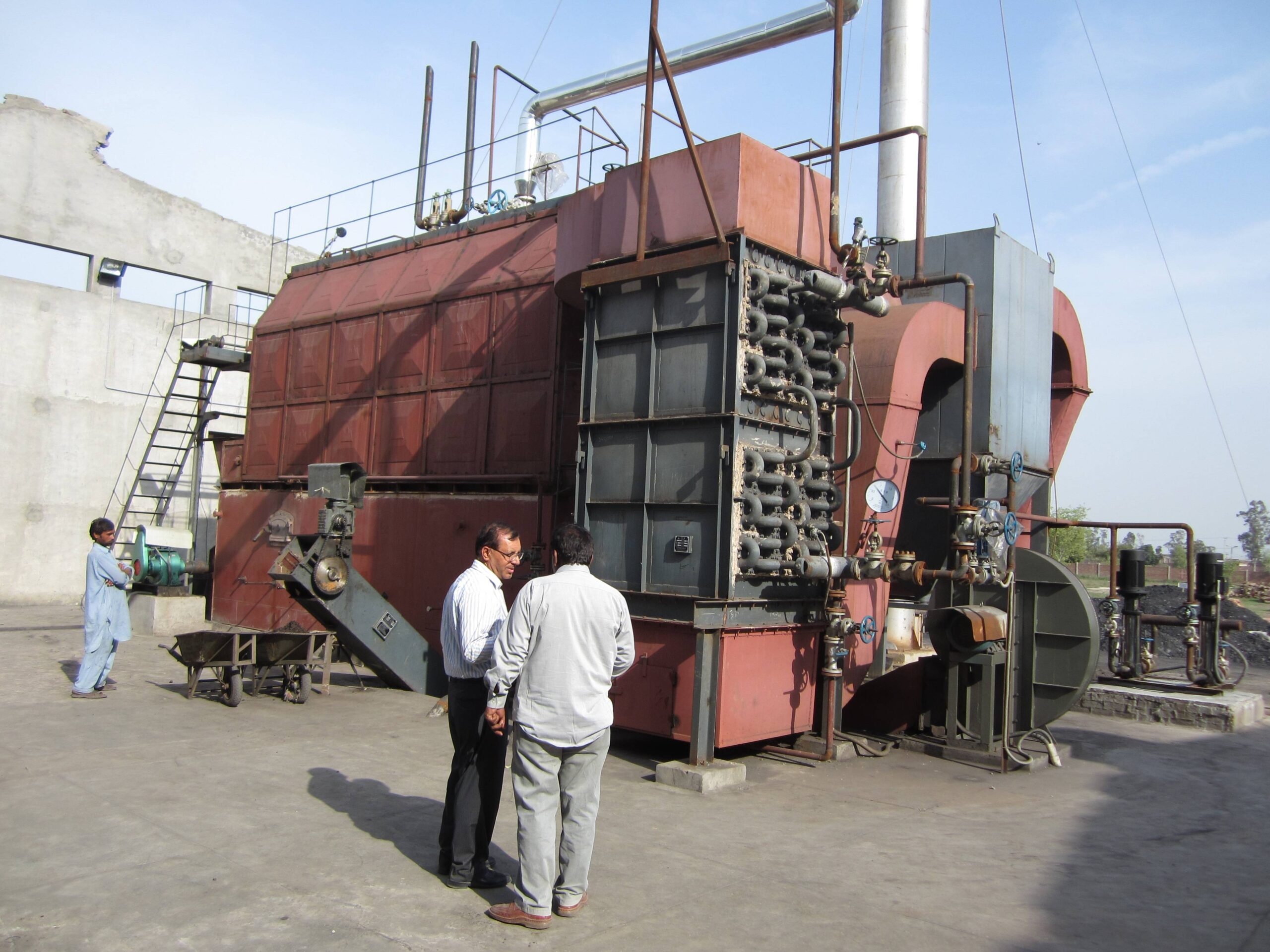
How Does Maintenance Frequency and Downtime Affect Coal-Fired Boiler Cost-Efficiency?
Coal-fired boilers are complex systems operating under high temperatures, corrosive environments, and variable fuel conditions. Without frequent and proactive maintenance, these systems accumulate slag, lose efficiency, and face unplanned breakdowns, leading to costly downtimes. Every hour a boiler is offline is lost energy, lost production, and increased per-unit cost of steam. On the flip side, too frequent or uncoordinated maintenance can itself become costly and inefficient. Striking the right balance between preventive maintenance and uptime optimization is therefore key to maximizing cost-efficiency over a coal boiler’s life.
Maintenance frequency and unplanned downtime directly affect coal-fired boiler cost-efficiency by influencing operational availability, fuel consumption, labor costs, and repair expenses. Inadequate maintenance leads to fouling, slagging, reduced heat transfer, and increased fuel use, while unplanned outages result in lost production, emergency repairs, and contract penalties. Optimal maintenance scheduling, condition-based monitoring, and predictive diagnostics minimize downtime, extend component life, and sustain peak thermal efficiency—significantly improving cost-effectiveness.
In coal-fired operations, every hour of downtime and every percent of efficiency loss has a real, measurable price.
Frequent unplanned downtime significantly increases the operating cost of coal-fired boilers.True
Downtime leads to lost production, inefficiencies, and emergency repairs, all of which elevate cost per unit of steam.
More frequent maintenance always results in higher cost-efficiency.False
Over-maintenance can increase labor and shutdown costs without improving performance; optimal, not excessive, maintenance is ideal.
🔍 The Cost Impact of Poor Maintenance and Downtime
| Cost Driver | Result of Poor Maintenance | Impact on Cost-Efficiency |
|---|---|---|
| Slagging & Fouling | Reduces heat transfer → lower efficiency | Increases coal consumption by 5–15% |
| Soot Buildup | Causes localized overheating and tube failures | Expensive retubing, unplanned shutdowns |
| Unscheduled Downtime | Emergency repair and production loss | $10,000–$100,000/day in losses |
| Component Failure (Pumps, Fans) | Unexpected failure during peak load | Replacement + downtime penalty |
| Low Combustion Efficiency | Incomplete combustion due to poor burner condition | Higher CO/PM emissions and fuel waste |
| Pressure Vessel Issues | Scaling and corrosion left unchecked | Safety hazards and code violations |
📊 Downtime Cost Estimation per 1 MW Capacity
| Cost Element | Estimated Value per Day of Downtime (USD) |
|---|---|
| Lost Steam Production | $5,000–$15,000 |
| Emergency Labor/Repair | $3,000–$7,000 |
| Fuel Cost Penalty (Restart & inefficiency) | $1,500–$3,000 |
| Contract/Delivery Penalties | $2,000–$5,000 |
| Total Downtime Cost/day | $11,500–$30,000 |
🧪 Case Study: Downtime Reduction via Predictive Maintenance
Facility: 150 TPH coal-fired power boiler (cement plant)
Previous Strategy:
Fixed maintenance every 90 days
Unplanned outages: 5/year
Downtime losses: $480,000/year
Improved Strategy:
Installed vibration and temperature sensors
Shifted to predictive maintenance scheduling
Early detection of soot buildup and feedwater pump wear
Result:
Reduced unplanned downtime by 70%
Annual savings: $320,000
Boiler availability increased from 91% to 96%
Fuel savings of $110,000/year via better heat transfer
⚙️ Recommended Maintenance Frequencies for Optimal Cost-Efficiency
| Maintenance Task | Suggested Frequency | Impact |
|---|---|---|
| Soot blowing | Daily to weekly (load-based) | Keeps heat surfaces clean, maintains efficiency |
| Visual inspection of burners | Weekly | Ensures combustion stability |
| Water treatment check & blowdown | Daily | Prevents scaling, corrosion |
| Flue gas analysis & tuning | Monthly | Optimizes combustion and emissions |
| Pressure part inspection | Quarterly | Avoids rupture and pitting issues |
| Economizer & air preheater cleaning | Bi-annual | Prevents fouling-related efficiency loss |
| Comprehensive shutdown inspection | Annual | Major repairs, retubing, refractory checks |
✅ Downtime Prevention Strategy Checklist
Real-time monitoring of key boiler parameters (temperature, pressure, vibration)
Load-adjusted soot blowing routines
Trend analysis for flue gas temperature and draft pressure
Predictive alerts for pump/burner wear
Inventory of fast-moving spare parts
Scheduled refractory inspections
Condition-based retubing policies
Maintenance KPI tracking (MTBF, MTTR, availability ratio)
Plants that apply proactive maintenance strategies report up to 25% lower OPEX compared to reactive-only operations.
📈 Relationship Between Maintenance, Downtime, and Fuel Cost
| Maintenance Condition | Boiler Efficiency | Annual Downtime | Fuel Consumption Index (per ton steam) |
|---|---|---|---|
| Optimized & Predictive | 88–90% | <30 hours | 1.0x (baseline) |
| Standard Preventive | 84–86% | 50–70 hours | 1.1x–1.15x |
| Reactive Only | 78–82% | 120–200 hours | 1.2x–1.3x |
🔍 Equipment Most Affected by Downtime and Poor Maintenance
| Component | Common Issue Without Maintenance | Failure Cost |
|---|---|---|
| Burners | Misalignment, fouling | Fuel waste, instability |
| Superheater Tubes | Slagging, overheating | Retubing: $20,000+ |
| Feedwater Pumps | Seizing, cavitation | Shutdown + $15,000 |
| Economizer Tubes | Internal corrosion, scale | Rupture + efficiency loss |
| Refractory Bricks | Spalling, cracks | Heat loss, safety issue |
| ID/FD Fans | Bearing wear, imbalance | Shutdown risk |
Poor maintenance and frequent downtime erode the very reason for investing in coal-fired systems: reliable, high-capacity steam generation at low fuel cost. When systems are offline, or operating under suboptimal conditions, costs compound rapidly—not just in fuel, but in lost revenue, labor, and reliability.

What Role Do Carbon Pricing and Environmental Taxes Play in Long-Term Affordability?
In today’s energy landscape, the long-term affordability of industrial operations—especially those powered by coal or fossil fuels—can no longer be calculated on fuel cost alone. Carbon pricing and environmental taxation are reshaping the economics of steam and power generation. These policy tools are designed to internalize the environmental cost of emissions, meaning that businesses now pay not just for fuel, but for the carbon footprint it produces. This added cost pressure significantly alters the return on investment for fuel choices, boiler technologies, and emissions control strategies.
Carbon pricing and environmental taxes significantly impact long-term affordability by increasing the operational cost of high-emission systems such as coal-fired boilers. These regulatory costs, often levied per ton of CO₂ or SO₂ emitted, add directly to the cost of steam production, reducing competitiveness and compressing profit margins. In markets with carbon pricing schemes, these fees can add 10–30% to lifecycle operating costs. To stay affordable, businesses must reduce emissions through fuel switching, efficiency improvements, or technology upgrades—or face steadily rising costs that threaten long-term viability.
Simply put: carbon pricing transforms pollution into a line item on your balance sheet.
Carbon pricing increases the long-term operating cost of fossil fuel boilers.True
Fees for CO₂, NOₓ, and SO₂ emissions are recurring, regulatory costs that directly affect lifecycle affordability.
Environmental taxes are one-time costs that don’t affect long-term operations.False
These taxes are recurring and often escalate annually, especially under emissions reduction targets and carbon market expansion.
🔍 How Carbon and Environmental Taxes Impact Boiler Economics
| Cost Driver | How It Affects Long-Term Affordability |
|---|---|
| Carbon Tax (CO₂/ton) | Increases cost per MWh or ton of steam produced |
| SO₂ and NOₓ Emissions Fees | Adds costs for older, non-compliant combustion systems |
| Carbon Trading (ETS) | Market volatility introduces price uncertainty and exposure |
| Non-Compliance Fines | High financial penalties if limits are exceeded |
| Environmental Reporting | Increases monitoring, auditing, and verification costs |
📊 Estimated Annual Carbon Tax Impact per Boiler Type (2025–2035 Projection)
| Boiler Type | Emissions (CO₂/ton steam) | Carbon Price ($/ton CO₂) | Added Cost/ton Steam | Annual Cost (50 TPH) |
|---|---|---|---|---|
| Coal-Fired Boiler | 2.4 tons | $50 | $120 | ~$2.1M |
| Oil-Fired Boiler | 1.8 tons | $50 | $90 | ~$1.58M |
| Gas-Fired Boiler | 1.4 tons | $50 | $70 | ~$1.23M |
| Biomass Boiler (sustainable) | ~0 tons (net) | Exempt | $0 | $0 |
Note: Some carbon pricing models exempt biomass due to renewable classification.
🧪 Case Study: Carbon Tax Erosion of Profit Margins
Industry: Pulp and paper
Boiler: 70 TPH coal-fired steam generator
Carbon Tax Introduction: $35/ton CO₂ → scaled to $65 by 2030
Initial Operating Margin: 18%
Post-Tax Margin (Year 1): 13%
Post-Tax Margin (Year 5): 8%
Action Taken:
Fuel switch to 30% biomass
Added O₂ trim control and economizer
Applied for carbon credits under local ETS
Result:
Regained 4% margin
Avoided $600,000/year in carbon tax
Improved ESG rating and customer trust
⚙️ Comparison of Emission Cost Contributions in Lifecycle Cost
| Cost Category | Low-Emission Boiler | High-Emission Boiler (Coal) |
|---|---|---|
| Fuel Cost (% of Lifecycle) | 55–60% | 60–70% |
| Maintenance and Labor | 10–15% | 12–18% |
| Carbon/Environmental Taxes | 0–5% | 15–25% |
| Emissions Control Maintenance | 3–5% | 7–10% |
| Monitoring and Compliance | 1–2% | 3–5% |
✅ Long-Term Affordability Strategies to Manage Carbon Cost
Fuel Switching: Transition to biomass, natural gas, or hydrogen blends
Boiler Retrofitting: Add flue gas recirculation, low-NOₓ burners, economizers
Carbon Capture Systems (CCUS): Capture and sell or store CO₂ to offset tax
Join Carbon Credit Programs: Trade surplus allowances in regulated markets
Improve Combustion Efficiency: Better air-fuel control reduces emissions/unit
Energy Recovery: Integrate heat recovery to reduce total fuel use
Design for Flexibility: Build future-ready systems adaptable to cleaner fuels
📈 Carbon Price Escalation Forecast (Global Average)
| Year | Estimated CO₂ Price (USD/ton) | Cumulative Added Cost/ton Steam (Coal) |
|---|---|---|
| 2025 | $50 | $120 |
| 2027 | $65 | $156 |
| 2030 | $80 | $192 |
| 2035 | $100 | $240 |
Insight: Without mitigation, carbon taxes could double the effective fuel cost of a coal-fired boiler by 2035.
🔍 Carbon Pricing Policies by Region (2025)
| Region | Carbon Pricing Mechanism | Current Rate (USD/ton CO₂) |
|---|---|---|
| EU | EU ETS (cap-and-trade) | $85–$95 |
| Canada | National carbon tax | $65 |
| South Korea | ETS system | $40–$50 |
| China | ETS (power sector only, expanding) | $10–$15 |
| India | Proposed performance-based trading scheme | TBD |
| USA (California) | State-level cap-and-trade | $35–$45 |
In a low-regulation world, fossil fuel boilers win on upfront costs. But in a carbon-priced economy, those advantages disappear as emissions penalties climb. Long-term affordability now demands a carbon-aware strategy: choosing cleaner fuels, improving efficiency, and participating in emissions markets that reward lower footprints.
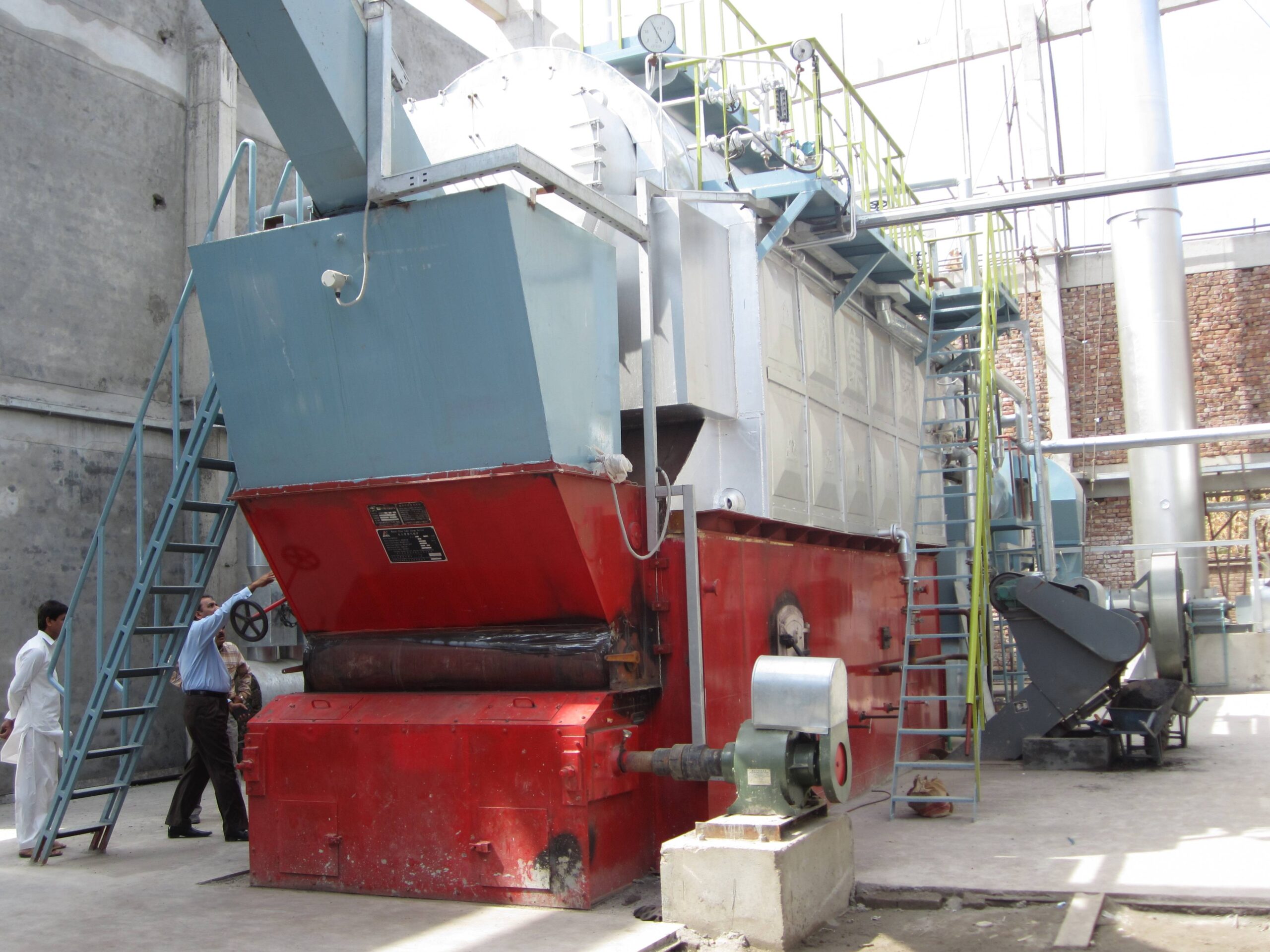
How Do Technological Upgrades and Efficiency Improvements Extend Cost-Effectiveness?
As operational costs rise from fuel price volatility, emissions regulations, and aging infrastructure, industrial plants are under pressure to do more with less. Yet replacing entire boiler systems is costly and disruptive. Fortunately, technological upgrades and targeted efficiency improvements offer a powerful path to extended cost-effectiveness. These enhancements—from smarter controls to better heat recovery—don’t just improve performance; they reduce energy waste, lower emissions, extend equipment life, and delay major capital expenditure. For plants operating on tight margins, this means gaining years of profitable operation from existing assets.
Technological upgrades and efficiency improvements extend the cost-effectiveness of industrial boilers by reducing fuel consumption, improving thermal efficiency, lowering emissions-related penalties, minimizing downtime, and enabling smarter maintenance. Solutions like combustion optimization, economizer retrofits, digital automation, and real-time monitoring can boost efficiency by 5–20%, translating directly into lower operating costs. These upgrades not only improve the ROI of current systems but also future-proof operations against stricter regulations and fuel price increases.
The smartest plants don’t just burn fuel—they burn it better, smarter, and cleaner.
Efficiency upgrades can significantly reduce the fuel cost and extend the economic life of industrial boilers.True
Improving thermal performance directly reduces the amount of fuel required per unit of steam, increasing cost-effectiveness.
Upgrading an old boiler's components cannot improve long-term cost-effectiveness.False
Targeted upgrades can recover lost efficiency, improve emissions performance, and extend useful boiler life by several years.
🔍 Efficiency Upgrades That Drive Cost Savings
| Upgrade Type | Efficiency Gain (%) | Impact on Cost-Effectiveness |
|---|---|---|
| Economizer Retrofit | 4–7% | Recovers flue gas heat, lowers fuel use |
| Air Preheater Installation | 2–5% | Improves combustion air temperature, increases efficiency |
| O₂ Trim System | 1–3% | Prevents excess air combustion, stabilizes emissions |
| Variable Frequency Drives (VFDs) | 1–2% | Optimizes fan/pump motor speed, reduces auxiliary load |
| Digital SCADA/PLC Control | 3–5% | Enables precise load matching, fault alerts, energy tuning |
| Low-NOx Burner Retrofit | Up to 5% fuel savings | Reduces NOx and improves combustion stability |
| Automatic Blowdown Control | 0.5–1.5% | Minimizes energy loss with optimized water discharge |
📊 Comparison: Before vs After Efficiency Upgrades (50 TPH Coal-Fired Boiler)
| Metric | Before Upgrade | After Upgrade | Change |
|---|---|---|---|
| Boiler Efficiency | 81% | 89% | +8% |
| Steam Cost ($/ton) | $32.50 | $28.10 | –13.5% |
| Coal Consumption (tons/day) | 65 | 58 | –7 tons/day |
| Annual Fuel Cost (@ $120/ton) | $2.85M | $2.54M | –$310,000 |
| Payback Period (Avg. Upgrade Cost) | — | ~2.4 years | ROI achieved |
🧪 Case Study: Upgrades Extend Boiler Life and Profitability
Facility: 100 TPH captive power coal boiler
Problem: Rising fuel cost, dropping efficiency (78%), NOx near non-compliance
Upgrade Actions:
Installed economizer and air preheater
Upgraded control panel to PLC with O₂ trim
Replaced burner with low-NOx model
Result:
Boiler efficiency increased to 90%
Coal savings of $410,000/year
Delayed boiler replacement by 7–10 years
Reduced NOx by 45%, passed updated emission norms
⚙️ Key Technologies That Extend Cost-Effectiveness
| Technology | Functionality | Long-Term Impact |
|---|---|---|
| Combustion Optimization Systems | Real-time tuning of fuel-air mix | Reduces excess air and fuel waste |
| Heat Recovery Steam Generators (HRSG) | Uses waste heat for auxiliary steam | Lowers total fuel input requirement |
| Flue Gas Recirculation (FGR) | Lowers flame temperature, reduces NOx emissions | Improves combustion control and compliance |
| Remote Monitoring + Predictive AI | Detects faults, fouling, and efficiency loss trends | Reduces unplanned downtime and maintenance cost |
| Integrated Energy Management Software | Tracks efficiency, fuel usage, and KPIs | Improves decision-making and operational strategy |
✅ Cost-Effectiveness Strategy Checklist Through Upgrades
Assess current boiler efficiency (flue gas loss, combustion ratio, heat rate)
Install sensors for O₂, CO₂, flue temperature, and draft pressure
Retrofit with heat recovery (economizer, air preheater)
Upgrade to automated burner management system (BMS)
Use variable frequency drives (VFDs) on feedwater and ID/FD fans
Implement auto-blowdown with TDS monitoring
Integrate emissions monitoring and alert systems
Plants that upgrade based on this checklist report ROI within 2–3 years and up to 20% annual OPEX savings.
📈 Lifecycle Benefit Curve With vs Without Upgrades
| Year of Operation | Without Upgrades (Cumulative OPEX) | With Upgrades (Cumulative OPEX) | Efficiency (%) |
|---|---|---|---|
| Year 1 | $2.8M | $3.0M (incl. upgrade cost) | 81% → 89% |
| Year 3 | $8.6M | $7.8M | 78% → 88% |
| Year 5 | $14.9M | $12.7M | 75% → 87% |
| Year 8 | $24.4M | $20.1M | 70% → 86% |
Insight: Initial upgrade cost is recovered quickly, and long-term OPEX is reduced by over 15–20%.
🔍 Boiler Types and Suitability for Upgrades
| Boiler Type | Upgrade Compatibility | Expected Gain |
|---|---|---|
| Fire-Tube Boiler | Limited heat recovery, easy controls upgrade | 5–10% cost reduction |
| Water-Tube Boiler | Excellent for modular upgrades and sensors | 10–20% cost reduction |
| Fluidized Bed Boiler | Good for combustion optimization | 8–15% cost reduction |
| Pulverized Coal Boiler | Ideal for full SCADA, FGR, and air management | 15–25% cost reduction |
Technological upgrades are not just cost-saving tweaks—they are strategic investments that transform old boilers into modern, compliant, and efficient assets. By upgrading the intelligence and efficiency of your system, you reduce OPEX, extend lifespan, and avoid early replacement—all while meeting rising environmental and operational expectations.
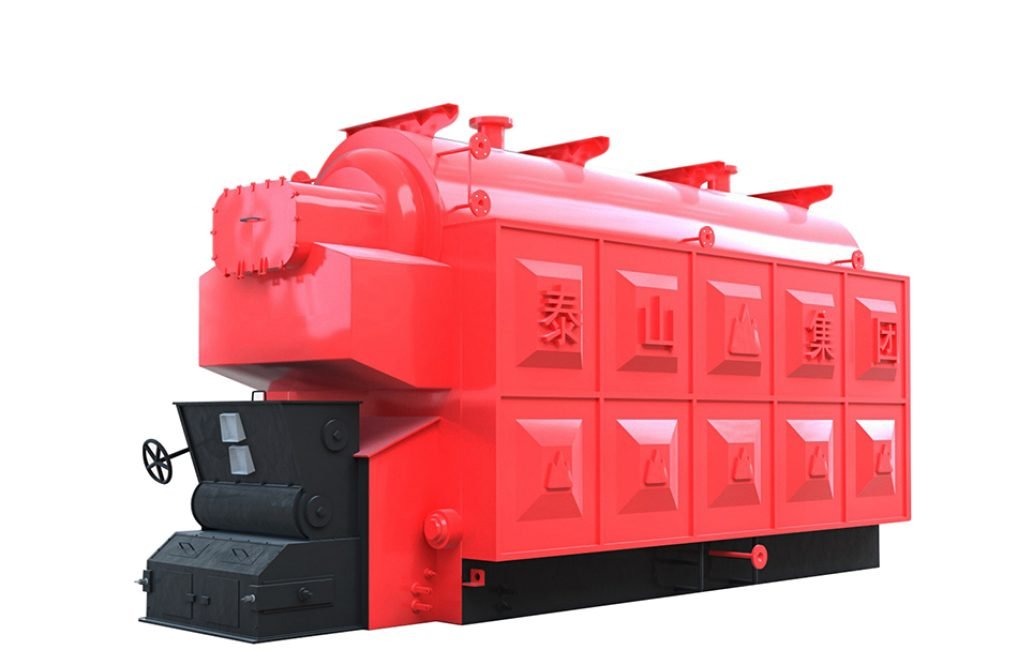
When Does Switching from Coal to Cleaner Alternatives Become More Economically Viable?
Coal-fired boilers have historically offered a reliable and low-cost steam generation option for industries with high thermal demand. However, escalating carbon taxes, rising coal prices, aging infrastructure, and tightening emissions regulations have rapidly changed the economic equation. Switching to cleaner alternatives—like biomass, natural gas, or hybrid fuels—can now offer better long-term ROI, especially when factoring in fuel volatility, maintenance burden, carbon compliance, and energy efficiency.
Switching from coal to cleaner alternatives becomes more economically viable when carbon pricing, environmental taxes, maintenance costs, and emissions penalties outweigh the fuel cost advantage of coal. Key economic triggers include carbon taxes exceeding $50/ton CO₂, boiler efficiency falling below 80%, rising unplanned downtime, or local biomass/natural gas availability. Cleaner fuels like biomass or natural gas often provide 10–20% fuel efficiency gains, lower emissions-related costs, and improved automation compatibility, leading to a breakeven period of 2–5 years after fuel switching.
In today’s energy economics, “cheap coal” may no longer be the cheapest option—especially when you include the hidden costs of pollution, inefficiency, and risk.
Switching from coal to cleaner fuels can be more cost-effective when emissions and maintenance costs become excessive.True
Cleaner fuels lower emissions compliance costs, reduce maintenance frequency, and improve boiler efficiency, improving ROI.
Coal is always the most economical boiler fuel regardless of external conditions.False
Modern policies, taxes, and operational challenges often make clean fuels more viable in the long term.
🔍 Key Economic Indicators That Favor Fuel Switching
| Trigger Condition | Implication |
|---|---|
| Carbon Tax > $50/ton CO₂ | Adds >$120/ton steam to coal operation cost |
| Boiler Efficiency < 80% | Increases coal consumption and emissions per output |
| Annual Maintenance > $250,000 | Indicates aging system or fuel-related fouling/slagging |
| Emissions Non-Compliance Risk | Leads to fines, operational shutdown, or mandatory retrofits |
| Gas/Biomass Price < 1.5x Coal Price | Cleaner fuel offers better net cost after efficiency gains |
| Energy Transition Goals / ESG Mandates | Corporate or policy pressure demands decarbonization |
📊 Comparative Lifecycle Fuel Cost Analysis (Coal vs Clean Alternatives)
| Fuel Type | Fuel Price ($/GJ) | Boiler Efficiency (%) | Effective Steam Cost ($/ton) | Carbon Cost (@ $60/ton CO₂) | Maintenance Cost Trend |
|---|---|---|---|---|---|
| Coal | $3.5 | 78–82% | $32–36 | $120–145 | High (slagging, corrosion) |
| Biomass (Dry) | $5.0 | 82–88% | $29–33 | $0–10 | Medium |
| Natural Gas | $7.0 | 90–94% | $27–31 | $65–80 | Low |
| Biogas/Bio-LNG | $6.0 | 85–90% | $26–32 | $0–20 | Low |
Insight: With moderate carbon pricing, biomass and gas can match or beat coal in total cost per ton of steam.
🧪 Case Study: Fuel Switching Yields ROI in Under 3 Years
Facility: 70 TPH textile boiler (South Asia)
Original Setup:
100% coal-fired, efficiency at 79%
Annual fuel cost: $2.4M
Carbon tax introduced: $55/ton CO₂
Maintenance + downtime: $380,000/year
Switch:
Retrofitted for 40% biomass co-firing (rice husk & wood chips)
Improved controls, added economizer
Total retrofit cost: $680,000
Result:
Efficiency increased to 86%
Carbon tax cost dropped by 40%
Annual savings: $520,000
Payback: 2.7 years
Achieved green certification and new export contracts
⚙️ Conversion Considerations When Switching Fuels
| Factor | Coal to Biomass | Coal to Gas |
|---|---|---|
| Boiler Type Compatibility | Grate and fluidized bed boilers adaptable | Requires burner replacement or new furnace |
| Fuel Handling Changes | Requires biomass storage, feeding system | Requires gas pipeline or LNG infrastructure |
| CapEx Requirement | Medium ($300–800k) | High ($500k–$2M) |
| Payback Period | 2–4 years | 3–5 years |
| Regulatory Incentives | Carbon credit eligible, green finance | Carbon reduction credits, lower permit fees |
✅ Transition Checklist: Is It Time to Switch From Coal?
You face rising carbon or emissions penalties
Your O&M costs are increasing due to coal slagging/fouling
Local biomass or gas is reliably available
You can qualify for green financing or emissions credits
Your customers or investors demand decarbonization
Your existing boiler supports co-firing or fuel conversion
If you check 4 or more boxes, a switch may already be economically favorable.
📈 Long-Term ROI Projection (Fuel Switching vs Continued Coal Use)
| Year | Continue Coal (w/Carbon Tax) | Switch to Biomass | Switch to Natural Gas |
|---|---|---|---|
| Year 1 | $3.1M OPEX | $3.4M (incl. upgrade) | $3.6M (incl. upgrade) |
| Year 3 | $9.6M | $8.8M | $9.1M |
| Year 5 | $16.4M | $13.8M | $14.6M |
| Year 8 | $27.3M | $21.1M | $23.2M |
Conclusion: Upfront conversion costs are recovered quickly as fuel and emissions savings grow year over year.
🌍 Environmental and Policy Triggers for Fuel Switching
| Trigger Type | Example | Impact |
|---|---|---|
| Carbon Pricing | $50–100/ton CO₂ in EU, Canada, China | Makes coal uncompetitive over time |
| National Targets | India net-zero by 2070, China by 2060 | Policy support for clean fuel infrastructure |
| Permit Changes | SO₂ or NOₓ cap tightening | Triggers need for clean fuel or retrofits |
| Customer Pressure | Brands requiring ESG or carbon neutrality | Drives supplier decarbonization |
Transitioning away from coal is no longer a matter of environmental conscience alone—it’s a sound financial strategy in the face of rising compliance costs, fuel inefficiencies, and changing global expectations. Cleaner fuels like biomass or natural gas offer better economics, compliance flexibility, and long-term energy security, especially when coupled with efficient combustion technologies and smart control systems.
🔍 Conclusion
Coal-fired boilers may still offer cost advantages in certain markets or for specific applications, but their long-term viability depends on how well you manage emissions, efficiency, and policy compliance. Without proactive adaptation, they risk becoming economically and environmentally burdensome. 🏭🔥📉
FAQ
Q1: Are industrial coal-fired boilers cheaper to operate than other fuel types?
A1: In terms of fuel cost per BTU, coal is generally cheaper than natural gas or oil, especially in regions with local coal supply. This can make coal-fired boilers appear more cost-effective initially. However, lower fuel prices may be offset by higher maintenance needs, lower efficiency, and costly environmental compliance. While fuel savings may seem attractive, true cost-effectiveness depends on a comprehensive analysis of long-term operating expenses.
Q2: What are the hidden costs associated with coal-fired boilers?
A2: Hidden costs include frequent maintenance, ash handling, slag removal, and downtime due to soot buildup or mechanical wear. Additionally, coal-fired systems require robust emissions control equipment to meet tightening environmental regulations, such as flue gas desulfurization, electrostatic precipitators, or bag filters. These systems increase capital and operational costs, which can erode the financial advantage of cheap coal fuel.
Q3: How do environmental regulations impact long-term costs?
A3: Environmental compliance is a major cost driver for coal-fired boilers. Meeting limits on SOx, NOx, CO₂, and particulate emissions often requires expensive retrofits and regular monitoring. Non-compliance can lead to fines, shutdowns, or the need to retire outdated units. Future regulatory tightening may increase operational costs or make coal-fired units financially unviable without costly upgrades.
Q4: What is the typical lifespan and maintenance outlook for coal-fired boilers?
A4: Coal-fired boilers can last 25–30 years or more with proper maintenance. However, they often demand more frequent servicing compared to gas or biomass boilers due to abrasive ash, slag, and thermal stress. Routine inspections, tube cleaning, refractory lining repairs, and emissions control maintenance are essential to sustain efficiency and avoid costly breakdowns.
Q5: Are coal-fired boilers a good long-term investment in today’s energy market?
A5: In many regions, coal-fired boilers face increasing financial and regulatory pressure due to environmental concerns and global decarbonization goals. While they may offer short-term savings where coal is abundant, long-term investments often favor cleaner, more efficient technologies like natural gas, biomass, or hybrid systems. Investors and plant operators must weigh upfront cost savings against future fuel volatility, carbon taxes, and potential obsolescence.
References
Long-Term Economics of Coal Boilers – https://www.iea.org/reports/clean-coal-technologies – International Energy Agency
Coal Boiler Fuel Cost Comparison – https://www.eia.gov/energyexplained/coal/prices-and-outlook.php – U.S. Energy Information Administration
Maintenance Requirements for Coal Boilers – https://www.power-eng.com/boilers/maintaining-coal-fired-boiler-efficiency/ – Power Engineering
Emissions Compliance Costs – https://www.epa.gov/stationary-sources-air-pollution – U.S. Environmental Protection Agency
Industrial Boiler Life Cycle Analysis – https://www.energy.gov/eere/femp/boiler-systems-efficiency – U.S. Department of Energy
Hidden Costs of Coal Combustion – https://www.ucsusa.org/resources/hidden-costs-coal – Union of Concerned Scientists
Boiler Retrofit and Upgrade Costs – https://www.babcock.com/home/resources/whitepapers/ – Babcock & Wilcox
Comparing Coal vs Gas vs Biomass – https://www.sciencedirect.com/science/article/abs/pii/S1364032116301569 – ScienceDirect
Sustainability Trends in Industrial Energy – https://www.ieabioenergy.com/ – IEA Bioenergy
Future of Coal in Power Generation – https://www.worldcoal.org/coal/uses-of-coal/coal-electricity – World Coal Association
