
Many professionals in manufacturing, energy, and process industries often confuse industrial furnaces and boilers, assuming they perform the same function. However, these two systems are designed for distinct thermal processes, and using the wrong equipment can result in energy waste, poor process efficiency, and non-compliance with application requirements. Understanding the difference is essential for choosing the right heat generation system.
The main difference is that an industrial boiler produces steam or hot water to transfer heat indirectly to a process or space, while an industrial furnace generates direct high-temperature heat for thermal processing applications such as metal melting, heat treatment, or chemical reactions. Boilers use a heat transfer medium (steam/water), whereas furnaces apply heat directly to materials or air.
Knowing this distinction helps engineers, procurement teams, and plant operators select the proper system based on process type, temperature needs, and heat delivery method.
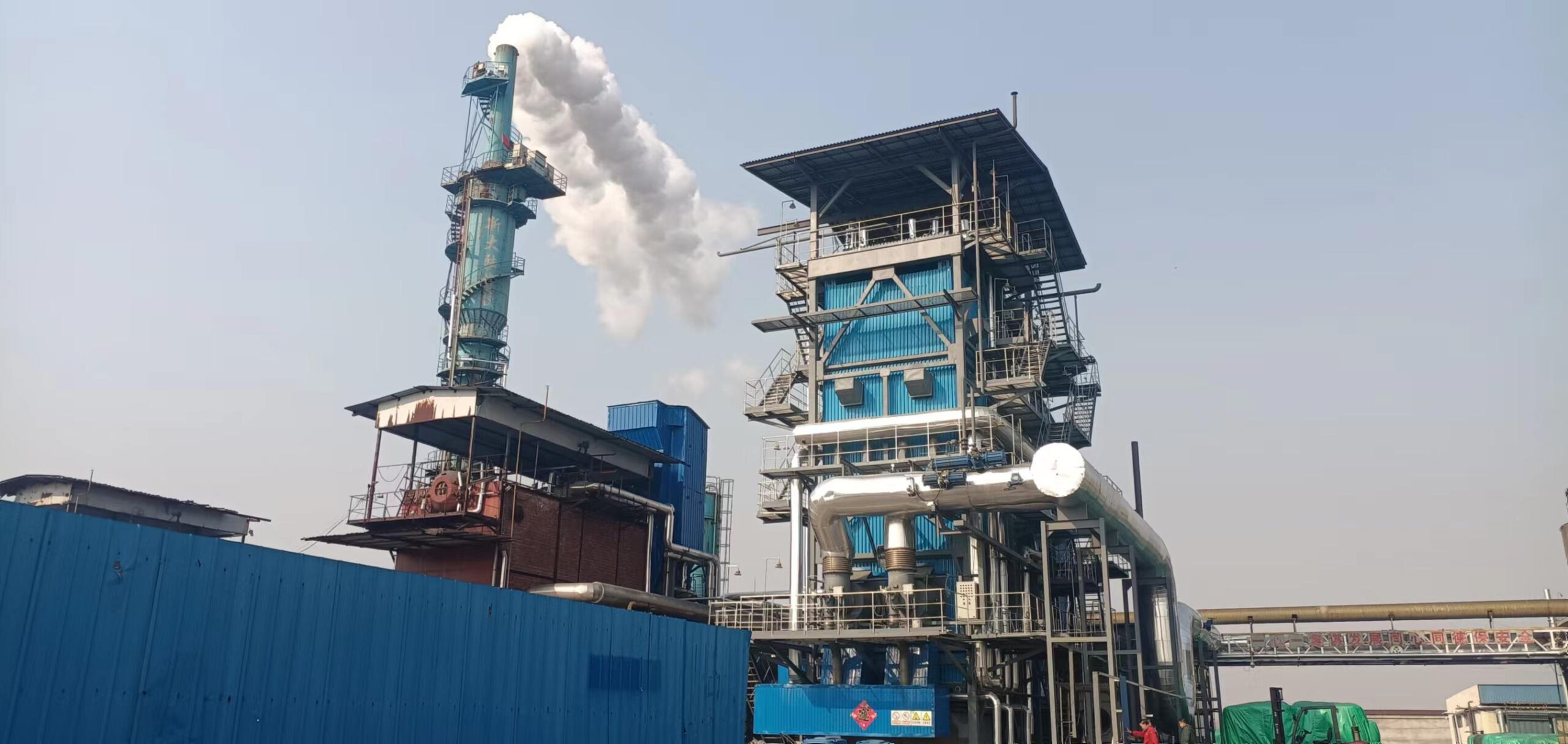
What Is the Primary Function of an Industrial Boiler Compared to a Furnace?
When industrial facilities choose heat generation equipment, one of the most common questions is whether to use a boiler or a furnace. Though they may appear similar—both burn fuel to generate heat—they serve fundamentally different functions. Selecting the wrong system can result in incompatible process support, inefficiency, or equipment mismatch.
The primary function of an industrial boiler is to generate steam or hot water for process heating, power generation, or hydronic systems, whereas a furnace is primarily used to produce hot air for direct space heating or drying applications.
Boilers are essential in industries where steam or pressurized water is a critical utility (like chemical, food, textile, or power plants), while furnaces are ideal for direct air heating in buildings, kilns, or drying systems.
Boilers and furnaces perform the same function by generating steam for industrial heating.False
Furnaces produce hot air, not steam. Only boilers generate steam or pressurized water for industrial processes.
Industrial boilers are more suitable than furnaces for applications requiring process steam.True
Boilers are specifically designed to convert water into steam under pressure for industrial operations, while furnaces are not.
🔍 Key Functional Differences: Boiler vs. Furnace
| Feature | Industrial Boiler | Industrial Furnace |
|---|---|---|
| Primary Output | Steam or hot water (liquid phase heating) | Hot air (gas phase heating) |
| Working Medium | Water, steam | Air |
| Pressure Operation | Operates under pressure | Usually atmospheric or slight positive pressure |
| Heat Transfer Method | Indirect via water-steam circuit | Direct heating of air |
| Applications | Steam turbines, autoclaves, jacketed vessels, heating | Space heating, kilns, ovens, drying tunnels |
| Fuel Types | Gas, oil, coal, biomass, electricity | Gas, oil, electric, infrared |
| System Components | Drum, economizer, heat exchangers, feed pumps | Heat exchanger, fan blower, burner assembly |
💨 Heat Output Medium Comparison
| Output Medium | Boiler | Furnace |
|---|---|---|
| Steam (saturated/superheated) | ✔️ Yes | ❌ No |
| Hot Water (>100°C possible) | ✔️ Yes | ❌ Rare |
| Hot Air (~40°C–90°C+) | ❌ Only in rare cases | ✔️ Primary output |
Boilers use a closed-loop system (fluid-based), while furnaces use an open-loop air-based system.
🏭 Application Examples by Industry
| Industry | Preferred System | Use Case |
|---|---|---|
| Power Generation | Boiler | Steam to drive turbines |
| Food & Beverage | Boiler | Sterilization, cooking, cleaning, jacketed tanks |
| Automotive Manufacturing | Furnace | Paint drying, curing ovens |
| Textile Industry | Boiler | Steam for dyeing, drying, and pressing |
| Warehousing & Retail | Furnace | Space heating |
| Ceramics & Metals | Furnace | Kilns, smelting, metal heat treatment |
⚙️ Technical System Component Differences
| System Component | Boiler | Furnace |
|---|---|---|
| Heat Generation | Combustion chamber, burner | Burner + heat exchanger |
| Medium Circulation | Pumps (water/steam loop) | Blower fans (air loop) |
| Output Control | Pressure/temperature control loop | Thermostat or temp sensors |
| Auxiliary Systems | Feedwater tanks, blowdown, deaerators | Filters, ducts, thermostats |
| Exhaust Handling | Stack or flue gas treatment | Direct vent or filtered exhaust |
Boilers are complex pressure vessels requiring strict safety standards; furnaces are air systems with simpler construction.
📊 Performance Comparison Table
| Metric | Boiler | Furnace |
|---|---|---|
| Thermal Efficiency | 80% – 95% (depending on system) | 78% – 98% (especially condensing types) |
| Response Time | Slower (due to water mass) | Faster (direct air heating) |
| Installation Complexity | High | Moderate to low |
| Energy Transfer Quality | High (via phase change) | Moderate (via convection) |
| Operating Pressure | Up to 300 bar (HP boilers) | Typically <0.5 bar |
💡 When to Choose a Boiler Over a Furnace (and Vice Versa)
| Choose a Boiler When… | Choose a Furnace When… |
|---|---|
| You need high-pressure steam | You need warm air for heating |
| Your process requires indirect heating | You require fast-response air heating |
| You’re generating power via steam turbines | You’re drying parts, materials, or occupied spaces |
| You operate in food, textile, or chemical sectors | You heat buildings, factories, or ducts |
| You need closed-loop temperature control | You need simple direct heating |
Conclusion
Industrial boilers and furnaces are not interchangeable. Boilers are engineered to deliver pressurized steam or hot water for process and power generation, while furnaces are designed to heat air for direct use. Choosing the right system depends on your thermal requirements, pressure needs, medium of heat transfer, and application type.
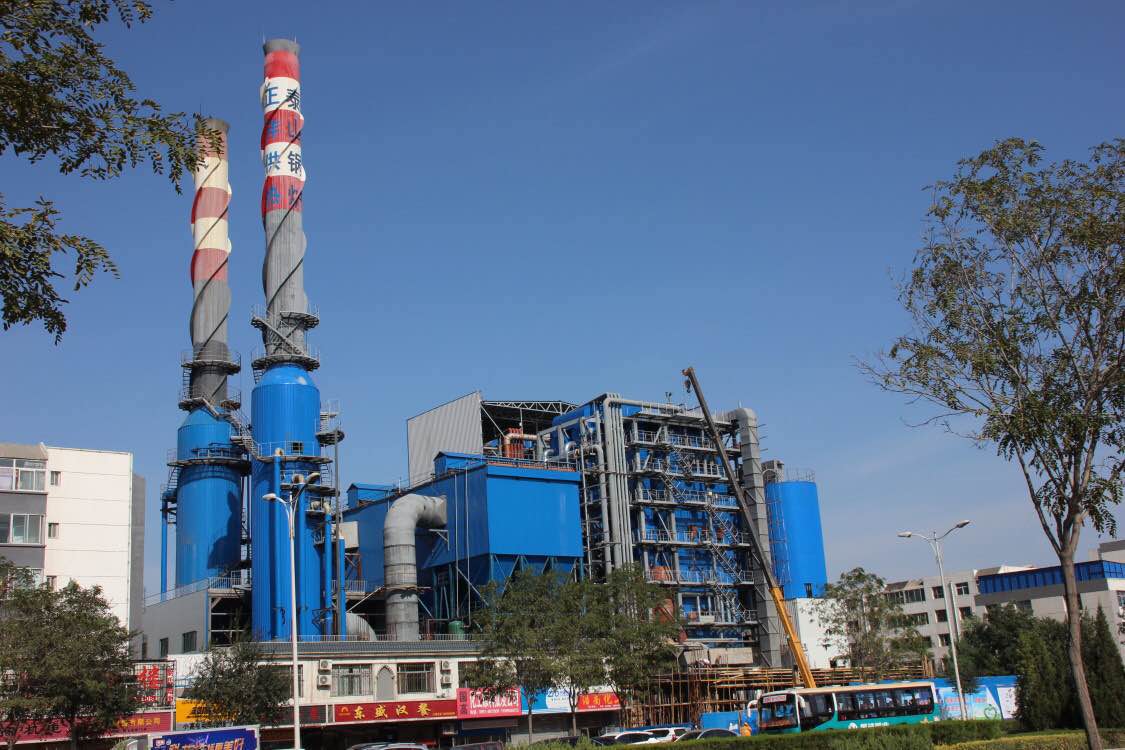
How Do Heat Transfer Methods Differ Between Boilers and Furnaces?
The way heat moves through a thermal system is not just a background process—it defines system design, energy efficiency, and application suitability. Many people confuse boilers and furnaces because both burn fuel, but what happens after ignition is vastly different. Boilers and furnaces differ primarily in how they transfer heat to the working medium—water vs. air—and how efficiently they convert fuel energy into usable thermal output.
Boilers transfer heat primarily through conduction and convection to water or steam within pressure vessels, while furnaces use direct convection and radiation to heat air. This fundamental difference makes boilers ideal for high-efficiency, closed-loop thermal systems and furnaces suitable for rapid space or product heating.
These differences in heat transfer methods influence not only system efficiency and operating temperatures but also application types, safety requirements, and energy losses.
Furnaces transfer heat through water and steam, similar to boilers.False
Furnaces heat air directly, not water or steam. Only boilers use water or steam as the working medium.
Boilers rely on conduction and convection to transfer heat to water or steam inside tubes or drums.True
Boiler heat exchange occurs through metal surfaces using conduction and convection to convert water into steam.
🔥 Core Heat Transfer Mechanisms
| Mechanism | Boiler System | Furnace System |
|---|---|---|
| Conduction | Heat transfers through tube walls to water/steam | Heat exchanger transfers combustion heat to air |
| Convection | Water or steam circulates and absorbs heat from hot surfaces | Blower moves air across hot surfaces or flames |
| Radiation | From flame to waterwall/furnace tubes (minor portion) | Direct radiant heating of air or objects (major role) |
| Phase Change | Water turns to steam (latent heat absorbed) | No phase change — air heated as gas remains in gas phase |
💧 Boiler: Water-Based Heat Transfer
Working Medium: Water → Steam
Heat Transfer Sequence:
Fuel combustion heats internal fire tubes or water walls.
Conduction through metal tubes transfers heat to surrounding water.
Convection circulates water/steam for uniform temperature.
Phase change from water to steam absorbs large amounts of latent heat.
Steam is transported for industrial process or turbine use.
| Advantages | Why It Matters |
|---|---|
| High thermal energy storage (via steam) | Enables consistent heating across long distances |
| More stable temperature control | Ideal for sensitive processes (chemical, food) |
| High-pressure capability | Powers turbines and industrial equipment |
| Closed-loop circulation | Reduces energy loss and water consumption |
💨 Furnace: Air-Based Heat Transfer
Working Medium: Ambient Air
Heat Transfer Sequence:
Fuel combustion generates hot gases inside heat exchanger or open chamber.
Radiant heat from flame directly heats air or product.
Convection as blower forces air over hot surfaces or through ducts.
Heated air is used immediately for space heating, drying, or curing.
| Advantages | Why It Matters |
|---|---|
| Fast temperature response | Suitable for HVAC and drying operations |
| Simpler system (no water treatment) | Lower capital and O&M cost for small-scale use |
| No pressure vessel required | Fewer regulatory burdens |
| Direct heating without intermediate fluid | Higher responsiveness |
📊 Comparative Heat Transfer Properties
| Characteristic | Boiler (Steam/Water) | Furnace (Air) |
|---|---|---|
| Medium Heat Capacity | High (4.2 kJ/kg·K for water) | Low (1.0 kJ/kg·K for air) |
| Latent Heat Use | Yes (2257 kJ/kg at 100°C) | No (air remains gas phase) |
| Heat Distribution Method | Pressurized piping | Ducts or open space |
| Thermal Inertia | High (water mass) | Low (air heats quickly) |
| Max Output Temperature | >500°C (superheated steam) | Typically <150°C (HVAC) |
| System Pressure | Up to 300 bar | Near-atmospheric |
| Efficiency Loss Points | Blowdown, scale fouling | Stack losses, short cycling |
Boilers are more efficient for sustained process heat; furnaces excel in fast, short-burst applications like drying, HVAC, or heat treatment.
🏭 Use Case-Based Comparison
| Application | Recommended System | Reason |
|---|---|---|
| Steam-based sterilization (food) | Boiler | Requires saturated/high-pressure steam |
| Central heating in buildings | Furnace | Air-based system with low installation cost |
| Steam turbines (power plants) | Boiler | Converts heat to mechanical energy via steam |
| Textile drying | Boiler or Furnace | Depends on whether steam or hot air is used |
| Foundry or kiln heating | Furnace | Requires radiant high-temperature air/combustion |
| Reactor heating (chemical plant) | Boiler | Closed-loop, high control precision needed |
⚙️ Engineering Insights: Why Boilers Use Steam
Steam is a superior heat transfer medium because:
It carries latent heat, delivering more energy per unit mass than hot air.
It can be transported over long distances in insulated pipes with minimal loss.
It provides stable and controllable temperature through pressure regulation.
It integrates well with turbines and process heat exchangers.
In contrast, air loses temperature rapidly and is harder to control precisely—making furnaces suitable for immediate and localized heating.
🔧 Maintenance Impacts of Heat Transfer Differences
| Issue | Boiler Systems | Furnace Systems |
|---|---|---|
| Scaling (hard water) | Requires chemical treatment/blowdown | Not applicable |
| Soot buildup | In fire-tube or water-tube combustion zones | On burners or heat exchangers |
| Corrosion (condensate) | Steam condensate requires pH control | Minimal, unless humid air causes duct rust |
| Leak risks | High-pressure piping and vessels | Duct or exchanger leaks (low pressure) |
Conclusion
Heat transfer in boilers is fluid-based, relying on phase change (steam), conduction, and convection to distribute thermal energy efficiently and with high precision. Furnaces, on the other hand, use direct air heating through convection and radiation, delivering fast but less controllable warmth. Your selection between the two should be based on temperature requirements, process needs, control precision, and system efficiency goals.
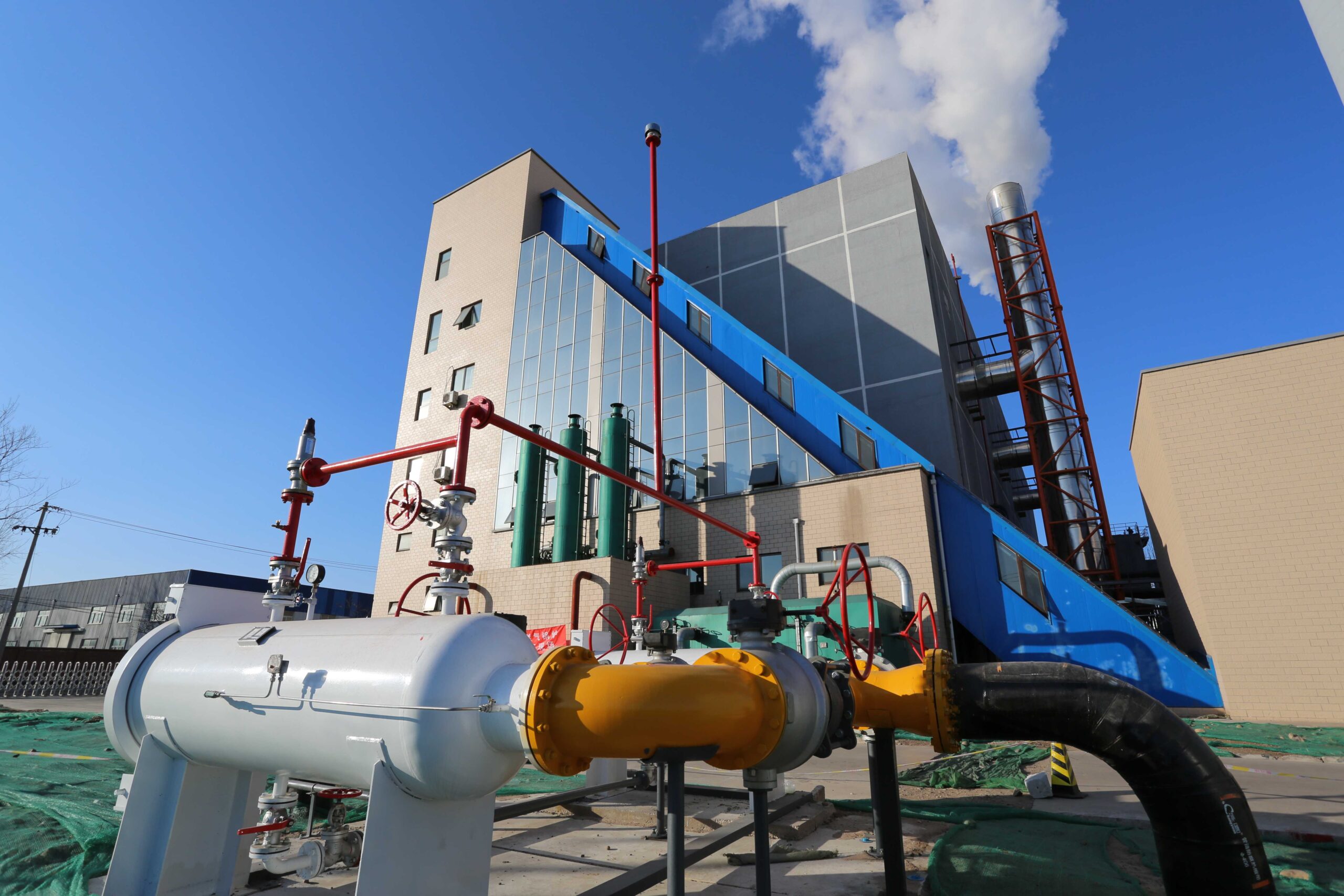
What Are the Typical Applications of Industrial Boilers vs. Industrial Furnaces?
Confusion often arises in industries about whether to install industrial boilers or furnaces, especially when the end goal is simply “heat.” However, the two systems differ dramatically not only in design and heat transfer but also in where and how they’re used. Installing the wrong type could result in inefficiencies, operational mismatches, or non-compliance with process standards.
Industrial boilers are primarily used in applications where steam or hot water is required for processing, sterilizing, power generation, or heating systems, while industrial furnaces are used where hot air or direct radiant heat is needed for drying, melting, baking, or thermal processing of materials.
The decision depends on whether the application requires steam-driven precision or direct heat exposure. Understanding the typical use cases of each is critical for proper equipment selection.
Boilers are better suited for applications needing process steam or hydronic heat, while furnaces are used where hot air or radiant heat is required.True
Boilers generate and circulate water or steam, while furnaces deliver hot air directly for immediate thermal effects.
Industrial furnaces are typically used in textile dyeing and steam-based food sterilization.False
Textile dyeing and food sterilization require steam, which only boilers can provide. Furnaces are not used for steam-based applications.
🔧 Typical Industrial Applications of Boilers
| Industry | Boiler Application | Why Boilers Are Used |
|---|---|---|
| Power Generation | Steam turbines for electricity | High-pressure steam drives generators |
| Food & Beverage | Cooking, sterilization, CIP systems | Requires clean, regulated steam |
| Pharmaceuticals | Autoclaves, reactors, humidification | Steam sterilization ensures compliance |
| Chemical Processing | Jacketed vessels, reactors, heat exchangers | Precise temperature control via steam loops |
| Textile Manufacturing | Dyeing, calendaring, drying | Steam provides uniform, high-capacity heating |
| Hospitals & Institutions | Space heating, sterilizers, laundry | Hydronic heat and high-quality steam required |
| Breweries & Distilleries | Mash tun heating, distillation, pasteurization | Steam is clean, controllable, and consistent |
| District Heating | Steam or hot water for residential networks | Efficient transmission over long distances |
Boilers are essential when moisture, pressure, or thermal inertia are required for the process.
🔥 Typical Industrial Applications of Furnaces
| Industry | Furnace Application | Why Furnaces Are Used |
|---|---|---|
| Metallurgy & Foundries | Melting, heat treatment, forging | Delivers extremely high temperatures and radiant heat |
| Ceramics & Glass | Kilns, annealing, sintering | Sustained high heat without steam |
| Automotive | Paint curing, part drying, preheating | Fast-response air heat for drying/curing processes |
| Lumber & Paper | Kiln drying, curing | High-volume hot air needed to dry large batches |
| Electronics Manufacturing | PCB baking, reflow soldering | Precision hot-air or infrared heating required |
| HVAC Systems | Warehouse, retail, and office space heating | Forced air distributed directly to occupied zones |
| Baking & Food Drying | Industrial ovens and dryers | Direct heat exposure preferred over moist steam |
Furnaces excel in high-temperature, dry-heat, and short-cycle applications where steam is either unnecessary or undesirable.
⚙️ Comparison by Thermal Output & Application Nature
| Parameter | Industrial Boiler | Industrial Furnace |
|---|---|---|
| Output Medium | Steam or hot water | Hot air or radiant heat |
| Moist Heat (Steam) | ✔️ Yes | ❌ No |
| Dry Heat (Hot Air) | ❌ Not designed for this purpose | ✔️ Yes |
| Precision Temperature Control | ✔️ High (via pressure & flow control) | ✔️ Moderate (via burner mod) |
| Start-Up Time | Slower (water heat-up time) | Faster (air heats up quickly) |
| Use in Closed Loop System | ✔️ Yes | ❌ Mostly open loop |
| Ideal for Batch Processing | ✔️ Yes (consistent heating) | ✔️ Yes (quick heating cycles) |
📊 Application and Equipment Fit Summary Table
| Application | Best Fit | Reason |
|---|---|---|
| Pasteurizing milk or beverages | Boiler | Requires pressurized saturated steam |
| Forging steel components | Furnace | Needs extreme dry heat (>1,200°C) |
| Heating a large building | Furnace (HVAC) | Air heating via ductwork |
| Running a turbine for electricity | Boiler | High-pressure steam generation |
| Drying lumber or textiles | Furnace or Boiler | Depends on desired humidity and material |
| Food sterilization (autoclaving) | Boiler | Pressurized moist heat required |
| Sintering ceramics or glass | Furnace | Radiant heating and very high temperature |
🧠 Why the Output Medium Matters
Steam (Boilers): Allows controlled delivery of latent heat, more stable across long distances, and ideal for closed-loop systems in industrial processing.
Hot Air (Furnaces): Offers rapid heating and is ideal for open-loop processes, such as ventilation, drying, or melting.
Steam delivers more energy per unit mass due to latent heat, making boilers ideal for heavy-duty process heating.
🏗️ Design Implications Based on Application
| Design Consideration | Boiler System | Furnace System |
|---|---|---|
| Fuel Efficiency Focus | Condensing, economizers, heat recovery | Modulating burners, thermal insulation |
| Space Requirements | Larger footprint (due to pressure vessel) | Smaller in footprint |
| Safety Systems | Requires pressure relief, blowdown, controls | Focus on burner safety and gas control |
| Water Treatment Needed? | Yes (for scale, corrosion prevention) | No (air-based system) |
Conclusion
Industrial boilers and furnaces serve distinct applications. If your operation requires steam, pressurized heat, or consistent hydronic energy, a boiler is essential. If you need high-temperature air, radiant heat, or rapid response heating, a furnace will serve better. Matching the system to the process ensures not only optimal performance but also lower operating costs and longer equipment life.

How Do Operating Temperatures and Pressure Requirements Vary Between Industrial Boilers and Furnaces?
Industrial boilers and furnaces both deliver heat, but they do so under vastly different pressure and temperature conditions—a distinction that defines their design, safety requirements, and application range. While boilers operate under pressure to generate steam or pressurized hot water, furnaces typically heat air at or near atmospheric pressure. This core difference affects material selection, safety protocols, system complexity, and energy transfer potential.
Boilers operate at elevated pressures (up to 300 bar) and temperatures (up to 600°C for superheated steam), while furnaces operate primarily at atmospheric or slightly positive pressures with temperatures ranging from 100°C to over 1600°C depending on the application.
These differing operating conditions make boilers suitable for process steam and power generation, and furnaces ideal for direct air heating, melting, and drying tasks.
Boilers typically operate at higher pressures but lower peak temperatures compared to industrial furnaces.True
Boilers generate high-pressure steam (up to 300 bar) but generally operate below 600°C, while furnaces can exceed 1600°C at atmospheric pressure.
Industrial furnaces require high-pressure operation for effective heating.False
Most furnaces operate at or near atmospheric pressure and rely on high temperatures and direct radiant heat rather than pressurized heat transfer.
🌡️ Pressure and Temperature Comparison Chart
| System | Typical Operating Pressure | Typical Temperature Range | Max Temperature (Specialized) |
|---|---|---|---|
| Fire-Tube Boiler | 6 – 30 bar | 150°C – 250°C (saturated steam) | ~300°C |
| Water-Tube Boiler | 40 – 160 bar | 250°C – 550°C (superheated steam) | ~600°C (ultra-supercritical) |
| Electric Boiler | 6 – 20 bar | 120°C – 300°C | ~400°C |
| Hot Water Boiler | 1 – 25 bar | 90°C – 200°C | ~220°C |
| Low-Temp Furnace | Atmospheric (0 – 0.5 bar) | 100°C – 400°C | ~500°C |
| High-Temp Furnace | Atmospheric or slight pressure | 600°C – 1,600°C (direct heat) | >1,700°C (metal/glass applications) |
🏭 Why Boilers Require Pressure (and Furnaces Don’t)
| Boiler Systems | Furnace Systems |
|---|---|
| Pressure is needed to produce and transport steam | Air is heated and used at atmospheric pressure |
| Pressure enables phase change and high heat energy storage | Furnaces rely on direct radiant and convective heating |
| Requires pressure vessel code compliance (e.g., ASME BPVC) | No pressure vessel—simpler mechanical code requirements |
| Pressure affects steam enthalpy and turbine efficiency | Temperature affects drying/melting effectiveness |
Steam carries significant energy due to latent heat, which can only be harnessed at elevated pressures.
🔧 Temperature Use Cases by System
| Temperature Range | Used In Boilers For | Used In Furnaces For |
|---|---|---|
| 100°C – 200°C | Hot water heating, sterilization | Low-temp drying (wood, food) |
| 200°C – 400°C | Process steam, autoclaves, jacketed heating | Paint curing, powder coating, air heaters |
| 400°C – 600°C | Superheated steam for turbines | Some heat treatment ovens |
| >800°C | ❌ Not applicable (boilers) | Glass, ceramic kilns, metal smelting, forging |
📊 Pressure and Enthalpy Relationship in Boilers
| Steam Pressure (bar) | Saturation Temp (°C) | Enthalpy of Steam (kJ/kg) |
|---|---|---|
| 6 | 165 | ~2,780 |
| 20 | 212 | ~2,760 |
| 60 | 275 | ~2,745 |
| 160 | 345 | ~2,700 |
Higher pressure → higher saturation temperature, but latent heat decreases slightly—thus requiring precise control for turbine efficiency or process heating.
⚙️ System Design Implications
| Design Factor | Boiler System | Furnace System |
|---|---|---|
| Material Strength | High-pressure steel, stress-tested tubing | High-temperature alloys, insulation |
| Safety Requirements | Pressure relief valves, code-certified vessels | Flame safeguard, temperature interlocks |
| Monitoring Needs | Continuous pressure/temp control & alarms | Temp sensors, flame detection |
| Control Systems | PLC or SCADA for temp, pressure, and flow | Thermostats, burner modulation |
🔥 Industrial Applications by Operating Condition
| Application | Preferred System | Reason |
|---|---|---|
| Power generation (steam turbine) | Boiler | Needs superheated steam under high pressure |
| Heat treatment of metal | Furnace | Needs 800°C+ radiant heat, not steam |
| Drying paper or wood | Furnace or Boiler | Depending on whether hot air or steam is used |
| Jacketed vessel heating | Boiler | Requires regulated hot water or steam |
| Glass or ceramic processing | Furnace | Requires direct high-temperature exposure |
| Clean-in-place (CIP) sanitation | Boiler | Needs pressurized, clean steam |
⚠️ Risks from Misapplying Pressure or Temperature
| Mistake | Consequence |
|---|---|
| Using furnace where steam is needed | Inadequate moisture/pressure for sterilization |
| Overpressuring furnace system | Equipment damage; non-code-compliant operation |
| Oversizing boiler temperature | Metal fatigue, scaling, loss of pressure vessel life |
| Underspecifying furnace insulation | Heat loss, combustion inefficiency |
Selecting the right operating range prevents downtime, energy waste, and safety hazards.
Conclusion
Industrial boilers operate under pressure to deliver steam or hot water at tightly controlled temperatures, ideal for power generation, processing, or sterilization. Industrial furnaces operate at atmospheric pressure but deliver much higher temperatures, ideal for drying, melting, and heat treatment. Understanding these distinctions ensures your system delivers optimal thermal performance, safety, and cost-efficiency.
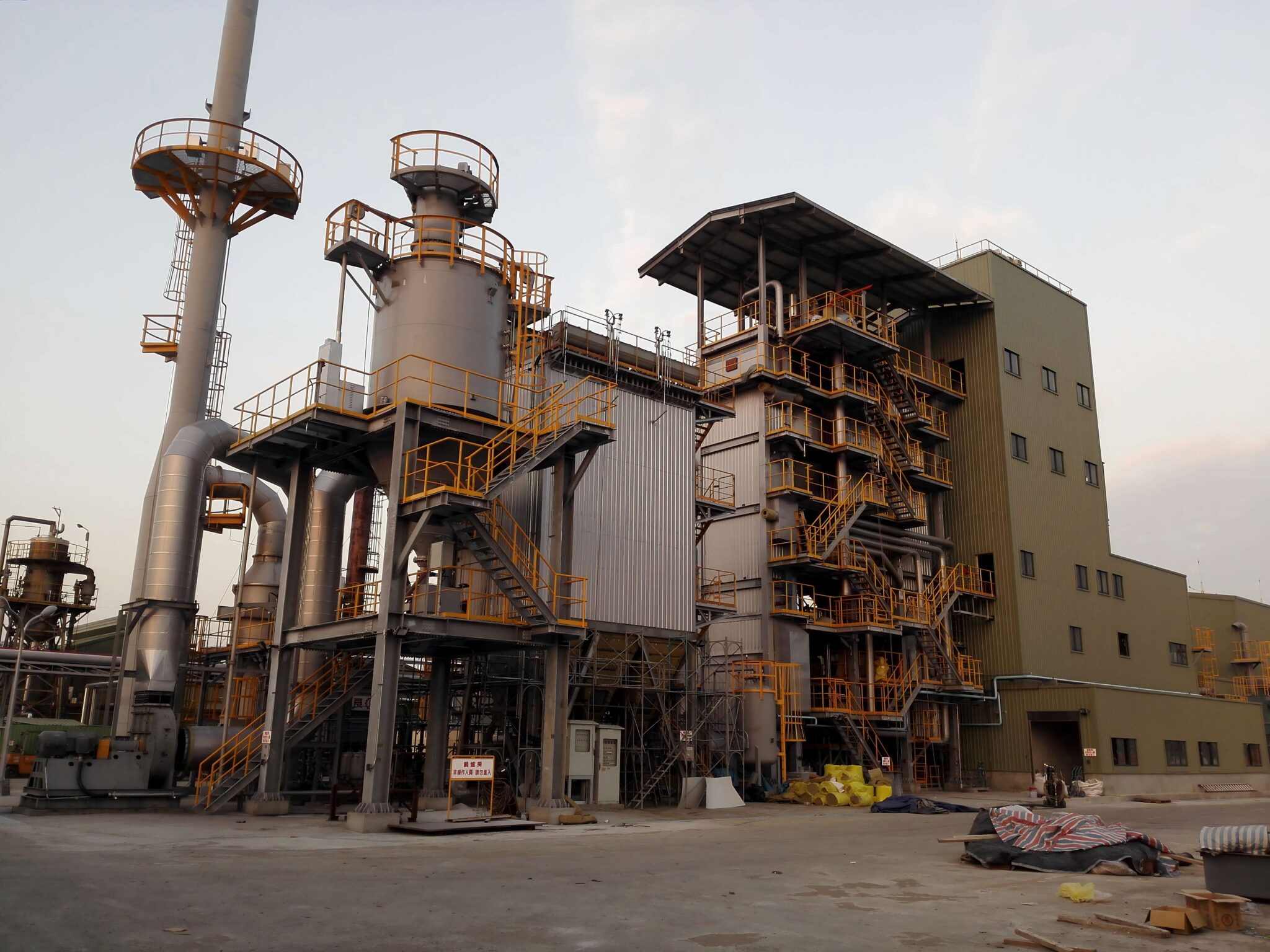
What Fuel Types and Combustion Systems Are Used in Industrial Boilers and Furnaces?
Selecting the right fuel type and combustion system is a critical design decision that influences not just the performance, efficiency, and emissions of an industrial boiler or furnace, but also its long-term operating cost and environmental compliance. Although boilers and furnaces may use similar fuels—natural gas, oil, biomass, coal, or electricity—the combustion system architecture and how that fuel is utilized can differ greatly depending on the heat transfer method and application.
Industrial boilers typically use combustion systems designed to convert fuel energy into heat for steam or water under pressure, including burners, grates, and fluidized beds, while furnaces use similar fuels but in systems optimized for direct air heating or radiant heat—such as direct flame burners, electric heaters, or open hearths.
The fuel and combustion technology must match the process requirements, load variability, emissions limits, and fuel availability in your region or industry.
Industrial boilers and furnaces can both use a wide variety of fuels including gas, oil, coal, biomass, and electricity.True
Both systems are fuel-flexible, but the combustion mechanisms and emissions handling differ depending on heat transfer needs.
Electric boilers and furnaces have identical operating principles.False
Electric boilers use immersion elements to heat water or produce steam, while electric furnaces generate radiant or convective heat directly for air or material heating.
🔥 Common Fuel Types in Boilers vs. Furnaces
| Fuel Type | Used in Boilers | Used in Furnaces | Notes |
|---|---|---|---|
| Natural Gas | ✅ Widely used | ✅ Common | High efficiency, low emissions, easy to control |
| Fuel Oil (Diesel, LDO) | ✅ Yes | ✅ Yes | Higher energy density; backup for gas systems |
| Coal | ✅ For large boilers | ⚠️ Rare | High emissions; used in older plants or large foundries |
| Biomass (wood chips, rice husks) | ✅ Yes | ⚠️ Limited | Renewable but requires advanced combustion systems |
| Electricity | ✅ Electric boilers | ✅ Electric furnaces | Clean, silent, but high operating costs in many regions |
| LPG/Propane | ✅ Small boilers | ✅ Space heaters | Used where pipeline gas isn’t available |
| Waste Heat/Process Gas | ✅ Yes | ⚠️ Limited | Boilers often integrated with waste heat recovery systems |
Boilers typically require stable, continuous combustion, while furnaces can support cyclic or fast-response heating.
⚙️ Types of Combustion Systems in Boilers
| System Type | Fuel Type | Application |
|---|---|---|
| Gas Burners | Natural gas, LPG | Fire-tube and water-tube boilers (low/high pressure) |
| Oil Burners | Diesel, HFO, LDO | Backup or off-grid steam generation |
| Grate Combustion | Biomass, coal | Small to mid-range solid fuel boilers |
| Fluidized Bed (FBC) | Coal, biomass, waste solids | High-efficiency combustion with fuel flexibility |
| Electric Resistance | Electricity | Clean steam or hot water boilers in cleanrooms |
| Hybrid (dual-fuel) | Gas + Oil | Fuel flexibility; auto-switch for cost or backup |
Boiler combustion is designed for indirect heating, maintaining flame containment and heat recovery through economizers and heat exchangers.
🔥 Types of Combustion Systems in Furnaces
| System Type | Fuel Type | Application |
|---|---|---|
| Direct Flame Burner | Gas, oil | Curing ovens, dryers, high-temp air heating |
| Radiant Tube Heater | Gas, LPG | Heat treatment, batch ovens |
| Electric Resistance Heater | Electricity | Reflow ovens, kilns, lab dryers |
| Induction Heating | Electricity | Melting metals, precision heating |
| Infrared (IR) Furnace | Electricity or gas | Surface heating, fast thermal response |
| Rotary Kiln Combustion | Gas, coal, biomass | Cement, lime, minerals |
Furnaces often have open combustion zones or direct radiant surfaces, allowing hot gases to contact the product being treated.
📊 Boiler vs. Furnace: Fuel and Combustion at a Glance
| Category | Boiler | Furnace |
|---|---|---|
| Combustion System Enclosure | Fully enclosed (sealed pressure system) | Often open or semi-open for air contact |
| Heat Transfer Medium | Water or steam (indirect) | Air or product surface (direct) |
| Fuel Flexibility | High (gas, oil, coal, biomass, electric) | High (gas, oil, electric, IR, solid fuel) |
| Emission Control Options | Advanced (scrubbers, FGD, O₂ trim, baghouse) | Some (burner tuning, filters, catalytic oxidizers) |
| Efficiency Enhancements | Economizers, air preheaters, O₂ trim | Heat recirculation, modulation, zone control |
🌿 Emissions and Environmental Impact Considerations
| Fuel Type | CO₂ Emission Level | Emission Control Needs |
|---|---|---|
| Natural Gas | Low | O₂ trim, low NOx burners |
| Diesel/Oil | Medium | Filters, flame tuning, FGR |
| Coal | High | Scrubbers, ESPs, FGD systems |
| Biomass | Neutral (if renewable) | Ash handling, cyclone separators |
| Electric | Zero at point of use | Depends on grid source (renewable vs. fossil) |
Boilers are more heavily regulated under emissions laws (e.g., US EPA, EU EcoDesign), especially for coal or biomass combustion.
🏭 Industrial Application Examples by Fuel & Combustion
| Industry | System | Fuel & Combustion Example |
|---|---|---|
| Pharmaceutical | Boiler | Clean electric boiler with immersion elements |
| Foundry | Furnace | Natural gas-fired direct flame melting furnace |
| Food Processing | Boiler | Gas burner with modulating controls and economizer |
| Ceramics | Furnace | Electric radiant kiln with programmable temp zones |
| Chemical Plant | Boiler | Oil-fired water-tube boiler with O₂ trim and FGR system |
| Wood Mill | Furnace/Boiler | Biomass grate system using wood chips and dust |
Conclusion
Both industrial boilers and furnaces support a wide variety of fuel types, but their combustion systems are optimized for different heat delivery methods: indirect steam generation vs. direct air or radiant heating. Boilers tend to involve enclosed combustion with pressure control and heat recovery, while furnaces are geared toward flexible thermal applications with open or radiant flame zones. The right combination of fuel and combustion system will maximize efficiency, ensure compliance, and align with operational needs.
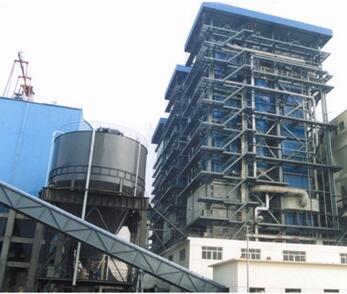
How Should You Choose Between a Boiler and a Furnace for Your Specific Process Needs?
Choosing between a boiler and a furnace is not just a matter of heating capacity—it’s about aligning your thermal system with the exact requirements of your process. Using the wrong system can lead to inefficiency, product quality issues, regulatory non-compliance, and higher operational costs. A careful evaluation of process medium, temperature control, pressure requirements, and fuel compatibility is essential to ensure optimal performance.
Boilers should be chosen when your process requires steam or pressurized hot water for indirect heating, precise temperature control, or process integration, while furnaces are better for direct air or radiant heating in drying, melting, or rapid heating applications that don’t need moisture or pressure.
Whether you operate a chemical plant, food facility, metal foundry, or textile mill, understanding this distinction is critical to thermal system optimization and long-term reliability.
Choosing between a boiler and a furnace depends primarily on whether your process requires steam or air-based heating.True
Boilers provide steam or hot water for indirect heating, while furnaces deliver direct heat using air or flame.
Furnaces are ideal for applications that require high-pressure steam for sterilization.False
Sterilization and other high-pressure steam processes require boilers, not furnaces, due to the need for pressurized water vapor.
🔍 Key Process-Based Selection Criteria
| Factor | Boiler | Furnace |
|---|---|---|
| Heating Medium | Steam or hot water | Hot air or direct flame |
| Heat Transfer Method | Indirect (via fluid in closed loop) | Direct (via air flow or radiation) |
| Required Pressure | Medium to high pressure (up to 300 bar) | Atmospheric or low pressure |
| Humidity Control | Steam adds moisture (desirable for some processes) | No moisture (ideal for drying) |
| Temperature Range | Up to ~600°C with superheated steam | Up to 1600°C for melting or drying |
| Process Sensitivity | High—precise control through pressure/valves | Moderate—controlled via burner/airflow |
| Application Types | Power gen, sterilization, CIP, reactors | Drying, melting, curing, high-temp heating |
| Emission Control | Advanced (flue gas treatment, O₂ trim) | Simpler (filters, direct vent) |
| Fuel Options | Gas, oil, coal, biomass, electric | Gas, oil, electric, IR, solid fuels |
🏭 Application Use Case Matrix
| Process Type | Best Choice | Reason |
|---|---|---|
| Clean steam for pharmaceutical use | Boiler | Sterile, pressurized steam for autoclaves and reactors |
| Drying textiles, lumber, or paper | Furnace | Hot air dries materials without adding moisture |
| Power generation via steam turbine | Boiler | High-pressure steam is needed to spin turbines |
| High-temp metal melting or forging | Furnace | Requires extreme temperatures and radiant heat |
| Jacketed heating in food processing | Boiler | Steam/hot water provides even, regulated heat |
| HVAC and warehouse heating | Furnace | Fast-response air heat for space heating |
| Paint curing or powder coating | Furnace | Direct, dry, radiant heat is best for finishing |
| District or central heating | Boiler | Closed-loop hot water/steam system is more efficient |
📊 Technical Requirement Comparison
| Requirement | Boiler System | Furnace System |
|---|---|---|
| Precision Temp Control | ✔️ PID or PLC-based | ⚠️ Coarser control with on-off modulation |
| Energy Storage | ✔️ Latent heat in steam | ❌ No phase change |
| Start-up Time | ⚠️ Slower (heats water mass) | ✔️ Rapid air heating |
| Thermal Inertia | ✔️ High (good for stable processes) | ⚠️ Low (ideal for batch/drying) |
| Installation Complexity | ⚠️ Higher (pressure vessel, piping) | ✔️ Simpler (ducts and burners) |
| Safety Requirements | ✔️ High (pressure control) | ⚠️ Moderate (flame control) |
🧠 Process Questions to Ask Before Choosing
Does your process require steam or hot air?
→ If steam: Use a boiler.
→ If hot air: Use a furnace.Do you need pressure or phase change?
→ If yes, only boilers provide controlled pressure and phase transition (water to steam).What temperature does your process require?
→ <250°C: Either system could work, depending on heat medium.
→ >600°C: Only furnaces can reach those levels.Do you need indirect heating to avoid contamination?
→ If yes, go with a boiler, which separates combustion gases from the process.Is moisture or sterilization part of the application?
→ Moisture = Boiler
→ Dry heat = Furnace
🔧 Maintenance and Operational Considerations
| Factor | Boiler | Furnace |
|---|---|---|
| Water Treatment Required | ✔️ Yes (scaling, corrosion risks) | ❌ No |
| Emissions Regulation | ✔️ Heavily regulated | ⚠️ Moderate depending on location |
| Routine Maintenance | Pumps, valves, safety systems | Burners, blowers, ducts |
| Lifespan | 20–30 years | 10–20 years depending on duty cycle |
✅ Summary: Decision Guidelines
| Choose a Boiler If… | Choose a Furnace If… |
|---|---|
| You need steam or pressurized hot water | You need hot air or radiant heat |
| Your process includes sterilization or CIP | You’re drying, curing, or heating products |
| You want precise temp and pressure control | You need fast-response heating |
| You’re integrating with turbines or reactors | You’re heating spaces or direct products |
| You require clean, indirect heat | You can use open-flame or direct-contact heat |
Conclusion
The decision between an industrial boiler and an industrial furnace hinges on heat medium, process precision, fuel strategy, and thermal dynamics. Boilers are optimal for steam-driven process control, sterilization, and power, while furnaces dominate in dry heat, rapid heating, and high-temperature exposure. Making the right choice protects your process, optimizes energy use, and ensures regulatory compliance.
🔍 Conclusion
Industrial boilers and furnaces serve different purposes: boilers produce steam or hot water for indirect heat transfer, while furnaces deliver direct, high-temperature heat for process applications. Selecting the right system based on your operational goals will improve energy efficiency, process reliability, and equipment longevity.
📞 Contact Us
💡 Not sure whether your process requires a boiler or furnace? We offer thermal system consulting, design recommendations, and complete solutions for industrial heating applications.
🔹 Let us help you choose the optimal thermal system for your process—accurate, efficient, and reliable. 🔥📊✅
FAQ
What is the main difference between an industrial furnace and a boiler?
The primary difference lies in their function and heat transfer medium:
Industrial Boiler: Heats water to generate steam or hot water for process heating, power generation, or HVAC.
Industrial Furnace: Produces direct high-temperature heat for processes like metal melting, heat treatment, or drying.
Boilers use fluids (water/steam) as heat carriers, while furnaces deliver heat directly to materials or processes via combustion or electric resistance.
How do industrial boilers and furnaces operate differently?
Boilers:
Use closed-loop systems with water or steam circulation
Transfer heat indirectly through tubing or exchangers
Common in chemical, textile, food, and power industries
Furnaces:
Generate direct radiant or convective heat
Often have open chambers or refractory linings
Used in steel, glass, ceramics, and foundry operations
The key difference is that boilers transfer heat to fluids, while furnaces apply heat directly to solids or gases.
What are the typical applications for boilers vs. furnaces?
Boilers are used in:
Steam generation for turbines
Hot water for HVAC systems
Process heating in pharmaceuticals, textiles, and F&B
Furnaces are used in:
Metallurgy: Annealing, forging, smelting
Glass and ceramics manufacturing
Thermal oxidation and waste incineration
Heat treatment of metals (hardening, tempering)
Each serves distinct industrial heating needs.
Do boilers and furnaces differ in fuel usage?
Both systems can use similar fuels (e.g., natural gas, oil, coal, biomass, or electricity), but:
Boilers are optimized for efficient combustion and heat transfer to fluids
Furnaces are built for higher flame temperatures and rapid heat application
Furnaces generally require more refractory material and can withstand higher temperature thresholds than standard boilers.
Which is more energy-efficient: boiler or furnace?
Boilers tend to be more energy-efficient in closed-loop systems because they recover heat via economizers, condensate return, and insulation
Furnaces may experience greater heat loss due to open designs and direct flame exposure
However, furnaces are more efficient when direct material heating is required (e.g., smelting metal), whereas boilers are better for fluid heating and process integration.
References
Spirax Sarco – What is a Boiler? – https://www.spiraxsarco.com
Cleaver-Brooks – Boiler vs. Other Heating Systems – https://www.cleaverbrooks.com
Thermodyne – Boiler vs. Furnace Explained – https://www.thermodyneboilers.com
BioEnergy Consult – Industrial Heating Systems Overview – https://www.bioenergyconsult.com
Powerhouse – Boiler Applications and Design – https://www.powerhouse.com
Hurst Boiler – Boiler Basics – https://www.hurstboiler.com
IEA – Industrial Process Heating Technologies – https://www.iea.org
OSHA – Furnace Safety in Industry – https://www.osha.gov
DNV – Thermal Systems Design Guide – https://www.dnv.com
Engineering Toolbox – Temperature Limits and Fuel Comparison – https://www.engineeringtoolbox.com
