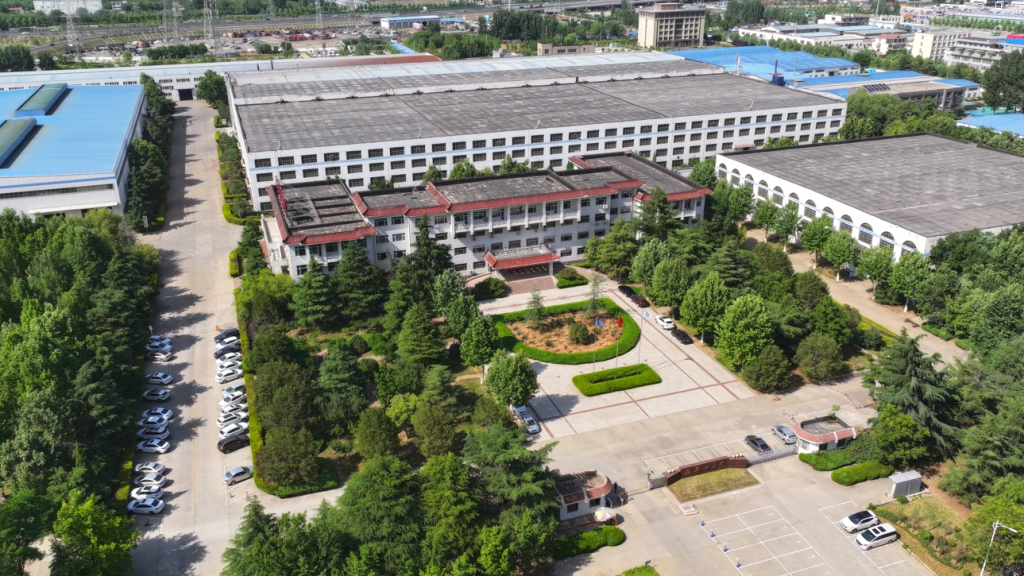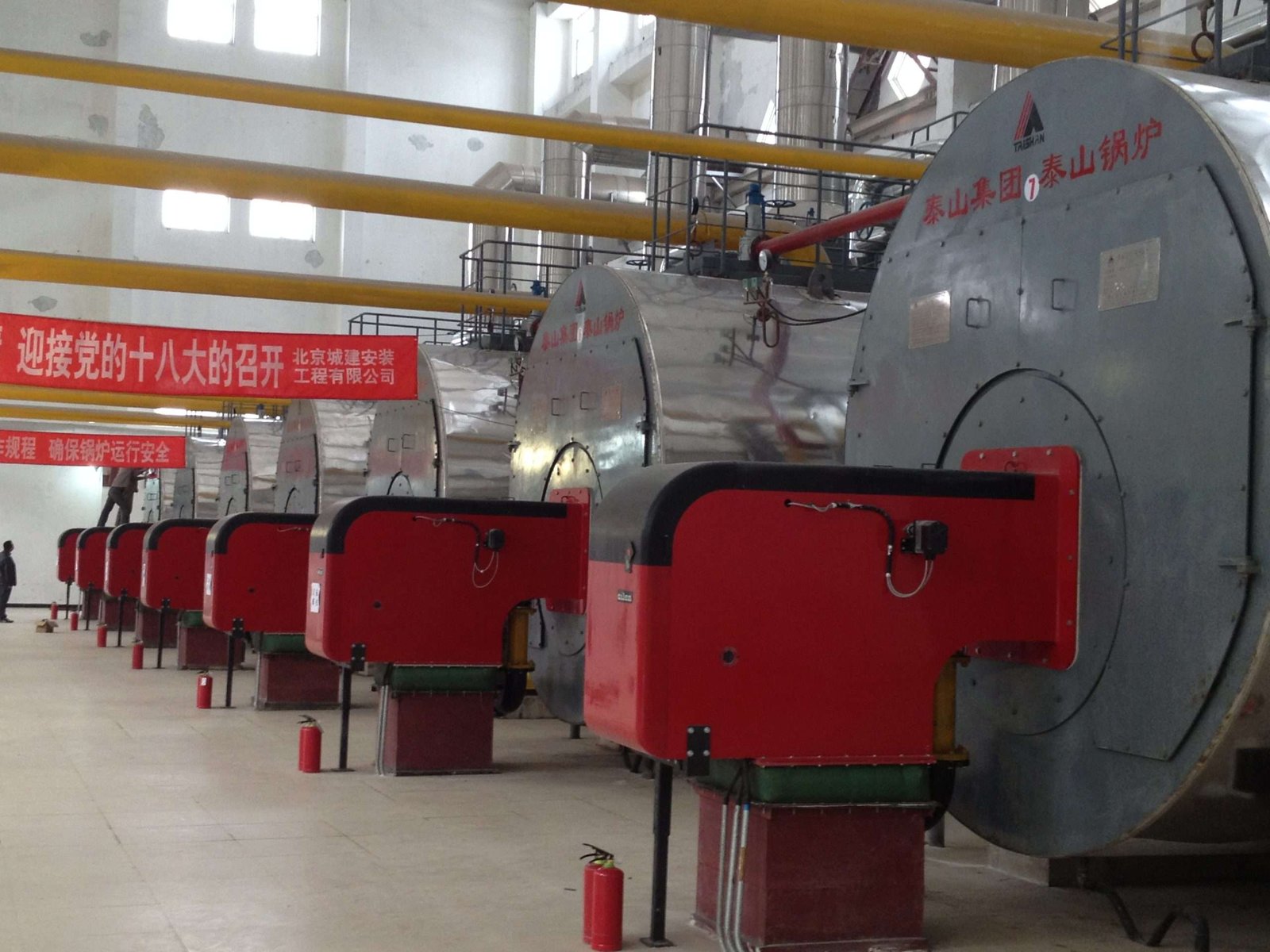
Industrial facilities today are under increasing pressure to reduce emissions, improve energy efficiency, and comply with stricter environmental regulations. Traditional gas-fired boiler systems, while reliable, may struggle to meet modern efficiency standards or integrate with advanced energy management systems. Without adopting new technologies, companies risk higher fuel consumption, increased operating costs, and difficulty meeting sustainability targets.
The future of industrial gas-fired boilers is being shaped by innovations such as ultra-low NOx burners, condensing heat recovery technology, smart digital control systems, hydrogen-ready combustion systems, and AI-based predictive maintenance. These advancements significantly improve fuel efficiency, reduce emissions, enhance operational reliability, and support the transition toward cleaner industrial energy systems.
As industries modernize their thermal energy infrastructure, these emerging technologies are transforming how gas-fired boilers operate. Understanding these innovations helps plant engineers and decision-makers choose future-ready boiler systems that maximize efficiency and environmental compliance.
🔗 Recommended Reading:
If you want to learn more about large-scale steam generation systems used in energy production, you may also find this resource useful:
https://coalbiomassboiler.com/product/oil-gas-fired-boiler/
How Are Ultra-Low NOx Burners Improving Industrial Gas-Fired Boiler Environmental Performance?
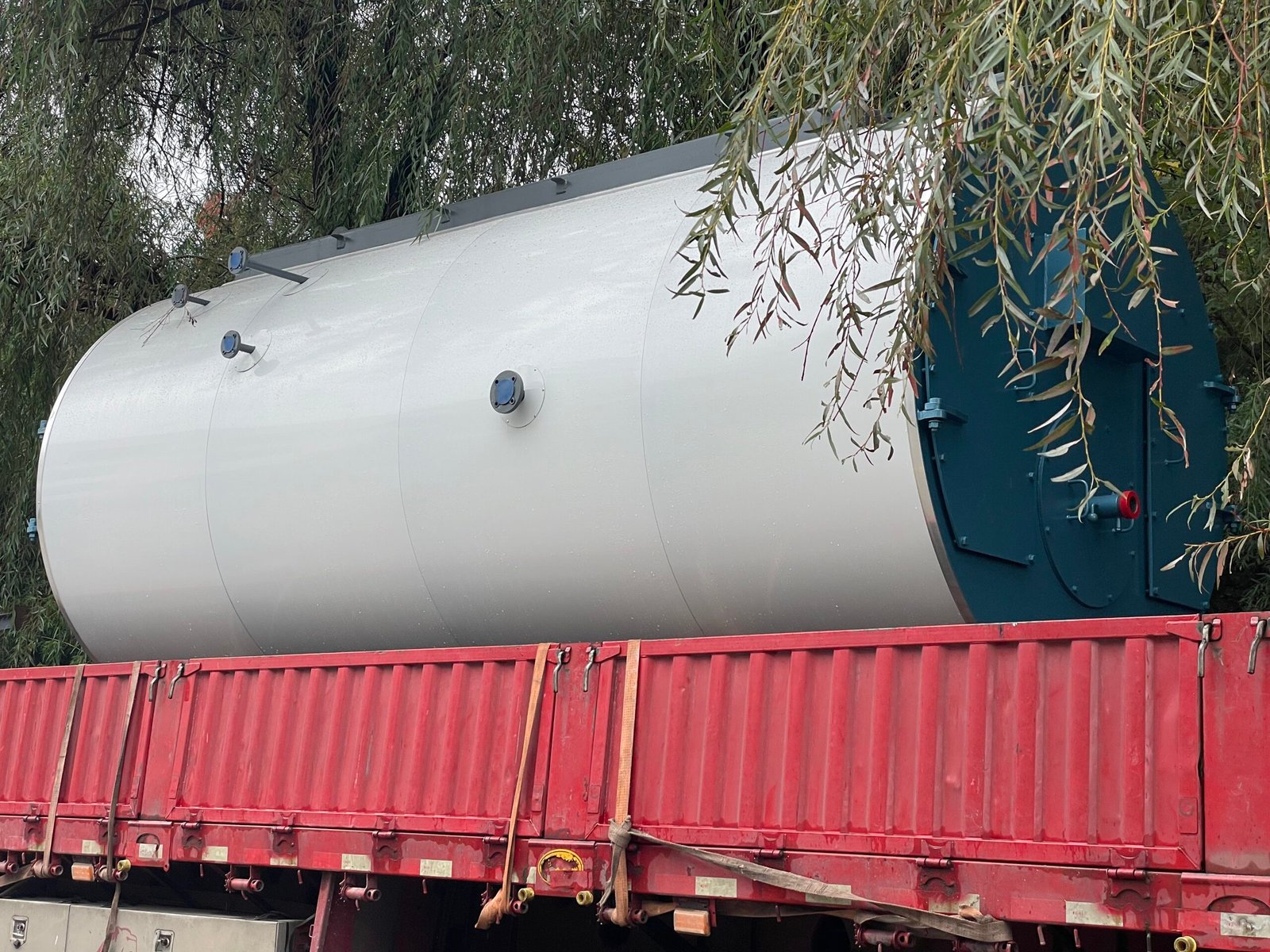
Industrial gas-fired boilers are widely used across manufacturing sectors such as food processing, chemical production, pharmaceuticals, textiles, and district heating. While natural gas is considered one of the cleaner fossil fuels, traditional gas burners still produce nitrogen oxides (NOx), which are harmful pollutants that contribute to smog formation, acid rain, and respiratory health problems. As environmental regulations become increasingly strict worldwide, industries face growing pressure to reduce NOx emissions from combustion equipment. Conventional burners often struggle to meet these tighter emission standards, forcing industrial facilities to search for cleaner combustion technologies. This challenge has driven the development of ultra-low NOx burners, an advanced solution that significantly reduces nitrogen oxide emissions while maintaining high combustion efficiency.
Ultra-low NOx burners improve the environmental performance of industrial gas-fired boilers by reducing combustion temperatures, optimizing air-fuel mixing, and using staged combustion techniques to limit nitrogen oxide formation. These advanced burner systems can reduce NOx emissions to below 30 mg/Nm³ or even 10 mg/Nm³ in some designs, helping industrial facilities meet strict environmental regulations while maintaining high boiler efficiency and stable steam production.
Understanding how ultra-low NOx burners achieve these results requires examining the science of combustion, the formation mechanisms of nitrogen oxides, and the engineering innovations behind modern burner designs. In the following sections, we explore how these technologies are transforming the environmental performance of industrial gas-fired boilers.
Ultra-low NOx burners significantly reduce nitrogen oxide emissions in industrial gas-fired boilers.True
Ultra-low NOx burners use advanced combustion control technologies such as staged combustion and flue gas recirculation to minimize NOx formation during fuel combustion.
Switching from traditional burners to ultra-low NOx burners always reduces boiler efficiency.False
Modern ultra-low NOx burner designs maintain high combustion efficiency while reducing emissions through optimized airflow and fuel mixing technologies.
Understanding NOx Formation in Industrial Gas-Fired Boilers
Nitrogen oxides (NOx) are formed during high-temperature combustion processes when nitrogen and oxygen react in the presence of heat. In gas-fired boilers, three primary mechanisms contribute to NOx formation:
• Thermal NOx – produced when atmospheric nitrogen reacts with oxygen at high flame temperatures.
• Prompt NOx – formed during the early stages of combustion reactions involving hydrocarbon radicals.
• Fuel NOx – generated when nitrogen contained in the fuel is oxidized during combustion.
Among these mechanisms, thermal NOx is the dominant source in natural gas combustion because natural gas contains very little nitrogen in its chemical composition.
When flame temperatures exceed 1,300°C, the rate of thermal NOx formation increases dramatically. Therefore, controlling flame temperature and combustion conditions is the key strategy for reducing NOx emissions.
Table 1: Primary Sources of NOx in Gas Combustion
| NOx Formation Type | Source | Importance in Gas Boilers |
|---|---|---|
| Thermal NOx | Reaction of nitrogen and oxygen at high temperatures | Very high |
| Prompt NOx | Hydrocarbon radicals reacting with nitrogen | Moderate |
| Fuel NOx | Nitrogen contained in fuel | Very low (for natural gas) |
Ultra-low NOx burners focus primarily on controlling thermal NOx formation.
Core Technologies Behind Ultra-Low NOx Burners
Modern ultra-low NOx burners incorporate several advanced combustion technologies that reduce flame temperature and optimize the combustion process.
These technologies include:
• Flue gas recirculation (FGR)
• Staged combustion
• Premixed combustion systems
• Advanced burner geometry
• Digital combustion control systems
Each technology contributes to lowering NOx emissions while maintaining efficient fuel combustion.
Flue Gas Recirculation (FGR)
Flue gas recirculation is one of the most widely used methods for reducing NOx emissions. In this process, a portion of the exhaust gases from the boiler is redirected back into the combustion chamber.
The recirculated flue gas performs several important functions:
• Reduces oxygen concentration in the combustion zone
• Lowers peak flame temperature
• Dilutes the combustion mixture
• Slows down reaction rates that produce NOx
Table 2: Effects of Flue Gas Recirculation on Combustion
| Combustion Parameter | Without FGR | With FGR |
|---|---|---|
| Flame Temperature | High | Reduced |
| Oxygen Concentration | Higher | Lower |
| NOx Formation | Higher | Significantly lower |
| Combustion Stability | Stable | Controlled with proper design |
Typical FGR systems can reduce NOx emissions by 30–60%.
Staged Combustion Technology
Staged combustion divides the combustion process into multiple phases. Instead of mixing all fuel and air simultaneously, the burner introduces fuel and air in stages.
This approach allows:
• Lower oxygen levels during initial combustion
• Controlled flame temperature
• Gradual completion of combustion reactions
By carefully controlling air supply, staged combustion reduces peak temperatures that would otherwise promote NOx formation.
Premixed Combustion Systems
Premixed combustion burners mix fuel and air before ignition, creating a more uniform combustion mixture. This results in:
• More even flame distribution
• Reduced hot spots in the flame
• Lower peak combustion temperatures
Lower peak temperatures directly reduce thermal NOx production.
Advanced Burner Geometry and Design
Modern ultra-low NOx burners use advanced aerodynamic designs to optimize airflow patterns and fuel distribution.
Engineering improvements include:
• Swirl stabilizers for flame control
• Multi-port fuel injection systems
• Optimized combustion chamber shapes
• Improved mixing turbulence
These design improvements ensure that combustion occurs efficiently even at lower flame temperatures.
Digital Combustion Control Systems
Many modern ultra-low NOx burners are integrated with intelligent control systems that continuously monitor combustion conditions.
Key monitored parameters include:
• Oxygen concentration in flue gas
• Flame temperature
• Fuel flow rate
• Air supply rate
These systems automatically adjust burner operation to maintain optimal combustion conditions while minimizing emissions.
Table 3: Performance Comparison of Traditional and Ultra-Low NOx Burners
| Burner Type | Typical NOx Emission | Combustion Efficiency |
|---|---|---|
| Conventional burner | 80–150 mg/Nm³ | 88–92% |
| Low NOx burner | 30–80 mg/Nm³ | 90–94% |
| Ultra-low NOx burner | <30 mg/Nm³ | 92–96% |
The latest ultra-low NOx systems can achieve emission levels below 10 mg/Nm³ in certain high-performance designs.
Environmental Benefits for Industrial Facilities
By adopting ultra-low NOx burner technology, industrial facilities gain several environmental advantages:
• Reduced atmospheric pollution
• Compliance with stricter environmental regulations
• Lower environmental impact of steam generation
• Improved public and regulatory perception
In many regions, environmental agencies require new industrial boilers to meet strict NOx emission limits.
Regulatory Drivers for Ultra-Low NOx Technology
Many governments have introduced strict emission regulations to control industrial air pollution.
Examples include:
• U.S. Environmental Protection Agency (EPA) emission standards
• European Union Industrial Emissions Directive (IED)
• China’s ultra-low emission policies for industrial boilers
These regulations often require NOx emission levels below 30 mg/Nm³, making ultra-low NOx burner technology essential for compliance.
Economic Advantages of Ultra-Low NOx Burners
While ultra-low NOx burners are primarily designed to reduce emissions, they can also offer economic benefits.
These benefits include:
• Reduced environmental compliance costs
• Lower risk of regulatory penalties
• Improved fuel efficiency in optimized systems
• Potential government incentives for low-emission equipment
In some regions, upgrading to ultra-low NOx combustion systems qualifies for environmental subsidies.
Industrial Applications of Ultra-Low NOx Burners
Ultra-low NOx burner technology is increasingly used in various industrial sectors including:
• Food and beverage manufacturing
• Pharmaceutical production
• Chemical processing plants
• Textile and paper industries
• District heating systems
These industries rely heavily on gas-fired steam boilers and must comply with strict emission standards.
Table 4: Industries Benefiting from Ultra-Low NOx Boiler Systems
| Industry | Environmental Requirement | Benefit of Ultra-Low NOx Burners |
|---|---|---|
| Food Processing | Clean production standards | Reduced emissions |
| Chemical Industry | Strict environmental regulations | Lower NOx output |
| Pharmaceutical | Controlled production environment | Cleaner combustion |
| District Heating | Urban emission limits | Improved air quality |
Future Trends in Ultra-Low Emission Boiler Technology
The next generation of ultra-low NOx burners is expected to integrate even more advanced technologies, including:
• Hydrogen-compatible burner systems
• Artificial intelligence combustion control
• Carbon capture integration
• ultra-low emission hybrid combustion systems
These innovations will further improve the environmental performance of industrial boilers.
Summary
Ultra-low NOx burners are transforming the environmental performance of industrial gas-fired boilers by dramatically reducing nitrogen oxide emissions while maintaining high combustion efficiency. Through technologies such as flue gas recirculation, staged combustion, premixed fuel-air systems, and intelligent digital controls, these advanced burners lower flame temperatures and optimize combustion conditions to minimize pollutant formation. As environmental regulations continue to tighten worldwide, ultra-low NOx burner technology has become an essential solution for industries seeking to maintain efficient steam production while meeting strict emission standards and reducing their environmental footprint.
How Does Condensing Heat Recovery Technology Enhance Industrial Gas-Fired Boiler Efficiency?

Industrial gas-fired boilers are widely used in manufacturing, food processing, chemical production, pharmaceutical plants, and district heating systems because of their reliability and relatively clean combustion characteristics. However, even modern gas-fired boilers can lose a significant portion of their energy through high-temperature exhaust gases. Traditional boilers typically discharge flue gases at temperatures ranging from 120°C to 200°C, which means a large amount of thermal energy escapes into the atmosphere instead of being utilized. This wasted energy not only increases fuel consumption but also reduces overall system efficiency and raises operational costs. As industries increasingly seek ways to reduce energy expenses and meet stricter environmental regulations, improving boiler efficiency has become a major priority. One of the most effective solutions is condensing heat recovery technology, which captures latent heat from flue gases that would otherwise be lost.
Condensing heat recovery technology enhances industrial gas-fired boiler efficiency by recovering both sensible heat and latent heat from exhaust flue gases. By cooling the flue gas below the water vapor dew point (typically around 55°C), the system condenses water vapor and releases additional latent heat that can be reused to preheat boiler feedwater or combustion air. This process can increase boiler thermal efficiency from around 88–92% in conventional systems to as high as 98–105% on a lower heating value basis, significantly reducing fuel consumption and operating costs.
To understand why condensing heat recovery technology is so effective, it is necessary to examine the thermodynamics of combustion, the composition of flue gases, and the engineering principles behind condensing heat exchangers. In the following sections, we will explore how this advanced technology improves energy efficiency in industrial gas-fired boiler systems.
Condensing heat recovery systems can significantly increase the thermal efficiency of gas-fired boilers.True
By recovering latent heat from water vapor in flue gas, condensing systems capture energy that conventional boilers normally lose through exhaust gases.
Condensing technology only recovers sensible heat from flue gas.False
Condensing systems recover both sensible heat and latent heat released when water vapor in the flue gas condenses.
Understanding Heat Loss in Conventional Gas-Fired Boilers
In a conventional gas-fired boiler, natural gas combustion produces hot flue gases that exit the boiler through the exhaust stack. These flue gases typically contain:
• Carbon dioxide (CO₂)
• Water vapor (H₂O)
• Nitrogen (N₂)
• Oxygen (O₂)
• Trace combustion byproducts
A large portion of the heat generated during combustion leaves the system in the form of hot exhaust gases.
There are two main types of heat contained in flue gases:
• Sensible heat – heat that raises the temperature of the gas.
• Latent heat – heat stored in water vapor formed during combustion.
Traditional boilers only recover sensible heat while allowing the latent heat in water vapor to escape.
Table 1: Typical Heat Loss Sources in Conventional Boilers
| Heat Loss Source | Percentage of Total Energy Loss |
|---|---|
| Flue gas heat loss | 10–20% |
| Radiation loss | 2–3% |
| Blowdown loss | 1–3% |
| Incomplete combustion | <1% |
Flue gas heat loss is the largest contributor to inefficiency, making it the primary target for energy recovery.
The Principle of Condensing Heat Recovery
Natural gas combustion produces significant amounts of water vapor. When this vapor cools below its dew point (approximately 55°C for natural gas combustion products), it condenses into liquid water and releases latent heat.
Condensing heat recovery systems are designed to cool flue gases below this dew point using specialized heat exchangers.
The recovered heat can then be used for:
• Preheating boiler feedwater
• Heating return water in heating systems
• Preheating combustion air
• Supporting process heating systems
Table 2: Heat Recovery Comparison
| Heat Recovery Method | Heat Recovered | Efficiency Impact |
|---|---|---|
| Conventional economizer | Sensible heat only | Moderate efficiency gain |
| Condensing heat exchanger | Sensible + latent heat | Significant efficiency gain |
By capturing both types of heat, condensing technology dramatically improves energy utilization.
Structure of a Condensing Heat Recovery System
A typical industrial condensing heat recovery system consists of several key components:
• Condensing heat exchanger (economizer)
• Flue gas cooling section
• Condensate drainage system
• Corrosion-resistant materials
• Temperature monitoring sensors
The heat exchanger is usually installed in the flue gas path downstream of the boiler.
Table 3: Main Components of Condensing Heat Recovery Systems
| Component | Function |
|---|---|
| Condensing heat exchanger | Transfers heat from flue gas to water |
| Condensate collection system | Removes condensed water |
| Corrosion-resistant materials | Protects equipment from acidic condensate |
| Control system | Regulates operating temperature |
Because condensate formed from flue gases can be slightly acidic, the heat exchanger is typically made from stainless steel or aluminum alloys.
Efficiency Improvements Achieved with Condensing Technology
Condensing heat recovery systems significantly increase boiler efficiency by recovering energy that conventional boilers cannot capture.
Table 4: Boiler Efficiency Comparison
| Boiler Type | Typical Thermal Efficiency |
|---|---|
| Traditional gas boiler | 80–88% |
| Modern non-condensing boiler | 88–92% |
| Condensing gas boiler | 96–105% (LHV basis) |
The efficiency value above 100% occurs because efficiency is calculated using the lower heating value (LHV) of fuel, which does not include latent heat.
Impact on Fuel Consumption
Improving boiler efficiency directly reduces fuel consumption.
For example, consider a factory operating a 10-ton gas-fired steam boiler for 8,000 hours per year.
Table 5: Fuel Consumption Comparison
| Boiler Efficiency | Annual Gas Consumption | Annual Fuel Cost |
|---|---|---|
| 88% | High | $850,000 |
| 92% | Moderate | $810,000 |
| 98% | Lower | $750,000 |
Even small improvements in efficiency can produce significant cost savings over time.
Environmental Benefits of Condensing Heat Recovery
Condensing heat recovery technology also improves environmental performance.
Lower fuel consumption results in:
• Reduced CO₂ emissions
• Lower nitrogen oxide emissions
• Improved energy utilization
• Reduced thermal pollution from exhaust gases
This helps industries comply with environmental regulations and sustainability goals.
Applications of Condensing Heat Recovery Systems
Condensing heat recovery systems are widely used in industries with high steam demand.
Common applications include:
• Food and beverage processing
• Chemical manufacturing
• Pharmaceutical production
• Textile manufacturing
• District heating systems
These industries benefit significantly from improved boiler efficiency and lower energy costs.
Design Considerations for Condensing Systems
When implementing condensing heat recovery technology, several design factors must be considered:
• Flue gas temperature
• Return water temperature
• Heat exchanger material selection
• Condensate drainage system
• Corrosion protection measures
Proper system design ensures reliable operation and maximizes energy recovery.
Integration with Other Energy-Saving Technologies
Condensing heat recovery systems are often combined with other boiler efficiency improvements such as:
• Economizers
• Variable-speed fans and pumps
• Oxygen trim combustion control
• Ultra-low NOx burner systems
These technologies work together to maximize boiler efficiency and reduce emissions.
Future Developments in Boiler Heat Recovery
The next generation of heat recovery systems is expected to include:
• Advanced corrosion-resistant materials
• Smart monitoring systems with AI optimization
• Integrated carbon capture solutions
• Hybrid heat recovery designs combining multiple technologies
These innovations will further enhance the efficiency and sustainability of industrial boiler systems.
Summary
Condensing heat recovery technology significantly enhances the efficiency of industrial gas-fired boilers by capturing both sensible heat and latent heat from exhaust flue gases. By cooling flue gases below the dew point and condensing water vapor, these systems recover additional thermal energy that traditional boilers cannot utilize. This recovered heat can be used to preheat feedwater or combustion air, improving overall energy utilization and reducing fuel consumption. As industries continue seeking ways to lower operating costs and reduce environmental impact, condensing heat recovery technology has become one of the most effective solutions for improving the efficiency and sustainability of modern gas-fired boiler systems.
What Role Do Smart Control Systems Play in Modern Industrial Gas-Fired Boilers?
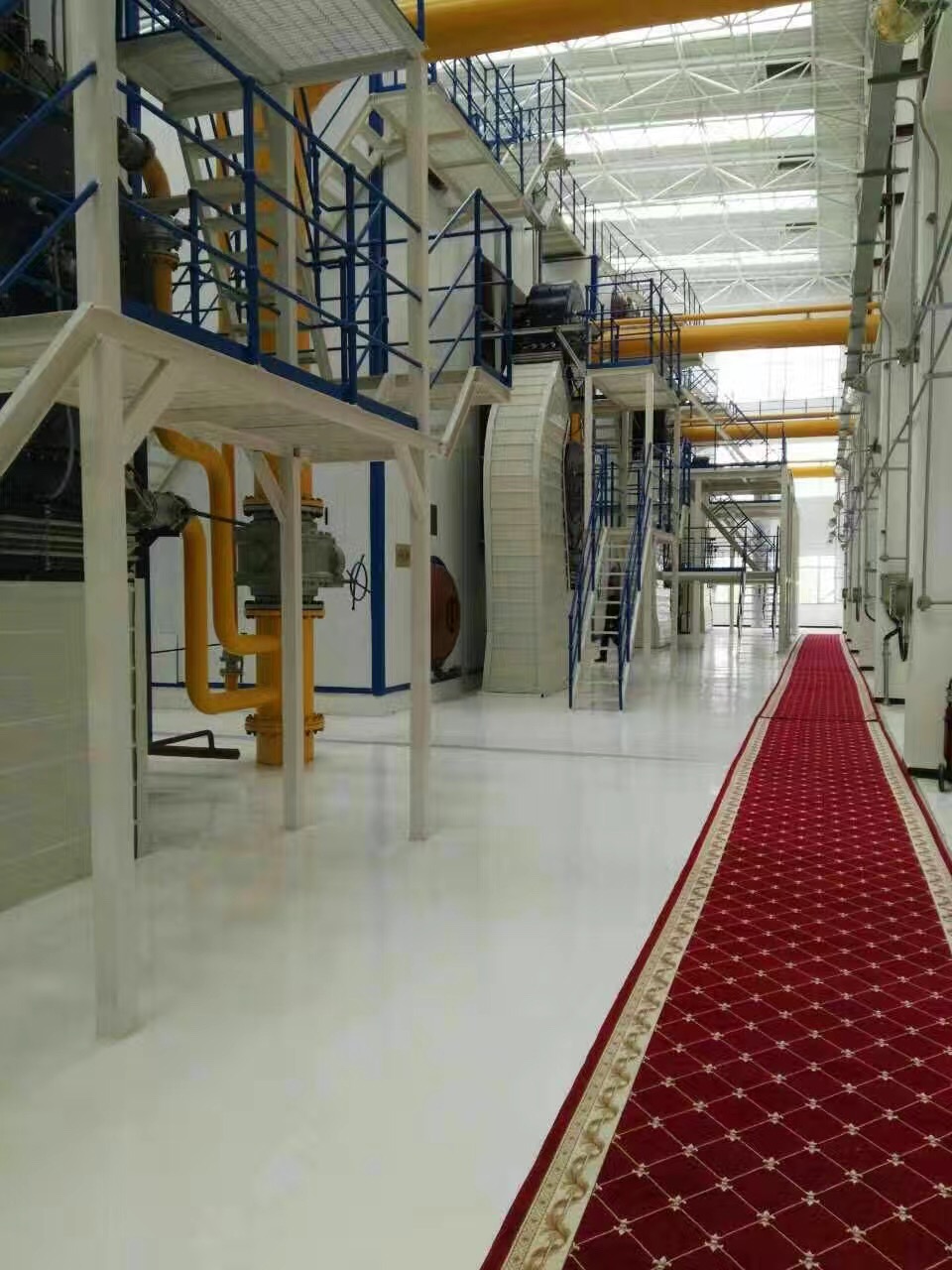
Industrial gas-fired boilers are essential equipment in sectors such as food processing, chemical manufacturing, pharmaceuticals, textiles, and power generation. These boilers must operate continuously under high temperature and pressure conditions while maintaining strict requirements for safety, efficiency, and environmental compliance. Traditionally, boiler operation relied heavily on manual monitoring and mechanical control devices. While these systems were functional, they often lacked precision and real-time adaptability, leading to inefficiencies, increased fuel consumption, and higher risks of operational errors. As industrial facilities pursue higher productivity, lower energy costs, and reduced emissions, traditional boiler control systems are no longer sufficient. This challenge has led to the widespread adoption of smart control systems, which integrate advanced sensors, digital automation, and data analytics to optimize boiler operation.
Smart control systems play a crucial role in modern industrial gas-fired boilers by continuously monitoring operational parameters such as temperature, pressure, fuel flow, oxygen levels, and combustion conditions. Using programmable logic controllers (PLC), advanced algorithms, and real-time data analysis, these systems automatically adjust burner operation, air-fuel ratios, and load levels to maximize efficiency, enhance safety, reduce emissions, and ensure stable steam production.
To fully understand the importance of smart control systems, it is necessary to examine how digital automation improves combustion management, energy efficiency, safety protection, predictive maintenance, and system integration in modern industrial boiler plants.
Smart control systems improve the efficiency and operational stability of industrial gas-fired boilers.True
By continuously monitoring combustion parameters and adjusting operating conditions in real time, smart control systems optimize fuel usage and maintain stable steam output.
Traditional manual boiler controls provide the same level of performance as modern digital control systems.False
Manual systems lack real-time monitoring, automated adjustments, and data-driven optimization, resulting in lower efficiency and higher operational risk.
The Evolution of Boiler Control Systems
Boiler control technology has evolved significantly over the past several decades. Early industrial boilers relied primarily on mechanical controls and manual monitoring.
The development of boiler control systems can be broadly divided into three stages:
• Mechanical control systems
• Basic electronic control systems
• Intelligent digital control systems
Table 1: Evolution of Industrial Boiler Control Systems
| Control System Type | Characteristics | Limitations |
|---|---|---|
| Mechanical control | Manual operation and basic safety devices | Limited accuracy and slow response |
| Electronic control | Simple automated regulation using sensors | Limited data processing capability |
| Smart digital control | Real-time monitoring and automated optimization | Requires advanced system integration |
Modern smart control systems represent the most advanced stage, combining automation technology with digital intelligence.
Core Components of Smart Boiler Control Systems
A modern smart control system consists of multiple interconnected technologies designed to monitor and regulate boiler performance.
Key components include:
• Programmable Logic Controllers (PLC)
• Industrial sensors and transmitters
• Human-Machine Interface (HMI) panels
• Data communication networks
• Intelligent control algorithms
These components work together to ensure precise control of combustion and system performance.
Table 2: Main Components of Smart Boiler Control Systems
| Component | Function |
|---|---|
| PLC controller | Processes control signals and executes automation logic |
| Sensors | Measure temperature, pressure, oxygen levels, and flow rates |
| HMI interface | Provides operators with real-time monitoring and control |
| Communication system | Connects equipment and transmits operational data |
| Control algorithms | Optimize combustion and energy use |
These components allow the system to continuously monitor the entire boiler operation process.
Real-Time Combustion Optimization
One of the most important functions of smart control systems is optimizing the combustion process. Efficient combustion requires maintaining the correct balance between fuel and air.
If too much air is supplied, heat is lost through excess oxygen in the exhaust. If too little air is supplied, incomplete combustion occurs, reducing efficiency and increasing emissions.
Smart control systems solve this problem by continuously monitoring combustion conditions.
Important parameters monitored include:
• Oxygen concentration in flue gas
• Fuel flow rate
• Air supply volume
• Flame temperature
• Steam load demand
Using these data inputs, the system automatically adjusts burner operation.
Table 3: Combustion Control Performance Comparison
| Control Method | Combustion Stability | Fuel Efficiency |
|---|---|---|
| Manual control | Moderate | Lower |
| Basic electronic control | Improved | Moderate |
| Smart control system | Highly stable | High efficiency |
This optimization reduces fuel consumption and improves overall system performance.
Enhancing Boiler Energy Efficiency
Energy efficiency is a critical concern for industrial boiler operators. Smart control systems contribute to energy savings in several ways.
First, they maintain optimal combustion conditions, ensuring that fuel energy is converted into useful steam with minimal losses.
Second, they optimize boiler load management. Industrial steam demand often fluctuates throughout the day. Smart systems automatically adjust boiler output to match real-time demand.
Third, they coordinate the operation of auxiliary equipment such as pumps and fans to minimize energy waste.
These combined improvements can significantly increase overall boiler efficiency.
Safety Monitoring and Protection
Safety is one of the most important aspects of boiler operation because boilers operate under high pressure and temperature conditions.
Smart control systems incorporate multiple layers of safety protection, including:
• Automatic shutdown systems
• Pressure limit monitoring
• Flame detection sensors
• Water level protection systems
• Over-temperature alarms
These safety features help prevent dangerous operating conditions.
Table 4: Key Safety Monitoring Functions
| Safety Parameter | Monitoring Function |
|---|---|
| Steam pressure | Prevents overpressure conditions |
| Water level | Prevents boiler dry-fire damage |
| Flame detection | Ensures stable combustion |
| Temperature limits | Prevents overheating |
Automatic safety responses can stop the system immediately if dangerous conditions occur.
Predictive Maintenance Through Data Monitoring
Modern smart control systems also support predictive maintenance by analyzing operational data over time.
Sensors continuously collect performance data such as:
• Combustion efficiency
• Pump performance
• Heat exchanger temperature differences
• Pressure fluctuations
By analyzing these data patterns, the system can detect early signs of equipment wear or malfunction.
Predictive maintenance helps operators:
• Identify problems before failures occur
• Reduce unexpected downtime
• Optimize maintenance schedules
• Extend equipment lifespan
Remote Monitoring and Industrial IoT Integration
Many smart boiler control systems now integrate with Industrial Internet of Things (IIoT) platforms.
This connectivity allows engineers and plant managers to monitor boiler performance remotely through computers or mobile devices.
Remote monitoring capabilities include:
• Real-time performance dashboards
• Alarm notifications
• Remote diagnostics
• Data analytics reporting
This feature is particularly valuable for facilities operating multiple boilers across different locations.
Environmental Performance Improvements
Smart control systems also contribute to reducing environmental emissions from industrial boilers.
By precisely controlling combustion conditions, these systems help reduce pollutants such as:
• Nitrogen oxides (NOx)
• Carbon monoxide (CO)
• Unburned hydrocarbons
Lower emissions help facilities comply with environmental regulations while maintaining efficient operation.
Integration with Advanced Boiler Technologies
Smart control systems can integrate with other advanced boiler technologies, including:
• Ultra-low NOx burners
• Condensing heat recovery systems
• Oxygen trim combustion control
• Variable-speed drives for fans and pumps
When these technologies operate together, they create a highly efficient and environmentally friendly boiler system.
Future Trends in Smart Boiler Automation
The future of industrial boiler control systems will likely involve even more advanced technologies, including:
• Artificial intelligence for combustion optimization
• Machine learning predictive maintenance systems
• Cloud-based data analytics platforms
• Digital twin simulations for boiler performance modeling
These innovations will further enhance efficiency, reliability, and sustainability.
Summary
Smart control systems play a fundamental role in modern industrial gas-fired boilers by enabling precise automation, real-time monitoring, and intelligent optimization of boiler operations. Through advanced sensors, programmable logic controllers, and digital data analysis, these systems continuously regulate combustion conditions, improve energy efficiency, enhance safety protection, and support predictive maintenance. As industrial facilities seek to reduce operating costs, improve reliability, and meet stricter environmental regulations, smart control systems have become an essential component of high-performance boiler systems, transforming traditional boiler operations into intelligent, data-driven energy solutions.
How Are Hydrogen-Ready Designs Shaping the Future of Industrial Gas-Fired Boilers?
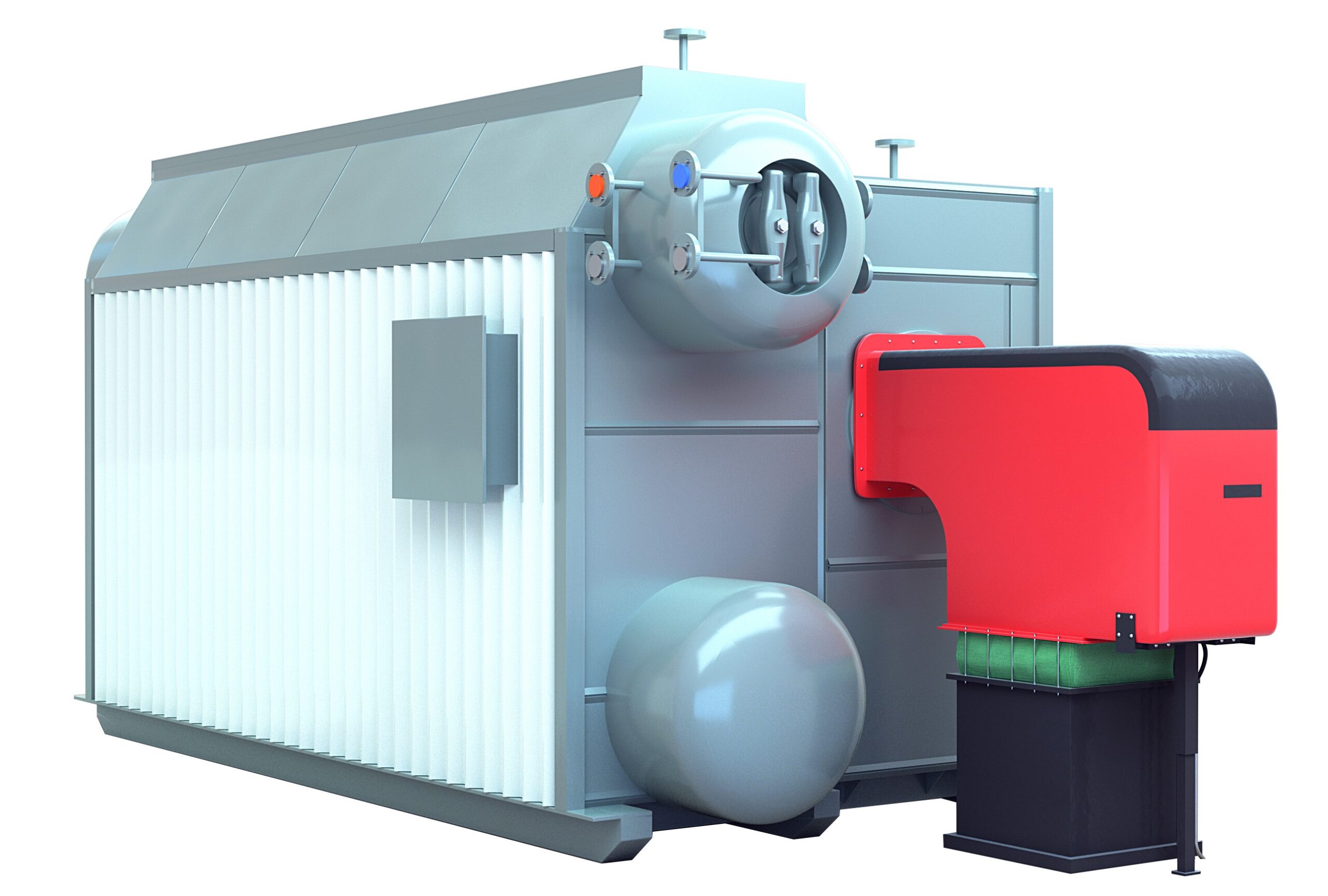
Industrial gas-fired boilers have long been a cornerstone of steam generation for industries such as food processing, chemical manufacturing, pharmaceuticals, textiles, and district heating. However, global efforts to reduce carbon emissions are rapidly transforming the energy landscape. Governments, environmental organizations, and industrial operators are all seeking pathways to reduce greenhouse gas emissions without disrupting critical industrial processes. Natural gas boilers, while cleaner than coal or oil systems, still produce carbon dioxide during combustion. As a result, industries are exploring alternative fuels that can reduce or eliminate carbon emissions. One of the most promising solutions is hydrogen energy, which produces water vapor instead of carbon dioxide when burned. This shift has driven the development of hydrogen-ready industrial boilers, designed to operate with hydrogen-natural gas blends and eventually transition to pure hydrogen fuel.
Hydrogen-ready designs are shaping the future of industrial gas-fired boilers by enabling boilers to operate with hydrogen-natural gas fuel blends and gradually transition to pure hydrogen combustion. These advanced systems incorporate specialized burners, enhanced materials, optimized combustion chambers, and upgraded control systems that safely handle hydrogen’s unique combustion properties while reducing carbon emissions and supporting the global transition toward low-carbon industrial energy systems.
Understanding the role of hydrogen-ready boiler designs requires examining the characteristics of hydrogen as a fuel, the engineering challenges involved in hydrogen combustion, and the technological innovations that allow modern boiler systems to adapt to this emerging energy source.
Hydrogen combustion produces no carbon dioxide emissions during the burning process.True
When hydrogen burns in oxygen, the primary combustion product is water vapor, making it a zero-carbon fuel at the point of combustion.
Existing natural gas boilers can operate safely on pure hydrogen without modification.False
Hydrogen has different combustion characteristics than natural gas, requiring specialized burners, materials, and safety systems for reliable operation.
The Global Push Toward Low-Carbon Industrial Energy
The industrial sector accounts for a significant portion of global energy consumption and carbon emissions. Many countries have established ambitious climate targets aimed at achieving net-zero carbon emissions by 2050.
Key drivers behind hydrogen adoption include:
• International climate agreements
• National carbon neutrality goals
• Industrial decarbonization strategies
• Increasing carbon pricing mechanisms
• Investment in renewable hydrogen production
Because many industrial processes rely heavily on steam generated by boilers, transforming boiler fuel sources is an important step in reducing emissions.
Table 1: Industrial Energy Sources and Carbon Emissions
| Fuel Type | Carbon Emissions | Environmental Impact |
|---|---|---|
| Coal | Very high | Major contributor to air pollution |
| Fuel oil | High | Significant CO₂ and particulate emissions |
| Natural gas | Moderate | Lower emissions but still carbon-based |
| Hydrogen | Zero at combustion point | Clean energy potential |
Hydrogen-ready boilers provide a pathway for industries to transition gradually from natural gas to cleaner fuels.
Unique Combustion Characteristics of Hydrogen
Hydrogen differs significantly from natural gas in its combustion behavior. These differences present both opportunities and engineering challenges.
Important hydrogen combustion characteristics include:
• Higher flame speed
• Lower ignition energy
• Wider flammability range
• Higher adiabatic flame temperature
• Lower volumetric energy density
Because of these properties, hydrogen combustion must be carefully controlled to ensure safe and efficient operation.
Table 2: Hydrogen vs Natural Gas Combustion Properties
| Property | Natural Gas | Hydrogen |
|---|---|---|
| Flame speed | Moderate | Very high |
| Ignition energy | Higher | Very low |
| Flammability range | Narrow | Wide |
| Carbon emissions | Present | None |
| Energy density (volumetric) | Higher | Lower |
Hydrogen-ready boilers are designed specifically to accommodate these differences.
Hydrogen Blending as a Transitional Strategy
Most hydrogen-ready boilers initially operate using hydrogen-natural gas blends rather than pure hydrogen.
Common blending ratios include:
• 5% hydrogen
• 10–20% hydrogen
• Up to 30% hydrogen in some advanced systems
This gradual approach allows industrial facilities to reduce carbon emissions while adapting infrastructure and supply chains.
Table 3: Emission Reduction from Hydrogen Blending
| Hydrogen Blend | Estimated CO₂ Reduction |
|---|---|
| 10% hydrogen | ~3% reduction |
| 20% hydrogen | ~7% reduction |
| 30% hydrogen | ~11% reduction |
| 100% hydrogen | Nearly 100% reduction |
Although hydrogen blending does not completely eliminate emissions, it provides an important step toward decarbonization.
Key Design Features of Hydrogen-Ready Boilers
Hydrogen-ready industrial boilers incorporate several specialized engineering features to safely handle hydrogen fuel.
These design elements include:
• Hydrogen-compatible burner systems
• Advanced flame detection sensors
• Reinforced combustion chamber materials
• Improved gas mixing technologies
• High-precision combustion control systems
These modifications ensure stable combustion even when hydrogen concentrations increase.
Hydrogen-Compatible Burner Technology
Burner systems are one of the most critical components in hydrogen-ready boiler designs.
Hydrogen burners must address several technical challenges:
• Controlling high flame speeds
• Preventing flashback in fuel lines
• Maintaining stable flame structures
• Minimizing nitrogen oxide emissions
Advanced burner designs often use premixed combustion systems combined with staged fuel injection to maintain stable combustion.
Material and Structural Considerations
Hydrogen combustion produces high temperatures and unique chemical conditions that can affect material durability.
Hydrogen-ready boilers typically use:
• High-temperature-resistant alloys
• Improved sealing systems
• Corrosion-resistant combustion chamber materials
These materials help maintain structural integrity during hydrogen combustion.
Advanced Safety Systems
Because hydrogen has a wider flammability range and lower ignition energy than natural gas, safety systems are essential.
Hydrogen-ready boilers include several safety features:
• Hydrogen leak detection sensors
• Automated shutdown systems
• Advanced flame monitoring devices
• Gas pressure monitoring systems
These technologies ensure safe operation under varying fuel compositions.
Table 4: Safety Features in Hydrogen-Ready Boilers
| Safety System | Function |
|---|---|
| Hydrogen sensors | Detect fuel leaks |
| Flame monitoring | Ensure stable combustion |
| Automatic shutoff valves | Prevent gas flow during faults |
| Pressure monitoring | Maintain safe operating conditions |
These safety measures are essential for industrial hydrogen applications.
Integration with Renewable Hydrogen Production
Hydrogen-ready boiler systems are often designed to integrate with emerging hydrogen supply technologies.
Hydrogen production methods include:
• Green hydrogen from renewable electrolysis
• Blue hydrogen from natural gas with carbon capture
• Industrial byproduct hydrogen recovery
As renewable hydrogen production expands, hydrogen-ready boilers will become increasingly important.
Environmental Benefits of Hydrogen-Ready Boilers
The transition to hydrogen-ready boiler systems offers several environmental advantages:
• Reduced greenhouse gas emissions
• Lower carbon footprint for industrial operations
• Compatibility with renewable energy systems
• Support for long-term decarbonization strategies
These benefits align with global efforts to achieve sustainable industrial development.
Challenges and Future Development
Despite its promise, hydrogen adoption still faces several challenges:
• Limited hydrogen infrastructure
• Higher fuel production costs
• Storage and transportation complexity
• Technical adaptation requirements
However, ongoing research and investment are rapidly addressing these challenges.
Emerging Innovations in Hydrogen Boiler Technology
Future hydrogen-ready boiler technologies may include:
• 100% hydrogen combustion systems
• Hybrid hydrogen-electric boilers
• AI-assisted combustion optimization
• Integrated carbon-neutral energy systems
These innovations will further accelerate the transition toward low-carbon industrial heating.
Summary
Hydrogen-ready designs are playing a transformative role in shaping the future of industrial gas-fired boilers by enabling a gradual transition from natural gas to hydrogen fuel. Through specialized burners, advanced materials, enhanced safety systems, and intelligent combustion control technologies, hydrogen-ready boilers can safely operate with hydrogen-natural gas blends while preparing for future pure hydrogen combustion. As global industries pursue decarbonization and sustainable energy solutions, hydrogen-ready boiler technology provides a practical and forward-looking pathway toward cleaner industrial steam generation and reduced carbon emissions.
How Does AI-Based Predictive Maintenance Improve Industrial Gas-Fired Boiler Reliability?
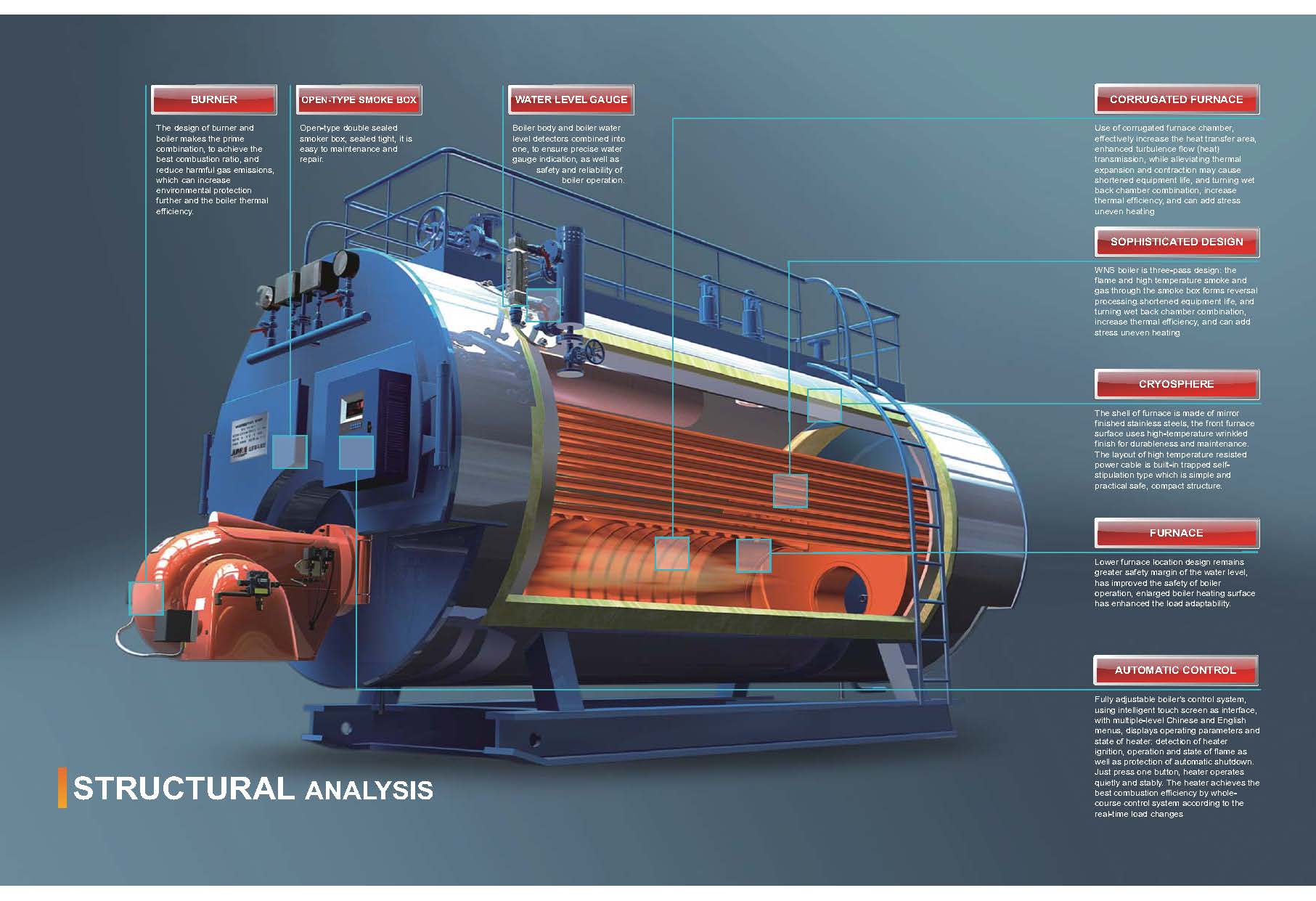
Industrial gas-fired boilers are critical assets in many industries, including food processing, chemical production, pharmaceuticals, textiles, and power generation. These boilers must operate continuously under demanding conditions, producing steam reliably while maintaining strict standards for efficiency, safety, and environmental performance. However, like any complex industrial equipment, boilers experience wear and degradation over time. Components such as burners, pumps, heat exchangers, valves, and sensors can gradually deteriorate, leading to reduced performance or unexpected failures. Traditional maintenance strategies—such as reactive maintenance after failure or scheduled maintenance based on fixed intervals—often fail to detect early warning signs of equipment problems. As a result, facilities may face unplanned downtime, increased maintenance costs, and potential safety risks. To address these challenges, many industrial operators are turning to AI-based predictive maintenance, a data-driven approach that uses artificial intelligence to monitor equipment health and predict failures before they occur.
AI-based predictive maintenance improves industrial gas-fired boiler reliability by continuously analyzing operational data from sensors, detecting abnormal patterns, and predicting potential equipment failures before they happen. By combining machine learning algorithms, real-time monitoring systems, and historical performance data, predictive maintenance systems enable operators to schedule maintenance proactively, reduce unplanned downtime, extend equipment lifespan, and maintain stable boiler performance.
Understanding how AI-based predictive maintenance enhances boiler reliability requires examining how modern data analytics, sensor technology, and machine learning models work together to monitor equipment condition and optimize maintenance strategies.
AI-based predictive maintenance can detect early signs of equipment failure in industrial boilers.True
Machine learning algorithms analyze sensor data patterns to identify anomalies that indicate developing equipment faults.
Predictive maintenance completely eliminates the need for regular equipment inspections.False
Predictive maintenance improves monitoring and maintenance planning but does not replace necessary inspections and safety checks.
Traditional Maintenance Approaches and Their Limitations
Historically, industrial boiler maintenance has relied on two primary strategies:
• Reactive maintenance – repairing equipment only after it fails.
• Preventive maintenance – performing scheduled maintenance at fixed intervals regardless of equipment condition.
While these methods can maintain basic system functionality, they have several limitations.
Reactive maintenance often results in unexpected failures and costly downtime. Preventive maintenance may lead to unnecessary servicing of components that are still functioning properly.
Table 1: Comparison of Traditional Maintenance Strategies
| Maintenance Strategy | Advantages | Limitations |
|---|---|---|
| Reactive maintenance | Minimal planning required | High downtime risk |
| Preventive maintenance | Scheduled maintenance planning | May waste maintenance resources |
| Predictive maintenance | Data-driven maintenance decisions | Requires advanced monitoring systems |
AI-based predictive maintenance addresses these limitations by providing real-time insight into equipment condition.
Core Components of AI-Based Predictive Maintenance Systems
Predictive maintenance systems rely on multiple technologies working together to monitor and analyze boiler performance.
Key components include:
• Industrial sensors and data acquisition systems
• Cloud-based data storage platforms
• Machine learning algorithms
• Real-time monitoring dashboards
• Automated alert systems
Sensors installed throughout the boiler system collect operational data continuously, allowing AI systems to analyze equipment performance.
Table 2: Common Sensors Used in Boiler Monitoring
| Sensor Type | Monitored Parameter |
|---|---|
| Temperature sensors | Heat exchanger and combustion temperatures |
| Pressure sensors | Steam pressure and system pressure |
| Flow meters | Fuel and water flow rates |
| Oxygen sensors | Combustion efficiency |
| Vibration sensors | Pump and fan mechanical health |
These sensors generate large volumes of operational data that AI systems use for analysis.
Data Collection and Real-Time Monitoring
The first step in predictive maintenance is collecting high-quality operational data from the boiler system. Modern industrial boilers may include dozens of sensors monitoring key parameters.
Examples of monitored parameters include:
• Combustion temperature
• Steam pressure stability
• Fuel consumption rate
• Pump vibration levels
• Heat exchanger temperature differences
This data is transmitted to central monitoring systems where it can be analyzed in real time.
Machine Learning for Fault Detection
Artificial intelligence systems use machine learning algorithms to analyze historical and real-time data from boiler operations.
These algorithms can identify patterns associated with normal operation and detect deviations that indicate potential problems.
Examples of detectable issues include:
• Burner inefficiency
• Pump bearing wear
• Heat exchanger fouling
• Sensor calibration drift
• Combustion instability
When abnormal patterns are detected, the system generates alerts for maintenance teams.
Table 3: Examples of Predictive Maintenance Alerts
| Detected Pattern | Potential Issue |
|---|---|
| Increasing vibration levels | Pump or fan bearing wear |
| Rising exhaust temperature | Heat exchanger fouling |
| Irregular combustion signals | Burner malfunction |
| Pressure fluctuation patterns | Control valve issues |
These alerts allow engineers to investigate issues before they cause equipment failure.
Predicting Equipment Failures
One of the most powerful capabilities of AI-based predictive maintenance is the ability to estimate the remaining useful life (RUL) of equipment components.
Machine learning models analyze degradation trends and predict when components may fail if no maintenance action is taken.
This predictive capability enables operators to schedule repairs at optimal times.
Benefits include:
• Reduced unplanned downtime
• Improved maintenance scheduling
• Lower repair costs
• Increased equipment availability
Optimizing Maintenance Scheduling
Predictive maintenance systems help maintenance teams plan servicing activities more efficiently.
Instead of performing maintenance based solely on fixed schedules, maintenance actions can be timed according to actual equipment condition.
This approach helps avoid:
• unnecessary replacement of functional components
• emergency repairs caused by unexpected failures
Table 4: Maintenance Strategy Comparison
| Maintenance Approach | Maintenance Frequency | Downtime Risk |
|---|---|---|
| Preventive maintenance | Fixed intervals | Moderate |
| Predictive maintenance | Condition-based | Low |
Predictive maintenance ensures maintenance resources are used efficiently.
Improving Operational Efficiency
AI-based monitoring systems not only predict failures but also help optimize boiler performance.
By analyzing operational data, AI systems can identify inefficiencies such as:
• suboptimal combustion conditions
• excessive fuel consumption
• heat exchanger fouling reducing heat transfer
Addressing these issues improves energy efficiency and reduces operating costs.
Enhancing Safety in Boiler Operations
Safety is a major concern in industrial boiler systems because they operate under high pressure and temperature conditions.
AI-based predictive maintenance improves safety by identifying conditions that could lead to dangerous failures.
Examples include:
• abnormal pressure fluctuations
• overheating components
• malfunctioning safety valves
• combustion instability
Early detection of these issues allows operators to intervene before accidents occur.
Integration with Smart Control Systems and Industrial IoT
Predictive maintenance systems are often integrated with smart boiler control systems and Industrial Internet of Things (IIoT) platforms.
This integration allows:
• centralized monitoring of multiple boilers
• remote diagnostics by technical experts
• automated performance optimization
• data-driven operational decision-making
Industrial facilities can monitor boiler performance from control rooms or remote locations.
Economic Benefits for Industrial Facilities
Adopting AI-based predictive maintenance offers several economic advantages.
These include:
• reduced maintenance costs
• lower downtime losses
• improved fuel efficiency
• extended equipment lifespan
Even small improvements in reliability can result in substantial financial savings for facilities operating large boiler systems.
Future Trends in AI-Based Boiler Maintenance
As artificial intelligence technologies continue to advance, predictive maintenance systems will become even more sophisticated.
Future developments may include:
• digital twin simulations for boiler systems
• AI-driven autonomous optimization of boiler performance
• advanced anomaly detection algorithms
• fully integrated smart energy management platforms
These innovations will further enhance reliability and efficiency in industrial steam generation.
Summary
AI-based predictive maintenance significantly improves the reliability of industrial gas-fired boilers by enabling continuous monitoring, early fault detection, and data-driven maintenance planning. Through the use of sensors, machine learning algorithms, and real-time analytics, predictive maintenance systems identify abnormal operating patterns and forecast potential equipment failures before they occur. This proactive approach reduces unplanned downtime, enhances operational safety, optimizes maintenance schedules, and extends the lifespan of critical boiler components. As industries increasingly adopt digital technologies and smart automation systems, AI-based predictive maintenance is becoming a key element in the modernization and reliability improvement of industrial boiler operations.
How Will Industrial Decarbonization Policies Influence Industrial Gas-Fired Boiler Innovation?
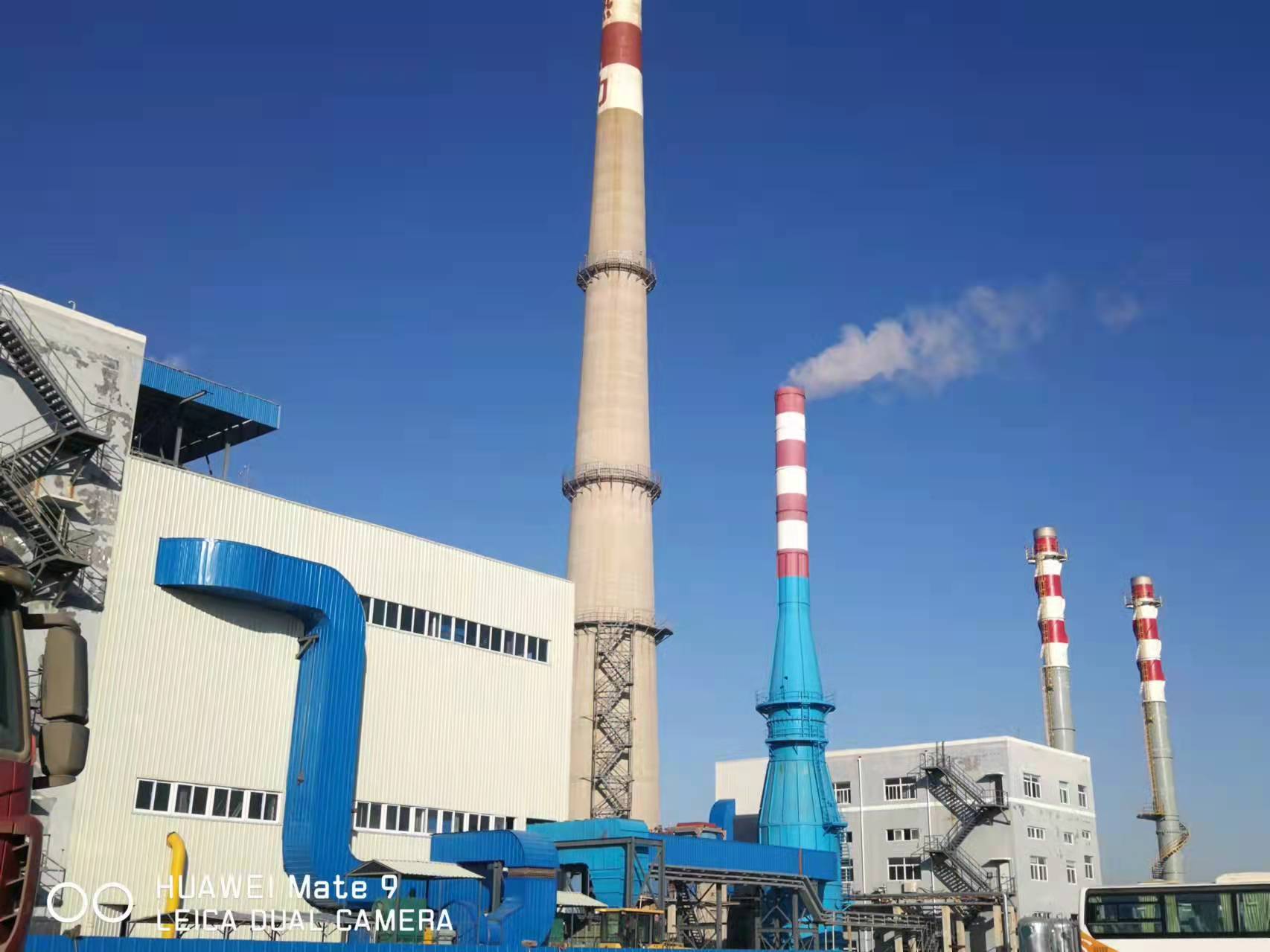
Industrial gas-fired boilers play a vital role in modern manufacturing, providing reliable steam and thermal energy for industries such as food processing, chemicals, pharmaceuticals, textiles, pulp and paper, and district heating. However, the global push toward industrial decarbonization is rapidly reshaping the energy landscape. Governments worldwide are introducing stricter climate policies, carbon reduction targets, and emission regulations to combat climate change and reduce greenhouse gas emissions. While natural gas boilers already emit less carbon dioxide than coal or oil systems, they still contribute to industrial carbon footprints. As a result, industries are under increasing pressure to adopt cleaner technologies that maintain operational efficiency while reducing emissions. This policy-driven transformation is accelerating innovation in boiler design, combustion technologies, heat recovery systems, and digital energy management solutions.
Industrial decarbonization policies are driving innovation in industrial gas-fired boilers by encouraging the development of ultra-high-efficiency systems, hydrogen-ready combustion technologies, advanced heat recovery solutions, ultra-low NOx emission controls, and intelligent digital optimization systems. These innovations help industrial facilities reduce fuel consumption, lower greenhouse gas emissions, comply with environmental regulations, and transition toward low-carbon energy systems while maintaining reliable steam generation.
To understand how these policies influence technological progress, it is important to analyze the regulatory drivers behind decarbonization, the engineering challenges they create, and the innovative solutions emerging within the industrial boiler sector.
Industrial decarbonization policies are accelerating innovation in industrial boiler technologies.True
Stricter emissions regulations and carbon reduction targets are encouraging manufacturers to develop more efficient and low-emission boiler technologies.
Industrial gas-fired boilers will become obsolete immediately under decarbonization policies.False
Rather than eliminating gas-fired boilers entirely, many policies encourage efficiency improvements, hydrogen blending, and hybrid energy systems to reduce emissions gradually.
The Global Policy Landscape for Industrial Decarbonization
Industrial decarbonization policies are being implemented worldwide as part of broader climate strategies aimed at limiting global temperature increases.
Major policy initiatives include:
• Net-zero carbon emission targets
• Carbon pricing and emissions trading systems
• Industrial energy efficiency standards
• Air pollution reduction regulations
• Renewable energy incentives
These policies encourage industries to adopt cleaner energy technologies while maintaining economic productivity.
Table 1: Examples of Global Decarbonization Policies
| Region | Policy Initiative | Key Objective |
|---|---|---|
| European Union | European Green Deal | Net-zero emissions by 2050 |
| United States | Inflation Reduction Act | Clean energy incentives |
| China | Dual Carbon Goals | Carbon peak by 2030, neutrality by 2060 |
| Japan | Green Growth Strategy | Decarbonized industrial sectors |
These policies are shaping the development priorities of boiler manufacturers and energy technology companies.
Efficiency Improvements Driven by Carbon Reduction Goals
One of the most immediate ways to reduce carbon emissions from industrial boilers is to improve thermal efficiency. Higher efficiency means less fuel is required to produce the same amount of steam.
Technologies that improve boiler efficiency include:
• Condensing heat recovery systems
• Advanced economizers
• Intelligent combustion optimization
• Improved insulation materials
• Variable-speed auxiliary equipment
Table 2: Efficiency Improvements in Modern Gas-Fired Boilers
| Boiler Technology | Typical Efficiency |
|---|---|
| Traditional industrial boiler | 80–88% |
| Modern high-efficiency boiler | 90–95% |
| Condensing gas boiler | 96–105% (LHV basis) |
These efficiency improvements significantly reduce fuel consumption and associated carbon emissions.
Ultra-Low Emission Combustion Technologies
Decarbonization policies often include strict air pollution limits, particularly for nitrogen oxide (NOx) emissions. This has accelerated the development of advanced combustion systems.
Key innovations include:
• Ultra-low NOx burners
• Flue gas recirculation systems
• Premixed combustion technologies
• Advanced flame stabilization designs
These technologies reduce pollutant formation during combustion while maintaining high efficiency.
Hydrogen-Ready Boiler Designs
Hydrogen is emerging as a key fuel for decarbonizing industrial heating systems because hydrogen combustion produces water vapor instead of carbon dioxide.
Hydrogen-ready boiler designs allow facilities to gradually transition from natural gas to hydrogen.
Key features of hydrogen-ready boilers include:
• Hydrogen-compatible burners
• Reinforced combustion chambers
• Advanced combustion control systems
• Enhanced safety monitoring technologies
Table 3: Hydrogen Blending and Emission Reduction
| Hydrogen Blend Ratio | Estimated CO₂ Reduction |
|---|---|
| 10% hydrogen | ~3% |
| 20% hydrogen | ~7% |
| 50% hydrogen | ~20% |
| 100% hydrogen | Nearly zero direct CO₂ emissions |
These systems provide a flexible pathway for industrial decarbonization.
Integration of Renewable Energy Systems
Industrial decarbonization policies also encourage integration of renewable energy sources with conventional heating systems.
Hybrid systems may combine gas-fired boilers with:
• Solar thermal systems
• Electric boilers powered by renewable electricity
• Waste heat recovery units
• Thermal energy storage systems
This integration allows facilities to reduce fossil fuel consumption while maintaining reliable energy supply.
Digitalization and Smart Energy Management
Digital technologies play a crucial role in improving boiler efficiency and reducing emissions.
Smart control systems and AI-based analytics enable:
• Real-time combustion optimization
• Predictive maintenance for reliability
• Energy consumption monitoring
• Automated performance optimization
These digital tools help operators reduce fuel consumption and maintain optimal boiler performance.
Carbon Capture Integration
Another emerging innovation influenced by decarbonization policies is the integration of carbon capture technologies with industrial boiler systems.
Carbon capture systems can separate carbon dioxide from exhaust gases before they enter the atmosphere.
While still developing, this technology may allow gas-fired boilers to operate with minimal carbon emissions.
Economic and Operational Impacts on Industry
Industrial decarbonization policies create both challenges and opportunities for boiler operators.
Challenges include:
• Increased capital investment for cleaner technologies
• Compliance with stricter emission standards
• Adaptation of existing infrastructure
However, there are also significant benefits:
• Reduced fuel consumption
• Lower environmental compliance costs
• Access to government incentives
• Improved corporate sustainability performance
Role of Boiler Manufacturers in the Energy Transition
Boiler manufacturers are playing a critical role in supporting industrial decarbonization. Many companies are investing heavily in research and development to create next-generation boiler technologies.
Areas of innovation include:
• hydrogen-compatible combustion systems
• ultra-high-efficiency heat recovery designs
• AI-driven energy optimization systems
• modular low-carbon boiler solutions
These innovations help industries adapt to evolving environmental policies.
Future Outlook for Industrial Gas-Fired Boilers
Industrial gas-fired boilers will continue evolving as decarbonization policies become more ambitious. Future systems are likely to incorporate multiple advanced technologies simultaneously.
Potential future developments include:
• fully hydrogen-powered industrial boilers
• hybrid gas-electric steam generation systems
• integrated carbon capture boilers
• AI-driven autonomous boiler plants
These technologies will help industries achieve deep carbon reductions while maintaining reliable steam supply.
Summary
Industrial decarbonization policies are profoundly influencing the evolution of industrial gas-fired boiler technology. By imposing stricter emission standards and promoting low-carbon energy solutions, these policies are driving innovation in areas such as high-efficiency boiler design, ultra-low emission combustion systems, hydrogen-ready fuel flexibility, advanced heat recovery technologies, and intelligent digital energy management. Rather than eliminating gas-fired boilers, decarbonization initiatives are accelerating their transformation into cleaner, more efficient, and more adaptable energy systems. As industries continue transitioning toward sustainable energy solutions, modern gas-fired boilers will play an increasingly important role in bridging the gap between traditional fossil fuel systems and the emerging low-carbon industrial economy.
🔍 Conclusion
Industrial gas-fired boilers are evolving rapidly as new technologies address efficiency, emissions reduction, and digital integration. From advanced burners and heat recovery systems to AI-driven monitoring and hydrogen-compatible designs, these innovations are redefining the role of gas boilers in modern industrial energy systems. Companies that adopt these technologies can achieve greater operational efficiency while meeting increasingly strict environmental requirements.
🔹 Contact us today to explore advanced gas-fired boiler technologies designed for efficiency, reliability, and sustainability. ♨️📊✅
FAQ
What major innovations are shaping the future of industrial gas-fired boilers?
Industrial gas-fired boilers are undergoing significant technological advancements as industries seek higher efficiency, lower emissions, and smarter energy management. One of the most influential innovations is the integration of digital control systems and smart monitoring technologies. These systems use sensors and data analytics to monitor combustion efficiency, fuel consumption, temperature, and pressure in real time. Operators can optimize performance remotely, reduce energy waste, and detect potential failures before they occur.
Another important innovation is the development of ultra-low emission combustion systems. Modern gas-fired boilers are designed with advanced burners that significantly reduce nitrogen oxide (NOx) emissions, helping facilities comply with stricter environmental regulations. These systems optimize air-fuel mixing and combustion stability to minimize pollutant formation.
High-efficiency heat recovery technologies are also transforming boiler performance. Economizers and condensing heat exchangers capture waste heat from exhaust gases and reuse it to preheat feedwater. This process improves thermal efficiency and reduces overall fuel consumption.
Hydrogen-ready boiler technology is another emerging trend. As industries transition toward cleaner fuels, manufacturers are designing boilers that can operate on natural gas today but can be converted to burn hydrogen or hydrogen blends in the future.
Together, these innovations are making industrial gas-fired boilers more efficient, environmentally friendly, and adaptable to the evolving global energy landscape.
How are digital technologies improving industrial gas-fired boiler systems?
Digital technology is revolutionizing the operation and maintenance of industrial gas-fired boilers. Modern boilers increasingly incorporate smart sensors, automation systems, and cloud-based monitoring platforms that provide continuous performance data.
These digital monitoring systems track parameters such as flame stability, fuel flow, steam pressure, water temperature, and emissions levels. By collecting and analyzing this data, operators can identify inefficiencies and make adjustments to improve system performance.
Predictive maintenance is one of the most valuable benefits of digitalization. Instead of relying solely on scheduled maintenance intervals, operators can use data analysis to detect early signs of wear, overheating, or abnormal operating conditions. Maintenance can then be scheduled before a component fails, reducing downtime and repair costs.
Digital controls also improve combustion optimization. Advanced algorithms automatically adjust the air-to-fuel ratio to maintain optimal combustion efficiency under varying load conditions. This reduces fuel consumption while maintaining stable steam production.
Remote monitoring is another advantage. Engineers and plant managers can access real-time boiler data from centralized control centers or mobile devices, enabling faster decision-making and improved operational oversight.
Overall, digital integration is transforming traditional boilers into intelligent energy systems that support efficient industrial operations.
What role do ultra-low emission technologies play in boiler innovation?
Ultra-low emission technologies are playing a critical role in the future of industrial gas-fired boilers as governments worldwide implement stricter environmental regulations. One of the main pollutants produced during gas combustion is nitrogen oxides (NOx), which contribute to air pollution and smog formation.
To address this issue, modern gas-fired boilers use advanced low-NOx or ultra-low-NOx burners. These burners are designed to control flame temperature and improve air-fuel mixing during combustion. Lower flame temperatures reduce the formation of nitrogen oxides while maintaining stable combustion.
Flue gas recirculation (FGR) systems are another innovation used to reduce emissions. These systems redirect a portion of exhaust gases back into the combustion chamber, lowering flame temperature and reducing NOx production.
Selective catalytic reduction (SCR) technology may also be integrated into some large industrial boilers. This process uses catalysts to convert nitrogen oxides into harmless nitrogen and water vapor.
By combining these technologies, modern gas-fired boilers can achieve extremely low emission levels while maintaining high thermal efficiency. This allows industrial facilities to meet environmental standards without compromising productivity.
How does hydrogen-ready boiler technology support future energy transitions?
Hydrogen-ready boiler technology is gaining attention as industries prepare for a transition toward low-carbon energy systems. Traditional gas-fired boilers operate on natural gas, which produces carbon dioxide during combustion. Hydrogen, however, burns without producing carbon dioxide, making it a promising alternative fuel for future industrial heating systems.
Hydrogen-ready boilers are designed to operate on natural gas initially but can be modified to burn hydrogen or hydrogen-natural gas blends when hydrogen infrastructure becomes available. This design allows industries to invest in new equipment without risking future obsolescence.
Engineers are adapting combustion systems to handle hydrogen’s unique properties. Hydrogen burns at a higher flame speed and requires different air-fuel ratios compared to natural gas. Specialized burners and safety systems are therefore necessary to maintain stable and safe combustion.
Some manufacturers are already developing boilers capable of operating with hydrogen blends of up to 20% or more. As hydrogen production and distribution networks expand, these systems could eventually transition to 100% hydrogen operation.
Hydrogen-ready technology allows industrial facilities to gradually adopt cleaner fuels while maintaining reliable steam production and heating capacity.
How are efficiency improvements reducing energy costs in modern boilers?
Efficiency improvements are a major focus of innovation in industrial gas-fired boilers because fuel costs represent a significant portion of operating expenses. Modern boilers incorporate several technologies designed to maximize energy utilization and minimize waste.
Condensing boiler technology is one of the most effective efficiency improvements. These systems capture latent heat from water vapor in exhaust gases, which would otherwise be lost in conventional boilers. The recovered heat is used to preheat incoming feedwater, increasing overall thermal efficiency.
Economizers also play a crucial role in improving efficiency. These devices capture waste heat from flue gases and use it to raise the temperature of boiler feedwater before it enters the steam drum.
Advanced burner systems contribute to efficiency by ensuring complete combustion and precise air-fuel ratios. Optimized combustion reduces fuel waste and maintains stable heat output.
Improved insulation materials and optimized heat exchanger designs also help minimize heat loss from boiler components.
Through these innovations, modern industrial gas-fired boilers can achieve efficiency levels exceeding 90% in some applications, significantly reducing fuel consumption and operational costs over time.
References
Industrial Boiler Efficiency Guide
https://www.carbontrust.com/resources/guides/energy-efficiency/boilers
Carbon TrustSteam System Best Practices
https://www.energy.gov/eere/amo/steam-system-basics
U.S. Department of EnergyIndustrial Combustion Technologies
https://www.energy.gov/eere/amo/industrial-process-heating
U.S. Department of EnergySmart Grid and Energy Systems
https://www.iea.org/topics/industry
International Energy AgencyLow-NOx Burner Technology
https://www.ge.com/gas-power
GE Gas PowerHydrogen Energy Systems
https://www.iea.org/reports/the-future-of-hydrogen
International Energy AgencyBoiler Monitoring Systems
https://www.siemens-energy.com
Siemens EnergySustainable Industrial Heating
https://www.schneider-electric.com
Schneider ElectricBoiler Engineering and Safety Codes
https://www.asme.org/codes-standards
ASMEIndustrial Energy Efficiency Resources
https://www.epa.gov/e3
U.S. Environmental Protection Agency