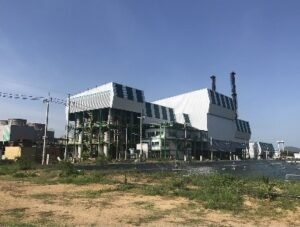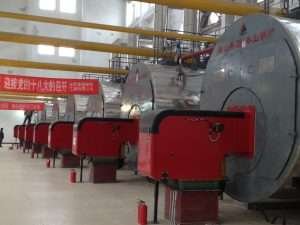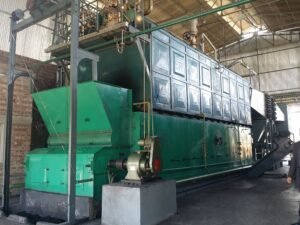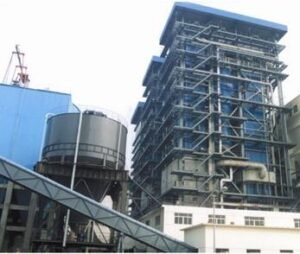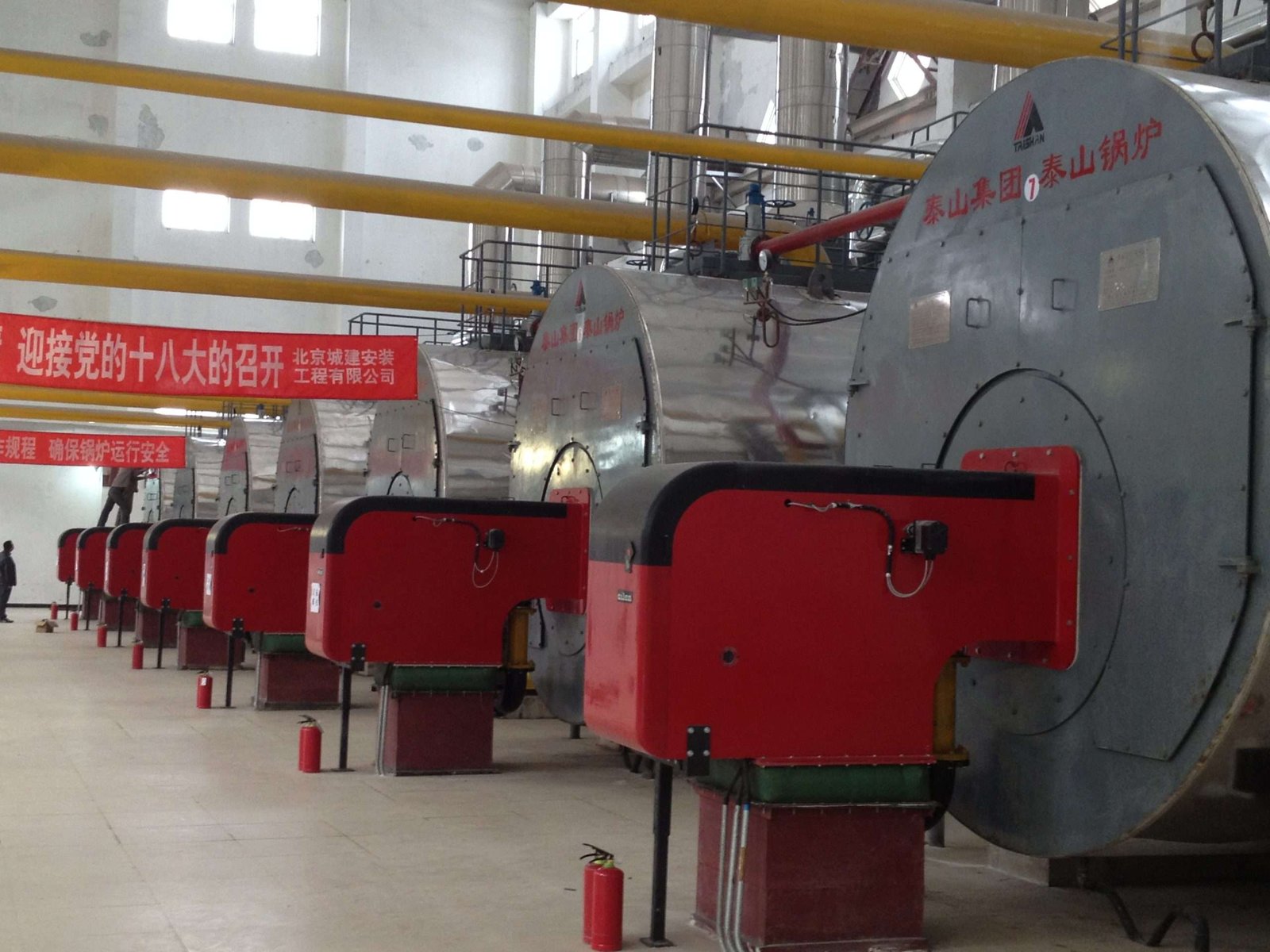
Industrial gas-fired boilers are known for clean combustion, high efficiency, and automated operation, but their reliability and performance depend heavily on consistent and correct maintenance. Neglecting routine maintenance can lead to efficiency losses, unstable combustion, increased gas consumption, unexpected shutdowns, and safety risks. Over time, even small issues—such as burner imbalance or sensor drift—can significantly increase operating costs.
Regular maintenance for industrial gas-fired boilers includes daily operational checks, routine inspection and cleaning of burners and heat exchange surfaces, periodic servicing of valves and safety devices, calibration of control systems, and scheduled inspection of pressure parts and flue gas systems. A structured maintenance program ensures safe operation, high thermal efficiency, and long service life.
Implementing disciplined maintenance practices allows operators to maximize uptime, control fuel costs, and maintain compliance with safety and emission standards.
What Daily and Weekly Operational Checks Are Required for Industrial Gas-Fired Boilers?
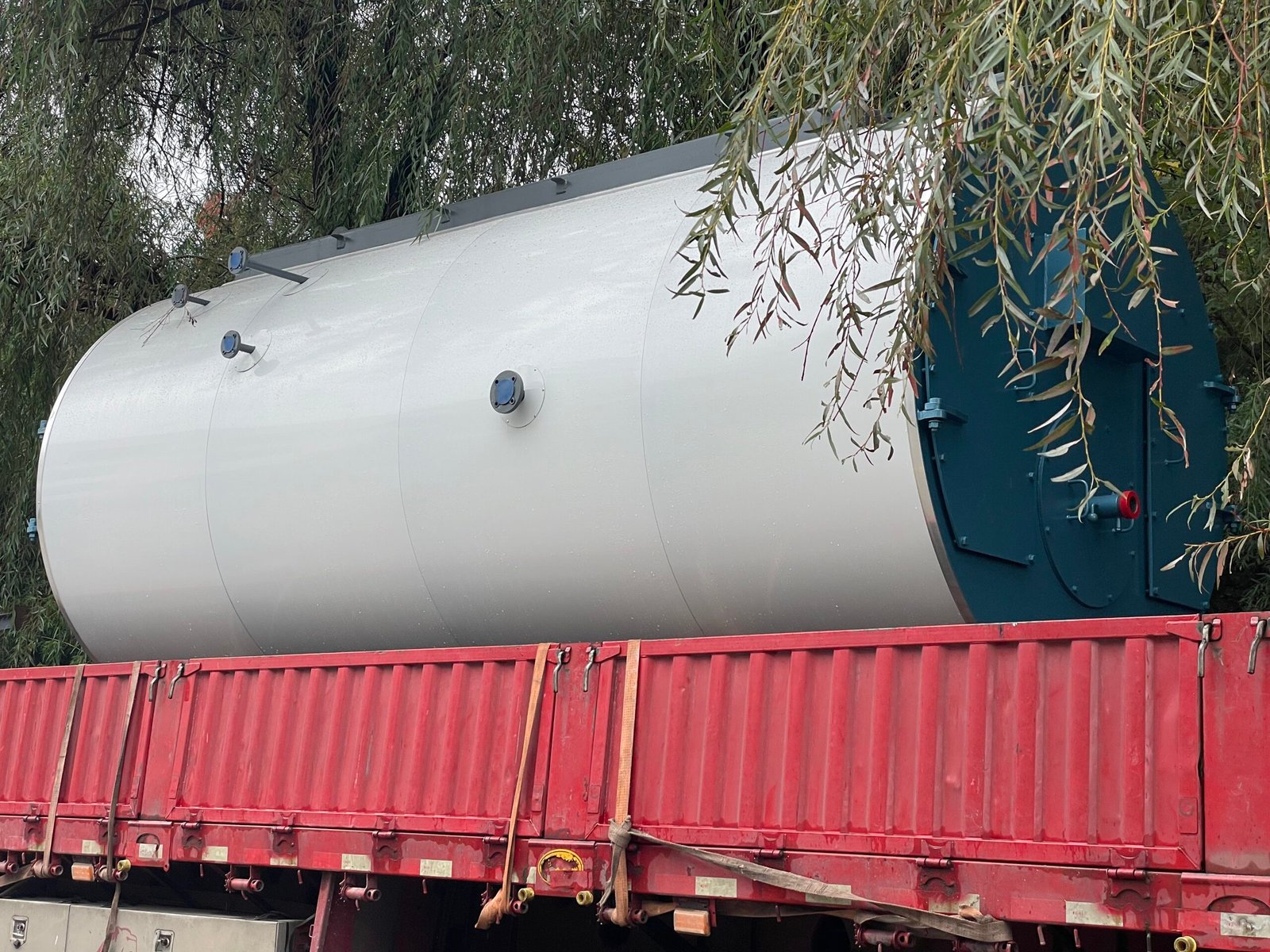
Industrial gas-fired boilers are widely valued for their high efficiency, clean combustion, and fast response to load changes, but these advantages can only be sustained through disciplined daily and weekly operational checks. In practice, many reliability incidents—unexpected shutdowns, flame failures, efficiency loss, or even safety-related events—can be traced back to missed inspections, ignored warning signs, or inconsistent operating routines. When daily checks are rushed or weekly inspections are deferred, small abnormalities quietly develop into forced outages, equipment damage, and safety risks. A structured checklist-based approach transforms routine inspections into a powerful preventive tool that protects both boiler performance and long-term asset integrity.
Daily and weekly operational checks for industrial gas-fired boilers are essential to ensure safe combustion, stable pressure and temperature control, reliable fuel and air supply, correct water chemistry, early fault detection, and sustained efficiency throughout the boiler’s operating life.
Understanding what to check, how often to check it, and why each item matters is fundamental to professional boiler operation.
Gas-fired boilers require minimal routine inspection because gas burns cleanly.False
Although gas combustion is cleaner than solid fuels, gas-fired boilers still require strict daily and weekly checks to prevent safety risks and reliability issues.
Most gas boiler failures give early warning signs that can be detected through routine checks.True
Abnormal readings, flame behavior, pressure fluctuations, and leaks often appear before serious failures occur.
Why Structured Operational Checks Are Critical for Gas-Fired Boilers
Gas-fired boilers operate with combustible fuel, pressurized systems, and high-temperature heat transfer surfaces. While modern automation provides continuous monitoring, it does not replace the need for human observation. Operators are uniquely capable of detecting unusual sounds, odors, vibrations, and subtle visual changes that sensors may not immediately flag.
Daily and weekly checks serve different but complementary purposes. Daily checks focus on immediate safety, operational stability, and visible abnormalities. Weekly checks go deeper, verifying system integrity, control performance, and early-stage degradation.
Daily Operational Checks: Ensuring Immediate Safety and Stability
Daily checks are typically performed once per shift or at least once per operating day. These inspections ensure that the boiler is operating within normal limits and that no developing issue threatens safe operation.
Visual Inspection of the Boiler and Surroundings
Operators should begin each day with a walk-around inspection. This includes checking for gas odors, unusual noise, visible leaks, vibration, or signs of overheating.
Any change from normal appearance or sound is a valuable early warning.
Burner and Flame Observation
Flame quality is one of the most important daily checks. A stable gas flame should be well-shaped, steady, and evenly distributed, without excessive yellowing, lifting, or pulsation.
Abnormal flame behavior often indicates air-fuel imbalance, burner fouling, or gas supply issues.
Gas Supply and Gas Train Checks
Daily inspection of the gas train includes verifying that pressure gauges indicate normal values, valves are in correct positions, and there are no audible leaks.
Even small gas leaks pose serious safety risks and must be addressed immediately.
Combustion Air System Verification
Fans, dampers, and air intakes should be checked for obstruction, abnormal noise, or vibration. Adequate airflow is essential for complete combustion and flame stability.
Restricted airflow increases the risk of incomplete combustion and flame failure.
Boiler Pressure, Temperature, and Load Stability
Operators should confirm that steam pressure, outlet temperature, and firing rate remain stable and match the process demand.
Unexpected fluctuations may indicate control problems or upstream/downstream disturbances.
Feedwater System and Water Level Monitoring
Daily checks include verifying normal feedwater pressure, pump operation, and stable drum or water column level.
Low-water conditions are among the most dangerous boiler risks and require immediate attention.
Table 1: Key Daily Operational Checks for Gas-Fired Boilers
| Check Item | Purpose |
|---|---|
| Flame appearance | Confirms stable combustion |
| Gas pressure | Ensures safe fuel supply |
| Water level | Prevents low-water damage |
| Noise and vibration | Detects mechanical issues |
| Control readings | Confirms stable operation |
Water Treatment and Blowdown Observation
Operators should verify that blowdown is performed according to schedule and that water chemistry indicators remain within target ranges.
Foaming, discoloration, or abnormal conductivity readings signal water quality issues that affect reliability.
Control Panel and Alarm Status Review
All active alarms, interlocks, and fault logs should be reviewed daily. Operators should never ignore or bypass alarms without investigation.
Even cleared alarms provide valuable diagnostic information.
Safety Devices and Interlocks Status
Low-water cutoffs, flame scanners, pressure switches, and gas shutoff valves should indicate ready status.
Any device in bypass or fault condition compromises safety and reliability.
Weekly Operational Checks: Deeper Verification and Preventive Focus
Weekly checks expand beyond immediate operational stability and focus on confirming that systems are performing as designed and that degradation has not begun.
These inspections often require brief load changes, testing sequences, or coordination with maintenance staff.
Burner and Combustion System Inspection
Weekly inspections include checking burner assemblies for fouling, alignment, and signs of overheating. Flame scanners should be inspected for cleanliness and secure mounting.
Minor burner issues, if corrected early, prevent combustion instability and trips.
Gas Train Functional Testing
Weekly checks may include functional testing of gas shutoff valves, pressure switches, and regulators according to site procedures.
Verifying correct response ensures that safety systems will operate correctly during abnormal events.
Control System Performance Review
Operators should review trends for pressure, temperature, oxygen (if monitored), and firing rate. Consistent drift indicates control loop tuning or sensor calibration issues.
Trend analysis transforms raw data into actionable insight.
Feedwater and Pump System Inspection
Weekly checks include inspecting feedwater pumps, seals, bearings, and valves for leakage, overheating, or abnormal vibration.
Pump failures are a common cause of boiler trips and should be proactively managed.
Blowdown and Drain System Verification
Valves, piping, and discharge lines should be checked for leakage or blockage. Proper blowdown protects heat transfer surfaces and prevents carryover.
Blocked or leaking blowdown systems reduce effectiveness and increase risk.
Table 2: Weekly Operational Checks and Reliability Impact
| Weekly Check | Reliability Benefit |
|---|---|
| Burner inspection | Stable combustion |
| Gas valve testing | Improved safety |
| Control trend review | Early fault detection |
| Pump inspection | Reduced trip risk |
| Blowdown system check | Better water quality |
Inspection of Expansion Joints and Ducting
Flue gas ducts, expansion joints, and supports should be inspected for signs of leakage, cracking, or misalignment.
Flue gas leaks reduce efficiency and pose safety hazards.
Stack and Exhaust System Observation
Weekly observation of stack discharge can reveal combustion quality changes. Excessive condensation, unusual color, or odor indicates combustion or control issues.
Stack behavior is a valuable diagnostic indicator.
Verification of Instrument Accuracy
Operators should compare local gauges with control system readings to identify sensor drift.
Instrumentation errors can lead to incorrect control actions and unsafe conditions.
Safety Valve and Relief Path Checks
While full safety valve testing is periodic rather than weekly, operators should verify that discharge paths are unobstructed and valves show no signs of leakage.
Blocked relief paths compromise boiler safety.
Documentation and Logbook Review
Weekly review of operating logs helps identify recurring issues, deviations, or trends that may not be obvious day-to-day.
Good documentation supports reliability analysis.
Coordination Between Operations and Maintenance
Weekly checks provide an opportunity for operators to communicate emerging concerns to maintenance teams before failures occur.
This collaboration reduces reactive maintenance.
Table 3: Daily vs. Weekly Check Focus
| Frequency | Primary Focus |
|---|---|
| Daily | Immediate safety and stability |
| Weekly | System integrity and trends |
| Both | Early problem detection |
Common Problems Detected Through Routine Checks
Field experience shows that daily and weekly checks frequently detect air-fuel imbalance, feedwater instability, gas pressure drift, sensor fouling, and early pump wear.
Correcting these issues early prevents outages.
Human Factors and Checklist Discipline
The effectiveness of checks depends on discipline and consistency. Checklists should be followed methodically rather than treated as routine paperwork.
Well-trained operators understand why each item matters.
Integration With Automation and Monitoring Systems
Manual checks complement digital monitoring. When operators compare observations with data trends, diagnostic accuracy improves significantly.
Human observation and automation work best together.
Safety and Compliance Considerations
Many insurance and regulatory frameworks require documented daily and weekly boiler inspections. Failure to perform or record checks increases legal and safety risk.
Compliance supports reliability.
Economic Benefits of Routine Checks
Routine checks cost little compared to the cost of forced outages, emergency repairs, or safety incidents.
They represent one of the highest-return reliability practices.
Supporting Long-Term Boiler Lifespan
By preventing abnormal operation, reducing thermal stress, and protecting pressure parts, daily and weekly checks directly extend boiler service life.
Consistency over years delivers cumulative benefits.
Adapting Checklists to Site-Specific Conditions
While core checks are universal, site-specific factors such as boiler size, operating pressure, and process load should shape final checklists.
Customization improves effectiveness.
Training Operators to Perform Meaningful Checks
Training ensures operators do not simply record numbers, but interpret them. Understanding normal ranges and deviations is essential.
Knowledge transforms inspection into prevention.
Continuous Improvement of Operational Checks
Checklists should evolve based on operating experience, incident analysis, and equipment upgrades.
Living procedures support long-term reliability.
Summary of Key Requirements
Daily checks focus on safety, combustion stability, water level, and immediate abnormalities. Weekly checks verify system integrity, control performance, and early degradation.
Together, they form a preventive reliability framework.
Daily and weekly operational checks are fundamental to the safe, efficient, and reliable operation of industrial gas-fired boilers. By systematically inspecting combustion systems, gas supply, water levels, controls, and auxiliary equipment, operators can detect early warning signs, prevent unsafe conditions, and stabilize performance. When performed with discipline, understanding, and consistency, these routine checks significantly reduce failures, extend boiler lifespan, and protect both personnel and assets. In modern boiler operation, structured operational checks are not optional tasks—they are essential engineering controls that underpin long-term reliability.
How Should Burners, Ignition Systems, and Fuel Supply Components Be Inspected and Maintained?

In industrial boiler systems, burners, ignition systems, and fuel supply components form the core interface between energy input and heat generation. Despite their critical role, many combustion-related failures originate not from sudden equipment defects, but from gradual degradation, contamination, misalignment, or neglected maintenance. Poor flame stability, nuisance trips, delayed ignition, fuel leakage, or incomplete combustion often trace back to overlooked inspection details. When these systems are not inspected and maintained systematically, reliability declines, safety risks increase, and efficiency losses accumulate over time. A disciplined inspection and maintenance strategy transforms combustion equipment from a frequent failure point into a stable, predictable foundation for long-term boiler operation.
Burners, ignition systems, and fuel supply components should be inspected and maintained through structured daily observation, periodic detailed inspection, functional testing, cleaning, calibration, and condition-based replacement to ensure safe ignition, stable combustion, high efficiency, and long-term boiler reliability.
Combustion systems are dynamic and sensitive; their health depends as much on operational discipline as on mechanical design.
Modern burners require little maintenance because combustion control systems compensate for wear and fouling.False
Control systems cannot fully compensate for mechanical wear, fouling, or ignition degradation, which still require regular inspection and maintenance.
Most flame failures and burner trips are preceded by detectable mechanical or operational warning signs.True
Delayed ignition, unstable flame shape, pressure fluctuations, and sensor fouling usually appear before combustion-related shutdowns.
Why Combustion System Maintenance Is Critical to Boiler Reliability
Burners and fuel systems operate in harsh environments involving heat, vibration, pressure fluctuations, and combustion byproducts. Small deviations in fuel flow, air distribution, or ignition timing can destabilize the flame and stress boiler pressure parts.
Unlike many auxiliary components, combustion equipment directly affects safety. Ignition failure, flame instability, or fuel leakage can escalate rapidly if not detected early.
Maintenance Philosophy: From Reactive Repair to Preventive Control
Effective maintenance is not limited to fixing failures. It focuses on preventing abnormal combustion conditions before they trigger trips or damage.
A layered approach combining routine observation, scheduled inspection, and functional testing is essential.
Daily Observation of Burners and Flame Behavior
Daily checks are primarily visual and auditory. Operators should observe flame shape, color, length, and stability through sight ports or monitoring systems.
A normal flame is steady, well-defined, and appropriately colored. Any deviation—such as flame lift-off, yellowing, pulsation, or noise—signals a developing issue.
Listening for Combustion-Related Abnormalities
Unusual rumbling, popping, or oscillation sounds often indicate air-fuel imbalance, burner fouling, or ignition instability.
Auditory cues are often the earliest indicators of combustion problems.
Visual Inspection of Burner Assemblies
Burner tiles, nozzles, diffusers, and registers should be inspected regularly for cracking, warping, erosion, or fouling.
Mechanical distortion alters air distribution and destabilizes combustion.
Inspection and Maintenance of Ignition Systems
Ignition systems must reliably ignite fuel within a defined time window. Delayed or weak ignition increases the risk of flame failure and explosive ignition events.
Ignition Electrodes and Spark Rods
Electrodes should be inspected for proper gap, alignment, and cleanliness. Carbon buildup, oxidation, or misalignment weakens spark intensity.
Even minor electrode degradation can cause intermittent ignition failure.
Ignition Transformers and Wiring
Transformers, cables, and connectors should be inspected for insulation damage, loose connections, or overheating.
Electrical integrity is critical for consistent ignition energy delivery.
Pilot Burner Inspection and Cleaning
For systems with pilot flames, pilot burners must be clean, properly aligned, and adequately supplied with fuel and air.
A weak pilot flame often causes delayed main burner ignition.
Flame Detection and Scanning Devices
Flame scanners, UV sensors, or infrared detectors confirm flame presence. These devices must be clean, correctly positioned, and securely mounted.
Fouled or misaligned flame detectors cause nuisance trips and false flame failure signals.
Table 1: Ignition System Inspection Focus and Impact
| Component | Inspection Focus | Reliability Impact |
|---|---|---|
| Electrodes | Gap and cleanliness | Reliable ignition |
| Pilot burner | Flame strength | Stable light-off |
| Flame scanner | Clean signal path | Fewer nuisance trips |
| Wiring | Secure connections | Consistent operation |
Fuel Supply Component Inspection and Maintenance
Fuel supply systems must deliver stable pressure and flow under all operating conditions. Instability in fuel delivery directly affects combustion quality and safety.
Gas Train or Liquid Fuel Line Inspection
Valves, regulators, filters, and piping should be inspected for leakage, corrosion, vibration, and mechanical damage.
Fuel leaks are among the most serious safety hazards in boiler operation.
Fuel Pressure and Flow Stability
Pressure gauges and transmitters should be checked for normal readings and stability. Fluctuating pressure often indicates regulator problems or upstream supply issues.
Stable fuel delivery is essential for flame stability.
Fuel Filters and Strainers
Filters protect burners from debris that can clog nozzles or damage valves. Fouled filters restrict flow and destabilize combustion.
Regular inspection and cleaning prevent sudden fuel starvation.
Safety Shutoff Valves and Interlocks
Automatic shutoff valves must close tightly and respond within specified times. Periodic functional testing verifies correct operation.
These components are critical safety barriers.
Air-Fuel Ratio and Mixing Hardware Inspection
Burner registers, dampers, and linkages control air distribution. Misalignment or sticking dampers cause uneven mixing and incomplete combustion.
Mechanical freedom and calibration are essential.
Scheduled Cleaning of Burners and Fuel Components
Combustion byproducts, dust, and fuel impurities accumulate over time. Scheduled cleaning prevents fouling-related instability.
Cleaning intervals should be based on operating hours, fuel quality, and observed conditions.
Calibration and Adjustment After Maintenance
Any maintenance activity affecting air or fuel flow requires recalibration. Burner tuning ensures correct air-fuel ratio across the load range.
Proper tuning improves efficiency and reduces emissions.
Table 2: Maintenance Activities and Failure Prevention
| Activity | Prevented Failure |
|---|---|
| Burner cleaning | Flame instability |
| Electrode adjustment | Ignition delay |
| Filter replacement | Fuel starvation |
| Valve testing | Unsafe fuel flow |
Functional Testing Under Controlled Conditions
Functional testing verifies that systems respond correctly during startup, shutdown, and abnormal events.
Testing should follow approved procedures to avoid unnecessary risk.
Startup and Light-Off Verification
Ignition timing, flame establishment, and transition to stable firing should be verified periodically.
Delayed ignition is a warning sign that must not be ignored.
Trip and Interlock Testing
Simulated fault testing ensures that fuel shutoff and purge sequences operate correctly.
These tests validate safety integrity.
Integration With Control and Automation Systems
Burners and fuel systems are closely linked to control logic. Maintenance should include verification of control signals, feedback loops, and permissive logic.
Mechanical and digital systems must operate as a coordinated whole.
Documentation and Trend Analysis
Inspection findings, adjustments, and test results should be recorded. Trend analysis reveals recurring issues and gradual degradation.
Documentation supports predictive maintenance.
Table 3: Inspection Frequency and Depth
| Frequency | Scope |
|---|---|
| Daily | Flame and sound observation |
| Weekly | Visual and functional checks |
| Periodic | Detailed inspection and testing |
Human Factors and Maintenance Discipline
Combustion equipment maintenance requires skilled personnel who understand both mechanical and combustion principles.
Training ensures inspections are meaningful, not superficial.
Safety Precautions During Inspection and Maintenance
Fuel systems involve explosion risk. Lockout, isolation, purging, and gas detection procedures must be strictly followed.
Safety discipline protects personnel and equipment.
Common Failure Patterns Linked to Poor Maintenance
Field experience shows that delayed ignition, nuisance trips, burner overheating, and flame scanner faults are often maintenance-related rather than design-related.
Preventive maintenance eliminates these chronic issues.
Impact on Efficiency and Emissions
Well-maintained burners operate closer to optimal air-fuel ratios, improving thermal efficiency and reducing emissions.
Maintenance directly supports regulatory compliance.
Long-Term Impact on Boiler Lifespan
Stable combustion reduces localized overheating, flame impingement, and thermal cycling of pressure parts.
Proper combustion maintenance indirectly extends boiler life.
Coordination Between Operations and Maintenance
Operators often detect early combustion issues. Maintenance teams must act promptly on operator feedback.
Collaboration improves outcomes.
Continuous Improvement of Maintenance Practices
Inspection routines should evolve based on failure history, fuel changes, and equipment upgrades.
Learning from experience strengthens reliability.
Summary of Best Practices
Effective inspection and maintenance of burners, ignition systems, and fuel supply components combine routine observation, periodic detailed inspection, cleaning, functional testing, calibration, and disciplined documentation.
Burners, ignition systems, and fuel supply components should be inspected and maintained through a structured, multi-layered approach that emphasizes safety, consistency, and early fault detection. By observing flame behavior daily, inspecting and cleaning critical components regularly, testing safety devices, and maintaining stable fuel and air delivery, operators and maintenance teams can prevent combustion-related failures, improve efficiency, and protect boiler pressure parts. In industrial boiler operation, disciplined combustion system maintenance is not merely a routine task—it is a central pillar of long-term reliability and safe performance.
What Routine Cleaning and Inspection Are Required for Heat Exchange Surfaces and Flue Gas Paths?
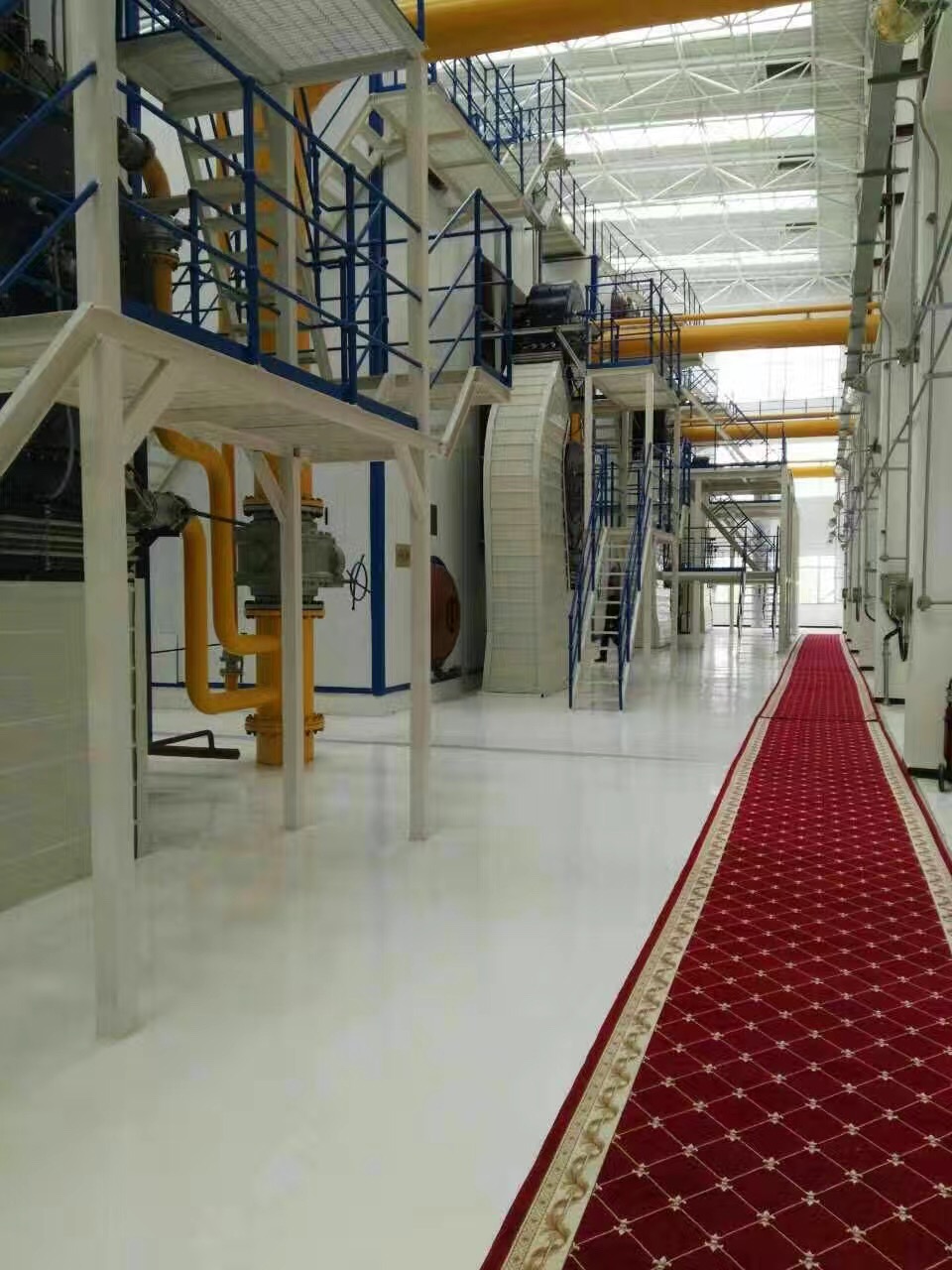
In industrial boiler operation, heat exchange surfaces and flue gas paths quietly determine efficiency, reliability, emissions, and equipment lifespan. However, fouling, slagging, soot deposition, corrosion, and erosion gradually degrade these areas during normal operation. When routine cleaning and inspection are neglected, heat transfer efficiency declines, fuel consumption rises, draft losses increase, and tube metal temperatures climb, significantly increasing the risk of tube leaks, forced outages, and premature boiler failure. Because these problems develop progressively rather than suddenly, disciplined routine cleaning and inspection are essential to maintaining long-term boiler health and performance.
Routine cleaning and inspection of heat exchange surfaces and flue gas paths are required to preserve heat transfer efficiency, maintain proper gas flow and draft, prevent corrosion and overheating, reduce emissions, and protect boiler pressure parts throughout the equipment’s service life.
Rather than being a purely maintenance activity, heat surface and flue path management is a core operational discipline that directly influences boiler economics and reliability.
Heat exchanger fouling mainly affects efficiency but has little impact on boiler reliability.False
Fouling increases tube metal temperature, draft losses, and localized overheating, which significantly raises the risk of tube failure.
Most boiler tube overheating problems are linked to deposits or fouling on heat transfer surfaces.True
Deposits act as insulation, forcing higher metal temperatures and accelerating creep, fatigue, and corrosion damage.
Why Heat Exchange Surfaces and Flue Gas Paths Require Routine Attention
Boiler heat exchange surfaces are continuously exposed to high-temperature flue gases, ash particles, corrosive compounds, and thermal cycling. Even in clean-burning gas-fired boilers, dust, condensates, and corrosion products accumulate over time.
Flue gas paths must remain open, smooth, and gas-tight to ensure proper draft, stable combustion, and effective heat recovery. Any restriction or leakage disrupts this balance.
Relationship Between Clean Surfaces and Boiler Efficiency
Heat transfer efficiency depends on direct contact between hot flue gas and clean metal surfaces. Deposits reduce thermal conductivity and disrupt gas-side heat transfer coefficients.
As fouling increases, more fuel is required to achieve the same steam output, raising operating costs and emissions.
Impact on Tube Metal Temperature and Lifespan
When deposits form, the metal beneath must reach higher temperatures to transfer heat. Elevated metal temperatures accelerate creep, oxidation, and microstructural degradation.
Over time, this leads to thinning, cracking, and eventual tube rupture.
Types of Deposits and Fouling Mechanisms
Different boilers experience different fouling mechanisms depending on fuel type, combustion quality, and operating conditions.
Common issues include soot accumulation, ash deposition, corrosion products, and condensate-related fouling.
Soot and Ash Accumulation
Incomplete combustion, low excess air, or poor burner tuning increase soot formation. Ash particles may deposit on tubes and finned surfaces, especially in economizers and air preheaters.
Soot acts as an insulating layer that significantly reduces heat transfer.
Slagging and High-Temperature Deposition
In high-temperature zones, molten ash or sticky particles can adhere to furnace walls and superheater tubes, forming hard slag layers.
These deposits are difficult to remove and severely disrupt heat absorption.
Corrosion and Condensate Fouling
In low-temperature sections, acidic condensates may form if flue gas temperature drops below the dew point. This leads to corrosion products that further restrict gas flow.
Condensate fouling is particularly damaging to economizers and flue ducts.
Routine Inspection of Heat Exchange Surfaces
Inspection aims to identify fouling, corrosion, erosion, deformation, or leakage before failures occur.
Visual access, measurement, and trend comparison are key inspection tools.
Visual Inspection During Operation and Outages
During operation, inspection ports and infrared monitoring can reveal hot spots, uneven temperature distribution, or abnormal gas flow patterns.
During outages, internal visual inspection allows direct assessment of deposit thickness, corrosion, and tube condition.
Monitoring of Temperature and Draft Indicators
Rising flue gas exit temperature or increased draft loss across heat exchangers often signals fouling.
Trend monitoring provides early warning before performance loss becomes severe.
Table 1: Indicators of Fouling and Their Implications
| Indicator | Likely Condition |
|---|---|
| Rising stack temperature | Heat transfer degradation |
| Increased fan power | Flue path restriction |
| Uneven tube color | Localized overheating |
| Reduced efficiency | Surface fouling |
Routine Cleaning of Heat Exchange Surfaces
Cleaning restores heat transfer and gas flow. The method and frequency depend on fuel type, boiler design, and operating severity.
Cleaning should be proactive rather than reactive.
Online Cleaning Methods
Online cleaning methods allow deposit removal during operation, minimizing downtime.
Soot blowers, sonic horns, and air or steam lances dislodge loose deposits before they harden.
Online cleaning maintains stable performance between outages.
Offline Mechanical Cleaning
During shutdowns, mechanical methods such as brushing, scraping, or water washing remove more stubborn deposits.
Offline cleaning is essential for areas inaccessible to online systems.
Chemical Cleaning for Water-Side Deposits
While gas-side fouling is most common, water-side deposits also affect heat transfer. Chemical cleaning removes scale and corrosion products from internal surfaces.
Proper chemical cleaning restores design heat flux and prevents under-deposit corrosion.
Inspection and Cleaning of Flue Gas Paths
Flue gas paths include furnace exits, convection passes, economizers, ducts, expansion joints, and stacks.
These areas must remain unobstructed and gas-tight.
Checking for Blockage and Build-Up
Ash accumulation, fallen refractory, or corrosion debris can partially block gas flow, increasing draft loss and fan load.
Routine inspection prevents progressive restriction.
Inspection of Expansion Joints and Duct Seals
Leaks at expansion joints or duct seams allow cold air ingress, reducing efficiency and altering combustion conditions.
Air ingress also accelerates low-temperature corrosion.
Cleaning of Economizers and Air Preheaters
Economizers and air preheaters are particularly prone to fouling due to lower operating temperatures.
Routine cleaning prevents corrosion, maintains heat recovery, and protects downstream equipment.
Table 2: Cleaning Methods and Applications
| Cleaning Method | Application Area |
|---|---|
| Soot blowing | Furnace and convection tubes |
| Water washing | Economizers, ducts |
| Mechanical brushing | Superheaters, banks |
| Chemical cleaning | Water-side surfaces |
Inspection for Corrosion and Erosion Damage
High gas velocities and abrasive particles cause erosion, while acidic compounds drive corrosion.
Inspectors should look for thinning, pitting, or grooving, especially at bends and leading edges.
Identification of Hot Spots and Thermal Imbalance
Uneven deposit patterns cause uneven heat absorption. Thermal imaging and visual indicators help locate hot spots.
Correcting deposit distribution improves reliability.
Frequency of Cleaning and Inspection
Frequency depends on fuel type, load profile, and combustion quality. However, all boilers benefit from defined routines.
Daily monitoring, weekly observation, and periodic detailed inspection form a layered approach.
Table 3: Typical Inspection and Cleaning Frequency
| Frequency | Activity |
|---|---|
| Daily | Monitor temperatures and draft |
| Weekly | Visual checks and soot blowing |
| Periodic outage | Detailed inspection and cleaning |
Integration With Combustion and Operation Practices
Poor combustion increases fouling rate. Burner tuning and air-fuel control directly affect deposit formation.
Cleaning routines should be coordinated with combustion optimization.
Documentation and Trend Analysis
Recording inspection findings, cleaning frequency, and performance metrics allows trend analysis.
Data-driven decisions improve maintenance planning.
Safety Considerations During Cleaning
Cleaning activities expose personnel to heat, dust, and confined spaces. Proper isolation, cooling, and protective equipment are essential.
Safety procedures protect both people and equipment.
Impact on Emissions and Compliance
Clean heat exchange surfaces promote complete combustion and stable temperatures, reducing CO, NOx variability, and particulate emissions.
Regulatory compliance benefits from consistent cleanliness.
Economic Benefits of Routine Cleaning
Fuel savings, reduced fan power, fewer tube failures, and extended outage intervals deliver strong economic returns.
Cleaning is far less costly than unplanned repairs.
Common Failure Patterns Linked to Poor Cleaning
Field experience shows that recurring tube leaks, fan overload, and chronic efficiency loss often trace back to neglected cleaning.
Restoring cleanliness often resolves these issues.
Supporting Long-Term Boiler Lifespan
By limiting overheating, corrosion, and mechanical stress, routine cleaning and inspection protect pressure parts and extend boiler life.
Clean boilers age more slowly.
Coordination Between Operations and Maintenance
Operators provide early warning through performance trends; maintenance executes targeted cleaning.
Collaboration improves effectiveness.
Continuous Improvement of Cleaning Programs
Cleaning strategies should evolve with fuel changes, load patterns, and equipment upgrades.
Adaptive programs deliver better results.
Summary of Best Practices
Routine cleaning and inspection combine monitoring, online cleaning, offline cleaning, and detailed inspection of heat exchange surfaces and flue gas paths.
This integrated approach preserves performance and reliability.
Routine cleaning and inspection of heat exchange surfaces and flue gas paths are essential for maintaining boiler efficiency, reliability, and lifespan. By removing deposits, ensuring unobstructed gas flow, detecting corrosion and erosion early, and preserving uniform heat transfer, these practices prevent overheating, reduce fuel consumption, and minimize failure risk. When executed systematically and supported by monitoring and documentation, cleaning and inspection become powerful preventive tools that protect boiler assets and ensure stable, long-term industrial operation.
How Often Should Safety Devices, Valves, and Protection Systems Be Tested and Serviced?
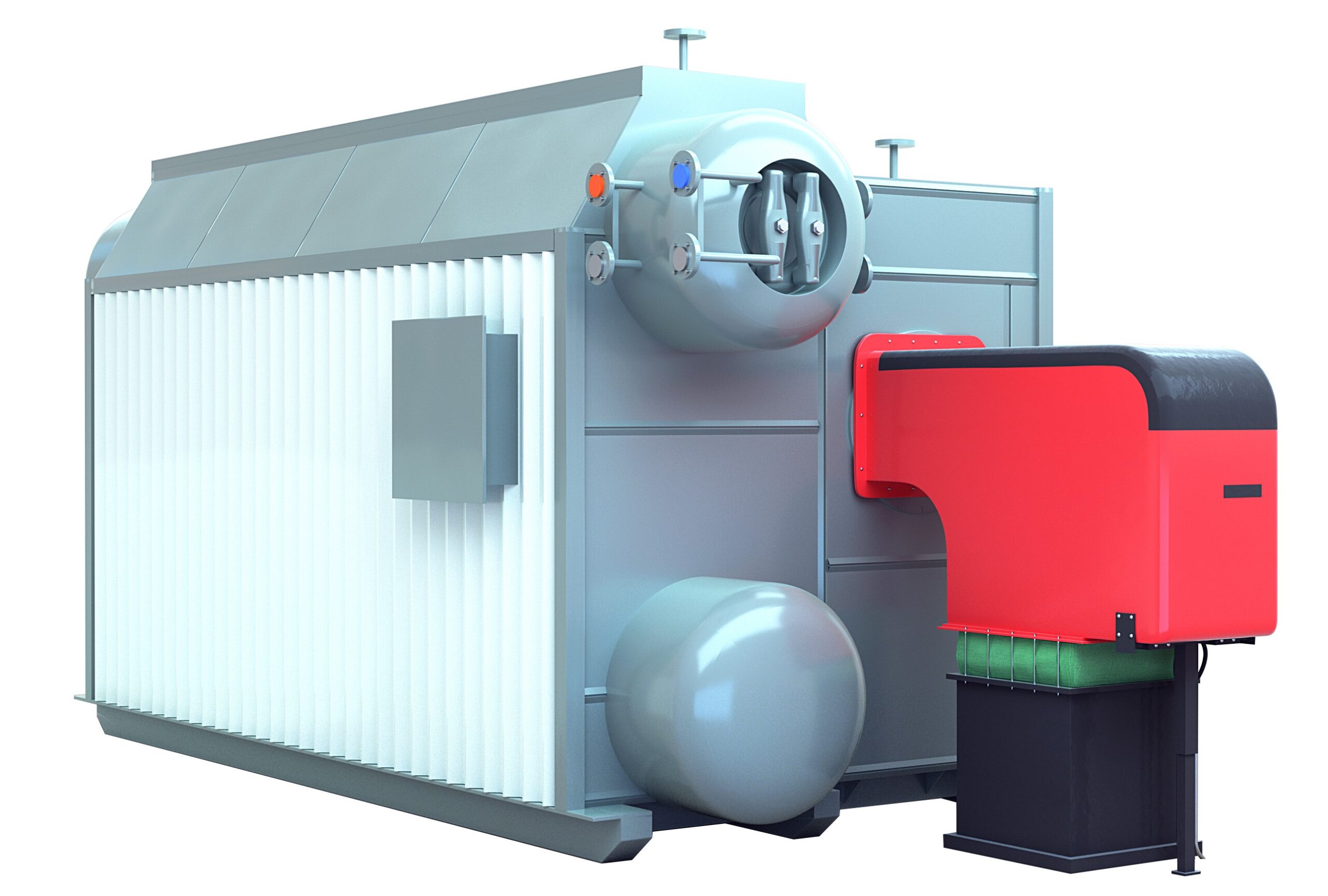
In industrial boiler systems, safety devices, valves, and protection systems represent the last line of defense between stable operation and catastrophic failure. While boilers may operate smoothly for long periods, abnormal conditions such as overpressure, low water level, flame failure, or fuel supply disruption can escalate rapidly if protective systems do not respond exactly as designed. Many serious boiler incidents are not caused by the absence of safety devices, but by devices that were present yet untested, improperly maintained, or unknowingly disabled. Routine testing and servicing ensure that safety systems remain functional, responsive, and trustworthy throughout the boiler’s operating life.
Safety devices, valves, and protection systems must be tested and serviced at defined daily, weekly, periodic, and annual intervals to verify functional response, mechanical integrity, calibration accuracy, and compliance with safety codes, thereby ensuring reliable protection against abnormal and hazardous boiler conditions.
These activities are not optional maintenance tasks; they are essential engineering controls that protect personnel, equipment, and production continuity.
Safety devices rarely fail if they are installed correctly during commissioning.False
Safety devices can degrade, stick, drift out of calibration, or be impaired by corrosion and fouling if not tested and serviced regularly.
Regular functional testing significantly reduces the risk of boiler accidents.True
Routine testing verifies that safety systems respond correctly before abnormal conditions occur, preventing escalation into serious incidents.
Why Testing and Servicing Safety Systems Is Critical
Boiler safety systems are designed to operate infrequently but flawlessly. This paradox makes them especially vulnerable to hidden degradation. Valves may seize, sensors may drift, linkages may corrode, and electrical contacts may fail without obvious symptoms during normal operation.
Without routine testing, operators cannot be confident that protective systems will function when needed most.
Categories of Boiler Safety Devices and Protection Systems
Safety systems include mechanical, electrical, and control-based components. Each category has different failure modes and testing requirements.
Understanding these categories helps define appropriate inspection and servicing frequency.
Pressure Protection Devices
Pressure safety valves, pressure switches, and transmitters protect the boiler from overpressure conditions. These components are critical for preventing rupture of pressure parts.
They require both operational checks and periodic calibration.
Water Level Protection Devices
Low-water cutoffs, level switches, and drum level instrumentation protect against dry firing and overheating.
Water level protection failures are among the most dangerous boiler risks.
Combustion and Flame Safeguard Systems
Flame scanners, ignition interlocks, purge controls, and fuel shutoff valves ensure that fuel is only admitted when safe combustion conditions exist.
These systems prevent explosions and furnace damage.
Fuel and Energy Isolation Devices
Emergency shutoff valves, block valves, and trip systems isolate fuel and energy sources during abnormal events.
Their ability to close fully and rapidly is essential.
Daily and Shift-Based Functional Verification
Some safety checks should be performed daily or once per operating shift. These checks confirm readiness rather than full functional testing.
Visual and Status Checks
Operators should verify that safety devices are in normal operating condition, not bypassed, and free from visible damage or leakage.
Indicators, alarms, and interlock status lights should show ready condition.
Control System and Alarm Review
Daily review of alarm logs ensures that no safety-related faults are being ignored or repeatedly reset without investigation.
Persistent alarms often indicate degrading protection systems.
Weekly and Monthly Functional Testing
Weekly or monthly tests involve limited functional checks that verify response without disrupting operation significantly.
Low-Water Cutoff and Level Switch Testing
Low-water cutoffs should be tested regularly to confirm proper actuation and reset. Testing frequency depends on boiler type and operating code but is commonly weekly or monthly.
These tests ensure that sludge, scale, or mechanical sticking has not impaired operation.
Flame Safeguard and Burner Interlock Tests
Simulated flame failure tests verify that fuel shutoff valves close within specified time limits.
These tests confirm the integrity of flame detection and logic systems.
Pressure Switch and Trip Point Verification
Pressure switches should be tested periodically to confirm correct setpoints and repeatability.
Drift in pressure switches can lead to nuisance trips or unsafe operation.
Table 1: Typical Short-Interval Testing Activities
| Component | Typical Frequency | Purpose |
|---|---|---|
| Low-water cutoff | Weekly / Monthly | Prevent dry firing |
| Flame failure test | Weekly / Monthly | Verify fuel shutoff |
| Alarm review | Daily | Detect hidden faults |
| Visual valve check | Daily | Confirm readiness |
Quarterly and Semi-Annual Testing and Servicing
At longer intervals, more comprehensive testing and inspection are required. These activities often involve partial shutdowns or coordinated testing windows.
Inspection of Safety Valves for Leakage and Condition
Safety valves should be inspected for signs of leakage, corrosion, or tampering. Lift levers may be exercised where permitted by code.
Physical condition directly affects reliability.
Functional Testing of Emergency Shutoff Valves
Emergency fuel shutoff valves should be tested to confirm full closure, correct response time, and proper actuator function.
Valve failure is a critical safety risk.
Calibration of Sensors and Transmitters
Pressure, temperature, and level transmitters should be calibrated at defined intervals to prevent drift.
Accurate sensors are essential for reliable protective logic.
Verification of Control Logic and Interlocks
Protection logic in control systems should be reviewed and tested to ensure permissives and trips function as intended.
Software changes and upgrades make periodic verification essential.
Table 2: Medium-Interval Testing and Maintenance
| System | Typical Interval | Focus |
|---|---|---|
| Emergency shutoff valves | Quarterly / Semi-annual | Closure reliability |
| Pressure transmitters | Semi-annual | Accuracy |
| Interlock logic | Semi-annual | Correct sequencing |
| Flame scanners | Quarterly | Signal integrity |
Annual and Outage-Based Testing
Annual inspections are the most comprehensive and are often required by codes, insurers, and regulatory authorities.
Safety Valve Lift Testing and Certification
Safety valves typically require annual testing, inspection, and certification to verify set pressure and capacity.
Improperly functioning safety valves compromise the entire pressure protection strategy.
Internal Inspection of Safety-Related Components
During outages, internal inspection of level devices, impulse lines, and valve internals reveals corrosion, fouling, or wear not visible externally.
Corrective action during outages prevents future failures.
Integrated System Testing
Annual testing may include integrated scenarios that verify coordinated response across multiple safety systems.
This confirms that the boiler protection philosophy works as a whole.
Table 3: Long-Interval Testing Requirements
| Component | Typical Requirement |
|---|---|
| Safety valves | Annual test and certification |
| Protection system audit | Annual |
| Level device inspection | Outage-based |
| Emergency systems | Annual functional test |
Influence of Codes, Standards, and Insurance Requirements
Testing frequency is influenced by national boiler codes, safety standards, and insurance policies.
Compliance is not only a legal requirement but also a reliability best practice.
Risk-Based Adjustment of Testing Frequency
High-pressure boilers, frequent cycling, harsh water chemistry, or fuel variability may justify more frequent testing.
Risk-based strategies improve safety margins.
Documentation and Traceability
All tests and servicing activities should be documented with dates, results, and corrective actions.
Records provide evidence of compliance and support root-cause analysis.
Human Factors and Bypass Management
Temporary bypasses of safety systems are sometimes necessary for testing or maintenance. Strict controls and authorization are required to prevent unsafe operation.
Bypass discipline is critical.
Consequences of Inadequate Testing
History shows that many boiler accidents involved safety devices that were stuck, isolated, or assumed to work without verification.
Testing prevents false confidence.
Integration With Preventive and Predictive Maintenance
Safety system testing complements preventive maintenance and supports predictive reliability strategies.
Data from testing reveals degradation trends.
Economic Perspective on Safety Testing
The cost of routine testing is negligible compared to the financial and reputational impact of accidents, outages, or regulatory violations.
Safety testing delivers exceptional value.
Supporting Long-Term Boiler Reliability
Reliable safety systems allow boilers to operate confidently within design limits, reducing unnecessary trips and avoiding catastrophic damage.
Safety and reliability are inseparable.
Continuous Improvement of Safety Programs
Testing programs should evolve based on incident analysis, operating experience, and regulatory updates.
Learning strengthens protection.
Summary of Testing Frequency Principles
Daily checks verify readiness, short-interval tests confirm response, and annual inspections certify integrity and compliance.
Layered testing ensures continuous protection.
Safety devices, valves, and protection systems should be tested and serviced at clearly defined daily, weekly, periodic, and annual intervals to ensure they function correctly when abnormal conditions arise. Through routine verification of readiness, regular functional testing, periodic calibration, and comprehensive annual inspection, boiler operators can maintain the integrity of their protective systems, comply with safety regulations, and significantly reduce the risk of accidents and unplanned outages. In industrial boiler operation, disciplined testing and servicing of safety systems are not merely regulatory obligations—they are foundational practices that safeguard lives, assets, and long-term operational reliability.
What Periodic Maintenance Is Needed for Control Systems, Sensors, and Automation Equipment?
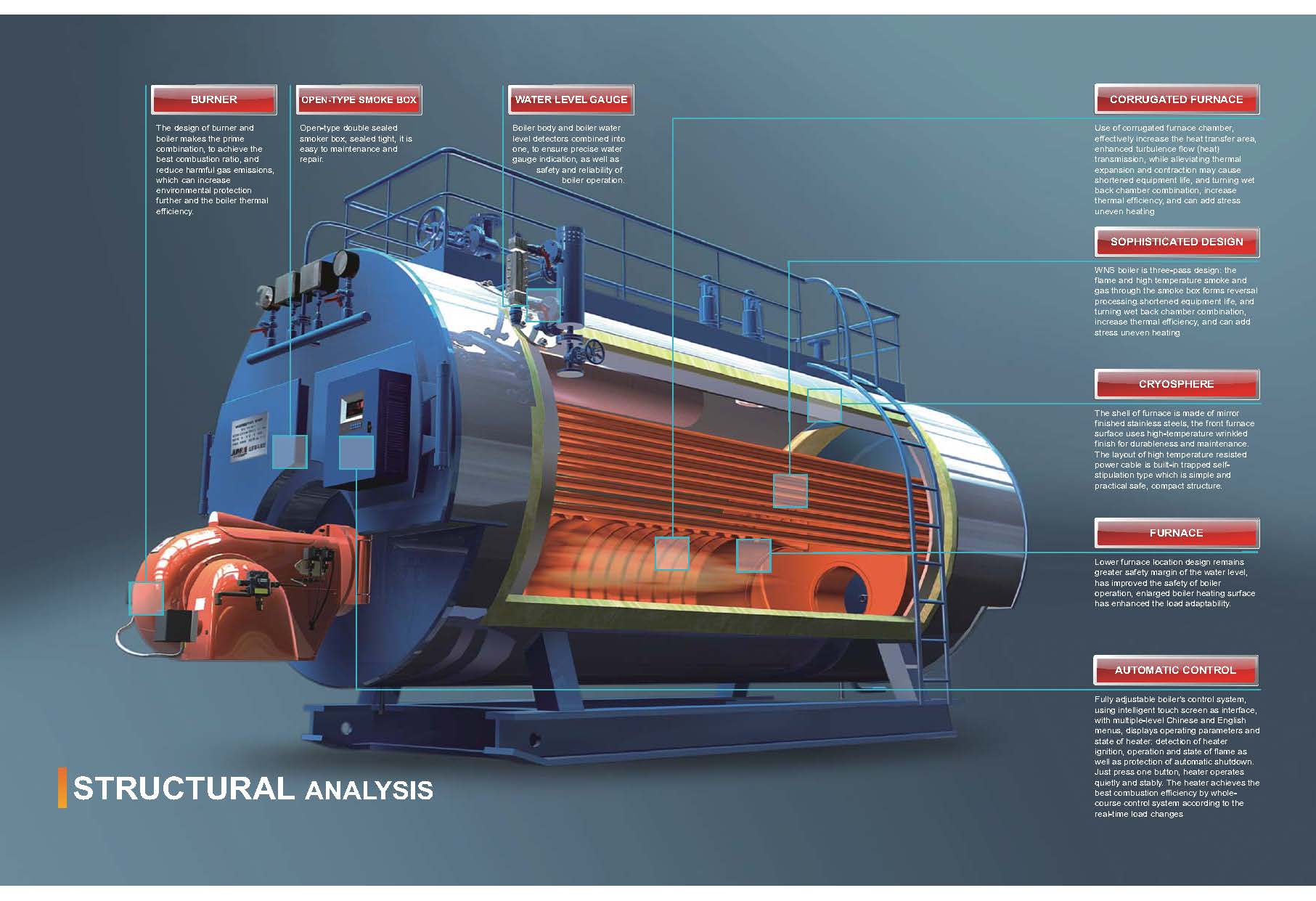
In modern industrial boiler plants, control systems, sensors, and automation equipment function as the “nervous system” of the entire operation. While pressure parts and burners are often the most visible assets, it is the reliability of instrumentation, control logic, and automation hardware that determines whether a boiler operates smoothly, efficiently, and safely day after day. When periodic maintenance of these systems is overlooked, hidden issues such as sensor drift, loose wiring, software inconsistencies, or actuator wear can gradually undermine control accuracy, cause nuisance trips, mask developing faults, or even disable critical protection functions. Over time, these invisible degradations can lead to efficiency loss, unstable operation, and serious reliability incidents.
Periodic maintenance of control systems, sensors, and automation equipment is required to ensure measurement accuracy, control stability, functional safety, reliable communication, and long-term boiler performance by preventing drift, component degradation, and logic failures before they impact operation.
Rather than being an IT-style task, automation maintenance is a core engineering activity that directly affects boiler reliability, safety, and lifecycle cost.
Once calibrated during commissioning, boiler sensors rarely need recalibration.False
Sensors experience drift, fouling, and aging effects that require periodic recalibration to maintain accuracy.
Many boiler trips and efficiency losses are caused by instrumentation and control issues rather than mechanical failures.True
Field experience shows that faulty sensors, poor signal quality, and control system degradation frequently trigger instability and trips.
Why Periodic Maintenance of Automation Systems Is Essential
Control and automation systems operate continuously in environments subject to heat, vibration, electrical noise, moisture, and dust. Even high-quality components degrade over time. Unlike mechanical failures, automation problems often do not announce themselves clearly; instead, they subtly distort operating data and control behavior.
Without structured periodic maintenance, operators may unknowingly rely on incorrect data or compromised logic, making correct decision-making impossible.
Scope of Control Systems and Automation Equipment
Automation maintenance covers a wide range of components, including field sensors, transmitters, control valves, actuators, PLCs or DCS hardware, power supplies, communication networks, and human–machine interfaces.
Each category has distinct failure modes and maintenance needs.
Sensors and Transmitters: The Foundation of Accurate Control
Sensors convert physical conditions such as pressure, temperature, flow, and level into signals used by control logic. Their accuracy directly determines control quality.
Sensor drift or fouling gradually degrades system performance without obvious alarms.
Periodic Calibration of Measurement Devices
Calibration verifies that sensors and transmitters produce accurate output across their operating range. Pressure, temperature, flow, and level instruments should be calibrated at defined intervals based on criticality and operating conditions.
Regular calibration prevents control bias, inefficient operation, and unsafe conditions.
Inspection for Fouling, Plugging, and Damage
Impulse lines, thermowells, and sensing elements are prone to fouling, corrosion, or blockage. Periodic inspection ensures that sensors reflect true process conditions rather than localized artifacts.
Physical integrity is as important as electronic accuracy.
Verification of Redundant Sensors
Where redundancy is used for safety or reliability, periodic cross-checking of redundant sensors identifies drift or failure in individual channels.
This verification protects against false confidence.
Table 1: Sensor Maintenance Focus and Impact
| Sensor Type | Maintenance Activity | Reliability Benefit |
|---|---|---|
| Pressure | Calibration and impulse line check | Stable control |
| Temperature | Sensor verification | Prevent overheating |
| Flow | Signal accuracy check | Proper combustion |
| Level | Functional testing | Low-water protection |
Control Valves and Actuators: Mechanical–Digital Interfaces
Control valves and actuators translate control signals into physical action. Their condition directly affects control responsiveness and stability.
Valve degradation often manifests as sluggish response or oscillation.
Inspection of Actuator Mechanics and Linkages
Actuators, linkages, and positioners should be inspected for wear, backlash, air leaks (for pneumatic systems), or sticking.
Mechanical resistance increases control error and wear.
Valve Stroke and Response Testing
Periodic stroke testing verifies that valves move smoothly across their full range and respond correctly to control signals.
Partial movement or dead zones degrade control quality.
Position Feedback and Calibration
Position feedback devices must accurately reflect valve position. Calibration ensures that the control system’s perception matches physical reality.
Accurate feedback prevents control instability.
Control System Hardware: PLCs, DCS, and I/O Modules
Control hardware is generally reliable but vulnerable to environmental stress, power quality issues, and aging electronics.
Preventive inspection reduces unexpected failures.
Cabinet Inspection and Environmental Control
Control cabinets should be inspected for dust accumulation, loose wiring, corrosion, and overheating. Cooling fans and filters require regular cleaning or replacement.
Stable cabinet conditions protect electronic components.
Power Supply and UPS Maintenance
Power supplies and uninterruptible power systems (UPS) must be tested periodically to ensure stable voltage and ride-through capability during disturbances.
Power instability can cause control system resets or failures.
Input/Output Module Verification
I/O modules interface with field devices. Periodic verification ensures that signals are transmitted accurately without noise, dropout, or scaling errors.
Reliable I/O preserves system integrity.
Table 2: Automation Hardware Maintenance Tasks
| Component | Maintenance Focus | Purpose |
|---|---|---|
| Control cabinet | Cleanliness and cooling | Prevent overheating |
| Power supply | Voltage stability | System reliability |
| I/O modules | Signal verification | Accurate control |
| Wiring | Tightness and insulation | Fault prevention |
Control Logic and Software Maintenance
Automation reliability depends not only on hardware but also on software logic, configuration, and documentation.
Software degradation often results from unmanaged changes rather than inherent failure.
Verification of Control Logic and Interlocks
Periodic review and testing of control logic ensure that sequences, permissives, and trips still match the intended design.
Changes in operation or equipment must be reflected in logic.
Management of Software Changes and Updates
Any software modification should follow formal change management procedures, including testing, documentation, and rollback capability.
Uncontrolled changes are a major reliability risk.
Backup and Recovery Procedures
Regular backups of control programs, configurations, and HMI graphics ensure rapid recovery after hardware failure or data corruption.
Backup discipline protects operational continuity.
Communication Networks and Data Integrity
Modern automation relies on communication networks linking sensors, controllers, and HMIs. Network degradation affects data quality and control coordination.
Inspection of Network Hardware and Cabling
Switches, cables, and connectors should be inspected for damage, looseness, or interference sources.
Communication faults often mimic sensor failures.
Verification of Data Update Rates and Latency
Periodic checks ensure that data refresh rates and communication latency remain within acceptable limits.
Delayed data compromises control accuracy.
Cybersecurity and Access Control Maintenance
Access control systems, user permissions, and security patches require periodic review to prevent unauthorized changes.
Security is part of reliability.
Table 3: Periodic Maintenance Frequency Overview
| Frequency | Typical Activities |
|---|---|
| Monthly | Visual checks, alarm review |
| Quarterly | Sensor calibration, valve testing |
| Semi-annual | Logic verification, cabinet inspection |
| Annual | Full system audit and backup validation |
Alarm Management and Diagnostic Functions
Alarm systems guide operator response. Poorly maintained alarm logic leads to alarm flooding or missed critical alerts.
Periodic alarm rationalization ensures effectiveness.
Review of Alarm Limits and Priorities
Process changes may require adjustment of alarm limits. Periodic review prevents nuisance alarms and blind spots.
Meaningful alarms support reliability.
Testing of Diagnostic and Self-Monitoring Features
Many modern systems include self-diagnostics. Periodic testing ensures these features function correctly and are not ignored.
Diagnostics enhance early fault detection.
Integration With Predictive Maintenance Programs
Automation maintenance data feeds predictive maintenance models. Trends in calibration drift or actuator response reveal developing problems.
Integration maximizes value.
Human Factors and Training
Maintenance activities require skilled technicians who understand both process behavior and control logic.
Training ensures maintenance actions improve reliability rather than introduce errors.
Documentation and Traceability
Calibration records, test results, and configuration changes should be documented and traceable.
Documentation supports audits and troubleshooting.
Consequences of Inadequate Automation Maintenance
Neglected automation maintenance leads to unstable control, hidden safety risks, higher fuel consumption, and increased downtime.
Failures often appear “sudden” but develop gradually.
Economic Impact of Periodic Maintenance
The cost of calibration and inspection is small compared to the cost of efficiency loss, forced outages, or safety incidents caused by bad data or control failure.
Automation maintenance delivers high return on investment.
Supporting Long-Term Boiler Reliability
Reliable automation allows boilers to operate within optimal limits, protecting mechanical components and extending service life.
Digital reliability supports physical reliability.
Continuous Improvement of Automation Maintenance Programs
Maintenance intervals and methods should evolve based on operating experience, system age, and criticality.
Adaptive programs perform best.
Summary of Key Maintenance Principles
Periodic maintenance must address sensors, actuators, hardware, software, networks, and alarms in an integrated manner.
Holistic attention prevents gaps.
Periodic maintenance of control systems, sensors, and automation equipment is essential to maintaining accurate measurement, stable control, effective protection, and long-term boiler reliability. Through regular calibration, mechanical inspection, hardware verification, logic testing, and disciplined documentation, boiler operators can prevent hidden degradation that undermines performance and safety. In modern industrial boiler plants, automation reliability is inseparable from mechanical reliability, and systematic maintenance of digital and control assets is a foundational requirement for efficient, safe, and sustainable operation.
How Do Water Treatment, Feedwater Quality, and Blowdown Practices Affect Gas-Fired Boiler Maintenance?
In gas-fired boiler systems, combustion is clean and controllable, but many operators underestimate that the most persistent maintenance problems do not come from the burner or fuel system—they come from the water side. Poor water treatment, inconsistent feedwater quality, and improper blowdown practices quietly create scale, corrosion, and carryover inside pressure parts, gradually reducing heat transfer efficiency, stressing metal components, and increasing unplanned maintenance. Unlike obvious mechanical failures, water-related damage accumulates invisibly until it results in tube leaks, efficiency losses, or shortened boiler life. Understanding and controlling water chemistry is therefore one of the most effective ways to reduce maintenance burden in gas-fired boilers.
Water treatment, feedwater quality, and blowdown practices directly determine scaling rates, corrosion severity, deposit formation, and internal cleanliness in gas-fired boilers, making them decisive factors in maintenance frequency, reliability, efficiency, and overall service life.
Because gas-fired boilers often operate with high heat flux and tight efficiency margins, even small deviations in water quality can have outsized maintenance consequences.
Gas-fired boilers are less sensitive to water quality because combustion is clean.False
Although combustion is cleaner, gas-fired boilers often operate at high heat flux, making them highly sensitive to scaling and corrosion caused by poor water quality.
Proper water treatment can significantly reduce tube failures and maintenance costs in gas-fired boilers.True
Effective water chemistry control minimizes scale, corrosion, and deposits, which are leading causes of tube damage and unplanned maintenance.
Why Water-Side Management Is Critical in Gas-Fired Boilers
Gas-fired boilers typically have compact designs, high heat transfer rates, and closely controlled combustion. These characteristics improve efficiency but also increase vulnerability to water-side problems. Thin deposits that might be tolerable in older, low-heat-flux boilers can cause serious overheating in modern gas-fired units.
As a result, water treatment quality has a direct and measurable impact on maintenance workload and reliability.
Feedwater Quality as the Foundation of Reliable Operation
Feedwater is the starting point of all boiler water chemistry. Its quality determines how aggressively scaling and corrosion processes will develop inside the system.
Poor feedwater quality forces operators into reactive maintenance instead of planned reliability management.
Hardness and Scale Formation
Calcium and magnesium hardness in feedwater precipitate as scale under high temperature. Even a thin layer of scale acts as thermal insulation, increasing tube metal temperature and accelerating failure.
In gas-fired boilers, scale formation rapidly translates into higher maintenance risk.
Dissolved Oxygen and Corrosion Risk
Dissolved oxygen is one of the most aggressive corrosion agents in boiler systems. It attacks steel surfaces, forming pitting that can penetrate tubes and drums.
Effective deaeration and oxygen scavenging are essential maintenance safeguards.
Total Dissolved Solids and Carryover
High dissolved solids increase the risk of foaming and carryover, which contaminates steam and downstream equipment.
Carryover problems increase maintenance not only in the boiler but also in steam users.
Table 1: Key Feedwater Parameters and Maintenance Impact
| Parameter | Poor Control Consequence | Maintenance Impact |
|---|---|---|
| Hardness | Scale formation | Tube overheating |
| Oxygen | Pitting corrosion | Tube leaks |
| TDS | Foaming, carryover | Valve and equipment fouling |
| Silica | Deposits on tubes | Efficiency loss |
Role of External Water Treatment Systems
External water treatment systems condition raw water before it enters the boiler. Their performance directly affects internal maintenance requirements.
Reliable pretreatment reduces chemical consumption and internal deposits.
Softening and Demineralization Systems
Water softeners remove hardness, while demineralization systems remove dissolved salts. Selection depends on boiler pressure, operating regime, and makeup water quality.
Inadequate pretreatment increases internal chemical stress and maintenance frequency.
Reverse Osmosis and Polishing Systems
RO systems significantly reduce TDS and silica levels, improving feedwater purity. Polishing systems further refine water quality for demanding applications.
Higher feedwater purity translates into lower internal fouling.
Maintenance of Pretreatment Equipment
Pretreatment systems themselves require regular maintenance, including resin regeneration, membrane cleaning, and instrumentation calibration.
Neglected pretreatment shifts maintenance burden downstream into the boiler.
Internal Water Treatment and Chemical Control
Internal water treatment adjusts boiler water chemistry to prevent scale, corrosion, and sludge accumulation.
Chemical programs must match boiler design and operating conditions.
Alkalinity and pH Control
Maintaining proper alkalinity and pH protects steel surfaces and prevents acidic corrosion.
Incorrect pH accelerates metal loss and increases maintenance demand.
Phosphate and Chelant Programs
Phosphate treatments control hardness by forming removable sludge, while chelant programs keep minerals in solution.
Each approach has specific maintenance implications and monitoring requirements.
Oxygen Scavengers and Film Formers
Oxygen scavengers remove residual oxygen, while film-forming amines protect metal surfaces.
Proper dosing reduces corrosion-related maintenance.
Table 2: Internal Water Treatment Effects on Maintenance
| Treatment Aspect | Benefit | Maintenance Outcome |
|---|---|---|
| pH control | Corrosion prevention | Longer tube life |
| Phosphate control | Scale management | Easier cleaning |
| Oxygen removal | Pitting prevention | Fewer leaks |
| Sludge dispersion | Deposit control | Reduced downtime |
Blowdown Practices and Their Maintenance Implications
Blowdown is the controlled removal of concentrated boiler water to manage TDS and impurities. It is a powerful maintenance lever when used correctly.
Improper blowdown is a common cause of both scaling and corrosion.
Continuous Blowdown Control
Continuous blowdown removes dissolved solids steadily, maintaining stable water chemistry.
Insufficient blowdown leads to concentration buildup, while excessive blowdown wastes energy and chemicals.
Intermittent (Bottom) Blowdown
Intermittent blowdown removes settled sludge and solids from the boiler bottom.
Neglecting bottom blowdown allows sludge accumulation and under-deposit corrosion.
Automated Blowdown Systems
Automated blowdown systems adjust discharge based on conductivity measurements, improving consistency and reducing human error.
Automation supports stable maintenance conditions.
Table 3: Blowdown Practices and Maintenance Outcomes
| Blowdown Practice | Poor Practice Result | Maintenance Impact |
|---|---|---|
| Too little | High TDS | Scaling, carryover |
| Too much | Energy loss | Increased operating cost |
| No bottom blowdown | Sludge buildup | Corrosion risk |
| Automated control | Stable chemistry | Reduced intervention |
Interaction Between Water Quality and Heat Transfer Surfaces
Deposits on heat transfer surfaces raise tube metal temperature, even in clean-burning gas-fired boilers.
Elevated metal temperature accelerates creep and oxidation.
Impact on Tube Inspection and Cleaning Frequency
Poor water treatment increases the need for frequent chemical cleaning and internal inspection.
Good water chemistry extends inspection intervals and reduces cleaning costs.
Effect on Condensate Systems
Poor boiler water control often contaminates condensate, increasing corrosion in return lines and condensate tanks.
Condensate damage increases overall maintenance workload.
Relationship Between Water Quality and Energy Efficiency
Scale reduces heat transfer efficiency, forcing higher firing rates and increasing fuel consumption.
Higher firing rates accelerate wear and maintenance.
Maintenance Indicators of Water Chemistry Problems
Rising stack temperature, frequent low-water alarms, and increased blowdown rates often indicate water-side issues.
Early detection reduces corrective maintenance.
Documentation and Trend Analysis
Recording water chemistry data and blowdown rates enables trend analysis and predictive maintenance.
Data-driven management improves reliability.
Role of Operator Training
Operators must understand the relationship between water chemistry and maintenance outcomes.
Training prevents well-intentioned but harmful adjustments.
Regulatory and Insurance Considerations
Water treatment programs are often audited by insurers and regulators due to their safety implications.
Compliance reduces operational risk.
Long-Term Asset Protection Through Water Management
Consistent water treatment protects pressure parts, extending boiler life and deferring capital replacement.
Water chemistry is an asset management tool.
Integration With Preventive Maintenance Programs
Water quality monitoring should be integrated into preventive maintenance schedules.
Coordination improves effectiveness.
Common Maintenance Failures Linked to Water Issues
Tube leaks, stuck valves, fouled instruments, and unstable level control are often traced to water quality problems.
Root-cause analysis frequently points to chemistry.
Economic Impact of Poor Water Practices
Water-related failures are among the most expensive boiler maintenance events due to downtime and repairs.
Preventive chemistry control offers high ROI.
Continuous Improvement of Water Treatment Programs
Programs should evolve with operating conditions, fuel changes, and system modifications.
Adaptation improves results.
Summary of Key Principles
Feedwater quality sets the baseline, internal treatment maintains protection, and blowdown controls concentration.
All three must work together.
Water treatment, feedwater quality, and blowdown practices play a decisive role in determining the maintenance demands, reliability, and lifespan of gas-fired boilers. Even with clean combustion, poor water-side management leads to scale formation, corrosion, efficiency loss, and frequent unplanned maintenance. By maintaining high feedwater purity, applying appropriate internal chemical treatment, and implementing disciplined blowdown control, operators can dramatically reduce tube failures, stabilize operation, and extend equipment life. In gas-fired boiler systems, effective water chemistry management is not a secondary consideration—it is one of the most powerful maintenance and reliability tools available.
🔍 Conclusion
Regular maintenance is essential to ensure safe, efficient, and reliable operation of industrial gas-fired boilers. By combining daily inspections, scheduled servicing, and periodic system calibration, operators can prevent failures, maintain high efficiency, and extend equipment lifespan. A well-maintained gas-fired boiler delivers stable steam output, lower operating costs, and long-term operational confidence.
🔹 Contact us today to keep your industrial gas-fired boiler operating safely, efficiently, and reliably year after year. ⚙️🔥🏭✅
FAQ
Q1: Why is regular maintenance essential for industrial gas-fired boilers?
A1: Regular maintenance is essential for industrial gas-fired boilers to ensure safe operation, high efficiency, and long equipment life. Although gas combustion is cleaner than coal or oil, issues such as burner misalignment, heat exchanger fouling, valve wear, and control system drift can still occur. Without routine maintenance, these problems may lead to reduced efficiency, increased fuel consumption, unsafe operating conditions, or unexpected shutdowns. A structured maintenance program helps maintain stable combustion, meet emissions regulations, and minimize lifecycle operating costs.
Q2: What daily and weekly maintenance checks should be performed?
A2: Daily and weekly maintenance tasks focus on monitoring boiler operation and detecting early signs of malfunction. Operators should check burner flame stability, gas pressure, air supply fans, and combustion sound for abnormalities. Control panel readings for pressure, temperature, water level, and oxygen content should be verified. Safety interlocks, alarms, and emergency shutdown systems should be visually checked. Weekly tasks may also include inspecting gas valves for leaks, checking lubrication points, and ensuring proper operation of feedwater pumps and condensate systems.
Q3: What periodic cleaning and inspection tasks are required?
A3: Periodic cleaning and inspection, typically conducted monthly or quarterly, are crucial for maintaining performance. Heat exchange surfaces should be inspected for dust or condensate buildup that can reduce heat transfer efficiency. Burners must be cleaned and adjusted to ensure correct air-to-fuel ratios. Ignition systems, flame scanners, and pressure switches should be tested and calibrated. Although gas-fired boilers produce minimal soot, even light fouling can reduce efficiency by several percentage points if left unaddressed.
Q4: How important is water treatment and blowdown maintenance?
A4: Water treatment and blowdown maintenance are critical for gas-fired boilers, just as with other steam boiler types. Poor water quality can cause scaling, corrosion, and foaming, leading to tube failure and efficiency loss. Operators must regularly monitor feedwater chemistry, control blowdown rates, and ensure proper operation of softeners or demineralization systems. Effective water treatment protects pressure parts, improves heat transfer, and significantly extends boiler service life.
Q5: What annual maintenance and safety inspections are required?
A5: Annual maintenance and safety inspections are typically performed during scheduled shutdowns. These include internal inspection of the boiler, testing and recalibration of safety valves, pressure relief devices, gas shutoff valves, and flame safeguard systems. Emission performance should be verified to ensure compliance with local regulations. Annual inspections are often required by regulatory authorities or insurance providers and are essential for maintaining certification, safe operation, and long-term reliability.
References
- U.S. Department of Energy – Gas-Fired Boiler Maintenance Best Practices – https://www.energy.gov/ – DOE
- ASME – Boiler and Pressure Vessel Code (BPVC) – https://www.asme.org/ – ASME
- International Energy Agency (IEA) – Natural Gas in Industrial Heating – https://www.iea.org/ – IEA
- Spirax Sarco – Gas Boiler Maintenance and Safety – https://www.spiraxsarco.com/ – Spirax Sarco
- Engineering Toolbox – Natural Gas Boiler Operation and Maintenance – https://www.engineeringtoolbox.com/ – Engineering Toolbox
- ScienceDirect – Maintenance Strategies for Gas-Fired Boilers – https://www.sciencedirect.com/ – ScienceDirect
- ISO – Industrial Boiler Safety and Maintenance Standards – https://www.iso.org/ – ISO
- Carbon Trust – Boiler Efficiency and Maintenance – https://www.carbontrust.com/ – Carbon Trust
- World Bank – Industrial Energy Efficiency Best Practices – https://www.worldbank.org/ – World Bank
- MarketsandMarkets – Industrial Boiler Maintenance Market Trends – https://www.marketsandmarkets.com/ – Markets and Markets