
What Are the Essential Parameters for Selecting an Industrial Gas-Fired Boiler?
Selecting an industrial gas-fired boiler is a strategic decision that significantly impacts operational efficiency, safety, and long-term energy costs. Making the wrong choice can lead to frequent breakdowns, high fuel expenses, and non-compliance with environmental standards. With today’s complex industrial needs and ever-tightening regulations, how can you be sure you’re selecting the right boiler?
The essential parameters for selecting an industrial gas-fired boiler include boiler capacity and steam output, operating pressure and temperature, fuel type and gas quality, boiler thermal efficiency, emissions compliance, and control system automation. These factors ensure optimal performance, cost-efficiency, and long-term operational reliability.
Industrial engineers and facility managers must evaluate all technical and application-specific requirements to avoid mismatched systems. Below is a breakdown of the most critical parameters to guide informed decision-making when selecting a gas-fired boiler.
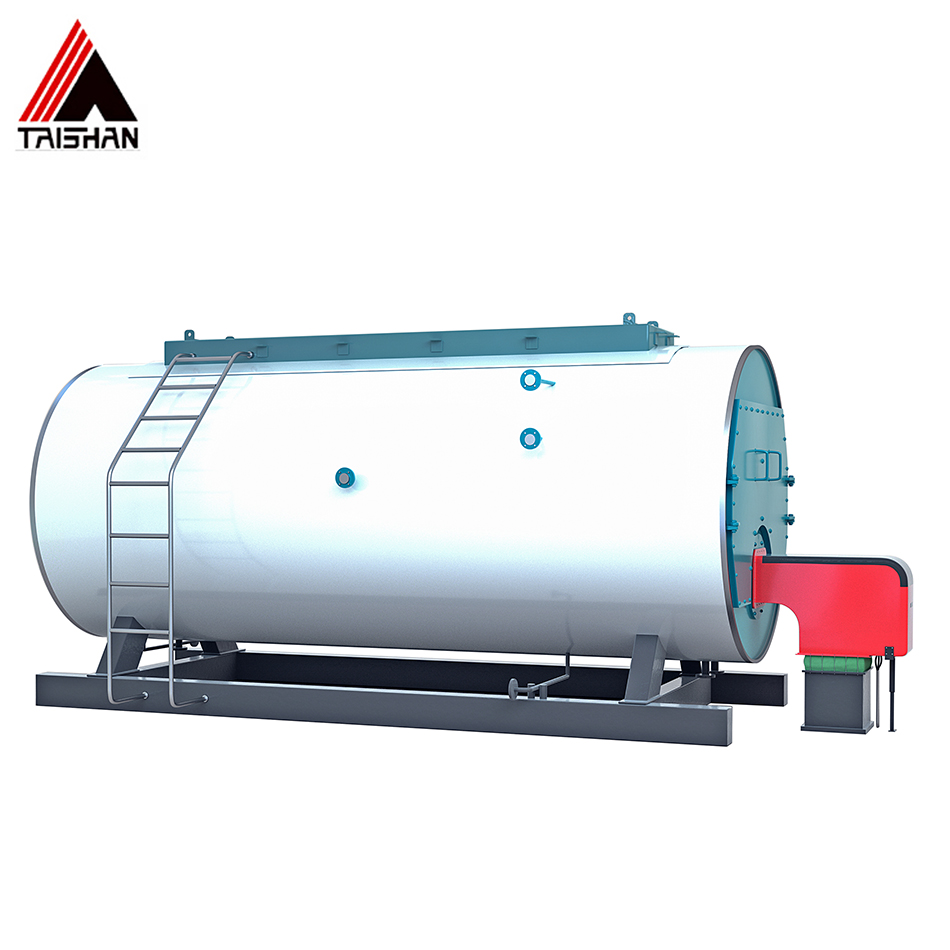
How Does Boiler Capacity and Steam Output Influence the Selection of a Gas-Fired Boiler?
When selecting a gas-fired boiler for industrial or power generation use, the most fundamental question to ask is: What steam output do you need? Boiler capacity and steam output are the backbone parameters that define not just the physical size of the boiler, but its design type, burner configuration, fuel consumption, operational costs, and integration with downstream equipment like turbines, process heat exchangers, or HVAC systems. Misjudging this specification can lead to oversizing (leading to inefficiencies and cost waste) or undersizing (resulting in pressure drops, frequent cycling, and operational risk). For any gas-fired boiler application, capacity and steam output are the starting point of smart system selection.
Boiler capacity and steam output are critical in selecting a gas-fired boiler because they determine the system’s ability to meet process or power demands efficiently and reliably. Boiler capacity, typically measured in tons of steam per hour (TPH) or BTU/hr, must align with the required steam flow rate, pressure, and temperature for the intended application. This ensures consistent load handling, optimal burner operation, proper heat transfer, and fuel efficiency. An accurate match between boiler capacity and steam demand minimizes fuel consumption, prevents premature wear, and maximizes system longevity.
Selecting a gas-fired boiler without accurately defining steam capacity is like choosing an engine without knowing how fast or far it needs to go—it compromises every key performance metric.
Boiler capacity directly affects the size and configuration of a gas-fired boiler.True
Larger capacities require more combustion surface area, higher burner output, and stronger pressure components to handle steam generation efficiently.
A boiler can be chosen without considering steam output requirements.False
Steam output is essential for determining the correct boiler type, size, burner configuration, and integration with downstream equipment.
🔍 Understanding Boiler Capacity and Steam Output
| Parameter | Definition |
|---|---|
| Boiler Capacity (TPH) | Mass of steam generated per hour, typically in metric tons |
| Steam Output (kg/hr or lbs/hr) | Continuous mass flow of steam at given pressure and temperature |
| Firing Rate (BTU/hr or MW) | Thermal energy input based on burner size and gas supply |
| Steam Pressure & Temperature | Operating conditions that determine energy content of the steam |
Boiler capacity should be aligned not just with peak steam demand, but also with minimum turndown levels, ensuring the boiler operates efficiently under varying load conditions.
📊 Typical Gas-Fired Boiler Capacity Ranges
| Application Type | Capacity Range (TPH) | Pressure Range (bar) | Steam Type |
|---|---|---|---|
| Commercial HVAC | 0.5 – 3 | 3 – 10 | Low-pressure steam |
| Industrial Process | 5 – 40 | 10 – 40 | Saturated or wet steam |
| Cogeneration/CHP | 10 – 100+ | 30 – 80 | Superheated steam |
| Combined Cycle HRSG (Utility) | 100 – 1,000+ | 80 – 160 | High-temp steam |
Gas-fired boilers can be configured as fire-tube, water-tube, or HRSG (heat recovery steam generators) depending on output requirements.
🧪 Case Study: Selecting a Gas Boiler for a 45 TPH Steam Requirement
Industry: Textile manufacturing plant
Steam Demand: 45 TPH @ 20 bar, saturated steam
Options Evaluated:
1 x 60 TPH Water-Tube Boiler (high capacity, single point of failure)
2 x 25 TPH Modular Boilers (N+1 redundancy)
3 x 20 TPH Fire-Tube Boilers (lower cost, but large footprint)
| Option | CapEx ($) | Efficiency (%) | Footprint (m²) | Redundancy | Final Choice |
|---|---|---|---|---|---|
| 1 × 60 TPH | $1.6 million | 91.5 | 45 | None | ❌ |
| 2 × 25 TPH | $1.9 million | 90.2 | 55 | Partial (N+1) | ✅ |
| 3 × 20 TPH | $2.2 million | 88.9 | 80 | High | ❌ |
Outcome: Dual modular 25 TPH boilers chosen for load flexibility and backup assurance.
🔧 How Capacity & Output Influence Boiler Design and Performance
| Design Feature | Effect of Higher Capacity or Output |
|---|---|
| Burner Size & Type | Requires staged combustion, modulating gas valves |
| Tube Surface Area | Must be increased to handle higher heat transfer load |
| Drum Size & Circulation | Larger drums and natural/forced circulation to stabilize steam flow |
| Control System Complexity | High-capacity boilers require PID + AI control integration |
| Fuel Supply Infrastructure | Must support higher gas pressure and flow rates |
In high-capacity boilers, multi-burner arrangements and economizers are standard to ensure both output and efficiency.
⚙️ Boiler Efficiency Relative to Load and Capacity
| Operating Load (%) | Efficiency in Right-Sized Boiler | Efficiency in Oversized Boiler |
|---|---|---|
| 100% | 91–93% | 90–91% |
| 75% | 90–92% | 85–87% |
| 50% | 88–90% | 80–83% |
| 30% | 85–87% | <78% |
A correctly sized boiler maintains high thermal efficiency even at part loads, while oversized units suffer from cycling losses and combustion inefficiency.
📉 Risks of Incorrect Capacity Selection
| Oversized Boiler | Undersized Boiler |
|---|---|
| Higher capital cost | Frequent overload and system trips |
| Low efficiency at partial loads | Poor steam quality and pressure instability |
| Short cycling (on/off) reduces lifespan | Safety valve frequent lifts and blowdowns |
| Larger gas supply infrastructure needed | Inadequate steam for downstream processes |
📈 Best Practices for Matching Capacity and Output
✅ Perform steam load analysis: base, peak, and seasonal demand
✅ Include diversity factor for multi-process applications
✅ Design for 80–90% load operation for optimal efficiency
✅ Consider modular or multi-boiler configuration for redundancy
✅ Ensure gas infrastructure supports peak firing rate
✅ Include blowdown, scaling, and turndown losses in final capacity
✅ Factor in future expansion without over-sizing initially
🌍 Environmental and Economic Impact of Proper Capacity Selection
| Metric | Right-Sized Boiler | Over/Under-Sized Boiler |
|---|---|---|
| Fuel Use per Ton of Steam | Lower | Higher |
| CO₂ Emissions | Optimized | Higher per MWh |
| Maintenance Cost | Reduced | Increased due to inefficiency |
| Operational Flexibility | High | Poor |
| LCOE (Levelized Cost of Energy) | Lower | Higher |
Capacity-matched gas boilers also qualify more easily for green certifications and carbon credits.
Boiler capacity and steam output are not just technical specs—they are the backbone of reliable, efficient, and cost-effective boiler operation. In the selection of gas-fired boilers, capacity influences not only design but also fuel usage, emissions, redundancy planning, and integration with plant processes. A well-matched system guarantees resilience, performance, and compliance over decades of operation.
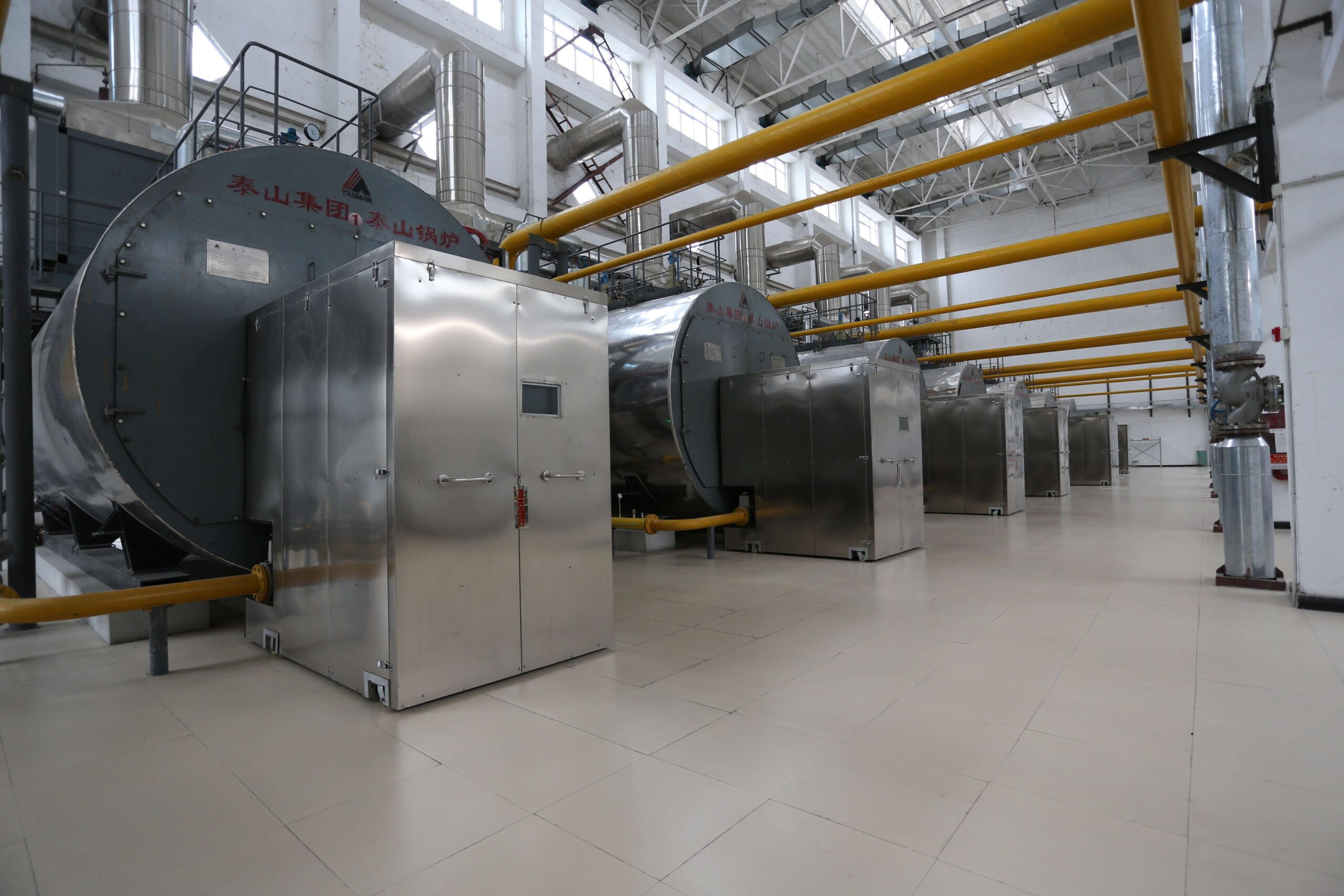
Why Are Operating Pressure and Temperature Essential Parameters for Gas-Fired Boiler Performance?
Gas-fired boilers are prized for their clean combustion, rapid responsiveness, and high efficiency—but their true performance and reliability depend heavily on two foundational parameters: operating pressure and steam temperature. These two variables define the thermal energy potential of the steam, the design limits of the boiler components, the compatibility with downstream systems (like turbines or process heat exchangers), and ultimately, the fuel economy and safety of the entire system. Underestimating or misaligning these parameters leads to inefficient energy conversion, material fatigue, increased emissions, or even catastrophic failure. In selecting and operating a gas-fired boiler, pressure and temperature are not optional considerations—they are the heart of performance engineering.
Operating pressure and temperature are essential parameters in gas-fired boiler performance because they determine the thermodynamic efficiency, steam quality, heat transfer rate, and material integrity of the system. Higher pressure and temperature increase the enthalpy of steam, enabling more energy transfer per unit mass and improving overall system efficiency. However, they also require stronger materials, advanced safety systems, and precise control to prevent thermal stress, corrosion, or structural failure. Proper alignment of these parameters with the boiler design ensures optimal fuel use, process compatibility, and long-term reliability.
Without proper pressure and temperature specifications, a gas-fired boiler becomes inefficient, unsafe, and incompatible with its intended application.
Higher pressure and temperature improve the thermodynamic efficiency of gas-fired boiler systems.True
Increasing steam pressure and temperature allows for more energy to be extracted per unit of steam, improving fuel-to-energy conversion.
Gas-fired boilers can operate at any pressure or temperature regardless of design.False
Boilers must be engineered to specific pressure and temperature limits to ensure safe and efficient operation.
🔍 The Thermodynamic Role of Pressure and Temperature
Steam energy is governed by enthalpy, which increases with pressure and temperature. Higher operating conditions:
Enable more efficient turbines or heat exchangers
Reduce specific steam consumption (kg steam/kWh)
Improve heat transfer rates in process equipment
Enhance cycle efficiency in combined heat and power (CHP) systems
| Parameter | Effect on Boiler Performance |
|---|---|
| Operating Pressure (bar) | Dictates the saturation temperature and drum design |
| Steam Temperature (°C) | Determines energy content and material stress |
| Pressure-Temperature Envelope | Defines the thermodynamic limit of the boiler |
Steam quality and superheat level are critical for matching the requirements of turbines or industrial processes.
📊 Steam Enthalpy vs. Pressure and Temperature
| Condition | Steam Pressure (bar) | Steam Temp (°C) | Enthalpy (kJ/kg) |
|---|---|---|---|
| Saturated Steam (Low) | 10 | 184 | 2,778 |
| Saturated Steam (Medium) | 30 | 233 | 2,743 |
| Superheated Steam (High) | 40 | 450 | 3,220 |
| Superheated Steam (Ultra) | 60 | 520 | 3,460 |
Higher enthalpy = more usable thermal energy, increasing the efficiency of downstream energy conversion.
🧪 Case Study: Optimizing a 25 TPH Gas-Fired Boiler for CHP
Project: Urban district heating and power generation
Original Spec: 20 bar, 250°C → Upgrade: 40 bar, 450°C
Results:
| Metric | Before Upgrade | After Upgrade | Improvement |
|---|---|---|---|
| Thermal Efficiency (%) | 86.5 | 91.2 | +5.4% |
| Steam Output Energy (GJ/hr) | 18.6 | 21.7 | +16.7% |
| Natural Gas Use (Nm³/hr) | 2,300 | 2,180 | -5.2% |
| CO₂ Emissions (tons/year) | 6,470 | 6,030 | -6.8% |
Conclusion: Upgrading pressure and temperature improves both performance and emissions profile.
🔧 Design Implications of Pressure & Temperature Levels
| Parameter | Design Influence |
|---|---|
| Drum and Shell Thickness | Increases with pressure to prevent rupture |
| Tube Material | Must withstand creep and oxidation at high temperatures |
| Superheater/Reheater Design | Needs precise thermal expansion control |
| Safety Valve Sizing | Must match maximum allowable working pressure (MAWP) |
| Control Instrumentation | Requires high-accuracy temperature and pressure sensors |
Material selection is critical—alloys like Inconel, T22, or Super304H are used for high-temperature applications.
⚙️ Boiler Types by Pressure and Temperature
| Boiler Type | Operating Pressure Range | Max Temperature (°C) | Use Case |
|---|---|---|---|
| Fire-Tube (Gas) | <15 bar | ~200 | Commercial steam or hot water |
| Water-Tube (Gas) | 15–100 bar | 400–550 | Process steam, power generation |
| HRSG (Combined Cycle) | 50–160 bar | 520–600 | Utility-scale gas turbine cycles |
📉 Performance Impacts of Misaligned Pressure/Temperature
| Mismatch Scenario | Consequence |
|---|---|
| Low pressure for high load | Wet steam, poor heat transfer, high steam consumption |
| High pressure without design | Drum failure, burst tubes, safety system failure |
| High temperature without alloy | Creep, scaling, corrosion, reduced lifespan |
| Steam too hot for turbine | Blade erosion, vibration, control problems |
📈 Optimization Tips for Pressure & Temperature
✅ Define steam pressure/temperature needed by the end-use system (turbines, exchangers)
✅ Choose a boiler rated slightly above normal operating pressure for margin
✅ Optimize superheater area for target steam conditions
✅ Include attemperators or desuperheaters for steam temperature control
✅ Monitor skin temperatures on critical components with thermocouples
✅ Use feedwater economizers to preheat without exceeding design pressure
🌍 Energy and Environmental Benefits
| Metric | High P&T Boiler | Low P&T Boiler |
|---|---|---|
| Fuel Use (per ton steam) | Lower | Higher |
| Thermal Efficiency | 90–94% | 80–85% |
| CO₂ Emissions (per MWh) | Lower | Higher |
| System Responsiveness | Higher (superheat control) | Lower |
| Maintenance Frequency | Moderate (if designed right) | Higher (if mismatched) |
Proper pressure and temperature selection ensures peak energy efficiency and emissions compliance.
Operating pressure and temperature are not secondary considerations—they are central to how a gas-fired boiler performs, lasts, and integrates into your facility. These parameters affect everything from energy costs to material fatigue, safety, emissions, and downstream compatibility. Engineers who prioritize correct pressure and temperature in boiler design are laying the foundation for decades of safe, efficient, and sustainable operation.
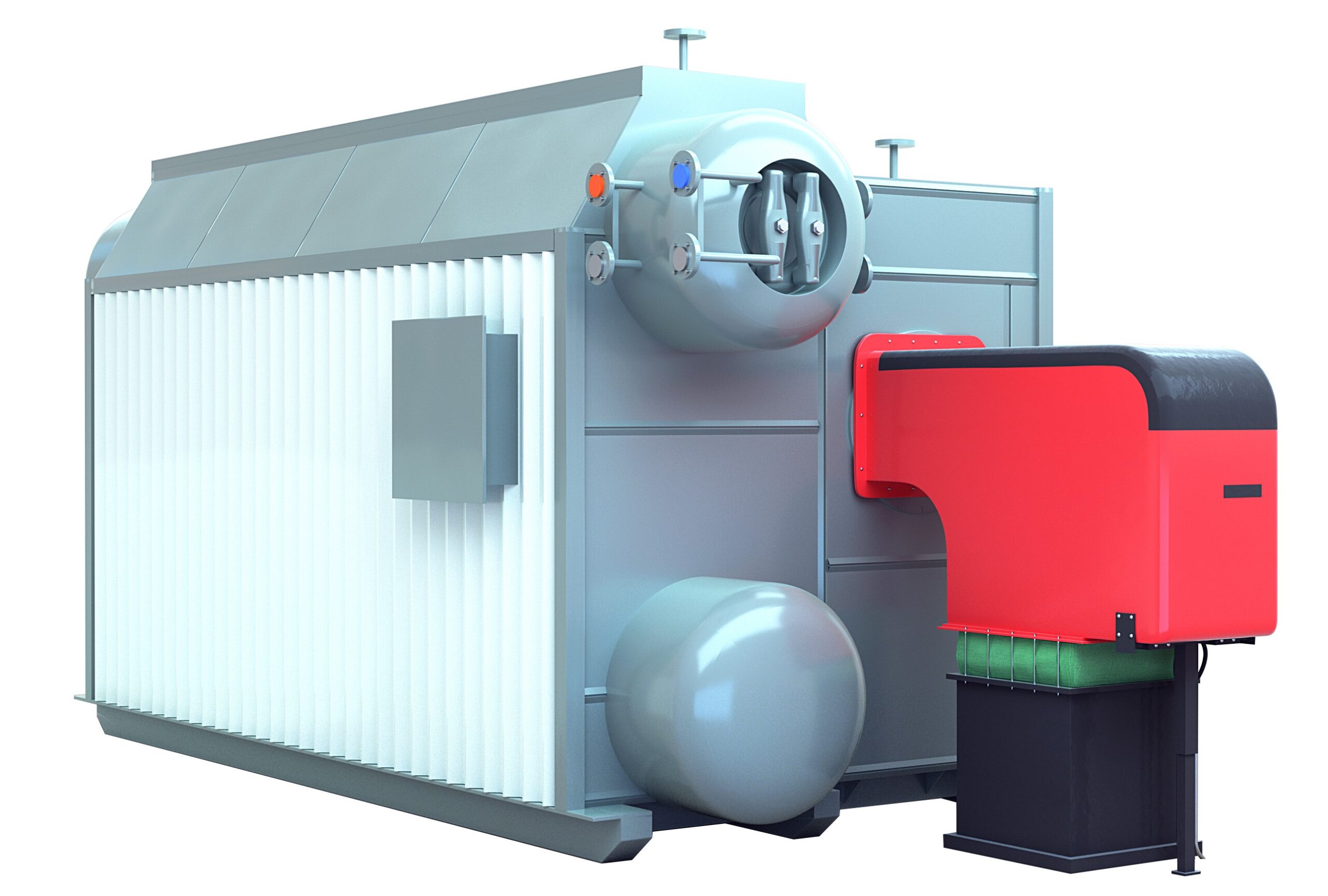
How Do Gas Quality and Type Affect the Compatibility and Efficiency of Industrial Gas-Fired Boilers?
Gas-fired boilers are often regarded as the cleanest and most efficient combustion systems for industrial heat and power. However, not all gases are created equal. Differences in gas quality and composition—such as methane content, calorific value, pressure, moisture, and impurities—can drastically affect combustion behavior, burner compatibility, heat transfer, emissions, and maintenance requirements. A boiler optimized for one gas type may perform poorly—or even dangerously—when supplied with another. Understanding how gas quality and gas type influence boiler design and efficiency is essential to ensure safe operation, high thermal performance, and long-term system integrity.
Gas quality and type directly impact the compatibility and efficiency of industrial gas-fired boilers by altering combustion characteristics, flame stability, heat release rate, burner performance, and emission profiles. Gases vary in calorific value, Wobbe Index, hydrogen content, moisture, and contaminants. Boilers must be specifically designed or tuned for the intended gas type—whether it’s pipeline natural gas, LNG, biogas, syngas, or refinery gas. Using a gas with incompatible properties can lead to reduced efficiency, incomplete combustion, flame instability, and damage to burners or heat transfer surfaces.
Boiler performance is only as good as the fuel it burns—and fuel variability must be matched by burner adaptability and combustion control precision.
Different gas types require different burner designs in industrial gas-fired boilers.True
Each gas type has unique combustion characteristics, and using the wrong burner can lead to poor performance, safety risks, and emissions violations.
All gaseous fuels behave the same in a boiler system.False
Gaseous fuels vary in energy content, flame speed, and impurity levels, requiring tailored combustion system design and control.
🔍 Key Properties That Define Gas Quality for Boilers
| Gas Property | Impact on Boiler Operation |
|---|---|
| Calorific Value (CV) | Determines heat output per unit volume (kcal/Nm³ or MJ/m³) |
| Wobbe Index | Affects interchangeability between gas types |
| Methane Number | Indicates knocking and combustion smoothness |
| Hydrogen Content (%) | Influences flame speed and temperature |
| Moisture / Dew Point | Can cause condensation and corrosion |
| Sulfur, Siloxanes, H₂S | Accelerates fouling, corrosion, and emissions |
| Gas Pressure | Affects burner turndown and flame stability |
Boiler burners and control systems must be designed or adjusted to match these parameters.
📊 Comparison of Common Gas Types for Industrial Boilers
| Gas Type | CV (kcal/Nm³) | Wobbe Index (MJ/m³) | Hydrogen (%) | Common Challenges |
|---|---|---|---|---|
| Natural Gas (Pipeline) | 8,300–9,500 | 48–53 | 0–5 | Stable, standard design |
| LNG (Liquefied NG) | 9,500–10,100 | 52–54 | 0–2 | Requires vaporizer; high CV |
| Biogas (Landfill/Digestate) | 4,800–6,000 | 30–38 | 5–10 | Low CV, high H₂S, variable moisture |
| Syngas (From gasification) | 1,500–3,000 | 10–18 | 15–30 | Very low CV, unstable combustion |
| LPG (Propane/Butane) | 21,500–25,000 | 70–80 | 0 | High CV; needs pressure regulation |
| Refinery/Process Gas | 6,000–8,500 | 30–50 | Variable | Impurities, fluctuating CV |
🧪 Case Study: Biogas-Fueled Boiler Retrofit for Food Processing Plant
Background: Waste-to-energy initiative using anaerobic digester biogas
Original Boiler: Designed for natural gas (CV: 9,200 kcal/Nm³)
Biogas Available: CV = 5,200 kcal/Nm³, H₂S = 1,000 ppm
| Parameter | Before Retrofit | After Retrofit | Result |
|---|---|---|---|
| Burner Type | Single-stage NG | Dual-fuel modulating | Stable flame on biogas |
| Efficiency (%) | 89.4 | 87.1 | Slight drop due to CV |
| Emissions (NOₓ, ppm) | 54 | 61 | Within limits post-tuning |
| Maintenance (monthly avg.) | $380 | $710 | H₂S scrubber added |
Conclusion: Retrofitting for biogas required burner redesign, gas cleaning, and tuning to maintain safe and efficient operation.
🔧 Design & Efficiency Factors by Gas Type
🔸 Burner Compatibility
Natural Gas / LNG: Standard pre-mix or nozzle-mix burners
Biogas / Syngas: Needs wide turndown, flame detection systems, staged combustion
LPG: Requires pressure regulation and anti-flashback controls
🔸 Combustion Control
O₂ trim: Adjusts air-fuel ratio for varying CV
Flame scanners: Must detect invisible flames (e.g., in hydrogen-rich gas)
Gas flow metering: Essential for calorimetry compensation
🔸 Heat Transfer and Boiler Efficiency
Low-CV gases require higher flow rates for the same heat output
Flame length and shape affect heat distribution on boiler tubes
Impurities lead to scaling, slagging, and corrosion, reducing efficiency
📉 Risks of Using Improper Gas Type or Quality
| Mismatch Scenario | Impact |
|---|---|
| Low CV gas in standard burner | Flame instability, high CO emissions, flameouts |
| High H₂S or moisture in biogas | Tube corrosion, acidic condensate, fouling |
| Switching from NG to LPG directly | Overheating, flashback, over-pressure |
| Syngas without control tuning | Poor combustion, high NOₓ, reduced steam output |
Burners and boilers must be specifically matched to the gas supply’s properties.
📈 Best Practices for Gas-Fired Boiler Fuel Compatibility
✅ Perform a complete gas composition analysis before design
✅ Select burners with wide turndown and flexible air-fuel control
✅ Use Wobbe Index compensation systems if using multiple gases
✅ Include gas filtration and desulfurization units for biogas or refinery gas
✅ Monitor CV changes in real time with gas chromatographs or calorimeters
✅ Include dual-fuel capability (e.g., NG + biogas) for supply flexibility
✅ Retrofit with flame scanners and modulating valves for alternate gases
🌍 Efficiency & Emissions Impacts by Gas Quality
| Metric | High-Quality Gas (e.g., NG) | Low-Quality Gas (e.g., Syngas) |
|---|---|---|
| Burner Efficiency (%) | 89–92 | 75–85 |
| Flame Stability | Excellent | Variable, requires tuning |
| CO & NOₓ Emissions | Low | May increase with poor combustion |
| Maintenance Needs | Low | High (due to fouling/corrosion) |
| Fuel Flow Rate (Nm³/hr) | Lower | Higher (for same steam output) |
Choosing the right gas ensures longer system life, stable efficiency, and clean operation.
Gas quality and type are critical control points in the safe and efficient operation of industrial gas-fired boilers. Each fuel has its own combustion fingerprint, and selecting or retrofitting a boiler without accounting for it leads to poor performance, higher emissions, and costly damage. The best boiler systems are those that understand the gas, adapt to its variability, and convert it into reliable energy with maximum thermal efficiency.
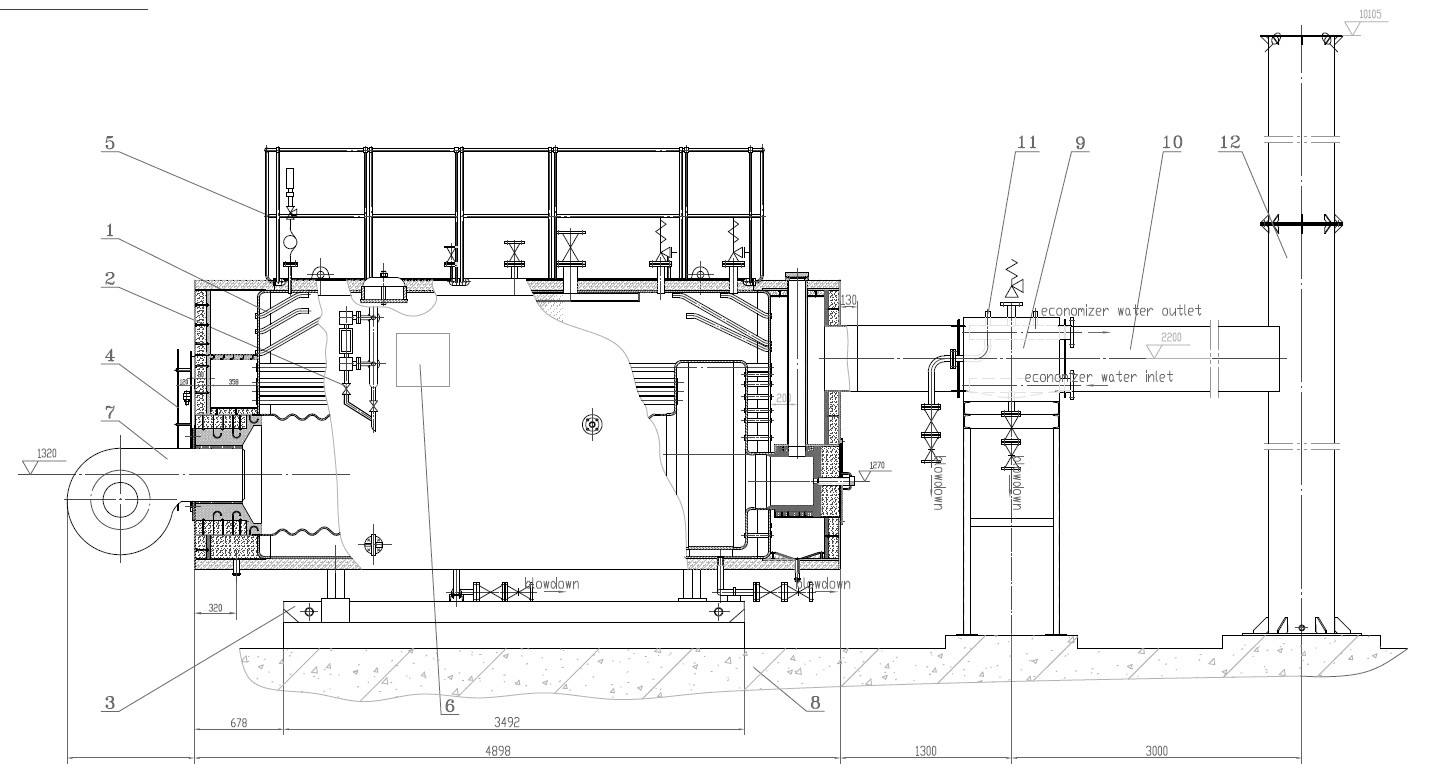
What Role Does Boiler Thermal Efficiency Play in Energy Savings and Fuel Economy?
In industrial operations, energy costs often account for up to 70% of the total operating budget for steam production. At the heart of this energy equation lies boiler thermal efficiency—a key performance metric that defines how much of the input fuel’s energy is actually converted into usable steam. Low thermal efficiency translates directly into wasted energy, higher fuel bills, increased CO₂ emissions, and a larger environmental footprint. On the other hand, improving thermal efficiency even marginally can deliver substantial energy savings and significant operational cost reductions, making it one of the most critical performance levers in modern boiler system design and management.
Boiler thermal efficiency plays a central role in energy savings and fuel economy by determining the proportion of fuel energy that is effectively converted into useful steam output. Higher thermal efficiency means less fuel is needed to produce the same amount of steam, reducing energy costs, minimizing emissions, and increasing system sustainability. Typical industrial boilers operate at 75–95% thermal efficiency; improving this efficiency by just 1% can cut fuel consumption by up to 2%, depending on the boiler size and duty cycle. Optimizing boiler efficiency through proper design, controls, and maintenance directly translates into financial and environmental gains.
The pursuit of higher thermal efficiency is not just about performance—it’s about economic survival and environmental responsibility.
Improving boiler thermal efficiency leads to lower fuel consumption and energy costs.True
Higher efficiency means more of the fuel's energy is converted into useful steam, reducing the amount of fuel needed per unit of output.
Boiler thermal efficiency has no impact on operational fuel costs.False
Thermal efficiency directly influences how much fuel is required to meet steam demands, affecting both cost and emissions.
🔍 What Is Boiler Thermal Efficiency?
Thermal Efficiency (η):
η = (Useful Heat Output / Fuel Energy Input) × 100
This efficiency is affected by:
Stack losses (flue gas temperature)
Radiation and convection losses
Blowdown and steam leaks
Excess air from poor combustion
Scaling on heat transfer surfaces
| Boiler Type | Typical Thermal Efficiency (%) |
|---|---|
| Fire-tube Boiler | 75–85 |
| Water-tube Boiler | 80–90 |
| Condensing Gas Boiler | 90–95 |
| HRSG (with turbine exhaust) | 92–97 |
📊 Fuel Savings from Efficiency Gains
| Boiler Size (TPH) | Current Efficiency (%) | Efficiency Gain (%) | Fuel Saved per Year (tons) | Cost Savings ($/year) |
|---|---|---|---|---|
| 10 TPH | 82 | +2% | 150–180 | $18,000–$21,000 |
| 20 TPH | 85 | +3% | 350–400 | $42,000–$48,000 |
| 50 TPH | 88 | +2% | 950–1,100 | $114,000–$132,000 |
Note: Based on $120/ton fuel cost and 6,000 hours/year operation
Even a small increase in thermal efficiency can save tens of thousands in annual fuel costs.
🧪 Case Study: Energy Savings from Efficiency Upgrade
Industry: Food processing
Boiler: 15 TPH natural gas-fired water tube
Original Efficiency: 82.5%
Improvements Made:
Added economizer
Installed O₂ trim system
Retuned burners
New Efficiency: 89.3%
| Metric | Before | After | Change |
|---|---|---|---|
| Natural Gas Use (Nm³/hr) | 1,275 | 1,130 | -11.4% |
| Steam Output (kg/hr) | 15,000 | 15,000 | Stable |
| Fuel Savings per Year | — | ~850,000 Nm³ | ≈ $275,000 |
| CO₂ Emissions (tons/year) | 2,470 | 2,190 | -280 tons |
Conclusion: Boosting thermal efficiency slashed gas usage and improved carbon performance.
🔧 Key Factors That Influence Thermal Efficiency
| Factor | Effect on Efficiency |
|---|---|
| Flue Gas Temperature | Higher temp = more heat loss |
| Excess Air Level | Too much air = unburned heat leaves via stack |
| Blowdown Frequency | Frequent blowdown = heat and water loss |
| Boiler Scale | Reduces heat transfer efficiency |
| Heat Recovery Systems | Economizer or air preheater boosts heat reuse |
| Condensing Operation | Captures latent heat in flue gas |
| Burner Modulation | Precise control improves part-load efficiency |
⚙️ Comparison: Low-Efficiency vs. High-Efficiency Boilers
| Parameter | Low-Efficiency Boiler | High-Efficiency Boiler |
|---|---|---|
| Thermal Efficiency (%) | 78–83 | 90–95 |
| Fuel Consumption per TPH | Higher | Lower |
| Stack Temperature (°C) | 220–260 | 130–170 |
| Blowdown Heat Loss | High | Low |
| CO₂ Emissions (per ton steam) | High | Low |
📉 Risks of Ignoring Boiler Efficiency
| Inefficiency Issue | Consequence |
|---|---|
| Oversized Boiler | Low part-load efficiency, fuel wastage |
| Poor Combustion Control | High CO/NOₓ, unburned hydrocarbons |
| No Heat Recovery | Stack losses up to 15% of input energy |
| Fouled Heat Surfaces | +5–10% fuel use due to poor transfer |
| Neglected Maintenance | 3–5% annual drop in efficiency if unchecked |
📈 Best Practices to Maximize Boiler Thermal Efficiency
✅ Install economizers to preheat feedwater using flue gas
✅ Use O₂ trim systems to optimize combustion air levels
✅ Keep heat exchanger surfaces clean and descaled
✅ Automate with burner modulation and PLC control
✅ Monitor stack temperature and flue gas composition
✅ Recover blowdown heat with flash tanks or heat exchangers
✅ Schedule regular efficiency audits and tuning
🌍 Environmental and Regulatory Advantages
| Efficiency Metric | Environmental Impact |
|---|---|
| High Efficiency | Less fuel burned, lower emissions |
| Carbon Reduction | Lower CO₂ per MWh or ton of steam |
| Qualifies for Incentives | Green energy credits, carbon offset programs |
| Improved ESG Ratings | Better sustainability metrics |
Improved boiler efficiency is not just good economics—it’s good climate strategy.
Boiler thermal efficiency is the primary determinant of fuel economy and energy savings in any industrial steam system. It affects fuel cost, emissions, performance, and sustainability. Even a few percentage points gained through heat recovery, combustion control, or preventive maintenance can save hundreds of thousands of dollars annually. Every efficient boiler is a step toward leaner operations and a cleaner future.
How Do Emissions Compliance Standards Impact the Choice of Gas-Fired Boilers?
For companies operating industrial gas-fired boilers, emissions are more than just an environmental concern—they are a regulatory obligation. Governments worldwide are tightening emissions compliance standards for pollutants like nitrogen oxides (NOₓ), carbon monoxide (CO), particulate matter (PM), sulfur oxides (SOₓ), and greenhouse gases like carbon dioxide (CO₂). These standards now directly shape how gas-fired boilers are selected, configured, and permitted, influencing everything from burner design and fuel choice to control systems and post-combustion technologies. Choosing a non-compliant boiler can result in fines, operational shutdowns, and denied permits, while the right compliant boiler ensures long-term operability, financial efficiency, and environmental responsibility.
Emissions compliance standards significantly impact the selection of gas-fired boilers by requiring systems that limit pollutants such as NOₓ, CO, and CO₂ within regulated thresholds. To meet these standards, boilers must incorporate low-NOₓ burners, flue gas recirculation, oxygen trim systems, and sometimes catalytic or non-catalytic reduction technologies. Compliance also dictates fuel quality, control strategies, and monitoring equipment. Selecting a boiler that aligns with current and anticipated emission limits is essential for legal operation, environmental permits, and access to green incentives.
A boiler is no longer just a steam generator—it’s a regulated combustion device that must meet environmental standards throughout its lifecycle.
Emissions regulations directly affect gas-fired boiler selection and configuration.True
Modern boilers must comply with strict NOₓ, CO, and CO₂ limits, influencing design, burner type, and control systems.
Gas-fired boilers are exempt from emission standards due to their cleaner combustion.False
Although cleaner than coal or oil, gas-fired boilers must still meet local, national, and international emission limits for NOₓ, CO, and greenhouse gases.
🔍 Key Emissions Regulated in Gas-Fired Boiler Systems
| Pollutant | Source in Boiler Operation | Environmental/Health Impact |
|---|---|---|
| NOₓ | High-temp combustion (air + fuel) | Smog, acid rain, respiratory illnesses |
| CO | Incomplete combustion of fuel | Toxic gas, indoor/outdoor air pollutant |
| CO₂ | Carbon from methane (CH₄) combustion | Major greenhouse gas, global warming |
| PM | Burner inefficiency, impurities | Lung disease, visibility degradation |
| SOₓ | Trace sulfur in pipeline or biogas fuel | Acid rain (minor in NG unless contaminated) |
NOₓ is the most tightly regulated emission for gas-fired systems, followed by CO and CO₂.
📊 Global NOₓ and CO Emission Standards Comparison
| Region/Agency | NOₓ Limit (mg/Nm³) | CO Limit (mg/Nm³) | Applies To |
|---|---|---|---|
| U.S. EPA (NSPS/MACT) | 30–100 (varies) | 100–200 | New boilers >10 MMBtu/hr |
| EU IED (2010/75/EU) | 100 (gas) | 50–100 | Boilers >50 MW |
| China GB 13271–2014 | 50 (for gas boilers) | 100 | Industrial boilers |
| India CPCB Norms | 80–100 (gas) | 100–150 | Industrial boilers post-2020 |
| California (SCAQMD Rule 1146) | 9 ppmv (~18 mg/Nm³) | 50–100 | Strictest regional standard in USA |
Local regulations (e.g., in California or the EU) may be stricter than national norms, affecting boiler eligibility.
🧪 Case Study: Boiler Selection for a Low-NOₓ Industrial Application
Industry: Pharmaceutical manufacturing
Steam Demand: 10 TPH
Regulatory Context: Must comply with <30 ppm NOₓ (U.S. federal) and <9 ppm (California Rule 1146)
| Boiler Type | NOₓ Output | Required Upgrades | Compliance Achieved? |
|---|---|---|---|
| Standard Package Boiler | 50–80 ppm | Not compliant | ❌ |
| Low-NOₓ Burner with FGR | 20–25 ppm | Yes | ✅ (federal only) |
| Ultra-Low-NOₓ Boiler (SCR + FGR) | <9 ppm | Yes | ✅ (federal + California) |
Conclusion: Advanced low-emission burner design and selective catalytic reduction (SCR) system enabled regulatory compliance.
🔧 Design and Technology Considerations Driven by Emissions Compliance
| Design Factor | Compliance-Driven Choice |
|---|---|
| Burner Type | Low-NOₓ premix or staged burners to reduce NOₓ formation |
| Combustion Control | O₂ trim and excess air control to minimize CO and fuel waste |
| Exhaust Treatment | SCR (catalyst), SNCR, or flue gas recirculation (FGR) |
| Fuel Purity | High-purity methane or pre-treated biogas to avoid PM and SOₓ |
| Stack Monitoring | Continuous Emission Monitoring System (CEMS) for compliance data |
⚙️ Emission Control Technologies for Gas-Fired Boilers
| Control Technology | Pollutants Controlled | Typical Reduction Efficiency | Applicability |
|---|---|---|---|
| Low-NOₓ Burner | NOₓ | 40–60% | All gas-fired units |
| Flue Gas Recirculation (FGR) | NOₓ | 20–30% | Medium-large systems |
| Selective Catalytic Reduction (SCR) | NOₓ | 90–95% | Large boilers or CHP |
| O₂ Trim Control | CO, Efficiency | +1–2% efficiency | Medium to large systems |
| Biogas Cleaning | PM, SOₓ, Siloxanes | 70–99% (varies by impurity) | Biogas-fed systems |
📉 Risks of Selecting Non-Compliant Boilers
| Non-Compliance Risk | Impact on Operation |
|---|---|
| Regulatory Fines | $25,000–$100,000+ per violation |
| Operational Shutdown | Enforcement actions by EPA/local agencies |
| Permit Denial | Project delays or rejections |
| Increased Insurance Costs | Higher premiums due to emissions risks |
| Public Image & ESG Impact | Reputational damage in sustainability metrics |
📈 Best Practices for Emission-Driven Boiler Selection
✅ Identify applicable emissions standards (local, national, industry-specific)
✅ Select boilers with certified low-emission burners (ULN, premix, staged)
✅ Evaluate need for SCR or FGR based on NOₓ target
✅ Ensure fuel quality (purity, sulfur content, contaminants) matches burner limits
✅ Install CEMS for real-time tracking of NOₓ, CO, O₂, and flow
✅ Review expected future tightening of standards and select boilers accordingly
✅ Consider total cost of compliance, not just CapEx
🌍 Sustainability and Incentives for Emission-Optimized Boilers
| Benefit | Impact on ROI and Compliance |
|---|---|
| Carbon Credits | Eligible with low-CO₂, high-efficiency boilers |
| Green Certifications (LEED, ISO 14001) | Easier with compliant, efficient boilers |
| Lower Operating Costs | Less fuel burned = less emissions = lower costs |
| Public & Stakeholder Approval | Demonstrates commitment to sustainable operations |
| Government Incentives/Subsidies | Available in many regions for low-NOₓ technologies |
Emission regulations are not just legal thresholds—they are strategic benchmarks that influence every aspect of boiler selection and operation. A gas-fired boiler chosen without regard for emissions compliance can become a financial, operational, and legal liability. Conversely, systems designed for emissions compliance from the start are safer, more efficient, and future-ready, enabling long-term cost savings, regulatory confidence, and environmental leadership.
Why Is Automation and Control System Integration Important in Industrial Gas-Fired Boilers?
In industrial gas-fired boiler systems, precise control and safe operation are paramount. These boilers operate under high pressures, temperatures, and combustion intensities—conditions that demand exact monitoring and fast response times. Manual operation is not only inefficient and labor-intensive but also prone to human error, which can lead to safety risks, emissions violations, and energy waste. That’s where automation and integrated control systems come in. These systems provide real-time data, closed-loop adjustments, and predictive maintenance insights that drastically improve operational efficiency, reliability, and safety. Without automation, modern boiler systems would be vulnerable to instability, non-compliance, and excessive costs.
Automation and control system integration are critical in industrial gas-fired boilers because they ensure safe, stable, and efficient operation by continuously monitoring parameters like pressure, temperature, fuel-air ratio, steam demand, and emissions. Advanced control systems such as PLCs, SCADA, and HMI interfaces enable automatic adjustments in combustion, load management, and heat recovery. This leads to higher thermal efficiency, lower fuel consumption, safer operation, and full regulatory compliance. Without automation, modern high-capacity boilers cannot meet the performance, safety, or emissions standards required in industrial environments.
Automation is not a luxury—it is a strategic necessity for intelligent, cost-effective, and safe boiler operations in today’s industrial world.
Automation improves the efficiency and safety of gas-fired industrial boilers.True
Automated control systems adjust combustion, monitor critical parameters, and respond instantly to system changes, improving safety and efficiency.
Gas-fired boilers can run optimally without any control or monitoring systems.False
Without control systems, boilers cannot adjust to load changes or fuel-air imbalances, risking inefficient, unsafe, and non-compliant operation.
🔍 Key Functions of Boiler Automation and Control Systems
| Function | Purpose |
|---|---|
| Combustion Control (Fuel-Air Ratio) | Ensures complete, clean combustion with optimal energy output |
| Pressure and Temperature Control | Maintains steam output stability and prevents system stress |
| Feedwater Regulation | Matches water supply to steam generation, avoids drum level issues |
| Oxygen Trim Control | Adjusts combustion air based on real-time flue gas O₂ levels |
| Blowdown Automation | Minimizes heat loss while removing impurities |
| Safety Interlocks | Shuts down system on fault or unsafe conditions |
| Remote Monitoring & Diagnostics | Enables centralized, real-time decision-making and predictive maintenance |
📊 Automation Benefits in Key Performance Metrics
| Metric | Manual System | Automated System | Improvement (%) |
|---|---|---|---|
| Thermal Efficiency (%) | 82–86 | 90–94 | +8–15 |
| Operator Response Time (sec) | 30–90 | 1–5 | 90–98 faster |
| Fuel Use (per ton of steam) | Higher | Lower | -5 to -12% |
| Steam Pressure Fluctuation (bar) | ±1.2 | ±0.2 | More stable |
| Boiler Trips / Year | 5–8 | 0–2 | Lower risk |
🧪 Case Study: Automation Upgrade in a 25 TPH Gas-Fired Boiler
Industry: Chemical manufacturing
Boiler Type: Water-tube, 25 TPH, natural gas-fired
Before Upgrade: Manual combustion control, analog gauges
After Upgrade: PLC-based combustion control, SCADA integration
| Performance Metric | Before | After | Result |
|---|---|---|---|
| NOₓ Emissions (mg/Nm³) | 85 | 38 | 55% reduction |
| Fuel Consumption (Nm³/hr) | 2,900 | 2,610 | -10% savings |
| Downtime (hours/year) | 112 | 36 | -68% less downtime |
| Operator Headcount | 2 per shift | 1 per shift | Labor efficiency improved |
Conclusion: Automation yielded improved fuel economy, emissions compliance, and operational stability.
🔧 Key Components of a Boiler Automation System
| Component | Functionality |
|---|---|
| PLC (Programmable Logic Controller) | Core controller for logic and sequencing |
| HMI (Human-Machine Interface) | Operator interface for real-time interaction |
| SCADA System | Centralized monitoring, trend logging, remote access |
| Sensors & Transmitters | Measure pressure, temperature, flow, O₂, CO, flame status |
| Actuators/Valves | Automatically adjust fuel, air, water, and dampers |
| Safety Interlocks | Shut down system during overpressure, low water, or flameout |
⚙️ Automation Integration Levels
| Automation Level | Description | Used In |
|---|---|---|
| Basic Control | On/off logic, simple temperature/pressure control | Small packaged boilers |
| Intermediate PLC Control | Fuel-air ratio, feedwater, alarms | Medium industrial plants |
| Advanced (SCADA + AI) | Adaptive combustion, remote diagnostics, predictive analytics | Large or multi-boiler operations |
📉 Consequences of No or Poor Automation
| Issue | Consequence |
|---|---|
| Fuel-Air Imbalance | High emissions, poor combustion, excess fuel usage |
| Slow Operator Reaction | Missed trips, pressure surges, damage |
| Manual Blowdown Errors | Heat loss, scaling, risk of tube failure |
| No Predictive Maintenance | Unplanned shutdowns, higher repair costs |
| Regulatory Non-Compliance | Fines, shutdown orders, loss of environmental permits |
📈 Best Practices for Effective Boiler Automation
✅ Choose industrial-grade PLCs with redundant power and I/O modules
✅ Calibrate sensors every 6–12 months for accuracy
✅ Implement adaptive control algorithms for dynamic load response
✅ Integrate SCADA for data logging and compliance reports
✅ Enable remote access and alerts for round-the-clock supervision
✅ Train operators on HMI usage and fault troubleshooting
✅ Include emissions monitoring integration for NOₓ/CO/CO₂ tracking
🌍 Environmental and Economic Impact of Automation
| Impact Area | Benefit from Automation |
|---|---|
| Energy Use | Reduced fuel consumption by up to 12% |
| Emissions (NOₓ, CO) | Up to 60% lower with precise combustion control |
| Water Conservation | Automated blowdown reduces thermal and water losses |
| Labor Efficiency | Reduced manning while increasing reliability |
| Carbon Reporting | Automated logs simplify sustainability audits |
Automation empowers companies to run smarter, greener, and leaner operations—a must in today’s ESG-driven world.
In conclusion, automation and control system integration are no longer optional features for industrial gas-fired boilers—they are essential infrastructure for achieving peak efficiency, safety, and compliance. Whether you’re operating a single 10 TPH boiler or managing a multi-boiler utility plant, integrated controls ensure that your system performs intelligently, reacts immediately, and reports transparently—maximizing ROI while minimizing environmental impact.
🔍 Conclusion
Choosing the right gas-fired boiler is more than a technical specification—it’s about finding a system that meets your production demands, energy strategy, and environmental commitments. By focusing on these essential parameters, you can ensure optimal performance and long-term savings.🔥📊✅
FAQ
Q1: What are the key efficiency factors in selecting a gas-fired boiler?
A1: Boiler efficiency is a top priority, typically measured as thermal efficiency or combustion efficiency. A high-efficiency gas-fired boiler reduces fuel costs and emissions. Look for features like condensing technology, modulating burners, and advanced heat exchangers. Selecting a unit with efficiency ratings above 90% ensures better fuel-to-heat conversion and long-term cost savings.
Q2: How does boiler capacity affect gas-fired boiler selection?
A2: Capacity defines the amount of steam or hot water a boiler can produce, usually measured in BTU/hr or tons/hour. Oversized boilers lead to cycling losses and inefficiency, while undersized units can’t meet demand. Matching boiler output to the facility’s load profile—both peak and average—ensures stable operation and energy optimization.
Q3: Why are emissions important when choosing a gas-fired boiler?
A3: Industrial gas-fired boilers must comply with strict environmental regulations regarding NOx, CO, and CO₂ emissions. Low-NOx burners and flue gas recirculation systems help reduce pollution. Selecting boilers with advanced emissions control ensures regulatory compliance and supports sustainability goals.
Q4: What role does fuel type and gas pressure play in boiler compatibility?
A4: Most industrial gas-fired boilers run on natural gas, but some can use LPG or dual fuels. It’s crucial to ensure that the boiler is compatible with the available gas supply pressure and composition. Pressure regulators, gas trains, and safety shut-off valves must be appropriately sized for safe and efficient operation.
Q5: How do installation and maintenance requirements influence boiler selection?
A5: Installation space, access, and integration with existing systems are key considerations. Some high-efficiency boilers require condensate drainage and corrosion-resistant materials. Maintenance-friendly designs with accessible components, remote monitoring, and diagnostic systems help reduce downtime and operating costs.
References
Selecting a Commercial Boiler – https://www.cleaverbrooks.com/reference-center/boiler-selection-guide.aspx – Cleaver-Brooks
Industrial Boiler Efficiency Guide – https://www.energy.gov/eere/femp/energy-efficient-boiler-systems – U.S. Department of Energy
Natural Gas Boiler Regulations – https://www.epa.gov/stationary-sources-air-pollution – U.S. Environmental Protection Agency
Understanding Boiler Capacity – https://www.engineeringtoolbox.com/boiler-capacity-d_1115.html – The Engineering Toolbox
Low NOx Gas Burners – https://www.powerengineeringint.com/emissions/environmental-control/low-nox-burners/ – Power Engineering
Boiler Fuel and Gas Pressure Requirements – https://www.gasengineer.co.uk/understanding-gas-pressure-for-appliances/ – Gas Engineer
Maintenance Considerations for Boilers – https://www.abma.com/boiler-maintenance-tips – American Boiler Manufacturers Association
Industrial Gas Boiler Installation Tips – https://www.hurstboiler.com/boilers/gas-fired/ – Hurst Boiler & Welding Co.
Condensing vs. Non-Condensing Boilers – https://www.viessmann-us.com/en/knowledge/condensing-boilers.html – Viessmann
Boiler Emissions and Compliance – https://www.babcock.com/home/environmental/emissions-control/ – Babcock & Wilcox
