
Choosing the right industrial steam boiler is a pivotal decision that impacts production efficiency, fuel consumption, operational safety, and environmental compliance. A poorly chosen boiler can lead to excessive energy costs, frequent breakdowns, and failure to meet process demands. With various types and configurations available, understanding the key selection parameters is essential for making a technically sound and cost-effective investment.
The essential parameters for selecting an industrial steam boiler include steam capacity, operating pressure, fuel type and availability, boiler efficiency, application-specific requirements, emissions compliance, and control system integration. These factors ensure optimal performance, energy savings, and operational reliability.
Whether you’re installing a new system or upgrading an existing one, it’s important to consider more than just the price tag. Let’s delve into the critical parameters that will guide your decision toward the best boiler solution for your operation.
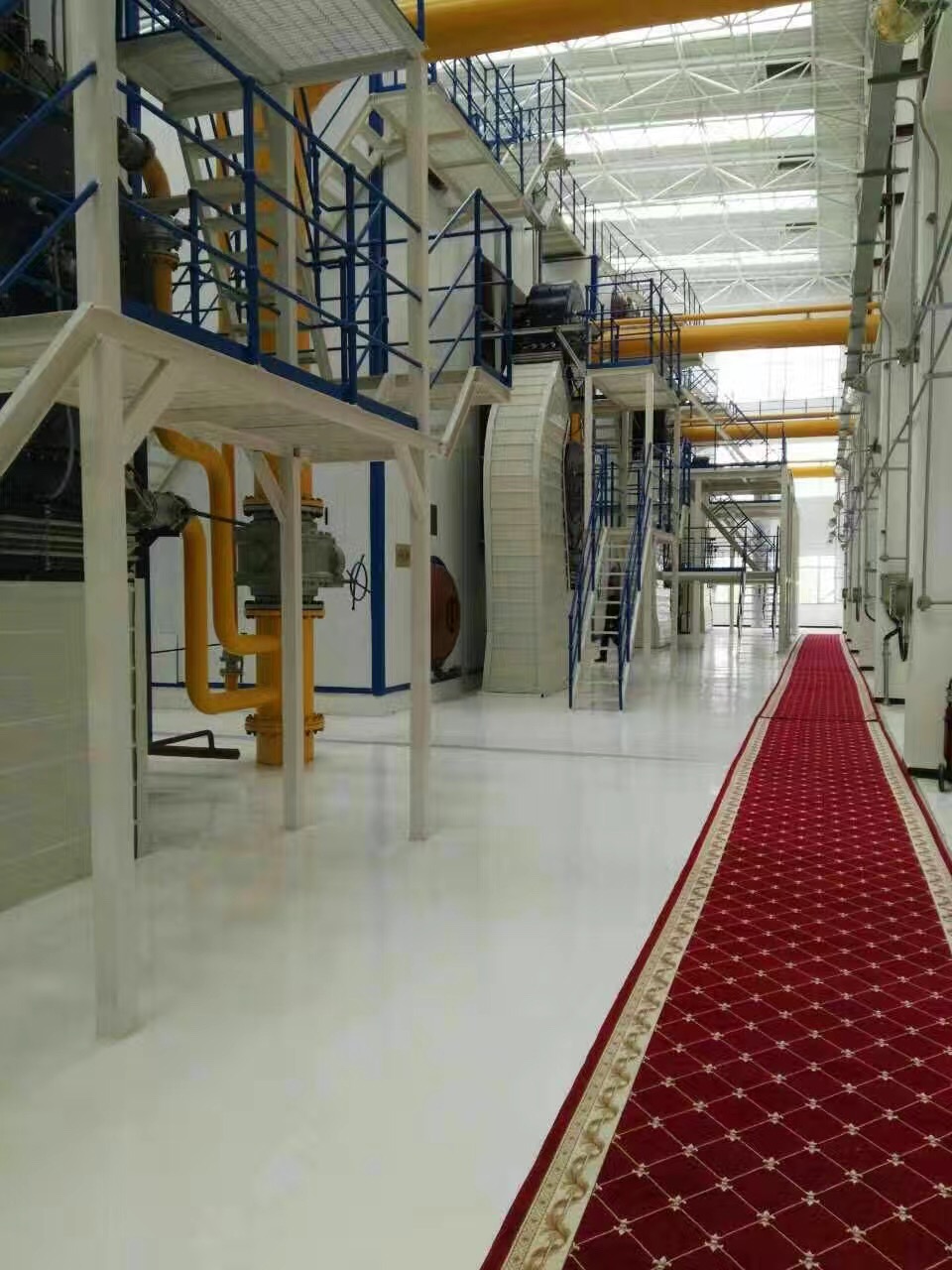
How Does Steam Capacity Determine the Appropriate Industrial Steam Boiler Size?
In industrial operations, choosing the wrong size boiler isn’t just a technical mistake—it’s a costly and operationally risky decision. Undersized boilers can’t meet steam demand, leading to production delays and reduced efficiency. Oversized boilers, on the other hand, cycle too often, increasing fuel use, wear, and emissions. The steam capacity requirement is the cornerstone of proper boiler selection. When plant engineers and procurement teams properly assess it, they ensure safe, efficient, and reliable steam generation that matches real-world operational loads.
Steam capacity directly determines the appropriate industrial steam boiler size by defining the maximum quantity of steam the system must produce under peak operating conditions. It is typically expressed in tons per hour (TPH), pounds per hour (PPH), or kilograms per hour (kg/h). Boiler capacity must match or slightly exceed the highest expected steam demand of the process to ensure steady operation, energy efficiency, and equipment longevity. Choosing a boiler based on accurate steam capacity ensures cost-effectiveness and avoids underperformance or fuel waste due to over-sizing.
If you don’t size the boiler correctly based on steam capacity, you risk undermining your entire operation.
Steam capacity is the primary factor in selecting an industrial boiler.True
Steam capacity determines the volume of steam the plant needs, guiding the correct boiler size for optimal operation.
It’s better to select a significantly oversized boiler to avoid running out of steam.False
Oversized boilers waste fuel, increase cycling losses, and often reduce efficiency and lifespan.
🔍 What Is Steam Capacity, and Why Does It Matter?
Steam capacity refers to the maximum rate at which a boiler can produce saturated or superheated steam under specified conditions (pressure and temperature). It’s measured as:
TPH (tons per hour) – Metric ton of steam/hour
PPH (pounds per hour) – Common in U.S. systems
kg/h – Metric unit used in many global applications
For example, a 10 TPH boiler can supply 10,000 kg of steam every hour at the rated pressure and temperature.
This capacity must cover:
Peak production loads
Start-up surges
Safety factors (typically 10–15%)
📊 Steam Demand vs. Boiler Capacity Sizing
| Process Application | Typical Steam Load (TPH) | Recommended Boiler Size (TPH) | Why It Matters |
|---|---|---|---|
| Textile Processing Plant | 8.5 | 10 | Covers peak dyeing and drying loads |
| Food Processing Plant | 4.0 | 4.5–5 | Handles sanitation spikes and packaging lines |
| Chemical Manufacturing | 12 | 13.5–14 | Supports reactors and pressure vessels safely |
| Power Generation (Turbine) | 40 | 45 | Ensures turbine stability and redundancy |
🧪 Case Study: Misjudged Steam Capacity
Industry: Pharmaceuticals
Installed Boiler: 6 TPH
Actual Peak Load: 7.5 TPH during sterilization
Issue: Boiler frequently tripped, causing downtime and production delays
Fix: Installed a 9 TPH system with modulating controls
Result:
15% fuel savings from optimized cycling
Zero unscheduled shutdowns
Achieved 92% average load utilization
Lesson: Always size for peak + safety margin, not average load.
⚙️ Key Parameters for Capacity-Based Sizing
| Parameter | Role in Sizing |
|---|---|
| Peak Steam Load (kg/h or TPH) | Primary value to match boiler output |
| Steam Pressure Requirement | Affects volume and energy content of steam |
| Steam Temperature | Superheated steam needs different sizing than saturated |
| Cycle Load Variability | High variation may call for modular or multiple boilers |
| Safety Factor (10–20%) | Built-in margin to prevent capacity shortfall |
| Future Load Growth | 10–15% buffer recommended if expansion is expected |
✅ Boiler Sizing Workflow Based on Steam Capacity
Map all steam-consuming equipment
Calculate peak hourly demand
Apply load factor based on operation schedule
Include start-up and surge requirements
Add safety margin of 10–15%
Select boiler capacity equal to or just above that figure
For example:
Peak Load = 6.5 TPH
Safety Margin = 15% (0.975 TPH)
Required Boiler Size = 6.5 + 0.975 = ~7.5 TPH
📈 Boiler Efficiency vs. Capacity Utilization
| Utilization (%) | Boiler Efficiency (%) | Comments |
|---|---|---|
| <30% | 75–78% | Low efficiency, excessive cycling |
| 50–75% | 80–85% | Acceptable, steady-state performance |
| 80–90% | 85–90% | Optimal efficiency, minimal losses |
| 100% | 88–91% | Excellent but no headroom for load spikes |
| >110% (Overload) | Risk of failure | Short-term only, may void warranty |
🔍 Impact of Wrong Sizing on Operational Cost
| Sizing Error | Common Outcome | Cost Implication |
|---|---|---|
| Undersized Boiler | Can’t meet load, downtime, overload risk | Lost production, emergency rental cost |
| Oversized Boiler | Short cycling, low efficiency, higher emissions | 10–20% extra fuel cost, faster wear |
| Improper Modulation | Inefficient load matching | Ineffective part-load performance |
| Poor Forecasting | Future expansion not supported | Requires additional CAPEX later |
Steam capacity is not just a number—it’s the foundation of industrial boiler design and performance. With accurate demand profiling and a smart buffer, you ensure that your boiler delivers the steam your processes need—when they need it, efficiently, and without compromise.
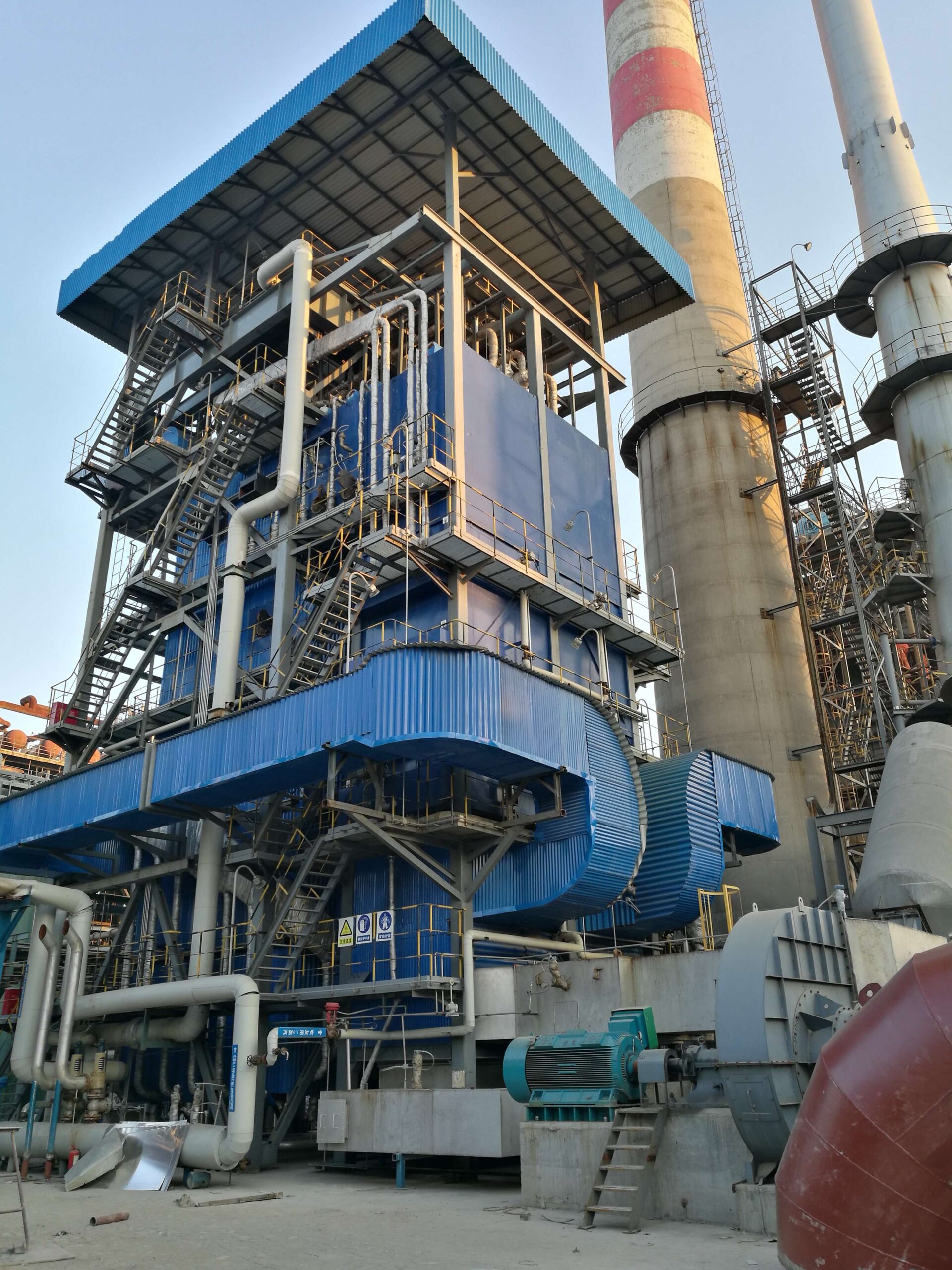
Why Is Operating Pressure a Critical Parameter for Steam Boiler Selection?
Steam pressure is more than a number—it’s the driving force behind how energy is transferred in a boiler-powered process. Choose it too low, and your steam won’t reach distant or high-temperature processes. Choose it too high, and you waste energy, increase wear, and overpay for unnecessary pressure handling systems. The operating pressure of a steam boiler directly affects the steam’s thermal energy, distribution capability, equipment compatibility, and safety requirements. That’s why pressure selection is not optional—it’s critical.
Operating pressure is a critical parameter in steam boiler selection because it determines the thermal energy content of the steam, influences system design, and ensures compatibility with process equipment. High-pressure steam can transfer more energy per unit mass and reach long distances or high-temperature processes efficiently. However, it also requires more robust boiler construction, higher fuel input, and stricter safety systems. Therefore, selecting the optimal pressure ensures efficient energy delivery without incurring unnecessary capital, fuel, or compliance costs.
Selecting the correct pressure is the difference between a well-optimized system and an energy-bleeding liability.
Operating pressure directly affects steam energy content and boiler design requirements.True
Steam at higher pressure carries more enthalpy and requires stronger boiler components, influencing overall system design.
Steam pressure does not significantly impact the performance or cost of a steam boiler.False
Higher pressures increase energy content, material strength requirements, safety protocols, and operating costs.
🔍 Understanding Operating Pressure in Steam Boilers
| Parameter | Definition |
|---|---|
| Operating Pressure | The pressure at which the boiler normally operates |
| Design Pressure | Maximum pressure the boiler is designed to withstand |
| Steam Pressure Units | Typically measured in bar, psi, or MPa |
| Pressure Types | Low (<1.5 bar), Medium (1.5–17.5 bar), High (>17.5 bar) |
The higher the pressure, the higher the steam temperature and energy—but also the higher the system cost and complexity.
📊 Steam Enthalpy vs Pressure (Saturated Steam)
| Pressure (bar g) | Saturation Temp (°C) | Steam Enthalpy (kJ/kg) | Typical Application |
|---|---|---|---|
| 3 | 143.6 | 2,138 | Laundry, low-temp food processing |
| 8 | 170.4 | 2,040 | Breweries, dairy, sterilization |
| 12 | 188.1 | 2,022 | Pharmaceuticals, chemical plants |
| 20 | 212.4 | 2,009 | Petrochemicals, turbine drives |
| 45 | 263.8 | 1,994 | Power plants, high-temp processes |
Insight: As pressure increases, latent heat drops, but sensible heat rises, making high-pressure steam more energy-dense.
🧪 Case Study: Pressure Optimization in a Food Processing Plant
Old System: 12 bar boiler supplying a 4 bar sterilization line
Issue: High-pressure steam was throttled down—wasting energy
Change: Installed a 5 bar operating pressure boiler
Result:
Improved combustion efficiency by 6%
Reduced maintenance on pressure-reducing valves
Saved ~$42,000/year in fuel costs
Simplified plant safety compliance
Lesson: Match operating pressure to process need—avoid over-pressurization.
⚙️ Key Considerations for Selecting Operating Pressure
| Consideration | Why It Matters |
|---|---|
| Process Temperature Needs | Higher pressure = higher steam temperature |
| Piping System Design | Higher pressure requires thicker, more expensive pipes |
| Equipment Compatibility | Valves, heat exchangers, and traps are pressure-rated |
| Safety and Code Compliance | High-pressure systems need more stringent safety features |
| Boiler Construction Materials | Must withstand high-pressure stress and corrosion |
| Energy Use and Losses | Higher pressure can increase radiant and standby losses |
✅ Steam Boiler Pressure Selection Checklist
Identify maximum pressure demand from process equipment
Consider distance of steam travel and pressure drop across lines
Check if multi-pressure systems (e.g., 10 bar and 4 bar) are needed
Verify local regulatory pressure classifications (e.g., pressure vessel codes)
Match pressure with fuel and combustion efficiency characteristics
Ensure safety valves, headers, and traps are pressure rated accordingly
📈 Boiler CapEx and O&M Cost Trends with Pressure
| Pressure Level | CapEx ($/TPH) | O&M Cost Impact | Efficiency Consideration |
|---|---|---|---|
| Low (≤5 bar) | $30,000–$45,000 | Low | Simpler design, lower losses |
| Medium (6–17 bar) | $45,000–$70,000 | Moderate | Common in process industries |
| High (18–40+ bar) | $70,000–$120,000 | High | Needed for turbines, power export |
Insight: Only select high pressure when absolutely required by the process. Don’t overspecify.
🔍 Steam Pressure Classifications by Application
| Industry | Typical Steam Pressure | Reason |
|---|---|---|
| Textile | 4–7 bar | Dryers and calenders need moderate pressure |
| Pharmaceuticals | 8–12 bar | Autoclaves and CIP processes |
| Chemical Manufacturing | 10–20 bar | High-temperature reactions |
| Power Generation | 30–60+ bar | Drives high-efficiency turbines |
| Food Processing | 2–6 bar | Steam jacketed vessels and blanching units |
🚨 Risks of Improper Pressure Selection
| Error | Risk |
|---|---|
| Too Low Pressure | Inadequate energy delivery, equipment underperformance |
| Too High Pressure | Energy loss via throttling, higher CAPEX and O&M |
| Misaligned Equipment Rating | Pressure mismatch may damage traps, exchangers, or valves |
| Compliance Breach | Regulatory violations if boiler exceeds local pressure codes |
The pressure at which your boiler operates isn’t just a number—it’s the linchpin of safe, efficient, and compliant steam production. Accurate pressure selection ensures your boiler delivers just the right amount of energy, at just the right temperature, to your critical processes.
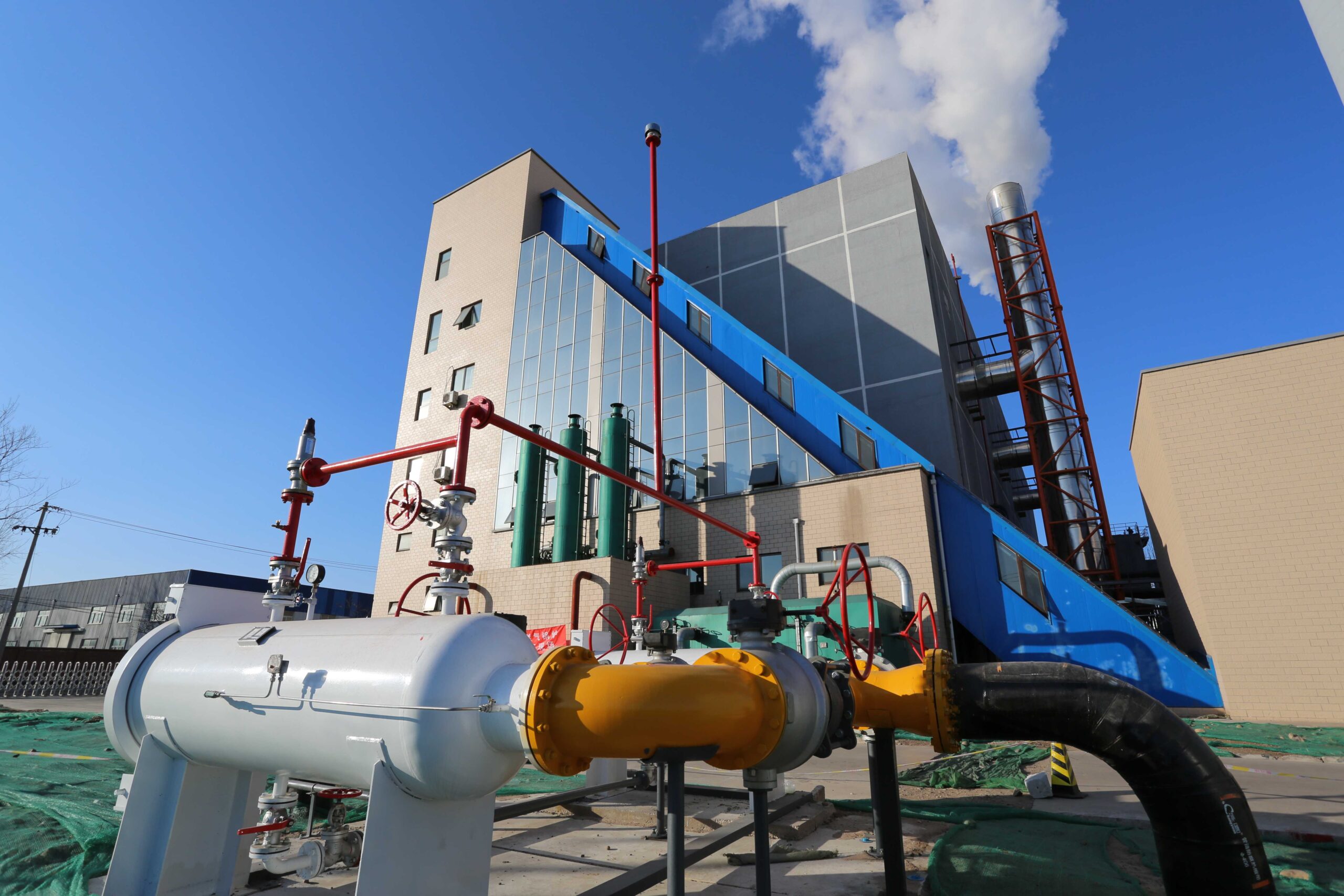
How Do Fuel Type and Availability Affect Boiler Design and Operating Cost?
In industrial steam generation, fuel is not just an input—it’s a design constraint, a compliance factor, and a long-term cost driver. Choosing the wrong fuel or failing to consider its availability can lead to inflexible boiler design, excessive operating expenses, and even forced downtime. Whether you select coal, natural gas, biomass, or oil, each fuel type demands specific boiler characteristics, storage systems, and emissions controls. Moreover, local and long-term availability of that fuel determines energy security, pricing stability, and ROI.
Fuel type and availability directly affect industrial boiler design by dictating combustion system configuration, heat transfer surface area, ash handling, emissions control equipment, and overall footprint. They also significantly impact operating cost through fuel price per energy unit, combustion efficiency, maintenance frequency, and emissions-related expenses. Selecting a fuel without considering local supply, cost volatility, and boiler compatibility can result in oversized OPEX and costly retrofits.
Fuel decisions are foundational. Get it right, and your boiler becomes a long-term asset. Get it wrong, and it becomes a liability.
Fuel type determines key design features and long-term cost performance of an industrial boiler.True
Each fuel requires specific combustion design, fuel handling, and emissions controls, which directly impact cost and efficiency.
Fuel availability has minimal impact on boiler operations as long as efficiency is high.False
Fuel availability determines pricing, reliability, and downtime risk, making it a critical operational factor.
🔍 How Fuel Type Shapes Boiler Design
| Fuel Type | Design Implications |
|---|---|
| Coal | Requires large combustion chamber, slag handling, and soot blowing system |
| Biomass | Needs large grate or fluidized bed, fuel feeding systems, and moisture management |
| Natural Gas | Compact boiler design, premix burners, minimal ash handling, quick start-up |
| Fuel Oil | Requires preheating systems, soot blowers, higher maintenance on burner components |
| Multi-Fuel | Modular design with interchangeable burners and adaptable controls |
Each fuel’s burning characteristics (calorific value, ash content, volatility) determine how the boiler is engineered—from the grate type to the heat exchanger layout.
📊 Comparative Table: Fuel Characteristics vs Boiler Design
| Fuel Type | Calorific Value (kcal/kg or MJ/m³) | Ash Content | Moisture Content | Design Challenges |
|---|---|---|---|---|
| Coal | 5,000–6,800 kcal/kg | 10–20% | 5–12% | Slagging, fouling, ash removal |
| Biomass (wood) | 3,200–4,500 kcal/kg | 1–5% | 10–50% | Inconsistent feed, combustion instability |
| Natural Gas | 35–38 MJ/m³ | Negligible | 0% | Requires advanced combustion controls |
| Fuel Oil | 9,500–10,200 kcal/kg | 0.1–0.5% | 0.1% | Needs fuel heating, soot issues |
| Biogas | 20–23 MJ/m³ | Negligible | Saturated | Variable methane content, pressure control |
🧪 Case Study: Cost Shift Due to Fuel Availability
Industry: Paper Mill (50 TPH boiler)
Original Fuel: Imported coal ($160/ton), efficiency: 78%
Issue: Fuel supply delays, rising shipping costs
Switch: Retrofitted boiler for 70% rice husk biomass (local)
Efficiency: 82%
Fuel cost: $85/ton
Retrofit cost: $520,000
Annual OPEX reduction: $420,000
Payback: <1.5 years
Improved supply chain stability
Lesson: Local, stable fuel supply trumps cheaper but volatile alternatives.
⚙️ Fuel-Based Design Differences at a Glance
| Boiler Component | Coal-Fired | Gas-Fired | Biomass-Fired |
|---|---|---|---|
| Combustion Chamber | Large, slag-resistant | Small, clean-burning | Wide, robust, moisture-tolerant |
| Fuel Feeding System | Conveyor & bunker | Gas train & regulators | Screw feeder, hopper |
| Ash Removal System | Yes (wet/dry) | None | Yes (manual or automatic) |
| Emissions Control | Electrostatic precipitator | Low-NOx burner + FGR | Cyclone or bag filter |
| Maintenance Needs | High | Low | Medium |
| Turn-Down Ratio | 3:1 – 5:1 | 10:1 – 15:1 | 4:1 – 6:1 |
✅ Fuel Availability Evaluation Checklist
Is the fuel locally available year-round?
Are there multiple suppliers or long-term contracts possible?
Can you store sufficient inventory on-site to mitigate disruption?
What are the transport, handling, and preparation costs?
Are there logistics or political risks (imports, tariffs)?
Does the fuel quality vary (moisture, calorific value, ash)?
Fuel security = cost stability.
📈 Operating Cost Implications Based on Fuel Type
| Fuel Type | Fuel Cost ($/GJ) | Boiler Efficiency (%) | Effective Steam Cost ($/ton) | Maintenance Trend |
|---|---|---|---|---|
| Coal | $3.5 | 78–82% | $30–36 | High |
| Biomass | $5.0 | 80–85% | $29–34 | Medium (fuel prep needed) |
| Natural Gas | $7.0 | 90–94% | $27–31 | Low |
| Fuel Oil | $9.0 | 84–88% | $33–38 | Medium-High |
| Biogas | $6.0 | 85–88% | $28–32 | Medium |
🔍 What Happens if You Choose the Wrong Fuel?
| Mistake | Impact |
|---|---|
| Choose a fuel that isn’t locally stable | Supply disruption, shutdown risk |
| Don’t match design to fuel properties | Low efficiency, slagging, damage |
| Ignore emissions impact | Non-compliance, high retrofit costs |
| Switch fuel without proper adaptation | Safety hazards, corrosion, heat transfer loss |
| Focus only on initial cost | Long-term OPEX may be significantly higher |
Fuel is not a one-time choice. It’s a strategic business decision that impacts every aspect of your boiler’s design, performance, and cost structure. Smart fuel selection, based on availability, quality, and long-term outlook, leads to lower lifecycle costs and greater operational resilience.
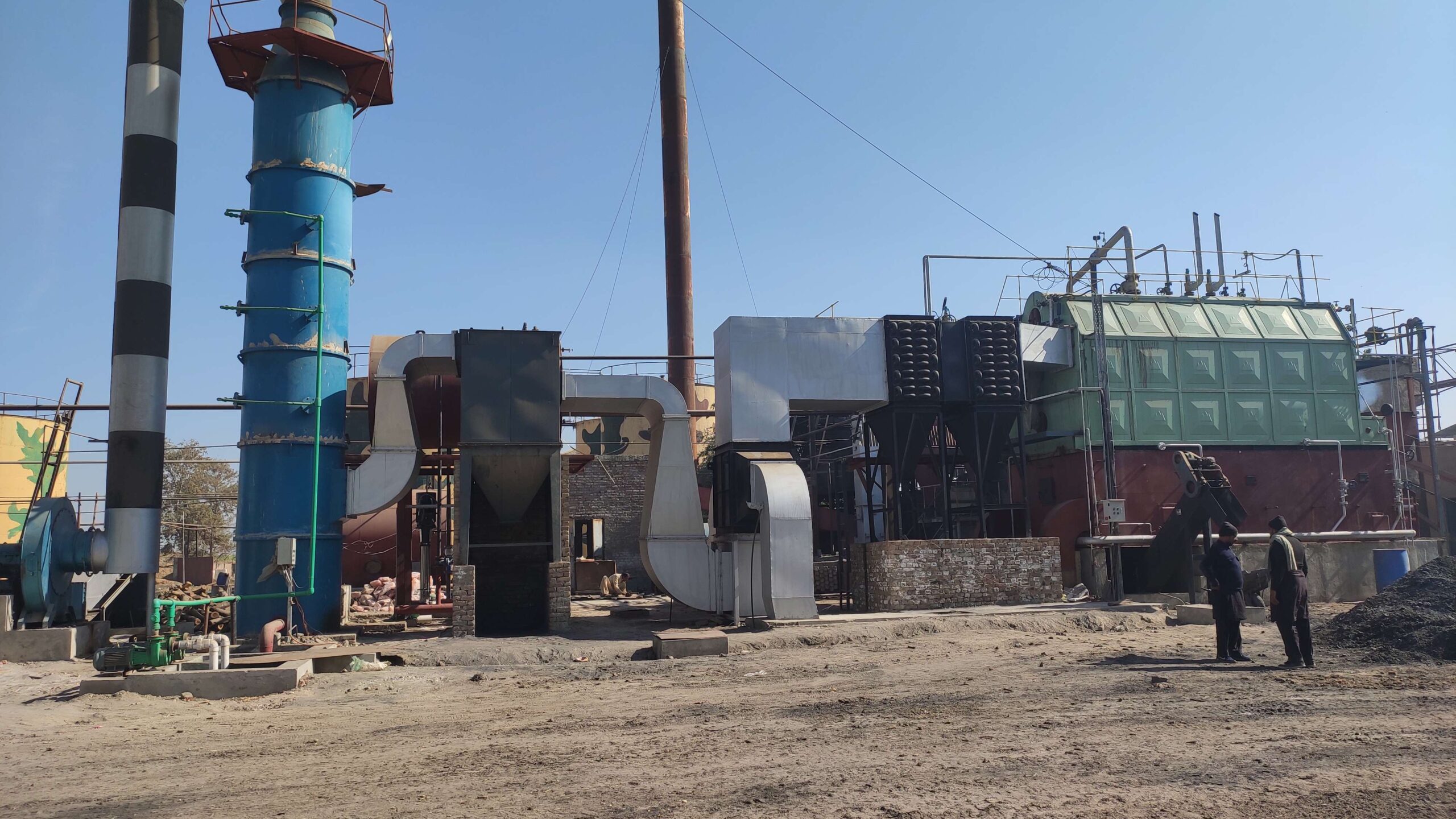
What Is the Significance of Thermal Efficiency in Selecting an Industrial Steam Boiler?
When selecting an industrial steam boiler, most buyers focus on steam output, pressure, and cost—but thermal efficiency is often the hidden variable that determines long-term profitability. A small difference in thermal efficiency can translate into massive annual fuel cost variations, impacting the total cost of ownership, emissions compliance, and system sustainability. Thermal efficiency reflects how effectively the boiler converts fuel energy into usable steam—and that single percentage point difference may be worth thousands—or even millions—over the boiler’s lifespan.
Thermal efficiency is a critical factor in selecting an industrial steam boiler because it directly influences fuel consumption, operating costs, and environmental performance. Higher thermal efficiency means more energy from fuel is converted into steam, reducing waste and emissions. For example, increasing boiler efficiency from 80% to 90% can save up to 12.5% in fuel costs annually. Therefore, selecting a boiler with high thermal efficiency ensures lower OPEX, better ROI, and easier compliance with environmental regulations.
Efficiency is the lever that multiplies—or drains—your investment over time.
Higher thermal efficiency in a boiler reduces fuel costs and environmental impact.True
Efficient boilers use less fuel to produce the same amount of steam, cutting both operating costs and emissions.
Boiler efficiency is a minor factor compared to output capacity or purchase price.False
Efficiency determines long-term fuel use, making it a major driver of lifecycle cost and competitiveness.
🔍 What Is Boiler Thermal Efficiency?
Boiler thermal efficiency measures the ratio of heat energy converted into usable steam versus the total energy supplied by the fuel. It is expressed as:
Thermal Efficiency (%) = (Useful Heat Output / Heat Input from Fuel) × 100
Direct Efficiency: Based on steam output vs fuel input
Indirect Efficiency: Accounts for heat losses (flue gas, blowdown, radiation)
📊 Example Comparison of Thermal Efficiency
| Boiler Type | Typical Thermal Efficiency (%) | Fuel Type | Design Features |
|---|---|---|---|
| Fire-tube Boiler | 75–82% | Coal, oil | Simple design, higher losses |
| Water-tube Boiler | 80–88% | Gas, biomass | Higher pressure/temperature range |
| Condensing Gas Boiler | 90–96% | Natural gas | Recovers latent heat from condensate |
| Biomass Grate Boiler | 78–85% | Wood, husk, chips | Efficiency depends on fuel moisture |
| Fluidized Bed Boiler | 82–89% | Biomass, coal | High combustion efficiency, fuel-flexible |
📈 Fuel Cost Impact of Boiler Efficiency
| Boiler Efficiency (%) | Fuel Required (kg/ton steam) | Fuel Cost @ $150/ton | Annual Cost (10 TPH, 24/7) |
|---|---|---|---|
| 78% | ~180 kg | $27 | ~$2.36 million |
| 85% | ~165 kg | $24.75 | ~$2.16 million |
| 90% | ~155 kg | $23.25 | ~$2.03 million |
| 94% | ~148 kg | $22.2 | ~$1.94 million |
Insight: A 12% increase in efficiency saves over $400,000 annually for a single 10 TPH boiler.
🧪 Case Study: Boosting ROI Through Efficiency
Industry: Dairy Processing
Old Boiler: 8 TPH coal-fired, 80% efficiency
New Boiler: 8 TPH gas-fired condensing boiler, 92% efficiency
Fuel Cost Reduction: $310,000/year
Payback on Upgrade: <3 years
Added Benefit: Reduced carbon tax burden by $85,000/year
Lesson: Thermal efficiency improvements yield faster ROI than many CAPEX upgrades.
⚙️ Factors That Influence Boiler Thermal Efficiency
| Factor | Effect on Efficiency |
|---|---|
| Fuel Type and Quality | Higher calorific value and lower moisture = better |
| Combustion Control | O₂ trim systems optimize fuel-air ratio |
| Heat Recovery Systems | Economizers, air preheaters reclaim waste heat |
| Insulation Quality | Reduces radiation losses from boiler surface |
| Blowdown and Water Control | Limits heat loss via discharged hot water |
| Boiler Load Operation | Running at 80–90% load yields best efficiency |
| Soot and Slagging | Clean surfaces ensure proper heat transfer |
✅ Boiler Selection Checklist for Efficiency Focus
Target ≥85% thermal efficiency for standard operations
Choose condensing or heat-recovery designs where feasible
Specify proper turbulator, air-fuel ratio control, and modulating burners
Ensure boiler suits the fuel’s properties (e.g., biomass moisture)
Look for integrated economizers or consider adding them
Use VFDs and SCADA systems to maintain efficient load profiles
Opt for certified energy-efficient models under ISO/ASME standards
🔍 Efficiency vs Boiler Price: Is It Worth It?
| Boiler Efficiency (%) | Approx. Cost Increase | Fuel Savings ROI (Years) | Recommended When |
|---|---|---|---|
| 80% | Base price | N/A | Small-scale or backup systems |
| 85% | +8–10% | 3–4 years | Mid-size process operations |
| 90% | +12–15% | 2–3 years | Energy-intensive industries |
| 94% | +20–25% | 1.5–2.5 years | High-volume plants with long-term operation |
Conclusion: The higher upfront cost of efficient boilers is usually offset by fuel savings within 2–3 years.
📋 Efficiency and Regulatory Compliance
High-efficiency boilers simplify compliance with:
Emission caps (NOx, CO₂, SO₂)
Energy conservation acts
Carbon pricing schemes
They often qualify for:
Energy efficiency grants
Carbon credits
Green financing or ESG credits
Efficiency is more than a technical metric—it’s a strategic advantage. By selecting a high-efficiency boiler, you not only lower your operating expenses, but also future-proof your plant against fuel volatility, carbon regulation, and sustainability mandates.

How Do Application-Specific Requirements Influence Boiler Configuration and Features?
Industrial steam boilers are not one-size-fits-all solutions. Each industry—and even individual processes within a plant—has its own unique thermal demands, pressure requirements, fuel constraints, and regulatory conditions. A boiler selected without alignment to its application may result in inefficiency, process bottlenecks, frequent maintenance, or failure to meet product quality standards. Therefore, application-specific requirements dictate everything from the boiler’s configuration and controls to its auxiliary systems and emission strategy.
Application-specific requirements influence boiler configuration and features by determining the needed steam pressure and temperature, control responsiveness, fuel compatibility, system reliability, and integration with process equipment. For example, high-pressure boilers with superheaters are required for turbines in power generation, while food-grade steam boilers need sanitary fittings and precise load modulation. Choosing or customizing a boiler without fully accounting for the application can lead to inefficiencies, quality issues, and regulatory non-compliance.
The right boiler for one industry might be the wrong one for another—application context is everything.
Boiler configuration must align with specific industry and process requirements.True
Different applications require different pressures, temperatures, response times, and features, making customization essential.
One boiler model can serve all industries effectively without modification.False
Each industry and process has distinct thermal and operational needs that demand tailored configurations.
🔍 Key Application Requirements That Shape Boiler Configuration
| Application Factor | Influences on Boiler Design |
|---|---|
| Steam Pressure & Temperature | Determines pressure vessel rating, materials, and superheating |
| Load Fluctuation | Requires modulating burners, VFDs, and responsive controls |
| Fuel Type & Availability | Dictates combustion system, feeding mechanism, and storage |
| Product Contact (Direct/Indirect) | Requires sanitary components and FDA-compliant steam |
| Emission Standards | Necessitates low-NOx burners, FGR, ESPs, or bag filters |
| Space Constraints | May drive compact designs, skid-mounted packages, or modularity |
| Continuous vs Batch Process | Impacts startup time, thermal inertia, and blowdown systems |
📊 Example Comparison: Boiler Features by Industry
| Industry | Steam Pressure (bar) | Steam Quality | Key Configurations |
|---|---|---|---|
| Food Processing | 4–6 | Clean, saturated | Sanitary fittings, blowdown control, PID modulating valves |
| Pharmaceuticals | 8–10 | High purity, dry steam | RO-feed, steam separators, stainless steel pipelines |
| Textile & Dyeing | 7–10 | Saturated steam | Fast ramp-up, steam header management |
| Chemicals & Refining | 12–20 | Superheated steam | Superheaters, desuperheaters, condensate recovery systems |
| Power Generation | 30–60 | High-pressure steam | Multistage economizers, reheaters, turbine interface |
| Breweries | 3–5 | Saturated, food-safe | CIP integration, energy recovery (wort coolers, etc.) |
🧪 Case Study: Boiler Customization for a Chemical Plant
Process Needs:
Continuous 24/7 steam supply at 16 bar
Frequent load changes due to batch reactors
High energy utilization + environmental compliance
Custom Configuration:
Water-tube boiler with superheater and economizer
O₂ trim and PID-based modulating burner
Real-time SCADA for temperature/pressure control
Integrated heat recovery from blowdown water
Result:
13% fuel savings
Zero unplanned downtime over 14 months
Improved product yield due to tighter process control
Lesson: Process-specific tailoring can unlock performance and ROI.
⚙️ Boiler Features and Their Application Relevance
| Boiler Feature | Application-Specific Purpose |
|---|---|
| Modulating Burner | For processes with variable loads (textile, pharma) |
| Superheater Unit | Needed in power generation or chemical reactions |
| Steam Separator or Dryer | Ensures high dryness for product contact (food, pharma) |
| Feedwater Economizer | Enhances energy efficiency where condensate is recovered |
| O₂ Trim System | For combustion stability and emissions compliance |
| Skid-Mounted Package | For compact facilities with quick install requirements |
| Reverse Osmosis Water System | For ultra-pure steam in pharmaceutical applications |
| Direct Steam Injection System | For pasteurization or heating (food, beverage) |
📈 Impact of Application Mismatch on Boiler Performance
| Application Misalignment | Resulting Issue |
|---|---|
| Low-pressure boiler in high-temp process | Inadequate heat transfer, quality issues |
| Oversized boiler in low-duty cycle plant | Inefficient cycling, fuel waste |
| Fire-tube in rapid load-change plant | Response lag, pressure instability |
| No water treatment in pharma | Steam contamination, product rejection |
| Lack of redundancy in critical utility | Downtime, batch loss |
✅ Boiler Selection Checklist Based on Application
What pressure and temperature does the process require?
Is steam directly or indirectly in contact with the product?
How variable is the load over time?
Does the industry follow specific regulations (FDA, ASME, ISO)?
What are the fuel constraints—type, cost, storage?
Is footprint or mobility a constraint (e.g., modular/skid)?
Is the plant batch-based or continuous operation?
What steam purity levels are required?
📋 Regulatory & Safety Considerations by Industry
| Industry | Regulatory Focus | Design Features Needed |
|---|---|---|
| Pharma | cGMP, USP, FDA | Clean steam generators, SS contact surfaces |
| Food & Beverage | HACCP, 3A, NSF | Steam purity filters, indirect heating loops |
| Chemicals | EPA, OSHA, explosive atmospheres (ATEX) | High-safety controls, emergency shutdown systems |
| Power | ISO 50001, grid synchronization | Advanced SCADA, turbine interlock controls |
| Textiles | Efficiency norms, water reuse mandates | Blowdown heat recovery, condensate polishing |
Boiler design isn’t just about physics—it’s about fit-for-purpose engineering. Whether your plant makes yogurt or hydrogen, your steam boiler must reflect your process reality, regulatory landscape, and product quality demands. When boiler features are aligned with application needs, you maximize uptime, efficiency, compliance—and ultimately, profitability.
Why Are Emissions Standards and Automation Essential in Modern Boiler Systems?
In today’s industrial landscape, simply producing steam efficiently is no longer enough. Manufacturers must also prove that their boiler systems are clean, safe, and intelligent. Tightening emissions regulations around the globe mean that boilers must limit NOx, CO₂, SO₂, and particulate matter to avoid fines, shutdowns, or reputational damage. At the same time, automation and control integration have become essential tools to meet these standards, optimize combustion, reduce fuel consumption, and maintain process stability—especially under variable loads. A modern boiler that lacks emissions compliance or smart control is not just inefficient—it’s obsolete.
Emissions standards and automation are essential in modern boiler systems because they ensure environmental compliance, reduce fuel consumption, and support safe, consistent operations. Emissions controls minimize pollutants such as NOx, CO₂, and particulates to meet regulatory thresholds, while automation enables precise combustion management, real-time monitoring, and adaptive response to load changes. Together, they lower operational costs, improve system reliability, and position industries for sustainable, future-proof performance.
Without compliance and automation, you risk non-compliance penalties, excessive fuel bills, and equipment instability.
Automation is necessary to consistently maintain low emissions in modern boiler systems.True
Only automated systems can dynamically adjust combustion and air-fuel ratios to control NOx and CO₂ levels in real-time.
Emissions standards only apply to large utility boilers, not industrial systems.False
Even mid-size industrial boilers are subject to local and national air quality regulations.
🔍 Why Emissions Standards Matter in Boiler Operations
| Pollutant | Source | Health/Environmental Impact | Regulatory Focus |
|---|---|---|---|
| NOx (Nitrogen Oxides) | High-temp combustion in burners | Respiratory harm, smog formation | US EPA, EU BREF, India CPCB, China GB |
| SO₂ (Sulfur Dioxide) | Sulfur in coal or oil fuels | Acid rain, corrosion | Fuel sulfur limits, scrubber requirements |
| CO₂ (Carbon Dioxide) | Fossil fuel combustion | Global warming | Carbon tax, emissions trading schemes |
| Particulate Matter (PM) | Ash from solid fuels | Lung damage, haze | Bag filters, ESPs mandated |
| CO (Carbon Monoxide) | Incomplete combustion | Toxicity risk | Mandated limits with O₂ trim systems |
📊 Emissions Threshold Examples for Industrial Boilers
| Country/Region | NOx Limit (mg/Nm³) | CO₂ Carbon Tax ($/ton) | SO₂ / PM Limits |
|---|---|---|---|
| EU (BAT/BREF) | <100 | Varies (ETS) | SO₂ < 200 mg/Nm³, PM < 20 mg |
| USA (EPA MACT) | 30–100 | ~$65/ton (State dependent) | PM < 0.01 lb/MMBtu |
| China (GB 13271-2014) | 100–150 | $10–30/ton (ETS zones) | SO₂ < 200 mg, PM < 30 mg |
| India (CPCB 2017) | 100–150 | $0–10/ton (Proposed) | PM < 30 mg/Nm³ |
Conclusion: Even medium-size boilers must comply with strict pollutant limits—especially under expanding ESG and net-zero mandates.
⚙️ Automation Tools That Enable Compliance and Performance
| Automation Feature | Function |
|---|---|
| O₂ Trim Control | Adjusts fuel-air ratio in real-time to reduce excess air loss |
| SCADA Integration | Enables full system visibility, alarm logging, and diagnostics |
| Load Modulation | Matches burner output to steam demand for higher efficiency |
| Emissions Monitoring System (CEMS) | Real-time reporting of NOx, SO₂, CO₂ levels |
| VFDs on Feed Pumps/Fans | Optimizes energy usage and lowers emissions |
| PID Combustion Control | Maintains flame stability under changing conditions |
🧪 Case Study: Automation Reduces Emissions in Textile Plant
Challenge: A 10 TPH gas-fired boiler was breaching NOx limits during rapid load changes
Solution: Installed O₂ trim + PLC-based combustion control + CEMS
Result:
NOx reduced by 38%
Fuel efficiency improved by 7%
Achieved full compliance with local CPCB standards
Enabled remote performance monitoring and predictive maintenance
Lesson: Automation doesn’t just cut emissions—it boosts efficiency and operational control.
📈 Fuel Efficiency Impact of Automation & Emissions Integration
| System Configuration | Efficiency (%) | NOx (mg/Nm³) | Manual Intervention Required |
|---|---|---|---|
| Basic Boiler (no automation) | 78–82% | 250–400 | High |
| With O₂ Trim + PID Control | 85–88% | 100–150 | Low |
| With SCADA + CEMS Integration | 88–92% | <100 | Minimal (automated optimization) |
✅ Boiler Procurement Checklist: Emissions & Automation Focus
Is the boiler compliant with local and national emissions limits?
Does it include real-time emissions monitoring (CEMS)?
Are burner and air-fuel systems automated to respond to load and O₂ levels?
Is the boiler integrated with plant-wide SCADA or DCS?
Can the system log, report, and archive emissions data for audits?
Are low-NOx or ultra-low-NOx burners installed?
Is the system eligible for carbon credits or clean energy funding?
📋 Regulatory Incentives & Risks
| Proactive Automation & Compliance | Benefits |
|---|---|
| ✔ Eligible for carbon credits | Reduced net emissions = lower carbon tax exposure |
| ✔ Qualifies for green financing | ESG-focused investors prioritize clean technology |
| ✔ Avoids penalties or shutdowns | Regulatory breaches can halt production |
| ✔ Enhances brand reputation | Aligns with sustainability goals (net-zero targets) |
| Failure to Comply or Automate | Risks |
|---|---|
| ✘ Legal fines and environmental taxes | Increases OPEX and affects profitability |
| ✘ Process inconsistency | Manual control leads to pressure/temp fluctuations |
| ✘ Higher fuel bills | Poor combustion results in waste |
| ✘ Ineligibility for green contracts | Buyers may drop non-compliant suppliers |
In an era of tightening emissions standards and rising fuel costs, automation is not a luxury—it’s a necessity. Together, automation and emissions compliance future-proof your boiler, reduce total lifecycle cost, and demonstrate your commitment to sustainable and responsible industrial operation.
🔍 Conclusion
Selecting an industrial steam boiler is not a one-size-fits-all decision. Each parameter must align with your facility’s energy strategy, production demands, and regulatory obligations. Making the right choice can lead to decades of reliable, cost-efficient operation.♨️🔥📈
FAQ
Q1: What steam capacity is required when selecting an industrial boiler?
A1: Steam capacity, often measured in pounds per hour (PPH) or tons/hour, refers to how much steam a boiler can generate. It’s essential to match this with the facility’s peak steam demand to ensure smooth operations without energy waste or system overload. Oversized boilers can short-cycle and waste energy, while undersized units can fail to meet process requirements, causing delays or equipment failures.
Q2: How important is steam pressure in boiler selection?
A2: Steam pressure determines the temperature and energy content of the steam produced. Low-pressure boilers (up to 15 psi) are used in HVAC or food processing, while high-pressure boilers (over 150 psi) are suited for power generation and heavy manufacturing. Selecting the correct pressure rating ensures compatibility with downstream equipment and safety standards.
Q3: Why does fuel type matter in choosing an industrial steam boiler?
A3: Fuel type—such as natural gas, oil, coal, biomass, or electricity—affects operating costs, efficiency, emissions, and boiler design. The choice depends on fuel availability, local emissions regulations, and economic feasibility. For example, natural gas is cleaner and efficient but may not be viable where infrastructure is lacking. Selecting a boiler compatible with your available fuel source ensures optimal performance and compliance.
Q4: What efficiency factors should be considered in boiler selection?
A4: Boiler efficiency reflects how effectively the unit converts fuel into steam. Modern boilers often achieve 80–95% efficiency, with condensing and heat recovery systems improving performance further. High efficiency reduces fuel consumption, emissions, and long-term costs. Important efficiency metrics include combustion efficiency, thermal efficiency, and overall system efficiency.
Q5: What role do application-specific needs play in selecting a steam boiler?
A5: Different industries have unique steam demands. For instance, pharmaceutical processes require clean steam, while manufacturing plants may prioritize high output. Consider factors like steam purity, modulation capabilities, response time, space constraints, and integration with existing systems. Tailoring the boiler selection to your operational needs ensures reliability, safety, and regulatory compliance.
References
Selecting a Steam Boiler – https://www.spiraxsarco.com/global/en-GB/learn-about-steam/the-boiler-house/sizing-a-steam-boiler – Spirax Sarco
Boiler Capacity Explained – https://www.engineeringtoolbox.com/boiler-capacity-d_1115.html – The Engineering Toolbox
Steam Boiler Pressure Ratings – https://www.abma.com/boiler-types – American Boiler Manufacturers Association
Industrial Boiler Efficiency Guide – https://www.cleaverbrooks.com/reference-center/boiler-efficiency-guide.aspx – Cleaver-Brooks
Fuel Types for Steam Boilers – https://www.energy.gov/eere/femp/boiler-types – U.S. Department of Energy
High vs Low Pressure Boilers – https://www.powerhouse.com/boiler-education/high-and-low-pressure-boilers – Powerhouse Equipment
Custom Boiler Solutions – https://www.hurstboiler.com/boilers/steam-boilers/ – Hurst Boiler
Condensing Boiler Technology – https://www.viessmann-us.com/en/knowledge/condensing-boilers.html – Viessmann
Boiler Installation Considerations – https://www.babcock.com/home/resources/whitepapers/ – Babcock & Wilcox
Steam System Optimization – https://www.tlv.com/global/TI/steam-theory/steam-system-efficiency.html – TLV Corporation
