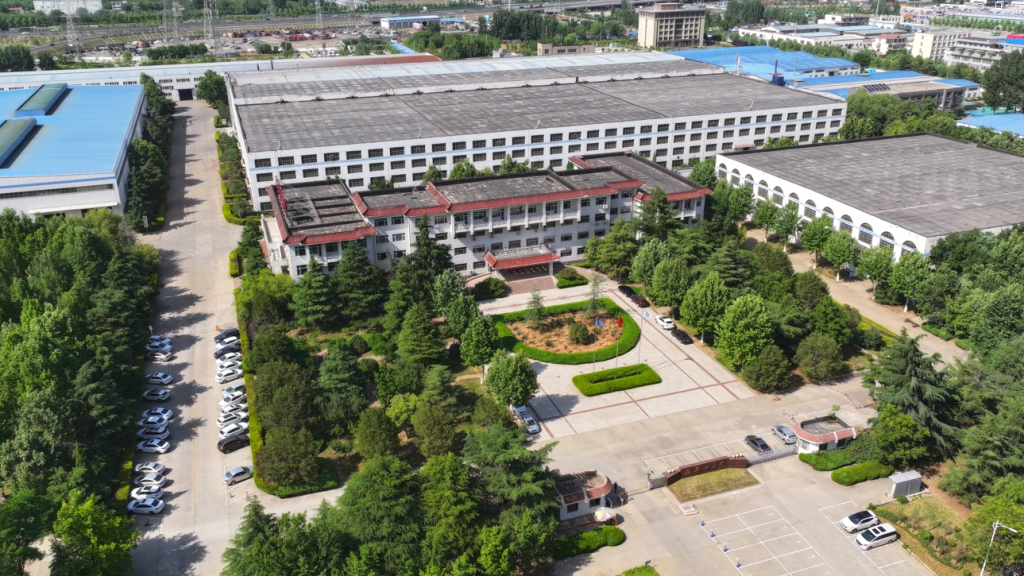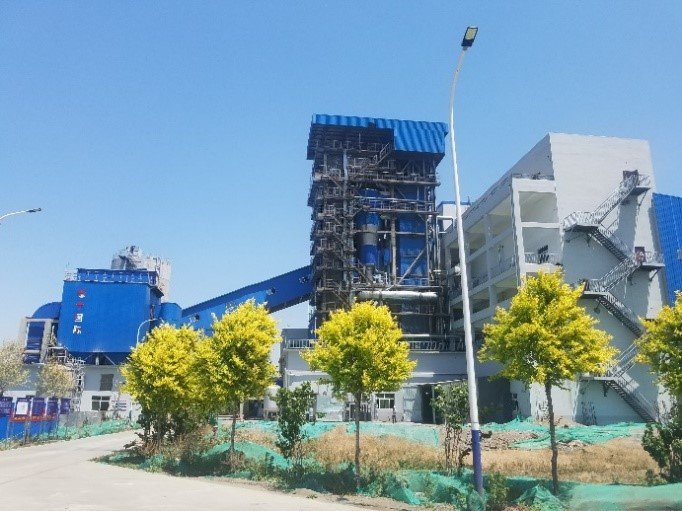
Industrial boilers operate under extreme conditions, and misunderstanding their temperature limits can lead to serious consequences such as equipment failure, safety hazards, or reduced efficiency. Many operators are unsure how temperature varies across different boiler types and pressure levels, which can result in improper system design or operation. Knowing the maximum temperature capabilities of industrial boilers is essential for ensuring safe, efficient, and reliable performance.
The maximum temperature of an industrial boiler depends on its type and pressure rating. Typically, standard industrial steam boilers operate between 170°C and 540°C (338°F to 1000°F). High-pressure and advanced systems such as water-tube boilers in power plants can reach temperatures above 600°C (1112°F), especially in superheated steam applications. The exact limit is determined by design, materials, and operating conditions.
To better understand these limits and how they apply to different systems, it is important to examine the factors that influence boiler temperature and performance.
What Is the Maximum Temperature Range for Different Types of Industrial Boilers?
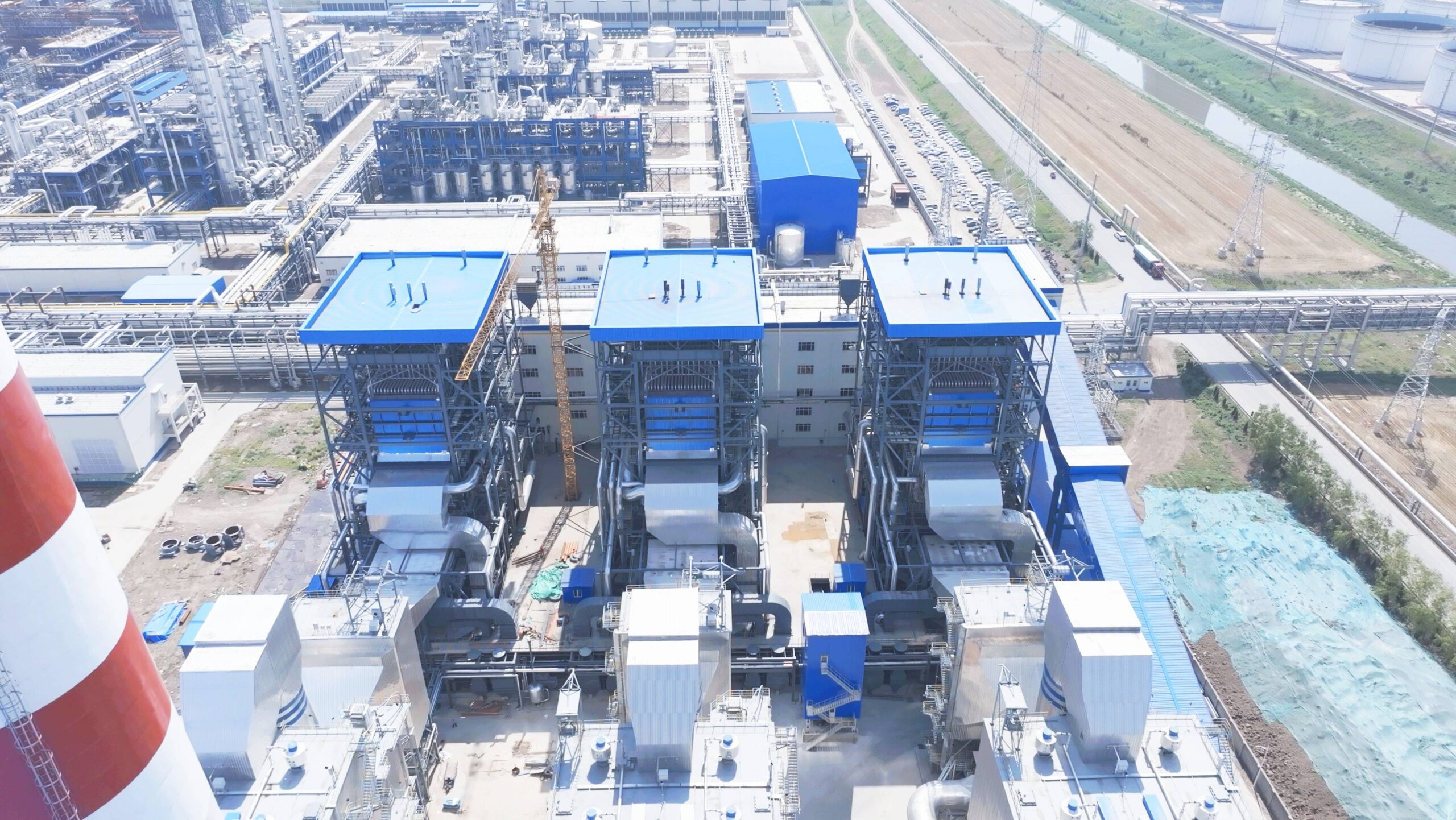
Industrial processes often depend on precise thermal performance, yet many operators struggle with selecting the right boiler that can safely handle required temperature ranges. Choosing an inappropriate boiler type can lead to efficiency losses, material degradation, safety hazards, and costly downtime. The consequences are not just operational inefficiencies but also potential regulatory violations and shortened equipment lifespan. Understanding the maximum temperature capabilities of different industrial boilers is essential to ensure safe, efficient, and long-lasting system performance.
The maximum temperature range of industrial boilers varies significantly depending on their design and application: fire-tube boilers typically operate up to 200°C (392°F), water-tube boilers can reach 450°C (842°F) or higher, electric boilers usually operate up to 300°C (572°F), while high-pressure supercritical boilers can exceed 600°C (1112°F). Selecting the correct boiler type depends on pressure requirements, fuel type, and industrial application.
To make informed decisions, it is crucial to dive deeper into how different boiler technologies function, what limits their temperature ranges, and how to match them with your specific industrial needs. This comprehensive guide will walk you through every critical detail.
Water-tube boilers can achieve higher temperatures than fire-tube boilers due to their design.True
Water-tube boilers circulate water through tubes exposed to hot gases, allowing higher pressure and temperature operation compared to fire-tube designs.
Understanding Temperature Limits in Industrial Boilers
Industrial boiler temperature limits are not arbitrary; they are determined by a combination of thermodynamic principles, material science, and safety regulations. At the core, the maximum temperature a boiler can achieve depends on pressure levels, heat transfer efficiency, and the structural integrity of its components. Boilers operate by converting water into steam under controlled pressure conditions, and as pressure increases, the boiling point of water also rises, enabling higher temperature steam generation.
The relationship between pressure and temperature is fundamental. For example, at atmospheric pressure, water boils at 100°C, but in high-pressure boilers, this temperature can exceed 300°C or more. This is why high-pressure industrial applications such as power plants rely on advanced boiler systems capable of withstanding extreme thermal and mechanical stress. Materials such as carbon steel, alloy steel, and even stainless steel are selected based on their ability to maintain strength at elevated temperatures without deformation or failure.
Another critical factor is the type of heat transfer mechanism. Boilers that allow more efficient heat exchange can achieve higher temperatures without excessive fuel consumption. Additionally, insulation and refractory materials play a vital role in maintaining internal temperatures while minimizing heat loss.
Types of Industrial Boilers and Their Maximum Temperature Ranges
Fire-Tube Boilers
Fire-tube boilers are among the oldest and most widely used boiler types in industrial settings. In this design, hot gases pass through tubes that are surrounded by water. Because the pressure is relatively low compared to other boiler types, the temperature range is also limited.
| Parameter | Typical Range |
|---|---|
| Maximum Temperature | 150°C – 200°C |
| Pressure Range | Up to 25 bar |
| Efficiency | 70% – 85% |
| Applications | Food processing, small manufacturing |
Fire-tube boilers are ideal for applications requiring moderate heat and steam output. However, their structural limitations prevent them from operating at extremely high temperatures. The large volume of water they contain also means slower response times to temperature changes, making them less suitable for dynamic industrial processes.
Water-Tube Boilers
Water-tube boilers represent a more advanced and versatile design. In these systems, water flows through tubes that are externally heated by combustion gases. This configuration allows for much higher pressure and temperature capabilities.
| Parameter | Typical Range |
|---|---|
| Maximum Temperature | 300°C – 450°C+ |
| Pressure Range | 30 – 250 bar |
| Efficiency | 85% – 92% |
| Applications | Power generation, petrochemical plants |
Water-tube boilers are widely used in industries that demand high thermal efficiency and reliability. Their ability to generate superheated steam makes them indispensable in power plants and heavy industrial operations. The modular design also allows for easier maintenance and scalability.
Electric Boilers
Electric boilers use electrical energy instead of combustion to generate heat. While they are cleaner and easier to control, their temperature range is typically lower than that of high-pressure combustion boilers.
| Parameter | Typical Range |
|---|---|
| Maximum Temperature | 100°C – 300°C |
| Pressure Range | Up to 85 bar |
| Efficiency | 95% – 99% |
| Applications | Hospitals, laboratories, clean industries |
Electric boilers are particularly useful in environments where emissions must be minimized. However, their operational cost can be higher depending on electricity prices, and they are generally not suitable for extremely high-temperature industrial processes.
Supercritical and Ultra-Supercritical Boilers
These boilers operate beyond the critical point of water, where there is no distinction between liquid and vapor phases. This allows for extremely high efficiency and temperature ranges.
| Parameter | Typical Range |
|---|---|
| Maximum Temperature | 500°C – 620°C+ |
| Pressure Range | 220 – 300 bar |
| Efficiency | 90% – 98% |
| Applications | Large-scale power plants |
Supercritical boilers are at the forefront of modern thermal engineering. They enable higher efficiency by reducing energy losses associated with phase changes. However, they require advanced materials and precise control systems, making them more expensive to build and maintain.
Key Factors Affecting Maximum Temperature
Material Strength and Metallurgy
The materials used in boiler construction must withstand high temperatures without losing mechanical strength. Alloy steels containing chromium and molybdenum are commonly used in high-temperature boilers due to their excellent thermal resistance.
Pressure Levels
Higher pressure allows for higher temperature steam generation. However, increasing pressure also increases the risk of mechanical failure, requiring more robust design and safety mechanisms.
Fuel Type
Different fuels produce varying flame temperatures. For example, natural gas burns cleaner and allows for better temperature control, while coal can achieve higher combustion temperatures but may introduce more contaminants.
Heat Transfer Efficiency
Efficient heat transfer ensures that more energy is converted into usable steam rather than being lost. Advanced boiler designs incorporate features such as economizers and superheaters to maximize efficiency.
Comparative Analysis of Boiler Types
| Boiler Type | Max Temperature | Efficiency | Cost | Maintenance | Best Use Case |
|---|---|---|---|---|---|
| Fire-Tube | Low | Medium | Low | Easy | Small industries |
| Water-Tube | High | High | Medium | Moderate | Heavy industries |
| Electric | Medium | Very High | High | Easy | Clean environments |
| Supercritical | Very High | Very High | Very High | Complex | Power generation |
This comparison highlights the importance of aligning boiler selection with operational requirements. While supercritical boilers offer unmatched performance, they are not always necessary for smaller applications.
Real-World Case Study
Consider a petrochemical plant that initially used fire-tube boilers for steam generation. As production demands increased, the plant faced limitations in temperature and pressure, leading to inefficiencies and production bottlenecks. By upgrading to water-tube boilers, the plant achieved a 20% increase in thermal efficiency and significantly improved process stability. This transition also reduced maintenance costs due to better heat distribution and reduced thermal stress.
Another example is a power generation facility that adopted ultra-supercritical boilers. Despite the higher initial investment, the plant achieved a 10–15% increase in efficiency, translating into millions of dollars in fuel savings annually. These examples demonstrate how selecting the right boiler type based on temperature requirements can have a profound impact on operational success.
Safety Considerations at High Temperatures
Operating at high temperatures introduces several safety challenges, including the risk of explosion, material fatigue, and thermal expansion. Proper safety measures such as pressure relief valves, regular inspections, and advanced monitoring systems are essential. Additionally, adherence to standards such as ASME Boiler and Pressure Vessel Code ensures compliance and safety.
Future Trends in Boiler Temperature Technology
The future of industrial boilers lies in advanced materials, digital monitoring, and hybrid energy systems. Innovations such as ceramic coatings and AI-driven control systems are enabling boilers to operate at higher temperatures with greater efficiency and safety. Additionally, the integration of renewable energy sources is shaping the next generation of boiler technology.
Summary
Understanding the maximum temperature range for different types of industrial boilers is crucial for optimizing performance, ensuring safety, and reducing operational costs. Each boiler type has its strengths and limitations, and the right choice depends on your specific industrial requirements. By considering factors such as pressure, material, fuel type, and application, you can select a boiler system that delivers reliable and efficient performance.
How Does Pressure Affect the Maximum Temperature of an Industrial Boiler?
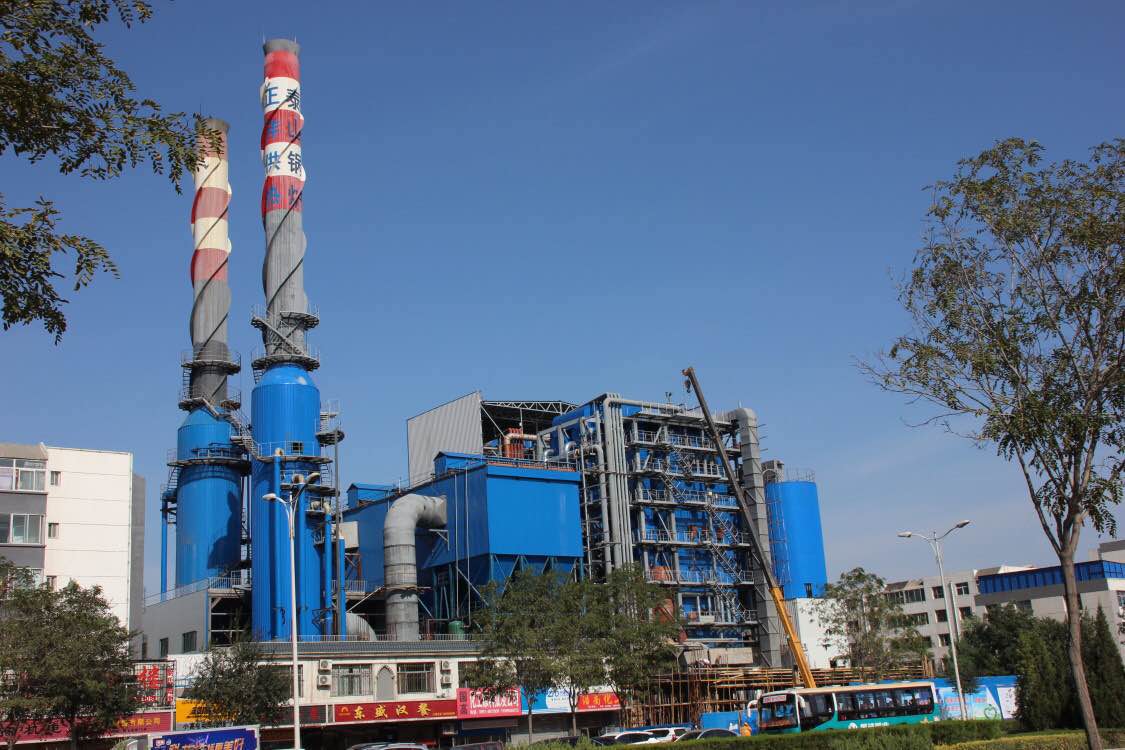
In industrial operations, many engineers and plant managers underestimate how deeply pressure influences boiler temperature performance. This misunderstanding can lead to inefficient steam generation, unexpected equipment stress, and even dangerous overpressure situations. When pressure is not properly managed, the system may either fail to reach the required temperature or exceed safe limits, resulting in costly downtime, safety hazards, and reduced equipment lifespan. The key to solving these challenges lies in understanding the direct thermodynamic relationship between pressure and temperature inside an industrial boiler.
Pressure directly determines the maximum temperature of an industrial boiler because increasing pressure raises the boiling point of water, allowing the system to generate higher-temperature steam. For example, at 1 bar water boils at 100°C, but at 50 bar it exceeds 260°C, and in supercritical systems above 221 bar, temperatures can surpass 374°C without distinct phase change. Therefore, higher pressure enables higher thermal output but requires stronger materials and stricter safety controls.
To truly optimize boiler performance, it is essential to explore not only the theory but also the real-world engineering implications of pressure-temperature relationships. Let’s break this down in a practical and engaging way.
Increasing boiler pressure raises the boiling point of water and allows higher steam temperatures.True
As pressure increases, water molecules require more energy to transition into steam, resulting in higher boiling temperatures.
🔥 The Fundamental Science: Why Pressure Raises Temperature
At the heart of boiler operation is a simple but powerful thermodynamic principle: the boiling point of water increases with pressure. Under atmospheric conditions, water boils at 100°C, but inside a sealed boiler, pressure builds up as heat is applied. This pressure prevents water molecules from escaping easily, meaning more heat energy is required to convert water into steam.
Think of it like this:
- 💧 Low pressure = molecules escape easily → lower temperature
- 🔒 High pressure = molecules trapped → higher temperature required
This relationship is not linear but follows well-established steam tables used in engineering design.
📊 Pressure vs Temperature Relationship (Simplified)
| Pressure (bar) | Boiling Temperature (°C) |
|---|---|
| 1 | 100 |
| 10 | 180 |
| 25 | 224 |
| 50 | 264 |
| 100 | 311 |
| 221 (Critical) | 374 |
As shown above, increasing pressure dramatically increases the achievable temperature, which is why high-pressure boilers are essential for energy-intensive industries.
⚙️ How This Impacts Industrial Boiler Performance
Pressure doesn’t just affect temperature—it fundamentally changes how a boiler performs across efficiency, output, and application suitability.
1. Higher Pressure = Higher Energy Density ⚡
Steam produced at higher pressure contains more energy per unit mass. This means:
- Less steam is needed for the same heat transfer
- Improved system efficiency
- Reduced fuel consumption
For example, in power plants, high-pressure steam drives turbines more efficiently, converting thermal energy into mechanical energy with minimal losses.
2. Equipment Design Becomes More Demanding 🏗️
As pressure increases, so do the mechanical stresses on boiler components. This requires:
- Thicker steel walls
- High-grade alloy materials
- Advanced welding techniques
📊 Material Requirements by Pressure Level
| Pressure Range | Common Materials Used |
|---|---|
| Low (<20 bar) | Carbon steel |
| Medium (20–100 bar) | Low-alloy steel |
| High (>100 bar) | Chromium-molybdenum alloys |
| Supercritical | Nickel-based alloys |
Higher pressure systems are not just more powerful—they are significantly more complex and costly to manufacture.
3. Safety Risks Increase with Pressure ⚠️
With higher pressure comes greater risk:
- Explosion potential increases
- Small defects can lead to catastrophic failure
- Strict monitoring is required
This is why industrial boilers include:
- Pressure relief valves
- Real-time sensors
- Automated shutdown systems
Proper pressure control is not optional—it is critical.
📈 Superheated Steam and Pressure Synergy
Once steam is generated, it can be further heated beyond its boiling point—this is called superheating. Pressure plays a key role here:
- Higher pressure allows higher superheated temperatures
- Superheated steam improves turbine efficiency
- Reduces condensation losses in pipelines
🔥 Example:
- At 50 bar → steam can be superheated to ~450°C
- At supercritical pressure → can exceed 600°C
This is why modern power plants rely heavily on high-pressure, superheated steam systems.
🧪 Real Industrial Example
Consider a chemical processing plant that initially operated at 10 bar pressure. The system produced steam at around 180°C, which was insufficient for certain reactions. By upgrading to a 40 bar system:
- Steam temperature increased to ~250°C
- Reaction efficiency improved by 18%
- Energy consumption dropped by 12%
However, the upgrade required:
- Reinforced piping
- New safety systems
- Staff retraining
This illustrates a key point: higher pressure brings both performance gains and engineering challenges.
🔄 Pressure vs Temperature vs Efficiency (Comparison Table)
| Factor | Low Pressure | Medium Pressure | High Pressure |
|---|---|---|---|
| Temperature | Low | Moderate | Very High |
| Efficiency | Lower | Balanced | Highest |
| Cost | Low | Medium | High |
| Safety Risk | Low | Medium | High |
| Maintenance | Simple | Moderate | Complex |
This table highlights the trade-offs engineers must consider when designing boiler systems.
🚀 Future Trends: Smarter Pressure Control
Modern industrial boilers are becoming increasingly intelligent. With IoT sensors and AI-driven control systems:
- Pressure is optimized in real time
- Temperature stability improves
- Energy waste is minimized
Advanced predictive maintenance systems can even detect pressure anomalies before failures occur, significantly improving safety and uptime.
✅ Summary
Pressure is the single most important factor influencing the maximum temperature of an industrial boiler. By increasing pressure, industries can achieve higher steam temperatures, greater efficiency, and improved process performance. However, these benefits come with increased design complexity, cost, and safety requirements. Understanding this balance is essential for selecting and operating the right boiler system.
What Is the Difference Between Saturated and Superheated Steam Temperatures in Industrial Boilers?
In industrial boiler operations, misunderstanding the difference between saturated and superheated steam temperatures can lead to inefficient energy use, equipment damage, and inconsistent production quality. Many facilities struggle with selecting the appropriate steam type, resulting in condensation issues, reduced heat transfer efficiency, or even turbine blade erosion. These problems not only increase operational costs but also shorten equipment lifespan and compromise safety. The solution lies in clearly understanding how saturated and superheated steam differ in temperature behavior and application.
Saturated steam is steam at a temperature corresponding exactly to its pressure, meaning it exists in equilibrium with water and cannot be heated further without changing phase conditions, while superheated steam is heated beyond this saturation temperature at the same pressure, resulting in higher temperatures, no moisture content, and greater energy capacity. The key difference is that saturated steam temperature is fixed by pressure, whereas superheated steam temperature can be increased independently after phase change.
To fully grasp their differences and practical implications, it is essential to explore their thermodynamic characteristics, industrial applications, and performance advantages in detail.
Superheated steam always has a higher temperature than saturated steam at the same pressure.True
Superheated steam is formed by adding additional heat to saturated steam without increasing pressure, raising its temperature above the saturation point.
🔍 Understanding Saturated Steam: Temperature Characteristics and Behavior
Saturated steam represents a critical thermodynamic state where water and steam coexist in equilibrium. At any given pressure, there is a specific temperature—known as the saturation temperature—at which water boils and turns into steam. This temperature is fixed and cannot increase unless the pressure also increases. For example, at 10 bar pressure, the saturation temperature is approximately 180°C. If more heat is added at this point, the energy goes into converting more water into steam rather than raising the temperature.
This characteristic makes saturated steam highly efficient for heat transfer applications because it releases a large amount of latent heat during condensation. When saturated steam comes into contact with a cooler surface, it condenses back into water, releasing its stored energy rapidly and uniformly. This is why it is widely used in industries such as food processing, textile manufacturing, and sterilization systems.
However, saturated steam also contains moisture, especially in real-world conditions where “wet steam” may be present. This moisture can cause issues such as pipe corrosion, water hammer, and reduced thermal efficiency. The presence of water droplets also limits its use in applications requiring dry, high-energy steam.
📊 Typical Saturated Steam Temperatures at Different Pressures
| Pressure (bar) | Saturation Temperature (°C) |
|---|---|
| 1 | 100 |
| 5 | 152 |
| 10 | 180 |
| 20 | 212 |
| 50 | 264 |
These values clearly demonstrate that saturated steam temperature is entirely dependent on pressure, reinforcing its limitation in temperature flexibility.
🔥 Understanding Superheated Steam: Higher Temperature and Energy Potential
Superheated steam is produced by taking saturated steam and adding additional heat without increasing its pressure. This process raises the temperature of the steam above its saturation point, resulting in a completely dry vapor with no moisture content. Because it is no longer in equilibrium with liquid water, superheated steam behaves more like a gas than a phase-changing medium.
One of the most significant advantages of superheated steam is its higher energy content. Since it does not condense easily, it can travel longer distances through pipelines without significant heat loss. This makes it ideal for power generation, particularly in steam turbines where moisture would cause blade erosion and reduce efficiency.
Additionally, superheated steam allows for precise temperature control, which is crucial in processes such as chemical reactions and advanced manufacturing. The absence of moisture also eliminates the risk of water hammer and reduces maintenance requirements.
📊 Comparison of Saturated vs Superheated Steam Properties
| Property | Saturated Steam | Superheated Steam |
|---|---|---|
| Temperature | Fixed by pressure | Can exceed saturation temperature |
| Moisture Content | May contain water droplets | Completely dry |
| Heat Transfer | Excellent (via condensation) | Lower than saturated steam |
| Energy Content | Moderate | High |
| Typical Use | Heating, sterilization | Power generation, turbines |
⚙️ Key Thermodynamic Differences
The fundamental difference between saturated and superheated steam lies in how they respond to heat input. In saturated steam, additional heat results in phase change rather than temperature increase. In contrast, superheated steam absorbs heat as sensible energy, increasing its temperature directly.
This distinction has major implications for industrial applications. Saturated steam is ideal when rapid heat transfer is needed, while superheated steam is preferred when high temperature and energy delivery are required without condensation.
Another important factor is entropy and enthalpy. Superheated steam has higher enthalpy, meaning it carries more usable energy. This makes it more efficient in mechanical work applications such as driving turbines.
🏭 Industrial Applications and Selection Criteria
Choosing between saturated and superheated steam depends on the specific requirements of the industrial process.
When to Use Saturated Steam:
- Heat exchangers
- Sterilization systems
- Food processing
- Textile production
When to Use Superheated Steam:
- Steam turbines
- Power plants
- Chemical processing
- High-temperature drying
📊 Application-Based Comparison
| Industry | Preferred Steam Type | Reason |
|---|---|---|
| Food Industry | Saturated | Efficient heat transfer |
| Power Generation | Superheated | Prevents condensation damage |
| Pharmaceuticals | Saturated | Sterilization effectiveness |
| Petrochemical | Superheated | High-temperature reactions |
⚠️ Practical Challenges and Engineering Considerations
While both steam types are essential, they come with unique challenges. Saturated steam systems must manage moisture to prevent damage, requiring proper drainage and insulation. Superheated steam systems, on the other hand, require precise temperature control to avoid overheating and material stress.
Material selection is also critical. Superheated steam systems often require high-alloy steels capable of withstanding elevated temperatures without deformation. In contrast, saturated steam systems can use more conventional materials but must address corrosion risks due to moisture.
Another consideration is system efficiency. While saturated steam is more efficient for heat transfer, superheated steam is more efficient for energy transport and mechanical work. Engineers must balance these factors when designing boiler systems.
📈 Real-World Case Study
A power plant initially used saturated steam for turbine operation, resulting in frequent maintenance issues due to moisture-related blade erosion. By upgrading to superheated steam at higher temperatures, the plant achieved a 15% increase in efficiency and significantly reduced maintenance costs. However, this required investment in advanced superheaters and high-temperature materials.
Conversely, a food processing facility switched from superheated to saturated steam to improve heat transfer efficiency in cooking processes. This change reduced energy consumption by 10% and improved product consistency.
These examples highlight the importance of selecting the right steam type based on application requirements.
Summary
Understanding the difference between saturated and superheated steam temperatures is essential for optimizing industrial boiler performance. Saturated steam operates at a temperature fixed by pressure and excels in heat transfer applications, while superheated steam exceeds this temperature, offering higher energy content and suitability for power generation and high-temperature processes. Selecting the appropriate steam type ensures efficiency, safety, and long-term operational success.
How Do Materials and Design Influence Industrial Boiler Temperature Limits?
In industrial boiler operations 🔥, pushing temperature limits too high without understanding material degradation and structural design consequences often leads to catastrophic failures, unexpected shutdowns, and expensive maintenance cycles. Many plants experience reduced efficiency or tube rupture simply because materials were not matched correctly with thermal loads, or because design failed to distribute heat evenly. These problems do not appear instantly—they accumulate silently through creep, fatigue, and oxidation until the system reaches a critical breaking point. A properly engineered solution must therefore integrate metallurgy and thermal design as a unified system rather than independent decisions.
Industrial boiler temperature limits are fundamentally determined by the heat resistance of materials (such as alloy steels, superalloys, and refractories) combined with engineering design factors (heat distribution, stress control, and thermal expansion management), which together define the maximum safe operating temperature before structural degradation, creep, or failure occurs.
Understanding this interaction is essential for engineers, plant operators, and procurement specialists who must balance efficiency, cost, and long-term reliability in high-temperature environments. Let’s explore how materials and design jointly define what a boiler can safely withstand.
🧱 Material Science Foundations: What Actually Sets the Heat Ceiling?
Industrial boiler materials are not simply “strong metals”—they are engineered systems designed to resist deformation, oxidation, and creep at elevated temperatures. As temperature increases, atomic motion intensifies, weakening metallic bonds and reducing mechanical strength. This is why temperature limits are not arbitrary—they are embedded in material physics.
Carbon steels are widely used in lower-temperature boiler sections because they offer cost efficiency and good mechanical strength at moderate conditions. However, above ~425°C, their internal structure begins to lose stability under long-term stress. Alloy steels such as chromium-molybdenum (Cr-Mo) improve high-temperature stability by forming carbide structures that slow down creep deformation.
At even higher temperatures, stainless steels and nickel-based superalloys become essential. These materials maintain strength through stable crystal structures and superior oxidation resistance, making them suitable for ultra-supercritical boilers and high-efficiency thermal plants.
Refractory materials also play a critical role. While metals carry pressure loads, refractories act as thermal shields, protecting structural components from direct flame exposure that can exceed 1200°C.
🔥 Material Temperature Performance Overview
| 🧪 Material Type | 🌡️ Max Operating Temperature | ⚙️ Key Advantage | ⚠️ Limitation |
|---|---|---|---|
| Carbon Steel | ~425°C | Low cost, easy fabrication | Rapid creep above threshold |
| Cr-Mo Alloy Steel | ~600°C | Improved creep resistance | Moderate oxidation risk |
| Stainless Steel | ~800°C | Corrosion resistance | Expensive, limited creep strength |
| Nickel Superalloys | ~1000°C+ | Excellent thermal stability | Very high cost |
| Refractory Ceramics | ~1600°C | Extreme heat shielding | Brittle, non-structural |
These material limits define the first boundary layer of boiler temperature capability. However, even the best material will fail if heat and stress are not properly controlled by design.
⚙️ Engineering Design: How Structure Controls Thermal Reality
Even with advanced materials, boiler performance heavily depends on engineering design. Design determines how heat flows, how stress is distributed, and how thermal expansion is managed across the system.
Heat exchanger configuration is one of the most critical design elements. If heat transfer surfaces are unevenly exposed to combustion gases, localized overheating occurs, creating thermal hotspots that accelerate material fatigue. Proper tube arrangement ensures uniform heat absorption and prevents critical stress concentration zones.
Thermal expansion control is another essential factor. Every component expands at different rates when heated. Without expansion joints, flexible supports, or optimized geometry, internal stress builds up and can exceed material strength even at normal operating temperatures.
Pressure vessel geometry also matters significantly. Cylindrical shapes distribute stress evenly, while sharp corners or abrupt transitions create weak points where cracks are likely to initiate under cyclic loading.
⚙️ Key Design Influences on Temperature Limits
| 🏗️ Design Feature | 🔍 Function | 📉 Effect on Temperature Limit |
|---|---|---|
| Heat exchanger layout | Controls thermal distribution | Prevents localized overheating |
| Expansion joints | Absorbs thermal movement | Reduces structural stress |
| Drum geometry | Pressure containment | Ensures uniform stress field |
| Tube spacing | Heat transfer balance | Prevents tube burnout |
| Flow path design | Fluid circulation | Eliminates stagnation zones |
Good design ensures that no single point in the system exceeds its material limit, even when the overall boiler operates at high thermal loads.
🧪 Thermal Stress, Creep, and Long-Term Material Degradation
Over time, high-temperature exposure leads to irreversible material changes. The most significant phenomenon is creep, which is the slow deformation of materials under sustained stress and heat.
Creep is particularly dangerous because it develops gradually. Boiler tubes may appear normal during inspection but have already experienced internal elongation and thinning. Eventually, this leads to rupture under pressure.
Thermal fatigue is another major issue. Boilers undergo repeated heating and cooling cycles during startup and shutdown. These cycles create repeated expansion and contraction, forming microcracks that grow over time.
Oxidation and corrosion further accelerate degradation. At high temperatures, oxygen reacts more aggressively with metal surfaces, forming scale layers that reduce heat transfer efficiency and weaken structural integrity.
📊 Relationship Between Temperature and Material Strength
Material strength decreases predictably as temperature rises, but the decline becomes increasingly severe beyond critical thresholds.
📉 Strength vs Temperature Behavior
| 🌡️ Temperature Range | 🧠 Material Behavior | ⚠️ Risk Level |
|---|---|---|
| <300°C | Full structural strength | Low |
| 300–500°C | Gradual weakening begins | Moderate |
| 500–700°C | Creep becomes dominant | High |
| 700–900°C | Structural instability in most steels | Very High |
| >900°C | Requires superalloys/ceramics | Critical |
This non-linear degradation explains why boiler temperature increases require exponential improvements in both materials and design—not simple scaling.
🏭 Case Study: High-Efficiency Supercritical Boilers
Modern supercritical and ultra-supercritical boilers operate at extreme conditions, often exceeding 600°C and very high pressure levels. These systems are designed to maximize thermodynamic efficiency, improving energy output while reducing fuel consumption.
To achieve this, engineers rely on nickel-based alloys, Cr-Mo steels, and advanced heat exchanger designs. Even small inconsistencies in material quality or design precision can lead to rapid failure due to extreme stress conditions.
These systems also integrate advanced monitoring technologies:
- 📡 Real-time thermal imaging systems
- 📊 Stress and strain sensor networks
- 🔊 Acoustic emission detection
- 🤖 Predictive maintenance algorithms
This combination of material science, design engineering, and digital monitoring defines the modern standard for high-temperature boiler safety.
⚖️ Efficiency vs Safety: The Engineering Trade-Off
Increasing boiler temperature improves thermodynamic efficiency, but it also increases material stress and operational risk. Engineers must carefully balance:
- 🔥 Higher thermal efficiency
- 💰 Material and fabrication cost
- 🔧 Maintenance frequency
- 🛡️ Safety margins
This trade-off is central to every boiler design decision. Pushing temperature limits too far can improve performance in the short term but dramatically reduce system lifespan.
📌 Summary
Industrial boiler temperature limits are not defined by a single factor but by the combined interaction of material properties and engineering design. Materials determine the theoretical maximum temperature resistance, while design ensures that heat, stress, and expansion are managed safely across the entire system. Without high-performance materials, structural failure occurs due to creep and oxidation. Without proper design, even advanced alloys fail due to uneven thermal stress distribution. The most reliable boiler systems are those that integrate both disciplines into a unified engineering approach, ensuring safe, efficient, and long-term operation under extreme thermal conditions.
What Safety Considerations Are Important at High Industrial Boiler Temperatures?
High-temperature industrial boilers operate under some of the most extreme engineering conditions found in industry, where heat, pressure, and chemical reactions converge continuously. When safety considerations are underestimated, the consequences can escalate rapidly—from gradual material degradation to catastrophic vessel rupture or explosion. Many operational failures are not caused by sudden events but by ignored early warning signs such as rising metal fatigue, scaling, poor water chemistry, or malfunctioning safety controls. Because of this, safety in high-temperature boiler systems is not a single component but a layered engineering discipline that integrates materials, monitoring, operation, and maintenance practices.
Safety in high-temperature industrial boilers depends on four core pillars: material integrity under thermal stress, pressure and temperature control systems, water chemistry management, and real-time monitoring with emergency shutdown mechanisms, all of which work together to prevent overheating, overpressure, and structural failure.
Understanding these interconnected systems is essential for engineers and plant operators who must ensure continuous safe operation while maintaining efficiency under extreme thermal loads.
🔥 Material Integrity Under Extreme Heat Conditions
At high operating temperatures, materials are constantly exposed to creep, oxidation, and thermal fatigue. These degradation mechanisms weaken structural components over time, even when the boiler appears to be operating normally.
Creep deformation is particularly dangerous because it develops slowly under sustained stress. Boiler tubes and pressure vessels may elongate or thin internally long before visible damage appears. If undetected, this can lead to sudden rupture under pressure.
Oxidation and scaling also accelerate at elevated temperatures. As metal surfaces react with oxygen and combustion gases, protective oxide layers form and break away repeatedly, thinning the material and reducing heat transfer efficiency. This creates localized hotspots that further increase failure risk.
Thermal fatigue adds another layer of stress due to repeated heating and cooling cycles. Expansion and contraction create microcracks that gradually propagate through the material structure.
🧱 Material-Related Safety Risk Factors
| ⚠️ Mechanism | 🔍 Cause | 🧪 Effect on Boiler Safety | 🛡️ Mitigation |
|---|---|---|---|
| Creep deformation | High temperature + constant stress | Slow structural weakening | Use Cr-Mo or superalloys |
| Oxidation | High-temp oxygen exposure | Wall thinning, scaling | Protective coatings |
| Thermal fatigue | Start-stop cycles | Crack formation | Controlled ramp-up/down |
| Corrosion | Impure water/steam chemistry | Pitting and leaks | Water treatment systems |
Material selection and inspection cycles are therefore fundamental safety requirements, not optional design choices.
⚙️ Pressure and Temperature Control Systems: The First Line of Defense
Boilers operate under tightly controlled pressure and temperature conditions. Even small deviations can create dangerous instability. Safety systems are designed to maintain operation within safe operating envelopes at all times.
Pressure relief valves are critical components that automatically release steam when internal pressure exceeds safe thresholds. Without them, overpressure conditions could lead to catastrophic vessel rupture.
Temperature control systems regulate combustion intensity, fuel flow, and heat transfer efficiency. If temperature rises beyond design limits, automatic control systems reduce fuel input or trigger shutdown procedures.
Water level control is equally important. Low water levels expose boiler tubes to direct flame, causing rapid overheating and structural failure.
⚙️ Core Safety Control Systems
| 🧩 System | 🎯 Function | 🚨 Failure Risk Prevented |
|---|---|---|
| Pressure relief valves | Release excess pressure | Explosion risk |
| Temperature controllers | Regulate heat input | Overheating damage |
| Water level sensors | Maintain safe water coverage | Tube burnout |
| Fuel control systems | Adjust combustion rate | Thermal runaway |
| Emergency shutdown (ESD) | Immediate system halt | Catastrophic failure |
These systems operate redundantly, meaning multiple layers of protection are always active simultaneously.
💧 Water Chemistry and Its Critical Role in Boiler Safety
Water quality is one of the most underestimated safety factors in high-temperature boiler systems. Impurities in feedwater can significantly accelerate corrosion, scaling, and stress corrosion cracking.
Dissolved oxygen, for example, promotes oxidation of internal surfaces. Chlorides and sulfates can lead to pitting corrosion, especially at high temperatures where chemical reactions accelerate.
Scaling caused by calcium and magnesium deposits reduces heat transfer efficiency, forcing metal surfaces to operate at higher temperatures than intended. This localized overheating increases creep risk and tube failure probability.
Proper chemical treatment systems are therefore essential. These systems remove oxygen, control pH levels, and reduce mineral content to safe thresholds.
💧 Water Chemistry Safety Parameters
| 🧪 Parameter | 🔍 Safe Range | ⚠️ Risk if Uncontrolled |
|---|---|---|
| Dissolved oxygen | Near zero | Rapid oxidation |
| pH level | 8.5–10.5 (typical range) | Corrosion or scaling |
| Hardness | Very low | Scale buildup |
| Conductivity | Controlled | Electrical and chemical instability |
Water treatment is not just maintenance—it is a primary safety barrier.
📡 Monitoring, Automation, and Early Warning Systems
Modern industrial boilers rely heavily on digital monitoring systems that continuously track temperature, pressure, vibration, and structural strain.
Sensors embedded in critical components provide real-time data that helps detect abnormal conditions before they escalate into failure events. For example, a gradual increase in tube wall temperature may indicate scaling or reduced flow efficiency.
Vibration monitoring systems detect mechanical imbalance or flow instability. Acoustic emission sensors can identify microcrack formation long before visible damage occurs.
Advanced systems also use predictive analytics and machine learning to forecast failures based on historical performance data.
📊 Key Monitoring Technologies
| 📡 Technology | 🔍 Monitored Variable | 🧠 Safety Benefit |
|---|---|---|
| Thermal sensors | Temperature distribution | Prevent overheating |
| Pressure sensors | Internal pressure | Avoid rupture |
| Strain gauges | Structural stress | Detect deformation early |
| Acoustic emission sensors | Crack formation | Early failure detection |
| Predictive analytics | System behavior trends | Prevent unplanned shutdowns |
These systems transform boiler safety from reactive maintenance to predictive control.
🧯 Emergency Shutdown Systems and Redundancy Design
Even with advanced controls, emergency systems are essential for handling unexpected failures. Emergency shutdown (ESD) systems are designed to immediately stop fuel input, isolate pressure zones, and stabilize the system.
Redundancy is a key principle in boiler safety engineering. Critical sensors and control systems are duplicated so that failure of one component does not compromise overall safety.
Fail-safe design ensures that in the event of system failure, the boiler automatically moves into a safe state rather than continuing operation under unknown conditions.
⚖️ Operational Discipline and Human Factors in Boiler Safety
Even the most advanced systems cannot compensate for poor operational practices. Human error remains a significant contributor to boiler incidents.
Common operational risks include:
- Ignoring early warning alarms
- Improper startup or shutdown sequences
- Delayed maintenance schedules
- Overriding automated safety systems
- Inadequate training of operators
Strict operational protocols, training programs, and safety audits are essential for maintaining safe conditions.
📌 Summary
Safety in high-temperature industrial boiler systems depends on a multilayered approach that integrates material integrity, pressure and temperature control systems, water chemistry management, real-time monitoring, and emergency shutdown mechanisms. Each layer plays a specific role in preventing different types of failures such as creep rupture, overpressure events, corrosion, and thermal runaway. When these systems are properly designed and maintained, they create a robust safety network that allows boilers to operate efficiently under extreme thermal conditions while minimizing risk.
How Can You Optimize Industrial Boiler Operation Within Safe Temperature Limits?
Industrial boilers are expected to deliver high thermal efficiency while operating under strict safety constraints. However, many facilities unintentionally compromise either efficiency or safety by pushing temperatures too aggressively, ignoring heat distribution imbalances, or failing to optimize combustion and water chemistry systems. The result is often higher fuel consumption, increased maintenance costs, and reduced equipment lifespan. The key challenge is not simply reaching high temperatures, but maintaining stable, controlled, and uniform thermal conditions within safe operational limits.
Optimizing industrial boiler operation within safe temperature limits requires balancing combustion efficiency, heat transfer performance, water chemistry control, and real-time monitoring systems to ensure maximum energy output without exceeding material temperature thresholds or inducing thermal stress.
This optimization is a systems engineering task, where every adjustment in fuel input, airflow, water quality, and load demand affects both efficiency and safety. Below is a structured breakdown of how operators and engineers can achieve this balance effectively.
🔥 Combustion Optimization: Maximizing Heat Without Overheating
Combustion efficiency is the foundation of boiler performance. Poor combustion not only wastes fuel but also creates uneven flame temperatures that can damage internal components. The goal is to achieve complete combustion with minimal excess air while maintaining stable flame geometry.
If excess air is too high, heat is wasted through flue gases. If it is too low, incomplete combustion produces carbon monoxide, soot, and localized high-temperature zones that can damage tubes.
Modern systems use oxygen trim control to continuously adjust air-fuel ratios in real time. This ensures that combustion remains within an optimal range regardless of load changes.
🔥 Combustion Optimization Parameters
| ⚙️ Parameter | 🎯 Optimal Range | ⚠️ Risk if Mismanaged |
|---|---|---|
| Excess oxygen | 2–5% (typical) | Heat loss or incomplete combustion |
| Flame stability | Uniform distribution | Local overheating |
| Fuel-air ratio | Stoichiometric balance | Efficiency loss or CO formation |
| Burner alignment | Symmetrical flame | Tube hot spots |
Efficient combustion directly reduces thermal stress on boiler materials by preventing localized overheating zones.
🌡️ Heat Transfer Efficiency: Controlling Temperature Distribution
Even if combustion is optimized, poor heat transfer design or fouling inside heat exchangers can cause uneven temperature distribution. This is one of the most common causes of efficiency loss and overheating damage.
Scaling on heat transfer surfaces acts as an insulating layer, forcing metal components to absorb more heat than designed. This increases tube wall temperature and accelerates creep damage.
Optimizing heat transfer involves maintaining clean surfaces, proper flow velocity, and balanced thermal gradients across all heating zones.
🌡️ Heat Transfer Optimization Factors
| 🧩 Factor | 🔍 Function | 📉 Impact if Poorly Managed |
|---|---|---|
| Tube cleanliness | Maintains heat exchange efficiency | Hotspots and overheating |
| Flow velocity | Ensures uniform heat absorption | Thermal imbalance |
| Gas distribution | Even heating across surfaces | Localized stress |
| Fouling control | Prevents insulation buildup | Reduced efficiency |
Regular cleaning and descaling programs are essential to maintain optimal thermal performance.
💧 Water Chemistry Control: Preventing Hidden Thermal Risks
Water quality directly affects both efficiency and safety. Impurities in feedwater create scale deposits that reduce heat transfer efficiency and increase localized temperature stress.
Dissolved oxygen leads to corrosion, while hardness minerals like calcium and magnesium form insulating layers on heat transfer surfaces. This forces metal tubes to operate at higher temperatures than intended, accelerating creep and fatigue.
Chemical treatment systems are used to maintain stable water conditions and prevent these issues.
💧 Key Water Chemistry Controls
| 🧪 Parameter | 🎯 Control Objective | ⚠️ Operational Risk if Ignored |
|---|---|---|
| Dissolved oxygen | Minimize corrosion | Tube thinning |
| Hardness | Prevent scaling | Heat transfer loss |
| pH balance | Prevent acidic/alkaline corrosion | Material degradation |
| Conductivity | Maintain purity | Electrical instability |
Proper water chemistry management ensures stable thermal performance and prevents hidden overheating conditions.
📡 Real-Time Monitoring and Smart Control Systems
Modern boilers rely heavily on digital control systems that continuously adjust operating parameters based on real-time sensor data. This allows operators to maintain safe temperature limits while maximizing efficiency.
Sensors track variables such as:
- 🔥 Flame temperature distribution
- 🌡️ Tube wall temperature
- ⚡ Pressure fluctuations
- 💧 Water level stability
- 📊 Exhaust gas composition
These inputs are processed by control systems that automatically adjust fuel input, airflow, and feedwater rates.
📡 Smart Monitoring Systems
| 🧠 Technology | 📊 Function | 🚀 Optimization Benefit |
|---|---|---|
| DCS (Distributed Control System) | Centralized automation | Stable operation |
| PLC systems | Local process control | Fast response |
| Thermal imaging sensors | Hotspot detection | Prevent material failure |
| Predictive analytics | Failure forecasting | Reduced downtime |
Smart automation reduces human error and maintains stable operation within safe thermal limits.
⚙️ Load Management: Avoiding Thermal Shock and Instability
Boilers rarely operate at constant load. Demand fluctuations require careful load management to avoid rapid temperature changes that can stress materials.
Rapid startup or shutdown cycles cause thermal shock, which leads to cracking and fatigue in pressure components. Gradual ramping of load is essential to maintain structural integrity.
Load balancing across multiple burners or units also helps distribute thermal energy evenly.
⚙️ Load Optimization Strategies
| 📈 Strategy | 🎯 Purpose | ⚠️ Risk Avoided |
|---|---|---|
| Gradual ramp-up | Prevent thermal shock | Cracking |
| Load balancing | Even heat distribution | Hotspot formation |
| Base-load operation | Stability | Thermal cycling stress |
| Peak shaving | Reduce overload stress | Overheating |
Stable load management significantly extends boiler lifespan.
🧱 Material Protection Through Operational Control
Even with advanced materials, operational behavior determines long-term durability. Operating within safe temperature margins reduces creep rate and oxidation speed.
For example, operating just 20–30°C above design limits may not cause immediate failure but can drastically reduce equipment lifespan over time. Therefore, maintaining conservative operating margins is a key optimization strategy.
Operators often use “design derating strategies” to extend equipment life in high-demand environments.
📊 Efficiency vs Safety Optimization Balance
Optimization is always a trade-off between maximum efficiency and safe operation. Pushing for higher thermal efficiency often increases material stress, while overly conservative operation reduces output.
⚖️ Operational Balance Matrix
| 🎯 Objective | 📈 High Efficiency Mode | 🛡️ Safe Operation Mode |
|---|---|---|
| Fuel usage | Lower | Slightly higher |
| Thermal stress | Higher | Controlled |
| Equipment lifespan | Reduced | Extended |
| Output efficiency | Maximized | Optimized |
| Maintenance frequency | Increased | Reduced |
The optimal strategy is not maximum efficiency, but stable efficiency within safe thermal boundaries.
📌 Summary
Optimizing industrial boiler operation within safe temperature limits requires a coordinated approach that integrates combustion control, heat transfer efficiency, water chemistry management, real-time monitoring, and intelligent load balancing. Each subsystem influences both performance and safety, meaning that inefficiencies in one area can create thermal stress in another. The most effective optimization strategy is therefore holistic—maintaining stable combustion, clean heat exchange surfaces, balanced water chemistry, and predictive monitoring systems to ensure maximum efficiency without exceeding material temperature limits or compromising structural integrity.
Conclusion
The maximum temperature of an industrial boiler varies widely depending on its design and application, but high-performance systems can exceed 600°C in advanced configurations. Understanding these limits is crucial for safe operation, optimal efficiency, and long-term durability. Proper design, material selection, and operational control all play key roles in managing high-temperature performance.
If you need expert guidance on selecting or operating a high-temperature industrial boiler, contact us today. Our team provides customized solutions and professional support to help you achieve safe, efficient, and high-performance operations.
FAQ
Q1: What is the maximum temperature an industrial boiler can reach?
A1:
The maximum temperature of an industrial boiler depends on its type, design, and operating pressure. In general, standard industrial boilers produce steam at temperatures ranging from 150°C to 300°C (302°F to 572°F). However, high-pressure boilers, especially those used in power plants, can reach much higher temperatures.
Superheated steam boilers can achieve temperatures between 400°C and 600°C (752°F to 1,112°F). In advanced systems such as ultra-supercritical (USC) boilers, temperatures can exceed 600°C (1,112°F), reaching up to around 620–650°C in cutting-edge designs.
These high temperatures are possible because of advanced materials and engineering that allow the boiler to withstand extreme heat and pressure without failure. However, there are practical limits due to material strength and safety considerations.
In summary, while typical industrial boilers operate below 300°C, advanced high-pressure systems can exceed 600°C, representing the upper range of current industrial boiler technology.
Q2: How does boiler pressure affect maximum temperature?
A2:
Boiler pressure has a direct relationship with the maximum temperature that can be achieved. As pressure increases, the boiling point of water also increases, allowing the boiler to produce steam at higher temperatures.
In low-pressure boilers, water boils at relatively low temperatures, typically around 100°C (212°F) at atmospheric pressure. As pressure rises, the boiling point increases, enabling the production of higher-temperature steam.
High-pressure boilers, such as those used in power plants, operate at pressures well above atmospheric levels. This allows them to generate superheated steam, which is steam heated beyond its saturation point, resulting in significantly higher temperatures.
Ultra-supercritical boilers operate at pressures above the critical point of water, eliminating the distinction between liquid and vapor phases. This allows for even higher temperatures and improved efficiency.
However, increasing pressure also requires stronger materials and more robust design to ensure safety. High-pressure systems must be carefully engineered and maintained to prevent failures.
In conclusion, higher pressure enables higher temperatures, but it also increases complexity and safety requirements.
Q3: Do different types of boilers have different temperature limits?
A3:
Yes, different types of industrial boilers have varying temperature limits based on their design and intended applications. Fire-tube boilers generally operate at lower temperatures and pressures, typically producing steam at temperatures up to around 200–300°C. Their design limits their ability to handle extreme conditions.
Water-tube boilers, on the other hand, are designed for high-pressure and high-temperature applications. They can produce steam at temperatures exceeding 500°C, making them suitable for power generation and heavy industrial use.
Electric boilers typically operate at lower temperatures, depending on their design and application, but they can still produce high-temperature steam in certain configurations.
Biomass and coal-fired boilers can reach high temperatures similar to water-tube boilers, especially when designed for large-scale industrial applications.
Additionally, specialized boilers such as supercritical and ultra-supercritical boilers are designed to operate at the highest temperatures and pressures, exceeding the limits of conventional systems.
In summary, boiler type significantly influences temperature limits, with water-tube and advanced boilers capable of achieving the highest temperatures.
Q4: What factors limit the maximum temperature of a boiler?
A4:
Several factors limit the maximum temperature of an industrial boiler, with material properties being the most critical. Boiler components must withstand high temperatures and pressures without deforming or failing. Materials such as steel and advanced alloys have specific temperature limits beyond which they lose strength.
Thermal stress is another limiting factor. Rapid temperature changes can cause expansion and contraction of materials, leading to cracks and structural damage over time.
Corrosion and oxidation also play a role. High temperatures can accelerate chemical reactions that degrade materials, reducing their lifespan and safety.
Design constraints, such as the thickness of boiler walls and the configuration of heat transfer surfaces, also influence temperature limits. Engineers must balance efficiency with safety and durability.
Safety regulations and standards further restrict maximum operating temperatures to ensure safe operation and prevent accidents.
Cooling and heat transfer efficiency are additional considerations. If heat is not effectively transferred away from critical components, localized overheating can occur.
In summary, material limits, thermal stress, corrosion, design constraints, and safety regulations all determine the maximum temperature of a boiler.
Q5: Why are higher boiler temperatures important in industry?
A5:
Higher boiler temperatures are important in industry because they improve efficiency and enable more effective energy utilization. High-temperature steam contains more energy, which can be used to perform work more efficiently, such as driving turbines in power plants.
In power generation, higher steam temperatures increase the thermal efficiency of the cycle, allowing more electricity to be produced from the same amount of fuel. This reduces fuel consumption and lowers operating costs.
High-temperature steam is also essential for certain industrial processes, such as chemical reactions, sterilization, and material processing, where precise and intense heat is required.
Additionally, higher temperatures can reduce the size of equipment needed to achieve the same output, improving overall system efficiency and reducing capital costs.
However, achieving higher temperatures requires advanced materials and design, which can increase initial costs and complexity.
In conclusion, higher boiler temperatures enhance efficiency, reduce fuel consumption, and enable advanced industrial processes, making them a key factor in modern industrial systems.
References
- Steam Temperature and Pressure – https://www.energy.gov/eere/amo/steam-systems – U.S. Department of Energy
- High-Pressure Boiler Technology – https://www.spiraxsarco.com – Spirax Sarco
- Boiler Design and Materials – https://www.sciencedirect.com – ScienceDirect
- Ultra-Supercritical Boilers – https://www.ge.com/power – General Electric
- Industrial Heating Systems – https://www.engineeringtoolbox.com – Engineering Toolbox
- Boiler Efficiency and Operation – https://www.tlv.com – TLV International
- Power Plant Engineering – https://www.iea.org – International Energy Agency
- Heat Transfer Fundamentals – https://www.thermopedia.com – Thermopedia
- Boiler Safety Standards – https://www.osha.gov – OSHA
- Advanced Energy Systems – https://www.irena.org – IRENA