
Selecting the right boiler for a power plant is a critical engineering decision with long-term impacts on performance, reliability, efficiency, and environmental compliance. Choosing the wrong configuration can result in poor output, excessive emissions, costly downtime, and inflated operating costs. With so many options available—circulating fluidized bed (CFB), pulverized coal, supercritical, biomass, and more—what parameters really matter when selecting a power plant boiler?
The essential parameters for selecting a power plant boiler include steam output capacity, pressure and temperature requirements, fuel type and availability, boiler efficiency, emission compliance standards, and operational flexibility. These criteria ensure the boiler aligns with the power plant’s technical, environmental, and economic goals.
To avoid costly miscalculations, plant designers, procurement teams, and energy strategists must carefully evaluate all technical and logistical aspects. Read on as we break down the most important parameters that guide successful boiler selection for power generation.
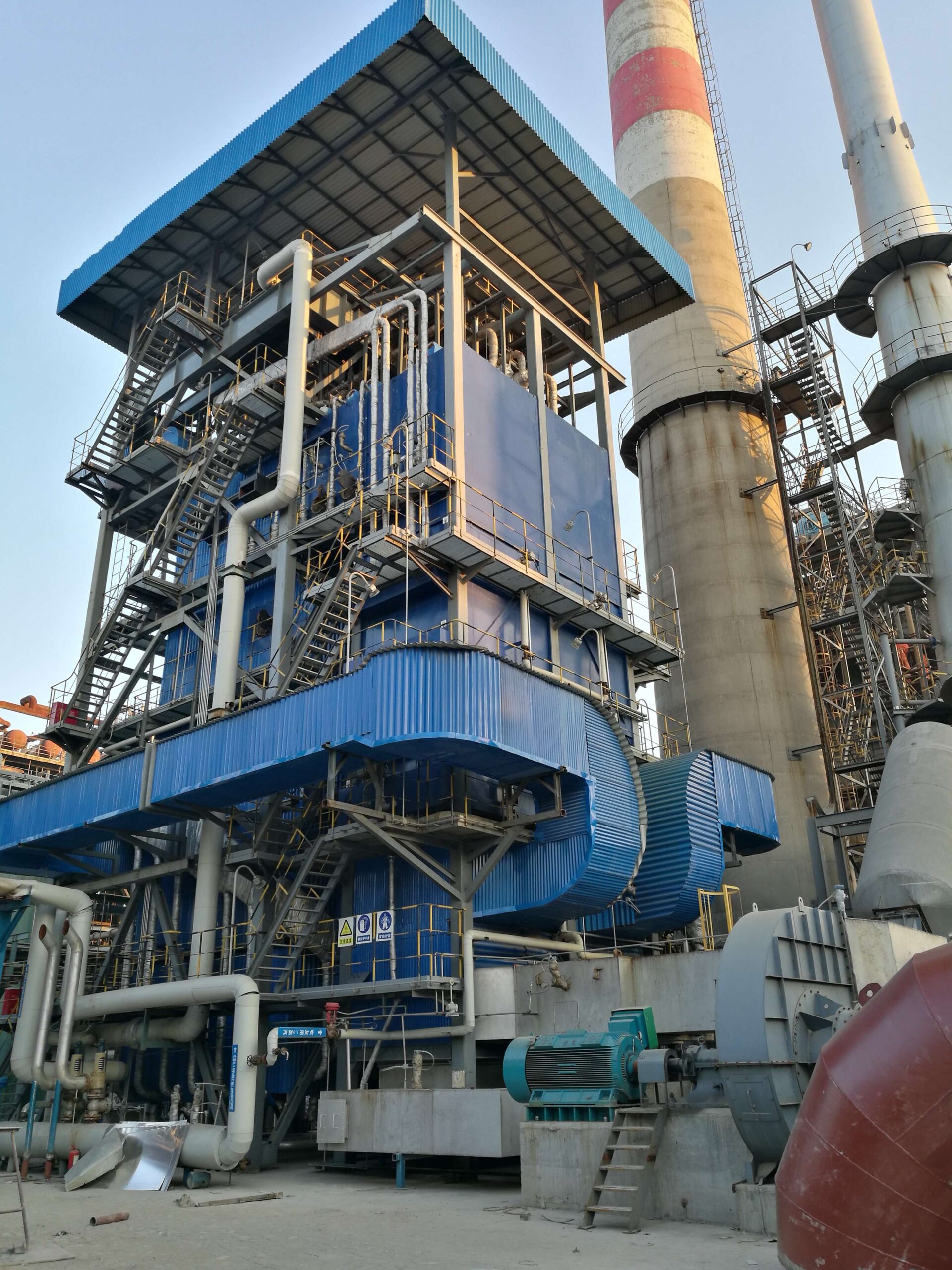
Why Is Steam Output Capacity a Critical Parameter for Power Plant Boiler Selection?
In the high-stakes world of power generation, the heart of the plant is the boiler—the unit responsible for converting chemical energy from fuel into high-pressure, high-temperature steam. This steam drives turbines, which generate electricity. A mismatch between boiler steam output capacity and plant load demand can lead to disastrous inefficiencies, bottlenecks, safety risks, or even structural damage. Simply put, steam output capacity is not just a specification—it’s the foundation of boiler performance, system integration, and long-term operational success.
Steam output capacity is a critical parameter for power plant boiler selection because it determines the volume of steam the boiler can generate at a given pressure and temperature to match the turbine’s load demand. Undersized boilers lead to power deficits, turbine instability, and overloading; oversized boilers suffer from cycling losses, poor combustion efficiency, and higher capital costs. Properly matching steam output to plant requirements ensures stable operation, optimal thermal efficiency, and reliable electricity generation.
Whether designing a new facility or upgrading an existing one, the steam capacity specification is the first and most crucial decision in boiler selection.
The steam output capacity of a boiler determines how much power the plant can generate.True
Boilers convert fuel into steam, which drives turbines to produce electricity. The more steam generated at the correct parameters, the higher the generation capacity.
Over-sizing a power plant boiler improves operational flexibility without efficiency losses.False
Oversized boilers may experience frequent low-load operation, cycling losses, and poor combustion performance, reducing efficiency and increasing wear.
🔍 What Is Steam Output Capacity?
Steam output capacity refers to the mass flow rate of steam a boiler can generate per unit time at a specified pressure and temperature.
| Metric | Typical Units | Use |
|---|---|---|
| Steam Output | Tons per hour (TPH) | Sizing for power generation and process use |
| Pressure | Bar or MPa | Determines turbine inlet conditions |
| Temperature | °C (saturated/superheated) | Affects thermal efficiency and turbine power |
Boiler designs for power plants typically range from:
Industrial Boilers: 20–150 TPH
Utility Boilers: 200–2,000+ TPH
Ultra-Supercritical Units: >2,500 TPH
📊 Boiler Size vs. Turbine Demand Matching
| Boiler Output (TPH) | Steam Conditions | Supports Turbine Output (MW) |
|---|---|---|
| 50 TPH | 60 bar, 450°C | 10–15 MW |
| 150 TPH | 90 bar, 510°C | 30–50 MW |
| 500 TPH | 135 bar, 540°C | 120–150 MW |
| 1,000+ TPH | 250+ bar, 600°C | 300+ MW |
The steam generation rate must align with turbine inlet flow requirements; otherwise, the turbine cannot maintain speed, pressure, and output under varying grid loads.
⚠️ Consequences of Incorrect Steam Capacity Selection
| Undersized Boiler | Oversized Boiler |
|---|---|
| Cannot meet peak demand | Runs inefficiently at low load |
| Frequent boiler trips or alarms | High capital and operating costs |
| Excessive pressure drop or steam starvation | Combustion inefficiency and temperature swings |
| Reduced power output or turbine derating | Increased wear from cycling and turn-down issues |
In either case, the entire plant’s performance suffers—from grid reliability to emissions compliance.
🔧 Key Factors in Steam Output Capacity Calculation
🔹 1. Turbine Steam Flow Requirements
Must match the boiler steam capacity under full and part-load conditions
Consider steam bypass and venting provisions
🔹 2. Fuel Type and Calorific Value
Different fuels (coal, biomass, gas) have varying heat release characteristics
Low-CV fuels require larger boilers to generate the same steam output
🔹 3. Boiler Type
| Type | Best Use Case |
|---|---|
| Water-Tube Boiler | High capacity, high pressure |
| Once-Through Boiler | Supercritical applications |
| Pulverized Coal Boiler | Large-scale baseload generation |
🔹 4. Boiler Efficiency
A 90% efficient boiler generates more usable steam than an 82% efficient one using the same fuel
Impacts fuel consumption and operating cost
🧪 Real-World Example: Capacity Mismatch in a Cogeneration Plant
Plant Profile: 30 MW CHP facility using a 100 TPH coal-fired boiler
Issue: Boiler rated at 85 TPH installed to save cost
Results:
| Metric | Expected | Actual | Impact |
|---|---|---|---|
| Turbine Load (MW) | 30 | 21–24 | 20–30% capacity loss |
| Steam Pressure (bar) | 90 | 75 | Inadequate turbine pressure |
| Efficiency (%) | 86 | 78 | Fuel penalty of 10% |
| Downtime/Year (hrs) | — | 140 | Frequent boiler trips |
Solution: Retrofitted an auxiliary boiler + optimized steam distribution → Full power output restored with improved load flexibility.
📈 Best Practices for Sizing and Managing Steam Output Capacity
✅ Perform Detailed Steam Demand Analysis
Analyze base, peak, and emergency steam loads
Include safety margins and future load growth
Model load profiles (hourly, daily, seasonal)
✅ Match Boiler-Turbine-Grid Integration
Ensure turbine steam requirements are met under ramping and steady-state
Use modulating controls for better turndown
Implement steam bypass stations for redundancy
✅ Use Modular Boiler Design (if appropriate)
Multiple small boilers offer better turndown and N+1 redundancy
Easier maintenance scheduling
Lower startup time and emissions during partial loads
✅ Combine with Heat Recovery Options
Maximize efficiency by integrating with economizers and air preheaters
Use condensate recovery to reduce water and energy losses
Consider combined heat and power (CHP) configurations
🌍 Impact on Efficiency, Emissions, and O&M
| Aspect | Well-Matched Capacity | Poorly Sized Capacity |
|---|---|---|
| Boiler Thermal Efficiency | 87–92% | 75–82% |
| Fuel Consumption (tons/day) | Optimized for actual load | Excess due to cycling/inefficiency |
| Turbine Power Output | Stable, predictable | Volatile, derated |
| Emissions (NOₓ, CO₂) | Lower per MWh | Higher due to poor combustion |
| Maintenance Costs | Lower due to fewer trips | Higher due to thermal stress |
📌 Technical Checklist for Capacity Matching
Define peak and base load steam requirements
Specify required pressure and temperature
Include load variation in sizing (turn-down ratio)
Evaluate fuel characteristics and system efficiency
Assess integration with turbines and process equipment
Ensure space and weight compatibility
Factor in redundancy, maintenance, and future expansion
Run simulations for both steady-state and transient loads
Steam output capacity is the most critical specification when selecting a power plant boiler—it determines the reliability, efficiency, cost-effectiveness, and flexibility of the entire generation system. By accurately defining your steam needs and choosing a boiler that meets those needs under all operating conditions, you ensure long-term performance, fuel savings, and regulatory compliance.
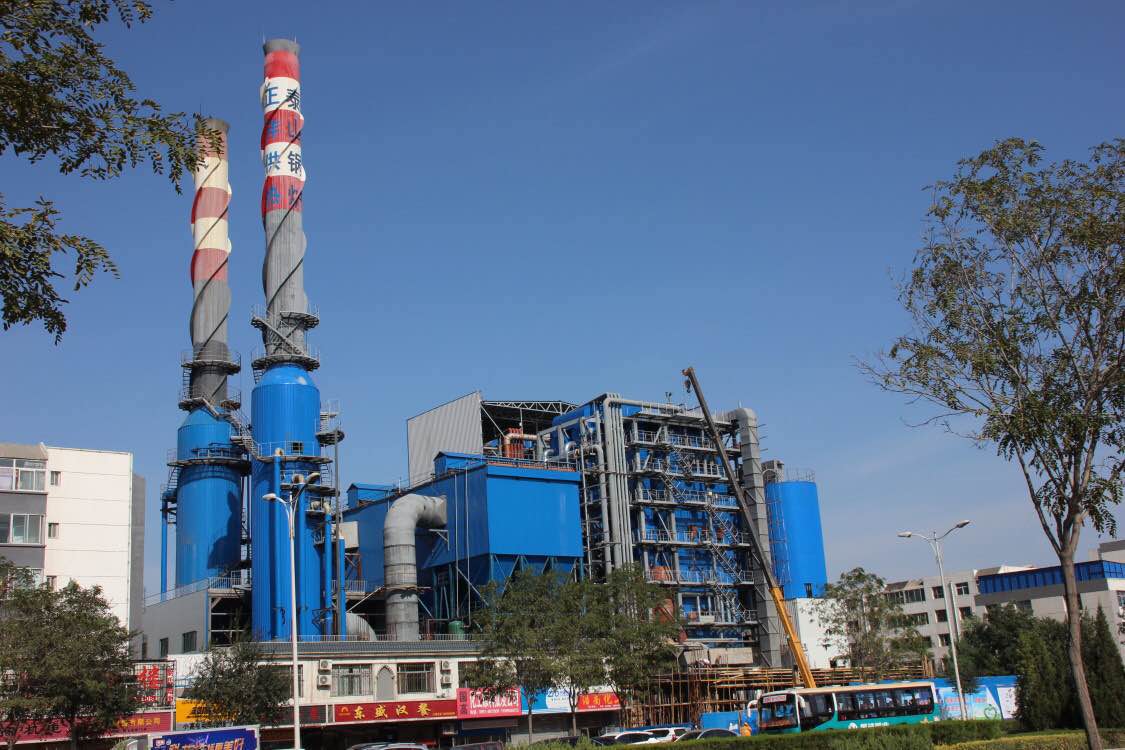
How Do Pressure and Temperature Specifications Influence Boiler Design and Performance?
Industrial boilers, particularly in high-demand sectors like power generation, oil refining, and chemical processing, are not one-size-fits-all systems. One of the most defining aspects of their design and long-term performance is the operating pressure and steam temperature they’re expected to deliver. These specifications determine the structural integrity, thermal efficiency, material selection, fuel usage, and even the type of turbine or downstream process that can be supported. Selecting inappropriate pressure or temperature parameters can lead to inefficiencies, safety risks, and costly equipment failure.
Pressure and temperature specifications directly influence boiler design and performance by defining the strength, material composition, thermal efficiency, and energy conversion potential of the system. Higher steam pressure and temperature improve thermal efficiency by allowing more energy to be extracted per unit of fuel but require stronger materials, advanced safety controls, and precise engineering. Boiler components such as drums, tubes, and headers must be engineered to withstand elevated thermal and mechanical stresses. Ultimately, pressure and temperature specifications dictate the boiler’s operational range, efficiency, maintenance needs, and lifecycle cost.
Designing a boiler without aligning it to the correct steam parameters is like building a car without knowing its top speed—it compromises every performance metric.
Higher boiler pressure and temperature increase thermal efficiency in steam cycles.True
Increasing pressure and temperature raises the enthalpy difference across turbines, improving energy conversion efficiency.
Boilers operating at higher pressures require the same design standards as low-pressure boilers.False
High-pressure boilers need enhanced materials, thicker walls, specialized welding, and more rigorous safety protocols.
🔍 The Thermodynamic Foundation: Why Pressure and Temperature Matter
The performance of a steam boiler is fundamentally tied to the Rankine cycle, which converts thermal energy into mechanical energy via steam expansion.
| Steam Parameter | Influence on Boiler Design & Performance |
|---|---|
| Pressure (bar/MPa) | Affects boiler wall thickness, drum design, and water-circulation patterns |
| Temperature (°C) | Dictates material selection for superheaters, valves, and turbines |
| Steam Quality | Impacts turbine lifespan, plant efficiency, and energy transfer |
Higher pressure and temperature = higher steam enthalpy = more electricity per kg of steam
📊 Comparison: Boiler Design by Pressure/Temperature Range
| Boiler Class | Operating Pressure | Steam Temperature | Applications |
|---|---|---|---|
| Low-Pressure Boiler | <10 bar | <180°C | HVAC, laundry, small processes |
| Medium-Pressure Boiler | 10–45 bar | 180–300°C | Food processing, small power plants |
| High-Pressure Boiler | 45–130 bar | 300–540°C | Industrial cogeneration, refineries |
| Supercritical Boiler | 220+ bar | >600°C | Utility-scale power generation |
Higher categories allow for greater energy efficiency but require more complex design, monitoring, and control systems.
🔧 Engineering Implications of Pressure & Temperature Specs
🔸 1. Material Selection
| Parameter | Design Impact |
|---|---|
| Pressure >60 bar | Requires chrome-molybdenum steel or alloyed tubes |
| Temperature >540°C | Use of creep-resistant alloys like T91, Super304H, or Inconel |
| Fluctuating Loads | Materials must handle thermal cycling and fatigue |
🔸 2. Wall Thickness & Welding
Boiler walls must be thicker and precisely welded to resist stress
High-pressure systems follow ASME Section I and EN 12952 standards
Poorly designed welds in high-stress zones lead to creep failure or rupture
🔸 3. Water Circulation
Natural circulation is limited in high-pressure designs
130 bar: forced circulation or once-through designs are required
Incorrect design causes tube overheating or drum priming
⚙️ Performance Impacts by Pressure & Temperature Range
| Spec | Low P/T Boiler | High P/T Boiler |
|---|---|---|
| Thermal Efficiency (%) | 75–80% | 88–92% |
| Turbine Output (MW/TPH) | 6–8 | 10–12 |
| Fuel Consumption | Higher | Lower |
| Startup Time | Shorter | Longer (due to heating) |
| Maintenance Complexity | Lower | Higher (materials, sensors) |
While high-pressure boilers are more efficient, they come with greater operational discipline and cost.
🧪 Case Study: Boiler Upgrade for Higher Pressure and Temperature
Industry: Pulp and Paper
Old Boiler: 60 bar / 450°C → New Boiler: 105 bar / 525°C
| Metric | Before | After | Improvement |
|---|---|---|---|
| Steam Efficiency (kg/kWh) | 5.1 | 4.4 | +13.7% |
| Fuel Consumption (tons/day) | 110 | 94 | -14.5% |
| CO₂ Emissions (tons/day) | 284 | 243 | -14.4% |
| Steam Turbine Output (MW) | 18 | 22 | +22.2% |
ROI: ~2.2 years from fuel and emissions savings alone
🔍 Design Parameters That Must Align with Steam Specs
| Component | Considerations for High P/T Design |
|---|---|
| Drums and Shells | Must resist internal and external pressure loads |
| Headers & Nozzles | Designed to avoid thermal stress fractures |
| Safety Valves | Calibrated for high-set pressure + rapid release |
| Tube Bends | Use long-radius bends to avoid creep stress |
| Refractory & Insulation | Withstand sustained 500°C+ surface temps |
Improper design causes hot spots, tube failures, or system shutdowns under elevated load.
📈 Operational & Efficiency Strategies for High Pressure/Temperature Boilers
✅ Use oxygen trim control to optimize combustion at higher temps
✅ Install real-time monitoring of tube skin temperatures
✅ Apply AI-driven control loops for better load tracking
✅ Maintain feedwater quality to prevent stress-corrosion cracking
✅ Ensure daily blowdown and scale prevention routines
✅ Monitor creep life and stress margins in critical components
🌍 Environmental and Lifecycle Impact
| Design Choice | Impact Over 20-Year Lifecycle |
|---|---|
| High Pressure & Temp Design | ~20% lower fuel use |
| Improved Combustion Efficiency | Reduced NOₓ and SO₂ emissions by 10–20% |
| Optimized Superheater Spec | Reduces excess stack temperature and heat losses |
| Longer Operational Range | Avoids derating during high demand or grid surges |
A properly engineered high-P/T boiler pays back in fuel savings, emissions reduction, and longer operating windows—even with higher upfront costs.
🧩 Summary: Matching Steam Specs to Boiler Design
| Parameter | Too Low | Ideal Range | Too High (Without Design) |
|---|---|---|---|
| Pressure | Poor efficiency, higher steam volume | 60–160 bar | Wall rupture, drum instability |
| Temperature | Low turbine efficiency, wet steam risk | 450–600°C | Overheating, creep, corrosion, material failure |
| Mismatch | Can’t support turbine | Efficient energy conversion | Unsafe, reduced life |
Pressure and temperature specifications are not just operating parameters—they define the entire structural and thermal foundation of a boiler system. From metallurgy to instrumentation, from fuel burn to emission control, everything depends on designing and operating within the right steam envelope.
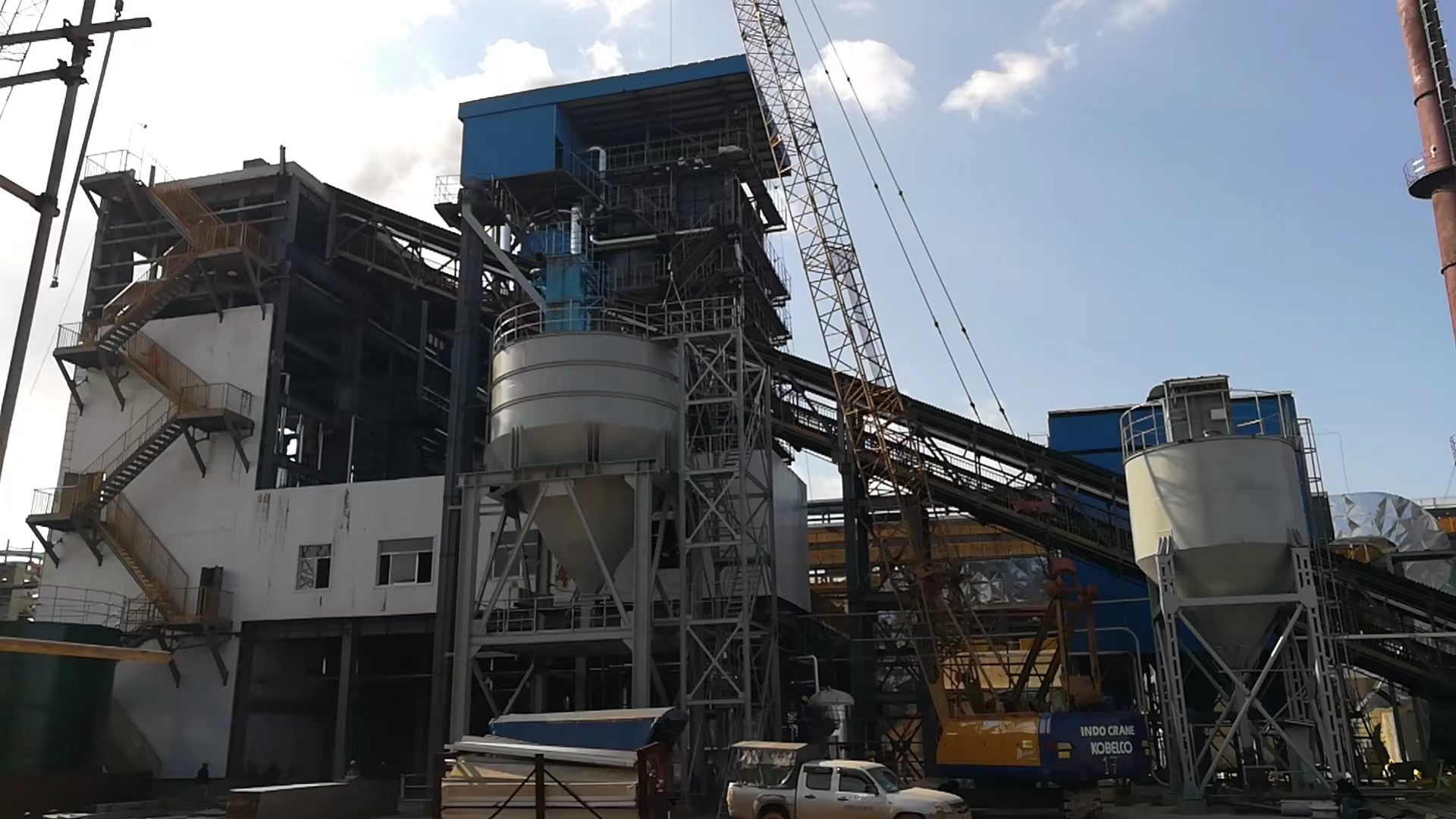
How Does Fuel Type and Availability Affect the Selection of a Power Plant Boiler?
When selecting a boiler for a power plant, most attention often goes to output capacity or thermal efficiency. But one foundational factor dictates nearly every other aspect of the boiler’s design, cost, and long-term viability: the type and availability of fuel. Fuel is the boiler’s lifeblood—and mismatching boiler design to fuel properties can lead to inefficiencies, structural damage, regulatory problems, or unsustainable operational costs. Conversely, aligning boiler specifications with the right fuel and its local availability ensures cost-effective, reliable, and emissions-compliant operation for decades.
Fuel type and availability are critical to power plant boiler selection because they directly determine combustion system design, boiler configuration, emissions control requirements, capital cost, and operational reliability. Different fuels vary in calorific value, moisture, ash content, combustion characteristics, and supply logistics. A boiler must be tailored to handle the specific thermal and physical properties of its intended fuel efficiently and cleanly. Fuel availability also affects long-term cost, plant location feasibility, supply chain risk, and environmental compliance strategies.
Selecting the wrong boiler for the available fuel—or the wrong fuel for the intended boiler—leads to cascading technical and economic failures.
Boilers can efficiently use any type of fuel without changes in design.False
Boilers must be specifically engineered to match the combustion and chemical characteristics of the fuel to operate efficiently and safely.
Fuel availability in the region affects the long-term feasibility of a power plant project.True
Fuel transport and supply logistics influence fuel costs, carbon footprint, and system reliability over the plant’s lifecycle.
🔍 The Thermodynamic and Economic Role of Fuel in Boiler Selection
Every power boiler is designed to convert chemical energy into steam, but each fuel releases energy in different ways. Critical fuel parameters include:
| Fuel Characteristic | Impact on Boiler Design |
|---|---|
| Calorific Value (kcal/kg) | Determines combustion chamber size and heat rate |
| Ash Content & Fusion Temp | Affects slagging, fouling, and soot blower design |
| Volatile Matter | Influences ignition and flame control |
| Moisture Content | Increases flue gas volume, reduces efficiency |
| Sulfur/Chloride Content | Triggers corrosion; dictates emissions controls (e.g., scrubbers) |
| Particle Size | Affects burner, stoker, or feeder design |
Fuel affects not only the boiler internals but also the entire balance-of-plant system—from handling to emissions.
📊 Comparison of Fuels Used in Power Plant Boilers
| Fuel Type | Typical CV (kcal/kg) | Ash Content (%) | Moisture (%) | Boiler Type Compatibility |
|---|---|---|---|---|
| Bituminous Coal | 5,800–6,800 | 10–15 | 5–12 | Pulverized Coal (PC), Fluidized Bed |
| Sub-bituminous | 4,200–5,500 | 10–25 | 10–20 | CFBC, Stoker, Hybrid |
| Biomass | 2,500–4,500 | 1–5 | 15–50 | Grate, CFBC, Gasifier-Boiler Hybrid |
| Natural Gas | 8,500–9,500 | 0 | 0 | Package, HRSG, Once-Through |
| Fuel Oil | 9,000–10,000 | <0.1 | 0 | Package, Water Tube, Multi-fuel |
| Lignite | 2,000–3,500 | 15–25 | 30–60 | CFBC, Specialized Lignite Boilers |
| RDF (Waste) | 1,800–3,000 | 10–20 | 15–35 | Waste-to-Energy, CFBC |
🧪 Case Study: Biomass vs. Coal in a 30 MW Plant
Scenario: Evaluating boiler selection for a renewable transition project
Location: Rural Southeast Asia
Fuel Options: Rice husk biomass (local) vs. imported coal
| Metric | Biomass (Rice Husk) | Coal (Bituminous) |
|---|---|---|
| Calorific Value (kcal/kg) | 3,000 | 6,200 |
| Boiler Efficiency (%) | 82% | 88% |
| Fuel Cost ($/ton) | 18 | 120 |
| Fuel Availability | Abundant (local) | Imported (port + truck) |
| CO₂ Emissions (tons/MWh) | ~0 (biogenic) | 1.0–1.2 |
| CapEx (Boiler + Emission System) | Higher (slagging mgmt.) | Moderate |
Result: Biomass CFBC boiler selected due to fuel availability, cost stability, and carbon neutrality despite lower efficiency.
🔧 How Fuel Type Drives Boiler Design Choices
🔸 Coal (High-Rank and Sub-Bituminous)
Requires pulverizers, large ash hoppers, air preheaters
Boilers are large, with intense slagging/fouling zones
Requires electrostatic precipitators (ESPs) and scrubbers
🔸 Biomass
Boiler needs large furnace volume (low energy density)
Prone to slagging, needs frequent soot blowing
Supports carbon-neutral operation, renewable incentives
🔸 Natural Gas
Compact, high-efficiency HRSGs or package boilers
Minimal ash/emissions → lower O&M
Fuel price volatility can be high without long-term contracts
🔸 Waste Fuels / RDF
Highly variable → requires robust feeding and combustion flexibility
High corrosion potential → advanced material linings
📉 Consequences of Fuel–Boiler Mismatch
| Mismatch Scenario | Impact |
|---|---|
| Low-CV fuel in coal boiler | Poor combustion, low output, high unburned carbon |
| High-ash fuel in PC boiler | Slagging, erosion, lower heat transfer efficiency |
| High-moisture fuel without pre-drying | Increased flue gas loss, corrosion |
| Fuel variability without controls | Unstable steam generation, unsafe combustion |
| Switching fuels post-design | Retrofitting costs, emissions non-compliance |
⚙️ Best Practices for Fuel-Based Boiler Selection
✅ Conduct fuel analysis (proximate + ultimate) for each candidate fuel
✅ Match CV, ash, sulfur, and moisture properties to combustion system
✅ Use CFD and heat balance modeling to simulate boiler performance
✅ Consider multi-fuel capability if supply uncertainty exists
✅ Integrate fuel handling system with boiler sizing
✅ Factor fuel logistics and contracts into LCOE (Levelized Cost of Energy)
✅ Evaluate emission control needs based on sulfur/nitrogen content
✅ Choose proven technologies for the fuel type in similar climates/applications
📊 Fuel Supply and Logistics: A Hidden Cost Factor
| Parameter | Biomass (Local) | Coal (Imported) |
|---|---|---|
| Annual Fuel Cost ($/MWh) | 18–25 | 40–70 |
| Supply Chain Complexity | Low | High (rail + port) |
| Delivery Lead Time | 1–2 days | 10–20 days |
| Regulatory Burden | Low | High (import license, ash disposal) |
Boiler selection should not just consider fuel specs, but also availability, reliability, and cost over decades.
🧩 Fuel Type Selection: Long-Term Impact on Performance
| Factor | Fuel-Driven Influence |
|---|---|
| Thermal Efficiency | Gas > Coal > Biomass > RDF |
| Carbon Footprint | Biomass ≈ 0; Gas moderate; Coal highest |
| Emissions Compliance | Coal and RDF need more treatment systems |
| Maintenance Frequency | Biomass and RDF require more cleaning |
| Boiler Life Expectancy | Higher with cleaner fuels and stable combustion |
Fuel type is the starting point of boiler selection—it determines everything from thermodynamics to environmental strategy. By choosing the right boiler for the available fuel, power plant operators ensure reliability, efficiency, and long-term cost control.

What Role Does Thermal Efficiency Play in Choosing the Right Power Plant Boiler?
Choosing the right boiler for a power plant isn’t just a matter of size or fuel—it’s a question of how effectively the system can convert fuel into usable energy. That’s where thermal efficiency becomes a defining parameter. Thermal efficiency determines the ratio of the fuel’s energy that actually gets converted into steam—and, ultimately, into electricity. Poor thermal efficiency results in fuel waste, higher emissions, larger environmental footprints, and excessive operational costs. When selecting a boiler, understanding and prioritizing thermal efficiency ensures optimal performance, fuel economy, and regulatory compliance across the plant’s lifespan.
Thermal efficiency plays a pivotal role in power plant boiler selection because it measures how effectively the boiler converts the chemical energy in fuel into usable thermal energy (steam). High-efficiency boilers require less fuel for the same steam output, lowering operational costs, improving carbon performance, and enabling more competitive electricity generation. It influences boiler type, design complexity, heat recovery integration, and fuel compatibility. Plants aiming for long-term sustainability and profitability must select boilers with high thermal efficiency aligned to their fuel and load profile.
Put simply, a boiler’s thermal efficiency determines the power plant’s fuel bill, emissions rate, and profitability—choosing the wrong efficiency level compromises all three.
Thermal efficiency determines how much of the fuel's energy is converted into usable steam.True
Thermal efficiency is the ratio of energy output (steam) to energy input (fuel) and directly impacts performance and operating costs.
All boiler systems operate at similar thermal efficiencies regardless of design.False
Boiler efficiencies vary significantly depending on design, fuel, heat recovery systems, and control mechanisms.
🔍 What Is Thermal Efficiency in a Power Plant Boiler?
Thermal efficiency is calculated using the formula:
η = (Heat Output as Steam / Heat Input from Fuel) × 100
It depends on:
Fuel combustion efficiency
Heat transfer rate
Flue gas losses
Radiation and convection losses
Blowdown and scale losses
| Efficiency Metric | Typical Value Range | Explanation |
|---|---|---|
| Combustion Efficiency | 95–99% | Based on complete burning of fuel |
| Boiler Thermal Efficiency | 75–92% | Real-world total conversion efficiency |
| Gross vs. Net Efficiency | Gross = includes latent heat; Net = excludes it |
Higher thermal efficiency means less fuel is needed per unit of steam—which directly reduces operating costs and emissions.
📊 Thermal Efficiency by Boiler Type and Design
| Boiler Type | Typical Thermal Efficiency (%) | Best Use Case |
|---|---|---|
| Fire-tube Boiler | 70–78 | Small-scale applications, lower pressure |
| Water-tube Boiler | 82–88 | Medium- to large-scale industrial plants |
| Pulverized Coal Boiler (PC) | 84–90 | High-efficiency baseload generation |
| Circulating Fluidized Bed (CFBC) | 80–86 | Fuel flexibility, lower emissions |
| Natural Gas HRSG | 90–95 | Combined cycle power plants |
| Supercritical Boiler | 91–93 | Utility-scale high-efficiency operations |
⚙️ Why Efficiency Should Be Central to Boiler Selection
| Key Area | Efficiency Influence |
|---|---|
| Fuel Consumption | Higher efficiency = lower fuel per MWh |
| Operating Cost | Fuel cost typically makes up 60–70% of OPEX |
| Emissions Profile | Lower fuel burn = reduced CO₂, SO₂, NOₓ |
| Boiler Size & Weight | Efficient boilers require less volume for same output |
| Water Treatment Needs | Efficient heat use reduces blowdown and makeup water |
| Turbine Compatibility | High-efficiency boilers produce better steam quality |
Example: A 1% increase in thermal efficiency can reduce fuel usage by 1.5–2%, saving thousands of tons of fuel annually in a 100 MW plant.
🧪 Case Study: Efficiency Impact on Cost and Emissions
Scenario: Selecting a boiler for a 100 MW coal-fired plant
| Efficiency Level | 85% Efficient | 91% Efficient |
|---|---|---|
| Annual Fuel Use (tons) | 200,000 | 187,000 |
| Fuel Cost ($/ton) | $100 | $100 |
| Annual Fuel Cost ($) | $20,000,000 | $18,700,000 |
| CO₂ Emissions (tons/year) | 540,000 | 504,000 |
| Payback on High-Eff Boiler | — | ~2.4 years |
Even modest efficiency gains can deliver six-figure savings annually with significant environmental benefits.
🔧 Design Features That Improve Thermal Efficiency
| Feature | Function | Efficiency Gain |
|---|---|---|
| Economizer | Recovers heat from flue gas to preheat feedwater | +4–7% |
| Air Preheater (APH) | Warms combustion air using exit flue gas | +2–5% |
| Superheater & Reheater | Increases steam temperature for better turbine efficiency | +3–5% |
| Condensate Recovery | Reduces makeup water and latent heat losses | +1–2% |
| Low Excess Air Control | Minimizes flue losses without increasing CO | +1–3% |
Integrating these systems into the boiler design ensures high baseline efficiency and scalability.
📉 Risks of Choosing a Low-Efficiency Boiler
| Consequence | Impact |
|---|---|
| Increased Fuel Cost | 5–10% more fuel needed per MWh |
| Higher Emissions | Carbon taxes, regulatory penalties |
| Poor Load Flexibility | Efficiency drops sharply at part-load |
| Shorter Boiler Life | Higher internal stress from inconsistent combustion |
| Uncompetitive LCOE | Higher power price vs. peers |
📈 Efficiency Across Load Conditions
| Load Level | High-Efficiency Boiler | Low-Efficiency Boiler |
|---|---|---|
| 100% (Full Load) | 91–92% | 84–86% |
| 75% | 89–90% | 80–83% |
| 50% | 87–88% | 75–78% |
| <30% (Low Load) | 82–84% | 70–75% |
High-efficiency boilers maintain better performance at lower loads—critical for modern, variable-demand grids.
🧩 Thermal Efficiency Selection Checklist
✅ Identify fuel CV and combustion behavior
✅ Determine steam output and quality requirements
✅ Choose boiler type that balances efficiency vs. cost
✅ Integrate economizer, APH, and superheaters
✅ Analyze part-load efficiency profile
✅ Model total LCOE (Levelized Cost of Electricity)
✅ Prioritize emission reduction incentives or carbon limits
✅ Plan for long-term fuel cost fluctuation
🌍 Environmental and Regulatory Impacts
| Regulation/Impact Area | Thermal Efficiency Influence |
|---|---|
| CO₂ Emission Caps | Lower emissions per MWh = easier compliance |
| Carbon Tax/Trading | Reduced exposure to cost fluctuations |
| ESG and Sustainability | Higher efficiency = lower carbon intensity |
| Water Use and Blowdown | Reduced losses with improved heat transfer |
Choosing an efficient boiler isn’t just good engineering—it’s good governance and climate-smart economics.
Thermal efficiency is the defining metric of boiler performance. It governs fuel use, emissions, cost, and capacity planning. A boiler with higher thermal efficiency provides better returns, lower environmental impact, and stronger operational reliability—making it an essential selection criterion in any modern power plant project.
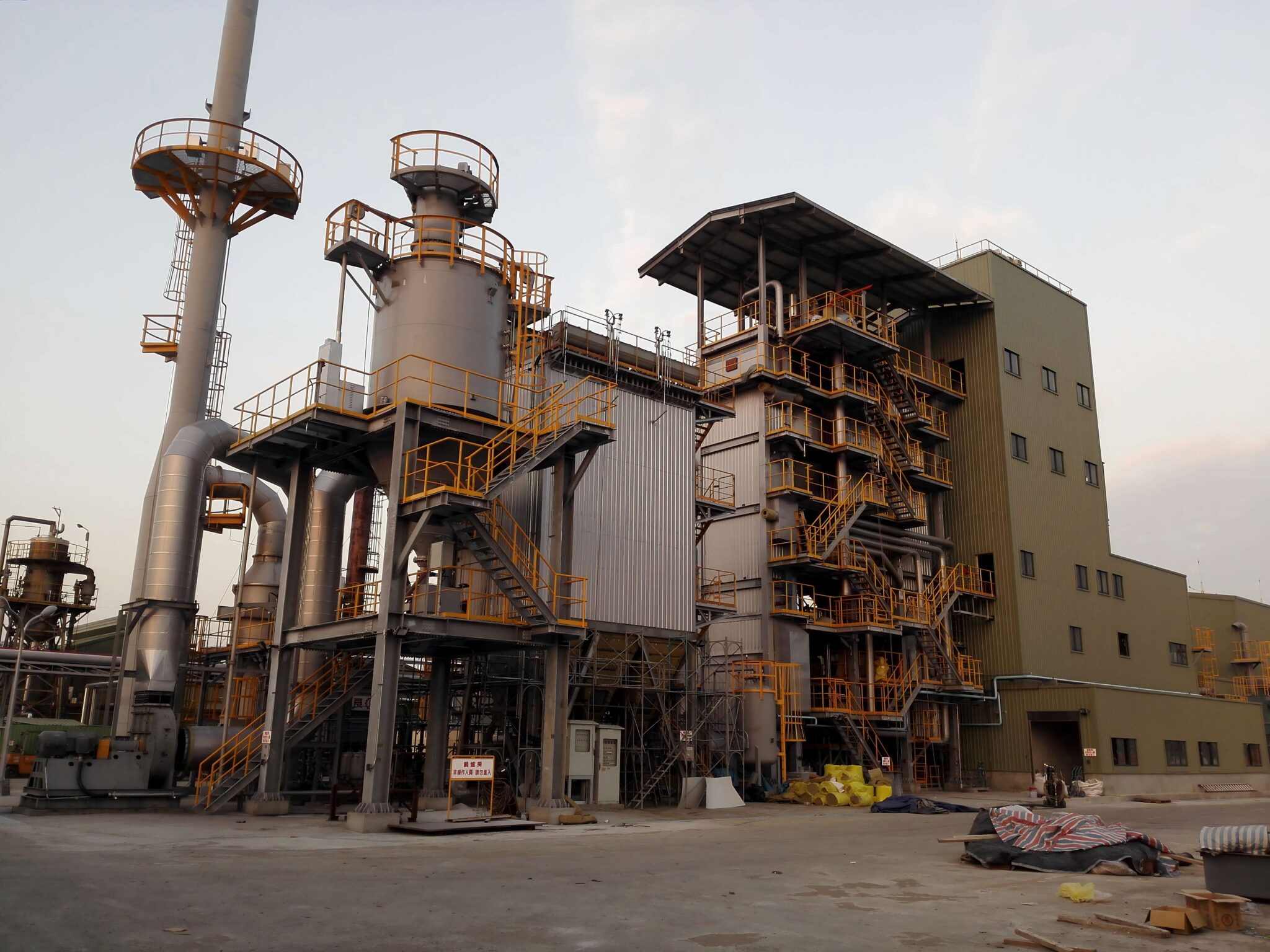
How Do Emission Regulations and Environmental Standards Shape Boiler Selection?
In the modern energy and manufacturing landscape, power generation is no longer evaluated by output alone. Growing global pressure to reduce air pollution and combat climate change means power plants must comply with strict emission regulations—from national policies like the U.S. Clean Air Act and EU Industrial Emissions Directive to international protocols like the Paris Agreement. These environmental standards directly impact how boilers are selected, especially in terms of fuel compatibility, combustion design, emission control systems, and long-term sustainability. Failing to align boiler design with these regulations can result in non-compliance, heavy penalties, plant shutdowns, or even legal consequences.
Emission regulations and environmental standards critically shape boiler selection by requiring technologies and designs that minimize harmful emissions such as nitrogen oxides (NOₓ), sulfur oxides (SO₂), particulate matter (PM), and carbon dioxide (CO₂). These regulations influence the choice of fuel, combustion method, boiler type, and pollution control systems. Modern boiler selection must incorporate design features like low-NOₓ burners, flue gas desulfurization, bag filters or ESPs, and efficiency enhancements to meet both current and anticipated environmental limits. Compliance ensures operational legality, reduced environmental impact, and eligibility for green financing and carbon incentives.
Emission standards are no longer optional guidelines—they are legally binding benchmarks that every new or retrofitted boiler must meet from day one.
Power plant boilers must comply with specific emission standards for pollutants like NOx, SO2, and CO2.True
Emission regulations require all new and operating boilers to stay within defined pollutant limits, which influence boiler design, fuel choice, and control systems.
Environmental regulations are optional considerations during boiler selection.False
Compliance with environmental laws is mandatory and shapes both boiler selection and project feasibility. Non-compliance can lead to severe financial and legal penalties.
🔍 Which Emissions Are Regulated—and How?
| Pollutant | Source | Environmental Impact | Typical Control Methods |
|---|---|---|---|
| NOₓ (Nitrogen Oxides) | High-temperature combustion | Smog formation, acid rain, respiratory issues | Low-NOₓ burners, SNCR, SCR |
| SO₂ (Sulfur Dioxide) | Sulfur in fuel (esp. coal, oil) | Acid rain, aquatic ecosystem damage | Limestone injection, FGD (wet/dry scrubbers) |
| PM (Particulate Matter) | Ash, soot, fly ash in flue gas | Lung disease, visibility reduction | ESPs, baghouses, cyclones |
| CO (Carbon Monoxide) | Incomplete combustion | Toxic gas, combustion inefficiency indicator | Combustion tuning, O₂ control |
| CO₂ (Carbon Dioxide) | Combustion of any fossil fuel | Greenhouse gas, climate change driver | Fuel switching, efficiency improvement, CCS |
| VOC & Hg (Volatiles, Mercury) | Minor fuel contaminants | Toxicity, bioaccumulation | Activated carbon injection, fuel pre-treatment |
📊 Global Emission Standards Comparison
| Region/Standard | NOₓ (mg/Nm³) | SO₂ (mg/Nm³) | PM (mg/Nm³) | Notes |
|---|---|---|---|---|
| U.S. EPA (New Source) | 90–180 | 130–200 | 10–30 | Varies by plant type and fuel |
| EU Industrial Directive | 150 | 200 | 20 | For large combustion plants (>50 MW) |
| India CPCB II | 300 | 100 | 30 | Tightened in recent years for coal plants |
| China GB 13223-2011 | 100 | 100 | 30 | Among strictest for coal-fired units |
Designing boilers to meet future tightening of these limits is increasingly vital.
🧪 Case Study: Emission-Limited Boiler Selection in a 120 MW Plant
Scenario: New power plant project in Europe with tight EU-IED limits
Fuel Options: Bituminous coal vs. biomass blend
Emission Targets:
NOₓ ≤ 150 mg/Nm³
SO₂ ≤ 200 mg/Nm³
PM ≤ 20 mg/Nm³
| Boiler Type | Emissions Before Control | Required Control Systems | Final Selection? |
|---|---|---|---|
| Pulverized Coal (PC) | NOₓ: 350, SO₂: 400, PM: 80 | SCR + FGD + ESP | ❌ Too costly to retrofit |
| Circulating Fluidized Bed (CFBC) | NOₓ: 120, SO₂: 90, PM: 25 | Baghouse + limestone bed | ✅ Efficient compliance |
| Biomass Stoker Boiler | NOₓ: 180, SO₂: negligible, PM: 35 | SNCR + baghouse | ❌ Borderline NOₓ level |
Outcome: CFBC selected due to inherent low emissions and better regulatory alignment.
🔧 How Emission Rules Affect Boiler Design Choices
🔸 1. Fuel Type Compatibility
High-sulfur coal → more costly SO₂ control
Biomass → cleaner but needs PM filtration
Gas → low NOₓ and SO₂; easier to meet limits
🔸 2. Combustion System Design
| Boiler Type | Natural NOₓ/SO₂ Output | Emission Control Cost |
|---|---|---|
| PC Boiler | High | High |
| CFBC Boiler | Medium (self-limiting) | Medium |
| HRSG (Gas) | Low | Low |
🔸 3. Heat Recovery and Efficiency Focus
Economizers reduce CO₂ intensity
Lower stack temperatures → less fuel = less emissions
⚙️ Required Emission Control Technologies by Fuel
| Fuel Type | Common Controls Required |
|---|---|
| Coal | SCR/SNCR, FGD, ESP or baghouse, mercury controls |
| Biomass | Baghouse or ESP, SNCR for NOₓ |
| Natural Gas | Low-NOₓ burner, optional SCR |
| Waste/RDF | Baghouse + activated carbon + multi-pollutant control |
Boilers must have space, access, and configuration to integrate these technologies without performance loss.
📉 Risks of Ignoring Emission Regulations in Boiler Selection
| Consequence | Impact |
|---|---|
| Non-compliance fines | $100,000+ per violation (varies by region) |
| Operating license revoked | Plant shutdown, reputational loss |
| Increased retrofitting costs | 15–40% more expensive than initial integration |
| Higher LCOE | Emissions-related costs raise levelized energy cost |
| Environmental liability | Legal action from communities or regulators |
📈 Best Practices for Emission-Compliant Boiler Selection
✅ Understand current and future emission limits in the plant’s location
✅ Evaluate fuel quality and emissions profile via lab analysis
✅ Select boiler types with inherently low emissions where possible
✅ Design for modular integration of emission control systems
✅ Conduct CFD and combustion simulation to reduce NOₓ formation
✅ Incorporate real-time emission monitoring (CEMS) into design
✅ Seek green certification or tax credits by exceeding base standards
🌍 Long-Term Benefits of Emission-Driven Boiler Design
| Category | Emission-Compliant Boiler Advantage |
|---|---|
| Fuel Cost | Lower with high-efficiency + low excess air |
| Carbon Penalties | Avoided or reduced with compliant CO₂ performance |
| Community Approval | Easier with clean air, transparent data |
| Sustainability Goals | Supports ESG, net-zero, and carbon offset goals |
| Operating Stability | Fewer shutdowns or deratings for non-compliance |
Emission-friendly boiler designs also qualify for green financing, carbon credits, and public-private project funding.
Environmental regulations have transformed boiler selection into an environmental engineering decision. The most successful power projects are those that integrate emissions compliance from the very first design meeting, ensuring the boiler is not only efficient—but also legal, sustainable, and future-ready.
Why Is Operational Flexibility Important in Modern Power Plant Boiler Systems?
In an era defined by fluctuating electricity demand, rising renewable energy integration, fuel price volatility, and tightening emission regulations, power plants are under constant pressure to respond quickly and efficiently. One key capability has emerged as indispensable: operational flexibility. It refers to a boiler system’s ability to adjust output quickly and reliably in response to load changes, grid fluctuations, and fuel variations—without sacrificing efficiency or exceeding emission limits. Inflexible boiler systems are increasingly obsolete in today’s dynamic energy ecosystem.
Operational flexibility is crucial in modern power plant boiler systems because it enables rapid, efficient, and safe adaptation to fluctuating power demands, intermittent renewable energy integration, variable fuel quality, and regulatory requirements. Flexible boilers can ramp up or down quickly, maintain thermal efficiency across a wider load range, tolerate fuel switching, and comply with emissions standards during dynamic operation. This ensures grid stability, economic performance, and long-term system viability in an increasingly volatile energy landscape.
Boilers that can’t adapt fast enough risk becoming stranded assets in a market that now favors agility, responsiveness, and multi-fuel resilience.
Flexible boiler systems are essential to support renewable energy sources in the grid.True
Because renewables like solar and wind are intermittent, flexible boilers help maintain grid balance by quickly adjusting power output.
Operational flexibility only matters in small industrial boilers.False
Flexibility is critical in all boiler systems, especially large-scale utility boilers that must respond to grid demand variations and regulatory pressures.
🔍 What Is Operational Flexibility in a Boiler?
| Aspect of Flexibility | Definition |
|---|---|
| Load-Following Capability | Boiler’s ability to vary output based on real-time demand |
| Ramp Rate | Speed of increase/decrease in steam output (tons/min) |
| Turn-Down Ratio | Ratio of maximum to minimum stable output |
| Startup/Shutdown Time | Time required to reach full load from cold or warm state |
| Fuel Flexibility | Ability to operate on more than one type/grade of fuel |
Modern boilers must perform optimally across a wide operating envelope without losing combustion efficiency or violating emission standards.
📊 Key Flexibility Metrics for Boiler Performance
| Metric | Standard Boiler | Flexible Boiler | Impact |
|---|---|---|---|
| Ramp Rate (tons/hr/min) | 2–3 | 5–10+ | Faster load response |
| Turn-Down Ratio | 3:1 | 5:1 to 10:1 | Broader load range capability |
| Cold Start Time (hours) | 8–12 | 3–6 | Faster grid readiness |
| Minimum Stable Load (%) | 50% | 20–30% | Supports low-load operations |
| Fuel Adaptability | Fixed | Multi-fuel capable | Switches based on cost/supply |
🧪 Case Study: Grid Flexibility in a 500 MW Coal-Fired Plant
Challenge: Grid operator required fast ramping due to high solar penetration
Original Setup: Pulverized coal boiler, 3:1 turn-down, 4 tons/min ramp
Modification: Added VFD fans, AI-based combustion controls, steam bypass
| Performance Metric | Before | After Retrofit | Improvement |
|---|---|---|---|
| Minimum Load (%) | 50% | 25% | +25% flexibility |
| Ramp Rate (tons/min) | 3.8 | 7.5 | +97% response |
| Efficiency at 60% Load (%) | 80.2 | 85.5 | +6.6% |
| Annual Grid Support Events | 24 | 78 | +225% reliability |
The flexible upgrade allowed this plant to remain competitive and compliant in a renewables-heavy market.
🔧 Key Design Features that Enable Operational Flexibility
| Design Element | Function in Flexible Operation |
|---|---|
| Advanced Combustion Controls | Real-time tuning of air/fuel ratios for stable combustion |
| Variable Speed Drives (VFDs) | Dynamic control of fans and pumps to match load |
| Once-Through Boiler Design | Eliminates drum constraints; ideal for fast startup/shutdown |
| Steam Bypass Systems | Prevent turbine overspeed during ramping |
| Modular Burner Configuration | Allows sectional burner firing for low-load stability |
| Thermal Storage / Accumulators | Absorbs steam during oversupply, releases during demand |
These elements must be integrated during boiler design—retrofitting later can be costly and limited.
⚙️ How Flexibility Supports Key Energy Trends
| Energy Trend | Flexibility Benefit |
|---|---|
| Renewable Integration | Compensates for solar/wind intermittency |
| Carbon Pricing | Enables fuel switching or optimized low-carbon operation |
| Distributed Generation | Responds to local demand spikes or drops |
| Energy Trading/Ancillary Services | Participates in frequency response and spinning reserve markets |
| Seasonal/Hourly Demand Fluctuations | Maintains high efficiency at partial loads |
📉 Risks of Inflexible Boiler Operation
| Problem | Consequence |
|---|---|
| Poor Low-Load Performance | High unburned carbon, emissions spikes, combustion failure |
| Slow Ramp-Up | Missed peak demand, grid penalties |
| Frequent Shutdowns | Thermal stress, tube damage, startup fuel waste |
| Fuel Lock-In | Economic losses if primary fuel becomes costly or banned |
| Non-Compliance with Grid Codes | Fines or market exclusion |
📈 Best Practices for Ensuring Operational Flexibility
✅ Specify high turn-down ratio burners during design
✅ Integrate multi-mode combustion controls (manual, auto, AI-driven)
✅ Ensure turbine-boiler coordination logic for seamless load-following
✅ Include advanced instrumentation and diagnostics
✅ Use real-time data analytics to anticipate load changes
✅ Design with multi-fuel capability where feasible
✅ Maintain a flexibility scorecard tied to performance KPIs
🌍 Environmental & Economic Benefits of Flexible Boilers
| Benefit Area | Impact from High Flexibility |
|---|---|
| Efficiency at Part Load | 4–8% higher than standard boilers |
| Emissions Compliance | Fewer exceedances during ramping or low-load |
| Fuel Optimization | Ability to switch to cheaper/cleaner fuels |
| System Availability | Fewer trips, faster recovery = >97% uptime |
| Revenue Opportunities | Ancillary grid services, carbon credit eligibility |
Flexible boilers deliver not just technical superiority—but also strategic and financial resilience.
Operational flexibility is no longer a luxury—it is a strategic necessity. As grids decarbonize, regulations tighten, and energy prices fluctuate, boilers must not only produce steam, but also respond, adapt, and perform under a wide range of conditions. Boiler systems designed with flexibility in mind will define the next generation of clean, competitive, and intelligent power plants.
🔍 Conclusion
Choosing the right boiler involves more than matching output with demand—it requires a strategic approach that balances technical performance with cost-efficiency, fuel logistics, and regulatory compliance. Each parameter plays a vital role in long-term reliability and success.⚡🌱✅
FAQ
Q1: What are the most important technical parameters when selecting a power plant boiler?
A1: Key technical parameters include steam pressure, temperature, and capacity. High-pressure, high-temperature boilers enable better thermal efficiency and higher power output. Capacity determines the amount of steam the boiler can generate, directly impacting power plant performance. Selecting the right pressure-temperature combination ensures efficient operation and longer service life under demanding industrial conditions.
Q2: How does fuel type influence boiler selection for power plants?
A2: The choice of fuel—coal, natural gas, biomass, or oil—directly affects boiler design, combustion system, and emissions control. For instance, coal-fired boilers require slag handling and emissions filtering, while natural gas systems are cleaner and more compact. Availability, cost, and environmental regulations also play a role. Selecting a boiler compatible with your fuel type ensures optimized combustion and reduced environmental impact.
Q3: Why is boiler efficiency a crucial selection factor?
A3: Boiler efficiency determines how well the boiler converts fuel into usable energy. High-efficiency boilers reduce fuel consumption, lower operating costs, and minimize emissions. Factors such as heat recovery systems, insulation, and burner performance influence overall efficiency. A high-efficiency boiler is essential for sustainable and cost-effective power generation.
Q4: What role does load demand play in choosing a power plant boiler?
A4: Load demand influences the required boiler size and its ability to handle base and peak loads. Boilers should be matched to the plant’s average and peak load requirements to avoid inefficiencies from under or over-sizing. Some plants may require multiple boilers or modulating capacity to meet variable load conditions without sacrificing performance.
Q5: How do environmental and regulatory standards affect boiler selection?
A5: Power plant boilers must comply with local and international environmental regulations, including limits on NOx, SOx, CO2, and particulate emissions. Compliance often dictates the inclusion of pollution control equipment such as scrubbers, selective catalytic reduction (SCR), and electrostatic precipitators. Selecting a boiler that meets these standards is essential to avoid penalties and ensure sustainable operations.
References
Boiler Selection Considerations – https://www.cleaverbrooks.com/reference-center/boiler-selection-guide.aspx – Cleaver-Brooks
Power Plant Boiler Efficiency – https://www.energy.gov/eere/amo/boiler-systems-efficiency – U.S. Department of Energy
Fuel Choices for Boilers – https://www.eia.gov/energyexplained/biomass/biomass-and-the-environment.php – U.S. Energy Information Administration
Emissions Compliance for Boilers – https://www.epa.gov/stationary-sources-air-pollution – U.S. Environmental Protection Agency
Boiler Design Parameters – https://www.sciencedirect.com/topics/engineering/boiler-design – ScienceDirect
Industrial Steam Boiler Load Management – https://www.tlv.com/global/TI/steam-theory/load-matching.html – TLV Corporation
Steam Boiler Pressure and Temperature – https://www.engineeringtoolbox.com/boiler-steam-capacity-d_1111.html – The Engineering Toolbox
Combustion Systems for Power Boilers – https://www.babcock.com/home/products/boilers/ – Babcock & Wilcox
Power Generation Standards and Compliance – https://www.iso.org/standard/66580.html – International Organization for Standardization (ISO)
Energy Efficiency in Power Plants – https://www.iea.org/topics/power – International Energy Agency
