
Selecting an industrial coal-fired boiler supplier is a complex and high-stakes decision. A reliable supplier must offer not just a high-capacity boiler, but also solutions for fuel handling, ash disposal, emissions control, and lifecycle support. Asking the right questions helps you avoid suppliers with limited capabilities and ensures that your investment is technically sound, cost-efficient, and environmentally compliant.
To evaluate potential industrial coal-fired boiler suppliers, ask detailed questions about fuel compatibility, thermal efficiency, emissions limits, ash and slag handling systems, automation features, international certifications, case studies, spare parts support, and after-sales services. Also inquire about their experience with regional compliance standards, refractory design, and the ability to integrate with existing infrastructure. These insights help assess their technical depth, customization ability, and long-term reliability.
Below is a checklist of essential questions you should ask before choosing a supplier.
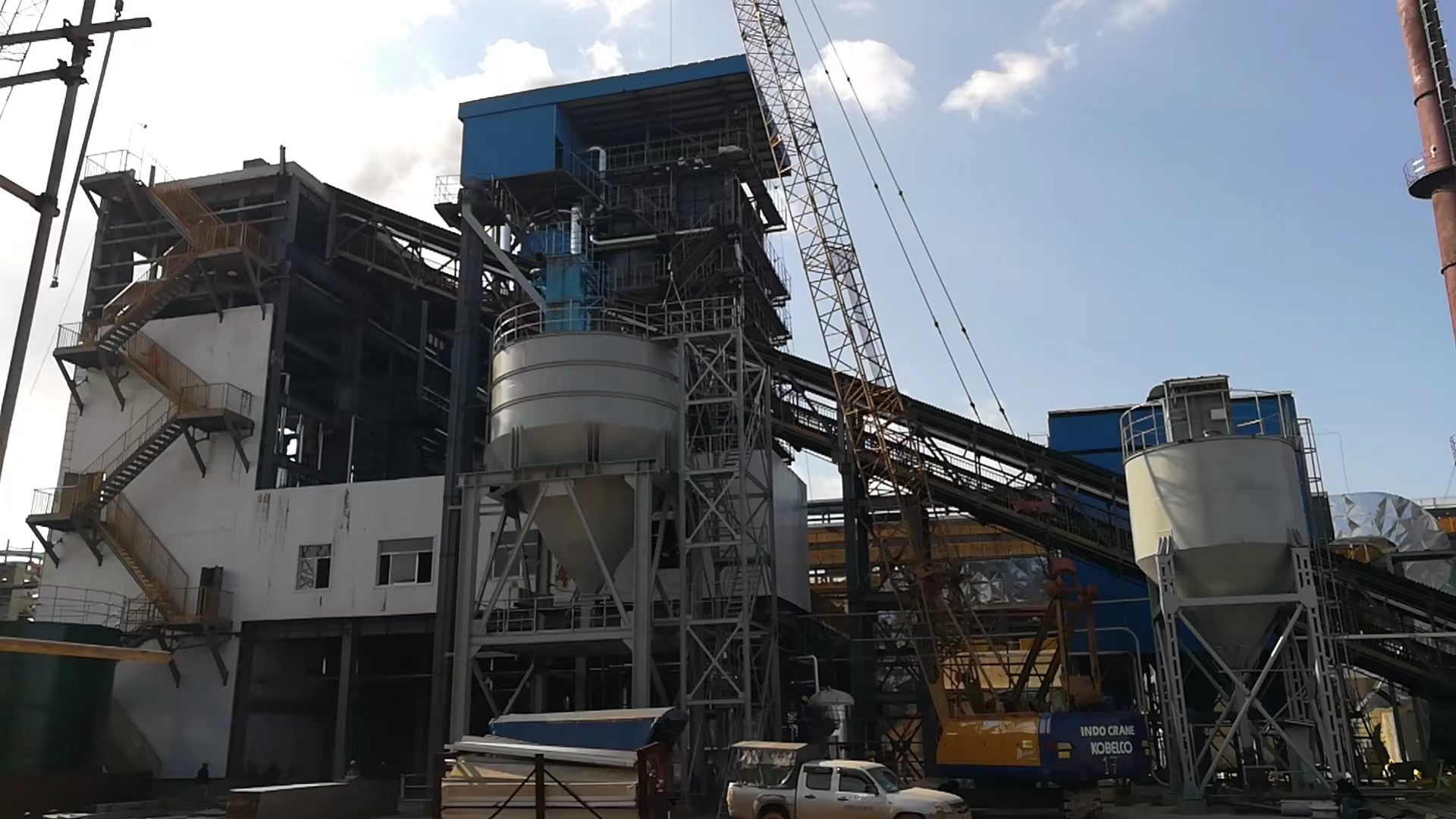
What Types and Grades of Coal Can Your Boiler System Handle Efficiently and Safely?
Choosing the right industrial coal-fired boiler isn’t just about capacity or pressure—it’s about fuel compatibility. Coal comes in various grades and compositions, and not all boilers are engineered to handle these differences efficiently or safely. If a boiler isn’t designed for your specific coal type—be it high-moisture lignite, high-sulfur bituminous, or hard-to-burn anthracite—you may face combustion instability, excessive slagging, corrosion, or emissions non-compliance. That’s why, before signing any contract, you must ask your supplier very specific questions about what types of coal their system has been proven to burn—and under what conditions.
Industrial boiler buyers must ask which coal grades—such as bituminous, sub-bituminous, lignite, anthracite, or petcoke—the system can handle, along with their moisture content, ash characteristics, sulfur level, and heating value ranges. Efficient combustion, safety, and emissions control depend on the boiler’s ability to match these fuel properties through proper chamber design, air staging, feeding systems, and ash handling.
Generic “coal-compatible” answers are not enough. You need precise fuel specifications, design adaptations, and evidence from similar reference projects.
Coal-fired boilers must be designed specifically for the grades and properties of coal they are expected to burn.True
Coal types vary widely in moisture, ash, sulfur, and calorific value, which affects combustion behavior, emissions, and system durability.
Key Questions to Ask About Fuel Compatibility
1. What coal types has your boiler been tested or operated on successfully?
| Coal Grade | Typical Characteristics | Compatibility Concerns |
|---|---|---|
| Bituminous | Medium to high CV, moderate ash/sulfur | Good flame stability, moderate fouling risk |
| Sub-bituminous | Lower CV, higher moisture | May require drying zones or air preheating |
| Lignite | Very high moisture (30–50%), low CV | Demands large furnace volume, anti-corrosion design |
| Anthracite | Very high CV, low volatiles | Requires longer ignition time, high temp chamber |
| Petcoke | High sulfur, high CV, hard burnout | Needs enhanced desulfurization, staged combustion |
Ask:
Do you have reference projects burning each fuel type?
What is the boiler’s designed range for GCV, ash %, and sulfur?
Has combustion been validated via CFD or test furnace?
2. What fuel specification ranges can your boiler system accommodate?
| Fuel Property | Design Range to Expect | Effect on Operation |
|---|---|---|
| Gross Calorific Value (GCV) | 2,500–7,000 kcal/kg | Impacts heat release and combustion time |
| Moisture Content | Up to 50% (lignite) | Affects ignition, flame stability |
| Ash Content | Up to 30% | Impacts slagging, ash handling load |
| Sulfur Content | Up to 4% | Requires in-bed or post-combustion SO₂ capture |
| Volatile Matter | 10–45% | Affects ignition speed, burner design |
Ask for:
Fuel adaptability curves
Material selection based on ash composition
Air staging or drying design for high-moisture coal
3. What design features support multi-coal flexibility or fuel switching?
| Design Element | Purpose |
|---|---|
| Large combustion chamber volume | Ensures residence time for low-CV coal |
| Adjustable air distribution | Tailors turbulence for each fuel type |
| Fluidized bed or chain grate design | Supports fine and coarse fuels |
| Sorbent injection systems | Captures SO₂ from high-sulfur fuels |
| Slag-tolerant refractory | Prevents erosion from high-ash coal |
Ask:
Is the furnace geometry optimized for high-moisture or low-volatile coal?
What is the fuel feed system’s tolerance for size variation (lump vs. fines)?
Can fuel types be switched without major retrofit?
4. How does the system maintain efficiency and emissions compliance across coal types?
| Coal Variation | Control Requirement | Efficiency Strategy |
|---|---|---|
| High-sulfur coal | In-bed limestone injection, bag filter | SO₂ capture ≥95% |
| Low-volatility coal | Preheat air, staged combustion | Better burnout, lower CO |
| Wet lignite | Air preheating, larger grate area | Maintains flame temperature |
| High ash coal | Robust ash removal and hopper design | Reduces slagging and fouling |
Ask:
What is the guaranteed SO₂/NOₓ emissions level per fuel?
Are emissions automatically adjusted with fuel property inputs?
Do you support SNCR/SCR upgrade if sulfur or nitrogen content increases?
5. What performance guarantees are tied to fuel type in your contract?
| Guarantee Clause | Why It Matters |
|---|---|
| Efficiency by coal grade | Protects against hidden fuel cost |
| Emissions limit by coal chemistry | Ensures legal compliance |
| Fuel flexibility clause | Allows future switching if fuel market changes |
Ask for:
Efficiency and emissions tables per fuel
Performance test conditions (GCV, moisture, sulfur assumed)
Sample LD clause for failure to meet targets with specified coal
Example: CFB Boiler Handling Multiple Coal Grades
A 120 TPH circulating fluidized bed boiler installed in Southeast Asia was designed for:
Primary fuel: local lignite (moisture 42%, GCV 3,000 kcal/kg)
Backup fuel: imported bituminous (GCV 5,500 kcal/kg)
Ash: up to 24%
Sulfur: 2.8% max
Adaptations included:
Pre-dryer and larger bed depth for lignite
Sorbent injection (Ca/S ratio ~2.5)
Variable frequency fans and air nozzles for combustion tuning
CFD-modeled air distribution and temperature profile
| Fuel | Efficiency | SO₂ Emissions |
|---|---|---|
| Lignite | 86.4% | 82 mg/Nm³ |
| Bituminous | 88.7% | 91 mg/Nm³ |
Both fuels passed performance guarantee testing with <2% variation from targets.
Summary
Coal-fired boiler design is only as good as its fuel adaptability. Asking which types and grades of coal a boiler can handle is not optional—it’s foundational to system performance, regulatory compliance, and economic feasibility. Clarify fuel specs, confirm design adaptations, and demand guarantee-backed compatibility for your actual or potential coal sources. A boiler that burns the wrong coal is a liability. A system engineered for your coal—and future fuels—is a long-term energy asset. Choose precision. Demand proof. Burn smart.

What Is the Guaranteed Combustion Efficiency, Heat Rate, and Steam Output Range?
When evaluating a coal-fired boiler supplier, few questions are as financially impactful as those regarding combustion efficiency, heat rate, and steam output range. These three core parameters define how effectively your fuel is converted into usable thermal energy—and directly influence fuel cost, emissions performance, and the return on your capital investment. Yet many buyers fail to verify these metrics contractually or understand how they’re measured under real-world operating conditions. Vague claims of “high efficiency” or “flexible output” are not enough. You must demand quantified, guaranteed performance figures, based on standard testing protocols and fuel conditions, with enforceable penalties if unmet.
Buyers must ask for guaranteed combustion efficiency (typically ≥88% gross), specific heat rate (in kcal/kWh or MJ/kg), and defined steam output range (from turndown to full load) that reflects their fuel type, load profile, and operational goals. These values should be validated by a Performance Guarantee Test (PGT) under agreed test conditions.
Without these guarantees, you may overpay for fuel, struggle to match process steam needs, or fall short on emissions compliance. Performance metrics are not optional—they’re your safeguard for long-term profitability.
Combustion efficiency, heat rate, and steam output range must be contractually guaranteed for reliable evaluation of a coal-fired boiler's performance.True
These values impact fuel cost, steam supply stability, and emissions compliance. Guaranteeing them ensures that the boiler delivers its promised output at predictable operational cost.
Key Questions to Ask Your Coal-Fired Boiler Supplier
1. What Is Your Guaranteed Combustion Efficiency for the Design Fuel?
| Efficiency Type | Definition | Typical Benchmark |
|---|---|---|
| Gross Efficiency (HHV basis) | Heat output / fuel input (HHV) | ≥88% (bituminous), ≥86% (lignite) |
| Net Efficiency (LHV basis) | Accounts for stack losses | 85–87% |
| Partial Load Efficiency | Efficiency at 50–75% load | Not <83% |
Ask:
Is the efficiency based on Higher Heating Value (HHV) or Lower (LHV)?
What test method is used (ASME PTC 4.1, ISO 23145)?
What is the guaranteed deviation margin (±0.5% max)?
2. What Is the Heat Rate (Fuel Input per Unit Energy Output)?
| Parameter | Definition | Typical Value |
|---|---|---|
| Heat Rate | kcal/kWh or MJ/kg | 2,000–2,800 kcal/kWh |
| Lower is better | Less fuel for same output | More efficient operation |
Ask for:
Heat rate table by fuel type and load level
Correction factors for ambient temperature and barometric pressure
Fuel analysis used for calculation (GCV, moisture, ash, sulfur)
| Example Heat Rate Table |
| Load % | Bituminous (kcal/kWh) | Lignite (kcal/kWh) |
|---|---|---|
| 100% | 2,200 | 2,600 |
| 75% | 2,350 | 2,800 |
| 50% | 2,600 | 3,000 |
3. What Is the Boiler’s Steam Output Range and Turndown Capability?
| Output Parameter | Typical Value | Why It Matters |
|---|---|---|
| Rated Capacity | As per nameplate (e.g., 100 TPH) | Must meet peak demand |
| Minimum Load | 25–35% of rated capacity | Affects flexibility and stability |
| Turndown Ratio | 3:1 to 5:1 | Determines modulation without tripping |
Ask:
Can the boiler maintain efficiency at partial load?
How is the system tuned to prevent flameout or cycling at low load?
Is steam pressure stable throughout the range?
4. Do You Guarantee These Values in the Contract?
| Guarantee Clause | Importance |
|---|---|
| Efficiency Guarantee | Protects against fuel overuse |
| Steam Output Guarantee | Ensures process reliability |
| Emissions Tied to Efficiency | Prevents combustion inefficiency spillover |
Ask for:
Performance Guarantee Test (PGT) protocol
Conditions for penalty (e.g., $/ton fuel if target missed)
Sample report from similar project
5. What Is the Fuel Specification Used for These Guarantees?
| Fuel Attribute | Why It Affects Performance |
|---|---|
| GCV | Direct impact on efficiency and heat rate |
| Moisture | Reduces flame temp, affects output |
| Ash Content | Affects heat transfer and slagging |
| Sulfur | Impacts SO₂ emissions and desulfurization load |
Always verify:
If multiple coal grades are accepted, are guarantees fuel-specific?
Are guarantees invalidated if fuel properties exceed design range?
Is fuel testing part of commissioning process?
Sample Performance Guarantee Table (from contract)
| Parameter | Guaranteed Value | Test Condition |
|---|---|---|
| Gross Thermal Efficiency | ≥88.2% | Bituminous coal, 100% load |
| Heat Rate | ≤2,200 kcal/kWh | HHV basis |
| Steam Output | 100 TPH ±2% | 105 bar, 540°C |
| Min Load (Stable) | 30% of rated | Controlled blowdown and air ratio |
| NOₓ | ≤150 mg/Nm³ | At all loads |
| CO | ≤50 mg/Nm³ | Continuous monitoring |
Summary
Efficiency, heat rate, and steam output capacity are the foundation of any industrial coal-fired boiler’s economic and operational performance. Do not accept marketing claims without contractual guarantees tied to measurable test standards. Ask for specific values, load-dependent ranges, and the conditions under which those values apply. If your supplier won’t commit, your boiler won’t deliver. Performance isn’t promised—it’s proven. Insist on the proof. Write it into your contract. Monitor it in your plant.
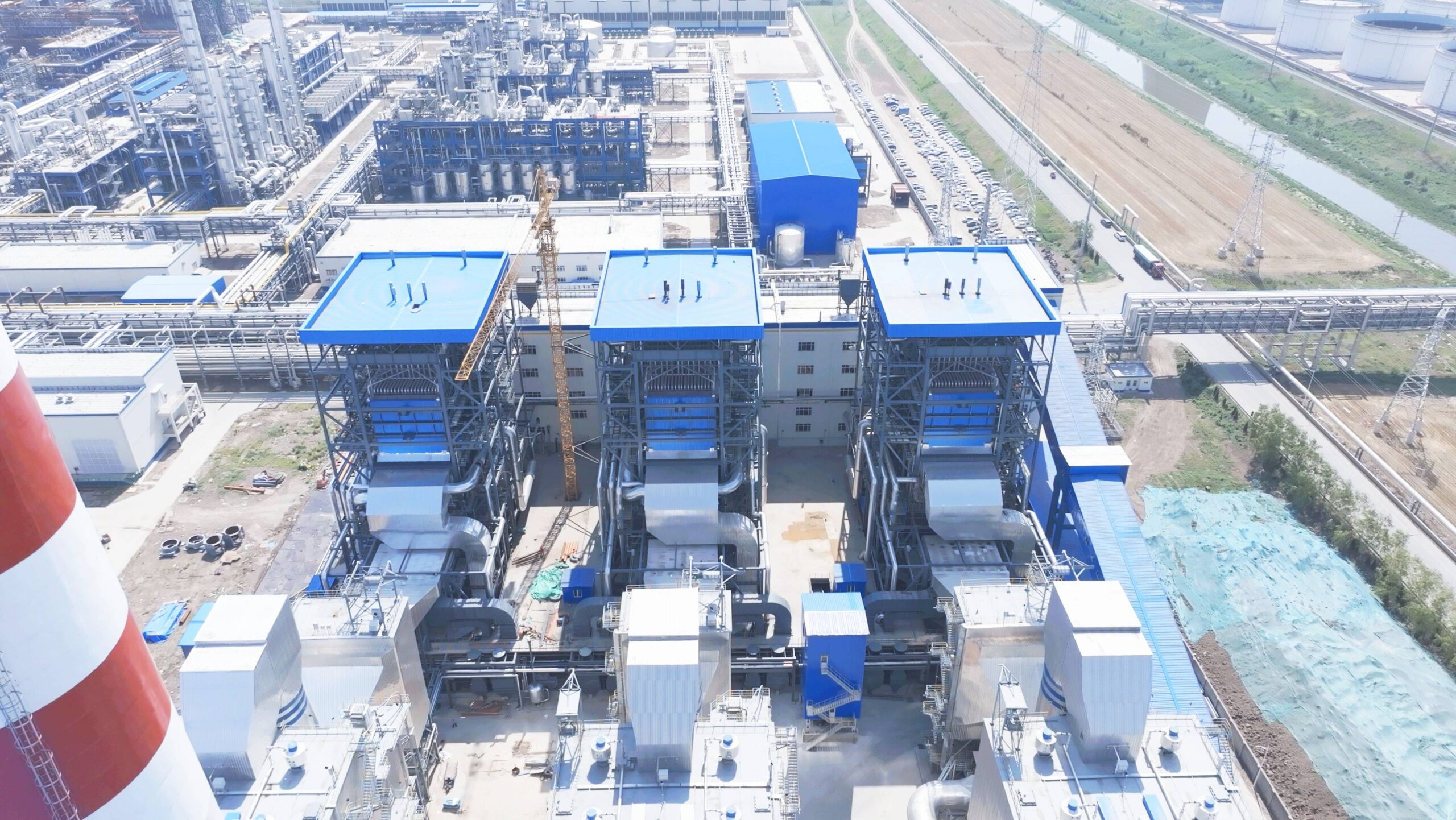
How Does Your System Manage Ash, Slag, and Particulate Emissions?
When purchasing a coal-fired boiler, understanding how the system handles ash, slag, and particulate emissions is critical—not only for environmental compliance but also for equipment reliability and lifecycle cost. Different coal grades produce varying levels of unburned material, slag formation, and fine particulate matter (PM). If the system is not properly designed to manage this byproduct flow, you may face excessive downtime, premature wear, and costly emissions violations. That’s why buyers must ask detailed questions about the design, capacity, automation, and compliance track record of the supplier’s ash and PM handling systems.
Buyers must ask how the supplier’s boiler design controls bottom ash, fly ash, slag formation, and particulate emissions. This includes understanding the separation mechanisms (e.g., cyclone, electrostatic precipitator, bag filter), slag mitigation techniques, ash extraction methods, and emission filtration technologies that meet regulatory thresholds.
Assuming that all coal ash is the same—or that one system fits all—is a dangerous oversight. Your specific fuel ash content, fusion temperature, and load profile all affect the system’s required handling and filtration capacity.
Proper ash and particulate handling systems are essential in coal-fired boilers to ensure environmental compliance, operational efficiency, and mechanical durability.True
Uncontrolled ash and slag lead to tube fouling, efficiency losses, emissions violations, and increased maintenance downtime.
Essential Questions to Ask About Ash and Particulate Management
1. How Is Bottom Ash (Coarse Ash) Removed from the Furnace?
| Ash Type | Removal Method | Design Features |
|---|---|---|
| Bottom Ash | Water-cooled slag hoppers, dry ash conveyors | Wear-resistant liners, mechanical scrapers |
| Coarse Ash | Chain grate/bed collection | Manual or automatic raking systems |
Ask:
Is the ash extraction fully enclosed and automated?
What’s the ash cooling method—water bath or dry?
What’s the expected bottom ash extraction rate (kg/ton of coal)?
2. How Is Slagging Managed to Avoid Fouling and Blockage?
| Slag Control Feature | Why It Matters |
|---|---|
| Furnace geometry and refractory | Prevents ash fusion accumulation |
| Bed material selection (for FBC) | Maintains non-sticky ash circulation |
| Soot blowers and wall blowers | Clears slag from tubes and furnace walls |
| Airflow tuning and ash fusion temperature modeling | Avoids hot spots that trigger slag formation |
Ask:
Has slagging been modeled with your fuel ash fusion temperatures?
Are wall blowers included or optional?
What refractory or tube coating is used in high-slag areas?
3. How Is Fly Ash and PM Captured and Filtered Before Emission?
| PM Handling Equipment | Efficiency | Compliance Standard |
|---|---|---|
| Multicyclone Dust Collectors | 70–85% for coarse PM | Pre-filter, not final |
| Electrostatic Precipitators (ESP) | 95–99.5% | EU IED, China ULE, EPA NSPS |
| Fabric Filters (Baghouse) | >99.9% | Best for sub-10 μm particles |
| Hybrid ESP-Baghouse | >99.5% with redundancy | Advanced control zones |
Ask:
What PM emissions are guaranteed (mg/Nm³)?
What is the design particle size capture (e.g., PM₁₀, PM₂.₅)?
Are emission levels stable under fuel variability?
4. What Is the Maintenance and Disposal Plan for Ash Systems?
| Maintenance Area | What to Expect |
|---|---|
| Ash hopper clearing | Auto-scraper or manual frequency |
| Filter bag change-out | Every 1–3 years (depending on ash load) |
| ESP rapping or vibration tuning | Quarterly inspection |
| Ash conveyance line (pneumatic or mechanical) | Continuous or batch discharge |
Ask:
What is the expected frequency of maintenance on ash systems?
Is the ash system integrated with plant SCADA or separate?
Is the ash reusable (e.g., for cement) or must it be landfilled?
5. How Are Particulate Emissions Monitored and Compliant with Law?
| Monitoring System | Function | Compliance Reference |
|---|---|---|
| CEMS (Continuous Emissions Monitoring System) | Real-time PM data logging | EN 13284, EPA Method 5 |
| Opacity Monitors | Alerts for filter/ESP failures | Visible emissions control |
| Differential Pressure Sensors | Baghouse health indicator | Predicts filter plugging or rupture |
Ask:
Are your emissions monitored continuously and archived?
Is the data remotely accessible and alarm-enabled?
Are emission exceedances auto-reported per regional law?
Case Study: Fly Ash Control for a 200 TPH CFB Boiler on High-Ash Coal
Fuel: Sub-bituminous coal, 22% ash
Ash System Design:
Cyclone + Baghouse with PM guarantee < 20 mg/Nm³
Dry mechanical ash conveyors with twin-screw discharge
Wall blowers on superheater and economizer zones
Ash silo capacity: 7 days at full load
| Result | Performance |
|---|---|
| Measured PM | 12.4 mg/Nm³ |
| Bag life | 30 months |
| Downtime due to ash | < 8 hrs/year |
Summary
Ash, slag, and particulate emissions are not side effects—they are central design challenges for every coal-fired boiler system. The supplier’s ability to manage these materials safely, cleanly, and efficiently is directly linked to boiler reliability, emissions compliance, and operational cost. Always ask about fuel-specific ash handling, filtration technology, maintenance scheduling, and monitoring capabilities. A boiler with smart ash management keeps your plant running cleanly, legally, and profitably. If your supplier can’t answer these questions, keep asking—or keep searching.
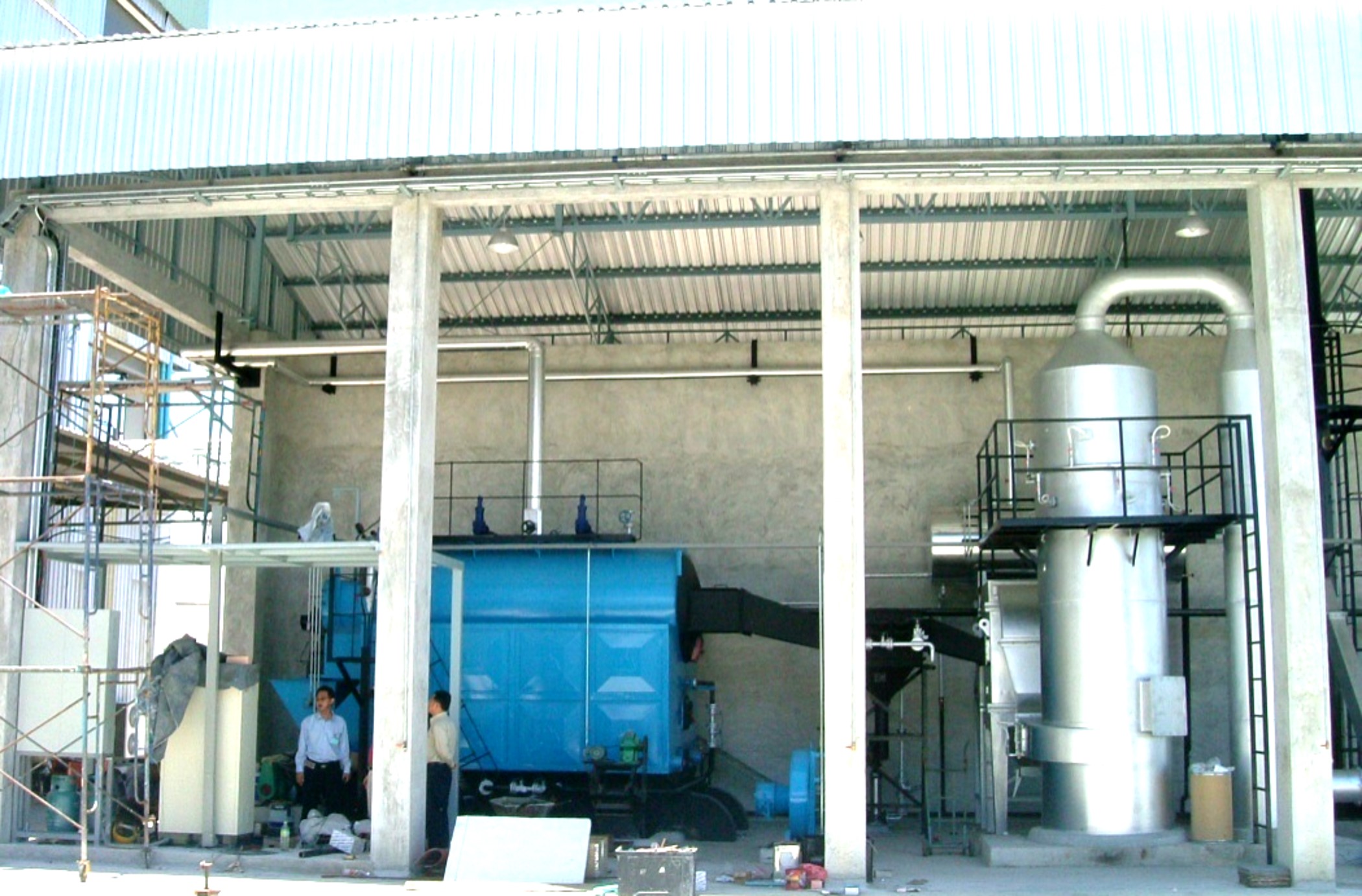
What Environmental Standards (e.g., SOₓ, NOₓ, PM) Does Your System Comply With?
In today’s industrial landscape, emissions compliance is not optional—it’s enforceable, measurable, and strictly regulated. Coal-fired boilers, as major stationary sources of air pollution, are required to meet specific limits on sulfur oxides (SOₓ), nitrogen oxides (NOₓ), and particulate matter (PM). These standards vary by region, but all are rooted in the same goal: minimizing environmental and public health impacts. Whether you’re operating under EU Industrial Emissions Directive (IED), U.S. EPA NSPS, China ULE, or local environmental laws, your chosen boiler must be engineered and proven to meet these thresholds. That means asking your supplier clear, detailed questions—backed by test data and reference installations.
Buyers must ask what environmental standards the boiler complies with, including region-specific NOₓ, SOₓ, and PM limits. The supplier should provide certified emissions performance data, detail control technologies used (e.g., FGR, SNCR, limestone injection, ESP/bag filters), and include emissions guarantees in the purchase contract.
Without verified emissions compliance, your project risks permit rejection, fines, shutdowns, or denial of carbon credits and green finance eligibility. Never assume compliance—demand proof.
Coal-fired boilers must comply with local and international emissions regulations for SOₓ, NOₓ, and particulate matter to be legally operable.True
Each jurisdiction imposes strict emissions limits that require validated control technologies and performance testing to achieve.
Key Questions to Ask Boiler Suppliers About Environmental Compliance
1. What Are Your Guaranteed Emission Limits for NOₓ, SOₓ, and PM?
| Pollutant | Typical Guaranteed Value | Measurement Standard |
|---|---|---|
| NOₓ (as NO₂) | ≤ 150 mg/Nm³ (bituminous) | ISO 10849, EPA Method 7 |
| SO₂ | ≤ 100 mg/Nm³ (with sorbent injection) | ISO 7934, EPA Method 6 |
| PM (dust) | ≤ 10–20 mg/Nm³ | ISO 13284, EPA Method 5 |
| CO | ≤ 50 mg/Nm³ | Indicator of clean burn |
Ask:
What is the fuel specification these limits are based on?
Are these limits continuous or average over 24/72 hrs?
Do these values apply at full and partial load?
2. Which Regional Environmental Standards Does Your System Meet?
| Region | Environmental Standard | Emissions Limits |
|---|---|---|
| EU | IED 2010/75/EU | NOₓ < 150, SO₂ < 200, PM < 20 mg/Nm³ |
| China | GB 13223-2011 (ULE) | NOₓ < 100, SO₂ < 35, PM < 10 mg/Nm³ |
| USA | EPA NSPS (Subpart Da) | NOₓ < 117 ppm, SO₂ < 1.2 lb/MMBtu |
| India | CPCB Norms 2017 | NOₓ < 300, SO₂ < 100, PM < 30 mg/Nm³ |
Ask:
Is your system certified or verified by any local authority?
Can you provide past project data that met these standards?
What happens if these limits are exceeded post-commissioning?
3. What Technologies Are Used to Achieve These Emissions Standards?
| Control System | Pollutant Controlled | Efficiency |
|---|---|---|
| Staged combustion + FGR | NOₓ | 30–50% reduction |
| SNCR (Urea or NH₃ Injection) | NOₓ | 50–70% |
| In-bed limestone injection | SO₂ | 80–95% |
| Flue Gas Desulfurization (FGD) | SO₂ | 90–98% |
| ESP or Bag Filter | PM | >99% |
| Cyclone + Baghouse Combo | PM | 98–99.5% |
Ask:
Are these technologies included in the base offer or optional?
Are they suitable for the sulfur, ash, and moisture levels in our fuel?
Are they auto-regulated via emissions sensors?
4. How Are Emissions Monitored and Reported?
| Monitoring Tool | Function | Standards Used |
|---|---|---|
| Continuous Emissions Monitoring System (CEMS) | Real-time compliance tracking | EN 14181, EPA 40 CFR Part 60 |
| Stack Sampling (manual) | Spot verification for PM, SO₂, NOₓ | ISO/ASTM methods |
| Opacity Monitor | Visual emissions indicator | Local thresholds (e.g., <10%) |
Ask:
Do you supply a CEMS with the boiler system?
Is the emissions data archivable and remotely accessible?
Is the monitoring system integrated into plant SCADA?
5. What Happens If Emissions Limits Are Not Met After Commissioning?
| Contract Clause | Protects Buyer From |
|---|---|
| Emissions Guarantee | Underperformance liability |
| LD (Liquidated Damages) Clause | Fines for excess emissions |
| System Retuning Obligation | Supplier must recalibrate or upgrade controls |
| Emissions-Based Warranty | Extended coverage for regulatory penalties |
Ask for:
A sample contract showing emissions-linked guarantees
Re-test and re-tuning provisions
Supplier responsibility for filter, sorbent, reagent supply
Case Example: ULE-Compliant 100 TPH Coal Boiler (China)
Fuel: 3.2% ash, 0.8% sulfur sub-bituminous
Emissions System: In-bed limestone, SNCR (urea), baghouse
Certifying Body: Local EPA + TÜV
Actual Emissions (verified):
| Pollutant | Measured Level | Compliance |
|---|---|---|
| NOₓ | 87 mg/Nm³ | Within ULE (<100) |
| SO₂ | 28 mg/Nm³ | Within ULE (<35) |
| PM | 6.7 mg/Nm³ | Within ULE (<10) |
System performance was verified during a 72-hour Performance Guarantee Test, with emissions logged via CEMS and shared monthly with regulators.
Summary
Compliance with environmental standards for SOₓ, NOₓ, and PM is not optional—it’s the legal threshold for operating your coal-fired boiler. Your supplier must not only understand your local regulations but also engineer, test, and guarantee systems that perform within them under real fuel and load conditions. Ask specific, standard-referenced questions about emissions limits, control technologies, monitoring tools, and contractual guarantees. Because in the emissions game, “almost” compliant is still illegal. Ensure your supplier’s design is tested, documented, and contractually accountable—from the first flame to the last.
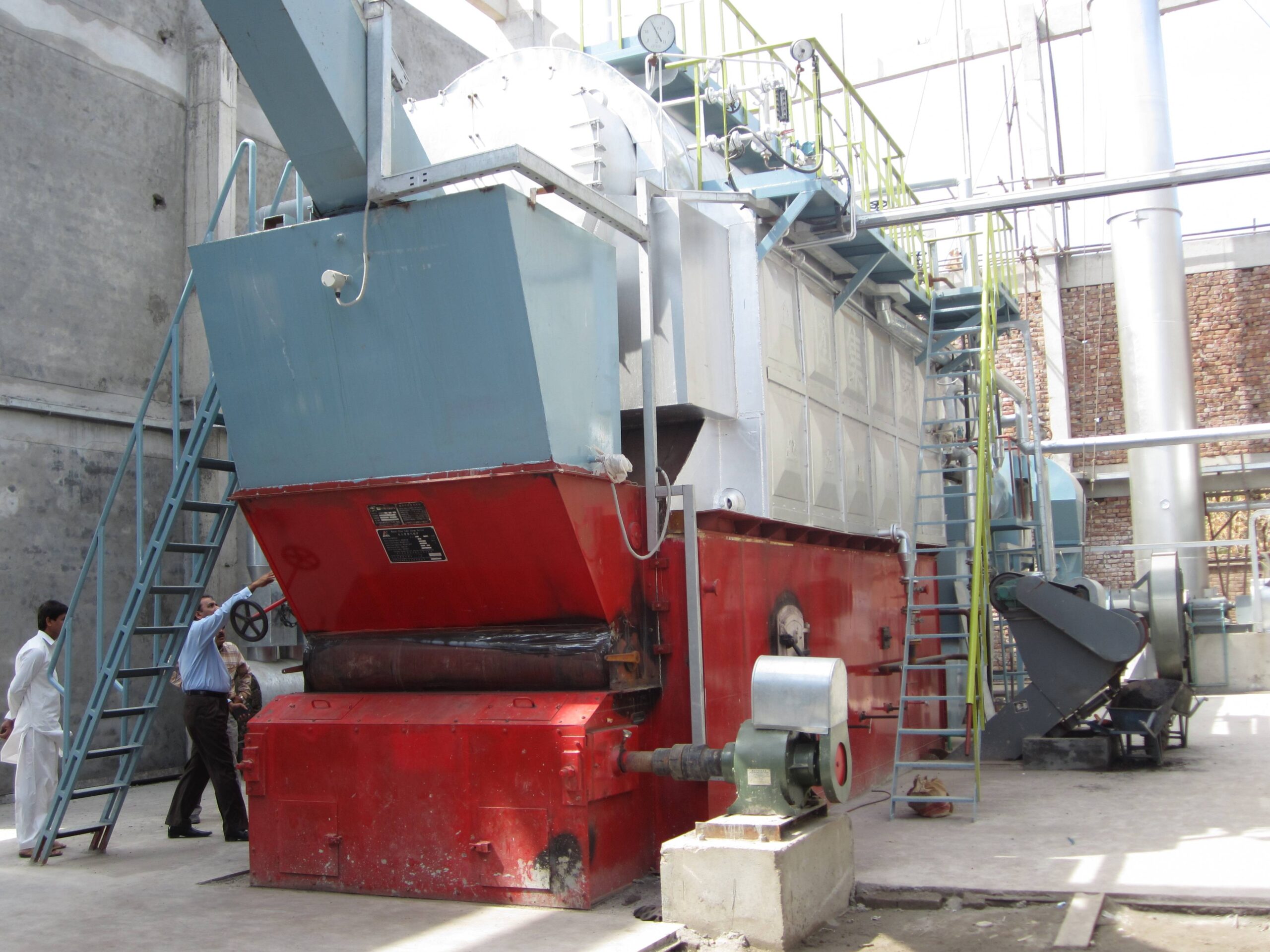
What Certifications (ASME, ISO, CE) and Quality Control Systems Are in Place?
In coal-fired boiler procurement, certifications and quality control systems are your best assurance that the supplier builds reliable, compliant, and legally operable equipment. Without internationally recognized certifications like ASME, ISO, or CE, you risk acquiring a system that may fail safety inspections, void insurance policies, or require expensive retrofits to meet emissions or pressure codes. Quality assurance must go beyond marketing—it must be embedded in the factory’s daily operations, from material traceability to final inspection. That’s why asking for documented certification and proven quality protocols is not a formality—it’s a critical filter.
Buyers must ask what design, manufacturing, and management certifications the supplier holds (e.g., ASME Section I/IX, CE PED Directive 2014/68/EU, ISO 9001/14001/45001) and how their QA/QC system ensures compliance, repeatability, and traceability. These elements validate weld integrity, pressure part strength, emissions readiness, and build consistency.
Certifications aren’t just logos—they’re your legal and technical warranty that the boiler is built to global engineering and safety standards.
Certifications like ASME, ISO, and CE, along with documented QA/QC systems, are mandatory for ensuring industrial coal-fired boiler safety, compliance, and operational reliability.True
These standards cover everything from pressure vessel integrity and welding quality to environmental and occupational safety protocols.
Key Certifications You Must Ask for
1. ASME Certification (U.S. and Global Pressure Equipment Standard)
| ASME Section | Scope | What to Verify |
|---|---|---|
| Section I (“S” Stamp) | Power Boilers | Valid Certificate of Authorization |
| Section VIII (“U” Stamp) | Pressure Vessels | For economizers, separators |
| Section IX | Welding Procedures | WPS, PQR, WQR documentation |
| Section V | Non-Destructive Testing | RT, UT, PT, MT procedure logs |
Ask:
Do your welders and procedures meet ASME IX standards?
Can I review your last ASME inspection or audit report?
Is the final boiler nameplate stamped with the “S” or “U” mark?
2. CE Marking (EU Compliance – Pressure Equipment Directive)
| Directive | What It Certifies | What to Request |
|---|---|---|
| PED 2014/68/EU | Pressure safety and mechanical compliance | EC Declaration of Conformity |
| EMC Directive | Control system safety | CE for electrical cabinet |
| Machinery Directive | Installation and protection logic | Risk assessment & design dossier |
Ask:
Which PED module (B, D, H, H1) is used?
Who is your notified body (e.g., TÜV, SGS)?
Do you provide CE documentation for each major component?
3. ISO Certifications (Management Systems)
| Standard | Purpose | Why It Matters |
|---|---|---|
| ISO 9001 | Quality Management | Ensures process consistency, product traceability |
| ISO 14001 | Environmental Management | Boiler design respects emissions and waste limits |
| ISO 45001 | Occupational Health & Safety | Complies with safe practices in fabrication and field work |
| ISO 50001 | Energy Management (optional) | Promotes efficient boiler design and operations |
Ask:
Are these certifications up to date?
Are your sub-suppliers also ISO-compliant?
Can you share your internal quality audit summary?
In-Factory Quality Control Systems to Confirm
| QC Element | Function | Proof to Request |
|---|---|---|
| Incoming Material Inspection | Ensures steel and alloy conformity | Mill test certificates (MTC), heat # matching |
| Weld Inspection (VT, RT, UT) | Confirms weld integrity | NDT reports, weld maps, repair logs |
| Dimensional Check | Matches design tolerances | Inspection report before shipment |
| Hydrostatic Pressure Test | Validates strength of pressure parts | Pressure logs with photos and gauges |
| Paint & Coating QA | Prevents corrosion | DFT (dry film thickness) reports, spec sheets |
| Assembly QA | Module-to-module fit verification | Internal pre-dispatch inspection forms |
Ask:
Do you follow a formal Quality Control Plan (QCP)?
Is there a Quality Assurance Manager overseeing each project?
Can we audit your QA procedures before shipment?
Factory Acceptance Testing (FAT) Also Matters
| FAT Activity | Certifies | Why It Builds Trust |
|---|---|---|
| Electrical panel simulation | PLCs, alarms, safety logic | Prevents control system failure on-site |
| Burner test and shutoff verification | Safe ignition and shutdown | Ensures field safety compliance |
| Documentation sign-off | QC handover, spare parts list | Prevents field delays and guesswork |
Ask:
Do you conduct FAT in presence of customer or third party?
Are FAT reports archived and shared digitally?
Regional Certifications or Approvals (Optional but Important)
| Certification | Region | Use Case |
|---|---|---|
| IBR (India Boiler Regulations) | India | Mandatory for all steam systems |
| GB 150 / GB 13223 | China | National pressure/emissions code |
| TR CU 032 / GOST | Russia & Eurasian Union | Local market compliance |
| UL/CSA | North America | Electrical panels, PLCs |
Ask:
Have you delivered compliant projects in our country or region?
Are approvals from local authorities available?
Summary Certification Checklist
| Area | Required Standard | Proof Document |
|---|---|---|
| Pressure Design | ASME Section I/VIII | Stamped nameplate, WPS/WQR |
| Fabrication Process | ISO 9001 | Certificate + audit trail |
| Environmental Compliance | CE + ISO 14001 | CE DOC, ISO certificate |
| Control System | CE/EMC, ISO 45001 | Electrical conformity cert |
| Emissions System | PED + local laws | Emission reports, FAT records |
| Welding & NDT | ASME IX + V | Welder ID logs, RT films |
Summary
Certifications like ASME, CE, and ISO are not paperwork—they are engineering safeguards. They validate that your supplier builds systems that are safe, efficient, compliant, and ready to operate without retroactive repair or risk. Beyond certificates, your supplier must demonstrate active quality control at every stage of fabrication. Ask to inspect procedures. Demand documentation. Confirm oversight. Because a certified boiler is a reliable boiler—one that delivers steam, safety, and stability from day one.
What After-Sales Services, Spare Parts Supply, and Remote Diagnostics Do You Offer?
The performance of a coal-fired boiler doesn’t end with successful commissioning—it begins there. Over a lifespan of 20–30 years, what determines reliability, efficiency, and uptime is not just the initial design, but the after-sales service infrastructure, availability of critical spare parts, and remote diagnostic capabilities. Without proactive support, even the best-engineered boiler can experience costly breakdowns, unsafe operations, or non-compliance issues. That’s why it’s essential to ask your supplier for detailed post-commissioning support terms—especially for large, high-pressure systems where downtime can cost thousands per hour.
Industrial buyers must ask for clear after-sales service commitments, a structured spare parts supply program, and real-time remote diagnostics options. This includes service contracts, on-site technical visits, regional parts warehousing, CEMS support, predictive maintenance tools, and escalation protocols. These support mechanisms ensure uninterrupted operation, compliance with emissions standards, and cost-efficient maintenance.
If your supplier lacks these capabilities—or doesn’t back them with documentation—you risk buying a boiler that performs well on paper but poorly in practice.
After-sales service, spare parts supply, and remote diagnostics are essential to ensure the long-term efficiency, reliability, and emissions compliance of a coal-fired boiler.True
These services reduce downtime, extend equipment lifespan, and support early fault detection, which collectively lower lifecycle operating costs.
Key Questions to Ask Your Boiler Supplier
1. What After-Sales Services Are Included After Commissioning?
| Service Element | What to Expect | Minimum Standard |
|---|---|---|
| Routine inspections | System review, parameter tuning | Quarterly or semi-annual visits |
| Emergency support | On-site or remote within SLA | 24/7 hotline + <48-hour response |
| Operator training | Skill refreshers, fault handling | Annually or on-demand |
| Emissions support | CEMS calibration, emission audits | As per regional law |
| Annual performance audit | Fuel rate, thermal balance, NOₓ profile | Yearly with report and trend data |
Ask:
Is there an SLA defining response times?
What level of support is included vs. billable?
Can we receive long-term support under an AMC or LTSA?
2. What Types of Spare Parts Are Stocked and How Are They Supplied?
| Spare Category | Examples | Recommended Supply Plan |
|---|---|---|
| Critical spares | Burner tips, PLC modules, fans | Local warehouse or on-site stock |
| Wear parts | Bed nozzles, cyclone tiles, gaskets | Delivered within 1–2 weeks |
| Consumables | Sensors, thermocouples, seals | Stocked for 6–12 months of operation |
| Capital spares | Drum internals, tubes, superheater coils | Lead time: 8–16 weeks |
| Spare Supply Option | Advantage |
|---|---|
| Spare parts kit with boiler | Ready for startup and initial operation |
| 3-year spare parts plan | Budgeted and shipped in advance |
| On-demand ordering | Flexibility but risk of delays |
| Supplier-managed inventory | High uptime, cost-effective over time |
Ask:
Can you provide a recommended 2–5 year spares list?
Are critical parts warehoused locally or regionally?
Is spare parts tracking part of your digital support tools?
3. Do You Offer Remote Monitoring and Diagnostics Services?
| Monitoring Feature | Function | System Standard |
|---|---|---|
| Real-time condition monitoring | Boiler efficiency, pressure, temperature | SCADA-linked or cloud-based |
| Emissions tracking | NOₓ, SO₂, PM from CEMS | Automated alerting to exceedances |
| Predictive maintenance alerts | Based on trends and failure thresholds | AI/ML-driven diagnostics |
| Remote tuning support | Combustion optimization | O₂ trim, PID tuning, load ramping |
| Alarm escalation | SMS/email alerts for faults | Role-based access control |
Ask:
What platform is used—proprietary or third-party?
Can plant managers access data remotely?
Is remote support included in service contracts or billed separately?
| Real-Time Remote Dashboard Example |
| Parameter | Live Value | Target/Alert Threshold |
|---|---|---|
| Bed Temp | 870°C | 850–900°C |
| O₂ | 4.8% | Alert <3% or >6% |
| NOₓ | 128 mg/Nm³ | Limit: 150 mg/Nm³ |
| SO₂ | 92 mg/Nm³ | Limit: 100 mg/Nm³ |
| Fan Load | 65% | Maintenance threshold: >80% sustained |
4. Do You Offer Maintenance Contracts or Long-Term Service Agreements (LTSA)?
| Contract Type | Included Services | Best Use Case |
|---|---|---|
| AMC (Annual Maintenance Contract) | Periodic inspections, tuning, documentation | Mid-size plants, predictable loads |
| LTSA (Long-Term Service Agreement) | Full maintenance + spares + diagnostics | Large boilers, utility operators |
| Performance-based contract | Uptime, emissions, fuel ratio KPIs | Government or regulated installations |
Ask:
What’s the contract duration—1, 3, 5, or 10 years?
Is spare part cost included or additional?
Are KPI penalties/incentives offered?
5. What Support Do You Provide for Regulatory Audits and Emissions Compliance?
| Support Feature | Regulatory Need | Supplier Role |
|---|---|---|
| CEMS calibration logs | Environmental audits | Quarterly validation |
| Emissions deviation analysis | Permit renewal | Performance optimization |
| Data archival (2–5 years) | Local law | Cloud or onsite backup |
| Real-time alerts | Exceedance prevention | E-mail/SMS dashboard |
Ask:
Do you assist in preparing environmental compliance reports?
Can your system auto-submit reports to authorities?
What support do you provide if we fail an audit?
Summary
After-sales service, spare parts supply, and remote diagnostics aren’t extras—they are essential pillars of a high-performance coal-fired boiler system. These elements ensure your investment continues to operate efficiently, safely, and legally for decades. Ask for contractual commitments, supply chain transparency, and real-world performance data. Choose only suppliers who treat post-commissioning support as seriously as they do fabrication. Because once the boiler is built, it’s the service behind it that powers your future.
🔍 Conclusion
The right industrial coal-fired boiler supplier should provide more than just equipment—they should deliver fuel flexibility, emissions compliance, and long-term operational reliability. Thorough supplier vetting ensures your project meets technical and environmental requirements, while maximizing efficiency and uptime. Smart questions lead to smarter investments.
📞 Contact Us
💡 Need help qualifying coal-fired boiler suppliers? Our specialists offer technical due diligence, RFQ preparation, and procurement support for coal boiler projects worldwide.
🔹 Ask the right questions—partner with the right supplier—and power your plant with confidence. 🏭🪨✅
FAQ
What certifications and quality standards do you comply with?
Ask suppliers to confirm adherence to recognized standards such as:
ASME Boiler & Pressure Vessel Code
ISO 9001 / ISO 14001
CE or PED (for international projects)
Local environmental regulations for emissions compliance
These certifications validate manufacturing quality, safety, and regulatory alignment.
What is the thermal efficiency and emissions profile of your boiler systems?
Request:
Guaranteed efficiency ratings (usually ≥80%)
Emission levels of SO₂, NOx, PM, and CO
Compatibility with low-NOx burners, FGD, or ESP
Understanding efficiency and emissions is essential for cost forecasting and compliance.
What types of coal and fuel blends can your boiler handle?
Ask whether the boiler can support:
High-ash, low-grade, or sub-bituminous coal
Anthracite, lignite, or petcoke
Biomass or RDF co-firing capability
Fuel flexibility affects operational cost and long-term availability.
What are the maintenance requirements and service intervals?
Discuss:
Ash and slag handling systems
Soot blowing frequency
Tube erosion or refractory wear rates
Predictive maintenance tools or remote diagnostics
Reliable suppliers will offer maintenance plans and parts support for 10–20 years.
Can you provide case studies, references, or site visit opportunities?
A trustworthy supplier should offer:
Client references in similar industries
Case studies with performance data
Opportunities to visit operational facilities
This helps you validate technical claims and service reliability.
References
ASME Certification Program for Industrial Boilers – https://www.asme.org
Boiler Efficiency and Emissions Standards – EPA – https://www.epa.gov
ISO Certified Boiler Manufacturer Listings – https://www.iso.org
Coal Grades and Boiler Compatibility Guide – https://www.iea.org
Best Practices for Industrial Boiler Procurement – DOE – https://www.energy.gov
Emission Control Technologies for Coal Boilers – https://www.researchgate.net
Predictive Maintenance Trends in Coal Plants – https://www.sciencedirect.com
Boiler Operation and Maintenance Guides – https://www.bioenergyconsult.com
Customer Reviews and Supplier Ratings – https://www.trustpilot.com
Vendor Comparison Tools and Industry Case Studies – https://www.automation.com
