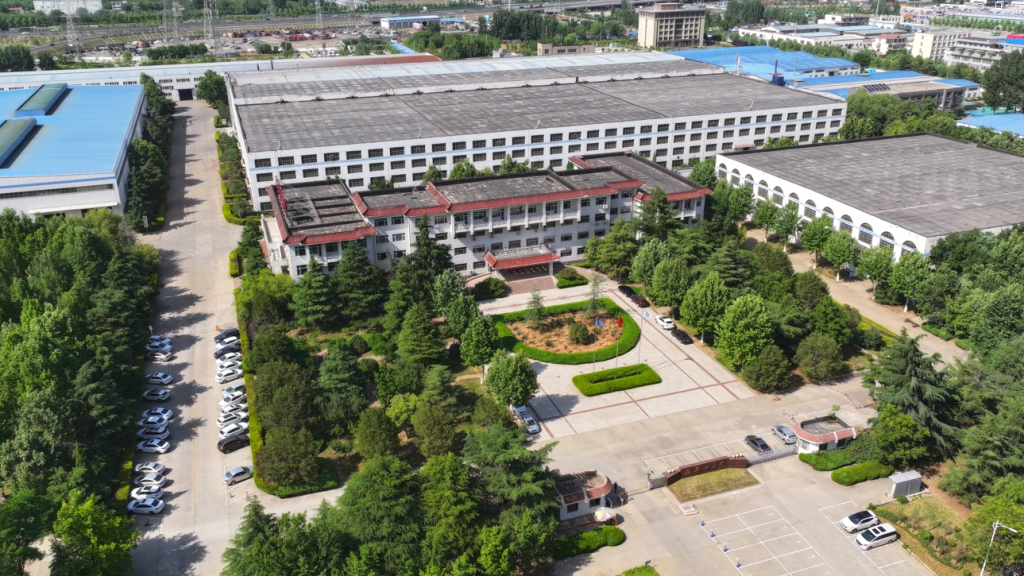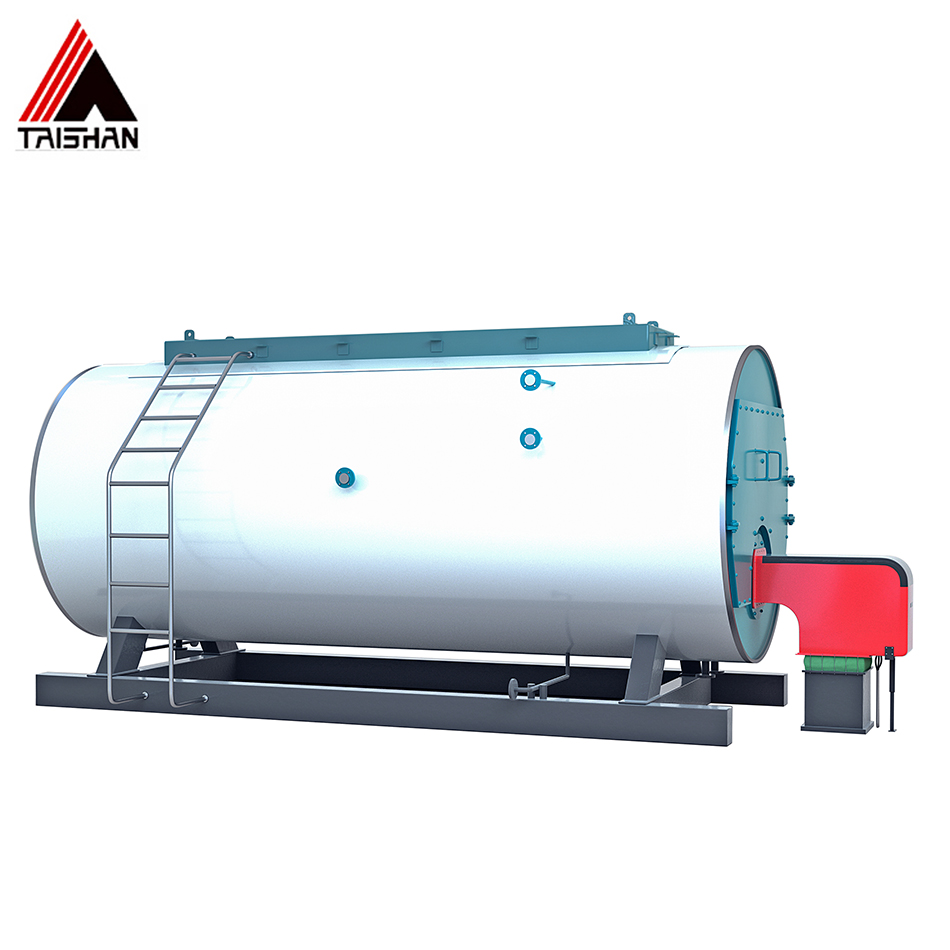
Choosing the wrong industrial natural gas boiler supplier can lead to poor efficiency, frequent failures, delayed delivery, hidden costs, and long-term operational risks. Since gas-fired boilers are expected to deliver high efficiency, low emissions, and stable automated operation, supplier capability directly affects safety, compliance, and lifecycle cost. A price-only comparison often results in underperforming systems that increase fuel consumption and maintenance burden over time.
The best industrial natural gas boiler suppliers are evaluated based on proven project experience, engineering and combustion design capability, product quality and certifications, efficiency and emission performance, manufacturing strength, and long-term after-sales support. A systematic evaluation approach ensures reliable operation, regulatory compliance, and optimal return on investment throughout the boiler’s lifecycle.
Selecting the right supplier is a strategic decision that protects both production continuity and long-term energy costs.
How Does Proven Project Experience Reflect the Reliability of an Industrial Natural Gas Boiler Supplier?
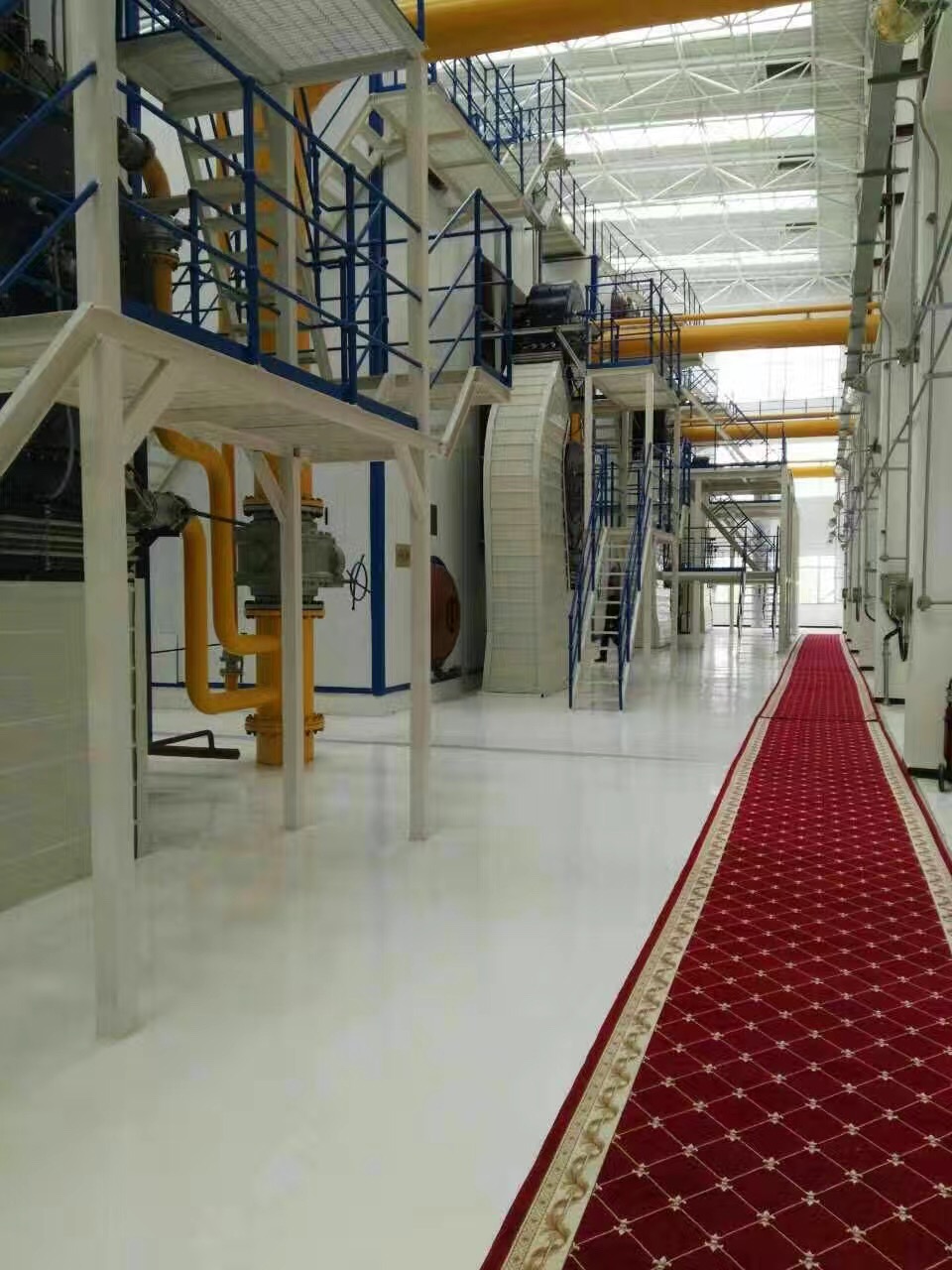
Choosing a reliable industrial natural gas boiler supplier is a high-stakes decision for any factory, utility, or processing plant. An inexperienced or unproven supplier can lead to poor performance, delays, safety issues, and massive hidden costs over the lifecycle of the equipment. In contrast, suppliers with a track record of successful projects offer far more than just a boiler—they bring field-proven designs, technical insight, dependable service, and operational assurance. Their experience reduces risk and ensures that the system meets capacity, efficiency, emission, and uptime expectations from day one.
Proven project experience reflects the reliability of an industrial natural gas boiler supplier by demonstrating their ability to deliver technically sound, timely, and cost-effective solutions in real-world conditions. Experience across various industries, fuel conditions, regulatory environments, and load requirements ensures the supplier can design, manufacture, install, and commission systems that consistently meet client expectations. Case histories, repeat customers, reference projects, and documented performance data serve as strong indicators of reliability and trustworthiness.
When your plant depends on 24/7 steam or hot water, supplier experience is not a bonus—it’s a non-negotiable foundation for successful operation.
Boiler suppliers with little or no project experience can reliably deliver industrial-scale natural gas systems.False
Boiler systems require complex integration of combustion, controls, emissions, and safety systems. Suppliers without real-world experience often lack the expertise to ensure reliability under diverse site conditions.
1. Why Project Experience Is a Critical Reliability Indicator
Industrial boilers are not off-the-shelf products—they are custom-engineered systems designed to meet specific steam loads, emission targets, control schemes, and site conditions. Real-world experience gives suppliers the technical foresight and practical knowledge to address:
- Site constraints like limited space, complex piping, or retrofit requirements
- Load variability from batch processes or dual-shift operations
- Fuel quality fluctuations and pressure conditions
- Emission control mandates from local environmental authorities
- Automation, integration, and control logic required by the client
Suppliers with a proven project portfolio have already encountered—and solved—these challenges.
2. Key Aspects of Project Experience That Indicate Supplier Reliability
| Aspect of Experience | Why It Matters for Reliability |
|---|---|
| Number and diversity of projects | Shows adaptability across industries and boiler sizes |
| Successful installations in similar industries | Confirms understanding of specific process needs (e.g., food, pharma) |
| Repeat clients or government contracts | Indicates long-term trust and technical credibility |
| Startup and commissioning track record | Proves ability to deliver on-time, functional systems |
| Compliance with codes and standards | Assures legal and technical correctness (ASME, ISO, UL, CE, etc.) |
| Post-sales support history | Reflects commitment to lifecycle reliability and quick service response |
Experienced suppliers have processes, QA systems, and technical teams honed by actual execution.
3. Case Study Table: Comparing Suppliers With and Without Proven Experience
| Criteria | Experienced Supplier | Inexperienced Supplier |
|---|---|---|
| Project references | 50+ units installed globally | 1–2 demo units or prototypes |
| Client testimonials | Repeat buyers in 5+ industries | None or generic marketing claims |
| Emissions compliance success | Proven NOx and CO test results | No documented emissions data |
| Commissioning timeline | 2–3 weeks with minimal rework | Delays, trial-and-error adjustments |
| Control system integration | Compatible with SCADA, DCS, PLCs | Basic or incompatible I/O configuration |
| Documentation & QA | ISO 9001, full documentation package | Missing manuals, limited traceability |
| After-sales service | Dedicated field service teams | Subcontracted or unresponsive |
Conclusion: Proven experience minimizes project risk and long-term costs.
4. Project Experience Data as a Technical Validation Tool
a. Reference Project Matrix Example
| Client | Industry | Boiler Type | Capacity | Emissions Compliance | Year | Region |
|---|---|---|---|---|---|---|
| ABC Textiles | Textile | Firetube gas boiler | 8 TPH | <30 ppm NOx (low-NOx) | 2021 | Southeast Asia |
| City Energy Utility | Public Heat | Water tube condensing | 20 MW | <9 ppm NOx, 0 ppm CO | 2020 | Eastern Europe |
| FoodPack Inc. | Food Process | Horizontal gas boiler | 5 TPH | Ultra-low emissions | 2022 | Middle East |
| PharmaTech Ltd. | Pharma | Skid-mounted package | 3 TPH | Clean steam standard | 2023 | South Asia |
Such records demonstrate technical breadth and performance verification.
b. Industry-Specific Boiler Challenges Solved by Experience
| Industry | Challenge | How Experience Helps |
|---|---|---|
| Food & Beverage | Hygienic steam, precise temp control | Experienced with clean steam generators, controls |
| Chemical | Corrosive flue gas, variable loads | Custom alloys, dynamic controls configured |
| District Heating | Multi-boiler load sharing, low seasonal demand | Proven multi-unit coordination |
| Pharma | Regulatory audits (FDA, GMP) | Documentation systems and traceability ready |
| Pulp & Paper | High turndown, condensate return system design | Experience in closed-loop steam cycles |
A supplier familiar with your industry’s steam application can provide optimized solutions, not just hardware.
5. Performance and Reliability Outcomes Linked to Project Experience
a. Efficiency and Emissions Metrics
| Metric | With Experienced Supplier | With Inexperienced Supplier |
|---|---|---|
| Thermal efficiency | 89–93% (LHV basis) | 82–87% (unoptimized design) |
| NOₓ emissions | <15 ppm with FGR/low-NOx | 40–80 ppm (no tuning) |
| Startup time | <15 minutes (auto mode) | >30 minutes (manual) | |
| Downtime in first year | <1% of hours | >5% due to teething issues |
| Payback period on fuel savings | <24 months | Indeterminate |
b. Service and Uptime Benchmarks
| Service Metric | Experienced Supplier | Inexperienced Supplier |
|---|---|---|
| Response to service calls | <24 hours | 2–5 days |
| Spare part availability | Stocked or shipped in 48 hrs | Delayed or unavailable |
| Operator training | Standardized training package | None or basic manual only |
| Remote diagnostics | SCADA/DCS integration | Not supported |
Proven experience translates to smoother operation, lower costs, and better return on investment.
Summary
Proven project experience is the most reliable predictor of supplier competence, consistency, and technical capability in the industrial natural gas boiler market. It reflects:
- The supplier’s ability to handle complex technical requirements
- Their preparedness for regulatory and environmental compliance
- Their ability to offer fast, accurate, and cost-effective solutions
- Their commitment to service, training, and long-term success
When evaluating suppliers, always ask for project portfolios, case studies, performance metrics, and references. A boiler system is an investment in operational continuity—and experience is the best warranty money can’t buy.
How Do Boiler Design Capability, Combustion Technology, and Efficiency Levels Affect Supplier Selection?
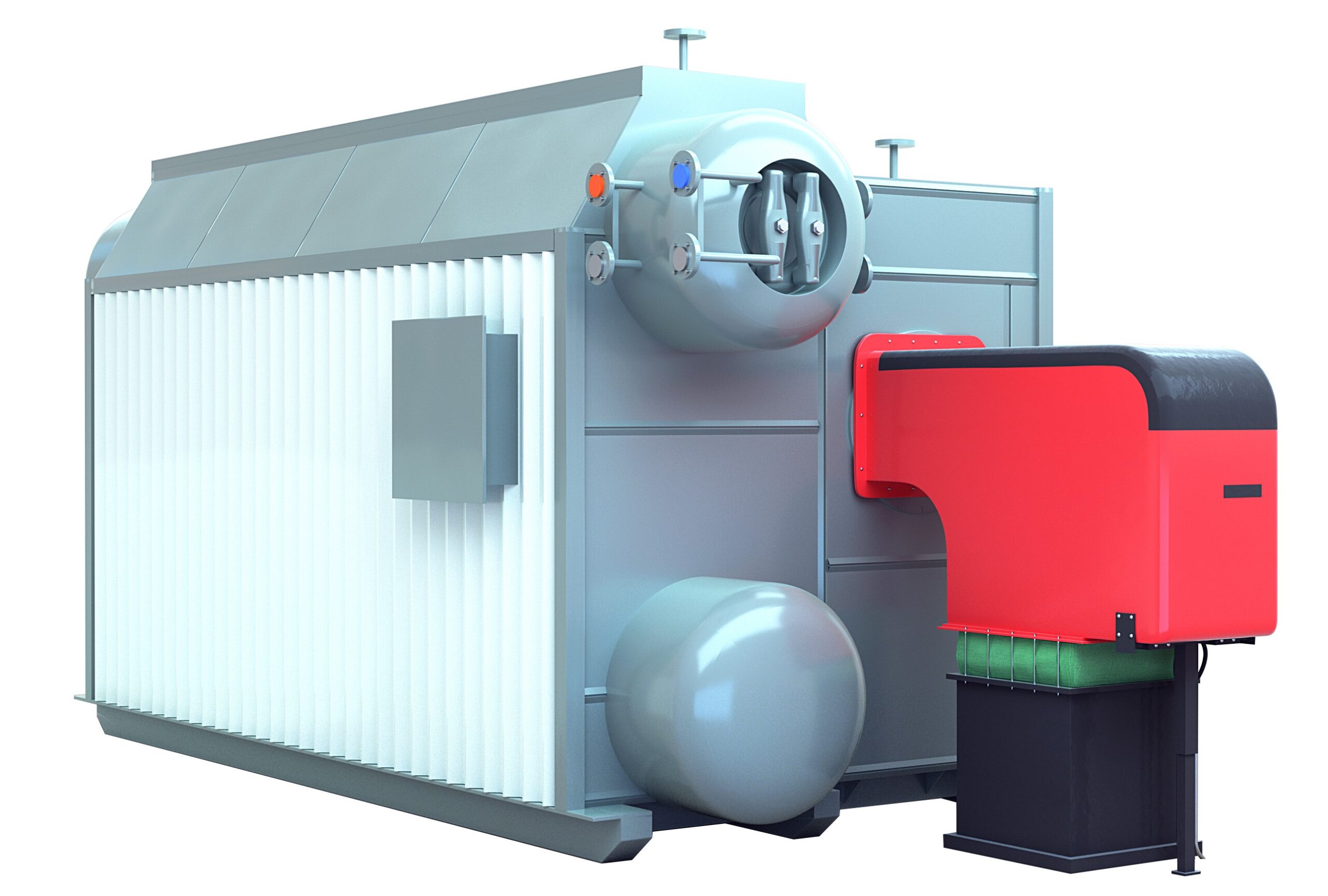
Selecting the right supplier for an industrial boiler system is not just a price decision—it’s a strategic technical investment that affects plant energy efficiency, emissions compliance, safety, and total lifecycle cost. Three of the most critical factors during supplier evaluation are boiler design capability, combustion technology, and achievable efficiency levels. These elements dictate not only the quality of the equipment but also its performance, adaptability to your fuel and load profile, and long-term operational value. Ignoring them can result in increased fuel costs, poor reliability, or non-compliance penalties.
Boiler design capability, combustion technology, and efficiency levels are key criteria in supplier selection because they directly determine system performance, fuel flexibility, emissions control, and cost-effectiveness. A supplier’s ability to engineer custom boiler configurations, offer advanced low-emission burners, and deliver high-efficiency systems ensures that the equipment meets operational demands, environmental regulations, and return-on-investment targets. Buyers should evaluate each supplier’s engineering depth, combustion control integration, and validated thermal efficiency data before making a decision.
Experienced suppliers with strong design capabilities and modern combustion systems consistently deliver safer, cleaner, and more economical boiler solutions.
Boiler suppliers with limited design customization and basic combustion systems can still offer optimal efficiency and emission compliance.False
Limited design and outdated combustion technology reduce adaptability, lower thermal efficiency, and fail to meet strict emissions regulations in many industries.
1. Why Boiler Design Capability is Foundational to Supplier Evaluation
Boiler design is not a one-size-fits-all exercise. It involves custom engineering to address:
- Desired steam or hot water capacity (e.g., 5 TPH, 20 MW)
- Pressure and temperature ratings (e.g., 10–45 bar, 200–450°C)
- Fuel types and blends (natural gas, LPG, biogas, light oil, dual fuel)
- Site layout constraints, retrofitting, or modular delivery needs
- Auxiliary system integration (economizer, deaerator, condensate return)
Key Design Elements That Reflect Capability
| Design Feature | Supplier With Strong Design Capability |
|---|---|
| Furnace geometry & heat transfer | Optimized for combustion stability and efficiency |
| Tube arrangement & metallurgy | Designed for longevity, pressure, and corrosion |
| Drum design & circulation method | Supports load changes and steam purity |
| Modularization | Reduces field assembly and delivery time |
| Design software and tools | CFD, FEA, 3D CAD, HTRI for validated performance |
Suppliers with in-house design teams and proven design software deliver engineered systems, not just generic models.
2. Combustion Technology: A Make-or-Break Factor
Combustion systems determine how efficiently and cleanly the boiler burns fuel. Outdated or rigid burner systems lead to:
- High NOₓ and CO emissions
- Poor turndown ratio
- Flame instability
- High excess air and reduced thermal efficiency
Advanced Combustion Technology Options
| Combustion Feature | Benefit |
|---|---|
| Low-NOₓ burner with staged air | Reduces NOₓ emissions below 30 ppm |
| O₂ trim and air/fuel ratio control | Maintains optimal combustion over load range |
| FGR (Flue Gas Recirculation) | Further NOₓ reduction, flame temperature control |
| Modulating burner | Smooth load adjustment without on-off cycling |
| Dual-fuel capability | Flexibility during fuel supply disruptions |
A reliable supplier will offer combustion technology matched to your emission limits, control requirements, and fuel variability.
Combustion Capability Comparison Table
| Criteria | Basic Supplier | Advanced Supplier |
|---|---|---|
| Burner Type | On/off or fixed high/low | Fully modulating, low-NOₓ |
| Controls | Manual or basic PID | PLC-based with O₂ trim & FGR |
| Turndown Ratio | 3:1 | 8:1 to 10:1 |
| Fuel Flexibility | Single fuel | Dual-fuel or multi-fuel ready |
| Emission Performance | >50 ppm NOₓ | <15 ppm NOₓ (gas), <50 ppm (oil) |
Combustion systems define safety, emissions, and cost—make them a selection priority.
3. Efficiency Levels: The Most Tangible Long-Term Cost Factor
Thermal efficiency affects fuel costs, carbon footprint, and overall payback period. A 5% efficiency improvement can save tens or hundreds of thousands of dollars per year in large plants.
Factors Affecting Boiler Efficiency
| Factor | Design Influence |
|---|---|
| Heat exchanger surface area | Larger, optimized areas recover more energy |
| Economizer and condensing zones | Preheat feedwater and recover latent heat |
| Combustion excess air levels | Lower excess air reduces stack losses |
| Radiation and standby losses | Insulation, idle cycling minimized |
| Blowdown and heat recovery | Improved water treatment and flash recovery |
Efficiency Levels by Boiler Type
| Boiler Type | Typical Efficiency (HHV) | With Economizer/Optimized Design |
|---|---|---|
| Conventional firetube (basic) | 80–85% | Up to 88% |
| High-efficiency condensing (gas) | 90–95% | 96–98% (condensing operation) |
| Water tube with advanced controls | 85–88% | 89–93% |
Suppliers that document efficiency performance with verified data are more reliable than those relying on brochure specs.
4. Selecting Suppliers Based on Design, Combustion, and Efficiency Metrics
Supplier Evaluation Checklist
| Evaluation Item | Best Practice |
|---|---|
| Engineering documentation | Includes drawings, heat balance, CFD/FEA |
| Burner specification | NOₓ rating, turndown, controls, fuel options |
| Efficiency reports | Based on ISO/ASME test procedures |
| Real project data | Case studies, emissions logs, performance logs |
| Control philosophy documentation | PLC logic, interlock matrix, safety layers |
| Commissioning and tuning capability | Includes combustion testing and auto-tuning |
Prioritize suppliers who can show you proof of performance, not just promise it.
5. Real-World Example Comparison
| Feature | Supplier A (Basic) | Supplier B (Advanced) |
|---|---|---|
| Boiler Design | Standard catalog model | Custom-engineered system |
| Burner Technology | Single-stage, no O₂ trim | Low-NOₓ, modulating with FGR |
| Control System | Relay-based, analog PID | PLC with digital integration |
| Thermal Efficiency | 85% (non-condensing) | 93% (optimized condensing) |
| NOₓ Emissions (Natural Gas) | 45 ppm | <15 ppm |
| After-Sales Support | Outsourced | In-house + remote monitoring |
Summary
Boiler design capability, combustion technology, and efficiency performance are non-negotiable technical pillars when selecting a natural gas boiler supplier. Together, they determine:
- How well the system matches your plant’s needs
- Whether you’ll pass emissions inspections
- How much you’ll spend on fuel and maintenance
- How reliably your steam or heat will be delivered
A supplier who leads in these areas isn’t just providing a product—they’re providing a long-term partnership in energy efficiency, compliance, and operational excellence. Always choose your supplier like your productivity depends on it—because it does.
Why Are Manufacturing Facilities, Quality Control Systems, and Certifications Critical When Choosing a Supplier?
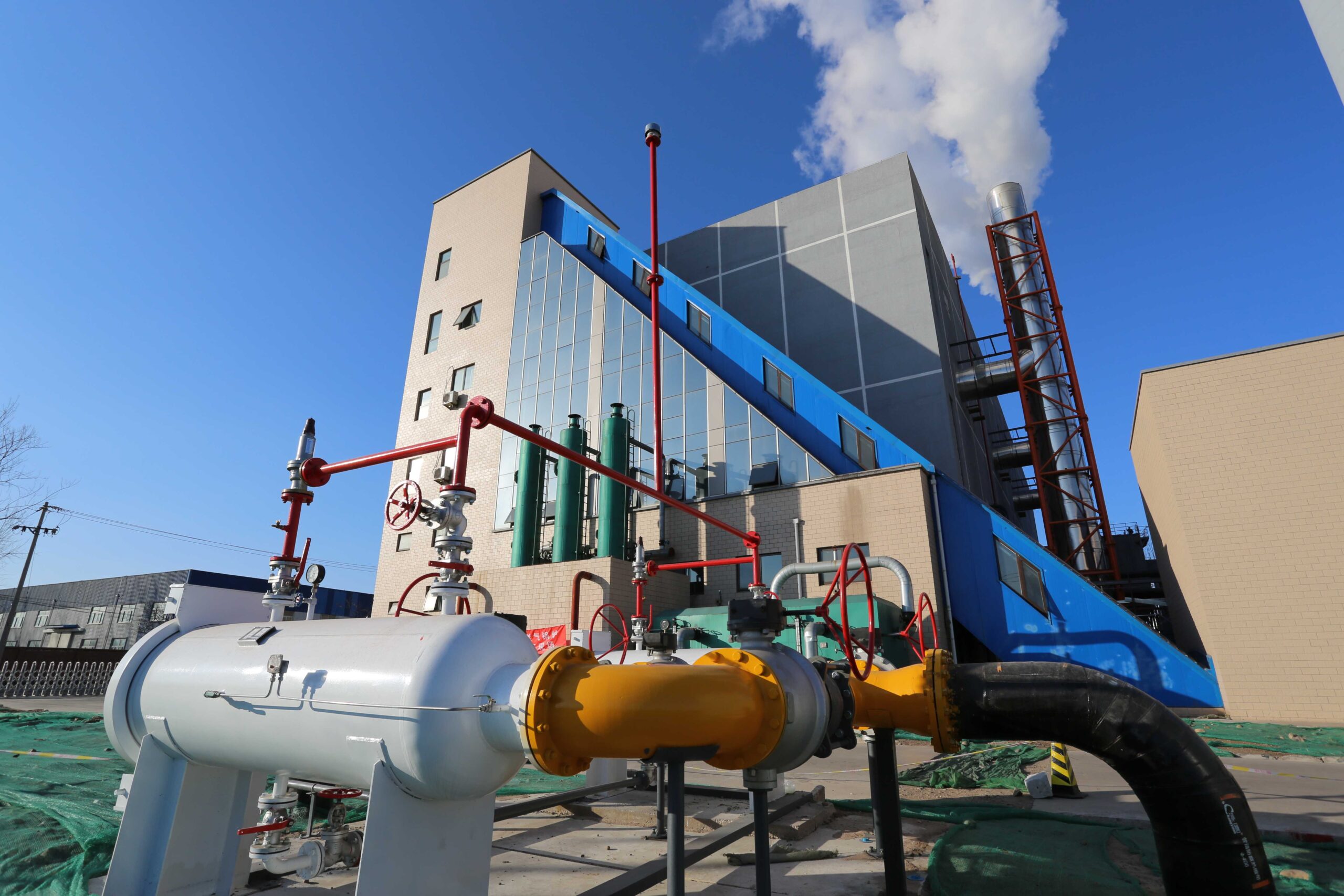
When selecting an industrial boiler supplier, customers often focus on the final product’s specifications—capacity, fuel type, efficiency, emissions. However, the true reliability, safety, and performance of a boiler start long before delivery, deep within the supplier’s manufacturing process, quality assurance framework, and compliance with international standards. Choosing a supplier without proper facilities or certifications can expose your operation to equipment failure, safety violations, and costly downtime. On the other hand, a certified, process-driven manufacturer guarantees consistency, safety, performance, and legal compliance.
Manufacturing facilities, quality control systems, and international certifications are critical in supplier selection because they determine the boiler’s build quality, safety, performance integrity, and compliance with global regulations. Advanced production capabilities ensure precision fabrication, while rigorous QC protocols prevent defects and ensure every unit meets engineering and legal standards. Certifications like ASME, ISO 9001, CE, and PED validate the supplier’s engineering, welding, testing, and documentation quality, giving customers confidence in their long-term investment.
These elements aren’t just add-ons—they are foundations for trust and operational success in high-stakes industrial environments.
Certifications and in-house quality systems are optional as long as the boiler functions correctly after installation.False
Lack of certifications and poor quality systems can result in unsafe construction, regulatory violations, and shortened equipment lifespan. Compliance and QA systems are essential.
1. Why Manufacturing Facilities Reflect Core Supplier Capabilities
A visit to a supplier’s factory often tells more than a brochure ever could. Advanced manufacturing lines, CNC machines, robotic welding, hydrostatic test benches, and strict work discipline indicate whether the supplier can:
- Handle complex boiler geometries and custom designs
- Produce pressure vessels with tight tolerances and long service life
- Scale production for timely delivery
- Control quality at every step—from raw material to packaging
🚧 Key Features of a Reliable Manufacturing Facility:
- Integrated workshop layout separating clean and dirty operations
- CNC rolling, plasma cutting, and robotic welding systems
- Dedicated sections for pressure part fabrication and refractory work
- Test labs for material verification and NDT (non-destructive testing)
- Hydrostatic test pit with calibrated gauges
- Documentation centers for inspection records and traceability
🛠️ A professional facility is the physical proof of a supplier’s production and process integrity.
📷 Example Illustration
Imagine two boiler suppliers:
- Supplier A: Cramped workshop, manual welders, no production traceability.
- Supplier B: Structured workflow, welding jigs, laser alignment tools, ISO-trained workforce.
You don’t need to guess which one delivers repeatable performance and safety.
2. The Backbone of Reliability: Quality Control (QC) Systems
A high-pressure boiler must operate under extreme conditions—high temperature, fluctuating load, corrosive condensates—for 20+ years. Such durability isn’t accidental—it’s the result of systematic quality assurance at every stage.
🧰 Essential Elements of QC in Boiler Manufacturing:
- Incoming Material Inspection:
- Material certificates (EN10204 3.1/3.2)
- Positive Material Identification (PMI) on alloy tubes
- Surface checks for corrosion or defects
- In-Process Welding and Fit-Up Checks:
- Weld joint configuration checks (root gap, bevel angle)
- Preheat/post-heat monitoring
- Welder qualification (WPS/PQR compliance)
- Nondestructive Testing (NDT):
- Radiography (RT) for weld quality
- Ultrasonic Testing (UT) for wall thickness
- Magnetic Particle Inspection (MPI) for surface flaws
- Hydrostatic and Pneumatic Testing:
- Pressurization at 1.5x design pressure
- Observation for leaks, deflections, pressure drops
✅ Visual Flow of QA Process:
Material Inspection → Fit-Up Check → Welding → NDT → Pressure Test → Final Inspection → Dispatch
📋 Each stage is logged, photographed, and signed off by qualified inspectors.
This paper trail becomes your compliance proof and warranty backup.
3. Certifications: The Global Language of Trust
Certifications serve as independent validation that the supplier complies with engineering codes, safety protocols, and documentation procedures.
📌 Common and Critical Certifications for Industrial Boilers
| Certification | Governing Body | Purpose |
|---|---|---|
| ASME “S”, “U” Stamp | American Society of Mechanical Engineers | Certifies pressure vessel design and fabrication to ASME Boiler Code |
| ISO 9001 | International Organization for Standardization | Ensures company-wide quality management system |
| CE Marking | European Economic Area (EEA) | Required for products sold in Europe; confirms health, safety, environmental protection |
| PED (Pressure Equipment Directive) | EU Directive 2014/68/EU | Safety requirements for pressure vessels in EU markets |
| NBIC Registration | National Board of Boiler Inspectors (USA) | Validates data report and pressure integrity at fabrication |
| SGS / TUV / BV | Independent Third Parties | Optional third-party inspection of factory and product |
✍️ Always ask for certificates with scope, validity dates, and traceable numbers—not just logos.
🎯 Real Benefits of Choosing a Certified Supplier:
- Simplified installation approvals by local authorities
- Fewer hurdles during insurance inspections and audits
- Easier export clearance and customs documentation
- Confidence in the mechanical integrity and welding standards used
4. Real-World Impacts: What Happens Without Strong Facilities, QA, and Certification?
| Risk | If Lacking Facilities or QA |
|---|---|
| Boiler failure or leakage | Improper welds, poor material, no pressure test |
| Non-compliance fines | Missing CE, PED, or ASME documentation |
| Start-up delays | Incomplete FAT (Factory Acceptance Test) or missing control logic |
| Inefficient performance | Poor burner alignment, uncontrolled excess air |
| Frequent downtime | Substandard materials or fittings not covered by QC checks |
| Warranty rejection | Missing traceability or documentation |
🚨 In one documented case, a plant bought a low-cost boiler from an uncertified manufacturer. Within 6 months, the steam drum cracked, leading to two weeks of downtime and $180,000 in repair and production loss. No warranty claim could be honored.
5. How to Vet a Supplier’s QA and Certification Credentials
✅ Key Actions During Supplier Evaluation
- Request factory tour or video walkthrough
- Ask for sample inspection documents (e.g., WPS, ITP, NDT report)
- Verify certification numbers with issuing body websites
- Check for third-party audit reports (e.g., TUV, SGS, BV)
- Review past client QA feedback or references
🎥 Suppliers confident in their QA will gladly share audit reports, test videos, and certification proof.
Summary
Manufacturing capabilities, quality control systems, and certifications are non-negotiable pillars when selecting a trustworthy industrial boiler supplier. These elements:
- Ensure safe pressure vessel construction
- Guarantee efficiency, reliability, and emissions compliance
- Support regulatory approval and insurance validation
- Reduce long-term operational and financial risks
In today’s competitive and regulated energy environment, don’t just buy a boiler—choose a supplier with a proven foundation of quality, compliance, and competence. That’s the only way to ensure your investment delivers steam, safety, and savings for years to come.
How Should Emission Compliance, Safety Standards, and Regulatory Approvals Be Evaluated?
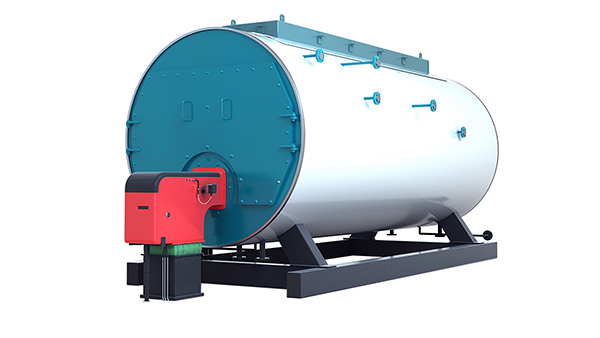
In industrial boiler procurement, performance specifications are just one side of the equation. What truly protects your business—and your people—are the legal and operational safeguards embedded in emission compliance, safety standards, and regulatory approvals. Ignoring these areas or trusting a supplier without verification can lead to permit violations, shutdowns, fines, or even catastrophic accidents. On the other hand, a supplier with transparent compliance processes and verifiable certifications ensures your system is legally operable, safe under pressure, and future-ready in the face of tightening environmental regulations.
Emission compliance, safety standards, and regulatory approvals must be rigorously evaluated to ensure the industrial boiler meets local and international laws, environmental targets, and operational safety criteria. Buyers should verify emissions performance with certified test reports, confirm design adherence to safety standards like ASME and NFPA, and require documented regulatory approvals such as CE, PED, or local permits. A supplier’s transparency, documentation accuracy, and track record of regulatory success are essential to reducing legal and operational risks.
Without this diligence, even a high-performance boiler can become a non-compliant liability.
Industrial boilers can be safely installed without verifying emissions or safety standards if the supplier claims compliance.False
Verbal claims of compliance are not sufficient. Legal operation requires documented proof of emission performance, adherence to safety codes, and regulatory approval.
1. Emission Compliance: Proof Over Promises
Environmental laws around NOₓ, CO, SO₂, particulate matter (PM), and greenhouse gases (GHGs) vary by region, industry, and fuel type. Natural gas boilers are generally clean, but low-NOₓ and ultra-low-NOₓ burners are often required. For biomass or dual-fuel boilers, the limits are stricter.
🧾 What to Check for Emission Compliance:
- Emission test reports from accredited labs (following EN 13284-1, EPA Method 7E, ISO 10849, etc.)
- CO, NOₓ, and O₂ readings across the load range (25%–100%)
- Presence of flue gas treatment systems, e.g., FGR, SCR, bag filters, desulfurizers
- Continuous Emissions Monitoring Systems (CEMS) in regions where mandatory
- Stack height and dispersion modeling (required for air quality permits in some countries)
📌 Ask for site-specific emission guarantee clauses in the technical proposal.
📊 Sample Emission Compliance Chart
| Pollutant | Local Limit (mg/Nm³) | Supplier A Test Result | Result |
|---|---|---|---|
| NOₓ | 100 | 65 | ✅ Compliant |
| CO | 200 | 90 | ✅ Compliant |
| SO₂ | 150 | Not applicable (natural gas) | ✅ N/A |
| PM | 50 | 5 | ✅ Compliant |
| O₂ (Ref gas) | 3% | 3% | ✅ Standardized |
✅ Confirm that these results were measured at operating stack conditions, and not just lab predictions.
2. Safety Standards: Design, Fabrication, and Operation Must Align
Safety in industrial boilers is governed by design codes, installation procedures, instrumentation reliability, and operational protocols. Any deviation in material, pressure tolerance, or control logic can cause failure under high-pressure conditions.
🔒 Key Safety Standards to Verify:
| Standard | Scope |
|---|---|
| ASME Section I | Construction of power boilers and pressure components |
| ASME B31.1 | Piping codes for steam and process systems |
| NFPA 85 | Boiler and combustion system safety |
| CSD-1 (ASME) | Controls and Safety Devices for Automatically Fired Boilers |
| EN 12952 / EN 12953 | European water-tube and shell boiler standards |
| IEC 61508 / 61511 | Functional safety of burner management and instrumentation |
🔍 What to Check During Evaluation:
- Boiler drawings and component selection match design pressure and temperature ratings
- Burners include flame scanners, ignition interlocks, and lockout safety logic
- Safety valves are sized, certified, and tested per applicable code
- Control panel architecture includes fail-safes and logic interlocks
- Supplier provides FAT (Factory Acceptance Test) reports with safety validation
🧪 Request a Safety Instrumented System (SIS) diagram and safety lifecycle documentation, especially for power plants and chemical industries.
3. Regulatory Approvals: Legal Operation Starts with Paperwork
In many regions, your boiler can’t even be installed or fired unless it is registered and certified with local authorities.
📝 Required Approvals Often Include:
- Design Approval by Government-Authorized Body
- Based on national boiler rules (e.g., IBR in India, TSG in China)
- Manufacturer’s Approval and Inspection
- Factory inspections by government inspectors or certified Notified Bodies (TÜV, SGS, LR)
- Installation License or Notification
- Filed with the provincial or municipal boiler inspection authority
- Operating Permit and Periodic Recertification
- Often requires annual or biennial inspections
🌍 Examples of Boiler Regulatory Agencies
| Region | Authority/Code |
|---|---|
| USA | NBIC, ASME, State Boiler Boards |
| EU | CE Marking under Pressure Equipment Directive (PED) |
| China | Special Equipment Safety Law + TSG codes |
| India | Indian Boiler Regulation (IBR) |
| Middle East | SASO, ESMA, and utility-specific codes |
📂 The supplier should provide Boiler Data Reports, Certificates of Compliance, Inspection Stamps, and Material Traceability Logs.
4. Verification Checklist for Emissions, Safety, and Approvals
Here’s a practical checklist buyers should follow during supplier selection:
| ✅ Checkpoint | 🔍 What to Ask for |
|---|---|
| Emission guarantees | Certified third-party emission test reports |
| Burner and control compliance | NOₓ class rating, BMS logic, safety cut-offs, O₂/CO trim capabilities |
| Safety design codes followed | List of applied standards (e.g., ASME I, B31.1, NFPA 85) |
| Quality assurance documentation | ITP (Inspection Test Plan), WPS/PQR, NDT results |
| Regulatory certification (design) | ASME “S” stamp, CE-PED, or local authority design approval |
| Installation and commissioning permit | Evidence of prior regulatory success and support team availability |
| Operator training and SOPs | Manuals, safety drills, standard operating procedures |
🧷 For high-risk industries (pharma, chemicals, food), add extra layers such as GMP, HACCP, and clean steam validations.
5. What Happens If Compliance Is Ignored?
| If You Ignore… | Potential Consequence |
|---|---|
| Emission verification | Legal penalties, stack shutdown orders |
| Burner safety logic | Explosion, backfire, boiler trips |
| Pressure certification | Vessel rupture, safety valve blow, permanent damage |
| Regulatory documentation | Denied operating license, forced decommissioning |
| Control system redundancy | Inability to handle load changes or alarms effectively |
🚨 A single non-compliance incident can halt production and cost millions in lost time and legal risk.
Summary
Evaluating emission compliance, safety standards, and regulatory approvals is not an optional exercise—it’s a business-critical safeguard. You should:
- Demand documented evidence of compliance—not verbal claims
- Ensure the supplier meets all regional legal requirements
- Confirm that combustion, pressure, and control systems follow recognized engineering and safety codes
- Avoid future liability by selecting vendors with a proven record of regulatory success
A boiler is only as reliable as its legal and safety integrity. If it’s not compliant, it’s not worth the risk—no matter the price.
What Role Do After-Sales Service, Spare Parts Availability, and Technical Support Play in Supplier Evaluation?
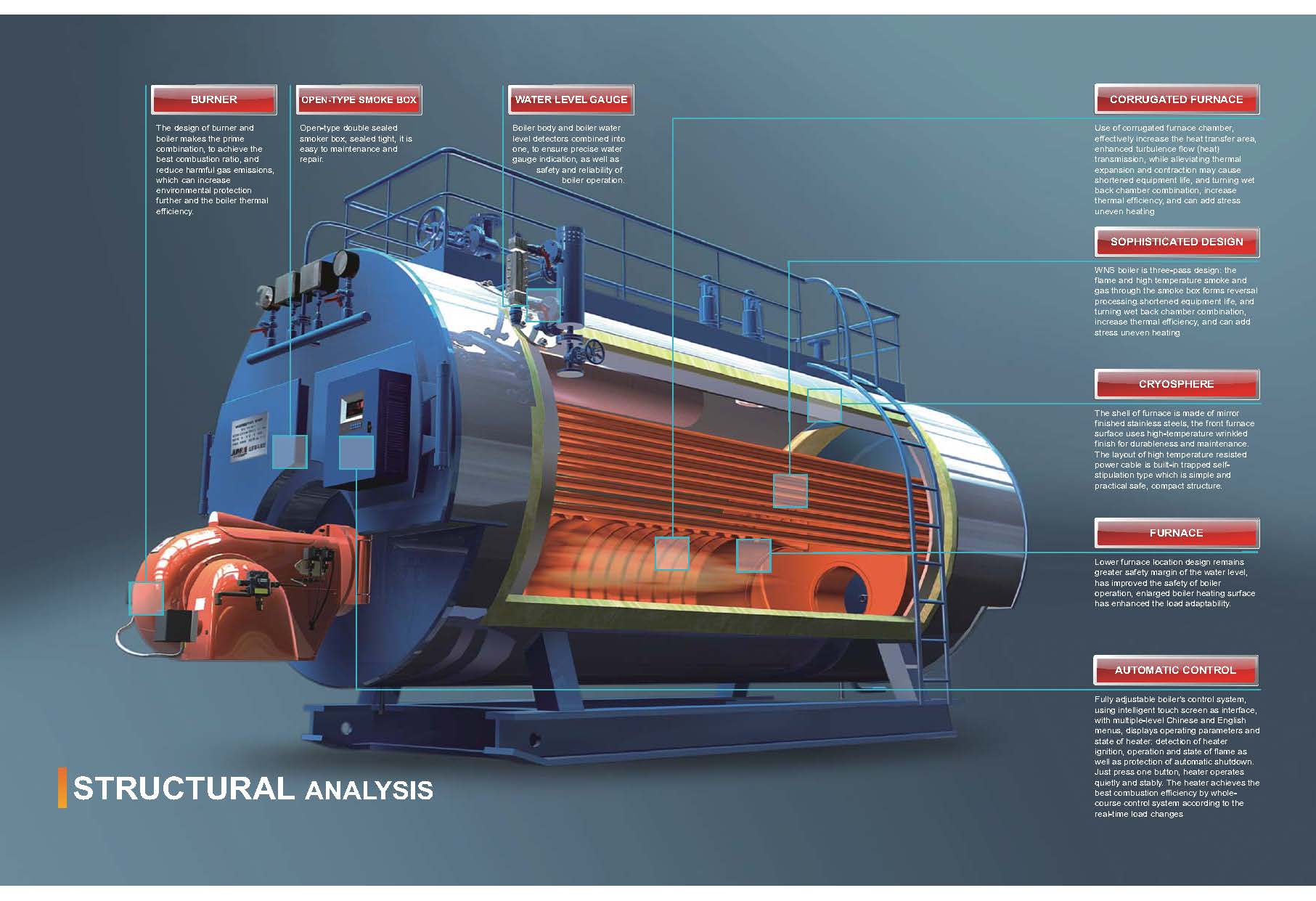
Purchasing an industrial boiler is not a one-time transaction—it’s the start of a long-term operational relationship. Even the most advanced and efficient boilers will require support, spare parts, diagnostics, and adjustments over their lifecycle. If the supplier can’t deliver responsive after-sales service or essential parts, plant operations can face unplanned shutdowns, prolonged downtime, and skyrocketing maintenance costs. For this reason, after-sales service, spare parts availability, and technical support are pivotal metrics when evaluating boiler suppliers—not add-on features.
After-sales service, spare parts availability, and technical support are essential in supplier evaluation because they ensure long-term operational reliability, minimize downtime, and support safe, efficient maintenance throughout the boiler’s lifecycle. A supplier’s ability to respond quickly to failures, provide certified replacement parts, and offer expert troubleshooting determines how smoothly the boiler performs in real-world conditions. Buyers should assess service network coverage, parts logistics, support channels, and maintenance training programs before selecting a supplier.
Without a solid support framework, even the best-designed boiler can become a liability during emergencies or maintenance cycles.
After-sales service is less important for high-quality boilers that rarely fail.False
Even high-quality boilers require preventive maintenance, sensor recalibration, spare parts replacement, and emergency support. Lack of after-sales service increases long-term risk.
1. Why After-Sales Service is the Backbone of Reliability
After-sales service includes a wide range of support activities that bridge the gap between product delivery and sustainable operation, such as:
- Installation supervision and commissioning assistance
- Operator training and safety orientation
- Periodic inspections and performance audits
- Emergency troubleshooting and breakdown response
- Annual maintenance contracts (AMCs)
When evaluated properly, a supplier’s after-sales capacity indicates whether they are committed to:
- Your plant’s long-term success
- Minimizing lifecycle costs
- Maintaining operational uptime targets
- Responding rapidly in crisis scenarios
📍 Red Flags in Poor After-Sales Scenarios:
- No local service center or engineers in your region
- Service response time exceeds 72 hours
- No online diagnostics or remote support tools
- Maintenance instructions vague or outdated
- Spare part requests met with long delays or unavailable stock
🔧 Effective after-sales service = Less unplanned downtime, faster recovery, and longer equipment life.
2. Spare Parts Availability: The Shield Against Unexpected Downtime
Spare parts are the lifeblood of boiler maintenance and emergency repair. A supplier with robust inventory logistics and global stocking ensures you can:
- Replace burner nozzles, pressure switches, flame detectors, actuators, pumps, and valves within hours—not weeks
- Maintain warranty conditions by using OEM-certified parts
- Avoid generic or low-quality replacements that damage performance
- Plan overhauls with full kits and pre-configured assemblies
🧰 Key Spare Part Categories to Confirm:
| Component Group | Examples |
|---|---|
| Combustion System | Burners, igniters, flame scanners, diffusers |
| Control & Instrumentation | Pressure switches, thermocouples, actuators, PLC modules |
| Mechanical Parts | Gaskets, manway seals, valves, pumps, bearings |
| Water Treatment | Feedwater valves, sensors, dosing equipment |
| Pressure Safety Devices | Safety relief valves, NRVs, sight glasses |
📦 Supplier Spare Part Readiness Checklist
- Does the supplier have a dedicated parts warehouse in your country or region?
- Can they ship critical parts within 24–72 hours?
- Are parts available for at least 10–15 years after purchase?
- Do they offer preventive maintenance kits or annual overhaul kits?
- Do they provide genuine OEM parts with tracking and serial matching?
⛔ Avoid suppliers who rely entirely on imports or third-party logistics without inventory commitment.
3. Technical Support: Expertise Beyond the Manual
Boiler systems are complex. Even with a trained in-house team, technical support from the original supplier is often needed to solve:
- Combustion tuning issues
- Sensor calibration drift
- Automation logic faults
- Water chemistry imbalances
- Efficiency drops due to fouling or part wear
Timely, expert-level support avoids unnecessary downtime and ensures compliance with safety and environmental regulations.
🖥️ Forms of Technical Support to Look For:
- 24/7 technical hotline or support portal
- Remote diagnostics and online monitoring
- On-site technician dispatch (within 24–48 hours)
- Annual system audits and efficiency reviews
- Training programs for new operators or engineers
🎓 Example: Support Tier Breakdown
| Support Tier | Service Provided | Ideal Response Time |
|---|---|---|
| Tier 1 – Remote | Phone/email support, logic checks, tuning advice | <4 hours |
| Tier 2 – On-site | Field engineer dispatch for mechanical/electrical | <48 hours |
| Tier 3 – Overhaul | Scheduled inspection, upgrade, or refurbishment | Quarterly / Annual |
🤝 A supplier with experienced engineers on call adds strategic value to your operations team.
4. Case Study Snapshot: Poor vs. Strong Support Outcomes
| Scenario | Without Strong Support | With Strong Support |
|---|---|---|
| Burner flame sensor fails during night shift | 3-day wait for part + unfamiliar local technician | Same-day shipment + remote diagnostics = restored by morning |
| Annual shutdown maintenance delayed | No spare gaskets in country; import delays shutdown restart | Full maintenance kit pre-stocked and delivered early |
| Control system error after power outage | Supplier unavailable; factory reset risks tuning loss | Remote login + logic restore within 2 hours |
| New operator joins team | No formal training; relies on trial and error | Scheduled supplier training = safer, more confident team |
5. How to Evaluate Supplier Service Capability Before Purchase
✅ Key Questions to Ask:
- Do you have a local or regional service office?
- What is your average service response time?
- Can you provide a recommended spare part list with lead times?
- Is online diagnostics supported for my control system?
- What support do you provide during warranty and post-warranty periods?
- Can you offer AMC (Annual Maintenance Contract) or service SLAs?
- Are your field engineers factory-trained or subcontracted?
📋 Document Review
- Ask for service organization chart
- Review support scope in the quotation (not just vague statements)
- Request customer references for past service quality
- Verify if they offer training programs, user manuals, and maintenance checklists
🎯 A supplier with world-class product + poor support is worse than an average product with excellent support.
Summary
When evaluating an industrial boiler supplier, after-sales service, spare parts availability, and technical support are not accessories—they are the core enablers of system reliability, safety, and cost control. These support services:
- Prevent extended downtime
- Guarantee maintenance readiness
- Enable compliance with safety standards
- Protect ROI through full lifecycle performance
Choose suppliers who demonstrate logistics readiness, technical depth, and local presence. Because when your boiler stops, your production, safety, and profitability stop with it—and only great support can restart it on time.
How Does Lifecycle Support and Long-Term Partnership Capability Influence Supplier Choice?
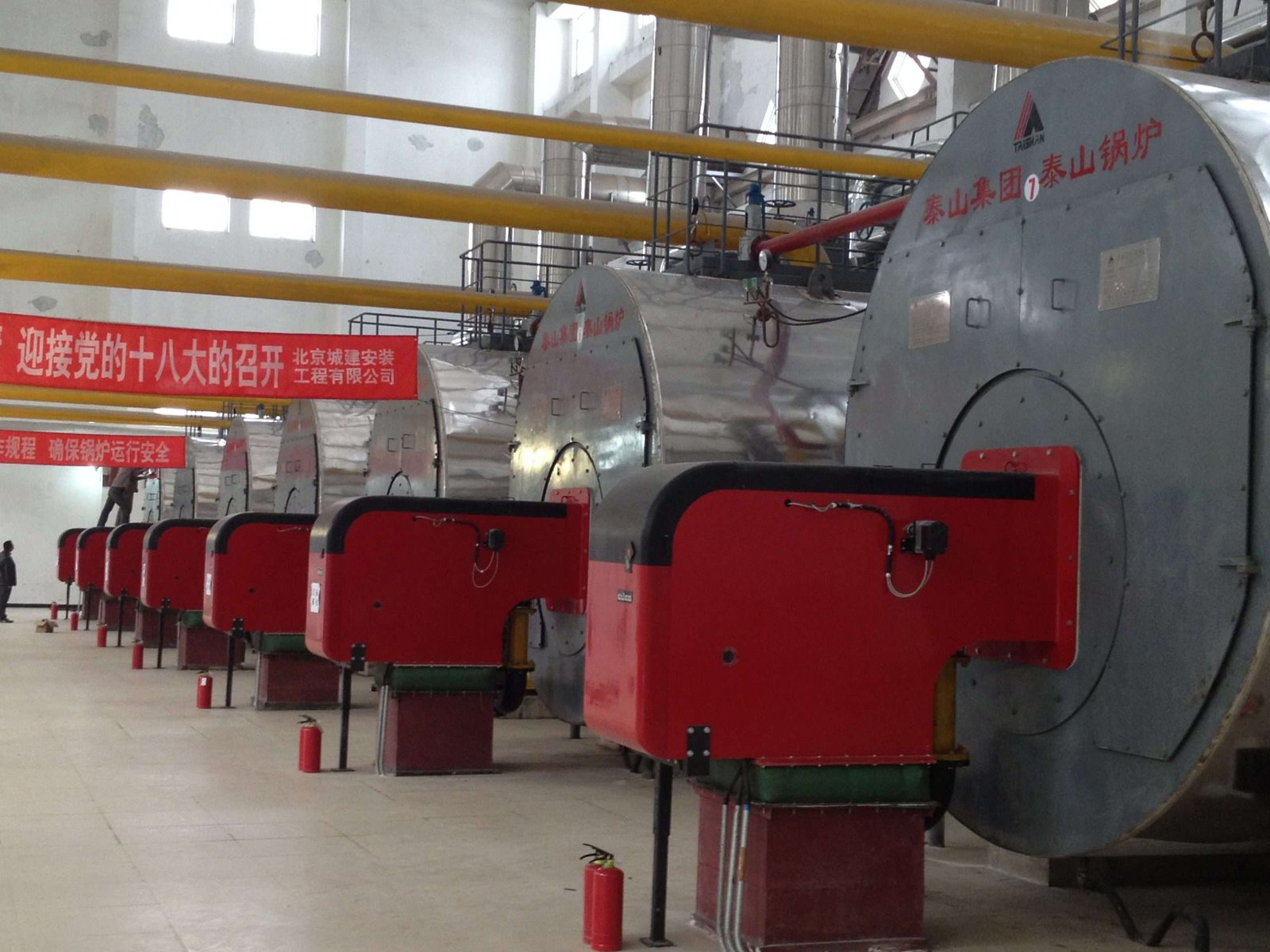
Selecting an industrial boiler supplier is not just about buying a piece of equipment—it’s about committing to a multi-decade operational relationship. Boilers are long-lived capital assets, expected to operate efficiently, safely, and compliantly for 20 years or more. During this period, the plant relies on the supplier for everything from performance optimization and part replacement to regulatory updates, training, and upgrades. Choosing a supplier without proven lifecycle support capabilities risks higher long-term costs, poor responsiveness, and operational disruptions. On the other hand, a supplier focused on long-term partnership delivers consistent value, reliability, and peace of mind.
Lifecycle support and long-term partnership capability are decisive factors in supplier choice because they ensure continuous performance, technical evolution, and risk mitigation throughout the boiler’s operational life. A supplier that commits to long-term support—including spare parts assurance, system upgrades, efficiency audits, regulatory compliance updates, and personnel training—becomes a strategic asset rather than just a vendor. This sustained relationship optimizes performance, reduces lifecycle cost, and extends the useful life of the boiler system.
For mission-critical systems like industrial boilers, one-time excellence means little without long-term commitment.
A supplier’s lifecycle support capabilities are not important if the boiler is high quality at delivery.False
Boilers require continuous maintenance, upgrades, and compliance assurance. A supplier’s lifecycle support ensures long-term performance, risk management, and investment protection.
1. Understanding Lifecycle Support in the Boiler Context
Lifecycle support refers to all the technical, logistical, and operational services provided by the supplier from design and commissioning to decommissioning or replacement.
🔄 Phases of Lifecycle and Corresponding Supplier Role
| Lifecycle Phase | Supplier Responsibilities |
|---|---|
| Design & Engineering | Custom boiler configuration, emission planning, fuel strategy |
| Installation & Start-up | Supervision, functional testing, operator training |
| Operation & Maintenance | Spare parts, remote diagnostics, on-site support, AMCs |
| Optimization & Upgrades | Efficiency tuning, burner retrofits, control system upgrades |
| End-of-Life Planning | Decommissioning, recycling, transition to new technologies |
🔍 Suppliers with lifecycle focus offer longitudinal service, not just transactional supply.
2. Key Components of Effective Lifecycle Support
a. Maintenance Contracts & Predictive Support
Suppliers that offer long-term maintenance contracts (AMCs) ensure regular inspections, servicing, and proactive upgrades. Some even integrate predictive analytics to detect early signs of wear.
- Scheduled servicing aligned with OEM intervals
- Predictive maintenance using digital diagnostics
- Burner tuning, efficiency optimization, and emissions recalibration
- Valve overhauls, refractory checks, and safety loop validation
b. Long-Term Spare Parts Availability
An industrial boiler may need specific OEM parts even 10–15 years after installation. A strong partner commits to:
- Parts stocking strategy
- Guaranteed lead times for critical components
- Clear interchangeability policy for upgraded parts
- Kits for overhauls and lifecycle stage replacements
c. Technology Upgrades and Retrofit Capabilities
Energy regulations evolve. Fuel markets shift. Only a lifecycle-ready supplier can upgrade your system through:
- Burner replacement (e.g., ultra-low NOₓ burners)
- Control panel modernization (PLC/DCS integration)
- Heat recovery and economizer enhancements
- Fuel flexibility retrofits (dual-fuel conversions, biomass co-firing)
🔧 Suppliers that offer decade-spanning upgrade paths reduce your total cost of ownership (TCO).
3. Visual: Supplier Role Across Boiler Lifecycle
Design ─────► Installation ─────► Operation ─────► Optimization ─────► Decommissioning
│              │                    │                    │                      │
Engineering     Start-up support     AMC + Parts         Upgrades                Asset Recovery
Consulting       Training             Remote Monitoring   Efficiency Retrofits    New System Integration
Permitting       Performance tests    Audits & Safety     Emission Compliance     Fuel Transition
Suppliers with full lifecycle capability walk the journey with you—not just the first step.
4. Indicators of a Supplier’s Long-Term Partnership Capability
When evaluating a supplier, look for the following hard evidence of long-term partnership readiness:
✅ Evaluation Checklist
| Aspect | What to Look For |
|---|---|
| Service Network | Local/regional service centers, 24/7 hotline, field technician teams |
| Spare Parts Guarantee | Written commitment for 10–15 years of part support |
| Upgradability Commitment | Modular design, documented retrofit options, digital control roadmap |
| Training Programs | Operator onboarding, refresher courses, certification programs |
| Performance Tracking | Annual audits, KPI benchmarking, efficiency logging tools |
| Legacy System Support | Ability to maintain, retrofit, or replace older models |
| Data & Documentation | Digital logs, QR-coded part traceability, lifecycle manuals |
📎 Documentation to Request
- Lifecycle support roadmap
- AMC terms and history of similar long-term clients
- Spare parts inventory report
- Retrofit case studies or upgrade projects
- Training curriculum and delivery history
- Client references with 10+ year engagement
🧩 Long-term support is visible in structure, not just promises.
5. Real-World Benefit: Total Lifecycle Cost Reduction
Even if Supplier B costs more initially, strong lifecycle support may cut lifetime cost significantly.
| Scenario | Supplier A (No Lifecycle Support) | Supplier B (Lifecycle Partner) |
|---|---|---|
| Initial Boiler Price | $250,000 | $290,000 |
| 10-Year Downtime Costs | $70,000 (due to delays, unplanned shutdowns) | $15,000 (rapid support, scheduled outages) |
| Maintenance Costs | $45,000 (no AMC, ad hoc repairs) | $30,000 (annual contract with tune-ups) |
| Retrofit/Upgrade Costs | $40,000 (new burner at year 6) | $20,000 (planned retrofit in roadmap) |
| Total 10-Year Cost | $405,000 | $355,000 |
✅ Lifecycle partnership lowers TCO by 12% or more while reducing risk.
6. Case Example: Lifecycle Partnership in Action
Client: Large pharmaceutical steam plant
Supplier: Lifecycle-ready boiler vendor
Support Included:
- 10-year AMC
- Annual burner recalibration
- Control system upgrade at Year 5
- Steam piping audit at Year 7
- Emissions report assistance for FDA compliance
- Spare parts delivered within 48 hours under SLA
Outcome:
- <0.5% unplanned downtime over 10 years
- Boiler efficiency increased 4% after year-5 upgrade
- Passed all safety and environmental audits
- Zero penalty for emission violations or safety non-compliance
📈 This is not just vendor service—it’s a strategic partnership for performance.
Summary
Lifecycle support and long-term partnership capability are what differentiate equipment sellers from true solution providers. When evaluating a boiler supplier, ask yourself:
- Will they still answer your call 10 years from now?
- Can they upgrade your system when regulations change?
- Do they offer predictive insights, not just reactive repairs?
- Are they planning for your boiler’s retirement—not just its delivery?
A boiler is only as good as the people who stand behind it—and the best suppliers think in decades, not transactions. Choose one who will walk the full lifecycle with you.
🔍 Conclusion
Selecting the best industrial natural gas boiler supplier requires a comprehensive evaluation beyond initial price. Suppliers with strong engineering expertise, proven references, certified manufacturing quality, and reliable service support deliver higher efficiency, lower risk, and better long-term economics. A well-chosen supplier becomes a trusted partner in achieving safe, efficient, and compliant boiler operation.
🔹 Contact us today to ensure your industrial natural gas boiler investment delivers maximum reliability, efficiency, and long-term value. ⚙️🔥🏭✅
FAQ
Q1: What are the most important criteria for evaluating industrial natural gas boiler suppliers?
A1: The most important criteria include technical capability, product quality, compliance certifications, and after-sales support. A reliable supplier should offer boilers with proven performance, high thermal efficiency, and stable combustion technology. Certifications such as ASME, CE, ISO, and local regulatory approvals demonstrate compliance with international standards. In addition, the supplier’s experience in similar industrial applications and their ability to provide long-term technical support are critical factors in ensuring safe and reliable boiler operation.
Q2: How does product quality and boiler efficiency affect supplier selection?
A2: Product quality and efficiency directly impact operating costs and system reliability. High-quality natural gas boilers use advanced burners, optimized heat exchange surfaces, and precise control systems to achieve efficiencies typically above 90%. Suppliers that invest in R&D, modern manufacturing facilities, and strict quality control processes are more likely to deliver durable boilers with lower maintenance requirements. Evaluating performance data, reference projects, and efficiency certifications helps verify a supplier’s technical strength.
Q3: Why are certifications and compliance important when choosing a supplier?
A3: Certifications and compliance ensure that the boiler meets safety, environmental, and performance regulations in the target market. Industrial natural gas boilers often require compliance with standards such as ASME Boiler and Pressure Vessel Code, CE/PED, ISO 9001, and local emissions regulations. Choosing a certified supplier reduces regulatory risk, simplifies project approval, and ensures the boiler can be legally installed and operated. Suppliers with global certification experience are better suited for export or multinational projects.
Q4: How should after-sales service and technical support be evaluated?
A4: After-sales service is a key differentiator among boiler suppliers. The best suppliers provide comprehensive services, including installation guidance, commissioning support, operator training, spare parts availability, and long-term maintenance assistance. Fast response times and local or regional service networks are especially important for minimizing downtime. Evaluating service contracts, warranty terms, and customer feedback helps determine whether a supplier can support the boiler throughout its full lifecycle.
Q5: How do cost, reputation, and long-term value influence the final decision?
A5: While initial price is important, long-term value should be the primary consideration. Lower-priced boilers may have higher fuel consumption, maintenance costs, or shorter service life. Reputable suppliers with strong market presence, proven references, and stable financial standing often provide better lifecycle economics. Comparing total cost of ownership—including efficiency, maintenance, spare parts, and reliability—ensures the selected supplier delivers sustainable value rather than short-term savings.
References
- U.S. Department of Energy – Industrial Gas Boiler Efficiency – https://www.energy.gov/ – DOE
- ASME – Boiler and Pressure Vessel Code (BPVC) – https://www.asme.org/ – ASME
- International Energy Agency (IEA) – Natural Gas in Industrial Heat – https://www.iea.org/ – IEA
- Spirax Sarco – Natural Gas Boiler Selection Guide – https://www.spiraxsarco.com/ – Spirax Sarco
- Engineering Toolbox – Natural Gas Boiler Performance – https://www.engineeringtoolbox.com/ – Engineering Toolbox
- ScienceDirect – Evaluation of Industrial Boiler Suppliers – https://www.sciencedirect.com/ – ScienceDirect
- ISO – Quality and Energy Management Standards – https://www.iso.org/ – ISO
- Carbon Trust – Industrial Heating Technology Assessment – https://www.carbontrust.com/ – Carbon Trust
- World Bank – Industrial Energy Project Procurement – https://www.worldbank.org/ – World Bank
- MarketsandMarkets – Industrial Boiler Market Analysis – https://www.marketsandmarkets.com/ – Markets and Markets