
Choosing a steam boiler involves more than just picking a model—it’s an investment that directly affects your plant’s operating efficiency, production capacity, and lifecycle cost. Yet many buyers underestimate the total cost involved, including auxiliary systems, installation, and long-term maintenance. Without a clear understanding of pricing, it’s easy to underbudget or make compromises that lead to costly inefficiencies or early failures.
The cost of a steam boiler typically ranges from $30,000 to $250,000 for standard fire-tube or water-tube models used in industrial applications. High-capacity or custom-engineered systems can exceed $500,000. Total project costs—including installation, controls, feedwater equipment, and emissions handling—can double the base price, often reaching $100,000 to $1 million depending on the scope.
To make the right purchasing decision, it’s important to break down the boiler cost by system type, capacity, fuel source, and auxiliary requirements. This ensures you’re not just buying a boiler—but a complete, efficient, and scalable steam system.
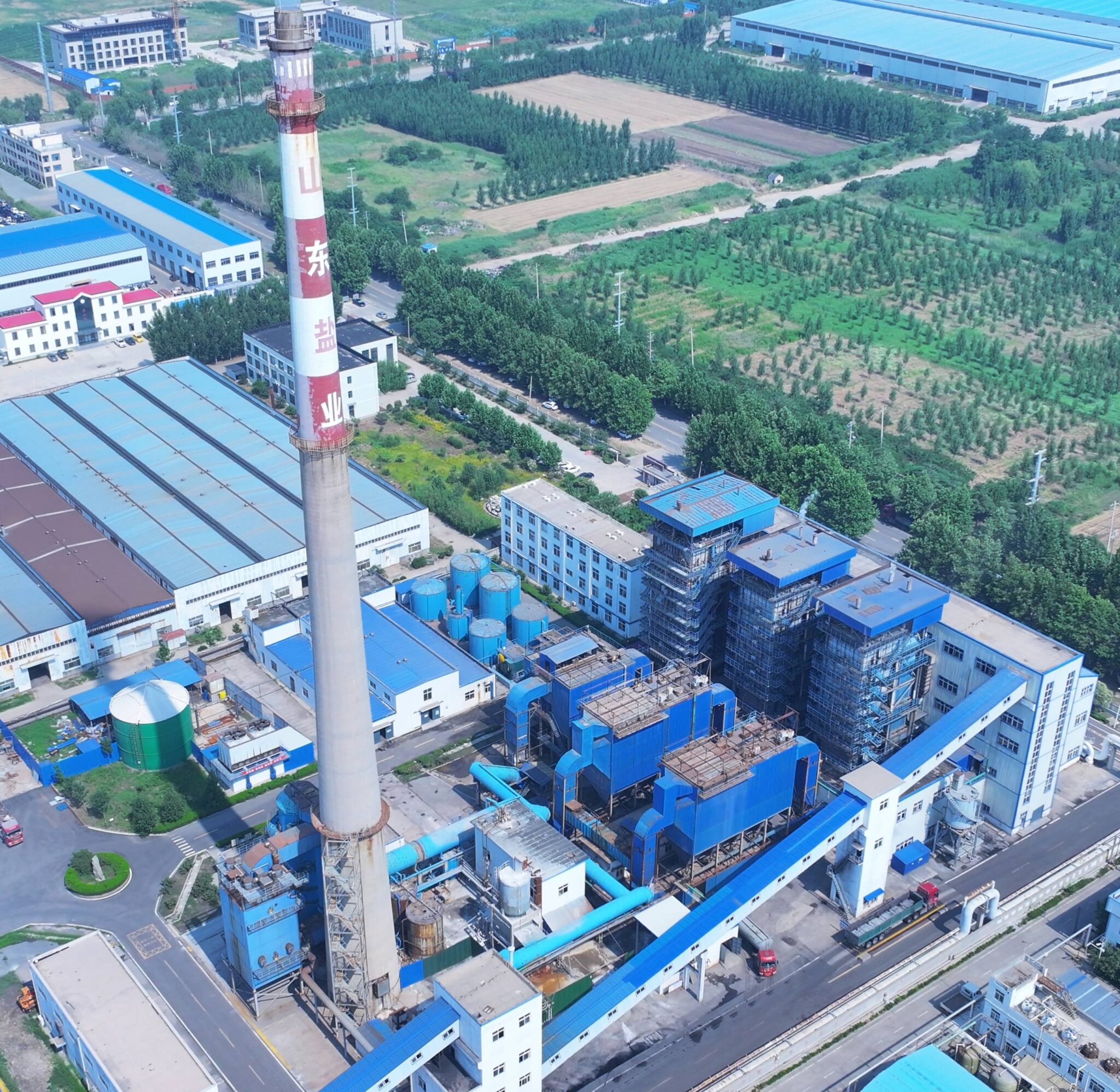
What Are the Base Costs for Different Types of Steam Boilers (Fire-Tube vs. Water-Tube)?
When purchasing a new steam boiler, one of the most crucial factors for budgeting and planning is understanding the base cost difference between fire-tube and water-tube boilers. These two boiler designs serve very different operational needs—fire-tube boilers are typically used for lower-pressure, smaller-capacity systems, while water-tube boilers handle higher pressures and large-scale operations. The cost difference is significant, both in initial purchase price and long-term operational expenses. Not understanding this distinction may result in overspending or selecting a system unsuited to your process requirements.
Base costs for steam boilers vary depending on boiler type, capacity, pressure, and manufacturer. Fire-tube boilers typically cost between $40,000 and $150,000 for systems up to 30 TPH, while water-tube boilers start at $100,000 and can exceed $1 million for high-pressure, high-capacity industrial applications.
The selection must be based not just on budget but on steam pressure, flow rate, redundancy, and scalability needs.
Fire-tube boilers are generally less expensive than water-tube boilers for equivalent capacities below 30 TPH.True
Their simpler construction, lower pressure limits, and widespread usage in low- to mid-range applications make them more affordable.
Water-tube boilers are always more cost-effective than fire-tube boilers for small operations.False
Water-tube boilers are more expensive upfront and are best suited for high-pressure, large-scale or continuous-load environments.
1. Base Price Comparison Chart by Boiler Type & Capacity
| Boiler Type | Capacity (TPH) | Typical Operating Pressure | Base Price Range (USD) | Applications |
|---|---|---|---|---|
| Fire-Tube | 1 – 3 | Up to 12 bar | $40,000 – $70,000 | Food plants, laundry, HVAC, small processing |
| Fire-Tube | 5 – 10 | 10–16 bar | $70,000 – $120,000 | Hospitals, beverage, pharmaceuticals |
| Fire-Tube | 15 – 30 | 10–20 bar | $120,000 – $180,000 | Breweries, paper finishing, textile plants |
| Water-Tube | 10 – 25 | 20–60 bar | $200,000 – $400,000 | Chemicals, heavy manufacturing, utility plants |
| Water-Tube | 30 – 60 | 40–80 bar | $400,000 – $800,000 | Pulp & paper, refinery, district energy systems |
| Water-Tube | 80 – 150+ | 80+ bar (supercritical) | $800,000 – $2,000,000+ | Power generation, petrochemicals, WtE |
Prices exclude auxiliary equipment, installation, taxes, and freight. Custom engineering and code compliance (e.g., ASME Section I) increase cost.
2. Fire-Tube Boiler Base Cost Structure
| Cost Component | Typical Cost Share |
|---|---|
| Pressure Vessel (shell, tubes) | 30–40% |
| Burner & Combustion Controls | 15–20% |
| Casing & Insulation | 10% |
| Mounting Frame & Piping | 10% |
| Safety Valves & Instruments | 5–10% |
| Factory Testing & Assembly | 10–15% |
| Freight, Crating, Packaging | 5–10% |
Fire-tube boilers benefit from standardization and mass production, resulting in lower engineering and fabrication costs.
3. Water-Tube Boiler Base Cost Structure
| Cost Component | Typical Cost Share |
|---|---|
| High-pressure Drum & Tube Bank | 35–45% |
| Superheater & Economizer | 15–25% |
| Forced Draft Fans & Air Systems | 10–15% |
| Control & Safety Instrumentation | 10–12% |
| Mounting Skid & Ducting | 5–8% |
| Testing & Heat Treatment | 5–10% |
| Project Engineering & Design | 5–10% |
Water-tube boilers require bespoke engineering, extensive QA/QC, and code compliance, particularly for ASME Section I, which drives up cost.
4. Price Trends by Operating Pressure
| Operating Pressure (bar) | Required Design Type | Base Price Adjustment |
|---|---|---|
| < 10 bar | Fire-Tube preferred | Base price only |
| 11–20 bar | High-end Fire-Tube or Low Water-Tube | +10–20% |
| 21–40 bar | Water-Tube required | +30–40% |
| 41–80 bar | Advanced Water-Tube | +50–100% |
| > 100 bar | Supercritical Water-Tube | Custom; +200%+ |
Higher pressure = thicker walls, specialized tubes, and more advanced controls = higher cost.
5. Real-World Boiler Project Examples (Case-Based)
| Industry | Boiler Type | Capacity | Pressure | Base Price (USD) | Notes |
|---|---|---|---|---|---|
| Dairy Plant | Fire-Tube | 3 TPH | 10 bar | ~$65,000 | Standard 3-pass with modulating burner |
| Textile Dyeing Unit | Fire-Tube | 8 TPH | 12 bar | ~$110,000 | Dual-fuel with stack economizer |
| Chemical Plant | Water-Tube | 20 TPH | 45 bar | ~$350,000 | Includes superheater, multistage feedwater |
| Power Utility | Water-Tube | 100 TPH | 90 bar | ~$1.3 million | Custom build with economizer and preheater |
6. Cost Summary Chart
| Boiler Type | Initial Base Cost | Scalability | Pressure Flexibility | Efficiency Potential | Typical Use Case |
|---|---|---|---|---|---|
| Fire-Tube | $40,000 – $180,000 | Limited to ~30 TPH | Up to ~20 bar | 80–85% (w/ economizer) | Mid-size factories, F&B |
| Water-Tube | $200,000 – $2,000,000+ | Scales > 150 TPH | 20–200 bar+ | 85–92% (advanced recovery) | Utilities, chemicals, biomass |
Keep in mind that total project cost includes auxiliaries (20–50% more) like deaerators, pumps, control panels, blowdown systems, flue stack, etc.
Conclusion
Base costs for fire-tube and water-tube boilers vary widely depending on capacity, pressure, materials, and configuration. Fire-tube boilers are the cost-effective option for small to medium low-pressure systems, while water-tube boilers are essential for high-capacity, high-pressure industrial or utility steam generation. Understanding your operational requirements—pressure, load variation, steam purity, and growth potential—is key to budgeting correctly and avoiding costly under- or over-sizing.
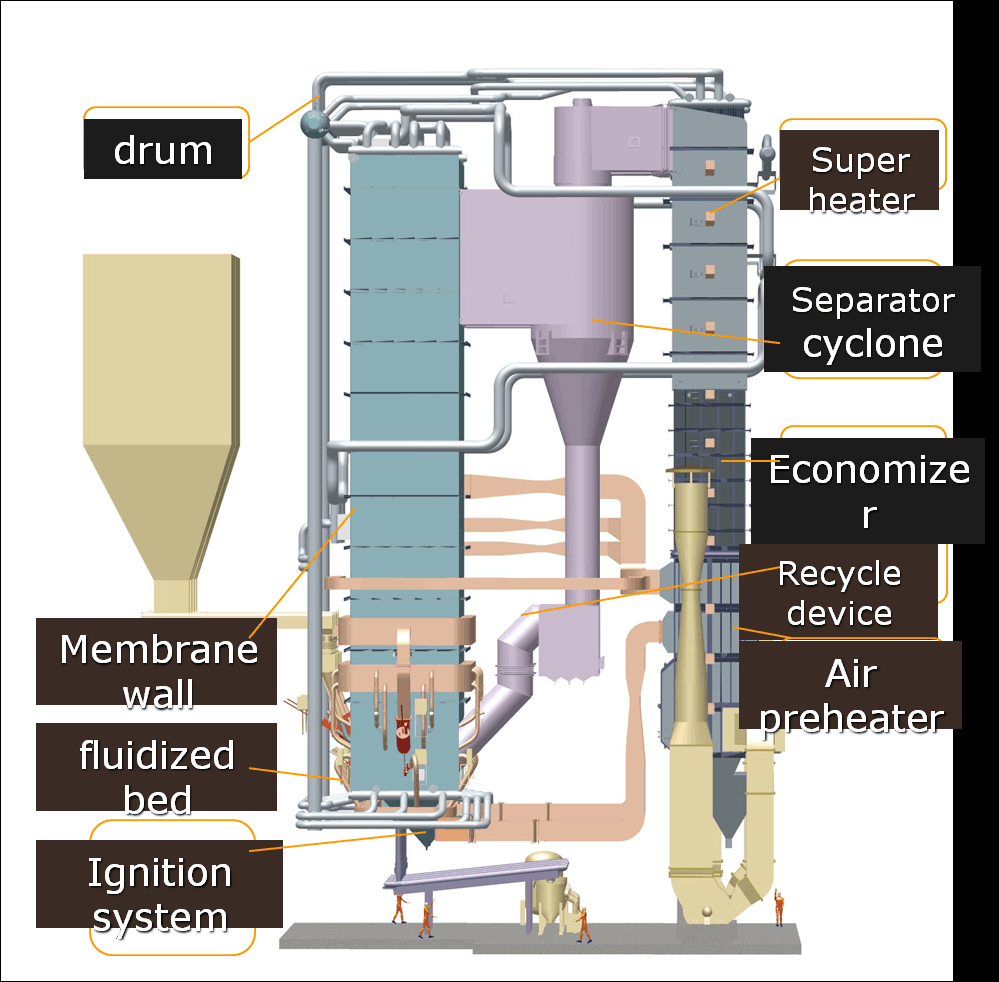
How Do Capacity, Pressure, and Fuel Type Influence Steam Boiler Pricing?
When investing in an industrial steam boiler, three of the most decisive cost drivers are boiler capacity, operating pressure, and fuel type. Each variable doesn’t just affect the price tag of the boiler itself—they also determine the complexity of its design, the size of auxiliary systems, installation costs, and ongoing fuel or maintenance expenses. Businesses that overlook how these variables interplay often end up with underperforming systems or paying far more than necessary over the life of the equipment.
Boiler pricing increases with higher capacity (more TPH), greater operating pressure (more bar or psi), and more complex or less efficient fuel types. High-capacity, high-pressure boilers with solid fuel (biomass or coal) cost significantly more than small, low-pressure, gas-fired models due to design, materials, and emissions compliance.
These factors also drive total lifecycle costs and should be carefully considered during project planning.
Steam boiler prices increase with capacity, operating pressure, and complexity of fuel handling.True
Larger and higher-pressure boilers require thicker materials, larger combustion systems, and higher-efficiency accessories, especially for solid fuel types.
The cheapest boiler option is always the most economical over the long run.False
Cheaper boilers may have low upfront cost but can incur higher fuel, maintenance, and replacement expenses.
1. Boiler Capacity (TPH) vs. Price
Definition: Capacity is the maximum amount of steam a boiler can generate per hour, measured in tons per hour (TPH) or kg/hr.
| Capacity Range | Typical Application | Price Impact |
|---|---|---|
| 1 – 5 TPH | Small factories, laundry, food | $40,000 – $100,000 (fire-tube) |
| 6 – 15 TPH | Textiles, pharmaceuticals | $100,000 – $250,000 (fire or water-tube) |
| 16 – 30 TPH | Paper, chemical plants | $250,000 – $500,000 (water-tube) |
| 31 – 80 TPH | Refineries, biomass | $500,000 – $1 million+ |
| 81 – 150+ TPH | Power generation | $1 million – $2.5 million+ |
Higher capacity = larger shell, more tubing, higher combustion output, and greater steel usage—all of which drive up manufacturing and freight cost.
2. Operating Pressure vs. Boiler Price
Definition: Pressure (bar or psi) indicates the force at which steam is delivered. Higher pressure increases steam energy but requires stronger materials and more rigorous design standards.
| Pressure (bar) | Common Boiler Type | Typical Cost Increase | Design Considerations |
|---|---|---|---|
| 6–10 bar | Fire-tube | Baseline | Simple casing and moderate wall thickness |
| 11–20 bar | Fire/Water-tube | +10–20% | Requires enhanced safety and design standards |
| 21–40 bar | Water-tube | +30–50% | Needs stronger drums, advanced controls |
| 41–80 bar | Advanced water-tube | +60–100% | Involves thermal stress calculations, superheaters |
| 81–160+ bar | Supercritical boiler | +200–300% | Specialty alloys, high-end engineering, ASME I certs |
Pressure directly impacts cost by influencing shell thickness, safety valve ratings, piping, and refractory quality.
3. Fuel Type vs. Boiler Cost
| Fuel Type | Fuel Handling Complexity | Combustion Equipment | Cost Impact |
|---|---|---|---|
| Natural Gas | Low | Compact burner, clean | Most cost-effective for small systems |
| Fuel Oil | Medium | Dual-fuel options possible | 10–20% higher due to pumps, tanks |
| Biomass | High | Grate systems, storage silos | 30–50% higher than gas systems |
| Coal | Very High | Pulverizers, ash handling | 40–80% higher than gas-fired units |
| Electric | None (resistive elements) | No combustion system | Low install cost but high OPEX |
Solid fuels require bulk storage, feeding systems, ash removal, and emissions controls, significantly increasing capital cost and floor space.
4. Combined Influence: Capacity × Pressure × Fuel Type
| Scenario | Boiler Type | Est. Base Cost (USD) | Notes |
|---|---|---|---|
| 3 TPH, 10 bar, Natural Gas | Fire-tube | ~$60,000 | Compact and efficient |
| 10 TPH, 16 bar, Fuel Oil | Fire-tube | ~$150,000 | Needs dual-fuel burner + day tank |
| 20 TPH, 40 bar, Biomass | Water-tube | ~$400,000 – $500,000 | Requires fuel handling, emissions filters |
| 40 TPH, 65 bar, Pulverized Coal | Water-tube | ~$900,000 – $1.2 million | Includes fly ash handling, economizer, preheater |
| 100 TPH, 130 bar, Natural Gas | Supercritical WT | $2 million+ | Utility-grade power boiler with FGR, SCR |
5. Pricing Model: Capacity × Pressure × Fuel Factor
You can estimate the relative boiler cost using a simple model:
Boiler Price ≈ Base_Cost × Capacity_Factor × Pressure_Factor × Fuel_Factor
| Factor Type | Typical Range |
|---|---|
| Capacity_Factor | 1.0 to 5.0 (1 TPH to 100+ TPH) |
| Pressure_Factor | 1.0 to 3.0 (low to supercritical) |
| Fuel_Factor | 1.0 (gas) to 1.5 (oil) to 2.0+ (coal/biomass) |
Example:
10 TPH × medium pressure (1.5) × biomass (2.0) =
Baseline $100,000 × 2.5 × 1.5 × 2.0 = $750,000 (approx.)
6. Auxiliary Cost Impacts (Driven by the 3 Factors)
| System | Influenced By | Typical Additional Cost |
|---|---|---|
| Feedwater Pumps | Pressure & capacity | $5,000 – $30,000 |
| Economizers & Preheaters | Fuel type & temperature needs | $10,000 – $80,000 |
| Ash Handling (for biomass/coal) | Fuel type | $20,000 – $100,000 |
| Stack + Emissions Control | Fuel type & pressure | $15,000 – $200,000 |
| Burner & Control Panel | All three | $15,000 – $50,000 |
These items may double the base boiler price in high-pressure, solid-fuel systems.
Conclusion
The price of an industrial steam boiler is a compound result of capacity, pressure rating, and fuel type. Lower-pressure gas systems are economical and compact, while high-pressure biomass or coal-fired units require significant investment due to their complexity and regulatory compliance needs. A precise boiler selection must match operational demand while balancing initial cost, efficiency, and long-term ROI.
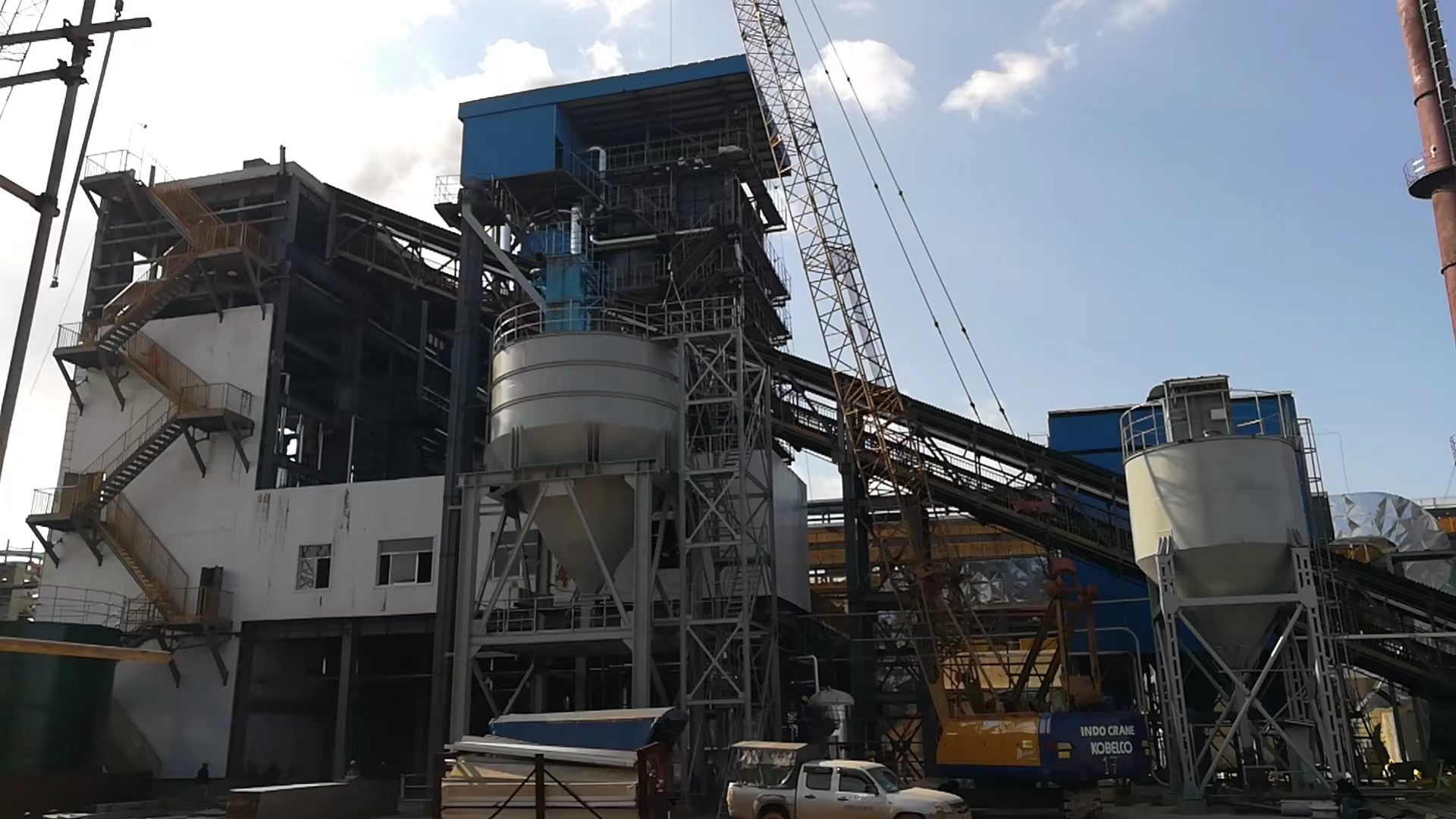
What Are the Typical Costs of Boiler Auxiliaries Like Economizers, Feedwater Tanks, and Blowdown Systems?
When planning an industrial steam boiler system, it’s easy to focus on the main boiler unit while overlooking the crucial—and costly—auxiliary equipment required for safe, efficient, and code-compliant operation. Components like economizers, feedwater tanks, blowdown systems, deaerators, and control panels play essential roles in energy recovery, water quality management, and pressure safety. These items can add 20–50% or more to the base price of a boiler system, depending on configuration and scale. Neglecting their cost can derail budgets and delay commissioning.
The typical costs of boiler auxiliaries vary based on boiler capacity, operating pressure, and system complexity. Economizers range from $10,000 to $80,000; feedwater tanks with deaerators cost $8,000 to $60,000; and blowdown systems can range from $3,000 to $25,000. These components are essential for boiler efficiency, safety, and longevity.
Selecting and sizing auxiliaries correctly ensures fuel savings, protects your boiler, and meets safety and environmental standards.
Auxiliaries like economizers and blowdown systems are optional for industrial boilers.False
These components are often essential for thermal efficiency, water treatment, safety, and code compliance.
Boiler auxiliaries can cost up to half as much as the main boiler unit.True
Especially in high-pressure or biomass systems, complex feedwater and emission systems drive auxiliary costs significantly.
1. Summary Table: Boiler Auxiliary Equipment and Cost Ranges
| Auxiliary Component | Function | Typical Cost (USD) | Cost Influencing Factors |
|---|---|---|---|
| Economizer | Recovers heat from flue gas to preheat water | $10,000 – $80,000 | Surface area, pressure, material, tube type |
| Feedwater Tank | Stores and preheats water | $5,000 – $20,000 | Size, insulation, material, vertical/horizontal |
| Deaerator (with tank) | Removes oxygen, preheats feedwater | $15,000 – $60,000 | Capacity, pressure rating, spray/tray design |
| Blowdown Separator/System | Removes sludge, controls TDS | $3,000 – $25,000 | Automatic vs manual, flash tank, heat recovery |
| Water Softener | Prevents scale and hardness damage | $2,000 – $15,000 | Flow rate, number of columns, regeneration mode |
| Chemical Dosing System | Adds treatment chemicals | $1,500 – $10,000 | Dosing pump accuracy, automation level |
| Control Panel (PLC/SCADA) | System monitoring, safety, automation | $5,000 – $30,000+ | Touchscreen HMI, sensors, integration with DCS |
| Pumps (FW, condensate) | Circulate feedwater and condensate | $2,000 – $25,000 (each) | Pressure, flow, redundancy |
| Stack/Ducting | Directs flue gases to atmosphere | $5,000 – $50,000 | Height, insulation, material (SS, CS) |
2. Economizers: Cost vs. Capacity and Efficiency
| Boiler Size | Economizer Surface Area | Heat Recovery (kW) | Cost Estimate (USD) |
|---|---|---|---|
| 3 TPH | ~25–30 m² | 150–200 kW | ~$10,000 – $18,000 |
| 10 TPH | ~50–70 m² | 300–600 kW | ~$20,000 – $35,000 |
| 20 TPH | ~100–140 m² | 800–1,000 kW | ~$40,000 – $60,000 |
| 40+ TPH | ~200+ m² | 1,200–2,000+ kW | ~$60,000 – $80,000+ |
Economizers reduce fuel costs by 4–7%, making them a worthwhile investment even with high upfront cost.
3. Feedwater and Deaeration Systems: Pricing by Boiler Pressure
| Boiler Pressure (bar) | Tank Volume | Deaerator Type | System Cost (USD) |
|---|---|---|---|
| Up to 10 bar | 1,000–2,000 L | Atmospheric tray | ~$8,000 – $15,000 |
| 11–30 bar | 3,000–5,000 L | Pressurized spray/tray | ~$15,000 – $35,000 |
| 31–80+ bar | 8,000+ L | Pressurized tray | ~$40,000 – $60,000+ |
Deaerators extend boiler life and reduce oxygen corrosion, especially in high-pressure systems.
4. Blowdown Systems: Manual vs. Automated Cost Comparison
| System Type | TDS Control | Heat Recovery | Cost Range (USD) |
|---|---|---|---|
| Manual Blowdown Tank | None | No | $3,000 – $6,000 |
| Automated Blowdown Controller | Yes | Optional | $7,000 – $15,000 |
| Blowdown Flash + Heat Recovery | Full | Yes | $15,000 – $25,000 |
Flashing blowdown steam can be reused in the feedwater system—cutting energy loss and cost.
5. Auxiliary Cost Impact by Boiler Size
| Boiler Capacity | Total Auxiliary Cost Range (USD) | Share of Total Project (%) |
|---|---|---|
| 3 TPH | $20,000 – $40,000 | 25–40% |
| 10 TPH | $50,000 – $90,000 | 30–45% |
| 25 TPH | $100,000 – $180,000 | 35–50% |
| 50 TPH | $180,000 – $300,000+ | 40–50% |
As boiler size increases, auxiliary system costs scale non-linearly, especially for pressure-rated components and controls.
6. Tips to Control Auxiliary Costs
Specify scope early – Avoid scope creep and design revisions later.
Bundle purchases – Buying the full system from one supplier may cut 10–15% in integration cost.
Automate only what’s necessary – Balance between manual and automated blowdown, dosing, and controls.
Design for modularity – Scalable feed systems can be reused with future boilers.
Invest in heat recovery – Economizers and condensate systems often pay back in <2 years.
Conclusion
Boiler auxiliaries are not optional add-ons—they’re essential for safe, efficient, and code-compliant steam system operation. While the economizer, feedwater tank, deaerator, and blowdown system are the big-ticket items, other components like pumps, dosing systems, and controls also contribute significantly to total cost. Accurate auxiliary budgeting prevents project delays, underperformance, and future retrofits—and helps your boiler investment perform as expected from day one.
How Much Should You Budget for Installation, Commissioning, and Training of a Steam Boiler?
Selecting the right steam boiler is only part of the equation—bringing it into operation requires significant investment in installation, commissioning, and operator training. These post-purchase activities are often underestimated or excluded from budgeting. However, failures in installation or inadequate commissioning can lead to delays, safety hazards, or long-term inefficiency. Similarly, untrained personnel can inadvertently shorten the life of the boiler or cause costly shutdowns. Understanding and planning for these “soft costs” ensures a successful and smooth transition to full operational status.
You should typically budget an additional 15–30% of the boiler equipment cost for installation, commissioning, and training. For a $200,000 boiler system, this amounts to $30,000–$60,000, covering civil works, piping, electrical integration, safety testing, and operator education. Complex or high-pressure systems require higher commissioning budgets due to advanced controls and code compliance.
The exact amount depends on site readiness, boiler size and pressure, fuel type, control complexity, and regional labor costs.
Installation and commissioning costs are often equal to or more than 20% of the boiler’s purchase price.True
Labor, civil works, pipe routing, electrical integration, and controls calibration can be substantial, especially for custom setups.
Operator training is optional for standard steam boiler systems.False
Training is essential for safety, regulatory compliance, and optimal long-term performance, especially in high-pressure systems.
1. Breakdown of Installation, Commissioning, and Training Costs
| Phase | Key Activities | Typical Cost Range (USD) | % of Boiler Cost |
|---|---|---|---|
| Installation | Site prep, unloading, placement, piping, wiring, stack erection | $15,000 – $100,000+ | 10–20% |
| Commissioning | Calibration, pressure testing, burner tuning, trial runs | $5,000 – $30,000 | 3–10% |
| Training | Operator training, safety education, control system instruction | $3,000 – $10,000 | 1–5% |
Note: Larger systems (>20 TPH) or multi-boiler installations can exceed 30–35% of base cost in total commissioning-related expenses.
2. Cost by Boiler Size
| Boiler Size | Installation Cost | Commissioning | Training | Total Budget Estimate |
|---|---|---|---|---|
| 3 TPH, 10 bar | $15,000 – $25,000 | $5,000 | $3,000 | ~$25,000 – $33,000 |
| 10 TPH, 16 bar | $25,000 – $45,000 | $8,000 | $5,000 | ~$38,000 – $58,000 |
| 25 TPH, 40 bar | $60,000 – $100,000 | $15,000 – $25,000 | $7,000 | ~$85,000 – $130,000 |
| 50 TPH, 65 bar | $120,000 – $180,000 | $30,000+ | $10,000 | ~$160,000 – $220,000+ |
These figures vary based on geography, on-site infrastructure, and whether auxiliary systems are included or need to be installed separately.
3. Installation Cost Factors
| Factor | Impact on Cost |
|---|---|
| On-site infrastructure | If foundation, water, or fuel lines are missing, cost rises |
| Piping complexity | Multi-line connections, long runs, condensate routing |
| Boiler weight & size | Heavier units may require cranes or structural work |
| Stack installation | Tall or insulated stacks require permits, welders |
| Local labor rates | Skilled technician and welder rates vary regionally |
| Crating & Unloading | Equipment handling charges during delivery |
4. Commissioning Cost Breakdown
| Commissioning Task | Description | Cost Contribution |
|---|---|---|
| Hydrostatic testing | Verifying pressure vessel integrity | Moderate |
| Combustion tuning | Burner calibration for fuel-air ratio | High |
| Control system programming | Linking sensors, PLCs, interlocks | High |
| Safety and alarm checks | Verifying pressure switches, valves, etc. | Medium |
| Startup observation (trial run) | Dry-run with load simulation | Medium |
For biomass, coal, or multi-fuel systems, commissioning complexity—and cost—increases due to combustion and emissions controls.
5. Operator Training Costs
| Training Type | Duration | Cost Range (USD) | Topics Covered |
|---|---|---|---|
| Basic Boiler Operation | 1–2 days | $2,000 – $4,000 | Startup, shutdown, water level, alarms |
| Controls & Instrumentation | 2–3 days | $3,000 – $6,000 | PLCs, modulating controls, data logging |
| Safety and Compliance | 1 day | $1,500 – $3,000 | Blowdown, TDS, emergency procedures |
| Maintenance & Troubleshooting | 2–3 days | $2,000 – $5,000 | Burner issues, scaling, condensate problems |
Certified training may be required under local code or insurance standards—especially for high-pressure installations.
6. Total System Cost Allocation Model
| Cost Category | Share of Total Project Cost (%) |
|---|---|
| Boiler Unit | 50–65% |
| Auxiliaries & Accessories | 20–30% |
| Installation | 10–20% |
| Commissioning & Training | 5–10% |
Example: For a $300,000 base boiler, expect $45,000 – $90,000 in post-purchase commissioning and installation costs.
Conclusion
Installation, commissioning, and training are not optional add-ons—they are essential phases that ensure your steam boiler performs as designed, meets safety requirements, and operates efficiently from day one. Budgeting an additional 15–30% of your boiler system cost for these services is a smart investment. Cutting corners here often results in costly shutdowns, maintenance issues, or compliance failures.
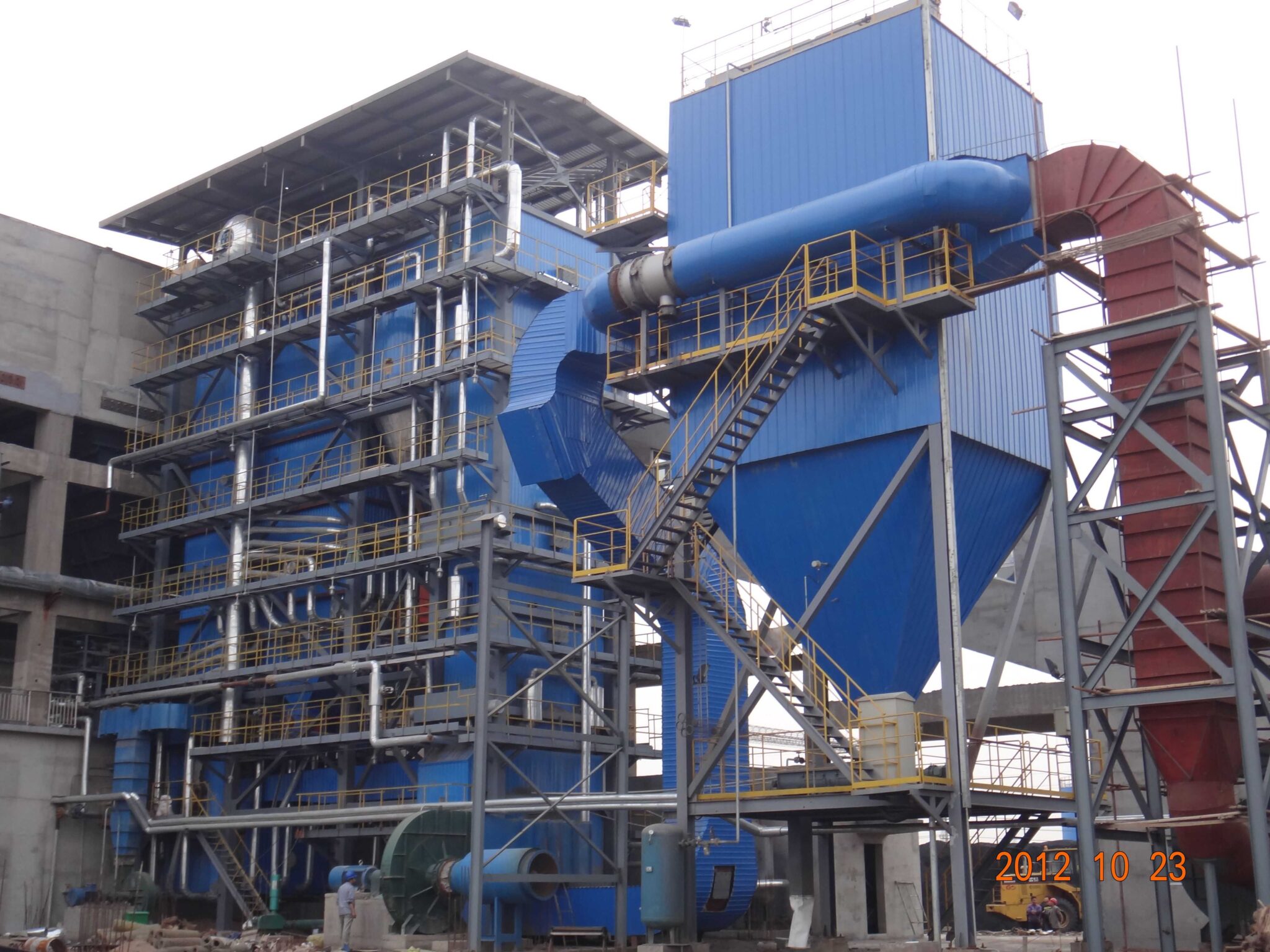
What Hidden or Long-Term Costs Should You Consider Beyond the Purchase Price of a Steam Boiler?
Many companies focus heavily on boiler purchase price when evaluating options—but the true cost of a steam boiler is realized over 10 to 30 years of operation. After installation, the boiler incurs ongoing and sometimes hidden costs related to fuel, maintenance, water treatment, emissions compliance, training, and unplanned downtime. Failing to plan for these long-term expenses can lead to profit loss, regulatory penalties, and early system failure. A cheap boiler can become more expensive than a premium model once lifecycle costs are considered.
Beyond the initial purchase, the hidden or long-term costs of a steam boiler include fuel consumption (the largest OPEX item), water treatment, insurance, maintenance, emissions control, downtime, spare parts, and eventual system upgrades or replacement. These can equal 5–10 times the upfront boiler cost over its lifetime.
Understanding and planning for these costs ensures smarter investment and better operational efficiency.
The majority of a steam boiler’s lifetime cost comes from fuel consumption.True
Fuel accounts for 80–90% of total operating expenditure over a boiler's lifecycle.
Once a boiler is installed, there are few additional costs to worry about.False
Boilers require ongoing maintenance, inspections, water treatment, and compliance testing that add significant recurring expenses.
1. Boiler Lifecycle Cost Overview
| Cost Category | Typical Share of Total Lifecycle Cost |
|---|---|
| Fuel | 70–85% |
| Water treatment & chemicals | 3–8% |
| Maintenance & spares | 5–10% |
| Downtime or reliability costs | 2–7% |
| Compliance & emissions | 1–5% |
| Operator training & upgrades | 1–3% |
| Insurance & inspections | 1–3% |
A $200,000 boiler can cost $2–5 million to operate over 20 years depending on fuel and operational hours.
2. Fuel: The Dominant Cost Driver
| Fuel Type | Annual Fuel Cost (10 TPH Boiler, 10 bar, 18 hrs/day) | Notes |
|---|---|---|
| Natural Gas | $250,000 – $400,000 | Most efficient, clean combustion |
| Fuel Oil | $300,000 – $550,000 | Higher cost and carbon footprint |
| Biomass | $150,000 – $350,000 (varies by region) | Needs storage, handling, emissions care |
| Coal | $100,000 – $300,000 | Cheapest fuel, highest emissions cost |
| Electricity | $600,000 – $1 million+ | Clean but very high running costs |
Fuel savings of just 5% annually from a more efficient system can mean $25,000–$50,000/year in savings.
3. Maintenance & Inspection Costs
| Cost Type | Frequency | Typical Annual Cost (USD) |
|---|---|---|
| Routine preventive maintenance | Monthly/quarterly | $3,000 – $10,000 |
| Annual inspection (ASME, API) | Yearly | $1,500 – $5,000 |
| Refractory or tube repair | 2–5 years | $10,000 – $30,000 |
| Emergency service/downtime | As needed | $2,000 – $100,000+ |
Poor maintenance shortens boiler life. Water-tube boilers are more demanding than fire-tube models.
4. Water Treatment & Chemical Costs
| Item | Annual Cost Estimate | Impact if Skipped |
|---|---|---|
| Water softening chemicals | $2,000 – $8,000 | Scale buildup, efficiency loss |
| Deaerator maintenance | $1,000 – $3,000 | Corrosion in boiler internals |
| TDS monitoring/blowdown losses | Up to $20,000 in wasted heat | Shorter tube life, higher fuel use |
Proper water chemistry can extend boiler life by 10+ years.
5. Emissions Compliance and Testing
| Factor | Cost Impact |
|---|---|
| Stack monitoring system | $5,000 – $25,000+ one-time |
| NOx/SOx testing | $1,000 – $5,000/year |
| FGR/SCR systems (if required) | $20,000 – $200,000+ |
| Emissions fines | $1,000 – $50,000+/violation |
High-pressure or biomass/coal-fired boilers must meet increasingly strict air quality standards, especially in urban and industrial zones.
6. Downtime and Reliability Costs
| Cause of Downtime | Cost Impact (per day) | Risk Factor |
|---|---|---|
| Tube leak or scaling | $5,000 – $20,000+ | Improper treatment/oversizing |
| Controls failure | $3,000 – $15,000 | Inadequate commissioning |
| Operator error | $2,000 – $10,000+ | Lack of training |
| Lack of redundancy | Full plant shutdown | No backup boiler |
Investing in modular setups or backup capacity can prevent catastrophic production losses.
7. Insurance, Permits, and Renewal Costs
| Recurring Cost Type | Typical Annual Cost (USD) |
|---|---|
| Boiler insurance (liability) | $1,000 – $5,000 |
| Safety relief valve testing | $500 – $1,500 |
| ASME compliance inspections | $1,000 – $4,000 |
| Operator certification | $1,000 – $3,000 |
These costs may be required by local law or industry code.
8. End-of-Life Costs or Upgrades
| Final Cost Item | Typical Cost |
|---|---|
| Dismantling and removal | $5,000 – $30,000 |
| Boiler tube replacement | $20,000 – $80,000+ |
| Control system upgrades | $10,000 – $50,000 |
| Emissions retrofits | $25,000 – $100,000+ |
Planning for upgrade intervals every 10–15 years improves long-term cost control.
Conclusion
A boiler’s true cost goes far beyond the purchase price. The hidden and long-term costs—especially fuel, maintenance, treatment, and compliance—determine your total cost of ownership (TCO). A poorly maintained or underspecified boiler may cost millions more over its life than a better-designed, more efficient system. Understanding these hidden costs helps avoid unpleasant surprises and supports smarter procurement decisions.
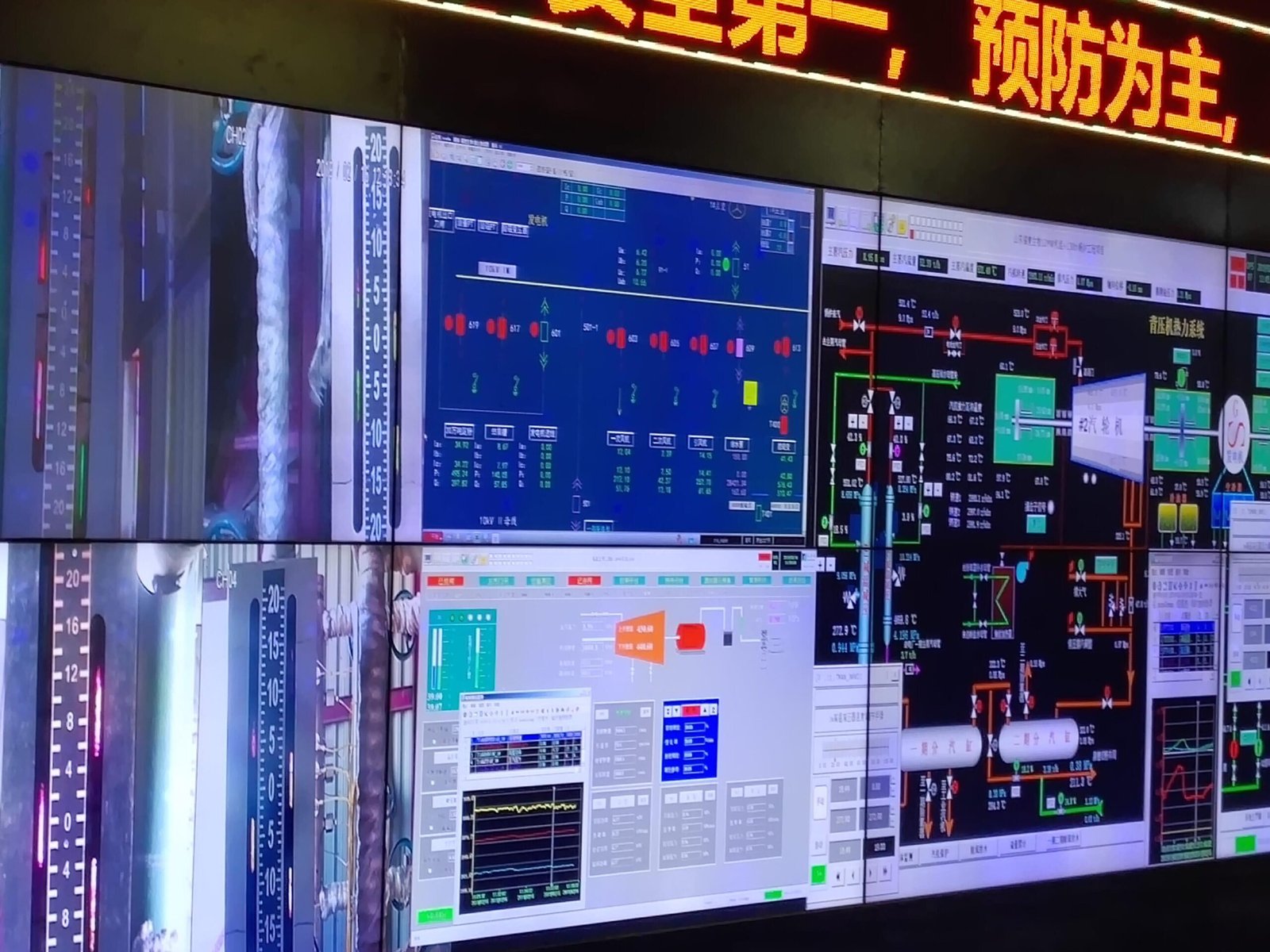
How Do Custom Engineering and Compliance With Emissions Standards Affect Total Boiler Cost?
When budgeting for a new steam boiler, many buyers overlook two critical cost drivers: custom engineering and compliance with emissions regulations. While standard “off-the-shelf” boilers can work for basic needs, most industrial operations require systems tailored to specific process loads, pressures, fuel types, space constraints, or local air quality laws. These engineering customizations, along with emissions control technologies like SCRs, FGR systems, or ESPs, can increase project costs by 30%–100% or more over a base boiler price. Ignoring these factors can lead to compliance violations, performance failure, or costly retrofits after installation.
Custom boiler engineering and emissions compliance can add 30–100% to the base boiler cost depending on system complexity, pressure class, fuel type, and regional regulations. Engineering costs include sizing, structural mods, pressure vessel design, burner customization, and integration with emission control systems like SCRs, FGR, or baghouses.
These factors also impact auxiliary systems, installation footprint, permitting timelines, and ongoing maintenance.
Boilers with emissions control systems cost significantly more than standard units.True
Equipment such as SCRs, flue gas recirculation, or ESPs require additional burners, sensors, ducting, and controls, increasing both capital and operational costs.
Custom engineering is only needed for power plant-scale boilers.False
Even 5–10 TPH process boilers may need custom layout, instrumentation, or emissions controls depending on fuel and industry type.
1. Custom Engineering: Cost Components and Examples
| Custom Feature | Why It’s Needed | Typical Cost Range (USD) |
|---|---|---|
| Custom pressure vessel design | Higher pressure ratings, superheater integration | $10,000 – $80,000 |
| Layout reconfiguration | Site constraints, tight footprint, modular delivery | $5,000 – $30,000 |
| Burner customization | Special fuel blends, multi-fuel modes | $15,000 – $50,000+ |
| Heat recovery integration | Advanced economizers, air preheaters, flue bypass | $10,000 – $60,000 |
| Advanced control system programming | Plant-wide SCADA/PLC integration | $10,000 – $40,000 |
| Water chemistry/safety adjustments | Deaerator, softener, blowdown tailored to feedwater | $5,000 – $20,000 |
Custom engineering may also be necessary for marine, mobile, pharmaceutical, or cleanroom environments, all of which require non-standard boiler solutions.
2. Emissions Standards: Compliance Requirements by Region
| Region/Country | Emissions Regulated | Typical Requirements |
|---|---|---|
| USA (EPA, local AQMDs) | NOₓ, SO₂, CO, PM, VOC | Ultra-low NOₓ burners, SCR, FGR, opacity monitors |
| EU (IED Directive) | NOₓ, dust, CO, hydrocarbons | Emission limit values (ELVs), online monitoring, ESPs |
| China (GB standards) | PM, NOₓ, SO₂ | Bag filters, desulfurization, de-NOx SCRs |
| India (CPCB) | Particulates, CO₂, NOₓ | Stack testing, ash management, multicyclones |
| Middle East (varied) | SO₂, PM, opacity | Often modeled on EU or US benchmarks |
Non-compliance can result in daily fines, permit revocation, or shutdown orders, especially for coal or biomass-fueled units.
3. Emissions Control Equipment: Cost Summary
| Technology | Purpose | Typical Cost (USD) | Required For |
|---|---|---|---|
| SCR (Selective Catalytic Reduction) | NOₓ reduction via ammonia injection | $50,000 – $300,000+ | Natural gas, oil, coal >10 bar |
| FGR (Flue Gas Recirculation) | Re-circulate exhaust to lower flame temp | $10,000 – $50,000 | NOₓ control in gas boilers |
| ESP (Electrostatic Precipitator) | Particulate removal from flue gas | $30,000 – $100,000+ | Coal, biomass systems |
| Baghouse Filter System | Dust and ash removal | $40,000 – $150,000 | Biomass, coal |
| Continuous Emissions Monitoring (CEMS) | Real-time emissions data logging | $20,000 – $80,000 | Required for permitting and auditing |
| Low-NOₓ Burner | Fuel-air mixing to reduce NOₓ | $10,000 – $40,000 | Mandatory in many jurisdictions |
Total emissions control cost can add 15–50% to the project depending on local rules and fuel type.
4. Cost Impact Chart: Engineering + Emissions by Boiler Type
| Boiler Type | Custom Engineering Cost Add-on | Emissions Control Cost Add-on | Combined Add-on % (Typical) |
|---|---|---|---|
| Fire-tube (gas, <10 bar) | 5–10% | 10–20% | 15–25% |
| Water-tube (20–40 bar) | 15–30% | 20–40% | 35–60% |
| Biomass-fired boiler | 25–40% | 40–60% | 65–100% |
| Coal-fired (utility) | 30–50% | 50–100% | 80–150% |
Example: A $500,000 40 TPH boiler could reach $850,000 – $1.2 million after engineering and emissions upgrades.
5. Design Codes and Emissions Compliance Standards
| Category | Standard/Regulation | Cost Implication |
|---|---|---|
| Boiler design | ASME Section I, EN 12952 | Thicker plates, certified welding, NDT |
| Burner emissions | UL, CSA, EPA 40 CFR Part 60 | Low-NOₓ burner, staged combustion |
| Emissions monitoring | EN 14181, ISO 4224 | Stack testing systems |
| Safety devices | API 520, ASME PTC 25 | Certified relief valves, blowdown limits |
| Environmental permits | Local AQMD or EPA Title V | Application fees, continuous reporting |
6. Total Cost Comparison: Standard vs. Customized Boiler System
| System Attribute | Standard 10 TPH Boiler | Custom + Emissions Compliant |
|---|---|---|
| Base Boiler | $150,000 | $150,000 |
| Engineering Customization | $0 – $10,000 | $30,000 – $50,000 |
| Emissions Equipment | $0 | $40,000 – $150,000 |
| CEMS & Stack Monitoring | Optional | Mandatory ($20,000 – $60,000) |
| Installation & Integration | $25,000 | $50,000 – $80,000 |
| Total System Cost | ~$175,000 | ~$290,000 – $490,000+ |
Conclusion
Custom engineering and emissions compliance can double your steam boiler project cost, but they are often non-negotiable for regulatory approval, operational reliability, and safety. Instead of viewing them as cost burdens, they should be understood as necessary investments for long-term efficiency, environmental performance, and legal protection. Factoring these elements into your early design and budgeting ensures that your boiler system not only performs but complies—and scales—with your industry’s evolving needs.
🔍 Conclusion
Steam boiler costs vary widely depending on design, capacity, and site-specific needs. Understanding all cost factors—from base unit pricing to installation and lifecycle expenses—helps ensure your project is accurately budgeted and technically optimized.
📞 Contact Us
💡 Looking for an accurate quote for your steam boiler project? We offer custom system design, full pricing breakdowns, and turnkey solutions tailored to your industry and production needs.
🔹 Let us help you plan a cost-effective, high-performance steam boiler system. 💵🔥📊✅
FAQ
How much does a steam boiler typically cost?
Steam boiler prices vary widely depending on capacity, fuel type, and system design:
Small commercial boilers (50–150 HP): $20,000–$80,000
Medium industrial boilers (150–500 HP): $80,000–$250,000
Large industrial steam boilers (>500 HP): $250,000–$1,000,000+
Custom high-efficiency or specialty units: Up to $2 million
These costs are for equipment only and don’t include installation or accessories.
What factors affect the cost of a steam boiler?
Several elements influence pricing:
Boiler size (horsepower or lb/hr output)
Fuel type (natural gas, oil, electric, biomass)
Operating pressure and temperature
Efficiency rating (standard vs. condensing or high-efficiency)
Build material and controls
Shipping and location logistics
Optional upgrades like automation, low-NOx burners, or redundancy systems can increase price significantly.
What are the additional installation and setup costs?
Beyond the boiler unit itself, you should budget for:
Site preparation and permitting
Mechanical and electrical installation
Piping, valves, steam traps, and ducting
Control panels and instrumentation
Water treatment and condensate return systems
Installation costs typically range from 30% to 60% of the boiler’s base price.
What’s the cost of maintaining a steam boiler annually?
Annual maintenance costs depend on boiler size and complexity:
Small to mid-size boilers: $5,000–$15,000 per year
Large, high-pressure systems: $15,000–$50,000+ per year
Costs include inspections, chemical treatment, part replacements, and tuning. Preventive maintenance is key to maximizing efficiency and lifespan.
Is it more cost-effective to rent or buy a steam boiler?
Buying is better for long-term or permanent applications, offering:
Full ownership
Customization
Long-term savings
Renting is ideal for:
Temporary or seasonal use
Emergencies or shutdowns
Projects with budget limitations
Rental costs typically range from $5,000 to $50,000/month depending on size and service level.
References
Powerhouse – Steam Boiler Rental & Cost Guide – https://www.powerhouse.com
Thermodyne Boilers – Steam Boiler Pricing Overview – https://www.thermodyneboilers.com
Cleaver-Brooks Boiler Estimator Tool – https://www.cleaverbrooks.com
Hurst Boiler – Boiler Models & Costs – https://www.hurstboiler.com
Miura Boiler Total Cost of Ownership Guide – https://www.miuraboiler.com
Nationwide Boiler Pricing Estimates – https://www.nationwideboiler.com
EPA – Industrial Boiler Regulations & Costs – https://www.epa.gov
BioEnergy Consult – Steam Boiler Economic Analysis – https://www.bioenergyconsult.com
IEA – Industrial Steam Systems Efficiency – https://www.iea.org
Spirax Sarco – Steam Boiler Planning & Investment – https://www.spiraxsarco.com

Andy Zhao
