Choosing the wrong type of boiler for an industrial or commercial application can lead to inefficient heating, higher operating costs, and performance limitations. Many buyers assume that steam boilers and hot water boilers are interchangeable, but the two systems operate very differently in terms of pressure, temperature, energy transfer, and application suitability. Without understanding these differences, facilities may end up with a system that does not meet process requirements or energy efficiency goals.
The main difference between a steam boiler and a hot water boiler is how they transfer heat. A steam boiler heats water until it turns into pressurized steam, which is then distributed for industrial processes or heating. In contrast, a hot water boiler heats water but keeps it in liquid form, circulating it through pipes for space heating or process heating at lower temperatures and pressures. Steam boilers typically operate at higher pressures and are used in industrial applications, while hot water boilers are more common in building heating systems and lower-temperature processes.
Understanding the functional differences between these two boiler types helps engineers, facility managers, and procurement teams choose the most efficient and reliable solution for their specific heating or process needs. Below is a structured guide to the key distinctions.
What Is a Steam Boiler and How Does a Steam Boiler Work?
Many industries rely on steam as a reliable and efficient source of thermal energy, yet the fundamental technology behind steam production is often misunderstood. Factories, power plants, food processing facilities, and chemical manufacturing plants all depend on steam boilers to generate heat, power turbines, sterilize equipment, and support industrial processes. Without a clear understanding of how a steam boiler works, operators may struggle to optimize efficiency, troubleshoot operational problems, or select the right boiler for their application. Understanding the basic structure and operating principles of steam boilers is therefore essential for engineers, facility managers, and industrial operators.
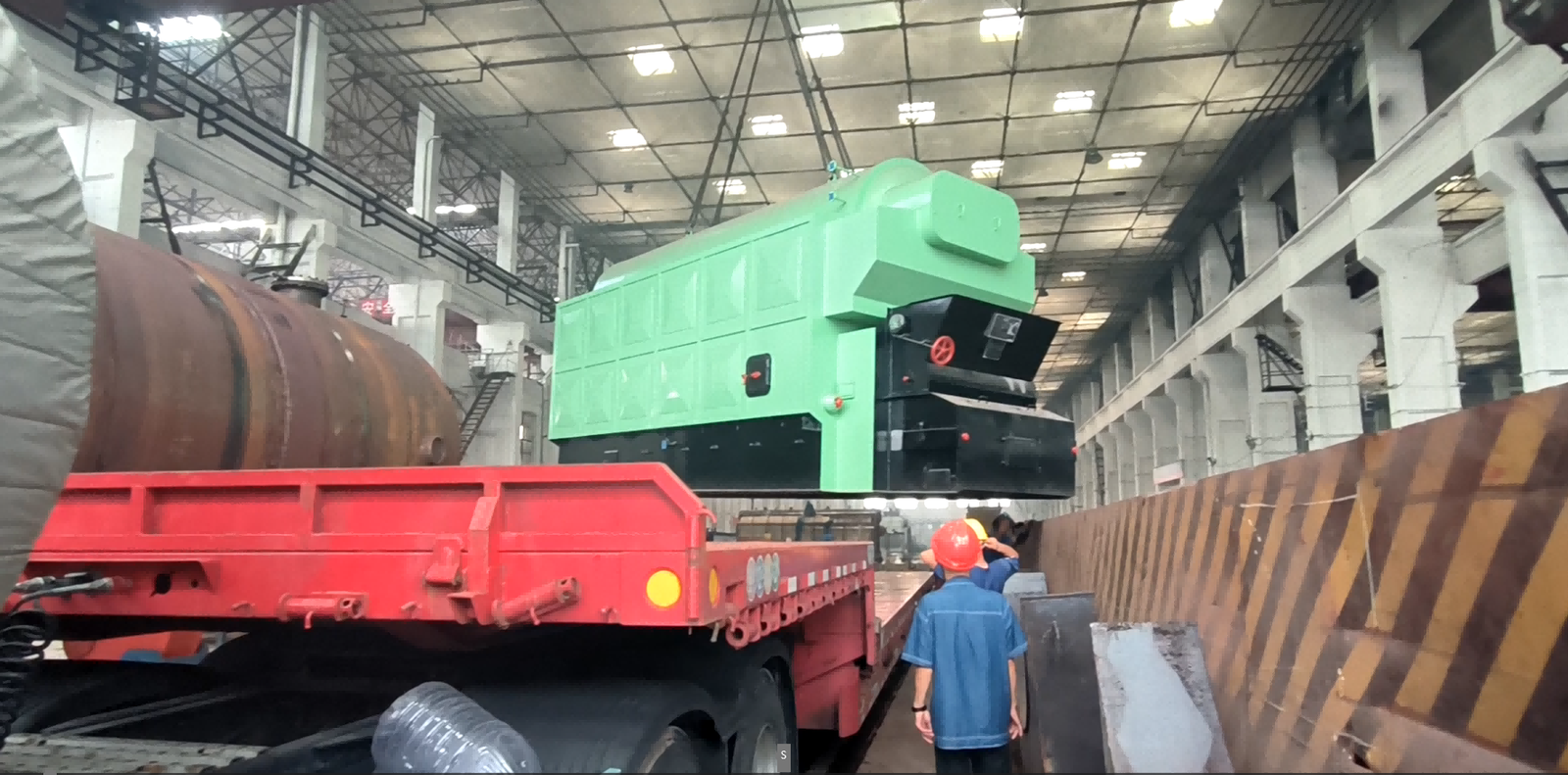
A steam boiler is a closed pressure vessel that converts water into steam by applying heat from fuel combustion, electricity, or other energy sources. The heat energy raises the temperature of water until it boils and produces steam, which is then distributed through pipes to power turbines, heat industrial processes, or provide thermal energy for various applications.
To fully understand how steam boilers operate, it is important to examine their components, working principle, fuel systems, and industrial applications.
Steam boilers operate by transferring heat from a combustion source to water inside a pressure vessel until it converts into steam.True
Heat from burning fuel or other energy sources is transferred through boiler surfaces into water, causing it to boil and produce steam under pressure.
1. Basic Definition of a Steam Boiler
A steam boiler is a heat exchange system designed to convert water into steam using thermal energy.
The primary functions of a steam boiler include:
- Generating high-pressure steam
- Providing thermal energy for industrial processes
- Driving turbines for electricity generation
- Supplying heat for buildings or district heating systems
Steam boilers are widely used in industries such as:
- Power generation
- Chemical processing
- Food and beverage production
- Textile manufacturing
- Paper and pulp production
Because steam carries large amounts of thermal energy, it is one of the most efficient ways to transfer heat in industrial systems.
2. Main Components of a Steam Boiler
A typical steam boiler consists of several key components that work together to produce and control steam.
| Component | Function |
|---|---|
| Combustion chamber | Burns fuel to produce heat |
| Boiler tubes | Transfer heat to water |
| Steam drum | Separates steam from water |
| Feedwater pump | Supplies water to the boiler |
| Superheater | Increases steam temperature |
| Economizer | Preheats feedwater using exhaust heat |
| Safety valves | Prevent excessive pressure |
Each component plays an important role in ensuring safe and efficient steam production.
3. The Basic Working Principle of a Steam Boiler
The operation of a steam boiler follows a simple thermodynamic principle: heat energy converts water into steam.
The process generally involves the following steps:
- Fuel combustion – Fuel such as natural gas, oil, coal, or biomass is burned in the combustion chamber to produce heat.
- Heat transfer – Heat passes through boiler tubes or heat exchange surfaces into the surrounding water.
- Water heating – The water temperature rises until it reaches its boiling point.
- Steam generation – Water changes phase into steam.
- Steam separation – Steam rises and separates from water inside the steam drum.
- Steam distribution – Steam flows through pipes to turbines or industrial equipment.
This process occurs continuously in operating boilers.
4. Types of Steam Boilers
Steam boilers can be classified based on design and heat transfer method.
Two major categories include:
| Boiler Type | Description | Typical Use |
|---|---|---|
| Fire-tube boiler | Hot gases pass through tubes surrounded by water | Small to medium industrial applications |
| Water-tube boiler | Water flows through tubes heated externally by combustion gases | High-pressure industrial and power plants |
Water-tube boilers are generally used for high-pressure and high-capacity steam generation because they handle higher temperatures and pressures more efficiently.
5. Steam Pressure and Temperature Control
Steam pressure is an important parameter in boiler operation.
Higher pressure increases the energy content of steam, making it more effective for power generation and industrial processes.
Typical industrial steam conditions:
| Steam Pressure | Typical Application |
|---|---|
| 10–25 bar | Process heating |
| 25–45 bar | Industrial manufacturing |
| 60–100 bar | Combined heat and power plants |
Boiler control systems regulate fuel input, airflow, and feedwater supply to maintain stable pressure and temperature.
6. Heat Recovery and Efficiency Improvements
Modern steam boilers incorporate energy recovery technologies to improve efficiency.
Common efficiency improvements include:
- Economizers – recover heat from exhaust gases to preheat feedwater
- Air preheaters – warm combustion air before entering the furnace
- Condensing heat exchangers – capture latent heat from flue gases
These technologies reduce fuel consumption and increase overall energy efficiency.
7. Industrial Applications of Steam Boilers
Steam boilers support a wide variety of industrial operations.
Examples include:
| Industry | Boiler Application |
|---|---|
| Power generation | Steam turbines |
| Food processing | Cooking and sterilization |
| Chemical plants | Process heating |
| Textile manufacturing | Fabric treatment |
| Pulp and paper | Drying and chemical processing |
Because steam can carry large amounts of energy through pipes, it remains one of the most efficient industrial heating methods.
8. Safety Systems in Steam Boilers
Steam boilers operate under high pressure, making safety systems essential.
Important safety features include:
- Pressure relief valves
- Low-water cutoff devices
- Flame failure protection
- Automatic shutdown systems
These safety mechanisms protect both the equipment and personnel from dangerous operating conditions.
9. Modern Automation in Steam Boilers
Today’s industrial steam boilers use advanced automation systems to maintain stable operation.
Automation systems monitor:
- Steam pressure
- Water level
- Combustion conditions
- Fuel consumption
- Flue gas emissions
Advanced control systems allow boilers to operate efficiently and safely with minimal manual intervention.
10. Example of a Typical Industrial Steam Boiler System
Example: Industrial food processing facility
Boiler capacity: 20 tons/hour
Fuel type: Natural gas
Operating pressure: 18 bar
Applications:
- Sterilization
- Cooking processes
- Facility heating
This type of boiler can operate continuously for weeks while supplying stable steam to the facility.
Summary
A steam boiler is a closed pressure vessel that generates steam by transferring heat from fuel combustion or other energy sources to water. As the water absorbs heat, it boils and produces steam that can be used for power generation, industrial heating, and numerous manufacturing processes. Modern steam boilers consist of components such as combustion chambers, boiler tubes, steam drums, and safety systems that work together to ensure efficient and safe operation. Through advanced heat recovery technologies and automated control systems, steam boilers remain one of the most reliable and efficient methods of producing thermal energy for industrial applications.
What Is a Hot Water Boiler and How Does a Hot Water Boiler Operate?
Heating systems are essential for many industrial facilities, commercial buildings, and district energy networks. While steam boilers are widely known for high-pressure industrial applications, hot water boilers are equally important in systems that require controlled and efficient heating without generating steam. However, many operators and facility managers misunderstand how hot water boilers function or how they differ from steam systems. Without a clear understanding of their operating principles, it becomes difficult to select the correct system, optimize efficiency, or maintain reliable performance. Learning how a hot water boiler operates helps ensure safe operation, better energy management, and improved system longevity.
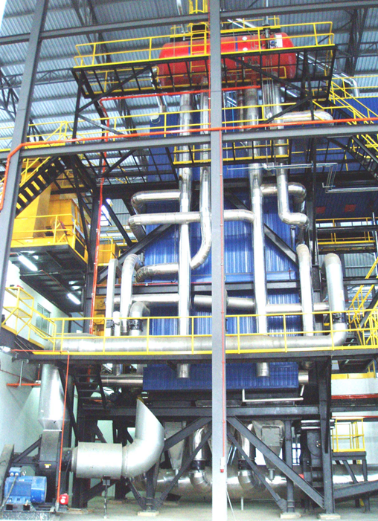
A hot water boiler is a heating system that transfers heat to water without converting it into steam. The heated water is circulated through pipes to provide thermal energy for building heating, industrial processes, or district heating systems, and then returned to the boiler for reheating in a continuous loop.
To understand how hot water boilers operate, it is important to examine their components, heat transfer process, circulation systems, and typical industrial applications.
Hot water boilers operate at lower pressures than steam boilers because the water is heated but not converted into steam.True
Since hot water systems do not require phase change from water to steam, they typically operate at lower pressures and temperatures than steam boiler systems.
1. Basic Definition of a Hot Water Boiler
A hot water boiler is a closed vessel designed to heat water and circulate it through a piping system for heating purposes.
Unlike steam boilers, hot water boilers:
- Heat water without boiling it into steam
- Operate at relatively low pressure
- Circulate water continuously through a loop
Hot water boilers are commonly used in:
- Building heating systems
- District heating networks
- Industrial process heating
- Hospitals and institutional facilities
- Greenhouses and agricultural heating
Because the system does not require steam generation, it often provides more stable temperature control.
2. Main Components of a Hot Water Boiler System
A typical hot water boiler system consists of several interconnected components that work together to heat and circulate water.
| Component | Function |
|---|---|
| Burner or heating element | Generates heat energy |
| Heat exchanger | Transfers heat to the water |
| Circulation pump | Moves water through the system |
| Expansion tank | Absorbs thermal expansion |
| Control system | Regulates temperature and pressure |
| Supply and return pipes | Deliver and return heated water |
Each component plays an essential role in maintaining consistent heating performance.
3. Basic Working Principle of a Hot Water Boiler
The operation of a hot water boiler involves a continuous circulation process.
The typical operating sequence includes:
- Heat generation – Fuel such as natural gas, oil, biomass, or electricity produces heat inside the boiler.
- Heat transfer – Heat passes through the boiler’s heat exchanger into the water.
- Water heating – Water temperature rises but remains below its boiling point.
- Circulation – A pump moves hot water through pipes to heating equipment or radiators.
- Heat distribution – Heat is released into the surrounding space or process.
- Return flow – Cooler water returns to the boiler to be reheated.
This cycle repeats continuously while the system is operating.
4. Temperature and Pressure Conditions
Hot water boilers operate within controlled temperature and pressure ranges.
Typical operating conditions include:
| Parameter | Typical Range |
|---|---|
| Water temperature | 60–120°C |
| System pressure | 1–10 bar |
| Return water temperature | 40–70°C |
These conditions allow the system to deliver effective heating without producing steam.
5. Types of Hot Water Boilers
Hot water boilers can be classified based on design and application.
| Boiler Type | Description | Typical Use |
|---|---|---|
| Fire-tube hot water boiler | Hot gases pass through tubes surrounded by water | Commercial and light industrial heating |
| Water-tube hot water boiler | Water flows through tubes heated externally | Large industrial heating systems |
| Electric hot water boiler | Uses electric heating elements | Small facilities and backup systems |
Water-tube boilers are commonly used in large district heating systems because they can handle higher heating loads.
6. Heat Transfer and Circulation Methods
Hot water boilers rely on efficient heat transfer and circulation to deliver thermal energy.
Two main circulation methods are used:
| Circulation Type | Description |
|---|---|
| Natural circulation | Water moves due to density differences between hot and cold water |
| Forced circulation | Pumps actively move water through the system |
Most industrial hot water systems use forced circulation to maintain consistent temperature distribution.
7. Energy Efficiency Improvements
Modern hot water boilers include technologies designed to improve energy efficiency.
Common efficiency features include:
- Condensing heat exchangers
- Variable-speed pumps
- Advanced combustion control systems
- Heat recovery units
Condensing boilers, for example, capture additional heat from flue gases, increasing overall system efficiency.
8. Industrial and Commercial Applications
Hot water boilers are used in many sectors where controlled heating is required.
Examples include:
| Industry | Application |
|---|---|
| Commercial buildings | Space heating |
| Hospitals | Sterilization and heating |
| Food processing | Cleaning and process heating |
| District heating systems | Centralized heating supply |
| Agriculture | Greenhouse temperature control |
Because hot water can be circulated easily, these systems are highly adaptable.
9. Safety Features in Hot Water Boilers
Even though hot water boilers operate at lower pressures than steam systems, safety features are still essential.
Typical safety systems include:
- Pressure relief valves
- Temperature limit controls
- Low-water cutoff devices
- Automatic shutdown systems
These features prevent overheating and maintain safe operating conditions.
10. Differences Between Hot Water Boilers and Steam Boilers
Hot water boilers and steam boilers serve different purposes.
| Feature | Hot Water Boiler | Steam Boiler |
|---|---|---|
| Working fluid | Heated water | Steam |
| Operating pressure | Low to moderate | Higher pressure |
| Temperature control | More stable | Higher temperature capability |
| Typical use | Building heating | Industrial processes and power generation |
Selecting the correct system depends on the thermal requirements of the application.
Summary
A hot water boiler is a heating system that raises the temperature of water and circulates it through a closed-loop piping network to provide thermal energy for buildings, industrial processes, or district heating systems. Unlike steam boilers, hot water boilers do not convert water into steam, allowing them to operate at lower pressures with more stable temperature control. The system works by generating heat through fuel combustion or electric heating, transferring that heat to water in a heat exchanger, and circulating the heated water throughout the facility before returning it to the boiler for reheating. Because of their reliability, efficiency, and versatility, hot water boilers are widely used in commercial and industrial heating applications.
What Are the Key Operational Differences Between a Steam Boiler and a Hot Water Boiler?
Many facility managers and engineers often encounter confusion when deciding between a steam boiler and a hot water boiler. While both systems generate thermal energy for heating or industrial processes, their operating principles, pressure conditions, system configurations, and efficiency characteristics differ significantly. Choosing the wrong system can lead to inefficient energy use, unstable heating performance, unnecessary maintenance costs, or operational limitations. Understanding the key operational differences between steam boilers and hot water boilers is therefore essential for designing efficient energy systems and ensuring that the selected boiler technology aligns with the specific application requirements.
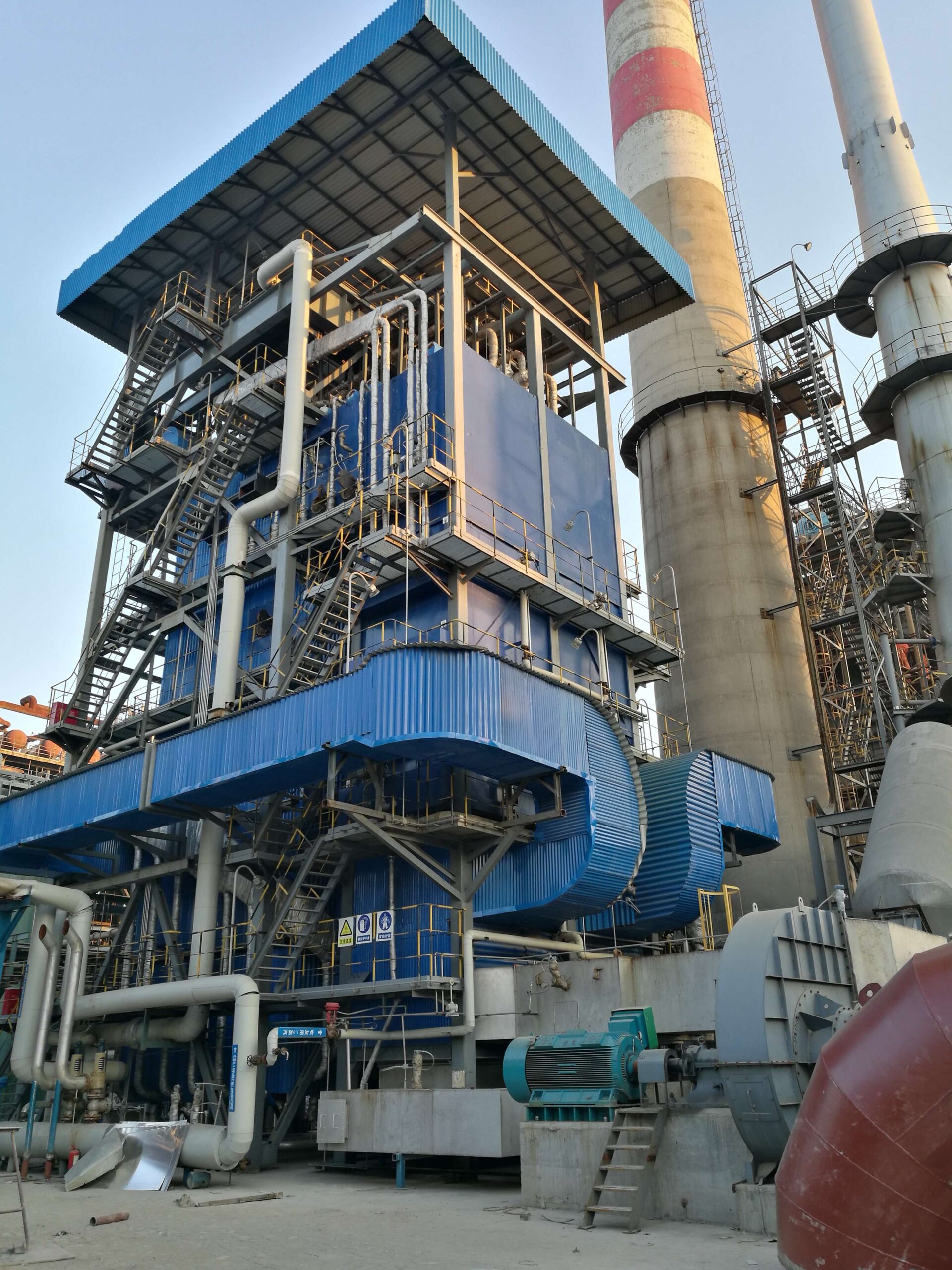
The key operational difference between a steam boiler and a hot water boiler is that a steam boiler heats water until it turns into steam under pressure, while a hot water boiler heats water without boiling it and circulates the heated water through a closed-loop system. Steam boilers operate at higher pressures and temperatures for industrial processes and power generation, whereas hot water boilers operate at lower pressures for building heating and moderate industrial applications.
To fully understand these operational differences, it is important to examine how each system works, how heat is transferred, and how they are applied in various industries.
Steam boilers generally operate at higher pressures and temperatures than hot water boilers due to the phase change from water to steam.True
Producing steam requires additional energy to convert water into vapor, which typically involves higher pressure and temperature conditions compared to hot water heating systems.
1. Fundamental Operating Principle
The most fundamental difference lies in the phase of the working fluid.
A steam boiler converts water into steam by heating it beyond the boiling point under pressure. The generated steam carries large amounts of thermal energy that can be transported through pipes and used for industrial processes or power generation.
A hot water boiler, on the other hand, simply heats water without allowing it to reach the boiling point. The heated water circulates through pipes and transfers heat to equipment, radiators, or heating coils.
Basic process comparison:
| Boiler Type | Working Fluid State | Operating Concept |
|---|---|---|
| Steam Boiler | Steam (vapor) | Water is boiled to produce pressurized steam |
| Hot Water Boiler | Liquid water | Water is heated and circulated without boiling |
This fundamental difference affects nearly every operational characteristic of the system.
2. Temperature and Pressure Conditions
Steam boilers must reach higher temperatures and pressures to generate steam.
Typical operating ranges:
| Parameter | Steam Boiler | Hot Water Boiler |
|---|---|---|
| Temperature | 150–540°C (depending on system) | 60–120°C |
| Pressure | 10–100+ bar | 1–10 bar |
| Working fluid phase | Vapor | Liquid |
Higher pressure in steam boilers increases the energy content of steam, making it suitable for driving turbines and supporting energy-intensive industrial processes.
Hot water boilers operate at lower pressure levels, which simplifies system design and safety management.
3. Heat Distribution Method
Steam boilers distribute heat through the movement of steam.
When steam reaches the point of use, it condenses back into water and releases latent heat, which is a highly efficient heat transfer mechanism.
Hot water boilers distribute heat through circulating hot water.
Circulation is maintained by pumps that move heated water through the system.
Distribution comparison:
| Feature | Steam Boiler | Hot Water Boiler |
|---|---|---|
| Heat transfer method | Steam condensation | Water circulation |
| Transport mechanism | Steam pressure | Circulating pumps |
| Energy density | Higher | Moderate |
Steam carries more energy per unit mass, making it effective for large industrial systems.
4. System Complexity and Equipment
Steam boiler systems typically require additional equipment to handle steam generation and condensation.
Key components include:
- Steam drum
- Superheater
- Condensate return system
- Steam traps
- Pressure-reducing valves
Hot water systems are generally simpler and consist of:
- Heat exchanger
- Circulation pumps
- Expansion tank
- Temperature control system
System complexity comparison:
| System Aspect | Steam Boiler | Hot Water Boiler |
|---|---|---|
| System complexity | Higher | Lower |
| Additional equipment | Condensate and steam traps | Expansion tank and pumps |
| Maintenance requirements | Higher | Lower |
The additional components in steam systems increase both operational complexity and maintenance needs.
5. Energy Efficiency Characteristics
Steam systems are highly effective for large-scale industrial heat transfer because steam releases large amounts of energy when condensing.
However, steam systems can experience energy losses due to:
- Steam leaks
- Condensate losses
- Heat loss from piping
Hot water systems often achieve high efficiency for building heating because water remains within a closed loop and energy losses are lower.
Efficiency comparison:
| Efficiency Factor | Steam Boiler | Hot Water Boiler |
|---|---|---|
| Heat transfer capacity | Very high | Moderate |
| Distribution losses | Higher potential | Lower |
| Suitable scale | Large industrial systems | Buildings and moderate loads |
Each system performs best in different applications.
6. Safety Considerations
Because steam boilers operate at higher pressures, they require stricter safety controls.
Steam boiler safety systems typically include:
- Pressure relief valves
- Low-water cutoff systems
- Steam pressure regulators
Hot water boilers operate at lower pressure levels, which reduces the risk of high-pressure failure.
Safety comparison:
| Safety Aspect | Steam Boiler | Hot Water Boiler |
|---|---|---|
| Pressure risk | Higher | Lower |
| Regulatory requirements | More stringent | Moderate |
| Safety system complexity | Greater | Simpler |
This difference is one reason hot water boilers are widely used in commercial buildings.
7. Industrial and Commercial Applications
Steam boilers are commonly used in industries that require high temperatures or power generation.
Examples include:
| Industry | Typical Boiler Type |
|---|---|
| Power plants | Steam boiler |
| Chemical manufacturing | Steam boiler |
| Food sterilization | Steam boiler |
| Textile processing | Steam boiler |
| District heating | Hot water boiler |
| Commercial buildings | Hot water boiler |
Steam systems are ideal for energy-intensive processes, while hot water systems are better suited for controlled heating applications.
8. Startup and Operational Response
Hot water boilers generally respond faster to changing heating demand because they do not require phase change.
Steam boilers take longer to reach operating conditions because water must be heated to boiling temperature and pressure must stabilize.
Operational response comparison:
| Factor | Steam Boiler | Hot Water Boiler |
|---|---|---|
| Startup time | Longer | Shorter |
| Load response | Moderate | Faster |
| Operational flexibility | Moderate | High |
This makes hot water boilers more adaptable for variable heating loads.
9. Maintenance Requirements
Steam boiler systems require regular inspection and maintenance of components such as steam traps, condensate systems, and pressure controls.
Hot water systems typically require less maintenance because they operate under lower pressure and have fewer components.
Maintenance comparison:
| Maintenance Area | Steam Boiler | Hot Water Boiler |
|---|---|---|
| Inspection frequency | Higher | Lower |
| Component complexity | Greater | Simpler |
| Operating costs | Higher | Lower |
Maintenance considerations often influence system selection.
Summary
The key operational differences between a steam boiler and a hot water boiler stem from how each system produces and distributes heat. Steam boilers generate pressurized steam by boiling water and are typically used in high-temperature industrial processes and power generation. Hot water boilers heat water without converting it into steam and circulate the heated water through a closed-loop system, making them ideal for building heating and moderate industrial applications. Steam boilers operate at higher pressures and temperatures, involve more complex systems, and require stricter safety controls, while hot water boilers offer simpler operation, lower pressure conditions, and easier maintenance. Selecting the appropriate system depends on the specific heating requirements, efficiency goals, and operational environment of the facility.
How Do Pressure and Temperature Levels Differ in a Steam Boiler vs Hot Water Boiler?
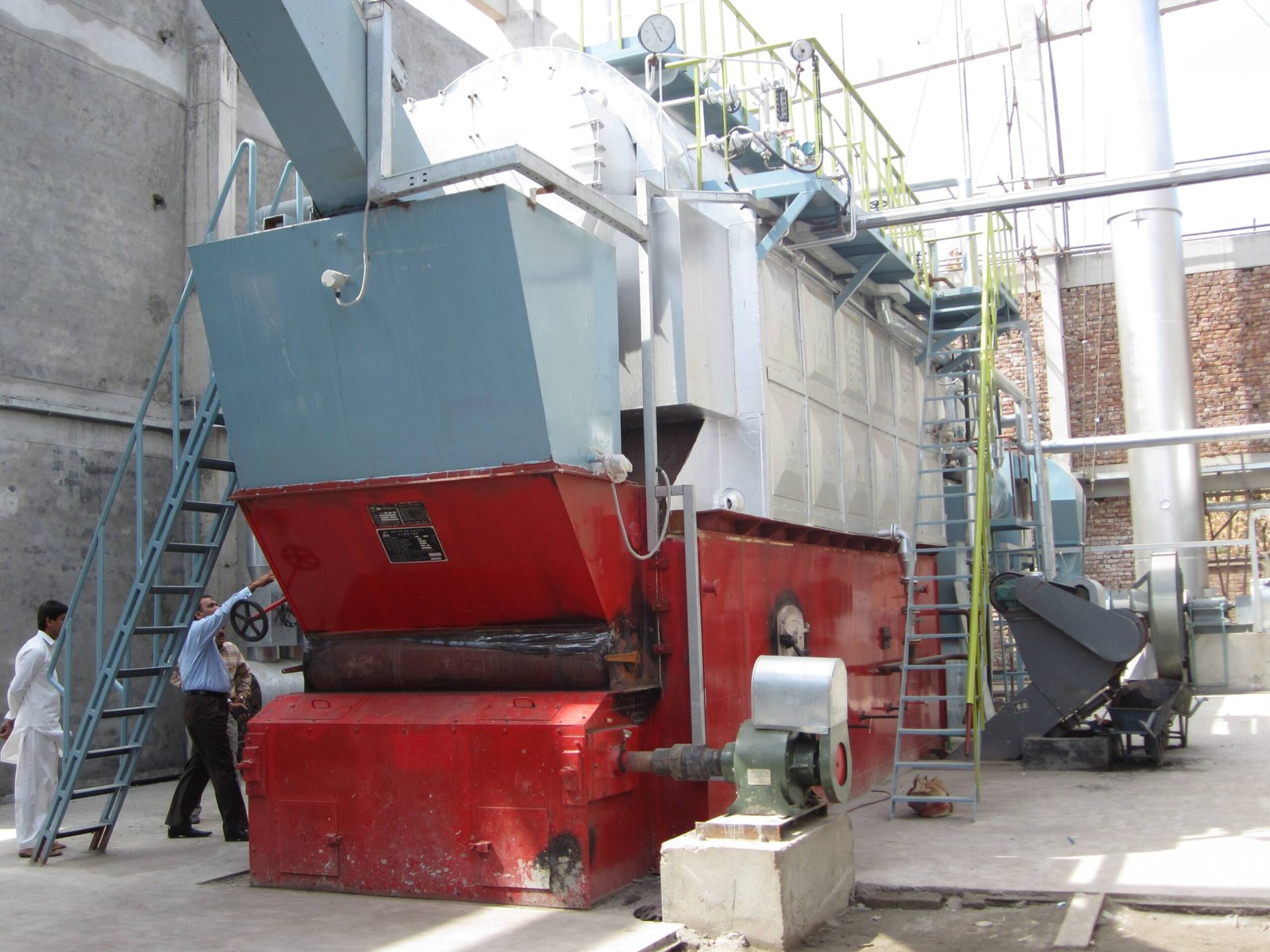
In industrial heating and energy systems, both steam boilers and hot water boilers are widely used to generate thermal energy. However, one of the most significant operational differences between these systems lies in their pressure and temperature levels. These parameters directly influence system efficiency, safety requirements, equipment design, and application suitability. Many facility managers and engineers mistakenly assume that both boiler types operate under similar conditions, but in reality, steam boilers typically function at much higher pressure and temperature ranges due to the phase change required to convert water into steam. Understanding these differences is essential for selecting the correct boiler system, optimizing operational efficiency, and ensuring safe operation.
Steam boilers operate at significantly higher pressure and temperature levels than hot water boilers because they must heat water beyond its boiling point to produce pressurized steam. Typical steam boilers operate between 10–100+ bar and 150–540°C depending on the application, while hot water boilers generally operate at 1–10 bar and temperatures between 60–120°C because the water remains in liquid form without undergoing phase change.
These differences in operating conditions affect every aspect of boiler design and performance.
Steam boilers require higher pressure and temperature levels than hot water boilers because producing steam involves both sensible heat and latent heat during the phase change process.True
Converting water to steam requires additional energy beyond simple heating, which increases the required temperature and pressure conditions compared to hot water systems.
1. Fundamental Thermodynamic Difference
The difference in pressure and temperature levels begins with the thermodynamic process involved.
Hot water boilers only heat water within the liquid phase. The water temperature rises but remains below the boiling point.
Steam boilers must provide enough energy to:
- Heat water to its boiling temperature.
- Supply latent heat to convert water into vapor.
This phase change dramatically increases the energy required and therefore increases operating temperature and pressure.
| Boiler Type | Phase of Water | Thermodynamic Process |
|---|---|---|
| Hot Water Boiler | Liquid water | Sensible heat transfer only |
| Steam Boiler | Steam vapor | Sensible heat + latent heat |
Because of this additional energy requirement, steam boilers operate under higher pressure and temperature conditions.
2. Typical Pressure Ranges
Pressure is one of the most important operational differences between the two systems.
Typical industrial pressure ranges include:
| Boiler Type | Typical Pressure Range | Application |
|---|---|---|
| Hot Water Boiler | 1–10 bar | Building heating and district heating |
| Low-pressure Steam Boiler | 10–25 bar | Industrial process heating |
| Medium-pressure Steam Boiler | 25–45 bar | Industrial manufacturing |
| High-pressure Steam Boiler | 60–100+ bar | Power generation and CHP plants |
Higher pressure increases the energy content of steam, allowing it to perform mechanical work in turbines or deliver large amounts of thermal energy in industrial processes.
Hot water boilers generally operate at much lower pressure because the system does not require vapor formation.
3. Temperature Range Differences
Temperature levels also differ significantly between the two boiler types.
Typical operating temperatures:
| Boiler Type | Temperature Range |
|---|---|
| Hot Water Boiler | 60–120°C |
| Saturated Steam Boiler | 150–300°C |
| Superheated Steam Boiler | 400–540°C |
Steam boilers often include superheaters that raise steam temperature well above the saturation point to increase energy efficiency and turbine performance.
Hot water boilers are designed to stay below the boiling point to prevent steam formation.
4. Relationship Between Pressure and Temperature
In steam boilers, pressure and temperature are directly related through the saturation curve of water.
As pressure increases, the boiling temperature also increases.
Examples:
| Pressure | Saturation Temperature |
|---|---|
| 1 bar | 100°C |
| 10 bar | ~184°C |
| 20 bar | ~212°C |
| 80 bar | ~295°C |
This relationship explains why high-pressure steam boilers can operate at extremely high temperatures.
Hot water boilers typically operate below these saturation limits.
5. System Design Implications
The higher pressure and temperature of steam boilers require more robust engineering design.
Steam boiler design considerations include:
- Thicker pressure vessel walls
- High-strength alloy materials
- Superheater components
- Advanced pressure control systems
Hot water boilers require less structural reinforcement because they operate at lower pressure.
Design comparison:
| Design Feature | Steam Boiler | Hot Water Boiler |
|---|---|---|
| Structural strength | High | Moderate |
| Pressure vessel thickness | Greater | Lower |
| System complexity | Higher | Simpler |
6. Energy Transport Capability
Steam carries more energy than hot water because it contains both sensible heat and latent heat.
Energy comparison example:
| Medium | Approximate Energy Content |
|---|---|
| Hot water (100°C) | Moderate |
| Steam (100°C) | Very high |
When steam condenses back into water, it releases a large amount of latent heat, making steam extremely effective for industrial heat transfer.
Hot water systems rely solely on temperature differences to transfer heat.
7. Safety and Regulatory Impact
Higher pressure and temperature levels increase safety risks.
Steam boilers must comply with stricter safety regulations and include features such as:
- Pressure relief valves
- Low-water cutoff devices
- Flame safety systems
- Continuous monitoring instrumentation
Hot water boilers operate under less extreme conditions and therefore have fewer regulatory requirements.
8. Application Suitability
Because of the pressure and temperature differences, each boiler type serves different applications.
| Application | Preferred Boiler Type |
|---|---|
| Power generation | Steam boiler |
| Chemical processing | Steam boiler |
| Food sterilization | Steam boiler |
| Textile processing | Steam boiler |
| Building heating | Hot water boiler |
| District heating | Hot water boiler |
Steam systems are ideal when high temperatures or mechanical energy are required.
Hot water systems are better suited for controlled heating applications.
9. Operational Flexibility
Hot water boilers respond more quickly to load changes because they do not require phase change.
Steam boilers require additional time to stabilize pressure and temperature conditions.
Operational response comparison:
| Factor | Steam Boiler | Hot Water Boiler |
|---|---|---|
| Startup time | Longer | Faster |
| Load response | Moderate | Rapid |
| System control complexity | Higher | Lower |
These operational differences influence system selection in many facilities.
Summary
Pressure and temperature levels differ significantly between steam boilers and hot water boilers due to the fundamental thermodynamic processes involved. Steam boilers operate at higher pressures (typically 10–100+ bar) and temperatures (150–540°C) because they must convert water into steam and often superheat the vapor for industrial processes or power generation. Hot water boilers operate at much lower pressures (1–10 bar) and temperatures (60–120°C) because they simply heat water without producing steam. These differences influence system design, safety requirements, energy transport capability, and application suitability. Understanding these operational distinctions is essential for selecting the correct boiler technology and ensuring efficient and safe heating system performance.
Which Applications Require a Steam Boiler Instead of a Hot Water Boiler?
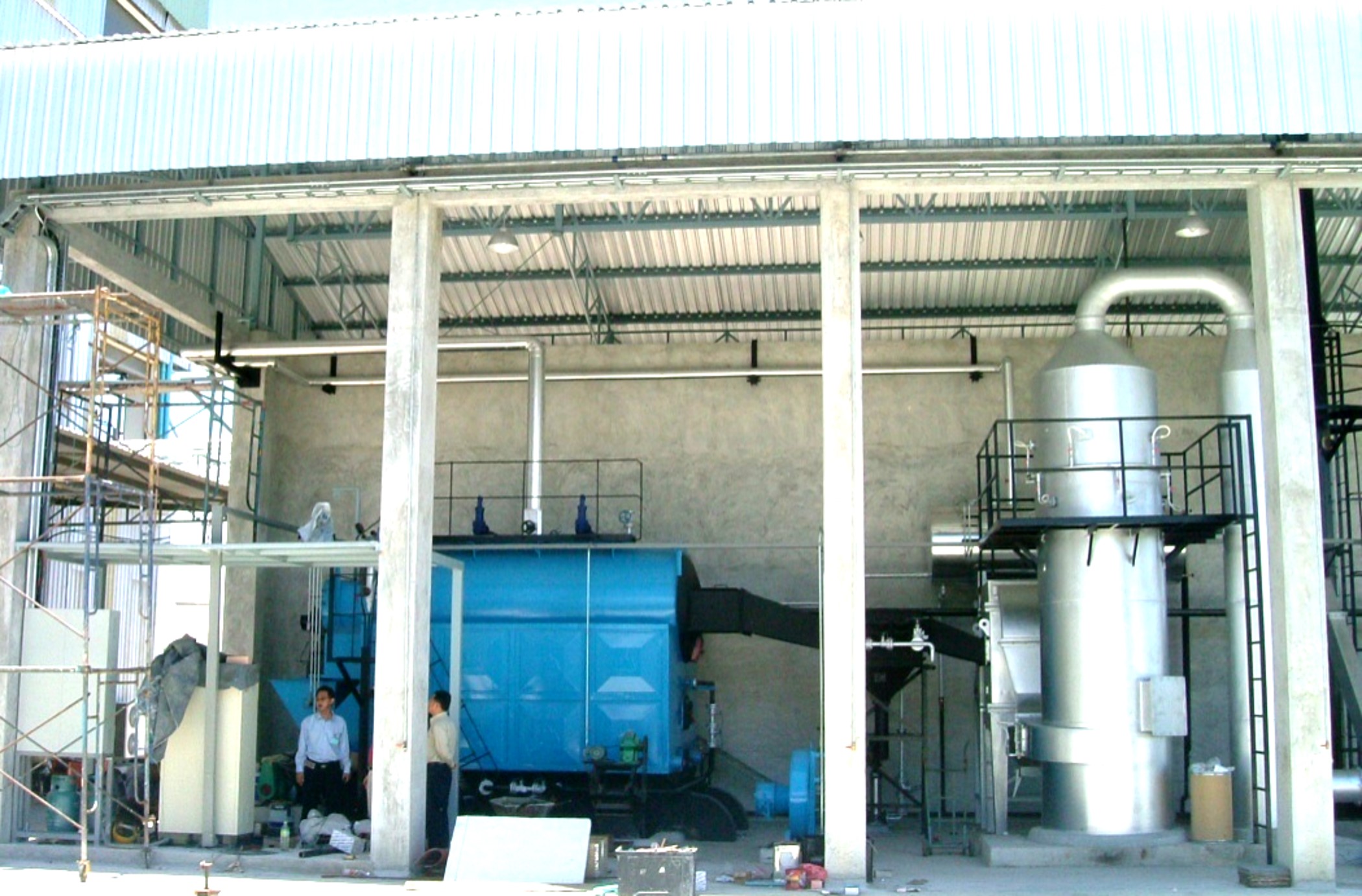
Many facilities that require thermal energy must decide whether a steam boiler or a hot water boiler is the appropriate solution. While hot water boilers are commonly used for building heating and moderate industrial heating loads, there are numerous industrial applications where only a steam boiler can provide the required performance. This is primarily because steam carries significantly more energy than hot water and can deliver heat through phase change, releasing large amounts of latent heat when it condenses. In addition, steam can perform mechanical work, sterilize equipment at high temperatures, and support chemical reactions that require precise temperature control. For these reasons, certain industries and processes specifically require steam boilers rather than hot water systems.
Applications that require a steam boiler instead of a hot water boiler include power generation, sterilization processes, high-temperature industrial manufacturing, chemical reactions requiring steam heating, textile processing, food sterilization, pulp and paper production, and large-scale industrial drying systems. These processes rely on the high temperature, high energy density, and pressure characteristics of steam that hot water systems cannot provide.
Understanding these application requirements helps engineers select the appropriate boiler technology for optimal efficiency and performance.
Steam carries significantly more usable heat energy than hot water because it releases latent heat when condensing.True
When steam condenses into water, it releases a large amount of latent heat, making it highly effective for industrial heat transfer and high-temperature applications.
1. Power Generation and Steam Turbine Systems
One of the most important applications that requires steam boilers is electricity generation.
Steam turbines rely on high-pressure steam to produce mechanical energy that drives generators.
Typical power generation steam conditions include:
| Parameter | Typical Value |
|---|---|
| Pressure | 60–100+ bar |
| Temperature | 450–540°C |
| Steam Type | Superheated steam |
Hot water boilers cannot produce the high-pressure vapor required to spin turbines, making steam boilers essential for power plants and combined heat and power (CHP) systems.
2. Industrial Sterilization Processes
Many industries require sterilization processes that demand high temperatures and pressurized steam.
Common sterilization applications include:
- Food processing
- Pharmaceutical manufacturing
- Medical equipment sterilization
Steam sterilization works by delivering saturated steam at high temperature and pressure to eliminate bacteria and microorganisms.
Typical sterilization conditions:
| Parameter | Typical Range |
|---|---|
| Temperature | 121–134°C |
| Pressure | 2–3 bar |
| Exposure time | 15–30 minutes |
Hot water systems cannot achieve the same sterilization effectiveness because they lack the phase-change heat transfer capability of steam.
3. Chemical Processing and Reactor Heating
Chemical manufacturing frequently requires steam to provide controlled and uniform heat to reactors, distillation columns, and heat exchangers.
Steam is ideal for these processes because:
- It delivers precise temperature control
- It distributes heat evenly across large surfaces
- Condensing steam provides consistent thermal energy
Chemical plants commonly use steam boilers operating between 10 and 45 bar depending on the process requirements.
4. Food and Beverage Manufacturing
Steam boilers are widely used in the food industry for:
- Cooking
- Pasteurization
- Sterilization
- Cleaning and sanitation
Steam is particularly useful because it provides rapid heat transfer while maintaining consistent temperatures.
Examples of food processing applications requiring steam include:
| Food Industry Process | Purpose of Steam |
|---|---|
| Dairy pasteurization | Kill bacteria |
| Brewing | Mash heating |
| Canning | Sterilization |
| Baking | Humidity control |
Hot water boilers cannot provide the rapid heat transfer required for many of these processes.
5. Textile Manufacturing
Textile production uses steam in several stages of fabric processing.
Key steam applications include:
- Dyeing
- Fabric finishing
- Pressing
- Shrinkage control
Steam provides uniform heat and moisture, which helps maintain fabric quality during production.
Typical textile steam conditions:
| Parameter | Typical Range |
|---|---|
| Pressure | 6–12 bar |
| Temperature | 160–190°C |
Hot water systems cannot provide the same humidity and temperature conditions required for textile treatment.
6. Pulp and Paper Production
Pulp and paper mills are among the largest users of steam boilers in industry.
Steam is used for:
- Wood pulp digestion
- Paper drying
- Chemical recovery processes
Drying large paper sheets requires high volumes of steam delivered through heated cylinders.
Because of the large energy demand, pulp and paper plants typically operate medium- or high-pressure steam boilers.
7. Industrial Drying Applications
Many manufacturing industries require drying processes that rely on steam.
Steam heating is used in:
- Grain drying
- Timber processing
- Industrial coating and curing
Steam drying systems are efficient because they provide high heat transfer rates and stable temperature control.
8. District Heating with Steam Networks
Some older or high-temperature district heating networks distribute steam instead of hot water.
Steam is preferred in certain cases because:
- It carries more energy per unit mass
- It can travel long distances efficiently
- It supports industrial heating loads
However, many modern district heating systems now use hot water for improved efficiency.
9. Oil and Gas Industry Applications
Steam plays a crucial role in oil and gas extraction and refining.
Common steam-based processes include:
- Steam injection for enhanced oil recovery
- Crude oil heating
- Refinery distillation operations
High-temperature steam helps reduce crude oil viscosity, allowing easier extraction and processing.
10. Comparison: When Steam Boilers Are Necessary
The following table summarizes applications where steam boilers are preferred over hot water boilers.
| Application | Steam Boiler Required | Reason |
|---|---|---|
| Power generation | Yes | Drives turbines |
| Sterilization | Yes | High-temperature steam needed |
| Chemical processing | Yes | Precise heat transfer |
| Food processing | Often | Rapid heating and sanitation |
| Textile manufacturing | Yes | Moist heat treatment |
| Paper production | Yes | Large-scale drying |
| Building heating | Usually no | Hot water sufficient |
This comparison highlights the unique capabilities of steam boilers in energy-intensive industrial processes.
Summary
Certain industrial and commercial applications require steam boilers instead of hot water boilers due to the unique properties of steam. Steam can deliver high-temperature heat, provide large amounts of energy through latent heat release, drive turbines for power generation, and support specialized industrial processes such as sterilization, chemical reactions, textile treatment, and paper drying. While hot water boilers are suitable for building heating and moderate industrial heating tasks, steam boilers are essential for high-temperature, high-energy, and mechanical work applications. Selecting the correct boiler type based on application requirements ensures optimal efficiency, reliability, and operational performance.
How Should You Choose Between a Steam Boiler and a Hot Water Boiler?
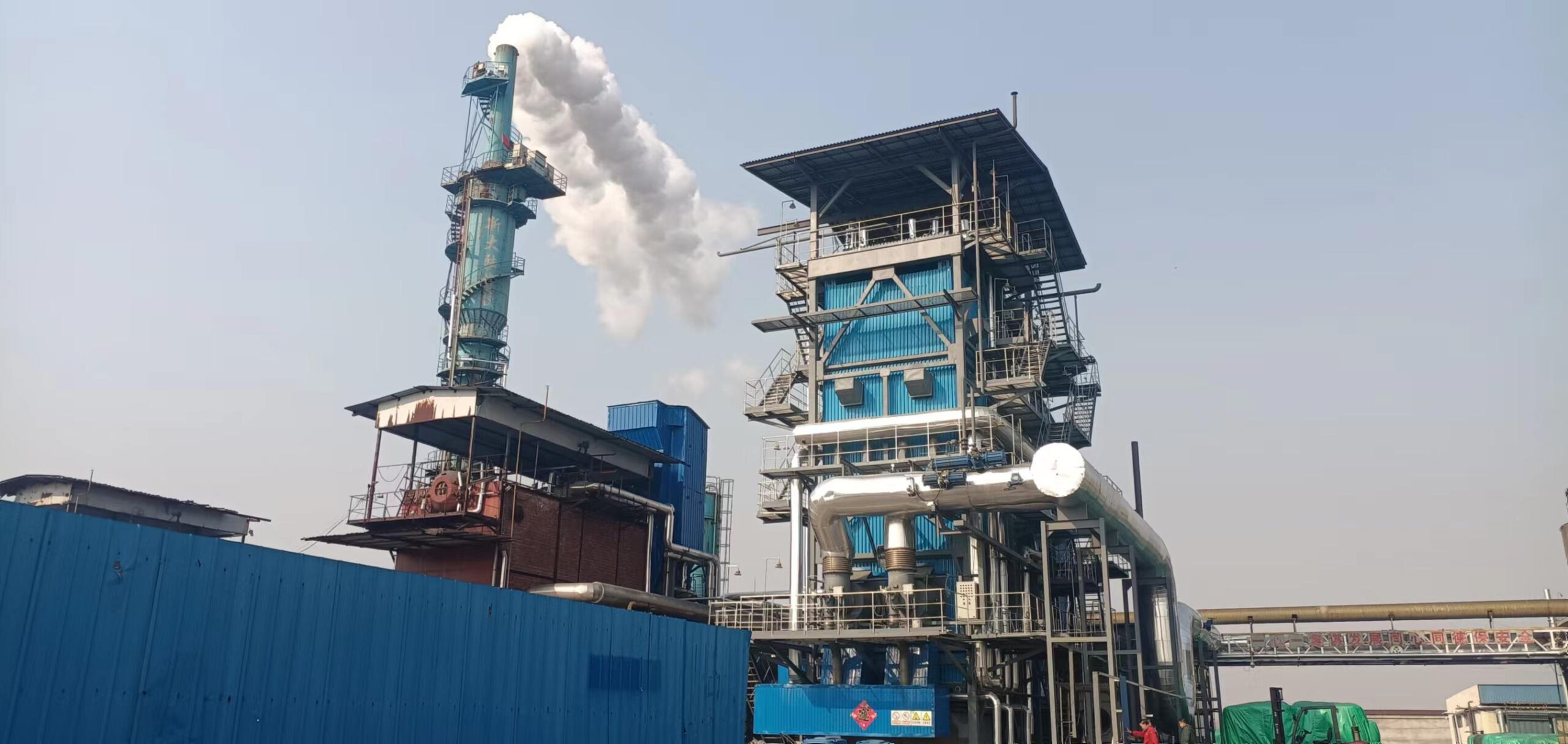
Choosing between a steam boiler and a hot water boiler is a critical decision for many industrial facilities, commercial buildings, and energy systems. Both technologies generate thermal energy, but they operate under different thermodynamic principles, pressure levels, and system configurations. Selecting the wrong boiler type can lead to inefficient energy use, higher operating costs, safety risks, or limitations in meeting process heating requirements. Engineers and facility managers must carefully evaluate factors such as temperature requirements, process demands, system complexity, operational cost, and long-term scalability before determining the most appropriate solution.
The choice between a steam boiler and a hot water boiler depends primarily on the application’s temperature and pressure requirements, the type of heat transfer needed, system complexity, and operational efficiency goals. Steam boilers are best suited for high-temperature industrial processes, sterilization, and power generation, while hot water boilers are typically preferred for building heating, district heating, and moderate-temperature industrial applications.
A systematic evaluation of operational requirements ensures the selected boiler technology delivers optimal efficiency and reliability.
Steam boilers are generally required for industrial processes that need temperatures above 150°C or applications involving mechanical energy generation.True
Steam systems can reach higher temperatures and pressures, making them suitable for industrial processes and power generation where hot water systems cannot provide sufficient energy.
1. Evaluate the Required Temperature and Pressure
The most important factor when choosing a boiler system is the temperature and pressure required by the application.
Steam boilers are capable of operating at significantly higher temperatures and pressures than hot water boilers.
Typical operating conditions:
| Boiler Type | Temperature Range | Pressure Range |
|---|---|---|
| Hot Water Boiler | 60–120°C | 1–10 bar |
| Low-Pressure Steam Boiler | 150–200°C | 10–25 bar |
| Medium-Pressure Steam Boiler | 200–300°C | 25–45 bar |
| High-Pressure Steam Boiler | 400–540°C | 60–100+ bar |
Applications requiring temperatures above the boiling point of water usually require a steam boiler.
2. Consider the Type of Heat Transfer Needed
Heat transfer methods differ between steam and hot water systems.
Steam boilers transfer heat through condensation. When steam condenses into water, it releases latent heat, delivering large amounts of thermal energy.
Hot water boilers transfer heat through temperature difference between circulating water and the heated surface.
Heat transfer comparison:
| Feature | Steam Boiler | Hot Water Boiler |
|---|---|---|
| Heat transfer mechanism | Latent heat release | Sensible heat transfer |
| Energy density | High | Moderate |
| Heat transfer efficiency | Very high for industrial processes | High for building heating |
Industries requiring rapid and intense heat transfer often rely on steam systems.
3. Assess System Complexity and Infrastructure
Steam boiler systems typically require more complex infrastructure.
Components in a steam system often include:
- Steam drum
- Condensate return system
- Steam traps
- Pressure-reducing valves
- Superheaters
Hot water systems are usually simpler and consist mainly of:
- Circulation pumps
- Heat exchangers
- Expansion tanks
- Temperature control valves
Infrastructure comparison:
| System Feature | Steam Boiler | Hot Water Boiler |
|---|---|---|
| System complexity | Higher | Lower |
| Installation cost | Higher | Lower |
| Maintenance requirements | Higher | Lower |
Facilities seeking a simpler heating solution often prefer hot water systems.
4. Evaluate Energy Efficiency and Operating Costs
Both boiler types can achieve high efficiency when properly designed and operated.
However, efficiency depends on how the system matches the application.
Steam systems may experience energy losses from:
- Steam leaks
- Condensate losses
- Heat loss in piping
Hot water systems often maintain higher efficiency in building heating applications because water circulates within a closed loop.
Efficiency considerations:
| Efficiency Factor | Steam Boiler | Hot Water Boiler |
|---|---|---|
| Heat transfer capacity | Very high | Moderate |
| Distribution losses | Higher potential | Lower |
| Energy recovery options | Good with condensate recovery | Excellent with condensing boilers |
Selecting the correct system improves long-term energy performance.
5. Analyze Application Requirements
Certain applications clearly favor one boiler type over the other.
Typical industry examples:
| Industry | Preferred Boiler Type | Reason |
|---|---|---|
| Power generation | Steam boiler | Drives turbines |
| Chemical processing | Steam boiler | High-temperature heating |
| Food sterilization | Steam boiler | Steam sanitation |
| Textile manufacturing | Steam boiler | Moist heat processing |
| Commercial buildings | Hot water boiler | Space heating |
| District heating | Hot water boiler | Efficient heat distribution |
Understanding the specific heating needs of the facility is essential for selecting the right system.
6. Consider Safety and Regulatory Requirements
Steam boilers operate at higher pressures, which introduces greater safety considerations.
Steam systems require:
- More robust pressure vessels
- Strict inspection programs
- Advanced safety valves and controls
Hot water boilers operate under lower pressure and typically involve simpler safety systems.
Safety comparison:
| Safety Aspect | Steam Boiler | Hot Water Boiler |
|---|---|---|
| Pressure risk | Higher | Lower |
| Regulatory oversight | Strict | Moderate |
| Operator training requirements | Higher | Lower |
Facilities must ensure that staff and infrastructure can support the chosen system.
7. Evaluate Operational Flexibility
Hot water boilers generally respond more quickly to changing heating demand because they do not require phase change.
Steam boilers often take longer to start and stabilize.
Operational comparison:
| Factor | Steam Boiler | Hot Water Boiler |
|---|---|---|
| Startup time | Longer | Shorter |
| Load response | Moderate | Faster |
| Operational flexibility | Moderate | High |
Facilities with highly variable heating loads may prefer hot water systems.
8. Long-Term Scalability and Future Needs
When planning new facilities, engineers should consider potential future expansion.
Steam systems may provide greater scalability for:
- Additional industrial processes
- CHP integration
- Power generation
Hot water systems are often optimized for building heating and may be less adaptable to high-temperature industrial processes.
9. Environmental and Energy Considerations
Environmental performance is becoming increasingly important when selecting boiler technology.
Both steam and hot water boilers can use a variety of fuels, including:
- Natural gas
- Biomass
- Electricity
- Hydrogen-ready systems
Modern condensing hot water boilers often achieve very high efficiency levels in building heating applications, while advanced steam systems can integrate waste heat recovery and CHP technologies.
10. Practical Decision Framework
Engineers often use a simple decision framework when selecting a boiler type.
| Key Requirement | Recommended Boiler |
|---|---|
| High-temperature industrial process | Steam boiler |
| Power generation | Steam boiler |
| Sterilization and sanitation | Steam boiler |
| Building heating | Hot water boiler |
| District heating networks | Hot water boiler |
| Low-pressure industrial heating | Hot water boiler |
This framework helps guide early project planning.
Summary
Choosing between a steam boiler and a hot water boiler requires a careful evaluation of temperature and pressure requirements, heat transfer mechanisms, system complexity, energy efficiency goals, safety considerations, and application-specific demands. Steam boilers are best suited for high-temperature industrial processes, sterilization, and power generation because they deliver large amounts of energy through pressurized steam. Hot water boilers, on the other hand, are ideal for building heating and moderate industrial heating applications due to their lower pressure operation, simpler system design, and operational flexibility. Selecting the appropriate system ensures reliable performance, improved efficiency, and long-term operational success.
🔍 Conclusion
Steam boilers and hot water boilers serve different purposes and operate under different physical principles. Steam boilers generate pressurized vapor for industrial processes and high-energy heat transfer, while hot water boilers circulate heated liquid for building heating and lower-temperature applications. Selecting the right system depends on process requirements, temperature needs, pressure levels, and energy efficiency goals.
🔹 Contact our engineering team today to find the boiler solution that delivers the performance, efficiency, and reliability your operation requires. ♨️📊✅
Frequently Asked Questions
What is the main difference between a steam boiler and a hot water boiler?
The primary difference between a steam boiler and a hot water boiler lies in how they generate and deliver heat. A steam boiler heats water until it turns into steam, which is then distributed through pipes to provide heat or power industrial processes. In contrast, a hot water boiler heats water to a specific temperature but keeps it in liquid form, circulating it through pipes for heating purposes.
Steam boilers typically operate at higher temperatures and pressures because water must reach its boiling point to produce steam. This steam carries large amounts of thermal energy and can be used for industrial manufacturing, sterilization, power generation, and food processing.
Hot water boilers, on the other hand, operate at lower temperatures and pressures. They circulate heated water through radiators, floor heating systems, or heat exchangers. These systems are commonly used for building heating, district heating networks, and commercial facilities.
Another key difference is system complexity. Steam systems require condensate return lines to recycle condensed steam back into water, while hot water systems use continuous water circulation. Because of this, hot water boilers are generally simpler, safer, and easier to maintain.
How do steam boilers work compared to hot water boilers?
Steam boilers work by heating water in a pressure vessel until it reaches boiling temperature and turns into steam. This steam is then transported through a network of pipes to deliver heat or mechanical energy. After releasing its heat, the steam condenses back into water and returns to the boiler through a condensate return system for reheating.
This process allows steam boilers to deliver high-energy heat transfer, which is why they are widely used in industrial operations such as chemical processing, textile manufacturing, and power generation.
Hot water boilers operate differently. Instead of converting water into steam, they heat water to a controlled temperature—usually between 60°C and 90°C for building heating systems. A circulation pump moves the hot water through pipes and heating equipment like radiators or heat exchangers. After transferring heat, the cooler water returns to the boiler for reheating.
Because hot water boilers operate under lower pressure and do not require steam condensation systems, they tend to be simpler and more energy-efficient for heating applications.
Which boiler type is more energy efficient?
The efficiency of a boiler depends largely on the application rather than the boiler type itself. However, for building heating systems, hot water boilers are generally more energy-efficient.
Hot water systems experience fewer heat losses because water remains in liquid form and can be precisely controlled using pumps and thermostats. Modern condensing hot water boilers can achieve efficiency levels above 90% by capturing heat from exhaust gases.
Steam boilers may lose energy through steam leakage, condensate loss, and pipe heat dissipation. Maintaining pressure and managing condensate systems also requires additional energy.
Despite this, steam boilers remain highly efficient for industrial processes requiring high-temperature heat or mechanical energy. For example, steam turbines in power plants rely on high-pressure steam to generate electricity efficiently.
Therefore, hot water boilers are usually better for space heating, while steam boilers are more suitable for industrial applications requiring high thermal energy.
What are the typical pressure differences between steam and hot water boilers?
Steam boilers typically operate at much higher pressures than hot water boilers. Low-pressure steam boilers usually run at pressures below 15 psi (about 1 bar), commonly used in heating systems or small industrial applications.
High-pressure steam boilers used in industrial plants or power generation facilities can operate from 150 psi to over 1,000 psi depending on the design and purpose. Higher pressure allows steam to carry more energy and improves turbine performance in power generation.
Hot water boilers operate at significantly lower pressures. Residential and commercial systems often run between 10 psi and 30 psi. Even large industrial hot water boilers generally operate below 160 psi.
Because of these differences, steam boilers require stronger pressure vessels, stricter safety systems, and more frequent inspections. Hot water boilers are considered safer and easier to maintain due to their lower operating pressures.
Which industries use steam boilers versus hot water boilers?
Steam boilers are widely used in industries that require high-temperature heat, sterilization, or mechanical power. Common industries include food processing, chemical manufacturing, textile production, pharmaceutical manufacturing, paper mills, and power generation plants.
In these industries, steam is used for heating reactors, sterilizing equipment, drying materials, and driving turbines. Steam’s high energy content and ability to transfer heat quickly make it ideal for large-scale industrial processes.
Hot water boilers are typically used in applications focused on space heating or temperature control rather than high-energy industrial processes. They are commonly found in residential buildings, hotels, hospitals, schools, and district heating systems.
Large commercial facilities such as shopping centers or office complexes often rely on hot water boilers because they provide stable heating with lower energy consumption and simpler system design.
In summary, steam boilers dominate industrial production environments, while hot water boilers are more common in building heating and comfort applications.
References
- Boiler Types and Applications – https://www.energy.gov/eere/amo/steam-system-basics – U.S. Department of Energy
- Steam vs Hot Water Systems – https://www.spiraxsarco.com/learn-about-steam – Spirax Sarco
- Industrial Boiler Guide – https://www.carbontrust.com/resources/guides/energy-efficiency/boilers – Carbon Trust
- Boiler Safety and Operation – https://www.osha.gov/boilers – OSHA
- Steam Engineering Principles – https://www.spiraxsarco.com/learn-about-steam/steam-engineering-principles – Spirax Sarco
- Boiler Codes and Standards – https://www.asme.org/codes-standards – ASME
- Industrial Energy Efficiency – https://www.iea.org/topics/industry – International Energy Agency
- Heating Systems Overview – https://www.energy.gov/energysaver/home-heating-systems – U.S. Department of Energy
- Steam Systems Best Practices – https://www.epa.gov/e3 – U.S. Environmental Protection Agency
- Boiler Technology Overview – https://www.ieabioenergy.com – IEA Bioenergy