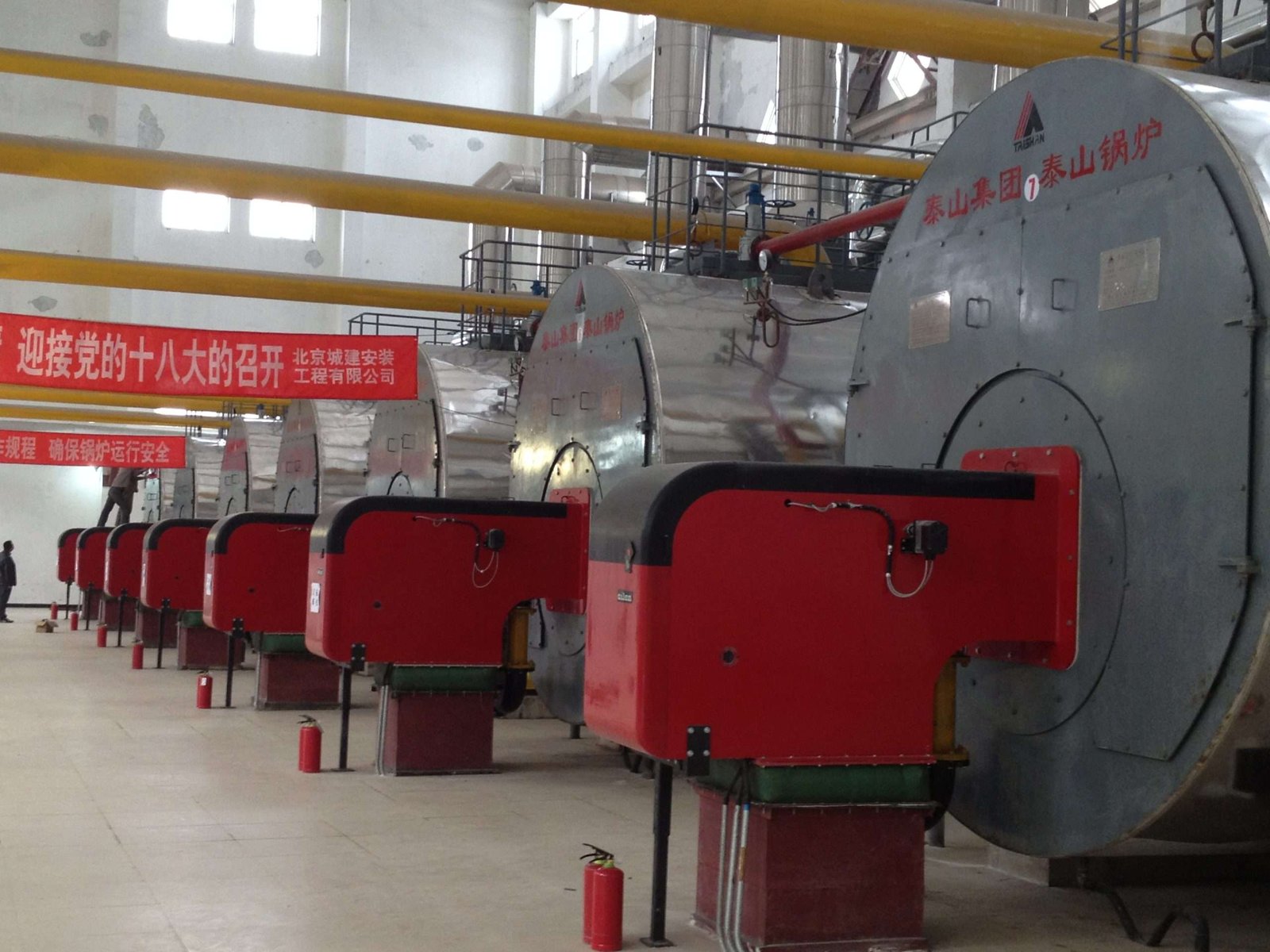
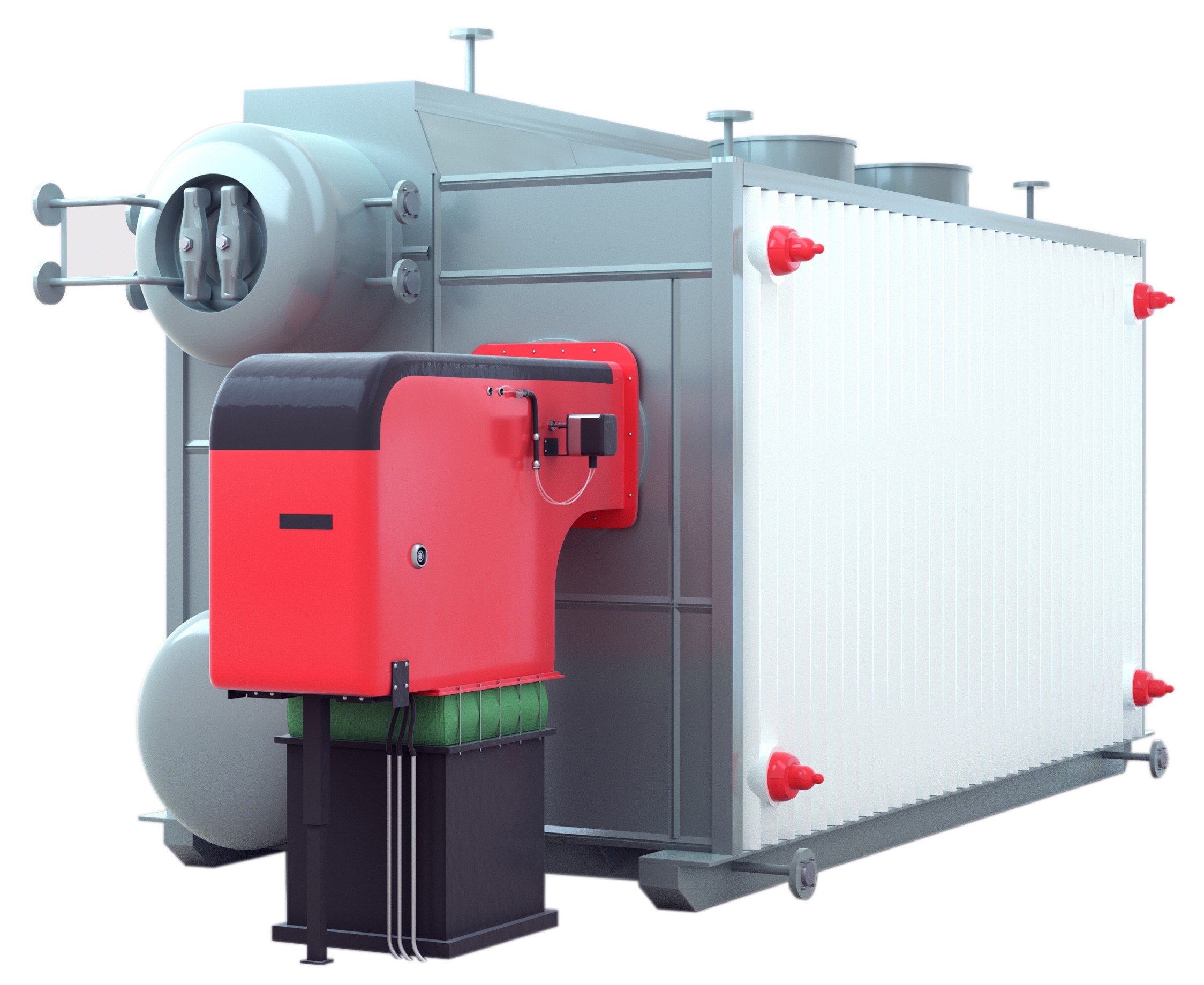
Starting an industrial oil- or gas-fired boiler involves much more than simply switching on the burner. Before fuel can enter the furnace, the boiler, combustion-air system, fuel train, burner management system (BMS), and associated safety devices must all be ready for operation.
For an already commissioned industrial boiler, the normal startup sequence can be summarized as:
Pre-start checks → BMS permissives → furnace pre-purge → ignition → flame proving → low-fire stabilization → controlled warm-up → load increase
A normal shutdown generally follows the reverse operating objective:
Load reduction → burner shutdown → fuel isolation → post-purge → standby or shutdown condition
This article explains the general operating logic for routine startup and shutdown of already commissioned industrial gas-, oil-, and dual-fuel boilers. It does not replace the project-specific operating manual.
Exact purge duration, fuel pressure, oil temperature, valve sequence, warm-up rate, interlock logic, and restart conditions must follow the approved boiler, burner, and BMS documentation.
What Should Be Checked Before Starting an Oil or Gas Fired Boiler?
A safe startup begins before the burner receives a start command.
The operator should first confirm that the boiler and its supporting systems are in a condition that allows the programmed startup sequence to proceed.
Boiler and Water-Side Readiness
For a steam boiler, verify that the water level is within the permitted operating range and that the feedwater system is available.
Typical checks include:
- correct boiler water level;
- feedwater system available;
- required operating valves in the approved position;
- pressure, temperature, and level instruments available;
- no active low-water or overpressure trip;
- steam-side equipment ready for operation.
For hot-water boilers, adequate water circulation should be established before firing where required by the system design.
The purpose of these checks is not to perform a full maintenance inspection before every startup, but to confirm that the boiler is operationally ready.
Combustion-Air and Furnace Readiness
The combustion-air system must be available before the ignition sequence begins.
Operators should confirm that:
- the combustion-air fan is ready;
- required dampers can move to their programmed positions;
- airflow or draft proving devices are available;
- the furnace and flue-gas path are in the expected operating condition;
- no unsafe furnace condition is indicated.
Modern burner-management systems commonly use airflow, fan, damper, fuel, and other interlocks to prevent the burner sequence from progressing when required conditions are not satisfied.
Fuel-System Readiness
Fuel preparation differs between gas and oil firing.
For gas firing, verify that:
- gas supply is available;
- fuel pressure is within the permitted operating range;
- the gas train is ready;
- safety shutoff valves and related interlocks are available.
For oil firing, verify that:
- sufficient fuel is available;
- oil pumps are ready;
- required fuel pressure is established;
- atomizing equipment is available where applicable;
- fuel circulation and heating are available where required.
Heavy fuel oil requires additional attention because excessive viscosity can impair pumping and atomization.
The required fuel condition should therefore be based on the burner manufacturer’s viscosity or temperature requirements rather than on one universal oil temperature.
What Is the Correct Startup Sequence for an Industrial Oil or Gas Boiler?
Although BMS logic differs between installations, the basic startup sequence is broadly similar.
| Step | Main Action | Main Purpose |
|---|---|---|
| 1 | Confirm startup permissives | Verify that required operating and safety conditions are satisfied |
| 2 | Complete furnace pre-purge | Clear potentially combustible gases or vapors |
| 3 | Establish pilot or ignition flame | Create a controlled ignition source |
| 4 | Admit and prove main fuel | Establish stable main flame |
| 5 | Stabilize at low fire | Confirm stable combustion and boiler response |
| 6 | Raise temperature and pressure gradually | Control thermal stress |
| 7 | Increase load progressively | Transition into normal operation |
Step 1: Confirm BMS Startup Permissives
Before ignition can begin, the BMS must confirm that the required startup conditions are satisfied.
Depending on the installation, permissives may include:
- acceptable boiler water level;
- combustion-air availability;
- acceptable gas or oil pressure;
- acceptable fuel temperature where required;
- correct fuel-valve status;
- no active master fuel trip;
- airflow proving;
- flame-detector readiness;
- pressure and temperature limits within the permitted range.
The burner should not be forced through the startup sequence when a required permissive is missing.
A missing permissive indicates that an expected operating or safety condition has not yet been satisfied.
Step 2: Complete the Furnace Pre-Purge
Before fuel is admitted, the furnace and associated gas path must be purged according to the programmed sequence.
The purpose of pre-purge is to establish sufficient airflow through the furnace and remove potentially combustible gases or vapors that could remain before ignition.
During this stage:
- the combustion-air fan operates;
- the BMS confirms the required purge conditions;
- fuel admission remains blocked;
- ignition is not permitted until purge completion is confirmed.
The required airflow, damper position, duration, and number of air changes are project-specific and should follow the actual burner/BMS configuration and applicable requirements.
Step 3: Establish and Prove the Pilot Flame
After the purge has been completed and the burner has reached the required ignition position, the ignition system is energized.
Where a pilot is used, the typical logic is:
- ignition energy is established;
- pilot fuel is admitted;
- the pilot flame is established;
- the flame detector confirms that the flame is present.
If the flame is not proven within the programmed trial-for-ignition period, fuel admission should stop and the burner should enter the appropriate shutdown or lockout condition.
Step 4: Admit Main Fuel and Prove the Main Flame
After the ignition or pilot flame has been proven, the programmed sequence can admit the main fuel.
The main flame must then be established and detected within the permitted flame-establishing period.
If the flame signal is lost or the required combustion condition is not established, the BMS should initiate its configured safety response and isolate fuel.
If ignition repeatedly fails, the operator should identify the cause rather than continuously resetting and attempting another light-off.
Step 5: Stabilize the Burner at Low Fire
After successful ignition, the boiler should normally remain at its startup or low-fire condition long enough to establish stable combustion.
During this period, operators should verify:
- stable flame indication;
- normal fuel and combustion-air conditions;
- normal boiler water level;
- acceptable pressure and temperature response;
- correct feedwater or circulation response;
- no abnormal alarm, vibration, leakage, or noise.
The purpose of this stage is to confirm stable combustion before the boiler is subjected to a significant thermal or load increase.
Step 6: Raise Temperature and Pressure Gradually
Once combustion is stable, boiler temperature and pressure should increase in a controlled manner.
This is particularly important during a cold start because different boiler components do not heat at exactly the same rate.
Excessively rapid firing can create undesirable thermal gradients between pressure parts, headers, piping, and connected systems.
During warm-up, operators should monitor:
- steam pressure or hot-water temperature;
- boiler water level;
- feedwater response;
- thermal expansion;
- steam-line warming where applicable;
- flame stability;
- relevant pressure and temperature limits.
There is no universal warm-up rate that applies to all industrial boilers.
The permitted rate should follow the boiler manufacturer’s operating instructions and the actual thermal condition of the unit.
Step 7: Bring the Boiler Onto Load
Once the boiler has reached the required operating condition and the downstream system is ready, the firing rate can be increased progressively.
During load increase:
- increase firing rate gradually;
- match boiler output to plant demand;
- monitor water level;
- monitor pressure and temperature;
- confirm stable flame;
- observe fuel and combustion-air response.
The objective is to move from startup into normal operation without creating unnecessary combustion or thermal transients.
How Do Gas, Light-Oil, Heavy-Fuel-Oil, and Dual-Fuel Startups Differ?
The basic safety sequence may be similar, but fuel preparation differs substantially.
| Operating Point | Natural Gas | Light Oil / Diesel | Heavy Fuel Oil |
|---|---|---|---|
| Main fuel preparation | Gas-train readiness | Pump and fuel-pressure readiness | Heating, circulation, and viscosity conditioning |
| Atomization | Not normally required | Required | Critical |
| Fuel preheating | Not applicable | Usually limited or unnecessary | Commonly required |
| Fuel circulation | Not applicable | System-dependent | Often required |
| Main startup concern | Safe gas admission and flame proving | Fuel pressure and atomization | Fuel condition, viscosity, and atomization |
Gas-Fired Startup
For gas firing, the gas train and its associated safety logic are central to the startup process.
Before fuel admission, the system must establish the required gas-side conditions.
Typical priorities include:
- acceptable gas pressure;
- correct safety-valve status;
- combustion-air availability;
- completed furnace purge;
- successful ignition or pilot establishment;
- main-flame proving.
Because unburned gas can form a combustible mixture, the purge and flame-proving sequence should never be bypassed.
Light-Oil or Diesel Startup
For a light-oil burner, the fuel must be supplied to the burner under the correct pumping and atomizing conditions.
Operators should confirm:
- oil pump readiness;
- required fuel pressure;
- nozzle or atomizing-system readiness;
- normal fuel circulation where applicable;
- ignition and flame-detection readiness.
Compared with heavy fuel oil, diesel or other light fuels usually require less fuel conditioning before ignition.
Heavy-Fuel-Oil Startup
Heavy fuel oil requires more preparation because its viscosity may be too high for reliable pumping and atomization at low temperature.
Depending on the installation, startup may require:
- fuel heating;
- fuel recirculation;
- heated pipework;
- burner or fuel-line heaters;
- viscosity or temperature control;
- appropriate atomizing conditions.
The correct target should be based on the fuel condition required by the burner, not on an arbitrary universal temperature.
Poorly conditioned heavy oil can lead to unstable ignition, poor atomization, incomplete combustion, or flame instability.
What Changes on a Dual-Fuel Burner?
A dual-fuel boiler does not necessarily use identical startup permissives in gas and oil modes.
Gas mode emphasizes gas-train conditions, pressure, safety shutoff valves, purge, and flame proving.
Oil mode additionally depends on fuel pumping and atomization, while heavy-oil operation may also require heating and viscosity conditioning.
Fuel selection or changeover should therefore follow the programmed burner-control sequence and the approved operating instructions rather than manual improvisation.
What Is the Correct Normal Shutdown Procedure?
A normal shutdown should be planned and controlled.
The general sequence is:
Reduce load → return toward low fire → stop firing → isolate fuel → complete post-purge → establish standby or shutdown condition
Step 1: Reduce Boiler Load
Where plant operation allows, reduce the boiler load before stopping the burner.
A progressive load reduction helps limit unnecessary temperature changes in the boiler and connected systems.
Step 2: Stop Firing and Isolate Fuel
When the normal stop command is issued, the BMS closes the main fuel safety valves and terminates combustion according to the programmed sequence.
The operator should confirm that:
- the flame has been extinguished;
- fuel valves have reached the required shutdown position;
- the BMS indicates the expected shutdown state.
For oil-fired systems, heating or circulation equipment may remain in service during short standby periods depending on the system design.
Step 3: Complete Post-Purge
Many burner systems include a post-purge stage after firing stops.
During post-purge, combustion air continues to pass through the furnace for the programmed period before the system transitions to standby.
As with pre-purge, the actual duration depends on the burner and BMS configuration.
Step 4: Establish the Required Standby Condition
The final condition depends on how long the boiler will remain out of service.
For a short production interruption, the unit may remain warm and ready for a later restart.
For an extended outage, additional isolation, preservation, draining, water treatment, or lay-up procedures may be required.
Those activities belong to long-term boiler shutdown and preservation procedures rather than routine operational shutdown.

How Do Cold, Warm, and Hot Starts Differ?
The main difference between cold, warm, and hot starts is the thermal condition of the boiler—not whether the safety sequence is required.
| Startup Condition | Main Concern | General Operating Approach |
|---|---|---|
| Cold start | Thermal gradients and expansion | Slow, controlled warm-up |
| Warm start | Residual boiler temperature | Adjust warm-up to the remaining heat |
| Hot restart | High residual temperature or pressure | Confirm restart conditions and follow the required BMS sequence |
A cold start requires the most attention to gradual heating, thermal expansion, steam-line warming, and controlled pressure rise.
A warm start usually requires less thermal recovery, but the normal burner permissives and required purge sequence still apply.
A hot restart may reduce the time required to return to operating temperature, but it does not automatically permit the operator to bypass purge, flame proving, or fuel-train safety logic.
A hot boiler is therefore a different thermal condition—not an exemption from burner-management requirements.
What Should Operators Do After an Emergency Boiler Trip?
An emergency trip is different from a normal shutdown.
Conditions that may initiate a safety trip include:
- flame failure;
- critically low water level;
- excessive pressure;
- loss of required combustion airflow;
- unacceptable fuel conditions;
- activation of another major safety interlock.
After a trip, three principles are especially important:
- Fuel should be isolated by the safety system.
- The trip should not be repeatedly reset or bypassed before the initiating condition is understood.
- Restart should only occur after the required reset, purge, and startup sequence has been completed.
Detailed diagnosis of repeated ignition failure, flame loss, fuel-pressure problems, or burner lockout should be handled under a dedicated troubleshooting procedure.
Common Startup and Shutdown Mistakes to Avoid
1. Attempting Ignition Before Purge Is Complete
Fuel should not be introduced until the required furnace-purge sequence has been successfully completed.
2. Bypassing a Missing Startup Permissive
A missing permissive indicates that an expected operating or safety condition has not been satisfied.
3. Increasing Firing Rate Too Quickly
The boiler should first establish stable combustion and then be warmed and loaded progressively.
4. Firing Heavy Oil Before It Is Properly Conditioned
Heavy oil that is too viscous can atomize poorly and produce unstable combustion.
5. Repeatedly Resetting After Ignition Failure
Repeated lockout should trigger troubleshooting rather than repeated light-off attempts.
6. Treating a Safety Trip Like a Normal Stop
A safety trip indicates that a protective condition has occurred and should be understood before restart.
Startup and Shutdown Checklist for Industrial Oil & Gas Boilers
The following checklist summarizes the main operating logic.
Before Startup
- Boiler water level or circulation satisfactory
- Feedwater system available
- Combustion-air system ready
- Fuel system ready
- Gas train or oil system available
- Required oil conditioning completed where applicable
- No active safety trip
- BMS permissives satisfied
- Furnace purge completed
During Startup
- Ignition or pilot established
- Flame proven
- Main fuel admitted correctly
- Stable low-fire operation
- Controlled temperature and pressure increase
- Stable water level
- Progressive load increase
During Normal Shutdown
- Reduce load
- Return burner toward low fire
- Stop firing through the normal control sequence
- Confirm fuel shutoff
- Complete post-purge
- Maintain required feedwater or circulation conditions
- Place the boiler in the appropriate standby or shutdown condition
Why Project-Specific Startup Procedures Matter
The larger and more integrated the boiler system, the less appropriate it is to rely on a generic startup sequence alone.
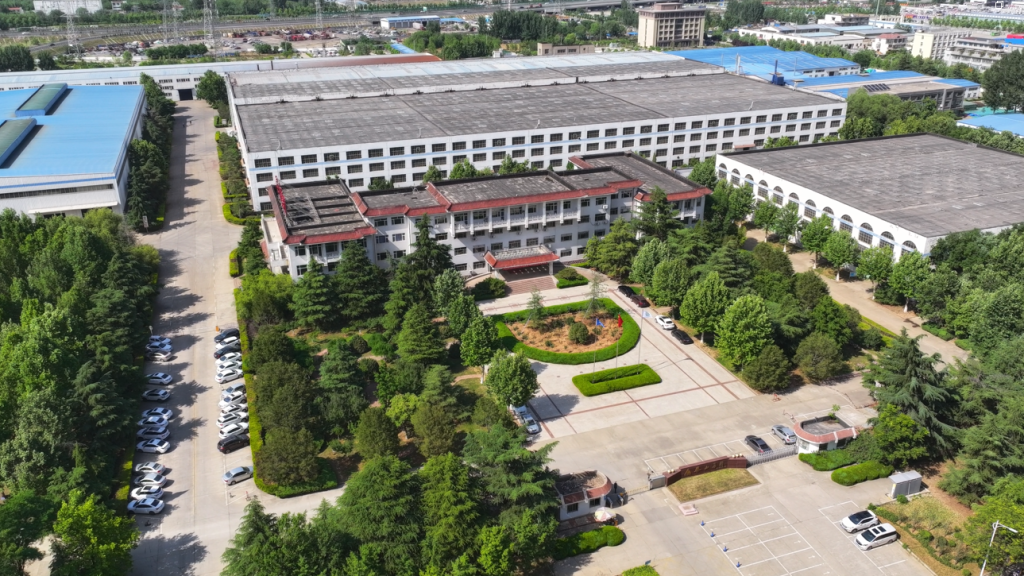
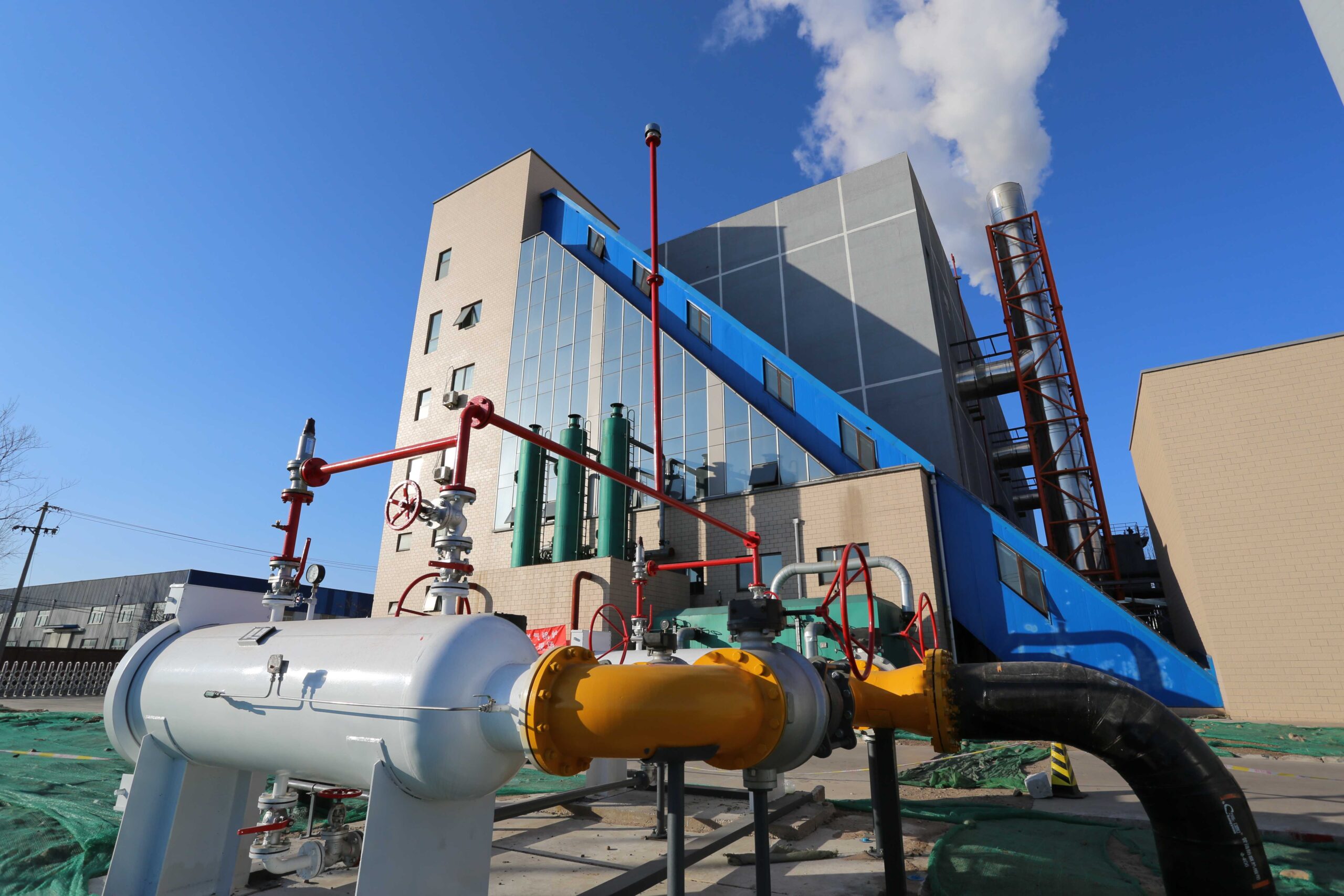
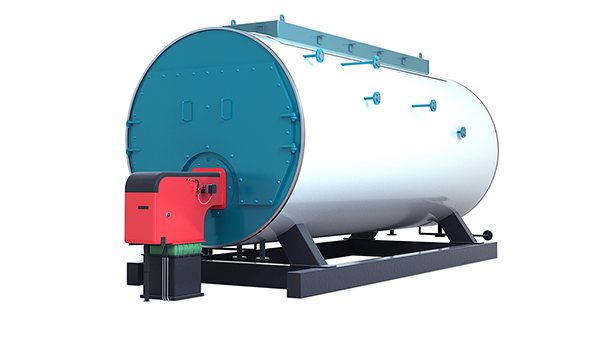
Taishan Group has supplied large natural-gas-fired boiler systems including four 60 t/h and two 55 t/h natural-gas-fired steam boilers for China Nuclear Power Engineering, as well as five 58 MW gas-fired boiler bodies and associated boiler-island auxiliary equipment for Beijing Heat Group.
Projects of this scale involve not only the boiler and burner, but also fuel supply, feedwater, combustion air, controls, auxiliaries, and downstream plant systems.
For this reason, the general principles described in this article should always be translated into a project-specific operating procedure based on the actual burner, BMS, boiler configuration, fuel system, and plant requirements.
Frequently Asked Questions
How long does an industrial oil or gas boiler take to start?
There is no universal startup time.
It depends on the boiler size, design, operating pressure, burner capacity, plant configuration, and whether the boiler is cold, warm, or hot.
A cold start generally requires more thermal warm-up than a hot restart.
Why must an oil or gas boiler be purged before ignition?
Pre-purge establishes airflow through the furnace and helps remove potentially combustible gases or fuel vapors before ignition.
This reduces the risk of ignition occurring in an inadequately purged combustion chamber.
Can an operator restart immediately after a flame failure?
Not automatically.
The trip condition should first be identified and corrected. The burner should then complete the required reset, purge, and ignition sequence before another firing attempt.
Does a heavy-fuel-oil boiler require fuel preheating before startup?
Heavy fuel oil normally requires conditioning so that its viscosity is suitable for pumping and atomization.
The required temperature depends on the actual fuel properties and burner requirements rather than on one universal value.
Can an oil or gas boiler be restarted while it is still hot?
Yes, if the boiler and BMS permit a hot restart.
However, residual boiler temperature does not eliminate the required safety permissives, purge, ignition, and flame-proving sequence.
A hot restart mainly changes the thermal warm-up requirement.
Conclusion
Correct startup and shutdown of an industrial oil- or gas-fired boiler depend on three fundamental principles:
purge before fuel admission, establish and prove stable combustion, and control thermal and load transitions.
The general startup sequence is straightforward:
verify permissives → purge → ignite → prove flame → stabilize at low fire → warm gradually → increase load.
A normal shutdown should likewise be controlled:
reduce load → stop firing → isolate fuel → post-purge → establish the correct standby condition.
Gas, light oil, heavy fuel oil, and dual-fuel systems follow similar burner-safety logic, but their fuel-preparation requirements differ significantly.
For actual operation, the approved project-specific procedure should always take precedence over generic guidance.
References
Honeywell — Burner Management Systems
Burner sequencing, fuel safety, flame supervision, and startup/shutdown control.
https://process.honeywell.com/us/en/products/thermal-solutions/burner-management-systemsFireye — BurnerLogix Integrated Burner Management Control
Operating interlocks, purge logic, ignition sequence, flame proving, and burner safety functions.
https://www.fireye.com/downloads/BLZ-1001-BurnerLogiX_ZB110_ZB230_Integrated_Burner_Management_Control_English.pdfSpirax Sarco — Steam Headers and Off Takes
Steam-system warming, thermal expansion, and controlled heat-up considerations.
https://www.spiraxsarco.com/learn-about-steam/the-boiler-house/steam-headers-and-off-takesAlfa Laval — Boiler Fuel and Viscosity Technical Guidance
Heavy-fuel-oil viscosity, heating, and atomization considerations.
https://www.alfalaval.com/globalassets/documents/service/boiler-2020/technical-paper-1.5.pdfTaishan Group — Oil & Gas Fired Boiler Project Information
Industrial oil- and gas-fired boiler project references.
https://coalbiomassboiler.com/product/oil-gas-fired-boiler/