
Industrial gas-fired boilers are critical to the operation of countless facilities, providing reliable steam or hot water for manufacturing, processing, or HVAC. However, like all mechanical equipment, boilers have a limited service life. Waiting too long to replace an aging unit can lead to frequent breakdowns, rising energy bills, and even safety hazards. But replacing a boiler too early can result in unnecessary capital expenses. So, when is the right time to replace an industrial gas-fired boiler?
An industrial gas-fired boiler should be replaced when it shows signs of declining efficiency, increasing maintenance costs, reduced performance, safety concerns, or when it no longer complies with emissions regulations. A typical replacement window is around 20–25 years, but usage conditions and technology updates can shorten or extend this timeline.
If you’re noticing frequent service calls or unexplained spikes in fuel consumption, these could be signs your boiler is no longer operating efficiently. Let’s break down the specific indicators that signal it’s time for a replacement.
What Signs of Declining Efficiency Indicate a Gas-Fired Boiler May Need Replacement?
Gas-fired boilers are known for their high efficiency and relatively clean combustion, but even the best systems degrade over time. As boilers age or are improperly maintained, key performance indicators begin to show hidden losses in efficiency, rising fuel costs, and emissions non-compliance. Left unchecked, this decline can lead to frequent breakdowns, high repair costs, and even safety risks. Recognizing the early signs of performance deterioration is crucial—not just for operational continuity, but to make informed decisions on repair vs. replacement at the right time.
Signs that indicate a gas-fired boiler is experiencing declining efficiency and may need replacement include rising fuel consumption despite steady load, increased flue gas temperature, more frequent cycling or modulation, unstable combustion (as shown by excess CO or O₂ levels), uneven heating or steam delivery, and escalating maintenance costs. Additional signs include visible corrosion, aging control systems, declining thermal efficiency below 80–85%, and failure to meet modern emissions standards. These issues reduce energy savings, increase downtime, and may justify replacing the boiler with a newer, high-efficiency system.
If your boiler seems to be working “harder” for the same output, it’s likely already costing you more than a new one would save.
Increased fuel use at constant load is a common sign of reduced boiler efficiency.True
As components degrade or fouling occurs, more fuel is required to meet the same output, indicating energy loss.
Older gas-fired boilers always maintain their original efficiency ratings.False
Boiler efficiency naturally declines over time due to scaling, wear, poor control calibration, and heat exchanger degradation.
🔍 Key Indicators That a Gas-Fired Boiler Is Losing Efficiency
| Symptom | Underlying Cause | Impact |
|---|---|---|
| Higher Gas Consumption | Worn burners, scale buildup, air-fuel imbalance | Increased OPEX, higher energy bills |
| Rising Flue Gas Temperatures | Fouled heat exchanger, poor combustion | Wasted heat to the atmosphere |
| Excess CO or O₂ in Flue Gas | Faulty combustion controls, incorrect tuning | Emissions violations, incomplete fuel burn |
| More Frequent Cycling | Poor turndown, oversized boiler, control logic degradation | Heat loss, wear and tear on components |
| Delayed Steam/Heat Response | Reduced heat transfer efficiency, load mismatch | Process inefficiency, temperature instability |
| Escalating Repair Frequency | Aging hardware, declining integrity | Downtime risk, lost productivity |
| Declining Stack Efficiency (<82%) | Combustion inefficiency, failing components | Lost energy recovery potential |
| Inability to Meet Emissions Codes | Lack of modern NOₓ/CO control | Legal risk, fines, retrofitting costs |
📊 Boiler Performance Over Time: Efficiency Degradation Chart
| Year of Operation | Average Thermal Efficiency (%) | Annual Fuel Cost (@$9/MMBtu) |
|---|---|---|
| Year 1 (new) | 91 | $450,000 |
| Year 3 | 89 | $460,000 |
| Year 5 | 86 | $478,000 |
| Year 8 | 83 | $495,000 |
| Year 10+ | 78 | $522,000 |
Insight: A 13% drop in efficiency over 10 years can increase fuel costs by more than $70,000/year.
🧪 Case Study: Replacing a Failing 10-Year-Old Gas Boiler
Facility: Chemical processing plant
Old Boiler: 12 TPH gas-fired fire tube boiler
Symptoms:
Efficiency dropped to 78%
CO emissions regularly exceeded 280 mg/Nm³
Heat exchanger fouling every 3–4 months
Maintenance cost >$25,000/year
New Boiler: High-efficiency condensing gas boiler (92% rated)
Benefits:
Fuel cost reduced by 14%
Emissions compliant with new EPA MACT standard
Maintenance cost halved
Payback period: 2.8 years
⚙️ Common Reasons Gas-Fired Boilers Lose Efficiency
| Component | Efficiency Degradation Mechanism |
|---|---|
| Burners | Worn nozzles cause poor fuel-air mixing |
| Control System | Outdated or drifting PID loops reduce combustion precision |
| Heat Exchanger | Scaling or corrosion inhibits heat transfer |
| Flue Gas Recirculation | Improperly tuned systems reduce flame temperature balance |
| Insulation & Casing | Damaged insulation increases radiation heat losses |
✅ Boiler Health Checklist: Time to Replace?
Has thermal efficiency dropped below 82%?
Has gas usage increased 8–15% over 2–3 years?
Are maintenance costs exceeding $20,000/year?
Is the flue gas temp rising beyond original spec?
Are emissions nearing or exceeding regulatory limits?
Does the boiler cycle too frequently or unevenly?
Is steam delivery inconsistent or slower than before?
Are control systems outdated or unsupported?
If you checked 3 or more, it’s time to evaluate a replacement or major overhaul.
📈 Emissions vs. Boiler Age: Regulatory Risk
| Boiler Age | Typical NOₓ Emissions (mg/Nm³) | Risk of Non-Compliance (EPA, EU) |
|---|---|---|
| <5 years | 90–130 | Low |
| 6–8 years | 140–180 | Moderate |
| 9–12 years | 200–300 | High |
| >12 years | 300+ | Very High |
💡 Smart Replacement = Big Payback
| Old Boiler | New High-Efficiency Boiler |
|---|---|
| 80% Efficiency | 92% Efficiency |
| High O₂ levels (7–9%) | Controlled O₂ (3–4%) |
| Manual tuning | Fully automated with O₂ trim |
| 1.8x Fuel per ton steam | 1.0–1.1x Fuel per ton steam |
Fuel Savings Over 10 Years: ~$650,000
CO₂ Reduction: 15–20%
Payback Period: 2–3 years
Boilers don’t need to completely fail to justify replacement—gradual efficiency loss, higher emissions, and O&M headaches are already eating your profits. Modern condensing or high-efficiency gas-fired boilers deliver better ROI, cleaner operation, and safer performance, especially when integrated with automation.
How Do Increasing Maintenance Costs Affect the Decision to Replace an Industrial Boiler?
In the lifecycle of any industrial boiler, there comes a point when repairs and maintenance costs begin to outweigh operational benefits. At first, incremental servicing is manageable. But over time, recurring breakdowns, part replacements, and technician hours escalate operating costs—while the boiler’s reliability and efficiency decline. Plant managers are then faced with a critical financial question: Is it more economical to continue maintaining the current boiler, or invest in a new, more efficient system that eliminates mounting service expenses? The answer lies in analyzing the cost trajectory versus long-term return.
Increasing maintenance costs directly affect the decision to replace an industrial boiler by eroding operational efficiency, increasing unplanned downtime, and raising the total cost of ownership. When repair expenses exceed 15–20% of the boiler’s value annually or grow year-over-year, replacement becomes more cost-effective than continued maintenance. Rising service costs often coincide with declining performance, reduced fuel efficiency, and non-compliance with emissions regulations, making the economic and regulatory case for upgrading both urgent and strategic.
A boiler that’s constantly in repair mode is no longer an asset—it’s a liability draining your plant’s bottom line.
Rising maintenance costs are a key factor in deciding whether to replace an industrial boiler.True
High service expenses often signal aging systems with reduced reliability and increasing risk of major failure, making replacement a cost-saving measure.
Boiler maintenance costs typically remain flat over the system's lifetime.False
As boilers age, components wear out, fouling increases, and service frequency rises—leading to higher and less predictable costs.
🔍 Typical Maintenance Cost Curve Over Boiler Lifecycle
| Year of Operation | Annual Maintenance Cost | Efficiency (%) | Downtime Incidents/Year |
|---|---|---|---|
| Year 1–3 | $4,000–$7,000 | 90–91 | 1–2 |
| Year 4–6 | $8,000–$12,000 | 87–89 | 2–3 |
| Year 7–9 | $15,000–$22,000 | 83–86 | 4–6 |
| Year 10+ | $25,000–$35,000+ | 78–83 | 7–10 |
Insight: After 7–8 years, maintenance costs begin to escalate sharply, coinciding with declining efficiency and reliability.
📊 Cost-Benefit Comparison: Repair vs. Replacement
| Scenario | Continue Repairs | Replace Boiler |
|---|---|---|
| Annual Maintenance Cost | $28,000 | $4,000 (new system warranty) |
| Efficiency | 80% | 92% |
| Fuel Cost (Annual) | $520,000 | $450,000 |
| Emissions Compliance | Non-compliant | Fully compliant (EPA/BREF) |
| Downtime Cost | $36,000 | $8,000 |
| Total Annual OPEX | $584,000 | $462,000 |
| Payback Period on New Unit | — | 2.5 years |
Conclusion: Replacement saves over $120,000/year, paying back the investment in under 3 years.
🧪 Case Study: Maintenance Cost-Driven Boiler Replacement
Industry: Beverage Processing
Boiler Type: 10 TPH gas-fired shell boiler (installed 2008)
Symptoms:
Maintenance costs at $30,000/year
Three emergency shutdowns in 12 months
Declining steam output pressure
Repairs consuming 4+ man-days/month
Decision: Replaced with high-efficiency condensing boiler
Results:
Maintenance dropped to <$5,000/year
No unplanned downtime for 18 months
13% fuel savings
Improved load response with automation
Lesson: Maintenance escalation was the trigger for a smart capital decision.
⚙️ Key Maintenance Cost Drivers in Aging Boilers
| Component | Common Failure/Degradation | Cost Implication |
|---|---|---|
| Burner Assembly | Nozzle wear, flame instability | Recalibration or replacement ($5–15k) |
| Heat Exchanger Tubes | Fouling, corrosion, scaling | Cleaning/replacement ($10–30k) |
| Feedwater Pump & Valves | Wear, leaks, cavitation | Reduced efficiency, repair cost ($3–8k) |
| Control Systems | Sensor failure, outdated PLCs | Inaccurate tuning, retrofit cost ($7–20k) |
| Gaskets and Seals | Thermal cycling wear | Steam loss, repair labor |
| Pressure Safety Devices | Calibration drift | Compliance failure, safety risk |
✅ Boiler Replacement Decision Checklist (Maintenance Focus)
Are annual repair costs >15% of boiler’s book value?
Has maintenance spending grown >10% for 3+ consecutive years?
Are unplanned shutdowns becoming more frequent?
Do you spend more time troubleshooting than operating efficiently?
Are spare parts becoming harder to source or obsolete?
Does the boiler require constant manual tuning?
Are recurring faults affecting steam quality or process reliability?
If you answered yes to 3 or more, your boiler is past the tipping point for cost-effective operation.
📈 Long-Term ROI from Proactive Boiler Replacement
| Benefit | Value Generated (Over 10 Years) |
|---|---|
| Fuel Efficiency Gain (10–15%) | $500,000–$800,000 in savings |
| Lower Maintenance Cost | $150,000–$300,000 reduced O&M |
| Downtime Reduction | $50,000–$150,000 in avoided production loss |
| Compliance & Risk Avoidance | No fines, extended operational permits |
| Automation Upgrade | Labor savings + improved reliability |
Rising maintenance costs are not just a budget issue—they’re a signal. They often precede major system failure, and ignoring them usually means wasting more capital than a replacement would cost. A well-timed boiler upgrade cuts operating costs, boosts efficiency, and ensures environmental compliance—protecting your plant’s output and your bottom line.
Why Is Compliance with Modern Emissions and Safety Standards a Key Replacement Factor?
As governments and environmental agencies tighten emissions regulations and safety codes, industrial boilers that once operated legally and efficiently may now be out of compliance, underperforming, or outright illegal. Failing to meet current standards can result in heavy fines, forced shutdowns, revoked permits, or denial of insurance. But more than that, outdated boilers often lack the technology required for clean combustion, real-time monitoring, and safety assurance, putting both the plant and personnel at risk. Upgrading or replacing your boiler becomes not just a technical choice—but a regulatory and business survival decision.
Compliance with modern emissions and safety standards is a critical factor in boiler replacement decisions because outdated systems often fail to meet current legal limits for pollutants and may lack essential safety features. These deficiencies expose operators to legal penalties, safety hazards, and reputational damage. Modern regulations require low-NOₓ combustion, particulate control, real-time emissions monitoring, certified pressure relief systems, and automated fail-safes. If a boiler cannot be retrofitted to meet these requirements affordably, full replacement with a compliant unit becomes the only sustainable solution.
In today’s regulatory environment, non-compliance isn’t an option—it’s a liability.
Outdated boilers that fail emissions standards can lead to fines or forced shutdowns.True
Modern regulations impose strict emissions thresholds and require compliance reporting; failure to comply can result in penalties or revoked operating licenses.
Older boilers are always grandfathered in and exempt from new safety and emissions codes.False
Many jurisdictions require older boilers to comply with updated codes during permit renewal or upon equipment upgrades.
🔍 What Regulations Typically Affect Industrial Boiler Compliance?
| Category | Standard or Regulation | Implication |
|---|---|---|
| Emissions (PM, NOₓ, CO) | EPA MACT, EU IED, CPCB Norms | Requires flue gas control, combustion tuning |
| Efficiency Requirements | Energy Efficiency Directives (EU, ASHRAE 90.1 USA) | Boilers below a minimum thermal efficiency may be banned |
| Boiler Safety Codes | ASME BPVC, CE PED, Indian Boiler Regulations (IBR) | Mandatory relief valves, pressure gauges, shutdown logic |
| Stack Emissions Monitoring | Continuous Emissions Monitoring System (CEMS) standards | Online monitoring and data logging for regulatory audit |
| Explosion & Fire Safety | NFPA 85, ATEX, IEC 60079 | Requires burner interlocks, explosion doors, fire detection |
| Permit Renewals | Local/state air board & boiler board certifications | May trigger upgrade mandates for older systems |
📊 Compliance Gap Comparison: Old vs. New Boiler System
| Feature | Old Boiler (Pre-2010) | New Compliant Boiler (Post-2020) |
|---|---|---|
| NOₓ Emissions Control | None or basic | Low-NOₓ burners, staged air control |
| PM Control | Cyclone (moderate) | Bag filter or ESP (high-efficiency) |
| Combustion Tuning | Manual | Fully automated with O₂ trim |
| Emissions Monitoring | Manual spot checks | Continuous monitoring (CEMS) |
| Pressure Safety Devices | Mechanical only | Dual-redundant relief + diagnostics |
| Compliance Documentation | Paper-based | Digital reports, auto-logging |
| Permit Eligibility | Conditional or failed | Full approval |
🧪 Case Study: Compliance-Driven Boiler Replacement
Industry: Paper Manufacturing
Old System: 15 TPH gas-fired boiler, installed 2006
Non-compliance Issues:
NOₓ emissions exceeded 300 mg/Nm³
Manual control, no flue gas analyzer
Lacked interlocks for flame failure
Expired CE and PED safety certifications
Regulatory Pressure:
Local authority denied air permit renewal
Facing $120,000/year in potential fines
Action Taken:
Replaced with high-efficiency, fully compliant boiler
Included bag filter, low-NOₓ burners, automated shutdown logic
Outcome:
Emissions dropped by 40%
Permits reinstated
Avoided $600,000 in non-compliance costs over 5 years
⚙️ Safety Features Required by Modern Codes
| Safety Feature | Purpose | Mandated Standard |
|---|---|---|
| Pressure Relief Valves | Prevents overpressure explosions | ASME, CE PED, IBR |
| Low-Water Cut-Off | Shuts boiler if water level falls too low | NFPA, ASME |
| Flame Safeguard System | Stops fuel if flame is not detected | NFPA 85, IEC 61508 |
| Boiler Interlocks | Ensures safe startup and shutdown | ASME CSD-1 |
| Blowdown Controls | Prevents scale buildup, ensures pressure safety | Boiler code mandates |
| Emergency Shutdown System (ESD) | Quick shutdown in case of failure | Industrial safety standards |
📈 Regulatory Trend: Tightening Emissions and Safety Norms
| Region | Recent Changes (2020–2025) |
|---|---|
| European Union | Lowered NOₓ threshold to <150 mg/Nm³ for new boilers |
| USA (EPA) | Boiler MACT enforcement expanded to medium-size users |
| India (CPCB II) | Mandated stack PM limit of 30 mg/Nm³ for >2 TPH units |
| China | National B-level permits now require online data feeds |
| Canada | Added new GHG taxes on inefficient boiler systems |
✅ Compliance Audit Checklist: Is Your Boiler Still Legal?
Are emissions consistently below the legal threshold?
Do you have a CEMS or flue gas analyzer for compliance monitoring?
Are burner and pressure safety systems tested and certified annually?
Is your control system capable of recording and reporting data logs?
Can your boiler meet load fluctuations without violating safety codes?
Do you have up-to-date CE, ASME, or IBR certificates?
Is your local air/water permit near expiration?
Have you received any recent non-compliance notices?
If you answered NO to two or more, it’s time to plan for replacement or full retrofitting.
💰 Compliance vs. Cost: Why Delay Costs More
| Compliance Failure Cost | Estimate (Annualized) |
|---|---|
| Regulatory Fine (EU/USA) | $10,000–$200,000/year |
| Production Downtime from Shutdown | $25,000–$100,000 per incident |
| Insurance Non-renewal Penalty | Policy refusal or 30–50% surcharge |
| Permit Denial or Delay | Project halt, lost contracts |
Compare this to replacement:
New compliant boiler CapEx: $250,000–$500,000
Typical ROI from fuel savings + avoided fines: <3 years
Outdated boilers that once passed inspections can quickly become regulatory time bombs as standards evolve. Replacing non-compliant systems is not just about modernizing—it’s about securing your plant’s future, avoiding legal setbacks, and staying competitive. Compliance today also opens doors to carbon credits, green financing, and ESG credentials that older systems simply can’t support.
How Does Outdated Technology Limit the Performance and Integration of Old Boilers?
As digital transformation reshapes industrial energy systems, boilers are no longer just heat generators—they’re intelligent energy assets. However, many plants still rely on legacy boilers built in a pre-digital era. These outdated units lack the technology needed to meet today’s expectations for efficiency, automation, connectivity, emissions control, and process integration. Operating such boilers in a modern environment leads to isolation, inefficiency, and high operational costs, while preventing the business from leveraging advanced tools like predictive maintenance, real-time analytics, or remote diagnostics.
Outdated boiler technology limits performance and integration by lacking modern combustion controls, automation, and communication protocols. These older systems cannot optimize fuel-to-steam conversion in real time, integrate with facility-wide energy management systems, or comply with Industry 4.0 standards. As a result, they suffer from poor efficiency, high fuel use, delayed response to load changes, limited diagnostics, and increased downtime. In contrast, modern boilers support advanced PLC/SCADA systems, IoT connectivity, remote monitoring, and predictive analytics, enabling better process integration, lower costs, and improved reliability.
Using an outdated boiler in a modern plant is like running a dial-up modem in a 5G world—it slows down the entire system.
Old boiler technology lacks integration with modern plant control and energy management systems.True
Legacy boilers often use analog controls, lack digital communication protocols, and cannot share data with building or process automation systems.
Outdated boilers can perform just as efficiently as new ones with basic maintenance.False
Without modern controls and combustion tuning, old boilers cannot maintain high efficiency under variable loads or fuel conditions.
🔍 Key Technological Limitations of Outdated Boilers
| Limitation | Impact on Performance and Integration |
|---|---|
| No Digital Controls or PLC Integration | Cannot optimize combustion, respond to load changes, or store data |
| Lack of Real-Time Monitoring | Operators rely on delayed manual readings; poor diagnostics |
| Analog Burner Control Systems | Inefficient air-fuel ratio management, higher emissions |
| No Remote Access or IoT Capability | No remote alerts, cloud analytics, or centralized control |
| Manual Tuning and Calibration | Requires skilled technicians, prone to human error |
| No Emissions Feedback Loops | Risk of non-compliance due to delayed or no emissions data |
| Limited Integration with SCADA/BMS | Operates in isolation from plant energy or control systems |
| Obsolete Communication Protocols | Cannot connect to modern protocols like Modbus TCP/IP, OPC UA |
📊 Efficiency and Downtime Gap: Old vs. Modern Boiler Technology
| Metric | Outdated Boiler | Modern Boiler |
|---|---|---|
| Thermal Efficiency (%) | 78–83 | 90–95 |
| Response Time to Load Changes | >90 seconds | <30 seconds |
| Fuel Use (per ton steam) | 1.3–1.5x | 1.0–1.1x |
| Preventive Diagnostics | Manual logs only | Real-time via sensors |
| Annual Downtime (hrs) | 100–150 | 20–40 |
| Integration with SCADA/EMS | Not possible | Full digital connectivity |
| Predictive Maintenance Support | No | Yes |
🧪 Case Study: Poor Integration Drives Replacement Decision
Industry: Electronics Manufacturing
Problem:
Boiler operated with standalone analog controls
Plant introduced integrated BMS and SCADA systems
Boiler could not send real-time data or respond to demand automatically
High emissions due to fixed burner controls
Action Taken:
Replaced with a high-efficiency boiler with Modbus/TCP, remote monitoring, and burner management system
Integrated with plant-wide energy monitoring dashboard
Result:
Energy efficiency improved by 14%
Maintenance dropped by 40%
Full visibility over boiler data enabled predictive service scheduling
⚙️ Core Features Missing in Outdated Boiler Technology
| Modern Feature | Function | Absent in Old Boilers? |
|---|---|---|
| PLC/SCADA Control Systems | Automated combustion and load balancing | ✅ Yes |
| O₂ Trim and Air-Fuel Ratio Control | Improves combustion efficiency | ✅ Yes |
| IoT Sensors and Remote Access | Enables remote diagnostics and alerts | ✅ Yes |
| Modbus/OPC Integration | Allows system-wide data sharing and optimization | ✅ Yes |
| Flue Gas Analyzers | Monitors CO, O₂, NOₓ for compliance and tuning | ✅ Often Missing |
| VFDs on Fans and Pumps | Adjusts speed for load response, saves energy | ✅ Often Missing |
| Predictive Maintenance Analytics | Uses data trends to avoid breakdowns | ✅ Completely Absent |
✅ Boiler Upgrade Decision Checklist (Technology-Focused)
Is your boiler still using analog gauges and relay-based controls?
Does it lack any real-time combustion data feedback?
Are load adjustments slow or manual?
Can your system connect to SCADA, BMS, or EMS platforms?
Do you experience recurring calibration or emissions issues?
Is remote monitoring or cloud integration unavailable?
Are burner settings static regardless of fuel or load changes?
If you answered yes to 3 or more, your boiler is technologically obsolete and holding back plant-wide optimization.
📈 ROI of Upgrading to a Digitally Integrated Boiler System
| Category | Benefit Over 5 Years |
|---|---|
| Energy Savings | $150,000–$400,000 (efficiency gains) |
| Downtime Reduction | 80–100 fewer hours/year = $50,000+ |
| Maintenance Cost Reduction | $100,000+ with predictive analytics |
| Labor Optimization | Less manual tuning and monitoring |
| Regulatory Compliance | Avoid fines and monitoring violations |
| Integration with EMS/SCADA | Up to 20% savings in process heating |
Boiler technology from the past century simply cannot meet the integration, efficiency, or compliance needs of today’s industrial environments. Keeping outdated systems not only increases your operational costs—it disconnects your plant from digital innovation and regulatory readiness. Replacing old boilers with smart, connected systems positions your facility for sustainable performance, lower emissions, and real-time control.
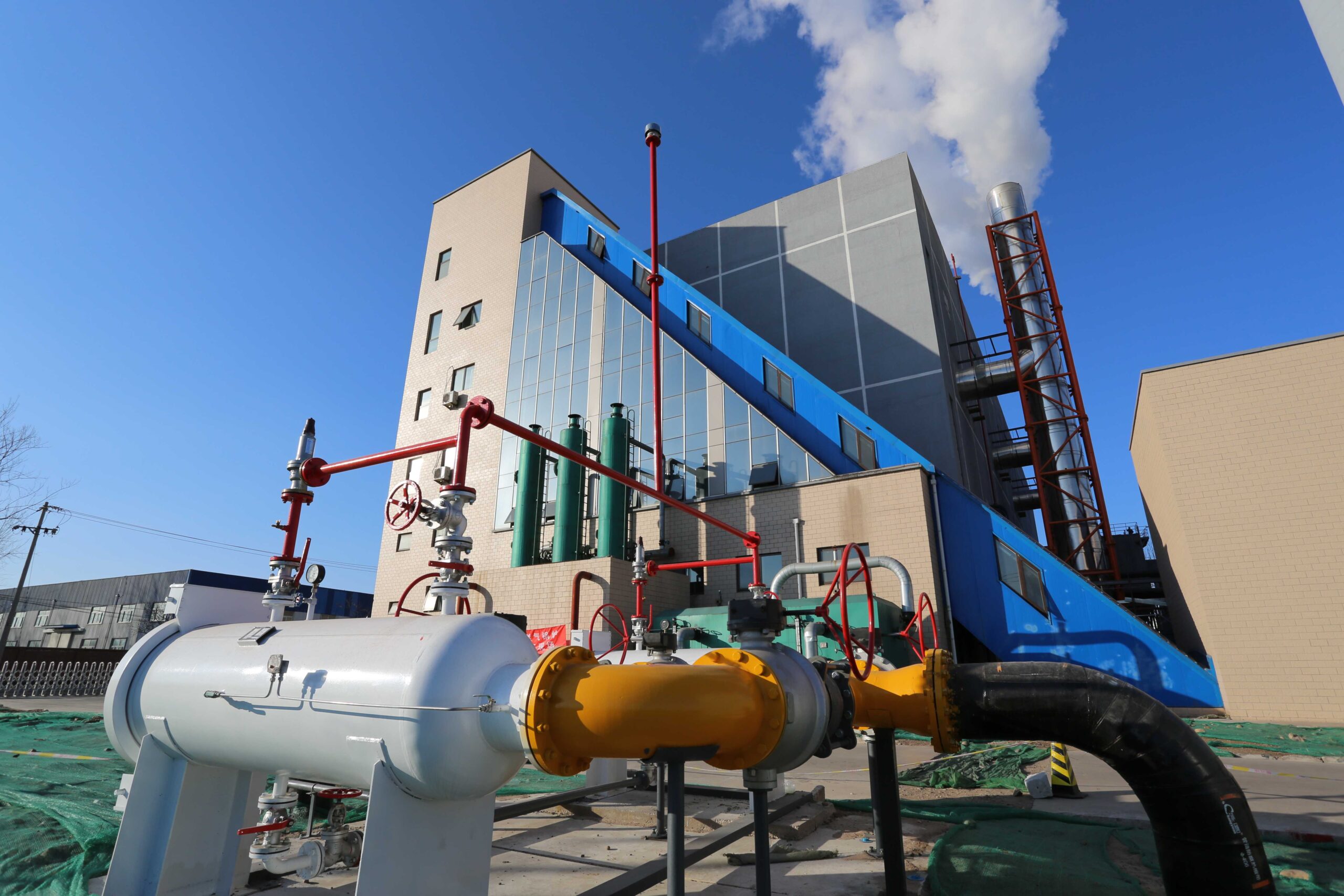
What Is the Typical Service Life of an Industrial Gas-Fired Boiler, and What Affects It?
When investing in an industrial gas-fired boiler, understanding its expected service life is crucial for financial planning, operational reliability, and lifecycle cost management. Yet many users don’t fully grasp how long their boiler will last—or what factors may shorten or extend that life. Over time, wear, corrosion, and outdated technology gradually erode efficiency and performance. Without proper planning, this can lead to unexpected failures, rising maintenance costs, and forced shutdowns. Knowing the average lifespan—and what affects it—can help facilities optimize capital budgeting and replacement timing.
The typical service life of an industrial gas-fired boiler is 20 to 30 years, depending on factors such as operating conditions, maintenance quality, water treatment, fuel quality, control system effectiveness, and boiler design. Poor maintenance, high cycling, and inadequate treatment can shorten lifespan to 15 years or less, while well-maintained boilers with advanced automation and proper load management can exceed 30 years. Ultimately, service life is not just about age but about the cumulative stress, corrosion, and technological obsolescence the boiler endures.
A boiler’s longevity isn’t fixed—it’s determined by how you operate, maintain, and upgrade it.
Industrial gas-fired boilers typically last between 20 to 30 years with proper care.True
This range is based on standard design life and observed lifespans in controlled environments with routine maintenance.
All boilers will last 30 years regardless of maintenance or water treatment.False
Neglecting regular inspections, water quality, and combustion tuning can significantly reduce boiler lifespan.
🔍 Key Factors That Affect Gas-Fired Boiler Service Life
| Factor | Positive Impact | Negative Impact |
|---|---|---|
| Maintenance Practices | Prevents wear, identifies faults early | Corrosion, scaling, system failure |
| Water Quality & Treatment | Minimizes internal scaling and corrosion | Internal pitting, tube rupture |
| Burner and Combustion Control | Maintains efficiency and low emissions | Incomplete combustion, heat stress |
| Operating Pressure/Load | Steady loads extend life | Frequent cycling causes thermal fatigue |
| Fuel Quality | Clean-burning gas lowers fouling risk | Contaminated gas or LPG can foul burners |
| System Oversizing/Undersizing | Right-size ensures optimal cycling | Oversizing leads to short-cycling and wear |
| Automation and Monitoring | Allows early detection and correction | Manual systems delay fault response |
| Environment (indoor/outdoor) | Indoor or sheltered reduces corrosion exposure | Outdoor systems face weather and humidity stress |
📊 Average Lifespan by Boiler Type and Maintenance Level
| Boiler Type | Poor Maintenance | Standard Maintenance | Proactive Maintenance |
|---|---|---|---|
| Fire-Tube Boiler | 12–15 years | 18–22 years | 25–30 years |
| Water-Tube Boiler | 15–20 years | 22–26 years | 28–35 years |
| Condensing Boiler | 10–12 years | 15–20 years | 20–25 years |
| Modular Gas Boilers | 12–18 years | 18–24 years | 25–30 years |
🧪 Case Study: Service Life Extension Through Maintenance
Facility: Pharmaceutical plant
Boiler Type: 8 TPH fire-tube gas boiler (installed 1998)
Challenge: Boiler nearing 22 years; management considering replacement
Action Taken:
Comprehensive overhaul: retubing, burner upgrade, water treatment automation
Installed oxygen trim system for optimized combustion
Recalibrated pressure safety and control systems
Result:
Improved fuel efficiency by 8%
Extended operational reliability by another 6–8 years
Delayed $350,000 replacement cost
⚙️ Signs Your Boiler Is Nearing End-of-Life
| Symptom | Indication |
|---|---|
| Frequent emergency repairs | Aging components losing reliability |
| Efficiency drops below 80% | Irreversible internal scaling or poor combustion |
| Flue gas temperatures rising | Heat transfer surfaces fouled or damaged |
| Control system is obsolete | Unable to integrate with modern automation |
| Emissions near or exceed compliance | Poor combustion control or burner degradation |
| Stack corrosion or condensate leaks | Material fatigue from acidic gases |
| Difficulty sourcing parts | Manufacturer support or parts discontinued |
✅ Boiler Life Extension Checklist
Perform quarterly water quality tests and adjust treatment accordingly
Conduct annual flue gas analysis and burner tuning
Retube or descale heat exchangers every 5–7 years
Upgrade controls to digital/automated systems
Inspect pressure safety and relief devices yearly
Review and log boiler cycling frequency
Maintain full service records and lifecycle logs
Evaluate stack emissions for compliance regularly
If most of these items are overdue or incomplete, your boiler is aging faster than it should.
📈 Economic Comparison: Repair vs. Replacement Over Lifecycle
| Years of Operation | Cumulative Maintenance Cost | Fuel Overconsumption vs. New Boiler | Risk of Non-Compliance |
|---|---|---|---|
| Year 10 | $50,000–$80,000 | ~5% higher | Low |
| Year 15 | $90,000–$130,000 | ~10% higher | Moderate |
| Year 20+ | $160,000+ | ~15–20% higher | High |
| Post Replacement (Year 1–10) | ~$20,000/year | 15% fuel savings | Full compliance |
Outliving a boiler’s intended service life doesn’t mean you’re saving money—it usually means you’re leaking cash and risking failure. Regular evaluations of performance, efficiency, and cost can help identify the right time to replace or modernize before reliability and compliance are compromised.
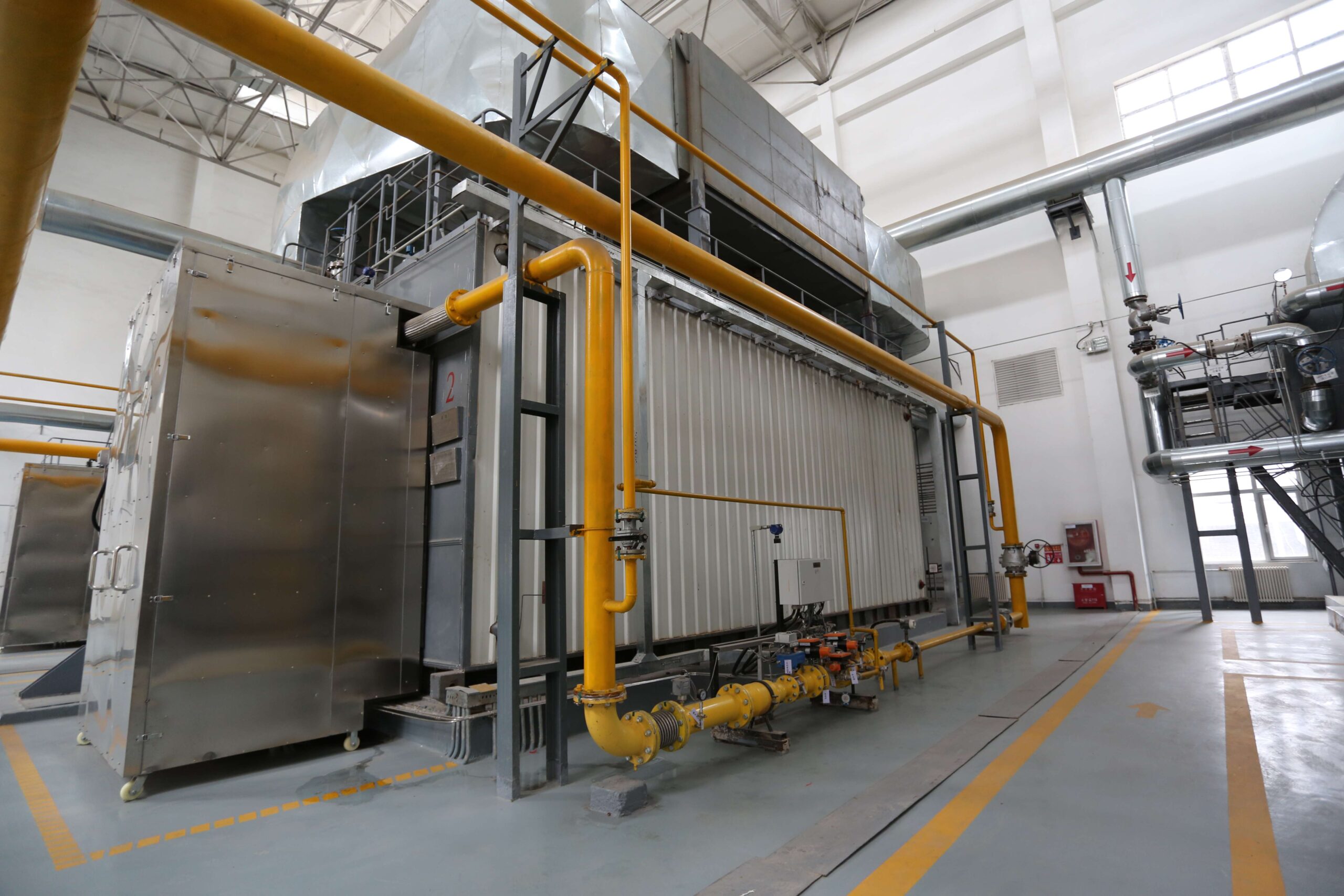
When Does Boiler Replacement Offer a Better ROI Than Repair or Upgrade?
Every boiler reaches a crossroads—continue repairing, invest in upgrades, or replace it outright. While repairs may seem cheaper upfront, older units incur rising costs from fuel waste, emergency fixes, and downtime. Upgrades can restore some function but often can’t fix core limitations like outdated combustion design or low thermal efficiency. The best return on investment (ROI) doesn’t always come from preserving what’s already obsolete. Instead, a strategically timed replacement can slash fuel consumption, lower maintenance expenses, ensure compliance, and add decades of reliable service—yielding superior long-term financial and operational outcomes.
Boiler replacement offers a better ROI than repair or upgrade when cumulative maintenance costs exceed 15–20% of the boiler’s value annually, fuel efficiency drops below 80–85%, emissions near non-compliance, and control systems are outdated. In such cases, new high-efficiency boilers reduce fuel use by 10–20%, eliminate recurring repairs, and qualify for modern automation and emissions compliance. These savings typically offset replacement costs within 2–4 years, making full replacement the most financially and operationally sound choice.
In other words: stop patching holes when a new ship sails farther, faster, and cheaper.
Boiler replacement offers better ROI than repeated repairs when efficiency and reliability drop significantly.True
When maintenance costs escalate and performance degrades, a modern boiler can reduce OPEX enough to recover the capital expense within a few years.
Repairing or upgrading is always more cost-effective than replacing a boiler.False
In older systems, repairs may only offer short-term relief while replacement provides long-term savings in fuel, labor, and compliance.
🔍 Repair vs. Upgrade vs. Replace: ROI Decision Factors
| Criteria | Repair | Upgrade | Replace |
|---|---|---|---|
| Initial Cost | Low | Medium | High |
| Efficiency Improvement | None | Moderate (3–5%) | Significant (10–20%) |
| Emissions Compliance | May still fail | Limited (depends on retrofitting) | Full compliance |
| Downtime Risk | Recurring | Reduced but present | Minimal (after install) |
| System Life Extension | 1–3 years | 3–7 years | 20–30 years |
| Automation/Monitoring Capable? | No | Partial | Yes (fully) |
| Annual Fuel Savings | $0 | $10,000–$30,000 | $40,000–$100,000 |
| Payback Time (ROI) | None | 3–6 years | 2–4 years |
📊 Real-World ROI Analysis: Repair vs Replacement Over 5 Years
| Cost Category | Keep Repairing | Upgrade Boiler | Replace Boiler |
|---|---|---|---|
| Annual Maintenance Cost | $28,000 | $18,000 | $5,000 |
| Fuel Cost (@ $10/MMBtu) | $520,000 | $470,000 | $410,000 |
| Downtime Loss (Est.) | $30,000 | $12,000 | $5,000 |
| Upgrade/Replacement CapEx | $0 | $150,000 | $350,000 |
| 5-Year Total Cost | $2,890,000 | $2,590,000 | $2,225,000 |
| Net Savings vs Repair | — | $300,000 | $665,000 |
| ROI Break-Even Point | — | Year 4 | Year 2.8 |
Insight: Despite higher upfront cost, replacement provides the highest total ROI over a 5-year horizon.
🧪 Case Study: Replacement ROI Outweighs Upgrade
Facility: Textile dyeing plant
Old System: 12 TPH fire-tube boiler, 2004 model
Situation:
Fuel efficiency dropped to 79%
NOₓ emissions over 250 mg/Nm³
Burner could not be upgraded to low-NOₓ standard
$34,000/year in maintenance
Considering $180,000 upgrade vs $380,000 new boiler
Action: Replaced with 92% efficient, fully automated gas-fired boiler
Results:
Annual fuel savings of $70,000
Emissions fully compliant
Maintenance reduced to $6,000/year
ROI achieved in 2.9 years
⚙️ Technical Limitations That Justify Replacement
| Limitation | Why Upgrade Fails | Replacement Advantage |
|---|---|---|
| Aging heat exchanger | Retubing is temporary fix | New exchanger ensures full heat transfer |
| No O₂ trim or burner control | Retrofit cost high; partial benefit | Built-in modulation with advanced tuning |
| Obsolete control panels | Limited digital integration | PLC/SCADA-ready with remote access |
| Manual start/stop cycles | Inefficient during load variation | Fully automated load tracking |
| High flue gas temperature (>250°C) | Indicates poor heat utilization | Condensing or economized design |
| Frequent pressure loss | May signal internal corrosion | New pressure vessel ensures reliability |
✅ Replacement Decision Checklist
Annual repair/maintenance cost >15% of boiler value
Fuel efficiency <82% or trending downward
Emissions at or above regulatory limits
Control system cannot integrate with SCADA/BMS
Downtime frequency is increasing
Spare parts are becoming difficult to find
Upgrade cost >50% of new system, with limited ROI
Technology gap prevents predictive maintenance or remote monitoring
If you check 4 or more, replacement is likely the most profitable long-term solution.
📈 Additional ROI Drivers for Boiler Replacement
| ROI Factor | Impact |
|---|---|
| Energy Savings | Up to 20% lower gas cost |
| Automation | Reduced labor, safer operation |
| Regulatory Compliance | Avoids fines and permit risks |
| Heat Recovery Potential | Economizers add 3–5% extra efficiency |
| Carbon Tax/ESG Credits | Offset costs via emissions reduction programs |
| Future-Proofing | Integration with IoT, AI diagnostics |
Clinging to an aging boiler may seem cheaper today, but the compounding fuel waste, repair bills, and performance losses can quickly eclipse the value of a well-timed replacement. When inefficiencies, emissions risks, and tech obsolescence add up, full replacement becomes not only inevitable—but economically intelligent.
🔍 Conclusion
Replacing your industrial boiler at the right time ensures uninterrupted operations, improved energy efficiency, and reduced long-term costs. Monitoring key performance and safety indicators can help you plan ahead and avoid costly downtime.🔥📈✅
FAQ
Q1: What is the typical lifespan of an industrial gas-fired boiler?
A1: Most industrial gas-fired boilers have a lifespan of 20 to 30 years with proper maintenance. However, factors such as operating hours, maintenance quality, water treatment practices, and load cycles can shorten or extend their operational life. If your boiler is approaching or exceeding this age, it’s wise to evaluate its condition and compare replacement vs. repair costs.
Q2: How can declining efficiency signal the need for replacement?
A2: As boilers age, their efficiency naturally declines due to heat exchanger wear, scale buildup, and outdated controls. If your boiler is consuming more fuel to produce the same output—or if energy bills are consistently rising—it may be time for an upgrade. New high-efficiency models can cut fuel costs by 10–20% or more, making replacement a cost-effective decision over time.
Q3: When do frequent breakdowns justify replacing a gas-fired boiler?
A3: If your boiler experiences frequent repairs, unplanned downtime, or replacement of major components (e.g., burners, controls, heat exchangers), the cumulative repair costs can quickly exceed the price of a new unit. Additionally, frequent shutdowns disrupt productivity. A boiler that needs constant attention is a strong candidate for replacement.
Q4: What safety concerns indicate the need for boiler replacement?
A4: Safety should never be compromised. Cracked heat exchangers, recurring gas leaks, pressure fluctuations, and outdated safety systems are serious red flags. If safety inspections frequently highlight code violations or operational risks, replacement is not just recommended—it may be required by law or insurance.
Q5: Are there regulatory or operational reasons to upgrade an older boiler?
A5: Yes. Environmental regulations regarding NOx, CO₂, and particulate emissions are becoming stricter. Older boilers may no longer comply with updated standards, risking fines or operational restrictions. Also, newer boilers offer digital monitoring, better automation, and remote diagnostics, which improve system performance and maintenance efficiency.
References
Industrial Boiler Maintenance and Lifespan – https://www.energy.gov/eere/femp/boiler-maintenance – U.S. Department of Energy
When to Replace Your Boiler – https://www.cleaverbrooks.com/reference-center/boiler-efficiency-guide.aspx – Cleaver-Brooks
Industrial Gas Boiler Efficiency Decline – https://www.spiraxsarco.com/global/en-GB/learn-about-steam/the-boiler-house/boiler-efficiency – Spirax Sarco
Cost of Boiler Repairs vs. Replacement – https://www.buildings.com/articles/27345/boiler-repair-or-replace – Buildings.com
Boiler Safety and Code Compliance – https://www.abma.com/safety – American Boiler Manufacturers Association
Boiler Emissions Regulations – https://www.epa.gov/stationary-sources-air-pollution/boiler-compliance-at-area-sources – U.S. EPA
Signs It’s Time to Replace Your Boiler – https://www.miuraboiler.com/blog/boiler-replacement-signs – Miura Boiler
Understanding Boiler Failures – https://www.nachi.org/boiler-life-expectancy.htm – InterNACHI
Boiler Inspection and Risk Management – https://www.hsb.com/HSBGroup/InspectionServices.aspx – Hartford Steam Boiler
Energy-Saving Benefits of New Boilers – https://www.viessmann-us.com/en/knowledge/when-to-replace-boiler.html – Viessmann
