Industrial Coal-Fired Boiler Certification and Compliance Requirements
A coal-fired boiler project is not compliant simply because the manufacturer holds a recognized boiler certificate or quality-system certification.
For buyers, EPC contractors, plant owners, and project engineers, compliance has to connect the specific boiler, actual design coal, destination-market requirements, environmental conditions, inspection plan, and documented evidence supplied with the project.
For an industrial coal-fired boiler, six areas normally need to be defined before the purchase order is finalized:
- Construction and regulatory basis
- Design coal and allowable fuel range
- Environmental and site requirements
- Manufacturing inspection and testing
- Compliance documentation
- Site approval and commissioning requirements
The practical question is therefore not:
“Which international certificates does the supplier have?”
It is:
“What requirements apply to this coal-fired boiler project, and what evidence will demonstrate compliance with those requirements?”
This article focuses on applying compliance requirements to coal-fired boiler projects. For a detailed explanation of ASME BPVC, PED/CE, ISO, NFPA, NBIC, and their different roles, see our Industrial Boiler Safety Standards and Compliance Requirements.
Quick Answer: What Should Buyers Verify?
Before ordering a coal-fired boiler, establish the project’s:
- construction and regulatory basis;
- design coal and permitted fuel envelope;
- applicable environmental requirements;
- inspection and test plan;
- required compliance dossier; and
- local registration, installation, and operating requirements.
These elements are connected.
Coal properties can affect heat input, combustion, ash loading, flue-gas conditions, and performance guarantees. Environmental requirements can affect the pollution-control scope. Inspection requirements can change manufacturing hold points. Local approvals may determine what documentation must be available before commissioning.
That is why compliance should be established before detailed engineering and fabrication, rather than reconstructed when the boiler is ready to ship.
What Makes Coal-Fired Boiler Compliance Different?
General Boiler Codes Are Not Coal-Specific
Construction frameworks such as ASME BPVC or applicable European pressure-equipment requirements are not unique to coal-fired boilers. Similar construction requirements may apply to gas-fired, biomass-fired, or other industrial boiler types.
For a coal-fired project, the important construction question is therefore:
What construction and regulatory basis applies to this project, and can the manufacturer provide the corresponding authorization, inspection, marking, and documentation?
There is no need to re-explain ASME, PED, CE, ISO, or NFPA from the beginning in a coal-specific article. Those frameworks should instead be incorporated into the project specification where applicable.
Coal Adds a Separate Fuel and Environmental Layer
The main difference begins with the fuel.
Coal is not a uniform engineering input. Its calorific value, moisture, ash, sulfur, volatile matter, fixed carbon, ash characteristics, and particle size can vary significantly.
ASTM maintains dedicated coal standards covering sampling and characteristics including calorific value, moisture, sulfur, volatile matter, ash fusibility, and coal size. This is one reason a specification that says only “Fuel: Coal” is inadequate as an engineering basis.
Coal-fired projects can also involve additional considerations around coal storage, dust, ash handling, emissions, pollution-control systems, and environmental permitting.
The compliance challenge is therefore to connect the certified equipment to the actual coal and actual installation environment.
Step 1 — Define the Project Compliance Basis Before Ordering
Start With the Destination Market and AHJ
The first question should not be which certificates the supplier can offer.
Start by determining where the equipment will operate.
Identify, as applicable:
- destination country;
- state, province, or local jurisdiction;
- boiler or pressure-equipment authority;
- environmental regulator;
- owner requirements;
- EPC specifications;
- third-party inspection requirements;
- local registration or operating requirements.
A respected international construction code does not automatically replace local legal requirements.
Define the Construction Basis
Before the contract is finalized, confirm:
- applicable construction code;
- manufacturer authorization requirements;
- required certification mark, stamp, or designator where applicable;
- authorized or third-party inspection requirements;
- required construction records.
For projects using ASME construction, for example, ASME certification is organized around defined BPVC scopes and certificate-holder authorizations rather than a generic company-level statement that “we have ASME.”
Detailed differences among ASME, PED/CE, ISO, NFPA, and other frameworks are covered in our industrial boiler safety standards and compliance requirements guide.
Identify Site-Specific Requirements Early
Coal projects may also require confirmation of:
- environmental permits;
- restrictions on new coal combustion installations;
- stack or emissions requirements;
- coal-storage controls;
- ash-management requirements;
- site fire or dust requirements;
- emissions testing or monitoring;
- installation approval.
These questions can change the scope of the boiler plant and should therefore be identified before equipment design is frozen.
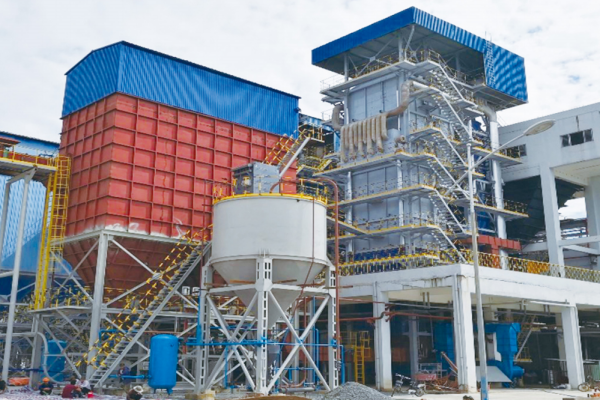 coal-fired boiler project 10
Step 2 — Define the Design Coal and Allowable Fuel Envelope
This is one of the most important coal-specific parts of the compliance basis.
“Coal-Fired” Is Not a Complete Fuel Specification
A boiler specification should not stop at:
Fuel: Bituminous coal
or:
Fuel: Local coal
Coal with the same broad commercial description can still differ substantially in properties important to boiler design.
Depending on the project, the technical fuel specification may need to define parameters such as:
- calorific value;
- total moisture;
- ash;
- sulfur;
- volatile matter;
- fixed carbon;
- elemental analysis where required;
- ash-fusion characteristics where relevant;
- particle-size distribution.
For a deeper discussion of how these properties affect combustion and boiler selection, see How Fuel Types & Combustion Influence Industrial Coal-Fired Boiler Selection.
Make the Coal Analysis Part of the Engineering Basis
A laboratory analysis only becomes useful for procurement when the project team identifies which data will actually be used for boiler design and guarantees.
That reference fuel can be defined as the design coal.
It may influence calculations or assumptions relating to:
- heat input;
- required coal consumption;
- combustion-system design;
- furnace conditions;
- flue-gas flow;
- ash loading;
- heating-surface arrangement;
- pollution-control loading;
- guaranteed boiler performance.
The reporting basis also matters.
Coal-analysis results may be stated on different moisture bases. ASTM D3180-25 — Standard Practice for Calculating Coal and Coke Analyses from As-Determined to Different Bases provides methods for converting analytical results between commonly used moisture bases.
For contractual purposes, comparing two coal analyses without confirming the reporting basis can therefore create avoidable ambiguity.
Design Coal vs. Allowable Coal Range
These should not be treated as the same thing.
Design coal is the reference fuel used to establish the boiler’s engineering and performance basis.
Allowable fuel range defines the agreed range of coal characteristics within which the equipment is expected to operate under specified conditions.
Depending on the project, the allowable range may include boundaries for:
| Fuel Parameter | Why It May Matter |
|---|---|
| Calorific value | Affects heat input and fuel consumption |
| Moisture | Affects available heat and flue-gas conditions |
| Ash | Affects ash loading and solids-handling duty |
| Sulfur | Can affect emissions and environmental-control requirements |
| Volatile matter | Influences ignition and combustion behavior |
| Particle size | Can affect fuel preparation, feeding, and combustion |
| Ash characteristics | May be relevant to slagging or fouling risk |
These are project-specific engineering limits, not universal coal-quality limits.
A supplier statement such as:
“This boiler can burn different types of coal.”
is therefore incomplete unless “different types” is translated into a defined engineering envelope.
Tie Performance Guarantees to the Fuel Basis
The contract should identify the fuel conditions under which performance guarantees apply.
Depending on project scope, this may affect guarantees for:
- rated steam output;
- boiler efficiency;
- fuel consumption;
- auxiliary power where contractually guaranteed;
- flue-gas conditions;
- environmental performance;
- stable operating range.
The core principle is simple:
A performance guarantee without a clearly defined fuel basis is difficult to enforce.
If the guarantee specifies steam capacity and efficiency but the contract never establishes what coal the calculation assumes, a later performance test can turn into a disagreement over the test conditions rather than an objective evaluation of the boiler.
Hypothetical Example: When the Operating Coal Falls Outside the Fuel Envelope
Consider a hypothetical project in which the boiler specification states only:
Fuel: Bituminous coal
The manufacturer performs the boiler design using one assumed coal analysis.
However, the contract never establishes an agreed calorific-value range, moisture range, ash range, or allowable fuel envelope.
After commissioning, the plant begins using locally sourced coal with a lower heating value, higher moisture, and higher ash than the coal used during design.
Potential consequences may include:
- higher fuel consumption for the same heat input;
- increased ash loading;
- changed flue-gas flow;
- reduced operating margin;
- different environmental performance;
- difficulty demonstrating the original capacity or efficiency guarantee.
A commercial dispute can then arise:
Is the boiler underperforming, or is the operating fuel outside the conditions on which the guarantee was based?
The underlying problem started before fabrication.
Coal analysis was treated as purchasing information instead of a contractual engineering input.
The better approach is to establish:
Design Coal → Allowable Fuel Range → Performance Guarantee Basis
before the purchase order is finalized.
Real Project Context: What a Reference Project Can—and Cannot—Prove
Taishan Group’s published project portfolio includes two 170 TPH coal-fired CFB boilers for the VINACOMIN Bauxite-Alumina Project in Vietnam, with a published working pressure of 2.5 MPa.
That project is useful evidence that the manufacturer has experience delivering coal-fired CFB equipment at this scale.
However, a reference project alone does not prove that a new project has the same:
- coal specification;
- construction-code basis;
- environmental permit;
- pollution-control requirements;
- inspection plan;
- documentation requirements.
That distinction is important in supplier evaluation.
Relevant project experience is supporting evidence; it does not replace project-specific compliance verification.
A buyer should still compare the proposed equipment against the fuel, jurisdiction, environmental conditions, and contract requirements of the new project.
Step 3 — Define Environmental and Site Compliance Inputs
Environmental requirements should be identified early because they can affect both the boiler and the auxiliary-equipment scope.
Determine the Applicable Regulatory Basis
There is no single worldwide coal-fired boiler emission standard.
Requirements vary according to factors such as:
- jurisdiction;
- facility category;
- boiler size and thermal input;
- fuel;
- permit status;
- whether equipment is new or existing.
The U.S. EPA, for example, maintains separate rules for industrial, commercial, and institutional boilers at area and major sources. The area-source rule covers boilers firing fuels including coal and establishes requirements addressing hazardous air pollutants through pollutant- or surrogate-based standards.
The EU uses a different regulatory structure. The consolidated Industrial Emissions Directive includes provisions for combustion plants and requirements relating to pollutants such as sulfur dioxide, nitrogen oxides, and dust for installations within its scope.
The engineering team should therefore use the actual applicable permit and regulation, not a generic international emissions table.
For a deeper discussion of this topic, see Environmental and Emission Regulations Impacting Industrial Coal-Fired Boiler Selection.
Define the Emission Guarantee Basis
A numerical guarantee alone can be ambiguous.
For example:
NOx ≤ X mg/Nm³
does not fully define how compliance will be evaluated.
Depending on the regulation and contract, the guarantee may also need to state:
- reference oxygen concentration;
- dry or wet gas basis;
- reference temperature and pressure;
- boiler load;
- design fuel;
- averaging period;
- test method.
A more robust guarantee therefore defines both:
the limit
and:
the reference conditions used to evaluate the limit.
Confirm the Pollution-Control Scope
Once environmental requirements are known, define who is responsible for the equipment required to meet them.
The scope may involve categories such as:
- particulate control;
- sulfur control;
- NOx control;
- fly-ash handling;
- bottom-ash handling;
- stack testing;
- emissions monitoring.
The actual technologies should be selected according to the coal, boiler design, permit requirements, operating profile, and project economics.
Detailed control-method discussion belongs in the dedicated NOx, SOx & Particulate Emission Compliance for Boilers guide rather than in this project-compliance article.
Include Coal Storage and Ash in the Compliance Boundary
The environmental boundary of a coal boiler project may extend beyond the boiler itself.
The owner/EPC team should determine whether requirements apply to:
- coal receiving and unloading;
- storage;
- dust control;
- conveying;
- fire or spontaneous-heating risk controls;
- fly-ash storage;
- bottom-ash handling;
- ash disposal or reuse.
These systems can affect project approval even though they are not part of the boiler pressure boundary.
Step 4 — Define Manufacturing Inspection and Testing Requirements
Inspection requirements need to be agreed before the manufacturing steps they are intended to verify.
Establish the Inspection and Test Plan Before Fabrication
The project should define, where applicable:
- manufacturer inspection activities;
- owner/EPC review points;
- third-party inspection;
- Authorized Inspector involvement;
- witness points;
- hold points;
- required document reviews.
A late request for third-party inspection cannot always recreate evidence from fabrication stages that have already been completed.
Verify Material Traceability
Depending on the applicable code and contract, buyers may require evidence such as:
- material certificates;
- heat or material identification;
- pressure-part traceability;
- material receiving records.
The objective is not to create unnecessary documentation.
It is to maintain a traceable link between the pressure parts installed in the boiler and the material evidence required by the project.
Verify Welding and NDE Evidence
Where applicable, compliance records may include:
- Welding Procedure Specifications (WPS);
- Procedure Qualification Records (PQR);
- welder qualifications;
- NDE procedures;
- personnel qualifications;
- required RT, UT, MT, or PT records.
The project should follow the examination scope required by the construction basis and contract.
It should not simply demand every available NDE method.
Pressure Testing and Factory Inspection
Acceptance evidence can also include, where specified:
- hydrostatic-test records;
- dimensional inspection;
- pressure-part inspection;
- safety-related equipment documentation;
- functional or factory tests included in the contract.
There is no single universal FAT checklist for every industrial coal-fired boiler.
The FAT and inspection scope should come from the agreed specification, applicable construction requirements, supplied equipment, and inspection plan.
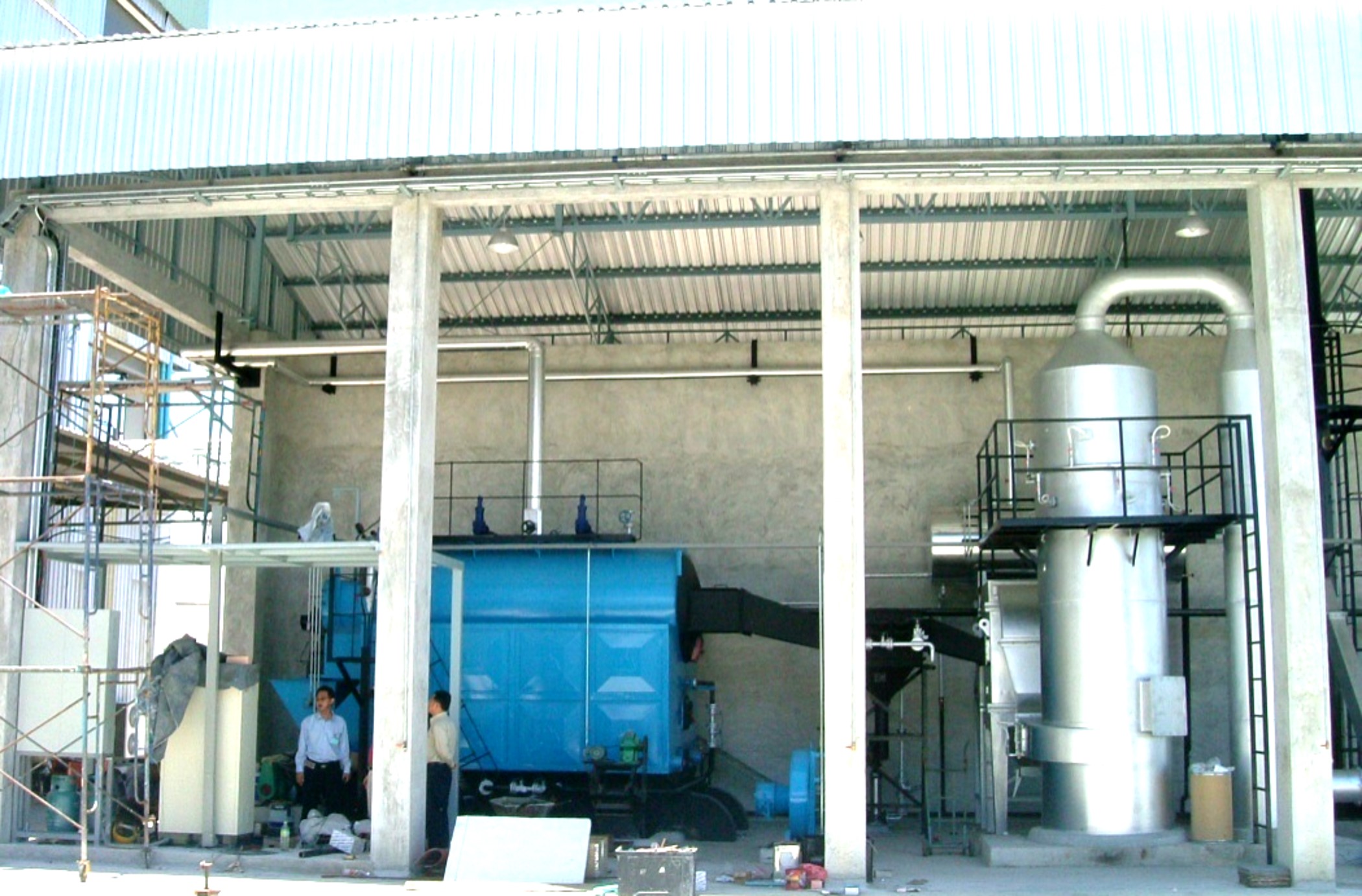
Step 5 — Define the Compliance Documentation Package
The required dossier should be identified before manufacturing begins.
This section refers to compliance evidence, not every operating manual, spare-parts list, drawing, or commercial document supplied with the project.
Construction and Manufacturing Evidence
Depending on project requirements, the dossier may include:
- Manufacturer’s Data Reports where applicable;
- material certificates;
- welding qualification records;
- NDE reports;
- pressure-test records;
- inspection releases;
- applicable construction-code records.
Certification and Conformity Evidence
Depending on the destination market and construction basis, this may include:
- applicable code-mark documentation;
- manufacturer authorization evidence;
- conformity declarations;
- third-party inspection reports;
- Notified Body documents where applicable;
- jurisdiction-specific certificates.
The correct package is the one required by the actual project—not the longest possible list of international certificates.
Fuel and Performance-Basis Documents
Coal-specific records should preserve the agreed assumptions used to sell and engineer the boiler.
Important documents may therefore include:
- approved design-coal analysis;
- allowable fuel envelope;
- agreed analysis/reporting basis;
- performance-guarantee conditions;
- environmental-guarantee conditions.
This documentation can become especially important if the operating fuel changes after commissioning.
Avoid Turning This Into a Generic Delivery List
Compliance documentation is only one part of the full procurement package.
A complete boiler tender also needs to define equipment scope, auxiliaries, performance, drawings, spares, warranty, installation responsibilities, schedule, and commercial terms.
For that wider procurement structure, see our Industrial Boiler RFQ Requirements and Tender Documents guide.
Step 6 — Establish a Pre-Shipment Compliance Gate
Shipment should not be the first time the buyer reviews the compliance dossier.
Before releasing the boiler for shipment, confirm that:
- required manufacturing inspections are complete;
- required pressure or factory tests have been accepted;
- material and pressure-part records are complete;
- significant NCRs affecting acceptance are closed;
- required certification or conformity records are available;
- the document index identifies any outstanding site-stage records;
- design-coal and allowable-fuel requirements still match the contract;
- performance and emission guarantees use the agreed reference basis.
The purpose is to clearly separate:
factory-stage compliance activities
from:
requirements that can only be completed at site.
This reduces the chance of discovering missing manufacturing evidence after the equipment has already left the factory.
Step 7 — Confirm Site Approval and Commissioning Requirements
Factory completion does not necessarily authorize the boiler to operate.
Before installation and commissioning, the project owner should confirm applicable requirements for:
- equipment registration;
- installation approval;
- local pressure-equipment inspection;
- environmental permits;
- commissioning witness;
- performance testing;
- environmental testing;
- operating authorization.
These requirements vary by jurisdiction.
The objective here is not to describe the commissioning procedure itself, but to identify the approvals and evidence that can block commercial operation if they are left unresolved.
For detailed startup and site-work considerations, see Best Practices for Industrial Boiler Installation and Commissioning.
Coal-Fired Boiler Compliance Verification Matrix
| Project Stage | What Must Be Confirmed | Typical Evidence |
|---|---|---|
| Project definition | Destination market, AHJ, compliance basis | Regulatory review / project specification |
| Fuel definition | Design coal and allowable range | Coal analysis / fuel specification |
| Engineering | Construction basis and technical requirements | Approved drawings / calculations |
| Environmental design | Limits, scope, and guarantee basis | Permit criteria / emission specification |
| Manufacturing | QA, welding, NDE, inspection | Manufacturing and inspection records |
| Testing | Required pressure/FAT/witness tests | Test reports |
| Pre-shipment | Compliance dossier completeness | Document index / release records |
| Installation | Registration and site approval | Authority / inspection records |
| Commissioning | Performance and regulatory acceptance | Test and commissioning records |
This is a verification framework, not a universal mandatory document list. The actual requirements depend on the construction basis, contract, owner specification, destination jurisdiction, and environmental rules.
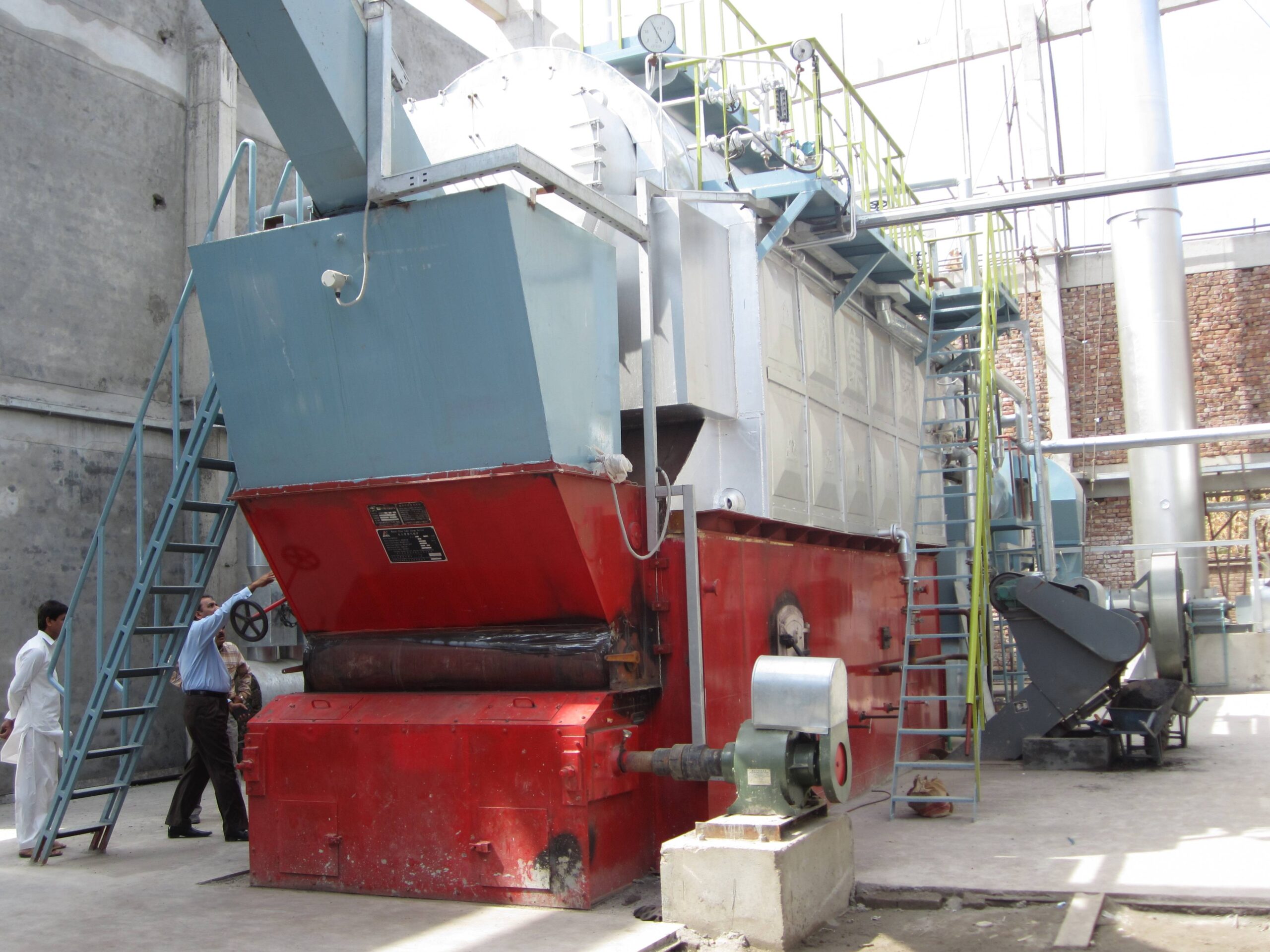
Three Compliance Mistakes That Create Coal-Fired Boiler Project Risk
1. Selecting Certificates Before Defining Project Requirements
Starting a specification with:
“Required: ASME + CE + ISO”
can reverse the correct engineering sequence.
Start instead with:
Destination Market → AHJ → Construction Basis → Environmental Requirements → Required Evidence
Only then should the contract identify the certifications, inspections, or documents needed to demonstrate compliance.
2. Treating Coal Analysis as a Commercial Detail
Coal analysis is not merely information for fuel purchasing.
It can affect:
- boiler output;
- fuel consumption;
- efficiency;
- ash loading;
- combustion behavior;
- environmental performance;
- contractual guarantees.
If the actual operating fuel is outside the agreed envelope, evaluating boiler performance becomes more difficult.
That is why the design coal and allowable fuel range should be confirmed before engineering is frozen.
3. Reviewing Compliance Evidence Only Before Shipment
Late review can reveal:
- missing inspection witness points;
- incomplete material traceability;
- missing welding or NDE evidence;
- unresolved manufacturing comments;
- incomplete conformity documentation;
- unclear environmental-test conditions.
Some gaps may be recoverable.
Others may require reinspection, additional engineering, or even fabrication rework.
Compliance should be built into the project—not assembled retrospectively at the shipping stage.
Final Takeaway
Coal-fired boiler compliance is a project-level engineering and regulatory process, not a certificate checklist.
A robust compliance basis aligns:
Construction Requirements + Design Coal + Environmental Requirements + Inspection Evidence + Compliance Documentation + Local Approval
Before issuing the purchase order, define at least:
- destination country and jurisdiction;
- boiler capacity and steam conditions;
- construction basis;
- design coal;
- allowable fuel envelope;
- applicable environmental requirements;
- inspection plan;
- required compliance records.
Doing this early reduces the risk of redesign, inspection disputes, incomplete documentation, performance-guarantee disagreements, or approval problems after manufacturing has begun.
If you are preparing a coal-fired boiler project, send the destination country, steam conditions, available coal analysis, environmental requirements, and known project standards through our Contact and Project Support page so the technical and compliance basis can be reviewed before the specification is finalized.
FAQ
What should be included in a coal-fired boiler compliance specification?
A practical specification should identify the destination jurisdiction, applicable construction basis, design coal and allowable fuel range, environmental requirements, inspection and testing requirements, compliance documentation, and local approval conditions. It should not rely only on a generic list of international certificates.
Why must the design coal be defined before boiler engineering?
Because coal characteristics form part of the engineering basis for combustion, heat input, fuel consumption, ash generation, flue-gas conditions, environmental performance, and performance guarantees. A vague description such as “bituminous coal” does not establish all of these conditions.
Which coal properties should be linked to performance guarantees?
The exact parameters depend on the project, but commonly relevant properties can include calorific value, moisture, ash, sulfur, volatile matter, and other characteristics that materially affect the agreed boiler performance. The analysis basis and allowable ranges should also be defined.
What compliance records should be reviewed before shipment?
Depending on the construction basis and contract, buyers may need to review material and traceability records, welding qualifications, NDE records, pressure-test documentation, inspection releases, applicable conformity evidence, design-fuel records, and agreed performance/environmental documentation.
Are coal-fired boiler emission requirements the same worldwide?
No. Requirements vary according to jurisdiction, facility category, boiler size, fuel, permit conditions, and applicable environmental law. Project-specific regulatory and permit requirements should therefore be established before pollution-control equipment and emission guarantees are finalized.
When should third-party inspection requirements be agreed?
Before manufacturing begins. Third-party inspectors may need to review documents or witness defined manufacturing and testing stages, and some evidence cannot be recreated reliably after those stages have passed.
Related Guides
- Industrial Boiler Safety Standards and Compliance Requirements
- How Fuel Types & Combustion Influence Industrial Coal-Fired Boiler Selection
- Environmental and Emission Regulations Impacting Industrial Coal-Fired Boiler Selection
- NOx, SOx & Particulate Emission Compliance for Boilers
- Industrial Boiler RFQ Requirements and Tender Documents
- Best Practices for Industrial Boiler Installation and Commissioning
References
ASTM International — Coal Standards and Gas Standards
Official ASTM catalogue covering coal sampling and test standards for properties such as calorific value, moisture, sulfur, volatile matter, ash characteristics, and coal size.
Official ASTM standard covering conversion of coal and coke analytical data between commonly used moisture bases.
ASME — Boiler and Pressure Vessel Certification
Official ASME information on BPVC certification, authorization, and Certification Mark requirements.
US EPA — Industrial, Commercial, and Institutional Area Source Boilers
Official EPA information on NESHAP requirements for applicable industrial, commercial, and institutional boilers at area sources.
US EPA — Industrial, Commercial, and Institutional Boilers and Process Heaters at Major Sources
Official EPA regulatory information for applicable boilers and process heaters at major sources.
European Union — Consolidated Industrial Emissions Directive 2010/75/EU
Official consolidated EU legislation covering industrial emissions, including provisions for combustion plants within its scope.
Taishan Group — VINACOMIN Bauxite-Alumina Coal-Fired CFB Boiler Project
Taishan Group’s published project case documenting two 170 TPH coal-fired CFB boilers with a working pressure of 2.5 MPa.
Industrial Coal-Fired Boiler Certification and Compliance Requirements Read More »