Many industrial boiler procurement projects face delays, budget overruns, or supplier misunderstandings because RFQs (Request for Quotations) and tender documents are incomplete or unclear. Missing technical details, undefined performance expectations, or inadequate compliance requirements can result in inaccurate quotations, incompatible equipment, and costly contract disputes. A well-prepared RFQ and tender package is essential to ensure suppliers fully understand the project scope and deliver the correct boiler solution.
Common RFQ requirements and tender documents for industrial boilers typically include technical specifications, boiler capacity and operating conditions, fuel type, efficiency targets, emission standards, applicable codes and certifications, scope of supply, project timelines, installation requirements, inspection and testing criteria, warranty terms, and commercial conditions. These documents help ensure accurate supplier evaluation, competitive pricing, and successful project execution.
Understanding the key components of industrial boiler RFQs and tenders can significantly improve procurement efficiency and reduce project risks.
What Technical Specifications Should Be Included in an Industrial Boiler RFQ?
Preparing a Request for Quotation (RFQ) for an industrial boiler project is one of the most important stages in the procurement process, yet it is also one of the areas where costly mistakes are frequently made. Many organizations issue RFQs that contain incomplete technical details, unclear operating requirements, inconsistent design standards, or missing performance expectations. ⚠️ As a result, suppliers may submit quotations based on different assumptions, making accurate comparison difficult and increasing the risk of budget overruns, performance issues, delays, or compliance problems after installation. In some cases, insufficient RFQ specifications can even lead to selecting equipment that is fundamentally unsuitable for the intended process application. A well-structured RFQ must therefore provide comprehensive technical information that allows suppliers to design, price, and propose solutions accurately while ensuring all bidders are evaluated on a consistent basis.
An industrial boiler RFQ should include detailed technical specifications covering boiler capacity, operating pressure, steam or hot water requirements, fuel type, efficiency targets, emissions limits, load profile, feedwater quality, auxiliary equipment, control systems, installation conditions, regulatory standards, utility availability, environmental requirements, safety expectations, testing procedures, and project scope. Comprehensive RFQ documentation enables suppliers to prepare accurate quotations, improves technical comparability, reduces procurement risk, and supports successful project execution.
For plant managers, project engineers, procurement teams, EPC contractors, and facility owners, understanding which technical specifications should be included in a boiler RFQ is essential for achieving reliable project outcomes and avoiding expensive procurement errors. 📊 This article explores the key technical details that should be incorporated into an industrial boiler RFQ and explains why each specification matters.
A detailed industrial boiler RFQ improves quotation accuracy and supplier comparability.True
Clear technical specifications reduce ambiguity and allow suppliers to prepare consistent proposals based on the same project requirements.
Boiler capacity alone is sufficient for suppliers to prepare an accurate industrial boiler quotation.False
Suppliers require comprehensive operational, environmental, regulatory, and engineering information to develop reliable proposals.
Why RFQ Quality Matters 💡
An RFQ serves as the technical and commercial foundation of the procurement process.
A poorly prepared RFQ often results in:
· Inconsistent supplier quotations
· Scope gaps and hidden costs
· Delayed project schedules
· Equipment mismatches
· Increased lifecycle costs
Conversely, a detailed RFQ improves communication, reduces uncertainty, and increases the likelihood of successful project execution.
Common RFQ Objectives
| Objective | Purpose |
|---|---|
| Define Technical Requirements | Ensure Proper Equipment Selection |
| Standardize Supplier Responses | Improve Comparability |
| Reduce Procurement Risk | Minimize Misunderstandings |
| Clarify Scope Responsibilities | Avoid Cost Disputes |
| Support Lifecycle Evaluation | Improve Investment Decisions |
A strong RFQ helps align technical expectations across all stakeholders.
Boiler Type and Application Requirements 🔥
The RFQ should clearly define the intended boiler application and preferred boiler type.
Suppliers need this information to determine the appropriate system configuration and design approach.
Boiler Application Information
| Specification | Examples |
|---|---|
| Boiler Type | Fire-Tube, Water-Tube, Electric |
| Application | Steam Generation, Hot Water |
| Industry | Food Processing, Chemical, Textile |
| Process Criticality | Continuous Operation, Backup Duty |
The intended application significantly influences equipment selection and engineering requirements.
Required Boiler Capacity 📈
Capacity is one of the most fundamental specifications in any boiler RFQ.
However, it should be defined carefully and consistently.
Capacity Specifications
| Parameter | Example |
|---|---|
| Steam Output | kg/h or lb/h |
| Hot Water Capacity | kW or BTU/hr |
| Peak Demand | Maximum Load |
| Minimum Operating Load | Lowest Stable Demand |
| Future Expansion Allowance | Additional Capacity Requirement |
Accurate load calculations help prevent oversizing and inefficient operation.
Operating Pressure and Temperature Requirements 🌡️
Suppliers must understand the required operating conditions to ensure safe and compliant boiler design.
Critical Operating Parameters
| Specification | Importance |
|---|---|
| Steam Pressure | Process Compatibility |
| Steam Temperature | Energy Requirements |
| Hot Water Supply Temperature | Heating Performance |
| Return Water Temperature | Efficiency Optimization |
These variables strongly influence equipment configuration and material selection.
Fuel Type Specifications ⛽
Fuel characteristics directly affect burner design, combustion performance, emissions compliance, and operating costs.
Fuel Information Required
| Specification | Example |
|---|---|
| Primary Fuel | Natural Gas |
| Secondary Fuel | Diesel Backup |
| Fuel Pressure | Supply Conditions |
| Fuel Quality | Heating Value |
| Future Fuel Flexibility | Hydrogen Readiness |
Fuel flexibility may also influence long-term lifecycle economics.
Boiler Efficiency Requirements ⚡
Efficiency targets should be clearly stated within the RFQ.
This ensures suppliers propose systems aligned with project energy objectives.
Efficiency-Related Specifications
| Requirement | Purpose |
|---|---|
| Minimum Thermal Efficiency | OPEX Reduction |
| Condensing Requirement | Heat Recovery |
| Part-Load Efficiency Expectations | Real-World Performance |
| Heat Recovery Systems | Additional Energy Savings |
Efficiency expectations should ideally reflect actual operating conditions rather than only peak-load performance.
Load Profile and Operating Conditions 🔄
Industrial boilers rarely operate at full load continuously.
Therefore, suppliers should understand how the system will actually be used.
Operating Profile Information
| Parameter | Importance |
|---|---|
| Annual Operating Hours | Lifecycle Cost Analysis |
| Daily Load Variability | Part-Load Performance |
| Seasonal Demand Changes | Sizing Optimization |
| Continuous vs Intermittent Operation | Reliability Requirements |
Load profile information significantly improves proposal accuracy.
Feedwater Quality Specifications 💧
Water quality has a major influence on boiler reliability, efficiency, and maintenance requirements.
Feedwater Information Required
| Parameter | Importance |
|---|---|
| Water Hardness | Scale Prevention |
| Conductivity | Corrosion Risk |
| Dissolved Oxygen Levels | Corrosion Control |
| Existing Treatment Systems | Compatibility |
Incomplete water quality information can result in inadequate system design.
Emissions and Environmental Requirements 🌍
Environmental regulations vary significantly across industries and regions.
The RFQ should clearly define applicable emissions limits and compliance standards.
Environmental Specifications
| Requirement | Example |
|---|---|
| NOx Limits | Regulatory Compliance |
| CO Emissions | Air Quality Control |
| Particulate Requirements | Environmental Protection |
| Carbon Reduction Targets | Sustainability Goals |
These specifications strongly influence burner and emissions control system design.
Applicable Codes and Standards 📋
Suppliers must know which engineering standards and regulatory codes apply to the project.
Common Standards
| Standard | Purpose |
|---|---|
| ASME Boiler Code | Pressure Vessel Compliance |
| EN Standards | European Compliance |
| ISO Standards | Quality Assurance |
| Local Safety Regulations | Legal Compliance |
Clear standards prevent compliance disputes during fabrication and inspection.
Auxiliary Equipment Requirements ⚙️
The RFQ should specify which auxiliary systems are included within supplier scope.
Common Auxiliary Equipment
| Equipment | Function |
|---|---|
| Feedwater Pumps | Water Supply |
| Economizers | Heat Recovery |
| Deaerators | Oxygen Removal |
| Blowdown Systems | Water Quality Management |
| Water Treatment Units | Scale Prevention |
Clearly defining scope responsibilities reduces ambiguity and pricing inconsistencies.
Control and Automation Specifications 🤖
Modern industrial boilers often rely heavily on automation systems.
Automation Requirements
| System | Purpose |
|---|---|
| PLC Controls | Automated Operation |
| SCADA Integration | Centralized Monitoring |
| Remote Access | Diagnostics and Support |
| Energy Monitoring | Performance Optimization |
The desired level of automation should be defined early in the procurement process.
Electrical Requirements ⚡
Suppliers require detailed electrical information to ensure compatibility with facility infrastructure.
Electrical Data Requirements
| Parameter | Example |
|---|---|
| Voltage | 480V |
| Frequency | 60Hz |
| Power Availability | Facility Capacity |
| Backup Power Requirements | Operational Reliability |
Electrical integration requirements may significantly affect project cost.
Installation Site Conditions 🏗️
Site-specific conditions can influence installation complexity, equipment design, and project scheduling.
Site Information
| Parameter | Importance |
|---|---|
| Available Space | Layout Planning |
| Access Restrictions | Equipment Delivery |
| Ambient Temperature | System Design |
| Altitude | Combustion Adjustment |
| Indoor vs Outdoor Installation | Enclosure Requirements |
Accurate site data reduces the risk of installation challenges later.
Mechanical Integration Requirements 🔧
The RFQ should define how the new boiler system will interface with existing infrastructure.
Integration Considerations
| System | Integration Requirement |
|---|---|
| Steam Distribution | Existing Piping Compatibility |
| Condensate Return | Recovery Integration |
| Fuel Supply | Utility Connection |
| Existing Controls | Communication Compatibility |
Integration details are especially important in retrofit projects.
Safety and Protection Requirements 🛡️
Safety expectations should be clearly documented to ensure compliance and operational reliability.
Safety Specifications
| Requirement | Purpose |
|---|---|
| Emergency Shutdown Systems | Risk Mitigation |
| Flame Safeguard Systems | Combustion Safety |
| Pressure Relief Devices | Overpressure Protection |
| Gas Detection Systems | Hazard Prevention |
Safety-related requirements may vary by industry and local regulations.
Factory Testing and Inspection Requirements 🧪
The RFQ should define acceptance testing procedures before shipment and commissioning.
Testing Requirements
| Test Type | Objective |
|---|---|
| Hydrostatic Testing | Pressure Integrity |
| Performance Testing | Efficiency Verification |
| Emissions Testing | Compliance Validation |
| Factory Acceptance Testing | Quality Assurance |
These procedures help ensure equipment performance prior to installation.
Commissioning and Startup Scope 🚀
Commissioning requirements should be explicitly stated.
Startup Services
| Service | Purpose |
|---|---|
| Installation Supervision | Quality Assurance |
| Combustion Tuning | Efficiency Optimization |
| Operator Training | Operational Readiness |
| Performance Verification | Acceptance Confirmation |
Defining these expectations early helps avoid scope disputes later.
Documentation Requirements 📚
Comprehensive documentation is essential for operation, maintenance, and regulatory compliance.
Required Documentation
| Document Type | Purpose |
|---|---|
| P&IDs | System Understanding |
| O&M Manuals | Maintenance Guidance |
| Electrical Drawings | Troubleshooting |
| Compliance Certificates | Regulatory Approval |
Documentation requirements should be included directly within the RFQ.
Warranty and Service Expectations 🔧
Long-term support expectations should also be addressed.
Service Requirements
| Requirement | Purpose |
|---|---|
| Warranty Duration | Risk Reduction |
| Spare Parts Availability | Maintenance Support |
| Technical Support | Operational Reliability |
| Response Time Commitments | Downtime Reduction |
Service quality can significantly influence lifecycle performance.
Commercial Scope Clarification 💰
In addition to technical requirements, the RFQ should clearly define commercial expectations.
Commercial Clarifications
· Delivery schedule
· Payment terms
· Incoterms
· Installation responsibilities
· Taxes and duties
· Project milestones
Clear commercial definitions improve bid comparability.
Example RFQ Technical Specification Checklist ✅
| RFQ Category | Included |
|---|---|
| Boiler Capacity | Yes |
| Operating Conditions | Yes |
| Fuel Information | Yes |
| Efficiency Requirements | Yes |
| Emissions Limits | Yes |
| Site Conditions | Yes |
| Control Systems | Yes |
| Auxiliary Equipment | Yes |
| Testing Requirements | Yes |
| Documentation Scope | Yes |
A structured checklist helps ensure no critical information is omitted.
Common RFQ Mistakes ❌
Incomplete RFQs often lead to procurement complications.
Frequent Errors
| Mistake | Consequence |
|---|---|
| Missing Load Profile Data | Incorrect Sizing |
| Unclear Scope Boundaries | Cost Disputes |
| Undefined Efficiency Targets | Inconsistent Proposals |
| Missing Site Information | Installation Delays |
| Ignoring Lifecycle Requirements | Higher TCO |
Careful RFQ preparation significantly reduces these risks.
Future Trends in Boiler RFQs 🚀
Industrial procurement practices continue evolving alongside digitalization and sustainability initiatives.
Emerging RFQ Trends
| Trend | Impact |
|---|---|
| Digital RFQ Platforms | Faster Procurement |
| Lifecycle Cost Requirements | Better Financial Evaluation |
| Carbon Reduction Metrics | Sustainability Focus |
| Smart Monitoring Integration | Improved Operational Visibility |
| Hydrogen Compatibility Requirements | Future Fuel Readiness |
These trends are increasing the complexity and importance of RFQ preparation.
Summary 🏁
A comprehensive industrial boiler RFQ should include far more than basic capacity information. 🔥 To ensure accurate quotations, fair supplier comparison, and successful project execution, RFQs should define operating conditions, fuel specifications, efficiency targets, emissions limits, load profiles, water quality requirements, auxiliary systems, automation expectations, installation conditions, safety requirements, applicable standards, testing procedures, documentation scope, and commercial responsibilities.
Organizations that invest time in developing detailed RFQ documentation are far more likely to receive technically accurate proposals, avoid procurement disputes, reduce project risks, and achieve stronger long-term operational performance. Ultimately, a well-prepared RFQ serves as the foundation for selecting the right industrial boiler solution and optimizing lifecycle value.
Why Are Operating Conditions and Performance Requirements Important in Boiler Tender Documents?
Industrial boiler procurement is far more complex than simply purchasing equipment with the required steam output or heating capacity. In reality, the long-term success of a boiler project depends heavily on how accurately the system matches the actual operating environment and process demands of the facility. Unfortunately, many tender documents provide only limited technical information, focusing primarily on boiler size while neglecting critical details such as operating load variations, steam quality requirements, fuel conditions, pressure fluctuations, ambient environment, efficiency expectations, and performance guarantees. ⚠️ When these factors are omitted or poorly defined, suppliers may submit proposals based on different assumptions, resulting in inconsistent quotations, inaccurate pricing, operational inefficiencies, performance shortfalls, and even costly redesigns after installation. This is why clearly defining operating conditions and performance requirements in boiler tender documents is essential for both technical success and financial optimization.
Operating conditions and performance requirements are critical in boiler tender documents because they define how the boiler must perform under real operating environments and process demands. These specifications help suppliers design accurate solutions, ensure fair quotation comparisons, improve energy efficiency, support regulatory compliance, reduce operational risks, and optimize lifecycle performance. Clearly defined operating and performance criteria also minimize misunderstandings during procurement, installation, commissioning, and long-term operation.
For plant owners, engineers, procurement teams, EPC contractors, consultants, and industrial facility managers, understanding the importance of these specifications is essential for achieving reliable, efficient, and cost-effective boiler projects. 📊 This article explores why operating conditions and performance requirements play such a central role in industrial boiler tender documentation and how they influence project outcomes throughout the equipment lifecycle.
Clearly defined operating conditions improve boiler selection accuracy and long-term operational performance.True
Detailed operating data enables suppliers to design systems that match actual process demands and operating environments.
Boiler capacity alone is sufficient for preparing accurate industrial boiler tenders.False
Suppliers also require detailed information about load profiles, fuel conditions, efficiency targets, environmental factors, and operational expectations.
Understanding the Purpose of Boiler Tender Documents 💡
A boiler tender document serves as the technical and commercial foundation of the procurement process, and its quality often determines the overall success of the project. Because industrial boiler systems are expected to operate safely and efficiently for decades under highly variable process conditions, suppliers must receive sufficient technical detail to design appropriate solutions that meet both operational and financial objectives without introducing hidden risks or unforeseen limitations.
Tender documents help organizations:
· Define technical expectations
· Standardize supplier responses
· Reduce procurement uncertainty
· Improve quotation comparability
· Support lifecycle cost optimization
Without comprehensive operating and performance information, suppliers may interpret project requirements differently, making fair comparison between proposals extremely difficult and increasing the likelihood of scope disputes later in the project.
Core Objectives of Boiler Tender Specifications
| Objective | Purpose |
|---|---|
| Define Operational Needs | Ensure Proper System Design |
| Standardize Supplier Assumptions | Improve Bid Comparability |
| Reduce Technical Risk | Prevent Performance Problems |
| Clarify Compliance Expectations | Support Regulatory Approval |
| Optimize Lifecycle Performance | Lower Long-Term Costs |
A detailed tender document creates alignment between project stakeholders and equipment suppliers from the very beginning of the procurement process.
Why Operating Conditions Matter 🔥
Industrial boilers rarely operate under perfectly stable conditions. In many facilities, steam or hot water demand fluctuates continuously throughout the day due to changing production schedules, seasonal variations, maintenance shutdowns, product changeovers, or process interruptions. If suppliers are not informed about these operating realities, they may propose systems optimized only for peak-load conditions rather than actual operating behavior, which can result in inefficient performance and elevated operating costs over time.
Key Operating Conditions Commonly Specified
| Operating Parameter | Importance |
|---|---|
| Steam Demand Profile | Sizing Accuracy |
| Operating Pressure | System Compatibility |
| Temperature Requirements | Process Performance |
| Load Variability | Efficiency Optimization |
| Startup Frequency | Mechanical Stress Consideration |
| Operating Hours | Lifecycle Cost Evaluation |
Providing detailed operational information allows suppliers to design systems that perform efficiently across the full operating range rather than only under ideal conditions.
The Importance of Load Profiles 📈
One of the most overlooked aspects of boiler tender documentation is the load profile. Many facilities specify only maximum required capacity, even though the boiler may spend most of its operating life at partial load conditions. This omission can lead to oversized systems that cycle excessively, waste fuel, increase wear on components, and operate far below optimal efficiency levels.
For example, a boiler selected solely based on peak steam demand may operate at only 40% to 50% load during normal production periods. Under these conditions, combustion efficiency may decline significantly, especially in older or poorly controlled systems. Therefore, including detailed load profiles within tender documents enables suppliers to evaluate part-load performance characteristics more accurately and propose solutions that improve real-world efficiency rather than simply satisfying theoretical maximum demand requirements.
Load Profile Information Suppliers Need
| Data Type | Purpose |
|---|---|
| Peak Demand | Maximum Capacity Sizing |
| Average Demand | Operational Efficiency |
| Minimum Demand | Turndown Evaluation |
| Seasonal Variations | Flexibility Assessment |
| Future Expansion Plans | Capacity Planning |
Because lifecycle operating costs are heavily influenced by actual operating behavior, load profile information directly affects both CAPEX and OPEX outcomes.
Why Performance Requirements Are Essential ⚙️
Performance requirements define how well the boiler must operate under specified conditions, and they establish measurable standards that suppliers are expected to meet during testing and operation. Without clear performance criteria, suppliers may propose technically compliant systems that nevertheless fail to deliver the expected efficiency, reliability, emissions performance, or operational flexibility required by the facility.
Performance requirements often include:
· Thermal efficiency targets
· Steam quality specifications
· Emissions limits
· Turndown capabilities
· Response times
· Availability guarantees
These parameters ensure that all suppliers compete according to the same technical expectations, which greatly improves procurement transparency and proposal consistency.
Common Boiler Performance Requirements
| Requirement | Operational Impact |
|---|---|
| Thermal Efficiency | Fuel Consumption |
| Steam Dryness | Process Stability |
| NOx Emissions | Environmental Compliance |
| Turndown Ratio | Part-Load Efficiency |
| Response Time | Load Flexibility |
Performance requirements should be measurable, realistic, and aligned with actual operating conditions.
Fuel Conditions and Combustion Performance ⛽
Fuel characteristics are another critical operating condition that must be clearly documented in boiler tenders. Variations in fuel pressure, composition, heating value, or supply reliability can significantly influence combustion system design, burner selection, emissions performance, and overall efficiency.
For example, natural gas quality can vary substantially between regions or suppliers, while liquid fuels may require additional heating, filtration, or storage considerations. Similarly, facilities planning future fuel flexibility—such as hydrogen blending capability—must communicate these expectations during the tender stage so suppliers can design systems accordingly.
Fuel-Related Specifications
| Fuel Parameter | Importance |
|---|---|
| Fuel Type | Burner Selection |
| Heating Value | Combustion Design |
| Fuel Pressure | System Compatibility |
| Fuel Flexibility | Future Adaptability |
| Supply Stability | Operational Reliability |
Accurate fuel data improves combustion performance and reduces operational risk.
Environmental and Ambient Conditions 🌍
Operating conditions extend beyond the boiler room itself. Ambient environmental conditions can strongly affect boiler performance, equipment durability, and installation requirements. High altitudes, extreme temperatures, humid climates, coastal corrosion exposure, or dusty industrial environments all influence engineering decisions and equipment selection.
For example, boilers installed at high altitudes may require combustion adjustments because lower oxygen density affects burner performance. Similarly, outdoor installations in cold climates may require freeze protection systems or specialized insulation.
Environmental Conditions Commonly Included
| Condition | Impact |
|---|---|
| Ambient Temperature | Thermal Design |
| Altitude | Combustion Adjustment |
| Humidity | Corrosion Considerations |
| Outdoor Installation | Weather Protection |
| Dust Exposure | Maintenance Requirements |
Ignoring environmental conditions during tender preparation can result in operational problems and increased maintenance costs later.
Efficiency Requirements and Energy Performance ⚡
Energy efficiency is often one of the most important financial considerations in industrial boiler projects because fuel expenses typically represent the largest share of lifecycle operating costs. However, efficiency specifications within tender documents must be defined carefully and realistically, especially since boiler performance varies depending on load conditions, return water temperatures, and operating profiles.
Rather than specifying only peak-load efficiency values, modern tenders increasingly include requirements for seasonal efficiency, part-load performance, and heat recovery expectations. This approach provides a more accurate representation of real operating economics and helps prevent misleading comparisons between suppliers.
Efficiency Specifications
| Efficiency Metric | Importance |
|---|---|
| Full-Load Efficiency | Peak Performance |
| Part-Load Efficiency | Real Operating Conditions |
| Seasonal Efficiency | Annual Energy Use |
| Heat Recovery Capability | OPEX Reduction |
Detailed efficiency requirements improve long-term energy performance and lifecycle economics.
Reliability and Availability Requirements 🛠️
In many industries, boiler reliability is just as important as efficiency because unexpected downtime can disrupt production, damage products, and generate substantial financial losses. Tender documents should therefore include clear expectations regarding reliability, redundancy, maintenance accessibility, and system availability.
A facility operating continuously in industries such as chemicals, pharmaceuticals, food processing, or power generation may require exceptionally high availability standards, whereas smaller intermittent operations may prioritize lower capital investment instead.
Reliability Performance Factors
| Requirement | Operational Benefit |
|---|---|
| Availability Targets | Production Stability |
| Redundancy Requirements | Downtime Reduction |
| Maintenance Accessibility | Faster Service |
| Spare Parts Availability | Reliability Support |
Reliability expectations strongly influence both project cost and operational strategy.
Regulatory Compliance Requirements 📋
Boiler tender documents must also clearly define all applicable regulatory and compliance requirements because environmental and safety standards vary significantly across regions and industries. These requirements may affect emissions control systems, pressure vessel design, safety instrumentation, water treatment systems, and inspection procedures.
Incomplete compliance information can lead to redesigns, permit delays, failed inspections, or additional retrofit expenses after procurement.
Typical Regulatory Specifications
| Requirement | Purpose |
|---|---|
| Emissions Limits | Environmental Compliance |
| ASME Standards | Pressure Vessel Safety |
| Local Boiler Codes | Legal Approval |
| Safety Instrumentation | Operational Protection |
Clearly defining compliance obligations reduces project uncertainty and legal risk.
Supporting Accurate Supplier Comparisons 📊
One of the primary reasons operating conditions and performance requirements are so important is that they allow all suppliers to prepare quotations based on the same technical assumptions. Without standardized criteria, suppliers may optimize proposals differently, making it impossible to perform fair technical and commercial evaluations.
For example, one supplier may quote based on full-load efficiency only, while another includes part-load optimization technologies. Although both proposals may appear compliant initially, their long-term operating costs could differ substantially.
Benefits of Standardized Tender Criteria
| Benefit | Impact |
|---|---|
| Consistent Supplier Assumptions | Fair Comparisons |
| Reduced Scope Ambiguity | Lower Procurement Risk |
| Better Technical Alignment | Improved Performance |
| More Accurate Pricing | Budget Reliability |
Detailed specifications improve procurement transparency and decision quality.
Long-Term Lifecycle Cost Implications 💰
Because industrial boilers typically remain in service for decades, small differences in operating conditions and performance assumptions can produce very large financial consequences over time. Fuel consumption, maintenance frequency, emissions compliance, and equipment reliability are all heavily influenced by how accurately the system matches actual operating conditions.
Consequently, boiler tender documents should not focus solely on acquisition cost. Instead, they should support lifecycle optimization by encouraging suppliers to propose solutions that balance CAPEX, OPEX, efficiency, reliability, and future operational flexibility.
Lifecycle Cost Drivers Influenced by Tender Specifications
| Factor | Long-Term Impact |
|---|---|
| Efficiency Requirements | Fuel Costs |
| Load Profile Accuracy | Operating Performance |
| Reliability Expectations | Downtime Costs |
| Environmental Compliance | Future Upgrade Costs |
Comprehensive specifications help minimize Total Cost of Ownership throughout the equipment lifecycle.
Real Industrial Example 📚
A large food manufacturing facility issued a boiler tender that initially specified only steam capacity and maximum operating pressure. Several suppliers submitted proposals with widely varying burner configurations, efficiency assumptions, and emissions control technologies, making direct comparison difficult.
The facility later revised the tender to include:
· Detailed hourly load profiles
· Seasonal operating variations
· Part-load efficiency targets
· Maximum NOx emissions limits
· Required turndown ratios
· Future production expansion expectations
After updating the tender, supplier proposals became significantly more consistent, enabling the project team to evaluate lifecycle performance more accurately and select a system that reduced both operating costs and emissions over the long term.
Common Mistakes in Boiler Tender Preparation ❌
Many procurement challenges originate from incomplete or poorly structured tender documents.
Frequent Tender Errors
| Mistake | Consequence |
|---|---|
| Missing Load Data | Incorrect Sizing |
| Undefined Efficiency Criteria | Inconsistent Bids |
| Ignoring Part-Load Operation | Higher Fuel Costs |
| Incomplete Fuel Information | Combustion Problems |
| Missing Environmental Data | Compliance Risks |
Avoiding these mistakes significantly improves project outcomes.
Future Trends in Boiler Tender Requirements 🚀
Industrial boiler procurement is evolving rapidly as digitalization, sustainability goals, and energy efficiency standards become more important.
Emerging Trends
| Trend | Impact |
|---|---|
| Lifecycle-Based Tendering | Better Long-Term Economics |
| Carbon Emissions Metrics | Sustainability Focus |
| Digital Monitoring Requirements | Operational Visibility |
| Hydrogen Compatibility | Fuel Transition Readiness |
| Smart Maintenance Integration | Reliability Optimization |
These trends are making tender specifications increasingly detailed and performance-oriented.
Summary 🏁
Operating conditions and performance requirements are among the most important elements in industrial boiler tender documents because they establish the technical foundation upon which suppliers design, price, and guarantee their solutions. 🔥 By clearly defining load profiles, fuel conditions, environmental factors, efficiency expectations, reliability standards, emissions requirements, and operational objectives, organizations can improve supplier comparability, reduce procurement risk, optimize lifecycle costs, and ensure long-term operational success.
Well-prepared tender documents not only support better equipment selection but also help facilities avoid costly redesigns, operational inefficiencies, and compliance problems throughout the boiler’s service life. Ultimately, the more accurately operating conditions and performance expectations are defined during procurement, the more likely the resulting boiler system will deliver reliable, efficient, and cost-effective performance for years to come.
What Certifications and Compliance Standards Are Commonly Required for Industrial Boilers?
Industrial boilers operate under high pressure, elevated temperatures, and demanding process conditions, which means that even small design flaws, material defects, or operational failures can create severe safety, environmental, and financial consequences. Because of these risks, industrial boilers are subject to extensive certification requirements and regulatory compliance standards across nearly every stage of their lifecycle, including design, manufacturing, installation, operation, inspection, emissions control, and maintenance. ⚠️ However, many boiler buyers and project teams underestimate the complexity of these requirements during procurement, focusing primarily on capacity and efficiency while overlooking critical certifications that determine legal approval, workplace safety, environmental compliance, and long-term operational reliability. Failing to specify or verify the correct standards can lead to delayed permits, rejected inspections, costly retrofits, project shutdowns, insurance complications, and increased liability exposure.
Industrial boilers commonly require certifications and compliance standards related to pressure vessel safety, manufacturing quality, emissions control, electrical systems, fuel handling, environmental protection, and operational safety. Widely recognized standards include ASME Boiler and Pressure Vessel Code, CE Marking, ISO certifications, UL standards, EN standards, NFPA codes, PED compliance, local environmental regulations, and emissions requirements such as NOx limits. These certifications ensure that boilers meet legal, safety, operational, and environmental requirements throughout their lifecycle.
For plant owners, engineers, EPC contractors, procurement teams, consultants, and industrial facility managers, understanding which certifications and compliance standards apply to industrial boilers is essential for successful project execution and long-term operational security. 📊 This article explores the most common industrial boiler certifications, explains why they matter, and outlines how compliance requirements influence boiler design, procurement, and operation.
Industrial boiler certifications help ensure equipment safety, regulatory compliance, and operational reliability.True
Certification standards establish engineering, manufacturing, inspection, and performance requirements that reduce operational and safety risks.
Industrial boiler certification requirements are identical worldwide.False
Certification and compliance requirements vary significantly depending on region, industry, application, and local regulations.
Why Boiler Certifications and Compliance Standards Matter 💡
Industrial boilers are classified as critical pressure equipment because they contain large amounts of stored thermal energy under pressurized conditions. A failure involving pressure vessels, combustion systems, or safety controls can result in explosions, fires, environmental damage, production losses, injuries, or fatalities. Consequently, governments, insurance agencies, engineering organizations, and environmental authorities require boilers to comply with rigorous technical standards before they can be approved for operation.
These standards help ensure:
· Safe operation under pressure
· Structural integrity of components
· Reliable combustion performance
· Environmental compliance
· Operational consistency
· Long-term durability
In addition to safety benefits, certified equipment often simplifies permitting, insurance approval, and international procurement processes.
Key Objectives of Boiler Certifications
| Objective | Purpose |
|---|---|
| Pressure Safety | Prevent Vessel Failure |
| Environmental Protection | Limit Emissions |
| Manufacturing Quality | Ensure Reliability |
| Operational Safety | Protect Personnel |
| Regulatory Compliance | Meet Legal Requirements |
Because industrial boiler systems often operate continuously for decades, certification standards also support long-term asset integrity and lifecycle performance.
ASME Boiler and Pressure Vessel Code (BPVC) 🔥
The ASME Boiler and Pressure Vessel Code is one of the most widely recognized industrial boiler certification systems in the world, particularly in North America and many international industrial markets. Developed by the American Society of Mechanical Engineers, the ASME code establishes detailed requirements for the design, fabrication, inspection, testing, and certification of pressure vessels and boilers.
The ASME certification process evaluates:
· Material quality
· Welding procedures
· Structural calculations
· Pressure integrity
· Safety device requirements
· Manufacturing controls
Because ASME certification is globally respected, many industrial boiler buyers require ASME compliance even in regions where it is not legally mandatory.
Common ASME Boiler Certifications
| ASME Stamp | Application |
|---|---|
| S Stamp | Power Boilers |
| H Stamp | Heating Boilers |
| U Stamp | Pressure Vessels |
| PP Stamp | Pressure Piping |
| R Stamp | Repairs and Alterations |
ASME-certified equipment generally provides stronger confidence in manufacturing quality and safety performance.
Pressure Equipment Directive (PED) 🇪🇺
Within the European market, industrial boilers are commonly required to comply with the Pressure Equipment Directive (PED), which governs pressure-containing equipment sold within the European Economic Area.
PED compliance focuses on:
· Pressure safety
· Material traceability
· Conformity assessment
· Manufacturing quality
· Inspection procedures
Boilers that comply with PED requirements may carry CE Marking, indicating conformity with applicable European regulations.
PED Compliance Categories
| Category | Risk Level |
|---|---|
| Category I | Lower Risk |
| Category II | Moderate Risk |
| Category III | Higher Risk |
| Category IV | Highest Risk |
The classification depends on pressure, volume, fluid type, and operating conditions.
CE Marking Requirements 📋
CE Marking demonstrates that equipment complies with applicable European directives related to safety, health, and environmental protection.
For industrial boilers, CE requirements may apply to:
· Pressure equipment
· Electrical systems
· Gas appliances
· Machinery safety
Although CE Marking is often associated with Europe, many international buyers also request CE-compliant equipment because it simplifies regulatory approval and demonstrates adherence to recognized engineering standards.
CE Compliance Areas
| Directive | Relevance |
|---|---|
| PED | Pressure Equipment |
| Machinery Directive | Mechanical Safety |
| Low Voltage Directive | Electrical Safety |
| EMC Directive | Electromagnetic Compatibility |
CE Marking frequently overlaps with multiple regulatory frameworks.
ISO Certifications and Quality Standards 🏭
Many industrial boiler manufacturers maintain ISO certifications to demonstrate quality management, environmental responsibility, and operational consistency.
The most common certification is ISO 9001, which focuses on quality management systems.
Other relevant ISO certifications may include:
· ISO 14001 for environmental management
· ISO 45001 for occupational health and safety
· ISO 50001 for energy management
These certifications help buyers evaluate the manufacturer’s operational quality and organizational controls.
Common ISO Standards
| ISO Standard | Purpose |
|---|---|
| ISO 9001 | Quality Management |
| ISO 14001 | Environmental Management |
| ISO 45001 | Workplace Safety |
| ISO 50001 | Energy Management |
ISO-certified manufacturers often demonstrate stronger process consistency and documentation practices.
National Fire Protection Association (NFPA) Standards 🔥🛡️
Combustion systems introduce fire and explosion risks that must be carefully controlled.
The National Fire Protection Association develops standards governing fuel combustion systems and fire protection requirements for industrial boilers.
Important NFPA Standards
| NFPA Standard | Application |
|---|---|
| NFPA 85 | Boiler Combustion Systems |
| NFPA 54 | Fuel Gas Systems |
| NFPA 70 | Electrical Safety (NEC) |
NFPA standards are particularly important in gas-fired and oil-fired boiler installations.
UL Certification and Electrical Compliance ⚡
Electrical components used within boiler systems often require certification from organizations such as UL Solutions.
UL certification evaluates:
· Electrical safety
· Fire resistance
· Component reliability
· Hazard prevention
Electrical compliance is especially important for control panels, burner management systems, motors, and automation equipment.
Typical UL-Certified Components
| Component | Purpose |
|---|---|
| Control Panels | Electrical Safety |
| Burner Controls | Combustion Management |
| Safety Switches | Operational Protection |
| Electrical Motors | Equipment Reliability |
Electrical certification helps reduce operational and insurance-related risks.
Environmental Emissions Standards 🌍
Industrial boilers are increasingly regulated based on emissions performance due to growing environmental concerns and carbon reduction initiatives.
Common regulated pollutants include:
· Nitrogen Oxides (NOx)
· Carbon Monoxide (CO)
· Sulfur Oxides (SOx)
· Particulate Matter (PM)
Environmental requirements vary significantly by country, region, and industry.
Common Emissions Compliance Areas
| Pollutant | Regulatory Focus |
|---|---|
| NOx | Air Pollution Control |
| CO | Combustion Efficiency |
| PM | Air Quality Protection |
| CO₂ | Carbon Reduction |
Compliance with emissions standards often influences burner technology selection and combustion system design.
Low-NOx and Ultra-Low-NOx Requirements 🌱
Many regions now require industrial boilers to meet Low-NOx or Ultra-Low-NOx emissions standards.
These requirements are particularly strict in areas with aggressive air quality regulations.
NOx Classification Levels
| Classification | Typical Requirement |
|---|---|
| Standard NOx | Basic Compliance |
| Low-NOx | Reduced Emissions |
| Ultra-Low-NOx | Advanced Emissions Control |
Meeting these standards may require advanced burner systems, flue gas recirculation, or selective catalytic reduction technologies.
Local Boiler Codes and Inspection Requirements 🏗️
In addition to international standards, industrial boilers must comply with local regulations governing installation, inspection, operation, and permitting.
These requirements may include:
· Annual inspections
· Operator licensing
· Permit approvals
· Pressure testing
· Safety audits
Because local regulations vary widely, project teams must confirm jurisdiction-specific requirements early in the procurement process.
Typical Local Compliance Requirements
| Requirement | Purpose |
|---|---|
| Operating Permits | Legal Authorization |
| Annual Inspections | Safety Verification |
| Licensed Operators | Competency Assurance |
| Pressure Testing | Structural Integrity |
Failure to meet local requirements can delay commissioning or prevent operation entirely.
Water Treatment and Chemical Compliance 💧
Water quality standards are another important aspect of boiler compliance because poor water chemistry can damage pressure vessels and compromise operational safety.
Many facilities follow standards developed by organizations such as:
· American Boiler Manufacturers Association (ABMA)
· ASME water chemistry guidelines
· Local environmental agencies
Water Compliance Areas
| Parameter | Importance |
|---|---|
| Water Hardness | Scale Prevention |
| pH Control | Corrosion Protection |
| Dissolved Oxygen | Material Integrity |
| Blowdown Management | Environmental Compliance |
Proper water treatment supports both compliance and equipment longevity.
Occupational Safety and Workplace Regulations 👷
Boiler rooms are subject to workplace safety regulations that govern employee protection, operational procedures, and hazard management.
Relevant standards may address:
· Ventilation requirements
· Emergency shutdown systems
· Lockout/tagout procedures
· Noise exposure
· Gas detection systems
Workplace Safety Requirements
| Safety Area | Objective |
|---|---|
| Emergency Shutdown | Hazard Mitigation |
| Ventilation Systems | Personnel Safety |
| Gas Detection | Leak Prevention |
| Operator Training | Safe Operation |
These requirements are critical for minimizing workplace risk.
Documentation and Traceability Requirements 📚
Compliance standards often require extensive documentation throughout the equipment lifecycle.
Typical documentation includes:
· Material certificates
· Welding records
· Inspection reports
· Hydrostatic test results
· Operating manuals
Comprehensive documentation improves traceability and simplifies future inspections.
Required Boiler Documentation
| Document | Purpose |
|---|---|
| Material Certificates | Traceability |
| Welding Procedures | Manufacturing Quality |
| Inspection Records | Compliance Verification |
| O&M Manuals | Operational Guidance |
Documentation quality is frequently evaluated during inspections and audits.
Certification Requirements in International Projects 🌐
International boiler projects often involve overlapping compliance frameworks because equipment may be manufactured in one country, installed in another, and operated under industry-specific standards.
For example, a project may simultaneously require:
· ASME certification
· CE Marking
· Local emissions approval
· ISO-certified manufacturing
Managing these overlapping requirements requires careful coordination during procurement.
International Compliance Challenges
| Challenge | Impact |
|---|---|
| Multiple Standards | Increased Complexity |
| Conflicting Regulations | Engineering Adjustments |
| Documentation Requirements | Administrative Burden |
| Inspection Coordination | Schedule Risk |
Early planning significantly reduces compliance-related delays.
Common Mistakes in Boiler Compliance Planning ❌
Many boiler projects encounter avoidable complications because compliance requirements were not addressed early enough during project development.
Frequent Compliance Errors
| Mistake | Consequence |
|---|---|
| Ignoring Local Codes | Permit Delays |
| Incomplete Certification Scope | Rework Costs |
| Missing Emissions Requirements | Compliance Violations |
| Inadequate Documentation | Inspection Failures |
| Unverified Supplier Certifications | Procurement Risk |
Comprehensive compliance planning helps avoid these issues.
Future Trends in Boiler Certification 🚀
Industrial boiler regulations continue evolving due to technological advances and sustainability initiatives.
Emerging Compliance Trends
| Trend | Expected Impact |
|---|---|
| Stricter Carbon Regulations | Increased Emissions Controls |
| Hydrogen Compatibility Standards | Fuel Transition Support |
| Digital Compliance Monitoring | Real-Time Reporting |
| Cybersecurity Standards | Smart Boiler Protection |
| Enhanced Efficiency Requirements | Lower Energy Consumption |
These developments are expected to make compliance management increasingly sophisticated.
Summary 🏁
Industrial boilers are subject to a wide range of certifications and compliance standards that govern pressure safety, manufacturing quality, environmental performance, combustion systems, electrical safety, workplace protection, and operational reliability. 🔥 Commonly required standards include ASME Boiler and Pressure Vessel Code, PED compliance, CE Marking, ISO certifications, NFPA standards, UL certification, emissions regulations, and local inspection requirements. Together, these standards help ensure that industrial boilers operate safely, efficiently, legally, and reliably throughout their service life.
Because compliance requirements vary by region, industry, fuel type, and application, organizations must carefully evaluate certification obligations during project planning and procurement. A comprehensive understanding of applicable standards not only reduces legal and operational risks but also improves project execution, simplifies permitting, enhances safety performance, and supports long-term lifecycle reliability.
How Should Scope of Supply and Project Responsibilities Be Defined in Boiler Tenders?
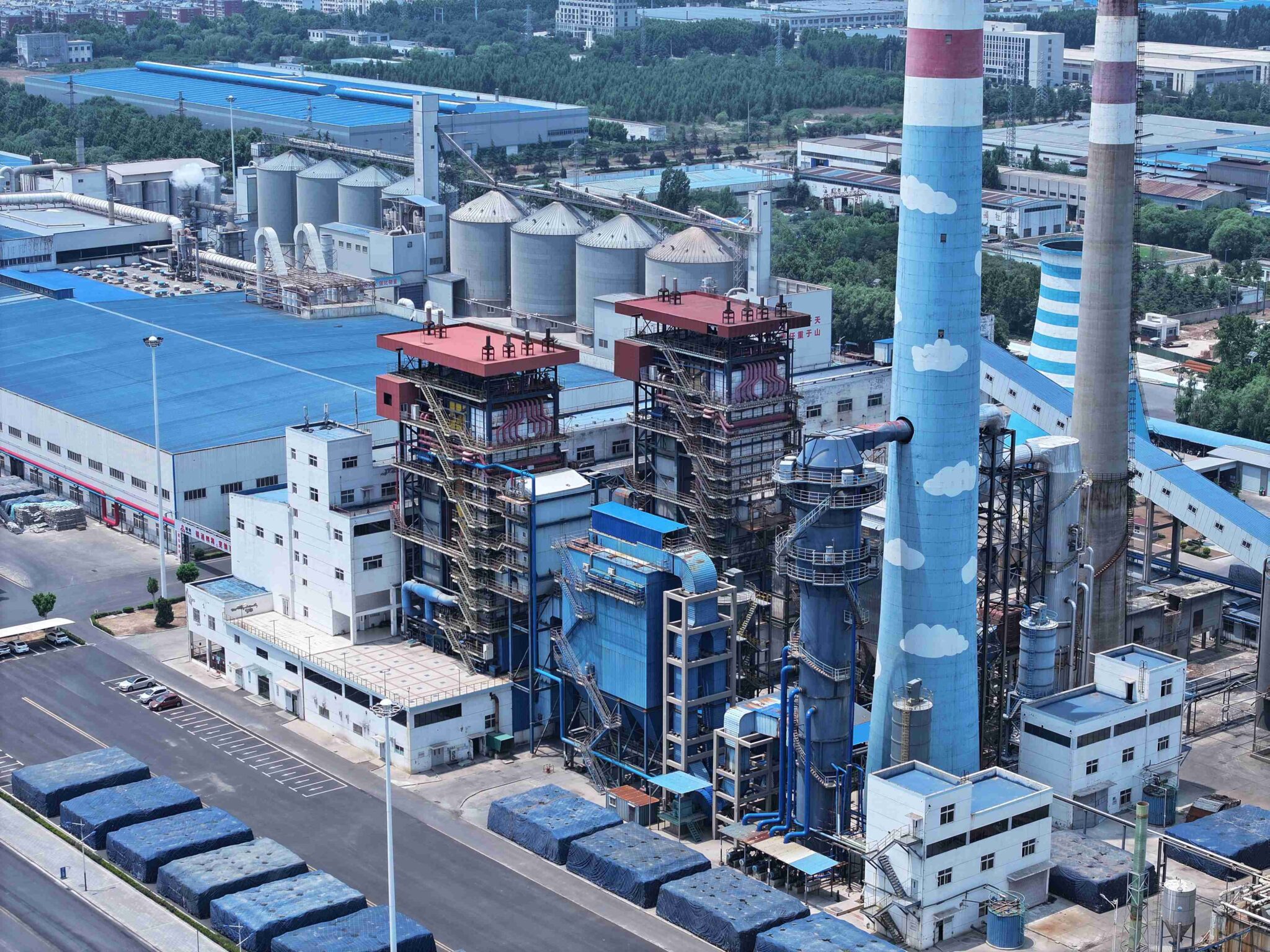
Industrial boiler projects involve far more than simply purchasing a boiler unit. A complete boiler installation may include pressure vessels, burners, control systems, fuel supply infrastructure, feedwater systems, piping networks, electrical integration, emissions equipment, insulation, structural supports, commissioning services, operator training, and ongoing technical support. ⚠️ Because so many technical disciplines and contractors are involved, one of the most common causes of delays, budget overruns, disputes, and operational problems in boiler projects is poorly defined scope of supply and unclear project responsibilities within the tender documentation. When contractual boundaries are ambiguous, suppliers may exclude critical components from their quotations, assume that another party is responsible for specific tasks, or interpret project requirements differently. These misunderstandings often remain hidden until construction or commissioning begins, at which point corrective actions become expensive and disruptive.
Scope of supply and project responsibilities in boiler tenders should be clearly defined through detailed documentation that specifies exactly which equipment, materials, engineering services, installation tasks, testing procedures, commissioning activities, documentation requirements, and support obligations are included or excluded from each supplier’s scope. Well-structured responsibility definitions improve supplier comparability, reduce contractual disputes, prevent scope gaps, support accurate budgeting, and ensure efficient project execution throughout the boiler lifecycle.
For plant owners, EPC contractors, procurement managers, consulting engineers, and industrial project teams, understanding how to properly define scope boundaries and project responsibilities is essential for minimizing procurement risk and achieving successful boiler installations. 📊 This article explores best practices for defining scope of supply and responsibilities in industrial boiler tenders and explains why detailed scope management is critical for technical, financial, and operational success.
Clearly defined scope of supply reduces project disputes and improves boiler tender accuracy.True
Detailed scope definitions ensure suppliers understand their obligations and prepare quotations based on consistent assumptions.
General boiler specifications are sufficient to prevent scope misunderstandings during industrial boiler projects.False
Without detailed responsibility definitions, suppliers and contractors may interpret obligations differently, leading to scope gaps and disputes.
Why Scope Definition Is Critical in Boiler Projects 💡
Industrial boiler projects are multidisciplinary engineering undertakings that involve mechanical systems, electrical infrastructure, automation controls, structural engineering, civil works, environmental compliance, and process integration. Because multiple suppliers and contractors often participate simultaneously, even minor misunderstandings regarding responsibility allocation can create significant operational and financial consequences.
A poorly defined tender scope may lead to:
· Missing equipment during installation
· Unexpected change orders
· Delayed project schedules
· Cost escalation disputes
· Incomplete commissioning activities
· Performance responsibility conflicts
In contrast, a clearly structured scope of supply establishes accountability, improves communication, and reduces project uncertainty from the earliest procurement stages.
Main Objectives of Scope Definition
| Objective | Purpose |
|---|---|
| Clarify Responsibilities | Prevent Ambiguity |
| Improve Quotation Accuracy | Standardize Supplier Assumptions |
| Reduce Project Risk | Avoid Scope Gaps |
| Support Budget Planning | Improve Cost Visibility |
| Simplify Project Management | Improve Coordination |
Detailed scope management strengthens both procurement efficiency and project execution quality.
Understanding Scope of Supply 🔥
The scope of supply defines exactly what the supplier is required to provide as part of the boiler project. This includes physical equipment, engineering services, technical documentation, testing activities, and operational support obligations.
The scope should clearly distinguish between:
· Included items
· Excluded items
· Optional items
· Interface responsibilities
Because suppliers may otherwise make different assumptions regarding project boundaries, a comprehensive scope definition is essential for fair bid comparison.
Typical Boiler Scope Categories
| Scope Category | Examples |
|---|---|
| Main Equipment | Boiler, Burner, Economizer |
| Auxiliary Systems | Pumps, Water Treatment |
| Electrical Systems | Control Panels, Wiring |
| Engineering Services | Design, Drawings |
| Commissioning Services | Startup Assistance |
| Documentation | Manuals, Certificates |
Breaking the project into structured categories improves scope clarity and administrative control.
Defining Main Boiler Equipment Scope ⚙️
The tender should explicitly define all primary boiler equipment included within the supplier’s responsibility because assumptions regarding included components can vary significantly between vendors.
Main Equipment Typically Included
| Equipment | Purpose |
|---|---|
| Boiler Pressure Vessel | Steam or Hot Water Generation |
| Burner System | Combustion Control |
| Economizer | Heat Recovery |
| Safety Valves | Pressure Protection |
| Blowdown System | Water Quality Management |
Whenever possible, tender documents should specify quantities, performance requirements, materials, and applicable standards for each component.
Auxiliary Equipment Responsibilities 🛠️
Auxiliary systems are often the source of scope confusion because suppliers may interpret these items differently depending on project complexity and local industry practices.
Common Auxiliary Equipment
| Equipment | Responsibility Area |
|---|---|
| Feedwater Pumps | Mechanical Supply |
| Water Treatment Systems | Process Integration |
| Fuel Supply Skids | Utility Interface |
| Deaerators | Boiler Water Conditioning |
| Expansion Tanks | Pressure Stabilization |
The tender should state clearly whether auxiliary systems are fully supplied by the boiler vendor, partially supplied, or provided by others.
Defining Mechanical Scope Boundaries 🔧
Mechanical scope definitions should clarify exactly where the supplier’s piping responsibilities begin and end because piping interfaces frequently create disputes during installation.
Many projects define piping scope using “battery limits” or interface points.
Mechanical Scope Clarifications
| Scope Item | Clarification Example |
|---|---|
| Steam Piping | Up to Battery Limit |
| Fuel Piping | Supplier vs Client Responsibility |
| Condensate Return | Included or Excluded |
| Drainage Systems | Installation Responsibility |
Detailed piping interface drawings can significantly reduce construction misunderstandings.
Electrical Scope Responsibilities ⚡
Electrical integration is another area where poorly defined scope boundaries can generate major project complications, particularly when third-party contractors are involved.
Tender documents should define:
· Power supply responsibilities
· Cable routing scope
· Motor control integration
· Instrumentation wiring
· Control panel supply
Electrical Scope Matrix
| Electrical Item | Responsible Party |
|---|---|
| Main Power Feed | Client |
| Internal Boiler Wiring | Supplier |
| PLC Control Panel | Supplier |
| Site Cable Installation | Contractor |
| SCADA Integration | Shared Responsibility |
Clear electrical scope allocation improves coordination between engineering disciplines.
Instrumentation and Automation Scope 🤖
Modern industrial boilers increasingly rely on sophisticated automation systems for efficiency optimization, emissions control, safety management, and predictive maintenance.
Tender documents should therefore define:
· Instrument supply
· Control logic responsibilities
· Communication protocols
· Data integration requirements
· Remote monitoring expectations
Automation Scope Elements
| System | Scope Definition |
|---|---|
| PLC Programming | Supplier Responsibility |
| HMI Interfaces | Included |
| Remote Access Systems | Optional |
| Plant DCS Integration | Interface Scope |
| Cybersecurity Measures | Defined Requirements |
Automation responsibilities should be aligned carefully between suppliers and plant IT teams.
Civil and Structural Responsibilities 🏗️
Industrial boiler installations often require extensive civil and structural work, including foundations, steel supports, platforms, access systems, and equipment enclosures.
Because boiler suppliers do not always provide these services, tender documents must clearly allocate responsibilities.
Civil Scope Clarifications
| Item | Typical Responsibility |
|---|---|
| Concrete Foundations | Client or Civil Contractor |
| Structural Steel | Shared Responsibility |
| Equipment Platforms | Supplier or EPC Contractor |
| Building Modifications | Client |
Without clear definitions, construction delays and cost disputes become highly likely.
Transportation and Logistics Scope 🚚
Logistics responsibilities should also be defined carefully because industrial boilers often involve oversized components, international shipping, customs clearance, and specialized transportation requirements.
Logistics Scope Areas
| Responsibility | Clarification |
|---|---|
| Factory Loading | Supplier |
| International Shipping | Defined by Incoterms |
| Customs Clearance | Client or Agent |
| Site Unloading | Contractor Responsibility |
| Heavy Lifting Equipment | Defined Separately |
Transportation scope should align with the project’s commercial terms.
Installation Responsibilities 🔩
One of the most important scope distinctions in boiler tenders involves installation responsibilities because projects may follow different contracting models.
Possible installation approaches include:
· Supplier-installed systems
· EPC contractor installation
· Client-managed construction
· Hybrid installation arrangements
Installation Scope Definition
| Activity | Responsible Party |
|---|---|
| Boiler Assembly | Contractor |
| Welding Activities | Certified Installer |
| Insulation Installation | Separate Contractor |
| Electrical Connections | Electrical Contractor |
Installation responsibilities should align with warranty and performance guarantees.
Commissioning and Startup Scope 🚀
Commissioning scope is often underestimated during tender preparation even though it is critical for achieving reliable operation and validating performance guarantees.
The tender should specify:
· Startup supervision
· Combustion tuning
· Performance testing
· Operator training
· Acceptance criteria
Commissioning Scope Matrix
| Activity | Responsibility |
|---|---|
| Initial Startup | Supplier |
| Fuel Tuning | Supplier |
| Operator Training | Supplier |
| Performance Verification | Joint Responsibility |
| Final Acceptance Testing | Client and Supplier |
Clear commissioning scope helps avoid delays during project completion.
Documentation and Engineering Deliverables 📚
Engineering documentation is an essential part of the project scope and should be defined carefully within the tender package.
Required Deliverables
| Document | Purpose |
|---|---|
| P&IDs | System Understanding |
| GA Drawings | Layout Coordination |
| Wiring Diagrams | Electrical Integration |
| O&M Manuals | Operational Guidance |
| Compliance Certificates | Regulatory Approval |
Incomplete documentation requirements frequently create operational and maintenance challenges later.
Defining Exclusions Clearly ❌
Equally important as defining inclusions is clearly identifying exclusions because assumptions regarding excluded work often lead to disputes.
Typical Exclusions
| Exclusion | Clarification |
|---|---|
| Building Construction | Not Included |
| Utility Infrastructure | Client Responsibility |
| Fuel Storage Tanks | Optional Scope |
| Site Permitting | Client Responsibility |
Explicit exclusions reduce misunderstanding and improve cost transparency.
Using Responsibility Matrices 📊
Many successful boiler projects use responsibility matrices such as RACI charts to clarify obligations across all parties.
RACI definitions include:
· Responsible
· Accountable
· Consulted
· Informed
Example Responsibility Matrix
| Activity | Supplier | EPC Contractor | Client |
|---|---|---|---|
| Boiler Design | R | C | I |
| Foundation Construction | I | R | A |
| Startup Testing | R | C | A |
| Operator Training | R | I | A |
Responsibility matrices greatly improve project coordination and accountability.
Scope Definition and Cost Accuracy 💰
Well-defined scope boundaries improve quotation consistency because all bidders price the same technical and commercial requirements.
Without detailed scope clarity:
· Suppliers may exclude critical components
· Hidden costs may emerge later
· Budget estimates become unreliable
· Change orders increase significantly
Financial Benefits of Clear Scope Definition
| Benefit | Financial Impact |
|---|---|
| Reduced Change Orders | Lower CAPEX Risk |
| Better Bid Comparability | Improved Procurement Decisions |
| Fewer Delays | Lower Project Costs |
| Improved Coordination | Reduced Downtime |
Detailed scope management directly supports financial control.
Real Industrial Project Example 📚
A chemical manufacturing facility issued a boiler tender for a high-pressure steam system replacement project. The initial tender provided limited clarification regarding piping interfaces, electrical integration, and commissioning responsibilities.
As a result:
· Suppliers quoted inconsistent installation scopes
· Multiple contractors assumed others would provide wiring integration
· Startup responsibilities became disputed during commissioning
The project team later revised the tender documentation to include:
· Detailed battery limit drawings
· Responsibility matrices
· Installation scope tables
· Explicit exclusions lists
· Commissioning deliverables
Following the revision, supplier quotations became significantly more comparable, and the project achieved smoother execution with fewer change orders.
Common Scope Definition Mistakes ❌
Many boiler projects experience preventable issues because scope responsibilities were insufficiently detailed during tender preparation.
Frequent Errors
| Mistake | Consequence |
|---|---|
| Undefined Interface Points | Installation Conflicts |
| Missing Auxiliary Equipment Scope | Budget Overruns |
| Incomplete Commissioning Scope | Startup Delays |
| Unclear Documentation Requirements | Maintenance Challenges |
| Poor Responsibility Allocation | Contract Disputes |
Careful tender preparation substantially reduces these risks.
Future Trends in Boiler Tender Scope Management 🚀
Industrial procurement practices continue evolving toward greater digitalization and lifecycle integration.
Emerging Trends
| Trend | Impact |
|---|---|
| Digital Scope Management Platforms | Improved Coordination |
| BIM Integration | Better Interface Visualization |
| Lifecycle Service Contracts | Expanded Supplier Responsibility |
| Performance-Based Contracts | Shared Operational Accountability |
| Smart Documentation Systems | Improved Traceability |
These developments are increasing transparency and reducing project uncertainty.
Summary 🏁
Clearly defining scope of supply and project responsibilities is one of the most important aspects of successful industrial boiler tender preparation. 🔥 Comprehensive scope documentation ensures that suppliers understand exactly which equipment, services, engineering tasks, installation activities, testing procedures, and support obligations are included within their responsibilities. Well-defined scope boundaries improve quotation accuracy, reduce procurement ambiguity, minimize change orders, support fair supplier comparisons, and greatly improve project coordination throughout design, construction, commissioning, and operation.
By using structured scope matrices, interface definitions, battery limits, responsibility charts, and explicit exclusions, organizations can significantly reduce project risk and improve both technical and financial outcomes. Ultimately, effective scope management creates the foundation for smoother project execution, stronger contractor accountability, and more reliable long-term boiler performance.
What Commercial and Contractual Terms Are Typically Included in Industrial Boiler RFQs?
Industrial boiler procurement is not only a technical engineering process but also a major commercial and contractual undertaking that can involve substantial capital investment, long project timelines, international supply chains, regulatory obligations, and complex performance guarantees. While many procurement teams focus heavily on technical specifications during RFQ preparation, insufficient attention to commercial and contractual terms can create serious risks later in the project lifecycle. ⚠️ Ambiguous payment structures, poorly defined delivery obligations, unclear warranty terms, weak liability clauses, or incomplete dispute resolution mechanisms frequently become sources of delays, budget overruns, legal conflicts, and strained supplier relationships. In large industrial boiler projects, commercial misunderstandings can sometimes create greater financial damage than technical issues themselves. For this reason, comprehensive RFQs must define not only what equipment is required, but also the legal, financial, logistical, and contractual framework governing the project.
Industrial boiler RFQs typically include commercial and contractual terms covering pricing structure, payment schedules, delivery conditions, Incoterms, warranty requirements, performance guarantees, liquidated damages, insurance obligations, taxes and duties, project schedules, documentation requirements, acceptance testing procedures, liability limitations, dispute resolution methods, confidentiality clauses, and contract termination conditions. Clearly defined commercial terms improve procurement transparency, reduce contractual risk, support fair supplier comparison, and strengthen project execution.
For procurement managers, EPC contractors, project engineers, legal teams, industrial facility owners, and boiler manufacturers, understanding the commercial and contractual components of boiler RFQs is essential for managing project risk and achieving successful procurement outcomes. 📊 This article explores the most common commercial and contractual terms included in industrial boiler RFQs and explains why each plays a critical role in industrial project management.
Clearly defined commercial terms in boiler RFQs help reduce contractual disputes and improve project execution.True
Well-structured contractual conditions clarify responsibilities, financial obligations, and performance expectations for all parties.
Technical specifications alone are sufficient for successful industrial boiler procurement.False
Commercial, financial, legal, and contractual terms are equally important for managing procurement risk and project performance.
Why Commercial and Contractual Terms Matter 💡
Industrial boiler projects often involve multiple contractors, long manufacturing lead times, complex logistics, commissioning activities, and long-term operational commitments. Without clear contractual definitions, even technically successful projects can experience serious financial and administrative difficulties.
Commercial and contractual terms establish:
· Financial expectations
· Risk allocation
· Legal obligations
· Delivery responsibilities
· Performance accountability
· Dispute management procedures
These provisions create the legal and operational structure that governs the entire procurement process from quotation submission through final project acceptance.
Main Objectives of RFQ Commercial Terms
| Objective | Purpose |
|---|---|
| Define Financial Structure | Improve Cost Clarity |
| Allocate Project Risks | Reduce Uncertainty |
| Clarify Responsibilities | Prevent Disputes |
| Establish Legal Protections | Support Contract Enforcement |
| Standardize Supplier Responses | Improve Bid Evaluation |
Well-prepared contractual terms strengthen procurement efficiency and project control.
Pricing Structure Requirements 💰
One of the most fundamental commercial elements within an RFQ is the pricing structure because suppliers may otherwise interpret pricing assumptions differently.
The RFQ should specify whether quotations must include:
· Lump-sum pricing
· Itemized pricing
· Unit rates
· Optional equipment pricing
· Spare parts pricing
Detailed pricing structures improve cost transparency and simplify bid comparison.
Typical Pricing Categories
| Pricing Element | Purpose |
|---|---|
| Main Equipment Cost | Core Boiler Pricing |
| Auxiliary Equipment Pricing | Scope Visibility |
| Installation Costs | Construction Budgeting |
| Commissioning Charges | Startup Planning |
| Spare Parts Pricing | Lifecycle Support |
Itemized pricing helps organizations evaluate lifecycle cost implications more accurately.
Payment Terms and Milestone Structures 📈
Payment schedules are critical because industrial boiler projects often involve significant upfront manufacturing expenses and long delivery periods.
RFQs commonly define payment milestones tied to project progress.
Typical Payment Milestones
| Milestone | Example Payment Structure |
|---|---|
| Contract Award | Advance Payment |
| Engineering Approval | Progress Payment |
| Manufacturing Completion | Factory Payment |
| Shipment | Logistics Payment |
| Commissioning Completion | Final Payment |
Clearly defined payment structures help balance supplier cash flow and buyer financial protection.
Delivery Terms and Incoterms 🚚
Delivery responsibilities should be explicitly defined within the RFQ because international boiler projects frequently involve complex transportation arrangements.
Many RFQs specify internationally recognized Incoterms published by the International Chamber of Commerce.
Common Incoterms Used in Boiler Projects
| Incoterm | Responsibility Allocation |
|---|---|
| EXW | Buyer Handles Shipping |
| FOB | Supplier Delivers to Port |
| CIF | Supplier Includes Freight and Insurance |
| DDP | Supplier Handles Full Delivery |
Delivery terms significantly affect project logistics, customs responsibilities, and total procurement cost.
Delivery Schedule Requirements ⏱️
Industrial boiler projects often operate under strict production timelines, making delivery schedules commercially critical.
RFQs typically require suppliers to provide:
· Engineering schedule
· Manufacturing lead time
· Shipment timeline
· Installation schedule
· Commissioning duration
Schedule Definition Areas
| Schedule Element | Importance |
|---|---|
| Engineering Approval Timeline | Project Coordination |
| Fabrication Lead Time | Capacity Planning |
| Shipping Duration | Logistics Coordination |
| Startup Timeline | Production Readiness |
Detailed scheduling requirements improve project planning and operational forecasting.
Warranty Terms and Conditions 🔧
Warranty provisions are among the most important contractual protections in industrial boiler procurement because boiler failures can create substantial operational and financial consequences.
RFQs commonly specify:
· Warranty duration
· Covered components
· Excluded conditions
· Response time requirements
· Spare parts support
Common Warranty Provisions
| Warranty Element | Typical Scope |
|---|---|
| Pressure Vessel Warranty | Multi-Year Coverage |
| Burner Warranty | Operational Reliability |
| Control System Warranty | Automation Support |
| Spare Parts Availability | Long-Term Maintenance |
Comprehensive warranty terms improve operational confidence and reduce lifecycle risk.
Performance Guarantees ⚙️
Performance guarantees define measurable operational expectations that suppliers must achieve during testing and operation.
These guarantees frequently cover:
· Thermal efficiency
· Steam capacity
· Emissions performance
· Fuel consumption
· Turndown capability
Common Boiler Performance Guarantees
| Guarantee | Operational Objective |
|---|---|
| Efficiency Guarantee | Energy Savings |
| Emissions Guarantee | Environmental Compliance |
| Output Capacity Guarantee | Production Reliability |
| Availability Guarantee | Operational Continuity |
Performance guarantees help ensure the delivered system meets project objectives.
Liquidated Damages Clauses 📉
Liquidated damages (LDs) are contractual penalties applied when suppliers fail to meet agreed performance or schedule obligations.
These clauses help compensate project owners for financial losses caused by delays or underperformance.
Common LD Categories
| LD Type | Trigger Condition |
|---|---|
| Delay LDs | Late Delivery |
| Performance LDs | Efficiency Shortfall |
| Emissions LDs | Compliance Failure |
| Capacity LDs | Output Deficiency |
Clearly defined LD mechanisms improve accountability and project discipline.
Insurance Requirements 🛡️
Industrial boiler projects involve manufacturing, transportation, construction, and operational risks that require appropriate insurance coverage.
RFQs often require suppliers to maintain:
· General liability insurance
· Product liability coverage
· Marine cargo insurance
· Workers’ compensation insurance
· Professional indemnity coverage
Insurance Scope Examples
| Insurance Type | Risk Coverage |
|---|---|
| General Liability | Third-Party Damage |
| Marine Cargo | Shipping Risks |
| Product Liability | Equipment Failure |
| Professional Liability | Engineering Errors |
Insurance requirements protect all project stakeholders against financial exposure.
Taxes and Duties 💵
International boiler projects may involve complex taxation and customs obligations.
RFQs should clarify responsibility for:
· Import duties
· VAT or sales tax
· Customs clearance fees
· Withholding taxes
Tax Responsibility Clarifications
| Cost Element | Responsibility Definition |
|---|---|
| Import Duties | Buyer or Supplier |
| VAT | Jurisdiction Dependent |
| Customs Brokerage | Defined by Contract |
| Local Taxes | Country-Specific |
Failure to define tax responsibilities can create major budget discrepancies.
Documentation Requirements 📚
Commercial RFQ terms often specify detailed documentation obligations because proper documentation is essential for commissioning, operation, regulatory compliance, and maintenance.
Common Documentation Deliverables
| Document | Purpose |
|---|---|
| Technical Manuals | Operational Guidance |
| Compliance Certificates | Regulatory Approval |
| Inspection Reports | Quality Verification |
| Spare Parts Lists | Maintenance Planning |
Documentation quality often influences long-term operational efficiency.
Acceptance Testing and Inspection Terms 🧪
RFQs usually define testing procedures that determine whether the equipment satisfies contractual obligations.
These may include:
· Factory Acceptance Tests (FAT)
· Site Acceptance Tests (SAT)
· Performance verification testing
· Emissions compliance testing
Testing Scope Examples
| Test Type | Objective |
|---|---|
| Hydrostatic Test | Pressure Integrity |
| Combustion Test | Burner Performance |
| Efficiency Test | Energy Verification |
| Emissions Test | Regulatory Compliance |
Acceptance criteria should be measurable and clearly documented.
Confidentiality and Intellectual Property 🔒
Industrial boiler projects often involve proprietary engineering information, process integration data, and confidential operational details.
RFQs may therefore include:
· Confidentiality agreements
· Intellectual property ownership terms
· Data protection clauses
· Non-disclosure obligations
Confidentiality Provisions
| Provision | Purpose |
|---|---|
| NDA Requirements | Information Protection |
| Design Ownership | IP Clarification |
| Data Confidentiality | Operational Security |
These provisions are increasingly important in digitally connected industrial environments.
Liability and Indemnification Clauses ⚖️
Liability clauses define financial responsibility if equipment failures, delays, or damages occur during the project.
These clauses commonly address:
· Direct damages
· Consequential damages
· Third-party claims
· Indemnification obligations
Liability Scope Examples
| Clause Type | Function |
|---|---|
| Limitation of Liability | Financial Risk Control |
| Indemnification | Legal Protection |
| Consequential Damage Exclusion | Risk Allocation |
Balanced liability terms help reduce contractual conflict.
Force Majeure Clauses 🌍
Force majeure provisions address extraordinary events beyond the control of either party.
Examples may include:
· Natural disasters
· War
· Pandemics
· Government restrictions
· Supply chain disruptions
Typical Force Majeure Events
| Event Type | Potential Impact |
|---|---|
| Natural Disaster | Delivery Delays |
| Political Instability | Supply Disruptions |
| Global Logistics Issues | Shipping Delays |
These clauses became especially important following recent global supply chain disruptions.
Contract Termination Conditions ❌
RFQs often define circumstances under which contracts may be terminated.
Termination provisions may include:
· Supplier default
· Non-performance
· Financial insolvency
· Prolonged delays
Termination Clause Examples
| Termination Basis | Purpose |
|---|---|
| Non-Performance | Project Protection |
| Insolvency | Financial Risk Mitigation |
| Breach of Contract | Legal Enforcement |
Clearly defined termination rights improve contractual security.
Dispute Resolution Mechanisms ⚖️
Industrial boiler projects may involve international suppliers and multiple jurisdictions, making dispute resolution procedures especially important.
RFQs commonly define:
· Governing law
· Arbitration location
· Mediation procedures
· Court jurisdiction
Dispute Resolution Options
| Method | Benefit |
|---|---|
| Arbitration | International Flexibility |
| Mediation | Faster Resolution |
| Litigation | Formal Legal Enforcement |
Well-structured dispute procedures reduce legal uncertainty.
Supplier Qualification Requirements 🏭
Commercial RFQs frequently include supplier qualification criteria to ensure technical capability and financial stability.
Qualification Areas
| Requirement | Purpose |
|---|---|
| Financial Stability | Risk Reduction |
| Manufacturing Experience | Capability Verification |
| Certification Compliance | Quality Assurance |
| Reference Projects | Performance Validation |
Supplier qualification improves procurement reliability.
Commercial Bid Evaluation Criteria 📊
RFQs often specify how bids will be evaluated to improve procurement transparency.
Evaluation criteria may include:
· Total price
· Lifecycle cost
· Delivery schedule
· Technical compliance
· Warranty terms
· Service capability
Example Evaluation Matrix
| Evaluation Factor | Weighting Example |
|---|---|
| Technical Compliance | 35% |
| Commercial Pricing | 30% |
| Delivery Schedule | 15% |
| Service Support | 10% |
| Warranty Terms | 10% |
Transparent evaluation methods improve supplier confidence and procurement fairness.
Common RFQ Commercial Mistakes ❌
Many procurement issues arise because commercial terms were insufficiently defined.
Frequent Errors
| Mistake | Consequence |
|---|---|
| Ambiguous Payment Terms | Financial Disputes |
| Undefined Delivery Scope | Logistics Conflicts |
| Weak Warranty Clauses | Higher Lifecycle Risk |
| Missing LD Provisions | Reduced Accountability |
| Unclear Tax Responsibilities | Budget Overruns |
Careful commercial planning significantly reduces project risk.
Future Trends in Boiler Contracting 🚀
Industrial procurement practices continue evolving toward more integrated and performance-based contracting models.
Emerging Trends
| Trend | Impact |
|---|---|
| Lifecycle Service Contracts | Expanded Supplier Role |
| Performance-Based Agreements | Shared Efficiency Targets |
| Digital Contract Management | Improved Traceability |
| Sustainability Clauses | Carbon Accountability |
| Cybersecurity Requirements | Digital Risk Management |
These developments are reshaping industrial boiler procurement strategies.
Summary 🏁
Commercial and contractual terms are essential components of industrial boiler RFQs because they establish the legal, financial, logistical, and operational framework governing the entire project lifecycle. 🔥 Well-structured RFQs typically include pricing structures, payment schedules, delivery conditions, warranty provisions, performance guarantees, liquidated damages clauses, insurance requirements, taxes and duties responsibilities, acceptance testing procedures, liability limitations, confidentiality obligations, and dispute resolution mechanisms.
By clearly defining these terms during procurement, organizations can improve supplier comparability, reduce contractual ambiguity, strengthen risk management, support budget accuracy, and improve project execution efficiency. Ultimately, successful industrial boiler procurement depends not only on selecting technically suitable equipment but also on establishing balanced commercial and contractual conditions that protect all stakeholders throughout the project lifecycle.
How Can Clear RFQ and Tender Documentation Improve Industrial Boiler Supplier Selection?
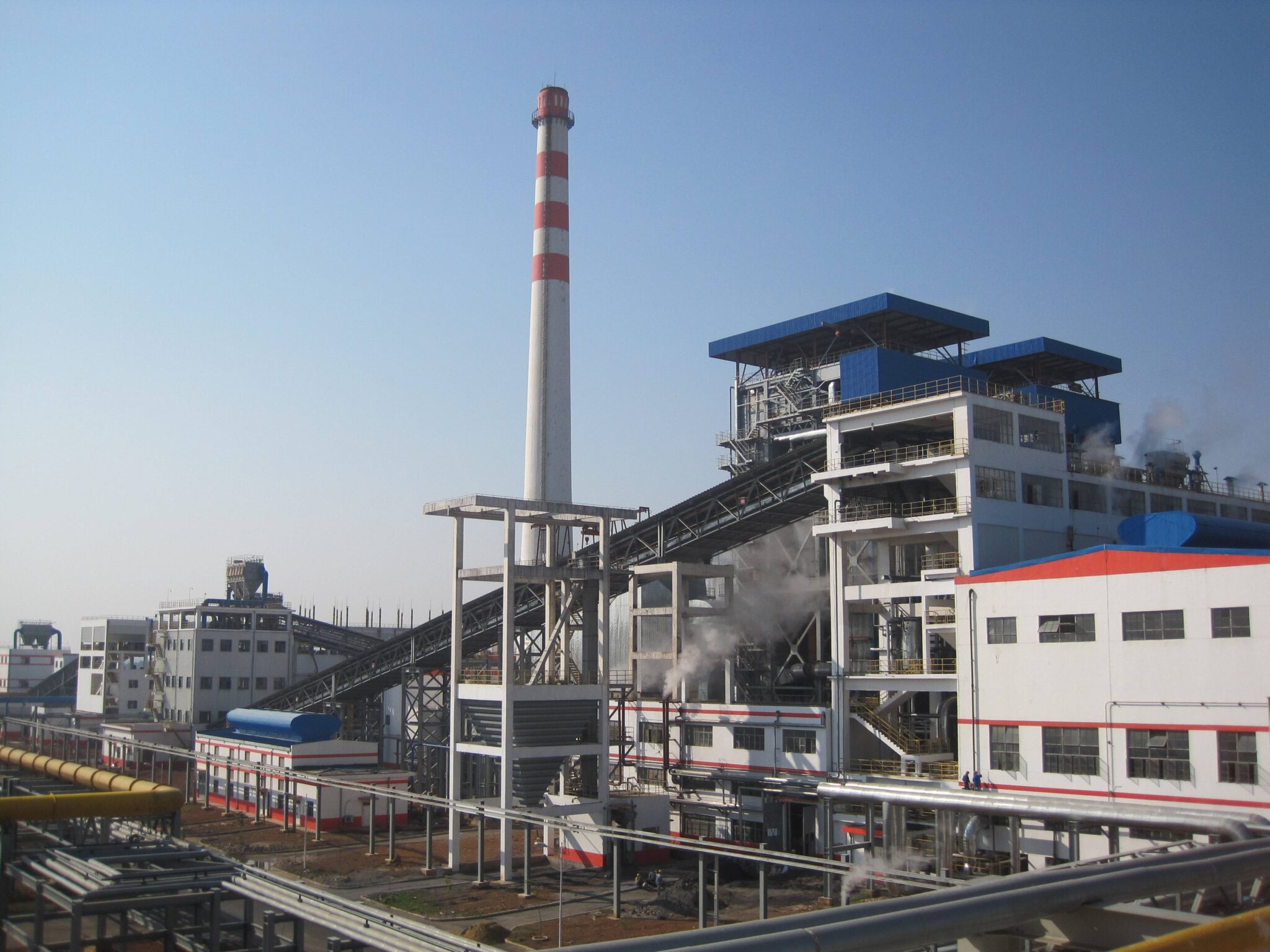
Selecting the right industrial boiler supplier is one of the most important decisions in any steam or hot water generation project because the supplier’s technical capability, manufacturing quality, engineering expertise, service support, and project execution performance can directly influence operational reliability, energy efficiency, safety compliance, and long-term lifecycle costs for decades. However, many organizations encounter major procurement difficulties not because suppliers lack competence, but because the Request for Quotation (RFQ) and tender documentation provided to bidders are incomplete, inconsistent, or poorly structured. ⚠️ When tender documents fail to define technical requirements, operating conditions, performance expectations, commercial obligations, or scope responsibilities clearly, suppliers inevitably make different assumptions while preparing quotations. This often leads to inconsistent proposals, hidden costs, misleading pricing comparisons, scope disputes, delayed project execution, and increased procurement risk. In contrast, clear and comprehensive RFQ documentation creates a standardized framework that allows suppliers to respond accurately and enables procurement teams to evaluate proposals fairly and efficiently.
Clear RFQ and tender documentation improve industrial boiler supplier selection by standardizing technical requirements, defining commercial expectations, clarifying project scope, reducing supplier assumptions, improving quotation accuracy, enhancing proposal comparability, minimizing procurement risk, and supporting objective technical and financial evaluation. Well-structured tender documentation helps organizations identify suppliers that can deliver reliable, compliant, efficient, and cost-effective boiler solutions aligned with long-term operational objectives.
For procurement managers, project engineers, EPC contractors, plant owners, consultants, and industrial facility operators, understanding the role of RFQ quality in supplier selection is essential for improving project outcomes and reducing lifecycle risk. 📊 This article explores how clear RFQ and tender documentation strengthen industrial boiler supplier evaluation and why detailed procurement preparation is critical for successful boiler projects.
Clear RFQ documentation improves supplier quotation accuracy and project transparency.True
Detailed tender requirements reduce ambiguity and help suppliers prepare proposals based on consistent technical and commercial assumptions.
The lowest boiler quotation automatically indicates the best supplier choice.False
Supplier selection should consider technical compliance, lifecycle performance, reliability, service capability, and commercial terms in addition to price.
Why Supplier Selection Matters in Industrial Boiler Projects 💡
Industrial boilers are long-term capital assets that often operate continuously under demanding conditions for twenty years or more. Because these systems directly affect energy consumption, production continuity, environmental compliance, and workplace safety, selecting an unsuitable supplier can create operational and financial problems that persist throughout the equipment lifecycle.
Supplier performance influences:
· Equipment reliability
· Fuel efficiency
· Emissions compliance
· Maintenance requirements
· Spare parts availability
· Technical support quality
Consequently, the supplier selection process must evaluate far more than initial purchase price alone.
Core Objectives of Supplier Selection
| Objective | Purpose |
|---|---|
| Ensure Technical Compliance | Reliable Operation |
| Reduce Procurement Risk | Fewer Project Issues |
| Optimize Lifecycle Costs | Better Long-Term Economics |
| Improve Project Execution | Reduced Delays |
| Support Operational Reliability | Continuous Production |
Well-structured RFQ documentation helps organizations evaluate suppliers against these objectives more effectively.
The Role of RFQs and Tender Documentation 📋
An RFQ serves as the primary communication tool between the project owner and potential suppliers. It defines project requirements, establishes procurement expectations, and creates the framework through which suppliers prepare proposals.
When RFQ documentation is detailed and organized, suppliers can:
· Understand project requirements accurately
· Prepare technically compliant proposals
· Price equipment consistently
· Clarify engineering assumptions
· Plan project execution more effectively
In contrast, vague or incomplete RFQs often produce inconsistent quotations that are difficult to compare objectively.
Key RFQ Functions
| RFQ Function | Benefit |
|---|---|
| Define Technical Requirements | Better Equipment Matching |
| Clarify Scope Boundaries | Reduced Disputes |
| Establish Commercial Terms | Financial Transparency |
| Specify Performance Expectations | Reliable Evaluation |
| Standardize Supplier Responses | Easier Comparison |
The quality of the RFQ directly influences procurement efficiency and supplier selection accuracy.
Reducing Supplier Assumptions 🔥
One of the greatest advantages of clear RFQ documentation is that it minimizes supplier assumptions during proposal preparation. When technical details are missing, suppliers may estimate requirements differently based on their own experience, resulting in proposals that appear comparable superficially but differ substantially in scope, performance, or quality.
For example, one supplier may include advanced heat recovery systems while another excludes them entirely because the RFQ did not specify efficiency expectations clearly. Similarly, suppliers may interpret installation responsibilities, automation requirements, or emissions compliance obligations differently if these areas are not defined explicitly.
Common Areas of Supplier Assumption
| Missing Information | Potential Consequence |
|---|---|
| Load Profiles | Incorrect Sizing |
| Fuel Conditions | Combustion Mismatch |
| Scope Boundaries | Hidden Costs |
| Efficiency Targets | Inconsistent Technologies |
| Installation Conditions | Construction Delays |
Reducing assumptions improves proposal consistency and technical alignment.
Improving Technical Proposal Accuracy ⚙️
Detailed tender documentation enables suppliers to design systems that accurately match the facility’s operational requirements rather than relying on generalized engineering assumptions. This is particularly important in industrial boiler projects because operating conditions vary significantly between industries and applications.
For instance, a food processing facility with highly variable steam demand requires different control strategies than a refinery operating under stable continuous loads. Similarly, facilities operating in corrosive environments or under strict emissions regulations may require specialized materials or advanced burner systems.
Technical Information That Improves Proposal Quality
| Specification Area | Impact |
|---|---|
| Operating Conditions | Correct System Design |
| Load Variability | Part-Load Optimization |
| Emissions Limits | Burner Selection |
| Water Quality | Material Compatibility |
| Future Expansion Plans | Capacity Planning |
Detailed technical specifications improve engineering accuracy and long-term operational performance.
Supporting Fair Supplier Comparisons 📊
One of the biggest procurement challenges in industrial boiler projects is comparing proposals fairly when suppliers interpret project requirements differently. Clear RFQ documentation standardizes evaluation conditions by ensuring all suppliers respond to the same technical, commercial, and contractual criteria.
Without standardized documentation:
· Quotations may exclude critical components
· Scope boundaries may differ significantly
· Efficiency calculations may use different assumptions
· Warranty coverage may vary widely
· Delivery responsibilities may be inconsistent
Benefits of Standardized Tender Requirements
| Benefit | Procurement Impact |
|---|---|
| Consistent Technical Scope | Easier Evaluation |
| Comparable Pricing Structures | Better Budget Analysis |
| Standardized Performance Guarantees | Improved Reliability Assessment |
| Unified Commercial Terms | Reduced Legal Risk |
This consistency greatly improves procurement transparency and decision-making quality.
Enhancing Lifecycle Cost Evaluation 💰
Clear RFQs support more accurate lifecycle cost analysis because suppliers can provide realistic estimates for fuel consumption, maintenance requirements, emissions compliance costs, and operational performance.
Industrial boiler operating expenses often exceed initial equipment cost many times over during the equipment lifecycle. Therefore, procurement decisions should evaluate:
· Energy efficiency
· Maintenance requirements
· Reliability performance
· Spare parts support
· Service availability
Lifecycle Factors Influenced by RFQ Quality
| RFQ Detail | Lifecycle Impact |
|---|---|
| Efficiency Requirements | Fuel Costs |
| Maintenance Scope | OPEX Forecasting |
| Reliability Expectations | Downtime Reduction |
| Emissions Standards | Compliance Costs |
Detailed documentation improves long-term financial analysis and supplier evaluation.
Clarifying Scope of Supply Responsibilities 🔧
Clear scope definition is essential because industrial boiler projects involve multiple contractors, suppliers, and engineering disciplines. Ambiguous scope boundaries frequently lead to disputes during construction and commissioning.
RFQs should define responsibilities for:
· Mechanical systems
· Electrical integration
· Control systems
· Civil works
· Commissioning activities
· Operator training
Scope Clarification Benefits
| Scope Area | Benefit |
|---|---|
| Mechanical Interfaces | Reduced Installation Conflicts |
| Electrical Responsibilities | Better Coordination |
| Startup Scope | Faster Commissioning |
| Documentation Deliverables | Improved Maintenance Support |
Detailed scope management significantly reduces project execution risk.
Improving Supplier Qualification Evaluation 🏭
Well-structured RFQs also help organizations evaluate supplier capability more effectively because they require suppliers to demonstrate compliance with specific technical and commercial requirements.
Tender documentation may request:
· Reference projects
· Manufacturing certifications
· Quality management systems
· Service infrastructure details
· Financial stability information
Supplier Qualification Criteria
| Qualification Area | Evaluation Purpose |
|---|---|
| Technical Experience | Capability Verification |
| Certification Compliance | Quality Assurance |
| Manufacturing Capacity | Delivery Reliability |
| Service Support | Lifecycle Performance |
Clear qualification requirements improve supplier screening accuracy.
Supporting Regulatory and Compliance Evaluation 🌍
Industrial boilers are heavily regulated due to pressure safety, emissions control, and workplace safety concerns. RFQ documentation should therefore specify all applicable standards and compliance obligations.
Examples include:
· ASME certification
· CE Marking
· Emissions regulations
· NFPA standards
· Local boiler codes
Compliance Information Benefits
| Compliance Area | Procurement Benefit |
|---|---|
| Emissions Standards | Environmental Approval |
| Pressure Vessel Codes | Safety Compliance |
| Electrical Certifications | Operational Reliability |
Suppliers can only prepare compliant proposals when regulatory expectations are clearly defined.
Reducing Procurement and Project Risk ⚠️
Incomplete RFQs increase uncertainty, which often leads suppliers to include contingency pricing, conservative assumptions, or contractual exclusions to protect themselves from unknown risks.
This can result in:
· Inflated pricing
· Scope gaps
· Increased change orders
· Delayed project schedules
Risk Reduction Through Clear Documentation
| Risk Area | Mitigation Effect |
|---|---|
| Cost Overruns | Better Scope Definition |
| Schedule Delays | Improved Coordination |
| Technical Disputes | Clear Expectations |
| Contractual Claims | Defined Responsibilities |
Detailed RFQs reduce uncertainty for both buyers and suppliers.
Improving Commercial Evaluation 📈
Commercial and contractual consistency is just as important as technical alignment during supplier selection.
Clear RFQs define:
· Payment terms
· Delivery conditions
· Warranty obligations
· Liquidated damages
· Acceptance testing procedures
Commercial Evaluation Benefits
| Commercial Area | Benefit |
|---|---|
| Standardized Pricing | Accurate Comparison |
| Defined Payment Terms | Financial Clarity |
| Warranty Alignment | Risk Reduction |
| Delivery Responsibilities | Logistics Coordination |
This consistency strengthens procurement transparency and financial planning.
Encouraging Higher-Quality Supplier Responses 🚀
Suppliers generally invest more engineering effort into tenders that are well-organized and professionally structured because clear RFQs indicate serious procurement intent and reduce proposal uncertainty.
As a result, better RFQ quality often leads to:
· More detailed proposals
· Improved engineering solutions
· Better pricing accuracy
· Stronger supplier engagement
Supplier Response Quality Factors
| RFQ Quality | Supplier Response Impact |
|---|---|
| Detailed Technical Data | Better Engineering Accuracy |
| Clear Scope Definition | More Complete Proposals |
| Organized Documentation | Faster Quotation Preparation |
Well-prepared RFQs improve both proposal quality and supplier participation.
Real Industrial Example 📚
A pharmaceutical manufacturer planned to install a new high-efficiency steam boiler system. The initial RFQ provided limited operating data and unclear installation scope boundaries.
The resulting supplier quotations varied significantly because:
· Some suppliers included economizers while others did not
· Control system integration assumptions differed
· Installation responsibilities were inconsistent
· Efficiency guarantees used different calculation methods
The project team later revised the RFQ to include:
· Detailed operating profiles
· Standardized efficiency definitions
· Scope responsibility matrices
· Emissions requirements
· Commercial evaluation criteria
Following the revision, proposals became far more comparable, enabling the facility to select a supplier with stronger lifecycle performance rather than simply the lowest initial cost.
Common RFQ Documentation Mistakes ❌
Many procurement challenges originate from poorly prepared tender documentation.
Frequent Errors
| Mistake | Consequence |
|---|---|
| Incomplete Operating Data | Incorrect System Design |
| Undefined Scope Boundaries | Contract Disputes |
| Missing Commercial Terms | Financial Conflicts |
| Inconsistent Evaluation Criteria | Poor Supplier Selection |
| Lack of Compliance Requirements | Regulatory Risk |
Avoiding these issues significantly improves procurement outcomes.
Future Trends in Boiler Procurement 📡
Industrial boiler procurement continues evolving toward more data-driven and lifecycle-oriented evaluation methods.
Emerging Trends
| Trend | Impact |
|---|---|
| Digital Tender Platforms | Faster Evaluation |
| Lifecycle-Based Procurement | Better Long-Term Value |
| AI-Assisted Bid Analysis | Improved Comparisons |
| Sustainability Scoring | Carbon Reduction Focus |
| Smart Documentation Systems | Enhanced Transparency |
These developments are making RFQ quality even more important for supplier selection success.
Summary 🏁
Clear RFQ and tender documentation play a critical role in improving industrial boiler supplier selection because they establish the technical, commercial, contractual, and operational framework through which suppliers prepare proposals and procurement teams evaluate them. 🔥 Detailed documentation reduces supplier assumptions, improves quotation accuracy, standardizes bid comparisons, clarifies project scope, strengthens compliance evaluation, supports lifecycle cost analysis, and significantly reduces procurement risk.
Organizations that invest time in preparing comprehensive RFQs are far more likely to identify suppliers capable of delivering reliable, efficient, compliant, and cost-effective boiler solutions aligned with long-term operational goals. Ultimately, successful supplier selection depends not only on evaluating suppliers carefully but also on providing them with the clear and structured information necessary to prepare accurate, transparent, and technically appropriate proposals.
Conclusion
Comprehensive RFQ requirements and tender documents are critical for successful industrial boiler procurement projects. Clearly defining technical, operational, commercial, and compliance requirements helps avoid misunderstandings, ensures accurate supplier quotations, and improves project execution efficiency. Well-structured documentation also enables fair supplier comparison and reduces long-term operational risks.
If you need assistance preparing industrial boiler RFQs, tender specifications, or supplier evaluation documents, contact us today. Our experienced team can provide professional guidance and customized solutions to help you streamline procurement and secure the best boiler system for your project.
FAQ
Q1: What is included in an industrial boiler RFQ?
A:
An industrial boiler RFQ (Request for Quotation) is a procurement document used to collect pricing, technical proposals, and commercial offers from boiler manufacturers or suppliers. It helps buyers compare suppliers based on technical compliance, delivery capability, pricing, lifecycle cost, and after-sales support.
Typical RFQs include project background information, boiler operating conditions, required steam capacity, operating pressure, temperature, fuel type, emissions standards, efficiency requirements, and installation conditions. Buyers may also specify preferred boiler technologies such as fire-tube boilers, water-tube boilers, condensing boilers, or biomass boilers.
Commercial sections often request pricing breakdowns, payment terms, warranty conditions, spare parts pricing, and commissioning support. RFQs also commonly require compliance documentation, engineering drawings, quality certifications, and project references.
A well-prepared RFQ helps reduce procurement risks and ensures vendors provide technically accurate and commercially competitive proposals.
Q2: What technical specifications are usually required in boiler tender documents?
A:
Industrial boiler tender documents typically contain detailed technical specifications to ensure suppliers understand the operational and engineering requirements of the project.
Key specifications usually include steam generation capacity, design pressure, operating pressure, steam temperature, feedwater temperature, fuel type compatibility, efficiency targets, emissions limits, and load fluctuation requirements.
Additional requirements often include burner configuration, economizer integration, control systems, automation level, water treatment systems, electrical requirements, and utility consumption limits.
Tender documents may also specify design standards such as ASME, CE, PED, or local boiler codes. Mechanical drawings, process flow diagrams, instrumentation details, insulation standards, and inspection requirements are frequently included as well.
Providing accurate technical details allows suppliers to prepare reliable and fully compliant proposals.
Q3: Why are compliance standards important in industrial boiler tenders?
A:
Compliance standards are critical because industrial boilers operate under high pressure and temperature conditions, making safety and reliability essential. Boiler tenders typically require compliance with recognized engineering and regulatory standards to ensure safe design, manufacturing quality, and operational performance.
ASME Boiler and Pressure Vessel Code is one of the most widely used international standards. European projects may require PED compliance and CE certification. ISO quality management certifications are also commonly requested.
Environmental regulations are increasingly important as well. Boiler tenders may require low-NOx burners, emissions monitoring systems, and compliance with local air pollution laws.
Compliance documentation helps buyers reduce legal, operational, and safety risks while ensuring the boiler system meets regulatory approval requirements.
Q4: How are boiler suppliers evaluated during tender processes?
A:
Boiler suppliers are evaluated using both technical and commercial criteria. Technical evaluation usually focuses on compliance with project specifications, efficiency performance, emissions levels, engineering capability, and reliability.
Buyers also review previous project experience, manufacturing quality, testing capability, certifications, and after-sales support. Vendors with proven experience in industries such as power generation, food processing, chemicals, or pharmaceuticals often receive stronger consideration.
Commercial evaluation includes pricing, payment terms, lifecycle cost analysis, warranty coverage, spare parts support, and delivery schedule.
Many companies use weighted scoring systems to compare suppliers objectively across technical, commercial, and operational categories before awarding the contract.
Q5: What documents are commonly requested from boiler vendors during bidding?
A:
Industrial boiler vendors are commonly required to submit technical proposals, commercial quotations, engineering drawings, boiler datasheets, process flow diagrams, heat balance calculations, and utility consumption estimates.
Compliance documentation may include ASME certificates, ISO certifications, welding procedures, material traceability records, hydrostatic testing reports, and inspection plans.
Suppliers are also often asked to provide project schedules, commissioning procedures, operation manuals, maintenance guidelines, spare parts lists, and reference projects.
For large projects, buyers may additionally require factory acceptance testing procedures, quality assurance documentation, and logistics planning information.
References
Boiler Room Guide
https://www.cleaverbrooks.com/boiler-room-guide
Source: Cleaver-BrooksBoiler Procurement and Steam System Best Practices
https://www.energy.gov/eere/amo/steam-systems
Source: U.S. Department of EnergyBoiler House Technical Fundamentals
https://www.spiraxsarco.com/learn-about-steam/the-boiler-house
Source: Spirax SarcoASME Boiler and Pressure Vessel Code
https://www.asme.org/codes-standards/find-codes-standards/bpvc-section-i-rules-for-construction-of-power-boilers
Source: ASMEIndustrial Boiler Technology Overview
https://www.britannica.com/technology/boiler
Source: Encyclopaedia BritannicaIndustrial Boiler Emissions Compliance
https://www.epa.gov/stationary-sources-air-pollution/boilers-and-process-heaters
Source: U.S. Environmental Protection AgencyIndustrial Steam System Design
https://www.tlv.com/global/US/steam-info/steam-theory/steam-basics/
Source: TLVBoiler Project Engineering Solutions
https://www.thermaxglobal.com/industrial-boilers/
Source: ThermaxIndustrial Boiler Performance Analysis
https://www.powermag.com/boilers-101-what-they-are-and-how-they-work/
Source: POWER MagazineBoiler Maintenance and Operations Resources
https://www.fulton.com/resources
Source: Fulton Boiler Works