
What Fuel Supply Data Are Needed for an Industrial Oil & Gas-Fired Boiler Project?
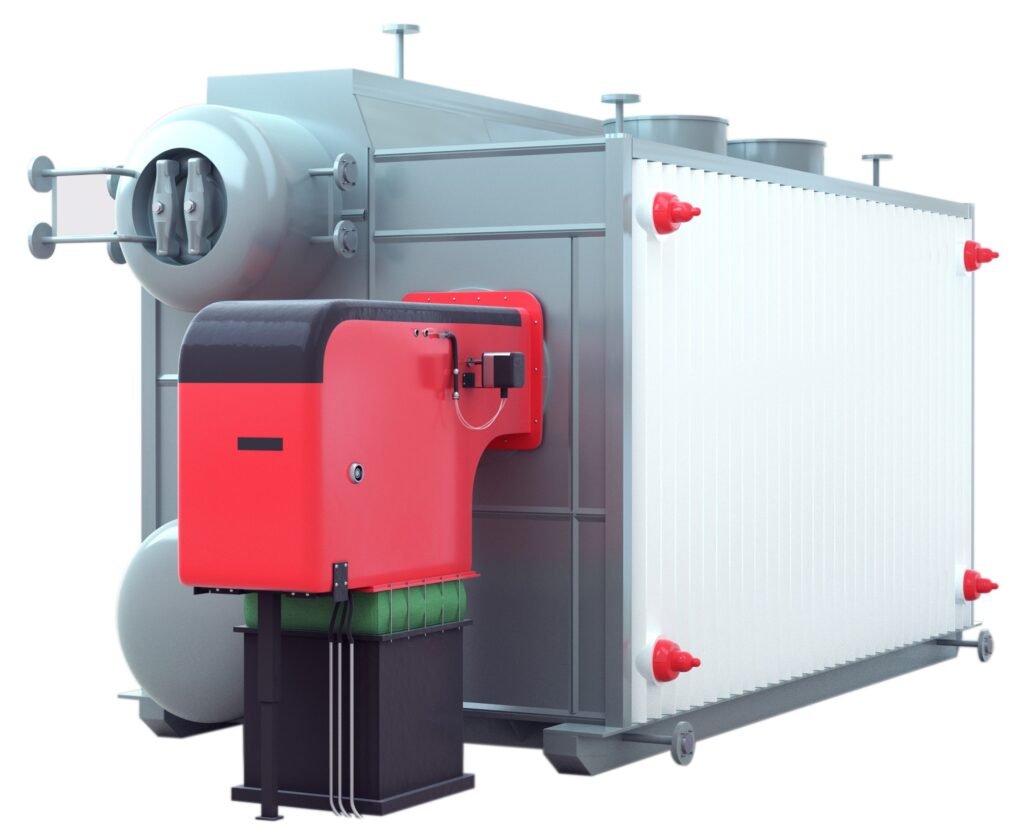
Before requesting a quotation for an industrial oil- or gas-fired boiler, buyers typically specify the required boiler capacity, steam pressure, operating temperature, and intended fuel type. However, these details alone may not be sufficient for a reliable technical proposal.
The manufacturer also needs to understand the actual fuel supply conditions. Gas composition, heating value, available pressure, fuel oil viscosity, and supply capacity can affect burner compatibility, fuel-handling requirements, and technical quotation assumptions.
For example, specifying “natural gas” without confirming the minimum available supply pressure may leave an important question unresolved. Similarly, identifying “heavy fuel oil” without providing viscosity data at a stated temperature may be insufficient for assessing fuel-handling requirements.
This guide explains what fuel supply data industrial boiler buyers should prepare before requesting a technical quotation, how to verify them, and what to do when information is incomplete. A practical RFQ checklist is provided at the end.
1. What Fuel Supply Data Should Buyers Provide for an Initial Boiler RFQ?
An industrial boiler Request for Quotation (RFQ) should identify both the fuel’s characteristics and the conditions under which it will be delivered to the proposed boiler system.
The following information provides a practical starting point.
| Data Category | Information to Provide | RFQ Priority |
|---|---|---|
| Fuel identification | Fuel type, grade, source, and specification | Core |
| Heating value | LHV or HHV, units, and reference basis | Core |
| Fuel quality | Available gas analysis or fuel oil properties | Core / Conditional |
| Supply pressure | Minimum, normal, and maximum available values | Core |
| Supply capacity | Available flow or delivery capacity | Core |
| Supply temperature | Normal and expected operating range | Conditional |
| Supply reliability | Interruptions, fluctuations, and restrictions | Core |
| Supporting documents | Fuel specifications and analysis reports | As available |
Core information should be established, or clearly identified as provisional, for a meaningful preliminary quotation. Conditional information depends on the fuel type and project requirements.
Buyers should distinguish between the fuel supply capacity available at the site and the boiler’s estimated fuel consumption.
The former describes the site’s available fuel infrastructure; the latter is normally estimated by the boiler manufacturer using the required boiler duty, fuel heating value, and appropriate efficiency assumptions.
Fuel data are only one part of an industrial boiler inquiry. Other requirements, including boiler output, operating conditions, applicable codes, and supply scope, belong in the overall industrial boiler RFQ and tender documentation.
2. What Gas Fuel Quality and Supply Data Are Required?
Gas-fired boiler projects require information about both the fuel’s chemical characteristics and the conditions under which it reaches the boiler fuel supply interface.
These requirements are particularly important when gas composition or delivery pressure may fluctuate.
Gas Composition, Heating Value, and Quality
Buyers should identify the gas source and provide a representative gas analysis or supplier specification whenever available.
Important information includes:
- Gas type and source: Pipeline natural gas, LNG-derived natural gas, LPG, or another gaseous fuel suitable for the proposed equipment.
- Gas composition: Relevant combustible and noncombustible constituents.
- Heating value: Lower Heating Value (LHV) or Higher Heating Value (HHV), including units and reference conditions.
- Wobbe Index: Where relevant to the fuel compatibility assessment.
- Impurities: Relevant sulfur compounds, moisture, or other contaminants.
- Gas quality variation: Expected composition ranges or changes associated with different fuel sources.
Heating value directly affects fuel-demand estimates. If its basis is unclear, the manufacturer may not be able to establish consistent preliminary fuel consumption calculations.
For gaseous fuels, a heating value expressed in MJ/m³ should identify the applicable gas volume reference conditions. The distinction between LHV and HHV must also be clear.
ISO 6976:2016 provides methods for calculating natural gas calorific values, density, relative density, and Wobbe indices from known gas composition.
The Wobbe Index can help assess certain aspects of gas interchangeability, but it does not independently establish complete burner compatibility. The selected burner manufacturer’s approved fuel range remains relevant.
Gas Supply Pressure, Flow, and Availability
Fuel quality alone does not establish whether the existing gas infrastructure can support the proposed boiler.
The RFQ should identify:
- Minimum, normal, and maximum available gas pressure.
- Pressure units and whether values are gauge or absolute.
- The location where supply pressure is measured or guaranteed.
- Available gas flow, units, and volumetric reference conditions.
- Expected pressure fluctuations.
- Any interruptions or supply restrictions.
The location of the fuel delivery boundary is critical.
A pressure measured at the main gas pipeline or utility connection may differ from the pressure available downstream of regulation equipment or at the agreed boiler fuel interface.
For example, if a buyer provides only the normal upstream supply pressure, the manufacturer may still need the minimum available pressure at the delivery interface to assess whether the proposed fuel supply arrangement is compatible with the burner requirements.
Similarly, the available gas flow must be interpreted alongside its reference conditions and the site’s expected operating demand.
The manufacturer can estimate the boiler’s gas consumption from the specified thermal duty and applicable performance assumptions. The site’s confirmed available gas capacity can then be compared with that estimated demand.
If minimum pressure or available flow remains uncertain, the quotation should explicitly identify the unresolved information rather than assume that the gas supply is adequate.
3. What Fuel Oil Quality and Supply Data Are Required?
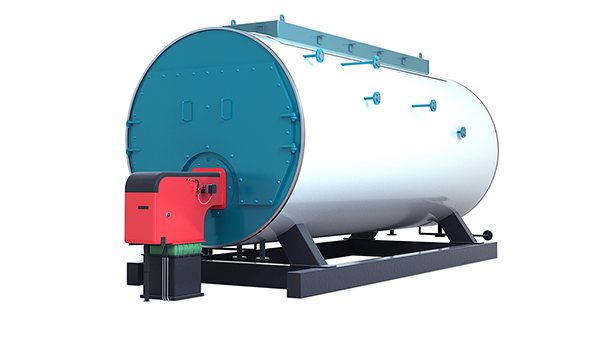
Oil-fired boiler projects require both fuel-property information and an understanding of the site’s liquid-fuel storage, transfer, and delivery conditions.
The importance of individual parameters varies between light distillate fuels and heavier residual fuel oils.
Fuel Grade, Heating Value, and Physical Properties
Buyers should provide the intended fuel grade, applicable specification, and supplier analysis where available.
Relevant data include:
- Fuel grade: Diesel, heavy fuel oil (HFO), or another clearly identified liquid fuel.
- Heating value: LHV or HHV, with units and basis.
- Density: Including the stated reference temperature.
- Viscosity: Dynamic or kinematic viscosity, with units and measurement temperature.
- Sulfur content: Relevant to the fuel specification and emissions assessment.
- Water and sediment: Indicators of possible contamination.
- Additional characteristics: Flash point, pour point, ash, or other properties where relevant to the fuel and equipment.
ASTM D396 provides specifications for certain fuel-oil grades used in fuel-burning equipment. However, the governing fuel specification must be established according to the actual fuel, contract, and project requirements.
Viscosity is especially important for heavy fuel oil applications.
A viscosity value without its corresponding temperature is incomplete because liquid-fuel viscosity can change significantly with temperature.
For example, knowing that a fuel has a particular viscosity at a laboratory reference temperature does not automatically establish its suitability at the intended burner supply temperature.
The burner and fuel-system suppliers must confirm the appropriate handling and atomization conditions based on the specified fuel properties.
Fuel Oil Supply Pressure, Temperature, and Delivery Conditions
Buyers should also describe how the fuel will be supplied to the proposed boiler system.
Important information includes:
- Available fuel oil pressure at the agreed delivery interface.
- Minimum, normal, and maximum supply temperatures, where relevant.
- Available fuel delivery capacity.
- Storage and transfer arrangements.
- Existing heating or fuel-conditioning facilities.
- Known filtration or contamination limitations.
Diesel and heavy fuel oil should not be treated as technically interchangeable merely because both are liquid fuels.
For heavy fuel oil, the available temperature, viscosity, and transfer conditions may influence fuel-handling requirements and the division of equipment responsibilities between the boiler supplier and the site.
The manufacturer needs these data to identify potential fuel-system interfaces and quotation assumptions—not necessarily to complete the entire fuel-storage and transfer system design during the initial RFQ stage.
An Industrial Heavy Fuel Oil Application
Taishan Group’s published project portfolio includes a project in Uruguay involving one 4 t/h heavy fuel oil boiler and one separate 4 t/h wood-chip biomass steam boiler.
The published information confirms the equipment capacities and fuel types, but does not disclose the detailed HFO analysis or delivery conditions. Those project-specific parameters should therefore not be assumed.
For comparable heavy-fuel-oil inquiries, confirming the actual fuel grade, viscosity-temperature relationship, and available supply conditions is an important part of quotation preparation.
4. What Additional Information Is Needed for Dual-Fuel Boilers?
A dual-fuel boiler project requires separate fuel-quality and supply information for each intended fuel.
Even if one fuel serves only as a backup, the manufacturer needs sufficient information to evaluate its compatibility with the proposed equipment.
Buyers should specify:
- Primary and backup fuel types.
- Separate fuel analyses and supply conditions.
- Expected operating hours on each fuel.
- Whether the backup fuel is intended for emergency or routine operation.
- Required changeover method and operating conditions.
- Whether uninterrupted operation during fuel changeover is required.
- Known restrictions affecting either fuel supply.
A dual-fuel configuration does not automatically mean that the boiler can switch fuels without interruption.
The feasibility of automatic or uninterrupted changeover depends on the specified burner, control system, fuel infrastructure, and project requirements.
Both fuels should therefore be evaluated independently before finalizing the intended operating arrangement.

5. How Can Buyers Verify Fuel Supply Data Before Submission?
Reliable fuel supply data should represent the fuel and delivery conditions expected during actual boiler operation.
A technically detailed report is of limited value if it refers to a different fuel source, an outdated supply arrangement, or an unspecified measurement basis.
Confirm the Data Source and Applicability
Useful supporting documents may include:
- Gas supplier specifications and composition reports.
- Fuel oil certificates of analysis.
- Utility pressure and capacity information.
- Fuel supply contracts or technical schedules.
- Relevant site operating records.
Buyers should check the issuing organization, document date, identified fuel, and the conditions represented by the data.
A historical gas analysis may be acceptable for preliminary discussions when its applicability can be justified. However, changes in gas source or supply conditions may require updated information.
Similarly, a fuel oil supplier’s general product specification should not automatically be treated as a verified analysis of every delivered batch.
Check Units, Boundaries, and Operating Ranges
Before sending the information to the manufacturer, buyers should verify five points.
1. Heating value basis: Identify whether the reported value is LHV or HHV, together with the appropriate units and reference conditions.
2. Pressure basis: Confirm whether the values are gauge or absolute and identify the measurement location.
3. Available flow: Specify the flow units and, for gaseous fuels, the corresponding volume reference conditions.
4. Operating range: Distinguish minimum and maximum expected conditions from normal operating values.
5. Source consistency: Check whether specifications, analysis reports, and site records refer to the same intended fuel supply.
For example, a gas supplier may report heating value under one reference condition while a site record uses a different volumetric basis. The values should not be compared or combined without confirming the basis.
The purpose of these checks is to provide consistent preliminary engineering inputs, not to replace detailed fuel-system design verification.
6. How Should Missing or Unconfirmed Fuel Data Be Handled?
Industrial boiler inquiries do not always begin with complete fuel documentation.
Some buyers may have confirmed fuel specifications but uncertain supply pressure. Others may know the available gas infrastructure but lack an updated composition report.
Incomplete data can be handled through a structured clarification process.
Classify the Information Status
Each relevant parameter should be marked as:
- Confirmed: Supported by applicable documentation or verified project information.
- Provisional: Based on an identified preliminary source or explicitly stated assumption.
- Pending: Not yet available or insufficiently reliable.
This prevents unresolved information from being mistaken for confirmed engineering conditions.
Record Assumptions and Open Items
| Information Gap | Recommended Action |
|---|---|
| Gas heating value unavailable | Request current supplier data or representative analysis |
| Minimum gas pressure unknown | Verify pressure at the agreed delivery interface |
| Only nominal gas flow available | Confirm available capacity under relevant operating conditions |
| HFO viscosity information incomplete | Obtain viscosity values with corresponding temperatures |
| Fuel availability uncertain | Identify interruption frequency or operational restrictions |
| Conflicting documents | Clarify the applicable source and request confirmation |
Illustrative RFQ clarification:
A project buyer has confirmed that natural gas will be used, but the minimum available gas pressure at the boiler fuel interface has not yet been established.
The RFQ can record:
- Fuel type: Natural gas — Confirmed.
- Fuel analysis: Supplier specification attached — subject to applicability review.
- Minimum interface pressure: Pending utility confirmation.
- RFQ note: Burner-related assumptions requiring this pressure shall be identified in the preliminary proposal.
This allows the manufacturer to determine what can be evaluated immediately and what requires clarification.
However, important unresolved conditions must be confirmed before they are used as binding design inputs or performance guarantees.
7. Industrial Boiler Fuel Supply Data Checklist for RFQs
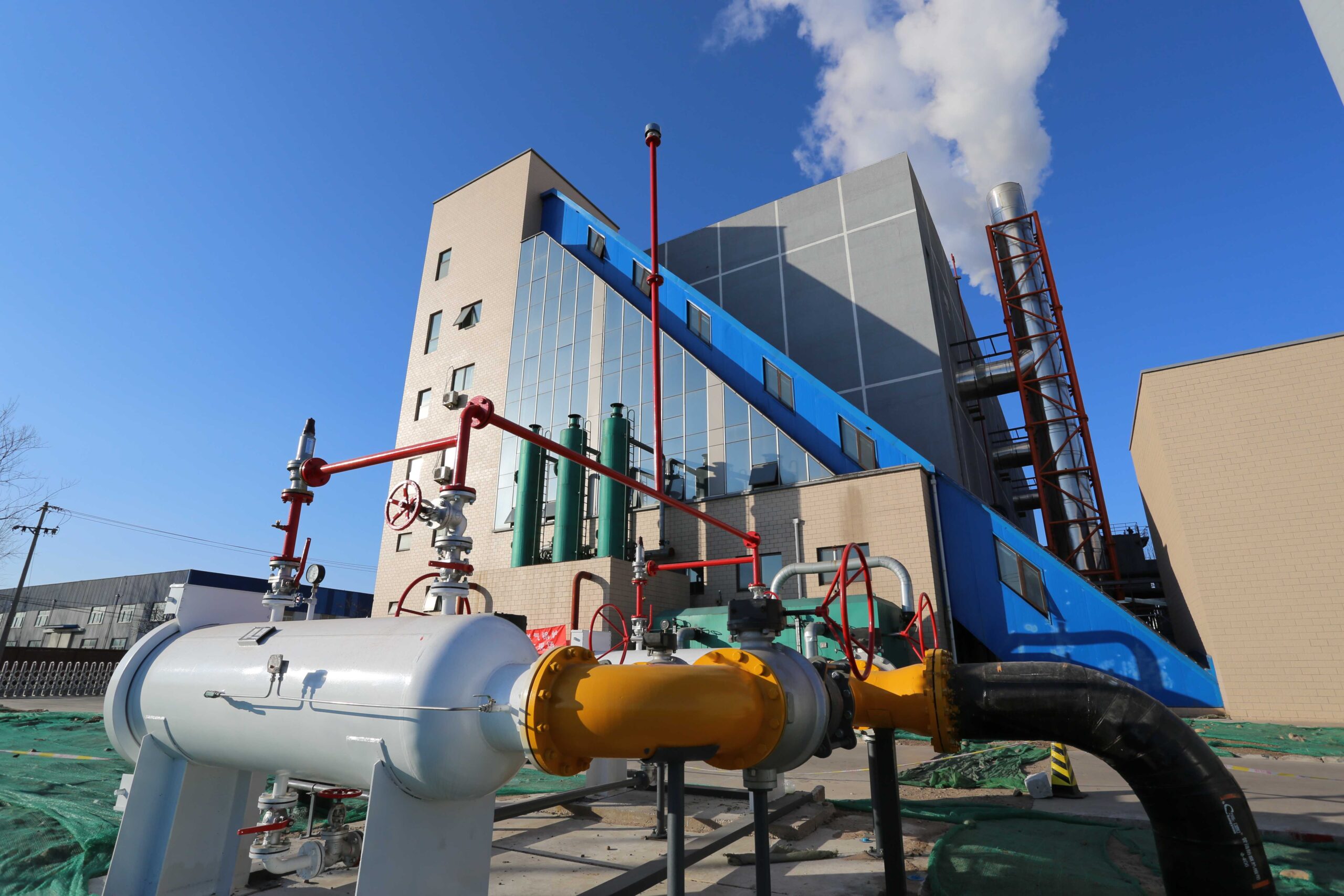
The following checklist is intended as a practical template for preparing fuel information before requesting an industrial boiler quotation.
Unlike a general parameter summary, it identifies what should be entered, which units or conditions need clarification, and how to record the supporting evidence.
Fuel Supply Data Submission Template
| Parameter | Value / Information to Enter | Source / Status |
|---|---|---|
| Fuel type and grade | Natural gas / Diesel / HFO / Other | Supplier specification |
| Fuel source | Supplier, pipeline, or delivery source | Confirmed / Pending |
| Heating value | Value + unit + LHV/HHV basis | Analysis / specification |
| Gas composition | Analysis report and relevant components | Report reference |
| Gas Wobbe Index | Value and applicable basis, if required | Report / calculation |
| Supply pressure | Min / normal / max + unit + gauge/absolute | Utility / site record |
| Delivery interface | Defined measurement or guaranteed supply point | Project document |
| Available fuel flow | Value + unit + applicable reference conditions | Supplier / site record |
| Supply temperature | Relevant operating range in °C or °F | Site / supplier |
| Oil density | Value + unit + reference temperature | Fuel analysis |
| Oil viscosity | Value + unit + measurement temperature | Fuel analysis |
| Fuel impurities | Relevant test results or specification limits | Analysis report |
| Supply continuity | Continuous / intermittent + restrictions | Utility / site data |
| Supporting documents | Document number, date, and revision | Attached / Pending |
The applicable fields depend on fuel type and project requirements. The table is a preliminary RFQ template, not a universal final design datasheet.
When completing the table, buyers should avoid entering numerical values without their units and reference conditions.
For example, gas flow stated in Nm³/h should include the normal-volume reference conditions used by the project or fuel supplier. Similarly, oil viscosity should identify the measurement temperature.
What Should Be Submitted With the Checklist?
A practical preliminary fuel-data package normally includes four elements:
1. Completed fuel supply data table
Include the available values, applicable units, delivery boundaries, and confirmation status.
2. Supporting fuel documentation
Attach relevant supplier specifications, gas composition reports, or liquid-fuel analysis certificates.
3. Outstanding information register
Clearly identify missing values, provisional assumptions, and information requiring further confirmation.
4. Basic boiler project requirements
Submit the required steam or hot-water capacity, operating pressure and temperature, expected load profile, project location, and known fuel-system scope boundaries.
Fuel information should be considered alongside these basic requirements when evaluating an industrial boiler proposal.
For projects involving industrial oil and gas-fired boilers, the manufacturer can use the submitted information to assess preliminary fuel compatibility, supply limitations, and equipment-related assumptions.
A completed checklist does not replace the full technical RFQ or detailed design documentation. It provides a clearer starting point for technical communication between the buyer and the manufacturer.
Frequently Asked Questions
Can I Request a Boiler Quotation Without a Complete Fuel Analysis?
Yes. An initial technical quotation may be possible if the fuel type, available supply conditions, and other essential project requirements are sufficiently identified. Missing data should be marked as provisional or pending, and the manufacturer should clarify any assumptions affecting the proposed configuration.
Is the Gas Pressure at the Main Pipeline Sufficient for Boiler Quotation?
Not necessarily. The pressure at the upstream pipeline may differ from the pressure available at the agreed boiler fuel delivery interface. Buyers should provide the relevant measurement location and the expected minimum, normal, and maximum supply pressures.
Do Diesel and Heavy Fuel Oil Boilers Require the Same Fuel Data?
They share several basic requirements, including fuel identification, heating value, pressure, and available supply capacity. Heavy fuel oil projects may need additional attention to viscosity, temperature, fuel conditioning, and handling conditions. The detailed requirements depend on the actual fuel specification and equipment.
Conclusion
Accurate fuel supply data help industrial boiler manufacturers evaluate fuel suitability, identify site supply limitations, and prepare technical proposals based on clearly defined assumptions.
Before requesting a quotation, buyers should document fuel properties, available pressure and flow conditions, delivery boundaries, and unresolved information.
For a planned industrial oil- or gas-fired boiler project, buyers can share their available fuel data, required boiler capacity, operating conditions, and project location with Taishan Group for an initial technical review.
References
International Organization for Standardization (ISO). ISO 6976:2016 — Natural Gas: Calculation of Calorific Values, Density, Relative Density and Wobbe Indices from Composition. Technical reference for gas heating values, density, and Wobbe Index calculations.
ASTM International. ASTM D396 — Standard Specification for Fuel Oils. Reference for fuel-oil grades and relevant fuel-quality properties. The applicable edition and specification must be determined for each project.
U.S. Department of Energy. Steam Systems — Technical Resources and Guidance. Supporting reference for industrial steam-system assessment and boiler energy-performance considerations.
Taishan Group. Industrial Oil & Gas-Fired Boiler. Manufacturer product information and industrial applications.
Taishan Group. Project Cases. Published project references, including the 4 t/h heavy fuel oil boiler application in Uruguay.
What Fuel Supply Data Are Needed for an Industrial Oil & Gas-Fired Boiler Project? Read More »