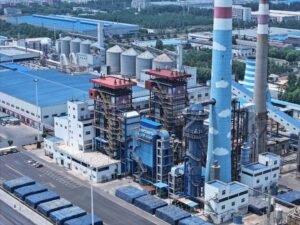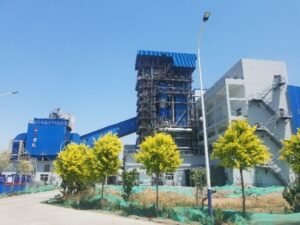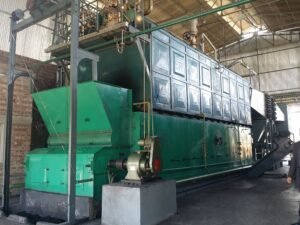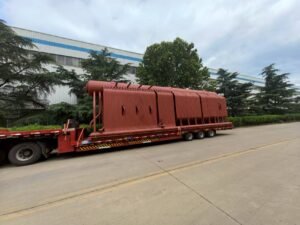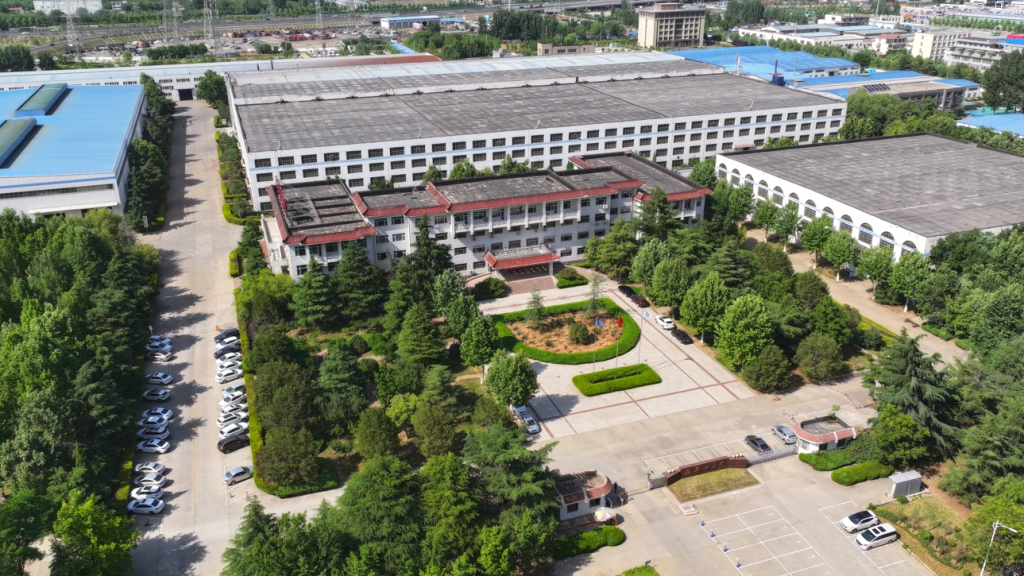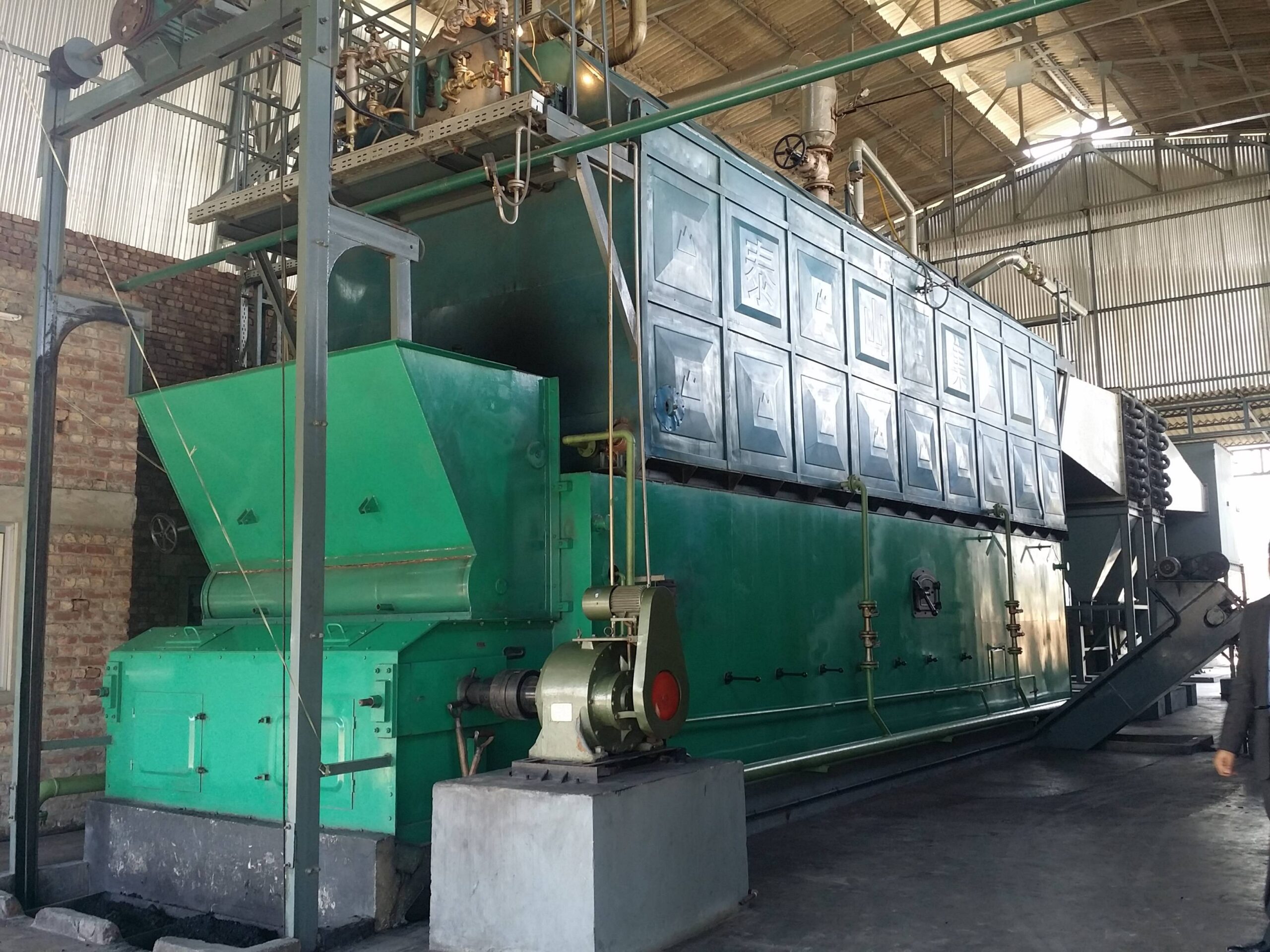
Choosing the wrong steam boiler supplier can lead to poor equipment performance, delayed project timelines, costly maintenance, and long-term operational risks. Many buyers focus only on the initial quotation price, but overlook critical factors such as engineering capability, manufacturing quality, certifications, and after-sales support. A poorly chosen supplier may deliver a boiler that fails to meet efficiency targets, safety standards, or process requirements.
To evaluate and select the best steam boiler suppliers, companies should assess several key factors including manufacturer certifications, engineering and design capabilities, product quality and materials, energy efficiency ratings, project experience, delivery reliability, and after-sales service support. A reliable supplier will offer customized solutions, transparent pricing, strong technical support, and proven performance in similar industrial applications.
Understanding the evaluation criteria before making a purchasing decision helps businesses reduce risk, improve equipment reliability, and ensure long-term operational efficiency. The following guide outlines the most important aspects to consider when selecting a professional steam boiler supplier.
For more detailed insights into steam boiler technologies and industrial applications, you can also explore this resource:
How to Enhance Reliability and Performance of Industrial Steam Boilers
What Certifications Should the Best Steam Boiler Suppliers Have?
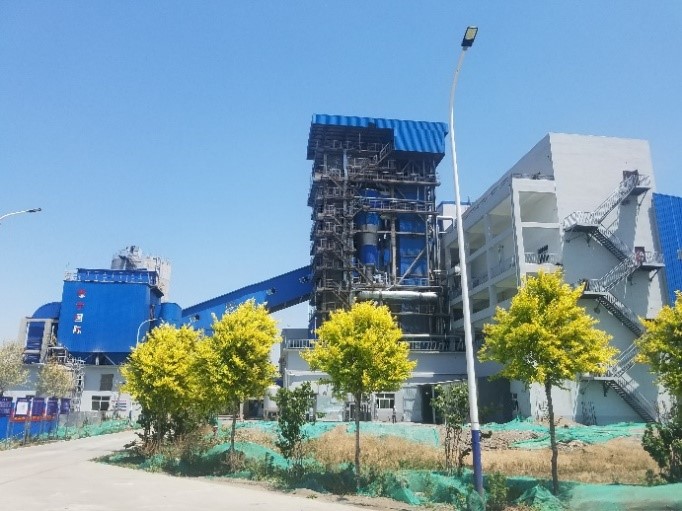
Selecting a reliable steam boiler supplier is one of the most critical decisions for industries that depend on stable steam generation. Steam boilers operate under high pressure and temperature, meaning that equipment safety, structural integrity, and long-term reliability are essential. One of the most reliable ways to evaluate a supplier’s credibility and manufacturing capability is by reviewing their certifications. Internationally recognized certifications demonstrate that the manufacturer follows strict engineering standards, quality management systems, and safety regulations. Without these certifications, there is a higher risk that the boiler may not meet the necessary pressure vessel safety requirements or operational performance expectations.
The best steam boiler suppliers should possess internationally recognized certifications such as ASME Boiler and Pressure Vessel Code certification, CE certification for European markets, ISO quality management certifications, and other industry-specific approvals. These certifications ensure the supplier follows strict manufacturing standards, uses certified materials, and performs rigorous testing to guarantee safe and reliable boiler operation.
By verifying these certifications, businesses can confidently select suppliers capable of delivering high-quality steam boiler systems.
Steam boiler manufacturers with internationally recognized certifications generally produce safer and more reliable equipment.True
Certifications such as ASME and CE require manufacturers to follow strict engineering design, material selection, and inspection procedures, ensuring high safety and reliability standards.
1. ASME Boiler and Pressure Vessel Code Certification
The ASME Boiler and Pressure Vessel Code (BPVC) is one of the most important certifications for steam boiler manufacturers.
It is widely recognized across the global boiler industry and sets strict standards for:
- Pressure vessel design
- Welding procedures
- Material selection
- Quality inspection
ASME certification ensures that boilers are capable of safely handling high-pressure steam conditions.
Key ASME certification benefits:
| ASME Requirement | Purpose |
|---|---|
| Pressure vessel design verification | Ensures structural integrity |
| Certified welding procedures | Prevents structural failure |
| Material traceability | Guarantees steel quality |
Steam boilers carrying ASME certification are commonly used in large industrial facilities and power plants.
2. CE Certification for European Compliance
CE certification indicates that a product complies with European Union safety, health, and environmental protection standards.
For steam boilers, CE certification typically confirms compliance with the Pressure Equipment Directive (PED).
CE certification verifies:
- Mechanical safety of pressure equipment
- Compliance with European industrial regulations
- Product safety testing and verification
CE certification requirements include:
| Requirement | Importance |
|---|---|
| Pressure vessel testing | Ensures safe operation |
| Safety system verification | Protects operators |
| Documentation compliance | Meets EU regulatory standards |
Suppliers exporting boilers to European markets must obtain CE certification.
3. ISO 9001 Quality Management Certification
ISO 9001 is one of the most widely adopted quality management certifications worldwide.
This certification ensures that the manufacturer follows standardized production and quality control processes.
ISO 9001 covers:
- Quality management systems
- Production process control
- Continuous product improvement
Benefits of ISO-certified manufacturers:
| ISO 9001 Feature | Advantage |
|---|---|
| Standardized production processes | Consistent product quality |
| Documented procedures | Improved traceability |
| Continuous improvement system | Higher reliability |
ISO certification helps ensure consistent manufacturing quality.
4. ISO 14001 Environmental Management Certification
Environmental performance is becoming increasingly important in industrial equipment manufacturing.
ISO 14001 certification demonstrates that a manufacturer follows responsible environmental management practices.
This certification focuses on:
- Reducing environmental impact
- Sustainable manufacturing practices
- Compliance with environmental regulations
Environmental certifications indicate that suppliers operate responsibly and comply with modern sustainability standards.
5. ISO 45001 Occupational Health and Safety Certification
ISO 45001 focuses on occupational health and safety management systems within manufacturing facilities.
This certification ensures that manufacturers maintain safe working conditions for employees.
Benefits include:
- Improved worker safety
- Reduced workplace accidents
- Compliance with international labor standards
Safe manufacturing environments often correlate with higher product quality.
6. National Boiler Manufacturing Licenses
Many countries require boiler manufacturers to obtain government-issued manufacturing licenses.
Examples include:
| Country | Certification or License |
|---|---|
| United States | ASME stamp authorization |
| European Union | CE/PED compliance |
| China | Special Equipment Manufacturing License |
These licenses confirm that the manufacturer is legally authorized to produce pressure vessels.
7. Welding Procedure Qualification Certification
Steam boilers rely heavily on welded pressure vessels and tube assemblies.
Certified welding procedures ensure:
- Structural strength
- Leak-free joints
- Long-term durability
Key welding certifications include:
| Certification | Purpose |
|---|---|
| WPS (Welding Procedure Specification) | Standardizes welding process |
| PQR (Procedure Qualification Record) | Verifies welding strength |
| Welder qualification certification | Confirms operator skill |
These certifications guarantee reliable pressure vessel construction.
8. Non-Destructive Testing (NDT) Certification
Quality steam boiler manufacturers perform non-destructive testing to detect structural defects without damaging components.
Common NDT techniques include:
- Radiographic testing (X-ray)
- Ultrasonic testing
- Magnetic particle inspection
NDT ensures that critical welds and structural components meet safety standards.
9. Energy Efficiency and Emissions Certifications
In some regions, boilers must meet energy efficiency and emissions standards.
These certifications confirm that the boiler operates efficiently while minimizing environmental impact.
Examples include:
- Energy efficiency certification programs
- Low-NOx emissions certification
Environmental certifications are particularly important for facilities seeking to reduce carbon emissions.
10. Supplier Reputation and Industry Recognition
Beyond formal certifications, the best steam boiler suppliers often demonstrate credibility through industry recognition.
Indicators of a reputable supplier include:
- Large number of industrial installations
- Positive customer references
- Long-term industry experience
Suppliers with extensive project experience often provide more reliable equipment and better technical support.
Summary
The best steam boiler suppliers should possess internationally recognized certifications that demonstrate compliance with strict engineering, safety, and quality standards. Certifications such as ASME BPVC, CE/PED, ISO 9001, ISO 14001, and ISO 45001 confirm that manufacturers follow rigorous production processes, use certified materials, and conduct thorough inspection procedures. Additional qualifications such as welding certifications, non-destructive testing programs, and national boiler manufacturing licenses further ensure product reliability. By selecting suppliers with these certifications, businesses can confidently invest in steam boiler systems that deliver safe operation, high efficiency, and long-term durability.
How Do Manufacturing Capability and Engineering Expertise Identify the Best Steam Boiler Suppliers?
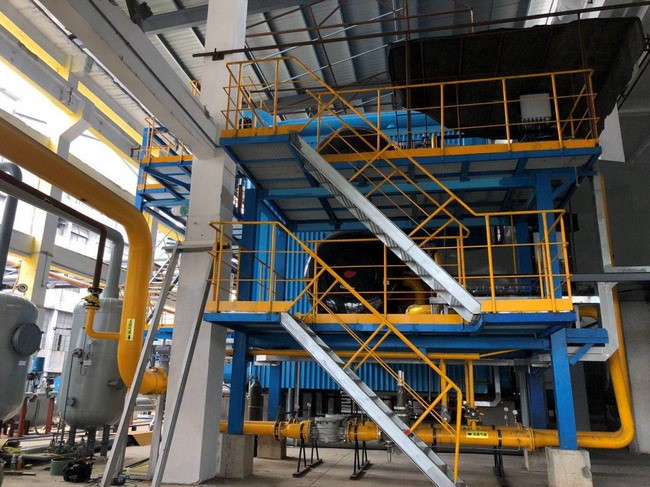
Selecting a steam boiler supplier is a critical decision for industries such as food processing, chemical manufacturing, pharmaceuticals, textile production, and power generation. Many buyers focus mainly on price or basic specifications, but this approach often leads to costly operational failures, inefficient energy use, safety risks, and expensive downtime. Poorly designed boilers can cause uneven steam output, corrosion problems, frequent maintenance, and reduced thermal efficiency. These issues can severely disrupt production schedules and increase long-term operating costs. The solution lies in evaluating suppliers based on their manufacturing capability and engineering expertise, which directly determine equipment reliability, safety performance, customization capability, and lifecycle cost efficiency.
The best steam boiler suppliers are identified by evaluating two fundamental factors: advanced manufacturing capability and deep engineering expertise. Manufacturers with automated fabrication facilities, rigorous quality control systems, and experienced thermal engineers are able to design boilers that maximize efficiency, safety, and durability. These suppliers typically provide customized solutions, comply with international certifications such as ASME or ISO, implement precision welding and testing technologies, and offer lifecycle technical support—ensuring long-term reliability and optimal steam performance for industrial users.
Understanding how to evaluate these capabilities is essential for procurement managers, plant engineers, and business owners who depend on stable steam systems. In this article, I will analyze from both a manufacturing and engineering perspective, drawing on real industrial practices used by leading boiler manufacturers. By the end, you will know exactly what technical indicators separate a high-quality steam boiler supplier from a basic equipment vendor.
Advanced manufacturing capability directly affects the safety and efficiency of industrial steam boilers.True
High-precision fabrication, automated welding, and strict pressure vessel testing ensure boilers can safely operate under high temperature and pressure while maintaining thermal efficiency.
Any steel fabrication workshop can produce reliable industrial steam boilers.False
Steam boilers are pressure vessels requiring specialized engineering design, certified welding procedures, strict material control, and safety testing; ordinary workshops cannot meet these requirements.
Understanding the Strategic Importance of Steam Boiler Supplier Selection
Steam boilers remain the backbone of many industrial processes. Whether generating saturated steam for sterilization in pharmaceutical plants or providing high-pressure steam for turbine power generation, boilers are critical assets that influence productivity, safety, and operational cost. A poorly manufactured boiler can reduce plant efficiency by 10–30%, while advanced high-efficiency boilers can significantly reduce fuel consumption and carbon emissions.
Modern industrial boilers must meet complex performance expectations including:
• High thermal efficiency
• Stable steam pressure
• Rapid load response
• Long service life
• Low emission levels
• Smart monitoring capability
Achieving these requirements depends heavily on manufacturing quality and engineering design.
Table 1: Key Industrial Boiler Performance Indicators
| Parameter | Typical Conventional Boiler | Advanced Industrial Boiler |
|---|---|---|
| Thermal Efficiency | 75–82% | 90–98% |
| Steam Pressure Stability | ±10% fluctuation | ±2% fluctuation |
| Fuel Consumption | High | Optimized through combustion control |
| Emission Level | Higher NOx and CO | Low NOx combustion technology |
| Maintenance Frequency | Frequent | Predictive maintenance |
| Service Life | 10–15 years | 20–30 years |
A high-quality steam boiler supplier invests heavily in precision manufacturing infrastructure and engineering innovation to achieve these performance levels.
Manufacturing Capability: The Foundation of Boiler Reliability
Manufacturing capability is one of the most reliable indicators of a supplier’s quality. Steam boilers are classified as pressure vessels, meaning they operate under high temperature and pressure conditions. This makes fabrication accuracy, welding quality, and material selection extremely important.
A professional boiler manufacturer typically includes the following production capabilities:
• Automated steel plate cutting
• CNC rolling machines for boiler drums
• Robotic welding systems
• Heat treatment furnaces
• Non-destructive testing (NDT) laboratories
• Hydrostatic pressure testing systems
Without these facilities, consistent quality is almost impossible.
Key Manufacturing Technologies Used by Leading Boiler Suppliers
- Automated Welding Systems
High-pressure boiler drums require precise weld penetration and uniform seam quality. Automated welding reduces human error and improves consistency.
- Advanced Plate Rolling Technology
Steam boiler shells must maintain strict dimensional tolerances to ensure proper pressure distribution.
- Heat Treatment Processes
Post-weld heat treatment removes internal stress and improves metal durability.
- Non-Destructive Testing
Modern manufacturers use ultrasonic testing, radiographic inspection, and magnetic particle testing to detect microscopic defects.
Table 2: Manufacturing Capability Indicators
| Manufacturing Factor | Basic Supplier | Advanced Supplier |
|---|---|---|
| Welding Technology | Manual welding | Automated/robotic welding |
| Inspection Methods | Visual inspection | UT, RT, MT, PT testing |
| Production Automation | Limited | Fully integrated production line |
| Material Traceability | Partial | Full material certification tracking |
| Pressure Testing | Basic hydro test | Multi-stage pressure simulation |
These manufacturing capabilities ensure that boilers meet strict safety standards such as ASME Section I, EN 12952, or GB standards.
Engineering Expertise: The Brain Behind Boiler Performance
While manufacturing capability ensures structural integrity, engineering expertise determines system performance.
Steam boilers are complex thermal systems involving:
• Thermodynamics
• Fluid mechanics
• Combustion science
• Materials engineering
• Control system integration
A strong engineering team can optimize boiler performance for specific industrial applications.
Engineering Design Elements of High-Quality Boilers
- Thermal Efficiency Optimization
Engineers design heat transfer surfaces to maximize energy extraction from combustion gases.
- Combustion System Design
Modern boilers use low-NOx burners and advanced air-fuel ratio control systems.
- Water Circulation Engineering
Proper circulation prevents overheating and improves steam quality.
- Emission Reduction Technology
Flue gas recirculation and staged combustion reduce environmental impact.
- Digital Monitoring Integration
Smart sensors and IoT systems allow predictive maintenance.
Example: Engineering Impact on Fuel Consumption
A poorly engineered boiler may waste large amounts of fuel due to inefficient heat transfer.
| Boiler Design Type | Fuel Efficiency | Annual Fuel Cost (Example Plant) |
|---|---|---|
| Basic fire-tube boiler | 78% | $850,000 |
| Optimized fire-tube boiler | 90% | $720,000 |
| Advanced condensing boiler | 96% | $650,000 |
Over 10 years, the difference can exceed $2 million in fuel savings.
Integration of Manufacturing and Engineering
The best steam boiler suppliers integrate design engineering and production engineering into a unified workflow.
This integrated approach includes:
• Digital simulation before fabrication
• Finite element analysis of pressure vessels
• CFD modeling of combustion chambers
• Prototype testing and validation
• Continuous improvement through field data
Such integration ensures boilers perform as designed once installed.
Real Case Study: Industrial Food Processing Plant
A large food processing facility required a 10-ton natural gas steam boiler.
Two suppliers were evaluated:
Supplier A: Low-cost fabrication workshop
Supplier B: Advanced engineering boiler manufacturer
Results after two years:
| Performance Indicator | Supplier A | Supplier B |
|---|---|---|
| Average Efficiency | 80% | 95% |
| Annual Fuel Cost | $480,000 | $390,000 |
| Downtime | Frequent | Minimal |
| Maintenance Cost | High | Low |
Although Supplier B’s initial price was 20% higher, total operating cost was significantly lower.
Certifications and Compliance
Reliable steam boiler suppliers must comply with international certifications:
• ASME Boiler and Pressure Vessel Code
• ISO 9001 Quality Management
• ISO 14001 Environmental Management
• CE Certification
• EAC or regional pressure vessel approvals
Certification indicates the manufacturer follows standardized engineering and manufacturing practices.
Engineering Support and Lifecycle Service
Engineering expertise also appears in post-installation services, including:
• Boiler system integration
• Commissioning and testing
• Operator training
• Maintenance planning
• Performance optimization
Top suppliers offer lifecycle engineering support, ensuring the boiler continues operating efficiently for decades.
Innovation Trends in Steam Boiler Engineering
The global boiler industry is rapidly evolving with new technologies:
- Smart IoT monitoring
- AI-based combustion optimization
- Hydrogen-ready boilers
- Ultra-low NOx burners
- Waste heat recovery integration
Suppliers investing in these innovations demonstrate long-term engineering strength.
How Buyers Can Evaluate Steam Boiler Suppliers
When evaluating suppliers, buyers should analyze several key factors:
• Factory scale and equipment
• Engineering team experience
• Reference projects
• Certification credentials
• R&D capability
• After-sales support
Visiting the manufacturing facility is often the best method to verify real capabilities.
Summary: Key Indicators of the Best Steam Boiler Suppliers
The most reliable steam boiler suppliers demonstrate excellence in both manufacturing capability and engineering expertise. Advanced fabrication technology ensures structural safety, while strong engineering design guarantees efficiency, performance stability, and environmental compliance. Buyers should prioritize suppliers with integrated engineering teams, certified production systems, extensive project experience, and long-term technical support.
Choosing the right steam boiler supplier is not simply about purchasing equipment—it is about investing in a long-term energy system that will influence operational cost, production stability, and safety for decades.
Contact us today to discuss your steam boiler requirements and receive a professional consultation.
Why Is Product Quality Important When Selecting the Best Steam Boiler Suppliers?
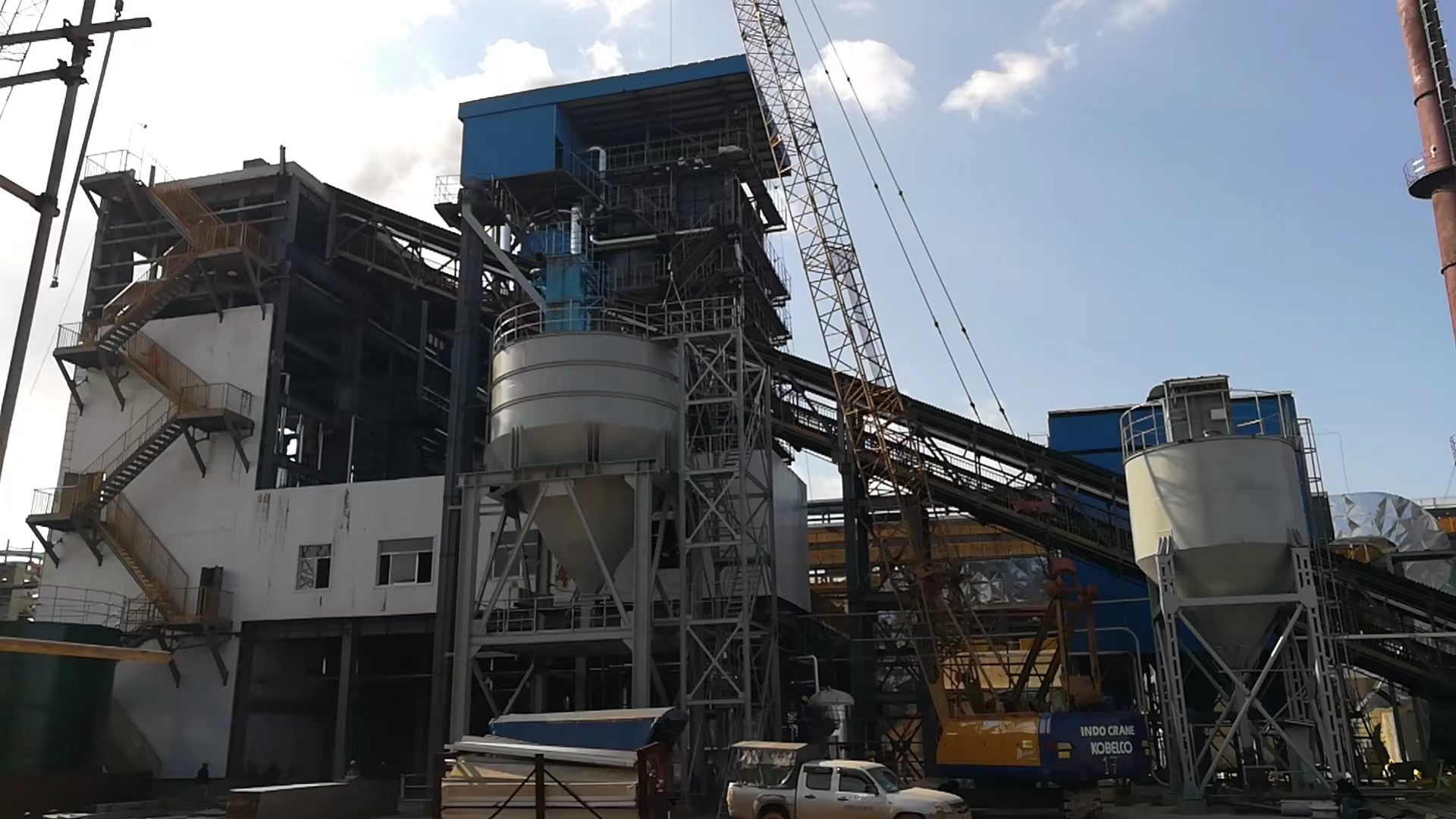
Selecting a steam boiler supplier is not simply a purchasing decision—it is a long-term operational investment that directly impacts plant safety, energy efficiency, and production stability. Many companies initially focus on price or delivery speed when sourcing boilers, but neglecting product quality can result in serious consequences. Low-quality steam boilers often suffer from issues such as unstable steam output, excessive fuel consumption, corrosion, leakage, and frequent shutdowns. These problems lead to production interruptions, increased maintenance costs, and potential safety hazards involving high-pressure equipment. For industries that depend on continuous steam supply—such as food processing, pharmaceuticals, chemical manufacturing, and textiles—the risks of poor boiler quality can quickly translate into significant financial losses. Therefore, understanding why product quality is critical when selecting steam boiler suppliers is essential for engineers, procurement managers, and industrial operators.
Product quality is essential when selecting steam boiler suppliers because boilers operate under high temperature and pressure conditions where structural integrity, material quality, and manufacturing precision directly determine safety, efficiency, and service life. High-quality boilers are built using certified materials, advanced welding technologies, strict quality inspections, and optimized engineering designs, ensuring stable steam production, lower fuel consumption, reduced emissions, and longer operational lifespan. Choosing suppliers that prioritize product quality significantly reduces operational risks and total lifecycle costs.
To truly understand the importance of product quality, it is necessary to analyze the technical aspects behind boiler manufacturing, including materials engineering, pressure vessel fabrication, heat transfer design, and industrial quality assurance systems. In the following sections, we will explore how product quality influences boiler reliability, efficiency, regulatory compliance, maintenance costs, and long-term industrial performance.
Steam boilers must meet strict pressure vessel quality standards to operate safely.True
Steam boilers operate under high pressure and temperature, requiring certified materials, precise welding, and rigorous inspections to ensure safe operation.
Steam boiler quality has little effect on energy efficiency.False
Boiler quality strongly influences combustion efficiency, heat transfer performance, insulation effectiveness, and steam stability, all of which directly affect energy consumption.
Understanding the Role of Product Quality in Industrial Steam Boilers
Steam boilers are classified as pressure vessels designed to convert water into steam using thermal energy generated from fuel combustion or electrical heating. The operational conditions of industrial boilers often involve pressures ranging from 6 bar to more than 100 bar and temperatures exceeding 500°C in some systems. Under such conditions, even minor structural defects or material weaknesses can lead to significant operational risks.
Product quality in steam boilers is primarily determined by several engineering factors including:
• Material strength and corrosion resistance
• Precision of welding and fabrication
• Accuracy of heat transfer surface design
• Stability of combustion systems
• Effectiveness of insulation systems
• Quality control and testing procedures
These elements collectively determine whether a boiler can deliver reliable performance throughout its expected service life, which may span 20–30 years in well-manufactured systems.
Table 1: Key Components Influenced by Boiler Product Quality
| Boiler Component | Impact of High Quality Manufacturing | Impact of Low Quality Manufacturing |
|---|---|---|
| Boiler Drum | High structural integrity, long service life | Risk of stress cracking or deformation |
| Heat Transfer Tubes | Efficient heat transfer, stable steam output | Reduced efficiency, tube leakage |
| Burner System | Optimized fuel combustion | Fuel waste and unstable flame |
| Insulation System | Minimal heat loss | High thermal energy loss |
| Control System | Accurate pressure and temperature control | Operational instability |
When product quality is compromised, these components can degrade rapidly, resulting in frequent repairs and costly downtime.
How Material Quality Determines Boiler Durability
Material selection is one of the most fundamental factors influencing steam boiler quality. Industrial boilers must withstand high temperatures, pressure fluctuations, and corrosive environments over long operating periods. As a result, manufacturers typically use specialized materials such as:
• Carbon steel pressure vessel plates (e.g., SA-516 Grade 70)
• Alloy steel for high-temperature sections
• Stainless steel for corrosion-prone areas
• High-strength boiler tubes (ASTM A192, A210, etc.)
High-quality suppliers maintain strict material traceability systems to ensure every steel plate, tube, and component meets international standards.
Table 2: Comparison of Material Standards in Boiler Manufacturing
| Material Standard | Application | Key Properties |
|---|---|---|
| ASME SA-516 | Boiler pressure vessel plates | High strength and toughness |
| ASTM A192 | Seamless boiler tubes | High temperature resistance |
| ASTM A335 | Alloy steel pipes | High pressure and heat resistance |
| Stainless Steel 304/316 | Corrosion-resistant components | Chemical resistance |
Inferior materials may initially reduce manufacturing costs but significantly shorten boiler lifespan due to corrosion or fatigue failure.
The Impact of Manufacturing Precision on Boiler Safety
Manufacturing precision directly affects the safety and reliability of steam boilers. Since boilers operate under pressure, fabrication processes must follow strict engineering standards.
Key manufacturing processes influencing product quality include:
• CNC plate cutting
• Drum rolling accuracy
• Automated welding procedures
• Post-weld heat treatment
• Dimensional verification
• Hydrostatic pressure testing
For example, welding is one of the most critical steps in boiler production. Improper weld penetration or slag inclusions can weaken pressure vessel joints.
Chart: Typical Boiler Quality Inspection Stages
| Inspection Stage | Purpose | Methods Used |
|---|---|---|
| Raw Material Inspection | Verify material certification | Chemical analysis, mechanical testing |
| Welding Inspection | Ensure structural integrity | Radiographic testing (RT), ultrasonic testing (UT) |
| Assembly Inspection | Confirm dimensional accuracy | Precision measurement |
| Pressure Testing | Verify pressure resistance | Hydrostatic testing |
| Final Inspection | Ensure operational readiness | Functional and safety testing |
Manufacturers with advanced quality management systems conduct these inspections at multiple stages during production.
Energy Efficiency: A Direct Result of Product Quality
High-quality steam boilers are designed with optimized heat transfer systems that maximize energy efficiency. The efficiency of a boiler is determined by how effectively it converts fuel energy into usable steam.
Key design features that improve efficiency include:
• Advanced combustion chambers
• High-efficiency burners
• Economizers for heat recovery
• Improved insulation materials
• Condensing heat recovery systems
A poorly manufactured boiler may suffer from inefficient heat transfer due to uneven tube spacing, scaling, or poor insulation.
Table 3: Efficiency Comparison of Boilers Based on Quality
| Boiler Quality Level | Thermal Efficiency | Fuel Consumption Impact |
|---|---|---|
| Low-quality boiler | 75–82% | High fuel cost |
| Standard industrial boiler | 85–90% | Moderate fuel consumption |
| High-quality modern boiler | 92–98% | Significant energy savings |
For large industrial facilities, even a 5% improvement in efficiency can translate into hundreds of thousands of dollars in annual fuel savings.
Product Quality and Operational Reliability
Industrial operations depend on consistent steam supply. Any interruption in steam production can halt entire production lines.
Low-quality boilers frequently experience problems such as:
• Tube leaks
• Pressure instability
• Burner failures
• Scaling and corrosion
• Control system malfunctions
High-quality boilers, by contrast, are engineered for continuous operation and predictable maintenance schedules.
Real Industrial Example
A textile manufacturing plant operating a 6-ton steam boiler experienced repeated shutdowns due to tube leakage caused by poor welding quality. After replacing the boiler with a higher-quality unit from a reputable manufacturer, the plant reported:
• 30% reduction in maintenance costs
• 20% improvement in fuel efficiency
• Zero unscheduled shutdowns for three years
This demonstrates how product quality directly affects industrial productivity.
Compliance with International Safety Standards
Quality boilers must comply with international safety standards because steam boilers are regulated pressure equipment.
Common certification standards include:
• ASME Boiler and Pressure Vessel Code
• ISO 9001 Quality Management System
• CE Certification (Europe)
• EN 12952 and EN 12953 standards
• GB/T boiler standards in China
Compliance ensures that manufacturers follow globally recognized engineering and manufacturing practices.
Long-Term Lifecycle Cost Benefits
Although high-quality boilers may have a higher upfront purchase price, they typically provide lower total cost of ownership due to:
• Reduced fuel consumption
• Lower maintenance costs
• Longer service life
• Fewer production interruptions
Table 4: Lifecycle Cost Comparison
| Cost Factor | Low-Quality Boiler | High-Quality Boiler |
|---|---|---|
| Initial Purchase Cost | Low | Moderate |
| Annual Fuel Cost | High | Lower |
| Maintenance Cost | High | Low |
| Downtime Cost | Frequent | Minimal |
| Service Life | 10–15 years | 20–30 years |
Over a 20-year operating period, the total cost difference can be substantial.
Product Quality as a Reflection of Supplier Capability
Product quality is ultimately a reflection of the supplier’s manufacturing capability, engineering expertise, and quality control system. Leading steam boiler suppliers invest heavily in:
• Automated manufacturing equipment
• Engineering research and development
• Skilled welding personnel
• Advanced testing laboratories
• Digital design tools such as CFD simulation
These investments allow them to consistently produce reliable and efficient steam boiler systems.
Summary
Product quality plays a decisive role in selecting the best steam boiler suppliers because it directly influences safety, efficiency, durability, and operational reliability. High-quality boilers are engineered using certified materials, advanced manufacturing technologies, and rigorous quality inspection processes, ensuring they can safely operate under demanding industrial conditions for decades. While lower-cost boilers may appear attractive in the short term, the long-term operational risks and higher lifecycle costs often outweigh the initial savings. For industrial users seeking stable steam supply, improved energy efficiency, and reduced maintenance costs, prioritizing product quality when selecting steam boiler suppliers is not merely a recommendation—it is a strategic necessity.
How Do Project Experience and Industry Reputation Reflect the Best Steam Boiler Suppliers?
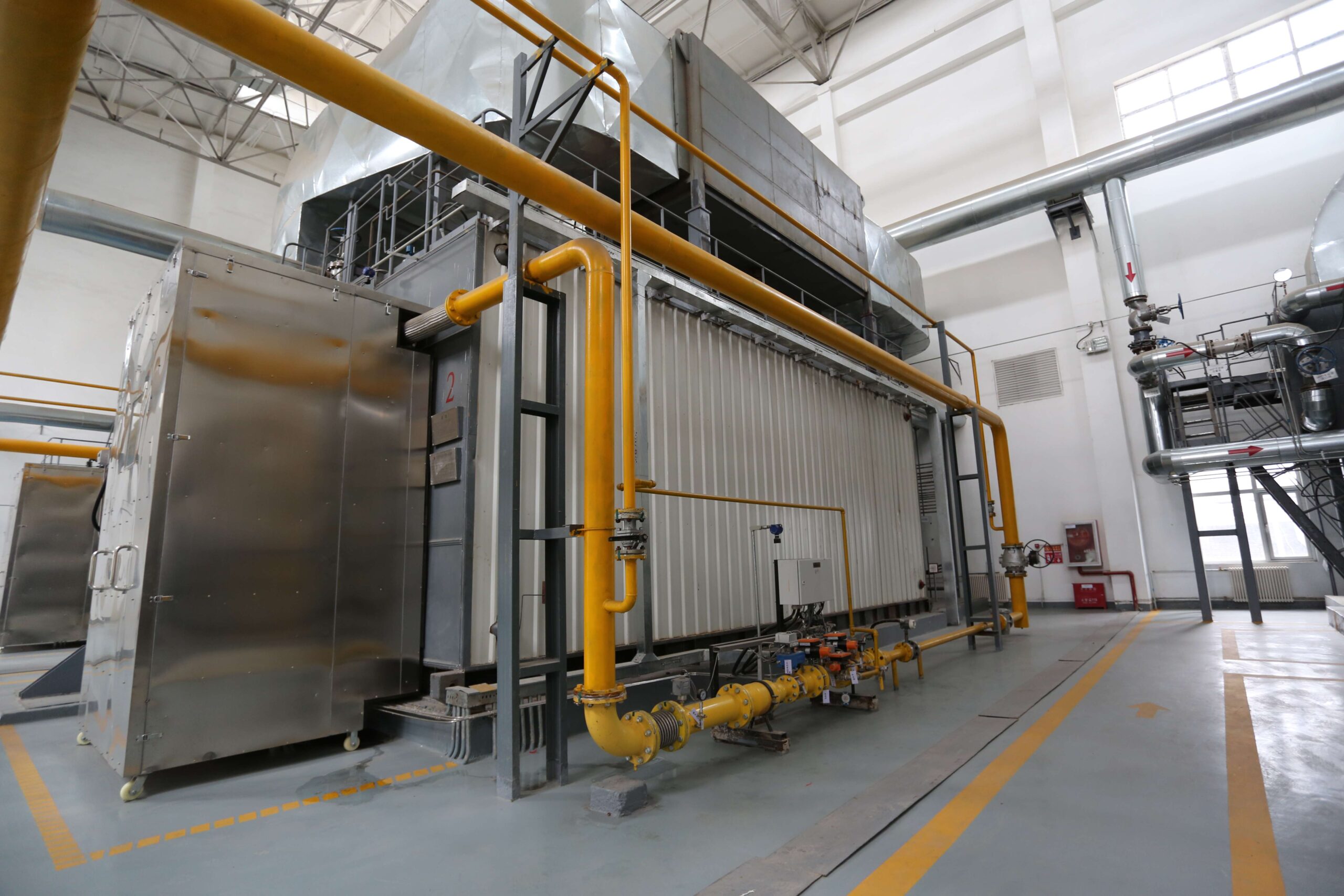
Choosing the right steam boiler supplier is a critical decision for industries that rely on stable steam production. Many buyers focus primarily on equipment specifications or pricing, but overlook two crucial indicators of supplier reliability: project experience and industry reputation. When these factors are ignored, companies may end up partnering with inexperienced suppliers who lack the capability to handle complex engineering requirements, leading to project delays, installation errors, operational inefficiencies, and costly system failures. Steam boilers are not simple off-the-shelf products—they are sophisticated thermal systems that must be carefully designed, manufactured, installed, and maintained. Without proven project experience and a strong industry reputation, suppliers may struggle to deliver reliable solutions for real industrial conditions.
Project experience and industry reputation are key indicators of the best steam boiler suppliers because they demonstrate a manufacturer’s proven ability to deliver reliable boiler systems in real-world industrial applications. Suppliers with extensive project portfolios, long-term client partnerships, and strong market credibility are more likely to possess advanced engineering expertise, stable manufacturing processes, and effective after-sales support systems. These qualities significantly reduce technical risks and ensure long-term operational success for industrial steam users.
Understanding how project experience and industry reputation influence supplier quality requires examining the technical, operational, and strategic advantages these factors provide. From large-scale industrial installations to long-term performance records, experienced suppliers develop deep expertise that directly benefits customers. In the following sections, we will explore how project track records, industry recognition, engineering knowledge, and customer trust collectively reflect the capabilities of the best steam boiler suppliers.
Steam boiler suppliers with extensive project experience are more capable of handling complex industrial applications.True
Suppliers with diverse project experience gain technical knowledge, installation expertise, and operational insights that help them design and deliver reliable boiler systems for various industries.
Industry reputation has little connection to the reliability of steam boiler suppliers.False
Industry reputation is often built on successful projects, long-term performance, customer satisfaction, and compliance with safety standards, making it a strong indicator of supplier reliability.
The Role of Project Experience in Steam Boiler Supplier Evaluation
Project experience is one of the most reliable indicators of a supplier’s technical competence. Steam boiler systems often need to be customized to suit specific industrial requirements such as fuel type, steam pressure, production capacity, and environmental regulations. Suppliers who have completed numerous projects across different industries develop valuable practical knowledge that helps them design optimized systems.
Experienced suppliers understand critical factors such as:
• Boiler load variations in real production environments
• Fuel combustion optimization for different energy sources
• Steam distribution system integration
• Water treatment compatibility
• Installation challenges in complex industrial facilities
These insights are difficult to obtain through theoretical engineering alone. Instead, they are accumulated through years of real project implementation.
Table 1: Advantages of Suppliers with Extensive Project Experience
| Project Experience Factor | Benefits for Industrial Users |
|---|---|
| Diverse Industry Projects | Adaptable boiler designs for various applications |
| Large Installation Portfolio | Proven system reliability |
| Long-Term Operational Data | Optimized energy efficiency |
| Installation Experience | Faster and smoother project implementation |
| Problem-Solving Expertise | Reduced technical risks |
Suppliers with strong project experience can anticipate operational challenges before they occur and incorporate preventive design solutions during system development.
Industry Reputation as a Measure of Trust and Reliability
Industry reputation reflects how a company is perceived by customers, partners, and regulatory bodies over time. In the steam boiler sector, reputation is usually built on several measurable factors:
• Consistent product quality
• Successful long-term projects
• Compliance with safety standards
• Positive customer feedback
• Technical innovation and research investment
A supplier with a strong reputation has typically demonstrated reliable performance across multiple projects and market conditions.
Table 2: Key Indicators of Industry Reputation
| Reputation Indicator | Description | Importance |
|---|---|---|
| Customer References | Feedback from existing industrial clients | High |
| Certification and Compliance | ASME, ISO, CE certifications | High |
| Industry Awards | Recognition from engineering organizations | Medium |
| Market Presence | Years of operation in the industry | High |
| Partnership Networks | Collaboration with engineering firms | Medium |
Companies that maintain a strong reputation often prioritize quality control, engineering excellence, and customer service to protect their market position.
How Project Experience Improves Engineering Capability
Engineering expertise improves significantly when manufacturers participate in a wide variety of real industrial projects. Each project provides valuable data regarding boiler performance, fuel efficiency, emission levels, and maintenance requirements.
For example, a supplier that has installed boilers in food processing plants, chemical factories, textile mills, and power generation facilities will have a broader understanding of different operational demands.
Example: Industry-Specific Boiler Requirements
| Industry | Typical Steam Requirement | Special Engineering Considerations |
|---|---|---|
| Food Processing | Medium pressure saturated steam | Strict hygiene and stable pressure |
| Pharmaceutical | High purity steam | Sterilization and contamination control |
| Chemical Manufacturing | High pressure steam | Corrosion resistance |
| Textile Industry | Continuous steam supply | Stable temperature control |
Suppliers with extensive project experience can tailor boiler designs to meet these unique operational needs.
The Value of Real Case Studies in Supplier Evaluation
Real project case studies provide tangible evidence of a supplier’s technical capability. These case studies usually include information such as:
• Boiler capacity and type
• Fuel system configuration
• Installation environment
• Operational performance results
• Energy efficiency outcomes
By reviewing case studies, potential buyers can better understand how a supplier’s equipment performs under real industrial conditions.
Example Case Study: Food Processing Industry
A large food processing plant required a 12-ton natural gas steam boiler to support sterilization and cooking operations. The supplier selected had extensive experience in food industry projects.
Results after installation included:
• Stable steam pressure within ±2% fluctuation
• Thermal efficiency exceeding 94%
• 15% reduction in fuel consumption compared with previous equipment
• Minimal downtime during two years of operation
Such results highlight how project experience translates into practical engineering solutions.
Installation and Commissioning Expertise
Project experience is also essential during the installation and commissioning stages of steam boiler systems. Industrial boiler installation involves complex tasks including:
• Foundation preparation
• Steam pipeline integration
• Control system calibration
• Safety valve adjustment
• Water treatment system setup
Suppliers with extensive installation experience can complete these processes efficiently while minimizing operational risks.
Table 3: Installation Challenges and Experienced Supplier Solutions
| Installation Challenge | Solution Provided by Experienced Suppliers |
|---|---|
| Limited factory space | Compact boiler layout design |
| Complex steam piping | Optimized piping configuration |
| Fuel supply variability | Flexible combustion system design |
| Strict environmental regulations | Low-emission burner technology |
Without adequate experience, installation errors may lead to performance problems that are difficult and expensive to correct later.
Reputation Built Through Long-Term Operational Performance
One of the strongest indicators of supplier reputation is the long-term performance of installed equipment. Boilers that continue operating efficiently for decades contribute to a manufacturer’s credibility.
Reliable suppliers often maintain long-term relationships with their customers through:
• Maintenance support
• Spare parts supply
• System upgrades
• Technical consultation
These long-term partnerships demonstrate customer trust and supplier commitment to product reliability.
Table 4: Performance Indicators That Strengthen Supplier Reputation
| Performance Indicator | Industry Expectation |
|---|---|
| Boiler Service Life | 20–30 years |
| Average Thermal Efficiency | 90–98% |
| Maintenance Frequency | Predictable scheduled maintenance |
| Safety Record | Zero major accidents |
| Customer Retention Rate | High repeat customer rate |
Suppliers that consistently meet these benchmarks gradually build strong industry reputations.
The Influence of Industry Reputation on Risk Reduction
Working with reputable suppliers significantly reduces procurement risks. Industrial boiler projects involve substantial investments and complex technical requirements. Selecting a poorly qualified supplier can lead to serious consequences including:
• Safety hazards involving pressure equipment
• Failure to meet regulatory requirements
• Delays in project completion
• Unexpected maintenance costs
A well-established supplier with a strong reputation is more likely to follow standardized engineering processes and maintain strict quality control.
Evaluating Reputation Through Industry Networks
Potential buyers can evaluate supplier reputation through multiple channels:
• Professional engineering associations
• Industry exhibitions and conferences
• Client references and testimonials
• Independent technical reviews
• Market share and global presence
These sources provide valuable insight into how suppliers are viewed within the broader industrial community.
The Relationship Between Reputation and Innovation
Suppliers with strong reputations often invest heavily in research and development to maintain their competitive advantage. Innovation areas may include:
• High-efficiency combustion systems
• Low-emission burner technology
• Smart boiler monitoring systems
• Waste heat recovery integration
• Hydrogen-ready boiler technology
These innovations help customers reduce energy costs and meet environmental regulations.
Summary
Project experience and industry reputation are two of the most reliable indicators when identifying the best steam boiler suppliers. Extensive project experience demonstrates a manufacturer’s ability to design, install, and operate boiler systems successfully across diverse industrial environments. Industry reputation, on the other hand, reflects long-term performance, customer satisfaction, and consistent adherence to safety and quality standards. Together, these factors provide strong evidence of a supplier’s technical competence, reliability, and commitment to excellence. For industrial buyers seeking dependable steam boiler solutions, evaluating both project experience and industry reputation is essential for minimizing operational risks and ensuring long-term system performance.
What Role Does After-Sales Support Play When Choosing the Best Steam Boiler Suppliers?
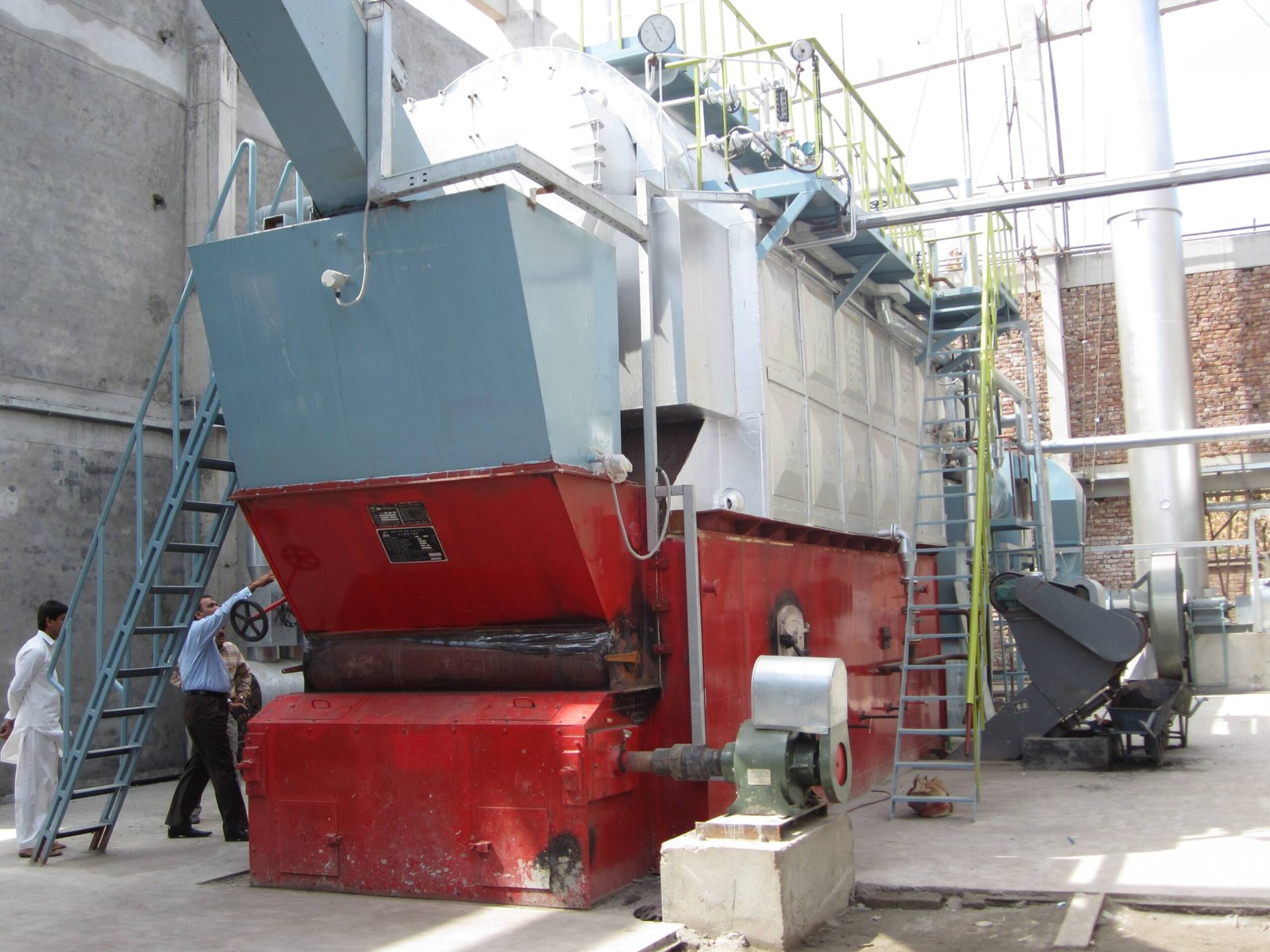
Selecting a steam boiler supplier is a decision that affects not only the installation phase but also the long-term reliability and efficiency of an industrial steam system. Many companies focus heavily on the purchase price and technical specifications of the boiler itself while overlooking one of the most critical factors: after-sales support. Steam boilers operate under high pressure and high temperature, which means they require professional installation, regular maintenance, technical monitoring, and occasional troubleshooting. Without reliable after-sales service, even high-quality boilers may experience performance issues, unplanned downtime, or inefficient operation. For industries such as food processing, pharmaceuticals, chemicals, textiles, and energy production, a steam system failure can halt entire production lines and cause significant financial losses. Therefore, evaluating the strength of a supplier’s after-sales support system is essential when selecting the best steam boiler supplier.
After-sales support plays a vital role in selecting the best steam boiler suppliers because it ensures long-term operational reliability, safety compliance, and optimized performance. Reliable suppliers provide services such as installation guidance, commissioning support, operator training, maintenance planning, spare parts supply, and rapid technical troubleshooting. Strong after-sales support helps reduce downtime, extend boiler lifespan, improve energy efficiency, and ensure the steam system continues operating safely and efficiently throughout its lifecycle.
Understanding the importance of after-sales service requires examining the full lifecycle of industrial steam boilers—from system installation and commissioning to long-term maintenance and operational optimization. In the following sections, we will explore how comprehensive after-sales support reflects the professionalism and reliability of top steam boiler suppliers.
Steam boilers require professional maintenance and technical support throughout their operational lifecycle.True
Because steam boilers operate under high pressure and temperature, regular inspection, maintenance, and professional technical support are necessary to ensure safety and efficiency.
Once a steam boiler is installed, after-sales service is rarely needed.False
Steam boilers require periodic inspections, maintenance, troubleshooting, and spare parts replacement, making after-sales service essential for long-term operation.
Understanding the Lifecycle of Industrial Steam Boilers
Steam boilers are long-term industrial assets that typically operate for 20 to 30 years. Throughout this lifespan, various technical services are required to maintain optimal performance and safety.
The lifecycle of a steam boiler generally includes the following stages:
• System design consultation
• Equipment manufacturing and delivery
• Installation and commissioning
• Operator training
• Routine inspection and maintenance
• Performance optimization
• Spare parts replacement
• System upgrades or retrofits
After-sales support plays a crucial role in each of these stages, ensuring that the boiler operates safely and efficiently throughout its operational life.
Table 1: Steam Boiler Lifecycle and After-Sales Service Requirements
| Lifecycle Stage | After-Sales Support Required | Importance |
|---|---|---|
| Installation | Technical guidance and system integration | High |
| Commissioning | Performance testing and safety checks | High |
| Operation | Operator training and monitoring | Medium |
| Maintenance | Preventive inspection and servicing | High |
| Repair | Troubleshooting and component replacement | High |
| Optimization | Efficiency improvements and upgrades | Medium |
Without proper after-sales support, operators may struggle to manage these processes effectively, increasing operational risks.
Installation and Commissioning Support
One of the first major responsibilities of after-sales service is assisting with boiler installation and commissioning. Industrial steam boilers must be carefully integrated into existing factory systems, including steam pipelines, fuel supply systems, water treatment units, and control networks.
Common installation challenges include:
• Space limitations in boiler rooms
• Integration with existing steam distribution systems
• Fuel system compatibility
• Environmental compliance requirements
• Control system calibration
Experienced suppliers provide technical engineers who guide the installation process and ensure that all systems function correctly during commissioning.
Table 2: Key Tasks During Boiler Commissioning
| Commissioning Task | Purpose |
|---|---|
| Pressure testing | Verify pressure vessel integrity |
| Burner adjustment | Optimize combustion efficiency |
| Control system calibration | Ensure accurate pressure and temperature control |
| Safety valve testing | Guarantee emergency pressure release |
| Steam output verification | Confirm boiler capacity |
Proper commissioning significantly reduces the risk of early operational problems.
Operator Training and Technical Knowledge Transfer
Even the most advanced steam boilers require skilled operators to manage daily operations. Reliable suppliers provide comprehensive training programs to ensure plant personnel understand how to operate and maintain the equipment.
Training programs often include:
• Boiler start-up and shutdown procedures
• Fuel combustion management
• Water treatment practices
• Safety system operation
• Emergency response protocols
Well-trained operators can identify potential problems early and maintain stable boiler performance.
Preventive Maintenance and System Reliability
Preventive maintenance is one of the most valuable aspects of after-sales support. Instead of waiting for equipment failures, maintenance teams perform regular inspections to identify potential issues before they escalate.
Preventive maintenance typically includes:
• Inspection of heat transfer tubes
• Burner system cleaning and calibration
• Safety valve testing
• Water level control verification
• Flue gas analysis
Regular maintenance ensures the boiler maintains high efficiency and prevents unexpected shutdowns.
Table 3: Typical Preventive Maintenance Schedule
| Maintenance Activity | Frequency |
|---|---|
| Boiler water quality testing | Weekly |
| Burner inspection | Monthly |
| Safety valve testing | Quarterly |
| Heat exchanger cleaning | Semi-annually |
| Full system inspection | Annually |
Suppliers that provide structured maintenance programs help customers significantly reduce operational risks.
Rapid Technical Support and Troubleshooting
Unexpected technical issues may occasionally occur even in well-maintained systems. When this happens, rapid response from the supplier’s technical support team becomes essential.
Effective after-sales support includes:
• 24/7 technical consultation
• Remote diagnostic services
• On-site engineering support
• Spare parts logistics
• Emergency repair assistance
Quick troubleshooting minimizes downtime and prevents production interruptions.
Spare Parts Supply and Equipment Longevity
Industrial steam boilers consist of many critical components that may require replacement over time. These components include:
• Burner components
• Control valves
• Pressure sensors
• Pumps and motors
• Heat transfer tubes
Suppliers with strong after-sales networks maintain spare parts inventories and ensure quick delivery when needed.
Table 4: Common Boiler Spare Parts and Replacement Intervals
| Component | Typical Replacement Interval |
|---|---|
| Ignition electrodes | 1–2 years |
| Burner nozzles | 2–3 years |
| Control sensors | 3–5 years |
| Pumps | 5–8 years |
| Heat exchanger tubes | 8–15 years |
Reliable spare parts supply ensures that boilers continue operating efficiently for decades.
Performance Optimization and Energy Efficiency
Another important aspect of after-sales service is helping customers improve boiler efficiency over time. Industrial energy demands and fuel prices often change, requiring adjustments to the boiler system.
Optimization services may include:
• Combustion tuning
• Heat recovery system upgrades
• Control system software updates
• Energy efficiency audits
These improvements help companies reduce fuel consumption and lower operating costs.
After-Sales Support as an Indicator of Supplier Reliability
Strong after-sales service often reflects a supplier’s commitment to long-term customer relationships. Companies that invest in service infrastructure—such as technical support teams, spare parts warehouses, and training programs—demonstrate confidence in their products and dedication to customer satisfaction.
When evaluating steam boiler suppliers, buyers should consider several service-related factors:
• Availability of technical support teams
• Response time for service requests
• Maintenance service packages
• Spare parts inventory capacity
• Customer training programs
These elements indicate whether a supplier can provide reliable long-term support.
The Strategic Value of Long-Term Service Partnerships
For many industrial facilities, the steam boiler system is one of the most important pieces of equipment in the entire production process. Establishing a long-term service partnership with a reputable supplier offers several advantages:
• Stable boiler performance
• Reduced operational risks
• Improved energy efficiency
• Predictable maintenance costs
• Access to technical expertise
These benefits highlight why after-sales service should be a major consideration when selecting a steam boiler supplier.
Summary
After-sales support plays a decisive role in choosing the best steam boiler suppliers because it ensures that the equipment continues operating safely, efficiently, and reliably long after installation. Comprehensive service systems—including installation assistance, commissioning support, operator training, preventive maintenance, technical troubleshooting, and spare parts supply—help industrial users maintain optimal boiler performance and reduce operational risks. Suppliers that prioritize strong after-sales service demonstrate a long-term commitment to customer success and system reliability. For industries that depend on uninterrupted steam production, selecting a supplier with robust after-sales support is just as important as choosing high-quality boiler equipment itself.
How Can Buyers Compare Quotes to Identify the Best Steam Boiler Suppliers?
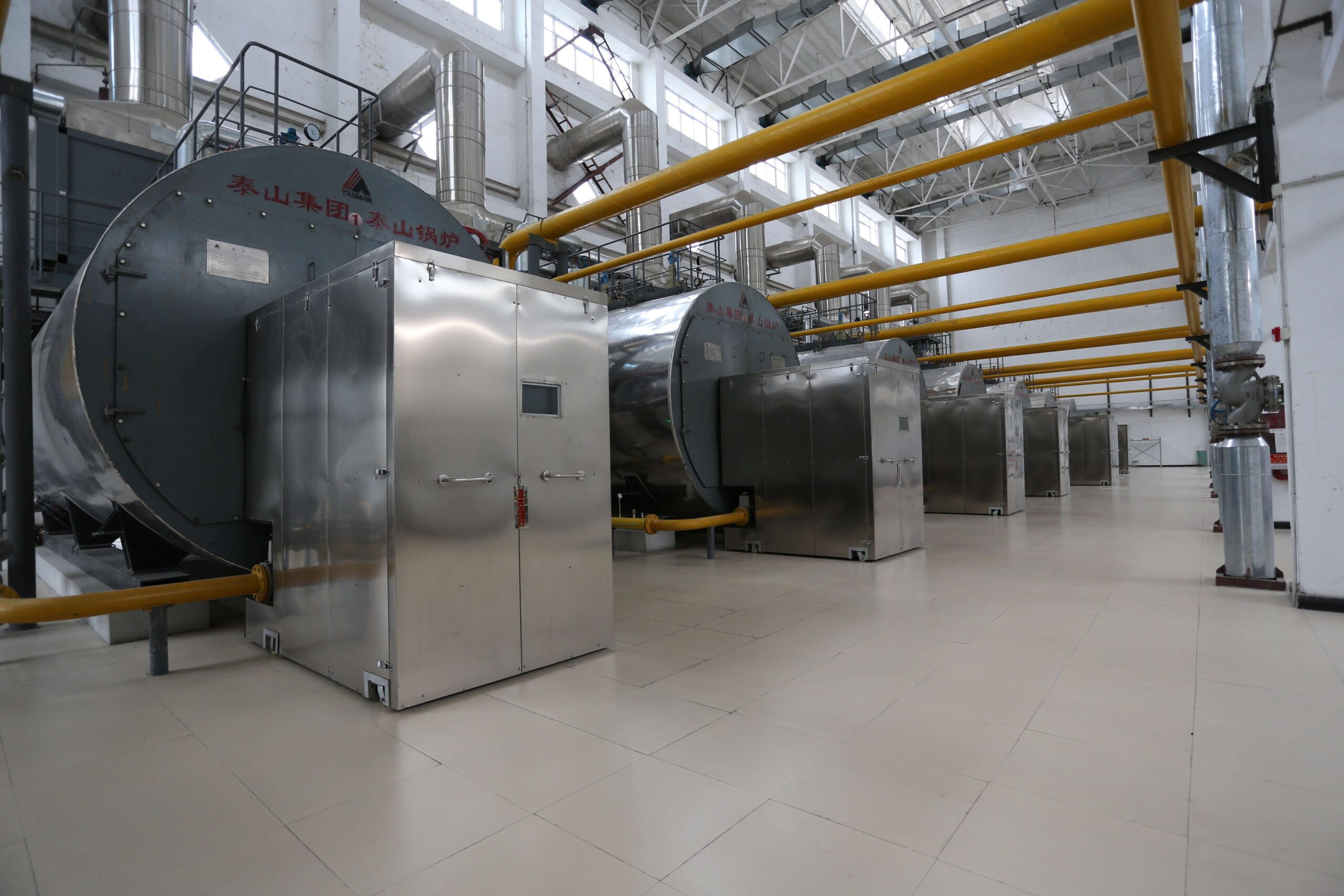
When companies plan to purchase an industrial steam boiler, they usually receive multiple quotations from different suppliers. At first glance, comparing these quotes may seem straightforward—many buyers simply select the lowest price. However, this approach often leads to costly mistakes. Steam boilers are complex pressure vessels that involve engineering design, manufacturing precision, installation services, and long-term operational costs. Two boilers with similar capacity ratings may have significant differences in material quality, thermal efficiency, safety systems, and after-sales support. If buyers focus only on the initial purchase price, they may overlook critical technical factors that determine the true value of the equipment. As a result, companies may face higher fuel consumption, frequent maintenance issues, safety risks, and unexpected downtime. Therefore, understanding how to properly compare quotations is essential for identifying the best steam boiler suppliers.
Buyers can identify the best steam boiler suppliers by comparing quotations based on several key criteria beyond price, including technical specifications, thermal efficiency, material standards, manufacturing quality, certifications, installation services, and lifecycle operating costs. A comprehensive quote comparison should evaluate both initial investment and long-term performance factors, ensuring the selected boiler provides the best balance of reliability, efficiency, safety, and total cost of ownership.
To make informed purchasing decisions, buyers must analyze supplier quotations from both technical and economic perspectives. This article explains how procurement teams, engineers, and industrial operators can systematically compare steam boiler quotes to identify the most reliable and cost-effective suppliers.
The lowest steam boiler price does not necessarily represent the best value for industrial buyers.True
Lower-priced boilers may have lower efficiency, inferior materials, or limited service support, which can increase long-term operational costs.
All steam boilers with the same capacity provide identical performance and efficiency.False
Boiler performance varies significantly depending on engineering design, heat transfer efficiency, combustion technology, and manufacturing quality.
Understanding What a Steam Boiler Quote Includes
A professional steam boiler quotation typically includes much more than the base equipment price. It usually contains detailed information about the boiler system configuration, technical specifications, auxiliary equipment, and service scope.
Common elements in a steam boiler quotation include:
• Boiler type and capacity
• Steam pressure and temperature rating
• Fuel type and combustion system
• Boiler efficiency rating
• Materials and manufacturing standards
• Control systems and automation features
• Installation and commissioning services
• Delivery schedule
• Warranty terms
A comprehensive understanding of these elements allows buyers to perform accurate comparisons between suppliers.
Table 1: Typical Components of a Steam Boiler Quotation
| Quote Component | Description | Importance |
|---|---|---|
| Boiler Equipment | Main pressure vessel and heating surfaces | High |
| Burner System | Fuel combustion equipment | High |
| Control System | Automation and monitoring system | Medium |
| Auxiliary Equipment | Pumps, valves, and piping components | Medium |
| Installation Support | On-site technical assistance | Medium |
| Warranty | Coverage period for equipment defects | High |
Quotes that appear similar in price may contain different equipment configurations or service levels.
Comparing Technical Specifications
Technical specifications are one of the most critical factors when evaluating boiler quotations. Even boilers with identical steam capacity ratings can differ significantly in engineering design.
Important technical parameters to compare include:
• Steam output capacity (tons per hour)
• Steam pressure rating (bar or MPa)
• Thermal efficiency (%)
• Heat transfer surface area
• Fuel compatibility
• Emission levels (NOx, CO)
Higher efficiency boilers may have slightly higher purchase prices but provide significant long-term fuel savings.
Table 2: Example Comparison of Boiler Technical Specifications
| Parameter | Supplier A | Supplier B | Supplier C |
|---|---|---|---|
| Steam Capacity | 10 tons/hour | 10 tons/hour | 10 tons/hour |
| Thermal Efficiency | 88% | 92% | 95% |
| Fuel Type | Natural gas | Natural gas | Multi-fuel |
| Emission Level | Standard | Low NOx | Ultra-low NOx |
| Control System | Basic automation | PLC system | Smart digital control |
From this comparison, Supplier C may offer the highest efficiency and advanced control systems, which could justify a higher initial price.
Evaluating Material and Manufacturing Quality
Material quality directly affects the durability and safety of steam boilers. High-quality suppliers use certified pressure vessel steel and maintain strict material traceability.
Important material factors include:
• Boiler drum material standard
• Tube material grade
• Welding quality certifications
• Corrosion protection methods
Table 3: Common Material Standards Used in Boiler Manufacturing
| Material Standard | Application | Key Properties |
|---|---|---|
| ASME SA-516 | Boiler drum plates | High strength and toughness |
| ASTM A192 | Boiler tubes | High temperature resistance |
| ASTM A335 | High-pressure piping | Alloy steel strength |
| Stainless Steel 304/316 | Corrosion-resistant components | Chemical resistance |
Suppliers that clearly specify material standards in their quotations demonstrate transparency and engineering professionalism.
Analyzing Thermal Efficiency and Fuel Consumption
Thermal efficiency is one of the most important long-term cost factors when comparing boiler quotations. Even small efficiency differences can result in large fuel cost variations over time.
For example, consider a factory operating a 10-ton steam boiler for 8,000 hours per year.
Table 4: Example Fuel Cost Comparison
| Boiler Efficiency | Annual Fuel Consumption | Annual Fuel Cost |
|---|---|---|
| 85% | High | $850,000 |
| 90% | Moderate | $780,000 |
| 95% | Low | $720,000 |
Over a ten-year operating period, the difference in fuel cost could exceed $1 million.
Therefore, buyers should prioritize efficiency when evaluating quotations.
Comparing Scope of Supply
Another important factor when reviewing boiler quotes is the scope of supply. Some suppliers offer complete turnkey solutions, while others only provide the boiler equipment.
Scope of supply may include:
• Boiler unit
• Burner system
• Economizer or heat recovery unit
• Water treatment system
• Steam piping components
• Control system
• Installation services
A lower quote may exclude certain components that must be purchased separately later.
Table 5: Scope of Supply Comparison Example
| Equipment Component | Supplier A | Supplier B | Supplier C |
|---|---|---|---|
| Boiler unit | Included | Included | Included |
| Burner system | Included | Included | Included |
| Economizer | Not included | Included | Included |
| Control system | Basic | PLC | Advanced digital |
| Installation service | Not included | Included | Included |
Buyers must ensure that they compare quotations based on equivalent system configurations.
Assessing After-Sales Service and Warranty
A boiler’s operational reliability depends heavily on after-sales support. Quotations should clearly specify service terms such as:
• Warranty duration
• Spare parts availability
• Technical support response time
• Maintenance services
Suppliers offering longer warranties and stronger service networks typically provide better long-term value.
Calculating Total Cost of Ownership
The most effective way to compare boiler quotations is by calculating Total Cost of Ownership (TCO), which includes:
• Initial equipment cost
• Installation cost
• Fuel consumption
• Maintenance expenses
• Spare parts replacement
• Operational downtime costs
Table 6: Example Total Cost Comparison
| Cost Factor | Supplier A | Supplier B |
|---|---|---|
| Initial Purchase Price | $120,000 | $140,000 |
| Annual Fuel Cost | $850,000 | $720,000 |
| Annual Maintenance Cost | $40,000 | $25,000 |
| 10-Year Total Cost | $9.9M | $8.6M |
Although Supplier B has a higher upfront price, its higher efficiency and lower maintenance costs make it the better long-term choice.
Supplier Reputation and Project Experience
Beyond the quotation itself, buyers should also evaluate the supplier’s credibility. Important indicators include:
• Years of industry experience
• Successful project references
• Certification credentials
• Manufacturing capability
• Customer testimonials
Reliable suppliers typically provide detailed technical documentation and transparent quotations.
Practical Steps for Buyers Comparing Boiler Quotes
Procurement teams can follow a structured process to compare supplier quotations effectively:
- Verify technical specifications and capacity requirements.
- Compare thermal efficiency and fuel consumption estimates.
- Review materials and manufacturing standards.
- Evaluate scope of supply and included components.
- Assess after-sales service and warranty terms.
- Calculate total lifecycle cost.
Following these steps helps ensure a fair and accurate comparison between suppliers.
Summary
Comparing steam boiler quotations requires far more than simply selecting the lowest price. Buyers must carefully evaluate technical specifications, thermal efficiency, material quality, manufacturing standards, scope of supply, service support, and total lifecycle cost. By analyzing these factors systematically, companies can identify the suppliers that provide the best combination of performance, reliability, and long-term value. A well-informed comparison process not only helps avoid costly procurement mistakes but also ensures that the selected steam boiler system will deliver safe, efficient, and reliable operation for many years.
🔍 Conclusion
Selecting the best steam boiler supplier requires a comprehensive evaluation beyond price alone. Certifications, manufacturing standards, engineering expertise, project experience, and long-term service support all play critical roles in ensuring a successful boiler investment. By carefully assessing these factors, businesses can secure reliable equipment that delivers efficient steam generation for many years.
🔹 Contact us today to discuss a steam boiler solution tailored to your operational and efficiency goals. ♨️📊✅
FAQ
How do you evaluate steam boiler suppliers before making a purchase?
Evaluating steam boiler suppliers requires a systematic assessment of multiple factors to ensure the equipment meets operational requirements, safety standards, and long-term reliability. The first step is reviewing the supplier’s industry experience and reputation. Established manufacturers with years of experience in industrial boiler production often have proven engineering capabilities and a track record of successful installations.
Another key factor is product range and specialization. A reliable supplier should offer multiple boiler types—such as fire-tube boilers, water-tube boilers, biomass boilers, or oil- and gas-fired boilers—to accommodate different industrial applications. Suppliers with broader product portfolios often have stronger research and development capabilities.
Buyers should also evaluate technical documentation provided by the supplier. Detailed specifications, efficiency ratings, emission data, and performance guarantees demonstrate engineering transparency and product quality.
Customer references and case studies are also valuable indicators of supplier reliability. Reviewing previous projects, particularly those in similar industries or capacity ranges, helps verify the supplier’s ability to deliver reliable equipment.
Finally, assessing after-sales support is critical. Industrial boilers require long-term maintenance, spare parts supply, and technical assistance. Suppliers with strong service networks and responsive technical support teams are more likely to provide consistent operational support.
What certifications and standards should steam boiler suppliers have?
Certifications and compliance with international engineering standards are essential indicators of a trustworthy steam boiler supplier. Industrial boilers operate under high pressure and temperature conditions, so strict manufacturing standards ensure safety and reliability.
One of the most widely recognized standards is the ASME Boiler and Pressure Vessel Code, which defines design, manufacturing, and testing requirements for pressure equipment. Boilers built under this standard typically meet strict safety and performance requirements.
In addition to ASME certification, suppliers may also comply with European Pressure Equipment Directive (PED) standards or other regional engineering regulations. These certifications confirm that the equipment has passed rigorous design verification and quality testing.
Quality management certifications such as ISO 9001 also indicate that the manufacturer follows standardized production and quality control procedures. Environmental certifications such as ISO 14001 may also demonstrate commitment to sustainable manufacturing practices.
For buyers operating in regulated industries such as power generation or pharmaceuticals, compliance with local safety authorities and inspection agencies is also important. Choosing suppliers that meet recognized standards helps reduce operational risks and ensures long-term equipment reliability.
How important is supplier technical support and after-sales service?
Technical support and after-sales service are critical considerations when selecting a steam boiler supplier. Industrial boilers are complex systems that require ongoing maintenance, operational adjustments, and occasional troubleshooting. Without reliable support, even a high-quality boiler can experience prolonged downtime during technical issues.
A good supplier should provide comprehensive support services, including installation guidance, commissioning assistance, operator training, and maintenance documentation. These services help ensure the boiler is installed and operated correctly from the beginning.
Spare parts availability is another important aspect of after-sales support. Boilers require periodic replacement of components such as valves, burners, sensors, and control systems. Suppliers that maintain spare parts inventories or local service centers can significantly reduce repair times.
Remote monitoring and digital diagnostic systems are becoming increasingly common in modern boiler systems. Suppliers that offer these technologies can provide faster troubleshooting and predictive maintenance support.
Ultimately, strong after-sales service improves equipment reliability, minimizes downtime, and protects the buyer’s investment over the long term.
What pricing factors should be compared when selecting suppliers?
Price comparison should involve more than simply evaluating the initial purchase cost of the steam boiler. The total investment includes equipment cost, installation, transportation, auxiliary systems, and long-term operating expenses.
Boiler capacity and pressure ratings significantly affect pricing. Larger or higher-pressure boilers require stronger materials, larger combustion systems, and more complex engineering, which increases manufacturing costs.
Efficiency ratings also influence price. Boilers with advanced combustion systems, economizers, and heat recovery technologies may have higher upfront costs but offer lower fuel consumption over time.
Buyers should also compare the scope of the supplier’s quotation. Some suppliers include installation, commissioning, and training services in their pricing, while others charge separately. Understanding these differences helps ensure accurate cost comparisons.
Warranty terms can also affect overall value. Suppliers offering longer warranties or comprehensive service agreements often provide better long-term reliability and lower risk.
By evaluating lifecycle cost rather than only purchase price, buyers can select suppliers that deliver the best long-term value.
What questions should buyers ask steam boiler suppliers before purchasing?
Before selecting a steam boiler supplier, buyers should ask several important questions to evaluate the supplier’s capabilities and ensure the equipment meets operational requirements.
One key question concerns boiler efficiency and fuel consumption. Understanding how efficiently the boiler converts fuel into steam helps estimate long-term operating costs.
Buyers should also ask about installation requirements and system compatibility. Boilers must integrate with existing infrastructure such as piping systems, fuel supply lines, and control systems.
Maintenance requirements are another important topic. Suppliers should provide clear maintenance schedules, recommended spare parts lists, and estimated service intervals.
It is also useful to ask about previous installations in similar industries. Suppliers with experience in the same sector often understand the specific operational requirements and regulatory standards.
Finally, warranty coverage and service response times should be clarified before purchasing. Reliable suppliers typically provide clear warranty terms and dedicated service teams to address technical issues quickly.
Asking these questions helps buyers identify suppliers that offer both high-quality equipment and reliable long-term support.
References
Steam System Basics
https://www.energy.gov/eere/amo/steam-system-basics
U.S. Department of EnergySteam Engineering Principles
https://www.spiraxsarco.com/learn-about-steam
Spirax SarcoBoiler Efficiency and Energy Management
https://www.carbontrust.com/resources/guides/energy-efficiency/boilers
Carbon TrustBoiler and Pressure Vessel Code
https://www.asme.org/codes-standards
ASMEIndustrial Process Heating Equipment
https://www.energy.gov/eere/amo/industrial-process-heating
U.S. Department of EnergyIndustrial Energy Technology Overview
https://www.iea.org/topics/industry
International Energy AgencyBoiler Inspection Standards
https://www.nationalboard.org
National Board of Boiler and Pressure Vessel InspectorsIndustrial Energy Efficiency Resources
https://www.epa.gov/e3
U.S. Environmental Protection AgencyBoiler Safety Guidelines
https://www.osha.gov
Occupational Safety and Health AdministrationIndustrial Boiler Best Practices
https://www.ieabioenergy.com
IEA Bioenergy